EP3388092A1 - Connective tissues, such as bone, dentin or pulp, regenerative material comprising calcium silicate - Google Patents
Connective tissues, such as bone, dentin or pulp, regenerative material comprising calcium silicate Download PDFInfo
- Publication number
- EP3388092A1 EP3388092A1 EP17305444.6A EP17305444A EP3388092A1 EP 3388092 A1 EP3388092 A1 EP 3388092A1 EP 17305444 A EP17305444 A EP 17305444A EP 3388092 A1 EP3388092 A1 EP 3388092A1
- Authority
- EP
- European Patent Office
- Prior art keywords
- regenerative material
- matrix
- calcium silicate
- connective tissue
- polymer
- Prior art date
- Legal status (The legal status is an assumption and is not a legal conclusion. Google has not performed a legal analysis and makes no representation as to the accuracy of the status listed.)
- Withdrawn
Links
Images


Classifications
-
- A—HUMAN NECESSITIES
- A61—MEDICAL OR VETERINARY SCIENCE; HYGIENE
- A61L—METHODS OR APPARATUS FOR STERILISING MATERIALS OR OBJECTS IN GENERAL; DISINFECTION, STERILISATION OR DEODORISATION OF AIR; CHEMICAL ASPECTS OF BANDAGES, DRESSINGS, ABSORBENT PADS OR SURGICAL ARTICLES; MATERIALS FOR BANDAGES, DRESSINGS, ABSORBENT PADS OR SURGICAL ARTICLES
- A61L27/00—Materials for grafts or prostheses or for coating grafts or prostheses
- A61L27/40—Composite materials, i.e. containing one material dispersed in a matrix of the same or different material
- A61L27/44—Composite materials, i.e. containing one material dispersed in a matrix of the same or different material having a macromolecular matrix
- A61L27/446—Composite materials, i.e. containing one material dispersed in a matrix of the same or different material having a macromolecular matrix with other specific inorganic fillers other than those covered by A61L27/443 or A61L27/46
-
- A—HUMAN NECESSITIES
- A61—MEDICAL OR VETERINARY SCIENCE; HYGIENE
- A61L—METHODS OR APPARATUS FOR STERILISING MATERIALS OR OBJECTS IN GENERAL; DISINFECTION, STERILISATION OR DEODORISATION OF AIR; CHEMICAL ASPECTS OF BANDAGES, DRESSINGS, ABSORBENT PADS OR SURGICAL ARTICLES; MATERIALS FOR BANDAGES, DRESSINGS, ABSORBENT PADS OR SURGICAL ARTICLES
- A61L2430/00—Materials or treatment for tissue regeneration
- A61L2430/02—Materials or treatment for tissue regeneration for reconstruction of bones; weight-bearing implants
Definitions
- the present invention relates to a regenerative material in the connective tissues (such as bone, dentin or pulp) regeneration field. More precisely, the present invention relates to an anhydrous connective tissue regenerative material, preferably a bone, dentin or pulp regenerative material, comprising a porous polymer matrix and calcium silicate particles. The present invention also relates to method for preparing said regenerative material. The present invention also concerns uses of said regenerative materials, such as for example in the dental field; especially, for providing regenerative materials with improved biomechanical and osteoinductive properties (i.e. good migration, adhesion and proliferation of cells; enhanced mechanical properties; and optimal and controlled biodegradability).
- biomechanical and osteoinductive properties i.e. good migration, adhesion and proliferation of cells; enhanced mechanical properties; and optimal and controlled biodegradability.
- Tissue loss or failure of vital organs is a huge public health problem.
- dental bone defects resulting from severe periodontal diseases, dental extractions or tumor resections lead to an alveolar bone resorption in the absence of treatment.
- This bone resorption causes in one hand, functional, phonetic and anesthetic issues; and in another hand, leads to an insufficient bone volume for allowing the implementation of an implant.
- Another therapeutic solution concerns the transplantation of a bone obtained from a donor.
- the limited number of donors, the risk of graft rejection for immunological reasons, the risk of transmission of pathogenic agents and the obligation for the patient to receive a specific medical treatment led the research community to find alternative solution.
- tissue engineering emerged as one of the most promising way for bone regenerative medicine and dentistry.
- This field aims to replace, maintain or improve the function of human tissues thanks to tissue substitutes including biological elements.
- alternative substitute materials have been developed for inducting or stimulating the osteoinductive properties of these materials to be implanted into the body.
- the therapeutic solutions require that the bone medical implant comprises osteoinductive factors ( WO 00/45871 and WO 2008/076671 ).
- a three-dimensional anhydrous matrix of biopolymer (such as chitosan, for example) comprising non-hydrated calcium silicate particles allows solving the drawbacks as described above.
- non-hydrated calcium silicate particles adjunction improves biological properties of connective tissues (such as bone, dentin or pulp) regenerative material.
- connective tissues such as bone, dentin or pulp
- connective tissues has a pore diameter higher than the cell diameter so that said bone, connective tissues such as dentin or pulp, regenerative material improves the cell migration.
- connective tissues such as bone, dentin or pulp, regenerative material is rough enough to improve and favor the cell adhesion and proliferation.
- the materials of the invention have also elastic properties in accordance to the hard tissue structures, so that said materials maintain their physical integrity when used.
- This invention thus relates to a connective tissue regenerative material, preferably a bone, dentin or pulp regenerative material, comprising:
- the porous polymer matrix comprises or consists of at least one polymer selected from biodegradable and/or biocompatible polymer; preferably said polymer is selected from polyesters, polysaccharides, polypeptides and proteins; more preferably from the group selected from chitosan, chitin, alginate, collagen, hyaluronic acid, poly(lactic acid), poly(glycolic acid), poly(caprolactone), gelatin or any copolymers thereof.
- the polymer is chitosan or a mixture of chitosan and alginate.
- the connective tissue regenerative material further comprises at least one additive; preferably selected from fibers such as alginate fibers; and radio-opacifiers such as bismuth oxide, strontium carbonate, strontium phosphate, barium sulfate, tantalum oxide, cerium oxide, tin oxide, zirconium oxide compounds; and pigments such as yellow, red and brown iron oxide.
- fibers such as alginate fibers
- radio-opacifiers such as bismuth oxide, strontium carbonate, strontium phosphate, barium sulfate, tantalum oxide, cerium oxide, tin oxide, zirconium oxide compounds
- pigments such as yellow, red and brown iron oxide.
- the matrix is structured in sheets.
- the inter-sheet distance ranges from 50 to 150 ⁇ m.
- the calcium silicate particles are selected from dicalcium silicate particles, tricalcium silicate particles or any mixtures thereof; preferably the calcium silicate particles are tricalcium silicate.
- the average pore diameter ranges from higher than 50 ⁇ m; preferably the average pore diameter ranges from 75 ⁇ m to 900 ⁇ m; more preferably the pore diameter ranges from 100 ⁇ m to 300 ⁇ m.
- the invention also refers to a process for manufacturing the connective tissue regenerative material of the invention, comprising a step for contacting an anhydrous porous polymer matrix with a suspension of non-hydrated calcium silicate particles in an anhydrous polar solvent.
- the process of the invention further comprises a preliminary step for preparing the anhydrous porous polymer matrix, said step comprising:
- the means for removing water is selected from lyophilizer, heat evaporator and vacuum evaporator.
- the aqueous solution comprises an acid, preferably an organic acid, more preferably acetic acid.
- the polar solvent is selected from acetonitrile, dichloromethane, tetrahydrofuran, ethyl acetate, dimethylformamide, dimethylsulfoxide, acetone, methanol, ethanol isopropyl alcohol and acetic acid, preferably the polar solvent is acetonitrile.
- the present invention also refers to a connective tissue regenerative material of the invention, for use in the treatment of connective tissue loss in a patient in need thereof.
- the present invention also refers to an implant comprising the connective tissue regenerative material of the invention.
- the present invention relates to a regenerative material.
- the regenerative material of the invention provides a mineralized tissue.
- the material is a connective tissue regenerative material.
- the material is a bone, dentin or pulp regenerative material.
- the present invention relates to a connective tissue (such as bone, dentin or pulp) regenerative material comprising or consisting of:
- the connective tissue (such as bone, dentin or pulp) regenerative material comprises or consists of:
- the connective tissue regenerative material is not a collagen matrix comprising hydroxyapatite.
- the matrix does not comprise hydroxyapatite.
- the connective tissue regenerative material is not a gelatin-chitosan matrix comprising calcium nitrate.
- the connective tissue regenerative material does not comprise a silicon compound.
- the matrix is a three-dimensional material.
- the matrix is not a liquid.
- the matrix is not a cement.
- the matrix is not a gel.
- the term "gel" refers to any three-dimensional network of a solid dispersed in a liquid.
- the matrix is not a hydrogel (i.e. a gel comprising water molecules).
- the matrix is not a crosslinked polymer.
- the matrix does not comprise a crosslinked polymer.
- the matrix is not a stent.
- the matrix does not comprise silica or its derivatives.
- the matrix does not comprise any bioglass.
- the connective tissue regenerative material does not comprise any metal.
- the connective tissue regenerative material is not a multilayer material. In one embodiment, the connective tissue regenerative material does not comprise any cell growth factor.
- the matrix comprises at least one polymer selected from biodegradable and/or biocompatible polymer.
- the matrix comprises at least one polymer able to be hydrolytically or enzymatically cleaved; preferably said polymer is selected from polyesters, polysaccharides, polypeptides and proteins; more preferably from the group selected from chitosan, chitin, alginate, collagen, hyaluronic acid, poly(lactic acid), poly(glycolic acid), poly(caprolactone), gelatin or any copolymers thereof.
- the polymer matrix is chitosan or a mixture of chitosan and alginate.
- the polymer matrix is chitosan or a copolymer of chitosan and alginate.
- the matrix comprises at least one biopolymer, i.e. a polymer resulting from biomass; preferably the biopolymer is a polysaccharide; more preferably selected from fructans such as inulin, graminan, levan and neo-inulin; glucans such as dextran, floridean starch, glycogen, pullulan, starch, cellulose, chrysolaminarin, curdlan, laminarin, lentinan, lichenin, oat beta-glucan, pleuran and zymosan; galactans such as agar and galactoologosaccharides; and chitin.
- glucans such as dextran, floridean starch, glycogen, pullulan, starch, cellulose, chrysolaminarin, curdlan, laminarin, lentinan, lichenin, oat beta-glucan, pleuran and zymosan
- galactans such as agar
- the biopolymer is a glycosaminoglycan; preferably is from the group selected from heparin, heparin sulfate, chondroitin, dermatan sulfate, keratan sulfate and hyaluronic acid or any copolymers thereof.
- the polymer is a polyvinyl alcohol (PVA). In one embodiment, the polymer is a homopolymer or a copolymer of polyvinyl alcohol (PVA).
- the polymer is under the form of a powder or of fibers.
- fibers preferably polymer fibers, more preferably alginate fibers, strengthen the matrix.
- the amount of fibers in the matrix allows modulating the mechanical properties of the material of the invention.
- fibers are aramid, preferably aramid fibers from Schwarzicalder Textil-Werke ® .
- fibers are poly(vinyl alcohol) (PVA), preferably PVA fibers from Schwarzcialder Textil-Werke ® .
- the polymer is a homopolymer or a copolymer.
- the polymer is selected from linear, branched or cross-linked polymer; preferably, the polymer is linear.
- the polymer is selected from regular, block, random or graft copolymer.
- the polymer has a mass average molar mass ranging from 5,000 to 1,000,000 g/mol; preferably from 7,000 to 800,000 g/mol, preferably from 10,000 to 700,000 g/mol, more preferably from 20,000 to 600 000 g/mol, more preferably from 30,000 to 500,000 g/mol, more preferably from 100,000 to 500, 000 g/mol, more preferably from 150,000 to 300,000 g/mol.
- the chitosan has a deacetylation degree ranging from 50% to 100%; preferably from 50% to 95%, preferably from 60% to 90%, preferably from 70% to 85%, more preferably from 75% to 85%. In one embodiment, the chitosan has a deacetylation degree higher than 95%. In one embodiment, the chitosan has a deacetylation degree ranging from 95% to 100%, preferably 95%, 96%, 97%, 98%, 99% or 100%.
- the polymer is a synthetized, hemi-synthetized or bio-sourced polymer (i.e. biopolymer); preferably, bio-sourced.
- the polymer may be bio-sourced from animal or vegetable.
- the polymer is chitin bio-sourced from fungi, from crab and/or from shrimp.
- the biopolymer is chitin bio-sourced from fungi.
- the matrix is rigid.
- the matrix has interconnected pores; preferably interconnected macropores.
- the pores of the matrix have an average diameter higher than 50 ⁇ m; preferably ranging from 75 ⁇ m to 900 ⁇ m; preferably ranging from 75 ⁇ m to 750 ⁇ m; more preferably ranging from 100 ⁇ m to 400 ⁇ m; more preferably ranging from 100 ⁇ m to 300 ⁇ m; and the calcium silicate particles have d 50 granulometry ranging from 0.1 ⁇ m to 50 ⁇ m; preferably, from 5 ⁇ m to 40 ⁇ m; preferably, from 10 ⁇ m to 25 ⁇ m; more preferably, about 10 ⁇ m.
- the calcium silicate particles have d 50 granulometry ranging from 1 ⁇ m to 30 ⁇ m.
- the pores of the matrix have an average diameter higher than 50 ⁇ m; preferably ranging from 75 ⁇ m to 900 ⁇ m; preferably ranging from 75 ⁇ m to 750 ⁇ m; more preferably ranging from 100 ⁇ m to 400 ⁇ m; more preferably ranging from 100 ⁇ m to 300 ⁇ m; and the calcium silicate particles have a d 50 granulometry ranging from 0.5 ⁇ m to 25 ⁇ m; preferably from 1 ⁇ m to 10 ⁇ m; more preferably from 1 ⁇ m to 5.5 ⁇ m; more preferably from 2 to 4 ⁇ m.
- the calcium silicate particles have d 50 granulometry ranging from 3 ⁇ m to 4 ⁇ m.
- the calcium silicate particles are micronized particles.
- the matrix is a well-ordered matrix; preferably the matrix is structured in sheets. In one embodiment, the matrix is structured in parallel sheets. In one embodiment, the inter-sheet distance ranges from 10 to 300 ⁇ m; preferably from 50 to 150 ⁇ m. In one embodiment, the thickness of the sheet ranges from more than 0 to 300 ⁇ m; preferably ranging from 0.1 ⁇ m to 150 ⁇ m, preferably from 0.1 ⁇ m to 50 ⁇ m, preferably, from 0.1 ⁇ m to 5 ⁇ m; more preferably, the thickness is about 1 ⁇ m.
- the non-hydrated calcium silicate particles are selected from dicalcium silicate particles, tricalcium silicate particles (C3S) or any mixtures thereof; preferably, the calcium silicate particles are tricalcium silicate.
- the calcium silicate particles do not comprise any phosphate.
- the calcium silicate particles do not comprise calcium phosphate.
- the calcium silicate particles do not comprise bioglass compounds.
- the calcium silicate particles do not comprise metal.
- the calcium silicate particles do not comprise hydroxyapatite.
- a powder mixture provides the non-hydrated calcium silicate particles of the invention.
- the powder mixture is Mineral Trioxide Aggregate (MTA) particles or Portland cement such as Pro Root MTA canal repair material (manufactured by Dentsply).
- MTA Mineral Trioxide Aggregate
- Portland cement such as Pro Root MTA canal repair material (manufactured by Dentsply).
- MTA particles comprise tricalcium silicate, dicalcium silicate and optionally bismuth oxide. In one embodiment, MTA particles comprise about 22% of bismuth oxide in weight to the total weight of MTA particle.
- the calcium silicate particles are not core-shell particles. In one embodiment, the calcium silicate particles are not porous.
- the connective tissue regenerative material comprises more than 0% to less than 100%; preferably from 1% to 99%, preferably from 5% to 95%, preferably from 5% to 90%, preferably from 10% to 90%, preferably from 20% to 80%, preferably from 30% to 80%, preferably from 40% to 80%, preferably from 50% to 80%, more preferably from 60% to 70% of calcium silicate particles in weight to the total weight of said connective tissue regenerative material.
- the connective tissue regenerative material comprises from more than 0% to 300%, preferably from 10% to 280%, more preferably from 20% to 250% of calcium silicate particles in weight to the total weight of the polymer matrix.
- the connective tissue regenerative material of the invention has a structure of parallel sheets covered by the calcium silicate particles.
- the coating of the calcium silicate particles on the matrix sheet is homogeneously distributed.
- the coating of the calcium silicate particles is a monolayer.
- the connective tissue regenerative material further comprises at least one additive; preferably selected from radio-opacifiers, mineral additives and pigments; more preferably selected from radio-opacifiers and pigments.
- the connective tissue regenerative material further comprises fibers.
- the connective tissue regenerative material further comprises at least one radio-opacifier; preferably selected from bismuth oxide, strontium carbonate, strontium phosphate, barium sulfate, tantalum oxide, cerium oxide, tin oxide, zirconium oxide compounds; more preferably zirconium oxide in combination with yttrium and radioopaque glasses containing tantalum, barium and strontium, and mixtures thereof; preferably the radio-opacifier is a bismuth derivative, such as for example bismuth oxides or bismuth carbonates or mixture thereof, or zirconium derivative, especially zirconium oxide alone or in combination with yttrium; or a mixture of bismuth derivatives and zirconium derivatives; preferably the radio-opacifier is selected from zirconium oxide and/or bismuth oxide. Radio-opacifiers increase the radio-opacity of the material of the invention, and thus enabling radiographic checking of the restoration and/or regeneration carried out over time.
- the connective tissue regenerative material further comprises at least one pigment; preferably an iron oxide.
- said iron oxide is selected from yellow, red and brown iron oxide.
- the connective tissue regenerative material further comprises at least one mineral additive.
- the connective tissue regenerative material needs to be anhydrous until used.
- C3S tricalcium silicate
- CSH calcium silicate hydrate
- CSH is a product of the general formula mCaO.nSiO 2 .pH 2 O wherein n and m, independently ranges from 1 to 3, and p ranges from 3 to 6.
- CSH is the active compound that improves mechanical properties of the regenerative material.
- CSH and Ca(OH) 2 further provide mineralization properties of the material when placed in a biologic environment.
- the process of the invention overcomes this drawback.
- the hydration of the connective tissue regenerative material of the invention allows:
- the invention also relates to a process for manufacturing connective tissue regenerative material as described above, comprising a step for contacting an anhydrous porous polymer matrix with a suspension of non-hydrated calcium silicate particles in an anhydrous polar solvent (called step (iv)).
- the process of invention comprises only one step for contacting an anhydrous porous polymer matrix with a suspension of calcium silicate particles in an anhydrous polar solvent.
- the process further comprises a preliminary step for preparing the anhydrous porous polymer matrix, said step comprising:
- the process of the invention comprises the following steps:
- the process does not comprise the use of a silicon compound.
- the step (i) is implemented at a temperature ranging from 15°C to 50°C; preferably, from 20°C to 35°C; more preferably, the step (i) is implemented at a temperature of about 20°C.
- the step (i) is implemented at atmospheric pressure. In one embodiment, the step (i) is implemented at a pressure equal to about 1 bar.
- the aqueous solution comprises at least one polymer selected from biodegradable and/or biocompatible polymer.
- the matrix comprises at least one polymer able to be hydrolytically or enzymatically cleaved; preferably said polymer is selected from polyesters, polysaccharides, polypeptides and proteins; more preferably from the group selected from chitosan, chitin, alginate, collagen, hyaluronic acid, poly(lactic acid), poly(glycolic acid), poly(caprolactone), gelatin or any copolymers thereof.
- the polymer matrix is chitosan or a mixture of chitosan and alginate.
- the polymer is particularly suitable for its implantation in the body of human or animal.
- the aqueous solution comprises at least one biopolymer, i.e. a polymer resulting from biomass; preferably the biopolymer is a polysaccharide; more preferably selected from fructans such as inulin, graminan, levan and neo-inulin; glucans such as dextran, floridean starch, glycogen, pullulan, starch, cellulose, chrysolaminarin, curdlan, laminarin, lentinan, lichenin, oat beta-glucan, pleuran and zymosan; galactans such as agar and galactooligosaccharides; and chitin.
- the biopolymer is a polysaccharide; more preferably selected from fructans such as inulin, graminan, levan and neo-inulin; glucans such as dextran, floridean starch, glycogen, pullulan, starch, cellulose, chrysolamin
- the biopolymer is a glycosaminoglycan; preferably is from the group selected from heparin, heparin sulfate, chondroitin, dermatan sulfate, keratan sulfate and hyaluronic acid or any copolymers thereof.
- the polymer of step (i) is a homopolymer or a copolymer.
- the polymer is selected from linear, branched or cross-linked polymer; preferably, the polymer is linear.
- the polymer is selected from regular, block, random or graft copolymer.
- the polymer of step (i) has a mass average molar mass ranging from 5,000 to 1,000,000 g/mol; preferably from 7,000 to 800,000 g/mol, preferably from 10,000 to 700,000 g/mol, more preferably from 20,000 to 600 000 g/mol, more preferably from 30,000 to 500,000 g/mol, more preferably from 100,000 to 500, 000 g/mol, more preferably from 150,000 to 300,000 g/mol.
- the polymer of step (i) is a synthetized, hemi-synthetized or bio-sourced polymer (i.e. biopolymer); preferably, bio-sourced.
- the polymer of step (i) may be bio-sourced from animal or vegetable.
- the polymer of step (i) is chitin bio-sourced from mushroom, from crab and/or from shrimp.
- the aqueous solution comprises from 0.5% to 6% of at least one polymer; preferably, from 1% to 5%; more preferably, from 2% to 4%, in weight to the total weight of the aqueous solution.
- the aqueous solution further comprises an acid (mineral or organic acid); preferably an organic acid; more preferably, acetic acid.
- the organic acid comprises any acid having a carboxyl group (-COOH) and/or a sulfonic (-SO 3 H) group.
- the mineral acid comprises for example hydrochloric acid (HCl), nitric acid (HNO 3 ), phosphoric acid (H 3 PO 4 ), sulfuric acid (HSO 4 ), boric acid (H 3 BO 3 ), hydrofluoric acid (HF), hydrobromic acid (HBr), perchloric acid (HClO 4 ) and hydroiodic acid (HI).
- the acid is not an amino acid.
- the aqueous solution comprises from 0.5 to 2% of acid, preferably an organic acid, in weight to the total weight of said aqueous solution.
- the step (i) further comprises addition of additives into the aqueous solution as defined above.
- the additive is selected from radio-opacifiers and pigments.
- the radio-opacifier is selected from bismuth oxide, strontium carbonate, strontium phosphate, barium sulfate, tantalum oxide, cerium oxide, tin oxide, zirconium oxide compounds; more preferably zirconium oxide in combination with yttrium and radioopaque glasses containing tantalum, barium and strontium, and mixtures thereof; preferably the radio-opacifier is a bismuth derivative, such as for example bismuth oxides or bismuth carbonates or mixture thereof, or zirconium derivative, especially zirconium oxide alone or in combination with yttrium; or a mixture of bismuth derivatives and zirconium derivatives; preferably the radio-opacifier is selected from zirconium oxide and/or bismuth oxide. Radio-opacifiers increase the radio-opacity of the material of the invention, and thus enabling radiographic checking of the restoration and/or regeneration carried out over time.
- the additive is a pigment; preferably an iron oxide.
- said iron oxide is selected from yellow, red and brown iron oxide.
- the step (iii) is implemented only once.
- the means for removing water is selected from, lyophilizer, heat evaporator and vacuum evaporator.
- the step (iii) is implemented by freezing and lyophilizing the solution in a mold obtained at the step (ii).
- the step (iii) is implemented by heat or vacuum evaporating the solution in a mold obtained at the step (ii).
- the step (iii) is implemented at a temperature ranging from -80°C to 5°C; preferably, from -50 to 1°C; preferably from -45°C to -10°C; more preferably, the step (iii) is implemented at a temperature of about -40°C or about -24°C.
- the solution obtained from step (i) and/or step (ii) is frozen at a temperature of about -24°C.
- the lyophilization is implemented at a temperature of about -40°C. In one embodiment, the lyophilization is implemented at a temperature of about -54°C.
- the step (iii) is implemented at pressure ranging from 5 ⁇ bar to 500 ⁇ bar.
- the process of the invention comprises only one step of freezing and one step of lyophilizing.
- the form of the mold may be in any geometric form; preferably, rectangular, cubic, spherical or cylindrical.
- the step (iv) is implemented at a temperature ranging from 10°C to 50°C; preferably, from 15°C to 35°C; more preferably, the step (iv) is implemented at a temperature of about 20°C.
- the step (iv) is implemented at atmospheric pressure. In one embodiment, the step (iv) is implemented at a pressure of about 1 bar.
- the suspension comprises from more than 0% to 300%, preferably from 5% to 200%, preferably from 10% to 150%, preferably from 20% to 140%, preferably from 30% to 130%, preferably from 40% to 120%, more preferably from 50 to 100%, of calcium silicate particles in weight to the total weight of said suspension.
- the non-hydrated calcium silicate particles are selected from dicalcium silicate particles, tricalcium silicate particles or any mixtures thereof; preferably, the calcium silicate particles are tricalcium silicate.
- the calcium silicate particles have d 50 granulometry ranging from 0.1 ⁇ m to 50 ⁇ m; preferably, from 5 ⁇ m to 25 ⁇ m; preferably, from 10 ⁇ m to 40 ⁇ m; more preferably, about 10 ⁇ m.
- the calcium silicate particles have a d 50 granulometry ranging from 0.5 ⁇ m to 25 ⁇ m; preferably from 1 ⁇ m to 10 ⁇ m; more preferably from 1 ⁇ m to 5.5 ⁇ m; more preferably from 2 to 4 ⁇ m.
- the calcium silicate particles have d 50 granulometry ranging from 3 ⁇ m to 4 ⁇ m.
- the calcium silicate particles are micronized particles.
- the d 50 granulometry is about 10 ⁇ m.
- the suspension comprises an anhydrous polar solvent; preferably selected from acetonitrile, dichloromethane, tetrahydrofuran, ethyl acetate, dimethylformamide, dimethylsulfoxide, acetone, methanol, ethanol isopropyl alcohol and acetic acid.
- the solvent in the suspension is acetonitrile.
- the invention also relates to a connective tissue regenerative material that may be obtained by the process of the invention as described above.
- the invention also relates to an implant comprising a connective tissue regenerative material as described above.
- the connective tissue regenerative material may be directly used as an implant.
- the invention also relates to a connective tissue regenerative material for use in the treatment of connective tissue loss in a patient in need thereof, preferably in the treatment of connective tissue loss of orofacial tissues.
- orofacial tissues comprise connective tissues such as bone and/or pulp and/or membrane, preferably dentin, bone, natural cement and enamel.
- the notation "[formulation X]” refer to a formulation used for providing the porous matrix of the invention
- the notation “[formulation X/Y]” refer to a porous regenerative material of the invention comprising a porous matrix resulting from a formulation X; and wherein said matrix has been loaded with calcium silicate particles noted Y.
- [formulation 15]” refers to a formulation for providing a porous matrix.
- “[formulation 15]” is a formulation comprising 2% of chitosan, 2% of alginate and 1% of acetic acid.
- formulation 15/C3S] refers to a porous matrix obtained from formulation 15, and then loaded with C3S particles.
- the samples were previously cut into 5 mmx 3 mm blocks. Blocks were then metallized in a platinum plasma chamber.
- the apparatus is SC7640 Sputter coater; Quorum Technologies, Guelph, ON, Canada.
- Example 1 Porous biopolymer matrix
- a polymer solution was realized by mixing from 1 to 10%wt. of a polymer powder (such as chitosan or chitosan/alginate) into purified water that may optionally comprise from 0.5 to 3%wt of acetic acid.
- the polymer solution was dispensed into blister packs having a capacity of about 3 ml and then, frozen at about -24°C or -40°C for at least 24h. Finally, the samples were lyophilized for 24h at 0.05 mbar at a temperature of about -54°C.
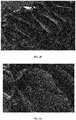
- porous matrix of the invention is a well-organized and porous structure. Furthermore, the size pore of said matrix may allow the housing of recruited cell when implanted into the body.
- a porous biopolymer matrix obtained as described in Example 1, has been immerged for 30s into a solution comprising calcium silicate particles suspended in a polar solvent.
- the calcium silicate particles may be non-hydrated tricalcium silicate particles (C3S), BiodentineTM powder or mineral trioxide aggregate (MTA) powder.
- MTA particles were Pro Root MTA canal repair material (manufactured by Dentsply) and had a size ranging from 1 ⁇ m to about 30 ⁇ m.
- MTA particles comprise tricalcium silicate, dicalcium silicate and optionally bismuth oxide (about 22%).
- the solvent may be acetonitrile, ethanol or acetone.
- Loaded samples are then dried under vacuum during at least 1h.
- Figures 3A and 3B are presented for porous chitosan materials comprising C3S nanoparticles.
- the aim of this experiment was to show that calcium silicate nanoparticles loading may be modulated into the porous polymer matrix.
- a porous matrix (formulation 15 in Table 1:chitosan 2%/alginate 2% and acetic acid 1%) was loaded with a solution comprising 0.5 g, 1 g or 2g of C3S particles.
- the protocol is described in Example 2. In this protocol, the solvent was acetonitrile.
- the compression test was carried out by a rheometer Anton Paar MCR102 using a C-PP25 mobile. The following parameters were used:
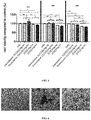
- the aim was to evaluate the resulting cytocompatibility after contacting osteoblastic precursor cells (human bone marrow mesenchymal stem cells (MSC)) with:
- Example 6 osteoblastic differentiation and mineralization in presence of the materials of the invention
- the aim was to evaluate the ability of either the material of the invention [formulation 15/ C3S] or C3S particles (Img/ml), to stimulate the osteoblastic differentiation.
- This experiment was carried out on human bone marrow mesenchymal stem cells (MSC) cultured in enriched mineralizing medium.
Landscapes
- Health & Medical Sciences (AREA)
- Chemical & Material Sciences (AREA)
- Oral & Maxillofacial Surgery (AREA)
- Transplantation (AREA)
- Materials Engineering (AREA)
- Engineering & Computer Science (AREA)
- Dermatology (AREA)
- Medicinal Chemistry (AREA)
- Inorganic Chemistry (AREA)
- Composite Materials (AREA)
- Epidemiology (AREA)
- Life Sciences & Earth Sciences (AREA)
- Animal Behavior & Ethology (AREA)
- General Health & Medical Sciences (AREA)
- Public Health (AREA)
- Veterinary Medicine (AREA)
- Materials For Medical Uses (AREA)
Abstract
The present invention relates to a regenerative material in the connective tissues (such as bone, dentin or pulp) regeneration field. More precisely, the present invention relates to a connective tissue regenerative material, preferably a bone, dentin or pulp regenerative material, comprising:
- a porous polymer matrix having interconnected pores; and
- non-hydrated calcium silicate particles;
wherein:
said polymer matrix is anhydrous;
said non-hydrated calcium silicate particles have a d50 granulometry, preferably ranging from 0.05 µm to less than the average diameter size of the pores of the matrix; and said non-hydrated calcium silicate particles being coated on the inside walls of the pores of the matrix.
- a porous polymer matrix having interconnected pores; and
- non-hydrated calcium silicate particles;
wherein:
said polymer matrix is anhydrous;
said non-hydrated calcium silicate particles have a d50 granulometry, preferably ranging from 0.05 µm to less than the average diameter size of the pores of the matrix; and said non-hydrated calcium silicate particles being coated on the inside walls of the pores of the matrix.
The present invention also relates to method for preparing said connective tissue regenerative material. The present invention also concerns uses of said regenerative materials, such as for example in the dental field; especially, for providing regenerative materials with improved biomechanical and osteoinductive properties (i.e. good migration, adhesion and proliferation of cells; enhanced mechanical properties; and optimal and controlled biodegradability).
Description
- The present invention relates to a regenerative material in the connective tissues (such as bone, dentin or pulp) regeneration field. More precisely, the present invention relates to an anhydrous connective tissue regenerative material, preferably a bone, dentin or pulp regenerative material, comprising a porous polymer matrix and calcium silicate particles. The present invention also relates to method for preparing said regenerative material. The present invention also concerns uses of said regenerative materials, such as for example in the dental field; especially, for providing regenerative materials with improved biomechanical and osteoinductive properties (i.e. good migration, adhesion and proliferation of cells; enhanced mechanical properties; and optimal and controlled biodegradability).
- Tissue loss or failure of vital organs (resulting from pathologic or traumatic source) is a huge public health problem. Especially, in the dental field, dental bone defects resulting from severe periodontal diseases, dental extractions or tumor resections, lead to an alveolar bone resorption in the absence of treatment. This bone resorption causes in one hand, functional, phonetic and anesthetic issues; and in another hand, leads to an insufficient bone volume for allowing the implementation of an implant.
- Most of the time, the only therapeutic solution for tissue loss or failure of vital organs concerns a transplant.
- First, the transplantation of autogenous bone (i.e. bone taken from the patient himself) remains the material of choice due to its osteoconductive, osteoinductive and osteogenic properties. However, the small bone regeneration obtained, the risks of graft resorption and the painful postoperative cares still are the main drawbacks of this therapeutic solution.
- Another therapeutic solution concerns the transplantation of a bone obtained from a donor. However, the limited number of donors, the risk of graft rejection for immunological reasons, the risk of transmission of pathogenic agents and the obligation for the patient to receive a specific medical treatment led the research community to find alternative solution.
- The use of synthetic restorative materials is well-accepted for many years. This class of materials is used for reconstructing a tissue either by strengthening a tissue structure or by filling a substance loss. Among them, several bone substitute materials have been developed such as biomaterials comprising ceramic particles. For instance,
EP 0 555 807 andUS 6 214 048 have reported a bone substitute material prepared by mixing an animal bone powder with apatite. - So far, the restorative procedures including the use of bone substitute materials, are restricted to the replacement of damaged tissues by synthetic materials and do not provide a solution for regenerating these damaged tissues. These drawbacks combined with the hostile and infected environment of oral cavity often lead to failure.
- In this context, tissue engineering emerged as one of the most promising way for bone regenerative medicine and dentistry. This field aims to replace, maintain or improve the function of human tissues thanks to tissue substitutes including biological elements. Thus, alternative substitute materials have been developed for inducting or stimulating the osteoinductive properties of these materials to be implanted into the body. However, most of the time, the therapeutic solutions require that the bone medical implant comprises osteoinductive factors (
WO 00/45871 WO 2008/076671 ). - In light of the background, there is still a need for providing improved restorative materials 1) that directly interact with the biological medium such as for example, tissues; and 2) having improved biomechanical and osteostimulation properties, especially without the need of additional conventional osteoinductive factors (such as biological osteoinductive factors). Especially, there is a need for providing biocompatible and bioresorbable regenerative materials having a concomitant progressive resorption with the induced bone growth while keeping a good structural stability in vivo. Connective tissues such dentin or pulp, substitute material need to overcome the same drawbacks as those described for current bone substitute materials. Thus, there is still a need for providing a connective tissue (such as bone, dentin or pulp) regenerative material.
- Furthermore, there is also a need for providing a regenerative material having resorption kinetics compatible with regeneration kinetics of the tissues to be replaced.
- Surprisingly, the Applicant has shown that a three-dimensional anhydrous matrix of biopolymer (such as chitosan, for example) comprising non-hydrated calcium silicate particles allows solving the drawbacks as described above.
- Advantageously, non-hydrated calcium silicate particles adjunction improves biological properties of connective tissues (such as bone, dentin or pulp) regenerative material. Advantageously, connective tissues (such as bone, dentin or pulp) regenerative material has a pore diameter higher than the cell diameter so that said bone, connective tissues such as dentin or pulp, regenerative material improves the cell migration. Advantageously, connective tissues such as bone, dentin or pulp, regenerative material is rough enough to improve and favor the cell adhesion and proliferation. Advantageously, the materials of the invention have also elastic properties in accordance to the hard tissue structures, so that said materials maintain their physical integrity when used.
- This invention thus relates to a connective tissue regenerative material, preferably a bone, dentin or pulp regenerative material, comprising:
- a porous polymer matrix having interconnected pores; and
- calcium silicate particles;
- said polymer matrix is anhydrous;
- said calcium silicate particles are non-hydrated;
- said non-hydrated calcium silicate particles have a d50 granulometry preferably ranging from 0.05 µm to less than the average diameter of the pores of the matrix; and
- said non-hydrated calcium silicate particles being coated on the inside walls of the pores of the matrix.
- According to one embodiment, the porous polymer matrix comprises or consists of at least one polymer selected from biodegradable and/or biocompatible polymer; preferably said polymer is selected from polyesters, polysaccharides, polypeptides and proteins; more preferably from the group selected from chitosan, chitin, alginate, collagen, hyaluronic acid, poly(lactic acid), poly(glycolic acid), poly(caprolactone), gelatin or any copolymers thereof.
- According to one embodiment, the polymer is chitosan or a mixture of chitosan and alginate.
- According to one embodiment, the connective tissue regenerative material further comprises at least one additive; preferably selected from fibers such as alginate fibers; and radio-opacifiers such as bismuth oxide, strontium carbonate, strontium phosphate, barium sulfate, tantalum oxide, cerium oxide, tin oxide, zirconium oxide compounds; and pigments such as yellow, red and brown iron oxide.
- According to one embodiment, the matrix is structured in sheets.
- According to one embodiment, the inter-sheet distance ranges from 50 to 150 µm.
- According to one embodiment, the calcium silicate particles are selected from dicalcium silicate particles, tricalcium silicate particles or any mixtures thereof; preferably the calcium silicate particles are tricalcium silicate.
- According to one embodiment, the average pore diameter ranges from higher than 50 µm; preferably the average pore diameter ranges from 75 µm to 900 µm; more preferably the pore diameter ranges from 100 µm to 300 µm.
- The invention also refers to a process for manufacturing the connective tissue regenerative material of the invention, comprising a step for contacting an anhydrous porous polymer matrix with a suspension of non-hydrated calcium silicate particles in an anhydrous polar solvent.
- According to one embodiment, the process of the invention further comprises a preliminary step for preparing the anhydrous porous polymer matrix, said step comprising:
- (i) preparing an aqueous solution comprising:
- at least one polymer, preferably a biodegradable and/or biocompatible polymer; preferably selected from polyesters, polysaccharides, polypeptides and proteins; more preferably from the group selected from chitosan, chitin, alginate, collagen, hyaluronic acid, poly(lactic acid), poly(glycolic acid), poly(caprolactone), gelatin or any copolymers thereof; and
- optionally an acid;
- (ii) pouring the solution in a mold;
- (iii) removing water.
- According to one embodiment, the means for removing water is selected from lyophilizer, heat evaporator and vacuum evaporator.
- According to one embodiment, when the polymer is chitosan or chitin, the aqueous solution comprises an acid, preferably an organic acid, more preferably acetic acid.
- According to one embodiment, the polar solvent is selected from acetonitrile, dichloromethane, tetrahydrofuran, ethyl acetate, dimethylformamide, dimethylsulfoxide, acetone, methanol, ethanol isopropyl alcohol and acetic acid, preferably the polar solvent is acetonitrile.
- The present invention also refers to a connective tissue regenerative material of the invention, for use in the treatment of connective tissue loss in a patient in need thereof.
- The present invention also refers to an implant comprising the connective tissue regenerative material of the invention.
- In the present invention, the following terms have the following meanings:
- "About" preceding a figure means plus or less 10% of the value of said figure;
- "Acetonitrile": refers to the compound having the formula CH3CN;
- "Acid": refers to any organic or mineral compound able to accept electronic doublet and deliver hydronium ion (H+);
- "Alginate": refers to salts of alginic acid. Alginic acid, which is isolated from seaweed, is a polyuronic acid made up of two uronic acids: D- mannuronic acid and L-guluronic acid. Alginic acid is substantially insoluble in water. It forms watersoluble salts with alkali metals, such as sodium, potassium, and, lithium; magnesium; ammonium; and the substituted ammonium cations derived from lower amines, such as methyl amine, ethanol amine, diethanol amine, and triethanol amine. The salts are soluble in aqueous media above pH 4, but are converted to alginic acid when the pH is lowered below about pH 4. A thermo-irreversible water-insoluble alginate gel is formed in the presence of gel-forming ions, e.g. calcium, barium, strontium, zinc, copper, aluminum, and mixtures thereof, at appropriate concentrations. The alginate gels can be solubilized by soaking in a solution of soluble cations or chelating agents for the gel-forming ions, for example EDTA, citrate and the like;
- "Anhydrous" or "non-hydrated": refers to any compound or material that does not contain any water. Especially, the term "non-hydrated" further means that said compound or material has not been contacted with any water molecules;
- "Biocompatible": refers to any material eliciting little or no immune response in a given organism, or is able to integrate with a particular cell type or tissue;
- "Biodegradable": refers to materials that are bioresorbable and/or degrade and/or break down by mechanical degradation upon interaction within a physiological environment into components that are metabolizable or excretable;
- "Biopolymer": refers to any bio-sourced polymer;
- "Bone": refers to rigid organs that constitute part of the endoskeleton of vertebrates. For instance, the term "bone" encompasses bone, mandibular bone, spongious bone and membranous bone;
- "Connective tissues loss": refers to any condition dealing with a loss of connective tissues such as for example, bone, dentin or pulp, density. For example, the density loss may occur from resorption, surgery, tooth extraction, infections, trauma, diseases and/or aging such as joints aging;
- "Connective tissues regenerative material": refers to any material used for facing connective tissues (such as bone, dentin or pulp) lossable to induce in vivo the formation of a new self-generating tissue;
- "Calcium silicate particle": refers to an assembly comprising one or more calcium silicate compounds. The terms "calcium silicate particle" also include assemblies constituted by one or more calcium silicate compounds;
- "Chitosan": refers to a product obtained from the deacetylation of chitin. The difference between chitosan and chitin is the acetylation degree: above 50% the polymer is chitin, below 50% the polymer is chitosan;
- "Chitin": refers to a polysaccharide of N- acetylglucosamine and glucosamine;
- "Coating": refers to any partial or total covering of a substance on a surface;
- "Collagen": refers to a protein comprising a right-handed bundle of three parallel, left-handed polyproline II-type helices;
- "Connective tissue": refers to any tissue that supports and binds other body tissue and parts. A connective tissue is a dense, containing large numbers of cells and large amounts of intercellular material. The intercellular material is composed of fibers in a matrix or ground substance that may be liquid, gelatinous, or mineralized, such as in bone and cartilage. Connective tissue fibers may be collagenous or elastic. The matrix or ground material surrounding fibers and cells is a dynamic substance, susceptible to its own special diseases. The terms "connective tissues" include bone tissue, cartilage tissue, dense connective tissue and fibrous tissue. The terms "connective tissues" include soft connective tissues and/or mineralized connective tissues. In one embodiment, the connective tissue is bone, dentine and/or pulp;
- "d50 granulometry": refers in the present invention to the d50 granulometry of calcium silicate particles. The value "d50" means that 50% of calcium silicate particles have a diameter lower than said value. In the present invention, granulometry is measured by an apparatus Beckman-Coulter LS230 Particle Size Analyzer with a SVM module. According to one embodiment, granulometry is measured by granulolaser;
- "Deacetylation degree": refers to the ratio between the number of removed acetyl (CH3CO-) functions by the number of initial acetyl functions in a chemical compound. For example, chitosan is produced by deacetylation of chitin and its deacetylation degree may range from more than 50% to 100%;
- "Dicalcium silicate": refers to the chemical compound of formula Ca2SiO4;
- "Freezing": refers to a process for providing a frozen product;
- "Gelatin": refers to a heterogeneous mixture of proteins of high molecular weight derived from collagen and extracted from animals raw materials (such as for example skin, tendons, ligaments, bones);
- "Hyaluronic acid": refers to a polysaccharide of glycosaminoglycan family having two repeating units: β-(1,3)-D gluronic acid and β-(1,4)-N-acetyl-D-glucosamine acid. This polysaccharide is largely present in human body, especially in connective tissue, epithelial and nervous;
- "Implant": refers to any foreign body voluntarily introduced into a body;
- "Inter-sheet distance": refers to the shortest distance between two sheets of the polymer matrix;
- "Interconnected pores" or "opened pores": refers to a network of pores;
- "Lyophilizing": refers to a process of drying a previously frozen product by sublimation. The sublimed solvent may be water or alcohol;
- "Matrix": refers to any network of a material. In the present invention, this term refers to any polymer network;
- "Mold": refers to any hollow container used to give shape to a material;
- "Monolayer": refers to any compact two-dimensional assembly consisting of atoms or molecules. Especially, in the present invention, the monolayer preferably refers to a layer consisting of calcium silicate compounds. Preferably, the thickness of the layer is about the d50 granulometry of calcium silicate compounds;
- "Organic acid": refers to any organic compound having at least one carboxyl group (-COOH) or sulfonic group (-SO3H);
- "Patient": refers to any warm-blooded animal, preferably human, who/which is awaiting for, or is receiving medical care or is/will be the object of a medical procedure;
- "Polar solvent": refers to any solvent whose electric charges are unequally distributed so that the resulting molecular dipole moment is not zero;
- "Poly(caprolactone)": refers to a polymer obtained from the polymerization of caprolactone;
- "Polyester": refers to any polymer comprising a repeating unit with at least one ester function. In the present invention, the term "polyester" includes any polymer resulting from a polycondensation reaction between a diacid compound and a dialcohol compound or any polymer resulting from the transesterification of a polyester;
- "Poly(glycolic acid)","poly(glycolide)"or "PGA": refers to refers to any polymer obtained from the polymerization of either glycolic acid or the cyclic ester diester glycolide;
- "Poly(lactic acid)", "polylactide" or "PLA": refers to any polymer obtained from the polymerization of either lactic acid or the cyclic diester, lactide;
- "Polymer": refers to any chain or material having a high molecular weight and resulting from the multiple repetition of a repeating unit (monomer), said monomers being covalently linked each other;
- "Polypeptide": refers toa linear polymer of at least 50 amino acids linked together by peptide bonds;
- "Polysaccharide": refers to any polymeric carbohydrate molecule composed of long chains of monosaccharide units bound together by glycosidic linkages; which may be linear or branched. Examples include starch, glycogen, cellulose and chitin;
- "Porous": refers to a compound comprising macropores (an average pore diameter equal or higher than 50 nm). In the present invention, "porous" preferably refers to compound comprising macropores having a pore diameter higher than 50 µm; preferably the average pore diameter ranges from 75 µm to 900 µm; preferably ranging from 75 µm to 750 µm; more preferably ranging from 100 µm to 300 µm; more preferably ranging from 100 µm to 200 µm. In the present invention, the pore diameter is measured by the well-known techniques of the skilled artisan such as for example, Brunauer-Emmett-Teller Method (BET), microtomography, Scanning Electron Microscopy (SEM);
- "Pulp": refers to the connective tissue located inner structure of a tooth, includingcells, extracellular matrix, nerve and blood vessels;
- "Protein": refers to a functional entity formed of one or more peptides or polypeptides;
- "Restorative": refers to any osteoconductive material for its implantation in a human body that aims to reconstruct a tissue by either strengthening the tissue structure or filling a substance loss;
- "Regenerative material": refers to a material able to induce in vivo the formation of a new self-generating tissue;
- "Sheet": refers to any large, wide amount of flat element in a material;
- "Suspension": refers to any liquid in which solid particles are dispersed;
- "Treatment" or "Treating": refers to therapeutic treatment wherein the object is to cure or slow down (lessen) the targeted pathologic condition or disorder. A subject or mammal is successfully "treated" for the condition or disorder if, after receiving the connective tissues (such as bone, dentin or pulp) regenerative material of the present invention, the patient shows observable and/or measurable reduction in one or more of the symptoms associated with the specific disease or condition; and improvement in quality of life issues. The above parameters for assessing successful treatment and improvement in the disease or conditions are readily measurable by routine procedures familiar to a physician;
- "Tricalcium silicate": refers to the chemical compound of formula Ca3SiO9.
- As noted above, the present invention relates to a regenerative material. In one embodiment, the regenerative material of the invention provides a mineralized tissue. In one embodiment, the material is a connective tissue regenerative material. In one embodiment, the material is a bone, dentin or pulp regenerative material.
- According to one embodiment, the present invention relates to a connective tissue (such as bone, dentin or pulp) regenerative material comprising or consisting of:
- a porous polymer matrix having interconnected pores; and
- non-hydrated calcium silicate particles;
- said polymer matrix is anhydrous;
- said non-hydrated calcium silicate particles have a d50 granulometry ranging from 0.05 µm to less than the average diameter size of the pores of the matrix, preferably from 0.05 µm to 50 µm; and
- said non-hydrated calcium silicate particles form a coating inside the pores of the matrix.
- According to one embodiment, the connective tissue (such as bone, dentin or pulp) regenerative material comprises or consists of:
- a porous chitosan-alginate matrix having interconnected pores; and
- non-hydrated tricalcium silicate particles;
- said chitosan-alginate matrix is anhydrous;
- said particles having a d50 granulometry ranging from 0.05 µm to less than the average diameter size of the pores of the matrix, preferably from 0.05 µm to 50 µm; and
- said non-hydrated calcium silicate particles form a coating inside the pores of the matrix.
- According to one embodiment, the connective tissue regenerative material is not a collagen matrix comprising hydroxyapatite. According to one embodiment, the matrix does not comprise hydroxyapatite. According to one embodiment, the connective tissue regenerative material is not a gelatin-chitosan matrix comprising calcium nitrate. According to one embodiment, the connective tissue regenerative material does not comprise a silicon compound. According to one embodiment, the matrix is a three-dimensional material. According to a first embodiment, the matrix is not a liquid. According to one embodiment, the matrix is not a cement. According to one embodiment, the matrix is not a gel. In the present invention the term "gel" refers to any three-dimensional network of a solid dispersed in a liquid. In one embodiment, the matrix is not a hydrogel (i.e. a gel comprising water molecules). According to one embodiment, the matrix is not a crosslinked polymer. According to one embodiment, the matrix does not comprise a crosslinked polymer. According to one embodiment, the matrix is not a stent. According to one embodiment, the matrix does not comprise silica or its derivatives. According to one embodiment, the matrix does not comprise any bioglass. According to one embodiment, the connective tissue regenerative material does not comprise any metal. According to one embodiment, the connective tissue regenerative material is not a multilayer material. In one embodiment, the connective tissue regenerative material does not comprise any cell growth factor.
- According to one embodiment, the matrix comprises at least one polymer selected from biodegradable and/or biocompatible polymer. In one embodiment, the matrix comprises at least one polymer able to be hydrolytically or enzymatically cleaved; preferably said polymer is selected from polyesters, polysaccharides, polypeptides and proteins; more preferably from the group selected from chitosan, chitin, alginate, collagen, hyaluronic acid, poly(lactic acid), poly(glycolic acid), poly(caprolactone), gelatin or any copolymers thereof. In one embodiment, the polymer matrix is chitosan or a mixture of chitosan and alginate. In one embodiment, the polymer matrix is chitosan or a copolymer of chitosan and alginate.
- In one embodiment, the matrix comprises at least one biopolymer, i.e. a polymer resulting from biomass; preferably the biopolymer is a polysaccharide; more preferably selected from fructans such as inulin, graminan, levan and neo-inulin; glucans such as dextran, floridean starch, glycogen, pullulan, starch, cellulose, chrysolaminarin, curdlan, laminarin, lentinan, lichenin, oat beta-glucan, pleuran and zymosan; galactans such as agar and galactoologosaccharides; and chitin.
- In one embodiment, the biopolymer is a glycosaminoglycan; preferably is from the group selected from heparin, heparin sulfate, chondroitin, dermatan sulfate, keratan sulfate and hyaluronic acid or any copolymers thereof.
- According to one embodiment, the polymer is a polyvinyl alcohol (PVA). In one embodiment, the polymer is a homopolymer or a copolymer of polyvinyl alcohol (PVA).
- According to one embodiment, the polymer is under the form of a powder or of fibers. According to one embodiment, fibers, preferably polymer fibers, more preferably alginate fibers, strengthen the matrix. According to one embodiment, the amount of fibers in the matrix allows modulating the mechanical properties of the material of the invention. According to one embodiment, fibers are aramid, preferably aramid fibers from Schwarzwälder Textil-Werke®.
According to one embodiment, fibers are poly(vinyl alcohol) (PVA), preferably PVA fibers from Schwarzwälder Textil-Werke®. - According to one embodiment, the polymer is a homopolymer or a copolymer. In one embodiment, the polymer is selected from linear, branched or cross-linked polymer; preferably, the polymer is linear. In one embodiment, the polymer is selected from regular, block, random or graft copolymer.
- According to one embodiment, the polymer has a mass average molar mass ranging from 5,000 to 1,000,000 g/mol; preferably from 7,000 to 800,000 g/mol, preferably from 10,000 to 700,000 g/mol, more preferably from 20,000 to 600 000 g/mol, more preferably from 30,000 to 500,000 g/mol, more preferably from 100,000 to 500, 000 g/mol, more preferably from 150,000 to 300,000 g/mol.
- According to one embodiment, the chitosan has a deacetylation degree ranging from 50% to 100%; preferably from 50% to 95%, preferably from 60% to 90%, preferably from 70% to 85%, more preferably from 75% to 85%. In one embodiment, the chitosan has a deacetylation degree higher than 95%. In one embodiment, the chitosan has a deacetylation degree ranging from 95% to 100%, preferably 95%, 96%, 97%, 98%, 99% or 100%.
- According to one embodiment, the polymer is a synthetized, hemi-synthetized or bio-sourced polymer (i.e. biopolymer); preferably, bio-sourced. In one embodiment, the polymer may be bio-sourced from animal or vegetable. In one embodiment, the polymer is chitin bio-sourced from fungi, from crab and/or from shrimp. In one preferred embodiment, the biopolymer is chitin bio-sourced from fungi.
- According to one embodiment, the matrix is rigid.
- In one embodiment, the matrix has interconnected pores; preferably interconnected macropores.
- In one embodiment, the pores of the matrix have an average diameter higher than 50 µm; preferably ranging from 75 µm to 900 µm; preferably ranging from 75 µm to 750 µm; more preferably ranging from 100 µm to 400 µm; more preferably ranging from 100 µm to 300 µm; and the calcium silicate particles have d50 granulometry ranging from 0.1 µm to 50 µm; preferably, from 5 µm to 40 µm; preferably, from 10 µm to 25 µm; more preferably, about 10 µm. In one embodiment, the calcium silicate particles have d50 granulometry ranging from 1 µm to 30 µm.
- According to one embodiment, the pores of the matrix have an average diameter higher than 50 µm; preferably ranging from 75 µm to 900 µm; preferably ranging from 75 µm to 750 µm; more preferably ranging from 100 µm to 400 µm; more preferably ranging from 100 µm to 300 µm; and the calcium silicate particles have a d50 granulometry ranging from 0.5 µm to 25 µm; preferably from 1 µm to 10 µm; more preferably from 1 µm to 5.5 µm; more preferably from 2 to 4 µm. In one embodiment, the calcium silicate particles have d50 granulometry ranging from 3 µm to 4 µm. In one embodiment, the calcium silicate particles are micronized particles.
- According to one embodiment, the matrix is a well-ordered matrix; preferably the matrix is structured in sheets. In one embodiment, the matrix is structured in parallel sheets. In one embodiment, the inter-sheet distance ranges from 10 to 300 µm; preferably from 50 to 150 µm. In one embodiment, the thickness of the sheet ranges from more than 0 to 300 µm; preferably ranging from 0.1 µm to 150 µm, preferably from 0.1 µm to 50 µm, preferably, from 0.1 µm to 5 µm; more preferably, the thickness is about 1 µm.
- According to one embodiment, the non-hydrated calcium silicate particles are selected from dicalcium silicate particles, tricalcium silicate particles (C3S) or any mixtures thereof; preferably, the calcium silicate particles are tricalcium silicate. In one embodiment, the calcium silicate particles do not comprise any phosphate. In one embodiment, the calcium silicate particles do not comprise calcium phosphate. In one embodiment, the calcium silicate particles do not comprise bioglass compounds. In one embodiment, the calcium silicate particles do not comprise metal. In one embodiment, the calcium silicate particles do not comprise hydroxyapatite.
- In one embodiment, a powder mixture provides the non-hydrated calcium silicate particles of the invention. For example, the powder mixture is Mineral Trioxide Aggregate (MTA) particles or Portland cement such as Pro Root MTA canal repair material (manufactured by Dentsply).
- In one embodiment, MTA particles comprise tricalcium silicate, dicalcium silicate and optionally bismuth oxide. In one embodiment, MTA particles comprise about 22% of bismuth oxide in weight to the total weight of MTA particle.
- According to one embodiment, the calcium silicate particles are not core-shell particles. In one embodiment, the calcium silicate particles are not porous.
- According to one embodiment, the connective tissue regenerative material comprises more than 0% to less than 100%; preferably from 1% to 99%, preferably from 5% to 95%, preferably from 5% to 90%, preferably from 10% to 90%, preferably from 20% to 80%, preferably from 30% to 80%, preferably from 40% to 80%, preferably from 50% to 80%, more preferably from 60% to 70% of calcium silicate particles in weight to the total weight of said connective tissue regenerative material.
- According to one embodiment, the connective tissue regenerative material comprises from more than 0% to 300%, preferably from 10% to 280%, more preferably from 20% to 250% of calcium silicate particles in weight to the total weight of the polymer matrix.
- According to one embodiment, the connective tissue regenerative material of the invention has a structure of parallel sheets covered by the calcium silicate particles. In one embodiment, the coating of the calcium silicate particles on the matrix sheet, is homogeneously distributed. In one embodiment, the coating of the calcium silicate particles is a monolayer.
- According to one embodiment, the connective tissue regenerative material further comprises at least one additive; preferably selected from radio-opacifiers, mineral additives and pigments; more preferably selected from radio-opacifiers and pigments.
- According to one embodiment, the connective tissue regenerative material further comprises fibers.
- In one embodiment, the connective tissue regenerative material further comprises at least one radio-opacifier; preferably selected from bismuth oxide, strontium carbonate, strontium phosphate, barium sulfate, tantalum oxide, cerium oxide, tin oxide, zirconium oxide compounds; more preferably zirconium oxide in combination with yttrium and radioopaque glasses containing tantalum, barium and strontium, and mixtures thereof; preferably the radio-opacifier is a bismuth derivative, such as for example bismuth oxides or bismuth carbonates or mixture thereof, or zirconium derivative, especially zirconium oxide alone or in combination with yttrium; or a mixture of bismuth derivatives and zirconium derivatives; preferably the radio-opacifier is selected from zirconium oxide and/or bismuth oxide. Radio-opacifiers increase the radio-opacity of the material of the invention, and thus enabling radiographic checking of the restoration and/or regeneration carried out over time.
- In one embodiment, the connective tissue regenerative material further comprises at least one pigment; preferably an iron oxide. In one embodiment, said iron oxide is selected from yellow, red and brown iron oxide.
- In one embodiment, the connective tissue regenerative material further comprises at least one mineral additive.
- Without willing to be bound by any theory, the Applicant evidenced that calcium silicate particles inside the biopolymer matrix both favors reinforcement of mechanical properties of the restoration material and favors cell differentiation in osteoblasts (i.e. cells responsible for bone formation) without the need of adding any cell growth factors.
- Especially, in the present invention, the connective tissue regenerative material needs to be anhydrous until used.
- Indeed, in the process for manufacturing a regenerative material having a biodegradable polymer matrix such as chitosan, it is required to solubilize the polymer in an aqueous solution having a pH lower than 6.5 in order to avoid the precipitation of said polymer.
- However, tricalcium silicate (C3S) reacts with water for providing calcium silicate hydrate (CSH):

- CSH is a product of the general formula mCaO.nSiO2.pH2O wherein n and m, independently ranges from 1 to 3, and p ranges from 3 to 6. In the present invention, CSH is the active compound that improves mechanical properties of the regenerative material. In the present invention, CSH and Ca(OH)2 further provide mineralization properties of the material when placed in a biologic environment.
- During the hydration of C3S, the pH of the medium becomes more and more basic.
- Consequently, there is a need for providing a process enabling loading calcium silicate particles in a chitosan matrix while avoiding its precipitation during the process. Advantageously, the process of the invention overcomes this drawback. Advantageously, when placed in a physical environment, the hydration of the connective tissue regenerative material of the invention allows:
- modulating the resorption kinetic of the material;
- favoring its osteoinductive properties; and
- improving its mechanical properties by hardening the implanted material.
- The invention also relates to a process for manufacturing connective tissue regenerative material as described above, comprising a step for contacting an anhydrous porous polymer matrix with a suspension of non-hydrated calcium silicate particles in an anhydrous polar solvent (called step (iv)).
- According to one embodiment, the process of invention comprises only one step for contacting an anhydrous porous polymer matrix with a suspension of calcium silicate particles in an anhydrous polar solvent.
- According to one embodiment, the process further comprises a preliminary step for preparing the anhydrous porous polymer matrix, said step comprising:
- (i) preparing an aqueous solution comprising:
- at least one polymer, preferably a biodegradable and/or biocompatible polymer; and
- optionally an acid;
- (ii) pouring the solution in a mold;
- (iii) removing water from the solution in the mold.
- According to one embodiment, the process of the invention comprises the following steps:
- preparing an aqueous solution of alginate (2%), chitosan (2%) and acetic acid (1%);
- freezing and lyophilizing in a mold the solution obtained at the previous step in order to obtain an anhydrous porous polymer matrix; and
- contacting said anhydrous porous polymer matrix with a suspension of non-hydrated calcium silicate particles, preferably non-hydrated tricalcium silicate particles, in an anhydrous polar solvent such as acetonitrile.
- According to one embodiment, the process does not comprise the use of a silicon compound.
- According to one embodiment, the step (i) is implemented at a temperature ranging from 15°C to 50°C; preferably, from 20°C to 35°C; more preferably, the step (i) is implemented at a temperature of about 20°C.
- In one embodiment, the step (i) is implemented at atmospheric pressure. In one embodiment, the step (i) is implemented at a pressure equal to about 1 bar.
- According to one embodiment, the aqueous solution comprises at least one polymer selected from biodegradable and/or biocompatible polymer. In one embodiment, the matrix comprises at least one polymer able to be hydrolytically or enzymatically cleaved; preferably said polymer is selected from polyesters, polysaccharides, polypeptides and proteins; more preferably from the group selected from chitosan, chitin, alginate, collagen, hyaluronic acid, poly(lactic acid), poly(glycolic acid), poly(caprolactone), gelatin or any copolymers thereof. In one embodiment, the polymer matrix is chitosan or a mixture of chitosan and alginate. In the present invention, the polymer is particularly suitable for its implantation in the body of human or animal.
- In one embodiment, the aqueous solution comprises at least one biopolymer, i.e. a polymer resulting from biomass; preferably the biopolymer is a polysaccharide; more preferably selected from fructans such as inulin, graminan, levan and neo-inulin; glucans such as dextran, floridean starch, glycogen, pullulan, starch, cellulose, chrysolaminarin, curdlan, laminarin, lentinan, lichenin, oat beta-glucan, pleuran and zymosan; galactans such as agar and galactooligosaccharides; and chitin.
- In one embodiment, the biopolymer is a glycosaminoglycan; preferably is from the group selected from heparin, heparin sulfate, chondroitin, dermatan sulfate, keratan sulfate and hyaluronic acid or any copolymers thereof.
- In one embodiment, the polymer of step (i) is a homopolymer or a copolymer. In one embodiment, the polymer is selected from linear, branched or cross-linked polymer; preferably, the polymer is linear. In one embodiment, the polymer is selected from regular, block, random or graft copolymer.
- In one embodiment, the polymer of step (i) has a mass average molar mass ranging from 5,000 to 1,000,000 g/mol; preferably from 7,000 to 800,000 g/mol, preferably from 10,000 to 700,000 g/mol, more preferably from 20,000 to 600 000 g/mol, more preferably from 30,000 to 500,000 g/mol, more preferably from 100,000 to 500, 000 g/mol, more preferably from 150,000 to 300,000 g/mol.
- In one embodiment, the polymer of step (i) is a synthetized, hemi-synthetized or bio-sourced polymer (i.e. biopolymer); preferably, bio-sourced. In one embodiment, the polymer of step (i) may be bio-sourced from animal or vegetable. In one embodiment, the polymer of step (i) is chitin bio-sourced from mushroom, from crab and/or from shrimp.
- In one embodiment, the aqueous solution comprises from 0.5% to 6% of at least one polymer; preferably, from 1% to 5%; more preferably, from 2% to 4%, in weight to the total weight of the aqueous solution.
- In one embodiment, the aqueous solution further comprises an acid (mineral or organic acid); preferably an organic acid; more preferably, acetic acid. In one embodiment, the organic acid comprises any acid having a carboxyl group (-COOH) and/or a sulfonic (-SO3H) group. In one embodiment, the mineral acid comprises for example hydrochloric acid (HCl), nitric acid (HNO3), phosphoric acid (H3PO4), sulfuric acid (HSO4), boric acid (H3BO3), hydrofluoric acid (HF), hydrobromic acid (HBr), perchloric acid (HClO4) and hydroiodic acid (HI). In one embodiment, the acid is not an amino acid.
- In one embodiment, the aqueous solution comprises from 0.5 to 2% of acid, preferably an organic acid, in weight to the total weight of said aqueous solution.
- According to one embodiment, the step (i) further comprises addition of additives into the aqueous solution as defined above. In one embodiment, the additive is selected from radio-opacifiers and pigments.
- In one embodiment, the radio-opacifier is selected from bismuth oxide, strontium carbonate, strontium phosphate, barium sulfate, tantalum oxide, cerium oxide, tin oxide, zirconium oxide compounds; more preferably zirconium oxide in combination with yttrium and radioopaque glasses containing tantalum, barium and strontium, and mixtures thereof; preferably the radio-opacifier is a bismuth derivative, such as for example bismuth oxides or bismuth carbonates or mixture thereof, or zirconium derivative, especially zirconium oxide alone or in combination with yttrium; or a mixture of bismuth derivatives and zirconium derivatives; preferably the radio-opacifier is selected from zirconium oxide and/or bismuth oxide. Radio-opacifiers increase the radio-opacity of the material of the invention, and thus enabling radiographic checking of the restoration and/or regeneration carried out over time.
- In one embodiment, the additive is a pigment; preferably an iron oxide. In one embodiment, said iron oxide is selected from yellow, red and brown iron oxide.
- According to one embodiment, the step (iii) is implemented only once.
- According to one embodiment, the means for removing water is selected from, lyophilizer, heat evaporator and vacuum evaporator.
- According to one embodiment, the step (iii) is implemented by freezing and lyophilizing the solution in a mold obtained at the step (ii).
- According to one embodiment, the step (iii) is implemented by heat or vacuum evaporating the solution in a mold obtained at the step (ii).
- According to one embodiment, the step (iii) is implemented at a temperature ranging from -80°C to 5°C; preferably, from -50 to 1°C; preferably from -45°C to -10°C; more preferably, the step (iii) is implemented at a temperature of about -40°C or about -24°C. In one embodiment, the solution obtained from step (i) and/or step (ii) is frozen at a temperature of about -24°C.In one embodiment, the lyophilization is implemented at a temperature of about -40°C.In one embodiment, the lyophilization is implemented at a temperature of about -54°C.
- In one embodiment, the step (iii) is implemented at pressure ranging from 5 µbar to 500 µbar.
- In one embodiment, the process of the invention comprises only one step of freezing and one step of lyophilizing.
- In one embodiment, the form of the mold may be in any geometric form; preferably, rectangular, cubic, spherical or cylindrical.
- According to one embodiment, the step (iv) is implemented at a temperature ranging from 10°C to 50°C; preferably, from 15°C to 35°C; more preferably, the step (iv) is implemented at a temperature of about 20°C.
- In one embodiment, the step (iv) is implemented at atmospheric pressure. In one embodiment, the step (iv) is implemented at a pressure of about 1 bar.
- In one embodiment, the suspension comprises from more than 0% to 300%, preferably from 5% to 200%, preferably from 10% to 150%, preferably from 20% to 140%, preferably from 30% to 130%, preferably from 40% to 120%, more preferably from 50 to 100%, of calcium silicate particles in weight to the total weight of said suspension.
- In one embodiment, the non-hydrated calcium silicate particles are selected from dicalcium silicate particles, tricalcium silicate particles or any mixtures thereof; preferably, the calcium silicate particles are tricalcium silicate.
- In one embodiment, the calcium silicate particles have d50 granulometry ranging from 0.1 µm to 50 µm; preferably, from 5 µm to 25 µm; preferably, from 10 µm to 40 µm; more preferably, about 10 µm.In one embodiment, the calcium silicate particles have a d50 granulometry ranging from 0.5 µm to 25 µm; preferably from 1 µm to 10 µm; more preferably from 1 µm to 5.5 µm; more preferably from 2 to 4 µm. In one embodiment, the calcium silicate particles have d50 granulometry ranging from 3 µm to 4 µm. In one embodiment, the calcium silicate particles are micronized particles. In one embodiment, the d50 granulometry is about 10 µm.
- In one embodiment, the suspension comprises an anhydrous polar solvent; preferably selected from acetonitrile, dichloromethane, tetrahydrofuran, ethyl acetate, dimethylformamide, dimethylsulfoxide, acetone, methanol, ethanol isopropyl alcohol and acetic acid. In one embodiment, the solvent in the suspension is acetonitrile.
- The invention also relates to a connective tissue regenerative material that may be obtained by the process of the invention as described above.
- The invention also relates to an implant comprising a connective tissue regenerative material as described above.
- According to one embodiment, the connective tissue regenerative material may be directly used as an implant.
- The invention also relates to a connective tissue regenerative material for use in the treatment of connective tissue loss in a patient in need thereof, preferably in the treatment of connective tissue loss of orofacial tissues.
- According to one embodiment, orofacial tissues comprise connective tissues such as bone and/or pulp and/or membrane, preferably dentin, bone, natural cement and enamel.
-
-
Figure 1 is a photograph showing a chitosan porous biopolymer matrix. -
Figure 2 is a SEM picture showing chitosan porous biopolymer matrix with magnification × 100 (Figure 2A ) or ×500 (Figure 2B ). -
Figure 3 is a SEM picture showing the porous regenerative material obtained by the process of the invention with magnification × 500 (Figure 3A ) or ×1500 (Figure 3B ). -
Figure 4 is a set of histograms showing the increasing percentage of the matrix weight after calcium silicate loading in a chitosan-alginate matrix, said loading being carried out with a suspension of 0.5 g, 1 g or 2 g of C3S particles in 3ml of acetonitrile. -
Figure 5 is a set of histograms showing MTS assay of osteoblastic cells grown with the material of the invention [formulation 15/C3S] at theconcentration 1 or 2 mg/ml; and C3S particles at theconcentration 1 or 2 mg/ml after 24h, 48h or 72h. Data were expressed as percentages compared against the control. Statistical analysis was performed using the Mann Whitney test (non-parametric) ns: not significant; *p<0,05; **p<0,01;***p<0,005. -
Figure 6 is bright-field microscope pictures of osteoblastic cells alone (Figure 6A ), or grown with the material of the invention [formulation 15/C3S] at 2 mg/ml (Figure 6C ) or C3S particles at 1 mg/ml (Figure 6B ) after 14 days of culture. - The present invention is further illustrated by the following examples.
-
- C3S: tricalcium silicate;
- g: gram(s);
- h: hour(s);
- ml: milliliter;
- rpm: round per minute;
- s: second(s);
- SEM: Scanning Electron Microscopy;
- U: units of activity;
- %: percent.
- In the examples, the notation "[formulation X]" refer to a formulation used for providing the porous matrix of the invention; and the notation "[formulation X/Y]" refer to a porous regenerative material of the invention comprising a porous matrix resulting from a formulation X; and wherein said matrix has been loaded with calcium silicate particles noted Y.
- For example, "[formulation 15]" refers to a formulation for providing a porous matrix. In the following experiment, "[formulation 15]" is a formulation comprising 2% of chitosan, 2% of alginate and 1% of acetic acid.
- The regenerative material "[
formulation 15/C3S]" refers to a porous matrix obtained fromformulation 15, and then loaded with C3S particles. - The samples were previously cut into 5 mmx 3 mm blocks. Blocks were then metallized in a platinum plasma chamber. The apparatus is SC7640 Sputter coater; Quorum Technologies, Guelph, ON, Canada.
- Samples were observed with a Scanning Electron Microscopy (Zeiss SUPRA 40) equipped with an electron gun filed effect, which limits the effects of charges on the surface of samples.
- Samples were analyzed with the apparatus TriStar LB941 (Berthold Technologie). The absorbance measure was carried out at 490 nm.
- Cell cultures were observed with the apparatus EVOS® FL Cell Imaging System.
- Several formulations have been made for manufacturing porous matrixes (see Table 1). The general protocol is described hereinafter.
Table 1. Formulations for manufacturing porous polymer matrix. Formulation N° Nature of polymer Polymer % in the formulation Acetic acid (% in the formulation) 1 Chitosan from mushroom 2 1 2 Chitosan from shrimp 2 1 3 Chitosan from mushroom 1 1 4 Chitosan from mushroom 2 2 5 Alginate 2 0 6 Alginate 3 0 7 Chitosan from mushroom/Alginate 1 (chitosan)/1(alginate) 0.5 8 Chitosan from shrimp/alginate 2(chitosan)/2(alginate) 1 9 Chitosan from crab/Alginate 1 (chitosan)/1(alginate) 1 10 Alginate 1 0 11 Chitosan from crab 2 1.5 12 Alginate 4 0 13 Chitosan from shrimp 4 2 14 Chitosan from shrimp 4 3 15 Chitosan from shrimp/alginate 2(chitosan)/2(alginate) 1 16 Chitosan from shrimp/alginate 2(chitosan)/2(alginate) 2 17 Chitosan from shrimp/alginate fibers 2(chitosan)/2(alginate) 1 18 Chitosan from shrimp 10 1.5 - A polymer solution was realized by mixing from 1 to 10%wt. of a polymer powder (such as chitosan or chitosan/alginate) into purified water that may optionally comprise from 0.5 to 3%wt of acetic acid. The polymer solution was dispensed into blister packs having a capacity of about 3 ml and then, frozen at about -24°C or -40°C for at least 24h. Finally, the samples were lyophilized for 24h at 0.05 mbar at a temperature of about -54°C.
- An example of chitosan porous biopolymer matrix obtained by the process of the invention is presented on
Figure 1 . - The porous materials were characterized by SEM. The results for a chitosan porous biopolymer matrix (
Figures 2A and2B ) showed that: - the matrix is structured in parallel sheets of 1 µm of thickness each;
- the inter-sheets distance is homogeneous;
- the pores are interconnected and each pore has an average diameter ranging from 100 to 300 µm, i.e. higher than the cell diameter;
- the porosity is about 90%.
- In conclusion, these results evidence that the porous matrix of the invention is a well-organized and porous structure. Furthermore, the size pore of said matrix may allow the housing of recruited cell when implanted into the body.
- A porous biopolymer matrix obtained as described in Example 1, has been immerged for 30s into a solution comprising calcium silicate particles suspended in a polar solvent.
- The calcium silicate particles may be non-hydrated tricalcium silicate particles (C3S), Biodentine™ powder or mineral trioxide aggregate (MTA) powder. In the examples, MTA particles were Pro Root MTA canal repair material (manufactured by Dentsply) and had a size ranging from 1 µm to about 30 µm. MTA particles comprise tricalcium silicate, dicalcium silicate and optionally bismuth oxide (about 22%). The solvent may be acetonitrile, ethanol or acetone.
- Loaded samples are then dried under vacuum during at least 1h.
- The final materials were characterized by SEM.
Figures 3A and3B are presented for porous chitosan materials comprising C3S nanoparticles. - The results show that:
- the impregnation step does not alter the structure of the matrix. The sheets have a thickness of about 2 µm each and the inter-sheet distance ranges from 50 to 150 µm;
- C3S particles cover the sheets by providing a thin homogeneous layer inside and outside of the porous matrix; and
- the pores are still present in the material.
- Thus, these experiments evidence that the process of the invention provides a porous material homogenously loaded with tricalcium silicate particles.
- The aim of this experiment was to show that calcium silicate nanoparticles loading may be modulated into the porous polymer matrix.
- For this purpose, a porous matrix (
formulation 15 in Table 1:chitosan 2%/alginate 2% andacetic acid 1%) was loaded with a solution comprising 0.5 g, 1 g or 2g of C3S particles. The protocol is described in Example 2. In this protocol, the solvent was acetonitrile. - The results (
Figure 4 ) evidence that the porous matrix of the invention allows loading C3S particles whatever the concentration of C3S in the loading solution. The results also highlight that the C3S loading may be modulated depending on the concentration of the C3S loading solution. - This experiment aimed to show that the porous materials of the invention have suitable mechanical properties to be used as implant.
- A comparison was carried out between unloaded and calcium silicate loaded porous matrixes obtained from formulation 15 (chitosan 2%/alginate 2% and
acetic acid 1%):Table 2. Composition of tested calcium silicate loaded porous matrixes obtained from formulation 15 with different loads.Regenerative Material Reference [Formulation 15] [ Formulation 15/C3S][ Formulation 15/Biodentine™[ Formulation 15/MTA]Matrix Formulation 15 Formulation 15Formulation 15Formulation 15Loading no C3S Biodentine™ MTA - The compression test was carried out by a rheometer Anton Paar MCR102 using a C-PP25 mobile. The following parameters were used:
- the speed of descent of the mobile was equal to about 250 µm/s;
- the distance from start of measurement (gap) was about 16 mm;
- the mobile, during its descent, crushes the sponge and the apparatus measures the normal force (Fn) that the sponge exerts on the mobile (the safety limit for the normal force is 45N).
- The results are presented in Table 3.
Table 3. Compression modulus for chitosan/alginate porous materials loaded with different calcium silicate particles. Material n° Compression modulus Ec (kPa) [Formulation 15] 240 [ Formulation 15/C3S]414 [ Formulation 15/Biodentine™]584 [ Formulation 15/MTA]602 - The results evidence that the addition of calcium silicate compounds in the porous matrix allows significantly improved compression modulus, i.e. the mechanical properties of the materials. Depending on the choice of the calcium silicate compound, the compression modulus may be modulated.
- The aim was to evaluate the resulting cytocompatibility after contacting osteoblastic precursor cells (human bone marrow mesenchymal stem cells (MSC)) with:
- ▪ either a suspension of C3S particles at a concentration of 1 or 2 mg/ml;
- ▪ or the regenerative material [
formulation 15/C3S] as defined in the previous examples. - Thus, the following tests were carried out:
- cells cultured without any adjunction of materials (negative control);
- cells cultured in a medium enriched with the material of the invention [
Formulation 15/C3S] (at a concentration equals of about 1 or 2 mg/ml); and - cells cultured in a medium enriched with C3S particles (at a concentration equals of about 1 or 2 mg/ml).
- The test took place in three phases:
- (1) After seeding the cells, cells were cultured for 24h;
- (2) The material of the invention [
Formulation 15/C3S] or C3S particles were added into the proliferative medium (DMEM, 10% fetal calf serum, 50 UI/ml antibiotics).
The cytocompatibility was evaluated regarding to the time of cells culture with enriched-medium:- a brief contact (24h) to highlight a putative immediate toxic effect;
- an intermediate contact (48h);
- a longer contact (72h) to demonstrate a putative effect (inhibition or activation) of the material on proliferation.
- (3) Cell viability was measured using a spectrophotometer at 490 nm at 24h, 48h or 72h.
- The results (
Figure 5 ) evidence that there is no cytotoxicity for the regenerative material of the invention regarding human osteoblastic cells. - Of note, the best results were obtained for the material of the invention resulting from
formulation 15 loaded with a concentration of about 2 mg/ml of C3S. - A slight decrease of cell viability was observed for C3S particles. This phenomenon may be attributed to the basicity increasing due to the calcium hydroxide formation during the hydration reaction of C3S particles by the biological medium.
- Surprisingly, when C3S particles are loaded into the matrix of the invention, better cell viability is observed suggesting that the matrix of the invention may stabilize the medium pH during the hydration of C3S particles.
- The aim was to evaluate the ability of either the material of the invention [
formulation 15/ C3S] or C3S particles (Img/ml), to stimulate the osteoblastic differentiation. - This experiment was carried out on human bone marrow mesenchymal stem cells (MSC) cultured in enriched mineralizing medium.
- Bright-field microscopic pictures were taken at Day 14.
- The results showed that cells grew in direct contact with either the regenerative materials of the invention (
Figure 6C ) or C3S particles (Figure 6B ) compared to the cells alone (Figure 6A ). Bone-like mineralized nodules were observed in cells condensation suggesting that the materials of the invention efficiently stimulate the osteodifferentiation of human MSC.
Claims (15)
- A connective tissue regenerative material, preferably a bone, dentin or pulp regenerative material, comprising:- a porous polymer matrix having interconnected pores; and- calcium silicate particles;wherein:said polymer matrix is anhydrous;said calcium silicate particles are non-hydrated;said non-hydrated calcium silicate particles have a d50 granulometry preferably ranging from 0.05 µm to less than the average diameter of the pores of the matrix; andsaid non-hydrated calcium silicate particles being coated on the inside walls of the pores of the matrix.
- The connective tissue regenerative material according to claim 1, wherein the porous polymer matrix comprises or consists of at least one polymer selected from biodegradable and/or biocompatible polymer; preferably said polymer is selected from polyesters, polysaccharides, polypeptides and proteins; more preferably from the group selected from chitosan, chitin, alginate, collagen, hyaluronic acid, poly(lactic acid), poly(glycolic acid), poly(caprolactone), gelatin or any copolymers thereof.
- The connective tissue regenerative material according to claim 2, wherein the polymer is chitosan or a mixture of chitosan and alginate.
- The connective tissue regenerative material according to anyone of claims 1 to 3, further comprising at least one additive; preferably selected from fibers such as alginate fibers; and radio-opacifiers such as bismuth oxide, strontium carbonate, strontium phosphate, barium sulfate, tantalum oxide, cerium oxide, tin oxide, zirconium oxide compounds; and pigments such as yellow, red and brown iron oxide.
- The connective tissue regenerative material according to anyone of claims 1 to 4, wherein the matrix is structured in sheets.
- The connective tissue regenerative material according to claim 5, wherein the inter-sheet distance ranges from 50 to 150 µm.
- The connective tissue regenerative material according to anyone of claims 1 to 6, wherein the calcium silicate particles are selected from dicalcium silicate particles, tricalcium silicate particles or any mixtures thereof; preferably the calcium silicate particles are tricalcium silicate.
- The connective tissue regenerative material according to anyone of claims 1 to 7, wherein the average pore diameter ranges from higher than 50 µm; preferably the average pore diameter ranges from 75 µm to 900 µm; more preferably the pore diameter ranges from 100 µm to 300 µm.
- A process for manufacturing the connective tissue regenerative material according to anyone of claims 1 to 8, comprising a step for contacting an anhydrous porous polymer matrix with a suspension of non-hydrated calcium silicate particles in an anhydrous polar solvent.
- The process according to claim 9, further comprising a preliminary step for preparing the anhydrous porous polymer matrix; said step comprising:(i) preparing an aqueous solution comprising:- at least one polymer, preferably a biodegradable and/or biocompatible polymer; preferably selected from polyesters, polysaccharides, polypeptides and proteins; more preferably from the group selected from chitosan, chitin, alginate, collagen, hyaluronic acid, poly(lactic acid), poly(glycolic acid), poly(caprolactone), gelatin or any copolymers thereof; and- optionally an acid;(ii) pouring the solution in a mold;(iii) removing water.
- The process according to claim 10, wherein the means for removing water is selected from lyophilizer, heat evaporator and vacuum evaporator.
- The process according to anyone of claims 9 to 11, wherein when the polymer is chitosan or chitin, the aqueous solution comprises an acid, preferably an organic acid, more preferably acetic acid.
- The process according to anyone of claims 9 to 12, wherein the polar solvent is selected from acetonitrile, dichloromethane, tetrahydrofuran, ethyl acetate, dimethylformamide, dimethylsulfoxide, acetone, methanol, ethanol isopropyl alcohol and acetic acid, preferably the polar solvent is acetonitrile.
- A connective tissue regenerative material according to anyone of claims 1 to 8, for use in the treatment of connective tissue loss in a patient in need thereof.
- An implant comprising the connective tissue regenerative material according to anyone of claims 1 to 8.
Priority Applications (11)
| Application Number | Priority Date | Filing Date | Title |
|---|---|---|---|
| EP17305444.6A EP3388092A1 (en) | 2017-04-13 | 2017-04-13 | Connective tissues, such as bone, dentin or pulp, regenerative material comprising calcium silicate |
| CA3059646A CA3059646A1 (en) | 2017-04-13 | 2018-04-13 | Connective tissues, such as bone, dentin or pulp, regenerative material comprising calcium silicate |
| PL18716308T PL3609549T3 (en) | 2017-04-13 | 2018-04-13 | Connective tissues, such as bone, dentin or pulp, regenerative material comprising calcium silicate |
| ES18716308T ES2906850T3 (en) | 2017-04-13 | 2018-04-13 | Connective tissues, such as bone, dentin or pulp, regenerative material comprising calcium silicate |
| BR112019021533-6A BR112019021533B1 (en) | 2017-04-13 | 2018-04-13 | CONNECTIVE TISSUE REGENERATIVE MATERIAL, SUCH AS BONE, DENTIN OR PULP, COMPRISING CALCIUM SILICATE |
| CN201880024880.2A CN110869065B (en) | 2017-04-13 | 2018-04-13 | Connective tissue, such as bone, dentin or pulp regeneration material, comprising calcium silicate |
| US16/604,442 US11160905B2 (en) | 2017-04-13 | 2018-04-13 | Connective tissues, such as bone, dentin or pulp, regenerative material comprising calcium silicate |
| MX2019012248A MX384888B (en) | 2017-04-13 | 2018-04-13 | REGENERATIVE MATERIAL OF CONNECTIVE TISSUES, SUCH AS BONE, DENTIN OR PULP, COMPRISING CALCIUM SILICATE |
| RU2019138446A RU2788658C2 (en) | 2017-04-13 | 2018-04-13 | Regenerative material of connective tissues, method for obtaining regenerative material, use of regenerative material, implant |
| PCT/EP2018/059563 WO2018189384A1 (en) | 2017-04-13 | 2018-04-13 | Connective tissues, such as bone, dentin or pulp, regenerative material comprising calcium silicate |
| EP18716308.4A EP3609549B1 (en) | 2017-04-13 | 2018-04-13 | Connective tissues, such as bone, dentin or pulp, regenerative material comprising calcium silicate |
Applications Claiming Priority (1)
| Application Number | Priority Date | Filing Date | Title |
|---|---|---|---|
| EP17305444.6A EP3388092A1 (en) | 2017-04-13 | 2017-04-13 | Connective tissues, such as bone, dentin or pulp, regenerative material comprising calcium silicate |
Publications (1)
| Publication Number | Publication Date |
|---|---|
| EP3388092A1 true EP3388092A1 (en) | 2018-10-17 |
Family
ID=58606223
Family Applications (1)
| Application Number | Title | Priority Date | Filing Date |
|---|---|---|---|
| EP17305444.6A Withdrawn EP3388092A1 (en) | 2017-04-13 | 2017-04-13 | Connective tissues, such as bone, dentin or pulp, regenerative material comprising calcium silicate |
Country Status (1)
| Country | Link |
|---|---|
| EP (1) | EP3388092A1 (en) |
Citations (4)
| Publication number | Priority date | Publication date | Assignee | Title |
|---|---|---|---|---|
| EP0555807A1 (en) | 1992-02-10 | 1993-08-18 | Matsumoto Dental College | Bone substitute product and method of producing the same |
| WO2000045871A1 (en) | 1999-02-04 | 2000-08-10 | Sdgi Holdings, Inc. | Highly-mineralized osteogenic sponge compositions, and uses thereof |
| WO2008076671A2 (en) | 2006-12-14 | 2008-06-26 | Warsaw Orthopedic, Inc | A biodegradable osteogenic porous biomedical implant with impermeable membrane |
| WO2017031906A1 (en) * | 2015-08-27 | 2017-03-02 | 华南理工大学 | Bone repair porous compound stent based on 3d -bioplotter printing technology and preparation method therefor |
-
2017
- 2017-04-13 EP EP17305444.6A patent/EP3388092A1/en not_active Withdrawn
Patent Citations (5)
| Publication number | Priority date | Publication date | Assignee | Title |
|---|---|---|---|---|
| EP0555807A1 (en) | 1992-02-10 | 1993-08-18 | Matsumoto Dental College | Bone substitute product and method of producing the same |
| US6214048B1 (en) | 1992-02-10 | 2001-04-10 | Matsumoto Dental College | Bone substitute product and method of producing the same |
| WO2000045871A1 (en) | 1999-02-04 | 2000-08-10 | Sdgi Holdings, Inc. | Highly-mineralized osteogenic sponge compositions, and uses thereof |
| WO2008076671A2 (en) | 2006-12-14 | 2008-06-26 | Warsaw Orthopedic, Inc | A biodegradable osteogenic porous biomedical implant with impermeable membrane |
| WO2017031906A1 (en) * | 2015-08-27 | 2017-03-02 | 华南理工大学 | Bone repair porous compound stent based on 3d -bioplotter printing technology and preparation method therefor |
Non-Patent Citations (1)
| Title |
|---|
| A.L. OLIVEIRA ET AL: "Biomimetic Coating of Starch Based Polymeric Foams Produced by a Calcium Silicate Based Methodology", KEY ENGINEERING MATERIALS, vol. 240-242, 1 January 2003 (2003-01-01), pages 101 - 104, XP055411096, DOI: 10.4028/www.scientific.net/KEM.240-242.101 * |
Similar Documents
| Publication | Publication Date | Title |
|---|---|---|
| Zheng et al. | The electrostimulation and scar inhibition effect of chitosan/oxidized hydroxyethyl cellulose/reduced graphene oxide/asiaticoside liposome based hydrogel on peripheral nerve regeneration in vitro | |
| EP3609549B1 (en) | Connective tissues, such as bone, dentin or pulp, regenerative material comprising calcium silicate | |
| Yin et al. | Preparation and characterization of macroporous chitosan–gelatin/β‐tricalcium phosphate composite scaffolds for bone tissue engineering | |
| Chen et al. | Chitosan/carboxymethyl cellulose polyelectrolyte complex scaffolds for pulp cells regeneration | |
| US9265861B2 (en) | Composite material consisting of a collagen matrix mineralised with silicate and calcium phosphate phases, method for the production and use thereof | |
| Abarrategi et al. | Improvement of porous β-TCP scaffolds with rhBMP-2 chitosan carrier film for bone tissue application | |
| JP2010273847A (en) | High density porous composite | |
| WO2007127795A2 (en) | Chitosan/nanocrystalline hydroxyapatite composite microsphere-based scaffolds | |
| Zarif | A review of chitosan-, alginate-, and gelatin-based biocomposites for bone tissue engineering | |
| Kim et al. | Preparation of a porous chitosan/fibroin-hydroxyapatite composite matrix for tissue engineering | |
| Thuaksuban et al. | Biodegradable polycaprolactone-chitosan three-dimensional scaffolds fabricated by melt stretching and multilayer deposition for bone tissue engineering: assessment of the physical properties and cellular response | |
| Yim et al. | Tissue compatibility of interfacial polyelectrolyte complexation fibrous scaffold: evaluation of blood compatibility and biocompatibility | |
| US20090022770A1 (en) | Chitosan Compositions | |
| Mutlu et al. | Investigating the interaction of preosteoblast cells with poly-L lysine surface-modified chitosan/hydroxyapatite scaffolds and their potential applications in bone tissue engineering | |
| Pandey et al. | Multifunctional Response of Chitosan‐Based Hydroxyapatite‐Potassium Sodium Niobate Composite Scaffolds for Bone Tissue Engineering Applications | |
| Shirosaki et al. | Synthesis and characterization of chitosan-silicate hydrogel as resorbable vehicle for bonelike® bone graft | |
| RU2788658C2 (en) | Regenerative material of connective tissues, method for obtaining regenerative material, use of regenerative material, implant | |
| Chang et al. | Chitosan membrane with surface-bonded growth factor in guided tissue regeneration applications | |
| Niranjan et al. | Biobased nanomaterials in regenerative medicines | |
| TWI835690B (en) | Injectable hydrogel for treatment of segmental bone defect | |
| CN117531049B (en) | Homogeneous gel compositions for dermal fillers, their preparation and applications | |
| Alizadeh et al. | Angiogenesis and in vitro bone differentiation of HMSCs on PCL nanofiber scaffolds containing homogenized platelet-rich fibrin-chitosan nanoparticles: an in ovo CAM model | |
| Farihatun et al. | Biocompatible Hydrogel for Various Tissue Engineering. | |
| Waly et al. | Evaluation of Hybrid Chitosan-Cellulose Biodegradable Scaffolds for Tissue Engineering Applications | |
| Zhao et al. | Characterization of porous hyaluronan/β-TCP scaffolds prepared through heterogeneous crosslinking |
Legal Events
| Date | Code | Title | Description |
|---|---|---|---|
| PUAI | Public reference made under article 153(3) epc to a published international application that has entered the european phase |
Free format text: ORIGINAL CODE: 0009012 |
|
| AK | Designated contracting states |
Kind code of ref document: A1 Designated state(s): AL AT BE BG CH CY CZ DE DK EE ES FI FR GB GR HR HU IE IS IT LI LT LU LV MC MK MT NL NO PL PT RO RS SE SI SK SM TR |
|
| AX | Request for extension of the european patent |
Extension state: BA ME |
|
| STAA | Information on the status of an ep patent application or granted ep patent |
Free format text: STATUS: THE APPLICATION IS DEEMED TO BE WITHDRAWN |
|
| 18D | Application deemed to be withdrawn |
Effective date: 20190418 |