EP3388058B1 - Skin disinfectant composition - Google Patents
Skin disinfectant composition Download PDFInfo
- Publication number
- EP3388058B1 EP3388058B1 EP16872604.0A EP16872604A EP3388058B1 EP 3388058 B1 EP3388058 B1 EP 3388058B1 EP 16872604 A EP16872604 A EP 16872604A EP 3388058 B1 EP3388058 B1 EP 3388058B1
- Authority
- EP
- European Patent Office
- Prior art keywords
- dimethylamine oxide
- composition
- alkyl
- polyoxyethylene
- red
- Prior art date
- Legal status (The legal status is an assumption and is not a legal conclusion. Google has not performed a legal analysis and makes no representation as to the accuracy of the status listed.)
- Active
Links
Images







Classifications
-
- A—HUMAN NECESSITIES
- A61—MEDICAL OR VETERINARY SCIENCE; HYGIENE
- A61K—PREPARATIONS FOR MEDICAL, DENTAL OR TOILETRY PURPOSES
- A61K31/00—Medicinal preparations containing organic active ingredients
- A61K31/13—Amines
- A61K31/155—Amidines (), e.g. guanidine (H2N—C(=NH)—NH2), isourea (N=C(OH)—NH2), isothiourea (—N=C(SH)—NH2)
-
- A—HUMAN NECESSITIES
- A61—MEDICAL OR VETERINARY SCIENCE; HYGIENE
- A61K—PREPARATIONS FOR MEDICAL, DENTAL OR TOILETRY PURPOSES
- A61K47/00—Medicinal preparations characterised by the non-active ingredients used, e.g. carriers or inert additives; Targeting or modifying agents chemically bound to the active ingredient
- A61K47/06—Organic compounds, e.g. natural or synthetic hydrocarbons, polyolefins, mineral oil, petrolatum or ozokerite
- A61K47/08—Organic compounds, e.g. natural or synthetic hydrocarbons, polyolefins, mineral oil, petrolatum or ozokerite containing oxygen, e.g. ethers, acetals, ketones, quinones, aldehydes, peroxides
- A61K47/12—Carboxylic acids; Salts or anhydrides thereof
-
- A—HUMAN NECESSITIES
- A61—MEDICAL OR VETERINARY SCIENCE; HYGIENE
- A61K—PREPARATIONS FOR MEDICAL, DENTAL OR TOILETRY PURPOSES
- A61K47/00—Medicinal preparations characterised by the non-active ingredients used, e.g. carriers or inert additives; Targeting or modifying agents chemically bound to the active ingredient
- A61K47/06—Organic compounds, e.g. natural or synthetic hydrocarbons, polyolefins, mineral oil, petrolatum or ozokerite
- A61K47/16—Organic compounds, e.g. natural or synthetic hydrocarbons, polyolefins, mineral oil, petrolatum or ozokerite containing nitrogen, e.g. nitro-, nitroso-, azo-compounds, nitriles, cyanates
- A61K47/18—Amines; Amides; Ureas; Quaternary ammonium compounds; Amino acids; Oligopeptides having up to five amino acids
-
- A—HUMAN NECESSITIES
- A61—MEDICAL OR VETERINARY SCIENCE; HYGIENE
- A61K—PREPARATIONS FOR MEDICAL, DENTAL OR TOILETRY PURPOSES
- A61K47/00—Medicinal preparations characterised by the non-active ingredients used, e.g. carriers or inert additives; Targeting or modifying agents chemically bound to the active ingredient
- A61K47/06—Organic compounds, e.g. natural or synthetic hydrocarbons, polyolefins, mineral oil, petrolatum or ozokerite
- A61K47/20—Organic compounds, e.g. natural or synthetic hydrocarbons, polyolefins, mineral oil, petrolatum or ozokerite containing sulfur, e.g. dimethyl sulfoxide [DMSO], docusate, sodium lauryl sulfate or aminosulfonic acids
-
- A—HUMAN NECESSITIES
- A61—MEDICAL OR VETERINARY SCIENCE; HYGIENE
- A61K—PREPARATIONS FOR MEDICAL, DENTAL OR TOILETRY PURPOSES
- A61K47/00—Medicinal preparations characterised by the non-active ingredients used, e.g. carriers or inert additives; Targeting or modifying agents chemically bound to the active ingredient
- A61K47/30—Macromolecular organic or inorganic compounds, e.g. inorganic polyphosphates
- A61K47/32—Macromolecular compounds obtained by reactions only involving carbon-to-carbon unsaturated bonds, e.g. carbomers, poly(meth)acrylates, or polyvinyl pyrrolidone
-
- A—HUMAN NECESSITIES
- A61—MEDICAL OR VETERINARY SCIENCE; HYGIENE
- A61P—SPECIFIC THERAPEUTIC ACTIVITY OF CHEMICAL COMPOUNDS OR MEDICINAL PREPARATIONS
- A61P17/00—Drugs for dermatological disorders
-
- A—HUMAN NECESSITIES
- A61—MEDICAL OR VETERINARY SCIENCE; HYGIENE
- A61P—SPECIFIC THERAPEUTIC ACTIVITY OF CHEMICAL COMPOUNDS OR MEDICINAL PREPARATIONS
- A61P31/00—Antiinfectives, i.e. antibiotics, antiseptics, chemotherapeutics
- A61P31/02—Local antiseptics
-
- A—HUMAN NECESSITIES
- A61—MEDICAL OR VETERINARY SCIENCE; HYGIENE
- A61P—SPECIFIC THERAPEUTIC ACTIVITY OF CHEMICAL COMPOUNDS OR MEDICINAL PREPARATIONS
- A61P31/00—Antiinfectives, i.e. antibiotics, antiseptics, chemotherapeutics
- A61P31/04—Antibacterial agents
Definitions
- the present invention relates to a disinfectant liquid comprising olanexidine gluconate and enabling easy identification of the application sites in preoperative skin disinfection.
- Olanexidine whose chemical name is 1-(3,4-dichlorobenzyl)-5-octylbiguanide, is a compound having high bactericidal activity. Studies have been conducted on the bactericidal agents comprising hydrochloride of Olanexidine as active ingredient (see for example, non-patent document 1). Olanexidine and hydrochloride thereof are extremely insoluble in water. The aqueous solution prepared by dissolving olanexidine only could have poor bactericidal activity and cause precipitation depending on the environment.
- olanexidine gluconate is colorless and transparent liquid.
- povidone-iodine used for preoperative skin disinfection
- Chlorhexidine-alcohol which is also used for preoperative skin disinfection, is naturally a colorless and transparent liquid, but the colored ones with dyes are also commercially available (e.g., "0.5% Hexizac Alcohol Solution", made by Yoshida Pharmaceutical Co., Ltd.).
- compositions for disinfecting skin comprises 0.5 to 10 w/v % of chlorohexidine digluconate, 5 to 25 w/v % of polyoxyethylene alkyl ether, 1 to 5 w/v % of fatty acid diethanolamide, 1 to 5 w/v % of alkyldimethylamine oxide, and macrogel at less than 10 w/v %.
- the present inventors first tried adding several coloring agents to the aqueous solution of olanexidine gluconate, but the solution had precipitation thus found not to be suitable for practical use.
- the present invention is as follows. There is provided a composition for skin disinfection.
- the composition comprises olanexidine gluconate, a coloring agent, alkyl dimethylamine oxide as a surfactant, and polyoxyethylene alkyl ether, wherein the ratio of the concentration of alkyl dimethylamine oxide to the total concentration of alkyl dimethylamine oxide and polyoxyethylene alkyl ether is 0.18 or more.
- alkyl dimethylamine oxide is selected from lauryl dimethylamine oxide, decyl dimethylamine oxide, myristyl dimethylamine oxide, and cocoalkyl dimethylamine oxide.
- the polyoxyethylene alkyl ether is lauromacrogol.
- thecomposition comprises polyoxyethylene polyoxypropylene alkyl ether, it is preferably polyoxyethylene(20) polyoxypropylene(4) cetyl ether.
- the present invention relates to a composition for skin disinfection comprising olanexidine gluconate, a coloring agent, alkyl dimethylamine oxide as a surfactant, and polyoxyethylene alkyl ether, wherein the ratio of the concentration of alkyl dimethylamine oxide to the total concentration of alkyl dimethylamine oxide and polyoxyethylene alkyl ether is 0.18 or more.
- the coloring agent can be any coloring agents as long as they are applicable to skin and can be natural coloring agents or synthetic coloring agents.
- tar dye legal tar dye
- tar dye that can be used in medicines, etc. based on the provisions of Article 56(7) of the Japanese Pharmaceutical Affairs Law (including when applied to Article 60 and Article 62) (Law No. 145 of 1960) is used.
- the concentration of alkyl dimethylamine oxide can be, for example, 0.01(W/V)% or more, 0.02(W/V)% or more, 0.05(W/V)% or more, preferably 0.1(W/V)% or more, 0.2(W/V)% or more, 0.5(W/V)% or more, further preferably 1.0(W/V)% or more, 1.5(W/V)% or more, furthermore preferably 2.0(W/V)% or more, 2.5(W/V)% or more, 3.0(W/V)% or more, and the upper limit can be, without particular limitations, for example, 25(W/V)% or less, preferably 20(W/V)% or less, further preferably 15(W/V)% or less.
- the composition of the present invention comprises polyoxyethylene alkyl ether, wherein the ratio of the concentration of alkyl dimethylamine oxide to the total concentration of alkyl dimethylamine oxide and polyoxyethylene alkyl ether is 0.18 or more, and preferably 0.5 or more.
- the polyoxyethylene alkyl ether can include polyoxyethylene cetyl ether, polyoxyethylene oleyl ether and polyoxyethylene lauryl ether, and especially polyoxyethylene lauryl ether (lauromacrogol) is preferable.
- the ratio of the concentration of alkyl dimethylamine oxide to the total concentration of alkyl dimethylamine oxide, polyoxyethylene alkyl ether and polyoxyethylene polyoxypropylene alkyl ether can be, for example, preferably 0.08 or more, further preferably 0.28 or more, and furthermore preferably 0.5 or more.
- SABLP Sabouraud-Dextrose Agar with Lecithin & Polysorbate
- Colonies of 8 kinds of the test bacteria Staphylococcus aureus ATCC29213; Enterococcus faecalis ATCC15606; Staphylococcus epidermidis ATCC12228; Serratia marcescens ATCC14756; Acinetobacter baumannii ATCC19606; Escherichia coli ATCC25922; Pseudomonas aeruginosa ATCC27853; Candida albicans ATCC90028 grown on the SABLP culture medium were collected with platinum loop and to the colonies was added distilled water to prepare McFarland 5 bacterial solution. The obtained solution was used as a test bacterial solution.
- reaction solution was used as reaction solution.
- the reaction was carried out at room temperature (23.0 ⁇ 3.0°C). After 30 and 60 seconds from the reaction, 0.5 mL of the reaction solution was added to 4.5 mL of neutralizer and mixed well. The obtained solution was used as a 10 1 -fold diluted solution. Then, 0.5 mL of the 10 1 -fold diluted solution was added to 4.5 mL of neutralizer to dilute the solution a further 10-fold. The obtained solution was used as a 10 2 -fold diluted solution.
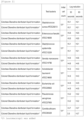
- Figures 1 and 2 The results are shown in Figures 1 and 2 .
- circles (o) indicate the composition having bactericidal efficacy (the composition having the same number of colonies grown on the pour plate as that of the colorless Olanedine disinfectant liquid formulation in "1-2-3 Measurement of viable cell count after action of test substance").
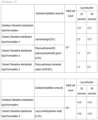
- Figure 2 shows Log Reduction of the bactericidal efficacy of the colored Olanedine disinfectant liquid formulation.
- the colored Olanedine disinfectant liquid formulation had the bactericidal efficacy similar to that of the conventional colorless Olanedine disinfectant liquid formulation, while regarding Candida albicans ATCC90028, the bactericidal efficacy of the colored Olanedine disinfectant liquid formulation was reduced in 30 seconds.
- Example 1 demonstrated that the use of lauromacrogol as surfactant reduced the bactericidal efficacy on Candida albicans ATCC90028 of the colored Olanedine disinfectant liquid formulation.
- various surfactants were used to prepare the colored Olanedine disinfectant liquid formulations, and their bactericidal efficacy on Candida albicans ATCC90028 was tested.
- circles (o) indicate the composition having bactericidal efficacy (the composition having the same number of colonies grown on the pour plate as that of the colorless Olanedine disinfectant liquid formulation in "1-2-3 Measurement of viable cell count after action of test substance").
- Example 2 demonstrated that when lauryl dimethylamine oxide which is alkyl dimethylamine oxide is used as surfactant, the colored Olanedine disinfectant liquid formulation, which have bactericidal efficacy similar to that of the currently used colorless Olanedine disinfectant liquid formulation, can be prepared.
- alkyl dimethylamine oxide other than lauryl dimethylamine oxide was used to prepare the colored Olanedine disinfectant liquid formulations, and the formulations were tested for the bactericidal efficacy.
- test procedure was the same as in Example 1, except that the test substances were aqueous solutions of 1.5(W/V)% olanexidine gluconate containing a trace amount of Sunset Yellow FCF (Yellow No. 5) and surfactants described in Figures 5 and 6 and that the test bacteria was Candida albicans ATCC90028.
- circles (o) indicate the composition having bactericidal efficacy (the composition having the same number of colonies grown on the pour plate as that of the colorless Olanedine disinfectant liquid formulation in "1-2-3 Measurement of viable cell count after action of test substance").
- the composition using 2.5(W/V)% decyl dimethylamine oxide, 2.5(W/V)% myristyl dimethylamine oxide or 2.5(W/V)% cocoalkyl dimethylamine oxide didn't show the reduction of bactericidal efficacy in 30 and 60 seconds, similarly as when using 2.5(W/V)% lauryl dimethylamine oxide.
- Test number 1 demonstrated that the precipitation caused by the addition of coloring agent to 1.5(W/V)% olanexidine gluconate was dissolved by using 2.0(W/V)% lauryl dimethylamine oxide. This result suggested that the precipitation caused by the addition of coloring agent to 0.01(W/V)% olanexidine gluconate can be dissolved by using 0.013(W/V)% lauryl dimethylamine oxide.
Landscapes
- Health & Medical Sciences (AREA)
- Chemical & Material Sciences (AREA)
- Life Sciences & Earth Sciences (AREA)
- Public Health (AREA)
- Medicinal Chemistry (AREA)
- Pharmacology & Pharmacy (AREA)
- Animal Behavior & Ethology (AREA)
- General Health & Medical Sciences (AREA)
- Veterinary Medicine (AREA)
- Epidemiology (AREA)
- General Chemical & Material Sciences (AREA)
- Chemical Kinetics & Catalysis (AREA)
- Engineering & Computer Science (AREA)
- Oil, Petroleum & Natural Gas (AREA)
- Nuclear Medicine, Radiotherapy & Molecular Imaging (AREA)
- Organic Chemistry (AREA)
- Proteomics, Peptides & Aminoacids (AREA)
- Communicable Diseases (AREA)
- Oncology (AREA)
- Inorganic Chemistry (AREA)
- Dermatology (AREA)
- Bioinformatics & Cheminformatics (AREA)
- Agricultural Chemicals And Associated Chemicals (AREA)
- Medicinal Preparation (AREA)
- Acyclic And Carbocyclic Compounds In Medicinal Compositions (AREA)
Description
- The present invention relates to a disinfectant liquid comprising olanexidine gluconate and enabling easy identification of the application sites in preoperative skin disinfection.
- Olanexidine, whose chemical name is 1-(3,4-dichlorobenzyl)-5-octylbiguanide, is a compound having high bactericidal activity. Studies have been conducted on the bactericidal agents comprising hydrochloride of Olanexidine as active ingredient (see for example, non-patent document 1). Olanexidine and hydrochloride thereof are extremely insoluble in water. The aqueous solution prepared by dissolving olanexidine only could have poor bactericidal activity and cause precipitation depending on the environment. A recent study revealed that gluconate of olanexidine has sufficient solubility in water, broad bactericidal spectrum, fast onset of the bactericidal effect and longer lasting bactericidal activity thereof, and thus that the gluconate serves as useful medical disinfectant (see patent document 1).
- The above aqueous solution of olanexidine gluconate is colorless and transparent liquid. In contrast, povidone-iodine, used for preoperative skin disinfection, is a blackish brown liquid and thus the visual identification of the application sites could be easily performed. Chlorhexidine-alcohol, which is also used for preoperative skin disinfection, is naturally a colorless and transparent liquid, but the colored ones with dyes are also commercially available (e.g., "0.5% Hexizac Alcohol Solution", made by Yoshida Pharmaceutical Co., Ltd.).
-
US 5,266,598 discloses compositions for disinfecting skin. The composition comprises 0.5 to 10 w/v % of chlorohexidine digluconate, 5 to 25 w/v % of polyoxyethylene alkyl ether, 1 to 5 w/v % of fatty acid diethanolamide, 1 to 5 w/v % of alkyldimethylamine oxide, and macrogel at less than 10 w/v %. -
-
Patent Document 1
Japanese unexamined Patent Application Publication No. 2005-289959 -
- Non-Patent
Document 1
NAGAI Isao, et al., KankyoKansen, 15(3), 220(2000) - The object of the present invention is to provide a disinfectant liquid enabling easy identification of the application sites in preoperative skin disinfection where the liquid is obtained by coloring an aqueous solution of olanexidine gluconate which is a colorless and transparent liquid.
- The present inventors first tried adding several coloring agents to the aqueous solution of olanexidine gluconate, but the solution had precipitation thus found not to be suitable for practical use. To suppress the precipitation, we further added some surfactants to the solution and evaluated the bactericidal efficacy on 8 kinds of test bacteria: Staphylococcus aureus ATCC29213; Enterococcus faecalis ATCC15606; Staphylococcus epidermidis ATCC12228; Serratia marcescens ATCC14756; Acinetobacter baumannii ATCC19606; Escherichia coli ATCC25922; Pseudomonas aeruginosa ATCC27853; Candida albicans ATCC90028. The result showed that the bactericidal efficacy of olanexidine gluconate on the test bacteria, Candida albicans ATCC90028, was reduced. The present inventors have intensively studied for surfactants to be added and found that the addition of alkyl dimethylamine oxide and polyoxyethylene alkyl ether, wherein the ratio of the concentration of alkyl dimethylamine oxide to the total concentration of alkyl dimethylamine oxide and polyoxyethylene alkyl ether is 0.18 or more could suppress the precipitation without reducing the bactericidal efficacy of olanexidine gluconate. Further, the present inventors have also found that the addition of alkyl dimethylamine oxide and polyoxyethylene alkyl ether, wherein the ratio of the concentration of alkyl dimethylamine oxide to the total concentration of alkyl dimethylamine oxide and polyoxyethylene alkyl ether is 0.18 or more could prevent the reduction of bactericidal efficacy of olanexidine gluconate caused by other surfactants, and finally achieved the present invention.
- Thus, the present invention is as follows. There is provided a composition for skin disinfection. The composition comprises olanexidine gluconate, a coloring agent, alkyl dimethylamine oxide as a surfactant, and polyoxyethylene alkyl ether, wherein the ratio of the concentration of alkyl dimethylamine oxide to the total concentration of alkyl dimethylamine oxide and polyoxyethylene alkyl ether is 0.18 or more.
- Preferably, the olanexidine gluconate has a concentration of 0.01 to 20 (W/V)%.
- Preferably the coloring agent is a legal tar dye.
- Further preferably, the legal tar dye is Sunset Yellow FCF. The composition may preferably comprise the alkyl dimethylamine oxide with a concentration of 0.01 (W/V)% or more.
- The composition may further comprise polyoxyethylene polyoxypropylene alkyl ether.
- Preferably the ratio of the concentration of alkyl dimethylamine oxide to the total concentration of alkyl dimethylamine oxide and polyoxyethylene polyoxypropylene alkyl ether is 0.12 or more.
- Preferably the ratio of the concentration of alkyl dimethylamine oxide to the total concentration of alkyl dimethylamine oxide, polyoxyethylene alkyl ether and polyoxyethylene polyoxypropylene alkyl ether is 0.28 or more. Preferably the alkyl dimethylamine oxide is alkyl dimethylamine oxide having an alkyl group with 10-16 carbon atoms.
- Preferably the alkyl dimethylamine oxide is selected from lauryl dimethylamine oxide, decyl dimethylamine oxide, myristyl dimethylamine oxide, and cocoalkyl dimethylamine oxide.
- Preferably the polyoxyethylene alkyl ether is lauromacrogol. Where thecomposition comprises polyoxyethylene polyoxypropylene alkyl ether, it is preferably polyoxyethylene(20) polyoxypropylene(4) cetyl ether.
- According to the composition of the present invention, the composition enables easy identification of the application sites of disinfectant liquid in preoperative skin disinfection and thus enables to complete disinfection with reliability and shortly.
-
- [
Figure 1 ]
Figure 1 is a table showing the bactericidal efficacy of the colored Olanedine disinfectant liquid formulation in Example 1 which comprises lauromacrogol as surfactant. - [
Figure 2 ]
Figure 2 is a table showing Log Reduction of the bactericidal efficacy of the colored Olanedine disinfectant liquid formulation in Example 1 which comprises lauromacrogol as surfactant. - [
Figure 3 ]
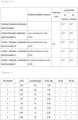
Figure 3 is a table showing the bactericidal efficacy of the colored Olanedine disinfectant liquid formulation in Example 2. - [
Figure 4 ]
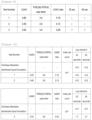
Figure 4 is a table showing Log Reduction of the bactericidal efficacy of the colored Olanedine disinfectant liquid formulation in Example 2. - [
Figure 5 ]
Figure 5 is a table showing the bactericidal efficacy of the colored Olanedine disinfectant liquid formulations in Example 3. - [
Figure 6 ]
Figure 6 is a table showing Log Reduction of the bactericidal efficacy of the colored Olanedine disinfectant liquid formulation in Example 3. - [
Figure 7 ]
Figure 7 is a table showing the bactericidal efficacy of the colored Olanedine disinfectant liquid formulations in Example 4 which comprise, as surfactant, lauryl dimethylamine oxide alone (test numbers 1 to 3), lauryl dimethylamine oxide and lauromacrogol (test numbers 4 to 17), and lauromacrogol alone (test number 18). - [
Figure 8 ]
Figure 8 is a table showing Log Reduction of the bactericidal efficacy of the colored Olanedine disinfectant liquid formulation in Example 4 which comprise, as surfactant, lauryl dimethylamine oxide alone (test numbers 1 to 3), lauryl dimethylamine oxide and lauromacrogol (test numbers 4 to 17), and lauromacrogol alone (test number 18). - [
Figure 9 ]
Figure 9 is a table showing the bactericidal efficacy of the colored Olanedine disinfectant liquid formulation in Example 4 which comprise, as surfactant, lauryl dimethylamine oxide and polyoxyethylene(20) polyoxypropylene(4) cetyl ether. - [
Figure 10 ]
Figure 10 is a table showing Log Reduction of the bactericidal efficacy of the colored Olanedine disinfectant liquid formulation in Example 4 which comprise, as surfactant, lauryl dimethylamine oxide and polyoxyethylene(20) polyoxypropylene(4) cetyl ether. - [
Figure 11 ]
Figure 11 is a table showing the bactericidal efficacy of the colored Olanedine disinfectant liquid formulation in Example 3 which comprise, as surfactant, lauryl dimethylamine oxide, lauromacrogol and polyoxyethylene(20) polyoxypropylene(4) cetyl ether. - [
Figure 12 ]
Figure 12 is a table showing Log Reduction of the bactericidal efficacy of the colored Olanedine disinfectant liquid formulation in Example 4 which comprise, as surfactant, lauryl dimethylamine oxide, lauromacrogol and polyoxyethylene(20) polyoxypropylene(4) cetyl ether. - The present invention relates to a composition for skin disinfection comprising olanexidine gluconate, a coloring agent, alkyl dimethylamine oxide as a surfactant, and polyoxyethylene alkyl ether, wherein the ratio of the concentration of alkyl dimethylamine oxide to the total concentration of alkyl dimethylamine oxide and polyoxyethylene alkyl ether is 0.18 or more. The coloring agent can be any coloring agents as long as they are applicable to skin and can be natural coloring agents or synthetic coloring agents. Preferably tar dye (legal tar dye) that can be used in medicines, etc. based on the provisions of Article 56(7) of the Japanese Pharmaceutical Affairs Law (including when applied to
Article 60 and Article 62) (Law No. 145 of 1960) is used. Examples of legal tar dye include amaranth (Red No. 2), New Coccine (Red No. 102), Orange II (Orange No. 205), Sunset Yellow FCF (Yellow No. 5), Tartrazine (Yellow No. 4), Erythrosine (Red No. 3), Phloxine B (Red No. 104), Rose Bengal (Red No. 105), Acid Red (Red No. 106), Fast Green FCF (Green No. 3), Brilliant Blue FCF (Blue No. 1), Indigo Carmine (Blue No. 2), Eosine YS (Red No. 230(1)), Uranine (Yellow No. 202(1)), Quinoline Yellow WS (Yellow No. 203), Alizarine Cyanine Green F (Green No. 201), Pyranine Conc (Green No. 204), Alphazurine FG (Blue No. 205), Lithol Rubine B (Red No. 201), Lithol Rubine BCA (Red No. 202), Lake Red C (Red No. 203), Lake Red CBA (Red No. 204), Lithol Red (Red No. 205), Lithol Red CA (Red No. 206), Lithol Red BA (Red No. 207), Lithol Red SR (Red No. 208), Rhodamine B (Red No. 213), Rhodamine B Acetate (Red No. 214), Rhodamine B Stearate (Red No. 215), Tetrachlorotetrabromofluorescein (Red No. 218), Brilliant Lake Red R (Red No. 219), Deep Maroon (Red No. 220), Toluidine Red (Red No. 221), Tetrabromofluorescein (Red No. 223), Sudan III (Red No. 225), Helindone Pink CN (Red No. 226), Fast Acid Magenta (Red No. 227), Permaton Red (Red No. 228), Phloxine BK (Red No. 231), Rose Bengal K (Red No. 232), Dibromofluorescein (Orange No. 201), Permanent Orange (Orange No. 203), Benzidine Orange G (Orange No. 204), Diiodofluorescein (Orange No. 206), Erythrosine Yellowish NA (Orange No. 207), Fluorescein (Yellow No. 201), Quinoline Yellow SS (Yellow No. 204), Benzidine Yellow G (Yellow No. 205), Quinizaline Green SS (Green No. 202), Light Green SF Yellowish (Green No. 205), Indigo (Blue No. 201), Patent Blue NA (Blue No. 202), Patent Blue CA (Blue No. 203), Carbanthrene Blue (Blue No. 204), Resorcin Brown (Brown No. 201), Alizurine Purple SS (Purple No. 201), Violamine R (Red No. 401), Brilliant Fast Scarlet (Red No. 404), Permanent Red F5R (Red No. 405), Scarlet Red NF (Red No. 501), Ponceau 3R (Red No. 502), Ponceau R (Red No. 503), Ponceau SX (Red No. 504), Oil Red XO (Red No. 505), Fast Red S (Red No. 506), Hanza Orange (Orange No. 401), Orange I (Orange No. 402), Orange SS (Orange No. 403), Hanza Yellow (Yellow No. 401), Polar Yellow 5G (Yellow No. 402), Naphthol Yellow S (Yellow No. 403(1)), Yellow AB (Yellow No. 404), Yellow OB (Yellow No. 405), Metanil Yellow (Yellow No. 406), Fast Light Yellow 3G (Yellow No. 407), Naphtol Green B (Green No. 401), Guinea Green B (Green No. 402), Sudan Blue B (Blue No. 403), Phtalocyanine Blue (Blue No. 404), Alizurol Purple (Purple No. 401), Naphthol Blue Black (Black No. 401), Eosine YSK (Red No. 230(2)) and Uranine K (Yellow No. 202) . Furthermore Sunset Yellow FCF (Yellow No. 5) is preferably used. - The concentration of olanexidine gluconate is not particularly limited as long as that provides sufficient bactericidal efficacy. The concentration can be, for example, 0.01 to 20 (W/V)%, further preferably 0.1 to 10 (W/V)%, furthermore preferably 1 to 5 (W/V)%.
- In the present invention, the alkyl dimethylamine oxide is added to suppress the precipitation caused by the addition of coloring agent and/or to prevent the reduction of the bactericidal efficacy of olanexidine gluconate caused by the addition of surfactants other than alkyl dimethylamine oxide. The alkyl dimethylamine oxide which can be used in the present invention can include oleyl dimethylamine oxide, stearyl dimethylamine oxide, isostearyl dimethylamine oxide, palmityl dimethylamine oxide, myristyl dimethylamine oxide, lauryl dimethylamine oxide, capryl dimethylamine oxide, cocoalkyl dimethylamine oxide, octyl dimethylamine oxide, nonyl dimethylamine oxide, decyl dimethylamine oxide, undecyl dimethylamine oxide, dodecyl dimethylamine oxide, isododecyl dimethylamine oxide, tridecyl dimethylamine oxide, tetradecyl dimethylamine oxide, pentadecyl dimethylamine oxide, hexadecyl dimethylamine oxide, heptadecyl dimethylamine oxide, octadecyl dimethylamine oxide. Preferably, alkyl dimethylamine oxide having an alkyl group with 10-16 carbon atoms, and especially, lauryl dimethylamine oxide, decyl dimethylamine oxide, myristyl dimethylamine oxide, and cocoalkyl dimethylamine oxide can be suitably included.
- The concentration of alkyl dimethylamine oxide can be, for example, 0.01(W/V)% or more, 0.02(W/V)% or more, 0.05(W/V)% or more, preferably 0.1(W/V)% or more, 0.2(W/V)% or more, 0.5(W/V)% or more, further preferably 1.0(W/V)% or more, 1.5(W/V)% or more, furthermore preferably 2.0(W/V)% or more, 2.5(W/V)% or more, 3.0(W/V)% or more, and the upper limit can be, without particular limitations, for example, 25(W/V)% or less, preferably 20(W/V)% or less, further preferably 15(W/V)% or less.
- The composition of the present invention can further include one or more surfactants other than alkyl dimethylamine oxide and polyoxyethylene alkyl ether. The other surfactants can include, for example, sorbitan fatty acid ester, polyoxyethylene sorbitan fatty acid ester, polyoxyethylene polyoxypropylene alkyl ether, polyoxyethylene polyoxypropylene glycol, polyglyceryl fatty acid ester, polyoxyethylene hardened castor oil and sucrose fatty acid ester, and especially polyoxyethylene polyoxypropylene alkyl ether is preferable. The polyoxyethylene polyoxypropylene alkyl ether can include polyoxyethylene(20) polyoxypropylene(4) cetyl ether, polyoxyethylene(30) polyoxypropylene(6) decyl tetradecyl ether and polyoxyethylene(25) polyoxypropylene(25) lauryl ether, and especially polyoxyethylene(20) polyoxypropylene(4) cetyl ether is preferable.
- When the composition of the present invention further comprises one or more surfactants other than alkyl dimethylamine oxide and polyoxyethylene alkyl ether, the ratio of the concentration of alkyl dimethylamine oxide to the total concentration of surfactant is desirably not less than a predetermined ratio in order to prevent the reduction of bactericidal efficacy of olanexidine gluconate. The predetermined ratio can be, for example, preferably 0.08 or more, further preferably 0.12 or more, furthermore preferably 0.28 or more, and especially preferably 0.5 or more.
- The composition of the present invention comprises polyoxyethylene alkyl ether, wherein the ratio of the concentration of alkyl dimethylamine oxide to the total concentration of alkyl dimethylamine oxide and polyoxyethylene alkyl ether is 0.18 or more, and preferably 0.5 or more. The polyoxyethylene alkyl ether can include polyoxyethylene cetyl ether, polyoxyethylene oleyl ether and polyoxyethylene lauryl ether, and especially polyoxyethylene lauryl ether (lauromacrogol) is preferable.
- When the composition of the present invention comprises polyoxyethylene polyoxypropylene alkyl ether, the ratio of the concentration of alkyl dimethylamine oxide to the total concentration of alkyl dimethylamine oxide and polyoxyethylene polyoxypropylene alkyl ether can be, for example, preferably 0.12 or more, further preferably 0.18 or more, and furthermore preferably 0.5 or more.
- When the composition of the present invention comprises polyoxyethylene alkyl ether and polyoxyethylene polyoxypropylene alkyl ether, the ratio of the concentration of alkyl dimethylamine oxide to the total concentration of alkyl dimethylamine oxide, polyoxyethylene alkyl ether and polyoxyethylene polyoxypropylene alkyl ether can be, for example, preferably 0.08 or more, further preferably 0.28 or more, and furthermore preferably 0.5 or more.
- The composition of the present invention can be applied to any surface to be disinfected, by any known methods and means. For example, the composition can be applied to the surface by cloth, absorbent cotton, a swab, sponge, facial tissue, a paper towel or can be splayed to the surface, or can be applied to the surface by any known applicators.
- Hereinafter, the present invention will be described in more details by the following Examples. However, the technical scope of the present invention is not limited thereto.
- The present inventors confirmed in a preliminary test that addition of Sunset Yellow FCF (Yellow No. 5) to 1.5% Olanedine solution (a solution containing 1.508(W/V)% olanexidine gluconate, made by Otsuka Pharmaceutical Factory, Inc.) caused the precipitation. To dissolve the precipitation caused by the addition of Sunset Yellow FCF (Yellow No. 5), a colored formulation (colored Olanedine disinfectant liquid formulation) containing lauromacrogol as surfactant to be the final concentration of 2(W/V)% was prepared, and the formulation was tested for the bactericidal efficacy.
- The amounts produced were varied depending on the amount used, where the amounts of reagents, culture medium and solvent were increased and decreased at the constant ratio.
- 10.0 g of polysorbate 80 was weighted out, to which about 80 mL of distilled water and 1.17 g of soy lecithin were added, and the mixture was heated and stirred. To the mixture, 1.01 g of disodium hydrogen phosphate, 0.04 g of potassium dihydrogen phosphate, 0.5 g of sodium thiosulfate hydrate, and 1.0 g of Tamol(Registered trademark)NN 8906 were added, and the obtained mixture was heated and stirred until they dissolved. After dissolution, the solution was cooled to room temperature, and adjusted to pH 7.8 to 7.9 with an aqueous sodium hydroxide solution or hydrochloric acid. Distilled water was added to the solution to be the total amount of 100 mL and the obtained solution was subjected to high pressure steam sterilization (121°C, 20 minutes).
- 73.0 g of Sabouraud-Dextrose Agar with Lecithin & Polysorbate (SABLP) culture medium, composed of 40.0 g/L of dextrose, 10.0 g/L of peptone, 15.0 g/L of agar, 1.0 g/L of lecithin, and 7.0 g/L of polysorbate 80, was weighted out into glass Erlenmeyer flask. 1000 mL of pure water was added to the medium, and the mixture was stirred with stirrer. The obtained medium was subjected to high pressure steam sterilization (121°C, 20 minutes), then stored in a hot bath set at 47°C until use.
- A trace amount of Sunset Yellow FCF (Yellow No. 5) and lauromacrogol at the final concentration of 2(W/V)% was added to 1.5(W/V)% olanexidine gluconate to prepare the test substance.
- Colonies of 8 kinds of the test bacteria: Staphylococcus aureus ATCC29213; Enterococcus faecalis ATCC15606; Staphylococcus epidermidis ATCC12228; Serratia marcescens ATCC14756; Acinetobacter baumannii ATCC19606; Escherichia coli ATCC25922; Pseudomonas aeruginosa ATCC27853; Candida albicans ATCC90028 grown on the SABLP culture medium were collected with platinum loop and to the colonies was added distilled water to prepare
McFarland 5 bacterial solution. The obtained solution was used as a test bacterial solution. - 150 µL of the test bacterial solution was added to 3 mL of distilled water, and mixed well. Immediately, 0.5 mL of the mixed bacterial solution was added to 4.5 mL of neutralizer, and mixed well. The obtained solution was used as a 101-fold diluted solution. Then, 0.5 mL of the 101-fold diluted solution was added to 4.5 mL of a neutralizer to dilute the solution a further 10-fold. Dilution was repeated according to the same procedure to make serial 10-fold dilutions (composed of total 5 levels ranging from 101 to 105-fold diluted solutions) . Each of the 103 to 105-fold diluted solution was dispensed in 1 mL-portions to petri dishes, and about 15 mL of the SABLP culture medium stored in a hot bath were added to each of the dishes to prepare pour plates. After solidification, the pour plates were inverted and aerobically cultured at 35 ± 2°C for 2 days. The number of colonies grown on the pour plates was visually counted. This procedure was repeated three times.
- To 3 mL of each test substance was added 150 µL of the test bacterial solution, and mixed well. The obtained solution was used as reaction solution. The reaction was carried out at room temperature (23.0 ± 3.0°C). After 30 and 60 seconds from the reaction, 0.5 mL of the reaction solution was added to 4.5 mL of neutralizer and mixed well. The obtained solution was used as a 101-fold diluted solution. Then, 0.5 mL of the 101-fold diluted solution was added to 4.5 mL of neutralizer to dilute the solution a further 10-fold. The obtained solution was used as a 102-fold diluted solution. Each of 101 and 102-fold diluted solutions was dispensed in 1 mL-portions to petri dishes, and to which about 15 mL of the SABLP culture medium stored in a hot bath were added to prepare pour plates. After solidification, the pour plates were inverted and aerobically cultured at 35 ± 2°C for 2 days. The number of colonies grown on the pour plates was visually counted. This procedure was repeated three times.
- Initial viable cell count (CFU/mL) on common logarithmic value and the average value thereof were determined. This average value and the average value of viable cell count after action of the test substance for each period (CFU/mL) on logarithmic value were used to calculate Log Reduction by the following formula:

- B: The average value of initial viable cell count (common logarithmic value)
- C: The average value of viable cell count after action of each test substance (common logarithmic value)
- The results are shown in
Figures 1 and2 . InFigure 1 , circles (o) indicate the composition having bactericidal efficacy (the composition having the same number of colonies grown on the pour plate as that of the colorless Olanedine disinfectant liquid formulation in "1-2-3 Measurement of viable cell count after action of test substance").Figure 2 shows Log Reduction of the bactericidal efficacy of the colored Olanedine disinfectant liquid formulation. Regarding the test bacteria other than Candida albicans ATCC90028, the colored Olanedine disinfectant liquid formulation had the bactericidal efficacy similar to that of the conventional colorless Olanedine disinfectant liquid formulation, while regarding Candida albicans ATCC90028, the bactericidal efficacy of the colored Olanedine disinfectant liquid formulation was reduced in 30 seconds. - Example 1 demonstrated that the use of lauromacrogol as surfactant reduced the bactericidal efficacy on Candida albicans ATCC90028 of the colored Olanedine disinfectant liquid formulation. In this test, various surfactants were used to prepare the colored Olanedine disinfectant liquid formulations, and their bactericidal efficacy on Candida albicans ATCC90028 was tested.
- The test procedure was the same as in Example 1, except that the test substance was an aqueous solution of 1.5(W/V)% olanexidine gluconate containing a trace amount of Sunset Yellow FCF (Yellow No. 5) and surfactants described in
Figures 3 and4 , and that the test bacteria was Candida albicans ATCC90028. - The results are shown in
Figures 3 and4 . - In
Figure 3 , circles (o) indicate the composition having bactericidal efficacy (the composition having the same number of colonies grown on the pour plate as that of the colorless Olanedine disinfectant liquid formulation in "1-2-3 Measurement of viable cell count after action of test substance"). The composition using 2.4(W/V)% lauryl dimethylamine oxide as surfactant didn't show the reduction of bactericidal efficacy in 30 and 60 seconds, while the composition using 2(W/V)% lauromacrogol showed the reduction of bactericidal efficacy in 60 seconds only, and the compositions using 3.6(W/V)% polyoxyethylene(20) polyoxypropylene(8) glycol and 6(W/V)% polyoxyethylene hardenedcastor oil 60 showed the reduction of bactericidal efficacy in both of 30 and 60 seconds. -
Figure 4 shows Log Reduction of the currently used colorless Olanedine disinfectant liquid formulation, and Log Reduction of the colored Olanedine disinfectant liquid formulations using 2(W/V)% lauromacrogol, 3.6(W/V)% polyoxyethylene(20) polyoxypropylene(8) glycol, 6(W/V)% polyoxyethylene hardenedcastor oil 60, or 2.4(W/V)% lauryl dimethylamine oxide as surfactant. The colored Olanedine disinfectant liquid formulation using 2.4(W/V)% lauryl dimethylamine oxide showed Log Reduction equivalent to that of the currently used colorless Olanedine disinfectant liquid formulation. While the colored Olanedine disinfectant liquid formulations using the other surfactants showed lower Log Reduction than that of the currently used colorless Olanedine disinfectant liquid formulation. - Example 2 demonstrated that when lauryl dimethylamine oxide which is alkyl dimethylamine oxide is used as surfactant, the colored Olanedine disinfectant liquid formulation, which have bactericidal efficacy similar to that of the currently used colorless Olanedine disinfectant liquid formulation, can be prepared. In this test, alkyl dimethylamine oxide other than lauryl dimethylamine oxide was used to prepare the colored Olanedine disinfectant liquid formulations, and the formulations were tested for the bactericidal efficacy.
- The test procedure was the same as in Example 1, except that the test substances were aqueous solutions of 1.5(W/V)% olanexidine gluconate containing a trace amount of Sunset Yellow FCF (Yellow No. 5) and surfactants described in
Figures 5 and6 and that the test bacteria was Candida albicans ATCC90028. - The results are shown in
Figures 5 and6 . - In
Figure 5 , circles (o) indicate the composition having bactericidal efficacy (the composition having the same number of colonies grown on the pour plate as that of the colorless Olanedine disinfectant liquid formulation in "1-2-3 Measurement of viable cell count after action of test substance"). The composition using 2.5(W/V)% decyl dimethylamine oxide, 2.5(W/V)% myristyl dimethylamine oxide or 2.5(W/V)% cocoalkyl dimethylamine oxide, didn't show the reduction of bactericidal efficacy in 30 and 60 seconds, similarly as when using 2.5(W/V)% lauryl dimethylamine oxide. -
Figure 6 shows Log Reduction of the currently used colorless Olanedine disinfectant liquid formulation, and Log Reduction of the colored Olanedine disinfectant liquid formulations using 2.5(W/V)% lauryl dimethylamine oxide, 2.5(W/V)% decyl dimethylamine oxide, 2.5(W/V)% myristyl dimethylamine oxide or 2.5(W/V)% cocoalkyl dimethylamine oxide as surfactant. The Olanedine disinfectant liquid formulation using any of the surfactants tested in the Example showed Log Reduction equivalent to that of the currently used colorless Olanedine disinfectant liquid formulation. - Example 2 demonstrated that when lauryl dimethylamine oxide as surfactant is used, the colored Olanedine disinfectant liquid formulation, which have bactericidal efficacy similar to that of the currently used colorless Olanedine disinfectant liquid formulation, can be prepared. In this test, lauryl dimethylamine oxide combined with other surfactants was used to prepare the colored Olanedine disinfectant liquid formulations, and the formulations were tested for the bactericidal efficacy.
- The test procedure was the same as in Example 1, except that the test substances were aqueous solutions of 1.5(W/V)% olanexidine gluconate containing a trace amount of Sunset Yellow FCF (Yellow No. 5) and surfactants described in
Figures 7 to 12 and that the test bacteria was Candida albicans ATCC90028. In the Figures, LDAO represents lauryl dimethylamine oxide, a cationic surfactant, and POE(20) POP(4) cetyl ether represents polyoxyethylene(20) polyoxypropylene(4) cetyl ether. - The results are shown in
Figures 7 to 12 . InFigures 7 ,9 and11 , circles (o) indicate the composition having bactericidal efficacy (the composition having the same number of colonies grown on the pour plate as that of the colorless Olanedine disinfectant liquid formulation in "1-2-3 Measurement of viable cell count after action of test substance"). - The results are shown in
Figures 5 and6 at thetest numbers 1 to 3. The composition didn't show the reduction of bactericidal efficacy in 30 and 60 seconds despite the addition amount of LDAO.Test number 1 demonstrated that the precipitation caused by the addition of coloring agent to 1.5(W/V)% olanexidine gluconate was dissolved by using 2.0(W/V)% lauryl dimethylamine oxide. This result suggested that the precipitation caused by the addition of coloring agent to 0.01(W/V)% olanexidine gluconate can be dissolved by using 0.013(W/V)% lauryl dimethylamine oxide. - The results are shown in
Figures 7 and8 at thetest numbers 4 to 18. The composition containing lauromacrogol alone showed the reduction of bactericidal efficacy in 30 seconds (Figure 7 , test number 18). While, the composition containing lauromacrogol and LDAO, at the ratio of the concentration of LDAO to the total concentration of lauromacrogol and LDAO being 0.18 or more, didn't show the reduction of bactericidal efficacy in 30 and 60 seconds. - The results are shown in
Figures 9 and 10 . The composition containing POE(20) POP(4) cetyl ether alone showed the reduction of bactericidal efficacy in 30 and 60 seconds. While, the composition containing POE(20) POP(4) cetyl ether and LDAO, at the ratio of the concentration of LDAO to the total concentration of POE(20) POP(4) cetyl ether and LDAO being 0.12 or more, didn't show the reduction of bactericidal efficacy in 30 and 60 seconds. - The results are shown in
Figures 11 and12 . The composition at the ratio of the concentration of LDAO to the total concentration of LDAO, lauromacrogol and POE(20) POP(4) cetyl ether being 0.06 or more, didn't show the reduction of bactericidal efficacy in 60 seconds, and the composition at the ratio being 0.28 or more didn't show the reduction of bactericidal efficacy in 30 and 60 seconds. - The composition of the present invention enables easy application of olanexidine gluconate in skin disinfection where the olanexidine gluconate has broad bactericidal spectrum, fast onset of the bactericidal effect and longer lasting bactericidal activity thereof. Thus the composition of the present invention has high industrial applicability in the medical field.
Claims (12)
- A composition for skin disinfection comprising olanexidine gluconate, a coloring agent, alkyl dimethylamine oxide as a surfactant, and polyoxyethylene alkyl ether, wherein the ratio of the concentration of alkyl dimethylamine oxide to the total concentration of alkyl dimethylamine oxide and polyoxyethylene alkyl ether is 0.18 or more.
- The composition for skin disinfection according to claim 1, wherein the olanexidine gluconate has a concentration of 0.01 to 20 (W/V)%.
- The composition for skin disinfection according to claim 1 or 2, wherein the coloring agent is a legal tar dye.
- The composition for skin disinfection according to claim 3, wherein the legal tar dye is Sunset Yellow FCF.
- The composition for skin disinfection according to any one of claims 1 to 4, wherein the alkyl dimethylamine oxide has a concentration of 0.01 (W/V)% or more.
- The composition for skin disinfection according to any one of claims 1 to 5, further comprising polyoxyethylene polyoxypropylene alkyl ether.
- The composition for skin disinfection according to claim 6, wherein the ratio of the concentration of alkyl dimethylamine oxide to the total concentration of alkyl dimethylamine oxide and polyoxyethylene polyoxypropylene alkyl ether is 0.12 or more.
- The composition for skin disinfection according to claim 6, wherein the ratio of the concentration of alkyl dimethylamine oxide to the total concentration of alkyl dimethylamine oxide, polyoxyethylene alkyl ether and polyoxyethylene polyoxypropylene alkyl ether is 0.28 or more.
- The composition for skin disinfection according to any one of claims 1 to 8, wherein the alkyl dimethylamine oxide is alkyl dimethylamine oxide having an alkyl group with 10-16 carbon atoms.
- The composition for skin disinfection according to claim 9, wherein the alkyl dimethylamine oxide is selected from lauryl dimethylamine oxide, decyl dimethylamine oxide, myristyl dimethylamine oxide, and cocoalkyl dimethylamine oxide.
- The composition for skin disinfection according to any one of claims 1 to 10, wherein the polyoxyethylene alkyl ether is lauromacrogol.
- The composition for skin disinfection according to any one of claims 6 to 11, wherein the polyoxyethylene polyoxypropylene alkyl ether is polyoxyethylene(20) polyoxypropylene(4) cetyl ether.
Applications Claiming Priority (2)
| Application Number | Priority Date | Filing Date | Title |
|---|---|---|---|
| JP2015238403 | 2015-12-07 | ||
| PCT/JP2016/005015 WO2017098702A1 (en) | 2015-12-07 | 2016-11-30 | Skin disinfectant composition |
Publications (3)
| Publication Number | Publication Date |
|---|---|
| EP3388058A1 EP3388058A1 (en) | 2018-10-17 |
| EP3388058A4 EP3388058A4 (en) | 2019-07-31 |
| EP3388058B1 true EP3388058B1 (en) | 2024-07-03 |
Family
ID=59012888
Family Applications (1)
| Application Number | Title | Priority Date | Filing Date |
|---|---|---|---|
| EP16872604.0A Active EP3388058B1 (en) | 2015-12-07 | 2016-11-30 | Skin disinfectant composition |
Country Status (15)
| Country | Link |
|---|---|
| US (1) | US10888535B2 (en) |
| EP (1) | EP3388058B1 (en) |
| JP (1) | JP6622325B2 (en) |
| KR (1) | KR102129983B1 (en) |
| CN (1) | CN108289868B (en) |
| AU (1) | AU2016367754B2 (en) |
| CA (1) | CA3004398C (en) |
| ES (1) | ES2986816T3 (en) |
| HK (1) | HK1254744A1 (en) |
| MY (1) | MY190160A (en) |
| PH (1) | PH12018550042B1 (en) |
| RU (1) | RU2726981C2 (en) |
| SG (1) | SG11201802551WA (en) |
| TW (1) | TWI737655B (en) |
| WO (1) | WO2017098702A1 (en) |
Families Citing this family (1)
| Publication number | Priority date | Publication date | Assignee | Title |
|---|---|---|---|---|
| ES2944838T3 (en) * | 2018-07-18 | 2023-06-26 | Otsuka Pharma Factory Inc | disinfectant composition |
Family Cites Families (14)
| Publication number | Priority date | Publication date | Assignee | Title |
|---|---|---|---|---|
| JPH078991B2 (en) | 1989-07-18 | 1995-02-01 | 花王株式会社 | Neutral liquid detergent composition |
| JP2961556B2 (en) | 1990-06-15 | 1999-10-12 | 丸石製薬株式会社 | Composition for skin disinfection |
| AU2003213345A1 (en) * | 2002-03-29 | 2003-10-13 | Kose Corporation | Cosmetic preparation |
| US20060147397A1 (en) | 2002-11-07 | 2006-07-06 | Kose Corporation | Composition for preparation for external use on skin and method of using the same |
| CA2523207A1 (en) * | 2003-04-22 | 2004-11-04 | Dainippon Sumitomo Pharma Co., Ltd. | Germicidal antiseptic composition for dilution |
| PL1634589T3 (en) * | 2003-05-28 | 2011-07-29 | Otsuka Pharma Co Ltd | Aqueous olanexidine solution, method of preparing the same, and disinfectant |
| JP4526300B2 (en) | 2003-05-28 | 2010-08-18 | 大塚製薬株式会社 | Oranexidine aqueous solution, its preparation method and disinfectant |
| TW200509893A (en) * | 2003-05-28 | 2005-03-16 | Otsuka Pharma Co Ltd | A composition for sterilizing and/ or disinfecting |
| US20070253909A1 (en) | 2006-05-01 | 2007-11-01 | Medi-Flex, Inc. | Aqueous Antiseptic Solution and Compatible Cationic Dye for Staining Skin |
| US20070254854A1 (en) * | 2006-05-01 | 2007-11-01 | Medi-Flex, Inc. | Aqueous Antiseptic Solution and Compatible Anionic Dye for Staining Skin |
| US20080108674A1 (en) | 2006-05-01 | 2008-05-08 | Enturia, Inc. | Cationic antiseptic and dye formulation |
| WO2009058144A1 (en) * | 2007-10-31 | 2009-05-07 | Enturia, Inc. | Cationic antiseptic and dye formulation |
| EP2499913A1 (en) * | 2011-03-14 | 2012-09-19 | Combino Pharm, S.L. | Antiseptic solutions comprising chlorhexidine or its salt and an anionic dye and their preparation |
| US20140235727A1 (en) * | 2013-02-20 | 2014-08-21 | First Water Limited | Antimicrobial hydrogel polymers |
-
2016
- 2016-11-30 HK HK18113757.6A patent/HK1254744A1/en unknown
- 2016-11-30 SG SG11201802551WA patent/SG11201802551WA/en unknown
- 2016-11-30 PH PH1/2018/550042A patent/PH12018550042B1/en unknown
- 2016-11-30 ES ES16872604T patent/ES2986816T3/en active Active
- 2016-11-30 US US15/781,424 patent/US10888535B2/en active Active
- 2016-11-30 EP EP16872604.0A patent/EP3388058B1/en active Active
- 2016-11-30 MY MYPI2018701819A patent/MY190160A/en unknown
- 2016-11-30 TW TW105139512A patent/TWI737655B/en active
- 2016-11-30 RU RU2018120332A patent/RU2726981C2/en active
- 2016-11-30 CN CN201680067817.8A patent/CN108289868B/en active Active
- 2016-11-30 CA CA3004398A patent/CA3004398C/en active Active
- 2016-11-30 KR KR1020187013168A patent/KR102129983B1/en active Active
- 2016-11-30 WO PCT/JP2016/005015 patent/WO2017098702A1/en not_active Ceased
- 2016-11-30 AU AU2016367754A patent/AU2016367754B2/en active Active
- 2016-11-30 JP JP2017554779A patent/JP6622325B2/en active Active
Also Published As
| Publication number | Publication date |
|---|---|
| CA3004398C (en) | 2020-04-07 |
| JP6622325B2 (en) | 2019-12-18 |
| JPWO2017098702A1 (en) | 2018-09-20 |
| PH12018550042A1 (en) | 2018-10-15 |
| KR20180061366A (en) | 2018-06-07 |
| ES2986816T3 (en) | 2024-11-12 |
| CN108289868A (en) | 2018-07-17 |
| EP3388058A1 (en) | 2018-10-17 |
| AU2016367754B2 (en) | 2018-11-08 |
| AU2016367754A1 (en) | 2018-05-10 |
| RU2726981C2 (en) | 2020-07-17 |
| WO2017098702A1 (en) | 2017-06-15 |
| RU2018120332A (en) | 2020-01-14 |
| US10888535B2 (en) | 2021-01-12 |
| TWI737655B (en) | 2021-09-01 |
| HK1252224A1 (en) | 2019-05-24 |
| KR102129983B1 (en) | 2020-07-03 |
| SG11201802551WA (en) | 2018-04-27 |
| TW201725036A (en) | 2017-07-16 |
| EP3388058A4 (en) | 2019-07-31 |
| CN108289868B (en) | 2021-03-02 |
| MY190160A (en) | 2022-03-31 |
| PH12018550042B1 (en) | 2022-09-07 |
| US20190000783A1 (en) | 2019-01-03 |
| HK1254744A1 (en) | 2019-07-26 |
| RU2018120332A3 (en) | 2020-01-14 |
| CA3004398A1 (en) | 2017-06-15 |
Similar Documents
| Publication | Publication Date | Title |
|---|---|---|
| DE69923695T2 (en) | TOPICAL-DERMAL ANTIMICROBIAL COMPOSITIONS | |
| Tedajo et al. | Release of antiseptics from the aqueous compartments of aw/o/w multiple emulsion | |
| Barreiros et al. | Xanthan gum-based film-forming suspension containing essential oils: Production and in vitro antimicrobial activity evaluation against mastitis-causing microorganisms | |
| WO2007094332A1 (en) | Disinfectant ointment | |
| US20130274345A1 (en) | Antimicrobial Composition Having Skincare Properties | |
| JP2022085808A (en) | Animal shampoo with antibacterial function and its manufacturing method | |
| CN109793720A (en) | Preparation method and application of a hyaluronic acid-based mitochondrial-targeted antioxidant Mito Q nano-formulation | |
| US20080108674A1 (en) | Cationic antiseptic and dye formulation | |
| Drais | Development and evaluation essential oils nanoemulgel as human skin sanitizer using novel method | |
| Nareswari et al. | Formulation and evaluation of citronella oil (Cymbopogon nardus (L.) Rendle) cream for acne treatment | |
| US10888535B2 (en) | Skin disinfectant composition | |
| CN101927004A (en) | Macromolecule slow controlled release long-acting sterilizing product and preparation method thereof | |
| Mohammed et al. | Development of therapeutic deep eutectic solvent with anti-oxidant and anti-microbial properties for potential pharmaceutical applications | |
| Leelapornpisid et al. | Development of cream containing nanostructured lipid carriers loaded marigold (tagetes erecta linn) flowers extract for anti-wrinkles application | |
| Sari et al. | Phytochemical screening and formulation of hand sanitizer gel preparations from temu hitam rhizome extract (Curcuma aeruginosa roxb) | |
| CN105193708A (en) | Coloured disinfectant preparation based on bispyridiniumalkane | |
| CN118021677A (en) | Skin care composition for relieving and repairing and application of skin care composition in cosmetics | |
| JPWO2008023610A1 (en) | Topical skin preparation | |
| HK1252224B (en) | Skin disinfectant composition | |
| BR102021015486A2 (en) | LIPID NANOPARTICLE COMPOSITION CONTAINING VITIS VINIFERA EXTRACT, COSMETIC USES OF A LIPID NANOPARTICLE COMPOSITION CONTAINING VITIS VINIFERA EXTRACT, DERMOCOSMETIC PRODUCT, ANTIOXIDANT AND TO PREVENT SKIN AGING, AND SKIN CARE METHOD | |
| CN109673669A (en) | A kind of preparation method and applications of nanometer of micro emulsion iodine | |
| Gupta et al. | FORMULATION, DEVELOPMENT AND EVALUATION OF MICROEMULSION BASED TOPICAL GEL FOR THE TREATMENT OF SKIN INFECTION. | |
| Kim et al. | Safety assessment of methylene bis-benzotriazolyl tetramethylbutylphenol, a UV filter in cosmetics | |
| CN110051689A (en) | A kind of preparation method and applications of micro emulsion iodine | |
| Batra et al. | Qbd Engineered and Terpene-Rich Nanoemulgel of Terbinafine for Enhanced Antifungal Efficacy in the Treatment of Vaginal Candidiasis |
Legal Events
| Date | Code | Title | Description |
|---|---|---|---|
| STAA | Information on the status of an ep patent application or granted ep patent |
Free format text: STATUS: THE INTERNATIONAL PUBLICATION HAS BEEN MADE |
|
| PUAI | Public reference made under article 153(3) epc to a published international application that has entered the european phase |
Free format text: ORIGINAL CODE: 0009012 |
|
| STAA | Information on the status of an ep patent application or granted ep patent |
Free format text: STATUS: REQUEST FOR EXAMINATION WAS MADE |
|
| 17P | Request for examination filed |
Effective date: 20180604 |
|
| AK | Designated contracting states |
Kind code of ref document: A1 Designated state(s): AL AT BE BG CH CY CZ DE DK EE ES FI FR GB GR HR HU IE IS IT LI LT LU LV MC MK MT NL NO PL PT RO RS SE SI SK SM TR |
|
| AX | Request for extension of the european patent |
Extension state: BA ME |
|
| DAV | Request for validation of the european patent (deleted) | ||
| DAX | Request for extension of the european patent (deleted) | ||
| REG | Reference to a national code |
Ref country code: HK Ref legal event code: DE Ref document number: 1254744 Country of ref document: HK |
|
| A4 | Supplementary search report drawn up and despatched |
Effective date: 20190701 |
|
| RIC1 | Information provided on ipc code assigned before grant |
Ipc: A61K 47/32 20060101ALI20190625BHEP Ipc: A61K 31/155 20060101AFI20190625BHEP Ipc: A61P 31/02 20060101ALI20190625BHEP Ipc: A61P 17/00 20060101ALI20190625BHEP Ipc: A61K 47/20 20060101ALI20190625BHEP Ipc: A61K 47/18 20170101ALI20190625BHEP |
|
| STAA | Information on the status of an ep patent application or granted ep patent |
Free format text: STATUS: EXAMINATION IS IN PROGRESS |
|
| 17Q | First examination report despatched |
Effective date: 20220503 |
|
| P01 | Opt-out of the competence of the unified patent court (upc) registered |
Effective date: 20230513 |
|
| GRAP | Despatch of communication of intention to grant a patent |
Free format text: ORIGINAL CODE: EPIDOSNIGR1 |
|
| STAA | Information on the status of an ep patent application or granted ep patent |
Free format text: STATUS: GRANT OF PATENT IS INTENDED |
|
| RIC1 | Information provided on ipc code assigned before grant |
Ipc: A61P 31/04 20060101ALI20240124BHEP Ipc: A61P 31/02 20060101ALI20240124BHEP Ipc: A61P 17/00 20060101ALI20240124BHEP Ipc: A61K 47/32 20060101ALI20240124BHEP Ipc: A61K 47/20 20060101ALI20240124BHEP Ipc: A61K 47/18 20170101ALI20240124BHEP Ipc: A61K 31/155 20060101AFI20240124BHEP |
|
| INTG | Intention to grant announced |
Effective date: 20240209 |
|
| GRAS | Grant fee paid |
Free format text: ORIGINAL CODE: EPIDOSNIGR3 |
|
| GRAA | (expected) grant |
Free format text: ORIGINAL CODE: 0009210 |
|
| STAA | Information on the status of an ep patent application or granted ep patent |
Free format text: STATUS: THE PATENT HAS BEEN GRANTED |
|
| AK | Designated contracting states |
Kind code of ref document: B1 Designated state(s): AL AT BE BG CH CY CZ DE DK EE ES FI FR GB GR HR HU IE IS IT LI LT LU LV MC MK MT NL NO PL PT RO RS SE SI SK SM TR |
|
| REG | Reference to a national code |
Ref country code: CH Ref legal event code: EP |
|
| REG | Reference to a national code |
Ref country code: DE Ref legal event code: R096 Ref document number: 602016088265 Country of ref document: DE |
|
| REG | Reference to a national code |
Ref country code: SE Ref legal event code: TRGR |
|
| REG | Reference to a national code |
Ref country code: LT Ref legal event code: MG9D |
|
| REG | Reference to a national code |
Ref country code: NL Ref legal event code: MP Effective date: 20240703 |
|
| REG | Reference to a national code |
Ref country code: ES Ref legal event code: FG2A Ref document number: 2986816 Country of ref document: ES Kind code of ref document: T3 Effective date: 20241112 |
|
| PG25 | Lapsed in a contracting state [announced via postgrant information from national office to epo] |
Ref country code: PT Free format text: LAPSE BECAUSE OF FAILURE TO SUBMIT A TRANSLATION OF THE DESCRIPTION OR TO PAY THE FEE WITHIN THE PRESCRIBED TIME-LIMIT Effective date: 20241104 |
|
| REG | Reference to a national code |
Ref country code: AT Ref legal event code: MK05 Ref document number: 1699087 Country of ref document: AT Kind code of ref document: T Effective date: 20240703 |
|
| PG25 | Lapsed in a contracting state [announced via postgrant information from national office to epo] |
Ref country code: NL Free format text: LAPSE BECAUSE OF FAILURE TO SUBMIT A TRANSLATION OF THE DESCRIPTION OR TO PAY THE FEE WITHIN THE PRESCRIBED TIME-LIMIT Effective date: 20240703 |
|
| PG25 | Lapsed in a contracting state [announced via postgrant information from national office to epo] |
Ref country code: PT Free format text: LAPSE BECAUSE OF FAILURE TO SUBMIT A TRANSLATION OF THE DESCRIPTION OR TO PAY THE FEE WITHIN THE PRESCRIBED TIME-LIMIT Effective date: 20241104 Ref country code: NL Free format text: LAPSE BECAUSE OF FAILURE TO SUBMIT A TRANSLATION OF THE DESCRIPTION OR TO PAY THE FEE WITHIN THE PRESCRIBED TIME-LIMIT Effective date: 20240703 |
|
| PG25 | Lapsed in a contracting state [announced via postgrant information from national office to epo] |
Ref country code: NO Free format text: LAPSE BECAUSE OF FAILURE TO SUBMIT A TRANSLATION OF THE DESCRIPTION OR TO PAY THE FEE WITHIN THE PRESCRIBED TIME-LIMIT Effective date: 20241003 |
|
| PG25 | Lapsed in a contracting state [announced via postgrant information from national office to epo] |
Ref country code: GR Free format text: LAPSE BECAUSE OF FAILURE TO SUBMIT A TRANSLATION OF THE DESCRIPTION OR TO PAY THE FEE WITHIN THE PRESCRIBED TIME-LIMIT Effective date: 20241004 Ref country code: FI Free format text: LAPSE BECAUSE OF FAILURE TO SUBMIT A TRANSLATION OF THE DESCRIPTION OR TO PAY THE FEE WITHIN THE PRESCRIBED TIME-LIMIT Effective date: 20240703 Ref country code: PL Free format text: LAPSE BECAUSE OF FAILURE TO SUBMIT A TRANSLATION OF THE DESCRIPTION OR TO PAY THE FEE WITHIN THE PRESCRIBED TIME-LIMIT Effective date: 20240703 |
|
| PG25 | Lapsed in a contracting state [announced via postgrant information from national office to epo] |
Ref country code: LV Free format text: LAPSE BECAUSE OF FAILURE TO SUBMIT A TRANSLATION OF THE DESCRIPTION OR TO PAY THE FEE WITHIN THE PRESCRIBED TIME-LIMIT Effective date: 20240703 |
|
| PG25 | Lapsed in a contracting state [announced via postgrant information from national office to epo] |
Ref country code: IS Free format text: LAPSE BECAUSE OF FAILURE TO SUBMIT A TRANSLATION OF THE DESCRIPTION OR TO PAY THE FEE WITHIN THE PRESCRIBED TIME-LIMIT Effective date: 20241103 Ref country code: AT Free format text: LAPSE BECAUSE OF FAILURE TO SUBMIT A TRANSLATION OF THE DESCRIPTION OR TO PAY THE FEE WITHIN THE PRESCRIBED TIME-LIMIT Effective date: 20240703 |
|
| PG25 | Lapsed in a contracting state [announced via postgrant information from national office to epo] |
Ref country code: HR Free format text: LAPSE BECAUSE OF FAILURE TO SUBMIT A TRANSLATION OF THE DESCRIPTION OR TO PAY THE FEE WITHIN THE PRESCRIBED TIME-LIMIT Effective date: 20240703 |
|
| PG25 | Lapsed in a contracting state [announced via postgrant information from national office to epo] |
Ref country code: RS Free format text: LAPSE BECAUSE OF FAILURE TO SUBMIT A TRANSLATION OF THE DESCRIPTION OR TO PAY THE FEE WITHIN THE PRESCRIBED TIME-LIMIT Effective date: 20241003 |
|
| PG25 | Lapsed in a contracting state [announced via postgrant information from national office to epo] |
Ref country code: RS Free format text: LAPSE BECAUSE OF FAILURE TO SUBMIT A TRANSLATION OF THE DESCRIPTION OR TO PAY THE FEE WITHIN THE PRESCRIBED TIME-LIMIT Effective date: 20241003 Ref country code: PL Free format text: LAPSE BECAUSE OF FAILURE TO SUBMIT A TRANSLATION OF THE DESCRIPTION OR TO PAY THE FEE WITHIN THE PRESCRIBED TIME-LIMIT Effective date: 20240703 Ref country code: NO Free format text: LAPSE BECAUSE OF FAILURE TO SUBMIT A TRANSLATION OF THE DESCRIPTION OR TO PAY THE FEE WITHIN THE PRESCRIBED TIME-LIMIT Effective date: 20241003 Ref country code: LV Free format text: LAPSE BECAUSE OF FAILURE TO SUBMIT A TRANSLATION OF THE DESCRIPTION OR TO PAY THE FEE WITHIN THE PRESCRIBED TIME-LIMIT Effective date: 20240703 Ref country code: IS Free format text: LAPSE BECAUSE OF FAILURE TO SUBMIT A TRANSLATION OF THE DESCRIPTION OR TO PAY THE FEE WITHIN THE PRESCRIBED TIME-LIMIT Effective date: 20241103 Ref country code: HR Free format text: LAPSE BECAUSE OF FAILURE TO SUBMIT A TRANSLATION OF THE DESCRIPTION OR TO PAY THE FEE WITHIN THE PRESCRIBED TIME-LIMIT Effective date: 20240703 Ref country code: GR Free format text: LAPSE BECAUSE OF FAILURE TO SUBMIT A TRANSLATION OF THE DESCRIPTION OR TO PAY THE FEE WITHIN THE PRESCRIBED TIME-LIMIT Effective date: 20241004 Ref country code: FI Free format text: LAPSE BECAUSE OF FAILURE TO SUBMIT A TRANSLATION OF THE DESCRIPTION OR TO PAY THE FEE WITHIN THE PRESCRIBED TIME-LIMIT Effective date: 20240703 Ref country code: AT Free format text: LAPSE BECAUSE OF FAILURE TO SUBMIT A TRANSLATION OF THE DESCRIPTION OR TO PAY THE FEE WITHIN THE PRESCRIBED TIME-LIMIT Effective date: 20240703 |
|
| REG | Reference to a national code |
Ref country code: DE Ref legal event code: R097 Ref document number: 602016088265 Country of ref document: DE |
|
| PG25 | Lapsed in a contracting state [announced via postgrant information from national office to epo] |
Ref country code: RO Free format text: LAPSE BECAUSE OF FAILURE TO SUBMIT A TRANSLATION OF THE DESCRIPTION OR TO PAY THE FEE WITHIN THE PRESCRIBED TIME-LIMIT Effective date: 20240703 Ref country code: DK Free format text: LAPSE BECAUSE OF FAILURE TO SUBMIT A TRANSLATION OF THE DESCRIPTION OR TO PAY THE FEE WITHIN THE PRESCRIBED TIME-LIMIT Effective date: 20240703 Ref country code: SM Free format text: LAPSE BECAUSE OF FAILURE TO SUBMIT A TRANSLATION OF THE DESCRIPTION OR TO PAY THE FEE WITHIN THE PRESCRIBED TIME-LIMIT Effective date: 20240703 |
|
| PG25 | Lapsed in a contracting state [announced via postgrant information from national office to epo] |
Ref country code: EE Free format text: LAPSE BECAUSE OF FAILURE TO SUBMIT A TRANSLATION OF THE DESCRIPTION OR TO PAY THE FEE WITHIN THE PRESCRIBED TIME-LIMIT Effective date: 20240703 |
|
| PG25 | Lapsed in a contracting state [announced via postgrant information from national office to epo] |
Ref country code: SK Free format text: LAPSE BECAUSE OF FAILURE TO SUBMIT A TRANSLATION OF THE DESCRIPTION OR TO PAY THE FEE WITHIN THE PRESCRIBED TIME-LIMIT Effective date: 20240703 |
|
| PLBE | No opposition filed within time limit |
Free format text: ORIGINAL CODE: 0009261 |
|
| STAA | Information on the status of an ep patent application or granted ep patent |
Free format text: STATUS: NO OPPOSITION FILED WITHIN TIME LIMIT |
|
| 26N | No opposition filed |
Effective date: 20250404 |
|
| REG | Reference to a national code |
Ref country code: HK Ref legal event code: WD Ref document number: 1254744 Country of ref document: HK |
|
| PG25 | Lapsed in a contracting state [announced via postgrant information from national office to epo] |
Ref country code: MC Free format text: LAPSE BECAUSE OF FAILURE TO SUBMIT A TRANSLATION OF THE DESCRIPTION OR TO PAY THE FEE WITHIN THE PRESCRIBED TIME-LIMIT Effective date: 20240703 |
|
| PG25 | Lapsed in a contracting state [announced via postgrant information from national office to epo] |
Ref country code: LU Free format text: LAPSE BECAUSE OF NON-PAYMENT OF DUE FEES Effective date: 20241130 |
|
| PGFP | Annual fee paid to national office [announced via postgrant information from national office to epo] |
Ref country code: FR Payment date: 20250930 Year of fee payment: 10 |
|
| PG25 | Lapsed in a contracting state [announced via postgrant information from national office to epo] |
Ref country code: IE Free format text: LAPSE BECAUSE OF NON-PAYMENT OF DUE FEES Effective date: 20241130 |
|
| REG | Reference to a national code |
Ref country code: CH Ref legal event code: U11 Free format text: ST27 STATUS EVENT CODE: U-0-0-U10-U11 (AS PROVIDED BY THE NATIONAL OFFICE) Effective date: 20251201 |
|
| PGFP | Annual fee paid to national office [announced via postgrant information from national office to epo] |
Ref country code: DE Payment date: 20250930 Year of fee payment: 10 |
|
| PGFP | Annual fee paid to national office [announced via postgrant information from national office to epo] |
Ref country code: GB Payment date: 20251001 Year of fee payment: 10 |
|
| PGFP | Annual fee paid to national office [announced via postgrant information from national office to epo] |
Ref country code: IT Payment date: 20251022 Year of fee payment: 10 |
|
| PGFP | Annual fee paid to national office [announced via postgrant information from national office to epo] |
Ref country code: TR Payment date: 20251127 Year of fee payment: 10 Ref country code: BE Payment date: 20251006 Year of fee payment: 10 |
|
| PGFP | Annual fee paid to national office [announced via postgrant information from national office to epo] |
Ref country code: CH Payment date: 20251201 Year of fee payment: 10 Ref country code: SE Payment date: 20251001 Year of fee payment: 10 |
|
| PGFP | Annual fee paid to national office [announced via postgrant information from national office to epo] |
Ref country code: CZ Payment date: 20251121 Year of fee payment: 10 |
|
| PGFP | Annual fee paid to national office [announced via postgrant information from national office to epo] |
Ref country code: BG Payment date: 20251016 Year of fee payment: 10 |
|
| PGFP | Annual fee paid to national office [announced via postgrant information from national office to epo] |
Ref country code: ES Payment date: 20251209 Year of fee payment: 10 |
|
| PG25 | Lapsed in a contracting state [announced via postgrant information from national office to epo] |
Ref country code: CY Free format text: LAPSE BECAUSE OF FAILURE TO SUBMIT A TRANSLATION OF THE DESCRIPTION OR TO PAY THE FEE WITHIN THE PRESCRIBED TIME-LIMIT; INVALID AB INITIO Effective date: 20161130 |