EP3384020B1 - Mobilisation of transposable elements to enhance genetic and epigenetic variability in a population - Google Patents
Mobilisation of transposable elements to enhance genetic and epigenetic variability in a population Download PDFInfo
- Publication number
- EP3384020B1 EP3384020B1 EP16808953.0A EP16808953A EP3384020B1 EP 3384020 B1 EP3384020 B1 EP 3384020B1 EP 16808953 A EP16808953 A EP 16808953A EP 3384020 B1 EP3384020 B1 EP 3384020B1
- Authority
- EP
- European Patent Office
- Prior art keywords
- dna
- stress
- onsen
- plant
- inhibitor
- Prior art date
- Legal status (The legal status is an assumption and is not a legal conclusion. Google has not performed a legal analysis and makes no representation as to the accuracy of the status listed.)
- Active
Links
Images








Classifications
-
- A—HUMAN NECESSITIES
- A01—AGRICULTURE; FORESTRY; ANIMAL HUSBANDRY; HUNTING; TRAPPING; FISHING
- A01H—NEW PLANTS OR NON-TRANSGENIC PROCESSES FOR OBTAINING THEM; PLANT REPRODUCTION BY TISSUE CULTURE TECHNIQUES
- A01H3/00—Processes for modifying phenotypes, e.g. symbiosis with bacteria
- A01H3/04—Processes for modifying phenotypes, e.g. symbiosis with bacteria by treatment with chemicals
-
- A—HUMAN NECESSITIES
- A01—AGRICULTURE; FORESTRY; ANIMAL HUSBANDRY; HUNTING; TRAPPING; FISHING
- A01H—NEW PLANTS OR NON-TRANSGENIC PROCESSES FOR OBTAINING THEM; PLANT REPRODUCTION BY TISSUE CULTURE TECHNIQUES
- A01H1/00—Processes for modifying genotypes ; Plants characterised by associated natural traits
- A01H1/06—Processes for producing mutations, e.g. treatment with chemicals or with radiation
-
- A—HUMAN NECESSITIES
- A61—MEDICAL OR VETERINARY SCIENCE; HYGIENE
- A61K—PREPARATIONS FOR MEDICAL, DENTAL OR TOILETRY PURPOSES
- A61K31/00—Medicinal preparations containing organic active ingredients
- A61K31/70—Carbohydrates; Sugars; Derivatives thereof
- A61K31/7042—Compounds having saccharide radicals and heterocyclic rings
- A61K31/7052—Compounds having saccharide radicals and heterocyclic rings having nitrogen as a ring hetero atom, e.g. nucleosides, nucleotides
- A61K31/706—Compounds having saccharide radicals and heterocyclic rings having nitrogen as a ring hetero atom, e.g. nucleosides, nucleotides containing six-membered rings with nitrogen as a ring hetero atom
- A61K31/7064—Compounds having saccharide radicals and heterocyclic rings having nitrogen as a ring hetero atom, e.g. nucleosides, nucleotides containing six-membered rings with nitrogen as a ring hetero atom containing condensed or non-condensed pyrimidines
- A61K31/7068—Compounds having saccharide radicals and heterocyclic rings having nitrogen as a ring hetero atom, e.g. nucleosides, nucleotides containing six-membered rings with nitrogen as a ring hetero atom containing condensed or non-condensed pyrimidines having oxo groups directly attached to the pyrimidine ring, e.g. cytidine, cytidylic acid
-
- C—CHEMISTRY; METALLURGY
- C12—BIOCHEMISTRY; BEER; SPIRITS; WINE; VINEGAR; MICROBIOLOGY; ENZYMOLOGY; MUTATION OR GENETIC ENGINEERING
- C12N—MICROORGANISMS OR ENZYMES; COMPOSITIONS THEREOF; PROPAGATING, PRESERVING, OR MAINTAINING MICROORGANISMS; MUTATION OR GENETIC ENGINEERING; CULTURE MEDIA
- C12N15/00—Mutation or genetic engineering; DNA or RNA concerning genetic engineering, vectors, e.g. plasmids, or their isolation, preparation or purification; Use of hosts therefor
- C12N15/01—Preparation of mutants without inserting foreign genetic material therein; Screening processes therefor
-
- C—CHEMISTRY; METALLURGY
- C12—BIOCHEMISTRY; BEER; SPIRITS; WINE; VINEGAR; MICROBIOLOGY; ENZYMOLOGY; MUTATION OR GENETIC ENGINEERING
- C12N—MICROORGANISMS OR ENZYMES; COMPOSITIONS THEREOF; PROPAGATING, PRESERVING, OR MAINTAINING MICROORGANISMS; MUTATION OR GENETIC ENGINEERING; CULTURE MEDIA
- C12N15/00—Mutation or genetic engineering; DNA or RNA concerning genetic engineering, vectors, e.g. plasmids, or their isolation, preparation or purification; Use of hosts therefor
- C12N15/09—Recombinant DNA-technology
- C12N15/63—Introduction of foreign genetic material using vectors; Vectors; Use of hosts therefor; Regulation of expression
- C12N15/79—Vectors or expression systems specially adapted for eukaryotic hosts
- C12N15/82—Vectors or expression systems specially adapted for eukaryotic hosts for plant cells, e.g. plant artificial chromosomes (PACs)
- C12N15/8201—Methods for introducing genetic material into plant cells, e.g. DNA, RNA, stable or transient incorporation, tissue culture methods adapted for transformation
-
- C—CHEMISTRY; METALLURGY
- C12—BIOCHEMISTRY; BEER; SPIRITS; WINE; VINEGAR; MICROBIOLOGY; ENZYMOLOGY; MUTATION OR GENETIC ENGINEERING
- C12N—MICROORGANISMS OR ENZYMES; COMPOSITIONS THEREOF; PROPAGATING, PRESERVING, OR MAINTAINING MICROORGANISMS; MUTATION OR GENETIC ENGINEERING; CULTURE MEDIA
- C12N15/00—Mutation or genetic engineering; DNA or RNA concerning genetic engineering, vectors, e.g. plasmids, or their isolation, preparation or purification; Use of hosts therefor
- C12N15/09—Recombinant DNA-technology
- C12N15/63—Introduction of foreign genetic material using vectors; Vectors; Use of hosts therefor; Regulation of expression
- C12N15/79—Vectors or expression systems specially adapted for eukaryotic hosts
- C12N15/82—Vectors or expression systems specially adapted for eukaryotic hosts for plant cells, e.g. plant artificial chromosomes (PACs)
- C12N15/8216—Methods for controlling, regulating or enhancing expression of transgenes in plant cells
Definitions
- the present invention relates to the mobilisation of transposable elements and related uses thereof.
- TEs Transposable elements
- McClintock, PNAS, 1950 36(6):344-55 Since their initial discovery numerous functions have been attributed to TEs. Indeed, TEs now tend to be viewed as natural molecular tools that can reshape the genome ( Bire et al., Methods Mol Biol, 2012; 859:1-28 ). TEs have been identified in playing important (if not major) roles in structuring host genomes; especially centromeric regions are rich in TEs.
- LTR long terminal repeats
- TEs have proven to be very useful genetic tools and have been broadly exploited for gene disruption and transgenesis in a wide variety of organisms. However, because TEs naturally very rarely get activated under normal growth conditions only few active TEs are currently known. Thus only a very limited number of TEs are actively being used for genetic modification. Some examples include P elements (Drosophila), PiggyBac (insects, human cell lines), L1 LINE elements (mouse), Mariner (vertebrates), SleepingBeauty (animals). In order to create genetic diversity, these TEs are introduced into the organisms of interest via transgenesis. However, this limits use of organisms modified in such a manner because they are considered as genetically modified organisms (GMOs) by current legislation.
- GMOs genetically modified organisms
- transposable elements In plants, it has been demonstrated that the mobility of transposable elements is limited by DNA methylation and certain histone marks ( Miura et al., Nature, 2001, 411(6834):212-4 ; Mirouze et al., Nature, 2009, 461(7262):427-30 ). Suppression of DNA methylation in genetic mutants can therefore result in the mobilization of transposable elements. It was also shown that drugs that reduce DNA methylation (e.g. 5-aza-2'-deoxycytidine) can mobilize certain DNA TEs ( Scortecci et al., Plant Cell Physiol, 1997, 38(3):336-43 ).
- drugs that reduce DNA methylation e.g. 5-aza-2'-deoxycytidine
- TEs are very rarely mobilized and different treatments to activate TEs have so far been very inefficient in eukaryotes.
- Treatments with drugs that reduce genomic DNA methylation levels have been shown to allow mild activation of TEs ( Baubec, T. et al., Plant J, 2009 57:542-54 ), but without resulting in novel insertions of those TEs.
- An important limitation in these approaches is that they are either inefficient (aforementioned drug treatment) or they require genetic mutations that are difficult to obtain, especially in non-model organisms.
- Varshney et al. investigate the transcription of SINE transposons (Alu elements in human cells or B1 and B2 in rodent cells). Cells are treated with ⁇ -amanitin, caetocin (an inhibitor of histone-H5K9-methylation) or 5-azacytidine (an inhibitor of DNA-methylation).
- ONSEN has a heat-responsive element and upon heat-stress, increased transcription is observed. In mutants of DNA methylation, ONSEN transcription is not increased compared to wild-type, if no additional heat-stress is applied.
- ONSEN activation upon heat stress is higher in progeny plants, if the parental plants were also subjected to heat stress.
- the problem underlying the present invention is to provide the means for efficient mobilization of transposable elements. This problem is solved by the subject-matter of the independent claims.
- the inventors provide herein a drug-based treatment that can mobilize transposable elements in plants Additionally, the combination of this treatment with specific stresses leads to the mobilization of specific TEs that respond to this particular stress.
- the treatment leads to a high accumulation of extrachromosomal DNA of the activated TEs in the treated organism. Furthermore, the progeny of the treated organism shows stable integration of a high number of TE copies in the genome and increased resistance to the stress that is part of the treatment. Therefore, the method of the invention overcomes the necessity of genetic mutations to inactivate TE defense, thus allowing transposable elements to be efficiently activated in virtually any eukaryote.
- This invention enables the induction of TE mediated changes in genome size and structure, modulation of endogenous gene expression, gene transduplication, heterosis, homologous recombination and stress adaptation. Furthermore, this invention allows the identification of novel functional TEs.
- a method for the mobilization of a transposable element, particularly within the genome, of a plant cell comprises:
- transposable element or transposons are used in their meaning known in the art of molecular genetics; they refer to DNA sequences in the genome of an organism that are able to change their position within the genome (cut and paste mechanism) or being able to produce novel copies of themselves that integrate into the genome (copy and paste mechanism). Transposition can result in multiplication of the element thereby influencing the size of the genome.
- transposons class 1 transposons also referred to as retrotransposons and class 2 transposons also referred to as DNA transposons.
- Retrotransposons are first transcribed into RNA by the molecular apparatus provided by the host cell, and are then reverse transcribed into a double stranded DNA copy of the RNA, termed complementary DNA (cDNA) before they are inserted at a new position into the genome. They share some characteristics such as the dependency on a reverse transcriptase with retroviruses.
- DNA transposons do not have a RNA intermediate and are transferred to their new position in the genome by a transposase. The majority of transposons in the genome are inactive and will not duplicate or change position. The activation of transposons is therefore also referred to as mobilization of transposons. Examples of transposons that are responsive to certain stresses are provided in Table 1. These transposons are activated by the indicated stress up to a certain degree. However, use of the method of the invention mobilizes these transposons to a much larger extent as can be seen in the examples provided.
- a class 1 transposon is mobilized.
- a class 2 transposon is mobilized.
- DNA methylation is used in its meaning known in the art of molecular biology and molecular genetics; it refers to the addition of methyl groups to the DNA, which in eukaryotes occurs mainly on cytosines.
- Methylation of DNA is catalyzed by DNA methyltransferases (DNMT) and can be divided into maintenance methylation, which is necessary to transfer methylation patterns on newly synthesized DNA strands, and de novo methylation.
- DNMT DNA methyltransferases
- DNA-methylation is associated with the inactivation of gene expression and the silencing of transposons. DNA methylation can be passed on to following generations and therefore represents a common form of epigenetic modification.
- Table 1 Examples of transposons Transposable element Activating stress Organism Reference ONSEN heat, flagellin Arabidopsis thaliana Ito et al., 2011, Nature ; Yu et al., 2012, PNAS TLC1.1 salicylic acid, abscisic acid, methyl jasmonate, hydrogen peroxide and the synthetic auxin 2,4-D.
- the inhibitor of DNA methylation is an exogenous compound.
- the inhibitor of transcription is an exogenous compound.
- the exogenous compound is a small molecule compound having a molecular mass of ⁇ 1000u, particularly ⁇ 920u.
- exogenous compound refers to molecules that are not present in the cell under physiological conditions unless added technically.
- the inhibitor of DNA methylation might be present in at least some of the cells under at least some particular physiological conditions in trace amounts, but is added in the method of the invention at much higher concentrations to exert a significant impact on cell physiology.
- the compound is present in the cell's medium at a concentration being selected to be at least 10 times higher than the concentration of the inhibitor of DNA methylation found in the interior of the cell.
- the inhibitor of transcription is present in the cell under physiological conditions and present in a medium at a concentration being selected to be at least 10 times, 100 times, 1000 times, or even 10.000 times higher than the concentration of the inhibitor of transcription found in the interior of the cell.
- abiotic stress refers to the negative impact of non-living factors on a living organism in a specific environment.
- the non-living variable influences the environment beyond its normal range of variation.
- Non-limiting examples of abiotic stress are heat, cold, drought, submergence/ water excess, wind, UV-radiation, nuclear radiation, salinity, heavy metals, soil pH, tissue culture cultivation and starvation of phosphorous, nitrogen, light, CO 2 etc.
- biotic stress refers to the negative impact of fungi, bacteria, viruses, insects, wounding by herbivores and biological competition etc.
- chemical stress refers to the negative impact of chemical substances ("stressors") on a living organism. These substances may also comprise substances that are stressmimicking substances that mimic an abiotic or biotic stress.
- stressors are herbicides, herbicide safener, insecticides, fungicides, plant secondary metabolites, synthetic or natural compounds that induce plant defense.
- herbicide safener refers to a compound that selectively protects monocotyledonous plants from herbicide damage whereas dicotyledonous plants are still affected by the herbicides.
- the common crop plants such as rice, wheat, maize etc but also forage grass, sugar cane and bamboo are monocotyledonous plants whereas most weed species are dicotyledonous plants.
- Herbicide safeners can be applied as a dressing for the seeds before sowing, to prepare the soil of agricultures or be applied to the foils of grown plants. In the two latter cases herbicide safeners can be applied together with the herbicides.
- Examples of common herbicide safeners are: Benoxacor ( CAS 98730-04-2 ), Cloquintocet-mexyl ( CAS 99607-70-2 ), Cyometrinil ( CAS 63278-33-1 ), Dichlormid ( CAS 37764-25-3 ), Fenchlorazoleethyl ( CAS 103112-35-2 ), Fenclorim ( CAS 3740-92-9 ), Flurazole ( CAS 72850-64-7 ), Fluxofenim ( CAS 88485-37-4 ), Furilazole ( CAS 121776-33-8 ), Mefenpyr-diethyl ( CAS 135590-91-9 ), MG 191 ( CAS 96420-72-3 ), Naphthalic anhydride ( CAS 81-84-5 ), MON-13900 ( CAS 121776-33-8 ), LAB 145138 ( CAS 79260-71-2 ) and Oxabetrinil ( CAS 74782-23-3 ).
- the transposable element is a retrotransposon.
- the plant cell is a cell from Arabidopsis, particularly Arabidopsis thaliana.
- the plant cell is part of crop plants, particularly of the family of Poaceae that comprises plants such as rice, sugar cane, maize, wheat, rye, barley, oat or millet.
- the plant cell is part of a plant, and wherein subsequent to exposure of the cell to step c), the cell is cultivated to render a multicellular organism, and the phenotype of the plant is determined.
- the phenotype of the organism comprises determining resistance to the stressor, wherein the stressor causes the stress applied in step c).
- the resistance to the stressor that causes the stress applied in step c) is increased after application of the method of the invention.
- the method comprises:
- the method mobilizes dormant, i.e. inactive, not currently transcribed or reverse transcribed, transposable elements within the eukaryotic organism. Since to the knowledge of the inventors, all eukaryotic organisms comprise dormant transposable elements within their genome, the element "eukaryotic organism” is synonymous with “eukaryotic organism comprising a dormant transposable element”.
- the method additionally comprises a step ii.a, which is following step ii.: ii.a exposing the eukaryotic organism to an abiotic stress, biotic stress or chemical stress.
- the inhibitor of DNA methylation and/or the inhibitor of transcription are provided as a solution in a polar solvent, in particular a polar aprotic solvent, more particularly Dimethyl sulfoxide (DMSO).
- a polar solvent in particular a polar aprotic solvent, more particularly Dimethyl sulfoxide (DMSO).
- the inhibitor of DNA methylation and/or the inhibitor of transcription are provided as a solution in a polar solvent, in particular water.
- the method comprises the subsequent step iv. comprising:
- the abiotic stress is selected from heat, cold, drought, submergence/ water excess, wind, UV-radiation, nuclear radiation, salinity, heavy metals, soil pH, tissue culture cultivation and starvation of phosphorous, nitrogen, light, or CO 2 .
- the biotic stress is selected from the negative impact of fungi, bacteria, viruses, insects, wounding by herbivores and biological competition.
- fungi having a negative impact would be Phytophthora infestans (potato blight) and Magnaporthe grisea (rice blast).
- bacteria having a negative impact are Botrytis cinerea (gray mold), Xylella fastidiosa (Olive Quick Decline Syndrome) and Puccinia spp. (wheat rust).
- viruses having a negative impact are Tobacco mosaic virus and Tomato spotted wilt virus.
- Non-limiting examples for insects having a negative impact are Mamestra brassicae (Cabbage moth), Helicoverpa zea (corn earworm) and Ostrinia nubilalis (European corn borer).
- Non limiting examples of other organisms that can have a negative impact due to biological competition are Orobanche (broomrape) and Ambrosia trifida (giant ragweed).
- the chemical stress is selected from herbicides, herbicide safener, insecticides, fungicides, plant secondary metabolites, synthetic or natural compounds that induce plant defense.
- Non-limiting examples of compounds that induce plant defense are flagellin (natural compound, bacterial elicitor; Felix et al., 1999, Plant J. ), a 22-amino acid sequence of the conserved N-terminal part of flagellin (flg22), salicylic acid and analogues e.g. Bion ® (natural compound with synthetic analogues; ( Vlot et al., 2009, Annu. Rev. Phytopathol .; Friedrich et al., 1996, Plant J.
- the DNA-methylation inhibitor is a nucleoside analogue.
- the DNA-methylation inhibitor is selected from 5-azacytidine, 5-aza-2'-deoxycytidine, 5-fluoro-2'-deoxycytidine, 5,6-dihydro-5-azacytidine and zebularine.
- the inhibitor of transcription is a RNA polymerase inhibitor, in particular a RNA polymerase II inhibitor, a RNA polymerase IV inhibitor or a RNA polymerase V inhibitor, more particularly a RNA polymerase II inhibitor.
- the RNA polymerase II inhibitor is selected from
- the amatoxin in particular alpha-amanitin is used with a concentration of 0.0005 ⁇ g/ml to 50 ⁇ g/ml, in particular 0.001 ⁇ g/ml to 25 ⁇ g/ml, more particular 0.005 ⁇ g/ml to 20 ⁇ g/ml, even more particular 0.005 ⁇ g/ml to 5 ⁇ g/ml.
- the inhibitor of DNA methylation in particular zebularine, is used at a concentration of 5 ⁇ M to 100 ⁇ M, in particular 10 ⁇ M to 80 ⁇ M, more particular 10 ⁇ M to 40 ⁇ M, even more particular 20 ⁇ M to 40 ⁇ M.
- the increased genetic and/or epigenetic variation in a plurality of plants results in increased resistance of the plant to the abiotic or biotic stress the plants have been exposed to.
- the increase in genetic and/or epigenetic variation is not random as for example would be expected from a chemical mutagen. The increase is directed toward resistance against the stress used in the method.
- transposons are preferentially integrated into the genome in the vicinity of genes thereby creating novel gene regulatory pathways that are able to respond to the previously applied stress. This may lead to genetic variety in genes activated by the respective stress and thereby confers increased resistance to the respective stress.
- composition in a method according to the first aspect of the invention.
- the composition comprises an inhibitor of DNA-methylation and an inhibitor of transcription.
- the ratio of the molar concentrations of the inhibitor of transcription, in particular alpha-amanitin, to the inhibitor of DNA-methylation, in particular zebularine is 0.000005 to 11, more particular 0.000125 to 2, even more particular 0.000125 to 0.125.
- the ratio of the molar concentration depends on the concentrations a and b, which are as follows:
- kits of parts for use in the method according to the first aspect of the invention.
- the kit of parts comprises an inhibitor of DNA-methylation and an inhibitor of transcription.
- the inventors have discovered a highly efficient method to activate and mobilize TEs in eukaryotes.
- the treatment involves drugs that target highly conserved eukaryotic mechanisms: DNA methylation and transcription.
- RNA Polymerase II Transcription by RNA Polymerase II (Pol II) is inhibited by ⁇ -amanitin, derivatives thereof or other Pol II inhibitors.
- Global inhibition of DNA methylation is achieved by treatments with zebularine or 5-aza-2'-deoxycytidine (and derivatives thereof).
- the inventors assessed how they influenced DNA methylation at the long terminal repeat (LTR) of a selected ONSEN endogenous locus ( AT1TE12295 ) and at an unrelated well characterized RdDM target (soloLTR). Treating plants with A or Z individually already resulted in reduced CHH methylation levels at the ONSEN LTR after CS ( Fig. 3a ). Combining the two drugs lead to a loss of DNA methylation comparable to the nrpd1 mutant. DNA methylation at the soloLTR showed a different response to the drug treatments as a reduction in DNA methylation levels was only observed in plants submitted to a combined A and Z treatment.
- LTR long terminal repeat
- AT1TE12295 ONSEN endogenous locus
- soloLTR unrelated well characterized RdDM target
- the inventors found new ONSEN insertions in 29.4% of the tested F1 pools (n 51) with mean copy numbers of the pools reaching up to 52 ( Fig. 5 ).
- TE insertions can interrupt genes or alter their expression by either recruiting epigenetic marks or by stress-dependent readout transcription from the 3'LTR into flanking regions ( Lisch, D., Nat Rev Genet, 2013, 14: 49-61 ).
- the inventors grew the F2 generation of the aforementioned selected high copy lines under long and short day conditions.
- the inventors observed that many lines showed clear and homogenous phenotypes in response to the different growth conditions (plant size, chlorophyll content and flowering time, Fig. 4c and d ).
- eccDNA extrachromosomal circular DNA
- eccDNA is a byproduct of the LTR retrotransposon life cycle.
- the inventors identified Houba, a copia like retrotransposon ( Panaud, O. et al., Mol. Genet. Genomics, 2002, 268:113-121 ), as highly activated only when plants were treated with both A and Z ( Fig. 7a ).
- the sequencing data were confirmed by an eccDNA-specific PCR on the Houba LTRs ( Fig. 7b and c ).
- Arabidopsis thaliana plants (accession Col-0) were grown on sterile 1 ⁇ 2 MS medium with 1% sucrose and a pH of 5.8 (control medium) under long day conditions (16 h light) at 24°C (day) and 22°C (night), respectively.
- Oryza sativa plants were grown on sterile 1 ⁇ 2 MS medium with 1% sucrose and a pH of 5.8 (control medium) 16 h at 28 °C (day) and 27 °C (night), respectively.
- A. thaliana plants were grown under long day conditions (16 h light) at 24°C (day) and 22 °C (night) and short day conditions (10 h light) at 21 °C (day) and 18 °C (night).
- roots were dissected directly after the heat stress and plants were immediately frozen in liquid nitrogen until DNA extraction.
- the copy numbers of ONSEN were determined with qPCRs on total DNA using a TaqMan master mix (Life Technologies) in a final volume of 10 ⁇ l in the Light-Cycler 480 (Roche).
- ACTOPIA17 copy number was measured by quantitative PCR (qPCR) in a Light-Cycler 480 (Roche), using XYBR 421 Green I Master Mix.
- Actin2 (At3g18780) served as a standard gene for normalization.
- the sequences of the primers and probes for the qPCRs are listed in table 2.
- genomic DNA 5 ⁇ g of genomic DNA for each sample were purified using a Geneclean kit (MPBio, USA) according to the manufacturer's instructions.
- ecDNA was isolated from the GeneClean product using the PlasmidSafe DNase (Epicentre, USA) according to the manufacturer's instructions, except that the 37°C incubation was performed for 17h.
- DNA samples were precipitated by adding 0.1 volume of 3M sodium acetate (pH 5.2), 2.5 volumes of ethanol and 1 ⁇ l of glycogen (Fisher, USA) and incubating overnight at -20°C.
- the precipitated circular DNA was amplified by random rolling circle amplification using the Illustra TempliPhi kit (GE Healthcare, USA) according to the manufacturer's instructions except that the incubation was performed for 65h at 28°C.
- the DNA concentration was determined using the DNA PicoGreen kit (Invitrogen, USA) using a LightCycler480 (Roche, USA).
- One nanogram of amplified ecDNA from each sample was used to prepare the libraries using the Nextera XT library kit (Illumina, USA) according to the manufacturer's instructions. DNA quality and concentration were determined using a high sensitivity DNA Bioanalyzer chip (Agilent Technologies, USA).
- the PCR product of the transposon display was purified using a High Pure PCR Product Purification Kit (Roche), ligated into a pGEM-T Vector (Promega) and transformed into E. coli. After a blue white selection, positive clones were used for the insert amplification and sequencing (StarSEQ). The obtained sequences were analyzed with Geneious 8.2.1 and blasted against the Arabidopsis thaliana reference genome.
- the standard genotyping-PCRs to prove novel ONSEN insertions were performed with combinations of the ONSEN -specific primer "Copia 78 TE display 3'LTR" and primers listed in tables 2 and 3.
- RNA from the aerial part of Arabidopsis seedlings was isolated using the TRI Reagent (Sigma) according to manufacturer's recommendations. RNA concentration was measured (Qubit RNA HS Assay Kit, Thermo Fisher), 15 ⁇ g of RNA was separated on a denaturing 1.5% Agarose gel, blotted on a Hybond-N+ (GE Healthcare) membrane and hybridized with 25 ng of a gel-purified and P32 labelled probe (Megaprime DNA Labelling System, GE Healthcare) specific to the full length ONSEN transcript (See table 3 for primer sequences).
Landscapes
- Health & Medical Sciences (AREA)
- Life Sciences & Earth Sciences (AREA)
- Genetics & Genomics (AREA)
- Engineering & Computer Science (AREA)
- Chemical & Material Sciences (AREA)
- Biomedical Technology (AREA)
- Biotechnology (AREA)
- Bioinformatics & Cheminformatics (AREA)
- Organic Chemistry (AREA)
- General Engineering & Computer Science (AREA)
- Zoology (AREA)
- Wood Science & Technology (AREA)
- General Health & Medical Sciences (AREA)
- Molecular Biology (AREA)
- Microbiology (AREA)
- Plant Pathology (AREA)
- Biophysics (AREA)
- Biochemistry (AREA)
- Physics & Mathematics (AREA)
- Developmental Biology & Embryology (AREA)
- Botany (AREA)
- Environmental Sciences (AREA)
- Cell Biology (AREA)
- Chemical Kinetics & Catalysis (AREA)
- General Chemical & Material Sciences (AREA)
- Animal Behavior & Ethology (AREA)
- Pharmacology & Pharmacy (AREA)
- Epidemiology (AREA)
- Medicinal Chemistry (AREA)
- Public Health (AREA)
- Veterinary Medicine (AREA)
- Breeding Of Plants And Reproduction By Means Of Culturing (AREA)
- Micro-Organisms Or Cultivation Processes Thereof (AREA)
- Measuring Or Testing Involving Enzymes Or Micro-Organisms (AREA)
- Preparation Of Compounds By Using Micro-Organisms (AREA)
- Immobilizing And Processing Of Enzymes And Microorganisms (AREA)
Description
- The present invention relates to the mobilisation of transposable elements and related uses thereof.
- Transposable elements (TEs) were initially discovered in the early 1950s by Barbara McClintock due to their mutagenic activity that could influence kernel pigmentation (variegation) in maize (McClintock, PNAS, 1950 36(6):344-55). Since their initial discovery numerous functions have been attributed to TEs. Indeed, TEs now tend to be viewed as natural molecular tools that can reshape the genome (Bire et al., Methods Mol Biol, 2012; 859:1-28). TEs have been identified in playing important (if not major) roles in structuring host genomes; especially centromeric regions are rich in TEs. The copy number of long terminal repeats (LTR) retrotransposons has been found to strongly correlate with host genome size and mobilization of TEs can have an impact on genome organization by inducing chromosome breakage and by influencing homologous recombination. At the gene level, TEs can have multiple effects: Cause mutations by directly inserting into genes, move genes within the genome, duplicate and/or create novel genes, regulate gene expression, create novel regulatory pathways and bring genes under epigenetic control. Currently, TEs are considered as a mutagen that can accentuate the positive outcome of the mutagenesis to the host (Bennetzen et al, Annu Rev Plant Biol, 2014, 65:505-30).
- TEs have proven to be very useful genetic tools and have been broadly exploited for gene disruption and transgenesis in a wide variety of organisms. However, because TEs naturally very rarely get activated under normal growth conditions only few active TEs are currently known. Thus only a very limited number of TEs are actively being used for genetic modification. Some examples include P elements (Drosophila), PiggyBac (insects, human cell lines), L1 LINE elements (mouse), Mariner (vertebrates), SleepingBeauty (animals). In order to create genetic diversity, these TEs are introduced into the organisms of interest via transgenesis. However, this limits use of organisms modified in such a manner because they are considered as genetically modified organisms (GMOs) by current legislation.
- In plants, it has been demonstrated that the mobility of transposable elements is limited by DNA methylation and certain histone marks (Miura et al., Nature, 2001, 411(6834):212-4; Mirouze et al., Nature, 2009, 461(7262):427-30). Suppression of DNA methylation in genetic mutants can therefore result in the mobilization of transposable elements. It was also shown that drugs that reduce DNA methylation (e.g. 5-aza-2'-deoxycytidine) can mobilize certain DNA TEs (Scortecci et al., Plant Cell Physiol, 1997, 38(3):336-43). Furthermore, it has been reported that stresses on plants defective in RNA-directed DNA methylation (RdDM) activate transposable elements (Ito, H. et al., Nature, 2011, 472:115-19). However, the requirement of genetic mutants in components involved in the defense against TEs is limiting the possibility to activate TEs in non-model organisms or organisms that are difficult to transform. Therefore, the exploitation of endogenous TEs to obtain genetic and epigenetic diversity is currently very limited.
- Under normal growth conditions, TEs are very rarely mobilized and different treatments to activate TEs have so far been very inefficient in eukaryotes. Treatments with drugs that reduce genomic DNA methylation levels have been shown to allow mild activation of TEs (Baubec, T. et al., Plant J, 2009 57:542-54), but without resulting in novel insertions of those TEs. It has been shown in plants that mutations in factors involved in the RNA-directed DNA methylation pathway could mobilize TEs at a high frequency. An important limitation in these approaches is that they are either inefficient (aforementioned drug treatment) or they require genetic mutations that are difficult to obtain, especially in non-model organisms. These technical problems therefore limit the use and the study of transposable elements in most organisms.
- Varshney et al. (Nature Communications 2015. ) investigate the transcription of SINE transposons (Alu elements in human cells or B1 and B2 in rodent cells). Cells are treated with α-amanitin, caetocin (an inhibitor of histone-H5K9-methylation) or 5-azacytidine (an inhibitor of DNA-methylation).
- Baubec et al. (The Plant Journal 2009. vol 57, no. 3, pages 542-554) show increased transcription of transposable elements in Arabidopsis upon zebularine treatment.
- Cavrak et al. (Plos Genetics 2014. ) exploit the mechanism of ONSEN transcription in Arabidopsis. ONSEN has a heat-responsive element and upon heat-stress, increased transcription is observed. In mutants of DNA methylation, ONSEN transcription is not increased compared to wild-type, if no additional heat-stress is applied.
- Matsunaga et al. (Plant and Cell Physiology 2011. vol 53, no. 5, pages 824-833) investigate ONSEN activation upon heat stress. It is observed that ONSEN activation upon heat stress is higher in progeny plants, if the parental plants were also subjected to heat stress.
- The problem underlying the present invention is to provide the means for efficient mobilization of transposable elements. This problem is solved by the subject-matter of the independent claims.
- The inventors provide herein a drug-based treatment that can mobilize transposable elements in plants Additionally, the combination of this treatment with specific stresses leads to the mobilization of specific TEs that respond to this particular stress. The treatment leads to a high accumulation of extrachromosomal DNA of the activated TEs in the treated organism. Furthermore, the progeny of the treated organism shows stable integration of a high number of TE copies in the genome and increased resistance to the stress that is part of the treatment. Therefore, the method of the invention overcomes the necessity of genetic mutations to inactivate TE defense, thus allowing transposable elements to be efficiently activated in virtually any eukaryote. This invention enables the induction of TE mediated changes in genome size and structure, modulation of endogenous gene expression, gene transduplication, heterosis, homologous recombination and stress adaptation. Furthermore, this invention allows the identification of novel functional TEs.
- According to a first aspect of the invention a method for the mobilization of a transposable element, particularly within the genome, of a plant cell is provided. The method comprises:
- a) providing a plant cell comprising one or several dormant, i.e. inactive, transposable elements, and
- b) contacting the cell(s) with an inhibitor of transcription, and contacting the cell additionally with an inhibitor of DNA-methylation,
- c) exposing said plant cell to an abiotic stress, biotic stress or chemical stress,
- d) isolating said plant cell and determining whether a phenotype of said cell has been changed
- In the context of the present specification the terms transposable element or transposons are used in their meaning known in the art of molecular genetics; they refer to DNA sequences in the genome of an organism that are able to change their position within the genome (cut and paste mechanism) or being able to produce novel copies of themselves that integrate into the genome (copy and paste mechanism). Transposition can result in multiplication of the element thereby influencing the size of the genome. There are two classes of transposons,
class 1 transposons also referred to as retrotransposons andclass 2 transposons also referred to as DNA transposons. Retrotransposons are first transcribed into RNA by the molecular apparatus provided by the host cell, and are then reverse transcribed into a double stranded DNA copy of the RNA, termed complementary DNA (cDNA) before they are inserted at a new position into the genome. They share some characteristics such as the dependency on a reverse transcriptase with retroviruses. DNA transposons do not have a RNA intermediate and are transferred to their new position in the genome by a transposase. The majority of transposons in the genome are inactive and will not duplicate or change position. The activation of transposons is therefore also referred to as mobilization of transposons. Examples of transposons that are responsive to certain stresses are provided in Table 1. These transposons are activated by the indicated stress up to a certain degree. However, use of the method of the invention mobilizes these transposons to a much larger extent as can be seen in the examples provided. - In certain embodiments of any aspect of the invention, a
class 1 transposon is mobilized. - In certain embodiments of any aspect of the invention, a
class 2 transposon is mobilized. - In the context of the present specification the term DNA methylation is used in its meaning known in the art of molecular biology and molecular genetics; it refers to the addition of methyl groups to the DNA, which in eukaryotes occurs mainly on cytosines. Methylation of DNA is catalyzed by DNA methyltransferases (DNMT) and can be divided into maintenance methylation, which is necessary to transfer methylation patterns on newly synthesized DNA strands, and de novo methylation. DNA-methylation is associated with the inactivation of gene expression and the silencing of transposons. DNA methylation can be passed on to following generations and therefore represents a common form of epigenetic modification.
Table 1: Examples of transposons Transposable element Activating stress Organism Reference ONSEN heat, flagellin Arabidopsis thaliana Ito et al., 2011, Nature; Yu et al., 2012, PNAS TLC1.1 salicylic acid, abscisic acid, methyl jasmonate, hydrogen peroxide and the synthetic auxin 2,4-D.Solanum chilense Salazar et al., 2007, Plant Cell Tnt1A wounding, biotic elicitors and pathogen attacks of fungal extracts Nicotiana tabacum Melayah et al., 2001, Plant Journal Erika1 Sabrina heat, drought and wounding cell culture Hordeum vulgare Alzohairy, et al., 2012; Life Science Journal Tcs1 cold Citrus sinensis Butelli et al., 2012; Plant Cell - In certain embodiments, the inhibitor of DNA methylation is an exogenous compound.
- In certain embodiments, the inhibitor of transcription is an exogenous compound.
- In certain embodiments, the exogenous compound is a small molecule compound having a molecular mass of ≤1000u, particularly ≤920u.
- In the context of the present specification the term exogenous compound refers to molecules that are not present in the cell under physiological conditions unless added technically.
- In certain embodiments, the inhibitor of DNA methylation might be present in at least some of the cells under at least some particular physiological conditions in trace amounts, but is added in the method of the invention at much higher concentrations to exert a significant impact on cell physiology. To achieve this, the compound is present in the cell's medium at a concentration being selected to be at least 10 times higher than the concentration of the inhibitor of DNA methylation found in the interior of the cell.
- In certain embodiments, the inhibitor of transcription is present in the cell under physiological conditions and present in a medium at a concentration being selected to be at least 10 times, 100 times, 1000 times, or even 10.000 times higher than the concentration of the inhibitor of transcription found in the interior of the cell.
- In the context of the present specification the term abiotic stress refers to the negative impact of non-living factors on a living organism in a specific environment. The non-living variable influences the environment beyond its normal range of variation. Non-limiting examples of abiotic stress are heat, cold, drought, submergence/ water excess, wind, UV-radiation, nuclear radiation, salinity, heavy metals, soil pH, tissue culture cultivation and starvation of phosphorous, nitrogen, light, CO2 etc.. In contrast the term biotic stress refers to the negative impact of fungi, bacteria, viruses, insects, wounding by herbivores and biological competition etc..
- The term chemical stress refers to the negative impact of chemical substances ("stressors") on a living organism. These substances may also comprise substances that are stressmimicking substances that mimic an abiotic or biotic stress. Non-limiting examples of chemical stressors are herbicides, herbicide safener, insecticides, fungicides, plant secondary metabolites, synthetic or natural compounds that induce plant defense.
- The term herbicide safener refers to a compound that selectively protects monocotyledonous plants from herbicide damage whereas dicotyledonous plants are still affected by the herbicides. The common crop plants such as rice, wheat, maize etc but also forage grass, sugar cane and bamboo are monocotyledonous plants whereas most weed species are dicotyledonous plants. Herbicide safeners can be applied as a dressing for the seeds before sowing, to prepare the soil of agricultures or be applied to the foils of grown plants. In the two latter cases herbicide safeners can be applied together with the herbicides. Examples of common herbicide safeners are: Benoxacor (CAS 98730-04-2), Cloquintocet-mexyl (CAS 99607-70-2), Cyometrinil (CAS 63278-33-1), Dichlormid (CAS 37764-25-3), Fenchlorazoleethyl (CAS 103112-35-2), Fenclorim (CAS 3740-92-9), Flurazole (CAS 72850-64-7), Fluxofenim (CAS 88485-37-4), Furilazole (CAS 121776-33-8), Mefenpyr-diethyl (CAS 135590-91-9), MG 191 (CAS 96420-72-3), Naphthalic anhydride (CAS 81-84-5), MON-13900 (CAS 121776-33-8), LAB 145138 (CAS 79260-71-2) and Oxabetrinil (CAS 74782-23-3).
- In certain embodiments, the transposable element is a retrotransposon.
- In certain embodiments, the plant cell is a cell from Arabidopsis, particularly Arabidopsis thaliana.
- In certain embodiments, the plant cell is part of crop plants, particularly of the family of Poaceae that comprises plants such as rice, sugar cane, maize, wheat, rye, barley, oat or millet.
- In certain embodiments, the plant cell is part of a plant, and wherein subsequent to exposure of the cell to step c), the cell is cultivated to render a multicellular organism, and the phenotype of the plant is determined.
- In certain embodiments, the phenotype of the organism comprises determining resistance to the stressor, wherein the stressor causes the stress applied in step c).
- In certain embodiments, the resistance to the stressor that causes the stress applied in step c) is increased after application of the method of the invention.
- Also disclosed is a method for increasing genetic and/or epigenetic variation in a population of plants. The method comprises:
- i. providing a plant,
- ii. contacting the plant with
- ∘ an inhibitor of DNA methylation, and/or
- ∘ an inhibitor of transcription,
- iii. propagating the plant, yielding the plant population with increased genetic and/or epigenetic variation.
- The method mobilizes dormant, i.e. inactive, not currently transcribed or reverse transcribed, transposable elements within the eukaryotic organism. Since to the knowledge of the inventors, all eukaryotic organisms comprise dormant transposable elements within their genome, the element "eukaryotic organism" is synonymous with "eukaryotic organism comprising a dormant transposable element".
- Also disclosed is that the method additionally comprises a step ii.a, which is following step ii.: ii.a exposing the eukaryotic organism to an abiotic stress, biotic stress or chemical stress.
- In certain embodiments, the inhibitor of DNA methylation and/or the inhibitor of transcription are provided as a solution in a polar solvent, in particular a polar aprotic solvent, more particularly Dimethyl sulfoxide (DMSO).
- In certain embodiments, the inhibitor of DNA methylation and/or the inhibitor of transcription are provided as a solution in a polar solvent, in particular water.
- Also disclosed is that the method comprises the subsequent step iv. comprising:
- a. Determining any genetic and/or epigenetic changes or
- b. Determining any changes in the phenotype, particularly the resistance to any stressors applied in step ii.a
- In certain embodiments of the first aspect of the invention, the abiotic stress is selected from heat, cold, drought, submergence/ water excess, wind, UV-radiation, nuclear radiation, salinity, heavy metals, soil pH, tissue culture cultivation and starvation of phosphorous, nitrogen, light, or CO2.
- In certain embodiments of the first aspect of the invention, the biotic stress is selected from the negative impact of fungi, bacteria, viruses, insects, wounding by herbivores and biological competition. Non-limiting examples of fungi having a negative impact would be Phytophthora infestans (potato blight) and Magnaporthe grisea (rice blast). Non-limiting examples for bacteria having a negative impact are Botrytis cinerea (gray mold), Xylella fastidiosa (Olive Quick Decline Syndrome) and Puccinia spp. (wheat rust). Non-limiting examples of viruses having a negative impact are Tobacco mosaic virus and Tomato spotted wilt virus. Non-limiting examples for insects having a negative impact are Mamestra brassicae (Cabbage moth), Helicoverpa zea (corn earworm) and Ostrinia nubilalis (European corn borer). Non limiting examples of other organisms that can have a negative impact due to biological competition are Orobanche (broomrape) and Ambrosia trifida (giant ragweed).
- In certain embodiments of the first aspect of the invention, the chemical stress is selected from herbicides, herbicide safener, insecticides, fungicides, plant secondary metabolites, synthetic or natural compounds that induce plant defense. Non-limiting examples of compounds that induce plant defense are flagellin (natural compound, bacterial elicitor; Felix et al., 1999, Plant J.), a 22-amino acid sequence of the conserved N-terminal part of flagellin (flg22), salicylic acid and analogues e.g. Bion® (natural compound with synthetic analogues; (Vlot et al., 2009, Annu. Rev. Phytopathol.;Friedrich et al., 1996, Plant J.)), jasmonic acid and jasmonic methyl ester (natural compounds; Cohen et al., 1993, Phytopathology), ethylene (natural compound; van Loon et al., 2006, Trends Plant Sci.), abscisic acid (natural compound; Mauch-Mani and Mauch, 2005, Curr. Opin. Plant Biol.) and volatiles such as terpenes and green leaf volatiles (natural compounds; reviewed by Unsicker et al., 2009, Curr Opin Plant Biol).
- In certain embodiments of the first aspect of the invention, the DNA-methylation inhibitor is a nucleoside analogue.
- In certain embodiments of the first aspect of the invention, the DNA-methylation inhibitor is selected from 5-azacytidine, 5-aza-2'-deoxycytidine, 5-fluoro-2'-deoxycytidine, 5,6-dihydro-5-azacytidine and zebularine.
- In certain embodiments of the first aspect of the invention, the inhibitor of transcription is a RNA polymerase inhibitor, in particular a RNA polymerase II inhibitor, a RNA polymerase IV inhibitor or a RNA polymerase V inhibitor, more particularly a RNA polymerase II inhibitor.
- In certain embodiments of the first aspect of the invention, the RNA polymerase II inhibitor is selected from
- amatoxins, in particular alpha-amanitin (CAS 23109-05-9),
- derivatives of amatoxins, in particular alpha-amanitin oleate,
- nucleoside analogues, in particular 5,6-dichloro-1-beta-D-ribofuranosylbenzimidazole (DRB; CAS 53-85-0),
- actinomycin D (CAS 50-76-0),
- flavopiridol (CAS 146426-40-6),
- triptolide (CAS 38748-32-2).
- In certain embodiments of any aspect of the invention disclosed herein, the amatoxin, in particular alpha-amanitin is used with a concentration of 0.0005µg/ml to 50µg/ml, in particular 0.001µg/ml to 25µg/ml, more particular 0.005µg/ml to 20µg/ml, even more particular 0.005 µg/ml to 5 µg/ml.
- In certain embodiments of any aspect of the invention disclosed herein, the inhibitor of DNA methylation, in particular zebularine, is used at a concentration of 5 µM to 100 µM, in particular 10 µM to 80 µM, more particular 10 µM to 40 µM, even more particular 20 µM to 40 µM. Also disclosed is that the increased genetic and/or epigenetic variation in a plurality of plants results in increased resistance of the plant to the abiotic or biotic stress the plants have been exposed to. In other words the increase in genetic and/or epigenetic variation is not random as for example would be expected from a chemical mutagen. The increase is directed toward resistance against the stress used in the method. For example using the abiotic stress heat would preferentially result in heat-resistant organisms. Without wishing to be bound by theory the inventors assume that transposons are preferentially integrated into the genome in the vicinity of genes thereby creating novel gene regulatory pathways that are able to respond to the previously applied stress. This may lead to genetic variety in genes activated by the respective stress and thereby confers increased resistance to the respective stress.
- Also disclosed is the use of a composition in a method according to the first aspect of the invention. The composition comprises an inhibitor of DNA-methylation and an inhibitor of transcription.
- In certain embodiments of any of the aspects of the invention disclosed herein, the ratio of the molar concentrations of the inhibitor of transcription, in particular alpha-amanitin, to the inhibitor of DNA-methylation, in particular zebularine, is 0.000005 to 11, more particular 0.000125 to 2, even more particular 0.000125 to 0.125.
- In certain embodiments, the ratio of the molar concentration depends on the concentrations a and b, which are as follows:
- a) the inhibitor of DNA-methylation, in particular zebularine, is used at a concentration of 5 µM to 100 µM, in particular 10 µM to 80 µM, more particular 10 µM to 40 µM, even more particular 20 µM to 40 µM
- b) amatoxin, in particular alpha-amanitin is used at a concentration of 0.0005 µg/ml to 50 µg/ml, in particular 0.001 µg/ml to 25 µg/ml, more particular 0.005 µg/ml to 20 µg/ml, even more particular 0.005 µg/ml to 5 µg/ml.
- Also disclosed is a kit of parts for use in the method according to the first aspect of the invention. The kit of parts comprises an inhibitor of DNA-methylation and an inhibitor of transcription.
- Wherever alternatives for single separable features such as, for example, a type of inhibitor or organism are laid out herein as "embodiments", it is to be understood that such alternatives may be combined freely to form discrete embodiments of the invention disclosed herein.
- The invention is further illustrated by the following examples and figures, from which further embodiments and advantages can be drawn. These examples are meant to illustrate the invention but not to limit its scope.
-
-
Fig. 1 shows accumulation of ONSEN extrachromosomal DNA upon pharmacological treatment and heat stress. (a) ONSEN DNA accumulation measured by qPCR directly after control stress (CS) heat stress (HS)-treatment in wild-type (WT) and nrpb2-3 plants and treatments with alpha-amanitin (A, 5 µg/ml) or zebularine (Z, 10 µM) (mean ± s.e.m., n=6 biological repetitions, values relative to ACTIN2). (b) ONSEN copy number measured by quantitative PCR (qPCR) in seedlings of Columbia (Col) WT directly after control stress (CS; 24h 6°C), heat stress (HS; 24h 6°C and 24h 37°C) and a treatment with A (5 µg/ml), Z (40 µM) or a combination thereof (A&Z). (Mean ± s.e.m., n= 3 biological repetitions). The double treatment (A&Z) leads to a very strong heat-stress dependent activation of ONSEN resulting in up to 700 extrachromosomal ONSEN DNA copies. -
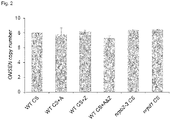
Fig. 2 shows the stress-dependence of ONSEN mobilisation. The graph shows ONSEN copy numbers in A. thaliana seedlings after chemical treatment with A (5 µg/ml), Z (40 µM), the combinations of A and Z (A&Z) in WT, nrpb2-3 and nrpd1 plants following the CS. ONSEN copy number measured by qPCR (mean s.e.m., n=3 biological replicates, values relative to ACTIN2). This result shows that the production of ONSEN extrachromosomal DNA is dependent on heat-stress. -
Fig. 3 shows that simultaneous inhibition of methyltransferases and Pol II mimics the nrpd1-mutant. (a) Asymmetric methylation analysis of the ONSEN LTR and the soloLTR in untreated and A (5 µg/ml), Z (40 µM) or A&Z-treated seedlings of the WT and the nrpd1 mutant after CS. PCR products obtained from genomic DNA that was used undigested (input) or after digestion with the CHH-methylation sensitive restriction enzyme Ddel. ACTIN2 is included as a control for complete Ddel digestion. The A&Z double treatment with A (5 µg/ml) and Z (40 µM) resulted in a very strong reduction of DNA methylation at ONSEN and soloLTR comparable to the nrpd1 mutant. (b) Northern blot indicating ONSEN-transcription directly after CS, HS and HS plus treatment with A (5 µg/ml), Z (40 µM) or a combination of A&Z in WT and nrpd1 plants. A Midori-stained agarose-gel is shown as a loading control. The level of the full length ONSEN transcript after heat stress and the double treatment with A (5 µg/ml) and Z (40 µM) is comparable to the nrpd1-mutant. (c) Accumulation of ONSEN DNA measured by qPCR in seedlings of WT, rdr6, dcl2/3/4 and nrpd1 plants directly after CS, HS and HS plus treatment with A, Z or a combination of A&Z. This result shows that RNA pol II is active upstream of the DICER-like enzymes. -
Fig. 4 shows the drug-induced mobilisation of ONSEN in wild-type Arabidopsis plants. (a) Transposon display confirming novel ONSEN insertions in the F2 generation of HS (HS control) and HS and A (5 µg/ml) and Z (40 µM) treated WT plants (HS+A&Z). Integrated ONSEN copies were measured by qPCR (upper part) and detected by transposon display (lower part). ONSEN copy numbers of seven selected individual, non-related plants are depicted. Copy numbers exceeding eight as measured by qPCR (upper part) and the observed additional bands on the transposon display (lower part) in the HS+A&Z treated Col WT plants indicate novel insertions of additional ONSEN copies. M is a 1kb size marker. (b), ONSEN copy number in the F1, F2 and F3 generation measured by qPCR (n=3 technical replicates, values relative to ACTIN2) Copy numbers >8 in lines 1-7 indicate insertions of additional ONSEN copies. c, and d, photographs of F2-plants containing novel ONSEN insertions showing both homogeneous and stress-dependent phenotypic variability induced by the HS+A&Z treatment when grown under long (c) and short day conditions (d). qPCR-Data for the F3-generation ofline 6 in (b) as well as pictures of phenotypes in (c) and (d) are missing due to severe infertility and extinction of this line. Examples for phenotypes observed in of lines with novel ONSEN insertions (lines1-7) include higher biomass under short day conditions (line 3), early flowering under long day conditions (line 7) and reduced chlorophyll accumulation (line 1). In summary this dataset shows that A&Z-treatment leads to an efficient burst of ONSEN transposition. New ONSEN insertions are stably inherited over several generations and cause phenotypic changes. -
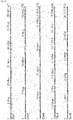
Fig. 5 shows the increase in ONSEN copy numbers in F1 pools of heat-stressed and treated plants. Parental plants were treated and heat stressed in independent experiments (characters a-c) with a combination of A (5 µg/ml) and Z (40 µM). Pools with significantly increased ONSEN-copy numbers (>10) are highlighted in dark grey. ONSEN copy number measured by qPCR (mean ± s.e.m., n=3 technical repetitions, values relative to ACTIN2). Approximately 29.4% of tested F1 pools of heat stressed and A+Z treated wild type plants showed a significantly increased ONSEN copy number. -
Fig. 6 shows a summary of confirmed novel ONSEN insertions. (a) Genome wide distribution and (b) Close-up of regions with new ONSEN insertions in the F2 generation of a selected HS+A&Z treated WT plant (line #3). Orientation of the ONSEN insertions is indicated central arrows. -
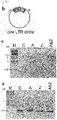
Fig. 7 shows the drug-induced activation of the Houba retrotransposon in rice (O. sativa). Mobilome analysis of DNA extracted from seedlings after growth on control conditions (C), A (5 µg/ml), Z (40 µM), and the combination of A&Z. (a) Detail of the normalized depth of coverage compared to the untreated control plant obtained after aligning the sequenced reads on one Houba element. (b) Scheme of primers localization (black bar. Houba element, arrows: PCR primers, box: LTR). (c) extrachromosomal circular forms of Houba are specifically detected in plants treated with both A&Z using inverse PCR with primers shown in 4b. (d) Specific PCR on circular chloroplast DNA is shown as a loading control. Total DNA subjected to a rolling circle amplification was used as a template. These results demonstrate the efficient A&Z-dependent mobilization of the Houba transposon in rice. -
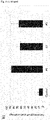
Fig. 8 shows increased heat tolerance in the F2 generation of treated Arabidopsis seedlings. Tolerance to repetitive heat stress (42°C) in the F2 progeny of wildtype plants that were either only heat stressed (control) or heat stressed and treated with A (5µg/ml) and Z (40 µM) (#1-3). (a) Two biological replicates (I and II) are depicted, (b) Percentage of vital seedlings (Mean ± s.e.m., n=2 biological repetitions). F2 seedlings originating from Heat stressed and A&Z-treated plants show a significantly increased heat tolerance (>60% vital seedlings) compared to the F2 of a plant that was only heat stressed (10% vital seedlings). This demonstrates that the A&Z-dependent mobilization of a heat-stress responsive transposon can produce plants that are better adapted to heat stress. -
Fig. 9 shows dose dependent accumulation of ONSEN extrachromosomal DNA upon pharmacological treatment and heat stress. ONSEN copy number was measured by qPCR in seedlings of Columbia (Col) wildtype directly after control stress (CS), heat stress (HS) and a treatment with α-amanitin in different concentrations given in µg/ml. (Mean ± s.e.m., n=3 technical repetitions). This shows that the number of mobilized transposons can be regulated by the amount of A used for the treatment. -
Fig. 10 shows epigenetic changes at the DNA methylation level induced by the treatment of plants and human cells with A. (a) Midori stained Agarose gel showing reduction of DNA-methylation at the ONSEN LTR upon pharmacological treatment and heat stress in WT (Col) seedlings directly after control stress (CS; 24h 6°C), heat stress (HS; 24h 6°C and 24h 37°C) and a treatment with A (20 µg/ml), Z (10 µM) or a combination thereof (A&Z). Undigested DNA was used as a PCR-template for the loading control (Input). PCR on Ddel-digested DNA shows reduction in DNA-methylation after treatment with A, Z or a combination of A&Z. (b) CHH methylation state at the ONSEN LTR assessed by bisulfite sequencing performed on CS plants grown on medium with or without A. (c) LINE-1 DNA methylation levels assessed in human A549 cancer cells grown in control medium and medium supplemented with 0.5 µg/ml A. This shows that A can be used as a potent DNA demethylating agent in plants and human cells. -
Fig. 11 shows accumulation of ONSEN extrachromosomal DNA upon combined pharmacological and flagellin-treatment. ONSEN copy number measured by quantitative PCR (qPCR) in seedlings of Col wild type directly after control stress, 5h after treatment with flagellin (flg22) alone or in combination with A (5 µg/ml), Z (40 µM) or a combination thereof (A&Z). (Mean ± s.e.m., n=3 technical repetitions). -
Fig. 12 shows activation of ATCOPIA17 upon combined pharmacological and flagellin-treatment. ATCOPIA17 fold change was measured by quantitative PCR (qPCR) on total DNA in seedlings of the Col wild type directly after control stress, 5h after treatment with flagellin (flg22) alone or in combination with A (5 µg/ml), Z (40 µM) or a combination thereof (A&Z). (Mean ± s.e.m., n=3 technical repetitions). -
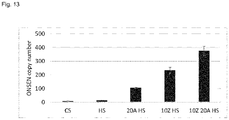
Fig. 13 shows accumulation of ONSEN extrachromosomal DNA upon pharmacological treatment and heat stress. ONSEN copy number was measured by quantitative PCR (qPCR) on total DNA in seedlings of WT directly after control stress (CS; 24h 6°C), heat stress (HS; 24h 6°C and 24h 37°C) and HS plus treatment with alpha-aminitin(A, 20 µg/ml), zebularine (Z, 10 µM) and HS plus the combination of A&Z. This result demonstrates the robustness of the treatments independent of the relative concentrations of A and Z. - The inventors have discovered a highly efficient method to activate and mobilize TEs in eukaryotes. The treatment involves drugs that target highly conserved eukaryotic mechanisms: DNA methylation and transcription.
- In order to investigate the role of Pol II on TE mobility the inventors chose the wellcharacterized heat-responsive copia-like ONSEN retrotransposon (Ito, H. et al., Nature, 2011, 472: 115-119) of Arabidopsis. The inventors first tested if Pol II deficient plants showed enhanced TE activity. For that purpose, the inventors took advantage of the hypomorphic nrpb2-3 mutant allele that accumulates reduced NRPB2 protein levels (Zeng, B. et al., Genes Dev, 2009, 23: 2850-2860). Using real-time PCR, it was determined that challenging nrpb2-3 seedlings by heat stress (called HS here) lead to a mild increase in ONSEN ecDNA compared to the wild type (
Fig. 1a ). This result was supported by the observed increase in ONSEN ecDNA after pharmacological inactivation of Pol II with 5 µg/ml α-amanitin (called A here), a potent Pol II inhibitor that does not affect Pol IV or Pol V (Haag, J.R. et al., Mol Cell, 2012, 48: 811-818) (Fig 1a,b ). Transcription by RNA Polymerase II (Pol II) is inhibited by α-amanitin, derivatives thereof or other Pol II inhibitors. Global inhibition of DNA methylation is achieved by treatments with zebularine or 5-aza-2'-deoxycytidine (and derivatives thereof). In order to test the interaction between Pol II-mediated repression of TE activation and DNA methylation the inventors grew wild-type and nrpb2-3 plants on media supplemented with moderate amounts of zebularine (called Z here, 40 µM for wild-type plants, 10 µM for nrpb2-3 plants to ensure the viability of nrpb2-3 seedlings), an inhibitor of DNA methyltransferases active in plants (Baubec, T. et al., Plant J, 2009, 57: 542-554) and submitted them to HS. The presence of Z in the medium during HS generally enhanced the production of ONSEN ecDNA. Notably, this induced increase in ecDNA accumulation was more distinct in the nrpb2-3-background (Fig. 1a ). This indicated that both, DNA methylation and Pol II transcriptional activity contribute to the repression of ONSEN ecDNA production. Because both DNA methylation and Pol II can be specifically inhibited by the addition of different drugs the inventors tested if treating wildtype plants with both A and Z at the same time could strongly activate and even mobilize ONSEN after a heat stress treatment. The inventors grew WT seedlings on MS medium supplemented with each drug individually and both combined. In conformity with the strong activation of ONSEN in heat stressed and Z-treated nrpb2-3-seedlings, the combined treatment (A+Z) of the WT gave rise to a very high (Fig. 1b ) and HS-dependent (Fig. 2 ) accumulation of ONSEN ecDNA comparable to the nrpd1 mutant (Fig. 3c ). - In order to better understand the effect the drugs had at the DNA level underlying the increased activation of ONSEN after HS, the inventors assessed how they influenced DNA methylation at the long terminal repeat (LTR) of a selected ONSEN endogenous locus (AT1TE12295) and at an unrelated well characterized RdDM target (soloLTR). Treating plants with A or Z individually already resulted in reduced CHH methylation levels at the ONSEN LTR after CS (
Fig. 3a ). Combining the two drugs lead to a loss of DNA methylation comparable to the nrpd1 mutant. DNA methylation at the soloLTR showed a different response to the drug treatments as a reduction in DNA methylation levels was only observed in plants submitted to a combined A and Z treatment. The inventors then checked by Northern Blot whether the degree of reduction in CHH methylation would coincide with increased ONSEN-transcript-levels directly after HS. The inventors found that treatment with Z alone already resulted in the highest ONSEN-transcript levels after HS (Fig. 3b ). From this observation, the inventors concluded that these additional Z-induced transcripts were not suitable templates for the production of ONSEN ecDNA (compareFig. 1 andFig. 3b ). - In Drosophila, it has been shown that Pol II-mediated antisense transcription results in the production of TE-derived siRNAs in a Dicer-2 dependent manner (Russo, J. et al. Genetics, 2016, 202:107-21). Supporting this notion for Arabidopsis, a recent publication pointed out the importance of DCL3 in regulating ONSEN in the ddm1 background (Panda, K. et al. Genome Biol, 2016, 17:1-19). To elucidate whether the effect of Pol II inhibition was also dicerdependent, the inventors grew both the rdr6- and the dcl2/3/4-triple mutant (defective in three of the four plant dicer-like enzymes, DCLs) on A, applied HS and measured ONSEN ecDNA. The inventors found that A was still enhancing ecDNA accumulation in rdr6 whereas inhibition of Pol II had no effect in the dcl2/3/4 triple-mutant (
Fig. 3c ). This finding supports the notion that Pol II acts upstream of the processing step catalyzed by the DCLs. - Mobilization of endogenous TEs in plants has so far been very inefficient, thus limiting their use in basic research and plant breeding. We have previously not observed ONSEN transposition in HS treated wild-type plants (Ito, H. et al. Nature, 2011, 472:115-119). Because the A&Z drug treatment resulted in an increased ONSEN ecDNA accumulation to a similar degree like in nrpd1, the inventors tested if the combined drug treatment could lead to an efficient ONSEN mobilization in wild-type plants. First, the inventors assessed by real-time PCR if, and at which frequencies, new ONSEN copies could be detected in the progeny of A&Z-treated and heat stressed plants. The inventors found new ONSEN insertions in 29.4% of the tested F1 pools (n=51) with mean copy numbers of the pools reaching up to 52 (
Fig. 5 ). The inventors then confirmed stable novel ONSEN insertions in a subset of independent individual high copy plants by transposon display (Fig. 4a ), real-time PCR (Fig. 4b ) and sequencing of some insertions in a selected high-copy line (#3) (Fig. 6 ). The combination of HS, A and Z resulted in a similar extrachromosomal ONSEN copy number as has been previously observed in RdDM deficient plants. The inventors detected novel ONSEN insertions in the progeny of 27 % of the treated plants. According to qPCR measurements, up to 90 +/-6 inserted copies were detected in individual plants in the F2 and successive generations of A, Z and HS treated plants (Figure 4a ). These insertions were further confirmed by transposon display. The inventors did not observe further increases in ONSEN copy numbers over three generations indicating that the new insertions were stable and that ONSEN was not transposing anymore (Fig. 4b ). - TE insertions can interrupt genes or alter their expression by either recruiting epigenetic marks or by stress-dependent readout transcription from the 3'LTR into flanking regions (Lisch, D., Nat Rev Genet, 2013, 14: 49-61). To test this, the inventors grew the F2 generation of the aforementioned selected high copy lines under long and short day conditions. The inventors observed that many lines showed clear and homogenous phenotypes in response to the different growth conditions (plant size, chlorophyll content and flowering time,
Fig. 4c and d ). - The inventors tested if Pol II plays a more general role in repressing TEs in plants. Due to its significantly different epigenetic landscape compared to Arabidopsis the inventors chose the genetically well characterized monocotyledonous rice crop O. sativa (Kawahara, Y. et al., 2013, Rice, 6: 4-10). In order to capture drug-induced mobilized TEs, the inventors characterized the active mobilome in O. sativa seedlings that were grown on MS medium supplemented either with no drugs, A only, Z only or the combination of A and Z, using a method that allows to specifically sequence extrachromosomal circular DNA (eccDNA). eccDNA is a byproduct of the LTR retrotransposon life cycle. Using this approach, the inventors identified Houba, a copia like retrotransposon (Panaud, O. et al., Mol. Genet. Genomics, 2002, 268:113-121), as highly activated only when plants were treated with both A and Z (
Fig. 7a ). The sequencing data were confirmed by an eccDNA-specific PCR on the Houba LTRs (Fig. 7b and c ). - Because the treatment with A alone reduced DNA methylation (
Fig. 3a ) in Arabidopsis, the inventors wanted to test the robustness and generality of this treatment. In order to confirm the robustness, plants were treated with A (20µg/ml), Z (10 µg/ml) and A&Z. A alone already strongly reduced DNA methylation at this higher concentration (Fig. 10a ), this result was then further supported by the assessment of DNA methylation in the CHH context by bisulfite sequencing (average of 10 sequenced clones for each sample). Because A inhibits the highly conserved RNA Pol II enzyme and that A is also active in human cells, the inventors tested the effect of A on DNA methylation in the A549 human cancer cell line. Global DNA methylation content in the cells was assessed and compared to untreated or Z-treated cells. Supplementation of the growth medium with A (0.5 µg/ml) resulted in a 40% reduction of DNA methylation. This reduction was comparable to a treatment with the DNA demethylating agent Z (350 µM) (Fig. 10c ). The authors then also assessed the DNA methylation levels at the long interspersed element 1 (LINE-1) retrotransposon. At LINE-1 A had an even more pronounced effect on the reduction of DNA methylation than Z (40% versus 20% reduction, respectively). These results demonstrate that an inhibitor of transcription can be used as a potent DNA demethylating agent in eukaryotic cells. - After stratification for two days at 4°C, Arabidopsis thaliana plants (accession Col-0) were grown on sterile ½ MS medium with 1% sucrose and a pH of 5.8 (control medium) under long day conditions (16 h light) at 24°C (day) and 22°C (night), respectively. Oryza sativa plants were grown on sterile ½ MS medium with 1% sucrose and a pH of 5.8 (control medium) 16 h at 28 °C (day) and 27 °C (night), respectively.
- In order to analyze successive generations, seedlings were transferred to soil and grown under long day conditions (16 h light) at 24 °C (day) and 22 °C (night) (A. thaliana) in a Sanyo MLR-350 growth chamber until seed maturity.
- For phenotyping, A. thaliana plants were grown under long day conditions (16 h light) at 24°C (day) and 22 °C (night) and short day conditions (10 h light) at 21 °C (day) and 18 °C (night).
- The induction of epigenetic changes and the activation and stable integration of transposable elements in Arabidopsis seedlings was enhanced by germinating and growing them on ½ MSmedium that contained zebularine (final concentration: 10-40 µM), α-amanitin (final concentration: 0.005-20 µg/ml) or a combination of both chemicals (inductive media).
- In order to trigger the transposition of the heat-responsive retrotransposon ONSEN, seven days old seedlings were exposed to a cold shock for 24h at 6°C followed by a heat-stress for 24h at 37°C (heat stress, HS) under controlled conditions in a growth chamber (Sanyo). Control plants were transferred back to longday-conditions 24°C (day) and 22°C (night) after the cold treatment at 6°C for 24h (CS, control stress, according to Ito et al., 2011).
- In order to trigger a biotic-stress response, nine days old Arabidopsis-seedlings were grown for nine days on 5 ug/ul alpha-amanitin and 40 uM zebularine and sprayed with flg22 (10 µM). After 5h of incubation, total DNA from the aerial part of seedlings was extracted and TE copy number assessed by qPCR.
- Total DNA from seedlings and adult plants was isolated using a DNeasy Plant Mini Kit (QIAGEN).
- In preparation to the measurement of extrachromosomal DNA copies of ONSEN in CS/HS and untreated/treated seedlings, roots were dissected directly after the heat stress and plants were immediately frozen in liquid nitrogen until DNA extraction.
- To track ONSEN copy numbers in the F1-F3 generations of control and high copy lines, DNA from true leaves was extracted.
- For the estimation of the ONSEN transposition frequency, total DNA of pools consisting of at least eight seedlings of the progeny of HS+A&Z-treated plants was isolated. The DNA concentration was measured with a Qubit Fluorometer (Thermo Fisher Scientific).
- The copy numbers of ONSEN were determined with qPCRs on total DNA using a TaqMan master mix (Life Technologies) in a final volume of 10 µl in the Light-Cycler 480 (Roche). ACTOPIA17 copy number was measured by quantitative PCR (qPCR) in a Light-Cycler 480 (Roche), using XYBR 421 Green I Master Mix. Actin2 (At3g18780) served as a standard gene for normalization. The sequences of the primers and probes for the qPCRs are listed in table 2.
- For the mobilome-seq analysis DNA from the aerial parts of three O. sativa seedlings was extracted as previously reported (Mette, M. et al., EMBOJ, 1999, 18: 241-248).
- 5µg of genomic DNA for each sample were purified using a Geneclean kit (MPBio, USA) according to the manufacturer's instructions. ecDNA was isolated from the GeneClean product using the PlasmidSafe DNase (Epicentre, USA) according to the manufacturer's instructions, except that the 37°C incubation was performed for 17h. DNA samples were precipitated by adding 0.1 volume of 3M sodium acetate (pH 5.2), 2.5 volumes of ethanol and 1 µl of glycogen (Fisher, USA) and incubating overnight at -20°C. The precipitated circular DNA was amplified by random rolling circle amplification using the Illustra TempliPhi kit (GE Healthcare, USA) according to the manufacturer's instructions except that the incubation was performed for 65h at 28°C. The DNA concentration was determined using the DNA PicoGreen kit (Invitrogen, USA) using a LightCycler480 (Roche, USA). One nanogram of amplified ecDNA from each sample was used to prepare the libraries using the Nextera XT library kit (Illumina, USA) according to the manufacturer's instructions. DNA quality and concentration were determined using a high sensitivity DNA Bioanalyzer chip (Agilent Technologies, USA). Samples were pooled and loaded onto a MiSeq platform (Illumina, USA) and 2x250 nucleotides paired-end sequencing was performed. Quality control of FASTQ files was evaluated using the FastQC tool (version 0.10.1). To remove any read originating from organelle circular genomes, reads were mapped 198 against the mitochondria and chloroplast genomes using the program Bowtie2 version 2.2.2 71 with --sensitive local mapping. Unmapped reads were mapped against the reference genome IRGSP1.0 (http://rgp.dna.affrc.go.jp/E/IRGSP/ Build5.html) using the following parameters: --sensitive local, -
k 1. DNA from both mitochondria and chloroplast genomes integrated in nuclear genomes was masked (1,697,400 bp), The TE containing regions cover 194,224,800 bp in O. sativa. Finally, for each library, a .bam alignment file corresponding to enriched genomic regions was considered for statistical analysis and visualized with the Integrative Genomics Viewer (IGV) software (https://www.broadinstitute.org/igv/home)Table 2: Sequences of primers and probes that were used for the qPCRs (TaqMan, Life Technologies) to measure total number of extrachromosomal ONSEN DNA-copies. Actin 2 served as a control gene for normalization.Primer Sequence 5'-> 3' SEQ ID No 001 (ONSEN_RT_fw) CCACAAGAGGAACCAACGAA SEQ ID No 002 (ONSEN_RT_rev) TTCGATCATGGAAGACCGG SEQ ID No 003 (ONSEN probe) (FAM) AAGTCGGCAATAGCTTTGGCGAAGA (BHQ1) SEQ ID No 004 (Actin2_RT_fw) TGCCAATCTACGAGGGTTTC SEQ ID No 005 (Actin2_RT_rev) TTACAATTTCCCGCTCTGCT SEQ ID No 006 (Actin2_probe) (JOE)TCCGTCTTGACCTTGCTGGACG(BHQ-1) SEQ ID No 007 (GenWalkAdaptator1) 
GenWalkAdaptor2 (PHOS)ACCAGCCC(AMINO) SEQ ID No 008 (AP1) GTAATACGACTCACTATAGGGC SEQ ID No 009 (Copia78 3' LTR) AACACTTAAACACTTTCTCCA SEQ ID NO 010 706_ATCOPIA17 QT R TTAGTATAAGGCTGAGCTGGAAACTG SEQ ID NO 011 705 ATCOPIA17 QT F CAAGCCTAACCCTCAGCTACATG - The stable integration of additional copies of the ONSEN TE into the genome of heat stressed and treated plants was ascertained by a simplified transposon display based on the GenomeWalker Universal kit (Clontech Laboratories), according to Ito et al. 2011.
- 300 ng of total DNA from adult plants from the F2 generation of HS +/- A & Z was extracted with a DNeasy Plant Mini Kit (QIAGEN) and digested with a blunt cutter restriction enzyme (Dra I). After purification with a High Pure PCR Product Purification Kit (Roche) digested DNA was ligated to the annealed
GenWalkAdapters 1 & 2. For the PCR, the adaptor specific Primer AP1 and the ONSEN-specific Primer Copia 78 3' LTR was used. The PCR products were separated on a 2 % agarose gel that was stained with a Midori Green Nucleic Acid Staining Solution. For sequence information, see tables 2 and 3. - In order to identify the genomic region of new ONSEN insertions, the PCR product of the transposon display was purified using a High Pure PCR Product Purification Kit (Roche), ligated into a pGEM-T Vector (Promega) and transformed into E. coli. After a blue white selection, positive clones were used for the insert amplification and sequencing (StarSEQ). The obtained sequences were analyzed with Geneious 8.2.1 and blasted against the Arabidopsis thaliana reference genome. The standard genotyping-PCRs to prove novel ONSEN insertions were performed with combinations of the ONSEN-specific primer "Copia 78 TE display 3'LTR" and primers listed in tables 2 and 3.
Table 3: Names, purpose and sequences of primers Name / SEQ ID NO Sequences 5' --> 3 ' Experiment OnsenFull_F SEQ ID 12 AAGTGGTATCAGAGCTTGAAGATCC Northern Blot OnsenFull_R SEQ ID 13 CAACACCCCCTCTTAAACTTGATTTTGC M13F SEQ ID 14 CGCCAGGGTTTTCCCAGTCACGAC Cloning and sequencing M13R SEQ ID 15TCACACAGGAAACAGCTATGAC 286 OnsenBis F1 SEQ ID 16 GGTTGAAGGGTYAAAGAGTAAAT Methylation analysis 287 OnsenBis R1 SEQ ID 17 CCTCCAAACTACAAAATATCTAAAA 835 Chop PCR ACT2 F SEQ ID 18 TGTAGTGTCGTACGTTGAACAGAAAGC 836 Chop PCR ACT2 R SEQ ID 19 TTGGCACAGTGTGAGACACACCA houba_F2 SEQ ID 20ATCCTGGGAAGAACAAACCATTAA houba_R2 SEQ ID 21 GAGTTCGAGTACCTTAGCCATGGT PCR on circular rice TE and chloroplast control Chloroplast cyc F SEQ ID 22 ACAACCACTGATGAAGGATT Chloroplast cyc R SEQ ID 23 AGAAAGAAAAGCAACGACTG Prove TED 2_20 R SEQ ID 24 ACCTAGCTCTGAGTGATGAA Genotyping of novel ONSEN insertions Prove TED4_27 F SEQ ID 25TGGATATACACATTGGTTGCA Prove TED 2_19 F SEQ ID 26 GGAGAAAGCTGAAAACTTGG Prove TED4 30 rev SEQ ID 27 CTAGGTTGGTGACTGATGAG Prove TED 2_17 F SEQ ID 28 AAGAATGGGAGCAGCATTAA Prove3_2R SEQ ID 29 GCAGTACTATAACCGGGACT prove TED3_1 Fw SEQ ID 30GAACTTTCCGTTGTTACCGG Prove TED3 F SEQ ID 31 ATGAGACAGGGAGCTTATCT Prove TED1 R SEQ ID 32 GGTGTGAACCGAACCTAAAT Prove TED 4_25 F SEQ ID 33 AAACACCAGAAATCTTTCGC - The presence of circular Houba-copies was proven by an inverse PCR on 7 ng of the rollingcircle amplified template that was also used for sequencing. A PCR specific to a chloroplast DNA served as a loading control. PCR products were separated on a 1% agarose gel that was stained with a Midori Green Nucleic Acid Staining Solution (Nippon Genetics Europe). Primer sequences are given in supplementary Table 4.
Table 4: Sequences of primers and probes that were used for the PCRs to measure total number of extrachromosomal Houba DNA. Primer /SEQ ID NO Sequence 5'-> 3' 286 OnsenLTRchopF SEQ ID 34 GGTTGAAGGGTYAAAGAGTAAAT 287 OnsenLTRchopR SEQ ID 35 CCTCCAAACTACAAAATATCTAAAA Houba_F2 SEQ ID 36 ATCCTGGGAAGAACAAACCATTAA Houba_R2 SEQ ID 37 GAGTTCGAGTACCTTAGCCATGGT - Total RNA from the aerial part of Arabidopsis seedlings was isolated using the TRI Reagent (Sigma) according to manufacturer's recommendations. RNA concentration was measured (Qubit RNA HS Assay Kit, Thermo Fisher), 15 µg of RNA was separated on a denaturing 1.5% Agarose gel, blotted on a Hybond-N+ (GE Healthcare) membrane and hybridized with 25 ng of a gel-purified and P32 labelled probe (Megaprime DNA Labelling System, GE Healthcare) specific to the full length ONSEN transcript (See table 3 for primer sequences).
- 20 ng of total genomic DNA isolated from Arabidopsis seedlings was digested with the methylation sensitive restriction enzyme, Dde1 (NEB) at 37 °C over night. Following heat inactivation at 60°C for 20 min, the digested DNA was used as a template for the chopPCR. Actin2 served as a control for the digest. Undigested DNA was used as a loading control. PCR products were separated on a 1% agarose gel and stained with Midori Green.
- For the A549 human cancer cell line cells were grown in medium without treatment or supplemented with either Z (350 µM) or A (0.5 µg/ml), DNA was extracted by using the QiaAmp DNA mini Kit (Qiagen, France). Next, global DNA methylation was estimated by quantifying the presence of 5-methylcytosine 5-mC DNA ELISA Kit (Zymo Research) according to the manufacturers's instructions. DNA methylation at the LINE-1 transposons were assessed with the Global DNA Methylation Assay-LINE-1 kit (Active Motif).
-
- <110> Universitaet Basel
- <120> Mobilisation of Transposable Elements to Enhance Genetic and Epigenetic Variability in a Population
- <130> uz252ep
- <160> 37
- <170> PatentIn version 3.5
- <210> 1
<211> 20
<212> DNA
<213> Artificial Sequence - <220>
<223> RT PCR primer for ONSEN from Arabidopsis thaliana - <400> 1
ccacaagagg aaccaacgaa 20 - <210> 2
<211> 19
<212> DNA
<213> Artificial Sequence - <220>
<223> RT PCR primer for ONSEN from Arabidopsis thaliana - <400> 2
ttcgatcatg gaagaccgg 19 - <210> 3
<211> 25
<212> DNA
<213> Artificial Sequence - <220>
<223> RT PCR probe for ONSEN from Arabidopsis thaliana - <220>
<221> misc_feature
<222> (1)..(1)
<223> FAM dye at the 3' end - <220>
<221> misc_feature
<222> (25)..(25)
<223> BHQ1 quencher at the 5' end - <400> 3
aagtcggcaa tagctttggc gaaga 25 - <210> 4
<211> 20
<212> DNA
<213> Artificial Sequence - <220>
<223> RT PCR primer for actin2 of Arabidopsis thaliana - <400> 4
tgccaatcta cgagggtttc 20 - <210> 5
<211> 20
<212> DNA
<213> Artificial Sequence - <220>
<223> RT PCR primer for actin2 of Arabidopsis thaliana - <400> 5
ttacaatttc ccgctctgct 20 - <210> 6
<211> 22
<212> DNA
<213> Artificial Sequence - <220>
<223> Actin2 probe for RT PCR - <220>
<221> misc_feature
<222> (1)..(1)
<223> JOE dye at the 3' end - <220>
<221> misc_feature
<222> (22)..(2)
<223> BHQ-1 quencher at the 5' end - <400> 6
tccgtcttga ccttgctgga cg 22 - <210> 7
<211> 48
<212> DNA
<213> Artificial Sequence - <220>
<223> GenWalkAdaptorl - <400> 7
gtaatacgac tcactatagg gcacgcgtgg tcgacggccc gggctggt 48 - <210> 8
<211> 22
<212> DNA
<213> Artificial Sequence - <220>
<223> PCR primer specific for GenWalkAdaptor - <400> 8
gtaatacgac tcactatagg gc 22 - <210> 9
<211> 21
<212> DNA
<213> Artificial Sequence - <220>
<223> PCR primer specific for ONSEN of Arabidopsis thaliana - <400> 9
aacacttaaa cactttctcc a 21 - <210> 10
<211> 26
<212> DNA
<213> Artificial Sequence - <220>
<223> RT PCR primer for ONSEN from Arabidopsis thaliana - <400> 10
ttagtataag gctgagctgg aaactg 26 - <210> 11
<211> 23
<212> DNA
<213> Artificial Sequence - <220>
<223> RT PCR primer for ONSEN from Arabidopsis thaliana - <400> 11
caagcctaac cctcagctac atg 23 - <210> 12
<211> 25
<212> DNA
<213> Artificial Sequence - <220>
<223> Northern Blot probe for the detection of ONSEN from Arabidopsis thaliana - <400> 12
aagtggtatc agagcttgaa gatcc 25 - <210> 13
<211> 28
<212> DNA
<213> Artificial Sequence - <220>
<223> Northern Blot probe for the detection of ONSEN from Arabidopsis thaliana - <400> 13
caacaccccc tcttaaactt gattttgc 28 - <210> 14
<211> 24
<212> DNA
<213> Artificial Sequence - <220>
<223> M13 sequencing primer - <400> 14
cgccagggtt ttcccagtca cgac 24 - <210> 15
<211> 22
<212> DNA
<213> Artificial Sequence - <220>
<223> M13 sequencing primer - <400> 15
tcacacagga aacagctatg ac 22 - <210> 16
<211> 23
<212> DNA
<213> Artificial Sequence - <220>
<223> chopPCR primer for ONSEN from Arabidopsis thaliana - <400> 16
ggttgaaggg tyaaagagta aat 23 - <210> 17
<211> 25
<212> DNA
<213> Artificial Sequence - <220>
<223> chopPCR primer for ONSEN from Arabidopsis thaliana - <400> 17
cctccaaact acaaaatatc taaaa 25 - <210> 18
<211> 27
<212> DNA
<213> Artificial Sequence - <220>
<223> chopPCR primer for Actin2 from Arabidopsis thaliana - <400> 18
tgtagtgtcg tacgttgaac agaaagc 27 - <210> 19
<211> 23
<212> DNA
<213> Artificial Sequence - <220>
<223> chopPCR primer for Actin2 from Arabidopsis thaliana - <400> 19
ttggcacagt gtgagacaca cca 23 - <210> 20
<211> 24
<212> DNA
<213> Artificial Sequence - <220>
<223> PCR primer for Houba from rice - <400> 20
atcctgggaa gaacaaacca ttaa 24 - <210> 21
<211> 24
<212> DNA
<213> Artificial Sequence - <220>
<223> PCR primer for Houba from rice - <400> 21
gagttcgagt accttagcca tggt 24 - <210> 22
<211> 20
<212> DNA
<213> Artificial Sequence - <220>
<223> PCR primer for chloroplast DNA from rice - <400> 22
acaaccactg atgaaggatt 20 - <210> 23
<211> 20
<212> DNA
<213> Artificial Sequence - <220>
<223> PCR primer for chloroplast DNA from rice - <400> 23
agaaagaaaa gcaacgactg 20 - <210> 24
<211> 20
<212> DNA
<213> Artificial Sequence - <220>
<223> PCR primer for ONSEN from Arabidopsis thaliana - <400> 24
acctagctct gagtgatgaa 20 - <210> 25
<211> 21
<212> DNA
<213> Artificial Sequence - <220>
<223> PCR primer for ONSEN from Arabidposis thaliana - <400> 25
tggatataca cattggttgc a 21 - <210> 26
<211> 20
<212> DNA
<213> Artificial Sequence - <220>
<223> PCR primer for ONSEN from Arabidopsis thaliana - <400> 26
ggagaaagct gaaaacttgg 20 - <210> 27
<211> 20
<212> DNA
<213> Artificial Sequence - <220>
<223> PCR primer for ONSEN from Arabidopsis thaliana - <400> 27
ctaggttggt gactgatgag 20 - <210> 28
<211> 20
<212> DNA
<213> Artificial Sequence - <220>
<223> PCR primer for ONSEN from Arabidopsis thaliana - <400> 28
aagaatggga gcagcattaa 20 - <210> 29
<211> 20
<212> DNA
<213> Artificial Sequence - <220>
<223> PCR primer for ONSEN from Arabidopsis thaliana - <400> 29
gcagtactat aaccgggact 20 - <210> 30
<211> 20
<212> DNA
<213> Artificial Sequence - <220>
<223> PCR primer for ONSEN from Arabidopsis thaliana - <400> 30
gaactttccg ttgttaccgg 20 - <210> 31
<211> 20
<212> DNA
<213> Artificial Sequence - <220>
<223> PCR primer for ONSEN from Arabidopsis thaliana - <400> 31
atgagacagg gagcttatct 20 - <210> 32
<211> 20
<212> DNA
<213> Artificial Sequence - <220>
<223> PCR primer for ONSEN from Arabidopsis thaliana - <400> 32
ggtgtgaacc gaacctaaat 20 - <210> 33
<211> 20
<212> DNA
<213> Artificial Sequence - <220>
<223> PCR primer for ONSEN from Arabidopsis thaliana - <400> 33
aaacaccaga aatctttcgc 20 - <210> 34
<211> 23
<212> DNA
<213> Artificial Sequence - <220>
<223> PCR primer for Houba from rice - <400> 34
ggttgaaggg tyaaagagta aat 23 - <210> 35
<211> 25
<212> DNA
<213> Artificial Sequence - <220>
<223> PCR primer for Houba from rice - <400> 35
cctccaaact acaaaatatc taaaa 25 - <210> 36
<211> 24
<212> DNA
<213> Artificial Sequence - <220>
<223> PCR primer for Houba from rice - <400> 36
atcctgggaa gaacaaacca ttaa 24 - <210> 37
<211> 24
<212> DNA
<213> Artificial Sequence - <220>
<223> PCR primer for Houba from rice - <400> 37
gagttcgagt accttagcca tggt 24
Claims (8)
- A method for the mobilization of a transposable element in a plant cell, said method comprising the steps of:a) providing a plant cell comprising a transposable elementb) contacting said plant cell with an inhibitor of transcription and an inhibitor of DNA methylation,c) exposing said plant cell to an abiotic stress, biotic stress or chemical stress,d) isolating said plant cell and determining whether a phenotype of said cell has been changedthereby yielding a plant cell with a mobilized transposable element.
- The method according to claim 1, wherein said plant cell is part of a plant, and wherein subsequent to exposure of said cell to an abiotic stress, biotic stress or chemical stress, the cell is cultivated to render a multicellular organism, and the phenotype of said plant is determined.
- The method according to claim 2, wherein the phenotype is resistance to a stressor that causes the abiotic stress, biotic stress or chemical stress.
- The method according to any one of the preceding claims 1 to 3, whereini. said abiotic stress is selected from heat, cold, drought, submergence/ water excess, wind, UV-radiation, nuclear radiation, salinity, heavy metals, soil pH, tissue culture cultivation and starvation of phosphorous, nitrogen, light or CO2, and/orii. said biotic stress is selected from the negative impact of fungi, bacteria, viruses, insects, wounding by herbivores and biological competition, and/oriii. said chemical stress is selected from herbicides, herbicide safener, insecticides, fungicides, plant secondary metabolites and synthetic or natural compounds that induce plant defense.
- The method according to any one of claims 1 to 4, wherein said plant cell or plant is contacted with an inhibitor of DNA-methylation selected from 5-azacytidine, 5-aza-2'-deoxycytidine, 5-fluoro-2'-deoxycytidine, 5,6-dihydro-5-azacytidine and zebularine.
- The method according to any one of the preceding claims, wherein said inhibitor of transcription is an RNA polymerase II inhibitor.
- The method according to claim 6, wherein said RNA polymerase II inhibitor is alpha-amanitin used at a concentration of 0.0005 µg/ml to 50 µg/ml .
- The method according to any one of the preceding claims, wherein said inhibitor of DNA-methylation is zebularine used at a concentration of 5 µmol/L to 100 µmol/L.
Applications Claiming Priority (2)
| Application Number | Priority Date | Filing Date | Title |
|---|---|---|---|
| EP15197663 | 2015-12-02 | ||
| PCT/EP2016/079276 WO2017093317A1 (en) | 2015-12-02 | 2016-11-30 | Mobilisation of transposable elements to enhance genetic and epigenetic variability in a population |
Publications (2)
| Publication Number | Publication Date |
|---|---|
| EP3384020A1 EP3384020A1 (en) | 2018-10-10 |
| EP3384020B1 true EP3384020B1 (en) | 2022-08-03 |
Family
ID=54780176
Family Applications (1)
| Application Number | Title | Priority Date | Filing Date |
|---|---|---|---|
| EP16808953.0A Active EP3384020B1 (en) | 2015-12-02 | 2016-11-30 | Mobilisation of transposable elements to enhance genetic and epigenetic variability in a population |
Country Status (10)
| Country | Link |
|---|---|
| US (1) | US12144299B2 (en) |
| EP (1) | EP3384020B1 (en) |
| JP (1) | JP6860936B2 (en) |
| CN (1) | CN108699546B (en) |
| CA (1) | CA3006632C (en) |
| CO (1) | CO2018005897A2 (en) |
| ES (1) | ES2928056T3 (en) |
| IL (1) | IL259666B (en) |
| MX (1) | MX395427B (en) |
| WO (1) | WO2017093317A1 (en) |
Families Citing this family (2)
| Publication number | Priority date | Publication date | Assignee | Title |
|---|---|---|---|---|
| EP3681271B1 (en) | 2017-09-14 | 2024-07-31 | Rahan Meristem (1998) Ltd | A method for producing banana plants with tolerance to fusarium oxysporum cubensis tr4 |
| CN120419460A (en) * | 2025-04-30 | 2025-08-05 | 广西壮族自治区农业科学院 | Auxiliary cultivation method for promoting biological nitrogen fixation of sugarcane |
Family Cites Families (7)
| Publication number | Priority date | Publication date | Assignee | Title |
|---|---|---|---|---|
| JP2002540799A (en) * | 1999-04-01 | 2002-12-03 | マクギル・ユニヴァーシティ | A new type of transposon-based genetic marker |
| JP2003093074A (en) | 2001-09-21 | 2003-04-02 | Ueda Seni Kagaku Shinkokai | Method for detecting endogenous transposon of plant and detected transposon and new kind crop using the same and method for raising the same |
| CN1612931A (en) * | 2002-01-09 | 2005-05-04 | 米诺斯生物系统有限公司 | Genetic manipulation method |
| CN1244269C (en) * | 2002-01-24 | 2006-03-08 | 华中农业大学 | Method for large-scale inducing plant gene mutation |
| AU2003252483A1 (en) * | 2003-07-08 | 2005-01-21 | Japan Science And Technology Corporation | Method and system of constructing transgenic organism |
| CN1748479A (en) | 2005-10-10 | 2006-03-22 | 湖南大学 | A kind of rice somatic clone mutation breeding method |
| JP4613273B2 (en) | 2007-02-06 | 2011-01-12 | 大学共同利用機関法人自然科学研究機構 | Rice transposon gene |
-
2016
- 2016-11-30 WO PCT/EP2016/079276 patent/WO2017093317A1/en not_active Ceased
- 2016-11-30 CN CN201680080349.8A patent/CN108699546B/en active Active
- 2016-11-30 ES ES16808953T patent/ES2928056T3/en active Active
- 2016-11-30 MX MX2018006754A patent/MX395427B/en unknown
- 2016-11-30 US US15/780,636 patent/US12144299B2/en active Active
- 2016-11-30 EP EP16808953.0A patent/EP3384020B1/en active Active
- 2016-11-30 JP JP2018528780A patent/JP6860936B2/en active Active
- 2016-11-30 CA CA3006632A patent/CA3006632C/en active Active
-
2018
- 2018-05-29 IL IL259666A patent/IL259666B/en unknown
- 2018-06-07 CO CONC2018/0005897A patent/CO2018005897A2/en unknown
Non-Patent Citations (1)
| Title |
|---|
| MICHAEL THIEME ET AL: "Inhibition of RNA polymerase II allows controlled mobilisation of retrotransposons for plant breeding", GENOME BIOLOGY, vol. 18, no. 1, 7 July 2017 (2017-07-07), pages 1 - 10, XP055609712, DOI: 10.1186/s13059-017-1265-4 * |
Also Published As
| Publication number | Publication date |
|---|---|
| WO2017093317A1 (en) | 2017-06-08 |
| EP3384020A1 (en) | 2018-10-10 |
| BR112018011189A2 (en) | 2018-11-21 |
| IL259666A (en) | 2018-07-31 |
| CO2018005897A2 (en) | 2018-06-20 |
| ES2928056T3 (en) | 2022-11-15 |
| MX395427B (en) | 2025-03-25 |
| US12144299B2 (en) | 2024-11-19 |
| CA3006632C (en) | 2024-07-02 |
| US20180352764A1 (en) | 2018-12-13 |
| CA3006632A1 (en) | 2017-06-08 |
| JP2018535686A (en) | 2018-12-06 |
| IL259666B (en) | 2021-09-30 |
| CN108699546A (en) | 2018-10-23 |
| CN108699546B (en) | 2022-06-07 |
| JP6860936B2 (en) | 2021-04-21 |
Similar Documents
| Publication | Publication Date | Title |
|---|---|---|
| He et al. | Simultaneous editing of three homoeologues of TaCIPK14 confers broad‐spectrum resistance to stripe rust in wheat | |
| Thieme et al. | Inhibition of RNA polymerase II allows controlled mobilisation of retrotransposons for plant breeding | |
| Park et al. | Applications of CRISPR/Cas9 as new strategies for short breeding to drought gene in rice | |
| Haque et al. | Application of CRISPR/Cas9 genome editing technology for the improvement of crops cultivated in tropical climates: recent progress, prospects, and challenges | |
| Shan et al. | Analysis of the DNA methylation of maize (Zea mays L.) in response to cold stress based on methylation-sensitive amplified polymorphisms | |
| Meihls et al. | Natural variation in maize aphid resistance is associated with 2, 4-dihydroxy-7-methoxy-1, 4-benzoxazin-3-one glucoside methyltransferase activity | |
| Fang et al. | Concerted evolution of D1 and D2 to regulate chlorophyll degradation in soybean | |
| Zhou et al. | Ethylene biosynthesis, signaling, and crosstalk with other hormones in rice | |
| Liu et al. | A promoter‐swap strategy between the AtALMT and AtMATE genes increased Arabidopsis aluminum resistance and improved carbon‐use efficiency for aluminum resistance | |
| Macovei et al. | New insights on the barrel medic MtOGG1 and MtFPG functions in relation to oxidative stress response in planta and during seed imbibition | |
| Ou et al. | DNA methylation changes induced in rice by exposure to high concentrations of the nitric oxide modulator, sodium nitroprusside | |
| Pillai et al. | Differential expression of an S-adenosyl-L-methionine decarboxylase gene involved in polyamine biosynthesis under low temperature stress in japonica and indica rice genotypes | |
| Fang et al. | Lsi1 modulates the antioxidant capacity of rice and protects against ultraviolet-B radiation | |
| Mesa et al. | Molecular constraints on resistance–tolerance trade‐offs | |
| Batyrshina et al. | The transcription factor TaMYB31 regulates the benzoxazinoid biosynthetic pathway in wheat | |
| ZHANG et al. | Downregulation of SL-ZH13 transcription factor gene expression decreases drought tolerance of tomato | |
| Bouard et al. | The C2H2 zinc finger protein TaZFP13D increases drought stress tolerance in wheat | |
| Barnes et al. | Oligogalactolipid production during cold challenge is conserved in early diverging lineages | |
| US12144299B2 (en) | Mobilisation of transposable elements to enhance genetic and epigenetic variability in a population | |
| Wang et al. | PnOPR6 from Antarctic moss mediates JA-ABA crosstalk and enhances abiotic stress tolerance in Arabidopsis | |
| Hu et al. | Expression divergence of TaMBD2 homoeologous genes encoding methyl CpG-binding domain proteins in wheat (Triticum aestivum L.) | |
| Zhao et al. | Overexpression of MeH1. 2 gene inhibited plant growth and increased branch root differentiation in transgenic cassava | |
| Xu et al. | Transcriptome analysis of OsNCED3 transgenic rice reveals the response mechanism to alkaline stress | |
| Shafiq et al. | Plant epigenetics and crop improvement | |
| Sinha et al. | Epigenetics for Developing Abiotic Stress-Tolerant Plants: Updated Methods and Current Achievements |
Legal Events
| Date | Code | Title | Description |
|---|---|---|---|
| STAA | Information on the status of an ep patent application or granted ep patent |
Free format text: STATUS: UNKNOWN |
|
| STAA | Information on the status of an ep patent application or granted ep patent |
Free format text: STATUS: THE INTERNATIONAL PUBLICATION HAS BEEN MADE |
|
| PUAI | Public reference made under article 153(3) epc to a published international application that has entered the european phase |
Free format text: ORIGINAL CODE: 0009012 |
|
| STAA | Information on the status of an ep patent application or granted ep patent |
Free format text: STATUS: REQUEST FOR EXAMINATION WAS MADE |
|
| 17P | Request for examination filed |
Effective date: 20180625 |
|
| AK | Designated contracting states |
Kind code of ref document: A1 Designated state(s): AL AT BE BG CH CY CZ DE DK EE ES FI FR GB GR HR HU IE IS IT LI LT LU LV MC MK MT NL NO PL PT RO RS SE SI SK SM TR |
|
| AX | Request for extension of the european patent |
Extension state: BA ME |
|
| DAV | Request for validation of the european patent (deleted) | ||
| DAX | Request for extension of the european patent (deleted) | ||
| STAA | Information on the status of an ep patent application or granted ep patent |
Free format text: STATUS: EXAMINATION IS IN PROGRESS |
|
| 17Q | First examination report despatched |
Effective date: 20190807 |
|
| REG | Reference to a national code |
Ref country code: DE Ref legal event code: R079 Ref document number: 602016073998 Country of ref document: DE Free format text: PREVIOUS MAIN CLASS: C12N0015010000 Ipc: C12N0015820000 |
|
| GRAP | Despatch of communication of intention to grant a patent |
Free format text: ORIGINAL CODE: EPIDOSNIGR1 |
|
| STAA | Information on the status of an ep patent application or granted ep patent |
Free format text: STATUS: GRANT OF PATENT IS INTENDED |
|
| RIC1 | Information provided on ipc code assigned before grant |
Ipc: C12N 15/82 20060101AFI20220127BHEP |
|
| INTG | Intention to grant announced |
Effective date: 20220225 |
|
| GRAS | Grant fee paid |
Free format text: ORIGINAL CODE: EPIDOSNIGR3 |
|
| GRAA | (expected) grant |
Free format text: ORIGINAL CODE: 0009210 |
|
| STAA | Information on the status of an ep patent application or granted ep patent |
Free format text: STATUS: THE PATENT HAS BEEN GRANTED |
|
| AK | Designated contracting states |
Kind code of ref document: B1 Designated state(s): AL AT BE BG CH CY CZ DE DK EE ES FI FR GB GR HR HU IE IS IT LI LT LU LV MC MK MT NL NO PL PT RO RS SE SI SK SM TR |
|
| REG | Reference to a national code |
Ref country code: AT Ref legal event code: REF Ref document number: 1508780 Country of ref document: AT Kind code of ref document: T Effective date: 20220815 Ref country code: CH Ref legal event code: EP |
|
| REG | Reference to a national code |
Ref country code: DE Ref legal event code: R096 Ref document number: 602016073998 Country of ref document: DE |
|
| REG | Reference to a national code |
Ref country code: IE Ref legal event code: FG4D |
|
| REG | Reference to a national code |
Ref country code: NL Ref legal event code: FP |
|
| REG | Reference to a national code |
Ref country code: ES Ref legal event code: FG2A Ref document number: 2928056 Country of ref document: ES Kind code of ref document: T3 Effective date: 20221115 |
|
| REG | Reference to a national code |
Ref country code: LT Ref legal event code: MG9D |
|
| PG25 | Lapsed in a contracting state [announced via postgrant information from national office to epo] |
Ref country code: SE Free format text: LAPSE BECAUSE OF FAILURE TO SUBMIT A TRANSLATION OF THE DESCRIPTION OR TO PAY THE FEE WITHIN THE PRESCRIBED TIME-LIMIT Effective date: 20220803 Ref country code: RS Free format text: LAPSE BECAUSE OF FAILURE TO SUBMIT A TRANSLATION OF THE DESCRIPTION OR TO PAY THE FEE WITHIN THE PRESCRIBED TIME-LIMIT Effective date: 20220803 Ref country code: PT Free format text: LAPSE BECAUSE OF FAILURE TO SUBMIT A TRANSLATION OF THE DESCRIPTION OR TO PAY THE FEE WITHIN THE PRESCRIBED TIME-LIMIT Effective date: 20221205 Ref country code: NO Free format text: LAPSE BECAUSE OF FAILURE TO SUBMIT A TRANSLATION OF THE DESCRIPTION OR TO PAY THE FEE WITHIN THE PRESCRIBED TIME-LIMIT Effective date: 20221103 Ref country code: LV Free format text: LAPSE BECAUSE OF FAILURE TO SUBMIT A TRANSLATION OF THE DESCRIPTION OR TO PAY THE FEE WITHIN THE PRESCRIBED TIME-LIMIT Effective date: 20220803 Ref country code: LT Free format text: LAPSE BECAUSE OF FAILURE TO SUBMIT A TRANSLATION OF THE DESCRIPTION OR TO PAY THE FEE WITHIN THE PRESCRIBED TIME-LIMIT Effective date: 20220803 Ref country code: FI Free format text: LAPSE BECAUSE OF FAILURE TO SUBMIT A TRANSLATION OF THE DESCRIPTION OR TO PAY THE FEE WITHIN THE PRESCRIBED TIME-LIMIT Effective date: 20220803 |
|
| REG | Reference to a national code |
Ref country code: AT Ref legal event code: MK05 Ref document number: 1508780 Country of ref document: AT Kind code of ref document: T Effective date: 20220803 |
|
| PG25 | Lapsed in a contracting state [announced via postgrant information from national office to epo] |
Ref country code: PL Free format text: LAPSE BECAUSE OF FAILURE TO SUBMIT A TRANSLATION OF THE DESCRIPTION OR TO PAY THE FEE WITHIN THE PRESCRIBED TIME-LIMIT Effective date: 20220803 Ref country code: IS Free format text: LAPSE BECAUSE OF FAILURE TO SUBMIT A TRANSLATION OF THE DESCRIPTION OR TO PAY THE FEE WITHIN THE PRESCRIBED TIME-LIMIT Effective date: 20221203 Ref country code: HR Free format text: LAPSE BECAUSE OF FAILURE TO SUBMIT A TRANSLATION OF THE DESCRIPTION OR TO PAY THE FEE WITHIN THE PRESCRIBED TIME-LIMIT Effective date: 20220803 Ref country code: GR Free format text: LAPSE BECAUSE OF FAILURE TO SUBMIT A TRANSLATION OF THE DESCRIPTION OR TO PAY THE FEE WITHIN THE PRESCRIBED TIME-LIMIT Effective date: 20221104 |
|
| PG25 | Lapsed in a contracting state [announced via postgrant information from national office to epo] |
Ref country code: SM Free format text: LAPSE BECAUSE OF FAILURE TO SUBMIT A TRANSLATION OF THE DESCRIPTION OR TO PAY THE FEE WITHIN THE PRESCRIBED TIME-LIMIT Effective date: 20220803 Ref country code: RO Free format text: LAPSE BECAUSE OF FAILURE TO SUBMIT A TRANSLATION OF THE DESCRIPTION OR TO PAY THE FEE WITHIN THE PRESCRIBED TIME-LIMIT Effective date: 20220803 Ref country code: DK Free format text: LAPSE BECAUSE OF FAILURE TO SUBMIT A TRANSLATION OF THE DESCRIPTION OR TO PAY THE FEE WITHIN THE PRESCRIBED TIME-LIMIT Effective date: 20220803 Ref country code: CZ Free format text: LAPSE BECAUSE OF FAILURE TO SUBMIT A TRANSLATION OF THE DESCRIPTION OR TO PAY THE FEE WITHIN THE PRESCRIBED TIME-LIMIT Effective date: 20220803 Ref country code: AT Free format text: LAPSE BECAUSE OF FAILURE TO SUBMIT A TRANSLATION OF THE DESCRIPTION OR TO PAY THE FEE WITHIN THE PRESCRIBED TIME-LIMIT Effective date: 20220803 |
|
| REG | Reference to a national code |
Ref country code: DE Ref legal event code: R097 Ref document number: 602016073998 Country of ref document: DE |
|
| PG25 | Lapsed in a contracting state [announced via postgrant information from national office to epo] |
Ref country code: SK Free format text: LAPSE BECAUSE OF FAILURE TO SUBMIT A TRANSLATION OF THE DESCRIPTION OR TO PAY THE FEE WITHIN THE PRESCRIBED TIME-LIMIT Effective date: 20220803 Ref country code: EE Free format text: LAPSE BECAUSE OF FAILURE TO SUBMIT A TRANSLATION OF THE DESCRIPTION OR TO PAY THE FEE WITHIN THE PRESCRIBED TIME-LIMIT Effective date: 20220803 |
|
| PLBE | No opposition filed within time limit |
Free format text: ORIGINAL CODE: 0009261 |
|
| STAA | Information on the status of an ep patent application or granted ep patent |
Free format text: STATUS: NO OPPOSITION FILED WITHIN TIME LIMIT |
|
| PG25 | Lapsed in a contracting state [announced via postgrant information from national office to epo] |
Ref country code: MC Free format text: LAPSE BECAUSE OF FAILURE TO SUBMIT A TRANSLATION OF THE DESCRIPTION OR TO PAY THE FEE WITHIN THE PRESCRIBED TIME-LIMIT Effective date: 20220803 Ref country code: AL Free format text: LAPSE BECAUSE OF FAILURE TO SUBMIT A TRANSLATION OF THE DESCRIPTION OR TO PAY THE FEE WITHIN THE PRESCRIBED TIME-LIMIT Effective date: 20220803 |
|
| 26N | No opposition filed |
Effective date: 20230504 |
|
| PG25 | Lapsed in a contracting state [announced via postgrant information from national office to epo] |
Ref country code: SI Free format text: LAPSE BECAUSE OF FAILURE TO SUBMIT A TRANSLATION OF THE DESCRIPTION OR TO PAY THE FEE WITHIN THE PRESCRIBED TIME-LIMIT Effective date: 20220803 Ref country code: LU Free format text: LAPSE BECAUSE OF NON-PAYMENT OF DUE FEES Effective date: 20221130 |
|
| PG25 | Lapsed in a contracting state [announced via postgrant information from national office to epo] |
Ref country code: IE Free format text: LAPSE BECAUSE OF NON-PAYMENT OF DUE FEES Effective date: 20221130 |
|
| PG25 | Lapsed in a contracting state [announced via postgrant information from national office to epo] |
Ref country code: HU Free format text: LAPSE BECAUSE OF FAILURE TO SUBMIT A TRANSLATION OF THE DESCRIPTION OR TO PAY THE FEE WITHIN THE PRESCRIBED TIME-LIMIT; INVALID AB INITIO Effective date: 20161130 |
|
| PG25 | Lapsed in a contracting state [announced via postgrant information from national office to epo] |
Ref country code: CY Free format text: LAPSE BECAUSE OF FAILURE TO SUBMIT A TRANSLATION OF THE DESCRIPTION OR TO PAY THE FEE WITHIN THE PRESCRIBED TIME-LIMIT Effective date: 20220803 |
|
| PG25 | Lapsed in a contracting state [announced via postgrant information from national office to epo] |
Ref country code: MK Free format text: LAPSE BECAUSE OF FAILURE TO SUBMIT A TRANSLATION OF THE DESCRIPTION OR TO PAY THE FEE WITHIN THE PRESCRIBED TIME-LIMIT Effective date: 20220803 |
|
| PG25 | Lapsed in a contracting state [announced via postgrant information from national office to epo] |
Ref country code: TR Free format text: LAPSE BECAUSE OF FAILURE TO SUBMIT A TRANSLATION OF THE DESCRIPTION OR TO PAY THE FEE WITHIN THE PRESCRIBED TIME-LIMIT Effective date: 20220803 |
|
| PG25 | Lapsed in a contracting state [announced via postgrant information from national office to epo] |
Ref country code: BG Free format text: LAPSE BECAUSE OF FAILURE TO SUBMIT A TRANSLATION OF THE DESCRIPTION OR TO PAY THE FEE WITHIN THE PRESCRIBED TIME-LIMIT Effective date: 20220803 |
|
| PG25 | Lapsed in a contracting state [announced via postgrant information from national office to epo] |
Ref country code: MT Free format text: LAPSE BECAUSE OF FAILURE TO SUBMIT A TRANSLATION OF THE DESCRIPTION OR TO PAY THE FEE WITHIN THE PRESCRIBED TIME-LIMIT Effective date: 20220803 |
|
| REG | Reference to a national code |
Ref country code: CH Ref legal event code: U11 Free format text: ST27 STATUS EVENT CODE: U-0-0-U10-U11 (AS PROVIDED BY THE NATIONAL OFFICE) Effective date: 20251201 |
|
| PGFP | Annual fee paid to national office [announced via postgrant information from national office to epo] |
Ref country code: NL Payment date: 20251119 Year of fee payment: 10 |
|
| PGFP | Annual fee paid to national office [announced via postgrant information from national office to epo] |
Ref country code: DE Payment date: 20251118 Year of fee payment: 10 |
|
| PGFP | Annual fee paid to national office [announced via postgrant information from national office to epo] |
Ref country code: GB Payment date: 20251120 Year of fee payment: 10 |
|
| PGFP | Annual fee paid to national office [announced via postgrant information from national office to epo] |
Ref country code: IT Payment date: 20251128 Year of fee payment: 10 |
|
| PGFP | Annual fee paid to national office [announced via postgrant information from national office to epo] |
Ref country code: FR Payment date: 20251120 Year of fee payment: 10 |
|
| PGFP | Annual fee paid to national office [announced via postgrant information from national office to epo] |
Ref country code: BE Payment date: 20251118 Year of fee payment: 10 |
|
| PGFP | Annual fee paid to national office [announced via postgrant information from national office to epo] |
Ref country code: CH Payment date: 20251201 Year of fee payment: 10 |
|
| PGFP | Annual fee paid to national office [announced via postgrant information from national office to epo] |
Ref country code: ES Payment date: 20251216 Year of fee payment: 10 |
|
| REG | Reference to a national code |
Ref country code: CH Ref legal event code: Y10 Free format text: ST27 STATUS EVENT CODE: U-0-0-Y10-Y00 (AS PROVIDED BY THE NATIONAL OFFICE) Effective date: 20260305 |