EP3383326B1 - Treatment systems processes and devices addressing cerebral vasospasm/vasoconstriction - Google Patents
Treatment systems processes and devices addressing cerebral vasospasm/vasoconstriction Download PDFInfo
- Publication number
- EP3383326B1 EP3383326B1 EP16852218.3A EP16852218A EP3383326B1 EP 3383326 B1 EP3383326 B1 EP 3383326B1 EP 16852218 A EP16852218 A EP 16852218A EP 3383326 B1 EP3383326 B1 EP 3383326B1
- Authority
- EP
- European Patent Office
- Prior art keywords
- stent
- vasospasm
- retrievable stent
- retrievable
- vasoconstriction
- Prior art date
- Legal status (The legal status is an assumption and is not a legal conclusion. Google has not performed a legal analysis and makes no representation as to the accuracy of the status listed.)
- Active
Links
Images




Classifications
-
- A—HUMAN NECESSITIES
- A61—MEDICAL OR VETERINARY SCIENCE; HYGIENE
- A61F—FILTERS IMPLANTABLE INTO BLOOD VESSELS; PROSTHESES; DEVICES PROVIDING PATENCY TO, OR PREVENTING COLLAPSING OF, TUBULAR STRUCTURES OF THE BODY, e.g. STENTS; ORTHOPAEDIC, NURSING OR CONTRACEPTIVE DEVICES; FOMENTATION; TREATMENT OR PROTECTION OF EYES OR EARS; BANDAGES, DRESSINGS OR ABSORBENT PADS; FIRST-AID KITS
- A61F2/00—Filters implantable into blood vessels; Prostheses, i.e. artificial substitutes or replacements for parts of the body; Appliances for connecting them with the body; Devices providing patency to, or preventing collapsing of, tubular structures of the body, e.g. stents
- A61F2/82—Devices providing patency to, or preventing collapsing of, tubular structures of the body, e.g. stents
- A61F2/86—Stents in a form characterised by the wire-like elements; Stents in the form characterised by a net-like or mesh-like structure
- A61F2/90—Stents in a form characterised by the wire-like elements; Stents in the form characterised by a net-like or mesh-like structure characterised by a net-like or mesh-like structure
-
- A—HUMAN NECESSITIES
- A61—MEDICAL OR VETERINARY SCIENCE; HYGIENE
- A61B—DIAGNOSIS; SURGERY; IDENTIFICATION
- A61B6/00—Apparatus or devices for radiation diagnosis; Apparatus or devices for radiation diagnosis combined with radiation therapy equipment
- A61B6/50—Apparatus or devices for radiation diagnosis; Apparatus or devices for radiation diagnosis combined with radiation therapy equipment specially adapted for specific body parts; specially adapted for specific clinical applications
- A61B6/504—Apparatus or devices for radiation diagnosis; Apparatus or devices for radiation diagnosis combined with radiation therapy equipment specially adapted for specific body parts; specially adapted for specific clinical applications for diagnosis of blood vessels, e.g. by angiography
-
- A—HUMAN NECESSITIES
- A61—MEDICAL OR VETERINARY SCIENCE; HYGIENE
- A61F—FILTERS IMPLANTABLE INTO BLOOD VESSELS; PROSTHESES; DEVICES PROVIDING PATENCY TO, OR PREVENTING COLLAPSING OF, TUBULAR STRUCTURES OF THE BODY, e.g. STENTS; ORTHOPAEDIC, NURSING OR CONTRACEPTIVE DEVICES; FOMENTATION; TREATMENT OR PROTECTION OF EYES OR EARS; BANDAGES, DRESSINGS OR ABSORBENT PADS; FIRST-AID KITS
- A61F2/00—Filters implantable into blood vessels; Prostheses, i.e. artificial substitutes or replacements for parts of the body; Appliances for connecting them with the body; Devices providing patency to, or preventing collapsing of, tubular structures of the body, e.g. stents
- A61F2/82—Devices providing patency to, or preventing collapsing of, tubular structures of the body, e.g. stents
- A61F2/844—Devices providing patency to, or preventing collapsing of, tubular structures of the body, e.g. stents folded prior to deployment
-
- A—HUMAN NECESSITIES
- A61—MEDICAL OR VETERINARY SCIENCE; HYGIENE
- A61L—METHODS OR APPARATUS FOR STERILISING MATERIALS OR OBJECTS IN GENERAL; DISINFECTION, STERILISATION OR DEODORISATION OF AIR; CHEMICAL ASPECTS OF BANDAGES, DRESSINGS, ABSORBENT PADS OR SURGICAL ARTICLES; MATERIALS FOR BANDAGES, DRESSINGS, ABSORBENT PADS OR SURGICAL ARTICLES
- A61L31/00—Materials for other surgical articles, e.g. stents, stent-grafts, shunts, surgical drapes, guide wires, materials for adhesion prevention, occluding devices, surgical gloves, tissue fixation devices
- A61L31/02—Inorganic materials
- A61L31/022—Metals or alloys
-
- A—HUMAN NECESSITIES
- A61—MEDICAL OR VETERINARY SCIENCE; HYGIENE
- A61L—METHODS OR APPARATUS FOR STERILISING MATERIALS OR OBJECTS IN GENERAL; DISINFECTION, STERILISATION OR DEODORISATION OF AIR; CHEMICAL ASPECTS OF BANDAGES, DRESSINGS, ABSORBENT PADS OR SURGICAL ARTICLES; MATERIALS FOR BANDAGES, DRESSINGS, ABSORBENT PADS OR SURGICAL ARTICLES
- A61L31/00—Materials for other surgical articles, e.g. stents, stent-grafts, shunts, surgical drapes, guide wires, materials for adhesion prevention, occluding devices, surgical gloves, tissue fixation devices
- A61L31/14—Materials characterised by their function or physical properties, e.g. injectable or lubricating compositions, shape-memory materials, surface modified materials
- A61L31/146—Porous materials, e.g. foams or sponges
-
- A—HUMAN NECESSITIES
- A61—MEDICAL OR VETERINARY SCIENCE; HYGIENE
- A61L—METHODS OR APPARATUS FOR STERILISING MATERIALS OR OBJECTS IN GENERAL; DISINFECTION, STERILISATION OR DEODORISATION OF AIR; CHEMICAL ASPECTS OF BANDAGES, DRESSINGS, ABSORBENT PADS OR SURGICAL ARTICLES; MATERIALS FOR BANDAGES, DRESSINGS, ABSORBENT PADS OR SURGICAL ARTICLES
- A61L31/00—Materials for other surgical articles, e.g. stents, stent-grafts, shunts, surgical drapes, guide wires, materials for adhesion prevention, occluding devices, surgical gloves, tissue fixation devices
- A61L31/14—Materials characterised by their function or physical properties, e.g. injectable or lubricating compositions, shape-memory materials, surface modified materials
- A61L31/148—Materials at least partially resorbable by the body
-
- A—HUMAN NECESSITIES
- A61—MEDICAL OR VETERINARY SCIENCE; HYGIENE
- A61L—METHODS OR APPARATUS FOR STERILISING MATERIALS OR OBJECTS IN GENERAL; DISINFECTION, STERILISATION OR DEODORISATION OF AIR; CHEMICAL ASPECTS OF BANDAGES, DRESSINGS, ABSORBENT PADS OR SURGICAL ARTICLES; MATERIALS FOR BANDAGES, DRESSINGS, ABSORBENT PADS OR SURGICAL ARTICLES
- A61L31/00—Materials for other surgical articles, e.g. stents, stent-grafts, shunts, surgical drapes, guide wires, materials for adhesion prevention, occluding devices, surgical gloves, tissue fixation devices
- A61L31/14—Materials characterised by their function or physical properties, e.g. injectable or lubricating compositions, shape-memory materials, surface modified materials
- A61L31/16—Biologically active materials, e.g. therapeutic substances
-
- A—HUMAN NECESSITIES
- A61—MEDICAL OR VETERINARY SCIENCE; HYGIENE
- A61L—METHODS OR APPARATUS FOR STERILISING MATERIALS OR OBJECTS IN GENERAL; DISINFECTION, STERILISATION OR DEODORISATION OF AIR; CHEMICAL ASPECTS OF BANDAGES, DRESSINGS, ABSORBENT PADS OR SURGICAL ARTICLES; MATERIALS FOR BANDAGES, DRESSINGS, ABSORBENT PADS OR SURGICAL ARTICLES
- A61L31/00—Materials for other surgical articles, e.g. stents, stent-grafts, shunts, surgical drapes, guide wires, materials for adhesion prevention, occluding devices, surgical gloves, tissue fixation devices
- A61L31/14—Materials characterised by their function or physical properties, e.g. injectable or lubricating compositions, shape-memory materials, surface modified materials
- A61L31/18—Materials at least partially X-ray or laser opaque
-
- A—HUMAN NECESSITIES
- A61—MEDICAL OR VETERINARY SCIENCE; HYGIENE
- A61L—METHODS OR APPARATUS FOR STERILISING MATERIALS OR OBJECTS IN GENERAL; DISINFECTION, STERILISATION OR DEODORISATION OF AIR; CHEMICAL ASPECTS OF BANDAGES, DRESSINGS, ABSORBENT PADS OR SURGICAL ARTICLES; MATERIALS FOR BANDAGES, DRESSINGS, ABSORBENT PADS OR SURGICAL ARTICLES
- A61L33/00—Antithrombogenic treatment of surgical articles, e.g. sutures, catheters, prostheses, or of articles for the manipulation or conditioning of blood; Materials for such treatment
- A61L33/0005—Use of materials characterised by their function or physical properties
- A61L33/0011—Anticoagulant, e.g. heparin, platelet aggregation inhibitor, fibrinolytic agent, other than enzymes, attached to the substrate
-
- A—HUMAN NECESSITIES
- A61—MEDICAL OR VETERINARY SCIENCE; HYGIENE
- A61M—DEVICES FOR INTRODUCING MEDIA INTO, OR ONTO, THE BODY; DEVICES FOR TRANSDUCING BODY MEDIA OR FOR TAKING MEDIA FROM THE BODY; DEVICES FOR PRODUCING OR ENDING SLEEP OR STUPOR
- A61M25/00—Catheters; Hollow probes
- A61M25/01—Introducing, guiding, advancing, emplacing or holding catheters
- A61M25/09—Guide wires
-
- A—HUMAN NECESSITIES
- A61—MEDICAL OR VETERINARY SCIENCE; HYGIENE
- A61F—FILTERS IMPLANTABLE INTO BLOOD VESSELS; PROSTHESES; DEVICES PROVIDING PATENCY TO, OR PREVENTING COLLAPSING OF, TUBULAR STRUCTURES OF THE BODY, e.g. STENTS; ORTHOPAEDIC, NURSING OR CONTRACEPTIVE DEVICES; FOMENTATION; TREATMENT OR PROTECTION OF EYES OR EARS; BANDAGES, DRESSINGS OR ABSORBENT PADS; FIRST-AID KITS
- A61F2/00—Filters implantable into blood vessels; Prostheses, i.e. artificial substitutes or replacements for parts of the body; Appliances for connecting them with the body; Devices providing patency to, or preventing collapsing of, tubular structures of the body, e.g. stents
- A61F2/95—Instruments specially adapted for placement or removal of stents or stent-grafts
- A61F2002/9528—Instruments specially adapted for placement or removal of stents or stent-grafts for retrieval of stents
-
- A—HUMAN NECESSITIES
- A61—MEDICAL OR VETERINARY SCIENCE; HYGIENE
- A61F—FILTERS IMPLANTABLE INTO BLOOD VESSELS; PROSTHESES; DEVICES PROVIDING PATENCY TO, OR PREVENTING COLLAPSING OF, TUBULAR STRUCTURES OF THE BODY, e.g. STENTS; ORTHOPAEDIC, NURSING OR CONTRACEPTIVE DEVICES; FOMENTATION; TREATMENT OR PROTECTION OF EYES OR EARS; BANDAGES, DRESSINGS OR ABSORBENT PADS; FIRST-AID KITS
- A61F2210/00—Particular material properties of prostheses classified in groups A61F2/00 - A61F2/26 or A61F2/82 or A61F9/00 or A61F11/00 or subgroups thereof
- A61F2210/0004—Particular material properties of prostheses classified in groups A61F2/00 - A61F2/26 or A61F2/82 or A61F9/00 or A61F11/00 or subgroups thereof bioabsorbable
-
- A—HUMAN NECESSITIES
- A61—MEDICAL OR VETERINARY SCIENCE; HYGIENE
- A61F—FILTERS IMPLANTABLE INTO BLOOD VESSELS; PROSTHESES; DEVICES PROVIDING PATENCY TO, OR PREVENTING COLLAPSING OF, TUBULAR STRUCTURES OF THE BODY, e.g. STENTS; ORTHOPAEDIC, NURSING OR CONTRACEPTIVE DEVICES; FOMENTATION; TREATMENT OR PROTECTION OF EYES OR EARS; BANDAGES, DRESSINGS OR ABSORBENT PADS; FIRST-AID KITS
- A61F2210/00—Particular material properties of prostheses classified in groups A61F2/00 - A61F2/26 or A61F2/82 or A61F9/00 or A61F11/00 or subgroups thereof
- A61F2210/0014—Particular material properties of prostheses classified in groups A61F2/00 - A61F2/26 or A61F2/82 or A61F9/00 or A61F11/00 or subgroups thereof using shape memory or superelastic materials, e.g. nitinol
-
- A—HUMAN NECESSITIES
- A61—MEDICAL OR VETERINARY SCIENCE; HYGIENE
- A61F—FILTERS IMPLANTABLE INTO BLOOD VESSELS; PROSTHESES; DEVICES PROVIDING PATENCY TO, OR PREVENTING COLLAPSING OF, TUBULAR STRUCTURES OF THE BODY, e.g. STENTS; ORTHOPAEDIC, NURSING OR CONTRACEPTIVE DEVICES; FOMENTATION; TREATMENT OR PROTECTION OF EYES OR EARS; BANDAGES, DRESSINGS OR ABSORBENT PADS; FIRST-AID KITS
- A61F2250/00—Special features of prostheses classified in groups A61F2/00 - A61F2/26 or A61F2/82 or A61F9/00 or A61F11/00 or subgroups thereof
- A61F2250/0058—Additional features; Implant or prostheses properties not otherwise provided for
- A61F2250/0059—Additional features; Implant or prostheses properties not otherwise provided for temporary
-
- A—HUMAN NECESSITIES
- A61—MEDICAL OR VETERINARY SCIENCE; HYGIENE
- A61F—FILTERS IMPLANTABLE INTO BLOOD VESSELS; PROSTHESES; DEVICES PROVIDING PATENCY TO, OR PREVENTING COLLAPSING OF, TUBULAR STRUCTURES OF THE BODY, e.g. STENTS; ORTHOPAEDIC, NURSING OR CONTRACEPTIVE DEVICES; FOMENTATION; TREATMENT OR PROTECTION OF EYES OR EARS; BANDAGES, DRESSINGS OR ABSORBENT PADS; FIRST-AID KITS
- A61F2250/00—Special features of prostheses classified in groups A61F2/00 - A61F2/26 or A61F2/82 or A61F9/00 or A61F11/00 or subgroups thereof
- A61F2250/0058—Additional features; Implant or prostheses properties not otherwise provided for
- A61F2250/0067—Means for introducing or releasing pharmaceutical products into the body
-
- A—HUMAN NECESSITIES
- A61—MEDICAL OR VETERINARY SCIENCE; HYGIENE
- A61F—FILTERS IMPLANTABLE INTO BLOOD VESSELS; PROSTHESES; DEVICES PROVIDING PATENCY TO, OR PREVENTING COLLAPSING OF, TUBULAR STRUCTURES OF THE BODY, e.g. STENTS; ORTHOPAEDIC, NURSING OR CONTRACEPTIVE DEVICES; FOMENTATION; TREATMENT OR PROTECTION OF EYES OR EARS; BANDAGES, DRESSINGS OR ABSORBENT PADS; FIRST-AID KITS
- A61F2250/00—Special features of prostheses classified in groups A61F2/00 - A61F2/26 or A61F2/82 or A61F9/00 or A61F11/00 or subgroups thereof
- A61F2250/0058—Additional features; Implant or prostheses properties not otherwise provided for
- A61F2250/0096—Markers and sensors for detecting a position or changes of a position of an implant, e.g. RF sensors, ultrasound markers
- A61F2250/0098—Markers and sensors for detecting a position or changes of a position of an implant, e.g. RF sensors, ultrasound markers radio-opaque, e.g. radio-opaque markers
-
- A—HUMAN NECESSITIES
- A61—MEDICAL OR VETERINARY SCIENCE; HYGIENE
- A61L—METHODS OR APPARATUS FOR STERILISING MATERIALS OR OBJECTS IN GENERAL; DISINFECTION, STERILISATION OR DEODORISATION OF AIR; CHEMICAL ASPECTS OF BANDAGES, DRESSINGS, ABSORBENT PADS OR SURGICAL ARTICLES; MATERIALS FOR BANDAGES, DRESSINGS, ABSORBENT PADS OR SURGICAL ARTICLES
- A61L2300/00—Biologically active materials used in bandages, wound dressings, absorbent pads or medical devices
- A61L2300/40—Biologically active materials used in bandages, wound dressings, absorbent pads or medical devices characterised by a specific therapeutic activity or mode of action
- A61L2300/416—Anti-neoplastic or anti-proliferative or anti-restenosis or anti-angiogenic agents, e.g. paclitaxel, sirolimus
-
- A—HUMAN NECESSITIES
- A61—MEDICAL OR VETERINARY SCIENCE; HYGIENE
- A61L—METHODS OR APPARATUS FOR STERILISING MATERIALS OR OBJECTS IN GENERAL; DISINFECTION, STERILISATION OR DEODORISATION OF AIR; CHEMICAL ASPECTS OF BANDAGES, DRESSINGS, ABSORBENT PADS OR SURGICAL ARTICLES; MATERIALS FOR BANDAGES, DRESSINGS, ABSORBENT PADS OR SURGICAL ARTICLES
- A61L2300/00—Biologically active materials used in bandages, wound dressings, absorbent pads or medical devices
- A61L2300/40—Biologically active materials used in bandages, wound dressings, absorbent pads or medical devices characterised by a specific therapeutic activity or mode of action
- A61L2300/418—Agents promoting blood coagulation, blood-clotting agents, embolising agents
-
- A—HUMAN NECESSITIES
- A61—MEDICAL OR VETERINARY SCIENCE; HYGIENE
- A61L—METHODS OR APPARATUS FOR STERILISING MATERIALS OR OBJECTS IN GENERAL; DISINFECTION, STERILISATION OR DEODORISATION OF AIR; CHEMICAL ASPECTS OF BANDAGES, DRESSINGS, ABSORBENT PADS OR SURGICAL ARTICLES; MATERIALS FOR BANDAGES, DRESSINGS, ABSORBENT PADS OR SURGICAL ARTICLES
- A61L2300/00—Biologically active materials used in bandages, wound dressings, absorbent pads or medical devices
- A61L2300/40—Biologically active materials used in bandages, wound dressings, absorbent pads or medical devices characterised by a specific therapeutic activity or mode of action
- A61L2300/42—Anti-thrombotic agents, anticoagulants, anti-platelet agents
-
- A—HUMAN NECESSITIES
- A61—MEDICAL OR VETERINARY SCIENCE; HYGIENE
- A61M—DEVICES FOR INTRODUCING MEDIA INTO, OR ONTO, THE BODY; DEVICES FOR TRANSDUCING BODY MEDIA OR FOR TAKING MEDIA FROM THE BODY; DEVICES FOR PRODUCING OR ENDING SLEEP OR STUPOR
- A61M25/00—Catheters; Hollow probes
- A61M25/0021—Catheters; Hollow probes characterised by the form of the tubing
- A61M2025/0042—Microcatheters, cannula or the like having outside diameters around 1 mm or less
Definitions
- the present disclosures related to therapy and systems for treating the neurovascular system, in particular the present inventions relate to endovascular devices for neurovascular invention designed to impact, extenuate, mitigate or prevent vasospasm/vasoconstriction.
- the present inventions relate to systems for treating issues in the brain and related vasculature from injury, insult or trauma - often related or secondary to stroke, including acute conditions related to intracranial bleeding and related insults and injury, both from rupture of aneurysms and attempts to treat them.
- Intracranial aneurysms which rupture, and/or those which are treated with traditional endovascular coiling or neurosurgical clipping methodologies often result in the most feared sequelae of subarachnoid hemorrhage, namely Delayed Cerebral Vasospasm (DCV).
- DCV Delayed Cerebral Vasospasm
- endovascular treatment of, for example, delayed cerebral vasospasm involves the placing of a microcatheter in the affected vessels followed by the teachings of the instant disclosure, which is believed to be clinically improved with prior existing approaches such as balloon dilatation (or dilatation with a COMANECI ® brand of device by Rapid Medical of Israel or similar) and in comparison to slow infusion of a vasodilating compound.
- Systems, processes and self-expanding designed stents and stent-like members are featured and highlighted. The stents and stent-like members being recovered and retrieved, nothing is left in the vessel.
- Heparin and/or related compounds in treatment-based aliquots, imaging comprising angiograms, at least a microcatheter and microguidewire, at least a retrievable self- expanding stent, with radial forced tuned to the application, and sheathmeans or covering and advancing the at least a retrievable stent to a target zone, for a predetermined time interval.
- Sub-arachnoid haemorrhage is a life threatening condition with an incidence of approximately 7-10 per 100000 patient years.
- the diagnosis relies upon a high clinical index of suspicion and performing the necessary investigations that include initially a Computed Tomography (CT) scan of the head alongside CT angiography of the intracranial vessels followed by a delayed lumbar puncture if the CT scan is negative but suspicion is high.
- CT Computed Tomography
- the initial neurological condition of the patient at admission is the most important determinant and the causes of an early acute deterioration in the status of the patient can be due to a variety of different factors such as hydrocephalus, early re-bleeding, or intra-cerebral haematoma.
- the goal of treatment for aneurysmal subarachnoid haemorrhage is to prevent re-bleeding of the aneurysm, which has been estimated at between 35-40% in the first 4 weeks.
- This can be done via two well-established methods - endovascular coiling of the aneurysm or neurosurgical clipping of the aneurysm.
- ISAT International Subarachnoid Aneurysm Trial
- Delayed cerebral vasospasm is the leading cause of morbidity and mortality in patients who have ruptured intracranial aneurysm and who are admitted to tertiary care hospitals. Delayed cerebral vasospasm typically occurs between 3-21 days after the initial insult and may last for 12-16 days.
- Nimodipine a dihydropyridine L-Type voltage gated calcium channel antagonist. This is given orally 60mg every 4 hours for 21 days.
- Allen et al. were the first to publish their findings in the New England Journal of Medicine with further studies also demonstrating the protective effects of this medication.
- the exact mechanism as to how calcium channel antagonists prevent or relieve vasospasm is not clearly understood and the evidence about efficacy and dosage is based on a single large trial. It is important to note that without the data from this single large trial the advantage of nimodipine in these patients cannot be statistically seen. Therefore, the use of nimodipine is not without question.
- endovascular treatment of delayed cerebral vasospasm involves the placing of a microcatheter in the affected vessels followed by the slow infusion of a vasodilating compound, normally over the course of 5-30 minutes.
- a vasodilating compound normally over the course of 5-30 minutes.
- Numerous different agents have been used including papevarine, as well as calcium channel antagonists verapamil, nimodipine and nicardipine. All these agents have demonstrated an affect on the cerebral vasospasm and it is believed that agents with longer half-lives may offer a more sustained and long- lasting effect. It is important to note that there is no level 1 evidence to support the use of any of the aforementioned agents, although numerous smaller trials have demonstrated improvement with different agents used in different institutions.
- the spastic vessels can be dilated mechanically using balloons.
- This technique going back as far as 1984. Improvements in vessel diameters as well as neurological deficits were observed in most studies following balloon angioplasty and successful treatment translated into a reduced incidence of delayed cerebral ischaemia on radiographic imaging in several studies. However, balloon angioplasty is not without risk and vessel rupture and death have been reported.
- the present invention relates to a treatment system for cerebral arterial vasospasm secondary to subarachnoid hemorrhage, trauma or other conditions, which comprises in combination: a guide catheter; heparin; an imaging means for performing angiograms; at least a microcatheter and a microguidewire; at least one retrievable stent, ranging from at least 50 cm in length, comprising self-expanding nitinol and at least one of open and closed cells, with radial force tuned to the application; and,a sheath for covering and advancing the at least one retrievable stent to a target zone, for a predetermined time interval.
- the at least one retrievable stent is 2 - 6 mm in diameter.
- the system further comprises a means for giving Ca 2+ -channel blockers in the microcatheter during deployment of the at least one retrievable stent.
- the at least one retrievable stent in this embodiment can include a drug covering or coating selected from the group of Everolimus; Pactitaxel; Sirolimus; Corolimus or salts thereof.
- the predetermined time interval can be between 3-10 minutes.
- the at least one retrievable stent can be operable to expand vessels to their optimal diameter and remain patent after the device is re-sheathed.
- a stent can comprise self-expanding nitinol, which adduces optimum control and radial force to mitigate/extenuate or prevent vasoconstriction/vasospasm.
- the heparin can be provided in treatment based aliquots.
- the present inventors have discovered effective ways to impact vasospasm and improved devices to do so and create better clinical outcomes.
- an angiogram shows that within the target brain area vessels are subject to vasospasm, as known to those skilled in the art.
- Fig. 2 shows the follow-up shot wherein the vessel is stabilized by aspects of teachings of the present invention
- Fig. 3 similarly shows a severely impacted vessel including vasospasm
- Fig. 4 shows the follow-up shot wherein the vessel is stabilized by aspects of teachings of the present invention, namely deployment of the objects of the present invention
- Fig. 5 shows that a vessel in vasospasm, even with nimodipine, which can clearly be seen to be blocked;
- Fig. 6 also shows by way of the arrow how the system of the present invention leads the vessels from a first vasospasmed state to a second patent state.
- Fig. 7 and Fig. 8 demonstrate what has been discovered, unexpectedly mitigating or preventing vasospasm, namely longer stents with many smaller cells and radial force which can be tuned for this application.
- Fig. 7 as discussed the nature of the stent/device/stenting-means has a specifically designed cell structure which includes many cells generally of an open variety, whereby an extended length (e.g. At least about 50 cm) allows for trackability and flexibility, balanced with a proper amount of control for deployment.
- Fig. 8 self-expanding nitinol stenting- means is shown with small cells which deliver optimum control and radial force for the treatment of disease.
- Artisans understand that having access with longer stents having smaller cells and radial force tuned to the neurovascular need undergirds much of the instant solution. Since this problem was discovered and overcome by the instant teachings, others may now continue to advance the science of prevention of vasospasm.
- the instant teachings uniquely add tools to the practitioner's arsenal for treating - for example, a cerebral arterial vasospasm secondary to subarachnoid hemorrhage, trauma or other condition. Artisans understand that this method applies to related methods of treatment.
- a guiding catheter should be placed in the Internal Carotid Artery or Vertebral Artery.
- a diagnostic angiogram is performed in order to visualize the location and extent of the arterial spasm and exclude other pathologies that may be contraindications to the treatment.
- the MCA, ACerA or PCerA is catherized to the M2, A2 or P2 segment with a microcatheter (MC) and microguidewire. In case this is not necessary or cannot be safely done the tip of the MC may be placed in the M1, A1 or P1.
- the microguidewire is removed.
- the temporary stent is inserted in the MC and advanced to the tip of the MC.
- the temporary stent is kept in place while the MC is withdrawn to the level of the proximal end of the stent.
- the stent is thus deployed without being advanced or retracted.
- the temporary stent is kept in place for 3-10 minutes.
- the procedure may be repeated in the same or other vessels.
- Nimodipine (Ca+-channel blockers) can be given in the MC during the stent deployment.
- a computer system or machines of the invention include one or more processors (e.g., a central processing unit (CPU) a graphics processing unit (GPU) or both), a main memory and a static memory, which communicate with each other via a bus.
- a processor may be provided by one or more processors including, for example, one or more of a single core or multi-core processor (e.g., AMD Phenom II X2, Intel Core Duo, AMD Phenom II X4, Intel Core i5, Intel Core I & Extreme Edition 980X, or Intel Xeon E7-2820).
- a single core or multi-core processor e.g., AMD Phenom II X2, Intel Core Duo, AMD Phenom II X4, Intel Core i5, Intel Core I & Extreme Edition 980X, or Intel Xeon E7-2820.
- An I/O mechanism may include a video display unit (e.g., a liquid crystal display (LCD) or a cathode ray tube (CRT)), an alphanumeric input device (e.g., a keyboard), a cursor control device (e.g., a mouse), a disk drive unit, a signal generation device (e.g., a speaker), an accelerometer, a microphone, a cellular radio frequency antenna, and a network interface device (e.g., a network interface card (NIC), Wi-Fi card, cellular modem, data jack, Ethernet port, modem jack, HDMI port, mini-HDMI port, USB port), touchscreen (e.g., CRT, LCD, LED, AMOLED, Super AMOLED), pointing device, trackpad, light (e.g., LED), light/image projection device, or a combination thereof.
- a video display unit e.g., a liquid crystal display (LCD) or a cathode ray tube (CRT)
- Memory refers to a non-transitory memory which is provided by one or more tangible devices which preferably include one or more machine-readable medium on which is stored one or more sets of instructions (e.g., software) embodying any one or more of the methodologies or functions described herein.
- the software may also reside, completely or at least partially, within the main memory, processor, or both during execution thereof by a computer within system, the main memory and the processor also constituting machine-readable media.
- the software may further be transmitted or received over a network via the network interface device.
- machine-readable medium can in an exemplary embodiment be a single medium
- the term "machine-readable medium” should be taken to include a single medium or multiple media (e.g., a centralized or distributed database, and/or associated caches and servers) that store the one or more sets of instructions.
- the term “machine-readable medium” shall also be taken to include any medium that is capable of storing, encoding or carrying a set of instructions for execution by the machine and that cause the machine to perform any one or more of the methodologies of the present invention.
- Memory may be, for example, one or more of a hard disk drive, solid state drive (SSD), an optical disc, flash memory, zip disk, tape drive, "cloud” storage location, or a combination thereof.
- a device of the invention includes a tangible, non-transitory computer readable medium for memory.
- Exemplary devices for use as memory include semiconductor memory devices, (e.g., EPROM, EEPROM, solid state drive (SSD), and flash memory devices e.g., SD, micro SD, SDXC, SDIO, SDHC cards); magnetic disks, (e.g., internal hard disks or removable disks); and optical disks (e.g., CD and DVD disks).
Landscapes
- Health & Medical Sciences (AREA)
- Life Sciences & Earth Sciences (AREA)
- Veterinary Medicine (AREA)
- Public Health (AREA)
- General Health & Medical Sciences (AREA)
- Animal Behavior & Ethology (AREA)
- Heart & Thoracic Surgery (AREA)
- Engineering & Computer Science (AREA)
- Vascular Medicine (AREA)
- Surgery (AREA)
- Biomedical Technology (AREA)
- Epidemiology (AREA)
- Chemical & Material Sciences (AREA)
- Oral & Maxillofacial Surgery (AREA)
- Cardiology (AREA)
- Transplantation (AREA)
- Molecular Biology (AREA)
- Physics & Mathematics (AREA)
- Optics & Photonics (AREA)
- Hematology (AREA)
- Medicinal Chemistry (AREA)
- Inorganic Chemistry (AREA)
- Biophysics (AREA)
- Medical Informatics (AREA)
- Materials Engineering (AREA)
- Dispersion Chemistry (AREA)
- Pulmonology (AREA)
- Anesthesiology (AREA)
- Dentistry (AREA)
- High Energy & Nuclear Physics (AREA)
- Nuclear Medicine, Radiotherapy & Molecular Imaging (AREA)
- Pathology (AREA)
- Radiology & Medical Imaging (AREA)
- Medicines That Contain Protein Lipid Enzymes And Other Medicines (AREA)
- Materials For Medical Uses (AREA)
Description
- The present disclosures related to therapy and systems for treating the neurovascular system, in particular the present inventions relate to endovascular devices for neurovascular invention designed to impact, extenuate, mitigate or prevent vasospasm/vasoconstriction.
- The present inventions relate to systems for treating issues in the brain and related vasculature from injury, insult or trauma - often related or secondary to stroke, including acute conditions related to intracranial bleeding and related insults and injury, both from rupture of aneurysms and attempts to treat them.
- This includes both (PCHV) Post-hemorrhagic cerebral aneurysm, DCV (see below) and those related conditions from ischemic and hemorrhagic stroke wherein vasoconstriction is a modifiable risk factor.
- Intracranial aneurysms which rupture, and/or those which are treated with traditional endovascular coiling or neurosurgical clipping methodologies often result in the most feared sequelae of subarachnoid hemorrhage, namely Delayed Cerebral Vasospasm (DCV).
- Since DCV constitutes the leading cause of morbidity in patients admitted to tertiary care hospitals, it would be expected that advances in the devices and approaches which have occurred, for example, in endovascular coiling and related techniques would have been used to address this ongoing clinical need. Unfortunately, prior to the advent of the instant teachings this has not been the case to the extent that practitioners need it to be to achieve optimal clinical outcomes.
- A study into recanalization therapy for acute ischaemic stroke, B.K. Menon, Neuroradiology 54(2), 147-154 (2012), describes a 40x20 mm self-expandable retrievable stent which is deployed into a clot in order to remove the clot.
- Briefly stated, in patients refractory to standard medical treatment, endovascular treatment of, for example, delayed cerebral vasospasm involves the placing of a microcatheter in the affected vessels followed by the teachings of the instant disclosure, which is believed to be clinically improved with prior existing approaches such as balloon dilatation (or dilatation with a COMANECI ® brand of device by Rapid Medical of Israel or similar) and in comparison to slow infusion of a vasodilating compound. Systems, processes and self-expanding designed stents and stent-like members are featured and highlighted. The stents and stent-like members being recovered and retrieved, nothing is left in the vessel.
- It is respectfully proposed that the traumatic nature of balloon dilatation, owing to the paucity of ability to control radial force, militates strongly for a solution to vasospasm, which is more atraumatic. Likewise, it is optimal to avoid arterial rupture secondary to over dilation of the vessel, dissection and related sequelae.
- Similarly, it is respectfully submitted that local infusion of calcium channel blockers, such as Nimodipine causes blood pressures to drop (not good risk for vasospasm patients), is not effective in all patients and is temporary.
- Heparin and/or related compounds in treatment-based aliquots, imaging, comprising angiograms, at least a microcatheter and microguidewire, at least a retrievable self- expanding stent, with radial forced tuned to the application, and sheathmeans or covering and advancing the at least a retrievable stent to a target zone, for a predetermined time interval.
-
-
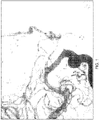
Fig. 1 shows an angiogram with ostensive vasospasm issues; and. -
Fig. 2 shows a completion angiogram according to the instant teachings; -
Fig. 3 similarly shows a severely impacted vessel including vasospasm; -
Fig. 4 shows the follow-up shot wherein the vessel is stabilized by aspects of teachings of the present invention, namely deployment of the objects of the present invention; -
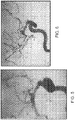
Fig. 5 shows that a vessel in spasm, even with nimodipine, can clearly seen to be blocked; -
Fig 6 also between the arrows shows how the system of the present invention leads the vessels from a first vasospasmed state to a second patent state; -
Fig 7 shows an exemplary stenting-means, have a multiplicity of smaller cells which works in conjunction with an elongated system; and -
Fig. 8 likewise shows an exemplary stenting-means, have a multiplicity of smaller cells which works in conjunction with an elongated system to adduce desired levels of radial force. - Sub-arachnoid haemorrhage (SAH) is a life threatening condition with an incidence of approximately 7-10 per 100000 patient years. The diagnosis relies upon a high clinical index of suspicion and performing the necessary investigations that include initially a Computed Tomography (CT) scan of the head alongside CT angiography of the intracranial vessels followed by a delayed lumbar puncture if the CT scan is negative but suspicion is high.
- Of all the causes of subarachnoid haemorrhage ruptured aneurysm arising from the circle of Willis accounts for approximately 85%. Of the remaining 15% that are not attributable to saccular aneurysms, 2/3 are caused by non-aneurysmal SAH and the remaining 5% are caused by a variety of rare conditions.
- The early prognosis of patients with aneurysmal SAH is most closely correlated to three variables:
- 1. The neurological condition of the patient on admission.
- 2. The age of the patient
- 3. The amount of blood on the initial CT scan.
- Of these variables, the initial neurological condition of the patient at admission, especially the level of consciousness, is the most important determinant and the causes of an early acute deterioration in the status of the patient can be due to a variety of different factors such as hydrocephalus, early re-bleeding, or intra-cerebral haematoma.
- The goal of treatment for aneurysmal subarachnoid haemorrhage is to prevent re-bleeding of the aneurysm, which has been estimated at between 35-40% in the first 4 weeks. This can be done via two well-established methods - endovascular coiling of the aneurysm or neurosurgical clipping of the aneurysm. After the results of the International Subarachnoid Aneurysm Trial (ISAT) [8] endovascular coiling has gained widespread acceptance and the choice between coiling or clipping is often decided following a multidisciplinary team meeting between the neurosurgeons and interventional neuroradiologists. The procedure is performed as soon as possible after the admission of the patient. These treatments are effective in securing the aneurysm and preventing early re-rupture of the aneurysm however, delayed consequences of the initial subarachnoid haemorrhage can have a devastating effect on the clinical outcome of patients. The most feared delayed sequelae of subarachnoid haemorrhage are Delayed Cerebral Vasospasm (DCV) and Delayed Cerebral Injury (DCI). Other terms such as Delayed Ischaemic Neurological Deficit (DINO, DID) are also used in the literature as synonyms.
- Delayed cerebral vasospasm is the leading cause of morbidity and mortality in patients who have ruptured intracranial aneurysm and who are admitted to tertiary care hospitals. Delayed cerebral vasospasm typically occurs between 3-21 days after the initial insult and may last for 12-16 days. At day 7 post-ictus up to 70% of patients will demonstrate angiographic evidence of cerebral arterial vasospasm and approximately 30% of patients will go on to develop neurological deficits, termed 'symptomatic vasospasm' Angiography done during this time will often reveal diffuse vasoconstriction of the major intracranial vessels that frequently involves the terminal internal carotid artery with some evidence that points towards the location of the blood being closely related to the site of vascular vasospasm and the development of delayed cerebral vasospasm and ischaemia within this territory
- To date the only drug of proven benefit that is routinely used in the prevention of delayed cerebral vasospasm secondary to subarachnoid haemorrhage is Nimodipine, a dihydropyridine L-Type voltage gated calcium channel antagonist. This is given orally 60mg every 4 hours for 21 days. Allen et al. were the first to publish their findings in the New England Journal of Medicine with further studies also demonstrating the protective effects of this medication. However, the exact mechanism as to how calcium channel antagonists prevent or relieve vasospasm is not clearly understood and the evidence about efficacy and dosage is based on a single large trial. It is important to note that without the data from this single large trial the advantage of nimodipine in these patients cannot be statistically seen. Therefore, the use of nimodipine is not without question.
- In patients that develop cerebral vasospasm there is a risk of infarction that can be widespread. Therefore, in order to prevent infarctions from developing medical treatment is optimised to attempt to maintain perfusion. This involves increasing the blood pressure, normally between 160-200mmHg (if the patient has had the aneurysm treated), haemodilution and hypervolaemia. Despite this some patients continue to deteriorate and in these patients endovascular treatment options are used.
- In patients refractory to standard medical treatment endovascular treatment of delayed cerebral vasospasm involves the placing of a microcatheter in the affected vessels followed by the slow infusion of a vasodilating compound, normally over the course of 5-30 minutes. Numerous different agents have been used including papevarine, as well as calcium channel antagonists verapamil, nimodipine and nicardipine. All these agents have demonstrated an affect on the cerebral vasospasm and it is believed that agents with longer half-lives may offer a more sustained and long- lasting effect. It is important to note that there is no level 1 evidence to support the use of any of the aforementioned agents, although numerous smaller trials have demonstrated improvement with different agents used in different institutions.
- Alternatively, the spastic vessels can be dilated mechanically using balloons. There are numerous publications on this technique going back as far as 1984. Improvements in vessel diameters as well as neurological deficits were observed in most studies following balloon angioplasty and successful treatment translated into a reduced incidence of delayed cerebral ischaemia on radiographic imaging in several studies. However, balloon angioplasty is not without risk and vessel rupture and death have been reported.
- The exact cause for delayed cerebral vasospasm and delayed cerebral injury is not completely understood, however as outlined above the prevention or early treatment of cerebral vasospasm seems to improve patient outcome . The present inventors have addressed this issue and offer for consideration systems of devices effective for the same.
- The present invention relates to a treatment system for cerebral arterial vasospasm secondary to subarachnoid hemorrhage, trauma or other conditions, which comprises in combination:a guide catheter; heparin; an imaging means for performing angiograms; at least a microcatheter and a microguidewire; at least one retrievable stent, ranging from at least 50 cm in length, comprising self-expanding nitinol and at least one of open and closed cells, with radial force tuned to the application; and,a sheath for covering and advancing the at least one retrievable stent to a target zone, for a predetermined time interval.
- In one embodiment, the at least one retrievable stent is 2 - 6 mm in diameter.
- In another embodiment, the system further comprises a means for giving Ca2+-channel blockers in the microcatheter during deployment of the at least one retrievable stent. The at least one retrievable stent in this embodiment can include a drug covering or coating selected from the group of Everolimus; Pactitaxel; Sirolimus; Corolimus or salts thereof.
- The predetermined time interval can be between 3-10 minutes.
- The at least one retrievable stent can be operable to expand vessels to their optimal diameter and remain patent after the device is re-sheathed. Such a stent can comprise self-expanding nitinol, which adduces optimum control and radial force to mitigate/extenuate or prevent vasoconstriction/vasospasm.
- The heparin can be provided in treatment based aliquots.
- The present inventors have discovered effective ways to impact vasospasm and improved devices to do so and create better clinical outcomes.
- As briefly summarized above, despite rapid advancement in the minimally invasive and neurovascular fields, there does not seem to be a synergistic leveraging of techniques and devices to make outcomes best for patients - given the number of tools.
- Lessons learned from open and closed cell stentina in the brain, for example
U.S. Letters Patent numbers 8,088,140 ;8,197,493 need to be used to overcome those issues, which balloon dilatation and pharmacology cannot address adequately in terms of vasospasm. - Turning to
Fig. 1 , an angiogram shows that within the target brain area vessels are subject to vasospasm, as known to those skilled in the art. -
Fig. 2 shows the follow-up shot wherein the vessel is stabilized by aspects of teachings of the present invention; -
Fig. 3 similarly shows a severely impacted vessel including vasospasm; -
Fig. 4 shows the follow-up shot wherein the vessel is stabilized by aspects of teachings of the present invention, namely deployment of the objects of the present invention; -
Fig. 5 shows that a vessel in vasospasm, even with nimodipine, which can clearly be seen to be blocked; -
Fig. 6 also shows by way of the arrow how the system of the present invention leads the vessels from a first vasospasmed state to a second patent state. -
Fig. 7 andFig. 8 demonstrate what has been discovered, unexpectedly mitigating or preventing vasospasm, namely longer stents with many smaller cells and radial force which can be tuned for this application. Referring now toFig. 7 , as discussed the nature of the stent/device/stenting-means has a specifically designed cell structure which includes many cells generally of an open variety, whereby an extended length (e.g. At least about 50 cm) allows for trackability and flexibility, balanced with a proper amount of control for deployment. - Referring now also to
Fig. 8 , self-expanding nitinol stenting- means is shown with small cells which deliver optimum control and radial force for the treatment of disease. Artisans understand that having access with longer stents having smaller cells and radial force tuned to the neurovascular need undergirds much of the instant solution. Since this problem was discovered and overcome by the instant teachings, others may now continue to advance the science of prevention of vasospasm. - The instant teachings uniquely add tools to the practitioner's arsenal for treating - for example, a cerebral arterial vasospasm secondary to subarachnoid hemorrhage, trauma or other condition. Artisans understand that this method applies to related methods of treatment.
- The Procedure for those skilled in the art includes, for example the following steps. Artisans understand swapping steps and substitutions and additions are all within the scope of the list below, which comprises merely guidance as to one approach for performing according to the present invention:
A guiding catheter should be placed in the Internal Carotid Artery or Vertebral Artery. - Heparinization to double ACT-level.
- A diagnostic angiogram is performed in order to visualize the location and extent of the arterial spasm and exclude other pathologies that may be contraindications to the treatment.
- The MCA, ACerA or PCerA is catherized to the M2, A2 or P2 segment with a microcatheter (MC) and microguidewire. In case this is not necessary or cannot be safely done the tip of the MC may be placed in the M1, A1 or P1.
- The microguidewire is removed.
- The temporary stent is inserted in the MC and advanced to the tip of the MC.
- The temporary stent is kept in place while the MC is withdrawn to the level of the proximal end of the stent. The stent is thus deployed without being advanced or retracted.
- Control angiography through the guiding catheter.
- The temporary stent is kept in place for 3-10 minutes.
- Resheating of the temporary stent by advancing the MC while the stent is kept immobile.
- Retraction of the MC to the ICA or Vert Art with the stent still inside.
- Control angiography through the guiding catheter.
- The procedure may be repeated in the same or other vessels.
- Nimodipine (Ca+-channel blockers) can be given in the MC during the stent deployment.
- The terms "a," "an," "the" and similar referents used in the context of describing the invention (especially in the context of the following claims) are to be construed to cover both the singular and the plural, unless otherwise indicated herein or clearly contradicted by context. Recitation of ranges of values herein is merely intended to serve as a shorthand method of referring individually to each separate value falling within the range. Unless otherwise indicated herein, each individual value is incorporated into the specification as if it were individually recited herein. All methods described herein can be performed in any suitable order unless otherwise indicated herein or otherwise clearly contradicted by context. The use of any and all examples, or exemplary language (e.g., "such as") provided herein is intended merely to better illuminate the invention and does not pose a limitation on the scope of the invention otherwise claimed. No language in the specification should be construed as indicating any non-claimed element essential to the practice of the invention.
- Certain embodiments of this invention are described herein, including the best mode known to the inventors for carrying out the invention. Of course, variations on these described embodiments will become apparent to those of ordinary skill in the art upon reading the foregoing description. The inventor expects skilled artisans to employ such variations as appropriate, and the inventors intend for the invention to be practiced otherwise than specifically described herein. Accordingly, this invention includes all modifications and equivalents of the subject matter recited in the claims appended hereto as permitted by applicable law. Moreover, any combination of the above-described elements in all possible variations thereof is encompassed by the invention unless otherwise indicated herein or otherwise clearly contradicted by context.
- Specific embodiments disclosed herein may be further limited in the claims using consisting of or consisting essentially of language. When used in the claims, whether as filed or added per amendment, the transition term "consisting of" excludes any element, step, or ingredient not specified in the claims. The transition term "consisting essentially of" limits the scope of a claim to the specified materials or steps and those that do not materially affect the basic and novel characteristic(s). Embodiments of the invention so claimed are inherently or expressly described and enabled herein.
- As one skilled in the art would recognize as necessary or best-suited for performance of the methods of the invention, a computer system or machines of the invention include one or more processors (e.g., a central processing unit (CPU) a graphics processing unit (GPU) or both), a main memory and a static memory, which communicate with each other via a bus.
- A processor may be provided by one or more processors including, for example, one or more of a single core or multi-core processor (e.g., AMD Phenom II X2, Intel Core Duo, AMD Phenom II X4, Intel Core i5, Intel Core I & Extreme Edition 980X, or Intel Xeon E7-2820).
- An I/O mechanism may include a video display unit (e.g., a liquid crystal display (LCD) or a cathode ray tube (CRT)), an alphanumeric input device (e.g., a keyboard), a cursor control device (e.g., a mouse), a disk drive unit, a signal generation device (e.g., a speaker), an accelerometer, a microphone, a cellular radio frequency antenna, and a network interface device (e.g., a network interface card (NIC), Wi-Fi card, cellular modem, data jack, Ethernet port, modem jack, HDMI port, mini-HDMI port, USB port), touchscreen (e.g., CRT, LCD, LED, AMOLED, Super AMOLED), pointing device, trackpad, light (e.g., LED), light/image projection device, or a combination thereof.
- Memory according to the invention refers to a non-transitory memory which is provided by one or more tangible devices which preferably include one or more machine-readable medium on which is stored one or more sets of instructions (e.g., software) embodying any one or more of the methodologies or functions described herein. The software may also reside, completely or at least partially, within the main memory, processor, or both during execution thereof by a computer within system, the main memory and the processor also constituting machine-readable media. The software may further be transmitted or received over a network via the network interface device.
- While the machine-readable medium can in an exemplary embodiment be a single medium, the term "machine-readable medium" should be taken to include a single medium or multiple media (e.g., a centralized or distributed database, and/or associated caches and servers) that store the one or more sets of instructions. The term "machine-readable medium" shall also be taken to include any medium that is capable of storing, encoding or carrying a set of instructions for execution by the machine and that cause the machine to perform any one or more of the methodologies of the present invention. Memory may be, for example, one or more of a hard disk drive, solid state drive (SSD), an optical disc, flash memory, zip disk, tape drive, "cloud" storage location, or a combination thereof. In certain embodiments, a device of the invention includes a tangible, non-transitory computer readable medium for memory. Exemplary devices for use as memory include semiconductor memory devices, (e.g., EPROM, EEPROM, solid state drive (SSD), and flash memory devices e.g., SD, micro SD, SDXC, SDIO, SDHC cards); magnetic disks, (e.g., internal hard disks or removable disks); and optical disks (e.g., CD and DVD disks).
- In closing, it is to be understood that the embodiments of the invention disclosed herein are illustrative of the principles of the present invention. Other modifications that may be employed are within the scope of the invention. Thus, by way of example, but not of limitation, alternative configurations of the present invention may be utilized in accordance with the teachings herein. Accordingly, the present invention is not limited to that precisely as shown and described.
Claims (8)
- A treatment system for cerebral arterial vasospasm secondary to subarachnoid hemorrhage, trauma or other conditions, which comprises in combination:a guide catheter;heparin;an imaging means for performing angiograms;at least a microcatheter and a microguidewire;at least one retrievable stent, ranging from at least 50 cm in length, comprising self-expanding nitinol and at least one of open and closed cells, with radial force tuned to the application; and,a sheath for covering and advancing the at least one retrievable stent to a target zone, for a predetermined time interval.
- The system of claim 1, wherein the at least one retrievable stent is 2 - 6 mm in diameter.
- The system of claim 1, further comprising a means for giving Ca2+-channel blockers in the microcatheter during deployment of the at least one retrievable stent.
- The system of claim 3, wherein the at least one retrievable stent- includes a drug covering or coating selected from the group of Everolimus; Pactitaxel; Sirolimus; Corolimus or salts thereof.
- The system of claim 1 wherein the predetermined time interval is between 3-10 minutes.
- The system of claim 1 wherein the at least one retrievable stent is operable to expand vessels to their optimal diameter and remain patent after the device is re-sheathed.
- The system of claim 6, wherein the stent comprises self-expanding nitinol which adduces optimum control and radial force to mitigate/extenuate or prevent vasoconstriction/vasospasm.
- The system of claim 1 wherein the heparin is provided in treatment based aliquots.
Applications Claiming Priority (4)
| Application Number | Priority Date | Filing Date | Title |
|---|---|---|---|
| US201562235361P | 2015-09-30 | 2015-09-30 | |
| US201562235543P | 2015-09-30 | 2015-09-30 | |
| US201562253025P | 2015-11-09 | 2015-11-09 | |
| PCT/US2016/032563 WO2017058296A1 (en) | 2015-09-30 | 2016-05-13 | Treatment systems processes and devices addressing cerebral vasospasm/vasoconstriction |
Publications (3)
| Publication Number | Publication Date |
|---|---|
| EP3383326A1 EP3383326A1 (en) | 2018-10-10 |
| EP3383326A4 EP3383326A4 (en) | 2019-10-02 |
| EP3383326B1 true EP3383326B1 (en) | 2022-10-26 |
Family
ID=58408518
Family Applications (1)
| Application Number | Title | Priority Date | Filing Date |
|---|---|---|---|
| EP16852218.3A Active EP3383326B1 (en) | 2015-09-30 | 2016-05-13 | Treatment systems processes and devices addressing cerebral vasospasm/vasoconstriction |
Country Status (4)
| Country | Link |
|---|---|
| US (3) | US20180271683A1 (en) |
| EP (1) | EP3383326B1 (en) |
| HK (1) | HK1254780A1 (en) |
| WO (1) | WO2017058296A1 (en) |
Families Citing this family (10)
| Publication number | Priority date | Publication date | Assignee | Title |
|---|---|---|---|---|
| CN108366866A (en) * | 2015-10-12 | 2018-08-03 | 瑞弗罗医疗公司 | Stents with prominent drug delivery features and related systems and methods |
| DE102016110199A1 (en) * | 2016-06-02 | 2017-12-07 | Phenox Gmbh | Vasospasmusbehandlung |
| WO2019173912A1 (en) | 2018-03-12 | 2019-09-19 | Fluid Biotech Inc. | Bioabsorbable flow diverting scaffold |
| US10390982B1 (en) | 2018-11-13 | 2019-08-27 | Icad Endovascular Llc | Systems and methods for delivery retrievable stents |
| US12090072B2 (en) | 2018-11-13 | 2024-09-17 | Icad Endovascular Llc | Systems and methods for delivery retrievable stents |
| US11957876B2 (en) | 2019-07-16 | 2024-04-16 | Beta Bionics, Inc. | Glucose control system with automated backup therapy protocol generation |
| CA3146872A1 (en) | 2019-07-16 | 2021-01-21 | Beta Bionics, Inc. | Blood glucose control system |
| US11638654B2 (en) | 2019-11-21 | 2023-05-02 | Cook Medical Technologies Llc | Detachable and retrievable stents for therapeutic agent delivery |
| US12285347B2 (en) | 2020-08-03 | 2025-04-29 | Sonorous Nv | Intracranial stent for insertion into the cerebral venous sinus system and methods of use |
| CN118697522A (en) * | 2024-06-13 | 2024-09-27 | 河南省人民医院 | Device and component for treating diseases of vascular compression of nerves |
Family Cites Families (22)
| Publication number | Priority date | Publication date | Assignee | Title |
|---|---|---|---|---|
| BE1009277A3 (en) * | 1995-04-12 | 1997-01-07 | Corvita Europ | Guardian self-expandable medical device introduced in cavite body, and method of preparation. |
| US7377938B2 (en) * | 2001-07-19 | 2008-05-27 | The Cleveland Clinic Foundation | Prosthetic cardiac value and method for making same |
| JP4081522B2 (en) * | 2003-05-23 | 2008-04-30 | 新 石丸 | Temporary indwelling stent and stent graft |
| WO2005117700A1 (en) * | 2004-05-26 | 2005-12-15 | The Regents Of The University Of California | Portable alveolar gas meter |
| DE102006040301A1 (en) * | 2005-12-06 | 2008-03-06 | Düring, Klaus, Dr. | Device for splinting a cavity, organ path and / or vessel |
| US20160213499A1 (en) * | 2007-01-19 | 2016-07-28 | Elixir Medical Corporation | Biodegradable endoprostheses and methods for their fabrication |
| US20150374521A1 (en) * | 2008-01-17 | 2015-12-31 | Elixir Medical Corporation | Biodegradable endoprostheses and methods for their fabrication |
| WO2008098923A2 (en) * | 2007-02-13 | 2008-08-21 | Cinvention Ag | Porous stent |
| JP2010530014A (en) | 2007-06-06 | 2010-09-02 | スリーエム イノベイティブ プロパティズ カンパニー | Fluorinated composition and surface treatment produced therefrom |
| US8585713B2 (en) | 2007-10-17 | 2013-11-19 | Covidien Lp | Expandable tip assembly for thrombus management |
| US8088140B2 (en) * | 2008-05-19 | 2012-01-03 | Mindframe, Inc. | Blood flow restorative and embolus removal methods |
| US8926680B2 (en) * | 2007-11-12 | 2015-01-06 | Covidien Lp | Aneurysm neck bridging processes with revascularization systems methods and products thereby |
| US8066757B2 (en) | 2007-10-17 | 2011-11-29 | Mindframe, Inc. | Blood flow restoration and thrombus management methods |
| US20090112233A1 (en) * | 2007-10-30 | 2009-04-30 | Medtronic Vascular, Inc. | Prosthesis Fixation Apparatus and Methods |
| US8795345B2 (en) * | 2009-07-08 | 2014-08-05 | Concentric Medical, Inc. | Vascular and bodily duct treatment devices and methods |
| EP3275402B1 (en) * | 2011-03-17 | 2021-08-25 | PQ Bypass, Inc. | Differential dilation stent |
| CN202892151U (en) * | 2012-07-12 | 2013-04-24 | 赛诺医疗科学技术有限公司 | Intracranial drug eluting stent with high metal coverage rate |
| DE102014003654A1 (en) * | 2014-03-13 | 2015-09-17 | Nasib Dlaikan-Campos | Compressible self-expandable stent for splinting and / or holding open a cavity, an organ passage and / or a vessel in the human or animal body |
| US9682216B2 (en) * | 2014-12-05 | 2017-06-20 | Anchor Endovascular, Inc. | Anchor device for use with catheters |
| US20160324670A1 (en) * | 2015-05-08 | 2016-11-10 | Dean Jared Yamaguchi | Branched Stent Grafts And Stent Graft Delivery System And Methods |
| WO2018067171A1 (en) * | 2016-10-07 | 2018-04-12 | Efemoral Medical Llc | Radially rigid and longitudinally flexible multi-element intravascular stent |
| EP3764922A4 (en) * | 2018-03-12 | 2022-01-12 | Xtract Medical, Inc. | Devices and methods for removing material from a patient |
-
2016
- 2016-05-13 US US15/765,109 patent/US20180271683A1/en not_active Abandoned
- 2016-05-13 US US15/154,927 patent/US9808359B2/en active Active
- 2016-05-13 EP EP16852218.3A patent/EP3383326B1/en active Active
- 2016-05-13 HK HK18113826.3A patent/HK1254780A1/en unknown
- 2016-05-13 WO PCT/US2016/032563 patent/WO2017058296A1/en not_active Ceased
-
2017
- 2017-11-06 US US15/804,476 patent/US20180055666A1/en not_active Abandoned
Also Published As
| Publication number | Publication date |
|---|---|
| US20170086992A1 (en) | 2017-03-30 |
| WO2017058296A1 (en) | 2017-04-06 |
| US20180271683A1 (en) | 2018-09-27 |
| US20180055666A1 (en) | 2018-03-01 |
| HK1254780A1 (en) | 2019-07-26 |
| EP3383326A4 (en) | 2019-10-02 |
| EP3383326A1 (en) | 2018-10-10 |
| US9808359B2 (en) | 2017-11-07 |
Similar Documents
| Publication | Publication Date | Title |
|---|---|---|
| US20180271683A1 (en) | Treatment Systems Processes and Devices Addressing Cerebral Vasospasm/Vasoconstriction | |
| Fiorella et al. | Usefulness of the Neuroform stent for the treatment of cerebral aneurysms: results at initial (3–6-mo) follow-up | |
| Biondi et al. | Neuroform stent-assisted coil embolization of wide-neck intracranial aneurysms: strategies in stent deployment and midterm follow-up | |
| Clajus et al. | Stent-assisted coil embolization of intracranial aneurysms using the Solitaire™ AB Neurovascular Remodeling Device: initial and midterm follow-up results | |
| Fujii et al. | Long-term follow-up results after flow diverter therapy using the pipeline embolization device for large or giant unruptured internal carotid artery aneurysms: single-center retrospective analysis in the Japanese population | |
| Kühn et al. | Flow-diverter stents for endovascular management of non-fetal posterior communicating artery aneurysms—analysis on aneurysm occlusion, vessel patency, and patient outcome | |
| Lubicz et al. | Solitaire stent for endovascular treatment of intracranial aneurysms: immediate and mid-term results in 15 patients with 17 aneurysms | |
| Yi et al. | Preliminary experience of neuroform atlas stenting as a rescue treatment after failure of mechanical thrombectomy caused by residual intracranial atherosclerotic stenosis | |
| Hao et al. | Endovascular patch embolization for blood blister–like aneurysms in dorsal segment of internal carotid artery | |
| Wang et al. | Treatment strategies for intracranial mirror aneurysms | |
| Cai et al. | A multicenter retrospective controlled study of the Pipeline™ and Tubridge™ flow diverter devices for intracranial wide-necked aneurysms | |
| Sweid et al. | Early multicenter experience with the Neuroform Atlas stent: feasibility, safety, and efficacy | |
| US20230031965A1 (en) | Intrasaccular stent device for aneurysm treatment | |
| Heller et al. | Y-stent embolization technique for intracranial bifurcation aneurysms | |
| Zhang et al. | Deliberately staged combined endovascular embolization and subsequent microsurgery resection for the treatment of cerebral arteriovenous malformations | |
| Tang et al. | The 8-year single-center experience of telescoping flow diverter for complex intracranial aneurysms treatment | |
| Nam et al. | Endovascular treatment in ruptured middle cerebral artery dissection preservation of arterial continuity | |
| Abdelrady et al. | Parent artery stenting as a rescue management for stretched coils during cerebral aneurysms embolization: Report of three cases and review of literature | |
| Jankowitz et al. | Risk of hemorrhage in combined neuroform stenting and coil embolization of acutely ruptured intracranial aneurysms | |
| Memon et al. | Novel technique of stent placement via gateway balloon in intracranial atherosclerosis‐associated large vessel occlusion | |
| Larrazabal et al. | Surgical exposure of the carotid artery for endovascular interventional procedures | |
| Kizilkilic et al. | Combined endovascular and surgical treatment of fusiform aneurysms of the basilar artery | |
| Shim et al. | Strategy of stretched Coils: Insights from a single center experience | |
| Kim et al. | Endovascular treatment of internal carotid-posterior communicating artery wide-necked aneurysm using 2 Enterprise stents in Y-configuration | |
| Jeong et al. | Successful treatment of a ruptured left internal mammary artery aneurysm with a delayed diagnosis of type I neurofibromatosis |
Legal Events
| Date | Code | Title | Description |
|---|---|---|---|
| STAA | Information on the status of an ep patent application or granted ep patent |
Free format text: STATUS: THE INTERNATIONAL PUBLICATION HAS BEEN MADE |
|
| PUAI | Public reference made under article 153(3) epc to a published international application that has entered the european phase |
Free format text: ORIGINAL CODE: 0009012 |
|
| STAA | Information on the status of an ep patent application or granted ep patent |
Free format text: STATUS: REQUEST FOR EXAMINATION WAS MADE |
|
| 17P | Request for examination filed |
Effective date: 20180817 |
|
| AK | Designated contracting states |
Kind code of ref document: A1 Designated state(s): AL AT BE BG CH CY CZ DE DK EE ES FI FR GB GR HR HU IE IS IT LI LT LU LV MC MK MT NL NO PL PT RO RS SE SI SK SM TR |
|
| AX | Request for extension of the european patent |
Extension state: BA ME |
|
| RIN1 | Information on inventor provided before grant (corrected) |
Inventor name: SODERMAN, MICHAEL Inventor name: BHOGAL, PERVINDER Inventor name: BENJAMIN, JOSHUA Inventor name: FERRERA, DAVID, A. |
|
| DAV | Request for validation of the european patent (deleted) | ||
| DAX | Request for extension of the european patent (deleted) | ||
| REG | Reference to a national code |
Ref country code: HK Ref legal event code: DE Ref document number: 1254780 Country of ref document: HK |
|
| A4 | Supplementary search report drawn up and despatched |
Effective date: 20190830 |
|
| RIC1 | Information provided on ipc code assigned before grant |
Ipc: A61F 2/82 20130101ALI20190826BHEP Ipc: A61L 31/02 20060101ALI20190826BHEP Ipc: A61L 33/00 20060101ALI20190826BHEP Ipc: A61F 2/86 20130101ALI20190826BHEP Ipc: A61F 2/95 20130101AFI20190826BHEP Ipc: A61L 31/16 20060101ALI20190826BHEP Ipc: A61M 25/09 20060101ALI20190826BHEP Ipc: A61M 25/01 20060101ALI20190826BHEP |
|
| STAA | Information on the status of an ep patent application or granted ep patent |
Free format text: STATUS: EXAMINATION IS IN PROGRESS |
|
| 17Q | First examination report despatched |
Effective date: 20200727 |
|
| GRAP | Despatch of communication of intention to grant a patent |
Free format text: ORIGINAL CODE: EPIDOSNIGR1 |
|
| STAA | Information on the status of an ep patent application or granted ep patent |
Free format text: STATUS: GRANT OF PATENT IS INTENDED |
|
| INTG | Intention to grant announced |
Effective date: 20220520 |
|
| GRAS | Grant fee paid |
Free format text: ORIGINAL CODE: EPIDOSNIGR3 |
|
| GRAA | (expected) grant |
Free format text: ORIGINAL CODE: 0009210 |
|
| STAA | Information on the status of an ep patent application or granted ep patent |
Free format text: STATUS: THE PATENT HAS BEEN GRANTED |
|
| AK | Designated contracting states |
Kind code of ref document: B1 Designated state(s): AL AT BE BG CH CY CZ DE DK EE ES FI FR GB GR HR HU IE IS IT LI LT LU LV MC MK MT NL NO PL PT RO RS SE SI SK SM TR |
|
| REG | Reference to a national code |
Ref country code: GB Ref legal event code: FG4D |
|
| REG | Reference to a national code |
Ref country code: CH Ref legal event code: EP |
|
| REG | Reference to a national code |
Ref country code: DE Ref legal event code: R096 Ref document number: 602016075957 Country of ref document: DE |
|
| REG | Reference to a national code |
Ref country code: AT Ref legal event code: REF Ref document number: 1526517 Country of ref document: AT Kind code of ref document: T Effective date: 20221115 |
|
| REG | Reference to a national code |
Ref country code: IE Ref legal event code: FG4D |
|
| REG | Reference to a national code |
Ref country code: LT Ref legal event code: MG9D |
|
| REG | Reference to a national code |
Ref country code: NL Ref legal event code: MP Effective date: 20221026 |
|
| REG | Reference to a national code |
Ref country code: AT Ref legal event code: MK05 Ref document number: 1526517 Country of ref document: AT Kind code of ref document: T Effective date: 20221026 |
|
| PG25 | Lapsed in a contracting state [announced via postgrant information from national office to epo] |
Ref country code: NL Free format text: LAPSE BECAUSE OF FAILURE TO SUBMIT A TRANSLATION OF THE DESCRIPTION OR TO PAY THE FEE WITHIN THE PRESCRIBED TIME-LIMIT Effective date: 20221026 |
|
| PG25 | Lapsed in a contracting state [announced via postgrant information from national office to epo] |
Ref country code: SE Free format text: LAPSE BECAUSE OF FAILURE TO SUBMIT A TRANSLATION OF THE DESCRIPTION OR TO PAY THE FEE WITHIN THE PRESCRIBED TIME-LIMIT Effective date: 20221026 Ref country code: PT Free format text: LAPSE BECAUSE OF FAILURE TO SUBMIT A TRANSLATION OF THE DESCRIPTION OR TO PAY THE FEE WITHIN THE PRESCRIBED TIME-LIMIT Effective date: 20230227 Ref country code: NO Free format text: LAPSE BECAUSE OF FAILURE TO SUBMIT A TRANSLATION OF THE DESCRIPTION OR TO PAY THE FEE WITHIN THE PRESCRIBED TIME-LIMIT Effective date: 20230126 Ref country code: LT Free format text: LAPSE BECAUSE OF FAILURE TO SUBMIT A TRANSLATION OF THE DESCRIPTION OR TO PAY THE FEE WITHIN THE PRESCRIBED TIME-LIMIT Effective date: 20221026 Ref country code: FI Free format text: LAPSE BECAUSE OF FAILURE TO SUBMIT A TRANSLATION OF THE DESCRIPTION OR TO PAY THE FEE WITHIN THE PRESCRIBED TIME-LIMIT Effective date: 20221026 Ref country code: ES Free format text: LAPSE BECAUSE OF FAILURE TO SUBMIT A TRANSLATION OF THE DESCRIPTION OR TO PAY THE FEE WITHIN THE PRESCRIBED TIME-LIMIT Effective date: 20221026 Ref country code: AT Free format text: LAPSE BECAUSE OF FAILURE TO SUBMIT A TRANSLATION OF THE DESCRIPTION OR TO PAY THE FEE WITHIN THE PRESCRIBED TIME-LIMIT Effective date: 20221026 |
|
| PG25 | Lapsed in a contracting state [announced via postgrant information from national office to epo] |
Ref country code: RS Free format text: LAPSE BECAUSE OF FAILURE TO SUBMIT A TRANSLATION OF THE DESCRIPTION OR TO PAY THE FEE WITHIN THE PRESCRIBED TIME-LIMIT Effective date: 20221026 Ref country code: PL Free format text: LAPSE BECAUSE OF FAILURE TO SUBMIT A TRANSLATION OF THE DESCRIPTION OR TO PAY THE FEE WITHIN THE PRESCRIBED TIME-LIMIT Effective date: 20221026 Ref country code: LV Free format text: LAPSE BECAUSE OF FAILURE TO SUBMIT A TRANSLATION OF THE DESCRIPTION OR TO PAY THE FEE WITHIN THE PRESCRIBED TIME-LIMIT Effective date: 20221026 Ref country code: IS Free format text: LAPSE BECAUSE OF FAILURE TO SUBMIT A TRANSLATION OF THE DESCRIPTION OR TO PAY THE FEE WITHIN THE PRESCRIBED TIME-LIMIT Effective date: 20230226 Ref country code: HR Free format text: LAPSE BECAUSE OF FAILURE TO SUBMIT A TRANSLATION OF THE DESCRIPTION OR TO PAY THE FEE WITHIN THE PRESCRIBED TIME-LIMIT Effective date: 20221026 Ref country code: GR Free format text: LAPSE BECAUSE OF FAILURE TO SUBMIT A TRANSLATION OF THE DESCRIPTION OR TO PAY THE FEE WITHIN THE PRESCRIBED TIME-LIMIT Effective date: 20230127 |
|
| REG | Reference to a national code |
Ref country code: DE Ref legal event code: R097 Ref document number: 602016075957 Country of ref document: DE |
|
| PG25 | Lapsed in a contracting state [announced via postgrant information from national office to epo] |
Ref country code: SM Free format text: LAPSE BECAUSE OF FAILURE TO SUBMIT A TRANSLATION OF THE DESCRIPTION OR TO PAY THE FEE WITHIN THE PRESCRIBED TIME-LIMIT Effective date: 20221026 Ref country code: RO Free format text: LAPSE BECAUSE OF FAILURE TO SUBMIT A TRANSLATION OF THE DESCRIPTION OR TO PAY THE FEE WITHIN THE PRESCRIBED TIME-LIMIT Effective date: 20221026 Ref country code: EE Free format text: LAPSE BECAUSE OF FAILURE TO SUBMIT A TRANSLATION OF THE DESCRIPTION OR TO PAY THE FEE WITHIN THE PRESCRIBED TIME-LIMIT Effective date: 20221026 Ref country code: DK Free format text: LAPSE BECAUSE OF FAILURE TO SUBMIT A TRANSLATION OF THE DESCRIPTION OR TO PAY THE FEE WITHIN THE PRESCRIBED TIME-LIMIT Effective date: 20221026 Ref country code: CZ Free format text: LAPSE BECAUSE OF FAILURE TO SUBMIT A TRANSLATION OF THE DESCRIPTION OR TO PAY THE FEE WITHIN THE PRESCRIBED TIME-LIMIT Effective date: 20221026 |
|
| PG25 | Lapsed in a contracting state [announced via postgrant information from national office to epo] |
Ref country code: SK Free format text: LAPSE BECAUSE OF FAILURE TO SUBMIT A TRANSLATION OF THE DESCRIPTION OR TO PAY THE FEE WITHIN THE PRESCRIBED TIME-LIMIT Effective date: 20221026 Ref country code: AL Free format text: LAPSE BECAUSE OF FAILURE TO SUBMIT A TRANSLATION OF THE DESCRIPTION OR TO PAY THE FEE WITHIN THE PRESCRIBED TIME-LIMIT Effective date: 20221026 |
|
| PLBE | No opposition filed within time limit |
Free format text: ORIGINAL CODE: 0009261 |
|
| STAA | Information on the status of an ep patent application or granted ep patent |
Free format text: STATUS: NO OPPOSITION FILED WITHIN TIME LIMIT |
|
| 26N | No opposition filed |
Effective date: 20230727 |
|
| PG25 | Lapsed in a contracting state [announced via postgrant information from national office to epo] |
Ref country code: SI Free format text: LAPSE BECAUSE OF FAILURE TO SUBMIT A TRANSLATION OF THE DESCRIPTION OR TO PAY THE FEE WITHIN THE PRESCRIBED TIME-LIMIT Effective date: 20221026 |
|
| REG | Reference to a national code |
Ref country code: DE Ref legal event code: R119 Ref document number: 602016075957 Country of ref document: DE |
|
| REG | Reference to a national code |
Ref country code: CH Ref legal event code: PL |
|
| PG25 | Lapsed in a contracting state [announced via postgrant information from national office to epo] |
Ref country code: MC Free format text: LAPSE BECAUSE OF FAILURE TO SUBMIT A TRANSLATION OF THE DESCRIPTION OR TO PAY THE FEE WITHIN THE PRESCRIBED TIME-LIMIT Effective date: 20221026 |
|
| GBPC | Gb: european patent ceased through non-payment of renewal fee |
Effective date: 20230513 |
|
| REG | Reference to a national code |
Ref country code: BE Ref legal event code: MM Effective date: 20230531 |
|
| PG25 | Lapsed in a contracting state [announced via postgrant information from national office to epo] |
Ref country code: MC Free format text: LAPSE BECAUSE OF FAILURE TO SUBMIT A TRANSLATION OF THE DESCRIPTION OR TO PAY THE FEE WITHIN THE PRESCRIBED TIME-LIMIT Effective date: 20221026 Ref country code: LU Free format text: LAPSE BECAUSE OF NON-PAYMENT OF DUE FEES Effective date: 20230513 Ref country code: LI Free format text: LAPSE BECAUSE OF NON-PAYMENT OF DUE FEES Effective date: 20230531 Ref country code: CH Free format text: LAPSE BECAUSE OF NON-PAYMENT OF DUE FEES Effective date: 20230531 |
|
| REG | Reference to a national code |
Ref country code: IE Ref legal event code: MM4A |
|
| PG25 | Lapsed in a contracting state [announced via postgrant information from national office to epo] |
Ref country code: IE Free format text: LAPSE BECAUSE OF NON-PAYMENT OF DUE FEES Effective date: 20230513 |
|
| PG25 | Lapsed in a contracting state [announced via postgrant information from national office to epo] |
Ref country code: IE Free format text: LAPSE BECAUSE OF NON-PAYMENT OF DUE FEES Effective date: 20230513 Ref country code: DE Free format text: LAPSE BECAUSE OF NON-PAYMENT OF DUE FEES Effective date: 20231201 Ref country code: GB Free format text: LAPSE BECAUSE OF NON-PAYMENT OF DUE FEES Effective date: 20230513 |
|
| PG25 | Lapsed in a contracting state [announced via postgrant information from national office to epo] |
Ref country code: IT Free format text: LAPSE BECAUSE OF FAILURE TO SUBMIT A TRANSLATION OF THE DESCRIPTION OR TO PAY THE FEE WITHIN THE PRESCRIBED TIME-LIMIT Effective date: 20221026 Ref country code: FR Free format text: LAPSE BECAUSE OF NON-PAYMENT OF DUE FEES Effective date: 20230531 Ref country code: BE Free format text: LAPSE BECAUSE OF NON-PAYMENT OF DUE FEES Effective date: 20230531 |
|
| PG25 | Lapsed in a contracting state [announced via postgrant information from national office to epo] |
Ref country code: BG Free format text: LAPSE BECAUSE OF FAILURE TO SUBMIT A TRANSLATION OF THE DESCRIPTION OR TO PAY THE FEE WITHIN THE PRESCRIBED TIME-LIMIT Effective date: 20221026 |
|
| PG25 | Lapsed in a contracting state [announced via postgrant information from national office to epo] |
Ref country code: BG Free format text: LAPSE BECAUSE OF FAILURE TO SUBMIT A TRANSLATION OF THE DESCRIPTION OR TO PAY THE FEE WITHIN THE PRESCRIBED TIME-LIMIT Effective date: 20221026 |
|
| PG25 | Lapsed in a contracting state [announced via postgrant information from national office to epo] |
Ref country code: CY Free format text: LAPSE BECAUSE OF FAILURE TO SUBMIT A TRANSLATION OF THE DESCRIPTION OR TO PAY THE FEE WITHIN THE PRESCRIBED TIME-LIMIT; INVALID AB INITIO Effective date: 20160513 |
|
| PG25 | Lapsed in a contracting state [announced via postgrant information from national office to epo] |
Ref country code: HU Free format text: LAPSE BECAUSE OF FAILURE TO SUBMIT A TRANSLATION OF THE DESCRIPTION OR TO PAY THE FEE WITHIN THE PRESCRIBED TIME-LIMIT; INVALID AB INITIO Effective date: 20160513 |
|
| REG | Reference to a national code |
Ref country code: HK Ref legal event code: WD Ref document number: 1254780 Country of ref document: HK |
|
| PG25 | Lapsed in a contracting state [announced via postgrant information from national office to epo] |
Ref country code: TR Free format text: LAPSE BECAUSE OF FAILURE TO SUBMIT A TRANSLATION OF THE DESCRIPTION OR TO PAY THE FEE WITHIN THE PRESCRIBED TIME-LIMIT Effective date: 20221026 |