EP3381912A1 - Modified compound of andrographolide - Google Patents
Modified compound of andrographolide Download PDFInfo
- Publication number
- EP3381912A1 EP3381912A1 EP16867961.1A EP16867961A EP3381912A1 EP 3381912 A1 EP3381912 A1 EP 3381912A1 EP 16867961 A EP16867961 A EP 16867961A EP 3381912 A1 EP3381912 A1 EP 3381912A1
- Authority
- EP
- European Patent Office
- Prior art keywords
- dimethyl
- naphtho
- dioxin
- cyclopentyl
- compound
- Prior art date
- Legal status (The legal status is an assumption and is not a legal conclusion. Google has not performed a legal analysis and makes no representation as to the accuracy of the status listed.)
- Withdrawn
Links
- 0 CC(*1)=CC=C2*1C=C*2 Chemical compound CC(*1)=CC=C2*1C=C*2 0.000 description 4
- DJHWUOQXDCGNPS-IPAQIATGSA-N C[C@](CC1)([C@H](CCBr)C(CC2)=C)C2[C@@]2(C)[C@@H]1O[C@H](C1CCCC1)OC2 Chemical compound C[C@](CC1)([C@H](CCBr)C(CC2)=C)C2[C@@]2(C)[C@@H]1O[C@H](C1CCCC1)OC2 DJHWUOQXDCGNPS-IPAQIATGSA-N 0.000 description 4
- KGJNBASHNYVVGC-IPAQIATGSA-N C[C@](CC1)([C@H](CCO)C(CC2)=C)C2[C@@]2(C)[C@@H]1O[C@H](C1CCCC1)OC2 Chemical compound C[C@](CC1)([C@H](CCO)C(CC2)=C)C2[C@@]2(C)[C@@H]1O[C@H](C1CCCC1)OC2 KGJNBASHNYVVGC-IPAQIATGSA-N 0.000 description 2
- CTTJAGRWQQCOHW-BHKFHIISSA-N C[C@](CC1)([C@H](CCOc2c[n](C)nc2)C(CC2)=C)C2[C@@]2(C)[C@@H]1O[C@H](C1CCCC1)OC2 Chemical compound C[C@](CC1)([C@H](CCOc2c[n](C)nc2)C(CC2)=C)C2[C@@]2(C)[C@@H]1O[C@H](C1CCCC1)OC2 CTTJAGRWQQCOHW-BHKFHIISSA-N 0.000 description 2
- GDFCUEJONIHYAS-LCSOJRGVSA-N C[C@](CC1)([C@H](CCOc2ccccn2)C(CC2)=C)C2[C@@]2(C)[C@@H]1O[C@H](C1CCCC1)OC2 Chemical compound C[C@](CC1)([C@H](CCOc2ccccn2)C(CC2)=C)C2[C@@]2(C)[C@@H]1O[C@H](C1CCCC1)OC2 GDFCUEJONIHYAS-LCSOJRGVSA-N 0.000 description 2
- BGDRHBVTGYAHAF-JOAURZOASA-N C[C@](CC1)([C@H](CCOc2ccncc2)C(CC2)=C)C2[C@@]2(C)[C@@H]1OC1(CCCC1)OC2 Chemical compound C[C@](CC1)([C@H](CCOc2ccncc2)C(CC2)=C)C2[C@@]2(C)[C@@H]1OC1(CCCC1)OC2 BGDRHBVTGYAHAF-JOAURZOASA-N 0.000 description 2
- YPBJWZJKUAFKNO-MEXYNWQLSA-N CC(C)(C(O)=O)N(CC1)CCC1OCC[C@@H]([C@](C)(CC1)C(CC2)[C@@]3(C)[C@@H]1O[C@H](C1CCCC1)OC3)C2=C Chemical compound CC(C)(C(O)=O)N(CC1)CCC1OCC[C@@H]([C@](C)(CC1)C(CC2)[C@@]3(C)[C@@H]1O[C@H](C1CCCC1)OC3)C2=C YPBJWZJKUAFKNO-MEXYNWQLSA-N 0.000 description 1
- MGTDLBNSVOGPER-ZMSVNOJSSA-N CC(C)(CC1)[C@@H](CCOc2ccncc2)[C@](C)(CC2)C1[C@@]1(C)[C@@H]2O[C@H](CCC(OC)=O)OC1 Chemical compound CC(C)(CC1)[C@@H](CCOc2ccncc2)[C@](C)(CC2)C1[C@@]1(C)[C@@H]2O[C@H](CCC(OC)=O)OC1 MGTDLBNSVOGPER-ZMSVNOJSSA-N 0.000 description 1
- MLSOLHHBGVSNJJ-GLJRHZRWSA-N CC(C)(OC1)O[C@H](CC2)[C@]1(C)C(CC1)[C@]2(C)C2(C(COc3ccncc3)C2)C1=C Chemical compound CC(C)(OC1)O[C@H](CC2)[C@]1(C)C(CC1)[C@]2(C)C2(C(COc3ccncc3)C2)C1=C MLSOLHHBGVSNJJ-GLJRHZRWSA-N 0.000 description 1
- ROTXNUKOKDKHOG-DWQGWJQYSA-N CC(C/C=C(\CC1)/[C@@H](CCOc2ccncc2)C(C)(CC2)C1[C@@]1(C)[C@@H]2OC2(CCCC2)OC1)OC1(CCCC1)OC Chemical compound CC(C/C=C(\CC1)/[C@@H](CCOc2ccncc2)C(C)(CC2)C1[C@@]1(C)[C@@H]2OC2(CCCC2)OC1)OC1(CCCC1)OC ROTXNUKOKDKHOG-DWQGWJQYSA-N 0.000 description 1
- HKBVCHKPQHUZPO-MXQAWZBHSA-N CC(CC1)([C@H](CC=O)C(CC2)=C)C2[C@@]2(C)[C@@H]1OC(C1CCCC1)OC2 Chemical compound CC(CC1)([C@H](CC=O)C(CC2)=C)C2[C@@]2(C)[C@@H]1OC(C1CCCC1)OC2 HKBVCHKPQHUZPO-MXQAWZBHSA-N 0.000 description 1
- UHVSLZOUHIWESO-WJPYXYHQSA-N CC(CC1)([C@H](CCOc(ccnc2)c2C(O)=O)C(CC2)=C)C2[C@@]2(C)[C@@H]1O[C@H](C1CCCC1)OC2 Chemical compound CC(CC1)([C@H](CCOc(ccnc2)c2C(O)=O)C(CC2)=C)C2[C@@]2(C)[C@@H]1O[C@H](C1CCCC1)OC2 UHVSLZOUHIWESO-WJPYXYHQSA-N 0.000 description 1
- PLIWOBZEWCZNDG-LZVPBTKGSA-N CC(CC1)C(CCOc2ccncc2)[C@](C)(CC2)C1[C@](C)(CO)[C@@H]2O Chemical compound CC(CC1)C(CCOc2ccncc2)[C@](C)(CC2)C1[C@](C)(CO)[C@@H]2O PLIWOBZEWCZNDG-LZVPBTKGSA-N 0.000 description 1
- DWPMJTVAEDBIES-UHFFFAOYSA-N CC(CC1)CCN1C(C)=O Chemical compound CC(CC1)CCN1C(C)=O DWPMJTVAEDBIES-UHFFFAOYSA-N 0.000 description 1
- UGEHAXKIDKBCTK-UHFFFAOYSA-N CC(CC1)CCN1C(CN)=O Chemical compound CC(CC1)CCN1C(CN)=O UGEHAXKIDKBCTK-UHFFFAOYSA-N 0.000 description 1
- KFLROSLCGIZXLR-UHFFFAOYSA-N CC(CC1)CCN1C(CNC(OC(C)(C)C)=O)=O Chemical compound CC(CC1)CCN1C(CNC(OC(C)(C)C)=O)=O KFLROSLCGIZXLR-UHFFFAOYSA-N 0.000 description 1
- PLIWOBZEWCZNDG-PJVOIRNMSA-N CC(CC1)[C@@H](CCOc2ccncc2)C(C)(CC2)C1[C@](C)(CO)[C@@H]2O Chemical compound CC(CC1)[C@@H](CCOc2ccncc2)C(C)(CC2)C1[C@](C)(CO)[C@@H]2O PLIWOBZEWCZNDG-PJVOIRNMSA-N 0.000 description 1
- XIBQCRQYVCFUFO-UHFFFAOYSA-N CCOC(c(ccnc1)c1O)=O Chemical compound CCOC(c(ccnc1)c1O)=O XIBQCRQYVCFUFO-UHFFFAOYSA-N 0.000 description 1
- XEXMQZPCBJAQCJ-KDYSLVAASA-N CCOC(c(ccnc1)c1OCC[C@@H]([C@](C)(CC1)C(CC2)[C@@]3(C)[C@@H]1O[C@H](C1CCCC1)OC3)C2=C)=O Chemical compound CCOC(c(ccnc1)c1OCC[C@@H]([C@](C)(CC1)C(CC2)[C@@]3(C)[C@@H]1O[C@H](C1CCCC1)OC3)C2=C)=O XEXMQZPCBJAQCJ-KDYSLVAASA-N 0.000 description 1
- IHBXKOZLARNEHF-UHFFFAOYSA-N COC(c(cncc1)c1O)=O Chemical compound COC(c(cncc1)c1O)=O IHBXKOZLARNEHF-UHFFFAOYSA-N 0.000 description 1
- CPFRDBZQIQNKSH-PEHAZPPYSA-N C[C@H](C(CC1)C(C)(CC2)[C@H](CCOc(cncc3)c3C(O)=O)C1=C)C2O[C@H](C1CCCC1)OC Chemical compound C[C@H](C(CC1)C(C)(CC2)[C@H](CCOc(cncc3)c3C(O)=O)C1=C)C2O[C@H](C1CCCC1)OC CPFRDBZQIQNKSH-PEHAZPPYSA-N 0.000 description 1
- ICWDSYSGVJIOOF-WVDLQDBSSA-N C[C@H](OC1)O[C@H](CC2)[C@]1(C)C(CC1)[C@]2(C)[C@H](CCBr)C1=C Chemical compound C[C@H](OC1)O[C@H](CC2)[C@]1(C)C(CC1)[C@]2(C)[C@H](CCBr)C1=C ICWDSYSGVJIOOF-WVDLQDBSSA-N 0.000 description 1
- AXJZNYMSPAFTCH-MUHWZYHLSA-N C[C@H](OC1)O[C@H](CC2)[C@]1(C)C(CC1)[C@]2(C)[C@H](CCN(CC2)CC22CCN(C)CC2)C1=C Chemical compound C[C@H](OC1)O[C@H](CC2)[C@]1(C)C(CC1)[C@]2(C)[C@H](CCN(CC2)CC22CCN(C)CC2)C1=C AXJZNYMSPAFTCH-MUHWZYHLSA-N 0.000 description 1
- NEEAPOPVAWVZGR-DFEFWKLNSA-N C[C@H](OC1)O[C@H](CC2)[C@]1(C)C(CC1)[C@]2(C)[C@H](CCN(CC2)C[C@H]2C(O)=O)C1=C Chemical compound C[C@H](OC1)O[C@H](CC2)[C@]1(C)C(CC1)[C@]2(C)[C@H](CCN(CC2)C[C@H]2C(O)=O)C1=C NEEAPOPVAWVZGR-DFEFWKLNSA-N 0.000 description 1
- NDEUSLLXHVOEMY-YPOBBSPASA-N C[C@H](OC1)O[C@H](CC2)[C@]1(C)C(CC1)[C@]2(C)[C@H](CCN(CCC2)[C@@H]2C(OC)=O)C1=C Chemical compound C[C@H](OC1)O[C@H](CC2)[C@]1(C)C(CC1)[C@]2(C)[C@H](CCN(CCC2)[C@@H]2C(OC)=O)C1=C NDEUSLLXHVOEMY-YPOBBSPASA-N 0.000 description 1
- PSOOGTUEBPGVIN-DZWACQQOSA-N C[C@H](OC1)O[C@H](CC2)[C@]1(C)C(CC1)[C@]2(C)[C@H](CCOc(ccnc2)c2F)C1=C Chemical compound C[C@H](OC1)O[C@H](CC2)[C@]1(C)C(CC1)[C@]2(C)[C@H](CCOc(ccnc2)c2F)C1=C PSOOGTUEBPGVIN-DZWACQQOSA-N 0.000 description 1
- QEHCDYZVGPDWRE-IPUOQLTRSA-N C[C@H](OC1)O[C@H](CC2)[C@]1(C)C(CC1)[C@]2(C)[C@H](CCOc2ccnc(N)c2)C1=C Chemical compound C[C@H](OC1)O[C@H](CC2)[C@]1(C)C(CC1)[C@]2(C)[C@H](CCOc2ccnc(N)c2)C1=C QEHCDYZVGPDWRE-IPUOQLTRSA-N 0.000 description 1
- KGJNBASHNYVVGC-VOIHZYEUSA-N C[C@](CC1)(C(CCO)C(CC2)=C)C2[C@@]2(C)C1O[C@H](C1CCCC1)OC2 Chemical compound C[C@](CC1)(C(CCO)C(CC2)=C)C2[C@@]2(C)C1O[C@H](C1CCCC1)OC2 KGJNBASHNYVVGC-VOIHZYEUSA-N 0.000 description 1
- NIXULTAYEOPHEU-AKQDMDJFSA-N C[C@](CC1)(C(CCOc2ccncc2)C(CC2)=C)C2[C@@]2(C)[C@@H]1O[C@H](C1CCCC1)OC2 Chemical compound C[C@](CC1)(C(CCOc2ccncc2)C(CC2)=C)C2[C@@]2(C)[C@@H]1O[C@H](C1CCCC1)OC2 NIXULTAYEOPHEU-AKQDMDJFSA-N 0.000 description 1
- IQTPXDKOTIDUNQ-NYZSPIAKSA-N C[C@](CC1)([C@H](CC=O)C(CC2)=C)C2C2[C@@H]1O[C@H](C1CCCC1)OC2 Chemical compound C[C@](CC1)([C@H](CC=O)C(CC2)=C)C2C2[C@@H]1O[C@H](C1CCCC1)OC2 IQTPXDKOTIDUNQ-NYZSPIAKSA-N 0.000 description 1
- HKBVCHKPQHUZPO-IPAQIATGSA-N C[C@](CC1)([C@H](CC=O)C(CC2)=C)C2[C@@]2(C)[C@@H]1O[C@H](C1CCCC1)OC2 Chemical compound C[C@](CC1)([C@H](CC=O)C(CC2)=C)C2[C@@]2(C)[C@@H]1O[C@H](C1CCCC1)OC2 HKBVCHKPQHUZPO-IPAQIATGSA-N 0.000 description 1
- LVCNXPQIORQAJI-WLHZEJLBSA-N C[C@](CC1)([C@H](CCN(CC2)CC2OC)C(CC2)=C)C2[C@@]2(C)[C@@H]1O[C@H](C1CCCC1)OC2 Chemical compound C[C@](CC1)([C@H](CCN(CC2)CC2OC)C(CC2)=C)C2[C@@]2(C)[C@@H]1O[C@H](C1CCCC1)OC2 LVCNXPQIORQAJI-WLHZEJLBSA-N 0.000 description 1
- IVVLIEBXXFCAAN-BITDHHHISA-N C[C@](CC1)([C@H](CCOCCCN(C)C)C(CC2)=C)C2[C@@]2(C)[C@@H]1O[C@H](C1CCCC1)OC2 Chemical compound C[C@](CC1)([C@H](CCOCCCN(C)C)C(CC2)=C)C2[C@@]2(C)[C@@H]1O[C@H](C1CCCC1)OC2 IVVLIEBXXFCAAN-BITDHHHISA-N 0.000 description 1
- WKGRELRANGIZDW-NJWFTBTQSA-N C[C@](CC1)([C@H](CCOc(cncc2)c2C(O)=O)C(CC2)=C)C2[C@@]2(C)[C@@H]1O[C@H](C1CCCC1)OC2 Chemical compound C[C@](CC1)([C@H](CCOc(cncc2)c2C(O)=O)C(CC2)=C)C2[C@@]2(C)[C@@H]1O[C@H](C1CCCC1)OC2 WKGRELRANGIZDW-NJWFTBTQSA-N 0.000 description 1
- SLHCPZUBAYRJCA-LCSOJRGVSA-N C[C@](CC1)([C@H](CCOc2ccnc(N)c2)C(CC2)=C)C2[C@@]2(C)[C@@H]1O[C@H](C1CCCC1)OC2 Chemical compound C[C@](CC1)([C@H](CCOc2ccnc(N)c2)C(CC2)=C)C2[C@@]2(C)[C@@H]1O[C@H](C1CCCC1)OC2 SLHCPZUBAYRJCA-LCSOJRGVSA-N 0.000 description 1
- SBYONVLLJSMXPP-HYFPRYQISA-N C[C@](CC1)([C@H](CCOc2ccncc2)C(CC2)=C)C2[C@@]2(C)[C@@H]1O[C@H](CCC(O)=O)OC2 Chemical compound C[C@](CC1)([C@H](CCOc2ccncc2)C(CC2)=C)C2[C@@]2(C)[C@@H]1O[C@H](CCC(O)=O)OC2 SBYONVLLJSMXPP-HYFPRYQISA-N 0.000 description 1
- LSORPUKVYPTQSC-IPAQIATGSA-N C[C@](CC1)([C@H](CCOc2ccncc2)C(CC2)=C)C2[C@@]2(C)[C@@H]1O[C@H](O)OC2 Chemical compound C[C@](CC1)([C@H](CCOc2ccncc2)C(CC2)=C)C2[C@@]2(C)[C@@H]1O[C@H](O)OC2 LSORPUKVYPTQSC-IPAQIATGSA-N 0.000 description 1
- SBYDWNYGDXOJQG-MVUZCHCLSA-N C[C@](CC1)([C@H](CCOc2ccncc2F)C(CC2)=C)C2[C@@]2(C)[C@@H]1O[C@H](C1CCCC1)OC2 Chemical compound C[C@](CC1)([C@H](CCOc2ccncc2F)C(CC2)=C)C2[C@@]2(C)[C@@H]1O[C@H](C1CCCC1)OC2 SBYDWNYGDXOJQG-MVUZCHCLSA-N 0.000 description 1
- PHGBUVNGQAZIGR-GVWLHMPBSA-N C[C@](CO)(C(CC1)C(C)(CC2)[C@H](CCOc3ccncc3)C1=C)[C@@H]2O Chemical compound C[C@](CO)(C(CC1)C(C)(CC2)[C@H](CCOc3ccncc3)C1=C)[C@@H]2O PHGBUVNGQAZIGR-GVWLHMPBSA-N 0.000 description 1
- QZJOKNGRASZDOB-UHFFFAOYSA-N C[IH]C[IH]N(CCO)I Chemical compound C[IH]C[IH]N(CCO)I QZJOKNGRASZDOB-UHFFFAOYSA-N 0.000 description 1
- FZMPLKVGINKUJZ-UHFFFAOYSA-N Cc(cc1F)ccc1F Chemical compound Cc(cc1F)ccc1F FZMPLKVGINKUJZ-UHFFFAOYSA-N 0.000 description 1
- GSQZOLXWFQQJHJ-UHFFFAOYSA-N Cc(ccnc1)c1Br Chemical compound Cc(ccnc1)c1Br GSQZOLXWFQQJHJ-UHFFFAOYSA-N 0.000 description 1
- VLNXNJMHLZFECV-UHFFFAOYSA-N Cc(ccnc1)c1Cl Chemical compound Cc(ccnc1)c1Cl VLNXNJMHLZFECV-UHFFFAOYSA-N 0.000 description 1
- HYOBIUULDPLKIE-UHFFFAOYSA-N Cc1ccc(CO)nc1 Chemical compound Cc1ccc(CO)nc1 HYOBIUULDPLKIE-UHFFFAOYSA-N 0.000 description 1
- RYJNCIGFPWGVPA-UHFFFAOYSA-N Cc1cncc(O)c1 Chemical compound Cc1cncc(O)c1 RYJNCIGFPWGVPA-UHFFFAOYSA-N 0.000 description 1
- ITQTTZVARXURQS-UHFFFAOYSA-N Cc1cnccc1 Chemical compound Cc1cnccc1 ITQTTZVARXURQS-UHFFFAOYSA-N 0.000 description 1
- XIMIURGXRJUYPP-UHFFFAOYSA-N OC(CN(I)I)=O Chemical compound OC(CN(I)I)=O XIMIURGXRJUYPP-UHFFFAOYSA-N 0.000 description 1
- CHCUBGPSZDGABM-UHFFFAOYSA-N OC(c(cncc1)c1O)=O Chemical compound OC(c(cncc1)c1O)=O CHCUBGPSZDGABM-UHFFFAOYSA-N 0.000 description 1
- UBQKCCHYAOITMY-UHFFFAOYSA-N Oc1ccccn1 Chemical compound Oc1ccccn1 UBQKCCHYAOITMY-UHFFFAOYSA-N 0.000 description 1
- HTXNVGYNXOGIQZ-UHFFFAOYSA-N Oc1ccncc1F Chemical compound Oc1ccncc1F HTXNVGYNXOGIQZ-UHFFFAOYSA-N 0.000 description 1
Classifications
-
- C—CHEMISTRY; METALLURGY
- C07—ORGANIC CHEMISTRY
- C07D—HETEROCYCLIC COMPOUNDS
- C07D319/00—Heterocyclic compounds containing six-membered rings having two oxygen atoms as the only ring hetero atoms
- C07D319/04—1,3-Dioxanes; Hydrogenated 1,3-dioxanes
- C07D319/08—1,3-Dioxanes; Hydrogenated 1,3-dioxanes condensed with carbocyclic rings or ring systems
-
- A—HUMAN NECESSITIES
- A61—MEDICAL OR VETERINARY SCIENCE; HYGIENE
- A61K—PREPARATIONS FOR MEDICAL, DENTAL OR TOILETRY PURPOSES
- A61K31/00—Medicinal preparations containing organic active ingredients
- A61K31/33—Heterocyclic compounds
- A61K31/335—Heterocyclic compounds having oxygen as the only ring hetero atom, e.g. fungichromin
- A61K31/357—Heterocyclic compounds having oxygen as the only ring hetero atom, e.g. fungichromin having two or more oxygen atoms in the same ring, e.g. crown ethers, guanadrel
-
- A—HUMAN NECESSITIES
- A61—MEDICAL OR VETERINARY SCIENCE; HYGIENE
- A61K—PREPARATIONS FOR MEDICAL, DENTAL OR TOILETRY PURPOSES
- A61K31/00—Medicinal preparations containing organic active ingredients
- A61K31/33—Heterocyclic compounds
- A61K31/395—Heterocyclic compounds having nitrogen as a ring hetero atom, e.g. guanethidine or rifamycins
- A61K31/435—Heterocyclic compounds having nitrogen as a ring hetero atom, e.g. guanethidine or rifamycins having six-membered rings with one nitrogen as the only ring hetero atom
- A61K31/4353—Heterocyclic compounds having nitrogen as a ring hetero atom, e.g. guanethidine or rifamycins having six-membered rings with one nitrogen as the only ring hetero atom ortho- or peri-condensed with heterocyclic ring systems
- A61K31/436—Heterocyclic compounds having nitrogen as a ring hetero atom, e.g. guanethidine or rifamycins having six-membered rings with one nitrogen as the only ring hetero atom ortho- or peri-condensed with heterocyclic ring systems the heterocyclic ring system containing a six-membered ring having oxygen as a ring hetero atom, e.g. rapamycin
-
- A—HUMAN NECESSITIES
- A61—MEDICAL OR VETERINARY SCIENCE; HYGIENE
- A61P—SPECIFIC THERAPEUTIC ACTIVITY OF CHEMICAL COMPOUNDS OR MEDICINAL PREPARATIONS
- A61P11/00—Drugs for disorders of the respiratory system
-
- A—HUMAN NECESSITIES
- A61—MEDICAL OR VETERINARY SCIENCE; HYGIENE
- A61P—SPECIFIC THERAPEUTIC ACTIVITY OF CHEMICAL COMPOUNDS OR MEDICINAL PREPARATIONS
- A61P19/00—Drugs for skeletal disorders
- A61P19/02—Drugs for skeletal disorders for joint disorders, e.g. arthritis, arthrosis
-
- A—HUMAN NECESSITIES
- A61—MEDICAL OR VETERINARY SCIENCE; HYGIENE
- A61P—SPECIFIC THERAPEUTIC ACTIVITY OF CHEMICAL COMPOUNDS OR MEDICINAL PREPARATIONS
- A61P29/00—Non-central analgesic, antipyretic or antiinflammatory agents, e.g. antirheumatic agents; Non-steroidal antiinflammatory drugs [NSAID]
-
- C—CHEMISTRY; METALLURGY
- C07—ORGANIC CHEMISTRY
- C07D—HETEROCYCLIC COMPOUNDS
- C07D211/00—Heterocyclic compounds containing hydrogenated pyridine rings, not condensed with other rings
- C07D211/04—Heterocyclic compounds containing hydrogenated pyridine rings, not condensed with other rings with only hydrogen or carbon atoms directly attached to the ring nitrogen atom
- C07D211/06—Heterocyclic compounds containing hydrogenated pyridine rings, not condensed with other rings with only hydrogen or carbon atoms directly attached to the ring nitrogen atom having no double bonds between ring members or between ring members and non-ring members
- C07D211/36—Heterocyclic compounds containing hydrogenated pyridine rings, not condensed with other rings with only hydrogen or carbon atoms directly attached to the ring nitrogen atom having no double bonds between ring members or between ring members and non-ring members with hetero atoms or with carbon atoms having three bonds to hetero atoms with at the most one bond to halogen, e.g. ester or nitrile radicals, directly attached to ring carbon atoms
- C07D211/40—Oxygen atoms
- C07D211/44—Oxygen atoms attached in position 4
-
- C—CHEMISTRY; METALLURGY
- C07—ORGANIC CHEMISTRY
- C07D—HETEROCYCLIC COMPOUNDS
- C07D405/00—Heterocyclic compounds containing both one or more hetero rings having oxygen atoms as the only ring hetero atoms, and one or more rings having nitrogen as the only ring hetero atom
- C07D405/02—Heterocyclic compounds containing both one or more hetero rings having oxygen atoms as the only ring hetero atoms, and one or more rings having nitrogen as the only ring hetero atom containing two hetero rings
- C07D405/06—Heterocyclic compounds containing both one or more hetero rings having oxygen atoms as the only ring hetero atoms, and one or more rings having nitrogen as the only ring hetero atom containing two hetero rings linked by a carbon chain containing only aliphatic carbon atoms
-
- C—CHEMISTRY; METALLURGY
- C07—ORGANIC CHEMISTRY
- C07D—HETEROCYCLIC COMPOUNDS
- C07D405/00—Heterocyclic compounds containing both one or more hetero rings having oxygen atoms as the only ring hetero atoms, and one or more rings having nitrogen as the only ring hetero atom
- C07D405/02—Heterocyclic compounds containing both one or more hetero rings having oxygen atoms as the only ring hetero atoms, and one or more rings having nitrogen as the only ring hetero atom containing two hetero rings
- C07D405/12—Heterocyclic compounds containing both one or more hetero rings having oxygen atoms as the only ring hetero atoms, and one or more rings having nitrogen as the only ring hetero atom containing two hetero rings linked by a chain containing hetero atoms as chain links
-
- C—CHEMISTRY; METALLURGY
- C07—ORGANIC CHEMISTRY
- C07D—HETEROCYCLIC COMPOUNDS
- C07D405/00—Heterocyclic compounds containing both one or more hetero rings having oxygen atoms as the only ring hetero atoms, and one or more rings having nitrogen as the only ring hetero atom
- C07D405/14—Heterocyclic compounds containing both one or more hetero rings having oxygen atoms as the only ring hetero atoms, and one or more rings having nitrogen as the only ring hetero atom containing three or more hetero rings
-
- C—CHEMISTRY; METALLURGY
- C07—ORGANIC CHEMISTRY
- C07D—HETEROCYCLIC COMPOUNDS
- C07D409/00—Heterocyclic compounds containing two or more hetero rings, at least one ring having sulfur atoms as the only ring hetero atoms
- C07D409/02—Heterocyclic compounds containing two or more hetero rings, at least one ring having sulfur atoms as the only ring hetero atoms containing two hetero rings
- C07D409/12—Heterocyclic compounds containing two or more hetero rings, at least one ring having sulfur atoms as the only ring hetero atoms containing two hetero rings linked by a chain containing hetero atoms as chain links
-
- C—CHEMISTRY; METALLURGY
- C07—ORGANIC CHEMISTRY
- C07D—HETEROCYCLIC COMPOUNDS
- C07D413/00—Heterocyclic compounds containing two or more hetero rings, at least one ring having nitrogen and oxygen atoms as the only ring hetero atoms
- C07D413/02—Heterocyclic compounds containing two or more hetero rings, at least one ring having nitrogen and oxygen atoms as the only ring hetero atoms containing two hetero rings
- C07D413/06—Heterocyclic compounds containing two or more hetero rings, at least one ring having nitrogen and oxygen atoms as the only ring hetero atoms containing two hetero rings linked by a carbon chain containing only aliphatic carbon atoms
-
- C—CHEMISTRY; METALLURGY
- C07—ORGANIC CHEMISTRY
- C07D—HETEROCYCLIC COMPOUNDS
- C07D413/00—Heterocyclic compounds containing two or more hetero rings, at least one ring having nitrogen and oxygen atoms as the only ring hetero atoms
- C07D413/02—Heterocyclic compounds containing two or more hetero rings, at least one ring having nitrogen and oxygen atoms as the only ring hetero atoms containing two hetero rings
- C07D413/12—Heterocyclic compounds containing two or more hetero rings, at least one ring having nitrogen and oxygen atoms as the only ring hetero atoms containing two hetero rings linked by a chain containing hetero atoms as chain links
Definitions
- the present invention relates to a modified compound of andrographolide, and particularly relates to compounds represented by formula (I) and (II) or pharmaceutically acceptable salts thereof.
- Andrographis paniculata (burm.f.) Nees (Acanthaceae) is known as Chuanxinlian in China, also known as Chunlianqiuliu, Jinxiangcao, Yijianxi, Zhanshecao, Kucao, Ganlanlian, etc. It is native to India and is also widely cultivated in areas such as Guangdong and Fujian in China. As a common traditional Chinese medicine, Andrographis paniculata has clearing heat, cooling blood, detumescence and other effects, and is clinically used for the treatment of upper respiratory tract infection and other diseases.
- Its main active ingredient is a group of lactone compounds known as total lactone of andrographis paniculata, among which andrographolide and dehydroandrographolide (14-deoxyl-11,12-didehydro-andrographolide) are the monomer components with the highest content in total lactone of Andrographis paniculata.
- Andrographolide is an effective ingredient extracted from Andrographis paniculata. Its monomer purity is high, and its product quality and pharmacological effects are more advantageous than Andrographis paniculata.
- the disadvantage is that andrographolide is a diterpene lactone compound which is hardly soluble in water and is usually only administered orally.
- the present invention provides compound represented by formula (I) or (II), pharmaceutically acceptable salt or tautomer thereof, wherein,
- R 5 is selected from H
- the compound, pharmaceutically acceptable salt, or tautomer thereof wherein the ring is selected from the group consisting of 4-6 membered heterocycloalkyl, 5-6 membered aryl or heteroaryl, 7-10 heterospirocycloalkyl, which is optionally substituted with 1, 2 or 3 R'.
- the ring is selected from the group consisting of and
- L 1 and L 4 are selected from a single bond and a methylene.
- R 1 and R 4 are selected from H, COOH, or are selected from the group consisting of NH 2 , C 1-4 alkyl, C 1-4 heteroalkyl, azetidinyl, pyrrolidinyl, tetrahydropyranyl, piperidinyl, cyclohexyl, phenyl, pyridinyl, pyridine-2(1H)-keto, pyrimidyl, pyrazolyl, thiazolyl, benzothiazolyl, imidazo[1,2-b]pyridazinyl, isoxazolyl and thienyl, which is optionally substituted with 1, 2 or 3 R.
- R 1 and R 4 are selected from H, COOH, or are selected from the group consisting of NH 2 , and which is optionally substituted with 1, 2 or 3 R.
- R 1 and R 4 are selected from the group consisting of and
- R 2 and R 3 are independently selected from H, or independently selected from the group consisting of Me, Et, n- propyl, and which is optionally substituted with 1, 2 or 3 R.
- R 2 and R 3 are independently selected from H, Me, Et, and
- R 2 and R 3 can be linked together to form
- R 2 and R 3 can be linked together, the structure unit is selected from
- the compound of the present invention is selected from the group consisting of and
- R 1 is selected from H, COOH, or selected from the group consisting of NH 2 , C 1-4 alkyl, C 1-4 heteroalkyl, azetidinyl, pyrrolidinyl, tetrahydropyranyl, piperidinyl, cyclohexyl, phenyl, pyridyl, pyridine-2(1H)keto, pyrimidinyl, pyrazolyl, thiazolyl, benzothiazolyl, imidazo[1,2-b]pyridazinyl, isoxazolyl and thienyl, which is optionally substituted with 1, 2 or 3 R; other variants are as defined above.
- R 1 is selected from H, COOH, or selected from the group consisting of NH 2 , and which is optionally substituted with 1, 2 or 3 R; other variants are as defined above.
- R 1 is selected from the group consisting of and other variants are as defined above.
- R 4 is selected from the group consisting of H and pyridyl; other variants are as defined above.
- R 4 is selected from the group consisting of H and other variants are as defined above.
- R 2 is selected from the group consisting of C 1-6 alkyl, C 1-6 heteroalkyl, C 3-6 cycloalkyl, and 3-6 membered heterocycloalkyl, 5-6 membered aryl or heteroaryl, which is optionally substituted with 1, 2 or 3 R or R'; other variants are as defined above.
- R 2 is selected from the group consisting of Me, Et, and other variants are as defined above.
- R 3 is selected from H and Me; other variants are as defined above.
- the structure unit is selected from the group consisting of and other variants are as defined above.
- the structure unit is selected from the group consisting of and other variants are as defined above.
- the structure unit selected from the group consisting of and other variants are as defined above.
- the structure unit is selected from the group consisting of other variants are as defined above.
- the structure unit is selected from the group consisting of other variants are as defined above.
- the structure unit is selected from the group consisting of other variants are as defined above.
- the structure unit is selected from the group consisting of other variants are as defined above.
- the structure unit is selected from the group consisting of and other variants are as defined above.
- the above compound, pharmaceutically acceptable salt or tautomer thereof is selected from the group consisting of (I-1), (I-2), (I-3), (II-1) and (II-2): wherein, L 1 , L 4 , R 1 , R 2 , R 3 , R 4 , R 5 and the ring A are as defined above.
- the compound, pharmaceutically acceptable salt or tautomer thereof is selected from the group consisting of (I-4), (I-5) and (I-6): wherein, L 1 , R 1 , R 2 , R 5 and the ring A are as defined above.
- the present invention also provides a use of the compound or pharmaceutically acceptable salt in manufacturing a medicament for the treatment and prevention of inflammatory diseases.
- the disease is selected from the group consisting of pneumonia, upper respiratory tract infection and arthritis; more specifically, the pneumonia is selected from the group consisting of viral pneumonia and bacterial pneumonia.
- C 1-12 is selected from the group consisting of C 1 , C 2 , C 3 , C 4 , C 5 , C 6 , C 7 , C 8 , C 9 , C 10 , C 11 , and C 12 ;
- C 3-12 is selected from the group consisting of C 3 , C 4 , C 5 , C 6 , C 7 , C 8 , C 9 , C 10 , C 11 and C 12 .
- C 1-12 alkyl or heteroalkyl, C 3-12 cyclic group or heterocycloalkyl, C 1-12 alkyl or heteroalkyl substituted with C 3-12 cycloalkyl or heterocycloalkyl include, but are not limited to:
- the term "pharmaceutically acceptable” refers to those compounds, materials, compositions, and/or dosage forms that are within the scope of reliable medical judgment and are suitable for use in contact with human and animal tissues without excessive toxicity, irritation, allergic reactions or other problems or complications, being commensurate with a reasonable benefit/risk ratio.
- salts refers to salts of the compounds of the present invention that are prepared from the compounds having particular substituents of the present invention and relatively non-toxic acids or bases.
- base addition salts can be obtained by contacting the neutrality form of such compounds with a sufficient amount of a base in pure solution or in a suitable inert solvent.
- Pharmaceutically acceptable base addition salts include salts of sodium, potassium, calcium, ammonium, organic ammonia or magnesium or similar salts.
- acids addition salts can be obtained by contacting the neutrality form of such compounds with a sufficient amount of the acid in pure solution or in a suitable inert solvent.
- Examples of pharmaceutically acceptable acid addition salts include inorganic acid salts including, for example, hydrochloric acid, hydrobromic acid, nitric acid, carbonic acid, bicarbonate, phosphoric acid, monohydrogen phosphate, dihydrogen phosphate, sulfuric acid, bisulfate, hydroiodic acid, phosphorous acid and the like; and organic acid salts including, for example, acetic acid, propionic acid, isobutyric acid, maleic acid, malonic acid, benzoic acid, succinic acid, suberic acid, fumaric acid, lactic acid, mandelic acid, phthalic acid, benzene sulfonic acid, p-toluene sulfonic acid, citric acid, tartaric acid, methanylulfonic acid and the like; also includes salts of amino acids (e.g., arginine, etc.) as well as salts of organic acids such as glucuronic acid (see Berge et al., "Pharmac
- the salt is contacted with a base or acid in a conventional manner and the parent compound is isolated, thereby regenerating the neutrality form of the compound.
- the parent form of a compound differs from its various salt forms in certain physical properties, such as solubility in polar solvents.
- pharmaceutically acceptable salts belong to derivatives of the compounds of the present invention, wherein the parent compound is modified by salt formation with an acid or by salt formation with a base.
- pharmaceutically acceptable salts include, but are not limited to: inorganic or organic acid salts of base radicals such as amines, inorganic or organic salts of acid radicals such as carboxylic acids, and the like.
- Pharmaceutically acceptable salts include the conventional non-toxic salts or quaternary ammonium salts of the parent compound, such as the salts formed by non-toxic inorganic or organic acids.
- the conventional non-toxic salts include, but are not limited to, salts derived from inorganic and organic acids which are selected from the group consisting of 2-acetoxybenzoic acid, 2-hydroxyethylsulfonic acid, acetic acid, ascorbic acid, benzosulfonic acid, benzoic acid, bicarbonate, carbonic acid, citric acid, edetic acid, ethanedisulfonic acid, ethanesulfonic acid, fumaric acid, glucoheptonose, gluconic acid, glutamic acid, glycolic acid, hydrobromic acid, hydrochloric acid, hydroiodide, hydroxy, hydroxynaphthyl, isethionic acid, lactic acid, lactose, dodecyl sulfonic acid, maleic acid, malic acid, mandelic acid, methane sulfonic acid, nitric acid, oxalic acid, pamoic acid, pantothenic acid, pheny
- the pharmaceutically acceptable salts of the present invention can be synthesized from the parent compound containing acid radicals or base radicals by conventional chemical methods.
- such salts are prepared by the reaction of these compounds in free acid or base form with a stoichiometric amount of the appropriate base or acid in water or an organic solvent or a mixture of the two.
- non-aqueous media such as ether, ethyl acetate, ethanol, isopropanol or acetonitrile are preferred.
- the compounds provided herein also exist in prodrug forms.
- the prodrugs of the compounds described herein are readily chemically altered under physiological conditions to be converted into the compounds of the invention.
- prodrugs can be converted to the compounds of the present invention by chemical or biochemical methods in the in vivo environment.
- Certain compounds of the present invention may exist in unsolvated or solvated forms, including hydrated forms.
- solvated forms are equivalent to unsolvated forms and both are included within the scope of the present invention.
- Certain compounds of the present invention may have asymmetric carbon atoms (optical centers) or double bonds. Racemates, diastereomers, geometric isomers and individual isomers are all included within the scope of the present invention.
- the compounds of the invention may exist in specific geometric or stereoisomeric forms.
- the present invention encompasses all such compounds, including cis and trans isomers, (-)- and (+)-pair enantiomers, ( R )- and ( S )-enantiomers, diastereoisomers, ( D )-isomer, ( L )-isomer, and the racemic mixtures and other mixtures thereof, such as enantiomeric or diastereomeric enriched mixtures, all of which are within the scope of the present invention.
- Additional asymmetric carbon atoms may be present in the substituents such as alkyl groups. All these isomers and their mixtures are included within the scope of the present invention.
- Optically active ( R )- and ( S )-isomers and D and L isomers can be prepared by chiral synthesis or chiral reagents or other conventional techniques. If an enantiomer of a certain compound of the invention is desired, it can be prepared by asymmetric synthesis or derivatization with a chiral auxiliary, wherein the resulting mixture of diastereomers is separated and the ancillary groups are cleaved to provide pure desired enantiomer.
- a diastereomer salt is formed with a suitable optically active acid or base, and then the diastereomeric resolution is performed by conventional methods known in the art, and then the pure enantiomer is recovered.
- the separation of enantiomers and diastereomers is generally accomplished by the use of chromatography using a chiral stationary phase and optionally in combination with chemical derivatization (e.g., forming carbaminate from amines).
- the compounds of the present invention may contain unnatural proportions of atomic isotopes at one or more of the atoms that comprise the compound.
- the compounds can be labelled with radioactive isotopes such as tritium ( 3 H), iodine-125 ( 125 I) or C-14 ( 14 C).
- radioactive isotopes such as tritium ( 3 H), iodine-125 ( 125 I) or C-14 ( 14 C).
- the variants of all isotopic compositions of the compounds of the present invention, whether radioactive or not, are all included within the scope of the present invention.
- pharmaceutically acceptable carrier refers to any agent or carrier medium capable of delivering an effective amount of an active agent of the present invention without interfering with the biological activity of the active agent and having no toxic side effects on the host or patient.
- exemplary carriers include water, oil, vegetables and minerals, cream bases, lotion bases, ointment bases, etc. These bases include suspending agents, tackifiers, transdermal enhancers and the like. Their formulations are well known to those skilled in the cosmetic area or topical medicine area. For additional information on carriers, reference may be made to Remington: The Science and Practice of Pharmacy, 21st Ed., Lippincott, Williams & Wilkins (2005 ), the contents of which are incorporated herein by reference.
- excipient generally refers to the carrier, diluent, and/or medium required to formulate an effective pharmaceutical composition.
- an effective amount or “therapeutically effective amount” refers to a sufficient amount of drug or agent that is non-toxic but can achieve the desired effect.
- an "effective amount” of an active substance in the composition refers to the amount needed to achieve the desired effect when used in combination with another active substance in the composition. The determination of the effective amount varies from person to person, depending on the age and general condition of the recipient, and also on the specific active substance, and the appropriate effective amount in an individual case can be determined by a person skilled in the art according to routine experimentation.
- active ingredient refers to a chemical entity that can effectively treat a target disorder, disease or condition.
- substituted means that any one or more hydrogen atoms on a particular atom are replaced with substituents, including deuterium and hydrogen variants, as long as the valence of a particular atom is normal and the substituted compound is stable.
- substituents including deuterium and hydrogen variants, as long as the valence of a particular atom is normal and the substituted compound is stable.
- optionally substituted means that it may or may not be substituted. Unless otherwise specified, the type and number of substituents may be arbitrary on the basis of being chemically achievable.
- any variant e.g., R
- its definition in each case is independent.
- the group may optionally be substituted with up to two R, and R in each case has an independent option.
- substituents and/or variants thereof are permissible only if such combinations result in stable compounds.
- linking group When the number of a linking group is 0, such as -(CRR) 0 -, it means that the linking group is a single bond.
- one of the variants When one of the variants is selected from a single bond, it means that the two groups which it connects are directly linked. For example, when L represents a single bond in A-L-Z, the structure is actually A-Z.
- substituents When a substituent's bond can be cross-linked to two atoms on a ring, the substituent can be bonded to any atom on the ring.
- substituents do not indicate by which atom they are attached to a compound included in the general formula of the chemical structure but are not specifically mentioned, such substituents may be bonded through any of their atoms. Combinations of substituents and/or variants thereof are permissible only if such combinations result in stable compounds. For example, a structure unit or signifies that it may be substituted at any position on the cyclohexyl or cyclohexadiene.
- halo or halogen by itself or as part of another substituent denotes a fluorine, chlorine, bromine, or iodine atom.
- haloalkyl is meant to include monohaloalkyl and polyhaloalkyl.
- halo(C 1 -C 4 )alkyl is meant to include but not limited to trifluoromethyl, 2,2,2-trifluoroethyl, 4-chlorobutyl, 3-bromopropyl, and the like.
- haloalkyl examples include, but are not limited to, trifluoromethyl, trichloromethyl, pentafluoroethyl, and pentachloroethyl.
- Alkoxy represents an alkyl group as defined above with a specified number of carbon atoms attached through an oxygen bridge.
- C 1-6 alkoxy includes C 1 , C 2 , C 3 , C 4 , C 5 and C 6 alkoxy groups.
- alkoxy include, but are not limited to, methoxy, ethoxy, n-propoxy, isopropoxy, n -butoxy, sec -butoxy, tert -butoxy, n -pentoxy, and S -pentoxy.
- Cycloalkyl includes saturated cyclic groups such as cyclopropyl, cyclobutyl or cyclopentyl. 3-7 cycloalkyl includes C 3 , C 4 , C 5 , C 6 and C 7 cycloalkyl groups.
- Alkenyl includes a linear or branched chain hydrocarbon chain in which one or more carbon-carbon double bonds, such as vinyl and propenyl, are present at any stable site on the chain.
- halo or halogen refers to fluorine, chlorine, bromine, and iodine.
- ring refers to a substituted or unsubstituted cycloalkyl, heterocycloalkyl, cycloalkenyl, heterocycloalkenyl, cycloalkynyl, heterocycloalkynyl, aryl, or heteroaryl.
- the so-called ring includes a single ring, a bicyclic ring, a spiro ring, a ring system having two rings sharing one bond, or a bridged ring.
- the number of atoms on the ring is usually defined as the number of members of the ring. For example, a "5-7 membered ring" refers to that 5 to 7 atoms are arranged in a circle.
- ring optionally contains 1 to 3 heteroatoms.
- a "5-7 membered ring” includes, for example, phenyl, pyridinyl, and piperidinyl; in another aspect, the term “5-7 membered heterocycloalkyl ring” includes pyridyl and piperidinyl, but does not include phenyl.
- the term "ring” also includes ring systems containing at least one ring, wherein, each "ring" independently meets the above definition.
- heterocycle or “heterocyclyl” means stable monocyclic, bicyclic, or tricyclic rings containing heteroatoms or heteroatom groups, which may be saturated, partially unsaturated, or unsaturated (aromatic), and contain carbon atoms and 1, 2, 3, or 4 heterocyclic atoms independently selected from N, O and S, wherein any of the above heterocycles may be fused to a benzene ring to form a bicyclic ring.
- the nitrogen and sulfur heteroatoms can be optionally oxidized (i.e. NO and S(O)p, p is 1 or 2).
- the nitrogen atom may be substituted or unsubstituted (i.e.
- the heterocycles may be attached to the pendant groups of any heteroatom or carbon atom to form a stable structure. If the resulting compound is stable, the heterocycles described herein may be substituted at the carbon or nitrogen position.
- the nitrogen atom in the heterocycle is optionally quaternized.
- a preferred embodiment is that when the total number of S and O atoms in the heterocycle exceeds 1, these heteroatoms are not adjacent to each other. Another preferred embodiment is that the total number of S and O atoms in the heterocycle does not exceed 1.
- aromatic heterocyclic group or “heteroaryl” means a stable 5, 6 or 7 membered monocyclic or bicyclic or 7, 8, 9 or 10 membered bicyclic heterocyclyl aromatic ring, which contains carbon atoms and 1, 2, 3, or 4 heterocyclic atoms independently selected from N, O, and S.
- the nitrogen atom may be substituted or unsubstituted (i.e., N or NR, where R is H or other substituents as already defined herein).
- the nitrogen and sulfur heteroatoms can be optionally oxidized (i.e., NO and S(O)p, p is 1 or 2). It is worth noting that the total number of S and O atoms on the aromatic heterocycle does not exceed 1.
- Bridged rings are also included in the definition of heterocycles.
- a bridged ring is formed when two non-adjacent carbon or nitrogen atoms are connected by one or more atoms (i.e., C, O, N or S).
- a preferred bridged ring includes, but is not limited to, one carbon atom, two carbon atoms, one nitrogen atom, two nitrogen atoms, and one carbon-nitrogen group. It is worth noting that a bridge always converts a single ring into a three ring. In the bridged ring, substituents on the ring can also appear on the bridge.
- heterocyclic compounds include, but are not limited to, acridinyl, azocinyl, benzimidazolyl, benzofuranyl, benzosulfydrylfuranyl, benzosulfydrylphenyl, benzoxazolyl, benzoxazolinyl, benzothiazolyl, benzotriazolyl, benzotetrazolyl, benzisoxazolyl, benzisothiazolyl, benzimidazolinyl, carbazolyl, 4a H -carbazolyl, carbolinyl, chromanyl, chromene, cinnolinyldecahydroquinolinyl, 2 H , 6 H -1,5,2-dithiazinyl, dihydrofuro[2,3- b ]tetrahydrofuranyl, furanyl, furazanyl, imidazolidinyl, imidazolinyl, imidazolyl, 1
- hydrocarbyl or its l subordinate concept (such as alkyl, alkenyl, alkynyl, phenyl, and the like) by itself or as part of another substituent means linear, branched, or cyclic hydrocarbon radicals, or combinations thereof, which may be fully saturated, unitary or polyunsaturated, may be monosubstituted, di-substituted, or poly-substituted, and may be monovalent (such as methyl), divalent (such as methylene), or polyvalent (such as methine), may include divalent or polyvalent radicals, and have a specified number of carbon atoms (e.g., C 1 -C 10 represents 1 to 10 carbons).
- Hydrocarbyl includes, but is not limited to, aliphatic and aromatic hydrocarbyl, wherein the aliphatic hydrocarbyl includes chain and cyclic structures, including but not limited to alkyl, alkenyl, alkynyl, and the aromatic hydrocarbyl includes but not limited to 6-12 membered aromatic hydrocarbyl such as benzene, naphthalene, and the like.
- hydrocarbyl refers to linear or branched chain radicals or combinations thereof, which may be fully saturated, unitary or polyunsaturated, and may include divalent and polyvalent radicals.
- saturated hydrocarbon radicals include, but are not limited to, methyl, ethyl, n -propyl, isopropyl, n -butyl, tert -butyl, isobutyl, sec- butyl, isobutyl, cyclohexyl, (cyclohexyl)methyl, cyclopropylmethyl, and homologues or isomers of n -pentyl, n- hexyl, n -heptyl, n -octyl and other atom groups.
- Unsaturated alkyl has one or more double or triple bonds, examples of which include, but are not limited to, vinyl, 2-propenyl, butenyl, crotyl, 2-prenyl, 2-(butadienyl), 2,4-pentadienyl, 3-(1,4-pentadienyl), ethynyl, 1- and 3-propynyl, 3-butynyl, and more advanced homologues or isomers.
- heterohydrocarbyl or its subordinate concept (such as heteroalkyl, heteroalkenyl, heteroalkynyl, heteroaryl, etc.) by itself or in combination with another term means stable, linear, branched or cyclic hydrocarbon radicals or combinations thereof, consisting of a certain number of carbon atoms and at least one heteroatom.
- heteroalkyl by itself or in combination with another term means stable, linear, branched hydrocarbon radicals or combinations thereof, consisting of a certain number of carbon atoms and at least one heteroatom.
- the heteroatom is selected from the group consisting of B, O, N, and S, wherein the nitrogen and sulfur atoms are optionally oxidized and the nitrogen heteroatoms are optionally quaternized.
- the heteroatom or heteroatom group may be located at any internal position of the heterohydrocarbyl (including the position where the hydrocarbyl is attached to the rest of the molecule).
- Up to two heteroatoms may be continuous, such as -CH 2 -NH-OCH 3 .
- alkoxy alkylamino
- alkylthio or thioalkoxy are conventional expressions and refer to those alkyl groups that are attached to the rest of the molecule through an oxygen atom, an amino group, or a sulfur atom, respectively.
- cyclohydrocarbyl refers to any combination of substituents such as aryl, heteroaryl, cycloalkyl, heterocycloalkyl, cycloalkenyl, heterocycloalkenyl, cycloalkynyl, heterocycloalkynyl, etc.
- heteroatoms may occupy the position at which the heterocycle is attached to the rest of the molecule.
- Examples of include, but are not limited to, cyclopentyl, cyclohexyl, 1-cyclohexenyl, 3-cyclohexenyl, cycloheptyl and the like.
- Non-limiting examples of heterocyclic groups include 1-(1,2,5,6-tetrahydropyridinyl), 1-piperidinyl, 2-piperidinyl, 3-piperidinyl, 4-morpholinyl, 3-morpholinyl, tetrahydrofuran-2-yl, tetrahydrofuranindol-3-yl, tetrahydrothiophen-2-yl, tetrahydrothiophen-3-yl, 1-piperazinyl, and 2-piperazinyl.
- aryl refers to a polyunsaturated aromatic hydrocarbon substituent, which may be mono-, di-, or poly-substituted, and may be monovalent, divalent, or polyvalent, and may be monocyclic or polycyclic rings (such as 1 to 3 rings; at least one of which is aromatic),being fused together or covalently linked.
- heteroaryl refers to an aryl group (or ring) containing one to four heteroatoms. In one illustrative example, the heteroatom is selected from the group consisting of B, N, O, and S, wherein the nitrogen and sulfur atoms are optionally oxidized and the nitrogen atom is optionally quaternized.
- a heteroaryl can be attached to the rest of the molecule through a heteroatom.
- aryl or heteroaryl groups include phenyl, 1-naphthyl, 2-naphthyl, 4-biphenyl, 1-pyrrolyl, 2-pyrrolyl, 3-pyrrolyl, 3-pyrazolyl, 2-imidazolyl, 4-imidazolyl, pyrazinyl, 2-oxazolyl, 4-oxazolyl, 2-phenyl-4-oxazolyl, 5-oxazolyl, 3-isoxazolyl, 4-isoxazolyl, 5-isoxazolyl, 2-thiazolyl, 4-thiazolyl, 5-thiazolyl, 2-furyl, 3-furyl, 2-thienyl, 3-thienyl, 2-pyridyl, 3-pyridyl, 4-pyridyl, 2-pyrimidyl, 4-pyrimidyl, 5-benzothiazolyl, purinyl, 2-(2-
- aryl groups when used in combination with other terms (e.g., aryloxy, arylthio, arylalkyl) include aryl and heteroaryl rings as defined above.
- aralkyl is intended to include those groups (e.g., benzyl, phenethyl, pyridylmethyl, etc.) where the aryl group is attached to the alkyl group, and including those alkyl groups where the carbon atom (e.g., methylene) has been substituted by an atom such as oxygen, for example, phenoxymethyl, 2-pyridyloxymethyl 3-(1-naphthyloxy)propyl and the like.
- leaving group refers to a functional group or atom that can be substituted by another functional group or atom through a substitution reaction (e.g., an affinity substitution reaction).
- a substitution reaction e.g., an affinity substitution reaction
- representative leaving groups include triflate; chlorine, bromine, iodine; sulfonate groups such as mesylate, tosylate, p-bromobenzenesulfonate, p -toluenesulfonates and the like; acyloxy such as acetoxy, trifluoroacetoxy and the like.
- protecting group includes but is not limited to "amino protecting group", “hydroxy protecting group” or “sulfhydryl protecting group”.
- amino protecting group refers to a protecting group suitable for blocking a side reaction at the amino nitrogen position.
- Representative amino protecting groups include, but are not limited to, formyl; acyl, such as alkanoyl (e.g., acetyl, trichloroacetyl, or trifluoroacetyl); alkoxycarbonyl, such as tert -butoxycarbonyl (Boc); arylmethoxycarbonyl such as benzyloxycarbonyl (Cbz) and 9-fluorenylmethyloxycarbonyl (Fmoc); arylmethyl such as benzyl (Bn), trityl (Tr), 1,1-bis-(4'-methoxyphenyl)methyl; silyl such as trimethylsilyl (TMS) and tert- butyldimethylsilyl (TBS) and the like.
- alkanoyl e.g., acetyl, trichloroacetyl, or trifluoroacetyl
- alkoxycarbonyl such as tert
- hydroxy protecting group refers to a protecting group that is suitable for blocking the side reaction of hydroxyl groups.
- Representative hydroxy protecting groups include, but are not limited to, alkyl such as methyl, ethyl, and tert -butyl; acyl such as alkanoyl (such as acetyl); arylmethyl such as benzyl (Bn), p -methoxybenzyl (PMB), 9-fluorenylmethyl (Fm) and diphenylmethyl (benzhydryl, DPM); silyl such as trimethylsilyl (TMS) and tert -butyl dimethylsilyl (TBS) and the like.
- alkyl such as methyl, ethyl, and tert -butyl
- acyl such as alkanoyl (such as acetyl)
- arylmethyl such as benzyl (Bn), p -methoxybenzyl (PMB), 9-fluor
- the compounds of the present invention may be prepared by a variety of synthetic methods well-known to those skilled in the art, including the embodiments set forth below, combinations thereof with other chemical synthesis methods, and equivalent alternatives well-known to those skilled in the art, preferred embodiments include but are not limited to embodiments of the present invention.
- the solvents used in the present invention are commercially available.
- the present invention uses the following abbreviations: aq for water; HATU for O-(7-azabenzotriazol-1-yl)- N,N,N',N' -tetramethyluronium hexafluorophosphate; EDC for N- (3-dimethylaminopropyl)- N '-ethylcarbodiimide hydrochloride; m -CPBA for 3-chloroperoxybenzoic acid; eq for equivalent, equal; CDI for carbonyldiimidazole; DCM for dichloromethane; PE for petroleum ether; DIAD for diisopropyl azodicarboxylate; DMF for N,N -dimethylformamide; DMSO for dimethyl sulfoxide; EtOAc for ethyl acetate ester; EtOH for ethanol; MeOH for methanol; CBz for benzyloxycarbonyl
- the reaction was quenched with 200mL water, extracted with dichloromethane (200mL*3), and the organic phases were combined, washed with saturated sodium chloride solution (200mL*1), dried over anhydrous sodium sulfate, filtered, and the filtrate was concentrated under reduced pressure.
- reaction solution was concentrated under reduced pressure, diluted with 500mL water, and extracted with ethyl acetate (250mL*3). The organic phases were combined, washed with saturated sodium chloride solution (200mL*1), dried over anhydrous sodium sulfate and filtered, and the filtrate was concentrated under reduced pressure.
- 4-Benzyloxypyridin-2-ol (40.00g, 198.79mmol) 420a was dissolved in chloroform (500.00mL), and silver carbonate (109.63g, 397.58mmol, 18.03mL) and methyl iodide (282.16g, 1.99mol, 123.75mL) were added successively, and then stirred at 40°C for 12 hours.
- 2-Methylpyridin-4-ol (60mg, 0.55mmol) 319b was dissolved in anhydrous N,N -dimethylformamide (10mL), and potassium carbonate (75.5mg, 0.55mmol) and (3R,4aR,6aS,7R, 10bR)-7-(2-bromoethyl)-3-cyclopentyl-6a,10b-dimethyl-8-methylenedecahydro-1H-naphtho[2,1-d][1,3]dioxin 319a (150mg, 0.37mmol) were successively added to the reaction solution and stirred overnight at 60°C. The reaction solution was cooled and extracted with dichloromethane (30mL).
- the reaction was quenched by adding 30mL water and extracted with ethyl acetate (30.00mL). The organic phase was washed with water (30mL) and saturated brine (30mL) in sequence, dried over anhydrous sodium sulfate, filtered, and the filtrate was concentrated under reduced pressure.
- 3-Fluoropyridin-4-ol 344b (33mg, 0.29mmol) was dissolved in anhydrous N,N -dimethylformamide (10mL), and potassium carbonate (67.2mg, 0.49mmol) and (3R,4aR,6aS,7R,10bR)-7-(2-bromoethyl)-3-cyclopentyl-6a,10b-dimethyl-8-methylenedecahydro-1H-naphtho[2,1-d][1,3]dioxin 344a (100mg, 0.24mmol) were successively added to the reaction mixture and stirred at 60°C overnight. The reaction solution was cooled and extracted with dichloromethane (30mL).
- the reaction was quenched by adding 10 mL water and then extracted with ethyl acetate (20.00mL*3). The organic phase was washed with saturated brine (20mL), dried over anhydrous sodium sulfate, filtered, and the filtrate was concentrated under reduced pressure.
- the reaction was quenched with 30mL water and then extracted with ethyl acetate (30mL). The organic phase was washed successively with water and saturated brine, dried over anhydrous sodium sulfate, filtered, and the filtrate was concentrated under reduced pressure.
- 5-Fluoro-2-hydroxybenzoic acid 409a (2.50g, 16.01mmol) was dissolved in methanol (25.00mL), added with sulfuric acid (78.51mg, 800.50umol), and then stirred at 70°C for 12 hours under nitrogen atmosphere. After the reaction mixture was concentrated, the residue was dissolved in ethyl acetate (20.00mL). The organic phase was washed sequentially with water and saturated brine, dried over anhydrous sodium sulfate, filtered, and the filtrate was concentrated under reduced pressure to give methyl 5-fluoro-2-hydroxybenzoate 409b (a yellow oil, 2.0g, crude product).
- the reaction was quenched with 30mL water and then extracted with ethyl acetate (30mL). The organic phase was washed successively with water and saturated brine, dried over anhydrous sodium sulfate, filtered, and the filtrate was concentrated under reduced pressure.
- 4-Fluoro-2-hydroxybenzoic acid 441a (5.00g, 32.03mmol) was dissolved in methanol (50.00mL), added with sulfuric acid (920.00mg, 9.38mmol, 500.00uL), and then stirred at 70°C for 15 hours.
- the system was extracted with ethyl acetate (30.00mL*3).
- the system was extracted with ethyl acetate (30mL * 2), the organic phase was dried over anhydrous sodium sulfate, filtered, and the filtrate was concentrated under reduced pressure to give 2-(2-((3R,4aR,6aS,7R,10bR)-3-cyclopentyl-6a,10b-dimethyl-8-dihydromethylene decahydro-1H-naphtho[2,1-d][1,3]dioxin-7-yl)ethoxy)-4-fluorobenzoic acid 441 (73.6mg, yield: 31.36%).
- 2-hydroxy-4-methylbenzoic acid 447a (5.00g, 32.86mmol) was dissolved in methanol (50.00mL), added with sulfuric acid (4.83g, 49.29mmol, 2.63mL), and then stirred at 80°C for 12 hours. The reaction was quenched with 50mL saturated sodium bicarbonate solution and extracted with dichloromethane (50mL*3). The organic phases were combined, washed with saturated brine (30mL), dried over anhydrous sodium sulfate, filtered and concentrated to give methyl 2-hydroxy-4-methylbenzoate 447b (a white solid, 4.5g, yield: 82.41%).
- the reaction was quenched by adding 30mL water and then extracted with ethyl acetate (30.00mL). The organic phase was successively washed with water (30mL) and saturated brine (30mL), dried over anhydrous sodium sulfate, filtered, and the filtrate was concentrated under reduced pressure.
- the reaction was quenched by adding 30mL water and then extracted with ethyl acetate (30.00mL). The organic phase was successively washed with water and saturated brine (30mL), dried over anhydrous sodium sulfate, filtered, and the filtrate was concentrated under reduced pressure.
- the reaction was quenched by adding 30mL water and then extracted with ethyl acetate (30.00mL). The organic phase was successively washed with water and saturated brine (30mL), dried over anhydrous sodium sulfate, filtered, and the filtrate was concentrated under reduced pressure.
- the reaction was quenched by adding 30mL water and then extracted with ethyl acetate (30.00mL). The organic phase was successively washed with water (30mL) and saturated brine (30mL), dried over anhydrous sodium sulfate, filtered, and the filtrate was concentrated under reduced pressure.
- the reaction was quenched by adding 30mL water and then extracted with ethyl acetate (30.00mL). The organic phase was successively washed with water (30mL) and saturated brine (30mL), dried over anhydrous sodium sulfate, filtered, and the filtrate was concentrated under reduced pressure.
- Methyl 2-(2-((3R,4aR,6aS,7R,10bR)-3-cyclopentyl-6a,10b-dimethyl-8-dihydromethylene decahydro-1H-naphtho[2,1-d][1,3]dioxin-7-yl)ethoxy)nicotinate 436d (100.00mg, 206.77umol) was dissolved in methane (2.00mL), and potassium hydroxide (23.20mg, 413.53umol) and water (1.00mL) were added successively, and then stirred at room temperature under nitrogen atmosphere for 12 hours. The system was adjusted to neutrality with hydrochloric acid solution (1M).
- the reaction was quenched by adding 30mL water and then extracted with ethyl acetate (30.00mL). The organic phases were combined and successively washed with water(30mL) and saturated brine (30mL), dried over anhydrous sodium sulfate, filtered, and the filtrate was concentrated under reduced pressure.
- the reaction was quenched by adding 30mL water and then extracted with ethyl acetate (30.00mL). The organic phases were combined and successively washed with water(30mL) and saturated brine (30mL), dried over anhydrous sodium sulfate, filtered, and the filtrate was concentrated under reduced pressure.
- Dimethyl 3-oxoglutarate 417a (2.00g, 11.48mmol) was dissolved in methanol (20.00mL) and sodium methoxide (639.00mg, 11.82mmol) and 1,3,5-triazine (903.22mg, 11.14 mmol) were added successively, and then stirred for 10 minutes at room temperature and 30 minutes at 70°C.
- the system was adjusted to neutrality with concentrated hydrochloric acid, then allowed to stand for 2 hours, filtered, and the filter cake was washed successively with water (3*100mL), methanol (3*50mL) and petroleum ether (3*50mL) to give dimethyl 4-hydroxypyridine-3,5-dicarboxylate 417b (a light yellow solid, 1.45g, crude product).
- 1 H NMR 400MHz, DMSO- d 6 ) 12.05 (br. s., 1H), 8.20 (br. s., 2H), 3.70 (br. s., 6H).
- 3-(dimethylamino)propan-1-ol (55mg, 0.537mmol) was dissolved in 8mL N,N -dimethylformamide, added with sodium hydride (18mg, 0.732mmol) at 0°C, then stirred at 0°C for 15 minutes.
- (3R,4aR,6aS,7R,10bR)-7-(2-bromoethyl)-3-cyclopentyl-6a,10b-dimethyl-8-dihydromethylenedecahydro-1H-naphtho[2,1-d][1,3]dioxin 281a (200mg, 0.488mmol) was added at 0°C and then stirred at 50°C for 2 hours.
- the reaction was quenched by dropwise adding 0.5 mL aqueous sodium hydroxide solution (2.4N) at 0°C, diluted with 15mL ethyl acetate, dried over anhydrous magnesium sulfate, filtered, and the filtrate was concentrated under reduced pressure.
- reaction solution was concentrated and separated through a column (eluent EA:PE from 1:20 to 1:10) to give 4-(2-((3R,4aR,6aS,7R,10bR)-3-cyclopentyl)-6a,10b-dimethyl-8-methylenedecahydro-1H-naphtho[2,1-d][1,3]dioxin-7-yl)ethoxy)-1-(2,2,2-trifluoroethyl)piperidine 483 (30mg, yield: 25%).
- Methyl 2-((2-((3R,4aR,6aS,7R,10bR)-3-cyclopentyl-6a,10b-dimethyl-8-methylene-decahydro-1H-naphtho[2,1-d][1,3]dioxin-7-yl)ethyl)amino)acetate 404a (200.00mg, 476.64umol) was dissolved in N,N -dimethylformamide (4mL), and ethyl 2-bromoacetate (159.20mg, 953.28umol) and potassium carbonate (131.75mg, 953.28umol) were added successively, followed by stirring at 75°C for 12 hours.
- reaction solution was diluted with 10mL water and extracted with ethyl acetate (10mL*2).
- the organic phase was dried over anhydrous sodium sulfate, filtered and concentrated.
- N 1 -(2-((3R,4aR,6aS,7R,10bR)-3-cyclopentyl-6a,10b-dimethyl-8-methylene-decahydro-1H-naphtho[2,1-d][1,3]dioxin-7-yl)ethyl)-N 3 ,N 3 -dimethylpropan-1,3-diamine 284a (1.0g, 2.31mmol) was dissolved in tetrahydrofuran (20mL), and ethyl glyoxylate (354mg, 3.47mmol) and triethylamine (467mg, 4.62mmol) were successively added, followed by stirring at 15°C for 0.5 hours.
- Oxazolidin-2-one 196b (105mg, 1.2mmol) was dissolved in N,N- dimethylformamide (3mL), added with sodium hydrogen (56mg, 1.4mmol) at 0°C and stirred at 0°C for 0.5 hours and at 20°C for 0.5 hours.
- (3R,4aR,6aS,7R,10bR)-7-(2-bromoethyl)-3-cyclopentyl-6a,10b-dimethyl-8-decahydromethylene-1H-naphtho[2,1-d][1,3]dioxin 196a (400mg, 0.97mmol) was slowly added to the reaction solution at 0°C, followed by stirring at 20°C for 20 hours.
- reaction solution was poured into a saturated aqueous solution of ammonium chloride and extracted with ethyl acetate.
- the organic layer was washed with saturated brine and water, dried over anhydrous sodium sulfate, filtered, and the filtrate was concentrated under reduced pressure and then separated by liquid chromatography to give 1-(2-((3R,4aR,6aS,7R,10bR)-3-cyclopentyl-6a,10b-dimethyl-8-methylenedecahydro-1H-naphtho[2,1-d][1,3]dioxin-7-yl)ethyl)pyrrolidine-2-carboxylic acid 163 (20mg, 15.5%).
Landscapes
- Chemical & Material Sciences (AREA)
- Organic Chemistry (AREA)
- Health & Medical Sciences (AREA)
- Animal Behavior & Ethology (AREA)
- Life Sciences & Earth Sciences (AREA)
- General Health & Medical Sciences (AREA)
- Public Health (AREA)
- Veterinary Medicine (AREA)
- Pharmacology & Pharmacy (AREA)
- Medicinal Chemistry (AREA)
- Chemical Kinetics & Catalysis (AREA)
- Nuclear Medicine, Radiotherapy & Molecular Imaging (AREA)
- General Chemical & Material Sciences (AREA)
- Rheumatology (AREA)
- Bioinformatics & Cheminformatics (AREA)
- Engineering & Computer Science (AREA)
- Epidemiology (AREA)
- Immunology (AREA)
- Physical Education & Sports Medicine (AREA)
- Orthopedic Medicine & Surgery (AREA)
- Pain & Pain Management (AREA)
- Pulmonology (AREA)
- Pharmaceuticals Containing Other Organic And Inorganic Compounds (AREA)
Abstract
Description
- The present invention relates to a modified compound of andrographolide, and particularly relates to compounds represented by formula (I) and (II) or pharmaceutically acceptable salts thereof.
- Andrographis paniculata (burm.f.) Nees (Acanthaceae) is known as Chuanxinlian in China, also known as Chunlianqiuliu, Jinxiangcao, Yijianxi, Zhanshecao, Kucao, Ganlanlian, etc. It is native to India and is also widely cultivated in areas such as Guangdong and Fujian in China. As a common traditional Chinese medicine, Andrographis paniculata has clearing heat, cooling blood, detumescence and other effects, and is clinically used for the treatment of upper respiratory tract infection and other diseases. Its main active ingredient is a group of lactone compounds known as total lactone of andrographis paniculata, among which andrographolide and dehydroandrographolide (14-deoxyl-11,12-didehydro-andrographolide) are the monomer components with the highest content in total lactone of Andrographis paniculata.
- Andrographolide is an effective ingredient extracted from Andrographis paniculata. Its monomer purity is high, and its product quality and pharmacological effects are more advantageous than Andrographis paniculata. The disadvantage is that andrographolide is a diterpene lactone compound which is hardly soluble in water and is usually only administered orally.
- Aiming at the clinical needs of acute viral infections, the prevailing approach is to introduce different hydrophilic groups in its structure to enhance its water solubility to prepare injections to improve efficacy. At present, the main products of andrographolide derivatives are Chuanhuning, Yanhuning and Xiyanping, and have been widely used in clinical treatment of respiratory infections, pneumonia and other diseases, but their adverse reactions occur from time to time.
- The present invention provides compound represented by formula (I) or (II), pharmaceutically acceptable salt or tautomer thereof,
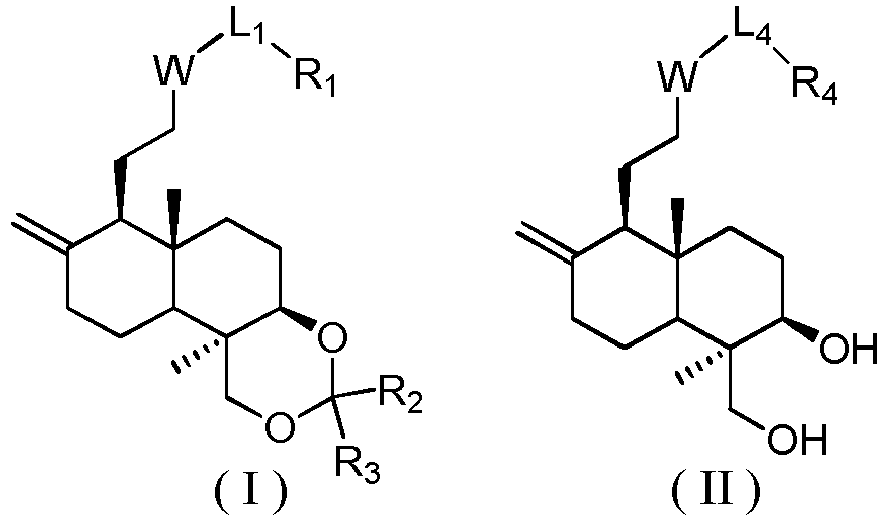
- W is O, N(R5) or a ring

- R5 is selected from H, or from a C1-3 alkyl optionally substituted by halogen, OH, NH2, COOH, NHMe, or N(Me)2, the number of substituent is selected from 1, 2 or 3; L1 and L4 are selected from a single bond and -(CRR)1-3-;
- R1 and R4 are selected from H, COOH, or are each independently selected from the group consisting of NH2, a C1-6 alkyl, a C1-6 heteroalkyl, a 5-10 membered aryl, and a 5-10 membered heteroaryl, which is optionally substituted with 1, 2, or 3 R or R';
- R2 and R3 are each independently selected from H, or are each independently selected from the group consisting of a C1-6 alkyl, a C1-6 heteroalkyl, a C3-6 cycloalkyl, and a 3-6 membered heterocycloalkyl, a 5-6 membered aryl or heteroaryl, which is optionally substituted with 1, 2, or 3 R or R';
- optionally, R2 and R3 can be linked together to form a 4-7 membered ring;
- the ring

- R is independently selected from F, Cl, Br, I, OH, NH2, CN, C(=O)OH, or from the group consisting of a C1-6 alkyl, a C1-6 heteroalkyl, a -L-C3-6 cycloalkyl, and a -L-3-6 membered heterocycloalkyl, which is optionally substituted with 1, 2 or 3 R';
- L is selected from a single bond, -O-, -S-, -C(=O)NH-, -NH-, -C(=O)O-, -C(=O)-,-C(=S)-, -S(=O)-, -S(=O)2;
- R' is independently selected from halogen, CN, OH, N(CH3)2, NH(CH3), NH2, CHO, C(=O)OH, C(=O)NH2, S(=O)NH2, S(=O)2NH2, trihalomethyl, dihalomethyl, monohalomethyl, aminomethyl, hydroxymethyl, methyl, methoxy, formyl, methoxycarbonyl, Boc, methylsulfonyl, methylsulfinyl, ethyl, n-propyl, isopropyl, C3-6 membered cycloalkyl, and 3-6 membered heterocycloalkyl;
- "hetero" refers to a heteroatom or a heteroatomic group selected from the group consisting of -C(=O)N(R)-, -N(R)-, -C(=NR)-, -S(=O)2N(R)-, -S(=O)N(R)-, -O-, -S-, =O, =S, -C(=O)O-, -C(=O)-, -C(=S)-, -S(=O)-, -S(=O)2- and -N(R)C(=O)N(R)-;
- In some embodiments of the present invention, R' is each independently selected from the group consisting of F, Cl, Br, I, OH, NH2, CN, Me, CF3, Et, N(CH3)2, C(=O)OH, Boc,


- In some embodiments of the present invention, R is selected from F, Cl, Br, I, OH, NH2, CN, C(=O)OH, or is selected from the group consisting of Me, Et, OMe, OEt,


- In some embodiments of the present invention, R is selected from the group consisting of F, Cl, Br, I, OH, NH2, CN, C(=O)OH, Me, Et, OMe,




- In some embodiments of the present invention, R5 is selected from H,

- In some embodiments of the present invention, the compound, pharmaceutically acceptable salt, or tautomer thereof, wherein the ring

- In some embodiments of the present invention, the ring


- In some embodiments of the present invention, L1 and L4 are selected from a single bond and a methylene.
- In some embodiments of the present invention, R1 and R4 are selected from H, COOH, or are selected from the group consisting of NH2, C1-4 alkyl, C1-4 heteroalkyl, azetidinyl, pyrrolidinyl, tetrahydropyranyl, piperidinyl, cyclohexyl, phenyl, pyridinyl, pyridine-2(1H)-keto, pyrimidyl, pyrazolyl, thiazolyl, benzothiazolyl, imidazo[1,2-b]pyridazinyl, isoxazolyl and thienyl, which is optionally substituted with 1, 2 or 3 R.
- In some embodiments of the present invention, R1 and R4 are selected from H, COOH, or are selected from the group consisting of NH2,


- In some embodiments of the present invention, R1 and R4 are selected from the group consisting of








- In some embodiments of the present invention, R2 and R3 are independently selected from H, or independently selected from the group consisting of Me, Et, n-propyl,


- In some embodiments of the present invention, R2 and R3 are independently selected from H, Me, Et,


- In some embodiments of the present invention, R2 and R3 can be linked together to form

- In some embodiments of the present invention, R2 and R3 can be linked together, the structure unit


- The compound of the present invention is selected from the group consisting of


- In some embodiments of the present invention, R1 is selected from H, COOH, or selected from the group consisting of NH2, C1-4 alkyl, C1-4 heteroalkyl, azetidinyl, pyrrolidinyl, tetrahydropyranyl, piperidinyl, cyclohexyl, phenyl, pyridyl, pyridine-2(1H)keto, pyrimidinyl, pyrazolyl, thiazolyl, benzothiazolyl, imidazo[1,2-b]pyridazinyl, isoxazolyl and thienyl, which is optionally substituted with 1, 2 or 3 R; other variants are as defined above.
- In some embodiments of the present invention, R1 is selected from H, COOH, or selected from the group consisting of NH2,


- In some embodiments of the present invention, R1 is selected from the group consisting of


- In some embodiments of the present invention, R4 is selected from the group consisting of H and pyridyl; other variants are as defined above.
- In some embodiments of the present invention, R4 is selected from the group consisting of H and

- In some embodiments of the present invention, R2 is selected from the group consisting of C1-6 alkyl, C1-6 heteroalkyl, C3-6 cycloalkyl, and 3-6 membered heterocycloalkyl, 5-6 membered aryl or heteroaryl, which is optionally substituted with 1, 2 or 3 R or R'; other variants are as defined above.
- In some embodiments of the present invention, R2 is selected from the group consisting of Me, Et,


- In some embodiments of the present invention, R3 is selected from H and Me; other variants are as defined above.
- In some embodiments of the present invention, the structure unit


- In some embodiments of the present invention, the structure unit




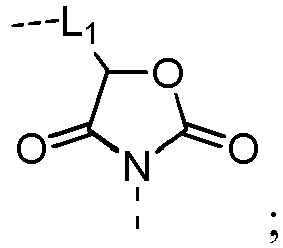
- In some embodiments of the present invention, the structure unit


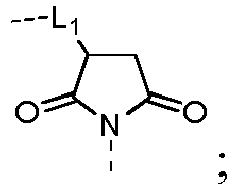
- In some embodiments of the present invention, the structure unit


- In some embodiments of the present invention, the structure unit


- In some embodiments of the present invention, the structure unit


- In some embodiments of the present invention, the structure unit


- In some embodiments of the present invention, the structure unit


- In some embodiments of the present invention, the above compound, pharmaceutically acceptable salt or tautomer thereof is selected from the group consisting of (I-1), (I-2), (I-3), (II-1) and (II-2):

- In some embodiments of the present invention, the compound, pharmaceutically acceptable salt or tautomer thereof is selected from the group consisting of (I-4), (I-5) and (I-6):

- Some other embodiments of the present invention are provided through arbitrarily combining the above variants.
- The present invention also provides a use of the compound or pharmaceutically acceptable salt in manufacturing a medicament for the treatment and prevention of inflammatory diseases. Specifically, the disease is selected from the group consisting of pneumonia, upper respiratory tract infection and arthritis; more specifically, the pneumonia is selected from the group consisting of viral pneumonia and bacterial pneumonia.
- Unless otherwise specified, the following terms and phrases used herein are intended to have the following meanings. A particular term or phrase should not be considered indefinite or unclear when not specifically defined, but should be understood in the ordinary sense. When a trade name appears in this document, it is intended to refer to its corresponding article or the active ingredient thereof.
- C1-12 is selected from the group consisting of C1, C2, C3, C4, C5, C6, C7, C8, C9, C10, C11, and C12; C3-12 is selected from the group consisting of C3, C4, C5, C6, C7, C8, C9, C10, C11 and C12.
- C1-12 alkyl or heteroalkyl, C3-12 cyclic group or heterocycloalkyl, C1-12 alkyl or heteroalkyl substituted with C3-12 cycloalkyl or heterocycloalkyl include, but are not limited to:
- C1-12 alkyl, C1-12 alkylamino, N,N-di(C1-12 alkyl)amino, C1-12 alkoxy, C1-12 alkanoyl, C1-12 alkoxycarbonyl, C1-12 alkylsulfonyl, C1-12 alkylsulfinyl, C3-12 cycloalkyl, C3-12 cycloalkylamino, C3-12 heterocycloalkylamino, C3-12 cycloalkoxy, C3-12 cycloalkylacyl, C3-12 cycloalkyloxycarbonyl, C3-12 cycloalkylsulfonyl, C3-12 cycloalkylsulfinyl, 5-12 membered aryl or heteroaryl, 5-12 membered arylalkyl or heteroarylalkyl;
- methyl, ethyl, n-propyl, isopropyl, -CH2C(CH3)(CH3)(OH), cyclopropyl, cyclobutyl, propyl methylene, cyclopropionyl, benzyloxy, trifluoromethyl, aminomethyl, hydroxymethyl, methoxy, formyl, methoxycarbonyl, methylsulfonyl, methylsulfinyl, ethoxy, acetyl, ethylsulfonyl, ethoxycarbonyl, dimethylamino, diethylamino, dimethylaminocarbonyl, diethylaminocarbonyl;
- N(CH3)2, NH(CH3), -CH2CF3, -CH2CH2CF3, -CH2CH2F,-CH2CH2S(=O)2CH3, -CH2CH2CN, -CH2CH(OH)(CH3)2, -CH2CH(F)(CH3)2,-CH2CH2F, -CH2CF3, -CH2CH2CF3, -CH2CH2NH2, -CH2CH2OH, -CH2CH2OCH3,-CH2CH2CH2OCH3, -CH2CH2N(CH3)2, -S(=O)2CH3, -CH2CH2S(=O)2CH3,; and
- phenyl, thiazolyl, biphenyl, naphthyl, cyclopentyl, furyl, 3-pyrrolinyl, pyrrolidinyl, 1,3-dioxopentyl, pyrazolyl, 2-pyrazolinyl, pyrazolidyl, imidazolyl, oxazolyl, thiazolyl, 1,2,3-oxazolyl, 1,2,3-triazolyl, 1,2,4-triazolyl, 1,3,4-thiadiazolyl, 4H-pyranyl, pyridinyl, piperidinyl, 1,4-dioxanyl, morpholinyl, pyridazinyl, pyrimidinyl, pyrazinyl, piperazinyl, 1,3,5-trithianyl, 1,3,5-triazinyl, benzofuranyl, benzothiophenyl, indolyl, benzimidazolyl, benzothiazolyl, purinyl, quinolinyl, isoquinolinyl, cinnolinyl, or quinoxalinyl;
- As used herein, the term "pharmaceutically acceptable" refers to those compounds, materials, compositions, and/or dosage forms that are within the scope of reliable medical judgment and are suitable for use in contact with human and animal tissues without excessive toxicity, irritation, allergic reactions or other problems or complications, being commensurate with a reasonable benefit/risk ratio.
- The term "pharmaceutically acceptable salts" refers to salts of the compounds of the present invention that are prepared from the compounds having particular substituents of the present invention and relatively non-toxic acids or bases. When the compounds of the present invention contain relatively acidic functional groups, base addition salts can be obtained by contacting the neutrality form of such compounds with a sufficient amount of a base in pure solution or in a suitable inert solvent. Pharmaceutically acceptable base addition salts include salts of sodium, potassium, calcium, ammonium, organic ammonia or magnesium or similar salts. When compounds of the present invention contain relatively basic functional groups, acid addition salts can be obtained by contacting the neutrality form of such compounds with a sufficient amount of the acid in pure solution or in a suitable inert solvent. Examples of pharmaceutically acceptable acid addition salts include inorganic acid salts including, for example, hydrochloric acid, hydrobromic acid, nitric acid, carbonic acid, bicarbonate, phosphoric acid, monohydrogen phosphate, dihydrogen phosphate, sulfuric acid, bisulfate, hydroiodic acid, phosphorous acid and the like; and organic acid salts including, for example, acetic acid, propionic acid, isobutyric acid, maleic acid, malonic acid, benzoic acid, succinic acid, suberic acid, fumaric acid, lactic acid, mandelic acid, phthalic acid, benzene sulfonic acid, p-toluene sulfonic acid, citric acid, tartaric acid, methanylulfonic acid and the like; also includes salts of amino acids (e.g., arginine, etc.) as well as salts of organic acids such as glucuronic acid (see Berge et al., "Pharmaceutical Salts", Journal of Pharmaceutical Science 66: 1-19 (1977 )). Certain specific compounds of the present invention contain basic and acidic functional groups so that they can be converted to any base or acid addition salt.
- Preferably, the salt is contacted with a base or acid in a conventional manner and the parent compound is isolated, thereby regenerating the neutrality form of the compound. The parent form of a compound differs from its various salt forms in certain physical properties, such as solubility in polar solvents.
- As used herein, "pharmaceutically acceptable salts" belong to derivatives of the compounds of the present invention, wherein the parent compound is modified by salt formation with an acid or by salt formation with a base. Examples of pharmaceutically acceptable salts include, but are not limited to: inorganic or organic acid salts of base radicals such as amines, inorganic or organic salts of acid radicals such as carboxylic acids, and the like. Pharmaceutically acceptable salts include the conventional non-toxic salts or quaternary ammonium salts of the parent compound, such as the salts formed by non-toxic inorganic or organic acids. The conventional non-toxic salts include, but are not limited to, salts derived from inorganic and organic acids which are selected from the group consisting of 2-acetoxybenzoic acid, 2-hydroxyethylsulfonic acid, acetic acid, ascorbic acid, benzosulfonic acid, benzoic acid, bicarbonate, carbonic acid, citric acid, edetic acid, ethanedisulfonic acid, ethanesulfonic acid, fumaric acid, glucoheptonose, gluconic acid, glutamic acid, glycolic acid, hydrobromic acid, hydrochloric acid, hydroiodide, hydroxy, hydroxynaphthyl, isethionic acid, lactic acid, lactose, dodecyl sulfonic acid, maleic acid, malic acid, mandelic acid, methane sulfonic acid, nitric acid, oxalic acid, pamoic acid, pantothenic acid, phenylacetic acid, phosphoric acid, polygalactanaldehyde, propionic acid, salicylic acid, stearic acid, acetic acid, succinic acid, sulfamic acid, sulfanilic acid, sulfuric acid, tannins, tartaric acid and p-toluenesulfonic acid.
- The pharmaceutically acceptable salts of the present invention can be synthesized from the parent compound containing acid radicals or base radicals by conventional chemical methods. In general, such salts are prepared by the reaction of these compounds in free acid or base form with a stoichiometric amount of the appropriate base or acid in water or an organic solvent or a mixture of the two. In general, non-aqueous media such as ether, ethyl acetate, ethanol, isopropanol or acetonitrile are preferred.
- In addition to salt forms, the compounds provided herein also exist in prodrug forms. The prodrugs of the compounds described herein are readily chemically altered under physiological conditions to be converted into the compounds of the invention. In addition, prodrugs can be converted to the compounds of the present invention by chemical or biochemical methods in the in vivo environment.
- Certain compounds of the present invention may exist in unsolvated or solvated forms, including hydrated forms. In general, solvated forms are equivalent to unsolvated forms and both are included within the scope of the present invention.
- Certain compounds of the present invention may have asymmetric carbon atoms (optical centers) or double bonds. Racemates, diastereomers, geometric isomers and individual isomers are all included within the scope of the present invention.
- The graphical representation of racemic, ambiscalemic and scalemic or enantiomeric pure compounds herein is from Maehr, J. Chem. Ed. 1985, 62: 114-120 . 1985, 62: 114-120. Unless otherwise specified, the absolute configuration of a stereocenter is represented by a wedge bond and a dashed bond. When the compounds described herein contain olefinic double bonds or other geometric asymmetry centers, they include E, Z geometric isomers, unless otherwise specified. Likewise, all tautomeric forms are included within the scope of the present invention.
- The compounds of the invention may exist in specific geometric or stereoisomeric forms. The present invention encompasses all such compounds, including cis and trans isomers, (-)- and (+)-pair enantiomers, (R)- and (S)-enantiomers, diastereoisomers, (D)-isomer, (L)-isomer, and the racemic mixtures and other mixtures thereof, such as enantiomeric or diastereomeric enriched mixtures, all of which are within the scope of the present invention. Additional asymmetric carbon atoms may be present in the substituents such as alkyl groups. All these isomers and their mixtures are included within the scope of the present invention.
- Optically active (R)- and (S)-isomers and D and L isomers can be prepared by chiral synthesis or chiral reagents or other conventional techniques. If an enantiomer of a certain compound of the invention is desired, it can be prepared by asymmetric synthesis or derivatization with a chiral auxiliary, wherein the resulting mixture of diastereomers is separated and the ancillary groups are cleaved to provide pure desired enantiomer. Alternatively, when the molecule contains a basic functional group (such as an amino group) or an acidic functional group (such as a carboxyl group), a diastereomer salt is formed with a suitable optically active acid or base, and then the diastereomeric resolution is performed by conventional methods known in the art, and then the pure enantiomer is recovered. In addition, the separation of enantiomers and diastereomers is generally accomplished by the use of chromatography using a chiral stationary phase and optionally in combination with chemical derivatization (e.g., forming carbaminate from amines).
- The compounds of the present invention may contain unnatural proportions of atomic isotopes at one or more of the atoms that comprise the compound. For example, the compounds can be labelled with radioactive isotopes such as tritium (3H), iodine-125 (125I) or C-14 (14C). The variants of all isotopic compositions of the compounds of the present invention, whether radioactive or not, are all included within the scope of the present invention.
- The term "pharmaceutically acceptable carrier" refers to any agent or carrier medium capable of delivering an effective amount of an active agent of the present invention without interfering with the biological activity of the active agent and having no toxic side effects on the host or patient. Exemplary carriers include water, oil, vegetables and minerals, cream bases, lotion bases, ointment bases, etc. These bases include suspending agents, tackifiers, transdermal enhancers and the like. Their formulations are well known to those skilled in the cosmetic area or topical medicine area. For additional information on carriers, reference may be made to Remington: The Science and Practice of Pharmacy, 21st Ed., Lippincott, Williams & Wilkins (2005 ), the contents of which are incorporated herein by reference.
- The term "excipient" generally refers to the carrier, diluent, and/or medium required to formulate an effective pharmaceutical composition.
- For a drug or pharmacologically active agent, the term "effective amount" or "therapeutically effective amount" refers to a sufficient amount of drug or agent that is non-toxic but can achieve the desired effect. For an oral dosage form in the present invention, an "effective amount" of an active substance in the composition refers to the amount needed to achieve the desired effect when used in combination with another active substance in the composition. The determination of the effective amount varies from person to person, depending on the age and general condition of the recipient, and also on the specific active substance, and the appropriate effective amount in an individual case can be determined by a person skilled in the art according to routine experimentation.
- The terms "active ingredient", "therapeutic agent", "active substance" or "active agent" refers to a chemical entity that can effectively treat a target disorder, disease or condition.
- The term "substituted" means that any one or more hydrogen atoms on a particular atom are replaced with substituents, including deuterium and hydrogen variants, as long as the valence of a particular atom is normal and the substituted compound is stable.. When the substituent is a keto (i.e., =O), it means that two hydrogen atoms are substituted. Ketone substitution does not occur on aromatic groups. The term "optionally substituted" means that it may or may not be substituted. Unless otherwise specified, the type and number of substituents may be arbitrary on the basis of being chemically achievable.
- When any variant (e.g., R) occurs more than once in the composition or structure of a compound, its definition in each case is independent. Thus, for example, if a group is substituted with 0-2 R, the group may optionally be substituted with up to two R, and R in each case has an independent option. In addition, combinations of substituents and/or variants thereof are permissible only if such combinations result in stable compounds.
- When the number of a linking group is 0, such as -(CRR)0-, it means that the linking group is a single bond.
- When one of the variants is selected from a single bond, it means that the two groups which it connects are directly linked. For example, when L represents a single bond in A-L-Z, the structure is actually A-Z.
- When a substituent's bond can be cross-linked to two atoms on a ring, the substituent can be bonded to any atom on the ring. When the recited substituents do not indicate by which atom they are attached to a compound included in the general formula of the chemical structure but are not specifically mentioned, such substituents may be bonded through any of their atoms. Combinations of substituents and/or variants thereof are permissible only if such combinations result in stable compounds. For example, a structure unit
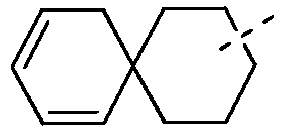

- Unless otherwise specified, the term "halo" or "halogen" by itself or as part of another substituent denotes a fluorine, chlorine, bromine, or iodine atom. In addition, the term "haloalkyl" is meant to include monohaloalkyl and polyhaloalkyl. For example, the term "halo(C1-C4)alkyl" is meant to include but not limited to trifluoromethyl, 2,2,2-trifluoroethyl, 4-chlorobutyl, 3-bromopropyl, and the like.
- Examples of haloalkyl include, but are not limited to, trifluoromethyl, trichloromethyl, pentafluoroethyl, and pentachloroethyl. "Alkoxy" represents an alkyl group as defined above with a specified number of carbon atoms attached through an oxygen bridge. C1-6 alkoxy includes C1, C2, C3, C4, C5 and C6 alkoxy groups. Examples of alkoxy include, but are not limited to, methoxy, ethoxy, n-propoxy, isopropoxy, n-butoxy, sec-butoxy, tert-butoxy, n-pentoxy, and S-pentoxy. "Cycloalkyl" includes saturated cyclic groups such as cyclopropyl, cyclobutyl or cyclopentyl. 3-7 cycloalkyl includes C3, C4, C5, C6 and C7 cycloalkyl groups. "Alkenyl" includes a linear or branched chain hydrocarbon chain in which one or more carbon-carbon double bonds, such as vinyl and propenyl, are present at any stable site on the chain.
- The term "halo" or "halogen" refers to fluorine, chlorine, bromine, and iodine.
- Unless otherwise specified, the term "hetero" denotes a heteroatom or a heteroatom group (i.e., an atom group containing heteroatoms), including atoms other than carbon (C) and hydrogen (H), and atom groups containing these heteroatoms, for example, including oxygen (O), nitrogen (N), sulfur (S), silicon (Si), germanium (Ge), aluminum (Al), boron (B), -O-, -S-, =O, =S, -C(=O)O-, -C(=O)-, -C(=S)-, -S(=O),-S(=O)2-, and optionally substituted -C(=O)N(H)-, -N(H)-, -C(=NH)-, -S(=O)2N(H)-, or -S(=O)N(H)-.
- Unless otherwise specified, "ring" refers to a substituted or unsubstituted cycloalkyl, heterocycloalkyl, cycloalkenyl, heterocycloalkenyl, cycloalkynyl, heterocycloalkynyl, aryl, or heteroaryl. The so-called ring includes a single ring, a bicyclic ring, a spiro ring, a ring system having two rings sharing one bond, or a bridged ring. The number of atoms on the ring is usually defined as the number of members of the ring. For example, a "5-7 membered ring" refers to that 5 to 7 atoms are arranged in a circle. Unless otherwise specified, the ring optionally contains 1 to 3 heteroatoms. Thus, a "5-7 membered ring" includes, for example, phenyl, pyridinyl, and piperidinyl; in another aspect, the term "5-7 membered heterocycloalkyl ring" includes pyridyl and piperidinyl, but does not include phenyl. The term "ring" also includes ring systems containing at least one ring, wherein, each "ring" independently meets the above definition.
- Unless otherwise specified, the term "heterocycle" or "heterocyclyl" means stable monocyclic, bicyclic, or tricyclic rings containing heteroatoms or heteroatom groups, which may be saturated, partially unsaturated, or unsaturated (aromatic), and contain carbon atoms and 1, 2, 3, or 4 heterocyclic atoms independently selected from N, O and S, wherein any of the above heterocycles may be fused to a benzene ring to form a bicyclic ring. The nitrogen and sulfur heteroatoms can be optionally oxidized (i.e. NO and S(O)p, p is 1 or 2). The nitrogen atom may be substituted or unsubstituted (i.e. N or NR, where R is H or other substituents as already defined herein). The heterocycles may be attached to the pendant groups of any heteroatom or carbon atom to form a stable structure. If the resulting compound is stable, the heterocycles described herein may be substituted at the carbon or nitrogen position. The nitrogen atom in the heterocycle is optionally quaternized. A preferred embodiment is that when the total number of S and O atoms in the heterocycle exceeds 1, these heteroatoms are not adjacent to each other. Another preferred embodiment is that the total number of S and O atoms in the heterocycle does not exceed 1. As used herein, the term "aromatic heterocyclic group" or "heteroaryl" means a stable 5, 6 or 7 membered monocyclic or bicyclic or 7, 8, 9 or 10 membered bicyclic heterocyclyl aromatic ring, which contains carbon atoms and 1, 2, 3, or 4 heterocyclic atoms independently selected from N, O, and S. The nitrogen atom may be substituted or unsubstituted (i.e., N or NR, where R is H or other substituents as already defined herein). The nitrogen and sulfur heteroatoms can be optionally oxidized (i.e., NO and S(O)p, p is 1 or 2). It is worth noting that the total number of S and O atoms on the aromatic heterocycle does not exceed 1. Bridged rings are also included in the definition of heterocycles. A bridged ring is formed when two non-adjacent carbon or nitrogen atoms are connected by one or more atoms (i.e., C, O, N or S). A preferred bridged ring includes, but is not limited to, one carbon atom, two carbon atoms, one nitrogen atom, two nitrogen atoms, and one carbon-nitrogen group. It is worth noting that a bridge always converts a single ring into a three ring. In the bridged ring, substituents on the ring can also appear on the bridge.
- Examples of heterocyclic compounds include, but are not limited to, acridinyl, azocinyl, benzimidazolyl, benzofuranyl, benzosulfydrylfuranyl, benzosulfydrylphenyl, benzoxazolyl, benzoxazolinyl, benzothiazolyl, benzotriazolyl, benzotetrazolyl, benzisoxazolyl, benzisothiazolyl, benzimidazolinyl, carbazolyl, 4aH-carbazolyl, carbolinyl, chromanyl, chromene, cinnolinyldecahydroquinolinyl, 2H, 6H-1,5,2-dithiazinyl, dihydrofuro[2,3-b]tetrahydrofuranyl, furanyl, furazanyl, imidazolidinyl, imidazolinyl, imidazolyl, 1H-indolyl, indolylalkenyl, indolinyl, indolizinyl, indonyl, 3H-indolyl, isobenzofuranyl, isoindolyl, isoindolinyl, isoquinolinyl, isothiazolyl, isoxazolyl, methylenedioxyphenyl, morpholinyl, naphthyridinyl, octahydroisoquinolinyl, oxadiazolyl, 1,2,3-oxadiazolyl, 1,2,4-oxadiazolyl, 1,2,5-oxadiazolyl, 1,3,4-oxadiazolyl, oxazolidinyl, oxazolyl, hydroxyindolyl, pyrimidinyl, phenanthridinyl, phenanthrolinyl, phenazinyl, phenothiazinyl, benzoxanthinyl, phenoxazinyl, phenazinyl, piperazinyl, piperidinyl, piperidinone, 4-piperidinone, piperonyl, pteridyl, purinyl, pyranyl pyrazinyl, pyrazolidinyl, pyrazolinyl, pyrazolyl, pyridazinyl, pyridooxazole, pyridoimidazole, pyridothiazole, pyridyl, pyrrolidinyl, pyrrolinyl, 2H-pyrrolyl, pyrrolyl, quinazolinyl, quinolinyl, 4H-quinolizinyl, quinoxalinyl, quinuclidinyl, tetrahydrofuranyl, tetrahydroisoquinolinyl, tetrahydroquinolinyl, tetrazolyl, 6H-1,2,5-thiadiazinyl, 1,2,3-thiadiazolyl, 1,2,4-thiadiazolyl, 1,2,5-thiadiazolyl, 1,3,4-thiadiazolyl, thianthienyl, thiazolyl, isothiazolylthiophenyl, thienooxazolyl, thienothiazolyl, thienoimidazolyl, thienyl, triazinyl, 1,2,3-triazolyl, 1,2,4-triazolyl, 1,2,5-triazolyl, 1,3,4-triazolyl, and xanthene. Also included are fused-ring and spiro compounds.
- Unless otherwise specified, the term "hydrocarbyl" or its l subordinate concept (such as alkyl, alkenyl, alkynyl, phenyl, and the like) by itself or as part of another substituent means linear, branched, or cyclic hydrocarbon radicals, or combinations thereof, which may be fully saturated, unitary or polyunsaturated, may be monosubstituted, di-substituted, or poly-substituted, and may be monovalent (such as methyl), divalent (such as methylene), or polyvalent (such as methine), may include divalent or polyvalent radicals, and have a specified number of carbon atoms (e.g., C1-C10 represents 1 to 10 carbons). "Hydrocarbyl" includes, but is not limited to, aliphatic and aromatic hydrocarbyl, wherein the aliphatic hydrocarbyl includes chain and cyclic structures, including but not limited to alkyl, alkenyl, alkynyl, and the aromatic hydrocarbyl includes but not limited to 6-12 membered aromatic hydrocarbyl such as benzene, naphthalene, and the like. In some embodiments, the term "hydrocarbyl" refers to linear or branched chain radicals or combinations thereof, which may be fully saturated, unitary or polyunsaturated, and may include divalent and polyvalent radicals. Examples of saturated hydrocarbon radicals include, but are not limited to, methyl, ethyl, n-propyl, isopropyl, n-butyl, tert-butyl, isobutyl, sec-butyl, isobutyl, cyclohexyl, (cyclohexyl)methyl, cyclopropylmethyl, and homologues or isomers of n-pentyl, n-hexyl, n-heptyl, n-octyl and other atom groups. Unsaturated alkyl has one or more double or triple bonds, examples of which include, but are not limited to, vinyl, 2-propenyl, butenyl, crotyl, 2-prenyl, 2-(butadienyl), 2,4-pentadienyl, 3-(1,4-pentadienyl), ethynyl, 1- and 3-propynyl, 3-butynyl, and more advanced homologues or isomers.
- Unless otherwise specified, the term "heterohydrocarbyl " or its subordinate concept (such as heteroalkyl, heteroalkenyl, heteroalkynyl, heteroaryl, etc.) by itself or in combination with another term means stable, linear, branched or cyclic hydrocarbon radicals or combinations thereof, consisting of a certain number of carbon atoms and at least one heteroatom. In some embodiments, the term "heteroalkyl" by itself or in combination with another term means stable, linear, branched hydrocarbon radicals or combinations thereof, consisting of a certain number of carbon atoms and at least one heteroatom. In a typical embodiment, the heteroatom is selected from the group consisting of B, O, N, and S, wherein the nitrogen and sulfur atoms are optionally oxidized and the nitrogen heteroatoms are optionally quaternized. The heteroatom or heteroatom group may be located at any internal position of the heterohydrocarbyl (including the position where the hydrocarbyl is attached to the rest of the molecule). Examples include but are not limited to -CH2-CH2-O-CH3, -CH2-CH2-NH-CH3, -CH2-CH2-N(CH3)-CH3, -CH2-S-CH2-CH3, -CH2-CH2,-S(O)-CH3, -CH2-CH2-S(O)2-CH3,-CH=CH-O-CH3, -CH2-CH=N-OCH3 and -CH=CH-N(CH3)-CH3. Up to two heteroatoms may be continuous, such as -CH2-NH-OCH3.
- The terms "alkoxy", "alkylamino", and "alkylthio" (or thioalkoxy) are conventional expressions and refer to those alkyl groups that are attached to the rest of the molecule through an oxygen atom, an amino group, or a sulfur atom, respectively.
- Unless otherwise specified, the terms "cyclohydrocarbyl", "heterocyclohydrocarbyl" or subordinate concepts such as aryl, heteroaryl, cycloalkyl, heterocycloalkyl, cycloalkenyl, heterocycloalkenyl, cycloalkynyl, heterocycloalkynyl, etc.) by itself or in combination with other terms mean cyclized "hydrocarbyl", "heterohydrocarbyl" respectively. In addition, for heterohydrocarbyl or heterocyclohydrocarbyl (such as heteroalkyl, heterocycloalkyl), heteroatoms may occupy the position at which the heterocycle is attached to the rest of the molecule. Examples of include, but are not limited to, cyclopentyl, cyclohexyl, 1-cyclohexenyl, 3-cyclohexenyl, cycloheptyl and the like. Non-limiting examples of heterocyclic groups include 1-(1,2,5,6-tetrahydropyridinyl), 1-piperidinyl, 2-piperidinyl, 3-piperidinyl, 4-morpholinyl, 3-morpholinyl, tetrahydrofuran-2-yl, tetrahydrofuranindol-3-yl, tetrahydrothiophen-2-yl, tetrahydrothiophen-3-yl, 1-piperazinyl, and 2-piperazinyl.
- Unless otherwise specified, the term "aryl" refers to a polyunsaturated aromatic hydrocarbon substituent, which may be mono-, di-, or poly-substituted, and may be monovalent, divalent, or polyvalent, and may be monocyclic or polycyclic rings (such as 1 to 3 rings; at least one of which is aromatic),being fused together or covalently linked. The term "heteroaryl" refers to an aryl group (or ring) containing one to four heteroatoms. In one illustrative example, the heteroatom is selected from the group consisting of B, N, O, and S, wherein the nitrogen and sulfur atoms are optionally oxidized and the nitrogen atom is optionally quaternized. A heteroaryl can be attached to the rest of the molecule through a heteroatom. Non-limiting examples of aryl or heteroaryl groups include phenyl, 1-naphthyl, 2-naphthyl, 4-biphenyl, 1-pyrrolyl, 2-pyrrolyl, 3-pyrrolyl, 3-pyrazolyl, 2-imidazolyl, 4-imidazolyl, pyrazinyl, 2-oxazolyl, 4-oxazolyl, 2-phenyl-4-oxazolyl, 5-oxazolyl, 3-isoxazolyl, 4-isoxazolyl, 5-isoxazolyl, 2-thiazolyl, 4-thiazolyl, 5-thiazolyl, 2-furyl, 3-furyl, 2-thienyl, 3-thienyl, 2-pyridyl, 3-pyridyl, 4-pyridyl, 2-pyrimidyl, 4-pyrimidyl, 5-benzothiazolyl, purinyl, 2-benzimidazolyl, 5-indolyl, 1-isoquinolinyl, 5-isoquinolinyl, 2-quinoxalinyl, 5-quinoxalinyl, 3-quinolinyl, and 6-quinolinyl. The substituents for any of the above aryl and heteroaryl ring systems are selected from the acceptable substituents described below.
- Unless otherwise specified, aryl groups, when used in combination with other terms (e.g., aryloxy, arylthio, arylalkyl) include aryl and heteroaryl rings as defined above. Thus, the term "aralkyl" is intended to include those groups (e.g., benzyl, phenethyl, pyridylmethyl, etc.) where the aryl group is attached to the alkyl group, and including those alkyl groups where the carbon atom (e.g., methylene) has been substituted by an atom such as oxygen, for example, phenoxymethyl, 2-pyridyloxymethyl 3-(1-naphthyloxy)propyl and the like.
- The term "leaving group" refers to a functional group or atom that can be substituted by another functional group or atom through a substitution reaction (e.g., an affinity substitution reaction). For example, representative leaving groups include triflate; chlorine, bromine, iodine; sulfonate groups such as mesylate, tosylate, p-bromobenzenesulfonate, p-toluenesulfonates and the like; acyloxy such as acetoxy, trifluoroacetoxy and the like.
- The term "protecting group" includes but is not limited to "amino protecting group", "hydroxy protecting group" or "sulfhydryl protecting group". The term "amino protecting group" refers to a protecting group suitable for blocking a side reaction at the amino nitrogen position. Representative amino protecting groups include, but are not limited to, formyl; acyl, such as alkanoyl (e.g., acetyl, trichloroacetyl, or trifluoroacetyl); alkoxycarbonyl, such as tert-butoxycarbonyl (Boc); arylmethoxycarbonyl such as benzyloxycarbonyl (Cbz) and 9-fluorenylmethyloxycarbonyl (Fmoc); arylmethyl such as benzyl (Bn), trityl (Tr), 1,1-bis-(4'-methoxyphenyl)methyl; silyl such as trimethylsilyl (TMS) and tert-butyldimethylsilyl (TBS) and the like. The term "hydroxy protecting group" refers to a protecting group that is suitable for blocking the side reaction of hydroxyl groups. Representative hydroxy protecting groups include, but are not limited to, alkyl such as methyl, ethyl, and tert-butyl; acyl such as alkanoyl (such as acetyl); arylmethyl such as benzyl (Bn), p-methoxybenzyl (PMB), 9-fluorenylmethyl (Fm) and diphenylmethyl (benzhydryl, DPM); silyl such as trimethylsilyl (TMS) and tert-butyl dimethylsilyl (TBS) and the like.
- The compounds of the present invention may be prepared by a variety of synthetic methods well-known to those skilled in the art, including the embodiments set forth below, combinations thereof with other chemical synthesis methods, and equivalent alternatives well-known to those skilled in the art, preferred embodiments include but are not limited to embodiments of the present invention.
- The solvents used in the present invention are commercially available. The present invention uses the following abbreviations: aq for water; HATU for O-(7-azabenzotriazol-1-yl)-N,N,N',N'-tetramethyluronium hexafluorophosphate; EDC for N-(3-dimethylaminopropyl)-N'-ethylcarbodiimide hydrochloride; m-CPBA for 3-chloroperoxybenzoic acid; eq for equivalent, equal; CDI for carbonyldiimidazole; DCM for dichloromethane; PE for petroleum ether; DIAD for diisopropyl azodicarboxylate; DMF for N,N-dimethylformamide; DMSO for dimethyl sulfoxide; EtOAc for ethyl acetate ester; EtOH for ethanol; MeOH for methanol; CBz for benzyloxycarbonyl, an amine protecting group; BOC for tert-butyl carbonyl, an amine protecting group; HOAc for acetic acid; NaCNBH3 for sodium cyanoborohydride; r.t. for room temperature; O/N for overnight; THF for tetrahydrofuran; Boc2O for di-tert-butyl dicarbonate; TFA for trifluoroacetic acid; DIPEA for diisopropylethylamine; SOCl2 for thionyl chloride; CS2 for carbon disulfide; TsOH for p-toluenesulfonic acid; NFSI for N-fluoro-N-(phenylsulfonyl)phenylsulfonyl amide; NCS for 1-chloropyrrolidine-2,5-dione; n-Bu4NF for tetrabutylammonium fluoride; iPrOH for 2-propanol; mp for melting point; LDA for lithium diisopropylamide.
- Compounds are named by hand or ChemDraw® software, and commercially available compounds are named after supplier catalog names.
-
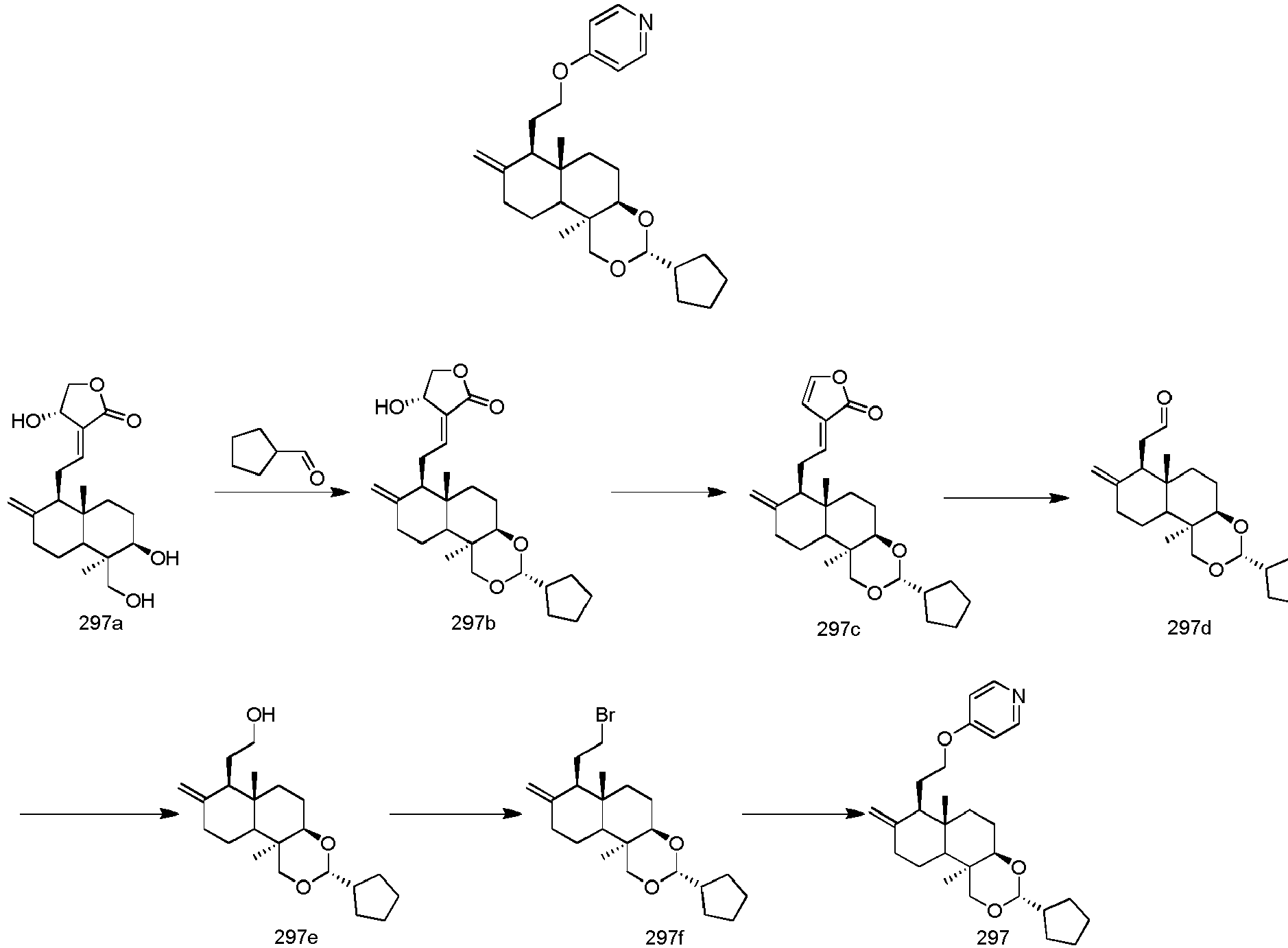
- (4S,E)-4-hydroxy-3-(2-((1R,5R,6R,8aS)-6-hydroxy-5-(hydroxymethyl)-5,8a-dimethyl-2-methylenedecahydronaphthalenemethanol-1-yl) ethylene)dihydrofuran-2(3H)-one 297a (300.00g, 856.04mmol) was dissolved in dichloromethane (3.00L), and cyclopentylcarbaldehyde (84.85g, 864.60mmol) and amberlyst-15 (300.00 g) were added in sequence, then stirred at 20°C for 12 hours. The system was filtered and concentrated to give 300g (4S,E)-3-(2-((3R,4aR,6aS,7R,10bR)-3-cyclopentyl-6a,10b-dimethyl-8-amethylene-decahydro-1H-naphtho[2,1-d][1,3]dioxin-7-yl)ethylene)-4-hydroxydihydrofuran-2(3H)-one 297b as a white solid, yield: 81.39%.
1H NMR (400MHz, CDCl3) 6.97 (d, J = 6.4 Hz, 1 H), 5.05 (s, 1 H), 4.92 (s, 1 H), 4.62 (s, 2 H), 4.46 (d, J = 6 Hz, 1 H), 4.29-4.26 (m, 1 H), 4.03 (d, J = 10.8 Hz, 1 H), 3.49-3.44 (m, 2 H), 2.59-2.46 (m, 4 H), 2.21 (s, 1 H), 2.08-1.87 (m, 2 H), 1.85-1.71 (m, 3 H), 1.69-1.56 (m, 9 H), 1.54 (s, 3 H), 1.52-1.26 (m, 3 H), 0.83 (s, 3 H). - (4S,E)-3-(2-((3R,4aR,6aS,7R,10bR)-3-cyclopentyl-6a,10b-dimethyl-8-dihydromethylene-1H-naphtho[2,1-d][1,3]dioxin-7-yl)ethylidene)-4-hydroxydihydrofuran-2(3H)-one 297b (200.00g, 464.49mmol) was dissolved in 2000mL dichloromethane and added with acetic anhydride (490.50g, 4.80mol) and pyridine (392.00g, 4.96mol) at 0°C, then stirred at 20°C for 17 hours. The reaction solution was concentrated under reduced pressure at 35°C, added with 6000mL water to precipitate a precipitate, and filtered. The resulting residue was pulped with petroleum ether (500mL*2) to give 200g crude product of (E)-3-(2-((3R, 4aR,6aS,7R,10bR)-3-cyclopentyl-6a,10b-dimethyl-8-dihydromethylene decahydro-1H-naphtho[2,1-d][1,3]dioxin-7-yl)ethylidene)furan-2(3H)-one 297c.
1H NMR (400MHz, CDCl3) 7.02 (br. s., 1H), 6.71 (t, J=6.9 Hz, 1H), 6.19 (d, J=3.0 Hz, 1H), 4.88 (s, 1H), 4.62 (d, J=5.5 Hz, 1H), 4.45 (s, 1H), 4.04 (d, J=11.3 Hz, 1H), 3.55 - 3.36 (m, 2H), 2.63 - 2.52 (m, 1H), 2.48 - 2.38 (m, 2H), 2.35 - 2.23 (m, 1H), 2.15 - 1.99 (m, 2H), 1.94 - 1.82 (m, 3H), 1.72 (br. s., 3H), 1.64 - 1.45 (m, 6H), 1.39 (s, 3H), 1.27 (br. s., 3H), 0.83 (s, 3H). - (E)-3-(2-((3R,4aR,6aS,7R,10bR)-3-cyclopentyl-6a,10b-dimethyl-8-dihydromethylene-1H-naphtho[2,1-d][1,3]dioxin-7-yl)ethylidene)furan-2(3H)-one 297c (200.00g, 484.78mmol) was dissolved in 2000mL tetrahydrofuran, a solution of potassium permanganate (229.83g, 1.45mol) dissolved in 2000mL water was added at 0°C, followed by being stirred at 20°C for 6 hours. 1000mL brine was added and the layers were separated. The organic phase was concentrated under reduced pressure and the residue was dissolved in 1000mL ethyl acetate. 9000mL petroleum ether was added and the mixture was filtered. The filtrate was concentrated under reduced pressure to give 78g crude product of 2-((3R,4aR,6aS,7R,10bR)-3-cyclopentyl-6a,10b-dimethyl-8-dihydromethylenedecahydro-1H-naphtho[2,1-d][1,3]dioxin-7-yl)acetaldehyde 297d.
1H NMR (400MHz, CDCl3) 9.65 (d, J=2.0 Hz, 1H), 4.85 (s, 1H), 4.60 (d, J=6.0 Hz, 1H), 4.43 (s, 1H), 4.03 (d, J=11.0 Hz, 1H), 3.53 - 3.42 (m, 2H), 2.55 - 2.21 (m, 5H), 2.14 - 2.06 (m, 2H), 1.86 - 1.80 (m, 1H), 1.72 - 1.67 (m, 3H), 1.61 - 1.43 (m, 7H), 1.38 (s, 3H), 1.26 - 1.09 (m, 3H), 0.83 - 0.66 (m, 3H). - 2-((3R,4aR,6aS,7R,10bR)-3-cyclopentyl-6a,10b-dimethyl-8-dihydromethylene decahydro-1H-naphtho[2,1-d][1,3]dioxin-7-yl) acetaldehyde 297d (70.00g, 202.02mmol) was dissolved in 1000mL tetrahydrofuran, and sodium borohydride (22.93g, 606.06mmol) was added at 0°C, followed by stirring at 25°C for 4 hours. The reaction was quenched by adding 500mL water, and extracted with ethyl acetate (200mL*5). The combined organic phases were washed with saturated sodium chloride solution (200mL*1), dried over anhydrous sodium sulfate, filtered, and the filtrate was concentrated under reduced pressure. After that, the resulting residue was purified by silica gel column chromatography with the eluent system PE:EA=10:1 to 2:1 to give 2-((3R,4aR,6aS,7R,10bR)-3-cyclopentyl-6a,10b-dimethyl-8-dihydromethylene decahydro-1H-naphtho[2,1-d][1,3]dioxin-7-yl)ethanol 297e, (40g, yield: 56.8%).
1H NMR (400MHz, CDCl3) 4.87 (s, 1H), 4.61 (d, J = 6 Hz, 2 H), 4.03 (d, J = 11.2 Hz, 1 H), 3.75 (s, 1 H), 3.52-3.43 (m, 3 H), 2.44-2.41 (m, 2 H), 2.08-1.75 (m, 3 H), 1.74-1.66 (m, 7 H), 1.57-1.54 (m, 6 H), 1.37 (s, 4 H), 1.26-1.25 (m, 3 H), 0.77 (s, 3 H). - 2-((3R,4aR,6aS,7R,10bR)-3-cyclopentyl-6a,10b-dimethyl-8-dihydromethylene-1H-naphtho[2,1-d][1,3]dioxin-7-yl)ethanol 297e (35.00g, 100.42mmol) was dissolved in 500mL dichloromethane, and carbon tetrabromide (36.63g, 110.46mmol) and triphenylphosphine (28.97g, 110.46mmol) was added at 25°C, then stirred at 25°C for 4 hours. The reaction was quenched with 200mL water, extracted with dichloromethane (200mL*3), and the organic phases were combined, washed with saturated sodium chloride solution (200mL*1), dried over anhydrous sodium sulfate, filtered, and the filtrate was concentrated under reduced pressure. After that, the resulting residue was purified by silica gel column chromatography with the eluent system PE:EtOAc=10:1 to 5:1 to give (3R,4aR,6aS,7R,10bR)-7-(2-bromoethyl)-3-cyclopentyl-6a,10b-dimethyl-8-dihydromethylene decahydro-1H-naphtho[2,1-d][1,3]dioxin 297f (40g, yield: 96.82 %).
1H NMR (400MHz, CDCl3) 4.89 (s, 1 H), 4.61 (d, J = 6 Hz, 1 H), 4.53 (s, 1 H), 4.02 (d, J = 11.2 Hz, 1 H), 3.55-3.52 (m, 3 H), 3.46-3.29 (m, 1 H), 2.42 (s, 1 H), 2.08 (s, 1 H), 2.04-1.84 (m, 4 H), 1.84-1.81 (m, 3 H), 1.72-1.70 (m, 3 H), 1.59-1.54 (m, 6 H), 1.38 (s, 3 H), 1.26-1.22 (m, 3 H), 0.78 (s, 3 H). - (3R,4aR,6aS,7R,10bR)-7-(2-bromoethyl)-3-cyclopentyl-6a,10b-dimethyl-8-dihydromethylene decahydro-1H-naphtho[2,1-d][1,3] dioxin 297f (10.00g, 24.31mmol) was dissolved in 150mL N,N-dimethylformamide, and potassium carbonate (6.72g, 48.62mmol) and 4-hydroxypyridine (2.31g, 24.31mmol) were added at 20°C, then stirred at 80°C for 10 hours. The reaction solution was concentrated under reduced pressure, diluted with 500mL water, and extracted with ethyl acetate (250mL*3). The organic phases were combined, washed with saturated sodium chloride solution (200mL*1), dried over anhydrous sodium sulfate and filtered, and the filtrate was concentrated under reduced pressure. After that, the resulting residue was purified by silica gel column chromatography with an eluent system of PE:EtOAc=5:1 to 1:1 to give 5.3g 4-(2-((3R,4aR,6aS,7R,10bR)-3-cyclopentyl-6a,10b-dimethyl-8-dihydromethylene decahydro-1H-naphtho[2,1-d][1,3]dioxin-7-yl) ethoxy) pyridine 297.
MS m/z (ESI): 426.6 [M+1]
1H NMR (400MHz, CDCl3) 8.42 (d, J=5.0 Hz, 2H), 6.78 (d, J=5.3 Hz, 2H), 4.91 (s, 1H), 4.74 - 4.44 (m, 2H), 4.14 - 4.07 (m, 1H), 4.04 (d, J=11.3 Hz, 1H), 3.94 - 3.84 (m, 1H), 3.56 - 3.40 (m, 2H), 2.44 (d, J=12.8 Hz, 1H), 2.29 (dq, J=3.3, 13.2 Hz, 1H), 2.14 - 1.97 (m, 3H), 1.93 - 1.79 (m, 4H), 1.71 (dd, J=4.4, 8.7 Hz, 3H), 1.61 - 1.41 (m, 6H), 1.38 (s, 3H), 1.30 - 1.16 (m, 3H), 0.80 (s, 3H). -

- 4-Benzyloxypyridin-2-ol (40.00g, 198.79mmol) 420a was dissolved in chloroform (500.00mL), and silver carbonate (109.63g, 397.58mmol, 18.03mL) and methyl iodide (282.16g, 1.99mol, 123.75mL) were added successively, and then stirred at 40°C for 12 hours. The reaction was filtered, the filtrate was concentrated, and the residue was purified by column chromatography (silica, petroleum ether/ethyl acetate = 30/1 to 10/1) to give 4-benzyloxy-2-methoxypyridine 420b (a white solid, 18g, yield: 42.06%).
1H NMR (400MHz, CDCl3) 8.00 (d, J = 6 Hz, 1 H), 7.43-7.36 (m, 5 H), 6.58-6.56 (m, 1 H), 6.29 (d, J = 1.6 Hz, 1 H), 5.09 (s, 2 H), 3.94 (s, 3 H). - 4-Benzyloxy-2-methoxypyridine 420b (1.00g, 4.65mmol) was dissolved in ethanol (20.00mL), and palladium on carbon (100.00mg, 10% purity) was added, and then stirred at 30°C in 30 PSI hydrogen atmosphere for 3 hours. The reaction was filtered and the filtrate was concentrated to give 2-methoxypyridin-4-ol 420c (a white solid, 450mg, yield: 70.38%).
1H NMR (400MHz, CDCl3) 7.67 (d, J = 6.4 Hz, 1 H), 6.35-6.32 (m, 1 H), 6.05 (d, J = 2 H, 1 H), 3.88 (s, 3 H). - (3R,4aR,6aS,7R,10bR)-7-(2-bromoethyl)-3-cyclopentyl-6a,10b-dimethyl-8-dihydromethylene decahydro-1H-naphtho[2,1-d][1,3]dioxin 420c (200.00mg, 486.13umol) was dissolved in N,N-dimethylformamide (10.00mL), and cesium carbonate (316.78mg, 972.26umol) and 2-methoxypyridin-4-ol (66.91mg, 534.74umol) were added successively, then stirred at 70°C for 4 hours. The reaction was quenched with 10mL water and extracted with ethyl acetate (10mL*3). The organic phases were combined and washed with saturated brine (10mL*1), dried over anhydrous sodium sulfate, filtered, and the filtrate was concentrated. The residue was separated by preparative liquid chromatography (HCOOH) to give 4-(2-((3R,4aR,6aS,7R,10bR)-3-cyclopentyl-6a,10b-dimethyl-8-dihydromethylene decahydro-1H-naphtho[2,1-d][1,3]dioxin-7-yl)ethoxy)-2-methoxypyridine 420 (50mg, yield: 14.75%).
MS m/z (ESI):456.7 [M+1]
1H NMR (400MHz, CDCl3) 7.96 (d, J = 6 Hz, 1 H), 6.47-6.45 (m, 1 H), 6.16 (d, J = 2 Hz, 1 H), 4.90 (s, 1 H), 4.63-4.59 (m, 2 H), 4.07-4.03 (m, 2 H), 3.93 (s, 3 H), 3.86-3.84 9m, 1 H), 3.53-3.44 (m, 2 H), 2.45-2.42 (m, 1 H), 2.08-2.02 (m, 1 H), 1.83-1.71 (m, 3 H), 1.71-1.70 (m, 4 H), 1.69-1.54 (m, 10 H), 1.38 (s, 3 H), 1.27-1.25 (m, 3 H), 0.80 (s, 3 H). -

- (3R,4aR,6aS,7R,10bR)-7-(2-bromoethyl)-3-cyclopentyl-6a,10b-dimethyl-8-methylenedecahydro-1H-naphtho[2,1-d][1,3]dioxin 321a (500mg, 1.14mmol) was dissolved in 10mL of N,N-dimethylformamide, followed by the sequential addition of 2-amino-4-hydroxypyridine (250mg, 2.28mmol) and potassium carbonate (314mg, 2.28mmol), then stirred at 60°C for 12 hours. After the reaction was completed, the reaction solution was concentrated and separated by a column (Eluents by MeOH:DCM from 1:100 to 1:30) to give 4-(2-((3R,4aR,6aS,7R,10bR)-3-cyclopentyl-6a,10b-dimethyl-8-dihydromethylene decahydro-1H-naphtho[2,1-d][1,3]dioxin-7-yl)ethoxy)-pyridin-2-amine 321(100mg, yield: 20%).
MS m/z (ESI): 441.6[M+1]
1H NMR (400MHz, CDCl3) 7.68 (br. s., 1H), 6.29 (s., 1H), 6.06 (br. s., 1H), 5.88 (brs, 2H), 4.89 (s, 1H), 4.59-4.55 (m, 2H), 4.09-3.89 (m, 3H), 3.48-3.43 (m, 2H), 2.52-2.13 (m, 2H), 2.11-1.27 (m, 17 H), 1.36 (s, 3H), 1.25-0.87 (m, 2H), 0.79 (s, 3H). -

- 2-Methylpyridin-4-ol (60mg, 0.55mmol) 319b was dissolved in anhydrous N,N-dimethylformamide (10mL), and potassium carbonate (75.5mg, 0.55mmol) and (3R,4aR,6aS,7R, 10bR)-7-(2-bromoethyl)-3-cyclopentyl-6a,10b-dimethyl-8-methylenedecahydro-1H-naphtho[2,1-d][1,3]dioxin 319a (150mg, 0.37mmol) were successively added to the reaction solution and stirred overnight at 60°C. The reaction solution was cooled and extracted with dichloromethane (30mL). The organic layer was washed with water (10mL x 3), dried over anhydrous sodium sulfate, filtered, and the filtrate was concentrated under reduced pressure and then separated by column chromatography to give 4-(2-((3R,4aR,6aS,7R,10bR)-3-cyclopentyl-6a,10b-dimethyl-8-dihydromethylene decahydro-1H-naphtho[2,1-d][1,3]dioxin-7-yl)ethoxy)-2-methylpyridine 319 (80mg, yield: 50%).
MS m/z (ESI): 440.8 [M+1]
1H NMR (400MHz, CDCl3) 8.31 (d, J=6.0 Hz, 1H), 6.67 -6.64 (m, 1H), 4.91 (s, 1H), 4.63 -4.60 (m, 2H), 4.10-3.88 (m, 3H), 3.53-3.45 (m, 2H), 2.54 (s, 3H), 2.46-1.56 (m, 18H), 1.55 (s, 3H), 1.39-1.27(m, 3H), 0.81 (s, 3H). -

- (3R,4aR,6aS,7R,10bR)-7-(2-bromoethyl)-3-cyclopentyl-6a,10b-dimethyl-8-methylenedecahydro-1H-naphtho[2,1-d][1,3]dioxin 430a (400.00mg, 972.27 umol) was dissolved in anhydrous N,N-dimethylformamide (10.00mL), and potassium carbonate (268.75mg, 1.94mmol) and pyridine-2,4-diol (108.02mg, 972.27umol) were successively added and stirred at 70°C under nitrogen atmosphere for 12 hours. The reaction was quenched by adding 30mL water and extracted with ethyl acetate (30.00mL). The organic phase was washed with water (30mL) and saturated brine (30mL) in sequence, dried over anhydrous sodium sulfate, filtered, and the filtrate was concentrated under reduced pressure. The residue was separated by column chromatography (silica, ethyl acetate/methanol = 10/1) to give 4-(2-((3R,4aR,6aS,7R,10bR)-3-cyclopentyl-6a,10b-dimethyl-8-dihydromethylene decahydro-1H-naphtho[2,1-d][1,3]dioxin-7-yl)ethoxy)pyridin-2(1H)-one 430 (100mg, yield: 23.29%).
MS m/z (ESI):442.2 [M+1]
1H NMR (400MHz, CDCl3) 12.46 (br. s., 1H), 7.20 (d, J=7.3 Hz, 1H), 5.95 (dd, J=1.9, 7.2 Hz, 1H), 5.80 (s, 1H), 4.88 (s, 1H), 4.60 (d, J=5.8 Hz, 1H), 4.55 (s, 1H), 4.02 (d, J=11.0 Hz, 2H), 3.86 - 3.75 (m, 1H), 3.58 - 3.36 (m, 2H), 2.42 (d, J=13.1 Hz, 1H), 2.32 - 2.19 (m, 1H), 2.13 - 2.03 (m, 1H), 2.02 - 1.93 (m, 2H), 1.90 - 1.81 (m, 2H), 1.78 - 1.63 (m, 5H), 1.61 - 1.49 (m, 4H), 1.48 - 1.39 (m, 2H), 1.36 (s, 3H), 1.29 - 1.16 (m, 3H), 0.77 (s, 3H). -


- 4-(2-((3R,4aR,6aS,7R,10bR)-3-cyclopentyl-6a,10b-dimethyl-8-methylenedecahydro-1H-naphtho[2,1-d][1,3]dioxin-7-yl)ethoxy)pyridin-2(1H)-one 357a (50mg, 0.11mmol) was dissolved in anhydrous N,N-dimethylformamide (10mL), sodium hydrogen (4.1mg, 0.17mmol) was added at 0°C and stirred for 15 minutes under nitrogen atmosphere at 0°C. Methyl iodide (190mg, 1.34mmol) was added to the reaction solution and stirred at 30°C for 12 hours. The reaction solution was quenched with water and extracted with dichloromethane (30mL). The organic layer was washed with water (10mL x 3), dried over anhydrous magnesium sulfate, filtered, and the filtrate was concentrated under reduced pressure and separated by thin layer chromatography to give 4-(2-((3R,4aR,6aS,7R,10bR)-3-cyclopentyl-6a,10b-dimethyl-8-dihydromethylene decahydro-1H-naphtho[2,1-d][1,3]dioxin-7-yl)ethoxy)-1-methylpyridin-2(1H)-one 357 (20mg, yield: 39%).
MS m/z (ESI): 478.3 [M+23]
1H NMR (400MHz, CDCl3) 7.11 (d, J=7.2 Hz, 1H), 5.88-5.84 (m, 2H), 4.87 (s, 1H), 4.61 -4.54 (m, 2H), 4.04 -3.42 (m, 8H), 2.43-1.54 (m, 18H), 1.52(s, 3H), 1.37-1.24(m, 3H), 0.77 (s, 3H). -

- (3R,4aR,6aS,7R,10bR)-7-(2-bromoethyl)-3-cyclopentyl-6a,10b-dimethyl-8-methylenedecahydro-1H-naphtho[2,1-d][1,3] dioxin 339a (100mg, 0.24mmol) was dissolved in 10mL of N,N-dimethylformamide, followed by the addition of 3-amino-4-hydroxypyridine (32.12mg, 0.29mmol) and potassium carbonate (67.19mg, 0.49mmol), then stirred at 60°C overnight. After the reaction was completed, the reaction solution was diluted with water and then extracted with dichloromethane. The resulting organic layer was washed with saturated brine, dried over anhydrous magnesium sulfate, concentrated, and separated by a preparative plate (Develop: EtOAc:MeOH = 10 : 1) to give 4-(2-((3R,4aR,6aS,7R,10bR)-3-cyclopentyl-6a,10b-dimethyl-8-dihydromethylene decahydro-1H-naphtho[2,1-d][1,3]dioxin-7-yl)ethoxy) piperidin-3-amine 339 (30mg, yield: 28.01%).
MS m/z (ESI): 441.2 [M+1]
1H NMR (400MHz, CDCl3) 8.16 (s, 1H), 8.00 (s, 1H), 6.76 (s, 1H), 4.91 (s, 1H), 4.61-4.59 (m, 2H), 4.18 (s, 1H), 4.04-4.01 (m, 2H), 3.55-3.48 (m, 2H), 2.44 (d, J=12.0 Hz, 1H), 2.33-2.23 (m, 1H), 2.08-1.43 (m, 16H), 1.37 (s, 3H), 1.25-1.15 (m, 3H), 0.79 (s, 3H). -

- 3-Fluoropyridin-4-ol 344b (33mg, 0.29mmol) was dissolved in anhydrous N,N-dimethylformamide (10mL), and potassium carbonate (67.2mg, 0.49mmol) and (3R,4aR,6aS,7R,10bR)-7-(2-bromoethyl)-3-cyclopentyl-6a,10b-dimethyl-8-methylenedecahydro-1H-naphtho[2,1-d][1,3]dioxin 344a (100mg, 0.24mmol) were successively added to the reaction mixture and stirred at 60°C overnight. The reaction solution was cooled and extracted with dichloromethane (30mL). The organic layer was washed with water (10mL x 3), dried over anhydrous magnesium sulfate, filtered, and the filtrate was concentrated under reduced pressure and separated on a thin layer chromatography plate to give 4-(2-((3R,4aR,6aS,7R,10bR)-3-cyclopentyl-6a,10b-dimethyl-8-dihydromethylene decahydro-1H-naphtho[2,1-d][1,3]dioxin-7-yl)ethoxy)-3-fluoropyridine 344 (55mg, yield: 51.0%).
MS m/z (ESI): 460.3 [M+1]
1H NMR (400MHz, CDCl3) 8.37 (s, 3H), 8.29 (s, 3H), 6.86 (s, 3H), 4.90 (s, 1H), 4.61 -3.95 (m, 5H), 3.51-3.43 (m, 2H), 2.45-1.53 (m, 18H), 1.51(s, 3H), 1.37-1.25(m, 3H), 0.879 (s, 3H). -

- (3R,4aR,6aS,7R,10bR)-7-(2-bromoethyl)-3-cyclopentyl-6a,10b-dimethyl-8-methylenedecahydro-1H-naphtho[2,1-d][1,3]dioxin 310a (150mg, 0.365mmol) was dissolved in 10mL anhydrous dimethyl sulfoxide, and 3-hydroxypyridine (52mg, 0.547mmol) and potassium hydroxide (30.6mg, 0.547mmol) were added successively and stirred at room temperature for 18 hours. After the reaction was completed, the reaction solution was diluted with water and then extracted with dichloromethane. The resulting organic phase was washed with anhydrous sodium sulfate, concentrated, and separated by a column (Eluents: PE: EtOAc = 2:1) to give 3-(2-((3R,4aR,6aS,7R,10bR)-3-cyclopentyl-6a,10b-dimethyl-8-dihydromethylene decahydro-1H-naphtho[2,1-d][1,3]dioxin-7-yl)ethoxy)-pyridine 310 (50mg, yield: 32.26%).
MS m/z (ESI): 426.7 [M+1]
1H NMR (400MHz, CDCl3) 8.29(s, 1H), 8.21(s, 1H), 7.25-7.20 (m, 2H), 4.89(s, 1H), 4.60-4.59 (m, 2H), 4.10-4.09 (m, 1H), 4.03 (d, J=11.2 Hz, 1H), 3.89-3.83 (m, 1H), 3.51-3.43 (m, 2H), 2.43 (d, J=12.8 Hz, 1H), 2.33-2.25 (m, 1H), 2.09-1.53 (m, 19H), 1.37 (s, 3H), 1.26-1.18 (m, 3H), 0.77 (s, 3H). -

- (3R,4aR,6aS,7R,10bR)-7-(2-bromoethyl)-3-cyclopentyl-6a,10b-dimethyl-8-dihydromethylene-1H-naphtho [2,1-d][1,3]dioxin 443a (500.00mg, 1.22mmol) was dissolved in N,N-dimethylformamide (10.00mL), followed by the successive addition of potassium carbonate (337.23mg, 2.44mmol) and pyridine-3,5-diol (149.10mg, 1.34mmol), then stirred at 80°C for 12 hours. The reaction was quenched by adding 10mL water and then extracted with ethyl acetate (20.00mL*3). The organic phase was washed with saturated brine (20mL), dried over anhydrous sodium sulfate, filtered, and the filtrate was concentrated under reduced pressure. The residue was separated by preparative liquid chromatography to give 5-(2-((3R,4aR,6aS,7R,10bR)-3-cyclopentyl-6a,10b-dimethyl-8-dihydromethylene decahydro-1H-naphtho[2,1-d][1,3]dioxin-7-yl)ethoxy)-pyridin-3-ol 443 (28mg, yield: 5.15 %).
MS m/z (ESI): 442.2[M+1]
1H NMR (400MHz, CDCl3) 7.95 (s, 1 H), 7.75 (s, 1 H), 6.88 (s, 1 H), 4.89 (s, 1 H), 4.62-4.56 (m, 2 H), 4.08-4.02 (m, 4 H), 3.86 (d, J = 6 Hz, 1 H), 3.51-3.43 (m, 2 H), 2.41 (s, 1 H), 2.07 (s, 1 H), 2.01-1.83 (m, 3 H), 1.83-1.71 (m, 4 H), 1.57-1.50 (m, 4 H) 1.69-1.67 (m, 3 H), 1.57-1.52 (m, 5 H), 1.37-1.25 (m, 3 H), 0.79 (s, 3 H). -

- (3R,4aR,6aS,7R,10bR)-7-(2-bromoethyl)-3-cyclopentyl-6a,10b-dimethyl-8-dihydromethylene decahydro-1H-naphtho[2,1-d][1,3]dioxin 442a (1.00g, 2.43mmol) was dissolved in N,N-dimethylformamide (10.00mL), followed by successive addition of potassium carbonate (671.70 mg, 4.86 mmol) and 5-methoxypyridin-3-ol (334.47mg, 2.67mmol), then stirred at 80°C for 12 hours. The reaction was quenched by adding 10 mL water and then extracted with ethyl acetate (20.00mL*3). The organic phase was washed with saturated brine (20mL), dried over anhydrous sodium sulfate, filtered, and the filtrate was concentrated under reduced pressure. The residue was separated by column chromatography (silica, petroleum ether/ethyl acetate = 10/1 to 2/1) to give 3-(2-((3R,4aR,6aS,7R,10bR)-3-cyclopentyl-6a,10b-dimethyl-8-dihydromethylene decahydro-1H-naphtho[2,1-d][1,3]dioxin-7-yl)ethoxy)-5-methoxypyridine 442 (700mg, yield: 63.37 %).
MS m/z (ESI): 456.6[M+1]
1H NMR (400MHz, CDCl3) 7.91 (d, J = 8 Hz, 2 H), 6.69 (t, J = 4.4 Hz, 1 H), 4.89 (s, 1 H), 4.59 (t, J = 6 Hz, 2 H), 4.08-4.02 (m, 2 H), 3.84 (s, 4 H), 3.51-3.43 (m, 2 H), 2.44-2.40 (m, 2 H), 2.05-2.01 (m, 3 H), 1.88-1.83 (m, 4 H), 1.60 (s, 3 H), 1.55-1.35 (m, 6 H), 1.45-1.27 (m, 3 H) 1.26-1.21 (m, 3 H), 0.79 (s, 3 H). -

- Pyridin-2-ol 317b (45.1mg, 0.47mmol) was dissolved in anhydrous N,N dimethylformamide (5mL), followed by successive addition of potassium carbonate (75.6mg, 0.54mmol) and (3R,4aR,6aS,7R,10bR)-7-(2-bromoethyl)-3-cyclopentyl-6a,10b-dimethyl-8-dihydromethylene decahydro-1H-naphtho[2,1-d][1,3]dioxin 317a (150mg, 0.37mmol), then stirred at 80°C overnight. The reaction solution was cooled and extracted with dichloromethane (30mL). The organic layer was washed with water (10mL x 3), dried over anhydrous magnesium sulfate, filtered, and the filtrate was concentrated under reduced pressure and purified by column chromatography to give 40mg 2-(2-((3R,4aR,6aS,7R,10bR)-3-cyclopentyl-6a,10b-dimethyl-8-dihydromethylene decahydro-1H-naphtho[2,1-d][1,3]dioxin-7-yl)ethoxy) pyridine 317.
MS m/z (ESI): 426.1 [M+1]
1H NMR (400MHz, CDCl3) 8.14 (d, J=2.4 Hz, 1H), 7.58 -7.54 (m, 1H), 6.86 -6.83 (m, 1H), 6.72 (d, J=8.4 Hz, 1H), 4.88 (s, 1H), 4.69 (s, 1H), 4.61 (d, J=6.0 Hz, 1H), 4.40 -4.02 (m, 3H), 3.52-3.42 (m, 2H), 2.43-1.51 (m, 18H), 1.37 (s, 3H), 1.25-1.21(m, 3H), 0.78 (s, 3H). -

- Sodium hydrogen (14.6mg, 0.36mmol) was dissolved in anhydrous N,N-dimethylformamide (10mL), added with pyridine-4-benzyl alcohol 351b (26.5mg, 0.24mmol) at 0°C, and stirred under nitrogen atmosphere at 0°C for 15 minutes. (3R,4aR,6aS,7R,10bR)-7-(2-bromoethyl)-3-cyclopentyl-6a,10b-dimethyl-8-methylenedecahydro-1H-naphtho[2,1-d][1,3]dioxin 351a (100mg, 0.24mmol) was added to the reaction mixture and stirred at 25°C for 2 hours. The reaction solution was cooled and extracted with dichloromethane (30mL). The organic layer was washed with water (10mL x 3), dried over anhydrous magnesium sulfate, filtered, and the filtrate was concentrated under reduced pressure and then separated on a thin layer chromatography plate to give 4-((2-((3R,4aR,6aS,7R,10bR)-3-cyclopentyl-6a,10b-dimethyl-8-dihydromethylene decahydro-1H-naphtho[2,1-d][1,3]dioxin-7-yl)ethoxy)methyl)pyridine 351 (60mg, yield: 56%).
MS m/z (ESI): 440.2 [M+1]
1H NMR (400MHz, CDCl3) 8.60 (d, J=4.0 Hz, 1H), 7.27 (d, J=5.6 Hz, 1H), 4.83 (s, 1H), 4.61 -4.49 (m, 4H), 4.02 (d, J=11.2 Hz, 1H), 3.57 -3.37 (m, 4H), 2.42-1.54 (m, 18H), 1.52(s, 3H), 1.36-1.23(m, 3H), 0.79 (s, 3H). -

- 1-Methyl-1H-imidazol-4-ol (28.61mg, 0.292mmol) was dissolved in 5mL N,N-dimethylformamide, and added with sodium hydride (11.67mg, 0.486mmol) at 0°C, then stirred at 0°C for 15 minutes. (3R,4aR,6aS,7R,10bR)-7-(2-bromoethyl)-3-cyclopentyl-6a,10b-dimethyl-8-methylenedecahydro-1H-naphtho [2,1-d][1,3]dioxin 289a (100mg, 0.243mmol) was added at 0°C, then stirred at 0°C for 12 hours. The reaction was quenched with 10mL water and extracted with dichloromethane (25mL*3), the organic phases were combined, washed with saturated sodium chloride solution (25mL*2), dried over anhydrous sodium sulfate, filtered, and the filtrate was concentrated under reduced pressure. After that, the resulting residue was purified by thin layer chromatography to give 4-(2-((3R,4aR,6aS,7R,10bR)-3-cyclopentyl-6a,10b-dimethyl-8-dihydromethylene decahydro-1H-naphtho[2,1-d][1,3]dioxin-7-yl)ethoxy)-2-methyl-1H-pyrazole 289 (20mg, yield: 19.2%).
MS m/z (ESI): 429.5[M+1]
1H NMR (400MHz, CDCl3) (s, 1H), 7.00 (s, 1H), 4.86 (s, 1H), 4.61-4.56 (m, 2H), 4.02 (d, J=11.6 Hz, 1H), 3.93-3.80 (m, 1H), 3.72 (s, 3H), 3.71-3.70 (m, 1H), 3.50-3.42 (m, 2H), 2.43-2.20 (m, 2H), 2.15-1.50 (m, 16H), 1.36 (s, 3H), 1.24-1.20 (m, 3H), 0.77 (s, 3H). -

- 4-Hydroxybenzoic acid 422a (2.00g, 14.48mmol) was dissolved in 20mL methanol, and sulfuric acid (184.00mg, 1.88mmol) was added at room temperature, and then stirred at 70°C for 48 hours. The reaction solution was added with 200mL aqueous sodium bicarbonate solution (4M) and extracted with ethyl acetate (50mL*3). The organic phases were combined, washed with saturated sodium chloride solution (50mL*2), dried over anhydrous sodium sulfate, and filtered. The filtrate was concentrated under reduced pressure to give methyl 4-hydroxybenzoate 422b (a white solid, 1.6g, crude product).
1H NMR (400MHz, CDCl3) 7.97 (d, J=8.5 Hz, 2H), 6.92 (d, J=8.5 Hz, 2H), 6.73 (br. s., 1H), 3.93 (s, 3H). - (3R,4aR,6aS,7R,10bR)-7-(2-bromoethyl)-3-cyclopentyl-6a,10b-dimethyl-8-methylenedecahydro-1H-naphtho[2,1-d][1,3]dioxin (300.00mg, 729.20umol) was dissolved in 5mL N,N-dimethylformamide, and cesium carbonate (700.88mg, 2.15mmol) and methyl 4-hydroxybenzoate 422b (122.00mg,802.12umol) were successively added at room temperature, and then stirred at 80°C for 8 hours. 50mL water was added and the mixture was extracted with ethyl acetate (50mL *3). The organic phases were combined, washed with saturated sodium chloride solution (50mL*2), dried over anhydrous sodium sulfate, and filtered. The filtrate was concentrated under reduced pressure to give methyl 4-(2-((3R,4aR,6aS,7R,10bR)-3-cyclopentyl-6a,10b-dimethyl-8-dihydromethylene decahydro-1H-naphtho[2,1-d][1,3]dioxin-7-yl)ethoxy)benzoate 422c (a bright yellow oil, 250mg, crude product).
1H NMR (400MHz, CDCl3) 7.95 (d, J=9.0 Hz, 2H), 6.86 (d, J=8.8 Hz, 2H), 4.87 (s, 1H), 4.63 - 4.50 (m, 2H), 4.15 - 4.00 (m, 2H), 3.86 (s, 3H), 3.86 - 3.82 (m, 1H), 3.48 (dd, J=4.8, 12.5 Hz, 1H), 3.42 (d, J=11.3 Hz, 1H), 2.41 (d, J=13.1 Hz, 1H), 2.26 (dq, J=3.3, 13.2 Hz, 1H), 2.05 - 1.42 (m, 16H), 1.35 (s, 3H), 1.27 - 1.15 (m, 3H), 0.78 (s, 3H). - Methyl 4-(2-((3R,4aR,6aS,7R,10bR)-3-cyclopentyl-6a,10b-dimethyl-8-dihydromethylene decahydro- 1H-naphtho[2,1-d][1,3]dioxin-7-yl)ethoxy)benzoate 422c (250.00mg, 517.97umol) was dissolved in 5mL methanol, 5mL water and potassium hydroxide (290.63mg, 5.18mmol) were successively added at room temperature, and then stirred at 80°C for 8 hours. 100mL water was added and the mixture was extracted with ethyl acetate (50mL *3). The organic phases were combined, washed with saturated sodium chloride solution (50mL*2), dried over anhydrous sodium sulfate, and filtered. The filtrate was concentrated under reduced pressure to give 4-(2-((3R,4aR,6aS,7R,10bR)-3-cyclopentyl-6a,10b-dimethyl-8-dihydromethylene decahydro-1H-naphtho[2,1-d][1,3]dioxin-7-yl)ethoxy)benzoic acid 422 (210mg, yield: 84.61%).
MS m/z (ESI): 467.3 [M-1]
1H NMR (400MHz, CDCl3) 7.66 (br. s., 2H), 6.43 (br. s., 2H), 4.89 (br. s., 1H), 4.60 (d, J=9.3 Hz, 2H), 4.03 (d, J=10.8 Hz, 1H), 3.91 (d, J=19.1 Hz, 1H), 3.67 (br. s., 1H), 3.46 (d, J=9.8 Hz, 2H), 2.43 - 1.56 (m, 18H), 1.38 (br. s., 3H), 1.30 - 1.10 (m, 3H), 0.93 - 0.72 (m, 3H). -

- 3-Hydroxybenzoic acid (2.00g, 14.48mmol) was dissolved in 20mL of methanol, and sulfuric acid (184.63mg, 1.88mmol) was added at room temperature, and then stirred at 70°C for 48 hours. 200mL of aqueous sodium bicarbonate solution (4M) was added, and extracted with ethyl acetate (50mL*3). The organic phases were combined, washed with saturated sodium chloride solution (50mL*2), dried over anhydrous sodium sulfate, and filtered. The filtrate was concentrated under reduced pressure to give methyl 3-hydroxybenzoate as a white solid (2g, crude product).
1H NMR (400MHz, CDCl3) 7.65 - 7.52 (m, 2H), 7.30 (t, J=7.9 Hz, 1H), 7.11 (dd, J=1.9, 8.2 Hz, 1H), 6.04 (br. s., 1H), 3.92 (s, 3H). - (3R,4aR,6aS,7R,10bR)-7-(2-bromoethyl)-3-cyclopentyl-6a,10b-dimethyl-8-methylenedecahydro-1H-naphtho[2,1-d][1,3]dioxin (300.00mg, 729.20umol) was dissolved in 5mL N,N-dimethylformamide, and cesium carbonate (700.88mg, 2.15mmol) and methyl 3-hydroxybenzoate 423b (122.00mg,802.12umol) were successively added at room temperature, and then stirred at 80°C for 8 hours. 50mL water was added and the mixture was extracted with ethyl acetate (50mL *3). The organic phases were combined, washed with saturated sodium chloride solution (50mL*2), dried over anhydrous sodium sulfate, and filtered. The filtrate was concentrated under reduced pressure to give methyl 3-(2-((3R,4aR,6aS,7R,10bR)-3-cyclopentyl-6a,10b-dimethyl-8-dihydromethylene decahydro-1H-naphtho[2,1-d][1,3]dioxin-7-yl)ethoxy)benzoate 423c (a bright yellow oil, 250mg, crude product).
1H NMR (400MHz, CDCl3) 7.70 - 7.58 (m, 1H), 7.57 - 7.47 (m, 1H), 7.38 - 7.29 (m, 1H), 7.07 (dd, J=2.0, 8.0 Hz, 1H), 4.89 (s, 1H), 4.66 - 4.45 (m, 2H), 4.15 - 4.00 (m, 2H), 3.95 - 3.89 (m, 3H), 3.89 - 3.82 (m, 1H), 3.51 (dd, J=4.9, 12.7 Hz, 1H), 3.45 (d, J=11.3 Hz, 1H), 2.43 (d, J=13.3 Hz, 1H), 2.35 - 2.23 (m, 1H), 2.10 - 1.42 (m, 16H), 1.40 - 1.35 (m, 3H), 1.32 - 1.18 (m, 3H), 0.80 (s, 3H). - Methyl 3-(2-((3R,4aR,6aS,7R,10bR)-3-cyclopentyl-6a,10b-dimethyl-8-dihydromethylene decahydro- 1H-naphtho[2,1-d][1,3]dioxin-7-yl)ethoxy)benzoate 423c (250.00mg, 517.97umol) was dissolved in 5mL methanol, 5mL water and potassium hydroxide (290.64mg, 5.18mmol) were successively added at room temperature, and then stirred at 80°C for 8 hours. 100mL water was added and the mixture was extracted with ethyl acetate (50mL *3). The organic phases were combined, washed with saturated sodium chloride solution (50mL*2), dried over anhydrous sodium sulfate, and filtered. The filtrate was concentrated under reduced pressure to give 3-(2-((3R,4aR,6aS,7R,10bR)-3-cyclopentyl-6a,10b-dimethyl-8-dihydromethylene decahydro-1H-naphtho[2,1-d][1,3]dioxin-7-yl)ethoxy)benzoic acid 423 (196mg, yield: 80.75%).
MS m/z (ESI): 469.3 [M+1]
1H NMR (400MHz, CDCl3) 7.29 (s, 2H), 6.89 (br. s., 1H), 6.73 (br. s., 1H), 4.77 (br. s., 1H), 4.60 (d, J=5.3 Hz, 1H), 4.48 (br. s., 1H), 4.00 (d, J=11.0 Hz, 1H), 3.81 (br. s., 1H), 3.62 (br. s., 1H), 3.42 (d, J=9.5 Hz, 2H), 2.24 - 1.48 (m, 18H), 1.34 (br. s., 3H), 1.26 - 1.01 (m, 3H), 0.72 (br. s., 3H). -

- (3R,4aR,6aS,7R,10bR)-7-(2-bromoethyl)-3-cyclopentyl-6a,10b-dimethyl-8-methylenedecahydro-1H-naphtho[2,1-d][1,3]dioxin 407a (400.00mg, 972.27umol) was dissolved in acetonitrile (10.00mL), and potassium carbonate (134.38mg, 972.27umol) and ethyl 2-hydroxybenzoate (193.87mg, 1.17mmol) were successively added, and then stirred under nitrogen atmosphere at 75°C for 12 hours. The reaction was quenched with 30mL water and then extracted with ethyl acetate (30mL). The organic phase was washed successively with water and saturated brine, dried over anhydrous sodium sulfate, filtered, and the filtrate was concentrated under reduced pressure. The residue was separated by column chromatography (silica, petroleum ether/ethyl acetate = 8/1) to give ethyl 2-(2-((3R,4aR,6aS,7R,10bR)-3-cyclopentyl-6a,10b-dimethyl-8-dihydromethylene decahydro-1H-naphtho[2,1-d][1,3]dioxin-7-yl)ethoxy)benzoate 407b (a yellow oil, 200mg, yield: 41.42%).
1H NMR (400MHz, CDCl3) 7.74 (dd, J=1.5, 7.8 Hz, 1H), 7.44 - 7.36 (m, 1H), 6.95 (t, J=7.5 Hz, 1H), 6.89 (d, J=8.3 Hz, 1H), 4.86 (s, 1H), 4.67 - 4.56 (m, 2H), 4.36 (q, J=7.0 Hz, 2H), 4.19 - 4.09 (m, 1H), 4.03 (d, J=11.3 Hz, 1H), 3.92 - 3.79 (m, 1H), 3.55 - 3.37 (m, 2H), 2.41 (d, J=13.3 Hz, 1H), 2.27 (dq, J=3.1, 13.2 Hz, 1H), 2.14 - 2.02 (m, 2H), 2.01 - 1.84 (m, 4H), 1.83 - 1.75 (m, 1H), 1.73 - 1.63 (m, 3H), 1.62 - 1.57 (m, 1H), 1.55 - 1.43 (m, 4H), 1.42 - 1.32 (m, 7H), 1.28 - 1.19 (m, 3H), 0.78 (s, 3H). - Ethyl 2-(2-((3R,4aR,6aS,7R,10bR)-3-cyclopentyl-6a,10b-dimethyl-8-dihydromethylene decahydro-1H-naphtho[2,1-d][1,3]dioxin-7-yl)ethoxy)benzoate 407b (200.00mg, 402.67umol) was dissolved in tetrahydrofuran (2.00mL), and potassium hydroxide (45.19mg, 805.35umol) and water (1.00mL) were added successively, and then stirred at 75°C under nitrogen atmosphere for 12 hours. The system was adjusted to neutrality with hydrochloric acid solution (1M). The organic phase was removed by rotary evaporation under reduced pressure, and the aqueous phase was separated by preparative liquid chromatography (HCOOH) to give 2-(2-((3R,4aR,6aS,7R,10bR)-3-cyclopentyl-6a,10b-dimethyl-8-dihydromethylene decahydro-1H-naphtho[2,1-d][1,3]dioxin-7-yl)ethoxy)benzoic acid 407 (29mg, yield: 15.37%).
MS m/z (ESI): 491.3 [M+23]
1H NMR (400MHz, CDCl3) 8.24 - 8.13 (m, 1H), 7.60 - 7.48 (m, 1H), 7.13 (t, J=7.5 Hz, 1H), 6.99 (d, J=8.3 Hz, 1H), 4.92 (s, 1H), 4.65 - 4.51 (m, 2H), 4.41 - 4.26 (m, 1H), 4.20 - 4.10 (m, 1H), 4.02 (d, J=11.3 Hz, 1H), 3.56 - 3.35 (m, 2H), 2.44 (d, J=12.0 Hz, 1H), 2.34 - 2.20 (m, 1H), 2.18 - 2.04 (m, 2H), 2.04 - 1.93 (m, 2H), 1.91 - 1.78 (m, 3H), 1.77 - 1.61 (m, 3H), 1.60 - 1.39 (m, 6H), 1.36 (s, 3H), 1.28 - 1.12 (m, 3H), 0.80 (s, 3H). -


- 5-Fluoro-2-hydroxybenzoic acid 409a (2.50g, 16.01mmol) was dissolved in methanol (25.00mL), added with sulfuric acid (78.51mg, 800.50umol), and then stirred at 70°C for 12 hours under nitrogen atmosphere. After the reaction mixture was concentrated, the residue was dissolved in ethyl acetate (20.00mL). The organic phase was washed sequentially with water and saturated brine, dried over anhydrous sodium sulfate, filtered, and the filtrate was concentrated under reduced pressure to give methyl 5-fluoro-2-hydroxybenzoate 409b (a yellow oil, 2.0g, crude product).
1H NMR (400MHz, CDCl3) 10.51 (s, 1H), 7.49 (dd, J=3.1, 8.7 Hz, 1H), 7.24 - 7.10 (m, 1H), 6.94 (dd, J=4.5, 9.0 Hz, 1H), 3.95 (s, 3H). - (3R,4aR,6aS,7R,10bR)-7-(2-bromoethyl)-3-cyclopentyl-6a,10b-dimethyl-8-methylenedecahydro-1H-naphtho[2,1-d][1,3]dioxin 407a (400.00mg, 972.27umol) was dissolved in acetonitrile (10.00mL), and potassium carbonate (268.75mg, 1.94mmol) and ethyl 5-fluoro-2-hydroxybenzoate 409b (330.84mg, 1.94mmol) were successively added, and then stirred under nitrogen atmosphere at 75°C for 12 hours. The reaction was quenched with 30mL water and then extracted with ethyl acetate (30mL). The organic phase was washed successively with water and saturated brine, dried over anhydrous sodium sulfate, filtered, and the filtrate was concentrated under reduced pressure. The residue was separated by column chromatography (silica, petroleum ether/ethyl acetate = 8/1) to give methyl 2-(2-((3R,4aR,6aS,7R,10bR)-3-cyclopentyl-6a,10b-dimethyl-8-dihydromethylene decahydro-1H-naphtho[2,1-d][1,3]dioxin-7-yl)ethoxy)-5-fluorobenzoate 409d (a yellow oil, 300mg, yield: 61.63%).
1H NMR (400MHz, CDCl3) 7.50 (dd, J=3.1, 8.7 Hz, 1H), 7.14 (ddd, J=3.1, 7.7, 9.0 Hz, 1H), 6.87 (dd, J=4.3, 9.3 Hz, 1H), 4.88 (s, 1H), 4.68 - 4.55 (m, 2H), 4.20 - 4.00 (m, 2H), 3.96 - 3.79 (m, 4H), 3.57 - 3.38 (m, 2H), 2.44 (d, J=12.8 Hz, 1H), 2.29 (dq, J=3.0, 13.2 Hz, 1H), 2.14 - 2.05 (m, 2H), 2.01 (t, J=12.7 Hz, 1H), 1.97 - 1.86 (m, 3H), 1.86 - 1.79 (m, 1H), 1.71 (td, J=4.4, 8.8 Hz, 3H), 1.61 - 1.50 (m, 4H), 1.49 - 1.42 (m, 2H), 1.39 (s, 3H), 1.31 - 1.24 (m, 3H), 0.81 (s, 3H). - Methyl 2-(2-((3R,4aR,6aS,7R,10bR)-3-cyclopentyl-6a,10b-dimethyl-8-dihydromethylene decahydro-1H-naphtho[2,1-d][1,3]dioxin-7-yl)ethoxy)-5-fluorobenzoate 409d (300.00mg, 599.23umol) was dissolved in methanol (2.00mL), and potassium hydroxide (67.25mg, 1.20mmol) and water (1.00mL) were added successively, and then stirred at 75°C under nitrogen atmosphere for 12 hours. The system was adjusted to neutrality with hydrochloric acid solution (1M). The organic phase was removed by rotary evaporation under reduced pressure, and the aqueous phase was separated by preparative liquid chromatography to give 2-(2-((3R,4aR,6aS,7R,10bR)-3-cyclopentyl-6a,10b-dimethyl-8-dihydromethylene decahydro-1H-naphtho[2,1-d][1,3]dioxin-7-yl)ethoxy)-5-fluorobenzoic acid 409 (205mg, yield: 70.30%).
MS m/z (ESI): 509.3 [M+23]
1H NMR (400MHz, CDCl3) 7.84 (dd, J=3.3, 8.8 Hz, 1H), 7.26 - 7.17 (m, 1H), 6.95 (dd, J=3.8, 9.3 Hz, 1H), 4.92 (s, 1H), 4.65 - 4.49 (m, 2H), 4.37 - 4.25 (m, 1H), 4.16 - 4.06 (m, 1H), 4.01 (d, J=11.0 Hz, 1H), 3.54 - 3.37 (m, 2H), 2.44 (d, J=12.0 Hz, 1H), 2.26 (dq, J=2.8, 13.1 Hz, 1H), 2.16 - 2.02 (m, 2H), 2.02 - 1.91 (m, 2H), 1.90 - 1.77 (m, 3H), 1.74 - 1.63 (m, 3H), 1.59 - 1.40 (m, 6H), 1.35 (s, 3H), 1.28 - 1.12 (m, 3H), 0.79 (s, 3H). -

- 4-Fluoro-2-hydroxybenzoic acid 441a (5.00g, 32.03mmol) was dissolved in methanol (50.00mL), added with sulfuric acid (920.00mg, 9.38mmol, 500.00uL), and then stirred at 70°C for 15 hours. The reaction mixture was concentrated and diluted with water (50.00mL), and the system was adjusted to pH=9 with saturated sodium bicarbonate solution. The system was extracted with ethyl acetate (30.00mL*3). The organic phase was washed with saturated brine (30.00mL*2), dried over anhydrous sodium sulfate, filtered, and the filtrate was concentrated under reduced pressure to give methyl 4-fluoro-2-hydroxybenzoate 441b (a white solid, 2.2g, yield: 40.37%).
1H NMR (400MHz, CDCl3) 10.81 (d, J=1.0 Hz, 1H), 7.85 (dd, J=6.9, 8.9 Hz, 1H), 6.92 - 6.74 (m, 2H), 3.88 (s, 3H). - (3R,4aR,6aS,7R,10bR)-7-(2-bromoethyl)-3-cyclopentyl-6a,10b-dimethyl-8-methylenedecahydro-1H-naphtho[2,1-d][1,3]dioxin 441c (200.00mg, 486.13umol) was dissolved in N,N-dimethylformamide (3.00mL), and potassium carbonate (134.38mg, 972.26umol) and methyl 4-fluoro-2-hydroxybenzoate 441b (90.98mg, 534.74umol) were successively added, and then stirred at 70°C for 15 hours. The reaction was quenched with 20mL water and then extracted with ethyl acetate (20.00mL * 3). The organic phase was washed with saturated brine (25mL * 2), dried over anhydrous sodium sulfate, filtered, and the filtrate was concentrated under reduced pressure. The residue was separated by column chromatography (silica, petroleum ether/ethyl acetate = 100/0 to 10/1) to give methyl 2-(2-((3R,4aR,6aS,7R,10bR)-3-cyclopentyl-6a,10b-dimethyl-8-dihydromethylene decahydro-1H-naphtho[2,1-d][1,3]dioxin-7-yl)ethoxy)-4-fluorobenzoate 441d (a colorless oil, 240mg, yield: 65.74%).
1H NMR (400MHz, CDCl3) 7.84 (dd, J=7.0, 8.5 Hz, 1H), 6.71 - 6.55 (m, 2H), 4.88 (s, 1H), 4.65 - 4.56 (m, 2H), 4.14 - 4.00 (m, 2H), 3.92 - 3.80 (m, 4H), 3.54 - 3.40 (m, 2H), 2.43 (d, J=12.8 Hz, 1H), 2.28 (dq, J=3.1, 13.3 Hz, 1H), 2.15 - 1.88 (m, 6H), 1.84 - 1.77 (m, 1H), 1.74 - 1.66 (m, 3H), 1.58 - 1.42 (m, 6H), 1.37 (s, 3H), 1.29 - 1.23 (m, 3H), 0.80 (s, 3H). - Methyl 2-(2-((3R,4aR,6aS,7R,10bR)-3-cyclopentyl-6a,10b-dimethyl-8-dihydromethylene decahydro-1H-naphtho[2,1-d][1,3]dioxin-7-yl)ethoxy)-4-fluorobenzoate 441d (240.00mg, 179.39umol) was dissolved in methanol (3.00mL), and potassium hydroxide (161.39mg, 2.88mmol) and water (3.00mL) were added successively, and then stirred at 70°C for 24 hours. The reaction solution was diluted with 20mL water, washed with 20mL tert-butyl methyl ether, and the aqueous phase was adjusted to pH=4 with hydrochloric acid solution (1M). The system was extracted with ethyl acetate (30mL * 2), the organic phase was dried over anhydrous sodium sulfate, filtered, and the filtrate was concentrated under reduced pressure to give 2-(2-((3R,4aR,6aS,7R,10bR)-3-cyclopentyl-6a,10b-dimethyl-8-dihydromethylene decahydro-1H-naphtho[2,1-d][1,3]dioxin-7-yl)ethoxy)-4-fluorobenzoic acid 441 (73.6mg, yield: 31.36%).
1H NMR (400MHz, DMSO-d6 ) 7.70 (t, J=7.8 Hz, 1H), 6.92 (d, J=10.3 Hz, 1H), 6.84 - 6.68 (m, 1H), 4.84 (br. s., 1H), 4.65 (d, J=5.5 Hz, 1H), 4.58 (br. s., 1H), 4.11 (br. s., 1H), 3.94 (d, J=11.3 Hz, 1H), 3.83 (d, J=5.3 Hz, 1H), 3.61 - 3.45 (m, 2H), 2.43 - 2.11 (m, 3H), 2.10 - 1.84 (m, 4H), 1.76 (d, J=14.6 Hz, 3H), 1.63 - 1.32 (m, 8H), 1.29 - 1.11 (m, 6H), 0.71 (s, 3H). -

- 4-Chloro-2-hydroxybenzoic acid 448a (5.00g, 28.97mmol) was dissolved in methanol (50.00mL), sulfuric acid (4.26g, 43.46mmol, 2.32mL) was added, and then stirred at 80°C for 12 hours. The reaction was quenched with 30mL of saturated sodium bicarbonate solution and extracted with dichloromethane (50mL*3). The organic phases were combined and washed with saturated brine (20mL), dried over anhydrous sodium sulfate, filtered and concentrated to give methyl 4-chloro-2-hydroxybenzoate 448b (a white solid, 4.0g, yield: 74.00%).
1H NMR (400MHz, CDCl3) 10.86 (s, 1 H), 7.76 (d, J = 8.4 Hz, 1 H), 7.00 (s, 1 H), 6.88-6.85 (m, 1 H), 3.95 (s, 3 H). - (3R,4aR,6aS,7R,10bR)-7-(2-bromoethyl)-3-cyclopentyl-6a,10b-dimethyl-8-dihydromethylene decahydro-1H-naphtho[2,1-d][1,3]dioxin (200.00mg, 486.13umol) was dissolved in N,N-dimethylformamide (10.00mL), and potassium carbonate (134.38mg, 972.26umol) and methyl 4-chloro-2-hydroxybenzoate 448b (117.92mg, 631.97umol) were added successively, then stirred at 80°C for 12 hours. The reaction solution was filtered and concentrated, and the residue was separated by column chromatography (silica, petroleum ether/ethyl acetate = 10/1 to 1/1) to give methyl 4-chloro-2-(2-((3R,4aR,6aS,7R,10bR)-3-cyclopentyl-6a,10b-dimethyl-8-dihydromethylene decahydro-1H-naphtho[2,1-d][1,3]dioxin-7-yl)ethoxy)benzoate 448c (a white solid, 350mg, yield: 69.62%).
1H NMR (400MHz, CDCl3) 7.73 (d, J = 8.4 Hz, 1 H), 6.95-6.89 (m, 2 H), 4.88 (s, 1 H), 4.61 (t, J = 6 Hz, 2 H), 4.11-3.88 (m, 2 H), 3.85 (s, 3 H), 3.52-3.42 (m, 3 H), 2.44-2.40 (m, 2 H), 2.08-1.69 (m, 9 H), 1.52-1.37 (m, 7 H), 1.25-1.21 (m, 3 H), 0.76 (s, 3 H). - Methyl 4-chloro-2-(2-((3R,4aR,6aS,7R,10bR)-3-cyclopentyl-6a,10b-dimethyl-8-dihydromethylene decahydro-1H-naphtho[2,1-d][1,3]dioxin-7-yl)ethoxy)benzoate 448c (150.00mg, 290.08umol) was dissolved in tetrahydrofuran (12.00mL), and lithium hydroxide monohydrate (60.86mg, 1.45mmol) and water (4.00mL) were added successively, followed by stirring at 35°C for 12 hours. The tetrahydrofuran was removed by rotary evaporation under reduced pressure, and the system was adjusted to pH=3 with a hydrochloric acid solution (1 M) and then extracted with ethyl acetate (30mL*3). The organic phases were combined, washed with saturated brine and dried over anhydrous sodium sulfate, filtered and concentrated. The residue was separated by preparative liquid chromatography (HCOOH) to give 4-chloro-2-(2-((3R,4aR,6aS,7R,10bR)-3-cyclopentyl-6a,10b-dimethyl-8-dihydromethylene decahydro-1H-naphtho[2,1-d][1,3]dioxin-7-yl)ethoxy)benzoic acid 448 (20mg, yield: 13.29%).
1H NMR (400MHz, CDCl3) 8.11 (d, J = 8.4 Hz, 1 H), 7.13-7.10 (m, 1 H), 6.99 (d, J = 3.2 Hz, 1 H), 4.94 (s, 1 H), 4.59 (t, J = 6 Hz, 2 H), 4.14-4.01 (m, 3 H), 3.51-3.42 (m, 2 H), 2.45 (d, J = 11.6 Hz, 1 H), 2.12-1.69 (m, 11 H), 1.57-1.52 (m, 6 H), 1.51 (s, 3 H), 1.37-1.25 (m, 3 H), 0.81 (s, 3 H). -
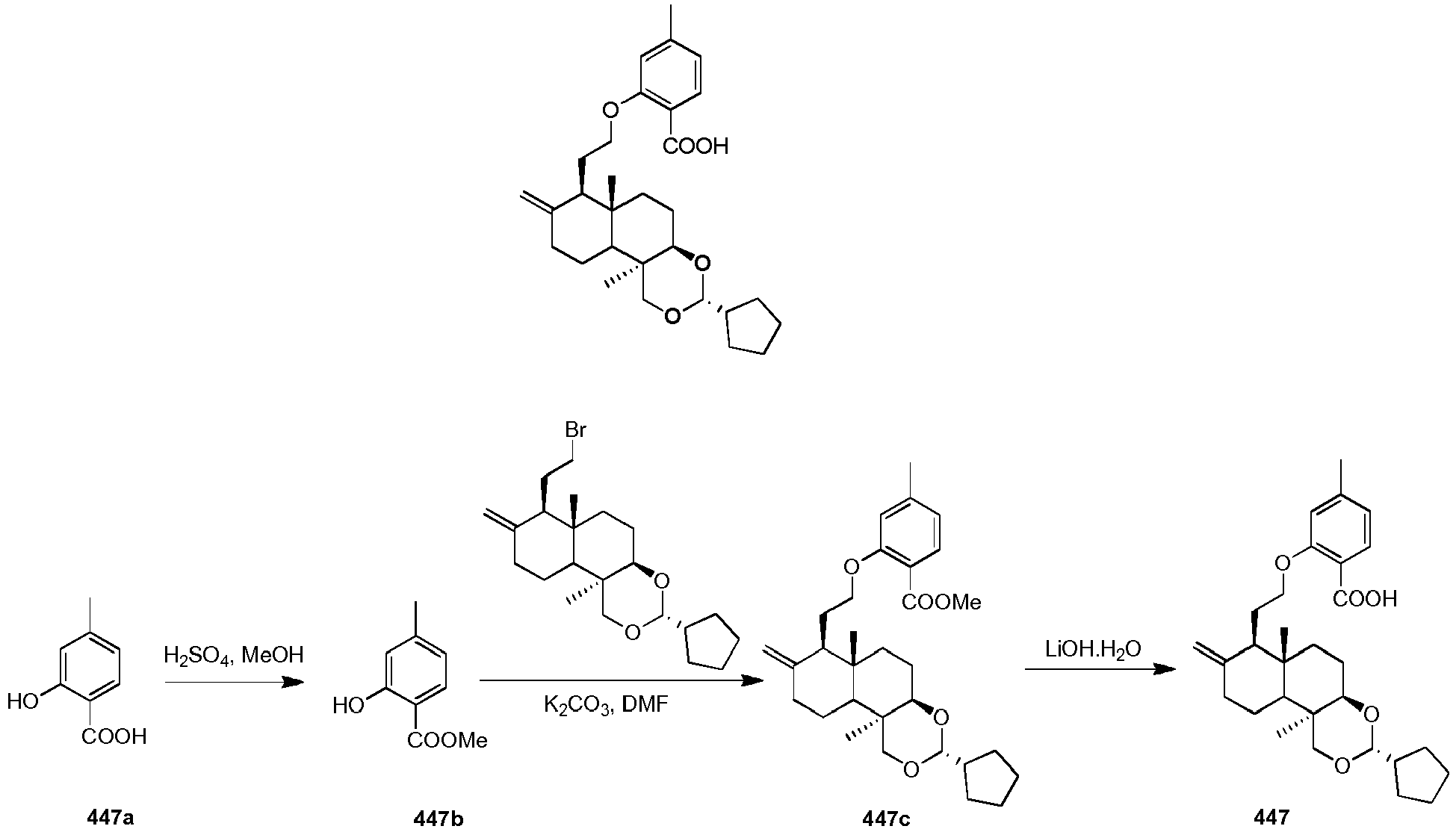
- 2-hydroxy-4-methylbenzoic acid 447a (5.00g, 32.86mmol) was dissolved in methanol (50.00mL), added with sulfuric acid (4.83g, 49.29mmol, 2.63mL), and then stirred at 80°C for 12 hours. The reaction was quenched with 50mL saturated sodium bicarbonate solution and extracted with dichloromethane (50mL*3). The organic phases were combined, washed with saturated brine (30mL), dried over anhydrous sodium sulfate, filtered and concentrated to give methyl 2-hydroxy-4-methylbenzoate 447b (a white solid, 4.5g, yield: 82.41%).
1H NMR (400MHz, CDCl3) 10.78 (s, 1 H), 7.71 (d, J = 8.4 Hz, 1 H), 6.79 (s, 1 H), 6.69 (d, J = 8.4 Hz, 1 H), 3.93 (s, 3 H), 2.35 (s, 3 H). - (3R,4aR,6aS,7R,10bR)-7-(2-bromoethyl)-3-cyclopentyl-6a,10b-dimethyl-8-dihydromethylene decahydro-1H-naphtho[2,1-d][1,3]dioxin (200.00mg, 486.13umol) was dissolved in N,N-dimethylformamide (10.00mL), and potassium carbonate (134.38mg, 972.26umol) and methyl 2-hydroxy-4-methylbenzoate 447b (105.01mg, 631.97umol) were added successively, then stirred at 80°C for 12 hours. The reaction solution was filtered and concentrated, and the residue was separated by column chromatography (silica, petroleum ether/ethyl acetate = 10/1 to 1/1) to give methyl 2-(2-((3R,4aR,6aS,7R,10bR)-3-cyclopentyl-6a,10b-dimethyl-8-dihydromethylene decahydro-1H-naphtho[2,1-d][1,3]dioxin-7-yl)ethoxy)-4-methylbenzoate 447c (a white solid, 300mg, yield: 62.12%).
1H NMR (400MHz, CDCl3) 7.69 (d, J = 8 Hz, 1 H), 6.76 (d, J = 8 Hz, 1 H), 6.70 (s, 1 H), 4.87 (s, 1 H), 4.61 (d, J = 4.8 Hz, 2 H), 4.12-4.02 (m, 2 H), 3.85 (s, 4 H), 3.52-3.42 (m, 2 H), 2.43-2.08 (m, 5 H), 1.95-1.68 (m, 9 H), 1.56-1.52 (m, 4 H), 1.43 (s, 3 H), 1.37-1.25 (3 H), 0.79 (s, 3 H). - Methyl 2-(2-((3R,4aR,6aS,7R,10bR)-3-cyclopentyl-6a,10b-dimethyl-8-dihydromethylene decahydro-1H-naphtho[2,1-d][1,3]dioxin-7-yl)ethoxy)-4-methylbenzoate 447c (150.00mg, 302.01umol) was dissolved in tetrahydrofuran (12.00mL), and lithium hydroxide monohydrate (63.36mg, 1.51mmol) and water (4.00mL) were added successively, followed by stirring at 35°C for 12 hours. The tetrahydrofuran was removed by rotary evaporation under reduced pressure, and the system was adjusted to pH=3 with a hydrochloric acid solution (1 M) and then extracted with ethyl acetate (30mL*3). The organic phases were combined, washed with saturated brine and dried over anhydrous sodium sulfate, filtered and concentrated to give 2-(2-((3R,4aR,6aS,7R,10bR)-3-cyclopentyl-6a,10b-dimethyl-8-dihydromethylene decahydro-1H-naphtho[2,1-d][1,3]dioxin-7-yl)ethoxy)-4-methylbenzoic acid 447 (50mg, yield: 32.93%).
MS m/z (ESI):483.4[M+1]
1H NMR (400MHz, CDCl3) 8.07 (d, J = 8 Hz, 1 H), 6.95 (d, J = 8 Hz, 1 H), 6.80 (s, 1 H), 4.95 (s, 1 H), 4.61 (d, J = 6 Hz, 2 H), 4.32 (s, 1 H), 4.13-4.03 (m, 2 H), 3.53-3.44 (m, 2 H), 2.48-2.00 (m, 5 H), 1.86-1.70 (m, 11 H), 1.59-1.54 (m, 5 H), 1.38 (s, 3 H), 1.26-1.22 (m, 3 H), 0.83 (s, 3 H). -

- 4-Hydroxynicotinic acid 397a (5.00g, 35.94mmol) was dissolved in methanol (50.00mL), added with sulfuric acid (18M, 100.00uL), and then stirred at 70°C under nitrogen atmosphere for 12 hours. After the reaction mixture was concentrated, the residue was dissolved in dichloromethane (50.00mL) and the system was adjusted to pH=8 with saturated sodium bicarbonate solution. A white solid was slowly precipitated and filtered to give methyl 4-hydroxynicotinate 397b (a white solid, 3.0g, crude product).
1H NMR (400MHz, CDCl3) 8.27 (s, 1H), 7.67 (d, J=6.8 Hz, 1H), 6.21 (d, J=7.0 Hz, 1H), 3.69 (s, 3H). - (3R,4aR,6aS,7R,10bR)-7-(2-bromoethyl)-3-cyclopentyl-6a,10b-dimethyl-8-dihydromethylene-1H-naphtho[2,1-d][1,3]dioxin 397c (300.00mg, 729.20umol) was dissolved in N,N-dimethylformamide (5.00mL), and potassium carbonate (201.57mg, 1.46mmol) and methyl 4-hydroxynicotate 397b (223.34mg, 1.46mmol) were added successively and then stirred at 70°C for 12 hours under nitrogen atmosphere. The reaction was quenched by adding 30mL water and then extracted with ethyl acetate (30.00mL). The organic phase was successively washed with water (30mL) and saturated brine (30mL), dried over anhydrous sodium sulfate, filtered, and the filtrate was concentrated under reduced pressure. The residue was separated by column chromatography (silica, petroleum ether/ethyl acetate = 1/1) to give methyl 4-(2-((3R,4aR,6aS,7R,10bR)-3-cyclopentyl-6a,10b-dimethyl-8-dihydromethylene decahydro-1H-naphtho[2,1-d][1,3]dioxin-7-yl)ethoxy)nicotinate 397d (a yellow oil, 200mg, yield: 56.71%).
1H NMR(400MHz, CDCl3) 8.89 (s, 1H), 8.51 (d, J=6.0 Hz, 1H), 6.80 (d, J=5.8 Hz, 1H), 4.88 (s, 1H), 4.66 - 4.50 (m, 2H), 4.24 - 4.14 (m, 1H), 4.03 (d, J=11.3 Hz, 1H), 3.98 - 3.85 (m, 4H), 3.54 - 3.39 (m, 2H), 2.42 (d, J=12.3 Hz, 1H), 2.27 (dq, J=3.0, 13.2 Hz, 1H), 2.16 - 2.04 (m, 2H), 1.95 - 1.87 (m, 3H), 1.83 - 1.76 (m, 1H), 1.72 - 1.67 (m, 3H), 1.54 (td, J=7.4, 19.3 Hz, 4H), 1.49 - 1.38 (m, 3H), 1.36 (s, 3H), 1.30 - 1.24 (m, 3H), 0.79 (s, 3H). - Methyl 4-(2-((3R,4aR,6aS,7R,10bR)-3-cyclopentyl-6a,10b-dimethyl-8-dihydromethylene decahydro-1H-naphtho[2,1-d][1,3]dioxin-7-yl)ethoxy)nicotinate 397d (200.00mg, 413.53umol) was dissolved in tetrahydrofuran (2.00mL), and potassium hydroxide (46.41mg, 827.06umol) and water (1.00mL) were added successively, and then stirred at room temperature under nitrogen atmosphere for 12 hours. The system was adjusted to neutrality with hydrochloric acid solution (1M). The organic phase was removed by rotary evaporation under reduced pressure, and the aqueous phase was separated by preparative liquid chromatography (HCOOH) to give 4-(2-((3R,4aR,6aS,7R,10bR)-3-cyclopentyl-6a,10b-dimethyl-8-dihydromethylene decahydro-1H-naphtho[2,1-d][1,3]dioxin-7-yl)ethoxy)nicotinic acid 397 (54mg, yield: 26.75%).
MS m/z (ESI):470.2 [M+1]
1H NMR(400MHz, CDCl3) 9.15 (s, 1H), 8.64 (d, J=5.8 Hz, 1H), 6.91 (d, J=6.0 Hz, 1H), 4.92 (s, 1H), 4.65 - 4.53 (m, 2H), 4.33 (dt, J=4.5, 7.9 Hz, 1H), 4.18 - 4.06 (m, 1H), 4.02 (d, J=11.3 Hz, 1H), 3.52 - 3.38 (m, 2H), 2.44 (d, J=12.0 Hz, 1H), 2.34 - 2.21 (m, 1H), 2.20 - 2.10 (m, 1H), 2.10 - 2.03 (m, 1H), 2.02 - 1.92 (m, 2H), 1.92 - 1.76 (m, 3H), 1.75 - 1.62 (m, 3H), 1.60 - 1.47 (m, 4H), 1.43 (dd, J=6.8, 12.3 Hz, 2H), 1.35 (s, 3H), 1.28 - 1.15 (m, 3H), 0.80 (s, 3H). -

- 4-Hydroxypicolinic acid 410a (2.50g, 17.97mmol) was dissolved in methanol (25.00mL), added with sulfuric acid (88.13mg, 898.50umol), and then stirred at 70°C under nitrogen atmosphere for 12 hours. After the reaction mixture was concentrated, the residue was dissolved in dichloromethane (50.00mL) and the system was adjusted to pH=8 with saturated sodium bicarbonate solution. A white solid was slowly precipitated and filtered to give methyl 4-hydroxypicolinate 410b (a white solid, 1.5g, crude product).
1H NMR (400MHz, CDCl3) 7.72 (d, J=6.8 Hz, 1H), 6.80 (br. s., 1H), 6.35 (d, J=5.0 Hz, 1H), 3.38 (s, 3H). - (3R,4aR,6aS,7R,10bR)-7-(2-bromoethyl)-3-cyclopentyl-6a,10b-dimethyl-8-dihydromethylene-1H-naphtho[2,1-d][1,3]dioxin 410c (400.00mg, 972.27umol) was dissolved in acetonitrile (10.00mL), and potassium carbonate (268.75mg, 1.94mmol) and methyl 4-hydroxypicolinate 410b (297.79mg, 1.94mmol) were added successively and then stirred at 70°C for 12 hours under nitrogen atmosphere. The reaction was quenched by adding 30mL water and then extracted with ethyl acetate (30.00mL). The organic phase was successively washed with water and saturated brine (30mL), dried over anhydrous sodium sulfate, filtered, and the filtrate was concentrated under reduced pressure. The residue was separated by column chromatography (silica, petroleum ether/ethyl acetate = 4/1) to give methyl 4-(2-((3R,4aR,6aS,7R,10bR)-3-cyclopentyl-6a,10b-dimethyl-8-dihydromethylene decahydro-1H-naphtho[2,1-d][1,3]dioxin-7-yl)ethoxy)picolinate 410d (a yellow oil, 200mg, yield: 42.53%).
1H NMR (400MHz, CDCl3) 8.51 (d, J=5.5 Hz, 1H), 7.62 (d, J=2.3 Hz, 1H), 6.92 (dd, J=2.5, 5.8 Hz, 1H), 4.89 (s, 1H), 4.67 - 4.53 (m, 2H), 4.22 - 4.13 (m, 1H), 4.06 - 3.98 (m, 4H), 3.97 - 3.88 (m, 1H), 3.56 - 3.39 (m, 2H), 2.43 (d, J=12.8 Hz, 1H), 2.27 (dq, J=3.1, 13.3 Hz, 1H), 2.07 (d, J=3.0 Hz, 1H), 2.02 - 1.94 (m, 1H), 1.92 - 1.77 (m, 4H), 1.73 - 1.65 (m, 3H), 1.63 (s, 1H), 1.54 (dd, J=7.2, 11.7 Hz, 3H), 1.50 - 1.40 (m, 3H), 1.37 (s, 3H), 1.28 - 1.22 (m, 3H), 0.79 (s, 3H). - Methyl 4-(2-((3R,4aR,6aS,7R,10bR)-3-cyclopentyl-6a,10b-dimethyl-8-dihydromethylene decahydro-1H-naphtho[2,1-d][1,3]dioxin-7-yl)ethoxy)picolinate 410d (200.00mg, 413.53umol) was dissolved in methanol (2.00mL), and potassium hydroxide (46.41mg, 827.06umol) and water (1.00mL) were added successively, and then stirred at room temperature under nitrogen atmosphere for 12 hours. The system was adjusted to neutrality with hydrochloric acid solution (1M). The organic phase was removed by rotary evaporation under reduced pressure, and the aqueous phase was separated by preparative liquid chromatography (HCOOH) to give 4-(2-((3R,4aR,6aS,7R,10bR)-3-cyclopentyl-6a,10b-dimethyl-8-dihydromethylene decahydro-1H-naphtho[2,1-d][1,3]dioxin-7-yl)ethoxy)picolinic acid 410 (75mg, yield: 38.62%).
MS m/z (ESI):470.3 [M+1]
1H NMR (400MHz, CDCl3) 8.87 (d, J=6.0 Hz, 1H), 7.85 (d, J=2.0 Hz, 1H), 7.14 (d, J=4.0 Hz, 1H), 4.91 (s, 1H), 4.66 - 4.50 (m, 2H), 4.31 (br. s., 1H), 4.18 - 4.06 (m, 1H), 4.02 (d, J=11.0 Hz, 1H), 3.57 - 3.38 (m, 2H), 2.43 (d, J=13.1 Hz, 1H), 2.34 - 2.20 (m, 1H), 2.15 - 2.02 (m, 2H), 2.01 - 1.90 (m, 2H), 1.90 - 1.77 (m, 3H), 1.75 - 1.63 (m, 3H), 1.61 - 1.40 (m, 6H), 1.37 (s, 3H), 1.30 - 1.11 (m, 3H), 0.79 (s, 3H). -

- (3R,4aR,6aS,7R,10bR)-7-(2-bromoethyl)-3-cyclopentyl-6a,10b-dimethyl-8-dihydromethylene-1H-naphtho[2,1-d][1,3]dioxin 415a (400.00mg, 972.27umol) was dissolved in acetonitrile (10.00mL), and potassium carbonate (268.75mg, 1.94mmol) and ethyl 3-hydroxyisopicolinate (243.79mg, 1.94mmol) were added successively and then stirred at 70°C for 12 hours under nitrogen atmosphere. The reaction was quenched by adding 30mL water and then extracted with ethyl acetate (30.00mL). The organic phase was successively washed with water and saturated brine (30mL), dried over anhydrous sodium sulfate, filtered, and the filtrate was concentrated under reduced pressure. The residue was separated by column chromatography (silica, petroleum ether/ethyl acetate = 4/1) to give ethyl 3-(2-((3R,4aR,6aS,7R,10bR)-3-cyclopentyl-6a,10b-dimethyl-8-dihydromethylene decahydro-1H-naphtho[2,1-d][1,3]dioxin-7-yl)ethoxy)isonicotinate 415b (a yellow oil, 200mg, yield: 41.33%).
1H NMR (400MHz, CDCl3) 8.36 (s, 1H), 8.29 (d, J=4.8 Hz, 1H), 7.53 (d, J=4.8 Hz, 1H), 4.88 (s, 1H), 4.64 - 4.55 (m, 2H), 4.39 (q, J=7.0 Hz, 2H), 4.28 - 4.20 (m, 1H), 4.06 - 3.94 (m, 2H), 3.55 - 3.39 (m, 2H), 2.42 (d, J=12.8 Hz, 1H), 2.27 (dq, J=3.1, 13.3 Hz, 1H), 2.15 - 2.05 (m, 2H), 2.01 - 1.94 (m, 1H), 1.93 - 1.85 (m, 3H), 1.83 - 1.76 (m, 1H), 1.74 - 1.64 (m, 3H), 1.61 - 1.49 (m, 4H), 1.47 - 1.39 (m, 5H), 1.36 (s, 3H), 1.25 - 1.16 (m, 3H), 0.79 (s, 3H). - Ethyl 3-(2-((3R,4aR,6aS,7R,10bR)-3-cyclopentyl-6a,10b-dimethyl-8-dihydromethylene decahydro-1H-naphtho[2,1-d][1,3]dioxin-7-yl)ethoxy)isonicotinate 415b (200.00mg, 401.88umol) was dissolved in methanol (2.00mL), and potassium hydroxide (45.10mg, 803.76umol) and water (1.00mL) were added successively, and then stirred at room temperature under nitrogen atmosphere for 12 hours. The system was adjusted to neutrality with hydrochloric acid solution (1M). The organic phase was removed by rotary evaporation under reduced pressure, and the aqueous phase was separated by preparative liquid chromatography (HCOOH) to give 3-(2-((3R,4aR,6aS,7R,10bR)-3-cyclopentyl-6a,10b-dimethyl-8-dihydromethylene decahydro-1H-naphtho[2,1-d][1,3]dioxin-7-yl)ethoxy)isonicotinic acid 415 (75mg, yield: 37.99%).
MS m/z (ESI): 470.2 [M+1]
1H NMR (400MHz, CDCl3) 8.60 - 8.33 (m, 2H), 7.86 (br. s., 1H), 4.91 (br. s., 1H), 4.58 (br. s., 2H), 4.42 (br. s., 1H), 4.21 (br. s., 1H), 4.00 (d, J=10.0 Hz, 1H), 3.49 - 3.36 (m, 2H), 2.43 (d, J=11.8 Hz, 1H), 2.30 - 2.16 (m, 1H), 2.06 (d, J=6.3 Hz, 1H), 1.97 (br. s., 2H), 1.83 (br. s., 3H), 1.68 (br. s., 4H), 1.53 (d, J=12.5 Hz, 4H), 1.44 - 1.38 (m, 2H), 1.35 (br. s., 3H), 1.22 (br. s., 3H), 0.78 (br. s., 3H). -

- 5-Hydroxynicotinic acid 406a (2.50g, 17.97mmol) was dissolved in methanol (20.00mL), added with sulfuric acid (18M, 47.90uL), and then stirred at 70°C under nitrogen atmosphere for 12 hours. After the reaction mixture was concentrated, the residue was dissolved in dichloromethane (50.00mL) and the system was adjusted to pH=8 with saturated sodium bicarbonate solution. A white solid was slowly precipitated and filtered to give methyl 5-hydroxynicotinate 406b (a white solid, 1.5g, crude product).
1H NMR (400MHz, CDCl3) 8.25 (s, 1H), 8.13 (d, J=1.8 Hz, 1H), 7.38 (br. s., 1H), 3.17 (s, 3H). - (3R,4aR,6aS,7R,10bR)-7-(2-bromoethyl)-3-cyclopentyl-6a,10b-dimethyl-8-dihydromethylene-1H-naphtho[2,1-d][1,3]dioxin 406cc (300.00mg, 972.27umol) was dissolved in acetonitrile (10.00mL), and potassium carbonate (268.75mg, 1.94mmol) and methyl 5-hydroxynicotate 406b (297.79mg, 1.94mmol) were added successively and then stirred at 70°C for 12 hours under nitrogen atmosphere. The reaction was quenched by adding 30mL water and then extracted with ethyl acetate (30.00mL). The organic phase was successively washed with water (30mL) and saturated brine (30mL), dried over anhydrous sodium sulfate, filtered, and the filtrate was concentrated under reduced pressure. The residue was separated by column chromatography (silica, petroleum ether/ethyl acetate = 4/1) to give methyl 5-(2-((3R,4aR,6aS,7R,10bR)-3-cyclopentyl-6a,10b-dimethyl-8-dihydromethylene decahydro-1H-naphtho[2,1-d][1,3]dioxin-7-yl)ethoxy)nicotinate 397d (a yellow oil, 200mg, yield: 21.27%).
1H NMR (400MHz, CDCl3) 8.79 (s, 1H), 8.43 (d, J=2.5 Hz, 1H), 7.71 (br. s., 1H), 4.89 (s, 1H), 4.67 - 4.52 (m, 2H), 4.12 (s, 1H), 4.03 (d, J=11.0 Hz, 1H), 3.98 - 3.86 (m, 4H), 3.58 - 3.34 (m, 2H), 2.43 (d, J=13.1 Hz, 1H), 2.27 (q, J=13.1 Hz, 1H), 2.13 - 2.07 (m, 1H), 2.04 - 1.94 (m, 2H), 1.93 - 1.78 (m, 4H), 1.71 (br. s., 3H), 1.61 - 1.40 (m, 6H), 1.37 (s, 3H), 1.26 - 1.16 (m, 3H), 0.79 (s, 3H). - Methyl 5-(2-((3R,4aR,6aS,7R,10bR)-3-cyclopentyl-6a,10b-dimethyl-8-dihydromethylene decahydro-1H-naphtho[2,1-d][1,3]dioxin-7-yl)ethoxy)nicotinate 406d (200.00mg, 413.53umol) was dissolved in tetrahydrofuran (2.00mL), and potassium hydroxide (46.41mg, 827.06umol) and water (1.00mL) were added successively, and then stirred at room temperature under nitrogen atmosphere for 12 hours. The system was adjusted to neutrality with hydrochloric acid solution (1M). The organic phase was removed by rotary evaporation under reduced pressure, and the aqueous phase was separated by preparative liquid chromatography (HCOOH) to give 5-(2-((3R,4aR,6aS,7R,10bR)-3-cyclopentyl-6a,10b-dimethyl-8-dihydromethylene decahydro-1H-naphtho[2,1-d][1,3]dioxin-7-yl)ethoxy)nicotinic acid 406 (38mg, yield: 19.57%).
MS m/z (ESI):470.3 [M+1]
1H NMR (400MHz, CDCl3) 8.92 (s, 1H), 8.53 (d, J=2.5 Hz, 1H), 7.88 (br. s., 1H), 4.90 (s, 1H), 4.67 - 4.53 (m, 2H), 4.17 (br. s., 1H), 4.04 (d, J=11.3 Hz, 1H), 4.00 - 3.88 (m, 1H), 3.61 - 3.39 (m, 2H), 2.43 (d, J=13.3 Hz, 1H), 2.35 - 2.20 (m, 1H), 2.14 - 2.03 (m, 2H), 2.02 - 1.95 (m, 1H), 1.94 - 1.86 (m, 3H), 1.84 - 1.78 (m, 1H), 1.76 - 1.63 (m, 3H), 1.60 - 1.40 (m, 6H), 1.38 (s, 3H), 1.32 - 1.17 (m, 3H), 0.80 (s, 3H). -

- 2-Hydroxynicotinic acid 436a (2.50g, 17.97mmol) was dissolved in methanol (20.00mL), added with sulfuric acid (18M, 47.90uL), and then stirred at 70°C under nitrogen atmosphere for 12 hours. After the reaction mixture was concentrated, the residue was dissolved in dichloromethane (50.00mL) and the system was adjusted to pH=8 with saturated sodium bicarbonate solution. A white solid was slowly precipitated and filtered to give methyl 2-hydroxynicotinate 436b (a white solid, 1.5g, yield: 54.51%).
1H NMR (400MHz, CDCl3) 8.27 (dd, J=2.0, 7.0 Hz, 1H), 7.78 (dd, J=2.0, 6.0 Hz, 1H), 6.41 (t, J=6.8 Hz, 1H), 3.90 (s, 3H). - (3R,4aR,6aS,7R,10bR)-7-(2-bromoethyl)-3-cyclopentyl-6a,10b-dimethyl-8-dihydromethylene-1H-naphtho[2,1-d][1,3]dioxin 436c (400.00mg, 972.27umol) was dissolved in acetonitrile (10.00mL), and potassium carbonate (268.75mg, 1.94mmol) and methyl 2-hydroxynicotate 436b (148.89mg, 972.27umol) were added successively and then stirred at 70°C for 2 hours under nitrogen atmosphere. The reaction was quenched by adding 30mL water and then extracted with ethyl acetate (30.00mL). The organic phase was successively washed with water (30mL) and saturated brine (30mL), dried over anhydrous sodium sulfate, filtered, and the filtrate was concentrated under reduced pressure. The residue was separated by column chromatography (silica, dichloromethane/ethyl acetate = 4/1) to give methyl 2-(2-((3R,4aR,6aS,7R,10bR)-3-cyclopentyl-6a,10b-dimethyl-8-dihydromethylene decahydro-1H-naphtho[2,1-d][1,3]dioxin-7-yl)ethoxy)nicotinate 436d (a yellow oil, 100mg, yield: 21.27%).
1H NMR (400MHz, CDCl3) 8.27 (d, J=3.0 Hz, 1H), 8.14 (d, J=7.3 Hz, 1H), 6.91 (dd, J=5.0, 7.3 Hz, 1H), 4.88 (s, 1H), 4.72 (s, 1H), 4.61 (d, J=5.8 Hz, 1H), 4.58 - 4.46 (m, 1H), 4.28 - 4.16 (m, 1H), 4.04 (d, J=11.3 Hz, 1H), 3.90 (s, 3H), 3.59 - 3.33 (m, 2H), 2.42 (d, J=12.5 Hz, 1H), 2.34 - 2.18 (m, 1H), 2.08 (br. s., 1H), 2.01 (d, J=15.6 Hz, 2H), 1.95 - 1.84 (m, 3H), 1.82 - 1.76 (m, 1H), 1.70 (br. s., 3H), 1.56 - 1.41 (m, 6H), 1.37 (s, 3H), 1.25 (d, J=6.0 Hz, 3H), 0.78 (s, 3H). - Methyl 2-(2-((3R,4aR,6aS,7R,10bR)-3-cyclopentyl-6a,10b-dimethyl-8-dihydromethylene decahydro-1H-naphtho[2,1-d][1,3]dioxin-7-yl)ethoxy)nicotinate 436d (100.00mg, 206.77umol) was dissolved in methane (2.00mL), and potassium hydroxide (23.20mg, 413.53umol) and water (1.00mL) were added successively, and then stirred at room temperature under nitrogen atmosphere for 12 hours. The system was adjusted to neutrality with hydrochloric acid solution (1M). The organic phase was removed by rotary evaporation under reduced pressure, and the aqueous phase was separated by preparative liquid chromatography (HCOOH) to give 2-(2-((3R,4aR,6aS,7R,10bR)-3-cyclopentyl-6a,10b-dimethyl-8-dihydromethylene decahydro-1H-naphtho[2,1-d][1,3]dioxin-7-yl)ethoxy)nicotinic acid 436 (9.6mg, yield: 9.89%).
MS m/z (ESI):470.3 [M+1]
1H NMR (400MHz, CDCl3) 8.47 (dd, J=1.8, 7.5 Hz, 1H), 8.36 (dd, J=1.9, 4.9 Hz, 1H), 7.12 (dd, J=5.0, 7.5 Hz, 1H), 4.93 (s, 1H), 4.79 - 4.66 (m, 2H), 4.60 (d, J=5.8 Hz, 1H), 4.51 - 4.38 (m, 1H), 4.02 (d, J=11.3 Hz, 1H), 3.54 - 3.39 (m, 2H), 2.44 (d, J=11.8 Hz, 1H), 2.32 - 2.18 (m, 1H), 2.13 - 2.04 (m, 2H), 2.03 - 1.93 (m, 2H), 1.88 (d, J=13.1 Hz, 1H), 1.84 - 1.76 (m, 2H), 1.69 (td, J=4.5, 8.8 Hz, 4H), 1.61 - 1.59 (m, 1H), 1.51 (d, J=6.8 Hz, 2H), 1.43 (dd, J=7.0, 12.0 Hz, 2H), 1.37 (s, 3H), 1.27 - 1.12 (m, 3H), 0.79 (s, 3H). -

- 3-Hydroxypyridin-2-carboxylic acid 431a (2.50g, 17.97mmol) was dissolved in methanol (20.00mL), added with sulfuric acid (18M, 47.90uL) at room temperature, and then stirred at 70°C for 12 hours. After the reaction mixture was concentrated, the residue was dissolved in dichloromethane (50.00mL) and the system was adjusted to pH=8 with saturated sodium bicarbonate solution. A white solid was precipitated out, and the filter cake was dried to give methyl 3-hydroxy-2-picolinate 431b (a white solid, 1.5g, yield: 54.51%).
1H NMR (400MHz, CDCl3) 10.63 (s, 1H), 8.27 (dd, J=1.3, 4.3 Hz, 1H), 7.49 - 7.40 (m, 1H), 7.40 - 7.31 (m, 1H), 4.05 (s, 3H). - (3R,4aR,6aS,7R,10bR)-7-(2-bromoethyl)-3-cyclopentyl-6a,10b-dimethyl-8-dihydromethylene-1H-naphtho[2,1-d][1,3]dioxin 432c (400.00mg, 972.27umol) was dissolved in acetonitrile (10.00mL), and potassium carbonate (403.13mg, 2.92mmol) and methyl 3-hydroxy-2-picolinate 431b (297.79mg, 1.94mmol) were added successively at room temperature and then stirred at 70°C for 12 hours. The reaction was quenched by adding 30mL water and then extracted with ethyl acetate (30.00mL). The organic phases were combined and successively washed with water(30mL) and saturated brine (30mL), dried over anhydrous sodium sulfate, filtered, and the filtrate was concentrated under reduced pressure. The residue was purified by gel column chromatography (elution system: PE/EtOAc = 1:2) to give methyl 3-(2-((3R,4aR,6aS,7R,10bR)-3-cyclopentyl-6a,10b-dimethyl-8-dihydromethylene decahydro-1H-naphtho[2,1-d][1,3]dioxin-7-yl)ethoxy)-2-picolinate 431c (a yellow oil, 120mg, yield: 25.52%).
1H NMR (400MHz, CDCl3) 8.25 (d, J=3.8 Hz, 1H), 7.38 - 7.34 (m, 1H), 7.31 - 7.24 (m, 1H), 4.88 (s, 1H), 4.65 - 4.56 (m, 2H), 4.19 - 4.14 (m, 1H), 4.03 (d, J=11.3 Hz, 1H), 3.97 (s, 3H), 3.90 (dt, J=5.5, 8.4 Hz, 1H), 3.54 - 3.40 (m, 2H), 2.42 (d, J=13.1 Hz, 1H), 2.28 (dq, J=3.0, 13.2 Hz, 1H), 2.14 - 2.06 (m, 2H), 2.03 - 1.94 (m, 1H), 1.92 (d, J=2.8 Hz, 1H), 1.89 - 1.86 (m, 1H), 1.84 - 1.76 (m, 2H), 1.75 - 1.65 (m, 3H), 1.62 - 1.49 (m, 4H), 1.45 (dd, J=6.9, 12.2 Hz, 2H), 1.37 (s, 3H), 1.29 - 1.24 (m, 3H), 0.79 (s, 3H). - Methyl 3-(2-((3R,4aR,6aS,7R,10bR)-3-cyclopentyl-6a,10b-dimethyl-8-dihydromethylene decahydro-1H-naphtho[2,1-d][1,3]dioxin-7-yl)ethoxy)-2-picolinate 431c (100.00mg, 206.77umol) was dissolved in 1mL tetrahydrofuran and 1mL water, and potassium hydroxide (23.20mg,413.54umol) was added, followed by stirring at room temperature for 12 hours. The system was adjusted to pH=7 with diluted hydrochloric acid solution (1M), and extracted with ethyl acetate (10mL * 2). The organic phases were combined, successively washed with water(10mL) and saturated brine (10mL), dried over anhydrous sodium sulfate, filtered, and the filtrate was concentrated under reduced pressure to give 3-(2-((3R,4aR,6aS,7R,10bR)-3-cyclopentyl-6a,10b-dimethyl-8-dihydromethylene decahydro-1H-naphtho[2,1-d][1,3]dioxin-7-yl)ethoxy)-2-picolinic acid 431 (37mg, yield: 36.20%).
MS m/z (ESI): 492.3 [M+23]
1H NMR (400MHz, CDCl3) 8.11 (br. s., 1H), 7.46 (d, J=5.8 Hz, 1H), 7.38 (br. s., 1H), 4.83 (br. s., 1H), 4.65 (d, J=5.3 Hz, 1H), 4.58 (br. s., 1H), 4.11 (br. s., 1H), 3.93 (d, J=11.0 Hz, 1H), 3.84 (d, J=6.3 Hz, 1H), 3.30 (br. s., 2H), 2.39 - 2.17 (m, 2H), 2.01 - 1.84 (m, 4H), 1.74 (d, J=10.0 Hz, 3H), 1.55 (d, J=10.5 Hz, 2H), 1.51 - 1.36 (m, 7H), 1.24 (br. s., 3H), 1.21 - 1.11 (m, 3H), 0.70 (s, 3H). -

- 5-Hydroxypyridin-2-carboxylic acid 432a (2.50g, 17.97mmol) was dissolved in methanol (20.00mL), added with sulfuric acid (18M, 47.90uL) at room temperature, and then stirred at 70°C for 12 hours. After the reaction mixture was concentrated, the residue was dissolved in dichloromethane (50.00mL) and the system was adjusted to pH=8 with saturated sodium bicarbonate solution. A white solid was precipitated out, and the filter cake was dried to give methyl 5-hydroxy-2-picolinate 432b (a white solid, 1.5g, yield: 54.51%).
1H NMR (400MHz, CDCl3) 10.82 (br. s., 1H), 8.20 (d, J=2.5 Hz, 1H), 7.92 (d, J=8.8 Hz, 1H), 7.25 (dd, J=2.8, 8.5 Hz, 1H), 3.80 (s, 3H). - (3R,4aR,6aS,7R,10bR)-7-(2-bromoethyl)-3-cyclopentyl-6a,10b-dimethyl-8-dihydromethylene-1H-naphtho[2,1-d][1,3]dioxin (400.00mg, 972.27umol) was dissolved in acetonitrile (10.00mL), and potassium carbonate (268.75mg, 1.94mmol) and methyl 5-hydroxy-2-picolinate 432b (148.89mg, 972.27umol) were added successively at room temperature and then stirred at 70°C for 12 hours. The reaction was quenched by adding 30mL water and then extracted with ethyl acetate (30.00mL). The organic phases were combined and successively washed with water(30mL) and saturated brine (30mL), dried over anhydrous sodium sulfate, filtered, and the filtrate was concentrated under reduced pressure. The residue was purified by gel column chromatography (elution system: PE/EtOAc = 1:3) to give methyl 5-(2-((3R,4aR,6aS,7R,10bR)-3-cyclopentyl-6a,10b-dimethyl-8-dihydromethylene decahydro-1H-naphtho[2,1-d][1,3]dioxin-7-yl)ethoxy)-2-picolinate 432c (a yellow solid, 250mg, yield: 53.17%).
1H NMR (400MHz, CDCl3) 8.35 (d, J=2.8 Hz, 1H), 8.09 (d, J=8.8 Hz, 1H), 7.21 (dd, J=2.9, 8.7 Hz, 1H), 4.90 (s, 1H), 4.63 - 4.53 (m, 2H), 4.19 - 4.13 (m, 1H), 4.03 (d, J=11.3 Hz, 1H), 3.98 (s, 3H), 3.96 - 3.90 (m, 1H), 3.54 - 3.38 (m, 2H), 2.43 (d, J=13.1 Hz, 1H), 2.32 - 2.22 (m, 1H), 2.13 - 2.07 (m, 1H), 2.03 - 1.95 (m, 1H), 1.92 - 1.78 (m, 4H), 1.74 - 1.65 (m, 3H), 1.60 - 1.58 (m, 1H), 1.56 - 1.48 (m, 4H), 1.44 (dd, J=7.2, 12.2 Hz, 2H), 1.37 (s, 3H), 1.28 - 1.23 (m, 3H), 0.80 (s, 3H). - Methyl 5-(2-((3R,4aR,6aS,7R,10bR)-3-cyclopentyl-6a,10b-dimethyl-8-dihydromethylene decahydro-1H-naphtho[2,1-d][1,3]dioxin-7-yl)ethoxy)-2-picolinate 432c (100.00mg, 206.77umol) was dissolved in 1mL tetrahydrofuran and 1mL water, and potassium hydroxide 30.16mg, 537.58umol) was added, followed by stirring at room temperature for 12 hours. The system was adjusted to pH=7 with diluted hydrochloric acid solution (1M), and extracted with ethyl acetate (10mL * 2). The organic phases were combined, successively washed with water(10mL) and saturated brine (10mL), dried over anhydrous sodium sulfate, filtered, and the filtrate was concentrated under reduced pressure to give 5-(2-((3R,4aR,6aS,7R,10bR)-3-cyclopentyl-6a,10b-dimethyl-8-dihydromethylene decahydro-1H-naphtho[2,1-d][1,3]dioxin-7-yl)ethoxy)-2-picolinic acid 432 (73mg, yield: 56.50%).
MS m/z (ESI): 470.7 [M+1]
1H NMR (400MHz, CDCl3) 8.24 (br. s., 1H), 8.14 (br. s., 1H), 7.35 - 7.28 (m, 1H), 4.89 (br. s., 1H), 4.62 - 4.56 (m, 2H), 4.15 (br. s., 1H), 4.02 (d, J=11.0 Hz, 1H), 3.96 (br. s., 1H), 3.53 - 3.47 (m, 1H), 3.44 (d, J=11.3 Hz, 1H), 2.42 (d, J=12.0 Hz, 1H), 2.32 - 2.21 (m, 1H), 2.11 - 2.04 (m, 2H), 2.01 - 1.94 (m, 1H), 1.91 - 1.80 (m, 4H), 1.69 - 1.64 (m, 2H), 1.58 - 1.51 (m, 4H), 1.48 - 1.41 (m, 3H), 1.37 (s, 3H), 1.25 (br. s., 3H), 0.79 (br. s., 3H). -

- 4-Benzyloxypyridin-2-ol 428a (5.00g, 24.85mmol) in tetrahydrofuran (100.00mL), and added with sodium hydrogen (1.99g, 49.70mmol, 60% purity) at 0°C, then stirred at 0°C for 0.5 hours. Ethyl 2-bromoacetate (6.22g, 37.28mmol, 4.12mL) was added to the reaction solution, followed by stirring at room temperature for 12 hours. The reaction was quenched with 20mL water and extracted with ethyl acetate (30mL*3). The combined organic phases were washed with saturated brine (20mL * 1), dried over anhydrous sodium sulfate, filtered, and the filtrate was concentrated to give 2-(4-(benzyloxy)-2-carbonylpyridin-1(2H)yl) ethyl acetate 428b (a white solid, 5g, yield: 70.02%).
1H NMR (400MHz, CDC13) 7.42-7.35 (m, 5 H), 7.11 (d, J = 8 Hz, 1 H), 6.03-6.01 (m, 2 H), 5.01 (s, 2 H), 4.60 (s, 2 H), 4.26-4.22 (m, 2 H), 1.33-1.27 (m, 6 H). - Ethyl 2-(4-(benzyloxy)-2-carbonylpyridin-1(2H)-yl)acetate 428b (1.00g, 3.48 mmol) was dissolved in ethanol (20.00mL) and palladium on carbon (100.00mg, 10% purity) was added, then stirred at 30°C for 3 hours under 30 PSI of hydrogen atmosphere. The reaction was filtered and the filtrate was concentrated to give ethyl 2-(4-hydroxy-2-carbonylpyridin-1(2H))-yl)acetate 428c (a white solid, 450mg, yield: 65.58%).
1H NMR (400 MHz, CDC13) 7.47 (d, J = 7.6 Hz, 1 H), 6.09-6.06 (m, 1 H), 5.83 (s, 1 H), 4.66 (s, 2 H), 4.21-4.19 (m, 2 H), 1.30-1.26 (m, 5 H). - (3R,4aR,6aS,7R,10bR)-7-(2-bromoethyl)-3-cyclopentyl-6a,10b-dimethyl-8-dihydromethylene decahydro-1H-naphtho[2,1-d][1,3]dioxin (500.00mg, 1.22mmol) was dissolved in N,N-dimethylformamide (20.00mL), and cesium carbonate (791.96mg, 2.43mmol) and ethyl 2-(4-hydroxy-2-carbonylpyridin-1(2H)-yl)acetate 428c (250.00mg, 1.27mmol) were successively added, and then stirred at 70°C for 12 hours. The reaction was quenched with 10mL water and extracted with dichloromethane (10mL*3). The combined organic phases were washed with saturated brine (10mL*1), dried over anhydrous sodium sulfate, filtered, and the filtrate was concentrated. The residue was purified by column chromatography (silica, petroleum ether/ethyl acetate = 10/1 to 2/1) to give ethyl 2-(4-(2-((3R,4aR,6aS,7R,10bR)-3-cyclopentyl-6a,10b-dimethyl-8-dihydromethylene decahydro-1H-naphtho[2,1-d][1,3]dioxin-7-yl)ethoxy)-2-carbonylpyridin-1(2H)-yl)acetate 428d (a yellow solid, 280mg, yield: 36.24%).
1H NMR (400MHz, CDC13) 7.05 (d, J = 7.6 Hz, 1 H), 5.94-5.91 (m, 1 H), 5.83 (d, J = 2.4 Hz, 1 H), 4.88 (s, 1 H), 4.61-4.54 (m, 5 H), 4.24-4.22 (m, 2 H), 4.04-4.01 (m, 2 H), 3.81-3.79 (m, 1 H), 3.45-3.42 (m, 2 H), 2.06-1.69 (m, 12 H), 1.59-1.36 (m, 13 H), 1.28-1.24 (m, 9 H), 0.78 (s, 3 H). - Ethyl 2-(4-(2-((3R,4aR,6aS,7R,10bR)-3-cyclopentyl-6a,10b-dimethyl-8-dihydromethylene decahydro-1H-naphtho[2,1-d][1,3]dioxin-7-yl)ethoxy)-2-carbonylpyridin-1(2H)-yl) acetate 428d (100.00mg, 189.51umol) was dissolved in tetrahydrofuran (6.00mL), and lithium hydroxide monohydrate (39.76mg, 947.55umol) and water (2.00mL) were successively added, followed by stirring at 40°C for 12 hours. The tetrahydrofuran was removed by rotary evaporation under reduced pressure, the system was adjusted to pH=3 with a hydrochloric acid solution (1M), the reaction solution was extracted with ethyl acetate (30 mL*3), and the combined organic phases were washed with saturated brine, dried over anhydrous sodium sulfate and filtered, and the filtrate was concentrated to give 2-(4-(2-((3R,4aR,6aS,7R,10bR)-3-cyclopentyl-6a,10b-dimethyl-8-dihydromethylene decahydro-1H-naphtho[2,1-d][1,3]dioxin-7-yl)ethoxy)-2-carbonylpyridin-1(2H)-yl)acetic acid 428 (46mg, yield: 36.25%).
MS m/z (ESI): 500.3 [M+1]
1H NMR (400MHz, CDC13) 7.15 (d, J = 7.6 Hz, 1 H), 8.06-8.03 (m, 1 H), 5.93 (d, J= 2 Hz, 1 H), 4.88 (s, 1 H), 4.61-4.53 (m, 4 H), 4.03-3.82 (m, 3 H), 3.51-3.42 (m, 2 H), 2.27-2.25 (m, 2 H), 1.98-1.67 (m, 18 H), 1.53 (s, 3 H), 1.52-1.25 (m, 4 H), 0.78 (s, 3 H). -

- Dimethyl 3-oxoglutarate 417a (2.00g, 11.48mmol) was dissolved in methanol (20.00mL) and sodium methoxide (639.00mg, 11.82mmol) and 1,3,5-triazine (903.22mg, 11.14 mmol) were added successively, and then stirred for 10 minutes at room temperature and 30 minutes at 70°C. The system was adjusted to neutrality with concentrated hydrochloric acid, then allowed to stand for 2 hours, filtered, and the filter cake was washed successively with water (3*100mL), methanol (3*50mL) and petroleum ether (3*50mL) to give dimethyl 4-hydroxypyridine-3,5-dicarboxylate 417b (a light yellow solid, 1.45g, crude product).
1H NMR (400MHz, DMSO-d6 ) 12.05 (br. s., 1H), 8.20 (br. s., 2H), 3.70 (br. s., 6H). - (3R,4aR,6aS,7R,10bR)-7-(2-bromoethyl)-3-cyclopentyl-6a,10b-dimethyl-8-dihydromethylene decahydro-1H-naphtho[2,1-d][1,3]dioxin 417c (200.00mg, 486.13umol) was dissolved in N,N-dimethylformamide (10.00mL), and cesium carbonate (316.78mg, 972.26umol) and dimethyl 4-hydroxypyridine-3,5-dicarboxylate 417b (123.19mg, 583.36umol) were added successively, then stirred at 80°C for 8 hours. The system was filtered and the filtrate was separated by preparative liquid chromatography to give dimethyl 4-(2-((3R,4aR,6aS,7R,10bR)-3-cyclopentyl-6a,10b-dimethyl-8-dihydromethylene decahydro-1H-naphtho[2,1-d][1,3]dioxin-7-yl)ethoxy)pyridine-3,5-dicarboxylate 417d (a white solid, 40mg, yield: 15.19%).
1H NMR (400MHz, CDCl3) 8.97 (s, 2H), 4.84 (s, 1H), 4.67 - 4.56 (m, 2H), 4.19 - 4.11 (m, 1H), 4.06 - 3.97 (m, 3H), 3.92 (s, 6H), 3.49 - 3.38 (m, 3H), 2.40 (d, J=13.3 Hz, 1H), 2.24 (t, J=13.1 Hz, 1H), 2.07 - 1.70 (m, 14H), 1.35 (br. s., 3H), 1.24 (br. s., 3H), 0.77 (s, 3H). - Dimethyl 4-(2-((3R,4aR,6aS,7R,10bR)-3-cyclopentyl-6a,10b-dimethyl-8-dihydromethylene decahydro-1H-naphtho[2,1-d][1,3]dioxin-7-yl)ethoxy)pyridine-3,5-dicarboxylate 417d (35.00mg, 64.61umol) was dissolved in tetrahydrofuran (5.00mL), and sodium hydroxide (2.58mg, 64.61umol) and water (5.00mL) were successively added, followed by stirring at room temperature for 1 hour. Ethyl acetate (5.00mL) was added to the system, and the organic phase was separated from the aqueous phase. The aqueous phase was separated by preparative liquid chromatography to give 4-(2-((3R,4aR,6aS,7R,10bR)-3-cyclopentyl-6a,10b-dimethyl-8-dihydromethylene decahydro-1H-naphtho[2,1-d][1,3]dioxin-7-yl)ethoxy)pyridine-3,5-dicarboxylic acid 417 (25mg, yield: 71.49%).
MS m/z (ESI):514.2 [M+1]
1H NMR (400MHz, MeOD) 8.66 (s, 2H), 4.70 (d, J=5.5 Hz, 1H), 4.59 (s, 1H), 4.47 (d, J=6.8 Hz, 1H), 4.26 - 4.16 (m, 1H), 4.09 (d, J=11.0 Hz, 1H), 3.51 (dd, J=4.9, 12.4 Hz, 1H), 3.41 (d, J=11.3 Hz, 1H), 3.37 (br. s., 1H), 2.43 - 2.29 (m, 2H), 2.12 - 1.95 (m, 4H), 1.91 - 1.77 (m, 3H), 1.71 - 1.43 (m, 9H), 1.35 (s, 3H), 1.33 - 1.15 (m, 3H), 0.80 (s, 3H). -

- 2-((3R,4aR,6aS,7R,10bR)-3-cyclopentyl-6a,10b-dimethyl-8-methylenedecahydro-1H-naphtho[2,1-d][1,3]dioxin-7-yl)ethanol 349a (150mg, 0.43mmol) was dissolved in anhydrous N,N-dimethylformamide (15mL), and sodium hydrogen (15.5mg, 0.65mmol) was added at 0°C. After stirring at 0°C for 15 minutes, 4-chloro-3-cyanopyridine 349b (71.6mg, 0.52mmol) was added to the reaction mixture and stirred at room temperature overnight. The reaction solution was quenched with water, extracted with dichloromethane, and the organic layer was washed with water and saturated brine and dried over anhydrous sodium sulfate, filtered, and the filtrate was concentrated under reduced pressure and then separated on a thin layer chromatography plate to give 4-(2-((3R,4aR,6aS,7R,10bR)-3-cyclopentyl-6a,10b-dimethyl-8-dihydromethylene decahydro-1H-naphtho[2,1-d][1,3]dioxin-7-yl)ethoxy)cyanopyridine 349 (75mg, yield: 38.7 %).
- 1H NMR (400MHz, CDCl3) 8.68 (s, 1H), 8.59 (d, J=5.6 HZ, 1H), 6.84 (d, J=6.0 HZ, 1H),4.91 (s, 1H), 4.61 -4.00 (m, 5H), 3.53 -3.43 (m, 2H), 2.45-1.52 (m, 18H), 1.51(s, 3H), 1.37-1.25(m, 3H), 0.80 (s, 3H).
-

- 2-((3R,4aR,6aS,7R,10bR)-3-cyclopentyl-6a,10b-dimethyl-8-methylenedecahydro-1H-naphtho[2,1-d][1,3]dioxin-7-yl)ethanol 312a (200mg, 0.57mmol) was dissolved in N,N-dimethylformamide (5mL), and sodium hydrogen (48.2mg, 2.01mmol) was added at 0°C and stirred for 15 minutes at 0°C. 2-chloropyrimidine hydrochloride 312b (173mg, 1.15mmol) was added to the reaction and stirred at room temperature overnight. The reaction solution was quenched with water (5mL), extracted with dichloromethane (30mL), the organic layer was washed with water (10mL x 3), dried over anhydrous magnesium sulfate and filtered. The filtrate was concentrated under reduced pressure, and separated through a thin layer chromatographic plate to give 4-(2-((3R,4aR,6aS,7R,10bR)-3-cyclopentyl-6a,10b-dimethyl-8-dihydromethylene decahydro-1H-naphtho[2,1-d][1,3]dioxin-7-yl)ethoxy)pyrimidine 312 (150mg, yield: 61.3%).
MS m/z (ESI): 427.2 [M+1]
1H NMR (400MHz, CDCl3) 8.75 (s, 1H), 8.41 (d, J=5.6 Hz, 1H), 6.71 (d, J=6.0 Hz, 1H), 4.90 (s, 1H), 4.67 (s, 1H), 4.60 (d, J=6.0 Hz, 1H), 4.50 -4.01 (m, 4H), 3.50-3.43 (m, 2H), 2.44-1.52 (m, 18H), 1.37 (s, 3H), 1.25-1.19 (m, 3H), 0.78 (s, 3H). -

- Methyl 4-oxytetrahydrothiophene-3- carboxylate 453a (1.00g, 6.24mmol) was dissolved in methanol (20.00mL), and hydrogen peroxide (2.83g, 24.96mmol, 2.40mL, 30% purity) was added dropwise under nitrogen atmosphere at 70°C, and then stirred at 70°C for 2 hours. The reaction was quenched with 20mL saturated sodium sulfite solution at 0 °C and the system was adjusted to pH = 6-7 with hydrochloric acid solution (1M). The system was concentrated and the residue was dissolved in dichloromethane/methanol = 5/1 (30 mL), filtered and concentrated to give methyl 4-hydroxythiophene-3-carboxylate 453b (0.6g, crude product).
1H NMR (400MHz, CDCl3) 8.73 (br. s., 1H), 7.90 (d, J=3.5 Hz, 1H), 6.40 (d, J=3.5 Hz, 1H), 3.93 (s, 3H). - (3R,4aR,6aS,7R,10bR)-7-(2-bromoethyl)-3-cyclopentyl-6a,10b-dimethyl-8-dihydromethylene-1H-naphthop[2,1-d][1,3]dioxin (500.00mg, 1.22mmol) was dissolved in N,N-dimethylformamide (5.00mL), and cesium carbonate (795.00mg, 2.44mmol) and methyl 4-hydroxythiophene-3-carboxylate 453b (289.45mg, 1.83mmol) were added successively, and then stirred at 80°C for 12 hours. The reaction solution was filtered and concentrated, and the residue was separated by column chromatography (silica, petroleum ether/ethyl acetate = 5/1) to give methyl 4-(2-((3R,4aR,6aS,7R,10bR)-3-cyclopentyl-6a,10b-dimethyl-8-dihydromethylene decahydro-1H-naphtho[2,1-d][1,3]dioxin-7-yl)ethoxy)thiophene-3-carboxylate 453c (a white solid, 100mg, yield: 13.98%).
1H NMR (400MHz, CDCl3) 8.00 (d, J=3.5 Hz, 1H), 6.21 (d, J=3.8 Hz, 1H), 4.87 (s, 1H), 4.65 - 4.59 (m, 2H), 4.13 - 4.01 (m, 2H), 3.89 - 3.68 (m, 4H), 3.53 - 3.43 (m, 2H), 2.42 (d, J=13.1 Hz, 1H), 2.33 - 2.22 (m, 1H), 2.16 - 1.81 (m, 7H), 1.70 (dd, J=4.1, 8.7 Hz, 3H), 1.56 - 1.40 (m, 6H), 1.37 (s, 3H), 1.27 - 1.21 (m, 3H), 0.82 - 0.76 (m, 3H). - Methyl 4-(2-((3R,4aR,6aS,7R,10bR)-3-cyclopentyl-6a,10b-dimethyl-8-dihydromethylene decahydro-1H-naphtho[2,1-d][1,3]dioxin-7-yl)ethoxy)thiophene-3-carboxylate 453c (100.00mg, 204.63umol) was dissolved in methanol (2.00mL) and potassium hydroxide (68.89mg, 1.23mmol) and water (2.00mL) were added successively, then stirred at 70°C for 24 hours. The system was adjusted to pH=5-6 with hydrochloric acid solution (1M) and then extracted with ethyl acetate (30mL*3). The combined organic phases were washed with saturated brine, dried over anhydrous sodium sulfate, filtered and concentrated to give 4-(2-((3R,4aR,6aS,7R,10bR)-3-cyclopentyl-6a,10b-dimethyl-8-dihydromethylene decahydro-1H-naphtho[2,1-d][1,3]dioxin-7-yl)ethoxy)thiophene-3-carboxylic acid 453 (66.1mg, yield: 64.84%).
MS m/z (ESI):475.3[M+1]
1H NMR (400MHz, DMSO-d6) 7.97 (br. s., 1H), 6.54 (d, J=3.5 Hz, 1H), 4.84 (s, 1H), 4.65 (d, J=5.3 Hz, 1H), 4.60 (s, 1H), 4.01 - 3.90 (m, 2H), 3.79 - 3.69 (m, 1H), 3.61 - 3.49 (m, 2H), 2.38 - 2.21 (m, 3H), 1.98 - 1.84 (m, 4H), 1.81 - 1.70 (m, 3H), 1.57 - 1.40 (m, 8H), 1.25 - 1.17 (m, 6H), 0.75 - 0.68 (m, 3H). -

- 2-((3R,4aR,6aS,7R,10bR)-3-cyclopentyl-6a,10b-dimethyl-8-dihydromethylenepentahydro-1H-naphtho[2,1-d][1,3]dioxin-7-yl)ethanol 445a (500.00mg, 1.43mmol) was dissolved in N,N-dimethylformamide (20.00mL) and sodium hydrogen (150.00mg, 3.75mmol, 60% purity) was added at 0°C, then stirred at 0°C for 2 hours. 4-Cyano-2-fluoro-benzoic acid (309.32mg, 1.87mmol) was then added at 0°C and stirred at 95°C for 10 hours. The reaction was quenched with 100mL of saturated brine, diluted with 50mL of dichloromethane, and extracted with 90mL (30mL * 3) of dichloromethane. The organic phase was washed with saturated brine (50mL*2), dried over anhydrous sodium sulfate, filtered, and the filtrate was concentrated under reduced pressure. The residue was separated by column chromatography (silica, dichloromethane/methanol = 40/1) to give an initial product. The initial product was separated by preparative liquid chromatography to give 4-cyano-2-(2-((3R,4aR,6aS,7R,10bR)-3-cyclopentyl-6a,10b-dimethyl-8-dihydromethylene decahydro-1H-naphtho[2,1-d][1,3]dioxin-7-yl)ethoxy)benzoic acid 445 (30mg, yield: 4.25%).
MS m/z (ESI): 494.2[M+1]
1H NMR (400MHz, DMSO-d6 ) 7.55 (d, J=7.5 Hz, 1H), 7.46 (br. s., 1H), 7.38 (d, J=7.5 Hz, 1H), 4.86 (s, 1H), 4.67 (d, J=5.5 Hz, 1H), 4.59 (br. s., 1H), 4.14 (br. s., 1H), 3.96 (d, J=11.0 Hz, 1H), 3.88 (d, J=6.5 Hz, 1H), 3.40 (d, J=12.5 Hz, 2H), 2.42 - 2.20 (m, 3H), 1.94 (d, J=10.0 Hz, 4H), 1.83 - 1.69 (m, 3H), 1.62 - 1.39 (m, 8H), 1.30 - 1.09 (m, 6H), 0.73 (s, 3H). -

- 2-fluoro-6-hydroxybenzoic acid 452a (1.00g, 6.41mmol) was dissolved in methanol (10.00mL), added with sulfuric acid (1.26g, 12.82mmol, 683.36uL), and then stirred at 80°C for 12 hours. The reaction was quenched with 20mL saturated sodium bicarbonate solution and extracted with ethyl acetate (20mL*3). The combined organic phases were washed with saturated brine (30mL), dried over anhydrous sodium sulfate, filtered and concentrated to give 0.5g methyl 2-fluoro-6-hydroxybenzoate 452b. Yield: 45.85%.
1H NMR (400MHz, CDCl3) 11.24 (s, 1 H), 7.42-7.36 (m, 1 H), 6.81 (d, J = 8.4 Hz, 1 H), 6.65-6.6 (m, 1 H). - (3R,4aR,6aS,7R,10bR)-7-(2-bromoethyl)-3-cyclopentyl-6a,10b-dimethyl-8-dihydromethylene-1H-naphtho[2,1-d][1,3]dioxin (300.00mg, 729.18umol) was dissolved in N,N-dimethylformamide (10.00mL) and potassium carbonate (201.56mg, 1.46mmol) and methyl 2-fluoro-6-hydroxybenzoate 452b (148.88mg, 875.02umol) were added successively, then stirred at 80°C for 12 hours. The reaction solution was filtered and concentrated, and the residue was separated by column chromatography (silica, petroleum ether/ethyl acetate = 10/1 to 5/1) to give 120mg methyl 2-(2-((3R,4aR,6aS,7R,10bR)-3-cyclopentyl-6a,10b-dimethyl-8-dihydromethylene-1H-naphtho[2,1-d][1,3]dioxin7-yl)ethoxy)-6-fluoro-benzoate 452c as a white solid. Yield: 32.87 %.
1H NMR (400MHz, CDCl3) 7.27 (d, J = 6.8 Hz, 1 H), 6.72-6.63 (m, 2 H), 4.86 (s, 1 H), 4.61-4.57 (m, 2 H), 4.10-4.01 (m, 2 H), 3.92 (s, 3 H), 3.84 (s, 1 H), 3.50-3.42 (m, 2 H), 2.42-2.39 (m, 2 H), 1.99-1.70 (m, 10 H), 1.56 (s, 3 H), 1.42-1.36 (m, 5 H), 1.37 (s, 3 H), 1.24-1.20 (m, 4 H), 0.88-0.84 (m, 3 H), 0.77 (s, 3 H). - Methyl 2-(2-((3R,4aR,6aS,7R,10bR)-3-cyclopentyl-6a,10b-dimethyl-8-dihydromethylene-1H-naphtho[2,1-d][1,3]dioxin7-yl)ethoxy)-6-fluoro-benzoate 452c (120mg, 239.68umol) was dissolved in methanol (6.00mL), and potassium hydroxide (67.25mg, 1.20mmol) and water (3.00mL) were added successively, then stirred at 40°C for 12 hours. Methanol was removed by rotary evaporation under reduced pressure, and the system was adjusted to Ph=3 with a hydrochloric acid solution (1M) and then extracted with ethyl acetate (30mL*3). The combined organic phases were washed with saturated brine, dried over anhydrous sodium sulfate, filtered and concentrated to give 60mg 2-(2-((3R,4aR,6aS,7R,10bR)-3-cyclopentyl-6a,10b-dimethyl-8-dihydromethylene decahydro-1H-naphtho[2,1-d][1,3]dioxin-7-yl)ethoxy)-6-fluoro-benzoic acid 452. Yield: 46.30%.
MS m/z (ESI):487.4[M+1]
1H NMR (400MHz, CDCl3) 7.41-7.35 (m, 1 H), 6.81-6.71 (m, 2 H), 4.89 (s, 1 H), 4.59 (d, J = 5.6 Hz, 2 H), 4.23-4.21 (m, 1 H), 4.02 (d, J = 11.6 Hz, 2 H), 3.50-3.41 (m, 2 H), 2.44-2.09 (m, 2 H), 2.07-1.54 (m, 16 H), 1.50 (s, 3 H), 1.42-1.24 (m, 3 H), 0.79 (s, 3 H). -

- 5-hydroxypyrimidine-2-carbonitrile 454a (200.00mg, 1.65mmol) was dissolved in methanol (5.00mL), and methanolic hydrochloride (20.00mmol, 3.00mL, 4.0M) was added, and then stirred at 70°C for 12 hours. The reaction was quenched with 20mL saturated sodium bicarbonate solution and extracted with ethyl acetate (20mL*3). The system was concentrated to give 0.18g methyl 5-hydroxypyrimidine-2-carboxylate 454b as a white solid. Yield: 70.78%.
1H NMR (400MHz, CDCl3) 8.50 (d, J = 4.8 Hz, 2 H), 3.84 (s, 3 H). - (3R,4aR,6aS,7R,10bR)-7-(2-bromoethyl)-3-cyclopentyl-6a,10b-dimethyl-8-dihydromethylene-1H-naphtho[2,1-d][1,3]dioxin (200.00mg, 486.12umol) was dissolved in N,N-dimethylformamide (5.00mL), and potassium carbonate (134.37mg, 972.24umol) and methyl 5-hydroxypyrimidine-2-carboxylate 454b (74.92mg, 486.12umol) were added successively, and then stirred at 80°C for 4 hours. The reaction solution was filtered and concentrated, and the residue was separated by column chromatography (silica, petroleum ether/ethyl acetate = 10/1 to 2/1) to give 120 mg methyl 5-(2-((3R,4aR,6aS,7R,10bR)-3-cyclopentyl-6a,10b-dimethyl-8-dihydromethylene-1H-naphtho[2,1-d][1,3]dioxin-7-yl)ethoxy)pyrimidine-2-carboxylate 454c. Yield: 50.94%.
1H NMR (400MHz, CDCl3) 8.49 (s, 2 H), 4.92 (s, 1 H), 4.61-4.58 (m, 2 H), 4.23 (s, 1 H), 4.05-4.01 (m, 4 H), 3.51-3.43 (m, 2 H), 2.45-2.42 (m, 2 H), 2.08-1.68 (m, 10 H), 1.55-1.25 (m, 11 H), 0.80 (s, 3 H). - Methyl 5-(2-((3R,4aR,6aS,7R,10bR)-3-cyclopentyl-6a,10b-dimethyl-8-dihydromethylene-1H-naphtho[2,1-d][1,3]dioxin-7-yl)ethoxy) pyrimidine-2-carboxylate 454c (120.00mg, 247.61umol) was dissolved in tetrahydrofuran (6.00mL), and lithium hydroxide monohydrate (51.95mg, 1.24mmol) and water (2.00mL) were added successively, then stirred at 80°C for 12 hours. The tetrahydrofuran was removed by rotary evaporation under reduced pressure, and the system was adjusted to Ph=3 with a hydrochloric acid solution (1M) and then extracted with ethyl acetate (50mL*3). The combined organic phases were washed with saturated brine, dried over anhydrous sodium sulfate, filtered and concentrated to give 80mg 5-(2-((3R,4aR,6aS,7R,10bR)-3-cyclopentyl-6a,10b-dimethyl-8-dihydromethylene decahydro-1H-naphtho[2,1-d][1,3]dioxin-7-yl)ethoxy)pyrimidine-2-carboxylic acid 454. Yield: 65.22%.
MS m/z (ESI):471.3[M+1]
1H NMR (400MHz, CDCl3) 8.51 (s, 2 H), 4.92 (s, 1 H), 4.61-4.58 (m, 2 H), 4.23 (s, 1 H), 4.05-4.01 (m, 2 H), 3.51-3.43 (m, 2 H), 2.45-2.42 (m, 2 H), 2.08-1.68 (m, 10 H), 1.55-1.25 (m, 11 H), 0.80 (s, 3 H). -

- 4-(2-((3R,4aR,6aS,7R,10bR)-3-cyclopentyl-6a,10b-dimethyl-8-dihydromethylene-1H-naphtho[2,1-d][1,3]dioxin-7-yl)ethoxy)pyridine 385a (150.00mg, 352.44umol) was dissolved in methanol (2.00mL), followed by successive addition of L-camphorsulfonic acid (245.62mg, 1.06mmol)) and water (2.00mL), then stirred at 70°C for 12 hours. The system was adjusted to neutrality with saturated sodium bicarbonate solution and filtered. The filtrate was separated by preparative liquid chromatography (HCOOH) to give (1R,2R,4aS,5R)-1-(hydroxymethyl)-1,4a-dimethyl-6-dihydromethylene-5-(2-(prridin-4-oxy)ethyl) decahydronaphthalene-2-ol 385 (2.5mg, yield: 0.97%).
MS m/z (ESI): 345.9 [M+1]
1H NMR (400MHz, CDCl3) 8.41 (d, J=6.0 Hz, 2H), 6.78 (d, J=6.0 Hz, 2H), 4.89 (s, 1H), 4.56 (s, 1H), 4.19 (d, J=11.0 Hz, 1H), 4.13 - 4.03 (m, 1H), 3.93 - 3.81 (m, 1H), 3.51 (dd, J=4.8, 10.3 Hz, 1H), 3.33 (d, J=11.3 Hz, 1H), 2.43 (d, J=13.3 Hz, 1H), 2.07 - 1.91 (m, 2H), 1.89 - 1.79 (m, 6H), 1.31 - 1.20 (m, 6H), 0.67 (s, 3H). -

- (1R,2R,4aS,5R)-1-(hydroxymethyl)-1,4a-dimethyl-6-dihydromethylene-5-(2-(prridin-4-oxy)ethyl) decahydronaphthalene-2-ol 402a (50.00mg, 144.73umol) was dissolved in dichloromethane (10.00mL), and 2,2-dimethoxypropane (15.07mg, 144.73umol) and pyridinium 4-toluenesulfonate (254.59mg, 1.01mmol) were successively added, followed by stirring at room temperature for 2 hours. The reaction solution was concentrated. The residue was separated by preparative liquid chromatography to give 4-(2-((4aR,6aS,7R,10bR)-3,3,6a,10b-tetramethyl-8-dihydromethylenedecahydro-1H-naphtho[2,1-d][1,3]dioxin-7-yl)ethoxy)pyridine 402 (5mg, yield: 7.44%).
MS m/z (ESI): 386.2 [M+1]
1H NMR (400MHz, CDCl3) 8.39 (d, J = 5.6 Hz, 2 H), 6.76 (d, J = 5.6 Hz, 2 H), 4.89 (s, 1 H), 4.59 (s, 1 H), 4.09-4.07 (m, 1 H), 3.96 (d, J = 11.6 Hz, 1 H), 3.86 (s, 1 H), 3.51 (t, J = 4.8 Hz, 1 H), 3.17 (d, J = 11.6 Hz, 1 H), 2.40 (s, 1 H), 2.02-1.72 (m, 7 H), 1.42 (s, 3 H), 1.37-1.29 (m, 4 H), 1.26 (s, 3 H), 1.20 (s, 3 H), 0.95 (s, 3 H). -

- (1R,2R,4aS,5R)-1-(hydroxymethyl)-1,4a-dimethyl-6-dihydromethylene-5-(2-(prridin-4-oxy)ethyl) decahydronaphthalene-2-ol 416a (200.00mg, 578.92umol) was dissolved in dichloromethane (10.00mL), and 1,1-dimethylcyclopentane (150.73mg, 1.16mmol) and pyridinium 4-toluenesulfonate (72.74mg, 289.46umol) were successively added, followed by stirring at 40°C for 15 hours. The reaction was quenched with 50mL saturated sodium bicarbonate solution, exacted with dichloromethane (50mL*3), and the combined organic phases were washed with saturated brine, dried over anhydrous sodium sulfate, filtered and concentrated. The residue was separated by preparative liquid chromatography to give 4-(2-((4a'R,6a'S,7'R,10b'R)-6a',10b'-dimethyl-8'-dihydromethylenedecahydro-1'H-spiro[cyclopentyl-1,3'-naphtho[2,1-d][1,3]dioxin-7-yl)ethoxy)pyridine 416 (40.2mg, yield: 16.07%).
MS m/z (ESI): 412.3 [M+1]
1H NMR (400MHz, CDCl3) 8.43 (br. s., 2H), 6.79 (d, J=5.3 Hz, 2H), 4.92 (s, 1H), 4.61 (s, 1H), 4.16 - 4.08 (m, 1H), 4.04 (d, J=11.5 Hz, 1H), 3.93 - 3.85 (m, 1H), 3.49 (dd, J=4.0, 11.0 Hz, 1H), 3.26 (d, J=11.3 Hz, 1H), 2.45 (d, J=12.0 Hz, 1H), 2.11 - 1.61 (m, 16H), 1.38 - 1.18 (m, 6H), 0.93 - 0.83 (m, 3H). -

- (1R,2R,4aS,5R)-1-(hydroxymethyl)-1,4a-dimethyl-6-dihydromethylene-5-(2-(pyridin-4-oxy)ethyl))decahydronaphthalene-2-ol 400a (100.00mg, 289.46umol) was dissolved in dichloromethane (10.00mL), and cyclopropylcarboxaldehyde (22.32mg, 318.41umol) and amberlyst-15 (100.00mg) were added sequentially, then stirred under nitrogen atmosphere at room temperature for 12 hours. The reaction was quenched by the addition of 10mL water and extracted with dichloromethane DCM (10mL*3). The combined organic phases were washed with saturated brine (10mL*1), dried over anhydrous sodium sulfate, filtered and concentrated. The residue was separated by preparative liquid chromatography to give 4-(2-((3R,4aR,6aS,7R,10bR)-3-cyclopropyl-6a,10b-dimethyl-8-dihydromethylenedecahydro-1H-naphtho[2,1-d][1,3]dioxin-7-yl)ethoxy)pyridine 400 (5mg, yield: 4.00%).
MS m/z (ESI): 398.2 [M+1]
1H NMR (400MHz, CDCl3) 8.42 (d, J = 5.6 Hz, 2 H), 6.78 (d, J = 5.6 Hz, 2 H), 4.91 (s, 1 H), 4.60 (s, 1 H), 4.38 (d, J = 4.8 Hz, 1H), 4.11-4.03 (m, 2 H), 3.89 (d, J = 6 Hz, 1 H), 3.56-3.45 (m, 2 H), 2.47 (s, 1 H), 2.43 (s, 1 H), 2.04 (s, 1 H), 1.92-1.87 (m, 4 H), 1.73 (s, 2 H), 1.40 (s, 3 H), 1.27 (s, 3 H), 1.13 (d, J = 5.6 Hz, 1 H), 0.79 (s, 3 H), 0.54 (d, J = 5.2 Hz, 2 H), 0.53-0.43 (m, 2 H). -

- (1R,2R,4aS,5R)-1-(hydroxymethyl)-1,4a-dimethyl-6-dihydromethylene-5-(2-(pyridin-4-oxy)ethyl))decahydronaphthalene-2-ol 411a (100.00mg, 289.46umol) was dissolved in 1,2-dichloroethane (2.00mL), and isobutyraldehyde (208.73mg, 2.89mmol) and AMBERLYST(R) 15 HYDROGEN FORM (100.00mg) were added successively, then stirred at 60°C for 15 hours. The reaction solution was filtered, concentrated, and separated by a preparative liquid chromatography to give 4-(2-((3R,4aR,6aS,7R,10bR)-3-isopropyl-6a,10b-dimethyl-8-dihydromethylenedecahydro-1H-naphtho[2,1-d][1,3]dioxin-7-yl)ethoxy)pyridine 411 (8mg, yield: 6.26%).
MS m/z (ESI): 400.3 [M+1]
1H NMR (400MHz, CDCl3) 8.47 - 8.35 (m, 2H), 6.82 - 6.72 (m, 2H), 4.90 (s, 1H), 4.63 - 4.50 (m, 2H), 4.17 - 3.82 (m, 3H), 3.57 - 3.38 (m, 2H), 2.44 (d, J=12.0 Hz, 1H), 2.35 - 2.20 (m, 1H), 2.02 - 1.71 (m, 8H), 1.38 - 1.33 (m, 3H), 1.29 - 1.11 (m, 3H), 0.99 - 0.89 (m, 6H), 0.88 - 0.77 (m, 3H). -

- (1R,2R,4aS,5R)-1-(hydroxymethyl)-1,4a-dimethyl-6-dihydromethylene-5-(2-(pyridin-4-oxy)ethyl))decahydronaphthalene-2-ol 412a (100.00mg, 289.46umol) was dissolved in 1,2-dichloroethane (2.00mL), and cyclobutylcarboxaldehyde (243.49mg, 2.89mmol) and AMBERLYST(R) 15 HYDROGEN FORM (100.00mg) were added sequentially, then stirred at 60°C for 15 hours. The reaction was filtered and concentrated and separated by preparative liquid chromatography to give 4-(2-((3R,4aR,6aS,7R,10bR)-3-cyclobutyl-6a,10b-dimethyl-8-dihydromethylenedecahydro-1H-naphtho[2,1-d][1,3]dioxin-7-yl)ethoxy)pyridine 412 (4mg, yield: 3.23%).
MS m/z (ESI): 412.3[M+1]
1H NMR (400MHz, CDCl3) 8.41 (d, J=6.0 Hz, 2H), 6.77 (d, J=6.3 Hz, 2H), 4.90 (s, 1H), 4.76 (d, J=5.5 Hz, 1H), 4.60 (s, 1H), 4.15 - 4.00 (m, 2H), 3.93 - 3.83 (m, 1H), 3.56 - 3.41 (m, 2H), 2.57 - 2.39 (m, 2H), 2.37 - 2.22 (m, 1H), 2.05 - 1.81 (m, 12H), 1.72 (td, J=4.5, 8.7 Hz, 1H), 1.38 - 1.34 (m, 3H), 1.30 - 1.17 (m, 3H), 0.81 (s, 3H). -

- (1R,2R,4aS,5R)-1-(hydroxymethyl)-1,4a-dimethyl-6-dihydromethylene-5-(2-(pyridin-4-oxy)ethyl))decahydronaphthalene-2-ol 429a (200.00mg, 578.92umol) was dissolved in 1,2-dichloroethane (20.00mL), and cyclohexylcarboxaldehyde (64.94mg, 578.92umol, 69.83uL) and pyridinium 4-toluenesulfonate (72.74mg, 289.46umol) were added sequentially, then stirred at 80°C for 12 hours. The reaction was quenched by the addition of 5mL water and extracted with dichloromethane (10mL*3). The combined organic phases were washed with saturated brine (10mL*1), dried over anhydrous sodium sulfate, filtered and concentrated. The residue was separated by preparative liquid chromatography to give 4-(2-((3R,4aR,6aS,7R,10bR)-3-cyclohexyl-6a,10b-dimethyl-8-dihydromethylenedecahydro-1H-naphtho[2,1-d][1,3]dioxin-7-yl)ethoxy)pyridine 429 (40mg, yield: 7.86%).
MS m/z (ESI): 440.3 [M+1] [0563] 1H NMR (400MHz, CDCl3) 8.39 (d, J = 6 Hz, 2 H), 6.76 (d, J = 6 Hz, 2 H), 4.89 (s, 1 H), 4.58-4.54 (m, 2 H), 4.09-3.87 (m, 3 H), 3.50-3.42 (m, 2 H), 2.44-2.28 (m, 2 H), 2.02-1.87 (m, 2 H), 1.83-1.71 (m, 11 H), 1.35 (s, 3 H), 1.25-1.09 (m, 8 H), 0.79 (s, 3 H). -

- (1R,2R,4aS,5R)-1-(hydroxymethyl)-1,4a-dimethyl-6-dihydromethylene-5-(2-(pyridin-4-oxy)ethyl)decahydronaphthalene-2-ol 446a (400.00mg, 1.16mmol) was dissolved in dichloromethane (20.00mL), and tetrahydro-2H-pyran-4-carbaldehyde (1.32g, 11.60mmol) and amberlyst-15 (400.00mg, 1.16mmol) were added successively, and then stirred at 45°C for 20 hours. The system was separated by preparative liquid chromatography to give 4-(2-((3R,4aR,6aS,7R,10bR)-6a,10b-dimethyl-8-dihydromethylene-3-(tetrahydro-2H-pyran-4-yl)decahydro-1H-naphtho[2,1-d][1,3]dioxin-7-yl)ethoxy)pyridine 446 (6.4mg, yield: 1.24%).
MS m/z (ESI): 442.8 [M+1] [0570] 1H NMR (400MHz, CDCl3) 8.42 (d, J=3.5 Hz, 2H), 6.80 (d, J=5.0 Hz, 2H), 4.90 (br. s., 1H), 4.66 - 4.48 (m, 2H), 4.16 - 3.85 (m, 5H), 3.56 - 3.32 (m, 4H), 2.44 (d, J=12.0 Hz, 1H), 2.32 - 2.19 (m, 2H), 2.13 - 2.00 (m, 3H), 1.91 - 1.82 (m, 3H), 1.65 (d, J=11.5 Hz, 3H), 1.45 (dd, J=5.8, 11.8 Hz, 2H), 1.35 (s, 3H), 1.28 - 1.17 (m, 3H), 0.79 (s, 3H). -

- (1R,2R,4aS,5R)-1-(hydroxymethyl)-1,4a-dimethyl-6-dihydromethylene-5-(2-(pyridin-4-oxy)ethyl))decahydronaphthalene-2-ol 405a (80.00mg, 231.57umol) was dissolved in N,N-dimethylformamide (1.00mL), and methyl 4,4-dimethoxybutyrate (160.00mg, 986.49umol) and 4-methylbenzenesulfonic acid (39.88mg, 231.57umol) were added successively, then stirred under microwave conditions at 80°C for 2 hours. The reaction solution was concentrated and the residue was separated by preparative liquid chromatography to give methyl 3-((3R,4aR,6aS,7R,10bR)-6a,10b-dimethyl-8-dihydromethylenedecahydro-7-(2-pyridin-4-oxy)ethyl)1H-naphtho[2,1-d][1,3]dioxin-3-yl)propanoate 405 (29mg, yield: 27.78 %).
MS m/z (ESI): 445.2 [M+1]
1H NMR (400MHz, DMSO-d6 ) 8.33 (d, J=6.0 Hz, 2H), 6.89 (d, J=6.0 Hz, 2H), 4.89 - 4.80 (m, 2H), 4.59 (s, 1H), 4.13 - 4.01 (m, 1H), 3.97 - 3.81 (m, 2H), 3.56 (s, 3H), 3.40 (dd, J=4.5, 12.3 Hz, 2H), 2.33 (t, J=7.5 Hz, 3H), 2.28 - 2.16 (m, 1H), 2.00 - 1.87 (m, 2H), 1.84 - 1.66 (m, 6H), 1.50 (dd, J=4.3, 9.0 Hz, 1H), 1.25 (br. s., 1H), 1.22 (s, 3H), 1.20 - 1.09 (m, 2H), 0.70 (s, 3H). -

- Methyl 3-((3R,4aR,6aS,7R,10bR)-6a,10b-dimethyl-8-dihydromethylenedecahydro-7-(2-pyridin-4-oxy)ethyl)-1H-naphtho[2,1-d][1,3]dioxoin-3-yl)propanoate 408a (25.00mg, 56.36umol) was dissolved in tetrahydrofuran (1.00mL), and sodium hydroxide (6.76mg, 169.08umol) and water (1.00mL) were added successively, then stirred at room temperature for 1 hour. Ethyl acetate (5.00mL) was added to the system, and the organic phase and the aqueous phase were separated. The aqueous phase was separated by preparative liquid chromatography to give 3-((3R,4aR,6aS,7R,10bR)-6a,10b-dimethyl-8-dihydromethylenedecahydro-7-(2-pyridin-4-oxy)ethyl)1H-naphtho[2,1-d][1,3]dioxin-3-yl)propanoic acid 408 (20mg, yield: 82.36%).
MS m/z (ESI): 430.6 [M+1]
1H NMR (400MHz, DMSO-d6 ) 8.33 (d, J=6.0 Hz, 2H), 6.88 (d, J=6.0 Hz, 2H), 4.85 (s, 2H), 4.59 (s, 1H), 4.07 (br. s., 1H), 3.95 - 3.82 (m, 2H), 3.46 - 3.38 (m, 2H), 2.37 - 2.07 (m, 4H), 2.01 - 1.85 (m, 2H), 1.84 - 1.63 (m, 6H), 1.49 (d, J=10.0 Hz, 1H), 1.27 - 1.23 (m, 1H), 1.22 (s, 3H), 1.15 (t, J=12.4 Hz, 2H), 0.70 (s, 3H). -

- 2-((3R,4aR,6aS,7R,10bR)-3-cyclopentyl-6a,10b-dimethyl-8-dihydromethylenepentahydro-1H-naphtho[2,1-d][1,3]dioxin-7-yl)acetaldehyde 339a (1.00g, 2.89mmol) was dissolved in tetrahydrofuran (20.00mL), and sodium borohydride (327.99mg, 8.67mmol) was added to the system at 0°C and stirred at room temperature for 18 hours. The reaction was quenched with 50mL water and then extracted with ethyl acetate (25mL*3). The combined organic phases were successively washed with water (25mL*3) and saturated brine (25mL*3), dried over anhydrous sodium sulfate, filtered and concentrated. The residue was separated by flash silica gel column (petroleum ether/ethyl acetate=100:0 to 50:50) to give 850mg 2-((3R,4aR,6aS,7R,10bR)-3-cyclopentyl-6a,10b-dimethyl-8-dihydromethylenedecahydro-1H-naphtho[2,1-d][1,3]dioxin-7-yl)ethanol 399. Yield: 84.39%.
MS m/z (ESI):349.2[M+1]
1H NMR (400MHz, CDCl3) 4.85 (s, 1H), 4.60 (d, J=6.02 Hz, 1H), 4.56 (s, 1H), 4.02 (d, J=11.04 Hz, 1H), 3.73 (br. s., 1H), 3.39-3.57 (m, 3H), 2.40 (d, J=13.05 Hz, 1H), 2.25 (dq, J=3.01, 13.22 Hz, 1H), 1.93-2.14 (m, 2H), 1.84-1.91 (m, 1H), 1.62-1.83 (m, 7H), 1.39-1.60 (m, 7H), 1.35 (s, 3H), 1.10-1.30 (m, 4H), 0.75 (s, 3H). -
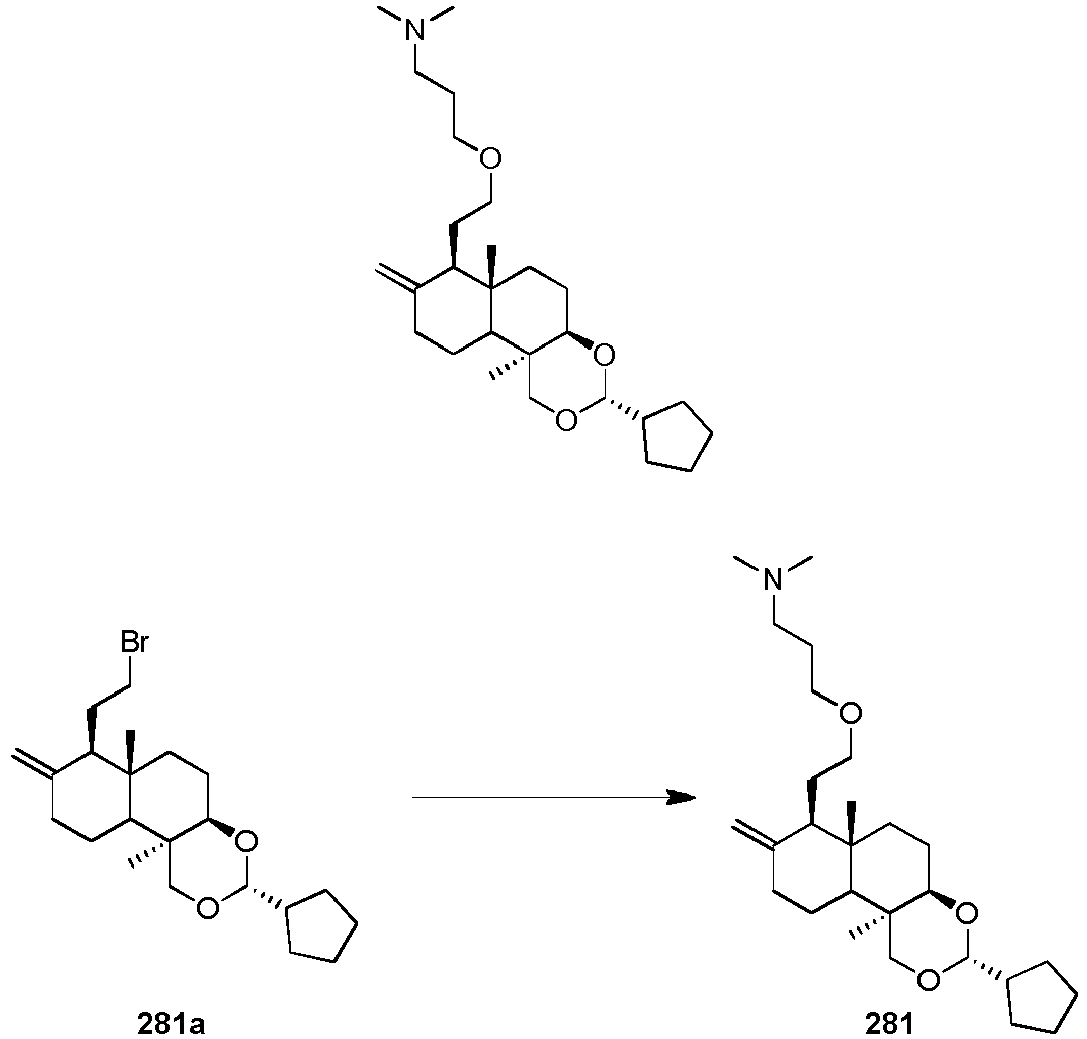
- 3-(dimethylamino)propan-1-ol (55mg, 0.537mmol) was dissolved in 8mL N,N-dimethylformamide, added with sodium hydride (18mg, 0.732mmol) at 0°C, then stirred at 0°C for 15 minutes. (3R,4aR,6aS,7R,10bR)-7-(2-bromoethyl)-3-cyclopentyl-6a,10b-dimethyl-8-dihydromethylenedecahydro-1H-naphtho[2,1-d][1,3]dioxin 281a (200mg, 0.488mmol) was added at 0°C and then stirred at 50°C for 2 hours. The reaction was quenched with 6 mL water and extracted with dichloromethane (15mL*2). The organic phases were combined, washed with saturated sodium chloride solution (15mL*2), dried over anhydrous sodium sulfate, filtered, and the filtrate was concentrated under reduced pressure, and separated by the preparative liquid chromatography to give 3-(2-((3R,4aR,6aS,7R,10bR)-3-cyclopentyl-6a,10b-dimethyl-8-dihydromethylenedecahydro-1H-naphtho[2,1-d][1,3]dioxin-7-yl)ethoxy)-N,N-dimethylpropan-1-amine 281 (70mg, yield:33%).
MS m/z (ESI): 434.6[M+1]
1H NMR (400MHz, MeOD) 8.50 (s, 1H), 4.68 (d, J=5.77 Hz, 1H), 4.58(s, 1H), 4.07 (d, J=11.29 Hz, 1H), 3.36-3.52 (m, 5H), 2.92-3.00 (m, 2H), 2.69 (s, 6H), 2.30-2.47 (m, 2H), 1.45-2.07 (m, 18H), 1.32 (s, 3H), 1.16-1.30 (m, 3H), 0.78 (s, 3H). -

- 3-(2-((3R,4aR,6aS,7R,10bR)-3-cyclopentyl-6a,10b-dimethyl-8-methylenedecahydro-1H-naphtho[2,1-d][1,3]dioxin-7-yl)ethoxy)azetidine 313a (150mg, 0.37mmol) was dissolved in dichloromethane (10mL), and acetone 313b (108mg, 1.86mmol) and triethylamine (75mg, 0.74mmol) were added successively and stirred at room temperature for 30 minutes. Sodium borohydride (236mg, 1.11mmol) was added to the reaction solution and stirred at room temperature for 12 hours. The reaction solution was concentrated under reduced pressure and separated by column chromatography to give 3-(2-((3R,4aR,6aS,7R,10bR)-3-cyclopentyl-6a,10b-dimethyl-8-dihydromethylenedecahydro-1H-naphtho[2,1-d][1,3]dioxin-7-yl)ethoxy)-1-isopropyl azetidine 313 (15mg, yield: 9%).
MS m/z (ESI): 446.3 [M+1]
1H NMR (400MHz, CDCl3) 4.86 (br. s., 1H), 4.31-4.72 (m, 5H), 4.01 (d, J=11.2 Hz, 1H), 3.10-3.62 (m, 7H), 2.41 (d, J=12.4 Hz, 1H), 2.13-2.34 (m, 2H), 1.59-2.11 (m, 11H), 1.50-1.55 (m, 3H), 1.20-1.43 (m, 13H), 0.74 (s, 3H). -

- 1-Methylpiperidin-4-ol 366b (84mg, 0.73mmol) was dissolved in N,N-dimethylformamide (10mL) and sodium hydrogen (32mg, 1.01mmol) was added at 0°C and stirred at 0°C for 15 minutes. (3R,4aR,6aS,7R,10bR)-7-(2-bromoethyl)-3-cyclopentyl-6a,10b-dimethyl-8-methylenedecahydro-1H-naphtho[2,1-d][1,3]dioxin 366a (300mg, 0.73mmol) was added to the reaction mixture and stirred at room temperature for 12 hours. The reaction solution was added to water (5mL) and extracted with ethyl acetate (30mL). The organic layer was washed with water (10mL x 3), dried over anhydrous sodium sulfate, filtered, and the filtrate was concentrated under reduced pressure and separated by preparative liquid chromatography to give 4-(2-((3R,4aR,6aS,7R,10bR)-3-cyclopentyl-6a,10b-dimethyl-8-dihydromethylenedecahydro-1H-naphtho [2,1-d][1,3]dioxin-7-yl)ethoxy)-1-methylpiperidine 366 (20mg, yield: 6.1%).
MS m/z (ESI): 446.6 [M+1]
1H NMR (400MHz, CDCl3) 8.44-8.55 (m, 1H), 4.54-4.66 (m, 4H), 4.02-4.07 (m, 1H), 3.40-3.53 (m, 3H), 2.96-3.16 (m, 3H), 2.77-2.92 (m, 2H), 2.56-2.65 (m, 3H), 2.25-2.40 (m, 2H), 1.45-2.03 (m, 19H), 1.30 (s, 3H), 1.15-1.26 (m, 3H), 0.76 (s, 3H). -

- Tert-butyl 4-(2-((3R,4aR,6aS,7R,10bR)-3-cyclopentyl-6a,10b-dimethyl-8-dihydromethylene-1H-naphtho[2,1-d][1,3]dioxin-7-yl)ethoxy)piperidine-1-carboxylate 482a (5.00g, 9.40mmol) was dissolved in 50mL acetonitrile and added with ammonium nitrate (4.12g, 7.52mmol, 3.75mL) at room temperature, then stirred at 80°C for 12 hours. After the reaction solution was concentrated under reduced pressure, the resulting residue was purified by silica gel column chromatography using an eluent system of DCM:MeOH:NH3·H2O=100:1:0.5 to give 4-(2-((3R,4aR,6aS,7R,10bR)-3-cyclopentyl-6a,10b-dimethyl-8-dihydromethylenedecahydro-1H-naphtho[2,1-d][1,3]dioxin-7-yl)ethoxy)piperidine 482b (3.1g, yield: 92.7%).
MS m/z (ESI): 432.7[M+1]
1H NMR (400MHz, CDCl3) 4.83 (s, 1H), 4.60 (d, J=6.0 Hz, 1H), 4.51 (s, 1H), 4.02 (d, J=10.8 Hz, 1H), 3.57- 3.40 (m, 4H), 3.38 - 3.15 (m, 5H), 2.40 (d, J=11.5 Hz, 1H), 2.25 (q, J=3.1, 1H), 2.12 - 2.06 (m, 3H), 2.03 - 1.90 (m, 3H), 1.90 - 1.82 (m, 1H), 1.80-1.75 (m, 2H), 1.75-1.65 (m, 5H), 1.65-1.1.40 (m, 7H), 1.36 (s, 3H), 1.24 - 1.10 (m, 3H), 0.75 (s, 3H). - 4-(2-((3R,4aR,6aS,7R,10bR)-3-cyclopentyl-6a,10b-dimethyl-8-dihydromethylenedecahydro-1H-naphtho[2,1-d][1,3]dioxin-7-yl)ethoxy)piperidine 482b (1.00g, 2.32mmol) was dissolved in 20mL tetrahydrofuran, and ethyl glyoxylate (2.12g, 10.39mmol) and triethylamine (744.19mg, 7.35mmol) were added successively at room temperature, and then stirred at room temperature for 20 minutes. Sodium borohydride (2.34g, 11.04mmol) was added at room temperature, followed by stirring at room temperature for 12 hours. The reaction was quenched with 100mL water, extracted with ethyl acetate (100mL*3), and the organic phases were combined, washed with saturated sodium chloride solution (100mL*2), dried over anhydrous sodium sulfate, filtered, and the filtrate was concentrated under reduced pressure. After that, the resulting residue was purified by silica gel column chromatography with the eluent system PE:EA=4:1 to 2:1 to give ethyl 2-(4-(2-((3R,4aR,6aS,7R,10bR)-3-cyclopentyl-6a,10b-dimethyl-8-dihydromethylenedecahydro-1H-naphtho[2,1-d][1,3]dioxin-7-yl)ethoxy)piperidin-1-yl)acetate 482c (630mg, yield: 52.4%).
1H NMR (400MHz, CDCl3) 4.84 (s, 1H), 4.63 - 4.53 (m, 2H), 4.19 (q, J=7.2 Hz, 2H), 4.03 (d, J=11.5 Hz, 1H), 3.55 - 3.40 (m, 3H), 3.31 - 3.24 (m, 2H), 3.22 (s, 2H), 2.81 (br. s., 2H), 2.44 - 2.17 (m, 4H), 2.01 - 1.41 (m, 20H), 1.36 (s, 3H), 1.31 - 1.22 (m, 6H), 0.75 (s, 3H). - Ethyl 2-(4-(2-((3R,4aR,6aS,7R,10bR)-3-cyclopentyl-6a,10b-dimethyl-8-dihydromethylenedecahydro-1H-naphtho[2,1-d][1,3]dioxin-7-yl)ethoxypiperidine-1-yl)acetate 482c (430.00mg, 830.53umol) was dissolved in 5mL tetrahydrofuran, added with lithium tetrahydroaluminum (47.91mg, 1.26mmol) at 0°C, and then stirred at 0°C for 0.5 hours. The reaction was quenched by dropwise adding 0.5 mL aqueous sodium hydroxide solution (2.4N) at 0°C, diluted with 15mL ethyl acetate, dried over anhydrous magnesium sulfate, filtered, and the filtrate was concentrated under reduced pressure. The resulting residue was purified by silica gel column chromatography with an eluent system DCM:MeOH=10:1 to give 2-(4-(2-((3R,4aR,6aS,7R,10bR)-3-cyclopentyl-6a,10b-dimethyl-8-dihydromethylenedecahydro-1H-naphtho[2,1-d][1,3]dioxin-7-yl)ethoxy)piperidin-1-yl)ethanol 482 (163.8mg, yield: 41.46%).
MS m/z (ESI): 476.3[M+1]
1H NMR (400MHz, CDCl3) 4.84 (s, 1H), 4.65 - 4.53 (m, 2H), 4.02 (d, J=11.3 Hz, 1H), 3.67 (t, J=5.1 Hz, 2H), 3.55 - 3.40 (m, 3H), 3.37 - 3.20 (m, 2H), 2.84 (br. s., 2H), 2.62 (t, J=5.0 Hz, 2H), 2.49 - 1.99 (m, 5H), 1.96 - 1.39 (m, 19H), 1.36 (s, 3H), 1.34 - 1.07 (m, 4H), 0.75 (s, 3H). -

- 4-(2-((3R,4aR,6aS,7R,10bR)-3-cyclopentyl-6a,10b-dimethyl-8-methylenedecahydro-1H-naphtho[2,1-d][1,3]dioxin-7-yl)ethoxy)piperidine 483a (100mg, 232umol) dissolved in 8mL acetonitrile, and triethylamine (70mg, 696umol) and 2,2,2-trifluoroethyl trifluoromethanesulfonate (161mg, 696umol) were added successively, then refluxed for 3 hours. The reaction solution was concentrated and separated through a column (eluent EA:PE from 1:20 to 1:10) to give 4-(2-((3R,4aR,6aS,7R,10bR)-3-cyclopentyl)-6a,10b-dimethyl-8-methylenedecahydro-1H-naphtho[2,1-d][1,3]dioxin-7-yl)ethoxy)-1-(2,2,2-trifluoroethyl)piperidine 483 (30mg, yield: 25%).
MS m/z (ESI): 514.6 [M+1]
1H NMR (400MHz, CDCl3) 4.83 (s, 1H), 4.60 (d, J=6.0 Hz, 1H), 4.56 (s, 1H), 4.02 (d, J=11.3 Hz, 1H), 3.55-3.38 (m, 3H), 3.30-3.19 (m, 2H), 2.96 (q, J=9.79 Hz, 2H), 2.85 (m., 2H), 2.52-2.33 (m, 3H), 2.25 (dd, J1=13.30 Hz, J2=3.01 Hz, 1H), 2.19-1.90(m, 2H), 1.90-1.62 (m, 9H), 1.56-1.39 (m, 8H), 1.36 (s, 3H), 1.28-1.06 (m, 4H), 0.75 (s, 3H). -

- Ethyl 2-(4-(2-((3R,4aR,6aS,7R,10bR)-3-cyclopentyl-6a,10b-dimethyl-8-dihydromethylenedecahydro-1H-naphtho[2,1-d][1,3]dioxin-1-piperidine-1-yl)acetate 426a (500.00mg, 965.74umol) was dissolved in 5mL tetrahydrofuran and 2.5mL water, and sodium hydroxide (154.52mg, 3.86mmol) was added and stirred at room temperature for 2 hours. The reaction mixture was added with 100mL water, adjusted to pH 6-7 with dilute hydrochloric acid and extracted with dichloromethane (150mL*3). The organic phases were combined, dried over anhydrous sodium sulfate, filtered, and the filtrate was concentrated under reduced pressure to give 2-(4-(2-((3R,4aR,6aS,7R,10bR)-3-cyclopentyl-6a,10b-dimethyl-8-dihydromethylenedecahydro-1H-naphtho[2,1-d][1,3]dioxin-7-yl)ethoxy)piperidine-1-yl)acetic acid (420mg, yield: 88.81%).
MS m/z (ESI): 491.1 [M+2]
1H NMR (400MHz, DMSO) 4.81 (s, 1H), 4.64 (d, J=5.3 Hz, 1H), 4.52 (s, 1H), 3.92 (d, J=11.3 Hz, 1H), 3.35 - 3.18 (m, 4H), 3.18 - 3.09 (m, 2H), 2.94 (br. s., 2H), 2.66 (d, J=9.3 Hz, 2H), 2.38 - 2.16 (m, 2H), 1.97 - 1.66 (m, 8H), 1.59 - 1.35 (m, 12H), 1.23 (s, 4H), 1.20 - 1.04 (m, 3H), 0.68 (s, 3H). -

- 4-(2-((3R,4aR,6aS,7R,10bR)-3-cyclopentyl-6a,10b-dimethyl-8-dihydromethylene-decahydro-1H-naphtho[2,1-d][1,3]dioxin-7-yl)ethoxy)piperidine (3.80g, 8.80mmol) was dissolved in N,N-dimethylformamide (160mL), and ethyl 2-bromo-2-methylpropanoate (2.57g, 13.20mmol) and potassium carbonate (3.65g, 26.40mmol) were added successively, then stirred at 60°C for 10 hours. The system was concentrated. The residue was purified by column chromatography (silica, petroleum ether/ethyl acetate = 0/100 to 5/1 and dichloromethane/methanol/ammonia = 10/1/0.1) to give ethyl 2-(4-(2-((3R,4aR,6aS,7R,10bR)-3-cyclopentyl-6a,10b-dimethyl-8-dihydromethylene-decahydro-1H-naphtho[2,1-d][1,3]dioxin-7-yl)ethoxy)piperidine-1-yl)-2-methylpropanoate 463a (a colorless oil, 2.4g, yield: 48.82%).
1H NMR (400MHz, CDC13) 4.82 (s, 1H), 4.64 - 4.51 (m, 2H), 4.23 - 4.13 (m, 2H), 4.01 (d, J=11.0 Hz, 1H), 3.53 - 3.38 (m, 3H), 3.29 - 3.13 (m, 2H), 2.94 - 2.74 (m, 2H), 2.39 (d, J=11.5 Hz, 1H), 2.24 (d, J=10.0 Hz, 2H), 2.12 - 2.05 (m, 1H), 1.95 - 1.41 (m, 20H), 1.35 (s, 3H), 1.31 - 1.27 (m, 6H), 1.27 - 1.23 (m, 3H), 1.21 - 1.09 (m, 3H), 0.74 (s, 3H). - Ethyl 2-(4-(2-((3R,4aR,6aS,7R,10bR)-3-cyclopentyl-6a,10b-dimethyl-8-dihydromethylene-decahydro-1H-naphtho[2,1-d][1,3]dioxin-7-yl)ethoxy)piperidine-1-yl)-2-methylpropanoate (2.40g, 4.40mmol) was dissolved in ethanol (50mL), and water (50mL) and potassium hydroxide (2.47g, 44.00mmol) were added successively, and then stirred at 70°C for 10 hours. The ethanol was removed by rotary evaporation under reduced pressure, and the system was added with diluted hydrochloric acid (44mL, 1M) and the reaction was extracted with ethyl acetate (200mL*3). The organic phases were washed with saturated brine (100 mL*2), dried over anhydrous sodium sulfate, filtered and concentrated. The residue was separated by column chromatography (silica, dichloromethane/methanol/ammonia solution = 50/1/0.1 to 20/1/0.1) to give 2-(4-(2-((3R,4aR,6aS,7R,10bR)-3-cyclopentyl-6a,10b-dimethyl-8-dihydromethylene-decahydro-1H-naphtho[2,1-d][1,3]dioxin-7-yl)ehoxyl)piperidine-1-yl)-2-methylpropanoic acid 463 (1.63g, yield: 70.54%).
MS m/z (ESI):540.4 [M+23]
1H NMR (400MHz, DMSO-d6 ) 4.83 (s, 1H), 4.66 (d, J=5.5 Hz, 1H), 4.54 (s, 1H), 3.94 (d, J=11.5 Hz, 1H), 3.45 - 3.38 (m, 3H), 3.32 (d, J=11.5 Hz, 1H), 3.26 - 3.19 (m, 1H), 2.97 (d, J=7.5 Hz, 2H), 2.79-2.74 (m., 2H), 2.39 - 2.23 (m, 2H), 1.99 - 1.82 (m, 4H), 1.81 - 1.64 (m, 6H), 1.60 - 1.39 (m, 10H), 1.24 (s, 9H), 1.19 - 1.02 (m, 3H), 0.69 (s, 3H). -

- 4-(2-((3R,4aR,6aS,7R,10bR)-3-cyclopentyl-6a,10b-dimethyl-8-methylenedecahydro-1H-naphtho[2,1-d][1,3]dioxin-7-yl)ethoxy)piperidine 484a (150mg, 0.349mmol) was dissolved in 8mL dichloromethane, and cyclopropylsulfonyl chloride (54mg, 0.383mmol) and triethylamine (39mg, 0.383mmol) were added successively, then stirred at room temperature for 12 hours. After the reaction was completed, the reaction solution was concentrated, and separated by preparative plate to give 4-(2-((3R,4aR,6aS,7R,10bR)-3-cyclopentyl-6a,10b-dimethyl-8-dihydromethylene-decahydro-1H-naphtho[2,1-d][1,3]dioxin-7-yl)ehoxyl)-1-(cyclopropylsulfonyl)piperidine 484 (20mg, yield: 16.1%).
MS m/z (ESI): 558.1[M+23]
1H NMR (CDC13) ppm 4.84 (s, 1H), 4.59 (d, J=6.0 Hz, 1H), 4.55 (s, 1H), 4.02 (d, J=11.2 Hz, 1H), 3.53-3.39 (m, 6H), 3.31-3.13 (m, 3H), 2.41 (d, J=11.6 Hz, 1H), 2.32-2.18 (m, 2H), 2.14-1.57 (m, 17H), 1.35 (s, 3H), 1.21-1.16 (m, 7H), 0.98-0.85(m, 3H), 0.75 (s, 3H). -

- 2-((((9H-fluoren-9-yl)methoxy)carbonyl)amine)acetic acid 373b (379mg, 1.27mmol) was dissolved in N,N-dimethylformamide (20mL), and triethylamine (0.5mL) and 2-(7-azobenzotriazole)-N,N,N',N'-tetramethyluronium hexafluorophosphate (660mg, 1.74mmol) were added successively, and stirred at room temperature for 0.5 hours. 4-(2-((3R,4aR,6aS,7R,10bR)-3-cyclopentyl-6a,10b-dimethyl-8-methylenedecahydro-1H-naphtho[2,1-d][1,3]dioxin-7-yl)ethoxy)piperidine 373a (500mg, 1.16mmol) was added to the reaction and stirred at room temperature for 18 hours. The reaction solution was quenched with water, extracted with dichloromethane, and the organic layer was washed with saturated brine and water. The organic layer was dried over anhydrous sodium sulfate and filtered. The filtrate was concentrated under reduced pressure and separated by column chromatography to give (9H-fluoren-9-yl)methyl(2-(4-(2-((3R,4aR,6aS,7R,10bR)-3-cyclopentyl-6a,10b-dimethyl-8-methylenedecahydro-1H-naphtho[2,1-d][1,3]dioxin-7-yl)ethoxy)piperidine-1-yl)-2-oxoethyl)carbamate 373c (150mg, yield: 18%).
- (9H-fluoren-9-yl)methyl(2-(4-(2-((3R,4aR,6aS,7R,10bR)-3-cyclopentyl-6a,10b-dimethyl-8-methylenedecahydro-1H-naphtho[2,1-d][1,3]dioxin-7-yl)ethoxy)piperidine-1-yl)-2-oxoethyl)carbamate 373c (150mg, 0.21mmol) was dissolved in N,N-dimethylformamide (2.5g, 34.2mmol), and piperidine (500mg, 5.87mmol) was added at 25°C under nitrogen atmosphere at room temperature, and stirred for 2 hours. The reaction solution was concentrated under reduced pressure and was separated by liquid chromatography to give 2-amino-1-(4-(2-((3R,4aR,6aS,7R,10bR)-3-cyclopentyl-6a,10b-dimethyl-8-methylenedecahydro-1H-naphtho[2,1-d][1,3]dioxin-7-yl)ethoxy)piperidine-1-yl)acetamide 373 (15mg, yield: 15%).
MS m/z (ESI): 489.4 [M+1]
1H NMR (400MHz, CDCl3) 4.86 (s, 1H), 4.62 (d, J=6.0 Hz, 1H), 4.56 (s, 1H), 4.04 (d, J=11.2 Hz, 1H), 3.79-3.43 (m, 11H), 2.44-1.52 (m, 22H), 1.50(s, 3H), 1.38-1.24(m, 3H), 0.77 (s, 3H). -

- 4-(2-((3R,4aR,6aS,7R,10bR)-3-cyclopentyl-6a,10b-dimethyl-8-dihydromethylene-1H-naphtho[2,1-d][1,3]dioxin-7-yl)ethoxy)-1-methylpiperidine 386a (300.00mg, 673.13umol) was dissolved in methanol (3.00mL) and 3 mL hydrochloric acid (1M) was added to the system followed by stirring at 75°C for 12 hours. The reaction solution was concentrated under reduced pressure, and the residue was purified by column chromatography (dichloromethane/methanol = 100:0 to 85:15) to give a crude product. The crude product was separated by preparative liquid chromatography to give 23mg (1R,2R,4aS,5R)-1-(hydroxymethyl)-1,4a-dimethyl-6-dihydromethylene-5-(2-((1-methylpiperidine-4-yl)oxy)ethyl)decahydronaphthalene-2-ol 386. Yield: 9.35 %.
MS m/z (ESI): 366.1 [M+1]
1H NMR (400MHz, CDCl3) 4.24 (d, J=11.0 Hz, 1H), 3.52 - 3.26 (m, 5H), 2.96 - 2.60 (m, 4H), 2.50 - 2.33 (m, 2H), 2.31 (s, 3H), 2.24 - 1.61 (m, 15H), 1.45 - 1.15 (m, 6H), 0.92 (s, 3H). -

- 2-((3R,4aR,6aS,7R,10bR)-3-cyclopentyl-6a,10b-dimethyl-8-methylene-decahydro-1H-naphtho[2,1-d][1,3]dioxin-7-yl)acetaldehyde 403a (2.00g, 5.77mmol) was dissolved in tetrahydrofuran (50mL), and methyl 2-aminoacetate (1.09g, 8.65mmol, HCl) and triethylamine (2.34g, 23.08mmol) were added successively, then stirred at 25°C for 4 hours. Sodium borohydride (6.11g, 28.85mmol) was added followed by stirring at 25°C for 8 hours. The reaction solution was diluted with 100mL water and extracted with ethyl acetate (100mL*2). The organic phase was dried over anhydrous sodium sulfate, filtered and concentrated. The residue was separated by column chromatography (silica, petroleum ether/ethyl acetate/ammonia water = 1:1:0.01) to give methyl 2-((2-((3R,4aR,6aS,7R,10bR)-3-cyclopentyl-6a,10b-dimethyl-8-methylenedecahydro-1H-naphtho[2,1-d][1,3]dioxin-7-yl)ethyl)amino)acetate 403b (a yellow solid, 1.8g, yield: 74.35%).
1H NMR (400MHz, CDC13) 4.83 (s, 1H), 4.61 - 4.52 (m, 2H), 4.01 (d, J=11.3 Hz, 1H), 3.72 (s, 2H), 3.50 - 3.41 (m, 2H), 3.40 (s, 2H), 3.08 (br. s., 3H), 2.81 - 2.66 (m, 1H), 2.49 - 2.35 (m, 2H), 2.24 (dq, J=2.9, 13.2 Hz, 1H), 2.12 - 2.04 (m, 1H), 1.96 (t, J=11.8 Hz, 1H), 1.89 - 1.83 (m, 1H), 1.80 - 1.74 (m, 1H), 1.72 - 1.65 (m, 3H), 1.65 - 1.60 (m, 2H), 1.60 - 1.49 (m, 4H), 1.47 - 1.37 (m, 2H), 1.34 (s, 3H), 1.23 - 1.07 (m, 3H), 0.74 (s, 3H). - Methyl 2-((2-((3R,4aR,6aS,7R,10bR)-3-cyclopentyl-6a,10b-dimethyl-8-methylenedecahydro-1H-naphtho[2,1-d][1,3]dioxin-7-yl)ethyl)amino)acetate 403b (200.00mg, 476.64umol) was dissolved in tetrahydrofuran (2.00mL), and potassium hydroxide (53.49mg, 953.29umol) and water (1.00mL) were added successively, then stirred at 25°C for 12 hours. The system was separated by preparative liquid chromatography to give 80mg 2-((2-((3R,4aR,6aS,7R,10bR)-3-cyclopentyl-6a,10b-dimethyl-8-methylenedecahydro-1H-naphtho[2,1-d][1,3]dioxin-7-yl)ethyl)amino)acetic acid 403. Yield: 41.38%.
MS m/z (ESI):406.3 [M+1]
1H NMR (400MHz, MeOD) 4.92 (s, 1H), 4.69 (d, J=5.8 Hz, 1H), 4.64 (s, 1H), 4.07 (d, J=11.3 Hz, 1H), 3.52 - 3.37 (m, 4H), 3.13 - 3.01 (m, 1H), 2.85 - 2.71 (m, 1H), 2.49 - 2.28 (m, 2H), 2.11 - 1.95 (m, 2H), 1.93 - 1.76 (m, 4H), 1.74 (s, 1H), 1.72 - 1.55 (m, 5H), 1.55 - 1.41 (m, 4H), 1.34 (s, 3H), 1.32 - 1.20 (m, 3H), 0.81 (s, 3H). -

- Methyl 2-((2-((3R,4aR,6aS,7R,10bR)-3-cyclopentyl-6a,10b-dimethyl-8-methylene-decahydro-1H-naphtho[2,1-d][1,3]dioxin-7-yl)ethyl)amino)acetate 404a (200.00mg, 476.64umol) was dissolved in N,N-dimethylformamide (4mL), and ethyl 2-bromoacetate (159.20mg, 953.28umol) and potassium carbonate (131.75mg, 953.28umol) were added successively, followed by stirring at 75°C for 12 hours. The reaction solution was diluted with 10mL water and extracted with ethyl acetate (10mL*2). The organic phase was dried over anhydrous sodium sulfate, filtered and concentrated. The residue was separated by column chromatography (silica, petroleum ether/ethyl acetate = 10/1) to give ethyl 2,2'-((2-((3R,4aR,6aS,7R,10bR)-3-cyclopentyl-6a,10b-dimethyl-8-methylene-decahydro-1H-naphtho[2,1-d][1,3]dioxin-7-yl)ethyl)(2-methoxy-2-oxoethyl)amino)acetate 404b (a yellow oil, 100mg, yield: 41.49%).
1H NMR (400MHz, CDC13) 4.82 (s, 1H), 4.62 - 4.51 (m, 2H), 4.16 (q, J=7.3 Hz, 2H), 4.01 (d, J=11.0 Hz, 1H), 3.70 (s, 3H), 3.58 - 3.49 (m, 4H), 3.49 - 3.37 (m, 2H), 2.90 - 2.77 (m, 1H), 2.52 - 2.42 (m, 1H), 2.41 - 2.34 (m, 1H), 2.30 - 2.16 (m, 1H), 2.12 - 2.02 (m, 1H), 1.99 - 1.90 (m, 1H), 1.86 (d, J=13.1 Hz, 1H), 1.67 (dd, J=3.8, 8.0 Hz, 4H), 1.61 (d, J=5.8 Hz, 2H), 1.54 (dd, J=7.7, 12.4 Hz, 4H), 1.49 - 1.37 (m, 3H), 1.34 (s, 3H), 1.30 - 1.25 (m, 4H), 1.21 - 1.11 (m, 2H), 0.74 (s, 3H). - Ethyl 2,2'-((2-((3R,4aR,6aS,7R,10bR)-3-cyclopentyl-6a,10b-dimethyl-8-methylene-decahydro-1H-naphtho[2,1-d][1,3]dioxin-7-yl)ethyl)(2-methoxy-2-oxoethyl)amino)acetate 404b (100.00mg, 197.75umol) was dissolved in tetrahydrofuran (1.00mL), and potassium hydroxide (22.19mg, 395.50umol) and water (1.00mL) were successively added, and then stirred at 25°C for 2 hours. The system was separated by preparative liquid chromatography to give 40mg 2,2'-((2-((3R,4aR,6aS,7R,10bR)-3-cyclopentyl-6a,10b-dimethyl-8-methylene-decahydro-1H-naphtho[2,1-d][1,3]dioxin-7-yl)ethyl)azanediyl)diacetic acid 404. Yield: 43.63%.
MS m/z (ESI):464.2 [M+1]
1H NMR (400MHz, CDC13) 4.86 (br. s., 1H), 4.66 - 4.52 (m, 2H), 3.97 (d, J=10.8 Hz, 1H), 3.72 (br. s., 3H), 3.43 (t, J=12.2 Hz, 2H), 3.31 (br. s., 1H), 2.95 (br. s., 1H), 2.63 (s, 1H), 2.38 (d, J=11.3 Hz, 1H), 2.23 (d, J=11.8 Hz, 1H), 2.12 - 2.00 (m, 1H), 1.96 - 1.77 (m, 4H), 1.69 (br. s., 4H), 1.58 - 1.38 (m, 7H), 1.35 (s, 3H), 1.19 (br. s., 3H), 0.75 (s, 3H). -

- N1-(2-((3R,4aR,6aS,7R,10bR)-3-cyclopentyl-6a,10b-dimethyl-8-methylene-decahydro-1H-naphtho[2,1-d][1,3]dioxin-7-yl)ethyl)-N3,N3-dimethylpropan-1,3-diamine 284a (1.0g, 2.31mmol) was dissolved in tetrahydrofuran (20mL), and ethyl glyoxylate (354mg, 3.47mmol) and triethylamine (467mg, 4.62mmol) were successively added, followed by stirring at 15°C for 0.5 hours. Sodium borohydride (1.47g, 6.93mmol) was added followed by stirring at 15°C for 16 hours. The reaction solution was diluted with 100mL water and extracted with dichloromethane (50mL*5). The organic phase was dried over anhydrous sodium sulfate, filtered and concentrated. The residue was purified by column chromatography (silica, dichloromethane/ethanol=5:1) to give ethyl 2-((2-((3R,4aR,6aS,7R,10bR)-3-cyclopentyl-6a,10b-dimethyl-8-methylene-decahydro-1H-naphtho[2,1-d][1,3]dioxin-7-yl)ethyl)(3-(dimethylamino)propyl)amino)acetate 284b (0.928g, yield: 78%).
1H NMR (400MHz, CDC13) 4.84 (s, 1H), 4.61 (d, J = 5.6 Hz, 1H), 4.56 (s, 1H), 4.16 (q, J1 = 7.2 Hz, J2= 14.0 Hz, 2H), 4.02(d, J = 11.2 Hz, 1H), 3.46-3.45 (m, 2H), 3.23 (s, 2H), 2.67-2.61 (m, 5H), 2.45 (s, 6H), 2.39-1.36 (m, 20H), 1.30 (s, 3H), 1.28-1.21(m, 6H), 0.76 (s, 3H). - Ethyl 2-((2-((3R,4aR,6aS,7R,10bR)-3-cyclopentyl-6a,10b-dimethyl-8-methylene-decahydro-1H-naphtho[2,1-d][1,3]dioxin-7-yl)ethyl)(3-(dimethylamino)propyl)amino)acetate 284b (928mg, 1.79mmol) was dissolved in tetrahydrofuran (10.00mL), and lithium aluminum tetrahydride (102mg, 2.69mmol) was added at 0°C, and then stirred at 15°C for 0.5 h. The reaction was quenched by the addition of 1mL water, then dried over anhydrous sodium sulfate, filtered and concentrated to give 629mg 2-((2-((3R,4aR,6aS,7R,10bR)-3-cyclopentyl-6a,10b-dimethyl-8-methylene-decahydro-1H-naphtho[2,1-d][1,3]dioxin-7-yl)ethyl)(3-(dimethylamino)propyl)amino)ethanol 284. Yield: 73.7%.
1H NMR (400MHz, CDC13) 4.87 (s, 1H), 4.62 (d, J = 6.4 Hz, 1H), 4.57 (s, 1H), 4.03 (d, J= 11.6 Hz, 1H), 3.59(t, J1 = 4.8 Hz, J = 9.6 Hz, 2H), 3.47-3.43 (m, 2H), 2.60-1.54 (m, 34H), 1.37 (s, 3H), 1.22-1.61 (m, 3H), 0.77 (s, 3H). -

- 2-((3R,4aR,6aS,7R,10bR)-3-cyclopentyl-6a,10b-dimethyl-8-decahydromethylene-1H-naphtho[2,1-d][1,3]dioxin-7-yl)acetaldehyde 191a (100mg, 0.29mmol) was dissolved in tetrahydrofuran (20mL), followed by successive addition of N1,N1-diethanolamine 191b (61.2mg, 0.58mmol) and triethylamine (58.6mg, 0.58mmol), and stirred at room temperature for 0.5h. Sodium borohydride-acetic acid (184.7mg, 0.87mmol) was slowly added to the reaction solution, followed by stirring at room temperature for 12 hours. The reaction solution was poured into a saturated ammonium chloride solution, the organic layer was extracted with ethyl acetate, and the organic layer was washed with water and saturated brine, dried over anhydrous sodium sulfate, filtered and concentrated under reduced pressure to give 3-((2-((3R,4aR,6aS,7R,10bR)-3-cyclopentyl-6a,10b-dimethyl-8-methylene-decahydro-1H-naphtho[2,1-d][1,3]dioxin-7-yl)ethyl)amino)N,N-diethanolamine 191 (40mg, yield: 32%).
MS m/z (ESI): 436.9 [M+1]
1H NMR (400MHz, CDCl3) 8.44 (s, 1H), 4.91 (s, 1H), 4.60-4.58 (m, 2H), 4.01-3.94 (m, 5H), 3.43-3.18 (m, 8H), 2.05-1.64 (m, 17H), 1.34 (s, 3H), 1.24-1.19 (m, 4H), 0.65(s, 3H) -

- 2-((3R,4aR,6aS,7R,10bR)-3-cyclopentyl-6a,10b-dimethyl-8-decahydromethylene-1H-naphtho[2,1-d][1,3]dioxin-7-yl)acetaldehyde 207a (346.5mg, 1.0mmol) was dissolved in 1,2-dichloroethane (20mL), followed by successively addition of isoxazole-4-amine 207b (84mg, 1.0mmol) and acetic acid (0.2mL), and stirred at 25°C for 2 hours. Sodium cyanoborohydride (130mg, 2.0mmol) was added and stirred at 25°C for 15 hours. The reaction solution was washed with water (10mL), and the organic layer was dried over anhydrous sodium sulfate, filtered, and the filtrate was concentrated under reduced pressure and separated by preparative chromatography to give N-(2-((3R,4aR,6aS,7R,10bR)-3-cyclopentyl-6a,10b-dimethyl-8-decahydromethylene-1H-naphtho[2,1-d][1,3]dioxin-7-yl)ethyl)isoxazol-4-amine 201 (11mg, yield: 5.3%).
MS m/z (ESI): 415.1 [M+1]
1H NMR (400MHz, CDCl3)8.01 (s, 1H), 7.88 (s, 1H), 4.88 (s, 1H), 4.60-4.58 (m, 2H), 4.01 (d, J=11.6 Hz, 1H), 3.50-3.42 (m, 2H), 3.06-1.54 (m, 20 H), 1.52 (s, 3H), 1.36-1.11 (m, 3H), 0.76 (s, 3H). -

- 2-((3R,4aR,6aS,7R,10bR)-3-cyclopentyl-6a,10b-dimethyl-8-methylenedecahydro-1H-naphtho[2,1-d][1,3]dioxin-7-yl)acetaldehyde 345a (150mg, 0.43mmol) was dissolved in anhydrous tetrahydrofuran (10mL), and 3-fluoropyridin-4-amine 345b (73mg, 0.65mmol) and triethylamine (87mg, 0.86mmol) were successively added to the reaction solution, followed by stirring at 60°C for 0.5 hours. Sodium borohydride-acetic acid (273mg, 1.29mmol) was added to the reaction solution and stirred at 60°C for 16 hours. The reaction solution was concentrated under reduced pressure and separated by column chromatography to give N-(2-((3R,4aR,6aS,7R,10bR)-3-cyclopentyl-6a,10b-dimethyl-8-decahydromethylene-1H-naphtho[2,1-d][1,3]dioxin-7-yl)ethyl)-3-fluoropyridin-4-amine 345 (38mg, yield: 19.9%).
MS m/z (ESI): 443.7 [M+1]
1H NMR (400MHz, CDCl3) 8.14 (d, J=4.8 HZ, 1H), 8.09 (d, J=5.6 HZ, 1H), 6.55 -6.51 (m, 1H), 4.95 (s, 1H), 4.64 -4.61 (m, 2H), 4.41 (s, 1H), 4.03 (d, J=11.2 HZ, 1H), 3.52-3.10 (m, 4H), 2.49-1.54 (m, 18H), 1.53(s, 3H), 1.38-1.25(m, 3H), 0.79 (s, 3H). -

- Tert-butyl 3 -(hydroxymethyl)azetidin-1 -carboxylate 355a (200mg, 1.07mmol) was dissolved in anhydrous methanol (10mL), added with 4M ethyl acetate-hydrochloric acid (2.2mL) under nitrogen atmosphere at 0°C, and stirred at room temperature for 2 hours. The reaction was concentrated under reduced pressure to give azetidin-3-ylmethanol hydrochloride 355b (100mg, crude product).
1H NMR (400MHz, MeOD) 4.15-4.01 (m, 2H), 4.00-3.97 (m, 2H), 3.68 (d, J=4.4 Hz, 2H), 3.06-3.00 (m, 1H). - 2-((3R,4aR,6aS,7R,10bR)-3-cyclopentyl-6a,10b-dimethyl-8-methylenedecahydro-1H-naphtho[2,1-d][1,3]dioxin-7-yl)acetaldehyde 355c (150mg, 0.43mmol) was dissolved in anhydrous tetrahydrofuran (10mL), followed by successively addition of azetidin-3-ylmethanol hydrochloride 355b (70mg, 0.56mmol) and triethylamine (0.18mL, 1.29mmol), and stirred at room temperature for 0.5h. Sodium borohydride-acetic acid (276mg, 1.3mmol) was added to the reaction mixture, followed by stirring at room temperature for 18 hours. The reaction solution was cooled and extracted with dichloromethane (30mL). The organic layer was washed with water (10mL x 3), dried over anhydrous magnesium sulfate, filtered, and the filtrate was concentrated under reduced pressure and separated by high performance liquid chromatography to give (1-(2-((3R,4aR,6aS,7R,10bR)-3-cyclopentyl-6a,10b-dimethyl-8-methylenedecahydro-1H-naphtho[2,1-d][1,3]dioxin-7-yl)ethyl)oxetane-3-yl)methanol 355 (25mg, yield: 14%).
MS m/z (ESI): 418.7 [M+1]
1H NMR (400MHz, CDCl3) 4.92 (s, 1H), 4.61 (d, J=5.6 Hz, 1H), 4.02-3.16 (m, 11H), 2.44-1.55 (m, 20H),1.53(s, 3H), 1.36-1.22(m, 3H), 0.76 (s, 3H). -

- Oxazolidin-2-one 196b (105mg, 1.2mmol) was dissolved in N,N-dimethylformamide (3mL), added with sodium hydrogen (56mg, 1.4mmol) at 0°C and stirred at 0°C for 0.5 hours and at 20°C for 0.5 hours. (3R,4aR,6aS,7R,10bR)-7-(2-bromoethyl)-3-cyclopentyl-6a,10b-dimethyl-8-decahydromethylene-1H-naphtho[2,1-d][1,3]dioxin 196a (400mg, 0.97mmol) was slowly added to the reaction solution at 0°C, followed by stirring at 20°C for 20 hours. The reaction was quenched with water and extracted with dichloromethane (50mL x 3). The organic layer was dried over anhydrous sodium sulfate, filtered, and the filtrate was concentrated under reduced pressure and separated by preparative liquid chromatography to give 3-(2-((3R,4aR,6aS,7R,10bR)-3-cyclopentyl-6a,10b-dimethyl-8-decahydromethylene-1H-naphtho[2,1-d][1,3]dioxin-7-yl)ethyl)oxazolidin-2-one 196 (102.5mg, yield: 25.2%).
MS m/z (ESI): 418.1 [M+1]
1H NMR (400MHz, CDCl3) 4.88 (s, 1H), 4.60-4.57 (m, 2H), 4.30 (t, J=8.0 Hz, 2H), 3.99 (d, J=11.2 Hz, 2H), 3.59-3.40 (m, 6H), 2.42-2.39 (m, 1H), 1.78-1.51 (m, 17H), 1.49 (s, 3H), 1.34-1.11 (m, 3H), 0.74 (s, 3H). -

- 2-((3R,4aR,6aS,7R,10bR)-3-cyclopentyl-6a,10b-dimethyl-8-methylenedecahydro-1H-naphtho[2,1-d][1,3]dioxin-7-yl)acetaldehyde 149a (200mg, 0.58mmol) was dissolved in tetrahydrofuran (10mL) and added with (S)-N-(pyrrolidin-3-yl)acetamide (113mg, 0.87mmol), followed by stirring at room temperature for 10 hours. Sodium cyanoborohydride (54mg, 0.87mmol) was added to the reaction solution and stirred at room temperature for 2 hours. The solvent was distilled off under reduced pressure, and the residue was dissolved in ethyl acetate. The organic layer was washed with saturated brine and water, dried over anhydrous sodium sulfate, filtered, and the filtrate was concentrated under reduced pressure to give N-((3S)-1-(2-((3R,4aR,6aS,7R,10bR)-3-cyclopentyl-6a,10b-dimethyl-8-methylenedecahydro-1H-naphtho[2,1-d][1,3]dioxain-7-yl)ethyl)pyrrolidin-3-yl)acetamide 149 (106mg, yield: 29.1%).
MS m/z (ESI): 459.2 [M+1]
1H NMR (400MHz, CDCl3) 8.50 (s, 1H), 4.92 (s, 1H), 4.89 (s, 1H), 4.58 (s, 1H), 4.00-3.40 (m, 5H), 2.90-2.79 (m, 4H), 2.43-1.84 (m, 9H), 1.69-1.55 (m, 12H), 1.35 (s, 2H), 1.23-1.20 (m, 3H), 0.76 (s, 2H). -

- 2-((3R,4aR,6aS,7R,10bR)-3-cyclopentyl-6a,10b-dimethyl-8-methylenedecahydro-1H-naphtho[2,1-d][1,3]dioxin-7-yl)acetaldehyde 163a (100mg, 0.3mmol) was dissolved in tetrahydrofuran (5mL), and pyrrolidine-2-carboxylic acid 163b (40mg, 0.3mmol) and sodium borohydride-acetic acid (245mg, 1.1mmol) and acetic acid (1mL) were added successively to the reaction mixture, followed by stirring at room temperature for 12 hours. The reaction solution was poured into a saturated aqueous solution of ammonium chloride and extracted with ethyl acetate. The organic layer was washed with saturated brine and water, dried over anhydrous sodium sulfate, filtered, and the filtrate was concentrated under reduced pressure and then separated by liquid chromatography to give 1-(2-((3R,4aR,6aS,7R,10bR)-3-cyclopentyl-6a,10b-dimethyl-8-methylenedecahydro-1H-naphtho[2,1-d][1,3]dioxin-7-yl)ethyl)pyrrolidine-2-carboxylic acid 163 (20mg, 15.5%).
MS m/z (ESI): 446.0 [M+1]
1H NMR (400MHz, CDCl3) 4.94 - 4.82 (m, 1H), 4.57 (d, J=5.6 Hz, 2H), 3.97 (d, J=11.2 Hz, 1H), 3.94 - 3.85 (m, 1H), 3.76 - 3.58 (m, 1H), 3.51 - 3.35 (m, 2H), 3.32 - 3.19 (m, 1H), 3.18 - 3.03 (m, 1H), 3.01 - 2.88 (m, 1H), 2.78 (d, J=9.6 Hz, 2H), 2.46 - 2.14 (m, 4H), 2.02 (d, J=19.2 Hz, 5H), 1.87 - 1.36 (m, 12H), 1.34 (s, 2H), 1.19 (br. s., 2H), 0.74 (s, 3H). -
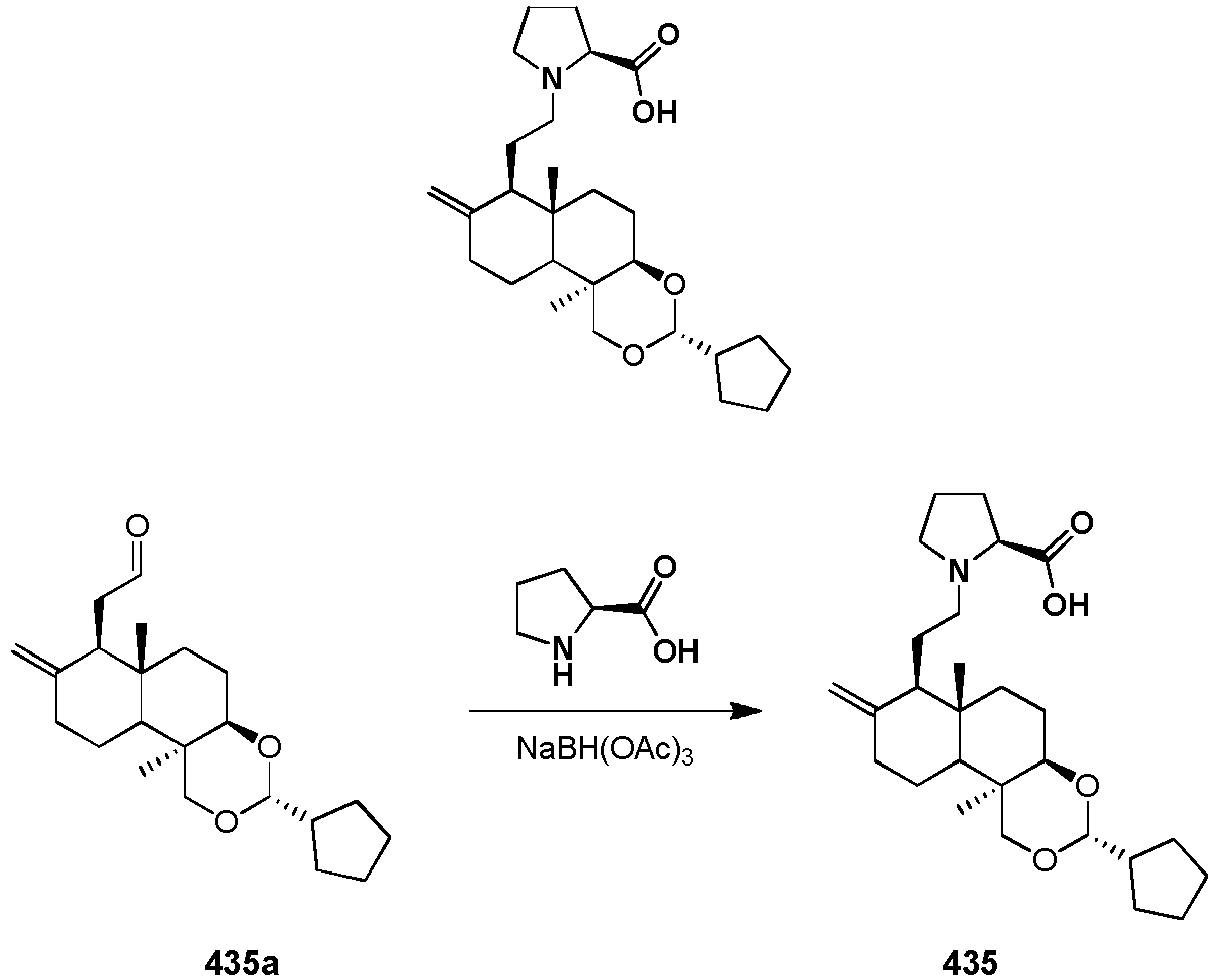
- 2-((3R,4aR,6aS,7R,10bR)-3-cyclopentyl-6a,10b-dimethyl-8-methylene-decahydro-1H-naphtho[2,1-d][1,3]dioxin-7-yl)acetaldehyde 435a (1.00g, 2.89mmol) was dissolved in tetrahydrofuran (30mL), and (S)-pyrrolidine-2-carboxylic acid (431.95mg, 3.75mmol) and acetic acid (173.30mg, 2.89mmol, 165.05uL) were added successively, and then stirred at 30°C for 1 hour. Sodium borohydride-acetic acid (1.83g, 8.66mmol) was added followed by stirring at 30°C for 11 hours. The system was filtered and concentrated. The residue was separated by column chromatography (silica, petroleum ether/ethyl acetate = 10/1 to 1/1) to give (2S)-1-(2-((3R,4aR,6aS,7R,10bR)-3-cyclopentyl-6a,10b-dimethyl-8-methylene-decahydro-1H-naphtho)[2,1-d][1,3]dioxin-7-yl)ethyl)pyrrolidine-2-carboxylic acid 435 (240mg, yield: 18.64%).
MS m/z (ESI):446.1 [M+1]
1H NMR (400MHz, CDC13) 4.89 (s, 1 H), 4.57 (d, J = 5.6 Hz, 2 H), 3.99-3.96 (m, 2 H), 3.69 (d, J = 2.8 Hz, 1 H), 3.46-3.39 (m, 2 H), 3.23 (s, 1 H), 2.89-2.75 (m, 2 H), 2.39-2.29 (m, 4 H), 1.99-1.67 (m, 11 H), 1.58-1.53 (m, 7 H), 1.51 (s, 3 H), 1.34-1.18 (m, 3 H), 0.73 (s, 3 H). -

- 2-((3R,4aR,6aS,7R,10bR)-3-cyclopentyl-6a,10b-dimethyl-8-methylene-decahydro-1H-naphtho[2,1-d][1,3]dioxin-7-yl)acetaldehyde 450a (1.50g, 4.33mmol) was dissolved in tetrahydrofuran (50mL), and (R)-pyrrolidine-2-carboxylic acid (747.77mg, 6.49mmol) and acetic acid (260.03mg, 4.33mmol, 247.65uL) were added successively, and then stirred at 40°C for 1 hour. Sodium borohydride-acetic acid (2.75g, 12.99mmol) was added followed by stirring at 40°C for 12 hours. The reaction was added with 20mL saturated sodium bicarbonate and extracted with ethyl acetate (50mL*5). The organic phase was dried over anhydrous sodium sulfate, filtered and concentrated. The residue was separated by column chromatography (silica, petroleum ether/ethyl acetate = 10/1 to 1/1) to give (2R)-1-(2-((3R,4aR,6aS,7R,10bR)-3-cyclopentyl-6a,10b-dimethyl-8-methylene-decahydro-1H-naphtho)[2,1-d][1,3]dioxin-7-yl)ethyl)pyrrolidine-2-carboxylic acid 450 (650mg, yield: 33.69%).
MS m/z (ESI):446.9 [M+1]
1H NMR (400MHz, CDC13) 4.87 (s, 1 H), 4.59-4.55 (m, 2 H), 3.99-3.71 (m, 2 H), 3.68 (d, J = 2.8 Hz, 1 H), 3.42-3.87 (m, 3 H), 2.81-2.78 (m, 2 H), 2.38-2.24 (m, 4 H), 2.24-1.97 (m, 8 H), 1.81-1.68 (m, 3 H), 1.57-1.51 (m, 7 H), 1.50 (s, 3 H), 1.34-1.19 (m, 3 H), 0.75 (s, 3 H). -

- 2-((3R,4aR,6aS,7R,10bR)-3-cyclopentyl-6a,10b-dimethyl-8-methylenedecahydro-1H-naphtho[2,1-d][1,3]dioxin-7-yl)acetaldehyde 116a (200mg, 0.58mmol) was dissolved in tetrahydrofuran (10mL), and 3-methoxypyrrolidine 116b (88mg, 0.87mmol) was added, and stirred at room temperature for 10 hours. Sodium cyanoborohydride (54mg, 0.87mmol) was added to the reaction solution and stirred at room temperature for 2 hours. The solvent was evaporated under reduced pressure and the residue was dissolved in ethyl acetate. The organic layer was washed with saturated brine and water, dried over anhydrous sodium sulfate, filtered, and the filtrate was concentrated under reduced pressure and then separated by liquid chromatography to give 1-(2-((3R,4aR,6aS,7R,10bR)-3-cyclopentyl-6a,10b-dimethyl-8-methylene-decahydro-1H-naphtho)[2,1-d][1,3]dioxin-7-yl)ethyl)-3-methoxypyrrolidine 116 (89mg, yield: 35.7%).
MS m/z (ESI): 432.3 [M+1]
1H NMR (400MHz, CDCl3) 8.55 (s, 1H), 4.85 (s, 1H), 4.58 (d, J=4.8 Hz, 1H), 4.01-3.96 (m, 2H), 3.47-3.39 (m, 2H), 3.28 (s, 3H), 3.78-1.51 (m, 24H), 1.49 (s, 3H), 1.33-1.19 (m, 3H), 0.74 (s, 3H). -
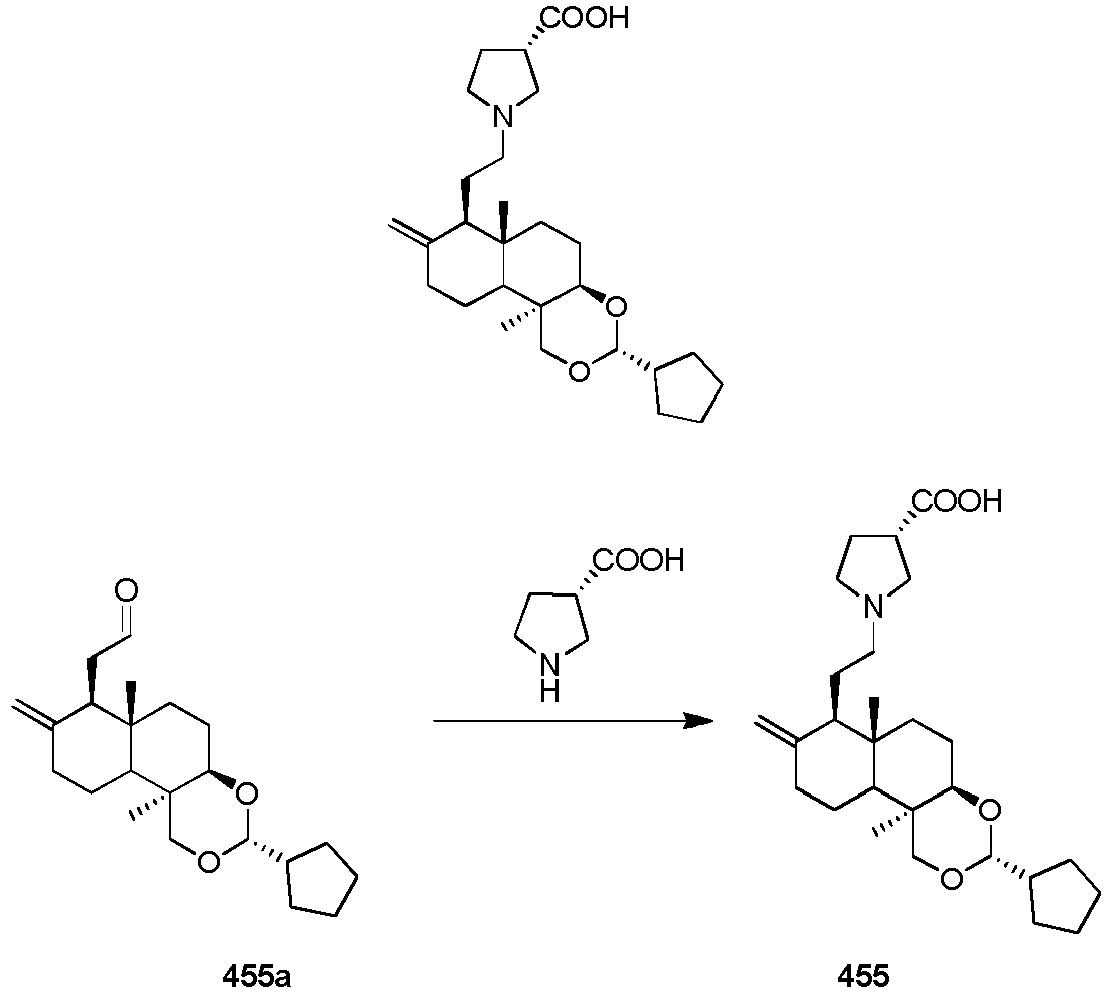
- 2-((3R,4aR,6aS,7R,10bR)-3-cyclopentyl-6a,10b-dimethyl-8-methylene-decahydro-1H-naphtho[2,1-d][1,3]dioxin-7-yl)acetaldehyde 455a (500.00mg, 1.44mmol) was dissolved in tetrahydrofuran (30mL), and (S)-pyrrolidine-3-carboxylic acid (200.00mg, 1.74mmol) and acetic acid (1.05g, 17.48mmol, 1.00mL) were added successively, and then stirred at 45°C for 1 hour. Sodium borohydride-acetic acid (1.00g, 4.72mmol) was added followed by stirring at 45°C for 8 hours. The system was concentrated. The residue was separated by column chromatography (silica, dichloromethane/methanol = 10/1 to 6/1) to give (3S)-1-(2-((3R,4aR,6aS,7R,10bR)-3-cyclopentyl-6a,10b-dimethyl-8-methylene-decahydro-1H-naphtho)[2,1-d][1,3]dioxin-7-yl)ethyl)pyrrolidine-2-carboxylic acid 455 (257mg, 39.97%).
MS m/z (ESI):446.0 [M+1]
1H NMR (400MHz, CDC13) 4.86 (s, 1H), 4.69 - 4.51 (m, 2H), 3.97 (d, J=11.3 Hz, 1H), 3.67 (d, J=18.3 Hz, 1H), 3.53 (br. s., 1H), 3.47 - 3.31 (m, 3H), 3.06 (br. s., 3H), 2.71 (br. s., 1H), 2.35 - 1.50 (m, 20H), 1.33 (s, 3H), 1.23 - 1.10 (m, 3H), 0.73 (s, 3H). -

- 2-((3R,4aR,6aS,7R,10bR)-3-cyclopentyl-6a,10b-dimethyl-8-methylenedecahydro-1H-naphtho[2,1-d][1,3]dioxin-7-yl)acetaldehyde 147a (200mg, 0.58mmol) was dissolved in tetrahydrofuran (10mL), added with (S)-methylpyrrolidine-2-carboxylate 147b (112mg, 0.87mmol) and stirred for 10 hours at room temperature. Sodium cyanoborohydride (54mg, 0.87mmol) was added to the reaction solution and stirred at room temperature for 2 hours. The solvent was evaporated under reduced pressure and the residue was dissolved in ethyl acetate. The organic layer was washed with saturated brine and water, dried over anhydrous sodium sulfate, filtered, and the filtrate was concentrated under reduced pressure and then separated by liquid chromatography to give (2S)-methyl-1-(2-((4aR,6aS,7R,10bR)-3-cyclopentyl-6a,10b-dimethyl-8-methylene-decahydro-1H-naphtho)[2,1-d][1,3]dioxin-7-yl)ethyl)pyrrolidine-2-carboxylate 147 (89mg, yield: 33.6%).
MS m/z (ESI): 460.1 [M+1]
1H NMR (400MHz, CDCl3) 8.20 (s, 1H), 4.82 (s, 1H), 4.59-4.54 (m, 2H), 4.00 (d, J=11.2 Hz, 1H), 3.48 (s, 3H), 3.48-3.26 (m, 4H), 2.58-1.53 (m, 27H), 1.51 (s, 3H), 1.42-1.20 (m, 3H), 0.73 (s, 3H). -


- 2-((3R,4aR,6aS,7R,10bR)-3-cyclopentyl-6a,10b-dimethyl-8-decahydromethylene-1H-naphtho[2,1-d][1,3]dioxin-7-yl)acetaldehyde 181a (150mg, 0.43mmol) was dissolved in tetrahydrofuran (10mL), and 8-methyl-2,8-diazaspiro[4.5]. decane 181b (180.1mg, 0.52mmol) and sodium borohydride-acetic acid (183.8mg, 0.88mmol) were added successively, then stirred at room temperature for 12 hours. The reaction solution was poured into a saturated ammonium chloride solution, the organic layer was extracted with ethyl acetate, and the organic layer was washed with water and saturated brine and dried over anhydrous sodium sulfate. The mixture was filtered, concentrated under reduced pressure and separated by the preparative liquid chromatography to give 2-(2-((3R,4aR,6aS,7R,10bR)-3-cyclopentyl-6a,10b-dimethyl-8-methylene-decahydro-1H-naphtho)[2,1-d][1,3]dioxin-7-yl)ethyl)-8-methyl-2,8-diazaspiro[4,5]decane 181 (30mg, yield: 14.3%).
MS m/z (ESI): 485.2 [M+1]
1H NMR (400MHz, CDCl3) 8.41 (s, 1H), 4.89 (s, 1H), 4.60-4.58 (m, 2H), 4.04-4.01 (m, 2H), 3.47-2.76 (m, 11H), 2.61 (s, 3H), 2.04-1.67 (m, 22H), 1.34 (s, 2H), 1.33-1.20 (m, 3H), 0.75 (s, 3H). -

- Tert-butyl 3-(hydroxymethyl)pyrrolidine-1-carboxylate 361a (500mg, 2.48mmol) was dissolved in dry methanol (10mL), added with 4M hydrochloric acid in methanol (4mL) at 0°C under nitrogen atmosphere, and stirred for 2 hours at room temperature. The reaction solution was concentrated under reduced pressure to give pyrrolidine-3-methanol hydrochloride 361b (375mg, crude product).
1H NMR (400MHz, MeOD) 3.66-3.57 (m, 2H), 3.41-3.13 (m, 4H), 2.59-2.57 (m, 1H), 2.18-2.14(m, 1H), 1.88-1.84(m, 1H). - 2-((3R,4aR,6aS,7R,10bR)-3-cyclopentyl-6a,10b-dimethyl-8-methylenedecahydro-1H-naphtho[2,1-d][1,3]dioxin-7-yl)acetaldehyde 361c (150mg, 0.43mmol) was dissolved in anhydrous tetrahydrofuran (10mL), and pyrrolidine-3-carbinol hydrochloride 361b (77mg, 0.56mmol) and triethylamine (0.18mL, 1.29mmol) were added successively, then stirred at room temperature for 0.5 hours. Sodium borohydride-acetic acid (276mg, 1.3mmol) was added to the reaction mixture, followed by stirring at room temperature for 18 hours. The reaction solution was cooled and extracted with dichloromethane (30mL). The organic layer was washed with water (10mL x 3), dried over anhydrous magnesium sulfate, filtered, and the filtrate was concentrated under reduced pressure and separated by column chromatography to give (1-(2-((3R,4aR,6aS,7R,10bR)-3-cyclopentyl-6a,10b-dimethyl-8-methylenedecahydro-1H-naphtho[2,1-d][1,3]dioxin-7-yl)ethyl)pyrrolidin-3-yl)methanol 361 (35mg, yield: 19%).
MS m/z (ESI): 431.7 [M+1]
1H NMR (400MHz, CDCl3) 4.90 (s, 1H), 4.64-4.58 (m, 2H), 4.00 (d, J=11.6 Hz, 1H), 3.72-3.67 (m, 4H), 3.44-3.40 (m, 4H), 2.67-1.51 (m, 23H), 1.50(s, 3H), 1.34-1.20(m, 4H), 0.76 (s, 3H). -

- 2-((3R,4aR,6aS,7R,10bR)-3-cyclopentyl-6a,10b-dimethyl-8-methylenedecahydro-1H-naphtho[2,1-d][1,3]dioxin-7-yl)acetaldehyde 123a (200mg, 0.58mmol) was dissolved in tetrahydrofuran (10mL), added with morpholine 123b (76mg, 0.87mmol) and stirred at room temperature for 10 hours. Sodium cyanoborohydride (54mg, 0.87mmol) was added to the reaction solution and stirred at room temperature for 2 hours. The solvent was distilled off under reduced pressure, and the residue was dissolved in ethyl acetate. The organic layer was washed with saturated brine and water, dried over anhydrous sodium sulfate, filtered, and the filtrate was concentrated under reduced pressure to give 4-(2-((3R,4aR,6aS,7R,10bR)-3-cyclopentyl-6a,10b-dimethyl-8-methylenedecahydro-1H-naphtho[2,1-d][1,3]dioxin-7-yl)ethyl)morpholine 123 (86mg, yield: 35.7%).
MS m/z (ESI): 418.2 [M+1]
1H NMR (400MHz, CDCl3) 8.51 (s, 2H), 4.88 (s, 2H), 4.59-4.51 (m, 3H), 4.15 (d, J=11.2 Hz, 1H), 3.99 (d, J=11.2 Hz, 1H), 3.71-3.69 (m, 4H), 3.48-3.29 (m, 3H), 2.95-1.77 (m, 15H), 1.34 (s, 3H), 1.24-1.20 (m, 7H), 0.75 (s, 3H), 0.64 (s, 3H). -
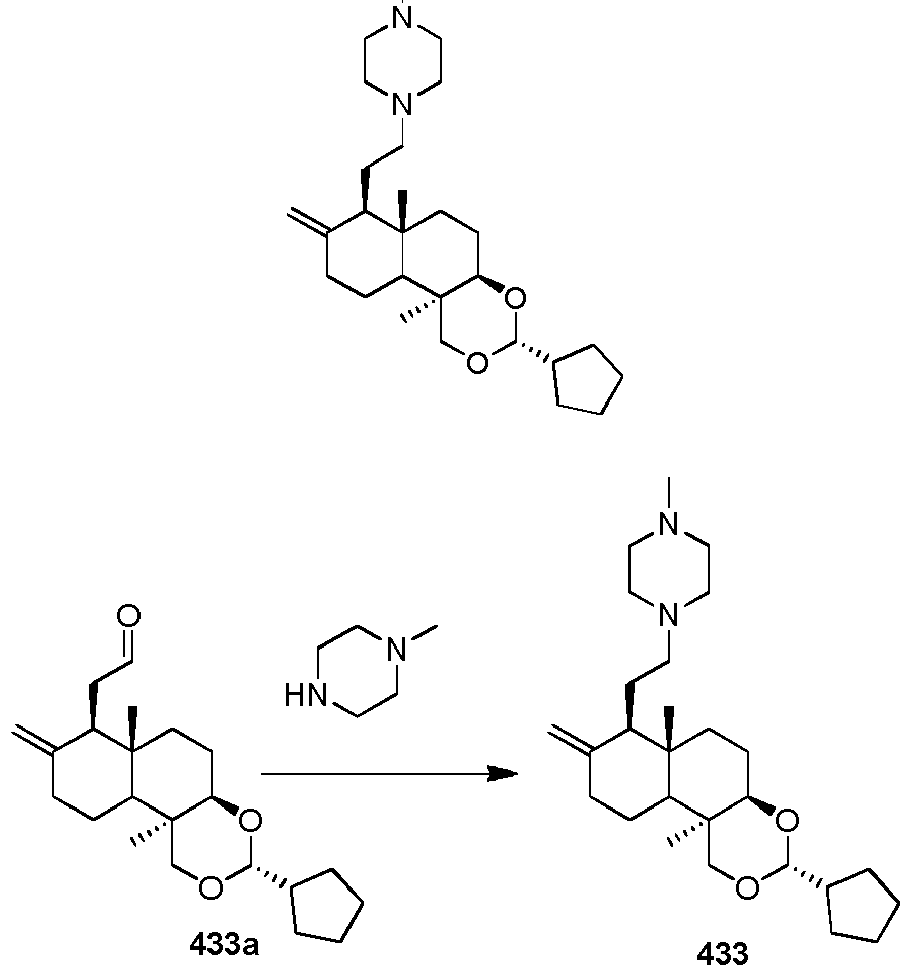
- 2-((3R,4aR,6aS,7R,10bR)-3-cyclopentyl-6a,10b-dimethyl-8-methylene-decahydro-1H-naphtho[2,1-d][1,3]dioxin-7-yl)acetaldehyde 433a (3.00g, 8.66mmol) was dissolved in tetrahydrofuran (20mL), and 1-methylpiperazine (4.34g, 43.30mmol, 4.82mL) and triethylamine (4.38g, 43.29mmol, 6.00mL) were added successively, and then stirred at 25°C for 4 hours. Sodium borohydride-acetic acid (5.50g, 25.97mmol) was added and stired at 25°C for 8 hours. The reaction solution was diluted with 20mL water and extracted with ethyl acetate (20mL*2). The organic phase was dried over anhydrous sodium sulfate, filtered and concentrated. The residue was separated by column chromatography (silica, dichloromethane/methanol = 50/1 to 10/1) to give 1-(2-((3R,4aR,6aS,7R,10bR)-3-cyclopentyl-6a,10b-dimethyl-8-methylene-decahydro-1H-naphtho[2,1-d][1,3]dioxin-7-yl)ethyl)-4-methylpiperazine 433 (1g, yield: 26.81%).
MS m/z (ESI):431.4 [M+1]
1H NMR (400MHz, CDC13) 4.83 (s, 1H), 4.64 - 4.51 (m, 2H), 4.01 (d, J=11.3 Hz, 1H), 3.54 - 3.33 (m, 2H), 2.71 - 2.33 (m, 9H), 2.29 (s, 3H), 2.26 - 2.15 (m, 2H), 2.12 - 2.02 (m, 2H), 1.98 - 1.84 (m, 2H), 1.80 - 1.62 (m, 5H), 1.60 - 1.38 (m, 8H), 1.34 (s, 3H), 1.25 - 1.06 (m, 3H), 0.74 (s, 3H). -

- 2-((4aR,6aS,7R,10bR)-3-cyclopentyl-6a,10b-dimethyl-8-methylenedecahydro-1H-naphtho[2,1-d][1,3]dioxin-7-yl)acetaldehyde 160a (300mg, 0.87mmol) was dissolved in tetrahydrofuran (10mL), added with 4-(pyrrolidin-1-yl)piperidine 160b (200mg, 1.30mmol) and stirred for 10 hours at room temperature. Sodium cyanoborohydride (426mg, 1.74mmol) was added to the reaction solution and stirred at room temperature for 2 hours. The solvent was distilled off under reduced pressure and the residue was dissolved in ethyl acetate. The organic layer was washed with saturated brine and water, dried over anhydrous sodium sulfate, filtered, and the filtrate was concentrated under reduced pressure to give 1-(2-((3R,4aR,6aS,7R,10bR)-3-cyclopentyl-6a,10b-dimethyl-8-methylene-decahydro-1H-naphtho[2,1-d][1,3]dioxin-7-yl)ethyl)-4-(pyrrolidin-1-yl)piperidine 160 (59mg, yield: 12.2%).
MS m/z (ESI): 485.2 [M+1]
1H NMR (400MHz, CDCl3) 8.40 (s, 1H), 4.86(s, 1H), 4.59-4.56(m, 1H), 4.15-3.98 (m, 1H), 3.48-3.10 (m, 10H), 2.48-1.55 (m, 29H), 1.34(s, 3H), 1.23-1.15(m, 4H), 0.75(s, 3H). -
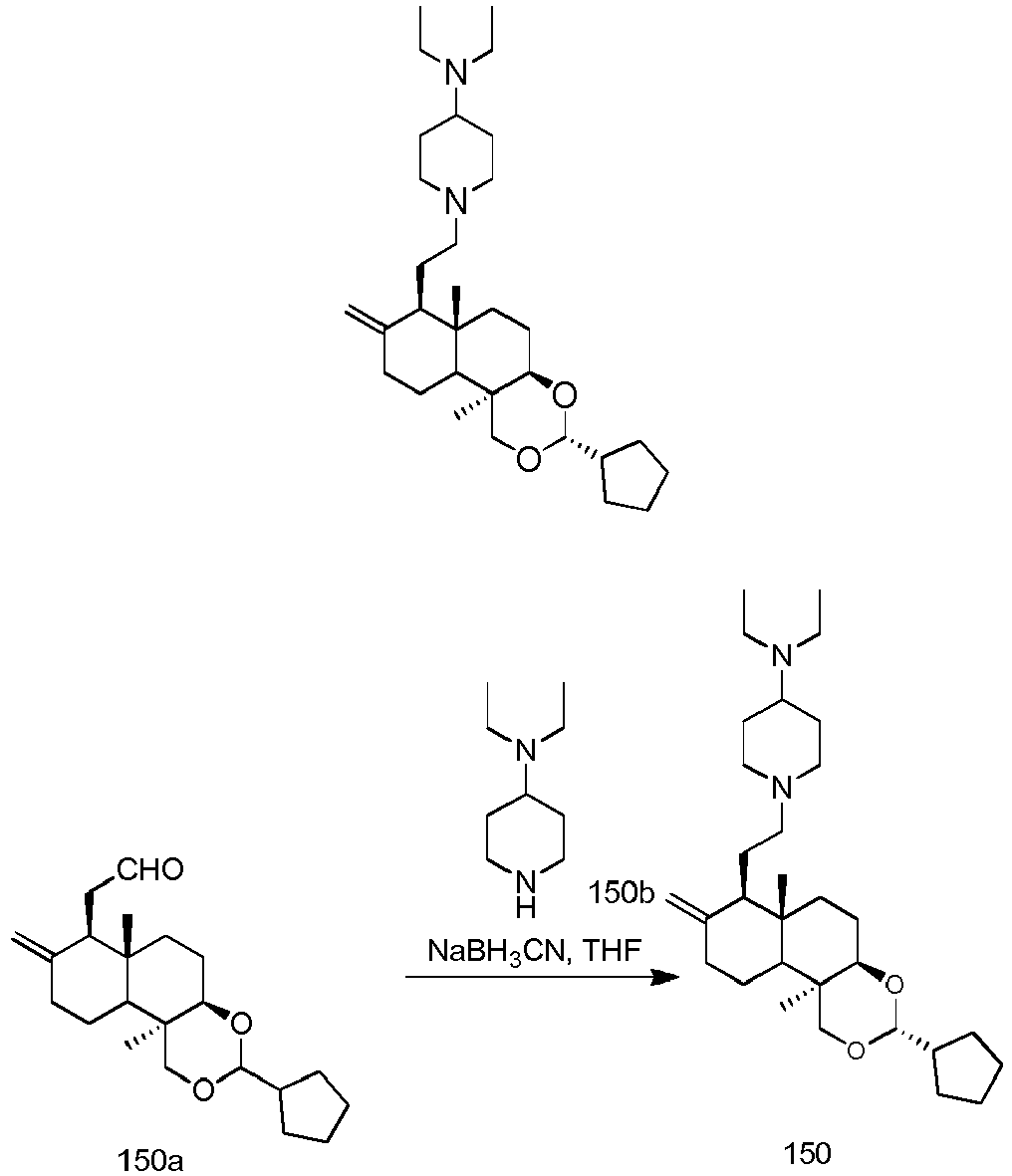
- 2-((4aR,6aS,7R,10bR)-3-cyclopentyl-6a,10b-dimethyl-8-methylenedecahydro-1H-naphtho[2,1-d][1,3]dioxin-7-yl)acetaldehyde 150a (200mg, 0.58mmol) was dissolved in tetrahydrofuran (10mL), added with N,N-diethylpiperidin-4-amine 150b (136mg, 0.87mmol), and stirred at room temperature for 10 hours. Sodium cyanoborohydride (54mg, 0.87mmol) was added to the reaction solution and stirred at room temperature for 2 hours. The solvent was distilled off under reduced pressure, and the residue was dissolved in ethyl acetate. The organic layer was washed with saturated brine and water, dried over anhydrous sodium sulfate, filtered, and the filtrate was concentrated under reduced pressure to give 1-(2-((4aR,6aS,7R,10bR)-3-cyclopentyl-6a,10b-dimethyl-8-methylene-decahydro-1H-naphtho[2,1-d][1,3]dioxin-7-yl)ethyl)-N,N-diethylpiperidin-4-amine 150 (106mg, yield: 37.8%).
MS m/z (ESI): 487.2 [M+1]
1H NMR (400MHz, CDCl3) 8.44 (s, 1H), 4.86 (s, 1H), 4.59-4.56 (m, 2H), 4.00(d, J=11.6 Hz, 1H), 3.45-2.96 (m, 9H), 2.40-1.51 (m, 27H), 1.37-1.20 (m, 14H), 0.75(s, 3H). -

- 2-((3R,4aR,6aS,7R,10bR)-3-cyclopentyl-6a,10b-dimethyl-8-methylene-decahydro-1H-naphtho[2,1-d][1,3]dioxin-7-yl)acetaldehyde 451a (500.00mg, 1.44mmol) was dissolved in tetrahydrofuran (20mL), and piperidine-2-carboxylic acid (280.00mg, 2.17mmol) and acetic acid (1.05g, 17.48mmol, 1.00mL) were added successively and stirred at 45°C for 1 hour. Sodium borohydride-acetic acid (915.58mg, 4.32mmol) was added followed by stirring at 45°C for 8 hours. The reaction solution was diluted with 150mL water and extracted with ethyl acetate (50mL*3). The organic phase was dried over anhydrous sodium sulfate, filtered and concentrated. The residue was separated by column chromatography (silica, dichloromethane/methanol = 20/1) to give (2R)-1-(2-((3R,4aR,6aS,7R,10bR)-3-cyclopentyl-6a,10b-dimethyl-8-methylene-decahydro-1H-naphtho[2,1-d][1,3]dioxin-7-yl)ethyl)piperidine-2-carboxylic acid 451 (83mg, yield: 12.54%).
MS m/z (ESI):460.4 [M+1]
1H NMR (400MHz, CDC13) 4.84 (s, 1H), 4.59 (d, J=5.5 Hz, 1H), 4.53 (br. s., 1H), 3.98 (d, J=11.5 Hz, 1H), 3.63 (d, J=9.5 Hz, 1H), 3.49 - 3.32 (m, 4H), 2.94 - 2.68 (m, 2H), 2.42 - 2.17 (m, 3H), 2.14 - 1.39 (m, 21H), 1.34 (s, 3H), 1.27 - 1.11 (m, 3H), 0.74 (s, 3H). -

- 2-((3R,4aR,6aS,7R,10bR)-3-cyclopentyl-6a,10b-dimethyl-8-methylene-decahydro-1H-naphtho[2,1-d][1,3]dioxin-7-yl)acetaldehyde 002a (2.0g, 5.8mmol) was dissolved in tetrahydrofuran (30mL), and piperidin-4-ylmethanol (1.0g, 8.7mmol) and triethylamine (1.17g, 11.6mmol) were added successively, then stirred at 20°C for 2 hours. Sodium borohydride-acetic acid (3.69g, 17.4mmol) was added followed by stirring at 20°C for 24 hours. The reaction solution was diluted with 20mL water and extracted with dichloromethane (50mL*5). The organic phase was dried over anhydrous sodium sulfate, filtered and concentrated. The residue was separated by column chromatography (silica, dichloromethane/methanol = 10/1) to give (1-(2-((3R,4aR,6aS,7R,10bR)-3-cyclopentyl-6a,10b-dimethyl-8-methylene-decahydro-1H-naphtho[2,1-d][1,3]dioxin-7-yl)ethyl)piperidin-4-yl)methanol 002 (2g, yield: 77.8%).
MS m/z (ESI):446.9 [M+1]
1H NMR (400MHz, CDC13) 4.86 (s, 1H), 4.60-4.58 (m, 2H), 4.01 (d, J = 10.8 Hz, 1H), 3.53-3.40 (m, 4H), 3.38-3.25(m, 2H), 2.75-2.60 (m, 1H), 2.41-2.38 (m, 2H), 2.23-2.10 (m, 3H), 2.10-1.50 (m, 22H), 1.35 (s, 3H), 1.20-1.10(m, 3H), 0.75 (s, 3H). -

- 2-((3R,4aR,6aS,7R,10bR)-3-cyclopentyl-6a,10b-dimethyl-8-methylenedecahydro-1H-naphtho[2,1-d][1,3]dioxin-7-yl)acetaldehyde 256a (150mg, 0.43mmol) was dissolved in methanol (10mL), and piperidine-4-carboxylic acid 256b (280mg, 2.17mmol) and three drops of acetic acid were added successively to the reaction solution and stirred at room temperature for 0.5 hours. Sodium cyanoborohydride (75mg, 1.29mmol) was added to the reaction solution and stirred at room temperature for 17 hours. The reaction solution was added to water (20mL), extracted with dichloromethane (20mL x 8), and the organic layer was dried over anhydrous sodium sulfate, filtered, and the filtrate was concentrated under reduced pressure and separated by preparative liquid chromatography to give 1-(2-((3R,4aR,6aS,7R,10bR)-3-cyclopentyl-6a,10b-dimethyl-8-methylene-decahydro-1H-naphtho[2,1-d][1,3]dioxin-7-yl)ethyl)piperidin-4-carboxylic acid 256 911mg, yield: 5.5%).
MS m/z (ESI): 460.1 [M+1]
1H NMR (400MHz, CDCl3) 4.89 (s, 1H), 4.62-4.60 (m, 1H), 4.01 (d, J=11.2 Hz, 1H), 3.49-3.42 (m, 3H), 2.98-1.36 (m, 26H), 1.22 (m, 3H), 0.77(s, 3H). -

- 2-((3R,4aR,6aS,7R,10bR)-3-cyclopentyl-6a,10b-dimethyl-8-methylene-decahydro-1H-naphtho[2,1-d][1,3]dioxin-7-yl)acetaldehyde 456a (250.00mg, 721.50umol) was dissolved in tetrahydrofuran (20mL), and (3R)-morpholine-3-carboxylic acid (100.29mg, 764.79umol) and acetic acid (525.00mg, 8.74mmol, 500.00uL) were added successively, then stirred at 45°C for 1 hour. Sodium borohydride-acetic acid (500.00mg, 2.36mmol) was added and stirred at 45°C for 8 hours. The system was concentrated. The residue was separated by column chromatography (silica, dichloromethane/methanol = 20/1 to 10/1) to give (3R)-4-(2-((3R,4aR,6aS,7R,10bR))-3-cyclopentyl-6a,10b-dimethyl-8-methylene-decahydro-1H-naphtho[2,1-d][1,3]dioxin-7-yl)ethyl)morpholine-3-carboxylic acid 456 (84mg, yield: 25.22%).
MS m/z (ESI):462.1 [M+1]
1H NMR (400MHz, MeOD) 4.88 - 4.83 (m, 1H), 4.76 (s, 1H), 4.70 (d, J=5.5 Hz, 1H), 4.16 (d, J=10.5 Hz, 1H), 4.08 (d, J=11.3 Hz, 1H), 4.01 (d, J=12.3 Hz, 1H), 3.78 (t, J=11.4 Hz, 1H), 3.69 (t, J=10.9 Hz, 1H), 3.55 - 3.42 (m, 3H), 3.02 (t, J=9.8 Hz, 1H), 2.75 (br. s., 1H), 2.49 - 2.30 (m, 2H), 2.24 - 1.38 (m, 18H), 1.35 (s, 3H), 1.31 - 1.21 (m, 3H), 0.84 (s, 3H). -

- 6-Oxo-1,6-dihydropyridine-3-carboxylic acid 457a (1.00g, 7.19mmol) was dissolved in methanol (20.00mL) and added with sulfuric acid (1.11g, 11.29mmol, 601.72uL), then stirred at 70°C for 10 hours. The reaction was quenched with 40mL saturated sodium bicarbonate solution and extracted with ethyl acetate (50mL*3). The combined organic phases were washed with saturated brine (40mL), dried over anhydrous sodium sulfate, filtered and concentrated to give methyl 6-oxo-1,6-dihydropyridine-3-carboxylate 457b (0.8g, crude product).
1H NMR (400MHz, CDC13) 13.17 (br. s., 1H), 8.21 (d, J=2.5 Hz, 1H), 8.01 (dd, J=2.5, 9.5 Hz, 1H), 6.58 (d, J=9.5 Hz, 1H), 3.87 (s, 3H). - (3R,4aR,6aS,7R,10bR)-7-(2-bromoethyl)-3-cyclopentyl-6a,10b-dimethyl-8-dihydromethylene-1H-naphtho[2,1-d][1,3]dioxin 457c (700.00mg, 1.70mmol) was dissolved in N,N-dimethylformamide (20.00mL), cesium carbonate (1.66g, 5.10mmol) and methyl 6-oxo-1,6-dihydropyridine-3-carboxylate 457b (299.39mg, 1.95mmol) were added successively, then stirred at 80°C for 10 hours. The reaction solution was filtered and concentrated, and the residue was separated by column chromatography (silica, petroleum ether/ethyl acetate = 100/0 to 2/1) to give methyl 1-(2-((3R,4aR,6aS,7R,10bR)-3-cyclopentyl-6a,10b-dimethyl-8-dihydromethylene-1H-naphtho[2,1-d][1,3]dioxin-7-yl)ethyl)-6-oxo-1,6-dihydropyridine-3-carboxylate 457d (a colorless oil, 450mg, crude product).
1H NMR (400MHz, CDC13) 8.06 (d, J=2.5 Hz, 1H), 7.81 (dd, J=2.3, 9.3 Hz, 1H), 6.49 (d, J=9.5 Hz, 1H), 4.94 (s, 1H), 4.79 (s, 1H), 4.55 (d, J=6.0 Hz, 1H), 4.20 - 4.11 (m, 1H), 3.97 (d, J=11.0 Hz, 1H), 3.84 (s, 3H), 3.66 (ddd, J=6.8, 8.8, 12.5 Hz, 1H), 3.46 - 3.35 (m, 2H), 2.42 (d, J=13.6 Hz, 1H), 2.19 (dq, J=2.8, 13.1 Hz, 1H), 2.05 - 1.44 (m, 16H), 1.34 - 1.29 (m, 3H), 1.24 - 1.06 (m, 3H), 0.72 (s, 3H). - Methyl 1-(2-((3R,4aR,6aS,7R,10bR)-3-cyclopentyl-6a,10b-dimethyl-8-dihydromethylene-1H-naphtho[2,1-d][1,3]dioxin-7-yl)ethyl)-6-oxo-1,6-dihydropyridine-3-carboxylate 457d (450.00mg, 930.44umol) was dissolved in methanol (10.00mL), and potassium hydroxide (300.00mg, 5.35mmol) and water (10.00mL) were added successively, followed by stirring at 70°C for 8 hours. The system was adjusted to pH=5-6 with hydrochloric acid solution (1M) and then extracted with ethyl acetate (30mL*3). The combined organic phases were washed with saturated brine, dried over anhydrous sodium sulfate, filtered and concentrated to give 1-(2-((3R,4aR,6aS,7R,10bR)-3-cyclopentyl-6a,10b-dimethyl-8-dihydromethylene-1H-naphtho[2,1-d][1,3]dioxin-7-yl)ethyl)-6-oxo-1,6-dihydropyridine-3-carboxylic acid 457 (260mg, yield: 55.1%).
MS m/z (ESI):470.3[M+1]
1H NMR (400MHz, DMSO-d6) 8.08 (br. s., 1H), 7.82 (d, J=9.5 Hz, 1H), 6.23 (d, J=9.0 Hz, 1H), 4.91 (d, J=11.0 Hz, 2H), 4.62 (d, J=5.0 Hz, 1H), 4.13 - 4.00 (m, 1H), 3.91 (d, J=11.0 Hz, 1H), 3.56 (d, J=12.0 Hz, 1H), 3.31 (d, J=11.5 Hz, 2H), 2.40 - 2.18 (m, 2H), 1.98 - 1.39 (m, 16H), 1.23 (s, 3H), 1.17 - 1.02 (m, 3H), 0.66 (s, 3H). -

- (3R,4aR,6aS,7R,10bR)-7-(2-bromoethyl)-3-cyclopentyl-6a,10b-dimethyl-8-dihydromethylene-1H-naphtho[2,1-d][1,3]dioxin 458a (500.00mg, 1.22mmol) was dissolved in N,N-dimethylformamide (10.00mL), followed by successive addition of potassium carbonate (337.23mg, 2.44mmol) and ethyl 1H-pyrazole-4-carboxylate (222.26mg, 1.59mmol), then stirred at 80°C for 4 hours. The reaction solution was filtered and concentrated, and the residue was separated by column chromatography (silica, petroleum ether/ethyl acetate = 10/1 to 2/1) to give ethyl 1-(2-((3R,4aR,6aS,7R,10bR)-3-cyclopentyl-6a,10b-dimethyl-8-dihydromethylene-1H-naphtho[2,1-d][1,3]dioxin-7-yl)ethyl)-1H-pyrazole-4-carboxylate 458b (a white solid, 300mg, yield: 52.25%).
1H NMR (400MHz, CDC13) 7.93 (s, 1 H), 7.84 (s, 1 H), 4.97 (s, 1 H), 4.66 (s, 1 H), 4.60 (d, J = 6 Hz, 1 H), 4.34-4.29 (m, 3 H), 4.03-4.00 (m, 2 H), 3.46-3.42 (m, 2 H), 2.21 (s, 1 H), 2.06-1.65 (m, 7 H), 1.56-1.51 (m, 9 H), 1.50-1.35 (m, 11 H), 1.18-0.83 (m, 3 H), 0.78 (s, 3 H). - Ethyl 1-(2-((3R,4aR,6aS,7R,10bR)-3-cyclopentyl-6a,10b-dimethyl-8-dihydromethylene-1H-naphtho[2,1-d][1,3]dioxin-7-yl)ethyl)-1H-pyrazole-4-carboxylate 458b (200.00mg, 424.95umol) was dissolved in tetrahydrofuran (9.00mL), and lithium hydroxide monohydrate (89.15mg, 2.12mmol) and water (3.00mL) were added, followed by stirring at 40°C for 12 hours. The tetrahydrofuran was removed by rotary evaporation under reduced pressure, and the system was adjusted to Ph=3 with a hydrochloric acid solution (1M) and then extracted with ethyl acetate (50mL*3). The combined organic phases were washed with saturated brine, dried over anhydrous sodium sulfate, filtered and concentrated to give 1-(2-((3R,4aR,6aS,7R,10bR)-3-cyclopentyl-6a,10b-dimethyl-8-dihydromethylene-1H-naphtho[2,1-d][1,3]dioxin-7-yl)ethyl)-1H-pyrazole-4-carboxylic acid 458 (100mg, yield: 52.11%).
MS m/z (ESI):443.2[M+1]
1H NMR (400MHz, CDCl3) 7.96 (s, 1 H), 7.86 (s, 1 H), 4.95 (s, 1 H), 4.64 (s, 1 H), 4.58 (d, J = 5.6 Hz, 1 H), 4.25 (s, 1 H), 4.01-3.98 (m, 2 H), 3.46-3.40 (m, 2 H), 2.42 (s, 1 H), 2.20-1.65 (m, 7 H), 1.56-1.51 (m, 9 H), 1.50-1.35 (m, 11 H), 1.18-0.83 (m, 3 H), 0.78 (s, 3 H). -

- (4S,E)-4-hydroxy-3-(2-((1R,5R,6R,8aS)-6-hydroxy-5-(hydroxymethyl)-5,8a-dimethyl-2-methylenedecahydronaphthalen-1-yl)ethylene)dihydrofuran-2(3H)-one 130a (30g, 85.7mmol) was dissolved in dichloromethane (100mL), and 3,4-difluoro benzaldehyde (12.5g, 85.7mol) and Macroporous resin-15 (30g) were added successively. The mixture was stirred at room temperature until the reaction of the starting material was completed. The reaction solution was filtered, the filter cake was washed with dichloromethane, the filtrates were combined and concentrated under reduced pressure to give (4S,E)-3-(2-((3R,4aR,6aS,7R,10bR)-3-cyclopentyl-6a,10b-dimethyl-8-methylenedecahydro-1H-naphtho[2,1-d][1,3]dioxin-7-yl)ethylene)-4-hydroxydihydrofuran-2(3H)-one 130b (28.3g, crude product, yield: 69.7%).
- (4S,E)-3-(2-((3R,4aR,6aS,7R,10bR)-3-(3,4-difluorophenyl)-6a,10b-dimethyl-8-methylenedecahydro-1H-naphtho[2,1-d][1,3]dioxin-7-yl)ethylene)-4-hydroxydihydrofuran-2(3H)-one 130b (10g, 21.1mmol) was dissolved in dichloromethane (150mL) and pyridine (5mL), added with zinc dust (1.37g, 21.1mmol) at -78°C, and introduced with ozone at this temperature, followed by stirring for 5 minutes. The remaining ozone gas was discharged with nitrogen. After the temperature was gradually raised to room temperature, the zinc powder was removed by filtration. The filtrate was concentrated under reduced pressure and separated by column chromatography to give 2-((3R,4aR,6aS,7R,10bR)-3-(3,4-difluorophenyl)-6a,10b-dimethyl-8-methylenedecahydro-1H-naphtho[2,1-d][1,3]dioxin-7-yl)acetaldehyde 130c (1.2g, yield: 14.5%).
- 2-((3R,4aR,6aS,7R,10bR)-3-(3,4-difluorophenyl)-6a,10b-dimethyl-8-methylenedecahydro-1H-naphtho[2,1-d][1,3]dioxin-7-yl)acetaldehyde 130c (200mg, 0.51mmol) was dissolved in tetrahydrofuran (10mL), added with piperidine-4-methanol (88mg, 0.77mmol) and stirred at room temperature for 10 hours. Sodium cyanoborohydride (63mg, 1.02mmol) was added to the reaction mixture and stirred at room temperature for 2 hours. The solvent was distilled off under reduced pressure and the residue was dissolved in ethyl acetate. The organic layer was washed with saturated brine and water, dried over anhydrous sodium sulfate, filtered, and the filtrate was concentrated under reduced pressure and then separated by liquid chromatography to give (1-(2-((3R,4aR,6aS,7R,10bR)-3-(3,4-difluorophenyl)-6a,10b-dimethyl-8-methylenedecahydro-1H-naphtho[2,1-d][1,3]dioxin-7-yl)ethyl)piperidin-4-yl)methanol 130 (82mg, yield: 32.8%).
MS m/z (ESI): 490.3 [M+1]
1H NMR (400MHz, CDCl3) 7.25-7.09 (m, 3H), 5.70 (s, 1H), 4.85 (s, 1H), 4.61 (s, 1H), 4.23 (d, J=11.2 Hz, 1H), 3.67-3.49 (m, 4H), 2.99-2.94 (m, 2H), 2.47-1.60 (m, 19H), 1.43 (s, 3H), 1.31-1.18 (m, 5H), 0.80 (s, 3H). -

- 2-((3R,4aR,6aS,7R,10bR)-3-(3,4-difluorophenyl)-6a,10b-dimethyl-8-methylenedecahydro-1H-naphtho[2,1-d][1,3]dioxin-7-yl)acetaldehyde 214a (10.0g, 25.6mmol) was dissolved in 150mL tetrahydrofuran, and added with sodium borohydride (2.91g, 76.8mmol) at 0°C. The reaction was stirred at 25°C for 3 hours, quenched with 100mL water, and the mixture solution was extracted with ethyl acetate (50mL*3). The organic phases were combined, washed with saturated sodium chloride solution (30mL*1), dried over anhydrous sodium sulfate and filtered, and the filtrate was concentrated under reduced pressure to give 2-((3R,4aR,6aS,7R,10bR)-3-(3,4-difluorophenyl)-6a,10b-dimethyl-8-methylenedecahydro-1H-naphtho[2,1-d][1,3]dioxin-7-yl)ethanol 214b (7g, crude product)..
- 2-((3R,4aR,6aS,7R,10bR)-3-(3,4-difluorophenyl)-6a,10b-dimethyl-8-methylenedecahydro-1H-naphtho[2,1-d][1,3]dioxin-7-yl)ethanol 214b (1.0g, 2.5mmol) and carbon tetrabromide (1.7g, 5.1mmol) were dissolved in dichloromethane (15mL), added with triphenylphosphine (1.3g, 5.1mmol) at 0°C and stirred at room temperature for 18 hours. The reaction solution was added with water (30mL) and extracted with dichloromethane (80mL). The organic layer was washed with saturated brine and water, dried over anhydrous sodium sulfate, filtered, and the filtrate was concentrated under reduced pressure and separated by column chromatography to give (3R,4aR,6aS,7R,10bR)-7-(2-bromoethyl)-3-(3,4-difluorophenyl)-6a,10b-dimethyl-8-methylenedecahydrogen-1H-naphtho[2,1-d][1,3]dioxin 214c (1.02g, yield: 87.9%).
1H NMR (400MHz, CDCl3) 7.35-7.20 (m, 1 H), 7.20-7.13 (m, 2 H), 5.72 (s, 1 H), 4.90 (s, 1 H), 4.54 (s, 1 H), 4.24 (d, J=11.6 Hz, 1 H), 3.67-3.55 (m, 3 H), 3.31-3.29 (m, 1 H), 2.43-1.82 (m, 9 H), 1.45 (s, 3 H), 1.32-1.27 (m, 3 H), 0.82 (s, 3H). - Sodium hydrogen (22mg, 0.55mmol) was dissolved in N,N-dimethylformamide (10mL), and pyrrolidine-2,5-dione (36mg, 0.37mmol) was added at 0°C and stirred at 0°C for 10 minutes. (3R,4aR,6aS,7R,lObR)-7-(2-bromoethyl)-3-(3,4-difluorophenyl)-6a,10b-dimethyl-8-methylenedecahydro-1H-naphtho[2,1-d][1,3]dioxin 214c (200mg, 0.44mmol) was added to the reaction mixture and stirred at room temperature for 18 hours. The reaction solution was quenched with water (10mL) and extracted with ethyl acetate (30mL). The organic layer was washed with saturated brine and water, dried over anhydrous sodium sulfate, filtered, and the filtrate was concentrated under reduced pressure and separated on a thin layer chromatography plate to give 1-(2-((3R,4aR,6aS,7R,10bR)-3-(3,4-difluorophenyl)-6a,10b-dimethyl-8-methylenedecahydro-1H-naphtho[2,1-d][1,3]dioxin-7-yl)ethyl)pyrrolidine-2,5-dione 214 (92mg, yield: 53.1%).
1H NMR (400MHz, CDCl3) 7.38-7.33 (m, 1 H), 7.21-7.12 (m, 2 H), 5.72 (s, 1 H), 4.97 (s, 1 H), 4.86 (s, 1 H), 4.25 (d, J=11.6 Hz, 1 H), 3.76-3.41 (m, 4 H), 2.72 (s, 4 H), 2.45-1.83 (m, 6 H), 1.83 (s, 3 H), 1.75 (s, 3 H), 1.69-1.25 (m, 3 H), 0.80 (s, 3H). -

- 1-Chloro-2-isocyanatoethane 212a (5.0g, 47.4mmol) was dissolved in dry tetrahydrofuran (200mL), and slowly added with 2M methylamine tetrahydrofuran solution (23.7mL) at 0°C, and stirred for 3 hours at room temperature. The reaction solution was concentrated under reduced pressure to give 1-(2-chloroethyl)-3-methylurea 212b (6.2g, yield: 95.8%).
1H NMR (400MHz, DMSO) 6.17(brs, 1H), 5.91 (brs, 1H), 3.55 (t, J=6.0 Hz, 2H), 3.31 (s, 1H), 3.28 (t, J=6.0 Hz, 1H), 2.53 (d, J=4.8 Hz, 3H). - 1-(2-Chloroethyl)-3-methylurea 212b (2.0g, 14.64mmol) was dissolved in dry tetrahydrofuran (100mL) and sodium hydrogen (1.4g, 35.14mmol) was added in portions at 0°C. Upon the completion of addition, the reaction was stirred at room temperature overnight. The reaction solution was quenched with water (1mL), concentrated under reduced pressure and passed through column chromatography to give 1-methyltetrahydroimidazol-2-one 212c (1.3g, yield: 89%).
1H NMR (400MHz, CDCl3) 4.83 (brs, 1H), 3.42 (t, J=2.4 Hz, 4H), 2.78 (s, 3H). - 1-methyltetrahydroimidazol-2-one 212c (26mg, 0.26mmol) was dissolved in N,N-dimethylformamide (1mL) and sodium hydrogen (13mg, 0.33mmol) was slowly added at 0°C, and stirred at 0°C for 0.5 hours, then stirred at room temperature for 0.5 hours. (3R,4aR,6aS,7R,10bR)-7-(2-bromoethyl)-3-(3,4-difluorophenyl)-6a,10b-dimethyl-8-decahydromethylene-1H-naphtho[2,1-d][1,3]dioxin (100 mg, 0.22 mmol) was added to the reaction mixture at 0°C and stirred at 20°C for 20 hours. The reaction solution was extracted with ethyl acetate (50mL x 3), and the organic layer was washed with saturated brine and water, dried over anhydrous sodium sulfate, filtered, and the filtrate was concentrated under reduced pressure and separated on a thin layer chromatography plate to give 3-(2-((3R,4aR,6aS,7R,10bR)-3-(3,4-difluorophenyl)-6a,10b-dimethyl-8-decahydromethylene-1H-naphtho[2,1-d][1,3]dioxin-7-yl)ethyl)-1-methyltetrahydroimidazol-2-one 212 (19mg, yield: 18.3%).
MS m/z (ESI): 475.2 [M+1]
1H NMR (400MHz, CDCl3) 7.37-7.32 (m, 1H), 7.20-7.13 (m, 2H), 5.72(s, 1H), 4.91 (s, 1H), 4.68 (s, 1H), 4.24(d, J=11.6 Hz, 1H), 3.65-3.12 (m, 8H), 2.79 (s, 3H), 2.42-1.76 (m, 6H), 1.66(s, 2H), 1.44 (s, 3H), 1.29-1.23 (m, 3H), 0.81 (s, 3H). -
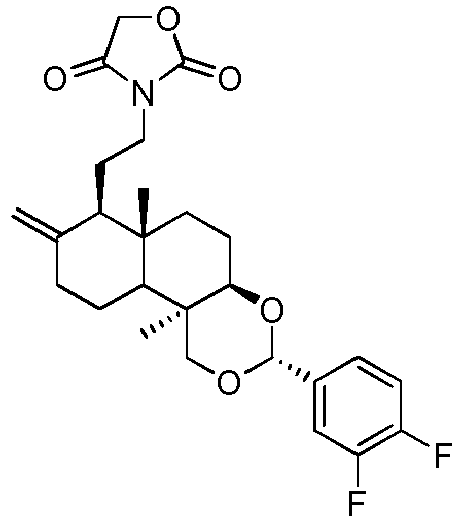

- 2-Hydroxyacetamide 251b (2.0g, 26.6mmol) and potassium tert-butoxide (3.0g, 26.6mmol) were dissolved in dry methanol (50mL), added with diethyl carbonate 215a (3.8g, 31.9mmol) and stirred at reflux for 20 hours. The reaction solution was cooled, concentrated under reduced pressure, dissolved in water and acidified to pH=2 with 6M hydrochloric acid solution. The mixture was extracted with ethyl acetate (100mL x 3), and the organic layer was washed with saturated brine and water, dried over anhydrous sodium sulfate, filtered, and the filtrate was concentrated under reduced pressure to give oxazolidine-2,4-dione 215c (1.2g, crude product).
1H NMR (400MHz, DMSO) 4.75 (s, 2 H), 3.91 (s, 1 H). - (4aR,6aS,7R,10bR)-7-(2-bromoethyl)-3-(3,4-difluorophenyl)-6a,10b-dimethyl-8-methylenedecahydro-1H-naphtho[2,1-d][1,3]dioxin 215d (150mg, 0.33mmol) and potassium carbonate (91mg, 0.66mmol) were dissolved in N,N-dimethylformamide (2mL), added with oxazolidine-2,4-dione 215c (67mg, 0.66mmol) and stirred at 80°C for 1.5 hours. The reaction solution was quenched with water and extracted with dichloromethane (50mL x 3). The organic layer was washed with saturated brine and water, dried over anhydrous sodium sulfate, filtered, and the filtrate was concentrated under reduced pressure and separated on a thin layer chromatography plate to give 3-(2-((3R,4aR,6aS,7R,10bR)-3-(3,4-difluorophenyl)-6a,10b-dimethyl-8-methylenedecahydro-1H-naphtho[2,1-d][1,3]dioxin-7-yl)ethyl)oxazolidine-2,4-dione 215 (70mg, yield: 44.7%).
1H NMR (400MHz, CDCl3) 7.36-7.31 (m, 1 H), 7.19-7.12 (m, 2 H), 5.70(s, 1 H), 4.96 (s, 1 H), 4.78 (s, 1 H), 4.68 (s, 1 H), 4.22 (d, J=11.6 Hz, 1 H), 3.68-3.45 (m, 4 H), 2.48-1.78 (m, 6 H), 1.69 (s, 3 H), 1.28-1.25 (m, 3 H), 0.79(s, 3H). -

- NaH (16mg, 0.4mmol) was dissolved in N,N-dimethylformamide (10mL) and tetrahydroimidazole-2,4-dione (66mg, 0.66mmol) was added at 0°C, and stirred at 0°C for 15 minutes. (3R,4aR,6aS,7R,10bR)-7-(2-bromoethyl)-3-(3,4-difluorophenyl)-6a,10b-dimethyl-8-methylenedecahydro-1H-naphtho[2,1-d][1,3]dioxin 230a (150mg, 0.33mmol) was added to the reaction mixture and stirred at 25°C for 16 hours. The reaction solution was added to water (10mL) and extracted with ethyl acetate (30mL). The organic layer was dried over anhydrous sodium sulfate, filtered, and the filtrate was concentrated under reduced pressure and then separated by column chromatography to give 3-(2-((3R,4aR,6aS,7R,10bR)-3-(3,4-difluorophenyl)-6a,10b-dimethyl-8-methylenedecahydro-1H-naphtho[2,1-d][1,3]dioxin-7-yl)ethyl)oxazolidine-2,4-dione 230 (70mg, yield: 44.8%).
1H NMR (400MHz, CDCl3) 7.37-7.22 (m, 3 H), 5.81 (s, 1 H), 4.83 (s, 1 H), 4.31(d, J=11.6Hz, 1 H), 3.94(d, J=8.4Hz, 4 H), 3.68-3.39 (m, 4 H), 2.47-1.71(m, 8 H), 1.42 (s, 3 H), 1.34-1.32(m, 4 H), 0.82 (s, 3H). -

- (1-(2-((3R,4aR,6aS,7R,10bR)-3-cyclopentyl-6a,10b-dimethyl-8-methylene-decahydro-1H-naphtho[2,1-d][1,3]dioxin-7-yl)ethyl)piperidin-4-yl)methanol 265a (300.00mg, 673.13umol) was dissolved in hydrochloric acid (2.5mL, 3M), then stirred at 70°C under nitrogen atmosphere for 12 hours. The system was adjusted to pH=8 with sodium hydroxide solution (4M) and then separated by preparative liquid chromatography to give (1R,2R,4aS,5R)-1-(hydroxymethyl)-5-(2-(4-(hydroxymethyl)piperidin-1-yl)ethyl-1,4a-dimethyl-6-methylene-decahydro-naphthalenemethanol-2-ol 265 (50.5mg, yield: 20.52%).
MS m/z (ESI):366.1[M+1]
1H NMR (400MHz, CDC13) 4.24 (d, J=11.3 Hz, 1H), 3.59 - 3.42 (m, 4H), 3.34 (d, J=11.3 Hz, 1H), 3.06 (br. s., 2H), 2.37 (br. s., 1H), 2.19 - 1.58 (m, 15H), 1.58 - 1.17 (m, 9H), 0.92 (s, 3H). - The inhibitory effect of the compound on LPS-induced IL-6 release level from THP-1 cells was evaluated by measuring the level of IL-6 in the cell culture supernatant.
- Experimental Materials:
- Cell line: THP-1 cell line
- THP-1 cell culture medium (RPMI 1640, Gibco # 22400-089, 10% serum Gibco # 10099-141)
- LPS, 1 mg/ml (Sigma# L5293)
- DPBS (Hyclone, #SH30028.01B)
- Human IL-6 CBAkit, BD#558276
- CBA Human Soluble Protein Master Buffer Kit, BD#558265
- Dexamethasone: J&K#308890
- 96-well Cell Plate, Corning#
- CO2 incubator, Thermo#371
- Centrifuge, Eppendorf #5810R
- Vi-cell Cell Counter, Beckman Coulter
- FACSCalibur, BD# 97500540
- Experimental procedures and methods:
- a) Cell inoculation
- 1) The medium was preheated in a 37°C water bath.
- 2) The suspension cells in the culture flask were blown well, transferred to a centrifuge tube and centrifuged at room temperature at 1200rpm for 5 minutes, the supernatant was discarded, and resuspended to 10mL by adding with culture medium;
- 3) 1 mL of cell resuspension was drawn and counted with Vi-cell.
- 4) THP-1 cells were diluted with culture medium to 5 × 10⁵/mL and the cells were added to a 96-well plate (100 ul/well, 5 × 10⁵ cells/well);
- b) Compound adding:
- 1) The compound was dissolved in DMSO to 30 mM and diluted 3 times with DMSO to 4 gradients, i.e. 30mM, 10mM, 3mM, 1mM, respectively. 4ul was taken from each above solution and added to 1ml of culture solution to make 120uM, 40uM, 12uM, 4uM. 50ul per well was taken and added to wells with cells to give final concentrations of 30uM, 10uM, 3uM, and 1uM, respectively. Dexamethasone was added as a positive drug into an individual cell well with a final concentration of 100nM.
- c) Cell stimulation
The LPS 1mg/ml solution was diluted to 800ng/ml with the culture solution and added to the cell culture wells at 50ul/well. - d) Cell incubation and detection
The cell culture plate was placed in a 37°C incubator, and the supernatant was collected after culturing for 24 hours. The level of IL-6 in the supernatant was detected by CBA. - Table 1 Test results of inflammatory factor IL-6 detected by CBA- inhibition rate @ 10uM
Test sample (Title compound) Inhibition rate@10uM Compound 297 A Compound 420 C Compound 321 C Compound 319 B Compound 430 B Compound 357 A Compound 339 C Compound 344 A Compound 310 A Compound 443 B Compound 442 B Compound 317 A Compound 351 A Compound 289 A Compound 422 B Compound 423 B Compound 407 A Compound 409 C Compound 441 B Compound 448 C Compound 447 C Compound 397 A Compound 410 B Compound 415 A Compound 406 C Compound 436 C Compound 431 A Compound 432 A Compound 428 B Compound 417 C Compound 349 A Compound 312 C Compound 453 A Compound 445 C Compound 452 B Compound 454 B Compound 385 A Compound 402 A Compound 416 A Compound 400 A Compound 411 A Compound 412 A Compound 429 C Compound 446 C Compound 405 C Compound 408 C Compound 399 A Compound 281 B Compound 313 B Compound 366 A Compound 482 A Compound 483 B Compound 426 B Compound 463 A Compound 484 A Compound 373 B Compound 386 C Compound 403 C Compound 404 C Compound 284 B Compound 191 C Compound 207 B Compound 345 B Compound 355 C Compound 196 B Compound 149 B Compound 163 A Compound 435 C Compound 450 A Compound 116 B Compound 455 A Compound 147 C Compound 181 C Compound 361 B Compound 123 C Compound 433 A Compound 160 A Compound 150 B Compound 451 B Compound 002 C Compound 256 C Compound 456 A Compound 457 A Compound 458 B Compound 130 C Compound 214 A Compound 212 A Compound 215 C Compound 230 A Compound 265 C Note: A>60%; 30% <B≤60%; C≤30%; - Conclusion: the compounds of the invention have a significant inhibitory effect on the inflammatory factor IL-6.
Claims (14)
- A compound represented by formula (I) and (II), pharmaceutically acceptable salt or tautomer thereof,
 W is O, N(R5) or a ring
 R5 is H, or a C1-3 alkyl optionally substituted by 1, 2 or 3 halogen, OH, NH2, COOH, NHMe or N(Me)2;L1 and L4 are selected from a single bond and -(CRR)1-3-;R1, R4 are selected from H, COOH, or are each independently selected from the group consisting of NH2, a C1-6 alkyl, a C1-6 heteroalkyl, a 5-10 membered aryl and a 5-10 membered heteroaryl, which are optionally substituted with 1, 2, or 3 R or R';R2, R3 are each independently selected from H, or are each independently selected from the group consisting of a C1-6 alkyl, a C1-6 heteroalkyl, a C3-6 cycloalkyl and a 3-6 membered heterocycloalkyl, a 5-6 membered aryl or heteroaryl, which are optionally substituted with 1, 2, or 3 R or R';optionally, R2 and R3 can be linked together to form a 4-7 membered ring;the ring A is selected from a 4-10 membered ring which is optionally substituted with 1, 2 or 3 R';R is independently selected from F, Cl, Br, I, OH, NH2, CN, C(=O)OH, or from the group consisting of a C1-6 alkyl, a C1-6 heteroalkyl, a -L-C3-6 cycloalkyl, and a -L-3-6 membered heterocycloalkyl, which is optionally substituted with 1, 2 or 3 R';L is a single bond, -O-, -S-, -C(=O)NH-, -NH-, -C(=O)O-, -C(=O)-, -C(=S)-, -S(=O)-, -S(=O)2;R' is independently selected from halogen, CN, OH, N(CH3)2, NH(CH3), NH2, CHO, C(=O)OH, C(=O)NH2, S(=O)NH2, S(=O)2NH2, trihalomethyl, dihalomethyl, monohalomethyl, aminomethyl, hydroxymethyl, methyl, methoxy, formyl, methoxycarbonyl, Boc, methylsulfonyl, methylsulfinyl, ethyl, n-propyl, isopropyl, C3-6 membered cycloalkyl, and 3-6 membered heterocycloalkyl;"hetero" refers to a heteroatom or a heteroatomic group selected from the group consisting of -C(=O)N(R)-, -N(R)-, -C(=NR)-, -S(=O)2N(R) -, -S(=O)N(R)-, -O-, -S-, =O, =S, -C(=O)O-, -C(=O)-, -C(=S)-, -S(=O)-, -S(=O)2- and -N(R)C(=O)N(R)-;in any of the above cases, the number of heteroatom or heteroatom group is independently selected from 1, 2 or 3.
 - The compound, pharmaceutically acceptable salt or tautomer thereof according to claim 1, wherein R' is each independently selected from the group consisting of F, Cl, Br, I, OH, NH2, CN, Me, CF3, Et, N(CH3)2, C(=O)OH, Boc,


- The compound, pharmaceutically acceptable salt or tautomer thereof according to claim 1, wherein R is selected from the group consisting of F, Cl, Br, I, OH, NH2, CN and C(=O)OH, or is selected from the group consisting of Me, Et, OMe, OEt,


specifically, R is selected from the group consisting of F, Cl, Br, I, OH, NH2, CN, C(=O)OH, Me, Et, OMe,


- The compound, pharmaceutically acceptable salt or tautomer thereof according to any one of claims 1-3, wherein R5 is selected from H,

- The compound, pharmaceutically acceptable salt or tautomer thereof according to any one of claims 1-3, wherein the ring


- The compound, pharmaceutically acceptable salt or tautomer thereof according to any one of claims 1-3, wherein L1 and L4 are selected from a single bond and a methylene.
- The compound, pharmaceutically acceptable salt or tautomer thereof according to any one of claims 1-3, wherein R1 and R4 are selected from H, COOH, or are selected from the group consisting of NH2, C1-4 alkyl, C1-4 heteroalkyl, azetidinyl, pyrrolidinyl, tetrahydropyranyl, piperidinyl, cyclohexyl, phenyl, pyridinyl, pyridine-2(1H)-keto, pyrimidyl, pyrazolyl, thiazolyl, benzothiazolyl, imidazo[1,2-b]pyridazinyl, isoxazolyl and thienyl, which is optionally substituted with 1, 2 or 3 R;
specifically, R1 and R4 are selected from H, COOH, or are selected from the group consisting of NH2,


more specifically, R1 and R4 are selected from the group consisting of


- The compound, pharmaceutically acceptable salt or tautomer thereof according to any one of claims 1-3, wherein R2 and R3 are independently selected from H, or independently selected from the group consisting of Me, Et, n-propyl,


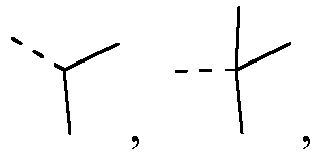


- The compound, pharmaceutically acceptable salt or tautomer thereof according to any one of claims 1-3, wherein R2 and R3 can be linked together to form

- The compound, pharmaceutically acceptable salt or tautomer thereof according to any one of claims 1-3, wherein R2 and R3 can be linked together, the structure unit


- The compound, pharmaceutically acceptable salt or tautomer thereof according to any one of claims 1-3, which is selected from the group consisting of

- The compound, pharmaceutically acceptable salt or tautomer thereof according to any one of claims 1-3, which is selected from the group consisting of

- The compound according to any one of claims 1-3, which is selected from the group consisting of


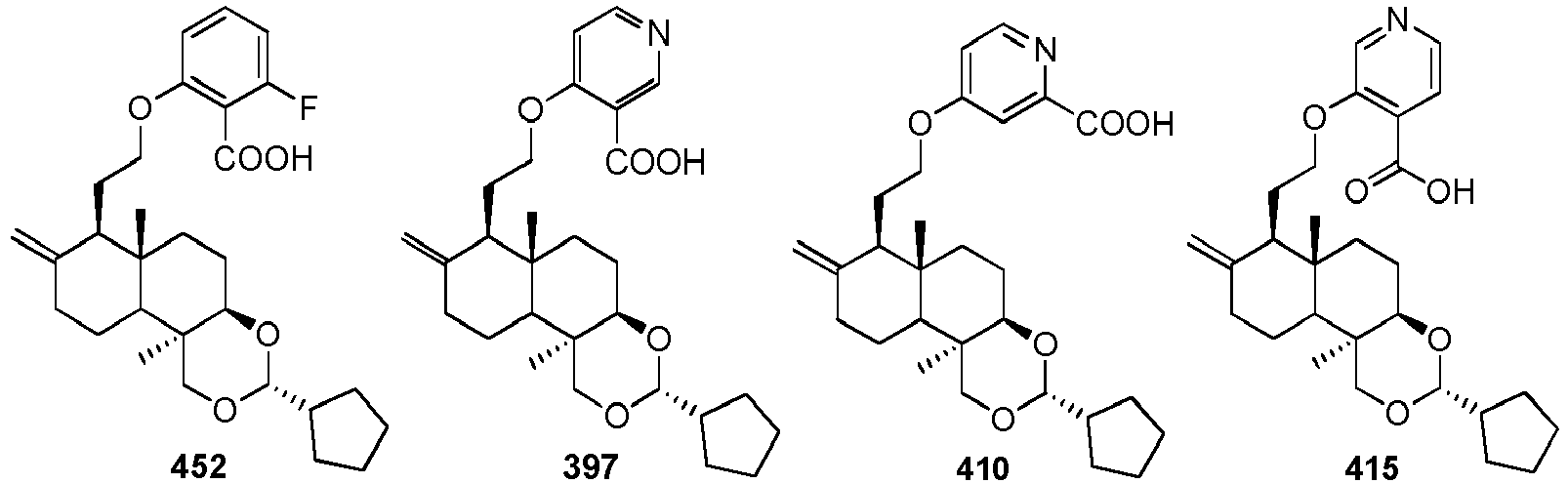


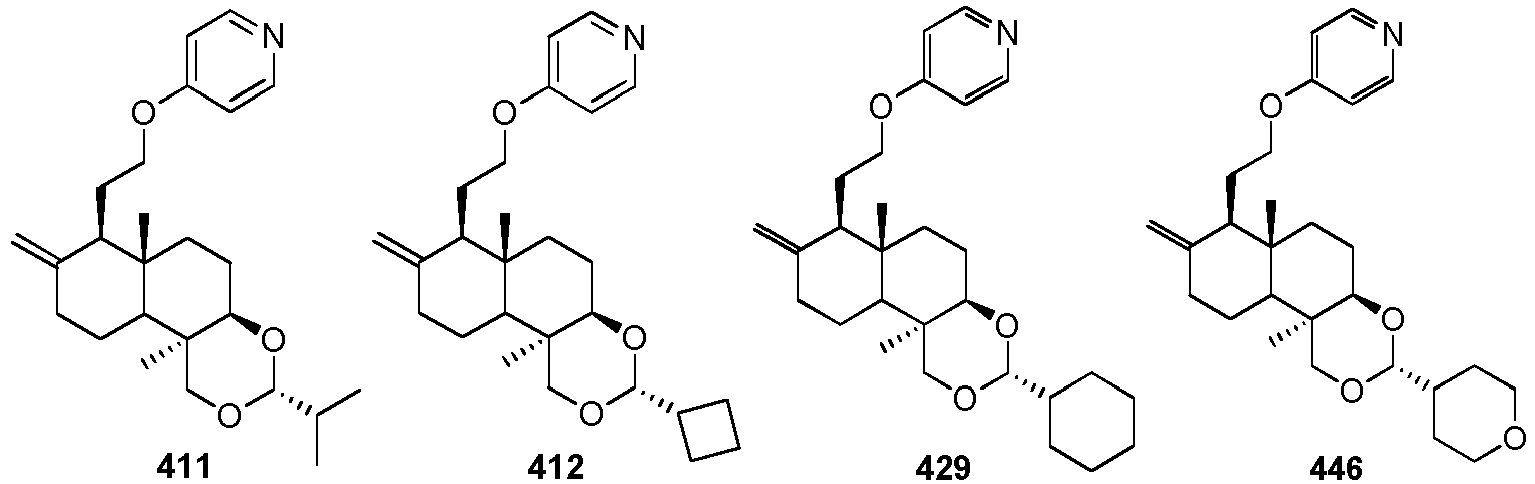


- A use of the compound or the pharmaceutically acceptable salt according to any one of claims 1-13 in manufacturing a medicament for the treatment and prevention of inflammatory diseases; specifically, the disease is selected from the group consisting of pneumonia, upper respiratory tract infection and arthritis; more specifically, the pneumonia is selected from the group consisting of viral pneumonia and bacterial pneumonia.
Applications Claiming Priority (3)
| Application Number | Priority Date | Filing Date | Title |
|---|---|---|---|
| CN201510843708.8A CN106800551B (en) | 2015-11-26 | 2015-11-26 | Andrographolide modified compound |
| CN201610990566 | 2016-11-10 | ||
| PCT/CN2016/106820 WO2017088738A1 (en) | 2015-11-26 | 2016-11-22 | Modified compound of andrographolide |
Publications (2)
| Publication Number | Publication Date |
|---|---|
| EP3381912A1 true EP3381912A1 (en) | 2018-10-03 |
| EP3381912A4 EP3381912A4 (en) | 2019-01-09 |
Family
ID=58763949
Family Applications (1)
| Application Number | Title | Priority Date | Filing Date |
|---|---|---|---|
| EP16867961.1A Withdrawn EP3381912A4 (en) | 2015-11-26 | 2016-11-22 | Modified compound of andrographolide |
Country Status (5)
| Country | Link |
|---|---|
| US (1) | US10717720B2 (en) |
| EP (1) | EP3381912A4 (en) |
| CN (1) | CN108368081B (en) |
| TW (1) | TW201720806A (en) |
| WO (1) | WO2017088738A1 (en) |
Cited By (1)
| Publication number | Priority date | Publication date | Assignee | Title |
|---|---|---|---|---|
| EP3632909A4 (en) * | 2017-05-24 | 2020-12-23 | Heilongjiang Zhenbaodao Pharmaceutical Co., Ltd. | SALT AND CRYSTALLINE FORM OF MODIFIED ANDROGRAPHOLIDE COMPOUND AND MANUFACTURING METHOD FOR IT |
Family Cites Families (5)
| Publication number | Priority date | Publication date | Assignee | Title |
|---|---|---|---|---|
| AU2001256568A1 (en) | 2000-05-05 | 2001-11-20 | Dr. Reddy's Research Foundation | New compounds having anticancer activity: process for their preparation and pharmaceutical compositions containing them |
| CN101012211B (en) | 2007-02-06 | 2010-12-15 | 中国药科大学 | Substituted andrographolide derivatives, preparation method and pharmaceutical composition thereof |
| CN101371832B (en) | 2007-08-20 | 2012-05-09 | 烟台靶点药物研究有限公司 | Medical use of triacetyl andrographolide as proinflammatory cytokine inhibitor |
| DE102014202704A1 (en) | 2014-02-14 | 2015-08-20 | Beiersdorf Ag | Cosmetic or dermatological preparations containing decalin derivatives and use of decalin derivatives for tanning the skin |
| CN106800551B (en) | 2015-11-26 | 2021-05-11 | 黑龙江珍宝岛药业股份有限公司 | Andrographolide modified compound |
-
2016
- 2016-11-22 WO PCT/CN2016/106820 patent/WO2017088738A1/en not_active Ceased
- 2016-11-22 EP EP16867961.1A patent/EP3381912A4/en not_active Withdrawn
- 2016-11-22 US US15/778,785 patent/US10717720B2/en active Active
- 2016-11-22 CN CN201680069261.6A patent/CN108368081B/en not_active Expired - Fee Related
- 2016-11-24 TW TW105138592A patent/TW201720806A/en unknown
Cited By (2)
| Publication number | Priority date | Publication date | Assignee | Title |
|---|---|---|---|---|
| EP3632909A4 (en) * | 2017-05-24 | 2020-12-23 | Heilongjiang Zhenbaodao Pharmaceutical Co., Ltd. | SALT AND CRYSTALLINE FORM OF MODIFIED ANDROGRAPHOLIDE COMPOUND AND MANUFACTURING METHOD FOR IT |
| US11299482B2 (en) | 2017-05-24 | 2022-04-12 | Medshine Discovery, Inc. | Salt and crystal form of modified andrographolide compound and preparation method thereof |
Also Published As
| Publication number | Publication date |
|---|---|
| WO2017088738A1 (en) | 2017-06-01 |
| US20180346438A1 (en) | 2018-12-06 |
| TW201720806A (en) | 2017-06-16 |
| EP3381912A4 (en) | 2019-01-09 |
| CN108368081B (en) | 2021-07-09 |
| CN108368081A (en) | 2018-08-03 |
| US10717720B2 (en) | 2020-07-21 |
Similar Documents
| Publication | Publication Date | Title |
|---|---|---|
| CN116234807B (en) | Quinazoline compounds | |
| TW202311260A (en) | Sulfoximine-containing ATR inhibitor compound | |
| AU2017359025A1 (en) | Cyclobutane- and azetidine-containing mono and spirocyclic compounds as alpha V integrin inhibitors | |
| AU2021207672A1 (en) | Therapeutic agents and methods of treatment | |
| TWI750685B (en) | Disubstituted pyrazole compounds | |
| EP3805223A1 (en) | 2,3-dihydro-1h-pyrrolizine-7-formamide derivative and application thereof | |
| CN113474333B (en) | New substituted sulfonylurea derivatives | |
| CN117177744A (en) | CDK2 inhibitors and methods of use | |
| EP3587420B1 (en) | Tri-cycle compound and applications thereof | |
| TW202315870A (en) | Inhibiting agents for bruton's tyrosine kinase | |
| CN108727406A (en) | The cyclosubstituted benzene of nitrogen-containing hetero and Evil piperazine oxazolidinone compounds and its preparation method and application | |
| AU2022271927B2 (en) | Compound having anti-tumor activity and use thereof | |
| CN112469716B (en) | Dihydropyrimidine derivatives and uses thereof | |
| KR102679411B1 (en) | oxo-substituted compounds | |
| CN106800551B (en) | Andrographolide modified compound | |
| CN111606970B (en) | A 1,5-diazabicyclo[5,3,0]decanone amino acid derivative and its preparation method and application | |
| JP2020509020A (en) | Azetidine derivative | |
| CN108368081B (en) | Andrographolide modified compound | |
| KR20230083276A (en) | autotaxin inhibitor compounds | |
| CA2403424C (en) | Flavone derivatives, preparation method and use as medicines | |
| CN112279853A (en) | Selective JAK1 inhibitor compound and preparation method and application thereof | |
| NO322011B1 (en) | Aminomethylpyrrolidine derivatives having aromatic substituents | |
| CN111315750A (en) | Pyridopyrimidines as dual mTORC1/2 kinase inhibitors | |
| CN116368131A (en) | A Novel Smad3 Protein Degradant and Its Application | |
| EP3498715B1 (en) | Anti-hcmv virus compound |
Legal Events
| Date | Code | Title | Description |
|---|---|---|---|
| STAA | Information on the status of an ep patent application or granted ep patent |
Free format text: STATUS: THE INTERNATIONAL PUBLICATION HAS BEEN MADE |
|
| PUAI | Public reference made under article 153(3) epc to a published international application that has entered the european phase |
Free format text: ORIGINAL CODE: 0009012 |
|
| STAA | Information on the status of an ep patent application or granted ep patent |
Free format text: STATUS: REQUEST FOR EXAMINATION WAS MADE |
|
| 17P | Request for examination filed |
Effective date: 20180615 |
|
| AK | Designated contracting states |
Kind code of ref document: A1 Designated state(s): AL AT BE BG CH CY CZ DE DK EE ES FI FR GB GR HR HU IE IS IT LI LT LU LV MC MK MT NL NO PL PT RO RS SE SI SK SM TR |
|
| AX | Request for extension of the european patent |
Extension state: BA ME |
|
| A4 | Supplementary search report drawn up and despatched |
Effective date: 20181211 |
|
| RIC1 | Information provided on ipc code assigned before grant |
Ipc: A61P 31/04 20060101ALI20181205BHEP Ipc: C07D 319/08 20060101AFI20181205BHEP Ipc: A61P 29/00 20060101ALI20181205BHEP Ipc: A61K 31/357 20060101ALI20181205BHEP Ipc: A61K 31/436 20060101ALI20181205BHEP Ipc: A61P 11/00 20060101ALI20181205BHEP Ipc: C07D 405/12 20060101ALI20181205BHEP |
|
| DAV | Request for validation of the european patent (deleted) | ||
| DAX | Request for extension of the european patent (deleted) | ||
| STAA | Information on the status of an ep patent application or granted ep patent |
Free format text: STATUS: EXAMINATION IS IN PROGRESS |
|
| 17Q | First examination report despatched |
Effective date: 20200930 |
|
| GRAP | Despatch of communication of intention to grant a patent |
Free format text: ORIGINAL CODE: EPIDOSNIGR1 |
|
| STAA | Information on the status of an ep patent application or granted ep patent |
Free format text: STATUS: GRANT OF PATENT IS INTENDED |
|
| RIC1 | Information provided on ipc code assigned before grant |
Ipc: C07D 405/06 20060101ALI20241212BHEP Ipc: C07D 413/12 20060101ALI20241212BHEP Ipc: C07D 413/06 20060101ALI20241212BHEP Ipc: C07D 409/12 20060101ALI20241212BHEP Ipc: C07D 405/14 20060101ALI20241212BHEP Ipc: C07D 211/44 20060101ALI20241212BHEP Ipc: A61P 19/02 20060101ALI20241212BHEP Ipc: C07D 405/12 20060101ALI20241212BHEP Ipc: A61K 31/357 20060101ALI20241212BHEP Ipc: A61K 31/436 20060101ALI20241212BHEP Ipc: A61P 29/00 20060101ALI20241212BHEP Ipc: A61P 11/00 20060101ALI20241212BHEP Ipc: A61P 31/04 20060101ALI20241212BHEP Ipc: C07D 319/08 20060101AFI20241212BHEP |
|
| INTG | Intention to grant announced |
Effective date: 20241220 |
|
| STAA | Information on the status of an ep patent application or granted ep patent |
Free format text: STATUS: THE APPLICATION IS DEEMED TO BE WITHDRAWN |
|
| 18D | Application deemed to be withdrawn |
Effective date: 20250423 |