EP3378490A1 - Ectopic ossification treatment drug having mechanism for blocking par1 - Google Patents
Ectopic ossification treatment drug having mechanism for blocking par1 Download PDFInfo
- Publication number
- EP3378490A1 EP3378490A1 EP16866386.2A EP16866386A EP3378490A1 EP 3378490 A1 EP3378490 A1 EP 3378490A1 EP 16866386 A EP16866386 A EP 16866386A EP 3378490 A1 EP3378490 A1 EP 3378490A1
- Authority
- EP
- European Patent Office
- Prior art keywords
- fop
- pari
- drug
- ectopic ossification
- fibroblasts
- Prior art date
- Legal status (The legal status is an assumption and is not a legal conclusion. Google has not performed a legal analysis and makes no representation as to the accuracy of the status listed.)
- Granted
Links
Images




Classifications
-
- G—PHYSICS
- G01—MEASURING; TESTING
- G01N—INVESTIGATING OR ANALYSING MATERIALS BY DETERMINING THEIR CHEMICAL OR PHYSICAL PROPERTIES
- G01N33/00—Investigating or analysing materials by specific methods not covered by groups G01N1/00 - G01N31/00
- G01N33/48—Biological material, e.g. blood, urine; Haemocytometers
- G01N33/50—Chemical analysis of biological material, e.g. blood, urine; Testing involving biospecific ligand binding methods; Immunological testing
- G01N33/68—Chemical analysis of biological material, e.g. blood, urine; Testing involving biospecific ligand binding methods; Immunological testing involving proteins, peptides or amino acids
- G01N33/6887—Chemical analysis of biological material, e.g. blood, urine; Testing involving biospecific ligand binding methods; Immunological testing involving proteins, peptides or amino acids from muscle, cartilage or connective tissue
-
- A—HUMAN NECESSITIES
- A61—MEDICAL OR VETERINARY SCIENCE; HYGIENE
- A61K—PREPARATIONS FOR MEDICAL, DENTAL OR TOILETRY PURPOSES
- A61K31/00—Medicinal preparations containing organic active ingredients
- A61K31/33—Heterocyclic compounds
- A61K31/395—Heterocyclic compounds having nitrogen as a ring hetero atom, e.g. guanethidine or rifamycins
- A61K31/435—Heterocyclic compounds having nitrogen as a ring hetero atom, e.g. guanethidine or rifamycins having six-membered rings with one nitrogen as the only ring hetero atom
- A61K31/44—Non condensed pyridines; Hydrogenated derivatives thereof
- A61K31/4427—Non condensed pyridines; Hydrogenated derivatives thereof containing further heterocyclic ring systems
- A61K31/443—Non condensed pyridines; Hydrogenated derivatives thereof containing further heterocyclic ring systems containing a five-membered ring with oxygen as a ring hetero atom
-
- A—HUMAN NECESSITIES
- A61—MEDICAL OR VETERINARY SCIENCE; HYGIENE
- A61K—PREPARATIONS FOR MEDICAL, DENTAL OR TOILETRY PURPOSES
- A61K45/00—Medicinal preparations containing active ingredients not provided for in groups A61K31/00 - A61K41/00
-
- A—HUMAN NECESSITIES
- A61—MEDICAL OR VETERINARY SCIENCE; HYGIENE
- A61P—SPECIFIC THERAPEUTIC ACTIVITY OF CHEMICAL COMPOUNDS OR MEDICINAL PREPARATIONS
- A61P19/00—Drugs for skeletal disorders
- A61P19/08—Drugs for skeletal disorders for bone diseases, e.g. rachitism, Paget's disease
-
- A—HUMAN NECESSITIES
- A61—MEDICAL OR VETERINARY SCIENCE; HYGIENE
- A61P—SPECIFIC THERAPEUTIC ACTIVITY OF CHEMICAL COMPOUNDS OR MEDICINAL PREPARATIONS
- A61P43/00—Drugs for specific purposes, not provided for in groups A61P1/00-A61P41/00
Definitions
- the present invention relates to a therapeutic drug for ectopic ossification having a mechanism to inhibit PARI.
- the present invention more specifically relates to a drug for treating or preventing ectopic ossification, which is a pathological condition characteristically observed in FOP.
- Fibrodysplasia ossificans progressiva (hereinafter, "FOP") is a disease in which soft tissues and/or muscles throughout a body progressively ossify. Normally, soft tissues do not ossify. FOP is characterized by a phenomenon called ectopic ossification in which soft tissues ossify. Ectopic ossification is caused by an inflammation due to an injury, etc. In FOP, joint mobility in limbs can decrease and a back deformity can be caused, due to progressive ossification.
- FOP is a disease induced by a point mutation on gene in ALK2 (activin receptor-like kinase 2).
- ALK2 is a kinase which functions as a single-pass transmembrane receptor of BMP (bone morphogenetic protein).
- BMP bone morphogenetic protein
- ALK2 is normally activated by binding to BMP in an extracellular region. Activated ALK2 transmits an osteogenic signal to cells.
- a point mutation occurs in this ALK2 gene. Therefore, a mutated ALK2 protein called R206H or G356D is generated.
- R206H or G356D is generated.
- a therapeutic drug for FOP has been developed, with a focus on a kinase inhibitor targeting ALK2, ALK2 being a pathogenic factor.
- a clinically effective therapeutic drug has not been developed until now.
- osteogenic signal transduction by ALK2 and BMP plays an important role for osteogenesis during normal growth. Because of this, there is a risk that administration of an ALK2 inhibitor to children during their growth period has some adverse effect on normal skeletal formation accompanied with growth. That is, development of a drug having the mechanism to inhibit ALK2 is expected to be effective; however, concern in terms of safety cannot be dismissed.
- NON-PATENT LITERATURE 1 Hamasaki M, Era T. et al. Stem Cells. 2012 Nov; 30(11): 2437-49. doi: 10. 1002/stem. 1221 .
- the inventors studied a method for treating FOP, using iPS cells (induced pluripotent stem cells). As a result, the inventors have revealed that it is difficult to establish iPS cells from dermal fibroblasts from FOP patients (Patent Literature 1, Non-patent Literature 1). From this finding, the inventors have completed an invention relating to a method for screening a substance. However, a fundamental cause of difficulty in establishing iPS cells from dermal fibroblasts from FOP patients has been unclear.
- a subject of the present invention is to clarify the cause of difficulty in establishing iPS cells from dermal fibroblasts from FOP patients, to further reveal a pathological mechanism in FOP patients, and to develop a novel therapeutic drug, therapeutic method, diagnostic method, etc. obtained by using the acquired finding.
- F2r is a gene encoding a receptor called protease-activated receptor 1 (PARI). PARI is activated by e.g. thrombin, a blood coagulation factor. Thrombin is a protein which is secreted in large amounts in an injury site.
- PARI protease-activated receptor 1
- the present invention has the following configurations.
- the first configuration of the present invention is a drug characterized by treating or preventing ectopic ossification by inhibiting PARI.
- the second configuration of the present invention is the drug according to the first configuration, characterized in that PARI is inhibited by an antagonist of PAR1.
- the third configuration of the present invention is the drug according to the second configuration, characterized in that the antagonist of PARI is ethyl [(1R,3aR,4aR,6R,8aR,9S,9aS)-9- ⁇ (1E)-2-[5-(3-fluorophenyl)pyridin-2-yl]ethen-1-yl ⁇ -1 -methyl-3-oxododecahydronaphtho[2,3-c]furan-6-yl]carbamate or a salt thereof.
- the antagonist of PARI is ethyl [(1R,3aR,4aR,6R,8aR,9S,9aS)-9- ⁇ (1E)-2-[5-(3-fluorophenyl)pyridin-2-yl]ethen-1-yl ⁇ -1 -methyl-3-oxododecahydronaphtho[2,3-c]furan-6-yl]carbamate or
- the fourth configuration of the present invention is the drug according to the first to third configuration, characterized in that ectopic ossification is a symptom caused by fibrodysplasia ossificans progressiva.
- the fifth configuration of the present invention is a method for treating or preventing ectopic ossification by using a drug according to the first to fourth configuration.
- the present invention has revealed a cause of difficulty in establishing iPS cells from dermal fibroblasts from FOP patients.
- the present invention has revealed a mechanism of ectopic ossification in FOP patients.
- the present invention has enabled development of a drug, which can be expected to have an effect of suppressing or preventing ectopic ossification.
- a drug according to the present invention is based on such finding.
- the drug of the present invention is characterized by treating or preventing ectopic ossification by inhibiting PARI. That is, according to the present invention, ectopic ossification is treated, suppressed or prevented by administration of a drug having a mechanism to inhibit PARI based on such finding.
- ectopic ossification is defined as a phenomenon in which soft tissues ossify by an inflammation due to an injury, etc while the soft tissues normally do not ossify.
- Ectopic ossification is a clinical state typically observed in FOP.
- FOP is provided as an example for a purpose of illustration also in the present invention.
- target diseases of the present invention are not limited to FOP.
- the target diseases of the present invention include, as the target, all diseases having ectopic ossification based on the mechanism led from the above-described finding found by the inventors.
- Inhibiting PARI is defined as a concept including directly inhibiting PARI for example by binding of an antagonist to PARI, and moreover indirectly inhibiting PARI by inhibiting or suppressing an upstream molecule of PARI.
- the drug of the present invention can be used in various dosage forms.
- the drug of the present invention is preferably in the form of oral preparation such as tablets, capsules or powder.
- the drug of the present invention can be also in the form of, for example, injectable preparation or transdermal absorption preparation.
- a period for which the drug of the present invention can be administered is not particularly limited as long as effectiveness as a drug can be sufficiently exhibited considering for example age, symptoms and dosage forms.
- the drug of the present invention can be desirably administered for a long period of time.
- the drug of the present invention can be administered for example continuously for two days or more, preferably continuously for a few months or more, and more preferably continuously for several years or more.
- An antagonist of PARI is defined as a molecule which blocks or suppresses signal transduction by binding to a receptor of PARI.
- the present invention is not limited to a case where an antagonist molecule of PARI is included in drug components themselves. That is, in view of a purpose of the present invention, the present invention includes a case where a so-called DDS molecule is one of the components.
- the DDS molecule exhibits a medicinal effect by a change, in the body, into an antagonist of PARI, the change caused by e.g. a drug metabolism.
- Examples of antagonists of PARI include SCH79797
- salts of the antagonists of PARI various salt forms can be adopted considering availability, as a medicinal component, such as an improvement of solubility and stability as a drug.
- a salt form which can be adopted is preferably a dihydrochloride (SCH79797 dihydrochloride).
- SCH79797 dihydrochloride a salt form which can be adopted is preferably a sulfate (Vorapaxar sulfate).
- Vorapaxar When Vorapaxar is used as an example, it can be expected that ectopic ossification in FOP can be suppressed or prevented for example by oral intake in a predetermined amount thereof at a predetermined feeling.
- the administration method is not limited to methods described above.
Landscapes
- Health & Medical Sciences (AREA)
- Life Sciences & Earth Sciences (AREA)
- Chemical & Material Sciences (AREA)
- Medicinal Chemistry (AREA)
- General Health & Medical Sciences (AREA)
- Engineering & Computer Science (AREA)
- Pharmacology & Pharmacy (AREA)
- Animal Behavior & Ethology (AREA)
- Public Health (AREA)
- Veterinary Medicine (AREA)
- Physical Education & Sports Medicine (AREA)
- Chemical Kinetics & Catalysis (AREA)
- Organic Chemistry (AREA)
- Nuclear Medicine, Radiotherapy & Molecular Imaging (AREA)
- General Chemical & Material Sciences (AREA)
- Bioinformatics & Cheminformatics (AREA)
- Epidemiology (AREA)
- Biomedical Technology (AREA)
- Orthopedic Medicine & Surgery (AREA)
- Rheumatology (AREA)
- Hematology (AREA)
- Immunology (AREA)
- Molecular Biology (AREA)
- Urology & Nephrology (AREA)
- Microbiology (AREA)
- Pathology (AREA)
- General Physics & Mathematics (AREA)
- Biochemistry (AREA)
- Analytical Chemistry (AREA)
- Physics & Mathematics (AREA)
- Food Science & Technology (AREA)
- Cell Biology (AREA)
- Biotechnology (AREA)
- Proteomics, Peptides & Aminoacids (AREA)
- Pharmaceuticals Containing Other Organic And Inorganic Compounds (AREA)
- Medicines That Contain Protein Lipid Enzymes And Other Medicines (AREA)
Abstract
Description
- The present invention relates to a therapeutic drug for ectopic ossification having a mechanism to inhibit PARI. The present invention more specifically relates to a drug for treating or preventing ectopic ossification, which is a pathological condition characteristically observed in FOP.
- Fibrodysplasia ossificans progressiva (hereinafter, "FOP") is a disease in which soft tissues and/or muscles throughout a body progressively ossify. Normally, soft tissues do not ossify. FOP is characterized by a phenomenon called ectopic ossification in which soft tissues ossify. Ectopic ossification is caused by an inflammation due to an injury, etc. In FOP, joint mobility in limbs can decrease and a back deformity can be caused, due to progressive ossification.
- Recent studies have revealed that FOP is a disease induced by a point mutation on gene in ALK2 (activin receptor-like kinase 2).
- That is, ALK2 is a kinase which functions as a single-pass transmembrane receptor of BMP (bone morphogenetic protein). BMP is known as a bone inducing factor. ALK2 is normally activated by binding to BMP in an extracellular region. Activated ALK2 transmits an osteogenic signal to cells. In FOP patients, a point mutation occurs in this ALK2 gene. Therefore, a mutated ALK2 protein called R206H or G356D is generated. These ALK2 mutants are activated without binding to BMP in an extracellular region. Therefore, an osteogenic signal is continually transmitted. As a result, bone induction is abnormally promoted, and thus it has been revealed that ossification of soft tissues, muscles, etc. progresses.
- As described above, the pathogenic mechanism of FOP has been revealed. On the other hand, the mechanism of ectopic ossification in FOP has been hardly revealed. Moreover, an effective method for treating FOP has not been established so far.
- That is, a therapeutic drug for FOP has been developed, with a focus on a kinase inhibitor targeting ALK2, ALK2 being a pathogenic factor. However, a clinically effective therapeutic drug has not been developed until now.
- Originally, osteogenic signal transduction by ALK2 and BMP plays an important role for osteogenesis during normal growth. Because of this, there is a risk that administration of an ALK2 inhibitor to children during their growth period has some adverse effect on normal skeletal formation accompanied with growth. That is, development of a drug having the mechanism to inhibit ALK2 is expected to be effective; however, concern in terms of safety cannot be dismissed.
- As described above, a therapeutic drug for FOP which is clinically used has not been developed yet. In addition to this, since ossification is promoted by invasion during a surgery, surgical treatment cannot be carried out. Because of these reasons, an effective method for treating FOP has not been established so far. Therefore, FOP develops from infancy to school age, and patients die by the age of approximately forty due to restrictive respiratory impairment at a high rate. Because of this, FOP is designated as an intractable disease.
- PATENT LITERATURE 1:
WO 2013/039087 - NON-PATENT LITERATURE 1: Hamasaki M, Era T. et al. Stem Cells. 2012 Nov; 30(11): 2437-49. doi: 10. 1002/stem. 1221.
- The inventors studied a method for treating FOP, using iPS cells (induced pluripotent stem cells). As a result, the inventors have revealed that it is difficult to establish iPS cells from dermal fibroblasts from FOP patients (
Patent Literature 1, Non-patent Literature 1). From this finding, the inventors have completed an invention relating to a method for screening a substance. However, a fundamental cause of difficulty in establishing iPS cells from dermal fibroblasts from FOP patients has been unclear. - With the above circumstances as background, a subject of the present invention is to clarify the cause of difficulty in establishing iPS cells from dermal fibroblasts from FOP patients, to further reveal a pathological mechanism in FOP patients, and to develop a novel therapeutic drug, therapeutic method, diagnostic method, etc. obtained by using the acquired finding.
- As a result of diligent research, the inventors have found that methylation of K4 and K27 of histone H3 decreases in induction of iPS cells of FOP patients.
- In association with a reduction in methylation of K27 of histone H3, the inventors have further analyzed a molecular group of which expression specific to FOP increases. As a result, the inventors have identified a novel gene called F2r. F2r is a gene encoding a receptor called protease-activated receptor 1 (PARI). PARI is activated by e.g. thrombin, a blood coagulation factor. Thrombin is a protein which is secreted in large amounts in an injury site.
- Based on an increase in F2r expression in FOP, the inventors have thought that ectopic ossification caused by an injury is possibly mediated by PARI. The inventors have revealed, by verification of the hypothesis, that this hypothesis is confirmed. Accordingly, the inventors have completed the present invention.
- The present invention has the following configurations.
- The first configuration of the present invention is a drug characterized by treating or preventing ectopic ossification by inhibiting PARI.
- The second configuration of the present invention is the drug according to the first configuration, characterized in that PARI is inhibited by an antagonist of PAR1.
- The third configuration of the present invention is the drug according to the second configuration, characterized in that the antagonist of PARI is ethyl [(1R,3aR,4aR,6R,8aR,9S,9aS)-9-{(1E)-2-[5-(3-fluorophenyl)pyridin-2-yl]ethen-1-yl}-1 -methyl-3-oxododecahydronaphtho[2,3-c]furan-6-yl]carbamate or a salt thereof.
- The fourth configuration of the present invention is the drug according to the first to third configuration, characterized in that ectopic ossification is a symptom caused by fibrodysplasia ossificans progressiva.
- The fifth configuration of the present invention is a method for treating or preventing ectopic ossification by using a drug according to the first to fourth configuration.
- The present invention has revealed a cause of difficulty in establishing iPS cells from dermal fibroblasts from FOP patients. The present invention has revealed a mechanism of ectopic ossification in FOP patients. Furthermore, the present invention has enabled development of a drug, which can be expected to have an effect of suppressing or preventing ectopic ossification.
-
-
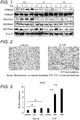
Fig. 1 is a drawing showing methylation of histone H3 in induction of iPS cells in a case of FOP patients. -
Fig. 2 is an immunostaining image in which a differentiation of FOP-derived fibroblasts to osteoblasts by BMP6 stimulation in the presence of serum is compared and investigated. -
Fig. 3 is a graph in which an mRNA expression level of PARI in FOP-derived fibroblasts by BMP6 stimulation in the presence of serum is compared and investigated. -
Fig. 4 is an immunostaining image in which a differentiation of FOP-derived fibroblasts to osteoblasts by BMP6 stimulation or TFLLR stimulation in the absence of serum is compared and investigated. -
Fig. 5 is a graph in which a differentiation of FOP-derived fibroblasts to osteoblasts by BMP6 stimulation or TFLLR stimulation in the absence of serum is compared and investigated by measuring ALP activity. -
Fig. 6 is an immunostaining image in which a differentiation of FOP-derived fibroblasts to osteoblasts by a PARI inhibitor or a PI3K inhibitor in the absence of serum is compared and investigated. -
Fig. 7 is a graph in which a differentiation of FOP-derived fibroblasts to osteoblasts by a PARI inhibitor or a PI3K inhibitor in the absence of serum is compared and investigated by measuring ALP activity. -
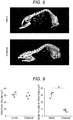
Fig. 8 is an image in which an effect of a PARI inhibitor (Vorapaxar) on ectopic ossification is compared and investigated with CT by using an in vivo model. -
Fig. 9 is a graph in which an effect of a PARI inhibitor (Vorapaxar) on ectopic ossification is compared and investigated with graphs by using an in vivo model. -
Fig. 10 is an image in which CT images of an in vivo model are compared and investigated, each siRNA having been administered to the in vivo model. -
Fig. 11 is a graph in which teratoma volume and bone volume in teratomas calculated from CT images are compared and investigated. - A drug of the present invention will now be described.
- The inventors have found a novel finding by revealing experimental facts described below. According to this finding, in FOP, ectopic ossification, which occurs by an inflammation due to an injury, etc., is mediated by PARI to occur.
- (1) In FOP-derived fibroblasts, a differentiation to osteoblasts largely progresses and PARI expression level largely increases, by BMP6 stimulation in the presence of serum, as compared to those in normal subject-derived fibroblasts.
- (2) When a similar experiment as in the above (1) is carried out without serum to remove an effect of e.g. thrombin, which enhances PARI signal, existing in serum, an effect of inducing osteoblasts by BMP6 stimulation is dramatically reduced. On the other hand, when stimulation by BMP6 and stimulation by an agonist of PARI are provided together, a differentiation to osteoblasts returns to a level equal to that of a case where serum is added.
- (3) Furthermore, osteoblast induction by adding BMP6 and TFLLR is strongly suppressed by a PARI inhibitor or a PI3K inhibitor, PI3K being activated downstream of PAR1.
- (4) In a model mouse which forms a teratoma with use of fibroblasts derived from FOP patients, an increase in bone volume in teratomas is suppressed by a PARI inhibitor. In addition, an increase in bone volume in teratomas is suppressed by suppression of PARI expression with use of siRNA as in a case of suppression of ALK2 expression.
- A drug according to the present invention is based on such finding. The drug of the present invention is characterized by treating or preventing ectopic ossification by inhibiting PARI. That is, according to the present invention, ectopic ossification is treated, suppressed or prevented by administration of a drug having a mechanism to inhibit PARI based on such finding.
- In the present invention, ectopic ossification is defined as a phenomenon in which soft tissues ossify by an inflammation due to an injury, etc while the soft tissues normally do not ossify. Ectopic ossification is a clinical state typically observed in FOP. FOP is provided as an example for a purpose of illustration also in the present invention. However, target diseases of the present invention are not limited to FOP. The target diseases of the present invention include, as the target, all diseases having ectopic ossification based on the mechanism led from the above-described finding found by the inventors.
- Inhibiting PARI is defined as a concept including directly inhibiting PARI for example by binding of an antagonist to PARI, and moreover indirectly inhibiting PARI by inhibiting or suppressing an upstream molecule of PARI.
- The drug of the present invention can be used in various dosage forms. The drug of the present invention is preferably in the form of oral preparation such as tablets, capsules or powder. Furthermore, the drug of the present invention can be also in the form of, for example, injectable preparation or transdermal absorption preparation. In addition, a period for which the drug of the present invention can be administered is not particularly limited as long as effectiveness as a drug can be sufficiently exhibited considering for example age, symptoms and dosage forms. The drug of the present invention can be desirably administered for a long period of time. The drug of the present invention can be administered for example continuously for two days or more, preferably continuously for a few months or more, and more preferably continuously for several years or more.
- An antagonist of PARI is defined as a molecule which blocks or suppresses signal transduction by binding to a receptor of PARI. The present invention is not limited to a case where an antagonist molecule of PARI is included in drug components themselves. That is, in view of a purpose of the present invention, the present invention includes a case where a so-called DDS molecule is one of the components. The DDS molecule exhibits a medicinal effect by a change, in the body, into an antagonist of PARI, the change caused by e.g. a drug metabolism.
- (N3-cyclopropyl-7-[[4-(1-methylethyl)phenyl]methyl]-7H-pyrrolo[3,2-f]quinazoline-1,3 -diamine), Vorapaxar (ethyl [(1R,3aR,4aR,6R,8aR,9S,9aS)-9-{(1E)-2-[5-(3-fluorophenyl)pyridin-2-yl]ethen-1-yl}-1 -methyl-3-oxododecahydronaphtho[2,3-c]furan-6-yl]carbamate), or salts thereof.
- As salts of the antagonists of PARI, various salt forms can be adopted considering availability, as a medicinal component, such as an improvement of solubility and stability as a drug. In a case of the above-described SCH79797, a salt form which can be adopted is preferably a dihydrochloride (SCH79797 dihydrochloride). In a case of Vorapaxar, a salt form which can be adopted is preferably a sulfate (Vorapaxar sulfate).
- When Vorapaxar is used as an example, it can be expected that ectopic ossification in FOP can be suppressed or prevented for example by oral intake in a predetermined amount thereof at a predetermined feeling. The administration method is not limited to methods described above.
- The present invention will now be described in detail by way of examples thereof.
-
- (1) Fibroblasts were created from skin biopsy explants from FOP patients and normal subjects under informed consent by a protocol approved by Ethics committee.
- (2) Skin samples from patients and from normal subjects were finely cut and cultured in DMEM medium supplemented with 10% fetal bovine serum (FBS).
- (3) After emergence of fibroblasts was observed, the fibroblasts were grown to introduce a reprogramming gene. The grown fibroblasts were then put in a solution for freezing containing 10% DMSO + 90% FBS and cryopreserved.
-
- (1) Human iPS cells were maintained, on MEF supporting cells treated with mitomycin C (MMC), in a human iPS medium containing DMEM/F12 (SIGMA-ALDRICH) supplemented with 20% KNOCKOUT (registered trademark) Serum Replacement (KSR, Invitrogen), 2 mM L-glutamine, 1 × 10⁻⁴ M nonessential amino acid (NEAA, SIGMA-ALDRICH), 1 × 10⁻⁴ M 2-mercaptoethanol (SIGMA-ALDRICH), 0.5% penicillin and streptomycin (NACALAI TESQUE, INC., Japan) and 5 ng/mL basic fibroblast growth factor (bFGF, Wako Pure Chemical Industries, Ltd., Japan).
- (2) iPS cells were formed from human-derived fibroblasts in a method described in N. Fusaki, H. Ban, A. Nishiyama, K. Saeki, M. Hasegawa, Proc. Jpn. Acad. Ser., B. Phys. Biol. Eci., 85, 348 (2009).
- (3) One day before infection, 5 × 10⁵ human fibroblasts per well were seeded into a 6-well plate. Sendai virus (SeV) vector described below was then infected to the cells at a multiplicity of infection (MOI) of 3. That is, SeV vector including Oct3/4 gene, Sox2 gene, K1f4 gene, and c-Myc gene was created in accordance with a method described in N. Fusaki, H. Ban, A. Nishiyama, K. Saeki, M. Hasegawa, Proc. Jpn. Acad. Ser., B. Phys. Biol. Eci., 85, 348 (2009).
- (4) Seven days after the infection, the infected fibroblasts were collected using trypsin. 5.4 × 10⁴ cells per 60 mm petri dish or 1 to 2 × 10⁵ cells per 100 mm petri dish were seeded onto the MEF supporting cells treated with MMC. On the next day, the medium was replaced with the human iPS cell medium. Culturing was continued, and colonies were observed until 30 days after infection.
- (5) Using media in which BMP-4 (10 ng/ml), BMP-6 (50 ng/ml) and BMP-7 (10 ng/ml) respectively were added to the above human iPS cell medium replaced on the 8th day after the infection, the cells were cultured until the 30th day, and thus an effect of bone morphogenetic proteins (BMP-4, 6 and 7) on iPS cell formation was confirmed. In addition, in a part of experiment, LDN-193189 (Stemgent, Inc.), an ALK2 kinase inhibitor, was added to the above human iPS cell medium in a concentration of 200 nM.
-
- (1) In immunoblotting, cells were lysed in a lysis buffer (62.5 mM Tris-HCl, pH 7.4, 2% SDS, 0.05% 2ME, 10% glycerol, 0.00125% bromine). Obtained lysates were subjected to ultrasonic waves, and centrifuged for 10 minutes under conditions of 4°C and 15000 rpm.
- (2) Obtained supernatants were subjected to SDS-PAGE, and target proteins were separated on a PVDF membrane.
- (3) The membrane was incubated with antiserum. Immune response bands were visualized by Enhanced Chemiluminescence detection (Perkin Elmer Co., Ltd.). Intensity of bands was evaluated by Image J software (NIH, USA).
- (4) In immunoprecipitation, 293T cells in which Smads were overexpressed, and KDM6B or LSD1 were lysed in RIPA buffer (50 mM Tris-HCl, pH 7.4, 1 mM EDTA, 150 mM NaCl, 1% NP-40, protease/phosphatase inhibitor cocktail). Obtained lysates were incubated with a required antibody at 4°C overnight on a turntable. Protein G Resin was then added to the obtained lysate and this lysate was incubated at 4°C for 2 hours on a turntable. The resin was washed with PMS three times and lysed in a buffer for Western blotting.
-
- (1) Proteins were fixed (cross-linked) to DNA by an action of 1% formaldehyde on cells. Obtained lysates were incubated with an anti-histone methyl antibody. Purified DNA fragments were amplified by PCR.
- (2) In ChIP-ChIP analysis, FOP-derived fibroblasts were lysed in RIPA buffer. Obtained lysates were incubated with anti-FLAG affinity gel (A2220, SIGMA-ALDRICH) at 4°C overnight on a turntable. The obtained gel was washed with
TBS 5 times. To this gel, RIPA buffer containing 100 ng/ml FLAG peptide (F3290, SIGMA-ALDRICH) was added. The obtained gel was incubated at 4°C for 2 hours on the turntable. Obtained mixtures were washed with TBS three times. To the mixtures, TBS buffer containing 500 ng/ml 3 × FLAG peptide (F4799, SIGMA-ALDRICH) was added. The obtained mixtures were incubated at 4°C for 2 hours on a turntable. This operation was repeated three times. -
- (1) FOP-derived fibroblasts were induced into iPS cells, and methylation of histone H3 was examined. As an object for comparison, normal fibroblasts were used.
- (2) Results are shown in
Fig. 1 . In the normal fibroblasts (N3), intensity of bands of K4 and K27 of histone H3 increased as induction into iPS cells progressed. - (3) On the other hand, in the FOP-derived fibroblasts (F1, F2), changes in the bands of K4 and K27 of histone H3 were not observed.
- (4) In addition, differences in K9, K36 and K79 were not observed between the bands of normal fibroblasts and the bands of FOP-derived fibroblasts.
- (5) These results have suggested that one of the reasons why it is difficult to establish induction of FOP-derived fibroblasts into iPS cells is abnormal methylation of K4 and K27 of histone H3.
-
- (1) Differentiation of FOP-derived fibroblasts to osteoblasts in the presence of serum depending on the presence or absence of BMP6 was investigated by comparison with differentiation of normal subject-derived fibroblasts to osteoblasts.
- (2) Results of immunostaining by alkali phosphatase (ALP), an osteoblast marker, are shown in
Fig. 2 . - (3) In the normal subject-derived fibroblasts (Normal), almost all cells were not stained. Accordingly, it has been found that induction of differentiation to osteoblasts does not proceed (
Fig. 2a ). On the other hand, in the FOP-derived fibroblasts (FOP), cells were significantly stained compared to those in the normal subject-derived fibroblasts. Accordingly, it has been found that osteoblast induction easily proceeds (Fig. 2b ). -
- (1) This experiment was performed to investigate whether a change in PARI expression level in FOP-derived fibroblasts in the presence of serum was observed depending on the presence or absence of BMP6 by comparison with PARI expression level in normal subject-derived fibroblasts.
- (2) Results are shown in
Fig. 3. Fig. 3 is a graph showing results that mRNA expression levels in respective fibroblasts treated with BMP6 (50 ng/mL) at each time was analyzed by qPCR. - (3) Increase in expression of PARI in the normal subject-derived fibroblasts (Normal) significantly increased by BMP6 stimulation over time. However, the increase was mild. On the other hand, in the FOP-derived fibroblasts (FOP), a remarkable increase was observed compared to that in the normal subject-derived fibroblasts.
-
- (1) Differentiation of FOP-derived fibroblasts to osteoblasts in the absence of serum depending on the presence or absence of BMP6 was investigated by comparison with differentiation of normal subject-derived fibroblasts to osteoblasts. In addition, a similar investigation was carried out in the presence or absence of TFLLR, an agonist of PARI.
- (2) Results of immunostaining by ALP are shown in
Fig. 4 . In addition, the results obtained by comparing ALP activity of samples with ALP activity of control are shown inFig. 5 . - (3) In the FOP-derived fibroblasts cultured in the absence of serum, ALP expression was hardly observed (
Fig. 4c ). Accordingly, it has been found that the differentiation of FOP-derived fibroblasts to osteoblasts is hardly observed in the absence of serum. - (4) In the presence of BMP6, the ALP expression was observed, and the ALP activity also significantly increased compared to the ALP activity of control (
Figs. 4d and 5 ). Accordingly, it has been found that differentiation to osteoblasts proceeds by BMP6 stimulation in the absence of serum. However, when this result is compared to the result in the investigations in the presence of serum (Fig. 2b ), it can be said that differentiation to osteoblasts is weak. - (5) In the presence of TFLLR, an agonist of PARI, the ALP expression was hardly observed, and the ALP activity was also low (
Fig. 4e and Fig. 5 ). Accordingly, it has been found that differentiation to osteoblasts hardly proceeds by TFLLR stimulation in the absence of serum. - (6) In the presence of both BMP6 and TFLLR, the ALP expression increased, and the ALP activity largely increased (
Fig. 4f and Fig. 5 ). Accordingly, it has been found that differentiation to osteoblasts largely proceeds by stimulation of two molecules, BMP6 and TFLLR, in the absence of serum. - (7) These results have showed that the differentiation of FOP-derived fibroblasts to osteoblasts is induced in association with two molecules, BMP6 and PARI.
-
- (1) In order to examine how PARI inhibitors (SCH79797, Vorapaxar) and a PI3K inhibitor (LY294002) affect the differentiation of FOP-derived fibroblasts to osteoblasts, investigations were carried out using these inhibitors.
- (2) Results of immunostaining by ALP are shown in
Fig. 6 . In addition, the results of comparison of the ALP activity of samples and the ALP activity of control are shown inFig. 7 . - (3) As with the results in Example 4, in the absence of serum, the differentiation of FOP-derived fibroblasts to osteoblasts hardly proceeded without stimulation of either BMP6 or TFLLR(
Fig. 6g ), whereas differentiation to osteoblasts largely proceeded with stimulation by these molecules (Figs. 6h and 6k ). - (4) On the other hand, both the ALP expression and the ALP activity largely decreased in the presence of SCH79797 (200 nM) or Vorapaxar (1 µM), either of which is a PARI inhibitor (
Figs. 6i and 6l, Fig. 7 ). Similarly, both the ALP expression and the ALP activity also largely decreased in the presence of LY294002 (10 µM), a PI3K inhibitor (Fig. 6j, Fig. 7 ). These results have showed that an inhibition of PARI leads to suppression of differentiation of FOP-derived fibroblasts to osteoblasts, and that suppression of signal transduction of PI3K downstream of PARI leads to the suppression of differentiation of FOP-derived fibroblasts to osteoblasts. - (5) These results have showed that a PARI inhibitor can be expected to treat ectopic ossification in FOP.
-
- (1) Investigations were carried out to examine how a PARI inhibitor (Vorapaxar) affects suppression of ectopic ossification in mice.
- (2) NOG mice were used as an in vivo model. iPS cells created from fibroblasts derived from FOP patients were implanted into a testicle. Accordingly, teratomas were formed. In the in vivo model, the teratomas grow after implantation, and ossification proceeds in the teratomas after 9 weeks, and bone volume increases. Because of this, Vorapaxar (0.2 mg/kg/day) was intraperitoneally administered once daily from 9 weeks after implantation. A solution not containing Vorapaxar as an active ingredient (vehicle) was intraperitoneally administered as an object for comparison in a similar manner.
- (3) Results are shown in
Fig. 8 and Fig. 9. Fig. 8 shows CT images of the in vivo model.Fig. 9 is a graph showing the teratoma volume and the bone volume in the teratomas calculated from CT images. - (4) In individuals to which vehicle had been administered, bones were found everywhere in the teratomas formed in testicle after 2 weeks of Vorapaxar administration (
Fig. 8 , upper). On the other hand, it was verified that bones found everywhere in individuals to which Vorapaxar had been administered were notably less than the bones found everywhere in the individuals to which vehicle had been administered (Fig. 8 , lower). - (5) In addition, when the volume of the teratomas artificially formed was calculated from CT images, a significant difference in the teratoma volume was not observed between the individuals to which vehicle had been administered and the individuals to which Vorapaxar had been administered (
Fig. 9 , left). On the other hand, when the bone volume was calculated, the bone volume in the individuals to which Vorapaxar had been administered was about one third of the bone volume in the individuals to which vehicle had been administered, which largely and significantly decreased (Fig. 9 , right). - (6) These results have showed that a bone observation and a decrease in bone volume in the individuals to which Vorapaxar have been administered are caused not by a difference in the growth degree of teratoma but by exhibiting a medicinal effect of Vorapaxar, a PARI inhibitor. These results have also showed by an animal test that a PARI inhibitor can be expected to treat ectopic ossification in FOP.
-
- (1) Investigations were carried out to examine how artificial suppression of PARI function affects suppression of ectopic ossification in mice.
- (2) An in vivo model was created in a similar manner as in
Experiment 6. In accordance with previous reports, siRNA (siPAR1) which suppresses PARI expression was created, and siPAR1 was intraperitoneally administered once daily from 9 weeks after teratoma implantation. siRNA of Luciferase (siLuciferase) and siRNA (siALK2-R206H) were intraperitoneally administered as objects for comparison in a similar manner. siLuciferase does not affect a living body. siALK2-R206H suppresses expression of ALK2 already known as an ossification factor. - (3) Results are shown in
Fig. 10 andFig. 11 .Fig. 10 shows CT images of the in vivo model.Fig. 11 is a graph showing teratoma volume and bone volume in teratomas calculated from CT images. - (4) In individuals to which siLuciferase had been administered, bones were found everywhere in the teratomas formed in testicle after 2 weeks from administration. On the other hand, it was verified that bones found everywhere in individuals to which siPAR1 had been administered and in individuals to which siALK2-R206H had been administered were notably less than bones found everywhere in the individuals to which siLuciferase had been administered.
- (5) In addition, when the volume of the teratoma artificially formed was calculated from CT images, a significant difference in the teratoma volume was not observed between the individuals to which siLuciferase had been administered, the individuals to which siPAR1 had been administered, and the individuals to which siALK2-R206H had been administered. On the other hand, when the bone volume was calculated, the bone volumes in the teratomas significantly decreased in the individuals to which siPAR1 had been administered and in the individuals to which siALK2-R206H had been administered, as compared to that in the individuals to which siLuciferase had been administered.
- (6) These results have showed that a bone observation and a decrease in bone volume in the individuals to which siPAR1 has been administered are caused not by a difference in the growth degree of teratoma but by a result of suppression of the expression of PARI function, the suppression being carried out by siRNA. This has also showed by an animal test that the inhibition of expression of PARI function can be expected to treat ectopic ossification in FOP.
Claims (5)
- A drug for treating or preventing ectopic ossification by inhibiting PARI.
- The drug according to claim 1, wherein PARI is inhibited by an antagonist of PARI.
- The drug according to claim 2, wherein the antagonist of PARI is ethyl [(1R,3aR,4aR,6R,8aR,9S,9aS)-9-{(1E)-2-[5-(3-fluorophenyl)pyridin-2-yl]ethen-1-yl}-1 -methyl-3-oxododecahydronaphtho[2,3-c]furan-6-yl]carbamate or a salt thereof.
- The drug according to claims 1 to 3, wherein ectopic ossification is a symptom caused by fibrodysplasia ossificans progressiva.
- A method for treating or preventing ectopic ossification by using a drug according to claims 1 to 4.
Applications Claiming Priority (2)
| Application Number | Priority Date | Filing Date | Title |
|---|---|---|---|
| JP2015228232 | 2015-11-20 | ||
| PCT/JP2016/084101 WO2017086385A1 (en) | 2015-11-20 | 2016-11-17 | Ectopic ossification treatment drug having mechanism for blocking par1 |
Publications (3)
| Publication Number | Publication Date |
|---|---|
| EP3378490A1 true EP3378490A1 (en) | 2018-09-26 |
| EP3378490A4 EP3378490A4 (en) | 2019-07-31 |
| EP3378490B1 EP3378490B1 (en) | 2020-07-15 |
Family
ID=58718886
Family Applications (1)
| Application Number | Title | Priority Date | Filing Date |
|---|---|---|---|
| EP16866386.2A Active EP3378490B1 (en) | 2015-11-20 | 2016-11-17 | Ectopic ossification treatment drug having mechanism for blocking par1 |
Country Status (4)
| Country | Link |
|---|---|
| US (2) | US20200253942A1 (en) |
| EP (1) | EP3378490B1 (en) |
| JP (1) | JP6873410B2 (en) |
| WO (1) | WO2017086385A1 (en) |
Families Citing this family (1)
| Publication number | Priority date | Publication date | Assignee | Title |
|---|---|---|---|---|
| WO2020135812A1 (en) | 2018-12-29 | 2020-07-02 | Shanghai United Imaging Intelligence Co., Ltd. | Systems and methods for ossification center detection and bone age assessment |
Family Cites Families (4)
| Publication number | Priority date | Publication date | Assignee | Title |
|---|---|---|---|---|
| EP2709630A4 (en) * | 2011-05-12 | 2014-10-22 | UNIVERSITé LAVAL | PAR1 INHIBITORS FOR USE IN THE TREATMENT OR PREVENTION OF PARAMYXOVIRIDAE INFECTIONS |
| US9523674B2 (en) | 2011-09-12 | 2016-12-20 | National University Corporation Kumamoto University | Method of screening for substances capable of promoting induction of induced pluripotent stem cells |
| WO2015054718A1 (en) * | 2013-10-18 | 2015-04-23 | The University Of Sydney | Bone formation |
| US10260068B2 (en) | 2014-03-31 | 2019-04-16 | Sumitomo Dainippon Pharma Co., Ltd. | Prophylactic agent and therapeutic agent for fibrodysplasia ossificans progressiva |
-
2016
- 2016-11-17 EP EP16866386.2A patent/EP3378490B1/en active Active
- 2016-11-17 US US15/776,152 patent/US20200253942A1/en not_active Abandoned
- 2016-11-17 JP JP2017551922A patent/JP6873410B2/en active Active
- 2016-11-17 WO PCT/JP2016/084101 patent/WO2017086385A1/en not_active Ceased
-
2020
- 2020-11-30 US US17/106,565 patent/US12150939B2/en active Active
Also Published As
| Publication number | Publication date |
|---|---|
| WO2017086385A1 (en) | 2017-05-26 |
| US20210161872A1 (en) | 2021-06-03 |
| WO2017086385A8 (en) | 2018-01-18 |
| US12150939B2 (en) | 2024-11-26 |
| JPWO2017086385A1 (en) | 2018-09-06 |
| US20200253942A1 (en) | 2020-08-13 |
| JP6873410B2 (en) | 2021-05-19 |
| EP3378490B1 (en) | 2020-07-15 |
| EP3378490A4 (en) | 2019-07-31 |
Similar Documents
| Publication | Publication Date | Title |
|---|---|---|
| Yang et al. | MicroRNA-223 regulates inflammation and brain injury via feedback to NLRP3 inflammasome after intracerebral hemorrhage | |
| Arioka et al. | Acceleration of bone regeneration by local application of lithium: Wnt signal-mediated osteoblastogenesis and Wnt signal-independent suppression of osteoclastogenesis | |
| Hu et al. | MicroRNA-23b alleviates neuroinflammation and brain injury in intracerebral hemorrhage by targeting inositol polyphosphate multikinase | |
| Feng et al. | Gelsevirine improves age-related and surgically induced osteoarthritis in mice by reducing STING availability and local inflammation | |
| Castelli et al. | Antagonism of the prokineticin system prevents and reverses allodynia and inflammation in a mouse model of diabetes | |
| Pan et al. | MiR-148a deletion protects from bone loss in physiological and estrogen-deficient mice by targeting NRP1 | |
| Song et al. | PTEN–GSK3β–MOB1 axis controls neurite outgrowth in vitro and in vivo | |
| US9220716B2 (en) | Methods and compositions for the treatment of proliferative vascular disorders | |
| Li et al. | Krüppel-like factor 7 attenuates hippocampal neuronal injury after traumatic brain injury | |
| Wu et al. | Sam68 promotes Schwann cell proliferation by enhancing the PI3K/Akt pathway and acts on regeneration after sciatic nerve crush | |
| Yang et al. | The proteasome inhibitor carfilzomib suppresses parathyroid hormone-induced osteoclastogenesis through a RANKL-mediated signaling pathway | |
| Pan et al. | USP20 mitigates ischemic stroke in mice by suppressing neuroinflammation and neuron death via regulating PTEN signal | |
| Fu et al. | Protective effect of neuropeptide substance P on bone marrow mesenchymal stem cells against apoptosis induced by serum deprivation | |
| CN118649238A (en) | Application of DDX3X inhibitor in the preparation of drugs for treating aseptic loosening of artificial joints | |
| Zhao et al. | The antioxidant Glycitin protects against intervertebral disc degeneration through antagonizing inflammation and oxidative stress in nucleus pulposus cells | |
| US12150939B2 (en) | Therapeutic drug for ectopic ossification having mechanism to inhibit PAR1 | |
| US20240059685A1 (en) | Piezo1 agonists for the promotion of bone formation | |
| Zhou et al. | Magnolol prevents ossified tendinopathy by inhibiting PGE2-induced osteogenic differentiation of TDSCs | |
| Wang et al. | MiR-488 promotes fracture healing by targeting DKK1. | |
| Yan et al. | MicroRNA-542-3p regulates P-glycoprotein expression in rat epilepsy via the toll-like receptor 4/nuclear factor-kappaB signaling pathway | |
| CN114404434B (en) | Compound for treating osteoarthritis and application thereof | |
| JP2022501388A (en) | PTPRS and proteoglycans in rheumatoid arthritis | |
| Muneshige et al. | β2-Microglobulin Elevates COL5A1 mRNA in the Subsynovial Connective Tissue of Patients Receiving Hemodialysis With Carpal Tunnel Syndrome | |
| JP6655820B2 (en) | Drugs with a mechanism of demethylation inhibition of histone H3K27 | |
| Wang et al. | Up-regulation of NF45 correlates with Schwann cell proliferation after sciatic nerve crush |
Legal Events
| Date | Code | Title | Description |
|---|---|---|---|
| STAA | Information on the status of an ep patent application or granted ep patent |
Free format text: STATUS: THE INTERNATIONAL PUBLICATION HAS BEEN MADE |
|
| PUAI | Public reference made under article 153(3) epc to a published international application that has entered the european phase |
Free format text: ORIGINAL CODE: 0009012 |
|
| STAA | Information on the status of an ep patent application or granted ep patent |
Free format text: STATUS: REQUEST FOR EXAMINATION WAS MADE |
|
| 17P | Request for examination filed |
Effective date: 20180530 |
|
| AK | Designated contracting states |
Kind code of ref document: A1 Designated state(s): AL AT BE BG CH CY CZ DE DK EE ES FI FR GB GR HR HU IE IS IT LI LT LU LV MC MK MT NL NO PL PT RO RS SE SI SK SM TR |
|
| AX | Request for extension of the european patent |
Extension state: BA ME |
|
| DAV | Request for validation of the european patent (deleted) | ||
| DAX | Request for extension of the european patent (deleted) | ||
| A4 | Supplementary search report drawn up and despatched |
Effective date: 20190628 |
|
| RIC1 | Information provided on ipc code assigned before grant |
Ipc: A61K 45/00 20060101AFI20190624BHEP Ipc: A61K 31/443 20060101ALI20190624BHEP Ipc: A61P 43/00 20060101ALI20190624BHEP |
|
| REG | Reference to a national code |
Ref country code: DE Ref legal event code: R079 Ref document number: 602016040189 Country of ref document: DE Free format text: PREVIOUS MAIN CLASS: A61K0045000000 Ipc: G01N0033500000 |
|
| GRAP | Despatch of communication of intention to grant a patent |
Free format text: ORIGINAL CODE: EPIDOSNIGR1 |
|
| STAA | Information on the status of an ep patent application or granted ep patent |
Free format text: STATUS: GRANT OF PATENT IS INTENDED |
|
| RIC1 | Information provided on ipc code assigned before grant |
Ipc: G01N 33/68 20060101ALI20200203BHEP Ipc: G01N 33/50 20060101AFI20200203BHEP |
|
| INTG | Intention to grant announced |
Effective date: 20200303 |
|
| RIN1 | Information on inventor provided before grant (corrected) |
Inventor name: KIBOKU, TAKAYUKI Inventor name: ERA, TAKUMI |
|
| GRAS | Grant fee paid |
Free format text: ORIGINAL CODE: EPIDOSNIGR3 |
|
| GRAA | (expected) grant |
Free format text: ORIGINAL CODE: 0009210 |
|
| STAA | Information on the status of an ep patent application or granted ep patent |
Free format text: STATUS: THE PATENT HAS BEEN GRANTED |
|
| AK | Designated contracting states |
Kind code of ref document: B1 Designated state(s): AL AT BE BG CH CY CZ DE DK EE ES FI FR GB GR HR HU IE IS IT LI LT LU LV MC MK MT NL NO PL PT RO RS SE SI SK SM TR |
|
| REG | Reference to a national code |
Ref country code: CH Ref legal event code: EP Ref country code: GB Ref legal event code: FG4D |
|
| REG | Reference to a national code |
Ref country code: IE Ref legal event code: FG4D |
|
| REG | Reference to a national code |
Ref country code: DE Ref legal event code: R096 Ref document number: 602016040189 Country of ref document: DE |
|
| REG | Reference to a national code |
Ref country code: AT Ref legal event code: REF Ref document number: 1291588 Country of ref document: AT Kind code of ref document: T Effective date: 20200815 |
|
| REG | Reference to a national code |
Ref country code: LT Ref legal event code: MG4D |
|
| REG | Reference to a national code |
Ref country code: AT Ref legal event code: MK05 Ref document number: 1291588 Country of ref document: AT Kind code of ref document: T Effective date: 20200715 |
|
| REG | Reference to a national code |
Ref country code: NL Ref legal event code: MP Effective date: 20200715 |
|
| PG25 | Lapsed in a contracting state [announced via postgrant information from national office to epo] |
Ref country code: FI Free format text: LAPSE BECAUSE OF FAILURE TO SUBMIT A TRANSLATION OF THE DESCRIPTION OR TO PAY THE FEE WITHIN THE PRESCRIBED TIME-LIMIT Effective date: 20200715 Ref country code: AT Free format text: LAPSE BECAUSE OF FAILURE TO SUBMIT A TRANSLATION OF THE DESCRIPTION OR TO PAY THE FEE WITHIN THE PRESCRIBED TIME-LIMIT Effective date: 20200715 Ref country code: NO Free format text: LAPSE BECAUSE OF FAILURE TO SUBMIT A TRANSLATION OF THE DESCRIPTION OR TO PAY THE FEE WITHIN THE PRESCRIBED TIME-LIMIT Effective date: 20201015 Ref country code: GR Free format text: LAPSE BECAUSE OF FAILURE TO SUBMIT A TRANSLATION OF THE DESCRIPTION OR TO PAY THE FEE WITHIN THE PRESCRIBED TIME-LIMIT Effective date: 20201016 Ref country code: ES Free format text: LAPSE BECAUSE OF FAILURE TO SUBMIT A TRANSLATION OF THE DESCRIPTION OR TO PAY THE FEE WITHIN THE PRESCRIBED TIME-LIMIT Effective date: 20200715 Ref country code: SE Free format text: LAPSE BECAUSE OF FAILURE TO SUBMIT A TRANSLATION OF THE DESCRIPTION OR TO PAY THE FEE WITHIN THE PRESCRIBED TIME-LIMIT Effective date: 20200715 Ref country code: BG Free format text: LAPSE BECAUSE OF FAILURE TO SUBMIT A TRANSLATION OF THE DESCRIPTION OR TO PAY THE FEE WITHIN THE PRESCRIBED TIME-LIMIT Effective date: 20201015 Ref country code: PT Free format text: LAPSE BECAUSE OF FAILURE TO SUBMIT A TRANSLATION OF THE DESCRIPTION OR TO PAY THE FEE WITHIN THE PRESCRIBED TIME-LIMIT Effective date: 20201116 Ref country code: LT Free format text: LAPSE BECAUSE OF FAILURE TO SUBMIT A TRANSLATION OF THE DESCRIPTION OR TO PAY THE FEE WITHIN THE PRESCRIBED TIME-LIMIT Effective date: 20200715 Ref country code: HR Free format text: LAPSE BECAUSE OF FAILURE TO SUBMIT A TRANSLATION OF THE DESCRIPTION OR TO PAY THE FEE WITHIN THE PRESCRIBED TIME-LIMIT Effective date: 20200715 |
|
| PG25 | Lapsed in a contracting state [announced via postgrant information from national office to epo] |
Ref country code: LV Free format text: LAPSE BECAUSE OF FAILURE TO SUBMIT A TRANSLATION OF THE DESCRIPTION OR TO PAY THE FEE WITHIN THE PRESCRIBED TIME-LIMIT Effective date: 20200715 Ref country code: PL Free format text: LAPSE BECAUSE OF FAILURE TO SUBMIT A TRANSLATION OF THE DESCRIPTION OR TO PAY THE FEE WITHIN THE PRESCRIBED TIME-LIMIT Effective date: 20200715 Ref country code: RS Free format text: LAPSE BECAUSE OF FAILURE TO SUBMIT A TRANSLATION OF THE DESCRIPTION OR TO PAY THE FEE WITHIN THE PRESCRIBED TIME-LIMIT Effective date: 20200715 Ref country code: IS Free format text: LAPSE BECAUSE OF FAILURE TO SUBMIT A TRANSLATION OF THE DESCRIPTION OR TO PAY THE FEE WITHIN THE PRESCRIBED TIME-LIMIT Effective date: 20201115 |
|
| PG25 | Lapsed in a contracting state [announced via postgrant information from national office to epo] |
Ref country code: NL Free format text: LAPSE BECAUSE OF FAILURE TO SUBMIT A TRANSLATION OF THE DESCRIPTION OR TO PAY THE FEE WITHIN THE PRESCRIBED TIME-LIMIT Effective date: 20200715 |
|
| REG | Reference to a national code |
Ref country code: DE Ref legal event code: R097 Ref document number: 602016040189 Country of ref document: DE |
|
| PG25 | Lapsed in a contracting state [announced via postgrant information from national office to epo] |
Ref country code: IT Free format text: LAPSE BECAUSE OF FAILURE TO SUBMIT A TRANSLATION OF THE DESCRIPTION OR TO PAY THE FEE WITHIN THE PRESCRIBED TIME-LIMIT Effective date: 20200715 Ref country code: EE Free format text: LAPSE BECAUSE OF FAILURE TO SUBMIT A TRANSLATION OF THE DESCRIPTION OR TO PAY THE FEE WITHIN THE PRESCRIBED TIME-LIMIT Effective date: 20200715 Ref country code: SM Free format text: LAPSE BECAUSE OF FAILURE TO SUBMIT A TRANSLATION OF THE DESCRIPTION OR TO PAY THE FEE WITHIN THE PRESCRIBED TIME-LIMIT Effective date: 20200715 Ref country code: RO Free format text: LAPSE BECAUSE OF FAILURE TO SUBMIT A TRANSLATION OF THE DESCRIPTION OR TO PAY THE FEE WITHIN THE PRESCRIBED TIME-LIMIT Effective date: 20200715 Ref country code: CZ Free format text: LAPSE BECAUSE OF FAILURE TO SUBMIT A TRANSLATION OF THE DESCRIPTION OR TO PAY THE FEE WITHIN THE PRESCRIBED TIME-LIMIT Effective date: 20200715 Ref country code: DK Free format text: LAPSE BECAUSE OF FAILURE TO SUBMIT A TRANSLATION OF THE DESCRIPTION OR TO PAY THE FEE WITHIN THE PRESCRIBED TIME-LIMIT Effective date: 20200715 |
|
| PLBE | No opposition filed within time limit |
Free format text: ORIGINAL CODE: 0009261 |
|
| STAA | Information on the status of an ep patent application or granted ep patent |
Free format text: STATUS: NO OPPOSITION FILED WITHIN TIME LIMIT |
|
| PG25 | Lapsed in a contracting state [announced via postgrant information from national office to epo] |
Ref country code: AL Free format text: LAPSE BECAUSE OF FAILURE TO SUBMIT A TRANSLATION OF THE DESCRIPTION OR TO PAY THE FEE WITHIN THE PRESCRIBED TIME-LIMIT Effective date: 20200715 |
|
| 26N | No opposition filed |
Effective date: 20210416 |
|
| PG25 | Lapsed in a contracting state [announced via postgrant information from national office to epo] |
Ref country code: MC Free format text: LAPSE BECAUSE OF FAILURE TO SUBMIT A TRANSLATION OF THE DESCRIPTION OR TO PAY THE FEE WITHIN THE PRESCRIBED TIME-LIMIT Effective date: 20200715 Ref country code: SK Free format text: LAPSE BECAUSE OF FAILURE TO SUBMIT A TRANSLATION OF THE DESCRIPTION OR TO PAY THE FEE WITHIN THE PRESCRIBED TIME-LIMIT Effective date: 20200715 |
|
| REG | Reference to a national code |
Ref country code: CH Ref legal event code: PL |
|
| GBPC | Gb: european patent ceased through non-payment of renewal fee |
Effective date: 20201117 |
|
| PG25 | Lapsed in a contracting state [announced via postgrant information from national office to epo] |
Ref country code: LU Free format text: LAPSE BECAUSE OF NON-PAYMENT OF DUE FEES Effective date: 20201117 |
|
| REG | Reference to a national code |
Ref country code: BE Ref legal event code: MM Effective date: 20201130 |
|
| PG25 | Lapsed in a contracting state [announced via postgrant information from national office to epo] |
Ref country code: SI Free format text: LAPSE BECAUSE OF FAILURE TO SUBMIT A TRANSLATION OF THE DESCRIPTION OR TO PAY THE FEE WITHIN THE PRESCRIBED TIME-LIMIT Effective date: 20200715 Ref country code: LI Free format text: LAPSE BECAUSE OF NON-PAYMENT OF DUE FEES Effective date: 20201130 Ref country code: CH Free format text: LAPSE BECAUSE OF NON-PAYMENT OF DUE FEES Effective date: 20201130 |
|
| PG25 | Lapsed in a contracting state [announced via postgrant information from national office to epo] |
Ref country code: IE Free format text: LAPSE BECAUSE OF NON-PAYMENT OF DUE FEES Effective date: 20201117 Ref country code: FR Free format text: LAPSE BECAUSE OF NON-PAYMENT OF DUE FEES Effective date: 20201130 |
|
| PG25 | Lapsed in a contracting state [announced via postgrant information from national office to epo] |
Ref country code: GB Free format text: LAPSE BECAUSE OF NON-PAYMENT OF DUE FEES Effective date: 20201117 |
|
| PG25 | Lapsed in a contracting state [announced via postgrant information from national office to epo] |
Ref country code: IS Free format text: LAPSE BECAUSE OF FAILURE TO SUBMIT A TRANSLATION OF THE DESCRIPTION OR TO PAY THE FEE WITHIN THE PRESCRIBED TIME-LIMIT Effective date: 20201115 Ref country code: TR Free format text: LAPSE BECAUSE OF FAILURE TO SUBMIT A TRANSLATION OF THE DESCRIPTION OR TO PAY THE FEE WITHIN THE PRESCRIBED TIME-LIMIT Effective date: 20200715 Ref country code: MT Free format text: LAPSE BECAUSE OF FAILURE TO SUBMIT A TRANSLATION OF THE DESCRIPTION OR TO PAY THE FEE WITHIN THE PRESCRIBED TIME-LIMIT Effective date: 20200715 Ref country code: CY Free format text: LAPSE BECAUSE OF FAILURE TO SUBMIT A TRANSLATION OF THE DESCRIPTION OR TO PAY THE FEE WITHIN THE PRESCRIBED TIME-LIMIT Effective date: 20200715 |
|
| PG25 | Lapsed in a contracting state [announced via postgrant information from national office to epo] |
Ref country code: MK Free format text: LAPSE BECAUSE OF FAILURE TO SUBMIT A TRANSLATION OF THE DESCRIPTION OR TO PAY THE FEE WITHIN THE PRESCRIBED TIME-LIMIT Effective date: 20200715 |
|
| PG25 | Lapsed in a contracting state [announced via postgrant information from national office to epo] |
Ref country code: BE Free format text: LAPSE BECAUSE OF NON-PAYMENT OF DUE FEES Effective date: 20201130 |
|
| PGFP | Annual fee paid to national office [announced via postgrant information from national office to epo] |
Ref country code: DE Payment date: 20250930 Year of fee payment: 10 |