EP3375247B1 - Driveless method to capture csfb experience - Google Patents
Driveless method to capture csfb experience Download PDFInfo
- Publication number
- EP3375247B1 EP3375247B1 EP15908236.1A EP15908236A EP3375247B1 EP 3375247 B1 EP3375247 B1 EP 3375247B1 EP 15908236 A EP15908236 A EP 15908236A EP 3375247 B1 EP3375247 B1 EP 3375247B1
- Authority
- EP
- European Patent Office
- Prior art keywords
- information
- log
- session
- rat
- communication
- Prior art date
- Legal status (The legal status is an assumption and is not a legal conclusion. Google has not performed a legal analysis and makes no representation as to the accuracy of the status listed.)
- Active
Links
Images


Classifications
-
- H—ELECTRICITY
- H04—ELECTRIC COMMUNICATION TECHNIQUE
- H04W—WIRELESS COMMUNICATION NETWORKS
- H04W80/00—Wireless network protocols or protocol adaptations to wireless operation
- H04W80/06—Transport layer protocols, e.g. TCP [Transport Control Protocol] over wireless
-
- H—ELECTRICITY
- H04—ELECTRIC COMMUNICATION TECHNIQUE
- H04W—WIRELESS COMMUNICATION NETWORKS
- H04W16/00—Network planning, e.g. coverage or traffic planning tools; Network deployment, e.g. resource partitioning or cells structures
- H04W16/18—Network planning tools
-
- H—ELECTRICITY
- H04—ELECTRIC COMMUNICATION TECHNIQUE
- H04W—WIRELESS COMMUNICATION NETWORKS
- H04W36/00—Hand-off or reselection arrangements
- H04W36/0005—Control or signalling for completing the hand-off
- H04W36/0011—Control or signalling for completing the hand-off for data sessions of end-to-end connection
- H04W36/0022—Control or signalling for completing the hand-off for data sessions of end-to-end connection for transferring data sessions between adjacent core network technologies
- H04W36/00224—Control or signalling for completing the hand-off for data sessions of end-to-end connection for transferring data sessions between adjacent core network technologies between packet switched [PS] and circuit switched [CS] network technologies, e.g. circuit switched fallback [CSFB]
-
- H—ELECTRICITY
- H04—ELECTRIC COMMUNICATION TECHNIQUE
- H04W—WIRELESS COMMUNICATION NETWORKS
- H04W36/00—Hand-off or reselection arrangements
- H04W36/0005—Control or signalling for completing the hand-off
- H04W36/0011—Control or signalling for completing the hand-off for data sessions of end-to-end connection
- H04W36/0022—Control or signalling for completing the hand-off for data sessions of end-to-end connection for transferring data sessions between adjacent core network technologies
- H04W36/00224—Control or signalling for completing the hand-off for data sessions of end-to-end connection for transferring data sessions between adjacent core network technologies between packet switched [PS] and circuit switched [CS] network technologies, e.g. circuit switched fallback [CSFB]
- H04W36/00226—Control or signalling for completing the hand-off for data sessions of end-to-end connection for transferring data sessions between adjacent core network technologies between packet switched [PS] and circuit switched [CS] network technologies, e.g. circuit switched fallback [CSFB] wherein the core network technologies comprise IP multimedia system [IMS], e.g. single radio voice call continuity [SRVCC]
-
- H—ELECTRICITY
- H04—ELECTRIC COMMUNICATION TECHNIQUE
- H04W—WIRELESS COMMUNICATION NETWORKS
- H04W36/00—Hand-off or reselection arrangements
- H04W36/0005—Control or signalling for completing the hand-off
- H04W36/0055—Transmission or use of information for re-establishing the radio link
- H04W36/0058—Transmission of hand-off measurement information, e.g. measurement reports
-
- H—ELECTRICITY
- H04—ELECTRIC COMMUNICATION TECHNIQUE
- H04W—WIRELESS COMMUNICATION NETWORKS
- H04W76/00—Connection management
- H04W76/10—Connection setup
- H04W76/15—Setup of multiple wireless link connections
- H04W76/16—Involving different core network technologies, e.g. a packet-switched [PS] bearer in combination with a circuit-switched [CS] bearer
-
- H—ELECTRICITY
- H04—ELECTRIC COMMUNICATION TECHNIQUE
- H04W—WIRELESS COMMUNICATION NETWORKS
- H04W80/00—Wireless network protocols or protocol adaptations to wireless operation
- H04W80/08—Upper layer protocols
- H04W80/10—Upper layer protocols adapted for application session management, e.g. SIP [Session Initiation Protocol]
-
- H—ELECTRICITY
- H04—ELECTRIC COMMUNICATION TECHNIQUE
- H04W—WIRELESS COMMUNICATION NETWORKS
- H04W36/00—Hand-off or reselection arrangements
- H04W36/0005—Control or signalling for completing the hand-off
- H04W36/0083—Determination of parameters used for hand-off, e.g. generation or modification of neighbour cell lists
Definitions
- the present disclosure relates to a method of obtaining at least one Key Performance Indicator (KPI) for a communication session of a radio device.
- KPI Key Performance Indicator
- CSFB Circuit-Switched Fall-back
- SVSCC Single Radio Voice Call Continuity
- RATs Radio Access Technologies
- 3GPP Third Generation Partnership Project
- LTE Long Term Evolution
- 3G/2G such as Wideband Code Division Multiple Access (WCDMA), Code Division Multiple Access (CDMA) or Global System for Mobile Communications (GSM)
- WCDMA Wideband Code Division Multiple Access
- CDMA Code Division Multiple Access
- GSM Global System for Mobile Communications
- IRAT Inter RAT
- the Evolved Packet Core (EPC) of LTE is a packet-only core network. It does not have a circuit-switched domain, which is traditionally used for phone calls and Short Message Service (SMS).
- 3GPP has specified CSFB as a solution for voice.
- CSFB in order to make or receive calls, the User Equipment (UE) changes its radio access technology from LTE to a 2G/3G technology that supports circuit-switched services.
- SRVCC provides a solution for handing over Voice over LTE (VoLTE) to 2G/3G networks.
- the voice calls on LTE network are packet switched calls. To make it inter operable with circuit switched networks, these calls are handed over to circuit switched calls in GSM/WCDMA networks.
- the 3G network Since there are no feedback mechanisms available in current standards, there is a limitation on visibility after the UE has been release from the LTE side.
- the 3G network has some counters for CSFB assessment but they cannot be correlated with LTE.
- US 2015/131619 discloses a method of a wireless user equipment including requesting handover of a voice over Internet protocol (VoIP) call from a first network to a second network, activating a second radio, continuing the voice call on the circuit switched (CS) domain of the second network, and communicating data for applications other than the voice call via the first network.
- VoIP voice over Internet protocol
- An embodiment includes determining whether a quality of the VoIP call satisfies a quality threshold, deactivating the radio continued to the second network when the quality of the VoIP call satisfies the quality threshold, and activating the second radio when the VoIP call quality does not satisfy the quality threshold.
- a first RAT e.g. LTE
- a second RAT e.g. WCDMA
- CSFB/SRVCC and IRAT KPIs for a radio device or group of radio devices.
- the idea is to map the two data source for a single session (e.g. a voice call) and extract the required information for measuring KPIs and troubleshooting.
- the invention is related to a method according to claim 1, a network node according to claim 15 and a computer program according to claim 16. Further embodiments of the invention are defined by the dependent claims.
- Figure 1 illustrates a communication network 1, e.g. an operator network, comprising two different RATs, a first RAT 3a and a second RAT 3b for connecting a radio device 2 to a Packet Data Network (PDN) 10 e.g. the Internet.
- the first RAT 3a is LTE.
- the second RAT 3b is WCDMA, CDMA or GSM.
- the first RAT is LTE and the second RAT is WCDMA.
- the first RAT 3a is associated with a first CN 9a which, among other nodes, comprises a Mobility Management Entity 7 if the first RAT is LTE.
- the first RAT is also associated with a first Radio Access Network 4a, typically a cellular network comprising a plurality of base stations 5a e.g. evolved Node B (eNB) of LTE.
- eNB evolved Node B
- the second RAT 3b is associated with a second CN 9b and a second RAN 4b, typically a cellular network comprising a plurality of base stations 5b e.g. Node B of WCDMA. Also, if the second RAT is WCDMA, the second RAN 4b also comprises a Radio Network Control 8.
- the radio device 2 may be any device or UE, mobile or stationary, enabled to communicate over a radio channel in a communication network, for instance but not limited to e.g. mobile phone, smartphone, modem, sensors, meters, vehicles (e.g. a car), household appliances, medical appliances, media players, cameras, or any type of consumer electronic, for instance but not limited to television, radio, lighting arrangements, tablet computer, laptop, or personal computer (PC).
- a communication network for instance but not limited to e.g. mobile phone, smartphone, modem, sensors, meters, vehicles (e.g. a car), household appliances, medical appliances, media players, cameras, or any type of consumer electronic, for instance but not limited to television, radio, lighting arrangements, tablet computer, laptop, or personal computer (PC).
- the radio device 2 may be connected via the first RAT 3a, i.e. via the first RAN 4a using the first RAT 3a.
- the communication session 11 is moved from the first RAT to the second RAT, i.e. from the first RAN 4a using the first RAT 3a to the second RAN 4b using the second RAT 3b.
- a network (NW) node 6 is used in accordance with the present disclosure.
- the NW node 6 may be part of the operator network 1 or be external to the operator network e.g. as part of a management network.
- the method is performed by a network node 6 outside of operator networks of the first and second RATs 3a and 3b, e.g. in a management network.
- the NW node 6 is configured for extracting information from logs, e.g. cell trace logs, associated with the respective RATs 3a and 3b.
- the NW node 6 may be connected to the eNB 5a holding a log for the first RAT and to the RNC 8 holding a log for the second RAT.
- the NW node 6 may be connected to the MME 7 in the first RAT CN 9a for extracting information held in a log in the MME which may be needed to identify the information held in the log in the eNB 5a.
- the session 11 is moved as part of Circuit-Switched Fallback (CSFB), Single Radio Voice Call Continuity (SRVCC), or inter RAT data handover.
- CSFB Circuit-Switched Fallback
- SSVCC Single Radio Voice Call Continuity
- inter RAT data handover the session 11 is moved as part of Circuit-Switched Fallback (CSFB), Single Radio Voice Call Continuity (SRVCC), or inter RAT data handover.
- the present disclosure uses an example in which the first RAT 3a is LTE and the second RAT 3b is WCDMA, but embodiments of the present disclosure may also be beneficial for other RAT combinations.
- the first log may be a Cell Trace (CTR) User Equipment Traffic Recording (UETR) log
- the second log may be a General Performance Event Handling (GPEH) log.
- CTR Cell Trace
- UETR User Equipment Traffic Recording
- GPEH General Performance Event Handling
- Figure 2 illustrates how a session ID 28 of a session logged in the first log CTR/UETR 20 in the eNB 5a may be obtained S1a from a third log, a Cell Trace UE ID Mapping (CTUM) log 29 in the MME 7. Due to security reasons, the International Mobile Subscriber Identity (IMSI) 28 of the radio device 2 is available in MME 7 trace log CTUM. The IMSI may be extracted from CTUM for all LTE sessions 11 using common identifiers available in both the first log (UETR) 20 and the third log (CTUM) 29 along with a first timestamp 25. As an example, the session ID as discussed herein is or comprises the IMSI 28 of the radio device 2.
- CTR Cell Trace UE ID Mapping
- the extracting first information from the at least a first log 20 comprises obtaining the session ID 28 from a third log 29 which is associated with the first RAT 3a.
- the third log 29 is a CTUM log.
- the session ID 28 is obtained by finding identification data 22, 23, 24 and/or 25 of the communication session 11 in the third log 29 which is identical to corresponding identification data in the first log 20.
- the identification data comprises values of any or all of: eNB ID 22, eNB UE S1 interface Application Part (S1AP) ID 23, MME UE S1AP ID 24, and the first time stamp 25.
- a time offset may be used for linking the first time stamp 25 of the third log 29 with the first time stamp 25 of the first log 20, to account for any delay or inaccuracy.
- the first log 20 may also comprise Routing Area Code (RAC) UE reference 21, L3 messages and Extended Service Request (ESR) 26 information e.g. comprising information about which sessions 11 have been involved in CSFB.
- RAC Routing Area Code
- ESR Extended Service Request
- Figure 3 illustrates how first information about the communication session 11, e.g. a voice call, may be extracted S1 from the first log 20 by filtering information relating to communication sessions which have moved between RATs from other communication sessions in the first log. This may be achieved by means of an ESR 26, whereby information as to which logged sessions 11 are associated with e.g. CSFB may be obtained. The information in the first log 20 relating to those sessions may then be extracted/filtered from information relating to other sessions. The information from the first log 20 which relates to a session 11 may be identified by a session ID 28 e.g. IMSI in combination with the first time stamp 25.
- a session ID 28 e.g. IMSI in combination with the first time stamp 25.
- the extracting S1 first information comprises using an extended service request 26.
- FIG 4 similarly illustrates how second information about the communication session 11 may be extracted S2 from the second log 40 by filtering information relating to communication sessions which have moved between RATs from other communication sessions in the first log.
- the second log may be a General Performance Event Handling (GPEH) log in the RNC 8 of the second RAN 4b of the second RAT 3b.
- GPEH General Performance Event Handling
- the IMSI 28 is already available in the GPEH 40 data under Radio Access Network Application Part (RANAP) messages. There is thus no need for any actions in WCDMA corresponding to those of figure 2 relating to LTE.
- RANAP Radio Access Network Application Part
- the GPEH log 40 comprises for each session 11: Cell ID 41, RNC ID 42, UE Context ID 43, RNC Module ID 44, the IMSI 28, a second time stamp 47 and L3 messages, as well as Location Area Update (LAU) request 46 information.
- LAU request 46 the information in the GPEH log 40 which relates to sessions 11 involving e.g. CSFB may be identified and filtered from information relating to other sessions logged in the GPEH log 40.
- the information from the second log 40 which relates to a session 11 may be identified by a session ID 28 e.g. IMSI in combination with the second time stamp 47.
- the second log 40 is a General Performance Event Handling, GPEH, log.
- the extracting S2 second information comprises using a LAU request 46.
- the first information and second information comprise information about network layer (L2) messages 27 and 48 of the communication session 11.
- Figure 5 illustrates how the information from the first and second logs 20 and 40 relating to the session 11 may be merged S3.
- the L3 messages 27 and 48 may be relevant for determining KPI of the communication session 11. That the first and second informations from the first and second logs 20 and 40 relate to the same session 11 may be determined by means of a combination of the IMSI 28 (which relates to the radio device 2 as subscriber and thus should be the same in both the first information and the second information) and the first and second timestamps which should correlate with each other (e.g.
- the second time stamp 47 may be appropriately later, by a predetermined time offset to account for delay, than the first time stamp 25) indicating that they relate to the same session which has been moved from the first RAT 3a to the second RAT 3b.
- the merging S3 comprises using a predetermined time offset for relating the first and second time stamps 25 and 47 to each other.
- informations about a plurality of sessions 11 are merged in this way, why it may be convenient to organize the merged information by means of assigning the sessions 11 reference ID:s as an alternative to using IMSI in combination with first and/or second time stamps which may be cumbersome (identifiers with many digits).
- KPI s of the communication session 11 may be determined.
- the at least one KPI comprises any or all of: Call Success Rate, and Call Setup Time.
- Figure 6 is a flow chart of an embodiment of the method of the present disclosure. The method is for obtaining at least one KPI for a communication session 11 of a radio device 2, which communication session is moved from a first RAT 3a to a second RAT 3b.
- First information about the communication session is extracted S1 from at least a first log 20 associated with the first RAT 3a by filtering information relating to communication sessions which have moved between RATs from other communication sessions in the first log.
- the first information comprises a session ID 28 and a first time stamp 25 associated with the communication session 11.
- the extracting S1 first information may comprise obtaining S1a the session ID 28 from a third log 29 which is associated with the first RAT 3a.
- second information about the communication session is extracted S2 from a second log 40 associated with the second RAT 3b by filtering information relating to communication sessions which have moved between RATs from other communication sessions in the second log.
- the first information comprises the session ID 28 and a second time stamp 47 associated with the communication session 11.
- the extracted S1 and S2 first and second information is merged S3 with each other by means of the session ID 28 and the first and second time stamps 25 and 47.
- the at least one KPI for the communication session 11 is determined S4 based on the merged S3 information.
- the method is performed by a network node 6 comprised in, or external to, the communication or operator network 1.
- a method of obtaining at least one KPI for a communication session 11 of a radio device 2, which communication session is moved from a first RAT 3a to a second RAT 3b comprises extracting S1 first information about the communication session from at least a first log 20 associated with the first RAT by filtering information relating to communication sessions which have moved between RATs from other communication sessions in the first log, the first information comprising a session ID 28 and a first time stamp 25 associated with the communication session 11.
- the method also comprises extracting S2 second information about the communication session from a second log 40 associated with the second RAT by filtering information relating to communication sessions which have moved between RATs from other communication sessions in the second log, the first information comprising the session ID 28 and a second time stamp 47 associated with the communication session 11.
- the method also comprises merging S3 the extracted S1 and S2 first and second information with each other by means of the session ID 28 and the first and second time stamps 25 and 47.
- the method also comprises determining S4 the at least one KPI for the communication session based on the merged S3 information.
- FIG. 7a is a schematic block diagram of an embodiment of the network node 6.
- the network node 6 comprises processor circuitry 71 e.g. a central processing unit (CPU).
- the processor circuitry 71 may comprise one or a plurality of processing units in the form of microprocessor(s). However, other suitable devices with computing capabilities could be comprised in the processor circuitry 71, e.g. an application specific integrated circuit (ASIC), a field programmable gate array (FPGA) or a complex programmable logic device (CPLD).
- ASIC application specific integrated circuit
- FPGA field programmable gate array
- CPLD complex programmable logic device
- the processor circuitry 71 is configured to run one or several computer program(s) or software (SW) 81 (see also figure 8 ) stored in a storage 72 of one or several storage unit(s) e.g. a memory.
- SW software
- the storage unit is regarded as a computer readable means 82 (see figure 8 ) as discussed herein and may e.g. be in the form of a Random Access Memory (RAM), a Flash memory or other solid state memory, or a hard disk, or be a combination thereof.
- the processor circuitry 71 may also be configured to store data in the storage 72, as needed.
- the network node 6 also comprises a communication interface 73, e.g. comprising a transmitter and a receiver, which may be combined to form a transceiver or be present as distinct units within the network node 6, for communication with nodes/elements in the communication network 1 e.g. the eNB 5a, the RNC 8 and/or the MME 7, for performing an embodiment of the method of the present disclosure.
- a network node 6 configured for obtaining at least one KPI for a communication session 11 of a radio device 2, which communication session is moved from a first RAT 3a to a second RAT 3b.
- the network node comprises processor circuitry 71, and storage 72 storing instructions 81 executable by said processor circuitry whereby said network node is operative to extract first information about the communication session from at least a first log 20 associated with the first RAT by filtering information relating to communication sessions which have moved between RATs from other communication sessions in the first log, the first information comprising a session ID 28 and a first time stamp 25 associated with the communication session.
- the network node is also operative to extract second information about the communication session from a second log 40 associated with the second RAT by filtering information relating to communication sessions which have moved between RATs from other communication sessions in the second log, the first information comprising the session ID 28 and a second time stamp 47 associated with the communication session.
- the network node is also operative to merge the extracted first and second information with each other by means of the session ID 28 and the first and second time stamps 25 and 47.
- the network node is also operative to determine the at least one KPI for the communication session based on the merged information.
- Figure 7b is a schematic block diagram functionally illustrating an embodiment of the network node 6 in figure 7a .
- the processor circuitry 71 may run software 81 for enabling the network node 6 to perform an embodiment of the method of the present disclosure, whereby functional modules may be formed in network node 6 e.g. in the processor circuitry 71 for performing the different steps of the method. These modules are schematically illustrated as blocks within the network node 6.
- the network node 6 comprises a first extraction module 75 for extracting S1 first information about the communication session from at least a first log 20 associated with the first RAT by filtering information relating to communication sessions which have moved between RATs from other communication sessions in the first log, the first information comprising a session ID 28 and a first time stamp 25 associated with the communication session.
- the network node 6 also comprises a second extraction module 76 for extracting S2 second information about the communication session from a second log 40 associated with the second RAT by filtering information relating to communication sessions which have moved between RATs from other communication sessions in the second log, the first information comprising the session ID 28 and a second time stamp 47 associated with the communication session.
- the network node 6 also comprises a merging module 77 for merging S3 the extracted S1 and S2 first and second information with each other by means of the session ID 28 and the first and second time stamps 25 and 47.
- the network node 6 also comprises a determining KPI module 78 for determining S4 the at least one KPI for the communication session based on the merged S3 information.
- modules 75-78 may be formed by hardware, or by a combination of software and hardware.
- a network node 6 configured for obtaining at least one KPI for a communication session 11 of a radio device 2, which communication session is moved from a first RAT 3a to a second RAT 3b.
- the network node 6 comprises means 75 for extracting S1 first information about the communication session from at least a first log 20 associated with the first RAT by filtering information relating to communication sessions which have moved between RATs from other communication sessions in the first log, the first information comprising a session ID 28 and a first time stamp 25 associated with the communication session.
- the network node 6 also comprises means 76 for extracting S2 second information about the communication session from a second log 40 associated with the second RAT by filtering information relating to communication sessions which have moved between RATs from other communication sessions in the second log, the first information comprising the session ID 28 and a second time stamp 47 associated with the communication session.
- the network node 6 also comprises means 77 for merging S3 the extracted S1 and S2 first and second information with each other by means of the session ID 28 and the first and second time stamps 25 and 47.
- the network node 6 also comprises means 78 for determining S4 the at least one KPI for the communication session based on the merged S3 information.
- Figure 8 illustrates an embodiment of a computer program product 80.
- the computer program product 80 comprises a computer readable (e.g. non-volatile and/or non-transitory) medium 82 comprising software/computer program 81 in the form of computer-executable components.
- the computer program 81 may be configured to cause a network node 6, e.g. as discussed herein, to perform an embodiment of the method of the present disclosure.
- the computer program may be run on the processor circuitry 71 of the network node 6 for causing it to perform the method.
- the computer program product 80 may e.g. be comprised in a storage unit or memory 82 comprised in the network node 6 and associated with the processor circuitry 71.
- the computer program product 80 may be, or be part of, a separate, e.g. mobile, storage means/medium, such as a computer readable disc, e.g. CD or DVD or hard disc/drive, or a solid state storage medium, e.g. a RAM or Flash memory.
- a computer readable disc e.g. CD or DVD or hard disc/drive
- a solid state storage medium e.g. a RAM or Flash memory.
- the storage medium can include, but are not limited to, any type of disk including floppy disks, optical discs, DVD, CD-ROMs, microdrive, and magneto-optical disks, ROMs, RAMs, EPROMs, EEPROMs, DRAMs, VRAMs, flash memory devices, magnetic or optical cards, nanosystems (including molecular memory ICs), or any type of media or device suitable for storing instructions and/or data.
- Embodiments of the present disclosure may be conveniently implemented using one or more conventional general purpose or specialized digital computer, computing device, machine, or microprocessor, including one or more processors, memory and/or computer readable storage media programmed according to the teachings of the present disclosure.
- Appropriate software coding can readily be prepared by skilled programmers based on the teachings of the present disclosure, as will be apparent to those skilled in the software art.
- a computer program product 80 comprising computer-executable components 81 for causing a network node 6 to perform an embodiment of the method of the present disclosure when the computer-executable components are run on processor circuitry 71 comprised in the network node.
- the computer program comprises computer program code which is able to, when run on processor circuitry 71 of a network node 6, cause the network node to extract S1 first information about the communication session from at least a first log 20 associated with the first RAT by filtering information relating to communication sessions which have moved between RATs from other communication sessions in the first log, the first information comprising a session ID 28 and a first time stamp 25 associated with the communication session.
- the code is also able to cause the network node 6 to extract S2 second information about the communication session from a second log 40 associated with the second RAT by filtering information relating to communication sessions which have moved between RATs from other communication sessions in the second log, the first information comprising the session ID 28 and a second time stamp 47 associated with the communication session.
- the code is also able to cause the network node 6 to merge S3 the extracted S1 and S2 first and second information with each other by means of the session ID 28 and the first and second time stamps 25 and 47.
- the code is also able to cause the network node 6 to determine S4 the at least one KPI for the communication session based on the merged S3 information.
- a computer program product 80 comprising an embodiment of the computer program 81 of the present disclosure and a computer readable means 82 on which the computer program is stored.
Landscapes
- Engineering & Computer Science (AREA)
- Computer Networks & Wireless Communication (AREA)
- Signal Processing (AREA)
- Multimedia (AREA)
- Mobile Radio Communication Systems (AREA)
Description
- The present disclosure relates to a method of obtaining at least one Key Performance Indicator (KPI) for a communication session of a radio device.
- Circuit-Switched Fall-back (CSFB) and Single Radio Voice Call Continuity (SRVCC) calls involve two Radio Access Technologies (RATs), Third Generation Partnership Project (3GPP) Long Term Evolution (LTE) and 3G/2G such as Wideband Code Division Multiple Access (WCDMA), Code Division Multiple Access (CDMA) or Global System for Mobile Communications (GSM), currently drive test is the only way to accurately identify CSFB/SRVCC and Inter RAT (IRAT) related KPIs like Call Success Rate and Call Setup Time. However, there are some draw-backs with drive testes, such as:
- Drive test based testing may increase time and cost.
- Drive test based testing typically captures only outdoor performance.
- Drive test based data does not capture issues related to interfaces in the Core Network (CN) of a telecommunication operator network.
- The Evolved Packet Core (EPC) of LTE is a packet-only core network. It does not have a circuit-switched domain, which is traditionally used for phone calls and Short Message Service (SMS). 3GPP has specified CSFB as a solution for voice. For CSFB, in order to make or receive calls, the User Equipment (UE) changes its radio access technology from LTE to a 2G/3G technology that supports circuit-switched services. SRVCC, on the other hand, provides a solution for handing over Voice over LTE (VoLTE) to 2G/3G networks. The voice calls on LTE network are packet switched calls. To make it inter operable with circuit switched networks, these calls are handed over to circuit switched calls in GSM/WCDMA networks.
- Unlike 3G to 2G handover there are no feedback mechanisms in LTE to 3G handover during CSFB or SRVCC. Hence, there is no visibility after LTE Radio Resource Control (RRC) Release Call to 3G through counters and the only way to capture this event would be through drive test data.
- Even with drive test data it may not be possible to troubleshoot issues on the core side since drive test data typically only relate to the layer 3 (L3), i.e. the network layer of the Open Systems Interconnection (OSI) model, messages over the air interface.
- Since there are no feedback mechanisms available in current standards, there is a limitation on visibility after the UE has been release from the LTE side. The 3G network has some counters for CSFB assessment but they cannot be correlated with LTE.
-
US 2015/131619 discloses a method of a wireless user equipment including requesting handover of a voice over Internet protocol (VoIP) call from a first network to a second network, activating a second radio, continuing the voice call on the circuit switched (CS) domain of the second network, and communicating data for applications other than the voice call via the first network. An embodiment includes determining whether a quality of the VoIP call satisfies a quality threshold, deactivating the radio continued to the second network when the quality of the VoIP call satisfies the quality threshold, and activating the second radio when the VoIP call quality does not satisfy the quality threshold. - Bhebhe Leo et al., "Performance of Circuit Switched Fall Back & single radio voice call continuity from TD-LTE to UMTS", 2014, 22nd International Conference on Software, Telecommunications and Computer Networks (Softcom), FESB, University of Split, investigated Circuit Switched Fall Back (CSFB) to UMTS-HSPA from TD-LTE network and SRVCC from TD-LTE to UMTS-HSPA test network.
- It is an objective of the present disclosure to provide means for obtaining KPIs for inter RAT communication sessions which have been moved from a first RAT to a second RAT.
- In accordance with the present solution, cell trace data from both a first RAT, e.g. LTE, and a second RAT, e.g. WCDMA, to calculate KPIs e.g.
- CSFB/SRVCC and IRAT KPIs for a radio device or group of radio devices. The idea is to map the two data source for a single session (e.g. a voice call) and extract the required information for measuring KPIs and troubleshooting.
- The invention is related to a method according to
claim 1, a network node according to claim 15 and a computer program according to claim 16. Further embodiments of the invention are defined by the dependent claims. - It is to be noted that any feature of any of the aspects may be applied to any other aspect, wherever appropriate. Likewise, any advantage of any of the aspects may apply to any of the other aspects. Other objectives, features and advantages of the enclosed embodiments will be apparent from the following detailed disclosure, from the attached dependent claims as well as from the drawings.
- Generally, all terms used in the claims are to be interpreted according to their ordinary meaning in the technical field, unless explicitly defined otherwise herein. All references to "a/an/the element, apparatus, component, means, step, etc." are to be interpreted openly as referring to at least one instance of the element, apparatus, component, means, step, etc., unless explicitly stated otherwise. The steps of any method disclosed herein do not have to be performed in the exact order disclosed, unless explicitly stated. The use of "first", "second" etc. for different features/components of the present disclosure are only intended to distinguish the features/components from other similar features/components and not to impart any order or hierarchy to the features/components.
- Embodiments will be described, by way of example, with reference to the accompanying drawings, in which:
-
Fig 1 is a schematic block diagram of an embodiment of a communication network in accordance with the present disclosure. -
Fig 2 is a schematic block diagram illustrating an embodiment of extraction of information from a third log which is associated with the first RAT. -
Fig 3 is a schematic block diagram illustrating an embodiment of filtering information in a first log which is associated with the first RAT. -
Fig 4 is a schematic block diagram illustrating an embodiment of filtering information in a second log which is associated with the second RAT. -
Fig 5 is a schematic block diagram illustrating an embodiment of merging information from the first log regarding a communication session with information from the second log regarding the same session. -
Fig 6 is a schematic flow chart of an embodiment of the method of the present disclosure. -
Fig 7a is a schematic block diagram of an embodiment of a network node of the present disclosure. -
Fig 7b is a schematic functional block diagram of an embodiment of a network node of the present disclosure. -
Fig 8 is an illustration of an embodiment of a computer program product of the present disclosure. - Embodiments will now be described more fully hereinafter with reference to the accompanying drawings, in which certain embodiments are shown. However, other embodiments in many different forms are possible within the scope of the present disclosure. Rather, the following embodiments are provided by way of example so that this disclosure will be thorough and complete, and will fully convey the scope of the disclosure to those skilled in the art. Like numbers refer to like elements throughout the description.
-
Figure 1 illustrates acommunication network 1, e.g. an operator network, comprising two different RATs, afirst RAT 3a and asecond RAT 3b for connecting aradio device 2 to a Packet Data Network (PDN) 10 e.g. the Internet. In some embodiments, the first RAT 3a is LTE. Additionally or alternatively, in some embodiments, thesecond RAT 3b is WCDMA, CDMA or GSM. As an example used in the present disclosure, the first RAT is LTE and the second RAT is WCDMA. - The
first RAT 3a is associated with afirst CN 9a which, among other nodes, comprises aMobility Management Entity 7 if the first RAT is LTE. The first RAT is also associated with a first Radio Access Network 4a, typically a cellular network comprising a plurality ofbase stations 5a e.g. evolved Node B (eNB) of LTE. - Similarly, the
second RAT 3b is associated with asecond CN 9b and asecond RAN 4b, typically a cellular network comprising a plurality ofbase stations 5b e.g. Node B of WCDMA. Also, if the second RAT is WCDMA, thesecond RAN 4b also comprises aRadio Network Control 8. - The
radio device 2 may be any device or UE, mobile or stationary, enabled to communicate over a radio channel in a communication network, for instance but not limited to e.g. mobile phone, smartphone, modem, sensors, meters, vehicles (e.g. a car), household appliances, medical appliances, media players, cameras, or any type of consumer electronic, for instance but not limited to television, radio, lighting arrangements, tablet computer, laptop, or personal computer (PC). - In accordance with the present disclosure, the
radio device 2 may be connected via thefirst RAT 3a, i.e. via the first RAN 4a using thefirst RAT 3a. For some reason, thecommunication session 11 is moved from the first RAT to the second RAT, i.e. from thefirst RAN 4a using thefirst RAT 3a to thesecond RAN 4b using thesecond RAT 3b. As explained above, this may lead to difficulties in determining KPIs for the session since there may be no feedback from the second RAT network to the first RAT network. Instead, a network (NW)node 6 is used in accordance with the present disclosure. TheNW node 6 may be part of theoperator network 1 or be external to the operator network e.g. as part of a management network. Thus, in some embodiments, the method is performed by anetwork node 6 outside of operator networks of the first andsecond RATs NW node 6 is configured for extracting information from logs, e.g. cell trace logs, associated with therespective RATs NW node 6 may be connected to theeNB 5a holding a log for the first RAT and to theRNC 8 holding a log for the second RAT. In addition, theNW node 6 may be connected to theMME 7 in thefirst RAT CN 9a for extracting information held in a log in the MME which may be needed to identify the information held in the log in theeNB 5a. - In some embodiments, the
session 11 is moved as part of Circuit-Switched Fallback (CSFB), Single Radio Voice Call Continuity (SRVCC), or inter RAT data handover. - As mentioned, the present disclosure uses an example in which the
first RAT 3a is LTE and thesecond RAT 3b is WCDMA, but embodiments of the present disclosure may also be beneficial for other RAT combinations. Thus, in some embodiments, the first log may be a Cell Trace (CTR) User Equipment Traffic Recording (UETR) log, and, in the same or other embodiments, the second log may be a General Performance Event Handling (GPEH) log. -
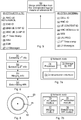
Figure 2 illustrates how asession ID 28 of a session logged in the first log CTR/UETR 20 in theeNB 5a may be obtained S1a from a third log, a Cell Trace UE ID Mapping (CTUM) log 29 in theMME 7. Due to security reasons, the International Mobile Subscriber Identity (IMSI) 28 of theradio device 2 is available inMME 7 trace log CTUM. The IMSI may be extracted from CTUM for allLTE sessions 11 using common identifiers available in both the first log (UETR) 20 and the third log (CTUM) 29 along with afirst timestamp 25. As an example, the session ID as discussed herein is or comprises theIMSI 28 of theradio device 2. - Thus, in some embodiments of the present disclosure, the extracting first information from the at least a
first log 20 comprises obtaining thesession ID 28 from athird log 29 which is associated with thefirst RAT 3a. In some embodiments, thethird log 29 is a CTUM log. In some embodiments, thesession ID 28 is obtained by findingidentification data communication session 11 in thethird log 29 which is identical to corresponding identification data in thefirst log 20. In some embodiments, the identification data comprises values of any or all of:eNB ID 22, eNB UE S1 interface Application Part (S1AP)ID 23, MMEUE S1AP ID 24, and thefirst time stamp 25. A time offset may be used for linking thefirst time stamp 25 of thethird log 29 with thefirst time stamp 25 of thefirst log 20, to account for any delay or inaccuracy. - As shown in
figure 2 , thefirst log 20 may also comprise Routing Area Code (RAC)UE reference 21, L3 messages and Extended Service Request (ESR) 26 information e.g. comprising information about whichsessions 11 have been involved in CSFB. -
Figure 3 illustrates how first information about thecommunication session 11, e.g. a voice call, may be extracted S1 from thefirst log 20 by filtering information relating to communication sessions which have moved between RATs from other communication sessions in the first log. This may be achieved by means of anESR 26, whereby information as to which loggedsessions 11 are associated with e.g. CSFB may be obtained. The information in thefirst log 20 relating to those sessions may then be extracted/filtered from information relating to other sessions. The information from thefirst log 20 which relates to asession 11 may be identified by asession ID 28 e.g. IMSI in combination with thefirst time stamp 25. - Thus, in some embodiments, the extracting S1 first information comprises using an
extended service request 26. -
Figure 4 similarly illustrates how second information about thecommunication session 11 may be extracted S2 from thesecond log 40 by filtering information relating to communication sessions which have moved between RATs from other communication sessions in the first log. The second log may be a General Performance Event Handling (GPEH) log in theRNC 8 of thesecond RAN 4b of thesecond RAT 3b. In WCDMA, theIMSI 28 is already available in theGPEH 40 data under Radio Access Network Application Part (RANAP) messages. There is thus no need for any actions in WCDMA corresponding to those offigure 2 relating to LTE. TheGPEH log 40 comprises for each session 11:Cell ID 41,RNC ID 42,UE Context ID 43,RNC Module ID 44, theIMSI 28, asecond time stamp 47 and L3 messages, as well as Location Area Update (LAU)request 46 information. By means of aLAU request 46, the information in theGPEH log 40 which relates tosessions 11 involving e.g. CSFB may be identified and filtered from information relating to other sessions logged in theGPEH log 40. The information from thesecond log 40 which relates to asession 11 may be identified by asession ID 28 e.g. IMSI in combination with thesecond time stamp 47. - Thus, in some embodiments, the
second log 40 is a General Performance Event Handling, GPEH, log. - Additionally or alternatively, In some embodiments, the extracting S2 second information comprises using a
LAU request 46. - Additionally or alternatively, the first information and second information, respectively, comprise information about network layer (L2)
messages communication session 11. -
Figure 5 illustrates how the information from the first andsecond logs session 11 may be merged S3. Especially, theL3 messages communication session 11. That the first and second informations from the first andsecond logs same session 11 may be determined by means of a combination of the IMSI 28 (which relates to theradio device 2 as subscriber and thus should be the same in both the first information and the second information) and the first and second timestamps which should correlate with each other (e.g. thesecond time stamp 47 may be appropriately later, by a predetermined time offset to account for delay, than the first time stamp 25) indicating that they relate to the same session which has been moved from thefirst RAT 3a to thesecond RAT 3b. In some embodiments, the merging S3 comprises using a predetermined time offset for relating the first andsecond time stamps - Typically, informations about a plurality of
sessions 11 are merged in this way, why it may be convenient to organize the merged information by means of assigning thesessions 11 reference ID:s as an alternative to using IMSI in combination with first and/or second time stamps which may be cumbersome (identifiers with many digits). - By means of the merged information, KPI:s of the
communication session 11 may be determined. In some embodiments, the at least one KPI comprises any or all of: Call Success Rate, and Call Setup Time. -
Figure 6 is a flow chart of an embodiment of the method of the present disclosure. The method is for obtaining at least one KPI for acommunication session 11 of aradio device 2, which communication session is moved from afirst RAT 3a to asecond RAT 3b. - First information about the communication session is extracted S1 from at least a
first log 20 associated with thefirst RAT 3a by filtering information relating to communication sessions which have moved between RATs from other communication sessions in the first log. The first information comprises asession ID 28 and afirst time stamp 25 associated with thecommunication session 11. As mentioned above, the extracting S1 first information may comprise obtaining S1a thesession ID 28 from athird log 29 which is associated with thefirst RAT 3a. - Before, after or in parallel with extracting S1 the first information, second information about the communication session is extracted S2 from a
second log 40 associated with thesecond RAT 3b by filtering information relating to communication sessions which have moved between RATs from other communication sessions in the second log. The first information comprises thesession ID 28 and asecond time stamp 47 associated with thecommunication session 11. - Then, the extracted S1 and S2 first and second information is merged S3 with each other by means of the
session ID 28 and the first andsecond time stamps - Then, the at least one KPI for the
communication session 11 is determined S4 based on the merged S3 information. - In some embodiments, the method is performed by a
network node 6 comprised in, or external to, the communication oroperator network 1. - According to an aspect of the present disclosure, there is provided a method of obtaining at least one KPI for a
communication session 11 of aradio device 2, which communication session is moved from afirst RAT 3a to asecond RAT 3b. The method comprises extracting S1 first information about the communication session from at least afirst log 20 associated with the first RAT by filtering information relating to communication sessions which have moved between RATs from other communication sessions in the first log, the first information comprising asession ID 28 and afirst time stamp 25 associated with thecommunication session 11. The method also comprises extracting S2 second information about the communication session from asecond log 40 associated with the second RAT by filtering information relating to communication sessions which have moved between RATs from other communication sessions in the second log, the first information comprising thesession ID 28 and asecond time stamp 47 associated with thecommunication session 11. The method also comprises merging S3 the extracted S1 and S2 first and second information with each other by means of thesession ID 28 and the first andsecond time stamps -
Figure 7a is a schematic block diagram of an embodiment of thenetwork node 6. Thenetwork node 6 comprisesprocessor circuitry 71 e.g. a central processing unit (CPU). Theprocessor circuitry 71 may comprise one or a plurality of processing units in the form of microprocessor(s). However, other suitable devices with computing capabilities could be comprised in theprocessor circuitry 71, e.g. an application specific integrated circuit (ASIC), a field programmable gate array (FPGA) or a complex programmable logic device (CPLD). Theprocessor circuitry 71 is configured to run one or several computer program(s) or software (SW) 81 (see alsofigure 8 ) stored in astorage 72 of one or several storage unit(s) e.g. a memory. The storage unit is regarded as a computer readable means 82 (seefigure 8 ) as discussed herein and may e.g. be in the form of a Random Access Memory (RAM), a Flash memory or other solid state memory, or a hard disk, or be a combination thereof. Theprocessor circuitry 71 may also be configured to store data in thestorage 72, as needed. Thenetwork node 6 also comprises acommunication interface 73, e.g. comprising a transmitter and a receiver, which may be combined to form a transceiver or be present as distinct units within thenetwork node 6, for communication with nodes/elements in thecommunication network 1 e.g. theeNB 5a, theRNC 8 and/or theMME 7, for performing an embodiment of the method of the present disclosure. - According to an aspect of the present disclosure, there is provided a
network node 6 configured for obtaining at least one KPI for acommunication session 11 of aradio device 2, which communication session is moved from afirst RAT 3a to asecond RAT 3b. The network node comprisesprocessor circuitry 71, andstorage 72 storinginstructions 81 executable by said processor circuitry whereby said network node is operative to extract first information about the communication session from at least afirst log 20 associated with the first RAT by filtering information relating to communication sessions which have moved between RATs from other communication sessions in the first log, the first information comprising asession ID 28 and afirst time stamp 25 associated with the communication session. The network node is also operative to extract second information about the communication session from asecond log 40 associated with the second RAT by filtering information relating to communication sessions which have moved between RATs from other communication sessions in the second log, the first information comprising thesession ID 28 and asecond time stamp 47 associated with the communication session. The network node is also operative to merge the extracted first and second information with each other by means of thesession ID 28 and the first andsecond time stamps -
Figure 7b is a schematic block diagram functionally illustrating an embodiment of thenetwork node 6 infigure 7a . As previously mentioned, theprocessor circuitry 71 may runsoftware 81 for enabling thenetwork node 6 to perform an embodiment of the method of the present disclosure, whereby functional modules may be formed innetwork node 6 e.g. in theprocessor circuitry 71 for performing the different steps of the method. These modules are schematically illustrated as blocks within thenetwork node 6. Thus, thenetwork node 6 comprises afirst extraction module 75 for extracting S1 first information about the communication session from at least afirst log 20 associated with the first RAT by filtering information relating to communication sessions which have moved between RATs from other communication sessions in the first log, the first information comprising asession ID 28 and afirst time stamp 25 associated with the communication session. Thenetwork node 6 also comprises asecond extraction module 76 for extracting S2 second information about the communication session from asecond log 40 associated with the second RAT by filtering information relating to communication sessions which have moved between RATs from other communication sessions in the second log, the first information comprising thesession ID 28 and asecond time stamp 47 associated with the communication session. Thenetwork node 6 also comprises a mergingmodule 77 for merging S3 the extracted S1 and S2 first and second information with each other by means of thesession ID 28 and the first andsecond time stamps network node 6 also comprises a determiningKPI module 78 for determining S4 the at least one KPI for the communication session based on the merged S3 information. - Alternatively, the modules 75-78 may be formed by hardware, or by a combination of software and hardware.
- According to an aspect of the present disclosure, there is provided a
network node 6 configured for obtaining at least one KPI for acommunication session 11 of aradio device 2, which communication session is moved from afirst RAT 3a to asecond RAT 3b. Thenetwork node 6 comprises means 75 for extracting S1 first information about the communication session from at least afirst log 20 associated with the first RAT by filtering information relating to communication sessions which have moved between RATs from other communication sessions in the first log, the first information comprising asession ID 28 and afirst time stamp 25 associated with the communication session. Thenetwork node 6 also comprises means 76 for extracting S2 second information about the communication session from asecond log 40 associated with the second RAT by filtering information relating to communication sessions which have moved between RATs from other communication sessions in the second log, the first information comprising thesession ID 28 and asecond time stamp 47 associated with the communication session. Thenetwork node 6 also comprises means 77 for merging S3 the extracted S1 and S2 first and second information with each other by means of thesession ID 28 and the first andsecond time stamps network node 6 also comprises means 78 for determining S4 the at least one KPI for the communication session based on the merged S3 information. -
Figure 8 illustrates an embodiment of acomputer program product 80. Thecomputer program product 80 comprises a computer readable (e.g. non-volatile and/or non-transitory) medium 82 comprising software/computer program 81 in the form of computer-executable components. Thecomputer program 81 may be configured to cause anetwork node 6, e.g. as discussed herein, to perform an embodiment of the method of the present disclosure. The computer program may be run on theprocessor circuitry 71 of thenetwork node 6 for causing it to perform the method. Thecomputer program product 80 may e.g. be comprised in a storage unit ormemory 82 comprised in thenetwork node 6 and associated with theprocessor circuitry 71. Alternatively, thecomputer program product 80 may be, or be part of, a separate, e.g. mobile, storage means/medium, such as a computer readable disc, e.g. CD or DVD or hard disc/drive, or a solid state storage medium, e.g. a RAM or Flash memory. Further examples of the storage medium can include, but are not limited to, any type of disk including floppy disks, optical discs, DVD, CD-ROMs, microdrive, and magneto-optical disks, ROMs, RAMs, EPROMs, EEPROMs, DRAMs, VRAMs, flash memory devices, magnetic or optical cards, nanosystems (including molecular memory ICs), or any type of media or device suitable for storing instructions and/or data. Embodiments of the present disclosure may be conveniently implemented using one or more conventional general purpose or specialized digital computer, computing device, machine, or microprocessor, including one or more processors, memory and/or computer readable storage media programmed according to the teachings of the present disclosure. Appropriate software coding can readily be prepared by skilled programmers based on the teachings of the present disclosure, as will be apparent to those skilled in the software art. - According to an aspect of the present disclosure, there is provided a
computer program product 80 comprising computer-executable components 81 for causing anetwork node 6 to perform an embodiment of the method of the present disclosure when the computer-executable components are run onprocessor circuitry 71 comprised in the network node. - According to another aspect of the present disclosure, there is provided a
computer program 81 for obtaining at least one KPI for acommunication session 11 of aradio device 2, which communication session is moved from afirst RAT 3a to asecond RAT 3b. The computer program comprises computer program code which is able to, when run onprocessor circuitry 71 of anetwork node 6, cause the network node to extract S1 first information about the communication session from at least afirst log 20 associated with the first RAT by filtering information relating to communication sessions which have moved between RATs from other communication sessions in the first log, the first information comprising asession ID 28 and afirst time stamp 25 associated with the communication session. The code is also able to cause thenetwork node 6 to extract S2 second information about the communication session from asecond log 40 associated with the second RAT by filtering information relating to communication sessions which have moved between RATs from other communication sessions in the second log, the first information comprising thesession ID 28 and asecond time stamp 47 associated with the communication session. The code is also able to cause thenetwork node 6 to merge S3 the extracted S1 and S2 first and second information with each other by means of thesession ID 28 and the first andsecond time stamps network node 6 to determine S4 the at least one KPI for the communication session based on the merged S3 information. - According to another aspect of the present disclosure, there is provided a
computer program product 80 comprising an embodiment of thecomputer program 81 of the present disclosure and a computer readable means 82 on which the computer program is stored. - Although the invention has been explained in relation to its preferred embodiment(s) as mentioned above, it is to be understood that many other possible modifications and variations can be made without departing from the scope of the present invention, which is defined by the claims.
Claims (16)
- A method of obtaining at least one Key Performance Indicator, KPI, for a communication session (11) of a radio device (2), which communication session is moved from a first Radio Access Technology, RAT, (3a) to a second RAT (3b), the method comprising:extracting (S1) first information from at least a first log (20) associated with the first RAT by filtering information relating to communication sessions which have moved between RATs from other communication sessions in the first log, the first information comprising a session identifier, ID, (28) and a first time stamp (25) associated with the communication session (11);extracting (S2) second information from a second log (40) associated with the second RAT by filtering information relating to communication sessions which have moved between RATs from other communication sessions in the second log, the second information comprising the session ID (28) and a second time stamp (47) associated with the communication session (11);merging (S3) information relating to the session (11) of the extracted (S1, S2) first and second information with each other by means of the session ID (28) and the first and second time stamps (25, 47), using a predetermined time offset for relating the first and second time stamps (25, 47) to each other; anddetermining (S4) the at least one KPI for the communication session based on the merged (S3) information.
- The method of claim 1, wherein the extracting (S1) first information comprises obtaining (S1a) the session ID (28) from a third log (29) which is associated with the first RAT (3a).
- The method of claim 2, wherein the third log (29) is a Cell Trace UE ID Mapping, CTUM, log.
- The method of claim 2 or 3, wherein the session ID (28) is obtained by finding identification data (22, 23, 24, 25) of the communication session (11) in the third log (29) which is identical to corresponding identification data in the first log (20).
- The method of claim 4, wherein the identification data comprises values of any or all of: evolved Node B, eNB, ID (22); eNB User Equipment, UE, S1 interface Application Part, SlAP, ID (23); Mobility Management Entity, MME, UE S1AP ID (24); and the first time stamp (25).
- The method of any preceding claim, wherein the first RAT (3a) is Long Term Evolution, LTE and the first log (20) is a User Equipment Traffic Recording, UETR, log.
- The method of any preceding claim, wherein the extracting (S1) first information comprises using an extended service request (26) and the extracting (S2) second information comprises using a Location Area Update, LAU, request (46).
- The method of any preceding claim, wherein the second RAT (3b) is Wideband Code Division Multiple Access, WCDMA; Code Division Multiple Access, CDMA; or Global System for Mobile Communications, GSM and the second log (40) is a General Performance Event Handling, GPEH, log.
- The method of any preceding claim, wherein the session (11) is moved as part of Circuit-Switched Fallback, CSFB; Single Radio Voice Call Continuity, SRVCC; or inter RAT data handover.
- The method of any preceding claim, wherein the first information and second information, respectively, comprise information about network layer messages (27, 48) of the communication session (11).
- The method of any preceding claim, wherein the session ID (28) comprises an International Mobile Subscriber Identity, IMSI, of the radio device (2).
- The method of any preceding claim, wherein the communication session (11) is a voice call.
- The method of any preceding claim, wherein the method is performed by a network node (6) outside of operator networks of the first and second RATs (3a, 3b), e.g. in a management network.
- The method of any preceding claim, wherein the at least one KPI comprises any or all of: Call Success Rate, and Call Setup Time.
- A network node (6) configured for obtaining at least one Key Performance Indicator, KPI, for a communication session (11) of a radio device (2), which communication session is moved from a first Radio Access Technology, RAT, (3a) to a second RAT (3b), the network node comprising:processor circuitry (71); andstorage (72) storing instructions (81) executable by said processor circuitry whereby said network node is operative to:extract first information from at least a first log (20) associated with the first RAT by filtering information relating to communication sessions which have moved between RATs from other communication sessions in the first log, the first information comprising a session identifier, ID, (28) and a first time stamp (25) associated with the communication session;extract second information from a second log (40) associated with the second RAT by filtering information relating to communication sessions which have moved between RATs from other communication sessions in the second log, the second information comprising the session ID (28) and a second time stamp (47) associated with the communication session;merge information relating to the session (11) of the extracted first and second information with each other by means of the session ID (28) and the first and second time stamps (25, 47), using a predetermined time offset for relating the first and second time stamps (25, 47) to each other; anddetermine the at least one KPI for the communication session based on the merged information.
- A computer program (81) for obtaining at least one Key Performance Indicator, KPI, for a communication session (11) of a radio device (2), which communication session is moved from a first Radio Access Technology, RAT, (3a) to a second RAT (3b), the computer program comprising computer program code which is able to, when run on processor circuitry (71) of a network node (6), cause the network node to:extract (S1) first information from at least a first log (20) associated with the first RAT by filtering information relating to communication sessions which have moved between RATs from other communication sessions in the first log, the first information comprising a session identifier, ID, (28) and a first time stamp (25) associated with the communication session;extract (S2) second information from a second log (40) associated with the second RAT by filtering information relating to communication sessions which have moved between RATs from other communication sessions in the second log, the second information comprising the session ID (28) and a second time stamp (47) associated with the communication session;merge (S3) information relating to the session (11) of the extracted (S1, S2) first and second information with each other by means of the session ID (28) and the first and second time stamps (25, 47), using a predetermined time offset for relating the first and second time stamps (25, 47) to each other; anddetermine (S4) the at least one KPI for the communication session based on the merged (S3) information.
Applications Claiming Priority (1)
| Application Number | Priority Date | Filing Date | Title |
|---|---|---|---|
| PCT/IN2015/050163 WO2017081696A1 (en) | 2015-11-12 | 2015-11-12 | Driveless method to capture csfb experience |
Publications (3)
| Publication Number | Publication Date |
|---|---|
| EP3375247A4 EP3375247A4 (en) | 2018-09-19 |
| EP3375247A1 EP3375247A1 (en) | 2018-09-19 |
| EP3375247B1 true EP3375247B1 (en) | 2020-05-06 |
Family
ID=58695942
Family Applications (1)
| Application Number | Title | Priority Date | Filing Date |
|---|---|---|---|
| EP15908236.1A Active EP3375247B1 (en) | 2015-11-12 | 2015-11-12 | Driveless method to capture csfb experience |
Country Status (3)
| Country | Link |
|---|---|
| US (1) | US10917819B2 (en) |
| EP (1) | EP3375247B1 (en) |
| WO (1) | WO2017081696A1 (en) |
Cited By (1)
| Publication number | Priority date | Publication date | Assignee | Title |
|---|---|---|---|---|
| US12476721B2 (en) | 2023-05-30 | 2025-11-18 | T-Mobile Usa, Inc. | Generating a test case associated with a test radio access network (RAN) based on key performance indicators associated with a production ran of a wireless telecommunication network |
Families Citing this family (1)
| Publication number | Priority date | Publication date | Assignee | Title |
|---|---|---|---|---|
| US12452123B2 (en) | 2023-11-06 | 2025-10-21 | T-Mobile Usa, Inc. | Integrating radio network and core network failure analyses using cross-domain matrices |
Family Cites Families (6)
| Publication number | Priority date | Publication date | Assignee | Title |
|---|---|---|---|---|
| US6076111A (en) * | 1997-10-24 | 2000-06-13 | Pictra, Inc. | Methods and apparatuses for transferring data between data processing systems which transfer a representation of the data before transferring the data |
| CN102695294B (en) * | 2007-05-28 | 2015-01-21 | 华为技术有限公司 | Network anchor point address deleting method and communication system |
| US8565187B2 (en) * | 2010-03-10 | 2013-10-22 | Via Telecom, Inc. | Fast reselection to other radio access technology after circuit switched fallback |
| WO2015070420A1 (en) * | 2013-11-14 | 2015-05-21 | Qualcomm Incorporated | Dual radio voice call continuity |
| US20160021673A1 (en) * | 2014-07-18 | 2016-01-21 | Qualcomm Incorporated | Ims based wwan-wlan mobility |
| KR102546956B1 (en) * | 2015-04-22 | 2023-06-26 | 인터디지탈 패튼 홀딩스, 인크 | Small data usage enablement in 3gpp networks |
-
2015
- 2015-11-12 US US15/775,280 patent/US10917819B2/en active Active
- 2015-11-12 EP EP15908236.1A patent/EP3375247B1/en active Active
- 2015-11-12 WO PCT/IN2015/050163 patent/WO2017081696A1/en not_active Ceased
Non-Patent Citations (1)
| Title |
|---|
| None * |
Cited By (1)
| Publication number | Priority date | Publication date | Assignee | Title |
|---|---|---|---|---|
| US12476721B2 (en) | 2023-05-30 | 2025-11-18 | T-Mobile Usa, Inc. | Generating a test case associated with a test radio access network (RAN) based on key performance indicators associated with a production ran of a wireless telecommunication network |
Also Published As
| Publication number | Publication date |
|---|---|
| EP3375247A4 (en) | 2018-09-19 |
| US10917819B2 (en) | 2021-02-09 |
| US20180376382A1 (en) | 2018-12-27 |
| WO2017081696A1 (en) | 2017-05-18 |
| EP3375247A1 (en) | 2018-09-19 |
Similar Documents
| Publication | Publication Date | Title |
|---|---|---|
| US12250594B2 (en) | History information recording method and apparatus, and computer-readable storage medium | |
| US8032168B2 (en) | Method, apparatus and computer program product for monitoring data transmission connections | |
| EP3335452B1 (en) | A node and method for handling a mobility procedure for a wireless device | |
| EP3393101B1 (en) | Monitoring deciphered s1 packets on unified serving nodes | |
| US12439328B2 (en) | Method for correlating data of terminal device and apparatus | |
| US11039338B2 (en) | Methods, systems, and computer readable media for control plane traffic filtering in a control and user plane separation (CUPS) environment | |
| CN103229548B (en) | Communication means, subscriber equipment and SRC | |
| CN101925142B (en) | Cell switching control method, network equipment and system | |
| EP3065465A1 (en) | Network selection method and core network device | |
| EP3216198B1 (en) | Improving voice call performance testing | |
| US9198013B2 (en) | Identifying base station types | |
| CN105592498B (en) | Method for reporting sweep frequency information and user terminal | |
| CN106993314B (en) | A fallback performance judgment method and device for circuit domain switching fallback | |
| WO2017059707A1 (en) | Method and apparatus for identifying user position | |
| US10917819B2 (en) | Driveless method to capture CSFB experience | |
| US10070335B2 (en) | Tracing inter-RAT events | |
| CN103229538B (en) | Message processing method and device between communication systems | |
| CN113475110B (en) | Wireless communication method, terminal equipment and network equipment | |
| CN106604329B (en) | A kind of method for switching network and equipment | |
| CN114124710B (en) | A business verification method and device | |
| CN103891338B (en) | Business analysis method and equipment | |
| CN107968996A (en) | A kind of method, Target cell and the cell-of-origin of acquisition IMSI | |
| CN115250483B (en) | Information measurement control method and device | |
| KR101005387B1 (en) | Method and apparatus for managing base station of mobile communication network | |
| CN103024764A (en) | Method, device and system for configuring logged minimization of drive test (MDT) |
Legal Events
| Date | Code | Title | Description |
|---|---|---|---|
| STAA | Information on the status of an ep patent application or granted ep patent |
Free format text: STATUS: THE INTERNATIONAL PUBLICATION HAS BEEN MADE |
|
| PUAI | Public reference made under article 153(3) epc to a published international application that has entered the european phase |
Free format text: ORIGINAL CODE: 0009012 |
|
| STAA | Information on the status of an ep patent application or granted ep patent |
Free format text: STATUS: REQUEST FOR EXAMINATION WAS MADE |
|
| 17P | Request for examination filed |
Effective date: 20180517 |
|
| A4 | Supplementary search report drawn up and despatched |
Effective date: 20180810 |
|
| AK | Designated contracting states |
Kind code of ref document: A1 Designated state(s): AL AT BE BG CH CY CZ DE DK EE ES FI FR GB GR HR HU IE IS IT LI LT LU LV MC MK MT NL NO PL PT RO RS SE SI SK SM TR |
|
| AX | Request for extension of the european patent |
Extension state: BA ME |
|
| DAV | Request for validation of the european patent (deleted) | ||
| DAX | Request for extension of the european patent (deleted) | ||
| REG | Reference to a national code |
Ref country code: DE Ref legal event code: R079 Ref document number: 602015052611 Country of ref document: DE Free format text: PREVIOUS MAIN CLASS: H04W0080100000 Ipc: H04W0016180000 |
|
| GRAP | Despatch of communication of intention to grant a patent |
Free format text: ORIGINAL CODE: EPIDOSNIGR1 |
|
| STAA | Information on the status of an ep patent application or granted ep patent |
Free format text: STATUS: GRANT OF PATENT IS INTENDED |
|
| RIC1 | Information provided on ipc code assigned before grant |
Ipc: H04W 80/06 20090101ALI20191218BHEP Ipc: H04W 80/10 20090101ALI20191218BHEP Ipc: H04W 36/00 20090101ALI20191218BHEP Ipc: H04W 76/16 20180101ALI20191218BHEP Ipc: H04W 16/18 20090101AFI20191218BHEP |
|
| INTG | Intention to grant announced |
Effective date: 20200121 |
|
| GRAS | Grant fee paid |
Free format text: ORIGINAL CODE: EPIDOSNIGR3 |
|
| GRAA | (expected) grant |
Free format text: ORIGINAL CODE: 0009210 |
|
| STAA | Information on the status of an ep patent application or granted ep patent |
Free format text: STATUS: THE PATENT HAS BEEN GRANTED |
|
| AK | Designated contracting states |
Kind code of ref document: B1 Designated state(s): AL AT BE BG CH CY CZ DE DK EE ES FI FR GB GR HR HU IE IS IT LI LT LU LV MC MK MT NL NO PL PT RO RS SE SI SK SM TR |
|
| REG | Reference to a national code |
Ref country code: GB Ref legal event code: FG4D |
|
| REG | Reference to a national code |
Ref country code: CH Ref legal event code: EP Ref country code: AT Ref legal event code: REF Ref document number: 1268823 Country of ref document: AT Kind code of ref document: T Effective date: 20200515 |
|
| REG | Reference to a national code |
Ref country code: IE Ref legal event code: FG4D |
|
| REG | Reference to a national code |
Ref country code: DE Ref legal event code: R096 Ref document number: 602015052611 Country of ref document: DE |
|
| REG | Reference to a national code |
Ref country code: LT Ref legal event code: MG4D |
|
| REG | Reference to a national code |
Ref country code: NL Ref legal event code: MP Effective date: 20200506 |
|
| PG25 | Lapsed in a contracting state [announced via postgrant information from national office to epo] |
Ref country code: SE Free format text: LAPSE BECAUSE OF FAILURE TO SUBMIT A TRANSLATION OF THE DESCRIPTION OR TO PAY THE FEE WITHIN THE PRESCRIBED TIME-LIMIT Effective date: 20200506 Ref country code: LT Free format text: LAPSE BECAUSE OF FAILURE TO SUBMIT A TRANSLATION OF THE DESCRIPTION OR TO PAY THE FEE WITHIN THE PRESCRIBED TIME-LIMIT Effective date: 20200506 Ref country code: IS Free format text: LAPSE BECAUSE OF FAILURE TO SUBMIT A TRANSLATION OF THE DESCRIPTION OR TO PAY THE FEE WITHIN THE PRESCRIBED TIME-LIMIT Effective date: 20200906 Ref country code: PT Free format text: LAPSE BECAUSE OF FAILURE TO SUBMIT A TRANSLATION OF THE DESCRIPTION OR TO PAY THE FEE WITHIN THE PRESCRIBED TIME-LIMIT Effective date: 20200907 Ref country code: FI Free format text: LAPSE BECAUSE OF FAILURE TO SUBMIT A TRANSLATION OF THE DESCRIPTION OR TO PAY THE FEE WITHIN THE PRESCRIBED TIME-LIMIT Effective date: 20200506 Ref country code: NO Free format text: LAPSE BECAUSE OF FAILURE TO SUBMIT A TRANSLATION OF THE DESCRIPTION OR TO PAY THE FEE WITHIN THE PRESCRIBED TIME-LIMIT Effective date: 20200806 Ref country code: GR Free format text: LAPSE BECAUSE OF FAILURE TO SUBMIT A TRANSLATION OF THE DESCRIPTION OR TO PAY THE FEE WITHIN THE PRESCRIBED TIME-LIMIT Effective date: 20200807 |
|
| PG25 | Lapsed in a contracting state [announced via postgrant information from national office to epo] |
Ref country code: LV Free format text: LAPSE BECAUSE OF FAILURE TO SUBMIT A TRANSLATION OF THE DESCRIPTION OR TO PAY THE FEE WITHIN THE PRESCRIBED TIME-LIMIT Effective date: 20200506 Ref country code: RS Free format text: LAPSE BECAUSE OF FAILURE TO SUBMIT A TRANSLATION OF THE DESCRIPTION OR TO PAY THE FEE WITHIN THE PRESCRIBED TIME-LIMIT Effective date: 20200506 Ref country code: BG Free format text: LAPSE BECAUSE OF FAILURE TO SUBMIT A TRANSLATION OF THE DESCRIPTION OR TO PAY THE FEE WITHIN THE PRESCRIBED TIME-LIMIT Effective date: 20200806 Ref country code: HR Free format text: LAPSE BECAUSE OF FAILURE TO SUBMIT A TRANSLATION OF THE DESCRIPTION OR TO PAY THE FEE WITHIN THE PRESCRIBED TIME-LIMIT Effective date: 20200506 |
|
| REG | Reference to a national code |
Ref country code: AT Ref legal event code: MK05 Ref document number: 1268823 Country of ref document: AT Kind code of ref document: T Effective date: 20200506 |
|
| PG25 | Lapsed in a contracting state [announced via postgrant information from national office to epo] |
Ref country code: NL Free format text: LAPSE BECAUSE OF FAILURE TO SUBMIT A TRANSLATION OF THE DESCRIPTION OR TO PAY THE FEE WITHIN THE PRESCRIBED TIME-LIMIT Effective date: 20200506 Ref country code: AL Free format text: LAPSE BECAUSE OF FAILURE TO SUBMIT A TRANSLATION OF THE DESCRIPTION OR TO PAY THE FEE WITHIN THE PRESCRIBED TIME-LIMIT Effective date: 20200506 |
|
| PG25 | Lapsed in a contracting state [announced via postgrant information from national office to epo] |
Ref country code: RO Free format text: LAPSE BECAUSE OF FAILURE TO SUBMIT A TRANSLATION OF THE DESCRIPTION OR TO PAY THE FEE WITHIN THE PRESCRIBED TIME-LIMIT Effective date: 20200506 Ref country code: IT Free format text: LAPSE BECAUSE OF FAILURE TO SUBMIT A TRANSLATION OF THE DESCRIPTION OR TO PAY THE FEE WITHIN THE PRESCRIBED TIME-LIMIT Effective date: 20200506 Ref country code: CZ Free format text: LAPSE BECAUSE OF FAILURE TO SUBMIT A TRANSLATION OF THE DESCRIPTION OR TO PAY THE FEE WITHIN THE PRESCRIBED TIME-LIMIT Effective date: 20200506 Ref country code: SM Free format text: LAPSE BECAUSE OF FAILURE TO SUBMIT A TRANSLATION OF THE DESCRIPTION OR TO PAY THE FEE WITHIN THE PRESCRIBED TIME-LIMIT Effective date: 20200506 Ref country code: EE Free format text: LAPSE BECAUSE OF FAILURE TO SUBMIT A TRANSLATION OF THE DESCRIPTION OR TO PAY THE FEE WITHIN THE PRESCRIBED TIME-LIMIT Effective date: 20200506 Ref country code: DK Free format text: LAPSE BECAUSE OF FAILURE TO SUBMIT A TRANSLATION OF THE DESCRIPTION OR TO PAY THE FEE WITHIN THE PRESCRIBED TIME-LIMIT Effective date: 20200506 Ref country code: AT Free format text: LAPSE BECAUSE OF FAILURE TO SUBMIT A TRANSLATION OF THE DESCRIPTION OR TO PAY THE FEE WITHIN THE PRESCRIBED TIME-LIMIT Effective date: 20200506 Ref country code: ES Free format text: LAPSE BECAUSE OF FAILURE TO SUBMIT A TRANSLATION OF THE DESCRIPTION OR TO PAY THE FEE WITHIN THE PRESCRIBED TIME-LIMIT Effective date: 20200506 |
|
| REG | Reference to a national code |
Ref country code: DE Ref legal event code: R097 Ref document number: 602015052611 Country of ref document: DE |
|
| PG25 | Lapsed in a contracting state [announced via postgrant information from national office to epo] |
Ref country code: SK Free format text: LAPSE BECAUSE OF FAILURE TO SUBMIT A TRANSLATION OF THE DESCRIPTION OR TO PAY THE FEE WITHIN THE PRESCRIBED TIME-LIMIT Effective date: 20200506 Ref country code: PL Free format text: LAPSE BECAUSE OF FAILURE TO SUBMIT A TRANSLATION OF THE DESCRIPTION OR TO PAY THE FEE WITHIN THE PRESCRIBED TIME-LIMIT Effective date: 20200506 |
|
| PLBE | No opposition filed within time limit |
Free format text: ORIGINAL CODE: 0009261 |
|
| STAA | Information on the status of an ep patent application or granted ep patent |
Free format text: STATUS: NO OPPOSITION FILED WITHIN TIME LIMIT |
|
| 26N | No opposition filed |
Effective date: 20210209 |
|
| PG25 | Lapsed in a contracting state [announced via postgrant information from national office to epo] |
Ref country code: SI Free format text: LAPSE BECAUSE OF FAILURE TO SUBMIT A TRANSLATION OF THE DESCRIPTION OR TO PAY THE FEE WITHIN THE PRESCRIBED TIME-LIMIT Effective date: 20200506 |
|
| PG25 | Lapsed in a contracting state [announced via postgrant information from national office to epo] |
Ref country code: MC Free format text: LAPSE BECAUSE OF FAILURE TO SUBMIT A TRANSLATION OF THE DESCRIPTION OR TO PAY THE FEE WITHIN THE PRESCRIBED TIME-LIMIT Effective date: 20200506 |
|
| REG | Reference to a national code |
Ref country code: CH Ref legal event code: PL |
|
| PG25 | Lapsed in a contracting state [announced via postgrant information from national office to epo] |
Ref country code: LU Free format text: LAPSE BECAUSE OF NON-PAYMENT OF DUE FEES Effective date: 20201112 |
|
| REG | Reference to a national code |
Ref country code: BE Ref legal event code: MM Effective date: 20201130 |
|
| PG25 | Lapsed in a contracting state [announced via postgrant information from national office to epo] |
Ref country code: CH Free format text: LAPSE BECAUSE OF NON-PAYMENT OF DUE FEES Effective date: 20201130 Ref country code: LI Free format text: LAPSE BECAUSE OF NON-PAYMENT OF DUE FEES Effective date: 20201130 |
|
| PG25 | Lapsed in a contracting state [announced via postgrant information from national office to epo] |
Ref country code: IE Free format text: LAPSE BECAUSE OF NON-PAYMENT OF DUE FEES Effective date: 20201112 |
|
| PG25 | Lapsed in a contracting state [announced via postgrant information from national office to epo] |
Ref country code: TR Free format text: LAPSE BECAUSE OF FAILURE TO SUBMIT A TRANSLATION OF THE DESCRIPTION OR TO PAY THE FEE WITHIN THE PRESCRIBED TIME-LIMIT Effective date: 20200506 Ref country code: MT Free format text: LAPSE BECAUSE OF FAILURE TO SUBMIT A TRANSLATION OF THE DESCRIPTION OR TO PAY THE FEE WITHIN THE PRESCRIBED TIME-LIMIT Effective date: 20200506 Ref country code: CY Free format text: LAPSE BECAUSE OF FAILURE TO SUBMIT A TRANSLATION OF THE DESCRIPTION OR TO PAY THE FEE WITHIN THE PRESCRIBED TIME-LIMIT Effective date: 20200506 |
|
| PG25 | Lapsed in a contracting state [announced via postgrant information from national office to epo] |
Ref country code: MK Free format text: LAPSE BECAUSE OF FAILURE TO SUBMIT A TRANSLATION OF THE DESCRIPTION OR TO PAY THE FEE WITHIN THE PRESCRIBED TIME-LIMIT Effective date: 20200506 |
|
| PG25 | Lapsed in a contracting state [announced via postgrant information from national office to epo] |
Ref country code: BE Free format text: LAPSE BECAUSE OF NON-PAYMENT OF DUE FEES Effective date: 20201130 |
|
| PGFP | Annual fee paid to national office [announced via postgrant information from national office to epo] |
Ref country code: FR Payment date: 20221123 Year of fee payment: 8 Ref country code: DE Payment date: 20221125 Year of fee payment: 8 |
|
| REG | Reference to a national code |
Ref country code: DE Ref legal event code: R119 Ref document number: 602015052611 Country of ref document: DE |
|
| PG25 | Lapsed in a contracting state [announced via postgrant information from national office to epo] |
Ref country code: DE Free format text: LAPSE BECAUSE OF NON-PAYMENT OF DUE FEES Effective date: 20240601 |
|
| PG25 | Lapsed in a contracting state [announced via postgrant information from national office to epo] |
Ref country code: FR Free format text: LAPSE BECAUSE OF NON-PAYMENT OF DUE FEES Effective date: 20231130 |
|
| PG25 | Lapsed in a contracting state [announced via postgrant information from national office to epo] |
Ref country code: FR Free format text: LAPSE BECAUSE OF NON-PAYMENT OF DUE FEES Effective date: 20231130 Ref country code: DE Free format text: LAPSE BECAUSE OF NON-PAYMENT OF DUE FEES Effective date: 20240601 |
|
| PGFP | Annual fee paid to national office [announced via postgrant information from national office to epo] |
Ref country code: GB Payment date: 20251127 Year of fee payment: 11 |