EP3366309A1 - Hair-growth promoting composition and usage thereof - Google Patents
Hair-growth promoting composition and usage thereof Download PDFInfo
- Publication number
- EP3366309A1 EP3366309A1 EP16857427.5A EP16857427A EP3366309A1 EP 3366309 A1 EP3366309 A1 EP 3366309A1 EP 16857427 A EP16857427 A EP 16857427A EP 3366309 A1 EP3366309 A1 EP 3366309A1
- Authority
- EP
- European Patent Office
- Prior art keywords
- inos
- hair
- composition
- hair growth
- composition according
- Prior art date
- Legal status (The legal status is an assumption and is not a legal conclusion. Google has not performed a legal analysis and makes no representation as to the accuracy of the status listed.)
- Withdrawn
Links
Images





Classifications
-
- A—HUMAN NECESSITIES
- A61—MEDICAL OR VETERINARY SCIENCE; HYGIENE
- A61K—PREPARATIONS FOR MEDICAL, DENTAL OR TOILETRY PURPOSES
- A61K31/00—Medicinal preparations containing organic active ingredients
- A61K31/13—Amines
- A61K31/155—Amidines (), e.g. guanidine (H2N—C(=NH)—NH2), isourea (N=C(OH)—NH2), isothiourea (—N=C(SH)—NH2)
-
- A—HUMAN NECESSITIES
- A23—FOODS OR FOODSTUFFS; TREATMENT THEREOF, NOT COVERED BY OTHER CLASSES
- A23L—FOODS, FOODSTUFFS OR NON-ALCOHOLIC BEVERAGES, NOT OTHERWISE PROVIDED FOR; PREPARATION OR TREATMENT THEREOF
- A23L33/00—Modifying nutritive qualities of foods; Dietetic products; Preparation or treatment thereof
- A23L33/10—Modifying nutritive qualities of foods; Dietetic products; Preparation or treatment thereof using additives
-
- A—HUMAN NECESSITIES
- A61—MEDICAL OR VETERINARY SCIENCE; HYGIENE
- A61K—PREPARATIONS FOR MEDICAL, DENTAL OR TOILETRY PURPOSES
- A61K31/00—Medicinal preparations containing organic active ingredients
- A61K31/13—Amines
- A61K31/131—Amines acyclic
-
- A—HUMAN NECESSITIES
- A61—MEDICAL OR VETERINARY SCIENCE; HYGIENE
- A61K—PREPARATIONS FOR MEDICAL, DENTAL OR TOILETRY PURPOSES
- A61K31/00—Medicinal preparations containing organic active ingredients
- A61K31/13—Amines
- A61K31/145—Amines having sulfur, e.g. thiurams (>N—C(S)—S—C(S)—N< and >N—C(S)—S—S—C(S)—N<), Sulfinylamines (—N=SO), Sulfonylamines (—N=SO2)
-
- A—HUMAN NECESSITIES
- A61—MEDICAL OR VETERINARY SCIENCE; HYGIENE
- A61K—PREPARATIONS FOR MEDICAL, DENTAL OR TOILETRY PURPOSES
- A61K31/00—Medicinal preparations containing organic active ingredients
- A61K31/185—Acids; Anhydrides, halides or salts thereof, e.g. sulfur acids, imidic, hydrazonic or hydroximic acids
- A61K31/19—Carboxylic acids, e.g. valproic acid
- A61K31/195—Carboxylic acids, e.g. valproic acid having an amino group
- A61K31/197—Carboxylic acids, e.g. valproic acid having an amino group the amino and the carboxyl groups being attached to the same acyclic carbon chain, e.g. gamma-aminobutyric acid [GABA], beta-alanine, epsilon-aminocaproic acid or pantothenic acid
-
- A—HUMAN NECESSITIES
- A61—MEDICAL OR VETERINARY SCIENCE; HYGIENE
- A61K—PREPARATIONS FOR MEDICAL, DENTAL OR TOILETRY PURPOSES
- A61K31/00—Medicinal preparations containing organic active ingredients
- A61K31/185—Acids; Anhydrides, halides or salts thereof, e.g. sulfur acids, imidic, hydrazonic or hydroximic acids
- A61K31/19—Carboxylic acids, e.g. valproic acid
- A61K31/195—Carboxylic acids, e.g. valproic acid having an amino group
- A61K31/197—Carboxylic acids, e.g. valproic acid having an amino group the amino and the carboxyl groups being attached to the same acyclic carbon chain, e.g. gamma-aminobutyric acid [GABA], beta-alanine, epsilon-aminocaproic acid or pantothenic acid
- A61K31/198—Alpha-amino acids, e.g. alanine or edetic acid [EDTA]
-
- A—HUMAN NECESSITIES
- A61—MEDICAL OR VETERINARY SCIENCE; HYGIENE
- A61K—PREPARATIONS FOR MEDICAL, DENTAL OR TOILETRY PURPOSES
- A61K31/00—Medicinal preparations containing organic active ingredients
- A61K31/33—Heterocyclic compounds
- A61K31/395—Heterocyclic compounds having nitrogen as a ring hetero atom, e.g. guanethidine or rifamycins
- A61K31/435—Heterocyclic compounds having nitrogen as a ring hetero atom, e.g. guanethidine or rifamycins having six-membered rings with one nitrogen as the only ring hetero atom
-
- A—HUMAN NECESSITIES
- A61—MEDICAL OR VETERINARY SCIENCE; HYGIENE
- A61K—PREPARATIONS FOR MEDICAL, DENTAL OR TOILETRY PURPOSES
- A61K31/00—Medicinal preparations containing organic active ingredients
- A61K31/33—Heterocyclic compounds
- A61K31/395—Heterocyclic compounds having nitrogen as a ring hetero atom, e.g. guanethidine or rifamycins
- A61K31/435—Heterocyclic compounds having nitrogen as a ring hetero atom, e.g. guanethidine or rifamycins having six-membered rings with one nitrogen as the only ring hetero atom
- A61K31/4353—Heterocyclic compounds having nitrogen as a ring hetero atom, e.g. guanethidine or rifamycins having six-membered rings with one nitrogen as the only ring hetero atom ortho- or peri-condensed with heterocyclic ring systems
- A61K31/437—Heterocyclic compounds having nitrogen as a ring hetero atom, e.g. guanethidine or rifamycins having six-membered rings with one nitrogen as the only ring hetero atom ortho- or peri-condensed with heterocyclic ring systems the heterocyclic ring system containing a five-membered ring having nitrogen as a ring hetero atom, e.g. indolizine, beta-carboline
-
- A—HUMAN NECESSITIES
- A61—MEDICAL OR VETERINARY SCIENCE; HYGIENE
- A61K—PREPARATIONS FOR MEDICAL, DENTAL OR TOILETRY PURPOSES
- A61K31/00—Medicinal preparations containing organic active ingredients
- A61K31/33—Heterocyclic compounds
- A61K31/395—Heterocyclic compounds having nitrogen as a ring hetero atom, e.g. guanethidine or rifamycins
- A61K31/435—Heterocyclic compounds having nitrogen as a ring hetero atom, e.g. guanethidine or rifamycins having six-membered rings with one nitrogen as the only ring hetero atom
- A61K31/44—Non condensed pyridines; Hydrogenated derivatives thereof
- A61K31/4427—Non condensed pyridines; Hydrogenated derivatives thereof containing further heterocyclic ring systems
- A61K31/444—Non condensed pyridines; Hydrogenated derivatives thereof containing further heterocyclic ring systems containing a six-membered ring with nitrogen as a ring heteroatom, e.g. amrinone
-
- A—HUMAN NECESSITIES
- A61—MEDICAL OR VETERINARY SCIENCE; HYGIENE
- A61K—PREPARATIONS FOR MEDICAL, DENTAL OR TOILETRY PURPOSES
- A61K31/00—Medicinal preparations containing organic active ingredients
- A61K31/33—Heterocyclic compounds
- A61K31/395—Heterocyclic compounds having nitrogen as a ring hetero atom, e.g. guanethidine or rifamycins
- A61K31/435—Heterocyclic compounds having nitrogen as a ring hetero atom, e.g. guanethidine or rifamycins having six-membered rings with one nitrogen as the only ring hetero atom
- A61K31/44—Non condensed pyridines; Hydrogenated derivatives thereof
- A61K31/445—Non condensed piperidines, e.g. piperocaine
- A61K31/4453—Non condensed piperidines, e.g. piperocaine only substituted in position 1, e.g. propipocaine, diperodon
-
- A—HUMAN NECESSITIES
- A61—MEDICAL OR VETERINARY SCIENCE; HYGIENE
- A61K—PREPARATIONS FOR MEDICAL, DENTAL OR TOILETRY PURPOSES
- A61K31/00—Medicinal preparations containing organic active ingredients
- A61K31/56—Compounds containing cyclopenta[a]hydrophenanthrene ring systems; Derivatives thereof, e.g. steroids
- A61K31/57—Compounds containing cyclopenta[a]hydrophenanthrene ring systems; Derivatives thereof, e.g. steroids substituted in position 17 beta by a chain of two carbon atoms, e.g. pregnane or progesterone
- A61K31/573—Compounds containing cyclopenta[a]hydrophenanthrene ring systems; Derivatives thereof, e.g. steroids substituted in position 17 beta by a chain of two carbon atoms, e.g. pregnane or progesterone substituted in position 21, e.g. cortisone, dexamethasone, prednisone or aldosterone
-
- A—HUMAN NECESSITIES
- A61—MEDICAL OR VETERINARY SCIENCE; HYGIENE
- A61K—PREPARATIONS FOR MEDICAL, DENTAL OR TOILETRY PURPOSES
- A61K31/00—Medicinal preparations containing organic active ingredients
- A61K31/70—Carbohydrates; Sugars; Derivatives thereof
- A61K31/7088—Compounds having three or more nucleosides or nucleotides
- A61K31/713—Double-stranded nucleic acids or oligonucleotides
-
- A—HUMAN NECESSITIES
- A61—MEDICAL OR VETERINARY SCIENCE; HYGIENE
- A61K—PREPARATIONS FOR MEDICAL, DENTAL OR TOILETRY PURPOSES
- A61K39/00—Medicinal preparations containing antigens or antibodies
- A61K39/395—Antibodies; Immunoglobulins; Immune serum, e.g. antilymphocytic serum
-
- A—HUMAN NECESSITIES
- A61—MEDICAL OR VETERINARY SCIENCE; HYGIENE
- A61K—PREPARATIONS FOR MEDICAL, DENTAL OR TOILETRY PURPOSES
- A61K45/00—Medicinal preparations containing active ingredients not provided for in groups A61K31/00 - A61K41/00
- A61K45/06—Mixtures of active ingredients without chemical characterisation, e.g. antiphlogistics and cardiaca
-
- A—HUMAN NECESSITIES
- A61—MEDICAL OR VETERINARY SCIENCE; HYGIENE
- A61K—PREPARATIONS FOR MEDICAL, DENTAL OR TOILETRY PURPOSES
- A61K8/00—Cosmetics or similar toiletry preparations
- A61K8/18—Cosmetics or similar toiletry preparations characterised by the composition
- A61K8/30—Cosmetics or similar toiletry preparations characterised by the composition containing organic compounds
- A61K8/40—Cosmetics or similar toiletry preparations characterised by the composition containing organic compounds containing nitrogen
-
- A—HUMAN NECESSITIES
- A61—MEDICAL OR VETERINARY SCIENCE; HYGIENE
- A61K—PREPARATIONS FOR MEDICAL, DENTAL OR TOILETRY PURPOSES
- A61K8/00—Cosmetics or similar toiletry preparations
- A61K8/18—Cosmetics or similar toiletry preparations characterised by the composition
- A61K8/30—Cosmetics or similar toiletry preparations characterised by the composition containing organic compounds
- A61K8/40—Cosmetics or similar toiletry preparations characterised by the composition containing organic compounds containing nitrogen
- A61K8/41—Amines
-
- A—HUMAN NECESSITIES
- A61—MEDICAL OR VETERINARY SCIENCE; HYGIENE
- A61K—PREPARATIONS FOR MEDICAL, DENTAL OR TOILETRY PURPOSES
- A61K8/00—Cosmetics or similar toiletry preparations
- A61K8/18—Cosmetics or similar toiletry preparations characterised by the composition
- A61K8/30—Cosmetics or similar toiletry preparations characterised by the composition containing organic compounds
- A61K8/40—Cosmetics or similar toiletry preparations characterised by the composition containing organic compounds containing nitrogen
- A61K8/43—Guanidines
-
- A—HUMAN NECESSITIES
- A61—MEDICAL OR VETERINARY SCIENCE; HYGIENE
- A61K—PREPARATIONS FOR MEDICAL, DENTAL OR TOILETRY PURPOSES
- A61K8/00—Cosmetics or similar toiletry preparations
- A61K8/18—Cosmetics or similar toiletry preparations characterised by the composition
- A61K8/30—Cosmetics or similar toiletry preparations characterised by the composition containing organic compounds
- A61K8/40—Cosmetics or similar toiletry preparations characterised by the composition containing organic compounds containing nitrogen
- A61K8/44—Aminocarboxylic acids or derivatives thereof, e.g. aminocarboxylic acids containing sulfur; Salts; Esters or N-acylated derivatives thereof
-
- A—HUMAN NECESSITIES
- A61—MEDICAL OR VETERINARY SCIENCE; HYGIENE
- A61K—PREPARATIONS FOR MEDICAL, DENTAL OR TOILETRY PURPOSES
- A61K8/00—Cosmetics or similar toiletry preparations
- A61K8/18—Cosmetics or similar toiletry preparations characterised by the composition
- A61K8/30—Cosmetics or similar toiletry preparations characterised by the composition containing organic compounds
- A61K8/46—Cosmetics or similar toiletry preparations characterised by the composition containing organic compounds containing sulfur
-
- A—HUMAN NECESSITIES
- A61—MEDICAL OR VETERINARY SCIENCE; HYGIENE
- A61K—PREPARATIONS FOR MEDICAL, DENTAL OR TOILETRY PURPOSES
- A61K8/00—Cosmetics or similar toiletry preparations
- A61K8/18—Cosmetics or similar toiletry preparations characterised by the composition
- A61K8/30—Cosmetics or similar toiletry preparations characterised by the composition containing organic compounds
- A61K8/49—Cosmetics or similar toiletry preparations characterised by the composition containing organic compounds containing heterocyclic compounds
-
- A—HUMAN NECESSITIES
- A61—MEDICAL OR VETERINARY SCIENCE; HYGIENE
- A61K—PREPARATIONS FOR MEDICAL, DENTAL OR TOILETRY PURPOSES
- A61K8/00—Cosmetics or similar toiletry preparations
- A61K8/18—Cosmetics or similar toiletry preparations characterised by the composition
- A61K8/30—Cosmetics or similar toiletry preparations characterised by the composition containing organic compounds
- A61K8/49—Cosmetics or similar toiletry preparations characterised by the composition containing organic compounds containing heterocyclic compounds
- A61K8/4906—Cosmetics or similar toiletry preparations characterised by the composition containing organic compounds containing heterocyclic compounds with one nitrogen as the only hetero atom
- A61K8/4926—Cosmetics or similar toiletry preparations characterised by the composition containing organic compounds containing heterocyclic compounds with one nitrogen as the only hetero atom having six membered rings
-
- A—HUMAN NECESSITIES
- A61—MEDICAL OR VETERINARY SCIENCE; HYGIENE
- A61K—PREPARATIONS FOR MEDICAL, DENTAL OR TOILETRY PURPOSES
- A61K8/00—Cosmetics or similar toiletry preparations
- A61K8/18—Cosmetics or similar toiletry preparations characterised by the composition
- A61K8/30—Cosmetics or similar toiletry preparations characterised by the composition containing organic compounds
- A61K8/49—Cosmetics or similar toiletry preparations characterised by the composition containing organic compounds containing heterocyclic compounds
- A61K8/494—Cosmetics or similar toiletry preparations characterised by the composition containing organic compounds containing heterocyclic compounds with more than one nitrogen as the only hetero atom
- A61K8/4946—Imidazoles or their condensed derivatives, e.g. benzimidazoles
-
- A—HUMAN NECESSITIES
- A61—MEDICAL OR VETERINARY SCIENCE; HYGIENE
- A61K—PREPARATIONS FOR MEDICAL, DENTAL OR TOILETRY PURPOSES
- A61K8/00—Cosmetics or similar toiletry preparations
- A61K8/18—Cosmetics or similar toiletry preparations characterised by the composition
- A61K8/30—Cosmetics or similar toiletry preparations characterised by the composition containing organic compounds
- A61K8/49—Cosmetics or similar toiletry preparations characterised by the composition containing organic compounds containing heterocyclic compounds
- A61K8/494—Cosmetics or similar toiletry preparations characterised by the composition containing organic compounds containing heterocyclic compounds with more than one nitrogen as the only hetero atom
- A61K8/4953—Cosmetics or similar toiletry preparations characterised by the composition containing organic compounds containing heterocyclic compounds with more than one nitrogen as the only hetero atom containing pyrimidine ring derivatives, e.g. minoxidil
-
- A—HUMAN NECESSITIES
- A61—MEDICAL OR VETERINARY SCIENCE; HYGIENE
- A61K—PREPARATIONS FOR MEDICAL, DENTAL OR TOILETRY PURPOSES
- A61K8/00—Cosmetics or similar toiletry preparations
- A61K8/18—Cosmetics or similar toiletry preparations characterised by the composition
- A61K8/30—Cosmetics or similar toiletry preparations characterised by the composition containing organic compounds
- A61K8/49—Cosmetics or similar toiletry preparations characterised by the composition containing organic compounds containing heterocyclic compounds
- A61K8/494—Cosmetics or similar toiletry preparations characterised by the composition containing organic compounds containing heterocyclic compounds with more than one nitrogen as the only hetero atom
- A61K8/496—Triazoles or their condensed derivatives, e.g. benzotriazoles
-
- A—HUMAN NECESSITIES
- A61—MEDICAL OR VETERINARY SCIENCE; HYGIENE
- A61K—PREPARATIONS FOR MEDICAL, DENTAL OR TOILETRY PURPOSES
- A61K8/00—Cosmetics or similar toiletry preparations
- A61K8/18—Cosmetics or similar toiletry preparations characterised by the composition
- A61K8/30—Cosmetics or similar toiletry preparations characterised by the composition containing organic compounds
- A61K8/60—Sugars; Derivatives thereof
- A61K8/606—Nucleosides; Nucleotides; Nucleic acids
-
- A—HUMAN NECESSITIES
- A61—MEDICAL OR VETERINARY SCIENCE; HYGIENE
- A61K—PREPARATIONS FOR MEDICAL, DENTAL OR TOILETRY PURPOSES
- A61K8/00—Cosmetics or similar toiletry preparations
- A61K8/18—Cosmetics or similar toiletry preparations characterised by the composition
- A61K8/30—Cosmetics or similar toiletry preparations characterised by the composition containing organic compounds
- A61K8/63—Steroids; Derivatives thereof
-
- A—HUMAN NECESSITIES
- A61—MEDICAL OR VETERINARY SCIENCE; HYGIENE
- A61K—PREPARATIONS FOR MEDICAL, DENTAL OR TOILETRY PURPOSES
- A61K8/00—Cosmetics or similar toiletry preparations
- A61K8/18—Cosmetics or similar toiletry preparations characterised by the composition
- A61K8/30—Cosmetics or similar toiletry preparations characterised by the composition containing organic compounds
- A61K8/64—Proteins; Peptides; Derivatives or degradation products thereof
-
- A—HUMAN NECESSITIES
- A61—MEDICAL OR VETERINARY SCIENCE; HYGIENE
- A61P—SPECIFIC THERAPEUTIC ACTIVITY OF CHEMICAL COMPOUNDS OR MEDICINAL PREPARATIONS
- A61P17/00—Drugs for dermatological disorders
- A61P17/14—Drugs for dermatological disorders for baldness or alopecia
-
- A—HUMAN NECESSITIES
- A61—MEDICAL OR VETERINARY SCIENCE; HYGIENE
- A61Q—SPECIFIC USE OF COSMETICS OR SIMILAR TOILETRY PREPARATIONS
- A61Q7/00—Preparations for affecting hair growth
-
- C—CHEMISTRY; METALLURGY
- C12—BIOCHEMISTRY; BEER; SPIRITS; WINE; VINEGAR; MICROBIOLOGY; ENZYMOLOGY; MUTATION OR GENETIC ENGINEERING
- C12Q—MEASURING OR TESTING PROCESSES INVOLVING ENZYMES, NUCLEIC ACIDS OR MICROORGANISMS; COMPOSITIONS OR TEST PAPERS THEREFOR; PROCESSES OF PREPARING SUCH COMPOSITIONS; CONDITION-RESPONSIVE CONTROL IN MICROBIOLOGICAL OR ENZYMOLOGICAL PROCESSES
- C12Q1/00—Measuring or testing processes involving enzymes, nucleic acids or microorganisms; Compositions therefor; Processes of preparing such compositions
- C12Q1/26—Measuring or testing processes involving enzymes, nucleic acids or microorganisms; Compositions therefor; Processes of preparing such compositions involving oxidoreductase
-
- G—PHYSICS
- G01—MEASURING; TESTING
- G01N—INVESTIGATING OR ANALYSING MATERIALS BY DETERMINING THEIR CHEMICAL OR PHYSICAL PROPERTIES
- G01N33/00—Investigating or analysing materials by specific methods not covered by groups G01N1/00 - G01N31/00
- G01N33/48—Biological material, e.g. blood, urine; Haemocytometers
- G01N33/50—Chemical analysis of biological material, e.g. blood, urine; Testing involving biospecific ligand binding methods; Immunological testing
- G01N33/5005—Chemical analysis of biological material, e.g. blood, urine; Testing involving biospecific ligand binding methods; Immunological testing involving human or animal cells
- G01N33/5008—Chemical analysis of biological material, e.g. blood, urine; Testing involving biospecific ligand binding methods; Immunological testing involving human or animal cells for testing or evaluating the effect of chemical or biological compounds, e.g. drugs, cosmetics
-
- C—CHEMISTRY; METALLURGY
- C07—ORGANIC CHEMISTRY
- C07C—ACYCLIC OR CARBOCYCLIC COMPOUNDS
- C07C257/00—Compounds containing carboxyl groups, the doubly-bound oxygen atom of a carboxyl group being replaced by a doubly-bound nitrogen atom, this nitrogen atom not being further bound to an oxygen atom, e.g. imino-ethers, amidines
- C07C257/10—Compounds containing carboxyl groups, the doubly-bound oxygen atom of a carboxyl group being replaced by a doubly-bound nitrogen atom, this nitrogen atom not being further bound to an oxygen atom, e.g. imino-ethers, amidines with replacement of the other oxygen atom of the carboxyl group by nitrogen atoms, e.g. amidines
-
- C—CHEMISTRY; METALLURGY
- C07—ORGANIC CHEMISTRY
- C07C—ACYCLIC OR CARBOCYCLIC COMPOUNDS
- C07C279/00—Derivatives of guanidine, i.e. compounds containing the group, the singly-bound nitrogen atoms not being part of nitro or nitroso groups
-
- G—PHYSICS
- G01—MEASURING; TESTING
- G01N—INVESTIGATING OR ANALYSING MATERIALS BY DETERMINING THEIR CHEMICAL OR PHYSICAL PROPERTIES
- G01N2333/00—Assays involving biological materials from specific organisms or of a specific nature
- G01N2333/90—Enzymes; Proenzymes
- G01N2333/902—Oxidoreductases (1.)
- G01N2333/90245—Oxidoreductases (1.) acting on paired donors with incorporation of molecular oxygen (1.14)
- G01N2333/90248—Oxidoreductases (1.) acting on paired donors with incorporation of molecular oxygen (1.14) with NADH or NADPH as one of the donors, and incorporation of one atom of oxygen 1.14.13
- G01N2333/90251—Oxidoreductases (1.) acting on paired donors with incorporation of molecular oxygen (1.14) with NADH or NADPH as one of the donors, and incorporation of one atom of oxygen 1.14.13 with a definite EC number (1.14.13.-)
- G01N2333/90254—Nitric-oxide synthase (NOS; 1.14.13.39)
-
- G—PHYSICS
- G01—MEASURING; TESTING
- G01N—INVESTIGATING OR ANALYSING MATERIALS BY DETERMINING THEIR CHEMICAL OR PHYSICAL PROPERTIES
- G01N2500/00—Screening for compounds of potential therapeutic value
- G01N2500/04—Screening involving studying the effect of compounds C directly on molecule A (e.g. C are potential ligands for a receptor A, or potential substrates for an enzyme A)
Definitions
- the present invention relates to hair growth- or hair restoration-promoting compositions, hair loss-preventing compositions, and methods of screening for hair growth- or hair restoration-promoting substances and hair loss-preventing substances. More specifically, it relates to iNOS inhibitor-comprising compositions and screening methods using the iNOS-inhibiting activity as an index.
- Non-patent Document 1 Hair growth is generally classified into the growth phase (anagen), regressing phase (catagen) and resting phase (telogen) (Non-patent Document 1). In the case of human hair, after the growth phase continues for two to seven years, it goes through the regressing phase and resting phase, and then hair falls out.
- the primary functions of hair are protection from trauma or direct sunlight and prevention of loss of body temperature. Hair is also important in terms of mediating social communication, and decrease of hair volume may bring about reduction of quality of life in people.
- Minoxidil is a pharmaceutical originally developed as an oral hypertensive drug that works mainly on blood vessel dilation. In patients receiving treatment of the hypertensive drug, vasodilation and hypertrichosis such as facilitation of hair root regeneration were observed; and thus, the pharmaceutical was newly developed as an external hair growth agent for medical use. Minoxidil dilates blood vessels by activating ATP-sensitive K channels. It is thought that the main functions of minoxidil are to stimulate hair growth by promoting the transfer of hair follicles from the resting phase to the initial growth phase, and make hair follicles grow to grow the hair thick.
- DHT dihydrotestosterone
- Finasteride works by inhibiting type II 5- ⁇ reductase which is an enzyme that converts male hormone testosterone to DHT, and suppressing DHT synthesis.
- the pharmaceutical was developed by applying the drug to treatment of prostatic hypertrophy, which is caused by male hormone, as a therapeutic agent for androgenetic alopecia (AGA).
- Nitric oxide synthase (NOS, EC1.14.13.39) is an enzyme involved in the synthesis of nitric oxide (NO) which is an oxide of nitrogen.
- NOS is classified into constitutive NOS (cNOS) which is present at a certain quantity within normal cells, and inducible NOS (iNOS, NOS2) induced by inflammation or stress, and cNOS is further classified into neural nNOS (NOS1) and vascular endothelial eNOS (NOS3) (Non-patent Document 2).
- iNOS is induced by lipopolysaccharide (LPS) known as an inflammatory stimulator, and it is expressed in the immune system, cardiovascular system, lungs and such.
- LPS lipopolysaccharide
- iNOS is known to be involved in biological defense against pathogens.
- iNOS inhibitors have been developed for use as anti-inflammatory drugs or anticancer agents or for the purpose of treating sepsis or such; however, it has not reached the development of therapeutically effective pharmaceutical agents including beauty supplements and cosmetics.
- One of the objectives of the present invention is to provide novel compositions that promote hair growth or hair restoration, and compositions that prevent hair loss. Further, another objective of the present invention is to provide a new method of screening for substances that promote hair growth or hair restoration and substances that prevent hair loss.
- the inventors discovered that hair growth is promoted in the iNOS-deficient ob/ob mouse which was created for the purpose of elucidating the connection between inflammation and diabetes. Further, they found that hair growth is promoted in the iNOS single-deficient mouse in comparison to the wild type. Then, they confirmed that several existing iNOS inhibitors exert effects on hair growth.
- the present invention is based on these findings, and relates to specifically the matters below.
- the inventors discovered that hair growth is promoted in the iNOS deficient ob/ob mouse created for the purpose of elucidating the connection between inflammation and diabetes. Further, they found that hair growth is promoted also in the iNOS single-deficient mouse compared to the wild type. In addition, they discovered that the exisiting iNOS inhibitors exhibit an effect on hair growth.
- compositions that promote hair growth or hair restoration are provided.
- One of the embodiments of the present invention is a composition used for promotion of hair growth or hair restoration or prevention of hair loss, and relates to a composition comprising an iNOS inhibitor as an active ingredient.
- Nitric oxide synthase (NOS, EC1.14.13.39) is an enzyme involved in the synthesis of nitric oxide (NO) which is an oxide of nitrogen. NOS is classified into constitutive NOS (cNOS) which is present at a certain quantity within normal cells, and inducible NOS (iNOS, NOS2) induced by inflammation or stress, and cNOS is further classified into neural nNOS (NOS1) and vascular endothelial eNOS (NOS3).
- NOS constitutive NOS
- iNOS, NOS2 inducible NOS
- NOS3 neural nNOS
- NOS3 vascular endothelial eNOS
- iNOS induced Nitrix Oxide Synthase
- iNOS is one of the inducible NOS induced by inflammation or stress, and its expression is seen in the immune system, cardiovascular tissues and cells, lungs and such.
- iNOS is known to be involved in biological defense against pathogens.
- iNOS induced by stimulation of inflammatory cytokines or bacterial toxins produces a large quantity of NO, and exhibits toxicity towards surrounding cells by reacting with reactive oxygen.
- the iNOS-derived NO does not exhibit toxicity merely to nonautologous cells.
- a large quantity of the NO derived from iNOS induced by bacterial toxins in vascular smooth muscles causes powerful vasodilation and excessive permeability exasperation, and induces endotoxin shock.
- the NO derived from iNOS induced in glial cells or such causes denaturation or deciduation of central neurons, and iNOS is also involved in cell damage seen in autoimmune diseases such as Type I
- An iNOS inhibitor can inhibit the activity of iNOS or suppress its expression. Further, an iNOS inhibitor can be a selective iNOS inhibitor or a non-selective iNOS inhibitor. An iNOS inhibitor may be, for example, a low-molecular compound, an antibody, or a polymer such as a nucleic acid.
- a selective iNOS inhibitor marketed by Tocris Bioscience 1400W
- 1400W inhibits binding of the coenzyme NADPH.
- L-NIL is another low-molecular inhibiting agent, and an analogue of the substrates, arginine and thiocitrulline.
- Aminoguandine is an analogue of the substrates, arginine and thiocitrulline, and works as an irreversible iNOS inhibitor.
- BYK190123 inhibits the formation of iNOS dimers (iNOS can produce NO by becoming dimers).
- selective iNOS inhibitors are, for example, S-ethylisothiourea, S-methylisothiourea, S-aminoethylisothiourea, 2-iminopiperidine, butylamine, ONO-1714 (fusion piperidine derivative; (1S, 5S, 6R, 7R)-7-chloro-3-imino-5-methyl-2-azabicyclo[4.1.0] heptane hydrochloride, AMT hydrochloride (2-amino-5,6-dihydro-6-methyl-4H-1,3-thiazine salt), ARC102222, or such.
- a non-selective iNOS inhibitor is, for example, L-N G -nitroarginine, L-N G -monomethylarginine, L-nitroarginine methyl ester, L-NIO or such.
- a suppressive agent of the iNOS expression is dexamethasone. These iNOS-inhibiting low-molecular compounds can be used in the form of a pharmaceutically acceptable salt or derivative.
- An iNOS inhibitor may be an anti-iNOS antibody.
- a polyclonal antibody or a monoclonal antibody can be used, and it is preferable to use a monoclonal antibody.
- a monoclonal antibody As long as it is an antibody that has an inhibitory activity towards iNOS, it does not have to be full length and an antibody fragment can be used.
- the mammal from which the antibody is derived is not particularly limited, and a human antibody, mouse antibody, rat antibody, rabbit antibody, sheep antibody or such can be used.
- any of a human antibody, humanized antibody and chimeric antibody can be used, and a human antibody is preferred.
- the antibody or a fragment of the antibody may comprise a peptide sequence identified by screening such as the phage display method.
- aptamers composed of nucleic acids can be used the same way as regular antibodies.
- An iNOS inhibitor may be an anti-iNOS antisense oligonucleotide.
- an oligonucleotide of 10 to 50 bases can be designed based on the nucleotide sequence of an iNOS gene.
- the antisense oligonucleotide can include RNA, DNA and other modified nucleic acids.
- the antisense oligonucleotide may be completely complementary to the target sequence, or may contain one or several mismatches.
- the iNOS gene nucleotide sequences are known, and can be acquired from, for example, a database such as GenBank:
- An iNOS inhibitor may be an siRNA targeting iNOS.
- the iNOS gene nucleotide sequences are known, and can be acquired from, for example, a database such as GenBank.
- One of the embodiments of the present invention relates to pharmaceutical compositions characterized in comprising an iNOS inhibitor as an active ingredient, which are pharmaceutical compositions used for promotion of hair growth or hair restoration or prevention of hair loss.
- one of the embodiments of the present invention relates to use of an iNOS-inhibiting agent in the manufacturing of a pharmaceutical for use in the promotion of hair growth or hair restoration or prevention of hair loss.
- an iNOS inhibitor that works as an active ingredient, for example, a low-molecular compound, an antibody, an antisense oligonucleotide, an siRNA or such described above can be used.
- compositions of the present invention can take on any arbitrary form of a tablet, powder, liquid, semi-solid or such, and can comprise an adequate excipient or additive in addition to the iNOS inhibitor. Further, the pharmaceutical compositions of the present invention may be combined with another active ingredient such as minoxidil and finasteride.
- the blending quantity of each ingredient can be appropriately determined within the acceptable range as a pharmaceutical. Further, the amount of a composition to be administered can be adequately determined according to the type of inhibiting agent used and the subject to be administered. The route of administration can also be suitably determined according to the type of inhibiting agent used and the subject to be administered.
- compositions of the present invention can be used for treatment or prevention of alopecia or hair thinning.
- alopecia male pattern alopecia, seborrheic alopecia, senile alopecia, alopecia areata, drug alopecia caused by administration of an anti-cancer agent or such, scarring alopecia, postpartum alopecia occurring after childbirth, and mental-disorder alopecia can be listed, without being limited thereto.
- One of the embodiments of the present invention relates to cosmetic compositions characterized in comprising an iNOS inhibitor as an active ingredient, which are cosmetic compositions used for promotion of hair growth or hair restoration or prevention of hair loss.
- an iNOS inhibitor that works as an active ingredient
- a low-molecular compound, an antibody, an antisense oligonucleotide, an siRNA or such described above can be used.
- the cosmetic compositions of the present invention can take on any arbitrary form of a liquid, emulsion, gel, cream or such.
- the content of the iNOS inhibitor can be appropriately determined according to the type of inhibiting agent used and the subject to be applied.
- One of the embodiments of the present invention relates to beauty supplements characterized in comprising an iNOS inhibitor as an active ingredient, which are beauty supplements used for promotion of hair growth or hair restoration or prevention of hair loss.
- an iNOS inhibitor that works as an active ingredient
- a low-molecular compound, an antibody, an antisense oligonucleotide, an siRNA or such described above can be used.
- the beauty supplements of the present invention can take on any arbitrary form of a tablet, powder, liquid or such.
- the beauty supplements of the present invention may be prepared to be, for example, ingested orally one to three times a day, before, during or after meals.
- One of the embodiments of the present invention relates to methods for promoting hair growth or hair restoration or preventing hair loss in a mammal.
- Such methods can comprise inhibiting iNOS and more specifically, for example, administering an iNOS inhibitor to the mammal.
- the mammal includes, for example, human, monkey, mouse, rat, rabbit, sheep, goat, lama, horse, mink, fox, stoat, raccoon, chinchilla, sea otter, otter, beaver, and seal.
- the amount to be administered can be appropriately determined according to the type of inhibiting agent to be used and the subject to be administered.
- the route of administration can also be suitably determined according to the type of inhibiting agent to be used and the subject to be administered.
- a preferred route of administration is, for example, application or spraying of a liquid agent, lotion agent, or cream agent to the epilation area, and alternatively, subcutaneous injection of a liquid agent, or oral administration of a solid agent or liquid agent.
- a patch containing an iNOS inhibitor may be prepared and applied to the skin.
- One of the embodiments of the present invention relates to a method of screening for substances effective for promotion of hair growth or hair restoration or prevention of hair loss.
- Such screening method may include the following steps of i to iii:
- Measurement of the iNOS activity can be carried out by a skilled artisan using any arbitrary method of public knowledge.
- Substances identified by the screening method described above are useful as ingredients of compositions of the present invention for use in the promotion of hair growth or hair restoration or prevention of hair loss. Further, in the methods of the present invention for promoting hair growth or hair restoration or preventing hair loss in a mammal, they are also useful as substances to be administered to the mammal.
- One of the embodiments of the present invention relates to a method of inhibiting hair growth, which comprises enhancing the iNOS activity.
- Such a method may comprise administering a composition that enhances the iNOS activity.
- the iNOS activity may be enhanced by, for example, inducing the expression of iNOS in cells. It is already known that the iNOS expression is, for example, induced by LPS or cytokine, and without limitations thereto, any arbitrary substance that induces the iNOS expression may be used.
- another embodiment of the present invention includes a composition that inhibits hair growth, which comprises an iNOS-activity enhancing substance.
- One of the embodiments of the present invention relates to a method of inhibiting hair growth, which comprises administering to a subject a composition that generates NO (a composition comprising a NO-donating agent or a NO donor).
- a NO-generating medical agent includes specifically SNAP, GSNO, CysNO, NOR and NOC, without being limited thereto.
- the method of administration can be appropriately determined based on the property and convenience of the medical agent used and includes, for example, application or spraying of a liquid agent, lotion agent, or cream agent, and alternatively, subcutaneous injection of a liquid agent, or oral administration of a solid agent or liquid agent.
- another embodiment of the present invention includes a composition for inhibiting hair growth, which comprises a medical agent that generates NO (a NO-donating agent or a NO donor).
- Example 1 Hair growth experiment using iNOS-deficient mice
- the iNOS-KO mouse purchased from Jackson Lab was mated with an ob/ob mouse, and an iNOS-KO;ob/ob mouse was generated.
- the control-group ob/ob mouse the ob/ob mouse produced by crossing iNOS(+/+);ob(+/-) individuals obtained in the mating process was used. The experiment was begun using male individuals at 8 weeks of age.
- Example 2 Hair growth experiment using an iNOS inhibitor
- the ob/ob mouse purchased from Sankyo Labo Service Corporation was used.
- the whole back of the mouse was shaved using an electric shaver under anesthesia (mixed anesthesia of ketamine hydrochloride and xylazine hydrochloride) at 8 weeks of age, and the hair was removed with a commercially available depilatory cream (Epilat hair removal cream from Kracie Holdings, Ltd.).
- Administration or application of each iNOS inhibitor was carried out on the day the experiment began. The usage and dosage of the iNOS inhibitors used are as described below.
- Selective iNOS inhibitors 1400W, L-NIL and BYK191023, were purchased from Tocris Bioscience and dissolved in saline solution, and each of them was administered intraperitoneally at 10 mg/kg, 20 mg/kg and 30 mg/kg.
- saline solution was administered intraperitoneally. Consecutive administration for five days from Monday to Friday was continued for one month.
- a similarly selective iNOS inhibitor, aminoguanidine was purchased from Tokyo Chemical Industry Co., Ltd. and dissolved in saline solution to 10% (w/v), and 100 ⁇ l was applied to the epilation area.
- saline solution was used for the control group. Consecutive application for five days from Monday to Friday was continued for one month. The back was photographed once a week and observation was continued until 12 weeks of age. Every seven days from the start of the administration, the state of hair growth in the shaved area was rated using the hair growth score standard below.
- the area of hair growth was less with L-NIL and BYK191023 compared to 1400W.
- Deposition of melanin pigments in the skin was confirmed in one week from the start of the aminogunadine application, and hair growth was confirmed in two weeks. Widespread hair growth was confirmed in three weeks since the start of the application, and it returned to almost the same as the original condition in four weeks ( Figure 7 ).
- the hair growth scores of the administration group of each iNOS inhibitor and the control group are shown in Figure 8 .
- Example 2 the same method as Example 2 was used, except that the C3H mouse and C57BL/6 mouse were used.
- the whole back of the mouse was shaved using an electric shaver under anesthesia (mixed anesthesia of ketamine hydrochloride and xylazine hydrochloride) at 8 weeks of age, and the hair was removed with a commercially available depilatory cream (Epilat hair removal cream from Kracie Holdings, Ltd.).
- Application of aminoguanidine was carried out on the day the experiment began. The usage and dosage of the aminoguanidine used are as described below. Aminoguanidine was purchased from Tokyo Chemical Industry Co., Ltd.
- Example 4 Analysis of the gene expression levels in skin sections
- RNA purification kit RNeasy Plus Universal Kit, Qiagen
- cDNA was synthesized (High Capacity cDNA Reverse Transcription Kit, ABI) and the amount of RNA was quantified by a real-time PCR method.
- Thermal Cycler Dice(R) Real Time System from TaKaRa Bio was used for the thermal cycler
- TagMan(R) Gene Expression Assay (NOS2 : Mm_0040493_g1) from ABI was used for the TaqMan probe.
- compositions of the present invention for use in the promotion of hair growth or hair restoration or prevention of hair loss have a remarkable hair growing effect, and the effect has been confirmed by iNOS inhibitors with different actions (inhibition by medicinal agents) and in knockout mice (genetic inhibition of iNOS).
- iNOS inhibitors with different actions (inhibition by medicinal agents) and in knockout mice (genetic inhibition of iNOS).
Landscapes
- Health & Medical Sciences (AREA)
- Life Sciences & Earth Sciences (AREA)
- General Health & Medical Sciences (AREA)
- Animal Behavior & Ethology (AREA)
- Veterinary Medicine (AREA)
- Public Health (AREA)
- Epidemiology (AREA)
- Chemical & Material Sciences (AREA)
- Medicinal Chemistry (AREA)
- Birds (AREA)
- Pharmacology & Pharmacy (AREA)
- Engineering & Computer Science (AREA)
- Molecular Biology (AREA)
- Organic Chemistry (AREA)
- Biochemistry (AREA)
- Immunology (AREA)
- Bioinformatics & Cheminformatics (AREA)
- Microbiology (AREA)
- Dermatology (AREA)
- Zoology (AREA)
- Proteomics, Peptides & Aminoacids (AREA)
- Wood Science & Technology (AREA)
- Biomedical Technology (AREA)
- Food Science & Technology (AREA)
- Analytical Chemistry (AREA)
- Mycology (AREA)
- Physics & Mathematics (AREA)
- Biotechnology (AREA)
- Hematology (AREA)
- Urology & Nephrology (AREA)
- Chemical Kinetics & Catalysis (AREA)
- General Chemical & Material Sciences (AREA)
- Nuclear Medicine, Radiotherapy & Molecular Imaging (AREA)
- Nutrition Science (AREA)
- General Engineering & Computer Science (AREA)
- Polymers & Plastics (AREA)
- Biophysics (AREA)
- Genetics & Genomics (AREA)
- General Physics & Mathematics (AREA)
- Pathology (AREA)
Abstract
Description
- The present invention relates to hair growth- or hair restoration-promoting compositions, hair loss-preventing compositions, and methods of screening for hair growth- or hair restoration-promoting substances and hair loss-preventing substances. More specifically, it relates to iNOS inhibitor-comprising compositions and screening methods using the iNOS-inhibiting activity as an index.
- Hair growth is generally classified into the growth phase (anagen), regressing phase (catagen) and resting phase (telogen) (Non-patent Document 1). In the case of human hair, after the growth phase continues for two to seven years, it goes through the regressing phase and resting phase, and then hair falls out.
- The primary functions of hair are protection from trauma or direct sunlight and prevention of loss of body temperature. Hair is also important in terms of mediating social communication, and decrease of hair volume may bring about reduction of quality of life in people.
- Reasons for hair loss can be classified into male pattern alopecia, seborrheic alopecia, senile alopecia, alopecia areata, drug alopecia caused by administration of an anticancer agent, scarring alopecia, postpartum alopecia occurring after childbirth, and such. However, ways of dealing with these alopecias have not been established as of now.
- The major hair growing agents/hair tonics currently approved as pharmaceuticals include minoxidil and finasteride. Minoxidil is a pharmaceutical originally developed as an oral hypertensive drug that works mainly on blood vessel dilation. In patients receiving treatment of the hypertensive drug, vasodilation and hypertrichosis such as facilitation of hair root regeneration were observed; and thus, the pharmaceutical was newly developed as an external hair growth agent for medical use. Minoxidil dilates blood vessels by activating ATP-sensitive K channels. It is thought that the main functions of minoxidil are to stimulate hair growth by promoting the transfer of hair follicles from the resting phase to the initial growth phase, and make hair follicles grow to grow the hair thick. DHT (dihydrotestosterone) links to the sebaceous gland receptor, and has the effect of inhibiting hair growth. Finasteride works by inhibiting type II 5-α reductase which is an enzyme that converts male hormone testosterone to DHT, and suppressing DHT synthesis. The pharmaceutical was developed by applying the drug to treatment of prostatic hypertrophy, which is caused by male hormone, as a therapeutic agent for androgenetic alopecia (AGA).
- Despite that these pharmaceuticals are currently on the market, more effective medicaments are in demand for countermeasures against hair loss.
- Nitric oxide synthase (NOS, EC1.14.13.39) is an enzyme involved in the synthesis of nitric oxide (NO) which is an oxide of nitrogen. NOS is classified into constitutive NOS (cNOS) which is present at a certain quantity within normal cells, and inducible NOS (iNOS, NOS2) induced by inflammation or stress, and cNOS is further classified into neural nNOS (NOS1) and vascular endothelial eNOS (NOS3) (Non-patent Document 2). iNOS is induced by lipopolysaccharide (LPS) known as an inflammatory stimulator, and it is expressed in the immune system, cardiovascular system, lungs and such. iNOS is known to be involved in biological defense against pathogens. Until now, iNOS inhibitors have been developed for use as anti-inflammatory drugs or anticancer agents or for the purpose of treating sepsis or such; however, it has not reached the development of therapeutically effective pharmaceutical agents including beauty supplements and cosmetics.
-
- [Non-patent Document 1] K. S. Stenn and R. Paus, PHYSIOLOGICAL REVIEWS Vol. 81, No. 1, January 2001, pp.449-494
- [Non-patent Document 2] Patrick Vallance & James Leiper, Nature Reviews Drug Discovery Vol. 1, No. 12, December 2002, pp.939-950
- One of the objectives of the present invention is to provide novel compositions that promote hair growth or hair restoration, and compositions that prevent hair loss. Further, another objective of the present invention is to provide a new method of screening for substances that promote hair growth or hair restoration and substances that prevent hair loss.
- The inventors discovered that hair growth is promoted in the iNOS-deficient ob/ob mouse which was created for the purpose of elucidating the connection between inflammation and diabetes. Further, they found that hair growth is promoted in the iNOS single-deficient mouse in comparison to the wild type. Then, they confirmed that several existing iNOS inhibitors exert effects on hair growth. The present invention is based on these findings, and relates to specifically the matters below.
- [1] A composition for use in promotion of hair growth or hair restoration or prevention of hair loss, which comprises an iNOS inhibitor as an active ingredient.
- [2] The composition described in [1], wherein the iNOS inhibitor is a compound selected from the group consisting of 1400W, aminoguanidine, BYK191023, AMT hydrochloride, AR-C102222, L-NIO, L-NIL, S-ethylisothiourea, S-methylisothiourea, S-aminoethylisothiourea, 2-iminopiperidine, butylamine, ONO-1714, L-NG-nitroarginine, L-NG-monomethylarginine, L-nitroarginine methyl ester, and dexamethasone.
- [3] The composition described in [1], wherein the iNOS inhibitor is a monoclonal antibody or a fragment thereof.
- [4] The composition described in [1], wherein the iNOS inhibitor is an antisense oligonucleotide.
- [5] The composition described in [1], wherein the iNOS inhibitor is an siRNA.
- [6] The composition described in [1], which is a pharmaceutical composition.
- [7] The composition described in [1], which is a cosmetic composition.
- [8] The composition described in [1], which is a beauty supplement.
- [9] The composition described in [1], which is an oral preparation.
- [10] The composition described in [1], which is an injectable preparation.
- [11] The composition described in [1], which is an external preparation.
- [12] A method of promoting hair growth or hair restoration or preventing hair loss in a mammal, which comprises administering an iNOS inhibitor to the mammal.
- [13] The method described in [12], wherein the mammal is a human.
- [14] The method described in [12], wherein the mammal is a dog, cat or sheep.
- [15] A method of promoting hair growth or hair restoration or preventing hair loss in a mammal, which comprises inhibiting iNOS.
- [16] Use of an iNOS inhibitor in the manufacture of a medicament for use in promotion of hair growth or hair restoration or prevention of hair loss.
- [17] A method of screening for an effective substance for promoting hair growth or hair restoration or preventing hair loss, which comprises i) contacting a test substance with iNOS in vitro, ii) measuring iNOS activity, and iii) determining whether the test substance reduces the iNOS activity.
- [18] A method of inhibiting hair growth, which comprises administering an iNOS activity-enhancing composition to increase the iNOS activity.
- [19] A method of inhibiting hair growth, which comprises administering a NO-generating composition to a subject.
-
- [
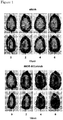
Figure 1 ] A figure that shows the course (6 weeks) of hair growth in the iNOS deficient ob/ob mice and ob/ob mice (the upper row and lower row are different individuals). - [
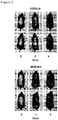
Figure 2 ] A figure that shows the course (4 weeks) of hair growth in the iNOS knockout mice and wild-type mice (the upper row and lower row are different individuals). - [
Figure 3 ] A figure that shows the course (4 weeks) of hair growth in the saline solution-administered ob/ob mice (the upper row and lower row are different individuals). - [
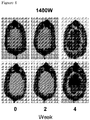
Figure 4 ] A figure that shows the promotion (4 weeks) of hair growth by an iNOS inhibitor (1400W) (the upper row and lower row are different individuals). - [
Figure 5 ] A figure that shows the promotion (4 weeks) of hair growth by an iNOS inhibitor (L-NIL) (the upper row and lower row are different individuals). - [
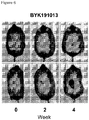
Figure 6 ] A figure that shows the promotion (4 weeks) of hair growth by an iNOS inhibitor (BYK191013) (the upper row and lower row are different individuals). - [
Figure 7 ] A figure that shows the promotion (4 weeks) of hair growth by an iNOS inhibitor (aminoguanidine) (the upper row and lower row are different individuals). - [
Figure 8 ] A figure that shows the hair growth scores by iNOS inhibitors. - [
Figure 9 ] A figure that shows the promotion (16 days) of hair growth by application of aminoguanidine in the C3H mice (two upper and lower rows on the right) (the upper row and lower row are different individuals). The two upper and lower rows on the left are the control mice. - [
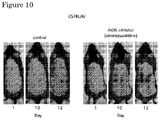
Figure 10 ] A figure that shows the promotion (12 days) of hair growth by application of aminoguanidine (right) in the C57BL/6 mouse. The photos on the left are the control mouse. - [
Figure 11 ] A figure that shows the result of gene expression analysis in skin sections using a 14-week-old wild-type mouse and ob/ob mouse. - Hereinbelow, the present invention is explained in detail. The inventors discovered that hair growth is promoted in the iNOS deficient ob/ob mouse created for the purpose of elucidating the connection between inflammation and diabetes. Further, they found that hair growth is promoted also in the iNOS single-deficient mouse compared to the wild type. In addition, they discovered that the exisiting iNOS inhibitors exhibit an effect on hair growth.
- One of the embodiments of the present invention is a composition used for promotion of hair growth or hair restoration or prevention of hair loss, and relates to a composition comprising an iNOS inhibitor as an active ingredient.
- Nitric oxide synthase (NOS, EC1.14.13.39) is an enzyme involved in the synthesis of nitric oxide (NO) which is an oxide of nitrogen. NOS is classified into constitutive NOS (cNOS) which is present at a certain quantity within normal cells, and inducible NOS (iNOS, NOS2) induced by inflammation or stress, and cNOS is further classified into neural nNOS (NOS1) and vascular endothelial eNOS (NOS3).
- iNOS (induced Nitrix Oxide Synthase) is one of the inducible NOS induced by inflammation or stress, and its expression is seen in the immune system, cardiovascular tissues and cells, lungs and such. iNOS is known to be involved in biological defense against pathogens. iNOS induced by stimulation of inflammatory cytokines or bacterial toxins produces a large quantity of NO, and exhibits toxicity towards surrounding cells by reacting with reactive oxygen. The iNOS-derived NO does not exhibit toxicity merely to nonautologous cells. For example, a large quantity of the NO derived from iNOS induced by bacterial toxins in vascular smooth muscles causes powerful vasodilation and excessive permeability exasperation, and induces endotoxin shock. Further, it is noted that the NO derived from iNOS induced in glial cells or such causes denaturation or deciduation of central neurons, and iNOS is also involved in cell damage seen in autoimmune diseases such as Type I diabetes.
- An iNOS inhibitor can inhibit the activity of iNOS or suppress its expression. Further, an iNOS inhibitor can be a selective iNOS inhibitor or a non-selective iNOS inhibitor. An iNOS inhibitor may be, for example, a low-molecular compound, an antibody, or a polymer such as a nucleic acid.
- As a low-molecular compound that inhibits iNOS, for example, a selective iNOS inhibitor marketed by Tocris Bioscience, 1400W, can be used. 1400W inhibits binding of the coenzyme NADPH. L-NIL is another low-molecular inhibiting agent, and an analogue of the substrates, arginine and thiocitrulline. Aminoguandine is an analogue of the substrates, arginine and thiocitrulline, and works as an irreversible iNOS inhibitor. BYK190123 inhibits the formation of iNOS dimers (iNOS can produce NO by becoming dimers).
- Other selective iNOS inhibitors are, for example, S-ethylisothiourea, S-methylisothiourea, S-aminoethylisothiourea, 2-iminopiperidine, butylamine, ONO-1714 (fusion piperidine derivative; (1S, 5S, 6R, 7R)-7-chloro-3-imino-5-methyl-2-azabicyclo[4.1.0] heptane hydrochloride, AMT hydrochloride (2-amino-5,6-dihydro-6-methyl-4H-1,3-thiazine salt), ARC102222, or such. A non-selective iNOS inhibitor is, for example, L-NG-nitroarginine, L-NG-monomethylarginine, L-nitroarginine methyl ester, L-NIO or such. A suppressive agent of the iNOS expression is dexamethasone. These iNOS-inhibiting low-molecular compounds can be used in the form of a pharmaceutically acceptable salt or derivative.
- An iNOS inhibitor may be an anti-iNOS antibody. For the anti-iNOS antibody, a polyclonal antibody or a monoclonal antibody can be used, and it is preferable to use a monoclonal antibody. As long as it is an antibody that has an inhibitory activity towards iNOS, it does not have to be full length and an antibody fragment can be used. The mammal from which the antibody is derived is not particularly limited, and a human antibody, mouse antibody, rat antibody, rabbit antibody, sheep antibody or such can be used. When the antibody is used on human, any of a human antibody, humanized antibody and chimeric antibody can be used, and a human antibody is preferred. Further, the antibody or a fragment of the antibody may comprise a peptide sequence identified by screening such as the phage display method. Further, aptamers composed of nucleic acids can be used the same way as regular antibodies.
- An iNOS inhibitor may be an anti-iNOS antisense oligonucleotide. For the antisense oligonucleotide, for example, an oligonucleotide of 10 to 50 bases can be designed based on the nucleotide sequence of an iNOS gene. The antisense oligonucleotide can include RNA, DNA and other modified nucleic acids. The antisense oligonucleotide may be completely complementary to the target sequence, or may contain one or several mismatches. The iNOS gene nucleotide sequences are known, and can be acquired from, for example, a database such as GenBank:
- NOS2
nitric oxide synthase 2, inducible [Homo sapiens (human)]- Gene ID: 4843
- mRNA: NM_000625.4
- Nos2
nitric oxide synthase 2, inducible [Mus musculus (house mouse)]- Gene ID: 18126
- mRNA: NM_001313921.1
- An iNOS inhibitor may be an siRNA targeting iNOS. The iNOS gene nucleotide sequences are known, and can be acquired from, for example, a database such as GenBank.
- One of the embodiments of the present invention relates to pharmaceutical compositions characterized in comprising an iNOS inhibitor as an active ingredient, which are pharmaceutical compositions used for promotion of hair growth or hair restoration or prevention of hair loss. In other words, one of the embodiments of the present invention relates to use of an iNOS-inhibiting agent in the manufacturing of a pharmaceutical for use in the promotion of hair growth or hair restoration or prevention of hair loss. For the iNOS inhibitor that works as an active ingredient, for example, a low-molecular compound, an antibody, an antisense oligonucleotide, an siRNA or such described above can be used. The pharmaceutical compositions of the present invention can take on any arbitrary form of a tablet, powder, liquid, semi-solid or such, and can comprise an adequate excipient or additive in addition to the iNOS inhibitor. Further, the pharmaceutical compositions of the present invention may be combined with another active ingredient such as minoxidil and finasteride. The blending quantity of each ingredient can be appropriately determined within the acceptable range as a pharmaceutical. Further, the amount of a composition to be administered can be adequately determined according to the type of inhibiting agent used and the subject to be administered. The route of administration can also be suitably determined according to the type of inhibiting agent used and the subject to be administered.
- The pharmaceutical compositions of the present invention can be used for treatment or prevention of alopecia or hair thinning. For the type of alopecia, male pattern alopecia, seborrheic alopecia, senile alopecia, alopecia areata, drug alopecia caused by administration of an anti-cancer agent or such, scarring alopecia, postpartum alopecia occurring after childbirth, and mental-disorder alopecia can be listed, without being limited thereto.
- One of the embodiments of the present invention relates to cosmetic compositions characterized in comprising an iNOS inhibitor as an active ingredient, which are cosmetic compositions used for promotion of hair growth or hair restoration or prevention of hair loss. For the iNOS inhibitor that works as an active ingredient, for example, a low-molecular compound, an antibody, an antisense oligonucleotide, an siRNA or such described above can be used. The cosmetic compositions of the present invention can take on any arbitrary form of a liquid, emulsion, gel, cream or such. The content of the iNOS inhibitor can be appropriately determined according to the type of inhibiting agent used and the subject to be applied.
- One of the embodiments of the present invention relates to beauty supplements characterized in comprising an iNOS inhibitor as an active ingredient, which are beauty supplements used for promotion of hair growth or hair restoration or prevention of hair loss. For the iNOS inhibitor that works as an active ingredient, for example, a low-molecular compound, an antibody, an antisense oligonucleotide, an siRNA or such described above can be used. The beauty supplements of the present invention can take on any arbitrary form of a tablet, powder, liquid or such. The beauty supplements of the present invention may be prepared to be, for example, ingested orally one to three times a day, before, during or after meals.
- One of the embodiments of the present invention relates to methods for promoting hair growth or hair restoration or preventing hair loss in a mammal. Such methods can comprise inhibiting iNOS and more specifically, for example, administering an iNOS inhibitor to the mammal. The mammal includes, for example, human, monkey, mouse, rat, rabbit, sheep, goat, lama, horse, mink, fox, stoat, raccoon, chinchilla, sea otter, otter, beaver, and seal. The amount to be administered can be appropriately determined according to the type of inhibiting agent to be used and the subject to be administered. The route of administration can also be suitably determined according to the type of inhibiting agent to be used and the subject to be administered. A preferred route of administration is, for example, application or spraying of a liquid agent, lotion agent, or cream agent to the epilation area, and alternatively, subcutaneous injection of a liquid agent, or oral administration of a solid agent or liquid agent. A patch containing an iNOS inhibitor may be prepared and applied to the skin.
- One of the embodiments of the present invention relates to a method of screening for substances effective for promotion of hair growth or hair restoration or prevention of hair loss. Such screening method may include the following steps of i to iii:
- (i) contacting a test substance with iNOS in vitro,
- (ii) measuring the activity of iNOS, and
- (iii) determining whether or not the test substance reduces the iNOS activity.
- Measurement of the iNOS activity can be carried out by a skilled artisan using any arbitrary method of public knowledge. Substances identified by the screening method described above are useful as ingredients of compositions of the present invention for use in the promotion of hair growth or hair restoration or prevention of hair loss. Further, in the methods of the present invention for promoting hair growth or hair restoration or preventing hair loss in a mammal, they are also useful as substances to be administered to the mammal.
- One of the embodiments of the present invention relates to a method of inhibiting hair growth, which comprises enhancing the iNOS activity. Such a method may comprise administering a composition that enhances the iNOS activity. The iNOS activity may be enhanced by, for example, inducing the expression of iNOS in cells. It is already known that the iNOS expression is, for example, induced by LPS or cytokine, and without limitations thereto, any arbitrary substance that induces the iNOS expression may be used. Further, another embodiment of the present invention includes a composition that inhibits hair growth, which comprises an iNOS-activity enhancing substance.
- One of the embodiments of the present invention relates to a method of inhibiting hair growth, which comprises administering to a subject a composition that generates NO (a composition comprising a NO-donating agent or a NO donor). Such a NO-generating medical agent includes specifically SNAP, GSNO, CysNO, NOR and NOC, without being limited thereto. The method of administration can be appropriately determined based on the property and convenience of the medical agent used and includes, for example, application or spraying of a liquid agent, lotion agent, or cream agent, and alternatively, subcutaneous injection of a liquid agent, or oral administration of a solid agent or liquid agent. Further, another embodiment of the present invention includes a composition for inhibiting hair growth, which comprises a medical agent that generates NO (a NO-donating agent or a NO donor).
- Hereinbelow, the present invention will be explained in detail with the Examples, and the present invention is not limited in any way thereby.
- The iNOS-KO mouse purchased from Jackson Lab was mated with an ob/ob mouse, and an iNOS-KO;ob/ob mouse was generated. For the control-group ob/ob mouse, the ob/ob mouse produced by crossing iNOS(+/+);ob(+/-) individuals obtained in the mating process was used. The experiment was begun using male individuals at 8 weeks of age. The whole back of the ob/ob mouse was shaved using an electric shaver under anesthesia (mixed anesthesia of ketamine hydrochloride and xylazine hydrochloride), and the hair was removed with a commercially available depilatory cream (Epilat hair removal cream from Kracie Holdings, Ltd.); and hair growth was not observed even after one month had passed. Meanwhile, deposition of melanin pigments was observed in the skin two weeks after hair removal in the iNOS-KO;ob/ob mouse, and hair growth over a wide area was confirmed three weeks later and returned to almost the original condition six weeks later (
Figure 1 ). - In the normal mouse (C57BL/6 line) obtained in the mating process of the ob/ob mice, deposition of melanin pigments was observed one week after hair removal, and the hair was grown back to nearly the original state one month later. On the other hand, in the iNOS single-deficient mouse obtained in the mating process of the iNOS-KO;ob/ob mice, the hair growing process was facilitated more than that in the normal mouse, and hair growth was observed one week after hair removal and the hair grew back to almost the original state two weeks later (
Figure 2 ). - Results from observing these iNOS knockout mice show that hair growth may be facilitated by suppressing the iNOS activity. Further, these results are suggesting that not only gene knockout but other methods to suppress the iNOS activity, for example, use of any arbitrary low-molecular inhibiting agent, can also attain the same results. Moreover, vice versa these observations also suggest that hair growth can be suppressed by enhancing the iNOS activity.
- For this experiment, the ob/ob mouse purchased from Sankyo Labo Service Corporation was used. The whole back of the mouse was shaved using an electric shaver under anesthesia (mixed anesthesia of ketamine hydrochloride and xylazine hydrochloride) at 8 weeks of age, and the hair was removed with a commercially available depilatory cream (Epilat hair removal cream from Kracie Holdings, Ltd.). Administration or application of each iNOS inhibitor was carried out on the day the experiment began. The usage and dosage of the iNOS inhibitors used are as described below. Selective iNOS inhibitors, 1400W, L-NIL and BYK191023, were purchased from Tocris Bioscience and dissolved in saline solution, and each of them was administered intraperitoneally at 10 mg/kg, 20 mg/kg and 30 mg/kg. For the control group, saline solution was administered intraperitoneally. Consecutive administration for five days from Monday to Friday was continued for one month. A similarly selective iNOS inhibitor, aminoguanidine, was purchased from Tokyo Chemical Industry Co., Ltd. and dissolved in saline solution to 10% (w/v), and 100 µl was applied to the epilation area. For the control group, saline solution was used. Consecutive application for five days from Monday to Friday was continued for one month. The back was photographed once a week and observation was continued until 12 weeks of age. Every seven days from the start of the administration, the state of hair growth in the shaved area was rated using the hair growth score standard below.
-
- 0 = no hair growth
- 1 = hair growth in less than 10% of the shaved area
- 2 = hair growth in equal to or more than 10% and less than 20% of the shaved area
- 3 = hair growth in equal to or more than 20% and less than 30% of the shaved area
- 4 = hair growth in equal to or more than 30% and less than 40% of the shaved area
- 5 = hair growth in equal to or more than 40% and less than 50% of the shaved area
- 6 = hair growth in equal to or more than 50% and less than 60% of the shaved area
- 7 = hair growth in equal to or more than 60% and less than 70% of the shaved area
- 8 = hair growth in equal to or more than 70% and less than 80% of the shaved area
- 9 = hair growth in equal to or more than 80% and less than 90% of the shaved area
- 10 = hair growth in equal to or more than 90% of the shaved area
- As understood so far (for example, see
WO2012/124614A1 ), hair growth was not seen in the control group in which only saline solution was administered to the ob/ob mouse (Figure 3 ). Deposition of melanin pigments in the skin was observed two weeks after administration of 1400W, and widespread hair growth was confirmed in four weeks (Figure 4 ). Compared to 1400W, L-NIL had a slightly slower timing of the deposition of melanin pigments, and the desposition was confirmed in three weeks from the start of the administration (Figure 5 ). Similarly, deposition was confirmed in three weeks since the administration of BYK191023 began, and hair growth was identified in four weeks (Figure 6 ). The area of hair growth was less with L-NIL and BYK191023 compared to 1400W. Deposition of melanin pigments in the skin was confirmed in one week from the start of the aminogunadine application, and hair growth was confirmed in two weeks. Widespread hair growth was confirmed in three weeks since the start of the application, and it returned to almost the same as the original condition in four weeks (Figure 7 ). The hair growth scores of the administration group of each iNOS inhibitor and the control group are shown inFigure 8 . - As suggested by the observed results of the iNOS knockout mice, these data show that hair growth can be promoted by a number of arbitrary low-molecular iNOS inhibitors. That is, one may consider that hair growth can be regulated regardless of the means to inhibit iNOS. These results indicate that not only low-molecular iNOS inhibitors, other inhibitors such as antibodies, antisense oligonucleotides, siRNAs and such may also be used for the same purpose.
- In this experiment, the same method as Example 2 was used, except that the C3H mouse and C57BL/6 mouse were used. The whole back of the mouse was shaved using an electric shaver under anesthesia (mixed anesthesia of ketamine hydrochloride and xylazine hydrochloride) at 8 weeks of age, and the hair was removed with a commercially available depilatory cream (Epilat hair removal cream from Kracie Holdings, Ltd.). Application of aminoguanidine was carried out on the day the experiment began. The usage and dosage of the aminoguanidine used are as described below. Aminoguanidine was purchased from Tokyo Chemical Industry Co., Ltd. and dissolved to 10% (w/v) in saline solution, and 100 µl was applied to the epilation area. For the control group, saline solution was used. Consecutive application for five days from Monday to Friday was continued for three weeks, and the back was photographed daily.
- As a result, shortening of the telogen phase by two to three days was seen in the aminoguanidine-applied group compared to the control group (
Figures 9 and10 ). Accordingly, it is demonstrated that promotion of hair growth by the iNOS inhibitor observed in the ob/ob mouse similarly occurred in normal wild-type mice as well. - In this experiment, the wild-type mouse and ob/ob mouse of 14 weeks of age were used. Skin sections were collected after hair removal of the back, and following RNA purification with an RNA purification kit (RNeasy Plus Universal Kit, Qiagen), cDNA was synthesized (High Capacity cDNA Reverse Transcription Kit, ABI) and the amount of RNA was quantified by a real-time PCR method. Thermal Cycler Dice(R) Real Time System from TaKaRa Bio was used for the thermal cycler, and TagMan(R) Gene Expression Assay (NOS2 : Mm_0040493_g1) from ABI was used for the TaqMan probe.
- The results show that the iNOS gene was expressed in the ob/ob mouse at approximately 2.5 fold of that in the wild type (
Figure 11 ). - The present specification shows the preferred embodiments of the present invention, and it is clear to those skilled in the art that such embodiments are provided simply for the purpose of exemplification. A skilled artisan may be able to make various transformations, and add modifications and substitutions without deviating from the present invention. It should be understood that the various alternative embodiments of invention described in the present specification may be used when practicing the present invention. Further, the contents described in all publications referred to in the present specification, including patents and patent application documents, should be construed as being incorporated the same as the contents clearly written in the present specification by their citation.
- As demonstrated in the Examples, the compositions of the present invention for use in the promotion of hair growth or hair restoration or prevention of hair loss have a remarkable hair growing effect, and the effect has been confirmed by iNOS inhibitors with different actions (inhibition by medicinal agents) and in knockout mice (genetic inhibition of iNOS). There is a high demand in the market for hair growing agents/hair tonics as there are few existing drugs or because their effects are not sufficient.
Claims (19)
- A composition for use in promotion of hair growth or hair restoration or prevention of hair loss, comprising an iNOS inhibitor as an active ingredient.
- The composition according to claim 1, wherein the iNOS inhibitor is a compound selected from the group consisting of 1400W, aminoguanidine, BYK191023, AMT hydrochloride, AR-C102222, L-NIO, L-NIL, S-ethylisothiourea, S-methylisothiourea, S-aminoethylisothiourea, 2-iminopiperidine, butylamine, ONO-1714, L-NG-nitroarginine, L-NG-monomethylarginine, L-nitroarginine methyl ester, and dexamethasone.
- The composition according to claim 1, wherein the iNOS inhibitor is a monoclonal antibody or a fragment thereof.
- The composition according to claim 1, wherein the iNOS inhibitor is an antisense oligonucleotide.
- The composition according to claim 1, wherein the iNOS inhibitor is an siRNA.
- The composition according to claim 1, wherein the composition is a pharmaceutical composition.
- The composition according to claim 1, wherein the composition is a cosmetic composition.
- The composition according to claim 1, wherein the composition is a beauty supplement.
- The composition according to claim 1, wherein the composition is an oral preparation.
- The composition according to claim 1, wherein the composition is an injectable preparation.
- The composition according to claim 1, wherein the composition is an external preparation.
- A method of promoting hair growth or hair restoration or preventing hair loss in a mammal, comprising administering an iNOS inhibitor to the mammal.
- The method according to claim 12, wherein the mammal is a human.
- The method according to claim 12, wherein the mammal is a dog, cat or sheep.
- A method of promoting hair growth or hair restoration or preventing hair loss in a mammal, comprising inhibiting iNOS.
- Use of an iNOS inhibitor in the manufacture of a medicament for use in promotion of hair growth or hair restoration or prevention of hair loss.
- A method of screening for an effective substance for promoting hair growth or hair restoration or preventing hair loss, comprising:i) contacting a test substance with iNOS in vitro,ii) measuring iNOS activity, andiii) determining whether the test substance reduces the iNOS activity.
- A method of inhibiting hair growth, comprising administering an iNOS activity-enhancing composition to increase the iNOS activity.
- A method of inhibiting hair growth, comprising administering a NO-generating composition to a subject.
Applications Claiming Priority (2)
| Application Number | Priority Date | Filing Date | Title |
|---|---|---|---|
| JP2015205999 | 2015-10-20 | ||
| PCT/JP2016/080815 WO2017069113A1 (en) | 2015-10-20 | 2016-10-18 | Hair-growth promoting composition and usage thereof |
Publications (2)
| Publication Number | Publication Date |
|---|---|
| EP3366309A1 true EP3366309A1 (en) | 2018-08-29 |
| EP3366309A4 EP3366309A4 (en) | 2019-09-11 |
Family
ID=58556961
Family Applications (1)
| Application Number | Title | Priority Date | Filing Date |
|---|---|---|---|
| EP16857427.5A Withdrawn EP3366309A4 (en) | 2015-10-20 | 2016-10-18 | COMPOSITION STIMULATING HAIR GROWTH AND USE THEREOF |
Country Status (4)
| Country | Link |
|---|---|
| US (1) | US11931325B2 (en) |
| EP (1) | EP3366309A4 (en) |
| JP (2) | JP6816887B2 (en) |
| WO (1) | WO2017069113A1 (en) |
Families Citing this family (1)
| Publication number | Priority date | Publication date | Assignee | Title |
|---|---|---|---|---|
| CN113164416B (en) * | 2018-11-14 | 2024-08-16 | 韩国生命工学研究院 | Composition for promoting hair growth containing guanidine derivative |
Family Cites Families (18)
| Publication number | Priority date | Publication date | Assignee | Title |
|---|---|---|---|---|
| US5837738A (en) * | 1991-12-16 | 1998-11-17 | Washington University | Method of inhibiting nitric oxide formation |
| US5658565A (en) | 1994-06-24 | 1997-08-19 | University Of Pittsburgh Of The Commonwealth System Of Higher Education | Inducible nitric oxide synthase gene for treatment of disease |
| JPH07316023A (en) * | 1994-05-26 | 1995-12-05 | Shiseido Co Ltd | Hair tonic |
| AU2735097A (en) * | 1997-04-11 | 1998-10-30 | Robert Webber | Immunoassay method employing monoclonal antibody reactive to human inos |
| US6093745A (en) * | 1997-11-25 | 2000-07-25 | Psorx, L.L.C. | Methods and composition for treating skin proliferative diseases |
| AU2001229501A1 (en) * | 2000-01-24 | 2001-07-31 | Isis Pharmaceuticals, Inc. | Antisense modulation of inducible nitric oxide synthase expression |
| AU4466901A (en) | 2000-03-31 | 2001-10-08 | Toray Industries, Inc. | Hair growth or hair formation controlling agents |
| NZ523461A (en) * | 2000-05-31 | 2004-11-26 | Encelle Inc | Method of treating chronic ulcers |
| AT413212B (en) * | 2003-05-20 | 2005-12-15 | Moser Medical Group Kosmetisch | Storing hair follicle micro-transplants, for use in transplantation operations to restore hair growth, comprises using storage solution containing apoptosis inhibitor, e.g. aminoguanidine, to increase survival rate |
| JP5017535B2 (en) * | 2006-01-23 | 2012-09-05 | 株式会社アップウェル | Composition for inhibiting hair loss or promoting hair growth |
| US20070203240A1 (en) | 2006-02-27 | 2007-08-30 | The Procter & Gamble Company | Personal care compositions and methods for regulating mammalian hair growth |
| JP6026715B2 (en) * | 2006-06-08 | 2016-11-16 | 株式会社アミノアップ化学 | Composition having iNOS expression control action |
| CN101219147A (en) * | 2006-12-07 | 2008-07-16 | 天津市润拓生物技术有限公司 | Dexamethasone acetate chewable tablet for dogs and cats |
| KR20130040664A (en) * | 2011-10-14 | 2013-04-24 | (주)생명의나무 | A cosmetic composition comprising an extract of rhus verniciflua stokes for trichogenousness |
| KR20130069019A (en) * | 2011-12-16 | 2013-06-26 | 부산대학교 산학협력단 | Hair growth stimulants including fermented liriope platyphylla extract and preparing method thereof |
| KR101919161B1 (en) * | 2012-11-14 | 2018-11-15 | 박시향 | Composition for improving condition of hair and preventing hair loss |
| KR101664531B1 (en) * | 2013-02-14 | 2016-10-11 | 경희대학교 산학협력단 | Composition for prevention of depilation and improvement of hair growth comprising Formononetin |
| US20160120803A1 (en) * | 2013-06-17 | 2016-05-05 | Contract Pharmaceuticals Limited | Non-aerosol foams for topical administration |
-
2016
- 2016-10-18 WO PCT/JP2016/080815 patent/WO2017069113A1/en not_active Ceased
- 2016-10-18 EP EP16857427.5A patent/EP3366309A4/en not_active Withdrawn
- 2016-10-18 US US15/769,472 patent/US11931325B2/en active Active
- 2016-10-18 JP JP2017546549A patent/JP6816887B2/en active Active
-
2020
- 2020-12-18 JP JP2020210078A patent/JP7109808B2/en active Active
Also Published As
| Publication number | Publication date |
|---|---|
| US11931325B2 (en) | 2024-03-19 |
| JP7109808B2 (en) | 2022-08-01 |
| WO2017069113A1 (en) | 2017-04-27 |
| EP3366309A4 (en) | 2019-09-11 |
| JP6816887B2 (en) | 2021-01-20 |
| JP2021059565A (en) | 2021-04-15 |
| US20180303775A1 (en) | 2018-10-25 |
| JPWO2017069113A1 (en) | 2018-08-30 |
Similar Documents
| Publication | Publication Date | Title |
|---|---|---|
| US11298372B2 (en) | Composition for ameliorating loss of hair and graying of hair, and use thereof | |
| US9303261B2 (en) | Composition for controlling chromogenesis including microRNA | |
| KR20060123256A (en) | Methods and compositions for hair growth | |
| CN115721716A (en) | Use of MDH2 inhibitors in the treatment of androgenetic alopecia | |
| US11931325B2 (en) | Hair-growth promoting composition and usage thereof | |
| Hu et al. | Vitamins and their derivatives synergistically promote hair shaft elongation ex vivo via PlGF/VEGFR-1 signalling activation | |
| CN117257958B (en) | Novel uses of TRPS1 inhibitors and drugs for the treatment and/or prevention of androgenetic alopecia | |
| KR20090100416A (en) | Prevention or treatment of alopecia | |
| US11793792B2 (en) | Composition for prevention and treatment of hair growth disorders | |
| KR20240023616A (en) | hair restorer | |
| CN113058026B (en) | Application of Kisspeptin-234 in promoting hair growth | |
| Zhao et al. | Kaempferol stimulates dermal papilla cells and upregulates Wnt/β-catenin signaling pathway for androgenetic alopecia treatment. | |
| CN112089723A (en) | Application of siRNA targeting FGF5 in the treatment of hair loss | |
| US11865087B2 (en) | Compositions and methods for reducing hair loss and increasing hair growth | |
| EP4647064A1 (en) | Composition comprising meloside for alleviating hair loss and improving hair growth | |
| KR20250147995A (en) | Composition Comprising Abemaciclib for Hair Loss Prevention or Hair Growth Promotion | |
| Loss | Overview and Approach to Medical Management of Male | |
| TWI585108B (en) | Peptide for promoting hair growth | |
| Leonik et al. | New trends in the treatment of androgenetic alopecia | |
| KR20230094216A (en) | Composition for preventing hair loss and promoting hair growth comprising Genkwanin | |
| JP2026077954A (en) | Hair growth composition | |
| KR20230094217A (en) | Composition for preventing hair loss and promoting hair growth comprising Luteolin-7-glucoside | |
| HK40102133A (en) | Hair growth stimulant | |
| KR20230152071A (en) | hair restorer | |
| JP2023111535A (en) | Semaphorin 3A expression promoter |
Legal Events
| Date | Code | Title | Description |
|---|---|---|---|
| STAA | Information on the status of an ep patent application or granted ep patent |
Free format text: STATUS: THE INTERNATIONAL PUBLICATION HAS BEEN MADE |
|
| PUAI | Public reference made under article 153(3) epc to a published international application that has entered the european phase |
Free format text: ORIGINAL CODE: 0009012 |
|
| STAA | Information on the status of an ep patent application or granted ep patent |
Free format text: STATUS: REQUEST FOR EXAMINATION WAS MADE |
|
| 17P | Request for examination filed |
Effective date: 20180517 |
|
| AK | Designated contracting states |
Kind code of ref document: A1 Designated state(s): AL AT BE BG CH CY CZ DE DK EE ES FI FR GB GR HR HU IE IS IT LI LT LU LV MC MK MT NL NO PL PT RO RS SE SI SK SM TR |
|
| AX | Request for extension of the european patent |
Extension state: BA ME |
|
| DAV | Request for validation of the european patent (deleted) | ||
| DAX | Request for extension of the european patent (deleted) | ||
| RIC1 | Information provided on ipc code assigned before grant |
Ipc: A61K 8/49 20060101ALI20190409BHEP Ipc: A61K 31/573 20060101ALI20190409BHEP Ipc: A61K 31/54 20060101ALI20190409BHEP Ipc: A61K 31/527 20060101ALI20190409BHEP Ipc: A61K 31/435 20060101ALI20190409BHEP Ipc: A61K 31/4458 20060101ALI20190409BHEP Ipc: A61K 8/63 20060101ALI20190409BHEP Ipc: A61K 31/155 20060101ALI20190409BHEP Ipc: A61P 17/14 20060101ALI20190409BHEP Ipc: A61K 8/64 20060101ALI20190409BHEP Ipc: A61K 8/44 20060101ALI20190409BHEP Ipc: A23L 33/10 20160101AFI20190409BHEP Ipc: A61K 8/46 20060101ALI20190409BHEP Ipc: A61K 31/444 20060101ALI20190409BHEP Ipc: A61K 8/43 20060101ALI20190409BHEP Ipc: A61K 31/131 20060101ALI20190409BHEP Ipc: A61K 31/7088 20060101ALI20190409BHEP Ipc: A61K 31/4353 20060101ALI20190409BHEP Ipc: A61K 8/41 20060101ALI20190409BHEP Ipc: A61K 31/713 20060101ALI20190409BHEP |
|
| RIC1 | Information provided on ipc code assigned before grant |
Ipc: A61K 8/41 20060101ALI20190801BHEP Ipc: A61K 31/131 20060101ALI20190801BHEP Ipc: A61K 31/4353 20060101ALI20190801BHEP Ipc: A61K 31/435 20060101ALI20190801BHEP Ipc: A61K 31/444 20060101ALI20190801BHEP Ipc: A61K 8/44 20060101ALI20190801BHEP Ipc: A61K 31/54 20060101ALI20190801BHEP Ipc: A61K 8/46 20060101ALI20190801BHEP Ipc: A61K 8/43 20060101ALI20190801BHEP Ipc: A61K 31/4458 20060101ALI20190801BHEP Ipc: A61K 31/7088 20060101ALI20190801BHEP Ipc: A61K 31/155 20060101ALI20190801BHEP Ipc: A23L 33/10 20160101AFI20190801BHEP Ipc: A61K 31/527 20060101ALI20190801BHEP Ipc: A61K 8/63 20060101ALI20190801BHEP Ipc: A61K 8/49 20060101ALI20190801BHEP Ipc: A61K 31/713 20060101ALI20190801BHEP Ipc: A61P 17/14 20060101ALI20190801BHEP Ipc: A61K 8/64 20060101ALI20190801BHEP Ipc: A61K 31/573 20060101ALI20190801BHEP |
|
| A4 | Supplementary search report drawn up and despatched |
Effective date: 20190808 |
|
| STAA | Information on the status of an ep patent application or granted ep patent |
Free format text: STATUS: EXAMINATION IS IN PROGRESS |
|
| 17Q | First examination report despatched |
Effective date: 20200626 |
|
| STAA | Information on the status of an ep patent application or granted ep patent |
Free format text: STATUS: THE APPLICATION IS DEEMED TO BE WITHDRAWN |
|
| 18D | Application deemed to be withdrawn |
Effective date: 20240312 |