EP3366296A1 - Methods for using regulators for increasing the expression or activation of p53 and/or regulators for reducing or inhibiting the expression of p63-alpha, for the treatment of non-alcoholic fatty liver disease (nafld) and/or non-alcoholic steatohepatitis (nash) - Google Patents
Methods for using regulators for increasing the expression or activation of p53 and/or regulators for reducing or inhibiting the expression of p63-alpha, for the treatment of non-alcoholic fatty liver disease (nafld) and/or non-alcoholic steatohepatitis (nash) Download PDFInfo
- Publication number
- EP3366296A1 EP3366296A1 EP16856981.2A EP16856981A EP3366296A1 EP 3366296 A1 EP3366296 A1 EP 3366296A1 EP 16856981 A EP16856981 A EP 16856981A EP 3366296 A1 EP3366296 A1 EP 3366296A1
- Authority
- EP
- European Patent Office
- Prior art keywords
- doxorubicin
- week
- composition
- expression
- pharmaceutical
- Prior art date
- Legal status (The legal status is an assumption and is not a legal conclusion. Google has not performed a legal analysis and makes no representation as to the accuracy of the status listed.)
- Granted
Links
- 208000008338 non-alcoholic fatty liver disease Diseases 0.000 title claims abstract description 85
- 230000014509 gene expression Effects 0.000 title claims abstract description 69
- 206010053219 non-alcoholic steatohepatitis Diseases 0.000 title claims abstract description 49
- 238000011282 treatment Methods 0.000 title claims abstract description 26
- 230000002401 inhibitory effect Effects 0.000 title claims description 16
- 238000000034 method Methods 0.000 title description 31
- 230000001965 increasing effect Effects 0.000 title description 29
- 230000004913 activation Effects 0.000 title description 3
- 102100025064 Cellular tumor antigen p53 Human genes 0.000 claims abstract description 202
- 101000721661 Homo sapiens Cellular tumor antigen p53 Proteins 0.000 claims abstract description 197
- 210000003494 hepatocyte Anatomy 0.000 claims abstract description 44
- 208000037265 diseases, disorders, signs and symptoms Diseases 0.000 claims abstract description 30
- 201000010099 disease Diseases 0.000 claims abstract description 23
- 235000014113 dietary fatty acids Nutrition 0.000 claims abstract description 22
- 229930195729 fatty acid Natural products 0.000 claims abstract description 22
- 239000000194 fatty acid Substances 0.000 claims abstract description 22
- 150000004665 fatty acids Chemical class 0.000 claims abstract description 22
- 230000001476 alcoholic effect Effects 0.000 claims abstract description 19
- AOJJSUZBOXZQNB-TZSSRYMLSA-N Doxorubicin Chemical compound O([C@H]1C[C@@](O)(CC=2C(O)=C3C(=O)C=4C=CC=C(C=4C(=O)C3=C(O)C=21)OC)C(=O)CO)[C@H]1C[C@H](N)[C@H](O)[C@H](C)O1 AOJJSUZBOXZQNB-TZSSRYMLSA-N 0.000 claims description 156
- 229960004679 doxorubicin Drugs 0.000 claims description 72
- 102100027881 Tumor protein 63 Human genes 0.000 claims description 57
- 150000001875 compounds Chemical class 0.000 claims description 45
- 239000003795 chemical substances by application Substances 0.000 claims description 43
- 241000282414 Homo sapiens Species 0.000 claims description 37
- 239000000203 mixture Substances 0.000 claims description 37
- 239000004480 active ingredient Substances 0.000 claims description 16
- 230000002222 downregulating effect Effects 0.000 claims description 14
- 208000008589 Obesity Diseases 0.000 claims description 7
- 238000001990 intravenous administration Methods 0.000 claims description 6
- 239000008194 pharmaceutical composition Substances 0.000 claims description 6
- 150000003839 salts Chemical class 0.000 claims description 5
- STQGQHZAVUOBTE-VGBVRHCVSA-N daunorubicin Chemical compound O([C@H]1C[C@@](O)(CC=2C(O)=C3C(=O)C=4C=CC=C(C=4C(=O)C3=C(O)C=21)OC)C(C)=O)[C@H]1C[C@H](N)[C@H](O)[C@H](C)O1 STQGQHZAVUOBTE-VGBVRHCVSA-N 0.000 claims description 4
- 238000001361 intraarterial administration Methods 0.000 claims description 4
- 230000001225 therapeutic effect Effects 0.000 claims description 4
- STQGQHZAVUOBTE-UHFFFAOYSA-N 7-Cyan-hept-2t-en-4,6-diinsaeure Natural products C1=2C(O)=C3C(=O)C=4C(OC)=CC=CC=4C(=O)C3=C(O)C=2CC(O)(C(C)=O)CC1OC1CC(N)C(O)C(C)O1 STQGQHZAVUOBTE-UHFFFAOYSA-N 0.000 claims description 3
- 208000012696 congenital leptin deficiency Diseases 0.000 claims description 2
- 229960000975 daunorubicin Drugs 0.000 claims description 2
- 208000001022 morbid obesity Diseases 0.000 claims description 2
- 239000004615 ingredient Substances 0.000 claims 2
- 230000000069 prophylactic effect Effects 0.000 claims 1
- 108090000623 proteins and genes Proteins 0.000 abstract description 40
- 102000004169 proteins and genes Human genes 0.000 abstract description 30
- 239000003112 inhibitor Substances 0.000 abstract description 14
- 239000003814 drug Substances 0.000 abstract description 11
- 238000004519 manufacturing process Methods 0.000 abstract description 3
- 241000699670 Mus sp. Species 0.000 description 104
- 210000004185 liver Anatomy 0.000 description 73
- 230000002440 hepatic effect Effects 0.000 description 52
- REFJWTPEDVJJIY-UHFFFAOYSA-N Quercetin Chemical compound C=1C(O)=CC(O)=C(C(C=2O)=O)C=1OC=2C1=CC=C(O)C(O)=C1 REFJWTPEDVJJIY-UHFFFAOYSA-N 0.000 description 40
- 210000004027 cell Anatomy 0.000 description 35
- 235000009200 high fat diet Nutrition 0.000 description 30
- 235000018102 proteins Nutrition 0.000 description 29
- 238000002474 experimental method Methods 0.000 description 26
- 230000035882 stress Effects 0.000 description 25
- 239000012190 activator Substances 0.000 description 24
- 230000000694 effects Effects 0.000 description 24
- 210000002472 endoplasmic reticulum Anatomy 0.000 description 24
- 208000004930 Fatty Liver Diseases 0.000 description 21
- 206010019708 Hepatic steatosis Diseases 0.000 description 21
- UFTFJSFQGQCHQW-UHFFFAOYSA-N triformin Chemical compound O=COCC(OC=O)COC=O UFTFJSFQGQCHQW-UHFFFAOYSA-N 0.000 description 21
- ZVOLCUVKHLEPEV-UHFFFAOYSA-N Quercetagetin Natural products C1=C(O)C(O)=CC=C1C1=C(O)C(=O)C2=C(O)C(O)=C(O)C=C2O1 ZVOLCUVKHLEPEV-UHFFFAOYSA-N 0.000 description 20
- HWTZYBCRDDUBJY-UHFFFAOYSA-N Rhynchosin Natural products C1=C(O)C(O)=CC=C1C1=C(O)C(=O)C2=CC(O)=C(O)C=C2O1 HWTZYBCRDDUBJY-UHFFFAOYSA-N 0.000 description 20
- 230000037396 body weight Effects 0.000 description 20
- MWDZOUNAPSSOEL-UHFFFAOYSA-N kaempferol Natural products OC1=C(C(=O)c2cc(O)cc(O)c2O1)c3ccc(O)cc3 MWDZOUNAPSSOEL-UHFFFAOYSA-N 0.000 description 20
- 229960001285 quercetin Drugs 0.000 description 20
- 235000005875 quercetin Nutrition 0.000 description 20
- 235000005911 diet Nutrition 0.000 description 19
- 230000037213 diet Effects 0.000 description 19
- 108010013563 Lipoprotein Lipase Proteins 0.000 description 18
- 230000003834 intracellular effect Effects 0.000 description 18
- 102100022119 Lipoprotein lipase Human genes 0.000 description 17
- 230000003247 decreasing effect Effects 0.000 description 17
- 230000002829 reductive effect Effects 0.000 description 17
- 238000002347 injection Methods 0.000 description 16
- 239000007924 injection Substances 0.000 description 16
- 102100022089 Acyl-[acyl-carrier-protein] hydrolase Human genes 0.000 description 15
- 108010039731 Fatty Acid Synthases Proteins 0.000 description 15
- 108010003415 Aspartate Aminotransferases Proteins 0.000 description 14
- 102000004625 Aspartate Aminotransferases Human genes 0.000 description 14
- 241001465754 Metazoa Species 0.000 description 14
- 230000003828 downregulation Effects 0.000 description 14
- 150000002632 lipids Chemical class 0.000 description 14
- 241000701161 unidentified adenovirus Species 0.000 description 14
- 210000002966 serum Anatomy 0.000 description 12
- 238000010171 animal model Methods 0.000 description 11
- 102000040430 polynucleotide Human genes 0.000 description 11
- 108091033319 polynucleotide Proteins 0.000 description 11
- 239000002157 polynucleotide Substances 0.000 description 11
- 108090000765 processed proteins & peptides Proteins 0.000 description 11
- 102000003952 Caspase 3 Human genes 0.000 description 10
- 108090000397 Caspase 3 Proteins 0.000 description 10
- VJJPUSNTGOMMGY-MRVIYFEKSA-N etoposide Chemical compound COC1=C(O)C(OC)=CC([C@@H]2C3=CC=4OCOC=4C=C3[C@@H](O[C@H]3[C@@H]([C@@H](O)[C@@H]4O[C@H](C)OC[C@H]4O3)O)[C@@H]3[C@@H]2C(OC3)=O)=C1 VJJPUSNTGOMMGY-MRVIYFEKSA-N 0.000 description 10
- 229960005420 etoposide Drugs 0.000 description 10
- 230000009467 reduction Effects 0.000 description 10
- 102100036475 Alanine aminotransferase 1 Human genes 0.000 description 9
- 108010082126 Alanine transaminase Proteins 0.000 description 9
- WZUVPPKBWHMQCE-UHFFFAOYSA-N Haematoxylin Chemical compound C12=CC(O)=C(O)C=C2CC2(O)C1C1=CC=C(O)C(O)=C1OC2 WZUVPPKBWHMQCE-UHFFFAOYSA-N 0.000 description 9
- 241000282412 Homo Species 0.000 description 9
- 102100038151 X-box-binding protein 1 Human genes 0.000 description 9
- 230000037406 food intake Effects 0.000 description 9
- 235000012631 food intake Nutrition 0.000 description 9
- 102000039446 nucleic acids Human genes 0.000 description 9
- 108020004707 nucleic acids Proteins 0.000 description 9
- 150000007523 nucleic acids Chemical class 0.000 description 9
- 238000010186 staining Methods 0.000 description 9
- WRIDQFICGBMAFQ-UHFFFAOYSA-N (E)-8-Octadecenoic acid Natural products CCCCCCCCCC=CCCCCCCC(O)=O WRIDQFICGBMAFQ-UHFFFAOYSA-N 0.000 description 8
- LQJBNNIYVWPHFW-UHFFFAOYSA-N 20:1omega9c fatty acid Natural products CCCCCCCCCCC=CCCCCCCCC(O)=O LQJBNNIYVWPHFW-UHFFFAOYSA-N 0.000 description 8
- QSBYPNXLFMSGKH-UHFFFAOYSA-N 9-Heptadecensaeure Natural products CCCCCCCC=CCCCCCCCC(O)=O QSBYPNXLFMSGKH-UHFFFAOYSA-N 0.000 description 8
- 101000666295 Homo sapiens X-box-binding protein 1 Proteins 0.000 description 8
- ZQPPMHVWECSIRJ-UHFFFAOYSA-N Oleic acid Natural products CCCCCCCCC=CCCCCCCCC(O)=O ZQPPMHVWECSIRJ-UHFFFAOYSA-N 0.000 description 8
- 239000005642 Oleic acid Substances 0.000 description 8
- 230000002411 adverse Effects 0.000 description 8
- 230000007423 decrease Effects 0.000 description 8
- QXJSBBXBKPUZAA-UHFFFAOYSA-N isooleic acid Natural products CCCCCCCC=CCCCCCCCCC(O)=O QXJSBBXBKPUZAA-UHFFFAOYSA-N 0.000 description 8
- ZQPPMHVWECSIRJ-KTKRTIGZSA-N oleic acid Chemical compound CCCCCCCC\C=C/CCCCCCCC(O)=O ZQPPMHVWECSIRJ-KTKRTIGZSA-N 0.000 description 8
- 239000013598 vector Substances 0.000 description 8
- 210000003462 vein Anatomy 0.000 description 8
- 238000001262 western blot Methods 0.000 description 8
- 108020004414 DNA Proteins 0.000 description 7
- WQZGKKKJIJFFOK-GASJEMHNSA-N Glucose Natural products OC[C@H]1OC(O)[C@H](O)[C@@H](O)[C@@H]1O WQZGKKKJIJFFOK-GASJEMHNSA-N 0.000 description 7
- 206010022489 Insulin Resistance Diseases 0.000 description 7
- 206010028980 Neoplasm Diseases 0.000 description 7
- 108091028043 Nucleic acid sequence Proteins 0.000 description 7
- 238000002648 combination therapy Methods 0.000 description 7
- 208000035475 disorder Diseases 0.000 description 7
- 229940079593 drug Drugs 0.000 description 7
- YQGOJNYOYNNSMM-UHFFFAOYSA-N eosin Chemical compound [Na+].OC(=O)C1=CC=CC=C1C1=C2C=C(Br)C(=O)C(Br)=C2OC2=C(Br)C(O)=C(Br)C=C21 YQGOJNYOYNNSMM-UHFFFAOYSA-N 0.000 description 7
- 235000021588 free fatty acids Nutrition 0.000 description 7
- 239000008103 glucose Substances 0.000 description 7
- 239000002502 liposome Substances 0.000 description 7
- 239000000463 material Substances 0.000 description 7
- 239000003981 vehicle Substances 0.000 description 7
- 102000004041 Caspase 7 Human genes 0.000 description 6
- 108090000567 Caspase 7 Proteins 0.000 description 6
- -1 PGC1α Proteins 0.000 description 6
- 108091023040 Transcription factor Proteins 0.000 description 6
- 102000040945 Transcription factor Human genes 0.000 description 6
- 238000004458 analytical method Methods 0.000 description 6
- HVYWMOMLDIMFJA-DPAQBDIFSA-N cholesterol Chemical compound C1C=C2C[C@@H](O)CC[C@]2(C)[C@@H]2[C@@H]1[C@@H]1CC[C@H]([C@H](C)CCCC(C)C)[C@@]1(C)CC2 HVYWMOMLDIMFJA-DPAQBDIFSA-N 0.000 description 6
- 238000001727 in vivo Methods 0.000 description 6
- NOESYZHRGYRDHS-UHFFFAOYSA-N insulin Chemical compound N1C(=O)C(NC(=O)C(CCC(N)=O)NC(=O)C(CCC(O)=O)NC(=O)C(C(C)C)NC(=O)C(NC(=O)CN)C(C)CC)CSSCC(C(NC(CO)C(=O)NC(CC(C)C)C(=O)NC(CC=2C=CC(O)=CC=2)C(=O)NC(CCC(N)=O)C(=O)NC(CC(C)C)C(=O)NC(CCC(O)=O)C(=O)NC(CC(N)=O)C(=O)NC(CC=2C=CC(O)=CC=2)C(=O)NC(CSSCC(NC(=O)C(C(C)C)NC(=O)C(CC(C)C)NC(=O)C(CC=2C=CC(O)=CC=2)NC(=O)C(CC(C)C)NC(=O)C(C)NC(=O)C(CCC(O)=O)NC(=O)C(C(C)C)NC(=O)C(CC(C)C)NC(=O)C(CC=2NC=NC=2)NC(=O)C(CO)NC(=O)CNC2=O)C(=O)NCC(=O)NC(CCC(O)=O)C(=O)NC(CCCNC(N)=N)C(=O)NCC(=O)NC(CC=3C=CC=CC=3)C(=O)NC(CC=3C=CC=CC=3)C(=O)NC(CC=3C=CC(O)=CC=3)C(=O)NC(C(C)O)C(=O)N3C(CCC3)C(=O)NC(CCCCN)C(=O)NC(C)C(O)=O)C(=O)NC(CC(N)=O)C(O)=O)=O)NC(=O)C(C(C)CC)NC(=O)C(CO)NC(=O)C(C(C)O)NC(=O)C1CSSCC2NC(=O)C(CC(C)C)NC(=O)C(NC(=O)C(CCC(N)=O)NC(=O)C(CC(N)=O)NC(=O)C(NC(=O)C(N)CC=1C=CC=CC=1)C(C)C)CC1=CN=CN1 NOESYZHRGYRDHS-UHFFFAOYSA-N 0.000 description 6
- 238000007912 intraperitoneal administration Methods 0.000 description 6
- 108020004999 messenger RNA Proteins 0.000 description 6
- 238000012360 testing method Methods 0.000 description 6
- 101150056418 XBP1 gene Proteins 0.000 description 5
- 239000003153 chemical reaction reagent Substances 0.000 description 5
- 230000002950 deficient Effects 0.000 description 5
- 239000003937 drug carrier Substances 0.000 description 5
- 230000006870 function Effects 0.000 description 5
- 239000000499 gel Substances 0.000 description 5
- 230000001771 impaired effect Effects 0.000 description 5
- 230000002779 inactivation Effects 0.000 description 5
- 235000020824 obesity Nutrition 0.000 description 5
- 102000004196 processed proteins & peptides Human genes 0.000 description 5
- 230000001105 regulatory effect Effects 0.000 description 5
- 230000004044 response Effects 0.000 description 5
- 238000012216 screening Methods 0.000 description 5
- 231100000240 steatosis hepatitis Toxicity 0.000 description 5
- 210000001519 tissue Anatomy 0.000 description 5
- 239000013603 viral vector Substances 0.000 description 5
- 230000003612 virological effect Effects 0.000 description 5
- 108091032973 (ribonucleotides)n+m Proteins 0.000 description 4
- 102000004452 Arginase Human genes 0.000 description 4
- 108700024123 Arginases Proteins 0.000 description 4
- 101100072149 Drosophila melanogaster eIF2alpha gene Proteins 0.000 description 4
- 101001128158 Homo sapiens Nanos homolog 2 Proteins 0.000 description 4
- 101001124991 Homo sapiens Nitric oxide synthase, inducible Proteins 0.000 description 4
- 108090001005 Interleukin-6 Proteins 0.000 description 4
- 241000713666 Lentivirus Species 0.000 description 4
- 102100029438 Nitric oxide synthase, inducible Human genes 0.000 description 4
- 238000012341 Quantitative reverse-transcriptase PCR Methods 0.000 description 4
- 108091005487 SCARB1 Proteins 0.000 description 4
- 108060008682 Tumor Necrosis Factor Proteins 0.000 description 4
- 230000004071 biological effect Effects 0.000 description 4
- 230000000295 complement effect Effects 0.000 description 4
- 230000001186 cumulative effect Effects 0.000 description 4
- 231100000673 dose–response relationship Toxicity 0.000 description 4
- 230000005764 inhibitory process Effects 0.000 description 4
- 230000037356 lipid metabolism Effects 0.000 description 4
- 230000001404 mediated effect Effects 0.000 description 4
- 230000002503 metabolic effect Effects 0.000 description 4
- 150000005830 nonesterified fatty acids Chemical class 0.000 description 4
- 238000013116 obese mouse model Methods 0.000 description 4
- 239000013612 plasmid Substances 0.000 description 4
- 238000010561 standard procedure Methods 0.000 description 4
- 230000007863 steatosis Effects 0.000 description 4
- 208000001072 type 2 diabetes mellitus Diseases 0.000 description 4
- 208000031648 Body Weight Changes Diseases 0.000 description 3
- 101001008429 Homo sapiens Nucleobindin-2 Proteins 0.000 description 3
- 102000004877 Insulin Human genes 0.000 description 3
- 108090001061 Insulin Proteins 0.000 description 3
- 102000004889 Interleukin-6 Human genes 0.000 description 3
- 206010067125 Liver injury Diseases 0.000 description 3
- 208000001145 Metabolic Syndrome Diseases 0.000 description 3
- 102100027441 Nucleobindin-2 Human genes 0.000 description 3
- NPGIHFRTRXVWOY-UHFFFAOYSA-N Oil red O Chemical compound Cc1ccc(C)c(c1)N=Nc1cc(C)c(cc1C)N=Nc1c(O)ccc2ccccc12 NPGIHFRTRXVWOY-UHFFFAOYSA-N 0.000 description 3
- 241000283973 Oryctolagus cuniculus Species 0.000 description 3
- 241000700159 Rattus Species 0.000 description 3
- 102100037118 Scavenger receptor class B member 1 Human genes 0.000 description 3
- 108010078814 Tumor Suppressor Protein p53 Proteins 0.000 description 3
- 108010040002 Tumor Suppressor Proteins Proteins 0.000 description 3
- 102000001742 Tumor Suppressor Proteins Human genes 0.000 description 3
- 241000700605 Viruses Species 0.000 description 3
- 201000000690 abdominal obesity-metabolic syndrome Diseases 0.000 description 3
- 230000035508 accumulation Effects 0.000 description 3
- 238000009825 accumulation Methods 0.000 description 3
- 230000009471 action Effects 0.000 description 3
- 230000004075 alteration Effects 0.000 description 3
- 230000001668 ameliorated effect Effects 0.000 description 3
- 230000002238 attenuated effect Effects 0.000 description 3
- 210000004369 blood Anatomy 0.000 description 3
- 239000008280 blood Substances 0.000 description 3
- 230000004579 body weight change Effects 0.000 description 3
- 238000006243 chemical reaction Methods 0.000 description 3
- 230000007812 deficiency Effects 0.000 description 3
- 231100000234 hepatic damage Toxicity 0.000 description 3
- 230000002757 inflammatory effect Effects 0.000 description 3
- 229940125396 insulin Drugs 0.000 description 3
- 230000010354 integration Effects 0.000 description 3
- 230000008818 liver damage Effects 0.000 description 3
- 208000020442 loss of weight Diseases 0.000 description 3
- 125000003729 nucleotide group Chemical group 0.000 description 3
- 230000003647 oxidation Effects 0.000 description 3
- 238000007254 oxidation reaction Methods 0.000 description 3
- 230000006798 recombination Effects 0.000 description 3
- 238000005215 recombination Methods 0.000 description 3
- 238000011160 research Methods 0.000 description 3
- 238000002415 sodium dodecyl sulfate polyacrylamide gel electrophoresis Methods 0.000 description 3
- 229940124597 therapeutic agent Drugs 0.000 description 3
- 238000012546 transfer Methods 0.000 description 3
- 150000003626 triacylglycerols Chemical class 0.000 description 3
- 241000282472 Canis lupus familiaris Species 0.000 description 2
- 206010048610 Cardiotoxicity Diseases 0.000 description 2
- HEDRZPFGACZZDS-UHFFFAOYSA-N Chloroform Chemical compound ClC(Cl)Cl HEDRZPFGACZZDS-UHFFFAOYSA-N 0.000 description 2
- 241000702421 Dependoparvovirus Species 0.000 description 2
- LFQSCWFLJHTTHZ-UHFFFAOYSA-N Ethanol Chemical compound CCO LFQSCWFLJHTTHZ-UHFFFAOYSA-N 0.000 description 2
- 206010015866 Extravasation Diseases 0.000 description 2
- WSFSSNUMVMOOMR-UHFFFAOYSA-N Formaldehyde Chemical compound O=C WSFSSNUMVMOOMR-UHFFFAOYSA-N 0.000 description 2
- PEDCQBHIVMGVHV-UHFFFAOYSA-N Glycerine Chemical compound OCC(O)CO PEDCQBHIVMGVHV-UHFFFAOYSA-N 0.000 description 2
- 241000725303 Human immunodeficiency virus Species 0.000 description 2
- 241000124008 Mammalia Species 0.000 description 2
- 241000699666 Mus <mouse, genus> Species 0.000 description 2
- 206010033307 Overweight Diseases 0.000 description 2
- 108010016731 PPAR gamma Proteins 0.000 description 2
- 102100038825 Peroxisome proliferator-activated receptor gamma Human genes 0.000 description 2
- 108010029485 Protein Isoforms Proteins 0.000 description 2
- 102000001708 Protein Isoforms Human genes 0.000 description 2
- 238000011529 RT qPCR Methods 0.000 description 2
- 241000283984 Rodentia Species 0.000 description 2
- 108091027967 Small hairpin RNA Proteins 0.000 description 2
- FAPWRFPIFSIZLT-UHFFFAOYSA-M Sodium chloride Chemical compound [Na+].[Cl-] FAPWRFPIFSIZLT-UHFFFAOYSA-M 0.000 description 2
- 238000000692 Student's t-test Methods 0.000 description 2
- 102000000852 Tumor Necrosis Factor-alpha Human genes 0.000 description 2
- 102100040247 Tumor necrosis factor Human genes 0.000 description 2
- DZBUGLKDJFMEHC-UHFFFAOYSA-N acridine Chemical group C1=CC=CC2=CC3=CC=CC=C3N=C21 DZBUGLKDJFMEHC-UHFFFAOYSA-N 0.000 description 2
- 230000003213 activating effect Effects 0.000 description 2
- 230000009286 beneficial effect Effects 0.000 description 2
- WQZGKKKJIJFFOK-VFUOTHLCSA-N beta-D-glucose Chemical compound OC[C@H]1O[C@@H](O)[C@H](O)[C@@H](O)[C@@H]1O WQZGKKKJIJFFOK-VFUOTHLCSA-N 0.000 description 2
- 230000015572 biosynthetic process Effects 0.000 description 2
- 201000011510 cancer Diseases 0.000 description 2
- 239000002775 capsule Substances 0.000 description 2
- 230000001451 cardiotoxic effect Effects 0.000 description 2
- 231100000259 cardiotoxicity Toxicity 0.000 description 2
- 230000015556 catabolic process Effects 0.000 description 2
- 125000002091 cationic group Chemical group 0.000 description 2
- 230000001413 cellular effect Effects 0.000 description 2
- 235000012000 cholesterol Nutrition 0.000 description 2
- 230000002596 correlated effect Effects 0.000 description 2
- 230000006378 damage Effects 0.000 description 2
- 238000007405 data analysis Methods 0.000 description 2
- 238000006731 degradation reaction Methods 0.000 description 2
- 230000008021 deposition Effects 0.000 description 2
- 238000011161 development Methods 0.000 description 2
- 230000018109 developmental process Effects 0.000 description 2
- LOKCTEFSRHRXRJ-UHFFFAOYSA-I dipotassium trisodium dihydrogen phosphate hydrogen phosphate dichloride Chemical compound P(=O)(O)(O)[O-].[K+].P(=O)(O)([O-])[O-].[Na+].[Na+].[Cl-].[K+].[Cl-].[Na+] LOKCTEFSRHRXRJ-UHFFFAOYSA-I 0.000 description 2
- 229940115080 doxil Drugs 0.000 description 2
- 230000002526 effect on cardiovascular system Effects 0.000 description 2
- 239000013604 expression vector Substances 0.000 description 2
- 230000036251 extravasation Effects 0.000 description 2
- 235000013861 fat-free Nutrition 0.000 description 2
- 235000013305 food Nutrition 0.000 description 2
- 230000005714 functional activity Effects 0.000 description 2
- 230000030279 gene silencing Effects 0.000 description 2
- 238000007446 glucose tolerance test Methods 0.000 description 2
- 238000004128 high performance liquid chromatography Methods 0.000 description 2
- 230000006801 homologous recombination Effects 0.000 description 2
- 238000002744 homologous recombination Methods 0.000 description 2
- 208000015181 infectious disease Diseases 0.000 description 2
- 238000001802 infusion Methods 0.000 description 2
- 208000019423 liver disease Diseases 0.000 description 2
- 239000003550 marker Substances 0.000 description 2
- 230000007246 mechanism Effects 0.000 description 2
- 239000003094 microcapsule Substances 0.000 description 2
- 230000003990 molecular pathway Effects 0.000 description 2
- 238000010172 mouse model Methods 0.000 description 2
- 210000003205 muscle Anatomy 0.000 description 2
- 230000035772 mutation Effects 0.000 description 2
- 239000002773 nucleotide Substances 0.000 description 2
- 239000003960 organic solvent Substances 0.000 description 2
- 239000002245 particle Substances 0.000 description 2
- 230000008506 pathogenesis Effects 0.000 description 2
- 239000002953 phosphate buffered saline Substances 0.000 description 2
- 229920001184 polypeptide Polymers 0.000 description 2
- 230000004481 post-translational protein modification Effects 0.000 description 2
- 238000000746 purification Methods 0.000 description 2
- 238000003259 recombinant expression Methods 0.000 description 2
- 230000028503 regulation of lipid metabolic process Effects 0.000 description 2
- 238000003757 reverse transcription PCR Methods 0.000 description 2
- 230000002441 reversible effect Effects 0.000 description 2
- 239000004055 small Interfering RNA Substances 0.000 description 2
- 241000894007 species Species 0.000 description 2
- 235000000891 standard diet Nutrition 0.000 description 2
- 238000007619 statistical method Methods 0.000 description 2
- 238000003786 synthesis reaction Methods 0.000 description 2
- 230000008685 targeting Effects 0.000 description 2
- 238000013519 translation Methods 0.000 description 2
- WZUVPPKBWHMQCE-XJKSGUPXSA-N (+)-haematoxylin Chemical compound C12=CC(O)=C(O)C=C2C[C@]2(O)[C@H]1C1=CC=C(O)C(O)=C1OC2 WZUVPPKBWHMQCE-XJKSGUPXSA-N 0.000 description 1
- LDGWQMRUWMSZIU-LQDDAWAPSA-M 2,3-bis[(z)-octadec-9-enoxy]propyl-trimethylazanium;chloride Chemical compound [Cl-].CCCCCCCC\C=C/CCCCCCCCOCC(C[N+](C)(C)C)OCCCCCCCC\C=C/CCCCCCCC LDGWQMRUWMSZIU-LQDDAWAPSA-M 0.000 description 1
- FWBHETKCLVMNFS-UHFFFAOYSA-N 4',6-Diamino-2-phenylindol Chemical compound C1=CC(C(=N)N)=CC=C1C1=CC2=CC=C(C(N)=N)C=C2N1 FWBHETKCLVMNFS-UHFFFAOYSA-N 0.000 description 1
- 102000000452 Acetyl-CoA carboxylase Human genes 0.000 description 1
- 108010016219 Acetyl-CoA carboxylase Proteins 0.000 description 1
- 241000251468 Actinopterygii Species 0.000 description 1
- TWCMVXMQHSVIOJ-UHFFFAOYSA-N Aglycone of yadanzioside D Natural products COC(=O)C12OCC34C(CC5C(=CC(O)C(O)C5(C)C3C(O)C1O)C)OC(=O)C(OC(=O)C)C24 TWCMVXMQHSVIOJ-UHFFFAOYSA-N 0.000 description 1
- 241000269350 Anura Species 0.000 description 1
- 101100244969 Arabidopsis thaliana PRL1 gene Proteins 0.000 description 1
- PLMKQQMDOMTZGG-UHFFFAOYSA-N Astrantiagenin E-methylester Natural products CC12CCC(O)C(C)(CO)C1CCC1(C)C2CC=C2C3CC(C)(C)CCC3(C(=O)OC)CCC21C PLMKQQMDOMTZGG-UHFFFAOYSA-N 0.000 description 1
- 108010018763 Biotin carboxylase Proteins 0.000 description 1
- 241000283690 Bos taurus Species 0.000 description 1
- 108091003079 Bovine Serum Albumin Proteins 0.000 description 1
- 101100397595 Caenorhabditis elegans jnk-1 gene Proteins 0.000 description 1
- 241000283707 Capra Species 0.000 description 1
- 201000009030 Carcinoma Diseases 0.000 description 1
- 102000011727 Caspases Human genes 0.000 description 1
- 108010076667 Caspases Proteins 0.000 description 1
- 241000700199 Cavia porcellus Species 0.000 description 1
- 101710150820 Cellular tumor antigen p53 Proteins 0.000 description 1
- 206010007882 Cellulitis Diseases 0.000 description 1
- 241000282693 Cercopithecidae Species 0.000 description 1
- 102100029297 Cholinephosphotransferase 1 Human genes 0.000 description 1
- 108010051219 Cre recombinase Proteins 0.000 description 1
- 241000699800 Cricetinae Species 0.000 description 1
- WEAHRLBPCANXCN-UHFFFAOYSA-N Daunomycin Natural products CCC1(O)CC(OC2CC(N)C(O)C(C)O2)c3cc4C(=O)c5c(OC)cccc5C(=O)c4c(O)c3C1 WEAHRLBPCANXCN-UHFFFAOYSA-N 0.000 description 1
- 241000991587 Enterovirus C Species 0.000 description 1
- 241000282326 Felis catus Species 0.000 description 1
- 102000003973 Fibroblast growth factor 21 Human genes 0.000 description 1
- 108090000376 Fibroblast growth factor 21 Proteins 0.000 description 1
- 206010016654 Fibrosis Diseases 0.000 description 1
- 102100039558 Galectin-3 Human genes 0.000 description 1
- 102100031181 Glyceraldehyde-3-phosphate dehydrogenase Human genes 0.000 description 1
- 102000015779 HDL Lipoproteins Human genes 0.000 description 1
- 108010010234 HDL Lipoproteins Proteins 0.000 description 1
- 208000002250 Hematologic Neoplasms Diseases 0.000 description 1
- 101000859570 Homo sapiens Carnitine O-palmitoyltransferase 1, liver isoform Proteins 0.000 description 1
- 101000909313 Homo sapiens Carnitine O-palmitoyltransferase 2, mitochondrial Proteins 0.000 description 1
- 101000989606 Homo sapiens Cholinephosphotransferase 1 Proteins 0.000 description 1
- 101100454448 Homo sapiens LGALS3 gene Proteins 0.000 description 1
- 101000588130 Homo sapiens Microsomal triglyceride transfer protein large subunit Proteins 0.000 description 1
- 108010001336 Horseradish Peroxidase Proteins 0.000 description 1
- 108010091358 Hypoxanthine Phosphoribosyltransferase Proteins 0.000 description 1
- 102100029098 Hypoxanthine-guanine phosphoribosyltransferase Human genes 0.000 description 1
- 102000004882 Lipase Human genes 0.000 description 1
- 108090001060 Lipase Proteins 0.000 description 1
- 239000004367 Lipase Substances 0.000 description 1
- 102000043296 Lipoprotein lipases Human genes 0.000 description 1
- 206010025323 Lymphomas Diseases 0.000 description 1
- 101150051246 MAC2 gene Proteins 0.000 description 1
- 102100031545 Microsomal triglyceride transfer protein large subunit Human genes 0.000 description 1
- 206010061309 Neoplasm progression Diseases 0.000 description 1
- CTQNGGLPUBDAKN-UHFFFAOYSA-N O-Xylene Chemical compound CC1=CC=CC=C1C CTQNGGLPUBDAKN-UHFFFAOYSA-N 0.000 description 1
- 238000012408 PCR amplification Methods 0.000 description 1
- 241001504519 Papio ursinus Species 0.000 description 1
- 229930040373 Paraformaldehyde Natural products 0.000 description 1
- 241001494479 Pecora Species 0.000 description 1
- 108091000080 Phosphotransferase Proteins 0.000 description 1
- 108010039918 Polylysine Chemical group 0.000 description 1
- 102000001253 Protein Kinase Human genes 0.000 description 1
- 108010076504 Protein Sorting Signals Proteins 0.000 description 1
- 206010039491 Sarcoma Diseases 0.000 description 1
- 241000282887 Suidae Species 0.000 description 1
- QAOWNCQODCNURD-UHFFFAOYSA-N Sulfuric acid Chemical compound OS(O)(=O)=O QAOWNCQODCNURD-UHFFFAOYSA-N 0.000 description 1
- 229940123464 Thiazolidinedione Drugs 0.000 description 1
- RYYWUUFWQRZTIU-UHFFFAOYSA-N Thiophosphoric acid Chemical group OP(O)(S)=O RYYWUUFWQRZTIU-UHFFFAOYSA-N 0.000 description 1
- 208000007536 Thrombosis Diseases 0.000 description 1
- 108010091356 Tumor Protein p73 Proteins 0.000 description 1
- 102000018252 Tumor Protein p73 Human genes 0.000 description 1
- 102000044209 Tumor Suppressor Genes Human genes 0.000 description 1
- 108700025716 Tumor Suppressor Genes Proteins 0.000 description 1
- 241000700618 Vaccinia virus Species 0.000 description 1
- 108010035430 X-Box Binding Protein 1 Proteins 0.000 description 1
- ISXSJGHXHUZXNF-LXZPIJOJSA-N [(3s,8s,9s,10r,13r,14s,17r)-10,13-dimethyl-17-[(2r)-6-methylheptan-2-yl]-2,3,4,7,8,9,11,12,14,15,16,17-dodecahydro-1h-cyclopenta[a]phenanthren-3-yl] n-[2-(dimethylamino)ethyl]carbamate;hydrochloride Chemical compound Cl.C1C=C2C[C@@H](OC(=O)NCCN(C)C)CC[C@]2(C)[C@@H]2[C@@H]1[C@@H]1CC[C@H]([C@H](C)CCCC(C)C)[C@@]1(C)CC2 ISXSJGHXHUZXNF-LXZPIJOJSA-N 0.000 description 1
- 230000002159 abnormal effect Effects 0.000 description 1
- 239000003070 absorption delaying agent Substances 0.000 description 1
- 230000008649 adaptation response Effects 0.000 description 1
- 210000000593 adipose tissue white Anatomy 0.000 description 1
- 229940009456 adriamycin Drugs 0.000 description 1
- 230000032683 aging Effects 0.000 description 1
- 125000003158 alcohol group Chemical group 0.000 description 1
- 208000026594 alcoholic fatty liver disease Diseases 0.000 description 1
- 125000000539 amino acid group Chemical group 0.000 description 1
- 150000001413 amino acids Chemical group 0.000 description 1
- 208000003455 anaphylaxis Diseases 0.000 description 1
- 125000000129 anionic group Chemical group 0.000 description 1
- 239000003817 anthracycline antibiotic agent Substances 0.000 description 1
- 229940045799 anthracyclines and related substance Drugs 0.000 description 1
- 239000003242 anti bacterial agent Substances 0.000 description 1
- 230000000844 anti-bacterial effect Effects 0.000 description 1
- 229940121375 antifungal agent Drugs 0.000 description 1
- 239000003429 antifungal agent Substances 0.000 description 1
- 238000013459 approach Methods 0.000 description 1
- 238000003556 assay Methods 0.000 description 1
- 230000008901 benefit Effects 0.000 description 1
- 230000008827 biological function Effects 0.000 description 1
- 230000001851 biosynthetic effect Effects 0.000 description 1
- 208000002352 blister Diseases 0.000 description 1
- 229940098773 bovine serum albumin Drugs 0.000 description 1
- 238000010804 cDNA synthesis Methods 0.000 description 1
- 239000001506 calcium phosphate Substances 0.000 description 1
- 229910000389 calcium phosphate Inorganic materials 0.000 description 1
- 235000011010 calcium phosphates Nutrition 0.000 description 1
- 238000004364 calculation method Methods 0.000 description 1
- 150000001720 carbohydrates Chemical class 0.000 description 1
- 230000003683 cardiac damage Effects 0.000 description 1
- 210000004413 cardiac myocyte Anatomy 0.000 description 1
- 238000004113 cell culture Methods 0.000 description 1
- 230000022131 cell cycle Effects 0.000 description 1
- 230000004663 cell proliferation Effects 0.000 description 1
- 230000019522 cellular metabolic process Effects 0.000 description 1
- 230000007960 cellular response to stress Effects 0.000 description 1
- 230000005754 cellular signaling Effects 0.000 description 1
- 230000008859 change Effects 0.000 description 1
- 238000009104 chemotherapy regimen Methods 0.000 description 1
- WORJEOGGNQDSOE-UHFFFAOYSA-N chloroform;methanol Chemical compound OC.ClC(Cl)Cl WORJEOGGNQDSOE-UHFFFAOYSA-N 0.000 description 1
- 230000007882 cirrhosis Effects 0.000 description 1
- 208000019425 cirrhosis of liver Diseases 0.000 description 1
- 238000011260 co-administration Methods 0.000 description 1
- 238000000576 coating method Methods 0.000 description 1
- 238000009096 combination chemotherapy Methods 0.000 description 1
- 230000001276 controlling effect Effects 0.000 description 1
- 230000000875 corresponding effect Effects 0.000 description 1
- 230000037029 cross reaction Effects 0.000 description 1
- 230000001351 cycling effect Effects 0.000 description 1
- 230000002939 deleterious effect Effects 0.000 description 1
- 238000004925 denaturation Methods 0.000 description 1
- 230000036425 denaturation Effects 0.000 description 1
- 238000001212 derivatisation Methods 0.000 description 1
- 238000009792 diffusion process Methods 0.000 description 1
- 239000002612 dispersion medium Substances 0.000 description 1
- 239000012153 distilled water Substances 0.000 description 1
- 241001493065 dsRNA viruses Species 0.000 description 1
- 230000004064 dysfunction Effects 0.000 description 1
- 238000004520 electroporation Methods 0.000 description 1
- 238000006911 enzymatic reaction Methods 0.000 description 1
- 238000001704 evaporation Methods 0.000 description 1
- 230000008020 evaporation Effects 0.000 description 1
- 238000000605 extraction Methods 0.000 description 1
- 230000004136 fatty acid synthesis Effects 0.000 description 1
- 208000010706 fatty liver disease Diseases 0.000 description 1
- 238000009472 formulation Methods 0.000 description 1
- 238000001476 gene delivery Methods 0.000 description 1
- 238000010353 genetic engineering Methods 0.000 description 1
- 108020004445 glyceraldehyde-3-phosphate dehydrogenase Proteins 0.000 description 1
- 235000011187 glycerol Nutrition 0.000 description 1
- 229930182470 glycoside Natural products 0.000 description 1
- 150000002338 glycosides Chemical class 0.000 description 1
- 230000009931 harmful effect Effects 0.000 description 1
- 201000005787 hematologic cancer Diseases 0.000 description 1
- 208000024200 hematopoietic and lymphoid system neoplasm Diseases 0.000 description 1
- 230000010224 hepatic metabolism Effects 0.000 description 1
- 125000000487 histidyl group Chemical group [H]N([H])C(C(=O)O*)C([H])([H])C1=C([H])N([H])C([H])=N1 0.000 description 1
- PFOARMALXZGCHY-UHFFFAOYSA-N homoegonol Natural products C1=C(OC)C(OC)=CC=C1C1=CC2=CC(CCCO)=CC(OC)=C2O1 PFOARMALXZGCHY-UHFFFAOYSA-N 0.000 description 1
- 230000003054 hormonal effect Effects 0.000 description 1
- 238000007654 immersion Methods 0.000 description 1
- 238000002991 immunohistochemical analysis Methods 0.000 description 1
- 238000000099 in vitro assay Methods 0.000 description 1
- 238000011065 in-situ storage Methods 0.000 description 1
- 230000001939 inductive effect Effects 0.000 description 1
- 230000003993 interaction Effects 0.000 description 1
- 238000009830 intercalation Methods 0.000 description 1
- 239000007951 isotonicity adjuster Substances 0.000 description 1
- 235000015110 jellies Nutrition 0.000 description 1
- 239000008274 jelly Substances 0.000 description 1
- 208000032839 leukemia Diseases 0.000 description 1
- 235000019421 lipase Nutrition 0.000 description 1
- 230000006372 lipid accumulation Effects 0.000 description 1
- 230000004322 lipid homeostasis Effects 0.000 description 1
- 230000003211 malignant effect Effects 0.000 description 1
- 201000000083 maturity-onset diabetes of the young type 1 Diseases 0.000 description 1
- 238000005259 measurement Methods 0.000 description 1
- 239000012528 membrane Substances 0.000 description 1
- 230000004060 metabolic process Effects 0.000 description 1
- 239000002207 metabolite Substances 0.000 description 1
- XZWYZXLIPXDOLR-UHFFFAOYSA-N metformin Chemical compound CN(C)C(=N)NC(N)=N XZWYZXLIPXDOLR-UHFFFAOYSA-N 0.000 description 1
- 229960003105 metformin Drugs 0.000 description 1
- CAAULPUQFIIOTL-UHFFFAOYSA-N methyl dihydrogen phosphate Chemical compound COP(O)(O)=O CAAULPUQFIIOTL-UHFFFAOYSA-N 0.000 description 1
- 238000000520 microinjection Methods 0.000 description 1
- 230000005012 migration Effects 0.000 description 1
- 238000013508 migration Methods 0.000 description 1
- 230000004048 modification Effects 0.000 description 1
- 238000012986 modification Methods 0.000 description 1
- 239000012120 mounting media Substances 0.000 description 1
- 229930014626 natural product Natural products 0.000 description 1
- 230000017074 necrotic cell death Effects 0.000 description 1
- 239000013642 negative control Substances 0.000 description 1
- 230000001537 neural effect Effects 0.000 description 1
- 235000003715 nutritional status Nutrition 0.000 description 1
- 210000000056 organ Anatomy 0.000 description 1
- 210000003463 organelle Anatomy 0.000 description 1
- 239000012188 paraffin wax Substances 0.000 description 1
- 229920002866 paraformaldehyde Polymers 0.000 description 1
- 239000000546 pharmaceutical excipient Substances 0.000 description 1
- 239000000825 pharmaceutical preparation Substances 0.000 description 1
- 229940127557 pharmaceutical product Drugs 0.000 description 1
- 230000000144 pharmacologic effect Effects 0.000 description 1
- 238000005191 phase separation Methods 0.000 description 1
- 102000020233 phosphotransferase Human genes 0.000 description 1
- 239000013600 plasmid vector Substances 0.000 description 1
- 229920000656 polylysine Chemical group 0.000 description 1
- 229920002981 polyvinylidene fluoride Polymers 0.000 description 1
- 230000001686 pro-survival effect Effects 0.000 description 1
- 239000000047 product Substances 0.000 description 1
- 125000001500 prolyl group Chemical group [H]N1C([H])(C(=O)[*])C([H])([H])C([H])([H])C1([H])[H] 0.000 description 1
- 230000001737 promoting effect Effects 0.000 description 1
- 238000002331 protein detection Methods 0.000 description 1
- 239000003531 protein hydrolysate Substances 0.000 description 1
- 108060006633 protein kinase Proteins 0.000 description 1
- 108010030416 proteoliposomes Proteins 0.000 description 1
- 238000011002 quantification Methods 0.000 description 1
- 238000003762 quantitative reverse transcription PCR Methods 0.000 description 1
- 238000011084 recovery Methods 0.000 description 1
- 230000003938 response to stress Effects 0.000 description 1
- 230000028327 secretion Effects 0.000 description 1
- 230000011664 signaling Effects 0.000 description 1
- 239000011780 sodium chloride Substances 0.000 description 1
- 239000000243 solution Substances 0.000 description 1
- 239000002904 solvent Substances 0.000 description 1
- 238000001228 spectrum Methods 0.000 description 1
- 239000000126 substance Substances 0.000 description 1
- 239000013589 supplement Substances 0.000 description 1
- 230000004083 survival effect Effects 0.000 description 1
- 208000024891 symptom Diseases 0.000 description 1
- 235000020679 tap water Nutrition 0.000 description 1
- 239000008399 tap water Substances 0.000 description 1
- 150000001467 thiazolidinediones Chemical class 0.000 description 1
- 231100000331 toxic Toxicity 0.000 description 1
- 230000002588 toxic effect Effects 0.000 description 1
- 231100000419 toxicity Toxicity 0.000 description 1
- 230000001988 toxicity Effects 0.000 description 1
- 238000010361 transduction Methods 0.000 description 1
- 230000026683 transduction Effects 0.000 description 1
- 230000009466 transformation Effects 0.000 description 1
- 238000002054 transplantation Methods 0.000 description 1
- 238000011269 treatment regimen Methods 0.000 description 1
- QORWJWZARLRLPR-UHFFFAOYSA-H tricalcium bis(phosphate) Chemical compound [Ca+2].[Ca+2].[Ca+2].[O-]P([O-])([O-])=O.[O-]P([O-])([O-])=O QORWJWZARLRLPR-UHFFFAOYSA-H 0.000 description 1
- 230000001228 trophic effect Effects 0.000 description 1
- 210000004881 tumor cell Anatomy 0.000 description 1
- 230000005751 tumor progression Effects 0.000 description 1
- 230000004906 unfolded protein response Effects 0.000 description 1
- 241001529453 unidentified herpesvirus Species 0.000 description 1
- 229960005486 vaccine Drugs 0.000 description 1
- 230000035901 vesication Effects 0.000 description 1
- XLYOFNOQVPJJNP-UHFFFAOYSA-N water Chemical compound O XLYOFNOQVPJJNP-UHFFFAOYSA-N 0.000 description 1
- 230000004584 weight gain Effects 0.000 description 1
- 235000019786 weight gain Nutrition 0.000 description 1
- 208000016261 weight loss Diseases 0.000 description 1
- 230000004580 weight loss Effects 0.000 description 1
- 239000008096 xylene Substances 0.000 description 1
Images








Classifications
-
- A—HUMAN NECESSITIES
- A61—MEDICAL OR VETERINARY SCIENCE; HYGIENE
- A61K—PREPARATIONS FOR MEDICAL, DENTAL OR TOILETRY PURPOSES
- A61K9/00—Medicinal preparations characterised by special physical form
- A61K9/0012—Galenical forms characterised by the site of application
- A61K9/0053—Mouth and digestive tract, i.e. intraoral and peroral administration
-
- A—HUMAN NECESSITIES
- A61—MEDICAL OR VETERINARY SCIENCE; HYGIENE
- A61K—PREPARATIONS FOR MEDICAL, DENTAL OR TOILETRY PURPOSES
- A61K31/00—Medicinal preparations containing organic active ingredients
- A61K31/33—Heterocyclic compounds
- A61K31/335—Heterocyclic compounds having oxygen as the only ring hetero atom, e.g. fungichromin
- A61K31/35—Heterocyclic compounds having oxygen as the only ring hetero atom, e.g. fungichromin having six-membered rings with one oxygen as the only ring hetero atom
- A61K31/352—Heterocyclic compounds having oxygen as the only ring hetero atom, e.g. fungichromin having six-membered rings with one oxygen as the only ring hetero atom condensed with carbocyclic rings, e.g. methantheline
- A61K31/353—3,4-Dihydrobenzopyrans, e.g. chroman, catechin
-
- A—HUMAN NECESSITIES
- A61—MEDICAL OR VETERINARY SCIENCE; HYGIENE
- A61K—PREPARATIONS FOR MEDICAL, DENTAL OR TOILETRY PURPOSES
- A61K31/00—Medicinal preparations containing organic active ingredients
- A61K31/70—Carbohydrates; Sugars; Derivatives thereof
- A61K31/7028—Compounds having saccharide radicals attached to non-saccharide compounds by glycosidic linkages
- A61K31/7034—Compounds having saccharide radicals attached to non-saccharide compounds by glycosidic linkages attached to a carbocyclic compound, e.g. phloridzin
- A61K31/704—Compounds having saccharide radicals attached to non-saccharide compounds by glycosidic linkages attached to a carbocyclic compound, e.g. phloridzin attached to a condensed carbocyclic ring system, e.g. sennosides, thiocolchicosides, escin, daunorubicin
-
- A—HUMAN NECESSITIES
- A61—MEDICAL OR VETERINARY SCIENCE; HYGIENE
- A61K—PREPARATIONS FOR MEDICAL, DENTAL OR TOILETRY PURPOSES
- A61K47/00—Medicinal preparations characterised by the non-active ingredients used, e.g. carriers or inert additives; Targeting or modifying agents chemically bound to the active ingredient
- A61K47/50—Medicinal preparations characterised by the non-active ingredients used, e.g. carriers or inert additives; Targeting or modifying agents chemically bound to the active ingredient the non-active ingredient being chemically bound to the active ingredient, e.g. polymer-drug conjugates
- A61K47/69—Medicinal preparations characterised by the non-active ingredients used, e.g. carriers or inert additives; Targeting or modifying agents chemically bound to the active ingredient the non-active ingredient being chemically bound to the active ingredient, e.g. polymer-drug conjugates the conjugate being characterised by physical or galenical forms, e.g. emulsion, particle, inclusion complex, stent or kit
- A61K47/6905—Medicinal preparations characterised by the non-active ingredients used, e.g. carriers or inert additives; Targeting or modifying agents chemically bound to the active ingredient the non-active ingredient being chemically bound to the active ingredient, e.g. polymer-drug conjugates the conjugate being characterised by physical or galenical forms, e.g. emulsion, particle, inclusion complex, stent or kit the form being a colloid or an emulsion
- A61K47/6911—Medicinal preparations characterised by the non-active ingredients used, e.g. carriers or inert additives; Targeting or modifying agents chemically bound to the active ingredient the non-active ingredient being chemically bound to the active ingredient, e.g. polymer-drug conjugates the conjugate being characterised by physical or galenical forms, e.g. emulsion, particle, inclusion complex, stent or kit the form being a colloid or an emulsion the form being a liposome
-
- A—HUMAN NECESSITIES
- A61—MEDICAL OR VETERINARY SCIENCE; HYGIENE
- A61K—PREPARATIONS FOR MEDICAL, DENTAL OR TOILETRY PURPOSES
- A61K9/00—Medicinal preparations characterised by special physical form
- A61K9/0012—Galenical forms characterised by the site of application
- A61K9/0019—Injectable compositions; Intramuscular, intravenous, arterial, subcutaneous administration; Compositions to be administered through the skin in an invasive manner
-
- A—HUMAN NECESSITIES
- A61—MEDICAL OR VETERINARY SCIENCE; HYGIENE
- A61K—PREPARATIONS FOR MEDICAL, DENTAL OR TOILETRY PURPOSES
- A61K9/00—Medicinal preparations characterised by special physical form
- A61K9/10—Dispersions; Emulsions
- A61K9/127—Synthetic bilayered vehicles, e.g. liposomes or liposomes with cholesterol as the only non-phosphatidyl surfactant
-
- A—HUMAN NECESSITIES
- A61—MEDICAL OR VETERINARY SCIENCE; HYGIENE
- A61K—PREPARATIONS FOR MEDICAL, DENTAL OR TOILETRY PURPOSES
- A61K9/00—Medicinal preparations characterised by special physical form
- A61K9/10—Dispersions; Emulsions
- A61K9/127—Synthetic bilayered vehicles, e.g. liposomes or liposomes with cholesterol as the only non-phosphatidyl surfactant
- A61K9/1271—Non-conventional liposomes, e.g. PEGylated liposomes or liposomes coated or grafted with polymers
-
- A—HUMAN NECESSITIES
- A61—MEDICAL OR VETERINARY SCIENCE; HYGIENE
- A61P—SPECIFIC THERAPEUTIC ACTIVITY OF CHEMICAL COMPOUNDS OR MEDICINAL PREPARATIONS
- A61P1/00—Drugs for disorders of the alimentary tract or the digestive system
- A61P1/16—Drugs for disorders of the alimentary tract or the digestive system for liver or gallbladder disorders, e.g. hepatoprotective agents, cholagogues, litholytics
Definitions
- the present invention refers to the biotechnological field, more particularly to the use of up-regulators of the expression of p53 and/or down-regulators or inhibitors of the expression of p63 for the treatment of NAFLD (Non-alcoholic fatty liver disease) and/or NASH (non-alcoholic steatohepatitis).
- NAFLD Non-alcoholic fatty liver disease
- NASH non-alcoholic steatohepatitis
- NAFLD Non-alcoholic fatty liver disease
- NASH non-alcoholic steatohepatitis
- p53 belongs to a family of transcription factors that also includes p63 and p73, functional homologs of p53 sharing high sequence and structural similarities.
- the transcription factor p53 is best known for its function as a tumor suppressor. Alterations in metabolism are crucial for tumor progression and tumor cells survival and thereby it is logical that p53 is deeply involved in the control of certain metabolic and cellular dysfunctions.
- one of the key actions of p53 is the regulation of lipid metabolism. In general, p53 inhibits lipid synthesis and induces fatty acid oxidation. However, the link between p53 and hepatic lipid metabolism is currently confuse and controversial.
- p53 acts as a primary sensor in the cellular response to stress by promoting cell fate decisions and regulating several adaptive responses.
- the endoplasmic reticulum (ER) is an organelle that plays a crucial role in stress response and cell metabolism. ER-transmembrane-signaling molecules regulate lipid metabolism and as a matter of fact, ER stress has an important role in the development and progression of NAFLD. Therefore, to acquire knowledge on the hepatic role of p53 on NAFLD, it is essential to investigate if the molecular pathways altered after gain- and loss-of function studies on liver p53 might involve changes in ER stress.
- NASH non-alcoholic fatty acid disease
- NASH non-alcoholic steatohepatitis
- results shown herein demonstrate that an up-regulator of the expression of the p53 protein in hepatocyte cells and/or a down-regulator or inhibitor of the expression of the p63 protein in hepatocyte cells is useful for the production of a medicament for use in the treatment of non-alcoholic fatty acid disease (NAFLD) and/or non-alcoholic steatohepatitis (NASH).
- NAFLD non-alcoholic fatty acid disease
- NASH non-alcoholic steatohepatitis
- one of such agents capable of up-regulating the expression of p53 in the hepatocyte cells of a human subject and thus useful for the present invention is the chemical compound known as doxorubicin.
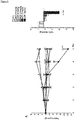
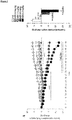
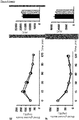
- the present invention demonstrates the usefulness of this drug by illustrating a series of experiments in which 0.3, 0.6, 1.25, 2.5 and 5 mg/kg of doxorubicin were administered intra-peritoneally to mice of the Swiss strain fed with a standardize diet. In these experiments it can be observed how the latter mentioned dosages provoked a significant loss of weight as shown in figure 1A in a dose dependent manner, wherein preferably dosages greater or equal to 0.6 mg/kg reduced the body weight of the mice significantly (see Figures 1A and 1B ).
- the results shown herein demonstrate that increasing of intracellular p53 concentration and/or the decreasing of intracellular p63 reduces hepatic steatosis. There was no way to infer, prior to the findings disclosed herein, that increased concentrations of intracellular p53 and/or decreased concentrations of intracellular p63 would have reduced hepatic steatosis. The results disclosed herein are thus the first to allow this interpretation.
- p53 protein also known as p53, cellular tumor antigen p53 (UniProt name), phosphoprotein p53, tumor suppressor p53, antigen NY-CO-13, or transformation-related protein 53 (TRP53), must be understood as any isoform of a protein encoded by homologous genes in various organisms, such as TP53 (humans) and Trp53 (mice).
- TP53 humans
- Trp53 tumor suppressor
- TRP53 transformation-related protein 53
- TP53 is classified as a tumor suppressor gene.
- the name p53 is in reference to its apparent molecular mass: SDS-PAGE analysis indicates that it is a 53-kilodalton (kDa) protein. However, based on calculations from its amino acid residues, p53's mass is actually only 43.7 kDa. This difference is due to the high number of proline residues in the protein; these slow its migration on SDS-PAGE, thus making it appear heavier than it actually is. This effect is observed with p53 from a variety of species, including humans, rodents, frogs, and fish.
- nucleotide sequence/s for "p63” can be taken from the GenBank database (http://www.ncbi.nlm.nih.gov/Genbank/).
- GenBank database http://www.ncbi.nlm.nih.gov/Genbank/.
- a variant of any of these sequences, based on the identity of the total length of the nucleotide sequence, having at least 80%, 85%, 90%, 95%, 97%, 98% or 99 % is also included in the present invention.
- up-regulator must be understood as a compound capable of increasing the intracellular concentration of the p53 protein in the hepatocytes of a subject relative to that observed in the absence of the compound.
- down-regulator must be understood as a compound capable of decreasing the intracellular concentration of the p63 protein in the hepatocytes of a subject relative to that observed in the absence of the compound.
- the up-regulator or activator agent can be a modulator of the intracellular expression of p53 that increases the amount of p53.
- the activator agent can be a compound capable of increasing the intracellular concentration of p53, or of increasing the concentration of p53-encoding mRNA, and/or the posttranslational modification of p53 (if any).
- the activator can either directly or indirectly affect the expression of p53.
- Activators can be identified, for example, through screening methods as described herein in the detailed description of the invention.
- An example of an activator compound which induces p53 expression by indirectly affecting the expression of p53 would be an inhibitor of an endogenous inhibitor of p53.
- the down-regulator can be a modulator of the intracellular expression of p53 that decreases the amount of p63.
- the down-regulator can be a compound capable of decreasing the intracellular concentration of p63, or of decreasing the concentration of p63 -encoding mRNA, and/or the posttranslational modification of p63 (if any).
- the down-regulator can either directly or indirectly affect the expression of p63.
- Down-regulators or inhibitors of p63 can be identified, for example, through screening methods as described herein in the detailed description of the invention.
- basal levels are normal in vivo levels prior to, or in the absence of, addition of an activator compound.
- basal levels are normal in vivo levels prior to, or in the absence of, addition of a down-regulator o inhibitor compound.
- pharmaceutically acceptable carrier is intended to include formulation used to stabilize, solubilize and otherwise be mixed with active ingredients to be administered to living animals, including humans. This includes any and all solvents, dispersion media, coatings, antibacterial and antifungal agents, isotonic and absorption delaying agents, and the like, compatible with pharmaceutical administration. Except insofar as any conventional media or agent is incompatible with the active compound, such use in the compositions is contemplated.
- disease as used herein is intended to be generally synonymous, and is used interchangeably with, the terms “disorder” and “condition” (as in medical condition), in that all reflect an abnormal condition of the body or of one of its parts that impairs normal functioning and is typically manifested by distinguishing signs and symptoms.
- Non-alcoholic fatty liver disease is one cause of a fatty liver, occurring when fat is deposited (steatosis) in the liver not due to excessive alcohol use. It is related to insulin resistance and the metabolic syndrome and may respond to treatments originally developed for other insulin-resistant states (e.g. diabetes mellitus type 2) such as weight loss, metformin and thiazolidinediones.
- NASH Non-alcoholic steatohepatitis
- NAFLD Non-alcoholic steatohepatitis
- combination therapy means the administration of two or more therapeutic agents to treat a therapeutic condition or disorder described in the present disclosure. Such administration encompasses co-administration of these therapeutic agents in a substantially simultaneous manner, such as in a single capsule having a fixed ratio of active ingredients or in multiple, separate capsules for each active ingredient. In addition, such administration also encompasses use of each type of therapeutic agent in a sequential manner. In either case, the treatment regimen will provide beneficial effects of the compound combination in treating the conditions or disorders described herein.
- terapéuticaally effective is intended to qualify the amount of active ingredients used in the treatment of a disease or disorder. This amount will achieve the goal of reducing or eliminating the said disease or disorder.
- subject means all mammals including humans. Examples of subjects includes, but are not limited to, humans, cows, dogs, cats, goats, sheep, pigs, and rabbits.
- p53 is an intensively studied protein, primarily as a tumor suppressor in humans and other mammals. p53 mutations or deficiency are highly correlated with increased susceptibility to cancer, and most studies have focused on how p53 might protect malignant progression. However, apart from cell proliferation, p53 also plays an important role in different biological functions including longevity, stress, ageing, and obesity-associated disorders such as hepatic steatosis and insulin resistance.
- the authors of the present invention found higher levels of FAS and LPL in the liver of p53 null mice, suggesting an increased hepatic fatty acid synthesis and uptake.
- ER stress an event that is present in liver of obese rodents and characterizes the metabolic syndrome, protein levels of markers of ER stress were up-regulated in the liver of p53 null mice in comparison to their littermates. Consistent with these findings, the down-regulation of p53 in the liver mimicked the results observed in global p53 null mice, and the lack of p53 in HepG2 cells impaired their response to etoposide, thereby accumulating more lipid droplets than control cells.
- hepatic levels of downstream target genes of p53 such as bax or p66shc, that were reported to regulate lipid metabolism, remained unaltered in the experiments shown herein.
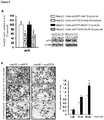
- hepatic p63 protein levels were negatively regulated by p53, and more importantly, the down-regulation of p63 in the liver attenuated p53-induced liver ER stress, fatty acid deposition and steatosis.
- the interaction between p63and p53 is strong and, at least at cellular level, they can supplement their functions each other.
- the present findings indicate that reduced levels of endogenous p53 in the whole body, and in particular in the liver, leads to increased ER stress and liver steatosis independent of diet, and impair the response of hepatocytes to etoposide.
- the rescue of hepatic p53 in global p53 null mice is sufficient to attenuate ER stress and liver steatosis.
- the actions of p53 on lipid homeostasis in the liver is mediated by p63, as there is a negative correlation between their levels, and the down-regulation of p63 in the liver attenuates p53-induced liver steatosis.
- p53 and/or p63 ⁇ are identified herein as crucial targets to provide and develop new compositions suitable as drugs for treating non-alcoholic fatty acid disease (NAFLD) and/or non-alcoholic steatohepatitis (NASH). Therefore, disclosed herein are thus methods of increasing the expression or activity of the p53 protein in the hepatocytes of a subject or methods of decreasing the expression or activity of the p63 in the hepatocytes of a subject for treating non-alcoholic fatty acid disease (NAFLD) and/or non-alcoholic steatohepatitis (NASH), the method comprising: a) identifying a subject who may benefit from p53 expression or p63 reduction; and b) administering to the subject an activator of p53 and/or a down-regulator of p63.
- a first aspect of the invention refers to a an agent capable of up-regulating the expression of p53 and/or down-regulating or inhibiting the expression of p63 in the hepatocyte cells of a human subject suffering from non-alcoholic fatty acid disease (NAFLD) or non-alcoholic steatohepatitis (NASH), relative to that observed in the absence of the agent, for use in the treatment of non-alcoholic fatty acid disease (NAFLD) and/or non-alcoholic steatohepatitis (NASH).
- NAFLD non-alcoholic fatty acid disease
- NASH non-alcoholic steatohepatitis
- doxorubicin is an anthracycline antibiotic closely related to the natural product daunomycin and like all anthracyclines, it works by intercalating DNA, with the most serious adverse effect being life-threatening heart damage.
- hematological malignancies blood cancers, like leukaemia and lymphoma
- carcinoma solid tumours
- soft tissue sarcomas It is often used in combination chemotherapy as a component of various chemotherapy regimens.
- doxorubicin The chemical structure of doxorubicin is as follows:
- the authors of the present invention conducted a further series of experiments using doxorubicin in an animal model of hepatic steatosis, in particular in an animal model of HFD-induced obese mice. This specific animal model suffers from hepatic steatosis and accurately reproduces human obesity.
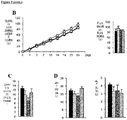
- mice were fed with a HFD (45% total fat content) during a period of 12 weeks, and after said period of time, mice were treated intra-peritoneally with 0.15, 0.3, 0.6 and 1.25 mg/kg of doxorubicin during a further period of 2 months. During this two month period, doxorubicin was administered twice per week using each of the different dosages above mentioned.
- HFD 40% total fat content
- mice of the C57/B6 strain fed with a HFD (60% total fat content) were administered a dose of 0,6 mg/kg intra-peritoneally twice per week during a further period of two months.
- HFD 50% total fat content
- a preferred embodiment of the first aspect of the invention refers to doxorubicin or a pharmaceutically acceptable salt thereof or a pharmaceutically acceptable vehicle or carrier comprising doxorubicin or a pharmaceutical acceptable salt thereof such as a liposome (doxil or myocet), for use in the treatment of non-alcoholic fatty acid disease (NAFLD) and/or non-alcoholic steatohepatitis (NASH) in a human subject.
- doxil or myocet doxil or myocet
- such compositions are administered by any suitable administration route, preferably orally or intravenously and, whenever appropriate, intravesical and intra-arterial routes.
- dosage is usually calculated on the basis of body surface area (mg/m2) or on the basis of mg/kg.
- the doxorubicin is in a dosage capable of providing a therapeutic effect in the absence or with minor toxic effects.
- the dosage of doxorubicin is not particularly restricted.
- doxorubicin may be administered to human beings orally alone or in combination with other active ingredients in dosages up to 5.0 mg/kg/week (185 mg/m2/week), preferably between 0.8 mg/kg/week (29.6 mg/m2/week) and 5.0 mg/kg/week (185 mg/m2/week), more preferably about 3.2 mg/kg/week (120 mg/m2/week).
- the dose-schedule to be delivered of oral forms of doxorubicin is measure for a human adult of about 60 kg of weight.
- Doxorubicin may also be administered intravenously and, whenever appropriate, intravesical and intra-arterial routes at a dosage of below 0.80 mg/kg/week (29.6 mg/m2/week), preferably doxorubicin may be administered intravenously, alone or in combination, in dosages below 0.40 mg/kg/week (14.8 mg/m2/week), more preferably below 0.20 mg/kg/week (7.5 mg/m2/week), still more preferably about 0.10 mg/kg/week (3.75 mg/m2/week), still more preferably about 0.05 mg/kg/week (1.85 mg/m2/week).
- doxorubicin may be administered intravenously, alone or in combination, in dosages below 0.40 mg/kg/week (14.8 mg/m2/week), more preferably below 0.20 mg/kg/week (7.5 mg/m2/week), still more preferably about 0.10 mg/kg/week (3.75 mg/m2/week), still more preferably about 0.05 mg/kg/week (1.85 mg/m2/week).
- Preferred ranges for the intravenous administration are from about 0.0121 mg/kg/week (0.4477 mg/m2/week) to about 0.80 mg/kg/week (29.6 mg/m2/week), preferably from about 0.024 mg/kg/week (0.9 mg/m2/week) to about 0.20 mg/kg/week (7.5 mg/m2/week) and more preferably from about 0.024 mg/kg/week (0.9 mg/m2/week) to about 0.10 mg/kg/week (3.75 mg/m2/week).
- the dose-schedule to be delivered of intravenous forms of doxorubicin is measure for a human adult of about 60 kg of weight.
- the doxorubicin dose-schedule to be delivered may differ depending on its use within a specific regimen (e.g. as a single agent or in combination with other agents such as quercetin or as a part of multidisciplinary approaches which include combination with hormonotherapy).
- Intravenous administration of doxorubicin should be performed with caution. It is recommended to administer doxorubicin into the tubing of a freely flowing IV infusion (isotonic sodium chloride or 5% glucose solution) over a period of 3 to 5 minutes. This technique is intended to minimize the risk of thrombosis or perivenous extravasation which could lead to severe cellulitis, vesication and tissue necrosis.
- Intravenous administration of doxorubicin may be preferably performed every week, every two weeks or every 20 o 21 days.
- compositions comprising doxorubicin are formulated to be compatible with its intended route of administration. Methods to accomplish the administration are known to those of ordinary skill in the art.
- said agent is characterized by being capable of up-regulating the expression of p53 and down-regulating or inhibiting the expression of p63 ⁇ in the hepatocyte cells of a human subject suffering from non-alcoholic fatty acid disease (NAFLD) and/or non-alcoholic steatohepatitis (NASH) relative to that observed in the absence of the agent.
- NAFLD non-alcoholic fatty acid disease
- NASH non-alcoholic steatohepatitis
- activator compounds such as doxorubicin
- doxorubicin are thus those molecules that increased p53 functional activity or alter its intracellular distribution.
- a compound is an activator compound when the compound reduces the incidence, severity or adverse consequences of non-alcoholic fatty acid disease (NAFLD) and/or non-alcoholic steatohepatitis (NASH) relative to those observed in the absence of the compound.
- NAFLD non-alcoholic fatty acid disease
- NASH non-alcoholic steatohepatitis
- increases the intracellular expression is meant increasing over the baseline, or compared to a control, by 1, 2, 3, 4, 5, 6, 7, 8, 9, 10, 11, 12, 13, 14, 15, 16, 17, 18, 19, 20, 21, 22, 23, 24, 25, 26, 27, 28, 29, 30, 31, 32, 33, 34, 35, 36, 37, 38, 39, 40, 41, 42, 43, 44, 45, 46, 47, 48, 49, 50, 51, 52, 53, 54, 55, 56, 57, 58, 59, 60, 61, 62, 63, 64, 65, 66, 67, 68, 69, 70, 71, 72, 73, 74, 75, 76, 77, 78, 79, 80, 81, 82, 83, 84, 85, 86, 87, 88, 89, 90, 91, 92, 93, 94, 95, 96, 97, 98, 99, or 100%, or 2, 3, 4, 5, 6, 7, 8, 9, 10, 11, 12, 13, 14, 15, 20, 25, 30, 35, 40, 45, 50, or
- downregulator or inihitor compounds are thus those molecules that decrease p63 functional activity or alter its intracellular distribution.
- decreases the intracellular expression is meant decreasing below the baseline, or compared to a control, by 1, 2, 3, 4, 5, 6, 7, 8, 9, 10, 11, 12, 13, 14, 15, 16, 17, 18, 19, 20, 21, 22, 23, 24, 25, 26, 27, 28, 29, 30, 31, 32, 33, 34, 35, 36, 37, 38, 39, 40, 41, 42, 43, 44, 45, 46, 47, 48, 49, 50, 51, 52, 53, 54, 55, 56, 57, 58, 59, 60, 61, 62, 63, 64, 65, 66, 67, 68, 69, 70, 71, 72, 73, 74, 75, 76, 77, 78, 79, 80, 81, 82, 83, 84, 85, 86, 87, 88, 89, 90, 91, 92, 93, 94, 95, 96, 97, 98, 99, or 100%, or 2, 3, 4, 5, 6, 7, 8, 9, 10, 11, 12, 13, 14, 15, 20, 25, 30, 35, 40, 45, 50, or
- Activator compounds can be identify by a method for screening a compound for the ability to activate p53, comprising contacting a cell with a compound suspected to activate p53; assaying the contents of the cells to determine the amount and/or biological activity of p53; and comparing the determined amount and/or biological activity of p53 to a predetermined level, wherein a change of said amount and/or biological activity of p53 is indicative for a compound that activates p53.
- Preferred is a method according to the invention, wherein the cell is a hepatocyte. Further preferred is a method according to the invention, wherein the amount of p53 is determined.
- screening is done by quantitative real-time RT-PCR using specific primers for each isoform.
- such activator compound is a peptide/protein which comprises the sequence of protein p53 or a variant of this sequence which is at least 70%, 75%, 80%, 85%, 90%, 93%, 95%, 96%, 97%, 98% or 99% identical to it.
- the agent is a down-regulator or inhibitor.
- Peptides/proteins of the invention may be modified for example by the addition of histidine residues to assist their identification or purification or by the addition of a signal sequence to promote their secretion from a cell where the polypeptide does not naturally contain such a sequence.
- a peptide/protein of the invention above may be labelled with a revealing label.
- the revealing label may be any suitable label, which allows the peptide to be detected.
- the peptides/proteins of the invention may be introduced into a cell, such a hepatocyte, by in situ expression of the peptide from a recombinant expression vector.
- the expression vector optionally carries an inducible promoter to control the expression of the polypeptide.
- a peptide/protein of the invention can be produced in large scale following purification by high pressure liquid chromatography (HPLC) or other techniques after recombinant expression.
- HPLC high pressure liquid chromatography
- said agent is an activator compound selected from the group consisting of doxorubicin analogues.
- a doxorubicin analogue includes those compounds in which the aglycone moiety is linked to a different carbohydrate as well as those obtained by derivatization of the biosynthetic glycosides.
- Doxorubicin analogues can be alternatively, and often preferably, obtain from the corresponding daunorubicin analogues by the introduction of the alcohol function at C-14.
- a doxorubicin analogue useful for the present invention is daunorubicin.
- the activator compound is a DNA polynucleotide having a sequence selected from:
- the agent capable of up-regulating the expression of p53 or the activator compound is a DNA polynucleotide having a sequence selected from:
- the agent capable of down-regulating or inhibiting the expression of p63 is a DNA polynucleotide having a sequence selected from:
- the agent capable of down-regulating or inhibiting the expression of p63 is a DNA polynucleotide having a sequence selected from:
- the activator compound or down-regulator or inhibitor is a mRNA polynucleotide having any of the above mentioned sequences.
- the polynucleotides of the invention may include within them synthetic or modified nucleotides.
- a number of different types of modifications to polynucleotides are known in the art. These include methylphosphate and phosphorothioate backbones, addition of acridine or polylysine chains at the 3'and/or 5'ends of the molecule.
- modifications to polynucleotides include methylphosphate and phosphorothioate backbones, addition of acridine or polylysine chains at the 3'and/or 5'ends of the molecule.
- the polynucleotides described herein may be modified by any method available in the art.
- Polynucleotides such as a DNA polynucleotide according to the invention may be produced recombinantly, synthetically or by any means available to those skilled in the art. They may also be cloned by standard techniques. The polynucleotides are typically provided in isolated and/or purified form.
- the polynucleotides of the invention can be transported into the hepatocytes, without degradation, by plasmid or viral vectors that include a promoter yielding expression of the nucleic acid in the cells into which it is delivered.
- the activators compounds or the down-regulators or inhibitors of the invention can comprise any of the disclosed above polynucleotides of the invention or a plasmid or vector capable of transporting or delivering said polynucleotides, preferably a viral vector.
- Viral vectors are, for example, Adenovirus, Adeno-associated virus, Herpes virus, Vaccinia virus, Polio virus, AIDS virus, neuronal trophic virus, Sindbis and other RNA viruses, including these viruses with the HIV backbone. Also preferred are any viral families which share the properties of these viruses which make them suitable for use as vectors.
- the activators compounds can comprise, in addition to the disclosed pharmaceutical drugs such as doxorubicin or doxorubicin analogues, polynucleotides of the invention, plasmid or vectors or the peptides of the invention, for example, lipids such as liposomes, such as cationic liposomes (e.g., DOTMA, DOPE, DC-cholesterol) or anionic liposomes.
- lipids such as liposomes, such as cationic liposomes (e.g., DOTMA, DOPE, DC-cholesterol) or anionic liposomes.
- Liposomes can further comprise proteins to facilitate targeting a particular cell, if desired.
- Administration of a composition comprising a compound and a cationic liposome can be administered to the blood afferent to a target organ.
- the activator can be administered as a component of a microcapsule that can be targeted to specific cell types, such as cardiomyocytes, or where the diffusion of the compound or delivery of the compound from the microcapsule is designed for a specific rate or dosage.
- the DNA polynucleotides of the invention can be integrated into the host cell genome, typically through integration sequences. These sequences are often viral related sequences, particularly when viral based systems are used. These viral integration systems can also be incorporated into nucleic acids which are to be delivered using a non-nucleic acid based system of deliver, such as a liposome, so that the nucleic acid contained in the delivery system can become integrated into the host genome.
- Other general techniques for integration into the host genome include, for example, systems designed to promote homologous recombination with the host genome. These systems typically rely on sequence flanking the nucleic acid to be expressed that has enough homology with a target sequence within the host cell genome that recombination between the vector nucleic acid and the target nucleic acid takes place, causing the delivered nucleic acid to be integrated into the host genome. These systems and the methods necessary to promote homologous recombination are known to those of skill in the art.
- the activator compounds or the down-regulators or inhibitors herein disclosed can be administered in a pharmaceutically acceptable carrier and can be delivered to the subject's hepatocytes in vivo and/or ex vivo by a variety of mechanisms well known in the art as commented above.
- cells or tissues can be removed and maintained outside the body according to standard protocols well known in the art.
- the activator compounds can be introduced into the cells, preferably hepatocytes, via any gene transfer mechanism, such as, for example, calcium phosphate mediated gene delivery, electroporation, microinjection or proteoliposomes.
- the transduced cells can then be infused (e.g., in a pharmaceutically acceptable carrier) or homotopically transplanted back into the subject per standard methods for the cell or tissue type. Standard methods are known for transplantation or infusion of various cells into a subject.
- the activators compounds or the down-regulators or inhibitors of the present invention can be used in conjunction with another treatment method.
- a second aspect of the invention refers to a combination therapy comprising at least two agents, wherein at least one agent is characterized by being capable of up-regulating the expression of p53 and the other agent is characterized by being capable of down-regulating or inhibiting the expression of p63 in the hepatocyte cells of a human subject suffering from non-alcoholic fatty acid disease (NAFLD) or non-alcoholic steatohepatitis (NASH) relative to that observed in the absence of the agent, for use in the concomitant administration (understood as including both simultaneous and sequential administration of the two agents) for the treatment of non-alcoholic fatty acid disease (NAFLD) and/or non-alcoholic steatohepatitis (NASH).
- this aspect of the invention refers to a specific combination therapy comprising doxorubicin or doxorubicin analogues and a further active ingredient, wherein this further active ingredient is preferably quercetin.
- a third aspect of the invention refers to a composition comprising an agent or the combination therapy as defined in any of the precedent aspects, wherein said composition is optionally a pharmaceutical composition optionally comprising a pharmaceutically acceptable vehicle and/or pharmaceutically acceptable excipients, for use in the treatment of non-alcoholic fatty acid disease (NAFLD) and/or non-alcoholic steatohepatitis (NASH).
- said composition is a plasmid or vector capable of transporting or delivering the polynucleotides as defined herein, preferably a viral vector as defined above. More preferably, said composition is a vaccine composition comprising said plasmids or vectors, preferably viral vectors, capable of transporting or delivering the polynucleotides aforementioned.
- a fourth aspect of the invention refers to a method for preparing an agent capable of up-regulating the expression of p53 and/or down-regulating or inhibiting the expression of p63 in the hepatocyte cells of a human subject for use in the treatment of non-alcoholic fatty acid disease (NAFLD) and/or non-alcoholic steatohepatitis (NASH), which comprises:
- a fifth aspect of the invention refers to a method of screening for an agent capable of up-regulating the expression of p53 and/or down-regulating or inhibiting the expression of p63 in the hepatocyte cells of a human subject for use in the treatment of non-alcoholic fatty acid disease (NAFLD) and/or non-alcoholic steatohepatitis (NASH), which comprises:
- a sixth aspect of the invention refers to any of the agents described in the first aspect of the invention or in any of its preferred embodiments, characterized by being capable of up-regulating the expression of p53 and down-regulating or inhibiting the expression of p63 in the hepatocyte cells of a human subject or to the combination therapy of the second aspect of the invention, for use in the treatment of obesity or overweight, in particular of morbid obesity.
- said agent or combination therapy is in the form of a medical food composition.
- a seventh aspect of the invention refers to a non-therapeutic use of the agent of the first aspect of the invention characterized by being capable of up-regulating the expression of p53 and down-regulating or inhibiting the expression of p63 in the hepatocyte cells of a human subject or to the combination therapy of the second aspect of the invention, for reducing weight in a human subject.
- the present treatment methods also include a method to increase the efficacy of other agents given for the same disease, comprising administering to a subject in need thereof an effective amount of an activator compound; and, optionally, a pharmaceutically acceptable carrier, thereby increasing the efficacy of the other agent or agents.
- compositions comprising the activator compound or the down-regulator or inhibitor can be administered in vivo in a pharmaceutically acceptable carrier.
- pharmaceutically acceptable is meant a material that is not biologically or otherwise undesirable, i.e., the material may be administered to a subject, along with the nucleic acid or vector, without causing any undesirable biological effects or interacting in a deleterious manner with any of the other components of the pharmaceutical composition in which it is contained.
- the carrier would naturally be selected to minimize any degradation of the active ingredient and to minimize any adverse side effects in the subject, as would be well known to one of skill in the art.
- effective dosages and schedules for administering the compositions comprising the activator compound disclosed herein may be determined empirically, and making such determinations is within the skill in the art.
- the dosage ranges for the administration of the compositions are those large enough to produce the desired effect in the disorder.
- the dosage should not be so large as to cause adverse side effects, such as unwanted cross-reactions, anaphylactic reactions, and the like.
- the dosage will vary with the age, condition, sex and extent of the disease in the patient, route of administration, or whether other drugs are included in the regimen, and can be determined by one of skill in the art.
- the dosage can be adjusted by the individual physician in the event of any contraindications. Dosage can vary, and can be administered in one or more dose administrations daily, for one or several days. Guidance can be found in the literature for appropriate dosages for given classes of pharmaceutical products.
- mice (Animal house, University of Santiago de Compostela) were used. All animals were experimentally naive, and they were individually housed in controlled room conditions (temperature: 22 ⁇ 2°C; humidity: 40 ⁇ 5%; 12-h light-dark cycle, lights on at 8:00 a.m.) with free access to food and tap water.
- Serum activities of ALT and AST were measured using the ALT and AST Reagent Kit (Biosystems Reagents) with a Benchmark Plus Microplate Spectrophotometer.
- Liver samples were fixed in 10% buffered formalin for 24 hr, and then dehydrated and embedded in paraffin by a standard procedure. Sections of 3 ⁇ m were cut with a microtome and stained using a standard Hematoxilin/Eosin Alcoholic procedure according to the manufacturer's instructions (BioOptica, Milan, Italy). They were then mounted with permanent (non-alcohol, non-xylene based) mounting media, and evaluated and photographed using a BX51 microscope equipped with a DP70 digital camera (Olympus, Tokyo, Japan).
- RT-PCR real-time reverse-transcription polymerase chain reaction
- the PCR cycling conditions included an initial denaturation at 50°C for 10 min followed by 40 cycles at 95°C for 15 sec and 60°C for 1 min.
- the input value of gene expression was standardized to the HPRT value for the sample group and expressed as a comparison with the average value for the control group. All samples were run in duplicate and the average values were calculated.
- the authors of the present invention conducted a further series of experiments using doxorubicin in an animal model of hepatic steatosis, in particular in an animal model of HFD-induced obese mice. This specific animal model suffers from hepatic steatosis and accurately reproduces human obesity.
- mice were fed with a HFD (45% total fat content) during a period of 12 weeks, and after said period of time, mice were treated intra-peritoneally with 0.15, 0.3, 0.6 and 1.25 mg/kg of doxorubicin during a further period of 2 months. During this two month period, doxorubicin was administered twice per week using each of the different dosages above mentioned.
- HFD 40% total fat content
- mice of the C57/B6 strain fed with a HFD (60% total fat content) were administered a dose of 0,6 mg/kg intra-peritoneally twice per week during a further period of two months.
- HFD 50% total fat content
- mice showed the expected shorter lifespan and tumour spectrum.
- HepG2 cells were infected with adenoviruses expressing GFP alone or adenoviruses encoding a p53 negative dominant and treated with etoposide.
- Adenoviral vectors targeting p53 or p63 were injected via tail vein injection.
- mice fed a high fat diet are resistant to diet-induced weight gain and insulin resistance
- Age-matched male WT and p53 null mice were maintained on standard diet from 4 weeks of age for 8 weeks to assess their metabolic phenotypes. No differences were found in body weight, food intake or body composition ( Figures 7A-C ). Another group of age-matched male WT and p53 null mice was maintained on HFD from 4 weeks of age (45% kcal fat, 4.73 kcal/g) for 11 weeks. p53 null mice on a HFD gained significantly less body weight than WT mice ( Figure 6A ). Changes in body weight could not be explained to daily reductions in total food intake ( Figure 6B ).
- Body composition revealed that p53 null mice accrued less fat mass compared to WT mice after 11 weeks on a HFD with no changes in non-fat mass ( Figure 6C ).
- Male p53 null mice fed a chow diet did not show any alteration in glucose tolerance ( Figure 6D ) or insulin sensitivity ( Figure 6E ).
- Male p53 null mice fed a chow diet did not show changes in glucose tolerance ( Figure 1D) but when they were fed a HFD had increased insulin sensitivity ( Figure 6E ).
- Female p53 null mice maintained on standard diet did not show any alteration in body weight, food intake or body composition. When females were fed a HFD they had a significant decrease in fat mass compared to female WT mice but no differences in body weight, glucose tolerance nor insulin sensitivity.
- mice fed a chow diet or high fat diet have increased hepatic steatosis and steatohepatitis
- mice Male p53 null mice exhibited more lipid droplets in their hepatocytes, compared with those observed in their WT littermates independent of the type of diet received ( Figure 7A ). Consistently, p53 null mice had more triglicerydes (TG) in the liver and increased serum aspartate aminotransferase (AST) and alanine transaminase (ALT) levels than WT mice ( Figure 7B ).
- TG triglicerydes
- AST serum aspartate aminotransferase
- ALT alanine transaminase
- p53 deficient mice exhibited increased hepatic protein levels of the cleaved caspase 3 and cleaved caspase 7 ( Figure 7D ). Since ER stress has been implicated in the pathogenesis of NAFLD and NASH, we next assessed the protein levels of several key factors mediating ER stress. We found that in the liver of p53 deficient mice, the hepatic levels of pIRE/IRE, XBP1, pPERK, and peIF2 ⁇ /IF2 ⁇ , members of the unfolded protein response to ER stress, were significantly increased in comparison to WT controls ( Figure 7D ).
- Hepatic TG levels and serum aspartate aminotransferase (AST) levels were also elevated when p53 was inactivated in the liver ( Figure 8C ).
- protein levels of FAS, LPL and pJNK/JNK, several markers of ERstress (pIRE/IRE, XBP1, pPERK, and peIF2 ⁇ /IF2 ⁇ ) and cleaved caspases 3 and 7 were increased after the inactivation of hepatic p53 when compared to their control littermates ( Figure 8D ).
- glucose tolerance and insulin sensitivity remained unaltered in these mice ( Figure 8E-F ).
- HepG2 cells were infected with adenoviruses expressing GFP alone or adenoviruses encoding a p53 negative dominant. Infection efficiency was assessed by decreased expression of phosphor-p53 (pp53) ( Figure 9A ).
- pp53 phosphor-p53
- Hepatic activation of p53 ameliorates hepatic steatosis and steatohepatitis in wild type and p53 KO mice fed a HFD
- the ameliorated hepatic steatosis and steatohepatitis in WT and p53 null mice following Ad-p53 injection was caused by the inhibition of hepatic FAS, LPL, pJNK/JNK and ER stress as demonstrated by the down-regulation of ER stress markers such as pPERK, pEIF2 ⁇ , pIRE, and XBP1 and by the decreased levels of cleaved caspase 3 ( Figures 10E ).
- Hepatic down-regulation of p63 ameliorates hepatic steatosis in mice with hepatic inactivation of p53
- Downstream target genes of p53 has been previously linked to the regulation of lipid metabolism include bax or p66shc. However, we failed to detect significant changes in the expression of those genes.
- mice exhibited less lipid droplets in their hepatocytes compared with those observed in mice injected AAV8-Cre and scramble lentiviruses ( Figure 11E ).
- Figure 11E mice exhibited less lipid droplets in their hepatocytes compared with those observed in mice injected AAV8-Cre and scramble lentiviruses.
- Figure 11F mice exhibited a significant decrease in total hepatic TG content, and serum AST in mice expressing low levels of both p53 and p63 in the liver in comparison to mice lacking hepatic p53.
- Doxorubicin protects the accumulation of lipids induced by oleic acid in human hepatocytes
- the hepatocyte cell line of human origin HepG2 was treated with bovine serum albumin (BSA, which represents the control group), oleic acid (OA) and 50 nM oleic acid + doxorubicin for 48 h.
- BSA bovine serum albumin
- OA oleic acid
- doxorubicin 50 nM oleic acid + doxorubicin + doxorubicin
Landscapes
- Health & Medical Sciences (AREA)
- Chemical & Material Sciences (AREA)
- Life Sciences & Earth Sciences (AREA)
- General Health & Medical Sciences (AREA)
- Public Health (AREA)
- Medicinal Chemistry (AREA)
- Pharmacology & Pharmacy (AREA)
- Veterinary Medicine (AREA)
- Animal Behavior & Ethology (AREA)
- Epidemiology (AREA)
- Dispersion Chemistry (AREA)
- Engineering & Computer Science (AREA)
- Bioinformatics & Cheminformatics (AREA)
- Gastroenterology & Hepatology (AREA)
- Chemical Kinetics & Catalysis (AREA)
- General Chemical & Material Sciences (AREA)
- Nuclear Medicine, Radiotherapy & Molecular Imaging (AREA)
- Organic Chemistry (AREA)
- Molecular Biology (AREA)
- Nutrition Science (AREA)
- Physiology (AREA)
- Dermatology (AREA)
- Pharmaceuticals Containing Other Organic And Inorganic Compounds (AREA)
Abstract
Description
- The present invention refers to the biotechnological field, more particularly to the use of up-regulators of the expression of p53 and/or down-regulators or inhibitors of the expression of p63 for the treatment of NAFLD (Non-alcoholic fatty liver disease) and/or NASH (non-alcoholic steatohepatitis).
- The following discussion of the background of the invention is merely provided to aid the reader in understanding the invention, and is not admitted to describe or constitute prior art to the present invention.
- NAFLD (Non-alcoholic fatty liver disease) and NASH (non-alcoholic steatohepatitis) are two of the most common liver diseases associated with obesity,
type 2 diabetes and the metabolic syndrome. Nevertheless, the fact that some obese patients almost never develop hepatic disease while a few subjects with normal BMI or discrete overweight develop NAFLD and NASH has prompted the search for different genes that may protect or exacerbate the development of the disease in relation to diet. - p53 belongs to a family of transcription factors that also includes p63 and p73, functional homologs of p53 sharing high sequence and structural similarities. The transcription factor p53 is best known for its function as a tumor suppressor. Alterations in metabolism are crucial for tumor progression and tumor cells survival and thereby it is logical that p53 is deeply involved in the control of certain metabolic and cellular dysfunctions. In this regard, one of the key actions of p53 is the regulation of lipid metabolism. In general, p53 inhibits lipid synthesis and induces fatty acid oxidation. However, the link between p53 and hepatic lipid metabolism is currently confuse and controversial. Whereas some reports indicate that p53 is an essential player in the pathogenesis of alcoholic and NAFLD; others suggest that this transcription factor attenuates liver steatosis. The conclusions of those studies were relied on gene expression results, the use of pharmacological compounds, mice lacking p53 globally or in vitro assays. However, there are no studies evaluating the physiological relevance of hepatic p53 through the specific manipulation of this transcription factor in liver.
- p53 acts as a primary sensor in the cellular response to stress by promoting cell fate decisions and regulating several adaptive responses. The endoplasmic reticulum (ER) is an organelle that plays a crucial role in stress response and cell metabolism. ER-transmembrane-signaling molecules regulate lipid metabolism and as a matter of fact, ER stress has an important role in the development and progression of NAFLD. Therefore, to acquire knowledge on the hepatic role of p53 on NAFLD, it is essential to investigate if the molecular pathways altered after gain- and loss-of function studies on liver p53 might involve changes in ER stress.
- In the present study, we demonstrate that p53 null mice develop hepatic steatosis when fed with either chow diet or HFD (high fat diet) before they develop any sign of tumor incidence. Gain- and loss-of-function experiments using viral particles inhibiting or activating p53 specifically in the liver led to impaired and ameliorated hepatic steatosis, steatohepatitis and ER stress respectively. Moreover, the hepatic levels of p63 were inversely correlated to hepatic p53. Consistently, the inhibition of hepatic p63 attenuated the liver condition of mice lacking p53 in the liver, indicating that p63 mediates the hepatic actions of p53.
- In addition, in the present study we demonstrate that one of such agents capable of up-regulating the expression of p53 in the hepatocyte cells of a human subject and thus useful for the present invention, is the chemical compound known as doxorubicin as well as analogues thereof.
- We thus herein propose a novel strategy for the treatment of non-alcoholic fatty acid disease (NAFLD) and/or non-alcoholic steatohepatitis (NASH) which includes the repositioning of the pharmaceutical drug doxorubicin.
- In summary, the results shown herein demonstrate that an up-regulator of the expression of the p53 protein in hepatocyte cells and/or a down-regulator or inhibitor of the expression of the p63 protein in hepatocyte cells is useful for the production of a medicament for use in the treatment of non-alcoholic fatty acid disease (NAFLD) and/or non-alcoholic steatohepatitis (NASH). In particular, one of such agents capable of up-regulating the expression of p53 in the hepatocyte cells of a human subject and thus useful for the present invention, is the chemical compound known as doxorubicin. The present invention demonstrates the usefulness of this drug by illustrating a series of experiments in which 0.3, 0.6, 1.25, 2.5 and 5 mg/kg of doxorubicin were administered intra-peritoneally to mice of the Swiss strain fed with a standardize diet. In these experiments it can be observed how the latter mentioned dosages provoked a significant loss of weight as shown in
figure 1A in a dose dependent manner, wherein preferably dosages greater or equal to 0.6 mg/kg reduced the body weight of the mice significantly (seeFigures 1A and1B ). - Therefore, the results shown herein demonstrate that increasing of intracellular p53 concentration and/or the decreasing of intracellular p63 reduces hepatic steatosis. There was no way to infer, prior to the findings disclosed herein, that increased concentrations of intracellular p53 and/or decreased concentrations of intracellular p63 would have reduced hepatic steatosis. The results disclosed herein are thus the first to allow this interpretation.
- The accompanying drawings, which are incorporated in and constitute a part of this specification, illustrate several embodiments and together with the description illustrate the disclosed compositions and methods.
-
Figure 1 . Effect of the administration of doxorubicin (0.3, 0.6, 1.25, 2.5 and 5 mg/kg intraperitoneal 1 injection/day) during 5 days on body weight change (A) and cumulative food intake (B) of adult male Swiss mice. *p<0.05, ***p<0.001, n=7-8 per group. -
Figure 2 . Effect of the administration of doxorubicin (0.15, 0.3, 0.6 and 1.25 mg/kg intraperitoneal twice per week) during 68 days on body weight change (A), cumulative food intake (B), body composition (C), serum troponin levels (D) of adult male Swiss mice. *p<0.05, ***p<0.001, n=7-8 per group. -
Figure 3 . Effect of the administration of doxorubicin (0.6 mg/kg intraperitoneal twice per week) during 68 days on liver morphology (A) and (B), hepatic triglyceride content, hepatic non-esterified fatty acids and hepatic cholesterol levels (C), liver mRNA levels of the inflammatory markers TNFα, Arginase, IL6, NOS2 and F480 (D) and liver protein levels of FAS, LPL, CPT1, FGF21, pIRE, XBP1s, CHOP,cleaved caspase 3, pJNK/JNK, ACC, pACC of adult male Swiss mice. *p<0.05, ***p<0.001, n=7-8 per group. -
Figure 4 . Effect of the administration of doxorubicin (0.15, 0.3, and 0.6 mg/kg intraperitoneal twice per week) during 60 days on body weight change (A) and cumulative food intake (B) of adult male C57/B6 mice. *p<0.05, **p<0.01, n=7-8 per group and (C) hepatic TAG (mg/gr). -
Figure 5 . This figure (figure 5A to 5D ) shows a series of experiments in which a vehicle,quercetin 15 mg/kg, quercetin 15mg/Kg + ADR 20mg/Kg and quercetin 15mg/Kg + ADR 10mg/Kg were administered orally twice per week during a period of 30 days to mice of the C57/B6 strain fed with a HFD (60% total fat content) during a period of two months. In these experiments, it can be observed how the latter mentioned dosages (quercetin 15mg/Kg + ADR 20mg/Kg and quercetin 15mg/Kg + ADR 10mg/Kg) provoked a reduction in the body weight and a reduction in hepatic tryglicerides, particularly in the case of quercetin 15mg/Kg + ADR 20mg/Kg. -
Figure 6 . Metabolic phenotype of male p53 deficient mice fed a chow diet or high fat diet. (A) Body weight of male mice after free access to chow diet or high fat diet. (B) Cumulative food intake over 24h. (C) Fat mass and non-fat mass. (D) Glucose tolerance test in male p53 null mice fed a chow diet ot high fat diet. (E) Insulin tolerance test in male p53 null mice fed a chow diet ot high fat diet. *p<0.05, **p<0.01, n=7-8 per group. -
Figure 7 . Effect of p53 deficiency on liver steatosis and steatohepatitis of mice fed a chow diet or high fat diet. (A) Hematoxylin eosin (upper panel) and oil red staining (lower panel). (B) Total liver triglyceride (TG), serum AST and ALT. (C) mRNA expression of PPAPγ, LPL, SCARB1, MTTP, PGC1α, TNFα, IL6, F480, arginase, NOS2, MAC2 in the liver of WT and p53 null mice. Hepatic LPL activity of WT and p53 null mice. (D) Representative western blot of protein levels of FAS, LPL, pJNK/JNK, pIRE/IRE, Xbp1, pPERK, pEIF2α/eIF2α,caspase 3,cleaved caspase 3,caspase 7 andcleaved caspase 7. Comparison between WT and p53 null mice were analyzed in the same gel. Dividing lines indicate splicings in the same gel. *p<0.05, **p<0.01, n=7-8 per group. -
Figure 8 . Effect of liver p53 silencing on liver steatosis and steatohepatitis. (A) Efficiency of the down-regulation of p53 in the liver after the injection in tail vein of associate adenovirus serotype 8 (AAV8) expressing Cre in p53floxed mice. (B) Hematoxylin eosin (upper panel) and oil red staining (lower panel). (C) Total liver triglyceride (TG) content, serum AST and ALT. (D) Representative western blot of protein levels of FAS, LPL, pJNK/JNK, pIRE/IRE, Xbp1, pPERK, pEIF2α/eIF2α, cleavedcaspase 3 and cleavedcaspase 7. Dividing lines indicate splicings in the same gel. Hepatic LPL activity (E) Glucose tolerance test and (F) insulin tolerance test. *p<0.05, **p<0.01, n=7-8 per group. -
Figure 9 . Effect of p53 silencing in HepG2 cells. (A) Efficiency of the down-regulation of p53 in HepG2 cells transfected with adenoviruses expressing GFP alone or adenoviruses encoding a p53 negative dominant. (B) Oil red staining in HepG2 cells treated with etoposide at different concentrations. (C) Representative western blot of protein levels of peIF2α and Xbp1 in HepG2 cells non-treated and treated with etoposide. *p<0.05, n=4 per group. -
Figure 10 . Hepatic rescue of p53 in mice fed a high fat diet ameliorates p53-induced liver steatosis and steatohepatitis. (A) GFP protein levels in the liver and BAT of WT and p53 null mice after the tail vein injection of adenoviruses encoding either GFP or p53. (B) p53 expression in the liver of WT and p53 null mice after the injection of adenoviruses encoding either GFP or p53. (C) Total liver triglyceride (TG) content. (D) serum AST. (E) Hematoxylin eosin (upper panel) and oil red staining (lower panel). (F) Representative western blot of protein levels of FAS, LPL, pJNK/JNK, pIRE/IRE, Xbp1, pPERK, pEIF2α/eIF2α, cleavedcaspase 3 and cleavedcaspase 7 in the liver of p53 null mice after the injection of adenoviruses encoding either GFP or p53. Dividing lines indicate splicings in the same gel. *p<0.05, **p<0.01, n=7-8 per group. -
Figure 11 . Hepatic p63 mediates the actions of p53 in the liver. Protein levels of p63 in the liver of (A) wild type and p53 null mice; (B) control mice and mice lacking p53 in the liver; (C) wild type and p53 null mice after the injection of adenoviruses encoding either GFP or p53. (D) Efficiency of the down-regulation of p63 in the liver after the injection in tail vein of lentiviruses shp63. (E) Hematoxylin eosin (upper panel) and oil red staining (lower panel). (F) Total liver triglyceride (TG) content, serum AST and ALT. (G) Representative western blot of protein levels of FAS, LPL, pJNK/JNK, pIRE/IRE, Xbp1, pPERK, pEIF2α/eIF2α, cleavedcaspase 3 and cleavedcaspase 7. Dividing lines indicate splicings in the same gel. Hepatic LPL activity. *p<0.05, **p<0.01, n=7-8 per group. -
Figure 12 . This figure shows how the doxorubicin protects the accumulation of lipids induced by oleic acid in human hepatocytes (see examples). -
- NAFLD: Non-alcoholic fatty liver disease
- NASH: non-alcoholic steatohepatitis
- WAT: white adipose tissue
- TG: triglycerides
- NEFAs: non-esterified fatty acids
- ACC: acetyl-CoA carboxylase
- FAS: fatty acid synthase
- PPARγ: peroxisome proliferator-activated receptor gamma
- SCARB1: scavenger receptor
class B type 1 - LPL: lipoprotein lipase
- ALT: alanine aminotransferase
- AST: aspartate aminotransferase
- XBP1:
X-box binding protein 1 - PERK: protein kinase RNA-like ER kinase
- As used in the specification and the appended claims the term "p53 protein" also known as p53, cellular tumor antigen p53 (UniProt name), phosphoprotein p53, tumor suppressor p53, antigen NY-CO-13, or transformation-related protein 53 (TRP53), must be understood as any isoform of a protein encoded by homologous genes in various organisms, such as TP53 (humans) and Trp53 (mice). The p53 protein is crucial in multicellular organisms, where it regulates the cell cycle and, thus, functions as a tumor suppressor, preventing cancer. As such, p53 has been described as "the guardian of the genome" because of its role in conserving stability by preventing genome mutation. Hence TP53 is classified as a tumor suppressor gene. The name p53 is in reference to its apparent molecular mass: SDS-PAGE analysis indicates that it is a 53-kilodalton (kDa) protein. However, based on calculations from its amino acid residues, p53's mass is actually only 43.7 kDa. This difference is due to the high number of proline residues in the protein; these slow its migration on SDS-PAGE, thus making it appear heavier than it actually is. This effect is observed with p53 from a variety of species, including humans, rodents, frogs, and fish.
- As used in the specification and the appended claims the nucleotide sequence/s for "p63" can be taken from the GenBank database (http://www.ncbi.nlm.nih.gov/Genbank/). A variant of any of these sequences, based on the identity of the total length of the nucleotide sequence, having at least 80%, 85%, 90%, 95%, 97%, 98% or 99 % is also included in the present invention.
- As used in the specification and the appended claims the term "up-regulator" must be understood as a compound capable of increasing the intracellular concentration of the p53 protein in the hepatocytes of a subject relative to that observed in the absence of the compound.
- As used in the specification and the appended claim the term "down-regulator" must be understood as a compound capable of decreasing the intracellular concentration of the p63 protein in the hepatocytes of a subject relative to that observed in the absence of the compound.
- The up-regulator or activator agent can be a modulator of the intracellular expression of p53 that increases the amount of p53. In addition the activator agent can be a compound capable of increasing the intracellular concentration of p53, or of increasing the concentration of p53-encoding mRNA, and/or the posttranslational modification of p53 (if any).
- The activator can either directly or indirectly affect the expression of p53. Activators can be identified, for example, through screening methods as described herein in the detailed description of the invention. An example of an activator compound which induces p53 expression by indirectly affecting the expression of p53 would be an inhibitor of an endogenous inhibitor of p53.
- The down-regulator can be a modulator of the intracellular expression of p53 that decreases the amount of p63. In addition the down-regulator can be a compound capable of decreasing the intracellular concentration of p63, or of decreasing the concentration of p63 -encoding mRNA, and/or the posttranslational modification of p63 (if any).
- The down-regulator can either directly or indirectly affect the expression of p63. Down-regulators or inhibitors of p63 can be identified, for example, through screening methods as described herein in the detailed description of the invention.
- The term "increases" or "increasing" refers to increases above basal level. For example, basal levels are normal in vivo levels prior to, or in the absence of, addition of an activator compound.
- The term "decreases" or "decreasing" refers to decreases below basal level. For example, basal levels are normal in vivo levels prior to, or in the absence of, addition of a down-regulator o inhibitor compound.
- In this specification and in the claims which follow, reference will be made to a number of terms which shall be defined to have the following meanings:
"Optional" or "optionally" means that the subsequently described event or circumstance may or may not occur, and that the description includes instances where said event or circumstance occurs and instances where it does not. - The term "pharmaceutically acceptable carrier" is intended to include formulation used to stabilize, solubilize and otherwise be mixed with active ingredients to be administered to living animals, including humans. This includes any and all solvents, dispersion media, coatings, antibacterial and antifungal agents, isotonic and absorption delaying agents, and the like, compatible with pharmaceutical administration. Except insofar as any conventional media or agent is incompatible with the active compound, such use in the compositions is contemplated.
- The term "disease" as used herein is intended to be generally synonymous, and is used interchangeably with, the terms "disorder" and "condition" (as in medical condition), in that all reflect an abnormal condition of the body or of one of its parts that impairs normal functioning and is typically manifested by distinguishing signs and symptoms.
- As used herein, Non-alcoholic fatty liver disease (NAFLD) is one cause of a fatty liver, occurring when fat is deposited (steatosis) in the liver not due to excessive alcohol use. It is related to insulin resistance and the metabolic syndrome and may respond to treatments originally developed for other insulin-resistant states (e.g. diabetes mellitus type 2) such as weight loss, metformin and thiazolidinediones. Non-alcoholic steatohepatitis (NASH) is the most extreme form of NAFLD, and is regarded as a major cause of cirrhosis of the liver of unknown cause.
- The term "combination therapy" means the administration of two or more therapeutic agents to treat a therapeutic condition or disorder described in the present disclosure. Such administration encompasses co-administration of these therapeutic agents in a substantially simultaneous manner, such as in a single capsule having a fixed ratio of active ingredients or in multiple, separate capsules for each active ingredient. In addition, such administration also encompasses use of each type of therapeutic agent in a sequential manner. In either case, the treatment regimen will provide beneficial effects of the compound combination in treating the conditions or disorders described herein.
- The phrase "therapeutically effective" is intended to qualify the amount of active ingredients used in the treatment of a disease or disorder. This amount will achieve the goal of reducing or eliminating the said disease or disorder.
- The term "subject" means all mammals including humans. Examples of subjects includes, but are not limited to, humans, cows, dogs, cats, goats, sheep, pigs, and rabbits.
- Throughout this application, various publications are referenced. The disclosures of these publications in their entireties are hereby incorporated by reference into this application in order to more fully describe the state of the art to which this pertains. The references disclosed are also individually and specifically incorporated by reference herein for the material contained in them that is discussed in the sentence in which the reference is relied upon.
- p53 is an intensively studied protein, primarily as a tumor suppressor in humans and other mammals. p53 mutations or deficiency are highly correlated with increased susceptibility to cancer, and most studies have focused on how p53 might protect malignant progression. However, apart from cell proliferation, p53 also plays an important role in different biological functions including longevity, stress, ageing, and obesity-associated disorders such as hepatic steatosis and insulin resistance.
- In this sense, the authors of the present invention have investigated the endogenous metabolic role of p53 in the liver under different diet conditions by using p53 null mice before these mice developed any sign of tumor incidence. Based on these experiments, we can herein conclude for the first time that a down-regulation of endogenous p53 causes liver steatosis, independently of the type of diet. In this sense, we herein show that although p53 null mice gain less weight than their WT counterparts when challenged with a HFD (high-fat-diet) they show an exacerbated liver steatosis.
- In addition, the authors of the present invention found higher levels of FAS and LPL in the liver of p53 null mice, suggesting an increased hepatic fatty acid synthesis and uptake. In regard to ER stress, an event that is present in liver of obese rodents and characterizes the metabolic syndrome, protein levels of markers of ER stress were up-regulated in the liver of p53 null mice in comparison to their littermates. Consistent with these findings, the down-regulation of p53 in the liver mimicked the results observed in global p53 null mice, and the lack of p53 in HepG2 cells impaired their response to etoposide, thereby accumulating more lipid droplets than control cells. In agreement with loss of function studies, the rescue of p53 in the liver of p53 null mice attenuated HFD-induced hepatic steatosis by decreasing fatty acid accumulation and ER stress. Taken together, these findings suggest that genetic manipulation of p53 specifically in the liver exerts a profound influence upon liver metabolism, with loss of p53 leading to harmful effects and its activation beneficial for liver condition. The present results are clearly independent of nutritional status, as the mice were fed ad libitum.
- As regards the downstream molecular pathways controlling the hepatic actions of p53, the present results clearly show that the global down-regulation or the specific hepatic inhibition of p53 increases the levels of ER stress markers whereas the rescue of p53 in mice lacking this transcription factor ameliorates both ER stress and liver steatosis. Therefore, these results point out to a negative feedback loop between p53 and ER stress in liver.
- Furthermore, the authors of the present invention have found that hepatic levels of downstream target genes of p53 such as bax or p66shc, that were reported to regulate lipid metabolism, remained unaltered in the experiments shown herein. However, surprisingly hepatic p63 protein levels were negatively regulated by p53, and more importantly, the down-regulation of p63 in the liver attenuated p53-induced liver ER stress, fatty acid deposition and steatosis. The interaction between p63and p53 is strong and, at least at cellular level, they can supplement their functions each other. The present findings thus indicate that the down-regulation of p63 in the liver attenuates p53-induced liver steatosis and stimulates FAS expression to mediate its pro-survival effects. Thus, our results indicate that p63 also plays a critical role in hepatic lipid metabolism and mediates the hepatic actions of p53.
- Overall, the present findings indicate that reduced levels of endogenous p53 in the whole body, and in particular in the liver, leads to increased ER stress and liver steatosis independent of diet, and impair the response of hepatocytes to etoposide. The rescue of hepatic p53 in global p53 null mice is sufficient to attenuate ER stress and liver steatosis. In addition, the actions of p53 on lipid homeostasis in the liver is mediated by p63, as there is a negative correlation between their levels, and the down-regulation of p63 in the liver attenuates p53-induced liver steatosis.
- In summary, these results demonstrate that an up-regulator of the expression of the p53 protein in hepatocyte cells and/or a down-regulator or inhibitor of the expression of the p63α protein in hepatocyte cells is useful for the production of a medicament for use in the treatment of non-alcoholic fatty acid disease (NAFLD) and/or non-alcoholic steatohepatitis (NASH).
- Thus, these results demonstrate that increasing of intracellular p53 concentration and/or the decreasing of intracellular p63α reduces hepatic steatosis. There was no way to infer, prior to the findings disclosed herein, that increased concentrations of intracellular p53 and/or decreased concentrations of intracellular p63α would have reduced hepatic steatosis. The results disclosed herein are thus the first to allow this interpretation.
- Consequently, p53 and/or p63α are identified herein as crucial targets to provide and develop new compositions suitable as drugs for treating non-alcoholic fatty acid disease (NAFLD) and/or non-alcoholic steatohepatitis (NASH). Therefore, disclosed herein are thus methods of increasing the expression or activity of the p53 protein in the hepatocytes of a subject or methods of decreasing the expression or activity of the p63 in the hepatocytes of a subject for treating non-alcoholic fatty acid disease (NAFLD) and/or non-alcoholic steatohepatitis (NASH), the method comprising: a) identifying a subject who may benefit from p53 expression or p63 reduction; and b) administering to the subject an activator of p53 and/or a down-regulator of p63.
- Consequently, a first aspect of the invention refers to a an agent capable of up-regulating the expression of p53 and/or down-regulating or inhibiting the expression of p63 in the hepatocyte cells of a human subject suffering from non-alcoholic fatty acid disease (NAFLD) or non-alcoholic steatohepatitis (NASH), relative to that observed in the absence of the agent, for use in the treatment of non-alcoholic fatty acid disease (NAFLD) and/or non-alcoholic steatohepatitis (NASH).
- One of such agents capable of up-regulating the expression of p53 in the hepatocyte cells of a human subject and thus useful for the present invention, is the chemical compound known as doxorubicin. In the context of the present invention, the term "doxorubicin" trade name Adriamycin; pegylated liposomal form trade name Doxil; nonpegylated liposomal form trade name Myocet, also known as hydroxydaunorubicin and hydroxydaunomycin, is an anthracycline antibiotic closely related to the natural product daunomycin and like all anthracyclines, it works by intercalating DNA, with the most serious adverse effect being life-threatening heart damage. It is commonly used in the treatment of a wide range of cancers, including hematological malignancies (blood cancers, like leukaemia and lymphoma), many types of carcinoma (solid tumours) and soft tissue sarcomas. It is often used in combination chemotherapy as a component of various chemotherapy regimens.
- The chemical structure of doxorubicin is as follows:
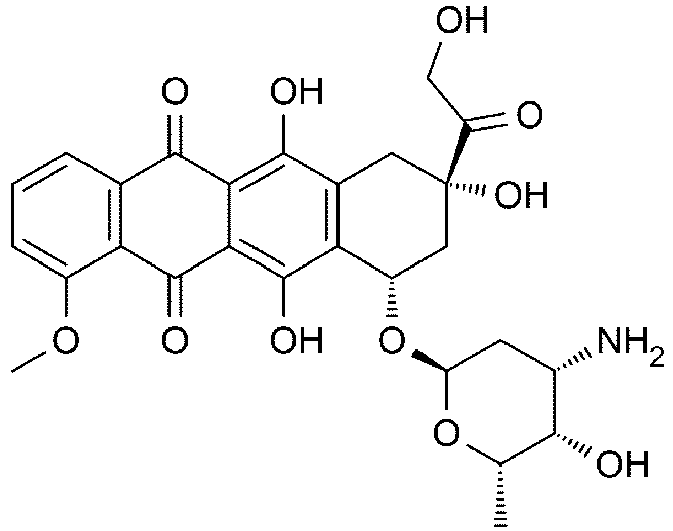
- In order to demonstrate the usefulness of this drug, the authors of the present invention have conducted a series of experiments in which 0.3, 0.6, 1.25, 2.5 and 5 mg/kg of doxorubicin were administered intra-peritoneally to mice of the Swiss strain fed with a standardize diet. In these experiments it can be observed how the latter mentioned dosages provoked a significant loss of weight as shown in
figure 1A in a dose dependent manner, wherein preferably dosages greater or equal to 0.6 mg/kg reduced the body weight of the mice significantly (seeFigures 1A and1B ). - Based on these results, the authors of the present invention conducted a further series of experiments using doxorubicin in an animal model of hepatic steatosis, in particular in an animal model of HFD-induced obese mice. This specific animal model suffers from hepatic steatosis and accurately reproduces human obesity.
- In these further series of experiments, as already detailed above, mice were fed with a HFD (45% total fat content) during a period of 12 weeks, and after said period of time, mice were treated intra-peritoneally with 0.15, 0.3, 0.6 and 1.25 mg/kg of doxorubicin during a further period of 2 months. During this two month period, doxorubicin was administered twice per week using each of the different dosages above mentioned.
- After said period of two months, we observed a significant loss of body weight at all studied dosages as clearly reflected in
Fig. 2A . Moreover, these experiments demonstrate that a dose of 0.6 mg/kg body weight is remarkably reduced without altering the normal food intake of the mice as reflected inFig. 2B . This latter mentioned result suggests that the use of doxorubicin (at this dosage) does not result in any significant adverse effect, more so when the reduction in body weight has been shown to correspond to a reduce quantity of fat without altering the muscle mass as shown infigure 2C . - In addition, we determined whether the intra-peritoneal administration of dosages of 0,6 mg/kg provoked cardiotoxicity in the animal model. For this purpose, we determined the levels of troponine, a marker of cardiovascular damage, after the administration of the latter mentioned dosage. As shown in
figure 2D , doxorubicin at a fixed dose of 0,6 mg/kg, fails to significantly increase the levels of troponine. This result clearly suggests the absence of cardiotoxic effects of doxorubicin at this dose. - Once we have determined that dosages of 0,6 mg/kg fail to result in significant adverse effects in the studied animal model, we conducted a further series of studies specifically directed to the liver. First of all, we conducted a histological study and observed that obese mice treated with doxorubicin at a dosage of 0,6 mg/kg during a period of time of two months have reduced hepatic damage as shown in
figure 3A . Additionally, the level of triglycerides in the liver of these mice is also reduced in comparison to animals treated with a control vehicle while the level of non-esterified fatty acids in their liver is increased (seefigure 3B ). This suggests that doxorubicin increases the oxidation of fatty acids in the liver. - At a molecular level, we found that treatment with doxorubicin (at a dose of 0,6 mg/kg) during a two month period, reduces the expression of inflammatory markers such as TNF-a, arginase, IL-6, NOS2 and F480 (see
figure 3C ). This specific type of treatment also reduced the protein levels of genes implicated in ER stress (please note that this type of stress is proportional to the severity of the steatosis) such as pIRE, XBP1, CHOP y pJNK (seefigure 3D ) - Furthermore, the authors of the present invention in order to corroborate the above mentioned results, conducted a still further series of experiments by using mice of the C57/B6 strain fed with a HFD (60% total fat content) during a period of 12 weeks. Subsequently, mice were administered a dose of 0,6 mg/kg intra-peritoneally twice per week during a further period of two months. The results shown in
figures 4A and C indicate that mice reduced their body weight significantly and that hepatic tryglicerides were also significantly reduced. - Moreover, the authors conducted a series of experiments in which a vehicle,
quercetin 15 mg/kg, quercetin 15mg/Kg + ADR 20mg/Kg and quercetin 15mg/Kg + ADR 10mg/Kg were administered orally twice per week during a period of 30 days to mice of the C57/B6 strain fed with a HFD (60% total fat content) during a period of two months. In these experiments, as shown infigure 5 , it can be observed how the latter mentioned dosages (quercetin 15mg/Kg + ADR 20mg/Kg and quercetin 15mg/Kg + ADR 10mg/Kg) provoked a reduction in the body weight and a reduction in hepatic tryglicerides, particularly in the case of quercetin 15mg/Kg + ADR 20mg/Kg. - Consequently, a preferred embodiment of the first aspect of the invention refers to doxorubicin or a pharmaceutically acceptable salt thereof or a pharmaceutically acceptable vehicle or carrier comprising doxorubicin or a pharmaceutical acceptable salt thereof such as a liposome (doxil or myocet), for use in the treatment of non-alcoholic fatty acid disease (NAFLD) and/or non-alcoholic steatohepatitis (NASH) in a human subject. Preferably, such compositions are administered by any suitable administration route, preferably orally or intravenously and, whenever appropriate, intravesical and intra-arterial routes.
- For any administration route suitable for the present invention, dosage is usually calculated on the basis of body surface area (mg/m2) or on the basis of mg/kg. The optimal dose will be selected according to the administration route, treatment regime and/or administration schedule, having regard to the existing toxicity and effectiveness data. It is noted that in adult humans, 100 mg/kg is equivalent to 100/mg/kg x 37 kg/sq.m = 3700 mg/sq.m.
- In a preferred embodiment the doxorubicin is in a dosage capable of providing a therapeutic effect in the absence or with minor toxic effects. Accordingly, in the present invention, the dosage of doxorubicin is not particularly restricted. However, preferably doxorubicin may be administered to human beings orally alone or in combination with other active ingredients in dosages up to 5.0 mg/kg/week (185 mg/m2/week), preferably between 0.8 mg/kg/week (29.6 mg/m2/week) and 5.0 mg/kg/week (185 mg/m2/week), more preferably about 3.2 mg/kg/week (120 mg/m2/week). Preferably, the dose-schedule to be delivered of oral forms of doxorubicin is measure for a human adult of about 60 kg of weight.
- Doxorubicin may also be administered intravenously and, whenever appropriate, intravesical and intra-arterial routes at a dosage of below 0.80 mg/kg/week (29.6 mg/m2/week), preferably doxorubicin may be administered intravenously, alone or in combination, in dosages below 0.40 mg/kg/week (14.8 mg/m2/week), more preferably below 0.20 mg/kg/week (7.5 mg/m2/week), still more preferably about 0.10 mg/kg/week (3.75 mg/m2/week), still more preferably about 0.05 mg/kg/week (1.85 mg/m2/week). Preferred ranges for the intravenous administration are from about 0.0121 mg/kg/week (0.4477 mg/m2/week) to about 0.80 mg/kg/week (29.6 mg/m2/week), preferably from about 0.024 mg/kg/week (0.9 mg/m2/week) to about 0.20 mg/kg/week (7.5 mg/m2/week) and more preferably from about 0.024 mg/kg/week (0.9 mg/m2/week) to about 0.10 mg/kg/week (3.75 mg/m2/week). Preferably, the dose-schedule to be delivered of intravenous forms of doxorubicin is measure for a human adult of about 60 kg of weight.
The doxorubicin dose-schedule to be delivered may differ depending on its use within a specific regimen (e.g. as a single agent or in combination with other agents such as quercetin or as a part of multidisciplinary approaches which include combination with hormonotherapy). Intravenous administration of doxorubicin should be performed with caution. It is recommended to administer doxorubicin into the tubing of a freely flowing IV infusion (isotonic sodium chloride or 5% glucose solution) over a period of 3 to 5 minutes. This technique is intended to minimize the risk of thrombosis or perivenous extravasation which could lead to severe cellulitis, vesication and tissue necrosis. A direct push injection is not recommended due to the risk of extravasation, which may occur even in the presence of adequate blood return upon needle aspiration. Intravenous administration of doxorubicin may be preferably performed every week, every two weeks or every 20o 21 days. - In addition, said pharmaceutical compositions comprising doxorubicin are formulated to be compatible with its intended route of administration. Methods to accomplish the administration are known to those of ordinary skill in the art.
- In another preferred embodiment of the first aspect of the invention, said agent is characterized by being capable of up-regulating the expression of p53 and down-regulating or inhibiting the expression of p63α in the hepatocyte cells of a human subject suffering from non-alcoholic fatty acid disease (NAFLD) and/or non-alcoholic steatohepatitis (NASH) relative to that observed in the absence of the agent.
- As already mentioned in the definitions above, activator compounds, such as doxorubicin, are thus those molecules that increased p53 functional activity or alter its intracellular distribution. In one embodiment, a compound is an activator compound when the compound reduces the incidence, severity or adverse consequences of non-alcoholic fatty acid disease (NAFLD) and/or non-alcoholic steatohepatitis (NASH) relative to those observed in the absence of the compound. By "increases the intracellular expression" is meant increasing over the baseline, or compared to a control, by 1, 2, 3, 4, 5, 6, 7, 8, 9, 10, 11, 12, 13, 14, 15, 16, 17, 18, 19, 20, 21, 22, 23, 24, 25, 26, 27, 28, 29, 30, 31, 32, 33, 34, 35, 36, 37, 38, 39, 40, 41, 42, 43, 44, 45, 46, 47, 48, 49, 50, 51, 52, 53, 54, 55, 56, 57, 58, 59, 60, 61, 62, 63, 64, 65, 66, 67, 68, 69, 70, 71, 72, 73, 74, 75, 76, 77, 78, 79, 80, 81, 82, 83, 84, 85, 86, 87, 88, 89, 90, 91, 92, 93, 94, 95, 96, 97, 98, 99, or 100%, or 2, 3, 4, 5, 6, 7, 8, 9, 10, 11, 12, 13, 14, 15, 20, 25, 30, 35, 40, 45, 50, or more fold.
- Furthermore, as already mentioned in the definitions above, downregulator or inihitor compounds are thus those molecules that decrease p63 functional activity or alter its intracellular distribution.
- By "decreases the intracellular expression" is meant decreasing below the baseline, or compared to a control, by 1, 2, 3, 4, 5, 6, 7, 8, 9, 10, 11, 12, 13, 14, 15, 16, 17, 18, 19, 20, 21, 22, 23, 24, 25, 26, 27, 28, 29, 30, 31, 32, 33, 34, 35, 36, 37, 38, 39, 40, 41, 42, 43, 44, 45, 46, 47, 48, 49, 50, 51, 52, 53, 54, 55, 56, 57, 58, 59, 60, 61, 62, 63, 64, 65, 66, 67, 68, 69, 70, 71, 72, 73, 74, 75, 76, 77, 78, 79, 80, 81, 82, 83, 84, 85, 86, 87, 88, 89, 90, 91, 92, 93, 94, 95, 96, 97, 98, 99, or 100%, or 2, 3, 4, 5, 6, 7, 8, 9, 10, 11, 12, 13, 14, 15, 20, 25, 30, 35, 40, 45, 50, or more fold.
- Activator compounds can be identify by a method for screening a compound for the ability to activate p53, comprising contacting a cell with a compound suspected to activate p53; assaying the contents of the cells to determine the amount and/or biological activity of p53; and comparing the determined amount and/or biological activity of p53 to a predetermined level, wherein a change of said amount and/or biological activity of p53 is indicative for a compound that activates p53. Preferred is a method according to the invention, wherein the cell is a hepatocyte. Further preferred is a method according to the invention, wherein the amount of p53 is determined. In one preferred embodiment, screening is done by quantitative real-time RT-PCR using specific primers for each isoform.
- In certain embodiments, such activator compound is a peptide/protein which comprises the sequence of protein p53 or a variant of this sequence which is at least 70%, 75%, 80%, 85%, 90%, 93%, 95%, 96%, 97%, 98% or 99% identical to it.
- In another embodiment, the agent is a down-regulator or inhibitor.
- Peptides/proteins of the invention may be modified for example by the addition of histidine residues to assist their identification or purification or by the addition of a signal sequence to promote their secretion from a cell where the polypeptide does not naturally contain such a sequence.
- A peptide/protein of the invention above may be labelled with a revealing label. The revealing label may be any suitable label, which allows the peptide to be detected.
- The peptides/proteins of the invention may be introduced into a cell, such a hepatocyte, by in situ expression of the peptide from a recombinant expression vector. The expression vector optionally carries an inducible promoter to control the expression of the polypeptide.
- A peptide/protein of the invention can be produced in large scale following purification by high pressure liquid chromatography (HPLC) or other techniques after recombinant expression.
- In another preferred embodiment of the first aspect of the invention, said agent is an activator compound selected from the group consisting of doxorubicin analogues. In the context of the present invention, a doxorubicin analogue includes those compounds in which the aglycone moiety is linked to a different carbohydrate as well as those obtained by derivatization of the biosynthetic glycosides. Doxorubicin analogues can be alternatively, and often preferably, obtain from the corresponding daunorubicin analogues by the introduction of the alcohol function at C-14. Preferably, a doxorubicin analogue useful for the present invention is daunorubicin.
- In other embodiment of the invention, the activator compound is a DNA polynucleotide having a sequence selected from:
- a. a DNA sequence encoding protein p53 or the complementary sequence thereto;
- b. a sequence which selectively hybridizes under stringent conditions to sequence (a);
- c. a DNA sequence which is at least 70%, 75%, 80%, 85%, 90%, 93%, 95%, 96%, 97%, 98% or 99% identical to sequence (a) or (b); or
- d. a DNA sequence encoding a peptide sequence comprising an amino acid sequence which is at least 70%, 75%, 80%, 85%, 90%, 93%, 95%, 96%, 97%, 98% or 99% identical to the sequence of protein p53.
- In another preferred embodiment of the first aspect of the invention, the agent capable of up-regulating the expression of p53 or the activator compound is a DNA polynucleotide having a sequence selected from:
- a. a DNA sequence encoding protein p53 or the complementary sequence thereto; or
- b. a sequence which selectively hybridizes under stringent conditions to sequence (a).
- In yet another preferred embodiment of the first aspect of the invention, the agent capable of down-regulating or inhibiting the expression of p63 is a DNA polynucleotide having a sequence selected from:
- a. a DNA sequence encoding a p63α negative dominant or the complementary sequence thereto;
- b. a sequence which selectively hybridizes under stringent conditions to sequence (a); or
- c. a DNA sequence which is at least 70%, 75%, 80%, 85%, 90%, 93%, 95%, 96%, 97%, 98% or 99% identical to sequence (a) or (b).
- In still another preferred embodiment of the first aspect of the invention, the agent capable of down-regulating or inhibiting the expression of p63 is a DNA polynucleotide having a sequence selected from:
- a. DNA sequence encoding a p63 negative dominant or the complementary sequence thereto; or
- b. a sequence which selectively hybridizes under stringent conditions to sequence (a).
- In another aspect of the invention, the activator compound or down-regulator or inhibitor is a mRNA polynucleotide having any of the above mentioned sequences.
- The polynucleotides of the invention may include within them synthetic or modified nucleotides. A number of different types of modifications to polynucleotides are known in the art. These include methylphosphate and phosphorothioate backbones, addition of acridine or polylysine chains at the 3'and/or 5'ends of the molecule. For the purposes of the present invention, it is to be understood that the polynucleotides described herein may be modified by any method available in the art.
- Polynucleotides such as a DNA polynucleotide according to the invention may be produced recombinantly, synthetically or by any means available to those skilled in the art. They may also be cloned by standard techniques. The polynucleotides are typically provided in isolated and/or purified form.
- In a further preferred aspect of the invention, the polynucleotides of the invention, such as those discussed above, can be transported into the hepatocytes, without degradation, by plasmid or viral vectors that include a promoter yielding expression of the nucleic acid in the cells into which it is delivered.
- Thus, in a further embodiment of the invention the activators compounds or the down-regulators or inhibitors of the invention can comprise any of the disclosed above polynucleotides of the invention or a plasmid or vector capable of transporting or delivering said polynucleotides, preferably a viral vector.
- Viral vectors are, for example, Adenovirus, Adeno-associated virus, Herpes virus, Vaccinia virus, Polio virus, AIDS virus, neuronal trophic virus, Sindbis and other RNA viruses, including these viruses with the HIV backbone. Also preferred are any viral families which share the properties of these viruses which make them suitable for use as vectors.
- The activators compounds can comprise, in addition to the disclosed pharmaceutical drugs such as doxorubicin or doxorubicin analogues, polynucleotides of the invention, plasmid or vectors or the peptides of the invention, for example, lipids such as liposomes, such as cationic liposomes (e.g., DOTMA, DOPE, DC-cholesterol) or anionic liposomes.
- Liposomes can further comprise proteins to facilitate targeting a particular cell, if desired. Administration of a composition comprising a compound and a cationic liposome can be administered to the blood afferent to a target organ. Furthermore, the activator can be administered as a component of a microcapsule that can be targeted to specific cell types, such as cardiomyocytes, or where the diffusion of the compound or delivery of the compound from the microcapsule is designed for a specific rate or dosage.
- The DNA polynucleotides of the invention, such as the ones disclosed above, that are delivered to hepatocytes can be integrated into the host cell genome, typically through integration sequences. These sequences are often viral related sequences, particularly when viral based systems are used. These viral integration systems can also be incorporated into nucleic acids which are to be delivered using a non-nucleic acid based system of deliver, such as a liposome, so that the nucleic acid contained in the delivery system can become integrated into the host genome.
- Other general techniques for integration into the host genome include, for example, systems designed to promote homologous recombination with the host genome. These systems typically rely on sequence flanking the nucleic acid to be expressed that has enough homology with a target sequence within the host cell genome that recombination between the vector nucleic acid and the target nucleic acid takes place, causing the delivered nucleic acid to be integrated into the host genome. These systems and the methods necessary to promote homologous recombination are known to those of skill in the art.
- The activator compounds or the down-regulators or inhibitors herein disclosed can be administered in a pharmaceutically acceptable carrier and can be delivered to the subject's hepatocytes in vivo and/or ex vivo by a variety of mechanisms well known in the art as commented above.
- If ex vivo methods are employed, cells or tissues can be removed and maintained outside the body according to standard protocols well known in the art. The activator compounds can be introduced into the cells, preferably hepatocytes, via any gene transfer mechanism, such as, for example, calcium phosphate mediated gene delivery, electroporation, microinjection or proteoliposomes. The transduced cells can then be infused (e.g., in a pharmaceutically acceptable carrier) or homotopically transplanted back into the subject per standard methods for the cell or tissue type. Standard methods are known for transplantation or infusion of various cells into a subject.
- The activators compounds or the down-regulators or inhibitors of the present invention can be used in conjunction with another treatment method.
- A second aspect of the invention refers to a combination therapy comprising at least two agents, wherein at least one agent is characterized by being capable of up-regulating the expression of p53 and the other agent is characterized by being capable of down-regulating or inhibiting the expression of p63 in the hepatocyte cells of a human subject suffering from non-alcoholic fatty acid disease (NAFLD) or non-alcoholic steatohepatitis (NASH) relative to that observed in the absence of the agent, for use in the concomitant administration (understood as including both simultaneous and sequential administration of the two agents) for the treatment of non-alcoholic fatty acid disease (NAFLD) and/or non-alcoholic steatohepatitis (NASH). Preferably, this aspect of the invention refers to a specific combination therapy comprising doxorubicin or doxorubicin analogues and a further active ingredient, wherein this further active ingredient is preferably quercetin.
- A third aspect of the invention refers to a composition comprising an agent or the combination therapy as defined in any of the precedent aspects, wherein said composition is optionally a pharmaceutical composition optionally comprising a pharmaceutically acceptable vehicle and/or pharmaceutically acceptable excipients, for use in the treatment of non-alcoholic fatty acid disease (NAFLD) and/or non-alcoholic steatohepatitis (NASH). In a preferred embodiment, said composition is a plasmid or vector capable of transporting or delivering the polynucleotides as defined herein, preferably a viral vector as defined above. More preferably, said composition is a vaccine composition comprising said plasmids or vectors, preferably viral vectors, capable of transporting or delivering the polynucleotides aforementioned.
- A fourth aspect of the invention refers to a method for preparing an agent capable of up-regulating the expression of p53 and/or down-regulating or inhibiting the expression of p63 in the hepatocyte cells of a human subject for use in the treatment of non-alcoholic fatty acid disease (NAFLD) and/or non-alcoholic steatohepatitis (NASH), which comprises:
- a. Exposing or contacting hepatocyte cells, preferably human hepatocyte cells, to the presence and absence of a test agent, wherein said agent is capable of up-regulating the expression of p53 and/or down-regulating or inhibiting the expression of p63α in the hepatocyte cells of a human subject;
- b. comparing the expression of p53 and/or p63 in the presence of the test agent and in the absence of said agent;
- c. Selecting those agents capable of up-regulating the expression of p53 and/or down-regulating or inhibiting the expression of p63 in the hepatocyte cells of a human subject; and
- d. Preparing at least one of the agents selected in step c) above.
- A fifth aspect of the invention refers to a method of screening for an agent capable of up-regulating the expression of p53 and/or down-regulating or inhibiting the expression of p63 in the hepatocyte cells of a human subject for use in the treatment of non-alcoholic fatty acid disease (NAFLD) and/or non-alcoholic steatohepatitis (NASH), which comprises:
- a. Exposing or contacting hepatocyte cells, preferably human hepatocyte cells, to the presence and absence of a test agent, wherein said agent is capable of up-regulating the expression of p53 and/or down-regulating or inhibiting the expression of p63 in the hepatocyte cells of a human subject;
- b. comparing the expression of p53 and/or p63 in the presence of the test agent and in the absence of said agent; and
- c. Selecting those agents capable of up-regulating the expression of p53 and/or down-regulating or inhibiting the expression of p63 in the hepatocyte cells of a human subject.
- A sixth aspect of the invention refers to any of the agents described in the first aspect of the invention or in any of its preferred embodiments, characterized by being capable of up-regulating the expression of p53 and down-regulating or inhibiting the expression of p63 in the hepatocyte cells of a human subject or to the combination therapy of the second aspect of the invention, for use in the treatment of obesity or overweight, in particular of morbid obesity. Preferably, said agent or combination therapy is in the form of a medical food composition.
- A seventh aspect of the invention refers to a non-therapeutic use of the agent of the first aspect of the invention characterized by being capable of up-regulating the expression of p53 and down-regulating or inhibiting the expression of p63 in the hepatocyte cells of a human subject or to the combination therapy of the second aspect of the invention, for reducing weight in a human subject.
- The present treatment methods also include a method to increase the efficacy of other agents given for the same disease, comprising administering to a subject in need thereof an effective amount of an activator compound; and, optionally, a pharmaceutically acceptable carrier, thereby increasing the efficacy of the other agent or agents.
- In any case, the compositions comprising the activator compound or the down-regulator or inhibitor can be administered in vivo in a pharmaceutically acceptable carrier. By "pharmaceutically acceptable" is meant a material that is not biologically or otherwise undesirable, i.e., the material may be administered to a subject, along with the nucleic acid or vector, without causing any undesirable biological effects or interacting in a deleterious manner with any of the other components of the pharmaceutical composition in which it is contained. The carrier would naturally be selected to minimize any degradation of the active ingredient and to minimize any adverse side effects in the subject, as would be well known to one of skill in the art.
- As already stated for doxorubicin, effective dosages and schedules for administering the compositions comprising the activator compound disclosed herein may be determined empirically, and making such determinations is within the skill in the art. The dosage ranges for the administration of the compositions are those large enough to produce the desired effect in the disorder. The dosage should not be so large as to cause adverse side effects, such as unwanted cross-reactions, anaphylactic reactions, and the like. Generally, the dosage will vary with the age, condition, sex and extent of the disease in the patient, route of administration, or whether other drugs are included in the regimen, and can be determined by one of skill in the art. The dosage can be adjusted by the individual physician in the event of any contraindications. Dosage can vary, and can be administered in one or more dose administrations daily, for one or several days. Guidance can be found in the literature for appropriate dosages for given classes of pharmaceutical products.
- The following examples merely serve to illustrate the present invention.
- All experimental procedures with animals were performed in compliance with the European Communities directive of 24 November 1986 (86/609/ECC) and Spanish legislation (BOE 252/ 34367-91, 2005) regulating animal research. Research procedures included in the present study were approved by the Research and Bioethics Committee of University of Santiago de Compostela.
- Adult male Swiss or C57/B6 mice (Animal house, University of Santiago de Compostela) were used. All animals were experimentally naive, and they were individually housed in controlled room conditions (temperature: 22±2°C; humidity: 40±5%; 12-h light-dark cycle, lights on at 8:00 a.m.) with free access to food and tap water.
- Animals were killed by
decapitation 2 hours after the last dose of treatment in a separate room from the other experimental animals. Blood samples were briefly collected and centrifuged (1000 g for 10 minutes at 4°C), and all plasma samples were frozen at -80°C for biochemical and hormonal analysis. Livers were dissected out. Part of each liver was fixated with 4% paraformaldehyde in 0.1 M phosphate buffered saline (PBS) by immersion until immunohistochemical analysis. The remaining of each sample was briefly frozen at -80°C until RT-qPCR and Western blot analyses. - Serum activities of ALT and AST were measured using the ALT and AST Reagent Kit (Biosystems Reagents) with a Benchmark Plus Microplate Spectrophotometer.
- Liver samples were fixed in 10% buffered formalin for 24 hr, and then dehydrated and embedded in paraffin by a standard procedure. Sections of 3 µm were cut with a microtome and stained using a standard Hematoxilin/Eosin Alcoholic procedure according to the manufacturer's instructions (BioOptica, Milan, Italy). They were then mounted with permanent (non-alcohol, non-xylene based) mounting media, and evaluated and photographed using a BX51 microscope equipped with a DP70 digital camera (Olympus, Tokyo, Japan).
- Frozen sections of the livers (8 µm) were cut and stained in filtered Oil Red O for 10 minutes. Sections were washed in distilled water, counterstained with Mayers's haematoxylin for 3 minutes and mounted in aqueous mountant (glycerin jelly). Oil Red O quantification was performed using the Image J software (Fiji-win64 version) to determine the amount of staining (using the parameter "IntDen" (the product of Area and Mean Gray Value) related to the cell number (nucleus, DAPI-stained).
- Livers (aprox 200 mg) were homogenized for 2 min in ice-cold chloroform-methanol (2:1, vol/vol). TG were extracted during 5-h shaking at room temperature. For phase separation, H2SO4 was added, samples were centrifuged, and the organic bottom layer was collected. The organic solvent was dried using a Speed Vac and re-dissolved in chloroform. TG (Randox Laboratories LTD, UK) content of each sample was measured in duplicate after evaporation of the organic solvent using an enzymatic method.
- Total protein lysates from liver (20 µg), were subjected to SDS-PAGE, electrotransferred onto a polyvinylidene difluoride membrane and probed with the indicated antibodies: Fatty Acid Synthase (FAS) (H-300) (sc-20140), Lipoproteina lipase (LPL Antibody H-53) (sc-32885),
JNK 1/3 (C-17) (sc-474), (Snta Cruz Biotechnology, Santa Cruz, CA); Phospho-SAP/JNK (Thr183/Tyr185) (81E11) Rabbit mAb (#4668), Cleaved Caspase 3 (Asp175) (#9664), (Cell Signaling, Danvers, MA); Monoclonal anti-GAPDH mouse (CB1001) (Upstate, Lake Placid, NY). For protein detection we used horseradish peroxidase-conjugated secondary antibodies and chemiluminescence (Amersham Biosciences, Little Chalfont, UK). Protein levels were normalized to GAPDH for each sample. - RNA was extracted using Trizol® reagent (Invitrogen) according to the manufacturer's instructions. 2 µg of total RNA were used for each RT reaction, and cDNA synthesis was performed using the SuperScript™ First-Strand Synthesis System (Invitrogen) and random primers. Negative control reactions, containing all reagents except the sample were used to ensure specificity of the PCR amplification. For analysis of gene expression we performed real-time reverse-transcription polymerase chain reaction (RT-PCR) assays using a fluorescent temperature cycler (TaqMan®; Applied Biosystems, Foster City, CA, USA) following the manufacturer's instructions. 500 ng of total RNA were used for each RT reaction. The PCR cycling conditions included an initial denaturation at 50°C for 10 min followed by 40 cycles at 95°C for 15 sec and 60°C for 1 min. For analysis of the data, the input value of gene expression was standardized to the HPRT value for the sample group and expressed as a comparison with the average value for the control group. All samples were run in duplicate and the average values were calculated.
- Values are plotted as the mean ± SEM for each genotype. Statistical analysis was performed using a Student's t -test. A P value less than 0.05 was considered statistically significant.
- In order to demonstrate the usefulness of this drug, the authors of the present invention have conducted a series of experiments in which 0.3, 0.6, 1.25, 2.5 and 5 mg/kg of doxorubicin were administered intra-peritoneally to mice of the Swiss strain fed with a standardize diet. In these experiments it can be observed how the latter mentioned dosages provoked a significant loss of weight as shown in
figure 1A in a dose dependent manner, wherein only dosages greater or equal to 0.6 mg/kg were capable of reducing the body weight of the mice significantly (seeFigures 1A and1B ). - Based on these results, the authors of the present invention conducted a further series of experiments using doxorubicin in an animal model of hepatic steatosis, in particular in an animal model of HFD-induced obese mice. This specific animal model suffers from hepatic steatosis and accurately reproduces human obesity.
- In these further series of experiments, as already detailed above, mice were fed with a HFD (45% total fat content) during a period of 12 weeks, and after said period of time, mice were treated intra-peritoneally with 0.15, 0.3, 0.6 and 1.25 mg/kg of doxorubicin during a further period of 2 months. During this two month period, doxorubicin was administered twice per week using each of the different dosages above mentioned.
- After said period of two months, we observed a significant loss of body weight at all studied dosages as clearly reflected in
Fig. 2A . Moreover, these experiments demonstrate that a dose of 0.6 mg/kg body weight is remarkably reduced without altering the normal food intake of the mice as reflected inFig. 2B . This latter mentioned result suggests that the use of doxorubicin (at this dosage) does not result in any significant adverse effect, more so when the reduction in body weight has been shown to correspond to a reduce quantity of fat without altering the muscle mass as shown infigure 2C . - In addition, we determined whether the intra-peritoneal administration of dosages of 0,6 mg/kg provoked cardiotoxicity in the animal model. For this purpose, we determined the levels of troponine, a marker of cardiovascular damage, after the administration of the latter mentioned dosage. As shown in
figure 2D , doxorubicin at a fixed dose of 0,6 mg/kg, fails to significantly increase the levels of troponine. This result clearly suggests the absence of cardiotoxic effects of doxorubicin at this dose. - Once we have determined that dosages of 0,6 mg/kg fail to result in significant adverse effects in the studied animal model, we conducted a further series of studies specifically directed to the liver. First of all, we conducted a histological study and observed that obese mice treated with doxorubicin at a dosage of 0,6 mg/kg during a period of time of two months have reduced hepatic damage as shown in
figure 3A . Additionally, the level of triglycerides in the liver of these mice is also reduced in comparison to animals treated with a control vehicle while the level of non-esterified fatty acids in their liver is increased (seefigure 3B ). This suggests that doxorubicin increases the oxidation of fatty acids in the liver. - At a molecular level, we found that treatment with doxorubicin (at a dose of 0,6 mg/kg) during a two month period, reduces the expression of inflammatory markers such as TNF-a, arginase, IL-6, NOS2 and F480 (see
figure 3C ). This specific type of treatment also reduced the protein levels of genes implicated in ER stress (please note that this type of stress is proportional to the severity of the steatosis) such as pIRE, XBP1, CHOP y pJNK (seefigure 3D ) - Furthermore, the authors of the present invention in order to corroborate the above mentioned results, conducted a still further series of experiments by using mice of the C57/B6 strain fed with a HFD (60% total fat content) during a period of 12 weeks. Subsequently, mice were administered a dose of 0,6 mg/kg intra-peritoneally twice per week during a further period of two months. The results shown in
figures 4A and C indicate that mice reduced their body weight significantly and that hepatic tryglicerides were also significantly reduced. - Moreover, the authors conducted a series of experiments in which a vehicle,
quercetin 15 mg/kg, quercetin 15mg/Kg + ADR 20mg/Kg and quercetin 15mg/Kg + ADR 10mg/Kg were administered orally twice per week during a period of 30 days to mice of the C57/B6 strain fed with a HFD (60% total fat content) during a period of two months. In these experiments, as shown infigure 5 , it can be observed how the latter mentioned dosages (quercetin 15mg/Kg + ADR 20mg/Kg and quercetin 15mg/Kg + ADR 10mg/Kg) provoked a reduction in the body weight and a reduction in hepatic tryglicerides, particularly in the case of quercetin 15mg/Kg + ADR 20mg/Kg. - Animal protocols were approved by the Committee at the University of Santiago de Compostela. p53 null mice showed the expected shorter lifespan and tumour spectrum.
- Hematoxilin/eosin staining and oil red were performed.
- The extraction procedure for tissue lipids was adapted from methods described previously.
- RNA was extracted using Trizol® reagent (Invitrogen) according to the manufacturer's instructions.
- HepG2 cells were infected with adenoviruses expressing GFP alone or adenoviruses encoding a p53 negative dominant and treated with etoposide.
- Adenoviral vectors targeting p53 or p63 were injected via tail vein injection.
- Values are plotted as the mean ± SEM for each genotype. Statistical analysis was performed using a Student's t -test. A P value less than 0.05 was considered statistically significant.
- Age-matched male WT and p53 null mice were maintained on standard diet from 4 weeks of age for 8 weeks to assess their metabolic phenotypes. No differences were found in body weight, food intake or body composition (
Figures 7A-C ). Another group of age-matched male WT and p53 null mice was maintained on HFD from 4 weeks of age (45% kcal fat, 4.73 kcal/g) for 11 weeks. p53 null mice on a HFD gained significantly less body weight than WT mice (Figure 6A ). Changes in body weight could not be explained to daily reductions in total food intake (Figure 6B ). Body composition revealed that p53 null mice accrued less fat mass compared to WT mice after 11 weeks on a HFD with no changes in non-fat mass (Figure 6C ). Male p53 null mice fed a chow diet did not show any alteration in glucose tolerance (Figure 6D ) or insulin sensitivity (Figure 6E ). Male p53 null mice fed a chow diet did not show changes in glucose tolerance (Figure 1D) but when they were fed a HFD had increased insulin sensitivity (Figure 6E ). Female p53 null mice maintained on standard diet did not show any alteration in body weight, food intake or body composition. When females were fed a HFD they had a significant decrease in fat mass compared to female WT mice but no differences in body weight, glucose tolerance nor insulin sensitivity. - Male p53 null mice exhibited more lipid droplets in their hepatocytes, compared with those observed in their WT littermates independent of the type of diet received (
Figure 7A ). Consistently, p53 null mice had more triglicerydes (TG) in the liver and increased serum aspartate aminotransferase (AST) and alanine transaminase (ALT) levels than WT mice (Figure 7B ). We found that mRNA expression of PPARy, a transcription factor that is responsible for the lipid accumulation in hepatic steatosis, and SCARB1, which controls high-density lipoprotein re-uptake were up-regulated in the liver of p53 null mice compared to WT mice (Figures 7C ). Protein levels of FAS and LPL, as well as hepatic LPL activity, were increased in the liver of p53 deficient mice when compared to their WT littermates (Figure 7C-D ). - p53 deficient mice exhibited increased hepatic protein levels of the cleaved
caspase 3 and cleaved caspase 7 (Figure 7D ). Since ER stress has been implicated in the pathogenesis of NAFLD and NASH, we next assessed the protein levels of several key factors mediating ER stress. We found that in the liver of p53 deficient mice, the hepatic levels of pIRE/IRE, XBP1, pPERK, and peIF2α/IF2α, members of the unfolded protein response to ER stress, were significantly increased in comparison to WT controls (Figure 7D ). - In contrast to the elevated TG levels in the liver, serum TG levels were lower in p53-deficient mice compared to WT controls fed a chow diet, whereas NEFAs, cholesterol and glucose levels remained unchanged between both genotypes. P53 null mice fed a high fat diet showed lower TG and NEFAs serum levels with unchanged cholesterol and glucose..
- Using AAV8-mediated Cre-LoxP recombination in p53 floxed mice (p53 flox/flox), we aimed to examine the role of the specific down-regulation of hepatic p53 on liver condition. Protein was isolated from the liver of AAV-infected mice and subsequently tested by western blot to detect the excised p53. p53 protein was excised by the Cre-
recombinase 1 month after the tail vein injection of Cre-AAV8 (Figure 8A ). The inactivation of p53 in the liver increased the amount of lipid droplets in hepatocytes, compared with those observed in their littermates controls (Figure 8B ). Hepatic TG levels and serum aspartate aminotransferase (AST) levels were also elevated when p53 was inactivated in the liver (Figure 8C ). In agreement with an impaired hepatic status, protein levels of FAS, LPL and pJNK/JNK, several markers of ERstress (pIRE/IRE, XBP1, pPERK, and peIF2α/IF2α) and cleavedcaspases Figure 8D ). In spite of the impaired hepatic condition, glucose tolerance and insulin sensitivity remained unaltered in these mice (Figure 8E-F ). - HepG2 cells were infected with adenoviruses expressing GFP alone or adenoviruses encoding a p53 negative dominant. Infection efficiency was assessed by decreased expression of phosphor-p53 (pp53) (
Figure 9A ). In order to investigate the response of control cells and cells with silenced p53, we challenged them to etoposide, a well established compound that induces stress. As expected, etoposide increased lipid deposition in HepG2 cells in a dose-dependent manner, and similarly to the results observed in mice models, p53 dominant negative-infected cells showed an increased amount of lipid droplets in comparison to control cells when treated with etoposide (Figure 9B ). The impaired response to etoposide of cells with silenced p53 was consistent with the higher levels of ER stress markers such as peIF2α and XBP1 compared to control cells (Figure 9C ). - Having shown that both complete and liver-specific lack of p53 caused hepatic steatosis and steatohepatitis, we next tested if the specific recovery of p53 in the liver was sufficient to reverse the hepatic effects of p53 deficiency. In vivo adenoviral gene transfer to activate p53 in the liver was accomplished by tail vein injection of adenoviruses encoding either GFP or p53. GFP was specifically detected in the liver (but not in other tissues such as BAT) of WT and p53 null mice (
Figure 10A ) and hepatic levels of p53 were significantly elevated following the injection of Ad-p53 for 1 week compared with mice injected with Ad-GFP (Figure 10B ). One week after the injection of adenoviral particles activating p53, both WT and p53 null mice fed a HFD exhibited less lipid droplets in their hepatocytes, compared with those observed in mice injected with scramble adenoviruses (Figure 10C ). Consistent with these data, we also found decreased total hepatic TG content in Ad-p53 mice in comparison to Ad-GFP-treated mice (Figure 10D ) and a tendency to lower levels of serum AST that were not statistically significant (Figure 10C ). The ameliorated hepatic steatosis and steatohepatitis in WT and p53 null mice following Ad-p53 injection was caused by the inhibition of hepatic FAS, LPL, pJNK/JNK and ER stress as demonstrated by the down-regulation of ER stress markers such as pPERK, pEIF2α, pIRE, and XBP1 and by the decreased levels of cleaved caspase 3 (Figures 10E ). - Downstream target genes of p53 has been previously linked to the regulation of lipid metabolism include bax or p66shc. However, we failed to detect significant changes in the expression of those genes. We assessed p63 levels in the liver of p53 genetically engineered mice models. We found that hepatic p63 levels were increased in p53 null mice (
Figure 11A ) and in mice with specific down-regulation of hepatic p53 (Figure 11B ). In agreement with those results, hepatic p63 levels were decreased when p53 expression was recovered in p53 null mice (Figure 11C ). - Given the negative correlation between p53 and p63, we next sought to investigate if the down-regulation of hepatic p63 could reverse the hepatic damage of mice lacking p53 in the liver. To this aim, we used adeno-associated virus (AAV)-mediated Cre-LoxP recombination in p53 floxed mice (p53 flox/flox) together with lentivirus expressing GFP alone or a lentivirus encoding a p63 shRNA administered in the tail vein to inhibit expression of both p53 and p63 specifically in liver. Infection efficiency of sh-p63 was assessed by decreased p63 protein levels (
Figure 6D ). One month after the injection of AAV8-Cre and p63 shRNA, mice exhibited less lipid droplets in their hepatocytes compared with those observed in mice injected AAV8-Cre and scramble lentiviruses (Figure 11E ). We also found a significant decrease in total hepatic TG content, and serum AST in mice expressing low levels of both p53 and p63 in the liver in comparison to mice lacking hepatic p53 (Figure 11F ). The ameliorated hepatic steatosis in mice expressing low levels of both p53 and p63 in the liver was also consistent with the inhibition of hepatic FAS, LPL activity, pJNK and ER stress markers such as pPERK and XBP1, and by the decreased levels of cleaved caspase 3 (Figures 11G ) - The amounts of doxorubicine administered to rats have been herein extrapolated to a human dose as described in Reagan-Shaw et al., "Dose translation from animal to human studies revisited", The FASEB Journal, 2007, 22, 659-661, using the equation:

- Using the Km values shown in the table below:
Species Weight (kg) BSA (m2) Km factor Human Adult 60 1.6 37 Child 20 0.8 25 Baboon 12 0.6 20 Dog 10 0.5 20 Monkey 3 0.24 12 Rabbit 1.8 0.15 12 Guinea pig 0.4 0.05 8 Rat 0.15 0.025 6 Hamster 0.08 0.02 5 Mouse 0.02 0.007 3 Values based on data from FDA Draft Guidelines (7). To convert dose in mg/kg to dose in mg/m2, multiply by Km value. - The hepatocyte cell line of human origin HepG2 was treated with bovine serum albumin (BSA, which represents the control group), oleic acid (OA) and 50 nM oleic acid + doxorubicin for 48 h. As expected, oleic acid significantly increases the amount of lipids in the cells. However, in the hepatocytes incubated with oleic acid and doxorubicin a significant decrease in the amount of lipids is observed compared with the cells treated with oleic acid (
Figure 12 ).
Claims (18)
- A pharmaceutical composition comprising a compound capable of up-regulating the expression of p53 and/or down-regulating or inhibiting the expression of p63 in the hepatocyte cells of a human being suffering from non-alcoholic fatty liver disease (NAFLD) or non-alcoholic steatohepatitis (NASH), in relation to that observed in the absence of the agent, for use in the prophylactic or therapeutic treatment of non-alcoholic fatty liver disease (NAFLD) and/or non-alcoholic steatohepatitis (NASH).
- The pharmaceutical composition for use, according to the claim 1, wherein said compound is doxorubicin, a pharmaceutical acceptable salt thereof, or an analogue thereof.
- The pharmaceutical composition for use according to claim 2, wherein said analogue is daunorubicin or a pharmaceutically acceptable salt thereof.
- The composition for use according to claim 2, wherein doxorubicin is in pegylated liposomal form or non-pegylated liposomal form.
- The composition for use according to any of claims 1 to 4, wherein doxorubicin, a pharmaceutical acceptable salt thereof, a liposomal form thereof or an analogue thereof is found in combination with a further active ingredient.
- The composition for use according to any of claims 1 to 5, wherein said composition is administered in a pharmaceutical form appropriate for the oral, intravenous, intravesical or intra-arterial administration.
- The composition for use according to claim 6, wherein said pharmaceutical form is appropriate for the oral administration.
- The composition for use according to claim 6, wherein said pharmaceutical form is appropriate for the intravenous, intravesical or intra-arterial administration.
- The composition for use according to claim 7, wherein said pharmaceutical oral form comprises doxorubicin and the form is administered to a human being comprising a dosage of the active ingredient doxorubicin of from about 0.8 mg/kg/week (29.6 mg/m2/week) to about 5.0 mg/kg/week (185 mg/m2/week).
- The composition for use according to claim 7, wherein said pharmaceutical oral form comprises doxorubicin and the form is administered to a human being comprising a dosage of the active ingredient doxorubicin of about 3.2 mg/kg/week (120 mg/m2/week).
- The composition for use according to claim 7, wherein said pharmaceutical oral form comprises doxorubicin and the form is administered comprising a dosage of the active ingredient doxorubicin of about from 50 mg to about 300 mg.
- The composition for use according to claim 7, wherein said pharmaceutical form comprises doxorubicin and the form is administered to a human being comprising a dosage of the active ingredient doxorubicin of from about 100 mg to 210 mg.
- The composition for use of any of claims 7 or 9 to 12, wherein said composition comprises a further pharmaceutical ingredient.
- The composition for use according to claim 8, wherein said pharmaceutical form comprises doxorubicin and the form is administered to a human being comprising a dosage of the active ingredient doxorubicin of from about 0.024 mg/kg/week (0.9 mg/m2/week) to about 0.20 mg/kg/week (7.5 mg/m2/week).
- The composition for use according to claim 8, wherein said pharmaceutical form comprises doxorubicin and the form is administered to a human being comprising a dosage of the active ingredient doxorubicin of from about 0.024 mg/kg/week (0.9 mg/m2/week) to about 0.10 mg/kg/week (3.75 mg/m2/week).
- The composition for use according to claim 8, wherein said pharmaceutical form comprises doxorubicin and the form is administered to a human being comprising a dosage of the active ingredient doxorubicin of about 0.05 mg/kg/week (1.8 mg/m2/week).
- The composition for use of any of claims 8 or 14 to 16, wherein said composition comprises a further pharmaceutical ingredient.
- The composition as defined in any of claims 1 to 17, for use in the treatment of morbid obesity in human subjects suffering from non-alcoholic fatty acid disease (NAFLD) and/or non-alcoholic steatohepatitis (NASH).
Applications Claiming Priority (2)
| Application Number | Priority Date | Filing Date | Title |
|---|---|---|---|
| EP15382519 | 2015-10-22 | ||
| PCT/ES2016/070753 WO2017068227A1 (en) | 2015-10-22 | 2016-10-24 | Methods for using regulators for increasing the expression or activation of p53 and/or regulators for reducing or inhibiting the expression of p63-alpha, for the treatment of non-alcoholic fatty liver disease (nafld) and/or non-alcoholic steatohepatitis (nash) |
Publications (3)
| Publication Number | Publication Date |
|---|---|
| EP3366296A1 true EP3366296A1 (en) | 2018-08-29 |
| EP3366296A4 EP3366296A4 (en) | 2019-06-19 |
| EP3366296B1 EP3366296B1 (en) | 2020-01-15 |
Family
ID=54539998
Family Applications (1)
| Application Number | Title | Priority Date | Filing Date |
|---|---|---|---|
| EP16856981.2A Active EP3366296B1 (en) | 2015-10-22 | 2016-10-24 | Methods for using regulators for increasing the expression or activation of p53 and/or regulators for reducing or inhibiting the expression of p63-alpha, for the treatment of non-alcoholic fatty liver disease (nafld) and/or non-alcoholic steatohepatitis (nash) |
Country Status (3)
| Country | Link |
|---|---|
| US (1) | US20190054019A1 (en) |
| EP (1) | EP3366296B1 (en) |
| WO (1) | WO2017068227A1 (en) |
Family Cites Families (3)
| Publication number | Priority date | Publication date | Assignee | Title |
|---|---|---|---|---|
| RS96304A (en) * | 2002-05-17 | 2006-10-27 | Aventis Pharma S.A. | Use of docetaxel/doxorubicin/cyclophosphamide in adjuvant therapy of breast and ovarian cancer |
| JP2004010479A (en) * | 2002-06-03 | 2004-01-15 | Japan Science & Technology Corp | A novel solid preparation containing a block copolymer and an anthracycline anticancer agent and a method for producing the same |
| GB0326486D0 (en) * | 2003-11-14 | 2003-12-17 | Pharma Mar Sau | Combination treatment |
-
2016
- 2016-10-24 US US15/770,007 patent/US20190054019A1/en not_active Abandoned
- 2016-10-24 WO PCT/ES2016/070753 patent/WO2017068227A1/en not_active Ceased
- 2016-10-24 EP EP16856981.2A patent/EP3366296B1/en active Active
Also Published As
| Publication number | Publication date |
|---|---|
| EP3366296B1 (en) | 2020-01-15 |
| WO2017068227A1 (en) | 2017-04-27 |
| EP3366296A4 (en) | 2019-06-19 |
| US20190054019A1 (en) | 2019-02-21 |
Similar Documents
| Publication | Publication Date | Title |
|---|---|---|
| Qi et al. | Cardamonin protects against doxorubicin-induced cardiotoxicity in mice by restraining oxidative stress and inflammation associated with Nrf2 signaling | |
| Jiang et al. | ATF4 protects against sorafenib-induced cardiotoxicity by suppressing ferroptosis | |
| Lu et al. | Troxerutin counteracts domoic acid–induced memory deficits in mice by inhibiting CCAAT/enhancer binding protein β–mediated inflammatory response and oxidative stress | |
| Liu et al. | The Nrf2 triterpenoid activator, CDDO-imidazolide, protects kidneys from ischemia–reperfusion injury in mice | |
| Wang et al. | Dexmedetomidine preconditioning plays a neuroprotective role and suppresses TLR4/NF-κB pathways model of cerebral ischemia reperfusion | |
| Panzhinskiy et al. | Endoplasmic reticulum stress upregulates protein tyrosine phosphatase 1B and impairs glucose uptake in cultured myotubes | |
| Zhu et al. | The Protective Roles of Estrogen Receptor β in Renal Calcium Oxalate Crystal Formation via Reducing the Liver Oxalate Biosynthesis and Renal Oxidative Stress‐Mediated Cell Injury | |
| Xue et al. | Citrulline protects against LPS-induced acute lung injury by inhibiting ROS/NLRP3-dependent pyroptosis and apoptosis via the Nrf2 signaling pathway | |
| CN107613986A (en) | Pharmaceutical composition for combination treatment | |
| KR102378462B1 (en) | Animal model of non-alcoholic liver disease and compositions of diagnosis, prevention or treatment for non-alcoholic liver disease | |
| Li et al. | Reducing VEGFB accelerates NAFLD and insulin resistance in mice via inhibiting AMPK signaling pathway | |
| US20080241869A1 (en) | Compositions and methods for ameliorating hyperlipidemia | |
| US20100292316A1 (en) | Improved therapeutic methods and compositions comprising chroman ring compounds | |
| WO2023088086A1 (en) | Tissue factors and application thereof | |
| Shi et al. | Protective effects of metformin against myocardial ischemia-reperfusion injury via AMPK-dependent suppression of NOX4 | |
| Yang et al. | Acetic acid alleviates the inflammatory response and liver injury in septic mice by increasing the expression of TRIM40 | |
| Micakovic et al. | The angiotensin II type 2 receptors protect renal tubule mitochondria in early stages of diabetes mellitus | |
| An et al. | Metformin inhibits proliferation and growth hormone secretion of GH3 pituitary adenoma cells | |
| Hua et al. | STING regulates the transformation of the proinflammatory macrophage phenotype by HIF1A into autoimmune myocarditis | |
| Li et al. | GSTT1/GSTM1 deficiency aggravated cisplatin-induced acute kidney injury via ROS-triggered ferroptosis | |
| US9693994B2 (en) | Class IIa HDAC inhibitors for the treatment of infection | |
| Abd-Eltawab Tammam et al. | Telmisartan versus metformin in downregulating myostatin gene expression and enhancing insulin sensitivity in the skeletal muscles of type 2 diabetic rat model | |
| TWI849808B (en) | Use of pharmaceutical composition and chemotherapy agent in the manufacture of medicament for treating cancer | |
| US20170128459A1 (en) | Pharmaceutical composition containing sirt2 inhibitor | |
| Hossain et al. | N-Myc knockdown and apigenin treatment controlled growth of malignant neuroblastoma cells having N-Myc amplification |
Legal Events
| Date | Code | Title | Description |
|---|---|---|---|
| STAA | Information on the status of an ep patent application or granted ep patent |
Free format text: STATUS: THE INTERNATIONAL PUBLICATION HAS BEEN MADE |
|
| PUAI | Public reference made under article 153(3) epc to a published international application that has entered the european phase |
Free format text: ORIGINAL CODE: 0009012 |
|
| STAA | Information on the status of an ep patent application or granted ep patent |
Free format text: STATUS: REQUEST FOR EXAMINATION WAS MADE |
|
| 17P | Request for examination filed |
Effective date: 20180521 |
|
| AK | Designated contracting states |
Kind code of ref document: A1 Designated state(s): AL AT BE BG CH CY CZ DE DK EE ES FI FR GB GR HR HU IE IS IT LI LT LU LV MC MK MT NL NO PL PT RO RS SE SI SK SM TR |
|
| AX | Request for extension of the european patent |
Extension state: BA ME |
|
| DAV | Request for validation of the european patent (deleted) | ||
| DAX | Request for extension of the european patent (deleted) | ||
| RIC1 | Information provided on ipc code assigned before grant |
Ipc: A61P 1/00 20060101ALI20190507BHEP Ipc: A61K 31/704 20060101AFI20190507BHEP |
|
| A4 | Supplementary search report drawn up and despatched |
Effective date: 20190517 |
|
| GRAP | Despatch of communication of intention to grant a patent |
Free format text: ORIGINAL CODE: EPIDOSNIGR1 |
|
| STAA | Information on the status of an ep patent application or granted ep patent |
Free format text: STATUS: GRANT OF PATENT IS INTENDED |
|
| INTG | Intention to grant announced |
Effective date: 20191106 |
|
| GRAS | Grant fee paid |
Free format text: ORIGINAL CODE: EPIDOSNIGR3 |
|
| GRAA | (expected) grant |
Free format text: ORIGINAL CODE: 0009210 |
|
| STAA | Information on the status of an ep patent application or granted ep patent |
Free format text: STATUS: THE PATENT HAS BEEN GRANTED |
|
| AK | Designated contracting states |
Kind code of ref document: B1 Designated state(s): AL AT BE BG CH CY CZ DE DK EE ES FI FR GB GR HR HU IE IS IT LI LT LU LV MC MK MT NL NO PL PT RO RS SE SI SK SM TR |
|
| REG | Reference to a national code |
Ref country code: CH Ref legal event code: EP Ref country code: GB Ref legal event code: FG4D |
|
| REG | Reference to a national code |
Ref country code: IE Ref legal event code: FG4D |
|
| REG | Reference to a national code |
Ref country code: DE Ref legal event code: R096 Ref document number: 602016028496 Country of ref document: DE |
|
| REG | Reference to a national code |
Ref country code: AT Ref legal event code: REF Ref document number: 1224560 Country of ref document: AT Kind code of ref document: T Effective date: 20200215 |
|
| REG | Reference to a national code |
Ref country code: NL Ref legal event code: MP Effective date: 20200115 |
|
| REG | Reference to a national code |
Ref country code: LT Ref legal event code: MG4D |
|
| PG25 | Lapsed in a contracting state [announced via postgrant information from national office to epo] |
Ref country code: NL Free format text: LAPSE BECAUSE OF FAILURE TO SUBMIT A TRANSLATION OF THE DESCRIPTION OR TO PAY THE FEE WITHIN THE PRESCRIBED TIME-LIMIT Effective date: 20200115 Ref country code: PT Free format text: LAPSE BECAUSE OF FAILURE TO SUBMIT A TRANSLATION OF THE DESCRIPTION OR TO PAY THE FEE WITHIN THE PRESCRIBED TIME-LIMIT Effective date: 20200607 Ref country code: NO Free format text: LAPSE BECAUSE OF FAILURE TO SUBMIT A TRANSLATION OF THE DESCRIPTION OR TO PAY THE FEE WITHIN THE PRESCRIBED TIME-LIMIT Effective date: 20200415 Ref country code: FI Free format text: LAPSE BECAUSE OF FAILURE TO SUBMIT A TRANSLATION OF THE DESCRIPTION OR TO PAY THE FEE WITHIN THE PRESCRIBED TIME-LIMIT Effective date: 20200115 Ref country code: RS Free format text: LAPSE BECAUSE OF FAILURE TO SUBMIT A TRANSLATION OF THE DESCRIPTION OR TO PAY THE FEE WITHIN THE PRESCRIBED TIME-LIMIT Effective date: 20200115 |
|
| PG25 | Lapsed in a contracting state [announced via postgrant information from national office to epo] |
Ref country code: SE Free format text: LAPSE BECAUSE OF FAILURE TO SUBMIT A TRANSLATION OF THE DESCRIPTION OR TO PAY THE FEE WITHIN THE PRESCRIBED TIME-LIMIT Effective date: 20200115 Ref country code: HR Free format text: LAPSE BECAUSE OF FAILURE TO SUBMIT A TRANSLATION OF THE DESCRIPTION OR TO PAY THE FEE WITHIN THE PRESCRIBED TIME-LIMIT Effective date: 20200115 Ref country code: LV Free format text: LAPSE BECAUSE OF FAILURE TO SUBMIT A TRANSLATION OF THE DESCRIPTION OR TO PAY THE FEE WITHIN THE PRESCRIBED TIME-LIMIT Effective date: 20200115 Ref country code: IS Free format text: LAPSE BECAUSE OF FAILURE TO SUBMIT A TRANSLATION OF THE DESCRIPTION OR TO PAY THE FEE WITHIN THE PRESCRIBED TIME-LIMIT Effective date: 20200515 Ref country code: GR Free format text: LAPSE BECAUSE OF FAILURE TO SUBMIT A TRANSLATION OF THE DESCRIPTION OR TO PAY THE FEE WITHIN THE PRESCRIBED TIME-LIMIT Effective date: 20200416 Ref country code: BG Free format text: LAPSE BECAUSE OF FAILURE TO SUBMIT A TRANSLATION OF THE DESCRIPTION OR TO PAY THE FEE WITHIN THE PRESCRIBED TIME-LIMIT Effective date: 20200415 |
|
| REG | Reference to a national code |
Ref country code: DE Ref legal event code: R097 Ref document number: 602016028496 Country of ref document: DE |
|
| PG25 | Lapsed in a contracting state [announced via postgrant information from national office to epo] |
Ref country code: RO Free format text: LAPSE BECAUSE OF FAILURE TO SUBMIT A TRANSLATION OF THE DESCRIPTION OR TO PAY THE FEE WITHIN THE PRESCRIBED TIME-LIMIT Effective date: 20200115 Ref country code: CZ Free format text: LAPSE BECAUSE OF FAILURE TO SUBMIT A TRANSLATION OF THE DESCRIPTION OR TO PAY THE FEE WITHIN THE PRESCRIBED TIME-LIMIT Effective date: 20200115 Ref country code: SM Free format text: LAPSE BECAUSE OF FAILURE TO SUBMIT A TRANSLATION OF THE DESCRIPTION OR TO PAY THE FEE WITHIN THE PRESCRIBED TIME-LIMIT Effective date: 20200115 Ref country code: LT Free format text: LAPSE BECAUSE OF FAILURE TO SUBMIT A TRANSLATION OF THE DESCRIPTION OR TO PAY THE FEE WITHIN THE PRESCRIBED TIME-LIMIT Effective date: 20200115 Ref country code: EE Free format text: LAPSE BECAUSE OF FAILURE TO SUBMIT A TRANSLATION OF THE DESCRIPTION OR TO PAY THE FEE WITHIN THE PRESCRIBED TIME-LIMIT Effective date: 20200115 Ref country code: ES Free format text: LAPSE BECAUSE OF FAILURE TO SUBMIT A TRANSLATION OF THE DESCRIPTION OR TO PAY THE FEE WITHIN THE PRESCRIBED TIME-LIMIT Effective date: 20200115 Ref country code: DK Free format text: LAPSE BECAUSE OF FAILURE TO SUBMIT A TRANSLATION OF THE DESCRIPTION OR TO PAY THE FEE WITHIN THE PRESCRIBED TIME-LIMIT Effective date: 20200115 Ref country code: SK Free format text: LAPSE BECAUSE OF FAILURE TO SUBMIT A TRANSLATION OF THE DESCRIPTION OR TO PAY THE FEE WITHIN THE PRESCRIBED TIME-LIMIT Effective date: 20200115 |
|
| REG | Reference to a national code |
Ref country code: AT Ref legal event code: MK05 Ref document number: 1224560 Country of ref document: AT Kind code of ref document: T Effective date: 20200115 |
|
| PLBE | No opposition filed within time limit |
Free format text: ORIGINAL CODE: 0009261 |
|
| STAA | Information on the status of an ep patent application or granted ep patent |
Free format text: STATUS: NO OPPOSITION FILED WITHIN TIME LIMIT |
|
| 26N | No opposition filed |
Effective date: 20201016 |
|
| PG25 | Lapsed in a contracting state [announced via postgrant information from national office to epo] |
Ref country code: AT Free format text: LAPSE BECAUSE OF FAILURE TO SUBMIT A TRANSLATION OF THE DESCRIPTION OR TO PAY THE FEE WITHIN THE PRESCRIBED TIME-LIMIT Effective date: 20200115 Ref country code: IT Free format text: LAPSE BECAUSE OF FAILURE TO SUBMIT A TRANSLATION OF THE DESCRIPTION OR TO PAY THE FEE WITHIN THE PRESCRIBED TIME-LIMIT Effective date: 20200115 |
|
| PG25 | Lapsed in a contracting state [announced via postgrant information from national office to epo] |
Ref country code: PL Free format text: LAPSE BECAUSE OF FAILURE TO SUBMIT A TRANSLATION OF THE DESCRIPTION OR TO PAY THE FEE WITHIN THE PRESCRIBED TIME-LIMIT Effective date: 20200115 Ref country code: SI Free format text: LAPSE BECAUSE OF FAILURE TO SUBMIT A TRANSLATION OF THE DESCRIPTION OR TO PAY THE FEE WITHIN THE PRESCRIBED TIME-LIMIT Effective date: 20200115 |
|
| REG | Reference to a national code |
Ref country code: DE Ref legal event code: R119 Ref document number: 602016028496 Country of ref document: DE |
|
| REG | Reference to a national code |
Ref country code: CH Ref legal event code: PL |
|
| GBPC | Gb: european patent ceased through non-payment of renewal fee |
Effective date: 20201024 |
|
| PG25 | Lapsed in a contracting state [announced via postgrant information from national office to epo] |
Ref country code: MC Free format text: LAPSE BECAUSE OF FAILURE TO SUBMIT A TRANSLATION OF THE DESCRIPTION OR TO PAY THE FEE WITHIN THE PRESCRIBED TIME-LIMIT Effective date: 20200115 Ref country code: LU Free format text: LAPSE BECAUSE OF NON-PAYMENT OF DUE FEES Effective date: 20201024 |
|
| REG | Reference to a national code |
Ref country code: BE Ref legal event code: MM Effective date: 20201031 |
|
| PG25 | Lapsed in a contracting state [announced via postgrant information from national office to epo] |
Ref country code: FR Free format text: LAPSE BECAUSE OF NON-PAYMENT OF DUE FEES Effective date: 20201031 Ref country code: DE Free format text: LAPSE BECAUSE OF NON-PAYMENT OF DUE FEES Effective date: 20210501 |
|
| PG25 | Lapsed in a contracting state [announced via postgrant information from national office to epo] |
Ref country code: BE Free format text: LAPSE BECAUSE OF NON-PAYMENT OF DUE FEES Effective date: 20201031 Ref country code: CH Free format text: LAPSE BECAUSE OF NON-PAYMENT OF DUE FEES Effective date: 20201031 Ref country code: LI Free format text: LAPSE BECAUSE OF NON-PAYMENT OF DUE FEES Effective date: 20201031 Ref country code: GB Free format text: LAPSE BECAUSE OF NON-PAYMENT OF DUE FEES Effective date: 20201024 |
|
| PG25 | Lapsed in a contracting state [announced via postgrant information from national office to epo] |
Ref country code: IE Free format text: LAPSE BECAUSE OF NON-PAYMENT OF DUE FEES Effective date: 20201024 |
|
| PG25 | Lapsed in a contracting state [announced via postgrant information from national office to epo] |
Ref country code: TR Free format text: LAPSE BECAUSE OF FAILURE TO SUBMIT A TRANSLATION OF THE DESCRIPTION OR TO PAY THE FEE WITHIN THE PRESCRIBED TIME-LIMIT Effective date: 20200115 Ref country code: MT Free format text: LAPSE BECAUSE OF FAILURE TO SUBMIT A TRANSLATION OF THE DESCRIPTION OR TO PAY THE FEE WITHIN THE PRESCRIBED TIME-LIMIT Effective date: 20200115 Ref country code: CY Free format text: LAPSE BECAUSE OF FAILURE TO SUBMIT A TRANSLATION OF THE DESCRIPTION OR TO PAY THE FEE WITHIN THE PRESCRIBED TIME-LIMIT Effective date: 20200115 |
|
| PG25 | Lapsed in a contracting state [announced via postgrant information from national office to epo] |
Ref country code: MK Free format text: LAPSE BECAUSE OF FAILURE TO SUBMIT A TRANSLATION OF THE DESCRIPTION OR TO PAY THE FEE WITHIN THE PRESCRIBED TIME-LIMIT Effective date: 20200115 Ref country code: AL Free format text: LAPSE BECAUSE OF FAILURE TO SUBMIT A TRANSLATION OF THE DESCRIPTION OR TO PAY THE FEE WITHIN THE PRESCRIBED TIME-LIMIT Effective date: 20200115 |