EP3360889A1 - A new type polypeptide targeting tumours - Google Patents
A new type polypeptide targeting tumours Download PDFInfo
- Publication number
- EP3360889A1 EP3360889A1 EP16853091.3A EP16853091A EP3360889A1 EP 3360889 A1 EP3360889 A1 EP 3360889A1 EP 16853091 A EP16853091 A EP 16853091A EP 3360889 A1 EP3360889 A1 EP 3360889A1
- Authority
- EP
- European Patent Office
- Prior art keywords
- nrgd
- tumour
- polypeptide
- group
- peptide
- Prior art date
- Legal status (The legal status is an assumption and is not a legal conclusion. Google has not performed a legal analysis and makes no representation as to the accuracy of the status listed.)
- Pending
Links
- 206010028980 Neoplasm Diseases 0.000 title claims abstract description 175
- 108090000765 processed proteins & peptides Proteins 0.000 title claims abstract description 98
- 102000004196 processed proteins & peptides Human genes 0.000 title claims abstract description 73
- 229920001184 polypeptide Polymers 0.000 title claims abstract description 68
- 230000008685 targeting Effects 0.000 title claims description 29
- IYMAXBFPHPZYIK-BQBZGAKWSA-N Arg-Gly-Asp Chemical compound NC(N)=NCCC[C@H](N)C(=O)NCC(=O)N[C@@H](CC(O)=O)C(O)=O IYMAXBFPHPZYIK-BQBZGAKWSA-N 0.000 claims abstract description 17
- 229960001230 asparagine Drugs 0.000 claims abstract description 8
- 239000003814 drug Substances 0.000 claims description 33
- 239000000203 mixture Substances 0.000 claims description 25
- 201000011510 cancer Diseases 0.000 claims description 19
- YHTTWXCDIRTOQX-FQJIPJFPSA-N (6S,9S,15S,18R,23R,26S,29S)-18-amino-6-(4-aminobutyl)-9,26-bis(carboxymethyl)-15-[3-(diaminomethylideneamino)propyl]-2,5,8,11,14,17,25,28-octaoxo-20,21-dithia-1,4,7,10,13,16,24,27-octazabicyclo[27.3.0]dotriacontane-23-carboxylic acid Chemical compound NCCCC[C@@H]1NC(=O)[C@H](CC(O)=O)NC(=O)CNC(=O)[C@H](CCCN=C(N)N)NC(=O)[C@@H](N)CSSC[C@H](NC(=O)[C@H](CC(O)=O)NC(=O)[C@@H]2CCCN2C(=O)CNC1=O)C(O)=O YHTTWXCDIRTOQX-FQJIPJFPSA-N 0.000 claims description 18
- 102000030431 Asparaginyl endopeptidase Human genes 0.000 claims description 15
- 108010055066 asparaginylendopeptidase Proteins 0.000 claims description 15
- 229960005540 iRGD Drugs 0.000 claims description 14
- 238000012377 drug delivery Methods 0.000 claims description 13
- 101000781681 Protobothrops flavoviridis Disintegrin triflavin Proteins 0.000 claims description 12
- 210000001519 tissue Anatomy 0.000 claims description 11
- 235000018417 cysteine Nutrition 0.000 claims description 10
- 239000008186 active pharmaceutical agent Substances 0.000 claims description 8
- 239000008194 pharmaceutical composition Substances 0.000 claims description 8
- XUJNEKJLAYXESH-UHFFFAOYSA-N cysteine Natural products SCC(N)C(O)=O XUJNEKJLAYXESH-UHFFFAOYSA-N 0.000 claims description 7
- NVHPXYIRNJFKTE-UHFFFAOYSA-N 2-[8-(4-aminobutyl)-5-benzyl-11-[3-(diaminomethylideneamino)propyl]-3,6,9,12,15-pentaoxo-1,4,7,10,13-pentazacyclopentadec-2-yl]acetic acid Chemical compound N1C(=O)C(CC(O)=O)NC(=O)CNC(=O)C(CCCN=C(N)N)NC(=O)C(CCCCN)NC(=O)C1CC1=CC=CC=C1 NVHPXYIRNJFKTE-UHFFFAOYSA-N 0.000 claims description 6
- 235000001014 amino acid Nutrition 0.000 claims description 5
- 229940024606 amino acid Drugs 0.000 claims description 5
- 150000001413 amino acids Chemical class 0.000 claims description 5
- DHMQDGOQFOQNFH-UHFFFAOYSA-N Glycine Chemical compound NCC(O)=O DHMQDGOQFOQNFH-UHFFFAOYSA-N 0.000 claims description 4
- 238000001727 in vivo Methods 0.000 claims description 4
- 239000003446 ligand Substances 0.000 claims description 4
- 239000000758 substrate Substances 0.000 claims description 4
- 108010072041 arginyl-glycyl-aspartic acid Proteins 0.000 claims description 3
- 150000001945 cysteines Chemical class 0.000 claims description 3
- 201000001441 melanoma Diseases 0.000 claims description 3
- 206010004272 Benign hydatidiform mole Diseases 0.000 claims description 2
- 201000009030 Carcinoma Diseases 0.000 claims description 2
- 102000020313 Cell-Penetrating Peptides Human genes 0.000 claims description 2
- 108010051109 Cell-Penetrating Peptides Proteins 0.000 claims description 2
- 102000001189 Cyclic Peptides Human genes 0.000 claims description 2
- 208000007033 Dysgerminoma Diseases 0.000 claims description 2
- 201000009051 Embryonal Carcinoma Diseases 0.000 claims description 2
- 239000004471 Glycine Substances 0.000 claims description 2
- 208000006937 Hydatidiform mole Diseases 0.000 claims description 2
- QNAYBMKLOCPYGJ-REOHCLBHSA-N L-alanine Chemical compound C[C@H](N)C(O)=O QNAYBMKLOCPYGJ-REOHCLBHSA-N 0.000 claims description 2
- COLNVLDHVKWLRT-QMMMGPOBSA-N L-phenylalanine Chemical compound OC(=O)[C@@H](N)CC1=CC=CC=C1 COLNVLDHVKWLRT-QMMMGPOBSA-N 0.000 claims description 2
- 206010027145 Melanocytic naevus Diseases 0.000 claims description 2
- 208000009077 Pigmented Nevus Diseases 0.000 claims description 2
- 201000010208 Seminoma Diseases 0.000 claims description 2
- 235000004279 alanine Nutrition 0.000 claims description 2
- 208000010932 epithelial neoplasm Diseases 0.000 claims description 2
- 210000000981 epithelium Anatomy 0.000 claims description 2
- 201000007116 gestational trophoblastic neoplasm Diseases 0.000 claims description 2
- 210000002149 gonad Anatomy 0.000 claims description 2
- 230000003394 haemopoietic effect Effects 0.000 claims description 2
- 125000004435 hydrogen atom Chemical group [H]* 0.000 claims description 2
- 210000001161 mammalian embryo Anatomy 0.000 claims description 2
- COLNVLDHVKWLRT-UHFFFAOYSA-N phenylalanine Natural products OC(=O)C(N)CC1=CC=CC=C1 COLNVLDHVKWLRT-UHFFFAOYSA-N 0.000 claims description 2
- 125000002777 acetyl group Chemical group [H]C([H])([H])C(*)=O 0.000 claims 1
- 238000004519 manufacturing process Methods 0.000 claims 1
- 210000004881 tumor cell Anatomy 0.000 abstract description 22
- 210000002540 macrophage Anatomy 0.000 abstract description 18
- AOJJSUZBOXZQNB-TZSSRYMLSA-N Doxorubicin Chemical compound O([C@H]1C[C@@](O)(CC=2C(O)=C3C(=O)C=4C=CC=C(C=4C(=O)C3=C(O)C=21)OC)C(=O)CO)[C@H]1C[C@H](N)[C@H](O)[C@H](C)O1 AOJJSUZBOXZQNB-TZSSRYMLSA-N 0.000 description 47
- 239000002502 liposome Substances 0.000 description 43
- 230000000259 anti-tumor effect Effects 0.000 description 40
- 241000699670 Mus sp. Species 0.000 description 39
- 230000000694 effects Effects 0.000 description 34
- 229940079593 drug Drugs 0.000 description 30
- 210000004027 cell Anatomy 0.000 description 26
- 229960004679 doxorubicin Drugs 0.000 description 22
- 238000011282 treatment Methods 0.000 description 15
- 210000004204 blood vessel Anatomy 0.000 description 13
- 230000001965 increasing effect Effects 0.000 description 13
- 230000005764 inhibitory process Effects 0.000 description 13
- 230000004614 tumor growth Effects 0.000 description 13
- 229930012538 Paclitaxel Natural products 0.000 description 12
- 229940103064 lipodox Drugs 0.000 description 12
- 229960001592 paclitaxel Drugs 0.000 description 12
- RCINICONZNJXQF-MZXODVADSA-N taxol Chemical compound O([C@@H]1[C@@]2(C[C@@H](C(C)=C(C2(C)C)[C@H](C([C@]2(C)[C@@H](O)C[C@H]3OC[C@]3([C@H]21)OC(C)=O)=O)OC(=O)C)OC(=O)[C@H](O)[C@@H](NC(=O)C=1C=CC=CC=1)C=1C=CC=CC=1)O)C(=O)C1=CC=CC=C1 RCINICONZNJXQF-MZXODVADSA-N 0.000 description 12
- 229940041181 antineoplastic drug Drugs 0.000 description 10
- 238000009472 formulation Methods 0.000 description 10
- 231100000419 toxicity Toxicity 0.000 description 10
- 230000001988 toxicity Effects 0.000 description 10
- DFQOXFIPAAMFAU-UHFFFAOYSA-O ungeremine Chemical compound C1=C2C3=CC(O)=CC(CC4)=C3[N+]4=CC2=CC2=C1OCO2 DFQOXFIPAAMFAU-UHFFFAOYSA-O 0.000 description 10
- 230000001225 therapeutic effect Effects 0.000 description 9
- 230000037396 body weight Effects 0.000 description 8
- 102000006495 integrins Human genes 0.000 description 8
- 108010044426 integrins Proteins 0.000 description 8
- 230000004083 survival effect Effects 0.000 description 8
- 239000002246 antineoplastic agent Substances 0.000 description 7
- 230000008859 change Effects 0.000 description 7
- 238000011156 evaluation Methods 0.000 description 7
- 102000004127 Cytokines Human genes 0.000 description 6
- 108090000695 Cytokines Proteins 0.000 description 6
- ZDZOTLJHXYCWBA-VCVYQWHSSA-N N-debenzoyl-N-(tert-butoxycarbonyl)-10-deacetyltaxol Chemical compound O([C@H]1[C@H]2[C@@](C([C@H](O)C3=C(C)[C@@H](OC(=O)[C@H](O)[C@@H](NC(=O)OC(C)(C)C)C=4C=CC=CC=4)C[C@]1(O)C3(C)C)=O)(C)[C@@H](O)C[C@H]1OC[C@]12OC(=O)C)C(=O)C1=CC=CC=C1 ZDZOTLJHXYCWBA-VCVYQWHSSA-N 0.000 description 6
- FAPWRFPIFSIZLT-UHFFFAOYSA-M Sodium chloride Chemical group [Na+].[Cl-] FAPWRFPIFSIZLT-UHFFFAOYSA-M 0.000 description 6
- 230000033115 angiogenesis Effects 0.000 description 6
- 238000011161 development Methods 0.000 description 6
- 230000018109 developmental process Effects 0.000 description 6
- 229960003668 docetaxel Drugs 0.000 description 6
- 230000012010 growth Effects 0.000 description 6
- 239000002245 particle Substances 0.000 description 6
- 230000002829 reductive effect Effects 0.000 description 6
- 206010006187 Breast cancer Diseases 0.000 description 5
- 208000026310 Breast neoplasm Diseases 0.000 description 5
- 208000032612 Glial tumor Diseases 0.000 description 5
- 206010018338 Glioma Diseases 0.000 description 5
- 102000004889 Interleukin-6 Human genes 0.000 description 5
- 108090001005 Interleukin-6 Proteins 0.000 description 5
- 206010027476 Metastases Diseases 0.000 description 5
- 206010029113 Neovascularisation Diseases 0.000 description 5
- 108010073929 Vascular Endothelial Growth Factor A Proteins 0.000 description 5
- 102000005789 Vascular Endothelial Growth Factors Human genes 0.000 description 5
- 108010019530 Vascular Endothelial Growth Factors Proteins 0.000 description 5
- 238000009825 accumulation Methods 0.000 description 5
- 230000002147 killing effect Effects 0.000 description 5
- 230000007246 mechanism Effects 0.000 description 5
- 230000009401 metastasis Effects 0.000 description 5
- 238000000034 method Methods 0.000 description 5
- 239000002105 nanoparticle Substances 0.000 description 5
- DEQANNDTNATYII-OULOTJBUSA-N (4r,7s,10s,13r,16s,19r)-10-(4-aminobutyl)-19-[[(2r)-2-amino-3-phenylpropanoyl]amino]-16-benzyl-n-[(2r,3r)-1,3-dihydroxybutan-2-yl]-7-[(1r)-1-hydroxyethyl]-13-(1h-indol-3-ylmethyl)-6,9,12,15,18-pentaoxo-1,2-dithia-5,8,11,14,17-pentazacycloicosane-4-carboxa Chemical group C([C@@H](N)C(=O)N[C@H]1CSSC[C@H](NC(=O)[C@H]([C@@H](C)O)NC(=O)[C@H](CCCCN)NC(=O)[C@@H](CC=2C3=CC=CC=C3NC=2)NC(=O)[C@H](CC=2C=CC=CC=2)NC1=O)C(=O)N[C@H](CO)[C@H](O)C)C1=CC=CC=C1 DEQANNDTNATYII-OULOTJBUSA-N 0.000 description 4
- 108010088751 Albumins Proteins 0.000 description 4
- 102000009027 Albumins Human genes 0.000 description 4
- 229910021580 Cobalt(II) chloride Inorganic materials 0.000 description 4
- 101001012157 Homo sapiens Receptor tyrosine-protein kinase erbB-2 Proteins 0.000 description 4
- 102100030086 Receptor tyrosine-protein kinase erbB-2 Human genes 0.000 description 4
- 239000000969 carrier Substances 0.000 description 4
- HVYWMOMLDIMFJA-DPAQBDIFSA-N cholesterol Chemical compound C1C=C2C[C@@H](O)CC[C@]2(C)[C@@H]2[C@@H]1[C@@H]1CC[C@H]([C@H](C)CCCC(C)C)[C@@]1(C)CC2 HVYWMOMLDIMFJA-DPAQBDIFSA-N 0.000 description 4
- 230000003247 decreasing effect Effects 0.000 description 4
- 229940042317 doxorubicin liposome Drugs 0.000 description 4
- 210000002889 endothelial cell Anatomy 0.000 description 4
- 230000002708 enhancing effect Effects 0.000 description 4
- 238000002474 experimental method Methods 0.000 description 4
- 230000006870 function Effects 0.000 description 4
- 238000007490 hematoxylin and eosin (H&E) staining Methods 0.000 description 4
- 238000011532 immunohistochemical staining Methods 0.000 description 4
- 230000002401 inhibitory effect Effects 0.000 description 4
- 150000002632 lipids Chemical class 0.000 description 4
- 231100000041 toxicology testing Toxicity 0.000 description 4
- 238000005303 weighing Methods 0.000 description 4
- 102100031573 Hematopoietic progenitor cell antigen CD34 Human genes 0.000 description 3
- 101000777663 Homo sapiens Hematopoietic progenitor cell antigen CD34 Proteins 0.000 description 3
- 108010016076 Octreotide Proteins 0.000 description 3
- 241000700605 Viruses Species 0.000 description 3
- 229940044683 chemotherapy drug Drugs 0.000 description 3
- 230000017188 evasion or tolerance of host immune response Effects 0.000 description 3
- 238000003364 immunohistochemistry Methods 0.000 description 3
- 238000002156 mixing Methods 0.000 description 3
- 238000001565 modulated differential scanning calorimetry Methods 0.000 description 3
- 210000004985 myeloid-derived suppressor cell Anatomy 0.000 description 3
- 229960002700 octreotide Drugs 0.000 description 3
- 238000002360 preparation method Methods 0.000 description 3
- 235000018102 proteins Nutrition 0.000 description 3
- 102000004169 proteins and genes Human genes 0.000 description 3
- 108090000623 proteins and genes Proteins 0.000 description 3
- 210000003289 regulatory T cell Anatomy 0.000 description 3
- 230000001105 regulatory effect Effects 0.000 description 3
- 210000002966 serum Anatomy 0.000 description 3
- 238000010532 solid phase synthesis reaction Methods 0.000 description 3
- 238000002560 therapeutic procedure Methods 0.000 description 3
- 239000013598 vector Substances 0.000 description 3
- MZOFCQQQCNRIBI-VMXHOPILSA-N (3s)-4-[[(2s)-1-[[(2s)-1-[[(1s)-1-carboxy-2-hydroxyethyl]amino]-4-methyl-1-oxopentan-2-yl]amino]-5-(diaminomethylideneamino)-1-oxopentan-2-yl]amino]-3-[[2-[[(2s)-2,6-diaminohexanoyl]amino]acetyl]amino]-4-oxobutanoic acid Chemical compound OC[C@@H](C(O)=O)NC(=O)[C@H](CC(C)C)NC(=O)[C@H](CCCN=C(N)N)NC(=O)[C@H](CC(O)=O)NC(=O)CNC(=O)[C@@H](N)CCCCN MZOFCQQQCNRIBI-VMXHOPILSA-N 0.000 description 2
- FWBHETKCLVMNFS-UHFFFAOYSA-N 4',6-Diamino-2-phenylindol Chemical compound C1=CC(C(=N)N)=CC=C1C1=CC2=CC=C(C(N)=N)C=C2N1 FWBHETKCLVMNFS-UHFFFAOYSA-N 0.000 description 2
- 210000001266 CD8-positive T-lymphocyte Anatomy 0.000 description 2
- HEDRZPFGACZZDS-UHFFFAOYSA-N Chloroform Chemical compound ClC(Cl)Cl HEDRZPFGACZZDS-UHFFFAOYSA-N 0.000 description 2
- 208000030453 Drug-Related Side Effects and Adverse reaction Diseases 0.000 description 2
- 238000002965 ELISA Methods 0.000 description 2
- 108090000978 Interleukin-4 Proteins 0.000 description 2
- 210000004322 M2 macrophage Anatomy 0.000 description 2
- 241000699666 Mus <mouse, genus> Species 0.000 description 2
- 206010061309 Neoplasm progression Diseases 0.000 description 2
- 206010070863 Toxicity to various agents Diseases 0.000 description 2
- 102000046299 Transforming Growth Factor beta1 Human genes 0.000 description 2
- 101800002279 Transforming growth factor beta-1 Proteins 0.000 description 2
- 108060008682 Tumor Necrosis Factor Proteins 0.000 description 2
- 102000000852 Tumor Necrosis Factor-alpha Human genes 0.000 description 2
- BFNBIHQBYMNNAN-UHFFFAOYSA-N ammonium sulfate Chemical compound N.N.OS(O)(=O)=O BFNBIHQBYMNNAN-UHFFFAOYSA-N 0.000 description 2
- 229910052921 ammonium sulfate Inorganic materials 0.000 description 2
- 235000011130 ammonium sulphate Nutrition 0.000 description 2
- 125000004429 atom Chemical group 0.000 description 2
- 210000000601 blood cell Anatomy 0.000 description 2
- 210000000234 capsid Anatomy 0.000 description 2
- 235000012000 cholesterol Nutrition 0.000 description 2
- 150000001875 compounds Chemical class 0.000 description 2
- 230000000875 corresponding effect Effects 0.000 description 2
- 125000000151 cysteine group Chemical group N[C@@H](CS)C(=O)* 0.000 description 2
- 229940127089 cytotoxic agent Drugs 0.000 description 2
- 239000012636 effector Substances 0.000 description 2
- 238000000635 electron micrograph Methods 0.000 description 2
- BTCSSZJGUNDROE-UHFFFAOYSA-N gamma-aminobutyric acid Chemical compound NCCCC(O)=O BTCSSZJGUNDROE-UHFFFAOYSA-N 0.000 description 2
- 230000028993 immune response Effects 0.000 description 2
- 210000000987 immune system Anatomy 0.000 description 2
- 230000001506 immunosuppresive effect Effects 0.000 description 2
- 238000005259 measurement Methods 0.000 description 2
- 239000012528 membrane Substances 0.000 description 2
- 239000000693 micelle Substances 0.000 description 2
- 230000004048 modification Effects 0.000 description 2
- 238000012986 modification Methods 0.000 description 2
- 230000001338 necrotic effect Effects 0.000 description 2
- 102000039446 nucleic acids Human genes 0.000 description 2
- 108020004707 nucleic acids Proteins 0.000 description 2
- 150000007523 nucleic acids Chemical class 0.000 description 2
- 210000000056 organ Anatomy 0.000 description 2
- 230000003285 pharmacodynamic effect Effects 0.000 description 2
- 230000000144 pharmacologic effect Effects 0.000 description 2
- 150000003904 phospholipids Chemical class 0.000 description 2
- 239000000651 prodrug Substances 0.000 description 2
- 229940002612 prodrug Drugs 0.000 description 2
- 239000011780 sodium chloride Substances 0.000 description 2
- SRLOHQKOADWDBV-NRONOFSHSA-M sodium;[(2r)-2,3-di(octadecanoyloxy)propyl] 2-(2-methoxyethoxycarbonylamino)ethyl phosphate Chemical compound [Na+].CCCCCCCCCCCCCCCCCC(=O)OC[C@H](COP([O-])(=O)OCCNC(=O)OCCOC)OC(=O)CCCCCCCCCCCCCCCCC SRLOHQKOADWDBV-NRONOFSHSA-M 0.000 description 2
- 239000000126 substance Substances 0.000 description 2
- 231100000057 systemic toxicity Toxicity 0.000 description 2
- NRUKOCRGYNPUPR-QBPJDGROSA-N teniposide Chemical group COC1=C(O)C(OC)=CC([C@@H]2C3=CC=4OCOC=4C=C3[C@@H](O[C@H]3[C@@H]([C@@H](O)[C@@H]4O[C@@H](OC[C@H]4O3)C=3SC=CC=3)O)[C@@H]3[C@@H]2C(OC3)=O)=C1 NRUKOCRGYNPUPR-QBPJDGROSA-N 0.000 description 2
- 241001515965 unidentified phage Species 0.000 description 2
- OGNSCSPNOLGXSM-UHFFFAOYSA-N (+/-)-DABA Natural products NCCC(N)C(O)=O OGNSCSPNOLGXSM-UHFFFAOYSA-N 0.000 description 1
- 102000019034 Chemokines Human genes 0.000 description 1
- 108010012236 Chemokines Proteins 0.000 description 1
- 206010009944 Colon cancer Diseases 0.000 description 1
- 238000012286 ELISA Assay Methods 0.000 description 1
- 102000010834 Extracellular Matrix Proteins Human genes 0.000 description 1
- 108010037362 Extracellular Matrix Proteins Proteins 0.000 description 1
- 208000031448 Genomic Instability Diseases 0.000 description 1
- 101001046686 Homo sapiens Integrin alpha-M Proteins 0.000 description 1
- 206010062016 Immunosuppression Diseases 0.000 description 1
- 206010061218 Inflammation Diseases 0.000 description 1
- 102100022338 Integrin alpha-M Human genes 0.000 description 1
- 102000000588 Interleukin-2 Human genes 0.000 description 1
- 108010002350 Interleukin-2 Proteins 0.000 description 1
- 231100000111 LD50 Toxicity 0.000 description 1
- 206010058467 Lung neoplasm malignant Diseases 0.000 description 1
- 108010022871 N-end cysteine peptide tumor-homing peptide Proteins 0.000 description 1
- 206010033128 Ovarian cancer Diseases 0.000 description 1
- 206010061535 Ovarian neoplasm Diseases 0.000 description 1
- 208000007660 Residual Neoplasm Diseases 0.000 description 1
- 229920002684 Sepharose Polymers 0.000 description 1
- 206010041660 Splenomegaly Diseases 0.000 description 1
- HPZOOQSXPMEJBV-ODCFVKFUSA-N Tirilazad mesylate Chemical compound CS(O)(=O)=O.O=C([C@@H]1[C@@]2(C)CC=C3[C@@]4(C)C=CC(=O)C=C4CC[C@H]3[C@@H]2C[C@H]1C)CN(CC1)CCN1C(N=1)=CC(N2CCCC2)=NC=1N1CCCC1 HPZOOQSXPMEJBV-ODCFVKFUSA-N 0.000 description 1
- 241000251539 Vertebrata <Metazoa> Species 0.000 description 1
- 238000002679 ablation Methods 0.000 description 1
- 230000002159 abnormal effect Effects 0.000 description 1
- 125000000218 acetic acid group Chemical group C(C)(=O)* 0.000 description 1
- 230000002378 acidificating effect Effects 0.000 description 1
- 239000004480 active ingredient Substances 0.000 description 1
- 102000019997 adhesion receptor Human genes 0.000 description 1
- 108010013985 adhesion receptor Proteins 0.000 description 1
- 239000004037 angiogenesis inhibitor Substances 0.000 description 1
- 230000003527 anti-angiogenesis Effects 0.000 description 1
- 230000001772 anti-angiogenic effect Effects 0.000 description 1
- 229940121363 anti-inflammatory agent Drugs 0.000 description 1
- 239000002260 anti-inflammatory agent Substances 0.000 description 1
- 230000006907 apoptotic process Effects 0.000 description 1
- 238000003556 assay Methods 0.000 description 1
- 230000004888 barrier function Effects 0.000 description 1
- 230000008901 benefit Effects 0.000 description 1
- 230000033228 biological regulation Effects 0.000 description 1
- 230000015572 biosynthetic process Effects 0.000 description 1
- 238000001815 biotherapy Methods 0.000 description 1
- 210000000988 bone and bone Anatomy 0.000 description 1
- 210000001185 bone marrow Anatomy 0.000 description 1
- 230000021164 cell adhesion Effects 0.000 description 1
- 210000000170 cell membrane Anatomy 0.000 description 1
- 238000012512 characterization method Methods 0.000 description 1
- 238000011260 co-administration Methods 0.000 description 1
- 208000029742 colonic neoplasm Diseases 0.000 description 1
- 238000002648 combination therapy Methods 0.000 description 1
- 210000002808 connective tissue Anatomy 0.000 description 1
- 230000002596 correlated effect Effects 0.000 description 1
- 210000000805 cytoplasm Anatomy 0.000 description 1
- 239000002254 cytotoxic agent Substances 0.000 description 1
- 231100000599 cytotoxic agent Toxicity 0.000 description 1
- 230000006378 damage Effects 0.000 description 1
- 239000000412 dendrimer Substances 0.000 description 1
- 229920000736 dendritic polymer Polymers 0.000 description 1
- 238000001739 density measurement Methods 0.000 description 1
- 238000001514 detection method Methods 0.000 description 1
- 238000010586 diagram Methods 0.000 description 1
- 230000004069 differentiation Effects 0.000 description 1
- 239000006185 dispersion Substances 0.000 description 1
- 239000002552 dosage form Substances 0.000 description 1
- 239000003937 drug carrier Substances 0.000 description 1
- 210000003162 effector t lymphocyte Anatomy 0.000 description 1
- 239000000839 emulsion Substances 0.000 description 1
- 230000037149 energy metabolism Effects 0.000 description 1
- 239000002532 enzyme inhibitor Substances 0.000 description 1
- 229940125532 enzyme inhibitor Drugs 0.000 description 1
- 210000002744 extracellular matrix Anatomy 0.000 description 1
- 229960003692 gamma aminobutyric acid Drugs 0.000 description 1
- 239000003102 growth factor Substances 0.000 description 1
- 210000002216 heart Anatomy 0.000 description 1
- -1 iRGD modified lycobetaine Chemical class 0.000 description 1
- 210000002865 immune cell Anatomy 0.000 description 1
- 238000010166 immunofluorescence Methods 0.000 description 1
- 238000003125 immunofluorescent labeling Methods 0.000 description 1
- 230000002055 immunohistochemical effect Effects 0.000 description 1
- 210000005008 immunosuppressive cell Anatomy 0.000 description 1
- 238000000338 in vitro Methods 0.000 description 1
- 230000001939 inductive effect Effects 0.000 description 1
- 230000008595 infiltration Effects 0.000 description 1
- 238000001764 infiltration Methods 0.000 description 1
- 210000004969 inflammatory cell Anatomy 0.000 description 1
- 230000004054 inflammatory process Effects 0.000 description 1
- 210000003734 kidney Anatomy 0.000 description 1
- 231100000518 lethal Toxicity 0.000 description 1
- 230000001665 lethal effect Effects 0.000 description 1
- 125000005647 linker group Chemical group 0.000 description 1
- 210000004185 liver Anatomy 0.000 description 1
- 201000007270 liver cancer Diseases 0.000 description 1
- 208000014018 liver neoplasm Diseases 0.000 description 1
- 231100000053 low toxicity Toxicity 0.000 description 1
- 201000005202 lung cancer Diseases 0.000 description 1
- 208000020816 lung neoplasm Diseases 0.000 description 1
- 230000035168 lymphangiogenesis Effects 0.000 description 1
- 230000003211 malignant effect Effects 0.000 description 1
- 239000004530 micro-emulsion Substances 0.000 description 1
- 239000011859 microparticle Substances 0.000 description 1
- 239000004005 microsphere Substances 0.000 description 1
- 210000001616 monocyte Anatomy 0.000 description 1
- 238000010172 mouse model Methods 0.000 description 1
- 238000002703 mutagenesis Methods 0.000 description 1
- 231100000350 mutagenesis Toxicity 0.000 description 1
- 230000014399 negative regulation of angiogenesis Effects 0.000 description 1
- 230000007935 neutral effect Effects 0.000 description 1
- 230000003472 neutralizing effect Effects 0.000 description 1
- 235000016709 nutrition Nutrition 0.000 description 1
- 230000035764 nutrition Effects 0.000 description 1
- 231100000590 oncogenic Toxicity 0.000 description 1
- 230000002246 oncogenic effect Effects 0.000 description 1
- 238000011275 oncology therapy Methods 0.000 description 1
- 239000003960 organic solvent Substances 0.000 description 1
- 230000035515 penetration Effects 0.000 description 1
- 230000035699 permeability Effects 0.000 description 1
- 239000000825 pharmaceutical preparation Substances 0.000 description 1
- 229920000642 polymer Polymers 0.000 description 1
- 239000013641 positive control Substances 0.000 description 1
- 230000008569 process Effects 0.000 description 1
- 230000035755 proliferation Effects 0.000 description 1
- 230000001737 promoting effect Effects 0.000 description 1
- 230000006833 reintegration Effects 0.000 description 1
- 238000011160 research Methods 0.000 description 1
- 238000003757 reverse transcription PCR Methods 0.000 description 1
- 239000000523 sample Substances 0.000 description 1
- 230000019491 signal transduction Effects 0.000 description 1
- 210000000952 spleen Anatomy 0.000 description 1
- 238000003786 synthesis reaction Methods 0.000 description 1
- 125000002456 taxol group Chemical group 0.000 description 1
- 229960001278 teniposide Drugs 0.000 description 1
- 239000003053 toxin Substances 0.000 description 1
- 231100000765 toxin Toxicity 0.000 description 1
- 108700012359 toxins Proteins 0.000 description 1
- 230000001131 transforming effect Effects 0.000 description 1
- 238000004627 transmission electron microscopy Methods 0.000 description 1
- 238000000108 ultra-filtration Methods 0.000 description 1
- 210000003556 vascular endothelial cell Anatomy 0.000 description 1
- 210000005166 vasculature Anatomy 0.000 description 1
Images











Classifications
-
- C—CHEMISTRY; METALLURGY
- C07—ORGANIC CHEMISTRY
- C07K—PEPTIDES
- C07K7/00—Peptides having 5 to 20 amino acids in a fully defined sequence; Derivatives thereof
- C07K7/50—Cyclic peptides containing at least one abnormal peptide link
-
- A—HUMAN NECESSITIES
- A61—MEDICAL OR VETERINARY SCIENCE; HYGIENE
- A61K—PREPARATIONS FOR MEDICAL, DENTAL OR TOILETRY PURPOSES
- A61K38/00—Medicinal preparations containing peptides
- A61K38/04—Peptides having up to 20 amino acids in a fully defined sequence; Derivatives thereof
- A61K38/12—Cyclic peptides, e.g. bacitracins; Polymyxins; Gramicidins S, C; Tyrocidins A, B or C
-
- A—HUMAN NECESSITIES
- A61—MEDICAL OR VETERINARY SCIENCE; HYGIENE
- A61K—PREPARATIONS FOR MEDICAL, DENTAL OR TOILETRY PURPOSES
- A61K47/00—Medicinal preparations characterised by the non-active ingredients used, e.g. carriers or inert additives; Targeting or modifying agents chemically bound to the active ingredient
- A61K47/30—Macromolecular organic or inorganic compounds, e.g. inorganic polyphosphates
- A61K47/42—Proteins; Polypeptides; Degradation products thereof; Derivatives thereof, e.g. albumin, gelatin or zein
-
- A—HUMAN NECESSITIES
- A61—MEDICAL OR VETERINARY SCIENCE; HYGIENE
- A61K—PREPARATIONS FOR MEDICAL, DENTAL OR TOILETRY PURPOSES
- A61K47/00—Medicinal preparations characterised by the non-active ingredients used, e.g. carriers or inert additives; Targeting or modifying agents chemically bound to the active ingredient
- A61K47/50—Medicinal preparations characterised by the non-active ingredients used, e.g. carriers or inert additives; Targeting or modifying agents chemically bound to the active ingredient the non-active ingredient being chemically bound to the active ingredient, e.g. polymer-drug conjugates
- A61K47/51—Medicinal preparations characterised by the non-active ingredients used, e.g. carriers or inert additives; Targeting or modifying agents chemically bound to the active ingredient the non-active ingredient being chemically bound to the active ingredient, e.g. polymer-drug conjugates the non-active ingredient being a modifying agent
- A61K47/62—Medicinal preparations characterised by the non-active ingredients used, e.g. carriers or inert additives; Targeting or modifying agents chemically bound to the active ingredient the non-active ingredient being chemically bound to the active ingredient, e.g. polymer-drug conjugates the non-active ingredient being a modifying agent the modifying agent being a protein, peptide or polyamino acid
- A61K47/64—Drug-peptide, drug-protein or drug-polyamino acid conjugates, i.e. the modifying agent being a peptide, protein or polyamino acid which is covalently bonded or complexed to a therapeutically active agent
-
- A—HUMAN NECESSITIES
- A61—MEDICAL OR VETERINARY SCIENCE; HYGIENE
- A61P—SPECIFIC THERAPEUTIC ACTIVITY OF CHEMICAL COMPOUNDS OR MEDICINAL PREPARATIONS
- A61P35/00—Antineoplastic agents
Definitions
- the present invention belongs to the field of medicine, relating to a novel tumor -targeting polypeptide, specifically to a tandem polypeptide nRGD formed by connecting alanine-alanine-asparagine (AAN)-containing sequence to a arginine-glycine-aspartic acid (RGD)-containing peptide, which not only targets tumour cells and vessels, but also targets tumour-associated macrophages, therefore regulating tumour microenvironment and enhancing anti-tumour effect.
- AAN alanine-alanine-asparagine
- RGD arginine-glycine-aspartic acid
- the tumour site has a special microenvironment that provides the necessary conditions for the development and metastasis of the tumour, for example, maintaining growth-promoting signals, maintaining neovascularization, counteracting apoptosis and growth-inhibitory signals, tumour cell metastasis and infinite proliferation, genome instability and mutagenesis, energy metabolism reintegration, inflammation which promotes tumour growth, and escaping the identification and killing from immune system.
- maintaining growth-promoting signals for example, maintaining growth-promoting signals, maintaining neovascularization, counteracting apoptosis and growth-inhibitory signals, tumour cell metastasis and infinite proliferation, genome instability and mutagenesis, energy metabolism reintegration, inflammation which promotes tumour growth, and escaping the identification and killing from immune system.
- tumour-targeting therapy has become the main development direction of current cancer treatment.
- drug delivery vector technology offers the possibility of specific, targeted delivery of anti-tumour drugs.
- tumour-targeting ligands to modify anti-tumour drugs or drug delivery vectors can effectively increase the distribution and accumulation of drugs or drug delivery vectors in tumour sites and reduce the distribution of drugs in non-target organs and tissues, thereby achieving enhanced antitumour efficacy and reduced side effects.
- Integrin is a type of cell adhesion receptor that exists on the cell membrane. It is a tumour-penetrating peptide, and its main function is to mediate the adhesion among cells, and between cells and extracellular matrix. Integrins form heterodimers by the non-covalent bonding of the ⁇ and ⁇ subunits. In vertebrate bodies, 18 ⁇ subunits and 8 ⁇ subunits form 24 different heterodimers. Among them, ⁇ v ⁇ 3 integrins are highly expressed on the surface of many tumour cells, such as ovarian cancer, melanoma, breast cancer, glioma and tumour-associated vascular endothelial cells, and are closely related to tumour neovascularization and metastasis.
- tumour cells such as ovarian cancer, melanoma, breast cancer, glioma and tumour-associated vascular endothelial cells, and are closely related to tumour neovascularization and metastasis.
- tumour-penetrating peptide iRGD has the characteristics of simultaneously targeting tumour blood vessels and tumour cells, through tightly binding with the highly expressed integrin receptor proteins ⁇ v ⁇ 3 and ⁇ v ⁇ 5 on the membrane of tumour neovascular endothelial cells to achieve tumour targeting of anticancer drugs.
- tumour cells interact with organisms during the development of malignant tumours.
- Tumour cells use their own high mutability, on the one hand, to down-regulate the expression of immunorecognition and attack related proteins to achieve immune escape; on the other hand, to express abnormal or over-express immunosuppressive related proteins, thereby directly inhibiting tumour immune responses, or inducing the differentiation and infiltration of immunosuppressive cells.
- tumour cells not only overcome the recognition and killing by the immune system, but also establish a tumour immune microenvironment that can provide sufficient nutrition for its rapid growth.
- Dunn GP Bruce AT, Ikeda H, Old LJ, Schreiber RD. Cancer immunoediting: from immunosurveillance to tumour escape. Nat Immunol. 2002 Nov;3(11):991-8 .
- tumour blood vessels and tumour cells thereby enhancing the antitumour efficacy.
- Biological treatment of tumours is also an nonnegligible aspect. Tumour cells establish their own immune barriers, so that the body cannot recognize or kill the tumour cells. As long as there are residual tumour cells, the tumour may recur. Moreover, the ideal therapeutic effect cannot be achieved merely through a single cancer therapy.
- the present invention provides a more effective novel tumour-targeting polypeptide.
- One of the objects of the present invention is to provide a novel multifunctional polypeptide for tumour targeting.
- the polypeptide is formed by linking an alanine-alanine-asparagine (AAN)-containing sequence to an RGD-containing peptide, preferably through a covalent bond, to obtain a tandem polypeptide nRGD which targets tumour cells, tumour vessels and tumour-associated macrophages, thereby regulating tumour microenvironment and enhancing antitumour effect.
- AAN alanine-alanine-asparagine
- the inventors connected iRGD peptides that possesses highly prominent effect on tumour and tumour vessel targeting with AAN that targets tumour-associated macrophages to obtain nRGD through covalent bond, and then used doxorubicin (Dox) as a model drug to prepare a drug-containing liposome.
- Dox doxorubicin
- the study found that compared with the drug-containing liposomes prepared from iRGD and doxorubicin (Dox), the drug-containing liposomes prepared from nRGD polypeptide and doxorubicin (Dox) achieved unexpected antitumour effects.
- the inventors have administered the nRGD polypeptide in combination with Dox or Dox liposomes and have also observed significant antitumour effects.
- One of the objects of the present invention is to provide a novel tumour-targeting polypeptide (nRGD) which can be directly used in combination with a drug or a carrier.
- nRGD tumour-targeting polypeptide
- One of the objects of the present invention is to provide a novel tumour-targeting polypeptide (nRGD) which can be used to modify an anti-tumour drug to obtain a prodrug of the anti-tumour drug and modify a drug delivery carrier.
- nRGD tumour-targeting polypeptide
- One of the objects of the present invention is to provide a novel tumour-targeting polypeptide which targets tumour-associated macrophages through an alanine-alanine-asparagine (AAN) peptide.
- AAN alanine-alanine-asparagine
- One of the objects of the present invention is to provide a novel tumour-targeting polypeptide which targets tumour blood vessels and tumour cells through a RGD polypeptide.
- AAN- and RGD-containing peptides may be linked by amino acid analogs or peptide analogs, and more than one atom may be located between the bonding atoms, such as by gamma-aminobutyric acid linkage.
- novel multifunctional polypeptide described in the present invention has the same meaning as “novel polypeptide”, “multifunctional polypeptide”, “nRGD”, “nRGD polypeptide” and “polypeptide nRGD”.
- the "RGD-containing peptide” described in the present invention has the same meaning as the "peptide containing RGD”, “RGD-containing peptide chain” and “peptide chain-containing RGD”.
- the AAN described in the present invention is a substrate of an legumain.
- the target of the AAN of the present invention is legumain.
- tumours colocalizes with most integrin receptors such as ⁇ v ⁇ 3 to form complexes, which are highly expressed on both tumour cells and tumour neovascular endothelial cells.
- integrin receptors such as ⁇ v ⁇ 3
- tumour neovascular endothelial cells Various types of tumours, such as breast cancer, colon cancer, lung cancer and liver cancer, overexpress legumain.
- AAN alanine-alanine-asparagine
- the target of AAN of the present invention is legumain.
- the expression site of legumain can be transferred from the cytoplasm to the cell surface.
- Legumain is not only highly expressed in tumour cells but also in tumour-associated macrophages which are associated with the tumour microenvironment.
- Patent Application No. CN201310048238 states that the AAN tripeptide modified doxorubicin prodrug has the same anti-tumour efficacy as the original drug.
- the literature also shows that the direct modification of liposomes by AAN does not improve the antitumour efficacy of the drug ( Ze Liu, Min Xiong, Junbo Gong, Yan Zhang, Nan Bai, Yunping Luo, Luyuan Li, Yuquan Wei, Yanhua Liu, Xiaoyue Tan & Rong Xiang. Legumain protease-activated TAT-liposome cargo for targeting tumours and their microenvironment. Nat Commun. 2014;5 4280 .).
- AAN tripeptide cannot successfully improve the antitumour effects of the anticancer drugs or carriers.
- the novel polypeptide of the present invention can also target tumour-associated macrophages (TAMs).
- TAMs are important inflammatory cells that exist in the blood vessels around tumour sites and in the necrotic areas without tumour blood vessels. TAMs are key components of tumour sites, which secrete a large number of tumour growth promoting factors. It has also been found in mouse models that TAMs regulate angiogenesis, lymphangiogenesis, immunosuppression and tumour metastasis. ( Seth B. Coffelt, Russell Hughes, Claire E. Lewis. Tumour-associated macrophages: Effectors of angiogenesis and tumour progression. Biochimica et Biophysica Acta. 1796 (2009) 11-18 ) Along with other cells such as bone marrow-related cells associated with tumour sites, TAMs have become a very attractive target for novel cancer biotherapies.
- novel polypeptide of the present invention not only targets tumour blood vessels and cells to kill tumour blood vessels and cells, but also targets tumour-associated macrophages, thereby significantly enhancing the therapeutic effect by changing the tumour microenvironment.
- novel multifunctional polypeptide of the present invention can not only be combined with other therapeutic methods for anti-tumour, but also can be used alone as an anti-tumour biological treatment method.
- AAN-containing sequences and RGD-containing peptides are also linked by molecules similar to, but not the natural peptide chain.
- the tumour targeting and tumour vasculature targeting functions of RGD would not be affected, whether or not AAN breaks from the RGD peptide chain.
- One of the objects of the present invention is to provide a pharmaceutical composition, wherein the polypeptide nRGD is mixed with an active pharmaceutical active ingredient, or with a drug carrier.
- One of the objects of the present invention is to provide a pharmaceutical composition, wherein the polypeptide nRGD is either covalently linked to or non-covalently associated with the active pharmaceutical ingredient, or the polypeptide nRGD is either covalently linked to or non-covalently associated with the drug delivery carrier.
- the function mode of nRGD polypeptide in the present invention includes: mixing with the composition without covalent link or through non-covalent association; connecting to the composition through covalent link or non-covalent association; administrating the novel polypeptide before or after the administration of the composition; linking the composition; one manner of the above or a mixture thereof.
- the nRGD polypeptide of the present invention can be used in combination with one or more auxiliary molecules.
- the combination is association; at least one of the auxiliary molecules does not overlap with the nRGD polypeptide; at least one of the auxiliary molecules overlaps with the nRGD polypeptide.
- the auxiliary molecule includes separate homing molecule, targeting molecule, affinity ligand, cell penetrating peptide, in vivo escape molecule, subcellular targeting molecule, nuclear targeting molecule, or a conjugate and mixture thereof.
- homo molecule means that it preferentially homes to tumours or other specific tissues in the body in preference to normal tissues;
- conjugate refers to a substance formed by chemical bonds between molecules.
- Drugs suitable for use in the present invention include, but are not limited to the drugs having a therapeutic effect on tumours: therapeutic proteins, therapeutic compounds, therapeutic compositions, cancer chemotherapeutics, toxins, cytotoxic agents, anti-inflammatory agents, growth factors, cytokines, chemokines, compounds modulating one or more signaling pathways, antibodies, nucleic acids, nucleic acid analogues, cells, viruses, bacteriophages, virus particles, bacteriophage particles, virus capsids, phage capsids, virus-like particles, liposomes, microspheres, nanoparticles, micelles, emulsions, microemulsions, dendrimers, microparticles, chemotherapeutic agents and anti-angiogenic agents, or a conjugate and mixture thereof.
- Tumours suitable for the present invention include but are not limited to benign or malignant tumours, including benign or malignant tumors of epithelial tissue; benign or malignant tumors of mesenchymal tissue; benign or malignant tumors of lymphoid and hematopoietic tissue; benign or malignant tumors of nervous tissue; gonad or embryo-related benign or malignant tumors; and other tumours, including pigmented nevus, hydatidiform mole, melanoma, chorionic epithelioma, seminoma, dysgerminoma and embryonal carcinoma.
- benign or malignant tumours including benign or malignant tumors of epithelial tissue; benign or malignant tumors of mesenchymal tissue; benign or malignant tumors of lymphoid and hematopoietic tissue; benign or malignant tumors of nervous tissue; gonad or embryo-related benign or malignant tumors; and other tumours, including pigmented nevus, hydat
- the RGD peptide chain contained in the nRGD peptide of the present invention includes but is not limited to: RGD peptide, cyclic c(RGDfK), iRGD, or a derivative thereof, preferably iRGD.
- the peptide nRGD of the present invention can be covalently linked to an active pharmaceutical ingredient or a drug delivery carrier via cysteine residue
- Preferred peptide nRGD has the structure shown in Formula 1:
- the peptide nRGD of the present invention may not contain the above-mentioned cysteine residue when it is non-covalently associated with or used in combination with an active pharmaceutical ingredient or a drug delivery carrier.
- the AAN in the novel targeting polypeptide includes its derivatives, such as polypeptide substrate R-AAN sequence which is susceptible to legumain, wherein the R group is a hydrogen atom (H), acetyl (Ac), alanine (A), phenylalanine (F), glycine (G) or a conjugate thereof.
- R-AAN sequence which is susceptible to legumain
- the R group is a hydrogen atom (H), acetyl (Ac), alanine (A), phenylalanine (F), glycine (G) or a conjugate thereof.
- R is preferably H, and the sequence of nRGD is CCRGDK(NAA)GPDC, wherein the second cysteine and the tenth cysteine are linked into a ring; alternatively, R is preferably H, and the sequence of nRGD is CRGDK (NAA) GPDC, wherein the two cysteines are linked into a ring.
- the drug used is preferably a chemotherapeutic drug, wherein the chemotherapeutic drug is preferably doxorubicin (Dox).
- Dox doxorubicin
- the pharmaceutical dosage form used in the present invention is preferably a PEGylated liposome.
- the combinatory use of polypeptide nRGD and an active pharmaceutical ingredient or a drug delivery carrier in the present invention is by means of covalent link and direct mixing.
- the tumour model for which the polypeptide nRGD and an active pharmaceutical ingredient or a drug delivery carrier are used in the present invention is xenograft breast tumor model.
- One of the objects of the present invention is to provide the use of the polypeptide nRGD or a pharmaceutical composition thereof in the preparation of an anti-tumour drug.
- One of the objects of the present invention is to provide the use of the polypeptide nRGD or a pharmaceutical composition thereof in the preparation of a pharmaceutically acceptable pharmaceutical preparation.
- the addition of the multifunctional polypeptide of the present invention significantly increases the anti-tumour effect of the doxorubicin original drug and the doxorubicin liposome. Moreover, the anti-tumour effect of nRGD and iRGD also increases significantly. Also, the addition of multifunctional peptides also significantly increases the survival of mice. It was found that most of the mice in the nRGD group have a survival period of 90 days, and some of the tumours in the mice have even disappeared. This result is surprising, and such significant effect has not been reported in previous anticancer drug treatments.
- an alanine-alanine-asparagine (AAN)-containing sequence is covalently linked to an RGD-containing peptide to obtain a tandem polypeptide (nRGD) which targets the tumour cells, tumour vessels and tumour-associated macrophages to regulate tumour microenvironment and enhance anti-tumour effect.
- AAN alanine-alanine-asparagine
- nRGD tandem polypeptide
- the polypeptide of the present invention has achieved a significant anti-tumour effect in the treatment of mouse xenograft breast tumor.
- polypeptide of the present invention significantly increases the effect of anti-tumour components while also alters the single treatment manner of anti-tumour components, showing a good application prospect.
- the peptide was synthesized by solid-phase synthesis, which has a sequence of CCRGDK(NAA)GPDC, in which the second cysteine and the tenth cysteine formed a ring. (Synthesized by GL Biochem.(Shanghai) LTD.) The purity of the obtained peptide nRGD was 85%.
- the peptide nRGD may not include the first cysteine of the linking group when it was non-covalently associated or used in combination with an active pharmaceutical ingredient or a drug delivery carrier, and the corresponding sequence was CRGDK(NAA)GPDC, wherein the two cysteines were linked into a ring.
- the purity of the obtained nRGD peptide was 92%.
- Doxorubicin liposomes were prepared by membrane dispersion method and ammonium sulfate gradient method. 56 parts of phospholipids, 34 parts of cholesterol, 8 parts of PEG2000-DSPE (Lipoid, Germany) and 2 parts of Mal-PEG2000-DSPE (Lipoid, Germany) were dissolved in 5 mL of chloroform. For PEGylated liposomes, there was no addition of Mal-PEG2000-DSPE, and the formula was: 56 parts of phospholipids, 34 parts of cholesterol, 10 parts of PEG2000-DSPE. The mixture was rotated and evaporated to remove the organic solvent and then hydrated by adding 123 mM ammonium sulfate solution.
- mice Female Balb/c mice were inoculated with 5 ⁇ 10 5 4T1 cells and randomly divided into 7 groups: saline group (NS), Dox group, PEG-Lipo-Dox group, iRGD-Lipo-Dox group, nRGD-Lipo-Dox group, Dox and nRGD coadministration group (Dox+nRGD), PEGylated liposome and nRGD coadministration group (PEG-Lipo-Dox+nRGD). The mice were injected with 5 mg/kg Dox equivalents of drugs or various formulations on day 8 and day 12.
- NS saline group
- Dox group PEG-Lipo-Dox group
- iRGD-Lipo-Dox group iRGD-Lipo-Dox group
- nRGD-Lipo-Dox group Dox and nRGD coadministration group
- Dox+nRGD PEGylated liposome and nRG
- the single dose of the coadministration group included two shoots; one shoot was an equivalent drug or formulation of 5 mg/kg Dox, while the other shoot was 4.8 mg/kg nRGD.
- the volume and body weight of the mice were measured every two days. Some mice were sacrificed for mechanism and toxicity study on day 20.
- the antitumour effect and mechanism were studied by HE, immunohistochemistry, RT-PCR, immunofluorescence and ELISA. Plasma samples were collected for ELISA detection. Tissue samples were evaluated for toxicity by HE staining. The remaining mice were studied for survival time.
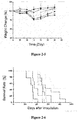
- tumours rapidly increased to 2161.7 ⁇ 422.6 mg in 20 days without treatment, with a volume of 1200 mm 3 .
- the tumours size in the treatment groups decreased.
- both PEG-Lipo-Dox+nRGD and nRGD-Lipo-Dox groups exhibited significant anti-tumour effects.
- the anti-tumour effect of the peptide-added groups was also improved compared with the groups without adding peptide.
- the tumour growth inhibition rates were also consistent with the tumour growth curves.
- nRGD-Lipo-Dox group The tumour weight of nRGD-Lipo-Dox group was 49.8 ⁇ 28.6 mg, and the inhibition rate was as high as 97.7%.
- the tumour weights of Dox and PEG-Lipo-Dox groups were 1592.0 ⁇ 98.0 mg and 942.0 ⁇ 295.0 mg, and the inhibition rates were only 26.3% and 56.4%, respectively.
- Tumours in the Dox+nRGD group and the PEG-Lipo-Dox+nRGD group were only 462.0 ⁇ 43.2 mg and 195.0 ⁇ 116.1 mg, and the inhibition rates were 77.5% and 90.1%, respectively. Consistent with the anti-tumour experiments, nRGD group can extend the survival time of tumour mice.
- mice For the nRGD-Lipo-Dox group, 44.4% of the mice survived after 90 days and the tumours of the mice were completely cured. The survival time of mice in the nRGD coadministration group was also longer than that of the control group. The iRGD-Lipo-Dox group only survived 65 days. As can be concluded from the above experiments, the anti-tumour effect of the nRGD group is excellent.
- nRGD anti-tumour effect
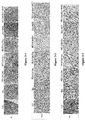
- the inventors performed HE and immunohistochemical studies on the tumour, as shown in Figure 3 .
- HE staining showed that the nRGD group significantly inhibited the tumour growth, and basically all the tumours in nRGD-Lipo-Dox group were necrotic.
- Ki-67 immunohistochemistry is to evalutate of actively reproducing cells and HER2 immunohistochemistry is to assess oncogenic transforming factors and tumour growth. Both methods also confirmed that the nRGD group exhibited better effect. All results are consistent with the anti-tumour effect.
- nRGD group can significantly improve the efficacy of the drug whether it is directly mixed with doxorubicin and its liposomes or modified on the surface of liposomes. It should be noticed that the addition of nRGD has resulted in very significant effect, thereby reducing the number of doses and achieving excellent therapeutic effects.
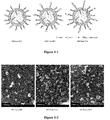
- nRGD group targeted tumour vessels and cells while targeting TAMs, as shown in Figure 4 and Table 2.
- nRGD-Lipo-Dox selectively targeted CoCl 2 -stimulated 4T1 cells with activated legumain expression and M4 macrophage stimulated by IL-4.
- IL-4 macrophage stimulated by IL-4.
- IC50 values in each group were consistent with cell uptake results.
- the IC50 of nRGD-Lipo-Dox group was lower in CoCl 2 -stimulated 4T1 cells and IL-2 stimulated M2 macrophages, indicating that it was more lethal to legumain-expressing cells.
- the inventors also evaluated the in vivo targeting ability of the nRGD group. As shown in Figure 4-4 , co-administration with nRGD or modification by nRGD both increased the accumulation of Dox in the tumour site, indicating that nRGD increased the drug's permeability at the tumour site. It can be seen from the sections that due to the killing of tumour cells by Dox and liposomes, cavities appeared in the infiltrated tumours and only connective tissues of the tumour stroma remained. The inventors evaluated the antiangiogenic effect and found that the tumour vessels gradually decreased in the nRGD group and the iRGD-Lipo-Dox group with the increase of time.
- tumour-associated blood vessels in nRGD group and iRGD-Lipo-Dox group were significantly decreased.
- anti-angiogenesis and direct killing of tumour by drugs often lead to the accumulation of tumour-associated macrophage at the tumour sites.
- Previous studies have shown that the nRGD group and the iRGD-Lipo-Dox group exhibited rapid destruction of blood vessels and tumour cells at the tumour sites.
- TAMs gradually increased over time in the iRGD-Lipo-Dox tumour sites as expected.
- the nRGD group, as described by the inventors, exhibited M2 macrophage killing effect without an increase of TAMs.
- nRGD targets tumour vessels and tumour cells and has the effect of targeting TAMs.
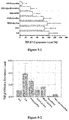
- the nRGD group targeted TAMs to regulate the tumour microenvironment, as shown in Figure 5 and Figure 6 .
- TAMs are reported to be cells that express high levels of TGF ⁇ 1, CCl2, and IL-10.
- the expression levels of all three cytokines in the nRGD group were reduced.
- the expression levels of IL-6 and TNF- ⁇ in the nRGD group increased, which can help to suppress the effect of the effector T cells and thus suppress the immune response at the tumour sites.
- the results showed that the change of cytokines in the tumour sites of the nRGD group was helpful to improve its function on tumours treatment.
- VEGF vascular endothelial growth factor
- CD34-labeled tumour vessels CD34-labeled tumour vessels
- CD 105-labeled tumour neovascularization the inventors studied vascular endothelial growth factor (VEGF), CD34-labeled tumour vessels, and CD 105-labeled tumour neovascularization.
- VEGF vascular endothelial growth factor
- the nRGD group has relatively low VEGF expression with a decrease in blood vessels and neovascularization at the tumour sites.
- the iRGD-Lipo-Dox group although the number of blood vessels decreased, the expression of VEGF and neovascularization increased.
- tumour blood vessels remained normal after targeting of TAMs by nRGD , thereby inhibiting tumour angiogenesis and recurrence of tumour.
- TAMs are also involved in immune escape and inhibition at the tumour sites.
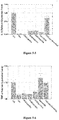
- the inventors studied the number of immune cells at the tumour sites. As shown in Figure 6-4 , there is no clear pattern of the change of CD8+ T cells. As shown in Figures 6-5 and 6-6 , the number of regulatory T cells and MDSCs in the Dox group, the PEG-Lipo-Dox group and the iRGD-Lipo-Dox group increased at the tumour sites, but there was no change in the nRGD group. These results indicated that the nRGD group targeted TAMs, thereby reducing the number of regulatory T cells and MDSCs, and suppressing the effects of these cells on tumour growth and tumour immune escape.
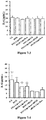
- nRGD group showed lower toxicity, as shown in Figure 7 .
- nRGD neuropeptide kinase
- the nRGD group achieved excellent anti-tumour effects and showed lower toxicity by targeting tumour vessels, tumour cells and TAMs to regulate the tumour microenvironment.
- mice Female Balb/c mice were inoculated with 5 ⁇ 10 5 4T1 cells and randomly divided into 5 groups: normal saline group (N. S), PTX group, paclitaxel albumin nanoparticle group (PTX-BSA), PTX and nRGD coadministration group (PTX+nRGD), and paclitaxel albumin nanoparticle and nRGD coadministration group (PTX-BSA+nRGD).
- the mice were injected with 10 mg/kg PTX equivalents of drugs or various formulations on day 8, day 12 and day 16.
- the single dose of the coadministration group included two shoots; one shoot was an equivalent drug or formulation of 10 mg/kg PTX, while the other shoot was 4.8 mg/kg nRGD.
- TGI tumour growth inhibition
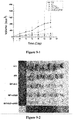
- nRGD increased the anti-tumour efficacy of PTX and PTX-BSA, while did not reduce the body weight of the mice or increase the toxicity.
- mice Female Balb/c mice were inoculated with 5 ⁇ 10 5 4T1 cells and randomly divided into 5 groups. Normal saline group (N. S), IBT group, lycobetaine nanostructured lipid carriers group (IBT-NLC), lycobetaine and nRGD coadministration group (IBT + nRGD), and lycobetaine nanostructured lipid carriers and nRGD coadministration group (IBT-NLC + nRGD). The mice were injected with 12 mg/kg IBT equivalents of drugs or various formulations on day 8, day 9 and day 10. The single dose of the coadministration group included two shoots; one shoot was an equivalent drug or formulation of 12 mg/kg IBT, while the other shoot was 4.8 mg/kg nRGD.
- N. S Normal saline group
- IBT-NLC lycobetaine nanostructured lipid carriers group
- IBT + nRGD lycobetaine and nRGD coadministration group
- IBT-NLC + nRGD ly
- TGI tumour growth inhibition
- nRGD increased the anti-tumour efficacy of PTX and PTX-BSA, while did not reduce the body weight of the mice or increase the toxicity.
- mice Female Balb/c mice were inoculated with 5 ⁇ 105 4T1 cells and randomly divided into 5 groups: normal saline group (N. S), TXT group, docetaxel micells group (TXT-micells), docetaxel and nRGD coadministration group (TXT + nRGD), and docetaxel micells and nRGD coadministration group (TXT-micells+ nRGD).
- the mice were injected with 15 mg/kg TXT equivalents of drugs or various formulations on day 8, day 10 and day 12.
- the single dose of the coadministration group included two shoots; one shoot was an equivalent drug or formulation of 15 mg/kg TXT, while the other shoot was 4.8 mg/kg nRGD.
- TGI tumour growth inhibition
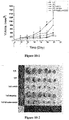
- nRGD increased the anti-tumour efficacy of TXT and TXT-micells, while did not reduce the body weight of the mice or increase the toxicity.
- the nRGD group showed better anti-tumour effects than the iRGD group.
- mice having glioma were randomly divided into 9 groups, 20 mice each: normal saline group (N.S), teniposide group, free lycobetaine and octreotide group (free IBT & OCT), lycobetaine and octreotide PEGylated liposomes group (PEG-Liposome), liposomes and iRGD coadministration group (PEG-Liposome + iRGD), liposomes and nRGD coadministration group (PEG-Liposome + nRGD), iRGD modified lycobetaine and octreotide PEGylated liposomes (iRGD -Liposome), nRGD modified lycobetaine and octreotide PEGylated liposomes (nRGD -Liposome), liposomes and nRGD coadministration group (blank).
- N.S normal saline group
- mice were injected with 10 mg/kg IBT and 200 ⁇ g/kg OCT equivalents of drugs or various formulations on day 5, day 7, day 9, day 11 and day 12.
- mice were injected with 10 mg/kg teniposide on day 5, day 7, day 9, day 11 and day 12.
- the single dose of the coadministration group included two shoots; one shoot was an equivalent drug or formulation of 10 mg/kg IBT and 200 ⁇ g/kg OCT, while the other shoot was 5 mg/kg iRGD or nRGD.
- the survival of the mice was recorded daily and the survival curve was plotted.
- the nRGD group had a longer life period than the iRGD group, whether nRGD was administered as a mixture or modified on the liposome surface.
- the nRGD group has a better anti-tumour effect than the iRGD group no matter nRGD was administered as a mixture or modified on the liposome surface.
- the inventors screened the administration manner of nRGD by using doxorubicin as a model drug.
- mice Female Balb/c mice were inoculated with 5 ⁇ 10 5 4T1 cells and randomly divided into 3 groups. nRGD was administered in combination with doxorubicin, nRGD was administered prior to doxorubicin or after doxorubicin.
- the inventors screened the working concentration of nRGD by using doxorubicin as a model drug.
- mice Female Balb/c mice were inoculated with 5 ⁇ 10 5 4T1 cells and randomly divided into 5 groups.
- the dose of doxorubicin was 5 mg/kg, while the nRGD concentration was 1, 2, 4, 8, 10 mg/kg, respectively.
- nRGD concentration of nRGD was positively correlated with Dox antitumour efficacy.
- Polypeptides were synthesized by solid phase synthesis (Synthesized by GL Biochem. (Shanghai) LTD.).
- the peptide sequences RGD and c(RGDfK), which target the integrin receptor of tumour neovascular endothelial cells, were linked to AAN by peptide bond, respectively.
- the resulting sequences were CRGDNAA and c(RGDfK)AAN.
- the evaluation of these two peptides is as follows:
- mice Female Balb/c mice were inoculated with 5 ⁇ 10 5 4T1 cells and randomly divided into 3 groups. The dose of doxorubicin was 5 mg/kg for all groups. Two groups were administrated with above-mentioned peptides, respectively.
- Both CRGDNAA and c(RGDfK)AAN can improve the efficacy of doxorubicin.
- Polypeptides were synthesized by solid phase synthesis (Synthesized by GL Biochem. (Shanghai) LTD.).
- the peptide sequences RGD and c(RGDfK), which target the integrin receptor of tumour neovascular endothelial cells, were linked to AAN by -NHCH 2 CH 2 CH 2 CO-, respectively.
- the resulting sequences were CRGD-4Abu-NAA and c(RGDfK)-4Abu-AAN.
- the evaluation of these two peptides is as follows:
- mice Female Balb/c mice were inoculated with 5 ⁇ 10 5 4T1 cells and randomly divided into 3 groups. The dose of doxorubicin was 5 mg/kg for all groups. Two groups were administrated with above-mentioned peptides, respectively.
- Both CRGD-4Abu-NAA and c(RGDfK)-4Abu-AAN can improve the efficacy of doxorubicin.
- the nRGD of the present invention significantly increases the effect of antitumour drugs, with lower toxicity and wide applicability, which has not been reported in prior literature and data.
- the inventors have reasonably speculated that the present invention can be used in a variety of anti-tumour compositions and also in combination with antitumour auxiliary molecules to improve their therapeutic effects on malignant or benign tumours.
Landscapes
- Health & Medical Sciences (AREA)
- Life Sciences & Earth Sciences (AREA)
- Chemical & Material Sciences (AREA)
- Proteomics, Peptides & Aminoacids (AREA)
- Medicinal Chemistry (AREA)
- General Health & Medical Sciences (AREA)
- Public Health (AREA)
- Veterinary Medicine (AREA)
- Pharmacology & Pharmacy (AREA)
- Animal Behavior & Ethology (AREA)
- Epidemiology (AREA)
- Organic Chemistry (AREA)
- Engineering & Computer Science (AREA)
- Bioinformatics & Cheminformatics (AREA)
- Molecular Biology (AREA)
- Biophysics (AREA)
- Gastroenterology & Hepatology (AREA)
- Inorganic Chemistry (AREA)
- Immunology (AREA)
- Biochemistry (AREA)
- Genetics & Genomics (AREA)
- Chemical Kinetics & Catalysis (AREA)
- Nuclear Medicine, Radiotherapy & Molecular Imaging (AREA)
- General Chemical & Material Sciences (AREA)
- Medicinal Preparation (AREA)
- Medicines That Contain Protein Lipid Enzymes And Other Medicines (AREA)
Abstract

Description
- This application claims the priority of Chinese Patent Application No.
201510650649.2, filed on October 10, 2015 - The present invention belongs to the field of medicine, relating to a novel tumor -targeting polypeptide, specifically to a tandem polypeptide nRGD formed by connecting alanine-alanine-asparagine (AAN)-containing sequence to a arginine-glycine-aspartic acid (RGD)-containing peptide, which not only targets tumour cells and vessels, but also targets tumour-associated macrophages, therefore regulating tumour microenvironment and enhancing anti-tumour effect.
- The tumour site has a special microenvironment that provides the necessary conditions for the development and metastasis of the tumour, for example, maintaining growth-promoting signals, maintaining neovascularization, counteracting apoptosis and growth-inhibitory signals, tumour cell metastasis and infinite proliferation, genome instability and mutagenesis, energy metabolism reintegration, inflammation which promotes tumour growth, and escaping the identification and killing from immune system. (Hanahan D, Weinberg RA. Hallmarks of cancer: the next generation. Cell 2011, 144, 647-674.)
- With the rapid development of biomedical technology, tumor-targeting therapy has become the main development direction of current cancer treatment. The development of drug delivery vector technology offers the possibility of specific, targeted delivery of anti-tumour drugs. The use of specific tumour-targeting ligands to modify anti-tumour drugs or drug delivery vectors can effectively increase the distribution and accumulation of drugs or drug delivery vectors in tumour sites and reduce the distribution of drugs in non-target organs and tissues, thereby achieving enhanced antitumour efficacy and reduced side effects.
- Integrin is a type of cell adhesion receptor that exists on the cell membrane. It is a tumour-penetrating peptide, and its main function is to mediate the adhesion among cells, and between cells and extracellular matrix. Integrins form heterodimers by the non-covalent bonding of the α and β subunits. In vertebrate bodies, 18 α subunits and 8 β subunits form 24 different heterodimers. Among them, αvβ3 integrins are highly expressed on the surface of many tumour cells, such as ovarian cancer, melanoma, breast cancer, glioma and tumour-associated vascular endothelial cells, and are closely related to tumour neovascularization and metastasis.
- Studies have confirmed that tripeptide sequence containing arginine-glycine-aspartic acid (RGD) can specifically recognize and bind integrins. At present, the commonly used tumour-penetrating peptide iRGD has the characteristics of simultaneously targeting tumour blood vessels and tumour cells, through tightly binding with the highly expressed integrin receptor proteins αvβ3 and αvβ5 on the membrane of tumour neovascular endothelial cells to achieve tumour targeting of anticancer drugs. (Sugahara KN, Teesalu T, Karmali PP, Kotamraju VR, Agemy L, Greenwald DR, Ruoslahti E. Coadministration of a tumour-penetrating peptide enhances the efficacy of cancer drugs. Science 2010 May 21; 328(5981):1031-5.)
- The prior art discloses that tumour cells interact with organisms during the development of malignant tumours. Tumour cells use their own high mutability, on the one hand, to down-regulate the expression of immunorecognition and attack related proteins to achieve immune escape; on the other hand, to express abnormal or over-express immunosuppressive related proteins, thereby directly inhibiting tumour immune responses, or inducing the differentiation and infiltration of immunosuppressive cells. In this process, tumour cells not only overcome the recognition and killing by the immune system, but also establish a tumour immune microenvironment that can provide sufficient nutrition for its rapid growth. (Dunn GP, Bruce AT, Ikeda H, Old LJ, Schreiber RD. Cancer immunoediting: from immunosurveillance to tumour escape. Nat Immunol. 2002 Nov;3(11):991-8.)
- It can be seen that although RGD peptides target tumour blood vessels and tumour cells, thereby enhancing the antitumour efficacy. Biological treatment of tumours is also an nonnegligible aspect. Tumour cells establish their own immune barriers, so that the body cannot recognize or kill the tumour cells. As long as there are residual tumour cells, the tumour may recur. Moreover, the ideal therapeutic effect cannot be achieved merely through a single cancer therapy.
- In order to solve at least one of the aforementioned problems, the present invention provides a more effective novel tumour-targeting polypeptide.
- One of the objects of the present invention is to provide a novel multifunctional polypeptide for tumour targeting. The polypeptide is formed by linking an alanine-alanine-asparagine (AAN)-containing sequence to an RGD-containing peptide, preferably through a covalent bond, to obtain a tandem polypeptide nRGD which targets tumour cells, tumour vessels and tumour-associated macrophages, thereby regulating tumour microenvironment and enhancing antitumour effect.
- In the study, the inventors connected iRGD peptides that possesses highly prominent effect on tumour and tumour vessel targeting with AAN that targets tumour-associated macrophages to obtain nRGD through covalent bond, and then used doxorubicin (Dox) as a model drug to prepare a drug-containing liposome.
- Surprisingly, the study found that compared with the drug-containing liposomes prepared from iRGD and doxorubicin (Dox), the drug-containing liposomes prepared from nRGD polypeptide and doxorubicin (Dox) achieved unexpected antitumour effects. The inventors have administered the nRGD polypeptide in combination with Dox or Dox liposomes and have also observed significant antitumour effects.
- One of the objects of the present invention is to provide a novel tumour-targeting polypeptide (nRGD) which can be directly used in combination with a drug or a carrier.
- One of the objects of the present invention is to provide a novel tumour-targeting polypeptide (nRGD) which can be used to modify an anti-tumour drug to obtain a prodrug of the anti-tumour drug and modify a drug delivery carrier.
- One of the objects of the present invention is to provide a novel tumour-targeting polypeptide which targets tumour-associated macrophages through an alanine-alanine-asparagine (AAN) peptide.
- One of the objects of the present invention is to provide a novel tumour-targeting polypeptide which targets tumour blood vessels and tumour cells through a RGD polypeptide.
- One of the objects of the present invention is to provide a novel tumour-targeting polypeptide, wherein the AAN-containing sequence is preferably covalently linked to the RGD-containing peptide; or preferably by peptide bond or amino acid peptide chain; or AAN-containing sequence is linked to the RGD-containing peptide by -CH2NH-, -CH2S-, -CH2-CH2-, -CH=CH-, -COCH2- and -CH(OH)CH2-. It should be understood that the AAN- and RGD-containing peptides may be linked by amino acid analogs or peptide analogs, and more than one atom may be located between the bonding atoms, such as by gamma-aminobutyric acid linkage.
- The "novel multifunctional polypeptide" described in the present invention has the same meaning as "novel polypeptide", "multifunctional polypeptide", "nRGD", "nRGD polypeptide" and "polypeptide nRGD".
- The "RGD-containing peptide" described in the present invention has the same meaning as the "peptide containing RGD", "RGD-containing peptide chain" and "peptide chain-containing RGD".
- The AAN described in the present invention is a substrate of an legumain. The target of the AAN of the present invention is legumain. Legumain is widely present in tumour cells and in the tumour microenvironment, which is activated in acidic (pH = 4.0 to 6.5) environment and inactivated in neutral environment.
- Studies found that legumain colocalizes with most integrin receptors such as αvβ3 to form complexes, which are highly expressed on both tumour cells and tumour neovascular endothelial cells. Various types of tumours, such as breast cancer, colon cancer, lung cancer and liver cancer, overexpress legumain.
- Further studies found that tripeptide substrates containing alanine-alanine-asparagine (AAN) sequence can be specifically recognized and digested by legumain.
- More importantly, the target of AAN of the present invention is legumain. In the tumour environment, the expression site of legumain can be transferred from the cytoplasm to the cell surface. (Liao, D. et al. Synthetic enzyme inhibitor: a novel targeting ligand for nanotherapeutic drug delivery inhibiting tumour growth without systemic toxicity. Nanomedicine. 7, 665-673 (2011).) Legumain is not only highly expressed in tumour cells but also in tumour-associated macrophages which are associated with the tumour microenvironment. (Reisfeld, R. A. The tumour microenvironment: a target for combination therapy of breast cancer. Crit. Rev. Oncog.18, 115-133 (2013). Lin, Y. et al. Selective ablation of tumour-associated macrophages suppresses metastasis and angiogenesis. Cancer Sci.104, 1217-1225 (2013).)
- Patent Application No.
CN201310048238 - The novel polypeptide of the present invention can also target tumour-associated macrophages (TAMs). TAMs are important inflammatory cells that exist in the blood vessels around tumour sites and in the necrotic areas without tumour blood vessels. TAMs are key components of tumour sites, which secrete a large number of tumour growth promoting factors. It has also been found in mouse models that TAMs regulate angiogenesis, lymphangiogenesis, immunosuppression and tumour metastasis. (Seth B. Coffelt, Russell Hughes, Claire E. Lewis. Tumour-associated macrophages: Effectors of angiogenesis and tumour progression. Biochimica et Biophysica Acta. 1796 (2009) 11-18) Along with other cells such as bone marrow-related cells associated with tumour sites, TAMs have become a very attractive target for novel cancer biotherapies.
- At present, there are three main aspects of the therapies through TAMs: inhibiting the accumulation of monocytes at tumour sites, eliminating the macrophages at tumour sites, and neutralizing the key cytokines secreted by TAMs. These are all single ways of treating tumours with TAMs. (Seth B. Coffelt, Russell Hughes, Claire E. Lewis. Tumour-associated macrophages: Effectors of angiogenesis and tumour progression. Biochimica et Biophysica Acta 1796 (2009) 11-18)
- The novel polypeptide of the present invention not only targets tumour blood vessels and cells to kill tumour blood vessels and cells, but also targets tumour-associated macrophages, thereby significantly enhancing the therapeutic effect by changing the tumour microenvironment.
- The novel multifunctional polypeptide of the present invention can not only be combined with other therapeutic methods for anti-tumour, but also can be used alone as an anti-tumour biological treatment method.
- In addition to peptide chains, AAN-containing sequences and RGD-containing peptides are also linked by molecules similar to, but not the natural peptide chain. Linkage of amino acids or amino acid analogues includes but is not limited to -CH2NH-, -CH2S-, -CH2-CH2-, -CH=CH-, -COCH2- and -CH(OH)CH2-. The tumour targeting and tumour vasculature targeting functions of RGD would not be affected, whether or not AAN breaks from the RGD peptide chain.
- One of the objects of the present invention is to provide a pharmaceutical composition, wherein the polypeptide nRGD is mixed with an active pharmaceutical active ingredient, or with a drug carrier.
- One of the objects of the present invention is to provide a pharmaceutical composition, wherein the polypeptide nRGD is either covalently linked to or non-covalently associated with the active pharmaceutical ingredient, or the polypeptide nRGD is either covalently linked to or non-covalently associated with the drug delivery carrier.
- The function mode of nRGD polypeptide in the present invention includes: mixing with the composition without covalent link or through non-covalent association; connecting to the composition through covalent link or non-covalent association; administrating the novel polypeptide before or after the administration of the composition; linking the composition; one manner of the above or a mixture thereof.
- As one of the specific embodiments of the present invention, the nRGD polypeptide of the present invention can be used in combination with one or more auxiliary molecules.
- Preferably, the combination is association; at least one of the auxiliary molecules does not overlap with the nRGD polypeptide; at least one of the auxiliary molecules overlaps with the nRGD polypeptide.
- Preferably, the auxiliary molecule includes separate homing molecule, targeting molecule, affinity ligand, cell penetrating peptide, in vivo escape molecule, subcellular targeting molecule, nuclear targeting molecule, or a conjugate and mixture thereof.
- Herein, "homing molecule" means that it preferentially homes to tumours or other specific tissues in the body in preference to normal tissues; "conjugate" refers to a substance formed by chemical bonds between molecules.
- Drugs suitable for use in the present invention include, but are not limited to the drugs having a therapeutic effect on tumours: therapeutic proteins, therapeutic compounds, therapeutic compositions, cancer chemotherapeutics, toxins, cytotoxic agents, anti-inflammatory agents, growth factors, cytokines, chemokines, compounds modulating one or more signaling pathways, antibodies, nucleic acids, nucleic acid analogues, cells, viruses, bacteriophages, virus particles, bacteriophage particles, virus capsids, phage capsids, virus-like particles, liposomes, microspheres, nanoparticles, micelles, emulsions, microemulsions, dendrimers, microparticles, chemotherapeutic agents and anti-angiogenic agents, or a conjugate and mixture thereof.
- Tumours suitable for the present invention include but are not limited to benign or malignant tumours, including benign or malignant tumors of epithelial tissue; benign or malignant tumors of mesenchymal tissue; benign or malignant tumors of lymphoid and hematopoietic tissue; benign or malignant tumors of nervous tissue; gonad or embryo-related benign or malignant tumors; and other tumours, including pigmented nevus, hydatidiform mole, melanoma, chorionic epithelioma, seminoma, dysgerminoma and embryonal carcinoma.
- In a specific embodiment, the RGD peptide chain contained in the nRGD peptide of the present invention includes but is not limited to: RGD peptide, cyclic c(RGDfK), iRGD, or a derivative thereof, preferably iRGD.
- The peptide nRGD of the present invention can be covalently linked to an active pharmaceutical ingredient or a drug delivery carrier via cysteine residue

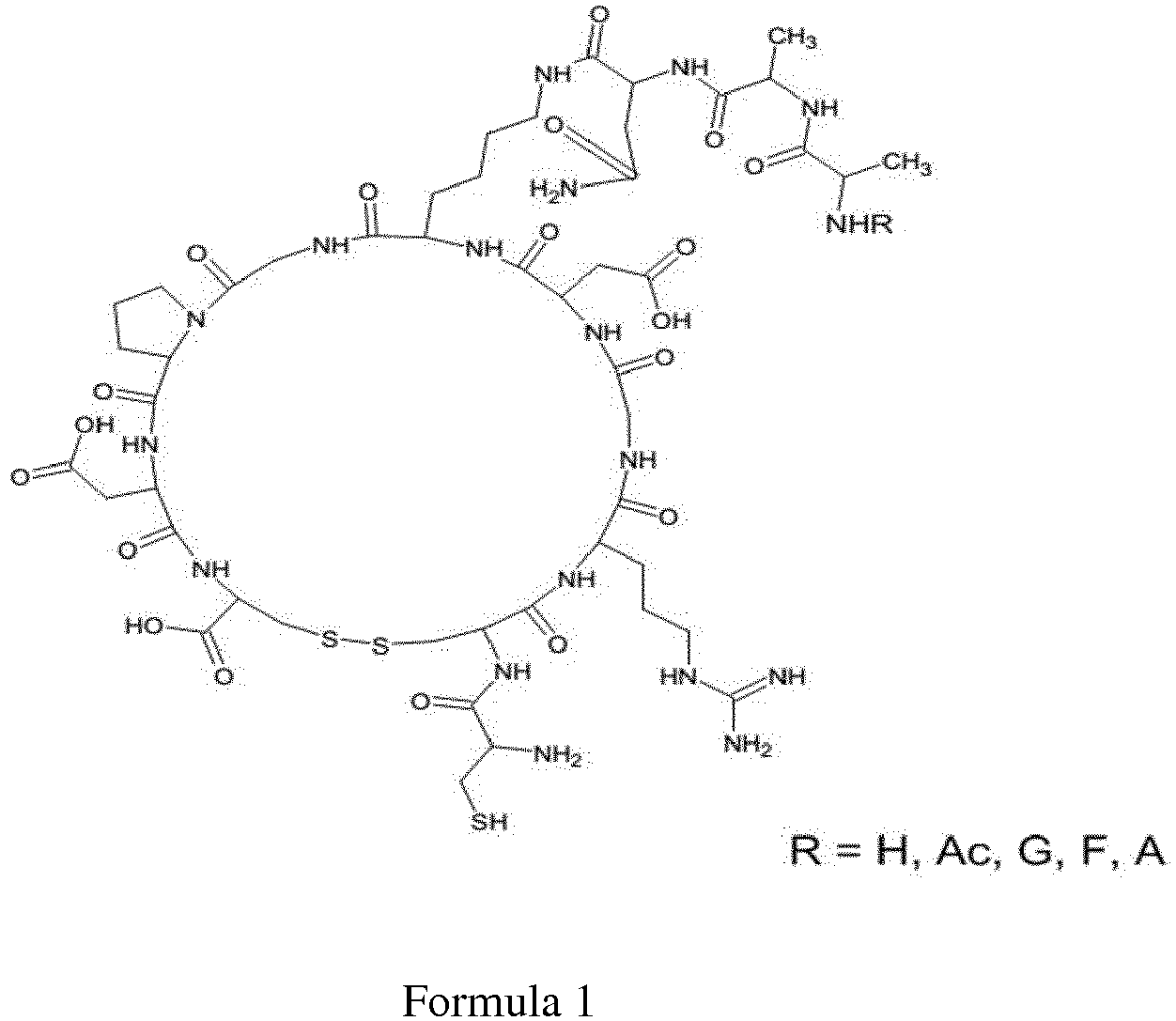
- The peptide nRGD of the present invention may not contain the above-mentioned cysteine residue when it is non-covalently associated with or used in combination with an active pharmaceutical ingredient or a drug delivery carrier.
- As one of the preferred embodiments, the AAN in the novel targeting polypeptide includes its derivatives, such as polypeptide substrate R-AAN sequence which is susceptible to legumain, wherein the R group is a hydrogen atom (H), acetyl (Ac), alanine (A), phenylalanine (F), glycine (G) or a conjugate thereof. In the R-AAN-sequence, R is preferably H, and the sequence of nRGD is CCRGDK(NAA)GPDC, wherein the second cysteine and the tenth cysteine are linked into a ring; alternatively, R is preferably H, and the sequence of nRGD is CRGDK (NAA) GPDC, wherein the two cysteines are linked into a ring.
- As one of the preferred embodiments, the drug used is preferably a chemotherapeutic drug, wherein the chemotherapeutic drug is preferably doxorubicin (Dox).
- As one of the preferred embodiments, the pharmaceutical dosage form used in the present invention is preferably a PEGylated liposome.
- As one of the preferred embodiments, the combinatory use of polypeptide nRGD and an active pharmaceutical ingredient or a drug delivery carrier in the present invention is by means of covalent link and direct mixing.
- As one of the preferred embodiments, the tumour model for which the polypeptide nRGD and an active pharmaceutical ingredient or a drug delivery carrier are used in the present invention is xenograft breast tumor model.
- One of the objects of the present invention is to provide the use of the polypeptide nRGD or a pharmaceutical composition thereof in the preparation of an anti-tumour drug.
- One of the objects of the present invention is to provide the use of the polypeptide nRGD or a pharmaceutical composition thereof in the preparation of a pharmaceutically acceptable pharmaceutical preparation.
- The addition of the multifunctional polypeptide of the present invention significantly increases the anti-tumour effect of the doxorubicin original drug and the doxorubicin liposome. Moreover, the anti-tumour effect of nRGD and iRGD also increases significantly. Also, the addition of multifunctional peptides also significantly increases the survival of mice. It was found that most of the mice in the nRGD group have a survival period of 90 days, and some of the tumours in the mice have even disappeared. This result is surprising, and such significant effect has not been reported in previous anticancer drug treatments. Although by a simple mixture, the survival time of some mice in the PEGylated liposome group and nRGD mixed drug group was also extended to 90 days, while the mice in the iRGD group only survived for 2 months. The addition of multifunctional peptide significantly reduces drug toxicity due to the increased targeting.
- In the present invention, through creative research, an alanine-alanine-asparagine (AAN)-containing sequence is covalently linked to an RGD-containing peptide to obtain a tandem polypeptide (nRGD) which targets the tumour cells, tumour vessels and tumour-associated macrophages to regulate tumour microenvironment and enhance anti-tumour effect. Using doxorubicin and liposome, lycobetaine and nanostructured lipid carrier, paclitaxel and albumin nanoparticle, and docetaxel and polymer micelle as model drugs, through mixing or covalently linking, the polypeptide of the present invention has achieved a significant anti-tumour effect in the treatment of mouse xenograft breast tumor.
- Thus, the polypeptide of the present invention significantly increases the effect of anti-tumour components while also alters the single treatment manner of anti-tumour components, showing a good application prospect.
- The advantages of the present invention are as follows:
- (1) The multifunctional polypeptide nRGD of the present invention significantly improves the effect of anti-tumour components.
- (2) The multifunctional polypeptide nRGD of the present invention can improve the effect of anti-tumour components by targeting tumour-associated macrophages, regulating the tumour microenvironment, and producing biotherapeutic effects.
- (3) The multifunctional polypeptide nRGD of the present invention changes the single treatment manner of anti-tumour components.
- (4) The multifunctional polypeptide of the present invention reduces the toxicity of the anti-tumour component while increasing the targeting ability.
- (5) The multifunctional polypeptide of the present invention is easy to use and expected to be a key component in the development of anti-tumour drugs in the future.
- As follows, embodiments of the present invention will be described in detail with reference to the accompanying drawings.
-
Figure 1 shows the schematic and electron microscopy image of doxorubicin liposome.Figure 1-1 shows a schematic diagram of doxorubicin liposome;Figure 1-2 is an image of doxorubicin liposome under electron micrograph. -
Figure 2 shows in 4T1 tumour model, nRGD group significantly improves the efficacy of doxorubicin.Figure 2-1 shows the growth curve of tumour;Figure 2-2 shows the image of tumour;Figure 2-3 shows the weight of tumour;Figure 2-4 shows the inhibition rate;Figure 2-5 shows the changes of body weight;Figure 2-6 shows the growth curve. *P< 0. 05, ***P< 0.01. -
Figure 3 shows the tumour evaluation by HE staining, immunohistochemical staining of Ki-67 and HER2.Figure 3-1 shows HE staining, the yellow arrow indicates the area where tumour growth is active;Figure 3-2 shows Ki-67 immunohistochemical staining;Figure 3-3 shows HER2 immunohistochemical staining;Figure 3-4 shows the signal density measurements of Ki-67 and HER2. -
Figure 4 shows that the nRGD group can identify tumour vessels, increase tumour penetration, target and kill tumour-associated macrophages.Figure 4-1, Figure 4-2 and Figure 4-3 show that nRGD-Lipo-Dox targets CoCl2-treated 4T1 and M2 type macrophages. *P< 0. 05, ***P< 0. 01.Figure 4-4 are tumour sections showing that the nRGD group increases the accumulation of tumour sites and normalize tumour-associated blood vessels. Scale bar, 200µm. Green, Dox; red, CD34.Figure 4-5 are tumour sections showing that the nRGD group reduces the TAMs infiltrating tumour sites. Scale bar, 200µm. Red, CD206; blue, DAPI-stained nucleus. -
Figure 5 shows the level of cytokines at the tumour site after treatment.Figure 5-1 shows the ELISA assay for TGF-β1. *P< 0. 05, ***P< 0. 01.Figure 5-2 shows TGF-β1;Figure 5-3 shows CCl2;Figure 5-4 shows IL-10;Figure 5-5 shows IL-6;Figure 5-6 shows TNF-α (n=3). -
Figure 6 shows that the nRGD group targets TAMs to regulate the tumour microenvironment.Figure 6-1 shows VEGF immunohistochemical staining (magnification 100X). Inhibition of angiogenesis is assessed by immunofluorescent staining for CD34 (Figure 6-2 ) and CD 105 (Figure 6-3 ) (red). Changes in the immune microenvironment are evaluated through CD8+ T cells (red) (Figure 6-4 ), CD4+ (green)/Foxp3+ (red) regulatory T cells (yellow) (Figure 6-5 ) and CD11b+ (green)/Gr-1+ (red) MDSCs (yellow) (Figure 6-6 . The nuclei were stained blue by DAPI. Scale bar, 200µm. -
Figure 7 shows that the nRGD group has relatively low toxicity.Figure 7-1 shows sections from different tissues (200X magnification, except for bone 100X magnification);Figure 7-2 shows splenomegaly in each group;Figure 7-3 shows serum cytokine IL-6 measurement;Figure 7-4 shows serum cytokine IL-12 measurement. *P< 0. 05, ***P< 0. 01. -
Figure 8 shows that in the 4T1 tumour model, the nRGD group significantly increases the efficacy of paclitaxel. Growth curve of tumour (Figure 8-1 ), image of tumour (Figure 8-2 ), weight of tumour (Figure 8-3 ), tumour inhibition rate (Figure 8-4 ), weight change (Figure 8-5 ). *P< 0. 05, ***P< 0. 01. -
Figure 9 shows that in the 4T1 tumour model, the nRGD group significantly increases the efficacy of lycobetaine. Growth curve of tumour (Figure 9-1 ), image of tumour (Figure 9-2 ), weight of tumour (Figure 9-3 ), tumour inhibition rate (Figure 9-4 ), weight change (Figure 9-5 ). *P< 0. 05, ***P< 0. 01. -
Figure 10 shows that in the 4T1 tumour model, the nRGD group significantly increases the efficacy of docetaxel. Growth curve of tumour (Figure 10-1 ), image of tumour (Figure 10-2 ), weight of tumour (Figure 10-3 ), tumour inhibition rate (Figure 10-4 ), weight change (Figure 10-5 ). *P< 0. 05, ***P< 0. 01. -
Figure 11 shows that in the glioma model, the nRGD group has a better anti-tumour effect than the iRGD group. - The peptide was synthesized by solid-phase synthesis, which has a sequence of CCRGDK(NAA)GPDC, in which the second cysteine and the tenth cysteine formed a ring. (Synthesized by GL Biochem.(Shanghai) LTD.) The purity of the obtained peptide nRGD was 85%.
- The peptide nRGD may not include the first cysteine of the linking group when it was non-covalently associated or used in combination with an active pharmaceutical ingredient or a drug delivery carrier, and the corresponding sequence was CRGDK(NAA)GPDC, wherein the two cysteines were linked into a ring. The purity of the obtained nRGD peptide was 92%.
- Doxorubicin liposomes were prepared by membrane dispersion method and ammonium sulfate gradient method. 56 parts of phospholipids, 34 parts of cholesterol, 8 parts of PEG2000-DSPE (Lipoid, Germany) and 2 parts of Mal-PEG2000-DSPE (Lipoid, Germany) were dissolved in 5 mL of chloroform. For PEGylated liposomes, there was no addition of Mal-PEG2000-DSPE, and the formula was: 56 parts of phospholipids, 34 parts of cholesterol, 10 parts of PEG2000-DSPE. The mixture was rotated and evaporated to remove the organic solvent and then hydrated by adding 123 mM ammonium sulfate solution. The mixture was sonicated by the probe and eluted with G75 and incubated with Dox for 8 hours. After removal of non-encapsulated doxorubicin, unmodified Mal-containing liposomes and PEGylated liposomes (PEG-Lipo-Dox) were obtained. These liposomes were incubated with the corresponding polypeptides (molar ratio of peptide: MAL-PEG2000-DSPE = 5:1) for 4 h, and then the unreacted polypeptides were removed by passing through a Sepharose CL-4B column to obtain iRGD liposomes (iRGD-Lipo-Dox) and nRGD liposomes (nRGD-Lipo-Dox). The particle size and potential were measured by a Malvern particle sizer, and the morphology was characterized by transmission electron microscopy. The entrapment rates were determined by ultrafiltration.
- The results are shown in Table 1. All liposomes were about 150 nm, negatively charged. The potential of iRGD liposomes (iRGD-Lipo-Dox) and nRGD liposomes (nRGD-Lipo-Dox) was increased compared to PEGylated liposomes (PEG-Lipo-Dox). The entrapment rates of all liposomes were greater than 90%. As shown in
Figure 1 , the resulting liposomes were round in shape and uniform in size.Table 1: Properties of liposomes (n=3) Particle Size (nm) Multi-scattering Coefficient Zeta Potential (mv) Entrapment Rate (%) PEG-Lipo-Dox 152.4±7.8 0.280±0.038 -22.5±1.2 93.1±4.2 iRGD- Lipo-Dox 166.8±6.9 0.234±0.009 -11.4±0.6 96.1±2.5 nRGD- Lipo-Dox 152.8±8.3 0.206±0.009 -13.6±0.1 97.9±1.9 - Female Balb/c mice were inoculated with 5×10⁵ 4T1 cells and randomly divided into 7 groups: saline group (NS), Dox group, PEG-Lipo-Dox group, iRGD-Lipo-Dox group, nRGD-Lipo-Dox group, Dox and nRGD coadministration group (Dox+nRGD), PEGylated liposome and nRGD coadministration group (PEG-Lipo-Dox+nRGD). The mice were injected with 5 mg/kg Dox equivalents of drugs or various formulations on
day 8 andday 12. The single dose of the coadministration group included two shoots; one shoot was an equivalent drug or formulation of 5 mg/kg Dox, while the other shoot was 4.8 mg/kg nRGD. The volume and body weight of the mice were measured every two days. Some mice were sacrificed for mechanism and toxicity study onday 20. The average tumour growth inhibition (TGI) was calculated after tumour weighing: TGI = (1- (mean tumour weight of treatment group/(average tumour weight of control group)) × 100%. The antitumour effect and mechanism were studied by HE, immunohistochemistry, RT-PCR, immunofluorescence and ELISA. Plasma samples were collected for ELISA detection. Tissue samples were evaluated for toxicity by HE staining. The remaining mice were studied for survival time. -
- 1. The nRGD group improved anti-tumour effects whether it was directly mixed with Dox and liposomes or modified on the surface of liposome.
- As shown in
Figure 2 , 4T1 tumours rapidly increased to 2161.7 ± 422.6 mg in 20 days without treatment, with a volume of 1200 mm3. The tumours size in the treatment groups decreased. Compared with the iRGD-Lipo-Dox group, both PEG-Lipo-Dox+nRGD and nRGD-Lipo-Dox groups exhibited significant anti-tumour effects. The anti-tumour effect of the peptide-added groups was also improved compared with the groups without adding peptide. The tumour growth inhibition rates were also consistent with the tumour growth curves. The tumour weight of nRGD-Lipo-Dox group was 49.8±28.6 mg, and the inhibition rate was as high as 97.7%. The tumour weights of Dox and PEG-Lipo-Dox groups were 1592.0±98.0 mg and 942.0±295.0 mg, and the inhibition rates were only 26.3% and 56.4%, respectively. Tumours in the Dox+nRGD group and the PEG-Lipo-Dox+nRGD group were only 462.0±43.2 mg and 195.0 ±116.1 mg, and the inhibition rates were 77.5% and 90.1%, respectively. Consistent with the anti-tumour experiments, nRGD group can extend the survival time of tumour mice. For the nRGD-Lipo-Dox group, 44.4% of the mice survived after 90 days and the tumours of the mice were completely cured. The survival time of mice in the nRGD coadministration group was also longer than that of the control group. The iRGD-Lipo-Dox group only survived 65 days. As can be concluded from the above experiments, the anti-tumour effect of the nRGD group is excellent. - Based on the above results, in order to further confirm the anti-tumour effect of nRGD, the inventors performed HE and immunohistochemical studies on the tumour, as shown in
Figure 3 . HE staining showed that the nRGD group significantly inhibited the tumour growth, and basically all the tumours in nRGD-Lipo-Dox group were necrotic. Ki-67 immunohistochemistry is to evalutate of actively reproducing cells and HER2 immunohistochemistry is to assess oncogenic transforming factors and tumour growth. Both methods also confirmed that the nRGD group exhibited better effect. All results are consistent with the anti-tumour effect. - Conclusion: The nRGD group can significantly improve the efficacy of the drug whether it is directly mixed with doxorubicin and its liposomes or modified on the surface of liposomes. It should be noticed that the addition of nRGD has resulted in very significant effect, thereby reducing the number of doses and achieving excellent therapeutic effects.
- 2. The nRGD group targeted tumour vessels and cells while targeting TAMs, as shown in
Figure 4 and Table 2. - The targeting ability of nRGD was studied through in vitro and in vivo experiments by the inventors. Cell uptake experiments (
Figure 4-1, Figure 4-2, Figure 4-3 ) demonstrated that nRGD-Lipo-Dox selectively targeted CoCl2-stimulated 4T1 cells with activated legumain expression and M4 macrophage stimulated by IL-4. At the same time, in the HUVEC with low legumain expression and untreated 4T1 cells, the uptake of nRGD was significantly reduced compared to iRGD. As shown in Table 2, IC50 values in each group were consistent with cell uptake results. The IC50 of nRGD-Lipo-Dox group was lower in CoCl2-stimulated 4T1 cells and IL-2 stimulated M2 macrophages, indicating that it was more lethal to legumain-expressing cells. - The inventors also evaluated the in vivo targeting ability of the nRGD group. As shown in
Figure 4-4 , co-administration with nRGD or modification by nRGD both increased the accumulation of Dox in the tumour site, indicating that nRGD increased the drug's permeability at the tumour site. It can be seen from the sections that due to the killing of tumour cells by Dox and liposomes, cavities appeared in the infiltrated tumours and only connective tissues of the tumour stroma remained. The inventors evaluated the antiangiogenic effect and found that the tumour vessels gradually decreased in the nRGD group and the iRGD-Lipo-Dox group with the increase of time. Compared with saline group, Dox group and PEG-Lipo-Dox group, tumour-associated blood vessels in nRGD group and iRGD-Lipo-Dox group were significantly decreased. However, anti-angiogenesis and direct killing of tumour by drugs often lead to the accumulation of tumour-associated macrophage at the tumour sites. Previous studies have shown that the nRGD group and the iRGD-Lipo-Dox group exhibited rapid destruction of blood vessels and tumour cells at the tumour sites. As shown inFigure 4-5 , TAMs gradually increased over time in the iRGD-Lipo-Dox tumour sites as expected. The nRGD group, as described by the inventors, exhibited M2 macrophage killing effect without an increase of TAMs. - These results all confirmed that nRGD targets tumour vessels and tumour cells and has the effect of targeting TAMs.
Table 2. Median lethal dose (IC50) of Dox and liposomes against 4T1, HUVEC and Raw 264.7 cells at 24 h. (n=3) IC50 Dox/(µg.mL-1) Raw264.7 HUVEC 4T1 Entry Control LPS IL-4 control CoCl2 Free DOX 0.41±0.08 0.81±0.22 0.36±0.07 18.12±6.13 26.56±1.96 16.54±2.57 PEG-Lipo-DOX 57.75±6.19 42.97±4.82 49.62±4.71 94.88±6.69 49.48±5.66 46.03±1.78 iRGD-Lipo-DOX 16.72±2.95 19.40±3.71 29.04±4.90 52.39±5.74 33.30±2.68 33.07±2.32 nRGD-Lipo-DOX 32.65±5.99 33.68±5.61 23.50±0.97 49.64±6.39 69.75±8.76 37.88±5.48 - 3. The nRGD group targeted TAMs to regulate the tumour microenvironment, as shown in
Figure 5 andFigure 6 . - As described in the "Summary" part of the present disclosure, targeting of TAMs by nRGD is important for the regulation of the tumour microenvironment. The inventors have studied changes in the tumour microenvironment.
- First, the inventors studied the level of cytokines at the tumour sites. TAMs are reported to be cells that express high levels of TGFβ1, CCl2, and IL-10. As shown in
Figure 5 , the expression levels of all three cytokines in the nRGD group were reduced. In contrast, the expression levels of IL-6 and TNF-α in the nRGD group increased, which can help to suppress the effect of the effector T cells and thus suppress the immune response at the tumour sites. The results showed that the change of cytokines in the tumour sites of the nRGD group was helpful to improve its function on tumours treatment. - Since targeting of TAMs can help to normalize tumour angiogenesis and thereby improve the therapeutic efficacy, the inventors studied vascular endothelial growth factor (VEGF), CD34-labeled tumour vessels, and CD 105-labeled tumour neovascularization. As shown in
Figures 6-1, 6-2 and 6-3 , the nRGD group has relatively low VEGF expression with a decrease in blood vessels and neovascularization at the tumour sites. While in the iRGD-Lipo-Dox group, although the number of blood vessels decreased, the expression of VEGF and neovascularization increased. The above results indicated that tumour blood vessels remained normal after targeting of TAMs by nRGD , thereby inhibiting tumour angiogenesis and recurrence of tumour. - TAMs are also involved in immune escape and inhibition at the tumour sites. The inventors studied the number of immune cells at the tumour sites. As shown in
Figure 6-4 , there is no clear pattern of the change of CD8+ T cells. As shown inFigures 6-5 and 6-6 , the number of regulatory T cells and MDSCs in the Dox group, the PEG-Lipo-Dox group and the iRGD-Lipo-Dox group increased at the tumour sites, but there was no change in the nRGD group. These results indicated that the nRGD group targeted TAMs, thereby reducing the number of regulatory T cells and MDSCs, and suppressing the effects of these cells on tumour growth and tumour immune escape. - 4. The nRGD group showed lower toxicity, as shown in
Figure 7 . - For chemotherapeutic drugs, biosafety is an important aspect that needs attention and should not be ignored. The inventors evaluated the drug toxicity after administration. The inventors found that the addition of nRGD did not reduce the weight of mice. The study of organ sections found that the nRGD group has a reduced toxicity to the heart, kidney and liver, which may be related to its high targeting ability and distribution change in the body. The nRGD group has a reduced systemic toxicity and the data showed that the nRGD group has a lower spleen weight. Cytokine IL-6 and IL-12 assays also showed that serum levels of IL-6 and IL-12 were reduced in the nRGD group.
- In summary, the nRGD group achieved excellent anti-tumour effects and showed lower toxicity by targeting tumour vessels, tumour cells and TAMs to regulate the tumour microenvironment.
- Female Balb/c mice were inoculated with 5×10⁵ 4T1 cells and randomly divided into 5 groups: normal saline group (N. S), PTX group, paclitaxel albumin nanoparticle group (PTX-BSA), PTX and nRGD coadministration group (PTX+nRGD), and paclitaxel albumin nanoparticle and nRGD coadministration group (PTX-BSA+nRGD). The mice were injected with 10 mg/kg PTX equivalents of drugs or various formulations on
day 8,day 12 andday 16. The single dose of the coadministration group included two shoots; one shoot was an equivalent drug or formulation of 10 mg/kg PTX, while the other shoot was 4.8 mg/kg nRGD. The volume and body weight of the mice were measured every two days. Some mice were sacrificed for mechanism and toxicity study onday 20. The average tumour growth inhibition (TGI) was calculated after tumour weighing: TGI = (1 - (mean tumour weight of treatment group/(average tumour weight of control group))×100%. - As shown in
Figure 8 , nRGD increased the anti-tumour efficacy of PTX and PTX-BSA, while did not reduce the body weight of the mice or increase the toxicity. - Female Balb/c mice were inoculated with 5×10⁵ 4T1 cells and randomly divided into 5 groups. Normal saline group (N. S), IBT group, lycobetaine nanostructured lipid carriers group (IBT-NLC), lycobetaine and nRGD coadministration group (IBT + nRGD), and lycobetaine nanostructured lipid carriers and nRGD coadministration group (IBT-NLC + nRGD). The mice were injected with 12 mg/kg IBT equivalents of drugs or various formulations on
day 8, day 9 andday 10. The single dose of the coadministration group included two shoots; one shoot was an equivalent drug or formulation of 12 mg/kg IBT, while the other shoot was 4.8 mg/kg nRGD. The volume and body weight of the mice were measured every two days. Some mice were sacrificed for mechanism and toxicity study onday 20. The average tumour growth inhibition (TGI) was calculated after tumour weighing: TGI = (1 - (mean tumour weight of treatment group/(average tumour weight of control group))×100%. - As shown in
Figure 9 , nRGD increased the anti-tumour efficacy of PTX and PTX-BSA, while did not reduce the body weight of the mice or increase the toxicity. - Female Balb/c mice were inoculated with 5×10⁵ 4T1 cells and randomly divided into 5 groups: normal saline group (N. S), TXT group, docetaxel micells group (TXT-micells), docetaxel and nRGD coadministration group (TXT + nRGD), and docetaxel micells and nRGD coadministration group (TXT-micells+ nRGD). The mice were injected with 15 mg/kg TXT equivalents of drugs or various formulations on
day 8,day 10 andday 12. The single dose of the coadministration group included two shoots; one shoot was an equivalent drug or formulation of 15 mg/kg TXT, while the other shoot was 4.8 mg/kg nRGD. The volume and body weight of the mice were measured every 2 days. Some mice were sacrificed for mechanism and toxicity study onday 20. The average tumour growth inhibition (TGI) rate was calculated after tumour weighing: TGI = (1 - (mean tumour weight of treatment group/ (average tumour weight of control group))×100%. - As shown in
Figure 10 , nRGD increased the anti-tumour efficacy of TXT and TXT-micells, while did not reduce the body weight of the mice or increase the toxicity. - In the glioma model, the nRGD group showed better anti-tumour effects than the iRGD group.
- Mice having glioma were randomly divided into 9 groups, 20 mice each: normal saline group (N.S), teniposide group, free lycobetaine and octreotide group (free IBT & OCT), lycobetaine and octreotide PEGylated liposomes group (PEG-Liposome), liposomes and iRGD coadministration group (PEG-Liposome + iRGD), liposomes and nRGD coadministration group (PEG-Liposome + nRGD), iRGD modified lycobetaine and octreotide PEGylated liposomes (iRGD -Liposome), nRGD modified lycobetaine and octreotide PEGylated liposomes (nRGD -Liposome), liposomes and nRGD coadministration group (blank). The mice were injected with 10 mg/kg IBT and 200µg/kg OCT equivalents of drugs or various formulations on day 5, day 7, day 9, day 11 and
day 12. As positive control group, mice were injected with 10 mg/kg teniposide on day 5, day 7, day 9, day 11 andday 12. The single dose of the coadministration group included two shoots; one shoot was an equivalent drug or formulation of 10 mg/kg IBT and 200µg/kg OCT, while the other shoot was 5 mg/kg iRGD or nRGD. The survival of the mice was recorded daily and the survival curve was plotted. - As shown in
Fig. 11 , in the mouse glioma model, the nRGD group had a longer life period than the iRGD group, whether nRGD was administered as a mixture or modified on the liposome surface. Thus, the nRGD group has a better anti-tumour effect than the iRGD group no matter nRGD was administered as a mixture or modified on the liposome surface. - The inventors screened the administration manner of nRGD by using doxorubicin as a model drug.
- Female Balb/c mice were inoculated with 5×10⁵ 4T1 cells and randomly divided into 3 groups. nRGD was administered in combination with doxorubicin, nRGD was administered prior to doxorubicin or after doxorubicin.
- There were no significant differences in the anti-tumour effects of different manners of administration.
- The inventors screened the working concentration of nRGD by using doxorubicin as a model drug.
- Female Balb/c mice were inoculated with 5×10⁵ 4T1 cells and randomly divided into 5 groups. The dose of doxorubicin was 5 mg/kg, while the nRGD concentration was 1, 2, 4, 8, 10 mg/kg, respectively.
- The concentration of nRGD was positively correlated with Dox antitumour efficacy.
- Polypeptides were synthesized by solid phase synthesis (Synthesized by GL Biochem. (Shanghai) LTD.). The peptide sequences RGD and c(RGDfK), which target the integrin receptor of tumour neovascular endothelial cells, were linked to AAN by peptide bond, respectively. The resulting sequences were CRGDNAA and c(RGDfK)AAN. The evaluation of these two peptides is as follows:
- Female Balb/c mice were inoculated with 5×10⁵ 4T1 cells and randomly divided into 3 groups. The dose of doxorubicin was 5 mg/kg for all groups. Two groups were administrated with above-mentioned peptides, respectively.
- Both CRGDNAA and c(RGDfK)AAN can improve the efficacy of doxorubicin.
- Polypeptides were synthesized by solid phase synthesis (Synthesized by GL Biochem. (Shanghai) LTD.). The peptide sequences RGD and c(RGDfK), which target the integrin receptor of tumour neovascular endothelial cells, were linked to AAN by -NHCH2CH2CH2CO-, respectively. The resulting sequences were CRGD-4Abu-NAA and c(RGDfK)-4Abu-AAN. The evaluation of these two peptides is as follows:
- Female Balb/c mice were inoculated with 5×10⁵ 4T1 cells and randomly divided into 3 groups. The dose of doxorubicin was 5 mg/kg for all groups. Two groups were administrated with above-mentioned peptides, respectively.
- Both CRGD-4Abu-NAA and c(RGDfK)-4Abu-AAN can improve the efficacy of doxorubicin.
- In summary, the nRGD of the present invention significantly increases the effect of antitumour drugs, with lower toxicity and wide applicability, which has not been reported in prior literature and data. The inventors have reasonably speculated that the present invention can be used in a variety of anti-tumour compositions and also in combination with antitumour auxiliary molecules to improve their therapeutic effects on malignant or benign tumours.
Claims (12)
- A polypeptide nRGD, wherein an alanine-alanine-asparagine (AAN)-containing sequence is linked to an RGD-containing peptide.
- The polypeptide nRGD according to claim 1, wherein the RGD-containing peptide in the nRGD polypeptide is selected from the group consisting of RGD peptide, cyclic c(RGDfK), iRGD or a derivative thereof.
- The polypeptide nRGD according to claim 1, wherein the alanine-alanine-asparagine (AAN)-containing sequence includes derivatives thereof, such as polypeptide substrate R-AAN sequence which is susceptible to legumain, wherein the R group is hydrogen atom (H), acetyl group (Ac), alanine (A), phenylalanine (F), glycine (G), or a conjugate thereof; preferably, R is H in the R-AAN sequence.
- The polypeptide nRGD according to any one of claims 1 to 3, wherein the AAN-containing sequence is preferably covalently linked to the RGD-containing peptide; more preferably by peptide bond or amino acid peptide chain; even more preferably, the AAN-containing sequence is linked to the RGD-containing peptide by -CH2NH-, -CH2S-, -CH2-CH2-, -CH=CH- and -CH(OH)CH2-.
- The polypeptide nRGD according to claim 3, which has a sequence of CCRGDK(NAA)GPDC, wherein the second cysteine and the tenth cysteine are linked into a ring.
- The polypeptide nRGD according to claim 3, which has a sequence of CRGDK(NAA)GPDC, wherein the two cysteines are linked into a ring.
- A pharmaceutical composition, comprising the polypeptide nRGD according to any one of claims 1 to 6 and an active pharmaceutical ingredient, or comprising the polypeptide nRGD according to any one of claims 1 to 6 and a drug delivery carrier.
- The pharmaceutical composition according to claim 7, wherein the polypeptide nRGD is either covalently linked to or non-covalently associated with the active pharmaceutical ingredient, or the polypeptide nRGD is either covalently linked to or non-covalently associated with the drug delivery carrier.
- The pharmaceutical composition according to claim 7 or 8, wherein the polypeptide nRGD can be used in combination with one or more auxiliary molecule; preferably, the auxiliary molecule includes separate homing molecule, targeting molecule, affinity ligand, cell penetrating peptide, in vivo escape molecule, subcellular targeting molecule, nuclear targeting molecule, or a conjugate and mixture thereof.
- Use of the polypeptide nRGD according to any one of claims 1 to 6 or the pharmaceutical composition according to any one of claims 7 to 9 in the manufacture of a medicament.
- The use according to claim 10, wherein the medicament is used for treating tumours.
- The use according to claim 11, wherein the tumours include benign or malignant tumours, including benign or malignant tumours of epithelial tissue; benign or malignant tumours of mesenchymal tissue; benign or malignant tumours of lymphoid and hematopoietic tissue; benign or malignant tumours of nervous tissue; gonad or embryo-related benign or malignant tumours; pigmented nevus, hydatidiform mole, melanoma, chorionic epithelioma, seminoma, dysgerminoma and embryonal carcinoma.
Applications Claiming Priority (2)
| Application Number | Priority Date | Filing Date | Title |
|---|---|---|---|
| CN201510650649.2A CN105294831A (en) | 2015-10-10 | 2015-10-10 | Tumor-targeting novel polypeptide |
| PCT/CN2016/100989 WO2017059786A1 (en) | 2015-10-10 | 2016-09-30 | A new type polypeptide targeting tumours |
Publications (2)
| Publication Number | Publication Date |
|---|---|
| EP3360889A1 true EP3360889A1 (en) | 2018-08-15 |
| EP3360889A4 EP3360889A4 (en) | 2019-05-29 |
Family
ID=55192730
Family Applications (1)
| Application Number | Title | Priority Date | Filing Date |
|---|---|---|---|
| EP16853091.3A Pending EP3360889A4 (en) | 2015-10-10 | 2016-09-30 | A NEW TYPE OF POLYPEPTIDE TARGETS TUMORS |
Country Status (4)
| Country | Link |
|---|---|
| US (1) | US10428114B2 (en) |
| EP (1) | EP3360889A4 (en) |
| CN (1) | CN105294831A (en) |
| WO (1) | WO2017059786A1 (en) |
Families Citing this family (14)
| Publication number | Priority date | Publication date | Assignee | Title |
|---|---|---|---|---|
| CN105294831A (en) | 2015-10-10 | 2016-02-03 | 四川大学 | Tumor-targeting novel polypeptide |
| CN106389332B (en) * | 2016-11-29 | 2018-12-07 | 四川大学 | A kind of macrocyclic lycobetaine organic-acid complex novel formulation |
| CN108175759B (en) * | 2016-12-08 | 2021-03-19 | 暨南大学 | A kind of anti-tumor targeted drug delivery system and preparation method and application thereof |
| CN109384850B (en) * | 2017-08-11 | 2026-03-27 | 复旦大学 | Whole-process targeted peptides and their application in constructing tumor targeted diagnosis and treatment drug delivery systems |
| CN108676097B (en) * | 2018-05-24 | 2020-01-14 | 北京肽和生物科技有限公司 | Chimeric peptide or chimeric protein targeting tumor cells and application thereof |
| CN111744020B (en) * | 2019-03-27 | 2024-07-05 | 中国科学院宁波材料技术与工程研究所 | Active targeted responsive polypeptide drug, preparation method and application thereof |
| CN113372412B (en) * | 2021-04-09 | 2022-10-11 | 上海交通大学医学院附属第九人民医院 | Cell-targeted polypeptide for treating bone tumor and preparation method and application thereof |
| CN115704020A (en) * | 2021-08-11 | 2023-02-17 | 中国科学院分子细胞科学卓越创新中心 | Medicine for inhibiting tumor cell metastasis and application thereof |
| CN114344479B (en) * | 2021-11-23 | 2023-07-28 | 福建中医药大学 | iRGD peptide modified curcumin and piperine co-carrier liposome and preparation method thereof |
| CN115998842B (en) * | 2022-09-02 | 2025-08-26 | 郑州大学第一附属医院 | A biomimetic nanomedicine for reversing hepatic stellate cell activation and its application |
| CN117964697A (en) * | 2024-03-12 | 2024-05-03 | 南京工业大学 | An antitumor compound and its preparation method and application |
| CN119751562B (en) * | 2024-12-03 | 2025-09-12 | 河南中医药大学 | Pancreatin response bioactive peptide, nanofiber hydrogel prepared by using pancreatin response bioactive peptide and application of pancreatin response bioactive peptide |
| CN120842325B (en) * | 2025-09-22 | 2025-12-23 | 广州飞来爱生命科技有限公司 | A preparation of umbilical cord mesenchymal stem cells and its application in ovarian targeting. |
| CN121426883A (en) * | 2025-12-31 | 2026-01-30 | 安徽医科大学 | MYH2-FIGN interaction blocking amino acid compounds and their applications |
Family Cites Families (4)
| Publication number | Priority date | Publication date | Assignee | Title |
|---|---|---|---|---|
| CN100518832C (en) * | 2006-01-17 | 2009-07-29 | 四川大学 | Kidney target precursor medicine, said prepn., its preparing method and application |
| CN101879313B (en) * | 2009-05-08 | 2012-02-01 | 复旦大学 | A kind of anti-tumor nano-prodrug system based on dendritic polymer and its preparation method |
| CN103130871B (en) | 2013-02-06 | 2014-11-12 | 广东药学院 | Preparation method and application of prodrug of endopeptidase activated doxorubicin |
| CN105294831A (en) | 2015-10-10 | 2016-02-03 | 四川大学 | Tumor-targeting novel polypeptide |
-
2015
- 2015-10-10 CN CN201510650649.2A patent/CN105294831A/en active Pending
-
2016
- 2016-09-30 EP EP16853091.3A patent/EP3360889A4/en active Pending
- 2016-09-30 US US15/767,146 patent/US10428114B2/en active Active
- 2016-09-30 WO PCT/CN2016/100989 patent/WO2017059786A1/en not_active Ceased
Also Published As
| Publication number | Publication date |
|---|---|
| US10428114B2 (en) | 2019-10-01 |
| US20180298059A1 (en) | 2018-10-18 |
| CN105294831A (en) | 2016-02-03 |
| EP3360889A4 (en) | 2019-05-29 |
| WO2017059786A1 (en) | 2017-04-13 |
Similar Documents
| Publication | Publication Date | Title |
|---|---|---|
| US10428114B2 (en) | Type polypeptide targeting tumours | |
| Guo et al. | Co-delivery of cisplatin and doxorubicin by covalently conjugating with polyamidoamine dendrimer for enhanced synergistic cancer therapy | |
| Johnstone et al. | Nanoparticle encapsulation of mitaplatin and the effect thereof on in vivo properties | |
| Taheri et al. | The in vivo antitumor activity of LHRH targeted methotrexate–human serum albumin nanoparticles in 4T1 tumor-bearing Balb/c mice | |
| Nukolova et al. | LHRH-targeted nanogels as a delivery system for cisplatin to ovarian cancer | |
| Niu et al. | Co-delivery of nigericin and decitabine using hexahistidine-metal nanocarriers for pyroptosis-induced immunotherapeutics | |
| Chen et al. | Multifunctional selenium nanoparticles: chiral selectivity of delivering MDR-siRNA for reversal of multidrug resistance and real-time biofluorescence imaging | |
| Zhang et al. | Tumor-targeted delivery of honokiol via polysialic acid modified zein nanoparticles prevents breast cancer progression and metastasis | |
| CN106237340B (en) | Application of hyaluronic acid nanoparticles in preparation of medicine for treating lymphatic system tumor | |
| Yang et al. | A new concept of enhancing immuno-chemotherapeutic effects against B16F10 tumor via systemic administration by taking advantages of the limitation of EPR effect | |
| Kong et al. | RPV‐modified epirubicin and dioscin co‐delivery liposomes suppress non‐small cell lung cancer growth by limiting nutrition supply | |
| Deepak et al. | c (RGDfK) anchored surface manipulated liposome for tumor-targeted Tyrosine Kinase Inhibitor (TKI) delivery to potentiate liver anticancer activity | |
| Li et al. | Turing miRNA into infinite coordination supermolecule: a general and enabling nanoengineering strategy for resurrecting nuclear acid therapeutics | |
| Yan et al. | Design of a novel nucleus-targeted NLS-KALA-SA nanocarrier to delivery poorly water-soluble anti-tumor drug for lung cancer treatment | |
| Sun et al. | Amphiphilic drug-drug conjugate for cancer therapy with combination of chemotherapeutic and antiangiogenesis drugs | |
| Liu et al. | A polymeric IDO inhibitor based on poly (ethylene glycol)-b-poly (l-tyrosine-co-1-methyl-d-tryptophan) enables facile trident cancer immunotherapy | |
| CN114917357B (en) | Transferrin-guided PLK1 inhibitor-loaded polymer vesicles, and preparation method and application thereof | |
| Zhang et al. | Targeted delivery of dasatinib to deplete tumor-associated macrophages by mannosylated mixed micelles for tumor immunotherapy | |
| CN106924731A (en) | One kind is based on PDT and chemotherapeutic combination tumor targeted therapy system | |
| KR20150054543A (en) | Liver-targeted nanoparticles, a preparation method thereof, and a pharmaceutical composition comprising the nanoparticles | |
| CN110393803B (en) | Paclitaxel and polypeptide co-delivery system, preparation method and application | |
| Janát-Amsbury et al. | Local, non-viral IL-12 gene therapy using a water soluble lipopolymer as carrier system combined with systemic paclitaxel for cancer treatment | |
| CN112979881B (en) | Macromolecules, compositions and methods for enhancing anticancer drug uptake | |
| Kuo et al. | Functionalized drug-gene delivery materials to transport inhibitor of apoptosis protein antagonists for tumor malignancy management | |
| CN117045816A (en) | A polypeptide conjugated drug and its preparation method and application |
Legal Events
| Date | Code | Title | Description |
|---|---|---|---|
| STAA | Information on the status of an ep patent application or granted ep patent |
Free format text: STATUS: THE INTERNATIONAL PUBLICATION HAS BEEN MADE |
|
| PUAI | Public reference made under article 153(3) epc to a published international application that has entered the european phase |
Free format text: ORIGINAL CODE: 0009012 |
|
| STAA | Information on the status of an ep patent application or granted ep patent |
Free format text: STATUS: REQUEST FOR EXAMINATION WAS MADE |
|
| 17P | Request for examination filed |
Effective date: 20180427 |
|
| AK | Designated contracting states |
Kind code of ref document: A1 Designated state(s): AL AT BE BG CH CY CZ DE DK EE ES FI FR GB GR HR HU IE IS IT LI LT LU LV MC MK MT NL NO PL PT RO RS SE SI SK SM TR |
|
| AX | Request for extension of the european patent |
Extension state: BA ME |
|
| DAV | Request for validation of the european patent (deleted) | ||
| DAX | Request for extension of the european patent (deleted) | ||
| A4 | Supplementary search report drawn up and despatched |
Effective date: 20190502 |
|
| RIC1 | Information provided on ipc code assigned before grant |
Ipc: A61P 35/00 20060101ALI20190425BHEP Ipc: A61K 47/64 20170101ALI20190425BHEP Ipc: C07K 7/50 20060101AFI20190425BHEP Ipc: A61K 38/12 20060101ALI20190425BHEP Ipc: A61K 47/42 20170101ALI20190425BHEP |
|
| STAA | Information on the status of an ep patent application or granted ep patent |
Free format text: STATUS: EXAMINATION IS IN PROGRESS |
|
| 17Q | First examination report despatched |
Effective date: 20240729 |