EP3357925A1 - Salt type and crystal type of 4h-pyrazolo [1, 5-alpha]benzimidazole compound and preparation method and intermediate thereof - Google Patents
Salt type and crystal type of 4h-pyrazolo [1, 5-alpha]benzimidazole compound and preparation method and intermediate thereof Download PDFInfo
- Publication number
- EP3357925A1 EP3357925A1 EP16850379.5A EP16850379A EP3357925A1 EP 3357925 A1 EP3357925 A1 EP 3357925A1 EP 16850379 A EP16850379 A EP 16850379A EP 3357925 A1 EP3357925 A1 EP 3357925A1
- Authority
- EP
- European Patent Office
- Prior art keywords
- compound
- acid
- metal catalyst
- crystal type
- preparation
- Prior art date
- Legal status (The legal status is an assumption and is not a legal conclusion. Google has not performed a legal analysis and makes no representation as to the accuracy of the status listed.)
- Granted
Links
- ITYPIHCCBGIXLG-UHFFFAOYSA-N CC1(CCNCC1)c1c([nH]c2cc(F)cc(C(N)=O)c22)[n]2nc1 Chemical compound CC1(CCNCC1)c1c([nH]c2cc(F)cc(C(N)=O)c22)[n]2nc1 ITYPIHCCBGIXLG-UHFFFAOYSA-N 0.000 description 2
- OVYJJMLOWBOJDB-UHFFFAOYSA-N CC(C)N(CC1)CCC1(C)c1c([nH]c2cc(F)cc(C(N)=O)c22)[n]2nc1 Chemical compound CC(C)N(CC1)CCC1(C)c1c([nH]c2cc(F)cc(C(N)=O)c22)[n]2nc1 OVYJJMLOWBOJDB-UHFFFAOYSA-N 0.000 description 1
- 0 CC1(CCN(*)CC1)c1c([n]c2c3c(C(N)=O)cc(F)c2)[n]3nc1 Chemical compound CC1(CCN(*)CC1)c1c([n]c2c3c(C(N)=O)cc(F)c2)[n]3nc1 0.000 description 1
Images


Classifications
-
- C—CHEMISTRY; METALLURGY
- C07—ORGANIC CHEMISTRY
- C07C—ACYCLIC OR CARBOCYCLIC COMPOUNDS
- C07C201/00—Preparation of esters of nitric or nitrous acid or of compounds containing nitro or nitroso groups bound to a carbon skeleton
-
- C—CHEMISTRY; METALLURGY
- C07—ORGANIC CHEMISTRY
- C07D—HETEROCYCLIC COMPOUNDS
- C07D487/00—Heterocyclic compounds containing nitrogen atoms as the only ring hetero atoms in the condensed system, not provided for by groups C07D451/00 - C07D477/00
- C07D487/02—Heterocyclic compounds containing nitrogen atoms as the only ring hetero atoms in the condensed system, not provided for by groups C07D451/00 - C07D477/00 in which the condensed system contains two hetero rings
- C07D487/04—Ortho-condensed systems
-
- A—HUMAN NECESSITIES
- A61—MEDICAL OR VETERINARY SCIENCE; HYGIENE
- A61K—PREPARATIONS FOR MEDICAL, DENTAL OR TOILETRY PURPOSES
- A61K31/00—Medicinal preparations containing organic active ingredients
- A61K31/33—Heterocyclic compounds
- A61K31/395—Heterocyclic compounds having nitrogen as a ring hetero atom, e.g. guanethidine or rifamycins
- A61K31/41—Heterocyclic compounds having nitrogen as a ring hetero atom, e.g. guanethidine or rifamycins having five-membered rings with two or more ring hetero atoms, at least one of which being nitrogen, e.g. tetrazole
- A61K31/415—1,2-Diazoles
- A61K31/4162—1,2-Diazoles condensed with heterocyclic ring systems
-
- A—HUMAN NECESSITIES
- A61—MEDICAL OR VETERINARY SCIENCE; HYGIENE
- A61K—PREPARATIONS FOR MEDICAL, DENTAL OR TOILETRY PURPOSES
- A61K31/00—Medicinal preparations containing organic active ingredients
- A61K31/33—Heterocyclic compounds
- A61K31/395—Heterocyclic compounds having nitrogen as a ring hetero atom, e.g. guanethidine or rifamycins
- A61K31/41—Heterocyclic compounds having nitrogen as a ring hetero atom, e.g. guanethidine or rifamycins having five-membered rings with two or more ring hetero atoms, at least one of which being nitrogen, e.g. tetrazole
- A61K31/4164—1,3-Diazoles
- A61K31/4184—1,3-Diazoles condensed with carbocyclic rings, e.g. benzimidazoles
-
- A—HUMAN NECESSITIES
- A61—MEDICAL OR VETERINARY SCIENCE; HYGIENE
- A61P—SPECIFIC THERAPEUTIC ACTIVITY OF CHEMICAL COMPOUNDS OR MEDICINAL PREPARATIONS
- A61P35/00—Antineoplastic agents
-
- A—HUMAN NECESSITIES
- A61—MEDICAL OR VETERINARY SCIENCE; HYGIENE
- A61P—SPECIFIC THERAPEUTIC ACTIVITY OF CHEMICAL COMPOUNDS OR MEDICINAL PREPARATIONS
- A61P43/00—Drugs for specific purposes, not provided for in groups A61P1/00-A61P41/00
-
- C—CHEMISTRY; METALLURGY
- C07—ORGANIC CHEMISTRY
- C07C—ACYCLIC OR CARBOCYCLIC COMPOUNDS
- C07C57/00—Unsaturated compounds having carboxyl groups bound to acyclic carbon atoms
- C07C57/02—Unsaturated compounds having carboxyl groups bound to acyclic carbon atoms with only carbon-to-carbon double bonds as unsaturation
- C07C57/13—Dicarboxylic acids
- C07C57/145—Maleic acid
-
- C—CHEMISTRY; METALLURGY
- C07—ORGANIC CHEMISTRY
- C07D—HETEROCYCLIC COMPOUNDS
- C07D401/00—Heterocyclic compounds containing two or more hetero rings, having nitrogen atoms as the only ring hetero atoms, at least one ring being a six-membered ring with only one nitrogen atom
- C07D401/02—Heterocyclic compounds containing two or more hetero rings, having nitrogen atoms as the only ring hetero atoms, at least one ring being a six-membered ring with only one nitrogen atom containing two hetero rings
- C07D401/04—Heterocyclic compounds containing two or more hetero rings, having nitrogen atoms as the only ring hetero atoms, at least one ring being a six-membered ring with only one nitrogen atom containing two hetero rings directly linked by a ring-member-to-ring-member bond
-
- C—CHEMISTRY; METALLURGY
- C07—ORGANIC CHEMISTRY
- C07B—GENERAL METHODS OF ORGANIC CHEMISTRY; APPARATUS THEREFOR
- C07B2200/00—Indexing scheme relating to specific properties of organic compounds
- C07B2200/13—Crystalline forms, e.g. polymorphs
-
- Y—GENERAL TAGGING OF NEW TECHNOLOGICAL DEVELOPMENTS; GENERAL TAGGING OF CROSS-SECTIONAL TECHNOLOGIES SPANNING OVER SEVERAL SECTIONS OF THE IPC; TECHNICAL SUBJECTS COVERED BY FORMER USPC CROSS-REFERENCE ART COLLECTIONS [XRACs] AND DIGESTS
- Y02—TECHNOLOGIES OR APPLICATIONS FOR MITIGATION OR ADAPTATION AGAINST CLIMATE CHANGE
- Y02P—CLIMATE CHANGE MITIGATION TECHNOLOGIES IN THE PRODUCTION OR PROCESSING OF GOODS
- Y02P20/00—Technologies relating to chemical industry
- Y02P20/50—Improvements relating to the production of bulk chemicals
- Y02P20/55—Design of synthesis routes, e.g. reducing the use of auxiliary or protecting groups
Definitions
- the present invention relates to a salt type and crystal type of 4H-pyrazolo[1, 5- ⁇ ]benzimidazole compound and the preparation method and intermediate thereof.
- the anti-cancer drug Veliparib (ABT-888), developed by AbbVie, is a novel poly (ADP-ribose) polymerase (PARP) inhibitor and poly (ADP-ribose) polymerase (PARP) is a DNA repair enzyme that plays a key role in the DNA repair pathway.
- Veliparib a novel highly selective PARP inhibitor, works by interfering with the DNA repair process in cells, making tumors more sensitive to DNA-damaging chemotherapy drugs.
- the present invention provides a preparation method of the compound of formula (I), comprising the following steps: wherein,
- R is selected from the group consisting of a methyl, an ethyl, an isopropyl or a tert -butyl.
- R 1 is selected from an alkoxycarbonyl amino protecting group and/or a benzyl amino protecting group.
- R 1 is selected from the group consisting of Bn, Cbz, Boc, Fmoc, Alloc, Teco, methoxycarbonyl and ethoxycarbonyl.
- the palladium metal catalyst is selected from the group consisting of Pd 2 (dba) 3 , Pd(PPh 3 ) 4 , Pd(dppf)Cl 2 , Pd(PPh 3 ) 2 Cl 2 , Pd(OAc) 2 and/or PdCl 2 .
- the platinum metal catalyst is selected from PtO 2 .
- the copper metal catalyst is selected from the group consisting of CuI, CuBr, CuCl, Cu and/or Cu 2 O.
- the phosphine-containing ligand coordinated to the palladium metal catalyst is selected from Xantphos, Sphos, Xphos, Ruphos and/or Brettphos.
- the nitrogen-containing ligand coordinated to the copper metal catalyst is selected from 1,2-cyclohexanediamine, N,N'-dimethylethylenediamine and/or 1,10-phenanthroline.
- the alkali metal base is selected from the group consisting of lithium hydroxide, sodium hydroxide, potassium hydroxide, cesium hydroxide, sodium carbonate, potassium carbonate, cesium carbonate, sodium bicarbonate, potassium bicarbonate and/or potassium phosphate.
- the alkaline earth metal base is selected from sodium hydride, potassium hydride and/or calcium hydride.
- the organic base is selected from triethylamine, DIPEA, NMM and/or DBU.
- the organometallic base is selected from sodium methoxide, lithium tert -butoxide, sodium tert -butoxide, potassium tert -butoxide, sodium ethoxide and/or aluminum isopropoxide.
- the molar ratio of the compound (II) to the base is 1: 1-5, specifically 1: 2-3.
- the mole ratio of the compound (II) to the metal catalyst is 1: 0.05-0.1.
- the molar ratio of the metal catalyst to the ligand is 1: 1-2.
- the reaction is conducted at 100 to 150°C, specifically 120 to 140°C.
- the reaction time is 5 to 12 hours, specifically 5 to 6 hours.
- the reaction is performed in a reaction solvent, and the reaction solvent is selected from amide solvents.
- the amide solvent is selected from DMF, DMAC, NMP and/or DMSO.
- the amount of the reaction solvent is 5 to 20 times, more preferably 8 to 12 times, the weight of compound (II).
- the preparation method of the compound of formula (I) also comprises the following reaction: wherein,
- the preparation method of the compound of formula (I) also comprises the following reaction: wherein,
- the above alcoholic solvent is selected from methanol, ethanol and/or isopropanol.
- the ether solvent is selected from the group consisting of THF, 2-METHF and/or dioxane.
- the ester solvent is selected from ethyl acetate.
- the organic acid is selected from trifluoroacetic acid, methanesulfonic acid, p -toluenesulfonic acid, citric acid, maleic acid or fumaric acid.
- the inorganic acid is selected from hydrochloric acid, hydrobromic acid, phosphoric acid and/or sulfuric acid.
- the preparation method of the compound of formula (I) also comprises the following reaction: wherein, the base is as described above;
- the preparation method of the compound of formula (I) also comprises the following reaction: wherein,
- the amide solvent is selected from DMF, DMAC, NMP and/or DMSO, and more preferably NMP.
- the preparation method of the compound of formula (I) also comprises the following reaction:
- the preparation method of the compound of formula (I) also comprises the following reaction:
- the present invention also provides an intermediate for the preparation of compound (I), which has a structure selected from the group consisting of and
- the present invention further provides a preparation method of intermediate (II), comprising wherein,
- the present invention also provides a compound 2 having a structure of
- the present invention also provides crystal type A of compound 3, characterized by an XRPD pattern as shown in Fig.1 ,
- the analysis data of the XRPD pattern of the crystal type A is as shown in Table 1: Table 1: analysis data of XRPD pattern of crystal type A NO. 2-Theta d(A) I% NO. 2-Theta d(A) I% 1 5.718 15.4432 3.2 11 21.513 4.1272 13.6 2 8.773 10.0706 68.9 12 22.776 3.9011 9.6 3 9.286 9.5154 100.0 13 24.315 3.6575 2.7 4 11.512 7.6804 11.0 14 24.672 3.6054 1.8 5 16.051 5.5172 10.0 15 25.401 3.5036 2.1 6 16.622 5.3289 2.4 16 26.327 3.3824 6.6 7 17.136 5.1704 8.3 17 28.436 3.1362 5.7 8 18.575 4.7727 18.1 18 31.001 2.8823 5.5 9 19.780 4.4848 3.2 19 34.572 2.5923 1.3 10 20.332 4.3642 7.5 20 35.618 2.5185 3.0
- the differential scanning calorimetry curve of the crystal type A has starting points of endothermic peaks at 85.44°C, 162.95°C, 205.63°C respectively.
- DSC pattern of the crystal type A is as shown in Fig. 2 .
- thermogravimetric profile of the crystal type A showing a weight loss of up to 3.740% at 129.34°C, up to 0.4250% at 194.30°C and up to 13.59% at 245.46°C.
- the TGA pattern of the crystal type A is as shown in Fig. 3 .
- the present invention also provides a preparation method of the crystal type A, comprising adding the compound of formula (I) in any form into a solvent together with maleic acid to crystallize, wherein,
- the molar ratio of maleic acid to the compound of formula (I) is 1: 1.05-1.2;
- the amount of the solvent is 8-12 times the weight of the compound of formula (I).
- the reaction solvent is an alcoholic solvent and/or a mixed solvent containing an alcoholic solvent and water.
- the alcoholic solvent is methanol, ethanol and/or isopropanol.
- the mixed solvent of the alcoholic solvent and water is a mixed solvent of methanol, ethanol, isopropanol and water.
- the volume ratio of the alcoholic solvent and water is 1: 0.05-0.1.
- Another purpose of the present invention is to provide the crystal type A of the compound 2 or the compound 3 for use in the manufacture of a medicament for the treatment of a disease associated with PARP receptor.
- the intermediate compound of the present invention can be prepared by a variety of synthetic methods well known to those skilled in the art, including the specific embodiments listed below, embodiments obtained through their combination with other chemical synthesis methods, and equivalents well known by those skilled in the art, the preferred embodiments include, but are not limited to, embodiments of the present invention.
- the present invention adopts the following abbreviations: DCM for dichloromethane; PE for petroleum ether; EA for ethyl acetate; DMF for N,N-dimethylformamide; DMAC for N,N-dimethylacetamide; DMSO for dimethylsulfoxide; EtOAc for ethyl acetate; tol for toluene; THF for tetrahydrofuran; EtOH for ethanol; MeOH for methanol; NMP for N-methylpyrrolidone; 2-METHF for 2-methyltetrahydrofuran; i -PrOH for 2-propanol; Bn for benzyl; Cbz for benzyloxycarbonyl, an amine protecting group; Boc for t -butylcarbonyl, an amine protecting group; Fmoc for fluorenylmethoxycarbonyl, an amine protecting group; Alloc for allyloxycarbonyl, an amine protecting group; Teoc for
- the present invention has high industrial application and economic value in the preparation of the compounds of formula (I) and the intermediate thereof.
- XRPD X-ray powder diffractometer
- DSC Differential Scanning Calorimeter
- TGA Thermal Gravimetric Analyzer
- Step 1 Tert-butyl 4-(1-cyano-2-ethoxy-2-oxoethylidene)piperidine-1-carboxylate
- Step 2 Tert -butyl 4-(1-cyano-2-ethoxy-2-oxoethyl)-4-methylpiperidine-1-carboxylate
- Step 3 2-(1-( tert -butoxycarbonyl)-4-methylpiperidin-4-yl)-2-cyanoacetic acid
- Step 4 Tert -butyl 4-(cyanomethyl)-4-methylpiperidine-1-carboxylate
- a solution of sodium nitrite (141g, 2.05mol) in water (1.8L) solution was slowly added dropwise to a solution of 2,6-dibromo-4-fluoroaniline (500g, 1.86mol) in concentrated hydrochloric acid (1.8L) at -5 to 0°C.
- the reaction mixture was stirred at -5 to 0°C for 40 minutes, and the mixture was added to a solution of stannous chloride dihydrate (629g, 2.79mol) in concentrated hydrochloric acid (2L) dropwise at -10 to -5°C with an appropriate dropping speed that kept the inter temperature at or below -5°C.
- the resultant mixture was slowly heated to about 20°C and stirred for 12 hours.
- Step 7 Tert-butyl 4-(5-amino-1-(2,6-dibromo-4-fluorophenyl)-1H-pyrazol-4-yl)-4-methylpiperidine-1-carboxylate
- Step 1 Tert-butyl 4-(8-bromo-6-fluoro-4H-benzo[4,5]imidazo[1,2-b]pyrazol-3-yl)-4-methylpiperidine-1-carboxylate
- Step 2 Tert-butyl 4-(8-carbamoyl-6-fluoro-4H-benzo[4,5]imidazo[1,2-B]pyrazol-3-yl)-4-methylpiperidine-1-carboxylate
- the solid was dispersed in water (12L), and the mixture was cooled to 0 to 5°C, and 20% sodium hydroxide solution (1L) was added dropwise slowly to pH 9-10, after the addition, the mixture was stirred at 0 to 5°C for 1 hour, filtered and the filter cake was washed with water until it was neutral and dried to give the title compound (1.03kg, yield 82%, purity 99.72%) as a pale yellow solid.
- a sample of Crystal type A (about 10mg) was weighed out, placed at the bottom of a glass vial and spread into a thin layer.
- the sample placed at 60°C and 92.5% relative humidity was sealed with aluminum foil at the vial mouth, and the aluminum foil was pricked to ensure that the sample was fully exposed to the ambient air; the sample placed under strong illumination (5Klux) was sealed with a screw cap.
- the samples placed under different conditions were sampled and tested on the 10th day. The test results were compared with the initial test results on the 0th day.
- Table 3 Solid stability test for Crystal type A Test conditions Sampling time (Day) Appearance Content (%) Total impurities (%) - 0 White powder 98.9 0.10 60°C (open) 10 White powder 98.5 0.11 92.5%RH (open) 10 White powder 99.5 0.10 Strong illumination (sealed) 10 White powder 99.4 0.11
- HCC1937 cells were seeded into a 965-well plate at 4 ⁇ 104 cells/well and cultured in a 37°C incubator overnight. After the cells were treated with the test compound for 30 minutes, they were treated with 1mM hydrogen peroxide for 10 minutes. Cells were washed twice with 200UL of precooled PBS and fixed with 100ul of precooled methanol/acetone (7: 3) for 30 minutes in an ice bath. After being air-dried, they were blocked with PBS-Tween-20 blocking solution (0.05%) with 5% nonfat dry milk dissolved at room temperature for 30 minutes.
- Cells and anti-PAR 10H antibody in a ratio of 1: 100 were incubated in a blocking solution at room temperature for 1 hour and then washed with PBS-Tween-20 for three times, and added into a blocking solution containing goat anti-mouse fluorescein-5 (6) thiocyanate (FITC) -based secondary antibody and 1 ⁇ g/mL DAPI to be incubated at room temperature in the dark for 1 hour. After being washed with PBS-Tween-20 for three times, the data was analyzed using a fluorescent microplate counter (Flexstation III, Molecular Device). PARP enzyme assay (according to the instruction of HT universal PARP1 colorimetric assay kit).
- Histones were packaged in a 96-well plate and incubated overnight at 4°C. After being washed with 200UL PBST solution for three times, the plate was blocked with blocking solution, incubated for 30 minutes at room temperature and washed with PBST solution for three times.
- the compounds to be tested were added to the well plate and then 20 ml of diluted PARP1 (1 nM) or 20 ml of PARP2 (3 nM) was added to the reaction system and incubated for 1 or 2 hours.
- a mixed of streptavidin-HRP (1:50) (50 ⁇ l) was added to the well plate and incubated at room temperature for 30 minutes, and washed with the PBST buffer for three times. 100 ml (HRP) (Chemiluminescent Substrate A and Substrate B (1: 1)) was added to the well plate. Read immediately onto a microplate reader (Envision, PerkinElmer).
- MDA-MB-436 and MDA-MB-231 cells were seeded in a 96-well plate at a density of 500 and 2000 cell per well, respectively, and cultured overnight.
- the medium was RPMI 1640 containing 10% (v/v) FBS and 1% (v/v) penicillin-streptomycin. They were treated for 8 days after the compound to be tested was added.
- Cell viability was measured by CCK8 kit. Specifically, 10UL CCK8 reagent was added to each well and incubated in a 5% CO2 incubator at 37°C for 3 hours. After shaking for 10 minutes, the light absorbance (OD value) was measured with a Flexstation III (Molecular Device) at 450 nm.
- PF50 [IC50 of the tested compound] / [IC50 of the compound at a fixed DNA damage drug concentration].
- Temozolomide (TMZ) was used as DNA damage drug in this study.
- Table 4 In vitro screening test results of the compounds of the present invention Compound No. MDA-MB-231 Compound No.
- Compound 1 shows a strong inhibitory effect on BRAC mutant MDA-MB-436 cell line and shows good synergistic effect combined with TMZ.
Landscapes
- Chemical & Material Sciences (AREA)
- Organic Chemistry (AREA)
- Health & Medical Sciences (AREA)
- Life Sciences & Earth Sciences (AREA)
- General Health & Medical Sciences (AREA)
- Veterinary Medicine (AREA)
- Public Health (AREA)
- Pharmacology & Pharmacy (AREA)
- Medicinal Chemistry (AREA)
- Animal Behavior & Ethology (AREA)
- Chemical Kinetics & Catalysis (AREA)
- General Chemical & Material Sciences (AREA)
- Nuclear Medicine, Radiotherapy & Molecular Imaging (AREA)
- Epidemiology (AREA)
- Engineering & Computer Science (AREA)
- Bioinformatics & Cheminformatics (AREA)
- Pharmaceuticals Containing Other Organic And Inorganic Compounds (AREA)
- Low-Molecular Organic Synthesis Reactions Using Catalysts (AREA)
- Nitrogen Condensed Heterocyclic Rings (AREA)
Abstract
Description
- The present invention relates to a salt type and crystal type of 4H-pyrazolo[1, 5-α]benzimidazole compound and the preparation method and intermediate thereof.
- Application No. or Patent No.
201410144173.0 
- The anti-cancer drug Veliparib (ABT-888), developed by AbbVie, is a novel poly (ADP-ribose) polymerase (PARP) inhibitor and poly (ADP-ribose) polymerase (PARP) is a DNA repair enzyme that plays a key role in the DNA repair pathway. Veliparib, a novel highly selective PARP inhibitor, works by interfering with the DNA repair process in cells, making tumors more sensitive to DNA-damaging chemotherapy drugs.
- The present invention provides a preparation method of the compound of formula (I),


- R is optionally selected from C1-5 alkyl;
- R1 is an amino protecting group;
- X is a halogen;
- the metal catalyst is selected from a palladium metal catalyst, a platinum metal catalyst and/or a copper metal catalyst;
- the ligand is selected from a phosphine-containing ligand coordinated to a palladium metal catalyst and/or a nitrogen-containing ligand coordinated to a copper metal catalyst;
- the base is selected from an alkali metal base, an alkaline earth metal base, an organic base and/or an organometallic base.
- In some embodiments of the present invention, R is selected from the group consisting of a methyl, an ethyl, an isopropyl or a tert-butyl.
- In some embodiments of the present invention, R1 is selected from an alkoxycarbonyl amino protecting group and/or a benzyl amino protecting group.
- In some embodiments of the present invention, R1 is selected from the group consisting of Bn, Cbz, Boc, Fmoc, Alloc, Teco, methoxycarbonyl and ethoxycarbonyl.
- In some embodiments of the present invention, the palladium metal catalyst is selected from the group consisting of Pd2(dba)3, Pd(PPh3)4, Pd(dppf)Cl2, Pd(PPh3)2Cl2, Pd(OAc)2 and/or PdCl2.
- In some embodiments of the present invention, the platinum metal catalyst is selected from PtO2.
- In some embodiments of the present invention, the copper metal catalyst is selected from the group consisting of CuI, CuBr, CuCl, Cu and/or Cu2O.
- In some embodiments of the present invention, the phosphine-containing ligand coordinated to the palladium metal catalyst is selected from Xantphos, Sphos, Xphos, Ruphos and/or Brettphos.
- In some embodiments of the present invention, the nitrogen-containing ligand coordinated to the copper metal catalyst is selected from 1,2-cyclohexanediamine, N,N'-dimethylethylenediamine and/or 1,10-phenanthroline.
- In some embodiments of the present invention, the alkali metal base is selected from the group consisting of lithium hydroxide, sodium hydroxide, potassium hydroxide, cesium hydroxide, sodium carbonate, potassium carbonate, cesium carbonate, sodium bicarbonate, potassium bicarbonate and/or potassium phosphate.
- In some embodiments of the present invention, the alkaline earth metal base is selected from sodium hydride, potassium hydride and/or calcium hydride.
- In some embodiments of the present invention, the organic base is selected from triethylamine, DIPEA, NMM and/or DBU.
- In some embodiments of the present invention, the organometallic base is selected from sodium methoxide, lithium tert-butoxide, sodium tert-butoxide, potassium tert-butoxide, sodium ethoxide and/or aluminum isopropoxide.
- In some embodiments of the present invention, the molar ratio of the compound (II) to the base is 1: 1-5, specifically 1: 2-3.
- In some embodiments of the present invention, the mole ratio of the compound (II) to the metal catalyst is 1: 0.05-0.1.
- In some embodiments of the present invention, the molar ratio of the metal catalyst to the ligand is 1: 1-2.
- In some embodiments of the present invention, the reaction is conducted at 100 to 150°C, specifically 120 to 140°C.
- In some embodiments of the present invention, the reaction time is 5 to 12 hours, specifically 5 to 6 hours.
- In some embodiments of the present invention, the reaction is performed in a reaction solvent, and the reaction solvent is selected from amide solvents.
- In some embodiments of the present invention, the amide solvent is selected from DMF, DMAC, NMP and/or DMSO.
- In some embodiments of the present invention, the amount of the reaction solvent is 5 to 20 times, more preferably 8 to 12 times, the weight of compound (II).
- In some embodiments of the present invention, the preparation method of the compound of formula (I) also comprises the following reaction:

- the metal catalyst, ligand and base are as defined above;
- the ammonia source is selected from HMDS and/or formamide;
- the reaction solvent is selected from amide solvents, specifically from DMF, DMAC, NMP and/or DMSO;
- the pressure of carbon monoxide is 0.1-2MPa, specifically 0.8-1MPa;
- the mole ratio of the compound (III) to the base is 1: 1-5, specifically from 1: 2-3;
- the mole ratio of the compound (III) to the metal catalyst is 1:0.05-0.1;
- the mole ratio of the compound (III) to the ammonia source is 1: 1.2-10, specifically 3-5;
- the molar ratio of the metal catalyst and the ligand is 1: 1-2;
- the amount of the reaction solvent is 5 to 20 times, specifically 8 to 12 times, the weight of the compound (III);
- the reaction is conducted at 80 to 110°C, specifically 100 to 110°C;
- the reaction time is 12 to 24 hours, specifically 18 to 20 hours.
- In some embodiments of the present invention, the preparation method of the compound of formula (I) also comprises the following reaction:

- HB is selected from an organic or inorganic acid;
- the molar ratio of the compound (IV) to the acid is 1: 1-10, specifically 1: 5-8;
- the reaction solvent is selected from the group consisting of water, glacial acetic acid, alcohol solvents, ether solvents, ester solvents and/or any mixtures thereof;
- the amount of the reaction solvent is 3 to 20 times, specifically 5 to 10 times the weight of the compound (IV);
- the reaction is conducted at -10 to 30°C;
- the reaction time is 2 to 3 hours.
- In some embodiments of the present invention, the above alcoholic solvent is selected from methanol, ethanol and/or isopropanol.
- In some embodiments of the present invention, the ether solvent is selected from the group consisting of THF, 2-METHF and/or dioxane.
- In some embodiments of the present invention, the ester solvent is selected from ethyl acetate.
- In some embodiments of the present invention, the organic acid is selected from trifluoroacetic acid, methanesulfonic acid, p-toluenesulfonic acid, citric acid, maleic acid or fumaric acid.
- In some embodiments of the present invention, the inorganic acid is selected from hydrochloric acid, hydrobromic acid, phosphoric acid and/or sulfuric acid.
- In some embodiments of the present invention, the preparation method of the compound of formula (I) also comprises the following reaction:

- the molar ratio of the compound (V) to the base is 1: 1-5, specifically 1: 1-2;
- the reaction solvent is selected from water, alcoholic solvents and/or any mixture thereof;
- the amount of the reaction solvent is 5 to 20 times, specifically 8 to 12 times, the weight of the compound (V);
- the reaction is conducted at 0 to 10°C, specifically 0 to 5°C.
- In some embodiments of the present invention, the preparation method of the compound of formula (I) also comprises the following reaction:

- the hydrogen source is selected from hydrogen gas, cyclohexene and/or ammonium formate;
- R aldehyde is selected from the group consisting of formaldehyde, acetaldehyde and isobutyraldehyde;
- R ketone is selected from isopropanone;
- the reaction solvent is selected from amide solvents;
- the amount of the reaction solvent is 5 to 20 times, more preferably 8 to 12 times the weight of the compound (VI);
- the mole ratio of the compound (VI) to the reagent R is 1: 10, specifically 1: 5-10;
- the mole ratio of the compound (VI) to the metal catalyst is 1: 0.05-0.1;
- the pressure of hydrogen gas is 0.1 to 2 MPa, specifically 0.8 to 1 MPa;
- the temperature is conducted at 60 to 100°C, specifically 60 to 70°C.
- In some embodiments of the present invention, the amide solvent is selected from DMF, DMAC, NMP and/or DMSO, and more preferably NMP.
- In some embodiments of the present invention, the preparation method of the compound of formula (I) also comprises the following reaction:

- in some embodiments of the present invention, HA is selected from an organic or inorganic acid;
- the reaction solvent is an alcoholic solvent and/or a mixed solvent containing an alcoholic solvent and water;
- the volume ratio of the alcoholic solvent to water is 1: 0.05-0.1;
- the amount of the reaction solvent is 5 to 20 times, specifically 8 to 12 times, the weight of the compound (VII);
- the mole ratio of the compound (VII) to the reagent HA is 1: 0.5-2, specifically 1: 1.05-1.2.
- the reaction is conducted at 50 to 100°C, specifically 60 to 80°C;
- the organic acid, the inorganic acid and the alcoholic solvent are as defined above.
- In some embodiments of the present invention, the preparation method of the compound of formula (I) also comprises the following reaction:

- The present invention also provides an intermediate for the preparation of compound (I), which has a structure selected from the group consisting of


- The present invention further provides a preparation method of intermediate (II), comprising

- the mole ratio of the compound (f) to the compound (h) is 1: 1-1.2.
- the molar ratio of the compound (f) to the base is 1: 1-5;
- the reaction solvent is selected from methanol, ethanol, isopropanol, THF, 2-METHF, acetonitrile, NMP, DMF and/or DMAc;
- the amount of the solvent is 5 to 20 times the weight of the compound (f);
- the reaction is conducted at 50 to 100°C;
- the base is as defined above.
- The present invention also provides a
compound 2 having a structure of
- The present invention also provides crystal type A of
compound 3, characterized by an XRPD pattern as shown inFig.1 ,
- In some embodiments of the present invention, the analysis data of the XRPD pattern of the crystal type A is as shown in Table 1:
Table 1: analysis data of XRPD pattern of crystal type A NO. 2-Theta d(A) I% NO. 2-Theta d(A) I% 1 5.718 15.4432 3.2 11 21.513 4.1272 13.6 2 8.773 10.0706 68.9 12 22.776 3.9011 9.6 3 9.286 9.5154 100.0 13 24.315 3.6575 2.7 4 11.512 7.6804 11.0 14 24.672 3.6054 1.8 5 16.051 5.5172 10.0 15 25.401 3.5036 2.1 6 16.622 5.3289 2.4 16 26.327 3.3824 6.6 7 17.136 5.1704 8.3 17 28.436 3.1362 5.7 8 18.575 4.7727 18.1 18 31.001 2.8823 5.5 9 19.780 4.4848 3.2 19 34.572 2.5923 1.3 10 20.332 4.3642 7.5 20 35.618 2.5185 3.0 - In some embodiments of the present invention, the differential scanning calorimetry curve of the crystal type A has starting points of endothermic peaks at 85.44°C, 162.95°C, 205.63°C respectively.
- In some embodiments of the present invention, DSC pattern of the crystal type A is as shown in
Fig. 2 . - In some embodiments of the present invention, the thermogravimetric profile of the crystal type A showing a weight loss of up to 3.740% at 129.34°C, up to 0.4250% at 194.30°C and up to 13.59% at 245.46°C.
- In some embodiments of the present invention, the TGA pattern of the crystal type A is as shown in
Fig. 3 . - The present invention also provides a preparation method of the crystal type A, comprising adding the compound of formula (I) in any form into a solvent together with maleic acid to crystallize, wherein,
- the molar ratio of maleic acid to the compound of formula (I) is 1: 1.05-1.2;
- the amount of the solvent is 8-12 times the weight of the compound of formula (I).
- the reaction solvent is an alcoholic solvent and/or a mixed solvent containing an alcoholic solvent and water.
- In some embodiments of the present invention, the alcoholic solvent is methanol, ethanol and/or isopropanol.
- In some embodiments of the present invention, the mixed solvent of the alcoholic solvent and water is a mixed solvent of methanol, ethanol, isopropanol and water.
- In some embodiments of the present invention, the volume ratio of the alcoholic solvent and water is 1: 0.05-0.1.
- Another purpose of the present invention is to provide the crystal type A of the
compound 2 or thecompound 3 for use in the manufacture of a medicament for the treatment of a disease associated with PARP receptor. - Unless otherwise specified, the following terms and phrases used herein are intended to have the following meanings. A particular phrase or term should not be considered as indefinite or unclear when it is not specifically defined, but should be understood in an ordinary sense. When a trade name appears in this article, it is intended to refer to its corresponding product or its active ingredient.
- The intermediate compound of the present invention can be prepared by a variety of synthetic methods well known to those skilled in the art, including the specific embodiments listed below, embodiments obtained through their combination with other chemical synthesis methods, and equivalents well known by those skilled in the art, the preferred embodiments include, but are not limited to, embodiments of the present invention.
- The chemical reaction of the particular embodiments of the present invention is carried out in a suitable solvent which is suitable for the chemical changes of the present invention and the reagents and materials thereof. In order to obtain the compounds of the present invention, it is sometimes necessary for those skilled in the art to modify or select the synthetic steps or reaction schemes based on the existing embodiments.
- An important consideration in any of the synthetic route schemes in the art is the selection of a suitable protecting group for a reactive functional group, such as an amino group in the present invention. Greene and Wuts (Protective Groups In Organic Synthesis, Wiley and Sons, 1991) are the authority of this field for the trained practitioners. All references cited herein are incorporated in their entireties.
- The present invention will be specifically described below by way of Examples, which are not intended to limit the present invention in any way.
- All solvents used in the present invention are commercially available and can be used without further purification. The reaction is generally carried out in an anhydrous solvent under an inert atmosphere of nitrogen gas. Proton NMR data was recorded on a Bruker Avance III 400 (400 MHz) spectrometer with chemical shifts expressed as (ppm) at low field of tetramethylsilane. Mass spectra were determined on an Agilent 1200 Series Plus 6110 (& 1956A). The LC/MS or Shimadzu MS contains one DAD: SPD-M20A (LC) and Shimadzu Micromass 2020 detector. The mass spectrometer is equipped with an electrospray ionization source (ESI) operating in positive or negative mode.
- The present invention adopts the following abbreviations: DCM for dichloromethane; PE for petroleum ether; EA for ethyl acetate; DMF for N,N-dimethylformamide; DMAC for N,N-dimethylacetamide; DMSO for dimethylsulfoxide; EtOAc for ethyl acetate; tol for toluene; THF for tetrahydrofuran; EtOH for ethanol; MeOH for methanol; NMP for N-methylpyrrolidone; 2-METHF for 2-methyltetrahydrofuran; i-PrOH for 2-propanol; Bn for benzyl; Cbz for benzyloxycarbonyl, an amine protecting group; Boc for t-butylcarbonyl, an amine protecting group; Fmoc for fluorenylmethoxycarbonyl, an amine protecting group; Alloc for allyloxycarbonyl, an amine protecting group; Teoc for trimethylsilylethoxycarbonyl, an amine protecting group; BoC2O for di-tert-butyl dicarbonate; and HCl (g) for hydrogen chloride gas; H2SO4 for sulfuric acid; HOAc for acetic acid; TFA for trifluoroacetic acid; DIPEA for diisopropylethylamine; DIEA for diisopropylethylamine; NMM for N-methyl morpholine; DBU for 1,8-diazabicycloundec-7-ene; Et3N for triethylamine; LDA for bis-isopropylamine lithium; NaHMDS for sodium bis(trimethylsilyl)amide; KHMDS for potassium bis(trimethylsilyl)amide; LiAlH4 for lithium aluminum hydride; t-BuOK for potassium tert-butoxide; H2O2 for hydrogen peroxide; NH4Cl for ammonium chloride; BaSO4 for barium sulfate; CaCO3 for calcium carbonate; SnCl2 for stannous chloride; Zn(BH4)2 for zinc borohydride; PPh3 for triphenylphosphine; HMDS for hexamethyldisilazane; Pd/C for palladium on carbon; PtO2 for platinum dioxide; Pd(OH)2 for palladium hydroxide; Pd2(dba)3 for tris(dibenzylideneacetone)dipalladium; Pd(PPh3)4 for tetrakistriphenylphosphine palladium; Pd(dppf)2Cl2 for 1,1'-bis(diphenylphosphino) ferrocenepalladium chloride; Pd(PPh3)2Cl2 for dichlorobis(triphenylphosphine) palladium (II); Pd(OAc)2 for palladium acetate; PdCl2 for palladium chloride; CuI for cuprous iodide; CuBr for cuprous bromide; CuCl for cuprous chloride; Cu for copper powder; Cu2O for cuprous oxide; Xantphos for 4,5-bis(diphenylphosphino)-9,9-dimethylxanthene; Sphos for 2-dicyclohexylphosphino-2',6'-dimethoxybiphenyl; Xphos for 2-dicyclohexylphosphino-2',4',6'-triisopropylbiphenyl; Ruphos for 2-bicyclic hexylphosphino-2',6'-diisopropoxy-,1,1'-biphenyl; Brettphos for 2-(dicyclohexylphosphino)-3,6-dimethoxy-2'-4'-6'-triisopropyl-1,1'-biphenyl; TMZ represents temozolomide.
- Compounds are named manually or with ChemDraw® software, and commercial compounds use the Supplier Directory Name.
- The advantages of the process for synthesizing the compound of formula (I) and the intermediate thereof provided by the present invention are as follows: the starting materials are cheap and easy to be obtained; the disadvantages of large toxicity of reagents, harsh reaction conditions, difficult separation and purification, difficult to industrialize and the like are overcome.
-
- 1) The raw materials of the process of the present invention for preparing the compounds of formula (I) are conventional or common reagents which are readily available in the market and inexpensive;
- 2) The intermediate compound (IV) cleverly utilizes two halogen groups of the intermediate compound (II) to successfully build a tricyclic structure and the amide pharmacophore through the metal catalysis and the intercalation carbonylation and amination, effectively improving the reaction yield;
- 3) The introduction of the isopropyl group during the preparation of the formula (I) in the present invention is achieved by reduction and hydrogenation of cheap and readily available acetone;
- 4) All the reagents used in each steps of the reaction are small molecules, easy to be purified.
- Therefore, the present invention has high industrial application and economic value in the preparation of the compounds of formula (I) and the intermediate thereof.
-
- Instrument Model: Bruker D8 advance X-ray diffractometer
- Test conditions: Detailed XRPD parameters are as follows:
- Light pipe: Cu, kα, (λ = 1.54056Ǻ).
- Light tube voltage: 40 kV, Light tube current: 40 mA
- Divergence slit: 0.60 mm
- Detector slit: 10.50 mm
- Anti-scattering slit: 7.10 mm
- Scanning range: 4-40 deg
- Step: 0.02 deg
- Step length: 0.12 seconds
- Sample pan speed: 15 rpm
-
- Instrument Model: TA Q2000 Differential Scanning Calorimeter
- Test conditions: Placing the sample (∼1mg) in the DSC aluminum pot to test at 25°C - 350°C with a ramp rate of 10°C/min.
-
- Instrument Model: TA Q5000IR Thermal Gravimetric Analyzer
- Test conditions: Placing the sample (2-5mg) in the TGA platinum pot to test at room temperature to 350°C with a ramp rate of 10°C/min.
-
-
Fig.1 is the XRPD pattern of Cu-Kα radiation of the crystal type A. -
Fig.2 is the DSC graph of the crystal type A. -
Fig.3 is the TGA graph of the crystal type A. -
Fig.4 is the three-dimensional structure ellipsoid diagram of the single molecule ofcompound 3. -
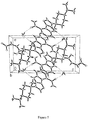
Fig.5 is the crystal cell packing diagram of the crystal type A in b-axis direction. - For a better understanding of the contents of the present invention, the following examples further illustrate the present invention, but the present invention is not limited thereto.
-

-

- A solution of tert-butyl 4-oxopiperidine-1-carboxylate (3kg, 15.05mol) in toluene (24L) was heated to 95°C, and acetic acid (446g, 7.43mol), 2-cyanoacetate (1.68kg, 14.85mol), ammonium acetate (571g, 7.41mol) were added successively in one portion. It started to reflux to separate water when the external temperature rose to 130°C and the internal temperature to 102°C, the complete consumption of the material was detected by HPLC when the internal temperature reached 114°C, which took about 3 hours. After the mixture was cooled to room temperature, the organic phase was washed with water (10L), 10% aqueous Na2CO3 (8L) and brine (5L × 2) successively. The aqueous phases were combined and extracted with ethyl acetate (5L × 2). The organic phases were combined and evaporated under reduced pressure to remove the solvent, giving 4.5kg residue. The residue was mashed and purified with PE/EtOAc = 10/1 (9L). The white solid was collected by filtration to give the title compound (1.5kg, yield 33.84%, purity 98.62%). (The filtrate was concentrated and further purified to give the title compound). 1H NMR (400 MHz, CHLOROFORM-d) δ ppm 1.38 (t, J=7.15 Hz, 3 H), 1.50 (s, 9 H), 2.79 (t, J=5.90 Hz, 2 H), 3.15 (t, J=5.83 Hz, 2 H), 3.56 (t, J=5.71 Hz, 2 H), 3.63 (t, J=5.83 Hz, 2 H), 4.31 (q, J=7.15 Hz, 2 H). LCMS (ESI) m/z: 295 (M+1).
-

- A 3M solution of methyl magnesium bromide (5.66L, 16.98mol) was added dropwise to a mixture of cuprous iodide (1.29kg, 6.78mol) in anhydrous tetrahydrofuran (16L) under nitrogen atmosphere at -50 to -40°C (with an appropriate dropping speed keeping the inter temperature below or at -40°C). Upon the completion of the addition, the mixture was stirred at -5°C to 0°C for 1 hour and cooled to -50 to -40°C, and a solution of tert-butyl 4-(1-cyano-2-ethoxy-2-oxoethylidene)piperidine-1-carboxylate (2kg, 6.79mol) in tetrahydrofuran (4L) was added dropwise (with an appropriate dropping speed keeping the inter temperature at or below -40°C). After the addition, the mixture was slowly warmed to room temperature and stirred for 15 hours. The mixture was cooled to 0-5°C and quenched with saturated aqueous ammonium chloride solution (W/W = 1: 1) (2 L), and then filtered with diatomaceous earth and the filtrate was separated. The residue was washed with EtOAc (5L × 2) and the combined organic layers were washed with saturated aqueous ammonium chloride (5L × 2) and brine (5L × 2) and evaporated to give the crude title compound (2.1kg) as a yellow oil which was used directly in the next step without further purification.
-

- A solution of sodium hydroxide (1.03kg, 25.75mol) in water (2.6L) was added dropwise to a mixed solution of tert-butyl 4-(1-cyano-2-ethoxy-2-oxoethyl)-4-methylpiperidine-1-carboxylate (2kg, crude, 6.44mol) in THF/MeOH = 10: 1 (3.52L) with an appropriate dropping speed keeping the inter temperature within 0-10°C. After the addition, the mixture was stirred at room temperature for 2 hours, TLC detected that the reaction was complete (the absorption of raw material & product was weak at 220 nm). A mixed solution of EtOAc (2L)/tert-butyl methyl ether (4L) was added and the mixture was stirred, then allowed to stand still to separate the aqueous layer. The organic phase was washed with water (1L × 3). The aqueous layers were combined and extracted with tert-butyl methyl ether (1L × 2), adjusted to pH 3-4 with IN hydrochloric acid and extracted with DCM (5L × 2). The combined dichloromethane layers were washed with brine (5L × 2) and evaporated to give the crude title compound (1.5kg) as a white solid, which was used directly in the next step without further purification.
-

- A mixture of 2-(1-(tert-butoxycarbonyl)-4-methylpiperidin-4-yl)-2-cyanoacetic acid (4kg, crude, 14.17mol) and Cu2O (405.45g, 2.83mol) in acetonitrile (20 mL) was stirred at 85°C for 2 hours, TLC detected that the reaction was complete (the absorption of raw material & product was weak at 220 nm). After the mixture was cooled to room temperature, the insoluble materials were filtered off and the filtrate was evaporated to dryness. The residue was dissolved with ethyl acetate (20L), washed sequentially with 0.5N hydrochloric acid (10L × 2) and brine (20L × 2), evaporated to dryness and the residue was mashed and purified with PE/EtOAc = 10/1 (16L). The white solid was collected by filtration to give the title compound (2.5kg, yield 74.03%, purity: being detected after equivalent amount of internal standard was added as the absorption of the product was weak at 220 nm). 1H NMR (400 MHz, CHLOROFORM-d) ppm 1.16 (s, 3 H), 1.43 - 1.54 (m, 13 H), 2.31 (s, 2 H), 3.23 (ddd, J=13.68, 8.78, 4.39 Hz, 2 H), 3.52 - 3.70 (m, 2 H). LCMS (ESI) m/z: 239 (M+1).
-

- 2M LDA (3.15L, 6.3mol) was added dropwise to a mixture of tert-butyl 4-(cyanomethyl)-4-methylpiperidine-1-carboxylate (1kg, 4.2mol) in THF (8L) under nitrogen atmosphere at -60 to -50°C. After being stirred at -60 to -50°C for 1 hour, the reaction solution was added with ethyl formate (622g, 8.4mol) dropwise. After the addition, the reaction solution was slowly heated to room temperature and stirred for 15 hours. After the reaction was complete, the reaction solution was cooled to -30 to -20°C, quenched with IN aqueous hydrochloric acid (5L) and the aqueous layer was extracted with EtOAc (2L × 3). The combined organic layers were washed with 0.5N hydrochloric acid (5L × 2) and brine (5L × 2), evaporated to dryness and the residue was purified by being mashed with PE/EtOAc = 10/1 (2L). The white solid was collected by filtration to give the title compound (900g, yield 80.46%,
purity 100%). 1H NMR (400 MHz, CHLOROFORM-d) ppm 1.22 (s, 3 H), 1.47 - 1.55 (m, 11 H), 1.73 - 2.07 (m, 4 H), 3.38 - 3.48 (m, 4 H), 6.97 (s, 1 H), 7.55 - 8.14 (m, 1 H). LCMS (ESI) m/z: 289 (M+23). -

- A solution of sodium nitrite (141g, 2.05mol) in water (1.8L) solution was slowly added dropwise to a solution of 2,6-dibromo-4-fluoroaniline (500g, 1.86mol) in concentrated hydrochloric acid (1.8L) at -5 to 0°C. After the addition, the reaction mixture was stirred at -5 to 0°C for 40 minutes, and the mixture was added to a solution of stannous chloride dihydrate (629g, 2.79mol) in concentrated hydrochloric acid (2L) dropwise at -10 to -5°C with an appropriate dropping speed that kept the inter temperature at or below -5°C. The resultant mixture was slowly heated to about 20°C and stirred for 12 hours. The solid was collected by filtration, washed with isopropanol (0.5L × 4) and dried in vacuo to give the title compound (430g, yield 72%, purity 97.75%) as an off-white solid which can be used in the next step without further purification. 1H NMR (400 MHz, DMSO-d6) δ ppm 2.37 - 2.68 (m, 1 H), 6.94 - 7.28 (m, 1 H), 7.80 (d, J=8.03 Hz, 2 H), 10.13 (br. s., 3 H).
-

- A mixture of potassium acetate (1.11kg, 11.27mol) and (2,6-dibromo-4-fluorophenyl)hydrazine hydrochloride (2.65kg, 8.27mol) in ethanol (25L) was stirred at room temperature for 0.5 hours, then tert-butyl 4-(1-cyano-2-oxoethyl)-4-methylpiperidine-1-carboxylate (2kg, 7.51mol) was added and the mixture was stirred at 60°C for 2 hours. After completion of the reaction, NaHCO3 (1.89kg, 22.5mol) was added portionwise to the mixture and stirred for another 15 hours at 80 to 90°C. After being cooled to room temperature, the resulting mixture was evaporated and the residue was quenched with water (20L) and extracted with EtOAc (10L × 2). The combined organic layer was washed with brine (10L × 2), evaporated and the residue was mashed and purified with PE/EtOAc = 10/1 (6L). The white solid was collected by filtration to give the title compound (3.5kg, yield 87.5%, purity 99.84%). 1H NMR (400 MHz, CHLOROFORM-d) ppm 1.32 (s, 3 H), 1.48 (s, 9 H), 1.57 - 1.63 (m, 2 H), 2.03 - 2.14 (m, 2 H), 3.30 (br. s., 4 H), 3.67 (d, J=13.30 Hz, 2 H), 7.41 - 7.52 (m, 3 H).

-

- A mixture of tert-butyl 4-(5-amino-1-(2,6-dibromo-4-fluorophenyl)-1H-pyrazol-4-yl)-4-methylpiperidine-1-carboxylate (2.1kg, 3.95mol), Pd2(dba)3 (289.37g, 0.316mol), Xantphos (365.69g, 0.632mol) and cesium carbonate (2.57kg, 7.9mol) in DMF (16.8L) was stirred at 125 to 135°C for 5-6 hours under nitrogen atmosphere. After being cooled to room temperature, the resulting mixture was filtered through celite. The filtrate was diluted with EtOAc (20L) and water (40L) and stirred to portion. The aqueous phase was extracted with ethyl acetate (20L × 2) and the organic phase was evaporated under reduced pressure to dryness to give the crude title compound (2.68kg) which was used in the next step without further purification. LCMS (ESI) m/z: 451, 453 (M, M + 2).
-

- A 10L autoclave was charged with tert-butyl 4-(8-bromo-6-fluoro-4H-benzo[4,5]imidazo[1,2-B]pyrazol-3-yl)-4-methylpiperidine-1-carboxylate (535g, 1.19mol), HMDS (956.55g, 5.93mol), Pd(dppf)Cl2 (43.37g, 0.0593mol), Xantphos (34.29g, 0.0593mol), DIPEA (306.40g, 2.37mol) and DMF (5L), and purged with carbon monoxide for 3 times, pressurized to 0.8 to 1MPa, heated to 100 to 110°C and stirred for 18-20 hours. After being cooled to room temperature, the mixture was filtered through celite. The filtrate was diluted with ethyl acetate (5L) and water (15L) and stirred to portion. The aqueous phase was extracted with ethyl acetate (5L × 2), and the organic phase was washed with brine (5L) and concentrated to dryness under reduced pressure to give the crude title compound (552g, crude) which was used in the next step without further purification. LCMS (ESI) m / z: 416 (M + 1).
-

- A 4M HCl(g)/MeOH solution was added dropwise to a solution of tert-butyl 4-(8-carbamoyl-6-fluoro-4H-benzo[4,5]imidazo[1,2-B]pyrazol-3-yl)-4-methylpiperidine-1-carboxylate (2.7kg, 6.5mol) in MeOH (10L) at -10 to 0°C. After the addition, the reaction solution was heated to 20-25°C and stirred for 2-3 hours. After the reaction was completed, the resulting mixture was concentrated to 5L and filtered to obtain solid. The solid was dispersed in water (12L), and the mixture was cooled to 0 to 5°C, and 20% sodium hydroxide solution (1L) was added dropwise slowly to pH 9-10, after the addition, the mixture was stirred at 0 to 5°C for 1 hour, filtered and the filter cake was washed with water until it was neutral and dried to give the title compound (1.03kg, yield 82%, purity 99.72%) as a pale yellow solid. 1H NMR (400 MHz, DMSO-d6) ppm 1.31 (s, 3 H), 1.68 - 1.85 (m, 2 H), 2.27 (d, J=14.81 Hz, 2 H), 2.83 (t, J=9.79 Hz, 2 H), 3.00 - 3.13 (m, 2 H), 7.42 (dd, J=8.66, 2.51 Hz, 1 H), 7.53 (dd, J=11.11, 2.57 Hz, 1 H), 7.78 (s, 1 H), 8.06 (s, 1 H), 10.66 (s, 1 H). LCMS (ESI) m/z: 316 (M+1).
-

- A 10L autoclave was charged with 6-fluoro-3-(4-methylpiperidin-4-yl)-4H-benzo[4,5]imidazo[1,2-b]pyrazol-8-formamide (505g, 1.6mol), 10% Pd/C (51g), acetone (930.12g, 16mol) and NMP (5L), and purged with hydrogen gas for 3 times, pressurized to 0.8 to 1MPa, heated to 60 to 70°C and stirred for 18-20 hours. After being cooled to room temperature, the mixture was filtered through celite. The filtrate was poured into water (20L) and filtered with stirring. The filter cake was washed with water until it was neutral and dried to give the title compound as a pale yellow solid (405g, yield 78.8%, purity 99.05 %). 1H NMR (400 MHz, DMSO-d6) ppm 0.92 (d, J=6.53 Hz, 6 H), 1.26 (s, 3 H), 1.58 - 1.75 (m, 2 H), 1.86 - 1.93 (m, 1 H), 2.09 - 2.20 (m, 2 H), 2.35 (t, J=7.72 Hz, 2 H), 2.63 - 2.74 (m, 2 H), 7.43 (dd, J=8.41, 2.64 Hz, 1 H), 7.59 (dd, J=11.11, 2.57 Hz, 1 H), 7.76 (s, 1 H), 8.12 (s, 1 H), 10.62 (s, 1 H). LCMS (ESI) m/z: 358 (M+1).
-

- A solution of 6-fluoro-3-(1-isopropyl-4-methylpiperidin-4-yl)-4H-benzo[4,5]imidazo[1,2-b]pyrazol-8-formamide (0.404kg, 1.13mol) and maleic acid (0.137kg, 1.18mol) in 95% methanol (5.25L) was heated to reflux for 2 hours and then filtered when hot. The filtrate was allowed to stand to portion and cool, then filtered to give a white crystal (420g, yield 78.2%, purity 99.66%). 1H NMR (400 MHz, DMSO-d6) ppm 0.63 - 1.70 (m, 10 H), 1.81 - 2.32 (m, 3 H), 2.82 (br. s., 1 H), 3.11 - 3.36 (m, 4 H), 6.04 (s, 2 H), 7.52 (dd, J=8.28, 2.51 Hz, 1 H), 7.62 (dd, J=11.04, 2.51 Hz, 1 H), 7.77 - 7.98 (m, 1 H), 8.16 (s, 1 H), 8.91 (br. s., 1 H), 10.54 (br. s., 1 H), 12.20 (br. s., 1 H). LCMS (ESI) m/z: 358 (M+1).
- A certain number of aliquots of 50mg of Crystal type A were weighed out, and added with 0.3 to 0.4 mL single or mixed solvent as listed below respectively, and the mixture was stirred at 25°C. After being stirred for 3 days, the samples were centrifuged and the solid in all samples were collected. XRPD was used to determine the crystalline state. The results were shown in Table 2.
Table 2: Stability test of Crystal type A in different solvents No. Solvent Appearance (3 days) Results 1 Methanol Suspension Crystal type A 2 Ethanol Suspension Crystal type A 3 Isopropanol Suspension Crystal type A 4 Acetone Suspension Crystal type A 5 Ethyl acetate Suspension Crystal type A 6 Methanol: water = 3: 1 Suspension Crystal type A 7 Ethanol: water = 3: 1 Suspension Crystal type A 8 Acetonitrile: water = 1: 1 Suspension Crystal type A 9 Acetone: water = 1: 2 Suspension Crystal type A 10 Isopropanol: water = 1: 1 Suspension Crystal type A - A sample of Crystal type A (about 10mg) was weighed out, placed at the bottom of a glass vial and spread into a thin layer. The sample placed at 60°C and 92.5% relative humidity was sealed with aluminum foil at the vial mouth, and the aluminum foil was pricked to ensure that the sample was fully exposed to the ambient air; the sample placed under strong illumination (5Klux) was sealed with a screw cap. The samples placed under different conditions were sampled and tested on the 10th day. The test results were compared with the initial test results on the 0th day. The test results are shown in the following Table 3:
Table 3: Solid stability test for Crystal type A Test conditions Sampling time (Day) Appearance Content (%) Total impurities (%) - 0 White powder 98.9 0.10 60°C (open) 10 White powder 98.5 0.11 92.5%RH (open) 10 White powder 99.5 0.10 Strong illumination (sealed) 10 White powder 99.4 0.11 - HCC1937 cells were seeded into a 965-well plate at 4 × 10⁴ cells/well and cultured in a 37°C incubator overnight. After the cells were treated with the test compound for 30 minutes, they were treated with 1mM hydrogen peroxide for 10 minutes. Cells were washed twice with 200UL of precooled PBS and fixed with 100ul of precooled methanol/acetone (7: 3) for 30 minutes in an ice bath. After being air-dried, they were blocked with PBS-Tween-20 blocking solution (0.05%) with 5% nonfat dry milk dissolved at room temperature for 30 minutes. Cells and anti-PAR 10H antibody in a ratio of 1: 100 were incubated in a blocking solution at room temperature for 1 hour and then washed with PBS-Tween-20 for three times, and added into a blocking solution containing goat anti-mouse fluorescein-5 (6) thiocyanate (FITC) -based secondary antibody and 1 µg/mL DAPI to be incubated at room temperature in the dark for 1 hour. After being washed with PBS-Tween-20 for three times, the data was analyzed using a fluorescent microplate counter (Flexstation III, Molecular Device). PARP enzyme assay (according to the instruction of HT universal PARP1 colorimetric assay kit). Histones were packaged in a 96-well plate and incubated overnight at 4°C. After being washed with 200UL PBST solution for three times, the plate was blocked with blocking solution, incubated for 30 minutes at room temperature and washed with PBST solution for three times. The compounds to be tested were added to the well plate and then 20 ml of diluted PARP1 (1 nM) or 20 ml of PARP2 (3 nM) was added to the reaction system and incubated for 1 or 2 hours. A mixed of streptavidin-HRP (1:50) (50µl) was added to the well plate and incubated at room temperature for 30 minutes, and washed with the PBST buffer for three times. 100 ml (HRP) (Chemiluminescent Substrate A and Substrate B (1: 1)) was added to the well plate. Read immediately onto a microplate reader (Envision, PerkinElmer).
- MDA-MB-436 and MDA-MB-231 cells were seeded in a 96-well plate at a density of 500 and 2000 cell per well, respectively, and cultured overnight. The medium was RPMI 1640 containing 10% (v/v) FBS and 1% (v/v) penicillin-streptomycin. They were treated for 8 days after the compound to be tested was added. Cell viability was measured by CCK8 kit. Specifically, 10UL CCK8 reagent was added to each well and incubated in a 5% CO2 incubator at 37°C for 3 hours. After shaking for 10 minutes, the light absorbance (OD value) was measured with a Flexstation III (Molecular Device) at 450 nm.
- For the test of compound combinations (in combination with DNA damage drugs), the PF50 value was used to calculate the synergistic effect of the drug. PF50 = [IC50 of the tested compound] / [IC50 of the compound at a fixed DNA damage drug concentration]. Temozolomide (TMZ) was used as DNA damage drug in this study.
- IC50 data of inhibition of MDA-MB-231/436 cell proliferation by
Compound 1 and ABT888 when used singly and synergistically with TMZ are shown in Table 4 below:Table 4: In vitro screening test results of the compounds of the present invention Compound No. MDA-MB-231 Compound No. MDA-MB-436 IC50_N=1 (uM) IC50_N=2 (uM) IC50_Avg (uM) PF50 IC50_N=1 (uM) IC50_N=2 (uM) IC50_Avg (uM) PF50 ABT-888 44.04 36.99 40.51 ABT-888 0.444 0.167 0.305 ABT-888 combined with 1uM TMZ 25.46 35.96 30.71 1.32 ABT-888 combined with 25uM TMZ 0.026 0.010 0.018 17.14 TMZ 4.61 3.72 4.17 TMZ 80.18 141.93 111.06 Compound 16.21 5.44 5.83 Compound 10.089 0.053 0.071 Compound 1 combined with luM TMZ3.96 5.75 4.86 1.20 Compound 1 combined with 25uM TMZ0.009 0.005 0.007 9.84 TMZ 3.33 3.52 3.42 TMZ 152.3 61.66 106.98 - Conclusion:
Compound 1 shows a strong inhibitory effect on BRAC mutant MDA-MB-436 cell line and shows good synergistic effect combined with TMZ.
Claims (14)
- A preparation method for compound of formula (I),

 R is optionally a C1-5 alkyl;R1 is an amino protecting group;X is a halogen;the metal catalyst is a palladium metal catalyst, a platinum metal catalyst and/or a copper metal catalyst;the ligand is a phosphine-containing ligand coordinated to a palladium metal catalyst and/or a nitrogen-containing ligand coordinated to a copper metal catalyst;the base is an alkali metal base, an alkaline earth metal base, an organic base and/or an organometallic base.
 - The preparation method according to claim 1, comprising:

- The preparation method according to claim 1 or 2, comprising:


 HB is an organic or inorganic acid;HA is an organic or inorganic acid;R aldehyde is selected from the group consisting of formaldehyde, acetaldehyde and isobutyraldehyde;R ketone is isopropanone;the hydrogen source is hydrogen gas, cyclohexene and/or ammonium formate.
 - The preparation method according to claim 3, wherein the organic acid is selected from the group consisting of trifluoroacetic acid, methanesulfonic acid, p-toluenesulfonic acid, citric acid, maleic acid or fumaric acid; or
the inorganic acid is selected from the group consisting of hydrochloric acid, hydrobromic acid, phosphoric acid and/or sulfuric acid. - The preparation method according to claim 1 or 2, wherein R is selected from the group consisting of methyl, ethyl, isopropyl or tert-butyl; R1 is an alkoxycarbonyl-type amino protecting group and/or a benzyl-type amino protecting group;
the palladium metal catalyst is selected from the group consisting of Pd2(dba)3, Pd(PPh3)4, Pd(dppf)Cl2, Pd(PPh3)2Cl2, Pd(OAc)2 and/or PdCl2;
the copper metal catalyst is selected from the group consisting of CuI, CuBr, CuCl, Cu and/or Cu2O;
the platinum metal catalyst is PtO2;
the phosphine-containing ligand coordinated to the palladium metal catalyst is Xantphos, Sphos, Xphos, Ruphos and/or Brettphos;
the nitrogen-containing ligand coordinated to the copper metal catalyst is 1,2-cyclohexanediamine, N,N'-dimethylethylenediamine and/or 1,10-phenanthroline;
the alkali metal base is selected from the group consisting of lithium hydroxide, sodium hydroxide, potassium hydroxide, cesium hydroxide, sodium carbonate, potassium carbonate, cesium carbonate, sodium bicarbonate, potassium bicarbonate and/or potassium phosphate;
the alkaline earth metal base is sodium hydride, potassium hydride and/or calcium hydride;
the organic base is triethylamine, DIPEA, NMM and/or DBU;
the organometallic base is sodium methoxide, lithium tert-butoxide, sodium tert-butoxide, potassium tert-butoxide, sodium ethoxide and/or aluminum isopropoxide. - An intermediate for the preparation of compound of formula (I),


- A compound 2,

- Crystal type A of compound 3, characterized by an XRPD pattern as shown in Fig. 1,

- The crystal type A according to claim 8, characterized by a differential scanning calorimetry curve with a starting point of the endothermic peak at 85.44°C, 162.95°C, 205.63°C ± 3°C respectively.
- The crystal type A according to claim 8, wherein the DSC pattern is as shown in Fig. 2.
- The crystal type A according to claim 8, characterized by a thermogravimetric profile with weight loss of up to 3.740% at 129.34°C, up to 0.4250% at 194.30°C and up to 13.59% at 245.46°C.
- The crystal type A according to claim 8, wherein the TGA pattern is as shown in Fig. 3.
- A preparation method for the crystal type A according to claim 8, comprising adding the compound of formula (I) in any form into a solvent together with maleic acid to crystallize , wherein,
the molar ratio of maleic acid to the compound of formula (I) is 1: 1.05-1.2;
the amount of the solvent is 8-12 times the weight of the compound of formula (I);
the reaction solvent is an alcoholic solvent and/or a mixed solvent containing an alcoholic solvent and water;
specifically, the alcoholic solvent is methanol, ethanol and/or isopropanol;
specifically, the mixed solvent of the alcoholic solvent and water is a mixed solvent of methanol, ethanol, isopropanol and water;
specifically, the volume ratio of the alcoholic solvent and water is 1: 0.05-0.1. - A use of the salt according to claim 7 or crystal type A according to claim 8 in the manufacture of a medicament for the treatment of a disease associated with PARP receptor.
Applications Claiming Priority (2)
| Application Number | Priority Date | Filing Date | Title |
|---|---|---|---|
| CN201510643088 | 2015-09-30 | ||
| PCT/CN2016/100821 WO2017054755A1 (en) | 2015-09-30 | 2016-09-29 | Salt type and crystal type of 4h-pyrazolo [1, 5-alpha] benzimidazole compound and preparation method and intermediate thereof |
Publications (3)
| Publication Number | Publication Date |
|---|---|
| EP3357925A1 true EP3357925A1 (en) | 2018-08-08 |
| EP3357925A4 EP3357925A4 (en) | 2019-05-01 |
| EP3357925B1 EP3357925B1 (en) | 2021-10-27 |
Family
ID=58422684
Family Applications (1)
| Application Number | Title | Priority Date | Filing Date |
|---|---|---|---|
| EP16850379.5A Active EP3357925B1 (en) | 2015-09-30 | 2016-09-29 | Salt type and crystal type of 4h-pyrazolo [1, 5-alpha]benzimidazole compound and preparation method and intermediate thereof |
Country Status (11)
| Country | Link |
|---|---|
| US (2) | US10428073B2 (en) |
| EP (1) | EP3357925B1 (en) |
| JP (1) | JP6858762B2 (en) |
| KR (1) | KR102664193B1 (en) |
| CN (1) | CN108137598B (en) |
| AU (1) | AU2016333293B2 (en) |
| CA (1) | CA3003122C (en) |
| ES (1) | ES2901152T3 (en) |
| IL (1) | IL258451B (en) |
| TW (1) | TWI716463B (en) |
| WO (1) | WO2017054755A1 (en) |
Families Citing this family (2)
| Publication number | Priority date | Publication date | Assignee | Title |
|---|---|---|---|---|
| CN108137598B (en) * | 2015-09-30 | 2021-02-12 | 湖北生物医药产业技术研究院有限公司 | Salt form and crystal form of 4H-pyrazolo [1, 5-alpha ] benzimidazole compound, and preparation method and intermediate thereof |
| WO2018192445A1 (en) * | 2017-04-17 | 2018-10-25 | 广州丹康医药生物有限公司 | Polycyclic compound having parp inhibition activity, and uses thereof |
Family Cites Families (8)
| Publication number | Priority date | Publication date | Assignee | Title |
|---|---|---|---|---|
| DE19920936A1 (en) * | 1999-05-07 | 2000-11-09 | Basf Ag | Heterocyclically substituted benzimidazoles, their preparation and use |
| EP1973909A2 (en) * | 2005-12-22 | 2008-10-01 | Biogen Idec MA Inc. | Transforming growth factor modulators |
| WO2007144669A1 (en) * | 2006-06-15 | 2007-12-21 | Istituto Di Ricerche Di Biologia Molecolare P. Angeletti Spa | Pyrazolo[1,5-a]quinazolin-5(4h)-ones as inhibitors of poly(adp-ribose)polymerase (parp) |
| MX2008016339A (en) * | 2006-06-20 | 2009-01-16 | Abbott Lab | Pyrazoloquinazolinones as parp inhibitors. |
| JP5492183B2 (en) | 2008-03-27 | 2014-05-14 | ジヤンセン・フアーマシユーチカ・ナームローゼ・フエンノートシヤツプ | Tetrahydrophenanthridinone and tetrahydrocyclopentaquinolinone as PARP and tubulin polymerization inhibitors |
| PT3130592T (en) * | 2014-04-10 | 2019-11-21 | Hubei Bio Pharmaceutical Industrial Tech Institute Inc | Analogues of 4h-pyrazolo[1,5- ]benzimidazole compound as parp inhibitors |
| CN104974161B (en) * | 2014-04-10 | 2019-11-01 | 湖北生物医药产业技术研究院有限公司 | The analog of 4H- pyrazolo [1,5- α] benzimidazole compound as PARP inhibitor |
| CN108137598B (en) * | 2015-09-30 | 2021-02-12 | 湖北生物医药产业技术研究院有限公司 | Salt form and crystal form of 4H-pyrazolo [1, 5-alpha ] benzimidazole compound, and preparation method and intermediate thereof |
-
2016
- 2016-09-29 CN CN201680056833.7A patent/CN108137598B/en active Active
- 2016-09-29 AU AU2016333293A patent/AU2016333293B2/en active Active
- 2016-09-29 KR KR1020187010733A patent/KR102664193B1/en active Active
- 2016-09-29 TW TW105131412A patent/TWI716463B/en active
- 2016-09-29 JP JP2018516694A patent/JP6858762B2/en active Active
- 2016-09-29 ES ES16850379T patent/ES2901152T3/en active Active
- 2016-09-29 US US15/763,676 patent/US10428073B2/en active Active
- 2016-09-29 CA CA3003122A patent/CA3003122C/en active Active
- 2016-09-29 WO PCT/CN2016/100821 patent/WO2017054755A1/en not_active Ceased
- 2016-09-29 EP EP16850379.5A patent/EP3357925B1/en active Active
-
2018
- 2018-03-29 IL IL258451A patent/IL258451B/en active IP Right Grant
-
2019
- 2019-08-22 US US16/548,303 patent/US10941150B2/en active Active
Also Published As
| Publication number | Publication date |
|---|---|
| CA3003122A1 (en) | 2017-04-06 |
| CN108137598A (en) | 2018-06-08 |
| AU2016333293A1 (en) | 2018-05-10 |
| IL258451A (en) | 2018-05-31 |
| AU2016333293B2 (en) | 2020-07-30 |
| JP2018535934A (en) | 2018-12-06 |
| ES2901152T3 (en) | 2022-03-21 |
| CN108137598B (en) | 2021-02-12 |
| IL258451B (en) | 2021-03-25 |
| TWI716463B (en) | 2021-01-21 |
| JP6858762B2 (en) | 2021-04-14 |
| CA3003122C (en) | 2023-10-03 |
| EP3357925A4 (en) | 2019-05-01 |
| US20180258093A1 (en) | 2018-09-13 |
| KR20180083311A (en) | 2018-07-20 |
| EP3357925B1 (en) | 2021-10-27 |
| US20190375756A1 (en) | 2019-12-12 |
| TW201718594A (en) | 2017-06-01 |
| HK1258757A1 (en) | 2019-11-22 |
| WO2017054755A1 (en) | 2017-04-06 |
| US10941150B2 (en) | 2021-03-09 |
| KR102664193B1 (en) | 2024-05-10 |
| US10428073B2 (en) | 2019-10-01 |
Similar Documents
| Publication | Publication Date | Title |
|---|---|---|
| AU2020202181B2 (en) | Naphthyridine compounds as jak kinase inhibitors | |
| CA2940488C (en) | 2,4-disubstituted phenylene-1,5-diamine derivatives and applications thereof, and pharmaceutical compositions and pharmaceutically acceptable compositions prepared therefrom | |
| CA2901585C (en) | Monocyclic pyridine derivative | |
| CA2873925A1 (en) | 1,3-dihydro-2h-benzimidazol-2-one derivatives substituted with heterocycles as respiratory syncytial virus antiviral agents | |
| Ma et al. | Discovery of novel quinoline-based mTOR inhibitors via introducing intra-molecular hydrogen bonding scaffold (iMHBS): The design, synthesis and biological evaluation | |
| US10941150B2 (en) | Salt type and crystal type of 4h-pyrazolo [1, 5-alpha] benzimidazole compound and preparation method and intermediate thereof | |
| NO331297B1 (en) | 3-Phenyl-substituted pyridoindolone, process for its preparation, pharmaceutical composition and use | |
| AU2009267828A1 (en) | Antineoplastic derivatives of 4-OXO-L, 4-dihydro-quinoline, preparation thereof, and therapeutic use thereof | |
| HK1258757B (en) | Salt type and crystal type of 4h-pyrazolo[1, 5-alpha]benzimidazole compound and preparation method and intermediate thereof | |
| Xin et al. | Synthesis and pharmacological evaluation of trifluoromethyl containing 4-(2-pyrimidinylamino) benzamides as Hedgehog signaling pathway inhibitors | |
| CN116425796A (en) | A class of pyrimido heterocyclic compounds, preparation method and use | |
| CN101450938A (en) | 7-(4-oximido-3-amido-3-alkyl-1-piperidine)quinoline carboxylic acid derivates and preparation method thereof | |
| AU2023257102A1 (en) | Method for producing 7h-pyrrolo[2,3-d]pyrimidine-4-amine derivative | |
| CA2602532A1 (en) | Pyrrolo [2,3-d] imidazoles for the treatment of hyperproliferative disorders | |
| HK1245771B (en) | Naphthyridine compounds as jak kinase inhibitors | |
| HK1251555B (en) | Crystal form, preparation method and intermediate of dihydropyrido ring compound | |
| HK1107821A1 (en) | Method for the production of dihydropteridinones | |
| HK1107821B (en) | Method for the production of dihydropteridinones |
Legal Events
| Date | Code | Title | Description |
|---|---|---|---|
| STAA | Information on the status of an ep patent application or granted ep patent |
Free format text: STATUS: THE INTERNATIONAL PUBLICATION HAS BEEN MADE |
|
| PUAI | Public reference made under article 153(3) epc to a published international application that has entered the european phase |
Free format text: ORIGINAL CODE: 0009012 |
|
| STAA | Information on the status of an ep patent application or granted ep patent |
Free format text: STATUS: REQUEST FOR EXAMINATION WAS MADE |
|
| 17P | Request for examination filed |
Effective date: 20180423 |
|
| AK | Designated contracting states |
Kind code of ref document: A1 Designated state(s): AL AT BE BG CH CY CZ DE DK EE ES FI FR GB GR HR HU IE IS IT LI LT LU LV MC MK MT NL NO PL PT RO RS SE SI SK SM TR |
|
| AX | Request for extension of the european patent |
Extension state: BA ME |
|
| DAV | Request for validation of the european patent (deleted) | ||
| DAX | Request for extension of the european patent (deleted) | ||
| RAP1 | Party data changed (applicant data changed or rights of an application transferred) |
Owner name: HUBEI BIO-PHARMACEUTICAL INDUSTRIAL TECHNOLOGICAL Owner name: HUMANWELL HEALTHCARE (GROUP) CO., LTD. |
|
| A4 | Supplementary search report drawn up and despatched |
Effective date: 20190401 |
|
| RIC1 | Information provided on ipc code assigned before grant |
Ipc: A61P 35/00 20060101ALI20190326BHEP Ipc: C07D 401/04 20060101ALI20190326BHEP Ipc: C07D 487/04 20060101AFI20190326BHEP Ipc: A61K 31/4162 20060101ALI20190326BHEP |
|
| REG | Reference to a national code |
Ref country code: HK Ref legal event code: DE Ref document number: 1258757 Country of ref document: HK |
|
| STAA | Information on the status of an ep patent application or granted ep patent |
Free format text: STATUS: EXAMINATION IS IN PROGRESS |
|
| 17Q | First examination report despatched |
Effective date: 20200326 |
|
| GRAP | Despatch of communication of intention to grant a patent |
Free format text: ORIGINAL CODE: EPIDOSNIGR1 |
|
| STAA | Information on the status of an ep patent application or granted ep patent |
Free format text: STATUS: GRANT OF PATENT IS INTENDED |
|
| INTG | Intention to grant announced |
Effective date: 20210506 |
|
| GRAS | Grant fee paid |
Free format text: ORIGINAL CODE: EPIDOSNIGR3 |
|
| GRAA | (expected) grant |
Free format text: ORIGINAL CODE: 0009210 |
|
| STAA | Information on the status of an ep patent application or granted ep patent |
Free format text: STATUS: THE PATENT HAS BEEN GRANTED |
|
| AK | Designated contracting states |
Kind code of ref document: B1 Designated state(s): AL AT BE BG CH CY CZ DE DK EE ES FI FR GB GR HR HU IE IS IT LI LT LU LV MC MK MT NL NO PL PT RO RS SE SI SK SM TR |
|
| REG | Reference to a national code |
Ref country code: GB Ref legal event code: FG4D |
|
| REG | Reference to a national code |
Ref country code: CH Ref legal event code: EP |
|
| REG | Reference to a national code |
Ref country code: DE Ref legal event code: R096 Ref document number: 602016065551 Country of ref document: DE |
|
| REG | Reference to a national code |
Ref country code: AT Ref legal event code: REF Ref document number: 1441721 Country of ref document: AT Kind code of ref document: T Effective date: 20211115 |
|
| REG | Reference to a national code |
Ref country code: IE Ref legal event code: FG4D |
|
| REG | Reference to a national code |
Ref country code: NL Ref legal event code: FP |
|
| REG | Reference to a national code |
Ref country code: LT Ref legal event code: MG9D |
|
| REG | Reference to a national code |
Ref country code: AT Ref legal event code: MK05 Ref document number: 1441721 Country of ref document: AT Kind code of ref document: T Effective date: 20211027 |
|
| REG | Reference to a national code |
Ref country code: ES Ref legal event code: FG2A Ref document number: 2901152 Country of ref document: ES Kind code of ref document: T3 Effective date: 20220321 |
|
| PG25 | Lapsed in a contracting state [announced via postgrant information from national office to epo] |
Ref country code: RS Free format text: LAPSE BECAUSE OF FAILURE TO SUBMIT A TRANSLATION OF THE DESCRIPTION OR TO PAY THE FEE WITHIN THE PRESCRIBED TIME-LIMIT Effective date: 20211027 Ref country code: LT Free format text: LAPSE BECAUSE OF FAILURE TO SUBMIT A TRANSLATION OF THE DESCRIPTION OR TO PAY THE FEE WITHIN THE PRESCRIBED TIME-LIMIT Effective date: 20211027 Ref country code: FI Free format text: LAPSE BECAUSE OF FAILURE TO SUBMIT A TRANSLATION OF THE DESCRIPTION OR TO PAY THE FEE WITHIN THE PRESCRIBED TIME-LIMIT Effective date: 20211027 Ref country code: BG Free format text: LAPSE BECAUSE OF FAILURE TO SUBMIT A TRANSLATION OF THE DESCRIPTION OR TO PAY THE FEE WITHIN THE PRESCRIBED TIME-LIMIT Effective date: 20220127 Ref country code: AT Free format text: LAPSE BECAUSE OF FAILURE TO SUBMIT A TRANSLATION OF THE DESCRIPTION OR TO PAY THE FEE WITHIN THE PRESCRIBED TIME-LIMIT Effective date: 20211027 |
|
| PG25 | Lapsed in a contracting state [announced via postgrant information from national office to epo] |
Ref country code: IS Free format text: LAPSE BECAUSE OF FAILURE TO SUBMIT A TRANSLATION OF THE DESCRIPTION OR TO PAY THE FEE WITHIN THE PRESCRIBED TIME-LIMIT Effective date: 20220227 Ref country code: SE Free format text: LAPSE BECAUSE OF FAILURE TO SUBMIT A TRANSLATION OF THE DESCRIPTION OR TO PAY THE FEE WITHIN THE PRESCRIBED TIME-LIMIT Effective date: 20211027 Ref country code: PT Free format text: LAPSE BECAUSE OF FAILURE TO SUBMIT A TRANSLATION OF THE DESCRIPTION OR TO PAY THE FEE WITHIN THE PRESCRIBED TIME-LIMIT Effective date: 20220228 Ref country code: PL Free format text: LAPSE BECAUSE OF FAILURE TO SUBMIT A TRANSLATION OF THE DESCRIPTION OR TO PAY THE FEE WITHIN THE PRESCRIBED TIME-LIMIT Effective date: 20211027 Ref country code: NO Free format text: LAPSE BECAUSE OF FAILURE TO SUBMIT A TRANSLATION OF THE DESCRIPTION OR TO PAY THE FEE WITHIN THE PRESCRIBED TIME-LIMIT Effective date: 20220127 Ref country code: LV Free format text: LAPSE BECAUSE OF FAILURE TO SUBMIT A TRANSLATION OF THE DESCRIPTION OR TO PAY THE FEE WITHIN THE PRESCRIBED TIME-LIMIT Effective date: 20211027 Ref country code: HR Free format text: LAPSE BECAUSE OF FAILURE TO SUBMIT A TRANSLATION OF THE DESCRIPTION OR TO PAY THE FEE WITHIN THE PRESCRIBED TIME-LIMIT Effective date: 20211027 Ref country code: GR Free format text: LAPSE BECAUSE OF FAILURE TO SUBMIT A TRANSLATION OF THE DESCRIPTION OR TO PAY THE FEE WITHIN THE PRESCRIBED TIME-LIMIT Effective date: 20220128 |
|
| REG | Reference to a national code |
Ref country code: DE Ref legal event code: R097 Ref document number: 602016065551 Country of ref document: DE |
|
| PG25 | Lapsed in a contracting state [announced via postgrant information from national office to epo] |
Ref country code: SM Free format text: LAPSE BECAUSE OF FAILURE TO SUBMIT A TRANSLATION OF THE DESCRIPTION OR TO PAY THE FEE WITHIN THE PRESCRIBED TIME-LIMIT Effective date: 20211027 Ref country code: SK Free format text: LAPSE BECAUSE OF FAILURE TO SUBMIT A TRANSLATION OF THE DESCRIPTION OR TO PAY THE FEE WITHIN THE PRESCRIBED TIME-LIMIT Effective date: 20211027 Ref country code: RO Free format text: LAPSE BECAUSE OF FAILURE TO SUBMIT A TRANSLATION OF THE DESCRIPTION OR TO PAY THE FEE WITHIN THE PRESCRIBED TIME-LIMIT Effective date: 20211027 Ref country code: EE Free format text: LAPSE BECAUSE OF FAILURE TO SUBMIT A TRANSLATION OF THE DESCRIPTION OR TO PAY THE FEE WITHIN THE PRESCRIBED TIME-LIMIT Effective date: 20211027 Ref country code: DK Free format text: LAPSE BECAUSE OF FAILURE TO SUBMIT A TRANSLATION OF THE DESCRIPTION OR TO PAY THE FEE WITHIN THE PRESCRIBED TIME-LIMIT Effective date: 20211027 Ref country code: CZ Free format text: LAPSE BECAUSE OF FAILURE TO SUBMIT A TRANSLATION OF THE DESCRIPTION OR TO PAY THE FEE WITHIN THE PRESCRIBED TIME-LIMIT Effective date: 20211027 |
|
| PLBE | No opposition filed within time limit |
Free format text: ORIGINAL CODE: 0009261 |
|
| STAA | Information on the status of an ep patent application or granted ep patent |
Free format text: STATUS: NO OPPOSITION FILED WITHIN TIME LIMIT |
|
| 26N | No opposition filed |
Effective date: 20220728 |
|
| PG25 | Lapsed in a contracting state [announced via postgrant information from national office to epo] |
Ref country code: AL Free format text: LAPSE BECAUSE OF FAILURE TO SUBMIT A TRANSLATION OF THE DESCRIPTION OR TO PAY THE FEE WITHIN THE PRESCRIBED TIME-LIMIT Effective date: 20211027 |
|
| PG25 | Lapsed in a contracting state [announced via postgrant information from national office to epo] |
Ref country code: SI Free format text: LAPSE BECAUSE OF FAILURE TO SUBMIT A TRANSLATION OF THE DESCRIPTION OR TO PAY THE FEE WITHIN THE PRESCRIBED TIME-LIMIT Effective date: 20211027 |
|
| PG25 | Lapsed in a contracting state [announced via postgrant information from national office to epo] |
Ref country code: MC Free format text: LAPSE BECAUSE OF FAILURE TO SUBMIT A TRANSLATION OF THE DESCRIPTION OR TO PAY THE FEE WITHIN THE PRESCRIBED TIME-LIMIT Effective date: 20211027 |
|
| REG | Reference to a national code |
Ref country code: BE Ref legal event code: MM Effective date: 20220930 |
|
| PG25 | Lapsed in a contracting state [announced via postgrant information from national office to epo] |
Ref country code: LU Free format text: LAPSE BECAUSE OF NON-PAYMENT OF DUE FEES Effective date: 20220929 |
|
| PG25 | Lapsed in a contracting state [announced via postgrant information from national office to epo] |
Ref country code: IE Free format text: LAPSE BECAUSE OF NON-PAYMENT OF DUE FEES Effective date: 20220929 |
|
| PG25 | Lapsed in a contracting state [announced via postgrant information from national office to epo] |
Ref country code: BE Free format text: LAPSE BECAUSE OF NON-PAYMENT OF DUE FEES Effective date: 20220930 |
|
| PG25 | Lapsed in a contracting state [announced via postgrant information from national office to epo] |
Ref country code: HU Free format text: LAPSE BECAUSE OF FAILURE TO SUBMIT A TRANSLATION OF THE DESCRIPTION OR TO PAY THE FEE WITHIN THE PRESCRIBED TIME-LIMIT; INVALID AB INITIO Effective date: 20160929 |
|
| PG25 | Lapsed in a contracting state [announced via postgrant information from national office to epo] |
Ref country code: CY Free format text: LAPSE BECAUSE OF FAILURE TO SUBMIT A TRANSLATION OF THE DESCRIPTION OR TO PAY THE FEE WITHIN THE PRESCRIBED TIME-LIMIT Effective date: 20211027 |
|
| PG25 | Lapsed in a contracting state [announced via postgrant information from national office to epo] |
Ref country code: MK Free format text: LAPSE BECAUSE OF FAILURE TO SUBMIT A TRANSLATION OF THE DESCRIPTION OR TO PAY THE FEE WITHIN THE PRESCRIBED TIME-LIMIT Effective date: 20211027 |
|
| PG25 | Lapsed in a contracting state [announced via postgrant information from national office to epo] |
Ref country code: MT Free format text: LAPSE BECAUSE OF FAILURE TO SUBMIT A TRANSLATION OF THE DESCRIPTION OR TO PAY THE FEE WITHIN THE PRESCRIBED TIME-LIMIT Effective date: 20211027 |
|
| PGFP | Annual fee paid to national office [announced via postgrant information from national office to epo] |
Ref country code: DE Payment date: 20240919 Year of fee payment: 9 |
|
| PGFP | Annual fee paid to national office [announced via postgrant information from national office to epo] |
Ref country code: IT Payment date: 20240930 Year of fee payment: 9 Ref country code: ES Payment date: 20241018 Year of fee payment: 9 |
|
| PGFP | Annual fee paid to national office [announced via postgrant information from national office to epo] |
Ref country code: CH Payment date: 20241001 Year of fee payment: 9 |
|
| PGFP | Annual fee paid to national office [announced via postgrant information from national office to epo] |
Ref country code: NL Payment date: 20250811 Year of fee payment: 10 |
|
| PGFP | Annual fee paid to national office [announced via postgrant information from national office to epo] |
Ref country code: GB Payment date: 20250811 Year of fee payment: 10 |
|
| PGFP | Annual fee paid to national office [announced via postgrant information from national office to epo] |
Ref country code: FR Payment date: 20250811 Year of fee payment: 10 |
|
| PG25 | Lapsed in a contracting state [announced via postgrant information from national office to epo] |
Ref country code: TR Free format text: LAPSE BECAUSE OF FAILURE TO SUBMIT A TRANSLATION OF THE DESCRIPTION OR TO PAY THE FEE WITHIN THE PRESCRIBED TIME-LIMIT Effective date: 20211027 |
|
| REG | Reference to a national code |
Ref country code: CH Ref legal event code: H13 Free format text: ST27 STATUS EVENT CODE: U-0-0-H10-H13 (AS PROVIDED BY THE NATIONAL OFFICE) Effective date: 20260504 |