EP3354659A2 - Molecular targets for the treatment of wounds, in particular chronic wounds - Google Patents
Molecular targets for the treatment of wounds, in particular chronic wounds Download PDFInfo
- Publication number
- EP3354659A2 EP3354659A2 EP18156497.2A EP18156497A EP3354659A2 EP 3354659 A2 EP3354659 A2 EP 3354659A2 EP 18156497 A EP18156497 A EP 18156497A EP 3354659 A2 EP3354659 A2 EP 3354659A2
- Authority
- EP
- European Patent Office
- Prior art keywords
- agent
- therapeutic compound
- activity
- wound
- sox9
- Prior art date
- Legal status (The legal status is an assumption and is not a legal conclusion. Google has not performed a legal analysis and makes no representation as to the accuracy of the status listed.)
- Withdrawn
Links
Images





Classifications
-
- A—HUMAN NECESSITIES
- A61—MEDICAL OR VETERINARY SCIENCE; HYGIENE
- A61K—PREPARATIONS FOR MEDICAL, DENTAL OR TOILETRY PURPOSES
- A61K31/00—Medicinal preparations containing organic active ingredients
- A61K31/33—Heterocyclic compounds
- A61K31/395—Heterocyclic compounds having nitrogen as a ring hetero atom, e.g. guanethidine or rifamycins
- A61K31/495—Heterocyclic compounds having nitrogen as a ring hetero atom, e.g. guanethidine or rifamycins having six-membered rings with two or more nitrogen atoms as the only ring heteroatoms, e.g. piperazine or tetrazines
- A61K31/505—Pyrimidines; Hydrogenated pyrimidines, e.g. trimethoprim
- A61K31/519—Pyrimidines; Hydrogenated pyrimidines, e.g. trimethoprim ortho- or peri-condensed with heterocyclic rings
-
- A—HUMAN NECESSITIES
- A61—MEDICAL OR VETERINARY SCIENCE; HYGIENE
- A61K—PREPARATIONS FOR MEDICAL, DENTAL OR TOILETRY PURPOSES
- A61K31/00—Medicinal preparations containing organic active ingredients
- A61K31/185—Acids; Anhydrides, halides or salts thereof, e.g. sulfur acids, imidic, hydrazonic or hydroximic acids
- A61K31/19—Carboxylic acids, e.g. valproic acid
- A61K31/195—Carboxylic acids, e.g. valproic acid having an amino group
- A61K31/197—Carboxylic acids, e.g. valproic acid having an amino group the amino and the carboxyl groups being attached to the same acyclic carbon chain, e.g. gamma-aminobutyric acid [GABA], beta-alanine, epsilon-aminocaproic acid or pantothenic acid
-
- A—HUMAN NECESSITIES
- A61—MEDICAL OR VETERINARY SCIENCE; HYGIENE
- A61K—PREPARATIONS FOR MEDICAL, DENTAL OR TOILETRY PURPOSES
- A61K31/00—Medicinal preparations containing organic active ingredients
- A61K31/33—Heterocyclic compounds
- A61K31/395—Heterocyclic compounds having nitrogen as a ring hetero atom, e.g. guanethidine or rifamycins
- A61K31/495—Heterocyclic compounds having nitrogen as a ring hetero atom, e.g. guanethidine or rifamycins having six-membered rings with two or more nitrogen atoms as the only ring heteroatoms, e.g. piperazine or tetrazines
- A61K31/505—Pyrimidines; Hydrogenated pyrimidines, e.g. trimethoprim
- A61K31/506—Pyrimidines; Hydrogenated pyrimidines, e.g. trimethoprim not condensed and containing further heterocyclic rings
-
- A—HUMAN NECESSITIES
- A61—MEDICAL OR VETERINARY SCIENCE; HYGIENE
- A61K—PREPARATIONS FOR MEDICAL, DENTAL OR TOILETRY PURPOSES
- A61K45/00—Medicinal preparations containing active ingredients not provided for in groups A61K31/00 - A61K41/00
- A61K45/06—Mixtures of active ingredients without chemical characterisation, e.g. antiphlogistics and cardiaca
-
- A—HUMAN NECESSITIES
- A61—MEDICAL OR VETERINARY SCIENCE; HYGIENE
- A61K—PREPARATIONS FOR MEDICAL, DENTAL OR TOILETRY PURPOSES
- A61K9/00—Medicinal preparations characterised by special physical form
- A61K9/0012—Galenical forms characterised by the site of application
- A61K9/0014—Skin, i.e. galenical aspects of topical compositions
-
- A—HUMAN NECESSITIES
- A61—MEDICAL OR VETERINARY SCIENCE; HYGIENE
- A61L—METHODS OR APPARATUS FOR STERILISING MATERIALS OR OBJECTS IN GENERAL; DISINFECTION, STERILISATION OR DEODORISATION OF AIR; CHEMICAL ASPECTS OF BANDAGES, DRESSINGS, ABSORBENT PADS OR SURGICAL ARTICLES; MATERIALS FOR BANDAGES, DRESSINGS, ABSORBENT PADS OR SURGICAL ARTICLES
- A61L15/00—Chemical aspects of, or use of materials for, bandages, dressings or absorbent pads
- A61L15/16—Bandages, dressings or absorbent pads for physiological fluids such as urine or blood, e.g. sanitary towels, tampons
-
- A—HUMAN NECESSITIES
- A61—MEDICAL OR VETERINARY SCIENCE; HYGIENE
- A61P—SPECIFIC THERAPEUTIC ACTIVITY OF CHEMICAL COMPOUNDS OR MEDICINAL PREPARATIONS
- A61P17/00—Drugs for dermatological disorders
- A61P17/02—Drugs for dermatological disorders for treating wounds, ulcers, burns, scars, keloids, or the like
-
- A—HUMAN NECESSITIES
- A61—MEDICAL OR VETERINARY SCIENCE; HYGIENE
- A61P—SPECIFIC THERAPEUTIC ACTIVITY OF CHEMICAL COMPOUNDS OR MEDICINAL PREPARATIONS
- A61P3/00—Drugs for disorders of the metabolism
- A61P3/08—Drugs for disorders of the metabolism for glucose homeostasis
- A61P3/10—Drugs for disorders of the metabolism for glucose homeostasis for hyperglycaemia, e.g. antidiabetics
-
- A—HUMAN NECESSITIES
- A61—MEDICAL OR VETERINARY SCIENCE; HYGIENE
- A61P—SPECIFIC THERAPEUTIC ACTIVITY OF CHEMICAL COMPOUNDS OR MEDICINAL PREPARATIONS
- A61P43/00—Drugs for specific purposes, not provided for in groups A61P1/00-A61P41/00
-
- C—CHEMISTRY; METALLURGY
- C07—ORGANIC CHEMISTRY
- C07K—PEPTIDES
- C07K14/00—Peptides having more than 20 amino acids; Gastrins; Somatostatins; Melanotropins; Derivatives thereof
- C07K14/435—Peptides having more than 20 amino acids; Gastrins; Somatostatins; Melanotropins; Derivatives thereof from animals; from humans
- C07K14/46—Peptides having more than 20 amino acids; Gastrins; Somatostatins; Melanotropins; Derivatives thereof from animals; from humans from vertebrates
- C07K14/47—Peptides having more than 20 amino acids; Gastrins; Somatostatins; Melanotropins; Derivatives thereof from animals; from humans from vertebrates from mammals
- C07K14/4701—Peptides having more than 20 amino acids; Gastrins; Somatostatins; Melanotropins; Derivatives thereof from animals; from humans from vertebrates from mammals not used
- C07K14/4702—Regulators; Modulating activity
-
- C—CHEMISTRY; METALLURGY
- C12—BIOCHEMISTRY; BEER; SPIRITS; WINE; VINEGAR; MICROBIOLOGY; ENZYMOLOGY; MUTATION OR GENETIC ENGINEERING
- C12N—MICROORGANISMS OR ENZYMES; COMPOSITIONS THEREOF; PROPAGATING, PRESERVING, OR MAINTAINING MICROORGANISMS; MUTATION OR GENETIC ENGINEERING; CULTURE MEDIA
- C12N15/00—Mutation or genetic engineering; DNA or RNA concerning genetic engineering, vectors, e.g. plasmids, or their isolation, preparation or purification; Use of hosts therefor
- C12N15/09—Recombinant DNA-technology
- C12N15/11—DNA or RNA fragments; Modified forms thereof; Non-coding nucleic acids having a biological activity
- C12N15/113—Non-coding nucleic acids modulating the expression of genes, e.g. antisense oligonucleotides; Antisense DNA or RNA; Triplex- forming oligonucleotides; Catalytic nucleic acids, e.g. ribozymes; Nucleic acids used in co-suppression or gene silencing
-
- A—HUMAN NECESSITIES
- A61—MEDICAL OR VETERINARY SCIENCE; HYGIENE
- A61L—METHODS OR APPARATUS FOR STERILISING MATERIALS OR OBJECTS IN GENERAL; DISINFECTION, STERILISATION OR DEODORISATION OF AIR; CHEMICAL ASPECTS OF BANDAGES, DRESSINGS, ABSORBENT PADS OR SURGICAL ARTICLES; MATERIALS FOR BANDAGES, DRESSINGS, ABSORBENT PADS OR SURGICAL ARTICLES
- A61L2300/00—Biologically active materials used in bandages, wound dressings, absorbent pads or medical devices
- A61L2300/40—Biologically active materials used in bandages, wound dressings, absorbent pads or medical devices characterised by a specific therapeutic activity or mode of action
- A61L2300/432—Inhibitors, antagonists
-
- C—CHEMISTRY; METALLURGY
- C12—BIOCHEMISTRY; BEER; SPIRITS; WINE; VINEGAR; MICROBIOLOGY; ENZYMOLOGY; MUTATION OR GENETIC ENGINEERING
- C12N—MICROORGANISMS OR ENZYMES; COMPOSITIONS THEREOF; PROPAGATING, PRESERVING, OR MAINTAINING MICROORGANISMS; MUTATION OR GENETIC ENGINEERING; CULTURE MEDIA
- C12N2310/00—Structure or type of the nucleic acid
- C12N2310/10—Type of nucleic acid
- C12N2310/14—Type of nucleic acid interfering nucleic acids [NA]
Definitions
- the present invention relates to at least one molecular target for healing or treating wounds, in particular chronic wounds and more preferentially non healing chronic wounds. Further, the invention concerns a novel therapeutic for treating wounds and a novel gene therapy approach, involving said molecular target for treating wounds. Additionally, the invention concerns a method for treating wounds using said therapeutic or said gene therapy.
- the natural wound healing is divided into three sequential phases; each phase is characterized by specific cellular activities: the inflammatory phase, the proliferative phase and the remodeling phase.
- the first phase begins minutes after injury.
- the blood vessels rupture induces the clot formation, composed mainly of fibrin and fibronectin.
- the clot fills partially the lesion and allows the migration of the inflammatory cells within the lesion.
- the inflammatory cells are recruited to debride the wound. Platelets secrete factors, such as growth factors or cytokines, which induce the recruitment of cells implicated in the wound healing (inflammatory cells such as neutrophils and macrophages, fibroblasts and endothelial cells).
- the second phase is called the proliferative phase and corresponds to the development of the granulation tissue.
- Fibroblasts migrate into the wound area, proliferate and form a new provisional extracellular matrix by secreting extracellular matrix (ECM) proteins. Then endothelial cells migrate to promote the neovascularization or angiogenesis of the lesion.
- ECM extracellular matrix
- endothelial cells migrate to promote the neovascularization or angiogenesis of the lesion.
- fibroblasts activate and differentiate into myofibroblasts, presenting contractile properties thanks to their expression of alpha-smooth muscle actin (similar to that in smooth muscle cells).
- Myofibroblasts have a key role in wound healing as they provide the contraction of the wound.
- keratinocytes migrate from the wound edge, proliferate and differentiate to reconstitute the epidermis.
- the last phase of the wound healing process appears after the wound closure. It corresponds to the remodeling of the granulation tissue.
- the granulation tissue is reorganized, type III collagen is replaced by type I collagen, as normal dermis is principally composed of type I collagen.
- myofibroblasts in excess are eliminated by apoptosis.
- the last phase of the wound healing is long. One year after injury, the scar is remodeled; it gets less red and thinner.
- Chronic wounds are a worldwide health problem, in part due to a lack of adequate methods of treatment. In 2010, more than 7 million people worldwide suffered from chronic wounds, and the projected annual increase is at least ten percent.
- Chronic wounds are sometimes non-healing wounds.
- Common types of chronic wounds include, but are not limited to, venous leg ulcers, diabetic foot ulcers, decubitus ulcers, arterial leg ulcers, those of mixed etiology (venous and arterial) or those with no known etiology.
- Non-healing wounds or chronic wounds are a challenge for the patient, the health care professional, and the health care system. They significantly impair the quality of life for millions of people and impart burden on society in terms of lost productivity and health care money.
- Wound healing is a dynamic pathway that leads to the restoration of tissue integrity and functions.
- a chronic wound or non-healing wound develops when the normal reparative process is disturbed.
- the physician can optimize the wound healing by choosing the adequate treatment.
- a chronic wound occurs when some factor causes the disruption of the normal inflammatory and proliferative phases.
- By enhancing or manipulating factors involved in wound healing it may therefore be possible to correct the process, thereby reducing the likely occurrence of a chronic wound or accelerate its subsequent repair.
- Fibroblasts are implicated in the process of wound healing, this involves several steps of differentiation from a quiescent fibroblast to a mobilized fibroblast that will transform into a myofibroblast and finally enter apoptosis. In chronic or non-healing wounds, this process is misregulated and fibroblasts fail to undertake the myofibroblast differentiation and are found in the wound as unfunctional fibroblasts, called pseudo senescent fibroblasts ( Telgenhoff D, Shroot B (2005) Cellular senescence mechanisms in chronic wound healing. Cell Death Differ 12: 695-698 ).
- the aim of the present invention is to map, at the whole genome scale, the different genes that needs to be activated or deactivated during this process, and thus facilitates the healing process of the wound.
- senescence Human fibroblasts have the ability to enter into a physiological process named senescence, which permits a limited replicative cell cycle and thus avoids loss of genetic information. It usually occurs when a cell has already conducted several rounds of replication (called replicative senescence and dependent from telomere length), but can also occur in response to environmental stress ( Muller M (2009) Cellular senescence: molecular mechanisms, in vivo significance, and redox considerations. Antioxid Redox Signal 11: 59-98 ). Senescence cells are arrested in cell cycle but maintain metabolic activity ( Telgenhoff D, Shroot B (2005) Cellular senescence mechanisms in chronic wound healing. Cell Death Differ 12: 695-698 ).
- Fibroblasts of chronic wounds lose some of their functionalities, and more particularly, they lose part or all of their replicative function ( Telgenhoff D, Shroot B (2005) Cellular senescence mechanisms in chronic wound healing. Cell Death Differ 12: 695-698 ).
- human fibroblasts are also associated with an up-regulation of APA-1, a protein which induces matrix remodeling, demonstrating that pseudo-senescence fibroblast phenotype was not induced by telomere attrition ( Benanti JA, Williams DK, Robinson KL, Ozer HL, Galloway DA (2002) Induction of extracellular matrix-remodeling genes by the senescence-associated protein APA-1. Mol Cell Biol 22: 7385-7397 ).
- telomere shortening Telgenhoff D, Shroot B (2005) Cellular senescence mechanisms in chronic wound healing. Cell Death Differ 12: 695-698 ).
- the present invention can improve the quality of a patient's life by treating wounds in a way that actively promotes healing.
- the present invention relates to a therapeutic compound comprising :
- the invention also relates to a pharmaceutical composition
- a pharmaceutical composition comprising a therapeutic compound as defined above, together with a pharmaceutically acceptable carrier.
- the invention relates to a method for preparing a pharmaceutical composition as defined above comprising bringing said therapeutic compound in conjunction or association with a pharmaceutically or veterinary acceptable carrier or vehicle.
- the invention in another aspect, relates to a method for treating a mammalian wound, wherein said method comprises: administering to said wound a therapeutic compound comprising:
- the present invention also relates to a kit for treating a wound, preferably a chronic wound, wherein said kit comprises:
- the invention relates to a combination therapeutic for treating a wound, preferably a chronic wound, comprising:
- the present invention also relates to the use of an agent that inhibits the activity of at least one gene selected from the group consisting of MAF, MEOX2, SIX2 and homologues thereof having at least 50% identity with said genes and/or
- a therapeutic compound comprising:
- said agent is one which inhibits the activity of at least one gene chosen from MAF, MEOX2 and SIX2; or wherein said agent is one which enhances the activity of at least one gene chosen from SOX9 and GLI1.
- said therapeutic composition also comprises at least:
- the invention involves a novel gene therapy approach and/or a novel protein therapy approach.
- the expression "agent that inhibits the activity of a gene” or “inhibitor” refers to an agent than can downregulate said gene. It encompasses agents that act at the level of the gene expression, as well as agents that act at the level of the protein, either by decreasing the amount of protein present in a given cell, or by inhibiting the protein's activity.
- agent that enhances the activity of a gene refers to an agent than can upregulate said gene. It encompasses agents that act at the level of the gene expression, as well as agents that act at the level of the protein, either by increasing the amount of protein present in a given cell, or by increasing the protein's activity. It also encompasses agents that act upstream or downstream of said gene or protein in a signaling pathway.
- the novel therapeutic comprises an inhibitor or enhancer of the gene expression
- this inhibitor or enhancer can be either an anti-sense DNA or RNA, siRNA, shRNA, cDNA, TALENS or ribozymes, either naked or in the form of plasmid and viral vectors or a drug.
- said therapeutic compound is a siRNA selected from the group consisting of siRNA having the sequence as set forth in SEQ ID No:1 to SEQ ID No:8 and mixtures thereof.
- the expression of the MAF gene can be inhibited by the siRNAs having the sequences as set forth in SEQ ID No:1 and/or SEQ ID No:2.
- the expression of the MEOX2 gene can be inhibited by the siRNAs having the sequences as set forth in SEQ ID No:3 and/or SEQ ID No:4.
- the expression of the PPARG gene can be inhibited by the siRNAs having the sequences as set forth in SEQ ID No:5 and/or SEQ ID No:6.
- the expression of the SIX2 gene can be inhibited by the siRNAs having the sequences as set forth in SEQ ID No:7 and/or SEQ ID No:8.
- the agent that enhances the activity of a gene is a cDNA.
- the expression of the CREB5 gene can be enhanced by administering the CREB5 cDNA.
- the cDNA can be administered or delivered to the wound to be treated in any suitable form known to the skilled person in art. It can be delivered as naked DNA, using plasmid vectors, viral vectors, or any other suitable means.
- the novel therapeutic comprises an inhibitor or enhancer of the protein encoded by the gene function
- this inhibitor or enhancer can be either a binding agent that binds, either reversibly or irreversibly, to inhibit or enhance protein function such as an antibody or a known, or synthesized, protein agonist or antagonist; or an agent that works upstream or downstream of the protein signaling mechanism to inhibit or enhance the protein signaling and so negate or enhance the effects of expression of the protein in wound tissue.
- Said agent can be any agent known in the art to act upon a given molecular target.
- said agent is a small molecule.
- the activity of the MAF protein is targeted for its inhibition. More preferably, the MAF protein is inhibited by an antagonist of MAF, like trametinib.
- Trametinib is a chemical molecule commercialized by GlaxoSmithKline under the name Mekinist®.
- the activity of GLI1 protein is targeted for its activation. More preferably, an agonist of GLI1 is used, more preferably Gant 61. Said compound is also known as 2,2'-[[Dihydro-2-(4-pyridinyl)-1,3(2H,4H)-pyrimidinediyl]bis(methylene)]bis[N,N-dimethylbenzenamine.
- the activity of SOX9 protein is targeted for its activation. More preferably, an agonist of SOX9 is used, more preferably AM580.
- Said compound is also known as 4-[(5,6,7,8-Tetrahydro-5,5,8,8-tetramethyl-2-naphthalenyl)carboxamido]benzoic acid.
- the enhancer of PPARG can be selected in the group consisting of thiazolidinediones, such as rosiglitazone and pioglitazone ( Curr Drug Targets Cardiovasc Haematol Disord. 2005 Oct;5(5):377-86.
- the inhibitor of PPARG can be G3335 ( CAS 36099-95-3 ) ( Chembiochem. 2006 Jan;7(1):74-82.
- the dipeptide H-Trp-Glu-OH shows highly antagonistic activity against PPARgamma: bioassay with molecular modeling simulation. Ye F, Zhang ZS, Luo HB, Shen JH, Chen KX, Shen X, Jiang HL .).
- the therapeutic of the invention is for use in treating wounds, more ideally in chronic wounds, preferentially in non-healing wounds. These wounds are preferentially mammalian wounds, more preferentially human wounds.
- Chronic wounds that are preferably treated using the invention are leg ulcers, diabetic foot ulcers, pressure ulcers.
- An antibody for use in the invention is most ideally a monoclonal antibody or a humanized antibody.
- the therapeutic is formulated for topical application, but it can also be formulated for oral, cutaneous, transcutaneous, transdermal, intravenous or any application known.
- the therapeutic is formulated for application into a dressing or impregnation of a dressing.
- the therapeutic of the invention may be administered with another active agent.
- active agent may be an antibiotic or antibacterial agent, an antiseptic, an antiviral, an antifungal, an analgesic, an anti-inflammatory agent, a wound healing agent, a keratolytic agent, an anesthetic agent.
- actives are well known to skilled practitioners.
- compositions for use in treating wounds comprising a therapeutic of the invention together with a pharmaceutical acceptable carrier.
- active materials may also be present in the pharmaceutical composition, as may be considered appropriate or advisable for the wound being treated.
- each of the carriers must be acceptable in the sense of being compatible with the other ingredients of the formulation and not deleterious to the recipient.
- formulations include those suitable for topical, oral, rectal, nasal or any administration known and may be prepared by any methods well known in the art of pharmacy.
- the composition may be prepared by bringing into association the therapeutic of the invention and the carrier.
- the formulations are prepared by uniformly and intimately bringing into association the active agent with liquid carriers or finely bringing into association the active with liquid carriers or finely divided solid carriers or both, and then if necessary shaping the product.
- the invention extends to methods for preparing a pharmaceutical composition comprising bringing a therapeutic of the invention in conjugation or association with a pharmaceutically acceptable carrier or vehicle.
- compositions for topical application to the skin, compounds of conventional use may be made up into a cream, ointment, gel, jelly, solution or suspension etc.
- Cream or ointment formulations that may be used for the composition are conventional formulations well known in the art.
- Formulations for oral administration in the present invention may be presented as: capsules, sachets or tablets each containing a predetermined amount of the active agent; as a powder or granules; as a solution or a suspension of the active agent in an aqueous liquid or a nonaqueous liquid; or as an oil-in-water liquid emulsion or a water in oil liquid emulsion; or as a bolus etc.
- the term "acceptable carrier” includes vehicles such as common excipients e.g. binding agents, for example syrup, acacia, gelatin, sorbitol, tragacanth, polyvinylpyrrolidone (Povidone), methylcellulose, ethylcellulose, sodium carboxymethylcellulose, hydroxypropylmethylcellulose, sucrose and starch; fillers and carriers, for example corn starch, gelatin, lactose, sucrose, microcrystalline cellulose, kaolin, mannitol, dicalcium phosphate, sodium chloride and alginic acid; and lubricants such as magnesium stearate, sodium stearate and other metallic stearates, glycerol stearate stearic acid, silicone fluid, talc waxes, oils and colloidal silica.
- Flavouring agents such as peppermint, oil of wintergreen, cherry flavouring and the like can also be used. It may be desirable to
- the further aspect of the invention also, or alternatively, comprises a novel method for treating a mammalian wound, typically a chronic wound, which method comprises administering to said wound
- kit for treating a wound preferably a chronic wound
- said kit comprises:
- medical device includes an instrument, apparatus, implant, in vitro reagent, or similar or related article that is used to diagnose, prevent, or treat disease or other conditions, and does not achieve its purposes through chemical action within or on the body (which would make it a drug). Whereas medicinal products (also called pharmaceuticals) achieve their principal action by pharmacological, metabolic or immunological means, medical devices act by other means like physical, mechanical, or thermal means.
- a combination therapeutic for treating a wound comprising an inhibitor of MEOX2, MAF, SIX2 or enhancer of CREB5, E2F1, EGR2, HIC1, IRF7, JUN, MYC, SRF, STAT4, TCF4, SOX9, GLI1, FOXS1 preferentially FOXS1, EGR2, SOX9, TCF4, STAT4 gene expression and an inhibitor of MEOX2, MAF, SIX2 or enhancer of CREB5, E2F1, EGR2, HIC1, IRF7, JUN, MYC, SRF, STAT4, TCF4, SOX9, GLI1, FOXS1, preferentially FOXS1, EGR2, SOX9, TCF4, STAT4 protein activity.
- the invention also comprises a combination therapeutic for treating a wound, which combination therapeutic further comprises an inhibitor of PPARG gene expression or enhancer of SMAD3, SMAD4 gene expression and an inhibitor of PPARG or enhancer of SMAD3, SMAD4 protein activity.
- a therapeutic for treating a wound comprising an inhibitor of MEOX2, MAF, PPARG, SIX2 protein, or a homologue thereof or an enhancer of CREB5, E2F1, EGR2, HIC1, IRF7, JUN, MYC, SMAD3, SMAD4, SRF, STAT4, TCF4, SOX9, GLI1, FOXS1, preferentially FOXS1, EGR2, SOX9, TCF4, STAT4 protein, or a homologue thereof.
- the invention also comprises a therapeutic for treating a wound further comprising an inhibitor of PPARG protein, or a homologue thereof or an enhancer of SMAD3, SMAD4 protein, or a homologue thereof.
- an inhibitor of MEOX2, MAF, SIX2 protein, or a homologue thereof in the manufacture of a medicament for treating a wound.
- an inhibitor of MEOX2, MAF, SIX2, or a homologue thereof for treating a wound.
- the invention further provides use of an inhibitor of PPARG protein, or a homologue thereof, in the manufacture of a medicament for treating a wound. According to a further aspect of the invention there is provided use of an inhibitor of PPARG or a homologue thereof, for treating a wound.
- homologue refers to amino acid sequences which have a sequence at least 50% homologous to the amino acid sequence of MEOX2, MAF, PPARG, SIX2 and which retain the biological activity of the MEOX2, MAF, PPARG, SIX2 sequence. It is preferred that homologues are at least 75% homologous to the MEOX2,ETS1, MAF, PPARG, SIX2 peptide sequence and, in increasing order of preference, at least 80%, 85%, 90%, 95% or 99% homologous to the MEOX2, MAF, PPARG, SIX2 peptide sequence.
- an enhancer of SMAD3, SMAD4, or a homologue thereof for treating a wound.
- homologue refers to amino acid sequences which have a sequence at least 50% homologous to the amino acid sequence of CREB5, E2F1, EGR2, HIC1, IRF7, JUN, MYC, SMAD3, SMAD4, SRF, STAT4, TCF4, SOX9, GLI1, FOXS1 and which retain the biological activity of the CREB5, E2F1, EGR2, HIC1, IRF7, JUN, MYC, SMAD3, SMAD4, SRF, STAT4, TCF4, SOX9, GLI1, FOXS1 sequence.
- homologues are at least 75% homologous to the CREB5, E2F1, EGR2, HIC1, IRF7, JUN, MYC, SMAD3, SMAD4, SRF, STAT4, TCF4, SOX9, GLI1, FOXS1 peptide sequence and, in increasing order of preference, at least 80%, 85%, 90%, 95% or 99% homologous to the CREB5, E2F1, EGR2, HIC1, IRF7, JUN, MYC, SMAD3, SMAD4, SRF, STAT4, TCF4 SOX9 GLI1, FOXS1 peptide sequence.
- Treatment of a wound described herein includes reference to human or veterinary use.
- any feature disclosed herein may be replaced by an alternative feature serving the same or a similar purpose.
- fibroblasts migrate into the wound where they differentiate into contractile myofibroblasts that will finally enter into apoptosis during the remodeling phase. This differentiation process can be studied ex-vivo in environmentally controlled tissue culture conditions, and therefore the timely controlled succession of different gene expression patterns can be addressed.
- NHDF isolated from human explants, were purchased from Promocell. NHDF were cultivated in DMEM-F12 (Invitrogen), supplemented with 10% FCS (Invitrogen, 5 ⁇ g/mL of insulin and 1ng/mL of b-FGF (PromoKine)).
- FCS Invitrogen, 5 ⁇ g/mL of insulin and 1ng/mL of b-FGF (PromoKine)
- the efficiency of fibroblast differentiation was estimated by analyzing the expression of the myofibroblast marker alpha smooth muscle actin ( ⁇ SMA).
- Total proteins were extracted by scratching the cells with lysis buffer (TRIS, NaCl, NP40, EDTA, IMDTT) and incubated 30 min in ice. To remove cell debris, the samples were centrifuged at 13,000 x g for 10 min at 4°C and stored at -20°C until use. Protein concentration was determined according to BCA method (Sigma). Equal amounts of total protein (20 ⁇ g) were loaded to NuPAGE 10% BIS-Tris gel (Invitrogen), separated by migration at 150 V, and transferred to nitrocellulose membrane (Whatman) 1 hour at 30 V. Then, membranes were stained for ⁇ SMA (Abcam) and tubulin (Abcam).
- lysis buffer TriS, NaCl, NP40, EDTA, IMDTT
- RT-qPCR Quantitative real-time PCR
- the cycling conditions were as follows : an initial 95°C for 10 minutes, followed by 45 cycles of 95°C for 15 sec, 58°C for 30 sec, 72°C for 20 sec.
- LightCycler 480 SW 1.5 was used to evaluate the TM curves, to determine the Cp and to approximate the relative concentration for each amplification reaction.
- RNA Nano Chips (Agilent 2100 bioanalyzer, Agilent, 5067-1511).
- RNAse OUT Invitrogen (Life technologies), 10777-019
- the cDNA was stored at -20°C. Only samples with a good bioanalyzer profile were used for qPCR analysis.
- the inventors performed a gene network analysis treating gene expression lists determined after mRNA seq deep sequencing analysis of the gene profile of T-E- with the gene profile of T+E-, T+E+ and T-E+ 1. In these analysis and based on the assumption that the decrease or increase of interconnected genes is of stronger significance than a significant Log FC, the inventors have used lists of genes selected only based on their P value and not on the value of their Log FC. The inventors have performed two types of analysis: an ingenuity "upstream regulator analysis" and a DIRE (http://dire.dcode.org/) analysis.
- upstream regulator analysis Given the particular profile of genes expression between two conditions, consists in selecting potential upstream regulators.
- the DIRE analysis is based on the selection of potential common regulatory elements between genes based on these elements conservation during evolution. From these identified elements, DIRE is able to provide a list of master regulators for a list of co-regulated genes. From those two analyses, and for each list analyzed, the inventors have selected Transcription Factors (TFs) expressed in at least one of the two conditions considered in the concerned list (i.e. number of sequencing his superior to twenty in at least one of the two conditions). Then, the inventors have deeply compared the two sets of analysis and decided to keep in the "key regulators lists" transcription factors belonging to both analyses.
- TFs Transcription Factors
- Chronic wound exudates were added to cell cultures (500 ⁇ g/mL of total proteins of exudate).
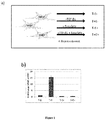
- the experiments that were performed are depicted in Figure 1a ): cells were either not treated (T-E-), either treated with TGF ⁇ alone (T+E-), exudate alone (T-E+) or TGF- ⁇ and exudate (T+E+) for 4 days.
- the assays described previously were used to assess the level of differentiation.
- Chronic wound exudates decrease the expression of ⁇ SMA (mRNA, figure 1b ). This indicated that chronic wound exudates clearly inhibit fibroblast differentiation. This is correlated to the fact that in chronic wounds, non-functional fibroblasts, also called pseudo-senescent fibroblasts, are present.
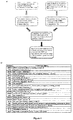
- the inventors performed an in silico gene network analysis to enlighten putative upstream regulators of the different gene expression routes defined previously. This approach was original in the sense that the inventors used global gene network analysis to identify potential key regulators and the inventors did not take into account a change in these factors expression to select them. For example, the inventors used the DIRE program ( http://dire.dcode.org/ ) to identify evolutionary conserved potential regulatory elements in the different genes lists which allowed enlightening transcription factors that could potentially bind to these elements and thus regulate these sets of genes. Twenty-three transcription factors were selected out from this analysis.
- TFs Transcription Factors
- the inventors performed a time response study of TFs after the different fibroblast treatments.
- the inventors did a short-term (between 30mn and 8 hours) and a long-term (between 8 hours and 96 hours) analysis of their changes in expression after the different treatments.
- the inventors performed an exhaustive siRNA-based approach to study on one hand the role of these different factors in normal fibroblast to myofibroblast differentiation pathway and on the other hand, in the chronic-exudate-dependent non-differentiation cell fate.
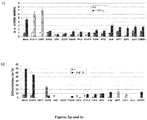
- siRNA knock-down of fourteen of the potential key transcription factors identified therein inhibited the fibroblast to myofibroblast differentiation pathway as assessed by analyzing the ⁇ SMA expression from TGF ⁇ - and siRNA-treated NHDFs : GLI1, HIC1, TCF4, SOX9, STAT4 MYC, CREB5, IRF7, JUN,E2F1, EGR2, SRF, SMAD3, FOXS1 as their knockdown inhibiter myofibroblast differentiation to various extents ( Fig. 2a-b ).
- Fig.2 By knocking-down approaches we identified transcription factors required for normal fibroblast to myofibroblast differentiation ( Fig.2 ). The inventors used the ⁇ SMA to follow myofibroblast differentiation as it is their best ex-vivo marker.
- the inventors have also identified factors which seemed to play a role but maybe not as strongly as the ones described in the paragraph before as their knockdown leads to consistent but mild decrease of ⁇ SMA expression. These factors are MYC, JUN, E2F1, IRF7 and CREB5.
- the inventors showed that the inactivation of some transcription factors leads to an increase of fibroblast differentiation per se. The invalidation of some of these factors could even increase fibroblast to myofibroblast differentiation in a chronic wound context.
- the knocking down of PPARG mRNA leads to an increase of fibroblast to myofibroblast differentiation ( Fig.2c-d ) even in the presence of chronic exudate.
- FOXS1 belongs to the forkhead family of transcription factor often involved in developmental processes such as morphogenesis and differentiation. It has been shown that FOXS1 is of primary importance in the development of testicular vasculature. Moreover, FOXS1 was described as an early sensory neuronal marker. Here the inventors show that inactivation of FOXS1 leads to an increase of myofibroblast differentiation in absence of TGF ⁇ .
- MEOX2 has already been described as implicated in TGF ⁇ pathway as it was identified as an important factor in cleft palate development in TGF ⁇ 3 knockout mice.
- C2C12 myoblast cells showed that MEOX2 is also important for skeletal muscle development and differentiation.
- siRNA directed against MEOX2 lead to a bypass of the exudate effect by fibroblasts to be able to differentiate into myofibroblasts.
- MAF was responsible for inhibition of IL22 expression by neutralizing TGF ⁇ .
- TGF ⁇ and MAF have antagonist/opposite effects on IL21 expression in CD4(+) T cells.
- the inventors implicated MAF as an inhibitor of fibroblast to myofibroblast differentiation in absence or presence of exudate as its inactivation by siRNA leads to an increase of myofibroblast differentiation ( Fig.2c-d ).
- a long form of MAF interacts and cooperates with SOX9 to activate downstream targets. This is another example of the differences between myofibroblast and chondrocyte differentiations.
- SIX2 has been involved in maintaining pluripotency in kidney: in embryonal renal mesenchyme cells it is able to suppress differentiation and during kidney development it maintains the progenitor pool.
- the invalidation of SIX2 leads to a bypass of the dominant exudate effect on TGF ⁇ signaling ( Fig.2c-d ).
- TCF4 mRNA was not modified after SOX9, EGR2 or FOXS1 knockdown ( Fig 6 ) placing it at the top of the regulatory interaction network between these factors.
- EGR2 expression was largely inhibited upon siRNA treatment against TCF4 and SOX9 but remained unchanged upon treatment against FOXS1 ( Fig 6 ) placing it after TCF4 and SOX9 but before FOXS1 in the network.
- SOX9 mRNA remained largely unchanged upon TCF4 and FOXS1 knockdown.
- SOX9 is upregulated upon EGR2 knockdown ( Fig 6 )
- the STAT4 mRNA is downregulated by TCF4, SOX9 and EGR2 knockdown ( Fig 6 ) placing is as a downstream target of those TF whereas it remained unchanged upon FOXS1 siRNA treatment placing it beforehand.
- FOXS1 mRNA is downregulated upon TCF4, SOX9 and EGR2 siRNA treatment ( Fig 6 ) placing it at the end of this cascade.
- the PPARG, MAF and MEOX2 mRNA were upregulated upon siRNA treatment against TCF4, SOX9, EGR2 and FOXS1 ( Fig 6 ) consistent with their role as antagonist in fibroblast differentiation.
- SIX2 mRNA level was unchanged upon EGR2 and FOXS1 knockdown ( Fig 6 ) but upregulated in the same manner by TCF4 and SOX9 consistent with a close interconnexion between these two TF and suggesting the existence of a balanced signal between the differentiation agonists SOX9 and TCF4 and the antagonist SIX2.
- the inventors have tested several concentrations of drugs to define at least a range of optimal concentrations to observe an effect on the cells: in absence and in presence of TGF- ⁇ the inventors expected to observe for some of the drugs either an increase of differentiation or an inhibition of differentiation.
- ⁇ SMA ⁇ SMA
- PI16 WO2013/144348
- ACTC1 markers for differentiation, upregulated in myofibroblast cells versus fibroblasts
- Trametinib is able to increase the ⁇ SMA myofibroblast marker even in presence of exudate, as well as on PI16 and ACTC1 expression (2 others genes shown to be upregulated upon differentiation) ( Figure 9b ). Trametinib might be able to bypass the dominant negative effect of exudate on differentiation and thus could be of great therapeutic interest. Trametinib was described as a MAF antagonist gene so these results are in complete agreement with the siRNA experiments where it was shown that inhibiting MAF expression could launch differentiation.
- Am580 used at 5nM is able to increase differentiation in presence of TGF ⁇ ( Figure 9a ).
- Am580 is able to potentiate the TGF ⁇ effect on the fibroblast and to increase differentiation as followed with 3 markers upregulated upon differentiation ( ⁇ SMA, PI16 and ACTC1).
- ⁇ SMA, PI16 and ACTC1 markers upregulated upon differentiation
- Am580 is able to erase the negative effect of exudate on differentiation as shown with the increase of ⁇ SMA and PI16, in the condition where TGF ⁇ beta, exudate and Am580 were added to the cells, in contrast with the same condition without Am580.
- Gant 61 used at 4 ⁇ M is able to increase differentiation as shown by the upregulation of ⁇ -SMA ( Figure 10 ). Surprisingly, Gant 61 is able upregulate the expression of GLI1, however it is reported that Gant61 is an GLI1 inhibitor ( Stanton, Benjamin Z., et al., 2010. Small-molecule modulators of the Sonic Hedgehog signaling pathway. Molecular bioSystems. 6(1): 44-54 .) Moreover, Gant 61 induced the increase of SOX9 mRNA and the decrease of MAF mRNA.
Landscapes
- Health & Medical Sciences (AREA)
- Life Sciences & Earth Sciences (AREA)
- Chemical & Material Sciences (AREA)
- General Health & Medical Sciences (AREA)
- Medicinal Chemistry (AREA)
- Public Health (AREA)
- Veterinary Medicine (AREA)
- Animal Behavior & Ethology (AREA)
- Engineering & Computer Science (AREA)
- Pharmacology & Pharmacy (AREA)
- Organic Chemistry (AREA)
- Genetics & Genomics (AREA)
- Epidemiology (AREA)
- Bioinformatics & Cheminformatics (AREA)
- Biomedical Technology (AREA)
- Zoology (AREA)
- Molecular Biology (AREA)
- General Engineering & Computer Science (AREA)
- Biotechnology (AREA)
- Wood Science & Technology (AREA)
- Biophysics (AREA)
- Biochemistry (AREA)
- Nuclear Medicine, Radiotherapy & Molecular Imaging (AREA)
- Chemical Kinetics & Catalysis (AREA)
- General Chemical & Material Sciences (AREA)
- Diabetes (AREA)
- Microbiology (AREA)
- Plant Pathology (AREA)
- Physics & Mathematics (AREA)
- Hematology (AREA)
- Dermatology (AREA)
- Gastroenterology & Hepatology (AREA)
- Proteomics, Peptides & Aminoacids (AREA)
- Toxicology (AREA)
- Materials Engineering (AREA)
- Emergency Medicine (AREA)
- Endocrinology (AREA)
- Obesity (AREA)
- Medicines That Contain Protein Lipid Enzymes And Other Medicines (AREA)
- Pharmaceuticals Containing Other Organic And Inorganic Compounds (AREA)
Abstract
- an agent that inhibits the activity of at least one gene selected from the group consisting of MEOX2, SIX2 and homologues thereof having at least 50% identity with said genes
and/or
- an agent that enhances the activity of at least one gene selected from the group consisting of CREB5, E2F1, EGR2, HIC1, IRF7, JUN, MYC, SRF, STAT4, TCF4, FOXS1, GLI1, SOX9 and homologues thereof having at least 50% identity with said gene
for use in the treatment of wounds, preferably chronic wounds.
Description
- The present invention relates to at least one molecular target for healing or treating wounds, in particular chronic wounds and more preferentially non healing chronic wounds. Further, the invention concerns a novel therapeutic for treating wounds and a novel gene therapy approach, involving said molecular target for treating wounds. Additionally, the invention concerns a method for treating wounds using said therapeutic or said gene therapy.
- The natural wound healing is divided into three sequential phases; each phase is characterized by specific cellular activities: the inflammatory phase, the proliferative phase and the remodeling phase.
- The first phase, called the inflammatory phase, begins minutes after injury. The blood vessels rupture induces the clot formation, composed mainly of fibrin and fibronectin. The clot fills partially the lesion and allows the migration of the inflammatory cells within the lesion. The inflammatory cells are recruited to debride the wound. Platelets secrete factors, such as growth factors or cytokines, which induce the recruitment of cells implicated in the wound healing (inflammatory cells such as neutrophils and macrophages, fibroblasts and endothelial cells).
- The second phase is called the proliferative phase and corresponds to the development of the granulation tissue. Fibroblasts migrate into the wound area, proliferate and form a new provisional extracellular matrix by secreting extracellular matrix (ECM) proteins. Then endothelial cells migrate to promote the neovascularization or angiogenesis of the lesion. Inside the granulation tissue, fibroblasts activate and differentiate into myofibroblasts, presenting contractile properties thanks to their expression of alpha-smooth muscle actin (similar to that in smooth muscle cells). Myofibroblasts have a key role in wound healing as they provide the contraction of the wound. Finally, keratinocytes migrate from the wound edge, proliferate and differentiate to reconstitute the epidermis.
- The last phase of the wound healing process appears after the wound closure. It corresponds to the remodeling of the granulation tissue. The granulation tissue is reorganized, type III collagen is replaced by type I collagen, as normal dermis is principally composed of type I collagen. During this phase, myofibroblasts in excess are eliminated by apoptosis. The last phase of the wound healing is long. One year after injury, the scar is remodeled; it gets less red and thinner.
- However, this process is not only complex but fragile; it is susceptible to interruption or failure leading to the formation of chronic or non-healing wounds or formation of abnormal scars. Factors which may contribute to this include diseases (such as diabetes, venous or arterial disease), age, infection or tissue localization.
- Chronic wounds are a worldwide health problem, in part due to a lack of adequate methods of treatment. In 2010, more than 7 million people worldwide suffered from chronic wounds, and the projected annual increase is at least ten percent.
- Chronic wounds are sometimes non-healing wounds. Common types of chronic wounds include, but are not limited to, venous leg ulcers, diabetic foot ulcers, decubitus ulcers, arterial leg ulcers, those of mixed etiology (venous and arterial) or those with no known etiology. We can also find acute wounds that become chronic as they do not heal correctly.
- Non-healing wounds or chronic wounds are a challenge for the patient, the health care professional, and the health care system. They significantly impair the quality of life for millions of people and impart burden on society in terms of lost productivity and health care money.
- Wound healing is a dynamic pathway that leads to the restoration of tissue integrity and functions. A chronic wound or non-healing wound develops when the normal reparative process is disturbed. By understanding the biology of wound healing, the physician can optimize the wound healing by choosing the adequate treatment.
- In chronic or non-healing wounds, the natural healing process is altered, and thus healing is prolonged, incomplete and sometimes wounds never close. A chronic wound occurs when some factor causes the disruption of the normal inflammatory and proliferative phases. By enhancing or manipulating factors involved in wound healing it may therefore be possible to correct the process, thereby reducing the likely occurrence of a chronic wound or accelerate its subsequent repair.
- Fibroblasts are implicated in the process of wound healing, this involves several steps of differentiation from a quiescent fibroblast to a mobilized fibroblast that will transform into a myofibroblast and finally enter apoptosis. In chronic or non-healing wounds, this process is misregulated and fibroblasts fail to undertake the myofibroblast differentiation and are found in the wound as unfunctional fibroblasts, called pseudo senescent fibroblasts (Telgenhoff D, Shroot B (2005) Cellular senescence mechanisms in chronic wound healing. Cell Death Differ 12: 695-698). The aim of the present invention is to map, at the whole genome scale, the different genes that needs to be activated or deactivated during this process, and thus facilitates the healing process of the wound.
- Human fibroblasts have the ability to enter into a physiological process named senescence, which permits a limited replicative cell cycle and thus avoids loss of genetic information. It usually occurs when a cell has already conducted several rounds of replication (called replicative senescence and dependent from telomere length), but can also occur in response to environmental stress (Muller M (2009) Cellular senescence: molecular mechanisms, in vivo significance, and redox considerations. Antioxid Redox Signal 11: 59-98). Senescence cells are arrested in cell cycle but maintain metabolic activity (Telgenhoff D, Shroot B (2005) Cellular senescence mechanisms in chronic wound healing. Cell Death Differ 12: 695-698).
- Fibroblasts of chronic wounds lose some of their functionalities, and more particularly, they lose part or all of their replicative function (Telgenhoff D, Shroot B (2005) Cellular senescence mechanisms in chronic wound healing. Cell Death Differ 12: 695-698). In a wound, human fibroblasts are also associated with an up-regulation of APA-1, a protein which induces matrix remodeling, demonstrating that pseudo-senescence fibroblast phenotype was not induced by telomere attrition (Benanti JA, Williams DK, Robinson KL, Ozer HL, Galloway DA (2002) Induction of extracellular matrix-remodeling genes by the senescence-associated protein APA-1. Mol Cell Biol 22: 7385-7397). Thus, senescent fibroblasts in chronic wounds would appear more particularly due to a chronic inflammation than to a telomere shortening (Telgenhoff D, Shroot B (2005) Cellular senescence mechanisms in chronic wound healing. Cell Death Differ 12: 695-698).
- The present invention can improve the quality of a patient's life by treating wounds in a way that actively promotes healing.
- The present invention relates to a therapeutic compound comprising :
- an agent that inhibits the activity of at least one gene selected from the group consisting of MAF, MEOX2, SIX2 and homologues thereof having at least 50% identity with said genes and/or
- an agent that enhances the activity of at least one gene selected from the group consisting of CREB5, E2F1, EGR2, HIC1, IRF7, JUN, MYC, SRF, STAT4, TCF4, FOXS1, GLI1, SOX9, preferentially FOXS1, EGR2, SOX9, TCF4, STAT4 and homologues thereof having at least 50% identity with said gene
- The invention also relates to a pharmaceutical composition comprising a therapeutic compound as defined above, together with a pharmaceutically acceptable carrier.
- In one aspect, the invention relates to a method for preparing a pharmaceutical composition as defined above comprising bringing said therapeutic compound in conjunction or association with a pharmaceutically or veterinary acceptable carrier or vehicle.
- In another aspect, the invention relates to a method for treating a mammalian wound, wherein said method comprises: administering to said wound a therapeutic compound comprising:
- an agent that inhibits the activity of at least one gene selected from the group consisting of MAF, MEOX2, SIX2 and homologues thereof having at least 50% identity with said genes and/or
- an agent that enhances the activity of at least one gene selected from the group consisting of CREB5, E2F1, EGR2, HIC1, IRF7, JUN, MYC, SRF, STAT4, TCF4, FOXS1, GLI1, SOX9, preferentially FOXS1, EGR2, SOX9, TCF4, STAT4 and homologues thereof having at least 50% identity with said gene
- The present invention also relates to a kit for treating a wound, preferably a chronic wound, wherein said kit comprises:
- (a) at least one therapeutic compound or pharmaceutical composition as defined above; and
- (b) at least one dressing for applying to said wound.
- In yet another aspect, the invention relates to a combination therapeutic for treating a wound, preferably a chronic wound, comprising:
- a) an agent that inhibits the activity of at least one gene selected from the group consisting of MAF, MEOX2, SIX2 and homologues thereof having at least 50% identity with said genes and/or
- an agent that enhances the activity of at least one gene selected from the group consisting of CREB5, E2F1, EGR2, HIC1, IRF7, JUN, MYC, SRF, STAT4, TCF4, FOXS1, GLI1, SOX9, preferentially FOXS1, EGR2, SOX9, TCF4, STAT4 and homologues thereof having at least 50% identity with said gene
- b) at least one further therapeutic.
- The present invention also relates to the use of
an agent that inhibits the activity of at least one gene selected from the group consisting of MAF, MEOX2, SIX2 and homologues thereof having at least 50% identity with said genes and/or - an agent that enhances the activity of at least one gene selected from the group consisting of CREB5, E2F1, EGR2, HIC1, IRF7, JUN, MYC, SRF, STAT4, TCF4, FOXS1, GLI1, SOX9, preferentially FOXS1, EGR2, SOX9, TCF4, STAT4 and homologues thereof having at least 50% identity with said gene
- Accordingly, in one aspect of the invention there is provided a therapeutic compound comprising:
- an agent that inhibits the activity of at least one gene selected from the group consisting of MAF, MEOX2, SIX2 and homologues thereof having at least 50% identity with said genes and/or
- an agent that enhances the activity of at least one gene selected from the group consisting of CREB5, E2F1, EGR2, HIC1, IRF7, JUN, MYC, SRF, STAT4, TCF4, FOXS1, GLI1, SOX9, preferentially FOXS1, EGR2, SOX9, TCF4, STAT4 and homologues thereof having at least 50% identity with said gene
- Preferably, said agent is one which inhibits the activity of at least one gene chosen from MAF, MEOX2 and SIX2; or wherein said agent is one which enhances the activity of at least one gene chosen from SOX9 and GLI1.
- In a preferred embodiment of the invention, said therapeutic composition also comprises at least:
- (a) - an agent that inhibits the activity of PPARG or homologues thereof having at least 50% identity with PPARG
and/or - (b) - an agent that enhances the activity of at least one gene selected from the group consisting of SMAD3, SMAD4 and homologues thereof having at least 50% identity with said genes.
- Indeed, the inventors have found that these genes were involved in the healing process and that their down-regulation or up-regulation would be useful for the treatment of wounds, in particular chronic wounds.
- Thus, the invention involves a novel gene therapy approach and/or a novel protein therapy approach.
- As used herein, the expression "agent that inhibits the activity of a gene" or "inhibitor" refers to an agent than can downregulate said gene. It encompasses agents that act at the level of the gene expression, as well as agents that act at the level of the protein, either by decreasing the amount of protein present in a given cell, or by inhibiting the protein's activity.
- As used herein, the expression "agent that enhances the activity of a gene" or "enhancer" refers to an agent than can upregulate said gene. It encompasses agents that act at the level of the gene expression, as well as agents that act at the level of the protein, either by increasing the amount of protein present in a given cell, or by increasing the protein's activity. It also encompasses agents that act upstream or downstream of said gene or protein in a signaling pathway.
- In one embodiment of the invention, the novel therapeutic comprises an inhibitor or enhancer of the gene expression, this inhibitor or enhancer can be either an anti-sense DNA or RNA, siRNA, shRNA, cDNA, TALENS or ribozymes, either naked or in the form of plasmid and viral vectors or a drug.
- In a preferred embodiment, said therapeutic compound is a siRNA selected from the group consisting of siRNA having the sequence as set forth in SEQ ID No:1 to SEQ ID No:8 and mixtures thereof.
- Typically, the expression of the MAF gene can be inhibited by the siRNAs having the sequences as set forth in SEQ ID No:1 and/or SEQ ID No:2.
- SEQ ID NO:1: 5'- UUCGAUCUGAUGAAGUUUGAA
- SEQ ID NO:2: 5'-CGGCAGGAGAAUGGCAUCAGA
- Typically, the expression of the MEOX2 gene can be inhibited by the siRNAs having the sequences as set forth in SEQ ID No:3 and/or SEQ ID No:4.
- SEQ ID NO:3: 5'-AGCAUGCGCACUUAUGAUAUA
- SEQ ID NO:4: 5'-CCCGCCCGUCCUGUGCUCCAA
- Typically, the expression of the PPARG gene can be inhibited by the siRNAs having the sequences as set forth in SEQ ID No:5 and/or SEQ ID No:6.
- SEQ ID NO:5: 5'-UCCGGAGAACAAUCAGAUUGA
- SEQ ID NO:6: 5'-GAGGGCGAUCUUGACAGGAAA
- Typically, the expression of the SIX2 gene can be inhibited by the siRNAs having the sequences as set forth in SEQ ID No:7 and/or SEQ ID No:8.
- SEQ ID NO:7: 5'-CAACGAGAACUCCAAUUCUAA
- SEQ ID NO:8: 5'-CCCGCUGAAUGGCAGCGGCAA
- In one embodiment, the agent that enhances the activity of a gene is a cDNA.
- Typically, the expression of the CREB5 gene can be enhanced by administering the CREB5 cDNA.
- The same applies mutatis mutandis for all the other genes listed.
- The cDNA can be administered or delivered to the wound to be treated in any suitable form known to the skilled person in art. It can be delivered as naked DNA, using plasmid vectors, viral vectors, or any other suitable means.
- In another embodiment, the novel therapeutic comprises an inhibitor or enhancer of the protein encoded by the gene function, this inhibitor or enhancer can be either a binding agent that binds, either reversibly or irreversibly, to inhibit or enhance protein function such as an antibody or a known, or synthesized, protein agonist or antagonist; or an agent that works upstream or downstream of the protein signaling mechanism to inhibit or enhance the protein signaling and so negate or enhance the effects of expression of the protein in wound tissue.
- Said agent (inhibitor or enhancer) can be any agent known in the art to act upon a given molecular target.
- Preferably, said agent is a small molecule.
- Preferably, the activity of the MAF protein is targeted for its inhibition. More preferably, the MAF protein is inhibited by an antagonist of MAF, like trametinib. Trametinib is a chemical molecule commercialized by GlaxoSmithKline under the name Mekinist®.
- Preferably, in another embodiment, the activity of GLI1 protein is targeted for its activation. More preferably, an agonist of GLI1 is used, more preferably
Gant 61. Said compound is also known as 2,2'-[[Dihydro-2-(4-pyridinyl)-1,3(2H,4H)-pyrimidinediyl]bis(methylene)]bis[N,N-dimethylbenzenamine.In another embodiment, preferably, the activity of SOX9 protein is targeted for its activation. More preferably, an agonist of SOX9 is used, more preferably AM580. Said compound is also known as 4-[(5,6,7,8-Tetrahydro-5,5,8,8-tetramethyl-2-naphthalenyl)carboxamido]benzoic acid. - Typically, the enhancer of PPARG can be selected in the group consisting of thiazolidinediones, such as rosiglitazone and pioglitazone (Curr Drug Targets Cardiovasc Haematol Disord. 2005 Oct;5(5):377-86. Role of PPAR- gamma agonist thiazolidinediones in treatment of pre-diabetic and diabetic individuals: a cardiovascular perspective. Dumasia R, Eagle KA, Kline-Rogers E, May N, Cho L, Mukherjee D).
- Typically, the inhibitor of PPARG can be G3335 (CAS 36099-95-3) (Chembiochem. 2006 Jan;7(1):74-82. The dipeptide H-Trp-Glu-OH shows highly antagonistic activity against PPARgamma: bioassay with molecular modeling simulation. Ye F, Zhang ZS, Luo HB, Shen JH, Chen KX, Shen X, Jiang HL.).
- The therapeutic of the invention is for use in treating wounds, more ideally in chronic wounds, preferentially in non-healing wounds. These wounds are preferentially mammalian wounds, more preferentially human wounds. Chronic wounds that are preferably treated using the invention are leg ulcers, diabetic foot ulcers, pressure ulcers.
- An antibody for use in the invention is most ideally a monoclonal antibody or a humanized antibody.
- In the above aspects and embodiments of the invention the therapeutic is formulated for topical application, but it can also be formulated for oral, cutaneous, transcutaneous, transdermal, intravenous or any application known.
- Alternatively, in the above aspects of the invention the therapeutic is formulated for application into a dressing or impregnation of a dressing.
- The therapeutic of the invention may be administered with another active agent. Such active agent may be an antibiotic or antibacterial agent, an antiseptic, an antiviral, an antifungal, an analgesic, an anti-inflammatory agent, a wound healing agent, a keratolytic agent, an anesthetic agent. Such actives are well known to skilled practitioners.
- In another aspect of the invention, there is provided a pharmaceutical composition for use in treating wounds comprising a therapeutic of the invention together with a pharmaceutical acceptable carrier.
- Other active materials may also be present in the pharmaceutical composition, as may be considered appropriate or advisable for the wound being treated.
- The carrier, or, if more than one be present, each of the carriers, must be acceptable in the sense of being compatible with the other ingredients of the formulation and not deleterious to the recipient.
- The formulations include those suitable for topical, oral, rectal, nasal or any administration known and may be prepared by any methods well known in the art of pharmacy.
- The composition may be prepared by bringing into association the therapeutic of the invention and the carrier. In general, the formulations are prepared by uniformly and intimately bringing into association the active agent with liquid carriers or finely bringing into association the active with liquid carriers or finely divided solid carriers or both, and then if necessary shaping the product. The invention extends to methods for preparing a pharmaceutical composition comprising bringing a therapeutic of the invention in conjugation or association with a pharmaceutically acceptable carrier or vehicle.
- For topical application to the skin, compounds of conventional use may be made up into a cream, ointment, gel, jelly, solution or suspension etc. Cream or ointment formulations that may be used for the composition are conventional formulations well known in the art.
- Formulations for oral administration in the present invention may be presented as: capsules, sachets or tablets each containing a predetermined amount of the active agent; as a powder or granules; as a solution or a suspension of the active agent in an aqueous liquid or a nonaqueous liquid; or as an oil-in-water liquid emulsion or a water in oil liquid emulsion; or as a bolus etc.
- For compositions for oral administration (e.g. tablets and capsules), the term "acceptable carrier" includes vehicles such as common excipients e.g. binding agents, for example syrup, acacia, gelatin, sorbitol, tragacanth, polyvinylpyrrolidone (Povidone), methylcellulose, ethylcellulose, sodium carboxymethylcellulose, hydroxypropylmethylcellulose, sucrose and starch; fillers and carriers, for example corn starch, gelatin, lactose, sucrose, microcrystalline cellulose, kaolin, mannitol, dicalcium phosphate, sodium chloride and alginic acid; and lubricants such as magnesium stearate, sodium stearate and other metallic stearates, glycerol stearate stearic acid, silicone fluid, talc waxes, oils and colloidal silica. Flavouring agents such as peppermint, oil of wintergreen, cherry flavouring and the like can also be used. It may be desirable to add a colouring agent to make the dosage form readily identifiable. Tablets may also be coated by methods well known in the art.
- Additionally, or alternatively, the further aspect of the invention also, or alternatively, comprises a novel method for treating a mammalian wound, typically a chronic wound, which method comprises administering to said wound
- an agent that inhibits the activity of at least one gene selected from the group consisting of MEOX2, MAF, SIX2 and homologues thereof having at least 50% identity with said genes and/or
- an agent that enhances the activity of at least one gene selected from the group consisting of CREB5, E2F1, EGR2, HIC1, IRF7, JUN, MYC, SRF, STAT4, TCF4, FOXS1, GLI1, SOX9, preferentially FOXS1, EGR2, SOX9, TCF4, STAT4 and homologues thereof having at least 50% identity with said gene.
- an agent that inhibits the activity of PPARG or homologues thereof having at least 50% identity with PPARG
and/or - an agent that enhances the activity of at least one gene selected from the group consisting of SMAD3, SMAD4 and homologues thereof having at least 50% identity with said genes.
- According to yet a further aspect of the invention there is provided a kit for treating a wound, preferably a chronic wound, wherein said kit comprises:
- (a) at least one therapeutic as above described; and
- (b) at least one medical device for applying to said wound
- The term "medical device" includes an instrument, apparatus, implant, in vitro reagent, or similar or related article that is used to diagnose, prevent, or treat disease or other conditions, and does not achieve its purposes through chemical action within or on the body (which would make it a drug). Whereas medicinal products (also called pharmaceuticals) achieve their principal action by pharmacological, metabolic or immunological means, medical devices act by other means like physical, mechanical, or thermal means.
- According to a yet further aspect of the invention there is provided a combination therapeutic for treating a wound comprising an inhibitor of MEOX2, MAF, SIX2 or enhancer of CREB5, E2F1, EGR2, HIC1, IRF7, JUN, MYC, SRF, STAT4, TCF4, SOX9, GLI1, FOXS1 preferentially FOXS1, EGR2, SOX9, TCF4, STAT4 gene expression and an inhibitor of MEOX2, MAF, SIX2 or enhancer of CREB5, E2F1, EGR2, HIC1, IRF7, JUN, MYC, SRF, STAT4, TCF4, SOX9, GLI1, FOXS1, preferentially FOXS1, EGR2, SOX9, TCF4, STAT4 protein activity.
- The invention also comprises a combination therapeutic for treating a wound, which combination therapeutic further comprises an inhibitor of PPARG gene expression or enhancer of SMAD3, SMAD4 gene expression and an inhibitor of PPARG or enhancer of SMAD3, SMAD4 protein activity.
- According to a further aspect of the invention there is provided a therapeutic for treating a wound comprising an inhibitor of MEOX2, MAF, PPARG, SIX2 protein, or a homologue thereof or an enhancer of CREB5, E2F1, EGR2, HIC1, IRF7, JUN, MYC, SMAD3, SMAD4, SRF, STAT4, TCF4, SOX9, GLI1, FOXS1, preferentially FOXS1, EGR2, SOX9, TCF4, STAT4 protein, or a homologue thereof.
- The invention also comprises a therapeutic for treating a wound further comprising an inhibitor of PPARG protein, or a homologue thereof or an enhancer of SMAD3, SMAD4 protein, or a homologue thereof.
- According to a further aspect of the invention there is provided use of an inhibitor of MEOX2, MAF, SIX2 protein, or a homologue thereof, in the manufacture of a medicament for treating a wound. According to a further aspect of the invention there is provided use of an inhibitor of MEOX2, MAF, SIX2, or a homologue thereof, for treating a wound.
- The invention further provides use of an inhibitor of PPARG protein, or a homologue thereof, in the manufacture of a medicament for treating a wound. According to a further aspect of the invention there is provided use of an inhibitor of PPARG or a homologue thereof, for treating a wound.
- The term "homologue" as used herein refers to amino acid sequences which have a sequence at least 50% homologous to the amino acid sequence of MEOX2, MAF, PPARG, SIX2 and which retain the biological activity of the MEOX2, MAF, PPARG, SIX2 sequence. It is preferred that homologues are at least 75% homologous to the MEOX2,ETS1, MAF, PPARG, SIX2 peptide sequence and, in increasing order of preference, at least 80%, 85%, 90%, 95% or 99% homologous to the MEOX2, MAF, PPARG, SIX2 peptide sequence.
- According to a further aspect of the invention there is provided use of an enhancer of CREB5, E2F1, EGR2, HIC1, IRF7, JUN, MYC, SRF, STAT4, TCF4, SOX9, GLI1, FOXS1, preferentially FOXS1, EGR2, SOX9, TCF4, STAT4 protein, or a homologue thereof, in the manufacture of a medicament for treating a wound.
- According to a further aspect of the invention there is provided use of an enhancer of SMAD3, SMAD4, or a homologue thereof, for treating a wound.
- The term "homologue" as used herein refers to amino acid sequences which have a sequence at least 50% homologous to the amino acid sequence of CREB5, E2F1, EGR2, HIC1, IRF7, JUN, MYC, SMAD3, SMAD4, SRF, STAT4, TCF4, SOX9, GLI1, FOXS1 and which retain the biological activity of the CREB5, E2F1, EGR2, HIC1, IRF7, JUN, MYC, SMAD3, SMAD4, SRF, STAT4, TCF4, SOX9, GLI1, FOXS1 sequence. It is preferred that homologues are at least 75% homologous to the CREB5, E2F1, EGR2, HIC1, IRF7, JUN, MYC, SMAD3, SMAD4, SRF, STAT4, TCF4, SOX9, GLI1, FOXS1 peptide sequence and, in increasing order of preference, at least 80%, 85%, 90%, 95% or 99% homologous to the CREB5, E2F1, EGR2, HIC1, IRF7, JUN, MYC, SMAD3, SMAD4, SRF, STAT4, TCF4 SOX9 GLI1, FOXS1 peptide sequence.
- Treatment of a wound described herein includes reference to human or veterinary use.
- In the claims which follow and in the preceding description of the invention, except where the context requires otherwise due to express language or necessary implication, the word "comprises", or variations such as "comprises" or "comprising" is used in an inclusive sense i.e. to specify the presence of the stated features but not to preclude the presence or addition of further features in various embodiments of the invention.
- Preferred features of each aspect of the invention may be as described in connection with any of the other aspects.
- Other features of the present invention will become apparent from the following examples. Generally speaking, the invention extends to any novel one, or any novel combination, of the features disclosed in this specification (including the accompanying claims and drawings). Thus, features, integers, characteristics, compounds or chemical moieties described in conjunction with a particular aspect, embodiment or example of the invention are to be understood to be applicable to any other aspect, embodiment or example described herein, unless incompatible therewith.
- Moreover, unless stated otherwise, any feature disclosed herein may be replaced by an alternative feature serving the same or a similar purpose.
- The full identity of the genes according to the invention is available on the NCBI database (http://www.ncbi.nlm.nih.gov/), or is well known to those skilled in the art.
- The legends of the figures are the following:
-
Figure 1a : Schematic representation of the different treatments applied to the Normal Human Dermal Fibroblast (NHDF) -
Figure 1b : Graphic representation of the αSMA mRNA levels as assessed by RT-qPCR with the different treatments -
Figure 2a : Graphic representation of the αSMA mRNA levels as assessed by RT-qPCR. NHDFs were treated either with mock siRNA or siRNA directed against different mRNA (EGR2, SRF, HIC1, STAT4, TCF4, GLI1, JUN, IRF7, E2F1, MYC, CREB5, FOXS1, SOX9 or STAT1) and concomitantly subjected or not to TGFβ1 treatment. The RTqPCR were normalized with TUBB and the mock siRNA treated (T-E-) condition was set to one. The treatments of NHDFs with siRNA against SRF, HIC1 or STAT4 lead to extensive cell death (*): no analysis was possible. -
Figure 2b : Graphic representation of the percentage of differentiated cells as assessed by the percentage of alpha SMA positive cells after treatment of NHDFs as described in a). The treatments of NHDFs with siRNA against SRF, HIC1 or STAT4 lead to extensive cell death (*): no analysis was possible. -
Figure 2c : Graphic representation of the αSMA mRNA levels as assessed by RT-qPCR. Primary human dermal fibroblasts were treated either with mock siRNA or siRNA directed against different mRNA (PPARG, MAF, MEOX2, SIX2, STAT1 or USF2). The RTqPCR were normalized with TUBB and the mock siRNA treated (T-E-) condition was set to 1. -
Figure 2d : Graphic representation of the αSMA mRNA levels as assessed by RT-qPCR. NHDFs were treated either with mock siRNA or siRNA directed against different mRNA (PPARG, MAF, MEOX2, SIX2, STAT1 or USF2) and concomitantly treated either with CWF1 alone or in combination with TGFβ1. The RT-qPCR were normalized with TUBB and to the mock siRNA treated (T-E-) condition (set to 1 but not represented on this graph). To help in analyzing the effect of the different siRNA, the condition where the cells were treated with mock siRNA and TGFβ1 is added and represents the normal differentiation (light grey bar in the mock histogram). -
Figure 2e : Graphic representation of the αSMA mRNA levels as assessed by RT-qPCR. NHDFs were treated as depicted in d) except for the exudate treatment which was performed with a different exudate from a different patient suffering from chronic wound (CWF2). -
Figure 3 : short and long timing after TGFβ1 treatment for EGR2, FOXS1, SOX9, SRF, STAT4, TCF4, MYC, JUN, IRF7, E2F1, CREB5 and GLI1. For each Factor, graphic representation of the mRNA levels after increasing time of treatment of the NHDF with TGFβ as assessed by RT-qPCR. -
Figure 4 : Key transcription factors in fibroblast to myofibroblast differentiation- a) Graphical explanation of the in silico gene network analysis
- b) Table representing the different transcription factors identified by bioinformatical and network analysis.
-
Figure 5 : short and long timing after TGFβ1 treatment for PPARG, MAF, MEOX2 and SIX2. For each Factor, graphic representation of the mRNA levels after increasing time of treatment of the NHDF with TGFβ as assessed by RT-qPCR. -
Figure 6 : Graphic representation of the TCF4 (a), EGR2 (b), SOX9 (c), STAT4 (d), FOXS1 (e), PPARG (f), MAF (g), MEOX2 (h), and SIX2 (i) mRNA levels after NHDF (donor A) treatment for 48h (light grey) or 72h (dark grey) either with mock siRNA or siRNA directed against different TF mRNA (SOX9, EGR2, TCF4, or FOXS1) and concomitantly treated with TGF-β. For all graphs, the mock siRNA treated with TGF-β (T+E) condition was set to 100% for each time of treatment (48h and 72h). -
Figure 7 : Schematic representation of the different treatments with drugs applied to the Normal Human Dermal Fibroblast (NHDF) with exsudates (a) or not (b). -
Figure 8a : Graphic representation of the αSMA mRNA levels as assessed by RT-qPCR of NHDFs treated by Trametinib. -
Figure 8b : Graphic representation of the αSMA, PI16 and ACTC1 mRNA levels as assessed by RT-qPCR of NHDFs treated by Trametinib in the presence of exsudates. -
Figure 9a : Graphic representation of the αSMA mRNA levels as assessed by RT-qPCR of NHDFs treated by Am580. -
Figure 9b : Graphic representation of the αSMA, PI16 and ACTC1 mRNA levels as assessed by RT-qPCR of NHDFs treated by Am580 in the presence of exsudates. -
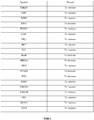
Figure 10 : Graphic representation of the αSMA, GLI1, SOX9 and MAF mRNA levels assessed by RT-qPCR of NHDFs treated byGant 61. - Table 1: genes to be increased or decreased in order to treat wounds, non- healing or chronic wounds.
- Table 2: siRNA sequences for each target gene.
- In response to a lesion, fibroblasts migrate into the wound where they differentiate into contractile myofibroblasts that will finally enter into apoptosis during the remodeling phase. This differentiation process can be studied ex-vivo in environmentally controlled tissue culture conditions, and therefore the timely controlled succession of different gene expression patterns can be addressed.
- Establishment of an ex vivo model of chronic wounds
- NHDF, isolated from human explants, were purchased from Promocell. NHDF were cultivated in DMEM-F12 (Invitrogen), supplemented with 10% FCS (Invitrogen, 5µg/mL of insulin and 1ng/mL of b-FGF (PromoKine)).
- To collect exudates, two patients with mixed ulcers were recruited. For patient selection, it was decided to exclude any other comorbidity factor potentially involved in wound etiology: diabetes, peripheral arterial diseases, malnutrition. Exudates were collected from negative pressure therapy. All the exudates were centrifuged at 1,500 x g for 3 minutes to remove cell debris. The supernatant was filtered and stored at -80°C until use. Aliquots were used to determine protein concentration according to BCA method (Sigma).
- For experiments, cells were deprived of insulin and b-FGF during 48 hours. Then, the cells were cultivated on collagen coated culture plates in DMEM-F12, supplemented with 10% FCS, 10ng/mL of TGF-β1 (Promocell) for 4 days. Four points were tested in order to appreciate the effect of exudate on fibroblast differentiation: untreated cells (T-E-), fibroblasts treated with TGF-β1 (T+E-), cells treated with exudate (T-E+) and finally fibroblasts treated with TGF-β1 and exudate at the same time (T+E+).
- The efficiency of fibroblast differentiation was estimated by analyzing the expression of the myofibroblast marker alpha smooth muscle actin (αSMA).
- Total proteins were extracted by scratching the cells with lysis buffer (TRIS, NaCl, NP40, EDTA, IMDTT) and incubated 30 min in ice. To remove cell debris, the samples were centrifuged at 13,000 x g for 10 min at 4°C and stored at -20°C until use. Protein concentration was determined according to BCA method (Sigma). Equal amounts of total protein (20µg) were loaded to NuPAGE 10% BIS-Tris gel (Invitrogen), separated by migration at 150 V, and transferred to nitrocellulose membrane (Whatman) 1 hour at 30 V. Then, membranes were stained for αSMA (Abcam) and tubulin (Abcam). Incubations were followed by secondary antibodies goat anti-rabbit IgG and goat anti-mouse IgG, respectively, conjugated with horseradish-peroxidase (HRP) (Promega). Signals were detected by ECL chemiluminescence using UptiLight HS WB Substrate (Uptima, Interchim). Bands were digitized with a scanner and the ratio between all bands density of the same blot was calculated by software (ImageJ 1.43u, 64-bit). Relative αSMA expression was normalized to the respective value for tubulin.
- After four days of experiment, treated fibroblasts were lysed with TRIzol Reagent (Invitrogen) and stored at -80°C. Then RNA was purified using chloroform and precipitated by isopropanol. Total RNA was quantified on the NanoDrop 2000c Spectrophotometer (Thermo Scientific). Reverse transcription of 500 ng total RNA to cDNA was done with oligot dT (Invitrogen) using SuperScript III RT (Invitrogen) and RNAse OUT (Invitrogen). The cDNA was store at -20°C.
- Quantitative real-time PCR (RT-qPCR) was done using 5µL of 1:20 diluted cDNA on the LightCycler480 system (Roche) using Maxima SYBR Green qPCR Master Mix (Fermentas). Forward and reverse primers for αSMA were designed by Eurofins (MWG, αSMA forward:CTGTTTTCCCATCCATTGTG (SEQ ID NO:9), αSMA reverse: CCATGTTCTATCGGGTACTT (SEQ ID NO:10)) and a 100µM stock was stored at -20°C. Forward and reverse primer pairs were used for each RT-qPCR reaction. The cycling conditions were as follows : an initial 95°C for 10 minutes, followed by 45 cycles of 95°C for 15 sec, 58°C for 30 sec, 72°C for 20 sec. LightCycler 480 SW 1.5 was used to evaluate the TM curves, to determine the Cp and to approximate the relative concentration for each amplification reaction.
- Cells grown in collagen coated culture dishes, and treated as previously described, were fixed with 4% paraformaldehyde (PFA) in PBS for 15 minutes and permeabilized with 2.5% Triton X-100 (Euromedex, 2000-B) in PBS for 3 minutes. After saturation with 5% BSA in PBS, cells were stained for α-SMA (Abcam, ab5694) and for DNA (DAPI). As secondary antibody, CyTM3 conjugated anti rabbit (GE Healthcare, PA43004) was used. Samples were observed with an oil immersion objective (Plan Fluor 40X/1.30 Oil, Nikon) on a Nikon ECLIPSE Ti (Nikon). Digital images were taken with a digital camera (Cool SNAP HQ2, Photometrics) and software (MetaMorf 7.5.4.0). To estimate the percentage of fibroblast differentiation due to the different treatments, the total number of cells per field was determined by the DAPI, and myofibroblasts, differentiated fibroblasts, were counted using the α-SMA staining. Then, STUDENT (t-) and χ2 tests were realized to evaluate the differentially expression of αSMA between the untreated fibroblasts (T-E-) and the treated ones.
- After four days of experiment, treated fibroblasts were detached with TRIzol Reagent (Invitrogen (Life Technologies), 15596-018) and stored at -80°C. Then RNA was purified using chloroform and precipitate by isopropanol. Total RNA was quantified on the NanoDrop 2000c Spectrophotometer (Thermo Scientific) and their quality was evaluated on the RNA Nano Chips (Agilent 2100 bioanalyzer, Agilent, 5067-1511). Reverse transcription of 500 ng total RNA to cDNA was done with oligot dT (Invitrogen (Life technologies), 18418-020) using SuperScript III RT (Invitrogen (Life technologies), 18080-085) and RNAse OUT (Invitrogen (Life technologies), 10777-019). The cDNA was stored at -20°C. Only samples with a good bioanalyzer profile were used for qPCR analysis.
- In order to enlighten master regulators of fibroblast fate after each different treatment, the inventors performed a gene network analysis treating gene expression lists determined after mRNA seq deep sequencing analysis of the gene profile of T-E- with the gene profile of T+E-, T+E+ and T-
E+ 1. In these analysis and based on the assumption that the decrease or increase of interconnected genes is of stronger significance than a significant Log FC, the inventors have used lists of genes selected only based on their P value and not on the value of their Log FC. The inventors have performed two types of analysis: an ingenuity "upstream regulator analysis" and a DIRE (http://dire.dcode.org/) analysis. The Ingenuity "upstream regulator analysis", given the particular profile of genes expression between two conditions, consists in selecting potential upstream regulators. The DIRE analysis is based on the selection of potential common regulatory elements between genes based on these elements conservation during evolution. From these identified elements, DIRE is able to provide a list of master regulators for a list of co-regulated genes. From those two analyses, and for each list analyzed, the inventors have selected Transcription Factors (TFs) expressed in at least one of the two conditions considered in the concerned list (i.e. number of sequencing his superior to twenty in at least one of the two conditions). Then, the inventors have deeply compared the two sets of analysis and decided to keep in the "key regulators lists" transcription factors belonging to both analyses. Because of possible bias in these two analyses the inventors also decided to rescue transcription factors belonging only to one analysis and not the other but presenting very interesting target genes pattern in one list or the other. Altogether, these genes networks analysis allowed proposing a list of TFs being key regulators in one or the other fibroblast fate. - For the chronic or non-healing wound model, chronic wound exudates were added to cell cultures (500µg/mL of total proteins of exudate). The experiments that were performed are depicted in
Figure 1a ): cells were either not treated (T-E-), either treated with TGFβ alone (T+E-), exudate alone (T-E+) or TGF-β and exudate (T+E+) for 4 days. The assays described previously were used to assess the level of differentiation. Chronic wound exudates decrease the expression of αSMA (mRNA,figure 1b ). This indicated that chronic wound exudates clearly inhibit fibroblast differentiation. This is correlated to the fact that in chronic wounds, non-functional fibroblasts, also called pseudo-senescent fibroblasts, are present. - The inventors performed an in silico gene network analysis to enlighten putative upstream regulators of the different gene expression routes defined previously. This approach was original in the sense that the inventors used global gene network analysis to identify potential key regulators and the inventors did not take into account a change in these factors expression to select them. For example, the inventors used the DIRE program (http://dire.dcode.org/) to identify evolutionary conserved potential regulatory elements in the different genes lists which allowed enlightening transcription factors that could potentially bind to these elements and thus regulate these sets of genes. Twenty-three transcription factors were selected out from this analysis.
- To prioritize the extensive study of the different Transcription Factors (TFs), the inventors performed a time response study of TFs after the different fibroblast treatments. The inventors did a short-term (between 30mn and 8 hours) and a long-term (between 8 hours and 96 hours) analysis of their changes in expression after the different treatments.
- The inventors performed an exhaustive siRNA-based approach to study on one hand the role of these different factors in normal fibroblast to myofibroblast differentiation pathway and on the other hand, in the chronic-exudate-dependent non-differentiation cell fate.
- The siRNA knock-down of fourteen of the potential key transcription factors identified therein inhibited the fibroblast to myofibroblast differentiation pathway as assessed by analyzing the αSMA expression from TGFβ- and siRNA-treated NHDFs : GLI1, HIC1, TCF4, SOX9, STAT4 MYC, CREB5, IRF7, JUN,E2F1, EGR2, SRF, SMAD3, FOXS1 as their knockdown inhibiter myofibroblast differentiation to various extents (
Fig. 2a-b ). Very interestingly, except for SOX9, FOXS1 and EGR2, whose expression is strongly and rapidly up-regulated upon TGFβ treatment, the mRNA levels of the other factors is constant during the first day or so after TGFβ treatment and overall unchanged during the four days of differentiation (Fig 3 ). This indicates that the maintenance of their expression but not their over-expression is necessary for fibroblast to myofibroblast differentiation. - The siRNA knock-down of four other potential key transcription factors identified by the in silico analysis (MAF, SIX2, MEOX2 and PPARG) seemed to induce the fibroblast to myofibroblast differentiation in absence of TGFβ to the same extend as the one obtained with mock transfected cells treated with TGFβ. Even more interestingly the induction of myofibroblast differentiation was old true even in presence of chronic wound exudates and was very similar to the differentiation obtained in presence of TGFβ -only for mock transfected cells. In absence of these factors, the fibroblasts seemed able to bypass the exudate dominant action in order to differentiate into myofibroblasts. The inventors can also enlighten that, except for
FOXS 1, all these factors are slightly too strongly down regulated upon TGFβ treatment (Fig. 5 ) supporting that their down regulation could be necessary for differentiation. - Altogether these results showed that with knocking-down approaches the inventors were able either to reduce fibroblast to myofibroblast differentiation or to induce this differentiation even in a chronic wound context (table 1).
- An in silico gene network analysis allowed to identify potential key regulators of fibroblast cell fate either during differentiation into myofibroblast or in a context of chronic wounds. By knocking down approaches, the inventors found a strong effect on differentiation for nineteen factors. The strength of our analysis comes from the unbiased approach to look for evolutionary conserved common DNA element in the different lists of genes (via the DIRE program) and from there to identify putative upstream transcription regulators, rather than to look at differences in the expression levels of the transcription factors. It is very likely that the inventors would have missed those cell fate regulators by looking at their differential expression only.
- By knocking-down approaches we identified transcription factors required for normal fibroblast to myofibroblast differentiation (
Fig.2 ). The inventors used the αSMA to follow myofibroblast differentiation as it is their best ex-vivo marker. - The inventors have also identified factors which seemed to play a role but maybe not as strongly as the ones described in the paragraph before as their knockdown leads to consistent but mild decrease of αSMA expression. These factors are MYC, JUN, E2F1, IRF7 and CREB5.
- Very interestingly, the inventors showed that the inactivation of some transcription factors leads to an increase of fibroblast differentiation per se. The invalidation of some of these factors could even increase fibroblast to myofibroblast differentiation in a chronic wound context.
- The knocking down of PPARG mRNA leads to an increase of fibroblast to myofibroblast differentiation (
Fig.2c-d ) even in the presence of chronic exudate. - FOXS1 belongs to the forkhead family of transcription factor often involved in developmental processes such as morphogenesis and differentiation. It has been shown that FOXS1 is of primary importance in the development of testicular vasculature. Moreover, FOXS1 was described as an early sensory neuronal marker. Here the inventors show that inactivation of FOXS1 leads to an increase of myofibroblast differentiation in absence of TGFβ.
- MEOX2 has already been described as implicated in TGFβ pathway as it was identified as an important factor in cleft palate development in TGFβ3 knockout mice. Experiments in C2C12 myoblast cells showed that MEOX2 is also important for skeletal muscle development and differentiation. Here, the inventors showed that siRNA directed against MEOX2 lead to a bypass of the exudate effect by fibroblasts to be able to differentiate into myofibroblasts.
- In T cells, it has been shown that MAF was responsible for inhibition of IL22 expression by neutralizing TGFβ. TGFβ and MAF have antagonist/opposite effects on IL21 expression in CD4(+) T cells. In the same connection, in this study, the inventors implicated MAF as an inhibitor of fibroblast to myofibroblast differentiation in absence or presence of exudate as its inactivation by siRNA leads to an increase of myofibroblast differentiation (
Fig.2c-d ). On the contrary, during chondrocyte differentiation, a long form of MAF interacts and cooperates with SOX9 to activate downstream targets. This is another example of the differences between myofibroblast and chondrocyte differentiations. - SIX2 has been involved in maintaining pluripotency in kidney: in embryonal renal mesenchyme cells it is able to suppress differentiation and during kidney development it maintains the progenitor pool. Here, in dermal fibroblast, the invalidation of SIX2 leads to a bypass of the dominant exudate effect on TGFβ signaling (
Fig.2c-d ). - The expression of TCF4 mRNA was not modified after SOX9, EGR2 or FOXS1 knockdown (
Fig 6 ) placing it at the top of the regulatory interaction network between these factors. On the contrary EGR2 expression was largely inhibited upon siRNA treatment against TCF4 and SOX9 but remained unchanged upon treatment against FOXS1 (Fig 6 ) placing it after TCF4 and SOX9 but before FOXS1 in the network. SOX9 mRNA remained largely unchanged upon TCF4 and FOXS1 knockdown. The inventors placed FOXS1 as a downstream target of SOX9. On the contrary SOX9 is upregulated upon EGR2 knockdown (Fig 6 ) The STAT4 mRNA is downregulated by TCF4, SOX9 and EGR2 knockdown (Fig 6 ) placing is as a downstream target of those TF whereas it remained unchanged upon FOXS1 siRNA treatment placing it beforehand. Consistently, FOXS1 mRNA is downregulated upon TCF4, SOX9 and EGR2 siRNA treatment (Fig 6 ) placing it at the end of this cascade. Globally, the PPARG, MAF and MEOX2 mRNA were upregulated upon siRNA treatment against TCF4, SOX9, EGR2 and FOXS1 (Fig 6 ) consistent with their role as antagonist in fibroblast differentiation. SIX2 mRNA level was unchanged upon EGR2 and FOXS1 knockdown (Fig 6 ) but upregulated in the same manner by TCF4 and SOX9 consistent with a close interconnexion between these two TF and suggesting the existence of a balanced signal between the differentiation agonists SOX9 and TCF4 and the antagonist SIX2. - The identification of transcription factors able to bypass chronic wound exudates effect is of major importance in the chronic wound field as it gives new insight into targets that can be used in the treatment of chronic wounds such as leg ulcers. In this study, by focusing on fibroblast, by no mean the inventors tried to dissimulate the importance of other cells like neutrophils and macrophages in the skin healing process but the inventors willingly simplified the biological context to draw a clearer picture of the situation.
- The inventors have tested several concentrations of drugs to define at least a range of optimal concentrations to observe an effect on the cells: in absence and in presence of TGF-β the inventors expected to observe for some of the drugs either an increase of differentiation or an inhibition of differentiation.
- For these tests, the inventors assessed the expression of different genes: αSMA, PI16 (
WO2013/144348 ) and ACTC1 (markers for differentiation, upregulated in myofibroblast cells versus fibroblasts), in presence or not of exsudates. - Very interestingly the inventors can see that in presence of Trametinib in between 1 to 4 nM an increase of the basal level of αSMA is observed in non treated fibroblasts (
Figure 8a ). - Interestingly Trametinib is able to increase the αSMA myofibroblast marker even in presence of exudate, as well as on PI16 and ACTC1 expression (2 others genes shown to be upregulated upon differentiation) (
Figure 9b ). Trametinib might be able to bypass the dominant negative effect of exudate on differentiation and thus could be of great therapeutic interest. Trametinib was described as a MAF antagonist gene so these results are in complete agreement with the siRNA experiments where it was shown that inhibiting MAF expression could launch differentiation. - Am580 used at 5nM is able to increase differentiation in presence of TGFβ (
Figure 9a ). Am580 is able to potentiate the TGFβ effect on the fibroblast and to increase differentiation as followed with 3 markers upregulated upon differentiation (αSMA, PI16 and ACTC1). Moreover in presence of exudate Am580 is able to erase the negative effect of exudate on differentiation as shown with the increase of αSMA and PI16, in the condition where TGFβbeta, exudate and Am580 were added to the cells, in contrast with the same condition without Am580. - It has been shown that Am580 has an agonist effect on SOX9 ; these results confirmed the siRNA experiment as it is shown that inhibition of SOX9 (by siRNA treatment) leads to a complete inhibition of differentiation. Here it is shown that treating cells with an agonist of Sox9 gives the opposite effect.
-
Gant 61 used at 4µM is able to increase differentiation as shown by the upregulation of α-SMA (Figure 10 ). Surprisingly,Gant 61 is able upregulate the expression of GLI1, however it is reported that Gant61 is an GLI1 inhibitor (Stanton, Benjamin Z., et al., 2010. Small-molecule modulators of the Sonic Hedgehog signaling pathway. Molecular bioSystems. 6(1): 44-54.) Moreover,Gant 61 induced the increase of SOX9 mRNA and the decrease of MAF mRNA.


Claims (18)
- A therapeutic compound comprising:- an agent that inhibits the activity of at least one gene selected from the group consisting of MEOX2, SIX2, and homologues thereof having at least 50% identity with said genes
and/or- an agent that enhances the activity of at least one gene selected from the group consisting of CREB5, E2F1, EGR2, HIC1, IRF7, JUN, MYC, SRF, STAT4, TCF4, FOXS1, GLI1, SOX9, preferentially FOXS1, EGR2, SOX9, TCF4, STAT4 and homologues thereof having at least 50% identity with said genefor use in the treatment of wounds, preferably chronic wounds. - A therapeutic compound for use according to claim 1 further comprising:- an agent that inhibits the activity of PPARG or homologues thereof having at least 50% identity with PPARG
and/or- an agent that enhances the activity of at least one gene selected from the group consisting of SMAD3, SMAD4 and homologues thereof having at least 50% identity with said genes. - A therapeutic compound for use according to claim 1 or 2 wherein said agent is selected from the group consisting of: anti-sense DNA or RNA, siRNA, shRNA, cDNA, TALENS or ribozymes, either naked or in the form of plasmid or viral vectors.
- A therapeutic compound for use according to claim 1 or 2 wherein said agent is an inhibitor or enhancer of protein function.
- A therapeutic compound for use according to claim 4 wherein said agent is selected from the group consisting of: a binding agent that binds, either reversibly or irreversibly, to inhibit protein function such as an antibody or a synthetic antagonist; or an agent that works upstream or downstream of the protein signaling mechanism to inhibit protein function.
- A therapeutic compound for use according to claim 4 or 5 wherein said agent inhibits the activity of MEOX2 or SIX2; or wherein said agent enhances the activity of SOX9 or GLI1.
- A therapeutic compound for use according to claim 4, 5 or 6 wherein said agent is selected from agonists of SOX9 or GLI1.
- A therapeutic compound for use according to any one of claims 4 to 7, wherein said agent is selected from trametinib, AM580 and Gant 61.
- A therapeutic compound for use according to any preceding claim wherein it is for treating mammalian wounds.
- A therapeutic compound for use according to any preceding claim wherein it is for treating chronic wounds such as venous ulcers, diabetic ulcers, or pressure ulcers.
- A therapeutic compound for use according to any preceding claim wherein it is for treating human wounds.
- A therapeutic compound for use according to any preceding claim wherein the therapeutic compound is for topical application.
- A therapeutic compound for use according to any preceding claim wherein the therapeutic compound is for application to a medical device or impregnation of a medical device.
- A pharmaceutical composition comprising a therapeutic compound according to any preceding claim together with a pharmaceutically acceptable carrier.
- A method for preparing a pharmaceutical composition according to claim 13 comprising bringing said therapeutic compound in conjunction or association with a pharmaceutically or veterinary acceptable carrier or vehicle.
- A kit for treating a wound, preferably a chronic wound, wherein said kit comprises:(a) at least one therapeutic compound according to any of claims 1-13 or a composition according to claim 14; and(b) at least one dressing for applying to said wound.
- A combination therapeutic for treating a wound, preferably a chronic wound, comprising:a) an an agent that inhibits the activity of at least one gene selected from the group consisting of MEOX2, SIX2 and homologues thereof having at least 50% identity with said genes and/or- an agent that enhances the activity of at least one gene selected from the group consisting of CREB5, E2F1, EGR2, HIC1, IRF7, JUN, MYC, SRF, STAT4, TCF4, FOXS1, GLI1, SOX9, preferentially FOXS1, EGR2, SOX9, TCF4, STAT4 and homologues thereof having at least 50% identity with said geneandb) at least one further therapeutic.
- A therapeutics compound according to any one of claims 1-13, for treating a wound, wherein said agent modulates fibroblast and myofibroblast differentiation and/or activity.
Applications Claiming Priority (3)
| Application Number | Priority Date | Filing Date | Title |
|---|---|---|---|
| PCT/IB2013/001990 WO2015019125A1 (en) | 2013-08-05 | 2013-08-05 | Molecular targets for the treatment of wounds, in particular chronic wounds |
| EP14744578.7A EP3030574B1 (en) | 2013-08-05 | 2014-07-30 | Molecular targets for the treatment of wounds, in particular chronic wounds |
| PCT/EP2014/066344 WO2015018699A1 (en) | 2013-08-05 | 2014-07-30 | Molecular targets for the treatment of wounds, in particular chronic wounds |
Related Parent Applications (3)
| Application Number | Title | Priority Date | Filing Date |
|---|---|---|---|
| EP14744578.7A Division EP3030574B1 (en) | 2013-08-05 | 2014-07-30 | Molecular targets for the treatment of wounds, in particular chronic wounds |
| EP14744578.7A Division-Into EP3030574B1 (en) | 2013-08-05 | 2014-07-30 | Molecular targets for the treatment of wounds, in particular chronic wounds |
| PCT/EP2014/066344 Previously-Filed-Application WO2015018699A1 (en) | 2013-08-05 | 2014-07-30 | Molecular targets for the treatment of wounds, in particular chronic wounds |
Publications (2)
| Publication Number | Publication Date |
|---|---|
| EP3354659A2 true EP3354659A2 (en) | 2018-08-01 |
| EP3354659A3 EP3354659A3 (en) | 2018-09-12 |
Family
ID=49447578
Family Applications (2)
| Application Number | Title | Priority Date | Filing Date |
|---|---|---|---|
| EP14744578.7A Not-in-force EP3030574B1 (en) | 2013-08-05 | 2014-07-30 | Molecular targets for the treatment of wounds, in particular chronic wounds |
| EP18156497.2A Withdrawn EP3354659A3 (en) | 2013-08-05 | 2014-07-30 | Molecular targets for the treatment of wounds, in particular chronic wounds |
Family Applications Before (1)
| Application Number | Title | Priority Date | Filing Date |
|---|---|---|---|
| EP14744578.7A Not-in-force EP3030574B1 (en) | 2013-08-05 | 2014-07-30 | Molecular targets for the treatment of wounds, in particular chronic wounds |
Country Status (8)
| Country | Link |
|---|---|
| US (2) | US10071097B2 (en) |
| EP (2) | EP3030574B1 (en) |
| JP (2) | JP6473155B2 (en) |
| CN (1) | CN105829338A (en) |
| BR (1) | BR112016002570A2 (en) |
| CA (1) | CA2919600A1 (en) |
| ES (1) | ES2675579T3 (en) |
| WO (2) | WO2015019125A1 (en) |
Families Citing this family (3)
| Publication number | Priority date | Publication date | Assignee | Title |
|---|---|---|---|---|
| WO2017053389A1 (en) * | 2015-09-21 | 2017-03-30 | Jeffrey Stern | Methods for inhibiting epithelial to mesenchymal transition by inhibition of foxs1 |
| EP3402761B1 (en) * | 2016-01-11 | 2020-03-25 | Türkiye Sise Ve Cam Fabrikalari A.S. | A low-e coated glass which is resistant to thermal process |
| CN106868006B (en) * | 2017-03-29 | 2019-12-17 | 华中科技大学同济医学院附属协和医院 | An E2F1 protein that can bind to DNA fragments and its application in the detection of E2F1 activity |
Family Cites Families (9)
| Publication number | Priority date | Publication date | Assignee | Title |
|---|---|---|---|---|
| WO1997039721A2 (en) * | 1996-04-23 | 1997-10-30 | President And Fellows Of Harvard College | Methods and compositions for regulating t cell subsets by modulating transcription factor activity |
| DE10235624A1 (en) * | 2002-08-02 | 2004-02-19 | Aventis Pharma Deutschland Gmbh | New fused tetracyclic compounds, e.g. endiandric acid H obtained from the plant Beilschmieda fulva, are c-maf and NFAT inhibitors useful for treating allergy or asthma |
| EP1944361A1 (en) * | 2007-01-11 | 2008-07-16 | INSERM (Institut National de la Santé et de la Recherche Médicale) | A method for expanding monocytes |
| EP2105511A1 (en) * | 2008-03-28 | 2009-09-30 | Fraunhofer-Gesellschaft zur Förderung der Angewandten Forschung e.V. | Medicament compositions and substances for treatment and identifying adenocarcinoma of the lung |
| JP5641388B2 (en) * | 2009-05-01 | 2014-12-17 | 独立行政法人理化学研究所 | Wound therapeutic agent and screening method thereof |
| EP2322163A1 (en) * | 2009-11-03 | 2011-05-18 | Pharnext | New therapeutics approaches for treating alzheimer disease |
| TWI505828B (en) * | 2010-12-20 | 2015-11-01 | 葛蘭素史克智慧財產(第二)有限公司 | Novel pharmaceutical composition |
| CN102146411B (en) * | 2011-01-06 | 2013-01-02 | 中国人民解放军第三军医大学第三附属医院 | Novel bifunctional cicatrix and tissue fibrosis resistant oligonucleotide medicament |
| GB201103898D0 (en) * | 2011-03-08 | 2011-04-20 | Univ Cardiff | Molecular targets for healing or treating wounds |
-
2013
- 2013-08-05 WO PCT/IB2013/001990 patent/WO2015019125A1/en not_active Ceased
-
2014
- 2014-07-30 US US14/909,669 patent/US10071097B2/en not_active Expired - Fee Related
- 2014-07-30 BR BR112016002570A patent/BR112016002570A2/en not_active Application Discontinuation
- 2014-07-30 EP EP14744578.7A patent/EP3030574B1/en not_active Not-in-force
- 2014-07-30 EP EP18156497.2A patent/EP3354659A3/en not_active Withdrawn
- 2014-07-30 CA CA2919600A patent/CA2919600A1/en not_active Abandoned
- 2014-07-30 ES ES14744578.7T patent/ES2675579T3/en active Active
- 2014-07-30 WO PCT/EP2014/066344 patent/WO2015018699A1/en not_active Ceased
- 2014-07-30 JP JP2016532316A patent/JP6473155B2/en not_active Expired - Fee Related
- 2014-07-30 CN CN201480043897.4A patent/CN105829338A/en active Pending
-
2018
- 2018-08-06 US US16/055,571 patent/US20190022097A1/en not_active Abandoned
- 2018-11-15 JP JP2018214549A patent/JP2019038847A/en active Pending
Also Published As
| Publication number | Publication date |
|---|---|
| JP2019038847A (en) | 2019-03-14 |
| WO2015018699A1 (en) | 2015-02-12 |
| US10071097B2 (en) | 2018-09-11 |
| US20170281628A1 (en) | 2017-10-05 |
| EP3030574A1 (en) | 2016-06-15 |
| CN105829338A (en) | 2016-08-03 |
| JP2016527290A (en) | 2016-09-08 |
| JP6473155B2 (en) | 2019-02-20 |
| US20190022097A1 (en) | 2019-01-24 |
| WO2015019125A1 (en) | 2015-02-12 |
| CA2919600A1 (en) | 2015-02-12 |
| ES2675579T3 (en) | 2018-07-11 |
| EP3354659A3 (en) | 2018-09-12 |
| EP3030574B1 (en) | 2018-03-28 |
| BR112016002570A2 (en) | 2017-09-12 |
Similar Documents
| Publication | Publication Date | Title |
|---|---|---|
| EP3030573B1 (en) | Molecular targets for the prevention and/or treatment of fibrosis, hypertrophic scars or keloids | |
| Liang et al. | m6A reader YTHDC1 modulates autophagy by targeting SQSTM1 in diabetic skin | |
| Huang et al. | Development of a novel RNAi therapy: engineered miR-31 exosomes promoted the healing of diabetic wounds | |
| Sun et al. | Low‐dose paclitaxel ameliorates fibrosis in the remnant kidney model by down‐regulating miR‐192 | |
| Liu et al. | Wnt/β-catenin pathway forms a negative feedback loop during TGF-β1 induced human normal skin fibroblast-to-myofibroblast transition | |
| Wang et al. | KLF4 alleviates hypertrophic scar fibrosis by directly activating BMP4 transcription | |
| Li et al. | circPAN3 exerts a profibrotic role via sponging miR-221 through FoxO3/ATG7-activated autophagy in a rat model of myocardial infarction | |
| Zhang et al. | MicroRNA‐182 exacerbates blood‐brain barrier (BBB) disruption by downregulating the mTOR/FOXO1 pathway in cerebral ischemia | |
| Ishii et al. | TRPV2 channel inhibitors attenuate fibroblast differentiation and contraction mediated by keratinocyte-derived TGF-β1 in an in vitro wound healing model of rats | |
| US20190022097A1 (en) | Molecular targets for the treatment of wounds, in particular chronic wounds | |
| Zhang et al. | Suv39h1 downregulation inhibits neointimal hyperplasia after vascular injury | |
| KR102026138B1 (en) | Composition for Inhibition or Treatment of Keloids and Hypertrophic Scar Comprising CRIF1 Antagonist | |
| Wu et al. | Silibinin attenuates TGF-β2-induced fibrogenic changes in human trabecular meshwork cells by targeting JAK2/STAT3 and PI3K/AKT signaling pathways | |
| Zhao et al. | MicroRNA let-7f alleviates vascular endothelial cell dysfunction via targeting HMGA2 under oxygen-glucose deprivation and reoxygenation | |
| Li et al. | Mechanism of cold exposure delaying wound healing in mice | |
| Huang et al. | A novel caffeic acid derivative prevents renal remodeling after ischemia/reperfusion injury | |
| Yang et al. | Intrauterine infusion of platelet‐rich plasma improves fibrosis by transforming growth factor beta 1/Smad pathway in a rat intrauterine adhesion model | |
| Li et al. | Sevoflurane preconditioning downregulates gria1 expression to attenuate cerebral ischemia–reperfusion-induced neuronal injury | |
| Li et al. | CREG: a possible candidate for both prevention and treatment of proliferative vascular disease | |
| Tao et al. | Pirfenidone suppresses the abnormal activation of human Müller cells after platelet-derived growth factor-BB stimulation | |
| Wu et al. | Metformin Attenuates Ciliary Muscle Aging by Downregulating GSK‐3β to Modulate Cell‐Cycle Progression and Autophagy | |
| KR20240153521A (en) | Use of let-7 miRNA inhibitors for enhancing mesenchymal stromal cell function | |
| EP3116512A1 (en) | Pharmaceutical composition and method for reducing scar formation | |
| Charchar | MicroRNAs mediate the cardioprotective effect of |
Legal Events
| Date | Code | Title | Description |
|---|---|---|---|
| PUAI | Public reference made under article 153(3) epc to a published international application that has entered the european phase |
Free format text: ORIGINAL CODE: 0009012 |
|
| STAA | Information on the status of an ep patent application or granted ep patent |
Free format text: STATUS: THE APPLICATION HAS BEEN PUBLISHED |
|
| AC | Divisional application: reference to earlier application |
Ref document number: 3030574 Country of ref document: EP Kind code of ref document: P |
|
| AK | Designated contracting states |
Kind code of ref document: A2 Designated state(s): AL AT BE BG CH CY CZ DE DK EE ES FI FR GB GR HR HU IE IS IT LI LT LU LV MC MK MT NL NO PL PT RO RS SE SI SK SM TR |
|
| PUAL | Search report despatched |
Free format text: ORIGINAL CODE: 0009013 |
|
| AK | Designated contracting states |
Kind code of ref document: A3 Designated state(s): AL AT BE BG CH CY CZ DE DK EE ES FI FR GB GR HR HU IE IS IT LI LT LU LV MC MK MT NL NO PL PT RO RS SE SI SK SM TR |
|
| RIC1 | Information provided on ipc code assigned before grant |
Ipc: A61K 45/06 20060101ALI20180807BHEP Ipc: C12N 15/113 20100101ALI20180807BHEP Ipc: A61L 15/16 20060101ALI20180807BHEP Ipc: A61K 9/00 20060101ALI20180807BHEP Ipc: C07K 14/47 20060101AFI20180807BHEP Ipc: A61K 31/506 20060101ALI20180807BHEP Ipc: A61K 31/519 20060101ALI20180807BHEP Ipc: A61K 31/197 20060101ALI20180807BHEP |
|
| RIN1 | Information on inventor provided before grant (corrected) |
Inventor name: DUGAST-DARZACQ, CLAIRE Inventor name: SPILUTTINI HEBERT, BEATRICE Inventor name: NOIZET, MAITE Inventor name: DARZACQ, XAVIER |
|
| STAA | Information on the status of an ep patent application or granted ep patent |
Free format text: STATUS: REQUEST FOR EXAMINATION WAS MADE |
|
| 17P | Request for examination filed |
Effective date: 20190311 |
|
| RBV | Designated contracting states (corrected) |
Designated state(s): AL AT BE BG CH CY CZ DE DK EE ES FI FR GB GR HR HU IE IS IT LI LT LU LV MC MK MT NL NO PL PT RO RS SE SI SK SM TR |
|
| STAA | Information on the status of an ep patent application or granted ep patent |
Free format text: STATUS: EXAMINATION IS IN PROGRESS |
|
| 17Q | First examination report despatched |
Effective date: 20190625 |
|
| GRAP | Despatch of communication of intention to grant a patent |
Free format text: ORIGINAL CODE: EPIDOSNIGR1 |
|
| STAA | Information on the status of an ep patent application or granted ep patent |
Free format text: STATUS: GRANT OF PATENT IS INTENDED |
|
| INTG | Intention to grant announced |
Effective date: 20200429 |
|
| RIN1 | Information on inventor provided before grant (corrected) |
Inventor name: SPILUTTINI HEBERT, BEATRICE Inventor name: NOIZET, MAITE Inventor name: DUGAST-DARZACQ, CLAIRE Inventor name: DARZACQ, XAVIER |
|
| STAA | Information on the status of an ep patent application or granted ep patent |
Free format text: STATUS: THE APPLICATION IS DEEMED TO BE WITHDRAWN |
|
| 18D | Application deemed to be withdrawn |
Effective date: 20200910 |