EP3353186B1 - Highly efficient nrf2 activators-co-releasing molecule hybrids, their use in the treatment of inflammatory or cardiovascular diseases and their process of preparation - Google Patents
Highly efficient nrf2 activators-co-releasing molecule hybrids, their use in the treatment of inflammatory or cardiovascular diseases and their process of preparation Download PDFInfo
- Publication number
- EP3353186B1 EP3353186B1 EP16770498.0A EP16770498A EP3353186B1 EP 3353186 B1 EP3353186 B1 EP 3353186B1 EP 16770498 A EP16770498 A EP 16770498A EP 3353186 B1 EP3353186 B1 EP 3353186B1
- Authority
- EP
- European Patent Office
- Prior art keywords
- alkyl
- alkenyl
- alkynyl
- aryl
- heteroaryl
- Prior art date
- Legal status (The legal status is an assumption and is not a legal conclusion. Google has not performed a legal analysis and makes no representation as to the accuracy of the status listed.)
- Active
Links
- 0 **C(C(*C(*)*1)=CC1=O)=O Chemical compound **C(C(*C(*)*1)=CC1=O)=O 0.000 description 12
- CZHSNBJPWNJOFT-HZJYTTRNSA-N CC/S(/OC)=C(\C=C/C(C)/C=C\CC(N)=O)/OC Chemical compound CC/S(/OC)=C(\C=C/C(C)/C=C\CC(N)=O)/OC CZHSNBJPWNJOFT-HZJYTTRNSA-N 0.000 description 1
- XWUHGLNOQDORGI-UHFFFAOYSA-N CCN1SC(N(C)CC[n]2nnc(COC(C(Oc3ccccc33)=CC3=O)=O)c2)=SC1C Chemical compound CCN1SC(N(C)CC[n]2nnc(COC(C(Oc3ccccc33)=CC3=O)=O)c2)=SC1C XWUHGLNOQDORGI-UHFFFAOYSA-N 0.000 description 1
- CJVFJZNWXDFXHF-UHFFFAOYSA-N CCOC(C(Oc1c2cccc1)=CC2=O)=O Chemical compound CCOC(C(Oc1c2cccc1)=CC2=O)=O CJVFJZNWXDFXHF-UHFFFAOYSA-N 0.000 description 1
- VPVFSPMURHSNOU-UHFFFAOYSA-N CS/C(/N1CCN(CCOC(C(Oc2ccccc22)=CC2=O)=O)CC1)=S\N Chemical compound CS/C(/N1CCN(CCOC(C(Oc2ccccc22)=CC2=O)=O)CC1)=S\N VPVFSPMURHSNOU-UHFFFAOYSA-N 0.000 description 1
Images


Classifications
-
- C—CHEMISTRY; METALLURGY
- C07—ORGANIC CHEMISTRY
- C07F—ACYCLIC, CARBOCYCLIC OR HETEROCYCLIC COMPOUNDS CONTAINING ELEMENTS OTHER THAN CARBON, HYDROGEN, HALOGEN, OXYGEN, NITROGEN, SULFUR, SELENIUM OR TELLURIUM
- C07F15/00—Compounds containing elements of Groups 8, 9, 10 or 18 of the Periodic Table
- C07F15/06—Cobalt compounds
-
- A—HUMAN NECESSITIES
- A61—MEDICAL OR VETERINARY SCIENCE; HYGIENE
- A61P—SPECIFIC THERAPEUTIC ACTIVITY OF CHEMICAL COMPOUNDS OR MEDICINAL PREPARATIONS
- A61P29/00—Non-central analgesic, antipyretic or antiinflammatory agents, e.g. antirheumatic agents; Non-steroidal antiinflammatory drugs [NSAID]
-
- A—HUMAN NECESSITIES
- A61—MEDICAL OR VETERINARY SCIENCE; HYGIENE
- A61P—SPECIFIC THERAPEUTIC ACTIVITY OF CHEMICAL COMPOUNDS OR MEDICINAL PREPARATIONS
- A61P9/00—Drugs for disorders of the cardiovascular system
-
- C—CHEMISTRY; METALLURGY
- C07—ORGANIC CHEMISTRY
- C07F—ACYCLIC, CARBOCYCLIC OR HETEROCYCLIC COMPOUNDS CONTAINING ELEMENTS OTHER THAN CARBON, HYDROGEN, HALOGEN, OXYGEN, NITROGEN, SULFUR, SELENIUM OR TELLURIUM
- C07F13/00—Compounds containing elements of Groups 7 or 17 of the Periodic Table
Definitions
- the present invention relates to highly efficient hybrid Nrf2 activators-CO-releasing molecules capable of increasing HO-1 protein expression and CO release, their synthesis and their use in therapeutic applications, in particular their use in the treatment of inflammatory and cardiovascular diseases.
- the HO-1/CO system is a significant part of the defense against the damage inflicted by a variety of stress conditions mediated by heavy metals, reactive oxygen species, lipopolysaccharide (LPS) and other inflammatory processes, thereby playing a pivotal role in the regulation of the cytoprotective and anti-inflammatory responses.
- CO gas administered at low doses (250 ppm) for restricted period of times has been shown to restore many of the beneficial effects of HO-1 in models of cardiovascular dysfunction, pulmonary hypertension, and inflammatory conditions such as sepsis and inflammatory bowel disease.
- CO-RMs CO-releasing molecules
- Nrf2 The transcription factor Nrf2 is a crucial initiator of the cellular stress response as it coordinates the expression of several antioxidant and detoxification genes that repair damage and restore cellular homeostasis.
- heme oxygenase-1 HO-1 plays a prominent role by utilizing heme to produce CO, biliverdin/bilirubin and iron, important signaling and protective molecules against oxidative stress and inflammation.
- Nrf2/HO-1 activators have now grown to include several hundred compounds. Because of their mechanism of action, Nrf2/HO-1 activators require time to mount the cellular stress response, resulting in a delayed, albeit essential, beneficial effect.
- WO 2012/076696 discloses curcumin derivatives bound to a CO-releasing molecule.
- the inventors of the present invention have however shown that these molecules do not release carbon monoxide. This lack of CO-release results in molecules that do not exhibit the wide array of beneficial therapeutic effects related to the activation of HO-1 by CO.
- Nrf2 activators Antioxidant and detoxification genes transcribed after Nrf2 activation include those involved in the synthesis of glutathione, the most important and abundant cellular thiol protecting against oxidative stress. As proposed by Satoh and Lipton ( Sato T et al. Free Rad. Biol. Med. 2013, 65, 645-657 ), drugs developed as Nrf2 activators should be evaluated for their two opposing actions: cytoprotective versus cytotoxic effects. The cytoprotective effects are due to the extent of activation of Nrf2-dependent genes while cytotoxicity involves glutathione (GSH) depletion. Thus, in terms of tolerability, it is desirable to produce compounds that cause a strong Nrf2-dependent response without markedly depleting GSH content, and with a low cytotoxicity.
- GSH glutathione
- Nrf2 Nrf2 inducer bound to a CO-releasing molecule
- Inventors of the present invention have discovered two families of hybrid molecules comprising a Nrf2 activator moiety and a CO-releasing molecule (CORM) that are capable of rapidly liberating CO and activating the Nrf2/HO-1 pathway, resulting in a dual activation of the inflammatory defenses in cells and an improved therapeutic efficacy compared to several other compounds.
- Those hybrid molecules can furthermore up-regulate tissue HO-1 and deliver CO in vivo.
- those hybrids further display a faster CO release and a better anti-inflammatory action compared to known hybrids, a low cytotoxic profile, a significantly higher Nrf2 and HO-1 activation compared to other hybrids and have a low impact on GSH depletion.
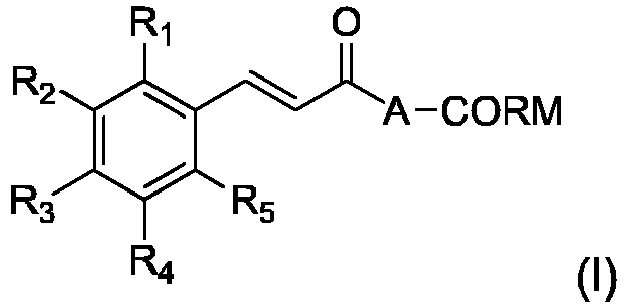
- a first object of the invention is a compound of the following general formula (I): wherein:
- a second object of the invention is a compound of the following general formula (II): wherein:
- the present invention encompasses only stable compounds.
- isomers when “isomers” are referred to, only stable isomers are considered.
- (C 1 -C 6 )alkyl designates an alkyl group or radical having 1 to 6 carbon atoms.
- -(C 1 -C 6 )alkyl designates an acyclic, saturated, linear or branched hydrocarbon chain comprising 1 to 6 carbon atoms.
- -(C 1 -C 6 )alkyl groups include methyl, ethyl, propyl, butyl, pentyl or hexyl.
- propyl, butyl, pentyl and hexyl include all possible isomers, in particular structural isomers.
- butyl comprises n -butyl, iso -butyl, sec -butyl and tert -butyl.
- the alkyl group may be substituted, preferably with one or more groups independently selected from the group consisting of (C 1 -C 6 )alkyl, alkoxy, halogen, hydroxyl, amino, nitro, cyano, trifluoro, CHO, amide, cetone thiol, thioester, thioalkyl, urea, sulfoxyde sulfone, carboxylic acid or carboxylic ester
- the expression "-(C 2 -C 6 )alkenyl” designates an acyclic, saturated, linear or branched hydrocarbon chain comprising 2 to 6 carbon atoms, at least two of which are linked via a double bond.
- Examples of "-(C 2 -C 6 )alkenyl” include ethenyl or vinyl, propenyl, butenyl, pentenyl or hexenyl. Unless explicitly stated, the definitions of propenyl, butenyl, pentenyl and hexenyl include all possible isomers, in particular structural and/or position isomers.
- the expression "-(C 2 -C 6 )alkynyl” designates an acyclic, saturated, linear or branched hydrocarbon chain comprising 2 to 6 carbon atoms, at least two of which are linked via a triple bond.
- Examples of "-(C 2 -C 6 )alkynyl” include ethynyl, propynyl, butynyl, pentynyl or hexynyl. Unless explicitly stated, the definitions of propynyl, butynyl, pentynyl and hexynyl include all possible isomers, in particular structural and/or position isomers.
- substituted as used herein means that any of the hydrogen atoms can be replaced by a substituent, such as fluorine.
- the expression "-(C 3 -C 14 )cycloalkyl” designates a saturated or partially saturated mono-, di- or tri-cyclic structure comprising from 3 to 14 carbon atoms.
- Examples of "-(C 3 -C 14 )cycloalkyl” include cyclopropyl, cyclobutyl, cyclopentyl, cyclohexyl, cycloheptyl, cyclooctyl, cyclopentenyl and cyclohexenyl.
- Examples of "-(C 3 -C 8 )cycloalkyl” include cyclopropyl, cyclobutyl, cyclopentyl, cyclohexyl, cycloheptyl or cyclooctyl. Unless explicitly stated, the cycloalkyls can be substituted by one or more groups such as methyl, ethyl, isopropyl, hydroxy, fluoro, chloro, bromo and iodo.
- the expression "-(C 3 -C 8 )heterocyclyl” designates saturated heterocycles having 3, 4, 5, 6, 7 or 8 atoms in the ring where 1, 2 or 3 heteroatoms chosen from among N, O and S replace the corresponding number of carbon atoms.
- Examples of "-(C 3 -C 8 )heterocyclyl” include aziridinyl, oxyranyl, pyrrolidinyl, tetrahydrofuranyl, oxazolyl, piperidinyl, piperazinyl and morpholinyl.
- aryl designates an aromatic, monocyclic ring that may be fused with a second saturated, unsaturated or aromatic ring.
- aryl include, without restriction to the following examples, phenyl, indanyl, indenyl, naphtyl, anthracenyl, phenanthrenyl, tetrahydronaphtyl and dihydronaphtyl.
- the most preferred aryl are those comprising one six-membered aromatic ring.
- the aryl group may be substituted, preferably with one or more groups independently selected from the group consisting of (C 1 -C 6 )alkyl, alkoxy, halogen, hydroxyl, amino, nitro, cyano, trifluoro, CHO, amide, cetone thiol, thioester, thioalkyl, urea, sulfoxyde sulfone, carboxylic acid or carboxylic ester.
- heteroaryl designates a mono- or polycyclic aryl as defined above where one or more carbon atoms have been replaced with one or more heteroatoms chosen from among N, O and S. Unless explicitly stated, the term “heteroaryl” includes all possible isomers, in particular position isomers.
- heteroaryl groups include furyl, thienyl, imidazolyl, pyridyl, pyrrolyl, N-alkyl pyrrolyl, pyrimidinyl, pyrazinyl, tetrazolyl, triazolyl and triazinyl.
- the heteroaryl group may be substituted, preferably with one or more groups independently selected from the group consisting of alkyl, alkoxy, halogen, hydroxyl, amino, nitro, cyano, trifluoro, carboxylic acid or carboxylic ester.
- Preferred heteroaryls are those having 5 or 6 atoms in the ring, such as indolyl, pyrrolyl, pyridinyl, pyrrazolyl, triazolyl, furanyl or thienyl.
- halogen designates a fluorine, chlorine, bromine or iodine atom.
- the term "pharmaceutically acceptable” is intended to mean what is useful to the preparation of a pharmaceutical composition, and what is generally safe and non-toxic, for a pharmaceutical use.
- salts comprise:
- the invention concerns a hybrid caffeic acid-carbon monoxide releasing molecule (caffeic acid-CO-RM), in which the caffeic acid moiety is substituted by a CO-releasing carbonyl complex, of formula (I): wherein:
- compounds B and C of the examples below are capable of releasing a significant amount of CO under the in vitro conditions described in the examples.
- Those compounds were also shown to enhance nuclear expression of Nrf2 (two fold increase), HO-1 protein expression (two fold increase), and a higher anti-inflammatory potential than known compounds.
- these compounds are promising compounds to up-regulate tissue HO-1 and deliver CO in vivo.
- R 1 to R 5 represent independently H or -O(C 1 -C 6 )alkyl. More preferably, R 1 to R 5 represent independently H or -O(C 1 -C 6 )alkyl and at least two groups from R 1 to R 5 represent -O(C 1 -C 6 )alkyl, preferably -OCH 3 .
- R 1 to R 5 two consecutive radical selected from R 1 to R 5 , taken together, form a bridging group selected from the group consisting of -(CH 2 ) m -, or -O-(CH 2 ) o -O-, m being an integer between 3 and 5 and o being 1 or 2.
- two consecutive radical selected from R 1 to R 5 taken together, form a bridging group selected from the group consisting of -O-(CH 2 ) o -O- with o being 1 or 2.
- R 1 to R 5 are chosen as in table 1: Table 1 R1 R2 R3 R4 R5 OMe H H H H OMe H H H OMe OMe H H OMe H H OMe H OMe OMe H H H OMe H OMe H OMe OMe OMe H H H OMe H OMe H OMe OMe OMe H H OMe H OMe OMe H OMe H OMe H OMe H H OMe OMe H H H OMe OMe H H H OMe OMe H H H OMe OMe H H H H OMe OMe H H H H OMe OMe H H H OMe OMe H H H H OMe OMe H H H OMe OMe H H H H OMe OMe H H H OMe OMe H H H H OMe OMe H H H OMe OMe H H H OMe OMe
- the compound of formula (I) is chosen from among:
- the invention concerns a new hybrid structure comprising a heterocycle moiety and a carbon monoxide releasing molecule (COM), in which the moiety comprising the heterocycle bear a conjugated ene-dicarbonyl system and is substituted by a CO-releasing carbonyl complex, of formula (II): wherein:
- compounds of formula (II) are capable of releasing CO at a fast rate.
- compound A of the examples below illustrative of the compounds of formula (II)
- compound A of the examples below is capable of releasing CO with a half-life of less than 25 minutes under the in vitro conditions described in the examples, which is an ultra-fast rate in the sense of the present invention.
- compounds of formula (II) are therefore advantageous for a relatively fast biological activity.
- the semi-cyclized fumarate-CORM of the present invention release CO almost twice faster and, at 60 min, it has released more than 2 fold the amount of CO released by HYCO-1.
- experiments demonstrate that compounds of the invention are potent activators of Nrf2 and inducers of HO-1 protein expression.
- Such a fast release of CO permits a first prevention of damage through CO delivery until the subsequent promotion of the endogenous up-regulation of Nrf2-dependent defensive proteins and thus induce overall a greater and long-lasting tissue protection.
- X represent CR 10 R 11 , S or 0
- X represent CR 10 R 11 or O
- Y represent CR 10 R 11 if X represent O, S, or NR 12 otherwise Y represent O, or S
- Y represent CR 10 R 11 if X represent O, S, or NR 12 otherwise Y represent O
- R 12 represents H, (C 1 -C 6 )alkyl, aryl, heteroaryl, (C 1 -C 6 )alkyl-aryl, (C 1 -C 6 )alkyl-heteroaryl or (C 1 -C 8 )alkyl-(C 3 -C 8 )heterocyclyl, or -(C 3 -C 14 )cycloalkyl,
- R 12 represents H, aryl, heteroaryl, or (C 1 -C 6 )alkyl
- R 12 represents H, or (C 1 -C 6 )alkyl
- R 10 and R 11 are selected in order to fulfill the requirement for said ring and, if not involved in said ring, can independently represent single bond, H, (C 1 -C 6 )alkyl, (C 1 -C 6 )alkenyl.
- R 9 and the atom representing CR 10 R 11 selected from X and Y form together with the carbon atom bound to R 9 , a ring selected from an aryl, or an heteroaryl, more preferably an aryl
- the invention concerns a hybrid Chromone-carbon monoxide releasing molecule (Chromone-CO-RM), in which the Chromone moiety is substituted by a CO-releasing carbonyl complex, of formula (IIa): wherein:
- R 13 to R 16 represent independently: H, -OH, -O(C 1 -C 6 )alkyl or saturated (C 1 -C 6 )alkyl, More preferably R 13 to R 16 represent independently: H or -OCH 3.
- R 13 to R 16 two consecutive radical selected from R 13 to R 16 , taken together, form a bridging group selected from the group consisting of -(CH 2 ) m -, or -O-(CH 2 ) o -0-, m being an integer between 3 and 5 and o being 1 or 2.
- two consecutive radical selected from R 13 to R 16 taken together, form a bridging group selected from the group consisting of -O-(CH 2 ) o -O- with o being 1 or 2.
- R 13 to R 16 are chosen as in table 2: Table 2 R13 R14 R15 R16 OMe H H H H OMe H H H H OMe H H H H OMe OMe H OMe H OMe H H OMe H OMe OMe H OMe H OMe H OMe H OMe OMe H H OMe OMe H OMe OMe H H OMe OMe H
- the invention concerns a hybrid coumarin-carbon monoxide releasing molecule (Coumarin-CO-RM), in which the Coumarin moiety is substituted by a CO-releasing carbonyl complex, of formula (IIb): wherein:
- R 17 to R 20 represent independently: H, -OH, -O(C 1 -C 6 )alkyl, or saturated (C 1 -C 6 )alkyl,
- R 17 to R 20 represent independently: H or -OCH 3 .
- R 17 to R 20 two consecutive radicals selected from R 17 to R 20 , taken together, form a bridging group selected from the group consisting of -(CH 2 ) m -, or -O-(CH 2 ) o -O-, m being an integer between 3 and 5 and o being 1 or 2.
- two consecutive radicals selected from R 17 to R 20 taken together, form a bridging group selected from the group consisting of -O-(CH 2 ) o -O- with o being 1 or 2.
- R 17 to R 20 are chosen as in table 3: Table 3 R17 R18 R19 R20 OMe H H H H OMe H H H H OMe H H OMe OMe H
- A represents:
- Q represents O, S or NR 6 , where R 6 represents H, -(C 1 -C 6 )alkyl and Z represents -(C 1 -C 6 )alkyl-, -(C 2 -C 6 )alkenyl-, -(C 3 -C 8 )heterocyclyl-, -(C 1 -C 6 )alkyl-R 7 -(C 1 -C 6 )alkyl-, or -(C 2 -C 6 )alkenyl-R 7 -(C 1 -C 6 )alkyl-, where R 7 represents heteroaryl or (C 3 -C 8 )heterocyclyl
- Q represents O or NR 6 , preferably O and R 6 represents H or -(C 1 -C 6 )alkyl.
- Z represents -(C 1 -C 6 )alkyl-, -(C 2 -C 6 )alkenyl-, -(C 3 -C 8 )heterocyclyl-, -(C 1 -C 6 )alkyl-R 7 -(C 1 -C 6 )alkyl-, -(C 2 -C 6 )alkenyl-R 7 -(C 1 -C 6 )alkyl- where R 7 represents heteroaryl or (C 3 -C 8 )heterocyclyl.
- CORM represents a carbonyl metal complex chosen from among: Mn(CO) 5 ,
- CORM is chosen from among: Mn(CO) 5 , more advantageously from among : Mn(CO) 5 , even more advantageously from among: where W represents O or NR 6 , where R 8 represents -(C 1 -C 6 )alkyl-
- Q is O or NR 6 , preferably O.
- the invention also concerns a pharmaceutical composition
- a pharmaceutical composition comprising at least one compound of the invention, a pharmaceutically acceptable salt, solvate or hydrate thereof, as defined previously and at least one pharmaceutically acceptable excipient.
- compositions of the invention are advantageously suitable for administration via oral, sublingual, subcutaneous, intramuscular, intravenous, transdermal, topical or rectal route.
- the pharmaceutical compositions of the invention may also be administered by inhalation, for example by means of an aerosol.
- the active ingredient can be administered in unit forms for administration, mixed with conventional pharmaceutical carriers, to animals or to humans.
- the main active ingredient is mixed with a pharmaceutical vehicle and other conventional excipients known to those skilled in the art.
- the compounds of the invention can be used in a pharmaceutical composition at a dose ranging from 0.01 mg to 1000 mg a day, administered in only one dose once a day or in several doses along the day, for example twice a day.
- the daily administered dose is advantageously comprised between 5 mg and 500 mg, and more advantageously between 10 mg and 200 mg. However, it can be necessary to use doses out of these ranges, which could be noticed by the person skilled in the art.
- the present invention further concerns a compound of the invention, a pharmaceutically acceptable salt, solvate or hydrate thereof, or a pharmaceutical composition comprising at least one compound of the invention, a salt, solvate or hydrate thereof, for use as a drug.
- the present invention further concerns at least one compound of the invention, a pharmaceutically acceptable salt, solvate or hydrate thereof, or a pharmaceutical composition comprising at least one compound of the invention, a salt, solvate or hydrate thereof, for use in the treatment of cardiovascular or inflammatory diseases.
- the present invention further concerns the use of at least one compound of the invention, a pharmaceutically acceptable salt, solvate or hydrate thereof, for the manufacture of a medicament for use in the treatment of cardiovascular or inflammatory diseases.
- Also disclosed herein is a method for treating cardiovascular or inflammatory diseases, comprising the administration of at least one compound of the invention, a pharmaceutically acceptable salt, solvate or hydrate thereof, or of a pharmaceutical composition comprising at least one compound of the invention, a pharmaceutically acceptable salt, solvate or hydrate thereof, to a person in need thereof.
- Inflammatory and cardiovascular diseases include for example myocardial ischemia and heart diseases, rheumatoid arthritis, acute and chronic skin wound (wound healing), inflammatory bowel disease, post-operative ileus, brain ischemia, psoriasis, diabetes, diabetic nephropathy, metabolic syndrome, sickle-cell disease, neurodegenerative diseases such as Alzheimer's disease or Parkinson's disease, neuropathic pain, hypertension, pulmonary arterial hypertension, septicemia, septic or endotoxic shock, hemorrhagic shock, multiple sclerosis, cancer and chronic obstructive pulmonary disease.
- myocardial ischemia and heart diseases for example myocardial ischemia and heart diseases, rheumatoid arthritis, acute and chronic skin wound (wound healing), inflammatory bowel disease, post-operative ileus, brain ischemia, psoriasis, diabetes, diabetic nephropathy, metabolic syndrome, sickle-cell disease, neurodegenerative diseases such as Alzheimer
- Preferred inflammatory and cardiovascular diseases are skin wound (wound healing), brain and cardiac ischemia, psoriasis, diabetes, multiple sclerosis, cancer and chronic obstructive pulmonary disease.
- the present invention further concerns a process for preparing the compounds of the invention, their salts, hydrates or solvates.
- the compounds of formula (I) can be obtained according to following method.
- Step (1) The diacyl chloride, bromide, fluoride or di-activated ester of fumaric acid or the monoacyl chloride, bromide, fluoride or mono-activated ester of a mono-ester, mono-amide or mono-thioester of fumaric acid is esterified with a compound of formula (X) chosen from among: wherein Z and Q are as defined above.
- fumaric acid or the mono-ester of fumaric acid may be alkylated with a compound of formula (XI) chosen from among: wherein Z and Q are as defined above and Hal represents a leaving group such as halogen or sulfonate, such as trifuoromethane-sulfonate.
- a compound of formula (XI) chosen from among: wherein Z and Q are as defined above and Hal represents a leaving group such as halogen or sulfonate, such as trifuoromethane-sulfonate.
- Step (2) the compound obtained in step (1) is reacted with a suitable carbonyl metal complex of formula L 1 L 2 M x (CO) y where x is 1 or 2 and y is 1 to 10, L 1 and L 2 represent each a monodentate ligand or L 1 L 2 represents a bidentate ligand to yield after optional deprotection the compound of formula (I).
- a suitable carbonyl metal complex of formula L 1 L 2 M x (CO) y where x is 1 or 2 and y is 1 to 10, L 1 and L 2 represent each a monodentate ligand or L 1 L 2 represents a bidentate ligand to yield after optional deprotection the compound of formula (I).
- the invention therefore concerns a process for the synthesis of a compound of formula (I) comprising the reaction of a caffeic acid derivative of formula (XII): wherein:
- the invention also concerns a process for the synthesis of a compound of formula (II) comprising the reaction of a heterocycle containing compound of formula (XIII): wherein:
- Figure 1 represents the in vitro CO release by hybrids as measured by fluorescence spectra 60 min after addition of the hybrids to a buffer containing a CO-sensitive fluorescent probe (COP-1) ( Figure 1A ), or after addition of hybrids to human THP-1 cells loaded with COP-1 ( Figure 1B ).
- COP-1 CO-sensitive fluorescent probe
- Figure 2 represents the in vitro CO release from compounds of the invention compared to HYCO-1.
- Figure 3 represents nuclear expression of Nrf2 2 h after exposure of BV2 cells to 10 ⁇ M of hybrids ( Figure 3A ); HO-1 protein expression measured in BV2 cells 6 h after treatment with 10 ⁇ M of hybrids ( Figure 3B ).
- the lower panels in (A) and (B) represent the densitometric analysis of 3 independent Western blots for Nrf2 and HO-1, respectively.
- Figure 4A represents HO-1 protein expression measured in H9c2 cardiomyocytes cultured at 20% (upper panel) or 5% (lower panel) oxygen (O 2 ) 6 h after treatment with increasing concentrations (1 ⁇ M to 10 ⁇ M) of hybrids, more particularly compound C; HO-1 protein expression measured in H9c2 cardiomyocytes cultured at 20% (upper panel) or 5% (lower panel) oxygen (O 2 ) 24 h after treatment with increasing concentrations (1 ⁇ M to 10 ⁇ M) of hybrids, more particularly compound C ( Figure 4B ); Figure 4A and figure 4B represent the densitometric analysis of 3 independent Western blots for HO-1.
- Figure 5 represents the effect of compound C compared to DMF or CORM-401 alone or a combination of DMF+CORM-401 on the expression of Nrf2 measured 6 h after exposure of human THP-1 cells to increasing concentration of compound C and HO-1 protein expression measured in human THP-1 cells 6 h after treatment with increasing concentration of compound C.
- Figure 7 represents on the Y axis nitrite production expressed in ⁇ M in BV2 microglia (CON), in BV2 microglia challenged for 24 h with lipopolysaccharide (LPS, 1 ⁇ g/ml) (LPS) and in BV2 microglia challenged with lipopolysaccharide (LPS, 1 ⁇ g/ml) (LPS) in the presence of increasing concentrations of hybrids.
- Figure 8 represents the effect of compound C (5 ⁇ M) on IL-1 ⁇ production in human THP-1 cells challenged with lipopolysaccharide (LPS) for 24 h.
- Figure 9 represents the cytotoxicity of increasing concentration of hybrids in BV2 microglia measured by LDH release ( figure 9A ); the cytotoxicity of increasing concentration of compound B (X axis) in THP-1 cells ( figure 9B ) measured as percentage of control (Y axis) and the cytotoxicity of increasing concentration of compound C in H9c2 cardiomyocytes cultured at 20% or 5% oxygen for 24h ( figure 9C ).
- Figure 10 represents tissue HO-1 expression and blood HbCO levels in vivo after compound A and compound B were administered to mice by oral gavage.
- A Liver and lung HO-1 expression 6 h after oral gavage of mice with compound A and compound B (3 mg in sesame oil). Densitometric analysis of 3 independent Western blots from liver (B) or lung samples (C).
- Figure 11 represents blood HbCO levels in vivo after compound C were administered to mice by oral gavage ( Figure 11A ); mRNA expression of Nrf2 dependent genes (HO-1 and NQO-1) in the heart of mice after HbCO after administration of compound C (40 mg/kg) by oral gavage ( Figure 11B ).
- Example 1 Synthesis of hybrids Chromone-CO-RM according to the invention:
- the release of CO from hybrids was assessed using COP-1, a fluorescent probe sensitive to CO.
- the mean fluorescence intensity (MFI) of 3 independent reading was calculated using the fluorescence intensity values recorded at 507 nm after 60 min.
- human THP-1 cells were initially suspended in Dulbecco Phosphate Buffer Solution (+Ca,+Mg; Gibco® Cell Culture, Life Technologies) and then treated with compounds at a concentration of 10 ⁇ M for 15 min at 37 °C in 5 ml polypropylene round-bottom tubes (BD Falcon, Kevin Dutscher). Cells were then incubated for 30 min with 1 ⁇ M COP-1. Intracellular fluorescence of COP-1 was measured using a CyAnTM ADP LX7 Analyzer (Beckman Coulter) as previously reported.
- caffeic acid hybrids according to the invention are able, despite a low release in buffer, to induce a significant CO release in presence of human cells which is comparable with previously described CORM-401.
- Example 4 In vitro assessment of the biological activity of compounds A and B:
- Example 4.1 Assessment of Nuclear expression of Nrf2 and HO-1 activation after exposure of BV2 microglia cells to compounds A and B
- BV2 mouse microglial cells were grown in RPMI-1640 containing 2 g.L -1 glucose and supplemented with 0.3 g.L -1 I-glutamine.
- BV2 microglia were incubated with 10 ⁇ M of hybrids for 2 h to assess nuclear translocation of Nrf2.
- Nuclear fractions were isolated using a Nuclear Extract Kit from Active Motif (La Hulpe, Belgium), according to the manufacturer's instructions, and stored at -80 °C. Protein concentrations were measured using a Pierce BCA Protein Assay kit (Thermo Scientific).
- BV2 microglia were incubated with 10 ⁇ M hybrids (compounds) for 6 h.
- cells were washed with ice cold DPBS (-Ca,-Mg; Gibco® Cell Culture, Life Technologies) and lysed during 30 min incubation at 4 °C in cell lysis buffer (50 mM HEPES, 150 mM NaCl, 50 mM NaF, 50 ⁇ M Na 3 VO 4 , 1% v/v Triton X-100 and 1% mammalian protease inhibitor). Lysates were centrifuged for 10 min at 15,000 x g and 4 °C; supernatants were collected and stored at -80 °C. Protein concentrations were measured using a Pierce BCA Protein Assay kit (Thermo Scientific).
- Membranes were then incubated with secondary antibodies coupled to horseradish peroxidase (goat anti-mouse or anti-rabbit, Cell Signaling Technology or donkey anti-goat, Jackson ImmunoResearch) for 1 h at room temperature. Bands were detected with chemiluminescent substrates (Pierce ECL®, Thermo Scientific or RevelBIOt® Intense, Ozyme) and images captured using a G:Box F3 Imagery Station and GeneSys Software (Syngene, Cambridge, UK).To determine Nuclear expression of Nrf2 protein, nuclear extracts (50 ⁇ g protein/sample) and whole cell lysates (20 ⁇ g protein/sample) were resolved on 10 or 12% acrylamide gels, respectively, and proteins transferred to polyvinylidene difluroride membranes (Millipore, Brussels, Belgium).
- horseradish peroxidase goat anti-mouse or anti-rabbit, Cell Signaling Technology or donkey anti-goat, Jackson Immuno
- Membranes were blocked for 1 h at room temperature in 1 x Tris-buffered saline (pH 7.5) containing 0.1 % v/v TWEEN 20 and 5 % w/v non-fat dry milk and incubated overnight at 4 °C with the following primary antibody for Nrf2: clone C-20 rabbit polyclonal, Santa Cruz Biotechnology). Membranes were then incubated with secondary antibodies coupled to horseradish peroxidase (goat anti-mouse or anti-rabbit, Cell Signaling Technology or donkey anti-goat, Jackson ImmunoResearch) for 1 h at room temperature.
- horseradish peroxidase goat anti-mouse or anti-rabbit, Cell Signaling Technology or donkey anti-goat, Jackson ImmunoResearch
- Example 4.2 Assessment of HO-1 activation after exposure of H9c2 to compound C.
- H9C2 cells rat cardiomyocytes were cultured in Dubelcco's Modified Eagle Medium containing: glucose 4.5 g/l, L-glutamine 2 mM, pyruvate) supplemented with fetal bovine serum (FBS) 10%, a mixture of penicillin (10,000 IU/ml)/streptomycin (10mg/ml) (Gibco Life Technologies) and sodium Pyruvate 1% (Gibco Life Technologies).
- FBS fetal bovine serum
- H9c2 cardiomyocytes were then incubated with increasing concentration of compound C (1 ⁇ M to 10 ⁇ M) for 6 h or 24 h either at 20% or 5% O 2 .
- the results are presented in figure 4A-4B . Exposure of H9c2 cardiomyocytes to increasing concentrations of compound C induced an increase in HO-1 protein expression for the different concentration of compound C.
- compound C is capable of inducing a significant expression of HO-1 both at 20% and 5% 02.
- CA dimethoxy cinnamic acid (Nrf2 inducing moiety present in compound C).
- Human monocytes (THP-1 cells) were cultured in RPMI 1640-Glutamax medium supplemented with 1% penicillin/streptomycin, 1% sodium pyruvate and 10% fetal bovine serum (RPMIc). Cells at confluence were washed with PBS and treated with compound C at different concentrations for 6 h according to the experimental protocol. Compound C was dissolved in DMSO at 0.1% as a final concentration in complete medium.
- compound C when compared with HO-1 activation with comparative compounds CORM-401 and DMF, compound C induced a concentration-dependent increase in HO-1 protein expression starting from 1 ⁇ M of compound C, whereas 10 fold this concentration is not sufficient for the detection of an increase of HO-1 protein expression with comparative compounds CORM 401 and DMF.
- DTNB 5,5' dithiobis-(2-nitrobenzoic acid) colorimetric assay was used for the measurement of reduced glutathione (GSH). Briefly, BV2 microglia cells were seeded in 6-well-plates and incubated with 10 ⁇ M hybrids and dimethyl fumarate (DMF, positive control) for 3, 6 and 24 h. At the end of the incubation period, cells were initially washed with phosphate buffers solution, then scraped in 600 ⁇ L of 2% (w/v) 5-sulposalicylic acid solution and transferred to a 1.5 ml microtube, and finally centrifuged for 5 min at 10,000 x g.
- DMF dimethyl fumarate
- Example 5 In vitro assessment of the anti-inflammatory activity of compounds of the invention:
- Example 5.1 Assessment of nitrite production after exposure of cells to compounds A and B
- Nitrite production an index of inflammation, was measured in BV2 cells challenged for 24 h with lipopolysaccharide (LPS, 1 ⁇ g/ml) in the presence or absence of increasing concentrations of hybrids.
- LPS lipopolysaccharide
- nitrite levels were measured using the Griess method. Briefly, cell plates were centrifuged at 10,000 x g for 5 min and the cell-free supernatant was incubated with an equal volume of Griess reagent (2 mM N-(1-naphtyl)ethylenediamide, 30 mM sulfanilamide and 140 mM o-phosphoric acid) for 10 min at room temperature. The absorbance was measured at 560 nm. Concentrations of nitrite ( ⁇ M) were calculated from a standard curve of sodium nitrite.
- compound A and B are significantly more active (by more than 4-fold) than the comparative compounds 1 and 3.
- Example 5.2 Assessment of on IL-1 ⁇ production in human THP-1 cells challenged with lipopolysaccharide (LPS)
- IL-1 ⁇ production was measured in the supernatants of human THP-1 cells treated with LPS (100 ⁇ g/ml) in the presence or absence of 5 ⁇ M comp. C, DMF or CORM-401. After 24 h incubation, the medium was collected and IL-1 ⁇ levels quantified using an ELISA kit (R&D Systems) following the manufacturer's instructions.
- Example 6.1 Assessment of the cytotoxicity of compound A and compound B on BV2 microglia
- Cytotoxicity was evaluated in BV2 microglia cells 24 h after incubation with increasing concentrations of hybrids using a Cytotoxicity Detection Kit (LDH) (Roche Applied Science) to measure lactate dehydrogenase released from damaged cells.
- LDH Cytotoxicity Detection Kit
- X-100 Triton solution (2 %) prepared in medium was used as a positive control (100 % cytotoxicity).
- the assay was performed according to the manufacturer's instructions. Briefly, at the end of the incubation, cell plates were centrifuged at 300 x g for 5 min and 100 ⁇ l cell-free supernatant transferred to a 96-well plate. A reaction mixture was added to the supernatant and the plate was incubated in the dark at room temperature with gentle shaking for 10 min. Absorbance was measured at 485 nm.
- Data are expressed as percentage of LDH released by treating cells with 2% triton (100% toxicity).
- LDH lactate dehydrogenase
- Human monocytes (THP-1 cells) were cultured in RPMI 1640-Glutamax medium supplemented with 1% penicillin/streptomycin, 1% sodium pyruvate and 10% fetal bovine serum (RPMIc). Cells at confluence were washed with PBS and treated with compound C at different concentrations and for different periods of time according to the experimental protocol. Compound C was dissolved in DMSO at 0.1% as a final concentration in complete medium.
- H9c2 cardiomyocytes were cultured as previously (Example 4.2).
- Compound C do not show significant toxicity toward human THP-1 cells. Hence, compounds of the invention do not show a significant toxicity at concentration up to 10 ⁇ M.
- CORM CORM-401 (CO-releasing moiety present in compound C).
- compounds A, B and C have good properties regarding: CO release, Nrf2 and HO-1 activation and anti-inflammatory potential.
- compounds A, B and C have been used in in vivo assay.
- Example 7 Assessment of tissue HO-1 induction and blood HbCO levels in vivo after oral administration of compounds A, compound B and compound C.
- mice Male C57 BL/6J mice were used for all experiments (Janvier Labs, France). Animals received at 8 weeks of age were placed on a standard diet and allowed to acclimatize for 2 weeks on a 12 hr light/dark cycle. All experiments were performed in compliance with INSERM guidelines for the use of animals and approved by the institutional review board at Paris-Est Cruteil Val de Marne University. Mice were administered by oral gavage with a single dose of the following: 1) 200 ⁇ l of sesame oil (vehicle, control group); 2) Compound A (3 mg in 200 ⁇ l sesame oil); 3) Compound B (3 mg in 200 ⁇ l sesame oil). Mice were sacrificed 6 hr after treatment by cervical dislocation.
- inventors discovered two molecules families with the best combined profile (including, CO release, Nrf2 & HO-1 activation, anti-inflammatory potential, GSH modulation, cytotoxicity) and which can be used in in vivo treatments, preferably inflammatory conditions, as they induce tissue HO-1 and deliver CO (i.e. temporary increased in HbCO levels) when administered orally to mice.
Landscapes
- Chemical & Material Sciences (AREA)
- Organic Chemistry (AREA)
- Health & Medical Sciences (AREA)
- Public Health (AREA)
- Life Sciences & Earth Sciences (AREA)
- Veterinary Medicine (AREA)
- General Health & Medical Sciences (AREA)
- Chemical Kinetics & Catalysis (AREA)
- General Chemical & Material Sciences (AREA)
- Medicinal Chemistry (AREA)
- Nuclear Medicine, Radiotherapy & Molecular Imaging (AREA)
- Pharmacology & Pharmacy (AREA)
- Animal Behavior & Ethology (AREA)
- Bioinformatics & Cheminformatics (AREA)
- Heart & Thoracic Surgery (AREA)
- Engineering & Computer Science (AREA)
- Cardiology (AREA)
- Pain & Pain Management (AREA)
- Rheumatology (AREA)
- Organic Low-Molecular-Weight Compounds And Preparation Thereof (AREA)
- Pharmaceuticals Containing Other Organic And Inorganic Compounds (AREA)
- Pyridine Compounds (AREA)
- Medicines That Contain Protein Lipid Enzymes And Other Medicines (AREA)
Description
- The present invention relates to highly efficient hybrid Nrf2 activators-CO-releasing molecules capable of increasing HO-1 protein expression and CO release, their synthesis and their use in therapeutic applications, in particular their use in the treatment of inflammatory and cardiovascular diseases.
- The HO-1/CO system is a significant part of the defense against the damage inflicted by a variety of stress conditions mediated by heavy metals, reactive oxygen species, lipopolysaccharide (LPS) and other inflammatory processes, thereby playing a pivotal role in the regulation of the cytoprotective and anti-inflammatory responses. CO gas administered at low doses (250 ppm) for restricted period of times has been shown to restore many of the beneficial effects of HO-1 in models of cardiovascular dysfunction, pulmonary hypertension, and inflammatory conditions such as sepsis and inflammatory bowel disease.
- Because of the interest in HO-1/CO therapeutic potential, compounds that liberate controlled amounts of CO (CO-releasing molecules, CO-RMs) to biological systems have been developed and demonstrated to exert a wide array of pharmacological effects related to CO release. The vast majority of pharmacologically active CO-RMs described in the literature are metal carbonyls containing either Ru, Fe, Mn, Co and Mo.
- The transcription factor Nrf2 is a crucial initiator of the cellular stress response as it coordinates the expression of several antioxidant and detoxification genes that repair damage and restore cellular homeostasis. As part of this inducible response, heme oxygenase-1 (HO-1) plays a prominent role by utilizing heme to produce CO, biliverdin/bilirubin and iron, important signaling and protective molecules against oxidative stress and inflammation.
- The list of Nrf2/HO-1 activators has now grown to include several hundred compounds. Because of their mechanism of action, Nrf2/HO-1 activators require time to mount the cellular stress response, resulting in a delayed, albeit essential, beneficial effect.
-
WO 2012/076696 discloses curcumin derivatives bound to a CO-releasing molecule. The inventors of the present invention have however shown that these molecules do not release carbon monoxide. This lack of CO-release results in molecules that do not exhibit the wide array of beneficial therapeutic effects related to the activation of HO-1 by CO. - The synthesis and preliminary biological characterization of two fumarate-CORM molecules exhibiting the dual ability to activate the Nrf2/HO-1 cytoprotective pathway and to release controlled amounts of CO have been reported (Wilson et al. Chem.Eur.J. 2014, 20, 14698-14704).
- Antioxidant and detoxification genes transcribed after Nrf2 activation include those involved in the synthesis of glutathione, the most important and abundant cellular thiol protecting against oxidative stress. As proposed by Satoh and Lipton (Sato T et al. Free Rad. Biol. Med. 2013, 65, 645-657), drugs developed as Nrf2 activators should be evaluated for their two opposing actions: cytoprotective versus cytotoxic effects. The cytoprotective effects are due to the extent of activation of Nrf2-dependent genes while cytotoxicity involves glutathione (GSH) depletion. Thus, in terms of tolerability, it is desirable to produce compounds that cause a strong Nrf2-dependent response without markedly depleting GSH content, and with a low cytotoxicity.
- Hence, there is a need to find enhanced hybrids containing an Nrf2 inducer bound to a CO-releasing molecule, that will provide greater tissue protection by first limiting damage through CO delivery and subsequently promoting the endogenous up-regulation of Nrf2-dependent defensive genes and proteins, a process that takes several hours due to transcription and translation processes.
- Inventors of the present invention have discovered two families of hybrid molecules comprising a Nrf2 activator moiety and a CO-releasing molecule (CORM) that are capable of rapidly liberating CO and activating the Nrf2/HO-1 pathway, resulting in a dual activation of the inflammatory defenses in cells and an improved therapeutic efficacy compared to several other compounds. Those hybrid molecules can furthermore up-regulate tissue HO-1 and deliver CO in vivo.
- Moreover, those hybrids further display a faster CO release and a better anti-inflammatory action compared to known hybrids, a low cytotoxic profile, a significantly higher Nrf2 and HO-1 activation compared to other hybrids and have a low impact on GSH depletion.
- Thus, those compounds show an overall enhanced efficacy.
- A first object of the invention is a compound of the following general formula (I):
- A represents:
- a single bond, or
- -Q-Z-, where:
- ∘ Q represents O, S or NR6, where R6 represents H, (C1-C6)alkyl, aryl, heteroaryl, (C1-C6)alkyl-aryl, (C1-C6)alkyl-heteroaryl, (C1-C6)alkyl-(C3-C8)heterocyclyl, -(C3-C14)cycloalkyl, or R6 and Z are connected to form a (C3-C8)heterocyclyl,
- ∘ Z represents -(C1-C6)alkyl-, -(C2-C6)alkenyl-, -aryl-, -heteroaryl-, -(C2-C6)alkynyl-,-(C3-C8)heterocyclyl-, -(C3-C14)cycloalkyl, -(C1-C6)alkyl-R7-(C1-C6)alkyl-, -(C2-C6)alkenyl-R7-(C1-C6)alkyl-, -(C1-C6)alkyl-R7-(C2-C6)alkenyl-, -(C2-C6)alkenyl-R7-(C2-C6)alkenyl-, -(C1-C6)alkyl-R7-(C2-C6)alkynyl-, -(C2-C6)alkenyl-R7-(C2-C6)alkynyl-,-(C2-C6)alkynyl-R7-(C2-C6)alkynyl-, -(C2-C6)alkynyl-R7-(C1-C6)alkyl-, -(C2-C6)alkynyl-R7-(C2-C6)alkenyl-, -(C1-C8)alkyl-OCO-, or -CH2-(CHOR7)CH2O-(C1-C6)alkyl-, where R7 represents aryl, heteroaryl, (C3-C8)heterocyclyl, or (C3-C14)cycloalkyl,
- CORM represents a carbonyl metal complex chosen from among:


- where W represents O or NR8, where R8 represents -(C1-C6)alkyl-,
- L represents an ionic ligand such as halogen, or a counter-ion such as BF4 or PF6,
- M represents Rh, Co, Ru, Mn, Mo, V or Fe, preferably Co, Ru or Mn, and
- n is an integer chosen so that the metal M has no free valency,
- and R1 to R5 represent independently:
- H, -OH, -O(C1-C6)alkyl, SO3H, S(C1-C6)alkyl, NRxRy, or NRxRyRz + where Rx, Ry and Rz represent independently H or (C1-C6)alkyl;
- or two consecutive radicals selected from R1 to R5, taken together, form a bridging group selected from the group consisting of -(CH2)m-, or -O-(CH2)o-O-, m being an integer between 3 and 5 and o being 1 or 2.
- A second object of the invention is a compound of the following general formula (II):

- A represents:
- a single bond, or
- -Q-Z-, where:
- ∘ Q represents O, S or NR6, where R6 represents H, (C1-C6)alkyl, aryl, heteroaryl, (C1-C6)alkyl-aryl, (C1-C6)alkyl-heteroaryl, (C1-C6)alkyl-(C3-C8)heterocyclyl, -(C3-C14)cycloalkyl, or R6 and Z are connected to form a (C3-C8)heterocyclyl,
- ∘ Z represents -(C1-C6)alkyl-, -(C2-C6)alkenyl-, -aryl-, -heteroaryl-, -(C2-C6)alkynyl-,-(C3-C8)heterocyclyl-, -(C3-C14)cycloalkyl, -(C1-C6)alkyl-R7-(C1-C6)alkyl-, -(C2-C6)alkenyl-R7-(C1-C6)alkyl-, -(C1-C6)alkyl-R7-(C2-C6)alkenyl-, -(C2-C6)alkenyl-R7-(C2-C6)alkenyl-, -(C1-C6)alkyl-R7-(C2-C6)alkynyl-, -(C2-C6)alkenyl-R7-(C2-C6)alkynyl-,-(C2-C6)alkynyl-R7-(C2-C6)alkynyl-, -(C2-C6)alkynyl-R7-(C1-C6)alkyl-, -(C2-C6)alkynyl-R7-(C2-C6)alkenyl-, -(C1-C6)alkyl-OCO-, or -CH2-(CHOR7)CH2O-(C1-C6)alkyl-, where R7 represents aryl, heteroaryl, (C3-C8)heterocyclyl, or (C3-C14)cycloalkyl,
- CORM represents a carbonyl metal complex chosen from among:


- where W represents O or NR8, where R8 represents -(C1-C6)alkyl-,
- L represents an ionic ligand such as halogen, or a counter-ion such as BF4 or PF6,
- M represents Rh, Co, Ru, Mn, Mo, V or Fe, preferably Co, Ru or Mn, and
- n is an integer chosen so that the metal M has no free valency,
- X represent CR10R11, O, S, or NR12
- Y represent CR10R11 if X represent O, S, or NR12 otherwise Y represent O, S, or NR12
where R12 represent H, (C1-C6)alkyl, aryl, heteroaryl, (C1-C6)alkyl-aryl, (C1-C6)alkyl-heteroaryl or (C1-C6)alkyl-(C3-C8)heterocyclyl, -(C3-C14)cycloalkyl, - R9 and the atom representing CR10R11 selected from X and Y, form together with the carbon atom bound to R9, a ring selected from an aryl, an heteroaryl, an (C3-C8)heterocyclyl, or an (C3-C14)cycloalkyl.
where R10 and R11 are selected in order to fulfill the requirement for said ring and, if not involved in said ring, can independently represent single bond, H, (C1-C6)alkyl, (C1-C6)alkenyl. - The present invention encompasses only stable compounds. In this regard, when "isomers" are referred to, only stable isomers are considered.
- Within the groups, radicals or fragments defined in the description and the claims, the number of carbon atoms is specified inside the brackets. For example, (C1-C6)alkyl designates an alkyl group or radical having 1 to 6 carbon atoms.
- In the formulas,indicates the bond linked to the rest of the molecule.

- For the groups comprising two or more subgroups, the attachment is indicated with "-". For example, "-(C1-C6)alkyl-aryl-(C1-C6)alkenyl-" indicates a radical alkyl bound to a radical aryl itself bound to an alkenyl wherein the alkyl and alkenyl groups are bound to the rest of the molecule.
- In the sense of the present invention, the expression "-(C1-C6)alkyl" designates an acyclic, saturated, linear or branched hydrocarbon chain comprising 1 to 6 carbon atoms. Examples of -(C1-C6)alkyl groups include methyl, ethyl, propyl, butyl, pentyl or hexyl. Unless explicitly stated, the definitions propyl, butyl, pentyl and hexyl include all possible isomers, in particular structural isomers. For example, butyl comprises n-butyl, iso-butyl, sec-butyl and tert-butyl. The alkyl group may be substituted, preferably with one or more groups independently selected from the group consisting of (C1-C6)alkyl, alkoxy, halogen, hydroxyl, amino, nitro, cyano, trifluoro, CHO, amide, cetone thiol, thioester, thioalkyl, urea, sulfoxyde sulfone, carboxylic acid or carboxylic ester
- In the sense of the present invention, the expression "-(C2-C6)alkenyl" designates an acyclic, saturated, linear or branched hydrocarbon chain comprising 2 to 6 carbon atoms, at least two of which are linked via a double bond. Examples of "-(C2-C6)alkenyl" include ethenyl or vinyl, propenyl, butenyl, pentenyl or hexenyl. Unless explicitly stated, the definitions of propenyl, butenyl, pentenyl and hexenyl include all possible isomers, in particular structural and/or position isomers.
- In the sense of the present invention, the expression "-(C2-C6)alkynyl" designates an acyclic, saturated, linear or branched hydrocarbon chain comprising 2 to 6 carbon atoms, at least two of which are linked via a triple bond. Examples of "-(C2-C6)alkynyl" include ethynyl, propynyl, butynyl, pentynyl or hexynyl. Unless explicitly stated, the definitions of propynyl, butynyl, pentynyl and hexynyl include all possible isomers, in particular structural and/or position isomers.
- The term substituted as used herein means that any of the hydrogen atoms can be replaced by a substituent, such as fluorine.
- In the sense of the present invention, the expression "-(C3-C14)cycloalkyl" designates a saturated or partially saturated mono-, di- or tri-cyclic structure comprising from 3 to 14 carbon atoms. Examples of "-(C3-C14)cycloalkyl" include cyclopropyl, cyclobutyl, cyclopentyl, cyclohexyl, cycloheptyl, cyclooctyl, cyclopentenyl and cyclohexenyl.
- Examples of "-(C3-C8)cycloalkyl" include cyclopropyl, cyclobutyl, cyclopentyl, cyclohexyl, cycloheptyl or cyclooctyl. Unless explicitly stated, the cycloalkyls can be substituted by one or more groups such as methyl, ethyl, isopropyl, hydroxy, fluoro, chloro, bromo and iodo.
- In the sense of the present invention, the expression "-(C3-C8)heterocyclyl" designates saturated heterocycles having 3, 4, 5, 6, 7 or 8 atoms in the ring where 1, 2 or 3 heteroatoms chosen from among N, O and S replace the corresponding number of carbon atoms. Examples of "-(C3-C8)heterocyclyl" include aziridinyl, oxyranyl, pyrrolidinyl, tetrahydrofuranyl, oxazolyl, piperidinyl, piperazinyl and morpholinyl.
- The term "aryl" designates an aromatic, monocyclic ring that may be fused with a second saturated, unsaturated or aromatic ring. The term aryl include, without restriction to the following examples, phenyl, indanyl, indenyl, naphtyl, anthracenyl, phenanthrenyl, tetrahydronaphtyl and dihydronaphtyl. The most preferred aryl are those comprising one six-membered aromatic ring. The aryl group may be substituted, preferably with one or more groups independently selected from the group consisting of (C1-C6)alkyl, alkoxy, halogen, hydroxyl, amino, nitro, cyano, trifluoro, CHO, amide, cetone thiol, thioester, thioalkyl, urea, sulfoxyde sulfone, carboxylic acid or carboxylic ester.
- The term heteroaryl designates a mono- or polycyclic aryl as defined above where one or more carbon atoms have been replaced with one or more heteroatoms chosen from among N, O and S. Unless explicitly stated, the term "heteroaryl" includes all possible isomers, in particular position isomers.
- Examples of heteroaryl groups include furyl, thienyl, imidazolyl, pyridyl, pyrrolyl, N-alkyl pyrrolyl, pyrimidinyl, pyrazinyl, tetrazolyl, triazolyl and triazinyl. The heteroaryl group may be substituted, preferably with one or more groups independently selected from the group consisting of alkyl, alkoxy, halogen, hydroxyl, amino, nitro, cyano, trifluoro, carboxylic acid or carboxylic ester. Preferred heteroaryls are those having 5 or 6 atoms in the ring, such as indolyl, pyrrolyl, pyridinyl, pyrrazolyl, triazolyl, furanyl or thienyl.
- As used, herein, the term "halogen" designates a fluorine, chlorine, bromine or iodine atom.
- For the purpose of the invention, the term "pharmaceutically acceptable" is intended to mean what is useful to the preparation of a pharmaceutical composition, and what is generally safe and non-toxic, for a pharmaceutical use.
- The term « pharmaceutically acceptable salt, hydrate of solvate » is intended to mean, in the framework of the present invention, a salt of a compound which is pharmaceutically acceptable, as defined above, and which possesses the pharmacological activity of the corresponding compound. Such salts comprise:
- (1) hydrates and solvates,
- (2) acid addition salts formed with inorganic acids such as hydrochloric, hydrobromic, sulfuric, nitric and phosphoric acid and the like; or formed with organic acids such as acetic, benzenesulfonic, fumaric, glucoheptonic, gluconic, glutamic, glycolic, hydroxynaphtoic, 2-hydroxyethanesulfonic, lactic, maleic, malic, mandelic, methanesulfonic, muconic, 2-naphtalenesulfonic, propionic, succinic, dibenzoyl-L-tartaric, tartaric, p-toluenesulfonic, trimethylacetic, and trifluoroacetic acid and the like, and
- (3) salts formed when an acid proton present in the compound is either replaced by a metal ion, such as an alkali metal ion, an alkaline-earth metal ion, or an aluminium ion; or coordinated with an organic or inorganic base. Acceptable organic bases comprise diethanolamine, ethanolamine, N-methylglucamine, triethanolamine, tromethamine and the like. Acceptable inorganic bases comprise aluminium hydroxide, calcium hydroxide, potassium hydroxide, sodium carbonate and sodium hydroxide.
- In a first aspect, the invention concerns a hybrid caffeic acid-carbon monoxide releasing molecule (caffeic acid-CO-RM), in which the caffeic acid moiety is substituted by a CO-releasing carbonyl complex, of formula (I):

- A represents:
- a single bond, or
- -Q-Z-, where:
- ∘ Q represents O, S or NR6, where R6 represents H, (C1-C6)alkyl, aryl, heteroaryl, (C1-C6)alkyl-aryl, (C1-C6)alkyl-heteroaryl or (C1-C6)alkyl-(C3-C8)heterocyclyl, -(C3-C14)cycloalkyl, or R6 and Z are connected to form a (C3-C8)heterocyclyl,
- ∘ Z represents -(C1-C6)alkyl-, -(C2-C6)alkenyl-, -aryl-, -heteroaryl-, -(C2-C6)alkynyl-,-(C3-C8)heterocyclyl-, -(C3-C14)cycloalkyl, -(C1-C6)alkyl-R7-(C1-C6)alkyl-, -(C2-C6)alkenyl-R7-(C1-C6)alkyl-, -(C1-C6)alkyl-R7-(C2-C6)alkenyl-, -(C2-C6)alkenyl-R7-(C2-C6)alkenyl-, -(C1-C6)alkyl-R7-(C2-C6)alkynyl-, -(C2-C6)alkenyl-R7-(C2-C6)alkynyl-,-(C2-C6)alkynyl-R7-(C2-C6)alkynyl-, -(C2-C6)alkynyl-R7-(C1-C6)alkyl-, -(C2-C6)alkynyl-R7-(C2-C6)alkenyl-, -(C1-C6)alkyl-OCO-, or -CH2-(CHOR7)CH2O-(C1-C6)alkyl-, where R7 represents aryl, heteroaryl, (C3-C8)heterocyclyl, or (C3-C14)cycloalkyl,
- CORM represents a carbonyl metal complex chosen from among:


- where W represents O or NR8, where R9 represents -(C1-C6)alkyl-,
- L represents an ionic ligand such as halogen, or a counter-ion such as BF4 or PF6,
- M represents Rh, Co, Ru, Mn, Mo, V or Fe, preferably Co, Ru or Mn, and
- n is an integer chosen so that the metal M has no free valency,
- and R1 to R5 represent independently:
- H, -OH, -O(C1-C6)alkyl, SO3H, S(C1-C6)alkyl, NRxRy, or NRxRyRz+ where Rx Ry and Rz represent independently H or (C1-C6)alkyl;
- or two consecutive radical selected from R1 to R5, taken together, form a bridging group selected from the group consisting of -(CH2)m-, or -O-(CH2)o-O-, m being an integer between 3 and 5 and o being 1 or 2.
- Those compounds, when incubated with cells, release an amount of CO comparable with conventional CORM such as CORM-401 and, as it has been shown in vivo, they induce a release of CO which can be confirmed by the presence of carbonmonoxy hemoglobin (HbCO) in
blood 6 hours after oral administration. - For example, compounds B and C of the examples below, illustrative of the compounds of formula (I) described thereafter, are capable of releasing a significant amount of CO under the in vitro conditions described in the examples. Those compounds were also shown to enhance nuclear expression of Nrf2 (two fold increase), HO-1 protein expression (two fold increase), and a higher anti-inflammatory potential than known compounds.
Hence, these compounds are promising compounds to up-regulate tissue HO-1 and deliver CO in vivo. - Moreover, it has been found by the inventors that the substituents on the phenyl group are of utmost importance for both stability and activity of those hybrids.
- Indeed, -OH groups on the phenyl can have a detrimental effect on the stability of the hybrid CORM. Furthermore, they found that methoxy groups will allow the molecule to stay stable in time and will enhance the Nrf2/HO-1 activation properties of the hybrids.
- Hence, preferably, R1 to R5 represent independently H or -O(C1-C6)alkyl.
More preferably, R1 to R5 represent independently H or -O(C1-C6)alkyl and at least two groups from R1 to R5 represent -O(C1-C6)alkyl, preferably -OCH3. - Particularly, among R1 to R5, two consecutive radical selected from R1 to R5, taken together, form a bridging group selected from the group consisting of -(CH2)m-, or -O-(CH2)o-O-, m being an integer between 3 and 5 and o being 1 or 2.
Preferably, among R1 to R5, two consecutive radical selected from R1 to R5, taken together, form a bridging group selected from the group consisting of -O-(CH2)o-O- with o being 1 or 2. - Even more preferably R1 to R5 are chosen as in table 1:
Table 1 R1 R2 R3 R4 R5 OMe H H H H OMe H H H OMe OMe H OMe H H OMe H H OMe H OMe OMe H H H OMe H OMe H OMe OMe OMe OMe H H OMe OMe H OMe H OMe H OMe OMe H H OMe OMe H H H OMe OMe OMe H - Beside, hybrids molecules were evaluated for their two opposing actions: cytotoxicity and cytoprotective effects. As shown in examples, compounds according to formula I have a lower impact on GSH compared to dimethylfumarate (DMF) but have a more potent induction of Nrf2 and HO-1 pathways. Hence they induce the expression of the antioxidant and protective protein HO-1 and do not cause a decrease in GSH but actually increase it over time.
- Advantageously, the compound of formula (I) is chosen from among:


- According to a second aspect, the invention concerns a new hybrid structure comprising a heterocycle moiety and a carbon monoxide releasing molecule (COM), in which the moiety comprising the heterocycle bear a conjugated ene-dicarbonyl system and is substituted by a CO-releasing carbonyl complex, of formula (II):

- A represents:
- a single bond, or
- -Q-Z-, where:
- ∘ Q represents O, S or NR6, where R6 represents H, (C1-C6)alkyl, aryl, heteroaryl, (C1-C6)alkyl-aryl, (C1-C6)alkyl-heteroaryl or (C1-C6)alkyl-(C3-C8)heterocyclyl, -(C3-C14)cycloalkyl, or R6 and Z are connected to form a (C3-C8)heterocyclyl,
- ∘ Z represents -(C1-C6)alkyl-, -(C2-C6)alkenyl-, -aryl-, -heteroaryl-, -(C2-C6)alkynyl-,-(C3-C8)heterocyclyl-, -(C3-C14)cycloalkyl, -(C1-C6)alkyl-R7-(C1-C6)alkyl-, -(C2-C6)alkenyl-R7-(C1-C6)alkyl-, -(C1-C6)alkyl-R7-(C2-C6)alkenyl-, -(C2-C6)alkenyl-R7-(C2-C6)alkenyl-, -(C1-C6)alkyl-R7-(C2-C6)alkynyl-, -(C2-C6)alkenyl-R7-(C2-C6)alkynyl-,-(C2-C6)alkynyl-R7-(C2-C6)alkynyl-, -(C2-C6)alkynyl-R7-(C1-C6)alkyl-, -(C2-C6)alkynyl-R7-(C2-C6)alkenyl-, -(C1-C6)alkyl-OCO-, or -CH2-(CHOR7)CH2O-(C1-C6)alkyl-, where R7 represents aryl, heteroaryl, (C3-C8)heterocyclyl, or (C3-C14)cycloalkyl,
- CORM represents a carbonyl metal complex chosen from among:
Mn(CO)5,


- where W represents O or NR8, where R8 represents -(C1-C6)alkyl-
- L represents an ionic ligand such as halogen, or a counter-ion such as BF4 or PF6,
- M represents Rh, Co, Ru, Mn, Mo, V or Fe, preferably Co, Ru or Mn, and
- n is an integer chosen so that the metal M has no free valency,
- X represent CR10R11, O, S, or NR12,
- Y represent CR10R11 if X represent O, S, or NR12 otherwise Y represent O, S, or NR12
where R12 represent H, (C1-C6)alkyl, aryl, heteroaryl, (C1-C6)alkyl-aryl, (C1-C6)alkyl-heteroaryl or (C1-C6)alkyl-(C3-C8)heterocyclyl, -(C3-C14)cycloalkyl, - R9 and the atom representing CR10R11 selected from X and Y, form together with the carbon atom bound to R9, a ring selected from an aryl, an heteroaryl, an (C3-C8)heterocyclyl, or an (C3-C14)cycloalkyl.
where R10 and R11 are selected in order to fulfill the requirement for said ring and, if not involved in said ring, can independently represent single bond, H, (C1-C6)alkyl, (C1-C6)alkenyl. - Unexpectedly, it has been found that compounds of formula (II) are capable of releasing CO at a fast rate.
For example, compound A of the examples below, illustrative of the compounds of formula (II), is capable of releasing CO with a half-life of less than 25 minutes under the in vitro conditions described in the examples, which is an ultra-fast rate in the sense of the present invention.
Indeed, compounds of formula (II) are therefore advantageous for a relatively fast biological activity. Compared to the previously developed fumarate derivatives - CORM (HYCO-1), the semi-cyclized fumarate-CORM of the present invention release CO almost twice faster and, at 60 min, it has released more than 2 fold the amount of CO released by HYCO-1. Moreover, experiments demonstrate that compounds of the invention are potent activators of Nrf2 and inducers of HO-1 protein expression. - Hence, comparison between compounds according to this formula and previously disclosed compounds such as HYCO-1 from (Wilson et al. Chem.Eur.J. 2014, 20, 14698-14704) show that the semi cyclisation of the fumarate induce a much faster and larger release of CO compared to linear fumarate derivative-CORM.
- Such a fast release of CO permits a first prevention of damage through CO delivery until the subsequent promotion of the endogenous up-regulation of Nrf2-dependent defensive proteins and thus induce overall a greater and long-lasting tissue protection.
- Beside, hybrids molecules were evaluated for their two opposing actions: cytotoxicity and cytoprotective effects. As shown in examples, compounds according to formula I have a lower impact on GSH compared to dimethylfumarate (DMF) but have a more potent induction of Nrf2 and HO-1 pathways. Hence they induce the expression of the antioxidant and protective protein HO-1 and do not cause a decrease in GSH but actually increase it over time.
- In particular X represent CR10R11, S or 0
Preferably X represent CR10R11 or O - In particular, Y represent CR10R11 if X represent O, S, or NR12 otherwise Y represent O, or S Preferably, Y represent CR10R11 if X represent O, S, or NR12 otherwise Y represent O
- In particular R12 represents H, (C1-C6)alkyl, aryl, heteroaryl, (C1-C6)alkyl-aryl, (C1-C6)alkyl-heteroaryl or (C1-C8)alkyl-(C3-C8)heterocyclyl, or -(C3-C14)cycloalkyl,
Preferably R12 represents H, aryl, heteroaryl, or (C1-C6)alkyl - More preferably R12 represents H, or (C1-C6)alkyl
- R9 and the atom representing CR10R11 selected from X and Y, form together with the carbon atom bound to R6, a ring selected from an aryl, an heteroaryl, an (C3-C8)heterocyclyl, or an (C3-C14)cycloalkyl.
where R10 and R11 are selected in order to fulfill the requirement for said ring and, if not involved in said ring, can independently represent single bond, H, (C1-C6)alkyl, (C1-C6)alkenyl. - Preferably, R9 and the atom representing CR10R11 selected from X and Y, form together with the carbon atom bound to R9, a ring selected from an aryl, or an heteroaryl, more preferably an aryl
- According to a first embodiment, the invention concerns a hybrid Chromone-carbon monoxide releasing molecule (Chromone-CO-RM), in which the Chromone moiety is substituted by a CO-releasing carbonyl complex, of formula (IIa):

- A represents:
- a single bond, or
- -Q-Z-, where:
- ∘ Q represents O, S or NR6, where R6 represents H, (C1-C6)alkyl, aryl, heteroaryl, (C1-C6)alkyl-aryl, (C1-C6)alkyl-heteroaryl or (C1-C6)alkyl-(C3-C8)heterocyclyl, -(C3-C14)cycloalkyl, or R6 and Z are connected to form a (C3-C8)heterocyclyl,
- ∘ Z represents -(C1-C6)alkyl-, -(C2-C6)alkenyl-, -aryl-, -heteroaryl-, -(C2-C6)alkynyl-,-(C3-C8)heterocyclyl-, -(C3-C14)cycloal, -(C1-C6)alkyl-R7-(C1-C6)alkyl-, -(C2-C6)alkenyl-R7-(C1-C6)alkyl-, -(C1-C6)alkyl-R7-(C2-C6)alkenyl-, -(C2-C6)alkenyl-R7-(C2-C6)alkenyl-, -(C1-C6)alkyl-R7-(C2-C6)alkynyl-, -(C2-C6)alkenyl-R7-(C2-C6)alkynyl-,-(C2-C6)alkynyl-R7-(C2-C6)alkynyl-, -(C2-C6)alkynyl-R7-(C1-C6)alkyl-, -(C2-C6)alkynyl-R7-(C2-C6)alkenyl-, , -(C1-C6)alkyl-OCO-, or -CH2-(CHOR7)CH2O-(C1-C6)alkyl-, where R7 represents aryl, heteroaryl, (C3-C6)heterocyclyl, or (C3-C14)cycloalkyl,
- CORM represents a carbonyl metal complex chosen from among:
Mn(CO)5,


- where W represents O or NR8, where R8 represents -(C1-C6)alkyl-
- L represents an ionic ligand such as halogen, or a counter-ion such as BF4 or PF6,
- M represents Rh, Co, Ru, Mn, Mo, V or Fe, preferably Co, Ru or Mn, and
- n is an integer chosen so that the metal M has no free valency,
- and R13 to R16 represent independently:
H, halogen, -CN, -NO2, -NO, -CHO, -NRxRy, -NRxRyRz+, -SO3H, -CO2Rx, -SO2Rx, -SO2NRxRy, -OH, -ORx, -CORy, -SRx, -CONRxRy, -SO2(O)Rx, a group selected from saturated (C1-C6)alkyl or unsaturated (C1-C6)alkyl, where Rx Ry and Rz represent independently H or (C1-C6)alkyl, or two consecutive radical selected from R13 to R16, taken together, form a bridging group selected from the group consisting of -(CH2)m-, or -O-(CH2)o-O-, m being an integer between 3 and 5 and o being 1 or 2. - Preferably R13 to R16 represent independently: H, -OH, -O(C1-C6)alkyl or saturated (C1-C6)alkyl,
More preferably R13 to R16 represent independently: H or -OCH3. - Particularly, among R13 to R16, two consecutive radical selected from R13 to R16, taken together, form a bridging group selected from the group consisting of -(CH2)m-, or -O-(CH2)o-0-, m being an integer between 3 and 5 and o being 1 or 2.
Preferably, among R13 to R16, two consecutive radical selected from R13 to R16, taken together, form a bridging group selected from the group consisting of -O-(CH2)o-O- with o being 1 or 2. - Even more preferably R13 to R16 are chosen as in table 2:
Table 2 R13 R14 R15 R16 OMe H H H H OMe H H H H OMe H H H H OMe OMe H OMe H OMe H H OMe H OMe OMe H - Advantageously, the compound of formula (IIa) is chosen from among:


- According to a second embodiment, the invention concerns a hybrid coumarin-carbon monoxide releasing molecule (Coumarin-CO-RM), in which the Coumarin moiety is substituted by a CO-releasing carbonyl complex, of formula (IIb):

- A represents:
- a single bond, or
- -Q-Z-, where:
- ∘ Q represents O, S or NR6, where R6 represents H, (C1-C6)alkyl, aryl, heteroaryl, (C1-C6)alkyl-aryl, (C1-C6)alkyl-heteroaryl or (C1-C6)alkyl-(C3-C8)heterocyclyl, -(C3-C14)cycloalkyl, or R6 and Z are connected to form a (C3-C8)heterocyclyl,
- ∘ Z represents -(C1-C6)alkyl-, -(C2-C6)alkenyl-, -aryl-, -heteroaryl-, -(C2-C6)alkynyl-,-(C3-C8)heterocyclyl-, -(C3-C14)cycloalkyl, -(C1-C6)alkyl-R7-(C1-C6)alkyl-, -(C2-C6)alkenyl-R7-(C1-C6)alkyl-, -(C1-C6)alkyl-R7-(C2-C6)alkenyl-, -(C2-C6)alkenyl-R7-(C2-C6)alkenyl-, -(C1-C6)alkyl-R7-(C2-C6)alkynyl-, -(C2-C6)alkenyl-R7-(C2-C6)alkynyl-,-(C2-C6)alkynyl-R7-(C2-C6)alkynyl-, -(C2-C6)alkynyl-R7-(C1-C6)alkyl-, -(C2-C6)alkynyl-R7-(C2-C6)alkenyl-, -(C1-C6)alkyl-OCO-, or -CH2-(CHOR7)CH2O-(C1-C6)alkyl-, where R7 represents aryl, heteroaryl, (C3-C8)heterocyclyl, or (C3-C14)cycloalkyl,
- CORM represents a carbonyl metal complex chosen from among:
Mn(CO)5,


- where W represents O or NR8, where R8 represents -(C1-C6)alkyl-
- L represents an ionic ligand such as halogen, or a counter-ion such as BF4 or PF6,
- M represents Rh, Co, Ru, Mn, Mo, V or Fe, preferably Co, Ru or Mn, and
- n is an integer chosen so that the metal M has no free valency,
- and R17 to R20 represent independently:
H, halogen, -CN, -NO2, -NO, -CHO, -NRxRy, -NRxRyRz+, -SO3H, -CO2Rx, -SO2Rx, -SO2NRxRy, -OH, -ORx, -CORy, -SRx, -CONRxRy, -SO2(O)Rx, a group selected from saturated (C1-C6)alkyl or unsaturated (C1-C6)alkyl, where Rx Ry and Rz represent independently H or (C1-C6)alkyl, or two consecutive radicals selected from R17 to R20, taken together, form a bridging group selected from the group consisting of -(CH2)m-, or -O-(CH2)o-O-, m being an integer between 3 and 5 and o being 1 or 2. - Preferably R17 to R20 represent independently: H, -OH, -O(C1-C6)alkyl, or saturated (C1-C6)alkyl,
- More preferably R17 to R20 represent independently: H or -OCH3.
- Particularly, among R17 to R20, two consecutive radicals selected from R17 to R20, taken together, form a bridging group selected from the group consisting of -(CH2)m-, or -O-(CH2)o-O-, m being an integer between 3 and 5 and o being 1 or 2.
Preferably, among R17 to R20, two consecutive radicals selected from R17 to R20, taken together, form a bridging group selected from the group consisting of -O-(CH2)o-O- with o being 1 or 2. - Even more preferably R17 to R20 are chosen as in table 3:
Table 3 R17 R18 R19 R20 OMe H H H H OMe H H H H OMe H H OMe OMe H - For all objects and embodiments described of the invention, preferred definitions of A and CORM are as follow:
A represents: - a single bond, or
- -Z-Q-, where:
- ∘ Q represents O, S or NR6, where R6 represents H, (C1-C6)alkyl, aryl, heteroaryl, (C1-C6)alkyl-aryl, (C1-C6)alkyl-heteroaryl or (C1-C6)alkyl-(C3-C8)heterocyclyl, -(C3-C14)cycloalkyl, or R6 and Z are connected to form a (C3-C8)heterocyclyl,
- ∘ Z represents -(C1-C6)alkyl-, -(C2-C6)alkenyl-, -aryl-, -heteroaryl-, -(C2-C6)alkynyl-, -(C3-C8)heterocyclyl-, -(C3-C14)cycloalkyl, -(C1-C6)alkyl-R7-(C1-C6)alkyl-, -(C2-C6)alkenyl-R7-(C1-C6)alkyl-, -(C1-C6)alkyl-R7-(C2-C6)alkenyl-,-(C2-C6)alkenyl-R7-(C2-C6)alkenyl-, -(C1-C6)alkyl-R7-(C2-C6)alkynyl-, -(C2-C6)alkenyl-R7-(C2-C6)alkynyl-, -(C2-C6)alkynyl-R7-(C2-C6)alkynyl-, -(C2-C6)alkynyl-R7-(C1-C6)alkyl-, -(C2-C6)alkynyl-R7-(C2-C6)alkenyl-, , -(C1-C6)alkyl-OCO-, or -CH2-(CHOR7)CH2O-(C1-C6)alkyl-, where R7 represents aryl, heteroaryl, (C3-C8)heterocyclyl, or (C3-C14)cycloalkyl,
- Advantageously, Q represents O, S or NR6, where R6 represents H, -(C1-C6)alkyl and Z represents -(C1-C6)alkyl-, -(C2-C6)alkenyl-, -(C3-C8)heterocyclyl-, -(C1-C6)alkyl-R7-(C1-C6)alkyl-, or -(C2-C6)alkenyl-R7-(C1-C6)alkyl-, where R7 represents heteroaryl or (C3-C8)heterocyclyl
- More, advantageously, Q represents O or NR6, preferably O and R6 represents H or -(C1-C6)alkyl.
- Advantageously, Z represents -(C1-C6)alkyl-, -(C2-C6)alkenyl-, -(C3-C8)heterocyclyl-, -(C1-C6)alkyl-R7-(C1-C6)alkyl-, -(C2-C6)alkenyl-R7-(C1-C6)alkyl- where R7 represents heteroaryl or (C3-C8)heterocyclyl.
preferably, CORM represents a carbonyl metal complex chosen from among:
Mn(CO)5,


- where W represents O or NR8, where R8 represents -(C1-C6)alkyl-,
- L represents an ionic ligand such as halogen, or a counter-ion such as BF4 or PF6,
- Advantageously, CORM is chosen from among:
Mn(CO)5,


Mn(CO)5,


- Indeed it has be shown that hybrids bearing such CORM are more efficient in CO release than other CORM.
- Particularly, Q is O or NR6, preferably O.
- The invention also concerns a pharmaceutical composition comprising at least one compound of the invention, a pharmaceutically acceptable salt, solvate or hydrate thereof, as defined previously and at least one pharmaceutically acceptable excipient.
- The pharmaceutical compositions of the invention are advantageously suitable for administration via oral, sublingual, subcutaneous, intramuscular, intravenous, transdermal, topical or rectal route. The pharmaceutical compositions of the invention may also be administered by inhalation, for example by means of an aerosol. The active ingredient can be administered in unit forms for administration, mixed with conventional pharmaceutical carriers, to animals or to humans.
- When a solid composition is prepared in the form of tablets, the main active ingredient is mixed with a pharmaceutical vehicle and other conventional excipients known to those skilled in the art.
- The compounds of the invention can be used in a pharmaceutical composition at a dose ranging from 0.01 mg to 1000 mg a day, administered in only one dose once a day or in several doses along the day, for example twice a day. The daily administered dose is advantageously comprised between 5 mg and 500 mg, and more advantageously between 10 mg and 200 mg. However, it can be necessary to use doses out of these ranges, which could be noticed by the person skilled in the art.
- The present invention further concerns a compound of the invention, a pharmaceutically acceptable salt, solvate or hydrate thereof, or a pharmaceutical composition comprising at least one compound of the invention, a salt, solvate or hydrate thereof, for use as a drug.
- The present invention further concerns at least one compound of the invention, a pharmaceutically acceptable salt, solvate or hydrate thereof, or a pharmaceutical composition comprising at least one compound of the invention, a salt, solvate or hydrate thereof, for use in the treatment of cardiovascular or inflammatory diseases.
- The present invention further concerns the use of at least one compound of the invention, a pharmaceutically acceptable salt, solvate or hydrate thereof, for the manufacture of a medicament for use in the treatment of cardiovascular or inflammatory diseases.
- Also disclosed herein is a method for treating cardiovascular or inflammatory diseases, comprising the administration of at least one compound of the invention, a pharmaceutically acceptable salt, solvate or hydrate thereof, or of a pharmaceutical composition comprising at least one compound of the invention, a pharmaceutically acceptable salt, solvate or hydrate thereof, to a person in need thereof.
- Inflammatory and cardiovascular diseases according to the present invention include for example myocardial ischemia and heart diseases, rheumatoid arthritis, acute and chronic skin wound (wound healing), inflammatory bowel disease, post-operative ileus, brain ischemia, psoriasis, diabetes, diabetic nephropathy, metabolic syndrome, sickle-cell disease, neurodegenerative diseases such as Alzheimer's disease or Parkinson's disease, neuropathic pain, hypertension, pulmonary arterial hypertension, septicemia, septic or endotoxic shock, hemorrhagic shock, multiple sclerosis, cancer and chronic obstructive pulmonary disease. Preferred inflammatory and cardiovascular diseases according to the present invention are skin wound (wound healing), brain and cardiac ischemia, psoriasis, diabetes, multiple sclerosis, cancer and chronic obstructive pulmonary disease.
The present invention further concerns a process for preparing the compounds of the invention, their salts, hydrates or solvates. - The compounds of formula (I) can be obtained according to following method.
- Step (1): The diacyl chloride, bromide, fluoride or di-activated ester of fumaric acid or the monoacyl chloride, bromide, fluoride or mono-activated ester of a mono-ester, mono-amide or mono-thioester of fumaric acid is esterified with a compound of formula (X) chosen from among:

- Alternatively, fumaric acid or the mono-ester of fumaric acid may be alkylated with a compound of formula (XI) chosen from among:

- Step (2): the compound obtained in step (1) is reacted with a suitable carbonyl metal complex of formula L1L2Mx(CO)y where x is 1 or 2 and y is 1 to 10, L1 and L2 represent each a monodentate ligand or L1L2 represents a bidentate ligand to yield after optional deprotection the compound of formula (I).
- The invention therefore concerns a process for the synthesis of a compound of formula (I) comprising the reaction of a caffeic acid derivative of formula (XII):

- X1 represents A-R21, A-CORM, A'-CORM' or Q'-Y as defined for formula (I), and
- R21 represents a group chosen from among:


- The invention also concerns a process for the synthesis of a compound of formula (II) comprising the reaction of a heterocycle containing compound of formula (XIII):

- X1 represents A-R21, A-CORM, as defined for formula (I), and
- R21 represents a group chosen from among:


-
Figure 1 represents the in vitro CO release by hybrids as measured byfluorescence spectra 60 min after addition of the hybrids to a buffer containing a CO-sensitive fluorescent probe (COP-1) (Figure 1A ), or after addition of hybrids to human THP-1 cells loaded with COP-1 (Figure 1B ). -
Figure 2 represents the in vitro CO release from compounds of the invention compared to HYCO-1. -
Figure 3 represents nuclear expression of Nrf2 2 h after exposure of BV2 cells to 10 µM of hybrids (Figure 3A ); HO-1 protein expression measured in BV2 cells 6 h after treatment with 10 µM of hybrids (Figure 3B ). The lower panels in (A) and (B) represent the densitometric analysis of 3 independent Western blots for Nrf2 and HO-1, respectively. -
Figure 4A represents HO-1 protein expression measured in H9c2 cardiomyocytes cultured at 20% (upper panel) or 5% (lower panel) oxygen (O2) 6 h after treatment with increasing concentrations (1 µM to 10 µM) of hybrids, more particularly compound C; HO-1 protein expression measured in H9c2 cardiomyocytes cultured at 20% (upper panel) or 5% (lower panel) oxygen (O2) 24 h after treatment with increasing concentrations (1 µM to 10 µM) of hybrids, more particularly compound C (Figure 4B );Figure 4A andfigure 4B represent the densitometric analysis of 3 independent Western blots for HO-1. -
Figure 5 represents the effect of compound C compared to DMF or CORM-401 alone or a combination of DMF+CORM-401 on the expression of Nrf2 measured 6 h after exposure of human THP-1 cells to increasing concentration of compound C and HO-1 protein expression measured in human THP-1 cells 6 h after treatment with increasing concentration of compound C. -
Figure 6 represents intracellular reduced glutathione (GSH) measured at 3, 6 and 24 h after exposure of BV2 cells to 10 µM of hybrids and DMF (n=3 independent experiments). -
Figure 7 represents on the Y axis nitrite production expressed in µM in BV2 microglia (CON), in BV2 microglia challenged for 24 h with lipopolysaccharide (LPS, 1 µg/ml) (LPS) and in BV2 microglia challenged with lipopolysaccharide (LPS, 1 µg/ml) (LPS) in the presence of increasing concentrations of hybrids. -
Figure 8 represents the effect of compound C (5 µM) on IL-1β production in human THP-1 cells challenged with lipopolysaccharide (LPS) for 24 h. -
Figure 9 represents the cytotoxicity of increasing concentration of hybrids in BV2 microglia measured by LDH release (figure 9A ); the cytotoxicity of increasing concentration of compound B (X axis) in THP-1 cells (figure 9B ) measured as percentage of control (Y axis) and the cytotoxicity of increasing concentration of compound C in H9c2 cardiomyocytes cultured at 20% or 5% oxygen for 24h (figure 9C ). -
Figure 10 represents tissue HO-1 expression and blood HbCO levels in vivo after compound A and compound B were administered to mice by oral gavage. (A) Liver and lung HO-1 expression 6 h after oral gavage of mice with compound A and compound B (3 mg in sesame oil). Densitometric analysis of 3 independent Western blots from liver (B) or lung samples (C). (D) Carboxy hemoglobin (HbCO) measured 1 h after treatment of mice with compound A and compound B (n=3 animals). -
Figure 11 represents blood HbCO levels in vivo after compound C were administered to mice by oral gavage (Figure 11A ); mRNA expression of Nrf2 dependent genes (HO-1 and NQO-1) in the heart of mice after HbCO after administration of compound C (40 mg/kg) by oral gavage (Figure 11B ). - The present invention is illustrated by the non-limiting following examples.
-

-

- To a suspension of chromone-2-carboxylic acid (380 mg, 2.00 mmol, 1.0 equiv.) in acetonitrile (40 mL) were added under argon K2CO3 (332 mg, 2.40 mmol, 1.2 equiv.) and propargyl bromide solution (80 wt. % in toluene) (557 µL, 5.00 mmol, 2.5 equiv.). After 17h of stirring at 50°C, the reaction mixture was concentrated in vacuo, then, dissolved in diethyl ether, filtered on celite and concentrated in vacuo. The resulting crude product was purified by silica gel column chromatography eluting with cyclohexane/EtOAc (75/25) to afford AO59 (157 mg, 0.69 mmol) as a white solid in 35% yield. 1H NMR (400 MHz, CDCl3) δ 8.20 (dd, J = 8.0, 1.5 Hz, 1H), 7.75 (ddd, J = 8.7, 7.2, 1.7 Hz, 1H), 7.62 (d, J = 8.5 Hz, 1H), 7.46 (m, 1H), 7.17 (s, 1H), 4.99 (d, J = 2.5 Hz, 2H), 2.60 (t, J = 2.5 Hz, 1H). 13C NMR (100 MHz, CDCl3) δ 178.18, 159.90, 155.94, 151.37, 134.86, 126.03, 125.78, 124.44, 118.78, 115.41, 76.40, 76.13, 54.05. Anal. Calcd for C13H8O4 (228,20): C, 68.42; H, 3.53; O, 28.04. Found: C, 68.36; H, 3.71; O, 27.87.
-

- To a degassed solution of AO59 (157 mg, 0.69 mmol, 1.0 equiv.) in CHCl3 (10 mL) was added dicobalt octacarbonyl (283 mg, 0.83 mmol, 1.2 equiv.). After 16h of stirring at 20°C and 6h of stirring at 40°C, the reaction mixture was concentrated in vacuo. The resulting crude product was purified by silica gel column chromatography eluting with cyclohexane/EtOAc (90/10) to afford compound A (252 mg, 0.49 mmol) as a dark red solid in 71% yield. 1H NMR (400 MHz, C6D6) δ 8.22 (d, J = 7.5 Hz, 1H), 7.19 (m, 1H), 7.13 (m, 1H), 6.96 (t, J = 7.2 Hz, 1H), 6.79 (t, J = 7.1 Hz, 1H), 5.33 (s, 1H), 4.98 (s, 2H). 13C NMR (100 MHz, C6D6) δ 199.25, 177.22, 160.38, 156.12, 151.64, 134.31, 126.08, 125.79, 125.11, 118.51, 115.59, 87.65, 72.08, 66.86. Anal. Calcd for C19H8Co2O10 (514.13): C, 44.39; H, 1.57. Found: C, 44.49; H, 1.57.
-

-

- To a solution of 3,4-dimethoxycinnamic acid (208 mg, 1.00 mmol, 1.0 equiv.) in acetonitrile (17 mL) were added, at 20°C and under argon, potassium carbonate (152 mg, 1.10 mmol, 1.1 equiv.) and propargyl bromide solution (80 wt. % in toluene) (123 µL, 1.10 mmol, 1.1 equiv.). After 17h of stirring at 70°C, the reaction mixture is filtered and concentrated in vacuo. The crude is dissolved in Et2O/NaHCO3 (sat) and the aqueous layer is extracted by Et2O. The resulting organic layers are washed with brine, dried on MgSO4, filtered and concentrated in vacuo. This resulting crude product was purified by flash silica gel column chromatography eluting with cyclohexane/EtOAc (80/20) to afford AO281 (214 mg, 0.87 mmol) as a white solid in 87% yield. 1H NMR (400 MHz, CDCl3) δ 7.68 (d, J = 15.9 Hz, 1H), 7.11 (dd, J = 8.3, 2.0 Hz, 1H), 7.05 (d, J = 1.9 Hz, 1H), 6.87 (d, J = 8.3 Hz, 1H), 6.33 (d, J = 15.9 Hz, 1H), 4.81 (d, J = 2.4 Hz, 2H), 3.91 (d, J = 2.2 Hz, 6H), 2.51 (t, J = 2.4 Hz, 1H). 13C NMR (100 MHz, CDCl3) δ 166.26, 151.31, 149.17, 145.86, 127.09, 122.86, 114.57, 110.96, 109.53, 77.85, 74.81, 55.95, 55.84, 51.92. Anal. Calcd for C20H14Co2O10 (532.19): C, 45.14; H, 2.65. Found: C, 45.18; H, 2.66.
-

- To a degassed solution of AO281 (239 mg, 0.97 mmol, 1.0 equiv.) in CHCl3 (10 mL) was added dicobalt octacarbonyl (332 mg, 0.97 mmol, 1.0 equiv.). After 5h30 of stirring at 20°C, the reaction mixture was concentrated in vacuo. The resulting crude product was purified by silica gel column chromatography eluting with cyclohexane/EtOAc (80/20) to afford comp. B (464 mg, 0.87 mmol) as a dark red powder in 90% yield. 1H NMR (400 MHz, C6D6) δ 8.03 (d, J = 15.4 Hz, 1H), 6.87 (d, J = 6.6 Hz, 1H), 6.79 (s, 1H), 6.59 (d, J = 15.7 Hz, 1H), 6.34 (d, J = 7.0 Hz, 1H), 5.41 (s, 1H), 5.20 (s, 2H), 3.26 (s, 6H). 13C NMR (100 MHz, C6D6) δ 199.63, 166.57, 152.37, 150.27, 146.36, 122.81, 115.07, 111.71, 110.64, 90.55, 71.98, 64.33, 55.33, 55.26. Anal. Calcd for C20H14Co2O10 (532.19): C, 45.14; H, 2.65. Found: C, 45.18; H, 2.66.
-

-

- To a solution of carbon disulfide (452 µL, 7.50 mmol, 1.5 equiv.) in anhydrous tetrahydrofuran (10 mL) was added, at 0°C under argon and dropwise, 2-(methylamino)ethanol (400 µL, 5.00 mmol, 1.0 equiv.). After 5 min of stirring at 0°C, sodium hydride (60 % dispersion in mineral oil) (200 mg, 5.00 mmol, 1.0 equiv.) was added portionwise. After 30 min of stirring at 0°C, the reaction mixture was concentrated in vacuo. The resulting crude product was washed several time with cyclohexane to eliminate mineral oil and then concentrated in vacuo et dried with a vane pump during one night to afford AO45 (842 mg, 4,9 mmol) as a pale yellow powder in 97 % yield which was used in the next step without further purification. 1H NMR (400 MHz, MeOD) δ 4.27 (t, J = 6.0 Hz, 2H, CH 2O), 3.87 (t, J = 6.0 Hz, 2H, CH 2N), 3.57 (s, 3H, CH 3N). 13C NMR (100 MHz, MeOD) δ 213.99 (CS2 ), 61.14 (CH2 O), 59.07 (CH2 N), 44.65 (CH3 N). C4H8NNaOS2. M = 173.23.
-

- To a degassed solution of Mn(CO)5Br (137 mg, 0.50 mmol, 1,0 equiv.) in methanol (8 mL) was added AO45 (87 mg, 0.50 mmol, 1;0 equiv.). After 3h30 of stirring at 45°C under argon, the reaction mixture was concentrated in vacuo, dissolved in diethyl ether, filtered on celite and concentrated in vacuo to afford AO55 (149 mg, 0.47 mmol) as a yellow oil in 94 % yield which was used in the next step without further purification. 1H NMR (400 MHz, MeOD) δ 3.87 (t, J = 5.3 Hz, 2H, CH2 O), 3.80 (t, J = 5.2 Hz, 2H, CH2 N), 3.33 (s, 3H, CH3 N). 13C NMR (100 MHz, MeOD) δ 209.23 (CO metal), 188.25 (CS2 ), 59.94 (CH2 N), 54.65 (CH2 O), 38.74 (CH3 N). 55Mn NMR (100 MHz, MeOD) δ- 1035.4. Anal. Calcd for C8H8MnNO5S2 (317.22): C, 30.29; H, 2.54; N, 4.42. Found: C, 30.50; H, 2.54; N, 4.23.
-

- To a suspension of 3,4-dimethoxycinnamic acid (625 mg, 3.00 mmol, 1.0 equiv.) in CH2Cl2 (5 mL) were added, under argon at 0°C, oxalyl chloride (652 µL, 7.50 mmol, 2.5 equiv.) and a catalytic amount of DMF (2 drops). After 3h of stirring at 20°C under argon, the reaction mixture was concentrated in vacuo to afford quantitatively AO277 (680 mg, 3.00 mmol) which was used in the next step without further purification. 1H NMR (400 MHz, acetone d6) δ 7.88 (d, J = 15.4 Hz, 1H), 7.48 (d, J = 2.0 Hz, 1H), 7.39 (dd, J = 8.4, 2.0 Hz, 1H), 7.07 (d, J = 8.3 Hz, 1H), 6.79 (d, J = 15.4 Hz, 1H), 3.90 (s, 3H), 3.90 (s, 3H). 13C NMR (100 MHz, acetone d6) δ 166.05, 154.28, 152.67, 150.77, 126.94, 126.22, 119.87, 112.33, 111.66, 56.20.
-

- To a solution of AO55 (476 mg, 1.50 mmol, 1.0 equiv.) in anhydrous and degassed CH2Cl2 (10 mL) were added a solution of AO277 (680 mg, 3.00 mmol, 2.0 equiv.) in anhydrous and degassed CH2Cl2 (10 mL) and then 4-DMAP (330 mg, 2.70 mmol, 1.8 equiv). After 17h of stirring at 40°C under argon, the reaction mixture was concentrated in vacuo. The resulting crude product was purified by silica gel column chromatography eluting with cyclohexane/EtOAc (70/30) and dried with a vane pump during one night to afford AO280 (444 mg, 0.88 mmol) as a yellow powder in 59% yield. 1H NMR (400 MHz, C6D6) δ 7.93 (d, J = 14.8 Hz, 1H), 6.85 (d, J = 6.4 Hz, 1H), 6.80 (s, 1H), 6.42 (d, J = 16.2 Hz, 1H), 6.38 (d, J = 8.4 Hz, 1H), 3.94 (s, 2H), 3.31 (s, 2H), 3.26 (s, 6H), 2.50 (s, 3H). 13C NMR (100 MHz, C6D6) δ 209.62, 204.14, 166.57, 152.45, 150.29, 146.45, 127.39, 123.02, 114.87, 111.63, 110.51, 59.83, 55.33, 49.74, 36.58. 55Mn NMR (100 MHz, C6D6) δ - 971.6. Anal. Calcd for C19H18MnNO8S2 (507.42): C, 44.97; H, 3.58; N, 2.76. Found: C, 45.24; H, 3.83; N, 2.60.
-

-

-

-

- The release of CO from hybrids was assessed using COP-1, a fluorescent probe sensitive to CO. The fluorescence intensity of COP-1 (2 µM, λex = 475 nm) in buffer was measured in a cuvette to obtain a background fluorescence spectrum and spectra were then recorded immediately after addition of 50 µM tested compounds. The mean fluorescence intensity (MFI) of 3 independent reading was calculated using the fluorescence intensity values recorded at 507 nm after 60 min.
- The results are presented in
figure 1 . - As shown by these results, all compounds of the invention release carbon monoxide whereas the curcumin derivative according to
WO 2012/076696 (data not shown) and thecompound 1, diindolylmethane derivative, do not. - From the measurements shown in
figure 1A , all compounds with the exception of diindolylmethane derivative liberated CO, albeit in different amounts. Compound A andcompound 2 release the highest amount of CO,compound 3 exhibits intermediate release while compound B liberates the smallest amount of CO (Figure 1A ). - To detect whether the compounds delivered CO to cells, human THP-1 cells were initially suspended in Dulbecco Phosphate Buffer Solution (+Ca,+Mg; Gibco® Cell Culture, Life Technologies) and then treated with compounds at a concentration of 10 µM for 15 min at 37 °C in 5 ml polypropylene round-bottom tubes (BD Falcon, Dominique Dutscher). Cells were then incubated for 30 min with 1 µM COP-1. Intracellular fluorescence of COP-1 was measured using a CyAnTM ADP LX7 Analyzer (Beckman Coulter) as previously reported.
- The results indicate that compound C, which shares a similar structure with compound B liberates a significant and high amount of CO when incubated with human THP-1 cells (
Figure 1B ). - Hence, caffeic acid hybrids according to the invention are able, despite a low release in buffer, to induce a significant CO release in presence of human cells which is comparable with previously described CORM-401.
- Analysis of the release rate of CO shows that compounds of the invention have a faster release rate of CO compared to previously disclosed HYCO-1 (
Figure 2B and 2C). Moreover, compound A shows at 60 minutes more than twice the amount of CO released as compared to HYCO-1. - Cells were grown in an atmosphere of 5% CO2 at 37°C in either 75 cm2 flasks, 100 mm diameter Petri dishes, 6- or 24-well plates containing medium supplemented with 10% fetal bovine serum (Lonza) and penicillin (100 U.mL-1)/streptomycin (100 mg.mL-1; Life Technologies). BV2 mouse microglial cells were grown in RPMI-1640 containing 2 g.L-1 glucose and supplemented with 0.3 g.L-1 I-glutamine.
- BV2 microglia were incubated with 10 µM of hybrids for 2 h to assess nuclear translocation of Nrf2. Nuclear fractions were isolated using a Nuclear Extract Kit from Active Motif (La Hulpe, Belgium), according to the manufacturer's instructions, and stored at -80 °C. Protein concentrations were measured using a Pierce BCA Protein Assay kit (Thermo Scientific).
- To determine HO-1 protein expression, BV2 microglia were incubated with 10 µM hybrids (compounds) for 6 h. At the end of the incubation cells were washed with ice cold DPBS (-Ca,-Mg; Gibco® Cell Culture, Life Technologies) and lysed during 30 min incubation at 4 °C in cell lysis buffer (50 mM HEPES, 150 mM NaCl, 50 mM NaF, 50 µM Na3VO4, 1% v/v Triton X-100 and 1% mammalian protease inhibitor). Lysates were centrifuged for 10 min at 15,000 x g and 4 °C; supernatants were collected and stored at -80 °C. Protein concentrations were measured using a Pierce BCA Protein Assay kit (Thermo Scientific).
- Whole cell lysates (20 µg protein/sample) were resolved on 12% acrylamide gels, respectively, and proteins transferred to polyvinylidene difluroride membranes (Millipore, Brussels, Belgium). Membranes were blocked for 1 h at room temperature in 1 x Tris-buffered saline (pH 7.5) containing 0.1 % v/
v TWEEN v TWEEN - The results are presented in
figure 3A-B . - Exposure of BV2 microglia cells to 10 µM of compound A and compound B for 2 h strongly promoted the accumulation of Nrf2 in the nucleus.
- In addition, after 6 h of treatment, compound A and compound B induced a two-fold increase in HO-1 protein expression.
- In comparison, compounds 1, 2 and 3 were less effectives both as an Nrf2 activator and HO-1 inducing agent.
- The assessement of HO-1 induction by western blotting was performed as previously (Example 4.1). H9C2 cells rat cardiomyocytes were cultured in Dubelcco's Modified Eagle Medium containing: glucose 4.5 g/l, L-
glutamine 2 mM, pyruvate) supplemented with fetal bovine serum (FBS) 10%, a mixture of penicillin (10,000 IU/ml)/streptomycin (10mg/ml) (Gibco Life Technologies) andsodium Pyruvate 1% (Gibco Life Technologies). Cells were grown and subcutlured either in a normal incubator at 20% O2 or in a dedicated chamber in which the O2 levels was kept constantly at 5%, a value which reflects more closely the O2 concentrations found in vivo. For the adaptation of cells at 5 O2, cells were grown and passaged at least twice before conducting any experiment. - H9c2 cardiomyocytes were then incubated with increasing concentration of compound C (1 µM to 10 µM) for 6 h or 24 h either at 20% or 5% O2. The results are presented in
figure 4A-4B . Exposure of H9c2 cardiomyocytes to increasing concentrations of compound C induced an increase in HO-1 protein expression for the different concentration of compound C. - In addition, compound C is capable of inducing a significant expression of HO-1 both at 20% and 5% 02. CA= dimethoxy cinnamic acid (Nrf2 inducing moiety present in compound C).
- Human monocytes (THP-1 cells) were cultured in RPMI 1640-Glutamax medium supplemented with 1% penicillin/streptomycin, 1% sodium pyruvate and 10% fetal bovine serum (RPMIc). Cells at confluence were washed with PBS and treated with compound C at different concentrations for 6 h according to the experimental protocol. Compound C was dissolved in DMSO at 0.1% as a final concentration in complete medium.
- As for BV2 microglia cells, exposure of THP-1 cells to compound C strongly promoted the activation of Nrf2 and induction of HO-1 protein expression (
Figure 5 ). - Furthermore, when compared with HO-1 activation with comparative compounds CORM-401 and DMF, compound C induced a concentration-dependent increase in HO-1 protein expression starting from 1 µM of compound C, whereas 10 fold this concentration is not sufficient for the detection of an increase of HO-1 protein expression with comparative compounds CORM 401 and DMF.
- Beside, a combination of
CORM 401 and DMF have been tested by the inventors and show for the first time a synergistic action of those two compounds for the increase of HO-1 protein expression. Although it is shown the benefit of using a combination of an HO-1 or Nrf2 inducer with a CORM, compounds of the invention are still more potent than this combination. - The 5,5' dithiobis-(2-nitrobenzoic acid) (DTNB) colorimetric assay was used for the measurement of reduced glutathione (GSH). Briefly, BV2 microglia cells were seeded in 6-well-plates and incubated with 10 µM hybrids and dimethyl fumarate (DMF, positive control) for 3, 6 and 24 h. At the end of the incubation period, cells were initially washed with phosphate buffers solution, then scraped in 600 µL of 2% (w/v) 5-sulposalicylic acid solution and transferred to a 1.5 ml microtube, and finally centrifuged for 5 min at 10,000 x g. An aliquot of the supernatant (500 µl) was then reacted with 0.5 ml DTNB solution (0.3 M sodium phosphate buffer, 10 mM EDTA and 0.2 mM DTNB) and after 5 min the absorbance was read spectrophotometrically at 412 nm (extinction coefficient 14.3 mM-1 cm-1).
- Whereas DMF raised the level of GSH from 6h of treatment, all hybrids tested, excluding
compound 1, did not change GSH at 3 or 6 h (Figure 6 ). Hence, compound of the invention, including compound A and compound B show no side effect concerning glutathione reduction. Furthermore, the significant raise at 24 h after treatment observed for compound A and B, like that observed for DMF, is a positive outcome since GSH is a powerful intracellular antioxidant. - Nitrite production, an index of inflammation, was measured in BV2 cells challenged for 24 h with lipopolysaccharide (LPS, 1 µg/ml) in the presence or absence of increasing concentrations of hybrids. At the end of the incubation, nitrite levels were measured using the Griess method. Briefly, cell plates were centrifuged at 10,000 x g for 5 min and the cell-free supernatant was incubated with an equal volume of Griess reagent (2 mM N-(1-naphtyl)ethylenediamide, 30 mM sulfanilamide and 140 mM o-phosphoric acid) for 10 min at room temperature. The absorbance was measured at 560 nm. Concentrations of nitrite (µM) were calculated from a standard curve of sodium nitrite.
- The results are presented in
figure 7 . - Compounds A, B and 2 markedly decreased LPS-mediated nitrite accumulation, showing that the CORM group contributes to the reduction of nitrite levels. On the other side,
compound 1 does not decrease nitrite level andcompound 3 only show a low effect on nitrite concentration. - As evidenced by these results, compound A and B are significantly more active (by more than 4-fold) than the
comparative compounds - IL-1β production was measured in the supernatants of human THP-1 cells treated with LPS (100 µg/ml) in the presence or absence of 5 µM comp. C, DMF or CORM-401. After 24 h incubation, the medium was collected and IL-1β levels quantified using an ELISA kit (R&D Systems) following the manufacturer's instructions.
- The results are presented in
figure 8 .
Compound C decreased IL-1β production in human THP-1 cells whereas DMF or CORM-401 have no effect.
Such evidence confirms the anti-inflammatory potential of the compounds of the invention compared to previously described compounds. - Cytotoxicity was evaluated in BV2 microglia cells 24 h after incubation with increasing concentrations of hybrids using a Cytotoxicity Detection Kit (LDH) (Roche Applied Science) to measure lactate dehydrogenase released from damaged cells. X-100 Triton solution (2 %) prepared in medium was used as a positive control (100 % cytotoxicity). The assay was performed according to the manufacturer's instructions. Briefly, at the end of the incubation, cell plates were centrifuged at 300 x g for 5 min and 100 µl cell-free supernatant transferred to a 96-well plate. A reaction mixture was added to the supernatant and the plate was incubated in the dark at room temperature with gentle shaking for 10 min. Absorbance was measured at 485 nm.
- Data are expressed as percentage of LDH released by treating cells with 2% triton (100% toxicity).
- The results are presented in
figure 9A . - Increasing concentrations of hybrids from 1 to 20 µM caused a variable release of lactate dehydrogenase (LDH), an index of cell injury, from BV2 cells exposed to the compounds for 24 h (
Figure 9A ). At 20 µM comp. 1 was virtually without effect while comp. 2 promoted 100% toxicity. Twenty micromolar of compounds A, B and 3 increased cell toxicity to 20, 33, and 47% respectively whereas for 10 µM such compounds induce a LDH release lower than 10%. - Cytotoxicity was evaluated in THP-1 cells and H9c2 cardiomyocytes 24 h after incubation with increasing concentrations of compound C.
- Human monocytes (THP-1 cells) were cultured in RPMI 1640-Glutamax medium supplemented with 1% penicillin/streptomycin, 1% sodium pyruvate and 10% fetal bovine serum (RPMIc). Cells at confluence were washed with PBS and treated with compound C at different concentrations and for different periods of time according to the experimental protocol. Compound C was dissolved in DMSO at 0.1% as a final concentration in complete medium.
- H9c2 cardiomyocytes were cultured as previously (Example 4.2).
- Cell viability was assessed using the previously described LDH assay.
- The results are presented in
figure 9B and 9C . - Compound C do not show significant toxicity toward human THP-1 cells. Hence, compounds of the invention do not show a significant toxicity at concentration up to 10 µM.
- In addition, compound C does not cause any visible toxic effect toward H9c2 cardiomyocytes at the concentrations used. CORM= CORM-401 (CO-releasing moiety present in compound C).
- As shown in previous examples, at such concentrations, compounds A, B and C have good properties regarding: CO release, Nrf2 and HO-1 activation and anti-inflammatory potential. Thus, compounds A, B and C have been used in in vivo assay.
- Male C57 BL/6J mice were used for all experiments (Janvier Labs, France). Animals received at 8 weeks of age were placed on a standard diet and allowed to acclimatize for 2 weeks on a 12 hr light/dark cycle. All experiments were performed in compliance with INSERM guidelines for the use of animals and approved by the institutional review board at Paris-Est Créteil Val de Marne University. Mice were administered by oral gavage with a single dose of the following: 1) 200 µl of sesame oil (vehicle, control group); 2) Compound A (3 mg in 200 µl sesame oil); 3) Compound B (3 mg in 200 µl sesame oil).
Mice were sacrificed 6 hr after treatment by cervical dislocation. Livers, lungs, hearts and brains were excised and snap frozen for western blot analysis. Tissue samples were homogenized in lysis buffer (150 mM sodium chloride, 1.0% Triton X-100, 0.5% sodium deoxycholate 0.1% sodium dodecyl sulphate, 50 mM Tris, pH 8.0). Lysates were centrifuged for 20 min at 15,000 g at 4 °C and supernatants were collected and stored at -80 °C for further analysis. Blood was also collected 6 h after treatment for the assessment of carbon monoxy hemoglobin (HbCO) levels. The release of CO from compounds of the invention was assessed spectrophotometrically by measuring the conversion of deoxyhemoglobin to carbonmonoxy hemoglobin (HbCO). Briefly, fresh mouse blood (0.5 ml) was initially collected in a tube containing 10 µl EDTA (10% solution) as anticoagulant. Using an Hamilton syringe, five microliters of blood were transferred to the bottom of a sealed cuvette containing a small magnetic bar and 4.5 ml of tris(hydroxymethyl)aminomethane solution (20 mM) previously deoxygenated with sodium dithionite. The percent of HbCO was then calculated based on the absorbances at 420 and 432 nm with the reported extinction coefficients for mouse blood. The same method was used to assess the level of HbCO in blood collected from mice 6 h after treatment with compound A or compound B (3 mg) by oral gavage.
The results are presented infigure 10 andfigure 11 .
Compound B appeared more powerful than compound A in vivo even though the compounds stimulated similar Nrf2 activation and HO-1 expression in BV2 cells.
In parallel to this effect, we measured a consistent elevation of HbCO in blood 6 h after treatment of animals with compounds of the invention (Figure 10D ). Higher levels of HbCO were achieved with compound A compared to compound B, in good accordance with the results obtained in vitro using the hemoglobin assay and the COP-1 probe. Because of this difference and the fact that compound B stimulated higher tissue HO-1 expression than compound A, we presume that the rise in HbCO at 6 h is mostly due to CO released by the [Co2(CO)6] moiety of the hybrids and is not yet a reflection of CO derived from heme oxygenase activity.
In addition, compound C promotes an increase in HbCO levels at 1, 3 and 6 hours after administration (figure 11A ) and compound C promotes an increase in both cardiac HO-1 (6 h) and NQ01 (24 h) infigure 11B . - All these experiments demonstrate that compounds of the invention such as compound A, compound B and compound C are potent activators of HO-1 and inducers of HO-1 protein expression via the Nrf2/HO-1 axis at concentrations well below the toxic concentration range. Moreover, comparison of compound C activity with comparative compounds CORM-401 and DMF shows that, at identical concentrations (5 µM), compound C is more potent than DMF and comparative compound CORM-401 at Nrf2 and HO-1 activation.
- Thus, inventors discovered two molecules families with the best combined profile (including, CO release, Nrf2 & HO-1 activation, anti-inflammatory potential, GSH modulation, cytotoxicity) and which can be used in in vivo treatments, preferably inflammatory conditions, as they induce tissue HO-1 and deliver CO (i.e. temporary increased in HbCO levels) when administered orally to mice.
Claims (15)
- A compound of following general formula (I):
 A represents:• a single bond, or• -Q-Z-, where:∘ Q represents O, S or NR6, where R6 represents H, (C1-C6)alkyl, aryl, heteroaryl, (C1-C6)alkyl-aryl, (C1-C6)alkyl-heteroaryl, (C1-C6)alkyl-(C3-C8)heterocyclyl, -(C3-C14)cycloalkyl, or R6 and Z are connected to form a (C3-C8)heterocyclyl,∘ Z represents -(C1-C6)alkyl-, -(C2-C6)alkenyl-, -aryl-, -heteroaryl-, -(C2-C6)alkynyl-,-(C3-C8)heterocyclyl-, -(C3-C14)cycloalkyl, -(C1-C6)alkyl-R7-(C1-C6)alkyl-, -(C2-C6)alkenyl-R7-(C1-C6)alkyl-, -(C1-C6)alkyl-R7-(C2-C6)alkenyl-, -(C2-C6)alkenyl-R7-(C2-C6)alkenyl-, -(C1-C6)alkyl-R7-(C2-C6)alkynyl-, -(C2-C6)alkenyl-R7-(C2-C6)alkynyl-,-(C2-C6)alkynyl-R7-(C2-C6)alkynyl-, -(C2-C6)alkynyl-R7-(C1-C6)alkyl-, -(C2-C6)alkynyl-R7-(C2-C6)alkenyl-, -(C1-C6)alkyl-OCO-, or -CH2-(CHOR7)CH2O-(C1-C6)alkyl-, where R7 represents aryl, heteroaryl, (C3-C8)heterocyclyl, or (C3-C14)cycloalkyl,CORM represents a carbonyl metal complex chosen from among:
Mn(CO)5,

 where W represents O or NR8, where R8 represents -(C1-C6)alkyl-,L represents an ionic ligand, or a counter-ion,M represents Rh, Co, Ru, Mn, Mo, V or Fe, andn is an integer chosen so that the metal M has no free valency,and R1 to R5 represent independently:H, -OH, -O(C1-C6)alkyl, SO3H, S(C1-C6)alkyl, or NRxRy NRxRyRz + where Rx, Ry and Rz represent independently H or (C1-C6)alkyl;or two consecutive radicals selected from R1 to R5, taken together, form a bridging group selected from the group consisting of -(CH2)m-, or -O-(CH2)o-O-, m being an integer between 3 and 5 and o being 1 or 2.
 - The compound according to claim 1, wherein R1 to R5 represent independently H,-O(C1-C6)alkyl or two consecutive radicals selected from R1 to R5, taken together, form a bridging group selected from the group consisting of -O-(CH2)o-O-, o being 1 or 2.
- A compound of following general formula (II):
 A represents:• a single bond, or• -Q-Z-, where:∘ Q represents O, S or NR6, where R6 represents H, (C1-C6)alkyl, aryl, heteroaryl, (C1-C6)alkyl-aryl, (C1-C6)alkyl-heteroaryl, (C1-C6)alkyl-(C3-C8)heterocyclyl, -(C3-C14)cycloalkyl, or R6 and Z are connected to form a (C3-C8)heterocyclyl,∘ Z represents -(C1-C6)alkyl-, -(C2-C6)alkenyl-, -aryl-, -heteroaryl-, -(C2-C6)alkynyl-,-(C3-C8)heterocyclyl-, -(C3-C14)cycloalkyl, -(C1-C6)alkyl-R7-(C1-C6)alkyl-, -(C2-C6)alkenyl-R7-(C1-C6)alkyl-, -(C1-C6)alkyl-R7-(C2-C6)alkenyl-, -(C2-C6)alkenyl-R7-C2-C6)alkenyl-, -(C1-C6)alkyl-R7-(C2-C6)alkynyl-, -(C2-C6)alkenyl-R7-(C2-C6)alkynyl-,-(C2-C6)alkynyl-R7-(C2-C6)alkynyl-, -(C2-C6)alkynyl-R7-(C1-C6)alkyl-, -(C2-C6)alkynyl-R7-(C2-C6)alkenyl-, -(C1-C6)alkyl-OCO-, or -CH2-(CHOR7)CH2O-(C1-C6)alkyl-, where R7 represents aryl, heteroaryl, (C3-C8)heterocyclyl, or (C3-C14)cycloalkyl,CORM represents a carbonyl metal complex chosen from among:
Mn(CO)5,

 where W represents O or NR8, where R8 represents -(C1-C6)alkyl-,L represents an ionic ligand, or a counter-ion,M represents Rh, Co, Ru, Mn, Mo, V or Fe, andn is an integer chosen so that the metal M has no free valency,X represent CR10R11, O, S, or NR12Y represent CR10R11 if X represent O, S, or NR12 otherwise Y represent O, S, or NR12
where R12 represent H, (C1-C6)alkyl, aryl, heteroaryl, (C1-C6)alkyl-aryl, (C1-C6)alkyl-heteroaryl, (C1-C6)alkyl-(C3-C8)heterocyclyl, or -(C3-C14)cycloalkyl,Rg and the atom representing CR10R11 selected from X and Y, form together with the carbon atom bound to R9, a ring selected from an aryl, an heteroaryl, an (C3-C8)heterocyclyl, or an (C3-C14)cycloalkyl.
where R10 and R11 are selected in order to fulfill the requirement for said ring and, if not involved in said ring, can independently represent single bond, H, (C1-C6)alkyl, (C1-C6)alkenyl. - The compound according to claim 3, wherein X represent CR10R11, S or O; and Y represent CR10R11 if X represent O, S, or NR12 otherwise Y represent O, or S, with R12 represents H, (C1-C6)alkyl, aryl, heteroaryl, (C1-C6)alkyl-aryl, (C1-C6)alkyl-heteroaryl or (C1-C8)alkyl-(C3-C8)heterocyclyl, or -(C3-C14)cycloalkyl.
- The compound according to claim 3 or 4, wherein Rg and the atom representing CR10R11 selected from X and Y, form together with the carbon atom bound to Rg, an aryl.
- The compound according to any of claims 3 to 5, of following general formula (IIa):

H, halogen, -CN, -NO2, -NO, -CHO, -NRxRy, -NRxRyRz+, -SO3H, -CO2Rx, -SO2Rx, -SO2NRxRy, -OH, -ORx, -CORy, -SRx, -CONRxRy, -SO2(O)Rx, a group selected from saturated (C1-C6)alkyl or unsaturated (C1-C6)alkyl, where Rx Ry and Rz represent independently H or (C1-C6)alkyl, or two consecutive radicals selected from R13 to R16, taken together, form a bridging group selected from the group consisting of -(CH2)m-, or -O-(CH2)o-O-, m being an integer between 3 and 5 and o being 1 or 2. - The compound according to claim 6, wherein R13 to R16 represent independently: H,-OH or saturated (C1-C6)alkyl.
- The compound according to any of claims 3 to 5, of following general formula (IIa):

H, halogen, -CN, -NO2, -NO, -CHO, -NRxRy, -NRxRyRz+, -SO3H, -CO2Rx, -SO2Rx, -SO2NRxRy, -OH, -ORx, -CORy, -SRx, -CONRxRy, -SO2(O)Rx, a group selected from saturated (C1-C6)alkyl or unsaturated (C1-C6)alkyl, where Rx Ry and Rz represent independently H or (C1-C6)alkyl, or two consecutive radicals selected from R17 to R20, taken together, form a bridging group selected from the group consisting of -(CH2)m-, or -O-(CH2)o-O-, m being an integer between 3 and 5 and o being 1 or 2. - The compound according to claim 8, wherein R17 to R20 represent independently: H,-OH, or saturated (C1-C6)alkyl.
- The compound according to any of claims 1 to claim 9, wherein Q represents O, S or NR6, where R6 represents H, (C1-C6)alkyl and Z represents -(C1-C6)alkyl-, -(C2-C6)alkenyl-, -(C3-C8)heterocyclyl-, -(C1-C6)alkyl-R7-(C1-C6)alkyl-, or -(C2-C6)alkenyl-R7-(C1-C6)alkyl-, where R7 represents heteroaryl or (C3-C8)heterocyclyl.
- The compound according to any of claims 1 to 10, wherein CORM represents a carbonyl metal complex chosen from among:
Mn(CO)5

 where W represents O or NR8, where R8 represents -(C1-C6)alkyl-L represents an ionic ligand, or a counter-ion,
 - The compound according to claim 1 or 2, wherein it is selected from the following compounds:


- The compound according to any of claims 3 to 9, wherein it is selected from the following compounds:


- A pharmaceutical composition comprising at least of one compounds according to any of the preceding claims.
- A compound or a composition according to any of the preceding claims for use as a drug.
Applications Claiming Priority (2)
| Application Number | Priority Date | Filing Date | Title |
|---|---|---|---|
| EP15020173 | 2015-09-24 | ||
| PCT/EP2016/072696 WO2017050970A1 (en) | 2015-09-24 | 2016-09-23 | Highly efficient nrf2 activators-co-releasing molecule hybrids, their use in the treatment of inflammatory or cardiovascular diseases and their process of preparation |
Publications (2)
| Publication Number | Publication Date |
|---|---|
| EP3353186A1 EP3353186A1 (en) | 2018-08-01 |
| EP3353186B1 true EP3353186B1 (en) | 2019-08-28 |
Family
ID=54207283
Family Applications (1)
| Application Number | Title | Priority Date | Filing Date |
|---|---|---|---|
| EP16770498.0A Active EP3353186B1 (en) | 2015-09-24 | 2016-09-23 | Highly efficient nrf2 activators-co-releasing molecule hybrids, their use in the treatment of inflammatory or cardiovascular diseases and their process of preparation |
Country Status (3)
| Country | Link |
|---|---|
| US (1) | US10519179B2 (en) |
| EP (1) | EP3353186B1 (en) |
| WO (1) | WO2017050970A1 (en) |
Family Cites Families (1)
| Publication number | Priority date | Publication date | Assignee | Title |
|---|---|---|---|---|
| WO2012076696A1 (en) * | 2010-12-09 | 2012-06-14 | Universite Pierre Et Marie Curie (Paris 6) | New metal carbonyl complexes of curcumin derivatives, their synthesis and their uses in therapeutic application |
-
2016
- 2016-09-23 US US15/762,488 patent/US10519179B2/en active Active
- 2016-09-23 EP EP16770498.0A patent/EP3353186B1/en active Active
- 2016-09-23 WO PCT/EP2016/072696 patent/WO2017050970A1/en not_active Ceased
Non-Patent Citations (1)
| Title |
|---|
| None * |
Also Published As
| Publication number | Publication date |
|---|---|
| EP3353186A1 (en) | 2018-08-01 |
| WO2017050970A1 (en) | 2017-03-30 |
| WO2017050970A8 (en) | 2018-04-05 |
| US10519179B2 (en) | 2019-12-31 |
| US20180258121A1 (en) | 2018-09-13 |
Similar Documents
| Publication | Publication Date | Title |
|---|---|---|
| Wu et al. | Discovery and evaluation of piperid-4-one-containing mono-carbonyl analogs of curcumin as anti-inflammatory agents | |
| JP6989505B2 (en) | MALT1 inhibitor and its use | |
| JP7689690B2 (en) | Hydroxybenzoic acid derivatives, methods and uses thereof | |
| US20100196387A1 (en) | Disulfide, Sulfide, Sulfoxide, and Sulfone Derivatives of Cyclic Sugars and Uses Thereof | |
| EP3119791B1 (en) | Fumarate-co-releasing molecule hybrids, their use in the treatment of inflammatory or cardiovascular diseases and their process of preparation | |
| KR20220154094A (en) | Single and combination therapy with ULK1/2 inhibitors | |
| Wan et al. | Evaluation of curcumin acetates and amino acid conjugates as proteasome inhibitors | |
| EP3480207A1 (en) | Orphan nuclear receptor nur77 ligand and application thereof | |
| EP3252039B1 (en) | Compound containing indoleacetic acid core structure and use thereof | |
| An et al. | Inhibition of TGF-β1/Smad3 signaling by compound 5aa: A potential treatment for idiopathic pulmonary fibrosis | |
| KR102106365B1 (en) | Geranyl geranyl acetone analogs and uses thereof | |
| KR102149303B1 (en) | Novel pyruvate dehydrogenase kinase 4 inhibitors | |
| JP2010526812A (en) | Spiro compounds for the treatment of inflammatory diseases | |
| CN103304573A (en) | Application of Lycorine compound in preparation of anti-tumor drugs | |
| US10519179B2 (en) | Highly efficient NRF2 activators-co-releasing molecule hybrids, their use in the treatment of inflammatory or cardiovascular diseases and their process of preparation | |
| US12414960B2 (en) | Analogues of oleuropein and oleacein and uses thereof | |
| JP2025508983A (en) | Deuterated retinoid compounds and their synthesis and uses | |
| EP3744399A1 (en) | Ruthenium (ii) complexes and their use as anticancer agents | |
| Yasuda et al. | Preparation and antioxidant/pro-oxidant activities of 3-monosubstituted 5-hydroxyoxindole derivatives | |
| JP2024547027A (en) | Epoxy Steroids | |
| WO2017050969A1 (en) | Heterocyclic ho-1 inducers, their use in the treatment of inflammatory or cardiovascular diseases and their process of preparation | |
| CN122059956A (en) | Non-classical iron death inhibitor and preparation method and application thereof | |
| US10370404B2 (en) | Protoescigenin derivative, process of its preparation, use of said compound and pharmaceutical composition comprising that compound | |
| CA3224533A1 (en) | Novel compounds derived from schweinfurthins g, e and f | |
| HK1241872B (en) | Compound containing indoleacetic acid core structure and use thereof |
Legal Events
| Date | Code | Title | Description |
|---|---|---|---|
| STAA | Information on the status of an ep patent application or granted ep patent |
Free format text: STATUS: UNKNOWN |
|
| STAA | Information on the status of an ep patent application or granted ep patent |
Free format text: STATUS: THE INTERNATIONAL PUBLICATION HAS BEEN MADE |
|
| PUAI | Public reference made under article 153(3) epc to a published international application that has entered the european phase |
Free format text: ORIGINAL CODE: 0009012 |
|
| STAA | Information on the status of an ep patent application or granted ep patent |
Free format text: STATUS: REQUEST FOR EXAMINATION WAS MADE |
|
| 17P | Request for examination filed |
Effective date: 20180313 |
|
| AK | Designated contracting states |
Kind code of ref document: A1 Designated state(s): AL AT BE BG CH CY CZ DE DK EE ES FI FR GB GR HR HU IE IS IT LI LT LU LV MC MK MT NL NO PL PT RO RS SE SI SK SM TR |
|
| AX | Request for extension of the european patent |
Extension state: BA ME |
|
| DAV | Request for validation of the european patent (deleted) | ||
| DAX | Request for extension of the european patent (deleted) | ||
| GRAP | Despatch of communication of intention to grant a patent |
Free format text: ORIGINAL CODE: EPIDOSNIGR1 |
|
| STAA | Information on the status of an ep patent application or granted ep patent |
Free format text: STATUS: GRANT OF PATENT IS INTENDED |
|
| INTG | Intention to grant announced |
Effective date: 20190605 |
|
| GRAS | Grant fee paid |
Free format text: ORIGINAL CODE: EPIDOSNIGR3 |
|
| GRAA | (expected) grant |
Free format text: ORIGINAL CODE: 0009210 |
|
| STAA | Information on the status of an ep patent application or granted ep patent |
Free format text: STATUS: THE PATENT HAS BEEN GRANTED |
|
| AK | Designated contracting states |
Kind code of ref document: B1 Designated state(s): AL AT BE BG CH CY CZ DE DK EE ES FI FR GB GR HR HU IE IS IT LI LT LU LV MC MK MT NL NO PL PT RO RS SE SI SK SM TR |
|
| REG | Reference to a national code |
Ref country code: GB Ref legal event code: FG4D |
|
| REG | Reference to a national code |
Ref country code: CH Ref legal event code: EP |
|
| REG | Reference to a national code |
Ref country code: AT Ref legal event code: REF Ref document number: 1172261 Country of ref document: AT Kind code of ref document: T Effective date: 20190915 |
|
| REG | Reference to a national code |
Ref country code: IE Ref legal event code: FG4D |
|
| REG | Reference to a national code |
Ref country code: DE Ref legal event code: R096 Ref document number: 602016019526 Country of ref document: DE |
|
| REG | Reference to a national code |
Ref country code: NL Ref legal event code: MP Effective date: 20190828 |
|
| REG | Reference to a national code |
Ref country code: LT Ref legal event code: MG4D |
|
| PG25 | Lapsed in a contracting state [announced via postgrant information from national office to epo] |
Ref country code: BG Free format text: LAPSE BECAUSE OF FAILURE TO SUBMIT A TRANSLATION OF THE DESCRIPTION OR TO PAY THE FEE WITHIN THE PRESCRIBED TIME-LIMIT Effective date: 20191128 Ref country code: SE Free format text: LAPSE BECAUSE OF FAILURE TO SUBMIT A TRANSLATION OF THE DESCRIPTION OR TO PAY THE FEE WITHIN THE PRESCRIBED TIME-LIMIT Effective date: 20190828 Ref country code: NO Free format text: LAPSE BECAUSE OF FAILURE TO SUBMIT A TRANSLATION OF THE DESCRIPTION OR TO PAY THE FEE WITHIN THE PRESCRIBED TIME-LIMIT Effective date: 20191128 Ref country code: HR Free format text: LAPSE BECAUSE OF FAILURE TO SUBMIT A TRANSLATION OF THE DESCRIPTION OR TO PAY THE FEE WITHIN THE PRESCRIBED TIME-LIMIT Effective date: 20190828 Ref country code: LT Free format text: LAPSE BECAUSE OF FAILURE TO SUBMIT A TRANSLATION OF THE DESCRIPTION OR TO PAY THE FEE WITHIN THE PRESCRIBED TIME-LIMIT Effective date: 20190828 Ref country code: NL Free format text: LAPSE BECAUSE OF FAILURE TO SUBMIT A TRANSLATION OF THE DESCRIPTION OR TO PAY THE FEE WITHIN THE PRESCRIBED TIME-LIMIT Effective date: 20190828 Ref country code: PT Free format text: LAPSE BECAUSE OF FAILURE TO SUBMIT A TRANSLATION OF THE DESCRIPTION OR TO PAY THE FEE WITHIN THE PRESCRIBED TIME-LIMIT Effective date: 20191230 Ref country code: FI Free format text: LAPSE BECAUSE OF FAILURE TO SUBMIT A TRANSLATION OF THE DESCRIPTION OR TO PAY THE FEE WITHIN THE PRESCRIBED TIME-LIMIT Effective date: 20190828 |
|
| PG25 | Lapsed in a contracting state [announced via postgrant information from national office to epo] |
Ref country code: LV Free format text: LAPSE BECAUSE OF FAILURE TO SUBMIT A TRANSLATION OF THE DESCRIPTION OR TO PAY THE FEE WITHIN THE PRESCRIBED TIME-LIMIT Effective date: 20190828 Ref country code: GR Free format text: LAPSE BECAUSE OF FAILURE TO SUBMIT A TRANSLATION OF THE DESCRIPTION OR TO PAY THE FEE WITHIN THE PRESCRIBED TIME-LIMIT Effective date: 20191129 Ref country code: RS Free format text: LAPSE BECAUSE OF FAILURE TO SUBMIT A TRANSLATION OF THE DESCRIPTION OR TO PAY THE FEE WITHIN THE PRESCRIBED TIME-LIMIT Effective date: 20190828 Ref country code: ES Free format text: LAPSE BECAUSE OF FAILURE TO SUBMIT A TRANSLATION OF THE DESCRIPTION OR TO PAY THE FEE WITHIN THE PRESCRIBED TIME-LIMIT Effective date: 20190828 Ref country code: IS Free format text: LAPSE BECAUSE OF FAILURE TO SUBMIT A TRANSLATION OF THE DESCRIPTION OR TO PAY THE FEE WITHIN THE PRESCRIBED TIME-LIMIT Effective date: 20191228 Ref country code: AL Free format text: LAPSE BECAUSE OF FAILURE TO SUBMIT A TRANSLATION OF THE DESCRIPTION OR TO PAY THE FEE WITHIN THE PRESCRIBED TIME-LIMIT Effective date: 20190828 |
|
| REG | Reference to a national code |
Ref country code: AT Ref legal event code: MK05 Ref document number: 1172261 Country of ref document: AT Kind code of ref document: T Effective date: 20190828 |
|
| PG25 | Lapsed in a contracting state [announced via postgrant information from national office to epo] |
Ref country code: TR Free format text: LAPSE BECAUSE OF FAILURE TO SUBMIT A TRANSLATION OF THE DESCRIPTION OR TO PAY THE FEE WITHIN THE PRESCRIBED TIME-LIMIT Effective date: 20190828 |
|
| PG25 | Lapsed in a contracting state [announced via postgrant information from national office to epo] |
Ref country code: DK Free format text: LAPSE BECAUSE OF FAILURE TO SUBMIT A TRANSLATION OF THE DESCRIPTION OR TO PAY THE FEE WITHIN THE PRESCRIBED TIME-LIMIT Effective date: 20190828 Ref country code: AT Free format text: LAPSE BECAUSE OF FAILURE TO SUBMIT A TRANSLATION OF THE DESCRIPTION OR TO PAY THE FEE WITHIN THE PRESCRIBED TIME-LIMIT Effective date: 20190828 Ref country code: EE Free format text: LAPSE BECAUSE OF FAILURE TO SUBMIT A TRANSLATION OF THE DESCRIPTION OR TO PAY THE FEE WITHIN THE PRESCRIBED TIME-LIMIT Effective date: 20190828 Ref country code: IT Free format text: LAPSE BECAUSE OF FAILURE TO SUBMIT A TRANSLATION OF THE DESCRIPTION OR TO PAY THE FEE WITHIN THE PRESCRIBED TIME-LIMIT Effective date: 20190828 Ref country code: RO Free format text: LAPSE BECAUSE OF FAILURE TO SUBMIT A TRANSLATION OF THE DESCRIPTION OR TO PAY THE FEE WITHIN THE PRESCRIBED TIME-LIMIT Effective date: 20190828 Ref country code: PL Free format text: LAPSE BECAUSE OF FAILURE TO SUBMIT A TRANSLATION OF THE DESCRIPTION OR TO PAY THE FEE WITHIN THE PRESCRIBED TIME-LIMIT Effective date: 20190828 |
|
| PG25 | Lapsed in a contracting state [announced via postgrant information from national office to epo] |
Ref country code: IS Free format text: LAPSE BECAUSE OF FAILURE TO SUBMIT A TRANSLATION OF THE DESCRIPTION OR TO PAY THE FEE WITHIN THE PRESCRIBED TIME-LIMIT Effective date: 20200224 Ref country code: MC Free format text: LAPSE BECAUSE OF FAILURE TO SUBMIT A TRANSLATION OF THE DESCRIPTION OR TO PAY THE FEE WITHIN THE PRESCRIBED TIME-LIMIT Effective date: 20190828 Ref country code: SK Free format text: LAPSE BECAUSE OF FAILURE TO SUBMIT A TRANSLATION OF THE DESCRIPTION OR TO PAY THE FEE WITHIN THE PRESCRIBED TIME-LIMIT Effective date: 20190828 Ref country code: CZ Free format text: LAPSE BECAUSE OF FAILURE TO SUBMIT A TRANSLATION OF THE DESCRIPTION OR TO PAY THE FEE WITHIN THE PRESCRIBED TIME-LIMIT Effective date: 20190828 Ref country code: SM Free format text: LAPSE BECAUSE OF FAILURE TO SUBMIT A TRANSLATION OF THE DESCRIPTION OR TO PAY THE FEE WITHIN THE PRESCRIBED TIME-LIMIT Effective date: 20190828 |
|
| REG | Reference to a national code |
Ref country code: CH Ref legal event code: PL |
|
| REG | Reference to a national code |
Ref country code: DE Ref legal event code: R097 Ref document number: 602016019526 Country of ref document: DE |
|
| PLBE | No opposition filed within time limit |
Free format text: ORIGINAL CODE: 0009261 |
|
| STAA | Information on the status of an ep patent application or granted ep patent |
Free format text: STATUS: NO OPPOSITION FILED WITHIN TIME LIMIT |
|
| PG2D | Information on lapse in contracting state deleted |
Ref country code: IS |
|
| PG25 | Lapsed in a contracting state [announced via postgrant information from national office to epo] |
Ref country code: CH Free format text: LAPSE BECAUSE OF NON-PAYMENT OF DUE FEES Effective date: 20190930 Ref country code: LI Free format text: LAPSE BECAUSE OF NON-PAYMENT OF DUE FEES Effective date: 20190930 Ref country code: LU Free format text: LAPSE BECAUSE OF NON-PAYMENT OF DUE FEES Effective date: 20190923 Ref country code: IE Free format text: LAPSE BECAUSE OF NON-PAYMENT OF DUE FEES Effective date: 20190923 |
|
| REG | Reference to a national code |
Ref country code: BE Ref legal event code: MM Effective date: 20190930 |
|
| 26N | No opposition filed |
Effective date: 20200603 |
|
| PG25 | Lapsed in a contracting state [announced via postgrant information from national office to epo] |
Ref country code: SI Free format text: LAPSE BECAUSE OF FAILURE TO SUBMIT A TRANSLATION OF THE DESCRIPTION OR TO PAY THE FEE WITHIN THE PRESCRIBED TIME-LIMIT Effective date: 20190828 Ref country code: BE Free format text: LAPSE BECAUSE OF NON-PAYMENT OF DUE FEES Effective date: 20190930 |
|
| PG25 | Lapsed in a contracting state [announced via postgrant information from national office to epo] |
Ref country code: CY Free format text: LAPSE BECAUSE OF FAILURE TO SUBMIT A TRANSLATION OF THE DESCRIPTION OR TO PAY THE FEE WITHIN THE PRESCRIBED TIME-LIMIT Effective date: 20190828 |
|
| PG25 | Lapsed in a contracting state [announced via postgrant information from national office to epo] |
Ref country code: MT Free format text: LAPSE BECAUSE OF FAILURE TO SUBMIT A TRANSLATION OF THE DESCRIPTION OR TO PAY THE FEE WITHIN THE PRESCRIBED TIME-LIMIT Effective date: 20190828 Ref country code: HU Free format text: LAPSE BECAUSE OF FAILURE TO SUBMIT A TRANSLATION OF THE DESCRIPTION OR TO PAY THE FEE WITHIN THE PRESCRIBED TIME-LIMIT; INVALID AB INITIO Effective date: 20160923 |
|
| PG25 | Lapsed in a contracting state [announced via postgrant information from national office to epo] |
Ref country code: MK Free format text: LAPSE BECAUSE OF FAILURE TO SUBMIT A TRANSLATION OF THE DESCRIPTION OR TO PAY THE FEE WITHIN THE PRESCRIBED TIME-LIMIT Effective date: 20190828 |
|
| PGFP | Annual fee paid to national office [announced via postgrant information from national office to epo] |
Ref country code: DE Payment date: 20250916 Year of fee payment: 10 |
|
| PGFP | Annual fee paid to national office [announced via postgrant information from national office to epo] |
Ref country code: GB Payment date: 20250919 Year of fee payment: 10 |
|
| PGFP | Annual fee paid to national office [announced via postgrant information from national office to epo] |
Ref country code: FR Payment date: 20250929 Year of fee payment: 10 |