EP3351535B1 - Process for the preparation of 5-selenocyanato-uracil - Google Patents
Process for the preparation of 5-selenocyanato-uracil Download PDFInfo
- Publication number
- EP3351535B1 EP3351535B1 EP17001787.5A EP17001787A EP3351535B1 EP 3351535 B1 EP3351535 B1 EP 3351535B1 EP 17001787 A EP17001787 A EP 17001787A EP 3351535 B1 EP3351535 B1 EP 3351535B1
- Authority
- EP
- European Patent Office
- Prior art keywords
- compound
- secn
- uracil
- synthesis
- derivative
- Prior art date
- Legal status (The legal status is an assumption and is not a legal conclusion. Google has not performed a legal analysis and makes no representation as to the accuracy of the status listed.)
- Not-in-force
Links
- 0 O=C(C=CN1)N*1=O Chemical compound O=C(C=CN1)N*1=O 0.000 description 1
Images





Classifications
-
- C—CHEMISTRY; METALLURGY
- C07—ORGANIC CHEMISTRY
- C07D—HETEROCYCLIC COMPOUNDS
- C07D233/00—Heterocyclic compounds containing 1,3-diazole or hydrogenated 1,3-diazole rings, not condensed with other rings
- C07D233/54—Heterocyclic compounds containing 1,3-diazole or hydrogenated 1,3-diazole rings, not condensed with other rings having two double bonds between ring members or between ring members and non-ring members
- C07D233/66—Heterocyclic compounds containing 1,3-diazole or hydrogenated 1,3-diazole rings, not condensed with other rings having two double bonds between ring members or between ring members and non-ring members with hetero atoms or with carbon atoms having three bonds to hetero atoms with at the most one bond to halogen, e.g. ester or nitrile radicals, directly attached to ring carbon atoms
- C07D233/72—Two oxygen atoms, e.g. hydantoin
Definitions
- the object of the invention is a new method of synthesis of the uracil derivative (5-selenocyanatouracil), possessing a radiosensitizing potential.
- the mobile phase consisted of solvents A" i B", in a 15-minutes gradient 0-15% B", where: A" - 0,2 % HCOOH; B" - 80% CH 3 CN + 0.2 % HCOOH.
- the volumetric flow of effluents was equal to 0.3 mL/min.
- the detection was set to 254 nm wavelength.
Landscapes
- Chemical & Material Sciences (AREA)
- Organic Chemistry (AREA)
- Pharmaceuticals Containing Other Organic And Inorganic Compounds (AREA)
Description
- The object of the invention is a new method of synthesis of the uracil derivative (5-selenocyanatouracil), possessing a radiosensitizing potential.
- Radiotherapy (RT), similarly to chemotherapy is one of the most popular cancer treatment methods that is being applied to about 50% of all cancer patients. The method employs ionizing radiation (IR), mainly via the indirect pathway - using water radiolysis products (hydroxyl radical, particularly), which are prone to damage cellular DNA. Although it is being widely used, RT is associated with a number of side effects and its power is additionally diminished by the main characteristic of many solid tumors - hypoxia. This feature makes the cancer cells up to three times more radioresistant than the surrounding tissue. The lowered oxygen level in cancer cells requires higher therapeutic doses of RT since most of hydroxyl radicals (responsible for the DNA damage) are useless in hypoxic conditions.
- To increase efficiency of DNA damage caused by RT, radiosensitizers that work at the lowered oxygen levels environment could be applied. One of the group of such radiosensitizers are nucleobases, prone to incorporate into the cellular DNA during its biosynthesis. The mechanism of radiosensitization employs solvated electrons formed during water radiolysis process under hypoxic conditions. The subtle modification of pyrimidine base, like substituting the C5 position hydrogen by halogen atom in uracil (U), changes its electron acceptor properties and allows the modified U to convert into the 5-uracilyl radical (dU•) after solvated electron attachment. This highly reactive dU• radical is further able to damage DNA and, as a consequence - leads to cancer cell's death. The radiosensitizing properties of 5-iodo- and 5-bromouracil were thoroughly studied in the past, both in vitro and in vivo, but despite promising in vitro results, the clinical trials showed insufficient profit of their use, and therefore, prevented introducing them into clinical practice. Therefore it is highly justified to search for new compounds (radiosensitizers, that would be able to work in hypoxic environment), that could be further used in radiotherapy combined cancer treatment.
- 5-Selenocyanatouracil (U-SeCN) seems to be the promising uracil derivative possesing the described above properties. This compound was proposed for the first time in "Electrophilic 5-Substituted Uracils as Potential Radiosensitizers: A Density Functional Theory Study" by S. Makurat, L. Chomicz-Mańka, J. Rak (ChemPhysChem, DOI: 10.1002/cphc.201600240; see attachment no. 1). In that paper a few modified uracils were proposed, and their radiosensitizing potential was investigated with the use of computational chemistry methods. The Density Functional Theory (DFT) methods used therein allowed for the determination of dissociative electron attachment (DEA) free energy profiles for a set of molecules, including U-SeCN. The theoretical model foresees that after initial electron attachment, the radical anion [U-SeCN]•- is formed and immediately undergoes a barrier-free dissociation, leading to the cytotoxic CN-anion release and U-Se• radical formation. Moreover, the theromodynamic stimuli (ΔG) for the U-SeCN DEA processs is about -80.0 kcal/mol (15 kcal/mol more than ΔG obtained for the analogical DEA process of 5-bromouracil - a well-known radiosensitizer,).
- The compound, being the subject of the invention shown here, is a potential radiosensitizer of ionizing radiation induced DNA damage process, that could be used during radiotherapy employed in cancer treatment. The derivative proposed here, if efficiently incorporated into cellular DNA, should enhance its degradation in hypoxic conditions. That is due to the attachemnt of solvated electrons (produced during water radiolysis), which are inactive toward the native, unmodified DNA. According to our knowledge, this type of radiosensitizers have not been used in the radiotherapy so far. Moreover, due to the mechanism of the sensitizer action, involving incorporation of the U-SeCN compound (uracil derivative that is a subject of this application) to the cell genome with the use of replocation machinery, the solution proposed here appears to be a universal method supporting the solid tumors radiotherapy (as cancer cells usually undergo more intensive divisions, using the same biochemical machinery to make copies of its own genetic material).
- The new method of 5-selenocyanatouracil (U-SeCN) synthesis was developed. The compound was then purified and MS, NMR, IR spectra were recorded in order to identify the product. The aqueous solution containing synthesized U-SeCN was then subjected to X irradiation in reductive conditions and, following HPCL analysis, proved to undergo DEA process induced by solvated electrons formed during water radiolysis.


KSeCN R3
CISeCN R4
- The object of the present invention is a method of synthesis of the uracil derivative ((5-selenocyanatouracil, molecular formula R1), which is obtained in the following steps:
- in anhydrous conditions, compound R2 reacts with R4, which is the donor of the selenocyanato (SeCN) group,
- compound R2 reacts with selenocyanogen chloride (molecular formula R4), which has been obtained by the reaction of compound R3:KSeCN with chlorine gas.
- The method of synthesis, where compound R2 reacts with compound R4 in a molar ratio of 1:9.
- The method of synthesis, where compound R4 is obtained by adding 0.54 g (7.6 mmol) of dry gaseous chlorine and 1.5 g (10.4 mmol) of dried potassium selenocyanate (KSeCN, R3), solvated in a small amount of acetic acid (2-3mL) to 150 mL of acetic acid; after an 1.5 hour 129 mg (1.15 mmol) of uracil is added to the produced selenocyanogen chloride (CISeCN, R4); after 20 hours of the reaction the resulting brown suspension is filtered, and the solvent is evaporated in vacuo.
- The method of synthesis, where the method is characterized by separate preparation of a selenocyanating reagent R4 and subsequent addition of compound R2 to it.
-
-
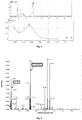
Fig. 1 . Chromatogram of the crude product of U-SeCN formation reaction. -
Fig. 2 . TOF (-) Mass Spectrum of the crude U-SeCN product. -
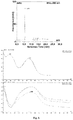
Fig. 3 . Chromatogram of purified U-SeCN. -
Fig. 4 . TOF (-) Mass Spectrum of purified U-SeCN. -
Fig. 5 MSMS TOF (-) Mass Spectrum for the m/z 215,0198 ion of purified U-SeCN. -
Fig. 6 . Chromatogram showing U-SeCN (10-4 M) in 0,03 M tert-butanol solution before the irradiation. -
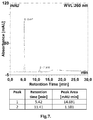
Fig. 7 . Chromatogram showing U-SeCN (10-4 M) in 0,03 M tert-butanol solution after the irradiation (140 Gy). -
Fig. 8 . LC-MS analysis of U-SeCN (10-4 M) in 0,03 M tert-butanol solution after irradiation. -
Fig. 9 . Chromatogram showing U-SeCN (10-4 M) w 0,03 M tert-butanol solution after 50°C temperature incubation (40 min). -
Fig. 10 . Chromatogram showing U-SeCN (10-3 M) after 17 h (RT) incubation in 0,1 % solution of formic acid,pH 3. -
Fig. 11 . Chromatogram showing U-SeCN (10-3 M) after 17 h (RT) incubation in 100 mM ammonium acetate solution,pH 5. -
Fig. 12 . Chromatogram showing U-SeCN (10-3 M) after 17 h (RT) incubation in 100 mM ammonium acetate solution,pH 7. -
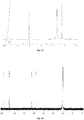
Fig. 13 . 1H NMR spectra (500 MHz, DMSO-d6, 298 K) registered for U-SeCN derivative. -
Fig. 14 . 13C NMR spectra (500 MHz, DMSO-d6, 298 K) registered for U-SeCN derivative. -
Fig. 15 . IR spectra registered for U-SeCN derivative. - The invention was shown at the example presented below, that does not limit its scope.
- 0.54 g (7.6 mmol) of dried, gaseous chlorine and 1.5 g (10.4 mmol) od dried potassium selenocyanate (KSeCN), that was previously solvated in a small amount (2-3 mL) of acetic acid, are introduced into 150 mL of acetic acid. Ater an 1,5 h, 129 mg (1.15 mmol) of uracil is added to the selenocyanogen chloride (CISeCN) formed there. After 20 h of stirring in the room temperature, the resulting suspension is filtered, and the solvent is evaporated in vacuo.
- This direct selevtive selenocyanation of uracil (R2) was not described before.
- The derivative of a molecular formula R1 can be obtained with a high yield by the reaction of compound R2 and R4 in anhydrous conditions. The R4 compound is introducing the selenocyanate group (SeCN) to R2 in this reaction. In the synthesis method described herein, the compound R2 undergoes the reaction with selenocyanogen chloride shown as R4, obtained from potassium selenocyanate compound, R3 and gas chlroine. Exceptional benefits of this method come from separate preparation of selenocyanating agent, and a subsequent R2 addition to it. In the R1 synthesis method described here, the compound R2 reacts with selenocyanogen chloride in a molar ratio of 1:9.
- The purification of the crude product was performed with the use of:
- (1) High performance liquid chromatograph LC 20AD equipped with a UV SPD M20A (Shimadzu) detector and semi-preparative Phenomenex Synergi Polar-RP reverse-phase column (250 x 10.00 mm dimensions, 4 µm particle size, 100 Å pore size). The mobile phase was formed as a linear gradient of solvents A and B, where: A - 5 mM ammonium acetate, pH 5.5; B - 80% acetonitrile.
- The MS analysis conditions: CUR: 25; GS1: 30; GS2: 30; ISIF: 4500(-); TEM: 300; CE: 10.00; DP: 100. (
Fig.2 ). - The purity of the product was determined with the use of:
- (1) High performance liquid chromatography in reverse phase RP-HPLC, with Dionex Ultimate 3000 (Thermo Scientific) chromatograph and the analityc collumn Wakopak Handy ODS (150 x 4,6 mm). The mobile phase consisted of A' i B' solvents, used in the 30 minutes gradient 0-30% B', where: A' - 0,1 % HCOOH; B' - 80% CH3CN + 0,1 % HCOOH. The volumetric flow of effluents was equal to 1 mL/min. The detection was set for 260 nm (
Fig.3 ); - (2) High resolution mass spectrometer TripleTOF 5600 (SCIEX). MS analysis conditions: CUR: 25; GS1: 30; GS2: 30; ISIF: 4500(-); TEM: 300; CE: 10.00; DP: 100. (
Fig.4, Fig. 5 ). - The synthesized compound was analysed with the use of following methods:
- (1) IR spectroscopy (IR) - registered in the KBr pellet (Burker IFS66 apparatus) (Tab. 2 and
Fig. 15 ); - (2) magnetic resonance spectroscopy 1H, 13C NMR (
Bruker AVANCE III 500 MHz) (Tab.2,Fig. 13 and 14 ). - After purification the compound syntetized was used for the irradiation experiments. X-ray Cellrad chamber from Faxitron was used in this part. The products formed during the irradiation were analysed with the use of (1) analytical chromatograph Dionex Ultimate 3000 (Thermo Scientific), the column
Wakopak Handy ODS 4,6x150 mm (Fig.7 ) and (2 ) LC-MS. LC analysis conditions: chromatograph Nexera X2 UHPLC, Shimadzu equipped in Kinetex 2.6 µm, C18, 100 Å, 2.1x150 mm column. The mobile phase consisted of solvents A" i B", in a 15-minutes gradient 0-15% B", where: A" - 0,2 % HCOOH; B" - 80% CH3CN + 0.2 % HCOOH. The volumetric flow of effluents was equal to 0.3 mL/min. The detection was set to 254 nm wavelength.
MS: TripleTOF 5600, SCIEX. MS: CUR: 25; GS1: 30; GS2: 30; ISIF: 4500(-); TEM: 300; CE: 10.00; DP: 100. (Fig.8 ). - The compound tested was then dissolved in water with tert-butanol (0.03 M) in order to get a solution of 10-4 M concentration. The samples were deoxygenated by purging with argon in quartz capillaries 3x3x50 mm. The volume of the irradiated sample was 100 µL. The dose rate was equal to 140 Gy, with the source power of 3.5 Gy/min. (
Fig.6 ,Fig.7 ,Fig.8 ). - The results obtained in the radiolytic studies prove that the dose of ionization radiation used resulted in about 13 % decay (see Tab.1) of derivative (compare the signal intensities of retention time 5.4 min in control (
Fig.6 ) and the irradiated sample (Fig.7 ). The irradiation was also accompanied with the increasing of peak intensity for retention time 11.4 min, by a factor of 4.7 (see Table 1). This peak corresponds to the radiolysis product - dimer U-SeSe-U, which mass was confirmed with the LC-MS analysis (Fig 8 ). The peak observed at 11.4 min of retention time is also present in the control sample, which suggests a slow hydrolysis of the synthesized derivative. To verify the stability of the compound, the solution containing U-SeCN was also incubated at the elevated temperature in 0.03 M tert-butanol, 50°C, for 40 min. The chromatograph of the solution after incubation is shown atFig.9 , and Table 1 shows the values of integral intensity of a peak of Rt 11.4 min before and after incubation. A small difference in the area under the peak 0.215 vs 0.410 suggests the slow hydrolysis of a derivative. Additionally, the subject of U-SeCN stability in water solution was investigated depending on the pH of solution. For this purpose, the U-SeCN derivative was dissolved to the concentration of 10-3 M in: (1) 0.1 % formic acid solution ofpH 3; (2) 100 mM ammonium acetate solution ofpH 5. (3) 100 mM Tris buffer ofpH 7. The samples were then incubated in room temperature for 17 hours and the results (Fig. 10, Fig.11 ) show that the samples incubated in low pH (pH 3 i 5) were stable in these conditions. Only for the samples inpH 7 solution, the peak area for the Rt 11.7 min grows , with the simultaneously diminished area under Rt 5.5 min peak, that suggests, that increasing pH (to pH 7) could make the hydrolysis a bit easier for U-SeCN derivative and favor the dimer U-SeSe-U formation (Fig. 12 ).
The product was identified with the use of mass spectrometry. The high resolution mass spectrum was obtained via using a TripleTOF 5600 (DuoSpray Ion Source) Sciex instrument working both in positive and negative ionization.
Claims (3)
- The method of synthesis of 5-Selenocyanatouracil) of the formula R1:
 - in anhydrous conditions, the compound R2:
 - the compound R2 reacts with compound R4: ClSeCN which has been obtained by the reaction of the compound R3: KSeCN with chlorine gas.
 - The method of synthesis, according to claim 1, characterized in that the compound R2 reacts with the compound R4 in a molar ratio of 1:9.
- The method of synthesis, according to claim 1, characterized in that the method is characterized by separate preparation of the compound R4 and subsequent addition of the compound R2 to it.
Applications Claiming Priority (1)
| Application Number | Priority Date | Filing Date | Title |
|---|---|---|---|
| PL419323A PL234558B1 (en) | 2016-10-31 | 2016-10-31 | Method for obtaining derivative of (5-selenocyanatouracil) uracil |
Publications (2)
| Publication Number | Publication Date |
|---|---|
| EP3351535A1 EP3351535A1 (en) | 2018-07-25 |
| EP3351535B1 true EP3351535B1 (en) | 2019-08-28 |
Family
ID=60888067
Family Applications (1)
| Application Number | Title | Priority Date | Filing Date |
|---|---|---|---|
| EP17001787.5A Not-in-force EP3351535B1 (en) | 2016-10-31 | 2017-10-31 | Process for the preparation of 5-selenocyanato-uracil |
Country Status (2)
| Country | Link |
|---|---|
| EP (1) | EP3351535B1 (en) |
| PL (1) | PL234558B1 (en) |
Family Cites Families (1)
| Publication number | Priority date | Publication date | Assignee | Title |
|---|---|---|---|---|
| WO2006063408A1 (en) * | 2004-12-17 | 2006-06-22 | Stocker Ronald O | Compositions and methods for treating cardiovascular disorders |
-
2016
- 2016-10-31 PL PL419323A patent/PL234558B1/en unknown
-
2017
- 2017-10-31 EP EP17001787.5A patent/EP3351535B1/en not_active Not-in-force
Non-Patent Citations (1)
| Title |
|---|
| None * |
Also Published As
| Publication number | Publication date |
|---|---|
| PL234558B1 (en) | 2020-03-31 |
| PL419323A1 (en) | 2018-05-07 |
| EP3351535A1 (en) | 2018-07-25 |
Similar Documents
| Publication | Publication Date | Title |
|---|---|---|
| Tircsó et al. | Approaching the Kinetic Inertness of Macrocyclic Gadolinium (III)‐Based MRI Contrast Agents with Highly Rigid Open‐Chain Derivatives | |
| Medved’ko et al. | Copper–bispidine complexes: Synthesis and complex stability study | |
| Moad et al. | Studies on 6-methyl-5-deazatetrahydropterin and its 4a adducts | |
| JP5636080B2 (en) | pH sensitive fluorescent probe | |
| WO2014055505A1 (en) | Bodipy dyes for biological imaging | |
| Kang et al. | Activatable red emitting fluorescent probe for rapid and sensitive detection of intracellular peroxynitrite | |
| Michalski et al. | Oxidation of ethidium-based probes by biological radicals: Mechanism, kinetics and implications for the detection of superoxide | |
| Kovacs et al. | Highly luminescent lanthanide complexes sensitised by tertiary amide-linked carbostyril antennae | |
| Fu et al. | An ESIPT based naphthalimide chemosensor for visualizing endogenous ONOO− in living cells | |
| Lijinsky et al. | Studies of alkylation of nucleic acids in rats by cyclic nitrosamines | |
| Zhmurov et al. | Synthesis of PDE IV inhibitors. First asymmetric synthesis of two of GlaxoSmithKline's highly potent Rolipram analogues | |
| Karges et al. | Synthesis, Characterisation and Biological Evaluation of π-Extended Fe (II) Bipyridine Complexes as Potential Photosensitizers for Photodynamic Therapy | |
| Moore et al. | Photochemistry of riboflavine. IV. Photobleaching of some nitrogen-9 substituted isoalloxazines and flavines | |
| Ling et al. | Sugar thiacrown-ether appended calix [4] arene as a selective chemosensor for Fe 2+ and Fe 3+ ions | |
| EP3351535A1 (en) | Process for the preparation of 5-selenocyanato-uracil | |
| EP3757111A1 (en) | Ruthenium (ii) complexes and conjugates thereof for use as photosensitizer agent in photodynamic therapy | |
| Frimer et al. | Ultraviolet and. gamma.-ray-induced free-radical reactions of nucleic acid constituents. Selectivity of some reactions for purines. Suppression of the reactivity of pyrimidines | |
| Morfin et al. | Bismuth (III) coordination to cyclen and cyclam bearing four appended groups | |
| US10450336B2 (en) | Nitrogen-rich macrocyclic ligands, chelation complexes thereof, and process for selective chelation of radioactive bismuth ions with the ligands | |
| Arakali et al. | Study of Creatinine and Its 5-Alkoxy Analogs: Structure and Conformational Studies in the Solid and Solution States by X-Ray Crystallography, NMR, UV and Mass Spectrometry | |
| Trukhin et al. | New Spin Probes: Tri-and Hexacationic Derivatives of Stable Tetrathiatriarylmethyl Radicals | |
| Naseri et al. | Synthesis, quality control and biological evaluation of tris [(1, 10-phenanthroline)[153Sm] samarium (III)] trithiocyanate complex as a therapeutic agent | |
| Niedźwiecka et al. | Lanthanide-binding peptides with two pendant aminodiacetate arms: Impact of the sequence on chelation | |
| Montesano et al. | Nitrosation of d-N, N'-Bis (1-hydroxymethylpropyl) ethylenediamine, an Antitubercular Drug | |
| Ambrosi et al. | Macrocyclic ligands bearing two 3-(hydroxy)-2-pyridinone moieties as side-arms. Conformational studies, synthesis, crystal structure, and alkali and alkaline earth complex formation |
Legal Events
| Date | Code | Title | Description |
|---|---|---|---|
| STAA | Information on the status of an ep patent application or granted ep patent |
Free format text: STATUS: UNKNOWN |
|
| PUAI | Public reference made under article 153(3) epc to a published international application that has entered the european phase |
Free format text: ORIGINAL CODE: 0009012 |
|
| STAA | Information on the status of an ep patent application or granted ep patent |
Free format text: STATUS: THE APPLICATION HAS BEEN PUBLISHED |
|
| AK | Designated contracting states |
Kind code of ref document: A1 Designated state(s): AL AT BE BG CH CY CZ DE DK EE ES FI FR GB GR HR HU IE IS IT LI LT LU LV MC MK MT NL NO PL PT RO RS SE SI SK SM TR |
|
| AX | Request for extension of the european patent |
Extension state: BA ME |
|
| STAA | Information on the status of an ep patent application or granted ep patent |
Free format text: STATUS: REQUEST FOR EXAMINATION WAS MADE |
|
| 17P | Request for examination filed |
Effective date: 20181205 |
|
| RBV | Designated contracting states (corrected) |
Designated state(s): AL AT BE BG CH CY CZ DE DK EE ES FI FR GB GR HR HU IE IS IT LI LT LU LV MC MK MT NL NO PL PT RO RS SE SI SK SM TR |
|
| GRAP | Despatch of communication of intention to grant a patent |
Free format text: ORIGINAL CODE: EPIDOSNIGR1 |
|
| STAA | Information on the status of an ep patent application or granted ep patent |
Free format text: STATUS: GRANT OF PATENT IS INTENDED |
|
| INTG | Intention to grant announced |
Effective date: 20190423 |
|
| RIN1 | Information on inventor provided before grant (corrected) |
Inventor name: CHOMICZ-MANKA, LIDIA Inventor name: RAK, JANUSZ Inventor name: SOSNOWSKA, MARTA Inventor name: MAKURAT, SAMANTA |
|
| GRAS | Grant fee paid |
Free format text: ORIGINAL CODE: EPIDOSNIGR3 |
|
| GRAA | (expected) grant |
Free format text: ORIGINAL CODE: 0009210 |
|
| STAA | Information on the status of an ep patent application or granted ep patent |
Free format text: STATUS: THE PATENT HAS BEEN GRANTED |
|
| AK | Designated contracting states |
Kind code of ref document: B1 Designated state(s): AL AT BE BG CH CY CZ DE DK EE ES FI FR GB GR HR HU IE IS IT LI LT LU LV MC MK MT NL NO PL PT RO RS SE SI SK SM TR |
|
| REG | Reference to a national code |
Ref country code: GB Ref legal event code: FG4D |
|
| REG | Reference to a national code |
Ref country code: CH Ref legal event code: EP |
|
| REG | Reference to a national code |
Ref country code: AT Ref legal event code: REF Ref document number: 1172235 Country of ref document: AT Kind code of ref document: T Effective date: 20190915 |
|
| REG | Reference to a national code |
Ref country code: IE Ref legal event code: FG4D |
|
| REG | Reference to a national code |
Ref country code: DE Ref legal event code: R096 Ref document number: 602017006404 Country of ref document: DE |
|
| REG | Reference to a national code |
Ref country code: NL Ref legal event code: MP Effective date: 20190828 |
|
| REG | Reference to a national code |
Ref country code: LT Ref legal event code: MG4D |
|
| PG25 | Lapsed in a contracting state [announced via postgrant information from national office to epo] |
Ref country code: HR Free format text: LAPSE BECAUSE OF FAILURE TO SUBMIT A TRANSLATION OF THE DESCRIPTION OR TO PAY THE FEE WITHIN THE PRESCRIBED TIME-LIMIT Effective date: 20190828 Ref country code: NL Free format text: LAPSE BECAUSE OF FAILURE TO SUBMIT A TRANSLATION OF THE DESCRIPTION OR TO PAY THE FEE WITHIN THE PRESCRIBED TIME-LIMIT Effective date: 20190828 Ref country code: PT Free format text: LAPSE BECAUSE OF FAILURE TO SUBMIT A TRANSLATION OF THE DESCRIPTION OR TO PAY THE FEE WITHIN THE PRESCRIBED TIME-LIMIT Effective date: 20191230 Ref country code: BG Free format text: LAPSE BECAUSE OF FAILURE TO SUBMIT A TRANSLATION OF THE DESCRIPTION OR TO PAY THE FEE WITHIN THE PRESCRIBED TIME-LIMIT Effective date: 20191128 Ref country code: LT Free format text: LAPSE BECAUSE OF FAILURE TO SUBMIT A TRANSLATION OF THE DESCRIPTION OR TO PAY THE FEE WITHIN THE PRESCRIBED TIME-LIMIT Effective date: 20190828 Ref country code: NO Free format text: LAPSE BECAUSE OF FAILURE TO SUBMIT A TRANSLATION OF THE DESCRIPTION OR TO PAY THE FEE WITHIN THE PRESCRIBED TIME-LIMIT Effective date: 20191128 Ref country code: FI Free format text: LAPSE BECAUSE OF FAILURE TO SUBMIT A TRANSLATION OF THE DESCRIPTION OR TO PAY THE FEE WITHIN THE PRESCRIBED TIME-LIMIT Effective date: 20190828 Ref country code: SE Free format text: LAPSE BECAUSE OF FAILURE TO SUBMIT A TRANSLATION OF THE DESCRIPTION OR TO PAY THE FEE WITHIN THE PRESCRIBED TIME-LIMIT Effective date: 20190828 |
|
| PG25 | Lapsed in a contracting state [announced via postgrant information from national office to epo] |
Ref country code: IS Free format text: LAPSE BECAUSE OF FAILURE TO SUBMIT A TRANSLATION OF THE DESCRIPTION OR TO PAY THE FEE WITHIN THE PRESCRIBED TIME-LIMIT Effective date: 20191228 Ref country code: LV Free format text: LAPSE BECAUSE OF FAILURE TO SUBMIT A TRANSLATION OF THE DESCRIPTION OR TO PAY THE FEE WITHIN THE PRESCRIBED TIME-LIMIT Effective date: 20190828 Ref country code: AL Free format text: LAPSE BECAUSE OF FAILURE TO SUBMIT A TRANSLATION OF THE DESCRIPTION OR TO PAY THE FEE WITHIN THE PRESCRIBED TIME-LIMIT Effective date: 20190828 Ref country code: RS Free format text: LAPSE BECAUSE OF FAILURE TO SUBMIT A TRANSLATION OF THE DESCRIPTION OR TO PAY THE FEE WITHIN THE PRESCRIBED TIME-LIMIT Effective date: 20190828 Ref country code: GR Free format text: LAPSE BECAUSE OF FAILURE TO SUBMIT A TRANSLATION OF THE DESCRIPTION OR TO PAY THE FEE WITHIN THE PRESCRIBED TIME-LIMIT Effective date: 20191129 Ref country code: ES Free format text: LAPSE BECAUSE OF FAILURE TO SUBMIT A TRANSLATION OF THE DESCRIPTION OR TO PAY THE FEE WITHIN THE PRESCRIBED TIME-LIMIT Effective date: 20190828 |
|
| PGFP | Annual fee paid to national office [announced via postgrant information from national office to epo] |
Ref country code: FR Payment date: 20191029 Year of fee payment: 3 |
|
| REG | Reference to a national code |
Ref country code: AT Ref legal event code: MK05 Ref document number: 1172235 Country of ref document: AT Kind code of ref document: T Effective date: 20190828 |
|
| PG25 | Lapsed in a contracting state [announced via postgrant information from national office to epo] |
Ref country code: TR Free format text: LAPSE BECAUSE OF FAILURE TO SUBMIT A TRANSLATION OF THE DESCRIPTION OR TO PAY THE FEE WITHIN THE PRESCRIBED TIME-LIMIT Effective date: 20190828 |
|
| PG25 | Lapsed in a contracting state [announced via postgrant information from national office to epo] |
Ref country code: DK Free format text: LAPSE BECAUSE OF FAILURE TO SUBMIT A TRANSLATION OF THE DESCRIPTION OR TO PAY THE FEE WITHIN THE PRESCRIBED TIME-LIMIT Effective date: 20190828 Ref country code: AT Free format text: LAPSE BECAUSE OF FAILURE TO SUBMIT A TRANSLATION OF THE DESCRIPTION OR TO PAY THE FEE WITHIN THE PRESCRIBED TIME-LIMIT Effective date: 20190828 Ref country code: PL Free format text: LAPSE BECAUSE OF FAILURE TO SUBMIT A TRANSLATION OF THE DESCRIPTION OR TO PAY THE FEE WITHIN THE PRESCRIBED TIME-LIMIT Effective date: 20190828 Ref country code: EE Free format text: LAPSE BECAUSE OF FAILURE TO SUBMIT A TRANSLATION OF THE DESCRIPTION OR TO PAY THE FEE WITHIN THE PRESCRIBED TIME-LIMIT Effective date: 20190828 Ref country code: IT Free format text: LAPSE BECAUSE OF FAILURE TO SUBMIT A TRANSLATION OF THE DESCRIPTION OR TO PAY THE FEE WITHIN THE PRESCRIBED TIME-LIMIT Effective date: 20190828 Ref country code: RO Free format text: LAPSE BECAUSE OF FAILURE TO SUBMIT A TRANSLATION OF THE DESCRIPTION OR TO PAY THE FEE WITHIN THE PRESCRIBED TIME-LIMIT Effective date: 20190828 |
|
| PG25 | Lapsed in a contracting state [announced via postgrant information from national office to epo] |
Ref country code: IS Free format text: LAPSE BECAUSE OF FAILURE TO SUBMIT A TRANSLATION OF THE DESCRIPTION OR TO PAY THE FEE WITHIN THE PRESCRIBED TIME-LIMIT Effective date: 20200224 Ref country code: CZ Free format text: LAPSE BECAUSE OF FAILURE TO SUBMIT A TRANSLATION OF THE DESCRIPTION OR TO PAY THE FEE WITHIN THE PRESCRIBED TIME-LIMIT Effective date: 20190828 Ref country code: SK Free format text: LAPSE BECAUSE OF FAILURE TO SUBMIT A TRANSLATION OF THE DESCRIPTION OR TO PAY THE FEE WITHIN THE PRESCRIBED TIME-LIMIT Effective date: 20190828 Ref country code: MC Free format text: LAPSE BECAUSE OF FAILURE TO SUBMIT A TRANSLATION OF THE DESCRIPTION OR TO PAY THE FEE WITHIN THE PRESCRIBED TIME-LIMIT Effective date: 20190828 Ref country code: SM Free format text: LAPSE BECAUSE OF FAILURE TO SUBMIT A TRANSLATION OF THE DESCRIPTION OR TO PAY THE FEE WITHIN THE PRESCRIBED TIME-LIMIT Effective date: 20190828 |
|
| REG | Reference to a national code |
Ref country code: DE Ref legal event code: R097 Ref document number: 602017006404 Country of ref document: DE |
|
| PLBE | No opposition filed within time limit |
Free format text: ORIGINAL CODE: 0009261 |
|
| STAA | Information on the status of an ep patent application or granted ep patent |
Free format text: STATUS: NO OPPOSITION FILED WITHIN TIME LIMIT |
|
| PG2D | Information on lapse in contracting state deleted |
Ref country code: IS |
|
| PG25 | Lapsed in a contracting state [announced via postgrant information from national office to epo] |
Ref country code: LU Free format text: LAPSE BECAUSE OF NON-PAYMENT OF DUE FEES Effective date: 20191031 |
|
| 26N | No opposition filed |
Effective date: 20200603 |
|
| REG | Reference to a national code |
Ref country code: BE Ref legal event code: MM Effective date: 20191031 |
|
| PG25 | Lapsed in a contracting state [announced via postgrant information from national office to epo] |
Ref country code: SI Free format text: LAPSE BECAUSE OF FAILURE TO SUBMIT A TRANSLATION OF THE DESCRIPTION OR TO PAY THE FEE WITHIN THE PRESCRIBED TIME-LIMIT Effective date: 20190828 Ref country code: BE Free format text: LAPSE BECAUSE OF NON-PAYMENT OF DUE FEES Effective date: 20191031 |
|
| PG25 | Lapsed in a contracting state [announced via postgrant information from national office to epo] |
Ref country code: IE Free format text: LAPSE BECAUSE OF NON-PAYMENT OF DUE FEES Effective date: 20191031 |
|
| PG25 | Lapsed in a contracting state [announced via postgrant information from national office to epo] |
Ref country code: CY Free format text: LAPSE BECAUSE OF FAILURE TO SUBMIT A TRANSLATION OF THE DESCRIPTION OR TO PAY THE FEE WITHIN THE PRESCRIBED TIME-LIMIT Effective date: 20190828 |
|
| REG | Reference to a national code |
Ref country code: CH Ref legal event code: PL |
|
| PG25 | Lapsed in a contracting state [announced via postgrant information from national office to epo] |
Ref country code: LI Free format text: LAPSE BECAUSE OF FAILURE TO SUBMIT A TRANSLATION OF THE DESCRIPTION OR TO PAY THE FEE WITHIN THE PRESCRIBED TIME-LIMIT Effective date: 20201031 Ref country code: CH Free format text: LAPSE BECAUSE OF FAILURE TO SUBMIT A TRANSLATION OF THE DESCRIPTION OR TO PAY THE FEE WITHIN THE PRESCRIBED TIME-LIMIT Effective date: 20201031 |
|
| PG25 | Lapsed in a contracting state [announced via postgrant information from national office to epo] |
Ref country code: FR Free format text: LAPSE BECAUSE OF NON-PAYMENT OF DUE FEES Effective date: 20201031 Ref country code: MT Free format text: LAPSE BECAUSE OF FAILURE TO SUBMIT A TRANSLATION OF THE DESCRIPTION OR TO PAY THE FEE WITHIN THE PRESCRIBED TIME-LIMIT Effective date: 20190828 Ref country code: HU Free format text: LAPSE BECAUSE OF FAILURE TO SUBMIT A TRANSLATION OF THE DESCRIPTION OR TO PAY THE FEE WITHIN THE PRESCRIBED TIME-LIMIT; INVALID AB INITIO Effective date: 20171031 |
|
| PG25 | Lapsed in a contracting state [announced via postgrant information from national office to epo] |
Ref country code: MK Free format text: LAPSE BECAUSE OF FAILURE TO SUBMIT A TRANSLATION OF THE DESCRIPTION OR TO PAY THE FEE WITHIN THE PRESCRIBED TIME-LIMIT Effective date: 20190828 |
|
| PGFP | Annual fee paid to national office [announced via postgrant information from national office to epo] |
Ref country code: GB Payment date: 20231016 Year of fee payment: 7 |
|
| PGFP | Annual fee paid to national office [announced via postgrant information from national office to epo] |
Ref country code: DE Payment date: 20231012 Year of fee payment: 7 |
|
| REG | Reference to a national code |
Ref country code: DE Ref legal event code: R119 Ref document number: 602017006404 Country of ref document: DE |
|
| GBPC | Gb: european patent ceased through non-payment of renewal fee |
Effective date: 20241031 |
|
| PG25 | Lapsed in a contracting state [announced via postgrant information from national office to epo] |
Ref country code: DE Free format text: LAPSE BECAUSE OF NON-PAYMENT OF DUE FEES Effective date: 20250501 |
|
| PG25 | Lapsed in a contracting state [announced via postgrant information from national office to epo] |
Ref country code: GB Free format text: LAPSE BECAUSE OF NON-PAYMENT OF DUE FEES Effective date: 20241031 |