EP3349410A1 - Method and system for executing a transaction request using a communication channel - Google Patents
Method and system for executing a transaction request using a communication channel Download PDFInfo
- Publication number
- EP3349410A1 EP3349410A1 EP17162608.8A EP17162608A EP3349410A1 EP 3349410 A1 EP3349410 A1 EP 3349410A1 EP 17162608 A EP17162608 A EP 17162608A EP 3349410 A1 EP3349410 A1 EP 3349410A1
- Authority
- EP
- European Patent Office
- Prior art keywords
- code
- transaction request
- rcid
- transaction
- user
- Prior art date
- Legal status (The legal status is an assumption and is not a legal conclusion. Google has not performed a legal analysis and makes no representation as to the accuracy of the status listed.)
- Granted
Links
Images



Classifications
-
- G—PHYSICS
- G06—COMPUTING OR CALCULATING; COUNTING
- G06Q—INFORMATION AND COMMUNICATION TECHNOLOGY [ICT] SPECIALLY ADAPTED FOR ADMINISTRATIVE, COMMERCIAL, FINANCIAL, MANAGERIAL OR SUPERVISORY PURPOSES; SYSTEMS OR METHODS SPECIALLY ADAPTED FOR ADMINISTRATIVE, COMMERCIAL, FINANCIAL, MANAGERIAL OR SUPERVISORY PURPOSES, NOT OTHERWISE PROVIDED FOR
- G06Q20/00—Payment architectures, schemes or protocols
- G06Q20/38—Payment protocols; Details thereof
- G06Q20/382—Payment protocols; Details thereof insuring higher security of transaction
-
- H—ELECTRICITY
- H04—ELECTRIC COMMUNICATION TECHNIQUE
- H04L—TRANSMISSION OF DIGITAL INFORMATION, e.g. TELEGRAPHIC COMMUNICATION
- H04L63/00—Network architectures or network communication protocols for network security
- H04L63/10—Network architectures or network communication protocols for network security for controlling access to devices or network resources
-
- G—PHYSICS
- G06—COMPUTING OR CALCULATING; COUNTING
- G06Q—INFORMATION AND COMMUNICATION TECHNOLOGY [ICT] SPECIALLY ADAPTED FOR ADMINISTRATIVE, COMMERCIAL, FINANCIAL, MANAGERIAL OR SUPERVISORY PURPOSES; SYSTEMS OR METHODS SPECIALLY ADAPTED FOR ADMINISTRATIVE, COMMERCIAL, FINANCIAL, MANAGERIAL OR SUPERVISORY PURPOSES, NOT OTHERWISE PROVIDED FOR
- G06Q10/00—Administration; Management
- G06Q10/10—Office automation; Time management
- G06Q10/107—Computer-aided management of electronic mailing [e-mailing]
-
- G—PHYSICS
- G06—COMPUTING OR CALCULATING; COUNTING
- G06Q—INFORMATION AND COMMUNICATION TECHNOLOGY [ICT] SPECIALLY ADAPTED FOR ADMINISTRATIVE, COMMERCIAL, FINANCIAL, MANAGERIAL OR SUPERVISORY PURPOSES; SYSTEMS OR METHODS SPECIALLY ADAPTED FOR ADMINISTRATIVE, COMMERCIAL, FINANCIAL, MANAGERIAL OR SUPERVISORY PURPOSES, NOT OTHERWISE PROVIDED FOR
- G06Q20/00—Payment architectures, schemes or protocols
- G06Q20/38—Payment protocols; Details thereof
- G06Q20/40—Authorisation, e.g. identification of payer or payee, verification of customer or shop credentials; Review and approval of payers, e.g. check credit lines or negative lists
- G06Q20/401—Transaction verification
- G06Q20/4014—Identity check for transactions
-
- H—ELECTRICITY
- H04—ELECTRIC COMMUNICATION TECHNIQUE
- H04L—TRANSMISSION OF DIGITAL INFORMATION, e.g. TELEGRAPHIC COMMUNICATION
- H04L51/00—User-to-user messaging in packet-switching networks, transmitted according to store-and-forward or real-time protocols, e.g. e-mail
- H04L51/04—Real-time or near real-time messaging, e.g. instant messaging [IM]
- H04L51/046—Interoperability with other network applications or services
-
- H—ELECTRICITY
- H04—ELECTRIC COMMUNICATION TECHNIQUE
- H04L—TRANSMISSION OF DIGITAL INFORMATION, e.g. TELEGRAPHIC COMMUNICATION
- H04L51/00—User-to-user messaging in packet-switching networks, transmitted according to store-and-forward or real-time protocols, e.g. e-mail
- H04L51/07—User-to-user messaging in packet-switching networks, transmitted according to store-and-forward or real-time protocols, e.g. e-mail characterised by the inclusion of specific contents
- H04L51/18—Commands or executable codes
-
- H—ELECTRICITY
- H04—ELECTRIC COMMUNICATION TECHNIQUE
- H04L—TRANSMISSION OF DIGITAL INFORMATION, e.g. TELEGRAPHIC COMMUNICATION
- H04L51/00—User-to-user messaging in packet-switching networks, transmitted according to store-and-forward or real-time protocols, e.g. e-mail
- H04L51/56—Unified messaging, e.g. interactions between e-mail, instant messaging or converged IP messaging [CPM]
-
- H—ELECTRICITY
- H04—ELECTRIC COMMUNICATION TECHNIQUE
- H04L—TRANSMISSION OF DIGITAL INFORMATION, e.g. TELEGRAPHIC COMMUNICATION
- H04L63/00—Network architectures or network communication protocols for network security
- H04L63/08—Network architectures or network communication protocols for network security for authentication of entities
- H04L63/0807—Network architectures or network communication protocols for network security for authentication of entities using tickets, e.g. Kerberos
-
- H—ELECTRICITY
- H04—ELECTRIC COMMUNICATION TECHNIQUE
- H04L—TRANSMISSION OF DIGITAL INFORMATION, e.g. TELEGRAPHIC COMMUNICATION
- H04L63/00—Network architectures or network communication protocols for network security
- H04L63/08—Network architectures or network communication protocols for network security for authentication of entities
- H04L63/083—Network architectures or network communication protocols for network security for authentication of entities using passwords
-
- H—ELECTRICITY
- H04—ELECTRIC COMMUNICATION TECHNIQUE
- H04L—TRANSMISSION OF DIGITAL INFORMATION, e.g. TELEGRAPHIC COMMUNICATION
- H04L63/00—Network architectures or network communication protocols for network security
- H04L63/08—Network architectures or network communication protocols for network security for authentication of entities
- H04L63/0876—Network architectures or network communication protocols for network security for authentication of entities based on the identity of the terminal or configuration, e.g. MAC address, hardware or software configuration or device fingerprint
Definitions
- the present application generally relates to the field of secure information transaction. More particularly, but not specifically, the invention provides a system and method for securely executing a transaction request using a communication channel such as SMS or email.
- the current practice involves, the authentic stakeholder access his / her desktop or laptop, logging in to the system, going to the web location or path where the request has been arrived and then taking an action on the request. But there are various scenario, where the desktop is not accessible to the senior. This results in delay from the side of authentic stakeholder in attending the request. In case of emergency, a system / framework is required which can provide a capability to the user to take action from any other channel other than the desktop / laptop.
- the information is available in the graphical system, but user needs to search through records to attend the request which requires action.
- the existing communication via Email or SMS is supported however the channels are passively used as they are not actionable. Further security of data may be compromised over these channels.
- portable applications which can be carried easily over a smart phones. Portable application creation for smart phones and tablets requires additional effort and may be complicated based on the present design of ERP. In the existing systems, even if the user has the information which is already communicated via other channels, he/she still needs to go through redundant number of steps to take action.
- the system comprises a memory, a transaction engine, a database and a processor.
- the transaction engine sends the transaction request.
- the transaction request comprises a transaction request ID, a transaction type, a user ID, an organization ID, a short code, a reply capture ID code (RCID code) and a message.
- the database stores the transaction request.
- the processor further comprises a short code validation module, an RCID code checking module, an RCID code validation module, a user validation module, a fetching module, an invoke module and execution module.
- the short code validation module checks the validity of the short code in the transaction request.
- the RCID code checking module checks the presence of the RCID code in the transaction request.
- the RCID code validation module checks the validity of the RCID code in the transaction request if the RCID code is present.
- the user validation module checks the validity of a user using the user ID.
- the fetching module fetches the message from the transaction request.
- the invoke module invokes a solution specific API to process the transaction by passing the fetched message from the transaction request.
- the execution module executes the transaction and sends a success-failure response to the user indicating a transaction request status.
- Another embodiment provides a method for executing a transaction request using a communication channel.
- the transaction request is received from a transaction engine.
- the transaction request comprising a transaction request ID, a transaction type, a user ID, an organization ID, a short code, a reply capture ID code (RCID code) and a message.
- the validity of the short code in the transaction request is checked. An error message is sent if the short code is invalid.
- the presence of the RCID code is checked in the transaction request.
- the validity of the RCID code in the transaction request is checked if the RCID code is present. An error message is sent if the RCID code is invalid.
- the validity of a user is checked using the user ID. An error message is sent if the user is invalid.
- the message is fetched from the transaction request.
- a solution specific API is invoked to process the transaction by passing the fetched message from the transaction request.
- the transaction is executed and a success-failure response is sent to the user indicating a transaction request status.
- a non-transitory computer readable medium storing instructions which when executed by a possessor on a system, cause the processor to perform method for executing a transaction request using a communication channel.
- the transaction request is received from a transaction engine.
- the transaction request comprising a transaction request ID, a transaction type, a user ID, an organization ID, a short code, a reply capture ID code (RCID code) and a message.
- the validity of the short code in the transaction request is checked. An error message is sent if the short code is invalid. Else in the next step, the presence of the RCID code is checked in the transaction request.
- the validity of the RCID code in the transaction request is checked if the RCID code is present. An error message is sent if the RCID code is invalid. Else in the next step the validity of a user is checked using the user ID. An error message is sent if the user is invalid.
- the message is fetched from the transaction request.
- a solution specific API is invoked to process the transaction by passing the fetched message from the transaction request. And finally, the transaction is executed and a success-failure response is sent to the user indicating a transaction request status.
- FIG. 1 where similar reference characters denote corresponding features consistently throughout the figures, there are shown preferred embodiments and these embodiments are described in the context of the following exemplary system and/or method.
- a system 100 for executing a transaction request using a communication is shown in the block diagram of Fig. 1 .
- the disclosure provides a proactive / reactive smart response processing system / framework for providing capability to a user to take action from any channel other than desktop.
- This system takes care of authentication as well by generating a unique key and incorporating it as part of response thus ensuring that the action is being taken from authentic source.
- This framework has mapping with integrating solutions business logic, which is called based on the response provided.
- the system 100 includes a transaction engine 102, a database 104, a memory 106 and a processor 108 in communication with the memory 106 as shown in the block diagram of Fig. 1 .
- the memory 106 is configured to store a plurality of algorithms.
- the processor 108 further includes a plurality of modules for performing various functions.
- the plurality of modules access the plurality of algorithms stored in the memory 106 to perform various functions.
- the plurality of modules include an RCID code generator 110, a short code validation module 112, an RCID code checking module 114, an RCID code validation module 116, a user validation module 118, a fetching module 120, an invoke module 122 and execution module 124.
- the transaction engine 102 is configured to generate a transaction request.
- the transaction engine 102 is normally controlled by a user.
- the transaction request can be generated either proactively or reactively.
- the transaction request comprises a transaction request ID, a transaction type, a user ID, an organization ID, a short code, a reply capture ID code (RCID code) and a message.
- the short code and the reply capture ID code (RCID code) are the essential part of the transaction request.
- the transaction requests are stored in the database 104.
- the transaction requests can further be fetched based on the requirement.
- the RCID code is a unique alpha numeric 8 digit character code.
- the RCID code is a singular and arbitrary alpha numeric string.
- the RCID code is generated by an RCID code generator 110.
- the RCID code is stored in the database 104 along with other transaction details such as transaction type, transaction ID, user ID, organization ID, solution ID. Once the RCID code is generated, the database 104 is queried to check the uniqueness of the RCID code and further it is embedded in the notification being sent for the transaction. The RCID code expires after its consumption.
- the short code is a unique code which is entered in the database 104 at time of integration with solutions against a business logic which is to be implemented once action is taken on the transaction request.
- the short code is fetched from table and embedded in the notification as subject line.
- the short code validation module 112 checks the validity of the short code present in the transaction request. If the short code is not valid then the processor 108 sends an error report back to the user. In an example, the short code is prepended with '**' while sending the communication. Hence the short code validation module 112 looks for '**' in subject line and anything post '**' is taken as the short code.
- the example of short code may be WF for workflow, HD for Help Desk etc.
- the RCID code checking module 114 checks the presence of the RCID code in the transaction request. If the RCID code is not present then the error report is sent back to the user. If the RCID code is present then the RCID code validation module 114 checks the presence and validity of the RCID code. It should be appreciated that in another embodiment, if the RCID code is not present then it is assumed that the transaction request is a proactive request, else it is a reactive request.
- the RCID code validation module 116 initially queries a RCID code table to check whether the RCID code is present in the RCID code table or not.
- the RCID code table is table consisting of all the recently generated RCID codes. Whenever any action is taken, the RCID code is consumed or within 15 days, the RCID code is consumed. Hence on fetching the RCID code, the table is queried to check whether the RCID code is present. If present, then processing proceeds else the error report is sent to user saying RCID code is invalid.
- the validation of user is done by the user validation module 118 to ensure that the transaction has come from an authentic person to whom the message was actually sent (in case of reactive request).
- the user ID stored in table at time of the RCID code generation is queried to fetch the communication ID tagged to this user.
- Communication ID could be an email ID or a mobile number depending on the type of communication. The communication ID from which response has been received is checked. If both the communication IDs are same then, the transaction message is considered as authentic and processed else the error report is sent to the user.
Landscapes
- Engineering & Computer Science (AREA)
- Business, Economics & Management (AREA)
- Computer Networks & Wireless Communication (AREA)
- Signal Processing (AREA)
- Computer Hardware Design (AREA)
- Computer Security & Cryptography (AREA)
- Human Resources & Organizations (AREA)
- General Engineering & Computer Science (AREA)
- Computing Systems (AREA)
- Strategic Management (AREA)
- Entrepreneurship & Innovation (AREA)
- Theoretical Computer Science (AREA)
- Physics & Mathematics (AREA)
- General Business, Economics & Management (AREA)
- General Physics & Mathematics (AREA)
- Accounting & Taxation (AREA)
- Operations Research (AREA)
- Marketing (AREA)
- Economics (AREA)
- Tourism & Hospitality (AREA)
- Data Mining & Analysis (AREA)
- Quality & Reliability (AREA)
- Power Engineering (AREA)
- Finance (AREA)
- Information Transfer Between Computers (AREA)
- Data Exchanges In Wide-Area Networks (AREA)
- Telephonic Communication Services (AREA)
Abstract
Description
- This U.S. patent application claims priority under 35 U.S.C. § 119 to: India Application No.
201721001154, filed on 11 January 2017 - The present application generally relates to the field of secure information transaction. More particularly, but not specifically, the invention provides a system and method for securely executing a transaction request using a communication channel such as SMS or email.
- In a corporate environment, there are various scenarios when a request is generated. This request is communicated through various modes of communication such as email, messages, websites, servers, calls etc. These requests sometime contains a lot of critical and important information. Sometimes, these information require quick and timely attention. In addition to that, a lot of confidential data is also being communicated, therefore, the information communicated over these channels must be secure. The requests are generated in the system either proactively or reactively by a user. These requests need to be attended by an authentic stakeholder such as a senior or an admin person, before it is attended.
- In such cases the current practice involves, the authentic stakeholder access his / her desktop or laptop, logging in to the system, going to the web location or path where the request has been arrived and then taking an action on the request. But there are various scenario, where the desktop is not accessible to the senior. This results in delay from the side of authentic stakeholder in attending the request. In case of emergency, a system / framework is required which can provide a capability to the user to take action from any other channel other than the desktop / laptop.
- Generally, the information is available in the graphical system, but user needs to search through records to attend the request which requires action. The existing communication via Email or SMS is supported however the channels are passively used as they are not actionable. Further security of data may be compromised over these channels. In addition to that, there is also demand of portable applications which can be carried easily over a smart phones. Portable application creation for smart phones and tablets requires additional effort and may be complicated based on the present design of ERP. In the existing systems, even if the user has the information which is already communicated via other channels, he/she still needs to go through redundant number of steps to take action.
- The following presents a simplified summary of some embodiments of the disclosure in order to provide a basic understanding of the embodiments. This summary is not an extensive overview of the embodiments. It is not intended to identify key/critical elements of the embodiments or to delineate the scope of the embodiments. Its sole purpose is to present some embodiments in a simplified form as a prelude to the more detailed description that is presented below.
- In view of the foregoing, in one embodiment herein provides a system for executing a transaction request using a communication channel. The system comprises a memory, a transaction engine, a database and a processor. The transaction engine sends the transaction request. The transaction request comprises a transaction request ID, a transaction type, a user ID, an organization ID, a short code, a reply capture ID code (RCID code) and a message. The database stores the transaction request. The processor further comprises a short code validation module, an RCID code checking module, an RCID code validation module, a user validation module, a fetching module, an invoke module and execution module. The short code validation module checks the validity of the short code in the transaction request. The RCID code checking module checks the presence of the RCID code in the transaction request. The RCID code validation module checks the validity of the RCID code in the transaction request if the RCID code is present. The user validation module checks the validity of a user using the user ID. The fetching module fetches the message from the transaction request. The invoke module invokes a solution specific API to process the transaction by passing the fetched message from the transaction request. The execution module executes the transaction and sends a success-failure response to the user indicating a transaction request status.
- Another embodiment provides a method for executing a transaction request using a communication channel. Initially, the transaction request is received from a transaction engine. The transaction request comprising a transaction request ID, a transaction type, a user ID, an organization ID, a short code, a reply capture ID code (RCID code) and a message. At the next step, the validity of the short code in the transaction request is checked. An error message is sent if the short code is invalid. Else in the next step, the presence of the RCID code is checked in the transaction request. In the next step, the validity of the RCID code in the transaction request is checked if the RCID code is present. An error message is sent if the RCID code is invalid. Else in the next step the validity of a user is checked using the user ID. An error message is sent if the user is invalid. In the next step, the message is fetched from the transaction request. In the next step, a solution specific API is invoked to process the transaction by passing the fetched message from the transaction request. And finally, the transaction is executed and a success-failure response is sent to the user indicating a transaction request status.
- In yet another embodiment, a non-transitory computer readable medium storing instructions which when executed by a possessor on a system, cause the processor to perform method for executing a transaction request using a communication channel. Initially, the transaction request is received from a transaction engine. The transaction request comprising a transaction request ID, a transaction type, a user ID, an organization ID, a short code, a reply capture ID code (RCID code) and a message. At the next step, the validity of the short code in the transaction request is checked. An error message is sent if the short code is invalid. Else in the next step, the presence of the RCID code is checked in the transaction request. In the next step, the validity of the RCID code in the transaction request is checked if the RCID code is present. An error message is sent if the RCID code is invalid. Else in the next step the validity of a user is checked using the user ID. An error message is sent if the user is invalid. In the next step, the message is fetched from the transaction request. In the next step, a solution specific API is invoked to process the transaction by passing the fetched message from the transaction request. And finally, the transaction is executed and a success-failure response is sent to the user indicating a transaction request status.
- It is to be understood that both the foregoing general description and the following detailed description are exemplary and explanatory only and are not restrictive of the invention, as claimed.
- The embodiments herein will be better understood from the following detailed description with reference to the drawings, in which:
-
Fig. 1 illustrates a block diagram of a system for executing a transaction request using a communication channel, in accordance with an embodiment of the disclosure; -
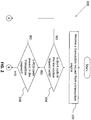
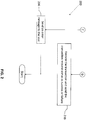
Fig. 2 illustrates an schematic diagram of the system for executing transaction request using SMS and email, in accordance with an embodiment of the present disclosure; and -
Fig. 3 is a flowchart illustrating steps involved in executing a transaction request using a communication channel, in accordance with an embodiment of the disclosure. - The embodiments herein and the various features and advantageous details thereof are explained more fully with reference to the non-limiting embodiments that are illustrated in the accompanying drawings and detailed in the following description. The examples used herein are intended merely to facilitate an understanding of ways in which the embodiments herein may be practiced and to further enable those of skill in the art to practice the embodiments herein. Accordingly, the examples should not be construed as limiting the scope of the embodiments herein.
- Referring now to the drawings, and more particularly to
FIG. 1 , where similar reference characters denote corresponding features consistently throughout the figures, there are shown preferred embodiments and these embodiments are described in the context of the following exemplary system and/or method. - According to an embodiment of the disclosure, a
system 100 for executing a transaction request using a communication is shown in the block diagram ofFig. 1 . The disclosure provides a proactive / reactive smart response processing system / framework for providing capability to a user to take action from any channel other than desktop. This system takes care of authentication as well by generating a unique key and incorporating it as part of response thus ensuring that the action is being taken from authentic source. This framework has mapping with integrating solutions business logic, which is called based on the response provided. - The
system 100 includes atransaction engine 102, adatabase 104, amemory 106 and aprocessor 108 in communication with thememory 106 as shown in the block diagram ofFig. 1 . Thememory 106 is configured to store a plurality of algorithms. Theprocessor 108 further includes a plurality of modules for performing various functions. The plurality of modules access the plurality of algorithms stored in thememory 106 to perform various functions. The plurality of modules include anRCID code generator 110, a shortcode validation module 112, an RCIDcode checking module 114, an RCIDcode validation module 116, auser validation module 118, a fetchingmodule 120, an invokemodule 122 andexecution module 124. - According to an embodiment of the disclosure, the
transaction engine 102 is configured to generate a transaction request. Thetransaction engine 102 is normally controlled by a user. The transaction request can be generated either proactively or reactively. In an example, the transaction request comprises a transaction request ID, a transaction type, a user ID, an organization ID, a short code, a reply capture ID code (RCID code) and a message. The short code and the reply capture ID code (RCID code) are the essential part of the transaction request. Though it should be appreciated that the rest other components of the transaction request can be customized depending on the requirement of the user. These transaction requests are stored in thedatabase 104. The transaction requests can further be fetched based on the requirement. - The RCID code is a unique alpha numeric 8 digit character code. The RCID code is a singular and arbitrary alpha numeric string. The RCID code is generated by an
RCID code generator 110. The RCID code is stored in thedatabase 104 along with other transaction details such as transaction type, transaction ID, user ID, organization ID, solution ID. Once the RCID code is generated, thedatabase 104 is queried to check the uniqueness of the RCID code and further it is embedded in the notification being sent for the transaction. The RCID code expires after its consumption. - The short code is a unique code which is entered in the
database 104 at time of integration with solutions against a business logic which is to be implemented once action is taken on the transaction request. The short code is fetched from table and embedded in the notification as subject line. - According to an embodiment of the disclosure, once the transaction request is generated, the short
code validation module 112 checks the validity of the short code present in the transaction request. If the short code is not valid then theprocessor 108 sends an error report back to the user. In an example, the short code is prepended with '**' while sending the communication. Hence the shortcode validation module 112 looks for '**' in subject line and anything post '**' is taken as the short code. The example of short code may be WF for workflow, HD for Help Desk etc. - According to an embodiment of the disclosure, if the short code is a valid short code then the RCID
code checking module 114 checks the presence of the RCID code in the transaction request. If the RCID code is not present then the error report is sent back to the user. If the RCID code is present then the RCIDcode validation module 114 checks the presence and validity of the RCID code. It should be appreciated that in another embodiment, if the RCID code is not present then it is assumed that the transaction request is a proactive request, else it is a reactive request. - The RCID
code validation module 116 initially queries a RCID code table to check whether the RCID code is present in the RCID code table or not. The RCID code table is table consisting of all the recently generated RCID codes. Whenever any action is taken, the RCID code is consumed or within 15 days, the RCID code is consumed. Hence on fetching the RCID code, the table is queried to check whether the RCID code is present. If present, then processing proceeds else the error report is sent to user saying RCID code is invalid. According to an embodiment of the disclosure, if the RCID code is present in the transaction then the validation of user is done by theuser validation module 118 to ensure that the transaction has come from an authentic person to whom the message was actually sent (in case of reactive request). For this the user ID stored in table at time of the RCID code generation is queried to fetch the communication ID tagged to this user. Communication ID could be an email ID or a mobile number depending on the type of communication. The communication ID from which response has been received is checked. If both the communication IDs are same then, the transaction message is considered as authentic and processed else the error report is sent to the user. - According to an embodiment of the disclosure, for proactive transaction requests as mentioned above, there is no RCID code hence the
RCID validation module 116 is not required in the case of proactive transaction request. In such cases, theuser validation module 118 checks if the communication ID is registered in the system or not to ensure the transaction request has come from the authenticated user. If registration is done then this transaction request is processed further for taking action else user friendly message is sent to end sure saying the communication ID is not registered in the system. - According to an embodiment of the disclosure, the
system 100 further includes the fetchingmodule 120, the invokemodule 122 and theexecution module 124. The fetchingmodule 120 fetches the action item from the transaction request if all the conditions are met, i.e. the transaction request has the valid RCID code, the valid short code and the user is a valid user. The invokemodule 122 is configured to invoke a solution specific API to process the transaction by passing the fetched message from the transaction request. And theexecution module 124 is configure to execute the transaction. The short code is queried in the table and the business logic class mapped to this short code is fetched and executed with the message xml as input. Depending on the final status of the transaction request, theexecution module 124 also configured to send a success or failure response to the user indicating a transaction request status. - According to an embodiment of the disclosure, the transaction request is processed via a centralized ERP
solution API stack 138 as shown inFig. 3 . Majority of ERP systems use various interfaces to communicate and interact with end user. Every module of the system is designed keeping in mind, management of information and represents it methodically, for user to take appropriate action. Conventionally this information is represented on a graphical interface using web or client based applications. This makes it important for a user to be authenticated and authorized using passwords in order to take action on a given request. This invention helps to achieve portability and user friendly ways to interact with the system. It allows end users to configure the experience and with multi-tenant architecture it allows the same generic implementation to be implemented across different organizations. - In operation, a
flowchart 200 illustrating the steps involved in executing the transaction request using a communication channel is shown inFig 2 . Initially atstep 202, the transaction request is received from thetransaction engine 102. The transaction request can be a proactive request or a reactive request. The transaction request comprising a transaction request ID, a transaction type, a user ID, an organization ID, a short code, a reply capture ID code (RCID code) and a message. - At
step 204, the validity of the short code in the transaction request is checked by the shortcode validation module 112 present in theprocessor 108. Atstep 206, an error message is sent to the user if the short code is invalid, else atstep 208, the presence of the RCID code in the transaction request is checked by the RCIDcode checking module 114. Atstep 210, the validity of the RCID code in the transaction request is checked by the RCIDcode validation module 116, if the RCID code is present. Otherwise atstep 206, the error message is sent mentioning that the RCID code is invalid. Atstep 212, the validity of a user is check using the user ID by theuser validation module 118. If the user is invalid then atstep 206, the error message is sent mentioning that the user is invalid. - In the
next step 214, once all the checks are completed the message from the transaction request is fetched by the fetchingmodule 120 for further processing. Atstep 216, a solution specific API is invoked to process the transaction by passing the fetched message from the transaction request. And finally, atstep 218, the transaction is executed and send a success-failure response to the user indicating a transaction request status. - According to an embodiment of the disclosure, the
system 100 can be integrated with (short messaging service) SMS through mobile phone and email through internet as channels thus providing portability and hassle free environment to perform actions. Though it should be appreciated that the use of any other communication facility such as voice call, online messaging services etc. is well within the scope of this disclosure. - According to an embodiment of the disclosure, the
system 100 can be integrated with the email as the communication channel as shown in the schematic diagram ofFig. 2 . In this case the transaction is done in the form of email / mail using an email ID. The request could be a reactive or a proactive. In case of reactive request, the user responds to the email / mail received. The mail from the user reaches the emailreply capture mailbox 126. The mail box is polled every 15 minutes with the help of anemail parser 128. Theemail parser 128 is a java based scheduler and check if any mail are there in the mail box which are unprocessed. If an unprocessed mail is found, the mail is picked for processing. Similarly, in case of proactive request, the mail is initiated by the user and sent to the email replycapture mail box 126. The mail is then picked by the java based scheduler for processing. In the next step, an email reply capturecore processing framework 130 or anemail processor 130 reads the mail and looks for the short code in the subject line. It should be appreciated that theemail processor 130 is same as theprocessor 108 described in the embodiment ofFig. 1 . The short code (for example WF for workflow, HD for Help Desk) is prepended with '**' while sending the communication. Hence theemail processor 130 looks for '**' in subject line and anything post '**' is taken as the short code. - In the next step, once short code is checked the validity for short code is checked by conducting a look up in the table for the short code. If there is a valid entry present in the
database 104 for this short code and a class is present against the short code, theemail processor 130 proceeds for further processing else failure message is sent to end user stating that short code sent in mail is not valid. - In the next step, the mail is processed to fetch the RCID code from the mail. The entire mail is read and looked for the RCID code. The RCID code is appended with "Reply Capture Id" followed by the RCID code for example something like "KgOAPdB4". The
email processor 130 looks for the string "Reply Capture Id:" and any character post this is taken as the RCID code. If there is no RCID code, then the email is considered as proactive use case and taken for further processing. If the RCID code is fetched from mail, validations are done to ensure that the RCID code is valid. This is done by first querying the table to check whether the RCID code is present in table or not. Whenever any action is taken the RCID code is consumed, or within 15 days the RCID code is consumed, hence on fetching the RCID code, the table is queried to check whether the RCID code is present. If the RCID code is present then processing proceeds else message is sent to user saying the RCID code is invalid. - Further, if the RCID code is present in the table then further validation is done to ensure that mail response has come from the authentic person to whom the mail was actually sent. For this the user Id stored in table at time of the RCID code generation is queried to fetch the email Id tagged to this user and the email Id from which response has been received is checked. If both the email Ids are same then, the user is considered as authentic user and processed else failure message is sent to end user. In the case of proactive use cases, there is no RCID code hence the RCID validation check is not there. In such cases, to ensure mail has come from authenticated user, it is checked that the mail Id is registered in the email reply capture
core processing framework 126. If registration is done then this mail is processed further for taking action else user friendly message is sent to end sure saying mail Id to take action is not registered. - In the next step once all the validation stated above are successful, then the caption or the action item is fetched from the mail. This is the first line of the mail body. The first line of mail body is then processed and taken as caption and an xml is prepared with the caption, the RCID code etc. The short code is queried in table and the business logic class mapped to this short code is fetched and executed with the message xml as input. The entire business logic is executed and based on action taken, success and failure response is send back to user saying the status of action. And finally, once the action has been taken, the mail is deleted from the mail box and the RCID code is also deleted from the
database 104. - According to another embodiment of the disclosure, the
system 100 can also be integrated with the short messaging service (SMS) as the communication channel as shown in the schematic diagram ofFig. 3 . In this case the transaction is done in the form of SMS using a mobile number. As mentioned above the SMS transaction request can be reactive or proactive request. In case of reactive request, the user responds to the SMS received by sending the response to the Virtual Mobile Number (VMN) number stated in the communication received by user. The response from user is fetched and converted in a response XML with details: Login ID, password, Mobile number, VMN Number, organization ID and response text message. This XML is passed as input to the service class exposed by an SMS reply capturecore processing framework 132 or anSMS processor 132. It should be appreciated that the SMS reply capturecore processing framework 132 is same as theprocessor 108 described in the embodiment ofFig. 1 . In case of proactive request, the SMS is initiated by the user and sent to VMN number. The SMS from user is fetched and converted in a response XML with details: Login Id, password, Mobile number, VMN Number, organization ID and response text message. This XML is passed as input to the service class exposed by the SMS reply capturecore processing framework 132. - In the next step, once the XML is received by the service class, the XML is parsed using an
SMS parser 132 and the data within the xml is stored in java based data collection objects. Further the login ID/Password are checked to ensure that the response / message for processing is coming from an authentic source. If the login ID and password does not match then an error message is sent to the user. - In the next step, once the login ID/password match, details such as mobile number is queried in table to ensure that the reply has come from authenticated user. If the mobile number is registered in table the message is moved for further processing else error is returned and sent to user. The organization ID mapped against this mobile number is also fetched for further processing. Further, once it has been validated that the mobile number is a registered valid number, then the VMN number present in the response is checked to be configured for the organization. For this the
database 104 is queried to check the mapping of VMN number and organization ID fetched from the mobile number. If the mapping of VMN number is not found then error while processing SRC is updated in database. - In the next step, once the validations are done, then the SMS reply capture
core processing framework 132 reads the SMS and looks for the short code in the message body. The short code (for example WF for workflow, HD for Help Desk) is fetched by the SMS reply capturecore processing framework 132. While the notification was sent to user it also mentioned the format of response which is expected from end user. Hence the first keyword in the SMS is fetched as Short code and taken for further processing. - In the next step, once the short code is checked, then the validity for the short code is checked by conducting a look up in the table for the short code. If there is a valid entry present in the
database 104 for this short code and a class is present against the short code, the SMS reply capturecore processing framework 132 proceeds for further processing else failure message is sent to end user stating that short code sent in mail is not valid. Along with the short code there is a mapping maintained in table for whether the short code is a reactive or proactive use case. This flag is fetched against the short code. - In the next step, if the request is a proactive request, the organization ID and user ID are extracted from the mobile number and input xml is generated with all the details captured such as organization ID, user ID, short code etc. While in the case of reactive request, the SMS is processed to fetch the RCID code. If the RCID code is present in table then further processing is done, else a failure message is sent to the user. If the RCID code is fetched from SMS, validations are done to ensure that the RCID code is valid. This is done by first querying the table to check whether RCID is present in table or not. Whenever any action is taken the RCID code is consumed or within 15 days the RCID code is consumed, hence on fetching RCID, the table is queried to check whether RCID is present. If present processing proceeds else message is sent to user saying the RCID code is invalid.
- In the next step, if the RCID code is present in the table then further validation is done to ensure that response has come from authentic person to whom the mail was actually sent. For this the user Id stored in table at time of the RCID code generation is queried to fetch the mobile number tagged to this user and the mobile number from which response has been received is checked. If both numbers are same then, the mail is considered as authentic mail and processed else failure message is sent to end user. In case of proactive requests, there no RCID code hence the RCID code validation check is not there. In such cases, to ensure SMS has come from the authenticated user, it is checked that the mobile number is registered in our SMS reply capture
core processing framework 132. If registration is done then this SMS is processed further for taking action else user friendly message is sent to end sure saying mobile number to take action is not registered. Finally, once all the validation stated above are successful, the caption (action) is fetched from the mail. The caption is fetched and an xml is prepared with the caption, the RCID code etc. The short code is queried in table and the business logic class mapped to this short code is fetched and executed with the message xml as input. The entire business logic is executed and based on action taken, success and failure response is send back to user saying the status of action. - The written description describes the subject matter herein to enable any person skilled in the art to make and use the embodiments. The scope of the subject matter embodiments is defined by the claims and may include other modifications that occur to those skilled in the art. Such other modifications are intended to be within the scope of the claims if they have similar elements that do not differ from the literal language of the claims or if they include equivalent elements with insubstantial differences from the literal language of the claims. The embodiment, thus provides the system and method for securely executing a transaction request using a communication channel.
- It is, however to be understood that the scope of the protection is extended to such a program and in addition to a computer-readable means having a message therein; such computer-readable storage means contain program-code means for implementation of one or more steps of the method, when the program runs on a server or mobile device or any suitable programmable device. The hardware device can be any kind of device which can be programmed including e.g. any kind of computer like a server or a personal computer, or the like, or any combination thereof. The device may also include means which could be e.g. hardware means like e.g. an application-specific integrated circuit (ASIC), a field-programmable gate array (FPGA), or a combination of hardware and software means, e.g. an ASIC and an FPGA, or at least one microprocessor and at least one memory with software modules located therein. Thus, the means can include both hardware means and software means. The method embodiments described herein could be implemented in hardware and software. The device may also include software means. Alternatively, the embodiments may be implemented on different hardware devices, e.g. using a plurality of CPUs.
- The embodiments herein can comprise hardware and software elements. The embodiments that are implemented in software include but are not limited to, firmware, resident software, microcode, etc. The functions performed by various modules described herein may be implemented in other modules or combinations of other modules. For the purposes of this description, a computer-usable or computer readable medium can be any apparatus that can comprise, store, communicate, propagate, or transport the program for use by or in connection with the instruction execution system, apparatus, or device.
- The medium can be an electronic, magnetic, optical, electromagnetic, infrared, or semiconductor system (or apparatus or device) or a propagation medium. Examples of a computer-readable medium include a semiconductor or solid state memory, magnetic tape, a removable computer diskette, a random access memory (RAM), a read-only memory (ROM), a rigid magnetic disk and an optical disk. Current examples of optical disks include compact disk-read only memory (CD-ROM), compact disk-read/write (CD-R/W) and DVD.
- A data processing system suitable for storing and/or executing program code will include at least one processor coupled directly or indirectly to memory elements through a system bus. The memory elements can include local memory employed during actual execution of the program code, bulk storage, and cache memories which provide temporary storage of at least some program code in order to reduce the number of times code must be retrieved from bulk storage during execution.
- Input/output (I/O) devices (including but not limited to keyboards, displays, pointing devices, etc.) can be coupled to the system either directly or through intervening I/O controllers. Network adapters may also be coupled to the system to enable the data processing system to become coupled to other data processing systems or remote printers or storage devices through intervening private or public networks. Modems, cable modem and Ethernet cards are just a few of the currently available types of network adapters.
- A representative hardware environment for practicing the embodiments may include a hardware configuration of an information handling/computer system in accordance with the embodiments herein. The system herein comprises at least one processor or central processing unit (CPU). The CPUs are interconnected via system bus to various devices such as a random access memory (RAM), read-only memory (ROM), and an input/output (I/O) adapter. The I/O adapter can connect to peripheral devices, such as disk units and tape drives, or other program storage devices that are readable by the system. The system can read the inventive instructions on the program storage devices and follow these instructions to execute the methodology of the embodiments herein.
- The system further includes a user interface adapter that connects a keyboard, mouse, speaker, microphone, and/or other user interface devices such as a touch screen device (not shown) to the bus to gather user input. Additionally, a communication adapter connects the bus to a data processing network, and a display adapter connects the bus to a display device which may be embodied as an output device such as a monitor, printer, or transmitter, for example. The preceding description has been presented with reference to various embodiments. Persons having ordinary skill in the art and technology to which this application pertains will appreciate that alterations and changes in the described structures and methods of operation can be practiced without meaningfully departing from the principle, spirit and scope. It is intended that the disclosure and examples be considered as exemplary only, with a true scope and spirit of disclosed embodiments being indicated by the following claims.
Claims (11)
- A method for executing a transaction request using a communication channel, the method comprising a processor implemented steps of:receiving the transaction request from a transaction engine, wherein the transaction request comprising a transaction request ID, a transaction type, a user ID, an organization ID, a short code, a reply capture ID code (RCID code) and a message;checking the validity of the short code in the transaction request, wherein sending an error message if the short code is invalid, else;checking the presence of the RCID code in the transaction request;checking the validity of the RCID code in the transaction request if the RCID code is present, wherein sending the error message if the RCID code is invalid, else;checking the validity of a user using the user ID, wherein sending the error message if the user is invalid, else;fetching the message from the transaction request;invoking a solution specific API to process the transaction by passing the fetched message from the transaction request; andexecuting the transaction and send a success-failure response to the user indicating a transaction request status.
- The method of claim 1, wherein the communication channel comprises at least one of a short messaging service, an email service or a voice service.
- The method according to claim 1, wherein the one or more transaction requests is a proactive request as generated by the user or a reactive request generated by the user in response to a system generated request.
- The method according to claim 1 further comprising the step of polling one or more message boxes containing the transaction request received from the transaction engine.
- The method according to claim 1 further comprising the step of deleting the transaction request from the one or more message boxes and deleting the corresponding RCID from the database.
- The method according to claim 1, wherein the transaction is processed via a centralized ERP system.
- The system for executing a transaction request using a communication channel, the system comprising:a memory;a transaction engine for sending the transaction request, wherein the transaction request comprising a transaction request ID, a transaction type, a user ID, an organization ID, a short code, a reply capture ID code (RCID code) and a message;a database for storing the transaction request; anda processor coupled to the memory, wherein the memory comprises,a short code validation module for checking the validity of the short code in the transaction request,an RCID code checking module checking the presence of the RCID code in the transaction request,an RCID code validation module for checking the validity of the RCID code in the transaction request if the RCID code is present,a user validation module for checking the validity of a user using the user ID,a fetching module for fetching the message from the transaction request,an invoke module for invoking a solution specific API to process the transaction by passing the fetched message from the transaction request, andan execution module for executing the transaction and send a success-failure response to the user indicating a transaction request status.
- The system according to claim 7, wherein the RCID code is an eight character alphanumeric string.
- The system according to claim 7, wherein the RCID code is configured to be expired after the completion of the transaction.
- The system according to claim 7 further comprising a polling module for polling one or more message boxes containing the transaction request received from the transaction engine.
- A non-transitory computer readable medium storing instructions which when executed by a possessor on a system, cause the processor to perform method for executing a transaction request using a communication channel comprising:receiving the transaction request from a transaction engine, wherein the transaction request comprising a transaction request ID, a transaction type, a user ID, an organization ID, a short code, a reply capture ID code (RCID code) and a message;checking the validity of the short code in the transaction request, wherein sending an error message if the short code is invalid, else;checking the presence of the RCID code in the transaction request;checking the validity of the RCID code in the transaction request if the RCID code is present, wherein sending the error message if the RCID code is invalid, else;checking the validity of a user using the user ID, wherein sending the error message if the user is invalid, else;fetching the message from the transaction request;invoking a solution specific API to process the transaction by passing the fetched message from the transaction request; andexecuting the transaction and send a success-failure response to the user indicating a transaction request status.
Applications Claiming Priority (1)
| Application Number | Priority Date | Filing Date | Title |
|---|---|---|---|
| IN201721001154 | 2017-01-11 |
Publications (2)
| Publication Number | Publication Date |
|---|---|
| EP3349410A1 true EP3349410A1 (en) | 2018-07-18 |
| EP3349410B1 EP3349410B1 (en) | 2021-03-10 |
Family
ID=58448354
Family Applications (1)
| Application Number | Title | Priority Date | Filing Date |
|---|---|---|---|
| EP17162608.8A Active EP3349410B1 (en) | 2017-01-11 | 2017-03-23 | Method and system for executing a transaction request using a communication channel |
Country Status (5)
| Country | Link |
|---|---|
| US (1) | US10673853B2 (en) |
| EP (1) | EP3349410B1 (en) |
| JP (1) | JP6546249B2 (en) |
| CN (1) | CN108305073B (en) |
| TW (1) | TWI700601B (en) |
Cited By (1)
| Publication number | Priority date | Publication date | Assignee | Title |
|---|---|---|---|---|
| WO2023224975A1 (en) * | 2022-05-17 | 2023-11-23 | Lockstep Network Holdings, Inc. | Automation-sequence initiator engine |
Families Citing this family (3)
| Publication number | Priority date | Publication date | Assignee | Title |
|---|---|---|---|---|
| US11010731B1 (en) | 2017-02-17 | 2021-05-18 | Wells Fargo Bank, N.A. | Systems and methods for processing global financial transactions |
| CN109087424B (en) * | 2018-08-04 | 2021-08-17 | 韶关市英诺维科技设备有限公司 | Public security system-based method for detecting stack check-in identity |
| US10992474B2 (en) | 2018-10-30 | 2021-04-27 | EMC IP Holding Company LLC | Proactive user authentication for facilitating subsequent resource access across multiple devices |
Citations (2)
| Publication number | Priority date | Publication date | Assignee | Title |
|---|---|---|---|---|
| US20140025522A1 (en) * | 2012-07-23 | 2014-01-23 | @Pay Ip Holdings Llc | Point of sale email-based e-commerce |
| US20140379609A1 (en) * | 2013-06-24 | 2014-12-25 | Infosys Limited | Method and system for instant processing of an sms related to a business |
Family Cites Families (16)
| Publication number | Priority date | Publication date | Assignee | Title |
|---|---|---|---|---|
| US20040015840A1 (en) | 2001-04-19 | 2004-01-22 | Avaya, Inc. | Mechanism for converting between JAVA classes and XML |
| US7804947B2 (en) * | 2004-05-21 | 2010-09-28 | Avaya Inc. | Method and apparatus for validation and error resolution of configuration data in a private branch exchange switch |
| US7877296B2 (en) * | 2005-07-25 | 2011-01-25 | Cardinal Commerce Corporation | Method and/or system for extending payment system architectures and/or legacy order processing systems to mobile commerce applications via text messaging |
| WO2007103831A2 (en) * | 2006-03-02 | 2007-09-13 | Visa International Service Association | Method and system for performing two factor authentication in mail order and telephone order transactions |
| US20070167178A1 (en) | 2007-01-07 | 2007-07-19 | Al-Harbi Mansour A | Short Message Service (SMS) Parser |
| US8943018B2 (en) | 2007-03-23 | 2015-01-27 | At&T Mobility Ii Llc | Advanced contact management in communications networks |
| DE602007007085D1 (en) * | 2007-09-20 | 2010-07-22 | Tds Todos Data System Ab | A system, method and apparatus for facilitating dynamic security interactions |
| US20120095911A1 (en) * | 2009-06-16 | 2012-04-19 | Smart Hub Pte. Ltd. | Transaction system and method |
| US8725880B2 (en) * | 2010-04-07 | 2014-05-13 | Apple, Inc. | Establishing online communication sessions between client computing devices |
| US8751276B2 (en) | 2010-07-26 | 2014-06-10 | Accenture Global Services Limited | Capturing and processing data generated in an ERP interim phase |
| CN107730256B (en) * | 2011-09-09 | 2022-01-04 | 成都天钥科技有限公司 | Multi-factor multi-channel ID authentication and transaction control and multi-option payment system and method |
| US20150161585A1 (en) * | 2011-10-11 | 2015-06-11 | Phyllis Anke Huster | Electronic commerce system |
| US20160012465A1 (en) * | 2014-02-08 | 2016-01-14 | Jeffrey A. Sharp | System and method for distributing, receiving, and using funds or credits and apparatus thereof |
| US20150281920A1 (en) | 2014-04-01 | 2015-10-01 | Hcl Technologies Ltd | Processing SMSs to Provide Information to a User |
| CN105099692B (en) * | 2014-05-22 | 2020-01-14 | 创新先进技术有限公司 | Security verification method and device, server and terminal |
| US10033702B2 (en) * | 2015-08-05 | 2018-07-24 | Intralinks, Inc. | Systems and methods of secure data exchange |
-
2017
- 2017-03-23 EP EP17162608.8A patent/EP3349410B1/en active Active
- 2017-03-24 US US15/469,182 patent/US10673853B2/en active Active
- 2017-11-17 JP JP2017221582A patent/JP6546249B2/en active Active
-
2018
- 2018-01-09 CN CN201810019490.8A patent/CN108305073B/en active Active
- 2018-01-09 TW TW107100767A patent/TWI700601B/en active
Patent Citations (2)
| Publication number | Priority date | Publication date | Assignee | Title |
|---|---|---|---|---|
| US20140025522A1 (en) * | 2012-07-23 | 2014-01-23 | @Pay Ip Holdings Llc | Point of sale email-based e-commerce |
| US20140379609A1 (en) * | 2013-06-24 | 2014-12-25 | Infosys Limited | Method and system for instant processing of an sms related to a business |
Cited By (2)
| Publication number | Priority date | Publication date | Assignee | Title |
|---|---|---|---|---|
| WO2023224975A1 (en) * | 2022-05-17 | 2023-11-23 | Lockstep Network Holdings, Inc. | Automation-sequence initiator engine |
| GB2632956A (en) * | 2022-05-17 | 2025-02-26 | Sage Software Inc | Automation-sequence initiator engine |
Also Published As
| Publication number | Publication date |
|---|---|
| TWI700601B (en) | 2020-08-01 |
| JP2018137729A (en) | 2018-08-30 |
| CN108305073A (en) | 2018-07-20 |
| US20180198792A1 (en) | 2018-07-12 |
| CN108305073B (en) | 2022-06-17 |
| JP6546249B2 (en) | 2019-07-17 |
| EP3349410B1 (en) | 2021-03-10 |
| TW201832119A (en) | 2018-09-01 |
| US10673853B2 (en) | 2020-06-02 |
Similar Documents
| Publication | Publication Date | Title |
|---|---|---|
| US12088588B2 (en) | Managing voice applications within a digital workspace | |
| US11030330B2 (en) | Secure content sharing | |
| US7983399B2 (en) | Remote notification system and method and intelligent agent therefor | |
| US8793704B2 (en) | Techniques to manage event notifications | |
| US9621504B2 (en) | Method and system for secure social networking on feature phones | |
| US8862981B2 (en) | Email forms engine for portable devices | |
| US20120278381A1 (en) | Integrating an Online Meeting with an Offline Calendar | |
| CN110069388A (en) | Alarm information processing method, device, equipment and computer readable storage medium | |
| US20110314064A1 (en) | Notifications Platform | |
| US10673853B2 (en) | Method and system for executing a transaction request using a communication channel | |
| US11594312B2 (en) | Data aggregation and process automation systems and methods | |
| WO2021188157A1 (en) | Methods and apparatuses for managing external approval provisioning and external messaging communication requests in a group-based communication system | |
| US20100017485A1 (en) | Enforcing conformance in email content | |
| US12430187B2 (en) | Real time contextual event notification system with call state awareness | |
| CN113688140A (en) | Medical data processing method and device, computer equipment and storage medium | |
| US10778434B2 (en) | Smart login method using messenger service and apparatus thereof | |
| US20140206310A1 (en) | Mobile device with enhanced personal information management application for tracking user interactions | |
| US20160070924A1 (en) | Virtual-Account-Initiated Communication of Protected Information | |
| CN111147348A (en) | Instant message sending method, device and readable medium | |
| EP4258634A1 (en) | Realtime contextual event notification system | |
| US10498840B2 (en) | Method and system for efficient review of exchanged content | |
| CN115314460A (en) | Message notification method and device | |
| CN118690400A (en) | Data processing method, device, computer equipment, storage medium and product | |
| US20260010649A1 (en) | System and method for transmitting alerts over a computer network | |
| US20230049313A1 (en) | System and method of integrating text messaging read notification with an emr system |
Legal Events
| Date | Code | Title | Description |
|---|---|---|---|
| PUAI | Public reference made under article 153(3) epc to a published international application that has entered the european phase |
Free format text: ORIGINAL CODE: 0009012 |
|
| STAA | Information on the status of an ep patent application or granted ep patent |
Free format text: STATUS: THE APPLICATION HAS BEEN PUBLISHED |
|
| AK | Designated contracting states |
Kind code of ref document: A1 Designated state(s): AL AT BE BG CH CY CZ DE DK EE ES FI FR GB GR HR HU IE IS IT LI LT LU LV MC MK MT NL NO PL PT RO RS SE SI SK SM TR |
|
| AX | Request for extension of the european patent |
Extension state: BA ME |
|
| STAA | Information on the status of an ep patent application or granted ep patent |
Free format text: STATUS: REQUEST FOR EXAMINATION WAS MADE |
|
| 17P | Request for examination filed |
Effective date: 20190115 |
|
| RBV | Designated contracting states (corrected) |
Designated state(s): AL AT BE BG CH CY CZ DE DK EE ES FI FR GB GR HR HU IE IS IT LI LT LU LV MC MK MT NL NO PL PT RO RS SE SI SK SM TR |
|
| STAA | Information on the status of an ep patent application or granted ep patent |
Free format text: STATUS: EXAMINATION IS IN PROGRESS |
|
| 17Q | First examination report despatched |
Effective date: 20190517 |
|
| GRAP | Despatch of communication of intention to grant a patent |
Free format text: ORIGINAL CODE: EPIDOSNIGR1 |
|
| STAA | Information on the status of an ep patent application or granted ep patent |
Free format text: STATUS: GRANT OF PATENT IS INTENDED |
|
| INTG | Intention to grant announced |
Effective date: 20200922 |
|
| GRAS | Grant fee paid |
Free format text: ORIGINAL CODE: EPIDOSNIGR3 |
|
| GRAA | (expected) grant |
Free format text: ORIGINAL CODE: 0009210 |
|
| STAA | Information on the status of an ep patent application or granted ep patent |
Free format text: STATUS: THE PATENT HAS BEEN GRANTED |
|
| AK | Designated contracting states |
Kind code of ref document: B1 Designated state(s): AL AT BE BG CH CY CZ DE DK EE ES FI FR GB GR HR HU IE IS IT LI LT LU LV MC MK MT NL NO PL PT RO RS SE SI SK SM TR |
|
| REG | Reference to a national code |
Ref country code: GB Ref legal event code: FG4D |
|
| REG | Reference to a national code |
Ref country code: CH Ref legal event code: EP Ref country code: AT Ref legal event code: REF Ref document number: 1371085 Country of ref document: AT Kind code of ref document: T Effective date: 20210315 |
|
| REG | Reference to a national code |
Ref country code: DE Ref legal event code: R096 Ref document number: 602017034151 Country of ref document: DE |
|
| REG | Reference to a national code |
Ref country code: IE Ref legal event code: FG4D |
|
| REG | Reference to a national code |
Ref country code: NL Ref legal event code: FP |
|
| REG | Reference to a national code |
Ref country code: LT Ref legal event code: MG9D |
|
| PG25 | Lapsed in a contracting state [announced via postgrant information from national office to epo] |
Ref country code: BG Free format text: LAPSE BECAUSE OF FAILURE TO SUBMIT A TRANSLATION OF THE DESCRIPTION OR TO PAY THE FEE WITHIN THE PRESCRIBED TIME-LIMIT Effective date: 20210610 Ref country code: LT Free format text: LAPSE BECAUSE OF FAILURE TO SUBMIT A TRANSLATION OF THE DESCRIPTION OR TO PAY THE FEE WITHIN THE PRESCRIBED TIME-LIMIT Effective date: 20210310 Ref country code: NO Free format text: LAPSE BECAUSE OF FAILURE TO SUBMIT A TRANSLATION OF THE DESCRIPTION OR TO PAY THE FEE WITHIN THE PRESCRIBED TIME-LIMIT Effective date: 20210610 Ref country code: FI Free format text: LAPSE BECAUSE OF FAILURE TO SUBMIT A TRANSLATION OF THE DESCRIPTION OR TO PAY THE FEE WITHIN THE PRESCRIBED TIME-LIMIT Effective date: 20210310 Ref country code: GR Free format text: LAPSE BECAUSE OF FAILURE TO SUBMIT A TRANSLATION OF THE DESCRIPTION OR TO PAY THE FEE WITHIN THE PRESCRIBED TIME-LIMIT Effective date: 20210611 Ref country code: HR Free format text: LAPSE BECAUSE OF FAILURE TO SUBMIT A TRANSLATION OF THE DESCRIPTION OR TO PAY THE FEE WITHIN THE PRESCRIBED TIME-LIMIT Effective date: 20210310 |
|
| REG | Reference to a national code |
Ref country code: AT Ref legal event code: MK05 Ref document number: 1371085 Country of ref document: AT Kind code of ref document: T Effective date: 20210310 |
|
| PG25 | Lapsed in a contracting state [announced via postgrant information from national office to epo] |
Ref country code: RS Free format text: LAPSE BECAUSE OF FAILURE TO SUBMIT A TRANSLATION OF THE DESCRIPTION OR TO PAY THE FEE WITHIN THE PRESCRIBED TIME-LIMIT Effective date: 20210310 Ref country code: LV Free format text: LAPSE BECAUSE OF FAILURE TO SUBMIT A TRANSLATION OF THE DESCRIPTION OR TO PAY THE FEE WITHIN THE PRESCRIBED TIME-LIMIT Effective date: 20210310 Ref country code: SE Free format text: LAPSE BECAUSE OF FAILURE TO SUBMIT A TRANSLATION OF THE DESCRIPTION OR TO PAY THE FEE WITHIN THE PRESCRIBED TIME-LIMIT Effective date: 20210310 |
|
| PG25 | Lapsed in a contracting state [announced via postgrant information from national office to epo] |
Ref country code: EE Free format text: LAPSE BECAUSE OF FAILURE TO SUBMIT A TRANSLATION OF THE DESCRIPTION OR TO PAY THE FEE WITHIN THE PRESCRIBED TIME-LIMIT Effective date: 20210310 Ref country code: CZ Free format text: LAPSE BECAUSE OF FAILURE TO SUBMIT A TRANSLATION OF THE DESCRIPTION OR TO PAY THE FEE WITHIN THE PRESCRIBED TIME-LIMIT Effective date: 20210310 Ref country code: AT Free format text: LAPSE BECAUSE OF FAILURE TO SUBMIT A TRANSLATION OF THE DESCRIPTION OR TO PAY THE FEE WITHIN THE PRESCRIBED TIME-LIMIT Effective date: 20210310 Ref country code: SM Free format text: LAPSE BECAUSE OF FAILURE TO SUBMIT A TRANSLATION OF THE DESCRIPTION OR TO PAY THE FEE WITHIN THE PRESCRIBED TIME-LIMIT Effective date: 20210310 |
|
| REG | Reference to a national code |
Ref country code: DE Ref legal event code: R079 Ref document number: 602017034151 Country of ref document: DE Free format text: PREVIOUS MAIN CLASS: H04L0029060000 Ipc: H04L0065000000 |
|
| PG25 | Lapsed in a contracting state [announced via postgrant information from national office to epo] |
Ref country code: IS Free format text: LAPSE BECAUSE OF FAILURE TO SUBMIT A TRANSLATION OF THE DESCRIPTION OR TO PAY THE FEE WITHIN THE PRESCRIBED TIME-LIMIT Effective date: 20210710 Ref country code: PL Free format text: LAPSE BECAUSE OF FAILURE TO SUBMIT A TRANSLATION OF THE DESCRIPTION OR TO PAY THE FEE WITHIN THE PRESCRIBED TIME-LIMIT Effective date: 20210310 Ref country code: PT Free format text: LAPSE BECAUSE OF FAILURE TO SUBMIT A TRANSLATION OF THE DESCRIPTION OR TO PAY THE FEE WITHIN THE PRESCRIBED TIME-LIMIT Effective date: 20210712 Ref country code: RO Free format text: LAPSE BECAUSE OF FAILURE TO SUBMIT A TRANSLATION OF THE DESCRIPTION OR TO PAY THE FEE WITHIN THE PRESCRIBED TIME-LIMIT Effective date: 20210310 Ref country code: SK Free format text: LAPSE BECAUSE OF FAILURE TO SUBMIT A TRANSLATION OF THE DESCRIPTION OR TO PAY THE FEE WITHIN THE PRESCRIBED TIME-LIMIT Effective date: 20210310 |
|
| REG | Reference to a national code |
Ref country code: DE Ref legal event code: R097 Ref document number: 602017034151 Country of ref document: DE |
|
| REG | Reference to a national code |
Ref country code: BE Ref legal event code: MM Effective date: 20210331 |
|
| PLBE | No opposition filed within time limit |
Free format text: ORIGINAL CODE: 0009261 |
|
| STAA | Information on the status of an ep patent application or granted ep patent |
Free format text: STATUS: NO OPPOSITION FILED WITHIN TIME LIMIT |
|
| PG25 | Lapsed in a contracting state [announced via postgrant information from national office to epo] |
Ref country code: DK Free format text: LAPSE BECAUSE OF FAILURE TO SUBMIT A TRANSLATION OF THE DESCRIPTION OR TO PAY THE FEE WITHIN THE PRESCRIBED TIME-LIMIT Effective date: 20210310 Ref country code: AL Free format text: LAPSE BECAUSE OF FAILURE TO SUBMIT A TRANSLATION OF THE DESCRIPTION OR TO PAY THE FEE WITHIN THE PRESCRIBED TIME-LIMIT Effective date: 20210310 Ref country code: MC Free format text: LAPSE BECAUSE OF FAILURE TO SUBMIT A TRANSLATION OF THE DESCRIPTION OR TO PAY THE FEE WITHIN THE PRESCRIBED TIME-LIMIT Effective date: 20210310 Ref country code: LU Free format text: LAPSE BECAUSE OF NON-PAYMENT OF DUE FEES Effective date: 20210323 Ref country code: ES Free format text: LAPSE BECAUSE OF FAILURE TO SUBMIT A TRANSLATION OF THE DESCRIPTION OR TO PAY THE FEE WITHIN THE PRESCRIBED TIME-LIMIT Effective date: 20210310 |
|
| 26N | No opposition filed |
Effective date: 20211213 |
|
| PG25 | Lapsed in a contracting state [announced via postgrant information from national office to epo] |
Ref country code: SI Free format text: LAPSE BECAUSE OF FAILURE TO SUBMIT A TRANSLATION OF THE DESCRIPTION OR TO PAY THE FEE WITHIN THE PRESCRIBED TIME-LIMIT Effective date: 20210310 |
|
| PG25 | Lapsed in a contracting state [announced via postgrant information from national office to epo] |
Ref country code: IT Free format text: LAPSE BECAUSE OF FAILURE TO SUBMIT A TRANSLATION OF THE DESCRIPTION OR TO PAY THE FEE WITHIN THE PRESCRIBED TIME-LIMIT Effective date: 20210310 |
|
| PG25 | Lapsed in a contracting state [announced via postgrant information from national office to epo] |
Ref country code: IS Free format text: LAPSE BECAUSE OF FAILURE TO SUBMIT A TRANSLATION OF THE DESCRIPTION OR TO PAY THE FEE WITHIN THE PRESCRIBED TIME-LIMIT Effective date: 20210710 |
|
| PG25 | Lapsed in a contracting state [announced via postgrant information from national office to epo] |
Ref country code: BE Free format text: LAPSE BECAUSE OF NON-PAYMENT OF DUE FEES Effective date: 20210331 |
|
| PG25 | Lapsed in a contracting state [announced via postgrant information from national office to epo] |
Ref country code: CY Free format text: LAPSE BECAUSE OF FAILURE TO SUBMIT A TRANSLATION OF THE DESCRIPTION OR TO PAY THE FEE WITHIN THE PRESCRIBED TIME-LIMIT Effective date: 20210310 |
|
| P01 | Opt-out of the competence of the unified patent court (upc) registered |
Effective date: 20230526 |
|
| PG25 | Lapsed in a contracting state [announced via postgrant information from national office to epo] |
Ref country code: HU Free format text: LAPSE BECAUSE OF FAILURE TO SUBMIT A TRANSLATION OF THE DESCRIPTION OR TO PAY THE FEE WITHIN THE PRESCRIBED TIME-LIMIT; INVALID AB INITIO Effective date: 20170323 |
|
| PG25 | Lapsed in a contracting state [announced via postgrant information from national office to epo] |
Ref country code: MK Free format text: LAPSE BECAUSE OF FAILURE TO SUBMIT A TRANSLATION OF THE DESCRIPTION OR TO PAY THE FEE WITHIN THE PRESCRIBED TIME-LIMIT Effective date: 20210310 |
|
| PG25 | Lapsed in a contracting state [announced via postgrant information from national office to epo] |
Ref country code: MT Free format text: LAPSE BECAUSE OF FAILURE TO SUBMIT A TRANSLATION OF THE DESCRIPTION OR TO PAY THE FEE WITHIN THE PRESCRIBED TIME-LIMIT Effective date: 20210310 |
|
| PGFP | Annual fee paid to national office [announced via postgrant information from national office to epo] |
Ref country code: CH Payment date: 20250401 Year of fee payment: 9 |
|
| PG25 | Lapsed in a contracting state [announced via postgrant information from national office to epo] |
Ref country code: TR Free format text: LAPSE BECAUSE OF FAILURE TO SUBMIT A TRANSLATION OF THE DESCRIPTION OR TO PAY THE FEE WITHIN THE PRESCRIBED TIME-LIMIT Effective date: 20210310 |
|
| REG | Reference to a national code |
Ref country code: CH Ref legal event code: U11 Free format text: ST27 STATUS EVENT CODE: U-0-0-U10-U11 (AS PROVIDED BY THE NATIONAL OFFICE) Effective date: 20260401 |
|
| PGFP | Annual fee paid to national office [announced via postgrant information from national office to epo] |
Ref country code: GB Payment date: 20260304 Year of fee payment: 10 |
|
| PGFP | Annual fee paid to national office [announced via postgrant information from national office to epo] |
Ref country code: DE Payment date: 20260320 Year of fee payment: 10 Ref country code: IE Payment date: 20260318 Year of fee payment: 10 |
|
| PGFP | Annual fee paid to national office [announced via postgrant information from national office to epo] |
Ref country code: NL Payment date: 20260323 Year of fee payment: 10 |
|
| PGFP | Annual fee paid to national office [announced via postgrant information from national office to epo] |
Ref country code: FR Payment date: 20260323 Year of fee payment: 10 |