EP3349012A1 - Composition or kit for diagnosing behavioural addiction and method of detecting sphingosine 1-phosphate receptor 1 for diagnosis of behavioural addiction using the same - Google Patents
Composition or kit for diagnosing behavioural addiction and method of detecting sphingosine 1-phosphate receptor 1 for diagnosis of behavioural addiction using the same Download PDFInfo
- Publication number
- EP3349012A1 EP3349012A1 EP17183618.2A EP17183618A EP3349012A1 EP 3349012 A1 EP3349012 A1 EP 3349012A1 EP 17183618 A EP17183618 A EP 17183618A EP 3349012 A1 EP3349012 A1 EP 3349012A1
- Authority
- EP
- European Patent Office
- Prior art keywords
- addiction
- protein
- composition
- fragment
- antibody
- Prior art date
- Legal status (The legal status is an assumption and is not a legal conclusion. Google has not performed a legal analysis and makes no representation as to the accuracy of the status listed.)
- Granted
Links
Images




Classifications
-
- G—PHYSICS
- G01—MEASURING; TESTING
- G01N—INVESTIGATING OR ANALYSING MATERIALS BY DETERMINING THEIR CHEMICAL OR PHYSICAL PROPERTIES
- G01N33/00—Investigating or analysing materials by specific methods not covered by groups G01N1/00 - G01N31/00
- G01N33/48—Biological material, e.g. blood, urine; Haemocytometers
- G01N33/50—Chemical analysis of biological material, e.g. blood, urine; Testing involving biospecific ligand binding methods; Immunological testing
- G01N33/68—Chemical analysis of biological material, e.g. blood, urine; Testing involving biospecific ligand binding methods; Immunological testing involving proteins, peptides or amino acids
- G01N33/6893—Chemical analysis of biological material, e.g. blood, urine; Testing involving biospecific ligand binding methods; Immunological testing involving proteins, peptides or amino acids related to diseases not provided for elsewhere
-
- G—PHYSICS
- G01—MEASURING; TESTING
- G01N—INVESTIGATING OR ANALYSING MATERIALS BY DETERMINING THEIR CHEMICAL OR PHYSICAL PROPERTIES
- G01N33/00—Investigating or analysing materials by specific methods not covered by groups G01N1/00 - G01N31/00
- G01N33/48—Biological material, e.g. blood, urine; Haemocytometers
- G01N33/50—Chemical analysis of biological material, e.g. blood, urine; Testing involving biospecific ligand binding methods; Immunological testing
- G01N33/68—Chemical analysis of biological material, e.g. blood, urine; Testing involving biospecific ligand binding methods; Immunological testing involving proteins, peptides or amino acids
- G01N33/6872—Intracellular protein regulatory factors and their receptors, e.g. including ion channels
-
- C—CHEMISTRY; METALLURGY
- C12—BIOCHEMISTRY; BEER; SPIRITS; WINE; VINEGAR; MICROBIOLOGY; ENZYMOLOGY; MUTATION OR GENETIC ENGINEERING
- C12Q—MEASURING OR TESTING PROCESSES INVOLVING ENZYMES, NUCLEIC ACIDS OR MICROORGANISMS; COMPOSITIONS OR TEST PAPERS THEREFOR; PROCESSES OF PREPARING SUCH COMPOSITIONS; CONDITION-RESPONSIVE CONTROL IN MICROBIOLOGICAL OR ENZYMOLOGICAL PROCESSES
- C12Q1/00—Measuring or testing processes involving enzymes, nucleic acids or microorganisms; Compositions therefor; Processes of preparing such compositions
- C12Q1/68—Measuring or testing processes involving enzymes, nucleic acids or microorganisms; Compositions therefor; Processes of preparing such compositions involving nucleic acids
- C12Q1/6876—Nucleic acid products used in the analysis of nucleic acids, e.g. primers or probes
- C12Q1/6883—Nucleic acid products used in the analysis of nucleic acids, e.g. primers or probes for diseases caused by alterations of genetic material
-
- C—CHEMISTRY; METALLURGY
- C12—BIOCHEMISTRY; BEER; SPIRITS; WINE; VINEGAR; MICROBIOLOGY; ENZYMOLOGY; MUTATION OR GENETIC ENGINEERING
- C12Q—MEASURING OR TESTING PROCESSES INVOLVING ENZYMES, NUCLEIC ACIDS OR MICROORGANISMS; COMPOSITIONS OR TEST PAPERS THEREFOR; PROCESSES OF PREPARING SUCH COMPOSITIONS; CONDITION-RESPONSIVE CONTROL IN MICROBIOLOGICAL OR ENZYMOLOGICAL PROCESSES
- C12Q2600/00—Oligonucleotides characterized by their use
- C12Q2600/158—Expression markers
-
- G—PHYSICS
- G01—MEASURING; TESTING
- G01N—INVESTIGATING OR ANALYSING MATERIALS BY DETERMINING THEIR CHEMICAL OR PHYSICAL PROPERTIES
- G01N2333/00—Assays involving biological materials from specific organisms or of a specific nature
- G01N2333/435—Assays involving biological materials from specific organisms or of a specific nature from animals; from humans
- G01N2333/705—Assays involving receptors, cell surface antigens or cell surface determinants
-
- G—PHYSICS
- G01—MEASURING; TESTING
- G01N—INVESTIGATING OR ANALYSING MATERIALS BY DETERMINING THEIR CHEMICAL OR PHYSICAL PROPERTIES
- G01N2333/00—Assays involving biological materials from specific organisms or of a specific nature
- G01N2333/435—Assays involving biological materials from specific organisms or of a specific nature from animals; from humans
- G01N2333/705—Assays involving receptors, cell surface antigens or cell surface determinants
- G01N2333/72—Assays involving receptors, cell surface antigens or cell surface determinants for hormones
- G01N2333/726—G protein coupled receptor, e.g. TSHR-thyrotropin-receptor, LH/hCG receptor, FSH
-
- G—PHYSICS
- G01—MEASURING; TESTING
- G01N—INVESTIGATING OR ANALYSING MATERIALS BY DETERMINING THEIR CHEMICAL OR PHYSICAL PROPERTIES
- G01N2800/00—Detection or diagnosis of diseases
- G01N2800/30—Psychoses; Psychiatry
Definitions
- the present disclosure relates to a composition or a kit for diagnosing behavioral addictions, and a method of detecting sphingosine 1-phosphate receptor 1 for diagnosis of behavioral addictions using the same.
- Behavioral addictions are addictions to any behavior, process, or activity, such as gambling addiction, sex addiction, pathological use of Internet or game, etc. Brain circuits are involved in behavioral addictions, and resistance and withdrawal may occur. Impulsivity dominates at the early stages of development, and compulsivity is the key to maintain behavior. In modern society, Internet addiction, game addiction, and obsessive addiction, together with alcoholism and drug addiction, are becoming more prominent.
- Biomarkers for psychiatric symptoms for example, autism, Parkinson's disease, dementia, attention deficit hyperactivity disorder (ADHD), alcoholism, drug addiction, obsessive-compulsive disorder, etc.
- ADHD attention deficit hyperactivity disorder
- alcoholism drug addiction
- obsessive-compulsive disorder etc.
- biomarkers for diagnosis thereof for example, autism, Parkinson's disease, dementia, attention deficit hyperactivity disorder (ADHD), alcoholism, drug addiction, obsessive-compulsive disorder, etc.
- ADHD attention deficit hyperactivity disorder
- alcoholism drug addiction
- obsessive-compulsive disorder etc.
- composition for diagnosing behavioral addictions is provided.
- kits for diagnosing behavioral addictions are provided.
- sphingosine 1-phosphate receptor 1 for the diagnosis of behavioral addictions.
- An aspect provides a composition for diagnosing behavioral addictions, the composition including an agent capable of measuring an expression level of sphingosine 1-phosphate receptor 1 (S1PR1) protein or a fragment thereof.
- S1PR1 sphingosine 1-phosphate receptor 1
- the term "behavioral addiction” refers to an addiction to any behavior, process, or activity. Behavioral addictions may involve resistance and withdrawal.
- the behavioral addictions may be selected from the group consisting of Internet addiction, smart phone addiction, game addiction, gambling addiction, religious addiction, sex addiction, shopping addiction, and work addiction.
- Internet addiction refers to an addiction state which is caused by pathological or compulsive Internet use to affect physical, mental, or social life.
- Game addiction refers to an addiction state which is caused by pathological or compulsive game immersion to affect physical, mental, or social life.
- the Internet or game includes those by use of all mediums such as computers, mobile phones, smart phones, TVs, etc.
- S1PR1 is a G-protein-coupled receptor binding to a cell signaling molecule sphingosine 1-phosphate (S1P).
- S1PR1 may be also called endothelial differentiation gene 1 (EDG1), CD363, CHEDG1, D1S3362, ECGF1, or EDG-1.
- EDG1 endothelial differentiation gene 1
- S1PR1 may be a protein including seven transmembrane helices and three loops.
- S1 PR1 is a protein encoded by human S1 PR1 gene.
- S1 PR1 may include an amino acid sequence of Uniprot ID P21453 in humans.
- S1 PR1 may include an amino acid sequence of Uniprot ID 008530 in mice.
- the fragment may be an immunogenic polypeptide as a part of S1 PR1 protein.
- the agent may be an antibody or an antigen-binding fragment thereof specifically binding to S1 PR1 protein or a fragment thereof.
- the antibody may be a polyclonal antibody or a monoclonal antibody.
- the term "antibody” may be used interchangeably with "immunoglobulin".
- the antibody may be a polyclonal antibody or a monoclonal antibody.
- the antibody may be a full-length antibody.
- the antigen-binding fragment refers to a polypeptide including an antigen-binding site.
- the antigen-binding fragment may be a single-domain antibody, Fab, Fab', or scFv.
- the antibody or antigen-binding fragment may be attached to a solid support.
- the solid support may be, for example, a surface of a metal chip, plate or well.
- the antibody or antigen-binding fragment may be an anti-S1 PR1 antibody or an antigen-binding fragment thereof.
- the agent may be a nucleotide including a polynucleotide which is identical or complementary to a polynucleotide encoding S1 PR1 protein or a fragment thereof.
- the nucleotide may be a primer or a probe.
- the primer or the probe may be labeled with a fluorescent material, a chemiluminescent material, a radioactive isotope, etc. at the terminus or internally.
- kits for diagnosing behavioral addictions including an agent capable of measuring an expression level of S1 PR1 protein or a fragment thereof.
- the kit may further include a sample required for the diagnosis of behavioral addictions.
- the kit may include a substrate, an appropriate buffer solution, a color development enzyme, a fluorescent-labeled secondary antibody, or a color development substrate.
- the kit may include a polymerase, a buffer, a nucleotide, a coenzyme, a fluorescent material, or a combination thereof.
- the polymerase may be, for example, Taq polymerase.
- Still another aspect provides a method of detecting S1 PR1 for the diagnosis of behavioral addictions, the method including measuring an expression level of S1 PR1 protein or a fragment thereof in a biological sample which is separated from a subject suspected of having a behavioral addiction; and comparing the measured expression level with a protein expression level of a normal control group.
- the method includes measuring an expression level of S1 PR1 protein or a fragment thereof in a biological sample which is separated from a subject suspected of having a behavioral addiction.
- the subject may be a mammal, for example, a human, a cow, a horse, a pig, a dog, a sheep, a goat, or a cat.
- the subject may be a subject suffering from a behavioral addiction or a subject suspected of having a behavioral addiction.
- the biological sample refers to a sample obtained from the subject.
- the biological sample may be, for example, blood, plasma, serum, bone marrow fluid, lymphatic fluid, saliva, lachrymal fluid, mucosal fluid, amniotic fluid, or a combination thereof.
- the measuring may include incubating the biological sample with an antibody specifically binding to S1 PR1 protein or a fragment thereof.
- the measuring may be performed by electrophoresis, immunoblotting, enzyme-linked immunosorbent assay (ELISA), protein chips, immunoprecipitation, microarray, northern blotting, polymerase chain reaction (PCR), or a combination thereof.
- the electrophoresis may be SDS-PAGE, isoelectric focusing, two-dimensional electrophoresis, or a combination thereof.
- the PCR may be real-time PCR or reverse transcription PCR.
- the method includes comparing the measured expression level with a protein expression level of a normal control group.
- a quantity of the measured expression level of S1PR1 may be decreased, compared with an expression level of S1 PR1 derived from a sample of a normal control group.
- the normal control group means a negative control group having no behavioral addiction.
- the subject when the protein level of the detected S1 PR1 protein is less than that of the S1 PR1 protein of the normal control group, the subject may be diagnosed as having or at high risk of having a behavioral addiction, for example, Internet addiction or game addiction.
- the subject diagnosed as having a behavioral addiction, for example, Internet addiction or game addiction may be subjected to psychosocial therapy or drug treatment.
- the drug may be, for example, naltrexone, disulfiram, methadone, chlordiazepoxide, acamprosate, bupropion, varenicline, buprenorphine, or a combination thereof.
- behavioral addictions for example, Internet addiction or game addiction
- a complete Mini EDTA-free protease inhibitor cocktail (Roche) as a protein degradation inhibitor were added to the collected serum immediately after collecting the serum.
- One tablet of the inhibitor was dissolved in 200 ⁇ l of a phosphate buffered saline (PBS) to prepare a 50 X stock according to the manufacturer's protocol, and then added to each serum sample at a final concentration of 1.5 X.
- PBS phosphate buffered saline
- the collected serum samples were depleted.
- the serum samples collected in 1. were prepared at a concentration of 54.8 ⁇ g/ ⁇ l which is a minimum concentration of a serum sample among 8 serum samples, respectively, and experiments were performed under the same conditions.
- the prepared serum samples were diluted 6 times with a buffer solution provided by the manufacturer, and each of the diluted samples was filtered using a 0.22 ⁇ m spin filter.
- MERS Multiple Affinity Removal System
- FIG. 1 Results of measuring absorbance of the serum sample depleted of the top 14 high-abundance proteins by the MARS 14 column in real time are shown in FIG. 1 ( : a starting point for collecting the depleted serum, : an end point for collecting the depleted serum).
- a 3k centrifugal filter (Amicon Ultra, Millipore) was conditioned by adding 400 ⁇ l of water (HPLC grade, J.T Baker) twice and 400 ⁇ l of 10 mM HEPES buffer (pH 8.0) twice thereto.
- Each of the serum samples depleted in 2. was diluted 5 times with 10 mM HEPES buffer. Each diluted sample was applied to the conditioned filter, and centrifuged at a speed of 14000x g and 10°C to concentrate the sample. Thereafter, the sample-containing filter was washed with 10 mM HEPES buffer 5 times. The centrifugal filter containing the depleted serum sample was turned over and put in a new tube, and centrifuged at a speed of 3000x g and 10°C for 5 minutes to recover the concentrated sample.
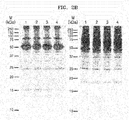
- FIGS. 2A and 2B Images of the stained gels are shown in FIGS. 2A and 2B ( FIG. 2A : SDS-PAGE gel image before and after depletion of the serum samples of the normal control group, FIG. 2B : SDS-PAGE gel image before and after depletion of the serum samples of the Internet or game addiction group).
- 4 serum samples of the normal control group and 4 serum samples of the addiction group including Internet or game addicts were, respectively, pooled at a protein concentration of 500 ⁇ g/1.5 ml .
- the human antibody 507 arrays (membrane type, available from RayBiotech, Inc.) were blocked for 1 hour at room temperature by a blocking buffer solution.
- the blocking buffer solution was also added to 1.5 ml of a biotin-labeled sample to be diluted at a total volume of 14 ml. Each sample from either control or addiction group was applied to the array, and incubated at 4°C overnight.
- the array was washed with a washing buffer included in the antibody array kit, and a streptavidin-HRP conjugated solution (RayBiotech, Inc.) was added to the array, followed by incubation at room temperature for 2 hours.
- the array was washed, and signals from the array were detected using chemiluminescence.
- results of the antibody arrays containing 507 proteins from the control and the Internet or game addiction samples are shown in FIG. 3A .
- proteins, which were differentially expressed in the samples of the normal control group and the Internet or game addiction group were observed.
- S1 PR1 was selected as a biomarker
- an antibody array image of the S1 PR1 protein is shown in FIG. 3B .
- relative intensities of the spots were quantified by using TotalLab 1 D analysis software (Nonlinear Dynamics), and relative intensities of the spots in the control group and the Internet or game addiction group are shown in FIG. 3C .
- the S1 PR1 expression was significantly decreased in the Internet or game addiction group, compared to the control group.
- Serum samples of the control group and the Internet or game addiction group which were diluted with PBS at a ratio of 1:20, and each 100 ⁇ l of S1 PR1 standard (Wuhan USCN Business Co., Ltd) at a concentration of 10 ng/ml, 5 ng/ml, 2.5 ng/ml, 1.25 ng/ml, 0.625 ng/ml, 0.312 ng/ml, 0.156 ng/ml, or 0 ng/ml were prepared, and loaded in a 96-well ELISA plate (Wuhan USCN Business Co., Ltd). The ELISA plate was incubated at 37°C for 1 hour.
- ROC receiver operating characteristic
Landscapes
- Life Sciences & Earth Sciences (AREA)
- Health & Medical Sciences (AREA)
- Chemical & Material Sciences (AREA)
- Engineering & Computer Science (AREA)
- Molecular Biology (AREA)
- Proteomics, Peptides & Aminoacids (AREA)
- Immunology (AREA)
- Analytical Chemistry (AREA)
- Urology & Nephrology (AREA)
- Hematology (AREA)
- Biomedical Technology (AREA)
- Organic Chemistry (AREA)
- Physics & Mathematics (AREA)
- Cell Biology (AREA)
- Biotechnology (AREA)
- Pathology (AREA)
- Microbiology (AREA)
- Biochemistry (AREA)
- General Health & Medical Sciences (AREA)
- Zoology (AREA)
- Wood Science & Technology (AREA)
- Genetics & Genomics (AREA)
- Food Science & Technology (AREA)
- Medicinal Chemistry (AREA)
- General Physics & Mathematics (AREA)
- General Engineering & Computer Science (AREA)
- Bioinformatics & Cheminformatics (AREA)
- Biophysics (AREA)
- Peptides Or Proteins (AREA)
- Investigating Or Analysing Biological Materials (AREA)
Abstract
Description
- This application claims the benefit of Korean Patent Application No.
10-2017-0008189, filed on January 17, 2017 - The present disclosure relates to a composition or a kit for diagnosing behavioral addictions, and a method of detecting sphingosine 1-
phosphate receptor 1 for diagnosis of behavioral addictions using the same. - Behavioral addictions are addictions to any behavior, process, or activity, such as gambling addiction, sex addiction, pathological use of Internet or game, etc. Brain circuits are involved in behavioral addictions, and resistance and withdrawal may occur. Impulsivity dominates at the early stages of development, and compulsivity is the key to maintain behavior. In modern society, Internet addiction, game addiction, and obsessive addiction, together with alcoholism and drug addiction, are becoming more prominent.
- Biomarkers for psychiatric symptoms, for example, autism, Parkinson's disease, dementia, attention deficit hyperactivity disorder (ADHD), alcoholism, drug addiction, obsessive-compulsive disorder, etc., are known (
US Patent Publication NO. 2005/0084880A1 (2005.04.21 ), Korean Patent NO.10-1157526 (2016.06.27 - Accordingly, there is a need for the development of biomarkers capable of diagnosing behavioral addictions easily and inexpensively with high accuracy and specificity, not an expensive and inconvenient brain imaging diagnosis or a self-diagnosis method based on subjective assessment.
- Provided is a composition for diagnosing behavioral addictions.
- Provided is a kit for diagnosing behavioral addictions.
- Provided is a method of detecting sphingosine 1-
phosphate receptor 1 for the diagnosis of behavioral addictions. - These and/or other aspects will become apparent and more readily appreciated from the following description of the embodiments, taken in conjunction with the accompanying drawings in which:
-
FIG. 1 is a graph showing results of high-performance liquid chromatography in which the high-abundance proteins were removed from a serum sample using immunoaffinity column (x axis: time (min), y axis: milli Absorbance Unit (mAU)); -
FIG. 2A is an SDS-PAGE gel image before and after depletion of the high-abundance proteins from four serum samples of normal control group, andFIG. 2B is an SDS-PAGE gel image before and after depletion of the high-abundance proteins from four serum samples of Internet or game addiction group (left: before depletion of the high-abundance proteins from four individual serum samples, right: after depletion of the high-abundance proteins from four individual serum samples, M: molecular weight marker (KDa), 1 to 4:Lanes 1 to 4); -
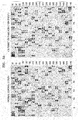
FIG. 3A is an image obtained by performing an antibody array of 507 kinds of proteins,FIG. 3B is an image showing a comparison of antibody array spots of S1 PR1 between the control group and the Internet or game addiction group, andFIG. 3C is a bar graph showing relative intensities of antibody array spots of S1 PR1; and -
FIG. 4A is a graph (p=0.0047) obtained by analyzing the quantity of S1 PR1 in the Internet or game addiction group (addiction group) or in the normal control group (control group) by ELISA, andFIG. 4B is an ROC curve of S1 PR1. - An aspect provides a composition for diagnosing behavioral addictions, the composition including an agent capable of measuring an expression level of sphingosine 1-phosphate receptor 1 (S1PR1) protein or a fragment thereof.
- The term "behavioral addiction" refers to an addiction to any behavior, process, or activity. Behavioral addictions may involve resistance and withdrawal. The behavioral addictions may be selected from the group consisting of Internet addiction, smart phone addiction, game addiction, gambling addiction, religious addiction, sex addiction, shopping addiction, and work addiction. Internet addiction refers to an addiction state which is caused by pathological or compulsive Internet use to affect physical, mental, or social life. Game addiction refers to an addiction state which is caused by pathological or compulsive game immersion to affect physical, mental, or social life. The Internet or game includes those by use of all mediums such as computers, mobile phones, smart phones, TVs, etc.
- S1PR1 is a G-protein-coupled receptor binding to a cell signaling molecule sphingosine 1-phosphate (S1P). S1PR1 may be also called endothelial differentiation gene 1 (EDG1), CD363, CHEDG1, D1S3362, ECGF1, or EDG-1. S1PR1 may be a protein including seven transmembrane helices and three loops. S1 PR1 is a protein encoded by human S1 PR1 gene. S1 PR1 may include an amino acid sequence of Uniprot ID P21453 in humans. S1 PR1 may include an amino acid sequence of Uniprot ID 008530 in mice.
- The fragment may be an immunogenic polypeptide as a part of S1 PR1 protein.
- The agent may be an antibody or an antigen-binding fragment thereof specifically binding to S1 PR1 protein or a fragment thereof. The antibody may be a polyclonal antibody or a monoclonal antibody. The term "antibody" may be used interchangeably with "immunoglobulin". The antibody may be a polyclonal antibody or a monoclonal antibody. The antibody may be a full-length antibody. The antigen-binding fragment refers to a polypeptide including an antigen-binding site. The antigen-binding fragment may be a single-domain antibody, Fab, Fab', or scFv. The antibody or antigen-binding fragment may be attached to a solid support. The solid support may be, for example, a surface of a metal chip, plate or well. The antibody or antigen-binding fragment may be an anti-S1 PR1 antibody or an antigen-binding fragment thereof.
- The agent may be a nucleotide including a polynucleotide which is identical or complementary to a polynucleotide encoding S1 PR1 protein or a fragment thereof. The nucleotide may be a primer or a probe. The primer or the probe may be labeled with a fluorescent material, a chemiluminescent material, a radioactive isotope, etc. at the terminus or internally.
- Another aspect provides a kit for diagnosing behavioral addictions, the kit including an agent capable of measuring an expression level of S1 PR1 protein or a fragment thereof.
- The kit may further include a sample required for the diagnosis of behavioral addictions. For immunological detection of the solid support, antibody, or antigen-binding fragment, the kit may include a substrate, an appropriate buffer solution, a color development enzyme, a fluorescent-labeled secondary antibody, or a color development substrate. For nucleotide detection, the kit may include a polymerase, a buffer, a nucleotide, a coenzyme, a fluorescent material, or a combination thereof. The polymerase may be, for example, Taq polymerase.
- Still another aspect provides a method of detecting S1 PR1 for the diagnosis of behavioral addictions, the method including measuring an expression level of S1 PR1 protein or a fragment thereof in a biological sample which is separated from a subject suspected of having a behavioral addiction; and comparing the measured expression level with a protein expression level of a normal control group.
- The method includes measuring an expression level of S1 PR1 protein or a fragment thereof in a biological sample which is separated from a subject suspected of having a behavioral addiction.
- The subject may be a mammal, for example, a human, a cow, a horse, a pig, a dog, a sheep, a goat, or a cat. The subject may be a subject suffering from a behavioral addiction or a subject suspected of having a behavioral addiction.
- The biological sample refers to a sample obtained from the subject. The biological sample may be, for example, blood, plasma, serum, bone marrow fluid, lymphatic fluid, saliva, lachrymal fluid, mucosal fluid, amniotic fluid, or a combination thereof.
- The measuring may include incubating the biological sample with an antibody specifically binding to S1 PR1 protein or a fragment thereof.
- The measuring may be performed by electrophoresis, immunoblotting, enzyme-linked immunosorbent assay (ELISA), protein chips, immunoprecipitation, microarray, northern blotting, polymerase chain reaction (PCR), or a combination thereof. The electrophoresis may be SDS-PAGE, isoelectric focusing, two-dimensional electrophoresis, or a combination thereof. The PCR may be real-time PCR or reverse transcription PCR.
- The method includes comparing the measured expression level with a protein expression level of a normal control group.
- In the method, a quantity of the measured expression level of S1PR1 may be decreased, compared with an expression level of S1 PR1 derived from a sample of a normal control group. The normal control group means a negative control group having no behavioral addiction. For example, when the protein level of the detected S1 PR1 protein is less than that of the S1 PR1 protein of the normal control group, the subject may be diagnosed as having or at high risk of having a behavioral addiction, for example, Internet addiction or game addiction. The subject diagnosed as having a behavioral addiction, for example, Internet addiction or game addiction may be subjected to psychosocial therapy or drug treatment. The drug may be, for example, naltrexone, disulfiram, methadone, chlordiazepoxide, acamprosate, bupropion, varenicline, buprenorphine, or a combination thereof.
- According to a composition or a kit for diagnosing behavioral addictions and a method of detecting S1 PR1 for the diagnosis of behavioral addictions using the same according to an aspect, behavioral addictions, for example, Internet addiction or game addiction, may be simply diagnosed with high accuracy and specificity.
- Reference will now be made in detail to embodiments, examples of which are illustrated in the accompanying drawings, wherein like reference numerals refer to like elements throughout. In this regard, the present embodiments may have different forms and should not be construed as being limited to the descriptions set forth herein. Accordingly, the embodiments are merely described below, by referring to the figures, to explain aspects.
- Hereinafter, the present invention will be described in more detail with reference to Examples. However, these Examples are for illustrative purposes only, and the scope of the present invention is not intended to be limited by these Examples.
- Serum samples of Internet or game addiction patients (n=4) were collected from Seoul St. Mary's Hospital, Catholic University of South Korea. Serum samples of normal persons (n=4) who were not diagnosed as Internet or game addiction were collected as a negative control.
- To prevent protein degradation or denaturation of the serum samples, a complete Mini EDTA-free protease inhibitor cocktail (Roche) as a protein degradation inhibitor were added to the collected serum immediately after collecting the serum. One tablet of the inhibitor was dissolved in 200 µl of a phosphate buffered saline (PBS) to prepare a 50 X stock according to the manufacturer's protocol, and then added to each serum sample at a final concentration of 1.5 X. The inhibitor-added serum samples were quantified and stored at -80°C before use in experiments.
- To remove abundant proteins in the serum, such as albumin or immunoglobulin G, the collected serum samples were depleted.
- In detail, the serum samples collected in 1. were prepared at a concentration of 54.8 µg/µl which is a minimum concentration of a serum sample among 8 serum samples, respectively, and experiments were performed under the same conditions. The prepared serum samples were diluted 6 times with a buffer solution provided by the manufacturer, and each of the diluted samples was filtered using a 0.22 µm spin filter. 100 µl of the filtered sample was injected into a Multiple Affinity Removal System (MARS) 14 column (Agilent), and the top 14 high-abundance proteins (albumin, immunoglobulin G, alpha-1-antitripsin, immunoglobulin A, transferrin, haptoglobin, fibrinogen, alpha-2-macroglobulin, alpha-1-acid glycoprotein, immunoglobulin M, apolipoprotein A-I, apolipoprotein A-II, complement protein C3, and transthyretin) were removed from each sample was removed using an Agilent 1100 HPLC system. Results of measuring absorbance of the serum sample depleted of the top 14 high-abundance proteins by the MARS 14 column in real time are shown in
FIG. 1 (: a starting point for collecting the depleted serum, : an end point for collecting the depleted serum).
- A 3k centrifugal filter (Amicon Ultra, Millipore) was conditioned by adding 400 µl of water (HPLC grade, J.T Baker) twice and 400 µl of 10 mM HEPES buffer (pH 8.0) twice thereto.
- Each of the serum samples depleted in 2. was diluted 5 times with 10 mM HEPES buffer. Each diluted sample was applied to the conditioned filter, and centrifuged at a speed of 14000x g and 10°C to concentrate the sample. Thereafter, the sample-containing filter was washed with 10
mM HEPES buffer 5 times. The centrifugal filter containing the depleted serum sample was turned over and put in a new tube, and centrifuged at a speed of 3000x g and 10°C for 5 minutes to recover the concentrated sample. - The concentrated samples were quantified by a bicinchoninic acid (BCA) assay. Equal amounts of the proteins were separated by SDS-PAGE, and the electrophoresed gels were stained by silver staining for visualization of each depleted serum sample. Images of the stained gels are shown in
FIGS. 2A and2B (FIG. 2A : SDS-PAGE gel image before and after depletion of the serum samples of the normal control group,FIG. 2B : SDS-PAGE gel image before and after depletion of the serum samples of the Internet or game addiction group). - 4 serum samples of the normal control group and 4 serum samples of the addiction group including Internet or game addicts were, respectively, pooled at a protein concentration of 500 µg/1.5 ml .
- 3.6 µl of a biotinylation reagent (RayBiotech, Inc.) was added to each of the pooled serum samples, and incubated for 30 minutes at room temperature, and then 5 µl of a stop solution (RayBiotech, Inc.) was added to terminate the reaction. The reactant was filtered through a size exclusion column (RayBiotech, Inc.) to remove remaining biotin in the sample.
- The human antibody 507 arrays (membrane type, available from RayBiotech, Inc.) were blocked for 1 hour at room temperature by a blocking buffer solution. The blocking buffer solution was also added to 1.5 ml of a biotin-labeled sample to be diluted at a total volume of 14 ml. Each sample from either control or addiction group was applied to the array, and incubated at 4°C overnight.
- Thereafter, the array was washed with a washing buffer included in the antibody array kit, and a streptavidin-HRP conjugated solution (RayBiotech, Inc.) was added to the array, followed by incubation at room temperature for 2 hours. The array was washed, and signals from the array were detected using chemiluminescence.
- Results of the antibody arrays containing 507 proteins from the control and the Internet or game addiction samples are shown in
FIG. 3A . As shown inFIG. 3A , proteins, which were differentially expressed in the samples of the normal control group and the Internet or game addiction group, were observed. Among the proteins, which were differentially expressed in the Internet or game addiction group, S1 PR1 was selected as a biomarker, and an antibody array image of the S1 PR1 protein is shown inFIG. 3B . In the antibody array image of the S1 PR1 protein, relative intensities of the spots were quantified by using TotalLab 1 D analysis software (Nonlinear Dynamics), and relative intensities of the spots in the control group and the Internet or game addiction group are shown inFIG. 3C . - As shown in
FIG. 3C , the S1 PR1 expression was significantly decreased in the Internet or game addiction group, compared to the control group. - An expression pattern of the S1 PR1 protein selected as a biomarker candidate in 4. was assayed. For assay, samples of 39 persons of the control group and 15 persons of the Internet or game addiction group provided by Seoul St. Mary's Hospital, Catholic University of South Korea were used to perform experiments.
- Serum samples of the control group and the Internet or game addiction group, which were diluted with PBS at a ratio of 1:20, and each 100 µl of S1 PR1 standard (Wuhan USCN Business Co., Ltd) at a concentration of 10 ng/ml, 5 ng/ml, 2.5 ng/ml, 1.25 ng/ml, 0.625 ng/ml, 0.312 ng/ml, 0.156 ng/ml, or 0 ng/ml were prepared, and loaded in a 96-well ELISA plate (Wuhan USCN Business Co., Ltd). The ELISA plate was incubated at 37°C for 1 hour. The sample and standards remaining after reaction were removed, and then 100 µl of a detection reagent A (Wuhan USCN Business Co., Ltd) diluted at a ratio of 1:100 was added to the ELISA plate, followed by incubation at 37°C for 1 hour. The sample and standards remaining after reaction were removed, and then 300 µl of washing buffer was added to each well, which was washed three times. Thereafter, 100 µl of a detection reagent B (Wuhan USCN Business Co., Ltd) diluted at a ratio of 1:100 was added to each well, followed by incubation at 37°C for 30 minutes. The sample and standards remaining after reaction were removed, and the wells were washed with a
washing buffer 5 times. 90 µl of a substrate solution (Wuhan USCN Business Co., Ltd) was added to each well, and the ELISA plate was incubated at 37°C for 10 -20 minutes in the dark. When the color of the sample and standards were changed to blue, 50 µl of a stop solution (Wuhan USCN Business Co., Ltd) was added to the ELISA plate. Absorbance at 450 nm was measured. - From the measured value, a concentration of the sample was calculated, and analyzed by a Mann-Whitney U-test. Results are shown in
FIG. 4A . As shown inFIG. 4A , the S1 PR1 expression was significantly decreased in the Internet or game addiction group, compared to the normal control group. - Further, a receiver operating characteristic (ROC) curve of S1 PR1 is shown in
FIG. 4B . In the ROC curve, an area under curve (AUC) value was 0.749 and a p value was 0.001, indicating that S1 PR1 has excellent accuracy as a biomarker for Internet or game addiction. - It should be understood that embodiments described herein should be considered in a descriptive sense only and not for purposes of limitation. Descriptions of features or aspects within each embodiment should typically be considered as available for other similar features or aspects in other embodiments.
- While one or more embodiments have been described with reference to the figures, it will be understood by those of ordinary skill in the art that various changes in form and details may be made therein without departing from the spirit and scope as defined by the following claims.
Claims (10)
- A composition for diagnosing behavioral addictions, the composition comprising an agent capable of measuring an expression level of sphingosine 1-phosphate receptor 1 (S1 PR1) protein or a fragment thereof.
- The composition of claim 1, wherein the behavioral addiction is selected from the group consisting of Internet addiction, game addiction, gambling addiction, sex addiction, shopping addiction, and work addiction.
- The composition of claim 1, wherein the agent is an antibody or an antigen-binding fragment thereof specifically binding to S1 PR1 protein or a fragment thereof; or a nucleotide comprising a polynucleotide which is identical or complementary to a polynucleotide encoding S1 PR1 protein or the fragment thereof.
- The composition of claim 3, wherein the antibody is a polyclonal antibody or a monoclonal antibody.
- The composition of claim 3, wherein the nucleotide is a primer or a probe.
- A kit for diagnosing behavioral addictions, the kit comprising an agent capable of measuring an expression level of S1 PR1 protein or a fragment thereof.
- A method of detecting S1 PR1 for diagnosis of behavioral addictions, the method comprising:measuring an expression level of S1PR1 protein or a fragment thereof in a biological sample which is separated from a subject suspected of having a behavioral addiction; andcomparing the measured expression level with a protein expression level of a normal control group.
- The method of claim 7, wherein the biological sample is blood, plasma, serum, bone marrow fluid, lymphatic fluid, saliva, lachrymal fluid, mucosal fluid, amniotic fluid, or a combination thereof.
- The method of claim 7, wherein the measuring comprises incubating the biological sample with an antibody specifically binding to S1 PR1 protein or a fragment thereof.
- The method of claim 7, wherein the measuring is performed by electrophoresis, immunoblotting, enzyme-linked immunosorbent assay (ELISA), protein chips, immunoprecipitation, microarray, northern blotting, polymerase chain reaction (PCR), or a combination thereof.
Applications Claiming Priority (1)
| Application Number | Priority Date | Filing Date | Title |
|---|---|---|---|
| KR1020170008189A KR101840002B1 (en) | 2017-01-17 | 2017-01-17 | composition or kit for diagnosing behavioral addiction and method of detecting sphingosine 1-phosphate receptor 1 for diagnosis of behavioral addiction using the same |
Publications (2)
| Publication Number | Publication Date |
|---|---|
| EP3349012A1 true EP3349012A1 (en) | 2018-07-18 |
| EP3349012B1 EP3349012B1 (en) | 2021-05-05 |
Family
ID=59506075
Family Applications (1)
| Application Number | Title | Priority Date | Filing Date |
|---|---|---|---|
| EP17183618.2A Active EP3349012B1 (en) | 2017-01-17 | 2017-07-27 | Use of a composition for diagnosing behavioural addiction and method of detecting sphingosine 1-phosphate receptor 1 for diagnosis of behavioural addiction |
Country Status (2)
| Country | Link |
|---|---|
| EP (1) | EP3349012B1 (en) |
| KR (1) | KR101840002B1 (en) |
Families Citing this family (5)
| Publication number | Priority date | Publication date | Assignee | Title |
|---|---|---|---|---|
| KR102072563B1 (en) * | 2018-06-27 | 2020-02-03 | 가톨릭대학교 산학협력단 | Biomarker comprising dihydropyrimidinase-related protein 2 for diagnosing internet gaming disorder and uses thereof |
| KR102072564B1 (en) * | 2018-06-27 | 2020-02-03 | 가톨릭대학교 산학협력단 | Biomarker comprising Gamma-aminobutyric acid B receptor 2 for diagnosing internet gaming disorder and uses thereof |
| KR102072562B1 (en) * | 2018-06-27 | 2020-02-03 | 가톨릭대학교 산학협력단 | Composition for diagnosis of internet gaming disorder and method of providing information for diagnosis thereof |
| KR102107841B1 (en) * | 2018-11-02 | 2020-05-08 | 한국과학기술연구원 | Composition or kit for diagnosing behavioral addiction and method of detecting Cocaine- and amphetamine-regulated transcript protein for diagnosis of behavioral addiction using the same |
| KR102200475B1 (en) * | 2019-07-31 | 2021-01-08 | 한국과학기술연구원 | Composition or kit for diagnosing alcohol use disorder and method of detecting sphingosine 1-phosphate receptor 1 for diagnosis of alcohol use disorder using the same |
Citations (2)
| Publication number | Priority date | Publication date | Assignee | Title |
|---|---|---|---|---|
| US20050084880A1 (en) | 2003-07-11 | 2005-04-21 | Ronald Duman | Systems and methods for diagnosing & treating psychological and behavioral conditions |
| KR101157526B1 (en) | 2011-09-20 | 2012-06-22 | 서울대학교산학협력단 | Snp for diagnosing adhd, microarray and kit comprising the same, and method of diagnosing adhd using thereof |
Family Cites Families (1)
| Publication number | Priority date | Publication date | Assignee | Title |
|---|---|---|---|---|
| EP2275545A1 (en) | 2009-07-16 | 2011-01-19 | Julius-Maximilians-Universität Würzburg | Use of microRNA-24 and/or its targets for the treatment and prevention of ischemia and induction of angiogenesis |
-
2017
- 2017-01-17 KR KR1020170008189A patent/KR101840002B1/en not_active Expired - Fee Related
- 2017-07-27 EP EP17183618.2A patent/EP3349012B1/en active Active
Patent Citations (2)
| Publication number | Priority date | Publication date | Assignee | Title |
|---|---|---|---|---|
| US20050084880A1 (en) | 2003-07-11 | 2005-04-21 | Ronald Duman | Systems and methods for diagnosing & treating psychological and behavioral conditions |
| KR101157526B1 (en) | 2011-09-20 | 2012-06-22 | 서울대학교산학협력단 | Snp for diagnosing adhd, microarray and kit comprising the same, and method of diagnosing adhd using thereof |
Non-Patent Citations (5)
| Title |
|---|
| HIROTAKE NISHIMURA ET AL: "Cellular Localization of Sphingosine-1-phosphate Receptor 1 Expression in the Human Central Nervous System", JOURNAL OF HISTOCHEMISTRY & CYTOCHEMISTRY, 1 September 2010 (2010-09-01), Los Angeles, CA, pages 847 - 856, XP055405683, Retrieved from the Internet <URL:https://www.ncbi.nlm.nih.gov/pmc/articles/PMC2924800/pdf/847.pdf> DOI: 10.1369/jhc.2010.956409 * |
| TAKASHI AKIYAMA ET AL: "Immunohistochemical detection of sphingosine-1-phosphate receptor 1 in vascular and lymphatic endothelial cells", JOURNAL OF MOLECULAR HISTOLOGY, KLUWER ACADEMIC PUBLISHERS, DO, vol. 39, no. 5, 29 August 2008 (2008-08-29), pages 527 - 533, XP019642569, ISSN: 1567-2387, DOI: 10.1007/S10735-008-9193-Y * |
| TALMONT FRANCK ET AL: "Evaluation of commercial antibodies against human sphingosine-1-phosphate receptor 1", NAUNYN-SCHMIEDEBERG'S ARCHIVES OF PHARMACOLOGY, vol. 387, no. 5, May 2014 (2014-05-01), pages 427 - 431, XP009195471 * |
| TRIFILIEFF PIERRE ET AL: "Blunted Dopamine Transmission in Addiction: Potential Mechanisms and Implications for Behavior", SEMINARS IN NUCLEAR MEDICINE, ELSEVIER, AMSTERDAM, NL, vol. 47, no. 1, 13 October 2016 (2016-10-13), pages 64 - 74, XP029848086, ISSN: 0001-2998, DOI: 10.1053/J.SEMNUCLMED.2016.09.003 * |
| YAU YVONNE H C ET AL: "Gambling disorder and other behavioral addictions: recognition and treatment.", HARVARD REVIEW OF PSYCHIATRY, vol. 23, no. 2, March 2015 (2015-03-01), pages 134 - 146, XP009195470, ISSN: 1465-7309 * |
Also Published As
| Publication number | Publication date |
|---|---|
| KR101840002B1 (en) | 2018-03-19 |
| EP3349012B1 (en) | 2021-05-05 |
Similar Documents
| Publication | Publication Date | Title |
|---|---|---|
| Koch et al. | Nanopore sequencing of DNA-barcoded probes for highly multiplexed detection of microRNA, proteins and small biomarkers | |
| JP7210036B2 (en) | Biomarkers and diagnostic methods for Alzheimer's disease and other neurodegenerative disorders | |
| EP3349012B1 (en) | Use of a composition for diagnosing behavioural addiction and method of detecting sphingosine 1-phosphate receptor 1 for diagnosis of behavioural addiction | |
| EP3435085B1 (en) | Use of composition and kit for diagnosing behavioral addiction, and method of detecting presenilin-1 for diagnosis of behavioral addiction. | |
| KR101840003B1 (en) | composition or kit for diagnosing behavioral addiction and method of detecting cholecystokinin for diagnosis of behavioral addiction using the same | |
| US11988676B2 (en) | Protein biomarker indicators of neurological injury and/or disease and methods of use thereof | |
| JP7558574B2 (en) | Multiplex assays and methods of use thereof | |
| EP3287789B1 (en) | Composition and kit for diagnosing behavioral addiction, and method of detecting neuropilin-2 for diagnosis of behavioral addiction | |
| KR101956668B1 (en) | composition or kit for diagnosing behavioral addiction and method of detecting proSAAS for diagnosis of behavioral addiction using the same | |
| KR102328932B1 (en) | Urinary exosome-derived biomarkers for diagnosis or prognosis of antibody-mediated rejection in kidney allografts | |
| US20150338412A1 (en) | Composition for diagnosis of lung cancer and diagnosis kit for lung cancer | |
| KR101943517B1 (en) | composition or kit for diagnosing behavioral addiction and method of detecting proheparin-binding epithelial growth factor-like growth factor for diagnosis of behavioral addiction using the same | |
| KR102846178B1 (en) | Biomarkers for early diagnosis of Alzheimer's disease and uses thereof | |
| KR102022022B1 (en) | Composition or kit for diagnosing behavioral addiction and method of detecting tyrosine-protein kinase RYK for diagnosis of behavioral addiction using the same | |
| KR102200475B1 (en) | Composition or kit for diagnosing alcohol use disorder and method of detecting sphingosine 1-phosphate receptor 1 for diagnosis of alcohol use disorder using the same | |
| KR102142702B1 (en) | Composition or kit for diagnosing behavioral addiction and method of detecting Prokineticin-1 for diagnosis of behavioral addiction using the same | |
| KR102107841B1 (en) | Composition or kit for diagnosing behavioral addiction and method of detecting Cocaine- and amphetamine-regulated transcript protein for diagnosis of behavioral addiction using the same | |
| KR101989427B1 (en) | composition or kit for diagnosing behavioral addiction and method of detecting 5'-AMP-activated protein kinase catalytic subunit alpha-1 for diagnosis of behavioral addiction using the same | |
| CN115058512A (en) | Application of iron death related gene in identifying cerebral arterial thrombosis | |
| US8394639B2 (en) | Biomarkers for renal disease | |
| KR102533728B1 (en) | Markers specific for brain derived ectosome and non-invasive method for diagnosing dementia | |
| KR20250117602A (en) | Biomarkers for early diagnosis of Alzheimer's disease and uses thereof | |
| WO2017178826A1 (en) | Diagnosing acute bacterial meningitis | |
| CN113718032A (en) | Application of biomarker in early detection of cervical cancer | |
| Wang et al. | P3-040 Development and validation of human Aβ42 assay with specific measurement of human Aβ1-42 in natural samples |
Legal Events
| Date | Code | Title | Description |
|---|---|---|---|
| PUAI | Public reference made under article 153(3) epc to a published international application that has entered the european phase |
Free format text: ORIGINAL CODE: 0009012 |
|
| STAA | Information on the status of an ep patent application or granted ep patent |
Free format text: STATUS: REQUEST FOR EXAMINATION WAS MADE |
|
| 17P | Request for examination filed |
Effective date: 20170727 |
|
| AK | Designated contracting states |
Kind code of ref document: A1 Designated state(s): AL AT BE BG CH CY CZ DE DK EE ES FI FR GB GR HR HU IE IS IT LI LT LU LV MC MK MT NL NO PL PT RO RS SE SI SK SM TR |
|
| AX | Request for extension of the european patent |
Extension state: BA ME |
|
| STAA | Information on the status of an ep patent application or granted ep patent |
Free format text: STATUS: EXAMINATION IS IN PROGRESS |
|
| 17Q | First examination report despatched |
Effective date: 20190206 |
|
| GRAP | Despatch of communication of intention to grant a patent |
Free format text: ORIGINAL CODE: EPIDOSNIGR1 |
|
| STAA | Information on the status of an ep patent application or granted ep patent |
Free format text: STATUS: GRANT OF PATENT IS INTENDED |
|
| INTG | Intention to grant announced |
Effective date: 20210223 |
|
| RIN1 | Information on inventor provided before grant (corrected) |
Inventor name: LEE, CHEOLJU Inventor name: CHUN, JIWON Inventor name: PARK, YAEEUN Inventor name: CHEON, DONG HUEY Inventor name: HAN, KI-CHEOL Inventor name: CHOI, MI RAN Inventor name: LEE, JI EUN Inventor name: PARK, JI SOO Inventor name: KIM, DAI-JIN Inventor name: CHOI, JUNG SEOK |
|
| GRAS | Grant fee paid |
Free format text: ORIGINAL CODE: EPIDOSNIGR3 |
|
| GRAA | (expected) grant |
Free format text: ORIGINAL CODE: 0009210 |
|
| STAA | Information on the status of an ep patent application or granted ep patent |
Free format text: STATUS: THE PATENT HAS BEEN GRANTED |
|
| AK | Designated contracting states |
Kind code of ref document: B1 Designated state(s): AL AT BE BG CH CY CZ DE DK EE ES FI FR GB GR HR HU IE IS IT LI LT LU LV MC MK MT NL NO PL PT RO RS SE SI SK SM TR |
|
| REG | Reference to a national code |
Ref country code: GB Ref legal event code: FG4D |
|
| REG | Reference to a national code |
Ref country code: CH Ref legal event code: EP |
|
| REG | Reference to a national code |
Ref country code: AT Ref legal event code: REF Ref document number: 1390453 Country of ref document: AT Kind code of ref document: T Effective date: 20210515 |
|
| REG | Reference to a national code |
Ref country code: DE Ref legal event code: R096 Ref document number: 602017037950 Country of ref document: DE |
|
| REG | Reference to a national code |
Ref country code: IE Ref legal event code: FG4D |
|
| REG | Reference to a national code |
Ref country code: LT Ref legal event code: MG9D |
|
| REG | Reference to a national code |
Ref country code: AT Ref legal event code: MK05 Ref document number: 1390453 Country of ref document: AT Kind code of ref document: T Effective date: 20210505 |
|
| PG25 | Lapsed in a contracting state [announced via postgrant information from national office to epo] |
Ref country code: HR Free format text: LAPSE BECAUSE OF FAILURE TO SUBMIT A TRANSLATION OF THE DESCRIPTION OR TO PAY THE FEE WITHIN THE PRESCRIBED TIME-LIMIT Effective date: 20210505 Ref country code: BG Free format text: LAPSE BECAUSE OF FAILURE TO SUBMIT A TRANSLATION OF THE DESCRIPTION OR TO PAY THE FEE WITHIN THE PRESCRIBED TIME-LIMIT Effective date: 20210805 Ref country code: AT Free format text: LAPSE BECAUSE OF FAILURE TO SUBMIT A TRANSLATION OF THE DESCRIPTION OR TO PAY THE FEE WITHIN THE PRESCRIBED TIME-LIMIT Effective date: 20210505 Ref country code: FI Free format text: LAPSE BECAUSE OF FAILURE TO SUBMIT A TRANSLATION OF THE DESCRIPTION OR TO PAY THE FEE WITHIN THE PRESCRIBED TIME-LIMIT Effective date: 20210505 Ref country code: LT Free format text: LAPSE BECAUSE OF FAILURE TO SUBMIT A TRANSLATION OF THE DESCRIPTION OR TO PAY THE FEE WITHIN THE PRESCRIBED TIME-LIMIT Effective date: 20210505 |
|
| PG25 | Lapsed in a contracting state [announced via postgrant information from national office to epo] |
Ref country code: PL Free format text: LAPSE BECAUSE OF FAILURE TO SUBMIT A TRANSLATION OF THE DESCRIPTION OR TO PAY THE FEE WITHIN THE PRESCRIBED TIME-LIMIT Effective date: 20210505 Ref country code: PT Free format text: LAPSE BECAUSE OF FAILURE TO SUBMIT A TRANSLATION OF THE DESCRIPTION OR TO PAY THE FEE WITHIN THE PRESCRIBED TIME-LIMIT Effective date: 20210906 Ref country code: NO Free format text: LAPSE BECAUSE OF FAILURE TO SUBMIT A TRANSLATION OF THE DESCRIPTION OR TO PAY THE FEE WITHIN THE PRESCRIBED TIME-LIMIT Effective date: 20210805 Ref country code: RS Free format text: LAPSE BECAUSE OF FAILURE TO SUBMIT A TRANSLATION OF THE DESCRIPTION OR TO PAY THE FEE WITHIN THE PRESCRIBED TIME-LIMIT Effective date: 20210505 Ref country code: SE Free format text: LAPSE BECAUSE OF FAILURE TO SUBMIT A TRANSLATION OF THE DESCRIPTION OR TO PAY THE FEE WITHIN THE PRESCRIBED TIME-LIMIT Effective date: 20210505 Ref country code: LV Free format text: LAPSE BECAUSE OF FAILURE TO SUBMIT A TRANSLATION OF THE DESCRIPTION OR TO PAY THE FEE WITHIN THE PRESCRIBED TIME-LIMIT Effective date: 20210505 Ref country code: IS Free format text: LAPSE BECAUSE OF FAILURE TO SUBMIT A TRANSLATION OF THE DESCRIPTION OR TO PAY THE FEE WITHIN THE PRESCRIBED TIME-LIMIT Effective date: 20210905 Ref country code: GR Free format text: LAPSE BECAUSE OF FAILURE TO SUBMIT A TRANSLATION OF THE DESCRIPTION OR TO PAY THE FEE WITHIN THE PRESCRIBED TIME-LIMIT Effective date: 20210806 |
|
| REG | Reference to a national code |
Ref country code: NL Ref legal event code: MP Effective date: 20210505 |
|
| PG25 | Lapsed in a contracting state [announced via postgrant information from national office to epo] |
Ref country code: NL Free format text: LAPSE BECAUSE OF FAILURE TO SUBMIT A TRANSLATION OF THE DESCRIPTION OR TO PAY THE FEE WITHIN THE PRESCRIBED TIME-LIMIT Effective date: 20210505 |
|
| PG25 | Lapsed in a contracting state [announced via postgrant information from national office to epo] |
Ref country code: SM Free format text: LAPSE BECAUSE OF FAILURE TO SUBMIT A TRANSLATION OF THE DESCRIPTION OR TO PAY THE FEE WITHIN THE PRESCRIBED TIME-LIMIT Effective date: 20210505 Ref country code: SK Free format text: LAPSE BECAUSE OF FAILURE TO SUBMIT A TRANSLATION OF THE DESCRIPTION OR TO PAY THE FEE WITHIN THE PRESCRIBED TIME-LIMIT Effective date: 20210505 Ref country code: EE Free format text: LAPSE BECAUSE OF FAILURE TO SUBMIT A TRANSLATION OF THE DESCRIPTION OR TO PAY THE FEE WITHIN THE PRESCRIBED TIME-LIMIT Effective date: 20210505 Ref country code: DK Free format text: LAPSE BECAUSE OF FAILURE TO SUBMIT A TRANSLATION OF THE DESCRIPTION OR TO PAY THE FEE WITHIN THE PRESCRIBED TIME-LIMIT Effective date: 20210505 Ref country code: CZ Free format text: LAPSE BECAUSE OF FAILURE TO SUBMIT A TRANSLATION OF THE DESCRIPTION OR TO PAY THE FEE WITHIN THE PRESCRIBED TIME-LIMIT Effective date: 20210505 Ref country code: RO Free format text: LAPSE BECAUSE OF FAILURE TO SUBMIT A TRANSLATION OF THE DESCRIPTION OR TO PAY THE FEE WITHIN THE PRESCRIBED TIME-LIMIT Effective date: 20210505 Ref country code: ES Free format text: LAPSE BECAUSE OF FAILURE TO SUBMIT A TRANSLATION OF THE DESCRIPTION OR TO PAY THE FEE WITHIN THE PRESCRIBED TIME-LIMIT Effective date: 20210505 |
|
| REG | Reference to a national code |
Ref country code: DE Ref legal event code: R097 Ref document number: 602017037950 Country of ref document: DE |
|
| REG | Reference to a national code |
Ref country code: CH Ref legal event code: PL |
|
| PLBE | No opposition filed within time limit |
Free format text: ORIGINAL CODE: 0009261 |
|
| STAA | Information on the status of an ep patent application or granted ep patent |
Free format text: STATUS: NO OPPOSITION FILED WITHIN TIME LIMIT |
|
| PG25 | Lapsed in a contracting state [announced via postgrant information from national office to epo] |
Ref country code: MC Free format text: LAPSE BECAUSE OF FAILURE TO SUBMIT A TRANSLATION OF THE DESCRIPTION OR TO PAY THE FEE WITHIN THE PRESCRIBED TIME-LIMIT Effective date: 20210505 |
|
| REG | Reference to a national code |
Ref country code: BE Ref legal event code: MM Effective date: 20210731 |
|
| 26N | No opposition filed |
Effective date: 20220208 |
|
| PG25 | Lapsed in a contracting state [announced via postgrant information from national office to epo] |
Ref country code: LI Free format text: LAPSE BECAUSE OF NON-PAYMENT OF DUE FEES Effective date: 20210731 Ref country code: CH Free format text: LAPSE BECAUSE OF NON-PAYMENT OF DUE FEES Effective date: 20210731 |
|
| PG25 | Lapsed in a contracting state [announced via postgrant information from national office to epo] |
Ref country code: IS Free format text: LAPSE BECAUSE OF FAILURE TO SUBMIT A TRANSLATION OF THE DESCRIPTION OR TO PAY THE FEE WITHIN THE PRESCRIBED TIME-LIMIT Effective date: 20210905 Ref country code: LU Free format text: LAPSE BECAUSE OF NON-PAYMENT OF DUE FEES Effective date: 20210727 Ref country code: AL Free format text: LAPSE BECAUSE OF FAILURE TO SUBMIT A TRANSLATION OF THE DESCRIPTION OR TO PAY THE FEE WITHIN THE PRESCRIBED TIME-LIMIT Effective date: 20210505 |
|
| PG25 | Lapsed in a contracting state [announced via postgrant information from national office to epo] |
Ref country code: IT Free format text: LAPSE BECAUSE OF FAILURE TO SUBMIT A TRANSLATION OF THE DESCRIPTION OR TO PAY THE FEE WITHIN THE PRESCRIBED TIME-LIMIT Effective date: 20210505 Ref country code: IE Free format text: LAPSE BECAUSE OF NON-PAYMENT OF DUE FEES Effective date: 20210727 Ref country code: BE Free format text: LAPSE BECAUSE OF NON-PAYMENT OF DUE FEES Effective date: 20210731 |
|
| PG25 | Lapsed in a contracting state [announced via postgrant information from national office to epo] |
Ref country code: HU Free format text: LAPSE BECAUSE OF FAILURE TO SUBMIT A TRANSLATION OF THE DESCRIPTION OR TO PAY THE FEE WITHIN THE PRESCRIBED TIME-LIMIT; INVALID AB INITIO Effective date: 20170727 |
|
| PG25 | Lapsed in a contracting state [announced via postgrant information from national office to epo] |
Ref country code: CY Free format text: LAPSE BECAUSE OF FAILURE TO SUBMIT A TRANSLATION OF THE DESCRIPTION OR TO PAY THE FEE WITHIN THE PRESCRIBED TIME-LIMIT Effective date: 20210505 |
|
| PG25 | Lapsed in a contracting state [announced via postgrant information from national office to epo] |
Ref country code: MK Free format text: LAPSE BECAUSE OF FAILURE TO SUBMIT A TRANSLATION OF THE DESCRIPTION OR TO PAY THE FEE WITHIN THE PRESCRIBED TIME-LIMIT Effective date: 20210505 |
|
| PGFP | Annual fee paid to national office [announced via postgrant information from national office to epo] |
Ref country code: GB Payment date: 20240620 Year of fee payment: 8 |
|
| PGFP | Annual fee paid to national office [announced via postgrant information from national office to epo] |
Ref country code: FR Payment date: 20240624 Year of fee payment: 8 |
|
| PG25 | Lapsed in a contracting state [announced via postgrant information from national office to epo] |
Ref country code: MT Free format text: LAPSE BECAUSE OF FAILURE TO SUBMIT A TRANSLATION OF THE DESCRIPTION OR TO PAY THE FEE WITHIN THE PRESCRIBED TIME-LIMIT Effective date: 20210505 |
|
| PGFP | Annual fee paid to national office [announced via postgrant information from national office to epo] |
Ref country code: DE Payment date: 20240620 Year of fee payment: 8 |
|
| PG25 | Lapsed in a contracting state [announced via postgrant information from national office to epo] |
Ref country code: TR Free format text: LAPSE BECAUSE OF FAILURE TO SUBMIT A TRANSLATION OF THE DESCRIPTION OR TO PAY THE FEE WITHIN THE PRESCRIBED TIME-LIMIT Effective date: 20210505 |
|
| REG | Reference to a national code |
Ref country code: DE Ref legal event code: R119 Ref document number: 602017037950 Country of ref document: DE |
|
| GBPC | Gb: european patent ceased through non-payment of renewal fee |
Effective date: 20250727 |
|
| PG25 | Lapsed in a contracting state [announced via postgrant information from national office to epo] |
Ref country code: GB Free format text: LAPSE BECAUSE OF NON-PAYMENT OF DUE FEES Effective date: 20250727 |
|
| PG25 | Lapsed in a contracting state [announced via postgrant information from national office to epo] |
Ref country code: DE Free format text: LAPSE BECAUSE OF NON-PAYMENT OF DUE FEES Effective date: 20260203 |
|
| PG25 | Lapsed in a contracting state [announced via postgrant information from national office to epo] |
Ref country code: FR Free format text: LAPSE BECAUSE OF NON-PAYMENT OF DUE FEES Effective date: 20250731 |