EP3345917B1 - Antiprotozoal compounds - Google Patents
Antiprotozoal compounds Download PDFInfo
- Publication number
- EP3345917B1 EP3345917B1 EP17150353.5A EP17150353A EP3345917B1 EP 3345917 B1 EP3345917 B1 EP 3345917B1 EP 17150353 A EP17150353 A EP 17150353A EP 3345917 B1 EP3345917 B1 EP 3345917B1
- Authority
- EP
- European Patent Office
- Prior art keywords
- alkyl
- independently
- carbamoyl
- occurrence
- compound
- Prior art date
- Legal status (The legal status is an assumption and is not a legal conclusion. Google has not performed a legal analysis and makes no representation as to the accuracy of the status listed.)
- Active
Links
- 0 *CCC1CCCCC1 Chemical compound *CCC1CCCCC1 0.000 description 39
- CGHOLXPEQIWBHW-GHIPBPIOSA-N CC(C)C[C@@H](C(N[C@@H](CC(C)C)C(NC(C)(C)C(NC(C)(C)C(NCCC(N[C@@H](C)CN1CCOCC1)=O)=O)=O)=O)=O)NC(C(C)(C)NC([C@H](CC(C)C)NC([C@H](CCC1CCCCC1)NC([C@H](CCC1)N1C(c(cc1)ccc1F)=O)=O)=O)=O)=O Chemical compound CC(C)C[C@@H](C(N[C@@H](CC(C)C)C(NC(C)(C)C(NC(C)(C)C(NCCC(N[C@@H](C)CN1CCOCC1)=O)=O)=O)=O)=O)NC(C(C)(C)NC([C@H](CC(C)C)NC([C@H](CCC1CCCCC1)NC([C@H](CCC1)N1C(c(cc1)ccc1F)=O)=O)=O)=O)=O CGHOLXPEQIWBHW-GHIPBPIOSA-N 0.000 description 1
- ISOKAIBBJGQLEO-UHFFFAOYSA-N CC(c1c[o]c(C)n1)=O Chemical compound CC(c1c[o]c(C)n1)=O ISOKAIBBJGQLEO-UHFFFAOYSA-N 0.000 description 1
- QUJPAOMRPRNTHX-BLNOSIQHSA-N CCCCCCCC[C@@H](C(N[C@@H](CC(C)C)C(NC(C)(C)C(N[C@@H](CC(C)C)C(N[C@@H](CC(C)C)C(NC(C)(C)C(NC(C)(C)C(NCCC(N[C@@H](C)CN(C)C)=O)=O)=O)=O)=O)=O)=O)=O)NC([C@H](CCC1)N1C(C1Cc2ccccc2CC1)=O)=O Chemical compound CCCCCCCC[C@@H](C(N[C@@H](CC(C)C)C(NC(C)(C)C(N[C@@H](CC(C)C)C(N[C@@H](CC(C)C)C(NC(C)(C)C(NC(C)(C)C(NCCC(N[C@@H](C)CN(C)C)=O)=O)=O)=O)=O)=O)=O)=O)NC([C@H](CCC1)N1C(C1Cc2ccccc2CC1)=O)=O QUJPAOMRPRNTHX-BLNOSIQHSA-N 0.000 description 1
- RXGFSJYXWKKVRM-WGXSSYHUSA-N CCCCCCCC[C@@H](C(N[C@@H](CC(C)C)C(NC(C)(C)C(N[C@@H](CC(C)C)C(N[C@@H](CC(C)C)C(NC(C)(C)C(NC(C)(C)C(NCCC(N[C@@H](C)CN(C)C)=O)=O)=O)=O)=O)=O)=O)=O)NC([C@H](CCC1)N1C(c1ccc[s]1)=O)=O Chemical compound CCCCCCCC[C@@H](C(N[C@@H](CC(C)C)C(NC(C)(C)C(N[C@@H](CC(C)C)C(N[C@@H](CC(C)C)C(NC(C)(C)C(NC(C)(C)C(NCCC(N[C@@H](C)CN(C)C)=O)=O)=O)=O)=O)=O)=O)=O)NC([C@H](CCC1)N1C(c1ccc[s]1)=O)=O RXGFSJYXWKKVRM-WGXSSYHUSA-N 0.000 description 1
- IUNMPGNGSSIWFP-UHFFFAOYSA-N CN(C)CCCN Chemical compound CN(C)CCCN IUNMPGNGSSIWFP-UHFFFAOYSA-N 0.000 description 1
- RRQHLOZQFPWDCA-YFKPBYRVSA-N C[C@@H](CN(C)C)N Chemical compound C[C@@H](CN(C)C)N RRQHLOZQFPWDCA-YFKPBYRVSA-N 0.000 description 1
- NRJFMVBOKSPUEW-MRVPVSSYSA-N C[C@H](CN(CCN)C1)OC1=C Chemical compound C[C@H](CN(CCN)C1)OC1=C NRJFMVBOKSPUEW-MRVPVSSYSA-N 0.000 description 1
Classifications
-
- C—CHEMISTRY; METALLURGY
- C07—ORGANIC CHEMISTRY
- C07K—PEPTIDES
- C07K7/00—Peptides having 5 to 20 amino acids in a fully defined sequence; Derivatives thereof
- C07K7/02—Linear peptides containing at least one abnormal peptide link
-
- A—HUMAN NECESSITIES
- A61—MEDICAL OR VETERINARY SCIENCE; HYGIENE
- A61K—PREPARATIONS FOR MEDICAL, DENTAL OR TOILETRY PURPOSES
- A61K38/00—Medicinal preparations containing peptides
-
- Y—GENERAL TAGGING OF NEW TECHNOLOGICAL DEVELOPMENTS; GENERAL TAGGING OF CROSS-SECTIONAL TECHNOLOGIES SPANNING OVER SEVERAL SECTIONS OF THE IPC; TECHNICAL SUBJECTS COVERED BY FORMER USPC CROSS-REFERENCE ART COLLECTIONS [XRACs] AND DIGESTS
- Y02—TECHNOLOGIES OR APPLICATIONS FOR MITIGATION OR ADAPTATION AGAINST CLIMATE CHANGE
- Y02A—TECHNOLOGIES FOR ADAPTATION TO CLIMATE CHANGE
- Y02A50/00—TECHNOLOGIES FOR ADAPTATION TO CLIMATE CHANGE in human health protection, e.g. against extreme weather
- Y02A50/30—Against vector-borne diseases, e.g. mosquito-borne, fly-borne, tick-borne or waterborne diseases whose impact is exacerbated by climate change
Definitions
- the present invention relates to compounds fo formula (I), pharmaceutical compositions comprising the same and the use of the compounds of formula (I) in methods of treatment of protozoan diseases, such as malaria, Human African Trypanosomiasis, Chagas disease, and leishmaniasis, and preferably in methods of treatment of Chagas disease or leishmaniasis.
- protozoan diseases such as malaria, Human African Trypanosomiasis, Chagas disease, and leishmaniasis
- Protozoan infections are parasitic diseases caused by organisms formerly classified in the Kingdom Protozoa.
- Protozoa are one of the three main classes of pathogens that cause diseases in humans. They are single-celled organism, and can only be seen under a microscope. When they invade a human they are able to multiply easily, which causes them to be at a great advantage and puts humans at a disadvantage. This helps them survive in the human body and causes a serious infection even with the arrival of a single protozoon.
- Protozoan infections include in particular the four major protozoan diseases, namely malaria, human African trypanosomiasis, Chagas disease, and leishmaniasis.
- Leishmaniasis is caused by parasites of the genus Leishmania. These parasites are found mainly in southern Europe, the tropics and subtropics. The disease is transmitted by the bite of a female sandfly (genus Phlebotomus) during a blood meal on its host. Over 20 species and subspecies of Leishmania infect mammals, such as humans, causing a different spectrum of symptoms including Leishmania donovani, Leishmania Mexicana and Leishmania tropica.
- Leishmaniasis occurs in 3 main forms: cutaneous leishmaniasis (CL), mucocutaneous leishmaniasis (MCL) and visceral leishmaniasis (VL), also called Kala Azar.
- CL and MCL infections can lead to severe scarring and permanent disfigurement.
- MCL infection the disease can destroy soft tissue in the mouth and nose, drastically deforming the face.
- VL is the most serious form and is caused by the parasites Leishmania donovani and Leishmania infantum. Patients who develop VL can die within months unless they receive treatment.
- the two main therapies for VL are the antimony derivatives sodium stibogluconate (Pentostam®) and meglumine antimoniate (Glucantim®) or Amphotericin B® for VL acquired in India ( Sundar S et al. Clin. Infect. Dis. 31(4):1104-1107 ; Thakur CP et al. Indian J. Med. Res. 120(3): 166-172 ; Thakur CP et al. Trans. R. Soc. Trop. Med. Hyg. 93(3): 319-323 ; Thakur CP et al. Trans. R. Soc. Trop. Med. Hyg. 90(3):319-322 ; Sundar S et al. Clin. Infect. Dis.
- Sodium stibogluconate has been 15 used for about 70 years and resistance to this drug is a growing problem.
- the treatment is relatively long and painful, and can cause undesirable and toxic side effects. Therefore, identification of alternative candidate compounds with anti-Leishmanial activities is of utmost urgency, and in particular there is a critical need to develop new therapeutic agents that have low cytotoxicity but high effectiveness against Leishmania parasites.
- Chagas disease also called American Trypanosomiasis
- Chagas disease is another human parasitic disease that is endemic amongst poor populations on the American continent.
- the disease is caused by the protozoan parasite Trypanosoma cruzi, which is transmitted to humans by bloodsucking insects.
- the human disease occurs in two stages: the acute stage, which occurs shortly after infection and the chronic stage, which can develop over many years.
- Chronic infections result in various neurological disorders, including dementia, damage to the heart muscle and sometimes dilation of the digestive tract, as well as weight loss. Untreated, the chronic disease is often fatal.
- the drugs currently available for treating Chagas disease are Nifurtimox® and benznidazole®.
- problems with these current therapies include their diverse side effects, the length of treatment, and the requirement for medical supervision during treatment.
- treatment is really only effective when given during the acute stage of the disease. Resistance to the two frontline drugs has already occurred.
- the antifungal agent Amphotericin b has been proposed as a second-line drug
- HAT Human African Trypanosomiasis
- the parasites concerned are protozoa belonging to the Trypanosoma Genus. They are transmitted to humans by tsetse fly ( Glossina Genus) bites which have acquired their infection from human beings or from animals harboring the human pathogenic parasites.
- tsetse fly Glossina Genus
- Trypanosoma brucei brucei infect cattle, causing Nagana disease, which devastates livestock production and causes massive economic losses.
- Trypanosoma brucei gambiense currently accounts for over 98% of reported cases of sleeping sickness and causes a chronic infection.
- a person can be infected for months or even years without major signs or symptoms of the disease. When more evident symptoms emerge, the patient is often already in an advanced disease stage where the central nervous system is affected. Trypanosoma brucei rhodesiense represents under 2% of reported cases and causes an acute infection. First signs and symptoms are observed a few months or weeks after infection. The disease develops rapidly and invades the central nervous system.
- Malaria is an infectious disease caused by four protozoan parasites: Plasmodium falciparum; Plasmodium vivax; Plasmodium ovale; and Plasmodium malaria. These four parasites are typically transmitted by the bite of an infected female Anopheles mosquito. Malaria symptoms include headache, chills, tremors, aches and shaking. Malaria is a problem in many parts of the world and over the last few decades the malaria burden has steadily increased. An estimated 1-3 million people die every year from malaria - mostly children under the age of 5. This increase in malaria mortality is due in part to the fact that Plasmodium falciparum, the deadliest malaria parasite, has acquired resistance against nearly all available antimalarial drugs, with the exception of the artemisinin derivatives.
- Leucinostatins are lipophilic peptide antibiotics produced as microbial metabolites.
- the nonapeptide leucinostatin A is the major antibiotic, cytotoxic, phytotoxic component isolated, as hydrochloride salt, from cultures filtrates of Paecilomyces marquandii or Paecilomyces lilacinus.
- the chemical structure of leucinostatin A has been worked out by several groups.
- leucinostatin B, C, D, F, H and K have been isolated from the same submerged cultures and the structures are closely related to that of leucinostatin A ( Vertuani et al. J. Antibiotics 1995, 48(3):254-260 ; Isogai et al. Biosci. Biotech Biochem. 1992, 56(7): 1079-1085 ).
- leucinostatin A Vertuani et al. J. Antibiotics 1995, 48(3):254-260 ; Isogai et al. Biosci. Biotech Biochem. 1992, 56(7): 1079-1085 .
- leucinostatin A which was purified from the culture broth of a fungal strain showed antimalarial activities, in particular in vitro activities against Plasmodium falciparum strains ( Otogoro et al. J. Antibiotics, 2003, 3, 322-324 ).
- Omura et al. discovered that leucinostatin A and B isolated from a culture broth of Paecilomyces sp. show in vitro and in vivo antitrypanosomal activities, in particular against Trypanosoma brucei ( Ishiyama et al. J. Antibiotics, 2009, 62, 343 ).
- inventive compounds are very potent inhibitors of protozoan parasites including Leishmania spp., Trypanosoma cruzi, Trypanosoma brucei, and Plasmodium falciparum, and in particular of Leishmania spp. and Trypanosoma cruzi, and, thus, represents very active compounds for the treatment of protozoan diseases, such as malaria, Human African Trypanosomiasis, Chagas disease, and leishmaniasis, and preferably for Chagas disease, and leishmaniasis.
- protozoan diseases such as malaria, Human African Trypanosomiasis, Chagas disease, and leishmaniasis, and preferably for Chagas disease, and leishmaniasis.
- the high potency of the novel class of inventive compounds is particularly noteworthy when compared to the compounds of the prior art currently in use or in development. The latter is particularly true for the potency of the novel class of inventive compounds for the treatment of leishmaniasis and Chagas disease.
- inventive compounds are not only very potent inhibitors of protozoan parasites but also have the ability to enter the parasites host cells very efficiently and target the parasites inside said host cells without harming the same. This represents a further unique quality additionally setting the inventive compounds apart from the compounds currently in use or development.
- preferred compounds of the present invention maintain its high biological activity despite the removal of one or several stereocenters leading to more simplified and more economic syntheses of the inventive compounds without sacrificing biological activity.
- the present invention provides for a compound of formula (I) wherein said compound of formula (I) is a compound of any one of the formula (II) to (IV) and wherein
- the present invention provides for a compound of formula (I) for use in a method of treatment of a protozoan disease, wherein preferably said protozoan disease is selected from malaria, human African trypanosomiasis, Chagas disease or leishmaniasis, and wherein further preferably said protozoan disease is Chagas disease or leishmaniasis, wherein said compound of formula (I) is a compound of any one of the formula (II) to (IV) and wherein
- Each alkyl moiety either alone or as part of a larger group such as alkoxy, aminoalkyl or alkylene is a straight or branched chain and is preferably C 1 -C 16 alkyl, more preferably C 1 -C 14 alkyl. Examples include methyl, ethyl, n -propyl, prop-2-yl, n -butyl, but-2-yl, 2-methyl-prop-1-yl or 2-methyl-prop-2-yl.
- alkoxy examples include methoxy, ethoxy, propoxy, iso -propoxy, n -butoxy, sec -butoxy, tert -butoxy, n -pentoxy, neo -pentoxy, n -hexoxy.
- aminoalkyl examples include aminomethyl, aminoethyl, dimethylaminomethyl, dimethylaminoethyl.
- alkoxy may include further substitutents such as halogen atoms leading to haloalkoxy moieties.
- Each alkylene moiety is a straight or branched chain and is, for example, -CH 2 -, -CH 2 -CH 2 -, -CH(CH 3 )-, -CH 2 -CH 2 -CH 2 -, -CH(CH 3 )-CH 2 -, or -CH(CH 2 CH 3 )-.
- haloalkyl moiety either alone or as part of a larger group such as haloalkoxy is an alkyl group substituted by one or more of the same or different halogen atoms.
- Haloalkyl moieties include for example 1 to 5 halo substituents, or 1 to 3 halo substituents. Examples include in particular fluoromethyl, difluoromethyl, trifluoromethyl, chlorodifluoromethyl and 2,2,2-trifluoro-ethyl.
- alkoxyalkyl refers to a R-O-R' moiety in which the R and R' groups are alkyl groups as defined herein. Examples include methoxymethyl, methoxyethyl, ethoxyethyl and methoxypropyl.
- Each alkenyl moiety either alone or as part of a larger group such as alkenyloxy or alkenylene is a straight or branched chain and is preferably C 2 -C 16 alkenyl, more preferably C 2 -C 14 alkenyl.
- Each moiety can be of either the ( E )- or ( Z )-configuration. Examples include vinyl and allyl.
- a compound of the present invention comprising an alkenyl moiety thus may include, if applicable, either said compound with said alkenyl moiety in its ( E )-configuration, said compound with said alkenyl moiety in its ( Z )-configuration and mixtures thereof in any ratio.
- Each haloalkenyl moiety either alone or as part of a larger group such as haloalkenyloxy is an alkenyl group substituted by one or more of the same or different halogen atoms. Examples include,2-difluoro-vinyl and 1,2-dichloro-2-fluoro-vinyl.
- Haloalkenyl moieties include for example 1 to 5 halo substituents, or 1 to 3 halo substituents.
- Each alkynyl moiety either alone or as part of a larger group such as alkynyloxy is a straight or branched chain and is preferably C 2 -C 6 alkynyl, more preferably C 2 -C 4 alkynyl. Examples are ethynyl and propargyl.
- Halogen is fluorine, chlorine, bromine, or iodine.
- Carbocycle refers to a monovalent non-aromatic, saturated or partially unsaturated ring having 3 to 8 carbon atoms (C 3 -C 8 ) as a monocyclic ring or 7 to 12 carbon atoms as a bi-, tri or tetracyclic ring as well as said cycloalkyl optionally substituted independently with one or more substituents, typically and preferably with one or two substituents as described below.
- Cycloalkyl also includes bicyclic radicals where cycloalkyl radicals are fused with a saturated, partially unsaturated ring, or aromatic carbocyclic or heterocyclic ring. Cycloalkyl groups are optionally substituted independently with one or more substituents, typically and preferably with one or two substituents, wherein said substituents are independently at each occurrence selected from C 1 -C 4 alkyl, halogen, CF 3 , OR 10 , NR 11 R 12 , C 6 H 5 , C 6 H 5 substituted with halogen, oxo, C 1 -C 3 alkyl, OR 10 , NR 11 R 12 , wherein R 10 , R 11 , R 12 are independently at each occurrence H, C 1 -C 3 alkyl.
- Examples of monocyclic carbocycles include, but are not limited to, cyclopropyl, cyclobutyl, cyclopentyl, 1-cyclopent-1-enyl, 1-cyclopent-2-enyl, 1-cyclopent-3-enyl, cyclohexyl, 1-cyclohex-1-enyl, 1-cyclohex-2-enyl, 1-cyclohex-3-enyl, cyclohexadienyl, cycloheptyl, cyclooctyl and the like.
- a specific example of a tetracyclic ring is adamantanyl.
- aryl refers to a monovalent aromatic hydrocarbon radical of 6-14 carbon atoms (C 6 -C 14 ) derived by the removal of one hydrogen atom from a single carbon atom of a parent aromatic ring system as well as said aryl optionally substituted independently with one or more substituents, typically and preferably with one or two substituents as described below.
- Aryl includes bicyclic radicals comprising an aromatic ring fused to a saturated, partially unsaturated ring, or aromatic carbocyclic or heterocyclic ring.
- Aryl groups are optionally substituted independently with one or more substituents, typically and preferably with one or two substituents, wherein said substituents are independently at each occurrence selected from C 1 -C 4 alkyl, halogen, oxo, CF 3 , OR 10 , NR 11 R 12 , C 6 H 5 , C 6 H 5 substituted with halogen, C 1 -C 3 alkyl, OR 10 , NR 11 R 12 , wherein R 10 , R 11 , R 12 are independently at each occurrence H, C 1 -C 3 alkyl.
- Typical aryl groups include, but are not limited to, radicals derived from benzene (phenyl), substituted phenyls, naphthalene, anthracene, biphenyl, indenyl, indanyl, 1,2-dihydronapthalenyl, 1,2,3,4-tetrahydronaphthenyl and the like.
- heterocycle refers to a saturated or a partially unsaturated (i.e., having one or more double within the ring) carbocyclic radical of 3 to 14 ring atoms in which at least one ring atom is a heteroatom selected from nitrogen, oxygen and sulphur, the remaining ring atoms being C, where one or more ring atoms is optionally substituted independently with one or more substituents as described herein.
- a heterocycle may be a monocycle having 3 to 7 ring members (2 to 6 carbon atoms and 1 to 4 heteroatoms selected from N, O, and S) or a bicycle having 7 to 10 ring members (4 to 9 carbon atoms and 1 to 6 heteroatoms selected from N, O, and S).
- Heterocyclyl also includes radicals where heterocycle radicals are fused with a cycloalkyl ring, aryl or heteroaryl ring.
- heterocyclic rings include, but are not limited to, pyrrolidinyl, tetrahydrofuranyl, dihydrofuranyl, tetrahydrothienyl, tetrahydropyranyl, dihydropyranyl, tetrahydrothiopyranyl, piperidinyl, morpholinyl, thiomorpholinyl, thioxanyl, piperazinyl, homopiperazinyl, 2-pyrrolinyl, 3-pyrrolinyl, indolinyl, dioxanyl, dihyrooxazolyl, pyrazolinyl, pyrazolidinyl, imidazolinyl, imidazolidinyl, coumarinyl and the like.
- Heterocyclic rings are optionally substituted independently with one or more substituents, typically and preferably with one or two substituents, wherein said substituents are independently at each occurrence selected from C 1 -C 4 alkyl, halogen, oxo, CF 3 , OR 10 , NR 11 R 12 , C 6 H 5 , C 6 H 5 substituted with halogen, C 1 -C 3 alkyl,OR 10 , NR 11 R 12 , wherein R 10 , R 11 , R 12 are independently at each occurrence H, C 1 -C 3 alkyl.
- heteroaryl refers to a monovalent aromatic radical of 5-, 6-, or 7-membered rings and includes fused ring systems (at least one of which is heteroaryl) of 5-14 atoms, containing one or more heteroatoms independently selected from nitrogen, oxygen, and sulphur as well as said heteroaryl optionally substituted independently with one or more substituents, typically and preferably with one or two substituents as described below.
- Heteroaryl are optionally substituted independently with one or more substituents, typically and preferably with one or two substituents, wherein said substituents are independently at each occurrence selected from C 1 -C 4 alkyl, halogen, oxo, CF 3 , OR 10 , NR 11 R 12 , C 6 H 5 , C 6 H 5 substituted with halogen, C 1 -C 3 alkyl, OR 10 , NR 11 R 12 , wherein R 10 , R 11 , R 12 are independently at each occurrence H, C 1 -C 3 alkyl.
- heteroaryl groups are pyridinyl (including, for example, 2-hydroxypyridinyl), imidazolyl, imidazopyridinyl, pyrimidinyl (including, for example, 4-hydroxypyrimidinyl), pyrazolyl, triazolyl, pyrazinyl, tetrazolyl, furyl, thienyl, isoxazolyl, thiazolyl, oxadiazolyl, oxazolyl, isothiazolyl, pyrrolyl, quinolinyl, isoquinolinyl, tetrahydroisoquinolinyl, indolyl, benzimidazolyl, benzofuranyl, cinnolinyl, indazolyl, indolizinyl, phthalazinyl, pyridazinyl, triazinyl, isoindolyl, pteridinyl, purinyl, thiadiazoly
- Heteroaryl groups are optionally substituted independently with one or more substituents as described herein.
- the term "monocyclic heteroaryl” refers to a five- or six-membered, unsubstituted or substituted, monocyclic heteroaryl radical which contains 1, 2, 3 or 4 ring heteroatoms independently selected from N, O and S.
- Monocyclic heteroaryl radicals include, but are not limited to: 2-pyridyl, 3-pyridyl, 4-pyridyl, 3-isoxazolyl, 4-isoxazolyl, 5-isoxazolyl, 2-imidazolyl, 4-imidazolyl, 3-pyrazolyl, 4-pyrazolyl, 2-pyrrolyl, 3-pyrrolyl, 2-thiazolyl, 4-thiazolyl, 5-thiazolyl, 3-pyridazinyl, 4-pyridazinyl, 5-pyridazinyl, 2-pyrimidinyl, 5-pyrimidinyl, 6-pyrimidinyl, 2-pyrazinyl, 2-oxazolyl, 4-oxazolyl, 5-oxazolyl, 2-furanyl, 3-furanyl, 2-thienyl, 3-thienyl, 3-triazolyl, 1-triazolyl, 5-tetrazolyl, 1-tetrazolyl, and 2-tetrazolyl.
- Monocyclic heteroaryl are optionally substituted independently with one or more substituents as described herein.
- Monocyclic heteroaryl are optionally substituted independently with one or more substituents, typically and preferably with one or two substituents, wherein said substituents are independently at each occurrence selected from C 1 -C 4 alkyl, halogen, CF 3 , OR 10 , NR 11 R 12 , C 6 H 5 , C 6 H 5 substituted with halogen, C 1 -C 3 alkyl, OR 10 , NR 11 R 12 , wherein R 10 , R 11 , R 12 are independently at each occurrence H, C 1 -C 3 alkyl.
- spiranyl and “spirocycle” are used interchangeably herein and refer to a saturated or a partially unsaturated (i.e., having one or more double within the rings), typically and preferably to a saturated, bicyclic radical of 3 to 8 ring atoms per ring, wherein the rings are linked together by one common atom, typically and preferably by a carbon atom.
- the individual rings may be both carbocyclic rings or may contain independently of each other at least one heteroatom selected from nitrogen, oxygen and sulphur, the remaining ring atoms being C, where one or both ring atoms are optionally substituted independently with one or more substituents as described herein.
- heterocyclic spiranyl examples include diazaspiranyl of the formulas -([CH 2 ] m ) n C([CH 2 ] m ) n -N-C 1 -C 3 alkyl wherein m and n are independently at each occurrence selected from 1 or 2, typically and preferably -([CH 2 ]) 2 C([CH 2 ]) 2 -N-C 1 -C 3 alkyl,-([CH 2 ]) 2 C([CH 2 ] 2 )-N-C 1 -C 3 alkyl, -([CH 2 ] 2 ) 2 C([CH 2 ] 2 ) 2 -N-C 1 -C 3 alkyl,-([CH 2 ] 2 [CH 2 ])C([CH 2 ] 2 [CH 2 ])-N-C 1 -C 3 alkyl.
- amino acid refers to organic compounds containing the functional groups amine (-NH2) and carboxylic acid (-COOH) and its zwitterions, typically and preferably, along with a side chain specific to each amino acid.
- amino acid typically and preferably includes amino acids that occur naturally, such as proteinogenic amino acids (produced by RNA-translation), non-proteinogenic amino acids (produced by other metabolic mechanisms, e.g. posttranslational modification), standard or canonical amino acids (that are directly encoded by the codons of the genetic code) and non-standard or non-canonical amino acids (not directly encoded by the genetic code).
- Naturally occurring amino acids include non-eukaryotic and eukaryotic amino acids.
- amino acid also includes unnatural amino acids that are chemically synthesized. Moreover, the term covers alpha- ( ⁇ -), beta- ( ⁇ -), gamma- ( ⁇ -) and delta- ( ⁇ -) etc. amino acids as well as mixtures thereof in any ratio, and any isomeric form of an amino acid, i.e. D- and L-stereoisomers (alternatively addressed by the ( R ) and ( S ) nomenclature) as well as mixtures thereof in any ratio, preferably in a racemic ratio of 1:1.
- Amino acids in this invention are preferably in L-configuration.
- D-stereoisomer “L-stereoisomer", “D-amino acid” or “L-amino acid” refers to the chiral alpha carbon of the amino acids.
- Certain compounds of formula (I) of the present invention may contain one or two or more centers of chirality and such compounds may be provided as pure enantiomers or pure diastereoisomers as well as mixtures thereof in any ratio.
- the compounds of the invention also include all tautomeric forms of the compounds of formula (I).
- the compounds of formula (I) may also be solvated, especially hydrated, which are also included in the compounds of formula (I).
- chiral refers to compounds, which have the property of non-superimposability of the mirror image partner, while the term “achiral” refers to compounds, which are superimposable on their mirror image partner.
- stereoisomers refers to compounds, which have identical chemical constitution, but differ with regard to the arrangement of the atoms or groups in space.
- Diastereomer refers to a stereoisomer with two or more centers of chirality in which the compounds are not mirror images of one another. Diastereomers have different physical properties, e.g. melting points, boiling points, spectral properties, and chemical and biological reactivities. Mixtures of diastereomers may be separated under high resolution analytical procedures such as electrophoresis and chromatography.
- Enantiomers refer to two stereoisomers of a compound which are non-superimposable mirror images of one another.
- the compounds of the invention may contain asymmetric or chiral centers, and therefore exist in different stereoisomeric forms. It is intended that all stereoisomeric forms of the compounds of the invention, including but not limited to, diastereomers, enantiomers and atropisomers, as well as mixtures thereof such as racemic mixtures, form part of the present invention.
- optically active compounds i.e., they have the ability to rotate the plane of plane-polarized light.
- the prefixes D and L, or R and S are used to denote the absolute configuration of the molecule about its chiral center(s).
- the prefixes d and 1 or (+) and (-) are employed to designate the sign of rotation of plane-polarized light by the compound, with (-) or 1 meaning that the compound is levorotatory.
- a compound prefixed with (+) or d is dextrorotatory. For a given chemical structure, these stereoisomers are identical except that they are mirror images of one another.
- a specific stereoisomer may also be referred to as an enantiomer, and a mixture of such isomers is often called an enantiomeric or a scalemic mixture.
- a 50:50 mixture of enantiomers is referred to as a racemic mixture or a racemate.
- the term "tautomer” or “tautomeric form” refers to structural isomers of different energies, which are interconvertible via a low energy barrier.
- proton tautomers include interconversions via migration of a proton, such as keto-enol and imine-enamine isomerizations.
- phrases "pharmaceutically acceptable salt” as used herein, refers to pharmaceutically acceptable organic or inorganic salts of a compound of the invention, in particular acid addition salts.
- Exemplary salts include, but are not limited to, sulfate, citrate, acetate, oxalate, chloride, bromide, iodide, nitrate, bisulfate, phosphate, acid phosphate, isonicotinate, lactate, salicylate, acid citrate, tartrate, oleate, tannate, pantothenate, bitartrate, ascorbate, succinate, maleate, gentisinate, fumarate, gluconate, glucuronate, saccharate, formate, benzoate, glutamate, methanesulfonate (mesylate), ethanesulfonate, benzenesulfonate, p -toluenesulfonate, and pamoate salts.
- a pharmaceutically acceptable salt may involve the inclusion of another molecule such as an acetate ion, a succinate ion or other counter ion.
- the counter ion may be any organic or inorganic moiety that stabilizes the charge on the parent compound.
- a pharmaceutically acceptable salt may have more than one charged atom in its structure. Instances where multiple charged atoms are part of the pharmaceutically acceptable salt can have multiple counter ions. Hence, a pharmaceutically acceptable salt can have one or more charged atoms and/or one or more counter ion.
- the desired pharmaceutically acceptable salt may be prepared by any suitable method available in the art, for example, treatment of the free base with an inorganic acid, such as hydrochloric acid, hydrobromic acid, sulfuric acid, nitric acid, methanesulfonic acid, phosphoric acid and the like, or with an organic acid, such as acetic acid, trifluoroacetic acid, maleic acid, succinic acid, mandelic acid, fumaric acid, malonic acid, pyruvic acid, oxalic acid, glycolic acid, salicylic acid, a pyranosidyl acid, such as glucuronic acid or galacturonic acid, an alpha hydroxy acid, such as citric acid or tartaric acid, an amino acid, such as aspartic acid or glutamic acid, an aromatic acid, such as benzoic acid or cinnamic acid, a sulfonic acid, such as p -toluenesulfonic acid or
- a “solvate” refers to an association or complex of one or more solvent molecules and a compound of the invention.
- solvents that form solvates include, but are not limited to, water, isopropanol, ethanol, methanol, dimethyl sulfoxide (DMSO), ethyl acetate, acetic acid, and ethanolamine.
- DMSO dimethyl sulfoxide
- hydrate refers to the complex where the solvent molecule is water.
- protecting group refers to a substituent that is commonly employed to block or protect a particular functionality during the reaction of other functional groups on the compound.
- an “amino-protecting group” is a substituent attached to an amino group that blocks or protects the amino functionality in the compound.
- Suitable amino-protecting groups include acetyl, trifluoroacetyl, tert -butoxycarbonyl (BOC), benzyloxycarbonyl and 9-fluorenylmethylenoxycarbonyl (Fmoc).
- compound of this invention and “compounds of the present invention” and “compounds of formula (I)” include stereoisomers, geometric isomers, tautomers, solvates, pharmaceutically acceptable salts, and solvates of the salts thereof.
- mammal includes, but is not limited to, humans, mice, rats, guinea pigs, monkeys, dogs, cats, horses, cows, pigs, and sheep.
- mammal as used herein, preferably refers to humans.
- beneficial or desired clinical results include, but are not limited to, alleviation of symptoms, diminishment of extent of disease, stabilized ( i . e ., not worsening) state of disease, delay or slowing of disease progression, amelioration or palliation of the disease state, and remission (whether partial or total), whether detectable or undetectable.
- Treatment can also mean prolonging survival as compared to expected survival if not receiving treatment.
- Those in need of treatment include those already with the condition or disorder as well as those prone to have the condition or disorder or those in which the condition or disorder is to be prevented.
- the phrase "effective amount” means an amount of a compound of the present invention that (i) treats or prevents the particular disease, condition, or disorder, (ii) attenuates, ameliorates, or eliminates one or more symptoms of the particular disease, condition, or disorder, or (iii) prevents or delays the onset of one or more symptoms of the particular disease, condition, or disorder described herein.
- the effective amount of the drug may reduce the number of parasites, in particular of Leishmania donovani and/or is effective in inhibiting proliferation of a parasite in the Leishmania genus and includes an effective amount against a parasite from the Leishmania genus.
- the compounds and methods described herein are advantageously used as a novel class of anti-Leishmanial agents to inhibit proliferation of Leishmania parasites.
- the compounds and methods can provide prophylaxis or treatment for a vertebrate against a parasite in the Leishmania genus.
- the compounds and methods can provide treatment for a vertebrate, preferably a human, against a parasite in the Leishmania genus.
- the methods can provide treatment against the various stages of Leishmania parasite infections.
- administering an inventive compound or pharmaceutical composition can provide prophylaxis or treatment, preferably treatment, to a patient against the proliferation of Leishmania parasites.
- the inventive compound or pharmaceutical composition and method can provide treatment for a human against leishmania disease.
- Administering an inventive compound or pharmaceutical composition to a patient in a stage of infection with Leishmania genus can treat against cutaneous, mucocutaneous, and visceral forms of the disease.
- Administering an inventive compound or pharmaceutical composition to a patient in a stage of infection with Leishmania donovani can treat against visceral leishmaniasis (VL).
- Administering an inventive compound or pharmaceutical composition to a patient in a stage of infection with Leishmania donovani can treat against promastigote and/or amastigote forms of Leishmania donovani parasites.
- Administering an inventive compound or pharmaceutical composition can be used to treat Leishmania infections where the parasites are susceptible in promastigote and/or amastigote forms of Leishmania donovani within the life cycle.
- Administering for prophylaxis may help break the life cycle of leishmaniasis disease and reduce the patient's chances of becoming infected or infecting another through a vector.
- Administering an inventive compound or pharmaceutical composition to a patient can, in principle, lead to inhibiting proliferation of Leishmania, by directly affecting the parasite's life cycle. Once a vector ingests blood from the patient whose blood plasma contains an inventive compound or pharmaceutical composition, further development of Leishmania parasite in the vector may be inhibited.
- Administering includes sublingual administration, oral administration, and, in principle, intravenous administration.
- a pharmaceutical composition can contain the active pharmaceutical ingredient and may additionally comprise a pharmaceutically acceptable vehicle or adjuvant.
- a pharmaceutical composition can be in the form of a solid pharmaceutical dosage form (tablet, caplet, capsule, or deliverable from an osmotic pump as examples) or syrup. Remington, The Science and Practice of Pharmacy, provides general information regarding pharmaceutical dosage forms.
- a therapeutically effective amount means an amount of an inventive compound or pharmaceutical composition that can provide a therapeutic benefit to a patient against leishmaniasis.
- Patient includes human.
- a patient in need of treatment includes a human patient in need of treatment against Leishmania parasites.
- the present invention provides for a compound of formula (I) wherein said compound of formula (I) is a compound of any one of the formula (II) to (IV) and wherein
- Said compound of formula (I) is a compound of any one of the formulas (II) to (IV) wherein preferably said compound of formula (I) is a compound of formula (III).
- said compound of formula (I) is a compound of formula (II), wherein preferably said compound of formula (II) is a compound of formula (III) or a compound of formula (IV).
- said compound of formula (I) is a compound of formula (III). In another preferred embodiment, said compound of formula (I) is a compound of formula (IV).
- substituents R 6 and R 7 that together with the X-C to which they are attached form a pyrrolidinyl, wherein said pyrrolidinyl is ( further ) substituted with methyl.
- said R 4 is wherein
- said R 4 is wherein said R 37 , R 38 , R 39 and R 40 are independently at each occurrence H or C 1 -C 3 alkyl, preferably H or methyl, or independently at each occurrence two of said R 37 , R 38 , R 39 and R 40 together with the carbon atom to which they are attached form a monocyclic carbocyclic or a monocyclic heterocyclic ring, preferably a monocyclic carbocyclic ring, and wherein R 41 and R 42 are independently of each other C 1 -C 4 alkyl, preferably methyl; or together with the nitrogen atom to which they are attached form independently at each occurrence a monocyclic heteroaryl or a monocyclic heterocyclyl, each independently optionally substituted with halogen, C 1 -C 4 alkyl, OR 43 , NR 44 R 45 , wherein R 43 , R 44 , R 45 are independently at each occurrence H, C 1 -C 4 alkyl, and wherein preferably said mono
- said R 4 is wherein said R 37 , R 38 , R 39 and R 40 are independently at each occurrence H or C 1 -C 3 alkyl, preferably H or methyl, or independently at each occurrence two of said R 37 , R 38 , R 39 and R 40 together with the carbon atom to which they are attached form a monocyclic carbocyclic or a monocyclic heterocyclic ring, preferably a monocyclic carbocyclic ring, and wherein R 41 and R 42 are independently of each other C 1 -C 4 alkyl, preferably methyl; or together with the nitrogen atom to which they are attached form independently at each occurrence a monocyclic heteroaryl or a monocyclic heterocyclyl, each independently optionally substituted with halogen, C 1 -C 4 alkyl, OR 43 , NR 44 R 45 , wherein R 43 , R 44 , R 45 are independently at each occurrence H, C 1 -C 4 alkyl, and wherein said monocyclic
- said R 4 is wherein said R 37 , R 38 , R 39 and R 40 are independently at each occurrence H or C 1 -C 3 alkyl, preferably H or methyl, or independently at each occurrence two of said R 37 , R 38 , R 39 and R 40 together with the carbon atom to which they are attached form a monocyclic carbocyclic or a monocyclic heterocyclic ring, preferably a monocyclic carbocyclic ring, and wherein R 41 and R 42 are independently of each other C 1 -C 4 alkyl, preferably methyl; or together with the nitrogen atom to which they are attached form independently at each occurrence a monocyclic heteroaryl or a monocyclic heterocyclyl, each independently optionally substituted with halogen, C 1 -C 4 alkyl, OR 43 , NR 44 R 45 , wherein R 43 , R 44 , R 45 are independently at each occurrence H, C 1 -C 4 alkyl, and wherein said monocyclic
- said R 4 is wherein said R 37 , R 38 , R 39 and R 40 are independently at each occurrence H or C 1 -C 3 alkyl, preferably H or methyl, or independently at each occurrence two of said R 37 , R 38 , R 39 and R 40 together with the carbon atom to which they are attached form a monocyclic carbocyclic or a monocyclic heterocyclic ring, preferably a monocyclic carbocyclic ring, and wherein R 41 and R 42 are independently of each other C 1 -C 4 alkyl, preferably methyl; or together with the nitrogen atom to which they are attached form independently at each occurrence a pyridinyl imidazolyl, imidazopyridinyl, pyrimidinyl, pyrazolyl, triazolyl, pyrazinyl, tetrazolyl, isoxazolyl, thiazolyl, oxadiazolyl, oxazolyl, isothiazo
- said R 4 is wherein said R 37 , R 38 , R 39 and R 40 are independently at each occurrence H or C 1 -C 3 alkyl, preferably H or methyl, or independently at each occurrence two of said R 37 , R 38 , R 39 and R 40 together with the carbon atom to which they are attached form a monocyclic carbocyclic, wherein preferably said monocyclic carbocyclic ring is selected from cyclopropyl, cyclobutyl, cyclopentyl, cyclopentenyl, cyclohexyl, cyclohexenyl, cycloheptyl and cyclooctyl, and wherein R 41 and R 42 are independently of each other C 1 -C 4 alkyl, preferably methyl; or together with the nitrogen atom to which they are attached form independently at each occurrence a pyridinyl, imidazolyl, pyrimidinyl, pyrazolyl, triazolyl,
- said R 4 is wherein said R 37 , R 38 , R 39 and R 40 are independently at each occurrence H or C 1 -C 3 alkyl, preferably H or methyl, or independently at each occurrence two of said R 37 , R 38 , R 39 and R 40 together with the carbon atom to which they are attached form a monocyclic carbocyclic, wherein said monocyclic carbocyclic ring is selected from cyclopropyl, cyclobutyl, cyclopentyl, cyclopentenyl, cyclohexyl, cyclohexenyl, cycloheptyl and cyclooctyl, and wherein preferably said monocyclic carbocyclic ring is selected from cyclobutyl, cyclopentyl, cyclohexyl and cycloheptyl, and wherein R 41 and R 42 are independently of each other C 1 -C 4 alkyl, preferably methyl; or together with the nitrogen
- said R 4 is selected from wherein R 37 and R 38 , are independently at each occurrence H or C 1 -C 3 alkyl, preferably H or methyl, or independently at each occurrence R 37 and R 38 together with the carbon atom to which they are attached form a carbocyclic or heterocyclic ring, and wherein R 41 and R 42 are independently of each other H or C 1 -C 4 alkyl optionally substituted with halogen, hydroxyl or C 3 -C 6 cycloalkyl; or together with the nitrogen atom to which they are attached form independently at each occurrence a heteroaryl or a heterocyclyl, each independently optionally substituted with halogen, C 1 -C 4 alkyl, OR 43 , NR 44 R 45 , wherein R 43 , R 44 , R 45 are independently at each occurrence H, C 1 -C 4 alkyl; wherein the arrow indicates the attachment to the C(O)-moiety depicted in formula (I).
- said R 4 is selected from wherein R 37 and R 38 , are independently at each occurrence H or C 1 -C 3 alkyl, preferably H or methyl, or independently at each occurrence R 37 and R 38 together with the carbon atom to which they are attached form a monocyclic carbocyclic or a monocyclic heterocyclic ring, preferably a monocyclic carbocyclic ring, and wherein said R 41 and R 42 are independently of each other C 1 -C 4 alkyl, preferably methyl; or together with the nitrogen atom to which they are attached form independently at each occurrence a monocyclic heteroaryl or a monocyclic heterocyclyl, each independently optionally substituted with halogen, C 1 -C 4 alkyl, OR 43 , NR 44 R 45 , wherein R 43 , R 44 , R 45 are independently at each occurrence H, C 1 -C 4 alkyl, and wherein preferably said monocyclic heteroaryl or said monocyclic heterocyclyl comprise
- said R 4 is selected from wherein R 37 and R 38 , are independently at each occurrence H or C 1 -C 3 alkyl, preferably H or methyl, or independently at each occurrence R 37 and R 38 together with the carbon atom to which they are attached form a monocyclic carbocyclic or a monocyclic heterocyclic ring, preferably a monocyclic carbocyclic ring, and wherein said R 41 and R 42 are independently of each other C 1 -C 4 alkyl preferably methyl; or together with the nitrogen atom to which they are attached form independently at each occurrence a monocyclic heteroaryl or a monocyclic heterocyclyl, each independently optionally substituted with halogen, C 1 -C 4 alkyl, OR 43 , NR 44 R 45 , wherein R 43 , R 44 , R 45 are independently at each occurrence H, C 1 -C 4 alkyl, and wherein said monocyclic heteroaryl or said monocyclic heterocyclyl comprise one, two
- said R 4 is selected from wherein R 37 and R 38 , are independently at each occurrence H or C 1 -C 3 alkyl, preferably H or methyl, or independently at each occurrence R 37 and R 38 together with the carbon atom to which they are attached form a monocyclic carbocyclic or a monocyclic heterocyclic ring, preferably a monocyclic carbocyclic ring, and wherein said R 41 and R 42 are independently of each other C 1 -C 4 alkyl, preferably methyl; or together with the nitrogen atom to which they are attached form independently at each occurrence a monocyclic heteroaryl or a monocyclic heterocyclyl, each independently optionally substituted with halogen, C 1 -C 4 alkyl, OR 43 , NR 44 R 45 , wherein R 43 , R 44 , R 45 are independently at each occurrence H, C 1 -C 4 alkyl, and wherein said monocyclic heteroaryl or said monocyclic heterocyclyl comprise one or
- said R 4 is selected from wherein R 37 and R 38 , are independently at each occurrence H or C 1 -C 3 alkyl, preferably H or methyl, or independently at each occurrence R 37 and R 38 together with the carbon atom to which they are attached form a monocyclic carbocyclic or a monocyclic heterocyclic ring, preferably a monocyclic carbocyclic ring, and wherein said R 41 and R 42 are independently of each other C 1 -C 4 alkyl preferably methyl; or together with the nitrogen atom to which they are attached form independently at each occurrence a pyridinyl imidazolyl, imidazopyridinyl, pyrimidinyl, pyrazolyl, triazolyl, pyrazinyl, tetrazolyl, isoxazolyl, thiazolyl, oxadiazolyl, oxazolyl, isothiazolyl, pyrrolyl, quinolinyl, is
- said R 4 is selected from wherein R 37 and R 38 , are independently at each occurrence H or C 1 -C 3 alkyl, preferably H or methyl, or independently at each occurrence R 37 and R 38 together with the carbon atom to which they are attached form a monocyclic carbocyclic, wherein preferably said monocyclic carbocyclic ring is selected from cyclopropyl, cyclobutyl, cyclopentyl, cyclopentenyl, cyclohexyl, cyclohexenyl, cycloheptyl and cyclooctyl, and wherein R 41 and R 42 are independently of each other C 1 -C 4 alkyl, preferably methyl; or together with the nitrogen atom to which they are attached form independently at each occurrence a pyridinyl imidazolyl, pyrimidinyl, pyrazolyl, triazolyl, pyrazinyl, tetrazolyl, isox
- said R 4 is selected from wherein R 37 and R 38 , are independently at each occurrence H or C 1 -C 3 alkyl, preferably H or methyl, or independently at each occurrence R 37 and R 38 together with the carbon atom to which they are attached form a monocyclic carbocyclic, wherein said monocyclic carbocyclic ring is selected from cyclopropyl, cyclobutyl, cyclopentyl, cyclopentenyl, cyclohexyl, cyclohexenyl, cycloheptyl and cyclooctyl, and wherein preferably said monocyclic carbocyclic ring is selected from cyclobutyl, cyclopentyl, cyclohexyl and cycloheptyl, and wherein said R 41 and R 42 are independently of each other C 1 -C 4 alkyl, preferably methyl; or together with the nitrogen atom to which they are attached form independently at each occurrence a
- R 1 selected from preferably preferably wherein X is N or CH; and wherein said R 5 is C(O)-R 8 , wherein R 8 is independently at each occurrence selected from phenyl, naphthalene, 1,2-dihydronapthalenyl, 1,2,3,4-tetrahydronaphthenyl, pyridinyl, pyrazolyl, pyrazinyl, furyl, thienyl, isoxazolyl, oxazolyl, pyrrolyl, quinolinyl, isoquinolinyl, indolyl, piperidinyl, morpholinyl, pyrrolidinyl, benzimidazolyl, benzofuranyl, benzopyranyl, coumarinyl, pyridazinyl, isoindolyl, benzothiophenyl, benzooxazolyl, cyclopentyl, cyclopentenyl,
- R 1 selected from preferably preferably wherein X is N or CH; and wherein said R 5 is C(O)-R 8 , wherein R 8 is phenyl independently optionally substituted with C 1 -C 4 alkyl, halogen, preferably flurorine, CF 3 , OR 10 , NR 11 R 12 ; wherein R 10 , R 11 , R 12 are independently at each occurrence H, C 1 -C 3 alkyl; and wherein R 16 , R 17 are independently at each occurrence selected from H, C 1 -C 4 alkyl, wherein said C 1 -C 4 alkyl is independently optionally substituted with halogen, NR 11 R 12 ; and wherein R 18 is selected from H, C 1 -C 4 alkyl preferably methyl, halogen, CF 3 , OR 10 , NR 11 R 12 , C 6 H 5 and C 6 H 5 substituted with halogen, C 1 -C 3 alkyl, OR 10 ,
- R 1 selected from preferably preferably wherein X is N or CH; and wherein said R 5 is C(O)-R 8 , wherein R 8 is independently at each occurrence selected from phenyl, naphthalene, 1,2-dihydronapthalenyl, 1,2,3,4-tetrahydronaphthenyl, pyridinyl, pyrazolyl, pyrazinyl, furyl, thienyl, isoxazolyl, oxazolyl, pyrrolyl, quinolinyl, isoquinolinyl, indolyl, piperidinyl, morpholinyl benzimidazolyl, benzofuranyl, benzopyranyl, coumarinyl, pyridazinyl, isoindolyl, benzothiophenyl, benzooxazolyl, cyclopentyl, cyclopentenyl, cyclohexyl,
- preferred compounds of the present invention maintain its high biological activity despite the removal of one or several stereocenters (present in the naturally occurring analogue of leucinostatin A) leading to more simplified and more economic syntheses of the inventive compounds without sacrificing biological activity.
- said R 1 is selected from , wherein R indicates the attachment to the NH-moiety depicted in formula (I).
- substituents R 3 selected from C 2 -C 12 alkyl optionally substituted with OH, C 2 -C 12 alkoxy, C 2 -C 12 alkenyl optionally substituted with OH, C 1 -C 8 alkylene-R 29 , wherein in alkylene one or two -CH 2 - moieties are optionally replaced by ⁇ CH(NR 30 R 31 )-, ⁇ CH(OH)-, or -CH(CH 3 )- moieties, and wherein R 29 is independently at each occurrence selected from hydrogen; 1,2-dihydronapthalenyl, 1,2,3,4-tetrahydronaphthenyl, oxazolyl, pyrrolyl, quinolinyl, isoquinolinyl, indolyl, piperidinyl, morpholinyl benzimidazolyl, benzofuranyl, benzopyranyl, coumarinyl, pyridazinyl, isoindo
- R 4 is wherein R 37 , R 38 , R 39 and R 40 are independently at each occurrence hydrogen or C 1 -C 3 alkyl, preferably hydrogen or methyl, or independently at each occurrence two of said R 37 , R 38 , R 39 and R 40 together with the carbon atom to which they are attached form a carbocyclic or heterocyclic ring, preferably a carbocyclic ring, and wherein R 41 and R 42 are independently of each other hydrogen or C 1 -C 4 alkyl optionally substituted with halogen, hydroxyl or C 3 -C 6 cycloalkyl; or together with the nitrogen atom to which they are attached form independently at each occurrence a heteroaryl or a heterocyclyl, each independently optionally substituted with halogen, C 1 -C 4 alkyl, OR 43 , NR 44 R
- said R 4 is selected from wherein R indicates the attachment to the C(O)-moiety depicted in formula (I).
- said compound is selected from
- said compound is selected from a formula as depicted in claim 11 and selected from 5649, 5768, 5769, 5770, 5904, 5905, 5910, 5911, 5912, 5934, 5936, 5937, 5938, 5939, 6025, 6026, 6027, 6028, 6253 or 6254 , .
- the present invention provides for a compound of formula (I) for use in a method of treatment of treatment of infectious diseases.
- the present invention provides for a compound of formula (I) for use in a method of treatment of a protozoan disease, wherein preferably said protozoan disease is selected from malaria, human African trypanosomiasis, Chagas disease or leishmaniasis, and wherein further preferably said protozoan disease is Chagas disease or leishmaniasis.
- the present invention provides for a compound of formula (I) for use in a method of treatment of a protozoan disease, wherein preferably said protozoan disease is selected from acute malaria, cerebral malaria, human African trypanosomiasis, Chagas disease, cutaneous leishmaniasis (CL), mucocutaneous leishmaniasis (MCL) or visceral leishmaniasis (VL), and wherein further preferably said protozoan disease is selected from Chagas disease, cutaneous leishmaniasis (CL), mucocutaneous leishmaniasis (MCL) or visceral leishmaniasis (VL).
- a protozoan disease is selected from acute malaria, cerebral malaria, human African trypanosomiasis, Chagas disease, cutaneous leishmaniasis (CL), mucocutaneous leishmaniasis (MCL) or visceral leishmaniasis (VL)
- Chagas disease cutaneous leishmaniasis (CL), mucocutaneous leishmaniasis (MCL) or visceral leishmanias
- the present invention provides for a compound of formula (I) for use in a method of treatment of a condition, disease or disorder caused by a parasite selected from a parasite of the Plasmodium genus, a parasite of the Trypanosoma genus or a parasite of the Leishmania genus, wherein preferably said parasite is selected from Trypanosoma cruzi, Leishmania donovani, Plasmodium falciparum, Plasmodium vivax, Plasmodium ovale, Plasmodium malaria, and wherein further preferably said parasite is selected from Trypanosoma cruzi or Leishmania donovani.
- the present invention provides for a compound of formula (I) for use in a method of treatment of leishmaniasis, and wherein preferably said leishmaniasis is cutaneous leishmaniasis (CL), mucocutaneous leishmaniasis (MCL) or visceral leishmaniasis (VL), and again further preferably wherein said leishmaniasis is visceral leishmaniasis (VL).
- said leishmaniasis is cutaneous leishmaniasis (CL), mucocutaneous leishmaniasis (MCL) or visceral leishmaniasis (VL), and again further preferably wherein said leishmaniasis is visceral leishmaniasis (VL).
- the present invention provides for a compound of formula (I) for use in a method of treatment of Chagas disease.
- a method of inhibiting proliferation of Leishmania parasites in a patient for prophylaxis or to a patient in need of treatment which comprises administering to said patient an effective amount of a compound of formula (I).
- a compound of formula (I) has an in vitro selectivity index greater than Miltefosine.
- said compound has an IC50 value against Leishmania donovani promastigotes and amastigotes lower than Miltefosine.
- a method for the treatment of a condition, disease or disorder caused by a parasite selected from a parasite of the Plasmodium genus, a parasite of the Trypanosoma genus or a parasite of the Leishmania genus wherein preferably said parasite is selected from Trypanosoma cruzi, Leishmania donovani, Plasmodium falciparum, Plasmodium vivax, Plasmodium ovale, Plasmodium malaria, comprising administration of a therapeutically effective amount of a compound of formula (I), to a subject, preferably to a human subject, in need of such treatment.
- said parasite is selected from Trypanosoma cruzi or Leishmania donovani.
- a method of treating a patient for prophylaxis or to a patient in need of treatment for leishmaniasis comprising the step of administering to said patient a therapeutically effective amount of a compound of formula (I).
- a method of treating a patient for prophylaxis or to a patient in need of treatment for Chagas disease comprising the step of administering to said patient a therapeutically effective amount of a compound of formula (I).
- the present invention provides for a pharmaceutical composition
- a pharmaceutical composition comprising a compound of formula (I) and a pharmaceutically acceptable carrier or adjuvant, wherein said pharmaceutical composition is preferably formulated for use in inhibiting proliferation of a Leishmania parasite in a patient for prophylaxis or to a patient in need of treatment for leishmaniasis.
- the present invention provides for a pharmaceutical composition
- a pharmaceutical composition comprising a compound of formula (I) and a pharmaceutically acceptable carrier or adjuvant, wherein said pharmaceutical composition is preferably formulated for use in inhibiting proliferation of a Trypanosoma cruzi parasite in a patient for prophylaxis or to a patient in need of treatment for Chagas disease.
- Peptide acids were synthesized on Wang resin loaded with the Fmoc-beta-Ala (0.75 mmol/g, particle size 200- 400 mesh, Bachem). Synthesis was performed using double coupling (each for 30 min or 60 min depending on the amino acid), Fmoc-protected amino acids or free acid (3 equiv) and COMU (3 equiv) as coupling reagent, in the presence of DIPEA (6 equiv) in dimethylformamide (DMF). Fmoc-removal was performed twice with 20% piperidine/DMF solution (v/v) for 3 min. When necessary the coupling cycle was followed by acetic anhydride capping step. Washing steps were carried out with DMF and isopropanol.
- the final cleavage of the peptide from the resin and deprotection of amino acids side chain were achieved at room temperature in a mixture of TFA/H 2 O/TIPS (95:2.5:2.5) for 90 min at room temperature.
- the crude peptides were dissolved in water/acetonitrile 1/1 (v/v) and were purified by semi preparative HPLC Gilson PLC 2020 Personal Purification System using as mobile phase H 2 O/acetonitrile (95:5, v/v) + 0.2% acetic acid and acetonitrile/ H 2 O + 0.2% acetic acid, gradient ACN 10% to 100%, to give peptide acids ⁇ 90% pure.
- the purified peptide acid (1 equiv) was coupled in solution with suitable primary or secondary amines (2 equiv) in presence of DIPEA (3 equiv) and COMU (2 equiv) to give the final peptide.
- Solvent was partially removed, and the crude peptide was directly purified by Gilson PLC 2020 Personal Purification System, as described above, to give final products ⁇ 95% pure.
- the mobile phase consisted of H2O-Acetonitrile (solvent A, 97:3 v/v, LC-MS Ultra Chromasolv®, UHPLC grade, Sigma-Aldrich, Germany) and 0.1 % Formic acid (LC-MS grade, Sigma-Aldrich, Germany) and Acetonitrile-H2O (solvent B, 97:3 v/v, LC-MS Ultra Chromasolv®, UHPLC grade, Sigma-Aldrich, Germany) and 0.1 % Formic acid (LC-MS grade, Sigma-Aldrich, Germany) with a 4 min run time, 0.6 mL/min flow rate, 10 ⁇ L injection volume and a gradient elution according to the following program: linear increment starting with 100 % A to 100 % B in 3 min and returning to the initial conditions within the next 1 min.
- MS detection of analytes was performed on a Waters Xevo® triple quadrupole mass spectrometer equipped with electrospray ionization (ESI) interface (Waters, Xevo® TQD QCA065) in positive and negative ion mode with mass range from 100-1500 m/z.
- ESI electrospray ionization
- inventive compounds were synthesized manually by Solid Phase Peptide Syntheis (SPPS) using the standard Fmoc/tert-butyl protocol starting from Fmoc-beta-Ala linked to Wang resin as depicted in Scheme 1. Washing steps were carried out with DMF and isopropanol. Fmoc-removal was performed with 20% piperidine/DMF solution (v/v) for 3 min, repeated twice.
- SPPS Solid Phase Peptide Syntheis
- inventive compounds have been synthesized as described in the following with reference to general procedure depicted in Scheme 1.
- Each of the synthesized compounds are identified by its compound number (4-digit number), its structural formula and its IUPAC name as generated by the ChemDraw software.
- the synthesis of each compound is described by way of the building blocks, acids and amines used as disclosed in Tables 1-3.
- the experimentally measured molecular mass is provided.
- Spectramax Gemini XS micro plate fluorescence reader (Molecular Devices Cooperation, Sunnyvale, CA) was used to measure the plates (Molecular Devices) using an excitation wavelength of 536 nm and an emission wavelength of 588 nm.
- the IC 50 s were calculated by Softmax Pro software (Molecular Devices Cooperation, Sunnyvale, CA).
- Table 4 In vitro inhibition of protozoan parasites in nM, parasites are: Trypanosoma brucei rhodesiense (T.b.rhod.), intracellular Trypanosoma cruzi (T.cruzi.), axenic Leishmania donovani (L.don. ax), intracellular Leishmania donovani (L.don.
- the positive controls were a Melarsoprol, b Benznidazol, c Miltefosine, d Chloroquine, e Podophyllotoxin.
- Table 4 above shows (i) in vitro inhibition of axenic Leishmania donovani (L.don. ax) and intracellular Leishmania donovani (L.don. InMac) parasites in nM.
- Table 4 above shows (i) in vitro inhibition of intracellular Trypanosoma cruzi (T.cruzi).
- Trypanosoma brucei rhodesiense (STIB 900) were grown in axenic medium as described by Baltz et al. (1985) The samples were tested using the Alamar Blue assay protocol ( Baltz T et al. EMBO J 1985; 4:1273-1277 ) to determine the 50% inhibitory concentration (IC 50 ).
- IC 50 50% inhibitory concentration
- a Spectramax Gemini XS micro plate fluorescence reader (Molecular Devices Cooperation, Sunnyvale, CA) with excitation wavelength 536 nm and an emission wavelength 588 nm was used to measure the plates.
- the IC 50 values were calculated by using Softmax Pro software (Molecular Devices Cooperation, Sunnyvale, CA).
- Table 4 above shows (i) in vitro inhibition of Trypanosoma brucei rhodesiense (T.b.rhod.).
- Table 4 above shows (i) in vitro inhibition of Plasmodium falciparum (P.falc NF5).
- mice This model mimics the first stage of the human African trypanosomiasis.
- Adult female NMRI mice were purchased from Janvier (St. Berthevin, France). They weighed between 20 and 25 g at the beginning of the study and were kept under standard conditions at 22 °C and 60-70% humidity in macrolon type III cages with food pellets and water ad libitum. The samples were first dissolved in 100% DMSO, followed by addition of distilled H 2 O to a final DMSO concentration of 10%. For determination of the in vivo antitrypanosomal activity, mice were infected intraperitoneally with 1 ⁇ 10 4 STIB900 bloodstream forms.
- mice were treated intraperitoneally or orally once or twice a day on four consecutive days from day 3 to day 6 post infection.
- a control group of four mice was infected, but remained untreated.
- the determination of the parasitaemia was done on days 7, 10, 14, 17, 21, 24, 28, and 31 post infection.
- To do this 6 ⁇ L of tail blood were diluted in 24 ⁇ L sodium citrate (3.2%), whereby the first ⁇ L was discarded to obtain circulating blood.
- Five ⁇ L of this mixture were transferred to a glass slide and covered with an 18 ⁇ 18 mm cover slide. The sample was examined under a light microscope (200-fold magnification) and parasites were counted in 3 of the 16 squares of the grid.
- Table 5 In vivo effects of compounds 6027 and 6025 (column 1), the treatment duration in days (column 2), the amount in each dose (column 3), number of doses per day (column 4), route of application being intraperitonieally (i.p.) or oral (po)(column 5).
- mice Female BALB/c mice are infected, via the tail vein, with 2 ⁇ 10 7 freshly harvested L. donovani amastigotes. After 7 days, patency of infection is checked and dosing commenced. Groups of five mice receive inventive compounds (1.5, 3, 6, 25 mg/kg) i.p.x5days or o.p.x5days; Pentostam (45, 15 and 5 mgSbV/kg) s.c ⁇ 5 days; Fungizone (1, 0.2, 0.04 mg/kg) i.v. ⁇ 1 day; AmBisome (5, 1, 0.2 mg/kg) i.v. ⁇ 1 day.
- Liver impression smears are made 14 days post infection and activity determined by counting, microscopically, the number of amastigotes per liver cell in treated and untreated mice.
- ED50 values are calculated by sigmoidal regression analysis ( Yardley V. and Croft SL. International Journal of Antimicrobial Agents 13 (2000) 243 ⁇ 248 ).
Landscapes
- Chemical & Material Sciences (AREA)
- Organic Chemistry (AREA)
- Health & Medical Sciences (AREA)
- Life Sciences & Earth Sciences (AREA)
- Biochemistry (AREA)
- Biophysics (AREA)
- General Health & Medical Sciences (AREA)
- Genetics & Genomics (AREA)
- Medicinal Chemistry (AREA)
- Molecular Biology (AREA)
- Proteomics, Peptides & Aminoacids (AREA)
- Pharmaceuticals Containing Other Organic And Inorganic Compounds (AREA)
Description
- The present invention relates to compounds fo formula (I), pharmaceutical compositions comprising the same and the use of the compounds of formula (I) in methods of treatment of protozoan diseases, such as malaria, Human African Trypanosomiasis, Chagas disease, and leishmaniasis, and preferably in methods of treatment of Chagas disease or leishmaniasis.
- Protozoan infections are parasitic diseases caused by organisms formerly classified in the Kingdom Protozoa. Protozoa are one of the three main classes of pathogens that cause diseases in humans. They are single-celled organism, and can only be seen under a microscope. When they invade a human they are able to multiply easily, which causes them to be at a great advantage and puts humans at a disadvantage. This helps them survive in the human body and causes a serious infection even with the arrival of a single protozoon. Protozoan infections include in particular the four major protozoan diseases, namely malaria, human African trypanosomiasis, Chagas disease, and leishmaniasis.
- Leishmaniasis is caused by parasites of the genus Leishmania. These parasites are found mainly in southern Europe, the tropics and subtropics. The disease is transmitted by the bite of a female sandfly (genus Phlebotomus) during a blood meal on its host. Over 20 species and subspecies of Leishmania infect mammals, such as humans, causing a different spectrum of symptoms including Leishmania donovani, Leishmania Mexicana and Leishmania tropica.
- Leishmaniasis occurs in 3 main forms: cutaneous leishmaniasis (CL), mucocutaneous leishmaniasis (MCL) and visceral leishmaniasis (VL), also called Kala Azar. CL and MCL infections can lead to severe scarring and permanent disfigurement. In patients with a MCL infection, the disease can destroy soft tissue in the mouth and nose, drastically deforming the face. VL is the most serious form and is caused by the parasites Leishmania donovani and Leishmania infantum. Patients who develop VL can die within months unless they receive treatment. The two main therapies for VL are the antimony derivatives sodium stibogluconate (Pentostam®) and meglumine antimoniate (Glucantim®) or Amphotericin B® for VL acquired in India (Sundar S et al. Clin. Infect. Dis. 31(4):1104-1107; Thakur CP et al. Indian J. Med. Res. 120(3): 166-172; Thakur CP et al. Trans. R. Soc. Trop. Med. Hyg. 93(3): 319-323; Thakur CP et al. Trans. R. Soc. Trop. Med. Hyg. 90(3):319-322; Sundar S et al. Clin. Infect. Dis. 42(5):608-613). Sodium stibogluconate has been 15 used for about 70 years and resistance to this drug is a growing problem. In addition, the treatment is relatively long and painful, and can cause undesirable and toxic side effects. Therefore, identification of alternative candidate compounds with anti-Leishmanial activities is of utmost urgency, and in particular there is a critical need to develop new therapeutic agents that have low cytotoxicity but high effectiveness against Leishmania parasites.
- Chagas disease (also called American Trypanosomiasis) is another human parasitic disease that is endemic amongst poor populations on the American continent. The disease is caused by the protozoan parasite Trypanosoma cruzi, which is transmitted to humans by bloodsucking insects. The human disease occurs in two stages: the acute stage, which occurs shortly after infection and the chronic stage, which can develop over many years. Chronic infections result in various neurological disorders, including dementia, damage to the heart muscle and sometimes dilation of the digestive tract, as well as weight loss. Untreated, the chronic disease is often fatal. The drugs currently available for treating Chagas disease are Nifurtimox® and benznidazole®. However, problems with these current therapies include their diverse side effects, the length of treatment, and the requirement for medical supervision during treatment. Furthermore, treatment is really only effective when given during the acute stage of the disease. Resistance to the two frontline drugs has already occurred. The antifungal agent Amphotericin b has been proposed as a second-line drug, but this drug is costly and relatively toxic.
- Human African Trypanosomiasis (HAT), also known as sleeping sickness, is a vector-borne parasitic disease caused by the protozoa. The parasites concerned are protozoa belonging to the Trypanosoma Genus. They are transmitted to humans by tsetse fly (Glossina Genus) bites which have acquired their infection from human beings or from animals harboring the human pathogenic parasites. Two sub-species of trypanosomes, Trypanosoma brucei rhodesiense (found in eastern and southern Africa) and Trypanosoma brucei gambiense (found in west and central Africa) infect humans and animals. Another sub-species, Trypanosoma brucei brucei, infect cattle, causing Nagana disease, which devastates livestock production and causes massive economic losses. Trypanosoma brucei gambiense currently accounts for over 98% of reported cases of sleeping sickness and causes a chronic infection. A person can be infected for months or even years without major signs or symptoms of the disease. When more evident symptoms emerge, the patient is often already in an advanced disease stage where the central nervous system is affected. Trypanosoma brucei rhodesiense represents under 2% of reported cases and causes an acute infection. First signs and symptoms are observed a few months or weeks after infection. The disease develops rapidly and invades the central nervous system. Currently, the drugs pentamidine® and suramin® are used in the early stage of T. b. gambiense and T. b. rhodesiense infections, and melarsoprol® is used in the late stage, whereas eflornithine® is only used in the late stage of T. b. gambiense infections. These drugs are old and highly unsatisfactory, as they cannot be given orally and can be dangerous because of their severe toxicity. Moreover, drug resistance in trypanosomes is increasing and treatment failures are becoming more common. Therefore, there is an urgent need for new antitrypanosomal drugs that are more effective and safer.
- Malaria is an infectious disease caused by four protozoan parasites: Plasmodium falciparum; Plasmodium vivax; Plasmodium ovale; and Plasmodium malaria. These four parasites are typically transmitted by the bite of an infected female Anopheles mosquito. Malaria symptoms include headache, chills, tremors, aches and shaking. Malaria is a problem in many parts of the world and over the last few decades the malaria burden has steadily increased. An estimated 1-3 million people die every year from malaria - mostly children under the age of 5. This increase in malaria mortality is due in part to the fact that Plasmodium falciparum, the deadliest malaria parasite, has acquired resistance against nearly all available antimalarial drugs, with the exception of the artemisinin derivatives.
- Leucinostatins are lipophilic peptide antibiotics produced as microbial metabolites. The nonapeptide leucinostatin A is the major antibiotic, cytotoxic, phytotoxic component isolated, as hydrochloride salt, from cultures filtrates of Paecilomyces marquandii or Paecilomyces lilacinus. The chemical structure of leucinostatin A has been worked out by several groups. It turned out to be composed by the unsaturated fatty acid (4S,2E)-4-methylhex-2-enoic acid (MeHA) at the N-terminal; the (2S)-N1,N1-dimethylpropane-1,2-diamine (DPD) at the C-terminal; and of the following nine amino acids: cis-4-methyl-L-proline (MePro), (2S,4S,6S)-2-amino-6-hydroxy-4-methyl-8-oxodecanoic acid (AHMOD), threo-β-hydroxy-L-leucine, three α-aminoisobutyric acids (Aib), two L-leucines (Leu) and β-alanine. Additional minor metabolites leucinostatin B, C, D, F, H and K have been isolated from the same submerged cultures and the structures are closely related to that of leucinostatin A (Vertuani et al. J. Antibiotics 1995, 48(3):254-260; Isogai et al. Biosci. Biotech Biochem. 1992, 56(7): 1079-1085). In the course of screening studies to discover antimalarial antibiotics from the soil microorganism and antibiotics library of the Kitasato Institute for Life Sciences, Omura et al. discovered that leucinostatin A which was purified from the culture broth of a fungal strain showed antimalarial activities, in particular in vitro activities against Plasmodium falciparum strains (Otogoro et al. J. Antibiotics, 2003, 3, 322-324). In further studies screening for antitrypanosomal compounds from said soil microorganisms and antibiotics library of the Kitasato Institute for Life Sciences, Omura et al. discovered that leucinostatin A and B isolated from a culture broth of Paecilomyces sp. show in vitro and in vivo antitrypanosomal activities, in particular against Trypanosoma brucei (Ishiyama et al. J. Antibiotics, 2009, 62, 343).

- Recently, Khare et al reported a novel selective inhibitor of the kinetoplastid proteasome (GNF6702) which cleared Trypanosoma cruzi, Leishmania spp. and Trypanosoma brucei spp. parasites from mice in models of infection of Chagas disease, leishmaniasis and sleeping sickness (Khare et al. Nature 537 (2016), 229-233).
- However, and in particular in light of the current treatment possibilities for protozoan infections and their variable efficiencies, serious toxicities and emerging drug resistances, there is still an urgent need for new and more effective drugs to treat said various and neglected tropical diseases that take the heaviest toll on the developing world (K. Katsuno et al. Nature Reviews, 2015, 14:751-758).
- We have surprisingly found that the inventive compounds are very potent inhibitors of protozoan parasites including Leishmania spp., Trypanosoma cruzi, Trypanosoma brucei, and Plasmodium falciparum, and in particular of Leishmania spp. and Trypanosoma cruzi, and, thus, represents very active compounds for the treatment of protozoan diseases, such as malaria, Human African Trypanosomiasis, Chagas disease, and leishmaniasis, and preferably for Chagas disease, and leishmaniasis. The high potency of the novel class of inventive compounds is particularly noteworthy when compared to the compounds of the prior art currently in use or in development. The latter is particularly true for the potency of the novel class of inventive compounds for the treatment of leishmaniasis and Chagas disease.
- Furthermore, it has been surprisingly found that the inventive compounds are not only very potent inhibitors of protozoan parasites but also have the ability to enter the parasites host cells very efficiently and target the parasites inside said host cells without harming the same. This represents a further unique quality additionally setting the inventive compounds apart from the compounds currently in use or development.
- Moreover, we have surprisingly found that preferred compounds of the present invention maintain its high biological activity despite the removal of one or several stereocenters leading to more simplified and more economic syntheses of the inventive compounds without sacrificing biological activity.
- In a first aspect, the present invention provides for a compound of formula (I)


- R1 is


- R5 is C(O)-R8, wherein R8 is independently at each occurrence selected from phenyl, naphthalene, 1,2-dihydronapthalenyl, 1,2,3,4-tetrahydronaphthenyl, pyridinyl, pyrazolyl, pyrazinyl, furyl, thienyl, isoxazolyl, oxazolyl, pyrrolyl, quinolinyl, isoquinolinyl, indolyl, piperidinyl, morpholinyl, pyrrolidinyl, benzimidazolyl, benzofuranyl, benzopyranyl, coumarinyl, pyridazinyl, isoindolyl, benzothiophenyl, benzooxazolyl, cyclopentyl, cyclopentenyl, cyclohexyl, cyclohexenyl, adamantanyl; each independently optionally substituted with C1-C4alkyl, halogen preferably fluorine, CF3, OR10, NR11R12; wherein R10, R11, R12 are independently at each occurrence H, C1-C3alkyl; and wherein R21 is selected from H, C1-C4alkyl; and wherein
- the arrow indicates the attachment to the NH-moiety depicted in formula (I);
- R2 is selected from

- R indicates the attachment to the CH-moiety depicted in formula (I);
- R3 is selected from

- R4 is

- R37, R38, R39 and R40 are independently at each occurrence H or C1-C3alkyl, preferably H or methyl, or independently at each occurrence two of said R37, R38, R39 and R40 together with the carbon atom to which they are attached form a carbocyclic or heterocyclic ring, preferably a carbocyclic ring, and wherein
- R41 and R42 are independently of each other H or C1-C4alkyl optionally substituted with halogen, hydroxyl or C3-C6cycloalkyl; or together with the nitrogen atom to which they are attached form independently at each occurrence a heteroaryl or a heterocyclyl, each independently optionally substituted with halogen, C1-C4alkyl, OR43, NR44R45; wherein the arrow indicates the attachment to the C(O)-moiety depicted in formula (I);
- and pharmaceutically acceptable salts of said compound of formula (I).
- In a further aspect, the present invention provides for a compound of formula (I) for use in a method of treatment of a protozoan disease, wherein preferably said protozoan disease is selected from malaria, human African trypanosomiasis, Chagas disease or leishmaniasis, and wherein further preferably said protozoan disease is Chagas disease or leishmaniasis,


- R1 is
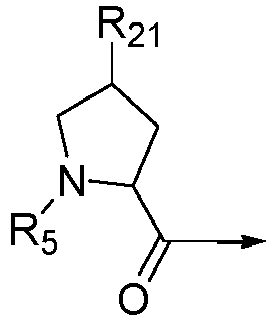

- R5 is C(O)-R8, wherein
R8 is independently at each occurrence selected from phenyl, naphthalene, 1,2-dihydronapthalenyl, 1,2,3,4-tetrahydronaphthenyl, pyridinyl, pyrazolyl, pyrazinyl, furyl, thienyl, isoxazolyl, oxazolyl, pyrrolyl, quinolinyl, isoquinolinyl, indolyl, piperidinyl, morpholinyl, pyrrolidinyl, benzimidazolyl, benzofuranyl, benzopyranyl, coumarinyl, pyridazinyl, isoindolyl, benzothiophenyl, benzooxazolyl, cyclopentyl, cyclopentenyl, cyclohexyl, cyclohexenyl, adamantanyl; each independently optionally substituted with C1-C4alkyl, halogen preferably fluorine, CF3, OR10, NR11R12; wherein R10, R11, R12 are independently at each occurrence H, C1-C3alkyl; and wherein R21 is selected from H, C1-C4alkyl; and wherein - the arrow indicates the attachment to the NH-moiety depicted in formula (I); R2 is selected from

- R5 is C(O)-R8, wherein
- R indicates the attachment to the CH-moiety depicted in formula (I);
- R3 is selected from

- R4 is

- R37, R38, R39 and R40 are independently at each occurrence H or C1-C3alkyl, preferably H or methyl, or independently at each occurrence two of said R37, R38, R39 and R40 together with the carbon atom to which they are attached form a carbocyclic or heterocyclic ring, preferably a carbocyclic ring, and wherein
- R41 and R42 are independently of each other H or C1-C4alkyl optionally substituted with halogen, hydroxyl or C3-C6cycloalkyl; or together with the nitrogen atom to which they are attached form independently at each occurrence a heteroaryl or a heterocyclyl, each independently optionally substituted with halogen, C1-C4alkyl, OR43, NR44R45; wherein
- and pharmaceutically acceptable salts of said compound of formula (I).
- Unless defined otherwise, all technical and scientific terms used herein have the same meanings as commonly understood by one of ordinary skill in the art to which this invention belongs.
- Each alkyl moiety either alone or as part of a larger group such as alkoxy, aminoalkyl or alkylene is a straight or branched chain and is preferably C1-C16alkyl, more preferably C1-C14alkyl. Examples include methyl, ethyl, n-propyl, prop-2-yl, n-butyl, but-2-yl, 2-methyl-prop-1-yl or 2-methyl-prop-2-yl. Examples of an alkoxy include methoxy, ethoxy, propoxy, iso-propoxy, n-butoxy, sec-butoxy, tert-butoxy, n-pentoxy, neo-pentoxy, n-hexoxy. Examples of aminoalkyl include aminomethyl, aminoethyl, dimethylaminomethyl, dimethylaminoethyl. As described herein, alkoxy may include further substitutents such as halogen atoms leading to haloalkoxy moieties.
- Each alkylene moiety is a straight or branched chain and is, for example, -CH2-, -CH2-CH2-, -CH(CH3)-, -CH2-CH2-CH2-, -CH(CH3)-CH2-, or -CH(CH2CH3)-.
- Each haloalkyl moiety either alone or as part of a larger group such as haloalkoxy is an alkyl group substituted by one or more of the same or different halogen atoms. Haloalkyl moieties include for example 1 to 5 halo substituents, or 1 to 3 halo substituents. Examples include in particular fluoromethyl, difluoromethyl, trifluoromethyl, chlorodifluoromethyl and 2,2,2-trifluoro-ethyl.
- The term "alkoxyalkyl" refers to a R-O-R' moiety in which the R and R' groups are alkyl groups as defined herein. Examples include methoxymethyl, methoxyethyl, ethoxyethyl and methoxypropyl.
- Each alkenyl moiety either alone or as part of a larger group such as alkenyloxy or alkenylene is a straight or branched chain and is preferably C2-C16alkenyl, more preferably C2-C14alkenyl. Each moiety can be of either the (E)- or (Z)-configuration. Examples include vinyl and allyl. A compound of the present invention comprising an alkenyl moiety thus may include, if applicable, either said compound with said alkenyl moiety in its (E)-configuration, said compound with said alkenyl moiety in its (Z)-configuration and mixtures thereof in any ratio.
- Each haloalkenyl moiety either alone or as part of a larger group such as haloalkenyloxy is an alkenyl group substituted by one or more of the same or different halogen atoms. Examples include,2-difluoro-vinyl and 1,2-dichloro-2-fluoro-vinyl. Haloalkenyl moieties include for example 1 to 5 halo substituents, or 1 to 3 halo substituents.
- Each alkynyl moiety either alone or as part of a larger group such as alkynyloxy is a straight or branched chain and is preferably C2-C6alkynyl, more preferably C2-C4alkynyl. Examples are ethynyl and propargyl.
- Halogen is fluorine, chlorine, bromine, or iodine.
- The terms "carbocycle", "carbocyclyl", "carbocyclic ring" and "cycloalkyl", as interchangeably used herein, refer to a monovalent non-aromatic, saturated or partially unsaturated ring having 3 to 8 carbon atoms (C3-C8) as a monocyclic ring or 7 to 12 carbon atoms as a bi-, tri or tetracyclic ring as well as said cycloalkyl optionally substituted independently with one or more substituents, typically and preferably with one or two substituents as described below. "Cycloalkyl" also includes bicyclic radicals where cycloalkyl radicals are fused with a saturated, partially unsaturated ring, or aromatic carbocyclic or heterocyclic ring. Cycloalkyl groups are optionally substituted independently with one or more substituents, typically and preferably with one or two substituents, wherein said substituents are independently at each occurrence selected from C1-C4alkyl, halogen, CF3, OR10, NR11R12, C6H5, C6H5 substituted with halogen, oxo, C1-C3alkyl, OR10, NR11R12, wherein R10, R11, R12 are independently at each occurrence H, C1-C3alkyl. Examples of monocyclic carbocycles include, but are not limited to, cyclopropyl, cyclobutyl, cyclopentyl, 1-cyclopent-1-enyl, 1-cyclopent-2-enyl, 1-cyclopent-3-enyl, cyclohexyl, 1-cyclohex-1-enyl, 1-cyclohex-2-enyl, 1-cyclohex-3-enyl, cyclohexadienyl, cycloheptyl, cyclooctyl and the like. A specific example of a tetracyclic ring is adamantanyl.
- The terms "aryl", as used herein, refer to a monovalent aromatic hydrocarbon radical of 6-14 carbon atoms (C6-C14) derived by the removal of one hydrogen atom from a single carbon atom of a parent aromatic ring system as well as said aryl optionally substituted independently with one or more substituents, typically and preferably with one or two substituents as described below. Aryl includes bicyclic radicals comprising an aromatic ring fused to a saturated, partially unsaturated ring, or aromatic carbocyclic or heterocyclic ring. Aryl groups are optionally substituted independently with one or more substituents, typically and preferably with one or two substituents, wherein said substituents are independently at each occurrence selected from C1-C4alkyl, halogen, oxo, CF3, OR10, NR11R12, C6H5, C6H5 substituted with halogen, C1-C3alkyl, OR10, NR11R12, wherein R10, R11, R12 are independently at each occurrence H, C1-C3alkyl. Typical aryl groups include, but are not limited to, radicals derived from benzene (phenyl), substituted phenyls, naphthalene, anthracene, biphenyl, indenyl, indanyl, 1,2-dihydronapthalenyl, 1,2,3,4-tetrahydronaphthenyl and the like.
- The terms "heterocycle", "heterocyclyl" and "heterocyclic ring" are used interchangeably herein and refer to a saturated or a partially unsaturated (i.e., having one or more double within the ring) carbocyclic radical of 3 to 14 ring atoms in which at least one ring atom is a heteroatom selected from nitrogen, oxygen and sulphur, the remaining ring atoms being C, where one or more ring atoms is optionally substituted independently with one or more substituents as described herein. A heterocycle may be a monocycle having 3 to 7 ring members (2 to 6 carbon atoms and 1 to 4 heteroatoms selected from N, O, and S) or a bicycle having 7 to 10 ring members (4 to 9 carbon atoms and 1 to 6 heteroatoms selected from N, O, and S). "Heterocyclyl" also includes radicals where heterocycle radicals are fused with a cycloalkyl ring, aryl or heteroaryl ring. Examples of heterocyclic rings include, but are not limited to, pyrrolidinyl, tetrahydrofuranyl, dihydrofuranyl, tetrahydrothienyl, tetrahydropyranyl, dihydropyranyl, tetrahydrothiopyranyl, piperidinyl, morpholinyl, thiomorpholinyl, thioxanyl, piperazinyl, homopiperazinyl, 2-pyrrolinyl, 3-pyrrolinyl, indolinyl, dioxanyl, dihyrooxazolyl, pyrazolinyl, pyrazolidinyl, imidazolinyl, imidazolidinyl, coumarinyl and the like. Heterocyclic rings are optionally substituted independently with one or more substituents, typically and preferably with one or two substituents, wherein said substituents are independently at each occurrence selected from C1-C4alkyl, halogen, oxo, CF3, OR10, NR11R12, C6H5, C6H5 substituted with halogen, C1-C3alkyl,OR10, NR11R12, wherein R10, R11, R12 are independently at each occurrence H, C1-C3alkyl.
- The term "heteroaryl", as used herein, refers to a monovalent aromatic radical of 5-, 6-, or 7-membered rings and includes fused ring systems (at least one of which is heteroaryl) of 5-14 atoms, containing one or more heteroatoms independently selected from nitrogen, oxygen, and sulphur as well as said heteroaryl optionally substituted independently with one or more substituents, typically and preferably with one or two substituents as described below. Heteroaryl are optionally substituted independently with one or more substituents, typically and preferably with one or two substituents, wherein said substituents are independently at each occurrence selected from C1-C4alkyl, halogen, oxo, CF3, OR10, NR11R12, C6H5, C6H5 substituted with halogen, C1-C3alkyl, OR10, NR11R12, wherein R10, R11, R12 are independently at each occurrence H, C1-C3alkyl. Examples of heteroaryl groups are pyridinyl (including, for example, 2-hydroxypyridinyl), imidazolyl, imidazopyridinyl, pyrimidinyl (including, for example, 4-hydroxypyrimidinyl), pyrazolyl, triazolyl, pyrazinyl, tetrazolyl, furyl, thienyl, isoxazolyl, thiazolyl, oxadiazolyl, oxazolyl, isothiazolyl, pyrrolyl, quinolinyl, isoquinolinyl, tetrahydroisoquinolinyl, indolyl, benzimidazolyl, benzofuranyl, cinnolinyl, indazolyl, indolizinyl, phthalazinyl, pyridazinyl, triazinyl, isoindolyl, pteridinyl, purinyl, thiadiazolyl, furazanyl, benzofurazanyl, benzopyranyl, benzothiophenyl, benzothiazolyl, benzooxazolyl, quinazolinyl, quinoxalinyl, naphthyridinyl, and furopyridinyl. Heteroaryl groups are optionally substituted independently with one or more substituents as described herein. The term "monocyclic heteroaryl" refers to a five- or six-membered, unsubstituted or substituted, monocyclic heteroaryl radical which contains 1, 2, 3 or 4 ring heteroatoms independently selected from N, O and S. Monocyclic heteroaryl radicals include, but are not limited to: 2-pyridyl, 3-pyridyl, 4-pyridyl, 3-isoxazolyl, 4-isoxazolyl, 5-isoxazolyl, 2-imidazolyl, 4-imidazolyl, 3-pyrazolyl, 4-pyrazolyl, 2-pyrrolyl, 3-pyrrolyl, 2-thiazolyl, 4-thiazolyl, 5-thiazolyl, 3-pyridazinyl, 4-pyridazinyl, 5-pyridazinyl, 2-pyrimidinyl, 5-pyrimidinyl, 6-pyrimidinyl, 2-pyrazinyl, 2-oxazolyl, 4-oxazolyl, 5-oxazolyl, 2-furanyl, 3-furanyl, 2-thienyl, 3-thienyl, 3-triazolyl, 1-triazolyl, 5-tetrazolyl, 1-tetrazolyl, and 2-tetrazolyl. Monocyclic heteroaryl are optionally substituted independently with one or more substituents as described herein. Monocyclic heteroaryl are optionally substituted independently with one or more substituents, typically and preferably with one or two substituents, wherein said substituents are independently at each occurrence selected from C1-C4alkyl, halogen, CF3, OR10, NR11R12, C6H5, C6H5 substituted with halogen, C1-C3alkyl, OR10, NR11R12, wherein R10, R11, R12 are independently at each occurrence H, C1-C3alkyl.
- The terms "spiranyl", and "spirocycle" are used interchangeably herein and refer to a saturated or a partially unsaturated (i.e., having one or more double within the rings), typically and preferably to a saturated, bicyclic radical of 3 to 8 ring atoms per ring, wherein the rings are linked together by one common atom, typically and preferably by a carbon atom. The individual rings may be both carbocyclic rings or may contain independently of each other at least one heteroatom selected from nitrogen, oxygen and sulphur, the remaining ring atoms being C, where one or both ring atoms are optionally substituted independently with one or more substituents as described herein. Examples of heterocyclic spiranyl include diazaspiranyl of the formulas -([CH2]m)nC([CH2]m)n-N-C1-C3alkyl wherein m and n are independently at each occurrence selected from 1 or 2, typically and preferably -([CH2])2C([CH2])2-N-C1-C3alkyl,-([CH2])2C([CH2]2)-N-C1-C3alkyl, -([CH2]2)2C([CH2]2)2-N-C1-C3alkyl,-([CH2]2[CH2])C([CH2]2[CH2])-N-C1-C3alkyl.
- Where a group is said to be optionally substituted, preferably there are optionally 1-5 substituents, more preferably optionally 1-3 substituents, and again more preferably optionally one or two substituents.
- The term "amino acid", as used herein, refers to organic compounds containing the functional groups amine (-NH2) and carboxylic acid (-COOH) and its zwitterions, typically and preferably, along with a side chain specific to each amino acid. The term "amino acid" typically and preferably includes amino acids that occur naturally, such as proteinogenic amino acids (produced by RNA-translation), non-proteinogenic amino acids (produced by other metabolic mechanisms, e.g. posttranslational modification), standard or canonical amino acids (that are directly encoded by the codons of the genetic code) and non-standard or non-canonical amino acids (not directly encoded by the genetic code). Naturally occurring amino acids include non-eukaryotic and eukaryotic amino acids. The term "amino acid", as used herein, also includes unnatural amino acids that are chemically synthesized. Moreover, the term covers alpha- (α-), beta- (β-), gamma- (γ-) and delta- (δ-) etc. amino acids as well as mixtures thereof in any ratio, and any isomeric form of an amino acid, i.e. D- and L-stereoisomers (alternatively addressed by the (R) and (S) nomenclature) as well as mixtures thereof in any ratio, preferably in a racemic ratio of 1:1. Amino acids in this invention are preferably in L-configuration. The term "D-stereoisomer", "L-stereoisomer", "D-amino acid" or "L-amino acid" refers to the chiral alpha carbon of the amino acids.
- Certain compounds of formula (I) of the present invention may contain one or two or more centers of chirality and such compounds may be provided as pure enantiomers or pure diastereoisomers as well as mixtures thereof in any ratio. The compounds of the invention also include all tautomeric forms of the compounds of formula (I). The compounds of formula (I) may also be solvated, especially hydrated, which are also included in the compounds of formula (I).
- The term "chiral" refers to compounds, which have the property of non-superimposability of the mirror image partner, while the term "achiral" refers to compounds, which are superimposable on their mirror image partner.
- The term "stereoisomers" refers to compounds, which have identical chemical constitution, but differ with regard to the arrangement of the atoms or groups in space.
- "Diastereomer" refers to a stereoisomer with two or more centers of chirality in which the compounds are not mirror images of one another. Diastereomers have different physical properties, e.g. melting points, boiling points, spectral properties, and chemical and biological reactivities. Mixtures of diastereomers may be separated under high resolution analytical procedures such as electrophoresis and chromatography.
- "Enantiomers" refer to two stereoisomers of a compound which are non-superimposable mirror images of one another.
- Stereochemical definitions and conventions used herein generally follow S.P. Parker, Ed., McRaw-Hiff Dictionary of Chemical Terms (1984), McGraw-Hill Book Company, New York; and Eliel, E. and Wilen, S., "Stereochemistry of Organic Compounds", John Wiley & Sons, Inc., New York, 1994. The compounds of the invention may contain asymmetric or chiral centers, and therefore exist in different stereoisomeric forms. It is intended that all stereoisomeric forms of the compounds of the invention, including but not limited to, diastereomers, enantiomers and atropisomers, as well as mixtures thereof such as racemic mixtures, form part of the present invention. Many organic compounds exist in optically active forms, i.e., they have the ability to rotate the plane of plane-polarized light. In describing an optically active compound, the prefixes D and L, or R and S, are used to denote the absolute configuration of the molecule about its chiral center(s). The prefixes d and 1 or (+) and (-) are employed to designate the sign of rotation of plane-polarized light by the compound, with (-) or 1 meaning that the compound is levorotatory. A compound prefixed with (+) or d is dextrorotatory. For a given chemical structure, these stereoisomers are identical except that they are mirror images of one another. A specific stereoisomer may also be referred to as an enantiomer, and a mixture of such isomers is often called an enantiomeric or a scalemic mixture. A 50:50 mixture of enantiomers is referred to as a racemic mixture or a racemate. The term "tautomer" or "tautomeric form" refers to structural isomers of different energies, which are interconvertible via a low energy barrier. For example, proton tautomers include interconversions via migration of a proton, such as keto-enol and imine-enamine isomerizations.
- The phrase "pharmaceutically acceptable salt" as used herein, refers to pharmaceutically acceptable organic or inorganic salts of a compound of the invention, in particular acid addition salts. Exemplary salts include, but are not limited to, sulfate, citrate, acetate, oxalate, chloride, bromide, iodide, nitrate, bisulfate, phosphate, acid phosphate, isonicotinate, lactate, salicylate, acid citrate, tartrate, oleate, tannate, pantothenate, bitartrate, ascorbate, succinate, maleate, gentisinate, fumarate, gluconate, glucuronate, saccharate, formate, benzoate, glutamate, methanesulfonate (mesylate), ethanesulfonate, benzenesulfonate, p-toluenesulfonate, and pamoate salts. A pharmaceutically acceptable salt may involve the inclusion of another molecule such as an acetate ion, a succinate ion or other counter ion. The counter ion may be any organic or inorganic moiety that stabilizes the charge on the parent compound. Furthermore, a pharmaceutically acceptable salt may have more than one charged atom in its structure. Instances where multiple charged atoms are part of the pharmaceutically acceptable salt can have multiple counter ions. Hence, a pharmaceutically acceptable salt can have one or more charged atoms and/or one or more counter ion.
- If the compound of the invention is a base, the desired pharmaceutically acceptable salt may be prepared by any suitable method available in the art, for example, treatment of the free base with an inorganic acid, such as hydrochloric acid, hydrobromic acid, sulfuric acid, nitric acid, methanesulfonic acid, phosphoric acid and the like, or with an organic acid, such as acetic acid, trifluoroacetic acid, maleic acid, succinic acid, mandelic acid, fumaric acid, malonic acid, pyruvic acid, oxalic acid, glycolic acid, salicylic acid, a pyranosidyl acid, such as glucuronic acid or galacturonic acid, an alpha hydroxy acid, such as citric acid or tartaric acid, an amino acid, such as aspartic acid or glutamic acid, an aromatic acid, such as benzoic acid or cinnamic acid, a sulfonic acid, such as p-toluenesulfonic acid or ethanesulfonic acid, or the like.
- A "solvate" refers to an association or complex of one or more solvent molecules and a compound of the invention. Examples of solvents that form solvates include, but are not limited to, water, isopropanol, ethanol, methanol, dimethyl sulfoxide (DMSO), ethyl acetate, acetic acid, and ethanolamine. The term "hydrate" refers to the complex where the solvent molecule is water.
- The term "protecting group" refers to a substituent that is commonly employed to block or protect a particular functionality during the reaction of other functional groups on the compound. For example, an "amino-protecting group" is a substituent attached to an amino group that blocks or protects the amino functionality in the compound. Suitable amino-protecting groups include acetyl, trifluoroacetyl, tert-butoxycarbonyl (BOC), benzyloxycarbonyl and 9-fluorenylmethylenoxycarbonyl (Fmoc). For a general description of protecting groups and their use, see T. W. Greene, Protective Groups in Organic Synthesis, John Wiley & Sons, New York, 1991.
- The terms "compound of this invention" and "compounds of the present invention" and "compounds of formula (I)" include stereoisomers, geometric isomers, tautomers, solvates, pharmaceutically acceptable salts, and solvates of the salts thereof.
- The term "mammal" includes, but is not limited to, humans, mice, rats, guinea pigs, monkeys, dogs, cats, horses, cows, pigs, and sheep. The term "mammal", as used herein, preferably refers to humans.
- The terms "treat" and "treatment" refer to both therapeutic treatment and prophylactic or preventative measures, wherein the object is to prevent or slow down (lessen) an undesired pathological change or disorder, such as the development of leishmaniasis. For purpose of this invention, beneficial or desired clinical results include, but are not limited to, alleviation of symptoms, diminishment of extent of disease, stabilized (i.e., not worsening) state of disease, delay or slowing of disease progression, amelioration or palliation of the disease state, and remission (whether partial or total), whether detectable or undetectable. "Treatment" can also mean prolonging survival as compared to expected survival if not receiving treatment. Those in need of treatment include those already with the condition or disorder as well as those prone to have the condition or disorder or those in which the condition or disorder is to be prevented.
- The phrase "effective amount" means an amount of a compound of the present invention that (i) treats or prevents the particular disease, condition, or disorder, (ii) attenuates, ameliorates, or eliminates one or more symptoms of the particular disease, condition, or disorder, or (iii) prevents or delays the onset of one or more symptoms of the particular disease, condition, or disorder described herein. In the case of protozoan diseases, in particular in case of leishmaniasis, the effective amount of the drug may reduce the number of parasites, in particular of Leishmania donovani and/or is effective in inhibiting proliferation of a parasite in the Leishmania genus and includes an effective amount against a parasite from the Leishmania genus.
- The compounds and methods described herein are advantageously used as a novel class of anti-Leishmanial agents to inhibit proliferation of Leishmania parasites. The compounds and methods can provide prophylaxis or treatment for a vertebrate against a parasite in the Leishmania genus. Preferably, the compounds and methods can provide treatment for a vertebrate, preferably a human, against a parasite in the Leishmania genus. The methods can provide treatment against the various stages of Leishmania parasite infections. Thus, administering an inventive compound or pharmaceutical composition can provide prophylaxis or treatment, preferably treatment, to a patient against the proliferation of Leishmania parasites. In particular, the inventive compound or pharmaceutical composition and method can provide treatment for a human against leishmania disease. Administering an inventive compound or pharmaceutical composition to a patient in a stage of infection with Leishmania genus can treat against cutaneous, mucocutaneous, and visceral forms of the disease. Administering an inventive compound or pharmaceutical composition to a patient in a stage of infection with Leishmania donovani can treat against visceral leishmaniasis (VL).
- Administering an inventive compound or pharmaceutical composition to a patient in a stage of infection with Leishmania donovani can treat against promastigote and/or amastigote forms of Leishmania donovani parasites. Administering an inventive compound or pharmaceutical composition can be used to treat Leishmania infections where the parasites are susceptible in promastigote and/or amastigote forms of Leishmania donovani within the life cycle. Administering for prophylaxis may help break the life cycle of leishmaniasis disease and reduce the patient's chances of becoming infected or infecting another through a vector.
- Administering an inventive compound or pharmaceutical composition to a patient can, in principle, lead to inhibiting proliferation of Leishmania, by directly affecting the parasite's life cycle. Once a vector ingests blood from the patient whose blood plasma contains an inventive compound or pharmaceutical composition, further development of Leishmania parasite in the vector may be inhibited.
- Administering includes sublingual administration, oral administration, and, in principle, intravenous administration. A pharmaceutical composition can contain the active pharmaceutical ingredient and may additionally comprise a pharmaceutically acceptable vehicle or adjuvant. A pharmaceutical composition can be in the form of a solid pharmaceutical dosage form (tablet, caplet, capsule, or deliverable from an osmotic pump as examples) or syrup. Remington, The Science and Practice of Pharmacy, provides general information regarding pharmaceutical dosage forms.
- A therapeutically effective amount means an amount of an inventive compound or pharmaceutical composition that can provide a therapeutic benefit to a patient against leishmaniasis. Patient includes human. A patient in need of treatment includes a human patient in need of treatment against Leishmania parasites.
- In a first aspect, the present invention provides for a compound of formula (I)


- R1 is


- R2 is selected from

- R indicates the attachment to the CH-moiety depicted in formula (I);
- R3 is selected from

- R4 is

- R37, R38, R39 and R40 are independently at each occurrence H or C1-C3alkyl, preferably H or methyl, or independently at each occurrence two of said R37, R38, R39 and R40 together with the carbon atom to which they are attached form a carbocyclic or heterocyclic ring, preferably a carbocyclic ring, and wherein
- R41 and R42 are independently of each other H or C1-C4alkyl optionally substituted with halogen, hydroxyl or C3-C6cycloalkyl; or together with the nitrogen atom to which they are attached form independently at each occurrence a heteroaryl or a heterocyclyl, each independently optionally substituted with halogen, C1-C4alkyl, OR43, NR44R45; wherein
- the arrow indicates the attachment to the C(O)-moiety depicted in formula (I);
- Said compound of formula (I) is a compound of any one of the formulas (II) to (IV)


- In another preferred embodiment, said compound of formula (I) is a compound of formula (II), wherein preferably said compound of formula (II) is a compound of formula (III) or a compound of formula (IV).
- In another preferred embodiment, said compound of formula (I) is a compound of formula (III). In another preferred embodiment, said compound of formula (I) is a compound of formula (IV).
- Disclosed are substituents R1 being


- X is N or CH;
- R5 is selected from H, C1-C16alkyl, C1-C16alkenyl, C(O)-C1-C16alkyl, C(O)-C1-C16alkenyl, (wherein said C1-C16alkyl, C1-C16alkenyl, C(O)-C1-C16alkyl, C(O)-C1-C16alkenyl are) independently optionally substituted with halogen, NR11R12, ―[O-C2H4]n-OCH3 wherein n=2-20; C(O)-R8, C(O)-C1-C3alkylene-R8, N(H)C(O)-R8, or S(O)2-R9, wherein
- R8 is independently at each occurrence selected from aryl, heteroaryl, cycloalkyl, heterocyclyl, each independently optionally substituted with C1-C4alkyl, halogen, CF3, OR10, NR11R12, C6H5 and C6H5 substituted with halogen, C1-C3alkyl, OR10, NR11R12; wherein R10, R11, R12 are independently at each occurrence H, C1-C3alkyl;
- R9 is independently at each occurrence selected from C1-C4alkyl, aryl, heteroaryl, each independently optionally substituted with C1-C4alkyl, halogen, CF3, OR13, NR14R15; wherein R13, R14, R15 are independently at each occurrence H, C1-C3alkyl;
- R6, R7 are independently at each occurrence selected from H, C1-C4alkyl, C1-C4alkenyl, C(O)-C1-C3alkyl, C(O)-C1-C4alkenyl, (wherein said C1-C4alkyl, C1-C4alkenyl, C(O)-C1-C3alkyl, C(O)-C1-C4alkenyl are) independently optionally substituted with halogen, NR11R12; or R6 and R7 together with the X-C to which they are attached form independently at each occurrence an aryl, heteroaryl, cycloalkyl, heterocyclyl, each independently optionally (further) substituted with C1-C4alkyl, halogen, CF3, OR10, NR11R12, C6H5 and C6H5 substituted with halogen, C1-C3alkyl, OR10, NR11R12; wherein R10, R11, R12 are independently at each occurrence H, C1-C3alkyl; and wherein
- Disclosed are substituents R6 and R7 that together with the X-C to which they are attached form a pyrrolidinyl.
- Disclosed are substituents R6 and R7 that together with the X-C to which they are attached form a pyrrolidinyl, wherein said pyrrolidinyl is (further) substituted with methyl.
- Disclosed are substituents R2 selected from C1-C14alkyl, C2-C14alkyl optionally substituted with OH, C2-C14alkoxy, C2-C14alkenyl optionally substituted with OH; C1-C8alkylene-R23, wherein in alkylene one or two -CH2- moieties are optionally replaced by - CH(NR24R25)-, ―CH(OH)-, -C(=O)-, -NR24R25- or -CH(CH3)- moieties, wherein there are no adjacent -C(=O)- moieties or adjacent -NR24R25- moieties, and wherein R23 is independently at each occurrence selected from hydrogen; aryl, heteroaryl, cycloalkyl, heterocyclyl, each independently optionally substituted with C1-C4alkyl, OR26, NR27R28; wherein R26, R27, R28 are independently at each occurrence H, halogen, CF3, C1-C3alkyl; and wherein R24 and R25 are independently at each occurrence H, C1-C3alkyl; with the proviso that R2 is not - CH2CH(CH3)CH2CH(OH)CH2C(O)C2H5, ―CH2CH(CH3)CH2CH=CHC(O)C2H5, ― CH2CH(CH3)CH2CH2CH2C(O)C2H5, ―CH2CH(CH3)(CH2)3CH(OH)C2H5 or ― CH2CH(CH3)CH2CH(OCH3)CH2C(O)C2H5.
- Disclosed are substituents R4 being

- R35 is independently selected from hydrogen and C1-C3-alkyl;
- R36 is independently at each occurrence selected from -cycloalkyl-NR41R42, wherein said cycloalkyl moiety is optionally substituted by C1-C4alkyl, hydroxyl, halogen, OR43; -C3-C6alkylene-NR41R42, wherein said C3-C6alkylene moiety is optionally substituted by hydroxyl, OR43, halogen; cycloalkyl optionally substituted with C1-C4alkyl, halogen, OR43; or wherein R35 and R36 together with the nitrogen atom to which they are attached form independently at each occurrence a heteroaryl, a heterocyclyl or a heterocyclic spiranyl, each independently optionally substituted with C1-C4alkyl, halogen, OR43, NR44R45, wherein R43, R44, R45 are independently at each occurrence H, C1-C4alkyl; and wherein
- R37, R38, R39 and R40 are independently at each occurrence H or C1-C3alkyl, preferably H or methyl, or independently at each occurrence two of said R37, R38, R39 and R40 together with the carbon atom to which they are attached form a carbocyclic or heterocyclic ring, preferably a carbocyclic ring, and wherein
- R41 and R42 are independently of each other H or C1-C4alkyl optionally substituted with halogen, hydroxyl or C3-C6cycloalkyl; or together with the nitrogen atom to which they are attached form independently at each occurrence a heteroaryl or a heterocyclyl, each independently optionally substituted with halogen, C1-C4alkyl, OR43, NR44R45; wherein the arrow indicates the attachment to the C(O)-moiety depicted in formula (I).
- In a further preferred embodiment, said R4 is

- R37, R38, R39 and R40 are independently at each occurrence H or C1-C3alkyl, preferably H or methyl, or independently at each occurrence two of said R37, R38, R39 and R40 together with the carbon atom to which they are attached form a carbocyclic or heterocyclic ring, preferably a carbocyclic ring, and wherein
- R41 and R42 are independently of each other H or C1-C4alkyl optionally substituted with halogen, hydroxyl or C3-C6cycloalkyl; or together with the nitrogen atom to which they are attached form independently at each occurrence a heteroaryl or a heterocyclyl, each independently optionally substituted with halogen, C1-C4alkyl, OR43, NR44R45, wherein R43, R44, R45 are independently at each occurrence H, C1-C4alkyl; wherein the arrow indicates the attachment to the C(O)-moiety depicted in formula (I).
- In a further preferred embodiment, said R4 is

- In a further preferred embodiment, said R4 is

- In a further preferred embodiment, said R4 is

- In a further preferred embodiment, said R4 is

- In a further preferred embodiment, said R4 is
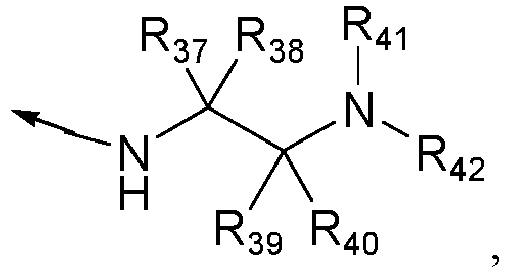
- In a further preferred embodiment, said R4 is

- In a further preferred embodiment, said R4 is selected from

- In a further preferred embodiment, said R4 is selected from

- In a further preferred embodiment, said R4 is selected from

- In a further preferred embodiment, said R4 is selected from

- In a further preferred embodiment, said R4 is selected from

- In a further preferred embodiment, said R4 is selected from

- In a further preferred embodiment, said R4 is selected from
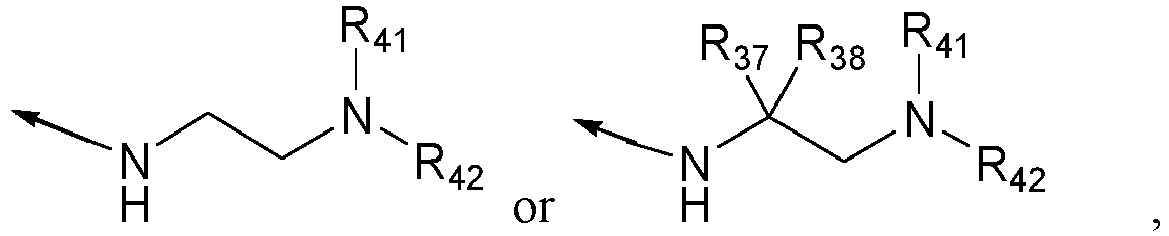
- Further disclosed are substituents R1 selected from


- Further disclosed are substituents R1 selected from

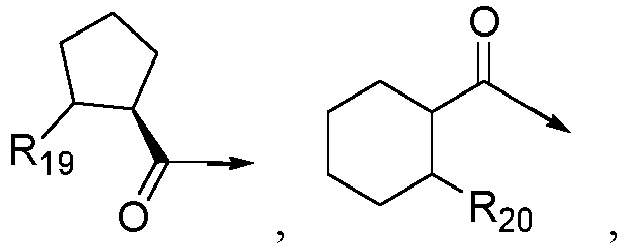


- Further disclosed are substituents R1 selected from


- Further disclosed are substituents R1 selected from


- Further disclosed are substituents R1 selected from
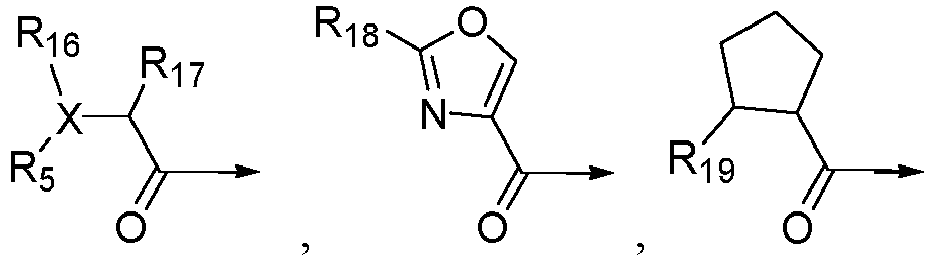

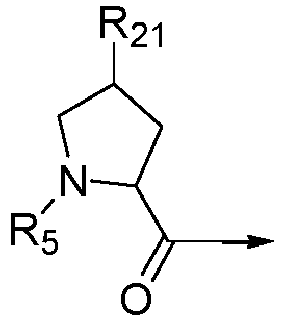

- We have surprisingly found that preferred compounds of the present invention maintain its high biological activity despite the removal of one or several stereocenters (present in the naturally occurring analogue of leucinostatin A) leading to more simplified and more economic syntheses of the inventive compounds without sacrificing biological activity.
- Further disclosed are substituents R1 selected from

- Further disclosed are substituents R1 selected from

- Further disclosed are substituents R1 selected from


- In a very preferred embodiment of the present invention, said R1 is selected from


- Further disclosed are substituents R2 selected from C2-C14alkyl, C2-C14alkyl optionally substituted with OH, C2-C14alkoxy, C2-C14alkenyl optionally substituted with OH, C1-C8alkylene-R23, wherein in alkylene one or two -CH2- moieties are optionally replaced by - CH(NR24R25)-, -CH(OH)-, -C(=O)-, -NR24R25- or -CH(CH3)- moieties, wherein there are no adjacent -C(=O)- moieties or adjacent -NR24R25- moieties, and wherein R23 is independently at each occurrence selected from hydrogen; phenyl, naphthalene, 1,2-dihydronapthalenyl, 1,2,3,4-tetrahydronaphthenyl, pyridinyl, pyrazolyl, pyrazinyl, furyl, thienyl, isoxazolyl, oxazolyl, pyrrolyl, quinolinyl, isoquinolinyl, indolyl, piperidinyl, morpholinyl benzimidazolyl, benzofuranyl, benzopyranyl, coumarinyl, pyridazinyl, isoindolyl, benzothiophenyl, benzooxazolyl, cyclopentyl, cyclopentenyl, cyclohexyl, cyclohexenyl, adamantanyl; each independently optionally substituted with C1-C4alkyl, halogen, CF3, OR26, NR27R28; wherein R26, R27, R28 are independently at each occurrence H, C1-C3alkyl; and wherein R24 and R25 are independently at each occurrence H, C1-C3alkyl; with the proviso that R2 is not ― CH2CH(CH3)CH2CH(OH)CH2C(O)C2H5, ―CH2CH(CH3)CH2CH=CHC(O)C2H5, ― CH2CH(CH3)CH2CH2CH2C(O)C2H5, ―CH2CH(CH3)(CH2)3CH(OH)C2H5 or ― CH2CH(CH3)CH2CH(OCH3)CH2C(O)C2H5.
- Further disclosed are substituents R2 selected from



- Further disclosed are substituents R3 selected from C2-C12alkyl optionally substituted with OH, C2-C12alkoxy, C2-C12alkenyl optionally substituted with OH, C1-C8alkylene-R29, wherein in alkylene one or two -CH2- moieties are optionally replaced by ―CH(NR30R31)-, ― CH(OH)-, or -CH(CH3)- moieties, and wherein R29 is independently at each occurrence selected from hydrogen; 1,2-dihydronapthalenyl, 1,2,3,4-tetrahydronaphthenyl, oxazolyl, pyrrolyl, quinolinyl, isoquinolinyl, indolyl, piperidinyl, morpholinyl benzimidazolyl, benzofuranyl, benzopyranyl, coumarinyl, pyridazinyl, isoindolyl, benzothiophenyl, benzooxazolyl, cyclopentyl, cyclopentenyl, cyclohexyl, cyclohexenyl, adamantanyl, each independently optionally substituted with C1-C4alkyl, OR32, NR33R34; wherein R32, R33, R34 are independently at each occurrence H, halogen, CF3, C1-C3alkyl; and wherein R30 and R31 are independently at each occurrence H, C1-C3alkyl
- Further disclosed are substituents R3 selected from


- In a further very preferred embodiment, said R4 is selected from




- In a further very preferred embodiment, said compound is selected from
- 5649: (2S)-2-{[(2S)-1-benzoylpyrrolidin-2-yl]formamido}-N-[(1S)-1-[(1-{[(1S)-1-{[(1S)-1-{[1-({1-[(2-{[(2S)-1-(dimethylamino)propan-2-yl]carbamoyl}ethyl)carbamoyl]-1-methylethyl}carbamoyl)-1-methylethyl]carbamoyl}-3-methylbutyl]carbamoyl}-3-methylbutyl]carbamoyl}-1-methylethyl)carbamoyl]-3-methylbutyl]decanamide;
- 5768: (2S)-2-{[(2S)-1-(7-chloroquinoline-4-carbonyl)pyrrolidin-2-yl]formamido}-N-[(1S)-1-[(1-{[(1S)-1-{[(1S)-1-{[1-({1-[(2-{[(2S)-1-(dimethylamino)propan-2-yl]carbamoyl}ethyl)carbamoyl]-1-methylethyl}carbamoyl)-1-methylethyl]carbamoyl}-3-methylbutyl]carbamoyl}-3-methylbutyl]carbamoyl}-1-methylethyl)carbamoyl]-3-methylbutyl]decanamide;
- 5769: (2S)-N-[(1S)-1-[(1-{[(1S)-1-{[(1S)-1-{[1-({1-[(2-{[(2S)-1-(dimethylamino)propan-2-yl]carbamoyl}ethyl)carbamoyl]-1-methylethyl}carbamoyl)-1-methylethyl]carbamoyl}-3-methylbutyl]carbamoyl}-3-methylbutyl]carbamoyl}-1-methylethyl)carbamoyl]-3-methylbutyl]-2-{[(2S)-1-(7-methoxy-2-oxo-2H-chromene-3-carbonyl)pyrrolidin-2-yl]formamido}decanamide;
- 5770: (2S)-2-{[(2S)-1-(adamantane-1-carbonyl)pyrrolidin-2-yl]formamido}-N-[(1S)-1-[(1-{[(1S)-1-{[(1S)-1-{[1-({1-[(2-{[(2S)-1-(dimethylamino)propan-2-yl]carbamoyl}ethyl)carbamoyl]-1-methylethyl}carbamoyl)-1-methylethyl]carbamoyl}-3-methylbutyl]carbamoyl}-3-methylbutyl]carbamoyl}-1-methylethyl)carbamoyl]-3-methylbutyl]decanamide;
- 5904: (2S)-N-[(1{[(1S)-1-{[(1S)-1-{[1-({1-[(2-{[(2S)-1-(dimethylamino)propan-2-yl]carbamoyl}ethyl)carbamoyl]-1-methylethyl}carbamoyl)-1-methylethyl]carbamoyl}-3-methylbutyl]carbamoyl}-3-methylbutyl]carbamoyl}-1-methylethyl)carbamoyl]-3-methylbutyl]-2-{[(2S)-1-(thiophene-2-carbonyl)pyrrolidin-2-yl]formamido}decanamide;
- 5905: (2S)-N-[(1S)-1-[(1-{[(1S)-1-{[(1S)-1-{[1-({1-[(2-{[(2S)-1-(dimethylamino)propan-2-yl]carbamoyl}ethyl)carbamoyl]-1-methylethyl}carbamoyl)-1-methylethyl]carbamoyl}-3-methylbutyl]carbamoyl}-3-methylbutyl]carbamoyl}-1-methylethyl)carbamoyl]-3-methylbutyl]-2-{[(2S)-1-(2-methyl-1,3-oxazole-4-carbonyl)pyrrolidin-2-yl]formamido}decanamide;
- 5910: (2S)-N-[(1S)-1-[(1-{[(1S)-1-{[(1S)-1-{[1-({1-[(2-{[(2S)-1-(dimethylamino)propan-2-yl]carbamoyl}ethyl)carbamoyl]-1-methylethyl}carbamoyl)-1-methylethyl] carbamoyl}-3-methylbutyl]carbamoyl}-3-methylbutyl]carbamoyl}-1-methylethyl)carbamoyl]-3-methylbutyl]-2-{[(2S)-1-(1,2,3,4-tetrahydronaphthalene-2-carbonyl)pyrrolidin-2-yl]formamido}decanamide;
- 5911: (2S)-N-[(1S)-1-[(1-{[(1S)-1-{[(1S)-1-{[1-({1-[(2-{[(2S)-1-(dimethylamino)propan-2-yl]carbamoyl}ethyl)carbamoyl]-1-methylethyl}carbamoyl)-1-methylethyl]carbamoyl}-3-methylbutyl]carbamoyl}-3-methylbutyl]carbamoyl}-1-methylethyl)carbamoyl]-3-methylbutyl]-2-{[(2S)-1-(1H-indole-5-carbonyl)pyrrolidin-2-yl]formamido}decanamide;
- 5912: (2S)-N-[(1S)-1-[(1-{[(1S)-1-{[(1S)-1-{[1-({1-[(2-{[(2S)-1-(dimethylamino)propan-2-yl]carbamoyl}ethyl)carbamoyl]-1-methylethyl}carbamoyl)-1-methylethyl]carbamoyl}-3-methylbutyl]carbamoyl}-3-methylbutyl]carbamoyl}-1-methylethyl)carbamoyl]-3-methylbutyl]-2-{[(2S)-1-(4-methoxybenzoyl)pyrrolidin-2-yl]formamido}decanamide;
- 5934: (2S)-N-[(1S)-1-[(1-{[(1S)-1-{[(1S)-1-{[1-({1-[(2-{[(2S)-1-(dimethylamino)propan-2-yl]carbamoyl}ethyl)carbamoyl]-1-methylethyl}carbamoyl)-1-methylethyl]carbamoyl}-3-methylbutyl]carbamoyl}-3-methylbutyl]carbamoyl}-1-methylethyl)carbamoyl]-3-methylbutyl]-2-{[(2S)-1-(4-fluorobenzoyl)pyrrolidin-2-yl]formamido}decanamide;
- 5936: (2S)-N-[(1S)-1-[(1-{[(1S)-1-{[(1S)-1-{[1-({1-[(2-{[(2S)-1-(dimethylamino)propan-2-yl]carbamoyl}ethyl)carbamoyl]-1-methylethyl}carbamoyl)-1-methylethyl]carbamoyl}-3-methylbutyl]carbamoyl}-3-methylbutyl]carbamoyl}-1-methylethyl)carbamoyl]-3-methylbutyl]-2-{[(2S)-1-[4-(trifluoromethyl)benzoyl]pyrrolidin-2-yl]formamido}decanamide;
- 5937: (2S)-2-{[(2S)-1-(1,3-benzoxazole-5-carbonyl)pyrrolidin-2-yl]formamido}-N-[(1S)-1-[(1-{[(1S)-1-{[(1S)-1-{[1-({1-[(2-{[(2S)-1-(dimethylamino)propan-2-yl]carbamoyl}ethyl)carbamoyl]-1-methylethyl}carbamoyl)-1-methylethyl]carbamoyl}-3-methylbutyl]carbamoyl}-3-methylbutyl]carbamoyl}-1-methylethyl)carbamoyl]-3-methylbutyl]decanamide;
- 5938: (2S)-N-[(1S)-1-[(1-{[(1S)-1-{[(1S)-1-{[1-({1-[(2-{[(2S)-1-(dimethylamino)propan-2-yl]carbamoyl}ethyl)carbamoyl]-1-methylethyl}carbamoyl)-1-methylethyl]carbamoyl}-3-methylbutyl]carbamoyl}-3-methylbutyl]carbamoyl}-1-methylethyl)carbamoyl]-3-methylbutyl]-2-{[(2S)-1-(quinoline-7-carbonyl)pyrrolidin-2-yl]formamido}decanamide;
- 5939: (2S)-N-[(1S)-1-[(1-{[(1S)-1-{[(1S)-1-{[1-({1-[(2-{[(2S)-1-(dimethylamino)propan-2-yl]carbamoyl}ethyl)carbamoyl]-1-methylethyl}carbamoyl)-1-methylethyl]carbamoyl}-3-methylbutyl]carbamoyl}-3-methylbutyl]carbamoyl}-1-methylethyl)carbamoyl]-3-methylbutyl]-2-{[(2S)-1-(1H-pyrrole-2-carbonyl)pyrrolidin-2-yl]formamido}decanamide;
- 6025: (2S)-2-[(2S)-4-cyclohexyl-2-{[(2S)-1-(2-methyl-1,3-oxazole-4-carbonyl)pyrrolidin-2-yl]formamido}butanamido]-N-(1-{[(1S)-1-{[(1S)-1-({1-[(1-{[2-({1-[(dimethylamino)methyl]cyclobutyl}carbamoyl)ethyl]carbamoyl}-1-methylethyl)carbamoyl]-1-methylethyl}carbamoyl)-3-methylbutyl]carbamoyl}-3-methylbutyl]carbamoyl}-1-methylethyl)-4-methylpentanamide;
- 6026: (2S)-2-[(2S)-2-{2-[(2S)-2-[(2S)-4-cyclohexyl-2-{[(2S)-1-(2-methyl-1,3-oxazole-4-carbonyl)pyrrolidin-2-yl]formamido}butanamido]-4-methylpentanamido]-2-methylpropanamido}-4-methylpentanamido]-4-methyl-N-[1-methyl-1-({1-methyl-1-[(2-{[(2S)-1-(morpholin-4-yl)propan-2-yl]carbamoyl}ethyl)carbamoyl]ethyl}carbamoyl)ethyl]pentanamide;
- 6027: (2S)-2-[(2S)-4-cyclohexyl-2-{[(2S)-1-(4-fluorobenzoyl)pyrrolidin-2-yl]formamido}butanamido]-N-(1-{[(1S)-1-{[1S)-1-({1-[(1-{[2-({1-[(dimethylamino)methyl]cyclobutyl}carbamoyl)ethyl]carbamoyl}-1-methylethyl)carbamoyl]-1-methylethyl}carbamoyl)-3-methylbutyl]carbamoyl}-3-methylbutyl]carbamoyl}-1-methylethyl)-4-methylpentanamide;
- 6028: (2S)-2-[(2S)-2-{2-[(2S)-2-[(2S)-4-cyclohexyl-2-{[(2S)-1-(4-fluorobenzoyl)pyrrolidin-2-yl]formamido}butanamido]-4-methylpentanamido]-2-methylpropanamido}-4-methylpentanamido]-4-methyl-N-[1-methyl-1-({1-methyl-1-[(2-{[(2S)-1-(morpholin-4-yl)propan-2-yl]carbamoyl}ethyl)carbamoyl]ethyl}carbamoyl)ethyl]pentanamide;
- 6253: (2S)-N-[(1S)-1-[(1-{[(1S)-1-{[(1S)-1-({1-[(1-{[2-({1-[(dimethylamino)methyl]cyclobutyl}carbamoyl)ethyl]carbamoyl}-1-methylethyl)carbamoyl]-1-methylethyl}carbamoyl)-3-methylbutyl]carbamoyl}-3-methylbutyl]carbamoyl}-1-methylethyl)carbamoyl]-3-methylbutyl]-2-{[(2S)-1-(2-methyl-1,3-oxazole-4-carbonyl)pyrrolidin-2-yl]formamido}decanamide;
- 6254: (2S)-N-[(1S)-1-[(1-{[(1S)-1-{[(1S)-1-({1-[(1-{[2-({1-[(dimethylamino)methyl]cyclopentyl}carbamoyl)ethyl]carbamoyl}-1-methylethyl)carbamoyl]-1-methylethyl}carbamoyl)-3-methylbutyl]carbamoyl}-3-methylbutyl]carbamoyl}-1-methylethyl)carbamoyl]-3-methylbutyl]-2-{[(2S)-1-(2-methyl-1,3-oxazole-4-carbonyl)pyrrolidin-2-yl]formamido}decanamide;
- In a further very preferred embodiment, said compound is selected from a formula as depicted in claim 11 and selected from 5649, 5768, 5769, 5770, 5904, 5905, 5910, 5911, 5912, 5934, 5936, 5937, 5938, 5939, 6025, 6026, 6027, 6028, 6253 or 6254, .
- In a further aspect, the present invention provides for a compound of formula (I) for use in a method of treatment of treatment of infectious diseases.
- In a further aspect, the present invention provides for a compound of formula (I) for use in a method of treatment of a protozoan disease, wherein preferably said protozoan disease is selected from malaria, human African trypanosomiasis, Chagas disease or leishmaniasis, and wherein further preferably said protozoan disease is Chagas disease or leishmaniasis.
- In a further aspect, the present invention provides for a compound of formula (I) for use in a method of treatment of a protozoan disease, wherein preferably said protozoan disease is selected from acute malaria, cerebral malaria, human African trypanosomiasis, Chagas disease, cutaneous leishmaniasis (CL), mucocutaneous leishmaniasis (MCL) or visceral leishmaniasis (VL), and wherein further preferably said protozoan disease is selected from Chagas disease, cutaneous leishmaniasis (CL), mucocutaneous leishmaniasis (MCL) or visceral leishmaniasis (VL).
- In a further aspect, the present invention provides for a compound of formula (I) for use in a method of treatment of a condition, disease or disorder caused by a parasite selected from a parasite of the Plasmodium genus, a parasite of the Trypanosoma genus or a parasite of the Leishmania genus, wherein preferably said parasite is selected from Trypanosoma cruzi, Leishmania donovani, Plasmodium falciparum, Plasmodium vivax, Plasmodium ovale, Plasmodium malaria, and wherein further preferably said parasite is selected from Trypanosoma cruzi or Leishmania donovani.
- In a further aspect, the present invention provides for a compound of formula (I) for use in a method of treatment of leishmaniasis, and wherein preferably said leishmaniasis is cutaneous leishmaniasis (CL), mucocutaneous leishmaniasis (MCL) or visceral leishmaniasis (VL), and again further preferably wherein said leishmaniasis is visceral leishmaniasis (VL).
- In a further aspect, the present invention provides for a compound of formula (I) for use in a method of treatment of Chagas disease.
- Further disclosed is a method of inhibiting proliferation of Leishmania parasites in a patient for prophylaxis or to a patient in need of treatment which comprises administering to said patient an effective amount of a compound of formula (I). Preferably said compound of formula (I) has an in vitro selectivity index greater than Miltefosine. In another preferred embodiment, said compound has an IC50 value against Leishmania donovani promastigotes and amastigotes lower than Miltefosine.
- Further disclosed is a method for the treatment of a condition, disease or disorder caused by a parasite selected from a parasite of the Plasmodium genus, a parasite of the Trypanosoma genus or a parasite of the Leishmania genus, wherein preferably said parasite is selected from Trypanosoma cruzi, Leishmania donovani, Plasmodium falciparum, Plasmodium vivax, Plasmodium ovale, Plasmodium malaria, comprising administration of a therapeutically effective amount of a compound of formula (I), to a subject, preferably to a human subject, in need of such treatment. In another preferred embodiment, said parasite is selected from Trypanosoma cruzi or Leishmania donovani.
- Further disclosed is a method of treating a patient for prophylaxis or to a patient in need of treatment for leishmaniasis comprising the step of administering to said patient a therapeutically effective amount of a compound of formula (I).
- Further disclosed is a method of treating a patient for prophylaxis or to a patient in need of treatment for Chagas disease comprising the step of administering to said patient a therapeutically effective amount of a compound of formula (I).
- In a further aspect, the present invention provides for a pharmaceutical composition comprising a compound of formula (I) and a pharmaceutically acceptable carrier or adjuvant, wherein said pharmaceutical composition is preferably formulated for use in inhibiting proliferation of a Leishmania parasite in a patient for prophylaxis or to a patient in need of treatment for leishmaniasis.
- In a further aspect, the present invention provides for a pharmaceutical composition comprising a compound of formula (I) and a pharmaceutically acceptable carrier or adjuvant, wherein said pharmaceutical composition is preferably formulated for use in inhibiting proliferation of a Trypanosoma cruzi parasite in a patient for prophylaxis or to a patient in need of treatment for Chagas disease.
- Those skilled in the art will recognize that modifications and variations may be made without departing from the true spirit and scope of the invention. The invention, therefore, is not to be limited to the embodiments described and illustrated in the following non-limiting examples but is to be determined from the appended claims.
- All reagents and solvents used in the synthesis were purchased from Sigma Aldrich, Bachem, Iris Biotech, Fluorochem, Enamine, UkrOrgSyntez, Polypeptide and used as received. (4S, E)-4-Methyl-2-hexenoic acid was synthesized according to a procedure reported in literature (Tetrahedron Letters, 1991, 32, 3985-3988). Solvents were stored over molecular sieves 4 Å. Peptides were synthesized manually by Solid Phase Peptide Synthesis (SPPS) using the standard Fmoc/tert-butyl protocol. Peptide acids were synthesized on Wang resin loaded with the Fmoc-beta-Ala (0.75 mmol/g, particle size 200- 400 mesh, Bachem). Synthesis was performed using double coupling (each for 30 min or 60 min depending on the amino acid), Fmoc-protected amino acids or free acid (3 equiv) and COMU (3 equiv) as coupling reagent, in the presence of DIPEA (6 equiv) in dimethylformamide (DMF). Fmoc-removal was performed twice with 20% piperidine/DMF solution (v/v) for 3 min. When necessary the coupling cycle was followed by acetic anhydride capping step. Washing steps were carried out with DMF and isopropanol. The final cleavage of the peptide from the resin and deprotection of amino acids side chain were achieved at room temperature in a mixture of TFA/H2O/TIPS (95:2.5:2.5) for 90 min at room temperature. The crude peptides were dissolved in water/acetonitrile 1/1 (v/v) and were purified by semi preparative HPLC Gilson PLC 2020 Personal Purification System using as mobile phase H2O/acetonitrile (95:5, v/v) + 0.2% acetic acid and acetonitrile/ H2O + 0.2% acetic acid, gradient ACN 10% to 100%, to give peptide acids ≥90% pure. The purified peptide acid (1 equiv) was coupled in solution with suitable primary or secondary amines (2 equiv) in presence of DIPEA (3 equiv) and COMU (2 equiv) to give the final peptide. Solvent was partially removed, and the crude peptide was directly purified by Gilson PLC 2020 Personal Purification System, as described above, to give final products ≥95% pure.
- High-resolution mass spectrometry was performed on an Agilent Technologies 6530 Q-TOF. Mass and purity of final compounds was determined by UPLC-MS using a Waters Acquity system equipped with a Waters BEH C18 column and diode array detector (254 nm). The mobile phase consisted of H2O-Acetonitrile (solvent A, 97:3 v/v, LC-MS Ultra Chromasolv®, UHPLC grade, Sigma-Aldrich, Germany) and 0.1 % Formic acid (LC-MS grade, Sigma-Aldrich, Germany) and Acetonitrile-H2O (solvent B, 97:3 v/v, LC-MS Ultra Chromasolv®, UHPLC grade, Sigma-Aldrich, Germany) and 0.1 % Formic acid (LC-MS grade, Sigma-Aldrich, Germany) with a 4 min run time, 0.6 mL/min flow rate, 10 µL injection volume and a gradient elution according to the following program: linear increment starting with 100 % A to 100 % B in 3 min and returning to the initial conditions within the next 1 min. MS detection of analytes was performed on a Waters Xevo® triple quadrupole mass spectrometer equipped with electrospray ionization (ESI) interface (Waters, Xevo® TQD QCA065) in positive and negative ion mode with mass range from 100-1500 m/z.
- The inventive compounds were synthesized manually by Solid Phase Peptide Syntheis (SPPS) using the standard Fmoc/tert-butyl protocol starting from Fmoc-beta-Ala linked to Wang resin as depicted in Scheme 1. Washing steps were carried out with DMF and isopropanol. Fmoc-removal was performed with 20% piperidine/DMF solution (v/v) for 3 min, repeated twice. By employing sequentially the building blocks listed in Table 1 (Amino acids used in steps 1 to 8, Scheme 1) and free acid or sulfonyl chloride derivatives (step 9, Scheme 1) listed in Table 2, the different peptides were assembled on solid phase support in typically and preferably 9 steps. Cleavage of the peptide from resin and deprotection of amino acids side chain was achieved in a mixture of TFA/H2O/TIPS (95:2.5:2.5) for 90 min at room temperature. The crude peptides were were purified by semi preparative HPLC Gilson PLC 2020 Personal Purification System. The purified peptide acid was coupled in solution with suitable primary or secondary amines reported in Table 3 (step 10, Scheme 1) in presence of DIPEA and COMU to give the final peptide, which was then directly purified on Gilson PLC 2020 Personal Purification System.

Table 1: Amino acid building blocks used for the synthesis of the inventive compounds AMINO ACIDS Structure IUPAC Name Fmoc-Aib-OH 
2-((((9H-fluoren-9-yl)methoxy)carbonyl)amino )-2-methylpropanoic acid Fmoc-Leu-OH 
(((9H-fluoren-9-yl)methoxy)carbonyl)-L-leucine Fmoc-Hydroxy-Leu-OH 
(2S,3R)-2-((((9H-fluoren-9-yl)methoxy)carbonyl)amino )-3-hydroxy-4-methylpentanoic acid Fmoc-(S)-2-aminodecanoic acid 
(S)-2-((((9H-fluoren-9-yl)methoxy)carbonyl)amino )decanoic acid Fmoc- Pro-OH 
(((9H-fluoren-9-yl)methoxy)carbonyl)-L-proline Fmoc-Me-Pro-OH 
(2S,4S)-1-(((9H-fluoren-9-yl)methoxy)carbonyl)-4-methylpyrrolidine-2-carboxylic acid Fmoc-O-trityl-5-hydroxy- L-norvaline 
(S)-2-((((9H-fluoren-9-yl)methoxy)carbonyl)amino )-5-(trityloxy)pentanoic acid Fmoc-Thr-OH 
N-(((9H-fluoren-9-yl)methoxy)carbonyl)-O-(tert-butyl)- L-threonine Fmoc-Ser-OH 
N-(((9H-fluoren-9-yl)methoxy)carbonyl)-O-(tert-butyl)- L-serine Fmoc-Nle-OH 
(S)-2-((((9H-fluoren-9-yl)methoxy)carbonyl)amino )hexanoic acid Fmoc- Ala-OH 
(((9H-fluoren-9-yl)methoxy)carbonyl)-L-alanine Fmoc-acetyl-lysine 
N2-(((9H-fluoren-9-yl)methoxy)carbonyl)-N6-acetyl-L-lysine Fmoc-N6-7-Methoxycoumarin-3-carboxyl-L-lysine 
N2-(((9H-fluoren-9-yl)methoxy)carbonyl)-N6-(7-methoxy-2-oxo-2H-chromene-3-carbonyl)-L-lysine Fmoc-L-homocyclohexylalanine 
(S)-2-((((9H-fluoren-9-yl)methoxy)carbonyl)amino )-4-cyclohexylbutanoic acid Fmoc-D-Leu-OH 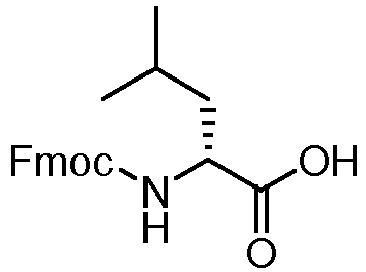
(((9H-fluoren-9-yl)methoxy)carbonyl)-D-leucine Fmoc-(R)-2-aminodecanoic acid 
(R)-2-((((9H-fluoren-9-yl)methoxy)carbonyl)amino )decanoic acid Fmoc-D-Pro-OH 
(((9H-fluoren-9-yl)methoxy)carbonyl)-D-proline Table 2: Free acids or sulfonyl chloride derivatives used for the synthesis of the inventive compounds (step 9, Scheme 1). ACIDS Structure IUPAC Name (S,E)-4-methylhex-2-enoic acid 
(S,E)-4-methylhex-2-enoic acid Hex-2-enoic acid 
(E)-hex-2-enoic acid Hexanoic acid 
Hexanoic acid Acetic acid 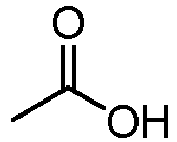
Acetic acid Oxazole-4-carboxylic acid 
Oxazole-4-carboxylic acid 2-methyloxazole-4-carboxylic acid 
2-methyloxazole-4-carboxylic acid Cyclopentanecarboxylic acid 
Cyclopentanecarboxylic acid Benzoic acid 
Benzoic acid 3-Morpholinopropanoic acid 
3-Morpholinopropanoic acid Dodecanoic acid 
Dodecanoic acid Methanesulfonyl chloride 
Methanesulfonyl chloride 5-(dimethylamino)naphthale ne-1-sulfonyl chloride 
5-(dimethylamino)naphthalen e-1-sulfonyl chloride 7-Chloroquinoline-4-carboxylic acid 
7-Chloroquinoline-4-carboxylic acid 7-Methoxycoumarin-3-carboxylic acid 
7-Methoxy-2-oxo-2H-chromene-3-carboxylic acid 1-Adamantanecarboxylic acid 
Adamantane- 1 -carboxylic acid 2-(Adamantan- 1 -yl)acetic acid 
2-(Adamantan- 1 -yl)acetic acid Thiophene-2-carboxylic acid 
Thiophene-2-carboxylic acid 2-Phenyloxazole-4-carboxylic acid 
2-Phenyloxazole-4-carboxylic acid Tetrahydronaphthalene-2-carboxylic acid 
1,2,3,4-Tetrahydronaphthalene-2-carboxylic acid 1H-indole-5-carboxylic acid 
1H-indole-5-carboxylic acid 4-Methoxybenzoic acid 
4-Methoxybenzoic acid 4-Fluorobenzoic acid 
4-Fluorobenzoic acid 4-Fluorobenzenesulfonyl chloride 
4-Fluorobenzenesulfonyl chloride 4-(trifluoromethyl)benzoic acid 
4-(trifluoromethyl)benzoic acid Benzo[d]oxazole-5-carboxylic acid 
Benzo[d]oxazole-5-carboxylic acid Quinoline-7-carboxylic acid 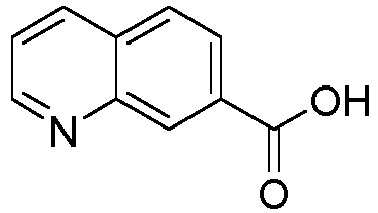
Quinoline-7-carboxylic acid 1H-pyrrole-2-carboxylic acid 
1H-pyrrole-2-carboxylic acid (1R,2S)-2-benzoylcyclohexane-1-carboxylic acid 
(1R,2S)-2-benzoylcyclohexane-1-carboxylic acid (1S,2R)-2-benzamidocyclohexane-1-carboxylic acid 
(1S,2R)-2-benzamidocyclohexane-1-carboxylic acid mPEG acid (n=11) 
O-(2-Carboxyethyl)-O'-methyl-undecaethylene glycol Tetradecanoic acid 
Tetradecanoic acid Table 3: Primary or secondary amines used for the synthesis of the inventive compounds (step 10, Scheme 1). AMINES Short Name Structure IUPAC Name (S)-N1,N1-dimethylpropane-1,2-diamine 
(S)-N1,N1-dimethylpropane-1,2-diamine 2-Morpholinoethan-1-amine 
2-Morpholinoethan-1-amine 1 -Methylpiperazine 
1 -Methylpiperazine Morpholine 
Morpholine (S)-1-morpholinopropan-2-amine 
(S)-1-morpholinopropan-2-amine N1,N1-dimethylethane-1,2-diamine 
N1,N1-dimethylethane-1,2-diamine N1,N1,N2-trimethylethane-1,2-diamine 
N1,N1,N2-trimethylethane-1,2-diamine Cyclopropanamine 
Cyclopropanamine 2-(Piperidin-1-yl)ethan-1-amine 
2-(Piperidin-1-yl)ethan-1-amine 2-(2,6-dimethylmorpholino)ethan -1-amine 
2-((2S,6R)-2,6-dimethylmorpholino)ethan-1-amine N1,N1-dimethylcyclohexane-1,4-diamine 
N1,N1-dimethylcyclohexane-1,4-diamine 1-((dimethylamino)methyl)c yclobutan-1-amine 
1-((dimethylamino)methyl)cy clobutan-1-amine N1,N1-dimethylcyclohexane -1,2-diamine 
(1S,2S)-N1N1-dimethylcyclohexane -1,2-diamine 2-(4-methylpiperazin-1-yl)ethan-1-amine 
2-(4-methylpiperazin-1 - yl)ethan-1-amine Dimethylpiperidin-1-yl ethan-1-amine 
2-(3,5-Dimethylpiperidin-1-yl) ethan-1-amine (S)-1-(piperidin-1-yl)propan-2-amine 
(S)-1-(piperidin-1-yl)propan-2-amine 2-(1H-pyrrol-1-yl)ethan-1-amine 
2-(1H-pyrrol-1-yl)ethan-1-amine N1,N1-dipropylethane-1,2-diamine 
N1,N1-dipropylethane-1,2-diamine N1,N1,2-trimethylpropane-1,2-diamine 
N1,N1,2-trimethylpropane-1,2-diamine N1,N1-dimethylpropane-1,3-diamine 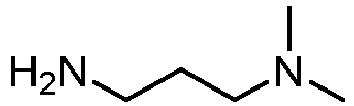
N1,N1-dimethylpropane-1,3-diamine 1-((dimethylamino)methyl)c yclopentan-1-amine 
1-((dimethylamino)methyl)cy clopentan-1-amine dihydrochloride 1-Methyl-1,6-diazaspiro[3.3]heptane 
1-Methyl-1,6-diazaspiro[3.3]heptane 2-Methyl-2,6-diazaspiro[3.3]heptane 
2-Methyl-2,6-diazaspiro[3.3]heptane - In an analogous manner the inventive compounds have been synthesized as described in the following with reference to general procedure depicted in Scheme 1. Each of the synthesized compounds are identified by its compound number (4-digit number), its structural formula and its IUPAC name as generated by the ChemDraw software. Furthermore, the synthesis of each compound is described by way of the building blocks, acids and amines used as disclosed in Tables 1-3. Moreover, the experimentally measured molecular mass is provided. Finally, for each inventive compound the caracterization of the substituients R1, R2, R3 and R4 in accordance with formula (I) is given.
- 5649:

- (2S)-2-{[(2S)-1-benzoylpyrrolidin-2-yl]formamido}-N-[(1S)-1-[(1-{[(1S)-1-{[(1S)-1-{[1-({1-[(2-{[(2S)-1-(dimethylamino)propan-2-yl]carbamoyl}ethyl)carbamoyl]-1-methylethyl}carbamoyl)-1-methylethyl]carbamoyl}-3-methylbutyl]carbamoyl}-3-methylbutyl]carbamoyl}-1-methylethyl)carbamoyl]-3-methylbutyl]decanamide.
Cpd 1 2 3 4 5 5649 Fmoc-Aib-OH Fmoc-Aib-OH Fmoc-Leu-OH Fmoc-Leu-OH Fmoc-Aib-OH 6 7 8 9 10 Fmoc-Leu-OH Fmoc-(S)-2-aminodecanoic acid Fmoc- Pro-OH Benzoic acid (S)-N1,N1-dimethylpropan e-1,2-diamine Cpd Molecular mass Experimentally measured mass 5649 1137.79 1138.73 Cpd R1 R2 R3 R4 5649 


- 5768:

- (2S)-2-{[(2S)-1-(7-chloroquinoline-4-carbonyl)pyrrolidin-2-yl]formamido}-N-[(1S)-1-[(1-{[(1S)-1-{[(1S)-1-{[1-({1-[(2-{[(2S)-1-(dimethylamino)propan-2-yl]carbamoyl}ethyl)carbamoyl]-1-methylethyl}carbamoyl)-1-methylethyl]carbamoyl}-3-methylbutyl]carbamoyl}-3-methylbutyl]carbamoyl}-1-methylethyl)carbamoyl]-3-methylbutyl]decanamide.
Cpd 1 2 3 4 5 5768 Fmoc-Aib-OH Fmoc-Aib-OH Fmoc-Leu-OH Fmoc-Leu-OH Fmoc-Aib-OH 6 7 8 9 10 Fmoc-Leu-OH Fmoc-(S)-2-aminodecanoic acid Fmoc- Pro-OH 7-Chloroquinoli ne-4-carboxylic acid (S)-N1,N1-dimethylpropan e-1,2-diamine Cpd Molecular mass Experimentally measured mass 5768 1222.76 1223.43 Cpd R1 R2 R3 R4 5768 
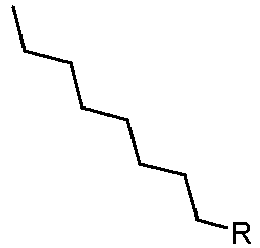


- 5769:

- (2S)-N-[(1S)-1-[(1-{[(1S)-1-{[(1S)-1-{[1-({1-[(2-{[(2S)-1-(dimethylamino)propan-2-yl]carbamoyl}ethyl)carbamoyl]-1-methylethyl}carbamoyl)-1-methylethyl]carbamoyl}-3-methylbutyl]carbamoyl}-3 -methylbutyl]carbamoyl}-1-methylethyl)carbamoyl]-3 - methylbutyl]-2-{[(2S)-1-(7-methoxy-2-oxo-2H-chromene-3-carbonyl)pyrrolidin-2-yl]formamido}decanamide.
Cpd 1 2 3 4 5 5769 Fmoc-Aib-OH Fmoc-Aib-OH Fmoc-Leu-OH Fmoc-Leu-OH Fmoc-Aib-OH 6 7 8 9 10 Fmoc-Leu-OH Fmoc-(S)-2-aminodecanoic acid Fmoc- Pro-OH 7-Methoxy coumarin-3-carboxylic acid (S)-N1,N1-dimethylpropan e-1,2-diamine Cpd Molecular mass Experimentally measured mass 5769 1235.79 1236.52 Cpd R1 R2 R3 R4 5769 


- 5770:

- (2S)-2-{[(2S)-1-(adamantane-1-carbonyl)pyrrolidin-2-yl]formamido}-N-[(1S)-1-[(1-{[(1S)-1-{[(1S)-1-{[1-({1-[(2-{[(2S)-1-(dimethylamino)propan-2-yl]carbamoyl}ethyl)carbamoyl]-1-methylethyl}carbamoyl)-1-methylethyl]carbamoyl}-3-methylbutyl]carbamoyl}-3-methylbutyl]carbamoyl}-1-methylethyl)carbamoyl]-3-methylbutyl]decanamide.
Cpd 1 2 3 4 5 5770 Fmoc-Aib-OH Fmoc-Aib-OH Fmoc-Leu-OH Fmoc-Leu-OH Fmoc-Aib-OH 6 7 8 9 10 Fmoc-Leu-OH Fmoc-(S)-2-aminodecanoic acid Fmoc- Pro-OH Adamantane-1-carboxylic acid (S)-N1,N1-dimethylpropan e-1,2-diamine Cpd Molecular mass Experimentally measured mass 5770 1195.87 1196.76 Cpd R1 R2 R3 R4 5770 


- 5904:

- (2S)-N-[(1S)-1-[(1-{[(1S)-1-{[(1S)-1-{[1-({1-[(2-{[(2S)-1-(dimethylamino)propan-2-yl]carbamoyl}ethyl)carbamoyl]-1-methylethyl}carbamoyl)-1-methylethyl]carbamoyl}-3-methylbutyl]carbamoyl}-3-methylbutyl]carbamoyl}-1-methylethyl)carbamoyl]-3 - methylbutyl]-2-{[(2S)-1-(thiophene-2-carbonyl)pyrrolidin-2-yl]formamido}decanamide.
Cpd 1 2 3 4 5 5904 Fmoc-Aib-OH Fmoc-Aib-OH Fmoc-Leu-OH Fmoc-Leu-OH Fmoc-Aib-OH 6 7 8 9 10 Fmoc-Leu-OH Fmoc-(S)-2-aminodecanoic acid Fmoc- Pro-OH Thiophene-2-carboxylic acid (S)-N1,N1-dimethylpropan e-1,2-diamine Cpd Molecular mass Experimentally measured mass 5904 1143.75 1144.61 Cpd R1 R2 R3 R4 5904 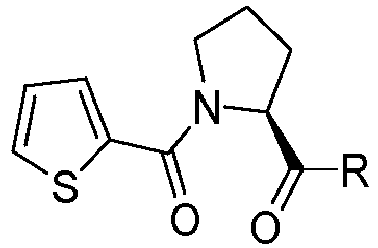


- 5905:

- (2S)-N-[(1S)-1-[(1-{[(1S)-1-{[(1S)-1-{[1-({1-[(2-{[(2S)-1-(dimethylamino)propan-2-yl]carbamoyl}ethyl)carbamoyl]-1-methylethyl}carbamoyl)-1-methylethyl]carbamoyl}-3-methylbutyl]carbamoyl}-3-methylbutyl]carbamoyl}-1-methylethyl)carbamoyl]-3 - methylbutyl]-2-{[(2S)-1-(2-methyl-1,3-oxazole-4-carbonyl)pyrrolidin-2-yl]formamido}decanamide.
Cpd 1 2 3 4 5 5905 Fmoc-Aib-OH Fmoc-Aib-OH Fmoc-Leu-OH Fmoc-Leu-OH Fmoc-Aib-OH 6 7 8 9 10 Fmoc-Leu-OH Fmoc-(S)-2-aminodecanoic acid Fmoc- Pro-OH Oxazole-4-carboxylic acid (S)-N1,N1-dimethylpropan e-1,2-diamine Cpd Molecular mass Experimentally measured mass 5905 1142.78 1143.56 Cpd R1 R2 R3 R4 5905 


- 5910:

- (2S)-N-[(1S)-1-[(1-{[(1S)-1-{[(1S)-1-{[1-({1-[(2-{[(2S)-1-(dimethylamino)propan-2-yl]carbamoyl}ethyl)carbamoyl]-1-methylethyl}carbamoyl)-1-methylethyl]carbamoyl}-3-methylbutyl]carbamoyl}-3-methylbutyl]carbamoyl}-1-methylethyl)carbamoyl]-3 - methylbutyl]-2-{[(2S)-1-(1,2,3,4-tetrahydronaphthalene-2-carbonyl)pyrrolidin-2-yl]formamido}decanamide.
Cpd 1 2 3 4 5 5910 Fmoc-Aib-OH Fmoc-Aib-OH Fmoc-Leu-OH Fmoc-Leu-OH Fmoc-Aib-OH 6 7 8 9 10 Fmoc-Leu-OH Fmoc-(S)-2-aminodecanoic acid Fmoc- Pro-OH Tetrahydronap hthalene-2-carboxylic acid (S)-N1,N1-dimethylpropan e-1,2-diamine Cpd Molecular mass Experimentally measured mass 5910 1191.84 1190.70 Cpd R1 R2 R3 R4 5910 


- 5911:

- (2S)-N-[(1S)-1-[(1-{[(1S)-1-{[(1S)-1-{[1-({1-[(2-{[(2S)-1-(dimethylamino)propan-2-yl]carbamoyl}ethyl)carbamoyl]-1-methylethyl}carbamoyl)-1-methylethyl]carbamoyl}-3-methylbutyl]carbamoyl}-3-methylbutyl]carbamoyl}-1-methylethyl)carbamoyl]-3-methylbutyl]-2-{[(2S)-1-(1H-indole-5-carbonyl)pyrrolidin-2-yl]formamido}decanamide.
Cpd 1 2 3 4 5 5911 Fmoc-Aib-OH Fmoc-Aib-OH Fmoc-Leu-OH Fmoc-Leu-OH Fmoc-Aib-OH 6 7 8 9 10 Fmoc-Leu-OH Fmoc-(S)-2-aminodecanoic acid Fmoc- Pro-OH 1H-indole-5-carboxylic acid (S)-N1,N1-dimethylpropan e-1,2-diamine Cpd Molecular mass Experimentally measured mass 5911 1176.80 1177.58 Cpd R1 R2 R3 R4 5911 


- 5912:

- (2S)-N-[(1S)-1-[(1-{[(1S)-1-{[(1S)-1-{[1-({1-[(2-{[(2S)-1-(dimethylamino)propan-2-yl]carbamoyl}ethyl)carbamoyl]-1-methylethyl}carbamoyl)-1-methylethyl]carbamoyl}-3-methylbutyl]carbamoyl}-3-methylbutyl]carbamoyl}-1-methylethyl)carbamoyl]-3-methylbutyl]-2-{[(2S)-1-(4-methoxybenzoyl)pyrrolidin-2-yl]formamido}decanamide.
Cpd 1 2 3 4 5 5912 Fmoc-Aib-OH Fmoc-Aib-OH Fmoc-Leu-OH Fmoc-Leu-OH Fmoc-Aib-OH 6 7 8 9 10 Fmoc-Leu-OH Fmoc-(S)-2-aminodecanoic acid Fmoc- Pro-OH 4-Methoxybenzo ic acid (S)-N1,N1-dimethylpropan e-1,2-diamine Cpd Molecular mass Experimentally measured mass 5912 1167.80 1168.62 Cpd R1 R2 R3 R4 5912 


- 5934:

- (2S)-N-[(1S)-1-[(1-{[(1S)-1-{[(1S)-1-{[1-({1-[(2-{[(2S)-1-(dimethylamino)propan-2-yl]carbamoyl}ethyl)carbamoyl]-1-methylethyl}carbamoyl)-1-methylethyl]carbamoyl}-3-methylbutyl]carbamoyl}-3-methylbutyl]carbamoyl}-1-methylethyl)carbamoyl]-3-methylbutyl]-2-{[(2S)-1-(4-fluorobenzoyl)pyrrolidin-2-yl]formamido}decanamide.
Cpd 1 2 3 4 5 5934 Fmoc-Aib-OH Fmoc-Aib-OH Fmoc-Leu-OH Fmoc-Leu-OH Fmoc-Aib-OH 6 7 8 9 10 Fmoc-Leu-OH Fmoc-(S)-2-aminodecanoic acid Fmoc- Pro-OH 4-Fluorobenzoic acid (S)-N1,N1-dimethylpropan e-1,2-diamine Cpd Molecular mass Experimentally measured mass 5934 1155.78 1156,51 Cpd R1 R2 R3 R4 5934 


- 5936:

- (2S)-N-[(1S)-1-[(1-{[(1S)-1-{[(1S)-1-{[1-({1-[(2-{[(2S)-1-(dimethylamino)propan-2-yl]carbamoyl}ethyl)carbamoyl]-1-methylethyl}carbamoyl)-1-methylethyl]carbamoyl}-3-methylbutyl]carbamoyl}-3-methylbutyl]carbamoyl}-1-methylethyl)carbamoyl]-3-methylbutyl]-2-{[(2S)-1-[4-(trifluoromethyl)benzoyl]pyrrolidin-2-yl]formamido}decanamide.
Cpd 1 2 3 4 5 5936 Fmoc-Aib-OH Fmoc-Aib-OH Fmoc-Leu-OH Fmoc-Leu-OH Fmoc-Aib-OH 6 7 8 9 10 Fmoc-Leu-OH Fmoc-(S)-2-aminodecanoic acid Fmoc- Pro-OH 4-(trifluorometh yl)benzoic acid (S)-N1,N1-dimethylpropan e-1,2-diamine Cpd Molecular mass Experimentally measured mass 5936 1205.78 1206,49 Cpd R1 R2 R3 R4 5936 


- 5937:

- (2S)-2-{[(2S)-1-(1,3-benzoxazole-5-carbonyl)pyrrolidin-2-yl]formamido}-N-[(1S)-1-[(1-{[(1S)-1-{[(1S)-1-{[1-({1-[(2-{[(2S)-1-(dimethylamino)propan-2-yl]carbamoyl}ethyl)carbamoyl]-1-methylethyl}carbamoyl)-1-methylethyl]carbamoyl}-3-methylbutyl]carbamoyl}-3-methylbutyl]carbamoyl}-1-methylethyl)carbamoyl]-3-methylbutyl]decanamide.
Cpd 1 2 3 4 5 5937 Fmoc-Aib-OH Fmoc-Aib-OH Fmoc-Leu-OH Fmoc-Leu-OH Fmoc-Aib-OH 6 7 8 9 10 Fmoc-Leu-OH Fmoc-(S)-2-aminodecanoic acid Fmoc- Pro-OH Benzo[d]oxaz ole-5-carboxylic acid (S)-N1,N1-dimethylpropan e-1,2-diamine Cpd Molecular mass Experimentally measured mass 5937 1178.78 1179,68 Cpd R1 R2 R3 R4 5937 

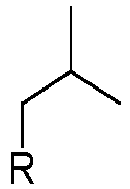

- 5938:

- (2S)-N-[(1S)-1-[(1-{[(1S)-1-{[(1S)-1-{[1-({1-[(2-{[(2S)-1-(dimethylamino)propan-2-yl]carbamoyl}ethyl)carbamoyl]-1-methylethyl}carbamoyl)-1-methylethyl]carbamoyl}-3-methylbutyl]carbamoyl}-3-methylbutyl]carbamoyl}-1-methylethyl)carbamoyl]-3- methylbutyl]-2-{[(2S)-1-(quinoline-7-carbonyl)pyrrolidin-2-yl]formamido}decanamide.
Cpd 1 2 3 4 5 5938 Fmoc-Aib-OH Fmoc-Aib-OH Fmoc-Leu-OH Fmoc-Leu-OH Fmoc-Aib-OH 6 7 8 9 10 Fmoc-Leu-OH Fmoc-(S)-2-aminodecanoic acid Fmoc- Pro-OH Quinoline- 7-carboxylic acid (S)-N1,N1-dimethylpropan e-1,2-diamine Cpd Molecular mass Experimentally measured mass 5938 1188.80 1189,55 Cpd R1 R2 R3 R4 5938 

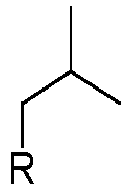

- 5939:

- (2S)-N-[(1S)-1-[(1-{[(1S)-1-{[(1S)-1-{[1-({1-[(2-{[(2S)-1-(dimethylamino)propan-2-yl]carbamoyl}ethyl)carbamoyl]-1-methylethyl}carbamoyl)-1-methylethyl]carbamoyl}-3-methylbutyl]carbamoyl}-3-methylbutyl]carbamoyl}-1-methylethyl)carbamoyl]-3-methylbutyl]-2-{[(2S)-1-(1H-pyrrole-2-carbonyl)pyrrolidin-2-yl]formamido}decanamide.
Cpd 1 2 3 4 5 5939 Fmoc-Aib-OH Fmoc-Aib-OH Fmoc-Leu-OH Fmoc-Leu-OH Fmoc-Aib-OH 6 7 8 9 10 Fmoc-Leu-OH Fmoc-(S)-2-aminodecanoic acid Fmoc- Pro-OH 1H-pyrrole-2-carboxylic acid (S)-N1,N1-dimethylpropan e-1,2-diamine Cpd Molecular mass Experimentally measured mass 5939 1126.78 1127,6 Cpd R1 R2 R3 R4 5939 


- 6025:

- (2S)-2-[(2S)-4-cyclohexyl-2-{[(2S)-1-(2-methyl-1,3-oxazole-4-carbonyl)pyrrolidin-2-yl]formamido}butanamido]-N-(1-{[(1S)-1-{[(1S)-1-({1-[(1-{[2-({1-[(dimethylamino)methyl]cyclobutyl}carbamoyl)ethyl]carbamoyl}-1-methylethyl)carbamoyl]-1-methylethyl}carbamoyl)-3-methylbutyl]carbamoyl}-3-methylbutyl]carbamoyl}-1-methylethyl)-4-methylpentanamide.
Cpd 1 2 3 4 5 6025 Fmoc-Aib-OH Fmoc-Aib-OH Fmoc-Leu-OH Fmoc-Leu-OH Fmoc-Aib-OH 6 7 8 9 10 Fmoc-Leu-OH Fmoc-L-homocyclohex ylalanine Fmoc- Pro-OH 2-methyloxazole -4-carboxylic acid 1-((dimethylamino )methyl)cyclobu tan-1-amine Cpd Molecular mass Experimentally measured mass 6025 1166.78 1167.57 Cpd R1 R2 R3 R4 6025 


- 6026:

- (2S)-2-[(2S)-2-{2-[(2S)-2-[(2S)-4-cyclohexyl-2-{[(2S)-1-(2-methyl-1,3-oxazole-4-carbonyl)pyrrolidin-2-yl]formamido}butanamido]-4-methylpentanamido]-2-methylpropanamido}-4-methylpentanamido]-4-methyl-N-[1-methyl-1-({1-methyl-1-[(2-{[(2S)-1-(morpholin-4-yl)propan-2-yl]carbamoyl}ethyl)carbamoyl]ethyl}carbamoyl)ethyl]pentanamide.
Cpd 1 2 3 4 5 6026 Fmoc-Aib-OH Fmoc-Aib-OH Fmoc-Leu-OH Fmoc-Leu-OH Fmoc-Aib-OH 6 7 8 9 10 Fmoc-Leu-OH Fmoc-L-homocyclohex ylalanine Fmoc- Pro-OH 2-methyloxazole -4-carboxylic acid (S)-1-morpholinoprop an-2-amine Cpd Molecular mass Experimentally measured mass 6026 1182.77 1183.60 Cpd R1 R2 R3 R4 6026 


- 6027:

- (2S)-2-[(2S)-4-cyclohexyl-2-{[(2S)-1-(4-fluorobenzoyl)pyrrolidin-2-yl]formamido}butanamido]-N-(1-{[(1S)-1-{[(1S)-1-({1-[(1-{[2-({1-[(dimethylamino)methyl]cyclobutyl}carbamoyl)ethyl]carbamoyl}-1-methylethyl)carbamoyl]-1-methylethyl}carbamoyl)-3-methylbutyl]carbamoyl}-3-methylbutyl]carbamoyl}-1-methylethyl)-4-methylpentanamide.
Cpd 1 2 3 4 5 6027 Fmoc-Aib-OH Fmoc-Aib-OH Fmoc-Leu-OH Fmoc-Leu-OH Fmoc-Aib-OH 6 7 8 9 10 Fmoc-Leu-OH Fmoc-L-homocyclohex ylalanine Fmoc- Pro-OH 4-Fluorobenzoic acid 1-((dimethylamino )methyl)cyclobu tan-1-amine Cpd Molecular mass Experimentally measured mass 6027 1179.78 1181.22 Cpd R1 R2 R3 R4 6027 


- 6028:

- (2S)-2-[(2S)-2-{2-[(2S)-2-[(2S)-4-cyclohexyl-2-{[(2S)-1-(4-fluorobenzoyl)pyrrolidin-2-yl]formamido}butanamido]-4-methylpentanamido]-2-methylpropanamido}-4-methylpentanamido]-4-methyl-N-[1-methyl-1-({1-methyl-1-[(2-{S)-1-(morpholin-4-yl)propan-2-yl]carbamoyl}ethyl)carbamoyl]ethyl}carbamoyl)ethyl]pentanamide.
Cpd 1 2 3 4 5 6028 Fmoc-Aib-OH Fmoc-Aib-OH Fmoc-Leu-OH Fmoc-Leu-OH Fmoc-Aib-OH 6 7 8 9 10 Fmoc-Leu-OH Fmoc-L-homocyclohex ylalanine Fmoc- Pro-OH 4-Fluorobenzoic acid (S)-1-morpholinoprop an-2-amine Cpd Molecular mass Experimentally measured mass 6028 1195.77 1196.34 Cpd R1 R2 R3 R4 6028 


- 6253:

- (2S)-N-[(1S)-1-[(1-{[(1S)-1-{[(1S)-1-({1-[(1-{[2-({1-[(dimethylamino)methyl]cyclobutyl}carbamoyl)ethyl]carbamoyl}-1-methylethyl)carbamoyl]-1-methylethyl}carbamoyl)-3-methylbutyl]carbamoyl}-3-methylbutyl]carbamoyl}-1-methylethyl)carbamoyl]-3-methylbutyl]-2-{[(2S)-1-(2-methyl-1,3-oxazole-4-carbonyl)pyrrolidin-2-yl]formamido}decanamide.
Cpd 1 2 3 4 5 6253 Fmoc-Aib-OH Fmoc-Aib-OH Fmoc-Leu-OH Fmoc-Leu-OH Fmoc-Aib-OH 6 7 8 9 10 Fmoc-Leu-OH Fmoc-(S)-2-aminodecanoic acid Fmoc- Pro-OH 2-methyloxazole -4-carboxylic acid 1-((dimethylamino )methyl)cyclobu tan-1-amine Cpd Molecular mass Experimentally measured mass 6253 1168.79 1169.39 Cpd R1 R2 R3 R4 6253 


- 6254:

- (2S)-N-[(1S)-1-[(1-{[(1S)-1-{[(1S)-1-({1-[(1-{[2-({1-[(dimethylamino)methyl]cyclopentyl}carbamoyl)ethyl]carbamoyl}-1-methylethyl)carbamoyl]-1-methylethyl}carbamoyl)-3-methylbutyl]carbamoyl}-3-methylbutyl]carbamoyl}-1-methylethyl)carbamoyl]-3-methylbutyl]-2-{[(2S)-1-(2-methyl-1,3-oxazole-4-carbonyl)pyrrolidin-2-yl]formamido}decanamide.
Cpd 1 2 3 4 5 6254 Fmoc-Aib-OH Fmoc-Aib-OH Fmoc-Leu-OH Fmoc-Leu-OH Fmoc-Aib-OH 6 7 8 9 10 Fmoc-Leu-OH Fmoc-(S)-2-aminodecanoic acid Fmoc- Pro-OH 2-methyloxazole -4-carboxylic acid 1-((dimethylamino )methyl)cyclope ntan-1-amine Cpd Molecular mass Experimentally measured mass 6254 1182.81 1184.02 Cpd R1 R2 R3 R4 6254 
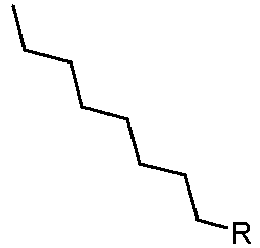


- Testing of compounds against Plasmodium falciparum (K1 strain), Trypanosoma brucei rhodesiense (STIB 900 strain), Trypanosoma cruzi trypomastigote forms (Tulahuen strain), and Leishmania donovani (strain MHOM/ET/67/L82) was performed in 96 well plates at concentrations in serial dilutions. Tests were done in triplicate. IC50 values against the parasites as well as cytotoxic effects against rat myoblast (L6-cells) were determined by serial dilution and repeated twice.
- The cytotoxicity assay was performed by a similar protocol as the Alamar Blue assay whereby L6-cells were seeded in 100 µl RPMI 1640 supplemented in 96-well micro titer plates (4000 cells/well). Podophyllotoxin (Sigma-Aldrich, Switzerland) was used as the reference drug (IC50= 0.05 ± 0.01 µM). Its purity according to the supplier was more than 95%. After 68 h of incubation under humidified 5% CO2 atmosphere, 10 µl of the Alamar blue marker was added to all wells. The plates were incubated for an additional 2 h. A Spectramax Gemini XS micro plate fluorescence reader (Molecular Devices Cooperation, Sunnyvale, CA) was used to measure the plates (Molecular Devices) using an excitation wavelength of 536 nm and an emission wavelength of 588 nm. The IC50s were calculated by Softmax Pro software (Molecular Devices Cooperation, Sunnyvale, CA).
Table 4: In vitro inhibition of protozoan parasites in nM, parasites are: Trypanosoma brucei rhodesiense (T.b.rhod.), intracellular Trypanosoma cruzi (T.cruzi.), axenic Leishmania donovani (L.don. ax), intracellular Leishmania donovani (L.don. InMac), and Plasmodium falciparum (P.falc NF5). Cytotoxicity was measured against rat myoblast cells (Cytotox L6). Cpd T.b.rhod. T.cruzi. L.don. ax L.don. InMac P.falc NF5 Cytotox L6 Positive control 7,0 a 2081 b 118 c 1196 c 6,25 d 19,3 e 5649 0,7 8,8 3,5 27,2 2,1 274,0 5768 8,7 373,0 33,5 257,3 24,5 627,4 5769 2,8 167,4 8,1 215,9 5,3 422,9 5770 0,6 101,1 1,0 338,4 3,3 185,1 5904 0,2 36312,0 42524,0 42471,0 32143,0 215,8 5905 0,2 42514,0 31959,0 42382,0 26390,0 851,8 5910 24838,0 41,1 42645,0 42557,0 42645,0 230,2 5911 25569,0 34,0 14,4 34,8 42471,0 456,9 5912 0,3 17807,0 41395,0 42594,0 20852,0 253,7 5934 0,2 42496,0 27851,0 <34,6 21582,0 306,1 5936 0,7 52,6 11749,0 <33,2 31260,0 410,7 5937 43466,0 45,4 21,2 58,5 27638,0 1161,5 5938 0,5 42425,0 42442,0 37,8 13210,0 713,7 5939 0,1 42531,0 35977,0 209,3 36220,0 611,1 6025 0,5 214,6 31291,0 41,1 20941,0 1910,0 6026 41395,0 422,0 44652,0 50,7 38,0 1584,3 6027 0,4 155,0 34090,0 54,2 42498,0 1389,2 6028 41944,0 230,2 12479,0 417,9 26,3 1592,1 6253 <0,9 68,4 46844,0 944,8 6254 <0,8 34,6 13940,0 527,6 - The positive controls were a Melarsoprol, b Benznidazol, c Miltefosine, d Chloroquine, e Podophyllotoxin.
- Axenically grown Leishmania donovani amastigotes (strain MHOM/ET/67/L82) were grown and tests were done as previously described using the resazurin assay (Räz B et al. Acta Tropica 1997, 68:139-147). The plates were developed for 2-4 hours and read on a Spectramax Gemini XS micro plate fluorometer (Molecular Devices Cooperation) using an excitation wavelength of 536 nm and emission wavelength of 588 nm. Fluorescence development was measured and expressed as percentage of the negative control. Miltfosine (VWR, Paisley, Scotland) was used as a reference drug (IC50= 0.241 µg/mL). Its purity according to the supplier was more than 95%. Data were transferred to the graphic programme Softmax Pro (Molecular Devices), with which IC50 values were calculated.
- Table 4 above shows (i) in vitro inhibition of axenic Leishmania donovani (L.don. ax) and intracellular Leishmania donovani (L.don. InMac) parasites in nM.
- Trypanosoma cruzi trypomastigote forms (Tulahuen strain C2C4 containing β-galactosidase (Lac Z) gene) were cultured as described by Buckner et al. (Buckner FS et al. Antimicrob Agents Ch1996; 40: 2592-2597) in rat myoblast cells (L6-cells). Benznidazole (Sigma-Aldrich, Switzerland) was used as a standard drug (IC50= 0.48 µg/mL). Its purity according to the supplier was more than 95%. After incubation, the substrate chlorophenyl red β-D-galactopyranoside agent CPRG/Nonident was added to all wells and a color change was developed within 2 to 6 h. The plates were read photometrically at 540 nm (Molecular Devices). Data were evaluated and IC50 values calculated using Softmax Pro software (Molecular Devices).
- Table 4 above shows (i) in vitro inhibition of intracellular Trypanosoma cruzi (T.cruzi).
- Trypanosoma brucei rhodesiense (STIB 900) were grown in axenic medium as described by Baltz et al. (1985) The samples were tested using the Alamar Blue assay protocol (Baltz T et al. EMBO J 1985; 4:1273-1277) to determine the 50% inhibitory concentration (IC50). A Spectramax Gemini XS micro plate fluorescence reader (Molecular Devices Cooperation, Sunnyvale, CA) with excitation wavelength 536 nm and an emission wavelength 588 nm was used to measure the plates. Melarsoprol (Arsobal®, Sanofi-Aventis, Switzerland) was used as a reference drug (IC50= 0.03 ± 0.01 µM). Its purity was over 95 %, as was certified by the supplier. The IC50 values were calculated by using Softmax Pro software (Molecular Devices Cooperation, Sunnyvale, CA).
- Table 4 above shows (i) in vitro inhibition of Trypanosoma brucei rhodesiense (T.b.rhod.).
- Determination of activity against Plasmodium falciparum K1 strain was done using a modified version of the 3H-hypoxanthine incorporation assay by Trager and Jensen (Trager W. and Jensen, J.B. Science 1976; 193:673-675). After incubation the plates were harvested using a Betaplate cell harvester (Wallac, Switzerland) onto glass-fiber filters and washed. The dried filters were inserted into plastic foils with 10 ml scintillation fluid. The radioactivity was counted with a Betaplate liquid scintillation counter (Wallac, Switzerland) as counts per minute per well at each drug concentration and compared to the untreated controls. Chloroquine (Sigma-Aldrich, Switzerland) was used as a positive control (IC50= 0.05 ± 0.01 µM). Its purity according to the supplier was more than 95%. IC50 values were calculated by linear interpolation. All assays were run in duplicate and repeated two times.
- Table 4 above shows (i) in vitro inhibition of Plasmodium falciparum (P.falc NF5).
- This model mimics the first stage of the human African trypanosomiasis. Adult female NMRI mice were purchased from Janvier (St. Berthevin, France). They weighed between 20 and 25 g at the beginning of the study and were kept under standard conditions at 22 °C and 60-70% humidity in macrolon type III cages with food pellets and water ad libitum. The samples were first dissolved in 100% DMSO, followed by addition of distilled H2O to a final DMSO concentration of 10%. For determination of the in vivo antitrypanosomal activity, mice were infected intraperitoneally with 1 × 10⁴ STIB900 bloodstream forms. Experimental groups of four mice were treated intraperitoneally or orally once or twice a day on four consecutive days from day 3 to day 6 post infection. A control group of four mice was infected, but remained untreated. The determination of the parasitaemia was done on days 7, 10, 14, 17, 21, 24, 28, and 31 post infection. To do this 6 µL of tail blood were diluted in 24 µL sodium citrate (3.2%), whereby the first µL was discarded to obtain circulating blood. Five µL of this mixture were transferred to a glass slide and covered with an 18 × 18 mm cover slide. The sample was examined under a light microscope (200-fold magnification) and parasites were counted in 3 of the 16 squares of the grid.
- Table 5: In vivo effects of compounds 6027 and 6025 (column 1), the treatment duration in days (column 2), the amount in each dose (column 3), number of doses per day (column 4), route of application being intraperitonieally (i.p.) or oral (po)(column 5). Each of the four test animal per cage (column 7) was monitored for its parasitaemia according to cell counts in a grid as described in the legend (columns 8-15). Whether or not animals survived is shown (grey= dead) for the corresponding days in the test duration (columns 8 -15), and days of survival are shown (column 8). If parasitaemia relapsed after being previously surpressed under the level of detection (indicated in columns 8-15 as 0), then the day of relapse is shown (column 9). Finally, the mean duration of survival is shown (column 10).
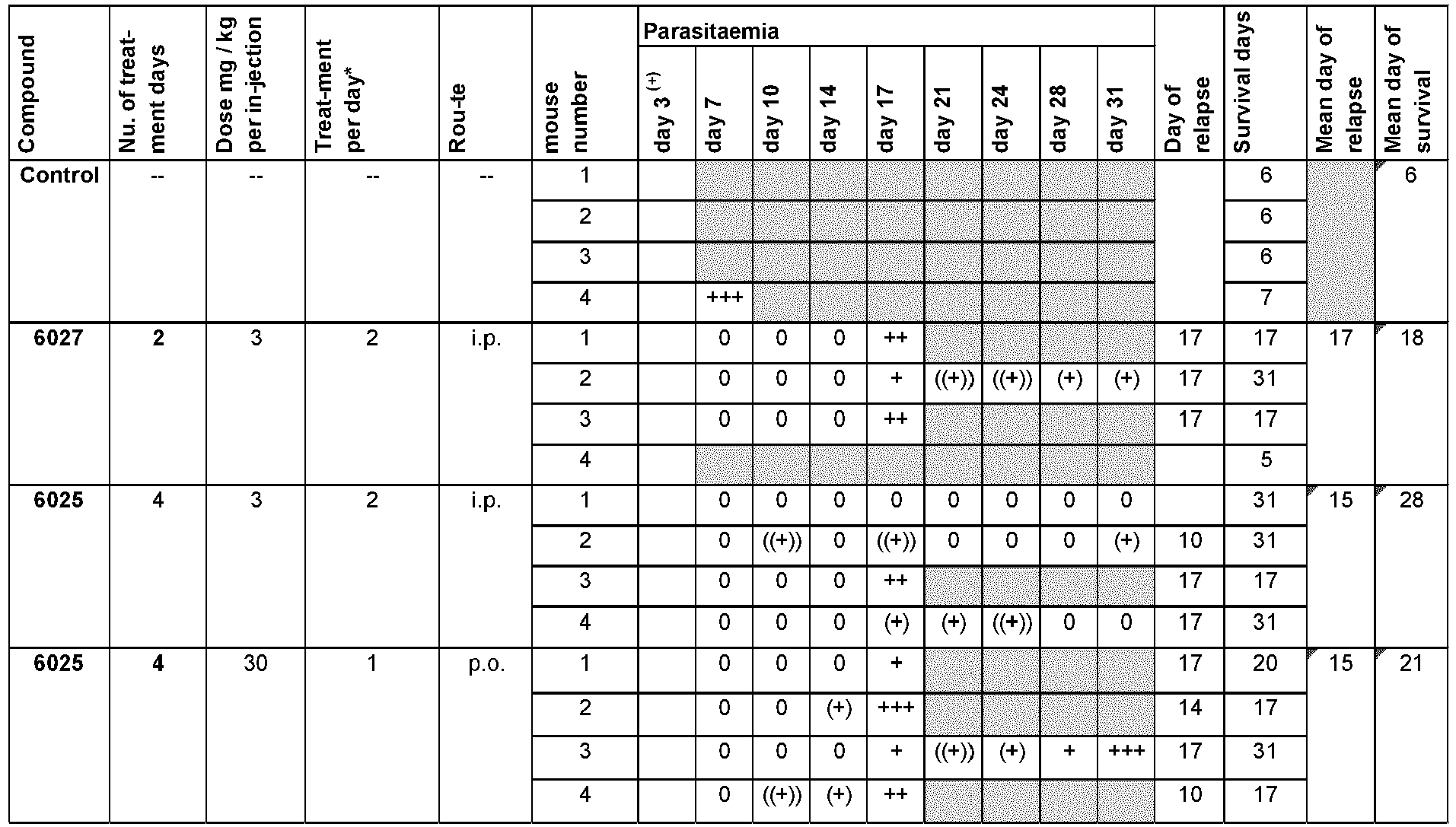
- 0 = no parasite in 20 fields of view; ((+)) = 1 Trypanosome in 20 fields of view; (+) = 1 Trypanosome per field of view; + = 2 - 5 Trypanosomes per field of view; ++ = 6 - 20 Trypanosomes per field of view, the mouse is killed; +++ = > 20 Trypanosomes per field of view, the mouse is killed.
- Results: Compounds 6025 and 6027 were tested in vivo against at 3 mg/kg twice a day for 4 (6025) and 2 (6027) days. Compound 6025 was further tested orally at 30 mg/kg once a day. All three tests showed significant reduction of parasitaemia compared to untreated controls. On day seven three out of four mice in the control group had died, and the remaining one had to be sacrificed that day due to very high parasitaemia. In compound treated groups all animals survived treatment, except for one in the group with compound 6027 which died on day 5 for unspecified reasons.
- Compound treated groups showed strong antiprotozoal effects, as the animals displayed no observable parasitaemia on day 7. However, none of the groups showed a permanent cure of all animals under these test conditions, which became clear when experiments were followed up until day 31. In the case of compound 6027 all surviving animals showed parasitaemia by day 17, which lead to two animals being sacrificed, and one surviving until day 31 with low parasitaemia. In the case of the group treated intraperitoneally with compound 6025, three out of four animals survived until day 31 at which point 2 of them had no observable parasitaemia. The group treated orally with compound 6025 all had relapsed by day 17 and one survived until day 31.
- In summary compounds 6025 and 6027, alongside many other compounds of the present invention had shown strong inhibitory effects against a several protozoan parasites in vitro. Therefore, their antiprotozoal effects were also tested in vivo using intraperitonially and oral application. The antiprotozoal assays used was a mouse model using Trypanosoma brucei, which is a model of acute sleeping sickness. Compounds showed strong inhibition of protozoan parasites after intraperitoneal application (6025 and 6027) and oral application (6025). This is strong evidence of their usefulness in development as drug leads for protozoan diseases.
- Female BALB/c mice are infected, via the tail vein, with 2×10⁷ freshly harvested L. donovani amastigotes. After 7 days, patency of infection is checked and dosing commenced. Groups of five mice receive inventive compounds (1.5, 3, 6, 25 mg/kg) i.p.x5days or o.p.x5days; Pentostam (45, 15 and 5 mgSbV/kg) s.c×5 days; Fungizone (1, 0.2, 0.04 mg/kg) i.v.×1 day; AmBisome (5, 1, 0.2 mg/kg) i.v.×1 day. Liver impression smears are made 14 days post infection and activity determined by counting, microscopically, the number of amastigotes per liver cell in treated and untreated mice. ED50 values are calculated by sigmoidal regression analysis (Yardley V. and Croft SL. International Journal of Antimicrobial Agents 13 (2000) 243―248).
Claims (12)
- A compound of formula (I)


 R1 is
R1 is
 R5 is C(O)-R8, wherein
R8 is independently at each occurrence selected from phenyl, naphthalene, 1,2-dihydronapthalenyl, 1,2,3,4-tetrahydronaphthenyl, pyridinyl, pyrazolyl, pyrazinyl, furyl, thienyl, isoxazolyl, oxazolyl, pyrrolyl, quinolinyl, isoquinolinyl, indolyl, piperidinyl, morpholinyl, pyrrolidinyl, benzimidazolyl, benzofuranyl, benzopyranyl, coumarinyl, pyridazinyl, isoindolyl, benzothiophenyl, benzooxazolyl, cyclopentyl, cyclopentenyl, cyclohexyl, cyclohexenyl, adamantanyl; each independently optionally substituted with C1-C4alkyl, halogen preferably fluorine, CF3, OR10, NR11R12; wherein R10, R11, R12 are independently at each occurrence H, C1-C3alkyl; and wherein R21 is selected from H, C1-C4alkyl; and whereinthe arrow indicates the attachment to the NH-moiety depicted in formula (I);R2 is selected from R3 is selected from
 R4 is
R4 is R37, R38, R39 and R40 are independently at each occurrence H or C1-C3alkyl, preferably H or methyl, or independently at each occurrence two of said R37, R38, R39 and R40 together with the carbon atom to which they are attached form a carbocyclic or heterocyclic ring, preferably a carbocyclic ring, and whereinR41 and R42 are independently of each other H or C1-C4alkyl optionally substituted with halogen, hydroxyl or C3-C6cycloalkyl; or together with the nitrogen atom to which they are attached form independently at each occurrence a heteroaryl or a heterocyclyl, each independently optionally substituted with halogen, C1-C4alkyl, OR43, NR44R45; whereinthe arrow indicates the attachment to the C(O)-moiety depicted in formula (I);and pharmaceutically acceptable salts of said compound of formula (I).
 - The compound of claim 1, wherein said compound of formula (I) is a compound of formula (III).
- The compound of claim 1 or claim 2, wherein said R8 is phenyl independently optionally substituted with C1-C4alkyl, halogen, preferably fluorine, CF3, OR10, NR11R12; wherein R10, R11, R12 are independently at each occurrence H, C1-C3alkyl; and wherein R21 is selected from H, C1-C4alkyl.
- The compound of any one of the claims 1 to 3, wherein said R21 is H.
- The compound of claim 1, wherein said R1 is selected from


- The compound of any one of the claims 1 to 5, wherein said R4 is
 R37, R38, R39 and R40 are independently at each occurrence hydrogen or C1-C3alkyl, preferably hydrogen or methyl, or independently at each occurrence two of said R37, R38, R39 and R40 together with the carbon atom to which they are attached form a monocyclic carbocyclic or monocyclic heterocyclic ring, preferably a monocyclic carbocyclic ring, and whereinR41 and R42 are independently of each other C1-C4alkyl, preferably methyl; or together with the nitrogen atom to which they are attached form independently at each occurrence a monocyclic heteroaryl or a monocyclic heterocyclyl, each independently optionally substituted with halogen, C1-C4alkyl, OR43, NR44R45, wherein R43, R44, R45 are independently at each occurrence H, C1-C4alkyl; wherein the arrow indicates the attachment to the C(O)-moiety depicted in formula (I).
 - The compound of any one of the claims 1 to 6, wherein said R4 is selected from


- The compound according to claim 1, wherein said compound is selected from5649:
 5768:
5768: 5769:
5769: 5770:
5770: 5904:
5904: 5905:
5905: 5910:
5910: 5911:
5911: 5912:
5912: 5934:
5934: 5936:
5936: 5937:
5937: 5938:
5938: 5939:
5939: 6025:
6025: 6026:
6026: 6027:
6027: 6028:
6028: 6253:
6253: 6254:
6254:
- The compound of any one of the claims 1 to 8 for use in a method of treatment of a protozoan disease, wherein preferably said protozoan disease is selected from malaria, human African trypanosomiasis, Chagas disease and leishmaniasis, and wherein further preferably said disease is selected from acute malaria, cerebral malaria, human African trypanosomiasis, Chagas disease, cutaneous leishmaniasis (CL), mucocutaneous leishmaniasis (MCL) and visceral leishmaniasis (VL).
- The compound for use of claim 9, wherein said protozoan disease is selected from Chagas disease or leishmaniasis, and wherein preferably said protozoan disease is selected from Chagas disease, cutaneous leishmaniasis (CL), mucocutaneous leishmaniasis (MCL) and visceral leishmaniasis (VL), and wherein further preferably said protozoan disease is selected from Chagas disease and visceral leishmaniasis (VL)
- The compound of any one of the claims 1 to 8 for use in the treatment of a condition, disease or disorder caused by a parasite selected from a parasite of the Plasmodium genus, a parasite of the Trypanosoma genus or a parasite of the Leishmania genus, wherein preferably said parasite is selected from Trypanosoma cruzi, Leishmania donovani, Plasmodium falciparum, Plasmodium vivax, Plasmodium ovale, Plasmodium malaria, and wherein further preferably said parasite is selected from Trypanosoma cruzi and Leishmania donovani.
- A pharmaceutical composition comprising a compound of any one of the claims 1 to 8 and a pharmaceutically acceptable carrier or adjuvant, wherein said pharmaceutical composition is preferably formulated for use in inhibiting proliferation of a Leishmania parasite in a patient for prophylaxis or to a patient in need of treatment for leishmaniasis.
Priority Applications (1)
| Application Number | Priority Date | Filing Date | Title |
|---|---|---|---|
| EP17150353.5A EP3345917B1 (en) | 2017-01-05 | 2017-01-05 | Antiprotozoal compounds |
Applications Claiming Priority (1)
| Application Number | Priority Date | Filing Date | Title |
|---|---|---|---|
| EP17150353.5A EP3345917B1 (en) | 2017-01-05 | 2017-01-05 | Antiprotozoal compounds |
Publications (2)
| Publication Number | Publication Date |
|---|---|
| EP3345917A1 EP3345917A1 (en) | 2018-07-11 |
| EP3345917B1 true EP3345917B1 (en) | 2021-11-17 |
Family
ID=57850881
Family Applications (1)
| Application Number | Title | Priority Date | Filing Date |
|---|---|---|---|
| EP17150353.5A Active EP3345917B1 (en) | 2017-01-05 | 2017-01-05 | Antiprotozoal compounds |
Country Status (1)
| Country | Link |
|---|---|
| EP (1) | EP3345917B1 (en) |
Families Citing this family (5)
| Publication number | Priority date | Publication date | Assignee | Title |
|---|---|---|---|---|
| SI3464336T1 (en) | 2016-06-01 | 2022-06-30 | Athira Pharma, Inc. | Compounds |
| WO2020095253A1 (en) * | 2018-11-08 | 2020-05-14 | Auckland Uniservices Limited | Peptide compounds, conjugates thereof, and uses thereof |
| EP4288149A1 (en) | 2021-02-08 | 2023-12-13 | Bacoba AG | Treatment of skin disorders |
| IL318704A (en) * | 2022-08-10 | 2025-03-01 | Bacoba Ag | Topical treatment of skin cancer using oligopeptides |
| AU2025222160A1 (en) | 2024-02-14 | 2026-06-25 | Bacoba Ag | Compounds for treatment of cancer |
-
2017
- 2017-01-05 EP EP17150353.5A patent/EP3345917B1/en active Active
Non-Patent Citations (1)
| Title |
|---|
| None * |
Also Published As
| Publication number | Publication date |
|---|---|
| EP3345917A1 (en) | 2018-07-11 |
Similar Documents
| Publication | Publication Date | Title |
|---|---|---|
| CN106163516B (en) | Isoindoline compositions and methods of treating neurodegenerative diseases | |
| DE69733432T2 (en) | N- (ARYL / HETEROARYL / ALKYL ACETYL) AMINO CREAM AMIDE, PHARMACEUTICAL COMPOSITIONS THEREOF, AND METHODS FOR INHIBITING BETA-AMYLOID PEPTIDE RELEASE OR SYNTHESIS | |
| US8642656B2 (en) | Calixarene-based peptide conformation mimetics, methods of use, and methods of making | |
| EP3345917A1 (en) | Antiprotozoal compounds | |
| EP3615019B1 (en) | Modulator of sestrin-gator2 interaction for use in the treatment of treatment-resistant depression | |
| RU2668952C2 (en) | (hetero)aryl cyclopropylamine compounds as lsd1 inhibitors | |
| TW200410939A (en) | Novel mycobacterial inhibitors | |
| EP4259618B1 (en) | Substituted pyrazolyl piperidine carboxylic acids | |
| WO2001014331A2 (en) | Non-quinoline inhibitors of malaria parasites | |
| US20200024269A1 (en) | Novel compounds having estrogen receptor alpha degradation activity and uses thereof | |
| CA3103958A1 (en) | Activators of the unfolded protein response | |
| KR101369584B1 (en) | Phenyl-isoxazol derivatives and preparation process thereof | |
| WO2017181811A1 (en) | Octahydroanthracene compound, preparation method for same, and uses thereof | |
| CN112714761A (en) | Compounds useful as chaperone mediated modulators of autophagy | |
| CN115916337B (en) | Halogenated allylamine diamine oxidase inhibitors | |
| CN101277740B (en) | Anti-tuberculosis compositions comprising oxazole compounds | |
| US20240174714A1 (en) | Treatment of skin disorders | |
| CN109790125B (en) | Tetrahydroisoquinoline kappa opioid antagonists | |
| US20060252797A1 (en) | Receptor regulator | |
| HK1258139B (en) | Antiprotozoal compounds | |
| HK1258139A1 (en) | Antiprotozoal compounds | |
| EP3022200B1 (en) | New anti-malarial agents | |
| US11672811B2 (en) | Materials and methods for suppressing and/or treating bone related diseases and symptoms | |
| US8058468B2 (en) | Carbamate antibiotics | |
| US20240002442A1 (en) | Cyclic peptides with antimicrobial properties |
Legal Events
| Date | Code | Title | Description |
|---|---|---|---|
| PUAI | Public reference made under article 153(3) epc to a published international application that has entered the european phase |
Free format text: ORIGINAL CODE: 0009012 |
|
| STAA | Information on the status of an ep patent application or granted ep patent |
Free format text: STATUS: THE APPLICATION HAS BEEN PUBLISHED |
|
| AK | Designated contracting states |
Kind code of ref document: A1 Designated state(s): AL AT BE BG CH CY CZ DE DK EE ES FI FR GB GR HR HU IE IS IT LI LT LU LV MC MK MT NL NO PL PT RO RS SE SI SK SM TR |
|
| AX | Request for extension of the european patent |
Extension state: BA ME |
|
| STAA | Information on the status of an ep patent application or granted ep patent |
Free format text: STATUS: REQUEST FOR EXAMINATION WAS MADE |
|
| 17P | Request for examination filed |
Effective date: 20190110 |
|
| RAV | Requested validation state of the european patent: fee paid |
Extension state: MA Effective date: 20190110 |
|
| RBV | Designated contracting states (corrected) |
Designated state(s): AL AT BE BG CH CY CZ DE DK EE ES FI FR GB GR HR HU IE IS IT LI LT LU LV MC MK MT NL NO PL PT RO RS SE SI SK SM TR |
|
| STAA | Information on the status of an ep patent application or granted ep patent |
Free format text: STATUS: EXAMINATION IS IN PROGRESS |
|
| 17Q | First examination report despatched |
Effective date: 20190625 |
|
| REG | Reference to a national code |
Ref country code: HK Ref legal event code: DE Ref document number: 1258139 Country of ref document: HK |
|
| GRAP | Despatch of communication of intention to grant a patent |
Free format text: ORIGINAL CODE: EPIDOSNIGR1 |
|
| STAA | Information on the status of an ep patent application or granted ep patent |
Free format text: STATUS: GRANT OF PATENT IS INTENDED |
|
| INTG | Intention to grant announced |
Effective date: 20210224 |
|
| GRAS | Grant fee paid |
Free format text: ORIGINAL CODE: EPIDOSNIGR3 |
|
| GRAA | (expected) grant |
Free format text: ORIGINAL CODE: 0009210 |
|
| STAA | Information on the status of an ep patent application or granted ep patent |
Free format text: STATUS: THE PATENT HAS BEEN GRANTED |
|
| AK | Designated contracting states |
Kind code of ref document: B1 Designated state(s): AL AT BE BG CH CY CZ DE DK EE ES FI FR GB GR HR HU IE IS IT LI LT LU LV MC MK MT NL NO PL PT RO RS SE SI SK SM TR |
|
| REG | Reference to a national code |
Ref country code: GB Ref legal event code: FG4D |
|
| REG | Reference to a national code |
Ref country code: IE Ref legal event code: FG4D |
|
| REG | Reference to a national code |
Ref country code: DE Ref legal event code: R096 Ref document number: 602017049315 Country of ref document: DE |
|
| REG | Reference to a national code |
Ref country code: AT Ref legal event code: REF Ref document number: 1447992 Country of ref document: AT Kind code of ref document: T Effective date: 20211215 |
|
| REG | Reference to a national code |
Ref country code: LT Ref legal event code: MG9D |
|
| REG | Reference to a national code |
Ref country code: NL Ref legal event code: MP Effective date: 20211117 |
|
| REG | Reference to a national code |
Ref country code: AT Ref legal event code: MK05 Ref document number: 1447992 Country of ref document: AT Kind code of ref document: T Effective date: 20211117 |
|
| PG25 | Lapsed in a contracting state [announced via postgrant information from national office to epo] |
Ref country code: RS Free format text: LAPSE BECAUSE OF FAILURE TO SUBMIT A TRANSLATION OF THE DESCRIPTION OR TO PAY THE FEE WITHIN THE PRESCRIBED TIME-LIMIT Effective date: 20211117 Ref country code: LT Free format text: LAPSE BECAUSE OF FAILURE TO SUBMIT A TRANSLATION OF THE DESCRIPTION OR TO PAY THE FEE WITHIN THE PRESCRIBED TIME-LIMIT Effective date: 20211117 Ref country code: FI Free format text: LAPSE BECAUSE OF FAILURE TO SUBMIT A TRANSLATION OF THE DESCRIPTION OR TO PAY THE FEE WITHIN THE PRESCRIBED TIME-LIMIT Effective date: 20211117 Ref country code: BG Free format text: LAPSE BECAUSE OF FAILURE TO SUBMIT A TRANSLATION OF THE DESCRIPTION OR TO PAY THE FEE WITHIN THE PRESCRIBED TIME-LIMIT Effective date: 20220217 Ref country code: AT Free format text: LAPSE BECAUSE OF FAILURE TO SUBMIT A TRANSLATION OF THE DESCRIPTION OR TO PAY THE FEE WITHIN THE PRESCRIBED TIME-LIMIT Effective date: 20211117 |
|
| PG25 | Lapsed in a contracting state [announced via postgrant information from national office to epo] |
Ref country code: IS Free format text: LAPSE BECAUSE OF FAILURE TO SUBMIT A TRANSLATION OF THE DESCRIPTION OR TO PAY THE FEE WITHIN THE PRESCRIBED TIME-LIMIT Effective date: 20220317 Ref country code: SE Free format text: LAPSE BECAUSE OF FAILURE TO SUBMIT A TRANSLATION OF THE DESCRIPTION OR TO PAY THE FEE WITHIN THE PRESCRIBED TIME-LIMIT Effective date: 20211117 Ref country code: PT Free format text: LAPSE BECAUSE OF FAILURE TO SUBMIT A TRANSLATION OF THE DESCRIPTION OR TO PAY THE FEE WITHIN THE PRESCRIBED TIME-LIMIT Effective date: 20220317 Ref country code: PL Free format text: LAPSE BECAUSE OF FAILURE TO SUBMIT A TRANSLATION OF THE DESCRIPTION OR TO PAY THE FEE WITHIN THE PRESCRIBED TIME-LIMIT Effective date: 20211117 Ref country code: NO Free format text: LAPSE BECAUSE OF FAILURE TO SUBMIT A TRANSLATION OF THE DESCRIPTION OR TO PAY THE FEE WITHIN THE PRESCRIBED TIME-LIMIT Effective date: 20220217 Ref country code: NL Free format text: LAPSE BECAUSE OF FAILURE TO SUBMIT A TRANSLATION OF THE DESCRIPTION OR TO PAY THE FEE WITHIN THE PRESCRIBED TIME-LIMIT Effective date: 20211117 Ref country code: LV Free format text: LAPSE BECAUSE OF FAILURE TO SUBMIT A TRANSLATION OF THE DESCRIPTION OR TO PAY THE FEE WITHIN THE PRESCRIBED TIME-LIMIT Effective date: 20211117 Ref country code: HR Free format text: LAPSE BECAUSE OF FAILURE TO SUBMIT A TRANSLATION OF THE DESCRIPTION OR TO PAY THE FEE WITHIN THE PRESCRIBED TIME-LIMIT Effective date: 20211117 Ref country code: GR Free format text: LAPSE BECAUSE OF FAILURE TO SUBMIT A TRANSLATION OF THE DESCRIPTION OR TO PAY THE FEE WITHIN THE PRESCRIBED TIME-LIMIT Effective date: 20220218 Ref country code: ES Free format text: LAPSE BECAUSE OF FAILURE TO SUBMIT A TRANSLATION OF THE DESCRIPTION OR TO PAY THE FEE WITHIN THE PRESCRIBED TIME-LIMIT Effective date: 20211117 |
|
| PG25 | Lapsed in a contracting state [announced via postgrant information from national office to epo] |
Ref country code: SM Free format text: LAPSE BECAUSE OF FAILURE TO SUBMIT A TRANSLATION OF THE DESCRIPTION OR TO PAY THE FEE WITHIN THE PRESCRIBED TIME-LIMIT Effective date: 20211117 Ref country code: SK Free format text: LAPSE BECAUSE OF FAILURE TO SUBMIT A TRANSLATION OF THE DESCRIPTION OR TO PAY THE FEE WITHIN THE PRESCRIBED TIME-LIMIT Effective date: 20211117 Ref country code: RO Free format text: LAPSE BECAUSE OF FAILURE TO SUBMIT A TRANSLATION OF THE DESCRIPTION OR TO PAY THE FEE WITHIN THE PRESCRIBED TIME-LIMIT Effective date: 20211117 Ref country code: EE Free format text: LAPSE BECAUSE OF FAILURE TO SUBMIT A TRANSLATION OF THE DESCRIPTION OR TO PAY THE FEE WITHIN THE PRESCRIBED TIME-LIMIT Effective date: 20211117 Ref country code: DK Free format text: LAPSE BECAUSE OF FAILURE TO SUBMIT A TRANSLATION OF THE DESCRIPTION OR TO PAY THE FEE WITHIN THE PRESCRIBED TIME-LIMIT Effective date: 20211117 Ref country code: CZ Free format text: LAPSE BECAUSE OF FAILURE TO SUBMIT A TRANSLATION OF THE DESCRIPTION OR TO PAY THE FEE WITHIN THE PRESCRIBED TIME-LIMIT Effective date: 20211117 |
|
| REG | Reference to a national code |
Ref country code: DE Ref legal event code: R097 Ref document number: 602017049315 Country of ref document: DE |
|
| PG25 | Lapsed in a contracting state [announced via postgrant information from national office to epo] |
Ref country code: MC Free format text: LAPSE BECAUSE OF FAILURE TO SUBMIT A TRANSLATION OF THE DESCRIPTION OR TO PAY THE FEE WITHIN THE PRESCRIBED TIME-LIMIT Effective date: 20211117 |
|
| PLBE | No opposition filed within time limit |
Free format text: ORIGINAL CODE: 0009261 |
|
| STAA | Information on the status of an ep patent application or granted ep patent |
Free format text: STATUS: NO OPPOSITION FILED WITHIN TIME LIMIT |
|
| REG | Reference to a national code |
Ref country code: BE Ref legal event code: MM Effective date: 20220131 |
|
| 26N | No opposition filed |
Effective date: 20220818 |
|
| PG25 | Lapsed in a contracting state [announced via postgrant information from national office to epo] |
Ref country code: LU Free format text: LAPSE BECAUSE OF NON-PAYMENT OF DUE FEES Effective date: 20220105 Ref country code: AL Free format text: LAPSE BECAUSE OF FAILURE TO SUBMIT A TRANSLATION OF THE DESCRIPTION OR TO PAY THE FEE WITHIN THE PRESCRIBED TIME-LIMIT Effective date: 20211117 |
|
| PG25 | Lapsed in a contracting state [announced via postgrant information from national office to epo] |
Ref country code: SI Free format text: LAPSE BECAUSE OF FAILURE TO SUBMIT A TRANSLATION OF THE DESCRIPTION OR TO PAY THE FEE WITHIN THE PRESCRIBED TIME-LIMIT Effective date: 20211117 Ref country code: BE Free format text: LAPSE BECAUSE OF NON-PAYMENT OF DUE FEES Effective date: 20220131 |
|
| PG25 | Lapsed in a contracting state [announced via postgrant information from national office to epo] |
Ref country code: IE Free format text: LAPSE BECAUSE OF NON-PAYMENT OF DUE FEES Effective date: 20220105 |
|
| PG25 | Lapsed in a contracting state [announced via postgrant information from national office to epo] |
Ref country code: IT Free format text: LAPSE BECAUSE OF FAILURE TO SUBMIT A TRANSLATION OF THE DESCRIPTION OR TO PAY THE FEE WITHIN THE PRESCRIBED TIME-LIMIT Effective date: 20211117 |
|
| P01 | Opt-out of the competence of the unified patent court (upc) registered |
Effective date: 20230525 |
|
| REG | Reference to a national code |
Ref country code: DE Ref legal event code: R081 Ref document number: 602017049315 Country of ref document: DE Owner name: BACOBA AG, CH Free format text: FORMER OWNER: BACOBA AG, BASEL, CH |
|
| PG25 | Lapsed in a contracting state [announced via postgrant information from national office to epo] |
Ref country code: HU Free format text: LAPSE BECAUSE OF FAILURE TO SUBMIT A TRANSLATION OF THE DESCRIPTION OR TO PAY THE FEE WITHIN THE PRESCRIBED TIME-LIMIT; INVALID AB INITIO Effective date: 20170105 |
|
| PG25 | Lapsed in a contracting state [announced via postgrant information from national office to epo] |
Ref country code: MK Free format text: LAPSE BECAUSE OF FAILURE TO SUBMIT A TRANSLATION OF THE DESCRIPTION OR TO PAY THE FEE WITHIN THE PRESCRIBED TIME-LIMIT Effective date: 20211117 Ref country code: CY Free format text: LAPSE BECAUSE OF FAILURE TO SUBMIT A TRANSLATION OF THE DESCRIPTION OR TO PAY THE FEE WITHIN THE PRESCRIBED TIME-LIMIT Effective date: 20211117 |
|
| VS25 | Lapsed in a validation state [announced via postgrant information from nat. office to epo] |
Ref country code: MA Free format text: LAPSE BECAUSE OF FAILURE TO SUBMIT A TRANSLATION OF THE DESCRIPTION OR TO PAY THE FEE WITHIN THE PRESCRIBED TIME-LIMIT Effective date: 20211117 |
|
| PG25 | Lapsed in a contracting state [announced via postgrant information from national office to epo] |
Ref country code: TR Free format text: LAPSE BECAUSE OF FAILURE TO SUBMIT A TRANSLATION OF THE DESCRIPTION OR TO PAY THE FEE WITHIN THE PRESCRIBED TIME-LIMIT Effective date: 20211117 |
|
| PG25 | Lapsed in a contracting state [announced via postgrant information from national office to epo] |
Ref country code: MT Free format text: LAPSE BECAUSE OF FAILURE TO SUBMIT A TRANSLATION OF THE DESCRIPTION OR TO PAY THE FEE WITHIN THE PRESCRIBED TIME-LIMIT Effective date: 20211117 |
|
| REG | Reference to a national code |
Ref country code: CH Ref legal event code: U11 Free format text: ST27 STATUS EVENT CODE: U-0-0-U10-U11 (AS PROVIDED BY THE NATIONAL OFFICE) Effective date: 20260201 |
|
| PGFP | Annual fee paid to national office [announced via postgrant information from national office to epo] |
Ref country code: GB Payment date: 20260123 Year of fee payment: 10 |
|
| PGFP | Annual fee paid to national office [announced via postgrant information from national office to epo] |
Ref country code: DE Payment date: 20260121 Year of fee payment: 10 |
|
| PGFP | Annual fee paid to national office [announced via postgrant information from national office to epo] |
Ref country code: FR Payment date: 20260123 Year of fee payment: 10 |
|
| PGFP | Annual fee paid to national office [announced via postgrant information from national office to epo] |
Ref country code: CH Payment date: 20260201 Year of fee payment: 10 |