EP3344608B1 - A process for the preparation of xylene linked cyclam compounds - Google Patents
A process for the preparation of xylene linked cyclam compounds Download PDFInfo
- Publication number
- EP3344608B1 EP3344608B1 EP16767366.4A EP16767366A EP3344608B1 EP 3344608 B1 EP3344608 B1 EP 3344608B1 EP 16767366 A EP16767366 A EP 16767366A EP 3344608 B1 EP3344608 B1 EP 3344608B1
- Authority
- EP
- European Patent Office
- Prior art keywords
- compound
- formula
- process according
- reaction
- preparation
- Prior art date
- Legal status (The legal status is an assumption and is not a legal conclusion. Google has not performed a legal analysis and makes no representation as to the accuracy of the status listed.)
- Active
Links
- YIQPUIGJQJDJOS-UHFFFAOYSA-N C(c1ccc(CN2CCNCCCNCCNCCC2)cc1)N1CCNCCCNCCNCCC1 Chemical compound C(c1ccc(CN2CCNCCCNCCNCCC2)cc1)N1CCNCCCNCCNCCC1 YIQPUIGJQJDJOS-UHFFFAOYSA-N 0.000 description 3
- 0 C[C@]1(C2)N3CCCC2*CCN(CCC2)[C@]1N2CC3 Chemical compound C[C@]1(C2)N3CCCC2*CCN(CCC2)[C@]1N2CC3 0.000 description 3
- CMHJBNKGPWROQM-UHFFFAOYSA-N C(C1)CN2C3N1CCN(CCC1)C3N1CC2 Chemical compound C(C1)CN2C3N1CCN(CCC1)C3N1CC2 CMHJBNKGPWROQM-UHFFFAOYSA-N 0.000 description 2
- SYMSCFGNFIMESU-UHFFFAOYSA-N C(c1ccc(C[N]2(CCC3)C4N3CCN(CCC3)C4N3CC2)cc1)[N]1(CCC2)C3N2CCN(CCC2)C3N2CC1 Chemical compound C(c1ccc(C[N]2(CCC3)C4N3CCN(CCC3)C4N3CC2)cc1)[N]1(CCC2)C3N2CCN(CCC2)C3N2CC1 SYMSCFGNFIMESU-UHFFFAOYSA-N 0.000 description 1
Classifications
-
- C—CHEMISTRY; METALLURGY
- C07—ORGANIC CHEMISTRY
- C07D—HETEROCYCLIC COMPOUNDS
- C07D257/00—Heterocyclic compounds containing rings having four nitrogen atoms as the only ring hetero atoms
- C07D257/02—Heterocyclic compounds containing rings having four nitrogen atoms as the only ring hetero atoms not condensed with other rings
-
- A—HUMAN NECESSITIES
- A61—MEDICAL OR VETERINARY SCIENCE; HYGIENE
- A61K—PREPARATIONS FOR MEDICAL, DENTAL OR TOILETRY PURPOSES
- A61K31/00—Medicinal preparations containing organic active ingredients
- A61K31/33—Heterocyclic compounds
- A61K31/395—Heterocyclic compounds having nitrogen as a ring hetero atom, e.g. guanethidine or rifamycins
-
- C—CHEMISTRY; METALLURGY
- C07—ORGANIC CHEMISTRY
- C07C—ACYCLIC OR CARBOCYCLIC COMPOUNDS
- C07C69/00—Esters of carboxylic acids; Esters of carbonic or haloformic acids
- C07C69/76—Esters of carboxylic acids having a carboxyl group bound to a carbon atom of a six-membered aromatic ring
- C07C69/78—Benzoic acid esters
-
- C—CHEMISTRY; METALLURGY
- C07—ORGANIC CHEMISTRY
- C07D—HETEROCYCLIC COMPOUNDS
- C07D487/00—Heterocyclic compounds containing nitrogen atoms as the only ring hetero atoms in the condensed system, not provided for by groups C07D451/00 - C07D477/00
- C07D487/22—Heterocyclic compounds containing nitrogen atoms as the only ring hetero atoms in the condensed system, not provided for by groups C07D451/00 - C07D477/00 in which the condensed system contains four or more hetero rings
-
- C—CHEMISTRY; METALLURGY
- C07—ORGANIC CHEMISTRY
- C07D—HETEROCYCLIC COMPOUNDS
- C07D519/00—Heterocyclic compounds containing more than one system of two or more relevant hetero rings condensed among themselves or condensed with a common carbocyclic ring system not provided for in groups C07D453/00 or C07D455/00
Definitions
- the present invention relates to a process for the preparation of xylene linked cyclam compounds, more particularly, it relates to an improved process for preparing 1,1'-[1,4-phenylenebis (methylene)]-bis [1,4,8,11-tetraazacyclotetra decane] and its intermediates.
- 1,1'-[1,4-phenylenebis (methylene)]-bis [1,4,8,11-tetraazacyclotetra decane] and its intermediates In another aspect, there are described intermediates used in the above processes.
- Plerixafor (marketed under the trade name Mozobil, Genzyme Corporation) is a hematopoietic stem cell mobilizer and is inhibitor of the CXCR4 chemokine receptors. It was approved by the U.S. Food and Drug Administration (FDA) on 15 December 2008 to mobilize hematopoietic stem cells (HSCs) to the peripheral blood for collection and subsequent autologous transplantation in patients with non-Hodgkin's lymphoma and multiple myeloma.
- FDA U.S. Food and Drug Administration
- the compound of formula (I) is prepared by selective functionalization of the cyclam ring, followed by reaction with ⁇ , ⁇ '-dihalo-p-xylene and dimerization. The product is deprotected to obtain the compound of formula (I) which is further purified by recrystallization in various solvents.
- WO 93/12096 describes the synthesis of different xylene linked polyamine macrocyclic compounds as explained above, wherein the cyclam ring is tosyl protected and reacted with an activated xylene diol intermediate to obtain an intermediate which is purified by column chromatography and deprotected to obtain the final product.
- Cyclam is reacted with p-toluene sulfonyl chloride in the presence of triethylamine to obtain tris-(p-toluenesulfonyl) - 1, 4, 8, 11-tetraazacyclotetradecane in 33% yield.
- This tosyl protected cyclam ring is reacted with ⁇ , ⁇ '-dibromo-p-xylene in the presence of base in solvent at reflux temperature to give 1,1'-[1,4-phenylenebis(methylene)]-bis[4,8,11-tris-(p-toluene sulfonyl)- 1,4,8,11 - tetraazacyclotetradecane which is purified by chromatography. Finally this intermediate is subjected to hydrolysis in a mixture of acetic acid and hydrobromic acid to afford the final compound as octahydrobromide salt, the purity of which is not mentioned.
- WO 2014/125499 also describes a similar process for the preparation of plerixafor. Cyclam is protected with tosyl groups in the presence of triethylamine in dichloromethane. The yield is 36.4%. The resulting compound was reacted with ⁇ , ⁇ '-dibromo-p-xylene in the presence of potassium carbonate in dimethylformamide. The yield is 40%. Deprotection of this intermediate in the presence of acetic acid and hydrobromic acid gives plerixafor octahydrobromide dihydrate in 90.3% yield.
- Such mono- or di-protected cyclam rings will give side reactions leading to further impurities while the tetra protected cyclam will remain unreacted as an impurity in the subsequent steps. These impurities are difficult to remove and result in low yield and purity of further steps as well.
- the glyoxal protection of the cyclam ring prevents the formation of mono, di or tetra-protected impurities and therefore it is expected that the yield and purity of the final compound be better than those of the other processes.
- the final deprotection reaction involves the use of the hazardous, difficult to handle and hygroscopic reagent, sodium ethoxide.
- the use of strong reagents like sodium ethoxide leads to large amounts of impurity formation.
- the final compound obtained by this process has very low purity.
- the present invention provides an improved, commercially viable process for the preparation of plerixafor.
- the process of the present invention is easy and cost effective when implemented on industrial scale.
- the present invention discloses a process for the preparation of a compound of formula (I), comprising, the reaction of the compound of formula (VII), wherein X - is ion of a leaving group with hydroxylamine or hydroxylamine hydrochloride in the presence of tertiary amine or tertiary alkoxide.
- the present invention provides a process for the preparation of a compound of formula (I), comprising the steps of:
- Another aspect of the present invention is to provide a process for the preparation of compound of formula (I) as described above using the compound of formula (VI).
- the present invention discloses a process for the preparation of the compound of formula (VI).
- a process for the preparation of a compound of formula (I), comprising, the reaction of the compound of formula (VII), wherein X - is ion of a leaving group with hydroxylamine or hydroxylamine hydrochloride in the presence of tertiary amine or tertiary alkoxide is provided.
- the reaction may optionally be carried out in the presence of a solvent.
- the solvent used in this reaction may be selected from the group comprising of water, alcohols like methanol, ethanol, isopropyl alcohol or halogenated hydrocarbons like dichloromethane, chloroform or esters like methyl acetate, ethyl acetate or ketones like methyl ethyl ketone, acetone, isobutyl ketone or hydrocarbons like hexane, heptanes, toluene or polar apotic solvents, polar protic solvents, ethers or mixtures thereof.
- the reaction is carried out in the presence of, methanol, ethanol or isopropyl alcohol. Most preferably the reaction is carried out in the presence of isopropyl alcohol.
- the tertiary amine may be selected from triethylamine or diisopropylethylamine.
- Tertiary alkoxides may be selected from sodium tertiary butoxide or potassium tertiary butoxide.
- the inventors have found that the above mentioned process, which comprises of deprotection reaction with hydroxylamine or hydroxylamine hydrochloride in the presence of tertiary amine or tertiary alkoxide, provides plerixafor in high yield and purity.
- Another aspect of the present invention is to provide a process for the preparation of a compound of formula (I), comprising the steps of:
- the product obtained by this process has higher yield and purity and there is no need for the use of column chromatography or expensive and hazardous chemicals.
- reaction of compound of formula (II) with the compound of formula (III) in step a) is carried out in the presence of a solvent.
- the solvent used in step a) may be selected from the group comprising of water, alcohols like methanol, ethanol, isopropyl alcohol or halogenated hydrocarbons like dichloromethane, chloroform or esters like methyl acetate, ethyl acetate or ketones like methyl ethyl ketone, acetone, isobutyl ketone or hydrocarbons like hexane, heptanes, toluene or polar apotic solvents, polar protic solvents, ethers or mixtures thereof.
- the reaction is carried out in the presence of methanol, ethanol or isopropyl alcohol. Most preferably the reaction is carried out in the presence of methanol
- X is a leaving group, preferably, a halogen or mesyl or tosyl, more preferably the leaving group is a halogen and most preferably the leaving group is bromine.
- the reaction may be carried out in the presence of solvents selected from the group comprising of halogenated hydrocarbons like dichloromethane, dichloroethane or chloroform, polar aprotic solvents like dimethylformamide, dimethylacetamide or dimethylsulfoxide, nitriles like acetonitrile or propionitrile.
- solvents selected from the group comprising of halogenated hydrocarbons like dichloromethane, dichloroethane or chloroform, polar aprotic solvents like dimethylformamide, dimethylacetamide or dimethylsulfoxide, nitriles like acetonitrile or propionitrile.
- the reaction is carried out in the presence acetonitrile, propionitrile, dimethylformamide or dimethylsulfoxide.
- the reaction is carried out in the presence of acetonitrile.
- step c) of the first embodiment the compound of formula (VII) is reacted with hydroxylamine or hydroxylamine hydrochloride in the presence of tertiary amine or tertiary alkoxide.
- the tertiary amine may be selected from triethylamine or diisopropylethylamine.
- Tertiary alkoxides may be selected from sodium tertiary butoxide or potassium tertiary butoxide.
- the solvent used in this reaction may be selected from the group comprising of water, alcohols like methanol, ethanol, isopropyl alcohol or halogenated hydrocarbons like dichloromethane, chloroform or esters like methyl acetate, ethyl acetate or ketones like methyl ethyl ketone, acetone, isobutyl ketone or hydrocarbons like hexane, heptanes, toluene or polar apotic solvents, polar protic solvents, ethers or mixtures thereof.
- the reaction is carried out in the presence of, methanol, ethanol or isopropyl alcohol. Most preferably the reaction is carried out in the presence of isopropyl alcohol.
- the process to prepare the compound of formula (I) as described above involves the reaction of a salt of compound of formula (IV) with a compound of formula (V) to obtain a compound of formula (VII) is provided.
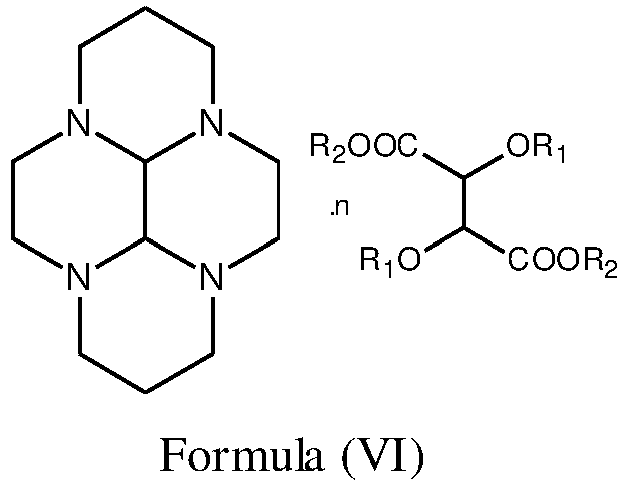
- the salt of compound of formula (IV) is a compound of formula (VI), wherein n is 1 or 2; and R 1 , R 2 may be independently selected from hydrogen, optionally substituted alkyl, aryl, acyl, alkylaryl or aralkyl group.
- the present invention also discloses a compound of formula (VI). wherein R1 and R2 and n are as defined above.
- the compound of formula (VI) is a salt of compound of formula (IV) which is a hygroscopic, low melting compound that cannot be purified except by column chromatography. But the substituted tartaric acid salts can be isolated and purified.
- the compound of formula (VI) is a compound of formula (X), wherein Bz is benzoyl group.
- the compound of formula (X) is the Dibenzoyl-L-tartaric acid salt of compound of formula (IV).
- the compound of formula (IV), glyoxal protected cyclam, is a low melting, hygroscopic solid which is difficult to isolate or purify. Further various salts of this compound are also difficult to isolate as either these salts do not precipitate and if they precipitate, they are highly soluble in most organic solvents and water and therefore cannot be purified.
- the substituted tartaric acid salts especially dibenzoyl-L-tartaric acid salt is unique as this salt can be isolated, purified and also shows greater stability compared to the free base or other salts of this compound.
- Various acids, organic and inorganic, were used to isolate the stable salt of compound of formula (IV). For example: hydrochloric acid, tartaric acid, p-toluenesulfonic acid, acetic acid, benzoic acid etc. But only the substituted tartaric acids, represented by formula (VIII), were found to give stable, non-hygroscopic salts of compound of formula (IV).
- Another aspect of the present invention is to disclose a process for the preparation of compound of formula (I) using the compound of formula (VI).
- Yet another disclosure of the present invention is to provide a process for the preparation of the compound of formula (VI), comprising the reaction of a compound of formula (IV), with a compound of formula (VIII), wherein R 1 and R 2 may be independently selected from hydrogen, optionally substituted alkyl, aryl, acyl, alkylaryl or aralkyl group to obtain the compound of formula (VI).
- the reaction may be carried out in the presence of suitable solvent.
- suitable solvent may be selected from a group comprising of water, alcohols like methanol, ethanol, isopropyl alcohol or halogenated hydrocarbons like dichloromethane, chloroform or esters like methyl acetate, ethyl acetate or ketones like methyl ethyl ketone, acetone, isobutyl ketone or hydrocarbons like hexane, heptanes, toluene or polar apotic solvents, polar protic solvents, ethers or mixtures thereof.
- the reaction is carried out in the presence of acetone or methyl acetate or ethyl acetate.
- the reaction is carried out in the presence of ethyl acetate.
- the compound of formula (VIII) is a compound of formula (IX), wherein Bz is benzoyl.
- the compound of formula (VI) is a compound of formula (X), wherein Bz is benzoyl group.
Landscapes
- Chemical & Material Sciences (AREA)
- Organic Chemistry (AREA)
- Health & Medical Sciences (AREA)
- Life Sciences & Earth Sciences (AREA)
- Pharmacology & Pharmacy (AREA)
- Epidemiology (AREA)
- Medicinal Chemistry (AREA)
- Animal Behavior & Ethology (AREA)
- General Health & Medical Sciences (AREA)
- Public Health (AREA)
- Veterinary Medicine (AREA)
- Pharmaceuticals Containing Other Organic And Inorganic Compounds (AREA)
- Heterocyclic Carbon Compounds Containing A Hetero Ring Having Nitrogen And Oxygen As The Only Ring Hetero Atoms (AREA)
- Organic Low-Molecular-Weight Compounds And Preparation Thereof (AREA)
Description
- The present invention relates to a process for the preparation of xylene linked cyclam compounds, more particularly, it relates to an improved process for preparing 1,1'-[1,4-phenylenebis (methylene)]-bis [1,4,8,11-tetraazacyclotetra decane] and its intermediates. In another aspect, there are described intermediates used in the above processes.
- The compound 1,1'-[1,4-phenylenebis (methylene)]-bis [1,4,8,11-tetraazacyclo tetradecane], also known as plerixafor is represented by the Formula (I):

- Plerixafor (marketed under the trade name Mozobil, Genzyme Corporation) is a hematopoietic stem cell mobilizer and is inhibitor of the CXCR4 chemokine receptors. It was approved by the U.S. Food and Drug Administration (FDA) on 15 December 2008 to mobilize hematopoietic stem cells (HSCs) to the peripheral blood for collection and subsequent autologous transplantation in patients with non-Hodgkin's lymphoma and multiple myeloma.
- Plerixafor, as represented by Formula (I) was first reported by Ciampolini et al. in Inorg. Chem, 1987, 26 (21), pp 3527-3533.
- Various processes for the preparation of plerixafor have been described in literature. Conventionally, the compound of formula (I) is prepared by selective functionalization of the cyclam ring, followed by reaction with α, α'-dihalo-p-xylene and dimerization. The product is deprotected to obtain the compound of formula (I) which is further purified by recrystallization in various solvents.
-
WO 93/12096 - A similar process for the synthesis of compound of formula (I) is described in the
WO 00/28987 
- Cyclam is reacted with p-toluene sulfonyl chloride in the presence of triethylamine to obtain tris-(p-toluenesulfonyl) - 1, 4, 8, 11-tetraazacyclotetradecane in 33% yield. This tosyl protected cyclam ring is reacted with α,α'-dibromo-p-xylene in the presence of base in solvent at reflux temperature to give 1,1'-[1,4-phenylenebis(methylene)]-bis[4,8,11-tris-(p-toluene sulfonyl)- 1,4,8,11 - tetraazacyclotetradecane which is purified by chromatography. Finally this intermediate is subjected to hydrolysis in a mixture of acetic acid and hydrobromic acid to afford the final compound as octahydrobromide salt, the purity of which is not mentioned.
- Further,
WO 2014/125499 also describes a similar process for the preparation of plerixafor. Cyclam is protected with tosyl groups in the presence of triethylamine in dichloromethane. The yield is 36.4%. The resulting compound was reacted with α,α'-dibromo-p-xylene in the presence of potassium carbonate in dimethylformamide. The yield is 40%. Deprotection of this intermediate in the presence of acetic acid and hydrobromic acid gives plerixafor octahydrobromide dihydrate in 90.3% yield. - The above mentioned synthetic processes do not afford the intermediate compounds in good yield or purity. Column chromatography is required to purify the intermediates and therefore a significant amount of yield is lost.
- In
WO 02/26721A1 

- Cyclam is reacted with ethyl trifluoroacetate in the presence of triethylamine in methanol to give tris trifluoroacetyl cyclam. The resulting compound is isolated by column chromatography technique. The yield is 92.5%. The purity of the compound is not mentioned. The compound is coupled with α,α'-dichloro-p-xylene in the presence of potassium carbonate and potassium iodide in acetonitrile at reflux temperature to get the product in 85% yield. Here also compound purity is not mentioned. Deprotection of trifluoro acetyl group of the product is carried out by treatment with potassium carbonate in methanol to afford plerixafor base in 86% yield. The compound is isolated from toluene but the purity is not mentioned.
- This process gives better yield but the purity of the intermediates or of plerixafor base is not mentioned. Also, column chromatography is required for the isolation of the tris trifluoroacetyl cyclam intermediate. Column chromatography, needless to say, is a tedious process which makes this route unfit for commercial purposes.
- Indian patent application IN2011CH2459 describes a process for the preparation of plerixafor using tert-butoxycarbonyl as the protecting group. The reaction scheme is summarized below in scheme 3:


- The inventors of the present invention have found that in all the above mentioned processes the purity of intermediate compounds is very low leading to significant yield losses during purification. A possible reason for such high amount of impurity formation appears to be the presence of four secondary nitrogen atoms in cyclam, out of which only three need to be protected. But during the reaction of cyclam with p-toluene sulfonyl chloride, Boc anhydride or ethyltrifluoroacetate, mono, di, tri and tetraprotected cyclam is formed. The structures of these are as shown below:
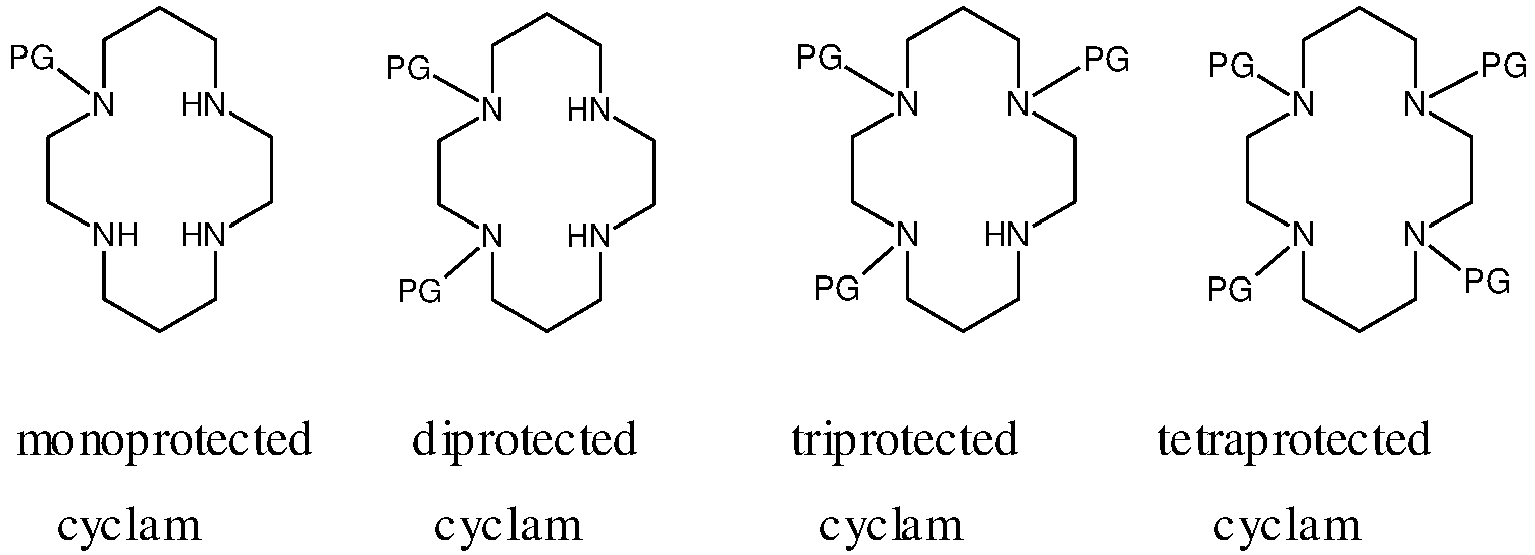
- Such mono- or di-protected cyclam rings will give side reactions leading to further impurities while the tetra protected cyclam will remain unreacted as an impurity in the subsequent steps. These impurities are difficult to remove and result in low yield and purity of further steps as well.
- New J. Chem. 2001, 25, 1168-1174, describes an alternative process for the preparation of plerixafor. The cyclam ring is protected with the help of glyoxal, the protected cyclam ring is then reacted with dibromo-p-xylene to yield an intermediate which is deprotected with the help of hydroxylamine hydrochloride and sodium ethoxide to yield the final compound. The overall synthesis is shown in scheme-4:

- The glyoxal protection of the cyclam ring prevents the formation of mono, di or tetra-protected impurities and therefore it is expected that the yield and purity of the final compound be better than those of the other processes.
- However, it was found that the purity of plerixafor obtained via this process is very low. It was further found by the inventors that the glyoxal protected cyclam is a low melting and hygroscopic solid which is impossible to isolate or purify. Any process generated impurities are carried forward to the next stages leading to an impure final compound.
- Also, the final deprotection reaction involves the use of the hazardous, difficult to handle and hygroscopic reagent, sodium ethoxide. The use of strong reagents like sodium ethoxide leads to large amounts of impurity formation. Thus the final compound obtained by this process has very low purity.
- Various inorganic bases have been described in literature for the removal of bis-aminal bridge from the cyclam moiety. J. Org. Chem., 2005, 70, 7042-7053 describes the use of sodium hydroxide for the deprotection of cyclam rings from plerixafor. But no information about the quality or purity of the product is mentioned.

- From the foregoing, it is apparent that the reported methods for the preparation of plerixafor suffer from one or more of the following drawbacks:
- (a) extensive column chromatography needed to purify the intermediates used in the process,
- (b) low yields obtained due to the formation of impurities, and
- (c) use of hazardous and moisture sensitive reagents.
- Thus, there still remains the need to formulate an efficient, simple and industrially viable synthetic process which can overcome the drawbacks of the prior art and which provides plerixafor and its intermediates free of impurities.
- It is an objective of the present invention to overcome the above-mentioned drawbacks of the prior art.
- It is another objective of the present invention to provide an improved and commercially viable process for the synthesis of plerixafor without the use of expensive and hazardous reagents.
- It is a further objective of the present invention to disclose useful intermediates for the synthesis of plerixafor.
- The present invention provides an improved, commercially viable process for the preparation of plerixafor. The process of the present invention is easy and cost effective when implemented on industrial scale.
- In first aspect, the present invention discloses a process for the preparation of a compound of formula (I),


with hydroxylamine or hydroxylamine hydrochloride in the presence of tertiary amine or tertiary alkoxide. - The present invention provides a process for the preparation of a compound of formula (I),

- a) reacting a compound of formula (II),


- b) reacting the compound of formula (IV) with a compound of formula (V),

to obtain a compound of formula (VII),
- c) reacting the compound of formula (VII) with hydroxylamine or hydroxylamine hydrochloride in the presence of tertiary amine or tertiary alkoxide.
- Another aspect of the present invention is to provide a process for the preparation of compound of formula (I) as described above using the compound of formula (VI).
- Another aspect of the invention is to disclose a compound of formula (VI),

- In another aspect, the present invention discloses a process for the preparation of the compound of formula (VI).
- In one aspect, a process for the preparation of a compound of formula (I),
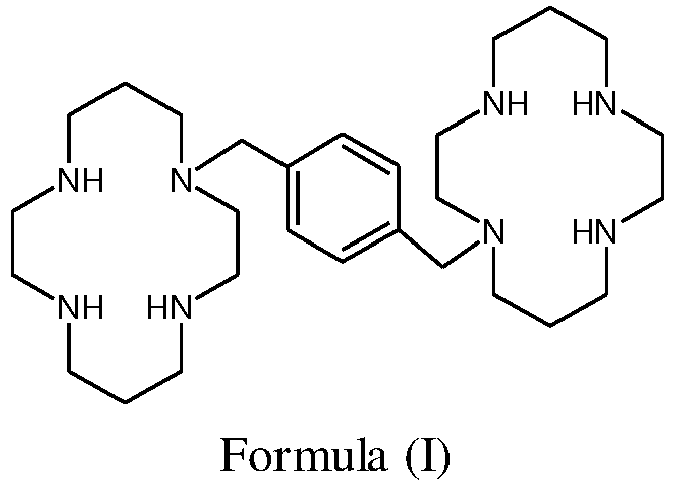

with hydroxylamine or hydroxylamine hydrochloride in the presence of tertiary amine or tertiary alkoxide is provided. - The reaction may optionally be carried out in the presence of a solvent.
- The solvent used in this reaction may be selected from the group comprising of water, alcohols like methanol, ethanol, isopropyl alcohol or halogenated hydrocarbons like dichloromethane, chloroform or esters like methyl acetate, ethyl acetate or ketones like methyl ethyl ketone, acetone, isobutyl ketone or hydrocarbons like hexane, heptanes, toluene or polar apotic solvents, polar protic solvents, ethers or mixtures thereof. Preferably the reaction is carried out in the presence of, methanol, ethanol or isopropyl alcohol. Most preferably the reaction is carried out in the presence of isopropyl alcohol.
- The tertiary amine may be selected from triethylamine or diisopropylethylamine. Tertiary alkoxides may be selected from sodium tertiary butoxide or potassium tertiary butoxide.
- The methods for the preparation of plerixafor reported in prior art involve the use of tedious purification techniques or the use of hazardous chemicals and the product obtained has low yield and purity.
- The inventors have found that the above mentioned process, which comprises of deprotection reaction with hydroxylamine or hydroxylamine hydrochloride in the presence of tertiary amine or tertiary alkoxide, provides plerixafor in high yield and purity.
- Another aspect of the present invention is to provide a process for the preparation of a compound of formula (I),

- a) reacting a compound of formula (II),


- b) reacting the compound of formula (IV) with a compound of formula (V),

to obtain a compound of formula (VII),
- c) reacting the compound of formula (VII) with hydroxylamine or hydroxylamine hydrochloride in the presence of tertiary amine or tertiary alkoxide.
- The product obtained by this process has higher yield and purity and there is no need for the use of column chromatography or expensive and hazardous chemicals.
- In one embodiment, the reaction of compound of formula (II) with the compound of formula (III) in step a) is carried out in the presence of a solvent.
- In a preferred embodiment, the solvent used in step a) may be selected from the group comprising of water, alcohols like methanol, ethanol, isopropyl alcohol or halogenated hydrocarbons like dichloromethane, chloroform or esters like methyl acetate, ethyl acetate or ketones like methyl ethyl ketone, acetone, isobutyl ketone or hydrocarbons like hexane, heptanes, toluene or polar apotic solvents, polar protic solvents, ethers or mixtures thereof. Preferably, the reaction is carried out in the presence of methanol, ethanol or isopropyl alcohol. Most preferably the reaction is carried out in the presence of methanol
- As discussed above, the reaction of compound of formula (IV) with a compound of formula (V) is carried out to produce a compound of formula (VII) in step b). In the compound of formula (V), X is a leaving group, preferably, a halogen or mesyl or tosyl, more preferably the leaving group is a halogen and most preferably the leaving group is bromine.
- The reaction may be carried out in the presence of solvents selected from the group comprising of halogenated hydrocarbons like dichloromethane, dichloroethane or chloroform, polar aprotic solvents like dimethylformamide, dimethylacetamide or dimethylsulfoxide, nitriles like acetonitrile or propionitrile. Preferably, the reaction is carried out in the presence acetonitrile, propionitrile, dimethylformamide or dimethylsulfoxide. Most preferably, the reaction is carried out in the presence of acetonitrile.
- In step c) of the first embodiment, the compound of formula (VII) is reacted with hydroxylamine or hydroxylamine hydrochloride in the presence of tertiary amine or tertiary alkoxide.
- The tertiary amine may be selected from triethylamine or diisopropylethylamine. Tertiary alkoxides may be selected from sodium tertiary butoxide or potassium tertiary butoxide.
- It was found that the purity and yield of the product are much improved when hydroxylamine or hydroxylamine hydrochloride is used in the presence of tertiary amines or tertiary alkoxides, unlike the methods reported in literature which lead to the formation of impure product.
- Data on purity of the product obtained using hydroxylamine hydrochloride reagent in the presence of various bases is given in table-1.
Table-1 S. No Base used Reagent used HPLC Purity of crude product (%) 1 Triethylamine Hydroxylamine hydrochloride 91.31 2 Diisopropylethylamine Hydroxylamine hydrochloride 92.56 3 Potassium tert. butoxide Hydroxylamine hydrochloride 84.93 4 Sodium ethoxide Hydroxylamine hydrochloride 62.78 5 Without base Hydroxylamine hydrochloride No product formed - The solvent used in this reaction may be selected from the group comprising of water, alcohols like methanol, ethanol, isopropyl alcohol or halogenated hydrocarbons like dichloromethane, chloroform or esters like methyl acetate, ethyl acetate or ketones like methyl ethyl ketone, acetone, isobutyl ketone or hydrocarbons like hexane, heptanes, toluene or polar apotic solvents, polar protic solvents, ethers or mixtures thereof. Preferably the reaction is carried out in the presence of, methanol, ethanol or isopropyl alcohol. Most preferably the reaction is carried out in the presence of isopropyl alcohol.
- In another embodiment, the process to prepare the compound of formula (I) as described above involves the reaction of a salt of compound of formula (IV) with a compound of formula (V) to obtain a compound of formula (VII) is provided. The salt of compound of formula (IV) is a compound of formula (VI),

- The present invention also discloses a compound of formula (VI).
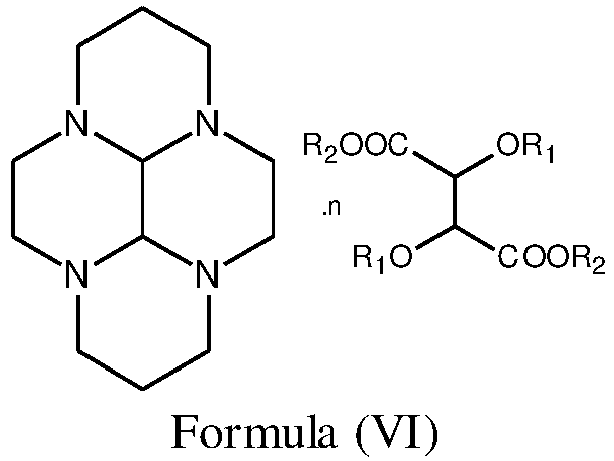
- The compound of formula (VI) is a salt of compound of formula (IV) which is a hygroscopic, low melting compound that cannot be purified except by column chromatography. But the substituted tartaric acid salts can be isolated and purified.
- In a preferred disclosure, the compound of formula (VI) is a compound of formula (X),

- The compound of formula (X) is the Dibenzoyl-L-tartaric acid salt of compound of formula (IV). The compound of formula (IV), glyoxal protected cyclam, is a low melting, hygroscopic solid which is difficult to isolate or purify. Further various salts of this compound are also difficult to isolate as either these salts do not precipitate and if they precipitate, they are highly soluble in most organic solvents and water and therefore cannot be purified.
- However, the substituted tartaric acid salts, especially dibenzoyl-L-tartaric acid salt is unique as this salt can be isolated, purified and also shows greater stability compared to the free base or other salts of this compound. Various acids, organic and inorganic, were used to isolate the stable salt of compound of formula (IV). For example: hydrochloric acid, tartaric acid, p-toluenesulfonic acid, acetic acid, benzoic acid etc. But only the substituted tartaric acids, represented by formula (VIII), were found to give stable, non-hygroscopic salts of compound of formula (IV).
- Another aspect of the present invention is to disclose a process for the preparation of compound of formula (I) using the compound of formula (VI).
- Yet another disclosure of the present invention is to provide a process for the preparation of the compound of formula (VI), comprising the reaction of a compound of formula (IV),
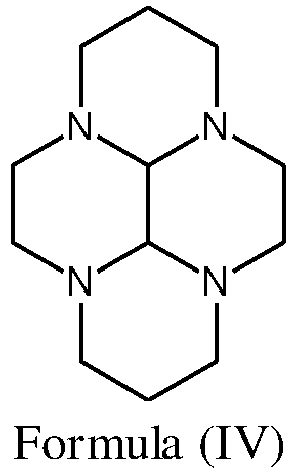

to obtain the compound of formula (VI). - The reaction may be carried out in the presence of suitable solvent. Suitable solvent may be selected from a group comprising of water, alcohols like methanol, ethanol, isopropyl alcohol or halogenated hydrocarbons like dichloromethane, chloroform or esters like methyl acetate, ethyl acetate or ketones like methyl ethyl ketone, acetone, isobutyl ketone or hydrocarbons like hexane, heptanes, toluene or polar apotic solvents, polar protic solvents, ethers or mixtures thereof. Preferably the reaction is carried out in the presence of acetone or methyl acetate or ethyl acetate. Most preferably the reaction is carried out in the presence of ethyl acetate.
- Preferably, the compound of formula (VIII) is a compound of formula (IX),

- In a further aspect, a compound of formula (VI) is disclosed
- Preferably, the compound of formula (VI) is a compound of formula (X),

- Detailed experimental parameters suitable for the preparation of plerixafor according to the present invention are provided by the following examples, which are intended to be illustrative and not limiting of all possible embodiments of the invention.
- To a stirred solution of 1,4,8,11-tetraazacyclotetradecane (50.0g, 0.249 mole) in methanol (1625 ml) at -5°C was added a solution of glyoxal (44.2 g, 0.304 mole) in methanol (250 ml) dropwise. After complete addition the reaction temperature was raised to 30°C and stirred for 4 hrs. Methanol was distilled off and the residue was stirred with ethyl acetate (750 ml) and filtered through celite bed. The filtrate was added dropwise to a stirred solution of dibenzoyl-L-tartaric acid (205.7g, 0.574 mole) in ethyl acetate (1500 ml) and the reaction mixture was stirred for 3 hrs at 30°C. The reaction mixture was filtered and solid obtained was washed with ethyl acetate. The crude product was dried under vacuum at 55°C for 20 hrs. The crude product was again slurry washed with water and dried to give the title compound.
Yield: 78.9% (185g)
GC Purity: 99.87% - To a stirred solution of (2R, 3R)-2,3-bis(benzoyloxy)butanedioic acid-decahydro-1H,6H-3a,5a,8a,10a-tetraazapyrene (1000g, 1.065 mole) in dichloromethane (10000 ml) was added a solution of potassium carbonate (588.8g, 4.260 mole) in water at room temperature. The reaction mixture was stirred for 15 minutes and the layers were separated. The solvent was distilled off and acetonitrile (4500ml) and α, α'-dibromo-p-xylene (115.3g, 0.436 mole) were added. The reaction mixture was stirred at room temperature for 30 hrs. The solid obtained was filtered and dried under vacuum and finally recrystallized from a mixture of methanol and IPA to obtain the title compound.
Yield: 72.3% (273.0g)
HPLC Purity: 98.65% - To a stirred solution of hydroxylamine hydrochloride (760g, 10.937 mole) in isopropyl alcohol (5000 ml) was added triethylamine (1071g, 10.584 mole) at room temperature and the reaction mixture was stirred for 1.5 hrs. To this was added the product of example-2 (250g, 0.353 mole) and the reaction mixture was heated to 90°C and stirred at same temperature for 24 hrs. The solvent was distilled off and water (2500 ml) was added. An aqueous solution of sodium hydroxide was added and reaction mass was stirred. The layers were allowed to separate and dichloromethane was added to the organic layer. The organic layer was then washed with water. The organic solvent was distilled off and product was crystallized from toluene.
Yield: 52% (92.4g)
HPLC Purity: 99.25% - To a stirred mixture of acetone (2250 ml) and water (250 ml) was added crude plerixafor (250g) and reaction mixture was heated to 60°C and stirred for 15 minutes. The solution obtained was filtered through 5 micron filter paper and the filtrate was stirred at 20°C for 2.5 hrs. The solution was further cooled to 0°C and stirred for 2 hrs. The solid obtained was filtered and dried under vacuum.
Yield: 91.6% (229g)
HPLC Purity: 99.80%
1HNMR (400MHz, CDC13) δ: 1.646-1.656 (m, 4H), 1.842-1.852 (m, 4H), 2.446-2.456 (m, 4H), 2.517-2.531 (m, 4H), 2.545-2.560 (m, 4H), 2.602-2.615 (m, 4H), 2.627-2.652 (m, 4H), 2.663-2.710 (m, 4H), 2.720-2.736 (m, 4H), 2.750-2.804 (m, 4H), 2.966 (s, 4H), 3.352 (s, 2H), 3.511 (s, 4H), 7.276 (s, 4H).
Claims (10)
- A process for the preparation of a compound of formula (I),


with hydroxylamine or hydroxylamine hydrochloride in the presence of tertiary amine or tertiary alkoxide. - A process according to claim 1, for the preparation of a compound of formula (I),
 a) reacting a compound of formula (II),

 b) reacting the compound of formula (IV) with a compound of formula (V),
to obtain a compound of formula (VII),
- The process according to claim 1 or 2, wherein the leaving group is halogen, preferably bromine.
- The process according to any of claims 1-3, wherein the tertiary amine is selected from triethylamine, diisopropylethylamine and the tertiary alkoxide is potassium tertiary butoxide.
- The process according to claims 2-4, wherein step a) is carried out in the presence of a solvent selected from a group of methanol, ethanol or isopropyl alcohol, preferably methanol.
- The process according to claims 2-5, wherein step b) is carried out in the presence of a solvent selected from a group of acetonitrile, propionitrile, dimethylformamide or dimethylsulfoxide, preferably acetonitrile.
- The process according to claim 1, wherein the reaction is carried out in the presence of a solvent selected from a group of methanol, ethanol or isopropyl alcohol, preferably isopropyl alcohol.
- The process according to claims 2-6, wherein the salt of compound of formula (IV) is a compound of formula (VI),

- The process according to claim 8, wherein the compound of formula (VI) is prepared by a process comprising the reaction of a compound of formula (IV),


to obtain the compound of formula (VI). - The process according to claim 9, wherein the compound of formula (VIII) is a compound of formula (IX),

Applications Claiming Priority (2)
| Application Number | Priority Date | Filing Date | Title |
|---|---|---|---|
| IN2758DE2015 | 2015-09-02 | ||
| PCT/IB2016/055215 WO2017037639A1 (en) | 2015-09-02 | 2016-09-01 | A process for the preparation of xylene linked cyclam compounds |
Publications (2)
| Publication Number | Publication Date |
|---|---|
| EP3344608A1 EP3344608A1 (en) | 2018-07-11 |
| EP3344608B1 true EP3344608B1 (en) | 2019-10-23 |
Family
ID=56958964
Family Applications (1)
| Application Number | Title | Priority Date | Filing Date |
|---|---|---|---|
| EP16767366.4A Active EP3344608B1 (en) | 2015-09-02 | 2016-09-01 | A process for the preparation of xylene linked cyclam compounds |
Country Status (6)
| Country | Link |
|---|---|
| US (1) | US10544109B2 (en) |
| EP (1) | EP3344608B1 (en) |
| KR (1) | KR20180043360A (en) |
| CA (1) | CA2996258A1 (en) |
| ES (1) | ES2762976T3 (en) |
| WO (1) | WO2017037639A1 (en) |
Families Citing this family (5)
| Publication number | Priority date | Publication date | Assignee | Title |
|---|---|---|---|---|
| EP3753946A1 (en) | 2019-06-18 | 2020-12-23 | Fresenius Kabi iPSUM S.r.l. | Improved process for the preparation of high purity glucagon |
| KR102362962B1 (en) * | 2020-06-12 | 2022-02-16 | (주)미래바이오팜 | Novel compound and pharmaceutical composition for the treatment or prevention of nerual damage, neuro disease, or developmental disability by proliferation, differenciation, and/or regeneration of neural cells |
| CN113429428B (en) * | 2021-07-26 | 2022-05-13 | 北京百灵威科技有限公司 | Octahydropyrazinopyrimidine molecular clamp compound, preparation method and application thereof |
| WO2023106883A1 (en) * | 2021-12-10 | 2023-06-15 | (주)에트노바테라퓨틱스 | Novel compound, method for producing same, and pharmaceutical composition containing same for treating or preventing nerve damage, neurological disease, or developmental disorder through proliferation promotion, differentiation, and/or regeneration of nerve cells |
| WO2023106616A1 (en) * | 2021-12-10 | 2023-06-15 | (주)에트노바테라퓨틱스 | Novel compound, preparation method therefor, and pharmaceutical composition for treating or preventing neural damage, neural disease, or developmental disorder through proliferation promotion, differentiation, and/or regeneration of neural cells, containing same |
Family Cites Families (4)
| Publication number | Priority date | Publication date | Assignee | Title |
|---|---|---|---|---|
| GB9126677D0 (en) | 1991-12-16 | 1992-02-12 | Johnson Matthey Plc | Improvements in chemical compounds |
| WO2000028987A1 (en) | 1998-11-17 | 2000-05-25 | Smithkline Beecham Corporation | Methods of treating thrombocytopenia |
| MXPA03002772A (en) | 2000-09-29 | 2003-07-28 | Anormed Inc | Process for preparation of n-1 protected n ring nitrogen containing cyclic polyamines and products thereof . |
| WO2014125499A1 (en) | 2013-02-13 | 2014-08-21 | Natco Pharma Limited | Improved and commercially viable process for the preparation of high pure plerixafor base |
-
2016
- 2016-09-01 US US15/757,259 patent/US10544109B2/en active Active
- 2016-09-01 ES ES16767366T patent/ES2762976T3/en active Active
- 2016-09-01 KR KR1020187008720A patent/KR20180043360A/en not_active Ceased
- 2016-09-01 CA CA2996258A patent/CA2996258A1/en not_active Abandoned
- 2016-09-01 WO PCT/IB2016/055215 patent/WO2017037639A1/en not_active Ceased
- 2016-09-01 EP EP16767366.4A patent/EP3344608B1/en active Active
Non-Patent Citations (1)
| Title |
|---|
| None * |
Also Published As
| Publication number | Publication date |
|---|---|
| WO2017037639A1 (en) | 2017-03-09 |
| US10544109B2 (en) | 2020-01-28 |
| ES2762976T3 (en) | 2020-05-26 |
| EP3344608A1 (en) | 2018-07-11 |
| KR20180043360A (en) | 2018-04-27 |
| US20180244635A1 (en) | 2018-08-30 |
| CA2996258A1 (en) | 2017-03-09 |
Similar Documents
| Publication | Publication Date | Title |
|---|---|---|
| CN103517911B (en) | Regioselective acylation of rapamycin at C-42 | |
| FI71942B (en) | FRAMEWORK FOR THE FRAMEWORK OF 4'-DEMETHYL-EPIPODOFYLLOTOXIN-BETA-D-ETHYLENE-GLUCOSIDES AND MELLAN PRODUCTS SOM ANVAENDS VI FOERFARANDET | |
| US10544109B2 (en) | Process for the preparation of xylene linked cyclam compounds | |
| EP3580219B1 (en) | Process for the preparation of remimazolam and solid state forms of remimazolam salts | |
| CA2801101C (en) | Process for preparing a biphenyl-2-ylcarbamic acid | |
| US9006438B2 (en) | Processes for the preparation of an apoptosis-inducing agent | |
| RU2718058C2 (en) | Synthesis method of rapamycin derivatives | |
| US10479776B2 (en) | Process for the preparation of Efinaconazole | |
| CN105849106B (en) | Key Intermediates and Impurities in Apixaban Synthesis: Apixaban Diol Ester | |
| US20230312480A1 (en) | Synthesis of nirogacestat | |
| US20210040032A1 (en) | Process for the preparation of a nitric oxide donating prostaglandin analogue | |
| US20190284126A1 (en) | Method for preparation of (s)-n1-(2-aminoethyl)-3-(4-alkoxyphenyl)propane-1,2-diamine trihydrochloride | |
| JP5270549B2 (en) | Method for producing HI-6 dimethanesulfonate | |
| US7223882B2 (en) | Process for producing triterpene derivative | |
| JP7379381B2 (en) | Intermediates and processes for the manufacture of linagliptin and its salts | |
| CN113816955B (en) | RET kinase inhibitor intermediate and preparation method thereof | |
| US20170313735A1 (en) | Improved Fluorination Process | |
| KR20200004036A (en) | Processes for preparing (E)-(2-(chloromethyl)-3-fluoroallyl)carbamate derivatives | |
| KR970004048B1 (en) | Separation method of diastereomer of asymmetric 3-methoxymethyl cephalosporin derivative | |
| US20250115629A1 (en) | Chiral synthons for the synthesis of chiral phosphorothioates | |
| KR20230160303A (en) | 5-{5-chloro-2-[(3S)-3-[(morpholine-4-yl)methyl]-3, 4-dihydroisoquinoline-2(1H)-carbonyl]phenyl}-1, Novel method for synthesis of 2-dimethyl-1H-pyrrole-3-carboxylic acid derivatives and their use for production of pharmaceutical compounds | |
| KR100566896B1 (en) | Method for preparing optically active 5,6-dioxopiperazine-2-carboxylic acid derivative | |
| KR20250014306A (en) | Method for Producing Allulose Dimer | |
| WO2015111073A2 (en) | A process for the preparation of apixaban and its intermediates | |
| WO2005058926A1 (en) | New process for preparing diisopropyl ((1-((2-amino-6-chloro-9h-purin-9-yl)methyl)cyclopropyl)oxy)methylphosphonate |
Legal Events
| Date | Code | Title | Description |
|---|---|---|---|
| STAA | Information on the status of an ep patent application or granted ep patent |
Free format text: STATUS: THE INTERNATIONAL PUBLICATION HAS BEEN MADE |
|
| PUAI | Public reference made under article 153(3) epc to a published international application that has entered the european phase |
Free format text: ORIGINAL CODE: 0009012 |
|
| STAA | Information on the status of an ep patent application or granted ep patent |
Free format text: STATUS: REQUEST FOR EXAMINATION WAS MADE |
|
| 17P | Request for examination filed |
Effective date: 20180301 |
|
| AK | Designated contracting states |
Kind code of ref document: A1 Designated state(s): AL AT BE BG CH CY CZ DE DK EE ES FI FR GB GR HR HU IE IS IT LI LT LU LV MC MK MT NL NO PL PT RO RS SE SI SK SM TR |
|
| AX | Request for extension of the european patent |
Extension state: BA ME |
|
| DAV | Request for validation of the european patent (deleted) | ||
| DAX | Request for extension of the european patent (deleted) | ||
| GRAP | Despatch of communication of intention to grant a patent |
Free format text: ORIGINAL CODE: EPIDOSNIGR1 |
|
| STAA | Information on the status of an ep patent application or granted ep patent |
Free format text: STATUS: GRANT OF PATENT IS INTENDED |
|
| INTG | Intention to grant announced |
Effective date: 20190522 |
|
| GRAS | Grant fee paid |
Free format text: ORIGINAL CODE: EPIDOSNIGR3 |
|
| GRAA | (expected) grant |
Free format text: ORIGINAL CODE: 0009210 |
|
| STAA | Information on the status of an ep patent application or granted ep patent |
Free format text: STATUS: THE PATENT HAS BEEN GRANTED |
|
| AK | Designated contracting states |
Kind code of ref document: B1 Designated state(s): AL AT BE BG CH CY CZ DE DK EE ES FI FR GB GR HR HU IE IS IT LI LT LU LV MC MK MT NL NO PL PT RO RS SE SI SK SM TR |
|
| REG | Reference to a national code |
Ref country code: GB Ref legal event code: FG4D |
|
| REG | Reference to a national code |
Ref country code: CH Ref legal event code: EP |
|
| REG | Reference to a national code |
Ref country code: IE Ref legal event code: FG4D |
|
| REG | Reference to a national code |
Ref country code: DE Ref legal event code: R096 Ref document number: 602016022988 Country of ref document: DE |
|
| REG | Reference to a national code |
Ref country code: AT Ref legal event code: REF Ref document number: 1193502 Country of ref document: AT Kind code of ref document: T Effective date: 20191115 |
|
| REG | Reference to a national code |
Ref country code: NL Ref legal event code: MP Effective date: 20191023 |
|
| REG | Reference to a national code |
Ref country code: LT Ref legal event code: MG4D |
|
| PG25 | Lapsed in a contracting state [announced via postgrant information from national office to epo] |
Ref country code: NL Free format text: LAPSE BECAUSE OF FAILURE TO SUBMIT A TRANSLATION OF THE DESCRIPTION OR TO PAY THE FEE WITHIN THE PRESCRIBED TIME-LIMIT Effective date: 20191023 Ref country code: LV Free format text: LAPSE BECAUSE OF FAILURE TO SUBMIT A TRANSLATION OF THE DESCRIPTION OR TO PAY THE FEE WITHIN THE PRESCRIBED TIME-LIMIT Effective date: 20191023 Ref country code: SE Free format text: LAPSE BECAUSE OF FAILURE TO SUBMIT A TRANSLATION OF THE DESCRIPTION OR TO PAY THE FEE WITHIN THE PRESCRIBED TIME-LIMIT Effective date: 20191023 Ref country code: LT Free format text: LAPSE BECAUSE OF FAILURE TO SUBMIT A TRANSLATION OF THE DESCRIPTION OR TO PAY THE FEE WITHIN THE PRESCRIBED TIME-LIMIT Effective date: 20191023 Ref country code: NO Free format text: LAPSE BECAUSE OF FAILURE TO SUBMIT A TRANSLATION OF THE DESCRIPTION OR TO PAY THE FEE WITHIN THE PRESCRIBED TIME-LIMIT Effective date: 20200123 Ref country code: GR Free format text: LAPSE BECAUSE OF FAILURE TO SUBMIT A TRANSLATION OF THE DESCRIPTION OR TO PAY THE FEE WITHIN THE PRESCRIBED TIME-LIMIT Effective date: 20200124 Ref country code: PL Free format text: LAPSE BECAUSE OF FAILURE TO SUBMIT A TRANSLATION OF THE DESCRIPTION OR TO PAY THE FEE WITHIN THE PRESCRIBED TIME-LIMIT Effective date: 20191023 Ref country code: PT Free format text: LAPSE BECAUSE OF FAILURE TO SUBMIT A TRANSLATION OF THE DESCRIPTION OR TO PAY THE FEE WITHIN THE PRESCRIBED TIME-LIMIT Effective date: 20200224 Ref country code: BG Free format text: LAPSE BECAUSE OF FAILURE TO SUBMIT A TRANSLATION OF THE DESCRIPTION OR TO PAY THE FEE WITHIN THE PRESCRIBED TIME-LIMIT Effective date: 20200123 Ref country code: FI Free format text: LAPSE BECAUSE OF FAILURE TO SUBMIT A TRANSLATION OF THE DESCRIPTION OR TO PAY THE FEE WITHIN THE PRESCRIBED TIME-LIMIT Effective date: 20191023 |
|
| REG | Reference to a national code |
Ref country code: ES Ref legal event code: FG2A Ref document number: 2762976 Country of ref document: ES Kind code of ref document: T3 Effective date: 20200526 |
|
| PG25 | Lapsed in a contracting state [announced via postgrant information from national office to epo] |
Ref country code: RS Free format text: LAPSE BECAUSE OF FAILURE TO SUBMIT A TRANSLATION OF THE DESCRIPTION OR TO PAY THE FEE WITHIN THE PRESCRIBED TIME-LIMIT Effective date: 20191023 Ref country code: IS Free format text: LAPSE BECAUSE OF FAILURE TO SUBMIT A TRANSLATION OF THE DESCRIPTION OR TO PAY THE FEE WITHIN THE PRESCRIBED TIME-LIMIT Effective date: 20200224 Ref country code: HR Free format text: LAPSE BECAUSE OF FAILURE TO SUBMIT A TRANSLATION OF THE DESCRIPTION OR TO PAY THE FEE WITHIN THE PRESCRIBED TIME-LIMIT Effective date: 20191023 |
|
| PG25 | Lapsed in a contracting state [announced via postgrant information from national office to epo] |
Ref country code: AL Free format text: LAPSE BECAUSE OF FAILURE TO SUBMIT A TRANSLATION OF THE DESCRIPTION OR TO PAY THE FEE WITHIN THE PRESCRIBED TIME-LIMIT Effective date: 20191023 |
|
| REG | Reference to a national code |
Ref country code: DE Ref legal event code: R097 Ref document number: 602016022988 Country of ref document: DE |
|
| PG2D | Information on lapse in contracting state deleted |
Ref country code: IS |
|
| PG25 | Lapsed in a contracting state [announced via postgrant information from national office to epo] |
Ref country code: CZ Free format text: LAPSE BECAUSE OF FAILURE TO SUBMIT A TRANSLATION OF THE DESCRIPTION OR TO PAY THE FEE WITHIN THE PRESCRIBED TIME-LIMIT Effective date: 20191023 Ref country code: RO Free format text: LAPSE BECAUSE OF FAILURE TO SUBMIT A TRANSLATION OF THE DESCRIPTION OR TO PAY THE FEE WITHIN THE PRESCRIBED TIME-LIMIT Effective date: 20191023 Ref country code: EE Free format text: LAPSE BECAUSE OF FAILURE TO SUBMIT A TRANSLATION OF THE DESCRIPTION OR TO PAY THE FEE WITHIN THE PRESCRIBED TIME-LIMIT Effective date: 20191023 Ref country code: DK Free format text: LAPSE BECAUSE OF FAILURE TO SUBMIT A TRANSLATION OF THE DESCRIPTION OR TO PAY THE FEE WITHIN THE PRESCRIBED TIME-LIMIT Effective date: 20191023 Ref country code: IS Free format text: LAPSE BECAUSE OF FAILURE TO SUBMIT A TRANSLATION OF THE DESCRIPTION OR TO PAY THE FEE WITHIN THE PRESCRIBED TIME-LIMIT Effective date: 20200223 |
|
| REG | Reference to a national code |
Ref country code: AT Ref legal event code: MK05 Ref document number: 1193502 Country of ref document: AT Kind code of ref document: T Effective date: 20191023 |
|
| PLBE | No opposition filed within time limit |
Free format text: ORIGINAL CODE: 0009261 |
|
| STAA | Information on the status of an ep patent application or granted ep patent |
Free format text: STATUS: NO OPPOSITION FILED WITHIN TIME LIMIT |
|
| PG25 | Lapsed in a contracting state [announced via postgrant information from national office to epo] |
Ref country code: SK Free format text: LAPSE BECAUSE OF FAILURE TO SUBMIT A TRANSLATION OF THE DESCRIPTION OR TO PAY THE FEE WITHIN THE PRESCRIBED TIME-LIMIT Effective date: 20191023 Ref country code: SM Free format text: LAPSE BECAUSE OF FAILURE TO SUBMIT A TRANSLATION OF THE DESCRIPTION OR TO PAY THE FEE WITHIN THE PRESCRIBED TIME-LIMIT Effective date: 20191023 |
|
| 26N | No opposition filed |
Effective date: 20200724 |
|
| PG25 | Lapsed in a contracting state [announced via postgrant information from national office to epo] |
Ref country code: AT Free format text: LAPSE BECAUSE OF FAILURE TO SUBMIT A TRANSLATION OF THE DESCRIPTION OR TO PAY THE FEE WITHIN THE PRESCRIBED TIME-LIMIT Effective date: 20191023 Ref country code: SI Free format text: LAPSE BECAUSE OF FAILURE TO SUBMIT A TRANSLATION OF THE DESCRIPTION OR TO PAY THE FEE WITHIN THE PRESCRIBED TIME-LIMIT Effective date: 20191023 |
|
| REG | Reference to a national code |
Ref country code: CH Ref legal event code: PL |
|
| REG | Reference to a national code |
Ref country code: BE Ref legal event code: MM Effective date: 20200930 |
|
| PG25 | Lapsed in a contracting state [announced via postgrant information from national office to epo] |
Ref country code: LU Free format text: LAPSE BECAUSE OF NON-PAYMENT OF DUE FEES Effective date: 20200901 |
|
| PG25 | Lapsed in a contracting state [announced via postgrant information from national office to epo] |
Ref country code: IE Free format text: LAPSE BECAUSE OF NON-PAYMENT OF DUE FEES Effective date: 20200901 Ref country code: LI Free format text: LAPSE BECAUSE OF NON-PAYMENT OF DUE FEES Effective date: 20200930 Ref country code: CH Free format text: LAPSE BECAUSE OF NON-PAYMENT OF DUE FEES Effective date: 20200930 Ref country code: BE Free format text: LAPSE BECAUSE OF NON-PAYMENT OF DUE FEES Effective date: 20200930 |
|
| PG25 | Lapsed in a contracting state [announced via postgrant information from national office to epo] |
Ref country code: TR Free format text: LAPSE BECAUSE OF FAILURE TO SUBMIT A TRANSLATION OF THE DESCRIPTION OR TO PAY THE FEE WITHIN THE PRESCRIBED TIME-LIMIT Effective date: 20191023 Ref country code: MT Free format text: LAPSE BECAUSE OF FAILURE TO SUBMIT A TRANSLATION OF THE DESCRIPTION OR TO PAY THE FEE WITHIN THE PRESCRIBED TIME-LIMIT Effective date: 20191023 Ref country code: CY Free format text: LAPSE BECAUSE OF FAILURE TO SUBMIT A TRANSLATION OF THE DESCRIPTION OR TO PAY THE FEE WITHIN THE PRESCRIBED TIME-LIMIT Effective date: 20191023 |
|
| PG25 | Lapsed in a contracting state [announced via postgrant information from national office to epo] |
Ref country code: MK Free format text: LAPSE BECAUSE OF FAILURE TO SUBMIT A TRANSLATION OF THE DESCRIPTION OR TO PAY THE FEE WITHIN THE PRESCRIBED TIME-LIMIT Effective date: 20191023 Ref country code: MC Free format text: LAPSE BECAUSE OF FAILURE TO SUBMIT A TRANSLATION OF THE DESCRIPTION OR TO PAY THE FEE WITHIN THE PRESCRIBED TIME-LIMIT Effective date: 20191023 |
|
| PGFP | Annual fee paid to national office [announced via postgrant information from national office to epo] |
Ref country code: DE Payment date: 20250917 Year of fee payment: 10 |
|
| PGFP | Annual fee paid to national office [announced via postgrant information from national office to epo] |
Ref country code: GB Payment date: 20250926 Year of fee payment: 10 |
|
| PGFP | Annual fee paid to national office [announced via postgrant information from national office to epo] |
Ref country code: FR Payment date: 20250926 Year of fee payment: 10 |
|
| PGFP | Annual fee paid to national office [announced via postgrant information from national office to epo] |
Ref country code: IT Payment date: 20250912 Year of fee payment: 10 |
|
| PGFP | Annual fee paid to national office [announced via postgrant information from national office to epo] |
Ref country code: ES Payment date: 20251010 Year of fee payment: 10 |