EP3343345A1 - Server - Google Patents
Server Download PDFInfo
- Publication number
- EP3343345A1 EP3343345A1 EP17200423.6A EP17200423A EP3343345A1 EP 3343345 A1 EP3343345 A1 EP 3343345A1 EP 17200423 A EP17200423 A EP 17200423A EP 3343345 A1 EP3343345 A1 EP 3343345A1
- Authority
- EP
- European Patent Office
- Prior art keywords
- identification information
- service
- user
- server
- information
- Prior art date
- Legal status (The legal status is an assumption and is not a legal conclusion. Google has not performed a legal analysis and makes no representation as to the accuracy of the status listed.)
- Granted
Links
Images


Classifications
-
- H—ELECTRICITY
- H04—ELECTRIC COMMUNICATION TECHNIQUE
- H04N—PICTORIAL COMMUNICATION, e.g. TELEVISION
- H04N1/00—Scanning, transmission or reproduction of documents or the like, e.g. facsimile transmission; Details thereof
- H04N1/32—Circuits or arrangements for control or supervision between transmitter and receiver or between image input and image output device, e.g. between a still-image camera and its memory or between a still-image camera and a printer device
- H04N1/327—Initiating, continuing or ending a single-mode communication; Handshaking therefor
- H04N1/32765—Initiating a communication
-
- G—PHYSICS
- G06—COMPUTING OR CALCULATING; COUNTING
- G06Q—INFORMATION AND COMMUNICATION TECHNOLOGY [ICT] SPECIALLY ADAPTED FOR ADMINISTRATIVE, COMMERCIAL, FINANCIAL, MANAGERIAL OR SUPERVISORY PURPOSES; SYSTEMS OR METHODS SPECIALLY ADAPTED FOR ADMINISTRATIVE, COMMERCIAL, FINANCIAL, MANAGERIAL OR SUPERVISORY PURPOSES, NOT OTHERWISE PROVIDED FOR
- G06Q30/00—Commerce
- G06Q30/06—Buying, selling or leasing transactions
- G06Q30/0601—Electronic shopping [e-shopping]
-
- B—PERFORMING OPERATIONS; TRANSPORTING
- B41—PRINTING; LINING MACHINES; TYPEWRITERS; STAMPS
- B41J—TYPEWRITERS; SELECTIVE PRINTING MECHANISMS, i.e. MECHANISMS PRINTING OTHERWISE THAN FROM A FORME; CORRECTION OF TYPOGRAPHICAL ERRORS
- B41J29/00—Details of, or accessories for, typewriters or selective printing mechanisms not otherwise provided for
- B41J29/38—Drives, motors, controls or automatic cut-off devices for the entire printing mechanism
-
- G—PHYSICS
- G06—COMPUTING OR CALCULATING; COUNTING
- G06F—ELECTRIC DIGITAL DATA PROCESSING
- G06F3/00—Input arrangements for transferring data to be processed into a form capable of being handled by the computer; Output arrangements for transferring data from processing unit to output unit, e.g. interface arrangements
- G06F3/12—Digital output to print unit, e.g. line printer, chain printer
- G06F3/1201—Dedicated interfaces to print systems
- G06F3/1202—Dedicated interfaces to print systems specifically adapted to achieve a particular effect
- G06F3/1203—Improving or facilitating administration, e.g. print management
-
- G—PHYSICS
- G06—COMPUTING OR CALCULATING; COUNTING
- G06F—ELECTRIC DIGITAL DATA PROCESSING
- G06F3/00—Input arrangements for transferring data to be processed into a form capable of being handled by the computer; Output arrangements for transferring data from processing unit to output unit, e.g. interface arrangements
- G06F3/12—Digital output to print unit, e.g. line printer, chain printer
- G06F3/1201—Dedicated interfaces to print systems
- G06F3/1202—Dedicated interfaces to print systems specifically adapted to achieve a particular effect
- G06F3/121—Facilitating exception or error detection and recovery, e.g. fault, media or consumables depleted
-
- G—PHYSICS
- G06—COMPUTING OR CALCULATING; COUNTING
- G06F—ELECTRIC DIGITAL DATA PROCESSING
- G06F3/00—Input arrangements for transferring data to be processed into a form capable of being handled by the computer; Output arrangements for transferring data from processing unit to output unit, e.g. interface arrangements
- G06F3/12—Digital output to print unit, e.g. line printer, chain printer
- G06F3/1201—Dedicated interfaces to print systems
- G06F3/1223—Dedicated interfaces to print systems specifically adapted to use a particular technique
- G06F3/1229—Printer resources management or printer maintenance, e.g. device status, power levels
- G06F3/1231—Device related settings, e.g. IP address, Name, Identification
-
- G—PHYSICS
- G06—COMPUTING OR CALCULATING; COUNTING
- G06F—ELECTRIC DIGITAL DATA PROCESSING
- G06F3/00—Input arrangements for transferring data to be processed into a form capable of being handled by the computer; Output arrangements for transferring data from processing unit to output unit, e.g. interface arrangements
- G06F3/12—Digital output to print unit, e.g. line printer, chain printer
- G06F3/1201—Dedicated interfaces to print systems
- G06F3/1223—Dedicated interfaces to print systems specifically adapted to use a particular technique
- G06F3/1229—Printer resources management or printer maintenance, e.g. device status, power levels
- G06F3/1234—Errors handling and recovery, e.g. reprinting
- G06F3/1235—Errors handling and recovery, e.g. reprinting caused by end of consumables, e.g. paper, ink, toner
-
- G—PHYSICS
- G06—COMPUTING OR CALCULATING; COUNTING
- G06F—ELECTRIC DIGITAL DATA PROCESSING
- G06F3/00—Input arrangements for transferring data to be processed into a form capable of being handled by the computer; Output arrangements for transferring data from processing unit to output unit, e.g. interface arrangements
- G06F3/12—Digital output to print unit, e.g. line printer, chain printer
- G06F3/1201—Dedicated interfaces to print systems
- G06F3/1278—Dedicated interfaces to print systems specifically adapted to adopt a particular infrastructure
- G06F3/1285—Remote printer device, e.g. being remote from client or server
- G06F3/1287—Remote printer device, e.g. being remote from client or server via internet
-
- G—PHYSICS
- G06—COMPUTING OR CALCULATING; COUNTING
- G06Q—INFORMATION AND COMMUNICATION TECHNOLOGY [ICT] SPECIALLY ADAPTED FOR ADMINISTRATIVE, COMMERCIAL, FINANCIAL, MANAGERIAL OR SUPERVISORY PURPOSES; SYSTEMS OR METHODS SPECIALLY ADAPTED FOR ADMINISTRATIVE, COMMERCIAL, FINANCIAL, MANAGERIAL OR SUPERVISORY PURPOSES, NOT OTHERWISE PROVIDED FOR
- G06Q10/00—Administration; Management
- G06Q10/08—Logistics, e.g. warehousing, loading or distribution; Inventory or stock management
- G06Q10/087—Inventory or stock management, e.g. order filling, procurement or balancing against orders
-
- G—PHYSICS
- G06—COMPUTING OR CALCULATING; COUNTING
- G06Q—INFORMATION AND COMMUNICATION TECHNOLOGY [ICT] SPECIALLY ADAPTED FOR ADMINISTRATIVE, COMMERCIAL, FINANCIAL, MANAGERIAL OR SUPERVISORY PURPOSES; SYSTEMS OR METHODS SPECIALLY ADAPTED FOR ADMINISTRATIVE, COMMERCIAL, FINANCIAL, MANAGERIAL OR SUPERVISORY PURPOSES, NOT OTHERWISE PROVIDED FOR
- G06Q30/00—Commerce
- G06Q30/06—Buying, selling or leasing transactions
- G06Q30/0601—Electronic shopping [e-shopping]
- G06Q30/0633—Managing shopping lists, e.g. compiling or processing purchase lists
- G06Q30/0635—Managing shopping lists, e.g. compiling or processing purchase lists replenishment orders; recurring orders
-
- H—ELECTRICITY
- H04—ELECTRIC COMMUNICATION TECHNIQUE
- H04L—TRANSMISSION OF DIGITAL INFORMATION, e.g. TELEGRAPHIC COMMUNICATION
- H04L67/00—Network arrangements or protocols for supporting network services or applications
- H04L67/50—Network services
- H04L67/51—Discovery or management thereof, e.g. service location protocol [SLP] or web services
-
- H—ELECTRICITY
- H04—ELECTRIC COMMUNICATION TECHNIQUE
- H04N—PICTORIAL COMMUNICATION, e.g. TELEVISION
- H04N1/00—Scanning, transmission or reproduction of documents or the like, e.g. facsimile transmission; Details thereof
- H04N1/00127—Connection or combination of a still picture apparatus with another apparatus, e.g. for storage, processing or transmission of still picture signals or of information associated with a still picture
- H04N1/00344—Connection or combination of a still picture apparatus with another apparatus, e.g. for storage, processing or transmission of still picture signals or of information associated with a still picture with a management, maintenance, service or repair apparatus
-
- H—ELECTRICITY
- H04—ELECTRIC COMMUNICATION TECHNIQUE
- H04N—PICTORIAL COMMUNICATION, e.g. TELEVISION
- H04N1/00—Scanning, transmission or reproduction of documents or the like, e.g. facsimile transmission; Details thereof
- H04N1/32—Circuits or arrangements for control or supervision between transmitter and receiver or between image input and image output device, e.g. between a still-image camera and its memory or between a still-image camera and a printer device
- H04N1/32101—Display, printing, storage or transmission of additional information, e.g. ID code, date and time or title
- H04N1/32106—Display, printing, storage or transmission of additional information, e.g. ID code, date and time or title separate from the image data, e.g. in a different computer file
- H04N1/32122—Display, printing, storage or transmission of additional information, e.g. ID code, date and time or title separate from the image data, e.g. in a different computer file in a separate device, e.g. in a memory or on a display separate from image data
-
- G—PHYSICS
- G06—COMPUTING OR CALCULATING; COUNTING
- G06F—ELECTRIC DIGITAL DATA PROCESSING
- G06F3/00—Input arrangements for transferring data to be processed into a form capable of being handled by the computer; Output arrangements for transferring data from processing unit to output unit, e.g. interface arrangements
- G06F3/12—Digital output to print unit, e.g. line printer, chain printer
- G06F3/1201—Dedicated interfaces to print systems
- G06F3/1223—Dedicated interfaces to print systems specifically adapted to use a particular technique
- G06F3/1229—Printer resources management or printer maintenance, e.g. device status, power levels
-
- H—ELECTRICITY
- H04—ELECTRIC COMMUNICATION TECHNIQUE
- H04N—PICTORIAL COMMUNICATION, e.g. TELEVISION
- H04N2201/00—Indexing scheme relating to scanning, transmission or reproduction of documents or the like, and to details thereof
- H04N2201/0077—Types of the still picture apparatus
- H04N2201/0082—Image hardcopy reproducer
-
- H—ELECTRICITY
- H04—ELECTRIC COMMUNICATION TECHNIQUE
- H04N—PICTORIAL COMMUNICATION, e.g. TELEVISION
- H04N2201/00—Indexing scheme relating to scanning, transmission or reproduction of documents or the like, and to details thereof
- H04N2201/32—Circuits or arrangements for control or supervision between transmitter and receiver or between image input and image output device, e.g. between a still-image camera and its memory or between a still-image camera and a printer device
- H04N2201/3201—Display, printing, storage or transmission of additional information, e.g. ID code, date and time or title
- H04N2201/3204—Display, printing, storage or transmission of additional information, e.g. ID code, date and time or title of data relating to a user, sender, addressee, machine or electronic recording medium
- H04N2201/3205—Display, printing, storage or transmission of additional information, e.g. ID code, date and time or title of data relating to a user, sender, addressee, machine or electronic recording medium of identification information, e.g. name or ID code
Definitions
- the present invention relates to a server for enabling provision of a service to a user of a target device by a service providing server.
- Patent Document 1 discloses a system for enabling automatic delivery of a new ink cartridge to a user of a printer when a remaining amount of ink in an ink cartridge currently mounted in the printer becomes low.
- the user registers various pieces of information, e.g., user information and printer information, in an information management server. More specifically, under circumstances where a personal computer ("PC"), the printer, and the information management server are communicable with each other via the Internet, the user registers user information in the information management server by operating the PC, and then causes the printer to transmit its serial number and product name to the information management server by operating the printer. Through such operation events, the user registers the printer information in the information management server in association with the user information.
- PC personal computer
- the user causes the PC to transmit a contract request to the information management server by operating the PC.
- the information management server transmits contract start information to the printer, and the information management server transmits dispatch information including identification information of an ink cartridge to a dispatch management server.
- Patent Document 1 Japanese Laid-Open Patent Application No. 2016-193592
- the disclosure provides for a technique that may enable registration of all necessary pieces of information for a user to obtain a service, in a server system, in association with each other, with no need for the user to connect a target device to the Internet.
- a server system for enabling provision of a service to a user of a target device by a service providing server comprising: a first receiving unit for, in response to being input an user registration instruction for instructing registration of the user of the target device into a first terminal, receiving, in a condition where a communication between the server system and the target device via the Internet is not capable of being executed, a user registration request for requesting a registration of the user of the target device via the Internet; a first user-registering unit for, in response to receiving the user registration request, registering, into a first memory, user identification information for identifying the user of the target device; a second receiving unit for, in response to being input an service registration instruction for instructing registration of the service into the first terminal, receiving, in the condition where the communication between the server system and the target device via the Internet is not capable of being executed, a service registration request for requesting
- the server system may register the user identification information, the service information, and the first device identification information in association with each other.
- the server system may register all the necessary pieces of information for the user to obtain a service (i.e., the user identification information, the service information, and the first transmission identification information) in association with each other with no need for the user to connect the target device to the Internet.
- the server system may cause the service providing server to provide the service to the user appropriately by using the user identification information and the service information associated with the first device identification information.
- Control methods and computer programs for implementing the above-described server system, and computer-readable storage media storing the computer programs may have novelty and utility.
- a communication system including the server system and one or more devices e.g., the target device, the first terminal, the second terminal, and the service providing server
- the target device e.g., the target device, the first terminal, the second terminal, and the service providing server
- the service providing server may also have novelty and utility.
- a communication system 2 includes a management server 100, and a storage server 200 that is independent of the management server 100.
- the servers 100 and 200 are both provided on the Internet 6 by a vendor of a printer 50.
- the communication system 2 further includes a sales server 20 and an intermediary server 30.
- the servers 20 and 30 are both provided on the Internet 6 by a company that operates an electronic commerce ("EC") site which sells various products including the printer 50. Nevertheless, in other embodiments, the servers 20 and 30 may be provided by the vendor of the printer 50.
- EC electronic commerce
- the communication system 2 further includes a user terminal 10, e.g., a personal computer ("PC").
- the user is allowed to access the sales server 20 via the Internet 6 and purchase the printer 50 using the user terminal 10.
- PC personal computer
- the communication system 2 further includes a dispatch terminal 40.
- a staff member of the EC site company accesses the sales server 20 via the Internet 6 using the dispatch terminal 40 when the printer 50 needs to be dispatched to the user.
- the printer 50 may be connected to the Internet 6 by the user after purchased and delivered to the user. Before the printer 50 is connected to the Internet 6, the devices 10, 20, 30, 40, 100, and 200 are communicable with each other via the Internet 6 but not communicable with the printer 50 via the Internet 6. After the printer 50 is connected to the Internet 6, the devices 10, 20, 30, 40, 100, and 200 are communicable with the printer 50 via the Internet 6.
- the servers 100 and 200 are configured to intermediate a consumable components (e.g., ink cartridges or toner cartridges) delivery service provided to the user of the printer 50 by the sales server 200.
- a consumable components e.g., ink cartridges or toner cartridges
- the management server 100 is configured to collect and manage a plurality of pieces of information related to respective printers including the printer 50 and a plurality of pieces of information related to respective users of the corresponding printers.
- the management server 100 includes a network interface (“I/F") 102 and a controller 110.
- the network interface 102 and the controller 110 are connected to a bus line (a reference numeral of which is omitted).
- the network interface 102 is connected to the Internet 6.
- the controller 110 includes a central processing unit (“CPU”) 112 and a memory 114.
- the CPU 112 executes various processing in accordance with a program 116 stored in the memory 114.
- the storage server 200 is configured to store a plurality of pieces of information related to respective printers including the printer 50, and all necessary pieces of information for providing a consumable components delivery service to each user of a corresponding one of the printers.
- the storage server 200 includes a network interface ("I/F") 202 and a controller 210.
- the network interface 202 and the controller 210 are connected to a bus line (a reference numeral of which is omitted).
- the network interface 202 is connected to the Internet 6.
- the controller 210 includes a CPU 212 and a memory 214.
- the CPU 212 executes various processing in accordance with a program 216 stored in the memory 214.
- each processing executed by the CPU 112 of the server 100 in accordance with the program 116 and each processing executed by the CPU 212 of the server 200 in accordance with the program 216 will be explained while its corresponding server, instead of each CPU itself, is defined as an agent.
- communication is performed always via the Internet 6, and therefore, the phrase "via/through the Internet 6" is omitted.
- a process to be executed when the printer 50 is purchased from an EC site i.e., the sales server 20
- the printer 50 is not connected to the Internet 6.
- the user terminal 10 receives user input of a purchase instruction for instructing purchase of a printer 50 while having logged in the sales server 20.
- the user terminal 10 transmits a purchase request including customer information CI and model information MI to the sales server 20.
- the customer information CI includes, for example, a user name, address, email address, and billing information (e.g., credit card information).
- the model information MI includes a model name of the printer 50.
- the sales server 20 in response to receipt of the purchase request from the user terminal 10 in S10, registers the customer information CI and the model information MI, both of which are included in the purchase request, in a memory (not illustrated) of the sales server 20 in association with each other.
- Each box indicated by a dashed line represents information to be registered. In Fig. 3 and subsequent drawings, such information is represented in the same manner.
- the sales server 20 transmits a user registration request for requesting user registration to the management server 100.
- the management server 100 in response to receipt of the user registration request from the sales server 20 in S22, the management server 100 generates and registers a user ID in the memory 114.
- the user ID is a unique ID for identifying a corresponding user.
- the management server 100 transmits the user ID to the sales server 20.
- the sales server 20 in response to receipt of the user ID from the management server 100 in S32, the sales server 20 registers the user ID in the memory of the sales server 20 in association with the customer information CI and the model information MI. Subsequently, in S42, the sales server 20 transmits a screen request including the user ID and the model information MI to the storage server 200.
- the screen request may be a command for requesting transmission of image data representing a selection screen for enabling selection of one or more product numbers of consumable components that can be used in the printer 50.
- the storage server 200 in response to receipt of the screen request from the sales server 20 in S42, registers the user ID included in the screen request, in the memory 214. Subsequently, the storage server 200 determines a plurality of product numbers for identifying varieties of consumable components that can be used in the printer 50, using the model name of the printer 50 indicated by the model information MI included in the screen request, and generates screen data representing a selection screen including the plurality of product numbers. In S52, the storage server 200 transmits the screen data to the sales server 20.
- the sales server 20 transmits the screen data to the user terminal 10.
- the user terminal 10 In S60, in response to receipt of the screen data from the sales server 20 in S54, the user terminal 10 displays the selection screen represented by the screen data. Subsequently, in S62, the user terminal 10 receives input of an selection instruction for selecting one or more product numbers from the plurality of product numbers included in the selection screen. In response to this, in S64, the user terminal 10 transmits, to the sales server 20, product number information NI indicating the one or more selected product numbers.
- the sales server 20 transmits a service registration request to the storage server 200.
- the service registration request may be a command for requesting registration for a service of delivering cartridges whose product numbers may include one or more varieties indicated by the product number information NI.
- the storage server 200 in response to receipt of the service registration request from the sales server 20 in S66, the storage server 200 generates an order ID that is a unique ID for identifying the service registration request. Subsequently, in S72, the storage server 200 registers the order ID, server information SI, the product number information NI included in the service registration request, in the memory 214, in association with the user ID.
- the server information SI may be used later for performing communication with the sales server 20.
- the server information SI includes, for example, a server name and a uniform resource locator ("URL") of the sales server 20.
- the storage server 200 transmits the order ID to the sales server 20.
- the sales server 20 in response to receipt of the order ID from the storage server 200 in S74, the sales server 20 registers the order ID in the memory of the sales server 20 in association with the customer information CI, the model information MI, and the user ID. Subsequently, in S82, the sales server 20 transmits a completion notification to the user terminal 10. The completion notice indicates that the user registration and the service registration have been completed. Thus, the purchasing process is completed.
- Fig. 3 a process to be executed subsequent to the purchasing process of Fig. 2 , during preparation for dispatch of the printer 50 by the EC site company, will be described. At this moment, the printer 50 is not connected to the Internet 6.
- the dispatch terminal 40 receives input of an access instruction for accessing the sales server 20 provided by a staff member of the EC site company. In response to this, in S102, the dispatch terminal 40 transmits, to the intermediary server 30, an access request for requesting access to the sales server 20.
- the intermediary server 30 in response to receipt of the access request from the dispatch terminal 40 in S102, the intermediary server 30 further transmits the access request to the sales server 20.
- the sales server 20 in response to receipt of the access request from the intermediary server 30 in S104, transmits the customer information CI, the model information MI, and the order ID to the intermediary server 30.
- the intermediary server 30 in response to receipt of all the pieces of information (i.e., the customer information CI, the model information MI, and the order ID) from the sales server 20 in S110, the intermediary server 30 further transmits all the pieces of information to the dispatch terminal 40.
- the pieces of information i.e., the customer information CI, the model information MI, and the order ID
- the dispatch terminal 40 In a step (not illustrated) subsequent to S112, in response to receipt of all the pieces of information (i.e., the customer information CI, the model information MI, and the order ID) from the intermediary server 30 in S112, the dispatch terminal 40 displays all the pieces of information.
- the staff member of the EC site company obtains the printer 50 to be dispatched to the user by referring to the model information MI. Then, the staff member prepares for dispatch of the printer 50 to the user using the user name and address indicated by the customer information CI.
- the dispatch terminal 40 receives input of a serial number (hereinafter, referred to as the "S/N") from the staff member.
- the S/N is a unique ID for identifying the printer 50.
- the staff member may enter the S/N indicated on the box into the dispatch terminal 40.
- the staff member may uses a barcode reader connected to the dispatch terminal 40 to read the barcode to enter the S/N into the dispatch terminal 40.
- the dispatch terminal 40 transmits the S/N and the order ID received in S112 to the intermediary server 30.
- the intermediary server 30 in response to receipt of the S/N and the order ID from the dispatch terminal 40 in S122, the intermediary server 30 further transmits the S/N and the order ID to the sales server 20. Nevertheless, in other embodiments, for example, the intermediary server 30 might not necessarily be provided. In this case, the communication of the access request in S102, the communication of the information pieces in S110, and the communication of the information pieces in S122 may be implemented without the intermediary server 30.
- the sales server 20 in response to receipt of the S/N and the order ID from the intermediary server 30 in S124, registers the S/N in the memory of the sales server 20 in association with the order ID.
- the customer information CI, the model information MI, the user ID, the order ID, and the S/N are associated with each other.
- the sales server 20 transmits the S/N and the order ID to the storage server 200.
- the storage server 200 In response to receipt of the S/N and the order ID from the sales server 20 in S132, the storage server 200 extracts the user ID associated to the received order ID from the memory 214. Subsequently, the storage server 200 generates a callback URL (hereinafter, simply referred to as the "URL") that indicates a location of all the pieces of information (i.e., the user ID, the server information SI, and the product number information NI) associated to the order ID in the memory 214. In S140, the storage server 200 transmits the extracted user ID, the S/N received in S132, and the generated URL to the management server 100.
- a callback URL hereinafter, simply referred to as the "URL”
- the management server 100 in response to receipt of all the pieces of information (i.e., the user ID, the S/N, and the URL) from the storage server 200 in S140, the management server 100 registers the S/N and the URL in the memory 114 in association with the user ID.
- the user ID, the S/N, and the URL are associated with each other.
- the URL indicates the location of all the pieces of information (i.e., the user ID, the server information SI, and the product number information NI), which are stored in the storage server 200, in the memory 214.
- associating the S/N and the URL with each other in the management server 100 in S150 is equivalent to associating the S/N stored in the management server 100 with the all the pieces of information stored in the storage server 200.
- the management server 100 transmits a completion notification to the storage server 200.
- the completion notification indicates that the registration of the S/N has been completed.
- the storage server 200 transmits the completion notification to the sales server 20. Therefore, in S162 and S164, the completion notification is transmitted to the dispatch terminal 40 from the sales server 20 via the intermediary server 30. Thus, the printer dispatch process is completed.
- the printer 50 receives user input of a power-on instruction for turning the power on. In response to connection of a LAN cable to the printer 50 or in response to an operation event for connecting the printer 50 to a wireless LAN, the printer 50 is connected to the Internet 6. In S202, in response to connection of the printer 50 to the Internet 6, the printer 50 transmits its S/N prestored in the printer 50 to the management server 100. That is, the printer 50 transmits the S/N to the management server 100 automatically without requiring the user to input any letters and/or numerals constituting the S/N nor to perform any operation for instructing transmission of the S/N.
- the printer 50 may be configured to, in response to receipt of a user's button operation for instructing transmission of the S/N, transmit the S/N prestored in the printer 50 to the management server 100.
- an external memory e.g., a USB memory
- the printer 50 may be configured to, in response to connection of the external memory to the printer 50, transmit the S/N of the printer 50 stored in the external memory to the management server 100.
- the management server 100 determines whether the same S/N has already been registered in the memory 114. In S210, in response to determination that the same S/N has already been registered, the management server 100 transmits an OK notification to the printer 50.
- the printer 50 in response to receipt of the OK notification from the management server 100 in S210, the printer 50 transmits its device ID prestored in the printer 50 to the management server 100.
- the device ID is a unique ID for identifying the printer 50 and differs from the S/N.
- the management server 100 registers the device ID in the memory 114 in association with the S/N received in S202.
- the user ID, the S/N, the URL, and the device ID are associated with each other.
- the device ID instead of the S/N, will be used as identification information for identifying the printer 50.
- the S/N may be indicated on the box for packing the printer 50 or may be looked by the staff member of the EC site company. That is, the S/N is information that may be known by anyone who is not the user of the printer 50. In this embodiment, such information with lower security is not used in subsequent steps.
- the device ID having less chance of being known by a person who is not the user of the printer 50 is used in the subsequent steps. This may therefore enhance the security of the consumable components delivery service.
- XMPP extensible messaging and presence protocol
- the printer 50 repeats transmission of the S/N.
- a confirmation mail that may prompt registration of the printer 50 in the management server 100 may be sent to an email address included in the customer information CI stored in the sales server20, as a destination address.
- the management server 100 in response to determination that the same S/N as the S/N received in S202 has not been registered in the memory 114, the management server 100 transmits an NG notification to the printer 50. In this case, the printer 50 ends the function for communicating with the management server 100, without repeating transmission of the S/N.
- the management server 100 in response to establishment of the XMPP connection, receives the URL associated to the device ID registered in S230. In S250, the management server 100 transmits the device ID to the storage server 200 by specifying the URL as a destination.
- the management server 200 in response to receipt of the device ID whose destination is the URL from the management server 100 in S250, the management server 200 registers the device ID in the memory 214 in association with all the pieces of information (i.e., the user ID, the server information SI, and the product number information NI) stored in the location indicated by the URL.
- the order ID will not be used in subsequent steps. Therefore, the storage server 200 erases the order ID from the memory 214. That is, in S260, the storage server 200 registers the device ID as a replacement for the order ID.
- the user ID, the device ID, the server information SI, and the product number information NI are associated with each other.
- the storage server 200 transmits a subscribe request to the management server 100.
- the subscribe request may be a command for requesting the management server100 to transmit a transmission request to the printer 50.
- the management server 100 transmits a transmission request including subscribe information to the printer 50 through the XMPP connection established in S240.
- the subscribe information includes information identifying the consumable component information to be transmitted to the management server 100 (e.g., information indicating a cartridge) and information indicating a transmission timing of the consumable component information (e.g., a transmission cycle, and a transmission time).
- the subscribe information is transmitted to the printer 50. This may achieve the periodic transmission of the consumable component information to the management server 100 from the printer 50.
- the printer 50 registers the subscribe information included in the transmission request, in a memory (not illustrated) of the printer 50. In response to this, the printer 50 starts a process for transmitting, to the management server 100, consumable component information at the timing specified by the subscribe information.
- the consumable component information indicates a remaining life of the consumable component (e.g., a remaining amount of ink in an ink cartridge) specified by the subscribe information.
- the printer 50 transmits a completion notification to the management server 100.
- the completion notification indicates that registration of the subscribe information has been completed.
- the management server 100 in response to receipt of the completion notification from the printer 50 in S290, the management server 100 further transmits the completion notification to the storage server 200. Thus, the printer registration process is completed.
- Fig. 5 a process to be executed subsequent to the printer registration process of Fig. 4 , during preparation for dispatch of a cartridge to the user, will be described.
- the printer 50 is connected to the Internet 6.
- the printer 50 transmits the consumable component information and the device ID of the printer 50 to the management server 100 in accordance with the subscribe information registered in S280 of Fig. 4 .
- the consumable component information indicates the remaining life of the consumable component currently used in the printer 50.
- the management server 100 in response to receipt of the consumable component information and the device ID from the printer 50 in S300, transmits the consumable component information and the device ID to the storage server 200.
- the storage server 200 determines whether the remaining life indicated by the consumable component information is less than or equal to a predetermined level. In response to determination that the remaining life is more than the predetermine level, the storage server 200 does not execute subsequent steps. In response to determination that the remaining life is less than or equal to the predetermined level, the storage server 200 extracts the user ID, the server information SI, and the product number information NI, all of which are associated to the device ID received in S302, from the memory 214. Subsequently, in S312, the storage server 200 transmits a dispatch request including the user ID and the product information NI to the sales server 20 indicated by the server information SI. The dispatch request may be a command for requesting the sales server 20 to dispatch one or more target cartridges.
- the sales server 20 executes a dispatch process for accepting a purchase request of one or more new cartridges and dispatching the one or more new cartridges. More specifically, for example, the sales server 20 extracts the customer information CI associated to the user ID included in the dispatch request, from the memory of the sales server 20. Then, the sales server 20 settles a purchase price of the one or more cartridges specified by the product number information NI included in the dispatch request, using the billing information (e.g., the credit card information) included in the customer information CI. Subsequently, the sales server 20 prepare for dispatch of the one or more cartridges with specifying the user name and address indicated by the customer information CI. In response to this, the staff member of the EC site company dispatches the one or more cartridges. Thus, the cartridge dispatch process is completed.
- the sales server 20 extracts the customer information CI associated to the user ID included in the dispatch request, from the memory of the sales server 20. Then, the sales server 20 settles a purchase price of the one or more cartridges specified by the product
- the storage server 200 may transmit the dispatch request to the printer 50 via the management server 100.
- the printer 50 may transmit the dispatch request to the sales server 20. This may also cause the sales server 20 to execute the dispatch process.
- each of the servers 100 and 200 may register appropriate ones of the user ID, the server information SI, the product number information NI, and the S/N in association with each other via the callback URL (e.g., step S150). That is, each of the servers 100 and 200 may register all the necessary pieces of information for the user to obtain the consumable components delivery service, in association with each other, before the user connects the printer 50 to the Internet 6 after obtained the printer 50 from the EC site company.
- this configuration may avoid the necessity for the user to perform various operations on the printer 50 for registering all the necessary pieces of information in association with each other, which may result in reduction of the number of user's operation events that may be burdensome to the user.
- each of the servers 100 and 200 registers the device ID (e.g., S230 or S260) and transmits the subscribe information to the printer 50 (e.g., S262 or S270).
- the device ID e.g., S230 or S260
- the subscribe information e.g., S262 or S270
- each of the servers 100 and 200 may cause the sales server 20 to provide the consumable components delivery service (e.g., S310 or S312). Therefore, once the user connects the printer 50 to the Internet 6, the user may receive the consumable components delivery service with no need for the user to perform various operation events on the printer 50. According to this embodiment, user convenience may be enhanced.
- the consumable components delivery service e.g., S310 or S312.
- a combination of the management server 100 and the storage server 200 is an example of a "server".
- the memory 214 of the storage server 200 is an example of a "first memory”.
- the memory 114 of the management server 100 is an example of a "second memory”.
- the sales server 20 is an example of a "service providing server”.
- the printer 50 is an example of a "target device”.
- the user terminal 40 is an example of a "first terminal”.
- the dispatch terminal 40 is an example of a "second terminal”.
- the user ID is an example of "user identification information”.
- the S/N is an example of "first device identification information”.
- the device ID is an example of "second device identification information”.
- the order ID is an example of "registration identification information”.
- the server information SI and the product information NI is an example of "service information”.
- the consumable component information is an example of "related information”.
- the product number information NI is an example of "consumable component identification information”.
- the URL is an example of "location information”.
- the purchase instruction in S10 of Fig. 2 is an example of a "user registration instruction”.
- the selection instruction in S62 of Fig. 2 is an example of a "service registration instruction”.
- the processing of S22 is an example of a "first receiving unit".
- the processing of S32 is an example of a "second transmitting unit”.
- the processing of S42 is an example of a "seventh receiving unit”.
- the processing of S50 is an example of a "first user-registering unit”.
- the processing of S66 is an example of a "second receiving unit”.
- the processing of S72 is an example of a "service registering unit”.
- the processing of S30 is an example of processing executed by a "generating unit” and a "third user-registering unit”.
- the processing of S132 of Fig. 3 is an example of processing executed by a "third receiving unit".
- the processing of S150 of Fig. 3 is an example of processing executed by a "first device-registering unit".
- the processing of S140 is an example of processing executed by a "third transmitting unit" and an "eighth transmitting unit".
- the processing of S202 of Fig. 4 is an example of processing executed by a "fourth receiving unit”.
- the processing of S220 of Fig. 4 is an example of processing executed by a "sixth receiving unit”.
- the processing of S260 of Fig. 4 is an example of processing executed by a "second device-registering unit”.
- the processing of S270 of Fig. 4 is an example of processing executed by a "first transmitting unit".
- the processing of S250 is an example of processing executed by a "fourth transmitting unit” and a "ninth transmitting unit”.
- the processing of S300 of Fig. 5 is an example of processing executed by a "fifth receiving unit”.
- the processing of S310 and the processing of S312 are an example of processing executed by a "service controlling unit”.
- the "server” might not necessarily consist of two servers (e.g., the servers 100 and 200), and may consist of a single server (e.g., the management server 100).
- the screen request e.g., S42 of Fig. 2
- the screen data e.g., S52
- the service registration request e.g., S66
- the management server 100 executes the processing of S70 to register the user ID, the order ID, the server information SI, and the product number information NI in the memory 114 in association with each other.
- the order ID (e.g., S74) is transmitted from the management server 100 to the sales server 20.
- the processing of S132 to S160 of Fig. 3 and the processing of S250, S262, and S292 of Fig. 4 are not executed.
- the processing of S302 of Fig. 5 is also not executed.
- the management server 100 executes the processing of S310 and S312 of Fig. 5 .
- the management server 100 is another example of the "server”.
- the memory 114 is another example of the "first memory” and the "second memory”. That is, the "first memory” and the "second memory” may be the same memory.
- the "second transmitting unit” and the "seventh receiving unit” may be omitted.
- the sales server 20 may generate a user ID prior to execution of the processing of S22 of Fig. 2 , and in S22, may transmit a user registration request including the generated user ID to the management server 100.
- the management server 100 does not generate a user ID but registers, in the memory 114, the received user ID included in the user registration request.
- the "generating unit" may be omitted.
- the storage server 200 may register the information on the other EC site server as the server information SI.
- the storage server 200 transmits a dispatch request to the other EC site server instead of the sales server 20 and causes the other EC site server to provide the cartridge delivery service.
- the "service providing server” and the "sales server” may be the same server as disclosed in the above-described embodiment, and in another example, may be respective different servers as disclosed in this variation.
- the user ID in response to input of a purchase instruction in S10 of Fig. 2 , the user ID is registered in each of the servers 100 and 200 (e.g., S30 or S50).
- the user terminal 10 may access the management server 100 to transmit a user registration request to the management server 100.
- the management server 100 may execute the processing of S22 and subsequent steps.
- the predetermined instruction is another example of the "user registration instruction”.
- the "first receiving unit" may receive the user registration request from the sales server as disclosed in the above-described embodiment, and in another example, may receive the user registration request from the first terminal as disclosed in this variation.
- the information communicated via the sales server 20 in the above-described embodiment might not necessarily be communicated via the sales server 20.
- the management server 100 may transmit the user ID directly to the storage server 200 by bypassing the sales server 20. That is, the "second transmitting unit" may transmit the user identification information directly to the storage server by bypassing the sales server.
- the management server 100 may receive the product number information NI directly from the user terminal 10 by bypassing the sales server 20. That is, the "second receiving unit" may receive the user registration request directly from the first terminal by bypassing the sales server.
- the storage server 200 may receive the S/N and the order ID directly from the dispatch terminal 40 by bypassing the sales server 20. That is, the "third receiving unit" may receive the first device identification information from the second terminal by bypassing the sales server.
- the servers 100 and 200 may transmit the dispatch request to the sales server 20 periodically without executing the processing of S262 and S270 of Fig. 4 and the processing of S300, S302, and S310 of Fig. 5 . That is, the severs 100 and 200 may transmit the dispatch request (e.g., S312) to the sales server 20 without confirming the remaining life of the consumable component currently used in the printer 50.
- the "first transmitting unit" and the "fifth receiving unit" may be omitted.
- S220 and S230 of Fig. 4 might not necessarily be executed.
- the S/N instead of the device ID may be transmitted to the storage server 200 and, in S260, the S/N may be registered instead of the device ID.
- the S/N instead of the device ID may be transmitted.
- the "sixth receiving unit", the "second device-registering unit”, the "fourth transmitting unit”, and the "ninth receiving unit” may be omitted.
- the information related to the printer 50 is registered in the management server 100 and the storage server 200, and the consumable components delivery service for the user of the printer 50 is implemented by the sales server 20.
- the management server 100 and the storage server 200 may be provided by a vendor of a terminal, e.g., a PC or a smartphone.
- the management server 100 and the storage server 200 may cause the sales server 20 to provide an information providing service for providing the information related to the terminal (e.g., information on new models) to the user.
- the terminal is another example of the "target device”.
- the information providing service is another example of the "service”.
- a variation illustrated in Fig. 3 may be adopted. That is, in S170, in response to registration of the S/N in S130, the sales server 20 may generate a callback URL and transmit the S/N, the user ID associated to the S/N, and the URL to the management server 100. In S180, in response to receipt of the S/N, the user ID, and the URL from the sales server 20 in S170, the management server 100 may register the S/N, the user ID, and the URL in the memory 114 in association with each other. In this variation, also, the information that may be the same or similar to the information registered in the above-described embodiment may be registered in the management server 100. In this variation, the "third transmitting unit", the third user-registering unit and the "eighth receiving unit" may be omitted.
- the order ID might not necessarily be generated and registered.
- the user ID instead of the order ID may be transmitted.
- the management server 100 may register the information that may be the same or similar to the information registered in the above-described embodiment. Generally speaking, the "registration identification information" might not necessarily be used.
- the sales server 20 may transmit a screen request including the model information MI but not including the user ID to the storage server 200.
- the storage server 200 transmits screen data to the sales server 20 without executing the processing of S50, and in S66, the storage server 200 receives a service registration request from the sales server 20.
- the storage server 200 registers the order ID, the server information SI, and the product number information NI in the memory 214.
- the sales server 20 transmits a user registration request to the management server 100.
- the processing of S30 to S40 are executed and the user ID is transmitted from the sales server 20 to the storage server 200.
- the storage server 200 registers the user ID in the memory 214 in association with the order ID. That is, in one example, the "user identification information" may be stored in the first memory prior to registration of the service information in the first memory as described in the above-described embodiment. In another example, the "user identification information" may be stored in the first memory subsequent to registration of the service information in the first memory as described in this variation.
- the callback URL might not necessarily be communicated.
- the management server 100 may transmit the device ID and the user ID as a substitute for the URL, to the storage server 200.
- the storage server 200 may register the device ID in association with the already-received user ID.
- the storage server 200 may register the information that may be similar to the information registered in the above-described embodiment. Generally speaking, the "location information" might not necessarily be used.
- the user is allowed to access the sales server 20 and purchase the printer 50 using the user terminal 10.
- the user may purchase the printer 50 at a brick-and-mortar store that sells the printer 50 and subscribe the consumable components delivery service.
- the staff member of the store may use a store terminal installed at the store and cause the store terminal to transmit a user registration request (refer to S22 of Fig. 2 ) to the management server 100.
- the staff member may select a product number of a desired consumable component from the selection screen using the store terminal (refer to S62) and cause the store terminal to transmit a service registration request to the storage server 200 (refer to S66).
- the staff member may enter an S/N and an order ID in the store terminal (refer to S120 of Fig. 3 ) and cause the store terminal to transmit the S/N and the order ID to the storage server 200 (refer to S132).
- the store terminal is another example of the "first terminal” and the "second terminal”. The following variation may be adopted as an alternative to this variation.
- the staff member may cause the store terminal to transmit a user registration request including the S/N to the management server 100 (refer to S22 of Fig. 2 ) and to transmit a service registration request including the S/N the storage server 200 (refer to S66).
- the information similar to the information registered in the above-described embodiment may be registered in each of the servers 100 and 200.
- the timing at which the "first device-registering unit” registers the first device identification information may be subsequent to (refer to the above-described embodiment) or prior to (refer to this variation) the timing at which the "first user-registering unit” registers the user identification information (and the timing at which the "service registering unit” registers the service information).
- the processing in all steps of Fig. 2 to 5 is implemented by execution of the program 116 (i.e., software) by the CPU 112 of the server 100 and/or execution of the program 216 (i.e., software) by the CPU 212 of the server 200.
- the processing in at least one of the steps of Fig. 2 to 5 may be implemented by hardware, e.g., a logical circuit.
Landscapes
- Engineering & Computer Science (AREA)
- Theoretical Computer Science (AREA)
- Business, Economics & Management (AREA)
- Physics & Mathematics (AREA)
- General Physics & Mathematics (AREA)
- General Engineering & Computer Science (AREA)
- Human Computer Interaction (AREA)
- Accounting & Taxation (AREA)
- Finance (AREA)
- Economics (AREA)
- Signal Processing (AREA)
- Multimedia (AREA)
- Marketing (AREA)
- Strategic Management (AREA)
- General Business, Economics & Management (AREA)
- Development Economics (AREA)
- Entrepreneurship & Innovation (AREA)
- Human Resources & Organizations (AREA)
- Operations Research (AREA)
- Quality & Reliability (AREA)
- Tourism & Hospitality (AREA)
- Computer Networks & Wireless Communication (AREA)
- Accessory Devices And Overall Control Thereof (AREA)
- Management, Administration, Business Operations System, And Electronic Commerce (AREA)
- Information Transfer Between Computers (AREA)
Abstract
Description
- The present invention relates to a server for enabling provision of a service to a user of a target device by a service providing server.
- Patent Document 1 discloses a system for enabling automatic delivery of a new ink cartridge to a user of a printer when a remaining amount of ink in an ink cartridge currently mounted in the printer becomes low. In order to receive such a service, the user registers various pieces of information, e.g., user information and printer information, in an information management server. More specifically, under circumstances where a personal computer ("PC"), the printer, and the information management server are communicable with each other via the Internet, the user registers user information in the information management server by operating the PC, and then causes the printer to transmit its serial number and product name to the information management server by operating the printer. Through such operation events, the user registers the printer information in the information management server in association with the user information. Thereafter, the user causes the PC to transmit a contract request to the information management server by operating the PC. In response to this, the information management server transmits contract start information to the printer, and the information management server transmits dispatch information including identification information of an ink cartridge to a dispatch management server.
- [Patent Document 1] Japanese Laid-Open Patent Application No.
2016-193592 - In the technique disclosed in Patent Document 1, under circumstances where the printer and the information management server are communicable with each other via the Internet, all necessary pieces of information (i.e., the user information and the printer information) for the user to obtain a particular service may be registered in the information management server in association with each other. Therefore, unless the printer is connected to the Internet, the user is not allowed to register all the necessary pieces of information for the user to obtain the service in the information management server in association with each other.
- In the present specification, the disclosure provides for a technique that may enable registration of all necessary pieces of information for a user to obtain a service, in a server system, in association with each other, with no need for the user to connect a target device to the Internet.
- In the present specification, the disclosure provides for a server system for enabling provision of a service to a user of a target device by a service providing server. A server system for enabling provision of a service to a user of a target device by a service providing server, the server system comprising: a first receiving unit for, in response to being input an user registration instruction for instructing registration of the user of the target device into a first terminal, receiving, in a condition where a communication between the server system and the target device via the Internet is not capable of being executed, a user registration request for requesting a registration of the user of the target device via the Internet; a first user-registering unit for, in response to receiving the user registration request, registering, into a first memory, user identification information for identifying the user of the target device; a second receiving unit for, in response to being input an service registration instruction for instructing registration of the service into the first terminal, receiving, in the condition where the communication between the server system and the target device via the Internet is not capable of being executed, a service registration request for requesting a registration of the service from the first terminal via the Internet; a service registering unit for, in response to receiving the service registration request from the first terminal, registering, into the first memory, service information for receiving a provision of the service from the service providing server; a third receiving unit for, in response to being input first device identification information into the second terminal, receiving, in the condition where the communication between the server system and the target device via the Internet is not capable of being executed, the first device identification information for identifying the target device from a second terminal via the Internet; a first device-registering unit for registering, into a second memory, the first device identification information in association with the user identification information and the service information registered in the first memory after receiving the first device identification information from the second terminal; a fourth receiving unit for receiving, after the condition in which the communication between the server system and the target device via the Internet is not capable of being executed is changed to a condition in which the communication between the server system and the target device via the Internet is capable of being executed, the first device identification information matching with the first device identification information registered in the second memory from the target device via the Internet; and a service controlling unit for, in response to receiving the first device identification information from the target device, causing the service providing server to provide the service to the user using the user identification information and the service information in the first memory, the user identification information and the service information being in association with the first device identification information.
- According to the above-described configuration, under circumstances where the server system is not communicable with the target device via the Internet, in response to receipt of the first device identification information from the second terminal, the server system may register the user identification information, the service information, and the first device identification information in association with each other. As described above, the server system may register all the necessary pieces of information for the user to obtain a service (i.e., the user identification information, the service information, and the first transmission identification information) in association with each other with no need for the user to connect the target device to the Internet. After the server system becomes communicable with the target device via the Internet, in response to receipt, from the target device, of the first device identification information that matches with the already-registered first device identification information, the server system may cause the service providing server to provide the service to the user appropriately by using the user identification information and the service information associated with the first device identification information.
- Control methods and computer programs for implementing the above-described server system, and computer-readable storage media storing the computer programs may have novelty and utility. A communication system including the server system and one or more devices (e.g., the target device, the first terminal, the second terminal, and the service providing server) may also have novelty and utility.
-
-
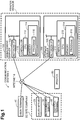
Fig. 1 illustrates a configuration of a communication system. -
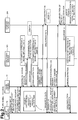
Fig. 2 is a sequence diagram of a purchasing process. -
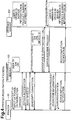
Fig. 3 is a sequence diagram of a printer dispatch process. -
Fig. 4 is a sequence diagram of a printer registration process. -
Fig. 5 is a sequence diagram of a cartridge dispatch process. - As illustrated in
Fig. 1 , acommunication system 2 includes amanagement server 100, and astorage server 200 that is independent of themanagement server 100. Theservers printer 50. Thecommunication system 2 further includes asales server 20 and anintermediary server 30. Theservers printer 50. Nevertheless, in other embodiments, theservers printer 50. - The
communication system 2 further includes auser terminal 10, e.g., a personal computer ("PC"). The user is allowed to access thesales server 20 via the Internet 6 and purchase theprinter 50 using theuser terminal 10. - The
communication system 2 further includes adispatch terminal 40. In response to user's purchase of theprinter 50, a staff member of the EC site company accesses thesales server 20 via the Internet 6 using thedispatch terminal 40 when theprinter 50 needs to be dispatched to the user. - The
printer 50 may be connected to the Internet 6 by the user after purchased and delivered to the user. Before theprinter 50 is connected to the Internet 6, thedevices printer 50 via the Internet 6. After theprinter 50 is connected to the Internet 6, thedevices printer 50 via the Internet 6. - The
servers printer 50 by thesales server 200. - The
management server 100 is configured to collect and manage a plurality of pieces of information related to respective printers including theprinter 50 and a plurality of pieces of information related to respective users of the corresponding printers. Themanagement server 100 includes a network interface ("I/F") 102 and acontroller 110. Thenetwork interface 102 and thecontroller 110 are connected to a bus line (a reference numeral of which is omitted). Thenetwork interface 102 is connected to the Internet 6. Thecontroller 110 includes a central processing unit ("CPU") 112 and amemory 114. TheCPU 112 executes various processing in accordance with aprogram 116 stored in thememory 114. - The
storage server 200 is configured to store a plurality of pieces of information related to respective printers including theprinter 50, and all necessary pieces of information for providing a consumable components delivery service to each user of a corresponding one of the printers. Thestorage server 200 includes a network interface ("I/F") 202 and acontroller 210. Thenetwork interface 202 and thecontroller 210 are connected to a bus line (a reference numeral of which is omitted). Thenetwork interface 202 is connected to the Internet 6. Thecontroller 210 includes aCPU 212 and amemory 214. TheCPU 212 executes various processing in accordance with aprogram 216 stored in thememory 214. - Hereinafter, referring to
Figs. 2 to 5 , processes to be executed by therespective devices servers printer 50 but prior to establishment of a connection of theprinter 50 to the Internet 6 by the user. In response to start of communication between theprinter 50 and each of theservers printer 50 is connected to the Internet 6, the consumable components delivery service using all the necessary pieces of information may be started. Hereinafter, the processes to be executed for implementing the consumable components delivery service will be described in detail. - Hereinafter, for easier understanding, each processing executed by the
CPU 112 of theserver 100 in accordance with theprogram 116 and each processing executed by theCPU 212 of theserver 200 in accordance with theprogram 216 will be explained while its corresponding server, instead of each CPU itself, is defined as an agent. In the following explanation, communication is performed always via theInternet 6, and therefore, the phrase "via/through theInternet 6" is omitted. - Referring to
Fig. 2 , a process to be executed when theprinter 50 is purchased from an EC site (i.e., the sales server 20) will be described. At this moment, theprinter 50 is not connected to the Internet 6. - In S10, the
user terminal 10 receives user input of a purchase instruction for instructing purchase of aprinter 50 while having logged in thesales server 20. In response to this, in S12, theuser terminal 10 transmits a purchase request including customer information CI and model information MI to thesales server 20. The customer information CI includes, for example, a user name, address, email address, and billing information (e.g., credit card information). The model information MI includes a model name of theprinter 50. - In S20, in response to receipt of the purchase request from the
user terminal 10 in S10, thesales server 20 registers the customer information CI and the model information MI, both of which are included in the purchase request, in a memory (not illustrated) of thesales server 20 in association with each other. Each box indicated by a dashed line represents information to be registered. InFig. 3 and subsequent drawings, such information is represented in the same manner. Subsequently, in S22, thesales server 20 transmits a user registration request for requesting user registration to themanagement server 100. - In S30, in response to receipt of the user registration request from the
sales server 20 in S22, themanagement server 100 generates and registers a user ID in thememory 114. The user ID is a unique ID for identifying a corresponding user. Subsequently, in S32, themanagement server 100 transmits the user ID to thesales server 20. - In S40, in response to receipt of the user ID from the
management server 100 in S32, thesales server 20 registers the user ID in the memory of thesales server 20 in association with the customer information CI and the model information MI. Subsequently, in S42, thesales server 20 transmits a screen request including the user ID and the model information MI to thestorage server 200. The screen request may be a command for requesting transmission of image data representing a selection screen for enabling selection of one or more product numbers of consumable components that can be used in theprinter 50. - In S50, in response to receipt of the screen request from the
sales server 20 in S42, thestorage server 200 registers the user ID included in the screen request, in thememory 214. Subsequently, thestorage server 200 determines a plurality of product numbers for identifying varieties of consumable components that can be used in theprinter 50, using the model name of theprinter 50 indicated by the model information MI included in the screen request, and generates screen data representing a selection screen including the plurality of product numbers. In S52, thestorage server 200 transmits the screen data to thesales server 20. - In S54, in response to receipt of the screen data from the
storage server 200 in S52, thesales server 20 transmits the screen data to theuser terminal 10. - In S60, in response to receipt of the screen data from the
sales server 20 in S54, theuser terminal 10 displays the selection screen represented by the screen data. Subsequently, in S62, theuser terminal 10 receives input of an selection instruction for selecting one or more product numbers from the plurality of product numbers included in the selection screen. In response to this, in S64, theuser terminal 10 transmits, to thesales server 20, product number information NI indicating the one or more selected product numbers. - In S66, in response to receipt of the product number information NI from the
user terminal 10 in S64, thesales server 20 transmits a service registration request to thestorage server 200. The service registration request may be a command for requesting registration for a service of delivering cartridges whose product numbers may include one or more varieties indicated by the product number information NI. - In S70, in response to receipt of the service registration request from the
sales server 20 in S66, thestorage server 200 generates an order ID that is a unique ID for identifying the service registration request. Subsequently, in S72, thestorage server 200 registers the order ID, server information SI, the product number information NI included in the service registration request, in thememory 214, in association with the user ID. The server information SI may be used later for performing communication with thesales server 20. The server information SI includes, for example, a server name and a uniform resource locator ("URL") of thesales server 20. Subsequently, in S74, thestorage server 200 transmits the order ID to thesales server 20. - In S80, in response to receipt of the order ID from the
storage server 200 in S74, thesales server 20 registers the order ID in the memory of thesales server 20 in association with the customer information CI, the model information MI, and the user ID. Subsequently, in S82, thesales server 20 transmits a completion notification to theuser terminal 10. The completion notice indicates that the user registration and the service registration have been completed. Thus, the purchasing process is completed. - Hereinafter, referring to
Fig. 3 , a process to be executed subsequent to the purchasing process ofFig. 2 , during preparation for dispatch of theprinter 50 by the EC site company, will be described. At this moment, theprinter 50 is not connected to theInternet 6. - In S100, the
dispatch terminal 40 receives input of an access instruction for accessing thesales server 20 provided by a staff member of the EC site company. In response to this, in S102, thedispatch terminal 40 transmits, to theintermediary server 30, an access request for requesting access to thesales server 20. - In S104, in response to receipt of the access request from the
dispatch terminal 40 in S102, theintermediary server 30 further transmits the access request to thesales server 20. - In S110, in response to receipt of the access request from the
intermediary server 30 in S104, thesales server 20 transmits the customer information CI, the model information MI, and the order ID to theintermediary server 30. - In S112, in response to receipt of all the pieces of information (i.e., the customer information CI, the model information MI, and the order ID) from the
sales server 20 in S110, theintermediary server 30 further transmits all the pieces of information to thedispatch terminal 40. - In a step (not illustrated) subsequent to S112, in response to receipt of all the pieces of information (i.e., the customer information CI, the model information MI, and the order ID) from the
intermediary server 30 in S112, thedispatch terminal 40 displays all the pieces of information. The staff member of the EC site company obtains theprinter 50 to be dispatched to the user by referring to the model information MI. Then, the staff member prepares for dispatch of theprinter 50 to the user using the user name and address indicated by the customer information CI. In the dispatch preparation stage, in step S120, thedispatch terminal 40 receives input of a serial number (hereinafter, referred to as the "S/N") from the staff member. The S/N is a unique ID for identifying theprinter 50. For example, in a case where the S/N is indicated on a box for packing theprinter 50, the staff member may enter the S/N indicated on the box into thedispatch terminal 40. In another example, in a case where a barcode corresponding to the S/N is indicated on the box for packing theprinter 50, the staff member may uses a barcode reader connected to thedispatch terminal 40 to read the barcode to enter the S/N into thedispatch terminal 40. In S122, thedispatch terminal 40 transmits the S/N and the order ID received in S112 to theintermediary server 30. - In S124, in response to receipt of the S/N and the order ID from the
dispatch terminal 40 in S122, theintermediary server 30 further transmits the S/N and the order ID to thesales server 20. Nevertheless, in other embodiments, for example, theintermediary server 30 might not necessarily be provided. In this case, the communication of the access request in S102, the communication of the information pieces in S110, and the communication of the information pieces in S122 may be implemented without theintermediary server 30. - In S130, in response to receipt of the S/N and the order ID from the
intermediary server 30 in S124, thesales server 20 registers the S/N in the memory of thesales server 20 in association with the order ID. Thus, in thesales server 20, the customer information CI, the model information MI, the user ID, the order ID, and the S/N are associated with each other. Subsequently, in S132, thesales server 20 transmits the S/N and the order ID to thestorage server 200. - In response to receipt of the S/N and the order ID from the
sales server 20 in S132, thestorage server 200 extracts the user ID associated to the received order ID from thememory 214. Subsequently, thestorage server 200 generates a callback URL (hereinafter, simply referred to as the "URL") that indicates a location of all the pieces of information (i.e., the user ID, the server information SI, and the product number information NI) associated to the order ID in thememory 214. In S140, thestorage server 200 transmits the extracted user ID, the S/N received in S132, and the generated URL to themanagement server 100. - In S150, in response to receipt of all the pieces of information (i.e., the user ID, the S/N, and the URL) from the
storage server 200 in S140, themanagement server 100 registers the S/N and the URL in thememory 114 in association with the user ID. Thus, in themanagement server 100, the user ID, the S/N, and the URL are associated with each other. As described above, the URL indicates the location of all the pieces of information (i.e., the user ID, the server information SI, and the product number information NI), which are stored in thestorage server 200, in thememory 214. Therefore, associating the S/N and the URL with each other in themanagement server 100 in S150 is equivalent to associating the S/N stored in themanagement server 100 with the all the pieces of information stored in thestorage server 200. Subsequently, in S152, themanagement server 100 transmits a completion notification to thestorage server 200. The completion notification indicates that the registration of the S/N has been completed. - In S160, in response to receipt of the completion notification from the
management server 100 in S152, thestorage server 200 transmits the completion notification to thesales server 20. Therefore, in S162 and S164, the completion notification is transmitted to thedispatch terminal 40 from thesales server 20 via theintermediary server 30. Thus, the printer dispatch process is completed. - Hereinafter, referring to
Fig. 4 , a process to be executed when the first-time connection of theprinter 50 to theInternet 6 is established subsequent to the printer dispatch process ofFig. 3 will be described. - In S200, the
printer 50 receives user input of a power-on instruction for turning the power on. In response to connection of a LAN cable to theprinter 50 or in response to an operation event for connecting theprinter 50 to a wireless LAN, theprinter 50 is connected to theInternet 6. In S202, in response to connection of theprinter 50 to theInternet 6, theprinter 50 transmits its S/N prestored in theprinter 50 to themanagement server 100. That is, theprinter 50 transmits the S/N to themanagement server 100 automatically without requiring the user to input any letters and/or numerals constituting the S/N nor to perform any operation for instructing transmission of the S/N. Nevertheless, in other embodiments, for example, theprinter 50 may be configured to, in response to receipt of a user's button operation for instructing transmission of the S/N, transmit the S/N prestored in theprinter 50 to themanagement server 100. In still other embodiments, for example, an external memory (e.g., a USB memory) may be packed together with theprinter 50, and theprinter 50 may be configured to, in response to connection of the external memory to theprinter 50, transmit the S/N of theprinter 50 stored in the external memory to themanagement server 100. - In response to receipt of the S/N from the
printer 50 in S202, themanagement server 100 determines whether the same S/N has already been registered in thememory 114. In S210, in response to determination that the same S/N has already been registered, themanagement server 100 transmits an OK notification to theprinter 50. - In S220, in response to receipt of the OK notification from the
management server 100 in S210, theprinter 50 transmits its device ID prestored in theprinter 50 to themanagement server 100. The device ID is a unique ID for identifying theprinter 50 and differs from the S/N. - In S230, in response to receipt of the device ID from the
printer 50 in S220, themanagement server 100 registers the device ID in thememory 114 in association with the S/N received in S202. Thus, in themanagement server 100, the user ID, the S/N, the URL, and the device ID are associated with each other. In subsequent steps, the device ID, instead of the S/N, will be used as identification information for identifying theprinter 50. The S/N may be indicated on the box for packing theprinter 50 or may be looked by the staff member of the EC site company. That is, the S/N is information that may be known by anyone who is not the user of theprinter 50. In this embodiment, such information with lower security is not used in subsequent steps. Alternatively, the device ID having less chance of being known by a person who is not the user of theprinter 50 is used in the subsequent steps. This may therefore enhance the security of the consumable components delivery service. - Subsequently, communication for establishing an extensible messaging and presence protocol ("XMPP") connection that is a so-called always-on connection is performed between the
printer 50 and themanagement server 100, and the XMPP connection is established therebetween in S240. This may thus enable information transmission to theprinter 50 from themanagement server 100 on theInternet 6 via the XMPP connection without theprinter 50 transmitting any request to themanagement server 100. - Although not illustrated in any drawings, in a case where the
printer 50 fails to receive an OK notification for some reason in response to transmission of the S/N in S202, theprinter 50 repeats transmission of the S/N. In one example, if transmission of the S/N from theprinter 50 to themanagement server 100 is not appropriately completed after the elapse of a predetermined period of time since theprinter 50 was delivered to the user, a confirmation mail that may prompt registration of theprinter 50 in themanagement server 100 may be sent to an email address included in the customer information CI stored in the sales server20, as a destination address. - Although not illustrated in any drawings, in response to determination that the same S/N as the S/N received in S202 has not been registered in the
memory 114, themanagement server 100 transmits an NG notification to theprinter 50. In this case, theprinter 50 ends the function for communicating with themanagement server 100, without repeating transmission of the S/N. - In S240, in response to establishment of the XMPP connection, the
management server 100 receives the URL associated to the device ID registered in S230. In S250, themanagement server 100 transmits the device ID to thestorage server 200 by specifying the URL as a destination. - In S260, in response to receipt of the device ID whose destination is the URL from the
management server 100 in S250, themanagement server 200 registers the device ID in thememory 214 in association with all the pieces of information (i.e., the user ID, the server information SI, and the product number information NI) stored in the location indicated by the URL. The order ID will not be used in subsequent steps. Therefore, thestorage server 200 erases the order ID from thememory 214. That is, in S260, thestorage server 200 registers the device ID as a replacement for the order ID. Thus, in thestorage server 200, the user ID, the device ID, the server information SI, and the product number information NI are associated with each other. Subsequently, in S262, thestorage server 200 transmits a subscribe request to themanagement server 100. The subscribe request may be a command for requesting the management server100 to transmit a transmission request to theprinter 50. - In S270, in response to receipt of the subscribe request from the
storage server 200 in S262, themanagement server 100 transmits a transmission request including subscribe information to theprinter 50 through the XMPP connection established in S240. The subscribe information includes information identifying the consumable component information to be transmitted to the management server 100 (e.g., information indicating a cartridge) and information indicating a transmission timing of the consumable component information (e.g., a transmission cycle, and a transmission time). As described above, the subscribe information is transmitted to theprinter 50. This may achieve the periodic transmission of the consumable component information to themanagement server 100 from theprinter 50. - In S280, in response to receipt of the transmission request from the
management server 100 in S270, theprinter 50 registers the subscribe information included in the transmission request, in a memory (not illustrated) of theprinter 50. In response to this, theprinter 50 starts a process for transmitting, to themanagement server 100, consumable component information at the timing specified by the subscribe information. The consumable component information indicates a remaining life of the consumable component (e.g., a remaining amount of ink in an ink cartridge) specified by the subscribe information. Subsequently, in S290, theprinter 50 transmits a completion notification to themanagement server 100. The completion notification indicates that registration of the subscribe information has been completed. - In S292, in response to receipt of the completion notification from the
printer 50 in S290, themanagement server 100 further transmits the completion notification to thestorage server 200. Thus, the printer registration process is completed. - Hereinafter, referring to
Fig. 5 , a process to be executed subsequent to the printer registration process ofFig. 4 , during preparation for dispatch of a cartridge to the user, will be described. At this moment, theprinter 50 is connected to theInternet 6. - In S300, the
printer 50 transmits the consumable component information and the device ID of theprinter 50 to themanagement server 100 in accordance with the subscribe information registered in S280 ofFig. 4 . The consumable component information indicates the remaining life of the consumable component currently used in theprinter 50. - In S302, in response to receipt of the consumable component information and the device ID from the
printer 50 in S300, themanagement server 100 transmits the consumable component information and the device ID to thestorage server 200. - In S310, in response to receipt of the consumable component information and the device ID from the
management server 100 in S302, thestorage server 200 determines whether the remaining life indicated by the consumable component information is less than or equal to a predetermined level. In response to determination that the remaining life is more than the predetermine level, thestorage server 200 does not execute subsequent steps. In response to determination that the remaining life is less than or equal to the predetermined level, thestorage server 200 extracts the user ID, the server information SI, and the product number information NI, all of which are associated to the device ID received in S302, from thememory 214. Subsequently, in S312, thestorage server 200 transmits a dispatch request including the user ID and the product information NI to thesales server 20 indicated by the server information SI. The dispatch request may be a command for requesting thesales server 20 to dispatch one or more target cartridges. - In S320, in response to receipt of the dispatch request from the
storage server 200 in S312, thesales server 20 executes a dispatch process for accepting a purchase request of one or more new cartridges and dispatching the one or more new cartridges. More specifically, for example, thesales server 20 extracts the customer information CI associated to the user ID included in the dispatch request, from the memory of thesales server 20. Then, thesales server 20 settles a purchase price of the one or more cartridges specified by the product number information NI included in the dispatch request, using the billing information (e.g., the credit card information) included in the customer information CI. Subsequently, thesales server 20 prepare for dispatch of the one or more cartridges with specifying the user name and address indicated by the customer information CI. In response to this, the staff member of the EC site company dispatches the one or more cartridges. Thus, the cartridge dispatch process is completed. - Nevertheless, in other embodiments, for example, in S312, the
storage server 200 may transmit the dispatch request to theprinter 50 via themanagement server 100. In this case, theprinter 50 may transmit the dispatch request to thesales server 20. This may also cause thesales server 20 to execute the dispatch process. - According to the above-described configuration, under circumstances where each of the
servers printer 50 are not communicable with theprinter 50 via theInternet 6, in response to receipt of the S/N of theprinter 50 from the dispatch terminal 40 (e.g., S122 and S124 ofFig. 3 ), each of theservers servers printer 50 to theInternet 6 after obtained theprinter 50 from the EC site company. That is, this configuration may avoid the necessity for the user to perform various operations on theprinter 50 for registering all the necessary pieces of information in association with each other, which may result in reduction of the number of user's operation events that may be burdensome to the user. In response to receipt of the S/N that is the same as the already-registered S/N from theprinter 50 after theprinter 50 is connected to theInternet 6 by the user (e.g., S202 ofFig. 4 ), each of theservers Fig. 5 ), each of theservers sales server 20 to provide the consumable components delivery service (e.g., S310 or S312). Therefore, once the user connects theprinter 50 to theInternet 6, the user may receive the consumable components delivery service with no need for the user to perform various operation events on theprinter 50. According to this embodiment, user convenience may be enhanced. - A combination of the
management server 100 and thestorage server 200 is an example of a "server". Thememory 214 of thestorage server 200 is an example of a "first memory". Thememory 114 of themanagement server 100 is an example of a "second memory". Thesales server 20 is an example of a "service providing server". Theprinter 50 is an example of a "target device". Theuser terminal 40 is an example of a "first terminal". Thedispatch terminal 40 is an example of a "second terminal". The user ID is an example of "user identification information". The S/N is an example of "first device identification information". The device ID is an example of "second device identification information". The order ID is an example of "registration identification information". The server information SI and the product information NI is an example of "service information". The consumable component information is an example of "related information". The product number information NI is an example of "consumable component identification information". The URL is an example of "location information". The purchase instruction in S10 ofFig. 2 is an example of a "user registration instruction". The selection instruction in S62 ofFig. 2 is an example of a "service registration instruction". - The processing of S22 is an example of a "first receiving unit". The processing of S32 is an example of a "second transmitting unit". The processing of S42 is an example of a "seventh receiving unit". The processing of S50 is an example of a "first user-registering unit". The processing of S66 is an example of a "second receiving unit". The processing of S72 is an example of a "service registering unit". The processing of S30 is an example of processing executed by a "generating unit" and a "third user-registering unit". The processing of S132 of
Fig. 3 is an example of processing executed by a "third receiving unit". The processing of S150 ofFig. 3 is an example of processing executed by a "first device-registering unit". The processing of S140 is an example of processing executed by a "third transmitting unit" and an "eighth transmitting unit". The processing of S202 ofFig. 4 is an example of processing executed by a "fourth receiving unit". The processing of S220 ofFig. 4 is an example of processing executed by a "sixth receiving unit". The processing of S260 ofFig. 4 is an example of processing executed by a "second device-registering unit". The processing of S270 ofFig. 4 is an example of processing executed by a "first transmitting unit". The processing of S250 is an example of processing executed by a "fourth transmitting unit" and a "ninth transmitting unit". The processing of S300 ofFig. 5 is an example of processing executed by a "fifth receiving unit". The processing of S310 and the processing of S312 are an example of processing executed by a "service controlling unit". - While the embodiment of the present invention has been described in detail, this is merely an example and does not limit the scope of the appended claims. Technique disclosed in the scope of the claims includes various changes, arrangement and modifications of the embodiment. Hereinafter, example variations of the above-described embodiment will be described.
- The "server" might not necessarily consist of two servers (e.g., the
servers 100 and 200), and may consist of a single server (e.g., the management server 100). In this case, for example, the screen request (e.g., S42 ofFig. 2 ) is transmitted from thesales server 20 to themanagement server 100 and the processing of S50 is omitted. The screen data (e.g., S52) is transmitted from themanagement server 100 to thesales server 20, and the service registration request (e.g., S66) is transmitted from thesales server 20 to themanagement server 100. Themanagement server 100 executes the processing of S70 to register the user ID, the order ID, the server information SI, and the product number information NI in thememory 114 in association with each other. The order ID (e.g., S74) is transmitted from themanagement server 100 to thesales server 20. The processing of S132 to S160 ofFig. 3 and the processing of S250, S262, and S292 ofFig. 4 are not executed. The processing of S302 ofFig. 5 is also not executed. Themanagement server 100 executes the processing of S310 and S312 ofFig. 5 . In this variation, themanagement server 100 is another example of the "server". Thememory 114 is another example of the "first memory" and the "second memory". That is, the "first memory" and the "second memory" may be the same memory. In this variation, the "second transmitting unit" and the "seventh receiving unit" may be omitted. - The
sales server 20 may generate a user ID prior to execution of the processing of S22 ofFig. 2 , and in S22, may transmit a user registration request including the generated user ID to themanagement server 100. In this case, in S30, themanagement server 100 does not generate a user ID but registers, in thememory 114, the received user ID included in the user registration request. In this variation, the "generating unit" may be omitted. - In a case where the
storage server 200 receives a service registration request including information on another EC site server that is different from thesales server 20 in S66 ofFig. 2 , in S72, thestorage server 200 may register the information on the other EC site server as the server information SI. In this case, in S312 ofFig. 5 , thestorage server 200 transmits a dispatch request to the other EC site server instead of thesales server 20 and causes the other EC site server to provide the cartridge delivery service. That is, in one example, the "service providing server" and the "sales server" may be the same server as disclosed in the above-described embodiment, and in another example, may be respective different servers as disclosed in this variation. - In the above-described embodiment, in response to input of a purchase instruction in S10 of
Fig. 2 , the user ID is registered in each of theservers 100 and 200 (e.g., S30 or S50). Alternatively, in response to input of a predetermined instruction for registering the user ID in each of theservers printer 50 is purchased by the user, theuser terminal 10 may access themanagement server 100 to transmit a user registration request to themanagement server 100. In response to receipt of the user registration request from theuser terminal 10, themanagement server 100 may execute the processing of S22 and subsequent steps. In this variation, the predetermined instruction is another example of the "user registration instruction". In one example, the "first receiving unit" may receive the user registration request from the sales server as disclosed in the above-described embodiment, and in another example, may receive the user registration request from the first terminal as disclosed in this variation. - The information communicated via the
sales server 20 in the above-described embodiment might not necessarily be communicated via thesales server 20. For example, instead of executing the processing of S32 ofFig. 2 , themanagement server 100 may transmit the user ID directly to thestorage server 200 by bypassing thesales server 20. That is, the "second transmitting unit" may transmit the user identification information directly to the storage server by bypassing the sales server. For example, instead of executing the processing of S62 and S64 ofFig. 2 , themanagement server 100 may receive the product number information NI directly from theuser terminal 10 by bypassing thesales server 20. That is, the "second receiving unit" may receive the user registration request directly from the first terminal by bypassing the sales server. For example, instead of executing the processing of S122, S124, and S132 ofFig. 3 , thestorage server 200 may receive the S/N and the order ID directly from thedispatch terminal 40 by bypassing thesales server 20. That is, the "third receiving unit" may receive the first device identification information from the second terminal by bypassing the sales server. - For example, in response to receipt of the device ID from the
printer 50 in S220 ofFig. 4 , theservers sales server 20 periodically without executing the processing of S262 and S270 ofFig. 4 and the processing of S300, S302, and S310 ofFig. 5 . That is, thesevers sales server 20 without confirming the remaining life of the consumable component currently used in theprinter 50. In this variation, the "first transmitting unit" and the "fifth receiving unit" may be omitted. - The processing of S220 and S230 of
Fig. 4 might not necessarily be executed. In S250, the S/N instead of the device ID may be transmitted to thestorage server 200 and, in S260, the S/N may be registered instead of the device ID. In S300 and S302 ofFig. 5 , the S/N instead of the device ID may be transmitted. In this variation, the "sixth receiving unit", the "second device-registering unit", the "fourth transmitting unit", and the "ninth receiving unit" may be omitted. - In the above-described embodiment, the information related to the
printer 50 is registered in themanagement server 100 and thestorage server 200, and the consumable components delivery service for the user of theprinter 50 is implemented by thesales server 20. Alternatively, themanagement server 100 and thestorage server 200 may be provided by a vendor of a terminal, e.g., a PC or a smartphone. In this case, in response to registration of information related to the terminal and receipt of the S/N from the terminal in S202 ofFig. 4 , themanagement server 100 and thestorage server 200 may cause thesales server 20 to provide an information providing service for providing the information related to the terminal (e.g., information on new models) to the user. In this variation, the terminal is another example of the "target device". The information providing service is another example of the "service". - Instead of the processing of S132 and S140 of
Fig. 3 , a variation illustrated inFig. 3 may be adopted. That is, in S170, in response to registration of the S/N in S130, thesales server 20 may generate a callback URL and transmit the S/N, the user ID associated to the S/N, and the URL to themanagement server 100. In S180, in response to receipt of the S/N, the user ID, and the URL from thesales server 20 in S170, themanagement server 100 may register the S/N, the user ID, and the URL in thememory 114 in association with each other. In this variation, also, the information that may be the same or similar to the information registered in the above-described embodiment may be registered in themanagement server 100. In this variation, the "third transmitting unit", the third user-registering unit and the "eighth receiving unit" may be omitted. - In S70 and S72 of
Fig. 2 , the order ID might not necessarily be generated and registered. In this case, in S110, S112, S122, S124, and S132 ofFig. 3 , the user ID instead of the order ID may be transmitted. In this variation, also, themanagement server 100 may register the information that may be the same or similar to the information registered in the above-described embodiment. Generally speaking, the "registration identification information" might not necessarily be used. - Subsequent to execution of the processing of S20 of
Fig. 2 and prior to transmission of the user registration request to themanagement server 100, in S42, thesales server 20 may transmit a screen request including the model information MI but not including the user ID to thestorage server 200. In this case, in S52, thestorage server 200 transmits screen data to thesales server 20 without executing the processing of S50, and in S66, thestorage server 200 receives a service registration request from thesales server 20. In response to this, in S70 and S72, thestorage server 200 registers the order ID, the server information SI, and the product number information NI in thememory 214. Subsequent to this, thesales server 20 transmits a user registration request to themanagement server 100. In response to this, the processing of S30 to S40 are executed and the user ID is transmitted from thesales server 20 to thestorage server 200. In this case, thestorage server 200 registers the user ID in thememory 214 in association with the order ID. That is, in one example, the "user identification information" may be stored in the first memory prior to registration of the service information in the first memory as described in the above-described embodiment. In another example, the "user identification information" may be stored in the first memory subsequent to registration of the service information in the first memory as described in this variation. - In S140 of
Fig. 3 , the callback URL might not necessarily be communicated. In this case, in S250 ofFig. 4 , themanagement server 100 may transmit the device ID and the user ID as a substitute for the URL, to thestorage server 200. In S260, thestorage server 200 may register the device ID in association with the already-received user ID. In this variation, also, in S260, thestorage server 200 may register the information that may be similar to the information registered in the above-described embodiment. Generally speaking, the "location information" might not necessarily be used. - In the above-described embodiment, in S10 of
Fig. 2 , the user is allowed to access thesales server 20 and purchase theprinter 50 using theuser terminal 10. Alternatively, the user may purchase theprinter 50 at a brick-and-mortar store that sells theprinter 50 and subscribe the consumable components delivery service. In this case, the staff member of the store may use a store terminal installed at the store and cause the store terminal to transmit a user registration request (refer to S22 ofFig. 2 ) to themanagement server 100. The staff member may select a product number of a desired consumable component from the selection screen using the store terminal (refer to S62) and cause the store terminal to transmit a service registration request to the storage server 200 (refer to S66). The staff member may enter an S/N and an order ID in the store terminal (refer to S120 ofFig. 3 ) and cause the store terminal to transmit the S/N and the order ID to the storage server 200 (refer to S132). With this configuration, once the user purchases theprinter 50 at the brick-and-mortar store and subscribes the consumable components delivery service, the user may receive the consumable components delivery service by connecting theprinter 50 to theInternet 6. In this variation, the store terminal is another example of the "first terminal" and the "second terminal". The following variation may be adopted as an alternative to this variation. For example, subsequent to transmission of the S/N to thestorage server 200 by the store terminal (refer to S132), the staff member may cause the store terminal to transmit a user registration request including the S/N to the management server 100 (refer to S22 ofFig. 2 ) and to transmit a service registration request including the S/N the storage server 200 (refer to S66). In this variation, also, the information similar to the information registered in the above-described embodiment may be registered in each of theservers - In the above-described embodiment and variations, the processing in all steps of
Fig. 2 to 5 is implemented by execution of the program 116 (i.e., software) by theCPU 112 of theserver 100 and/or execution of the program 216 (i.e., software) by theCPU 212 of theserver 200. Alternatively, the processing in at least one of the steps ofFig. 2 to 5 may be implemented by hardware, e.g., a logical circuit. - The technical elements described in the specification and the drawings exhibit technical usability alone or in various combination, and not limited to those in the claims at the time of the application of the disclosure. Furthermore, the techniques described as examples in the specification or drawings may achieve a plurality of objects simultaneously, and has technical utility by achieving any one of these objects.
Claims (12)
- A server system (100, 200) for enabling provision of a service to a user of a target device (50) by a service providing server (20), the server system (100, 200) comprising:a first receiving unit for, in response to being input an user registration instruction for instructing registration of the user of the target device (50) into a first terminal (10), receiving, in a condition where a communication between the server system (100, 200) and the target device (50) via the Internet is not capable of being executed, a user registration request for requesting a registration of the user of the target device (50) via the Internet;a first user-registering unit for, in response to receiving the user registration request, registering, into a first memory (214), user identification information for identifying the user of the target device (50);a second receiving unit for, in response to being input an service registration instruction for instructing registration of the service into the first terminal (10), receiving, in the condition where the communication between the server system (100, 200) and the target device (50) via the Internet is not capable of being executed, a service registration request for requesting a registration of the service from the first terminal (10) via the Internet;a service registering unit for, in response to receiving the service registration request from the first terminal (10), registering, into the first memory (214), service information for receiving a provision of the service from the service providing server (20);a third receiving unit for, in response to being input first device identification information into a second terminal (40), receiving, in the condition where the communication between the server system (100, 200) and the target device (50) via the Internet is not capable of being executed, the first device identification information for identifying the target device (50) from the second terminal (40) via the Internet;a first device-registering unit for registering, into a second memory (114), the first device identification information in association with the user identification information and the service information registered in the first memory (214) after receiving the first device identification information from the second terminal (40);a fourth receiving unit for receiving, after the condition in which the communication between the server system (100, 200) and the target device (50) via the Internet is not capable of being executed is changed to a condition in which the communication between the server system (100, 200) and the target device (50) via the Internet is capable of being executed, the first device identification information matching with the first device identification information registered in the second memory (114) from the target device (50) via the Internet; anda service controlling unit for, in response to receiving the first device identification information from the target device (50), causing the service providing server (20) to provide the service to the user using the user identification information and the service information in the first memory (214), the user identification information and the service information being in association with the first device identification information.
- The server system (100, 200) according to claim 1, wherein
the server system (100, 200) further comprises:a first transmitting unit for, in response to receiving the first device identification information from the target device (50), transmitting a transmitting request to the target device (50) via the Internet, the transmitting request being for requesting to send related information related to the service; anda fifth receiving unit for, in response to transmitting the transmitting request to the target device (50), receiving the related information from the target device (50) via the Internet,in response to receiving the related information from the target device (50), the service controlling unit causes the service providing server (20) to provide the service to the user using the related information, the user identification information and the service information. - The server system (100, 200) according to claim 2, wherein
the server system (100, 200) further comprises:a sixth receiving unit for receiving, after the condition in which the communication between the server system (100, 200) and the target device (50) via the Internet is not capable of being executed is changed to the condition in which the communication between the server system (100, 200) and the target device (50) via the Internet is capable of being executed, second device identification information being different from the first device identification information from the target device (50) via the Internet; anda second device-registering unit for, in response to receiving the first device identification information and the second device identification information from the target device (50), registering, into the first memory (214), the second device identification information in association with the user identification information and the service information registered in the first memory (214), the user identification information and the service information being in association with the first device identification information,in response to transmitting the transmitting request to the target device (50), the fifth receiving unit receives the related information and the second device identification information from the target device (50) via the Internet,in response to receiving the related information and the second device identification information from the target device (50), the service controlling unit causes the service providing server (20) to provide the service to the user using the related information, the user identification information and the service information,the user identification information and the service information are registered in the first memory (214) and are in association with the second device identification information. - The server system (100, 200) according to any one of claim 2 or 3, wherein
the service providing server (20) provides the service for delivering a consumable component for the target device (50) to the user,
the service information includes the consumable component identification information for identifying the consumable component,
the related information includes information representing a remaining life of the consumable component currently used in the target device (50),
the service controlling unit transmits, to the service providing server (20), a delivering request including the user identification information and the consumable component identification information via the Internet in a case where the remaining life of the consumable component represented by the related information is equal to or less than a predetermined value. - The server system (100, 200) according to any one of claim 1 to 4, wherein
the user registration instruction is a purchase instruction for purchasing the target device (50) using a sales server,
in response to being input the purchasing instruction into the first terminal (10) in the condition where the communication between the server system (100, 200) and the target device (50) is not capable of being executed via the Internet, the first receiving unit receives the user registration request from the sales server via the Internet. - The server system (100, 200) according to claim 5, wherein
the second receiving unit receives, by going through the sales server, the service registration request from the first terminal (10),
the third receiving unit receives, by going through the sales server, the first device identification information from the second terminal (40),
the fourth receiving unit receives, by bypassing the sales server, the first device identification information from the target device (50). - The server system (100, 200) according to any one of claim 1 to 6, wherein
the server system (100, 200) includes a management server (100) and a storage server (200),
the management server (100) comprises:the first receiving unit;a generating unit for, in response to receiving the user registration request, generating the user identification information;a second transmitting unit for transmitting the user identification information to the storage server (200) via the Internet;the second memory (114);the first device-registering unit; andthe fourth receiving unit,the storage server (200) comprises:a seventh receiving unit for receiving the user identification information from the management server (100) via the Internet;the first memory (214);the first user-registering unit for, in response to receiving the user identification information from the management server (100), registering the user identification information into the first memory (214);the second receiving unit;the service registering unit; andthe service controlling unit,at least one of the management server (100) and the storage server (200) comprises the third receiving unit. - The server system (100, 200) according to claim 7, wherein
the storage server (200) further comprises:the third receiving unit; anda third transmitting unit for, in response to receiving the first device identification information from the second terminal (40), transmitting the first device identification information and the user identification information registered in the first memory (214) to the management server (100),the management server (100) further comprises:a third user-registering unit for, in response to generating the user identification information, registering, into the second memory (114), the user identification information; anda eighth receiving unit for receiving the first device identification information and the user identification information from the storage server (200) via the Internet,in response to receiving the first device identification information and the user identification information from the storage server (200), the first device-registering unit of the management server (100) registers, into the second memory (114), the first device identification information in association with the user identification information registered in the second memory (114). - The server system (100, 200) according to claim 8, wherein
in response to receiving the service registration request from the first terminal (10), the service registering unit of the storage server (200) registers, in the first memory (214), the service information and request identification information for identifying the service registration request,
the third receiving unit of the storage server (200) receives the first device identification information and request identification information from the second terminal (40) via the Internet,
in response to receiving the first device identification information and the request identification information from the second terminal (40), the third transmitting unit of the storage server (200) transmits the first device identification information and the user identification information via the Internet, the user identification information being registered in the first memory (214) and being in association with the request identification information. - The server system (100, 200) according to any one of claim 7 to 9, wherein
the second receiving unit of the storage server (200) receives the service registration request from the first terminal (10) via the Internet after registering the user identification information into the first memory (214),
in response to receiving the service registration request from the first terminal (10), the service registering unit of the storage server (200) registers, into the first memory (214), the service information in association with the user identification information registered into the first memory (214). - The server system (100, 200) according to any one of claim 7 to 10, wherein
in response to receiving the first device identification information from the second terminal (40), the first device-registering unit of the management server (100) registers, into the second memory (114), the first device identification information in association with the user identification information and service information registered in the first memory (214), by registering, into the second memory (114), the first device identification information in association with location information, the location information being for designating the user identification information and the service information registered in the first memory (214) of the storage server (200), ,
the management server (100) further comprises:a sixth receiving unit for receiving second device identification information being different from the first device identification information from the target device (50) via the Internet after the condition in which the communication between the server system (100, 200) and the target device (50) via the Internet is not capable of being executed is changed to the condition in which the communication between the server system (100, 200) and the target device (50) via the Internet is capable of being executed; anda fourth transmitting unit for, in response to receiving the first device identification information and the second device identification information from the target device (50), transmitting, to the storage server (200), the second device identification information in which the location information associated with the first device identification information and registered in the second memory (114) is designated as a destination,the storage server (200) further comprises:a ninth receiving unit for receiving the second device identification information in which the location information is designated as the destination; anda second device-registering unit for, in response to receiving the second device identification information from the management server (100), registering, into the first memory (214), the second device identification information in association with the user identification information and the service information registered in the first memory (214), the user identification information and the service information being designated by the location information. - A computer program for a processor of a server system (100, 200), the server system (100, 200) being for enabling provision of a service to a user of a target device (50) by a service providing server (20), the computer program causing the processor of the server system (100, 200) to perform:a first receiving unit for, in response to being input an user registration instruction for instructing registration of the user of the target device (50) into a first terminal (10), receiving, in a condition where a communication between the server system (100, 200) and the target device (50) via the Internet is not capable of being executed, a user registration request for requesting a registration of the user of the target device (50) via the Internet;a first user-registering unit for, in response to receiving the user registration request, registering, into a first memory (214), user identification information for identifying the user of the target device (50);a second receiving unit for, in response to being input an service registration instruction for instructing registration of the service into the first terminal (10), receiving, in the condition where the communication between the server system (100, 200) and the target device (50) via the Internet is not capable of being executed, a service registration request for requesting a registration of the service from the first terminal (10) via the Internet;a service registering unit for, in response to receiving the service registration request from the first terminal (10), registering, into the first memory (214), service information for receiving a provision of the service from the service providing server (20);a third receiving unit for, in response to being input first device identification information into a second terminal (40), receiving, in the condition where the communication between the server system (100, 200) and the target device (50) via the Internet is not capable of being executed, the first device identification information for identifying the target device (50) from the second terminal (40) via the Internet;a first device-registering unit for registering, into a second memory (114), the first device identification information in association with the user identification information and the service information registered in the first memory (214) after receiving the first device identification information from the second terminal (40);a fourth receiving unit for receiving, after the condition in which the communication between the server system (100, 200) and the target device (50) via the Internet is not capable of being executed is changed to a condition in which the communication between the server system (100, 200) and the target device (50) via the Internet is capable of being executed, the first device identification information matching with the first device identification information registered in the second memory (114) from the target device (50) via the Internet; anda service controlling unit for, in response to receiving the first device identification information from the target device (50), causing the service providing server (20) to provide the service to the user using the user identification information and the service information in the first memory (214), the user identification information and the service information being in association with the first device identification information.
Applications Claiming Priority (1)
| Application Number | Priority Date | Filing Date | Title |
|---|---|---|---|
| JP2016243730A JP6776869B2 (en) | 2016-12-15 | 2016-12-15 | server |
Publications (2)
| Publication Number | Publication Date |
|---|---|
| EP3343345A1 true EP3343345A1 (en) | 2018-07-04 |
| EP3343345B1 EP3343345B1 (en) | 2019-03-27 |
Family
ID=60301792
Family Applications (1)
| Application Number | Title | Priority Date | Filing Date |
|---|---|---|---|
| EP17200423.6A Active EP3343345B1 (en) | 2016-12-15 | 2017-11-07 | Server for providing a service to a user of a device. |
Country Status (4)
| Country | Link |
|---|---|
| US (1) | US11509793B2 (en) |
| EP (1) | EP3343345B1 (en) |
| JP (1) | JP6776869B2 (en) |
| CN (1) | CN108230087B (en) |
Cited By (2)
| Publication number | Priority date | Publication date | Assignee | Title |
|---|---|---|---|---|
| EP3816921A1 (en) * | 2019-10-28 | 2021-05-05 | Seiko Epson Corporation | Service providing system, control method of service providing system, and information processing apparatus |
| EP4198707A1 (en) * | 2021-12-17 | 2023-06-21 | Brother Kogyo Kabushiki Kaisha | Server and control method for server |
Families Citing this family (3)
| Publication number | Priority date | Publication date | Assignee | Title |
|---|---|---|---|---|
| JP6827841B2 (en) * | 2017-02-20 | 2021-02-10 | キヤノン株式会社 | Transfer server, transfer server control method and program |
| MX2020002567A (en) * | 2017-09-06 | 2020-10-08 | Little Caesar Entpr Inc | Dynamic vending system and method. |
| JP7494627B2 (en) * | 2020-07-29 | 2024-06-04 | ブラザー工業株式会社 | Image forming apparatus and method for controlling the image forming apparatus |
Citations (4)
| Publication number | Priority date | Publication date | Assignee | Title |
|---|---|---|---|---|
| EP1326381A2 (en) * | 2001-12-27 | 2003-07-09 | Brother Kogyo Kabushiki Kaisha | Network and terminal devices |
| EP1331521A2 (en) * | 2002-01-23 | 2003-07-30 | Xerox Corporation | A method and system for ordering a consumable for a device |
| US20160292629A1 (en) * | 2015-03-31 | 2016-10-06 | Brother Kogyo Kabushiki Kaisha | Server Device and Program in Cartridge Ordering System |
| JP2016193592A (en) | 2015-03-31 | 2016-11-17 | ブラザー工業株式会社 | Image recording apparatus, server apparatus, and communication system |
Family Cites Families (13)
| Publication number | Priority date | Publication date | Assignee | Title |
|---|---|---|---|---|
| US20010042022A1 (en) * | 2000-01-05 | 2001-11-15 | Kirkpatrick Michael S. | Systems and methods for point of purchase product registration |
| JP2009075707A (en) * | 2007-09-19 | 2009-04-09 | Canon Inc | Information processing apparatus, device information management method for information processing apparatus, and program |
| JP4980255B2 (en) * | 2008-01-28 | 2012-07-18 | パナソニック株式会社 | Print processing system |
| US8086694B2 (en) * | 2009-01-30 | 2011-12-27 | Bank Of America | Network storage device collector |
| US8271348B2 (en) * | 2010-01-29 | 2012-09-18 | Xerox Corporation | Methods and system for consumable order creation |
| JP5263211B2 (en) * | 2010-03-30 | 2013-08-14 | ブラザー工業株式会社 | Server, printer, and computer program for server |
| US8570568B2 (en) | 2010-10-15 | 2013-10-29 | Xerox Corporation | Web/cloud hosted publish and subscribe service |
| JP5843586B2 (en) | 2011-12-01 | 2016-01-13 | キヤノン株式会社 | Management system, image forming apparatus, and method thereof |
| CN103412730B (en) | 2013-05-22 | 2016-12-28 | 成都国腾实业集团有限公司 | Intelligent terminal's print system based on cloud computing technology |
| JP6098396B2 (en) | 2013-06-28 | 2017-03-22 | ブラザー工業株式会社 | Terminal device and printer |
| WO2015119614A1 (en) * | 2014-02-06 | 2015-08-13 | Hewlett-Packard Development Company, L.P. | Registering a user with a subscription service using a network-enabled printer |
| US20160086189A1 (en) * | 2014-09-24 | 2016-03-24 | Amazon Technologies, Inc. | Item Registration Services |
| EP3091398B1 (en) | 2015-03-31 | 2026-04-22 | Brother Kogyo Kabushiki Kaisha | Image recording apparatus, server, and communication system |
-
2016
- 2016-12-15 JP JP2016243730A patent/JP6776869B2/en active Active
-
2017
- 2017-10-31 US US15/798,508 patent/US11509793B2/en active Active
- 2017-11-07 EP EP17200423.6A patent/EP3343345B1/en active Active
- 2017-12-01 CN CN201711248439.6A patent/CN108230087B/en active Active
Patent Citations (4)
| Publication number | Priority date | Publication date | Assignee | Title |
|---|---|---|---|---|
| EP1326381A2 (en) * | 2001-12-27 | 2003-07-09 | Brother Kogyo Kabushiki Kaisha | Network and terminal devices |
| EP1331521A2 (en) * | 2002-01-23 | 2003-07-30 | Xerox Corporation | A method and system for ordering a consumable for a device |
| US20160292629A1 (en) * | 2015-03-31 | 2016-10-06 | Brother Kogyo Kabushiki Kaisha | Server Device and Program in Cartridge Ordering System |
| JP2016193592A (en) | 2015-03-31 | 2016-11-17 | ブラザー工業株式会社 | Image recording apparatus, server apparatus, and communication system |
Cited By (3)
| Publication number | Priority date | Publication date | Assignee | Title |
|---|---|---|---|---|
| EP3816921A1 (en) * | 2019-10-28 | 2021-05-05 | Seiko Epson Corporation | Service providing system, control method of service providing system, and information processing apparatus |
| US11330142B2 (en) | 2019-10-28 | 2022-05-10 | Seiko Epson Corporation | Service providing system, control method of service providing system, and information processing apparatus |
| EP4198707A1 (en) * | 2021-12-17 | 2023-06-21 | Brother Kogyo Kabushiki Kaisha | Server and control method for server |
Also Published As
| Publication number | Publication date |
|---|---|
| US20180176413A1 (en) | 2018-06-21 |
| CN108230087A (en) | 2018-06-29 |
| EP3343345B1 (en) | 2019-03-27 |
| JP6776869B2 (en) | 2020-10-28 |
| JP2018097755A (en) | 2018-06-21 |
| CN108230087B (en) | 2022-03-25 |
| US11509793B2 (en) | 2022-11-22 |
Similar Documents
| Publication | Publication Date | Title |
|---|---|---|
| EP3343345B1 (en) | Server for providing a service to a user of a device. | |
| EP3563250B1 (en) | Technologies for securely extending cloud service apis in a cloud service marketplace | |
| US10536606B2 (en) | Server system and non-transitory computer-readable medium storing computer-readable instructions for server system | |
| JP7039110B2 (en) | Payment methods, equipment, related devices, systems and computer programs | |
| NO20024055L (en) | Interactive search process for product requests | |
| CN113079164A (en) | Remote control method and device for bastion machine resources, storage medium and terminal equipment | |
| JP2019064065A (en) | Printer and communication system | |
| US11991330B2 (en) | Server, communication system, non-transitory computer-readable recording medium storing computer-readable instructions for server and control method for server | |
| JP7669672B2 (en) | Information processing device and application software | |
| WO2023102411A1 (en) | Systems for enabling access to a shipping benefit from seller content | |
| JP2021163308A (en) | Communication systems, terminal equipment, printers, computer programs for terminal equipment, and computer programs for printers | |
| US11386483B2 (en) | Server, non-transitory computer-readable recording medium storing computer-readable instructions for server, and method executed by server for sending notification for prompting order of new consumable article for printer | |
| US10785379B2 (en) | Server system, non-transitory computer-readable medium storing computer-readable instructions for server system, and method performed by server system | |
| US12572964B2 (en) | Non-transitory computer readable storage medium and system performing specific process which enables payment of charge of article | |
| US20230196379A1 (en) | Server and control method for server | |
| US20230166519A1 (en) | Non-transitory computer-readable recording medium storing computer-readable instructions for server that provides service related to printer, method executed by server that provides service related to printer, and server providing service related to printer | |
| CN110717810A (en) | Real-time transaction method, device, equipment and computer readable storage medium | |
| EP3392816A1 (en) | Trial system, trial method, trial processing device, and trial processing method | |
| JP2021033691A (en) | Electronic money exchange device, electronic money exchange method and electronic money exchange system | |
| JP2022092684A (en) | Electronic shelf label display control system, electronic shelf label display control method, and program | |
| JP7447204B1 (en) | Information management system, information management method and program | |
| JP2021043999A (en) | Electronic money exchange device, electronic money exchange method and electronic money exchange system | |
| JP2017058725A (en) | Ordering management device and ordering management method | |
| JP6504985B2 (en) | Product sales system and ordering method | |
| US20240152951A1 (en) | Non-transitory computer-readable recording medium storing computer-readable instructions for server that provides service related to printer, server providing service related to printer, and method executed by server that provides service related to printer |
Legal Events
| Date | Code | Title | Description |
|---|---|---|---|
| PUAI | Public reference made under article 153(3) epc to a published international application that has entered the european phase |
Free format text: ORIGINAL CODE: 0009012 |
|
| STAA | Information on the status of an ep patent application or granted ep patent |
Free format text: STATUS: THE APPLICATION HAS BEEN PUBLISHED |
|
| AK | Designated contracting states |
Kind code of ref document: A1 Designated state(s): AL AT BE BG CH CY CZ DE DK EE ES FI FR GB GR HR HU IE IS IT LI LT LU LV MC MK MT NL NO PL PT RO RS SE SI SK SM TR |
|
| AX | Request for extension of the european patent |
Extension state: BA ME |
|
| STAA | Information on the status of an ep patent application or granted ep patent |
Free format text: STATUS: REQUEST FOR EXAMINATION WAS MADE |
|
| 17P | Request for examination filed |
Effective date: 20180724 |
|
| RBV | Designated contracting states (corrected) |
Designated state(s): AL AT BE BG CH CY CZ DE DK EE ES FI FR GB GR HR HU IE IS IT LI LT LU LV MC MK MT NL NO PL PT RO RS SE SI SK SM TR |
|
| RIC1 | Information provided on ipc code assigned before grant |
Ipc: G06F 3/12 20060101AFI20180810BHEP |
|
| GRAP | Despatch of communication of intention to grant a patent |
Free format text: ORIGINAL CODE: EPIDOSNIGR1 |
|
| STAA | Information on the status of an ep patent application or granted ep patent |
Free format text: STATUS: GRANT OF PATENT IS INTENDED |
|
| INTG | Intention to grant announced |
Effective date: 20181023 |
|
| RIN1 | Information on inventor provided before grant (corrected) |
Inventor name: NAGASAKI, TAKESHI |
|
| GRAS | Grant fee paid |
Free format text: ORIGINAL CODE: EPIDOSNIGR3 |
|
| GRAA | (expected) grant |
Free format text: ORIGINAL CODE: 0009210 |
|
| STAA | Information on the status of an ep patent application or granted ep patent |
Free format text: STATUS: THE PATENT HAS BEEN GRANTED |
|
| AK | Designated contracting states |
Kind code of ref document: B1 Designated state(s): AL AT BE BG CH CY CZ DE DK EE ES FI FR GB GR HR HU IE IS IT LI LT LU LV MC MK MT NL NO PL PT RO RS SE SI SK SM TR |
|
| REG | Reference to a national code |
Ref country code: GB Ref legal event code: FG4D |
|
| REG | Reference to a national code |
Ref country code: CH Ref legal event code: EP |
|
| REG | Reference to a national code |
Ref country code: AT Ref legal event code: REF Ref document number: 1113848 Country of ref document: AT Kind code of ref document: T Effective date: 20190415 |
|
| REG | Reference to a national code |
Ref country code: IE Ref legal event code: FG4D |
|
| REG | Reference to a national code |
Ref country code: DE Ref legal event code: R096 Ref document number: 602017002955 Country of ref document: DE |
|
| PG25 | Lapsed in a contracting state [announced via postgrant information from national office to epo] |
Ref country code: FI Free format text: LAPSE BECAUSE OF FAILURE TO SUBMIT A TRANSLATION OF THE DESCRIPTION OR TO PAY THE FEE WITHIN THE PRESCRIBED TIME-LIMIT Effective date: 20190327 Ref country code: NO Free format text: LAPSE BECAUSE OF FAILURE TO SUBMIT A TRANSLATION OF THE DESCRIPTION OR TO PAY THE FEE WITHIN THE PRESCRIBED TIME-LIMIT Effective date: 20190627 Ref country code: LT Free format text: LAPSE BECAUSE OF FAILURE TO SUBMIT A TRANSLATION OF THE DESCRIPTION OR TO PAY THE FEE WITHIN THE PRESCRIBED TIME-LIMIT Effective date: 20190327 Ref country code: SE Free format text: LAPSE BECAUSE OF FAILURE TO SUBMIT A TRANSLATION OF THE DESCRIPTION OR TO PAY THE FEE WITHIN THE PRESCRIBED TIME-LIMIT Effective date: 20190327 |
|
| REG | Reference to a national code |
Ref country code: NL Ref legal event code: MP Effective date: 20190327 |
|
| PG25 | Lapsed in a contracting state [announced via postgrant information from national office to epo] |
Ref country code: LV Free format text: LAPSE BECAUSE OF FAILURE TO SUBMIT A TRANSLATION OF THE DESCRIPTION OR TO PAY THE FEE WITHIN THE PRESCRIBED TIME-LIMIT Effective date: 20190327 Ref country code: NL Free format text: LAPSE BECAUSE OF FAILURE TO SUBMIT A TRANSLATION OF THE DESCRIPTION OR TO PAY THE FEE WITHIN THE PRESCRIBED TIME-LIMIT Effective date: 20190327 Ref country code: HR Free format text: LAPSE BECAUSE OF FAILURE TO SUBMIT A TRANSLATION OF THE DESCRIPTION OR TO PAY THE FEE WITHIN THE PRESCRIBED TIME-LIMIT Effective date: 20190327 Ref country code: GR Free format text: LAPSE BECAUSE OF FAILURE TO SUBMIT A TRANSLATION OF THE DESCRIPTION OR TO PAY THE FEE WITHIN THE PRESCRIBED TIME-LIMIT Effective date: 20190628 Ref country code: BG Free format text: LAPSE BECAUSE OF FAILURE TO SUBMIT A TRANSLATION OF THE DESCRIPTION OR TO PAY THE FEE WITHIN THE PRESCRIBED TIME-LIMIT Effective date: 20190627 Ref country code: RS Free format text: LAPSE BECAUSE OF FAILURE TO SUBMIT A TRANSLATION OF THE DESCRIPTION OR TO PAY THE FEE WITHIN THE PRESCRIBED TIME-LIMIT Effective date: 20190327 |
|
| REG | Reference to a national code |
Ref country code: AT Ref legal event code: MK05 Ref document number: 1113848 Country of ref document: AT Kind code of ref document: T Effective date: 20190327 |
|
| PG25 | Lapsed in a contracting state [announced via postgrant information from national office to epo] |
Ref country code: EE Free format text: LAPSE BECAUSE OF FAILURE TO SUBMIT A TRANSLATION OF THE DESCRIPTION OR TO PAY THE FEE WITHIN THE PRESCRIBED TIME-LIMIT Effective date: 20190327 Ref country code: ES Free format text: LAPSE BECAUSE OF FAILURE TO SUBMIT A TRANSLATION OF THE DESCRIPTION OR TO PAY THE FEE WITHIN THE PRESCRIBED TIME-LIMIT Effective date: 20190327 Ref country code: CZ Free format text: LAPSE BECAUSE OF FAILURE TO SUBMIT A TRANSLATION OF THE DESCRIPTION OR TO PAY THE FEE WITHIN THE PRESCRIBED TIME-LIMIT Effective date: 20190327 Ref country code: RO Free format text: LAPSE BECAUSE OF FAILURE TO SUBMIT A TRANSLATION OF THE DESCRIPTION OR TO PAY THE FEE WITHIN THE PRESCRIBED TIME-LIMIT Effective date: 20190327 Ref country code: IT Free format text: LAPSE BECAUSE OF FAILURE TO SUBMIT A TRANSLATION OF THE DESCRIPTION OR TO PAY THE FEE WITHIN THE PRESCRIBED TIME-LIMIT Effective date: 20190327 Ref country code: SK Free format text: LAPSE BECAUSE OF FAILURE TO SUBMIT A TRANSLATION OF THE DESCRIPTION OR TO PAY THE FEE WITHIN THE PRESCRIBED TIME-LIMIT Effective date: 20190327 Ref country code: AL Free format text: LAPSE BECAUSE OF FAILURE TO SUBMIT A TRANSLATION OF THE DESCRIPTION OR TO PAY THE FEE WITHIN THE PRESCRIBED TIME-LIMIT Effective date: 20190327 Ref country code: PT Free format text: LAPSE BECAUSE OF FAILURE TO SUBMIT A TRANSLATION OF THE DESCRIPTION OR TO PAY THE FEE WITHIN THE PRESCRIBED TIME-LIMIT Effective date: 20190727 |
|
| PG25 | Lapsed in a contracting state [announced via postgrant information from national office to epo] |
Ref country code: SM Free format text: LAPSE BECAUSE OF FAILURE TO SUBMIT A TRANSLATION OF THE DESCRIPTION OR TO PAY THE FEE WITHIN THE PRESCRIBED TIME-LIMIT Effective date: 20190327 Ref country code: PL Free format text: LAPSE BECAUSE OF FAILURE TO SUBMIT A TRANSLATION OF THE DESCRIPTION OR TO PAY THE FEE WITHIN THE PRESCRIBED TIME-LIMIT Effective date: 20190327 |
|
| PG25 | Lapsed in a contracting state [announced via postgrant information from national office to epo] |
Ref country code: AT Free format text: LAPSE BECAUSE OF FAILURE TO SUBMIT A TRANSLATION OF THE DESCRIPTION OR TO PAY THE FEE WITHIN THE PRESCRIBED TIME-LIMIT Effective date: 20190327 Ref country code: IS Free format text: LAPSE BECAUSE OF FAILURE TO SUBMIT A TRANSLATION OF THE DESCRIPTION OR TO PAY THE FEE WITHIN THE PRESCRIBED TIME-LIMIT Effective date: 20190727 |
|
| REG | Reference to a national code |
Ref country code: DE Ref legal event code: R097 Ref document number: 602017002955 Country of ref document: DE |
|
| PG25 | Lapsed in a contracting state [announced via postgrant information from national office to epo] |
Ref country code: DK Free format text: LAPSE BECAUSE OF FAILURE TO SUBMIT A TRANSLATION OF THE DESCRIPTION OR TO PAY THE FEE WITHIN THE PRESCRIBED TIME-LIMIT Effective date: 20190327 |
|
| PLBE | No opposition filed within time limit |
Free format text: ORIGINAL CODE: 0009261 |
|
| STAA | Information on the status of an ep patent application or granted ep patent |
Free format text: STATUS: NO OPPOSITION FILED WITHIN TIME LIMIT |
|
| 26N | No opposition filed |
Effective date: 20200103 |
|
| PG25 | Lapsed in a contracting state [announced via postgrant information from national office to epo] |
Ref country code: TR Free format text: LAPSE BECAUSE OF FAILURE TO SUBMIT A TRANSLATION OF THE DESCRIPTION OR TO PAY THE FEE WITHIN THE PRESCRIBED TIME-LIMIT Effective date: 20190327 |
|
| PG25 | Lapsed in a contracting state [announced via postgrant information from national office to epo] |
Ref country code: MC Free format text: LAPSE BECAUSE OF FAILURE TO SUBMIT A TRANSLATION OF THE DESCRIPTION OR TO PAY THE FEE WITHIN THE PRESCRIBED TIME-LIMIT Effective date: 20190327 Ref country code: LU Free format text: LAPSE BECAUSE OF NON-PAYMENT OF DUE FEES Effective date: 20191107 |
|
| REG | Reference to a national code |
Ref country code: BE Ref legal event code: MM Effective date: 20191130 |
|
| PG25 | Lapsed in a contracting state [announced via postgrant information from national office to epo] |
Ref country code: IE Free format text: LAPSE BECAUSE OF NON-PAYMENT OF DUE FEES Effective date: 20191107 |
|
| PG25 | Lapsed in a contracting state [announced via postgrant information from national office to epo] |
Ref country code: BE Free format text: LAPSE BECAUSE OF NON-PAYMENT OF DUE FEES Effective date: 20191130 |
|
| PG25 | Lapsed in a contracting state [announced via postgrant information from national office to epo] |
Ref country code: CY Free format text: LAPSE BECAUSE OF FAILURE TO SUBMIT A TRANSLATION OF THE DESCRIPTION OR TO PAY THE FEE WITHIN THE PRESCRIBED TIME-LIMIT Effective date: 20190327 |
|
| PG25 | Lapsed in a contracting state [announced via postgrant information from national office to epo] |
Ref country code: CH Free format text: LAPSE BECAUSE OF FAILURE TO SUBMIT A TRANSLATION OF THE DESCRIPTION OR TO PAY THE FEE WITHIN THE PRESCRIBED TIME-LIMIT Effective date: 20201130 Ref country code: LI Free format text: LAPSE BECAUSE OF FAILURE TO SUBMIT A TRANSLATION OF THE DESCRIPTION OR TO PAY THE FEE WITHIN THE PRESCRIBED TIME-LIMIT Effective date: 20201130 |
|
| REG | Reference to a national code |
Ref country code: CH Ref legal event code: PL |
|
| PG25 | Lapsed in a contracting state [announced via postgrant information from national office to epo] |
Ref country code: HU Free format text: LAPSE BECAUSE OF FAILURE TO SUBMIT A TRANSLATION OF THE DESCRIPTION OR TO PAY THE FEE WITHIN THE PRESCRIBED TIME-LIMIT; INVALID AB INITIO Effective date: 20171107 Ref country code: MT Free format text: LAPSE BECAUSE OF FAILURE TO SUBMIT A TRANSLATION OF THE DESCRIPTION OR TO PAY THE FEE WITHIN THE PRESCRIBED TIME-LIMIT Effective date: 20190327 |
|
| PG25 | Lapsed in a contracting state [announced via postgrant information from national office to epo] |
Ref country code: SI Free format text: LAPSE BECAUSE OF FAILURE TO SUBMIT A TRANSLATION OF THE DESCRIPTION OR TO PAY THE FEE WITHIN THE PRESCRIBED TIME-LIMIT Effective date: 20190327 |
|
| PG25 | Lapsed in a contracting state [announced via postgrant information from national office to epo] |
Ref country code: MK Free format text: LAPSE BECAUSE OF FAILURE TO SUBMIT A TRANSLATION OF THE DESCRIPTION OR TO PAY THE FEE WITHIN THE PRESCRIBED TIME-LIMIT Effective date: 20190327 |
|
| P01 | Opt-out of the competence of the unified patent court (upc) registered |
Effective date: 20230529 |
|
| PGFP | Annual fee paid to national office [announced via postgrant information from national office to epo] |
Ref country code: DE Payment date: 20251013 Year of fee payment: 9 |
|
| PGFP | Annual fee paid to national office [announced via postgrant information from national office to epo] |
Ref country code: GB Payment date: 20251009 Year of fee payment: 9 |
|
| PGFP | Annual fee paid to national office [announced via postgrant information from national office to epo] |
Ref country code: FR Payment date: 20251013 Year of fee payment: 9 |