EP3342784B1 - Fully human antibody specifically inhibiting connexin 26 - Google Patents
Fully human antibody specifically inhibiting connexin 26 Download PDFInfo
- Publication number
- EP3342784B1 EP3342784B1 EP16887751.2A EP16887751A EP3342784B1 EP 3342784 B1 EP3342784 B1 EP 3342784B1 EP 16887751 A EP16887751 A EP 16887751A EP 3342784 B1 EP3342784 B1 EP 3342784B1
- Authority
- EP
- European Patent Office
- Prior art keywords
- antibody
- connexin
- fully human
- human antibody
- specifically inhibiting
- Prior art date
- Legal status (The legal status is an assumption and is not a legal conclusion. Google has not performed a legal analysis and makes no representation as to the accuracy of the status listed.)
- Active
Links
Images



Classifications
-
- C—CHEMISTRY; METALLURGY
- C07—ORGANIC CHEMISTRY
- C07K—PEPTIDES
- C07K16/00—Immunoglobulins [IG], e.g. monoclonal or polyclonal antibodies
- C07K16/18—Immunoglobulins [IG], e.g. monoclonal or polyclonal antibodies against material from animals or humans
-
- A—HUMAN NECESSITIES
- A61—MEDICAL OR VETERINARY SCIENCE; HYGIENE
- A61K—PREPARATIONS FOR MEDICAL, DENTAL OR TOILETRY PURPOSES
- A61K39/00—Medicinal preparations containing antigens or antibodies
- A61K2039/505—Medicinal preparations containing antigens or antibodies comprising antibodies
-
- C—CHEMISTRY; METALLURGY
- C07—ORGANIC CHEMISTRY
- C07K—PEPTIDES
- C07K2317/00—Immunoglobulins specific features
- C07K2317/20—Immunoglobulins specific features characterized by taxonomic origin
- C07K2317/21—Immunoglobulins specific features characterized by taxonomic origin from primates, e.g. man
-
- C—CHEMISTRY; METALLURGY
- C07—ORGANIC CHEMISTRY
- C07K—PEPTIDES
- C07K2317/00—Immunoglobulins specific features
- C07K2317/50—Immunoglobulins specific features characterized by immunoglobulin fragments
- C07K2317/51—Complete heavy chain or Fd fragment, i.e. VH + CH1
-
- C—CHEMISTRY; METALLURGY
- C07—ORGANIC CHEMISTRY
- C07K—PEPTIDES
- C07K2317/00—Immunoglobulins specific features
- C07K2317/50—Immunoglobulins specific features characterized by immunoglobulin fragments
- C07K2317/52—Constant or Fc region; Isotype
- C07K2317/524—CH2 domain
-
- C—CHEMISTRY; METALLURGY
- C07—ORGANIC CHEMISTRY
- C07K—PEPTIDES
- C07K2317/00—Immunoglobulins specific features
- C07K2317/50—Immunoglobulins specific features characterized by immunoglobulin fragments
- C07K2317/52—Constant or Fc region; Isotype
- C07K2317/526—CH3 domain
-
- C—CHEMISTRY; METALLURGY
- C07—ORGANIC CHEMISTRY
- C07K—PEPTIDES
- C07K2317/00—Immunoglobulins specific features
- C07K2317/50—Immunoglobulins specific features characterized by immunoglobulin fragments
- C07K2317/55—Fab or Fab'
-
- C—CHEMISTRY; METALLURGY
- C07—ORGANIC CHEMISTRY
- C07K—PEPTIDES
- C07K2317/00—Immunoglobulins specific features
- C07K2317/50—Immunoglobulins specific features characterized by immunoglobulin fragments
- C07K2317/56—Immunoglobulins specific features characterized by immunoglobulin fragments variable (Fv) region, i.e. VH and/or VL
- C07K2317/565—Complementarity determining region [CDR]
-
- C—CHEMISTRY; METALLURGY
- C07—ORGANIC CHEMISTRY
- C07K—PEPTIDES
- C07K2317/00—Immunoglobulins specific features
- C07K2317/60—Immunoglobulins specific features characterized by non-natural combinations of immunoglobulin fragments
- C07K2317/62—Immunoglobulins specific features characterized by non-natural combinations of immunoglobulin fragments comprising only variable region components
- C07K2317/622—Single chain antibody (scFv)
-
- C—CHEMISTRY; METALLURGY
- C07—ORGANIC CHEMISTRY
- C07K—PEPTIDES
- C07K2317/00—Immunoglobulins specific features
- C07K2317/70—Immunoglobulins specific features characterized by effect upon binding to a cell or to an antigen
- C07K2317/76—Antagonist effect on antigen, e.g. neutralization or inhibition of binding
-
- C—CHEMISTRY; METALLURGY
- C07—ORGANIC CHEMISTRY
- C07K—PEPTIDES
- C07K2317/00—Immunoglobulins specific features
- C07K2317/90—Immunoglobulins specific features characterized by (pharmaco)kinetic aspects or by stability of the immunoglobulin
- C07K2317/92—Affinity (KD), association rate (Ka), dissociation rate (Kd) or EC50 value
-
- C—CHEMISTRY; METALLURGY
- C07—ORGANIC CHEMISTRY
- C07K—PEPTIDES
- C07K2317/00—Immunoglobulins specific features
- C07K2317/90—Immunoglobulins specific features characterized by (pharmaco)kinetic aspects or by stability of the immunoglobulin
- C07K2317/94—Stability, e.g. half-life, pH, temperature or enzyme-resistance
Definitions
- the present invention belongs to the field of biotechnology medicine, in particular the present invention provides the single-chain antibody or plasmid expressing the antibody, which is capable of specifically recognizing Connexin26 expressed in human cochlea and skin tissue and inhibiting hemichannels of Connexin26, and the use of antibody in the preparation of a medicament and a diagnostic kit for treating deafness, skin disease and tumor caused by Connexin26 mutation.
- the present invention also provides the diagnostic kit prepared by using the antibody.
- the kit comprises the monoclonal antibody as an active ingredient.
- Gap junction is a cell-cell junction formed by ion channels. Gap junction channels connect the cell-cell cytoplasm, allowing smaller molecules smaller than 1.8 KD to pass freely, such as ions, metabolites and second messengers [1,2] .
- a gap junctional pathway composed of Connexin mediates the exchange of ions, small molecules, and signaling molecules between adjacent cells and are of high importance in the early stage of mammalian development.
- Gap junction channels can be composed by many different connexin proteins and display different permeability characteristics, which depend on the connexin composition. Adjacent cells use gap junction-mediated intercellular communication or gap-independent pathway to transmit developmental signals and regulate cell proliferation, migration and differentiation during development.
- Proteins of Connexin family are widely expressed in vertebrate cells.
- the hexamers of this family member are located on the cell membrane to form gap junctions or hemichannels and mediate the exchange of material between cells, and the extracellular matrix.
- the genes encoding connexin proteins in the genome make up the connexin gene family [3] .
- connexin genes So far, 21 kinds of connexin genes have been found in human genome, and 20 kinds of the connexin gene [3] have been found in the mouse genome. Many important cell functions including cell growth regulaiton, differentiation and development is mediated by gap junction channels and connexin hemichannel communication [4-6] . Mutations in connexin genes are associated with many human diseases, including cardiovascular abnormalities, peripheral neuropathy, cataracts and deafness. Connexin 26 (Cx26) and Connexin 30 (Cx30) channels and hemichannels are involved in the potassium ions cycling of inner ear, and deletion of Cx26 and Cx30 causes profound hearing loss and concomitant cell death in developing organ of Corti in the cochlea [4,7,8] .
- Cx26 and Cx30 are expressed by two adjacent genes (GJB2 and GJB6), while Cx26 and Cx30 are connected with non-responsive cells in the inner ear to form polytopes. Both proteins are co-expressed in the inner ear [9] .
- DNFB1 is located on chromosome 13q11 - q12 [10] .
- Fifty percent of hereditary deafness is related to DFNB1, with up to 79% in Mediterranean [10,11] .
- Deletion mutations at Cx26 and Cx30 have a profound effect on the organ formation of the cochlear spirals [12-14] .
- point mutations in connexins can cause aberrant hemichannel opening or closing, which will result in deafness and skin diseases [15] .
- Antibodies that specifically recognize Cx26 and restore its function are expected to treat deafness and skin diseases caused by connexin mutations.
- monoclonal antibodies have been playing an important role in the diagnosis and treatment of diseases, especially for diseases that express specific antigens.
- the detection of the reaction of monoclonal antibodies and antigens can be used as the golden standard for disease diagnosis.
- Monoclonal antibodies also play an important role as drugs in autoimmune diseases and tumor diseases.
- An object of the present invention is to provide a single chain antibody, which specially binds to human Connexin 26 antigen and thus can be used in the preparation of medicaments treating diseases caused by mutations in Connexin 26 or diagnostic kits relevant to Connexin 26.
- the present invention provides a fully human antibody specifically inhibiting Connexin 26, characterized in that it is a recombinant immunoglobulin having the structure of scFv-Fc, wherein scFv refers to a single-chain antibody comprising a heavy chain variable region and a light chain variable region, the amino acid sequence of the heavy chain variable region is SEQ ID NO: 1, the amino acid sequence of the light chain variable region is SEQ ID NO: 2 , and Fc refers to a constant region.
- the constant region comprises a CH2 constant region and a CH3 constant region.
- the fully human antibody specifically inhibiting Connexin 26 specifically recognizes the 41-75 amino acid portion of the extracellular region of Connexin 26.
- the present disclosure also provides a genetically engineered antibody, characterized in that it has 30% or more homologous sequences to a single chain antibody of the fully human antibody specifically inhibiting Connexin 26.
- the genetically engineered antibody comprises one of a Fab fragment, a F(ab)' fragment, an Fd fragment, an Fv fragment and an Fc fragment, a combination of two or more of the foregoing fragments, or a derivative of at least one of the foregoing fragments with other proteins or peptide chains.
- the heavy chain CDR 3 region sequence of the genetically engineered antibody is DFSWRGYYMDV
- the light chain CDR3 region sequence is QQYGSSPRT.
- the present invention also provides a nucleotide sequence encoding the fully human antibody specifically inhibiting Connexin 26, wherein the sequence thereof is SEQ ID NO: 3 or SEQ ID NO: 4.
- the nucleotide sequence encodes the fully human antibody specifically inhibiting Connexin 26 as described above.
- the present disclosure also provides use of the fully human antibody specifically inhibiting Connexin 26 or the genetically engineered antibody in the manufacture of a medicament or kit for the treatment of deafness, skin disease or tumor caused by Connexin 26 mutation.
- the present invention also provides a fully human antibody specifically inhibiting Connexin 26 according to the invention for use in the treatment of deafness, skin disease or tumor.
- the fully human antibody specifically inhibiting Connexin 26 of the present invention is named as Anti-Cx26-scFvll-Fc. Results show that the single chain antibody obtained by rounds of phage library screening can selectively bind to connexins and specifically inhibit hemichannel formed by the connexins.
- Anti-Cx26-scFvll-Fc is a recombinant single chain human antibody, which is different from the common IgG antibodies in clinical application. Anti-Cx26-scFvll-Fc has different antibody structure, biochemical characteristics and biological functions from IgG.
- the Anti-Cx26-scFvll-Fc single chain antibody has a molecular weight of about 100kd, recognizes and binds to the target antigen epitope of the connexin extracellular domain, specifically recognizes cells over-expressing connexin 26, and the antibody and connexin 26are co-localizedon the cell surface.
- Functional experiments show that Anti-Cx26-scFvll-Fc can inhibit the activity of the Connexin 26 hemichannel. Immunohistochemically staining of this antibody alone can more accurately diagnose the expression of human Connexin 26 in various tissues.
- the Anti-Cx26-scFvll-Fc single chain antibody has potential applications in the treatment of deafness, skin diseases and tumors, and Connexin 26 diagnostic reagents.
- the 41-56 amino acid sequence of human Connexin 26 extracellular region is used as antigen, the amino acid sequence thereof is KEVWGDEQADFVCNTL.
- the antibody is obtained by single-chain antibody phage display library and screening technology. Through the biochemical analysis and immunofluorescence identification, it was confirmed that the antibody provided by the present invention specifically recognize connexin 26 and inhibit its formation of hemichannel activity. Animal experiments show that the antibody has a significant inhibitory effect on the hemichannel activity of mouse cochlear tissue sections. Therefore, the antibody can be used in the treatment of connexin-associated diseases.
- biotinylated antigen polypeptide (sequence: KEVWGDEQADFVCNTL, SEQ ID NO : 5, hereinafter referred to as antigen) synthesized from Genscript.
- laboratory's phage display human antibody library (2) streptavidin magnetic beads purchased from Thermo Scientific.(4) high adsorption ELISA microplate purchased from Corning Corporation.(5) Anti-M13 HRP antibody purchased from Thermo Scientific. (6) Helper phage purchased from Life Technologies (Cat. No. 18311019). (7) XL1-Blue bacteria available from Agilent Technologies(Cat.
- phage display human antibody library expressing human single chain antibodies containing 1 x 10 11 phage particles
- streptavidin magnetic beads 200 microliters of the phage display human antibody library expressing human single chain antibodies (containing 1 x 10 11 phage particles) was mixed with 5micrograms of antigen, incubated at room temperature for 30 minutes and then added to 50 microliters of the streptavidin magnetic beads. Phages bound to the antigen was capured by the streptavidin magnetic beads, the unbound phage was removed by PBST rinsing, and then the stably bound phages was eluted with glycine-HCI (pH 2.2) buffer.
- glycine-HCI pH 2.2
- the phage ELISA test comprises the following steps: inoculating the phage-containing XL1-Blue monoclonal bacteria into 200 microliters of SB medium in a 96 well plate, shaking at 37° C with a speed of 200 rpm for 4-6 hours, adding 1 microliter helper phage when the OD is close to 0.6, and shaking at 30 °C over night, centrifuging the next day to collect the supernatant at 3000g for use, coating a 96 low-permeability microplate with the antigen overnight, adding the prepared phage in the supernatant to the microplate, incubating for 2 hours at room temperature, then adding the Anti-M13 HRP antibody and incubating for 30 minutes, washing for three times with PBST, and adding 50 microliter of ABTS as developing solution.
- the result of the enzyme-linked immunosorbent assay shows that, as panning proceeds, the signal of the enzyme-linked immunosorbent rises continuously while the signal of the control antigen (Acro Biosystems , catalog number CD0-H82F2) is still low. After the fourth round panning, the signal intensity of the antigen was multiple times of that of the control
- the peptide antigen CB was screened against the phage display human antibody library. After 4 rounds of selection, the ELISA readout of the selected group was continuously increased compared with the control group.700 monoclonal antibodies were picked and test by ELISA assay, and the clone with ELISA results more than double of that of the control group was selected as positive clone, as shown in Figure 1B . Sequencing analysis of 150 positive clones was carried out. After comparison and alignment analysis, the effective enrichment sequence was determined based on that those with higher repeats have the stronger binding affinity of the antibody. The positive clone selected in the present invention were repeated 84 times in the 150 clone sequences, thus has a high affinity.
- the selected positive clone was sequenced and the nucleic acid sequence of the selected positive clone was SEQ ID NO: 3.
- Sypro Orange dyes were purchased from Thermo Scientific.
- pFUSE expression vector pFUSE-hlGg1-FC2 was purchased from Invivogen Company, catalog No.pfuse-hglfc2.
- HiTrap Protein A HP columns were purchased from GE.
- ⁇ KTApurifier100 protein purifier was purchased from GE.
- Real-time quantitativePCR instrument was purchased from BioRad company.
- Plasmid extraction kit was purchased from Qiagen company.
- BCA Protein Assay Kit (Pierce TM BCA Protein Assay kit, Pierce # 23253).
- BamH1 and Bglll restriction enzymes were purchased from NEB.
- Example 3 The positive sequence obtained in Example 1 (i.e., SEQ ID NO: 3) was synthesized by gene synthesis method (Nanjing GenScriptLtd.) and added with the restriction sites BamH1 and Bglll at both ends of the sequence.
- the obtained nucleic acid sequence was inserted into the pFUSE-hlGg1-FC2 expression vector (Invivogen Corporation, with reference to the procedures described in the instruction manual) after enzyme digestion at the restriction sites BamH1 and Bglll with reference to the procedures described in the instruction manual of NEB to obtain an eukaryotic antibody expression plasmid of Anti-Cx26-scFvll-Fc, which is a single chain antibody having an Fc segment.
- 293Fectin reagent (Invitrogen Corporation, Cat. No. 12347500) was mixed with the eukaryotic antibody expression plasmid with a volume mass ratio of 30 microliter: 15 micrograms. The obtained mixture was added to 30 mL of293Freestyle suspension cells (available from Thermo Corporation) and incubated with shaking at 1200rpm and 37°C overnight. The supernatant was collected after centrifugation, and the antibody protein (Anti-Cx26-scFvII-Fc) was purified by using HiTrap Protein A HP columns on ⁇ KTApurifier100 protein purifier. At last, the antibody concentration was tested by using the BCA Protein Assay Kit (Pierce, Cat #23252) with reference to the procedures described in the instruction manual.
- the purified antibody was tested by Western blot: 5 micrograms of the purified antibody sample was loaded for SDS-PAGE electrophoresis, with electrophoresis voltage of 110V, 60 minutes, transferred to a cellulose acetate membrane, and then hybridized with horseradish peroxidase goat-anti-human secondary antibody (Thermo Scientific). The membrane was rinsed and then added with developing reagent (Pierce , Cat # 35055) for imaging.
- the purified antibody was subjected to heat stability test with the following steps: diluting the purified antibody to 0.1 mg/ml, adding Sypro Orange dye with a volume ratio of 1:2000 and sealing, loading onto the real-time quantitative PCR instrument (BioRad) with a heating program from 25°C to 90 °C, 0.5 °C per minute, and detecting fluorescence values.
- the purified antibody was test on LC-MS mass spectrometry with the following steps: mixing 5 micrograms of the purified antibody with 1 microliter of PNGase enzyme (available from NEB Inc., Catalog No. P0709S) at 37°Cfor one hour, and loading onto an Agilent 6230 TOF LC / MS instrument for high resolution mass spectrometry.
- PNGase enzyme available from NEB Inc., Catalog No. P0709S
- the nucleic acid sequence (SEQ ID NO:3) obtained in Example 1 was inserted into the pFUSE-hlGg1-FC2 expression vector after enzyme digestion to obtain scFv II DNA sequence (SEQ ID NO: 4) containing the Fc region.
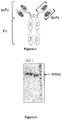
- the scFv II DNA sequence is capable of encoding a fully human single chain antibody(Anti-Cx26-scFvII-Fc,SEQ ID NO:6)specifically inhibiting of Connexin 26, i.e., the fully human antibody specifically inhibiting Connexin 26, which is a recombinant immunoglobulin having the structure of scFv-Fc, shown in Figure 2A , wherein scFv refers to a single-chain antibody comprising a heavy chain variable region and a light chain variable region, the amino acid sequence of the heavy chain variable region is SEQ ID NO: 1, the amino acid sequence of the light chain variable region is SEQ ID NO: 2, the sequence of the heavy chain CDR 3 region is DFSWRGYYMDV, the sequence of the light chain CDR3 region is QQYGSSPRT, and Fc refers to constant region.
- the constant region comprises a CH2 constant region and a CH3 constant region.
- the fully human antibody specifically inhibiting Connexin 26 specifically
- the Western blot result is shown in Fig. 2B .
- the obvious band at 58kd shows that the antibody can specifically recognize Cx26 protein.
- the Tm of the antibody is 65 °C calculated by using the thermal stability test results , as shown in Figure 2 C , thus the described Anti-Cx26-scFv II-Fc antibody have high stability.
- the mass spectrometry results of LC-MS shown in FIG. 2D , shows that the molecular weight of the antibody is 105140 Daltons.
- CBS antigen fixation solution was purchased from Thermo Scientific.
- Anti-Human Fc HRP secondary antibody was purchased from Thermo Scientific.
- developing substrate ABST solution was purchased from ThermoScientific.
- 96-well flat bottom plate was purchased from Corning Corporation.
- the anti-Human Fc secondary antibody was added thereto and incubated for 30 minutes with shaking at room temperature.
- the 96-well plate was rinsed for three times with PBS, added with the developing substrate and eventually read with a microplate reader.
- the OD values of the negative control wells were less than 0.2 and the OD values of the positive wells were more than 0.4. Based on the ELISA results, 150 positive colonies wells were selected.
- the affinity and kinetics of the antibody and the antigen were detected by the method of multi cycle kinetics. Immobilization of the antibody was performed by capture method. First, the anti-human IgG antibody was coupled to the CM5 chip, and then the Anti-Cx26-scFv II-Fc antibody sample flowed through the chip surface after being serial diluted. The antibody to be detected was then captured by the coupled anti-human Fc antibody. Then the polypeptide antigen (synthesized by Nanjing Genscript Co. Ltd, sequence: Seq ID NO: 5) was added, the antigen was bound with the antibody, and the signal was detected and recorded. Finally, the antibody and the antigen samples on the CM5 chip surface were eluted by regeneration reagent (glycine solution, pH1.7) for a new round of testing.
- regeneration reagent glycine solution, pH1.7
- Example 5 Cellular Immunofluorescence Detection of Cx26 protein specifically recognized by the antibody
- HeLa DH cells were purchased from Sigma company.
- Cx26-Venus-YFP reporter plasmid was purchased from Addgene, Cat. No. 69016.
- Fluorescent secondary antibody Alexa Fluor 594 goat anti-human was purchased from Thermo Scientific.
- Fluorescence confocal microscope was purchased from Leica company.
- Cx26-Venus-YFP plasmid was transfected into HeLa DH cells with 293Fectin (Thermo) with reference to the procedures described in the instruction manual.
- the plasmid Cx26-Venus-YFP can express human Cx26 protein on the cell membrane with green fluorescence. After fixed with 2% formalin, the cells kept at room temperature for 10 minutes.
- the cells were blocked with 2% BSA in PBS for 30 min, and then incubated for 4 to 5 hours in the Anti-Cx26-scFvll-Fc antibody solution, which was obtained by diluting 1mg/mL Anti-Cx26-scFvll-Fc antibody solution with 1%BSA/PBS with a dilution ratio of 1:500.
- the cells were added with the fluorescent Alexa Fluor 594 goat anti-human secondary antibody, which was diluted in 1%BSA/PBS solution with a dilution ratio of 1:1000. The cells were incubated at room temperature for 60 min, added with DAPI (1 ⁇ g/mL) and incubated for 5 minutes, rinsed, mounted on a confocal laser scanning microscope, and detected.
- the Anti-Cx26-scFv II-Fc antibody co-localized with both Cx26-GFP proteins.
- HeLa DH cells were purchased from Sigma company.
- Cx26-Venus-YFP reporter plasmid was purchased from Addgene, Cat . No. 69016 .
- Automatic patch clamp system was purchased from the United States MDC company.
- Cx26-Venus-YFP plasmid was transfected into HeLa DH cells with 293Fectin (Thermo) with reference to the procedures described in the instruction manual.
- Whole cell patch clamp was used to record the single membrane ion currents.
- 940nM Anti-Cx26-scFv II-Fc antibody was added into the supernatant of the cells, while 100uM Zn 2+ was added in a positive control group and no antibody was added in a blank control group.
- the voltage was increased to 40 millivolts so that the cells were depolarized, which led to the opening of Cx26 hemichannel.
- the hemichannel currents of the experimental group added with the antibody, the positive control group and the blank control group were recorded.
- the voltage was decreased to minus 40 millivolts to hyperpolarize the cells and simultaneously recorded the hemichannel current in each group.
- the antibody Anti-Cx26-scFv II-Fc can effectively inhibit Cx26 hemichannel activity, which is 100 folds higher than the non-specific inhibitor Zn 2+ .
Landscapes
- Chemical & Material Sciences (AREA)
- Organic Chemistry (AREA)
- Health & Medical Sciences (AREA)
- General Health & Medical Sciences (AREA)
- Biochemistry (AREA)
- Biophysics (AREA)
- Life Sciences & Earth Sciences (AREA)
- Genetics & Genomics (AREA)
- Medicinal Chemistry (AREA)
- Molecular Biology (AREA)
- Proteomics, Peptides & Aminoacids (AREA)
- Immunology (AREA)
- Peptides Or Proteins (AREA)
- Medicines Containing Antibodies Or Antigens For Use As Internal Diagnostic Agents (AREA)
Description
- The present invention belongs to the field of biotechnology medicine, in particular the present invention provides the single-chain antibody or plasmid expressing the antibody, which is capable of specifically recognizing Connexin26 expressed in human cochlea and skin tissue and inhibiting hemichannels of Connexin26, and the use of antibody in the preparation of a medicament and a diagnostic kit for treating deafness, skin disease and tumor caused by Connexin26 mutation. The present invention also provides the diagnostic kit prepared by using the antibody. The kit comprises the monoclonal antibody as an active ingredient.
- Gap junction is a cell-cell junction formed by ion channels. Gap junction channels connect the cell-cell cytoplasm, allowing smaller molecules smaller than 1.8 KD to pass freely, such as ions, metabolites and second messengers[1,2]. In vertebrates, a gap junctional pathway composed of Connexin mediates the exchange of ions, small molecules, and signaling molecules between adjacent cells and are of high importance in the early stage of mammalian development. Gap junction channels can be composed by many different connexin proteins and display different permeability characteristics, which depend on the connexin composition. Adjacent cells use gap junction-mediated intercellular communication or gap-independent pathway to transmit developmental signals and regulate cell proliferation, migration and differentiation during development. Proteins of Connexin family are widely expressed in vertebrate cells. The hexamers of this family member are located on the cell membrane to form gap junctions or hemichannels and mediate the exchange of material between cells, and the extracellular matrix. The genes encoding connexin proteins in the genome make up the connexin gene family[3].
- So far, 21 kinds of connexin genes have been found in human genome, and 20 kinds of the connexin gene[3] have been found in the mouse genome. Many important cell functions including cell growth regulaiton, differentiation and development is mediated by gap junction channels and connexin hemichannel communication[4-6]. Mutations in connexin genes are associated with many human diseases, including cardiovascular abnormalities, peripheral neuropathy, cataracts and deafness. Connexin 26 (Cx26) and Connexin 30 (Cx30) channels and hemichannels are involved in the potassium ions cycling of inner ear, and deletion of Cx26 and Cx30 causes profound hearing loss and concomitant cell death in developing organ of Corti in the cochlea [4,7,8]. Cx26 and Cx30 are expressed by two adjacent genes (GJB2 and GJB6), while Cx26 and Cx30 are connected with non-responsive cells in the inner ear to form polytopes. Both proteins are co-expressed in the inner ear[9]. DNFB1 is located on chromosome 13q11 - q12[10]. Fifty percent of hereditary deafness is related to DFNB1, with up to 79% in Mediterranean[10,11]. Deletion mutations at Cx26 and Cx30 have a profound effect on the organ formation of the cochlear spirals[12-14]. In some cases, point mutations in connexins can cause aberrant hemichannel opening or closing, which will result in deafness and skin diseases[15]. Antibodies that specifically recognize Cx26 and restore its function are expected to treat deafness and skin diseases caused by connexin mutations.
- In recent years, monoclonal antibodies have been playing an important role in the diagnosis and treatment of diseases, especially for diseases that express specific antigens. The detection of the reaction of monoclonal antibodies and antigens can be used as the golden standard for disease diagnosis. Monoclonal antibodies also play an important role as drugs in autoimmune diseases and tumor diseases.
- Diseases caused by connexin mutations have relatively low incidences and relatively few treatment drugs. Moreover, no antibody drug targeting connexin channels is available to treat deafness or skin diseases due to difficulties in the administration of antibody drugs. There are no kits for clinical diagnosis, so the single chain antibodies capable of recognizing and binding connexin will be an important tool in the diagnosis and treatment of colorectal Some polyclonal and monoclonal antibodies against connexin-26 have been described[16, 17]
-
- 1. D.A. Goodenough, D.L. Paul, Gap junctions, Cold Spring HarbPerspectBiol 1 (2009) a002576.
- 2. A.L. Harris, Connexin channel permeability to cytoplasmic molecules, ProgBiophysMolBiol 94 (2007) 120-143.
- 3. G. Sohl, K. Willecke, Gap junctions and the connexin protein family, Cardiovasc Res 62 (2004) 228-232.
- 4. C.J. Wei, X. Xu, C.W. Lo, Connexins and cell signaling in development and disease, Annu Rev Cell Dev Biol 20 (2004) 811-838.
- 5. A.B. Belousov, J.D. Fontes, Neuronal gap junctions: making and breaking connections during development and injury, Trends in Neurosciences 36 (2013) 227-236.
- 6. I. Fasciani, A. Temperan, L.F. Perez-Atencio, A. Escudero, P. Martinez-Montero, J. Molano, J.M. Gomez-Hernandez, C.L. Paino, D. Gonzalez-Nieto, L.C. Barrio, Regulation of connexinhemichannel activity by membrane potential and the extracellular calcium in health and disease, Neuropharmacology (2013).
- 7. D.W. Laird, Life cycle of connexins in health and disease, Biochem J 394 (2006) 527-543.
- 8. R. Dobrowolski, K. Willecke, Connexin-caused genetic diseases and corresponding mouse models, Antioxid Redox Signal 11 (2009) 283-295.
- 9. F. Ceriani, F. Mammano, A rapid and sensitive assay of intercellular coupling by voltage imaging of gap junction networks, Cell Commun Signal 11 (2013) 78.
- 10. F.J. del Castillo, I. del Castillo, The DFNB1 subtype of autosomal recessive non-syndromic hearing impairment, Front Biosci 16 (2011) 3252-3274.
- 11. L. Zelante, P. Gasparini, X. Estivill, S. Melchionda, L. D'Agruma, N. Govea, M. Mila, M.D. Monica, J. Lutfi, M. Shohat, E. Mansfield, K. Delgrosso, E. Rappaport, S. Surrey, P. Fortina, Connexin26 mutations associated with the most common form of non-syndromic neurosensory autosomal recessive deafness (DFNB1) in Mediterraneans, Hum Mol Genet 6 (1997) 1605-1609.
- 12. M. Cohen-Salmon, F.J. del Castillo, C. Petit, ConnexinsResponsiblbe for Hereditary Deafness - The Tale Unfolds, in: E. Winterhager (Ed.), Gap Junctions in Development and Disease, Springer-Verlag, Berlin, 2005, pp. 111-134.
- 13. M. Leibovici, S. Safieddine, C. Petit, Mouse models for human hereditary deafness, Curr Top Dev Biol 84 (2008) 385-429.
- 14. R. Dobrowolski, K. Willecke, Connexin-Caused Genetic Diseases and Corresponding Mouse Models, Antioxidants & Redox Signaling 11 (2009) 283-295.
- 15. F.J. del Castillo, I. del Castillo, The DFNB1 subtype of autosomal recessive non-syndromic hearing impairment, Frontiers in Bioscience-Landmark 16 (2011) 3252-3274.
- 16. Choung Y. H. et al. (2002) Functional study of GJB2, in hereditary hearing, 1671.
- 17. Thönnissen, E. et al. (2002), HUMAN GENETICS, vol. 111, no. 2, 190 - 197. mono- and polyconal.
- An object of the present invention is to provide a single chain antibody, which specially binds to human Connexin 26 antigen and thus can be used in the preparation of medicaments treating diseases caused by mutations in Connexin 26 or diagnostic kits relevant to Connexin 26. To achieve the above object, the present invention provides a fully human antibody specifically inhibiting Connexin 26, characterized in that it is a recombinant immunoglobulin having the structure of scFv-Fc, wherein scFv refers to a single-chain antibody comprising a heavy chain variable region and a light chain variable region, the amino acid sequence of the heavy chain variable region is SEQ ID NO: 1, the amino acid sequence of the light chain variable region is SEQ ID NO: 2 , and Fc refers to a constant region. Preferably, the constant region comprises a CH2 constant region and a CH3 constant region.
- According to the present disclosure, the fully human antibody specifically inhibiting Connexin 26 specifically recognizes the 41-75 amino acid portion of the extracellular region of Connexin 26. The present disclosure also provides a genetically engineered antibody, characterized in that it has 30% or more homologous sequences to a single chain antibody of the fully human antibody specifically inhibiting Connexin 26. According to the present disclosure, the genetically engineered antibody comprises one of a Fab fragment, a F(ab)' fragment, an Fd fragment, an Fv fragment and an Fc fragment, a combination of two or more of the foregoing fragments, or a derivative of at least one of the foregoing fragments with other proteins or peptide chains. According to the present disclosure, the heavy chain CDR 3 region sequence of the genetically engineered antibody is DFSWRGYYMDV, the light chain CDR3 region sequence is QQYGSSPRT.
- The present invention also provides a nucleotide sequence encoding the fully human antibody specifically inhibiting Connexin 26, wherein the sequence thereof is SEQ ID NO: 3 or SEQ ID NO: 4. Preferably, the nucleotide sequence encodes the fully human antibody specifically inhibiting Connexin 26 as described above. The present disclosure also provides use of the fully human antibody specifically inhibiting Connexin 26 or the genetically engineered antibody in the manufacture of a medicament or kit for the treatment of deafness, skin disease or tumor caused by Connexin 26 mutation.
- The present invention also provides a fully human antibody specifically inhibiting Connexin 26 according to the invention for use in the treatment of deafness, skin disease or tumor. The fully human antibody specifically inhibiting Connexin 26 of the present invention is named as Anti-Cx26-scFvll-Fc. Results show that the single chain antibody obtained by rounds of phage library screening can selectively bind to connexins and specifically inhibit hemichannel formed by the connexins. Anti-Cx26-scFvll-Fc is a recombinant single chain human antibody, which is different from the common IgG antibodies in clinical application. Anti-Cx26-scFvll-Fc has different antibody structure, biochemical characteristics and biological functions from IgG. Our experiments demonstrated that the Anti-Cx26-scFvll-Fc single chain antibody has a molecular weight of about 100kd, recognizes and binds to the target antigen epitope of the connexin extracellular domain, specifically recognizes cells over-expressing connexin 26, and the antibody and connexin 26are co-localizedon the cell surface. Functional experiments show that Anti-Cx26-scFvll-Fc can inhibit the activity of the Connexin 26 hemichannel. Immunohistochemically staining of this antibody alone can more accurately diagnose the expression of human Connexin 26 in various tissues. In summary, the Anti-Cx26-scFvll-Fc single chain antibody has potential applications in the treatment of deafness, skin diseases and tumors, and Connexin 26 diagnostic reagents.
- The 41-56 amino acid sequence of human Connexin 26 extracellular region is used as antigen, the amino acid sequence thereof is KEVWGDEQADFVCNTL. The antibody is obtained by single-chain antibody phage display library and screening technology. Through the biochemical analysis and immunofluorescence identification, it was confirmed that the antibody provided by the present invention specifically recognize connexin 26 and inhibit its formation of hemichannel activity. Animal experiments show that the antibody has a significant inhibitory effect on the hemichannel activity of mouse cochlear tissue sections. Therefore, the antibody can be used in the treatment of connexin-associated diseases.
-
-
Figure 1 . Screening of single-chain antibody and sequence verification.- A. Phage ELISA was used to detect antigen-binding activity after enriching the antibody.
- B. ELISA assay of the binding between selected monoclonal antibody and antigen
-
Figure 2 . Structure and biochemical activity identification of the single-chain antibody- A. Structure diagram of scFv-Fc immunoglobulin.
- B. The molecular weight of the single chain antibody is about 58KDa tested by western blot
- C. scFv II-Fc antibody thermal stability test
- D. Mass Spectrometry show that theAnti-Cx26-scFv II-Fc dimer has a molecular weight of 105140.3
-
Figure 3 . Test of binding affinity between Anti-Cx26-scFv II-Fc antibody and Cx26 antigen.- A. ELISA to test the antibody / Cx26 protein binding affinity
- B. SRP assay to test the antibody / Cx26 protein binding affinity, results showed that the anti-Cx26-scFv II-Fc antibody binding to Cx26 protein with a KD of 7.3E10-8M
-
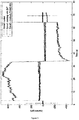
Figure 4 . The immunofluorescence test of Anti-Cx26-scFv II-Fc antibody and Cx26-GFP protein for co-localization. Results showed that these two proteins co-localized. -
Figure 5 . Anti-Cx26-scFv II-Fc antibodies block the Cx26hemichannel activity testing by patch-clamp techniques after depolarization activated Cx26 ion channels. - The present invention is further described below with reference to specific embodiments.
- (1) biotinylated antigen polypeptide (sequence: KEVWGDEQADFVCNTL, SEQ ID NO : 5, hereinafter referred to as antigen) synthesized from Genscript. (2) laboratory's phage display human antibody library. (3) streptavidin magnetic beads purchased from Thermo Scientific.(4) high adsorption ELISA microplate purchased from Corning Corporation.(5) Anti-M13 HRP antibody purchased from Thermo Scientific. (6) Helper phage purchased from Life Technologies (Cat. No. 18311019). (7) XL1-Blue bacteria available from Agilent Technologies(Cat.
- NO. 200228). (8) developing solution ABTS solution purchased from Thermo Scientific, Cat. NO.002024 .
- 200 microliters of the phage display human antibody library expressing human single chain antibodies (containing 1 x 10¹¹ phage particles) was mixed with 5micrograms of antigen, incubated at room temperature for 30 minutes and then added to 50 microliters of the streptavidin magnetic beads. Phages bound to the antigen was capured by the streptavidin magnetic beads, the unbound phage was removed by PBST rinsing, and then the stably bound phages was eluted with glycine-HCI (pH 2.2) buffer. XL1-Blue bacteria (Agilent Technologies Cat .No. 200228) was inoculated into 200 mL of SB medium and when the OD reached 0.6, the eluted phages were added to the XL1-Blue bacteria, and incubated at 37 °C for 30 minutes, and then incubated overnight at 30 °C. The bacteria were collected by centrifugation and added with 30microliters of helper phage (containing 1 x 10¹¹helper phage particles). The next round of screening was performed after amplification. The above panning steps were repeated for 3-4 rounds. Then the phage-containing XL1-Blue broth was thoroughly diluted and plated onto 10 cm plates with 100-500 clones on each plate, and monoclones were picked. The phage ELISA test was carried out after each round of phage library panning.
- The phage ELISA test comprises the following steps: inoculating the phage-containing XL1-Blue monoclonal bacteria into 200 microliters of SB medium in a 96 well plate, shaking at 37° C with a speed of 200 rpm for 4-6 hours, adding 1 microliter helper phage when the OD is close to 0.6, and shaking at 30 °C over night, centrifuging the next day to collect the supernatant at 3000g for use, coating a 96 low-permeability microplate with the antigen overnight, adding the prepared phage in the supernatant to the microplate, incubating for 2 hours at room temperature, then adding the Anti-M13 HRP antibody and incubating for 30 minutes, washing for three times with PBST, and adding 50 microliter of ABTS as developing solution.
- The result of the enzyme-linked immunosorbent assay (ELISA) shows that, as panning proceeds, the signal of the enzyme-linked immunosorbent rises continuously while the signal of the control antigen (Acro Biosystems , catalog number CD0-H82F2) is still low. After the fourth round panning, the signal intensity of the antigen was multiple times of that of the control
- antigen, indicating that after 4 rounds of panning, the phages capable of expressing the antigen-specific binding antibody were enriched. Monoclony was picked from the library of the third and fourth round, and the clone with ELISA results more than double of that of the control clone was selected as a positive clone. The sequence of the positive clone was analyzed, and different antibody sequences and enrichment situations were determined by comparison analysis.
- As shown in
FIG. 1A , the peptide antigen CB was screened against the phage display human antibody library. After 4 rounds of selection, the ELISA readout of the selected group was continuously increased compared with the control group.700 monoclonal antibodies were picked and test by ELISA assay, and the clone with ELISA results more than double of that of the control group was selected as positive clone, as shown inFigure 1B . Sequencing analysis of 150 positive clones was carried out. After comparison and alignment analysis, the effective enrichment sequence was determined based on that those with higher repeats have the stronger binding affinity of the antibody. The positive clone selected in the present invention were repeated 84 times in the 150 clone sequences, thus has a high affinity. - The selected positive clone was sequenced and the nucleic acid sequence of the selected positive clone was SEQ ID NO: 3.
- (1) Sypro Orange dyes were purchased from Thermo Scientific. (2) pFUSE expression vector pFUSE-hlGg1-FC2 was purchased from Invivogen Company, catalog No.pfuse-hglfc2. (3) HiTrap Protein A HP columns were purchased from GE. (4) ÄKTApurifier100 protein purifier was purchased from GE. (5) Real-time quantitativePCR instrument was purchased from BioRad company. (6) Plasmid extraction kit was purchased from Qiagen company. (7) BCA Protein Assay Kit (Pierce ™ BCA Protein Assay kit, Pierce # 23253). (8) BamH1 and Bglll restriction enzymes were purchased from NEB.
- The positive sequence obtained in Example 1 (i.e., SEQ ID NO: 3) was synthesized by gene synthesis method (Nanjing GenScriptLtd.) and added with the restriction sites BamH1 and Bglll at both ends of the sequence. The obtained nucleic acid sequence was inserted into the pFUSE-hlGg1-FC2 expression vector (Invivogen Corporation, with reference to the procedures described in the instruction manual) after enzyme digestion at the restriction sites BamH1 and Bglll with reference to the procedures described in the instruction manual of NEB to obtain an eukaryotic antibody expression plasmid of Anti-Cx26-scFvll-Fc, which is a single chain antibody having an Fc segment. 293Fectin reagent (Invitrogen Corporation, Cat. No. 12347500) was mixed with the eukaryotic antibody expression plasmid with a volume mass ratio of 30 microliter: 15 micrograms. The obtained mixture was added to 30 mL of293Freestyle suspension cells (available from Thermo Corporation) and incubated with shaking at 1200rpm and 37°C overnight. The supernatant was collected after centrifugation, and the antibody protein (Anti-Cx26-scFvII-Fc) was purified by using HiTrap Protein A HP columns on ÄKTApurifier100 protein purifier. At last, the antibody concentration was tested by using the BCA Protein Assay Kit (Pierce, Cat #23252) with reference to the procedures described in the instruction manual.
- The purified antibody was tested by Western blot: 5 micrograms of the purified antibody sample was loaded for SDS-PAGE electrophoresis, with electrophoresis voltage of 110V, 60 minutes, transferred to a cellulose acetate membrane, and then hybridized with horseradish peroxidase goat-anti-human secondary antibody (Thermo Scientific). The membrane was rinsed and then added with developing reagent (Pierce , Cat # 35055) for imaging.
- The purified antibody was subjected to heat stability test with the following steps: diluting the purified antibody to 0.1 mg/ml, adding Sypro Orange dye with a volume ratio of 1:2000 and sealing, loading onto the real-time quantitative PCR instrument (BioRad) with a heating program from 25°C to 90 °C, 0.5 °C per minute, and detecting fluorescence values.
- The purified antibody was test on LC-MS mass spectrometry with the following steps: mixing 5 micrograms of the purified antibody with 1 microliter of PNGase enzyme (available from NEB Inc., Catalog No. P0709S) at 37°Cfor one hour, and loading onto an Agilent 6230 TOF LC / MS instrument for high resolution mass spectrometry.
- The nucleic acid sequence (SEQ ID NO:3) obtained in Example 1 was inserted into the pFUSE-hlGg1-FC2 expression vector after enzyme digestion to obtain scFv II DNA sequence (SEQ ID NO: 4) containing the Fc region. The scFv II DNA sequence is capable of encoding a fully human single chain antibody(Anti-Cx26-scFvII-Fc,SEQ ID NO:6)specifically inhibiting of Connexin 26, i.e., the fully human antibody specifically inhibiting Connexin 26, which is a recombinant immunoglobulin having the structure of scFv-Fc, shown in
Figure 2A , wherein scFv refers to a single-chain antibody comprising a heavy chain variable region and a light chain variable region, the amino acid sequence of the heavy chain variable region is SEQ ID NO: 1, the amino acid sequence of the light chain variable region is SEQ ID NO: 2, the sequence of the heavy chain CDR 3 region is DFSWRGYYMDV, the sequence of the light chain CDR3 region is QQYGSSPRT, and Fc refers to constant region. The constant region comprises a CH2 constant region and a CH3 constant region. The fully human antibody specifically inhibiting Connexin 26 specifically recognizes the 41-75 amino acid portion of the extracellular region of Connexin 26. - The Western blot result is shown in
Fig. 2B . The obvious band at 58kd shows that the antibody can specifically recognize Cx26 protein. The Tm of the antibody is 65 °C calculated by using the thermal stability test results , as shown inFigure 2 C , thus the described Anti-Cx26-scFv II-Fc antibody have high stability. The mass spectrometry results of LC-MS, shown inFIG. 2D , shows that the molecular weight of the antibody is 105140 Daltons. - 1. CBS antigen fixation solution was purchased from Thermo Scientific. 2. Anti-Human Fc HRP secondary antibody was purchased from Thermo Scientific. 3.Developing substrate ABST solution was purchased from ThermoScientific. 4. 96-well flat bottom plate was purchased from Corning Corporation.
- 50 µl per well of the Cx26 polypeptide antigen (synthesized by GenScript, diluted with the CBS antigen fixation solution, SEQ ID NO:5) and 0.05 ug per well of the antigen were added to the 96-wellplate, incubated overnight at 4°C, and then incubated with shaking at room temperature for 30 min. The 96-well plate was rinsed for three times with PBS, blocked with PBST solution containing 5% milk at 37°C for 60 minutes and rinsed with PBS for three times. The Anti-Cx26-scFv II-Fc antibody obtained in Example 2 was added and incubated at 37°C for 60 minutes. After the 96-wellplate was rinsed and dried, the anti-Human Fc secondary antibody was added thereto and incubated for 30 minutes with shaking at room temperature. The 96-well plate was rinsed for three times with PBS, added with the developing substrate and eventually read with a microplate reader.
- As shown in
FIG. 3A , the OD values of the negative control wells were less than 0.2 and the OD values of the positive wells were more than 0.4. Based on the ELISA results, 150 positive colonies wells were selected. -
- 1. Octet RED instrument and its detection chip (CM5 chip) was purchased from Pall Corporation.
- 2.Anti-human IgG antibody was purchased from Thermo Scientific.
- The affinity and kinetics of the antibody and the antigen were detected by the method of multi cycle kinetics. Immobilization of the antibody was performed by capture method. First, the anti-human IgG antibody was coupled to the CM5 chip, and then the Anti-Cx26-scFv II-Fc antibody sample flowed through the chip surface after being serial diluted. The antibody to be detected was then captured by the coupled anti-human Fc antibody. Then the polypeptide antigen (synthesized by Nanjing Genscript Co. Ltd, sequence: Seq ID NO: 5) was added, the antigen was bound with the antibody, and the signal was detected and recorded. Finally, the antibody and the antigen samples on the CM5 chip surface were eluted by regeneration reagent (glycine solution, pH1.7) for a new round of testing.
- As shown in
Figure 3B ,the SRP detection of the interaction between the antibody and connexin 26 showed that the resulting KD of Anti-Cx26-scFv II-Fc antibody withCx26 was 7.3E10-8M . - (1) HeLa DH cells were purchased from Sigma company. (2) Cx26-Venus-YFP reporter plasmid was purchased from Addgene, Cat. No. 69016. (3) Fluorescent secondary antibody Alexa Fluor 594 goat anti-human was purchased from Thermo Scientific. (4) Fluorescence confocal microscope was purchased from Leica company.
- Cx26-Venus-YFP plasmid was transfected into HeLa DH cells with 293Fectin (Thermo) with reference to the procedures described in the instruction manual. The plasmid Cx26-Venus-YFP can express human Cx26 protein on the cell membrane with green fluorescence. After fixed with 2% formalin, the cells kept at room temperature for 10 minutes. After rinsed, the cells were blocked with 2% BSA in PBS for 30 min, and then incubated for 4 to 5 hours in the Anti-Cx26-scFvll-Fc antibody solution, which was obtained by diluting 1mg/mL Anti-Cx26-scFvll-Fc antibody solution with 1%BSA/PBS with a dilution ratio of 1:500. After rinsed, the cells were added with the fluorescent Alexa Fluor 594 goat anti-human secondary antibody, which was diluted in 1%BSA/PBS solution with a dilution ratio of 1:1000. The cells were incubated at room temperature for 60 min, added with DAPI (1µg/mL) and incubated for 5 minutes, rinsed, mounted on a confocal laser scanning microscope, and detected.
- As shown in
Figure 4 , the Anti-Cx26-scFv II-Fc antibody co-localized with both Cx26-GFP proteins. - (1) HeLa DH cells were purchased from Sigma company. (2) Cx26-Venus-YFP reporter plasmid was purchased from Addgene, Cat . No. 69016 . (3) Automatic patch clamp system was purchased from the United States MDC company.
- Cx26-Venus-YFP plasmid was transfected into HeLa DH cells with 293Fectin (Thermo) with reference to the procedures described in the instruction manual. Whole cell patch clamp was used to record the single membrane ion currents. 940nM Anti-Cx26-scFv II-Fc antibody was added into the supernatant of the cells, while 100uM Zn2+ was added in a positive control group and no antibody was added in a blank control group. The voltage was increased to 40 millivolts so that the cells were depolarized, which led to the opening of Cx26 hemichannel. The hemichannel currents of the experimental group added with the antibody, the positive control group and the blank control group were recorded. The voltage was decreased to minus 40 millivolts to hyperpolarize the cells and simultaneously recorded the hemichannel current in each group.
- As shown in
Figure 5 , the antibody Anti-Cx26-scFv II-Fc can effectively inhibit Cx26 hemichannel activity, which is 100 folds higher than the non-specific inhibitor Zn2+ . -
- <110> ShanghaiTech University
- <120> A fully human antibody specifically inhibiting connexin 26
- <130> 11
- <160> 6
- <170> PatentIn version 3.5
- <210> 1
<211> 109
<212> PRT
<213> Heavy chain of human antibody amino acid sequence - <400> 1

- <210> 2
<211> 108
<212> PRT
<213> Light chain of human antibody amino acid sequence - <400> 2


- <210> 3
<211> 732
<212> DNA
<213> Artificial sequence - <400> 3

- <210> 4
<211> 1422
<212> DNA
<213> Artificial sequence - <400> 4


- <210> 5
<211> 16
<212> PRT
<213> Artificial polypeptide - <400> 5

- <210> 6
<211> 473
<212> PRT
<213> Artificial sequence - <400> 6


Claims (4)
- A fully human antibody specifically inhibiting Connexin 26, characterized in that it is a recombinant immunoglobulin having the structure of scFv-Fc, wherein scFv refers to a single-chain antibody comprising a heavy chain variable region and a light chain variable region, the amino acid sequence of the heavy chain variable region is SEQ ID NO: 1, the amino acid sequence of the light chain variable region is SEQ ID NO: 2 , and Fc refers to a constant region.
- The fully human antibody specifically inhibiting Connexin 26 according to claim 1, wherein the constant region comprises a CH2 constant region and a CH3 constant region.
- A nucleotide sequence encoding a fully human antibody specifically inhibiting Connexin 26, according to claim 1 wherein the sequence thereof is SEQ ID NO: 3 or SEQ ID NO: 4.
- A fully human antibody specifically inhibiting Connexin 26 according to any one of claims 1 and 2, for use in the treatment of deafness, skin disease or tumor.
Priority Applications (1)
| Application Number | Priority Date | Filing Date | Title |
|---|---|---|---|
| EP20196319.6A EP3778633A1 (en) | 2016-01-27 | 2016-12-14 | A fully human antibody specifically inhibiting connexin 26 |
Applications Claiming Priority (2)
| Application Number | Priority Date | Filing Date | Title |
|---|---|---|---|
| CN201610056295.3A CN105566495B (en) | 2016-01-27 | 2016-01-27 | A fully human antibody that specifically inhibits connexin 26 |
| PCT/CN2016/109847 WO2017128880A1 (en) | 2016-01-27 | 2016-12-14 | Fully human antibody specifically inhibiting connexin 26 |
Related Child Applications (1)
| Application Number | Title | Priority Date | Filing Date |
|---|---|---|---|
| EP20196319.6A Division EP3778633A1 (en) | 2016-01-27 | 2016-12-14 | A fully human antibody specifically inhibiting connexin 26 |
Publications (3)
| Publication Number | Publication Date |
|---|---|
| EP3342784A1 EP3342784A1 (en) | 2018-07-04 |
| EP3342784A4 EP3342784A4 (en) | 2019-07-31 |
| EP3342784B1 true EP3342784B1 (en) | 2020-09-16 |
Family
ID=55877176
Family Applications (2)
| Application Number | Title | Priority Date | Filing Date |
|---|---|---|---|
| EP16887751.2A Active EP3342784B1 (en) | 2016-01-27 | 2016-12-14 | Fully human antibody specifically inhibiting connexin 26 |
| EP20196319.6A Withdrawn EP3778633A1 (en) | 2016-01-27 | 2016-12-14 | A fully human antibody specifically inhibiting connexin 26 |
Family Applications After (1)
| Application Number | Title | Priority Date | Filing Date |
|---|---|---|---|
| EP20196319.6A Withdrawn EP3778633A1 (en) | 2016-01-27 | 2016-12-14 | A fully human antibody specifically inhibiting connexin 26 |
Country Status (7)
| Country | Link |
|---|---|
| US (1) | US11345746B2 (en) |
| EP (2) | EP3342784B1 (en) |
| JP (1) | JP7022690B2 (en) |
| CN (1) | CN105566495B (en) |
| CA (1) | CA3041744C (en) |
| ES (1) | ES2824176T3 (en) |
| WO (1) | WO2017128880A1 (en) |
Families Citing this family (6)
| Publication number | Priority date | Publication date | Assignee | Title |
|---|---|---|---|---|
| CN105566495B (en) * | 2016-01-27 | 2019-10-22 | 上海科技大学 | A fully human antibody that specifically inhibits connexin 26 |
| WO2020237491A1 (en) | 2019-05-28 | 2020-12-03 | Shanghaitech University | Composition and methods to treat ectodermal dysplasia 2, clouston type |
| CN110964103B (en) * | 2019-11-21 | 2022-06-17 | 青岛农业大学 | Canine-derived anti-canine parvovirus antibody, antibody library and construction method |
| CN118930648B (en) * | 2024-08-22 | 2025-02-28 | 武汉爱博泰克生物科技有限公司 | Rabbit monoclonal antibody against human PAX8 protein, antibody conjugate and its application |
| WO2026047782A1 (en) | 2024-08-28 | 2026-03-05 | Università Degli Studi Di Padova | Antibody for treating brain tumours and epilepsy correlated thereto |
| CN119510774A (en) * | 2024-11-26 | 2025-02-25 | 华中科技大学同济医学院附属协和医院 | Application of SPTBN1 as a target in the treatment of GJB2-related sensorineural hearing loss |
Family Cites Families (10)
| Publication number | Priority date | Publication date | Assignee | Title |
|---|---|---|---|---|
| JP4282163B2 (en) * | 1999-07-12 | 2009-06-17 | 株式会社医学生物学研究所 | Cancer metastasis testing method and cancer metastasis inhibitor screening method |
| EP1308458A1 (en) * | 2001-10-30 | 2003-05-07 | GenOdyssee | New polynucleotides and polypeptides of the CX26 gene |
| CN101573131B (en) | 2005-02-03 | 2017-12-01 | 科达治疗有限公司 | Anti-connexin compounds and their therapeutic applications |
| AU2008335717A1 (en) * | 2007-12-11 | 2009-06-18 | Coda Therapeutics, Inc. | Impaired wound healing compositions and treatments |
| EP2237796A2 (en) | 2007-12-21 | 2010-10-13 | Coda Therapeutics, Inc. | Use of anti-connexin peptides, alone or in combination with anti-connexin polynucleotides, for the treatment of surgical adhesions |
| WO2009148613A1 (en) * | 2008-06-04 | 2009-12-10 | Coda Therapeutics, Inc. | Treatment of pain with gap junction modulation compounds |
| EP2585109B1 (en) * | 2010-06-22 | 2016-12-21 | The General Hospital Corporation | Compositions for use in treating drug-induced liver toxicity or liver failure |
| US8956868B2 (en) | 2010-12-27 | 2015-02-17 | Lsip, Llc | Induced pluripotent stem cells produced with a connexin inhibitor and a TGF-β signaling inhibitor |
| WO2013188693A1 (en) | 2012-06-15 | 2013-12-19 | Imaginab, Inc. | Antigen binding constructs to cd3 |
| CN105566495B (en) * | 2016-01-27 | 2019-10-22 | 上海科技大学 | A fully human antibody that specifically inhibits connexin 26 |
-
2016
- 2016-01-27 CN CN201610056295.3A patent/CN105566495B/en active Active
- 2016-12-14 WO PCT/CN2016/109847 patent/WO2017128880A1/en not_active Ceased
- 2016-12-14 ES ES16887751T patent/ES2824176T3/en active Active
- 2016-12-14 CA CA3041744A patent/CA3041744C/en active Active
- 2016-12-14 US US15/781,463 patent/US11345746B2/en active Active
- 2016-12-14 JP JP2018533925A patent/JP7022690B2/en not_active Expired - Fee Related
- 2016-12-14 EP EP16887751.2A patent/EP3342784B1/en active Active
- 2016-12-14 EP EP20196319.6A patent/EP3778633A1/en not_active Withdrawn
Non-Patent Citations (1)
| Title |
|---|
| None * |
Also Published As
| Publication number | Publication date |
|---|---|
| ES2824176T3 (en) | 2021-05-11 |
| JP2019504829A (en) | 2019-02-21 |
| CN105566495A (en) | 2016-05-11 |
| CN105566495B (en) | 2019-10-22 |
| EP3778633A1 (en) | 2021-02-17 |
| JP7022690B2 (en) | 2022-03-03 |
| WO2017128880A1 (en) | 2017-08-03 |
| CA3041744C (en) | 2023-05-23 |
| CA3041744A1 (en) | 2017-08-03 |
| US20200299366A1 (en) | 2020-09-24 |
| US11345746B2 (en) | 2022-05-31 |
| EP3342784A4 (en) | 2019-07-31 |
| EP3342784A1 (en) | 2018-07-04 |
Similar Documents
| Publication | Publication Date | Title |
|---|---|---|
| US11345746B2 (en) | Fully human antibody specifically inhibiting Connexin 26 | |
| US10598669B2 (en) | Isolating cells expressing secreted proteins | |
| ES2599477T3 (en) | 75 lymphocyte antigen (Ly75) | |
| JP4323167B2 (en) | Isolation of cells expressing secreted proteins | |
| US20170306318A1 (en) | Method for selecting polynucleotides encoding antigen-specific immunoglobulin subunit | |
| Crépin et al. | Nanobodies against surface biomarkers enable the analysis of tumor genetic heterogeneity in uveal melanoma patient‐derived xenografts | |
| US20210002699A1 (en) | Tim-3 nanobody, a preparation method thereof, and use thereof | |
| CN120535635B (en) | Detection of anti-CD45 antibodies against common leukocyte antigens by flow cytometry and their applications | |
| CN118126172A (en) | DSC2 binding protein, preparation method and application | |
| EP3935389A1 (en) | Method of selecting for antibodies | |
| JP6967523B2 (en) | Antibodies that specifically bind to the AIMP2-DX2 protein | |
| KR102113310B1 (en) | Composition and kit for cancer cell, and method for separating cancer cell using the same | |
| CN105713089A (en) | Holistic antibody for specifically restraining I-type acid sensing ion channels | |
| CN117209600A (en) | SS-B binding proteins, preparation methods and applications | |
| Czarnecka et al. | Development of an optimized cell-based selection system for phage display libraries | |
| CN118725100A (en) | S100 antibody and its use | |
| Cegarra et al. | Search and Characterization of ITM2A as a New Potential Target for Brain Delivery | |
| WO2025061149A1 (en) | Anti-gcc antibody, chimeric antigen receptor, and use | |
| CN119899272A (en) | Anti-CKMB antibodies and uses thereof | |
| US10088471B1 (en) | Immunoglobulin G mRNA based plasma cell separation and antibody gene cloning | |
| CN120209128A (en) | Anti-cTnI antibodies and uses thereof | |
| WO2025117639A1 (en) | Antibodies and methods for ptk7 detection | |
| CN120173107A (en) | Anti-sST2 antibodies and uses thereof | |
| CN120025444A (en) | Antagonists targeting Galectin-8 and their applications | |
| CN119874896A (en) | Anti-cTnI antibodies and uses thereof |
Legal Events
| Date | Code | Title | Description |
|---|---|---|---|
| STAA | Information on the status of an ep patent application or granted ep patent |
Free format text: STATUS: THE INTERNATIONAL PUBLICATION HAS BEEN MADE |
|
| PUAI | Public reference made under article 153(3) epc to a published international application that has entered the european phase |
Free format text: ORIGINAL CODE: 0009012 |
|
| STAA | Information on the status of an ep patent application or granted ep patent |
Free format text: STATUS: REQUEST FOR EXAMINATION WAS MADE |
|
| 17P | Request for examination filed |
Effective date: 20180327 |
|
| AK | Designated contracting states |
Kind code of ref document: A1 Designated state(s): AL AT BE BG CH CY CZ DE DK EE ES FI FR GB GR HR HU IE IS IT LI LT LU LV MC MK MT NL NO PL PT RO RS SE SI SK SM TR |
|
| AX | Request for extension of the european patent |
Extension state: BA ME |
|
| RIN1 | Information on inventor provided before grant (corrected) |
Inventor name: MAMMANO, FABIO Inventor name: QU, ZHIHU Inventor name: YANG, GUANG Inventor name: ZONTA, FRANCESCO |
|
| DAV | Request for validation of the european patent (deleted) | ||
| DAX | Request for extension of the european patent (deleted) | ||
| A4 | Supplementary search report drawn up and despatched |
Effective date: 20190701 |
|
| RIC1 | Information provided on ipc code assigned before grant |
Ipc: A61K 39/395 20060101ALI20190625BHEP Ipc: C07K 16/18 20060101AFI20190625BHEP Ipc: C12N 15/11 20060101ALI20190625BHEP |
|
| GRAP | Despatch of communication of intention to grant a patent |
Free format text: ORIGINAL CODE: EPIDOSNIGR1 |
|
| STAA | Information on the status of an ep patent application or granted ep patent |
Free format text: STATUS: GRANT OF PATENT IS INTENDED |
|
| INTG | Intention to grant announced |
Effective date: 20200513 |
|
| GRAS | Grant fee paid |
Free format text: ORIGINAL CODE: EPIDOSNIGR3 |
|
| GRAA | (expected) grant |
Free format text: ORIGINAL CODE: 0009210 |
|
| STAA | Information on the status of an ep patent application or granted ep patent |
Free format text: STATUS: THE PATENT HAS BEEN GRANTED |
|
| AK | Designated contracting states |
Kind code of ref document: B1 Designated state(s): AL AT BE BG CH CY CZ DE DK EE ES FI FR GB GR HR HU IE IS IT LI LT LU LV MC MK MT NL NO PL PT RO RS SE SI SK SM TR |
|
| REG | Reference to a national code |
Ref country code: GB Ref legal event code: FG4D |
|
| REG | Reference to a national code |
Ref country code: CH Ref legal event code: EP |
|
| REG | Reference to a national code |
Ref country code: DE Ref legal event code: R096 Ref document number: 602016044327 Country of ref document: DE |
|
| REG | Reference to a national code |
Ref country code: IE Ref legal event code: FG4D |
|
| REG | Reference to a national code |
Ref country code: AT Ref legal event code: REF Ref document number: 1314107 Country of ref document: AT Kind code of ref document: T Effective date: 20201015 |
|
| REG | Reference to a national code |
Ref country code: DE Ref legal event code: R082 Ref document number: 602016044327 Country of ref document: DE Representative=s name: CBDL PATENTANWAELTE, DE Ref country code: DE Ref legal event code: R081 Ref document number: 602016044327 Country of ref document: DE Owner name: SHANGHAITECH UNIVERSITY, CN Free format text: FORMER OWNER: SHANGHAI TECH UNIVERSITY, SHANGHAI, CN |
|
| RAP2 | Party data changed (patent owner data changed or rights of a patent transferred) |
Owner name: SHANGHAITECH UNIVERSITY |
|
| PG25 | Lapsed in a contracting state [announced via postgrant information from national office to epo] |
Ref country code: BG Free format text: LAPSE BECAUSE OF FAILURE TO SUBMIT A TRANSLATION OF THE DESCRIPTION OR TO PAY THE FEE WITHIN THE PRESCRIBED TIME-LIMIT Effective date: 20201216 Ref country code: SE Free format text: LAPSE BECAUSE OF FAILURE TO SUBMIT A TRANSLATION OF THE DESCRIPTION OR TO PAY THE FEE WITHIN THE PRESCRIBED TIME-LIMIT Effective date: 20200916 Ref country code: GR Free format text: LAPSE BECAUSE OF FAILURE TO SUBMIT A TRANSLATION OF THE DESCRIPTION OR TO PAY THE FEE WITHIN THE PRESCRIBED TIME-LIMIT Effective date: 20201217 Ref country code: FI Free format text: LAPSE BECAUSE OF FAILURE TO SUBMIT A TRANSLATION OF THE DESCRIPTION OR TO PAY THE FEE WITHIN THE PRESCRIBED TIME-LIMIT Effective date: 20200916 Ref country code: NO Free format text: LAPSE BECAUSE OF FAILURE TO SUBMIT A TRANSLATION OF THE DESCRIPTION OR TO PAY THE FEE WITHIN THE PRESCRIBED TIME-LIMIT Effective date: 20201216 Ref country code: HR Free format text: LAPSE BECAUSE OF FAILURE TO SUBMIT A TRANSLATION OF THE DESCRIPTION OR TO PAY THE FEE WITHIN THE PRESCRIBED TIME-LIMIT Effective date: 20200916 |
|
| REG | Reference to a national code |
Ref country code: AT Ref legal event code: MK05 Ref document number: 1314107 Country of ref document: AT Kind code of ref document: T Effective date: 20200916 |
|
| REG | Reference to a national code |
Ref country code: NL Ref legal event code: MP Effective date: 20200916 |
|
| PG25 | Lapsed in a contracting state [announced via postgrant information from national office to epo] |
Ref country code: RS Free format text: LAPSE BECAUSE OF FAILURE TO SUBMIT A TRANSLATION OF THE DESCRIPTION OR TO PAY THE FEE WITHIN THE PRESCRIBED TIME-LIMIT Effective date: 20200916 Ref country code: LV Free format text: LAPSE BECAUSE OF FAILURE TO SUBMIT A TRANSLATION OF THE DESCRIPTION OR TO PAY THE FEE WITHIN THE PRESCRIBED TIME-LIMIT Effective date: 20200916 |
|
| REG | Reference to a national code |
Ref country code: LT Ref legal event code: MG4D |
|
| PG25 | Lapsed in a contracting state [announced via postgrant information from national office to epo] |
Ref country code: SM Free format text: LAPSE BECAUSE OF FAILURE TO SUBMIT A TRANSLATION OF THE DESCRIPTION OR TO PAY THE FEE WITHIN THE PRESCRIBED TIME-LIMIT Effective date: 20200916 Ref country code: EE Free format text: LAPSE BECAUSE OF FAILURE TO SUBMIT A TRANSLATION OF THE DESCRIPTION OR TO PAY THE FEE WITHIN THE PRESCRIBED TIME-LIMIT Effective date: 20200916 Ref country code: LT Free format text: LAPSE BECAUSE OF FAILURE TO SUBMIT A TRANSLATION OF THE DESCRIPTION OR TO PAY THE FEE WITHIN THE PRESCRIBED TIME-LIMIT Effective date: 20200916 Ref country code: RO Free format text: LAPSE BECAUSE OF FAILURE TO SUBMIT A TRANSLATION OF THE DESCRIPTION OR TO PAY THE FEE WITHIN THE PRESCRIBED TIME-LIMIT Effective date: 20200916 Ref country code: PT Free format text: LAPSE BECAUSE OF FAILURE TO SUBMIT A TRANSLATION OF THE DESCRIPTION OR TO PAY THE FEE WITHIN THE PRESCRIBED TIME-LIMIT Effective date: 20210118 Ref country code: CZ Free format text: LAPSE BECAUSE OF FAILURE TO SUBMIT A TRANSLATION OF THE DESCRIPTION OR TO PAY THE FEE WITHIN THE PRESCRIBED TIME-LIMIT Effective date: 20200916 |
|
| REG | Reference to a national code |
Ref country code: ES Ref legal event code: FG2A Ref document number: 2824176 Country of ref document: ES Kind code of ref document: T3 Effective date: 20210511 |
|
| PG25 | Lapsed in a contracting state [announced via postgrant information from national office to epo] |
Ref country code: PL Free format text: LAPSE BECAUSE OF FAILURE TO SUBMIT A TRANSLATION OF THE DESCRIPTION OR TO PAY THE FEE WITHIN THE PRESCRIBED TIME-LIMIT Effective date: 20200916 Ref country code: IS Free format text: LAPSE BECAUSE OF FAILURE TO SUBMIT A TRANSLATION OF THE DESCRIPTION OR TO PAY THE FEE WITHIN THE PRESCRIBED TIME-LIMIT Effective date: 20210116 Ref country code: AT Free format text: LAPSE BECAUSE OF FAILURE TO SUBMIT A TRANSLATION OF THE DESCRIPTION OR TO PAY THE FEE WITHIN THE PRESCRIBED TIME-LIMIT Effective date: 20200916 Ref country code: AL Free format text: LAPSE BECAUSE OF FAILURE TO SUBMIT A TRANSLATION OF THE DESCRIPTION OR TO PAY THE FEE WITHIN THE PRESCRIBED TIME-LIMIT Effective date: 20200916 |
|
| REG | Reference to a national code |
Ref country code: DE Ref legal event code: R097 Ref document number: 602016044327 Country of ref document: DE |
|
| PG25 | Lapsed in a contracting state [announced via postgrant information from national office to epo] |
Ref country code: SK Free format text: LAPSE BECAUSE OF FAILURE TO SUBMIT A TRANSLATION OF THE DESCRIPTION OR TO PAY THE FEE WITHIN THE PRESCRIBED TIME-LIMIT Effective date: 20200916 |
|
| PLBE | No opposition filed within time limit |
Free format text: ORIGINAL CODE: 0009261 |
|
| STAA | Information on the status of an ep patent application or granted ep patent |
Free format text: STATUS: NO OPPOSITION FILED WITHIN TIME LIMIT |
|
| REG | Reference to a national code |
Ref country code: CH Ref legal event code: PL |
|
| 26N | No opposition filed |
Effective date: 20210617 |
|
| PG25 | Lapsed in a contracting state [announced via postgrant information from national office to epo] |
Ref country code: DK Free format text: LAPSE BECAUSE OF FAILURE TO SUBMIT A TRANSLATION OF THE DESCRIPTION OR TO PAY THE FEE WITHIN THE PRESCRIBED TIME-LIMIT Effective date: 20200916 Ref country code: SI Free format text: LAPSE BECAUSE OF FAILURE TO SUBMIT A TRANSLATION OF THE DESCRIPTION OR TO PAY THE FEE WITHIN THE PRESCRIBED TIME-LIMIT Effective date: 20200916 Ref country code: MC Free format text: LAPSE BECAUSE OF FAILURE TO SUBMIT A TRANSLATION OF THE DESCRIPTION OR TO PAY THE FEE WITHIN THE PRESCRIBED TIME-LIMIT Effective date: 20200916 |
|
| REG | Reference to a national code |
Ref country code: BE Ref legal event code: MM Effective date: 20201231 |
|
| PG25 | Lapsed in a contracting state [announced via postgrant information from national office to epo] |
Ref country code: LU Free format text: LAPSE BECAUSE OF NON-PAYMENT OF DUE FEES Effective date: 20201214 Ref country code: IE Free format text: LAPSE BECAUSE OF NON-PAYMENT OF DUE FEES Effective date: 20201214 |
|
| PG25 | Lapsed in a contracting state [announced via postgrant information from national office to epo] |
Ref country code: CH Free format text: LAPSE BECAUSE OF NON-PAYMENT OF DUE FEES Effective date: 20201231 Ref country code: LI Free format text: LAPSE BECAUSE OF NON-PAYMENT OF DUE FEES Effective date: 20201231 |
|
| PG25 | Lapsed in a contracting state [announced via postgrant information from national office to epo] |
Ref country code: TR Free format text: LAPSE BECAUSE OF FAILURE TO SUBMIT A TRANSLATION OF THE DESCRIPTION OR TO PAY THE FEE WITHIN THE PRESCRIBED TIME-LIMIT Effective date: 20200916 Ref country code: MT Free format text: LAPSE BECAUSE OF FAILURE TO SUBMIT A TRANSLATION OF THE DESCRIPTION OR TO PAY THE FEE WITHIN THE PRESCRIBED TIME-LIMIT Effective date: 20200916 Ref country code: CY Free format text: LAPSE BECAUSE OF FAILURE TO SUBMIT A TRANSLATION OF THE DESCRIPTION OR TO PAY THE FEE WITHIN THE PRESCRIBED TIME-LIMIT Effective date: 20200916 |
|
| PG25 | Lapsed in a contracting state [announced via postgrant information from national office to epo] |
Ref country code: MK Free format text: LAPSE BECAUSE OF FAILURE TO SUBMIT A TRANSLATION OF THE DESCRIPTION OR TO PAY THE FEE WITHIN THE PRESCRIBED TIME-LIMIT Effective date: 20200916 |
|
| PG25 | Lapsed in a contracting state [announced via postgrant information from national office to epo] |
Ref country code: BE Free format text: LAPSE BECAUSE OF NON-PAYMENT OF DUE FEES Effective date: 20201231 |
|
| REG | Reference to a national code |
Ref country code: DE Ref legal event code: R082 Ref document number: 602016044327 Country of ref document: DE Representative=s name: CBDL PATENTANWAELTE GBR, DE Ref country code: DE Ref legal event code: R082 Ref document number: 602016044327 Country of ref document: DE Representative=s name: CBDL PATENTANWAELTE EGBR, DE |
|
| PG25 | Lapsed in a contracting state [announced via postgrant information from national office to epo] |
Ref country code: NL Free format text: LAPSE BECAUSE OF NON-PAYMENT OF DUE FEES Effective date: 20200923 |
|
| PGFP | Annual fee paid to national office [announced via postgrant information from national office to epo] |
Ref country code: GB Payment date: 20231220 Year of fee payment: 8 |
|
| PGFP | Annual fee paid to national office [announced via postgrant information from national office to epo] |
Ref country code: IT Payment date: 20231211 Year of fee payment: 8 Ref country code: FR Payment date: 20231115 Year of fee payment: 8 Ref country code: DE Payment date: 20231208 Year of fee payment: 8 |
|
| PGFP | Annual fee paid to national office [announced via postgrant information from national office to epo] |
Ref country code: ES Payment date: 20240108 Year of fee payment: 8 |
|
| REG | Reference to a national code |
Ref country code: DE Ref legal event code: R119 Ref document number: 602016044327 Country of ref document: DE |
|
| GBPC | Gb: european patent ceased through non-payment of renewal fee |
Effective date: 20241214 |
|
| PG25 | Lapsed in a contracting state [announced via postgrant information from national office to epo] |
Ref country code: DE Free format text: LAPSE BECAUSE OF NON-PAYMENT OF DUE FEES Effective date: 20250701 |
|
| PG25 | Lapsed in a contracting state [announced via postgrant information from national office to epo] |
Ref country code: IT Free format text: LAPSE BECAUSE OF NON-PAYMENT OF DUE FEES Effective date: 20241214 |
|
| PG25 | Lapsed in a contracting state [announced via postgrant information from national office to epo] |
Ref country code: GB Free format text: LAPSE BECAUSE OF NON-PAYMENT OF DUE FEES Effective date: 20241214 |
|
| PG25 | Lapsed in a contracting state [announced via postgrant information from national office to epo] |
Ref country code: FR Free format text: LAPSE BECAUSE OF NON-PAYMENT OF DUE FEES Effective date: 20241231 |
|
| REG | Reference to a national code |
Ref country code: ES Ref legal event code: FD2A Effective date: 20260203 |
|
| PG25 | Lapsed in a contracting state [announced via postgrant information from national office to epo] |
Ref country code: ES Free format text: LAPSE BECAUSE OF NON-PAYMENT OF DUE FEES Effective date: 20241215 |