EP3342529A1 - Material, article, and method for forming article with tungsten semicarbide - Google Patents
Material, article, and method for forming article with tungsten semicarbide Download PDFInfo
- Publication number
- EP3342529A1 EP3342529A1 EP17205765.5A EP17205765A EP3342529A1 EP 3342529 A1 EP3342529 A1 EP 3342529A1 EP 17205765 A EP17205765 A EP 17205765A EP 3342529 A1 EP3342529 A1 EP 3342529A1
- Authority
- EP
- European Patent Office
- Prior art keywords
- particles
- tungsten
- article
- matrix
- semicarbide
- Prior art date
- Legal status (The legal status is an assumption and is not a legal conclusion. Google has not performed a legal analysis and makes no representation as to the accuracy of the status listed.)
- Granted
Links
Images

Classifications
-
- B—PERFORMING OPERATIONS; TRANSPORTING
- B23—MACHINE TOOLS; METAL-WORKING NOT OTHERWISE PROVIDED FOR
- B23K—SOLDERING OR UNSOLDERING; WELDING; CLADDING OR PLATING BY SOLDERING OR WELDING; CUTTING BY APPLYING HEAT LOCALLY, e.g. FLAME CUTTING; WORKING BY LASER BEAM
- B23K35/00—Rods, electrodes, materials, or media, for use in soldering, welding, or cutting
- B23K35/22—Rods, electrodes, materials, or media, for use in soldering, welding, or cutting characterised by the composition or nature of the material
- B23K35/24—Selection of soldering or welding materials proper
- B23K35/32—Selection of soldering or welding materials proper with the principal constituent melting at more than 1550°C
- B23K35/327—Selection of soldering or welding materials proper with the principal constituent melting at more than 1550°C comprising refractory compounds, e.g. carbides
-
- B—PERFORMING OPERATIONS; TRANSPORTING
- B22—CASTING; POWDER METALLURGY
- B22F—WORKING METALLIC POWDER; MANUFACTURE OF ARTICLES FROM METALLIC POWDER; MAKING METALLIC POWDER; APPARATUS OR DEVICES SPECIALLY ADAPTED FOR METALLIC POWDER
- B22F3/00—Manufacture of workpieces or articles from metallic powder characterised by the manner of compacting or sintering; Apparatus specially adapted therefor ; Presses and furnaces
- B22F3/115—Manufacture of workpieces or articles from metallic powder characterised by the manner of compacting or sintering; Apparatus specially adapted therefor ; Presses and furnaces by spraying molten metal, i.e. spray sintering, spray casting
-
- B—PERFORMING OPERATIONS; TRANSPORTING
- B23—MACHINE TOOLS; METAL-WORKING NOT OTHERWISE PROVIDED FOR
- B23K—SOLDERING OR UNSOLDERING; WELDING; CLADDING OR PLATING BY SOLDERING OR WELDING; CUTTING BY APPLYING HEAT LOCALLY, e.g. FLAME CUTTING; WORKING BY LASER BEAM
- B23K35/00—Rods, electrodes, materials, or media, for use in soldering, welding, or cutting
- B23K35/02—Rods, electrodes, materials, or media, for use in soldering, welding, or cutting characterised by mechanical features, e.g. shape
- B23K35/0222—Rods, electrodes, materials, or media, for use in soldering, welding, or cutting characterised by mechanical features, e.g. shape for use in soldering or brazing
- B23K35/0244—Powders, particles or spheres; Preforms made therefrom
-
- B—PERFORMING OPERATIONS; TRANSPORTING
- B23—MACHINE TOOLS; METAL-WORKING NOT OTHERWISE PROVIDED FOR
- B23K—SOLDERING OR UNSOLDERING; WELDING; CLADDING OR PLATING BY SOLDERING OR WELDING; CUTTING BY APPLYING HEAT LOCALLY, e.g. FLAME CUTTING; WORKING BY LASER BEAM
- B23K35/00—Rods, electrodes, materials, or media, for use in soldering, welding, or cutting
- B23K35/22—Rods, electrodes, materials, or media, for use in soldering, welding, or cutting characterised by the composition or nature of the material
- B23K35/24—Selection of soldering or welding materials proper
- B23K35/30—Selection of soldering or welding materials proper with the principal constituent melting at less than 1550°C
-
- B—PERFORMING OPERATIONS; TRANSPORTING
- B23—MACHINE TOOLS; METAL-WORKING NOT OTHERWISE PROVIDED FOR
- B23K—SOLDERING OR UNSOLDERING; WELDING; CLADDING OR PLATING BY SOLDERING OR WELDING; CUTTING BY APPLYING HEAT LOCALLY, e.g. FLAME CUTTING; WORKING BY LASER BEAM
- B23K35/00—Rods, electrodes, materials, or media, for use in soldering, welding, or cutting
- B23K35/22—Rods, electrodes, materials, or media, for use in soldering, welding, or cutting characterised by the composition or nature of the material
- B23K35/24—Selection of soldering or welding materials proper
- B23K35/30—Selection of soldering or welding materials proper with the principal constituent melting at less than 1550°C
- B23K35/3033—Ni as the principal constituent
- B23K35/304—Ni as the principal constituent with Cr as the next major constituent
-
- B—PERFORMING OPERATIONS; TRANSPORTING
- B23—MACHINE TOOLS; METAL-WORKING NOT OTHERWISE PROVIDED FOR
- B23K—SOLDERING OR UNSOLDERING; WELDING; CLADDING OR PLATING BY SOLDERING OR WELDING; CUTTING BY APPLYING HEAT LOCALLY, e.g. FLAME CUTTING; WORKING BY LASER BEAM
- B23K35/00—Rods, electrodes, materials, or media, for use in soldering, welding, or cutting
- B23K35/22—Rods, electrodes, materials, or media, for use in soldering, welding, or cutting characterised by the composition or nature of the material
- B23K35/24—Selection of soldering or welding materials proper
- B23K35/30—Selection of soldering or welding materials proper with the principal constituent melting at less than 1550°C
- B23K35/3046—Co as the principal constituent
-
- B—PERFORMING OPERATIONS; TRANSPORTING
- B23—MACHINE TOOLS; METAL-WORKING NOT OTHERWISE PROVIDED FOR
- B23K—SOLDERING OR UNSOLDERING; WELDING; CLADDING OR PLATING BY SOLDERING OR WELDING; CUTTING BY APPLYING HEAT LOCALLY, e.g. FLAME CUTTING; WORKING BY LASER BEAM
- B23K35/00—Rods, electrodes, materials, or media, for use in soldering, welding, or cutting
- B23K35/22—Rods, electrodes, materials, or media, for use in soldering, welding, or cutting characterised by the composition or nature of the material
- B23K35/24—Selection of soldering or welding materials proper
- B23K35/30—Selection of soldering or welding materials proper with the principal constituent melting at less than 1550°C
- B23K35/3053—Fe as the principal constituent
- B23K35/308—Fe as the principal constituent with Cr as next major constituent
-
- C—CHEMISTRY; METALLURGY
- C22—METALLURGY; FERROUS OR NON-FERROUS ALLOYS; TREATMENT OF ALLOYS OR NON-FERROUS METALS
- C22C—ALLOYS
- C22C29/00—Alloys based on carbides, oxides, nitrides, borides, or silicides, e.g. cermets, or other metal compounds, e.g. oxynitrides, sulfides
- C22C29/02—Alloys based on carbides, oxides, nitrides, borides, or silicides, e.g. cermets, or other metal compounds, e.g. oxynitrides, sulfides based on carbides or carbonitrides
- C22C29/06—Alloys based on carbides, oxides, nitrides, borides, or silicides, e.g. cermets, or other metal compounds, e.g. oxynitrides, sulfides based on carbides or carbonitrides based on carbides, but not containing other metal compounds
- C22C29/08—Alloys based on carbides, oxides, nitrides, borides, or silicides, e.g. cermets, or other metal compounds, e.g. oxynitrides, sulfides based on carbides or carbonitrides based on carbides, but not containing other metal compounds based on tungsten carbide
-
- C—CHEMISTRY; METALLURGY
- C23—COATING METALLIC MATERIAL; COATING MATERIAL WITH METALLIC MATERIAL; CHEMICAL SURFACE TREATMENT; DIFFUSION TREATMENT OF METALLIC MATERIAL; COATING BY VACUUM EVAPORATION, BY SPUTTERING, BY ION IMPLANTATION OR BY CHEMICAL VAPOUR DEPOSITION, IN GENERAL; INHIBITING CORROSION OF METALLIC MATERIAL OR INCRUSTATION IN GENERAL
- C23C—COATING METALLIC MATERIAL; COATING MATERIAL WITH METALLIC MATERIAL; SURFACE TREATMENT OF METALLIC MATERIAL BY DIFFUSION INTO THE SURFACE, BY CHEMICAL CONVERSION OR SUBSTITUTION; COATING BY VACUUM EVAPORATION, BY SPUTTERING, BY ION IMPLANTATION OR BY CHEMICAL VAPOUR DEPOSITION, IN GENERAL
- C23C4/00—Coating by spraying the coating material in the molten state, e.g. by flame, plasma or electric discharge
- C23C4/04—Coating by spraying the coating material in the molten state, e.g. by flame, plasma or electric discharge characterised by the coating material
- C23C4/10—Oxides, borides, carbides, nitrides or silicides; Mixtures thereof
-
- C—CHEMISTRY; METALLURGY
- C23—COATING METALLIC MATERIAL; COATING MATERIAL WITH METALLIC MATERIAL; CHEMICAL SURFACE TREATMENT; DIFFUSION TREATMENT OF METALLIC MATERIAL; COATING BY VACUUM EVAPORATION, BY SPUTTERING, BY ION IMPLANTATION OR BY CHEMICAL VAPOUR DEPOSITION, IN GENERAL; INHIBITING CORROSION OF METALLIC MATERIAL OR INCRUSTATION IN GENERAL
- C23C—COATING METALLIC MATERIAL; COATING MATERIAL WITH METALLIC MATERIAL; SURFACE TREATMENT OF METALLIC MATERIAL BY DIFFUSION INTO THE SURFACE, BY CHEMICAL CONVERSION OR SUBSTITUTION; COATING BY VACUUM EVAPORATION, BY SPUTTERING, BY ION IMPLANTATION OR BY CHEMICAL VAPOUR DEPOSITION, IN GENERAL
- C23C4/00—Coating by spraying the coating material in the molten state, e.g. by flame, plasma or electric discharge
- C23C4/12—Coating by spraying the coating material in the molten state, e.g. by flame, plasma or electric discharge characterised by the method of spraying
- C23C4/134—Plasma spraying
-
- C—CHEMISTRY; METALLURGY
- C23—COATING METALLIC MATERIAL; COATING MATERIAL WITH METALLIC MATERIAL; CHEMICAL SURFACE TREATMENT; DIFFUSION TREATMENT OF METALLIC MATERIAL; COATING BY VACUUM EVAPORATION, BY SPUTTERING, BY ION IMPLANTATION OR BY CHEMICAL VAPOUR DEPOSITION, IN GENERAL; INHIBITING CORROSION OF METALLIC MATERIAL OR INCRUSTATION IN GENERAL
- C23C—COATING METALLIC MATERIAL; COATING MATERIAL WITH METALLIC MATERIAL; SURFACE TREATMENT OF METALLIC MATERIAL BY DIFFUSION INTO THE SURFACE, BY CHEMICAL CONVERSION OR SUBSTITUTION; COATING BY VACUUM EVAPORATION, BY SPUTTERING, BY ION IMPLANTATION OR BY CHEMICAL VAPOUR DEPOSITION, IN GENERAL
- C23C4/00—Coating by spraying the coating material in the molten state, e.g. by flame, plasma or electric discharge
- C23C4/18—After-treatment
Definitions
- the present invention is directed to materials, articles, and methods for forming articles. More particularly, the present invention is directed to materials, articles, and methods for forming articles having tungsten semicarbide.
- Tungsten carbide is used industrially due to its high hardness and toughness, which may be beneficial properties for any number of uses.
- Bulk tungsten carbide typically includes at least two chemical species of tungsten and carbon, actual tungsten carbide (WC) and tungsten semicarbide (W 2 C).
- Bulk tungsten carbide typically includes about 5 vol% to about 10 vol% tungsten semicarbide and about 90 vol% to about 95 vol% actual tungsten carbide. Due to the typically low presence of tungsten semicarbide, the presence of this species is often ignored, particularly as a matter of nomenclature.
- tungsten carbide is used exclusively to refer to WC
- tungsten semicarbide is used exclusively to refer to W 2 C
- mixtures of the two are referenced as bulk tungsten carbide.
- tungsten carbide is known for its high hardness, tungsten semicarbide is actually the harder of the two species.
- tungsten semicarbide is also more brittle than tungsten carbide, which has limited the industrial uses of tungsten semicarbide.
- Coal crusher rolls are used to crush coal which is fed to a boiler for producing steam, reducing the size of the coal units from about 20 mm to about 200 mesh size.
- the grinding surfaces of the coal crusher rolls become worn due to the inherent abrasive nature of the coal which is being crushed.
- Coals which have elevated ash content are typically more abrasive than coals with lower ash content, and may cause faster erosion of the grinding surfaces of the coal crusher roles, both by attrition and wear from the crushing loads applied on the coal crusher rolls. Further degradation of the coal crusher rolls may be caused by contaminants in the coal supply such as iron and stone, which may cause sudden impacts when introduced into the coal crusher.
- cracks may form, either in coatings applied to a substrate of the coal crusher rolls or in the substrates of the coal crusher rolls.
- the presence of such cracks, either in the substrates or in the coatings applied to the substrates, may increase the rates of attrition and wear during coal crushing operations.
- Coal crusher rolls may be encased in sinter-cast materials to extend the useful life, but such solutions are expensive and are limited in the increase in useful life they provide.
- a material in an exemplary embodiment, includes a matrix and a plurality of particles dispersed in the matrix.
- the plurality of particles includes a plurality of tungsten semicarbide particles constituting at least about 30 vol% of the plurality of particles.
- an article in another exemplary embodiment, includes a material including a matrix and a plurality of particles dispersed in the matrix.
- the plurality of particles includes a plurality of tungsten semicarbide particles constituting at least about 30 vol% of the plurality of particles.
- a method for forming an article includes applying a material. Applying the material includes forming a matrix and dispersing a plurality of particles in the matrix.
- the plurality of particles includes a plurality of tungsten carbide particles.
- the plurality of tungsten carbide particles is at least partially decarburized, transforming at least a portion of the plurality of tungsten carbide particles into a plurality of tungsten semicarbide particles such that the plurality of tungsten semicarbide particles constitutes at least about 30 vol% of the plurality of particles.
- Embodiments of the present disclosure in comparison to articles and methods not utilizing one or more features disclosed herein, decrease costs, increase process efficiency, increase durability, increase reliability, increase service lifetime, decrease erosion, decrease wear, or a combination thereof.
- an article 100 includes a material 200.
- the material 200 includes a matrix 202 and a plurality of particles 204 dispersed in the matrix 202.
- the plurality of particles 204 includes a plurality of tungsten semicarbide particles 206, and the plurality of tungsten semicarbide particles 206 constitutes at least about 30 vol% of the plurality of particles 204.
- the plurality of particles 204 may be randomly dispersed in the matrix 202, multi-modally dispersed in the matrix 202, essentially uniformly dispersed in the matrix 202, uniformly dispersed in the matrix 202, dispersed in the matrix 202 per a predetermined pattern, or combinations thereof.
- multi-modally dispersed indicates a region having a greater concentration and a region having a lesser concentration
- essentially uniformly dispersed indicates a variance in concentration of less than about 20%, alternatively, less than about 15%, alternatively less than about 10%, alternatively less than about 5%, alternatively less than about 1%.
- Multi-modally dispersed further may refer to the distribution of different sizes within the plurality of particles 204.
- the plurality of particles 204 is dispersed in the matrix 202 at a density (average, by weight) of at least about 50%, alternatively at least about 55%, alternatively at least about 60%, alternatively at least about 65%, alternatively at least about 75%, alternatively at least about 80%, alternatively at least about 85%, alternatively at least about 90%, alternatively between about 50% to about 99%, alternatively between about 60% to about 95%, alternatively between about 75% to about 94%, alternatively between about 85% to about 93%, alternatively between about 90% to about 95%, alternatively about 93%.
- the plurality of particles 204 may include a plurality of tungsten carbide particles 208.
- Tungsten carbide may include both ⁇ -W 2 C and ⁇ -W 2 C in any suitable proportions.
- the plurality of particles 204 consists essentially of the plurality of tungsten semicarbide particles 206 and the plurality of tungsten carbide particles 208, excluding up to about 5 wt% impurities and decarburization products, alternatively up to about 2 wt%, alternatively up to about 1 wt%, alternatively up to about 0.5 wt%, alternatively up to about 0.1 wt%.
- the plurality of particles 204 consists of the plurality of tungsten semicarbide particles 206 and the plurality of tungsten carbide particles 208.
- the plurality of tungsten semicarbide particles 206 and the plurality of tungsten carbide particles 208 may, independently, include particles having mixtures of tungsten carbide and tungsten semicarbide, or may include particles having subparticles of tungsten carbide and subparticles of tungsten semicarbide, wherein the subparticles are fused or adhered together, provided that such multiphase arrangements are considered as separate particles for purposes of determining volume percent of tungsten carbide and tungsten semicarbide.
- such multiphase arrangements constitute less than about 10 vol% of the plurality of particles 204, alternatively less than about 5 vol%, alternatively less than about 2 vol%, alternatively less than about 1 vol%, alternatively less than about 0.5 vol%, alternatively less than about 0.1 vol%.
- the plurality of tungsten semicarbide particles 206 may include any suitable particle size.
- the plurality of tungsten semicarbide particles 206 includes a maximum particle size of less than about 50 ⁇ m, alternatively less than about 250 ⁇ m, alternatively less than about 10 ⁇ m, alternatively less than about 5 ⁇ m, alternatively less than about 1 ⁇ m, alternatively less than about 0.5 ⁇ m, alternatively less than about 0.1 ⁇ m.
- the plurality of tungsten semicarbide particles 206 includes a particle size distribution (normal distribution) of between about 1 nm to about 25 ⁇ m, alternatively between about 5 nm to about 10 ⁇ m, alternatively between about 10 nm to about 5 ⁇ m, alternatively between about 20 nm to about 1 ⁇ m.
- the material 200 may include a plurality of additional particles (not shown).
- the plurality of additional particles may be intermixed with the plurality of particles 204 and dispersed in the matrix 202, and may include a plurality of ceramic particles.
- Suitable ceramic particles may include, but are not limited to, metal carbides, metal borides, metal oxides, boron nitrides, boron carbides, boron carbon nitrides, zirconia toughened aluminas, silicon carbides, silicon nitrides, silicon oxy-nitrides, silicon aluminum oxy-nitrides, or combinations thereof.
- the plurality of additional particles may include any suitable particle size distribution, including, but not limited to, a particle size distribution of up to about 10 nm, alternatively up to about 20 nm, alternatively up to about 25 nm, alternatively up to about 10 mm, alternatively up to about 20 mm, alternatively up to about 25 mm, alternatively from about 1 nm to about 25 mm, alternatively from about 1 nm to about 25 nm, alternatively from about 1 mm to about 25 mm.
- the plurality of additional particles includes fine particles having a fine particle size distribution up to about 25 nm, and coarse particles having a coarse particle size distribution from about 1 mm to about 25 mm, the fine particles and the coarse particles being intermixed.
- the intermixed fine particles coarse particles may be distributed to optimize protection against erodent abrasive particles having different sizes.
- the fine particles may also fill in gaps in the plurality of particles 204, thereby enhancing the resistance of the plurality of additional particles to erosion and abrasion.
- the plurality of tungsten semicarbide particles 206 may include any suitable conformation including, but not limited to conformations having a reduced occurrence of orthogonal facets relative to a cuboid conformation.
- the plurality of tungsten semicarbide particles 206 includes an essentially spheroidal conformation 210.
- "essentially spheroidal" indicates that substantial deviations from a perfect sphere or spheroid are contemplated provided that the overall conformation approximates a sphere or spheroid.
- an essentially spheroidal conformation having reduced orthogonal and acute facets in comparison to a cuboidal conformation, reduces the susceptibility of the plurality of tungsten semicarbide particles 206 to fracture, thereby decreasing brittleness and increasing toughness of the plurality of tungsten semicarbide particles 206.
- the plurality of tungsten semicarbide particles 206 may constitute any suitable proportion of the plurality of particles 204.
- the tungsten semicarbide particles 206 constitute at least 30 vol% of the plurality of particles 204, alternatively at least about 40 vol%, alternatively at least about 50 vol%, alternatively at least about 60 vol%, alternatively at least about 70 vol%, alternatively at least about 75 vol%, alternatively at least about 80 vol%, alternatively at least about 85 vol%, alternatively about 90 vol%, alternatively up to about 90 vol%, alternatively between about 40 vol% to about 95 vol%, alternatively between about 45 vol% to about 92 vol%, alternatively between about 50 vol% to about 90 vol%.
- the matrix 202 may include any suitable matrix material, including, but not limited to cobalt, cobalt-chromium alloys, nickel-chromium alloys, nickel-chromium-boron-silicon alloys, cobalt-chromium-boron-silicon alloys, iron-chromium-boron-silicon alloys, Hadfield steel alloys, or combinations thereof.
- the article 100 may be any suitable article, including, but not limited to, a grinding article, a grinding roll 102, a coal grinding roll, a gas turbine component, a gas turbine transition piece, a gas turbine liner, a gas turbine liner stop, a gas turbine bully horn, a gas turbine blade (bucket), a gas turbine blade (bucket) tip, a gas turbine shroud, a gas turbine inner shroud, a coal feed pump rotor, a coal feed pump outlet pipe, a cutting tool, a mining drill bit, a rub-resistant abradable article tip, a pump dry seal, or combinations thereof.
- the article 100 is a grinding article
- the article 100 includes a grinding surface 212 formed by the material 200.
- the article 100 consists essentially of the material 200, excluding any coatings disposed on the article 100. In a further embodiment, the article 100 consists of the material 200.
- the article 100 includes a substrate 300, and the material 200 forms a layer 302 disposed on the substrate 300.
- the substrate 300 may include any suitable substrate material 304, including, but not limited to chrome-iron alloy including, by weight, at least about 30% chrome, cast iron, spheroidal graphite iron, white cast iron, cast iron including niobium, cast iron including chromium, cast iron including titanium, iron alloy, steel, Hadfield steel, cast steel, locomotive wheel steel, or combinations thereof.
- the layer 302 may be disposed directly on a substrate surface 310 of the substrate 300 (shown), or there may be an intermediate layer (not shown) disposed between the layer 302 and the substrate 300.
- the intermediate layer may include any suitable coating-type, including, but not limited to, a bond coat, an abrasive coating, a grinding coating, a thermal barrier coating, an environmental barrier coating, a diffusion aluminide coating, or combinations thereof.
- suitable bond coats include, but are not limited to, molybdenum, Ni-5Al, Ni-20Al, Ni-20Cr, MCrAlY (where M is nickel, cobalt, or iron), or combinations thereof.
- the substrate 300 may include any suitable dimensions.
- the substrate 300 is a rotatable grinding article, such as, but not limited to, a grinding roll 102
- the substrate may include any suitable substrate average diameter 306, including, but not limited to, a substrate average diameter 306 of between about 10 mm and about 3 m, alternatively between about 25 mm and about 2.5 m, alternatively between about 50 mm and about 2 m.
- the layer 302 may include any suitable layer thickness 308, including, but not limited to, a layer thickness 308 of between about 0.05 mm and about 50 mm, alternatively between about 0.1 mm and about 10 mm, alternatively between about 0.25 mm and about 5 mm, alternatively between about 0.5 mm and about 3 mm.
- the article 100 may be an independent component or the article 100 may be a component, such as a grinding roll 102, of a grinding apparatus 400, such as, but not limited to, a bowl mill, a ball and race mill, a drum and ball mill, a coal crusher, or combinations thereof.
- a grinding apparatus 400 such as, but not limited to, a bowl mill, a ball and race mill, a drum and ball mill, a coal crusher, or combinations thereof.
- a method for forming an article 100 includes applying a material 200. Applying the material 200 includes forming the matrix 202 and dispersing the plurality of particles 204 in the matrix 202, wherein the plurality of particles 204 include a plurality of tungsten carbide particles 208.
- the plurality of tungsten carbide particles 208 are at least partially decarburized, transforming at least a portion of the plurality of the tungsten carbide particles 208 into the plurality of tungsten semicarbide particles 206, such that the plurality of tungsten semicarbide particles 206 constitutes at least about 30 vol% of the plurality of particles 204.
- Transforming at least the portion of the plurality of tungsten carbide particles 208 into the plurality of tungsten semicarbide particles 206 may include forming the plurality of tungsten semicarbide particles 206 having the essentially spheroidal conformation 210, or the plurality of tungsten carbide particles 208 may include the essentially spheroidal conformation 210 prior to the transforming of at least the portion of the plurality of tungsten carbide particles 208 into the plurality of tungsten semicarbide particles 206.
- the plurality of tungsten semicarbide particles 206 are formed having the essentially spheroidal conformation 210 by controlling kinetics and surface activation energies during a thermal spray process, which, along with the thermal spray process itself, may bend, oxidize and dissolve sharp edges. Without being bound by theory, it is believed that oxidizing and dissolving sharp edges transforms the particles to become essentially spheroidal.
- forming the matrix 202 and dispersing the plurality of particles 204 in the matrix 202 includes thermally spraying the matrix and the plurality of particles.
- Any suitable thermal spray technique may be utilized, including, but not limited to, cored wire arc spraying, wire arc spraying, high velocity air fuel spraying, high velocity oxy-fuel spraying, air plasma spraying, twin wire arc spraying, cold spraying, or combinations thereof.
- parameters used for forming tungsten semicarbide in a high velocity air fuel spraying process or a high velocity oxy-fuel spraying process include gas flows and ratios which promote higher temperature as well as elevated ratios of oxygen which may induce decarburization of tungsten carbide to tungsten semicarbide.
- parameters for forming tungsten semicarbide in an air plasma spraying process may include increasing power and temperature to increase decarburization.
- decarburization may be controlled by adjusting the particle feedstock size used for spraying. Without being bound by theory, it is believed that finer particle sizes decarburize more easily relative to coarser particle sizes, and so the amount of decarburization may be controlled by adjusting a mix of fine and coarse feedstock particles. In one embodiment, fine particles include a size of typically 1 ⁇ m or less, and coarse particles include a size of typically about 1 ⁇ m to about 5 ⁇ m
- the method may further include heat treating following thermally spraying the plurality of tungsten carbide particles 208, wherein heat treating at least partially decarburizes the plurality of tungsten carbide particles 208, forming the plurality of tungsten semicarbide particles 206.
- heat treating may include a predetermined partial pressure of oxygen to control the phase of tungsten semicarbide formed during decarburization.
- the method for forming the article 100 includes applying the material 200 to a substrate 300.
- the layer 302 may be at least partially disposed within the crack 500, sealing the crack 500.
- the layer 300 may form a treated surface 502 which is substantially flush with a substrate surface ( FIG. 5 ), or the layer 300 may form a layer 302 which extends over at least a portion of the substrate surface 310 ( FIG. 3 ).
- substantially flush indicates that the treated surface 502 is neither elevated nor depressed relative to the substrate surface 310 where they meet by more than about 1 mm.
Landscapes
- Engineering & Computer Science (AREA)
- Mechanical Engineering (AREA)
- Chemical & Material Sciences (AREA)
- Materials Engineering (AREA)
- Metallurgy (AREA)
- Organic Chemistry (AREA)
- Physics & Mathematics (AREA)
- Plasma & Fusion (AREA)
- Chemical Kinetics & Catalysis (AREA)
- Manufacturing & Machinery (AREA)
- Coating By Spraying Or Casting (AREA)
Abstract
Description
- The present invention is directed to materials, articles, and methods for forming articles. More particularly, the present invention is directed to materials, articles, and methods for forming articles having tungsten semicarbide.
- Tungsten carbide is used industrially due to its high hardness and toughness, which may be beneficial properties for any number of uses. Bulk tungsten carbide, typically includes at least two chemical species of tungsten and carbon, actual tungsten carbide (WC) and tungsten semicarbide (W2C). Bulk tungsten carbide typically includes about 5 vol% to about 10 vol% tungsten semicarbide and about 90 vol% to about 95 vol% actual tungsten carbide. Due to the typically low presence of tungsten semicarbide, the presence of this species is often ignored, particularly as a matter of nomenclature. As such, herein, tungsten carbide is used exclusively to refer to WC, tungsten semicarbide is used exclusively to refer to W2C, and mixtures of the two are referenced as bulk tungsten carbide. Also, tungsten carbide is known for its high hardness, tungsten semicarbide is actually the harder of the two species. However, tungsten semicarbide is also more brittle than tungsten carbide, which has limited the industrial uses of tungsten semicarbide.
- Coal crusher rolls are used to crush coal which is fed to a boiler for producing steam, reducing the size of the coal units from about 20 mm to about 200 mesh size. During the crushing process, the grinding surfaces of the coal crusher rolls become worn due to the inherent abrasive nature of the coal which is being crushed. Coals which have elevated ash content are typically more abrasive than coals with lower ash content, and may cause faster erosion of the grinding surfaces of the coal crusher roles, both by attrition and wear from the crushing loads applied on the coal crusher rolls. Further degradation of the coal crusher rolls may be caused by contaminants in the coal supply such as iron and stone, which may cause sudden impacts when introduced into the coal crusher.
- Additionally, during production or operation of coal crusher rolls, cracks may form, either in coatings applied to a substrate of the coal crusher rolls or in the substrates of the coal crusher rolls. The presence of such cracks, either in the substrates or in the coatings applied to the substrates, may increase the rates of attrition and wear during coal crushing operations. Coal crusher rolls may be encased in sinter-cast materials to extend the useful life, but such solutions are expensive and are limited in the increase in useful life they provide.
- In an exemplary embodiment, a material includes a matrix and a plurality of particles dispersed in the matrix. The plurality of particles includes a plurality of tungsten semicarbide particles constituting at least about 30 vol% of the plurality of particles.
- In another exemplary embodiment, an article includes a material including a matrix and a plurality of particles dispersed in the matrix. The plurality of particles includes a plurality of tungsten semicarbide particles constituting at least about 30 vol% of the plurality of particles.
- In another exemplary embodiment, a method for forming an article includes applying a material. Applying the material includes forming a matrix and dispersing a plurality of particles in the matrix. The plurality of particles includes a plurality of tungsten carbide particles. The plurality of tungsten carbide particles is at least partially decarburized, transforming at least a portion of the plurality of tungsten carbide particles into a plurality of tungsten semicarbide particles such that the plurality of tungsten semicarbide particles constitutes at least about 30 vol% of the plurality of particles.
- Other features and advantages of the present invention will be apparent from the following more detailed description of the preferred embodiment, taken in conjunction with the accompanying drawings, which illustrate, by way of example, the principles of the invention.
-
-
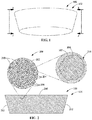
FIG. 1 is a perspective view of an article, according to an embodiment of the present disclosure. -
FIG. 2 is a sectional view along lines 2-2 of the article ofFIG. 1 wherein the article consists of a material, according to an embodiment of the present disclosure. -
FIG. 3 is a sectional view along lines 3-3 of the article ofFIG. 1 wherein the article includes a material disposed on a substrate, according to an embodiment of the present disclosure. -
FIG. 4 is a perspective view of an assembly including an article having a material, according to an embodiment of the present disclosure. - Wherever possible, the same reference numbers will be used throughout the drawings to represent the same parts.
- Provided are exemplary materials, articles, and methods for forming the articles. Embodiments of the present disclosure, in comparison to articles and methods not utilizing one or more features disclosed herein, decrease costs, increase process efficiency, increase durability, increase reliability, increase service lifetime, decrease erosion, decrease wear, or a combination thereof.
- Referring to
FIGS. 1 and 2 , in one embodiment, anarticle 100 includes amaterial 200. Thematerial 200 includes amatrix 202 and a plurality ofparticles 204 dispersed in thematrix 202. The plurality ofparticles 204 includes a plurality oftungsten semicarbide particles 206, and the plurality oftungsten semicarbide particles 206 constitutes at least about 30 vol% of the plurality ofparticles 204. - The plurality of
particles 204 may be randomly dispersed in thematrix 202, multi-modally dispersed in thematrix 202, essentially uniformly dispersed in thematrix 202, uniformly dispersed in thematrix 202, dispersed in thematrix 202 per a predetermined pattern, or combinations thereof. As used herein, "multi-modally dispersed" indicates a region having a greater concentration and a region having a lesser concentration, and "essentially uniformly dispersed" indicates a variance in concentration of less than about 20%, alternatively, less than about 15%, alternatively less than about 10%, alternatively less than about 5%, alternatively less than about 1%. "Multi-modally dispersed" further may refer to the distribution of different sizes within the plurality ofparticles 204. - In one embodiment, the plurality of
particles 204 is dispersed in thematrix 202 at a density (average, by weight) of at least about 50%, alternatively at least about 55%, alternatively at least about 60%, alternatively at least about 65%, alternatively at least about 75%, alternatively at least about 80%, alternatively at least about 85%, alternatively at least about 90%, alternatively between about 50% to about 99%, alternatively between about 60% to about 95%, alternatively between about 75% to about 94%, alternatively between about 85% to about 93%, alternatively between about 90% to about 95%, alternatively about 93%. - In addition to the plurality of
tungsten semicarbide particles 206, the plurality ofparticles 204 may include a plurality oftungsten carbide particles 208. Tungsten carbide may include both α-W2C and β-W2C in any suitable proportions. In one embodiment, the plurality ofparticles 204 consists essentially of the plurality oftungsten semicarbide particles 206 and the plurality oftungsten carbide particles 208, excluding up to about 5 wt% impurities and decarburization products, alternatively up to about 2 wt%, alternatively up to about 1 wt%, alternatively up to about 0.5 wt%, alternatively up to about 0.1 wt%. In a further embodiment, the plurality ofparticles 204 consists of the plurality oftungsten semicarbide particles 206 and the plurality oftungsten carbide particles 208. The plurality oftungsten semicarbide particles 206 and the plurality oftungsten carbide particles 208 may, independently, include particles having mixtures of tungsten carbide and tungsten semicarbide, or may include particles having subparticles of tungsten carbide and subparticles of tungsten semicarbide, wherein the subparticles are fused or adhered together, provided that such multiphase arrangements are considered as separate particles for purposes of determining volume percent of tungsten carbide and tungsten semicarbide. In one embodiment, such multiphase arrangements constitute less than about 10 vol% of the plurality ofparticles 204, alternatively less than about 5 vol%, alternatively less than about 2 vol%, alternatively less than about 1 vol%, alternatively less than about 0.5 vol%, alternatively less than about 0.1 vol%. - The plurality of
tungsten semicarbide particles 206 may include any suitable particle size. In one embodiment, the plurality oftungsten semicarbide particles 206 includes a maximum particle size of less than about 50 µm, alternatively less than about 250 µm, alternatively less than about 10 µm, alternatively less than about 5 µm, alternatively less than about 1 µm, alternatively less than about 0.5 µm, alternatively less than about 0.1 µm. In another embodiment, the plurality oftungsten semicarbide particles 206 includes a particle size distribution (normal distribution) of between about 1 nm to about 25 µm, alternatively between about 5 nm to about 10 µm, alternatively between about 10 nm to about 5 µm, alternatively between about 20 nm to about 1 µm. - In one embodiment, the
material 200 may include a plurality of additional particles (not shown). The plurality of additional particles may be intermixed with the plurality ofparticles 204 and dispersed in thematrix 202, and may include a plurality of ceramic particles. Suitable ceramic particles may include, but are not limited to, metal carbides, metal borides, metal oxides, boron nitrides, boron carbides, boron carbon nitrides, zirconia toughened aluminas, silicon carbides, silicon nitrides, silicon oxy-nitrides, silicon aluminum oxy-nitrides, or combinations thereof. The plurality of additional particles may include any suitable particle size distribution, including, but not limited to, a particle size distribution of up to about 10 nm, alternatively up to about 20 nm, alternatively up to about 25 nm, alternatively up to about 10 mm, alternatively up to about 20 mm, alternatively up to about 25 mm, alternatively from about 1 nm to about 25 mm, alternatively from about 1 nm to about 25 nm, alternatively from about 1 mm to about 25 mm. In one embodiment, the plurality of additional particles includes fine particles having a fine particle size distribution up to about 25 nm, and coarse particles having a coarse particle size distribution from about 1 mm to about 25 mm, the fine particles and the coarse particles being intermixed. The intermixed fine particles coarse particles may be distributed to optimize protection against erodent abrasive particles having different sizes. The fine particles may also fill in gaps in the plurality ofparticles 204, thereby enhancing the resistance of the plurality of additional particles to erosion and abrasion. - The plurality of
tungsten semicarbide particles 206 may include any suitable conformation including, but not limited to conformations having a reduced occurrence of orthogonal facets relative to a cuboid conformation. In one embodiment, the plurality oftungsten semicarbide particles 206 includes an essentiallyspheroidal conformation 210. As used herein, "essentially spheroidal" indicates that substantial deviations from a perfect sphere or spheroid are contemplated provided that the overall conformation approximates a sphere or spheroid. Without being bound by theory, it is believed that an essentially spheroidal conformation, having reduced orthogonal and acute facets in comparison to a cuboidal conformation, reduces the susceptibility of the plurality oftungsten semicarbide particles 206 to fracture, thereby decreasing brittleness and increasing toughness of the plurality oftungsten semicarbide particles 206. - The plurality of
tungsten semicarbide particles 206 may constitute any suitable proportion of the plurality ofparticles 204. In one embodiment, thetungsten semicarbide particles 206 constitute at least 30 vol% of the plurality ofparticles 204, alternatively at least about 40 vol%, alternatively at least about 50 vol%, alternatively at least about 60 vol%, alternatively at least about 70 vol%, alternatively at least about 75 vol%, alternatively at least about 80 vol%, alternatively at least about 85 vol%, alternatively about 90 vol%, alternatively up to about 90 vol%, alternatively between about 40 vol% to about 95 vol%, alternatively between about 45 vol% to about 92 vol%, alternatively between about 50 vol% to about 90 vol%. - The
matrix 202 may include any suitable matrix material, including, but not limited to cobalt, cobalt-chromium alloys, nickel-chromium alloys, nickel-chromium-boron-silicon alloys, cobalt-chromium-boron-silicon alloys, iron-chromium-boron-silicon alloys, Hadfield steel alloys, or combinations thereof. - The
article 100 may be any suitable article, including, but not limited to, a grinding article, a grindingroll 102, a coal grinding roll, a gas turbine component, a gas turbine transition piece, a gas turbine liner, a gas turbine liner stop, a gas turbine bully horn, a gas turbine blade (bucket), a gas turbine blade (bucket) tip, a gas turbine shroud, a gas turbine inner shroud, a coal feed pump rotor, a coal feed pump outlet pipe, a cutting tool, a mining drill bit, a rub-resistant abradable article tip, a pump dry seal, or combinations thereof. In one embodiment, wherein thearticle 100 is a grinding article, thearticle 100 includes a grindingsurface 212 formed by thematerial 200. - Referring to
FIG. 2 , in one embodiment, thearticle 100 consists essentially of thematerial 200, excluding any coatings disposed on thearticle 100. In a further embodiment, thearticle 100 consists of thematerial 200. - Referring to
FIG. 3 , in another embodiment, thearticle 100 includes asubstrate 300, and the material 200 forms alayer 302 disposed on thesubstrate 300. Thesubstrate 300 may include anysuitable substrate material 304, including, but not limited to chrome-iron alloy including, by weight, at least about 30% chrome, cast iron, spheroidal graphite iron, white cast iron, cast iron including niobium, cast iron including chromium, cast iron including titanium, iron alloy, steel, Hadfield steel, cast steel, locomotive wheel steel, or combinations thereof. Thelayer 302 may be disposed directly on asubstrate surface 310 of the substrate 300 (shown), or there may be an intermediate layer (not shown) disposed between thelayer 302 and thesubstrate 300. The intermediate layer may include any suitable coating-type, including, but not limited to, a bond coat, an abrasive coating, a grinding coating, a thermal barrier coating, an environmental barrier coating, a diffusion aluminide coating, or combinations thereof. Suitable bond coats include, but are not limited to, molybdenum, Ni-5Al, Ni-20Al, Ni-20Cr, MCrAlY (where M is nickel, cobalt, or iron), or combinations thereof. - The
substrate 300 may include any suitable dimensions. In one embodiment, wherein thesubstrate 300 is a rotatable grinding article, such as, but not limited to, a grindingroll 102, the substrate may include any suitable substrateaverage diameter 306, including, but not limited to, a substrateaverage diameter 306 of between about 10 mm and about 3 m, alternatively between about 25 mm and about 2.5 m, alternatively between about 50 mm and about 2 m. Thelayer 302 may include anysuitable layer thickness 308, including, but not limited to, alayer thickness 308 of between about 0.05 mm and about 50 mm, alternatively between about 0.1 mm and about 10 mm, alternatively between about 0.25 mm and about 5 mm, alternatively between about 0.5 mm and about 3 mm. - Referring to
FIGS. 1 and4 , thearticle 100 may be an independent component or thearticle 100 may be a component, such as a grindingroll 102, of a grinding apparatus 400, such as, but not limited to, a bowl mill, a ball and race mill, a drum and ball mill, a coal crusher, or combinations thereof. - Referring to
FIGS. 1-3 , in one embodiment, a method for forming anarticle 100 includes applying amaterial 200. Applying thematerial 200 includes forming thematrix 202 and dispersing the plurality ofparticles 204 in thematrix 202, wherein the plurality ofparticles 204 include a plurality oftungsten carbide particles 208. The plurality oftungsten carbide particles 208 are at least partially decarburized, transforming at least a portion of the plurality of thetungsten carbide particles 208 into the plurality oftungsten semicarbide particles 206, such that the plurality oftungsten semicarbide particles 206 constitutes at least about 30 vol% of the plurality ofparticles 204. - Transforming at least the portion of the plurality of
tungsten carbide particles 208 into the plurality oftungsten semicarbide particles 206 may include forming the plurality oftungsten semicarbide particles 206 having the essentiallyspheroidal conformation 210, or the plurality oftungsten carbide particles 208 may include the essentiallyspheroidal conformation 210 prior to the transforming of at least the portion of the plurality oftungsten carbide particles 208 into the plurality oftungsten semicarbide particles 206. In one embodiment, the plurality oftungsten semicarbide particles 206 are formed having the essentiallyspheroidal conformation 210 by controlling kinetics and surface activation energies during a thermal spray process, which, along with the thermal spray process itself, may bend, oxidize and dissolve sharp edges. Without being bound by theory, it is believed that oxidizing and dissolving sharp edges transforms the particles to become essentially spheroidal. - In one embodiment, forming the
matrix 202 and dispersing the plurality ofparticles 204 in thematrix 202 includes thermally spraying the matrix and the plurality of particles. Any suitable thermal spray technique may be utilized, including, but not limited to, cored wire arc spraying, wire arc spraying, high velocity air fuel spraying, high velocity oxy-fuel spraying, air plasma spraying, twin wire arc spraying, cold spraying, or combinations thereof. In one embodiment, parameters used for forming tungsten semicarbide in a high velocity air fuel spraying process or a high velocity oxy-fuel spraying process include gas flows and ratios which promote higher temperature as well as elevated ratios of oxygen which may induce decarburization of tungsten carbide to tungsten semicarbide. The stoichiometry gas flow may follow the equation 2H2 + O2 = 2H2O, and the amount of oxygen may be controlled to control the amount of tungsten semicarbide formed. Higher amounts of oxygen and higher temperature may, independently, increase decarburization. In another embodiment, parameters for forming tungsten semicarbide in an air plasma spraying process may include increasing power and temperature to increase decarburization. In another embodiment, decarburization may be controlled by adjusting the particle feedstock size used for spraying. Without being bound by theory, it is believed that finer particle sizes decarburize more easily relative to coarser particle sizes, and so the amount of decarburization may be controlled by adjusting a mix of fine and coarse feedstock particles. In one embodiment, fine particles include a size of typically 1 µm or less, and coarse particles include a size of typically about 1 µm to about 5 µm - The method may further include heat treating following thermally spraying the plurality of
tungsten carbide particles 208, wherein heat treating at least partially decarburizes the plurality oftungsten carbide particles 208, forming the plurality oftungsten semicarbide particles 206. In one embodiment, heat treating may include a predetermined partial pressure of oxygen to control the phase of tungsten semicarbide formed during decarburization. - Referring to
FIGS. 3 and 5 , in one embodiment, the method for forming thearticle 100 includes applying thematerial 200 to asubstrate 300. Referring toFIG. 5 , in an embodiment wherein thesubstrate 300 includes at least onecrack 500, thelayer 302 may be at least partially disposed within thecrack 500, sealing thecrack 500. Thelayer 300 may form a treatedsurface 502 which is substantially flush with a substrate surface (FIG. 5 ), or thelayer 300 may form alayer 302 which extends over at least a portion of the substrate surface 310 (FIG. 3 ). As used herein, "substantially flush" indicates that the treatedsurface 502 is neither elevated nor depressed relative to thesubstrate surface 310 where they meet by more than about 1 mm. - While the invention has been described with reference to a preferred embodiment, it will be understood by those skilled in the art that various changes may be made and equivalents may be substituted for elements thereof without departing from the scope of the invention. In addition, many modifications may be made to adapt a particular situation or material to the teachings of the invention without departing from the essential scope thereof. Therefore, it is intended that the invention not be limited to the particular embodiment disclosed as the best mode contemplated for carrying out this invention, but that the invention will include all embodiments falling within the scope of the appended claims.
- Various aspects and embodiments of the present invention are defined by the following clauses:
- 1. A material, comprising:
- a matrix; and
- a plurality of particles dispersed in the matrix, the plurality of particles including a plurality of tungsten semicarbide particles,
- wherein the plurality of tungsten semicarbide particles constitutes at least about 30 vol% of the plurality of particles.
- 2. The material in accordance with clause 1, wherein the plurality of particles consists essentially of the plurality of tungsten semicarbide particles and a plurality of tungsten carbide particles.
- 3. The material in accordance with clause 1, wherein the plurality of tungsten semicarbide particles includes an essentially spheroidal conformation.
- 4. The material in accordance with clause 1, wherein the plurality of tungsten semicarbide particles constitutes at least about 75 vol% of the plurality of particles.
- 5. The material in accordance with clause 1, wherein the matrix includes a matrix material selected from the group consisting of cobalt, cobalt-chromium alloys, nickel-chromium alloys, nickel-chromium-boron-silicon alloys, cobalt-chromium-boron-silicon alloys, iron-chromium-boron-silicon alloys, Hadfield steel alloys, and combinations thereof.
- 6. An article, comprising:
- a material, the material including:
- a matrix; and
- a plurality of particles dispersed in the matrix, the plurality of particles including a plurality of tungsten semicarbide particles,
- wherein the plurality of tungsten semicarbide particles constitutes at least about 30 vol% of the plurality of particles.
- a material, the material including:
- 7. The article in accordance with clause 6, wherein the plurality of particles consists essentially of the plurality of tungsten semicarbide particles and a plurality of tungsten carbide particles.
- 8. The article in accordance with clause 6, wherein the plurality of tungsten semicarbide particles includes an essentially spheroidal conformation.
- 9. The article in accordance with clause 6, wherein the plurality of tungsten semicarbide particles constitutes at least about 75 vol% of the plurality of particles.
- 10. The article in accordance with clause 6, wherein the matrix includes a matrix material selected from the group consisting of cobalt, cobalt-chromium alloys, nickel-chromium alloys, nickel-chromium-boron-silicon alloys, cobalt-chromium-boron-silicon alloys, iron-chromium-boron-silicon alloys, Hadfield steel alloys, and combinations thereof.
- 11. The article in accordance with clause 6, wherein the article is a grinding article, and the article includes a grinding surface formed by the material.
- 12. The article in accordance with clause 11, wherein the grinding article is selected from the group consisting of a coal grinding roll, a gas turbine component, a gas turbine transition piece, a gas turbine liner, a gas turbine liner stop, a gas turbine bully horn, a gas turbine blade (bucket), a gas turbine blade (bucket) tip, a gas turbine shroud, a gas turbine inner shroud, a coal feed pump rotor, a coal feed pump outlet pipe, a cutting tool, a mining drill bit, a rub-resistant abradable article tip, a pump dry seal, and combinations thereof.
- 13. The article in accordance with clause 6, wherein the article includes a substrate, and the material forms a layer disposed on the substrate.
- 14. The article in accordance with clause 12, wherein the substrate includes a substrate material selected from the group consisting of chrome-iron alloy including, by weight, at least about 30% chrome, cast iron, spheroidal graphite iron, white cast iron, cast iron including niobium, cast iron including chromium, cast iron including titanium, iron alloy, steel, Hadfield steel, cast steel, locomotive wheel steel, or combinations thereof.
- 15. The article in accordance with clause 6, wherein the plurality of tungsten semicarbide particles includes a maximum particle size of less than about 10 µm.
- 16. The article in accordance with clause 6, wherein the plurality of tungsten semicarbide particles includes a particle size distribution of between about 10 nm to about 5 µm.
- 17. A method for forming an article, comprising:
- applying a material, including:
- forming a matrix; and
- dispersing a plurality of particles in the matrix, the plurality of particles including a plurality of tungsten carbide particles;
- at least partially decarburizing the plurality of tungsten carbide particles, transforming at least a portion of the plurality of tungsten carbide particles into a plurality of tungsten semicarbide particles such that the plurality of tungsten semicarbide particles constitutes at least about 30 vol% of the plurality of particles.
- applying a material, including:
- 18. The method in accordance with clause 17, wherein transforming at least the portion of the tungsten carbide particles into the plurality of tungsten semicarbide particles includes forming the plurality of tungsten semicarbide particles having an essentially spheroidal conformation.
- 19. The method in accordance with clause 17, wherein forming the matrix and dispersing the plurality of particles in the matrix includes thermally spraying the matrix and the plurality of particles.
- 20. The method in accordance with clause 17, further including heat treating following applying the material, wherein heat treating at least partially decarburizes the plurality of tungsten carbide particles.
Claims (15)
- A material (200), comprising:a matrix (202); anda plurality of particles (204) dispersed in the matrix (202), the plurality of particles (204) including a plurality of tungsten semicarbide particles (206),wherein the plurality of tungsten semicarbide particles (206) constitutes at least 30 vol% of the plurality of particles (204).
- The material (200) as claimed in claim 1, wherein the plurality of particles (204) consists essentially of the plurality of tungsten semicarbide particles (206) and a plurality of tungsten carbide particles (208).
- The material (200) as claimed in claim 1 or 2, wherein the plurality of tungsten semicarbide particles (206) includes an essentially spheroidal conformation (210).
- The material (200) as claimed in any one of claims 1 to 3, wherein the plurality of tungsten semicarbide particles (206) constitutes at least 75 vol% of the plurality of particles (204).
- The material (200) as claimed in any one of claims 1 to 4, wherein the matrix (202) includes a matrix (202) material selected from the group consisting of cobalt, cobalt-chromium alloys, nickel-chromium alloys, nickel-chromium-boron-silicon alloys, cobalt-chromium-boron-silicon alloys, iron-chromium-boron-silicon alloys, Hadfield steel alloys, and combinations thereof.
- An article (100), comprising:a material (200), the material (200) including:a matrix (202); anda plurality of particles (204) dispersed in the matrix (202), the plurality of particles (204) including a plurality of tungsten semicarbide particles (206),wherein the plurality of tungsten semicarbide particles (206) constitutes at least 30 vol% of the plurality of particles (204).
- The article (100) as claimed in claim 6, wherein the plurality of particles (204) consists essentially of the plurality of tungsten semicarbide particles (206) and a plurality of tungsten carbide particles (208).
- The article (100) as claimed in claim 6 or 7, wherein the plurality of tungsten semicarbide particles (206) includes an essentially spheroidal conformation (210).
- The article (100) as claimed in any one of claims 6 to 8, wherein the article (100) is a grinding article, and the article (100) includes a grinding surface (212) formed by the material (200).
- The article (100) as claimed in any one of claims 6 to 9, wherein the article (100) includes a substrate (300), and the material (200) forms a layer disposed on the substrate (300).
- The article (100) as claimed in any one of claims 6 to 10, wherein the plurality of tungsten semicarbide particles (206) includes a maximum particle size of less than 10 µm.
- A method for forming an article (100), comprising:applying a material (200), including:forming a matrix (202); anddispersing a plurality of particles (204) in the matrix (202), the plurality of particles (204) including a plurality of tungsten carbide particles (208);at least partially decarburizing the plurality of tungsten carbide particles (208), transforming at least a portion of the plurality of tungsten carbide particles (208) into a plurality of tungsten semicarbide particles (206) such that the plurality of tungsten semicarbide particles (206) constitutes at least 30 vol% of the plurality of particles (204).
- The method as claimed in claim 12, wherein transforming at least the portion of the tungsten carbide particles (208) into the plurality of tungsten semicarbide particles (206) includes forming the plurality of tungsten semicarbide particles (206) having an essentially spheroidal conformation (210).
- The method as claimed in claim 12 or 13, wherein forming the matrix (202) and dispersing the plurality of particles (204) in the matrix (202) includes thermally spraying the matrix (202) and the plurality of particles (204).
- The method as claimed in any one of claims 12 to 14, further including heat treating following applying the material (200), wherein heat treating at least partially decarburizes the plurality of tungsten carbide particles (208).
Applications Claiming Priority (1)
| Application Number | Priority Date | Filing Date | Title |
|---|---|---|---|
| IN201641044655 | 2016-12-28 |
Publications (2)
| Publication Number | Publication Date |
|---|---|
| EP3342529A1 true EP3342529A1 (en) | 2018-07-04 |
| EP3342529B1 EP3342529B1 (en) | 2021-03-24 |
Family
ID=60627505
Family Applications (1)
| Application Number | Title | Priority Date | Filing Date |
|---|---|---|---|
| EP17205765.5A Not-in-force EP3342529B1 (en) | 2016-12-28 | 2017-12-06 | Material, article, and method for forming article with tungsten semicarbide |
Country Status (1)
| Country | Link |
|---|---|
| EP (1) | EP3342529B1 (en) |
Citations (3)
| Publication number | Priority date | Publication date | Assignee | Title |
|---|---|---|---|---|
| DE2161453A1 (en) * | 1967-10-11 | 1972-06-29 | Centre Nat Rech Scient | Parts provided with a coating, in particular friction elements for brakes and clutches, and processes for their manufacture |
| JPH0813116A (en) * | 1994-06-29 | 1996-01-16 | Ofic Co | Surface treatment for metallic parts |
| EP2695974A1 (en) * | 2012-08-06 | 2014-02-12 | Wacker Chemie AG | Polycrystalline silicon chunks and method for producing them |
-
2017
- 2017-12-06 EP EP17205765.5A patent/EP3342529B1/en not_active Not-in-force
Patent Citations (3)
| Publication number | Priority date | Publication date | Assignee | Title |
|---|---|---|---|---|
| DE2161453A1 (en) * | 1967-10-11 | 1972-06-29 | Centre Nat Rech Scient | Parts provided with a coating, in particular friction elements for brakes and clutches, and processes for their manufacture |
| JPH0813116A (en) * | 1994-06-29 | 1996-01-16 | Ofic Co | Surface treatment for metallic parts |
| EP2695974A1 (en) * | 2012-08-06 | 2014-02-12 | Wacker Chemie AG | Polycrystalline silicon chunks and method for producing them |
Non-Patent Citations (1)
| Title |
|---|
| VERDON C ET AL: "A STUDY OF HIGH VEOCITY OXY-FUL THERMALLY SPRAYED TUNGSTEN CARBIDE BASED COATINGS. PART 1: MICROSTRUCTURES", MATERIALS SCIENCE AND ENGINEERING: A, ELSEVIER, AMSTERDAM, NL, vol. A246, 1 January 1998 (1998-01-01), pages 11 - 24, XP002523377, ISSN: 0921-5093, DOI: 10.1016/S0921-5093(97)00759-4 * |
Also Published As
| Publication number | Publication date |
|---|---|
| EP3342529B1 (en) | 2021-03-24 |
Similar Documents
| Publication | Publication Date | Title |
|---|---|---|
| EP2324140B1 (en) | Wear part with hard facing | |
| CN103290403B (en) | A kind of method preparing high-content WC enhancing alloy powder coating | |
| Konyashin | 1.15 Cemented Carbides for Mining, Construction and Wear Parts | |
| JP2008144272A (en) | Environmentally friendly wear resistant carbide coating | |
| Katiyar et al. | Failure behavior of cemented tungsten carbide materials: a case study of mining drill bits | |
| Reshetnyak et al. | Structure sensitivity of wear resistance of hardmetals | |
| Wang et al. | The effect of CeO2 on the erosion and abrasive wear of thermal sprayed FeAl intermetallic alloy coatings | |
| Hejwowski | Erosive and abrasive wear resistance of overlay coatings | |
| US20190284674A1 (en) | Wear resistant coating | |
| WO2014012140A1 (en) | Wear resistant coating | |
| CN104789920A (en) | Method for utilizing plasma spray scalded wear-resistant coating | |
| Surzhenkov et al. | Wear resistance and mechanisms of composite hardfacings at abrasive impact erosion wear | |
| Mehdi et al. | Improvement of metallurgical and wear properties of the different substrate by high-velocity oxygen fuel (HVOF) coating: a critical review | |
| CN202510273U (en) | Cavitation-resistant water turbine blade | |
| Hejwowski et al. | An investigation of the abrasive and erosive wear of flame-sprayed coatings | |
| EP3342529B1 (en) | Material, article, and method for forming article with tungsten semicarbide | |
| Pintaude | Strategies for the development of wear-resistant coatings: A review | |
| Bastidas et al. | Jet slurry erosion of cermet nano-coatings obtained by HVOF | |
| JP2003035090A (en) | Cutter bit for excavation | |
| US20090191416A1 (en) | Method for deposition of cemented carbide coating and related articles | |
| Kulu | Selection of powder coatings for extreme erosion wear conditions | |
| Basak et al. | Abrasive wear during machining of hard nanostructured cermet coatings | |
| Anderson et al. | The use of tungsten carbide materials for oilsand wear applications | |
| JP2003105517A (en) | Construction method for protecting and repairing concrete | |
| Röttger | Wear mechanisms of hard phase containing materials |
Legal Events
| Date | Code | Title | Description |
|---|---|---|---|
| PUAI | Public reference made under article 153(3) epc to a published international application that has entered the european phase |
Free format text: ORIGINAL CODE: 0009012 |
|
| STAA | Information on the status of an ep patent application or granted ep patent |
Free format text: STATUS: THE APPLICATION HAS BEEN PUBLISHED |
|
| AK | Designated contracting states |
Kind code of ref document: A1 Designated state(s): AL AT BE BG CH CY CZ DE DK EE ES FI FR GB GR HR HU IE IS IT LI LT LU LV MC MK MT NL NO PL PT RO RS SE SI SK SM TR |
|
| AX | Request for extension of the european patent |
Extension state: BA ME |
|
| STAA | Information on the status of an ep patent application or granted ep patent |
Free format text: STATUS: REQUEST FOR EXAMINATION WAS MADE |
|
| 17P | Request for examination filed |
Effective date: 20190104 |
|
| RBV | Designated contracting states (corrected) |
Designated state(s): AL AT BE BG CH CY CZ DE DK EE ES FI FR GB GR HR HU IE IS IT LI LT LU LV MC MK MT NL NO PL PT RO RS SE SI SK SM TR |
|
| STAA | Information on the status of an ep patent application or granted ep patent |
Free format text: STATUS: EXAMINATION IS IN PROGRESS |
|
| 17Q | First examination report despatched |
Effective date: 20200228 |
|
| REG | Reference to a national code |
Ref country code: DE Ref legal event code: R079 Ref document number: 602017035137 Country of ref document: DE Free format text: PREVIOUS MAIN CLASS: B23K0035300000 Ipc: C23C0004100000 |
|
| RIC1 | Information provided on ipc code assigned before grant |
Ipc: B23K 35/32 20060101ALI20200911BHEP Ipc: B23K 35/02 20060101ALI20200911BHEP Ipc: C23C 4/10 20160101AFI20200911BHEP Ipc: C23C 4/134 20160101ALI20200911BHEP Ipc: C22C 29/08 20060101ALI20200911BHEP Ipc: B22F 3/115 20060101ALI20200911BHEP Ipc: C23C 4/18 20060101ALI20200911BHEP Ipc: B23K 35/30 20060101ALI20200911BHEP |
|
| GRAP | Despatch of communication of intention to grant a patent |
Free format text: ORIGINAL CODE: EPIDOSNIGR1 |
|
| STAA | Information on the status of an ep patent application or granted ep patent |
Free format text: STATUS: GRANT OF PATENT IS INTENDED |
|
| INTG | Intention to grant announced |
Effective date: 20201023 |
|
| GRAS | Grant fee paid |
Free format text: ORIGINAL CODE: EPIDOSNIGR3 |
|
| GRAA | (expected) grant |
Free format text: ORIGINAL CODE: 0009210 |
|
| STAA | Information on the status of an ep patent application or granted ep patent |
Free format text: STATUS: THE PATENT HAS BEEN GRANTED |
|
| AK | Designated contracting states |
Kind code of ref document: B1 Designated state(s): AL AT BE BG CH CY CZ DE DK EE ES FI FR GB GR HR HU IE IS IT LI LT LU LV MC MK MT NL NO PL PT RO RS SE SI SK SM TR |
|
| REG | Reference to a national code |
Ref country code: GB Ref legal event code: FG4D |
|
| REG | Reference to a national code |
Ref country code: CH Ref legal event code: EP |
|
| REG | Reference to a national code |
Ref country code: IE Ref legal event code: FG4D |
|
| REG | Reference to a national code |
Ref country code: AT Ref legal event code: REF Ref document number: 1374601 Country of ref document: AT Kind code of ref document: T Effective date: 20210415 Ref country code: DE Ref legal event code: R096 Ref document number: 602017035137 Country of ref document: DE |
|
| REG | Reference to a national code |
Ref country code: LT Ref legal event code: MG9D |
|
| PG25 | Lapsed in a contracting state [announced via postgrant information from national office to epo] |
Ref country code: BG Free format text: LAPSE BECAUSE OF FAILURE TO SUBMIT A TRANSLATION OF THE DESCRIPTION OR TO PAY THE FEE WITHIN THE PRESCRIBED TIME-LIMIT Effective date: 20210624 Ref country code: FI Free format text: LAPSE BECAUSE OF FAILURE TO SUBMIT A TRANSLATION OF THE DESCRIPTION OR TO PAY THE FEE WITHIN THE PRESCRIBED TIME-LIMIT Effective date: 20210324 Ref country code: GR Free format text: LAPSE BECAUSE OF FAILURE TO SUBMIT A TRANSLATION OF THE DESCRIPTION OR TO PAY THE FEE WITHIN THE PRESCRIBED TIME-LIMIT Effective date: 20210625 Ref country code: HR Free format text: LAPSE BECAUSE OF FAILURE TO SUBMIT A TRANSLATION OF THE DESCRIPTION OR TO PAY THE FEE WITHIN THE PRESCRIBED TIME-LIMIT Effective date: 20210324 Ref country code: NO Free format text: LAPSE BECAUSE OF FAILURE TO SUBMIT A TRANSLATION OF THE DESCRIPTION OR TO PAY THE FEE WITHIN THE PRESCRIBED TIME-LIMIT Effective date: 20210624 |
|
| PG25 | Lapsed in a contracting state [announced via postgrant information from national office to epo] |
Ref country code: RS Free format text: LAPSE BECAUSE OF FAILURE TO SUBMIT A TRANSLATION OF THE DESCRIPTION OR TO PAY THE FEE WITHIN THE PRESCRIBED TIME-LIMIT Effective date: 20210324 Ref country code: LV Free format text: LAPSE BECAUSE OF FAILURE TO SUBMIT A TRANSLATION OF THE DESCRIPTION OR TO PAY THE FEE WITHIN THE PRESCRIBED TIME-LIMIT Effective date: 20210324 Ref country code: SE Free format text: LAPSE BECAUSE OF FAILURE TO SUBMIT A TRANSLATION OF THE DESCRIPTION OR TO PAY THE FEE WITHIN THE PRESCRIBED TIME-LIMIT Effective date: 20210324 |
|
| REG | Reference to a national code |
Ref country code: NL Ref legal event code: MP Effective date: 20210324 |
|
| REG | Reference to a national code |
Ref country code: AT Ref legal event code: MK05 Ref document number: 1374601 Country of ref document: AT Kind code of ref document: T Effective date: 20210324 |
|
| PG25 | Lapsed in a contracting state [announced via postgrant information from national office to epo] |
Ref country code: NL Free format text: LAPSE BECAUSE OF FAILURE TO SUBMIT A TRANSLATION OF THE DESCRIPTION OR TO PAY THE FEE WITHIN THE PRESCRIBED TIME-LIMIT Effective date: 20210324 |
|
| PG25 | Lapsed in a contracting state [announced via postgrant information from national office to epo] |
Ref country code: EE Free format text: LAPSE BECAUSE OF FAILURE TO SUBMIT A TRANSLATION OF THE DESCRIPTION OR TO PAY THE FEE WITHIN THE PRESCRIBED TIME-LIMIT Effective date: 20210324 Ref country code: CZ Free format text: LAPSE BECAUSE OF FAILURE TO SUBMIT A TRANSLATION OF THE DESCRIPTION OR TO PAY THE FEE WITHIN THE PRESCRIBED TIME-LIMIT Effective date: 20210324 Ref country code: LT Free format text: LAPSE BECAUSE OF FAILURE TO SUBMIT A TRANSLATION OF THE DESCRIPTION OR TO PAY THE FEE WITHIN THE PRESCRIBED TIME-LIMIT Effective date: 20210324 Ref country code: SM Free format text: LAPSE BECAUSE OF FAILURE TO SUBMIT A TRANSLATION OF THE DESCRIPTION OR TO PAY THE FEE WITHIN THE PRESCRIBED TIME-LIMIT Effective date: 20210324 Ref country code: AT Free format text: LAPSE BECAUSE OF FAILURE TO SUBMIT A TRANSLATION OF THE DESCRIPTION OR TO PAY THE FEE WITHIN THE PRESCRIBED TIME-LIMIT Effective date: 20210324 |
|
| PG25 | Lapsed in a contracting state [announced via postgrant information from national office to epo] |
Ref country code: IS Free format text: LAPSE BECAUSE OF FAILURE TO SUBMIT A TRANSLATION OF THE DESCRIPTION OR TO PAY THE FEE WITHIN THE PRESCRIBED TIME-LIMIT Effective date: 20210724 Ref country code: RO Free format text: LAPSE BECAUSE OF FAILURE TO SUBMIT A TRANSLATION OF THE DESCRIPTION OR TO PAY THE FEE WITHIN THE PRESCRIBED TIME-LIMIT Effective date: 20210324 Ref country code: SK Free format text: LAPSE BECAUSE OF FAILURE TO SUBMIT A TRANSLATION OF THE DESCRIPTION OR TO PAY THE FEE WITHIN THE PRESCRIBED TIME-LIMIT Effective date: 20210324 Ref country code: PL Free format text: LAPSE BECAUSE OF FAILURE TO SUBMIT A TRANSLATION OF THE DESCRIPTION OR TO PAY THE FEE WITHIN THE PRESCRIBED TIME-LIMIT Effective date: 20210324 Ref country code: PT Free format text: LAPSE BECAUSE OF FAILURE TO SUBMIT A TRANSLATION OF THE DESCRIPTION OR TO PAY THE FEE WITHIN THE PRESCRIBED TIME-LIMIT Effective date: 20210726 |
|
| REG | Reference to a national code |
Ref country code: DE Ref legal event code: R097 Ref document number: 602017035137 Country of ref document: DE |
|
| PG25 | Lapsed in a contracting state [announced via postgrant information from national office to epo] |
Ref country code: AL Free format text: LAPSE BECAUSE OF FAILURE TO SUBMIT A TRANSLATION OF THE DESCRIPTION OR TO PAY THE FEE WITHIN THE PRESCRIBED TIME-LIMIT Effective date: 20210324 Ref country code: DK Free format text: LAPSE BECAUSE OF FAILURE TO SUBMIT A TRANSLATION OF THE DESCRIPTION OR TO PAY THE FEE WITHIN THE PRESCRIBED TIME-LIMIT Effective date: 20210324 Ref country code: ES Free format text: LAPSE BECAUSE OF FAILURE TO SUBMIT A TRANSLATION OF THE DESCRIPTION OR TO PAY THE FEE WITHIN THE PRESCRIBED TIME-LIMIT Effective date: 20210324 |
|
| PLBE | No opposition filed within time limit |
Free format text: ORIGINAL CODE: 0009261 |
|
| STAA | Information on the status of an ep patent application or granted ep patent |
Free format text: STATUS: NO OPPOSITION FILED WITHIN TIME LIMIT |
|
| PG25 | Lapsed in a contracting state [announced via postgrant information from national office to epo] |
Ref country code: SI Free format text: LAPSE BECAUSE OF FAILURE TO SUBMIT A TRANSLATION OF THE DESCRIPTION OR TO PAY THE FEE WITHIN THE PRESCRIBED TIME-LIMIT Effective date: 20210324 |
|
| 26N | No opposition filed |
Effective date: 20220104 |
|
| PG25 | Lapsed in a contracting state [announced via postgrant information from national office to epo] |
Ref country code: IS Free format text: LAPSE BECAUSE OF FAILURE TO SUBMIT A TRANSLATION OF THE DESCRIPTION OR TO PAY THE FEE WITHIN THE PRESCRIBED TIME-LIMIT Effective date: 20210724 |
|
| PG25 | Lapsed in a contracting state [announced via postgrant information from national office to epo] |
Ref country code: MC Free format text: LAPSE BECAUSE OF FAILURE TO SUBMIT A TRANSLATION OF THE DESCRIPTION OR TO PAY THE FEE WITHIN THE PRESCRIBED TIME-LIMIT Effective date: 20210324 |
|
| REG | Reference to a national code |
Ref country code: CH Ref legal event code: PL |
|
| GBPC | Gb: european patent ceased through non-payment of renewal fee |
Effective date: 20211206 |
|
| REG | Reference to a national code |
Ref country code: BE Ref legal event code: MM Effective date: 20211231 |
|
| PG25 | Lapsed in a contracting state [announced via postgrant information from national office to epo] |
Ref country code: LU Free format text: LAPSE BECAUSE OF NON-PAYMENT OF DUE FEES Effective date: 20211206 Ref country code: IE Free format text: LAPSE BECAUSE OF NON-PAYMENT OF DUE FEES Effective date: 20211206 Ref country code: GB Free format text: LAPSE BECAUSE OF NON-PAYMENT OF DUE FEES Effective date: 20211206 |
|
| PG25 | Lapsed in a contracting state [announced via postgrant information from national office to epo] |
Ref country code: FR Free format text: LAPSE BECAUSE OF NON-PAYMENT OF DUE FEES Effective date: 20211231 Ref country code: BE Free format text: LAPSE BECAUSE OF NON-PAYMENT OF DUE FEES Effective date: 20211231 |
|
| PG25 | Lapsed in a contracting state [announced via postgrant information from national office to epo] |
Ref country code: LI Free format text: LAPSE BECAUSE OF NON-PAYMENT OF DUE FEES Effective date: 20211231 Ref country code: CH Free format text: LAPSE BECAUSE OF NON-PAYMENT OF DUE FEES Effective date: 20211231 |
|
| PG25 | Lapsed in a contracting state [announced via postgrant information from national office to epo] |
Ref country code: IT Free format text: LAPSE BECAUSE OF FAILURE TO SUBMIT A TRANSLATION OF THE DESCRIPTION OR TO PAY THE FEE WITHIN THE PRESCRIBED TIME-LIMIT Effective date: 20210324 |
|
| PG25 | Lapsed in a contracting state [announced via postgrant information from national office to epo] |
Ref country code: HU Free format text: LAPSE BECAUSE OF FAILURE TO SUBMIT A TRANSLATION OF THE DESCRIPTION OR TO PAY THE FEE WITHIN THE PRESCRIBED TIME-LIMIT; INVALID AB INITIO Effective date: 20171206 |
|
| P01 | Opt-out of the competence of the unified patent court (upc) registered |
Effective date: 20230523 |
|
| PG25 | Lapsed in a contracting state [announced via postgrant information from national office to epo] |
Ref country code: CY Free format text: LAPSE BECAUSE OF FAILURE TO SUBMIT A TRANSLATION OF THE DESCRIPTION OR TO PAY THE FEE WITHIN THE PRESCRIBED TIME-LIMIT Effective date: 20210324 |
|
| REG | Reference to a national code |
Ref country code: DE Ref legal event code: R081 Ref document number: 602017035137 Country of ref document: DE Owner name: GENERAL ELECTRIC TECHNOLOGY GMBH, CH Free format text: FORMER OWNER: GENERAL ELECTRIC COMPANY, SCHENECTADY, NY, US |
|
| PGFP | Annual fee paid to national office [announced via postgrant information from national office to epo] |
Ref country code: DE Payment date: 20231121 Year of fee payment: 7 |
|
| PG25 | Lapsed in a contracting state [announced via postgrant information from national office to epo] |
Ref country code: MK Free format text: LAPSE BECAUSE OF FAILURE TO SUBMIT A TRANSLATION OF THE DESCRIPTION OR TO PAY THE FEE WITHIN THE PRESCRIBED TIME-LIMIT Effective date: 20210324 |
|
| PG25 | Lapsed in a contracting state [announced via postgrant information from national office to epo] |
Ref country code: MT Free format text: LAPSE BECAUSE OF FAILURE TO SUBMIT A TRANSLATION OF THE DESCRIPTION OR TO PAY THE FEE WITHIN THE PRESCRIBED TIME-LIMIT Effective date: 20210324 |
|
| REG | Reference to a national code |
Ref country code: DE Ref legal event code: R119 Ref document number: 602017035137 Country of ref document: DE |
|
| PG25 | Lapsed in a contracting state [announced via postgrant information from national office to epo] |
Ref country code: DE Free format text: LAPSE BECAUSE OF NON-PAYMENT OF DUE FEES Effective date: 20250701 |
|
| PG25 | Lapsed in a contracting state [announced via postgrant information from national office to epo] |
Ref country code: TR Free format text: LAPSE BECAUSE OF FAILURE TO SUBMIT A TRANSLATION OF THE DESCRIPTION OR TO PAY THE FEE WITHIN THE PRESCRIBED TIME-LIMIT Effective date: 20210324 |