EP3339013A1 - Heated floor panels with thermally conductive and electrically insulating fabric - Google Patents
Heated floor panels with thermally conductive and electrically insulating fabric Download PDFInfo
- Publication number
- EP3339013A1 EP3339013A1 EP17209058.1A EP17209058A EP3339013A1 EP 3339013 A1 EP3339013 A1 EP 3339013A1 EP 17209058 A EP17209058 A EP 17209058A EP 3339013 A1 EP3339013 A1 EP 3339013A1
- Authority
- EP
- European Patent Office
- Prior art keywords
- layer
- impregnated
- carbon fiber
- fabric
- opposite
- Prior art date
- Legal status (The legal status is an assumption and is not a legal conclusion. Google has not performed a legal analysis and makes no representation as to the accuracy of the status listed.)
- Granted
Links
Images
Classifications
-
- H—ELECTRICITY
- H05—ELECTRIC TECHNIQUES NOT OTHERWISE PROVIDED FOR
- H05B—ELECTRIC HEATING; ELECTRIC LIGHT SOURCES NOT OTHERWISE PROVIDED FOR; CIRCUIT ARRANGEMENTS FOR ELECTRIC LIGHT SOURCES, IN GENERAL
- H05B1/00—Details of electric heating devices
- H05B1/02—Automatic switching arrangements specially adapted to apparatus ; Control of heating devices
- H05B1/0227—Applications
- H05B1/023—Industrial applications
- H05B1/0236—Industrial applications for vehicles
-
- B—PERFORMING OPERATIONS; TRANSPORTING
- B32—LAYERED PRODUCTS
- B32B—LAYERED PRODUCTS, i.e. PRODUCTS BUILT-UP OF STRATA OF FLAT OR NON-FLAT, e.g. CELLULAR OR HONEYCOMB, FORM
- B32B15/00—Layered products comprising a layer of metal
- B32B15/04—Layered products comprising a layer of metal comprising metal as the main or only constituent of a layer, which is next to another layer of the same or of a different material
- B32B15/08—Layered products comprising a layer of metal comprising metal as the main or only constituent of a layer, which is next to another layer of the same or of a different material of synthetic resin
-
- B—PERFORMING OPERATIONS; TRANSPORTING
- B32—LAYERED PRODUCTS
- B32B—LAYERED PRODUCTS, i.e. PRODUCTS BUILT-UP OF STRATA OF FLAT OR NON-FLAT, e.g. CELLULAR OR HONEYCOMB, FORM
- B32B15/00—Layered products comprising a layer of metal
- B32B15/14—Layered products comprising a layer of metal next to a fibrous or filamentary layer
-
- B—PERFORMING OPERATIONS; TRANSPORTING
- B32—LAYERED PRODUCTS
- B32B—LAYERED PRODUCTS, i.e. PRODUCTS BUILT-UP OF STRATA OF FLAT OR NON-FLAT, e.g. CELLULAR OR HONEYCOMB, FORM
- B32B3/00—Layered products comprising a layer with external or internal discontinuities or unevennesses, or a layer of non-planar shape; Layered products comprising a layer having particular features of form
- B32B3/10—Layered products comprising a layer with external or internal discontinuities or unevennesses, or a layer of non-planar shape; Layered products comprising a layer having particular features of form characterised by a discontinuous layer, i.e. formed of separate pieces of material
- B32B3/12—Layered products comprising a layer with external or internal discontinuities or unevennesses, or a layer of non-planar shape; Layered products comprising a layer having particular features of form characterised by a discontinuous layer, i.e. formed of separate pieces of material characterised by a layer of regularly- arranged cells, e.g. a honeycomb structure
-
- B—PERFORMING OPERATIONS; TRANSPORTING
- B32—LAYERED PRODUCTS
- B32B—LAYERED PRODUCTS, i.e. PRODUCTS BUILT-UP OF STRATA OF FLAT OR NON-FLAT, e.g. CELLULAR OR HONEYCOMB, FORM
- B32B37/00—Methods or apparatus for laminating, e.g. by curing or by ultrasonic bonding
- B32B37/12—Methods or apparatus for laminating, e.g. by curing or by ultrasonic bonding characterised by using adhesives
-
- B—PERFORMING OPERATIONS; TRANSPORTING
- B32—LAYERED PRODUCTS
- B32B—LAYERED PRODUCTS, i.e. PRODUCTS BUILT-UP OF STRATA OF FLAT OR NON-FLAT, e.g. CELLULAR OR HONEYCOMB, FORM
- B32B37/00—Methods or apparatus for laminating, e.g. by curing or by ultrasonic bonding
- B32B37/14—Methods or apparatus for laminating, e.g. by curing or by ultrasonic bonding characterised by the properties of the layers
- B32B37/16—Methods or apparatus for laminating, e.g. by curing or by ultrasonic bonding characterised by the properties of the layers with all layers existing as coherent layers before laminating
-
- B—PERFORMING OPERATIONS; TRANSPORTING
- B32—LAYERED PRODUCTS
- B32B—LAYERED PRODUCTS, i.e. PRODUCTS BUILT-UP OF STRATA OF FLAT OR NON-FLAT, e.g. CELLULAR OR HONEYCOMB, FORM
- B32B5/00—Layered products characterised by the non- homogeneity or physical structure, i.e. comprising a fibrous, filamentary, particulate or foam layer; Layered products characterised by having a layer differing constitutionally or physically in different parts
- B32B5/02—Layered products characterised by the non- homogeneity or physical structure, i.e. comprising a fibrous, filamentary, particulate or foam layer; Layered products characterised by having a layer differing constitutionally or physically in different parts characterised by structural features of a fibrous or filamentary layer
-
- B—PERFORMING OPERATIONS; TRANSPORTING
- B32—LAYERED PRODUCTS
- B32B—LAYERED PRODUCTS, i.e. PRODUCTS BUILT-UP OF STRATA OF FLAT OR NON-FLAT, e.g. CELLULAR OR HONEYCOMB, FORM
- B32B5/00—Layered products characterised by the non- homogeneity or physical structure, i.e. comprising a fibrous, filamentary, particulate or foam layer; Layered products characterised by having a layer differing constitutionally or physically in different parts
- B32B5/22—Layered products characterised by the non- homogeneity or physical structure, i.e. comprising a fibrous, filamentary, particulate or foam layer; Layered products characterised by having a layer differing constitutionally or physically in different parts characterised by the presence of two or more layers which are next to each other and are fibrous, filamentary, formed of particles or foamed
- B32B5/24—Layered products characterised by the non- homogeneity or physical structure, i.e. comprising a fibrous, filamentary, particulate or foam layer; Layered products characterised by having a layer differing constitutionally or physically in different parts characterised by the presence of two or more layers which are next to each other and are fibrous, filamentary, formed of particles or foamed one layer being a fibrous or filamentary layer
- B32B5/26—Layered products characterised by the non- homogeneity or physical structure, i.e. comprising a fibrous, filamentary, particulate or foam layer; Layered products characterised by having a layer differing constitutionally or physically in different parts characterised by the presence of two or more layers which are next to each other and are fibrous, filamentary, formed of particles or foamed one layer being a fibrous or filamentary layer another layer next to it also being fibrous or filamentary
-
- B—PERFORMING OPERATIONS; TRANSPORTING
- B32—LAYERED PRODUCTS
- B32B—LAYERED PRODUCTS, i.e. PRODUCTS BUILT-UP OF STRATA OF FLAT OR NON-FLAT, e.g. CELLULAR OR HONEYCOMB, FORM
- B32B7/00—Layered products characterised by the relation between layers; Layered products characterised by the relative orientation of features between layers, or by the relative values of a measurable parameter between layers, i.e. products comprising layers having different physical, chemical or physicochemical properties; Layered products characterised by the interconnection of layers
- B32B7/04—Interconnection of layers
- B32B7/12—Interconnection of layers using interposed adhesives or interposed materials with bonding properties
-
- B—PERFORMING OPERATIONS; TRANSPORTING
- B64—AIRCRAFT; AVIATION; COSMONAUTICS
- B64C—AEROPLANES; HELICOPTERS
- B64C1/00—Fuselages; Constructional features common to fuselages, wings, stabilising surfaces or the like
- B64C1/18—Floors
-
- H—ELECTRICITY
- H05—ELECTRIC TECHNIQUES NOT OTHERWISE PROVIDED FOR
- H05B—ELECTRIC HEATING; ELECTRIC LIGHT SOURCES NOT OTHERWISE PROVIDED FOR; CIRCUIT ARRANGEMENTS FOR ELECTRIC LIGHT SOURCES, IN GENERAL
- H05B1/00—Details of electric heating devices
- H05B1/02—Automatic switching arrangements specially adapted to apparatus ; Control of heating devices
- H05B1/0227—Applications
- H05B1/0252—Domestic applications
- H05B1/0275—Heating of spaces, e.g. rooms, wardrobes
-
- H—ELECTRICITY
- H05—ELECTRIC TECHNIQUES NOT OTHERWISE PROVIDED FOR
- H05B—ELECTRIC HEATING; ELECTRIC LIGHT SOURCES NOT OTHERWISE PROVIDED FOR; CIRCUIT ARRANGEMENTS FOR ELECTRIC LIGHT SOURCES, IN GENERAL
- H05B3/00—Ohmic-resistance heating
- H05B3/10—Heating elements characterised by the composition or nature of the materials or by the arrangement of the conductor
- H05B3/16—Heating elements characterised by the composition or nature of the materials or by the arrangement of the conductor the conductor being mounted on an insulating base
-
- H—ELECTRICITY
- H05—ELECTRIC TECHNIQUES NOT OTHERWISE PROVIDED FOR
- H05B—ELECTRIC HEATING; ELECTRIC LIGHT SOURCES NOT OTHERWISE PROVIDED FOR; CIRCUIT ARRANGEMENTS FOR ELECTRIC LIGHT SOURCES, IN GENERAL
- H05B3/00—Ohmic-resistance heating
- H05B3/20—Heating elements having extended surface area substantially in a two-dimensional [2D] plane, e.g. plate-heater
- H05B3/22—Heating elements having extended surface area substantially in a two-dimensional [2D] plane, e.g. plate-heater non-flexible
- H05B3/26—Heating elements having extended surface area substantially in a two-dimensional [2D] plane, e.g. plate-heater non-flexible heating conductor mounted on insulating base
-
- B—PERFORMING OPERATIONS; TRANSPORTING
- B32—LAYERED PRODUCTS
- B32B—LAYERED PRODUCTS, i.e. PRODUCTS BUILT-UP OF STRATA OF FLAT OR NON-FLAT, e.g. CELLULAR OR HONEYCOMB, FORM
- B32B2250/00—Layers arrangement
- B32B2250/05—5 or more layers
-
- B—PERFORMING OPERATIONS; TRANSPORTING
- B32—LAYERED PRODUCTS
- B32B—LAYERED PRODUCTS, i.e. PRODUCTS BUILT-UP OF STRATA OF FLAT OR NON-FLAT, e.g. CELLULAR OR HONEYCOMB, FORM
- B32B2255/00—Coating on the layer surface
- B32B2255/02—Coating on the layer surface on fibrous or filamentary layer
-
- B—PERFORMING OPERATIONS; TRANSPORTING
- B32—LAYERED PRODUCTS
- B32B—LAYERED PRODUCTS, i.e. PRODUCTS BUILT-UP OF STRATA OF FLAT OR NON-FLAT, e.g. CELLULAR OR HONEYCOMB, FORM
- B32B2255/00—Coating on the layer surface
- B32B2255/06—Coating on the layer surface on metal layer
-
- B—PERFORMING OPERATIONS; TRANSPORTING
- B32—LAYERED PRODUCTS
- B32B—LAYERED PRODUCTS, i.e. PRODUCTS BUILT-UP OF STRATA OF FLAT OR NON-FLAT, e.g. CELLULAR OR HONEYCOMB, FORM
- B32B2260/00—Layered product comprising an impregnated, embedded, or bonded layer wherein the layer comprises an impregnation, embedding, or binder material
- B32B2260/02—Composition of the impregnated, bonded or embedded layer
- B32B2260/021—Fibrous or filamentary layer
- B32B2260/023—Two or more layers
-
- B—PERFORMING OPERATIONS; TRANSPORTING
- B32—LAYERED PRODUCTS
- B32B—LAYERED PRODUCTS, i.e. PRODUCTS BUILT-UP OF STRATA OF FLAT OR NON-FLAT, e.g. CELLULAR OR HONEYCOMB, FORM
- B32B2262/00—Composition or structural features of fibres which form a fibrous or filamentary layer or are present as additives
- B32B2262/10—Inorganic fibres
-
- B—PERFORMING OPERATIONS; TRANSPORTING
- B32—LAYERED PRODUCTS
- B32B—LAYERED PRODUCTS, i.e. PRODUCTS BUILT-UP OF STRATA OF FLAT OR NON-FLAT, e.g. CELLULAR OR HONEYCOMB, FORM
- B32B2262/00—Composition or structural features of fibres which form a fibrous or filamentary layer or are present as additives
- B32B2262/10—Inorganic fibres
- B32B2262/101—Glass fibres
-
- B—PERFORMING OPERATIONS; TRANSPORTING
- B32—LAYERED PRODUCTS
- B32B—LAYERED PRODUCTS, i.e. PRODUCTS BUILT-UP OF STRATA OF FLAT OR NON-FLAT, e.g. CELLULAR OR HONEYCOMB, FORM
- B32B2262/00—Composition or structural features of fibres which form a fibrous or filamentary layer or are present as additives
- B32B2262/10—Inorganic fibres
- B32B2262/105—Ceramic fibres
-
- B—PERFORMING OPERATIONS; TRANSPORTING
- B32—LAYERED PRODUCTS
- B32B—LAYERED PRODUCTS, i.e. PRODUCTS BUILT-UP OF STRATA OF FLAT OR NON-FLAT, e.g. CELLULAR OR HONEYCOMB, FORM
- B32B2262/00—Composition or structural features of fibres which form a fibrous or filamentary layer or are present as additives
- B32B2262/10—Inorganic fibres
- B32B2262/106—Carbon fibres, e.g. graphite fibres
-
- B—PERFORMING OPERATIONS; TRANSPORTING
- B32—LAYERED PRODUCTS
- B32B—LAYERED PRODUCTS, i.e. PRODUCTS BUILT-UP OF STRATA OF FLAT OR NON-FLAT, e.g. CELLULAR OR HONEYCOMB, FORM
- B32B2262/00—Composition or structural features of fibres which form a fibrous or filamentary layer or are present as additives
- B32B2262/14—Mixture of at least two fibres made of different materials
-
- B—PERFORMING OPERATIONS; TRANSPORTING
- B32—LAYERED PRODUCTS
- B32B—LAYERED PRODUCTS, i.e. PRODUCTS BUILT-UP OF STRATA OF FLAT OR NON-FLAT, e.g. CELLULAR OR HONEYCOMB, FORM
- B32B2305/00—Condition, form or state of the layers or laminate
- B32B2305/07—Parts immersed or impregnated in a matrix
- B32B2305/076—Prepregs
-
- B—PERFORMING OPERATIONS; TRANSPORTING
- B32—LAYERED PRODUCTS
- B32B—LAYERED PRODUCTS, i.e. PRODUCTS BUILT-UP OF STRATA OF FLAT OR NON-FLAT, e.g. CELLULAR OR HONEYCOMB, FORM
- B32B2307/00—Properties of the layers or laminate
- B32B2307/10—Properties of the layers or laminate having particular acoustical properties
- B32B2307/102—Insulating
-
- B—PERFORMING OPERATIONS; TRANSPORTING
- B32—LAYERED PRODUCTS
- B32B—LAYERED PRODUCTS, i.e. PRODUCTS BUILT-UP OF STRATA OF FLAT OR NON-FLAT, e.g. CELLULAR OR HONEYCOMB, FORM
- B32B2307/00—Properties of the layers or laminate
- B32B2307/20—Properties of the layers or laminate having particular electrical or magnetic properties, e.g. piezoelectric
- B32B2307/206—Insulating
-
- B—PERFORMING OPERATIONS; TRANSPORTING
- B32—LAYERED PRODUCTS
- B32B—LAYERED PRODUCTS, i.e. PRODUCTS BUILT-UP OF STRATA OF FLAT OR NON-FLAT, e.g. CELLULAR OR HONEYCOMB, FORM
- B32B2307/00—Properties of the layers or laminate
- B32B2307/30—Properties of the layers or laminate having particular thermal properties
- B32B2307/302—Conductive
-
- B—PERFORMING OPERATIONS; TRANSPORTING
- B32—LAYERED PRODUCTS
- B32B—LAYERED PRODUCTS, i.e. PRODUCTS BUILT-UP OF STRATA OF FLAT OR NON-FLAT, e.g. CELLULAR OR HONEYCOMB, FORM
- B32B2307/00—Properties of the layers or laminate
- B32B2307/50—Properties of the layers or laminate having particular mechanical properties
- B32B2307/558—Impact strength, toughness
-
- B—PERFORMING OPERATIONS; TRANSPORTING
- B32—LAYERED PRODUCTS
- B32B—LAYERED PRODUCTS, i.e. PRODUCTS BUILT-UP OF STRATA OF FLAT OR NON-FLAT, e.g. CELLULAR OR HONEYCOMB, FORM
- B32B2307/00—Properties of the layers or laminate
- B32B2307/70—Other properties
- B32B2307/718—Weight, e.g. weight per square meter
-
- B—PERFORMING OPERATIONS; TRANSPORTING
- B32—LAYERED PRODUCTS
- B32B—LAYERED PRODUCTS, i.e. PRODUCTS BUILT-UP OF STRATA OF FLAT OR NON-FLAT, e.g. CELLULAR OR HONEYCOMB, FORM
- B32B2311/00—Metals, their alloys or their compounds
-
- B—PERFORMING OPERATIONS; TRANSPORTING
- B32—LAYERED PRODUCTS
- B32B—LAYERED PRODUCTS, i.e. PRODUCTS BUILT-UP OF STRATA OF FLAT OR NON-FLAT, e.g. CELLULAR OR HONEYCOMB, FORM
- B32B2313/00—Elements other than metals
- B32B2313/04—Carbon
-
- B—PERFORMING OPERATIONS; TRANSPORTING
- B32—LAYERED PRODUCTS
- B32B—LAYERED PRODUCTS, i.e. PRODUCTS BUILT-UP OF STRATA OF FLAT OR NON-FLAT, e.g. CELLULAR OR HONEYCOMB, FORM
- B32B2315/00—Other materials containing non-metallic inorganic compounds not provided for in groups B32B2311/00 - B32B2313/04
- B32B2315/02—Ceramics
-
- B—PERFORMING OPERATIONS; TRANSPORTING
- B32—LAYERED PRODUCTS
- B32B—LAYERED PRODUCTS, i.e. PRODUCTS BUILT-UP OF STRATA OF FLAT OR NON-FLAT, e.g. CELLULAR OR HONEYCOMB, FORM
- B32B2315/00—Other materials containing non-metallic inorganic compounds not provided for in groups B32B2311/00 - B32B2313/04
- B32B2315/08—Glass
- B32B2315/085—Glass fiber cloth or fabric
-
- B—PERFORMING OPERATIONS; TRANSPORTING
- B32—LAYERED PRODUCTS
- B32B—LAYERED PRODUCTS, i.e. PRODUCTS BUILT-UP OF STRATA OF FLAT OR NON-FLAT, e.g. CELLULAR OR HONEYCOMB, FORM
- B32B2471/00—Floor coverings
-
- B—PERFORMING OPERATIONS; TRANSPORTING
- B32—LAYERED PRODUCTS
- B32B—LAYERED PRODUCTS, i.e. PRODUCTS BUILT-UP OF STRATA OF FLAT OR NON-FLAT, e.g. CELLULAR OR HONEYCOMB, FORM
- B32B2605/00—Vehicles
- B32B2605/18—Aircraft
-
- B—PERFORMING OPERATIONS; TRANSPORTING
- B32—LAYERED PRODUCTS
- B32B—LAYERED PRODUCTS, i.e. PRODUCTS BUILT-UP OF STRATA OF FLAT OR NON-FLAT, e.g. CELLULAR OR HONEYCOMB, FORM
- B32B2607/00—Walls, panels
-
- H—ELECTRICITY
- H05—ELECTRIC TECHNIQUES NOT OTHERWISE PROVIDED FOR
- H05B—ELECTRIC HEATING; ELECTRIC LIGHT SOURCES NOT OTHERWISE PROVIDED FOR; CIRCUIT ARRANGEMENTS FOR ELECTRIC LIGHT SOURCES, IN GENERAL
- H05B2203/00—Aspects relating to Ohmic resistive heating covered by group H05B3/00
- H05B2203/026—Heaters specially adapted for floor heating
-
- H—ELECTRICITY
- H05—ELECTRIC TECHNIQUES NOT OTHERWISE PROVIDED FOR
- H05B—ELECTRIC HEATING; ELECTRIC LIGHT SOURCES NOT OTHERWISE PROVIDED FOR; CIRCUIT ARRANGEMENTS FOR ELECTRIC LIGHT SOURCES, IN GENERAL
- H05B2214/00—Aspects relating to resistive heating, induction heating and heating using microwaves, covered by groups H05B3/00, H05B6/00
- H05B2214/04—Heating means manufactured by using nanotechnology
Definitions
- Aircraft cabins require heated floor panels in the galley and other areas to temperature-control the environment inside the aircraft.
- the heated floor panels must also be damage resistant such that they continue to heat the area when they are stepped on, rolled over by carts, or other items come into contact with the floor of the aircraft cabin.
- heated floor panels have heating elements layered under a metallic skin. In this configuration, the heated floor panels are susceptible to impact and piercing damage.
- thermally conductive materials are also electrically conductive, limiting the choice of materials.
- a floor panel assembly includes an insulating layer comprising a material selected from the group consisting of nano alumina and boron nitride nanotubes, a sheet heater, the sheet heater attached to the insulating layer by a first adhesive, a first structural layer attached to the sheet heater opposite the insulating layer by a second adhesive, a honeycomb layer attached to the first structural layer opposite the sheet heater with a third adhesive, and a second structural layer attached to the honeycomb opposite the first structural layer with a fourth adhesive.
- a method of creating a floor panel assembly includes adhering an insulating layer to a heater with a first adhesive, the insulating layer containing a material selected from the group consisting of nano alumina and boron nitride nanotubes, bonding the heater to a first structural layer opposite the insulating layer with a second adhesive, making a first structural layer, attaching the first structural layer to a honeycomb opposite the heater, making a second structural layer, and attaching the second structural layer to the honeycomb opposite the first structural layer.
- a heated floor panel assembly can be protected by a layer of a strong, thermally conductive but electrically insulating material such as boron nitride nanotube (BNNT) fabric or nano alumina fabric.
- BNNT and nano alumina fabrics are strong enough to mitigate mechanical damage from piercing or object impact.
- BNNT fabric additionally provides acoustic insulation, and can protect a de-icing heater on a breeze side of an airfoil or other aircraft structure from vibrational disturbances.
- nano alumina fabric is environmentally safe. Commonly, nano alumina is used to filter water, is digested naturally in the environment, and is nontoxic.
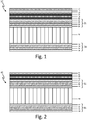
- FIG. 1 is a schematic diagram of heated floor panel assembly 10.
- Heated floor panel assembly 10 includes skin layer 12, first adhesive 13, insulating layer 14, second adhesive 16, heater 18, third adhesive 20, first structural layer 21, honeycomb 30, and second structural layer 31.
- First structural layer 21 contains first glass fiber pre-preg 22, first and second carbon fiber pre-pregs 24, 26, and second glass fiber pre-preg 28.
- Second structural layer 31 includes third glass fiber pre-preg 32, third carbon fiber pre-preg 34, fourth carbon fiber pre-preg 36, and fourth glass fiber pre-preg 38.
- Skin layer 12 is an outer protective layer for heated floor panel assembly 10.
- Skin layer 12 can be metallic, such as titanium, nickel, or other appropriate metals or alloys.
- skin layer 12 can be comprised of a pre-impregnated (pre-preg) glass fiber fabric.
- Skin layer 12 can be between 2 - 6mm, depending on the needs of the assembly. Skin layer 12 protects heater 18 from some impact and piercing damage.
- Insulating layer 14 adds a second layer of protection to heater 18.
- Insulating layer 14 is either a BNNT pre-preg fabric or a nano alumina pre-preg fabric. Both are strong fabrics that can effectively mitigate mechanical damage caused by outside forces, such as shoes stepping on floor panels, carts rolling over floor panels, or other objects. Insulating layer 14 is attached to skin layer 12 opposite the cabin of the aircraft.
- BNNT pre-preg fabric is a nontoxic, electrically insulating, and thermally conductive fabric material made of boron nitride nanotubes and an appropriate polymer resin.
- BNNTs are a type of nanostructure comprised of hexagonal B-N bond networks. BNNT bonds have partial ionic character due to the difference in electronegativity of nitrogen and boron. This causes BNNTs to be electrically insulating.
- BNNTs exhibit thermal conductivity, thermal stability, chemical stability and, when in fabric form, superhydrophobicity. Thus, BNNTs share mechanical properties of CNTs, but have additional advantages such as greater thermal and chemical stability, and optical and infrared transparency.
- Nano alumina is aluminum oxide sized in nanometer dimensions.
- Nano alumina pre-preg fabric includes glass fibers which are mixed with aluminum oxide.
- nano alumina pre-preg fabric is impregnated with a polymer resin, such as an epoxy, a phenolic polymer, or a bismaleimide polymer. The resulting fabric is then cured before it is used.
- Heater 18 is a heating element which heats floor panel assembly 10 and regulates the temperature of the floor of an aircraft cabin. Heater 18 is typically a sheet heater, and can be a metallic heater, a carbon nanotube (CNT) heater, or other appropriate heating material. Heater 18 is attached to insulating layer 14 by first adhesive 16, opposite skin layer 12. First adhesive 16 can be an epoxy film adhesive, a scrim layer, or other appropriate adhesive.
- First structural layer 21 is attached to heater 18 opposite insulating layer 14 by second adhesive 20.
- Second adhesive 20 is similar to first adhesive 16, and can be an epoxy film adhesive or scrim layer.
- Structural layer 21 includes first fiberglass pre-preg layer 22, first carbon fiber pre-preg layer 24, second carbon fiber pre-preg layer 26, and second fiberglass pre-preg layer 28. Structural layer 21 provides structural support to heated floor panel assembly 10.
- Honeycomb 30 is attached to structural layer 21 opposite heater 18. Honeycomb 30 provides structural support for heater floor panel assembly 10. Typically, honeycomb 30 is made of a metallic or composite material.
- Second structural layer 31 is attached to honeycomb 30 opposite first structural layer 21.
- Second structural layer 31 is similar to first structural layer 21, and contains similar components.
- Second structural layer 31 includes third fiberglass pre-preg layer 32, third carbon fiber pre-preg layer 34, fourth carbon fiber pre-preg layer 36, and fourth fiberglass pre-preg layer 38.
- Second structural layer 31 faces away from the cabin of an aircraft.
- BNNT fabric and nano alumina fabric are thermally conductive materials.
- heated floor panel assembly 10 does not require extra power to allow heater 18 to heat assembly 10 through insulating layer 14 and skin 12.
- BNNT fabric and nano alumina fabric are very light weight and do not add noticeable thickness to heated floor panel assembly 10.
- insulating layer 14 creates a tough layer between heater 18 and a cabin environment, protecting heated floor panel assembly 10 from mechanical damage.
- insulating layer 14 is an extra electrically insulating layer, which prevents short circuiting between heater 18 and metallic skin layer 12.
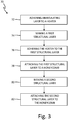
- FIG. 2 is a schematic diagram of heated floor panel assembly 40.
- Heated floor panel assembly 40 is similar to heated floor panel assembly 10 of FIG. 1 , and contains similar components, but does not contain a skin layer. Unless otherwise noted, the components of assembly 40 have similar properties to the components of assembly 10.
- Heated floor panel assembly 40 insulating layer 44, first adhesive 46, heater 48, second adhesive 50, first structural layer 51, honeycomb 60, and second structural layer 61.
- First structural layer 51 contains first glass fiber pre-preg 52, first and second carbon fiber pre-pregs 54, 56, and second glass fiber pre-preg 58.
- Second structural layer 61 includes third glass fiber pre-preg 62, third carbon fiber pre-preg 64, fourth carbon fiber pre-preg 66, and fourth glass fiber pre-preg 68.
- Heated floor panel assembly 40 does not contain a metallic skin on the cabin-facing surface of the assembly. Instead, insulating layer 44 acts as a skin, replacing a metallic skin as discussed with regards to FIG. 1 . Insulating layer 44 (whether BNNT fabric or nano alumina fabric) is tough enough that it can replace an outer metallic skin and still protect heater 48 from mechanical damage. Additionally, heater 48 is still electrically insulated by insulating layer 44. But insulating layer 44 is still thermally conductive, requiring less power to heat heated floor panel assembly 40.
- FIG. 3 is a flow chart depicting method 70 of making a heated floor panel assembly.
- Method 70 begins with step 72, adhering an insulating layer to a heater.
- step 72 either a BNNT fabric or a nano alumina fabric is chosen as an insulating layer for the heated floor panel assembly.
- Either fabric can be commercially obtained or created in the laboratory.
- Several methods of synthesizing BNNTs can be used, including catalyst-based chemical vapor deposition, ball-milling and annealing methods, arc-discharge, plasma-enhanced pulsed laser deposition, laser vaporization, or other methods.
- the BNNTs are then impregnated with a polymer resin, such as an epoxy, a phenolic polymer or a bismaleimide.
- the fabric is then cured before being used.
- some BNNT fabrics are commercially available.
- Nano alumina pre-preg fabric is sometimes referred to as "fuzzy” due to its structure.
- Nano alumina is aluminum oxide sized in nanometer dimensions.
- Nano alumina pre-preg fabric includes glass fibers which are mixed with aluminum oxide. The aluminum oxide fibers "grow” on the surfaces of glass fibers, appearing “fuzzy” in the completed fabric.
- nano alumina pre-preg fabric is impregnated with a polymer resin, such as an epoxy, a phenolic polymer, or a bismaleimide polymer. The resulting fabric is then cured before it is used.
- the insulating layer is adhered to a heater with a first adhesive.
- the heater may be a traditional metallic heater, or a carbon nanotube (CNT) heater.
- the heater is a sheet heater that is layered with the insulating layer.
- the insulating layer and the heater are attached to each other with a first adhesive, which may be an epoxy or a scrim.
- the first adhesive is usually a film adhesive.
- a metallic skin layer can be attached to the insulating layer opposite the heater with another adhesive.
- the metallic skin layer can provide extra mechanical protection to the heater.
- the insulating layer is sufficient to protect the heater and an extra metallic skin layer is not needed.
- a first structural layer is assembled.
- the first structural layer includes a first fiberglass pre-preg layer, a first carbon fiber pre-preg layer, a second carbon pre-preg layer, and a second fiberglass pre-preg layer.
- the carbon fiber pre-preg layers are sandwiched between the fiberglass pre-preg layers.
- step 76 the first structural layer is adhered to the heater opposite the insulating layer with an adhesive.
- the adhesive can be an epoxy film adhesive.
- the heater is attached to the first fiberglass pre-preg layer of the first structural layer.
- the first structural layer is attached to a honeycomb layer.
- the honeycomb layer can be metallic or a composite, depending on the needs of the assembly, and has a honeycomb lattice shape.
- the second fiberglass layer is attached to the honeycomb layer, such that the honeycomb layer is opposite the heater.
- a second structural layer is made. Similar to the first structural layer, it contains two layers of fiberglass pre-preg and two layers of carbon fiber pre-preg, with the carbon fiber pre-preg layers sandwiched between the fiberglass pre-preg layers.
- the second structural layer is attached to the honeycomb layer opposite the first structural layer. The assembly is then cured.
- the heated floor panel assembly is better able to resist mechanical damage, has higher impact resistance, and does not short circuit.
- the use of a BNNT fabric or a nano alumina fabric better protects the heater while insulating the heater from an outer metallic skin. Additionally, because BNNT and nano alumina are thermally conductive, this assembly does not consume additional power, nor does the insulating layer add noticeable weight or thickness.
- a floor panel assembly includes an insulating layer comprising a material selected from the group consisting of nano alumina and boron nitride nanotubes, a sheet heater, the sheet heater attached to the insulating layer by a first adhesive, a first structural layer attached to the sheet heater opposite the insulating layer by a second adhesive, a honeycomb layer attached to the first structural layer opposite the sheet heater with a third adhesive, and a second structural layer attached to the honeycomb opposite the first structural layer with a fourth adhesive.
- the assembly of the preceding paragraph can optionally include, additionally and/or alternatively, any one or more of the following features, configurations and/or additional components:
- the assembly includes a skin layer attached to the insulating fabric opposite the sheet heater with a fifth adhesive.
- the skin layer is metallic.
- the insulating layer is a nano alumina fabric.
- the insulating layer is a boron nitride nanotube fabric.
- the first structural layer includes a first fiberglass pre-impregnated layer attached to the sheet heater opposite the insulating layerwith a fourth adhesive, a first carbon fiber pre-impregnated layer attached to the first fiberglass pre-impregnated layer opposite the sheet heater, a second carbon fiber pre-impregnated layer attached to the first carbon fiber pre-impregnated layer opposite the first fiberglass pre-impregnated layer, and a second fiberglass pre-impregnated layer attached to the second carbon fiber pre-impregnated layer opposite the first carbon fiber pre-impregnated layer and the honeycomb layer.
- the second structural layer includes a third fiberglass pre-impregnated layer attached to the honeycomb layer opposite the first structural layer, a third carbon fiber pre-impregnated layer attached to the third fiberglass pre-impregnated layer opposite the honeycomb layer, a fourth carbon fiber pre-impregnated layer attached to the third carbon fiber pre-impregnated layer opposite the third fiberglass pre-impregnated layer, and a fourth fiberglass pre-impregnated layer attached to the fourth carbon fiber pre-impregnated layer opposite the third carbon fiber pre-impregnated layer.
- the honeycomb layer is selected from the group consisting of a metal, a composite, and an alloy.
- the first and second adhesive layers are film adhesives.
- a method of creating a floor panel assembly includes adhering an insulating layer to a heater with a first adhesive, the insulating layer containing a material selected from the group consisting of nano alumina and boron nitride nanotubes, making a first structural layer, bonding the heater to the first structural layer opposite the insulating layer with a second adhesive, attaching the first structural layer to a honeycomb opposite the heater, making a second structural layer, and attaching the second structural layer to the honeycomb opposite the first structural layer.
- the method of the preceding paragraph can optionally include, additionally and/or alternatively, any one or more of the following features, configurations and/or additional components:
- the method includes bonding a skin layer to the insulating layer with a third adhesive.
- the insulating layer is a nano alumina fabric.
- the insulating layer is a boron nitride nanotube fabric.
- Making the first structural layer includes bonding a first fiberglass pre-impregnated fabric to a first carbon fiber pre-impregnated fabric, bonding a second carbon fiber pre-impregnated fabric to the first carbon fiber pre-impregnated fabric opposite the first fiberglass pre-impregnated fabric, and bonding a second fiberglass pre-impregnated fabric to the second carbon fiber pre-impregnated fabric opposite the first carbon fiber pre-impregnated fabric.
- Adhering the heater to the first structural layer comprises attaching the heater to the first fiberglass pre-impregnated layer opposite the first carbon fiber pre-impregnated layer.
- Attaching the first structural layer to a honeycomb comprises bonding the second fiberglass pre-impregnated layer to the honeycomb.
- Making the second structural layer includes bonding a third fiberglass pre-impregnated fabric to a third carbon fiber pre-impregnated fabric, bonding a fourth carbon fiber pre-impregnated fabric to the third carbon fiber pre-impregnated fabric opposite the third fiberglass pre-impregnated fabric, and bonding a fourth fiberglass pre-impregnated fabric to the fourth carbon fiber pre-impregnated fabric opposite the third carbon fiber pre-impregnated fabric.
- Attaching the second structural layer to the honeycomb comprises bonding the third fiberglass pre-impregnated layer to the honeycomb.
- the method includes curing the assembly.
- Curing the assembly comprises first curing the insulating layer, then curing the first and second adhesives.
Landscapes
- Engineering & Computer Science (AREA)
- Mechanical Engineering (AREA)
- Aviation & Aerospace Engineering (AREA)
- Laminated Bodies (AREA)
- Central Heating Systems (AREA)
Abstract
Description
- Aircraft cabins require heated floor panels in the galley and other areas to temperature-control the environment inside the aircraft. Generally, the heated floor panels must also be damage resistant such that they continue to heat the area when they are stepped on, rolled over by carts, or other items come into contact with the floor of the aircraft cabin. Currently, heated floor panels have heating elements layered under a metallic skin. In this configuration, the heated floor panels are susceptible to impact and piercing damage.
- The materials used to protect heated floor panels must be thermally conductive, allowing transfer of heat between the heater and the cabin of the aircraft, but must also be electrically insulating to prevent shorting of the heater. Most thermally conductive materials are also electrically conductive, limiting the choice of materials.
- A floor panel assembly includes an insulating layer comprising a material selected from the group consisting of nano alumina and boron nitride nanotubes, a sheet heater, the sheet heater attached to the insulating layer by a first adhesive, a first structural layer attached to the sheet heater opposite the insulating layer by a second adhesive, a honeycomb layer attached to the first structural layer opposite the sheet heater with a third adhesive, and a second structural layer attached to the honeycomb opposite the first structural layer with a fourth adhesive.
- A method of creating a floor panel assembly includes adhering an insulating layer to a heater with a first adhesive, the insulating layer containing a material selected from the group consisting of nano alumina and boron nitride nanotubes, bonding the heater to a first structural layer opposite the insulating layer with a second adhesive, making a first structural layer, attaching the first structural layer to a honeycomb opposite the heater, making a second structural layer, and attaching the second structural layer to the honeycomb opposite the first structural layer.
-
-
FIG. 1 is a schematic diagram of a heated floor panel assembly. -
FIG. 2 is a schematic diagram of a heated floor panel assembly in a different embodiment. -
FIG. 3 is a flow chart depicting a method of making a heated floor panel assembly. - A heated floor panel assembly can be protected by a layer of a strong, thermally conductive but electrically insulating material such as boron nitride nanotube (BNNT) fabric or nano alumina fabric. BNNT and nano alumina fabrics are strong enough to mitigate mechanical damage from piercing or object impact. BNNT fabric additionally provides acoustic insulation, and can protect a de-icing heater on a breeze side of an airfoil or other aircraft structure from vibrational disturbances. Additionally, nano alumina fabric is environmentally safe. Commonly, nano alumina is used to filter water, is digested naturally in the environment, and is nontoxic.
-
FIG. 1 is a schematic diagram of heatedfloor panel assembly 10. Heatedfloor panel assembly 10 includesskin layer 12, first adhesive 13,insulating layer 14,second adhesive 16,heater 18, third adhesive 20, firststructural layer 21,honeycomb 30, and secondstructural layer 31. Firststructural layer 21 contains first glass fiber pre-preg 22, first and second carbon fiber pre-pregs 24, 26, and second glass fiber pre-preg 28. Secondstructural layer 31 includes third glass fiber pre-preg 32, third carbon fiber pre-preg 34, fourth carbon fiber pre-preg 36, and fourth glass fiber pre-preg 38. -
Skin layer 12 is an outer protective layer for heatedfloor panel assembly 10.Skin layer 12 can be metallic, such as titanium, nickel, or other appropriate metals or alloys. Alternatively,skin layer 12 can be comprised of a pre-impregnated (pre-preg) glass fiber fabric.Skin layer 12 can be between 2 - 6mm, depending on the needs of the assembly.Skin layer 12 protectsheater 18 from some impact and piercing damage. -
Insulating layer 14 adds a second layer of protection toheater 18.Insulating layer 14 is either a BNNT pre-preg fabric or a nano alumina pre-preg fabric. Both are strong fabrics that can effectively mitigate mechanical damage caused by outside forces, such as shoes stepping on floor panels, carts rolling over floor panels, or other objects.Insulating layer 14 is attached toskin layer 12 opposite the cabin of the aircraft. - BNNT pre-preg fabric is a nontoxic, electrically insulating, and thermally conductive fabric material made of boron nitride nanotubes and an appropriate polymer resin. BNNTs are a type of nanostructure comprised of hexagonal B-N bond networks. BNNT bonds have partial ionic character due to the difference in electronegativity of nitrogen and boron. This causes BNNTs to be electrically insulating. Moreover, BNNTs exhibit thermal conductivity, thermal stability, chemical stability and, when in fabric form, superhydrophobicity. Thus, BNNTs share mechanical properties of CNTs, but have additional advantages such as greater thermal and chemical stability, and optical and infrared transparency.
- An alternative for insulating
layer 14 is a nano alumina fabric. Nano alumina is aluminum oxide sized in nanometer dimensions. Nano alumina pre-preg fabric includes glass fibers which are mixed with aluminum oxide. In this embodiment, nano alumina pre-preg fabric is impregnated with a polymer resin, such as an epoxy, a phenolic polymer, or a bismaleimide polymer. The resulting fabric is then cured before it is used. -
Heater 18 is a heating element which heatsfloor panel assembly 10 and regulates the temperature of the floor of an aircraft cabin.Heater 18 is typically a sheet heater, and can be a metallic heater, a carbon nanotube (CNT) heater, or other appropriate heating material.Heater 18 is attached to insulatinglayer 14 by first adhesive 16,opposite skin layer 12.First adhesive 16 can be an epoxy film adhesive, a scrim layer, or other appropriate adhesive. - First
structural layer 21 is attached toheater 18 oppositeinsulating layer 14 bysecond adhesive 20.Second adhesive 20 is similar tofirst adhesive 16, and can be an epoxy film adhesive or scrim layer.Structural layer 21 includes first fiberglass pre-preglayer 22, first carbon fiber pre-preglayer 24, second carbon fiber pre-preglayer 26, and second fiberglass pre-preglayer 28.Structural layer 21 provides structural support to heatedfloor panel assembly 10. - Honeycomb 30 is attached to
structural layer 21opposite heater 18. Honeycomb 30 provides structural support for heaterfloor panel assembly 10. Typically, honeycomb 30 is made of a metallic or composite material. - Second
structural layer 31 is attached tohoneycomb 30 opposite firststructural layer 21. Secondstructural layer 31 is similar to firststructural layer 21, and contains similar components. Secondstructural layer 31 includes third fiberglass pre-preglayer 32, third carbon fiber pre-preglayer 34, fourth carbon fiber pre-preglayer 36, and fourth fiberglass pre-preglayer 38. Secondstructural layer 31 faces away from the cabin of an aircraft. - BNNT fabric and nano alumina fabric are thermally conductive materials. Thus, heated
floor panel assembly 10 does not require extra power to allowheater 18 toheat assembly 10 throughinsulating layer 14 andskin 12. Additionally, BNNT fabric and nano alumina fabric are very light weight and do not add noticeable thickness to heatedfloor panel assembly 10. Nonetheless, insulatinglayer 14 creates a tough layer betweenheater 18 and a cabin environment, protecting heatedfloor panel assembly 10 from mechanical damage. Moreover, insulatinglayer 14 is an extra electrically insulating layer, which prevents short circuiting betweenheater 18 andmetallic skin layer 12. -
FIG. 2 is a schematic diagram of heatedfloor panel assembly 40. Heatedfloor panel assembly 40 is similar to heatedfloor panel assembly 10 ofFIG. 1 , and contains similar components, but does not contain a skin layer. Unless otherwise noted, the components ofassembly 40 have similar properties to the components ofassembly 10. - Heated
floor panel assembly 40 insulatinglayer 44,first adhesive 46,heater 48,second adhesive 50, firststructural layer 51,honeycomb 60, and secondstructural layer 61. Firststructural layer 51 contains firstglass fiber pre-preg 52, first and secondcarbon fiber pre-pregs glass fiber pre-preg 58. Secondstructural layer 61 includes thirdglass fiber pre-preg 62, thirdcarbon fiber pre-preg 64, fourthcarbon fiber pre-preg 66, and fourthglass fiber pre-preg 68. - Heated
floor panel assembly 40 does not contain a metallic skin on the cabin-facing surface of the assembly. Instead, insulatinglayer 44 acts as a skin, replacing a metallic skin as discussed with regards toFIG. 1 . Insulating layer 44 (whether BNNT fabric or nano alumina fabric) is tough enough that it can replace an outer metallic skin and still protectheater 48 from mechanical damage. Additionally,heater 48 is still electrically insulated by insulatinglayer 44. But insulatinglayer 44 is still thermally conductive, requiring less power to heat heatedfloor panel assembly 40. -
FIG. 3 is a flowchart depicting method 70 of making a heated floor panel assembly.Method 70 begins withstep 72, adhering an insulating layer to a heater. Instep 72, either a BNNT fabric or a nano alumina fabric is chosen as an insulating layer for the heated floor panel assembly. - Either fabric can be commercially obtained or created in the laboratory. Several methods of synthesizing BNNTs can be used, including catalyst-based chemical vapor deposition, ball-milling and annealing methods, arc-discharge, plasma-enhanced pulsed laser deposition, laser vaporization, or other methods. The BNNTs are then impregnated with a polymer resin, such as an epoxy, a phenolic polymer or a bismaleimide. The fabric is then cured before being used. Alternatively, some BNNT fabrics are commercially available.
- Nano alumina pre-preg fabric is sometimes referred to as "fuzzy" due to its structure. Nano alumina is aluminum oxide sized in nanometer dimensions. Nano alumina pre-preg fabric includes glass fibers which are mixed with aluminum oxide. The aluminum oxide fibers "grow" on the surfaces of glass fibers, appearing "fuzzy" in the completed fabric. In this embodiment, nano alumina pre-preg fabric is impregnated with a polymer resin, such as an epoxy, a phenolic polymer, or a bismaleimide polymer. The resulting fabric is then cured before it is used.
- The insulating layer is adhered to a heater with a first adhesive. The heater may be a traditional metallic heater, or a carbon nanotube (CNT) heater. Typically, the heater is a sheet heater that is layered with the insulating layer. The insulating layer and the heater are attached to each other with a first adhesive, which may be an epoxy or a scrim. The first adhesive is usually a film adhesive.
- Optionally, a metallic skin layer can be attached to the insulating layer opposite the heater with another adhesive. The metallic skin layer can provide extra mechanical protection to the heater. However, in some instances, the insulating layer is sufficient to protect the heater and an extra metallic skin layer is not needed.
- Next, in
step 74, a first structural layer is assembled. The first structural layer includes a first fiberglass pre-preg layer, a first carbon fiber pre-preg layer, a second carbon pre-preg layer, and a second fiberglass pre-preg layer. The carbon fiber pre-preg layers are sandwiched between the fiberglass pre-preg layers. - In
step 76, the first structural layer is adhered to the heater opposite the insulating layer with an adhesive. The adhesive can be an epoxy film adhesive. The heater is attached to the first fiberglass pre-preg layer of the first structural layer. - In
step 78, the first structural layer is attached to a honeycomb layer. The honeycomb layer can be metallic or a composite, depending on the needs of the assembly, and has a honeycomb lattice shape. The second fiberglass layer is attached to the honeycomb layer, such that the honeycomb layer is opposite the heater. - Next, in
step 80, a second structural layer is made. Similar to the first structural layer, it contains two layers of fiberglass pre-preg and two layers of carbon fiber pre-preg, with the carbon fiber pre-preg layers sandwiched between the fiberglass pre-preg layers. Instep 82, the second structural layer is attached to the honeycomb layer opposite the first structural layer. The assembly is then cured. - The heated floor panel assembly is better able to resist mechanical damage, has higher impact resistance, and does not short circuit. The use of a BNNT fabric or a nano alumina fabric better protects the heater while insulating the heater from an outer metallic skin. Additionally, because BNNT and nano alumina are thermally conductive, this assembly does not consume additional power, nor does the insulating layer add noticeable weight or thickness.
- The following are non-exclusive descriptions of possible embodiments of the present invention.
- A floor panel assembly includes an insulating layer comprising a material selected from the group consisting of nano alumina and boron nitride nanotubes, a sheet heater, the sheet heater attached to the insulating layer by a first adhesive, a first structural layer attached to the sheet heater opposite the insulating layer by a second adhesive, a honeycomb layer attached to the first structural layer opposite the sheet heater with a third adhesive, and a second structural layer attached to the honeycomb opposite the first structural layer with a fourth adhesive.
- The assembly of the preceding paragraph can optionally include, additionally and/or alternatively, any one or more of the following features, configurations and/or additional components:
- The assembly includes a skin layer attached to the insulating fabric opposite the sheet heater with a fifth adhesive.
- The skin layer is metallic.
- The insulating layer is a nano alumina fabric.
- The insulating layer is a boron nitride nanotube fabric.
- The first structural layer includes a first fiberglass pre-impregnated layer attached to the sheet heater opposite the insulating layerwith a fourth adhesive, a first carbon fiber pre-impregnated layer attached to the first fiberglass pre-impregnated layer opposite the sheet heater, a second carbon fiber pre-impregnated layer attached to the first carbon fiber pre-impregnated layer opposite the first fiberglass pre-impregnated layer, and a second fiberglass pre-impregnated layer attached to the second carbon fiber pre-impregnated layer opposite the first carbon fiber pre-impregnated layer and the honeycomb layer.
- The second structural layer includes a third fiberglass pre-impregnated layer attached to the honeycomb layer opposite the first structural layer, a third carbon fiber pre-impregnated layer attached to the third fiberglass pre-impregnated layer opposite the honeycomb layer, a fourth carbon fiber pre-impregnated layer attached to the third carbon fiber pre-impregnated layer opposite the third fiberglass pre-impregnated layer, and a fourth fiberglass pre-impregnated layer attached to the fourth carbon fiber pre-impregnated layer opposite the third carbon fiber pre-impregnated layer.
- The honeycomb layer is selected from the group consisting of a metal, a composite, and an alloy.
- The first and second adhesive layers are film adhesives.
- A method of creating a floor panel assembly includes adhering an insulating layer to a heater with a first adhesive, the insulating layer containing a material selected from the group consisting of nano alumina and boron nitride nanotubes, making a first structural layer, bonding the heater to the first structural layer opposite the insulating layer with a second adhesive, attaching the first structural layer to a honeycomb opposite the heater, making a second structural layer, and attaching the second structural layer to the honeycomb opposite the first structural layer.
- The method of the preceding paragraph can optionally include, additionally and/or alternatively, any one or more of the following features, configurations and/or additional components:
- The method includes bonding a skin layer to the insulating layer with a third adhesive.
- The insulating layer is a nano alumina fabric.
- The insulating layer is a boron nitride nanotube fabric.
- Making the first structural layer includes bonding a first fiberglass pre-impregnated fabric to a first carbon fiber pre-impregnated fabric, bonding a second carbon fiber pre-impregnated fabric to the first carbon fiber pre-impregnated fabric opposite the first fiberglass pre-impregnated fabric, and bonding a second fiberglass pre-impregnated fabric to the second carbon fiber pre-impregnated fabric opposite the first carbon fiber pre-impregnated fabric.
- Adhering the heater to the first structural layer comprises attaching the heater to the first fiberglass pre-impregnated layer opposite the first carbon fiber pre-impregnated layer.
- Attaching the first structural layer to a honeycomb comprises bonding the second fiberglass pre-impregnated layer to the honeycomb.
- Making the second structural layer includes bonding a third fiberglass pre-impregnated fabric to a third carbon fiber pre-impregnated fabric, bonding a fourth carbon fiber pre-impregnated fabric to the third carbon fiber pre-impregnated fabric opposite the third fiberglass pre-impregnated fabric, and bonding a fourth fiberglass pre-impregnated fabric to the fourth carbon fiber pre-impregnated fabric opposite the third carbon fiber pre-impregnated fabric.
- Attaching the second structural layer to the honeycomb comprises bonding the third fiberglass pre-impregnated layer to the honeycomb.
- The method includes curing the assembly.
- Curing the assembly comprises first curing the insulating layer, then curing the first and second adhesives.
- While the invention has been described with reference to an exemplary embodiment(s), it will be understood by those skilled in the art that various changes may be made and equivalents may be substituted for elements thereof without departing from the scope of the invention. In addition, many modifications may be made to adapt a particular situation or material to the teachings of the invention without departing from the essential scope thereof. Therefore, it is intended that the invention not be limited to the particular embodiment(s) disclosed, but that the invention will include all embodiments falling within the scope of the appended claims.
Claims (15)
- A floor panel assembly comprising:an insulating layer comprising a material selected from the group consisting of nano alumina and boron nitride nanotubes;a sheet heater, the sheet heater attached to the insulating layer by a first adhesive;a first structural layer attached to the sheet heater opposite the insulating layer by a second adhesive;a honeycomb layer attached to the first structural layer opposite the sheet heater with a third adhesive; anda second structural layer attached to the honeycomb opposite the first structural layer with a fourth adhesive.
- The assembly of claim 1, further comprising a skin layer attached to the insulating fabric opposite the sheet heater with a fifth adhesive, preferably wherein the skin layer is metallic.
- The assembly of claim 1 or claim 2, wherein the insulating layer is a nano alumina fabric, or wherein the insulating layer is a boron nitride nanotube fabric.
- The assembly of any one of claims 1 to 3, wherein the first structural layer comprises:a first fiberglass pre-impregnated layer attached to the sheet heater opposite the insulating layer with a fourth adhesive;a first carbon fiber pre-impregnated layer attached to the first fiberglass pre-impregnated layer opposite the sheet heater;a second carbon fiber pre-impregnated layer attached to the first carbon fiber pre-impregnated layer opposite the first fiberglass pre-impregnated layer; anda second fiberglass pre-impregnated layer attached to the second carbon fiber pre-impregnated layer opposite the first carbon fiber pre-impregnated layer, and the honeycomb layer.
- The assembly of any one of claims 1 to 4, wherein the second structural layer comprises:a third fiberglass pre-impregnated layer attached to the honeycomb layer opposite the first structural layer;a third carbon fiber pre-impregnated layer attached to the third fiberglass pre-impregnated layer opposite the honeycomb layer;a fourth carbon fiber pre-impregnated layer attached to the third carbon fiber pre-impregnated layer opposite the third fiberglass pre-impregnated layer; and a fourth fiberglass pre-impregnated layer attached to the fourth carbon fiber pre-impregnated layer opposite the third carbon fiber pre-impregnated layer.
- The assembly of any one of claims 1 to 5, wherein the honeycomb layer is selected from the group consisting of a metal, a composite, and an alloy.
- The assembly of any one of claims 1 to 6, wherein the first and second adhesive layers are film adhesives.
- A method of creating a floor panel assembly comprising:adhering an insulating layer to a heater with a first adhesive, the insulating layer containing a material selected from the group consisting of nano alumina and boron nitride nanotubes;making a first structural layer;adhering the heater to the first structural layer opposite the insulating layer with a second adhesive;attaching the first structural layer to a honeycomb opposite the heater;making a second structural layer; andattaching the second structural layer to the honeycomb opposite the first structural layer.
- The method of claim 8, further comprising bonding a skin layer to the insulating layer with a third adhesive.
- The method of claim 8 or claim 9, wherein the insulating layer is a nano alumina fabric, or wherein the insulating layer is a boron nitride nanotube fabric.
- The method of any one of claims 8 to 10, wherein making the first structural layer comprises:bonding a first fiberglass pre-impregnated fabric to a first carbon fiber pre-impregnated fabric;bonding a second carbon fiber pre-impregnated fabric to the first carbon fiber pre-impregnated fabric opposite the first fiberglass pre-impregnated fabric; andbonding a second fiberglass pre-impregnated fabric to the second carbon fiber pre-impregnated fabric opposite the first carbon fiber pre-impregnated fabric.
- The method of claim 11, wherein adhering the heater to the first structural layer comprises attaching the heater to the first fiberglass pre-impregnated layer opposite the first carbon fiber pre-impregnated layer, preferably wherein attaching the first structural layer to a honeycomb comprises bonding the second fiberglass pre-impregnated layer to the honeycomb.
- The method of any one of claims 8 to 12, wherein making the second structural layer comprises:bonding a third fiberglass pre-impregnated fabric to a third carbon fiber pre-impregnated fabric;bonding a fourth carbon fiber pre-impregnated fabric to the third carbon fiber pre-impregnated fabric opposite the third fiberglass pre-impregnated fabric; andbonding a fourth fiberglass pre-impregnated fabric to the fourth carbon fiber pre-impregnated fabric opposite the third carbon fiber pre-impregnated fabric.
- The method of claim 13, wherein attaching the second structural layer to the honeycomb comprises bonding the third fiberglass pre-impregnated layer to the honeycomb.
- The method of any one of claims 8 to 14, further comprising curing the assembly, preferably wherein curing the assembly comprises first curing the insulating layer, then curing the first and second adhesives.
Applications Claiming Priority (1)
| Application Number | Priority Date | Filing Date | Title |
|---|---|---|---|
| US15/385,494 US10425989B2 (en) | 2016-12-20 | 2016-12-20 | Heated floor panels with thermally conductive and electrically insulating fabric |
Publications (2)
| Publication Number | Publication Date |
|---|---|
| EP3339013A1 true EP3339013A1 (en) | 2018-06-27 |
| EP3339013B1 EP3339013B1 (en) | 2019-10-16 |
Family
ID=60953572
Family Applications (1)
| Application Number | Title | Priority Date | Filing Date |
|---|---|---|---|
| EP17209058.1A Active EP3339013B1 (en) | 2016-12-20 | 2017-12-20 | Heated floor panels with thermally conductive and electrically insulating fabric |
Country Status (2)
| Country | Link |
|---|---|
| US (1) | US10425989B2 (en) |
| EP (1) | EP3339013B1 (en) |
Cited By (5)
| Publication number | Priority date | Publication date | Assignee | Title |
|---|---|---|---|---|
| EP3592107A1 (en) * | 2018-07-03 | 2020-01-08 | Goodrich Corporation | Heated floor panels |
| EP3590701A1 (en) * | 2018-07-03 | 2020-01-08 | Goodrich Corporation | High temperature thermoplastic pre-impregnated structure for aircraft heated floor panel |
| EP3592106A1 (en) * | 2018-07-03 | 2020-01-08 | Goodrich Corporation | Heated floor panels |
| US10899427B2 (en) | 2018-07-03 | 2021-01-26 | Goodrich Corporation | Heated floor panel with impact layer |
| US11376811B2 (en) | 2018-07-03 | 2022-07-05 | Goodrich Corporation | Impact and knife cut resistant pre-impregnated woven fabric for aircraft heated floor panels |
Families Citing this family (5)
| Publication number | Priority date | Publication date | Assignee | Title |
|---|---|---|---|---|
| CN208377065U (en) * | 2018-06-26 | 2019-01-15 | 深圳市大疆创新科技有限公司 | Unmanned vehicle and its horn |
| US11273897B2 (en) | 2018-07-03 | 2022-03-15 | Goodrich Corporation | Asymmetric surface layer for floor panels |
| DE102018009218B4 (en) * | 2018-11-23 | 2025-04-10 | Airbus Operations Gmbh | Cladding element with heating layer in sandwich construction |
| US11827079B2 (en) * | 2020-10-14 | 2023-11-28 | GM Global Technology Operations LLC | Class a surface radiant heating system |
| CN116118293A (en) * | 2023-01-07 | 2023-05-16 | 张明颖 | Preparation method of double-layer-structure carbon fiber floor |
Citations (3)
| Publication number | Priority date | Publication date | Assignee | Title |
|---|---|---|---|---|
| EP1046576A2 (en) * | 1999-04-24 | 2000-10-25 | DaimlerChrysler Aerospace Airbus Gesellschaft mit beschränkter Haftung | Panel unit, particularly for an aircraft floor panel |
| WO2001017850A1 (en) * | 1999-09-10 | 2001-03-15 | Bfgoodrich Company | Aircraft heated floor panel |
| US20110180524A1 (en) * | 2007-01-04 | 2011-07-28 | Goodrich Corporation | Electrothermal Heater Made From Thermally Conducting Electrically Insulating Polymer Material |
Family Cites Families (11)
| Publication number | Priority date | Publication date | Assignee | Title |
|---|---|---|---|---|
| US6611659B2 (en) * | 1999-04-24 | 2003-08-26 | Airbus Deutschland Gmbh | Electrically heated aircraft composite floor panel |
| US8382004B2 (en) | 2001-04-04 | 2013-02-26 | Graftech International Holdings Inc. | Flexible graphite flooring heat spreader |
| US20060138279A1 (en) | 2004-12-23 | 2006-06-29 | Nathan Pisarski | Aircraft floor panel |
| US8630534B2 (en) | 2006-03-20 | 2014-01-14 | Airbus Operations Gmbh | Heating system and component with such a heating system |
| US20100065686A1 (en) | 2008-04-28 | 2010-03-18 | Tauscher Kurt M | Aircraft heated floor panel |
| AU2009244152A1 (en) | 2008-05-07 | 2009-11-12 | Nanocomp Technologies, Inc. | Nanostructure-based heating devices and method of use |
| US9067385B2 (en) | 2010-07-26 | 2015-06-30 | Jefferson Science Associates, Llc | High kinetic energy penetrator shielding and high wear resistance materials fabricated with boron nitride nanotubes (BNNTs) and BNNT polymer composites |
| EP2552826A4 (en) | 2010-03-30 | 2013-11-13 | Nantero Inc | Methods for arranging nanoscopic elements within networks, fabrics, and films |
| WO2014028043A2 (en) | 2012-03-30 | 2014-02-20 | National Institute Of Aerospace Associates | Multi-functional bn-bn composite |
| WO2016049477A1 (en) * | 2014-09-26 | 2016-03-31 | Momentive Performance Materials Inc. | Lamination composite of boron nitride in paper for transformer insulation |
| EP3015360B1 (en) | 2014-10-29 | 2019-05-29 | Airbus Operations GmbH | A floor panel for an aircraft, and an aircraft comprising such a floor panel |
-
2016
- 2016-12-20 US US15/385,494 patent/US10425989B2/en active Active
-
2017
- 2017-12-20 EP EP17209058.1A patent/EP3339013B1/en active Active
Patent Citations (3)
| Publication number | Priority date | Publication date | Assignee | Title |
|---|---|---|---|---|
| EP1046576A2 (en) * | 1999-04-24 | 2000-10-25 | DaimlerChrysler Aerospace Airbus Gesellschaft mit beschränkter Haftung | Panel unit, particularly for an aircraft floor panel |
| WO2001017850A1 (en) * | 1999-09-10 | 2001-03-15 | Bfgoodrich Company | Aircraft heated floor panel |
| US20110180524A1 (en) * | 2007-01-04 | 2011-07-28 | Goodrich Corporation | Electrothermal Heater Made From Thermally Conducting Electrically Insulating Polymer Material |
Non-Patent Citations (4)
| Title |
|---|
| CHUNYI Y. ZHI ET AL: "Dielectric and thermal properties of epoxy/boron nitride nanotube composites", PURE & APPLIED CHEMISTRY, vol. 82, no. 11, 11 January 2010 (2010-01-11), GB, XP055366104, ISSN: 0033-4545, DOI: 10.1351/PAC-CON-09-11-41 * |
| CHUNYI ZHI ET AL: "Towards Thermoconductive, Electrically Insulating Polymeric Composites with Boron Nitride Nanotubes as Fillers", ADVANCED MATERIALS FOR OPTICS AND ELECTRONICS., vol. 19, no. 12, 20 April 2009 (2009-04-20), GB, pages 1857 - 1862, XP055357925, ISSN: 1057-9257, DOI: 10.1002/adfm.200801435 * |
| TIANO AMANDA L ET AL: "Boron nitride nanotube: synthesis and applications", VISUAL COMMUNICATIONS AND IMAGE PROCESSING; 20-1-2004 - 20-1-2004; SAN JOSE,, vol. 9060, 16 April 2014 (2014-04-16), pages 906006 - 906006, XP060029895, ISBN: 978-1-62841-730-2, DOI: 10.1117/12.2045396 * |
| WENJUN MENG ET AL: "Polymer composites of boron nitride nanotubes and nanosheets", JOURNAL OF MATERIALS CHEMISTRY C, vol. 2, no. 47, 1 January 2014 (2014-01-01), pages 10049 - 10061, XP055164141, ISSN: 2050-7526, DOI: 10.1039/C4TC01998A * |
Cited By (11)
| Publication number | Priority date | Publication date | Assignee | Title |
|---|---|---|---|---|
| EP3592107A1 (en) * | 2018-07-03 | 2020-01-08 | Goodrich Corporation | Heated floor panels |
| EP3590701A1 (en) * | 2018-07-03 | 2020-01-08 | Goodrich Corporation | High temperature thermoplastic pre-impregnated structure for aircraft heated floor panel |
| EP3592106A1 (en) * | 2018-07-03 | 2020-01-08 | Goodrich Corporation | Heated floor panels |
| CN110677934A (en) * | 2018-07-03 | 2020-01-10 | 古德里奇公司 | Heating soleplate |
| US10875623B2 (en) | 2018-07-03 | 2020-12-29 | Goodrich Corporation | High temperature thermoplastic pre-impregnated structure for aircraft heated floor panel |
| US10899427B2 (en) | 2018-07-03 | 2021-01-26 | Goodrich Corporation | Heated floor panel with impact layer |
| US10920994B2 (en) | 2018-07-03 | 2021-02-16 | Goodrich Corporation | Heated floor panels |
| US11376811B2 (en) | 2018-07-03 | 2022-07-05 | Goodrich Corporation | Impact and knife cut resistant pre-impregnated woven fabric for aircraft heated floor panels |
| US11499724B2 (en) | 2018-07-03 | 2022-11-15 | Goodrich Corporation | Heated floor panels |
| CN110677934B (en) * | 2018-07-03 | 2022-12-13 | 古德里奇公司 | heated floor |
| US11878500B2 (en) | 2018-07-03 | 2024-01-23 | Goodrich Corporation | Impact and knife cut resistant pre-impregnated woven fabric for aircraft heated floor panels |
Also Published As
| Publication number | Publication date |
|---|---|
| US10425989B2 (en) | 2019-09-24 |
| EP3339013B1 (en) | 2019-10-16 |
| US20180176989A1 (en) | 2018-06-21 |
Similar Documents
| Publication | Publication Date | Title |
|---|---|---|
| EP3339013B1 (en) | Heated floor panels with thermally conductive and electrically insulating fabric | |
| EP3297395B1 (en) | Thermally conductive, electrically insulating protection layer for de-icing heaters | |
| US9751612B2 (en) | Multifunctional composite material including a viscoelastic interlayer | |
| EP2826809B1 (en) | Improved lightning strike protection | |
| US11969983B2 (en) | Structural component | |
| EP3342702B1 (en) | Erosion strip integrated with carbon allotrope-based deicing/anti-icing elements | |
| EP3822072B1 (en) | Fireproof and thermal insulator product | |
| EP3407678B1 (en) | Method of making complex carbon nanotube sheets | |
| US20190112054A1 (en) | Integrated ice protection and lightning strike prevention | |
| CA3048435A1 (en) | High temperature thermoplastic pre-impregnated structure for aircraft heated floor panel | |
| US10660160B2 (en) | Nano alumina fabric protection ply for de-icers | |
| US10470249B2 (en) | Bus bar attachment for carbon nanotube heaters | |
| Shiverskii et al. | Electrical Heaters for Anti/De-Icing of Polymer Structures. Polymers 2023, 15, 1573 | |
| Yao et al. | Tunable Electro-Thermal System based on Orientation and Layup of Highly-Aligned Carbon Nanotube Webs |
Legal Events
| Date | Code | Title | Description |
|---|---|---|---|
| PUAI | Public reference made under article 153(3) epc to a published international application that has entered the european phase |
Free format text: ORIGINAL CODE: 0009012 |
|
| STAA | Information on the status of an ep patent application or granted ep patent |
Free format text: STATUS: THE APPLICATION HAS BEEN PUBLISHED |
|
| AK | Designated contracting states |
Kind code of ref document: A1 Designated state(s): AL AT BE BG CH CY CZ DE DK EE ES FI FR GB GR HR HU IE IS IT LI LT LU LV MC MK MT NL NO PL PT RO RS SE SI SK SM TR |
|
| AX | Request for extension of the european patent |
Extension state: BA ME |
|
| STAA | Information on the status of an ep patent application or granted ep patent |
Free format text: STATUS: REQUEST FOR EXAMINATION WAS MADE |
|
| 17P | Request for examination filed |
Effective date: 20181221 |
|
| RBV | Designated contracting states (corrected) |
Designated state(s): AL AT BE BG CH CY CZ DE DK EE ES FI FR GB GR HR HU IE IS IT LI LT LU LV MC MK MT NL NO PL PT RO RS SE SI SK SM TR |
|
| GRAP | Despatch of communication of intention to grant a patent |
Free format text: ORIGINAL CODE: EPIDOSNIGR1 |
|
| STAA | Information on the status of an ep patent application or granted ep patent |
Free format text: STATUS: GRANT OF PATENT IS INTENDED |
|
| INTG | Intention to grant announced |
Effective date: 20190426 |
|
| RIN1 | Information on inventor provided before grant (corrected) |
Inventor name: BOTURA, GALDEMIR CEZAR Inventor name: HU, JIN |
|
| GRAS | Grant fee paid |
Free format text: ORIGINAL CODE: EPIDOSNIGR3 |
|
| GRAA | (expected) grant |
Free format text: ORIGINAL CODE: 0009210 |
|
| STAA | Information on the status of an ep patent application or granted ep patent |
Free format text: STATUS: THE PATENT HAS BEEN GRANTED |
|
| AK | Designated contracting states |
Kind code of ref document: B1 Designated state(s): AL AT BE BG CH CY CZ DE DK EE ES FI FR GB GR HR HU IE IS IT LI LT LU LV MC MK MT NL NO PL PT RO RS SE SI SK SM TR |
|
| REG | Reference to a national code |
Ref country code: GB Ref legal event code: FG4D |
|
| REG | Reference to a national code |
Ref country code: CH Ref legal event code: EP |
|
| REG | Reference to a national code |
Ref country code: DE Ref legal event code: R096 Ref document number: 602017007869 Country of ref document: DE |
|
| REG | Reference to a national code |
Ref country code: IE Ref legal event code: FG4D |
|
| REG | Reference to a national code |
Ref country code: AT Ref legal event code: REF Ref document number: 1190875 Country of ref document: AT Kind code of ref document: T Effective date: 20191115 |
|
| REG | Reference to a national code |
Ref country code: NL Ref legal event code: MP Effective date: 20191016 |
|
| REG | Reference to a national code |
Ref country code: LT Ref legal event code: MG4D |
|
| REG | Reference to a national code |
Ref country code: AT Ref legal event code: MK05 Ref document number: 1190875 Country of ref document: AT Kind code of ref document: T Effective date: 20191016 |
|
| PG25 | Lapsed in a contracting state [announced via postgrant information from national office to epo] |
Ref country code: NL Free format text: LAPSE BECAUSE OF FAILURE TO SUBMIT A TRANSLATION OF THE DESCRIPTION OR TO PAY THE FEE WITHIN THE PRESCRIBED TIME-LIMIT Effective date: 20191016 Ref country code: AT Free format text: LAPSE BECAUSE OF FAILURE TO SUBMIT A TRANSLATION OF THE DESCRIPTION OR TO PAY THE FEE WITHIN THE PRESCRIBED TIME-LIMIT Effective date: 20191016 Ref country code: LT Free format text: LAPSE BECAUSE OF FAILURE TO SUBMIT A TRANSLATION OF THE DESCRIPTION OR TO PAY THE FEE WITHIN THE PRESCRIBED TIME-LIMIT Effective date: 20191016 Ref country code: NO Free format text: LAPSE BECAUSE OF FAILURE TO SUBMIT A TRANSLATION OF THE DESCRIPTION OR TO PAY THE FEE WITHIN THE PRESCRIBED TIME-LIMIT Effective date: 20200116 Ref country code: PL Free format text: LAPSE BECAUSE OF FAILURE TO SUBMIT A TRANSLATION OF THE DESCRIPTION OR TO PAY THE FEE WITHIN THE PRESCRIBED TIME-LIMIT Effective date: 20191016 Ref country code: GR Free format text: LAPSE BECAUSE OF FAILURE TO SUBMIT A TRANSLATION OF THE DESCRIPTION OR TO PAY THE FEE WITHIN THE PRESCRIBED TIME-LIMIT Effective date: 20200117 Ref country code: BG Free format text: LAPSE BECAUSE OF FAILURE TO SUBMIT A TRANSLATION OF THE DESCRIPTION OR TO PAY THE FEE WITHIN THE PRESCRIBED TIME-LIMIT Effective date: 20200116 Ref country code: FI Free format text: LAPSE BECAUSE OF FAILURE TO SUBMIT A TRANSLATION OF THE DESCRIPTION OR TO PAY THE FEE WITHIN THE PRESCRIBED TIME-LIMIT Effective date: 20191016 Ref country code: PT Free format text: LAPSE BECAUSE OF FAILURE TO SUBMIT A TRANSLATION OF THE DESCRIPTION OR TO PAY THE FEE WITHIN THE PRESCRIBED TIME-LIMIT Effective date: 20200217 Ref country code: LV Free format text: LAPSE BECAUSE OF FAILURE TO SUBMIT A TRANSLATION OF THE DESCRIPTION OR TO PAY THE FEE WITHIN THE PRESCRIBED TIME-LIMIT Effective date: 20191016 Ref country code: SE Free format text: LAPSE BECAUSE OF FAILURE TO SUBMIT A TRANSLATION OF THE DESCRIPTION OR TO PAY THE FEE WITHIN THE PRESCRIBED TIME-LIMIT Effective date: 20191016 |
|
| PG25 | Lapsed in a contracting state [announced via postgrant information from national office to epo] |
Ref country code: RS Free format text: LAPSE BECAUSE OF FAILURE TO SUBMIT A TRANSLATION OF THE DESCRIPTION OR TO PAY THE FEE WITHIN THE PRESCRIBED TIME-LIMIT Effective date: 20191016 Ref country code: HR Free format text: LAPSE BECAUSE OF FAILURE TO SUBMIT A TRANSLATION OF THE DESCRIPTION OR TO PAY THE FEE WITHIN THE PRESCRIBED TIME-LIMIT Effective date: 20191016 Ref country code: IS Free format text: LAPSE BECAUSE OF FAILURE TO SUBMIT A TRANSLATION OF THE DESCRIPTION OR TO PAY THE FEE WITHIN THE PRESCRIBED TIME-LIMIT Effective date: 20200224 |
|
| PG25 | Lapsed in a contracting state [announced via postgrant information from national office to epo] |
Ref country code: AL Free format text: LAPSE BECAUSE OF FAILURE TO SUBMIT A TRANSLATION OF THE DESCRIPTION OR TO PAY THE FEE WITHIN THE PRESCRIBED TIME-LIMIT Effective date: 20191016 |
|
| REG | Reference to a national code |
Ref country code: DE Ref legal event code: R097 Ref document number: 602017007869 Country of ref document: DE |
|
| PG2D | Information on lapse in contracting state deleted |
Ref country code: IS |
|
| PG25 | Lapsed in a contracting state [announced via postgrant information from national office to epo] |
Ref country code: EE Free format text: LAPSE BECAUSE OF FAILURE TO SUBMIT A TRANSLATION OF THE DESCRIPTION OR TO PAY THE FEE WITHIN THE PRESCRIBED TIME-LIMIT Effective date: 20191016 Ref country code: DK Free format text: LAPSE BECAUSE OF FAILURE TO SUBMIT A TRANSLATION OF THE DESCRIPTION OR TO PAY THE FEE WITHIN THE PRESCRIBED TIME-LIMIT Effective date: 20191016 Ref country code: CZ Free format text: LAPSE BECAUSE OF FAILURE TO SUBMIT A TRANSLATION OF THE DESCRIPTION OR TO PAY THE FEE WITHIN THE PRESCRIBED TIME-LIMIT Effective date: 20191016 Ref country code: ES Free format text: LAPSE BECAUSE OF FAILURE TO SUBMIT A TRANSLATION OF THE DESCRIPTION OR TO PAY THE FEE WITHIN THE PRESCRIBED TIME-LIMIT Effective date: 20191016 Ref country code: RO Free format text: LAPSE BECAUSE OF FAILURE TO SUBMIT A TRANSLATION OF THE DESCRIPTION OR TO PAY THE FEE WITHIN THE PRESCRIBED TIME-LIMIT Effective date: 20191016 Ref country code: IS Free format text: LAPSE BECAUSE OF FAILURE TO SUBMIT A TRANSLATION OF THE DESCRIPTION OR TO PAY THE FEE WITHIN THE PRESCRIBED TIME-LIMIT Effective date: 20200216 |
|
| PLBE | No opposition filed within time limit |
Free format text: ORIGINAL CODE: 0009261 |
|
| STAA | Information on the status of an ep patent application or granted ep patent |
Free format text: STATUS: NO OPPOSITION FILED WITHIN TIME LIMIT |
|
| REG | Reference to a national code |
Ref country code: BE Ref legal event code: MM Effective date: 20191231 |
|
| PG25 | Lapsed in a contracting state [announced via postgrant information from national office to epo] |
Ref country code: SK Free format text: LAPSE BECAUSE OF FAILURE TO SUBMIT A TRANSLATION OF THE DESCRIPTION OR TO PAY THE FEE WITHIN THE PRESCRIBED TIME-LIMIT Effective date: 20191016 Ref country code: MC Free format text: LAPSE BECAUSE OF FAILURE TO SUBMIT A TRANSLATION OF THE DESCRIPTION OR TO PAY THE FEE WITHIN THE PRESCRIBED TIME-LIMIT Effective date: 20191016 Ref country code: SM Free format text: LAPSE BECAUSE OF FAILURE TO SUBMIT A TRANSLATION OF THE DESCRIPTION OR TO PAY THE FEE WITHIN THE PRESCRIBED TIME-LIMIT Effective date: 20191016 |
|
| 26N | No opposition filed |
Effective date: 20200717 |
|
| PG25 | Lapsed in a contracting state [announced via postgrant information from national office to epo] |
Ref country code: IE Free format text: LAPSE BECAUSE OF NON-PAYMENT OF DUE FEES Effective date: 20191220 Ref country code: LU Free format text: LAPSE BECAUSE OF NON-PAYMENT OF DUE FEES Effective date: 20191220 |
|
| PG25 | Lapsed in a contracting state [announced via postgrant information from national office to epo] |
Ref country code: SI Free format text: LAPSE BECAUSE OF FAILURE TO SUBMIT A TRANSLATION OF THE DESCRIPTION OR TO PAY THE FEE WITHIN THE PRESCRIBED TIME-LIMIT Effective date: 20191016 Ref country code: BE Free format text: LAPSE BECAUSE OF NON-PAYMENT OF DUE FEES Effective date: 20191231 |
|
| PGFP | Annual fee paid to national office [announced via postgrant information from national office to epo] |
Ref country code: IT Payment date: 20201231 Year of fee payment: 4 |
|
| PG25 | Lapsed in a contracting state [announced via postgrant information from national office to epo] |
Ref country code: CY Free format text: LAPSE BECAUSE OF FAILURE TO SUBMIT A TRANSLATION OF THE DESCRIPTION OR TO PAY THE FEE WITHIN THE PRESCRIBED TIME-LIMIT Effective date: 20191016 |
|
| PG25 | Lapsed in a contracting state [announced via postgrant information from national office to epo] |
Ref country code: HU Free format text: LAPSE BECAUSE OF FAILURE TO SUBMIT A TRANSLATION OF THE DESCRIPTION OR TO PAY THE FEE WITHIN THE PRESCRIBED TIME-LIMIT; INVALID AB INITIO Effective date: 20171220 Ref country code: MT Free format text: LAPSE BECAUSE OF FAILURE TO SUBMIT A TRANSLATION OF THE DESCRIPTION OR TO PAY THE FEE WITHIN THE PRESCRIBED TIME-LIMIT Effective date: 20191016 |
|
| REG | Reference to a national code |
Ref country code: CH Ref legal event code: PL |
|
| PG25 | Lapsed in a contracting state [announced via postgrant information from national office to epo] |
Ref country code: LI Free format text: LAPSE BECAUSE OF NON-PAYMENT OF DUE FEES Effective date: 20201231 Ref country code: CH Free format text: LAPSE BECAUSE OF NON-PAYMENT OF DUE FEES Effective date: 20201231 |
|
| PG25 | Lapsed in a contracting state [announced via postgrant information from national office to epo] |
Ref country code: TR Free format text: LAPSE BECAUSE OF FAILURE TO SUBMIT A TRANSLATION OF THE DESCRIPTION OR TO PAY THE FEE WITHIN THE PRESCRIBED TIME-LIMIT Effective date: 20191016 |
|
| PG25 | Lapsed in a contracting state [announced via postgrant information from national office to epo] |
Ref country code: MK Free format text: LAPSE BECAUSE OF FAILURE TO SUBMIT A TRANSLATION OF THE DESCRIPTION OR TO PAY THE FEE WITHIN THE PRESCRIBED TIME-LIMIT Effective date: 20191016 |
|
| PG25 | Lapsed in a contracting state [announced via postgrant information from national office to epo] |
Ref country code: IT Free format text: LAPSE BECAUSE OF NON-PAYMENT OF DUE FEES Effective date: 20211220 |
|
| P01 | Opt-out of the competence of the unified patent court (upc) registered |
Effective date: 20230522 |
|
| PGFP | Annual fee paid to national office [announced via postgrant information from national office to epo] |
Ref country code: DE Payment date: 20251126 Year of fee payment: 9 |
|
| PGFP | Annual fee paid to national office [announced via postgrant information from national office to epo] |
Ref country code: GB Payment date: 20251120 Year of fee payment: 9 |
|
| PGFP | Annual fee paid to national office [announced via postgrant information from national office to epo] |
Ref country code: FR Payment date: 20251119 Year of fee payment: 9 |