EP3334429B1 - Hyperphenylalaninemia and treatments thereof - Google Patents
Hyperphenylalaninemia and treatments thereof Download PDFInfo
- Publication number
- EP3334429B1 EP3334429B1 EP16750443.0A EP16750443A EP3334429B1 EP 3334429 B1 EP3334429 B1 EP 3334429B1 EP 16750443 A EP16750443 A EP 16750443A EP 3334429 B1 EP3334429 B1 EP 3334429B1
- Authority
- EP
- European Patent Office
- Prior art keywords
- compound
- optionally substituted
- pah
- compounds
- group
- Prior art date
- Legal status (The legal status is an assumption and is not a legal conclusion. Google has not performed a legal analysis and makes no representation as to the accuracy of the status listed.)
- Active
Links
Images






Classifications
-
- A—HUMAN NECESSITIES
- A61—MEDICAL OR VETERINARY SCIENCE; HYGIENE
- A61K—PREPARATIONS FOR MEDICAL, DENTAL OR TOILETRY PURPOSES
- A61K31/00—Medicinal preparations containing organic active ingredients
- A61K31/33—Heterocyclic compounds
- A61K31/395—Heterocyclic compounds having nitrogen as a ring hetero atom, e.g. guanethidine or rifamycins
- A61K31/435—Heterocyclic compounds having nitrogen as a ring hetero atom, e.g. guanethidine or rifamycins having six-membered rings with one nitrogen as the only ring hetero atom
- A61K31/44—Non condensed pyridines; Hydrogenated derivatives thereof
-
- A—HUMAN NECESSITIES
- A61—MEDICAL OR VETERINARY SCIENCE; HYGIENE
- A61K—PREPARATIONS FOR MEDICAL, DENTAL OR TOILETRY PURPOSES
- A61K31/00—Medicinal preparations containing organic active ingredients
- A61K31/33—Heterocyclic compounds
- A61K31/395—Heterocyclic compounds having nitrogen as a ring hetero atom, e.g. guanethidine or rifamycins
- A61K31/495—Heterocyclic compounds having nitrogen as a ring hetero atom, e.g. guanethidine or rifamycins having six-membered rings with two or more nitrogen atoms as the only ring heteroatoms, e.g. piperazine or tetrazines
- A61K31/505—Pyrimidines; Hydrogenated pyrimidines, e.g. trimethoprim
-
- A—HUMAN NECESSITIES
- A61—MEDICAL OR VETERINARY SCIENCE; HYGIENE
- A61K—PREPARATIONS FOR MEDICAL, DENTAL OR TOILETRY PURPOSES
- A61K31/00—Medicinal preparations containing organic active ingredients
- A61K31/33—Heterocyclic compounds
- A61K31/395—Heterocyclic compounds having nitrogen as a ring hetero atom, e.g. guanethidine or rifamycins
- A61K31/495—Heterocyclic compounds having nitrogen as a ring hetero atom, e.g. guanethidine or rifamycins having six-membered rings with two or more nitrogen atoms as the only ring heteroatoms, e.g. piperazine or tetrazines
- A61K31/505—Pyrimidines; Hydrogenated pyrimidines, e.g. trimethoprim
- A61K31/506—Pyrimidines; Hydrogenated pyrimidines, e.g. trimethoprim not condensed and containing further heterocyclic rings
-
- A—HUMAN NECESSITIES
- A61—MEDICAL OR VETERINARY SCIENCE; HYGIENE
- A61K—PREPARATIONS FOR MEDICAL, DENTAL OR TOILETRY PURPOSES
- A61K31/00—Medicinal preparations containing organic active ingredients
- A61K31/33—Heterocyclic compounds
- A61K31/395—Heterocyclic compounds having nitrogen as a ring hetero atom, e.g. guanethidine or rifamycins
- A61K31/495—Heterocyclic compounds having nitrogen as a ring hetero atom, e.g. guanethidine or rifamycins having six-membered rings with two or more nitrogen atoms as the only ring heteroatoms, e.g. piperazine or tetrazines
- A61K31/505—Pyrimidines; Hydrogenated pyrimidines, e.g. trimethoprim
- A61K31/519—Pyrimidines; Hydrogenated pyrimidines, e.g. trimethoprim ortho- or peri-condensed with heterocyclic rings
-
- A—HUMAN NECESSITIES
- A61—MEDICAL OR VETERINARY SCIENCE; HYGIENE
- A61K—PREPARATIONS FOR MEDICAL, DENTAL OR TOILETRY PURPOSES
- A61K31/00—Medicinal preparations containing organic active ingredients
- A61K31/33—Heterocyclic compounds
- A61K31/395—Heterocyclic compounds having nitrogen as a ring hetero atom, e.g. guanethidine or rifamycins
- A61K31/495—Heterocyclic compounds having nitrogen as a ring hetero atom, e.g. guanethidine or rifamycins having six-membered rings with two or more nitrogen atoms as the only ring heteroatoms, e.g. piperazine or tetrazines
- A61K31/505—Pyrimidines; Hydrogenated pyrimidines, e.g. trimethoprim
- A61K31/519—Pyrimidines; Hydrogenated pyrimidines, e.g. trimethoprim ortho- or peri-condensed with heterocyclic rings
- A61K31/52—Purines, e.g. adenine
- A61K31/522—Purines, e.g. adenine having oxo groups directly attached to the heterocyclic ring, e.g. hypoxanthine, guanine, acyclovir
-
- A—HUMAN NECESSITIES
- A61—MEDICAL OR VETERINARY SCIENCE; HYGIENE
- A61K—PREPARATIONS FOR MEDICAL, DENTAL OR TOILETRY PURPOSES
- A61K45/00—Medicinal preparations containing active ingredients not provided for in groups A61K31/00 - A61K41/00
- A61K45/06—Mixtures of active ingredients without chemical characterisation, e.g. antiphlogistics and cardiaca
-
- A—HUMAN NECESSITIES
- A61—MEDICAL OR VETERINARY SCIENCE; HYGIENE
- A61P—SPECIFIC THERAPEUTIC ACTIVITY OF CHEMICAL COMPOUNDS OR MEDICINAL PREPARATIONS
- A61P3/00—Drugs for disorders of the metabolism
-
- C—CHEMISTRY; METALLURGY
- C12—BIOCHEMISTRY; BEER; SPIRITS; WINE; VINEGAR; MICROBIOLOGY; ENZYMOLOGY; MUTATION OR GENETIC ENGINEERING
- C12N—MICROORGANISMS OR ENZYMES; COMPOSITIONS THEREOF; PROPAGATING, PRESERVING, OR MAINTAINING MICROORGANISMS; MUTATION OR GENETIC ENGINEERING; CULTURE MEDIA
- C12N9/00—Enzymes; Proenzymes; Compositions thereof; Processes for preparing, activating, inhibiting, separating or purifying enzymes
- C12N9/0004—Oxidoreductases (1.)
- C12N9/0071—Oxidoreductases (1.) acting on paired donors with incorporation of molecular oxygen (1.14)
-
- C—CHEMISTRY; METALLURGY
- C12—BIOCHEMISTRY; BEER; SPIRITS; WINE; VINEGAR; MICROBIOLOGY; ENZYMOLOGY; MUTATION OR GENETIC ENGINEERING
- C12Y—ENZYMES
- C12Y114/00—Oxidoreductases acting on paired donors, with incorporation or reduction of molecular oxygen (1.14)
- C12Y114/16—Oxidoreductases acting on paired donors, with incorporation or reduction of molecular oxygen (1.14) with reduced pteridine as one donor, and incorporation of one atom of oxygen (1.14.16)
-
- A—HUMAN NECESSITIES
- A61—MEDICAL OR VETERINARY SCIENCE; HYGIENE
- A61K—PREPARATIONS FOR MEDICAL, DENTAL OR TOILETRY PURPOSES
- A61K2300/00—Mixtures or combinations of active ingredients, wherein at least one active ingredient is fully defined in groups A61K31/00 - A61K41/00
Definitions
- the present invention relates to compounds for use in the treatment of hyperphenylalaninemia (HPA), in particular phenylketonuria (PKU), as defined in the claims.
- HPA hyperphenylalaninemia
- PKU phenylketonuria
- Phenylalanine hydroxylase (PAH, EC 1.14.16.1) catalyzes the tetrahydrobiopterin (BH 4 )-dependent conversion of L-phenylalanine (L-Phe) to L-tyrosine (L-Tyr). This is the initial and the rate-limiting step in phenylalanine catabolism, consuming in humans about 75% of the phenylalanine input from the diet.
- PAH is primarily present in the liver, where removal of excess L-Phe occurs. Mutations in the human PAH gene lead to increased neurotoxic levels of L-Phe in the blood and to the appearance in urine of metabolites that arise from the transamination of L-Phe to phenylpyruvate. This is the hallmark of the HPAs, of which PKU (OMIM 261600) is the most severe. About 13 000 new patients are diagnosed with PKU each year (averaged figures worldwide 1:10 000).
- PKU patients are normally classified in three (phenotypic) groups depending on their off-diet blood phenylalanine (Phe) levels; mild HPA (MHP; 120-600 ⁇ mol/l), mild PKU (600-1200 ⁇ mol/l) and classic PKU ( ⁇ 1200 ⁇ mol/l).
- MHP off-diet blood phenylalanine
- MHP mild HPA
- MHP mild PKU
- Most PAH variants are missense variants (58.5%), followed by deletions (15.9%), splice-site variants (13.7%), nonsense variants (6.0%) and insertions (3.1%). Missense mutations, as well as small deletions and insertions are mainly associated with PAH misfolding and instability. Wettstein, S et al. in Eur. J. Hum.
- BH 4 acts to increase PAH activity as it is one of the cosubstrates in the reaction (the "Michaelis-Menten” effect). In addition it has a PAH stabilizing, chaperone effect [ Pey, A.L., et al., Hum. Mutat., 2004. 24(5): p. 388-399 ].
- Pharmacological chaperones are the focus of increasing interest as an approach with therapeutic potential aiming to correct protein misfolding.
- the decrease in PAH protein stability is the main molecular pathogenic mechanism in PKU.
- Examples of pharmacological chaperones are provided in Santos-Sierra S., et al., Human Molecular Genetics, 2012, 21(8): p. 1877-1887 , and in the patent application EP 2 008 656 A1 .
- the present inventors have identified a new class of compounds acting as pharmacological chaperones, preferably specific for PAH within the aromatic amino acid hydroxylases and, in preferred embodiments, with higher solubility than the compounds disclosed in Pey et al., 2008 ( supra ) .
- the compounds stabilize PAH and many disease-associated mutations thereof and can increase PAH activity in cells expressing the enzyme. Furthermore, these compounds have a superior (and generally additive) effect to BH 4 , allowing for possible combined treatment with the established administration of Kuvan ® .
- the present invention provides a compound of formula (I) in which
- Preferred substituents of the optionally substituted C 2-6 alkenyl, C 1 -C 6 alkyl, aminoalkyl, alkoxy, thiol or heteroalkyl group include one or more, which may be the same or different, of the following: halogen, CN, OH, NH 2 , NO 2 , SH, O, optionally substituted C 1 -C 3 alkyl, optionally substituted C 2 -C 3 -alkenyl, optionally substituted C 1 -C 3 alkoxy, optionally substituted C 1 -C 3 thiol, optionally substituted C 1 -C 3 aminoalkyl, optionally substituted C 1 -C 3 heteroalkyl, wherein heteroatoms are selected from N, O or S and a cyclic group which may be aromatic or aliphatic and may be a 4, 5 or 6 membered ring, optionally containing one or more heteroatoms selected from O, N and S, said cyclic group being optionally substituted.
- R 1 -R 9 may comprise cyclic aliphatic groups (e.g. cycloalkyl and cycloheteroalkyl) or aromatic groups. These cyclic groups are optionally substituted.
- Preferred substituents include one or more, which may be the same or different, of the following: halogen, CN, OH, NH 2 , NO 2 , SH, O, optionally substituted C 1 -C 3 alkyl, optionally substituted C 2 -C 3 alkenyl, optionally substituted C 1 -C 3 alkoxy, optionally substituted C 1 -C 3 thiol, optionally substituted C 1 -C 3 aminoalkyl, and optionally substituted C 1 -C 3 heteroalkyl.
- Preferred cyclic moieties include phenyl, piperidinyl, piperazinyl, oxopiperidinyl, pyrrolidinyl, imidazolyl, pyridyl, pyrazinyl, pyrimidinyl, oxazolyl, isoxazolyl, morpholinyl, indolyl, thienyl, furyl and thiomorpholinyl.
- Preferred substituents of the optionally substituted C 2-3 alkenyl, C 1-3 alkyl, aminoalkyl, alkoxy, thiol or heteroalkyl group include halogen, NH 2 , OH, SH, O, CN and NO 2 .
- alkyl, alkenyl, alkoxy, aminoalkyl, thiol or heteroalkyl groups may be linear, branched or cyclic.
- C 1 -C 6 thiol includes groups wherein the C 1 -C 6 group is linear, branched or cyclic (either aliphatic or aromatic).
- halogens are F or CI. Multiple substitutions are contemplated, thus providing, for example, partial or full fluorination of a carbon atom.
- Groups comprising heteroatoms may comprise more than one heteroatom, which may be the same or different.
- moieties which are optionally substituted may have multiple substitutions which may be the same or different.
- An aminoalkyl group may be a secondary or tertiary amine and each alkyl may be substituted as defined herein.
- R 1 , R 2 and R 3 which may be the same or different, are selected from C 1 -C 6 heteroalkyl (e.g. -SMe), optionally fluorine-substituted C 1 -C 6 alkyl, NH 2 and OH; preferably CF 3 , NH 2 and OH; more preferably NH 2 and OH.
- C 1 -C 6 heteroalkyl e.g. -SMe
- NH 2 and OH optionally fluorine-substituted C 1 -C 6 alkyl
- NH 2 and OH optionally fluorine-substituted C 1 -C 6 alkyl
- NH 2 and OH optionally fluorine-substituted C 1 -C 6 alkyl
- NH 2 and OH optionally fluorine-substituted C 1 -C 6 alkyl
- NH 2 and OH optionally fluorine-substituted C 1 -C 6 alkyl
- R 1 , R 2 and R 3 is NH 2 , for example R 2 and R 3 or R 1 and R 2 are each NH 2 .
- R 3 may conveniently be H or OH, or vice versa.
- R 1 , R 2 and R 3 are NH 2 or OH, with NH 2 being particularly preferred. If two of R 1 , R 2 and R 3 are NH 2 , the other R 1 , R 2 or R 3 group may be any other substituent listed above, such as H, C 1 -C 6 alkyl (e.g. methyl or ethyl), NH 2 or OH.
- R 2 is NH 2 and one or both of R 1 and R 3 is also NH 2 , with the other being H.
- R 2 is preferably NH 2 and R 1 or R 3 is preferably OH.
- R 1 , R 2 and R 3 are each individually preferably NR A R B , where R A and R B may form a ring together and are as defined above, the third is preferably hydrogen.
- R 4 is preferably H or fused to R 1 or R 3 .
- R 5 , R 6 , R 7 , R 8 and R 9 do not all represent H, preferably 2 or 3 of R 5 , R 6 , R 7 and R 8 do not represent H.
- 1, 2 or 3, preferably 2 or 3 of R 5 , R 6 , R 7 , R 8 and R 9 are C 1 -C 3 alkoxy, most preferably methoxy.
- two of R 5 , R 6 , R 7 , R 8 and R 9 form 5- or 6-membered rings, preferably with 1 or 2 heteroatoms, most preferably with 2 oxygen atoms such as -O-CH 2 -CH 2 -O- or -O-CH 2 -O-.
- Halogens in particular F or CI, are also preferred at these positions (one or more of R 5 , R 6 , R 7 , R 8 and R 9 ), either as individual halogen atoms or as substituents on a carbon atom, e.g. to provide a partially or fully fluorinated carbon atom.
- R 5 , R 6 , R 7 , R 8 and R 9 which may be the same or different, are selected from methoxy, SCH 3 , OH, CI, F, or methyl, or two of R 5 , R 6 , R 7 , R 8 and R 9 together form -O-CH 2 -CH 2 -O- , -O-CH 2 -O- or phenyl.
- R 5 , R 6 , R 7 , R 8 and R 9 which may be the same or different, are selected from methoxy and CI, or two of R 5 , R 6 , R 7 , R 8 and R 9 together form -O-CH 2 -O- or phenyl, preferably -O-CH 2 -O-.
- X 1 is N
- X 2 is -NH-
- the compounds of formula I do not have a strong inhibitory effect on dihydrofolate reductase (DHFR) e.g. they inhibit (human) DHFR less than trimethoprim (TMP) (c53 in Fig 4 ), preferably exhibiting at least 20% or 50% or 70% or 90% less inhibition.
- DHFR dihydrofolate reductase
- TMP trimethoprim
- the compounds of formula I have no, or essentially no, inhibitory effect on DHFR. Essentially no inhibitory effect implies not measurable and/or of no physiological significance. This reduced inhibition may be provided by modification of the pyrimidine ring of TMP, thus X 1 may preferably be C and/or one or both of R 1 or R 3 is preferably other than H or NH 2 , more preferably alkyl, e.g. C 1-3 alkyl.
- the applications according to the present invention do not employ TMP.
- Particularly preferred compounds of the invention are compounds 53; 53.4; 53.10; 53.14; 53.17; 53.20; 53.22; 53.35; 53.40 and 53.41.
- HPA and PKU treatable according to the present invention are caused by reduced PAH activity and the compounds of formula (I) act as pharmacological chaperones to mutant forms of PAH, in particular those forms with ⁇ 10% residual activity, increasing their stability and therefore their catalytic activity, i.e. ability to convert L-Phe to L-Tyr.
- mutant forms of PAH are known in the art and mutants which may have their stability improved according to the present invention include the following human mutant forms I65T, R68S, R252W and R261Q, in particular I65T, R68S and R261Q (mutation defined by native amino acid using the single letter code, followed by location and then by the substituting amino acid).
- Mutant R252W may require co-administration with a BH 4 in order to achieve an increase in PAH levels.
- the Examples provide suitable in vitro methods using wild-type or mutant forms of PAH which may be used to confirm efficacy, estimate dosage etc. of a compound of formula I.
- Treatment includes prophylaxis in that the patient may not have detectable symptoms of HPA or PKU; nevertheless, most patients treated in accordance with the present invention will have been diagnosed with HPA or PKU or suspected of having HPA or PKU. Methods of diagnosis of these conditions are known in the art. Treatment and prophylaxis may not be absolute but will result in a measurable improvement in one or more parameters (e.g. symptom or biochemical marker) associated with HPA or PKU, or in the case of prophylaxis, prevention or reduction of the otherwise expected development of traits of HPA/PKU.
- parameters e.g. symptom or biochemical marker
- the present invention provides a compound of formula I as defined above or a pharmaceutically acceptable salt, solvate or tautomer thereof for use in increasing the stability of PAH. Also provided is the use, which may be in vitro or in vivo, of a compound of formula I as defined above or a salt, solvate or tautomer thereof to increase the stability of PAH.
- An increase in PAH stability typically leads to an increase in cellular PAH levels and/or in PAH activity.
- the compound is administered according to a therapeutically effective dosage regimen which may require multiple administrations, e.g. 2 to 100, typically at least 10 or 20 doses, such doses may conveniently be administered daily. Typical daily doses will be between 1 and 20 mg/kg/day.
- a therapeutically effective dosage regimen will be one to effect treatment or prophylaxis, as defined above.
- Effective amounts and effective dosage regimens are able to cause measurable and physiologically relevant increases in PAH activity in the subject, e.g. an observed improvement in Phe metabolism.
- the compounds of formula I may be formulated for administration in any convenient way, typically in a composition with a physiologically acceptable carrier, diluent or excipient.
- the compounds and compositions may be administered to the subject in any convenient form or by any convenient means, e.g. by topical, oral, parenteral, enteral, parenteral routes or by inhalation. Oral or parenteral routes are preferred.
- the active ingredient may be incorporated, optionally together with other active agents, with one or more conventional carriers, diluents and/or excipients, to produce conventional galenic preparations such as tablets, pills, powders (e.g. inhalable powders), lozenges, sachets, cachets, elixirs, suspensions, emulsions, solutions, syrups, aerosols (as a solid or in a liquid medium), ointments, soft and hard gelatine capsules, suppositories, sterile injectable solutions, sterile packaged powders, and the like.
- conventional carriers diluents and/or excipients
- Suitable carriers, excipients, and diluents are lactose, dextrose, sucrose, sorbitol, mannitol, starches, gum acacia, calcium phosphate, inert alginates, tragacanth, gelatine, calcium silicate, microcrystalline cellulose, polyvinylpyrrolidone, cellulose, water syrup, water, water/ethanol, water/ glycol, water/polyethylene, hypertonic salt water, glycol, propylene glycol, methyl cellulose, methylhydroxybenzoates, propyl hydroxybenzoates, talc, magnesium stearate, mineral oil or fatty substances such as hard fat or suitable mixtures thereof.
- compositions may additionally include lubricating agents, wetting agents, emulsifying agents, suspending agents, preserving agents, sweetening agents, flavouring agents, and the like.
- Parenterally administrable forms should be sterile and free from physiologically unacceptable agents, and should have low osmolarity to minimize irritation or other adverse effects upon administration and thus solutions should preferably be isotonic or slightly hypertonic, e.g. hypertonic salt water (saline).
- Suitable vehicles include aqueous vehicles customarily used for administering parenteral solutions such as Sodium Chloride Injection, Ringer's Injection, Dextrose Injection, Dextrose and Sodium Chloride Injection, Lactated Ringer's Injection and other solutions such as are described in Remington's Pharmaceutical Sciences, 18th ed., Mack Publishing Co. .
- the solutions can contain preservatives, antimicrobial agents, buffers and antioxidants conventionally used for parenteral solutions, excipients and other additives which are compatible with the active compounds and which will not interfere with the manufacture, storage or use of products.
- Individual doses may contain 0.01 to 40 mg/kg, e.g. 0.02 to 2 mg/kg.
- the exact dose will depend on the purpose of the treatment, and will be ascertainable by one skilled in the art using known techniques. As is known in the art, adjustments for systemic versus localized delivery, age body weight, general health, sex, diet, time of administration drug interaction and the severity of the condition may be necessary, and will be ascertainable with routine experimentation by those skilled in the art.
- the subject will typically be a human subject but may be another animal, e.g. a livestock or domestic animal; and thus the invention has utility in human and veterinary therapy.
- the uses, treatments and compositions defined herein may also include the use of a second active agent, e.g. a second active agent for treating HPA or PKU.
- a second active agent e.g. a second active agent for treating HPA or PKU.
- Preferred combination treatments include co-administration of a compound which acts as a cofactor of PAH, i.e. tetrahydrobiopterin (BH 4 ) or analogues or precursors thereof, e.g. the commercially available product Kuvan ® which may preferably be administered with ascorbic acid.
- a compound which acts as a cofactor of PAH i.e. tetrahydrobiopterin (BH 4 ) or analogues or precursors thereof, e.g. the commercially available product Kuvan ® which may preferably be administered with ascorbic acid.
- BH 4 tetrahydrobiopterin
- the present invention also provides a composition
- a composition comprising a compound of formula I or a pharmaceutically acceptable salt or solvate thereof and a further agent effective in the treatment of HPA, wherein the further agent is BH 4 .
- the present invention also provides a pharmaceutical pack comprising, not in admixture but for simultaneous or sequential administration, a compound of formula I or a pharmaceutically acceptable salt or solvate thereof and a further agent effective in the treatment of HPA, wherein the further agent is BH 4 .
- Said packs or compositions comprise BH 4 , e.g. Kuvan ® .
- preferred treatments according to the invention do not require a second active and in particular do not require BH 4 or an analogue or precursor thereof.
- Tetrameric full length wild-type (WT) human PAH (hPAH) and truncated ⁇ N102/ ⁇ C24-hPAH corresponding to a dimeric form containing the catalytic domain of known crystal structure were recombinantly expressed in E. coli fused to maltose-binding protein and purified by amylose-affinity chromatography and further cleaved and isolated to homogeneity essentially as described [ Martinez, A., et al., Biochem. J., 1995. 306: p. 589-597 ].
- Protein concentration was measured in a NanoDrop spectrophotometer (Thermo Scientific) using the absorbance at 280 nm and the theoretical molar extinction coefficient of 49780 M -1 cm -1 for WT-PAH and 46675 M -1 cm -1 for ⁇ N102/ ⁇ C24-hPAH.
- PAH activity on isolated recombinant enzymes was measured at 37 °C for 1 min with quantification of L-Tyr formed by HPLC with fluorimetric detection, essentially as described [Martinez et al. supra ] with the indicated concentrations of the compounds.
- reaction mixtures containing 0.25 ⁇ g of hPAH, 100 mM NaHepes pH 7.0, 20 mM NaCl, 0.04 mg/ml catalase, 50 ⁇ M ferrous ammonium sulphate, 1 mM L-Phe, 0.05% bovine albumin serum, 2% DMSO and 0.04 mg/ml compound were dispensed in a 96-well PCR plates (Roche) and incubated for 40 min at 42 °C.
- the steady-state kinetic parameters were estimated with 0.25 ⁇ g hPAH (0.965 ⁇ M subunit), 1 mM L-Phe and different BH 4 concentrations in the range 0-400 ⁇ M, and with 100 ⁇ M BH 4 and L-Phe (0-1 mM).
- the saturation curves were fitted to hyperbolic (for BH 4 ) or sigmoidal (for L-Phe) kinetic models with SigmaPlot v. 9.0. (SPSS).
- Kinetic parameters are presented as mean ⁇ SEM obtained from nonlinear regression analysis.
- Human embryonic kidney cells (HEK293; Life Technologies TM ) permanently expressing WT-hPAH, prepared with the Flp-In system (Life Technologies TM ) were kindly provided by Per Knappskog, Haukeland University Hospital. About 1 million cells were grown in DMEM medium containing 4.5 g/l glucose, 10% (v/v) fetal calf serum, 0.25 mg/ml gentamycine, 2 mM L-glutamine and 50 ⁇ g/ml hygromycin B, and after 24 h medium was changed and the test compounds were added at a concentration of 0.02 mg/ml (1% DMSO). Eight hours later, the cells were harvested, and the pellets frozen in dry ice and stored at -80 °C.
- DMEM medium containing 4.5 g/l glucose, 10% (v/v) fetal calf serum, 0.25 mg/ml gentamycine, 2 mM L-glutamine and 50 ⁇ g/ml hygro
- HEK293 EBNA Epstein-Barr virus cells, with low endogenous PAH expression, were grown as above. Cells were grown for 19 h, when they were transfected transiently transfected with 1 ⁇ g of pcDNA3-PAH vector (WT or mutant PAH constructs R261Q, R252W, I65T and R68S) using the Lipofectamine system (Life Technologies TM ) as described by the manufacturer.
- DFS Differential scanning fluorimetry
- DSF was used to monitor the thermal denaturation of recombinant WT-hPAH protein in the presence of the fluorescent dye SYPRO Orange (Sigma-Aldrich).
- the experiments were carried out in a LightCycler 480 Real-Time PCR (RT-PCR) instrument (Roche Applied Science, Indianapolis, IN).
- RT-PCR Real-Time PCR
- T m (midpoint melting temperature)
- Control experiments with 4% DMSO were performed in the same way.
- T m -values for hPAH in the presence of each compound was compared to the value for the control without compound but with 4% DMSO, and the shifts in T m ( ⁇ T m ) were calculated.
- ⁇ T m ( T m Compound - T m DMSO control).
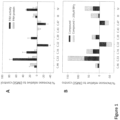
- the compounds were analyzed at an average concentration of 116.7 ⁇ M and BH 2 at 200 ⁇ M. Control experiments with 1% DMSO were also performed. As observed in Figure 1A , one of the compounds, Compound 53, had a very large stimulating effect on PAH protein and activity, especially the latter. This effect was larger than that of compounds III and IV, first generation pharmacological chaperones from Pey et al., 2008 ( supra ) . Furthermore, the effect of compound B with BH 2 was additive ( Figure 1B ). Finally, this compound at a concentration of 68.9 ⁇ M did not have large effect on TH and TPH2 activity respect to 2% DMSO controls.
- Compound 53 is a known antibacterial agent, trimethoprim (TMP). It binds to bacterial variants of dihydrofolate reductase (DHFR) with nM affinity and is thus a potent inhibitor for this enzyme.
- TMP trimethoprim
- DHFR dihydrofolate reductase
- To avoid inhibition of DHFR using Compound 53 for PKU treatment we set out to identify compound analogues with reduced affinity for DHFR while retaining PAH efficacy.
- An initial search of commercially available compounds was carried out as described above. All compounds showing a Tanimoto coefficient > 0.5 towards Compound 53 were selected for manual inspections.
- the ChEMBL database contains bioactivity data for large numbers of small molecules. We utilized this data set to identify the chemical features imperative for DHFR inhibition for compounds with the same scaffold as Compound 53. We found that all compounds similar to Compound 53 with an unmodified pyrimidine ring showed strong inhibition of bacterial DHFR. This is supported by the X-ray structure of DHFR in complex with Compound 53 (PDB ID 1DG5) where Asp27 forms a double H-bond with the pyrimidine ring of Compound 53. Consequently, compounds with substitutions of specific H-bond donor atoms of the pyrimidine ring show weaker affinity towards DHFR (see Figure 5 for selected compounds).
- Compound 53 with substitutions on the pyrimidine ring affecting the affinity towards DHFR.
- Compound 53 with one nitrogen of the pyrimidine substituted to a carbon atom shows an IC50 value of 10 mM (the absent methyl group elsewhere in the compound is not believed to be material to binding affinity).
- the surface of the sensor chip was washed to eliminate unbound species with HBS buffer (0.01 M NaHepes pH 7.4, 0.15 M NaCl) at steady flow of 20 ⁇ l/min for 1 hour until the baseline drift was around 0.05 RU/s; note that an early injection of 40 ⁇ l dithiothreitol (DTT) 10 mM in HBS allowed for this reduced washing time.
- HBS buffer 0.01 M NaHepes pH 7.4, 0.15 M NaCl
- Binding affinities were determined for some further compounds of the invention (derivatives of compounds 53 and 53.10; as shown in Figures 7 , 9 and 10 ). The results are shown in Table 2. The methodology used was the same as discussed above. Table 2 Compound ID.
- Human embryonic kidney cells (HEK293; Life Technologies TM ) permanently expressing WT-hPAH, prepared with the Flp-In system (Life Technologies TM ) were kindly provided by Per Knappskog, Haukeland University Hospital. About 1 million cells were grown in DMEM medium containing 4.5 g/l glucose, 10% (v/v) fetal calf serum, 0.25 mg/ml gentamycine, 2 mM L-glutamine and 50 ⁇ g/ml hygromycin B, and after 24 h medium was changed and the compounds were added at a concentration of 0.04 mg/ml (1% DMSO). Eight hours later, the cells were harvested, and the pellets frozen in dry ice and stored at -80 °C.
- DMEM medium containing 4.5 g/l glucose, 10% (v/v) fetal calf serum, 0.25 mg/ml gentamycine, 2 mM L-glutamine and 50 ⁇ g/ml hygromycin
Landscapes
- Health & Medical Sciences (AREA)
- Chemical & Material Sciences (AREA)
- Life Sciences & Earth Sciences (AREA)
- General Health & Medical Sciences (AREA)
- Medicinal Chemistry (AREA)
- Veterinary Medicine (AREA)
- Pharmacology & Pharmacy (AREA)
- Animal Behavior & Ethology (AREA)
- Public Health (AREA)
- Epidemiology (AREA)
- Organic Chemistry (AREA)
- Engineering & Computer Science (AREA)
- Bioinformatics & Cheminformatics (AREA)
- Zoology (AREA)
- Wood Science & Technology (AREA)
- Genetics & Genomics (AREA)
- Obesity (AREA)
- Hematology (AREA)
- General Chemical & Material Sciences (AREA)
- Nuclear Medicine, Radiotherapy & Molecular Imaging (AREA)
- Chemical Kinetics & Catalysis (AREA)
- Diabetes (AREA)
- General Engineering & Computer Science (AREA)
- Biochemistry (AREA)
- Biomedical Technology (AREA)
- Microbiology (AREA)
- Biotechnology (AREA)
- Molecular Biology (AREA)
- Pharmaceuticals Containing Other Organic And Inorganic Compounds (AREA)
- Acyclic And Carbocyclic Compounds In Medicinal Compositions (AREA)
Description
- The present invention relates to compounds for use in the treatment of hyperphenylalaninemia (HPA), in particular phenylketonuria (PKU), as defined in the claims. These compounds act as pharmacological chaperones of the enzyme phenylalanine hydroxylase.
- Phenylalanine hydroxylase (PAH, EC 1.14.16.1) catalyzes the tetrahydrobiopterin (BH4)-dependent conversion of L-phenylalanine (L-Phe) to L-tyrosine (L-Tyr). This is the initial and the rate-limiting step in phenylalanine catabolism, consuming in humans about 75% of the phenylalanine input from the diet. PAH is primarily present in the liver, where removal of excess L-Phe occurs. Mutations in the human PAH gene lead to increased neurotoxic levels of L-Phe in the blood and to the appearance in urine of metabolites that arise from the transamination of L-Phe to phenylpyruvate. This is the hallmark of the HPAs, of which PKU (OMIM 261600) is the most severe. About 13 000 new patients are diagnosed with PKU each year (averaged figures worldwide 1:10 000).
- PKU patients are normally classified in three (phenotypic) groups depending on their off-diet blood phenylalanine (Phe) levels; mild HPA (MHP; 120-600 µmol/l), mild PKU (600-1200 µmol/l) and classic PKU (≥ 1200 µmol/l). Most PAH variants are missense variants (58.5%), followed by deletions (15.9%), splice-site variants (13.7%), nonsense variants (6.0%) and insertions (3.1%). Missense mutations, as well as small deletions and insertions are mainly associated with PAH misfolding and instability. Wettstein, S et al. in Eur. J. Hum. Genet., 2015, 23(3): pp 302-9 describes the association of mutations with particular patient groups. The intracellular quality control mechanisms eliminate the defective mutant proteins via degradation through polyubiquitin-dependent processes such as proteasome-mediated degradation and/or selective autophagy, resulting in a partial or complete lack of associated PAH function.
- The accumulation of Phe in blood and the brain and the subsequent disturbance in brain neurotransmitters lead to neurological symptoms including mental retardation, purposeless movements and depression. The dietary intake of Phe must therefore be strictly controlled in PKU patients and the established treatment is a Phe-restricted diet and, recently, supplementation with preparations of the natural BH4 cofactor (i.e. the FDA-approved Kuvan®) also shows effectiveness for about 20-30% patients, who can follow a less strict Phe-free diet. BH4 acts to increase PAH activity as it is one of the cosubstrates in the reaction (the "Michaelis-Menten" effect). In addition it has a PAH stabilizing, chaperone effect [Pey, A.L., et al., Hum. Mutat., 2004. 24(5): p. 388-399].
- Pharmacological chaperones are the focus of increasing interest as an approach with therapeutic potential aiming to correct protein misfolding. The decrease in PAH protein stability is the main molecular pathogenic mechanism in PKU. Examples of pharmacological chaperones are provided in Santos-Sierra S., et al., Human Molecular Genetics, 2012, 21(8): p. 1877-1887, and in the
patent application EP 2 008 656 A1 . - In 2008 we demonstrated the proof of the pharmacological chaperone concept for stabilizing PKU mutations with compounds found through screening [Pey, A.L., et al., J. Clin. Invest., 2008. 118(8): p. 2858-67]. The compounds from this first study were later shown to be rather insoluble and that also affected the other neuronal aromatic amino acid hydroxylases, tyrosine hydroxylase (TH) and tryptophan hydroxylase 2 (TPH2). Thus, a need remains for an improved method of treating HPA and PKU.
- The present inventors have identified a new class of compounds acting as pharmacological chaperones, preferably specific for PAH within the aromatic amino acid hydroxylases and, in preferred embodiments, with higher solubility than the compounds disclosed in Pey et al., 2008 (supra). The compounds stabilize PAH and many disease-associated mutations thereof and can increase PAH activity in cells expressing the enzyme. Furthermore, these compounds have a superior (and generally additive) effect to BH4, allowing for possible combined treatment with the established administration of Kuvan®.
- The present invention is defined by the claims. Any subject-matter falling outside the scope of the claims is provided for information only.
- According to one aspect, the present invention provides a compound of formula (I)


- X1 is C or N;
- R1, R2, and R3, which may be the same or different, are selected from the group consisting of H, NH2, OH, optionally substituted C1-C6 alkyl, and optionally substituted C1-C6 heteroalkyl wherein the heteroatoms are one or more N, O or S; and
- R4' is H; and
- R4 is selected from H, F, optionally substituted C1-C6 alkyl or C2-C6 alkenyl, optionally substituted phenyl or a 5- or 6-membered heteroaryl group; or
- R1 and R2 are as defined above and R3 and R4 are fused to form a 5- or 6-membered ring, preferably a 6-membered ring, and thereby a compound of formula Ila

- R3 and R2 are as defined above and R1 and R4 are fused to form a 5- or 6-membered ring, preferably a 6-membered ring, and thereby a compound of formula IIb
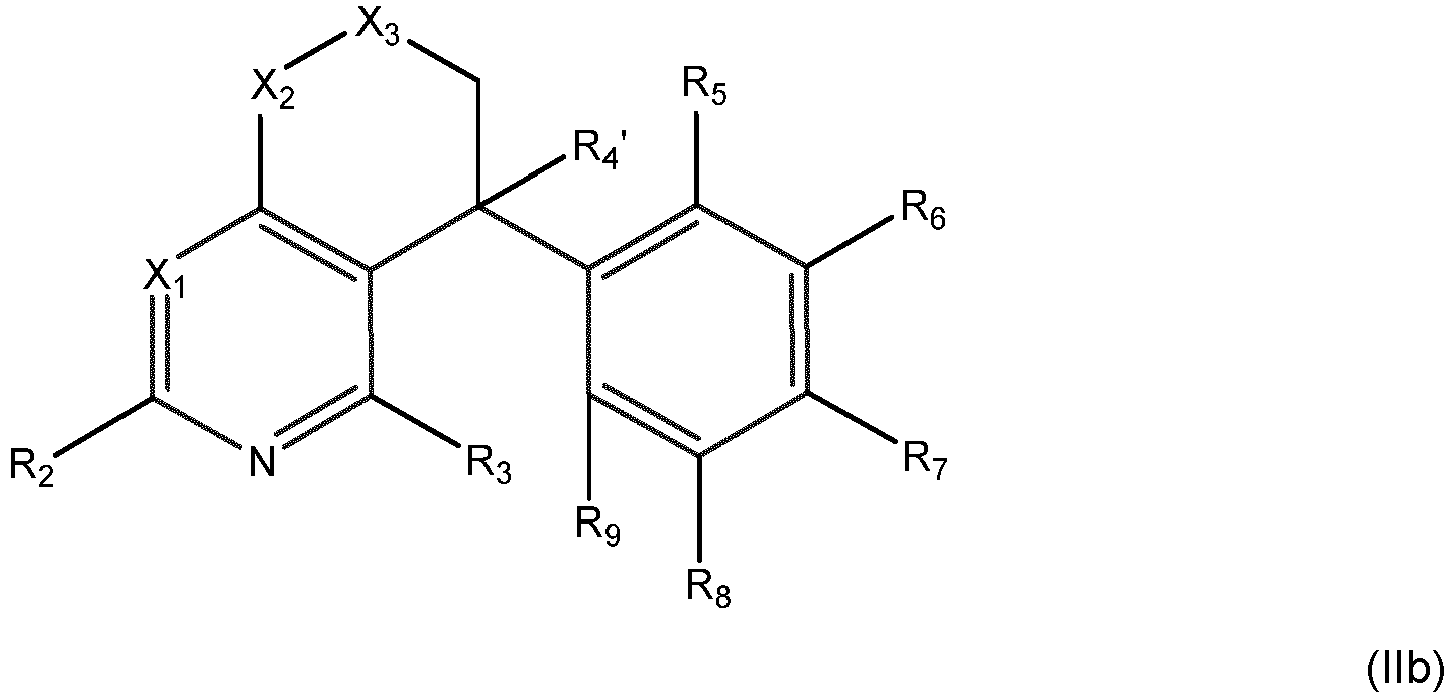
- X2 is NR10, O or S, wherein R10 is H or C1-3 alkyl which may be partially or fully fluorinated; and
- X3 is a single or double bond, -CO, -SO2 or -CH2-;
- R5, R6, R7, R8 and R9, which may be the same or different, are selected from the group consisting of H, OH, SH, halogen, CN, NO2, NH2, optionally substituted C1-C6 alkyl, optionally substituted C2-C6 alkenyl, optionally substituted C1-C6 aminoalkyl, optionally substituted C1-C6 heteroalkyl wherein the hetero atom is N, O or S, optionally substituted C1-C6 alkoxy, optionally substituted benzyloxy, optionally substituted C1-C6 thiol, optionally oxidized to -S(O)- or -S(O)2-, and an aromatic group, optionally containing one or more heteroatoms selected from O, N and S, said aromatic group being optionally substituted,
- two of R5, R6, R7, R8 and R9 may together form an optionally substituted carbocyclic or heterocyclic group, such as an optionally substituted aromatic or heteroaromatic group and/or an optionally substituted cycloalkyl or hetero cycloalkyl group;
- or a pharmaceutically acceptable salt or solvate thereof or a tautomer thereof, for use in the treatment of hyperphenylalaninemia (HPA), wherein the treated condition is mild HPA, mild PKU (phenylketonuria) or classic PKU in a subject exhibiting ≥ 10% of wild-type PAH (phenylalanine hydroxylase) activity.
- Different misfolding mutations can result in PAH having more or less residual enzymatic activity. The Examples herein describe a suitable assay of PAH activity.
- Preferred substituents of the optionally substituted C2-6 alkenyl, C1-C6 alkyl, aminoalkyl, alkoxy, thiol or heteroalkyl group include one or more, which may be the same or different, of the following: halogen, CN, OH, NH2, NO2, SH, O, optionally substituted C1-C3 alkyl, optionally substituted C2-C3-alkenyl, optionally substituted C1-C3 alkoxy, optionally substituted C1-C3 thiol, optionally substituted C1-C3 aminoalkyl, optionally substituted C1-C3 heteroalkyl, wherein heteroatoms are selected from N, O or S and a cyclic group which may be aromatic or aliphatic and may be a 4, 5 or 6 membered ring, optionally containing one or more heteroatoms selected from O, N and S, said cyclic group being optionally substituted.
- One or more of R1-R9 may comprise cyclic aliphatic groups (e.g. cycloalkyl and cycloheteroalkyl) or aromatic groups. These cyclic groups are optionally substituted. Preferred substituents include one or more, which may be the same or different, of the following: halogen, CN, OH, NH2, NO2, SH, O, optionally substituted C1-C3 alkyl, optionally substituted C2-C3 alkenyl, optionally substituted C1-C3 alkoxy, optionally substituted C1-C3 thiol, optionally substituted C1-C3 aminoalkyl, and optionally substituted C1-C3 heteroalkyl.
- Preferred cyclic moieties include phenyl, piperidinyl, piperazinyl, oxopiperidinyl, pyrrolidinyl, imidazolyl, pyridyl, pyrazinyl, pyrimidinyl, oxazolyl, isoxazolyl, morpholinyl, indolyl, thienyl, furyl and thiomorpholinyl.
- Preferred substituents of the optionally substituted C2-3 alkenyl, C1-3 alkyl, aminoalkyl, alkoxy, thiol or heteroalkyl group include halogen, NH2, OH, SH, O, CN and NO2.
- Unless otherwise indicated, alkyl, alkenyl, alkoxy, aminoalkyl, thiol or heteroalkyl groups may be linear, branched or cyclic. For example, C1-C6 thiol includes groups wherein the C1-C6 group is linear, branched or cyclic (either aliphatic or aromatic).
- Where compounds of the invention are chiral, they may be present as pure enantiomers or in racemic or other mixtures.
- Unless otherwise indicated, preferred halogens are F or CI. Multiple substitutions are contemplated, thus providing, for example, partial or full fluorination of a carbon atom.
- Groups comprising heteroatoms may comprise more than one heteroatom, which may be the same or different. Likewise, moieties which are optionally substituted may have multiple substitutions which may be the same or different.
- An aminoalkyl group may be a secondary or tertiary amine and each alkyl may be substituted as defined herein.
- Preferably, R1, R2 and R3, which may be the same or different, are selected from C1-C6 heteroalkyl (e.g. -SMe), optionally fluorine-substituted C1-C6 alkyl, NH2 and OH; preferably CF3, NH2 and OH; more preferably NH2 and OH.
- In particularly preferred embodiments one or more of R1, R2 and R3 is NH2, for example R2 and R3 or R1 and R2 are each NH2.
- If R1 is NH2 then R3 may conveniently be H or OH, or vice versa.
- It is preferred that at least two of R1, R2 and R3 are NH2 or OH, with NH2 being particularly preferred. If two of R1, R2 and R3 are NH2, the other R1, R2 or R3 group may be any other substituent listed above, such as H, C1-C6 alkyl (e.g. methyl or ethyl), NH2 or OH.
- Preferably, R2 is NH2 and one or both of R1 and R3 is also NH2, with the other being H.
- For compounds of formula (IIa) or (IIb), R2 is preferably NH2 and R1 or R3 is preferably OH.
- Two or possibly three of R1, R2 and R3 are each individually preferably NRARB, where RA and RB may form a ring together and are as defined above, the third is preferably hydrogen.
- R4 is preferably H or fused to R1 or R3.
- Preferably R5, R6, R7, R8 and R9 do not all represent H, preferably 2 or 3 of R5, R6, R7 and R8 do not represent H. In preferred embodiments, 1, 2 or 3, preferably 2 or 3 of R5, R6, R7, R8 and R9 are C1-C3 alkoxy, most preferably methoxy. In other preferred embodiments two of R5, R6, R7, R8 and R9 form 5- or 6-membered rings, preferably with 1 or 2 heteroatoms, most preferably with 2 oxygen atoms such as -O-CH2-CH2-O- or -O-CH2-O-. Halogens, in particular F or CI, are also preferred at these positions (one or more of R5, R6, R7, R8 and R9), either as individual halogen atoms or as substituents on a carbon atom, e.g. to provide a partially or fully fluorinated carbon atom.
- Preferably, R5, R6, R7, R8 and R9, which may be the same or different, are selected from methoxy, SCH3, OH, CI, F, or methyl, or two of R5, R6, R7, R8 and R9 together form -O-CH2-CH2-O- , -O-CH2-O- or phenyl.
- More preferably, R5, R6, R7, R8 and R9, which may be the same or different, are selected from methoxy and CI, or two of R5, R6, R7, R8 and R9 together form -O-CH2-O- or phenyl, preferably -O-CH2-O-.
- X1 is preferably N.
- X2 is preferably NR10, with NH being particularly preferred.
- X3 is preferably -C(=O)-.
- Preferably, X1 is N, X2 is -NH-, and X3 is -C(=O)-.
- In certain preferred embodiments the compounds of formula I do not have a strong inhibitory effect on dihydrofolate reductase (DHFR) e.g. they inhibit (human) DHFR less than trimethoprim (TMP) (c53 in
Fig 4 ), preferably exhibiting at least 20% or 50% or 70% or 90% less inhibition. Preferably, the compounds of formula I have no, or essentially no, inhibitory effect on DHFR. Essentially no inhibitory effect implies not measurable and/or of no physiological significance. This reduced inhibition may be provided by modification of the pyrimidine ring of TMP, thus X1 may preferably be C and/or one or both of R1 or R3 is preferably other than H or NH2, more preferably alkyl, e.g. C1-3 alkyl. - Some preferred compounds for use in the treatments of the invention are shown below, for example in which hydrogen is found in certain positions; all other atoms and substituents and preferred substituents are as defined herein.


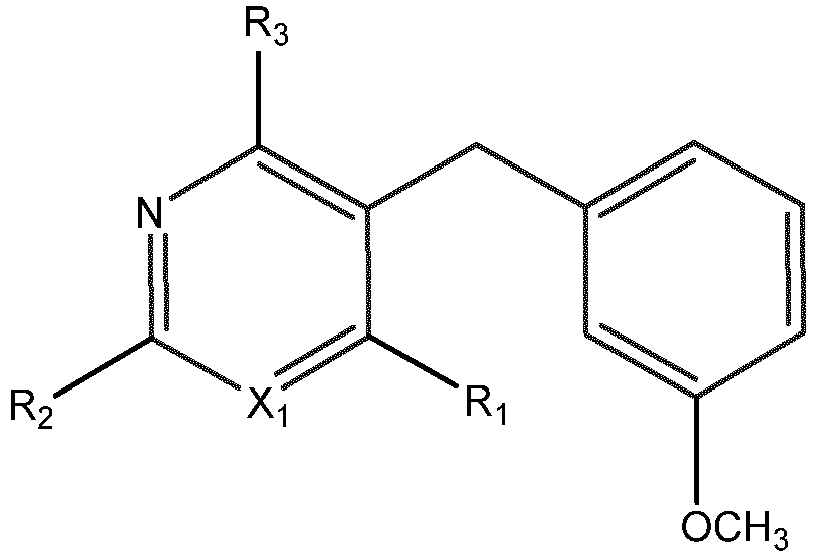


- Compound of formula XXII are particularly preferred, with the substituents R1, R2, R5, R6, R7, R8 and R9 defined as above.
- Preferably the the applications according to the present invention do not employ TMP.
- Some preferred compounds are disclosed in the Examples and Figures. Particularly preferred compounds of the invention are
compounds 53; 53.4; 53.10; 53.14; 53.17; 53.20; 53.22; 53.35; 53.40 and 53.41. - HPA and PKU treatable according to the present invention are caused by reduced PAH activity and the compounds of formula (I) act as pharmacological chaperones to mutant forms of PAH, in particular those forms with ≥ 10% residual activity, increasing their stability and therefore their catalytic activity, i.e. ability to convert L-Phe to L-Tyr. Different mutant forms of PAH are known in the art and mutants which may have their stability improved according to the present invention include the following human mutant forms I65T, R68S, R252W and R261Q, in particular I65T, R68S and R261Q (mutation defined by native amino acid using the single letter code, followed by location and then by the substituting amino acid). Mutant R252W may require co-administration with a BH4 in order to achieve an increase in PAH levels.
- The Examples provide suitable in vitro methods using wild-type or mutant forms of PAH which may be used to confirm efficacy, estimate dosage etc. of a compound of formula I.
- Treatment includes prophylaxis in that the patient may not have detectable symptoms of HPA or PKU; nevertheless, most patients treated in accordance with the present invention will have been diagnosed with HPA or PKU or suspected of having HPA or PKU. Methods of diagnosis of these conditions are known in the art. Treatment and prophylaxis may not be absolute but will result in a measurable improvement in one or more parameters (e.g. symptom or biochemical marker) associated with HPA or PKU, or in the case of prophylaxis, prevention or reduction of the otherwise expected development of traits of HPA/PKU.
- Unless otherwise clear from the context, reference herein to compounds of formula I can be taken also as reference to compounds of formulae II to XXII.
- In a further aspect, the present invention provides a compound of formula I as defined above or a pharmaceutically acceptable salt, solvate or tautomer thereof for use in increasing the stability of PAH. Also provided is the use, which may be in vitro or in vivo, of a compound of formula I as defined above or a salt, solvate or tautomer thereof to increase the stability of PAH. An increase in PAH stability typically leads to an increase in cellular PAH levels and/or in PAH activity.
- The compound is administered according to a therapeutically effective dosage regimen which may require multiple administrations, e.g. 2 to 100, typically at least 10 or 20 doses, such doses may conveniently be administered daily. Typical daily doses will be between 1 and 20 mg/kg/day. A therapeutically effective dosage regimen will be one to effect treatment or prophylaxis, as defined above.
- Effective amounts and effective dosage regimens are able to cause measurable and physiologically relevant increases in PAH activity in the subject, e.g. an observed improvement in Phe metabolism.
- The compounds of formula I may be formulated for administration in any convenient way, typically in a composition with a physiologically acceptable carrier, diluent or excipient.
- The compounds and compositions may be administered to the subject in any convenient form or by any convenient means, e.g. by topical, oral, parenteral, enteral, parenteral routes or by inhalation. Oral or parenteral routes are preferred.
- The skilled person will be able to formulate the molecules of the invention into pharmaceutical compositions that are adapted for these routes of administration according to any of the conventional methods known in the art and widely described in the literature.
- The active ingredient may be incorporated, optionally together with other active agents, with one or more conventional carriers, diluents and/or excipients, to produce conventional galenic preparations such as tablets, pills, powders (e.g. inhalable powders), lozenges, sachets, cachets, elixirs, suspensions, emulsions, solutions, syrups, aerosols (as a solid or in a liquid medium), ointments, soft and hard gelatine capsules, suppositories, sterile injectable solutions, sterile packaged powders, and the like.
- Examples of suitable carriers, excipients, and diluents are lactose, dextrose, sucrose, sorbitol, mannitol, starches, gum acacia, calcium phosphate, inert alginates, tragacanth, gelatine, calcium silicate, microcrystalline cellulose, polyvinylpyrrolidone, cellulose, water syrup, water, water/ethanol, water/ glycol, water/polyethylene, hypertonic salt water, glycol, propylene glycol, methyl cellulose, methylhydroxybenzoates, propyl hydroxybenzoates, talc, magnesium stearate, mineral oil or fatty substances such as hard fat or suitable mixtures thereof.
- The compositions may additionally include lubricating agents, wetting agents, emulsifying agents, suspending agents, preserving agents, sweetening agents, flavouring agents, and the like.
- Parenterally administrable forms, e.g., intravenous solutions, should be sterile and free from physiologically unacceptable agents, and should have low osmolarity to minimize irritation or other adverse effects upon administration and thus solutions should preferably be isotonic or slightly hypertonic, e.g. hypertonic salt water (saline). Suitable vehicles include aqueous vehicles customarily used for administering parenteral solutions such as Sodium Chloride Injection, Ringer's Injection, Dextrose Injection, Dextrose and Sodium Chloride Injection, Lactated Ringer's Injection and other solutions such as are described in Remington's Pharmaceutical Sciences, 18th ed., Mack Publishing Co.. The solutions can contain preservatives, antimicrobial agents, buffers and antioxidants conventionally used for parenteral solutions, excipients and other additives which are compatible with the active compounds and which will not interfere with the manufacture, storage or use of products.
- Individual doses may contain 0.01 to 40 mg/kg, e.g. 0.02 to 2 mg/kg.
- The exact dose will depend on the purpose of the treatment, and will be ascertainable by one skilled in the art using known techniques. As is known in the art, adjustments for systemic versus localized delivery, age body weight, general health, sex, diet, time of administration drug interaction and the severity of the condition may be necessary, and will be ascertainable with routine experimentation by those skilled in the art.
- The subject will typically be a human subject but may be another animal, e.g. a livestock or domestic animal; and thus the invention has utility in human and veterinary therapy.
- The uses, treatments and compositions defined herein may also include the use of a second active agent, e.g. a second active agent for treating HPA or PKU. Preferred combination treatments include co-administration of a compound which acts as a cofactor of PAH, i.e. tetrahydrobiopterin (BH4) or analogues or precursors thereof, e.g. the commercially available product Kuvan® which may preferably be administered with ascorbic acid.
- The present invention also provides a composition comprising a compound of formula I or a pharmaceutically acceptable salt or solvate thereof and a further agent effective in the treatment of HPA, wherein the further agent is BH4.
- The present invention also provides a pharmaceutical pack comprising, not in admixture but for simultaneous or sequential administration, a compound of formula I or a pharmaceutically acceptable salt or solvate thereof and a further agent effective in the treatment of HPA, wherein the further agent is BH4.
- "Sequential" does not imply any particular order or proximity to the administration (temporally or spatially), simply that the two agents are part of a combination therapy where they are not simultaneously administered.
- Said packs or compositions comprise BH4, e.g. Kuvan®.
- Nevertheless, preferred treatments according to the invention do not require a second active and in particular do not require BH4 or an analogue or precursor thereof.
- The present invention is described in the following non-limiting examples and figures:
-
Figure 1 . Effect of compounds 1-7, compounds III and IV (from Pey et al., 2008) and of BH2 on PAH immunoreactive protein level and on PAH activity determined on lysates of HEK293 cells permanently expressing human wild-type PAH. (A)The cells were grown for 24 h in normal medium and then 0.04 mg/ml (average 116.7 µM) of the separated compounds (with 1% DMSO) was added. The controls contained 1% DMSO. After 8 h further incubation at these conditions the cells were harvested and PAH protein was determined by Western blot and activity measured in clarified lysates. (B) PAH activity when the compounds were added together with the BH4 precursor BH2 (200 µM). BH2 (200 µM) alone, at the same conditions, had a stimulating effect of 24.8% on PAH protein and 21.7% on PAH activity. -
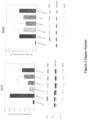
Figure 2 . Effect ofCompound 53 and BH2 on the immunoreactive hPAH protein level (upper panels) and PAH activity (lower panels) of HEK293 EBNA cells transiently expressing the indicated PKU mutants. A concentration of 200 µM forCompound 53 and BH2 was used and the upper panels show as well the original blotting membranes. (*) Significant differences with respect to the mutant-1%DMSO control, p<0.05. -
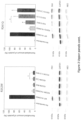
Figure 3 . The effect ofCompound 53 on the activity of hPAH. Effect ofCompound 53 on (A) the Phe dependent specific activity of full-length tetrameric wild-type hPAH, assayed at 100 µM BH4, (B) the BH4-dependent activity of full-length hPAH, assayed with 1 mM L-Phe, and (C) the BH4-dependent activity of truncated dimeric hPAH ΔN102/ΔC24, assayed with 1 mM L-Phe. (D) A summary of the calculated steady state enzyme-kinetic parameters. Values are expressed as the average of three independent experiments ± SD. The concentration ofCompound 53 in the assays was 137.8 µM and 2% DMSO. **Significant Differences with respect to control, p<0.01. -
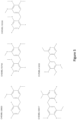
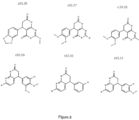
Figure 4 . Analogues ofCompound 53 identified through similarity search of commercially available compounds. 11 selected compound analogues ofCompound 53 grouped based on the number of atom substitutions:group 1 analogues (≤ 3 atom substitutions) are shown inrow 1; group 2 analogues (> 3 atom substitutions) in row 2; group 3 (different scaffold) in row 3. -
Figure 5 . Selected compounds from the ChEMBL database with the same scaffold asCompound 53, but with substitutions notably on the pyrimidine ring, yielding reduced affinity for DHFR. -
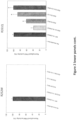
Figure 6 . Effect ofCompound 53 derivatives on PAH activity in lysates from HEK293 cells permanently expressing human wild-type PAH, cultured in the presence of an average compound concentration of 144.9 µM, with 1% DMSO. The dashed line represents the normalized activity of the control (1% DMSO), also used as reference for the activity values of the compounds. -
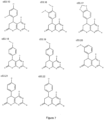
Figure 7 . A selection of further compounds (analogues of Compound 53.10) for use according to the present invention, chaperone activity has been confirmed by DSF testing. -
Figure 8 . A selection of further compounds (analogues of Compound 53.10) for use according to the present invention. -
Figure 9 . A selection of further compounds (analogues of Compound 53) for use according to the present invention. -
Figure 10 . A selection of further compounds (analogues of Compound 53.10) for use according to the present invention. - Compounds were ordered from TimTec and Sigma Aldrich (purity >90% for the different batches), prepared at concentrations of 4 mg/mL in 100% DMSO. Compounds III and IV from Pey et al., 2008, supra, were obtained from Maybridge (Maybridge Ltd., UK)
- Tetrameric full length wild-type (WT) human PAH (hPAH) and truncated ΔN102/ΔC24-hPAH corresponding to a dimeric form containing the catalytic domain of known crystal structure were recombinantly expressed in E. coli fused to maltose-binding protein and purified by amylose-affinity chromatography and further cleaved and isolated to homogeneity essentially as described [Martinez, A., et al., Biochem. J., 1995. 306: p. 589-597]. Protein concentration was measured in a NanoDrop spectrophotometer (Thermo Scientific) using the absorbance at 280 nm and the theoretical molar extinction coefficient of 49780 M-1 cm-1 for WT-PAH and 46675 M-1 cm-1 for ΔN102/ΔC24-hPAH.
- PAH activity on isolated recombinant enzymes was measured at 37 °C for 1 min with quantification of L-Tyr formed by HPLC with fluorimetric detection, essentially as described [Martinez et al. supra] with the indicated concentrations of the compounds. In order to better eliminate the PAH inhibitors, we further adapted the assay: reaction mixtures containing 0.25 µg of hPAH, 100 mM NaHepes pH 7.0, 20 mM NaCl, 0.04 mg/ml catalase, 50 µM ferrous ammonium sulphate, 1 mM L-Phe, 0.05% bovine albumin serum, 2% DMSO and 0.04 mg/ml compound were dispensed in a 96-well PCR plates (Roche) and incubated for 40 min at 42 °C.
- After an equilibration of the plate at 37 °C for 3 min the reaction was initiated by adding 75 µM BH4 (Schircks Laboratories, Jona, Switzerland) in 5 mM DTT and stopped after 1 min by adding 50 µl of 2% (v/v) acetic acid in ethanol (all concentrations referred to a final reaction volume of 50 µl) prior to determination of L-Tyr produced by HPLC with fluorimetric detection (λexcitation=274 nm; λemission=304 nm). Controls with 2% DMSO without compound were routinely assayed as references for data processing. A BRAVO automated liquid handling platform was used in these assays.
- The steady-state kinetic parameters were estimated with 0.25 µg hPAH (0.965 µM subunit), 1 mM L-Phe and different BH4 concentrations in the range 0-400 µM, and with 100 µM BH4 and L-Phe (0-1 mM). The saturation curves were fitted to hyperbolic (for BH4) or sigmoidal (for L-Phe) kinetic models with SigmaPlot v. 9.0. (SPSS). Kinetic parameters are presented as mean ± SEM obtained from nonlinear regression analysis.
- A similar assay was used to measure PAH activity in cells lysates using 1 mM L-Phe and 200 µM BH4 with 10 min reactions and about 20-90 µg of total protein. Free amino acids and contaminants of low molecular weight were previously removed from the extracts using Zebra Desalt Spin columns (Pierce Biotechnology). Under these conditions, PAH activity was linear to the amount of protein in the extracts.
- Human embryonic kidney cells (HEK293; Life Technologies™) permanently expressing WT-hPAH, prepared with the Flp-In system (Life Technologies™) were kindly provided by Per Knappskog, Haukeland University Hospital. About 1 million cells were grown in DMEM medium containing 4.5 g/l glucose, 10% (v/v) fetal calf serum, 0.25 mg/ml gentamycine, 2 mM L-glutamine and 50 µg/ml hygromycin B, and after 24 h medium was changed and the test compounds were added at a concentration of 0.02 mg/ml (1% DMSO). Eight hours later, the cells were harvested, and the pellets frozen in dry ice and stored at -80 °C. Control experiments revealed no significant effects of 1% DMSO either on cell growth and survival or on PAH activity and immunoreactivity (data not shown). To prepare the cell extracts, the frozen cell pellets were thawed in TBS (+protease inhibitor) buffer and cells were homogenized with 0.1% TX-100, incubated 15 minutes at 4°C and extracts were clarified by centrifugation 20000 g for 15 min at 4°C. Protein concentrations were normalized using a Direct Detect Spectrometer (Merck Millipore).
- The 7 selected compounds as well as the first generation pharmacological chaperones (Compounds III and IV) were further analyzed in the presence and absence of BH2 (200 µM), added as precursor of BH4, to account for additive effects. A higher concentration of compound was also used 0.04 mg/ml (average of 116.7 µM) at otherwise same experimental conditions.
- For transient expression of WT and mutant PAH, HEK293 EBNA (Epstein-Barr virus) cells, with low endogenous PAH expression, were grown as above. Cells were grown for 19 h, when they were transfected transiently transfected with 1 µg of pcDNA3-PAH vector (WT or mutant PAH constructs R261Q, R252W, I65T and R68S) using the Lipofectamine system (Life Technologies™) as described by the manufacturer.
Compound 53, with and without BH2 (200 µM) was added after 5 h of transfection at 200 µM concentration in 1% DMSO, and further incubated for 24 h, at which time the cells were harvested and stored at -80 °C. In all cases a parallel negative control with only 1% DMSO was included. Cell lysates were prepared as indicated above. - Western blot analyses were performed on either cell extracts from permanently expressing or transiently transfected HEK293 cell lysates after SDS-PAGE (10% acrylamide) with 5-10 µg total protein in each lane. Proteins were transferred into a PVDF membrane and subsequently blocked and incubated with a polyclonal mouse anti-human PAH (PH8; Merck Millipore) at 1 µg/ml, neomycin phosphotransferase II (Merck Millipore #06-747) and GAPDH (Abcam, #ab9485) as primary antibodies. Neomycin phosphotransferase II was used as a marker of the plasmid transfection efficiency, and GAPDH was used as loading controls. Goat anti-mouse and goat anti-rabbit HRP conjugate (Bio-Rad) were used as secondary antibodies. Lastly, membranes were developed by chemiluminescence (ECL; Amersham), and immunoquantification in a Fluor-S Multilmager (Bio-Rad) using ImageLab v.5.1 software.
- Similarity search for
Compound 53 analogues was performed using the R-package Chemlnf and OpenBabel [O'Boyle, N.M., et al., J Cheminform, 2011. 3: p. 33] over a selection of small molecule libraries of purchasable compounds obtained from the chemical vendors Vitas-Lab, Sigma Aldrich, Otava and MolPort. All compounds showing a Tanimoto coefficient of > 0.5. towardscompound 53 were selected for manual inspections. - DSF was used to monitor the thermal denaturation of recombinant WT-hPAH protein in the presence of the fluorescent dye SYPRO Orange (Sigma-Aldrich). The experiments were carried out in a LightCycler 480 Real-Time PCR (RT-PCR) instrument (Roche Applied Science, Indianapolis, IN). In each well 49 µl of a hPAH protein solution containing 0.1 mg/ml (1.93 µM subunit) in 20 mM NaHepes pH 7.0, 200 mM NaCl and 5x SYPRO Orange, were dispensed with the help of a multichannel pipette. Next, in a BRAVO automated liquid handling platform (Agilent Technologies, Santa Clara, CA) 1 µl of each test compound was added to a final volume of 50 µl/well, with final concentrations of 4% DMSO and 0.04 mg/ml compound. Plates were incubated at room temperature (RT) for 30 min before loading them into the LightCycler and starting the data acquisition. The thermal denaturation was monitored by following the expected increase in fluorescence intensity of the extrinsic probe SYPRO Orange (instrument filter settings: λexc=465 nm; λem=610nm) as a consequence of the unfolding/denaturation of the protein. Melting curves were registered from 20 to 95°C at a scan rate of 2.4 °C/min and the experimental data obtained allowed the extraction of values of T m (midpoint melting temperature) by fitting, smoothing, normalization and analysis of the aforementioned unfolding curves using in-house software. T m represents the temperature at which the fraction of unfolded (or folded) protein is 50% and it is calculated as the intersection between denaturation curve and fraction of unfolding XU =0.5. Control experiments with 4% DMSO were performed in the same way.
- The T m-values for hPAH in the presence of each compound was compared to the value for the control without compound but with 4% DMSO, and the shifts in Tm (ΔT m) were calculated. ΔT m (= T m Compound - T m DMSO control).
- We analyzed the effect of 20 compounds on the cell growth of HEK293 expressing hPAH at 0.02 mg/ml, as well as on the immunoquantified levels of hPAH protein and activity. Many of the compounds provoked the detachment of the cells and we thus only selected 7 evidently non-toxic compounds with the best profiles to be further analyzed at a higher concentration, 0.04 mg/ml. In addition, we also examined if the compounds provided additive or synergetic effects with BH4. We used BH2 as precursor of BH4 since the addition of BH4 directly to the cellular medium is toxic, while BH2 is taken up and intracellularly converted to BH4.
- The compounds were analyzed at an average concentration of 116.7 µM and BH2 at 200 µM. Control experiments with 1% DMSO were also performed. As observed in
Figure 1A , one of the compounds,Compound 53, had a very large stimulating effect on PAH protein and activity, especially the latter. This effect was larger than that of compounds III and IV, first generation pharmacological chaperones from Pey et al., 2008 (supra). Furthermore, the effect of compound B with BH2 was additive (Figure 1B ). Finally, this compound at a concentration of 68.9 µM did not have large effect on TH and TPH2 activity respect to 2% DMSO controls. - From this point we decided to focus on
Compound 53 as the best hit for further characterizations and hit optimization. - We studied the transient expression of the PKU mutants I65T-, R68S-, R252W- and R261Q-PAH in cells for 24 hours in the absence or presence of 200 µM of
compound 53, without and with 200 µM BH2. These 4 PKU mutations represent 4 different phenotypic groups in PKU patients, and allele recurrence: R68S is a mild mutation (frequency > 2% of the alleles), I65T is mild-moderate (frequency = 3.9% of the alleles), R261Q is highly variable (mild-moderate-severe) and very frequent (9.2% of alleles), and R252W is a severe mutation (frequency = 2.5% of the alleles). Cells were harvested, and steady-state PAH immunoreactive protein at 51 kDa, corrected for loading (GAPDH; 38 kDa) and expression controls (Neo;30 kDa) and PAH activity were measured in soluble cell extracts (Figure 2 ). - Except for R252W-PAH, which showed an activity below the assay detection limit, the DMSO-controls of the PKU mutants presented measureable immunoreactive levels (25-70% of WT) and activities (25-50% of WT). In the presence of
compound 53 both hPAH protein levels and PAH activity of cells expressing mutants I65T and R261Q were greatly increased. BH2 also increased protein and activity of the same cells, and trends for additive effects forCompound 53 and BH2 were also observed. An effect ofCompound 53 on the activity of cells expressing R68S was also measured, but neither the compound or BH4 affected the severe mutant R252W, although we observed a little stimulation of the protein content when cells expressing this mutant were grown with both compound and cofactor analogue together (Figure 2A ). - Once we demonstrated the good effect of
Compound 53 in stimulating PAH protein and activity in cells expressing hPAH (both WT and PKU mutants) we studied in more detail the effect of the compound on the steady state enzyme kinetics (Figure 3 ). For the DMSO control enzyme S0.5(L-Phe) and K m(BH4) values are in accordance with those obtained in previous studies for the full length enzyme, although the activity values and V max are higher. As we can observe in the phenylalanine titration graph (Figure 3A,D ), the compound does not affect the kinetic parameters for the substrate (V max and S 0.5), or the characteristic positive cooperativity for L-Phe also remains unmodified. On the other hand, we observed a small inhibitory effect of the compound in the BH4-concentracion curve, resulting in decreased V max and K m for the cofactor (Figure 3B,D ), indicative of an uncompetitive inhibition. The results suggest that the compound does not affect the binding of L-Phe or the activating regulatory conformational change caused by the substrate. The uncompetitive mechanism towards BH4 indicates thatcompound 53 binds tighter to the transition state than to the free enzyme and the sequestering of the enzyme-BH4 complex results in apparent decrease of K m by the Chatelier principle. - When the effect of the compound is tested with a truncated form of the enzyme, i.e. the dimeric hPAH ΔN102/ΔC24, lacking both the regulatory domain and the tetramerization motif,
compound 53 did not change the V max or K m-values for BH4 (Figure 3C,D ), indicating no effect on the binding of BH4 in this enzyme form. -
Compound 53 is a known antibacterial agent, trimethoprim (TMP). It binds to bacterial variants of dihydrofolate reductase (DHFR) with nM affinity and is thus a potent inhibitor for this enzyme. To avoid inhibition ofDHFR using Compound 53 for PKU treatment we set out to identify compound analogues with reduced affinity for DHFR while retaining PAH efficacy. As a first step we aimed at characterizing the chemical features ofCompound 53 imperative for the stabilization of PAH. An initial search of commercially available compounds was carried out as described above. All compounds showing a Tanimoto coefficient > 0.5 towardsCompound 53 were selected for manual inspections. A final selection of 11 compounds (with identifiers c53.1- c53.11) was made with the objective of determining the efficacy of individual atoms in the structure as well as determining the efficacy of both ring structures ofCompound 53 to stabilize PAH (Figure 4 ). Compounds c53.2, c53.5, c53.6, c53.9 and c53.11 are comparative examples (not claimed). Of the 11 selected compounds, 3 compounds carried the same chemical scaffold with only minor changes to the structure (≤ 3 atom substitutions; group 1); 4 compounds retained the chemical scaffold, but included a larger number of atom substitutions (> 3 atom substitutions; group 2); and another 4 compounds obtained a different chemical scaffold but keeping certain chemical features (group 3). - After initial testing of these first 11 analogues we identified additionally 13 compounds of a particularly potent analogue (c53.10). These compounds share the same scaffold as
Compound 53, but contain a fused ring system on the pyrimidine ring (seeFigures 7 and8 ). - The ChEMBL database contains bioactivity data for large numbers of small molecules. We utilized this data set to identify the chemical features imperative for DHFR inhibition for compounds with the same scaffold as
Compound 53. We found that all compounds similar toCompound 53 with an unmodified pyrimidine ring showed strong inhibition of bacterial DHFR. This is supported by the X-ray structure of DHFR in complex with Compound 53 (PDB ID 1DG5) where Asp27 forms a double H-bond with the pyrimidine ring ofCompound 53. Consequently, compounds with substitutions of specific H-bond donor atoms of the pyrimidine ring show weaker affinity towards DHFR (seeFigure 5 for selected compounds). We identified 5 compounds with the same chemical scaffold asCompound 53 with substitutions on the pyrimidine ring affecting the affinity towards DHFR. Notably,Compound 53 with one nitrogen of the pyrimidine substituted to a carbon atom (CHEMBL128600;Figure 5 ) shows an IC50 value of 10 mM (the absent methyl group elsewhere in the compound is not believed to be material to binding affinity). - For detailed determination of binding affinity of
Compound 53 and derivatives (Fig. 4 ) SPR was performed on a Biacore T200 (GE Healthcare Life Sciences) at a temperature of 25 °C. A hPAH solution at 0.08 µg/µl in a final volume of 200 µl in acetate buffer pH 5.0 was immobilized onto series S sensor chip CM5 by the standard amine coupling procedure at a flow rate of 30 µl/min and PBS-P+ buffer as running buffer aiming for RU 20000. After the coupling reaction the surface of the sensor chip was washed to eliminate unbound species with HBS buffer (0.01 M NaHepes pH 7.4, 0.15 M NaCl) at steady flow of 20 µl/min for 1 hour until the baseline drift was around 0.05 RU/s; note that an early injection of 40 µl dithiothreitol (DTT) 10 mM in HBS allowed for this reduced washing time. - For the screening, compounds were assayed at a concentration of 200 µM, with 5% DMSO in duplicates, including negative controls with 5% DMSO, positive controls, with 200 µM BH2 and solvent correction was also performed. For KD calculations, a compound concentration 0-500 µM (in 5% DMSO) were applied at otherwise analogous experimental design and analyses were performed using Biacore T200 Evaluation Software, version 2.0 (GE Healthcare Life Sciences).
- All the responses from the compounds of the screening were subjected to blank subtraction (negative control 5% DMSO), molecular weight adjustment and solvent correction to account for differences in bulk response. Next a cut-off value for the screening was selected based on the response of the positive control of our experiments: RU BH2 + 3*SD (2.88+3*1.79=8.27). In this manner, from the 11 derivatives of
Compound 53 tested (seeFig. 4 ) we weeded out those compounds with a lower response than 8.27, namely #53.2 (comparative), #53.9 (comparative) and #53.11 (comparative). - In addition and for the rest of the compounds which continued our workflow, binding affinities were determined and the results are shown in the following table. The selected conditions to measure affinity are selected for high throughput measurements, but the affinities are overestimated though the relative KD for the different compounds are reliable.
Table 1 Compound ID. KD (µM)±SER c53-TMP 58.5±35.8 c53.1 104±14 c53.3 860±1377 c53.4 45.2±9.1 c53.5 (comparative) 370±228 c53.6 (comparative) 103±48.8 c53.7 6.9±4.9 c53.8 ---- c53.10 22.9±2.7 - Interestingly, as highlighted in bold in the table, we were able by our similarity search to find three derivatives that presented a lower KD value than our initial hit Compound 53 (c53). In other words, c53.4, c53.7 and c53.10, according to these results, would bind with higher affinity towards hPAH with possibly enhanced potency as pharmacological chaperones.
- Due to the high potency and alternative structure of c53.10, we identified and bought additionally 13 c53.10 analogues. 7 of these (
Figure 7 ) have been tested using DSF and all show a ΔTm value of ~5 °C. - Binding affinities were determined for some further compounds of the invention (derivatives of
compounds 53 and 53.10; as shown inFigures 7 ,9 and10 ). The results are shown in Table 2. The methodology used was the same as discussed above.Table 2 Compound ID. KD (µM)±SER c53.14 24,7±12,1 c53.16 76,3±26,4 c53.17 11,0±3,7 c53.19 37,2±23,7 c53.20 23,2±11,7 c53.22 30,1±6,5 c53.26 62,1±30,7 c53.29 191±20 c53.31 55,9±6,7 c53.32 102±11 c53.33 182±32 c53.35 23,7±5,0 c53.40 11,6±1,6 c53.41 12,6±6,4 - Human embryonic kidney cells (HEK293; Life Technologies™) permanently expressing WT-hPAH, prepared with the Flp-In system (Life Technologies™) were kindly provided by Per Knappskog, Haukeland University Hospital. About 1 million cells were grown in DMEM medium containing 4.5 g/l glucose, 10% (v/v) fetal calf serum, 0.25 mg/ml gentamycine, 2 mM L-glutamine and 50 µg/ml hygromycin B, and after 24 h medium was changed and the compounds were added at a concentration of 0.04 mg/ml (1% DMSO). Eight hours later, the cells were harvested, and the pellets frozen in dry ice and stored at -80 °C. Control experiments revealed no significant effects of 1% DMSO either on cell growth and survival or on PAH activity and immunoreactivity (data not shown). To prepare the cell extracts, the frozen cell pellets were thawed in TBS (+protease inhibitor) buffer and cells were homogenized with 0.1% TX-100, incubated 15 minutes at 4°C and extracts were clarified by centrifugation 20000 g for 15 minutes at 4°C. Protein concentrations were normalized using a Direct Detect Spectrometer (Merck Millipore).
- Five
Compound 53 derivatives were further analyzed in HEK293 cell cultures to observe how the activity of hPAH was altered by the presence of these compounds (Fig. 6 ). - Even though all the derivatives studied increased hPAH with respect to the control, it was c53.4 and c53.10 that reached levels comparable to c53 (around 40% increase).
- Further tests on derivatives of
Compounds 53 and 53.10 to assess enzyme activity were carried out in the same way as set out in Example 3, with the results set out below in Table 3. Some natural variance is seen between the results inFig. 6 and Table 3 for those compounds which were tested in both experiments.Table 3 Compound ID PAH activity-cells (%) c53 148±16 c53.1 130±8 c53.3 112±10 c53.4 165±28 c53.6 (comparative) 120±12 c53.7 119±5 c53.10 155±13 c53.14 175±23 c53.16 146±10 c53.17 206±10 c53.19 170±17 c53.20 206±5 c53.22 154±16 c53.26 109±5 c53.29 155±7 c53.31 125±8
Claims (13)
- A compound of formula (I)
 X1 is C or N;R1, R2, and R3, which may be the same or different, are selected from the group consisting of H, NH2, OH, optionally substituted C1-C6 alkyl, and optionally substituted C1-C6 heteroalkyl wherein the heteroatoms are one or more N, O or S; andR4' is H; andR4 is selected from H, F, optionally substituted C1-C6 alkyl or C2-C6 alkenyl, optionally substituted phenyl or a 5- or 6-membered heteroaryl group; orR3 and R4 are fused to form a 5- or 6-membered ring, preferably a 6-membered ring, and thereby a compound of formula Ila
 R1 and R4 are fused to form a 5- or 6-membered ring, preferably a 6-membered ring, and thereby a compound of formula IIb
 X2 is NR10, O or S, wherein R10 is H or C1-3 alkyl which may be partially or fully fluorinated; andX3 is a single or double bond, -CO, -SO2 or -CH2-;R5, R6, R7, R8 and R9, which may be the same or different, are selected from the group consisting of H, OH, SH, halogen, CN, NO2, NH2, optionally substituted C1-C6 alkyl, optionally substituted C2-C6 alkenyl, optionally substituted C1-C6 aminoalkyl, optionally substituted C1-C6 heteroalkyl wherein the hetero atom is N, O or S, optionally substituted C1-C6 alkoxy, optionally substituted benzyloxy, optionally substituted C1-C6 thiol, optionally oxidized to -S(O)- or -S(O)2-, and an aromatic group, optionally containing one or more heteroatoms selected from O, N and S, said aromatic group being optionally substituted,two of R5, R6, R7, R8 and R9 may together form an optionally substituted carbocyclic or heterocyclic group;or a pharmaceutically acceptable salt or solvate thereof or a tautomer thereof, for use in the treatment of hyperphenylalaninemia (HPA), wherein the treated condition is mild HPA, mild PKU (phenylketonuria) or classic PKU in a subject exhibiting ≥ 10% of wild-type PAH (phenylalanine hydroxylase) activity.
 - The compound for use of claim 1 wherein the substituents of any substituted C2-6 alkenyl, C1-C6 alkyl, aminoalkyl, alkoxy, thiol or heteroalkyl group, which may be the same or different, are selected from the following: halogen, CN, OH, NH2, NO2, SH, O, optionally substituted C1-C3 alkyl, optionally substituted C2-C3-alkenyl, optionally substituted C1-C3 alkoxy, optionally substituted C1-C3 thiol, optionally substituted C1-C3 aminoalkyl, optionally substituted C1-C3 heteroalkyl, wherein heteroatoms are selected from N, O or S and a cyclic group which may be aromatic or aliphatic and may be a 4, 5 or 6 membered ring, optionally containing one or more heteroatoms selected from O, N and S, said cyclic group being optionally substituted, preferably wherein the substituents of any substituted C2-3 alkenyl, C1-3 alkyl, aminoalkyl, alkoxy, thiol or heteroalkyl group are selected from: halogen, NH2, OH, SH, O, CN and NO2
- The compound for use of claim 1, wherein R1, R2 and R3 are selected from NH2 and OH, preferably wherein one or more of R1, R2 and R3 is NH2.
- The compound for use of any preceding claim, wherein R2 is NH2, and either both of R1 and R3 are NH2, or one of R1 or R3 is NH2 and the other is H; or
wherein the compound is a compound of formula (IIa) or (IIb), and R2 is NH2 and R1 or R3 is OH. - The compound for use of any preceding claim, wherein R5, R6, R7, R8 and R9 are selected from methoxy, SCH3, OH, Cl, F, or methyl, or two of R5, R6, R7, R8 and R9 together form -O-CH2-O-, -O-CH2-CH2-O- or phenyl; preferably wherein R5, R6, R7, R8 and R9 are selected from methoxy and CI, or two of R5, R6, R7, R8 and R9 together form -O-CH2-O-.
- The compound for use of any preceding claim wherein R4 is H or fused to R1 or R3.
- The compound for use of any preceding claim wherein 1, 2 or 3, preferably 2 or 3 of R5, R6, R7, R8 and R9 are C1-C3 alkoxy, most preferably methoxy.
- The compound for use of any one of claims 1 to 4 wherein two of R5, R6, R7, R8 and R9 together form a 5- or 6-membered ring, preferably with 1 or 2 heteroatoms, most preferably with 2 oxygen atoms.
- The compound for use of any preceding claim wherein X3 is -C(=O); and/or wherein X1 is N and X2 is -NH-.
- The compound for use of claim 1, wherein the compound is selected from


- An in vitro method of stabilising phenylalanine hydroxylase (PAH) which comprises contacting PAH with a compound of formula (I) as defined in any of claims 1-10 or a pharmaceutically acceptable salt or solvate thereof.
- A pharmaceutical pack comprising, not in admixture but for simultaneous or sequential administration, a compound of formula (I) as defined in any of claims 1-10, or a pharmaceutically acceptable salt or solvate thereof and a further agent effective in the treatment of HPA, wherein the further agent is BH4.
- A composition comprising a compound of formula (I) as defined in any of claims 1-10, or a pharmaceutically acceptable salt or solvate thereof and a further agent effective in the treatment of HPA, wherein the further agent is BH4.
Applications Claiming Priority (2)
| Application Number | Priority Date | Filing Date | Title |
|---|---|---|---|
| GBGB1514489.2A GB201514489D0 (en) | 2015-08-14 | 2015-08-14 | Hyperphenylalaninemia |
| PCT/EP2016/069184 WO2017029202A1 (en) | 2015-08-14 | 2016-08-11 | Hyperphenylalaninemia and treatments thereof |
Publications (3)
| Publication Number | Publication Date |
|---|---|
| EP3334429A1 EP3334429A1 (en) | 2018-06-20 |
| EP3334429C0 EP3334429C0 (en) | 2024-04-24 |
| EP3334429B1 true EP3334429B1 (en) | 2024-04-24 |
Family
ID=54258658
Family Applications (1)
| Application Number | Title | Priority Date | Filing Date |
|---|---|---|---|
| EP16750443.0A Active EP3334429B1 (en) | 2015-08-14 | 2016-08-11 | Hyperphenylalaninemia and treatments thereof |
Country Status (5)
| Country | Link |
|---|---|
| US (1) | US10265303B2 (en) |
| EP (1) | EP3334429B1 (en) |
| CN (1) | CN107921035B (en) |
| GB (1) | GB201514489D0 (en) |
| WO (1) | WO2017029202A1 (en) |
Families Citing this family (16)
| Publication number | Priority date | Publication date | Assignee | Title |
|---|---|---|---|---|
| EP3689870B1 (en) * | 2017-09-27 | 2022-07-13 | Kagoshima University | Analgesic drug using pac1 receptor antagonistic drug |
| US11066404B2 (en) | 2018-10-11 | 2021-07-20 | Incyte Corporation | Dihydropyrido[2,3-d]pyrimidinone compounds as CDK2 inhibitors |
| KR102884442B1 (en) | 2019-02-14 | 2025-11-10 | 솜 이노베이션 바이오테크, 에스.에이. | Triamterene or nolatrexed for use in the treatment of phenylketonuria |
| US11384083B2 (en) | 2019-02-15 | 2022-07-12 | Incyte Corporation | Substituted spiro[cyclopropane-1,5′-pyrrolo[2,3-d]pyrimidin]-6′(7′h)-ones as CDK2 inhibitors |
| JP7501920B2 (en) * | 2019-02-27 | 2024-06-18 | 国立大学法人 鹿児島大学 | Antipruritic drug using PAC1 receptor antagonist |
| TW202100520A (en) | 2019-03-05 | 2021-01-01 | 美商英塞特公司 | Pyrazolyl pyrimidinylamine compounds as cdk2 inhibitors |
| WO2020205560A1 (en) | 2019-03-29 | 2020-10-08 | Incyte Corporation | Sulfonylamide compounds as cdk2 inhibitors |
| US11447494B2 (en) | 2019-05-01 | 2022-09-20 | Incyte Corporation | Tricyclic amine compounds as CDK2 inhibitors |
| US11440914B2 (en) | 2019-05-01 | 2022-09-13 | Incyte Corporation | Tricyclic amine compounds as CDK2 inhibitors |
| CN116348458A (en) | 2019-08-14 | 2023-06-27 | 因赛特公司 | Imidazolylpyrimidinylamine compounds as CDK2 inhibitors |
| CN119930611A (en) | 2019-10-11 | 2025-05-06 | 因赛特公司 | Dicyclomine as a CDK2 inhibitor |
| US11981671B2 (en) | 2021-06-21 | 2024-05-14 | Incyte Corporation | Bicyclic pyrazolyl amines as CDK2 inhibitors |
| US11976073B2 (en) | 2021-12-10 | 2024-05-07 | Incyte Corporation | Bicyclic amines as CDK2 inhibitors |
| WO2023164234A1 (en) * | 2022-02-28 | 2023-08-31 | Agios Pharmaceuticals, Inc. | Compounds and methods useful for stabilizing phenylalanine hydroxylase mutations |
| CN119095854A (en) | 2022-02-28 | 2024-12-06 | 安吉奥斯医药品有限公司 | Compounds and methods for stabilizing phenylalanine hydroxylase mutations |
| GB202312738D0 (en) | 2023-08-21 | 2023-10-04 | Pluvia As | Compounds |
Family Cites Families (5)
| Publication number | Priority date | Publication date | Assignee | Title |
|---|---|---|---|---|
| EP2008656A1 (en) | 2007-06-28 | 2008-12-31 | Bergen Teknologioverforing AS | Compositions for the treatment of hyperphenylalaninemia |
| US20110065671A1 (en) | 2008-05-19 | 2011-03-17 | Harris Joel M | Bicyclic heterocycle derivatives and use thereof as gpr119 modulators |
| JP2009298754A (en) | 2008-06-17 | 2009-12-24 | Shiratori Pharmaceutical Co Ltd | Method for producing r-sapropterin or salt thereof |
| MX2011005096A (en) | 2008-11-13 | 2011-11-18 | Link Medicine Corp | Azaquinolinone derivatives and uses thereof. |
| US20120232073A1 (en) | 2009-11-23 | 2012-09-13 | Santhosh Francis Neelamkavil | Fused bicyclic pyrimidine derivatives and methods of use thereof |
-
2015
- 2015-08-14 GB GBGB1514489.2A patent/GB201514489D0/en not_active Ceased
-
2016
- 2016-08-11 WO PCT/EP2016/069184 patent/WO2017029202A1/en not_active Ceased
- 2016-08-11 CN CN201680048231.7A patent/CN107921035B/en active Active
- 2016-08-11 EP EP16750443.0A patent/EP3334429B1/en active Active
- 2016-08-11 US US15/752,454 patent/US10265303B2/en active Active
Also Published As
| Publication number | Publication date |
|---|---|
| US10265303B2 (en) | 2019-04-23 |
| US20190008839A1 (en) | 2019-01-10 |
| GB201514489D0 (en) | 2015-09-30 |
| WO2017029202A1 (en) | 2017-02-23 |
| CN107921035B (en) | 2021-08-31 |
| EP3334429C0 (en) | 2024-04-24 |
| CN107921035A (en) | 2018-04-17 |
| EP3334429A1 (en) | 2018-06-20 |
Similar Documents
| Publication | Publication Date | Title |
|---|---|---|
| US10265303B2 (en) | Hyperphenylalaninemia and treatments thereof | |
| Marciniak et al. | Pharmacological targeting of endoplasmic reticulum stress in disease | |
| Pasalic et al. | Uric acid as one of the important factors in multifactorial disorders–facts and controversies | |
| JP7009053B2 (en) | Composition of organic selenium compound and its usage | |
| Pey et al. | Identification of pharmacological chaperones as potential therapeutic agents to treat phenylketonuria | |
| US7323490B2 (en) | Pyrrole compounds and uses thereof | |
| EP2008656A1 (en) | Compositions for the treatment of hyperphenylalaninemia | |
| JP4500543B2 (en) | Use of pramipexole to treat amyotrophic lateral sclerosis | |
| JP2005516911A6 (en) | Use of pramipexole to treat amyotrophic lateral sclerosis | |
| US20250263404A1 (en) | Aminopyridines as activators of pi3 kinase | |
| CN113727733B (en) | Triamterene or noratrexed for phenylketonuria | |
| CN111556750A (en) | Ameliorating agent for mitochondrial dysfunction, prophylactic or therapeutic agent for disease or symptom caused by mitochondrial dysfunction, and use thereof | |
| Mizojiri et al. | The identification and pharmacological evaluation of potent, selective and orally available ACC1 inhibitor | |
| US20050049309A1 (en) | Regulation of HIF protein levels via deubiquitination pathway | |
| US10426751B2 (en) | Allosteric activators for treatment of phenylketonuria | |
| WO2025040681A1 (en) | Compounds for use in the treatment of phenylketonuria | |
| JP7224303B2 (en) | Agents, compositions, and related methods | |
| US20210393677A1 (en) | Compounds for modulation and as functional replacement of alphaketoglutaric acid (2og)-dependent oxygenases | |
| Gehring et al. | Mechanism of Ubiquitin Ligase Activation of Parkin by a Small Molecule Molecular Glue | |
| HK40066207B (en) | Triamterene or nolatrexed for use in the treatment of phenylketonuria | |
| HK40066207A (en) | Triamterene or nolatrexed for use in the treatment of phenylketonuria | |
| KR20100029827A (en) | Stable formulations of thiadiazole derivative | |
| BR112019022918B1 (en) | Pharmaceutical compounds containing selenium for modulating glucose metabolism, pharmaceutical compositions and their uses |
Legal Events
| Date | Code | Title | Description |
|---|---|---|---|
| STAA | Information on the status of an ep patent application or granted ep patent |
Free format text: STATUS: THE INTERNATIONAL PUBLICATION HAS BEEN MADE |
|
| PUAI | Public reference made under article 153(3) epc to a published international application that has entered the european phase |
Free format text: ORIGINAL CODE: 0009012 |
|
| STAA | Information on the status of an ep patent application or granted ep patent |
Free format text: STATUS: REQUEST FOR EXAMINATION WAS MADE |
|
| 17P | Request for examination filed |
Effective date: 20180313 |
|
| AK | Designated contracting states |
Kind code of ref document: A1 Designated state(s): AL AT BE BG CH CY CZ DE DK EE ES FI FR GB GR HR HU IE IS IT LI LT LU LV MC MK MT NL NO PL PT RO RS SE SI SK SM TR |
|
| AX | Request for extension of the european patent |
Extension state: BA ME |
|
| DAV | Request for validation of the european patent (deleted) | ||
| DAX | Request for extension of the european patent (deleted) | ||
| STAA | Information on the status of an ep patent application or granted ep patent |
Free format text: STATUS: EXAMINATION IS IN PROGRESS |
|
| RAP1 | Party data changed (applicant data changed or rights of an application transferred) |
Owner name: VESTLANDETS INNOVASJONSSELSKAP AS |
|
| 17Q | First examination report despatched |
Effective date: 20200408 |
|
| GRAP | Despatch of communication of intention to grant a patent |
Free format text: ORIGINAL CODE: EPIDOSNIGR1 |
|
| STAA | Information on the status of an ep patent application or granted ep patent |
Free format text: STATUS: GRANT OF PATENT IS INTENDED |
|
| RIC1 | Information provided on ipc code assigned before grant |
Ipc: C12Q 1/25 20060101ALI20240110BHEP Ipc: A61P 3/00 20060101ALI20240110BHEP Ipc: A61K 45/06 20060101ALI20240110BHEP Ipc: A61K 31/519 20060101ALI20240110BHEP Ipc: A61K 31/506 20060101ALI20240110BHEP Ipc: A61K 31/505 20060101ALI20240110BHEP Ipc: A61K 31/44 20060101AFI20240110BHEP |
|
| INTG | Intention to grant announced |
Effective date: 20240129 |
|
| GRAS | Grant fee paid |
Free format text: ORIGINAL CODE: EPIDOSNIGR3 |
|
| GRAA | (expected) grant |
Free format text: ORIGINAL CODE: 0009210 |
|
| STAA | Information on the status of an ep patent application or granted ep patent |
Free format text: STATUS: THE PATENT HAS BEEN GRANTED |
|
| AK | Designated contracting states |
Kind code of ref document: B1 Designated state(s): AL AT BE BG CH CY CZ DE DK EE ES FI FR GB GR HR HU IE IS IT LI LT LU LV MC MK MT NL NO PL PT RO RS SE SI SK SM TR |
|
| REG | Reference to a national code |
Ref country code: GB Ref legal event code: FG4D |
|
| REG | Reference to a national code |
Ref country code: CH Ref legal event code: EP |
|
| REG | Reference to a national code |
Ref country code: DE Ref legal event code: R096 Ref document number: 602016087110 Country of ref document: DE |
|
| REG | Reference to a national code |
Ref country code: IE Ref legal event code: FG4D |
|
| U01 | Request for unitary effect filed |
Effective date: 20240424 |
|
| U07 | Unitary effect registered |
Designated state(s): AT BE BG DE DK EE FI FR IT LT LU LV MT NL PT SE SI Effective date: 20240430 |
|
| U20 | Renewal fee for the european patent with unitary effect paid |
Year of fee payment: 9 Effective date: 20240814 |
|
| PG25 | Lapsed in a contracting state [announced via postgrant information from national office to epo] |
Ref country code: IS Free format text: LAPSE BECAUSE OF FAILURE TO SUBMIT A TRANSLATION OF THE DESCRIPTION OR TO PAY THE FEE WITHIN THE PRESCRIBED TIME-LIMIT Effective date: 20240824 |
|
| PG25 | Lapsed in a contracting state [announced via postgrant information from national office to epo] |
Ref country code: HR Free format text: LAPSE BECAUSE OF FAILURE TO SUBMIT A TRANSLATION OF THE DESCRIPTION OR TO PAY THE FEE WITHIN THE PRESCRIBED TIME-LIMIT Effective date: 20240424 |
|
| PG25 | Lapsed in a contracting state [announced via postgrant information from national office to epo] |
Ref country code: GR Free format text: LAPSE BECAUSE OF FAILURE TO SUBMIT A TRANSLATION OF THE DESCRIPTION OR TO PAY THE FEE WITHIN THE PRESCRIBED TIME-LIMIT Effective date: 20240725 |
|
| PG25 | Lapsed in a contracting state [announced via postgrant information from national office to epo] |
Ref country code: ES Free format text: LAPSE BECAUSE OF FAILURE TO SUBMIT A TRANSLATION OF THE DESCRIPTION OR TO PAY THE FEE WITHIN THE PRESCRIBED TIME-LIMIT Effective date: 20240424 |
|
| PG25 | Lapsed in a contracting state [announced via postgrant information from national office to epo] |
Ref country code: PL Free format text: LAPSE BECAUSE OF FAILURE TO SUBMIT A TRANSLATION OF THE DESCRIPTION OR TO PAY THE FEE WITHIN THE PRESCRIBED TIME-LIMIT Effective date: 20240424 |
|
| PG25 | Lapsed in a contracting state [announced via postgrant information from national office to epo] |
Ref country code: PL Free format text: LAPSE BECAUSE OF FAILURE TO SUBMIT A TRANSLATION OF THE DESCRIPTION OR TO PAY THE FEE WITHIN THE PRESCRIBED TIME-LIMIT Effective date: 20240424 Ref country code: NO Free format text: LAPSE BECAUSE OF FAILURE TO SUBMIT A TRANSLATION OF THE DESCRIPTION OR TO PAY THE FEE WITHIN THE PRESCRIBED TIME-LIMIT Effective date: 20240724 Ref country code: IS Free format text: LAPSE BECAUSE OF FAILURE TO SUBMIT A TRANSLATION OF THE DESCRIPTION OR TO PAY THE FEE WITHIN THE PRESCRIBED TIME-LIMIT Effective date: 20240824 Ref country code: HR Free format text: LAPSE BECAUSE OF FAILURE TO SUBMIT A TRANSLATION OF THE DESCRIPTION OR TO PAY THE FEE WITHIN THE PRESCRIBED TIME-LIMIT Effective date: 20240424 Ref country code: GR Free format text: LAPSE BECAUSE OF FAILURE TO SUBMIT A TRANSLATION OF THE DESCRIPTION OR TO PAY THE FEE WITHIN THE PRESCRIBED TIME-LIMIT Effective date: 20240725 Ref country code: ES Free format text: LAPSE BECAUSE OF FAILURE TO SUBMIT A TRANSLATION OF THE DESCRIPTION OR TO PAY THE FEE WITHIN THE PRESCRIBED TIME-LIMIT Effective date: 20240424 Ref country code: RS Free format text: LAPSE BECAUSE OF FAILURE TO SUBMIT A TRANSLATION OF THE DESCRIPTION OR TO PAY THE FEE WITHIN THE PRESCRIBED TIME-LIMIT Effective date: 20240724 |
|
| PG25 | Lapsed in a contracting state [announced via postgrant information from national office to epo] |
Ref country code: CZ Free format text: LAPSE BECAUSE OF FAILURE TO SUBMIT A TRANSLATION OF THE DESCRIPTION OR TO PAY THE FEE WITHIN THE PRESCRIBED TIME-LIMIT Effective date: 20240424 |
|
| PG25 | Lapsed in a contracting state [announced via postgrant information from national office to epo] |
Ref country code: RO Free format text: LAPSE BECAUSE OF FAILURE TO SUBMIT A TRANSLATION OF THE DESCRIPTION OR TO PAY THE FEE WITHIN THE PRESCRIBED TIME-LIMIT Effective date: 20240424 Ref country code: SK Free format text: LAPSE BECAUSE OF FAILURE TO SUBMIT A TRANSLATION OF THE DESCRIPTION OR TO PAY THE FEE WITHIN THE PRESCRIBED TIME-LIMIT Effective date: 20240424 |
|
| REG | Reference to a national code |
Ref country code: DE Ref legal event code: R097 Ref document number: 602016087110 Country of ref document: DE |
|
| PG25 | Lapsed in a contracting state [announced via postgrant information from national office to epo] |
Ref country code: SM Free format text: LAPSE BECAUSE OF FAILURE TO SUBMIT A TRANSLATION OF THE DESCRIPTION OR TO PAY THE FEE WITHIN THE PRESCRIBED TIME-LIMIT Effective date: 20240424 |
|
| PG25 | Lapsed in a contracting state [announced via postgrant information from national office to epo] |
Ref country code: SM Free format text: LAPSE BECAUSE OF FAILURE TO SUBMIT A TRANSLATION OF THE DESCRIPTION OR TO PAY THE FEE WITHIN THE PRESCRIBED TIME-LIMIT Effective date: 20240424 Ref country code: SK Free format text: LAPSE BECAUSE OF FAILURE TO SUBMIT A TRANSLATION OF THE DESCRIPTION OR TO PAY THE FEE WITHIN THE PRESCRIBED TIME-LIMIT Effective date: 20240424 Ref country code: RO Free format text: LAPSE BECAUSE OF FAILURE TO SUBMIT A TRANSLATION OF THE DESCRIPTION OR TO PAY THE FEE WITHIN THE PRESCRIBED TIME-LIMIT Effective date: 20240424 Ref country code: CZ Free format text: LAPSE BECAUSE OF FAILURE TO SUBMIT A TRANSLATION OF THE DESCRIPTION OR TO PAY THE FEE WITHIN THE PRESCRIBED TIME-LIMIT Effective date: 20240424 |
|
| PLBE | No opposition filed within time limit |
Free format text: ORIGINAL CODE: 0009261 |
|
| STAA | Information on the status of an ep patent application or granted ep patent |
Free format text: STATUS: NO OPPOSITION FILED WITHIN TIME LIMIT |
|
| REG | Reference to a national code |
Ref country code: CH Ref legal event code: PL |
|
| 26N | No opposition filed |
Effective date: 20250127 |
|
| PG25 | Lapsed in a contracting state [announced via postgrant information from national office to epo] |
Ref country code: MC Free format text: LAPSE BECAUSE OF FAILURE TO SUBMIT A TRANSLATION OF THE DESCRIPTION OR TO PAY THE FEE WITHIN THE PRESCRIBED TIME-LIMIT Effective date: 20240424 Ref country code: CH Free format text: LAPSE BECAUSE OF NON-PAYMENT OF DUE FEES Effective date: 20240831 |
|
| PG25 | Lapsed in a contracting state [announced via postgrant information from national office to epo] |
Ref country code: IE Free format text: LAPSE BECAUSE OF NON-PAYMENT OF DUE FEES Effective date: 20240811 |
|
| U20 | Renewal fee for the european patent with unitary effect paid |
Year of fee payment: 10 Effective date: 20250821 |
|
| PGFP | Annual fee paid to national office [announced via postgrant information from national office to epo] |
Ref country code: GB Payment date: 20250819 Year of fee payment: 10 |
|
| PG25 | Lapsed in a contracting state [announced via postgrant information from national office to epo] |
Ref country code: CY Free format text: LAPSE BECAUSE OF FAILURE TO SUBMIT A TRANSLATION OF THE DESCRIPTION OR TO PAY THE FEE WITHIN THE PRESCRIBED TIME-LIMIT; INVALID AB INITIO Effective date: 20160811 |
|
| PG25 | Lapsed in a contracting state [announced via postgrant information from national office to epo] |
Ref country code: HU Free format text: LAPSE BECAUSE OF FAILURE TO SUBMIT A TRANSLATION OF THE DESCRIPTION OR TO PAY THE FEE WITHIN THE PRESCRIBED TIME-LIMIT; INVALID AB INITIO Effective date: 20160811 |