EP3330711A1 - Methods of diagnosing and treating intestinal granulomas and low bone density in inflammatory bowel disease - Google Patents
Methods of diagnosing and treating intestinal granulomas and low bone density in inflammatory bowel disease Download PDFInfo
- Publication number
- EP3330711A1 EP3330711A1 EP17208382.6A EP17208382A EP3330711A1 EP 3330711 A1 EP3330711 A1 EP 3330711A1 EP 17208382 A EP17208382 A EP 17208382A EP 3330711 A1 EP3330711 A1 EP 3330711A1
- Authority
- EP
- European Patent Office
- Prior art keywords
- seq
- risk
- disease
- genetic variant
- individual
- Prior art date
- Legal status (The legal status is an assumption and is not a legal conclusion. Google has not performed a legal analysis and makes no representation as to the accuracy of the status listed.)
- Withdrawn
Links
- 238000000034 method Methods 0.000 title claims abstract description 69
- 208000029725 Metabolic bone disease Diseases 0.000 title abstract description 51
- 208000022559 Inflammatory bowel disease Diseases 0.000 title abstract description 40
- 206010018691 Granuloma Diseases 0.000 title abstract description 33
- 230000000968 intestinal effect Effects 0.000 title description 3
- 230000002068 genetic effect Effects 0.000 claims abstract description 85
- 230000000405 serological effect Effects 0.000 claims abstract description 43
- 239000003550 marker Substances 0.000 claims abstract description 36
- 208000037265 diseases, disorders, signs and symptoms Diseases 0.000 claims description 49
- 201000010099 disease Diseases 0.000 claims description 46
- 208000011231 Crohn disease Diseases 0.000 claims description 43
- 241001408449 Asca Species 0.000 claims description 26
- 101000830596 Homo sapiens Tumor necrosis factor ligand superfamily member 15 Proteins 0.000 claims description 13
- 102100024587 Tumor necrosis factor ligand superfamily member 15 Human genes 0.000 claims description 13
- 101001133056 Homo sapiens Mucin-1 Proteins 0.000 claims description 11
- 108010020246 Leucine-Rich Repeat Serine-Threonine Protein Kinase-2 Proteins 0.000 claims description 11
- 102000009784 Leucine-Rich Repeat Serine-Threonine Protein Kinase-2 Human genes 0.000 claims description 11
- 102100034256 Mucin-1 Human genes 0.000 claims description 11
- XGWFJBFNAQHLEF-UHFFFAOYSA-N 9-anthroic acid Chemical compound C1=CC=C2C(C(=O)O)=C(C=CC=C3)C3=CC2=C1 XGWFJBFNAQHLEF-UHFFFAOYSA-N 0.000 claims description 9
- 102000002004 Cytochrome P-450 Enzyme System Human genes 0.000 claims description 9
- 108010015742 Cytochrome P-450 Enzyme System Proteins 0.000 claims description 9
- 102100021597 Endoplasmic reticulum aminopeptidase 2 Human genes 0.000 claims description 9
- 101000634537 Homo sapiens Neuronal PAS domain-containing protein 2 Proteins 0.000 claims description 9
- 108090000174 Interleukin-10 Proteins 0.000 claims description 9
- 102000003814 Interleukin-10 Human genes 0.000 claims description 9
- 102100029045 Neuronal PAS domain-containing protein 2 Human genes 0.000 claims description 9
- 108010080821 leucine-rich amelogenin peptide Proteins 0.000 claims description 9
- 102100030461 Alpha-ketoglutarate-dependent dioxygenase FTO Human genes 0.000 claims description 7
- 101001062620 Homo sapiens Alpha-ketoglutarate-dependent dioxygenase FTO Proteins 0.000 claims description 7
- 230000000149 penetrating effect Effects 0.000 claims description 5
- 238000009007 Diagnostic Kit Methods 0.000 claims 4
- 239000000523 sample Substances 0.000 description 40
- 108700028369 Alleles Proteins 0.000 description 39
- 208000001132 Osteoporosis Diseases 0.000 description 22
- 108020004707 nucleic acids Proteins 0.000 description 18
- 102000039446 nucleic acids Human genes 0.000 description 18
- 150000007523 nucleic acids Chemical class 0.000 description 18
- 102000054766 genetic haplotypes Human genes 0.000 description 11
- 108090000623 proteins and genes Proteins 0.000 description 11
- 238000004458 analytical method Methods 0.000 description 10
- 108020004414 DNA Proteins 0.000 description 9
- 239000002773 nucleotide Substances 0.000 description 9
- 125000003729 nucleotide group Chemical group 0.000 description 9
- 238000001356 surgical procedure Methods 0.000 description 9
- 206010024229 Leprosy Diseases 0.000 description 8
- 238000003556 assay Methods 0.000 description 8
- 108091034117 Oligonucleotide Proteins 0.000 description 7
- 206010049088 Osteopenia Diseases 0.000 description 7
- 230000008901 benefit Effects 0.000 description 7
- 230000008506 pathogenesis Effects 0.000 description 7
- 108050009312 plexin Proteins 0.000 description 7
- 102000002022 plexin Human genes 0.000 description 7
- 230000003321 amplification Effects 0.000 description 6
- 239000000975 dye Substances 0.000 description 6
- 239000000463 material Substances 0.000 description 6
- 238000003199 nucleic acid amplification method Methods 0.000 description 6
- 239000012634 fragment Substances 0.000 description 5
- 102000054765 polymorphisms of proteins Human genes 0.000 description 5
- 206010009900 Colitis ulcerative Diseases 0.000 description 4
- 102000012064 NLR Proteins Human genes 0.000 description 4
- 201000006704 Ulcerative Colitis Diseases 0.000 description 4
- 230000037182 bone density Effects 0.000 description 4
- 238000006243 chemical reaction Methods 0.000 description 4
- 230000000295 complement effect Effects 0.000 description 4
- 230000033687 granuloma formation Effects 0.000 description 4
- 238000009396 hybridization Methods 0.000 description 4
- 238000012417 linear regression Methods 0.000 description 4
- 238000012986 modification Methods 0.000 description 4
- 230000004048 modification Effects 0.000 description 4
- 238000003752 polymerase chain reaction Methods 0.000 description 4
- 238000007894 restriction fragment length polymorphism technique Methods 0.000 description 4
- 238000012552 review Methods 0.000 description 4
- 230000000391 smoking effect Effects 0.000 description 4
- 238000012360 testing method Methods 0.000 description 4
- 102000053602 DNA Human genes 0.000 description 3
- 238000003935 denaturing gradient gel electrophoresis Methods 0.000 description 3
- 210000001035 gastrointestinal tract Anatomy 0.000 description 3
- 238000012252 genetic analysis Methods 0.000 description 3
- 108010012236 Chemokines Proteins 0.000 description 2
- 102000019034 Chemokines Human genes 0.000 description 2
- 239000003298 DNA probe Substances 0.000 description 2
- 241000045500 Diseae Species 0.000 description 2
- 238000002965 ELISA Methods 0.000 description 2
- 102100020997 Fractalkine Human genes 0.000 description 2
- 101000854520 Homo sapiens Fractalkine Proteins 0.000 description 2
- 102000007547 Laminin Human genes 0.000 description 2
- 108020005187 Oligonucleotide Probes Proteins 0.000 description 2
- 108700028353 OmpC Proteins 0.000 description 2
- 238000012408 PCR amplification Methods 0.000 description 2
- 238000012300 Sequence Analysis Methods 0.000 description 2
- 108010006785 Taq Polymerase Proteins 0.000 description 2
- 230000030741 antigen processing and presentation Effects 0.000 description 2
- 230000006399 behavior Effects 0.000 description 2
- 239000011230 binding agent Substances 0.000 description 2
- 210000000988 bone and bone Anatomy 0.000 description 2
- 230000021164 cell adhesion Effects 0.000 description 2
- 210000000349 chromosome Anatomy 0.000 description 2
- 230000002060 circadian Effects 0.000 description 2
- 238000003776 cleavage reaction Methods 0.000 description 2
- 238000009547 dual-energy X-ray absorptiometry Methods 0.000 description 2
- 230000002255 enzymatic effect Effects 0.000 description 2
- 201000001155 extrinsic allergic alveolitis Diseases 0.000 description 2
- 230000006870 function Effects 0.000 description 2
- 239000000499 gel Substances 0.000 description 2
- 208000022098 hypersensitivity pneumonitis Diseases 0.000 description 2
- 230000004957 immunoregulator effect Effects 0.000 description 2
- 230000015788 innate immune response Effects 0.000 description 2
- 229910052500 inorganic mineral Inorganic materials 0.000 description 2
- 239000011707 mineral Substances 0.000 description 2
- 239000002751 oligonucleotide probe Substances 0.000 description 2
- 230000037361 pathway Effects 0.000 description 2
- 230000001105 regulatory effect Effects 0.000 description 2
- 238000002271 resection Methods 0.000 description 2
- 230000007017 scission Effects 0.000 description 2
- 238000012216 screening Methods 0.000 description 2
- 238000000528 statistical test Methods 0.000 description 2
- 238000013518 transcription Methods 0.000 description 2
- 230000035897 transcription Effects 0.000 description 2
- 108091032973 (ribonucleotides)n+m Proteins 0.000 description 1
- 241000894006 Bacteria Species 0.000 description 1
- 108020003215 DNA Probes Proteins 0.000 description 1
- 102100031780 Endonuclease Human genes 0.000 description 1
- 108010042407 Endonucleases Proteins 0.000 description 1
- 102000004190 Enzymes Human genes 0.000 description 1
- 108090000790 Enzymes Proteins 0.000 description 1
- 208000034826 Genetic Predisposition to Disease Diseases 0.000 description 1
- 206010071602 Genetic polymorphism Diseases 0.000 description 1
- 108091027305 Heteroduplex Proteins 0.000 description 1
- ROHFNLRQFUQHCH-YFKPBYRVSA-N L-leucine Chemical compound CC(C)C[C@H](N)C(O)=O ROHFNLRQFUQHCH-YFKPBYRVSA-N 0.000 description 1
- ROHFNLRQFUQHCH-UHFFFAOYSA-N Leucine Natural products CC(C)CC(N)C(O)=O ROHFNLRQFUQHCH-UHFFFAOYSA-N 0.000 description 1
- 108010006444 Leucine-Rich Repeat Proteins Proteins 0.000 description 1
- 108700002045 Nod2 Signaling Adaptor Proteins 0.000 description 1
- 101150083031 Nod2 gene Proteins 0.000 description 1
- 101710163270 Nuclease Proteins 0.000 description 1
- 102100029441 Nucleotide-binding oligomerization domain-containing protein 2 Human genes 0.000 description 1
- 108091006764 Organic cation transporters Proteins 0.000 description 1
- 108091000080 Phosphotransferase Proteins 0.000 description 1
- 108091006737 SLC22A4 Proteins 0.000 description 1
- 108091006736 SLC22A5 Proteins 0.000 description 1
- 108020004682 Single-Stranded DNA Proteins 0.000 description 1
- 102100036928 Solute carrier family 22 member 4 Human genes 0.000 description 1
- 102100036924 Solute carrier family 22 member 5 Human genes 0.000 description 1
- 230000002776 aggregation Effects 0.000 description 1
- 238000004220 aggregation Methods 0.000 description 1
- 230000000692 anti-sense effect Effects 0.000 description 1
- 238000013459 approach Methods 0.000 description 1
- 239000012620 biological material Substances 0.000 description 1
- 239000012472 biological sample Substances 0.000 description 1
- 239000008280 blood Substances 0.000 description 1
- 210000004369 blood Anatomy 0.000 description 1
- 210000001124 body fluid Anatomy 0.000 description 1
- 230000015556 catabolic process Effects 0.000 description 1
- 210000003467 cheek Anatomy 0.000 description 1
- 230000001684 chronic effect Effects 0.000 description 1
- 239000002299 complementary DNA Substances 0.000 description 1
- 150000001875 compounds Chemical class 0.000 description 1
- 230000001268 conjugating effect Effects 0.000 description 1
- 239000000470 constituent Substances 0.000 description 1
- 238000006731 degradation reaction Methods 0.000 description 1
- 238000012217 deletion Methods 0.000 description 1
- 230000037430 deletion Effects 0.000 description 1
- 239000003398 denaturant Substances 0.000 description 1
- 238000003936 denaturing gel electrophoresis Methods 0.000 description 1
- 208000035475 disorder Diseases 0.000 description 1
- 239000003814 drug Substances 0.000 description 1
- 230000000694 effects Effects 0.000 description 1
- 238000001962 electrophoresis Methods 0.000 description 1
- 208000001234 inflammatory bowel disease 5 Diseases 0.000 description 1
- 208000027866 inflammatory disease Diseases 0.000 description 1
- 239000004615 ingredient Substances 0.000 description 1
- 238000005259 measurement Methods 0.000 description 1
- 230000007246 mechanism Effects 0.000 description 1
- 108020004999 messenger RNA Proteins 0.000 description 1
- 239000000203 mixture Substances 0.000 description 1
- 238000010369 molecular cloning Methods 0.000 description 1
- 230000016379 mucosal immune response Effects 0.000 description 1
- 230000035772 mutation Effects 0.000 description 1
- 210000002381 plasma Anatomy 0.000 description 1
- 229920002401 polyacrylamide Polymers 0.000 description 1
- 108091033319 polynucleotide Proteins 0.000 description 1
- 102000040430 polynucleotide Human genes 0.000 description 1
- 239000002157 polynucleotide Substances 0.000 description 1
- 239000000376 reactant Substances 0.000 description 1
- 238000011160 research Methods 0.000 description 1
- 108091008146 restriction endonucleases Proteins 0.000 description 1
- 210000003296 saliva Anatomy 0.000 description 1
- 238000012163 sequencing technique Methods 0.000 description 1
- 210000001519 tissue Anatomy 0.000 description 1
- 230000000451 tissue damage Effects 0.000 description 1
- 231100000827 tissue damage Toxicity 0.000 description 1
- 238000012546 transfer Methods 0.000 description 1
Images
Classifications
-
- C—CHEMISTRY; METALLURGY
- C12—BIOCHEMISTRY; BEER; SPIRITS; WINE; VINEGAR; MICROBIOLOGY; ENZYMOLOGY; MUTATION OR GENETIC ENGINEERING
- C12Q—MEASURING OR TESTING PROCESSES INVOLVING ENZYMES, NUCLEIC ACIDS OR MICROORGANISMS; COMPOSITIONS OR TEST PAPERS THEREFOR; PROCESSES OF PREPARING SUCH COMPOSITIONS; CONDITION-RESPONSIVE CONTROL IN MICROBIOLOGICAL OR ENZYMOLOGICAL PROCESSES
- C12Q1/00—Measuring or testing processes involving enzymes, nucleic acids or microorganisms; Compositions therefor; Processes of preparing such compositions
- C12Q1/68—Measuring or testing processes involving enzymes, nucleic acids or microorganisms; Compositions therefor; Processes of preparing such compositions involving nucleic acids
- C12Q1/6876—Nucleic acid products used in the analysis of nucleic acids, e.g. primers or probes
- C12Q1/6883—Nucleic acid products used in the analysis of nucleic acids, e.g. primers or probes for diseases caused by alterations of genetic material
-
- A—HUMAN NECESSITIES
- A61—MEDICAL OR VETERINARY SCIENCE; HYGIENE
- A61P—SPECIFIC THERAPEUTIC ACTIVITY OF CHEMICAL COMPOUNDS OR MEDICINAL PREPARATIONS
- A61P19/00—Drugs for skeletal disorders
- A61P19/08—Drugs for skeletal disorders for bone diseases, e.g. rachitism, Paget's disease
-
- A—HUMAN NECESSITIES
- A61—MEDICAL OR VETERINARY SCIENCE; HYGIENE
- A61P—SPECIFIC THERAPEUTIC ACTIVITY OF CHEMICAL COMPOUNDS OR MEDICINAL PREPARATIONS
- A61P19/00—Drugs for skeletal disorders
- A61P19/08—Drugs for skeletal disorders for bone diseases, e.g. rachitism, Paget's disease
- A61P19/10—Drugs for skeletal disorders for bone diseases, e.g. rachitism, Paget's disease for osteoporosis
-
- A—HUMAN NECESSITIES
- A61—MEDICAL OR VETERINARY SCIENCE; HYGIENE
- A61P—SPECIFIC THERAPEUTIC ACTIVITY OF CHEMICAL COMPOUNDS OR MEDICINAL PREPARATIONS
- A61P35/00—Antineoplastic agents
-
- G—PHYSICS
- G01—MEASURING; TESTING
- G01N—INVESTIGATING OR ANALYSING MATERIALS BY DETERMINING THEIR CHEMICAL OR PHYSICAL PROPERTIES
- G01N33/00—Investigating or analysing materials by specific methods not covered by groups G01N1/00 - G01N31/00
- G01N33/48—Biological material, e.g. blood, urine; Haemocytometers
- G01N33/50—Chemical analysis of biological material, e.g. blood, urine; Testing involving biospecific ligand binding methods; Immunological testing
- G01N33/68—Chemical analysis of biological material, e.g. blood, urine; Testing involving biospecific ligand binding methods; Immunological testing involving proteins, peptides or amino acids
- G01N33/6893—Chemical analysis of biological material, e.g. blood, urine; Testing involving biospecific ligand binding methods; Immunological testing involving proteins, peptides or amino acids related to diseases not provided for elsewhere
-
- C—CHEMISTRY; METALLURGY
- C12—BIOCHEMISTRY; BEER; SPIRITS; WINE; VINEGAR; MICROBIOLOGY; ENZYMOLOGY; MUTATION OR GENETIC ENGINEERING
- C12Q—MEASURING OR TESTING PROCESSES INVOLVING ENZYMES, NUCLEIC ACIDS OR MICROORGANISMS; COMPOSITIONS OR TEST PAPERS THEREFOR; PROCESSES OF PREPARING SUCH COMPOSITIONS; CONDITION-RESPONSIVE CONTROL IN MICROBIOLOGICAL OR ENZYMOLOGICAL PROCESSES
- C12Q2600/00—Oligonucleotides characterized by their use
- C12Q2600/118—Prognosis of disease development
-
- C—CHEMISTRY; METALLURGY
- C12—BIOCHEMISTRY; BEER; SPIRITS; WINE; VINEGAR; MICROBIOLOGY; ENZYMOLOGY; MUTATION OR GENETIC ENGINEERING
- C12Q—MEASURING OR TESTING PROCESSES INVOLVING ENZYMES, NUCLEIC ACIDS OR MICROORGANISMS; COMPOSITIONS OR TEST PAPERS THEREFOR; PROCESSES OF PREPARING SUCH COMPOSITIONS; CONDITION-RESPONSIVE CONTROL IN MICROBIOLOGICAL OR ENZYMOLOGICAL PROCESSES
- C12Q2600/00—Oligonucleotides characterized by their use
- C12Q2600/156—Polymorphic or mutational markers
-
- G—PHYSICS
- G01—MEASURING; TESTING
- G01N—INVESTIGATING OR ANALYSING MATERIALS BY DETERMINING THEIR CHEMICAL OR PHYSICAL PROPERTIES
- G01N2800/00—Detection or diagnosis of diseases
- G01N2800/06—Gastro-intestinal diseases
- G01N2800/065—Bowel diseases, e.g. Crohn, ulcerative colitis, IBS
Definitions
- the invention relates to the field of genetics and medicine. More specifically, the invention relates to methods of diagnosing and treating inflammatory bowel disease including ulcerative colitis and Crohn's disease.
- CD Crohn's disease
- UC ulcerative colitis
- IBD idiopathic inflammatory bowel disease
- CD and UC are thought to be related disorders that share some genetic susceptibility loci but differ at others.
- Various embodiments include a method of diagnosing susceptibility to granuloma in an individual with Crohn's diseaes, comprising obtaining a sample from the individual, assaying the sample to determine the presence or absence of at least one risk genetic variant, assaying the sample to determine the presence or absence of at least one risk serological marker, and diagnosing susceptibility to granuloma in the individual if the at least one risk genetic variant is present, or if the at least one risk serological marker is present, or if the at least one risk genetic variant is present and the at least one risk serological marker is present.
- the at least one risk genetic variant is at the genetic locus of TGFb3, FTO, NPAS2, MUC1, IL10, LRAP, LRRK2, TNFSF15, or cytochrome P-450 cluster, or a combination thereof.
- the at least one risk serological marker is selected from the group consisting of anti-Cbirl, ANCA, ASCA, anti-OmpC, and anti-I2.
- the ASCA is present in high titre.
- the at least one risk genetic variant includes SEQ. ID. NO.: 1, SEQ. ID. NO.: 2, SEQ. ID. NO.: 3, SEQ. ID. NO.: 4, SEQ. ID. NO. : 5, and/or SEQ. ID. NO.: 6.
- the at least one risk genetic variant includes SEQ. ID. NO.: 7, SEQ. ID. NO.: 8, SEQ. ID. NO.: 9, SEQ. ID. NO.: 10, SEQ. ID. NO. : 11, SEQ. ID. NO.: 12, and/or SEQ. ID. NO.: 13.
- the Crohn's disease is associated with a small bowel disease phenotype, an aggressive complicating phenotype, an internal penetrating disease phenotype, a stricturing disease phenotype, or a fibrostenosing disease phenotype, or a combination thereof.
- the first and/or second sample comprises a nucleic acid from the individual.
- Other embodiments include a method of diagnosing granuloma in an individual with Crohn's disease, comprising obtaining a sample from the individual, and assaying the sample to determine the presence or absence of at least one risk genetic variant, assaying the sample to determine the presence or absence of at least one risk serological marker, and diagnosing granuloma in the individual if the at least one risk genetic variant is present, or if the at least one risk serological marker is present, or if the at least one risk genetic variant is present and the at least one risk serological marker is present.
- the at least one risk genetic variant is at the genetic locus of TGFb3, FTO, NPAS2, MUC1, IL10, LRAP, LRRK2, TNFSF15, or cytochrome P-450 cluster, or a combination thereof.
- the at least one risk serological marker is selected from the group consisting of anti-Cbirl, ANCA, ASCA, anti-OmpC, and anti-I2.
- the ASCA is present in high titre.
- the at least one risk genetic variant includes SEQ. ID. NO.: 1, SEQ. ID. NO.: 2, SEQ. ID. NO.: 3, SEQ. ID. NO.: 4, SEQ. ID. NO. : 5, and/or SEQ. ID. NO.: 6.
- the at least one risk genetic variant includes SEQ. ID. NO.: 7, SEQ. ID. NO.: 8, SEQ. ID. NO.: 9, SEQ. ID. NO.: 10, SEQ. ID. NO. : 11, SEQ. ID. NO.: 12, and/or SEQ. ID. NO.: 13.
- the Crohn's disease is associated with a small bowel disease phenotype, an aggressive complicating phenotype, an internal penetrating disease phenotype, a stricturing disease phenotype, or a fibrostenosing disease phenotype, or a combination thereof.
- Various embodiments include a method of diagnosing susceptibility to low bone density (LBD) in an individual with an inflammatory bowel disease (IBD), comprising obtaining a sample from the individual, assaying the sample to determine the presence or absence of at least one risk genetic variant, assaying the sample to determine the presence or absence of at least one risk serological marker, and diagnosing susceptibility to LBD in the individual if the at least one risk genetic variant is present, or if the at least one risk serological marker is present, or if the at least one risk genetic variant is present and the at least one risk serological marker is present.
- the LBD is osteoporosis or osteopenia.
- the at least one risk genetic variant is at the genetic locus of HLA, laminin, plexin, or NLR family, or a combination thereof.
- the at least one risk genetic variant is SEQ. ID. NO.: 14 and/or SEQ. ID. NO.: 15.
- the at least one risk serological marker is selected from the group consisting of anti-Cbirl, ASCA, and anti-I2.
- the IBD is a perianal disease.
- LBD low bone density
- IBD inflammatory bowel disease
- the at least one risk genetic variant is SEQ. ID. NO.: 14 and/or SEQ. ID. NO.: 15.
- the at least one risk serological marker is selected from the group consisting of anti-Cbirl, ASCA, and anti-I2.
- IBD as used herein is an abbreviation of inflammatory bowel disease.
- CD Crohn's Disease
- SNP as used herein is an abbreviation of single nucleotide polymorphism.
- any number of sequences may also be used to obtain the various SNPs or genetic variants referenced herein, and the variants are not limited to the specific sequences or accession numbers provided herein.
- SNPs rs13148469, rs2050719, rs7760387, rs9399527, rs9784771, rs282792 are provided herein as SEQ. ID. NO.: 1, SEQ. ID. NO.: 2, SEQ. ID. NO.: 3, SEQ. ID. NO.: 4, SEQ. ID. NO. : 5, and SEQ. ID. NO.: 6, respectively.
- SNPs rs10440086, rs1352851, rs13148469, rs282792, rs443394, rs8091293, and rs10514090 are provided herein as SEQ. ID. NO.: 7, SEQ. ID. NO.: 8, SEQ. ID. NO.: 9, SEQ. ID. NO.: 10, SEQ. ID. NO. : 11, SEQ. ID. NO.: 12, and SEQ. ID. NO.: 13, respectively.
- SNPs rs11576349 and rs4954555 are provided herein as SEQ. ID. NO.: 14 and SEQ. ID. NO.: 15, respectively.
- biological sample means any biological material from which nucleic acid molecules can be prepared.
- material encompasses whole blood, plasma, saliva, cheek swab, or other bodily fluid or tissue that contains nucleic acid.
- CD Crohn's disease
- 371 patients with CD who underwent disease-related surgical resection by a single surgeon were included in the study.
- Surgical samples were examined specifically for the presence or not of granulomas.
- Patients' demographic and clinical characteristics were collected by chart review, and samples drawn for IBD related serology (ASCA, anti-I2, anti-OmpC, CBirl and ANCA) and genetic analyses.
- Genome-wide analyses were performed using Illumina technology. Standard statistical tests for association were used and genetic association was assessed both at the genome-wide level and against known IBD and Leprosy susceptibility loci.
- CX3CL1 a chemokine involved in CD pathogenesis
- IBD-associated loci 7 were associated with granuloma formation (p ⁇ 0.05), including: MUC1 (KL-6), also associated with granuloma-forming hypersensitivity pneumonitis; IL10, with known immunoregulatory function in the gut; and LRAP, associated with antigen presentation and LRRK2 a leucine-rich rpeat kinase gene.
- MUC1 KL-6
- IL10 with known immunoregulatory function in the gut
- LRAP associated with antigen presentation and LRRK2 a leucine-rich rpeat kinase gene.
- the inventors identified association with granulomatous CD and SNPs across the cytochrome P-450 cluster. Thus, the inventors have demonstrated putative genetic and demographic associations with the presence of granulomas in CD including a number of genes associated with Leprosy suggesting unique pathways in the pathogenesis of this subset of CD.
- the present invention provides a method of diagnosing susceptibility to a subgroup of Crohn's disease in an individual, by obtaining a sample from the individual, and assaying the sample to determine the presence or absence of one or more genetic risk variants and/or risk serological markers, wherein the presence of one or more genetic risk variants and/or risk serological markers is indicative of susceptibility to the subgroup of Crohn's disease.
- the subgroup of Crohn's disease is characterized by granuloma manifestations.
- the one or more genetic risk variants are at the genetic loci of TGFb3, FTO, NPAS2, MUC1, IL10, LRAP, LRRK2, TNFSF15, and/or cytochrome p450 cluster.
- the one or more risk serological markers include a high expression level of ASCA relative to a healthy subject.
- the present invention provides a method of treating Crohn's disease in an individual by determining the presence of one or more genetic risk variants associated with granulomas, and treating the individual.
- the inventors identified 333 IBD subjects with bone density studies who had previously had genome wide association studies and IBD related serologies performed. Data on age, gender, ethnicity, disease distribution, surgeries, and smoking history were obtained from chart reviews. Osteoporosis, osteopenia, and normal bone mineral density (NBD) were defined by the WHO criteria based on DEXA scans. Standard tests for association between clinical characteristics, genetic markers and serologies were used. IBD related serology (ASCA, OmpC, 12, CBir-1, and ANCA) were obtained by ELISA and summarized into quartiles. Genetic data were generated using Illumina technology.
- LBD low bone density
- NBD low bone density
- Stepwise linear regression was performed and all but 2 SNPs (rs 11576349 and rs4954555) fell out of the model. These two SNPs were independently associated with LBD (2.41 x10 -5 and 1.07 x 10 -5 ) and together this 2 SNP model was highly associated with LBD (p-value linear regression 1.8 x 10 -9 ) and explained 12.6 of the variance.
- Perianal disease is associated with osteoporosis; further, small bowel disease requiring surgery increases the risk for LBD.
- Anti-I2, anti-CBirl, and ASCA are associated with increased risk for LBD and/or osteoporosis. Genes including HLA, laminin and plexin are associated with LBD. Thus, patients with these risk factors may benefit from more aggressive screening and treatment for osteoporosis.
- the present invention provides a method of diagnosing susceptibility to a condition characterized by low bone density in an individual by obtaining a sample from the individual, assaying the sample to determine the presence or absence of one or more risk factors and/or risk serological markers, where the presence of one or more genetic risk factors and/or risk serological markers is indicative of susceptibility to a condition characterized by low bone density in the individual.
- the individual is diagnosed with inflammatory bowel disease (IBD).
- the one or more risk factors include genetic risk variants at the genetic loci of HLA, laminin, and/or plexin.
- the presence of perianal disease is associated with an increased risk of osteoporosis.
- the presence of small bowel disease requiring surgery is associated with an increased risk of susceptibility to LBD, osteopenia, and/or osteoporosis.
- the one or more risk serological markers include 12, Cbir1, and/or ASCA.
- the present invention provides a method of treating a condition characterized by low bone density in an individual, by determining the presence of one or more risk factors and/or serological markers, and treating the individual.
- a variety of methods can be used to determine the presence or absence of a variant allele or haplotype.
- enzymatic amplification of nucleic acid from an individual may be used to obtain nucleic acid for subsequent analysis.
- the presence or absence of a variant allele or haplotype may also be determined directly from the individual's nucleic acid without enzymatic amplification.
- nucleic acid means a polynucleotide such as a single or double-stranded DNA or RNA molecule including, for example, genomic DNA, cDNA and mRNA.
- nucleic acid encompasses nucleic acid molecules of both natural and synthetic origin as well as molecules of linear, circular or branched configuration representing either the sense or antisense strand, or both, of a native nucleic acid molecule.
- the presence or absence of a variant allele or haplotype may involve amplification of an individual's nucleic acid by the polymerase chain reaction.
- Use of the polymerase chain reaction for the amplification of nucleic acids is well known in the art (see, for example, Mullis et al. (Eds.), The Polymerase Chain Reaction, Birkhauser, Boston, (1994 )).
- a TaqmanB allelic discrimination assay available from Applied Biosystems may be useful for determining the presence or absence of a variant allele.
- a TaqmanB allelic discrimination assay a specific, fluorescent, dye-labeled probe for each allele is constructed.
- the probes contain different fluorescent reporter dyes such as FAM and VICTM to differentiate the amplification of each allele.
- each probe has a quencher dye at one end which quenches fluorescence by fluorescence resonant energy transfer (FRET).
- FRET fluorescence resonant energy transfer
- each probe anneals specifically to complementary sequences in the nucleic acid from the individual.
- the 5' nuclease activity of Taq polymerase is used to cleave only probe that hybridize to the allele.
- Cleavage separates the reporter dye from the quencher dye, resulting in increased fluorescence by the reporter dye.
- the fluorescence signal generated by PCR amplification indicates which alleles are present in the sample.
- Mismatches between a probe and allele reduce the efficiency of both probe hybridization and cleavage by Taq polymerase, resulting in little to no fluorescent signal.
- Improved specificity in allelic discrimination assays can be achieved by conjugating a DNA minor grove binder (MGB) group to a DNA probe as described, for example, in Kutyavin et al., "3'-minor groove binder-DNA probes increase sequence specificity at PCR extension temperature, "Nucleic Acids Research 28:655-661 (2000 )).
- Minor grove binders include, but are not limited to, compounds such as dihydrocyclopyrroloindole tripeptide (DPI,).
- Sequence analysis also may also be useful for determining the presence or absence of a variant allele or haplotype.
- Restriction fragment length polymorphism (RFLP) analysis may also be useful for determining the presence or absence of a particular allele (Jarcho et al. in Dracopoli et al., Current Protocols in Human Genetics pages 2.7.1-2.7.5, John Wiley & Sons, New York ; Innis et al.,(Ed.), PCR Protocols, San Diego: Academic Press, Inc. (1990 )).
- restriction fragment length polymorphism analysis is any method for distinguishing genetic polymorphisms using a restriction enzyme, which is an endonuclease that catalyzes the degradation of nucleic acid and recognizes a specific base sequence, generally a palindrome or inverted repeat.
- a restriction enzyme which is an endonuclease that catalyzes the degradation of nucleic acid and recognizes a specific base sequence, generally a palindrome or inverted repeat.
- RFLP analysis depends upon an enzyme that can differentiate two alleles at a polymorphic site
- Allele-specific oligonucleotide hybridization may also be used to detect a disease-predisposing allele. Allele-specific oligonucleotide hybridization is based on the use of a labeled oligonucleotide probe having a sequence perfectly complementary, for example, to the sequence encompassing a disease-predisposing allele. Under appropriate conditions, the allele-specific probe hybridizes to a nucleic acid containing the disease-predisposing allele but does not hybridize to the one or more other alleles, which have one or more nucleotide mismatches as compared to the probe. If desired, a second allele-specific oligonucleotide probe that matches an alternate allele also can be used.
- the technique of allele-specific oligonucleotide amplification can be used to selectively amplify, for example, a disease-predisposing allele by using an allele-specific oligonucleotide primer that is perfectly complementary to the nucleotide sequence of the disease-predisposing allele but which has one or more mismatches as compared to other alleles (Mullis et al., supra, (1994)).
- the one or more nucleotide mismatches that distinguish between the disease-predisposing allele and one or more other alleles are preferably located in the center of an allele-specific oligonucleotide primer to be used in allele-specific oligonucleotide hybridization.
- an allele-specific oligonucleotide primer to be used in PCR amplification preferably contains the one or more nucleotide mismatches that distinguish between the disease-associated and other alleles at the 3' end of the primer.
- a heteroduplex mobility assay is another well known assay that may be used to detect a SNP or a haplotype. HMA is useful for detecting the presence of a polymorphic sequence since a DNA duplex carrying a mismatch has reduced mobility in a polyacrylamide gel compared to the mobility of a perfectly base-paired duplex ( Delwart et al., Science 262:1257-1261 (1993 ); White et al., Genomics 12:301-306 (1992 )).
- SSCP single strand conformational, polymorphism
- This technique can be used to detect mutations based on differences in the secondary structure of single-strand DNA that produce an altered electrophoretic mobility upon non-denaturing gel electrophoresis. Polymorphic fragments are detected by comparison of the electrophoretic pattern of the test fragment to corresponding standard fragments containing known alleles.
- Denaturing gradient gel electrophoresis also may be used to detect a SNP and/or a haplotype.
- DGGE Denaturing gradient gel electrophoresis
- double-stranded DNA is electrophoresed in a gel containing an increasing concentration of denaturant; double-stranded fragments made up of mismatched alleles have segments that melt more rapidly, causing such fragments to migrate differently as compared to perfectly complementary sequences ( Sheffield et al., "Identifying DNA Polymorphisms by Denaturing Gradient Gel Electrophoresis " in Innis et al., supra, 1990).
- IBD related serology ASCA, anti-I2, anti-OmpC, CBirl and ANCA
- CX3CL1 a chemokine involved in CD pathogenesis
- IBD-associated loci 7 were associated with granuloma formation (p ⁇ 0.05), including: MUC1 (KL-6), also associated with granuloma-forming hypersensitivity pneumonitis; IL10, with known immunoregulatory function in the gut; and LRAP, associated with antigen presentation and LRRK2 a leucine-rich repeat kinase gene.
- MUC1 KL-6
- IL10 with known immunoregulatory function in the gut
- LRAP associated with antigen presentation and LRRK2 a leucine-rich repeat kinase gene.
- the inventors identified association with granulomatous CD and SNPs across the cytochrome P-450 cluster. Thus, the inventors have demonstrated putative genetic and demographic associations with the presence of granulomas in CD including a number of genes associated with Leprosy suggesting unique pathways in the pathogenesis of this subset of CD.
- Stepwise linear regression was performed and all but 2 SNPs (rs11576349 and rs4954555) fell out of the model. These two SNPs were independently associated with LBD (2.41 x10 -5 and 1.07 x 10 -5 ) and together this 2 SNP model was highly associated with LBD (p-value linear regression 1.8 x 10 -9 ) and explained 12.6 of the variance.
- Perianal disease is associated with osteoporosis; further, small bowel disease requiring surgery increases the risk for LBD.
- Anti-I2, anti-CBir-1, and ASCA are associated with increased risk for LBD and/or osteoporosis. Genes including HLA, laminin and plexin are associated with LBD. Thus, patients with these risk factors may benefit from more aggressive screening and treatment for osteoporosis.
- the numbers expressing quantities of ingredients, properties such as concentration, reaction conditions, and so forth, used to describe and claim certain embodiments of the invention are to be understood as being modified in some instances by the term "about.” Accordingly, in some embodiments, the numerical parameters set forth in the written description and attached claims are approximations that can vary depending upon the desired properties sought to be obtained by a particular embodiment. In some embodiments, the numerical parameters should be construed in light of the number of reported significant digits and by applying ordinary rounding techniques. Notwithstanding that the numerical ranges and parameters setting forth the broad scope of some embodiments of the invention are approximations, the numerical values set forth in the specific examples are reported as precisely as practicable. The numerical values presented in some embodiments of the invention may contain certain errors necessarily resulting from the standard deviation found in their respective testing measurements.
Landscapes
- Health & Medical Sciences (AREA)
- Life Sciences & Earth Sciences (AREA)
- Chemical & Material Sciences (AREA)
- Engineering & Computer Science (AREA)
- Organic Chemistry (AREA)
- Proteomics, Peptides & Aminoacids (AREA)
- General Health & Medical Sciences (AREA)
- Analytical Chemistry (AREA)
- Molecular Biology (AREA)
- Immunology (AREA)
- Medicinal Chemistry (AREA)
- Physical Education & Sports Medicine (AREA)
- Biotechnology (AREA)
- Microbiology (AREA)
- Zoology (AREA)
- Wood Science & Technology (AREA)
- Genetics & Genomics (AREA)
- Pathology (AREA)
- Biomedical Technology (AREA)
- Biochemistry (AREA)
- Physics & Mathematics (AREA)
- Hematology (AREA)
- Urology & Nephrology (AREA)
- Bioinformatics & Cheminformatics (AREA)
- General Chemical & Material Sciences (AREA)
- Public Health (AREA)
- Nuclear Medicine, Radiotherapy & Molecular Imaging (AREA)
- Veterinary Medicine (AREA)
- Rheumatology (AREA)
- Chemical Kinetics & Catalysis (AREA)
- Pharmacology & Pharmacy (AREA)
- Orthopedic Medicine & Surgery (AREA)
- Animal Behavior & Ethology (AREA)
- General Physics & Mathematics (AREA)
- Biophysics (AREA)
- Cell Biology (AREA)
- Food Science & Technology (AREA)
- General Engineering & Computer Science (AREA)
- Measuring Or Testing Involving Enzymes Or Micro-Organisms (AREA)
- Medicines That Contain Protein Lipid Enzymes And Other Medicines (AREA)
Abstract
The present invention relates to methods of diagnosing inflammatory bowel disease (IBD) in an individual by determining the presence of at least one risk genetic variant and/or at least one risk serological marker. In one embodiment, the presence of at least one risk genetic variant is indicative of granuloma. In another embodiment, the presence of at least one risk genetic variant is indicative of low bone density (LBD).
Description
- The invention relates to the field of genetics and medicine. More specifically, the invention relates to methods of diagnosing and treating inflammatory bowel disease including ulcerative colitis and Crohn's disease.
- All publications herein are incorporated by reference to the same extent as if each individual publication or patent application was specifically and individually indicated to be incorporated by reference. The following description includes information that may be useful in understanding the present invention. It is not an admission that any of the information provided herein is prior art or relevant to the presently claimed invention, or that any publication specifically or implicitly referenced is prior art.
- Crohn's disease (CD) and ulcerative colitis (UC), the two common forms of idiopathic inflammatory bowel disease (IBD), are chronic, relapsing inflammatory disorders of the gastrointestinal tract. Each has a peak age of onset in the second to fourth decades of life and prevalences in European ancestry populations that average approximately 100-150 per 100,000 (D.K. Podolsky, N Engl J Med 347, 417 (2002); E.V. Loftus, Jr., Gastroenterology 126, 1504 (2004)). Although the precise etiology of IBD remains to be elucidated, a widely accepted hypothesis is that ubiquitous, commensal intestinal bacteria trigger an inappropriate, overactive, and ongoing mucosal immune response that mediates intestinal tissue damage in genetically susceptible individuals (D.K. Podolsky, N Engl J Med 347, 417 (2002)). Genetic factors play an important role in IBD pathogenesis, as evidenced by the increased rates of IBD in Ashkenazi Jews, familial aggregation of IBD, and increased concordance for IBD in monozygotic compared to dizygotic twin pairs (S. Vermeire, P. Rutgeerts, Genes Immun 6, 637 (2005)). Moreover, genetic analyses have linked IBD to specific genetic variants, especially CARD15 variants on chromosome 16q12 and the IBD5 haplotype (spanning the organic cation transporters, SLC22A4 and SLC22A5, and other genes) on chromosome 5q31 (S. Vermeire, P. Rutgeerts, Genes Immun 6, 637 (2005); J.P. Hugot et al., Nature 411, 599 (2001); Y. Ogura et al., Nature 411, 603 (2001); J.D. Rioux et al., Nat Genet 29, 223 (2001); V.D. Peltekova et al., Nat Genet 36, 471 (2004)). CD and UC are thought to be related disorders that share some genetic susceptibility loci but differ at others.
- Various embodiments include a method of diagnosing susceptibility to granuloma in an individual with Crohn's diseaes, comprising obtaining a sample from the individual, assaying the sample to determine the presence or absence of at least one risk genetic variant, assaying the sample to determine the presence or absence of at least one risk serological marker, and diagnosing susceptibility to granuloma in the individual if the at least one risk genetic variant is present, or if the at least one risk serological marker is present, or if the at least one risk genetic variant is present and the at least one risk serological marker is present. In another embodiment, the at least one risk genetic variant is at the genetic locus of TGFb3, FTO, NPAS2, MUC1, IL10, LRAP, LRRK2, TNFSF15, or cytochrome P-450 cluster, or a combination thereof. In another embodiment, the at least one risk serological marker is selected from the group consisting of anti-Cbirl, ANCA, ASCA, anti-OmpC, and anti-I2. In another embodiment, the ASCA is present in high titre. In another embodiment, the at least one risk genetic variant includes SEQ. ID. NO.: 1, SEQ. ID. NO.: 2, SEQ. ID. NO.: 3, SEQ. ID. NO.: 4, SEQ. ID. NO. : 5, and/or SEQ. ID. NO.: 6. In another embodiment, the at least one risk genetic variant includes SEQ. ID. NO.: 7, SEQ. ID. NO.: 8, SEQ. ID. NO.: 9, SEQ. ID. NO.: 10, SEQ. ID. NO. : 11, SEQ. ID. NO.: 12, and/or SEQ. ID. NO.: 13. In another embodiment, the Crohn's disease is associated with a small bowel disease phenotype, an aggressive complicating phenotype, an internal penetrating disease phenotype, a stricturing disease phenotype, or a fibrostenosing disease phenotype, or a combination thereof. In another embodiment, the first and/or second sample comprises a nucleic acid from the individual.
- Other embodiments include a method of diagnosing granuloma in an individual with Crohn's disease, comprising obtaining a sample from the individual, and assaying the sample to determine the presence or absence of at least one risk genetic variant, assaying the sample to determine the presence or absence of at least one risk serological marker, and diagnosing granuloma in the individual if the at least one risk genetic variant is present, or if the at least one risk serological marker is present, or if the at least one risk genetic variant is present and the at least one risk serological marker is present. In another embodiment, the at least one risk genetic variant is at the genetic locus of TGFb3, FTO, NPAS2, MUC1, IL10, LRAP, LRRK2, TNFSF15, or cytochrome P-450 cluster, or a combination thereof. In another embodiment, the at least one risk serological marker is selected from the group consisting of anti-Cbirl, ANCA, ASCA, anti-OmpC, and anti-I2. In another embodiment, the ASCA is present in high titre. In another embodiment, the at least one risk genetic variant includes SEQ. ID. NO.: 1, SEQ. ID. NO.: 2, SEQ. ID. NO.: 3, SEQ. ID. NO.: 4, SEQ. ID. NO. : 5, and/or SEQ. ID. NO.: 6. In another embodiment, the at least one risk genetic variant includes SEQ. ID. NO.: 7, SEQ. ID. NO.: 8, SEQ. ID. NO.: 9, SEQ. ID. NO.: 10, SEQ. ID. NO. : 11, SEQ. ID. NO.: 12, and/or SEQ. ID. NO.: 13. In another embodiment, the Crohn's disease is associated with a small bowel disease phenotype, an aggressive complicating phenotype, an internal penetrating disease phenotype, a stricturing disease phenotype, or a fibrostenosing disease phenotype, or a combination thereof.
- Various embodiments include a method of diagnosing susceptibility to low bone density (LBD) in an individual with an inflammatory bowel disease (IBD), comprising obtaining a sample from the individual, assaying the sample to determine the presence or absence of at least one risk genetic variant, assaying the sample to determine the presence or absence of at least one risk serological marker, and diagnosing susceptibility to LBD in the individual if the at least one risk genetic variant is present, or if the at least one risk serological marker is present, or if the at least one risk genetic variant is present and the at least one risk serological marker is present. In another embodiment, the LBD is osteoporosis or osteopenia. In another embodiment, the at least one risk genetic variant is at the genetic locus of HLA, laminin, plexin, or NLR family, or a combination thereof. In another embodiment, the at least one risk genetic variant is SEQ. ID. NO.: 14 and/or SEQ. ID. NO.: 15. In another embodiment, the at least one risk serological marker is selected from the group consisting of anti-Cbirl, ASCA, and anti-I2. In another embodiment, the IBD is a perianal disease.
- Other embodiments include a method of treating low bone density (LBD) in an individual with an inflammatory bowel disease (IBD), comprising obtaining a sample from the individual, assaying the sample to determine the presence or absence of at least one risk genetic variant, assaying the sample to determine the presence or absence of at least one risk serological marker, and treating LBD in the individual if the at least one risk genetic variant is present, or if the at least one risk serological marker is present, or if the at least one risk genetic variant is present and the at least one risk serological marker is present. In another embodiment, the at least one risk genetic variant is SEQ. ID. NO.: 14 and/or SEQ. ID. NO.: 15. In another embodiment, the at least one risk serological marker is selected from the group consisting of anti-Cbirl, ASCA, and anti-I2.
- Other features and advantages of the invention will become apparent from the following detailed description, taken in conjunction with the accompanying drawings, which illustrate, by way of example, various embodiments of the invention.
-
-
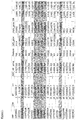
Figure 1 depicts top hits of various listed SNPs and corresponding alleles as associated with granuloma from performed GWAS. -
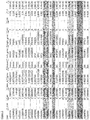
Figure 2 depicts top hits of various listed SNPs and corresponding alleles as associated with granuloma from performed GWAS. - All references cited herein are incorporated by reference in their entirety as though fully set forth. Unless defined otherwise, technical and scientific terms used herein have the same meaning as commonly understood by one of ordinary skill in the art to which this invention belongs. Singleton et al., Dictionary of Microbiology and Molecular Biology 3rd ed., J. Wiley & Sons (New York, NY 2001); March, Advanced Organic Chemistry Reactions, Mechanisms and Structure 5th ed., J. Wiley & Sons (New York, NY 2001); and Sambrook and Russel, Molecular Cloning: A Laboratory Manual 3rd ed., Cold Spring Harbor Laboratory Press (Cold Spring Harbor, NY 2001), provide one skilled in the art with a general guide to many of the terms used in the present application.
- One skilled in the art will recognize many methods and materials similar or equivalent to those described herein, which could be used in the practice of the present invention. Indeed, the present invention is in no way limited to the methods and materials described.
- "IBD" as used herein is an abbreviation of inflammatory bowel disease.
- "CD" as used herein is an abbreviation of Crohn's Disease.
- "SNP" as used herein is an abbreviation of single nucleotide polymorphism.
- As readily understood by one of skill in the art, any number of sequences may also be used to obtain the various SNPs or genetic variants referenced herein, and the variants are not limited to the specific sequences or accession numbers provided herein. Examples of SNPs rs13148469, rs2050719, rs7760387, rs9399527, rs9784771, rs282792 are provided herein as SEQ. ID. NO.: 1, SEQ. ID. NO.: 2, SEQ. ID. NO.: 3, SEQ. ID. NO.: 4, SEQ. ID. NO. : 5, and SEQ. ID. NO.: 6, respectively. Similarly, examples of SNPs rs10440086, rs1352851, rs13148469, rs282792, rs443394, rs8091293, and rs10514090 are provided herein as SEQ. ID. NO.: 7, SEQ. ID. NO.: 8, SEQ. ID. NO.: 9, SEQ. ID. NO.: 10, SEQ. ID. NO. : 11, SEQ. ID. NO.: 12, and SEQ. ID. NO.: 13, respectively.
- In accordance with low bone density studies referenced herein, examples of SNPs rs11576349 and rs4954555 are provided herein as SEQ. ID. NO.: 14 and SEQ. ID. NO.: 15, respectively.
- As used herein, the term "biological sample" means any biological material from which nucleic acid molecules can be prepared. As non-limiting examples, the term material encompasses whole blood, plasma, saliva, cheek swab, or other bodily fluid or tissue that contains nucleic acid.
- As disclosed herein, the inventors identified clinical, serologic and genetic factors associated with granuloma formation in Crohn's disease (CD). 371 patients with CD who underwent disease-related surgical resection by a single surgeon were included in the study. Surgical samples were examined specifically for the presence or not of granulomas. Patients' demographic and clinical characteristics were collected by chart review, and samples drawn for IBD related serology (ASCA, anti-I2, anti-OmpC, CBirl and ANCA) and genetic analyses. Genome-wide analyses were performed using Illumina technology. Standard statistical tests for association were used and genetic association was assessed both at the genome-wide level and against known IBD and Leprosy susceptibility loci.
- As further disclosed herein, 34.7% of CD surgical samples were found to contain granulomas. Granulomas were not associated with CD disease behavior. High ASCA titer was associated with the presence of granulomas (p=0.02). Patients with granulomas were younger at time of surgery (29.9 vs. 37.6 years, p=5x10⁻⁷) and far less likely to have ever smoked (12 vs. 32%, p=7x10⁻⁵). 14 Single Nucleotide Polymorphisms (SNPs) were associated with granulomas at a level of nominal association at a genome-wide level (p< 0.00005). These include a SNP adjacent to TGFb3, which has been implicated in the pathogenesis of stricturing Crohn's disease, and FTO, which is regulated by oral intake and is associated with raised body mass index. The strongest association was with NPAS2 (p =1x10⁻⁶), a core circadian gene that has been shown to modulate transcription of CX3CL1, a chemokine involved in CD pathogenesis. Amongst known IBD-associated loci, 7 were associated with granuloma formation (p<0.05), including: MUC1 (KL-6), also associated with granuloma-forming hypersensitivity pneumonitis; IL10, with known immunoregulatory function in the gut; and LRAP, associated with antigen presentation and LRRK2 a leucine-rich rpeat kinase gene. One TNFSF15 SNP showed a trend towards association with the presence of granulomas (P = 0.066), of particular interest given a recent report that TNFSF15 is associated with Leprosy, another granulomatous condition. Of the known Leprosy loci (in addition to LRRK2 and TNFSF15), the inventors identified association with granulomatous CD and SNPs across the cytochrome P-450 cluster. Thus, the inventors have demonstrated putative genetic and demographic associations with the presence of granulomas in CD including a number of genes associated with Leprosy suggesting unique pathways in the pathogenesis of this subset of CD.
- In one embodiment, the present invention provides a method of diagnosing susceptibility to a subgroup of Crohn's disease in an individual, by obtaining a sample from the individual, and assaying the sample to determine the presence or absence of one or more genetic risk variants and/or risk serological markers, wherein the presence of one or more genetic risk variants and/or risk serological markers is indicative of susceptibility to the subgroup of Crohn's disease. In another embodiment, the subgroup of Crohn's disease is characterized by granuloma manifestations. In another embodiment, the one or more genetic risk variants are at the genetic loci of TGFb3, FTO, NPAS2, MUC1, IL10, LRAP, LRRK2, TNFSF15, and/or cytochrome p450 cluster. In another embodiment, the one or more risk serological markers include a high expression level of ASCA relative to a healthy subject.
- In one embodiment, the present invention provides a method of treating Crohn's disease in an individual by determining the presence of one or more genetic risk variants associated with granulomas, and treating the individual.
As disclosed herein, the inventors identified 333 IBD subjects with bone density studies who had previously had genome wide association studies and IBD related serologies performed. Data on age, gender, ethnicity, disease distribution, surgeries, and smoking history were obtained from chart reviews. Osteoporosis, osteopenia, and normal bone mineral density (NBD) were defined by the WHO criteria based on DEXA scans. Standard tests for association between clinical characteristics, genetic markers and serologies were used. IBD related serology (ASCA, OmpC, 12, CBir-1, and ANCA) were obtained by ELISA and summarized into quartiles. Genetic data were generated using Illumina technology. - As further disclosed herein, of the 333 IBD study subjects, the inventors identified 252 cases of low bone density (LBD) and 81 cases of NBD. Disease location was not associated with LBD overall; however, perianal disease was associated with osteoporosis (P=0.021). Small bowel disease requiring surgery was associated with LBD (P=0.022), osteopenia (P=0.041) and osteoporosis (P=0.05). Smoking was not associated with bone density. Mean and median Anti-I2 titers were associated with LBD (P=0.023) and osteoporosis (P=0.006). On quartile analysis, anti-CBirl titers were associated with LBD (P=0.036) and osteoporosis (P=0.0006); further, ASCA was associated with osteoporosis (P=0.03). 38 genetic loci achieved nominal level of genome wide significance (P<5x10⁻⁵) including multiple single nucleotide polymorphisms (SNPs) at the HLA (P=1.37x10⁻⁷) as well as genes involved in cell adhesion (laminin, P=4.41x10⁻⁵) and innate immunity (plexin, P=9.02x10⁻⁷ ; NLR family, P=7.39x10⁻⁶). Stepwise linear regression was performed and all but 2 SNPs (rs 11576349 and rs4954555) fell out of the model. These two SNPs were independently associated with LBD (2.41 x10⁻⁵ and 1.07 x 10⁻⁵) and together this 2 SNP model was highly associated with LBD (p-value linear regression 1.8 x 10⁻⁹) and explained 12.6 of the variance. Perianal disease is associated with osteoporosis; further, small bowel disease requiring surgery increases the risk for LBD. Anti-I2, anti-CBirl, and ASCA are associated with increased risk for LBD and/or osteoporosis. Genes including HLA, laminin and plexin are associated with LBD. Thus, patients with these risk factors may benefit from more aggressive screening and treatment for osteoporosis.
- In one embodiment, the present invention provides a method of diagnosing susceptibility to a condition characterized by low bone density in an individual by obtaining a sample from the individual, assaying the sample to determine the presence or absence of one or more risk factors and/or risk serological markers, where the presence of one or more genetic risk factors and/or risk serological markers is indicative of susceptibility to a condition characterized by low bone density in the individual. In another embodiment, the individual is diagnosed with inflammatory bowel disease (IBD). In another embodiment, the one or more risk factors include genetic risk variants at the genetic loci of HLA, laminin, and/or plexin. In another embodiment, the presence of perianal disease is associated with an increased risk of osteoporosis. In another embodiment, the presence of small bowel disease requiring surgery is associated with an increased risk of susceptibility to LBD, osteopenia, and/or osteoporosis. In another embodiment, the one or more risk serological markers include 12, Cbir1, and/or ASCA.
- In one embodiment, the present invention provides a method of treating a condition characterized by low bone density in an individual, by determining the presence of one or more risk factors and/or serological markers, and treating the individual.
- A variety of methods can be used to determine the presence or absence of a variant allele or haplotype. As an example, enzymatic amplification of nucleic acid from an individual may be used to obtain nucleic acid for subsequent analysis. The presence or absence of a variant allele or haplotype may also be determined directly from the individual's nucleic acid without enzymatic amplification.
- Analysis of the nucleic acid from an individual, whether amplified or not, may be performed using any of various techniques. Useful techniques include, without limitation, polymerase chain reaction based analysis, sequence analysis and electrophoretic analysis. As used herein, the term "nucleic acid" means a polynucleotide such as a single or double-stranded DNA or RNA molecule including, for example, genomic DNA, cDNA and mRNA. The term nucleic acid encompasses nucleic acid molecules of both natural and synthetic origin as well as molecules of linear, circular or branched configuration representing either the sense or antisense strand, or both, of a native nucleic acid molecule.
- The presence or absence of a variant allele or haplotype may involve amplification of an individual's nucleic acid by the polymerase chain reaction. Use of the polymerase chain reaction for the amplification of nucleic acids is well known in the art (see, for example, Mullis et al. (Eds.), The Polymerase Chain Reaction, Birkhauser, Boston, (1994)).
- A TaqmanB allelic discrimination assay available from Applied Biosystems may be useful for determining the presence or absence of a variant allele. In a TaqmanB allelic discrimination assay, a specific, fluorescent, dye-labeled probe for each allele is constructed. The probes contain different fluorescent reporter dyes such as FAM and VICTM to differentiate the amplification of each allele. In addition, each probe has a quencher dye at one end which quenches fluorescence by fluorescence resonant energy transfer (FRET). During PCR, each probe anneals specifically to complementary sequences in the nucleic acid from the individual. The 5' nuclease activity of Taq polymerase is used to cleave only probe that hybridize to the allele. Cleavage separates the reporter dye from the quencher dye, resulting in increased fluorescence by the reporter dye. Thus, the fluorescence signal generated by PCR amplification indicates which alleles are present in the sample. Mismatches between a probe and allele reduce the efficiency of both probe hybridization and cleavage by Taq polymerase, resulting in little to no fluorescent signal. Improved specificity in allelic discrimination assays can be achieved by conjugating a DNA minor grove binder (MGB) group to a DNA probe as described, for example, in Kutyavin et al., "3'-minor groove binder-DNA probes increase sequence specificity at PCR extension temperature, "Nucleic Acids Research 28:655-661 (2000)). Minor grove binders include, but are not limited to, compounds such as dihydrocyclopyrroloindole tripeptide (DPI,).
- Sequence analysis also may also be useful for determining the presence or absence of a variant allele or haplotype.
- Restriction fragment length polymorphism (RFLP) analysis may also be useful for determining the presence or absence of a particular allele (Jarcho et al. in Dracopoli et al., Current Protocols in Human Genetics pages 2.7.1-2.7.5, John Wiley & Sons, New York; Innis et al.,(Ed.), PCR Protocols, San Diego: Academic Press, Inc. (1990)). As used herein, restriction fragment length polymorphism analysis is any method for distinguishing genetic polymorphisms using a restriction enzyme, which is an endonuclease that catalyzes the degradation of nucleic acid and recognizes a specific base sequence, generally a palindrome or inverted repeat. One skilled in the art understands that the use of RFLP analysis depends upon an enzyme that can differentiate two alleles at a polymorphic site.
- Allele-specific oligonucleotide hybridization may also be used to detect a disease-predisposing allele. Allele-specific oligonucleotide hybridization is based on the use of a labeled oligonucleotide probe having a sequence perfectly complementary, for example, to the sequence encompassing a disease-predisposing allele. Under appropriate conditions, the allele-specific probe hybridizes to a nucleic acid containing the disease-predisposing allele but does not hybridize to the one or more other alleles, which have one or more nucleotide mismatches as compared to the probe. If desired, a second allele-specific oligonucleotide probe that matches an alternate allele also can be used. Similarly, the technique of allele-specific oligonucleotide amplification can be used to selectively amplify, for example, a disease-predisposing allele by using an allele-specific oligonucleotide primer that is perfectly complementary to the nucleotide sequence of the disease-predisposing allele but which has one or more mismatches as compared to other alleles (Mullis et al., supra, (1994)). One skilled in the art understands that the one or more nucleotide mismatches that distinguish between the disease-predisposing allele and one or more other alleles are preferably located in the center of an allele-specific oligonucleotide primer to be used in allele-specific oligonucleotide hybridization. In contrast, an allele-specific oligonucleotide primer to be used in PCR amplification preferably contains the one or more nucleotide mismatches that distinguish between the disease-associated and other alleles at the 3' end of the primer.
- A heteroduplex mobility assay (HMA) is another well known assay that may be used to detect a SNP or a haplotype. HMA is useful for detecting the presence of a polymorphic sequence since a DNA duplex carrying a mismatch has reduced mobility in a polyacrylamide gel compared to the mobility of a perfectly base-paired duplex (Delwart et al., Science 262:1257-1261 (1993); White et al., Genomics 12:301-306 (1992)).
- The technique of single strand conformational, polymorphism (SSCP) also may be used to detect the presence or absence of a SNP and/or a haplotype (see Hayashi, K., Methods Applic. 1:34-38 (1991)). This technique can be used to detect mutations based on differences in the secondary structure of single-strand DNA that produce an altered electrophoretic mobility upon non-denaturing gel electrophoresis. Polymorphic fragments are detected by comparison of the electrophoretic pattern of the test fragment to corresponding standard fragments containing known alleles.
- Denaturing gradient gel electrophoresis (DGGE) also may be used to detect a SNP and/or a haplotype. In DGGE, double-stranded DNA is electrophoresed in a gel containing an increasing concentration of denaturant; double-stranded fragments made up of mismatched alleles have segments that melt more rapidly, causing such fragments to migrate differently as compared to perfectly complementary sequences (Sheffield et al., "Identifying DNA Polymorphisms by Denaturing Gradient Gel Electrophoresis" in Innis et al., supra, 1990).
- Other molecular methods useful for determining the presence or absence of a SNP and/or a haplotype are known in the art and useful in the methods of the invention. Other well-known approaches for determining the presence or absence of a SNP and/or a haplotype include automated sequencing and RNAase mismatch techniques (Winter et al., Proc. Natl. Acad. Sci. 82:7575-7579 (1985)). Furthermore, one skilled in the art understands that, where the presence or absence of multiple alleles or haplotype(s) is to be determined, individual alleles can be detected by any combination of molecular methods. See, in general, Birren et al. (Eds.) Genome Analysis: A Laboratory Manual Volume 1 (Analyzing DNA) New York, Cold Spring Harbor Laboratory Press (1997). In addition, one skilled in the art understands that multiple alleles can be detected in individual reactions or in a single reaction (a "multiplex" assay). In view of the above, one skilled in the art realizes that the methods of the present invention for diagnosing or predicting susceptibility to or protection against CD in an individual may be practiced using one or any combination of the well known assays described above or another art-recognized genetic assay.
- One skilled in the art will recognize many methods and materials similar or equivalent to those described herein, which could be used in the practice of the present invention. Indeed, the present invention is in no way limited to the methods and materials described. For purposes of the present invention, the following terms are defined below.
- The following examples are provided to better illustrate the claimed invention and are not to be interpreted as limiting the scope of the invention. To the extent that specific materials are mentioned, it is merely for purposes of illustration and is not intended to limit the invention. One skilled in the art may develop equivalent means or reactants without the exercise of inventive capacity and without departing from the scope of the invention.
- The inventors identified clinical, serologic and genetic factors associated with granuloma formation in Crohn's disease (CD). 371 patients with CD who underwent disease-related surgical resection by a single surgeon were included in the study. Surgical samples were examined specifically for the presence or not of granulomas. Patients' demographic and clinical characteristics were collected by chart review, and samples drawn for IBD related serology (ASCA, anti-I2, anti-OmpC, CBirl and ANCA) and genetic analyses. Genome-wide analyses were performed using Illumina technology. Standard statistical tests for association were used and genetic association was assessed both at the genome-wide level and against known IBD and Leprosy susceptibility loci.
- 34.7% of CD surgical samples were found to contain granulomas. Granulomas were not associated with CD disease behavior. High ASCA titre was associated with the presence of granulomas (p=0.02). Patients with granulomas were younger at time of surgery (29.9 vs. 37.6 years, p=5x10⁻⁷) and far less likely to have ever smoked (12 vs. 32%, p=7x10⁻⁵). 14 Single Nucleotide Polymorphisms (SNPs) were associated with granulomas at a level of nominal association at a genome-wide level (p< 0.00005). These include a SNP adjacent to TGFb3, which has been implicated in the pathogenesis of stricturing Crohn's disease, and FTO, which is regulated by oral intake and is associated with raised body mass index. The strongest association was with NPAS2 (p =1x10⁻⁶), a core circadian gene that has been shown to modulate transcription of CX3CL1, a chemokine involved in CD pathogenesis. Amongst known IBD-associated loci, 7 were associated with granuloma formation (p<0.05), including: MUC1 (KL-6), also associated with granuloma-forming hypersensitivity pneumonitis; IL10, with known immunoregulatory function in the gut; and LRAP, associated with antigen presentation and LRRK2 a leucine-rich repeat kinase gene. One TNFSF15 SNP showed a trend towards association with the presence of granulomas (P = 0.066), of particular interest given a recent report that TNFSF15 is associated with Leprosy, another granulomatous condition. Of the known Leprosy loci (in addition to LRRK2 and TNFSF15), the inventors identified association with granulomatous CD and SNPs across the cytochrome P-450 cluster. Thus, the inventors have demonstrated putative genetic and demographic associations with the presence of granulomas in CD including a number of genes associated with Leprosy suggesting unique pathways in the pathogenesis of this subset of CD.
- The inventors identified 333 IBD subjects with bone density studies who had previously had genome wide association studies and IBD related serologies performed. Data on age, gender, ethnicity, disease distribution, surgeries, and smoking history were obtained from chart reviews. Osteoporosis, osteopenia, and normal bone mineral density (NBD) were defined by the WHO criteria based on DEXA scans. Standard tests for association between clinical characteristics, genetic markers and serologies were used. IBD related serology (ASCA, OmpC, 12, CBir-1, and ANCA) were obtained by ELISA and summarized into quartiles. Genetic data were generated using Illumina technology.
- Of the 333 IBD study subjects, the inventors identified 252 cases of LBD and 81 cases of NBD. Disease location was not associated with LBD overall; however, perianal disease was associated with osteoporosis (P=0.021). Small bowel disease requiring surgery was associated with LBD (P=0.022), osteopenia (P=0.041) and osteoporosis (P=0.05). Smoking was not associated with bone density. Mean and median Anti-I2 titers were associated with LBD (P=0.023) and osteoporosis (P=0.006). On quartile analysis, anti-CBir-1 titers were associated with LBD (P=0.036) and osteoporosis (P=0.0006); further, ASCA was associated with osteoporosis (P=0.03). 38 genetic loci achieved nominal level of genome wide significance (P<5x10⁻⁵) including multiple single nucleotide polymorphisms (SNPs) at the HLA (P=1.37x10⁻⁷) as well as genes involved in cell adhesion (laminin, P=4.41x10⁻⁵) and innate immunity (plexin, P=9.02x10⁻⁷; NLR family, P=7.39x10⁻⁶). Stepwise linear regression was performed and all but 2 SNPs (rs11576349 and rs4954555) fell out of the model. These two SNPs were independently associated with LBD (2.41 x10⁻⁵ and 1.07 x 10⁻⁵) and together this 2 SNP model was highly associated with LBD (p-value linear regression 1.8 x 10⁻⁹) and explained 12.6 of the variance. Perianal disease is associated with osteoporosis; further, small bowel disease requiring surgery increases the risk for LBD. Anti-I2, anti-CBir-1, and ASCA are associated with increased risk for LBD and/or osteoporosis. Genes including HLA, laminin and plexin are associated with LBD. Thus, patients with these risk factors may benefit from more aggressive screening and treatment for osteoporosis.
- While the description above refers to particular embodiments of the present invention, it should be readily apparent to people of ordinary skill in the art that a number of modifications may be made without departing from the spirit thereof. The presently disclosed embodiments are, therefore, to be considered in all respects as illustrative and not restrictive.
- The various methods and techniques described above provide a number of ways to carry out the invention. Of course, it is to be understood that not necessarily all objectives or advantages described may be achieved in accordance with any particular embodiment described herein. Thus, for example, those skilled in the art will recognize that the methods can be performed in a manner that achieves or optimizes one advantage or group of advantages as taught herein without necessarily achieving other objectives or advantages as may be taught or suggested herein. A variety of advantageous and disadvantageous alternatives are mentioned herein. It is to be understood that some preferred embodiments specifically include one, another, or several advantageous features, while others specifically exclude one, another, or several disadvantageous features, while still others specifically mitigate a present disadvantageous feature by inclusion of one, another, or several advantageous features.
- Furthermore, the skilled artisan will recognize the applicability of various features from different embodiments. Similarly, the various elements, features and steps discussed above, as well as other known equivalents for each such element, feature or step, can be mixed and matched by one of ordinary skill in this art to perform methods in accordance with principles described herein. Among the various elements, features, and steps some will be specifically included and others specifically excluded in diverse embodiments.
- Although the invention has been disclosed in the context of certain embodiments and examples, it will be understood by those skilled in the art that the embodiments of the invention extend beyond the specifically disclosed embodiments to other alternative embodiments and/or uses and modifications and equivalents thereof.
- Many variations and alternative elements have been disclosed in embodiments of the present invention. Still further variations and alternate elements will be apparent to one of skill in the art. Among these variations, without limitation, are the selection of constituent modules for the inventive compositions, and the diseases and other clinical conditions that may be diagnosed, prognosed or treated therewith. Various embodiments of the invention can specifically include or exclude any of these variations or elements.
- In some embodiments, the numbers expressing quantities of ingredients, properties such as concentration, reaction conditions, and so forth, used to describe and claim certain embodiments of the invention are to be understood as being modified in some instances by the term "about." Accordingly, in some embodiments, the numerical parameters set forth in the written description and attached claims are approximations that can vary depending upon the desired properties sought to be obtained by a particular embodiment. In some embodiments, the numerical parameters should be construed in light of the number of reported significant digits and by applying ordinary rounding techniques. Notwithstanding that the numerical ranges and parameters setting forth the broad scope of some embodiments of the invention are approximations, the numerical values set forth in the specific examples are reported as precisely as practicable. The numerical values presented in some embodiments of the invention may contain certain errors necessarily resulting from the standard deviation found in their respective testing measurements.
- In some embodiments, the terms "a" and "an" and "the" and similar references used in the context of describing a particular embodiment of the invention (especially in the context of certain of the following claims) can be construed to cover both the singular and the plural. The recitation of ranges of values herein is merely intended to serve as a shorthand method of referring individually to each separate value falling within the range. Unless otherwise indicated herein, each individual value is incorporated into the specification as if it were individually recited herein. All methods described herein can be performed in any suitable order unless otherwise indicated herein or otherwise clearly contradicted by context. The use of any and all examples, or exemplary language (e.g. "such as") provided with respect to certain embodiments herein is intended merely to better illuminate the invention and does not pose a limitation on the scope of the invention otherwise claimed. No language in the specification should be construed as indicating any non-claimed element essential to the practice of the invention.
- Groupings of alternative elements or embodiments of the invention disclosed herein are not to be construed as limitations. Each group member can be referred to and claimed individually or in any combination with other members of the group or other elements found herein. One or more members of a group can be included in, or deleted from, a group for reasons of convenience and/or patentability. When any such inclusion or deletion occurs, the specification is herein deemed to contain the group as modified thus fulfilling the written description of all Markush groups used in the appended claims.
- Preferred embodiments of this invention are described herein, including the best mode known to the inventors for carrying out the invention. Variations on those preferred embodiments will become apparent to those of ordinary skill in the art upon reading the foregoing description. It is contemplated that skilled artisans can employ such variations as appropriate, and the invention can be practiced otherwise than specifically described herein. Accordingly, many embodiments of this invention include all modifications and equivalents of the subject matter recited in the claims appended hereto as permitted by applicable law. Moreover, any combination of the above-described elements in all possible variations thereof is encompassed by the invention unless otherwise indicated herein or otherwise clearly contradicted by context.
- Furthermore, numerous references have been made to patents and printed publications throughout this specification. Each of the above cited references and printed publications are herein individually incorporated by reference in their entirety.
- In closing, it is to be understood that the embodiments of the invention disclosed herein are illustrative of the principles of the present invention. Other modifications that can be employed can be within the scope of the invention. Thus, by way of example, but not of limitation, alternative configurations of the present invention can be utilized in accordance with the teachings herein. Accordingly, embodiments of the present invention are not limited to that precisely as shown and described.
-
- 1. A method of diagnosing susceptibility to granuloma in an individual with Crohn's diseaes, comprising:
- (a) obtaining a sample from the individual;
- (b) assaying the sample to determine the presence or absence of at least one risk genetic variant;
- (c) assaying the sample to determine the presence or absence of at least one risk serological marker; and
- (d) diagnosing susceptibility to granuloma in the individual if the at least one risk genetic variant is present, or if the at least one risk serological marker is present, or if the at least one risk genetic variant is present and the at least one risk serological marker is present.
- 2. The method of according to
embodiment 1, wherein the at least one risk genetic variant is at the genetic locus of TGFb3, FTO, NPAS2, MUC1, IL10, LRAP, LRRK2, TNFSF15, or cytochrome P-450 cluster, or a combination thereof. - 3. The method of according to
embodiment 1, wherein the at least one risk serological marker is selected from the group consisting of anti-Cbirl, ANCA, ASCA, anti-OmpC, and anti-I2. - 4. The method of
embodiment 3, wherein the ASCA is present in high titre. - 5. The method of
embodiment 1, wherein the at least one risk genetic variant comprises SEQ. ID. NO.: 1, SEQ. ID. NO.: 2, SEQ. ID. NO.: 3, SEQ. ID. NO.: 4, SEQ. ID. NO. : 5, and/or SEQ. ID. NO.: 6. - 6. The method of
embodiment 1, wherein the at least one risk genetic variant comprises SEQ. ID. NO.: 7, SEQ. ID. NO.: 8, SEQ. ID. NO.: 9, SEQ. ID. NO.: 10, SEQ. ID. NO. : 11, SEQ. ID. NO.: 12, and/or SEQ. ID. NO.: 13. - 7. The method of
embodiment 1, wherein the Crohn's disease is associated with a small bowel disease phenotype, an aggressive complicating phenotype, an internal penetrating disease phenotype, a stricturing disease phenotype, a fibrostenosing disease phenotype, or a combination thereof. - 8. The method of
embodiment 1, wherein the sample comprises a nucleic acid from the individual. - 9. A method of diagnosing granuloma in an individual with Crohn's disease, comprising:
- (a) obtaining a sample from the individual;
- (b) assaying the sample to determine the presence or absence of at least one risk genetic variant;
- (c) assaying the sample to determine the presence or absence of at least one risk serological marker; and
- (d) diagnosing granuloma in the individual if the at least one risk genetic variant is present, or if the at least one risk serological marker is present, or if the at least one risk genetic variant is present and the at least one risk serological marker is present.
- 10. The method of embodiment 9, wherein the at least one risk genetic variant is at the genetic locus of TGFb3, FTO, NPAS2, MUC1, IL10, LRAP, LRRK2, TNFSF15, cytochrome P-450 cluster, or a combination thereof.
- 11. The method of embodiment 9, wherein the at least one risk serological marker is selected from the group consisting of anti-Cbirl, ANCA, ASCA, anti-OmpC, and anti-I2.
- 12. The method of
embodiment 11, wherein the ASCA is present in high titre. - 13. The method of embodiment 9, wherein the at least one risk genetic variant comprises SEQ. ID. NO.: 1, SEQ. ID. NO.: 2, SEQ. ID. NO.: 3, SEQ. ID. NO.: 4, SEQ. ID. NO. : 5, and/or SEQ. ID. NO.: 6.
- 14. The method of embodiment 9, wherein the at least one risk genetic variant comprises SEQ. ID. NO.: 7, SEQ. ID. NO.: 8, SEQ. ID. NO.: 9, SEQ. ID. NO.: 10, SEQ. ID. NO. : 11, SEQ. ID. NO.: 12, and/or SEQ. ID. NO.: 13.
- 15. The method of embodiment 9, wherein the Crohn's disease is associated with a small bowel disease phenotype, an aggressive complicating phenotype, an internal penetrating disease phenotype, a stricturing disease phenotype, a fibrostenosing disease phenotype, or a combination thereof.
- 16. A method of diagnosing susceptibility to low bone density (LBD) in an individual with inflammatory bowel disease (IBD), comprising:
- (a) obtaining a sample from the individual;
- (b) assaying the sample to determine the presence or absence of at least one risk genetic variant;
- (c) assaying the sample to determine the presence or absence of at least one risk serological marker; and
- (d) diagnosing susceptibility to LBD in the individual if the at least one risk genetic variant is present, or if the at least one risk serological marker is present, or if the at least one risk genetic variant is present and the at least one risk serological marker is present.
- 16. The method of
embodiment 16, where the LBD is associated with osteoporosis and/or osteopenia. - 17. The method of
embodiment 16, wherein the at least one risk genetic variant is at the genetic locus of HLA, laminin, plexin, NLR family, or a combination thereof - 18. The method of
embodiment 16, wherein the at least one risk genetic variant is SEQ. ID. NO.: 14 and/or SEQ. ID. NO.: 15. - 19. The method of
embodiment 16, wherein the at least one risk serological marker is selected from the group consisting of anti-Cbirl, ASCA, and anti-I2. - 20. The method of
embodiment 16, wherein the IBD is associated with perianal disease. - 21. A method of treating low bone density (LBD) in an individual with inflammatory bowel disease (IBD), comprising:
- (a) obtaining a sample from the individual;
- (b) assaying the sample to determine the presence or absence of at least one risk genetic variant;
- (c) assaying the sample to determine the presence or absence of at least one risk serological marker; and
- (d) treating LBD in the individual if the at least one risk genetic variant is present, or if the at least one risk serological marker is present, or if the at least one risk genetic variant is present and the at least one risk serological marker is present.
- 22. The method of
embodiment 21, wherein the at least one risk genetic variant is SEQ. ID. NO.: 14 and/or SEQ. ID. NO.: 15. - 23. The method of
embodiment 21, wherein the at least one risk serological marker is selected from the group consisting of anti-Cbirl, ASCA, and anti-I2.


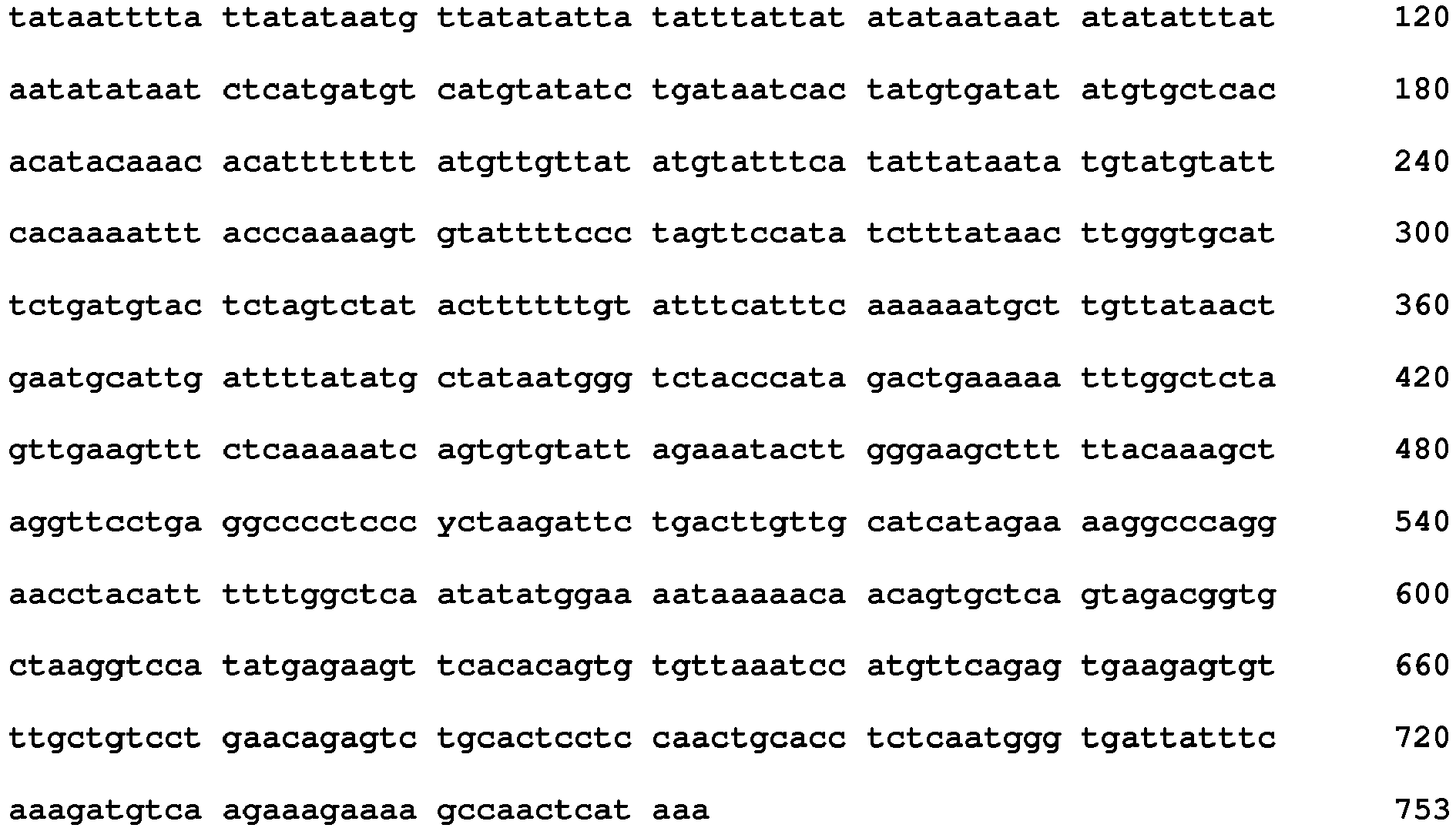
Claims (13)
- A method of classifying a subgroup of Crohn's disease in a subject, the method comprising:assaying a sample from a subject to detect the presence or absence of at least one risk genetic variant at a genetic locus comprising TGFb3, FTO, NPAS2, MUC1, IL10, LRAP, LRRK2, TNFSF15 or cytochrome p450 cluster, or any combination thereof; andclassifying the subgroup of Crohn's disease provided the at least one risk genetic variant is detected in the sample from the subject.
- The method of claim 1, further comprising assaying a sample from the subject to detect an increase in expression of a serological marker, relative to a healthy individual.
- The method of claim 2, wherein the serological marker comprises anti-Cbirl, ANCA, ASCA, anti-OmpC, or anti-I2, or any combination thereof.
- The method of any of claims 1 and 2, further comprising the step of treating the subject with a treatment specific for the subgroup of Crohn's disease.
- The method of any of claims 1-4, wherein the subgroup of Crohn's disease is associated with a small bowel disease phenotype, an aggressive complicating phenotype, an internal penetrating disease phenotype, a stricturing disease phenotype, or a fibrostenosing disease phenotype, or a combination thereof.
- The method of any of claims 1-5, wherein the at least one risk genetic variant comprises SEQ.ID. NO.: 1, SEQ. ID. NO.: 2, SEQ. ID. NO.: 3, SEQ. ID. NO.: 4, SEQ. ID. NO.: 5, or SEQ. ID. NO.: 6.
- The method of claim 6, wherein the at least one risk genetic variant comprises SEQ.ID. NO.: 1, SEQ. ID. NO.: 2, SEQ. ID. NO.: 3, SEQ. ID. NO.: 4, SEQ. ID. NO.: 5, and SEQ. ID. NO.: 6.
- The method of any of claims 1-5, wherein the at least one risk genetic variant comprises SEQ.ID. NO.: 7, SEQ. ID. NO.: 8, SEQ. ID. NO.: 9, SEQ. ID. NO.: 10, SEQ. ID. NO.: 11, SEQ. ID. NO.: 12, or SEQ. ID. NO.: 13.
- The method of claim 8, wherein the at least one risk genetic variant comprises SEQ.ID. NO.: 7, SEQ. ID. NO.: 8, SEQ. ID. NO.: 9, SEQ. ID. NO.: 10, SEQ. ID. NO.: 11, SEQ. ID. NO.: 12, and SEQ. ID. NO.: 13.
- A diagnostic kit comprising a diagnostic panel comprising one or more risk genetic variants at a locus comprising TGFb3, FTO, NPAS2, MUC1, IL10, LRAP, LRRK2, TNFSF15 or cytochrome p450 cluster, or any combination thereof.
- The diagnostic kit of claim 10, further comprising a diagnostic panel comprising at least one risk serological marker comprising ASCA, anti-Cbirl or anti-I2, or combination thereof.
- The diagnostic kit of any of claims 10 and 11, wherein the at least one risk genetic variant comprises SEQ. ID. NO.: 1, SEQ. ID. NO.: 2, SEQ. ID. NO.: 3, SEQ. ID. NO.: 4, SEQ. ID. NO.: 5, SEQ. ID. NO.: 6, SEQ. ID. NO.: 7, SEQ. ID. NO.: 8, SEQ. ID. NO.: 9, SEQ. ID. NO.: 10, SEQ. ID. NO.: 11, SEQ. ID. NO.: 12, or SEQ. ID. NO.: 13.
- The diagnostic kit of claim 12, wherein the at least one risk genetic variant a comprises SEQ. ID. NO.: 1, SEQ. ID. NO.: 2, SEQ. ID. NO.: 3, SEQ. ID. NO.: 4, SEQ. ID. NO.: 5, SEQ. ID. NO.: 6, SEQ. ID. NO.: 7, SEQ. ID. NO.: 8, SEQ. ID. NO.: 9, SEQ. ID. NO.: 10, SEQ. ID. NO.: 11, SEQ. ID. NO.: 12, and SEQ. ID. NO.: 13.
Applications Claiming Priority (3)
| Application Number | Priority Date | Filing Date | Title |
|---|---|---|---|
| US201161467779P | 2011-03-25 | 2011-03-25 | |
| US201161467881P | 2011-03-25 | 2011-03-25 | |
| EP12765854.0A EP2689036B1 (en) | 2011-03-25 | 2012-03-26 | Methods of diagnosing and treating intestinal granulomas and low bone density in inflammatory bowel disease |
Related Parent Applications (1)
| Application Number | Title | Priority Date | Filing Date |
|---|---|---|---|
| EP12765854.0A Division EP2689036B1 (en) | 2011-03-25 | 2012-03-26 | Methods of diagnosing and treating intestinal granulomas and low bone density in inflammatory bowel disease |
Publications (1)
| Publication Number | Publication Date |
|---|---|
| EP3330711A1 true EP3330711A1 (en) | 2018-06-06 |
Family
ID=46932277
Family Applications (2)
| Application Number | Title | Priority Date | Filing Date |
|---|---|---|---|
| EP12765854.0A Not-in-force EP2689036B1 (en) | 2011-03-25 | 2012-03-26 | Methods of diagnosing and treating intestinal granulomas and low bone density in inflammatory bowel disease |
| EP17208382.6A Withdrawn EP3330711A1 (en) | 2011-03-25 | 2012-03-26 | Methods of diagnosing and treating intestinal granulomas and low bone density in inflammatory bowel disease |
Family Applications Before (1)
| Application Number | Title | Priority Date | Filing Date |
|---|---|---|---|
| EP12765854.0A Not-in-force EP2689036B1 (en) | 2011-03-25 | 2012-03-26 | Methods of diagnosing and treating intestinal granulomas and low bone density in inflammatory bowel disease |
Country Status (5)
| Country | Link |
|---|---|
| US (1) | US20140018447A1 (en) |
| EP (2) | EP2689036B1 (en) |
| JP (2) | JP2014515599A (en) |
| CA (1) | CA2830362A1 (en) |
| WO (1) | WO2012135144A2 (en) |
Families Citing this family (24)
| Publication number | Priority date | Publication date | Assignee | Title |
|---|---|---|---|---|
| WO2010062960A2 (en) | 2008-11-26 | 2010-06-03 | Cedars-Sinai Medical Center | METHODS OF DETERMINING RESPONSIVENESS TO ANTI-TNFα THERAPY IN INFLAMMATORY BOWEL DISEASE |
| WO2012049623A1 (en) | 2010-10-11 | 2012-04-19 | Ecole Polytechnique Federale De Lausanne (Epfl) | Mechanical manipulator for surgical instruments |
| US12402960B2 (en) | 2010-10-11 | 2025-09-02 | Ecole Polytechnique Federale De Lausanne (Epfl) | Mechanical manipulator for surgical instruments |
| EP2689036B1 (en) * | 2011-03-25 | 2017-12-20 | Cedars-Sinai Medical Center | Methods of diagnosing and treating intestinal granulomas and low bone density in inflammatory bowel disease |
| JP5715304B2 (en) | 2011-07-27 | 2015-05-07 | エコール ポリテクニーク フェデラル デ ローザンヌ (イーピーエフエル) | Mechanical remote control device for remote control |
| KR20230109779A (en) | 2013-03-27 | 2023-07-20 | 세다르스-신나이 메디칼 센터 | Mitigation and reversal of fibrosis and inflammation by inhibition of tl1a function and related signaling pathways |
| EP4105236A1 (en) | 2013-07-19 | 2022-12-21 | Cedars-Sinai Medical Center | Anti-tl1a (tnfsf15) antibody for treatment of inflammatory bowel disease |
| JP6220085B2 (en) | 2014-02-03 | 2017-10-25 | ディスタルモーション エスエーDistalmotion Sa | Mechanical remote control device with replaceable distal device |
| WO2016030767A1 (en) | 2014-08-27 | 2016-03-03 | Distalmotion Sa | Surgical system for microsurgical techniques |
| US10864052B2 (en) | 2014-12-19 | 2020-12-15 | Distalmotion Sa | Surgical instrument with articulated end-effector |
| WO2016097861A1 (en) | 2014-12-19 | 2016-06-23 | Distalmotion Sa | Sterile interface for articulated surgical instruments |
| EP3232974B1 (en) | 2014-12-19 | 2018-10-24 | DistalMotion SA | Articulated handle for mechanical telemanipulator |
| EP3232977B1 (en) | 2014-12-19 | 2020-01-29 | DistalMotion SA | Docking system for mechanical telemanipulator |
| DK3653145T3 (en) | 2014-12-19 | 2024-04-15 | Distalmotion Sa | REUSABLE SURGICAL INSTRUMENT FOR MINIMALLY INVASIVE PROCEDURES |
| US10568709B2 (en) | 2015-04-09 | 2020-02-25 | Distalmotion Sa | Mechanical teleoperated device for remote manipulation |
| US10363055B2 (en) | 2015-04-09 | 2019-07-30 | Distalmotion Sa | Articulated hand-held instrument |
| EP4545034A3 (en) | 2015-08-28 | 2025-07-09 | Distalmotion SA | Surgical instrument with increased actuation force |
| KR20180127416A (en) | 2016-03-17 | 2018-11-28 | 세다르스-신나이 메디칼 센터 | Diagnosis of Inflammatory Bowel Disease through RNASET2 |
| US11058503B2 (en) | 2017-05-11 | 2021-07-13 | Distalmotion Sa | Translational instrument interface for surgical robot and surgical robot systems comprising the same |
| US10477105B2 (en) * | 2017-06-08 | 2019-11-12 | Futurewei Technologies, Inc. | Method and system for transmitting virtual reality (VR) content |
| US12376927B2 (en) | 2018-02-07 | 2025-08-05 | Distalmotion Sa | Surgical robot systems comprising robotic telemanipulators and integrated laparoscopy |
| WO2019155383A1 (en) | 2018-02-07 | 2019-08-15 | Distalmotion Sa | Surgical robot systems comprising robotic telemanipulators and integrated laparoscopy |
| EP4401666A1 (en) | 2021-09-13 | 2024-07-24 | DistalMotion SA | Instruments for surgical robotic system and interfaces for the same |
| US11844585B1 (en) | 2023-02-10 | 2023-12-19 | Distalmotion Sa | Surgical robotics systems and devices having a sterile restart, and methods thereof |
Citations (4)
| Publication number | Priority date | Publication date | Assignee | Title |
|---|---|---|---|---|
| US5916748A (en) * | 1996-04-12 | 1999-06-29 | Cedars-Sinai Medical Center | Method of diagnosing a clinical subtype of crohn's disease with features of ulcerative colitis |
| WO2004091372A2 (en) * | 2003-04-11 | 2004-10-28 | Cedars-Sinai Medical Center | Methods of assessing crohn’s disease patient phenotype by i2, ompc and asca serologic response |
| US20070072180A1 (en) * | 2002-08-30 | 2007-03-29 | Abreu Maria T | Mutations in nod2 are associated with fibrostenosing disease in patients with crohn's disease |
| US20100015156A1 (en) * | 2007-03-06 | 2010-01-21 | Cedars-Sinai Medical Center | Diagnosis of inflammatory bowel disease in children |
Family Cites Families (4)
| Publication number | Priority date | Publication date | Assignee | Title |
|---|---|---|---|---|
| USH2191H1 (en) * | 2000-10-24 | 2007-06-05 | Snp Consortium | Identification and mapping of single nucleotide polymorphisms in the human genome |
| US7662569B2 (en) * | 2003-04-11 | 2010-02-16 | Cedars-Sinai Medical Center | Methods of assessing Crohn's disease patient phenotype by I2 serologic response |
| WO2010056682A2 (en) * | 2008-11-11 | 2010-05-20 | Prometheus Laboratories Inc. | Methods for prediction of inflammatory bowel disease (ibd) using serologic markers |
| EP2689036B1 (en) * | 2011-03-25 | 2017-12-20 | Cedars-Sinai Medical Center | Methods of diagnosing and treating intestinal granulomas and low bone density in inflammatory bowel disease |
-
2012
- 2012-03-26 EP EP12765854.0A patent/EP2689036B1/en not_active Not-in-force
- 2012-03-26 JP JP2014501305A patent/JP2014515599A/en active Pending
- 2012-03-26 EP EP17208382.6A patent/EP3330711A1/en not_active Withdrawn
- 2012-03-26 CA CA2830362A patent/CA2830362A1/en not_active Abandoned
- 2012-03-26 US US14/007,391 patent/US20140018447A1/en not_active Abandoned
- 2012-03-26 WO PCT/US2012/030614 patent/WO2012135144A2/en not_active Ceased
-
2016
- 2016-08-26 JP JP2016165692A patent/JP2016198116A/en not_active Ceased
Patent Citations (4)
| Publication number | Priority date | Publication date | Assignee | Title |
|---|---|---|---|---|
| US5916748A (en) * | 1996-04-12 | 1999-06-29 | Cedars-Sinai Medical Center | Method of diagnosing a clinical subtype of crohn's disease with features of ulcerative colitis |
| US20070072180A1 (en) * | 2002-08-30 | 2007-03-29 | Abreu Maria T | Mutations in nod2 are associated with fibrostenosing disease in patients with crohn's disease |
| WO2004091372A2 (en) * | 2003-04-11 | 2004-10-28 | Cedars-Sinai Medical Center | Methods of assessing crohn’s disease patient phenotype by i2, ompc and asca serologic response |
| US20100015156A1 (en) * | 2007-03-06 | 2010-01-21 | Cedars-Sinai Medical Center | Diagnosis of inflammatory bowel disease in children |
Non-Patent Citations (30)
| Title |
|---|
| "Genome Analysis: A Laboratory Manual", vol. 1, 1997, COLD SPRING HARBOR LABORATORY PRESS, article "Analyzing DNA" |
| "PCR Protocols", 1990, ACADEMIC PRESS, INC. |
| "The Polymerase Chain Reaction", 1994, BIRKHAUSER |
| ; J.D. RIOUX ET AL., NAT GENET, vol. 29, 2001, pages 223 |
| ANONIMOUS: "The Genome-Wide Human SNP Array", 1 January 2009 (2009-01-01), XP055456845, Retrieved from the Internet <URL:https://tools.thermofisher.com/content/sfs/brochures/genomewide_snp6_datasheet.pdf> [retrieved on 20180306] * |
| BRINAR M ET AL: "P217 - Genetic variants in autophagy related genes and granuloma formation in patients with Crohn's disease", JOURNAL OF CROHN'S AND COLITIS, ELSEVIER BV, NL, vol. 3, no. 1, 1 February 2009 (2009-02-01), pages S96, XP025961627, ISSN: 1873-9946, [retrieved on 20090201] * |
| D G FORCIONE: "Anti-Saccharomyces cerevisiae antibody (ASCA) positivity is associated with increased risk for early surgery in Crohn's disease", GUT, vol. 53, no. 8, 1 August 2004 (2004-08-01), pages 1117 - 1122, XP055145792, ISSN: 0017-5749, DOI: 10.1136/gut.2003.030734 * |
| D.K. PODOLSKY, N ENGL J MED, vol. 347, 2002, pages 417 |
| DATABASE BIOSIS [online] BIOSCIENCES INFORMATION SERVICE, PHILADELPHIA, PA, US; May 2011 (2011-05-01), MODIANO NIR ET AL: "Intestinal Granulomas in Crohn's Disease: Association With Patient Characteristics, Serologic Markers, and Genetics", XP002730930, Database accession no. PREV201100403923 * |
| DATABASE EMBASE [online] ELSEVIER SCIENCE PUBLISHERS, AMSTERDAM, NL; March 2007 (2007-03-01), BASTURK B ET AL: "Interleukin 10 and TGF-beta gene polymorphisms can effect granulomatous formations chronic granulomatous disease", XP002778583, Database accession no. EMB-2007217863 * |
| DELWART ET AL., SCIENCE, vol. 262, 1993, pages 1257 - 1261 |
| DRACOPOLI ET AL.: "Current Protocols in Human Genetics", JOHN WILEY & SONS, pages: 2.7.1 - 2.7.5 |
| E.V. LOFTUS, JR., GASTROENTEROLOGY, vol. 126, 2004, pages 1504 |
| GASTROENTEROLOGY, vol. 140, no. 5, Suppl. 1, May 2011 (2011-05-01), DIGESTIVE DISEASE WEEK 2011; CHICAGO, IL, USA; MAY 07 -10, 2011, pages S484, ISSN: 0016-5085 * |
| GAZI MEDICAL JOURNAL 200703 TR, vol. 18, no. 1, March 2007 (2007-03-01), pages 15 - 17, ISSN: 1300-056X * |
| HAYASHI, K., METHODS APPLIC., vol. 1, 1991, pages 34 - 38 |
| J.P. HUGOT ET AL., NATURE, vol. 411, 2001, pages 599 |
| KUTYAVIN ET AL.: "3'-minor groove binder-DNA probes increase sequence specificity at PCR extension temperature", NUCLEIC ACIDS RESEARCH, vol. 28, 2000, pages 655 - 661, XP002535276, DOI: doi:10.1093/nar/28.2.655 |
| MARCH: "Advanced Organic Chemistry Reactions, Mechanisms and Structure", 2001, J. WILEY & SONS |
| NOBUHIDE OSHITANI1 ET AL: "Cross-reactivity of yeast antigens in human colon and peripheral leukocytes", THE JOURNAL OF PATHOLOGY, vol. 199, no. 3, 1 March 2003 (2003-03-01), pages 361 - 367, XP055145795, ISSN: 0022-3417, DOI: 10.1002/path.1276 * |
| ONNIE CLIVE M ET AL: "Diverse effects of the CARD15 and IBD5 loci on clinical phenotype in 630 patients with Crohn's disease", EUROPEAN JOURNAL OF GASTROENTEROLOGY AND HEPATOLOGY, LIPPINCOTT WILLIAMS AND WILKINS, UK, vol. 20, no. 1, 1 January 2008 (2008-01-01), pages 37 - 45, XP009180627, ISSN: 0954-691X * |
| QUINTON J F ET AL: "Anti-Saccharomyces cerevisiae mannan antibodies combined with antineutrophilcytoplasmic autoantibodies in inflammatory bowel disease: prevalence and diagnostic role", GUT, BRITISH MEDICAL ASSOCIATION, LONDON, UK, vol. 42, no. 6, 1 June 1998 (1998-06-01), pages 788 - 791, XP009087984, ISSN: 0017-5749 * |
| S. VERMEIRE; P. RUTGEERTS, GENES IMMUN, vol. 6, 2005, pages 637 |
| SAMBROOK; RUSSEL: "Molecular Cloning: A Laboratory Manual", 2001, COLD SPRING HARBOR LABORATORY PRESS |
| SHEFFIELD ET AL., IDENTIFYING DNA POLYMORPHISMS BY DENATURING GRADIENT GEL ELECTROPHORESIS |
| SINGLETON ET AL.: "Dictionary of Microbiology and Molecular Biology", 2001, J. WILEY & SONS |
| V.D. PELTEKOVA ET AL., NAT GENET, vol. 36, 2004, pages 471 |
| WHITE ET AL., GENOMICS, vol. 12, 1992, pages 301 - 306 |
| WINTER ET AL., PROC. NATL. ACAD. SCI., vol. 82, 1985, pages 7575 - 7579 |
| Y. OGURA ET AL., NATURE, vol. 411, 2001, pages 603 |
Also Published As
| Publication number | Publication date |
|---|---|
| JP2016198116A (en) | 2016-12-01 |
| EP2689036A4 (en) | 2015-04-15 |
| WO2012135144A2 (en) | 2012-10-04 |
| WO2012135144A3 (en) | 2013-12-27 |
| US20140018447A1 (en) | 2014-01-16 |
| JP2014515599A (en) | 2014-07-03 |
| EP2689036B1 (en) | 2017-12-20 |
| EP2689036A2 (en) | 2014-01-29 |
| CA2830362A1 (en) | 2012-10-04 |
Similar Documents
| Publication | Publication Date | Title |
|---|---|---|
| EP2689036B1 (en) | Methods of diagnosing and treating intestinal granulomas and low bone density in inflammatory bowel disease | |
| US20110177969A1 (en) | The role of il17rd and the il23-1l17 pathway in crohn's disease | |
| US20100055700A1 (en) | Role of il-12, il-23 and il-17 receptors in inflammatory bowel disease | |
| US20100184050A1 (en) | Diagnosis and treatment of inflammatory bowel disease in the puerto rican population | |
| US20100144903A1 (en) | Methods of diagnosis and treatment of crohn's disease | |
| US8153443B2 (en) | Characterization of the CBir1 antigenic response for diagnosis and treatment of Crohn's disease | |
| US20100240043A1 (en) | Methods of using genetic variants to diagnose and predict inflammatory bowel disease | |
| US20100021917A1 (en) | Methods of using genes and genetic variants to predict or diagnose inflammatory bowel disease | |
| US9902996B2 (en) | Methods of predicting the need for surgery in crohn's disease | |
| WO2008109782A2 (en) | Diagnosis of inflammatory bowel disease in children | |
| US20180208988A1 (en) | Methods of diagnosis and treatment of inflammatory bowel disease | |
| US20130012602A1 (en) | Methods of using znf365 genetic variants to diagnose crohn's disease | |
| US9305137B1 (en) | Methods of identifying the genetic basis of a disease by a combinatorial genomics approach, biological pathway approach, and sequential approach | |
| EP2689034B1 (en) | Role of ifng methylation in inflammatory bowel disease | |
| US20120041082A1 (en) | Methods of using smad3 and jak2 genetic variants to diagnose and predict inflammatory bowel disease | |
| WO2011088306A1 (en) | Methods of using genetic variants to diagnose crohn's disease | |
| CA2946317A1 (en) | Methods of predicting medically refractive ulcerative colitis (mruc) requiring colectomy | |
| US20120190698A1 (en) | Methods of predicting thiopurine response | |
| EP2689246B1 (en) | Methods of diagnosing ulcerative colitis and crohn's disease | |
| WO2009055596A2 (en) | Methods of using genetic variants to diagnose and predict metabolic syndrome and associated traits | |
| WO2009052418A1 (en) | Methods of using genetic variants in the lipoprotein lipase gene to determine liver enzyme levels and insulin resistance |
Legal Events
| Date | Code | Title | Description |
|---|---|---|---|
| PUAI | Public reference made under article 153(3) epc to a published international application that has entered the european phase |
Free format text: ORIGINAL CODE: 0009012 |
|
| AC | Divisional application: reference to earlier application |
Ref document number: 2689036 Country of ref document: EP Kind code of ref document: P |
|
| AK | Designated contracting states |
Kind code of ref document: A1 Designated state(s): AL AT BE BG CH CY CZ DE DK EE ES FI FR GB GR HR HU IE IS IT LI LT LU LV MC MK MT NL NO PL PT RO RS SE SI SK SM TR |
|
| STAA | Information on the status of an ep patent application or granted ep patent |
Free format text: STATUS: THE APPLICATION IS DEEMED TO BE WITHDRAWN |
|
| 18D | Application deemed to be withdrawn |
Effective date: 20181002 |