EP3330330A1 - Non-aqueous inkjet ink composition - Google Patents
Non-aqueous inkjet ink composition Download PDFInfo
- Publication number
- EP3330330A1 EP3330330A1 EP16830155.4A EP16830155A EP3330330A1 EP 3330330 A1 EP3330330 A1 EP 3330330A1 EP 16830155 A EP16830155 A EP 16830155A EP 3330330 A1 EP3330330 A1 EP 3330330A1
- Authority
- EP
- European Patent Office
- Prior art keywords
- inkjet ink
- ink composition
- aqueous inkjet
- diethylene glycol
- ether
- Prior art date
- Legal status (The legal status is an assumption and is not a legal conclusion. Google has not performed a legal analysis and makes no representation as to the accuracy of the status listed.)
- Granted
Links
Classifications
-
- C—CHEMISTRY; METALLURGY
- C09—DYES; PAINTS; POLISHES; NATURAL RESINS; ADHESIVES; COMPOSITIONS NOT OTHERWISE PROVIDED FOR; APPLICATIONS OF MATERIALS NOT OTHERWISE PROVIDED FOR
- C09D—COATING COMPOSITIONS, e.g. PAINTS, VARNISHES OR LACQUERS; FILLING PASTES; CHEMICAL PAINT OR INK REMOVERS; INKS; CORRECTING FLUIDS; WOODSTAINS; PASTES OR SOLIDS FOR COLOURING OR PRINTING; USE OF MATERIALS THEREFOR
- C09D11/00—Inks
- C09D11/30—Inkjet printing inks
- C09D11/36—Inkjet printing inks based on non-aqueous solvents
-
- B—PERFORMING OPERATIONS; TRANSPORTING
- B41—PRINTING; LINING MACHINES; TYPEWRITERS; STAMPS
- B41J—TYPEWRITERS; SELECTIVE PRINTING MECHANISMS, i.e. MECHANISMS PRINTING OTHERWISE THAN FROM A FORME; CORRECTION OF TYPOGRAPHICAL ERRORS
- B41J2/00—Typewriters or selective printing mechanisms characterised by the printing or marking process for which they are designed
- B41J2/005—Typewriters or selective printing mechanisms characterised by the printing or marking process for which they are designed characterised by bringing liquid or particles selectively into contact with a printing material
- B41J2/01—Ink jet
-
- B—PERFORMING OPERATIONS; TRANSPORTING
- B41—PRINTING; LINING MACHINES; TYPEWRITERS; STAMPS
- B41M—PRINTING, DUPLICATING, MARKING, OR COPYING PROCESSES; COLOUR PRINTING
- B41M5/00—Duplicating or marking methods; Sheet materials for use therein
-
- C—CHEMISTRY; METALLURGY
- C09—DYES; PAINTS; POLISHES; NATURAL RESINS; ADHESIVES; COMPOSITIONS NOT OTHERWISE PROVIDED FOR; APPLICATIONS OF MATERIALS NOT OTHERWISE PROVIDED FOR
- C09D—COATING COMPOSITIONS, e.g. PAINTS, VARNISHES OR LACQUERS; FILLING PASTES; CHEMICAL PAINT OR INK REMOVERS; INKS; CORRECTING FLUIDS; WOODSTAINS; PASTES OR SOLIDS FOR COLOURING OR PRINTING; USE OF MATERIALS THEREFOR
- C09D11/00—Inks
- C09D11/02—Printing inks
- C09D11/10—Printing inks based on artificial resins
- C09D11/106—Printing inks based on artificial resins containing macromolecular compounds obtained by reactions only involving carbon-to-carbon unsaturated bonds
- C09D11/107—Printing inks based on artificial resins containing macromolecular compounds obtained by reactions only involving carbon-to-carbon unsaturated bonds from unsaturated acids or derivatives thereof
-
- C—CHEMISTRY; METALLURGY
- C09—DYES; PAINTS; POLISHES; NATURAL RESINS; ADHESIVES; COMPOSITIONS NOT OTHERWISE PROVIDED FOR; APPLICATIONS OF MATERIALS NOT OTHERWISE PROVIDED FOR
- C09D—COATING COMPOSITIONS, e.g. PAINTS, VARNISHES OR LACQUERS; FILLING PASTES; CHEMICAL PAINT OR INK REMOVERS; INKS; CORRECTING FLUIDS; WOODSTAINS; PASTES OR SOLIDS FOR COLOURING OR PRINTING; USE OF MATERIALS THEREFOR
- C09D11/00—Inks
- C09D11/30—Inkjet printing inks
- C09D11/32—Inkjet printing inks characterised by colouring agents
- C09D11/322—Pigment inks
Definitions
- the present invention relates to a non-aqueous inkjet ink composition suitable for manufacturing large-size signboard ads, etc., whose printing side is primarily constituted by a vinyl chloride polymer or ethylene-vinyl acetate copolymer, as well as a printed matter obtained by using such ink composition.
- the inkjet method allows a wide range of base materials to be printed on, making it easy to print on both hard and soft material sheets such as papers, polymers and metals. Particularly when printing signboard ads that are installed outdoors and thus have a range of performance requirements including light weight, excellent strength and durability, resistance to rain, and affordable cost, the inkjet method presents a great advantage in that it makes it easy to print on polymer sheets that have these characteristics.
- tarpaulins are commonly used polymer sheets for signboard ads.
- a tarpaulin is a composite laminate sheet having a polyester or polyamide core material and whose top and bottom layers are each constituted by a polyvinyl chloride, ethylene-vinyl acetate copolymer, or other vinyl polymer.
- Non-aqueous inkjet ink compositions based on organic solvents (or more recently, environmentally-friendly organic solvents).
- Non-aqueous inkjet ink compositions require use of materials that offer good wettability, drying property, fixing property, etc., with respect to the polyvinyl chloride, ethylene-vinyl acetate copolymers, and other vinyl polymers traditionally used as surface materials for composite sheets.
- Patent Literature 1 an organic solvent constituted by an alkylene glycol monoether monoester and a cyclic ester
- Patent Literature 2 using a binder resin constituted by a vinyl polymer, as well as an organic solvent containing a specified quantity of an environmentally-friendly polyalkylene glycol dialkyl ether
- Patent Literature 3 containing, as an organic solvent, a specified quantity of a diethylene glycol ethyl methyl ether and a specified quantity of a propylene carbonate
- An object of the present invention is to provide a non-aqueous inkjet ink composition offering excellent wettability, fixing property, solid fill property, anti-mottling property, discharge stability, and drying property, and a high flash point, even when printed at high speed on a matter to be printed whose printing side is constituted by a polyvinyl chloride, ethylene-vinyl acetate copolymer, or other vinyl polymer, etc.
- the inventors of the present invention found that the object could be achieved by containing, as an organic solvent, a specified quantity of a diethylene glycol alkyl ether and a specified quantity of a propylene carbonate, and consequently arrived at the present invention as a solution.
- the present invention includes the following.
- the non-aqueous inkjet ink composition proposed by the present invention contains an acrylic resin, a pigment, a pigment dispersant, and, as an organic solvent, a specified quantity of a diethylene glycol dialkyl ether, and a specified quantity of a propylene carbonate.
- the ink composition demonstrates such effects as a sufficiently high flash point, excellent safety, absence of voids, good solid-fill property and anti-mottling property, and good discharge stability from the inkjet nozzle.
- the acrylic resin that constitutes the non-aqueous inkjet ink composition proposed by the present invention may be a polymer of a (meth)acrylate soluble in an organic solvent, a copolymer thereof, or the like.
- (meth)acrylates include ethyl, propyl, butyl (meth)acrylates and other alkyl (meth)acrylates; and hydroxy methyl, hydroxy ethyl, hydroxy propyl, hydroxy butyl, hydroxy pentyl (meth)acrylates, and other hydroxy alkyl (meth)acrylates, and the like.
- such acrylic resin contains (A) an acrylic resin whose glass transition temperature is in a range of 90 to 110°C and mass-averaged molecular weight is in a range of 20000 to 40000, and (B) an acrylic resin whose glass transition temperature is in a range of 65 to 85°C and mass-averaged molecular weight is in a range of 50000 to 80000, where the ratio of (A)/(B) is 70 to 90/10 to 30.
- acrylic resins examples include BR-60 (Tg: 75°C), BR-64 (Tg: 55°C), BR-75 (Tg: 90°C), BR-77 (Tg: 80°C), BR-83 (Tg: 105°C), BR-87 (Tg: 105°C), BR-88 (Tg: 105°C), BR-90 (Tg: 65°C), BR-93 (Tg: 50°C), BR-95 (Tg: 80°C), BR-105 (Tg: 50°C), BR-106 (Tg: 50°C), BR-107 (Tg: 50°C), BR-108 (Tg: 90°C), BR-113 (Tg: 75°C), BR-115 (Tg: 50°C), and BR-116 (Tg: 50°C) by Mitsubishi Rayon, and the like.
- the use quantity of the acrylic resin is in a range of 1.0 to 15.0 percent by mass, or preferably in a range of 1.0 to 10.0 percent by mass, or more preferably in a range of 1.0 to 7.0 percent by mass, relative to the total quantity of the non-aqueous inkjet ink composition.
- the total use quantity of the acrylic resin is less than 1 percent by mass, sufficient fixing property on the base material cannot be achieved; if the total use quantity exceeds 15.0 percent by mass, on the other hand, the solid content becomes excessive and the discharge stability drops.
- resins other than the acrylic resins mentioned above such as vinyl chloride resins, vinyl chloride-vinyl acetate resins, ethylene-vinyl acetate resins, styrene-acrylic resins, styrene-maleate resins, rosin resins, rosin ester resins, petroleum resins, coumarone indene resins, terpene phenol resins, phenol resins, urethane resins, melamine resins, urea resins, epoxy resins, cellulose resins, xylene resins, alkyd resins, aliphatic hydrocarbon resins, butyral resins, maleate resins, fumarate resins, etc., is also permitted, so long as the performance does not drop.
- vinyl chloride resins vinyl chloride-vinyl acetate resins, ethylene-vinyl acetate resins, styrene-acrylic resins, styrene-maleate resins, rosin resins,
- any known inorganic pigment, organic pigment or other pigment traditionally used in non-aqueous inkjet ink compositions may be used.
- Specific examples of known traditional inorganic pigments include carbon black, titanium oxide, zinc flower, zinc oxide, tripon, iron oxide, aluminum oxide, silicon dioxide, kaolinite, montmorillonite, talc, barium sulfate, calcium carbonate, silica, alumina, cadmium red, red iron oxide, molybdenum red, chrome vermillion, molybdate orange, yellow lead, chrome yellow, cadmium yellow, yellow iron oxide, titanium yellow, chromium oxide, viridian, cobalt green, titanium cobalt green, cobalt chrome green, sea blue, ultramarine blue, Prussian blue, cobalt blue, cerulean blue, manganese violet, cobalt violet, mica, and the like.
- organic pigments include azo, azomethine, polyazo, phthalocyanine, quinacridone, anthraquinone, indigo, thioindigo, quinophthalone, benzimidazolone, isoindoline, isoindolinone, and other organic pigments, and on the color index chart, pigment black 7, pigment blue 15, 15:1, 15:3, 15:4, 15:6, 60, pigment green 7, 36, pigment red 9, 48, 49, 52, 53, 57, 97, 122, 149, 168, 177, 178, 179, 206, 207, 209, 242, 254, 255, pigment violet 19, 23, 29, 30, 37, 40, 50, pigment yellow 12, 13, 14, 17, 20, 24, 74, 83, 86, 93, 94, 95, 109, 110, 117, 120, 125, 128, 137, 138, 139, 147, 148, 150, 151, 154, 155, 166, 168, 180, 185, pigment orange
- any one of these types of pigments may be used alone or two or more types may be mixed, and the use quantity of such pigment(s) is in a range of 1.0 to 10.0 percent by mass, or preferably in a range of 2.0 to 7.0 percent by mass, relative to the total quantity of the non-aqueous inkjet ink composition. If the pigment use quantity is less than 1.0 percent by mass, the coloring power tends to be insufficient; if the use quantity is more than 10.0 percent by mass, on the other hand, the viscosity tends to rise and the fluidity of the ink drops.
- any ionic or nonionic surface-active agent, anionic, cationic or nonionic polymer compound, etc. may be used.
- polymer compounds are preferred; for example, carbodiimide compounds, AJISPER (manufactured by Ajinomoto Fine Chemical), SOLSPERSE (manufactured by Lubrizol), DISPERBYK (manufactured by BYK) and EFKA (manufactured by EFKA Additives), as described in Japanese Patent Laid-open No. 2004-083872 , International Patent Laid-open No. WO2003/076527 , and International Patent Laid-open No. WO2004/000950 , are preferred. Any one of these types of pigment dispersants may be used alone or two or more types may be mixed.
- any of the aforementioned pigment dispersants may be selected as deemed appropriate according to the type of the pigment and the type of the organic solvent used.
- a diethylene glycol dialkyl ether is used by 40.0 to 80.0 percent by mass in the non-aqueous inkjet ink composition
- a propylene carbonate is used by 5.0 to 25.0 percent by mass, or preferably, in the interest of improved drying property, by 10.0 to 20.0 percent by mass, or more preferably by 12.0 to 18.0 percent by mass, in the non-aqueous inkjet ink composition.
- a diethylene glycol dialkyl ether must be used so that the ratio of diethylene glycol dialkyl ether/propylene carbonate falls in a range of 3 to 8, and favorably in a range of 3.5 to 5.5.
- an alkylene glycol derivative with a flash point of 50 to 150°C may be used with, and in addition to, a diethylene glycol dialkyl ether, in order to adjust the drying property and further improve the anti-mottling property.
- alkylene glycol derivatives with a flash point of 50 to 150°C include: ethylene glycol diethyl ether, ethylene glycol dimethyl ether, diethylene glycol dimethyl ether, diethylene glycol diethyl ether, diethylene glycol ethyl methyl ether, diethylene glycol dibutyl ether, triethylene glycol dimethyl ether, triethylene glycol diethyl ether, tetraethylene glycol dimethyl ether and other (poly)ethylene glycol dialkyl ethers; propylene glycol dimethyl ether, propylene glycol diethyl ether, dipropylene glycol dimethyl ether, dipropylene glycol diethyl ether, propylene glycol diethyl ether, tetraethylene glycol dimethyl ether and other (poly)propylene glycol dialkyl ether; propylene glycol monomethyl ether, propylene glycol monoethyl ether, propylene glycol monobutyl ether;
- alkylene glycol derivatives with a flash point of 50 to 150°C, diethylene glycol ethyl methyl ether and diethylene glycol diethyl ether are preferred.
- the content, in the non-aqueous inkjet ink composition, of an alkylene glycol derivative with a flash point of 50 to 150°C is preferably 1.0 to 30.0 percent by mass, or more preferably 4.0 to 15.0 percent by mass.
- the total quantity of the organic solvent accounts for 80.0 to 98.0 percent by mass in all ink compositions. If the total quantity exceeds 98.0 percent by mass, the printability of the obtained ink drops; if the total quantity is less than 80.0 percent by mass, on the other hand, it induces a rise in the viscosity of the ink and consequently the discharge property of the ink from the nozzle tends to drop, which is not desirable.
- additives such as surface-active agent, plasticizer, surface conditioner, ultraviolet protectant, photostabilizer, and antioxidant, may be used in the non-aqueous inkjet ink composition proposed by the present invention, as necessary.
- the non-aqueous inkjet ink composition proposed by the present invention may be obtained by, for example, dispersing and mixing the materials using a wet circulation mill, bead mill, ball mill, sand mill, attritor, roll mill, DCP mill, agitator, Henschel mixer, colloid mill, ultrasonic homogenizer, high-pressure homogenizer (microfluidizer, nanomizer, articulzer, Genus PY, DeBEE 2000, etc.), pearl mill, or other dispersion machine, thereby adjusting the viscosity of the non-aqueous inkjet ink composition to a range of 2 to 10 mPa•s.
- a wet circulation mill bead mill, ball mill, sand mill, attritor, roll mill, DCP mill, agitator, Henschel mixer, colloid mill, ultrasonic homogenizer, high-pressure homogenizer (microfluidizer, nanomizer, articulzer, Genus PY, DeBEE 2000, etc.
- the content of all organic solvent in the non-aqueous inkjet ink composition proposed by the present invention which is the amount obtained by subtracting the total quantity of the binder resin, pigment, pigment dispersant, and other additives used as necessary, from the total quantity of the ink composition, is modified as deemed appropriate so that the viscosity of the ink falls in the aforementioned range.
- the non-aqueous inkjet ink composition proposed by the present invention can be used on base materials whose surface layer, at least, is constituted by a vinyl chloride polymer or ethylene-vinyl acetate copolymer, with the non-aqueous inkjet ink composition applied using an inkjet printer.
- non-aqueous inkjet ink composition proposed by the present invention can be used in known applications, it is particularly suitable when used on the surface layers whose base material is a nonabsorbent material.
- Nonabsorbent materials include metals, resins, ceramics, and the like, but in the interest of printability such as solid-fill property and solid printing, preferably the present invention is used on surface layers whose base material is a resin, or on surface layers where this resin is a vinyl chloride polymer or ethylene-vinyl acetate copolymer.
- VINNOL E15/45 (manufactured by Wacker Chemie AG)
- a pigment dispersant (PB822) were dissolved in 65 parts of a diethylene glycol diethyl ether, into which 25 parts of a pigment (4G01) were mixed under agitation and then the mixture was kneaded using a bead mill, to obtain a yellow base non-aqueous inkjet ink.
- a pigment dispersant (PB822) were dissolved in 65 parts of a diethylene glycol diethyl ether, into which 25 parts of a pigment (RGT) were mixed under agitation and then the mixture was kneaded using a bead mill, to obtain a magenta base non-aqueous inkjet ink.
- the materials were mixed under agitation according to the blends (the blending ratios of the materials are based on percent by mass) in Table 1, to obtain the non-aqueous inkjet ink compositions in Examples 1 to 12 and Comparative Examples 1 to 4.
- the non-aqueous inkjet ink compositions conforming to the composition proposed by the present invention had appropriate ink composition viscosity for inkjet printing.
- these inks exhibited excellent drying property, solid-fill property, anti-mottling property and discharge stability.
- discharge stability was poor in Comparative Example 1 characterized by a low propylene carbonate content of 2.00%, and in Comparative Example 4 characterized by a high diethylene glycol dialkyl ether/propylene carbonate ratio of 12.2.
- Comparative Example 2 characterized by a high propylene carbonate content of 40.00%
- Comparative Example 3 characterized by a low diethylene glycol dialkyl ether/propylene carbonate ratio of 2.1, resulted in poor drying property 1, drying property 2, solid-fill property, and anti-mottling property.
Landscapes
- Chemical & Material Sciences (AREA)
- Life Sciences & Earth Sciences (AREA)
- Engineering & Computer Science (AREA)
- Materials Engineering (AREA)
- Wood Science & Technology (AREA)
- Organic Chemistry (AREA)
- Chemical Kinetics & Catalysis (AREA)
- Inks, Pencil-Leads, Or Crayons (AREA)
- Ink Jet Recording Methods And Recording Media Thereof (AREA)
- Ink Jet (AREA)
Abstract
Description
- The present invention relates to a non-aqueous inkjet ink composition suitable for manufacturing large-size signboard ads, etc., whose printing side is primarily constituted by a vinyl chloride polymer or ethylene-vinyl acetate copolymer, as well as a printed matter obtained by using such ink composition.
- A growing number of modern signboard ads feature vivid, sophisticated design logos and patterns, or images of products and human faces with photographic reality. In addition, a considerable number of signboards are now large in size, so that they can give strong impact on the viewers. General signboard production methods have been to cut letters out of colored sheets and attach them to generate logos, and to utilize various types of printing presses to create photographic images. As a result, signboard production has heretofore presented such problems as consuming a lot of time and labor, or requiring large-scale equipment such as a printing press.
- Accordingly, there have been attempts to produce signboards featuring vivid images in a simpler way, by utilizing the inkjet method that permits printing of a design created on a personal computer directly onto a base material.
- The inkjet method allows a wide range of base materials to be printed on, making it easy to print on both hard and soft material sheets such as papers, polymers and metals. Particularly when printing signboard ads that are installed outdoors and thus have a range of performance requirements including light weight, excellent strength and durability, resistance to rain, and affordable cost, the inkjet method presents a great advantage in that it makes it easy to print on polymer sheets that have these characteristics.
- In addition, super-wide-format inkjet printers boasting a printing width of 2,000 mm or more are available of late and allowing large-size printed matter, which would otherwise require the traditional patchwork process, to be produced in one go. These printers, and other advancements, are making it even easier to produce signboards.
- In general, tarpaulins are commonly used polymer sheets for signboard ads. For reference, a tarpaulin is a composite laminate sheet having a polyester or polyamide core material and whose top and bottom layers are each constituted by a polyvinyl chloride, ethylene-vinyl acetate copolymer, or other vinyl polymer.
- Among the inkjet ink compositions printed on these composite sheets are non-aqueous inkjet ink compositions based on organic solvents (or more recently, environmentally-friendly organic solvents). Non-aqueous inkjet ink compositions require use of materials that offer good wettability, drying property, fixing property, etc., with respect to the polyvinyl chloride, ethylene-vinyl acetate copolymers, and other vinyl polymers traditionally used as surface materials for composite sheets.
- Known methods to meet this requirement include: using an organic solvent constituted by an alkylene glycol monoether monoester and a cyclic ester (refer to Patent Literature 1); using a binder resin constituted by a vinyl polymer, as well as an organic solvent containing a specified quantity of an environmentally-friendly polyalkylene glycol dialkyl ether (refer to Patent Literature 2); and containing, as an organic solvent, a specified quantity of a diethylene glycol ethyl methyl ether and a specified quantity of a propylene carbonate (refer to Patent Literature 3).
- However, in recent years there has been demand for higher printing speeds, and when traditional non-aqueous inkjet ink compositions (particularly non-aqueous inkjet ink compositions using environmentally-friendly organic solvents) are used for printing, the problems of insufficient filling of solid areas (hereinafter referred to as "solid fill property"), poor discharge stability, and mottling have arisen.
-
- Patent Literature 1: Japanese Patent Laid-open No.
2005-200469 - Patent Literature 2: International Patent Laid-open No.
WO2007/072804 - Patent Literature 3: International Patent Laid-open No.
WO2015/020128 - An object of the present invention is to provide a non-aqueous inkjet ink composition offering excellent wettability, fixing property, solid fill property, anti-mottling property, discharge stability, and drying property, and a high flash point, even when printed at high speed on a matter to be printed whose printing side is constituted by a polyvinyl chloride, ethylene-vinyl acetate copolymer, or other vinyl polymer, etc.
- After studying in earnest to achieve the aforementioned object, the inventors of the present invention found that the object could be achieved by containing, as an organic solvent, a specified quantity of a diethylene glycol alkyl ether and a specified quantity of a propylene carbonate, and consequently arrived at the present invention as a solution.
- To be specific, the present invention includes the following.
- (1) A non-aqucous inkjet ink composition comprising an acrylic resin, a pigment, a pigment dispersant, and an organic solvent, the non-aqueous inkjet ink composition characterized by comprising, as the organic solvent, a propylene carbonate and a diethylene glycol dialkyl ether, wherein the propylene carbonate is compounded by 5 to 25 percent by mass in the ink composition, and the diethylene glycol dialkyl ether is compounded in a manner providing a ratio of diethylene glycol dialkyl ether/propylene carbonate in a range of 3.0 to 8.0.
- (2) A non-aqueous inkjet ink composition according to (1), characterized in that the diethylene glycol dialkyl ether is a diethylene glycol ethyl methyl ether and/or diethylene glycol diethyl ether.
- (3) A non-aqueous inkjet ink composition according to (1) or (2), characterized in that the acrylic resin is constituted by two or more types of acrylic resins.
- (4) A non-aqueous inkjet ink composition according to any one of (1) to (3), characterized in that the acrylic resin contains acrylic resin (A) whose glass transition temperature is in a range of 90 to 110°C and mass-averaged molecular weight is in a range of 20000 to 40000, and acrylic resin (B) whose glass transition temperature is in a range of 65 to 85°C and mass-averaged molecular weight is in a range of 50000 to 80000, where the ratio of (A)/(B) is 70 to 90/10 to 30.
- The non-aqueous inkjet ink composition proposed by the present invention contains an acrylic resin, a pigment, a pigment dispersant, and, as an organic solvent, a specified quantity of a diethylene glycol dialkyl ether, and a specified quantity of a propylene carbonate.
- This way, the ink composition demonstrates such effects as a sufficiently high flash point, excellent safety, absence of voids, good solid-fill property and anti-mottling property, and good discharge stability from the inkjet nozzle.
- The acrylic resin that constitutes the non-aqueous inkjet ink composition proposed by the present invention may be a polymer of a (meth)acrylate soluble in an organic solvent, a copolymer thereof, or the like. Examples of such (meth)acrylates include ethyl, propyl, butyl (meth)acrylates and other alkyl (meth)acrylates; and hydroxy methyl, hydroxy ethyl, hydroxy propyl, hydroxy butyl, hydroxy pentyl (meth)acrylates, and other hydroxy alkyl (meth)acrylates, and the like.
- Preferably such acrylic resin contains (A) an acrylic resin whose glass transition temperature is in a range of 90 to 110°C and mass-averaged molecular weight is in a range of 20000 to 40000, and (B) an acrylic resin whose glass transition temperature is in a range of 65 to 85°C and mass-averaged molecular weight is in a range of 50000 to 80000, where the ratio of (A)/(B) is 70 to 90/10 to 30.
- Specific examples of acrylic resins that may be used include BR-60 (Tg: 75°C), BR-64 (Tg: 55°C), BR-75 (Tg: 90°C), BR-77 (Tg: 80°C), BR-83 (Tg: 105°C), BR-87 (Tg: 105°C), BR-88 (Tg: 105°C), BR-90 (Tg: 65°C), BR-93 (Tg: 50°C), BR-95 (Tg: 80°C), BR-105 (Tg: 50°C), BR-106 (Tg: 50°C), BR-107 (Tg: 50°C), BR-108 (Tg: 90°C), BR-113 (Tg: 75°C), BR-115 (Tg: 50°C), and BR-116 (Tg: 50°C) by Mitsubishi Rayon, and the like.
- The use quantity of the acrylic resin is in a range of 1.0 to 15.0 percent by mass, or preferably in a range of 1.0 to 10.0 percent by mass, or more preferably in a range of 1.0 to 7.0 percent by mass, relative to the total quantity of the non-aqueous inkjet ink composition.
- If the total use quantity of the acrylic resin is less than 1 percent by mass, sufficient fixing property on the base material cannot be achieved; if the total use quantity exceeds 15.0 percent by mass, on the other hand, the solid content becomes excessive and the discharge stability drops.
- It should be noted that combining resins other than the acrylic resins mentioned above, such as vinyl chloride resins, vinyl chloride-vinyl acetate resins, ethylene-vinyl acetate resins, styrene-acrylic resins, styrene-maleate resins, rosin resins, rosin ester resins, petroleum resins, coumarone indene resins, terpene phenol resins, phenol resins, urethane resins, melamine resins, urea resins, epoxy resins, cellulose resins, xylene resins, alkyd resins, aliphatic hydrocarbon resins, butyral resins, maleate resins, fumarate resins, etc., is also permitted, so long as the performance does not drop.
- For the pigment that constitutes the non-aqueous inkjet ink composition proposed by the present invention, any known inorganic pigment, organic pigment or other pigment traditionally used in non-aqueous inkjet ink compositions may be used.
- Specific examples of known traditional inorganic pigments include carbon black, titanium oxide, zinc flower, zinc oxide, tripon, iron oxide, aluminum oxide, silicon dioxide, kaolinite, montmorillonite, talc, barium sulfate, calcium carbonate, silica, alumina, cadmium red, red iron oxide, molybdenum red, chrome vermillion, molybdate orange, yellow lead, chrome yellow, cadmium yellow, yellow iron oxide, titanium yellow, chromium oxide, viridian, cobalt green, titanium cobalt green, cobalt chrome green, sea blue, ultramarine blue, Prussian blue, cobalt blue, cerulean blue, manganese violet, cobalt violet, mica, and the like.
- Specific examples of organic pigments include azo, azomethine, polyazo, phthalocyanine, quinacridone, anthraquinone, indigo, thioindigo, quinophthalone, benzimidazolone, isoindoline, isoindolinone, and other organic pigments, and on the color index chart, pigment black 7, pigment blue 15, 15:1, 15:3, 15:4, 15:6, 60, pigment green 7, 36, pigment red 9, 48, 49, 52, 53, 57, 97, 122, 149, 168, 177, 178, 179, 206, 207, 209, 242, 254, 255, pigment violet 19, 23, 29, 30, 37, 40, 50, pigment yellow 12, 13, 14, 17, 20, 24, 74, 83, 86, 93, 94, 95, 109, 110, 117, 120, 125, 128, 137, 138, 139, 147, 148, 150, 151, 154, 155, 166, 168, 180, 185, pigment orange 36, 43, 51, 55, 59, 61, 71, 74 are specific examples, among others.
- Any one of these types of pigments may be used alone or two or more types may be mixed, and the use quantity of such pigment(s) is in a range of 1.0 to 10.0 percent by mass, or preferably in a range of 2.0 to 7.0 percent by mass, relative to the total quantity of the non-aqueous inkjet ink composition. If the pigment use quantity is less than 1.0 percent by mass, the coloring power tends to be insufficient; if the use quantity is more than 10.0 percent by mass, on the other hand, the viscosity tends to rise and the fluidity of the ink drops.
- Next, for the pigment dispersant that constitutes the non-aqueous inkjet ink composition proposed by the present invention, any ionic or nonionic surface-active agent, anionic, cationic or nonionic polymer compound, etc., may be used.
- Among these, polymer compounds are preferred; for example, carbodiimide compounds, AJISPER (manufactured by Ajinomoto Fine Chemical), SOLSPERSE (manufactured by Lubrizol), DISPERBYK (manufactured by BYK) and EFKA (manufactured by EFKA Additives), as described in Japanese Patent Laid-open No.
2004-083872 WO2003/076527 , and International Patent Laid-open No.WO2004/000950 , are preferred. Any one of these types of pigment dispersants may be used alone or two or more types may be mixed. - It should be noted that any of the aforementioned pigment dispersants may be selected as deemed appropriate according to the type of the pigment and the type of the organic solvent used.
- For the organic solvent that constitutes the non-aqueous inkjet ink composition proposed by the present invention, a diethylene glycol dialkyl ether is used by 40.0 to 80.0 percent by mass in the non-aqueous inkjet ink composition, while a propylene carbonate is used by 5.0 to 25.0 percent by mass, or preferably, in the interest of improved drying property, by 10.0 to 20.0 percent by mass, or more preferably by 12.0 to 18.0 percent by mass, in the non-aqueous inkjet ink composition.
- Furthermore, a diethylene glycol dialkyl ether must be used so that the ratio of diethylene glycol dialkyl ether/propylene carbonate falls in a range of 3 to 8, and favorably in a range of 3.5 to 5.5.
- When a diethylene glycol dialkyl ether and a propylene carbonate are used at a ratio in this range, excellent wettability, fixing property, solid fill property, as well as discharge stability, can be achieved even at high printing speed.
- In addition, an alkylene glycol derivative with a flash point of 50 to 150°C may be used with, and in addition to, a diethylene glycol dialkyl ether, in order to adjust the drying property and further improve the anti-mottling property.
- Examples of such alkylene glycol derivatives with a flash point of 50 to 150°C include: ethylene glycol diethyl ether, ethylene glycol dimethyl ether, diethylene glycol dimethyl ether, diethylene glycol diethyl ether, diethylene glycol ethyl methyl ether, diethylene glycol dibutyl ether, triethylene glycol dimethyl ether, triethylene glycol diethyl ether, tetraethylene glycol dimethyl ether and other (poly)ethylene glycol dialkyl ethers; propylene glycol dimethyl ether, propylene glycol diethyl ether, dipropylene glycol dimethyl ether, dipropylene glycol diethyl ether, propylene glycol diethyl ether, tetraethylene glycol dimethyl ether and other (poly)propylene glycol dialkyl ether; propylene glycol monomethyl ether, propylene glycol monoethyl ether, propylene glycol monobutyl ether, dipropylene glycol monomethyl ether, dipropylene glycol monoethyl ether and other (poly)polypropylene glycol monoalkyl ether; propylene glycol monomethyl ether acetate, propylene glycol monoethyl ether acetate, propylene glycol monobutyl ether acetate, dipropylene glycol monomethyl ether acetate, dipropylene glycol monoethyl ether acetate, dipropylene glycol monobutyl ether acetate and other (poly)polypropylenc glycol monoalkyl ether monoalkyl esters; ethylene glycol monomethyl ether, ethylene glycol monoethyl ether, ethylene glycol monobutyl ether, diethylene glycol monomethyl ether, diethylene glycol monoethyl ether, diethylene glycol monobutyl ether, triethylene glycol monomethyl ether, triethylene glycol monoethyl ether, triethylene glycol monobutyl ether, tetraethylene glycol monobutyl ether and other (poly)ethylene glycol monoethers; ethylene glycol monomethyl acetate, ethylene glycol monoethyl acetate, ethylene glycol monobutyl acetate, diethylene glycol monomethyl acetate, triethylene glycol monomethyl acetate, and other (poly)ethylene glycol monoesters; ethylene glycol diacetate, diethylene glycol diacetate, triethylene glycol diacetate and other (poly)ethylene glycol diesters; and ethylene glycol monomethyl ether acetate, ethylene glycol monoethyl ether acetate, ethylene glycol monobutyl ether acetate, diethylene glycol monomethyl ether acetate, diethylene glycol monoethyl ether acetate, diethylene glycol monobutyl ether acetate, diethylene glycol propyl ether acetate, triethylene glycol monobutyl ether, triethylene glycol ethyl ether acetate, triethylene glycol butyl ether acetate, and other (poly)ethylene glycol monoether monoesters, among others.
- Among the alkylene glycol derivatives with a flash point of 50 to 150°C, diethylene glycol ethyl methyl ether and diethylene glycol diethyl ether are preferred.
- The content, in the non-aqueous inkjet ink composition, of an alkylene glycol derivative with a flash point of 50 to 150°C is preferably 1.0 to 30.0 percent by mass, or more preferably 4.0 to 15.0 percent by mass.
- In addition, preferably the total quantity of the organic solvent accounts for 80.0 to 98.0 percent by mass in all ink compositions. If the total quantity exceeds 98.0 percent by mass, the printability of the obtained ink drops; if the total quantity is less than 80.0 percent by mass, on the other hand, it induces a rise in the viscosity of the ink and consequently the discharge property of the ink from the nozzle tends to drop, which is not desirable.
- Furthermore, various additives, such as surface-active agent, plasticizer, surface conditioner, ultraviolet protectant, photostabilizer, and antioxidant, may be used in the non-aqueous inkjet ink composition proposed by the present invention, as necessary.
- Next, a method to manufacture the non-aqueous inkjet ink composition proposed by the present invention, using the aforementioned materials, is explained.
- The non-aqueous inkjet ink composition proposed by the present invention may be obtained by, for example, dispersing and mixing the materials using a wet circulation mill, bead mill, ball mill, sand mill, attritor, roll mill, DCP mill, agitator, Henschel mixer, colloid mill, ultrasonic homogenizer, high-pressure homogenizer (microfluidizer, nanomizer, ultimizer, Genus PY, DeBEE 2000, etc.), pearl mill, or other dispersion machine, thereby adjusting the viscosity of the non-aqueous inkjet ink composition to a range of 2 to 10 mPa•s.
- Preferably the content of all organic solvent in the non-aqueous inkjet ink composition proposed by the present invention, which is the amount obtained by subtracting the total quantity of the binder resin, pigment, pigment dispersant, and other additives used as necessary, from the total quantity of the ink composition, is modified as deemed appropriate so that the viscosity of the ink falls in the aforementioned range.
- The non-aqueous inkjet ink composition proposed by the present invention, as obtained above, can be used on base materials whose surface layer, at least, is constituted by a vinyl chloride polymer or ethylene-vinyl acetate copolymer, with the non-aqueous inkjet ink composition applied using an inkjet printer.
- While the non-aqueous inkjet ink composition proposed by the present invention can be used in known applications, it is particularly suitable when used on the surface layers whose base material is a nonabsorbent material. Nonabsorbent materials include metals, resins, ceramics, and the like, but in the interest of printability such as solid-fill property and solid printing, preferably the present invention is used on surface layers whose base material is a resin, or on surface layers where this resin is a vinyl chloride polymer or ethylene-vinyl acetate copolymer.
- The present invention is explained in greater detail below using examples; however, the present invention is not limited to these examples. It should be noted that, unless otherwise specified, "%" refers to "percent by mass," while "part" refers to part by mass.
- The following materials were used in the examples and comparative examples explained below.
-
- SOLSPERSE 39000 (manufactured by Lubrizol)
- SOLSPERSE 56000 (manufactured by Lubrizol)
- PB822: AJISPER PB822 (manufactured by Ajinomoto Fine Chemical)
-
- MA70: Carbon Black MA70 (manufactured by Mitsubishi Chemical)
- D7110F: HELIOGEN Blue D7110F (manufactured by BASF)
- 4G01: NOVOPERM Yellow 4G01 (manufactured by Clariant)
- RGT: FASTOGEN Super Magenta RGT (manufactured by DIC)
- E15/45: VINNOL E15/45 (manufactured by Wacker Chemie AG)
-
- BR-83: DIANAL BR-83 (manufactured by Mitsubishi Rayon, glass transition temperature 105°C, mass-averaged molecular weight 40,000)
- BR-87: DIANAL BR-87 (manufactured by Mitsubishi Rayon, glass transition temperature 105°C, mass-averaged molecular weight 25,000)
- BR-60: DIANAL BR-60 (manufactured by Mitsubishi Rayon, glass transition temperature 75°C, mass-averaged molecular weight 70,000)
- BR-77: DIANAL BR-77 (manufactured by Mitsubishi Rayon, glass transition temperature 80°C, mass-averaged molecular weight 65,000)
- Ten parts of a pigment dispersant (SOLSPERSE 39000) were dissolved in 65 parts of a diethylene glycol diethyl ether, into which 25 parts of a pigment (MA70) were mixed under agitation and then the mixture was kneaded using a bead mill, to obtain a black base non-aqueous inkjet ink.
- Ten parts of a pigment dispersant (SOLSPERSE 56000) were dissolved in 65 parts of a diethylene glycol diethyl ether, into which 25 parts of a pigment (D7110F) were mixed under agitation and then the mixture was kneaded using a bead mill, to obtain a cyan base non-aqueous inkjet ink.
- Ten parts of a pigment dispersant (PB822) were dissolved in 65 parts of a diethylene glycol diethyl ether, into which 25 parts of a pigment (4G01) were mixed under agitation and then the mixture was kneaded using a bead mill, to obtain a yellow base non-aqueous inkjet ink.
- Ten parts of a pigment dispersant (PB822) were dissolved in 65 parts of a diethylene glycol diethyl ether, into which 25 parts of a pigment (RGT) were mixed under agitation and then the mixture was kneaded using a bead mill, to obtain a magenta base non-aqueous inkjet ink.
- The materials were mixed under agitation according to the blends (the blending ratios of the materials are based on percent by mass) in Table 1, to obtain the non-aqueous inkjet ink compositions in Examples 1 to 12 and Comparative Examples 1 to 4.
- Using a commercial inkjet printer loaded with each of the non-aqueous inkjet ink compositions in Examples 1 to 12 and Comparative Examples 1 to 4, solid printing was performed onto a polyvinyl chloride sheet in a high-speed printing mode, to obtain the printed matter in Examples I to 12 and Comparative Examples 1 to 4.
- The printed matter using the non-aqueous inkjet ink compositions in Examples I to 12 and Comparative Examples 1 to 4 were evaluated for the characteristics below. In the following evaluations, A and B indicate that the ink can be used in practical applications, while C and D indicate that using the ink as a commercial product presents difficulty.
- The viscosity of each of the non-aqueous inkjet ink compositions in Examples 1 to 12 and Comparative Examples 1 to 4 was measured at 25°C using a viscometer (RE100L manufactured by Toki Sangyo).
- Using a commercial inkjet printer loaded with each of the non-aqueous inkjet ink compositions in Examples 1 to 12 and Comparative Examples 1 to 4, solid printing was performed onto a polyvinyl chloride sheet (product name: MD5, manufactured by METAMARK) in a high-speed printing mode, and the printed sheet was rolled and let stand for 1 day at 25°C, after which the printed sheet was unrolled and the drying property was evaluated by visually checking if non-printed areas that were in contact with printed areas were smudged. The drying property was judged according to the evaluation standards below.
-
- A: The non-printed areas in contact with the printed areas are not smudged.
- B: The non-printed areas in contact with the printed areas are slightly smudged.
- C: The non-printed areas in contact with the printed areas are very smudged.
- Using a commercial inkjet printer loaded with each of the non-aqueous inkjet ink compositions in Examples 1 to 12 and Comparative Examples 1 to 4, solid printing was performed onto a polyvinyl chloride sheet (product name: MD5, manufactured by METAMARK) in a standard mode, and the printed sheet was let stand for 3 minutes at 25°C, after which another polyvinyl chloride sheet was put on top of the printed sheet with its back side touching the printed surface, and the layered sheets were tested using an ink set tester (manufactured by Toyo Seiki) to determine, based on visual evaluation, whether the back side of the polyvinyl chloride sheet was smudged. The drying property was judged according to the evaluation standards below.
-
- A: The back side of the polyvinyl chloride sheet is not smudged.
- B: The back side of the polyvinyl chloride sheet is slightly smudged.
- C: The back side of the polyvinyl chloride sheet is very smudged.
- Using each of the non-aqueous inkjet ink compositions in Examples 1 to 12 and Comparative Examples 1 to 4, solid printing was performed in a high-speed printing mode onto a polyvinyl chloride sheet (product name: Kapjet Gloss Banner, manufactured by Filmolux), and the filling of solid areas was visually evaluated based on whether or not the images had voids, i.e., solid areas were filled properly.
-
- A: There are no voids.
- B: There are some voids.
- C: There are many voids.
- Using each of the non-aqueous inkjet ink compositions in Examples 1 to 12 and Comparative Examples 1 to 4, mixed-color (red, blue, green) solid printing was performed in a standard mode onto a polyvinyl chloride sheet (product name: Kapjet Gloss Banner, manufactured by Filmolux), and the images were visually evaluated for mottling (mottled appearances) or absence thereof.
-
- A: There is no mottling.
- B: There is some mottling.
- C: There is considerable mottling.
- Using each of the non-aqueous inkjet ink compositions in Examples 1 to 12 and Comparative Examples 1 to 4, polyvinyl chloride sheets (product name: MD5, manufactured by METAMARK) were printed and the number of sheets showing unprinted areas was counted for evaluation of discharge stability.
-
- A: Unprinted areas show up on or after the 71st sheet, or no unprinted areas show up on the first 100 sheets,
- B: Unprinted areas show up on the 51st through 70th sheets.
- C: Unprinted areas show up on the 31st through 50th sheets.
- D: Unprinted areas show up on the first 30 sheets.
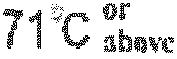
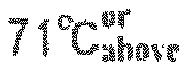
- According to the results of Examples 1 to 12 shown in Table 1, the non-aqueous inkjet ink compositions conforming to the composition proposed by the present invention had appropriate ink composition viscosity for inkjet printing. In addition, these inks exhibited excellent drying property, solid-fill property, anti-mottling property and discharge stability. In comparison, discharge stability was poor in Comparative Example 1 characterized by a low propylene carbonate content of 2.00%, and in Comparative Example 4 characterized by a high diethylene glycol dialkyl ether/propylene carbonate ratio of 12.2. Also, Comparative Example 2 characterized by a high propylene carbonate content of 40.00%, and Comparative Example 3 characterized by a low diethylene glycol dialkyl ether/propylene carbonate ratio of 2.1, resulted in poor drying property 1, drying property 2, solid-fill property, and anti-mottling property.
| Example | |||||||||
| 1 | 2 | 3 | 4 | 5 | 6 | 7 | 8 | ||
| Yellow | Yellow | Yellow | Yellow | Yellow | Yellow | Yellow | Yellow | ||
| Pigment | 4G01 | 3.00% | 3.00% | 3.00% | 3.00% | 3.00% | 3.00% | 3.00% | 3.00% |
| RGT | |||||||||
| D7110F | |||||||||
| MA70 | |||||||||
| Pigment dispersant | PB822 | 1.20% | 1.20% | 1 20% | 1.20% | 1.20% | 1.20% | 1.20% | 1.20% |
| SOLSPERSE 56000 | |||||||||
| SOLSPERSE 39000 | |||||||||
| Vinyl chloride-vinyl acetate resin | E15/45 | ||||||||
| Acrylic resin | BR-83 (Tg=105°C. Mw=40.000) | 3.00% | 3.00% | 3.00% | 3.00% | 3.00% | 3.00% | 3.00% | |
| BR-87 (Tg=105°C, Mw=25,000) | 3.00% | ||||||||
| BR-60 (Tg=75°C. Mw=70,000) | 0.60% | 0.90% | 0 45% | 0.60% | 0.60% | 0.60% | 0.70% | ||
| BR-77 (Tg=80°C. Mw=65.000) | 1.00% | ||||||||
| Organic solvent | Diethylene glycol diethyl ether | 57 20% | 59.90% | 52.35% | 42.20% | 42.20% | 42.20% | 57.10% | 56.80% |
| Diethylene glycol ethyl methyl ether | 20 00% | 20.00% | 20.00% | 20.00% | 20.00% | 20.00% | 20.00% | 20.00% | |
| Propylene carbonate | 15. 00% | 12.00% | 20.00% | 15.00% | 15.00% | 15.00% | 15.00% | 15.00% | |
| Diethylene glycol ethyl ether acetate | 15.00% | ||||||||
| Dipropylene glycol monomethyl ether | 15.00% | ||||||||
| Dipropylene glycol methyl ether acetate | 15.00% | ||||||||
| Total | 100.00% | 100.00% | 100.00% | 100.00% | 100.00% | 100.00% | 100.00% | 100.00% | |
| Diethylene glycol dialkyl ether/propylene carbonate | 51 | 6.7 | 36 | 4.1 | 4.1 | 4.1 | 5.1 | 5.1 | |
| Viscosity (mPa•s) | 4.2 | 42 | 4.3 | 3.9 | 4.2 | 4.2 | 4.0 | 4.1 | |
| Flash point |
 |
 |
 |
 |
 |
 |
 |
 |
|
| Drying property 1 | A | A | A | A | A | A | A | A | |
| Drying property 2 | A | A | A | A | A | A | A | A | |
| Solid fill property | A | A | A | A | A | A | A | A | |
| Anti-mottling property | A | A | A | A | A | A | A | A | |
| Discharge stability | A | A | A | A | A | A | A | A | |
| Example | Comparative Example | ||||||||
| 9 | 10 | 11 | 12 | 1 | 2 | 3 | 4 | ||
| Yellow | Magenta | Cyan | Black | Yellow | Yellow | Yellow | Yellow | ||
| Pigment | 4G01 | 3.00% | 3.00% | 3.00% | 3.00% | 3.00% | |||
| RGT | 3.00% | ||||||||
| D7110F | 3.00% | ||||||||
| MA70 | 3.50% | ||||||||
| Pigment dispersant | PB822 | 1.20% | 1.50% | 1.20% | 1.20% | 1.20% | 1.20% | ||
| SOLSPERSE 56000 | 0.60% | ||||||||
| SOLSPERSE 39000 | 0.88% | ||||||||
| Vinyl chloride-vinyl acetate resin | E 15/45 | 0.60% | |||||||
| Acrylic resin | BR-83 (Tg=105°C, Mw=40.000) | 2.50% | 300% | 3.00% | 3.10% | 3.20% | 2.00% | 2.80% | 3.00% |
| BR-87 (Tg=105°C, Mw=25.000) | |||||||||
| BR-60 (Tg=75°C, Mw=70.000) | 0.30% | 0.60% | 0 60% | 0 65% | 0.60% | 0.60% | 0 60% | 0.60% | |
| BR-77 (Tg=80°C, Mw=65,000) | |||||||||
| Organic solvent | Diethylene glycol diethyl ether | 57. 40% | 56.90% | 57. 80% | 57.02% | 70.00% | 33.20% | 22.40% | 65.20% |
| Diethylene glycol ethyl methyl ether | 20.00% | 20.00% | 20.00% | 20 00% | 20.00% | 20.00% | 20.00% | 20.00% | |
| Propylene carbonate | 15.00% | 15.00% | 15.00% | 15.00% | 2.00% | 40.00% | 20.00% | 7.00% | |
| Diethylene glycol ethyl ether acetate | 30.00% | ||||||||
| Diipropylene glycol monomethyl ether | |||||||||
| Dipropylene glycol methyl ether acetate | |||||||||
| Total | 100.00% | 100.00% | 100.00% | 100.15% | 100.00% | 100.00% | 100.00% | 100.00% | |
| Diethylene glycol dialkyl ether/propylene carbonate | 5.2 | 5.1 | 5.2 | 5.1 | 45.0 | 1.3 | 2.1 | 12.2 | |
| Viscosity (mPa•s) | 4.3 | 4.3 | 4.0 | 4.1 | 4.0 | 4.3 | 4.0 | 4.1 | |
| Flash point |
 |
 |
 |
 |
 |
 |
 |
 |
|
| Drying property 1 | A | A | A | A | A | C | B | A | |
| Drying property 2 | A | A | A | A | A | C | B | A | |
| Solid fill property | A | A | A | A | A | B | B | A | |
| Anti-mottling properly | A | A | A | A | A | D | C | A | |
| Discharge stability | A | A | A | A | C | A | A | C | |
Claims (4)
- A non-aqueous inkjet ink composition comprising an acrylic resin, a pigment, a pigment dispersant, and an organic solvent, the non-aqueous inkjet ink composition characterized by comprising, as the organic solvent, a propylene carbonate and a diethylene glycol dialkyl ether, wherein the propylene carbonate is compounded by 5 to 25 percent by mass in the ink composition, and the diethylene glycol dialkyl ether is compounded in a manner providing a ratio of diethylene glycol dialkyl ether/propylene carbonate in a range of 3.0 to 8.0.
- The non-aqueous inkjet ink composition according to claim 1, characterized in that the diethylene glycol dialkyl ether is a diethylene glycol ethyl methyl ether and/or diethylene glycol diethyl ether.
- The non-aqueous inkjet ink composition according to claim 1 or 2, characterized in that the acrylic resin is constituted by two or more types of acrylic resins.
- The non-aqueous inkjet ink composition according to any one of claims 1 to 3, characterized in that the acrylic resin contains acrylic resin (A) whose glass transition temperature is in a range of 90 to 110°C and mass-averaged molecular weight is in a range of 20000 to 40000, and acrylic resin (B) whose glass transition temperature is in a range of 65 to 85°C and mass-averaged molecular weight is in a range of 50000 to 80000, where a ratio of (A)/(B) is 70 to 90/10 to 30.
Applications Claiming Priority (2)
| Application Number | Priority Date | Filing Date | Title |
|---|---|---|---|
| JP2015150524A JP6599156B2 (en) | 2015-07-30 | 2015-07-30 | Non-aqueous inkjet ink composition |
| PCT/JP2016/066141 WO2017018050A1 (en) | 2015-07-30 | 2016-06-01 | Non-aqueous inkjet ink composition |
Publications (3)
| Publication Number | Publication Date |
|---|---|
| EP3330330A1 true EP3330330A1 (en) | 2018-06-06 |
| EP3330330A4 EP3330330A4 (en) | 2019-03-06 |
| EP3330330B1 EP3330330B1 (en) | 2020-11-18 |
Family
ID=57886824
Family Applications (1)
| Application Number | Title | Priority Date | Filing Date |
|---|---|---|---|
| EP16830155.4A Active EP3330330B1 (en) | 2015-07-30 | 2016-06-01 | Non-aqueous inkjet ink composition |
Country Status (7)
| Country | Link |
|---|---|
| US (1) | US10767065B2 (en) |
| EP (1) | EP3330330B1 (en) |
| JP (1) | JP6599156B2 (en) |
| KR (1) | KR102505568B1 (en) |
| CN (1) | CN107922774B (en) |
| ES (1) | ES2851527T3 (en) |
| WO (1) | WO2017018050A1 (en) |
Cited By (4)
| Publication number | Priority date | Publication date | Assignee | Title |
|---|---|---|---|---|
| WO2020214323A1 (en) * | 2019-04-17 | 2020-10-22 | Avery Dennison Corporation | Fast drying inkjet ink compositions |
| US20210138819A1 (en) * | 2019-11-08 | 2021-05-13 | Kodak Alaris Inc. | Thermal donor laminate formulation and thermal donor elements comprising the same |
| US20220153050A1 (en) * | 2019-08-14 | 2022-05-19 | Dai Nippon Printing Co., Ltd. | Recording medium, separation-member-equipped recording medium, decorative sheet, separation-member-equipped decorative sheet, decorated article, method for manufacturing decorated article, and combination of recording medium and transfer sheet |
| EP4053230A4 (en) * | 2019-10-30 | 2023-11-22 | Sakata INX Corporation | NON-AQUEOUS INKJET INK COMPOSITION |
Families Citing this family (6)
| Publication number | Priority date | Publication date | Assignee | Title |
|---|---|---|---|---|
| JP6762134B2 (en) * | 2016-04-28 | 2020-09-30 | サカタインクス株式会社 | Non-aqueous inkjet ink composition |
| JP7400166B2 (en) | 2019-10-30 | 2023-12-19 | サカタインクス株式会社 | Non-aqueous inkjet ink composition |
| CN113122049B (en) * | 2019-12-30 | 2022-09-27 | 厦门格林泰新材料科技有限公司 | Thermal foaming type white ink |
| WO2021201149A1 (en) * | 2020-03-31 | 2021-10-07 | 株式会社Dnpファインケミカル | Non-aqueous ink composition, inkjet recording method, and method for manufacturing printed matter |
| JP7229415B2 (en) * | 2021-03-31 | 2023-02-27 | 株式会社Dnpファインケミカル | Non-aqueous ink composition, recording method using the same, and method for producing recorded matter |
| EP4421135A4 (en) * | 2021-10-21 | 2025-12-10 | Dnp Fine Chemicals Co Ltd | ink composition, ink type, recording method, method for producing recorded material and recorded material |
Family Cites Families (13)
| Publication number | Priority date | Publication date | Assignee | Title |
|---|---|---|---|---|
| JPS60118767A (en) * | 1983-11-30 | 1985-06-26 | Tokyo Ohka Kogyo Co Ltd | White ink composition for jet printing |
| US6794425B1 (en) * | 1999-03-01 | 2004-09-21 | Avecia Limited | Pigment printing composition |
| GB2400371B (en) * | 2003-04-04 | 2007-08-01 | Silberline Ltd | Metal pigment composition |
| JP5015412B2 (en) | 2004-01-13 | 2012-08-29 | 株式会社Dnpファインケミカル | Oil-based ink for inkjet printer |
| JP5001855B2 (en) | 2005-12-20 | 2012-08-15 | サカタインクス株式会社 | Non-aqueous inkjet ink composition and printed matter obtained using the same |
| US20080119593A1 (en) | 2006-11-22 | 2008-05-22 | Rodney Stramel | Pigment-based non-aqueous ink-jet inks |
| JP5452942B2 (en) * | 2009-01-29 | 2014-03-26 | 東海染工株式会社 | Marking ink |
| JP5301395B2 (en) * | 2009-09-04 | 2013-09-25 | 富士フイルム株式会社 | Inkjet ink composition, inkjet recording method and printed matter |
| JP6113571B2 (en) * | 2013-05-01 | 2017-04-12 | サカタインクス株式会社 | Non-aqueous inkjet ink composition and printed matter obtained using the same |
| JP6117016B2 (en) * | 2013-06-26 | 2017-04-19 | 株式会社Dnpファインケミカル | Oil-based ink composition for inkjet recording and inkjet recording method |
| PL3031869T3 (en) | 2013-08-07 | 2021-07-05 | Sakata Inx Corporation | Nonaqueous inkjet ink composition and printed matter obtained using same |
| JP6357751B2 (en) * | 2013-10-02 | 2018-07-18 | 東洋インキScホールディングス株式会社 | Solvent-based inkjet ink |
| JP5900467B2 (en) * | 2013-11-15 | 2016-04-06 | 東洋インキScホールディングス株式会社 | Ink composition |
-
2015
- 2015-07-30 JP JP2015150524A patent/JP6599156B2/en active Active
-
2016
- 2016-06-01 KR KR1020187002866A patent/KR102505568B1/en active Active
- 2016-06-01 ES ES16830155T patent/ES2851527T3/en active Active
- 2016-06-01 US US15/748,610 patent/US10767065B2/en active Active
- 2016-06-01 WO PCT/JP2016/066141 patent/WO2017018050A1/en not_active Ceased
- 2016-06-01 EP EP16830155.4A patent/EP3330330B1/en active Active
- 2016-06-01 CN CN201680044494.0A patent/CN107922774B/en active Active
Cited By (7)
| Publication number | Priority date | Publication date | Assignee | Title |
|---|---|---|---|---|
| WO2020214323A1 (en) * | 2019-04-17 | 2020-10-22 | Avery Dennison Corporation | Fast drying inkjet ink compositions |
| US20220153050A1 (en) * | 2019-08-14 | 2022-05-19 | Dai Nippon Printing Co., Ltd. | Recording medium, separation-member-equipped recording medium, decorative sheet, separation-member-equipped decorative sheet, decorated article, method for manufacturing decorated article, and combination of recording medium and transfer sheet |
| EP4053230A4 (en) * | 2019-10-30 | 2023-11-22 | Sakata INX Corporation | NON-AQUEOUS INKJET INK COMPOSITION |
| US12209194B2 (en) | 2019-10-30 | 2025-01-28 | Sakata Inx Corporation | Nonaqueous inkjet ink composition |
| AU2020374482B2 (en) * | 2019-10-30 | 2026-01-22 | Sakata Inx Corporation | Ink composition for non-aqueous inkjet |
| US20210138819A1 (en) * | 2019-11-08 | 2021-05-13 | Kodak Alaris Inc. | Thermal donor laminate formulation and thermal donor elements comprising the same |
| US12275262B2 (en) * | 2019-11-08 | 2025-04-15 | Kodak Alaris Llc | Thermal donor laminate formulation and thermal donor elements comprising the same |
Also Published As
| Publication number | Publication date |
|---|---|
| EP3330330A4 (en) | 2019-03-06 |
| US10767065B2 (en) | 2020-09-08 |
| EP3330330B1 (en) | 2020-11-18 |
| KR20180030558A (en) | 2018-03-23 |
| JP2017031272A (en) | 2017-02-09 |
| KR102505568B1 (en) | 2023-03-02 |
| JP6599156B2 (en) | 2019-10-30 |
| CN107922774B (en) | 2021-04-16 |
| CN107922774A (en) | 2018-04-17 |
| WO2017018050A1 (en) | 2017-02-02 |
| US20180327620A1 (en) | 2018-11-15 |
| ES2851527T3 (en) | 2021-09-07 |
Similar Documents
| Publication | Publication Date | Title |
|---|---|---|
| EP3330330B1 (en) | Non-aqueous inkjet ink composition | |
| EP3031869B1 (en) | Nonaqueous inkjet ink composition and printed matter obtained using same | |
| EP3553140A1 (en) | Non-aqueous inkjet ink composition | |
| KR102204202B1 (en) | Non-aqueous inkjet magenta ink composition | |
| US10767067B2 (en) | Non-aqueous inkjet ink composition | |
| EP3406676B1 (en) | Nonaqueous ink-jet orange ink composition and ink set including same | |
| US10899941B2 (en) | Yellow ink composition for nonaqueous inkjet | |
| EP4053230B1 (en) | Ink composition for non-aqueous inkjet | |
| JP2021070740A (en) | Ink composition for non-aqueous inkjet |
Legal Events
| Date | Code | Title | Description |
|---|---|---|---|
| STAA | Information on the status of an ep patent application or granted ep patent |
Free format text: STATUS: THE INTERNATIONAL PUBLICATION HAS BEEN MADE |
|
| PUAI | Public reference made under article 153(3) epc to a published international application that has entered the european phase |
Free format text: ORIGINAL CODE: 0009012 |
|
| STAA | Information on the status of an ep patent application or granted ep patent |
Free format text: STATUS: REQUEST FOR EXAMINATION WAS MADE |
|
| 17P | Request for examination filed |
Effective date: 20180222 |
|
| AK | Designated contracting states |
Kind code of ref document: A1 Designated state(s): AL AT BE BG CH CY CZ DE DK EE ES FI FR GB GR HR HU IE IS IT LI LT LU LV MC MK MT NL NO PL PT RO RS SE SI SK SM TR |
|
| AX | Request for extension of the european patent |
Extension state: BA ME |
|
| DAV | Request for validation of the european patent (deleted) | ||
| DAX | Request for extension of the european patent (deleted) | ||
| A4 | Supplementary search report drawn up and despatched |
Effective date: 20190204 |
|
| RIC1 | Information provided on ipc code assigned before grant |
Ipc: B41J 2/01 20060101ALI20190129BHEP Ipc: C09D 11/322 20140101ALI20190129BHEP Ipc: C09D 11/36 20140101AFI20190129BHEP Ipc: B41M 5/00 20060101ALI20190129BHEP |
|
| STAA | Information on the status of an ep patent application or granted ep patent |
Free format text: STATUS: EXAMINATION IS IN PROGRESS |
|
| 17Q | First examination report despatched |
Effective date: 20190924 |
|
| GRAP | Despatch of communication of intention to grant a patent |
Free format text: ORIGINAL CODE: EPIDOSNIGR1 |
|
| STAA | Information on the status of an ep patent application or granted ep patent |
Free format text: STATUS: GRANT OF PATENT IS INTENDED |
|
| INTG | Intention to grant announced |
Effective date: 20200713 |
|
| GRAS | Grant fee paid |
Free format text: ORIGINAL CODE: EPIDOSNIGR3 |
|
| GRAA | (expected) grant |
Free format text: ORIGINAL CODE: 0009210 |
|
| STAA | Information on the status of an ep patent application or granted ep patent |
Free format text: STATUS: THE PATENT HAS BEEN GRANTED |
|
| AK | Designated contracting states |
Kind code of ref document: B1 Designated state(s): AL AT BE BG CH CY CZ DE DK EE ES FI FR GB GR HR HU IE IS IT LI LT LU LV MC MK MT NL NO PL PT RO RS SE SI SK SM TR |
|
| REG | Reference to a national code |
Ref country code: GB Ref legal event code: FG4D |
|
| REG | Reference to a national code |
Ref country code: CH Ref legal event code: EP |
|
| REG | Reference to a national code |
Ref country code: IE Ref legal event code: FG4D |
|
| REG | Reference to a national code |
Ref country code: DE Ref legal event code: R096 Ref document number: 602016048260 Country of ref document: DE |
|
| REG | Reference to a national code |
Ref country code: AT Ref legal event code: REF Ref document number: 1335757 Country of ref document: AT Kind code of ref document: T Effective date: 20201215 |
|
| REG | Reference to a national code |
Ref country code: AT Ref legal event code: MK05 Ref document number: 1335757 Country of ref document: AT Kind code of ref document: T Effective date: 20201118 |
|
| REG | Reference to a national code |
Ref country code: NL Ref legal event code: MP Effective date: 20201118 |
|
| PG25 | Lapsed in a contracting state [announced via postgrant information from national office to epo] |
Ref country code: NO Free format text: LAPSE BECAUSE OF FAILURE TO SUBMIT A TRANSLATION OF THE DESCRIPTION OR TO PAY THE FEE WITHIN THE PRESCRIBED TIME-LIMIT Effective date: 20210218 Ref country code: RS Free format text: LAPSE BECAUSE OF FAILURE TO SUBMIT A TRANSLATION OF THE DESCRIPTION OR TO PAY THE FEE WITHIN THE PRESCRIBED TIME-LIMIT Effective date: 20201118 Ref country code: PT Free format text: LAPSE BECAUSE OF FAILURE TO SUBMIT A TRANSLATION OF THE DESCRIPTION OR TO PAY THE FEE WITHIN THE PRESCRIBED TIME-LIMIT Effective date: 20210318 Ref country code: GR Free format text: LAPSE BECAUSE OF FAILURE TO SUBMIT A TRANSLATION OF THE DESCRIPTION OR TO PAY THE FEE WITHIN THE PRESCRIBED TIME-LIMIT Effective date: 20210219 Ref country code: FI Free format text: LAPSE BECAUSE OF FAILURE TO SUBMIT A TRANSLATION OF THE DESCRIPTION OR TO PAY THE FEE WITHIN THE PRESCRIBED TIME-LIMIT Effective date: 20201118 |
|
| PG25 | Lapsed in a contracting state [announced via postgrant information from national office to epo] |
Ref country code: SE Free format text: LAPSE BECAUSE OF FAILURE TO SUBMIT A TRANSLATION OF THE DESCRIPTION OR TO PAY THE FEE WITHIN THE PRESCRIBED TIME-LIMIT Effective date: 20201118 Ref country code: BG Free format text: LAPSE BECAUSE OF FAILURE TO SUBMIT A TRANSLATION OF THE DESCRIPTION OR TO PAY THE FEE WITHIN THE PRESCRIBED TIME-LIMIT Effective date: 20210218 Ref country code: PL Free format text: LAPSE BECAUSE OF FAILURE TO SUBMIT A TRANSLATION OF THE DESCRIPTION OR TO PAY THE FEE WITHIN THE PRESCRIBED TIME-LIMIT Effective date: 20201118 Ref country code: IS Free format text: LAPSE BECAUSE OF FAILURE TO SUBMIT A TRANSLATION OF THE DESCRIPTION OR TO PAY THE FEE WITHIN THE PRESCRIBED TIME-LIMIT Effective date: 20210318 Ref country code: LV Free format text: LAPSE BECAUSE OF FAILURE TO SUBMIT A TRANSLATION OF THE DESCRIPTION OR TO PAY THE FEE WITHIN THE PRESCRIBED TIME-LIMIT Effective date: 20201118 Ref country code: AT Free format text: LAPSE BECAUSE OF FAILURE TO SUBMIT A TRANSLATION OF THE DESCRIPTION OR TO PAY THE FEE WITHIN THE PRESCRIBED TIME-LIMIT Effective date: 20201118 |
|
| REG | Reference to a national code |
Ref country code: LT Ref legal event code: MG9D |
|
| PG25 | Lapsed in a contracting state [announced via postgrant information from national office to epo] |
Ref country code: HR Free format text: LAPSE BECAUSE OF FAILURE TO SUBMIT A TRANSLATION OF THE DESCRIPTION OR TO PAY THE FEE WITHIN THE PRESCRIBED TIME-LIMIT Effective date: 20201118 |
|
| PG25 | Lapsed in a contracting state [announced via postgrant information from national office to epo] |
Ref country code: SM Free format text: LAPSE BECAUSE OF FAILURE TO SUBMIT A TRANSLATION OF THE DESCRIPTION OR TO PAY THE FEE WITHIN THE PRESCRIBED TIME-LIMIT Effective date: 20201118 Ref country code: RO Free format text: LAPSE BECAUSE OF FAILURE TO SUBMIT A TRANSLATION OF THE DESCRIPTION OR TO PAY THE FEE WITHIN THE PRESCRIBED TIME-LIMIT Effective date: 20201118 Ref country code: SK Free format text: LAPSE BECAUSE OF FAILURE TO SUBMIT A TRANSLATION OF THE DESCRIPTION OR TO PAY THE FEE WITHIN THE PRESCRIBED TIME-LIMIT Effective date: 20201118 Ref country code: LT Free format text: LAPSE BECAUSE OF FAILURE TO SUBMIT A TRANSLATION OF THE DESCRIPTION OR TO PAY THE FEE WITHIN THE PRESCRIBED TIME-LIMIT Effective date: 20201118 Ref country code: EE Free format text: LAPSE BECAUSE OF FAILURE TO SUBMIT A TRANSLATION OF THE DESCRIPTION OR TO PAY THE FEE WITHIN THE PRESCRIBED TIME-LIMIT Effective date: 20201118 |
|
| REG | Reference to a national code |
Ref country code: DE Ref legal event code: R097 Ref document number: 602016048260 Country of ref document: DE |
|
| PG25 | Lapsed in a contracting state [announced via postgrant information from national office to epo] |
Ref country code: DK Free format text: LAPSE BECAUSE OF FAILURE TO SUBMIT A TRANSLATION OF THE DESCRIPTION OR TO PAY THE FEE WITHIN THE PRESCRIBED TIME-LIMIT Effective date: 20201118 |
|
| REG | Reference to a national code |
Ref country code: ES Ref legal event code: FG2A Ref document number: 2851527 Country of ref document: ES Kind code of ref document: T3 Effective date: 20210907 |
|
| PLBE | No opposition filed within time limit |
Free format text: ORIGINAL CODE: 0009261 |
|
| STAA | Information on the status of an ep patent application or granted ep patent |
Free format text: STATUS: NO OPPOSITION FILED WITHIN TIME LIMIT |
|
| 26N | No opposition filed |
Effective date: 20210819 |
|
| PG25 | Lapsed in a contracting state [announced via postgrant information from national office to epo] |
Ref country code: AL Free format text: LAPSE BECAUSE OF FAILURE TO SUBMIT A TRANSLATION OF THE DESCRIPTION OR TO PAY THE FEE WITHIN THE PRESCRIBED TIME-LIMIT Effective date: 20201118 Ref country code: NL Free format text: LAPSE BECAUSE OF FAILURE TO SUBMIT A TRANSLATION OF THE DESCRIPTION OR TO PAY THE FEE WITHIN THE PRESCRIBED TIME-LIMIT Effective date: 20201118 |
|
| PG25 | Lapsed in a contracting state [announced via postgrant information from national office to epo] |
Ref country code: SI Free format text: LAPSE BECAUSE OF FAILURE TO SUBMIT A TRANSLATION OF THE DESCRIPTION OR TO PAY THE FEE WITHIN THE PRESCRIBED TIME-LIMIT Effective date: 20201118 |
|
| PG25 | Lapsed in a contracting state [announced via postgrant information from national office to epo] |
Ref country code: MC Free format text: LAPSE BECAUSE OF FAILURE TO SUBMIT A TRANSLATION OF THE DESCRIPTION OR TO PAY THE FEE WITHIN THE PRESCRIBED TIME-LIMIT Effective date: 20201118 |
|
| REG | Reference to a national code |
Ref country code: CH Ref legal event code: PL |
|
| REG | Reference to a national code |
Ref country code: BE Ref legal event code: MM Effective date: 20210630 |
|
| PG25 | Lapsed in a contracting state [announced via postgrant information from national office to epo] |
Ref country code: LU Free format text: LAPSE BECAUSE OF NON-PAYMENT OF DUE FEES Effective date: 20210601 |
|
| PG25 | Lapsed in a contracting state [announced via postgrant information from national office to epo] |
Ref country code: LI Free format text: LAPSE BECAUSE OF NON-PAYMENT OF DUE FEES Effective date: 20210630 Ref country code: IE Free format text: LAPSE BECAUSE OF NON-PAYMENT OF DUE FEES Effective date: 20210601 Ref country code: CH Free format text: LAPSE BECAUSE OF NON-PAYMENT OF DUE FEES Effective date: 20210630 |
|
| PG25 | Lapsed in a contracting state [announced via postgrant information from national office to epo] |
Ref country code: IS Free format text: LAPSE BECAUSE OF FAILURE TO SUBMIT A TRANSLATION OF THE DESCRIPTION OR TO PAY THE FEE WITHIN THE PRESCRIBED TIME-LIMIT Effective date: 20210318 |
|
| PG25 | Lapsed in a contracting state [announced via postgrant information from national office to epo] |
Ref country code: BE Free format text: LAPSE BECAUSE OF NON-PAYMENT OF DUE FEES Effective date: 20210630 |
|
| P01 | Opt-out of the competence of the unified patent court (upc) registered |
Effective date: 20230404 |
|
| PG25 | Lapsed in a contracting state [announced via postgrant information from national office to epo] |
Ref country code: CY Free format text: LAPSE BECAUSE OF FAILURE TO SUBMIT A TRANSLATION OF THE DESCRIPTION OR TO PAY THE FEE WITHIN THE PRESCRIBED TIME-LIMIT Effective date: 20201118 |
|
| PG25 | Lapsed in a contracting state [announced via postgrant information from national office to epo] |
Ref country code: HU Free format text: LAPSE BECAUSE OF FAILURE TO SUBMIT A TRANSLATION OF THE DESCRIPTION OR TO PAY THE FEE WITHIN THE PRESCRIBED TIME-LIMIT; INVALID AB INITIO Effective date: 20160601 |
|
| PG25 | Lapsed in a contracting state [announced via postgrant information from national office to epo] |
Ref country code: MK Free format text: LAPSE BECAUSE OF FAILURE TO SUBMIT A TRANSLATION OF THE DESCRIPTION OR TO PAY THE FEE WITHIN THE PRESCRIBED TIME-LIMIT Effective date: 20201118 |
|
| PG25 | Lapsed in a contracting state [announced via postgrant information from national office to epo] |
Ref country code: MT Free format text: LAPSE BECAUSE OF FAILURE TO SUBMIT A TRANSLATION OF THE DESCRIPTION OR TO PAY THE FEE WITHIN THE PRESCRIBED TIME-LIMIT Effective date: 20201118 |
|
| PGFP | Annual fee paid to national office [announced via postgrant information from national office to epo] |
Ref country code: DE Payment date: 20250626 Year of fee payment: 10 |
|
| PGFP | Annual fee paid to national office [announced via postgrant information from national office to epo] |
Ref country code: GB Payment date: 20250621 Year of fee payment: 10 |
|
| PGFP | Annual fee paid to national office [announced via postgrant information from national office to epo] |
Ref country code: FR Payment date: 20250617 Year of fee payment: 10 |
|
| PGFP | Annual fee paid to national office [announced via postgrant information from national office to epo] |
Ref country code: CZ Payment date: 20250602 Year of fee payment: 10 |
|
| PGFP | Annual fee paid to national office [announced via postgrant information from national office to epo] |
Ref country code: ES Payment date: 20250701 Year of fee payment: 10 |
|
| PGFP | Annual fee paid to national office [announced via postgrant information from national office to epo] |
Ref country code: IT Payment date: 20250627 Year of fee payment: 10 |
|
| PG25 | Lapsed in a contracting state [announced via postgrant information from national office to epo] |
Ref country code: TR Free format text: LAPSE BECAUSE OF FAILURE TO SUBMIT A TRANSLATION OF THE DESCRIPTION OR TO PAY THE FEE WITHIN THE PRESCRIBED TIME-LIMIT Effective date: 20201118 |