EP3330268A1 - Organogel based on molecules derived from 7,7'-diazaisoindigo - Google Patents
Organogel based on molecules derived from 7,7'-diazaisoindigo Download PDFInfo
- Publication number
- EP3330268A1 EP3330268A1 EP16820892.4A EP16820892A EP3330268A1 EP 3330268 A1 EP3330268 A1 EP 3330268A1 EP 16820892 A EP16820892 A EP 16820892A EP 3330268 A1 EP3330268 A1 EP 3330268A1
- Authority
- EP
- European Patent Office
- Prior art keywords
- compound
- organogel
- xerogel
- gel
- cyclohexane
- Prior art date
- Legal status (The legal status is an assumption and is not a legal conclusion. Google has not performed a legal analysis and makes no representation as to the accuracy of the status listed.)
- Withdrawn
Links
Images



Classifications
-
- C—CHEMISTRY; METALLURGY
- C07—ORGANIC CHEMISTRY
- C07D—HETEROCYCLIC COMPOUNDS
- C07D471/00—Heterocyclic compounds containing nitrogen atoms as the only ring hetero atoms in the condensed system, at least one ring being a six-membered ring with one nitrogen atom, not provided for by groups C07D451/00 - C07D463/00
- C07D471/02—Heterocyclic compounds containing nitrogen atoms as the only ring hetero atoms in the condensed system, at least one ring being a six-membered ring with one nitrogen atom, not provided for by groups C07D451/00 - C07D463/00 in which the condensed system contains two hetero rings
- C07D471/04—Ortho-condensed systems
-
- B—PERFORMING OPERATIONS; TRANSPORTING
- B01—PHYSICAL OR CHEMICAL PROCESSES OR APPARATUS IN GENERAL
- B01J—CHEMICAL OR PHYSICAL PROCESSES, e.g. CATALYSIS OR COLLOID CHEMISTRY; THEIR RELEVANT APPARATUS
- B01J13/00—Colloid chemistry, e.g. the production of colloidal materials or their solutions, not otherwise provided for; Making microcapsules or microballoons
- B01J13/0052—Preparation of gels
- B01J13/0065—Preparation of gels containing an organic phase
-
- C—CHEMISTRY; METALLURGY
- C09—DYES; PAINTS; POLISHES; NATURAL RESINS; ADHESIVES; COMPOSITIONS NOT OTHERWISE PROVIDED FOR; APPLICATIONS OF MATERIALS NOT OTHERWISE PROVIDED FOR
- C09B—ORGANIC DYES OR CLOSELY-RELATED COMPOUNDS FOR PRODUCING DYES, e.g. PIGMENTS; MORDANTS; LAKES
- C09B7/00—Indigoid dyes
- C09B7/02—Bis-indole indigos
-
- C—CHEMISTRY; METALLURGY
- C09—DYES; PAINTS; POLISHES; NATURAL RESINS; ADHESIVES; COMPOSITIONS NOT OTHERWISE PROVIDED FOR; APPLICATIONS OF MATERIALS NOT OTHERWISE PROVIDED FOR
- C09K—MATERIALS FOR MISCELLANEOUS APPLICATIONS, NOT PROVIDED FOR ELSEWHERE
- C09K11/00—Luminescent materials, e.g. electroluminescent or chemiluminescent
- C09K11/06—Luminescent materials, e.g. electroluminescent or chemiluminescent containing organic luminescent materials
-
- F—MECHANICAL ENGINEERING; LIGHTING; HEATING; WEAPONS; BLASTING
- F21—LIGHTING
- F21V—FUNCTIONAL FEATURES OR DETAILS OF LIGHTING DEVICES OR SYSTEMS THEREOF; STRUCTURAL COMBINATIONS OF LIGHTING DEVICES WITH OTHER ARTICLES, NOT OTHERWISE PROVIDED FOR
- F21V9/00—Elements for modifying spectral properties, polarisation or intensity of the light emitted, e.g. filters
- F21V9/30—Elements containing photoluminescent material distinct from or spaced from the light source
-
- G—PHYSICS
- G01—MEASURING; TESTING
- G01N—INVESTIGATING OR ANALYSING MATERIALS BY DETERMINING THEIR CHEMICAL OR PHYSICAL PROPERTIES
- G01N21/00—Investigating or analysing materials by the use of optical means, i.e. using sub-millimetre waves, infrared, visible or ultraviolet light
- G01N21/62—Systems in which the material investigated is excited whereby it emits light or causes a change in wavelength of the incident light
- G01N21/63—Systems in which the material investigated is excited whereby it emits light or causes a change in wavelength of the incident light optically excited
- G01N21/64—Fluorescence; Phosphorescence
-
- H—ELECTRICITY
- H10—SEMICONDUCTOR DEVICES; ELECTRIC SOLID-STATE DEVICES NOT OTHERWISE PROVIDED FOR
- H10K—ORGANIC ELECTRIC SOLID-STATE DEVICES
- H10K85/00—Organic materials used in the body or electrodes of devices covered by this subclass
- H10K85/60—Organic compounds having low molecular weight
- H10K85/649—Aromatic compounds comprising a hetero atom
- H10K85/657—Polycyclic condensed heteroaromatic hydrocarbons
- H10K85/6572—Polycyclic condensed heteroaromatic hydrocarbons comprising only nitrogen in the heteroaromatic polycondensed ring system, e.g. phenanthroline or carbazole
-
- C—CHEMISTRY; METALLURGY
- C09—DYES; PAINTS; POLISHES; NATURAL RESINS; ADHESIVES; COMPOSITIONS NOT OTHERWISE PROVIDED FOR; APPLICATIONS OF MATERIALS NOT OTHERWISE PROVIDED FOR
- C09K—MATERIALS FOR MISCELLANEOUS APPLICATIONS, NOT PROVIDED FOR ELSEWHERE
- C09K2211/00—Chemical nature of organic luminescent or tenebrescent compounds
- C09K2211/10—Non-macromolecular compounds
- C09K2211/1003—Carbocyclic compounds
- C09K2211/1011—Condensed systems
-
- C—CHEMISTRY; METALLURGY
- C09—DYES; PAINTS; POLISHES; NATURAL RESINS; ADHESIVES; COMPOSITIONS NOT OTHERWISE PROVIDED FOR; APPLICATIONS OF MATERIALS NOT OTHERWISE PROVIDED FOR
- C09K—MATERIALS FOR MISCELLANEOUS APPLICATIONS, NOT PROVIDED FOR ELSEWHERE
- C09K2211/00—Chemical nature of organic luminescent or tenebrescent compounds
- C09K2211/10—Non-macromolecular compounds
- C09K2211/1018—Heterocyclic compounds
- C09K2211/1025—Heterocyclic compounds characterised by ligands
- C09K2211/1029—Heterocyclic compounds characterised by ligands containing one nitrogen atom as the heteroatom
Definitions
- the present invention refers to a compound derived from 7,7'-diazaisoindigo soluble in polar organic solvents which, upon generating an organogel, has an aggregation-induced emission (AIE) in the red region of the visible spectrum (600-800 nm). Due to these properties, said organogel can be applied to optoelectronic devices or to fluorescent sensors.
- AIE aggregation-induced emission
- LMOG low-molecular-weight organogels
- Their unique supramolecular organisation allows a great variety of potential applications.
- An enormous amount of different organogels having different functional groups such as amides, hydroxyls, ureas, carboxylic acids, peptides, sugars, cholesterol, large chiral/achiral aliphatic chains ( Chem. Rev. 2014, 114, 1973-2129 ), etc., has been described. These groups help to form organogels through the generation of non-covalent interactions, such as ⁇ - ⁇ stackings, hydrogen bonds, hydrophobic interactions, Van der Waals interactions, etc.
- organogels with charge transfer-induced mobility, electric conductivity and luminescence properties for different applications such as, as optoelectronic devices, fluorescence sensors, formation of cellular images and logical states,inter alia.
- organogelation process entails significant changes in fluorescent emission.
- Most of these aggregate compounds have a common characteristic known as reduced emission due to "aggregation-caused quenching" (ACQ), said effect being destructive to their practical applications.
- ACQ aggregation-caused quenching
- AIE aggregation-induced emission
- AIEE aggregation-induced enhanced emission
- AIE xylols, tetraphenylethylene (TPE) and cyanostilbene derivatives or non-classic luminogens such as 1,3,4-oxadiazole derivatives, carbazoles and dendritic systems (Zhao, Z.; Lam, J. W. Y.; Tang, B. Z. Soft Mater. 2013, 9, 4564 ).
- the document ES201530187 discloses a series of 7-azaindole derivatives with self-assembly capacity for giving rise to organogels and xerogels with important fluorescent properties.
- the present invention refers to a compound of formula (I): where Y is selected from CH 2 , O, NH, C(O), S, S(O), NHC(O), (O)CNH and R 1 is a C 1 -C 12 alkyl.
- alkyl refers, in the present invention, to aliphatic, linear or branched chains having 1 to 12 carbon atoms, for example, methyl, ethyl, n -propyl, i -propyl, n -butyl, terc- butyl, sec-butyl, pentyl, dodecyl, etc.
- the alkyl group preferably has 3 to 11 carbon atoms.
- the alkyl groups may be optionally substituted by one or more substituents such as halogen, hydroxyl, azide, carboxylic acid or a substituted or non-substituted group, selected from amine, amide, carboxylic ester, thiol, acylamine and carboxamide.
- substituents such as halogen, hydroxyl, azide, carboxylic acid or a substituted or non-substituted group, selected from amine, amide, carboxylic ester, thiol, acylamine and carboxamide.
- Y is CH 2 .
- R 1 is a C 3 -C 11 alkyl and even more preferably heptyl.
- the compound of formula (I) has the following formula:
- Another aspect of the invention refers to the use of a compound of formula (I) for manufacturing fluorescent materials.
- Another aspect of the invention refers to an organogel comprising at least one compound of formula (I), as described previously.
- Another aspect of the invention refers to a xerogel characterised in that it is the previously described organogel, dessicated.
- gels are understood to be viscoelastic structures formed from a three-dimensional interconnected network and a solvent, which is the majority component; the solid appearance of the gel is the result of the occlusion and adhesion of the liquid to the surface of the solid three-dimensional matrix; the formation of this matrix is the result of the cross-linking of polymer fibres formed from the bonding of the molecules by means of physical or chemical interactions.
- They are understood as organogels if the solvent used is organic in nature.
- Xerogel is understood as a solid formed from a gel which has been subjected to a drying process.
- the compound of formula (I) is soluble in polar organic solvents such as chloroform or dichloromethane, giving rise to homogeneous solutions at room temperature. However, it precipitates in apolar solvents such as cyclohexane at room temperature. Heating these solutions in apolar solvents and subsequently cooling them induces the formation of gel-type materials; during the sol-gel phase an AIE phenomenon is induced that makes the organogel emit fluorescence in the red spectrum. The batochromic shift and emission in the red spectrum of the organogel of the invention is presumably due to the self-association of 7,7'-diazaisoindigo.
- the xerogel formed from the organogel of the compound of formula (I) exhibits an emission in the red spectrum, due to which it could be used as a red solid-state emitter. Therefore, the gel of the present invention is useful for obtaining an emitter material for different applications such as optoelectronic devices, fluorescent sensors, bioimaging, organic light-emitting diode, etc.
- Another aspect of the invention refers to a material comprising the gel formed from a compound of formula (I) as described previously.
- Another aspect of the invention refers to a device comprising the previously described material.
- Another aspect of the invention refers to the use of the material comprising the gel formed from a compound of formula (I) for manufacturing optoelectronic devices, fluorescent sensors, etc.
- the invention is illustrated hereunder by means of assays that demonstrate the effectiveness of the product of the invention.
- N -dioctyl 7,7'-diazaisoindigo ( 1 , Scheme 1) was carried out by means of the alkylation of 7,7'-diazaisoindigo by means of 1-iodooctane in the presence of K 2 CO 3 and DMF at 100°C for 16 hours.
- Example 2 synthesis and study of the organogel properties based on compound (1)
- the powder of this compound was dissolved (at 2.75% w/w) in cyclohexane, used as an apolar solvent, by heating, forming non-fluid gel-type materials after cooling. Additionally, this organogel of 1 is opaque and red in colour, wherein the sol-gel interconversion cycle was assayed by means of the "inverted tube” procedure ( Figure 1a ).
- the morphology of the dried gel was microscopically examined by means of field emission scanning electron microscopy (FE-SEM) ( Figure 1b ).
- FE-SEM field emission scanning electron microscopy
- the gel was transferred to a silicon substrate and the solvent was slowly evaporated again to give a xerogel.
- the spectroscopic characterisations of 1 both in solution and in solid state were studied.
- the electronic absorption spectrum of 1 in cyclohexane showed three absorption bands in 280, 327, 470 nm (10 -5 M) ( Figure 2 ).
- the absorption band of the xerogel 1 in film on quartz slides showed three absorption bands at 287, 329 and 507 nm, with a broader band absorption spectrum in comparison to the solution state.
- the absorption spectrum of the xerogel in film state is more batochromically shifted compared to that in a solution state, presumably due to the increased intermolecular interactions between neighbour molecules in the solid state.
- the xerogel of 1 also emits fluorescence in the red region of the spectrum in its films in the solid state. This data is significant taking into account that most luminophoric materials are used as solid films due to their practical applications. Therefore, the xerogel of 1 could be used to build fluorescent sensors.
- X-ray diffraction has great potential for elucidating the molecular structure of the organogels and can provide information on molecule assembly in the gel phase.
- XRD of the cyclohexane xerogel (2.75% by weight) has four reflections, three of which in the low angle region in 18.01, 9.00 and 6.00, with a laminar packing ratio corresponding to planes (001), (002) and (003).
- Crystal 1 data Chemical formula C 30 H 40 N 4 O 2 Molecular weight 488.66 Temperature 296(2) K Wavelength 0.71073 ⁇ Crystal size 0.04 x 0.18 x 0.24 mm Crystal habit
- the monocrystalline structure of 1 revealed the planarity of the core and a significant intermolecular interaction between adjacent platforms.
- the crystals of compound 1 formed crystals in the form of very thin fibres.
- the packing of the columns in the crystal showed that the neighbour columns are inclined in the same direction as the angle, while molecule cores in adjacent columns in the c direction show a nearly perpendicular angle of 86.52°.
Landscapes
- Chemical & Material Sciences (AREA)
- Organic Chemistry (AREA)
- Physics & Mathematics (AREA)
- Engineering & Computer Science (AREA)
- Health & Medical Sciences (AREA)
- Materials Engineering (AREA)
- Spectroscopy & Molecular Physics (AREA)
- Nuclear Medicine, Radiotherapy & Molecular Imaging (AREA)
- Analytical Chemistry (AREA)
- Biochemistry (AREA)
- General Health & Medical Sciences (AREA)
- General Physics & Mathematics (AREA)
- Immunology (AREA)
- Pathology (AREA)
- Life Sciences & Earth Sciences (AREA)
- General Engineering & Computer Science (AREA)
- Chemical Kinetics & Catalysis (AREA)
- Dispersion Chemistry (AREA)
- Electroluminescent Light Sources (AREA)
- Nitrogen And Oxygen Or Sulfur-Condensed Heterocyclic Ring Systems (AREA)
Abstract
Description
- The present invention refers to a compound derived from 7,7'-diazaisoindigo soluble in polar organic solvents which, upon generating an organogel, has an aggregation-induced emission (AIE) in the red region of the visible spectrum (600-800 nm). Due to these properties, said organogel can be applied to optoelectronic devices or to fluorescent sensors.
- In recent years there has been a huge surge of interest in the self-assembly of low-molecular-weight organogels (LMOG). Their unique supramolecular organisation allows a great variety of potential applications. An enormous amount of different organogels having different functional groups such as amides, hydroxyls, ureas, carboxylic acids, peptides, sugars, cholesterol, large chiral/achiral aliphatic chains (Chem. Rev. 2014, 114, 1973-2129), etc., has been described. These groups help to form organogels through the generation of non-covalent interactions, such as π-π stackings, hydrogen bonds, hydrophobic interactions, Van der Waals interactions, etc.
- Moreover, major scientific efforts have been made in the development of a variety of π-conjugated systems aimed at the preparation of organogels, since these aromatic moieties allow modulation of their physical properties. Descriptions have been made of organogels with charge transfer-induced mobility, electric conductivity and luminescence properties for different applications such as, as optoelectronic devices, fluorescence sensors, formation of cellular images and logical states,inter alia. Among all these applications, those focused on photonics have been the most extensively studied, due to the fact that the organogelation process entails significant changes in fluorescent emission. Most of these aggregate compounds have a common characteristic known as reduced emission due to "aggregation-caused quenching" (ACQ), said effect being destructive to their practical applications. The opposite effect has also been observed, known as "aggregation-induced emission" (AIE) or "aggregation-induced enhanced emission" (AIEE). In this case, promising luminescent materials are not (or scarcely) emitters in very diluted solutions, but become highly efficient emitters in concentrated solutions. The reasons for this phenomenon are restrictions in intramolecular rotations (IMR), the formation of aggregates, strengthened planarity, the suppression of twisted intramolecular charge-transfer (TICT) or the existence of excited-state intramolecular proton-transfer (ESIPT).
- A huge variety of molecules with AIE have been developed, having great structural diversity: classic luminogens with AIE such as xylols, tetraphenylethylene (TPE) and cyanostilbene derivatives or non-classic luminogens such as 1,3,4-oxadiazole derivatives, carbazoles and dendritic systems (Zhao, Z.; Lam, J. W. Y.; Tang, B. Z. Soft Mater. 2013, 9, 4564).
- The document
ES201530187 - In a first aspect, the present invention refers to a compound of formula (I):

- The term "alkyl" refers, in the present invention, to aliphatic, linear or branched chains having 1 to 12 carbon atoms, for example, methyl, ethyl, n-propyl, i-propyl, n-butyl, terc-butyl, sec-butyl, pentyl, dodecyl, etc. The alkyl group preferably has 3 to 11 carbon atoms. The alkyl groups may be optionally substituted by one or more substituents such as halogen, hydroxyl, azide, carboxylic acid or a substituted or non-substituted group, selected from amine, amide, carboxylic ester, thiol, acylamine and carboxamide.
- In a preferred embodiment, Y is CH2.
- In a more preferred embodiment, R1 is a C3-C11 alkyl and even more preferably heptyl.
- In another preferred embodiment, the compound of formula (I) has the following formula:

- Another aspect of the invention refers to the use of a compound of formula (I) for manufacturing fluorescent materials.
- Another aspect of the invention refers to an organogel comprising at least one compound of formula (I), as described previously.
- Another aspect of the invention refers to a xerogel characterised in that it is the previously described organogel, dessicated.
- In the present invention, gels are understood to be viscoelastic structures formed from a three-dimensional interconnected network and a solvent, which is the majority component; the solid appearance of the gel is the result of the occlusion and adhesion of the liquid to the surface of the solid three-dimensional matrix; the formation of this matrix is the result of the cross-linking of polymer fibres formed from the bonding of the molecules by means of physical or chemical interactions. They are understood as organogels if the solvent used is organic in nature. Xerogel is understood as a solid formed from a gel which has been subjected to a drying process.
- The compound of formula (I) is soluble in polar organic solvents such as chloroform or dichloromethane, giving rise to homogeneous solutions at room temperature. However, it precipitates in apolar solvents such as cyclohexane at room temperature. Heating these solutions in apolar solvents and subsequently cooling them induces the formation of gel-type materials; during the sol-gel phase an AIE phenomenon is induced that makes the organogel emit fluorescence in the red spectrum. The batochromic shift and emission in the red spectrum of the organogel of the invention is presumably due to the self-association of 7,7'-diazaisoindigo.
- In the solid state, the xerogel formed from the organogel of the compound of formula (I) exhibits an emission in the red spectrum, due to which it could be used as a red solid-state emitter. Therefore, the gel of the present invention is useful for obtaining an emitter material for different applications such as optoelectronic devices, fluorescent sensors, bioimaging, organic light-emitting diode, etc.
- Another aspect of the invention refers to a material comprising the gel formed from a compound of formula (I) as described previously.
- Another aspect of the invention refers to a device comprising the previously described material.
- Another aspect of the invention refers to the use of the material comprising the gel formed from a compound of formula (I) for manufacturing optoelectronic devices, fluorescent sensors, etc.
- Throughout the description and claims, the word "comprises" and its variants are not intended to exclude other technical characteristics, additives, components or steps. For the persons skilled in the art, other objects, advantages and characteristics of the invention will be inferred partly from the description and partly from the practice of the invention. The following examples and figures are provided by way of illustration and are not intended to be limiting of the present invention.
-
-
FIG. 1 . a) Image of the organogel obtained from compound 1 (at 2.75% w/w) in cyclohexane at room temperature and following the "inverted tube" procedure b) SEM images of a dried gel of 1 in cyclohexane. -
FIG. 2 .Absorption 1 in cyclohexane 2x10⁻⁵ M. -
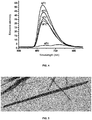
FIG. 3 . Emission spectrum of 1 (λexc = 328 nm) in cyclohexane, the continuous line is (2x10⁻⁴ M), the dashed line is the gel at 4.6x10⁻² M in cyclohexane. -
FIG. 4 . Emission spectrum of the gel state and sol state of 1 at different temperatures in cyclohexane. -
FIG. 5 . Optical microphotograph of the crystals obtained upon cooling hot acetone. -
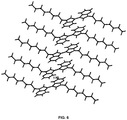
FIG. 6 . Packed crystallographic structure ofcompound 1 -
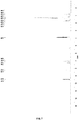
FIG. 7 . 1H NMR spectrum of 1 in CDCl3. -
FIG. 8 . 13C NMR spectrum of 1 in CDCl3. - The invention is illustrated hereunder by means of assays that demonstrate the effectiveness of the product of the invention.
- The synthesis of N-
dioctyl 7,7'-diazaisoindigo (1, Scheme 1) was carried out by means of the alkylation of 7,7'-diazaisoindigo by means of 1-iodooctane in the presence of K2CO3 and DMF at 100°C for 16 hours.
- A mixture of 7,7'-diazaisoindigo (25 mg, 0.09 mmol), 1-iodooctane (0.04 ml, 0.21 mmol) and K2CO3 (39.2 mg, 0.28 mmol) in 2 ml of DMF was heated to 100°C for 16 hours. The red solution was dissolved in CH2Cl2, washed with water and dried with anhydrous MgSO4. The solvent was evaporated and the residue was chromatografied on the silica gel (hexane:acetone, 5:1) to give a red solid (1) (30 mg, 65%):
(E)-1,1'-dioctyl-[3,3'-bipyrrolo[2,3-b]pyridinylidene]-2,2'(1H.1'H)-dione (1): 1H NMR (200 MHz, CDCl3,) δ 9.46 (d, J = 8Hz, 2H), 8.24 (d, J = 8Hz, 2H), 7.02 (dd, J = 8Hz, 2H), 3.90 (t, J = 7.5Hz, 4H), 1.76 (m, 4H), 1.24 (m, 20H), 0.87 (t, J = 6.5Hz, 6H); 13C NMR (50 MHz, CDCl3) δ 167.6, 157.7, 150.2, 137.5, 132.3, 118.4, 116.1, 39.4, 31.8, 29.2, 29.2, 27.8, 27.0, 22.6, 14.1; UV-vis (CH2Cl2, 25°C) λmax (ε) 283 (30690), 327 (12034), 477 (5069); MALDI-TOF MS m/z 489 (M+); HRMS (MALDI-TOF) calculated for C30H40N4O2: 489.3224, found: 489.3240. - In order to obtain the organogel based on compound (1), the powder of this compound was dissolved (at 2.75% w/w) in cyclohexane, used as an apolar solvent, by heating, forming non-fluid gel-type materials after cooling. Additionally, this organogel of 1 is opaque and red in colour, wherein the sol-gel interconversion cycle was assayed by means of the "inverted tube" procedure (
Figure 1a ). - In order to obtain a visual understanding of the aggregation, the morphology of the dried gel (xerogel) was microscopically examined by means of field emission scanning electron microscopy (FE-SEM) (
Figure 1b ). The xerogel of 1, prepared by means of slow cyclohexane evaporation in the gel state, was not homogeneous and long fibres were easily found inside the films (Figure 1b ). In the SEM analysis, the gel was transferred to a silicon substrate and the solvent was slowly evaporated again to give a xerogel. - The spectroscopic characterisations of 1 both in solution and in solid state were studied. The electronic absorption spectrum of 1 in cyclohexane showed three absorption bands in 280, 327, 470 nm (10-5 M) (
Figure 2 ). The absorption band of thexerogel 1 in film on quartz slides showed three absorption bands at 287, 329 and 507 nm, with a broader band absorption spectrum in comparison to the solution state. The absorption spectrum of the xerogel in film state is more batochromically shifted compared to that in a solution state, presumably due to the increased intermolecular interactions between neighbour molecules in the solid state. - The fluorescence spectrum of 1 in a cyclohexane solution (2x10⁻⁴ M) showed two bands, with a maximum at 392 and 618 nm (λexc = 328 nm). However,
compound 1 at 4.6x10⁻² M in cyclohexane forms an organogel, which emits in the red region of the spectrum with a batochromic shift with respect to the diluted solution, which shows a typical AIE characteristic. (Figure 3 ). However, when this organogel is heated in cyclohexane, it can be observed how its emission in gel state is eliminated, observing that it is scarcely fluorescent in the sol state (Figure 4 ). The gel-sol state transition is between 40-45°C. - Therefore, it is conjectured that the supramolecular organogel gelation and formation process induced an aggregation-induced emission phenomenon (AIE). Said AIE behaviour was found during sol-gel phase transition.
- Moreover, the emission spectrum of the xerogel of 1, obtained from the gel state in cyclohexane, also exhibits a considerable batochromic shift compared to the solution diluted in cyclohexane. The xerogel of 1 exhibits an emission band at approximately 610 nm (λexc = 470 nm). The xerogel of 1 also emits fluorescence in the red region of the spectrum in its films in the solid state. This data is significant taking into account that most luminophoric materials are used as solid films due to their practical applications. Therefore, the xerogel of 1 could be used to build fluorescent sensors.
- In order to better understand the fluorescent properties and interactions, various experiments on dependence on the concentration of 1H in RMN were conducted, using cyclohexane-d12 as a deuterated solvent, demonstrating that the formation of organogellants occurs by means of very weak π-π type interactions, since a slight shift of the aromatic signals was observed.
- X-ray diffraction (XRD) has great potential for elucidating the molecular structure of the organogels and can provide information on molecule assembly in the gel phase. XRD of the cyclohexane xerogel (2.75% by weight) has four reflections, three of which in the low angle region in 18.01, 9.00 and 6.00, with a laminar packing ratio corresponding to planes (001), (002) and (003).
- Furthermore, the crystalline structure of 1 was dissolved in acetone/dichloromethane (Table 1, Table 2,
Figures 4, 5 and6 ). Reddish crystals of 1 were obtained, adequate for single-crystal X-ray analysis, from slow evaporation in acetone/dichloromethane. The X-ray analysis indicates thatspecies 1 crystallises in the monoclinic spatial group P21/cTable 1. Crystal 1 dataChemical formula C30H40N4O2 Molecular weight 488.66 Temperature 296(2) K Wavelength 0.71073 Å Crystal size 0.04 x 0.18 x 0.24 mm Crystal habit Light red plate Crystalline system monoclinic Spatial group P21/c a = 18.7376(11) Å α =90° b = 4.8671(3) Å β = 106.762(2)° Unit cell dimensions a = 18.7376(11) Å α = 90° b = 4.8671(3) Å β = 106.762(2)° c = 15.8639(8) Å γ = 90° Volume 1385.28(14) Å3 Z 2 Density (calculated) 1.172 Mg/cm3 Absorption coefficient 0.074 mm-1 F(000) 528 Table 2. Refining data of structure 1Theta range for the data collected 2.27 to 25.35° Ranges of hkl indices -22<=h<=17, -5<=k<=5, - 18<=l<=18 Reflections collected 14003 Independent reflections 2493 [R(int) = 0.0506] Coverage of independent reflections 98.7%. Absorption correction multi-scanning Max. and min. transmission coefficient 0.9970 and 0.9824 Structure solution technique Direct methods Structure solution program SHELXS-97 (Sheldrick, 2008) Refinement method full-matrix least square on F2 method Refinement program SHELXL-97 (Sheldrick, 2008) Minimised function Σ w(Fo2 - Fc2)2 Data / Restrictions / Parameters 2493 / 0 / 165 Goodness-of-fit on F2 1.056 Δ/σ max 0.001 Final R indices 1569 data; I>2σ(I) R1 = 0.0564, wR2 = 0.1270 All data R1 = 0.1045, wR2 = 0.1618 Weighting scheme w=1/[σ2(Fo 2)+(0.0925P)2+0.0000P ] where P=(Fo 2+2Fc 2)/3 Positive and negative peaks of greatest magnitude 0.392 and -0.337 eÅ-3 Greatest R.M.S deviation 0.147 eÅ-3 - The monocrystalline structure of 1 revealed the planarity of the core and a significant intermolecular interaction between adjacent platforms. The crystals of
compound 1 formed crystals in the form of very thin fibres.Compound 1 crystallises in the monoclinic spatial group P21/c. Only one half of the molecule in the asymmetrical unit, with an inversion centre disposed in the centre. The central ring is completely flat; coupling of the molecules in the crystal is achieved by means of π-π interactions that give rise to stair columns parallel to the b direction, where the adjacent molecules at a distance of 3.335 Å, with a slip angle of 43.28°. The slip angle is calculated as the angle between the long axis of a molecule and the centre line of adjacent molecules in the column. The packing of the columns in the crystal showed that the neighbour columns are inclined in the same direction as the angle, while molecule cores in adjacent columns in the c direction show a nearly perpendicular angle of 86.52°.
Claims (11)
- A compound of formula (I):

- The compound, according to claim 1, where Y is CH2.
- The compound, according to the preceding claim, where R1 is a C3-C11 alkyl.
- The compound, according to the preceding claim, where R1 is a heptyl.
- The compound, according to any of the preceding claims, having the following formula:

- Use of a compound of formula (I) for manufacturing fluorescent materials.
- An organogel, comprising at least one compound of formula (I) according to any of claims 1 to 5, characterised in that it emits fluorescence at a wavelength between 600 and 800 nm.
- A xerogel, characterised in that it is the dessicated organogel according to claim 7.
- A device comprising the xerogel according to claim 8.
- Use of the xerogel, according to claim 8, for manufacturing optoelectronic devices.
- Use of the xerogel, according to claim 8, for manufacturing fluorescent sensors.
Applications Claiming Priority (2)
| Application Number | Priority Date | Filing Date | Title |
|---|---|---|---|
| ES201530966A ES2600305B1 (en) | 2015-07-06 | 2015-07-06 | ORGANOGEL BASED ON MOLECULES DERIVED FROM 7,7'-DIAZAISOINDIGO |
| PCT/ES2016/070504 WO2017005956A1 (en) | 2015-07-06 | 2016-07-06 | Organogel based on molecules derived from 7,7'-diazaisoindigo |
Publications (2)
| Publication Number | Publication Date |
|---|---|
| EP3330268A1 true EP3330268A1 (en) | 2018-06-06 |
| EP3330268A4 EP3330268A4 (en) | 2018-12-19 |
Family
ID=57685002
Family Applications (1)
| Application Number | Title | Priority Date | Filing Date |
|---|---|---|---|
| EP16820892.4A Withdrawn EP3330268A4 (en) | 2015-07-06 | 2016-07-06 | Organogel based on molecules derived from 7,7'-diazaisoindigo |
Country Status (6)
| Country | Link |
|---|---|
| US (1) | US20190233410A1 (en) |
| EP (1) | EP3330268A4 (en) |
| JP (1) | JP2018527313A (en) |
| KR (1) | KR20180037963A (en) |
| ES (1) | ES2600305B1 (en) |
| WO (1) | WO2017005956A1 (en) |
Cited By (1)
| Publication number | Priority date | Publication date | Assignee | Title |
|---|---|---|---|---|
| CN110828670A (en) * | 2019-11-28 | 2020-02-21 | 华南理工大学 | A kind of multiplication type organic photodetector based on AIE material and preparation method |
Families Citing this family (1)
| Publication number | Priority date | Publication date | Assignee | Title |
|---|---|---|---|---|
| ES2718418B2 (en) * | 2017-12-29 | 2019-10-31 | Consejo Superior Investigacion | DERIVATIVES OF 7,7'-DIAZAINDIGO AND ITS USES |
Family Cites Families (2)
| Publication number | Priority date | Publication date | Assignee | Title |
|---|---|---|---|---|
| ES2583138B1 (en) * | 2015-02-17 | 2017-06-23 | Consejo Superior De Investigaciones Científicas (Csic) | ORGANOGEL BASED ON 5- (4-NONILFENIL) -7-SELF-ASSEMBLED AZAINDOLS |
| ES2625021B1 (en) * | 2015-12-18 | 2018-05-03 | Consejo Superior De Investigaciones Científicas (Csic) | DERIVATIVE COMPOUNDS 7,7`-DIAZAISOINDIGO AND ITS USES |
-
2015
- 2015-07-06 ES ES201530966A patent/ES2600305B1/en not_active Expired - Fee Related
-
2016
- 2016-07-06 EP EP16820892.4A patent/EP3330268A4/en not_active Withdrawn
- 2016-07-06 WO PCT/ES2016/070504 patent/WO2017005956A1/en not_active Ceased
- 2016-07-06 JP JP2018500728A patent/JP2018527313A/en active Pending
- 2016-07-06 KR KR1020187003544A patent/KR20180037963A/en not_active Withdrawn
- 2016-07-06 US US15/741,441 patent/US20190233410A1/en not_active Abandoned
Cited By (2)
| Publication number | Priority date | Publication date | Assignee | Title |
|---|---|---|---|---|
| CN110828670A (en) * | 2019-11-28 | 2020-02-21 | 华南理工大学 | A kind of multiplication type organic photodetector based on AIE material and preparation method |
| CN110828670B (en) * | 2019-11-28 | 2021-03-30 | 华南理工大学 | A kind of multiplication type organic photodetector based on AIE material and preparation method |
Also Published As
| Publication number | Publication date |
|---|---|
| US20190233410A1 (en) | 2019-08-01 |
| ES2600305B1 (en) | 2017-11-24 |
| KR20180037963A (en) | 2018-04-13 |
| EP3330268A4 (en) | 2018-12-19 |
| ES2600305A1 (en) | 2017-02-08 |
| WO2017005956A1 (en) | 2017-01-12 |
| JP2018527313A (en) | 2018-09-20 |
Similar Documents
| Publication | Publication Date | Title |
|---|---|---|
| KR102053324B1 (en) | Novel compound and organic light emitting device comprising the same | |
| Camerel et al. | Self-assembly of fluorescent amphipathic borondipyrromethene scaffoldings in mesophases and organogels | |
| TWI679268B (en) | Color conversion sheet, light source unit including the color conversion sheet, display, and lighting device | |
| CN106146520B (en) | A kind of high-k, low-dielectric loss low temperature phase change compounds process for production thereof and its application | |
| CN107614659A (en) | Pyrroles's methylene boron complex, color conversion group compound, color change film and include its light source cell, display and illumination | |
| CN108139522B (en) | Color conversion composition, color conversion sheet, and light source unit, display, lighting device, backlight unit, LED chip and LED package including the same | |
| TWI707924B (en) | Ink composition for organic light emitting device | |
| CN110869466A (en) | Low-dimensional inorganic/organic hybrid metal halide perovskites | |
| Feng et al. | Triphenylene 2, 3-dicarboxylic imides as luminescent liquid crystals: Mesomorphism, optical and electronic properties | |
| WO2018021377A1 (en) | Light-emitting particles and compound | |
| TW201910130A (en) | Color conversion composition, color conversion film, and light source unit, display, and illumination therewith | |
| Li et al. | A gelable pure organic luminogen with fluorescence-phosphorescence dual emission | |
| WO2021230133A1 (en) | Polycyclic aromatic compound | |
| Zhang et al. | Organic cation-directed modulation of emissions in zero-dimensional hybrid tin bromides | |
| US20190233410A1 (en) | Organogel based on molecules derived from 7,7'-diazaisoindigo | |
| Chen et al. | Effect of solid-state packing on the photophysical properties of two novel carbazole derivatives containing tetraphenylethylene and cyano groups | |
| KR20210055677A (en) | Color conversion material, color conversion member, light source unit, display, lighting device, color conversion substrate and ink | |
| Ghosh et al. | Minute torsional reorganization elicited a large visible-range fluorescence gain in terphenyl-derived crystals | |
| TW201912762A (en) | Color conversion composition, color conversion sheet, and light source unit, display and lighting device each equipped with same | |
| KR20220098522A (en) | Organic light emitting device | |
| CN106831791A (en) | A class of ethylated pyrazinoquinoxaline derivatives and its preparation method | |
| CN102942568A (en) | 2-[(N- alkyl carbazolyl) vinyl]-1, 8-naphthyridine derivative as well as preparation method and application thereof | |
| CN113773328A (en) | A kind of fluorenyl carbazole macrocyclic compound and its preparation method and application | |
| US20210130298A1 (en) | Bromonaphthalimide compounds and phosphorescent liquid formulation thereof | |
| ES2583138B1 (en) | ORGANOGEL BASED ON 5- (4-NONILFENIL) -7-SELF-ASSEMBLED AZAINDOLS |
Legal Events
| Date | Code | Title | Description |
|---|---|---|---|
| STAA | Information on the status of an ep patent application or granted ep patent |
Free format text: STATUS: THE INTERNATIONAL PUBLICATION HAS BEEN MADE |
|
| PUAI | Public reference made under article 153(3) epc to a published international application that has entered the european phase |
Free format text: ORIGINAL CODE: 0009012 |
|
| STAA | Information on the status of an ep patent application or granted ep patent |
Free format text: STATUS: REQUEST FOR EXAMINATION WAS MADE |
|
| 17P | Request for examination filed |
Effective date: 20180130 |
|
| AK | Designated contracting states |
Kind code of ref document: A1 Designated state(s): AL AT BE BG CH CY CZ DE DK EE ES FI FR GB GR HR HU IE IS IT LI LT LU LV MC MK MT NL NO PL PT RO RS SE SI SK SM TR |
|
| AX | Request for extension of the european patent |
Extension state: BA ME |
|
| DAV | Request for validation of the european patent (deleted) | ||
| DAX | Request for extension of the european patent (deleted) | ||
| A4 | Supplementary search report drawn up and despatched |
Effective date: 20181121 |
|
| RIC1 | Information provided on ipc code assigned before grant |
Ipc: C07D 471/04 20060101AFI20181115BHEP Ipc: H05B 33/14 20060101ALI20181115BHEP Ipc: C09B 7/02 20060101ALI20181115BHEP Ipc: C09K 11/06 20060101ALI20181115BHEP Ipc: H01L 51/00 20060101ALI20181115BHEP Ipc: F21V 9/30 20180101ALI20181115BHEP Ipc: G01N 21/64 20060101ALI20181115BHEP Ipc: H01L 51/50 20060101ALI20181115BHEP |
|
| STAA | Information on the status of an ep patent application or granted ep patent |
Free format text: STATUS: THE APPLICATION IS DEEMED TO BE WITHDRAWN |
|
| 18D | Application deemed to be withdrawn |
Effective date: 20190618 |