EP3328534B1 - Method for the encapsulation of substances in silica-based capsules and the products obtained thereof - Google Patents
Method for the encapsulation of substances in silica-based capsules and the products obtained thereof Download PDFInfo
- Publication number
- EP3328534B1 EP3328534B1 EP16744297.9A EP16744297A EP3328534B1 EP 3328534 B1 EP3328534 B1 EP 3328534B1 EP 16744297 A EP16744297 A EP 16744297A EP 3328534 B1 EP3328534 B1 EP 3328534B1
- Authority
- EP
- European Patent Office
- Prior art keywords
- silica
- hydrophobic
- capsules
- hydrophobic organic
- paos
- Prior art date
- Legal status (The legal status is an assumption and is not a legal conclusion. Google has not performed a legal analysis and makes no representation as to the accuracy of the status listed.)
- Active
Links
Images


Classifications
-
- B—PERFORMING OPERATIONS; TRANSPORTING
- B01—PHYSICAL OR CHEMICAL PROCESSES OR APPARATUS IN GENERAL
- B01J—CHEMICAL OR PHYSICAL PROCESSES, e.g. CATALYSIS OR COLLOID CHEMISTRY; THEIR RELEVANT APPARATUS
- B01J13/00—Colloid chemistry, e.g. the production of colloidal materials or their solutions, not otherwise provided for; Making microcapsules or microballoons
- B01J13/02—Making microcapsules or microballoons
- B01J13/06—Making microcapsules or microballoons by phase separation
- B01J13/14—Polymerisation; cross-linking
- B01J13/18—In situ polymerisation with all reactants being present in the same phase
- B01J13/185—In situ polymerisation with all reactants being present in the same phase in an organic phase
-
- A—HUMAN NECESSITIES
- A61—MEDICAL OR VETERINARY SCIENCE; HYGIENE
- A61K—PREPARATIONS FOR MEDICAL, DENTAL OR TOILETRY PURPOSES
- A61K8/00—Cosmetics or similar toiletry preparations
- A61K8/02—Cosmetics or similar toiletry preparations characterised by special physical form
- A61K8/11—Encapsulated compositions
-
- A—HUMAN NECESSITIES
- A61—MEDICAL OR VETERINARY SCIENCE; HYGIENE
- A61K—PREPARATIONS FOR MEDICAL, DENTAL OR TOILETRY PURPOSES
- A61K8/00—Cosmetics or similar toiletry preparations
- A61K8/18—Cosmetics or similar toiletry preparations characterised by the composition
- A61K8/19—Cosmetics or similar toiletry preparations characterised by the composition containing inorganic ingredients
- A61K8/25—Silicon; Compounds thereof
-
- A—HUMAN NECESSITIES
- A61—MEDICAL OR VETERINARY SCIENCE; HYGIENE
- A61Q—SPECIFIC USE OF COSMETICS OR SIMILAR TOILETRY PREPARATIONS
- A61Q19/00—Preparations for care of the skin
-
- C—CHEMISTRY; METALLURGY
- C08—ORGANIC MACROMOLECULAR COMPOUNDS; THEIR PREPARATION OR CHEMICAL WORKING-UP; COMPOSITIONS BASED THEREON
- C08F—MACROMOLECULAR COMPOUNDS OBTAINED BY REACTIONS ONLY INVOLVING CARBON-TO-CARBON UNSATURATED BONDS
- C08F2/00—Processes of polymerisation
- C08F2/12—Polymerisation in non-solvents
- C08F2/16—Aqueous medium
- C08F2/18—Suspension polymerisation
-
- C—CHEMISTRY; METALLURGY
- C08—ORGANIC MACROMOLECULAR COMPOUNDS; THEIR PREPARATION OR CHEMICAL WORKING-UP; COMPOSITIONS BASED THEREON
- C08F—MACROMOLECULAR COMPOUNDS OBTAINED BY REACTIONS ONLY INVOLVING CARBON-TO-CARBON UNSATURATED BONDS
- C08F20/00—Homopolymers and copolymers of compounds having one or more unsaturated aliphatic radicals, each having only one carbon-to-carbon double bond, and only one being terminated by only one carboxyl radical or a salt, anhydride, ester, amide, imide or nitrile thereof
- C08F20/02—Monocarboxylic acids having less than ten carbon atoms, Derivatives thereof
- C08F20/10—Esters
- C08F20/12—Esters of monohydric alcohols or phenols
- C08F20/14—Methyl esters, e.g. methyl (meth)acrylate
-
- C—CHEMISTRY; METALLURGY
- C08—ORGANIC MACROMOLECULAR COMPOUNDS; THEIR PREPARATION OR CHEMICAL WORKING-UP; COMPOSITIONS BASED THEREON
- C08L—COMPOSITIONS OF MACROMOLECULAR COMPOUNDS
- C08L83/00—Compositions of macromolecular compounds obtained by reactions forming in the main chain of the macromolecule a linkage containing silicon with or without sulfur, nitrogen, oxygen or carbon only; Compositions of derivatives of such polymers
- C08L83/04—Polysiloxanes
- C08L83/06—Polysiloxanes containing silicon bound to oxygen-containing groups
-
- C—CHEMISTRY; METALLURGY
- C08—ORGANIC MACROMOLECULAR COMPOUNDS; THEIR PREPARATION OR CHEMICAL WORKING-UP; COMPOSITIONS BASED THEREON
- C08L—COMPOSITIONS OF MACROMOLECULAR COMPOUNDS
- C08L83/00—Compositions of macromolecular compounds obtained by reactions forming in the main chain of the macromolecule a linkage containing silicon with or without sulfur, nitrogen, oxygen or carbon only; Compositions of derivatives of such polymers
- C08L83/10—Block- or graft-copolymers containing polysiloxane sequences
- C08L83/12—Block- or graft-copolymers containing polysiloxane sequences containing polyether sequences
-
- A—HUMAN NECESSITIES
- A61—MEDICAL OR VETERINARY SCIENCE; HYGIENE
- A61K—PREPARATIONS FOR MEDICAL, DENTAL OR TOILETRY PURPOSES
- A61K2800/00—Properties of cosmetic compositions or active ingredients thereof or formulation aids used therein and process related aspects
- A61K2800/10—General cosmetic use
-
- A—HUMAN NECESSITIES
- A61—MEDICAL OR VETERINARY SCIENCE; HYGIENE
- A61K—PREPARATIONS FOR MEDICAL, DENTAL OR TOILETRY PURPOSES
- A61K2800/00—Properties of cosmetic compositions or active ingredients thereof or formulation aids used therein and process related aspects
- A61K2800/40—Chemical, physico-chemical or functional or structural properties of particular ingredients
- A61K2800/41—Particular ingredients further characterized by their size
- A61K2800/412—Microsized, i.e. having sizes between 0.1 and 100 microns
-
- C—CHEMISTRY; METALLURGY
- C08—ORGANIC MACROMOLECULAR COMPOUNDS; THEIR PREPARATION OR CHEMICAL WORKING-UP; COMPOSITIONS BASED THEREON
- C08G—MACROMOLECULAR COMPOUNDS OBTAINED OTHERWISE THAN BY REACTIONS ONLY INVOLVING UNSATURATED CARBON-TO-CARBON BONDS
- C08G77/00—Macromolecular compounds obtained by reactions forming a linkage containing silicon with or without sulfur, nitrogen, oxygen or carbon in the main chain of the macromolecule
- C08G77/04—Polysiloxanes
- C08G77/14—Polysiloxanes containing silicon bound to oxygen-containing groups
- C08G77/18—Polysiloxanes containing silicon bound to oxygen-containing groups to alkoxy or aryloxy groups
-
- C—CHEMISTRY; METALLURGY
- C08—ORGANIC MACROMOLECULAR COMPOUNDS; THEIR PREPARATION OR CHEMICAL WORKING-UP; COMPOSITIONS BASED THEREON
- C08G—MACROMOLECULAR COMPOUNDS OBTAINED OTHERWISE THAN BY REACTIONS ONLY INVOLVING UNSATURATED CARBON-TO-CARBON BONDS
- C08G77/00—Macromolecular compounds obtained by reactions forming a linkage containing silicon with or without sulfur, nitrogen, oxygen or carbon in the main chain of the macromolecule
- C08G77/42—Block-or graft-polymers containing polysiloxane sequences
- C08G77/46—Block-or graft-polymers containing polysiloxane sequences containing polyether sequences
-
- F—MECHANICAL ENGINEERING; LIGHTING; HEATING; WEAPONS; BLASTING
- F28—HEAT EXCHANGE IN GENERAL
- F28D—HEAT-EXCHANGE APPARATUS, NOT PROVIDED FOR IN ANOTHER SUBCLASS, IN WHICH THE HEAT-EXCHANGE MEDIA DO NOT COME INTO DIRECT CONTACT
- F28D20/00—Heat storage plants or apparatus in general; Regenerative heat-exchange apparatus not covered by groups F28D17/00 or F28D19/00
- F28D20/02—Heat storage plants or apparatus in general; Regenerative heat-exchange apparatus not covered by groups F28D17/00 or F28D19/00 using latent heat
- F28D20/023—Heat storage plants or apparatus in general; Regenerative heat-exchange apparatus not covered by groups F28D17/00 or F28D19/00 using latent heat the latent heat storage material being enclosed in granular particles or dispersed in a porous, fibrous or cellular structure
Definitions
- the present invention relates to a method for enclosing either hydrophobic or hydrophilic substances in silica-based micro- and nanocapsules via emulsion techniques. More specifically, it relates to a method for the preparation of 0.01 - 100 ⁇ m, particularly 0.01 - 10 ⁇ m, silica-based microcapsules containing up to 99 % (w/w) payload using a silica precursor polymer, polyalkoxysiloxane (PAOS), preferentially polyalkylalkoxysiloxane (R-PAOS), which acts not only as a silica source but also an emulsifier.
- PAOS polyalkoxysiloxane
- R-PAOS preferentially polyalkylalkoxysiloxane
- Microcapsules are hollow tiny particles consisting of a solid shell that surrounds a core-forming space available to entrap substances. Microencapsulation finds numerous applications in various fields ranging from food and cosmetics to pharmacy and medicine, implementing protection and controlled release of active substances.
- Organic polymers are the most widely used shell materials, and the industrial processes for encapsulating active substances into polymer microcapsules include interfacial polymerization, extrusion, coacervation, spray-drying, etc. (for more details see: Lakkis, J. M., Encapsulation and Controlled Release Technologies in Food Systems. 1st ed.; Blackwell: Ames, 2007 ).
- Silica is a promising alternative to organic capsule materials owing to its chemical inertness, mechanical stability, biocompatibility, optical transparency and easy functionalization.
- Sol-gel technology which combines the control of composition and microstructure at the molecular level with the ability to shape the material to particles, fibers, and thin films under mild and low-energy conditions, is a well-established method for the encapsulation of different substances within a silica shell (for more details see: Pagliaro, M., Silica-Based Materials for Advanced Chemical Applications, The Royal Society of Chemistry, Cambridge, 2009 ; Ciriminna, R.; Sciortino, M.; Alonzo, G.; de Schrijver, A.; Pagliaro, M., From Molecules to Systems: Sol-Gel Microencapsulation in Silica-Based Materials.
- organic molecules are entrapped in the inner porosity of a silica-based matrix by simply adding the dopant molecules at the onset of the sol-gel process.
- Low molecular silanes like tetraalkoxysilanes and alkyltrialkoxysilanes were used as the monomers to be condensed to the silica-based matrix.
- silica is formed at the interface between the oil and water phases, and the dispersed aqueous or oil phase can be encapsulated.
- surfactants are normally added.
- US 6,303,149 B1 describes the formation of silica capsules containing organic substances by the combination of oil-in-water emulsions and sol-gel technology in the presence of surfactants.
- surfactant-stabilized water-in-oil emulsions was described e.g.
- a process for the preparation of silica nanocapsules in an oil-in-water emulsion using PAOS as the silica precursor is disclosed, where the emulsion is stabilized by PAOS and silica nanoparticles that also catalyze the conversion of PAOS into silica.
- Silica microcapsules can also be prepared from emulsions without any surfactant by using a two-step sol-gel process (acid-catalyzed hydrolysis and base-catalyzed condensation) in an emulsified mixture ( Radin, S.; Chen, T.; Ducheyne, P., The Controlled Release of Drugs from Emulsified, Sol Gel Processed Silica Microspheres.
- an aqueous silica sol prepared from tetraethoxysilane containing active substances is emulsified in a hydrophobic liquid, so it is suitable only for hydrophilic water-dispersible substances.
- the size of the resulting silica particles is mostly above 10 ⁇ m, and is mainly dependent on the speed of stirring during emulsification. Furthermore, no information regarding the internal morphology of these particles is available. Most probably, the substances were encapsulated in the silica matrix, i.e. no core-shell structure was formed.
- WO 2007/037202 discloses a silica-combined polymer particle comprising a polymer ingredient derived from a polymerizable vinyl monomer and a silica ingredient, wherein the silica ingredient is a condensate derived from a PAOS oligomer inert to the polymerizable vinyl monomer.
- US 6,337,089 discloses a microcapsule containing core material and a capsule wall, in which the capsule wall of the microcapsule comprises organosilicone resin formed from a hydrolytic condensate of organosilanes containing hydroxyl-groups.
- JP 2000-225332 discloses a membrane wall formed from the hydrolytic condensate of organosilanes containing hydroxyl-groups.
- the object underlying the present invention is to provide an improved straightforward method for the preparation of silica-based micro- and nanocapsules.
- the present invention relates to a process for the preparation of silica-based micro- and nanocapsules loaded with up to 99 % (w/w) hydrophobic organic liquid compounds, comprising the step of: emulsifying a hydrophobic, water insoluble liquid comprising (i) PAOS or amphiphilic PAOS that are partially substituted with hydrophilic groups and (ii) a hydrophobic organic liquid in an aqueous solution, without additional surfactants and without any preformed (nano)particles like silica nanoparticles, under shearing forces for a time period sufficient to form the silica-based capsules.
- hydrophobic organic liquids examples include alkanes (cf. Example 1), alkenes, alkynes, esters, ethers, ketones, aldehydes, aromatic compounds, polymers (cf. Example 2), etc.
- US 6,337,089 and JP 2000-225332 disclose a process for the preparation of capsules from organosilicone (silicone resin) containing at least one non-hydrolyzable organic group, whereas the present invention is directed to inorganic SiO 2 capsules.
- the resin precursor is synthesized and dispersed in water.
- PAOS used in the present invention is hydrophobic, it is applied from the organic phase.
- the present invention relates to a process for the preparation of silica-based micro- and nanocapsules loaded with up to 99 % (w/w) hydrophobic, water insoluble polymers, comprising the steps of:
- This embodiment (second embodiment) can be of particular interest for the coating industry, since such core-shell particles were used as a key component for the preparation of antireflective coatings ( WO2008/028640 A2 ).
- non-(co)polymerizable hydrophobic organic compounds which can turn into a liquid form at the emulsification temperature, can additionally be added in step a).
- silica-based micro- and nanocapsules can be obtained where non-(co)polymerizable hydrophobic organic compounds are then encapsulated in the polystyrene@SiO 2 core-shell micro- and nanocapsules (cf. Example 6).
- the non-(co)polymerizable hydrophobic compounds are selected from alkanes, esters, ethers, ketones, aldehydes, aromatic compounds, polymers and etc.
- WO 2007/037202 discloses a silica-combined polymer particle comprising a polymer ingredient derived from a polymerizable vinyl monomer and a silica ingredient, it describes a respective manufacturing process which requires preformed particles to stabilize the emulsion.
- the emulsions are stabilized by PAOS only.
- a silica precursor polymer, PAOS is utilized as a sole emulsion stabilizer due to its water insolubility and at the same time pronounced amphiphilicity induced by hydrolysis at the oil/water interface.
- the present invention relates to a process for the preparation of silica-based micro- and nanocapsules loaded with up to 99 % (w/w) crystallizable at room temperature hydrophobic, water-insoluble substances, comprising the steps of:
- hydrophobic organic compounds solids that are meltable at high temperature include waxes, e.g. alkanes, esters of alkyl alcohols and alkyl carboxylic acids, or their mixtures.
- This embodiment (second embodiment) is of particular interest for the cosmetic industry where waxes are widely employed as an important cosmetic ingredient.
- the hydrophobic waxes can be turned to be hydrophilic; hence the formulation possibility can be significantly broadened.
- the waxes are organic phase change materials; the microencapsulation improves their processability, e.g. the ability to form composite materials with polymer matrices, and reusability.
- docosane and myristyl myristate can be mentioned here (cf. Examples 8 and 9).
- the encapsulation reaction is conducted at a temperature above the melting temperature of the solids. After the condensation reaction is over, the system is cooled down to room temperature.
- hydrophobic organic compounds such as alkanes, alkenes, alkynes, esters, ethers, ketones, aldehydes, aromatic compounds, polymers like e.g. poly(dimethylsiloxane) PDMS, etc. that are in a liquid form at the emulsification temperature can additionally be added in step a), i.e. in the form of a mixture with the at room temperature crystallizable, hydrophobic organic compound (solids); cf.
- Example 10 This option is of particular interest for the cosmetic industry, since the hydrophobic organic compounds can be organic fragrances and flavours.
- a polymer such as PDMS can be added in step a), besides PAOS and the at room temperature crystallizable, hydrophobic organic compound, leading to PDMS@crystallizable, hydrophobic organic compound@SiO 2 capsules; cf.
- PDMS is widely used in cosmetics e.g. for skin protection.
- the present invention relates to a process for the preparation of silica-based micro- and nanocapsules loaded with up to 95 % (w/w) hydrophilic, water soluble substances, comprising the steps of:
- the aqueous solution containing hydrophilic, water soluble substances can also be pure water, i.e. H 2 O itself (cf. Example 13) or any aqueous solutions containing e.g. peroxides, salts, vitamins, peptides, dyes, carbohydrates (cf. Example 14), etc..
- non-(co)polymerizable hydrophobic organic compounds which can turn into a liquid form at the emulsification temperature, can additionally be added in step a) or b) of this fourth embodiment.
- these substances are incorporated into the polymer layer of the capsules.
- the non-(co)polymerizable hydrophobic compounds can be alkanes, esters, ethers, ketones, aldehydes, aromatic compounds, or polymers, etc..
- the present invention relates to a process for the preparation of silica-based micro- and nanocapsules loaded with up to 95 % (w/w) hydrophilic, water soluble substances, comprising the steps of:
- one or more hydrophobic organic compounds which can turn into a liquid form at the emulsification temperature, can additionally be added in step a) or b).
- these substances are incorporated into the wax layer of the capsules.
- the hydrophobic compounds can be alkanes, alkenes, alkynes, esters, ethers, ketones, aldehydes, aromatic compounds, or polymers, etc..
- the processes of the present invention enable to obtain mechanically stable 0.01 - 100 ⁇ m silica-based microcapsules enclosing either hydrophobic or hydrophilic substances using silica precursor polymers, PAOS or R-PAOS, as silica sources and simultaneously as stabilizers of emulsions without any additional surfactant or preformed (nano)particles but in combination with (partial) solidification of the organic phase.
- the present invention allows preparation of capsules with a diameter less than 10 ⁇ m, preferably less than 0.6 ⁇ m with a size variation less than 20 % with up to 100 % encapsulation efficiency and up to 99 % (w/w) payload.
- Encapsulation of a hydrophobic payload exploits polyalkoxysiloxane (PAOS), preferentially polyalkylalkoxysiloxane (R-PAOS), as a silica precursor preferentially in combination with a solidification process of the hydrophobic organic phase.
- PAOS or R-PAOS acts as an efficient emulsifier as well as the source for the formation of a silica shell around the organic microdroplets.
- the solidification process can be caused by polymerization, vitrification or crystallization.
- Resulting microcapsules are dispersed in water in a stable form, and can be isolated in a powder form, and afterwards be redispersed in water.
- hydrophilic compounds For the encapsulation of hydrophilic compounds, their aqueous solution is first emulsified in the organic phase containing PAOS or R-PAOS, and the resulting oil-in-water emulsion is then dispersed in water to result in a water-in-oil-in-water double emulsion. After ageing, the aqueous solution of the hydrophilic compounds is entrapped in the silica-based capsules.
- hydrophobic organic substances can be simultaneously encapsulated in the organic phase of the capsules.
- the processes of the present invention are based on the formation of oil-in-water emulsions of a hydrophobic mixture that is comprised of PAOS or R-PAOS, hydrophobic substances to be loaded, and preferentially polymerizable or crystallizable hydrophobic compounds in an aqueous solution, or water-in-oil-water emulsions containing the water soluble substances to be loaded in the inner aqueous phase and a hydrophobic mixture that is comprised of PAOS or R-PAOS, preferentially polymerizable or crystallizable hydrophobic compounds and optionally hydrophobic substances to be loaded.
- the oil phase should preferentially be (partially) solidified by polymerization or crystallization.
- the pH of the outer continuous aqueous solution lies in the range of 1 - 12, more preferably 3 - 11, even more preferably 4-10.
- PAOS are partially condensed products of tetraalkoxysilane that can be polymethoxysiloxanes, polyethoxysiloxanes, polypropoxysiloxanes, polybutoxysiloxanes etc. or with mixed alkoxy groups. Some of them are commercially available, for example polyethoxysiloxane with silica content 40 % (w/w) (SE40), polyethoxysiloxane with silica content 48 % (w/w) (SE48) and polymethoxysiloxanes with silica content 53 % (w/w) (ME53).
- SE40 polyethoxysiloxane with silica content 40 % (w/w)
- SE48 polyethoxysiloxane with silica content 48 % (w/w)
- ME53 polymethoxysiloxanes with silica content 53 % (w/w)
- PAOS can also be synthesized according to the literature procedures ( Abe, Y.; Shimano, R.; Arimitsu, K.; Gunji, T., Preparation and Properties of High Molecular Weight Polyethoxysiloxanes Stable to Self-Condensation by Acid-Catalyzed Hydrolytic Polycondensation of Tetraethoxysilane. J. Polym. Sci., Part A: Polym. Chem. 2003, 41, 2250-2255 , DE 10261289 A1 or Zhu, X. M.; Jaumann, M.; Peter, K.; Möller, M.; Melian, C.; Adams-Buda, A.; Demco, D.
- PAOS may contain two or more types of alkoxy groups, for example polyethoxysiloxane substituted partially with poly(ethylene glycol) monomethyl ether described in Wang, H.; Agrawal, G.; Tsarkova, L.; Zhu, X. M.; Möller, M., Self-Templating Amphiphilic Polymer Precursors for Fabricating Mesostructured Silica Particles: A Water-Based Facile and Universal Method. Adv. Mater. 2013, 25, 1017-1021 .
- R-PAOS are prepared by co-condensation of tetraalkoxysilane with alkyltrialkoxysilane and/or dialkyldialkoxysilane.
- PAOS or R-PAOS as used in the present invention have preferably a molecular weight in the range of 500 - 20000 and the silica content in the range of 40 - 60 % (w/w).
- Different oil-in-water or water-in-oil-in-water emulsions are stabilized either by amphiphilic PAOS or R-PAOS, for example polyethoxysiloxane substituted partially with hydrophilic groups, e.g. poly(ethylene glycol) monomethyl ether, or by PAOS or R-PAOS partially hydrolyzed during the emulsification process.
- Amphiphilic PAOS or R-PAOS for example polyethoxysiloxane substituted partially with hydrophilic groups, e.g. poly(ethylene glycol) monomethyl ether, or by PAOS or R-PAOS partially hydrolyzed during the emulsification process.
- the substitution degree of amphiphilic PAOS i.e. PAOS partially substituted with hydrophilic groups, should be adjusted so that the hydrophilic-lipophilic balance (HLB) of the resulting molecule lies in the range of 1 - 16, more specifically 2 - 12, and even more specifically 3 - 10.
- the emulsions are created under appropriate shear forces, using an apparatus such as a sonicator, a microfluidizer, a (high pressure) homogenizer, a stirrer, etc.
- the encapsulated substances can be a wide range of hydrophobic substances that include any hydrophobic liquids and any solids that melt into hydrophobic liquids at high temperature. Hydrophobic substances can be either pure compounds or mixtures.
- the enclosed substances can also be a wide range of hydrophilic compounds, which are water soluble liquid or solids, and can be either pure compounds or mixtures. They are dissolved in water to form an aqueous solution, which is in turn encapsulated.
- the polymerizable hydrophobic monomers are any hydrophobic monomers which can be radically polymerized. They can be styrene, methyl styrene, alkyl methacrylates, alkyl acrylates, acrylonitrile, etc. or their mixtures. Monomers with two or more carbon-carbon double bonds such as divinylbenzene, di(meth)acrylates or tri(meth)acrylates can also be added to the monomer mixture.
- the initiator should be oil-soluble, it can be a thermal initiator, for example, 2,2'-azobis(2-methylpropionitrile) (AIBN), 2,2'-azobis-(2,4-dimethylvaleronitrile), 2,2'-azobis-(2-methylbutyronitrile), benzoyl peroxide, etc. or a photoinitiator like acetophenone, anisoin, benzoin alkyl ether, etc.
- AIBN 2,2'-azobis(2-methylpropionitrile)
- 2,2'-azobis-(2,4-dimethylvaleronitrile) 2,2'-azobis-(2-methylbutyronitrile
- benzoyl peroxide etc.
- a photoinitiator like acetophenone, anisoin, benzoin alkyl ether, etc.
- the heating can last from 1 h to 3 days.
- the loaded silica capsules can be isolated by centrifugation or filtration and subsequent drying.
- the particle size of the final product can be controlled in the range of 0.01 - 100 ⁇ m, more preferentially 0.01 - 10 ⁇ m, even more preferentially 0.01 - 0.6 ⁇ m.
- the particles obtained by the present processes have good mechanical strength. They can sustain high shear forces, e.g. under ultrasonication, maintaining the encapsulation properties and particle size distribution.
- the particles can also be calcined at a temperature above 500°C such that the organic core is removed resulting in hollow silica particles.
- the payload of the encapsulated substances in the silica capsules may be from zero up to 99 % weight, in cases where double emulsions are involved (cf. fourth and fifth embodiments) up to 95 % weight.
- PAOS was synthesized according to Zhu, X. M.; Jaumann, M.; Peter, K.; Möller, M.; Melian, C.; Adams-Buda, A.; Demco, D. E.; Blümich, B., One-Pot Synthesis of Hyperbranched Polyethoxysiloxanes.
- Macromolecules 2006, 39, 1701-1708 and the resulting polyethoxysiloxane had a silica content of 49.2 % (w/w) and Mn of 1740 g mol -1 according to GPC calibrated by polystyrene standards.
- the other compounds were all obtained from Sigma-Aldrich.
- the synthetic route was similar to that described in Example 2, only instead of 1.2 g methylmethacrylate a mixture of 0.4 g styrene and 0.8 g methylmethacrylate was used. Poly(methylmethacrylate- co -styrene)@SiO 2 core-shell nanoparticles were obtained. According to electron microscopy data, the size of the core-shell nanoparticles was ca. 200 nm and was narrowly distributed. The silica shell thickness was ca. 20 nm.
- the synthetic route was similar to that described in Example 1, only instead of 1.2 g styrene a mixture of 1.2 g styrene and 0.6 g hexadecane was used. Hexadecane was then encapsulated in polystyrene@SiO 2 core-shell capsules. According to electron microscopy data, the size of the capsules was ca. 100 nm.
- the synthetic route was similar to that described in Example 1, only instead of 1.2 g styrene a mixture of 1.2 g styrene and 0.6 g hexyl acetate was used. Hexyl acetate was then encapsulated in the polystyrene@SiO 2 core-shell nanocapsules. According to electron microscopy data, the size of the core-shell nanocapsules was ca. 150 nm.
- 1.2 g docosane powder was added into 30 g of water of pH 7 at 60 °C. After complete melting of docosane, 1.2 g polyethoxysiloxane was added. The mixture was then emulsified by means of sonication at 60 °C. The resulting milky emulsion was gently stirred at 60 °C for 1 day. The obtained particles were isolated by centrifugation at 11000 rpm, rinsed 3 times with water, and then dried. According to electron microscopy data, the size of the core-shell nanoparticles and nanocapsules was ca. 480 nm and was narrowly distributed. The silica shell thickness was ca. 20 nm.
- the synthetic route was similar to that described in Example 7, only instead of 1.2 g myristyl myristate 1.2 g of a mixture of myristyl myristate and octyl acetate (weight ratio 1:1) was used. This mixture was then encapsulated in SiO 2 capsules with a size ranging from 4 to 8 ⁇ m.
- the synthetic route was similar to that described in Example 11. Only 0.24 g pure water, which was encapsulated, was replaced by 0.24 g of a 5 % (w/w) aqueous solution of glucose. Thus the glucose solution@SiO 2 @polystyrene@SiO 2 capsules of ca. 200 nm were obtained.
Landscapes
- Chemical & Material Sciences (AREA)
- Health & Medical Sciences (AREA)
- Organic Chemistry (AREA)
- Chemical Kinetics & Catalysis (AREA)
- Life Sciences & Earth Sciences (AREA)
- Medicinal Chemistry (AREA)
- Polymers & Plastics (AREA)
- Veterinary Medicine (AREA)
- Animal Behavior & Ethology (AREA)
- General Health & Medical Sciences (AREA)
- Public Health (AREA)
- Epidemiology (AREA)
- Birds (AREA)
- Dispersion Chemistry (AREA)
- Inorganic Chemistry (AREA)
- Dermatology (AREA)
- Manufacturing Of Micro-Capsules (AREA)
- Medicinal Preparation (AREA)
- Cosmetics (AREA)
Description
- The present invention relates to a method for enclosing either hydrophobic or hydrophilic substances in silica-based micro- and nanocapsules via emulsion techniques. More specifically, it relates to a method for the preparation of 0.01 - 100 µm, particularly 0.01 - 10 µm, silica-based microcapsules containing up to 99 % (w/w) payload using a silica precursor polymer, polyalkoxysiloxane (PAOS), preferentially polyalkylalkoxysiloxane (R-PAOS), which acts not only as a silica source but also an emulsifier. In order to obtain mechanically more stable capsules, the conversion of PAOS or R-PAOS is accompanied with the solidification of the organic phase. For the encapsulation of hydrophobic substances, oil-in-water emulsions are formed. The formation of water-in-oil-in-water double emulsions is required to encapsulate hydrophilic compounds.
- Microcapsules are hollow tiny particles consisting of a solid shell that surrounds a core-forming space available to entrap substances. Microencapsulation finds numerous applications in various fields ranging from food and cosmetics to pharmacy and medicine, implementing protection and controlled release of active substances.
- Organic polymers are the most widely used shell materials, and the industrial processes for encapsulating active substances into polymer microcapsules include interfacial polymerization, extrusion, coacervation, spray-drying, etc. (for more details see: Lakkis, J. M., Encapsulation and Controlled Release Technologies in Food Systems. 1st ed.; Blackwell: Ames, 2007).
- Silica is a promising alternative to organic capsule materials owing to its chemical inertness, mechanical stability, biocompatibility, optical transparency and easy functionalization. Sol-gel technology which combines the control of composition and microstructure at the molecular level with the ability to shape the material to particles, fibers, and thin films under mild and low-energy conditions, is a well-established method for the encapsulation of different substances within a silica shell (for more details see: Pagliaro, M., Silica-Based Materials for Advanced Chemical Applications, The Royal Society of Chemistry, Cambridge, 2009; Ciriminna, R.; Sciortino, M.; Alonzo, G.; de Schrijver, A.; Pagliaro, M., From Molecules to Systems: Sol-Gel Microencapsulation in Silica-Based Materials. Chem. Rev. 2011, 111, 765-789). In practice, organic molecules are entrapped in the inner porosity of a silica-based matrix by simply adding the dopant molecules at the onset of the sol-gel process. Low molecular silanes like tetraalkoxysilanes and alkyltrialkoxysilanes were used as the monomers to be condensed to the silica-based matrix.
- To entrap substances in silica microcapsules the sol-gel technology is generally combined with emulsions including mini- and micro-emulsions as soft templates to prepare capsular structures. In this case silica is formed at the interface between the oil and water phases, and the dispersed aqueous or oil phase can be encapsulated. For the stabilization of emulsions, surfactants are normally added. For example,
US 6,303,149 B1 describes the formation of silica capsules containing organic substances by the combination of oil-in-water emulsions and sol-gel technology in the presence of surfactants. The use of surfactant-stabilized water-in-oil emulsions to prepare silica-based microcapsules was described e.g. in Barbé, C. J.; Kong, L.; Finnie, K. S.; Calleja, S.; Hanna, J. V.; Drabarek, E.; Cassidy, D. T.; Blackford, M. G., Sol-Gel Matrices for Controlled Release: From Macro to Nano Using Emulsion Polymerization. J. Sol-Gel Sci. Technol. 2008, 46, 393-410. In order to form nanosized emulsion droplets and subsequently nanocapsules, the surfactant concentration should be very high, but their complete removal is often problematic. Solid particles can also be employed instead of traditional surfactant molecules to stabilize emulsions due to their interfacial activity (Pickering, S. U., J. Chem. Soc., Trans. 1907, 91, 2001-2021; Ramsden, W., Proc. R. Soc. Lond. 1903, 72, 156-164). These so-called Pickering emulsions can be used to create hollow structures named colloidosomes by fixing the stabilizing colloidal particles at the interface. Microsized all-silica colloidosomes enclosing an aqueous or oil phase were obtained by gluing silica nanoparticles at the water-oil interface using PAOS in water-in-oil or oil-in-water Pickering emulsions, respectively (Wang, H. L.; Zhu, X. M.; Tsarkova, L.; Pich, A.; Möller, M., All-Silica Colloidosomes with a Particle-Bilayer Shell. ACS Nano 2011, 5, 3937-3942; Zhao, Y. L.; Li, Y. Q.; Demco, D. E.; Zhu, X. M.; Möller, M., Microencapsulation of Hydrophobic Liquids in Closed All-Silica Colloidosomes. Langmuir 2014, 30, 4253-4261). InEP 2 832 691 A1 a process for the preparation of silica nanocapsules in an oil-in-water emulsion using PAOS as the silica precursor is disclosed, where the emulsion is stabilized by PAOS and silica nanoparticles that also catalyze the conversion of PAOS into silica. Silica microcapsules can also be prepared from emulsions without any surfactant by using a two-step sol-gel process (acid-catalyzed hydrolysis and base-catalyzed condensation) in an emulsified mixture (Radin, S.; Chen, T.; Ducheyne, P., The Controlled Release of Drugs from Emulsified, Sol Gel Processed Silica Microspheres. Biomaterials 2009, 30, 850-858). In this process an aqueous silica sol prepared from tetraethoxysilane containing active substances is emulsified in a hydrophobic liquid, so it is suitable only for hydrophilic water-dispersible substances. The size of the resulting silica particles is mostly above 10 µm, and is mainly dependent on the speed of stirring during emulsification. Furthermore, no information regarding the internal morphology of these particles is available. Most probably, the substances were encapsulated in the silica matrix, i.e. no core-shell structure was formed. - PAOS was so far used only as a silica precursor to generate sol-gel silica. For example,
WO 2007/037202 discloses a silica-combined polymer particle comprising a polymer ingredient derived from a polymerizable vinyl monomer and a silica ingredient, wherein the silica ingredient is a condensate derived from a PAOS oligomer inert to the polymerizable vinyl monomer.US 6,337,089 discloses a microcapsule containing core material and a capsule wall, in which the capsule wall of the microcapsule comprises organosilicone resin formed from a hydrolytic condensate of organosilanes containing hydroxyl-groups.JP 2000-225332 - The object underlying the present invention is to provide an improved straightforward method for the preparation of silica-based micro- and nanocapsules.
- This object and others, which will become apparent from the following disclosure, are achieved by the following embodiments characterized in the accompanying claims.
- In a first embodiment, the present invention relates to a process for the preparation of silica-based micro- and nanocapsules loaded with up to 99 % (w/w) hydrophobic organic liquid compounds, comprising the step of:
emulsifying a hydrophobic, water insoluble liquid comprising (i) PAOS or amphiphilic PAOS that are partially substituted with hydrophilic groups and (ii) a hydrophobic organic liquid in an aqueous solution, without additional surfactants and without any preformed (nano)particles like silica nanoparticles, under shearing forces for a time period sufficient to form the silica-based capsules. - Examples of the hydrophobic organic liquids, which can be used in said first embodiment, are alkanes (cf. Example 1), alkenes, alkynes, esters, ethers, ketones, aldehydes, aromatic compounds, polymers (cf. Example 2), etc.
-
US 6,337,089 andJP 2000-225332 - In order to obtain mechanically more stable capsules, the conversion of PAOS or R-PAOS is accompanied with the solidification of the organic phase.
- In a second embodiment, the present invention relates to a process for the preparation of silica-based micro- and nanocapsules loaded with up to 99 % (w/w) hydrophobic, water insoluble polymers, comprising the steps of:
- a) emulsifying a hydrophobic, water insoluble solution comprising (i) PAOS, (ii) radically polymerizable hydrophobic organic monomers and (iii) an initiator in an aqueous solution under shearing forces without additional surfactants and without any preformed (nano)particles like silica nanoparticles; and
- b) heating the resulting emulsion to a higher temperature to induce the polymerization for a time period sufficient to form the silica-based capsules,
- c) cooling the mixture down to room temperature, and
- d) isolating the thus obtained polymer@SiO2 capsules.
- This embodiment (second embodiment) can be of particular interest for the coating industry, since such core-shell particles were used as a key component for the preparation of antireflective coatings (
WO2008/028640 A2 ). - In this second embodiment, optionally non-(co)polymerizable hydrophobic organic compounds, which can turn into a liquid form at the emulsification temperature, can additionally be added in step a). When using styrene as the radically polymerizable hydrophobic organic monomer, silica-based micro- and nanocapsules can be obtained where non-(co)polymerizable hydrophobic organic compounds are then encapsulated in the polystyrene@SiO2 core-shell micro- and nanocapsules (cf. Example 6). The non-(co)polymerizable hydrophobic compounds are selected from alkanes, esters, ethers, ketones, aldehydes, aromatic compounds, polymers and etc.
- While
WO 2007/037202 discloses a silica-combined polymer particle comprising a polymer ingredient derived from a polymerizable vinyl monomer and a silica ingredient, it describes a respective manufacturing process which requires preformed particles to stabilize the emulsion. To the contrary, in the present invention the emulsions are stabilized by PAOS only. According to the present invention, a silica precursor polymer, PAOS, is utilized as a sole emulsion stabilizer due to its water insolubility and at the same time pronounced amphiphilicity induced by hydrolysis at the oil/water interface. - In a third embodiment, the present invention relates to a process for the preparation of silica-based micro- and nanocapsules loaded with up to 99 % (w/w) crystallizable at room temperature hydrophobic, water-insoluble substances, comprising the steps of:
- a) emulsifying a hydrophobic, water insoluble mixture comprising (i) PAOS and (ii) an at room temperature crystallizable, hydrophobic organic compound in an aqueous solution under shearing forces at a temperature above the melting temperature of the crystallizable organic material without additional surfactants and without any preformed (nano)particles like silica nanoparticles, and
- b) subsequently heating the emulsion obtained in step a) for a time period sufficient to form the silica-based capsules,
- c) cooling the mixture down to room temperature, and
- d) isolating the thus obtained crystallizable, hydrophobic organic compound@SiO2 capsules.
- At room temperature (i.e. ca. 23°C) crystallizable, hydrophobic organic compounds (solids) that are meltable at high temperature include waxes, e.g. alkanes, esters of alkyl alcohols and alkyl carboxylic acids, or their mixtures. This embodiment (second embodiment) is of particular interest for the cosmetic industry where waxes are widely employed as an important cosmetic ingredient. Using this technique the hydrophobic waxes can be turned to be hydrophilic; hence the formulation possibility can be significantly broadened. Furthermore, the waxes are organic phase change materials; the microencapsulation improves their processability, e.g. the ability to form composite materials with polymer matrices, and reusability. For example, docosane and myristyl myristate can be mentioned here (cf. Examples 8 and 9). In this case, the encapsulation reaction is conducted at a temperature above the melting temperature of the solids. After the condensation reaction is over, the system is cooled down to room temperature.
- Optionally hydrophobic organic compounds such as alkanes, alkenes, alkynes, esters, ethers, ketones, aldehydes, aromatic compounds, polymers like e.g. poly(dimethylsiloxane) PDMS, etc. that are in a liquid form at the emulsification temperature can additionally be added in step a), i.e. in the form of a mixture with the at room temperature crystallizable, hydrophobic organic compound (solids); cf.
- Example 10. This option is of particular interest for the cosmetic industry, since the hydrophobic organic compounds can be organic fragrances and flavours.
- Optionally, also a polymer such as PDMS can be added in step a), besides PAOS and the at room temperature crystallizable, hydrophobic organic compound, leading to PDMS@crystallizable, hydrophobic organic compound@SiO2 capsules; cf. Example 11. PDMS is widely used in cosmetics e.g. for skin protection.
- In a fourth embodiment, the present invention relates to a process for the preparation of silica-based micro- and nanocapsules loaded with up to 95 % (w/w) hydrophilic, water soluble substances, comprising the steps of:
- a) emulsifying an aqueous solution containing hydrophilic, water soluble substances in a hydrophobic, water insoluble solution comprising (i) PAOS, (ii) radically polymerizable hydrophobic organic monomers and (iii) an initiator under shearing forces without additional surfactants and without any preformed (nano)particles like silica nanoparticles,
- b) emulsifying the water-in-oil emulsion of step a) in an aqueous solution under shearing forces without additional surfactants and without any preformed (nano)particles like silica nanoparticles,
- c) heating the emulsion of step b) to a higher temperature to induce the polymerization for a time period sufficient to form the silica-based capsules,
- d) cooling the mixture down to room temperature, and
- e) isolating the thus obtained silica-based capsules.
- In this fourth embodiment the aqueous solution containing hydrophilic, water soluble substances can also be pure water, i.e. H2O itself (cf. Example 13) or any aqueous solutions containing e.g. peroxides, salts, vitamins, peptides, dyes, carbohydrates (cf. Example 14), etc..
- Optionally, non-(co)polymerizable hydrophobic organic compounds, which can turn into a liquid form at the emulsification temperature, can additionally be added in step a) or b) of this fourth embodiment. Thus, these substances are incorporated into the polymer layer of the capsules. The non-(co)polymerizable hydrophobic compounds can be alkanes, esters, ethers, ketones, aldehydes, aromatic compounds, or polymers, etc..
- In a fifth embodiment, the present invention relates to a process for the preparation of silica-based micro- and nanocapsules loaded with up to 95 % (w/w) hydrophilic, water soluble substances, comprising the steps of:
- a) emulsifying an aqueous solution containing hydrophilic, water soluble substances in a hydrophobic, water insoluble mixture comprising (i) PAOS, (ii) molten organic compounds that crystallize at room temperature under shearing forces at a temperature above the melting temperature of the crystallizable organic material without additional surfactants and without preformed (nano)particles like silica nanoparticles,
- b) emulsifying the water-in-oil emulsion of step a) in an aqueous solution at a temperature above the melting temperature of the crystallizable organic material without additional surfactants and without any preformed (nano)particles like silica nanoparticles,
- c) subsequently heating the emulsion obtained in step b) for a time period sufficient to form the silica-based capsules,
- d) cooling the mixture down to room temperature, and
- e) isolating the thus obtained silica-based capsules.
- Optionally, one or more hydrophobic organic compounds, which can turn into a liquid form at the emulsification temperature, can additionally be added in step a) or b). Thus, these substances are incorporated into the wax layer of the capsules. The hydrophobic compounds can be alkanes, alkenes, alkynes, esters, ethers, ketones, aldehydes, aromatic compounds, or polymers, etc..
- The processes of the present invention enable to obtain mechanically stable 0.01 - 100 µm silica-based microcapsules enclosing either hydrophobic or hydrophilic substances using silica precursor polymers, PAOS or R-PAOS, as silica sources and simultaneously as stabilizers of emulsions without any additional surfactant or preformed (nano)particles but in combination with (partial) solidification of the organic phase.
- Preferentially, the present invention allows preparation of capsules with a diameter less than 10 µm, preferably less than 0.6 µm with a size variation less than 20 % with up to 100 % encapsulation efficiency and up to 99 % (w/w) payload. Encapsulation of a hydrophobic payload exploits polyalkoxysiloxane (PAOS), preferentially polyalkylalkoxysiloxane (R-PAOS), as a silica precursor preferentially in combination with a solidification process of the hydrophobic organic phase. Within the first step PAOS or R-PAOS acts as an efficient emulsifier as well as the source for the formation of a silica shell around the organic microdroplets. Ageing of the resulting dispersion systems at a certain temperature and a suitable pH value of the aqueous phase stabilizes the core-shell structure. The solidification process can be caused by polymerization, vitrification or crystallization. Resulting microcapsules are dispersed in water in a stable form, and can be isolated in a powder form, and afterwards be redispersed in water.
- For the encapsulation of hydrophilic compounds, their aqueous solution is first emulsified in the organic phase containing PAOS or R-PAOS, and the resulting oil-in-water emulsion is then dispersed in water to result in a water-in-oil-in-water double emulsion. After ageing, the aqueous solution of the hydrophilic compounds is entrapped in the silica-based capsules. In addition, hydrophobic organic substances can be simultaneously encapsulated in the organic phase of the capsules.
- The processes of the present invention are based on the formation of oil-in-water emulsions of a hydrophobic mixture that is comprised of PAOS or R-PAOS, hydrophobic substances to be loaded, and preferentially polymerizable or crystallizable hydrophobic compounds in an aqueous solution, or water-in-oil-water emulsions containing the water soluble substances to be loaded in the inner aqueous phase and a hydrophobic mixture that is comprised of PAOS or R-PAOS, preferentially polymerizable or crystallizable hydrophobic compounds and optionally hydrophobic substances to be loaded. In order to obtain mechanically stable capsules, besides the conversion of PAOS or R-PAOS into silica, the oil phase should preferentially be (partially) solidified by polymerization or crystallization.
- Usually, the pH of the outer continuous aqueous solution lies in the range of 1 - 12, more preferably 3 - 11, even more preferably 4-10.
- PAOS are partially condensed products of tetraalkoxysilane that can be polymethoxysiloxanes, polyethoxysiloxanes, polypropoxysiloxanes, polybutoxysiloxanes etc. or with mixed alkoxy groups. Some of them are commercially available, for example polyethoxysiloxane with
silica content 40 % (w/w) (SE40), polyethoxysiloxane with silica content 48 % (w/w) (SE48) and polymethoxysiloxanes with silica content 53 % (w/w) (ME53). PAOS can also be synthesized according to the literature procedures (Abe, Y.; Shimano, R.; Arimitsu, K.; Gunji, T., Preparation and Properties of High Molecular Weight Polyethoxysiloxanes Stable to Self-Condensation by Acid-Catalyzed Hydrolytic Polycondensation of Tetraethoxysilane. J. Polym. Sci., Part A: Polym. Chem. 2003, 41, 2250-2255,DE 10261289 A1 or Zhu, X. M.; Jaumann, M.; Peter, K.; Möller, M.; Melian, C.; Adams-Buda, A.; Demco, D. E.; Blümich, B., One-Pot Synthesis of Hyperbranched Polyethoxysiloxanes. Macromolecules 2006, 39, 1701-1708). PAOS may contain two or more types of alkoxy groups, for example polyethoxysiloxane substituted partially with poly(ethylene glycol) monomethyl ether described in Wang, H.; Agrawal, G.; Tsarkova, L.; Zhu, X. M.; Möller, M., Self-Templating Amphiphilic Polymer Precursors for Fabricating Mesostructured Silica Particles: A Water-Based Facile and Universal Method. Adv. Mater. 2013, 25, 1017-1021. - R-PAOS are prepared by co-condensation of tetraalkoxysilane with alkyltrialkoxysilane and/or dialkyldialkoxysilane.
- PAOS or R-PAOS as used in the present invention, have preferably a molecular weight in the range of 500 - 20000 and the silica content in the range of 40 - 60 % (w/w).
- Different oil-in-water or water-in-oil-in-water emulsions are stabilized either by amphiphilic PAOS or R-PAOS, for example polyethoxysiloxane substituted partially with hydrophilic groups, e.g. poly(ethylene glycol) monomethyl ether, or by PAOS or R-PAOS partially hydrolyzed during the emulsification process.
- The substitution degree of amphiphilic PAOS, i.e. PAOS partially substituted with hydrophilic groups, should be adjusted so that the hydrophilic-lipophilic balance (HLB) of the resulting molecule lies in the range of 1 - 16, more specifically 2 - 12, and even more specifically 3 - 10. The HLB value can be calculated as follows.

- The emulsions are created under appropriate shear forces, using an apparatus such as a sonicator, a microfluidizer, a (high pressure) homogenizer, a stirrer, etc.
- The encapsulated substances can be a wide range of hydrophobic substances that include any hydrophobic liquids and any solids that melt into hydrophobic liquids at high temperature. Hydrophobic substances can be either pure compounds or mixtures. The enclosed substances can also be a wide range of hydrophilic compounds, which are water soluble liquid or solids, and can be either pure compounds or mixtures. They are dissolved in water to form an aqueous solution, which is in turn encapsulated.
- The polymerizable hydrophobic monomers are any hydrophobic monomers which can be radically polymerized. They can be styrene, methyl styrene, alkyl methacrylates, alkyl acrylates, acrylonitrile, etc. or their mixtures. Monomers with two or more carbon-carbon double bonds such as divinylbenzene, di(meth)acrylates or tri(meth)acrylates can also be added to the monomer mixture.
- For the radical polymerization an initiator is added to the monomer mixture. The initiator should be oil-soluble, it can be a thermal initiator, for example, 2,2'-azobis(2-methylpropionitrile) (AIBN), 2,2'-azobis-(2,4-dimethylvaleronitrile), 2,2'-azobis-(2-methylbutyronitrile), benzoyl peroxide, etc. or a photoinitiator like acetophenone, anisoin, benzoin alkyl ether, etc. To initiate the radical polymerization, the emulsions should be heated or irradiated by UV light.
- In the processes according to the present invention the heating can last from 1 h to 3 days.
- The loaded silica capsules can be isolated by centrifugation or filtration and subsequent drying.
- As mentioned, the particle size of the final product can be controlled in the range of 0.01 - 100 µm, more preferentially 0.01 - 10 µm, even more preferentially 0.01 - 0.6 µm. The particles obtained by the present processes have good mechanical strength. They can sustain high shear forces, e.g. under ultrasonication, maintaining the encapsulation properties and particle size distribution. The particles can also be calcined at a temperature above 500°C such that the organic core is removed resulting in hollow silica particles. Thus, the payload of the encapsulated substances in the silica capsules may be from zero up to 99 % weight, in cases where double emulsions are involved (cf. fourth and fifth embodiments) up to 95 % weight.
-
-
Figure 1 . FE-SEM micrograph of dried hexane@SiO2 nanocapsules prepared in Example 1. -
Figure 2 . TEM micrograph of dried hexane@SiO2 nanocapsules prepared in Example 1. -
Figure 3 . FE-SEM micrograph of poly(dimethylsiloxane)@SiO2 capsules prepared in Example 2. -
Figure 4 . FE-SEM micrograph of polystyrene@SiO2 core-shell nanoparticles prepared in Example 3. The inset is TEM image of these particles. -
Figure 5 . TEM micrograph of silica hollow nanocapsules prepared after calcination in Example 3. -
Figure 6 . FE-SEM micrograph of polymethylmethacrylate@SiO2 core-shell nanoparticles prepared in Example 4. -
Figure 7 . FE-SEM micrograph of poly(methylmethacrylate-co-styrene)@SiO2 core-shell nanoparticles prepared in Example 5. -
Figure 8 . TEM image of hexadecane@polystyrene@SiO2 nanocapsules prepared in Example 6. -
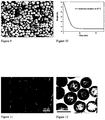
Figure 9 . FE-SEM image of hexyl acetate@polystyrene@SiO2 nanocapsules prepared in Example 7. -
Figure 10 . Isothermal weight loss of hexyl acetate@polystyrene@SiO2 nanocapsules measured at 30°C. -
Figure 11 . FE-SEM micrograph of docosane@SiO2 core-shell nanoparticles prepared in Example 8. -
Figure 12 . TEM micrograph of docosane@SiO2 core-shell nanoparticles prepared in Example 8. -
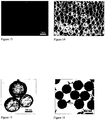
Figure 13 . FE-SEM micrograph of myristyl myristate@SiO2 core-shell particles prepared in Example 9. -
Figure 14 . FE-SEM micrograph of poly(dimethylsiloxane)@docosane@SiO2 core-shell particles prepared in Example 11. -
Figure 15 . TEM micrograph of poly(dimethylsiloxane)@docosane@SiO2 core-shell particles prepared in Example 11. -
Figure 16 . TEM micrograph of aqueous solution@SiO2@polystyrene@SiO2 capsules prepared in Example 12. - The invention will now be elucidated by way of the following examples without however being limited thereto.
- PAOS was synthesized according to Zhu, X. M.; Jaumann, M.; Peter, K.; Möller, M.; Melian, C.; Adams-Buda, A.; Demco, D. E.; Blümich, B., One-Pot Synthesis of Hyperbranched Polyethoxysiloxanes. Macromolecules 2006, 39, 1701-1708, and the resulting polyethoxysiloxane had a silica content of 49.2 % (w/w) and Mn of 1740 g mol-1 according to GPC calibrated by polystyrene standards. The other compounds were all obtained from Sigma-Aldrich.
- 1.2 g polyethoxysiloxane where 7 % ethoxy groups are substituted with poly(ethylene glycol) monomethyl ether of molecular weight 350 was dissolved in 1.2 g n-hexane. This solution formed spontaneously an emulsion in water. After adjusting the pH of the aqueous solution to 10, an aqueous dispersion of silica nanocapsules containing hexane was obtained.
- 15.0 g polydimethylsiloxane (PDMS) with a viscosity of 10 cSt was added to water of pH 7 heated to 60 °C. Afterwards, 15.0 g polyethoxysiloxane was added and the mixture was emulsified with Ultra-Turrax operating at 18000 rpm for 5 minutes at 60 °C. The resulting emulsion was stirred at 60°C for 24 h. The milky dispersion was centrifuged at 11000 rpm. The obtained white solid was rinsed several times with water and then dried. According to electron microscopy data, the size of the resulting PDMS@SiO2 core-shell particles was ca. 1 µm and was narrowly distributed.
- 0.03 g AIBN and 1.2 g polyethoxysiloxane were dissolved in 1.2 g styrene. The solution was emulsified in 30 g water of pH 7 by means of sonication. The resulting emulsion was then heated at 70°C under nitrogen atmosphere for 24 h. Afterwards, the milky dispersion was centrifuged at 11000 rpm. The obtained white solid was rinsed several times with water and then dried. According to electron microscopy data, the size of the core-shell nanoparticles was ca. 150 nm and was narrowly distributed. The silica shell thickness was ca. 15 nm.
- 0.02 g AIBN and 1.2 g polyethoxysiloxane were dissolved in 1.2 g methylmethacrylate. The solution was emulsified in 30 g water of pH 4 by means of sonication. The resulting emulsion was heated at 65°C under nitrogen atmosphere for 24 h. The milky dispersion was centrifuged at 11000 rpm. The obtained white solid was rinsed several times with water and then dried. According to electron microscopy data, the size of the core-shell nanoparticles was ca. 300 nm and was narrowly distributed. The silica shell thickness was ca. 30 nm.
- The synthetic route was similar to that described in Example 2, only instead of 1.2 g methylmethacrylate a mixture of 0.4 g styrene and 0.8 g methylmethacrylate was used. Poly(methylmethacrylate-co-styrene)@SiO2 core-shell nanoparticles were obtained. According to electron microscopy data, the size of the core-shell nanoparticles was ca. 200 nm and was narrowly distributed. The silica shell thickness was ca. 20 nm.
- The synthetic route was similar to that described in Example 1, only instead of 1.2 g styrene a mixture of 1.2 g styrene and 0.6 g hexadecane was used. Hexadecane was then encapsulated in polystyrene@SiO2 core-shell capsules. According to electron microscopy data, the size of the capsules was ca. 100 nm.
- The synthetic route was similar to that described in Example 1, only instead of 1.2 g styrene a mixture of 1.2 g styrene and 0.6 g hexyl acetate was used. Hexyl acetate was then encapsulated in the polystyrene@SiO2 core-shell nanocapsules. According to electron microscopy data, the size of the core-shell nanocapsules was ca. 150 nm.
- 1.2 g docosane powder was added into 30 g of water of pH 7 at 60 °C. After complete melting of docosane, 1.2 g polyethoxysiloxane was added. The mixture was then emulsified by means of sonication at 60 °C. The resulting milky emulsion was gently stirred at 60 °C for 1 day. The obtained particles were isolated by centrifugation at 11000 rpm, rinsed 3 times with water, and then dried. According to electron microscopy data, the size of the core-shell nanoparticles and nanocapsules was ca. 480 nm and was narrowly distributed. The silica shell thickness was ca. 20 nm.
- 1.2 g myristyl myristate was added into 30 g of water of pH 7 at 60 °C. After complete melting of myristyl myristate, 1.2 g polyethoxysiloxane was added. The mixture was then emulsified using T 25 digital ULTRA-TURRAX® dispersion device (IKA) at 60 °C. The resulting milky emulsion was gently stirred at 60 °C for 1 day. The resulting particles were isolated by centrifugation at 11000 rpm, rinsed 3 times with water, and then dried. According to electron microscopy data, the size of the core-shell particles was in the range from 4 to 8 µm.
- The synthetic route was similar to that described in Example 7, only instead of 1.2 g myristyl myristate 1.2 g of a mixture of myristyl myristate and octyl acetate (weight ratio 1:1) was used. This mixture was then encapsulated in SiO2 capsules with a size ranging from 4 to 8 µm.
- 1.5 g docosane was added into 30 g of water of pH 7 at 60 °C. After complete melting of docosane, 1.5 g polyethoxysiloxane and 0.75 g PDMS with a viscosity of 10 cSt were added. The mixture was then emulsified by means of sonication under 60°C. The resulting milky emulsion was gently stirred at 60 °C for 1 day. The resulting capsules were isolated by centrifugation at 11000 rpm, rinsed 3 times with deionized water, and then dried. According to electron microscopy data, the size of the PDMS@docosane@SiO2 capsules was ca. 960 nm and was narrowly distributed. The silica shell thickness was 20 nm.
- 1.2 g polyethoxysiloxane, 1.2 g styrene, and 0.03 g AIBN were mixed to form a uniform and transparent oil phase. Then 0.24 g pure water was added into the oil phase and emulsified by means of sonication. The resulting milky water-in-oil emulsion was then emulsified in 30 g water of pH 7 using sonication. The obtained water-in-oil-in-water double emulsion was heated at 70°C under nitrogen atmosphere for 24 h. The milky dispersion was centrifuged at 11000 rpm. The obtained white solid was rinsed several times with water to yield water@SiO2@polystyrene@SiO2 capsule particles. According to electron microscopy data, the size of the nanoparticles was ca. 200 nm and was narrowly distributed.
- The synthetic route was similar to that described in Example 11. Only 0.24 g pure water, which was encapsulated, was replaced by 0.24 g of a 5 % (w/w) aqueous solution of glucose. Thus the glucose solution@SiO2@polystyrene@SiO2 capsules of ca. 200 nm were obtained.
- 6 g docosane and 4 g polyethoxysiloxane were mixed together and heated to 60°C. After complete melting of docosane, 2 g of a 5 % (w/w) aqueous solution of glucose were added. The system was emulsified by means of sonication under 60°C. The resulting water-in-oil emulsion was emulsified in 60 g water of pH 7 using T 25 digital ULTRA-TURRAX® dispersion device (IKA) at 60 °C. The obtained water-in-oil-in-water double emulsion was heated at 60°C for 24 h. The milky dispersion was cooled down to room temperature and centrifuged at 11000 rpm. The obtained white solid was rinsed several times with water to yield the glucose solution@SiO2@docosane@SiO2 capsules with a size ranging from 1 to 5 µm were obtained.
Claims (15)
- A process for the preparation of silica-based micro- and nanocapsules loaded with up to 99 % (w/w) hydrophobic organic compounds, comprising the step of: emulsifying a hydrophobic, water insoluble liquid comprising (i) polyalkoxysiloxane (PAOS) or amphiphilic PAOS that are partially substituted with hydrophilic groups and (ii) a hydrophobic organic liquid in an aqueous solution, without additional surfactants and without preformed (nano)particles, under shearing forces for a time period sufficient to form the silica-based capsules.
- The process according to claim 1, wherein the hydrophobic organic liquids are selected from alkanes, alkenes, alkynes, esters, ethers, ketones, aldehydes, aromatic compounds and polymers.
- The process according to claim 1 or 2 wherein PAOS can be substituted with poly(ethylene glycol) monoalkyl ester of different molecular weight and different degrees of substitution.
- A process for the preparation of silica-based micro- and nanocapsules loaded with up to 99 % (w/w) hydrophobic, water insoluble polymers, comprising the steps of:a) emulsifying a hydrophobic, water insoluble solution comprising (i) polyalkoxysiloxane (PAOS), (ii) radically polymerizable hydrophobic organic monomers and (iii) an initiator in an aqueous solution under shearing forces without additional surfactants and without preformed (nano)particles; andb) heating the resulting emulsion to a higher temperature to induce the polymerization for a time period sufficient to form the silica-based capsules,c) cooling the mixture down to room temperature, andd) isolating the thus obtained polymer@SiO2 capsules.
- The process according to claim 4, wherein one or more non-(co)polymerizable hydrophobic organic compounds are additionally added to the reaction system in step a) to obtain hydrophobic organic compounds@polymer@SiO2 capsules, wherein the non-polymerizable hydrophobic organic compounds are preferably selected from alkanes, esters, ethers, ketones, aldehydes, aromatic compounds, or polymers that can turn into a liquid form at the emulsification temperature in step a).
- A process for the preparation of silica-based micro- and nanocapsules loaded with up to 99 % (w/w) crystallizable at room temperature hydrophobic, water-insoluble substances, comprising the steps of:a) emulsifying a hydrophobic, water insoluble solution comprising (i) polyalkoxysiloxane (PAOS) and (b) an at room temperature crystallizable, hydrophobic organic compound in an aqueous solution under shearing forces at a temperature above the melting temperature of the crystallizable organic material without additional surfactants and without preformed (nano)particles, andb) subsequently heating the emulsion obtained in step a) for a time period sufficient to form the silica-based capsules,c) cooling the mixture down to room temperature, andd) isolating the thus obtained crystallizable, hydrophobic organic compound@SiO2 capsules.
- The process according to claim 6, wherein the at room temperature crystallizable, hydrophobic organic compound is selected from waxes including alkanes, esters of alkyl alcohols and alkyl carboxylic acids, or their mixtures.
- The process according to claim 6 or 7, wherein hydrophobic organic compounds are additionally added to the reaction system in step a) to obtain hydrophobic organic compounds@organic solid@SiO2 capsules, wherein the hydrophobic organic compounds are preferably selected from alkanes, esters, ethers, ketones, aldehydes, aromatic compounds, or polymers that can turn into a liquid form at the emulsification temperature in step a).
- A process for the preparation of silica-based micro- and nanocapsules loaded with up to 95 % (w/w) hydrophilic, water soluble substances, comprising the steps of:a) emulsifying an aqueous solution containing hydrophilic, water soluble substances in a hydrophobic, water insoluble solution comprising (i) polyalkoxysiloxane (PAOS), (ii) radically polymerizable hydrophobic organic monomers and (iii) an initiator under shearing forces without additional surfactants and without preformed (nano)particles;b) emulsifying the water-in-oil emulsion of step a) in an aqueous solution under shearing forces without additional surfactants and without preformed (nano)particles;c) heating the emulsion to a higher temperature to induce the polymerization for a time period sufficient to form the silica-based capsules,d) cooling the mixture down to room temperature, ande) isolating the thus obtained silica-based capsules.
- The process according to claim 9, wherein one or more non-polymerizable hydrophobic organic compounds are additionally added to the reaction system in step a) or b) to incorporate them into the organic phase of the capsules, wherein the non-polymerizable hydrophobic organic compounds are preferably selected from alkanes, esters, ethers, ketones, aldehydes, aromatic compounds, or polymers that can turn into a liquid form at the emulsification temperature in step a) and b).
- A process for the preparation of silica-based micro- and nanocapsules loaded with up to 95 % (w/w) hydrophilic, water soluble substances, comprising the steps of:a) emulsifying an aqueous solution containing hydrophilic, water soluble substances in a hydrophobic, water insoluble solution comprising (i) polyalkoxysiloxane (PAOS), (ii) molten organic compounds that crystallize at room temperature under shearing forces at a temperature above the melting temperature of the crystallizable organic material without additional surfactants and without preformed (nano)particles,b) emulsifying the water-in-oil emulsion of step a) in an aqueous solution at a temperature above the melting temperature of the crystallizable organic material without additional surfactants and without preformed (nano)particles,c) subsequently heating the emulsion obtained in step b) for a time period sufficient to form the silica-based capsules,d) cooling the mixture down to room temperature, ande) isolating the thus obtained silica-based capsules.
- The process according to claim 11, wherein one or more hydrophobic organic compounds are additionally added to the reaction system in step a) or b) to incorporate them into the organic phase of the capsules, wherein the hydrophobic organic compounds are preferably selected from alkanes, alkenes, alkynes, esters, ethers, ketones, aldehydes, aromatic compounds, or polymers that can turn into a liquid form at the emulsification temperature in step a) and b).
- The process according to any one of claims 1 to 12, wherein polyethoxysiloxane is used as PAOS.
- The process according to any one of claims 4, 5, 9 or 10, wherein the radically polymerizable hydrophobic organic monomers are selected from styrene, methyl styrene, alkyl methacrylates, alkyl acrylates, acrylonitrile, or their mixtures.
- The process according to any one of claims 4, 5, 9, 10 or 14, wherein the radical initiator is a thermal initiator including 2,2'-azobis(2-methylpropionitrile), 2,2'-azobis-(2,4-dimethylvaleronitrile), 2,2'-azobis-(2-methylbutyronitrile), benzoyl peroxide, or a photoinitiator.
Applications Claiming Priority (2)
| Application Number | Priority Date | Filing Date | Title |
|---|---|---|---|
| EP15002261.4A EP3124112A1 (en) | 2015-07-30 | 2015-07-30 | Method for the encapsulation of substances in silica-based capsules and the products obtained thereof |
| PCT/EP2016/001150 WO2017016636A1 (en) | 2015-07-30 | 2016-07-05 | Method for the encapsulation of substances in silica-based capsules and the products obtained thereof |
Publications (2)
| Publication Number | Publication Date |
|---|---|
| EP3328534A1 EP3328534A1 (en) | 2018-06-06 |
| EP3328534B1 true EP3328534B1 (en) | 2019-09-04 |
Family
ID=54035068
Family Applications (2)
| Application Number | Title | Priority Date | Filing Date |
|---|---|---|---|
| EP15002261.4A Withdrawn EP3124112A1 (en) | 2015-07-30 | 2015-07-30 | Method for the encapsulation of substances in silica-based capsules and the products obtained thereof |
| EP16744297.9A Active EP3328534B1 (en) | 2015-07-30 | 2016-07-05 | Method for the encapsulation of substances in silica-based capsules and the products obtained thereof |
Family Applications Before (1)
| Application Number | Title | Priority Date | Filing Date |
|---|---|---|---|
| EP15002261.4A Withdrawn EP3124112A1 (en) | 2015-07-30 | 2015-07-30 | Method for the encapsulation of substances in silica-based capsules and the products obtained thereof |
Country Status (4)
| Country | Link |
|---|---|
| US (1) | US10906018B2 (en) |
| EP (2) | EP3124112A1 (en) |
| JP (1) | JP6831843B2 (en) |
| WO (1) | WO2017016636A1 (en) |
Families Citing this family (24)
| Publication number | Priority date | Publication date | Assignee | Title |
|---|---|---|---|---|
| TWI663991B (en) * | 2016-03-23 | 2019-07-01 | 中央研究院 | Thin shell polymer nanoparticle and use thereof |
| FR3064192B1 (en) | 2017-03-21 | 2019-04-26 | Calyxia | PROCESS FOR PREPARING CAPSULES COMPRISING AT LEAST ONE VOLATILE COMPOUND AND CAPSULES OBTAINED |
| WO2020045983A1 (en) * | 2018-08-31 | 2020-03-05 | ㈜아모레퍼시픽 | Nanocapsules forming emulsion particles and emulsion composition including same |
| KR102610938B1 (en) | 2018-08-31 | 2023-12-08 | (주)아모레퍼시픽 | Nanocapsules for forming emulsion particle and emulsion composition comprising the same |
| JP7486505B2 (en) | 2018-10-16 | 2024-05-17 | ファーマ イン シリカ ラボラトリーズ インコーポレイティド | Tunable methods for the preparation of silica capsules/spheres and their uses |
| RU2701030C1 (en) * | 2018-12-29 | 2019-09-24 | Федеральное государственное бюджетное учреждение науки Институт элементоорганических соединений им. А.Н. Несмеянова Российской академии наук (ИНЭОС РАН) | Method of producing hollow silica nanocapsules |
| CN113631695A (en) | 2019-04-17 | 2021-11-09 | 宝洁公司 | Capsule |
| CA3135389C (en) | 2019-04-17 | 2023-11-07 | The Procter & Gamble Company | Capsules |
| EP3956054A1 (en) | 2019-04-17 | 2022-02-23 | The Procter & Gamble Company | Methods of making capsules |
| CN110698690B (en) * | 2019-10-24 | 2022-02-22 | 东莞理工学院 | A kind of Pickering emulsion and its preparation method and application |
| CN111392736A (en) * | 2020-03-27 | 2020-07-10 | 广东海洋大学 | A kind of silica-based Janus particle and its preparation method and application |
| US12458942B2 (en) | 2020-10-16 | 2025-11-04 | The Procter & Gamble Company | Capsules |
| CN116368210B (en) | 2020-10-16 | 2025-07-18 | 宝洁公司 | Water-soluble unit dose article comprising core/shell capsules |
| EP4228589A1 (en) | 2020-10-16 | 2023-08-23 | The Procter & Gamble Company | Antiperspirant and deodorant compositions comprising capsules |
| US12077728B2 (en) | 2020-10-16 | 2024-09-03 | The Procter & Gamble Company | Laundry care additive particles |
| US11912961B2 (en) | 2020-10-16 | 2024-02-27 | The Procter & Gamble Company | Liquid fabric care compositions comprising capsules |
| CN112646199B (en) * | 2020-12-03 | 2022-08-12 | 嘉宝莉化工集团股份有限公司 | Capsule type hydrophobic acrylate emulsion, capsule structure and preparation method and application thereof |
| CN113979466B (en) * | 2021-10-27 | 2023-04-28 | 烟台佳隆纳米产业有限公司 | ZnO@SiO 2 Method for preparing nanocapsules |
| EP4426477A1 (en) | 2021-11-05 | 2024-09-11 | Byk-Chemie GmbH | Process of encapsulation |
| WO2023078784A1 (en) | 2021-11-05 | 2023-05-11 | Byk-Chemie Gmbh | Surfactant-free capsules of surface-active substances |
| CN114606222A (en) * | 2022-03-31 | 2022-06-10 | 西南交通大学 | A kind of enzyme-loaded microspheres and the method for preparing biodiesel by Pickering emulsion enzymatic method |
| CN119707050B (en) * | 2023-09-27 | 2026-01-06 | 中国石油化工股份有限公司 | A magnetic multifunctional amphiphilic particle, its preparation method and application |
| CN117567992B (en) * | 2023-11-20 | 2025-08-05 | 大连理工大学 | A method for preparing shell-core type silica/inorganic phase change material microcapsules |
| CN119281241B (en) * | 2024-09-30 | 2025-10-28 | 浙江理工大学 | A method for encapsulating polar organic compounds into silica microcapsules |
Family Cites Families (8)
| Publication number | Priority date | Publication date | Assignee | Title |
|---|---|---|---|---|
| DE69914515T2 (en) * | 1998-02-06 | 2004-12-16 | Seiwa Kasei Co., Ltd., Higashi-Osaka | Microcapsule with specific wall and method of manufacture |
| JP4562050B2 (en) * | 1998-02-06 | 2010-10-13 | 株式会社成和化成 | Encapsulated microcapsule and method for producing the same |
| EP1104287B9 (en) | 1998-08-13 | 2012-12-19 | Sol-Gel Technologies Ltd. | Method for the preparation of oxide microcapsules loaded with functional molecules and the products obtained thereof |
| JP2000225332A (en) * | 1998-10-29 | 2000-08-15 | Seiwa Kasei:Kk | Included microcapsules and method for producing the same |
| DE10261289A1 (en) | 2002-12-27 | 2004-07-15 | Sustech Gmbh & Co. Kg | Process for the preparation of polyalkyl (semi) metallates |
| WO2007037202A1 (en) * | 2005-09-28 | 2007-04-05 | Sekisui Plastics Co., Ltd. | Silica-combined polymer particle, process for producing the same, and use thereof |
| GB0617480D0 (en) | 2006-09-06 | 2006-10-18 | Univ Sheffield | Novel nanoparticles |
| EP2832691A1 (en) | 2013-07-31 | 2015-02-04 | Stichting Dutch Polymer Institute | Silica spheres |
-
2015
- 2015-07-30 EP EP15002261.4A patent/EP3124112A1/en not_active Withdrawn
-
2016
- 2016-07-05 EP EP16744297.9A patent/EP3328534B1/en active Active
- 2016-07-05 WO PCT/EP2016/001150 patent/WO2017016636A1/en not_active Ceased
- 2016-07-05 JP JP2018524531A patent/JP6831843B2/en active Active
- 2016-07-05 US US15/741,820 patent/US10906018B2/en active Active
Non-Patent Citations (1)
| Title |
|---|
| None * |
Also Published As
| Publication number | Publication date |
|---|---|
| JP2018526433A (en) | 2018-09-13 |
| WO2017016636A1 (en) | 2017-02-02 |
| EP3328534A1 (en) | 2018-06-06 |
| US10906018B2 (en) | 2021-02-02 |
| US20180200689A1 (en) | 2018-07-19 |
| EP3124112A1 (en) | 2017-02-01 |
| JP6831843B2 (en) | 2021-02-17 |
Similar Documents
| Publication | Publication Date | Title |
|---|---|---|
| US10906018B2 (en) | Method for the encapsulation of substances in silica-based capsules and the products obtained thereof | |
| EP1471995B1 (en) | Encapsulation process and encapsulated compositions | |
| Zhao et al. | A facile one-step approach toward polymer@ SiO2 core–shell nanoparticles via a surfactant-free miniemulsion polymerization technique | |
| CN102227254B (en) | Suspensions of silicate shell microcapsules for temperature controlled release | |
| US20110008427A1 (en) | Microcapsules and Methods | |
| KR20080028992A (en) | Hollow silica particles, compositions containing them and methods for their preparation | |
| AU2007330996A1 (en) | Formation of nanometric core-shell particles having a metal oxide shell | |
| US20140227329A1 (en) | Microcapsules having an envelope composed essentially of silsesquioxane homopolymers or copolymers | |
| van Wijk et al. | Poly (methyl methacrylate)–silica microcapsules synthesized by templating Pickering emulsion droplets | |
| Edmond et al. | Large-scale synthesis of colloidal bowl-shaped particles | |
| CN108659956A (en) | It is a kind of using Vinalac 5920 as essence microcapsule of cyst wall and preparation method thereof | |
| US11338265B2 (en) | Method for preparing microcapsules and microparticles of controlled size | |
| Qian et al. | Effect of synthesis time on morphology of hollow porous silica microspheres | |
| Park et al. | Fabrication of hollow silica microspheres through the self-assembly behavior of polymers in W/O emulsion | |
| Essawy et al. | Polyamide capsules via soft templating with oil drops—1. Morphological studies of the capsule wall | |
| JP2015528794A (en) | Multi-component materials, preparation processes and applications for thermally stimulated release of target substances | |
| O’Sullivan et al. | Aqueous dispersions of silica shell/water-core microcapsules | |
| US12053754B2 (en) | Method of producing capsules and related capsules | |
| Popadyuk et al. | Colloidosomes from peroxidized Pickering emulsions | |
| WO2002020148A1 (en) | Transparent active substance capsules | |
| US20230070998A1 (en) | A method of preparing a hybrid capsule and related products | |
| JP6177901B2 (en) | Multi-component materials, preparation processes and applications for thermally stimulated release of target substances | |
| Yin | Development of novel microencapsulation processes | |
| Weiß | Hyperbranched polyethoxysiloxanes for the encapsulation of silicon oils: preparation and application | |
| CN119281241B (en) | A method for encapsulating polar organic compounds into silica microcapsules |
Legal Events
| Date | Code | Title | Description |
|---|---|---|---|
| STAA | Information on the status of an ep patent application or granted ep patent |
Free format text: STATUS: THE INTERNATIONAL PUBLICATION HAS BEEN MADE |
|
| PUAI | Public reference made under article 153(3) epc to a published international application that has entered the european phase |
Free format text: ORIGINAL CODE: 0009012 |
|
| STAA | Information on the status of an ep patent application or granted ep patent |
Free format text: STATUS: REQUEST FOR EXAMINATION WAS MADE |
|
| 17P | Request for examination filed |
Effective date: 20171207 |
|
| AK | Designated contracting states |
Kind code of ref document: A1 Designated state(s): AL AT BE BG CH CY CZ DE DK EE ES FI FR GB GR HR HU IE IS IT LI LT LU LV MC MK MT NL NO PL PT RO RS SE SI SK SM TR |
|
| AX | Request for extension of the european patent |
Extension state: BA ME |
|
| DAV | Request for validation of the european patent (deleted) | ||
| DAX | Request for extension of the european patent (deleted) | ||
| GRAP | Despatch of communication of intention to grant a patent |
Free format text: ORIGINAL CODE: EPIDOSNIGR1 |
|
| STAA | Information on the status of an ep patent application or granted ep patent |
Free format text: STATUS: GRANT OF PATENT IS INTENDED |
|
| INTG | Intention to grant announced |
Effective date: 20190212 |
|
| GRAJ | Information related to disapproval of communication of intention to grant by the applicant or resumption of examination proceedings by the epo deleted |
Free format text: ORIGINAL CODE: EPIDOSDIGR1 |
|
| STAA | Information on the status of an ep patent application or granted ep patent |
Free format text: STATUS: REQUEST FOR EXAMINATION WAS MADE |
|
| GRAR | Information related to intention to grant a patent recorded |
Free format text: ORIGINAL CODE: EPIDOSNIGR71 |
|
| GRAS | Grant fee paid |
Free format text: ORIGINAL CODE: EPIDOSNIGR3 |
|
| STAA | Information on the status of an ep patent application or granted ep patent |
Free format text: STATUS: GRANT OF PATENT IS INTENDED |
|
| INTC | Intention to grant announced (deleted) | ||
| GRAA | (expected) grant |
Free format text: ORIGINAL CODE: 0009210 |
|
| STAA | Information on the status of an ep patent application or granted ep patent |
Free format text: STATUS: THE PATENT HAS BEEN GRANTED |
|
| INTG | Intention to grant announced |
Effective date: 20190704 |
|
| AK | Designated contracting states |
Kind code of ref document: B1 Designated state(s): AL AT BE BG CH CY CZ DE DK EE ES FI FR GB GR HR HU IE IS IT LI LT LU LV MC MK MT NL NO PL PT RO RS SE SI SK SM TR |
|
| REG | Reference to a national code |
Ref country code: GB Ref legal event code: FG4D |
|
| REG | Reference to a national code |
Ref country code: CH Ref legal event code: EP |
|
| REG | Reference to a national code |
Ref country code: AT Ref legal event code: REF Ref document number: 1174577 Country of ref document: AT Kind code of ref document: T Effective date: 20190915 |
|
| REG | Reference to a national code |
Ref country code: DE Ref legal event code: R096 Ref document number: 602016019977 Country of ref document: DE |
|
| REG | Reference to a national code |
Ref country code: IE Ref legal event code: FG4D |
|
| REG | Reference to a national code |
Ref country code: CH Ref legal event code: NV Representative=s name: BOHEST AG, CH |
|
| REG | Reference to a national code |
Ref country code: NL Ref legal event code: FP |
|
| REG | Reference to a national code |
Ref country code: LT Ref legal event code: MG4D |
|
| PG25 | Lapsed in a contracting state [announced via postgrant information from national office to epo] |
Ref country code: NO Free format text: LAPSE BECAUSE OF FAILURE TO SUBMIT A TRANSLATION OF THE DESCRIPTION OR TO PAY THE FEE WITHIN THE PRESCRIBED TIME-LIMIT Effective date: 20191204 Ref country code: FI Free format text: LAPSE BECAUSE OF FAILURE TO SUBMIT A TRANSLATION OF THE DESCRIPTION OR TO PAY THE FEE WITHIN THE PRESCRIBED TIME-LIMIT Effective date: 20190904 Ref country code: HR Free format text: LAPSE BECAUSE OF FAILURE TO SUBMIT A TRANSLATION OF THE DESCRIPTION OR TO PAY THE FEE WITHIN THE PRESCRIBED TIME-LIMIT Effective date: 20190904 Ref country code: BG Free format text: LAPSE BECAUSE OF FAILURE TO SUBMIT A TRANSLATION OF THE DESCRIPTION OR TO PAY THE FEE WITHIN THE PRESCRIBED TIME-LIMIT Effective date: 20191204 Ref country code: SE Free format text: LAPSE BECAUSE OF FAILURE TO SUBMIT A TRANSLATION OF THE DESCRIPTION OR TO PAY THE FEE WITHIN THE PRESCRIBED TIME-LIMIT Effective date: 20190904 Ref country code: LT Free format text: LAPSE BECAUSE OF FAILURE TO SUBMIT A TRANSLATION OF THE DESCRIPTION OR TO PAY THE FEE WITHIN THE PRESCRIBED TIME-LIMIT Effective date: 20190904 |
|
| PG25 | Lapsed in a contracting state [announced via postgrant information from national office to epo] |
Ref country code: AL Free format text: LAPSE BECAUSE OF FAILURE TO SUBMIT A TRANSLATION OF THE DESCRIPTION OR TO PAY THE FEE WITHIN THE PRESCRIBED TIME-LIMIT Effective date: 20190904 Ref country code: LV Free format text: LAPSE BECAUSE OF FAILURE TO SUBMIT A TRANSLATION OF THE DESCRIPTION OR TO PAY THE FEE WITHIN THE PRESCRIBED TIME-LIMIT Effective date: 20190904 Ref country code: GR Free format text: LAPSE BECAUSE OF FAILURE TO SUBMIT A TRANSLATION OF THE DESCRIPTION OR TO PAY THE FEE WITHIN THE PRESCRIBED TIME-LIMIT Effective date: 20191205 Ref country code: ES Free format text: LAPSE BECAUSE OF FAILURE TO SUBMIT A TRANSLATION OF THE DESCRIPTION OR TO PAY THE FEE WITHIN THE PRESCRIBED TIME-LIMIT Effective date: 20190904 Ref country code: RS Free format text: LAPSE BECAUSE OF FAILURE TO SUBMIT A TRANSLATION OF THE DESCRIPTION OR TO PAY THE FEE WITHIN THE PRESCRIBED TIME-LIMIT Effective date: 20190904 |
|
| REG | Reference to a national code |
Ref country code: AT Ref legal event code: MK05 Ref document number: 1174577 Country of ref document: AT Kind code of ref document: T Effective date: 20190904 |
|
| PG25 | Lapsed in a contracting state [announced via postgrant information from national office to epo] |
Ref country code: PT Free format text: LAPSE BECAUSE OF FAILURE TO SUBMIT A TRANSLATION OF THE DESCRIPTION OR TO PAY THE FEE WITHIN THE PRESCRIBED TIME-LIMIT Effective date: 20200106 Ref country code: IT Free format text: LAPSE BECAUSE OF FAILURE TO SUBMIT A TRANSLATION OF THE DESCRIPTION OR TO PAY THE FEE WITHIN THE PRESCRIBED TIME-LIMIT Effective date: 20190904 Ref country code: RO Free format text: LAPSE BECAUSE OF FAILURE TO SUBMIT A TRANSLATION OF THE DESCRIPTION OR TO PAY THE FEE WITHIN THE PRESCRIBED TIME-LIMIT Effective date: 20190904 Ref country code: EE Free format text: LAPSE BECAUSE OF FAILURE TO SUBMIT A TRANSLATION OF THE DESCRIPTION OR TO PAY THE FEE WITHIN THE PRESCRIBED TIME-LIMIT Effective date: 20190904 Ref country code: PL Free format text: LAPSE BECAUSE OF FAILURE TO SUBMIT A TRANSLATION OF THE DESCRIPTION OR TO PAY THE FEE WITHIN THE PRESCRIBED TIME-LIMIT Effective date: 20190904 Ref country code: AT Free format text: LAPSE BECAUSE OF FAILURE TO SUBMIT A TRANSLATION OF THE DESCRIPTION OR TO PAY THE FEE WITHIN THE PRESCRIBED TIME-LIMIT Effective date: 20190904 |
|
| PG25 | Lapsed in a contracting state [announced via postgrant information from national office to epo] |
Ref country code: CZ Free format text: LAPSE BECAUSE OF FAILURE TO SUBMIT A TRANSLATION OF THE DESCRIPTION OR TO PAY THE FEE WITHIN THE PRESCRIBED TIME-LIMIT Effective date: 20190904 Ref country code: IS Free format text: LAPSE BECAUSE OF FAILURE TO SUBMIT A TRANSLATION OF THE DESCRIPTION OR TO PAY THE FEE WITHIN THE PRESCRIBED TIME-LIMIT Effective date: 20200224 Ref country code: SK Free format text: LAPSE BECAUSE OF FAILURE TO SUBMIT A TRANSLATION OF THE DESCRIPTION OR TO PAY THE FEE WITHIN THE PRESCRIBED TIME-LIMIT Effective date: 20190904 Ref country code: SM Free format text: LAPSE BECAUSE OF FAILURE TO SUBMIT A TRANSLATION OF THE DESCRIPTION OR TO PAY THE FEE WITHIN THE PRESCRIBED TIME-LIMIT Effective date: 20190904 |
|
| REG | Reference to a national code |
Ref country code: DE Ref legal event code: R097 Ref document number: 602016019977 Country of ref document: DE |
|
| PLBE | No opposition filed within time limit |
Free format text: ORIGINAL CODE: 0009261 |
|
| STAA | Information on the status of an ep patent application or granted ep patent |
Free format text: STATUS: NO OPPOSITION FILED WITHIN TIME LIMIT |
|
| PG2D | Information on lapse in contracting state deleted |
Ref country code: IS |
|
| PG25 | Lapsed in a contracting state [announced via postgrant information from national office to epo] |
Ref country code: IS Free format text: LAPSE BECAUSE OF FAILURE TO SUBMIT A TRANSLATION OF THE DESCRIPTION OR TO PAY THE FEE WITHIN THE PRESCRIBED TIME-LIMIT Effective date: 20200105 Ref country code: DK Free format text: LAPSE BECAUSE OF FAILURE TO SUBMIT A TRANSLATION OF THE DESCRIPTION OR TO PAY THE FEE WITHIN THE PRESCRIBED TIME-LIMIT Effective date: 20190904 |
|
| 26N | No opposition filed |
Effective date: 20200605 |
|
| PG25 | Lapsed in a contracting state [announced via postgrant information from national office to epo] |
Ref country code: SI Free format text: LAPSE BECAUSE OF FAILURE TO SUBMIT A TRANSLATION OF THE DESCRIPTION OR TO PAY THE FEE WITHIN THE PRESCRIBED TIME-LIMIT Effective date: 20190904 |
|
| PG25 | Lapsed in a contracting state [announced via postgrant information from national office to epo] |
Ref country code: MC Free format text: LAPSE BECAUSE OF FAILURE TO SUBMIT A TRANSLATION OF THE DESCRIPTION OR TO PAY THE FEE WITHIN THE PRESCRIBED TIME-LIMIT Effective date: 20190904 |
|
| PG25 | Lapsed in a contracting state [announced via postgrant information from national office to epo] |
Ref country code: LU Free format text: LAPSE BECAUSE OF NON-PAYMENT OF DUE FEES Effective date: 20200705 Ref country code: IE Free format text: LAPSE BECAUSE OF NON-PAYMENT OF DUE FEES Effective date: 20200705 |
|
| PG25 | Lapsed in a contracting state [announced via postgrant information from national office to epo] |
Ref country code: TR Free format text: LAPSE BECAUSE OF FAILURE TO SUBMIT A TRANSLATION OF THE DESCRIPTION OR TO PAY THE FEE WITHIN THE PRESCRIBED TIME-LIMIT Effective date: 20190904 Ref country code: MT Free format text: LAPSE BECAUSE OF FAILURE TO SUBMIT A TRANSLATION OF THE DESCRIPTION OR TO PAY THE FEE WITHIN THE PRESCRIBED TIME-LIMIT Effective date: 20190904 Ref country code: CY Free format text: LAPSE BECAUSE OF FAILURE TO SUBMIT A TRANSLATION OF THE DESCRIPTION OR TO PAY THE FEE WITHIN THE PRESCRIBED TIME-LIMIT Effective date: 20190904 |
|
| PG25 | Lapsed in a contracting state [announced via postgrant information from national office to epo] |
Ref country code: MK Free format text: LAPSE BECAUSE OF FAILURE TO SUBMIT A TRANSLATION OF THE DESCRIPTION OR TO PAY THE FEE WITHIN THE PRESCRIBED TIME-LIMIT Effective date: 20190904 |
|
| PGFP | Annual fee paid to national office [announced via postgrant information from national office to epo] |
Ref country code: NL Payment date: 20240123 Year of fee payment: 8 |
|
| PGFP | Annual fee paid to national office [announced via postgrant information from national office to epo] |
Ref country code: CH Payment date: 20240125 Year of fee payment: 8 |
|
| PGFP | Annual fee paid to national office [announced via postgrant information from national office to epo] |
Ref country code: BE Payment date: 20240122 Year of fee payment: 8 |
|
| REG | Reference to a national code |
Ref country code: CH Ref legal event code: PL |
|
| REG | Reference to a national code |
Ref country code: NL Ref legal event code: MM Effective date: 20240801 |
|
| PG25 | Lapsed in a contracting state [announced via postgrant information from national office to epo] |
Ref country code: NL Free format text: LAPSE BECAUSE OF NON-PAYMENT OF DUE FEES Effective date: 20240801 |
|
| PG25 | Lapsed in a contracting state [announced via postgrant information from national office to epo] |
Ref country code: CH Free format text: LAPSE BECAUSE OF NON-PAYMENT OF DUE FEES Effective date: 20240731 Ref country code: BE Free format text: LAPSE BECAUSE OF NON-PAYMENT OF DUE FEES Effective date: 20240731 |
|
| REG | Reference to a national code |
Ref country code: BE Ref legal event code: MM Effective date: 20240731 |
|
| PGFP | Annual fee paid to national office [announced via postgrant information from national office to epo] |
Ref country code: GB Payment date: 20260130 Year of fee payment: 10 |
|
| PGFP | Annual fee paid to national office [announced via postgrant information from national office to epo] |
Ref country code: DE Payment date: 20260130 Year of fee payment: 10 |
|
| PGFP | Annual fee paid to national office [announced via postgrant information from national office to epo] |
Ref country code: FR Payment date: 20260130 Year of fee payment: 10 |