EP3326472A1 - Dietary purgatives - Google Patents
Dietary purgatives Download PDFInfo
- Publication number
- EP3326472A1 EP3326472A1 EP17188854.8A EP17188854A EP3326472A1 EP 3326472 A1 EP3326472 A1 EP 3326472A1 EP 17188854 A EP17188854 A EP 17188854A EP 3326472 A1 EP3326472 A1 EP 3326472A1
- Authority
- EP
- European Patent Office
- Prior art keywords
- food items
- foods
- subject
- food
- ingested
- Prior art date
- Legal status (The legal status is an assumption and is not a legal conclusion. Google has not performed a legal analysis and makes no representation as to the accuracy of the status listed.)
- Withdrawn
Links
Images





Classifications
-
- A—HUMAN NECESSITIES
- A61—MEDICAL OR VETERINARY SCIENCE; HYGIENE
- A61K—PREPARATIONS FOR MEDICAL, DENTAL OR TOILETRY PURPOSES
- A61K31/00—Medicinal preparations containing organic active ingredients
- A61K31/74—Synthetic polymeric materials
- A61K31/765—Polymers containing oxygen
-
- A—HUMAN NECESSITIES
- A23—FOODS OR FOODSTUFFS; TREATMENT THEREOF, NOT COVERED BY OTHER CLASSES
- A23L—FOODS, FOODSTUFFS OR NON-ALCOHOLIC BEVERAGES, NOT OTHERWISE PROVIDED FOR; PREPARATION OR TREATMENT THEREOF
- A23L2/00—Non-alcoholic beverages; Dry compositions or concentrates therefor; Preparation or treatment thereof
- A23L2/52—Adding ingredients
-
- A—HUMAN NECESSITIES
- A23—FOODS OR FOODSTUFFS; TREATMENT THEREOF, NOT COVERED BY OTHER CLASSES
- A23L—FOODS, FOODSTUFFS OR NON-ALCOHOLIC BEVERAGES, NOT OTHERWISE PROVIDED FOR; PREPARATION OR TREATMENT THEREOF
- A23L33/00—Modifying nutritive qualities of foods; Dietetic products; Preparation or treatment thereof
- A23L33/10—Modifying nutritive qualities of foods; Dietetic products; Preparation or treatment thereof using additives
-
- A—HUMAN NECESSITIES
- A23—FOODS OR FOODSTUFFS; TREATMENT THEREOF, NOT COVERED BY OTHER CLASSES
- A23L—FOODS, FOODSTUFFS OR NON-ALCOHOLIC BEVERAGES, NOT OTHERWISE PROVIDED FOR; PREPARATION OR TREATMENT THEREOF
- A23L33/00—Modifying nutritive qualities of foods; Dietetic products; Preparation or treatment thereof
- A23L33/30—Dietetic or nutritional methods, e.g. for losing weight
-
- A—HUMAN NECESSITIES
- A23—FOODS OR FOODSTUFFS; TREATMENT THEREOF, NOT COVERED BY OTHER CLASSES
- A23L—FOODS, FOODSTUFFS OR NON-ALCOHOLIC BEVERAGES, NOT OTHERWISE PROVIDED FOR; PREPARATION OR TREATMENT THEREOF
- A23L33/00—Modifying nutritive qualities of foods; Dietetic products; Preparation or treatment thereof
- A23L33/40—Complete food formulations for specific consumer groups or specific purposes, e.g. infant formula
-
- A—HUMAN NECESSITIES
- A61—MEDICAL OR VETERINARY SCIENCE; HYGIENE
- A61K—PREPARATIONS FOR MEDICAL, DENTAL OR TOILETRY PURPOSES
- A61K9/00—Medicinal preparations characterised by special physical form
- A61K9/0012—Galenical forms characterised by the site of application
- A61K9/0053—Mouth and digestive tract, i.e. intraoral and peroral administration
- A61K9/0056—Mouth soluble or dispersible forms; Suckable, eatable, chewable coherent forms; Forms rapidly disintegrating in the mouth; Lozenges; Lollipops; Bite capsules; Baked products; Baits or other oral forms for animals
-
- A—HUMAN NECESSITIES
- A61—MEDICAL OR VETERINARY SCIENCE; HYGIENE
- A61P—SPECIFIC THERAPEUTIC ACTIVITY OF CHEMICAL COMPOUNDS OR MEDICINAL PREPARATIONS
- A61P1/00—Drugs for disorders of the alimentary tract or the digestive system
- A61P1/10—Laxatives
-
- A—HUMAN NECESSITIES
- A23—FOODS OR FOODSTUFFS; TREATMENT THEREOF, NOT COVERED BY OTHER CLASSES
- A23V—INDEXING SCHEME RELATING TO FOODS, FOODSTUFFS OR NON-ALCOHOLIC BEVERAGES AND LACTIC OR PROPIONIC ACID BACTERIA USED IN FOODSTUFFS OR FOOD PREPARATION
- A23V2002/00—Food compositions, function of food ingredients or processes for food or foodstuffs
Definitions
- This invention relates to kits, food compositions and methods for cleaning the bowel, e.g., in preparation for a medical procedure, e.g., a diagnostic or treatment procedure, such as an endoscopic or surgical procedure, or radiologic imaging such as CT colography.
- a medical procedure e.g., a diagnostic or treatment procedure, such as an endoscopic or surgical procedure, or radiologic imaging such as CT colography.
- a widely used whole bowel irrigation liquid formulation includes polyethelene glycol (PEG) in solution with electrolytes. These are non-absorbed solutions that require the ingestion of a substantial amount of fluid.
- PEG lavage preparations e.g., GOLYTELY, NULYTELY, and HALF-LYTELY from Braintree Laboratories Inc. (Braintree, MA), and the fruit flavored COLYTE from Schwarz Pharma, Inc. (Mequon, WI), which are usually taken by the patient at home the night or evening before the examination, cleanse the bowel through the induction of diarrhea.
- the osmotic activity of polyethylene glycol, in combination with the electrolyte concentration results in virtually no net absorption or excretion of ions or water.
- Described herein are a variety of prepared, low residue foods that contain a variety of laxatives as ingredients and incorporate an adequate amount of fluid so that an individual undergoing this preparation can continue to take in nutrition (unlike existing preps) while preparing for a procedure. In general, a large amount of distasteful fluid (whole bowel irrigation) would not be required.
- Different foods including appetizers, soups, main courses, desserts, snacks, and beverages are prepared with a variety of laxatives incorporated therein as ingredients so that the food itself is the delivery vehicle for the bowel cleanse.
- the food includes a variety of low residue foods, and can include foods with increasingly less residue as those taken closer to the procedure.
- kits for providing a therapeutic dietary regimen including a plurality of therapeutic foods for the preparation of a subject's bowel for a medical procedure include enough food items for all of the meals to be ingested by the subject for a specified period prior to the medical procedure (e.g., the 24 hours before, the 48 hours before, the day before, or the day before and morning of, e.g., from 48 or 24 hours up to 2, 3, 4, 5, or 6 hours before).
- the food items are low fiber, low residue foods, and some or all of the food items have incorporated therein an amount of a laxative agent sufficient to induce in the subject the production of watery yellow stools with a light yellow effluent.
- the kits and foods described herein are intended for use, and are effective for preparing the bowel, without the use of whole bowel irrigation.
- kits also include all of the beverages to be consumed by the subject during the specified period.
- the volume of all of the liquid foods and beverages to be consumed by the subject during the preparation period is less than about 2.5 liters, or less than 2 liters.
- the foods in the kit include a total of 0-6 g fiber. In some embodiments, the foods in the kit further include a total of 0.3-15 g Total Fats; 0-150 mg Cholesterol; 100-500 g of carbohydrates and 10-80 g of protein.
- kits include solid foods (e.g., pasta, cookies, or bars) and liquid foods (e.g., soups, smoothies, and beverages).
- solid foods e.g., pasta, cookies, or bars
- liquid foods e.g., soups, smoothies, and beverages.
- the medical procedure is selected from the group consisting of colonoscopy, intestinal surgery, virtual colography, and barium studies.
- the invention provides methods for preparing a subject's bowel for a medical procedure, e.g., for assisting a subject in preparing their bowel, the method including providing to (e.g., administering to, or prescribing for, or providing instructions regarding) the subject a therapeutic dietary regimen including a plurality of therapeutic foods, i.e., a dietary regimen that includes all the meals that are to be ingested by the subject for a specified period prior to the medical procedure (e.g., the 24 hours before, the 48 hours before, the day before, or the day before and morning of, e.g., from 48 or 24 hours up to 2, 3, 4, 5, or 6 hours before).
- a therapeutic dietary regimen including a plurality of therapeutic foods, i.e., a dietary regimen that includes all the meals that are to be ingested by the subject for a specified period prior to the medical procedure (e.g., the 24 hours before, the 48 hours before, the day before, or the day before and morning of, e.
- the food items are low fiber, low residue foods, and some or all of the food items have incorporated therein an amount of a laxative agent sufficient to induce in the subject the production of watery yellow stools with a light yellow effluent.
- the methods described herein are intended for use, and are effective for preparing the bowel, without the use of whole bowel irrigation.
- all of the beverages to be consumed by the subject during the specified period are also provided or specified, and some or all of the beverages also include a laxative agent.
- the volume of all of the liquid foods and beverages to be consumed by the subject during the preparation period is less than about 2.5 liters, or less than 2 liters.
- the foods (and optionally beverages) include a total of 0-6 g fiber. In some embodiments, the foods (and optionally beverages) further include a total of 0.3-15 g Total Fats; 0-150 mg Cholesterol; 100-500 g of carbohydrates and 10-80 g of protein.
- the methods include providing solid foods and liquid foods.
- the methods include administering very low- or no-residue foods to be consumed up to two hours prior to the procedure, e.g., to be consumed between 6 (e.g., 12, 11, 10, 9, 8, 7) hours and 2 hours before the procedure.
- kits and foods described herein in a method (described herein) of preparing a subject's bowel for a medical procedure.
- the methods and composition described herein differ from existing preps (including NUTRA-PREP), at least in that food is used as the delivery vehicle for the prep, so that an individual continues dietary intake, e.g., provided in a prepared diet, in order to deliver the bowel cleansing product efficiently and effectively to perform the prep.
- This concept runs contrary to existing art, established practice and expert opinion of how a colon can be prepared for a colonoscopy, gastrointestinal surgery or virtual (CT) colography.
- CT virtual
- the methods described herein provide an adequate cleansing and do not require that dietary intake be discontinued prior to initiating a prep, and therefore do not require a prolonged fast; this will encourage and assist with complete ingestion of the prep (as many patients have difficulty with existing preps due to unpalatable taste, "taste fatigue,” and side effects like nausea and fasting) and will enhance the cleansing of the colon.
- the approach described herein will improve the quality of the experience significantly by enhancing acceptability of the prep, decreasing side effects (dizziness, dehydration, nausea, vomiting, taste fatigue, etc) and thereby provide a better prep for the colon.
- This approach may also reduce healthcare costs by increasing the percentage of adequately prepped colons and reducing the wasted resources related to the need to cancel and repeat colonoscopies for inadequately prepped patients.
- compositions that include low-residue foods with cleansing agents incorporated therein, for use in the preparation of the bowel for procedures including colonoscopy, intestinal surgery, virtual colography, and barium studies (barium enema), inter alia, and methods of use thereof.
- a low residue diet typically contains less than about 5 or 6 grams of fiber per day, and generally limits foods that leave significant amounts of fecal residue in the colon.
- Low residue foods are those that leave little or no residue in the bowel, and can include white bread, refined pasta and cereals, and white rice; some canned or well-cooked fruits or vegetables that do not include skins, peels or seeds; tender, ground, and well cooked meat, fish, eggs, and poultry; less than 2 cups per day of milk and yogurt; mild cheeses, such as ricotta and cottage cheese; butter, mayonnaise, vegetable oils, margarine, plain gravies and dressings; broth and strained soups from allowed foods; and pulp free, strained, or clear juices.
- the foods useful in the methods and compositions described herein should:
- the foods useful in the kits, compositions and methods described herein are low in fat (i.e., less than 15 grams of fat per day or prep period) and bland colored (e.g., white, cream, yellow, or clear) to allow for adequate colon cleansing.
- bland colored e.g., white, cream, yellow, or clear
- Table 2 The general nutritional value of a 24 hour regimen of the foods described herein is set forth in Table 2.
- Table 2 Nutritional Value Calories 1000-2500 From Carbohydrate 400-2000 From Fat 5-200 From Protein 80-320 Total Carbohydrate 100-500 g Dietary Fiber 0-6 g Protein 10-80 g Total Fats 0.3-15 g Cholesterol 0-150 mg
- the foods can be in forms that include, but are not limited to, soups (broths, chicken noodle soup), juices, teas, milk, pancakes with syrup, low-fat muffins, yogurt smoothies, pasta with sauce, puddings, and custards.
- soups broths, chicken noodle soup
- juices teas
- milk pancakes with syrup
- low-fat muffins yogurt smoothies
- sauce pasta with sauce
- puddings and custards.
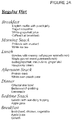
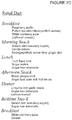
- Figures 2A-3D show exemplary (non-limiting) menus for subjects on normal diets (2A), pediatric diets (2B), diabetic diets (2C), and renal diets (2D).
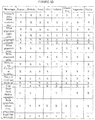
- Figures 3A-3D show exemplary (non-limiting) food restrictions for subjects with special diets, e.g., pediatric, diabetic, liver (i.e., for subjects with compromised liver function), gluten free, vegetarian, Kosher and renal (i.e., for subjects with compromised kidney function) diets.
- the present methods can utilize a variety of agents including, but not limited to, hydrating agents (osmotics), e.g., dibasic sodium phosphate, magnesium citrate, magnesium hydroxide (milk of magnesia), magnesium sulfate (Epsom salt), monobasic sodium phosphate, sodium biphosphate, lactulose, polyethylene glycol (PEG), e.g., PEG 3350, vitamin C, and sorbitol.
- hydrating agents e.g., dibasic sodium phosphate, magnesium citrate, magnesium hydroxide (milk of magnesia), magnesium sulfate (Epsom salt), monobasic sodium phosphate, sodium biphosphate, lactulose, polyethylene glycol (PEG), e.g., PEG 3350, vitamin C, and sorbitol.
- PEG polyethylene glycol
- Other laxative agents are known in the art, e.g., those described in Delegge and Kaplan, Aliment Pharmacol The
- the laxative agent is not a senna laxative, e.g., is not an anthraquinone derivative (e.g., not a glycoside or sennoside).
- the dose of the laxative provided in each meal should be an amount sufficient to induce the presence of watery yellow stools with light yellow or clear effluent within about 6-8 hours of the initiation of the prep; this effluent is a clinical indicator of an adequate cleansing of the colon and is used as a clinical guide and surrogate marker for an adequate colon cleansing to permit a thorough inspection of the lining of the colon.
- Exemplary doses of the laxative agents are as follows: magnesium citrate 0- 20 oz PEG 3350 0-255 gms milk of magnesia 0-120 ml magnesium sulfate 0-2 tablespoons lactulose 0-120 ml (0-90 gms) vitamin C 0-40 gms sorbitol 0-100 ml of 70% solution Since combinations of the agents can be used, one of skill in the art will be able to determine an appropriate dose. In one example, if only PEG 3350 is used, a dose of about 255 g per day can be used; if only sorbitol is used, about 100 ml per day of a 70% solution can be used. As a further example, if a combination of the two is used, e.g., 50% PEG 3350 and 50% sorbitol, then the doses given above can be altered correspondingly.
- the foods described herein can be made using standard cooking methods known in the art, including processing, mixing, precooking, cooking (including baking, steaming, and frying, inter alia ), freezing, dehydrating or freeze-drying.
- the laxative agents can be incorporated therein by any method including mixing in as an ingredient e.g., as in a baked good, or by inclusion as a topping, sauce, or glaze, e.g., as in a sauce for pasta or a protein source such as meat or tofu.
- kits that includes all of the meals required for a subject to complete the preparation for the procedure, e.g., all of the meals that the subject will consume the day before the procedure.
- the kit also include all of the beverages that the subject will consume.
- the kit can also include instructions for use in a method described herein.
- the foods are provided in prepackaged form, e.g., packed in a container, e.g., in a shelf stable, refrigerated, or frozen form.
- the kits can be purchased, e.g., from a pharmacy or other retail outlet.
- the food can be prepared and packaged such that some or all of the food items require some (preferably simple) preparation by the subject, e.g., mixing (e.g., by hand or in a blender or food processor), cooking (e.g., on a stove top, in an oven or microwave), or diluting, e.g., by adding cool, hot or boiling water, or by submerging the food item into boiling water.
- some or all of the foods can be provided to the subject in ready-to-eat form, e.g., as a bar or canned liquid (e.g., a beverage).
- the foods are prepared to order once the subject has made menu selections.
- the foods can be prepared, e.g., by a health care institution such as a clinic or inpatient facility, or by a specialized producer of such foods.
- the foods can then be delivered to the subject, e.g., at home or in a facility, or picked up by the patient.
- the foods described herein are intended for consumption by subjects preceding a procedure that requires a clean bowel, i.e., a medical procedure such as a surgical or diagnostic procedure, to prepare the bowel for the procedure.
- a medical procedure such as a surgical or diagnostic procedure
- Such procedures include colonoscopy, intestinal surgery, virtual colography, fiberoptic endoscopy, sigmoidoscopy, wireless capsule endoscopy (WCE) (which uses a miniaturized scope administered in a "pill” form) and barium studies (barium enema), inter alia.
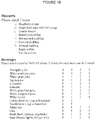
- patients are given a menu from which they can make a certain number of choices among several different groups of foods in order to take in adequate amounts of laxatives and fluid to provide an adequate bowel preparation (see an example menu set forth in Figures 1A-1B ).
- These instructions can be provided directly by their health care provider, or can be provided to the patient, e.g., via a pamphlet, package insert or internet web page.
- the foods can be, e.g., obtained from a supplier, or delivered to the patient's home for consumption.
- the methods of treatment will include the ingestion of these foods starting at 72, 48, 36, 24, or 12 hours prior to a scheduled procedure; these foods can be consumed up to a few hours prior to the procedure, e.g., up to about 2, 3, 4, 5, or 6 hours prior to the procedure.
- the administration regimen can include the ingestion of foods with increasingly less residue closer to the procedure.
- the meals consumed closer to the procedure can contain substantially no fiber (i.e., less than 1 g fiber) and no dairy products.
- the methods described herein do not include the use of a high-volume liquid prep as is known in the art (described above) for whole bowel irrigation.
- An enema e.g., a tap water enema, may be used in some cases.
- a pilot test was conducted with three subjects. Patients 1, 2 and 3 consumed the contents of a full menu designed for colon preparation. Items included in the menu are listed in Table 3. Results were uniform across all three subjects. Within 2-3 hrs of the beginning of the preparation all subjects had an urgency to move their bowels. Within 4-5 hours of beginning the preparation the subjects all had a significant volume of watery diarrhea. By 6 hours after initiation of the preparation, the subjects all had watery yellow stools with an effluent appearance similar to what we expect at the time of colonoscopy. This light yellow effluent is a clinical indicator of an adequate cleansing of the colon and is used as a clinical guide and surrogate marker for an adequate colon cleansing to permit a thorough inspection of the lining of the colon.
Landscapes
- Health & Medical Sciences (AREA)
- Life Sciences & Earth Sciences (AREA)
- Chemical & Material Sciences (AREA)
- Nutrition Science (AREA)
- Engineering & Computer Science (AREA)
- Polymers & Plastics (AREA)
- Food Science & Technology (AREA)
- Mycology (AREA)
- Veterinary Medicine (AREA)
- Medicinal Chemistry (AREA)
- Animal Behavior & Ethology (AREA)
- General Health & Medical Sciences (AREA)
- Public Health (AREA)
- Pharmacology & Pharmacy (AREA)
- Epidemiology (AREA)
- Pediatric Medicine (AREA)
- Physiology (AREA)
- Zoology (AREA)
- Organic Chemistry (AREA)
- Chemical Kinetics & Catalysis (AREA)
- Bioinformatics & Cheminformatics (AREA)
- General Chemical & Material Sciences (AREA)
- Nuclear Medicine, Radiotherapy & Molecular Imaging (AREA)
- Coloring Foods And Improving Nutritive Qualities (AREA)
- Medicinal Preparation (AREA)
- Medicines Containing Antibodies Or Antigens For Use As Internal Diagnostic Agents (AREA)
- Pharmaceuticals Containing Other Organic And Inorganic Compounds (AREA)
Abstract
Description
- This application claims the benefit of
U.S. Provisional Patent Application Serial No. 61/134,242, filed on July 9, 2008 - This invention relates to kits, food compositions and methods for cleaning the bowel, e.g., in preparation for a medical procedure, e.g., a diagnostic or treatment procedure, such as an endoscopic or surgical procedure, or radiologic imaging such as CT colography.
- An estimated six million colonoscopies are performed annually in the United States, predominantly as a screening procedure to prevent colon cancer. Many patients report the most difficult aspect of the procedure is the preparation taken the day, night and morning before the procedure to evacuate stool and any other residue from the colon to allow for optimal visualization of the colon during the colonoscopic examination. The several existing options for cleaning the colon involve a variety of means providing a large amount of fluid (i.e., whole bowel irrigation), both orally ingested as well as induced through secretions of the small bowel, to wash out bowel contents.
- A widely used whole bowel irrigation liquid formulation includes polyethelene glycol (PEG) in solution with electrolytes. These are non-absorbed solutions that require the ingestion of a substantial amount of fluid. These PEG lavage preparations (e.g., GOLYTELY, NULYTELY, and HALF-LYTELY from Braintree Laboratories Inc. (Braintree, MA), and the fruit flavored COLYTE from Schwarz Pharma, Inc. (Mequon, WI), which are usually taken by the patient at home the night or evening before the examination, cleanse the bowel through the induction of diarrhea. The osmotic activity of polyethylene glycol, in combination with the electrolyte concentration, results in virtually no net absorption or excretion of ions or water. Accordingly, large volumes can be administered without significant changes in fluid and electrolyte balance. Individuals undergoing these whole bowel irrigation preparations complain of nausea and often vomiting because of the need to take in a large amount of (unpleasant) tasting fluid and significant hunger. While most patients understand the need to clear the bowel completely prior to an endoscopic procedure - adequate preparation is key to an accurate colonoscopy - many balk at these unpleasant whole bowel irrigation preps.
- Described herein are a variety of prepared, low residue foods that contain a variety of laxatives as ingredients and incorporate an adequate amount of fluid so that an individual undergoing this preparation can continue to take in nutrition (unlike existing preps) while preparing for a procedure. In general, a large amount of distasteful fluid (whole bowel irrigation) would not be required. Different foods including appetizers, soups, main courses, desserts, snacks, and beverages are prepared with a variety of laxatives incorporated therein as ingredients so that the food itself is the delivery vehicle for the bowel cleanse. The food includes a variety of low residue foods, and can include foods with increasingly less residue as those taken closer to the procedure.
- Thus, in one aspect, the invention provides kits for providing a therapeutic dietary regimen including a plurality of therapeutic foods for the preparation of a subject's bowel for a medical procedure. In general, the kits include enough food items for all of the meals to be ingested by the subject for a specified period prior to the medical procedure (e.g., the 24 hours before, the 48 hours before, the day before, or the day before and morning of, e.g., from 48 or 24 hours up to 2, 3, 4, 5, or 6 hours before). In some embodiments, the food items are low fiber, low residue foods, and some or all of the food items have incorporated therein an amount of a laxative agent sufficient to induce in the subject the production of watery yellow stools with a light yellow effluent. The kits and foods described herein are intended for use, and are effective for preparing the bowel, without the use of whole bowel irrigation.
- In some embodiments, the kits also include all of the beverages to be consumed by the subject during the specified period. In some embodiments, the volume of all of the liquid foods and beverages to be consumed by the subject during the preparation period is less than about 2.5 liters, or less than 2 liters.
- In some embodiments, the foods in the kit include a total of 0-6 g fiber. In some embodiments, the foods in the kit further include a total of 0.3-15 g Total Fats; 0-150 mg Cholesterol; 100-500 g of carbohydrates and 10-80 g of protein.
- In some embodiments, the kits include solid foods (e.g., pasta, cookies, or bars) and liquid foods (e.g., soups, smoothies, and beverages).
- In some embodiments, the medical procedure is selected from the group consisting of colonoscopy, intestinal surgery, virtual colography, and barium studies.
- In another aspect, the invention provides methods for preparing a subject's bowel for a medical procedure, e.g., for assisting a subject in preparing their bowel, the method including providing to (e.g., administering to, or prescribing for, or providing instructions regarding) the subject a therapeutic dietary regimen including a plurality of therapeutic foods, i.e., a dietary regimen that includes all the meals that are to be ingested by the subject for a specified period prior to the medical procedure (e.g., the 24 hours before, the 48 hours before, the day before, or the day before and morning of, e.g., from 48 or 24 hours up to 2, 3, 4, 5, or 6 hours before). In some embodiments, the food items are low fiber, low residue foods, and some or all of the food items have incorporated therein an amount of a laxative agent sufficient to induce in the subject the production of watery yellow stools with a light yellow effluent. The methods described herein are intended for use, and are effective for preparing the bowel, without the use of whole bowel irrigation.
- In some embodiments, all of the beverages to be consumed by the subject during the specified period are also provided or specified, and some or all of the beverages also include a laxative agent. In some embodiments, the volume of all of the liquid foods and beverages to be consumed by the subject during the preparation period is less than about 2.5 liters, or less than 2 liters.
- In some embodiments, the foods (and optionally beverages) include a total of 0-6 g fiber. In some embodiments, the foods (and optionally beverages) further include a total of 0.3-15 g Total Fats; 0-150 mg Cholesterol; 100-500 g of carbohydrates and 10-80 g of protein.
- In some embodiments, the methods include providing solid foods and liquid foods.
- In some embodiments, the methods include administering very low- or no-residue foods to be consumed up to two hours prior to the procedure, e.g., to be consumed between 6 (e.g., 12, 11, 10, 9, 8, 7) hours and 2 hours before the procedure.
- Also described herein is the use of the kits and foods described herein in a method (described herein) of preparing a subject's bowel for a medical procedure.
- Unless otherwise defined, all technical and scientific terms used herein have the same meaning as commonly understood by one of ordinary skill in the art to which this invention belongs. Methods and materials are described herein for use in the present invention; other, suitable methods and materials known in the art can also be used. The materials, methods, and examples are illustrative only and not intended to be limiting. All publications, patent applications, patents, sequences, database entries, and other references mentioned herein are incorporated by reference in their entirety. In case of conflict, the present specification, including definitions, will control.
- Other features and advantages of the invention will be apparent from the following detailed description and figures, and from the claims.
-
-
FIGs. 1A-B show a sample selectable menu and instructions for use. -
FIGs. 2A-2D show exemplary menus for subjects on normal diets (2A), pediatric diets (2B), diabetic diets (2C), and renal diets (2D). -
FIGs. 3A-3D show restrictions on the food types for subjects with special diets, e.g., pediatric, diabetic, liver (i.e., for subjects with compromised liver function), gluten free, vegetarian, Kosher and renal (i.e., for subjects with compromised kidney function) diets. X indicates a food that is available for selection for that category of subject. - Millions of Americans undergo bowel preparations annually, to prepare for colonoscopies, intestinal surgery (e.g., polypectomy, resection, colostomy, or ileostomy), virtual colography, and barium studies (e.g., using a barium enema). These preps are usually performed using a liquid preparation for whole bowel irrigation; although phospha soda formulations in pill form are available, their use has been restricted due to possible renal injury.
- Current recommendations for an appropriate diet before colonoscopy restrict diet to clear liquids and/or a low residue foods for 1-4 days prior to initiating the bowel cleansing product (see Hawes et al., Gastrointestinal Endoscopy 63 (7):894-909 (2006)). Current preparation regimes indicate that any intake of solids or liquids other than what is part of the prep must be stopped prior to initiating the prep. For example, one commercially-available diet, NUTRA-PREP™ (E-Z-EM, Lake Success, NY), formalizes some of these practices in a prepackaged set of meals to be taken prior to beginning a prep. As described in
U.S. Pat. No. 6,866,873 (with which the NUTRA-PREP is marked), clinical tests (see, e.g., Delegge and Kaplan, Aliment Pharmacol Ther 21:1491-1495 (2005)), and the patient instructions, the NUTRA-PREP diet is to be taken prior to initiating any of the bowel prep products with a minimum specified time interval between completing the final intake of food and beginning the bowel cleansing product.U.S. Pat. No. 6,866,873 teaches that the meals are to be utilized prior to the use of any bowel cleansing products, which are to then used as indicated. While these bowel cleansing products differ in content and amount of water to be taken along with them, the instructions for each prep is to complete intake of food or liquids (other than the water which is part of some preps) prior to initiating the product. As described in Delegge and Kaplan, Aliment Pharmacol Ther 21:1491-1495 (2005), patients in a clinical study of the effectiveness of the NUTRA-PREP regime consumed the NUTRA-PREP food prior to initiation of the LOSO prep, which was begun at 4 PM the day before the colonoscopy, thus requiring a fast of longer than 12 hours for most patients. - In contrast, the methods and composition described herein differ from existing preps (including NUTRA-PREP), at least in that food is used as the delivery vehicle for the prep, so that an individual continues dietary intake, e.g., provided in a prepared diet, in order to deliver the bowel cleansing product efficiently and effectively to perform the prep. This concept runs contrary to existing art, established practice and expert opinion of how a colon can be prepared for a colonoscopy, gastrointestinal surgery or virtual (CT) colography. By utilizing food to deliver the prep, the present methods are contradictory in theory and practice to currently accepted methods, which as noted above require that the individual cease taking in food or liquids (other than those required by the prep) in order to sufficiently cleanse the colon. The methods described herein provide an adequate cleansing and do not require that dietary intake be discontinued prior to initiating a prep, and therefore do not require a prolonged fast; this will encourage and assist with complete ingestion of the prep (as many patients have difficulty with existing preps due to unpalatable taste, "taste fatigue," and side effects like nausea and fasting) and will enhance the cleansing of the colon. As most patients find the most difficult part of the colonoscopy experience is the prep and not the procedure itself, the approach described herein will improve the quality of the experience significantly by enhancing acceptability of the prep, decreasing side effects (dizziness, dehydration, nausea, vomiting, taste fatigue, etc) and thereby provide a better prep for the colon. This approach may also reduce healthcare costs by increasing the percentage of adequately prepped colons and reducing the wasted resources related to the need to cancel and repeat colonoscopies for inadequately prepped patients.
- Thus, described herein are therapeutic food compositions that include low-residue foods with cleansing agents incorporated therein, for use in the preparation of the bowel for procedures including colonoscopy, intestinal surgery, virtual colography, and barium studies (barium enema), inter alia, and methods of use thereof.
- As used herein, the term "food" or "foods" includes both solid and liquid forms of food, including beverages. As used herein, a low residue diet typically contains less than about 5 or 6 grams of fiber per day, and generally limits foods that leave significant amounts of fecal residue in the colon. Low residue foods are those that leave little or no residue in the bowel, and can include white bread, refined pasta and cereals, and white rice; some canned or well-cooked fruits or vegetables that do not include skins, peels or seeds; tender, ground, and well cooked meat, fish, eggs, and poultry; less than 2 cups per day of milk and yogurt; mild cheeses, such as ricotta and cottage cheese; butter, mayonnaise, vegetable oils, margarine, plain gravies and dressings; broth and strained soups from allowed foods; and pulp free, strained, or clear juices. In some embodiments, the foods useful in the methods and compositions described herein should:
- 1. Omit raw, high fiber vegetables and fruits
- 2. Omit whole grains, seeds, nuts and skins
- 3. Omit high fats foods that slow gastric emptying
- 4. Fiber content per serving should be 1 gram or less, for a total of less than about 5 or 6 grams per day
- 5. Dairy intake is limited to 2 cups per day, including puddings and strained cream soups.
- In addition, the foods useful in the kits, compositions and methods described herein are low in fat (i.e., less than 15 grams of fat per day or prep period) and bland colored (e.g., white, cream, yellow, or clear) to allow for adequate colon cleansing.
- The general nutritional value of a 24 hour regimen of the foods described herein is set forth in Table 2.
Table 2: Nutritional Value Calories 1000-2500 From Carbohydrate 400-2000 From Fat 5-200 From Protein 80-320 Total Carbohydrate 100-500 g Dietary Fiber 0-6 g Protein 10-80 g Total Fats 0.3-15 g Cholesterol 0-150 mg - The foods can be in forms that include, but are not limited to, soups (broths, chicken noodle soup), juices, teas, milk, pancakes with syrup, low-fat muffins, yogurt smoothies, pasta with sauce, puddings, and custards. A number of sample recipes are provided herein, see below.
-
Figures 2A-3D show exemplary (non-limiting) menus for subjects on normal diets (2A), pediatric diets (2B), diabetic diets (2C), and renal diets (2D).Figures 3A-3D show exemplary (non-limiting) food restrictions for subjects with special diets, e.g., pediatric, diabetic, liver (i.e., for subjects with compromised liver function), gluten free, vegetarian, Kosher and renal (i.e., for subjects with compromised kidney function) diets. - Rather than relying on one agent as is done at present in essentially all existing preparations, the present methods can utilize a variety of agents including, but not limited to, hydrating agents (osmotics), e.g., dibasic sodium phosphate, magnesium citrate, magnesium hydroxide (milk of magnesia), magnesium sulfate (Epsom salt), monobasic sodium phosphate, sodium biphosphate, lactulose, polyethylene glycol (PEG), e.g., PEG 3350, vitamin C, and sorbitol. Other laxative agents are known in the art, e.g., those described in Delegge and Kaplan, Aliment Pharmacol Ther 21:1491-1495 (2005).
- In some embodiments, the laxative agent is not a senna laxative, e.g., is not an anthraquinone derivative (e.g., not a glycoside or sennoside).
- The dose of the laxative provided in each meal should be an amount sufficient to induce the presence of watery yellow stools with light yellow or clear effluent within about 6-8 hours of the initiation of the prep; this effluent is a clinical indicator of an adequate cleansing of the colon and is used as a clinical guide and surrogate marker for an adequate colon cleansing to permit a thorough inspection of the lining of the colon.
Exemplary doses of the laxative agents are as follows:magnesium citrate 0- 20 oz PEG 3350 0-255 gms milk of magnesia 0-120 ml magnesium sulfate 0-2 tablespoons lactulose 0-120 ml (0-90 gms) vitamin C 0-40 gms sorbitol 0-100 ml of 70% solution - The foods described herein can be made using standard cooking methods known in the art, including processing, mixing, precooking, cooking (including baking, steaming, and frying, inter alia), freezing, dehydrating or freeze-drying. The laxative agents can be incorporated therein by any method including mixing in as an ingredient e.g., as in a baked good, or by inclusion as a topping, sauce, or glaze, e.g., as in a sauce for pasta or a protein source such as meat or tofu.
- In some embodiments, a kit is provided that includes all of the meals required for a subject to complete the preparation for the procedure, e.g., all of the meals that the subject will consume the day before the procedure. In some embodiments, the kit also include all of the beverages that the subject will consume. The kit can also include instructions for use in a method described herein.
- In some embodiments, the foods are provided in prepackaged form, e.g., packed in a container, e.g., in a shelf stable, refrigerated, or frozen form. The kits can be purchased, e.g., from a pharmacy or other retail outlet.
- Additionally, the food can be prepared and packaged such that some or all of the food items require some (preferably simple) preparation by the subject, e.g., mixing (e.g., by hand or in a blender or food processor), cooking (e.g., on a stove top, in an oven or microwave), or diluting, e.g., by adding cool, hot or boiling water, or by submerging the food item into boiling water. Alternatively, some or all of the foods can be provided to the subject in ready-to-eat form, e.g., as a bar or canned liquid (e.g., a beverage).
- In some embodiments, the foods are prepared to order once the subject has made menu selections. The foods can be prepared, e.g., by a health care institution such as a clinic or inpatient facility, or by a specialized producer of such foods. The foods can then be delivered to the subject, e.g., at home or in a facility, or picked up by the patient.
- The foods described herein are intended for consumption by subjects preceding a procedure that requires a clean bowel, i.e., a medical procedure such as a surgical or diagnostic procedure, to prepare the bowel for the procedure. Such procedures include colonoscopy, intestinal surgery, virtual colography, fiberoptic endoscopy, sigmoidoscopy, wireless capsule endoscopy (WCE) (which uses a miniaturized scope administered in a "pill" form) and barium studies (barium enema), inter alia.
- In some embodiments, patients are given a menu from which they can make a certain number of choices among several different groups of foods in order to take in adequate amounts of laxatives and fluid to provide an adequate bowel preparation (see an example menu set forth in
Figures 1A-1B ). These instructions can be provided directly by their health care provider, or can be provided to the patient, e.g., via a pamphlet, package insert or internet web page. Once selections are made, the foods can be, e.g., obtained from a supplier, or delivered to the patient's home for consumption. - In some embodiments, the methods of treatment will include the ingestion of these foods starting at 72, 48, 36, 24, or 12 hours prior to a scheduled procedure; these foods can be consumed up to a few hours prior to the procedure, e.g., up to about 2, 3, 4, 5, or 6 hours prior to the procedure. The administration regimen can include the ingestion of foods with increasingly less residue closer to the procedure. For example, the meals consumed closer to the procedure can contain substantially no fiber (i.e., less than 1 g fiber) and no dairy products.
- In general, the methods described herein do not include the use of a high-volume liquid prep as is known in the art (described above) for whole bowel irrigation. An enema, e.g., a tap water enema, may be used in some cases.
- Although the following recipes specify MIRALAX™ (PEG 3350) or sorbitol, one of skill in the art will appreciate that equally effective amounts of other laxatives can also be used.
-
- 23 grams of flour
- 5.5 grams sugar
- 0.4 grams baking soda
- 100 micrograms salt
- 5 milliliters orange juice
- 2.5 milliliters vegetable oil
- 0.2 milliliters almost extract
- 20 milliliters nonfat vanilla yogurt
- 4 grams liquid egg substitute
- 1 milliliter raspberry extract
- 17 grams MIRALAX
- --
- In large bowl combine flour, sugar, baking powder, baking soda, salt and MIRALAX. Mix well.
- In another bowl, whisk together orange juice, oil extracts, yogurt and egg. Add to dry ingredients and stir until moistened. Spoon into muffin liners.
- Bake at 400 F for 20 minutes.
-
- 240 milliliters pulp free orange juice
- 240 milliliters of non-fat yogurt
- 0.5 grams of cinnamon
- 118 grams of ripe banana (1 medium)
- 17 grams MIRALAX
- Place all ingredients into blender, process until smooth.
-
- 60 milliliters pulp free orange juice
- 60 milliliters pineapple juice
- 17 grams MIRALAX
- --
- Mix and freeze in a popsicle mold.
-
- 120 milliliters coconut milk
- 12.5 grams of sugar
- 8 grams of cornstarch
- 100 micrograms of salt
- 0.5 grams of cinnamon
- 17 grams MIRALAX
- --
- In a saucepan, mix together cornstarch, salt, sugar, and MIRALAX. Whisk in coconut milk and simmer over medium heat. Stir constantly until mixture thickens. Pour into serving dishes and chill at least 1 hour. Optionally, garnish with cinnamon powder.
-
- 236 grams coconut milk
- 28 grams of arrowroot
- up to 30 ml of 70% sorbitol solution
- --
- Prepare as directed above for
Coconut Pudding 1. -
- 244 grams of cereal cooked with water without salt
- 112 gram of skim milk
- up to 30 ml of 70% sorbitol solution
- --
- Mix cereal, rice and sorbitol together with water; heat and serve
- The invention is further described in the following example, which does not limit the scope of the invention described in the claims.
- A pilot test was conducted with three subjects.
Patients - Other than the diarrhea, effects included gas and mild abdominal cramping. No other side-effects were noted. All subjects noted that the food was good tasting, they were not hungry during the preparation, they did not experience taste fatigue, nausea or significant abdominal bloating.
Table 3: Study Meals Breakfast Snacks Lunch Dinner Drinks Pancakes w/ syrup Fruit smoothie Potato leek soup Asian noodles Apple juice Blueberry muffin Vanilla Pudding Asian noodles Frozen pop Lemonade Toasted rice cereal with soy milk Pretzels with honey mustard Creamy garlic sauce with noodles Vegetable soup Raspberry iced tea SMOOTH MOVER senna leaf tea (Traditional Medicinals, Sebastopol, CA) Frozen pop Tortellini with alfredo sauce Fruit smoothie White cranberry juice - It is to be understood that while the invention has been described in conjunction with the detailed description thereof, the foregoing description is intended to illustrate and not limit the scope of the invention, which is defined by the scope of the appended claims. Other aspects, advantages, and modifications are within the scope of the following claims.
- The present invention is now described with reference to the following clauses:
- 1. A kit for providing a therapeutic dietary regimen comprising a plurality of therapeutic foods for the preparation of a subject's bowel for a medical procedure, wherein the kit comprises food items sufficient for all of the meals to be ingested by the subject for a specified period prior to the medical procedure, and wherein the food items are low fiber, low residue foods, and further wherein the food items have incorporated therein an amount of a laxative agent sufficient to induce in the subject the production of watery yellow stools with a light yellow effluent.
- 2. The kit of
clause 1, further comprising all of the beverages to be consumed by the subject during the specified period. - 3. The kit of
clause 1, wherein the kit includes all of the food to be ingested by the subject the day before the medical procedure. - 4. The kit of
clause 3, wherein the foods in the kit comprise a total of 0-6 g fiber. - 5. The kit of
clause 4, wherein the foods in the kit further comprise a total of 0.3-15 g Total Fats; 0-150 mg Cholesterol; 100-500 g of carbohydrates and 10-80 g of protein. - 6. The kit of
clause 1, comprising solid foods and liquid foods. - 7. The kit of
clause 1, wherein the medical procedure is selected from the group consisting of colonoscopy, intestinal surgery, virtual colography, and barium studies. - 8. A method of preparing a subject's bowel for a medical procedure, the method comprising providing to the subject a therapeutic dietary regimen comprising a plurality of therapeutic foods sufficient for all of the meals to be ingested by the subject for a specified period prior to the medical procedure, and wherein the food items are low fiber, low residue foods, and further wherein the food items have incorporated therein an amount of a laxative agent sufficient to induce in the subject the production of watery yellow stools with a light yellow effluent.
- 9. The method of
clause 8, further comprising providing all of the beverages to be consumed by the subject during the specified period, and wherein some or all of the beverages comprise a laxative agent. - 10. The method of
clause 8, wherein all of the foods to be ingested by the subject the day before the medical procedure are provided. - 11. The method of clause 10, wherein the foods comprise a total of 0-6 g fiber.
- 12. The method of clause 11, wherein the foods further comprise a total of 0.3-15 g Total Fats; 0-150 mg Cholesterol; 100-500 g of carbohydrates and 10-80 g of protein.
- 13. The method of
clause 8, comprising providing solid foods and liquid foods. - 14. The method of
clause 8, wherein the medical procedure is selected from the group consisting of colonoscopy, intestinal surgery, virtual colography, and barium studies. - 15. The method of
clause 8, comprising providing very low- or no-residue foods to be consumed up to two hours prior to the procedure. - 16. Use of the kit of any of clauses 1-7 in a method of preparing a subject's bowel for a medical procedure.
| Food Group | Allowed | Excluded |
| Starch | Cereals, rice, pasta, and other products made with refined grains | Whole grain cereals, rice, pasta, legumes, and popcorn |
| Vegetables | Strained vegetable juices, Potatoes without skins | All vegetables |
| Fruits | Fruit juices except prune | All fruits including canned |
| Dairy | Limited to 2 cups per day including yogurts, smoothies, puddings and strained cream soups | Whole milk/cream or foods made with them; cheese |
| Meats/Meat Substitutes | Eggs, fish, (tofu) | Beef, pork, chicken, processed meats, dried peas/beans, peanut butter |
| Desserts | Gelatin, pudding, sherbet, sorbet, custards, plain cake (angel food), plain cookies (sugar), yogurt, smoothies | All pastries plus desserts that contain skins, nuts, seeds and raisins |
| Beverages | Coffee and tea (limited), non-cola sodas, pulp free fruit juices, pulp free fruit ice white ice tea, non-caloric teas and beverages, freezer pops, milk (limited intake), smoothies, protein drinks | |
| Miscellaneous | Nuts, seeds |
Claims (15)
- A plurality of food items for use in a method of preparing of a subject for a colonoscopy, comprising solid foods or liquid foods for meals to be ingested by the subject between 24 hours and 2 hours immediately prior to the colonoscopy, wherein at least one meal comprises both low fiber solid foods and liquid foods, and each meal comprises at least one food item having incorporated therein 17-255 grams of polyethylene glycol, sufficient to induce in the subject the production of watery yellow stools with a light yellow effluent within about 6-8 hours of the ingestion of the first meal.
- The plurality of food items for the use of claim 1, wherein the plurality of food items that are provided comprise all of the foods to be ingested by the subject during the 24 hours prior to the colonoscopy.
- The plurality of food items for the use of any one of the preceding claims, wherein each of the food items comprises a total of 0-6g fiber.
- The plurality of food items for the use of any one of the preceding claims wherein each of the food items further comprises a total of 0.3-15g Total Fats; 0-150mg Cholesterol; 100-500g of carbohydrates and 10-80 g of protein.
- The plurality of food items for the use of any one of the preceding claims, wherein the polyethylene glycol is PEG 3350.
- The plurality of food items for the use of any one of the preceding claims, wherein all the liquid foods to be ingested by the subject during the 24 hours prior to the colonoscopy have a total volume that is less than 2 liters.
- The plurality of food items for the use of any one of the preceding claims, which does not include whole bowel irrigation.
- The plurality of food items for the use of any one of the preceding claims, wherein at least one liquid food is a beverage.
- The plurality of food items for the use of any one of the preceding claims, wherein at least one solid food is a bar.
- The plurality of food items for the use of any one of the preceding claims, wherein no laxative agent other than the laxative agent mixed with food items is provided to the subject for ingestion prior to the procedure.
- The plurality of food items for the use of any one of the preceding claims, wherein the plurality of food items provide calories to the subject when ingested.
- The plurality of food items for the use of any one of the preceding claims, wherein the plurality of food items provide 1000-2500 calories to the subject when ingested.
- The plurality of food items for the use of any one of the preceding claims, wherein the meals comprise lunch, snack, dinner, and bedtime snack to be ingested 24 to 12 hours before the procedure, and breakfast to be ingested 4 to 5 hours before the procedure.
- The plurality of food items for the use of any one of the preceding claims, wherein each meal comprises at least one food item having incorporated therein 17-127.5 grams of polyethylene glycol.
- The plurality of food items for the use of any one of the preceding claims, wherein the plurality of food items comprising solid foods or liquid foods for meals to be ingested by the subject providing to a subject in need thereof a between 24 hours and 4 hours immediately prior to the colonoscopy.
Applications Claiming Priority (2)
| Application Number | Priority Date | Filing Date | Title |
|---|---|---|---|
| US13424208P | 2008-07-09 | 2008-07-09 | |
| EP09795214.7A EP2309878B1 (en) | 2008-07-09 | 2009-07-09 | Dietary purgatives |
Related Parent Applications (1)
| Application Number | Title | Priority Date | Filing Date |
|---|---|---|---|
| EP09795214.7A Division EP2309878B1 (en) | 2008-07-09 | 2009-07-09 | Dietary purgatives |
Publications (1)
| Publication Number | Publication Date |
|---|---|
| EP3326472A1 true EP3326472A1 (en) | 2018-05-30 |
Family
ID=41507747
Family Applications (2)
| Application Number | Title | Priority Date | Filing Date |
|---|---|---|---|
| EP17188854.8A Withdrawn EP3326472A1 (en) | 2008-07-09 | 2009-07-09 | Dietary purgatives |
| EP09795214.7A Active EP2309878B1 (en) | 2008-07-09 | 2009-07-09 | Dietary purgatives |
Family Applications After (1)
| Application Number | Title | Priority Date | Filing Date |
|---|---|---|---|
| EP09795214.7A Active EP2309878B1 (en) | 2008-07-09 | 2009-07-09 | Dietary purgatives |
Country Status (16)
| Country | Link |
|---|---|
| US (4) | US9655919B2 (en) |
| EP (2) | EP3326472A1 (en) |
| AU (1) | AU2009268453C1 (en) |
| CA (1) | CA2736183C (en) |
| CY (1) | CY1119622T1 (en) |
| DK (1) | DK2309878T3 (en) |
| ES (1) | ES2647813T3 (en) |
| HK (1) | HK1255405A1 (en) |
| HR (1) | HRP20171852T1 (en) |
| HU (1) | HUE037424T2 (en) |
| LT (1) | LT2309878T (en) |
| PL (1) | PL2309878T3 (en) |
| PT (1) | PT2309878T (en) |
| SI (1) | SI2309878T1 (en) |
| SM (1) | SMT201700565T1 (en) |
| WO (1) | WO2010006209A2 (en) |
Families Citing this family (10)
| Publication number | Priority date | Publication date | Assignee | Title |
|---|---|---|---|---|
| SMT201700565T1 (en) | 2008-07-09 | 2018-01-11 | Massachusetts Gen Hospital | Dietary purgatives |
| US8211417B1 (en) * | 2009-10-31 | 2012-07-03 | Harry Snady | Method of bowel cleansing |
| US9072689B2 (en) * | 2013-03-15 | 2015-07-07 | Nathaniel Cooper | Universal potent healing tonic |
| EA201692106A1 (en) | 2014-04-29 | 2017-04-28 | КОЛОНАРИКОНСЕПТС ЭлЭлСи | FOOD PRODUCTS, SYSTEMS, METHODS AND KITS FOR REPLACING ELECTROLYTES |
| WO2016208781A1 (en) * | 2015-06-22 | 2016-12-29 | 주식회사 씨티씨바이오 | Purgative composition for cleansing intestinal tract |
| EP3344238A4 (en) * | 2015-09-01 | 2019-04-24 | Colonaryconcepts LLC | LAXATIVE FORMULATIONS AND THEIR MANUFACTURE |
| FR3049464B1 (en) * | 2016-03-29 | 2021-08-06 | Marc Girard | COLIC PREPARATIONS |
| KR20180123136A (en) * | 2016-03-29 | 2018-11-14 | 코로나리콘셉츠 엘엘씨 | Constipation treatment agent |
| US20200289410A1 (en) * | 2016-03-29 | 2020-09-17 | Colonaryconcepts Llc | Capsule endoscopy delivery |
| US20200383934A1 (en) * | 2018-01-12 | 2020-12-10 | Colonaryconcepts Llc | Constipation specific treatment formulations |
Citations (8)
| Publication number | Priority date | Publication date | Assignee | Title |
|---|---|---|---|---|
| EP0423771A2 (en) * | 1989-10-17 | 1991-04-24 | Hershey Foods Corporation | Use of L-sugars for the manufacture of laxative compositions |
| JPH11343251A (en) * | 1998-05-28 | 1999-12-14 | Goshu Yakuhin Kk | Food for large intestine examination |
| WO2002030439A1 (en) * | 2000-10-13 | 2002-04-18 | E-Z-Em, Inc. | A nutritional dietary system, formulation, kit and method for use in preparing an individual for a predetermined activity |
| WO2003086172A2 (en) * | 2002-04-06 | 2003-10-23 | E-Z-Em, Inc. | Method for tagging colonic residue |
| WO2006069422A1 (en) * | 2004-12-30 | 2006-07-06 | Commonwealth Scientific And Industrial Research Organisation | Method and means for improving bowel health |
| WO2006122104A1 (en) * | 2005-05-06 | 2006-11-16 | Salix Pharmaceuticals, Inc. | Polyethylene glycol colonic purgative composition |
| WO2007083594A1 (en) * | 2006-01-18 | 2007-07-26 | Nagoya Industrial Science Research Institute | Laxative and food containing the same |
| US20100278949A1 (en) * | 2009-05-01 | 2010-11-04 | Jeffery Dale Scott | Pre-procedure meal regimen |
Family Cites Families (6)
| Publication number | Priority date | Publication date | Assignee | Title |
|---|---|---|---|---|
| US2367166A (en) * | 1939-05-11 | 1945-01-09 | Clyde C Balston | Lacteal-laxative products and process of making same |
| US4476121A (en) * | 1983-03-01 | 1984-10-09 | Moss David W | Bowel evacuant and method of treating constipation |
| US5710183A (en) * | 1995-07-14 | 1998-01-20 | Halow; George M. | Laxative/antidiarrheal composition comprising polyethylene glycol and fiber bulking agent |
| US8361452B2 (en) * | 2002-07-15 | 2013-01-29 | Halow George M | Bowel cleansing composition |
| US20070166411A1 (en) * | 2005-12-16 | 2007-07-19 | Bristol-Myers Squibb Company | Nutritional supplement containing long-chain polyunsaturated fatty acids |
| SMT201700565T1 (en) | 2008-07-09 | 2018-01-11 | Massachusetts Gen Hospital | Dietary purgatives |
-
2009
- 2009-07-09 SM SM20170565T patent/SMT201700565T1/en unknown
- 2009-07-09 WO PCT/US2009/050167 patent/WO2010006209A2/en not_active Ceased
- 2009-07-09 HR HRP20171852TT patent/HRP20171852T1/en unknown
- 2009-07-09 CA CA2736183A patent/CA2736183C/en active Active
- 2009-07-09 ES ES09795214.7T patent/ES2647813T3/en active Active
- 2009-07-09 DK DK09795214.7T patent/DK2309878T3/en active
- 2009-07-09 SI SI200931760T patent/SI2309878T1/en unknown
- 2009-07-09 US US13/002,887 patent/US9655919B2/en active Active
- 2009-07-09 HU HUE09795214A patent/HUE037424T2/en unknown
- 2009-07-09 PL PL09795214T patent/PL2309878T3/en unknown
- 2009-07-09 AU AU2009268453A patent/AU2009268453C1/en not_active Ceased
- 2009-07-09 EP EP17188854.8A patent/EP3326472A1/en not_active Withdrawn
- 2009-07-09 EP EP09795214.7A patent/EP2309878B1/en active Active
- 2009-07-09 PT PT97952147T patent/PT2309878T/en unknown
- 2009-07-09 LT LTEP09795214.7T patent/LT2309878T/en unknown
-
2016
- 2016-03-30 US US15/085,363 patent/US20160206650A1/en not_active Abandoned
-
2017
- 2017-11-24 CY CY20171101234T patent/CY1119622T1/en unknown
- 2017-12-26 US US15/854,535 patent/US10507217B2/en active Active
-
2018
- 2018-11-14 HK HK18114568.3A patent/HK1255405A1/en unknown
-
2019
- 2019-12-13 US US16/714,473 patent/US20200113930A1/en not_active Abandoned
Patent Citations (9)
| Publication number | Priority date | Publication date | Assignee | Title |
|---|---|---|---|---|
| EP0423771A2 (en) * | 1989-10-17 | 1991-04-24 | Hershey Foods Corporation | Use of L-sugars for the manufacture of laxative compositions |
| JPH11343251A (en) * | 1998-05-28 | 1999-12-14 | Goshu Yakuhin Kk | Food for large intestine examination |
| WO2002030439A1 (en) * | 2000-10-13 | 2002-04-18 | E-Z-Em, Inc. | A nutritional dietary system, formulation, kit and method for use in preparing an individual for a predetermined activity |
| US6866873B2 (en) | 2000-10-13 | 2005-03-15 | E-Z-Em, Inc. | Nutritional dietary system, formulation, kit and method for use in preparing an individual for a predetermined activity |
| WO2003086172A2 (en) * | 2002-04-06 | 2003-10-23 | E-Z-Em, Inc. | Method for tagging colonic residue |
| WO2006069422A1 (en) * | 2004-12-30 | 2006-07-06 | Commonwealth Scientific And Industrial Research Organisation | Method and means for improving bowel health |
| WO2006122104A1 (en) * | 2005-05-06 | 2006-11-16 | Salix Pharmaceuticals, Inc. | Polyethylene glycol colonic purgative composition |
| WO2007083594A1 (en) * | 2006-01-18 | 2007-07-26 | Nagoya Industrial Science Research Institute | Laxative and food containing the same |
| US20100278949A1 (en) * | 2009-05-01 | 2010-11-04 | Jeffery Dale Scott | Pre-procedure meal regimen |
Non-Patent Citations (3)
| Title |
|---|
| DATABASE WPI Week 200841, Derwent World Patents Index; AN 2008-G53654, XP002663177 * |
| DELEGGE; KAPLAN, ALIMENT PHARMACOL THER, vol. 21, 2005, pages 1491 - 1495 |
| HAWES ET AL., GASTROINTESTINAL ENDOSCOPY, vol. 63, no. 7, 2006, pages 894 - 909 |
Also Published As
| Publication number | Publication date |
|---|---|
| PL2309878T3 (en) | 2018-06-29 |
| US20160206650A1 (en) | 2016-07-21 |
| EP2309878B1 (en) | 2017-09-06 |
| LT2309878T (en) | 2017-12-11 |
| EP2309878A4 (en) | 2011-12-28 |
| WO2010006209A3 (en) | 2010-04-01 |
| DK2309878T3 (en) | 2017-12-18 |
| AU2009268453A1 (en) | 2010-01-14 |
| US20110288180A1 (en) | 2011-11-24 |
| EP2309878A2 (en) | 2011-04-20 |
| HK1255405A1 (en) | 2019-08-16 |
| US9655919B2 (en) | 2017-05-23 |
| HUE037424T2 (en) | 2018-08-28 |
| SI2309878T1 (en) | 2017-12-29 |
| CA2736183A1 (en) | 2010-01-14 |
| AU2009268453B8 (en) | 2014-12-11 |
| US20200113930A1 (en) | 2020-04-16 |
| ES2647813T3 (en) | 2017-12-26 |
| AU2009268453C1 (en) | 2016-03-10 |
| SMT201700565T1 (en) | 2018-01-11 |
| PT2309878T (en) | 2017-11-22 |
| US20180117079A1 (en) | 2018-05-03 |
| AU2009268453B2 (en) | 2014-11-27 |
| HRP20171852T1 (en) | 2018-01-12 |
| WO2010006209A2 (en) | 2010-01-14 |
| US10507217B2 (en) | 2019-12-17 |
| CA2736183C (en) | 2019-06-11 |
| CY1119622T1 (en) | 2018-04-04 |
Similar Documents
| Publication | Publication Date | Title |
|---|---|---|
| US10507217B2 (en) | Methods and compositions for bowel cleansing before a medical procedure | |
| EP1337264B1 (en) | A nutritional dietary system, formulation, kit and method for use in preparing an individual for a predetermined activity | |
| AU2015253178B2 (en) | Foods, systems, methods, and kits for providing electrolyte replacement | |
| Porter | Dietary Treatment of Gastrointestinal Diseases | |
| Rajeswari | 10 Nutritional Intervention and Management in Cancer | |
| JP3523958B2 (en) | Lipid increase inhibitor | |
| Haller et al. | Nutrition therapy for dysphagia, EoE, gastroparesis, GERD, and liver disease | |
| Kistler et al. | Homemade formulas for nutrition support in chronic kidney disease: A narrative review of the opportunity for education, research, and innovation | |
| WO2014073659A1 (en) | Oral administration composition for ameliorating or preventing hypertension | |
| JP2004242523A (en) | Test food for colonoscopy | |
| Bender | A Patient’s Guide to Nutrition in Inflammatory Bowel Disease | |
| Hunter et al. | Solve Your Food Intolerance: A Practical Dietary Programme to Eliminate Food Intolerance | |
| Hawkins | The treatment of steatorrhoea | |
| Radu et al. | Diet and quality of life for patients with large bowel excision | |
| Fields-Gardner et al. | Living well with HIV and AIDS: A guide to nutrition | |
| Sterner | Six foods to help you lose weight and feel better | |
| Razzaq et al. | Celiac Disease-Management through diet and lifestyle changes | |
| Pavlova et al. | Nutritional therapy of patients with inflammation of the gallbladder and biliary. | |
| COVIL | NOTES FROM THE MEDICAL PRESS |
Legal Events
| Date | Code | Title | Description |
|---|---|---|---|
| PUAI | Public reference made under article 153(3) epc to a published international application that has entered the european phase |
Free format text: ORIGINAL CODE: 0009012 |
|
| STAA | Information on the status of an ep patent application or granted ep patent |
Free format text: STATUS: THE APPLICATION HAS BEEN PUBLISHED |
|
| AC | Divisional application: reference to earlier application |
Ref document number: 2309878 Country of ref document: EP Kind code of ref document: P |
|
| AK | Designated contracting states |
Kind code of ref document: A1 Designated state(s): AT BE BG CH CY CZ DE DK EE ES FI FR GB GR HR HU IE IS IT LI LT LU LV MC MK MT NL NO PL PT RO SE SI SK SM TR |
|
| STAA | Information on the status of an ep patent application or granted ep patent |
Free format text: STATUS: REQUEST FOR EXAMINATION WAS MADE |
|
| STAA | Information on the status of an ep patent application or granted ep patent |
Free format text: STATUS: EXAMINATION IS IN PROGRESS |
|
| 17P | Request for examination filed |
Effective date: 20181108 |
|
| RBV | Designated contracting states (corrected) |
Designated state(s): AT BE BG CH CY CZ DE DK EE ES FI FR GB GR HR HU IE IS IT LI LT LU LV MC MK MT NL NO PL PT RO SE SI SK SM TR |
|
| 17Q | First examination report despatched |
Effective date: 20181214 |
|
| RAP1 | Party data changed (applicant data changed or rights of an application transferred) |
Owner name: THE GENERAL HOSPITAL CORPORATION |
|
| REG | Reference to a national code |
Ref country code: HK Ref legal event code: DE Ref document number: 1255405 Country of ref document: HK |
|
| GRAP | Despatch of communication of intention to grant a patent |
Free format text: ORIGINAL CODE: EPIDOSNIGR1 |
|
| STAA | Information on the status of an ep patent application or granted ep patent |
Free format text: STATUS: GRANT OF PATENT IS INTENDED |
|
| INTG | Intention to grant announced |
Effective date: 20200305 |
|
| STAA | Information on the status of an ep patent application or granted ep patent |
Free format text: STATUS: THE APPLICATION IS DEEMED TO BE WITHDRAWN |
|
| 18D | Application deemed to be withdrawn |
Effective date: 20200716 |
|
| REG | Reference to a national code |
Ref country code: HK Ref legal event code: WD Ref document number: 1255405 Country of ref document: HK |