EP3324933B1 - Method for improving aqueous solubility of water-insoluble or slightly water-soluble drugs - Google Patents
Method for improving aqueous solubility of water-insoluble or slightly water-soluble drugs Download PDFInfo
- Publication number
- EP3324933B1 EP3324933B1 EP16739477.4A EP16739477A EP3324933B1 EP 3324933 B1 EP3324933 B1 EP 3324933B1 EP 16739477 A EP16739477 A EP 16739477A EP 3324933 B1 EP3324933 B1 EP 3324933B1
- Authority
- EP
- European Patent Office
- Prior art keywords
- dexpanthenol
- escin
- water
- propylene glycol
- dissolved
- Prior art date
- Legal status (The legal status is an assumption and is not a legal conclusion. Google has not performed a legal analysis and makes no representation as to the accuracy of the status listed.)
- Active
Links
Images





Classifications
-
- A—HUMAN NECESSITIES
- A61—MEDICAL OR VETERINARY SCIENCE; HYGIENE
- A61K—PREPARATIONS FOR MEDICAL, DENTAL OR TOILETRY PURPOSES
- A61K9/00—Medicinal preparations characterised by special physical form
- A61K9/08—Solutions
-
- A—HUMAN NECESSITIES
- A61—MEDICAL OR VETERINARY SCIENCE; HYGIENE
- A61K—PREPARATIONS FOR MEDICAL, DENTAL OR TOILETRY PURPOSES
- A61K31/00—Medicinal preparations containing organic active ingredients
- A61K31/56—Compounds containing cyclopenta[a]hydrophenanthrene ring systems; Derivatives thereof, e.g. steroids
-
- A—HUMAN NECESSITIES
- A61—MEDICAL OR VETERINARY SCIENCE; HYGIENE
- A61K—PREPARATIONS FOR MEDICAL, DENTAL OR TOILETRY PURPOSES
- A61K31/00—Medicinal preparations containing organic active ingredients
- A61K31/56—Compounds containing cyclopenta[a]hydrophenanthrene ring systems; Derivatives thereof, e.g. steroids
- A61K31/58—Compounds containing cyclopenta[a]hydrophenanthrene ring systems; Derivatives thereof, e.g. steroids containing heterocyclic rings, e.g. danazol, stanozolol, pancuronium or digitogenin
-
- A—HUMAN NECESSITIES
- A61—MEDICAL OR VETERINARY SCIENCE; HYGIENE
- A61K—PREPARATIONS FOR MEDICAL, DENTAL OR TOILETRY PURPOSES
- A61K47/00—Medicinal preparations characterised by the non-active ingredients used, e.g. carriers or inert additives; Targeting or modifying agents chemically bound to the active ingredient
- A61K47/06—Organic compounds, e.g. natural or synthetic hydrocarbons, polyolefins, mineral oil, petrolatum or ozokerite
- A61K47/08—Organic compounds, e.g. natural or synthetic hydrocarbons, polyolefins, mineral oil, petrolatum or ozokerite containing oxygen, e.g. ethers, acetals, ketones, quinones, aldehydes, peroxides
- A61K47/10—Alcohols; Phenols; Salts thereof, e.g. glycerol; Polyethylene glycols [PEG]; Poloxamers; PEG/POE alkyl ethers
-
- A—HUMAN NECESSITIES
- A61—MEDICAL OR VETERINARY SCIENCE; HYGIENE
- A61K—PREPARATIONS FOR MEDICAL, DENTAL OR TOILETRY PURPOSES
- A61K47/00—Medicinal preparations characterised by the non-active ingredients used, e.g. carriers or inert additives; Targeting or modifying agents chemically bound to the active ingredient
- A61K47/06—Organic compounds, e.g. natural or synthetic hydrocarbons, polyolefins, mineral oil, petrolatum or ozokerite
- A61K47/26—Carbohydrates, e.g. sugar alcohols, amino sugars, nucleic acids, mono-, di- or oligo-saccharides; Derivatives thereof, e.g. polysorbates, sorbitan fatty acid esters or glycyrrhizin
-
- A—HUMAN NECESSITIES
- A61—MEDICAL OR VETERINARY SCIENCE; HYGIENE
- A61K—PREPARATIONS FOR MEDICAL, DENTAL OR TOILETRY PURPOSES
- A61K8/00—Cosmetics or similar toiletry preparations
- A61K8/02—Cosmetics or similar toiletry preparations characterised by special physical form
- A61K8/0291—Micelles
-
- A—HUMAN NECESSITIES
- A61—MEDICAL OR VETERINARY SCIENCE; HYGIENE
- A61K—PREPARATIONS FOR MEDICAL, DENTAL OR TOILETRY PURPOSES
- A61K8/00—Cosmetics or similar toiletry preparations
- A61K8/18—Cosmetics or similar toiletry preparations characterised by the composition
- A61K8/30—Cosmetics or similar toiletry preparations characterised by the composition containing organic compounds
- A61K8/60—Sugars; Derivatives thereof
- A61K8/602—Glycosides, e.g. rutin
-
- A—HUMAN NECESSITIES
- A61—MEDICAL OR VETERINARY SCIENCE; HYGIENE
- A61K—PREPARATIONS FOR MEDICAL, DENTAL OR TOILETRY PURPOSES
- A61K9/00—Medicinal preparations characterised by special physical form
- A61K9/0012—Galenical forms characterised by the site of application
- A61K9/0043—Nose
-
- A—HUMAN NECESSITIES
- A61—MEDICAL OR VETERINARY SCIENCE; HYGIENE
- A61K—PREPARATIONS FOR MEDICAL, DENTAL OR TOILETRY PURPOSES
- A61K9/00—Medicinal preparations characterised by special physical form
- A61K9/0012—Galenical forms characterised by the site of application
- A61K9/0048—Eye, e.g. artificial tears
-
- A—HUMAN NECESSITIES
- A61—MEDICAL OR VETERINARY SCIENCE; HYGIENE
- A61K—PREPARATIONS FOR MEDICAL, DENTAL OR TOILETRY PURPOSES
- A61K9/00—Medicinal preparations characterised by special physical form
- A61K9/10—Dispersions; Emulsions
- A61K9/107—Emulsions ; Emulsion preconcentrates; Micelles
- A61K9/1075—Microemulsions or submicron emulsions; Preconcentrates or solids thereof; Micelles, e.g. made of phospholipids or block copolymers
-
- A—HUMAN NECESSITIES
- A61—MEDICAL OR VETERINARY SCIENCE; HYGIENE
- A61P—SPECIFIC THERAPEUTIC ACTIVITY OF CHEMICAL COMPOUNDS OR MEDICINAL PREPARATIONS
- A61P17/00—Drugs for dermatological disorders
-
- A—HUMAN NECESSITIES
- A61—MEDICAL OR VETERINARY SCIENCE; HYGIENE
- A61P—SPECIFIC THERAPEUTIC ACTIVITY OF CHEMICAL COMPOUNDS OR MEDICINAL PREPARATIONS
- A61P23/00—Anaesthetics
-
- A—HUMAN NECESSITIES
- A61—MEDICAL OR VETERINARY SCIENCE; HYGIENE
- A61P—SPECIFIC THERAPEUTIC ACTIVITY OF CHEMICAL COMPOUNDS OR MEDICINAL PREPARATIONS
- A61P25/00—Drugs for disorders of the nervous system
-
- A—HUMAN NECESSITIES
- A61—MEDICAL OR VETERINARY SCIENCE; HYGIENE
- A61P—SPECIFIC THERAPEUTIC ACTIVITY OF CHEMICAL COMPOUNDS OR MEDICINAL PREPARATIONS
- A61P25/00—Drugs for disorders of the nervous system
- A61P25/04—Centrally acting analgesics, e.g. opioids
-
- A—HUMAN NECESSITIES
- A61—MEDICAL OR VETERINARY SCIENCE; HYGIENE
- A61P—SPECIFIC THERAPEUTIC ACTIVITY OF CHEMICAL COMPOUNDS OR MEDICINAL PREPARATIONS
- A61P25/00—Drugs for disorders of the nervous system
- A61P25/06—Antimigraine agents
-
- A—HUMAN NECESSITIES
- A61—MEDICAL OR VETERINARY SCIENCE; HYGIENE
- A61P—SPECIFIC THERAPEUTIC ACTIVITY OF CHEMICAL COMPOUNDS OR MEDICINAL PREPARATIONS
- A61P25/00—Drugs for disorders of the nervous system
- A61P25/08—Antiepileptics; Anticonvulsants
-
- A—HUMAN NECESSITIES
- A61—MEDICAL OR VETERINARY SCIENCE; HYGIENE
- A61P—SPECIFIC THERAPEUTIC ACTIVITY OF CHEMICAL COMPOUNDS OR MEDICINAL PREPARATIONS
- A61P25/00—Drugs for disorders of the nervous system
- A61P25/20—Hypnotics; Sedatives
-
- A—HUMAN NECESSITIES
- A61—MEDICAL OR VETERINARY SCIENCE; HYGIENE
- A61P—SPECIFIC THERAPEUTIC ACTIVITY OF CHEMICAL COMPOUNDS OR MEDICINAL PREPARATIONS
- A61P25/00—Drugs for disorders of the nervous system
- A61P25/28—Drugs for disorders of the nervous system for treating neurodegenerative disorders of the central nervous system, e.g. nootropic agents, cognition enhancers, drugs for treating Alzheimer's disease or other forms of dementia
-
- A—HUMAN NECESSITIES
- A61—MEDICAL OR VETERINARY SCIENCE; HYGIENE
- A61P—SPECIFIC THERAPEUTIC ACTIVITY OF CHEMICAL COMPOUNDS OR MEDICINAL PREPARATIONS
- A61P27/00—Drugs for disorders of the senses
- A61P27/02—Ophthalmic agents
-
- A—HUMAN NECESSITIES
- A61—MEDICAL OR VETERINARY SCIENCE; HYGIENE
- A61P—SPECIFIC THERAPEUTIC ACTIVITY OF CHEMICAL COMPOUNDS OR MEDICINAL PREPARATIONS
- A61P29/00—Non-central analgesic, antipyretic or antiinflammatory agents, e.g. antirheumatic agents; Non-steroidal antiinflammatory drugs [NSAID]
-
- A—HUMAN NECESSITIES
- A61—MEDICAL OR VETERINARY SCIENCE; HYGIENE
- A61P—SPECIFIC THERAPEUTIC ACTIVITY OF CHEMICAL COMPOUNDS OR MEDICINAL PREPARATIONS
- A61P3/00—Drugs for disorders of the metabolism
- A61P3/12—Drugs for disorders of the metabolism for electrolyte homeostasis
- A61P3/14—Drugs for disorders of the metabolism for electrolyte homeostasis for calcium homeostasis
-
- A—HUMAN NECESSITIES
- A61—MEDICAL OR VETERINARY SCIENCE; HYGIENE
- A61P—SPECIFIC THERAPEUTIC ACTIVITY OF CHEMICAL COMPOUNDS OR MEDICINAL PREPARATIONS
- A61P31/00—Antiinfectives, i.e. antibiotics, antiseptics, chemotherapeutics
- A61P31/10—Antimycotics
-
- A—HUMAN NECESSITIES
- A61—MEDICAL OR VETERINARY SCIENCE; HYGIENE
- A61P—SPECIFIC THERAPEUTIC ACTIVITY OF CHEMICAL COMPOUNDS OR MEDICINAL PREPARATIONS
- A61P33/00—Antiparasitic agents
- A61P33/02—Antiprotozoals, e.g. for leishmaniasis, trichomoniasis, toxoplasmosis
- A61P33/06—Antimalarials
-
- A—HUMAN NECESSITIES
- A61—MEDICAL OR VETERINARY SCIENCE; HYGIENE
- A61P—SPECIFIC THERAPEUTIC ACTIVITY OF CHEMICAL COMPOUNDS OR MEDICINAL PREPARATIONS
- A61P35/00—Antineoplastic agents
-
- A—HUMAN NECESSITIES
- A61—MEDICAL OR VETERINARY SCIENCE; HYGIENE
- A61P—SPECIFIC THERAPEUTIC ACTIVITY OF CHEMICAL COMPOUNDS OR MEDICINAL PREPARATIONS
- A61P35/00—Antineoplastic agents
- A61P35/04—Antineoplastic agents specific for metastasis
-
- A—HUMAN NECESSITIES
- A61—MEDICAL OR VETERINARY SCIENCE; HYGIENE
- A61P—SPECIFIC THERAPEUTIC ACTIVITY OF CHEMICAL COMPOUNDS OR MEDICINAL PREPARATIONS
- A61P37/00—Drugs for immunological or allergic disorders
- A61P37/02—Immunomodulators
-
- A—HUMAN NECESSITIES
- A61—MEDICAL OR VETERINARY SCIENCE; HYGIENE
- A61P—SPECIFIC THERAPEUTIC ACTIVITY OF CHEMICAL COMPOUNDS OR MEDICINAL PREPARATIONS
- A61P37/00—Drugs for immunological or allergic disorders
- A61P37/02—Immunomodulators
- A61P37/06—Immunosuppressants, e.g. drugs for graft rejection
-
- A—HUMAN NECESSITIES
- A61—MEDICAL OR VETERINARY SCIENCE; HYGIENE
- A61P—SPECIFIC THERAPEUTIC ACTIVITY OF CHEMICAL COMPOUNDS OR MEDICINAL PREPARATIONS
- A61P37/00—Drugs for immunological or allergic disorders
- A61P37/08—Antiallergic agents
-
- A—HUMAN NECESSITIES
- A61—MEDICAL OR VETERINARY SCIENCE; HYGIENE
- A61P—SPECIFIC THERAPEUTIC ACTIVITY OF CHEMICAL COMPOUNDS OR MEDICINAL PREPARATIONS
- A61P5/00—Drugs for disorders of the endocrine system
- A61P5/18—Drugs for disorders of the endocrine system of the parathyroid hormones
-
- A—HUMAN NECESSITIES
- A61—MEDICAL OR VETERINARY SCIENCE; HYGIENE
- A61P—SPECIFIC THERAPEUTIC ACTIVITY OF CHEMICAL COMPOUNDS OR MEDICINAL PREPARATIONS
- A61P5/00—Drugs for disorders of the endocrine system
- A61P5/24—Drugs for disorders of the endocrine system of the sex hormones
-
- A—HUMAN NECESSITIES
- A61—MEDICAL OR VETERINARY SCIENCE; HYGIENE
- A61Q—SPECIFIC USE OF COSMETICS OR SIMILAR TOILETRY PREPARATIONS
- A61Q19/00—Preparations for care of the skin
-
- A—HUMAN NECESSITIES
- A61—MEDICAL OR VETERINARY SCIENCE; HYGIENE
- A61K—PREPARATIONS FOR MEDICAL, DENTAL OR TOILETRY PURPOSES
- A61K2800/00—Properties of cosmetic compositions or active ingredients thereof or formulation aids used therein and process related aspects
- A61K2800/10—General cosmetic use
Definitions
- the present application is primarily in the field of organic chemistry and relates to a method of substantially increasing the solubility of water-insoluble or slightly water-soluble organic compounds, particularly of therapeutically or cosmetically useful drugs or agents, in aqueous solvents.
- the application further relates to aqueous pharmaceutical or cosmetic compositions comprising increased concentrations of dissolved water-insoluble or slightly soluble organic compounds of therapeutic or cosmetic value.
- Steroids constitute one prominent and important class of physiologically active and therapeutically important compounds, the aqueous solubility of which is so poor that they are classified among the lipids. Steroids are frequently reformulated into new drug preparations, which are primarily intended to treat hormonal imbalances or inflammatory conditions that may cause more or less severe pathological respiratory, dermatological, or ophthalmological symptoms. Drug developers have therefore sought suitable ways to improve delivery of low-solubility steroids to the skin, to mucosal tissues, or to the systemic circulation. As a result thereof, several practical solutions have been suggested and implemented.
- Propylene glycol has been used as a solubilizer for various steroids of medical interest, especially for anti-inflammatory steroids.
- Canadian patent 1,119,957 discloses a solution of hydrocortisone in aqueous propylene glycol at slightly acidic pH, wherein the propylene glycol is provided at concentrations ranging from 15% to 50% by weight and the steroid is provided at concentrations of between 0.025% and 0.4% by weight of the composition.
- Polyethylene glycol has also been used together with propylene glycol to create solvents for steroids.
- European patent EP 246652 teaches flunisolide and beclomethasone in nasal spray formulations at concentrations of up to 0.05% weight per volume of the composition.
- U.S. Patent 4,868,170 discloses lotions containing tipredane (a steroid having an aqueous solubility of less than 0.2 mg/l) at concentrations of up to 0.15% by weight, in a carrier system that contains PEG (molecular weight 350-500 Dalton) at 62-70% by weight plus propylene glycol at 10-20% by weight and water at 15-25% by weight.
- Dimethyl isosorbide has been found to enhance the solubility of prednisone, dexamethasone, and prednisolone when added to a solvent system comprising propylene glycol, polyethylene glycol, and water, with a maximum solubility of each drug being reached at or close to a dimethyl isosorbide/water or dimethyl isosorbide/propylene glycol concentration ratio of 1:2, implying that high concentrations of dimethyl isosorbide are required.
- solvent systems for steroids including those mentioned above may be suitable for dermatological applications to the outer skin but do not sufficiently meet the requirements of oral or mucosal delivery of steroids in various therapeutic applications, and particularly so in the treatment of inflammatory conditions of the respiratory tract or the eyes.
- the reason being that the effective aqueous concentration of the steroid is far from optimal for the intended purpose, and/or the viscosity of the solution is too high to allow for a convenient application, e.g., for spraying very small droplets into the nose.
- highly viscous compositions may create a sticky feeling in one's nose which is usually regarded as uncomfortable. Even worse, highly viscous eye drops may possibly interfere with sight.
- shear stress produced by vigorous mechanical agitation that is required to produce finely dispersed suspensions or emulsions in viscous solvent or carrier systems may be detrimental to high molecular weight compounds simultaneously present in the solvent or carrier systems as adjuvants or additives, such as, for example, carrageenans.
- many of these preparations usually encounter stability problems because steroids tend to precipitate after prolonged storage.
- mucosal tissues are extremely sensitive and undesired side effects readily occur even with otherwise well tolerated compounds. For example, even the administration of pure water into the nose can cause sneezing and symptoms of a cold. Hence, there are limited options for developing aqueous formulations of water-insoluble compounds that would be suitable for mucosal administration.
- antimalarial drugs come with an extremely limited aqueous solubility.
- artemisinin and its chemical derivatives are only slightly soluble in water.
- Lumefantrine which is often used in combination with artemether, is practically insoluble (solubility 0.002%) in water.
- Curcumin another potential antimalarial drug, is also afflicted with major weaknesses in terms of aqueous solubility, solution stability, and oral bioavailability.
- cyclic compounds having immunosuppressive and anti-inflammatory activity such as cyclosporine A, which is a large cyclic peptoid; tacrolimus, also designated FK-506, which is a macrocyclic lactone; and sirolimus, another macrocyclic lactone, which is also known as rapamycin.
- cyclosporine A which is a large cyclic peptoid
- tacrolimus also designated FK-506, which is a macrocyclic lactone
- sirolimus another macrocyclic lactone, which is also known as rapamycin.
- the inventors have surprisingly discovered that the poor solubility of many organic compounds in aqueous media can successfully be overcome and the solubility of such compounds remarkably increased severalfold and in many cases up to several orders of magnitude by the addition of a saponin component at very low concentrations to a said aqueous medium, typically a pharmaceutically or cosmetically acceptable aqueous solvent or solvent system, and admixing to the aqueous solvent or solvent system a portion of a desired water-insoluble or slightly water-soluble hydrophobic organic compound pre-dissolved in a conventional non-aqueous organic solvent.
- a saponin component at very low concentrations
- a said aqueous medium typically a pharmaceutically or cosmetically acceptable aqueous solvent or solvent system
- admixing to the aqueous solvent or solvent system a portion of a desired water-insoluble or slightly water-soluble hydrophobic organic compound pre-dissolved in a conventional non-aqueous organic solvent.
- dexpanthenol can support and in some cases even improve the solubilizing effect of the saponins. Perhaps more importantly, it has been recognized that dexpanthenol is also able to stabilize the saponin-containing solutions during prolonged storage at ambient temperature.
- compositions comprising a solvent system as described herein, whether with or without the addition of dexpanthenol as a solubilizer and/or stabilizer, are typically compatible with mucosal surfaces.
- dexpanthenol When containing dexpanthenol they are stable at room temperature for at least one month, many of them even for at least 3 months, i.e., they do not disintegrate into multi-phase systems such as, e.g., liquid-liquid (fatty/aqueous) or liquid-solid (particulate/aqueous) phases and/or do not lose more than 5% of pharmaceutical or physiological activity during such a storage period.
- steroid as used herein shall mean any and all compound(s) that are based on the sterol core structure of four carbocycles, as depicted below in formula A.
- glucocorticoids which control carbohydrate, fat and protein metabolism and frequently have anti-inflammatory action
- mineralocorticoids which control electrolyte and water levels.
- the steroids referred to herein are typically corticosteroids and may be selected from the group consisting of glucocorticoids and mineralocorticoids. Suitable examples comprise any one of budesonide, fluticasone, fluticasone propionate, and mometasone furoate.
- antimalarial or "antimalarial drug” as used herein shall mean any and all compounds that are currently known or will be known in the future to terminate, reduce, or prevent infections with mosquito-transmitted intracellular parasites of the genus plasmodium, and that are insoluble or only slightly soluble in water. Typical representatives of that category of compounds being artemisinins and lumefantrin.
- immunosuppressants or “macrocyclic immunosuppressants” as used herein shall mean any and all macrocyclic molecules that are currently known or will be known in the future to reduce or suppress immune reactions in mammals, preferably those that bind immunophilins, and that are insoluble or only slightly soluble in water.
- macrocyclic molecules include cyclosporin, tacrolimus, and sirolimus (rapamycin), and their chemical modifications, as well as compounds such as biolimus A9, zotarolimus, everolimus, myolimus, novolimus, pimecrolimus, ridaforolimus, and temsirolimus.
- sapogenin glycosides that comprise a triterpenoid or a steroidal aglycone core structure (the sapogenin) and one or more monosaccharide or oligosaccharide residues or chain(s) attached to the sapogenin.
- saponins particularly preferred herein are escin and glycyrrhizin.
- escin shall encompass any and all saponins referred to in the literature under the terms alpha- and beta-escin, or alpha- and betaaescin, respectively; their mixtures; their salts comprising mono-, di- or trivalent cations; and esters formed with organic acids and/or alcohols, particularly with low molecular weight, organic acids and/or alcohols, primarily monovalent acids and/or alcohols.
- glycosyrrhizin as used herein shall be understood as being equivalent to the term glycyrrhicinic acid in both its 18-alpha and 18-beta forms.
- Quillaja saponaria extract as used herein shall refer to the commercially available product Quillaja Saponaria (Soapbark Extract) which is approved as an ingredient for use in food and beverages (GRAS) by the United States FDA under Title 21 CFR 172-510, FEMA number 2973. It is also approved as an ingredient for analogous use in the European Union under code E 999, Current CAS number: 068990-67-0 or EPA List 4A CAS number: 1393-03-9 (Quillaja Saponin).
- inflammatory condition shall encompass all acute or chronic conditions where mammalian body tissue is affected by at least one symptom selected from the group consisting of edema, swelling, locally elevated temperature, tenderness, and pain, and/or by elevated levels of inflammation markers such as reactive protein C, or pro-inflammatory cytokines, or by any combination of such symptoms and elevated levels of inflammation markers.
- anti-inflammatory steroid shall encompass all steroids that are able to reduce any of the above symptoms of inflammation in a mammalian body.
- the most important members of this group are the glucocorticoids.
- adding dexpanthenol to compositions prepared in accordance with the invention at concentrations usually higher than those of the saponins and in some embodiments at concentrations within a range of from 1 to 5 % v/v, may prevent precipitation of the dissolved hydrophobic organic compounds, especially of steroids, during storage. It may further prevent the disintegration of the mixture of ingredients of such compositions into multi-phase system during long-term storage at room temperature.
- the present invention allows for adjusting the concentrations of the saponins and of dexpanthenol to fully meet the requirements for application to the sensitive mucosal surfaces of the nose, the mouth, of the eyes, of the respiratory tract, of the intestinal tract, of the genital and anorectal regions, and of other parts of the mammalian body.
- the invention relates to a method of improving storage stability of aqueous solutions of solubilized water-insoluble or only slightly water-soluble hydrophobic organic compounds, wherein in addition to the saponin component, dexpanthenol is added as a solubilization enhancer and/or as a stabilizing agent.
- the principle of the present invention may also be applied to existing water-containing solutions, suspensions, emulsions or hydrocolloids of such water-insoluble or slightly soluble compounds, in particular of therapeutically or cosmetically applied compounds, by adding a saponin component and a dexpanthenol component to such a solution, suspension, emulsion or hydrocolloid.
- a saponin component and a dexpanthenol component to such a solution, suspension, emulsion or hydrocolloid.
- particle-free and usually clear and transparent solutions prepared in accordance with a method of the present invention are susceptible to direct sterile filtration. This is in contrast to state-of-the-art methods for obtaining sterile filtered two-phase preparations, i.e. suspensions, emulsions or hydrocolloids, which methods typically comprise sterile filtering a purely organic solution comprising the desired hydrophobic compound, and, independently, sterile filtering an aqueous buffer, and mixing the aqueous buffer with the organic solution.
- aqueous buffer component further comprises a saponin and also dexpanthenol, resulting in preparations similar to those known in the art, wherein the concentration of dissolved hydrophobic compound is, however, substantially increased relative to the corresponding preparations known in the art without the saponin and dexpanthenol components.
- an embodiment herein relates to aqueous two-phase preparations, i.e. preparations selected from the group consisting of suspensions, emulsions, and hydrocolloids, comprising a saponin and optionally also a dexpanthenol component, wherein the concentration of effectively dissolved hydrophobic organic compound is substantially increased over the one achieved in a corresponding conventional preparation without the saponin and the dexpanthenol component.
- another embodiment herein relates to a water-based solvent system for insoluble or slightly water-soluble compounds comprising an aqueous solution and one or more saponins, and optionally dexpanthenol, in addition to conventional organic solvents or solubilizers used in the art for dissolving such compounds.
- the term "improving the solubility of hydrophobic compounds" as used herein shall be understood as to render hydrophobic compounds better water-soluble without chemical modification of the compounds. More specifically, this encompasses significantly increasing the concentration of an insoluble or sparingly water-soluble compound in its dissolved, non-particulate state in an aqueous solvent relative to the compound's concentration in the dissolved state that could have been achieved without applying the principle of the present invention.
- aqueous solution of hydrophobic compounds as indicated herein shall be understood as to significantly increase the storage stability of an aqueous solution of a hydrophobic compound relative to the storage stability that could have been achieved without the addition of dexpanthenol.
- storage stability shall be understood as a pharmaceutical or cosmetic composition's capability of remaining substantially unchanged over a predetermined period of time, i.e., without the occurrence of any signs of precipitation of the dissolved compound(s) of interest, without any signs of disintegration of the composition into two or more phases such as liquid-liquid phases (emulsion) or liquid-solid phases (suspension), and preferably without a significant loss in physiological activity of the composition.
- Escin is a well-known triterpene saponin product that can be obtained from horse chestnuts (the fruits of Aesculus hippocastanum ) by extraction with alcohol and other organic solvents. It is a mixture of closely related highly hydroxylated triterpene derivatives in which tiglic acid or acetic acid are bound as esters while two glucuronic acid molecules are attached through glycosidic bonds. The components in the mixture constituting escin differ with respect to their sugar residues, and also with respect to the acetyl substituent of the aglycone.
- the main glycoside in escin has the following chemical structure (formula B):
- Escin-based formulations have been used for treating various conditions of venous insufficiency and excessive microvascular permeability for several decades.
- Topical gels containing escin are commercially available for the treatment of local edema from varicose veins or hemorrhoids which typically contain propylene glycol, isopropanol, and carbomers. Oral escin preparations are also available.
- European Patent EP 1 090 629 teaches combinations of escin and dextran sulfate to prevent or treat irritations around an individual's eye.
- Glycyrrhizin a saponin from Glycyrrhiza glabra, consists of the triterpene glycyrrhetinic acid aglycone and glucuronic acid. It is the sweet-tasting component of licorice, and has many uses in the food and cosmetics industry. Glycyrrhizin has reportedly anti-inflammatory, anti-diabetic, antioxidant, antitumor, antimicrobial, anti-viral, and hepatoprotective properties. Its structure is as follows (formula C):
- the embodiments of the present invention require no nitrogen atom in the compounds to be solubilized, require no ionic states to be present, and require only low amounts of saponins, i.e., amounts that are far below the ones taught in WO2002/074238 for glycyrrhizin and that are typically in a range of only fractions of the amounts of the compounds to be solubilized.
- glycyrrhizin may be applied in accordance with the invention either as a free base or in form of its salts, particularly its potassium or ammonium salts, and optionally in combination with another saponin, following the protocol described herein.
- its aglycone i.e. glycyrrhetinic acid or enoxolone, may not be used as a solubilization enhancer in accordance with the invention.
- the saponin component as used herein is typically provided at concentrations ranging from 0.01 % to 10% weight by volume (w/v) of the final cosmetic or pharmaceutical preparation containing the desired water-insoluble or slightly soluble organic compound.
- concentration of the saponin component will be in a range of from 0.02% to 0.1 % or from 0.5 to 5% weight by volume of the final aqueous solution or preparation, respectively, depending on the kind of saponin used in a given embodiment for a specific purpose.
- Dexpanthenol the D-enantiomer (or stereochemically, the R-form) of pantothenol, is the amide of pantoic acid and ⁇ -alanine. Because it is an essential nutrient required to synthesize coenzyme A, it is also known as vitamin B5. Its structure is as follows (formula D):
- Dexpanthenol is widely used as an emollient and humectant in cosmetics and topical personal care products and it also has medical utility. More specifically, it may support the healing of small dermal abrasions, local first-degree burns, and dermatoses.
- dexpanthenol could be useful as a stabilizer for solutions of insoluble or sparingly water-soluble compounds prepared either according to methods known in the art or according to the present application.
- the dexpanthenol component as used herein is typically provided at concentrations ranging from 0.5% to 10% volume by volume (v/v) of the final preparation, e.g. a cosmetic or pharmaceutical composition containing the desired water-insoluble or slightly soluble organic compound.
- concentration of the dexpanthenol component will be in a range of from 1 % to 5% volume by volume of the final solution or composition.
- compositions comprising as a physiologically active ingredient a sparingly water-soluble organic compound are currently being used in the treatment of inflammatory conditions, in the treatment of diseases such as malaria, and also in the treatment of autoimmune disorders and in the course of post-operative immunosuppression in connection with graft surgery.
- cyclophilin-binding immunosuppressive drugs are currently being used to treat autoimmune disorders that cause conditions such as atopic dermatitis, psoriasis, vitiligo, ulcerative colitis, rheumatoid arthritis, systemic lupus, and autoimmune uveitis.
- Specific immunosuppressants from this group may also be administered in order to prevent undesired immune reactions such as a rejection of an allogeneic organ transplant, including graft-versus-host disease from bone marrow transplants. All of these compositions may be substantially improved in accordance with embodiments of the invention described herein.
- the aqueous solutions prepared in accordance with the invention typically comprise one or more pharmaceutically or cosmetically acceptable non-aqueous solvents, carriers, and/or excipients, and optionally further comprise preservatives and/or other additives.
- the solvents, carriers and/or excipients may be selected from the group comprising polyethylene glycols such as PEG-400; fatty acid alcohols such as stearyl, cetyl, or oleyl alcohol, triacetin monostearate, ethylene glycol distearate, glyceryl monostearate, propylene glycol monostearate, and polyvinyl alcohol; carbomers such as carboxy polymethylene; DMSO; non-ionic polyethoxylated detergents obtained by reacting hydrogenated castor oil with ethylene oxide such as those known under the brand name Cremophor®; and chemically modified cellulose derivatives such as carboxymethylcellulose, and hydroxypropyl cellulose.
- the other additives may comprise detergents, emulsifiers and/or surfactants optionally selected from the group comprising sorbitan fatty acid esters such as polyoxyethylene sorbitan and its monolaurate and monooleates (e.g., Tween 20, Tween 60, or Tween 80), sorbitan palmitate, oleate, and stearates (e.g., Span 40, Span 60, Span 65, or Span 80); polyoxyethylene esters; polyethylene glycol fatty acid esters such as CremophorTM; diethylene glycol monolaurate, triethanolamine oleate, ethyl laurate, sodium lauryl sulfate, Pluronic F68, Poloxamer 188; and the preservatives may be selected from the group comprising cetrimonium bromide, cetylpyridinium chloride, benzalkonium chloride, and/or mixtures of the foregoing compounds.
- compositions of embodiments described herein may be adjusted for various modes of administration. For example, they may be adjusted for systemic absorption using one of the oral, parenteral, or transmucosal routes; or they may be adjusted for topical use on dermal or mucosal tissues.
- compositions for parenteral use may be specifically adapted for intravascular infusion or for bolus injection.
- Oral drug compositions intended for swallowing may be formulated as sweet syrups but may also be formulated into soft or hard capsules or other suitable galenic forms.
- compositions for mucosal and transmucosal administration will typically be formulated as gels, creams, ointments, sprays, mouthwashes, gargling solutions, solutions for inhalation, or suppositories, as the case may be.
- compositions described herein may also contain carrageenans.
- the carrageenans most frequently used are iota-, kappa- and lambda-carrageenan, wherein iota- and kappa-carrageenans have specific antiviral and antiallergic activities.
- EXAMPLE 1 Nasal spray with budesonide (5% final propylene glycol concentration)
- budesonide 1 g was weighed in a glass flask, dissolved under gentle stirring and heating in propylene glycol, and filled up to 100 ml with propylene glycol. The concentration of actually dissolved budesonide measured by HPLC was 10 mg/ml.
- Mcllvaine 0.05% 0.5 g escin was weighed and dissolved in 1x Mcllvaine buffer, filled up to 250 ml and sterile filtered (hereinafter named Mcllvaine 0.05%, because this solution was used to prepare samples containing a final concentration of 0.05% escin).
- Other escin concentrations in Mcllvaine buffer were prepared by mixing different parts of Mcllvaine buffer and Mcllvaine 0.05% as described in Table 1.
- Table 1 Preparation of buffers with different Escin concentrations Buffer Name Mcllvaine 0.05% [ml] Mcllvaine buffer [ml] Mcllvaine 0.03% 30 20 Mcllvaine 0.02% 20 30 Mcllvaine 0.01 % 10 40
- Samples of series A (0% dexpanthenol): 2.5 ml solution containing the respective escin concentration (Mcllvaine 0.01%, 0.02%, 0.03% or Mcllvaine buffer) were mixed with 5 ml carrageenan stock solution and 0.5 ml budesonide pre-solution and filled up to 10 ml with distilled water.
- escin concentration Mcllvaine 0.01%, 0.02%, 0.03% or Mcllvaine buffer
- Samples of series B (2% dexpanthenol): 2.5 ml solution containing the respective escin concentration (Mcllvaine 0.01%, 0.02%, 0.03% or Mcllvaine buffer) were mixed with 0.2 ml dexpanthenol, 5 ml carrageenan stock solution and 0.5 ml budesonide pre-solution and filled up to 10 ml with distilled water.
- escin concentration Mcllvaine 0.01%, 0.02%, 0.03% or Mcllvaine buffer
- Budesonide was analyzed by RP-HPLC (UV absorbance detection at 244 nm) using isocratic elution with 55% acetonitrile 0.01% TFA / 45% water 0.01% TFA at 1 ml/min for 7 min on an Agilent Zorbax SB C18 3.5 ⁇ m 4.6x150 mm column with 4x4 mm RP8 pre-column. From the budesonide-containing samples 40 ⁇ l were injected and analyzed. The system was calibrated with ten dilutions in the range of 20 to 640 ng/ ⁇ l budesonide in acetonitrile/water 2:8. From the calibration samples 25 ⁇ l each were injected in triplicates, spanning a range of 0.5 to 16 ⁇ g budesonide per analysis.
- Example 1 The results obtained from the solubility enhancement experiments are described below and are depicted in Figs. 8a and 8b .
- the experimental solutions disclosed in Example 1 can be adjusted as pharmaceutical compositions for topical use, particularly for percutaneous or transmucosal administration.
- the solutions are adapted as nasal sprays.
- nasal sprays contain no more than 0.05% w/v escin in order to avoid undesired side effects in the sensitive nasal mucosa.
- glycyrrhizin may be supplemented to escin at acceptable concentrations set out hereinafter.
- the carrageenans optionally present in the compositions along with the anti-inflammatory steroid may contribute as antiallergic and/or antiviral active adjuvants to the overall therapeutic efficacy of the compositions.
- EXAMPLE 2 Nasal spray with budesonide (10% final propylene glycol concentration)
- Samples of series A (0% dexpanthenol): 2.5 ml solution containing the respective escin concentration (Mcllvaine 0.01%, 0.02%, 0.03% or Mcllvaine buffer) were mixed with 5 ml carrageenan stock solution, 0.5 ml propylene glycol and 0.5 ml budesonide pre-solution and filled up to 10 ml with distilled water.
- escin concentration Mcllvaine 0.01%, 0.02%, 0.03% or Mcllvaine buffer
- Samples of series B (2% dexpanthenol): 2.5 ml solution containing the respective escin concentration (Mcllvaine 0.01%, 0.02%, 0.03% or Mcllvaine buffer) were mixed with 0.2 ml dexpanthenol, 5 ml carrageenan stock solution, 0.5 ml propylene glycol and 0.5 ml budesonide pre-solution and filled up to 10 ml with distilled water.
- Samples of series C (5% dexpanthenol): 2.5 ml solution containing the respective escin concentration (Mcllvaine 0.01%, 0.02%, 0.03% or Mcllvaine buffer) were mixed with 0.5 ml dexpanthenol, 5 ml carrageenan stock solution, 0.5 ml propylene glycol and 0.5 ml budesonide pre-solution and filled up to 10 ml with distilled water.
- the resulting formulations were heated up to and maintained at 80°C for 1 h before hot sterile filtration.
- the samples were filled in glass vials and stored for 1 month at room temperature.
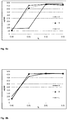
- Example 2 After 1 month storage at room temperature, samples were taken and centrifuged for 11 min at 15700 rcf. The clear supernatant was filled into HPLC analysis glass vials and the concentration of dissolved budesonide (maximum 500 ⁇ g/ml) was measured in duplicates by HPLC. HPLC method as described in Example 1 The results obtained from the solubility enhancement experiments are described below and are depicted in Fig. 9a and 9b .
- the experimental solutions disclosed in Example 2 can be adjusted as pharmaceutical compositions for topical use, particularly for percutaneous or transmucosal administration. In an embodiment, the solutions can be adapted as nasal sprays.
- fluticasone propionate 1 mg was weighed in a glass flask and dissolved in propylene glycol and filled up to 10 ml with propylene glycol. The concentration of fluticasone propionate determined by HPLC was 100 ⁇ g/ml.
- hyaluronic acid 2.5 g hyaluronic acid were weighed and dissolved in distilled water under mild heating, filled up to 120 ml with distilled water, and held at 80°C for one hour before hot sterile filtration.
- Fluticasone propionate in the presence of hyaluronic acid was analyzed by RP-HPLC (UV absorbance detection at 235 nm) using a gradient from 5% acetonitrile to 90% acetonitrile in water containing 0.01% TFA (see detailed gradient description below).
- Solvent A water HPLC gradient grade 0.01% trifluoroacetic acid.
- Solvent B acetonitrile HPLC gradient grade 0.01% trifluoroacetic acid, flow 1 ml/min.
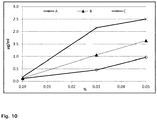
- Example 3 The results obtained from the solubility enhancement experiments are described below and are depicted in Fig. 10 .
- the experimental solutions disclosed in Example 3 can be adjusted as pharmaceutical compositions for topical use, particularly for percutaneous or transmucosal administration. In an embodiment, the solutions are adapted as eye drops.
- Mcllvaine Buffer containing escin as the saponin component 1 g escin was weighed and dissolved in a small volume of Mcllvaine buffer (buffer composition: 22.52 g Na 2 HPO 4 x 2 H 2 O, 7.73 g citric acid monohydrate, and 4.0 g EDTA dissolved in 1 L of distilled water; pH 6.0), filled up to 250 ml with Mcllvaine buffer, and sterile filtered to make a stock solution containing 0.4% (w/v) escin. This escin stock solution was used to prepare samples containing a final concentration of 0.1 % escin, herein below referred to as "Mcllvaine 0.1%".
- EXAMPLE 5 Solubility of budesonide in aqueous solution in the absence of a saponin component
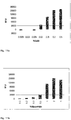
- Figure 1 represents the solubility of the glucocorticoid budesonide in 0.25x Mcllvaine buffer (adjusted to pH 6.0) containing 0%, 5%, 10% and 15% (weight per volume) propylene glycol, without the addition of a saponin component and in the absence of dexpanthenol.
- the dissolved budesonide concentration is as low as 175 ⁇ g/ml.
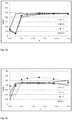
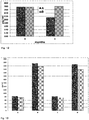
- Figures 2a and 2b refer to the concentrations of budesonide still dissolved after one month of storage at ambient temperature (T ⁇ 20-25 °C) in 0.25x Mcllvaine buffer containing 5% ( Fig. 2a ) and 10 % ( Fig. 2b ) propylene glycol (maximum concentration 550 ⁇ g/ml budesonide). Results indicate that the addition of only 0.01 - 0.02 % w/v of escin dramatically increases the solubility of the steroid. Further increase of escin concentration remains substantially without additional benefit. Adding dexpanthenol as an additional component does not interfere with steroid solubility.
- Figures 3a and 3b are based on data sets identical to those of Fig. 2a / 2b but after 3 months of storage at ambient temperature (T ⁇ 20-25 °C).
- dexpanthenol seems to improve the stability of the experimental solutions, particularly at lower propylene glycol concentrations ( Fig. 3a ) and at very low escin concentrations. Also, at 10% propylene glycol in the experimental solution the addition of 2-5% (v/v) dexpanthenol seems to increase the steroid solubility in the absence of escin ( Fig. 3b ). It may be mentioned at this occasion that the experimental compositions referred to in this example may be advantageously formulated as eye drops.
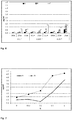
- Figure 4 represents that 0.03% w/v escin and 5% v/v dexpanthenol independently increase the solubility of budesonide in Mcllvaine buffer in the absence of propylene glycol.
- 0.03% escin and 5% dexpanthenol see Fig. 4 , col. D
- synergy seems to occur, i.e., steroid solubility seems to be augmented beyond a mere additive effect.
- solubility of budesonide in this buffer system i.e., in the absence of propylene glycol
- the solubility of budesonide in this buffer system remains at or below the corresponding values achieved in the presence of propylene glycol alone, i.e., in the absence of escin and dexpanthenol (see Figures 2a, b and 3a, b ).
- the only exception being the value at column D which moderately exceeds the solubility values achieved with propylene glycol alone.
- Figure 5 represents that glycyrrhizin and saponins from Quillaja saponaria extract remain without substantial effect on steroid solubility in the absence of dexpanthenol.
- these saponins when provided at concentrations of 0.03% or 0.05%, respectively, in the experimental solutions, are able to improve the solubility of budesonide to an extent comparable to the one achieved with escin at the same concentrations in the absence or presence of 5% dexpanthenol.
- Escin exhibits the most consistent performance across all saponin and dexpanthenol concentrations, achieving an up to tenfold increase in budesonide solubility.
- Figure 6 represents solubility data for the glucocorticoid fluticasone propionate in 0.25x Mcllvaine buffer (adjusted to pH 6) containing combinations of propylene glycol (0%, 5%, and 10%), escin (0%, 0.03%, 0.1%) and dexpanthenol (0%, 2%, 5%).
- Figure 8b represents analogous data obtained from an identical experimental set up as in Fig. 8a except for the fact that the experimental solution further contained 0.4 g/L kappa-carrageenan.
- Figure 9b represents analogous data obtained from an identical experimental set up as in Fig. 9a except for the fact that the experimental solution further contained 0.4 g/L kappa-carrageenan.
- Figure 10 represents the concentrations of dissolved fluticasone propionate (y-axis) in Mcllvaine buffer containing 5% propylene glycol, 7.5 g/l hyaluronic acid, and optionally dexpanthenol, in relation to varying escin concentrations (x-axis) after one month of storage at ambient temperature.
- Dexpanthenol seems to synergistically boost the solubility enhancing activity of escin on fluticasone propionate under the given circumstances, i.e. in the presence of hyaluronic acid. Absent the saponin component an addition of dexpanthenol at the tested concentrations does not exert any significant effect on fluticasone solubility.
- the method of solubilization carried out in accordance with the present invention is performed in a way that results in the formation of micelle structures in the final preparation.
- Micelle formation is also envisaged when using glycyrrhizin as a saponin component, as opposed to some state of the art literature teaching the formation of special glycyrrhizin-drug complexes.
- a first step - the insoluble or slightly soluble hydrophobic organic compound in a suitable, pharmaceutically or cosmetically acceptable organic solvent at a high concentration and insert this solution - in a second step - into a likewise acceptable aqueous solvent system comprising a saponin component, and optionally dexpanthenol, usually under gentle stirring at a temperature of between 20 and 80 degrees C, particularly between 30 and 40 degrees C, and at a pH of from 4 to 8.
- Switching the steps of admixture of organic and aqueous solutions to insert the aqueous phase into the organic phase would substantially hamper the formation of micelle structures and thus substantially reduce the advantageous effects of the invention, and is therefore not preferred.
- pH values outside the preferred range of from pH 4 to 8 will generate undesired side effects, e.g. itching, pain and others, upon administration of the pharmaceutical compositions to mucosal surfaces of e.g. the nose, the eyes, the respiratory tract, the lungs, or the genital and anorectal areas.
- pH values below 4 escin tends to decompose while glycyrrhizin tends to solidify.
- pH values above 8 are inacceptable for preparations that are intended for various envisaged kinds of injection including, for example, subcutaneous, intracutaneous, intradermal, intravenous, intramuscular, intraarticular, intrathekal, intraspinal, intracardial, intraperitoneal or intrapulmonal injections.
- the fluorescence dye might be used as an analytical tool for confirming the dissolution of a hydrophobic organic compound in a micelle forming solvent system. It could be applied in a fast and simple method of determining the eligibility of a water insoluble or slightly soluble hydrophobic organic compound for improvement of its solubility in an aqueous solvent system, i.e. wherein detectable fluorescence indicates at least qualitatively if not quantitatively the onset of micelle formation, hence solubilization of the respective compound. It could thus provide guidance for determining the metes and bounds of the present invention by way of a functional rather than structural definition of the compounds eligible for improved solubilization in accordance with the methods of the present invention.
- EXAMPLE 16 Lyophilization enables dry formulations which can be reconstituted without substantial losses
- Lyophilisation experiments were conducted with dissolved FK-506 containing ethanol as a solvent and trehalose as a lyophilisation enhancer. More specifically, FK-506 dissolved in 100% ethanol was diluted 1:20 to a final solution comprising 5% ethanol, citrate buffer pH 6.0, 1% (10 mg/ml) glycyrrhizin, 0.03% (0.3 mg/ml) escin and 150mM trehalose. The liquid formulations were deep-frozen in liquid nitrogen and then lyophilised in an Alpha 1-4 LSCplus freeze-drying system.
- the principle of the present invention can also be applied to produce in a first step a liquid composition of the compound of interest solubilized in accordance with the present invention, and to lyophilize said composition in a second step.
- reconstitution of the lyophilized material into a cosmetically or pharmaceutically acceptable aqueous composition may be carried out without substantial losses of the respective compound.
- the compound of interest need not necessarily be stored in its final liquid, cream, gel or ointment etc. form but instead may be stored as a lyophilisate and be reconstituted into the final form using a suitable aqueous buffer system optionally supplemented with dexpanthenol, plus further additives if desired. This may be particularly beneficial for long-term storage of short-lived, readily decomposable, or otherwise quickly deteriorating active substances, among which many useful hydrophobic drugs.
- EXAMPLE 17 Mucosal administration - bioavailability testing
- compositions prepared in accordance with the present invention were conducted ex vivo wherein an experimental composition comprising fluticasone propionate as a compound of interest was compared to a composition comprising the same compound at the same concentration but without a saponin as a solubilization enhancer.
- Figure 14 represents the concentrations of fluticasone propionate penetrated ex-vivo into porcine nasal mucosa at different time points.
- the experimental composition comprised 5 ⁇ g/ml fluticasone propionate dissolved in aqueous buffer comprising 0.03% escin, 3% propylene glycol and 5% dexpanthenol.
- the comparative specimen was a suspension comprising the same aqueous buffer and no saponin nor dexpanthenol. Both formulations were added ex-vivo onto surgically extracted porcine nasal mucosa. After 15, 30, 45 and 60 minutes of incubation the mucosa was washed and the amount of permeated fluticasone propionate was determined by HPLC-MS/MS.
- mice were intranasally treated 3 hours before LPS challenge either with placebo, or with an experimental solution comprising 300 ⁇ g/ml budesonide dissolved, or with comparative compositions of budesonide formulated as dispersions at concentrations of 300 ⁇ g/ml and of 1.28 mg/ml, respectively.
- the LPS induced TNF-alpha release into the bronchoalveolar lavage (BAL) was evaluated 2 hours post challenge as a surrogate parameter for inflammation with a commercially available ELISA-kit. The results are depicted in Fig. 15 .
- the maximum concentration of escin should preferably not exceed 0.5% w/v
- the maximum concentration of glycyrrhizin should preferably not exceed 5% w/v
- the maximum concentration of dexpanthenol should preferably not exceed 5%
- the maximum concentration of propylene glycol should preferably not exceed 10% w/v, of the final ready-for-use composition.
- escin as a most suitable saponin component not only substantially increases the solubility of several classes of hydrophobic organic compounds but also allows for the conclusion that for a given compound selected from one of these classes it is possible to specifically adjust the concentrations of escin and dexpanthenol in order to achieve the best improvement in solubility and the best stabilization of the resulting solution for long-term storage. Also it can be derived from the data that a successful outcome as described herein does not depend on the presence of any particular chemical structure in the organic compound to be solubilized, as long as it is hydrophobic in nature and water-insoluble or only slightly soluble.
- Compounds of particular interest in connection with the present invention comprise various drugs the optimal use of which is frequently hindered due to solubility constraints.
- the present invention may not only offer an improvement in taking many of them into solution at substantially increased levels but in addition may even expand their utilities into novel fields of medical therapy or cosmetic applicability, as the case may be.
- Examples of compounds of interest not yet mentioned hereinbefore of which a poor aqueous solubility could be improved using the present invention comprise inter alia:
Landscapes
- Health & Medical Sciences (AREA)
- Life Sciences & Earth Sciences (AREA)
- Veterinary Medicine (AREA)
- Chemical & Material Sciences (AREA)
- General Health & Medical Sciences (AREA)
- Public Health (AREA)
- Animal Behavior & Ethology (AREA)
- Pharmacology & Pharmacy (AREA)
- Medicinal Chemistry (AREA)
- General Chemical & Material Sciences (AREA)
- Chemical Kinetics & Catalysis (AREA)
- Organic Chemistry (AREA)
- Nuclear Medicine, Radiotherapy & Molecular Imaging (AREA)
- Engineering & Computer Science (AREA)
- Bioinformatics & Cheminformatics (AREA)
- Epidemiology (AREA)
- Biomedical Technology (AREA)
- Neurosurgery (AREA)
- Neurology (AREA)
- Immunology (AREA)
- Pain & Pain Management (AREA)
- Birds (AREA)
- Endocrinology (AREA)
- Diabetes (AREA)
- Molecular Biology (AREA)
- Oil, Petroleum & Natural Gas (AREA)
- Dermatology (AREA)
- Oncology (AREA)
- Rheumatology (AREA)
- Ophthalmology & Optometry (AREA)
- Anesthesiology (AREA)
- Tropical Medicine & Parasitology (AREA)
- Biochemistry (AREA)
- Biophysics (AREA)
- Dispersion Chemistry (AREA)
- Transplantation (AREA)
- Hematology (AREA)
- Communicable Diseases (AREA)
- Pulmonology (AREA)
- Psychiatry (AREA)
Priority Applications (4)
| Application Number | Priority Date | Filing Date | Title |
|---|---|---|---|
| SI201631114T SI3324933T1 (sl) | 2015-07-16 | 2016-07-15 | Metoda za izboljšanje topnosti zdravil, ki niso topna v vodi ali ki so nekoliko topna v vodi, v vodi |
| HRP20210333TT HRP20210333T1 (hr) | 2015-07-16 | 2016-07-15 | Postupak za poboljšanje topivosti lijekova netopivih ili blago topivih u vodi |
| PL16739477T PL3324933T3 (pl) | 2015-07-16 | 2016-07-15 | Sposób poprawy rozpuszczalności w wodzie leków nierozpuszczalnych lub słabo rozpuszczalnych w wodzie |
| RS20210293A RS61561B1 (sr) | 2015-07-16 | 2016-07-15 | Postupak za poboljšanje vodene rastvorljivosti lekova nerastvorljivih ili blago rastvorljivih u vodi |
Applications Claiming Priority (2)
| Application Number | Priority Date | Filing Date | Title |
|---|---|---|---|
| US201514801578A | 2015-07-16 | 2015-07-16 | |
| PCT/EP2016/066999 WO2017009480A1 (en) | 2015-07-16 | 2016-07-15 | Method for improving aqueous solubility of water-insoluble or slightly water-soluble drugs |
Publications (2)
| Publication Number | Publication Date |
|---|---|
| EP3324933A1 EP3324933A1 (en) | 2018-05-30 |
| EP3324933B1 true EP3324933B1 (en) | 2020-12-16 |
Family
ID=56418519
Family Applications (1)
| Application Number | Title | Priority Date | Filing Date |
|---|---|---|---|
| EP16739477.4A Active EP3324933B1 (en) | 2015-07-16 | 2016-07-15 | Method for improving aqueous solubility of water-insoluble or slightly water-soluble drugs |
Country Status (29)
| Country | Link |
|---|---|
| EP (1) | EP3324933B1 (https=) |
| JP (1) | JP6836825B2 (https=) |
| KR (1) | KR102615005B1 (https=) |
| CN (1) | CN107847440B (https=) |
| AU (1) | AU2016293125B2 (https=) |
| CA (1) | CA2992376C (https=) |
| CL (1) | CL2018000032A1 (https=) |
| CO (1) | CO2018001460A2 (https=) |
| CY (1) | CY1124322T1 (https=) |
| DK (1) | DK3324933T3 (https=) |
| EA (1) | EA036233B1 (https=) |
| ES (1) | ES2844581T3 (https=) |
| HR (1) | HRP20210333T1 (https=) |
| HU (1) | HUE053116T2 (https=) |
| IL (1) | IL256882B (https=) |
| LT (1) | LT3324933T (https=) |
| MA (1) | MA42472B1 (https=) |
| MX (1) | MX379341B (https=) |
| MY (1) | MY196065A (https=) |
| NZ (1) | NZ738592A (https=) |
| PH (1) | PH12018500042A1 (https=) |
| PL (1) | PL3324933T3 (https=) |
| PT (1) | PT3324933T (https=) |
| RS (1) | RS61561B1 (https=) |
| SA (1) | SA518390688B1 (https=) |
| SI (1) | SI3324933T1 (https=) |
| UA (1) | UA123312C2 (https=) |
| WO (1) | WO2017009480A1 (https=) |
| ZA (1) | ZA201708594B (https=) |
Families Citing this family (12)
| Publication number | Priority date | Publication date | Assignee | Title |
|---|---|---|---|---|
| CN108143713A (zh) * | 2018-01-04 | 2018-06-12 | 南方医科大学南方医院 | 一种增加羟喜树碱溶解度的方法 |
| US12377046B1 (en) | 2019-04-24 | 2025-08-05 | Wellomics LLC | Delivery system matrices |
| CN110074385B (zh) * | 2019-05-21 | 2022-05-31 | 绥化市蓝源生物工程有限公司 | 一种生物碱溶解纳他霉素的生物溶剂及其应用 |
| KR20220022829A (ko) * | 2020-08-19 | 2022-02-28 | 주식회사 모든바이오 | 글리시리진 및 수용성 약물을 포함하는 나노 입자, 이를 포함하는 약제학적 조성물 및 이들의 제조 방법 |
| CN114588118B (zh) * | 2022-01-25 | 2023-05-23 | 武汉爱民制药股份有限公司 | 一种注射用七叶皂苷钠复方制剂 |
| KR102922176B1 (ko) * | 2022-07-08 | 2026-02-04 | 한국생산기술연구원 | 소수성 약물 전달을 위한 금-히알루론산 나노입자의 제조방법 |
| EP4431082A1 (en) * | 2023-03-13 | 2024-09-18 | Marinomed Biotech AG | Aqueous composition comprising budesonide |
| EP4516289A1 (en) | 2023-08-30 | 2025-03-05 | SPH Sine Pharmaceutical Laboratories Co., Ltd | Antiviral nasal spray comprising favipiravir |
| CN117562911B (zh) * | 2023-12-07 | 2024-06-04 | 海南医学院 | 化合物tigloside在制备治疗和/或预防骨关节炎药物中的用途 |
| WO2025133675A1 (en) * | 2023-12-20 | 2025-06-26 | Melikoglu, Ahmet | Method for producing nasal formulation comprising aescin and rutin |
| EP4696300A1 (en) | 2024-08-14 | 2026-02-18 | Marinomed Biotech AG | Aqueous composition comprising fluticasone |
| KR102907892B1 (ko) * | 2025-01-09 | 2026-01-12 | 주식회사 한바이오 | 가용성을 높인 피레스로이드계의 보건용 스프레이 살충제 제조방법 |
Family Cites Families (13)
| Publication number | Priority date | Publication date | Assignee | Title |
|---|---|---|---|---|
| CA1119957A (en) | 1979-12-04 | 1982-03-16 | Martin Whitefield | Steroid compositions |
| US4782047A (en) | 1986-05-22 | 1988-11-01 | Syntex Pharmaceuticals International Ltd. | Aqueous steroid formulations for nasal administration |
| US4868170A (en) | 1987-11-13 | 1989-09-19 | E. R. Squibb & Sons, Inc. | Steriod lotion formulation |
| JPH1025255A (ja) * | 1996-07-11 | 1998-01-27 | Taisho Pharmaceut Co Ltd | 溶解性の改善された難溶性薬剤 |
| FR2799369B1 (fr) | 1999-10-08 | 2001-12-21 | Oreal | Association d'escine et de sulfate de dextran et son utilisation |
| US7125564B2 (en) | 2001-02-16 | 2006-10-24 | Lavipharm Laboratories, Inc. | Water soluble and palatable complexes |
| JP4000283B2 (ja) * | 2002-08-07 | 2007-10-31 | 丸善製薬株式会社 | 甘草油性抽出物の可溶化組成物、並びに飲料、液状調味料、化粧品及び医薬部外品 |
| US7897587B2 (en) | 2004-09-03 | 2011-03-01 | Nycomed Us Inc. | Topical dermatological formulations and use thereof |
| JP5128801B2 (ja) * | 2006-10-16 | 2013-01-23 | フロイント産業株式会社 | 高水分散性粉末とその製造方法 |
| JP6265624B2 (ja) * | 2012-05-11 | 2018-01-24 | ロート製薬株式会社 | ルリコナゾール含有外用医薬組成物 |
| US9907846B2 (en) * | 2013-04-01 | 2018-03-06 | Mx Adjuvac Ab | Nanoparticles, composed of sterol and saponin from Quillaja saponaria Molina for use in pharmaceutical compositions |
| CN103271891B (zh) * | 2013-04-28 | 2016-01-06 | 福建南方制药股份有限公司 | 人参皂苷纳米胶束及其制备方法、应用和药物组合物 |
| CN103520081B (zh) * | 2013-09-27 | 2015-10-28 | 无限极(中国)有限公司 | 一种调节皮肤免疫力、延缓皮肤老化的外用护肤品 |
-
2016
- 2016-07-15 SI SI201631114T patent/SI3324933T1/sl unknown
- 2016-07-15 MX MX2018000286A patent/MX379341B/es unknown
- 2016-07-15 EA EA201890194A patent/EA036233B1/ru unknown
- 2016-07-15 DK DK16739477.4T patent/DK3324933T3/da active
- 2016-07-15 MY MYPI2017704929A patent/MY196065A/en unknown
- 2016-07-15 HR HRP20210333TT patent/HRP20210333T1/hr unknown
- 2016-07-15 PT PT167394774T patent/PT3324933T/pt unknown
- 2016-07-15 KR KR1020187004268A patent/KR102615005B1/ko active Active
- 2016-07-15 NZ NZ738592A patent/NZ738592A/en unknown
- 2016-07-15 PL PL16739477T patent/PL3324933T3/pl unknown
- 2016-07-15 CN CN201680039722.5A patent/CN107847440B/zh active Active
- 2016-07-15 ES ES16739477T patent/ES2844581T3/es active Active
- 2016-07-15 HU HUE16739477A patent/HUE053116T2/hu unknown
- 2016-07-15 WO PCT/EP2016/066999 patent/WO2017009480A1/en not_active Ceased
- 2016-07-15 AU AU2016293125A patent/AU2016293125B2/en active Active
- 2016-07-15 EP EP16739477.4A patent/EP3324933B1/en active Active
- 2016-07-15 CA CA2992376A patent/CA2992376C/en active Active
- 2016-07-15 UA UAA201712614A patent/UA123312C2/uk unknown
- 2016-07-15 LT LTEP16739477.4T patent/LT3324933T/lt unknown
- 2016-07-15 JP JP2017566080A patent/JP6836825B2/ja active Active
- 2016-07-15 RS RS20210293A patent/RS61561B1/sr unknown
- 2016-07-15 MA MA42472A patent/MA42472B1/fr unknown
-
2017
- 2017-12-18 ZA ZA2017/08594A patent/ZA201708594B/en unknown
-
2018
- 2018-01-03 SA SA518390688A patent/SA518390688B1/ar unknown
- 2018-01-04 PH PH12018500042A patent/PH12018500042A1/en unknown
- 2018-01-05 CL CL2018000032A patent/CL2018000032A1/es unknown
- 2018-01-11 IL IL256882A patent/IL256882B/en unknown
- 2018-02-14 CO CONC2018/0001460A patent/CO2018001460A2/es unknown
-
2021
- 2021-03-12 CY CY20211100218T patent/CY1124322T1/el unknown
Non-Patent Citations (1)
| Title |
|---|
| None * |
Also Published As
Similar Documents
| Publication | Publication Date | Title |
|---|---|---|
| EP3324933B1 (en) | Method for improving aqueous solubility of water-insoluble or slightly water-soluble drugs | |
| US11179465B2 (en) | Topical compositions comprising a corticosteroid | |
| WO2004105694A3 (en) | Pharmaceutical compositions and dosage forms for administration of hydrophobic drugs | |
| CN101091890A (zh) | 一种复合型乳化剂及用其制备的乳剂及其制备方法 | |
| US11510859B2 (en) | Method for improving aqueous solubility of water-insoluble or slightly water-soluble drugs | |
| WO2014075554A1 (zh) | 含有西罗莫司酯化物的药物组合物及其制备方法 | |
| CN107126418A (zh) | 供注射用双氯芬酸钠药物组合物及其制备方法 | |
| AU2020355939C1 (en) | Rutin compositions | |
| CN120693163A (zh) | 双嘧达莫及其制剂在防治特应性皮炎中的应用 | |
| BR112018000613B1 (pt) | Método para melhorar a solubilidade aquosa de fármacos insolúveis em água ou levemente solúveis em água | |
| HK1253027B (zh) | 改善水不溶性或微水溶性药物的水溶性的方法 | |
| WO2007086582A1 (ja) | 22-オキサ-1α,25-ジヒドロキシビタミンD3を含有する水中油型乳剤性ローション剤およびそれを用いた皮膚疾患の治療方法 | |
| HK40043982A (en) | Rutin compositions |
Legal Events
| Date | Code | Title | Description |
|---|---|---|---|
| STAA | Information on the status of an ep patent application or granted ep patent |
Free format text: STATUS: THE INTERNATIONAL PUBLICATION HAS BEEN MADE |
|
| PUAI | Public reference made under article 153(3) epc to a published international application that has entered the european phase |
Free format text: ORIGINAL CODE: 0009012 |
|
| STAA | Information on the status of an ep patent application or granted ep patent |
Free format text: STATUS: REQUEST FOR EXAMINATION WAS MADE |
|
| 17P | Request for examination filed |
Effective date: 20180313 |
|
| AK | Designated contracting states |
Kind code of ref document: A1 Designated state(s): AL AT BE BG CH CY CZ DE DK EE ES FI FR GB GR HR HU IE IS IT LI LT LU LV MC MK MT NL NO PL PT RO RS SE SI SK SM TR |
|
| AX | Request for extension of the european patent |
Extension state: BA ME |
|
| RAV | Requested validation state of the european patent: fee paid |
Extension state: MA Effective date: 20180313 |
|
| STAA | Information on the status of an ep patent application or granted ep patent |
Free format text: STATUS: EXAMINATION IS IN PROGRESS |
|
| 17Q | First examination report despatched |
Effective date: 20190821 |
|
| GRAP | Despatch of communication of intention to grant a patent |
Free format text: ORIGINAL CODE: EPIDOSNIGR1 |
|
| STAA | Information on the status of an ep patent application or granted ep patent |
Free format text: STATUS: GRANT OF PATENT IS INTENDED |
|
| INTG | Intention to grant announced |
Effective date: 20200723 |
|
| GRAS | Grant fee paid |
Free format text: ORIGINAL CODE: EPIDOSNIGR3 |
|
| GRAA | (expected) grant |
Free format text: ORIGINAL CODE: 0009210 |
|
| STAA | Information on the status of an ep patent application or granted ep patent |
Free format text: STATUS: THE PATENT HAS BEEN GRANTED |
|
| RAP1 | Party data changed (applicant data changed or rights of an application transferred) |
Owner name: MARINOMED BIOTECH AG |
|
| AK | Designated contracting states |
Kind code of ref document: B1 Designated state(s): AL AT BE BG CH CY CZ DE DK EE ES FI FR GB GR HR HU IE IS IT LI LT LU LV MC MK MT NL NO PL PT RO RS SE SI SK SM TR |
|
| AX | Request for extension of the european patent |
Extension state: BA ME |
|
| REG | Reference to a national code |
Ref country code: GB Ref legal event code: FG4D |
|
| REG | Reference to a national code |
Ref country code: IE Ref legal event code: FG4D |
|
| REG | Reference to a national code |
Ref country code: DE Ref legal event code: R096 Ref document number: 602016049872 Country of ref document: DE |
|
| REG | Reference to a national code |
Ref country code: AT Ref legal event code: REF Ref document number: 1344936 Country of ref document: AT Kind code of ref document: T Effective date: 20210115 |
|
| REG | Reference to a national code |
Ref country code: DK Ref legal event code: T3 Effective date: 20210111 |
|
| REG | Reference to a national code |
Ref country code: NL Ref legal event code: FP |
|
| REG | Reference to a national code |
Ref country code: PT Ref legal event code: SC4A Ref document number: 3324933 Country of ref document: PT Date of ref document: 20210128 Kind code of ref document: T Free format text: AVAILABILITY OF NATIONAL TRANSLATION Effective date: 20210121 |
|
| REG | Reference to a national code |
Ref country code: FI Ref legal event code: FGE |
|
| REG | Reference to a national code |
Ref country code: MA Ref legal event code: VAGR Ref document number: 42472 Country of ref document: MA Kind code of ref document: B1 |
|
| REG | Reference to a national code |
Ref country code: HR Ref legal event code: TUEP Ref document number: P20210333 Country of ref document: HR |
|
| REG | Reference to a national code |
Ref country code: SE Ref legal event code: TRGR |
|
| REG | Reference to a national code |
Ref country code: RO Ref legal event code: EPE |
|
| REG | Reference to a national code |
Ref country code: CH Ref legal event code: NV Representative=s name: BOGENSBERGER PATENT- AND MARKENBUERO DR. BURKHA, LI |
|
| REG | Reference to a national code |
Ref country code: NO Ref legal event code: T2 Effective date: 20201216 |
|
| REG | Reference to a national code |
Ref country code: SK Ref legal event code: T3 Ref document number: E 36506 Country of ref document: SK |
|
| REG | Reference to a national code |
Ref country code: EE Ref legal event code: FG4A Ref document number: E020374 Country of ref document: EE Effective date: 20210203 |
|
| REG | Reference to a national code |
Ref country code: HR Ref legal event code: T1PR Ref document number: P20210333 Country of ref document: HR |
|
| REG | Reference to a national code |
Ref country code: GR Ref legal event code: EP Ref document number: 20210400685 Country of ref document: GR Effective date: 20210416 |
|
| REG | Reference to a national code |
Ref country code: HU Ref legal event code: AG4A Ref document number: E053116 Country of ref document: HU |
|
| REG | Reference to a national code |
Ref country code: ES Ref legal event code: FG2A Ref document number: 2844581 Country of ref document: ES Kind code of ref document: T3 Effective date: 20210722 |
|
| REG | Reference to a national code |
Ref country code: HR Ref legal event code: ODRP Ref document number: P20210333 Country of ref document: HR Payment date: 20210623 Year of fee payment: 6 |
|
| PG25 | Lapsed in a contracting state [announced via postgrant information from national office to epo] |
Ref country code: SM Free format text: LAPSE BECAUSE OF FAILURE TO SUBMIT A TRANSLATION OF THE DESCRIPTION OR TO PAY THE FEE WITHIN THE PRESCRIBED TIME-LIMIT Effective date: 20201216 |
|
| REG | Reference to a national code |
Ref country code: DE Ref legal event code: R097 Ref document number: 602016049872 Country of ref document: DE |
|
| PLBE | No opposition filed within time limit |
Free format text: ORIGINAL CODE: 0009261 |
|
| STAA | Information on the status of an ep patent application or granted ep patent |
Free format text: STATUS: NO OPPOSITION FILED WITHIN TIME LIMIT |
|
| 26N | No opposition filed |
Effective date: 20210917 |
|
| PG25 | Lapsed in a contracting state [announced via postgrant information from national office to epo] |
Ref country code: MC Free format text: LAPSE BECAUSE OF FAILURE TO SUBMIT A TRANSLATION OF THE DESCRIPTION OR TO PAY THE FEE WITHIN THE PRESCRIBED TIME-LIMIT Effective date: 20201216 |
|
| REG | Reference to a national code |
Ref country code: HR Ref legal event code: ODRP Ref document number: P20210333 Country of ref document: HR Payment date: 20220630 Year of fee payment: 7 |
|
| REG | Reference to a national code |
Ref country code: HR Ref legal event code: ODRP Ref document number: P20210333 Country of ref document: HR Payment date: 20230628 Year of fee payment: 8 |
|
| REG | Reference to a national code |
Ref country code: HR Ref legal event code: ODRP Ref document number: P20210333 Country of ref document: HR Payment date: 20240627 Year of fee payment: 9 |
|
| PGFP | Annual fee paid to national office [announced via postgrant information from national office to epo] |
Ref country code: LT Payment date: 20250627 Year of fee payment: 10 |
|
| PGFP | Annual fee paid to national office [announced via postgrant information from national office to epo] |
Ref country code: RS Payment date: 20250627 Year of fee payment: 10 |
|
| REG | Reference to a national code |
Ref country code: AT Ref legal event code: UEP Ref document number: 1344936 Country of ref document: AT Kind code of ref document: T Effective date: 20201216 |
|
| PGFP | Annual fee paid to national office [announced via postgrant information from national office to epo] |
Ref country code: HR Payment date: 20250630 Year of fee payment: 10 |
|
| PGFP | Annual fee paid to national office [announced via postgrant information from national office to epo] |
Ref country code: PT Payment date: 20250627 Year of fee payment: 10 |
|
| REG | Reference to a national code |
Ref country code: HR Ref legal event code: ODRP Ref document number: P20210333 Country of ref document: HR Payment date: 20250630 Year of fee payment: 10 |
|
| PGFP | Annual fee paid to national office [announced via postgrant information from national office to epo] |
Ref country code: SK Payment date: 20250630 Year of fee payment: 10 |
|
| PGFP | Annual fee paid to national office [announced via postgrant information from national office to epo] |
Ref country code: SI Payment date: 20250702 Year of fee payment: 10 |
|
| PGFP | Annual fee paid to national office [announced via postgrant information from national office to epo] |
Ref country code: HU Payment date: 20250702 Year of fee payment: 10 |
|
| PGFP | Annual fee paid to national office [announced via postgrant information from national office to epo] |
Ref country code: NL Payment date: 20250724 Year of fee payment: 10 Ref country code: LU Payment date: 20250724 Year of fee payment: 10 |
|
| PGFP | Annual fee paid to national office [announced via postgrant information from national office to epo] |
Ref country code: FI Payment date: 20250725 Year of fee payment: 10 Ref country code: ES Payment date: 20250801 Year of fee payment: 10 |
|
| PGFP | Annual fee paid to national office [announced via postgrant information from national office to epo] |
Ref country code: DK Payment date: 20250725 Year of fee payment: 10 Ref country code: DE Payment date: 20250730 Year of fee payment: 10 |
|
| PGFP | Annual fee paid to national office [announced via postgrant information from national office to epo] |
Ref country code: GR Payment date: 20250721 Year of fee payment: 10 Ref country code: NO Payment date: 20250729 Year of fee payment: 10 |
|
| PGFP | Annual fee paid to national office [announced via postgrant information from national office to epo] |
Ref country code: TR Payment date: 20250708 Year of fee payment: 10 Ref country code: PL Payment date: 20250703 Year of fee payment: 10 Ref country code: IT Payment date: 20250729 Year of fee payment: 10 |
|
| PGFP | Annual fee paid to national office [announced via postgrant information from national office to epo] |
Ref country code: BG Payment date: 20250730 Year of fee payment: 10 Ref country code: BE Payment date: 20250723 Year of fee payment: 10 Ref country code: GB Payment date: 20250725 Year of fee payment: 10 |
|
| PGFP | Annual fee paid to national office [announced via postgrant information from national office to epo] |
Ref country code: AL Payment date: 20250728 Year of fee payment: 10 Ref country code: AT Payment date: 20250721 Year of fee payment: 10 Ref country code: FR Payment date: 20250729 Year of fee payment: 10 |
|
| PGFP | Annual fee paid to national office [announced via postgrant information from national office to epo] |
Ref country code: CH Payment date: 20250801 Year of fee payment: 10 Ref country code: MT Payment date: 20250721 Year of fee payment: 10 Ref country code: SE Payment date: 20250729 Year of fee payment: 10 |
|
| PGFP | Annual fee paid to national office [announced via postgrant information from national office to epo] |
Ref country code: EE Payment date: 20250807 Year of fee payment: 10 Ref country code: CZ Payment date: 20250630 Year of fee payment: 10 Ref country code: IE Payment date: 20250723 Year of fee payment: 10 |
|
| PGFP | Annual fee paid to national office [announced via postgrant information from national office to epo] |
Ref country code: RO Payment date: 20250702 Year of fee payment: 10 |
|
| VSFP | Annual fee paid to validation state [announced via postgrant information from national office to epo] |
Ref country code: MA Payment date: 20230713 Year of fee payment: 8 |
|
| PGFP | Annual fee paid to national office [announced via postgrant information from national office to epo] |
Ref country code: IS Payment date: 20250708 Year of fee payment: 10 |
|
| PGFP | Annual fee paid to national office [announced via postgrant information from national office to epo] |
Ref country code: LV Payment date: 20250722 Year of fee payment: 10 |
|
| VSFP | Annual fee paid to validation state [announced via postgrant information from national office to epo] |
Ref country code: MA Payment date: 20220629 Year of fee payment: 7 Ref country code: MA Payment date: 20210629 Year of fee payment: 6 |
|
| VSFP | Annual fee paid to validation state [announced via postgrant information from national office to epo] |
Ref country code: MA Payment date: 20240703 Year of fee payment: 9 |
|
| PGFP | Annual fee paid to national office [announced via postgrant information from national office to epo] |
Ref country code: MK Payment date: 20250703 Year of fee payment: 10 |
|
| VSFP | Annual fee paid to validation state [announced via postgrant information from national office to epo] |
Ref country code: MA Payment date: 20250722 Year of fee payment: 10 |
|
| PGFP | Annual fee paid to national office [announced via postgrant information from national office to epo] |
Ref country code: CY Payment date: 20250630 Year of fee payment: 10 |