EP3324754B1 - Bee-ingestible compositions, methods of using same for producing honey and honey produced thereby - Google Patents
Bee-ingestible compositions, methods of using same for producing honey and honey produced thereby Download PDFInfo
- Publication number
- EP3324754B1 EP3324754B1 EP16753708.3A EP16753708A EP3324754B1 EP 3324754 B1 EP3324754 B1 EP 3324754B1 EP 16753708 A EP16753708 A EP 16753708A EP 3324754 B1 EP3324754 B1 EP 3324754B1
- Authority
- EP
- European Patent Office
- Prior art keywords
- honey
- bee
- specific embodiment
- cannabis
- composition
- Prior art date
- Legal status (The legal status is an assumption and is not a legal conclusion. Google has not performed a legal analysis and makes no representation as to the accuracy of the status listed.)
- Active
Links
Images




Classifications
-
- A—HUMAN NECESSITIES
- A23—FOODS OR FOODSTUFFS; TREATMENT THEREOF, NOT COVERED BY OTHER CLASSES
- A23K—FODDER
- A23K20/00—Accessory food factors for animal feeding-stuffs
- A23K20/10—Organic substances
- A23K20/158—Fatty acids; Fats; Products containing oils or fats
-
- A—HUMAN NECESSITIES
- A23—FOODS OR FOODSTUFFS; TREATMENT THEREOF, NOT COVERED BY OTHER CLASSES
- A23K—FODDER
- A23K10/00—Animal feeding-stuffs
- A23K10/10—Animal feeding-stuffs obtained by microbiological or biochemical processes
- A23K10/16—Addition of microorganisms or extracts thereof, e.g. single-cell proteins, to feeding-stuff compositions
-
- A—HUMAN NECESSITIES
- A23—FOODS OR FOODSTUFFS; TREATMENT THEREOF, NOT COVERED BY OTHER CLASSES
- A23K—FODDER
- A23K10/00—Animal feeding-stuffs
- A23K10/30—Animal feeding-stuffs from material of plant origin, e.g. roots, seeds or hay; from material of fungal origin, e.g. mushrooms
-
- A—HUMAN NECESSITIES
- A23—FOODS OR FOODSTUFFS; TREATMENT THEREOF, NOT COVERED BY OTHER CLASSES
- A23K—FODDER
- A23K20/00—Accessory food factors for animal feeding-stuffs
- A23K20/10—Organic substances
- A23K20/163—Sugars; Polysaccharides
-
- A—HUMAN NECESSITIES
- A23—FOODS OR FOODSTUFFS; TREATMENT THEREOF, NOT COVERED BY OTHER CLASSES
- A23K—FODDER
- A23K50/00—Feeding-stuffs specially adapted for particular animals
- A23K50/90—Feeding-stuffs specially adapted for particular animals for insects, e.g. bees or silkworms
-
- A—HUMAN NECESSITIES
- A23—FOODS OR FOODSTUFFS; TREATMENT THEREOF, NOT COVERED BY OTHER CLASSES
- A23L—FOODS, FOODSTUFFS OR NON-ALCOHOLIC BEVERAGES, NOT OTHERWISE PROVIDED FOR; PREPARATION OR TREATMENT THEREOF
- A23L21/00—Marmalades, jams, jellies or the like; Products from apiculture; Preparation or treatment thereof
- A23L21/20—Products from apiculture, e.g. royal jelly or pollen; Substitutes therefor
- A23L21/25—Honey; Honey substitutes
-
- A—HUMAN NECESSITIES
- A61—MEDICAL OR VETERINARY SCIENCE; HYGIENE
- A61K—PREPARATIONS FOR MEDICAL, DENTAL OR TOILETRY PURPOSES
- A61K31/00—Medicinal preparations containing organic active ingredients
- A61K31/658—Medicinal preparations containing organic active ingredients o-phenolic cannabinoids, e.g. cannabidiol, cannabigerolic acid, cannabichromene or tetrahydrocannabinol
-
- A—HUMAN NECESSITIES
- A61—MEDICAL OR VETERINARY SCIENCE; HYGIENE
- A61K—PREPARATIONS FOR MEDICAL, DENTAL OR TOILETRY PURPOSES
- A61K35/00—Medicinal preparations containing materials or reaction products thereof with undetermined constitution
- A61K35/56—Materials from animals other than mammals
- A61K35/63—Arthropods
- A61K35/64—Insects, e.g. bees, wasps or fleas
- A61K35/644—Beeswax; Propolis; Royal jelly; Honey
-
- A—HUMAN NECESSITIES
- A61—MEDICAL OR VETERINARY SCIENCE; HYGIENE
- A61K—PREPARATIONS FOR MEDICAL, DENTAL OR TOILETRY PURPOSES
- A61K36/00—Medicinal preparations of undetermined constitution containing material from algae, lichens, fungi or plants, or derivatives thereof, e.g. traditional herbal medicines
- A61K36/18—Magnoliophyta (angiosperms)
- A61K36/185—Magnoliopsida (dicotyledons)
- A61K36/348—Cannabaceae
- A61K36/3482—Cannabis
-
- A—HUMAN NECESSITIES
- A61—MEDICAL OR VETERINARY SCIENCE; HYGIENE
- A61K—PREPARATIONS FOR MEDICAL, DENTAL OR TOILETRY PURPOSES
- A61K9/00—Medicinal preparations characterised by special physical form
- A61K9/0012—Galenical forms characterised by the site of application
- A61K9/0053—Mouth and digestive tract, i.e. intraoral and peroral administration
- A61K9/0056—Mouth soluble or dispersible forms; Suckable, eatable, chewable coherent forms; Forms rapidly disintegrating in the mouth; Lozenges; Lollipops; Bite capsules; Baked products; Baits or other oral forms for animals
-
- A—HUMAN NECESSITIES
- A61—MEDICAL OR VETERINARY SCIENCE; HYGIENE
- A61P—SPECIFIC THERAPEUTIC ACTIVITY OF CHEMICAL COMPOUNDS OR MEDICINAL PREPARATIONS
- A61P1/00—Drugs for disorders of the alimentary tract or the digestive system
- A61P1/08—Drugs for disorders of the alimentary tract or the digestive system for nausea, cinetosis or vertigo; Antiemetics
-
- A—HUMAN NECESSITIES
- A61—MEDICAL OR VETERINARY SCIENCE; HYGIENE
- A61P—SPECIFIC THERAPEUTIC ACTIVITY OF CHEMICAL COMPOUNDS OR MEDICINAL PREPARATIONS
- A61P11/00—Drugs for disorders of the respiratory system
- A61P11/06—Antiasthmatics
-
- A—HUMAN NECESSITIES
- A61—MEDICAL OR VETERINARY SCIENCE; HYGIENE
- A61P—SPECIFIC THERAPEUTIC ACTIVITY OF CHEMICAL COMPOUNDS OR MEDICINAL PREPARATIONS
- A61P19/00—Drugs for skeletal disorders
- A61P19/02—Drugs for skeletal disorders for joint disorders, e.g. arthritis, arthrosis
-
- A—HUMAN NECESSITIES
- A61—MEDICAL OR VETERINARY SCIENCE; HYGIENE
- A61P—SPECIFIC THERAPEUTIC ACTIVITY OF CHEMICAL COMPOUNDS OR MEDICINAL PREPARATIONS
- A61P21/00—Drugs for disorders of the muscular or neuromuscular system
-
- A—HUMAN NECESSITIES
- A61—MEDICAL OR VETERINARY SCIENCE; HYGIENE
- A61P—SPECIFIC THERAPEUTIC ACTIVITY OF CHEMICAL COMPOUNDS OR MEDICINAL PREPARATIONS
- A61P25/00—Drugs for disorders of the nervous system
- A61P25/04—Centrally acting analgesics, e.g. opioids
-
- A—HUMAN NECESSITIES
- A61—MEDICAL OR VETERINARY SCIENCE; HYGIENE
- A61P—SPECIFIC THERAPEUTIC ACTIVITY OF CHEMICAL COMPOUNDS OR MEDICINAL PREPARATIONS
- A61P25/00—Drugs for disorders of the nervous system
- A61P25/06—Antimigraine agents
-
- A—HUMAN NECESSITIES
- A61—MEDICAL OR VETERINARY SCIENCE; HYGIENE
- A61P—SPECIFIC THERAPEUTIC ACTIVITY OF CHEMICAL COMPOUNDS OR MEDICINAL PREPARATIONS
- A61P25/00—Drugs for disorders of the nervous system
- A61P25/08—Antiepileptics; Anticonvulsants
-
- A—HUMAN NECESSITIES
- A61—MEDICAL OR VETERINARY SCIENCE; HYGIENE
- A61P—SPECIFIC THERAPEUTIC ACTIVITY OF CHEMICAL COMPOUNDS OR MEDICINAL PREPARATIONS
- A61P25/00—Drugs for disorders of the nervous system
- A61P25/18—Antipsychotics, i.e. neuroleptics; Drugs for mania or schizophrenia
-
- A—HUMAN NECESSITIES
- A61—MEDICAL OR VETERINARY SCIENCE; HYGIENE
- A61P—SPECIFIC THERAPEUTIC ACTIVITY OF CHEMICAL COMPOUNDS OR MEDICINAL PREPARATIONS
- A61P25/00—Drugs for disorders of the nervous system
- A61P25/24—Antidepressants
-
- A—HUMAN NECESSITIES
- A61—MEDICAL OR VETERINARY SCIENCE; HYGIENE
- A61P—SPECIFIC THERAPEUTIC ACTIVITY OF CHEMICAL COMPOUNDS OR MEDICINAL PREPARATIONS
- A61P25/00—Drugs for disorders of the nervous system
- A61P25/28—Drugs for disorders of the nervous system for treating neurodegenerative disorders of the central nervous system, e.g. nootropic agents, cognition enhancers, drugs for treating Alzheimer's disease or other forms of dementia
-
- A—HUMAN NECESSITIES
- A61—MEDICAL OR VETERINARY SCIENCE; HYGIENE
- A61P—SPECIFIC THERAPEUTIC ACTIVITY OF CHEMICAL COMPOUNDS OR MEDICINAL PREPARATIONS
- A61P25/00—Drugs for disorders of the nervous system
- A61P25/30—Drugs for disorders of the nervous system for treating abuse or dependence
-
- A—HUMAN NECESSITIES
- A61—MEDICAL OR VETERINARY SCIENCE; HYGIENE
- A61P—SPECIFIC THERAPEUTIC ACTIVITY OF CHEMICAL COMPOUNDS OR MEDICINAL PREPARATIONS
- A61P25/00—Drugs for disorders of the nervous system
- A61P25/30—Drugs for disorders of the nervous system for treating abuse or dependence
- A61P25/32—Alcohol-abuse
-
- A—HUMAN NECESSITIES
- A61—MEDICAL OR VETERINARY SCIENCE; HYGIENE
- A61P—SPECIFIC THERAPEUTIC ACTIVITY OF CHEMICAL COMPOUNDS OR MEDICINAL PREPARATIONS
- A61P27/00—Drugs for disorders of the senses
- A61P27/02—Ophthalmic agents
- A61P27/06—Antiglaucoma agents or miotics
-
- A—HUMAN NECESSITIES
- A61—MEDICAL OR VETERINARY SCIENCE; HYGIENE
- A61P—SPECIFIC THERAPEUTIC ACTIVITY OF CHEMICAL COMPOUNDS OR MEDICINAL PREPARATIONS
- A61P29/00—Non-central analgesic, antipyretic or antiinflammatory agents, e.g. antirheumatic agents; Non-steroidal antiinflammatory drugs [NSAID]
-
- A—HUMAN NECESSITIES
- A23—FOODS OR FOODSTUFFS; TREATMENT THEREOF, NOT COVERED BY OTHER CLASSES
- A23V—INDEXING SCHEME RELATING TO FOODS, FOODSTUFFS OR NON-ALCOHOLIC BEVERAGES AND LACTIC OR PROPIONIC ACID BACTERIA USED IN FOODSTUFFS OR FOOD PREPARATION
- A23V2002/00—Food compositions, function of food ingredients or processes for food or foodstuffs
Definitions
- the present invention in some embodiments thereof, relates to bee-ingestible compositions, methods of using same for producing honey and honey produced thereby.
- Cannabis more commonly known as marijuana, is a genus of flowering plants that includes at least three species, Cannabis sativa, Cannabis indica, and Cannabis ruderalis as determined by plant phenotypes and secondary metabolite profiles.
- Cannabis is most commonly administered via inhalation or consumption of marijuana-infused food and drink.
- Cannabis cannabinol
- CBD cannabidiol
- CBC cannabichromene
- the medicinal uses of cannabis include treatment of nausea and pain associated with cancer and chemotherapy; nausea, pain and wasting associated with AIDS; arthritis and rheumatism; glaucoma; migraines; muscle spasticity associated with multiple sclerosis and paralysis; alcohol and narcotics withdrawal; stress and depression; asthma; and epileptic seizures.
- Honey has been used as a natural remedy and therapeutic aid since ancient times.
- the anti-microbial properties of honey have long formed part of both folk and scientific knowledge.
- Products based on this scientific finding include LifeMel Honey, the world's most expensive honey and also disclosed in WO 2006/080019 .
- a bee ingestible composition comprising a bee food base and THC and/or CBD, wherein said bee food base comprises honey, wherein the bee ingestible composition comprises 0.1-5 % cannabis oil having at least 1 % THC and/or CBD.
- the bee ingestible composition further comprises oil for rendering the composition more fluid.
- said oil comprises an olive oil.
- said bee food base is in a solid form.
- said bee food base is in a liquid form.
- said bee food base is in a semi-solid form.
- the bee ingestible composition is a paste.
- said bee food base comprises a natural bee feed.
- said bee food base comprises a non-natural bee feed.
- said bee food base further comprises one or more of: pollen, nectar, a carbohydrate solution and mixtures thereof.
- said bee food base further comprises one or more of: wheat, soybean flour, yeast, corn syrup, beet sugar syrup, isomerized corn syrup and type-50 sugar syrup.
- said bee food base is honey.
- the bee-ingestible composition further comprises a pharmaceutical selected from the group consisting of an anti-allergic agent, an anti-inflammatory agent, an antioxidant, an anti-microbial agent, an antibacterial agent, an antifungal agent, an antiviral agent, an anti-cancer agent, an apoptosis inducing agent and an anti-diarrheal agent.
- a pharmaceutical selected from the group consisting of an anti-allergic agent, an anti-inflammatory agent, an antioxidant, an anti-microbial agent, an antibacterial agent, an antifungal agent, an antiviral agent, an anti-cancer agent, an apoptosis inducing agent and an anti-diarrheal agent.
- said pharmaceutical is a plant-derived pharmaceutical.
- said pharmaceutical is not naturally present in cannabis trichome or cannabis oil.
- said pharmaceutical is selected from the group consisting of a flavanoid, a heteroside, a polyphenol and a terpenoid.
- said flavanoid is naringin.
- said bee food base is present in the bee-ingestible composition at an amount of at least 50 %.
- said CBD and/or THC in said cannabis oil is present in the bee-ingestible composition at an amount not exceeding 1 %.
- the bee-ingestible composition comprised:
- pure honey obtainable according to the method as aforementioned, the honey being substantially free of cellulose.
- honey comprising THC and/or CBD and a pharmaceutical which is not-naturally present in cannabis.
- said pharmaceutical comprises a plant derived pharmaceutical.
- the honey is characterized in that it comprises about 1,000 or more fold lower (e.g., about 10,000 fold lower) concentration of THC and/or CBD than that present in the cannabis oil used to prepare said bee-ingestible composition, and optionally about 4 or more fold lower concentration of THC and/or CBD than the bee-ingestible composition itself.
- honey comprising 5 ppm - 500 ppm THC and/or CBD.
- honey comprising 5 ppm - 400 ppm THC and/or CBD.
- honey comprising 5 ppm - 300 ppm THC and/or CBD.
- honey comprising 10 ppm - 200 ppm THC and/or CBD.
- the honey comprises 50 ppm - 100 ppm THC and/or CBD.
- the honey comprises 50 ppm - 80 ppm THC and/or CBD.
- the honey further comprises a pharmaceutical.
- the honey is in a semi-solid form.
- the honey is in a solid form.
- the honey is in a liquid form.
- a medical condition which is alleviated by cannabis, wherein the medical condition is fibromyalgia or post-traumatic stress disorder (PTSD).
- PTSD post-traumatic stress disorder
- the present invention in some embodiments thereof, relates to bee-ingestible compositions, methods of using same for producing honey and honey produced thereby.
- Cannabis also known as marijuana and by numerous other names, is a preparation of the Cannabis plant intended for use as a psychoactive drug or medicine.
- the main psychoactive part of cannabis is tetrahydrocannabinol (THC); it is one of 483 known compounds in the plant, including at least 84 other cannabinoids, such as cannabidiol (CBD), cannabinol (CBN), tetrahydrocannabivarin (THCV).
- CBD cannabidiol
- CBN cannabinol
- THCV tetrahydrocannabivarin
- Cannabis has been indicated for the reduction of nausea and vomiting during chemotherapy, improving appetite in people with HIV/AIDS, alleviation of chronic pain and muscle spasms as well as other medical conditions such as detailed hereinbelow.
- bee ingestible compositions comprising the cannabis oil are fed to the bees which in turn produce honey which comprises the active ingredients in the cannabis oil e.g., cannabinoids.
- honey comprises the active ingredients in the cannabis oil e.g., cannabinoids.
- the honey is endowed with pharmaceutical activity absent from control honey, i.e., honey simply mixed with the active ingredients at the corresponding concentration.
- a bee ingestible composition comprising a bee food base and CBD and/or THC.
- bee refers to any of several winged, hairy-bodied, usually stinging insects of the superfamily azadea in the order Hymenoptera, including both solitary and social species and characterized by sucking and chewing mouthparts for gathering nectar, as well as collecting pollen.
- Exemplary bee species include, but are not limited to Apis, Bombus, Trigona, Osmia and the like.
- bees include, but are not limited to bumblebees (Bombus terrestris) and honeybees (Apis mellifera ) . It is believed that the present teachings are relevant to the aforementioned bee species. However, due to the commercial interest more emphasis has been put on honey bees.
- the term as used herein refers to a bee at any developmental stage, e.g., egg larvae and pupa, adult e.g., queen, workers and drones. According to a specific embodiment, the bee is an adult bee.
- honeybee or “honey bee” refers to the western honey bee or European honey bee (Apis mellifera), being a species of bee.
- bee ingestible composition also referred to herein as “the composition” refers to a natural or non-natural bee feed which is transferred to the nectar sac (for honey production) and optionally to the stomach.
- the composition is in a solid form e.g., pollen cake.
- the composition is in a semi-solid form.
- the composition is in liquid form.
- the liquid is a sucrose solution.
- the liquid is a corn syrup solution.
- the composition is a paste.
- the liquid further comprises a carbohydrate or sugar supplement.
- a bee food base of the bee ingestible composition comprises a natural bee feed.
- a bee food base of the bee ingestible composition comprises a non-natural bee feed.
- the bee food base is selected from the group consisting of honey, pollen, nectar, a carbohydrate solution and mixtures thereof.
- the bee food base is selected from the group consisting of wheat, soybean flour, yeast, corn syrup, beet sugar syrup, isomerized corn syrup and type-50 sugar syrup.
- the bee food base in the composition is honey.
- the bee ingestible composition as described herein comprises oil for rendering the composition more fluid.
- the oil is derived from wheat germ, Camelina, Jojova, macroloba, passiflora edulis, Mauritia flexuosa, Carpa, Brazil nut, Astrocaryum aculetum, Annona muricata, Acmella oleracea, Acai palm, Sesame, Rice bran, Linseed, Hazelnut, Grape seed, Corn, Coconut, Palm kernel, Cottonseed, Peanut, Canola, Sunflower seed High Oleic, Sunflower seed High Linoleic, Rapeseed, Soybean and Palm.
- the oil is olive oil.
- cannabidiol refers to the major non-psychotropic cannabinoid in most Cannabis preparations, such as hashish and marihuana.
- cannabidiol is meant to refer to 2-[3-methyl-6-(1-methylethenyl)-2-cyclohexen-1-yl]-5-pentyl-1,3-benzenediol as well as to pharmaceutically acceptable salts, solvates, metabolites (e.g., cutaneous metabolites), and metabolic precursors of 2-[3-methyl-6-(1-methylethenyl)-2-cyclohexen-1-yl]-5-pentyl-1,3-benzenediol.
- CBD refers to the naturally occurring substance or synthetic versions of same.
- the term also refers to cannabidiol derivatives and metabolites such as taught in U.S. Pat. Nos. 7,759,526 , 8,119,697 and 8,435,556 .
- THC Tetrahydrocannabinol
- - trans - ⁇ 9 -tetrahydrocannabinol
- delta-9-tetrahydrocannabinol is the principal psychoactive constituent (or cannabinoid) of cannabis.
- the term refers to the naturally occurring substance or synthetic versions of same.
- (-)- trans - ⁇ 9 -tetrahydrocannabinol also refers to its pharmaceutically acceptable salts, solvates, metabolites, and metabolic precursors.
- .DELTA..sup.9-tetrahydrocannabinol is marketed under the generic name "dronabinol”.
- the THC and/or CBD can be provided into the composition in a purified form (e.g., above 90 % purity each, e.g., synthetic forms) or in a cannabis oil (e.g., trichome extract).
- a purified form e.g., above 90 % purity each, e.g., synthetic forms
- a cannabis oil e.g., trichome extract
- the oil can be extracted from a single genetic background of a cannabis plant i.e., line, or a plurality of genetic backgrounds.
- annabis refers to the genus of flowering plants that includes three different species, Cannabis sativa, Cannabis indica and Cannabis ruderalis.
- the cannabis is from the species Cannabis ruderalis which is substantially devoid of psychotrophic activity.
- the composition comprises also other metabolites and active ingredients which are extracted in the cannabis oil.
- examples include but are not limited to other cannabinoids as well as terpenes, flavinoids etc. Such compounds are easily identified using gas chromatography or HPLC (see for details Romano et al. Cannabinoids 2013;1(1):1-11 ).
- the cannabis genetic background is selected according to the intended use, that is, high/low CBD/THC levels.
- CBD-rich strains For example, breeders are currently developing more CBD-rich strains, as reported in Good, Alastair (26 October 2010). "Growing marijuana that won't get you high”. The Daily Chat (London) .
- Other CBD-reach strains are available from Tikun Olam that developed a strain of the plant which has only cannabidiol as an active ingredient, and no detectable levels of THC, providing some of the medicinal benefits of cannabis without the psychotrophic effects.
- Avidekel, a cannabis strain that contains 15.8 % CBD and less than 1% THC can also be used according to the present teachings.
- strains of cannabis containing higher levels of THC than levels of (or no) CBD may be desirable for treating certain medical conditions, such as, for example, conditions causing chronic pain.
- any variety of cannabis and/or hemp may be used provided that is a minimum of 1 % CBD and/or THC.
- CBD/THC extraction methods include, but are not limited to, CO 2 extraction, alcohol (e.g., ethanol) extraction, and oil extraction (e.,g., olive oil extraction).
- various oils can be used, including. but not limited to, vegetable oils, nut oils, butter and the like. Specific examples include, but are not limited to, almond, avocado, butter, canola, coconut oil, grape seed oil, hemp seed oil, olive, pecan, sesame, and walnut oils.
- oil may be added to the composition to render it more fluid and to dilute the active ingredients such as by a factor of 10-200 (e.g., 100 fold), dependent on the composition of cannabinoids in the cannabis oil and the intended use.
- lecithin is added to the composition as an emulsifier when the sugar base is not sourced from honey.
- composition may further comprise other pharmaceuticals.
- Such pharmaceuticals can be phytochemicals provided in the composition either in a purified form (e.g., synthetic) or as part of an herbal extract.
- the pharmaceutical is selected from the group consisting of an anti-allergic agent, an anti-inflammatory agent, an antioxidant, an anti-microbial agent, an antibacterial agent, an antifungal agent, an antiviral agent, an analgesic agent, an anti-cancer agent, an apoptosis inducing agent and an anti-diarrheal agent.
- the pharmaceutical is not an analgesic agent.
- the extracts are polar or non-polar and/or hydrophobic or hydrophilic extracts.
- suitable plant extracts are those from Echinacea, Uncaria, Eleuther ococcus, Urtica, Calendula, Trifoluim, Melissa, Moms, Ribes, Taraxacum, Chicorium, Vaccinium, Avena, Inula, Melilotus, Ficus, and Beta.
- phytochemicals include, but are not limited to, terpenoids, flavonoids, tannins, phenols, saponins, polyphenols, heterosides and alkaloids.
- Examples of medicinal plants from which active ingredients may be extracted include, but are not limited to, Salvia sclarea, Echinacea purpurea, extracts from citruses.
- active ingredients include, but are not limited to, Heterosides: Anthraquinones, cardiac glycosides, cyanogenics; Coumarins Flavonids phenols, ranunculosides, saponosides, sulphurides; Polyphenoles: Phenolic acids, cumarins, flavonoids, lignans, tannins, quinine; and Terpenoids: Essential oils, iridoids, lactones, diterpones, saponins. Alkaloids.
- the flavanoid is naringin.
- Naringin is a flavanone-7- O -glycoside between the flavanone Naringenin and the disaccharide neohesperidose.
- the flavonoids naringenin and hesperetin, which form the aglycones of naringin and hesperidin, occur naturally in citrus fruits, especially in grapefruit, where naringin is responsible for the fruit's bitter taste.
- Naringin is indicated as an inhibitor of vascular endothelial growth factor (VEGF) release. Naringin reduces diabetes-induced neuropathy. Naringin ameliorates memory deficits in Alzheimer's disease through attenuating mitochondrial dysfunction. Naringin has shown protective effects against cognitive dysfunction and oxidative damage.
- VEGF vascular endothelial growth factor
- the pharmaceutical may be a plant-derived pharmaceutical, also referred to herein as a phytochemical.
- the pharmaceutical is not naturally present in (i.e., endogenous to) the cannabis trichome or cannabis oil.
- ingredients may be added to the bee ingestible composition.
- Such ingredients may include, but are not limited to, coloring agents, emulsifiers, plant extracts with medical uses, flavors, and protein.
- the doses of the CBD and/or THC in the bee-ingestible composition may vary according to the intended use.
- CBD finds use in neurological applications (e.g., neurodegenerative disorders such as Alzheimer's disease and Parkinson) as well as inflammation due to its neuroprotective activity and anti-oxidative activity.
- CBD has anti-psychotic effects and counteracts the potential psychotomimetic effects of THC on individuals with latent schizophrenia and other mood disorders such as bipolar mood disorder, anxiety and more.
- the compound has been shown to be an alternative treatment for schizophrenia that is safe and well-tolerated.
- Cannabidiol has also been shown to reduce anxiety in social anxiety disorder. Chronic cannabidiol administration in rats was found to produce anxiogenic-like effects, indicating that prolonged treatment with cannabidiol incite anxiogenic effects.
- Cannabidiol also finds use is the treatment of epilepsy e.g., Dravet syndrome. CBD is also indicated for use in the treatment of inflammation and can be used for treating diseases such as rheumatoid arthritis, colitis, liver inflammation, heart disease and diabetes.
- epilepsy e.g., Dravet syndrome.
- CBD is also indicated for use in the treatment of inflammation and can be used for treating diseases such as rheumatoid arthritis, colitis, liver inflammation, heart disease and diabetes.
- THC finds use in Multiple sclerosis symptoms: Spasticity, based on the results of high quality trials, oral cannabis extract was rated as effective, and THC as probably effective, for improving patient's subjective experience of spasticity. Oral cannabis extract and THC both were rated as possibly effective for improving objective measures of spasticity ( Koppel BS, House JC, Fife T, Bronstein J, Youssof S, Gronseth G, Gloss D (April 2014). "Systematic review: Efficacy and safety of medical marijuana in selected neurologic disorders: Report of the Guideline Development Subcommittee of the American Academy of Neurology". Neurology 82 (17): 1556-63 ).
- Neurodegenerative disorders in which cannabis and THC were recently indicated include, Huntington disease, Parkinson disease. (e.g., ameliorating levodopa-induced dyskinesia in Parkinson disease), Alzheimer's disease, and other neurological disorders including but not limited to Tourette syndrome, Cervical dystonia and epilepsy.
- THC helps alleviating symptoms suffered both by AIDS patients, and by cancer patients undergoing chemotherapy, by increasing appetite and decreasing nausea. It has also been shown to assist some glaucoma patients by reducing pressure within the eye, and is used in alleviating neuropathic pain and spasticity.
- composition of the present invention are listed below.
- the composition comprises 50-99.9 % bee food base (e.g., honey).
- the composition comprises 60-99.9 % bee food base (e.g., honey).
- the composition comprises 70-99.9 % bee food base (e.g., honey).
- the composition comprises 80-99.9 % bee food base (e.g., honey).
- the composition comprises 90-99.9 % bee food base (e.g., honey).
- the composition comprises 50-90 % bee food base (e.g., honey).
- the composition comprises 60-80 % bee food base (e.g., honey).
- the composition comprises 65-70 % bee food base (e.g., honey).
- the composition comprises 60-70 % bee food base (e.g., honey).
- the composition comprises 60-95 % bee food base (e.g., honey).
- the composition comprises 70-95 % bee food base (e.g., honey).
- the composition comprises 80-95 % bee food base (e.g., honey).
- the composition comprises 90-95 % bee food base (e.g., honey).
- the composition comprises 95-99.9 % bee food base (e.g., honey).
- the composition comprises 96-99.9 % bee food base (e.g., honey).
- the composition comprises 97-99.9 % bee food base (e.g., honey).
- the composition comprises 95-99 % bee food base (e.g., honey).
- the composition comprises 97-99 % bee food base (e.g., honey).
- the composition comprises 98-99 % bee food base (e.g., honey).
- the composition comprises 50-99.9 % honey.
- the composition comprises 60-99.9 % honey.
- the composition comprises 65-99.9 % honey.
- the composition comprises 70-99.9 % honey.
- the composition comprises 80-99.9 % honey.
- the composition comprises 90-99.9 % honey.
- the composition comprises 50-90 % honey.
- the composition comprises 60-80 % honey.
- the composition comprises 65-70 % honey.
- the composition comprises 60-70 % honey.
- the composition comprises 60-95 % honey.
- the composition comprises 70-95 % honey.
- the composition comprises 80-95 % honey.
- the composition comprises 90-95 % honey.
- the composition comprises 95-99.9 % honey.
- the composition comprises 96-99.9 % honey.
- the composition comprises 97-99.9 % honey.
- the composition comprises 95-99 % honey.
- the composition comprises 97-99 % honey.
- the composition comprises 98-99 % honey.
- the composition comprises 0.1-5 % cannabis oil.
- the composition comprises 0.1-4 % cannabis oil.
- the composition comprises 0.1-3 % cannabis oil.
- the composition comprises 0.1-2 % cannabis oil.
- the composition comprises 0.1-1 % cannabis oil.
- the composition comprises 0.1-0.9 % cannabis oil.
- the composition comprises 0.1-0.8 % cannabis oil.
- the composition comprises 0.1-0.7 % cannabis oil.
- the composition comprises 0.1-0.6 % cannabis oil.
- the composition comprises 0.1-0.5 % cannabis oil.
- the composition comprises 0.1-0.3 % cannabis oil.
- the composition comprises 0.1-0.2 % cannabis oil.
- the composition comprises 10-600 mg/g THC and/or CBD.
- the composition comprises 10-200 mg/gr THC and/or CBD.
- the composition comprises 10-100 mg/gr THC and/or CBD.
- the composition comprises 50-100 mg/gr THC and/or CBD.
- the composition comprises at least one pharmaceutical (e.g., which is not naturally present in the cannabis oil).
- the composition comprises 0.1-1 % pharmaceutical.
- the composition comprises 0.1-0.9 % pharmaceutical.
- the composition comprises 0.1-0.8 % pharmaceutical.
- the composition comprises 0.1-0.7 % pharmaceutical.
- the composition comprises 0.1-0.6 % pharmaceutical.
- the composition comprises 0.1-0.5 % pharmaceutical.
- the composition comprises 0.1-0.3 % pharmaceutical.
- the composition comprises 0.1-0.2 % pharmaceutical.
- the bee food base is present in the composition at an amount of at least 50 %.
- the bee food base is present in the composition at an amount of at least 60 %.
- the bee food base is present in the composition at an amount of at least 65 %.
- the bee food base is present in the composition at an amount of at least 70 %.
- the bee food base is present in the composition at an amount of at least 80 %.
- the bee food base is present in the composition at an amount of at least 90 %.
- the bee food base is present in the composition at an amount of at least 95 %.
- the bee food base is present in the composition at an amount of at least 96 %.
- the bee food base is present in the composition at an amount of at least 97 %.
- the bee food base is present in the composition at an amount of at least 98 %.
- the bee food base is present in the composition at an amount of at least 99 %.
- the bee food base is present in the composition at an amount of at least 99.1 %.
- the bee food base is present in the composition at an amount of at least 99.2 %.
- the bee food base is present in the composition at an amount of at least 99.3 %.
- the bee food base is present in the composition at an amount of at least 99.4 %.
- the bee food base is present in the composition at an amount of at least 99.5 %.
- the bee food base is present in the composition at an amount of at least 99.6 %.
- the bee food base is present in the composition at an amount of at least 99.7 %.
- the bee food base is present in the composition at an amount of at least 99.8 %.
- the cannabis oil is present in the bee-ingestible composition at an amount not exceeding 1 %.
- the cannabis oil is present in the bee-ingestible composition at an amount not exceeding 0.9 %.
- the cannabis oil is present in the bee-ingestible composition at an amount not exceeding 0.8 %.
- the cannabis oil is present in the bee-ingestible composition at an amount not exceeding 0.7 %.
- the cannabis oil is present in the bee-ingestible composition at an amount not exceeding 0.6 %.
- the cannabis oil is present in the bee-ingestible composition at an amount not exceeding 0.5 %.
- the cannabis oil is present in the bee-ingestible composition at an amount not exceeding 0.4%.
- the cannabis oil is present in the bee-ingestible composition at an amount not exceeding 0.3 %.
- the cannabis oil is present in the bee-ingestible composition at an amount not exceeding 0.2 %.
- water can be added to the composition in order to dilute the active ingredients.
- the water portion does not exceed 50 %.
- the water portion does not exceed 45 %.
- the water portion does not exceed 40 %.
- the water portion does not exceed 35 %.
- the water portion does not exceed 25 %.
- the water portion does not exceed 15 %.
- the composition comprises:
- the composition is typically prepared by mixing the THC/CBD (e.g., cannabis oil), optionally diluted in oil (e.g., olive oil) or emulsifier, with the pharmaceutical (when present). In a separate mix, honey and water are combined till 100 %, Other ingredients such as described hereinabove can be added.
- THC/CBD e.g., cannabis oil
- oil e.g., olive oil
- emulsifier e.g., olive oil
- honey and water are combined till 100 %, Other ingredients such as described hereinabove can be added.
- a non-limiting protocol is provided infra and in Example 1 that follows.
- a liquid mixture containing honey or glucose, beet sugar, honey substitutes, or treacle (molasses)] and water (e.g., two parts honey and one part water) is prepared.
- the composition is mixed by shaking.
- cannabis oil and/or cannabis hemp flowers in the form of a cake or powder are added. Finally, other ingredients such as natural coloring agents are added.
- the components are mixed until reaching a homogeneous composition. According to a specific embodiment, mixing is done while heating (e.g., to 75 °C).
- the mixture After preparation, the mixture is allowed to cool to room temperature, and poured it into a bee feeding station according to the capacity of the feeding station.
- the feeding cycle depends on the capacity of the feeding station and the size of the bee hive.
- the bee ingestible composition can be delivered to the bees in a great variety of ways. As detailed herein, bee feeding is common practice amongst bee-keepers, for providing both nutritional and other, for example, supplemental needs. Bees typically feed on honey and pollen, but have been known to ingest non-natural feeds as well. Bees can be fed various foodstuffs including, but not limited to Wheat (a dairy yeast grown on cottage cheese), soybean flour, yeast (e.g. brewer's yeast, torula yeast) and yeast products products-fed singly or in combination and soybean flour fed as a dry mix or moist cake inside the hive or as a dry mix in open feeders outside the hive. Also useful is sugar, or a sugar syrup. The addition of 10 to 12 percent pollen to a supplement fed to bees improves palatability. The addition of 25 to 30 percent pollen improves the quality and quantity of essential nutrients that are required by bees for vital activity.
- Cane or beet sugar, isomerized corn syrup, and type-50 sugar syrup are satisfactory substitutes for honey in the natural diet of honey bees. The last two can be supplied only as a liquid to bees.
- Liquid feed can be supplied to bees inside the hive by, for example, any of the following methods: friction-top pail, combs within the brood chamber, division board feeder, boardman feeder, etc. Dry sugar may be fed by placing a pound or two on the inverted inner cover. A supply of water must be available to bees at all times. In one embodiment, pan or trays in which floating supports-such as wood chips, cork, or plastic sponge-are present are envisaged. Detailed descriptions of supplemental feeds for bees can be found in, for example, USDA publication by Standifer, et al 1977, entitled “Supplemental Feeding of Honey Bee Colonies” (USDA, Agriculture Information Bulletin No. 413 ).
- honey comprises the active ingredients fed to the bees
- a method of producing honey comprises:
- Honey extraction is done after or concomitantly with feeding with the bee ingestible composition using methods which are well known to those skilled in the tradition of beekeeping. Measures are taken to feed the bees with the composition at the time of honey production, while restricting their accessibility to field nectar/pollen.
- the present teachings also contemplate a processed product comprising the honey obtainable according to the present teachings.
- honey obtainable according to the methods described herein.
- the honey may comprise any cannabis oil metabolite, e.g., cannabinoid, e.g., THC and/or CBD.
- cannabinoid e.g., THC and/or CBD.
- the honey is free of plant material e.g., cellulose.
- honey comprising THC and/or CBD and optionally a pharmaceutical which is not-naturally present in cannabis as described herein.
- the honey is characterized in that it comprises about 1,000 or more fold lower (e.g., about 10,000 fold lower) concentration of THC and/or CBD than that present in the cannabis oil used to prepare said bee-ingestible composition, and about 4 or more fold lower concentration of THC and/or CBD than the bee-ingestible composition itself. Measurements can be made using methods which are well known in the art such as liquid chromatography.
- the honey is characterized in that it comprises 4-10 fold lower concentration of THC and/or CBD (and/or the pharmaceutical) than that present in the bee-ingestible composition.
- the honey is characterized in that it comprises 4-8 fold lower concentration of THC and/or CBD (and/or the pharmaceutical) than that present in the bee-ingestible composition.
- the honey is characterized in that it comprises 4-6 fold lower concentration of THC and/or CBD (and/or the pharmaceutical) than that present in the bee-ingestible composition.
- the honey is characterized in that it comprises 3-6 fold lower concentration of THC and/or CBD (and/or the pharmaceutical) than that present in the bee-ingestible composition.
- honey comprising 5 ppm - 500 ppm THC and/or CBD.
- honey comprising 5 ppm - 400 ppm THC and/or CBD.
- honey comprising 5 ppm - 300 ppm THC and/or CBD.
- honey which is characterized in that it comprises 10 ppm - 200 ppm THC and/or CBD.
- the honey is characterized in that it comprises 50 ppm - 100 ppm THC and/or CBD.
- the honey is characterized in that it comprises 50 ppm - 80 ppm THC and/or CBD.
- the honey is characterized in that it comprises a pharmaceutical.
- the honey is in a semi-solid form.
- the honey is in a solid form.
- the honey is in a liquid form.
- honey is used to include any honey-like beehive product, including those that do not fulfill the nutritional definitions of honey as defined by some food regulatory authorities.
- Natural honey as defined by the National Honey Board of the United States (www(dot)nhb(dot)org) will be referred to as “pure honey” or "regular honey”.
- the honey serving as the bee food base is pure honey.
- a processed product comprising the honeybee products are also contemplated herein e.g., cakes, cookies, bars, candy, grains, chewable honey (e.g., U.S. Pat. No. 8,642,103 ).
- a method of treating a medical condition which is alleviated by cannabis comprising administering to a subject in need thereof a therapeutically effective amount of the honey or a processed product thereof as described herein, thereby treating the medical condition which is alleviated by cannabis.
- the medical condition is selected from the group consisting of fibromyalgia and posttraumatic stress disorder (PTSD) and pain associated therewith.
- PTSD posttraumatic stress disorder
- the subject treated with the composition is a human being, though veterinary indications are also contemplated herein.
- the subject may suffer from the disease or be at risk of having it.
- the subject may be of any gender or age. According to a specific embodiment, the subject is 75 years of age or older.
- compositions, method or structure may include additional ingredients, steps and/or parts, but only if the additional ingredients, steps and/or parts do not materially alter the basic and novel characteristics of the claimed composition, method or structure.
- a compound or “at least one compound” may include a plurality of compounds, including mixtures thereof.
- range format is merely for convenience and brevity and should not be construed as an inflexible limitation on the scope of the invention. Accordingly, the description of a range should be considered to have specifically disclosed all the possible subranges as well as individual numerical values within that range. For example, description of a range such as from 1 to 6 should be considered to have specifically disclosed subranges such as from 1 to 3, from 1 to 4, from 1 to 5, from 2 to 4, from 2 to 6, from 3 to 6 etc., as well as individual numbers within that range, for example, 1, 2, 3, 4, 5, and 6. This applies regardless of the breadth of the range.
- method refers to manners, means, techniques and procedures for accomplishing a given task including, but not limited to, those manners, means, techniques and procedures either known to, or readily developed from known manners, means, techniques and procedures by practitioners of the chemical, pharmacological, biological, biochemical and medical arts.
- treating includes abrogating, substantially inhibiting, slowing or reversing the progression of a condition, substantially ameliorating clinical or aesthetical symptoms of a condition or substantially preventing the appearance of clinical or aesthetical symptoms of a condition.
- a feeding protocol was developed aiming to find the range of concentrations of Cannabis oils, Naringin, honey and water suitable for honey bee consumption (A).
- a similar feeding protocol aimed at finding the range of concentrations of honey, water, natural coloring agents, and cannabis oil optimal for honey bee consumption (B).
- honey was mixed by shaking with water at the indicated positions. Once the honey and water mixture was prepared, cannabis oil was added. A pre-produced cannabis oil was used from IMC Agro Ltd. Finally, several other components were added to the mixture, such as lecithin (an emulsifier), and various coloring agents, such as beet juice and beet extract, paprika, and tomato peel extract, and royal jelly, which is a bee feed component.
- lecithin an emulsifier
- coloring agents such as beet juice and beet extract, paprika, and tomato peel extract, and royal jelly, which is a bee feed component.
- the components were mixed until a homogeneous mixture was produced. While mixing, the mixture was heated to 75 °C.
- the mixture was allowed to cool to room temperature, and poured it into a bee feeding station according to the capacity of the feeding station.
- the feeding cycle depends on the capacity of the feeding station and the size of the bee hive.
- Cannabis honey and cannabis honey with Naringin were produced using the feeding protocols.
- ppm mg/kg
- An exemplary feeding protocol was used to produce Cannabis oil honey with and without Naringin.
- Gas chromatography was used to detect the content of the CBD, THC and Naringin in the honey.
- the total dilution done by the preparation of the feeding protocol and the honey bees was 1/100,000 and therefore these concentrations in the honey were expected.
- Cannabis honey with the natural coloring agents was produced using the feeding protocols.
- Table 2B Type % Cannabis Oil % in the Oil ppm in the Bee Feed ppm in the Honey CBD THC CBD THC CBD THC A 1 1.3 13 103 381 8.3 60.14 B 1 2.5 10 25 254 6.0 51.0
- An exemplary feeding protocol was used to produce Cannabis oil with honey.
- Liquid chromatography was used to detect the content of the CBD and THC in the honey.
- Protocol synopsis is presented in Table 3 below.
- Table 3 Diagnosis and main eligibility criteria: Patients in the Pain Policlinic in HaEmek MC, Israel. Patients with the chronic pain that used cannabis in the past.
- Statistical methods All measured variables and derived parameters are listed individually and, if appropriate, tabulated by descriptive statistics. For descriptive statistics, summary tables are provided giving sample size, absolute and relative frequency by study group, and sample size, arithmetic mean, standard deviation, coefficient of variation (if appropriate), median, minimum and maximum, percentiles, p values, and 95% CI (Confidence Interval) by study group for means of continuous variables.
- Chi-square test or Fisher's Exact test (as appropriate) is applied for testing the statistical significance of the difference in percent of subjects reporting adverse events between the study groups. Paired t-test or Signed-Rank test (as appropriate) is applied for testing the statistical significance of the changes from baseline in laboratory results within each study group.
- ANOVA model is applied for testing the statistical significance of the difference in the changes in laboratory results between the study groups.
- Dunnett's method is used for comparing each of the active groups to the Placebo group.
- ANOVA model is applied for testing the statistical significance of the difference in immunological markers and the secondary endpoint parameters between the study groups. Dunnett's method is used for comparing each of the active groups to the Placebo group. Changes in immunological markers and efficacy parameters may be assessed across each individual subject.
- BPI questioner #1 Each patient filled a Brief Pain Inventory (BPI) questioner (questioner #1) immediately prior to treating with smoking cannabis, 24 hours after the patients were provided with BPI questioner #2, 3 days later patients were provided with questioner # 3 and immediately after treated with cannabis honey, 24 hours later patients were provided with BPI questioner # 4. All together 7 patients were engaged with the study. 4 patients were diagnosed with fibromyalgia, 3 with posttraumatic stress disorder (PTSD).
- BPI questioner #1 Brief Pain Inventory
- Dosing Active dose in cannabis cigarette - THC - 16-24% PPM and CBD - 2% (each patient received a cigarette of 0.8-1 gr).
Landscapes
- Health & Medical Sciences (AREA)
- Life Sciences & Earth Sciences (AREA)
- Chemical & Material Sciences (AREA)
- Engineering & Computer Science (AREA)
- Veterinary Medicine (AREA)
- Medicinal Chemistry (AREA)
- Public Health (AREA)
- General Health & Medical Sciences (AREA)
- Animal Behavior & Ethology (AREA)
- Pharmacology & Pharmacy (AREA)
- Bioinformatics & Cheminformatics (AREA)
- General Chemical & Material Sciences (AREA)
- Nuclear Medicine, Radiotherapy & Molecular Imaging (AREA)
- Organic Chemistry (AREA)
- Chemical Kinetics & Catalysis (AREA)
- Polymers & Plastics (AREA)
- Neurology (AREA)
- Biomedical Technology (AREA)
- Neurosurgery (AREA)
- Zoology (AREA)
- Animal Husbandry (AREA)
- Food Science & Technology (AREA)
- Psychiatry (AREA)
- Pain & Pain Management (AREA)
- Epidemiology (AREA)
- Natural Medicines & Medicinal Plants (AREA)
- Insects & Arthropods (AREA)
- Addiction (AREA)
- Microbiology (AREA)
- Biotechnology (AREA)
- Hospice & Palliative Care (AREA)
- Ophthalmology & Optometry (AREA)
- Rheumatology (AREA)
- Pulmonology (AREA)
- Orthopedic Medicine & Surgery (AREA)
- Physical Education & Sports Medicine (AREA)
- Physiology (AREA)
- Mycology (AREA)
- Botany (AREA)
- Nutrition Science (AREA)
Description
- The present invention, in some embodiments thereof, relates to bee-ingestible compositions, methods of using same for producing honey and honey produced thereby.
- Cannabis, more commonly known as marijuana, is a genus of flowering plants that includes at least three species, Cannabis sativa, Cannabis indica, and Cannabis ruderalis as determined by plant phenotypes and secondary metabolite profiles.
- The use of cannabis for social and medical purposes has been known for almost of all humanity's recorded history. Cannabis is most commonly administered via inhalation or consumption of marijuana-infused food and drink.
- Several medicinal uses have been found for the active ingredients of cannabis, including the ingredients tetrahydrocannabinol (THC), cannabinol (CBN), cannabidiol (CBD) and cannabichromene (CBC). The medicinal uses of cannabis include treatment of nausea and pain associated with cancer and chemotherapy; nausea, pain and wasting associated with AIDS; arthritis and rheumatism; glaucoma; migraines; muscle spasticity associated with multiple sclerosis and paralysis; alcohol and narcotics withdrawal; stress and depression; asthma; and epileptic seizures.
- Despite the many proven or suspected benefits of cannabis, legal and social barriers prevent its widespread use.
- There presently exists a need to provide more effective and safer cannabis extracts for various medical uses.
- Honey has been used as a natural remedy and therapeutic aid since ancient times. The anti-microbial properties of honey have long formed part of both folk and scientific knowledge. Recently it has been suggested that the process of production of nectar into honey, naturally intensifies the effect of active ingredients present in the nectar, making them more effective and readily absorbed by the body. Products based on this scientific finding include LifeMel Honey, the world's most expensive honey and also disclosed in
WO 2006/080019 . - Additional background art includes:
-
U.S. Patent No. 8,445,034 teaches systems and methods for fabricating a medicine by preparing a cannabis plant material and classifying the cannabis plant material into an acid, neutral, or analog form; extracting cannabinoids from the cannabis plant material by either a reflux process through evaporating and condensing the cannabis plant material or an ultrasonic extraction process of the cannabis plant material with ultrasonic waves; and infusing the cannabinoids with glycerine or honey to produce the medicine from a cannabis plant;
www(dot)thctalk(dot)com/cannabis-forum/archive/index(dot)php/t-82646(dot)html. -
US 2014/302086 describes a pharmaceutical composition comprising non-decarboxylated Δ9 Tetrahydrocannabinol (THC), Cannabidiol (CBD), and at least one small molecule selected from Citric Acid, Ascorbic Acid, Citrus Essential Oil(s), Lecithin, one or more sugar(s), Resvertrol, and combinations thereof. - Diez, M. J., et al describe in "Physiochemical parameters and pollen analysis of Morrocan honeydew honeys" (International Journal of food science and technology, vol. 39, 2004, pages 167-176) a comparison of compositions of 152 honeys from Morocco. Bibi, S. et al describe in "Pollen analysis and heavy metals detection in honey samples from seven selected countries" (Pakistan journal of botany, vol. 40, no. 2, 2008, pages 507-516) amounts of pollen grains and the relative frequencies of pollen from various plant sources in honey.
-
GB 156 041 -
US 5 612 074 describes a nutrient fortified food bar that may contain honey and may contain hemp oil and/or hemp seed. - Nadia Aboulaich et al. describe in "Variations and origin of the atmospheric pollen of Cannabis detected in the province of Tetouan (NW Morocco): 2008-2010", (Science of The Total Environment, vol. 443, 1 January2013, pages 413-419) atmospheric cannabis pollen counts in Tetouan, Morocco.
- Kathleen Lamont describes in "Honeybees and hemp: Where did we go wrong?" (https://www.smokymountainnews.com/archives/item/10616-honeybees-and-hgmp-where-did-we-go-wrong retrieved on 2018-08-23): "So if you were wondering about the connection between honeybees and hemp, here it is: While honeybees and hemp have a big role to play in the success of our survival and well being here on planet Earth, in our infinite wisdom the hand of man has manipulated them both to near extinction" (concluding paragraph).
- Anon. describes in "Hemp Honey- Frequently Asked Questions" (http://hemphoneyliquid.com/faqs/ retrieved on 2018-08-23) a product with honey-like viscosity for vaporizing cannabidiol (CBD). The product is based on kosher vegetable glycerine and contains cannabidiol (CBD).
- Anass Terrab et al describe in "Study of plants visited by honeybees ( Apis mellifera L.) in the Central Rif Region (N. Morocco) using pollen analysis" (GRANA, vol. 44, no. 3, 1 September 2005, pages 209-215) Moroccan honey samples that contain Cannabis sativa pollen.
- According to an aspect of some embodiments of the present invention there is provided a bee ingestible composition comprising a bee food base and THC and/or CBD, wherein said bee food base comprises honey, wherein the bee ingestible composition comprises 0.1-5 % cannabis oil having at least 1 % THC and/or CBD.
- According to some embodiments of the invention, the bee ingestible composition further comprises oil for rendering the composition more fluid.
- According to some embodiments of the invention, said oil comprises an olive oil. According to some embodiments of the invention, said bee food base is in a solid form. The present invention is defined by the claims.
- According to some embodiments of the invention, said bee food base is in a liquid form.
- According to some embodiments of the invention, said bee food base is in a semi-solid form.
- According to some embodiments of the invention, the bee ingestible composition is a paste.
- According to some embodiments of the invention, said bee food base comprises a natural bee feed.
- According to some embodiments of the invention, said bee food base comprises a non-natural bee feed.
- According to some embodiments of the invention, said bee food base further comprises one or more of: pollen, nectar, a carbohydrate solution and mixtures thereof.
- According to some embodiments of the invention, said bee food base further comprises one or more of: wheat, soybean flour, yeast, corn syrup, beet sugar syrup, isomerized corn syrup and type-50 sugar syrup.
- According to some embodiments of the invention, said bee food base is honey.
- According to some embodiments of the invention, the bee-ingestible composition further comprises a pharmaceutical selected from the group consisting of an anti-allergic agent, an anti-inflammatory agent, an antioxidant, an anti-microbial agent, an antibacterial agent, an antifungal agent, an antiviral agent, an anti-cancer agent, an apoptosis inducing agent and an anti-diarrheal agent.
- According to some embodiments of the invention, said pharmaceutical is a plant-derived pharmaceutical.
- According to some embodiments of the invention, said pharmaceutical is not naturally present in cannabis trichome or cannabis oil.
- According to some embodiments of the invention, said pharmaceutical is selected from the group consisting of a flavanoid, a heteroside, a polyphenol and a terpenoid.
- According to some embodiments of the invention, said flavanoid is naringin.
- According to some embodiments of the invention, said bee food base is present in the bee-ingestible composition at an amount of at least 50 %.
- According to some embodiments of the invention, said CBD and/or THC in said cannabis oil is present in the bee-ingestible composition at an amount not exceeding 1 %.
- According to some embodiments of the invention, the bee-ingestible composition comprised:
- 50-99.9 % bee food base;
- 0.1-5 % cannabis oil; and optionally
- 0.1-1 % pharmaceutical.
- According to an aspect of some embodiments of the present invention there is provided a method of producing honey comprising:
- (a) feeding bees with the bee ingestible composition; and
- (b) collecting the honey produced by said bees.
- According to an aspect of some embodiments of the present invention there is provided pure honey obtainable according to the method as aforementioned, the honey being substantially free of cellulose.
- According to some embodiments of the present invention there is provided honey comprising THC and/or CBD and a pharmaceutical which is not-naturally present in cannabis.
- According to some embodiments of the invention, said pharmaceutical comprises a plant derived pharmaceutical.
- According to some embodiments of the invention, the honey is characterized in that it comprises about 1,000 or more fold lower (e.g., about 10,000 fold lower) concentration of THC and/or CBD than that present in the cannabis oil used to prepare said bee-ingestible composition, and optionally about 4 or more fold lower concentration of THC and/or CBD than the bee-ingestible composition itself.
- According to some embodiments of the present invention there is provided honey comprising 5 ppm - 500 ppm THC and/or CBD.
- According to some embodiments of the present invention there is provided honey comprising 5 ppm - 400 ppm THC and/or CBD.
- According to some embodiments of the present invention there is provided honey comprising 5 ppm - 300 ppm THC and/or CBD.
- According to some embodiments of the present invention there is provided honey comprising 10 ppm - 200 ppm THC and/or CBD.
- According to some embodiments of the invention, the honey comprises 50 ppm - 100 ppm THC and/or CBD.
- According to some embodiments of the invention, the honey comprises 50 ppm - 80 ppm THC and/or CBD.
- According to some embodiments of the invention, the honey further comprises a pharmaceutical.
- According to some embodiments of the invention, the honey is in a semi-solid form.
- According to some embodiments of the invention, the honey is in a solid form.
- According to some embodiments of the invention, the honey is in a liquid form.
- According to an aspect of some embodiments of the present invention there is provided a method of treating a medical condition which is alleviated by cannabis, wherein the medical condition is fibromyalgia or post-traumatic stress disorder (PTSD).
- Unless otherwise defined, all technical and/or scientific terms used herein have the same meaning as commonly understood by one of ordinary skill in the art to which the invention pertains. Exemplary methods and/or materials are described below.
- Some embodiments of the invention are herein described, by way of example only, with reference to the accompanying drawings. With specific reference now to the drawings in detail, it is stressed that the particulars shown are by way of example and for purposes of illustrative discussion of embodiments of the invention. In this regard, the description taken with the drawings makes apparent to those skilled in the art how embodiments of the invention may be practiced.
- In the drawings:
-
Figure 1 is a photograph showing the attraction of honey bees to the various feeding protocols. Attraction levels 1 and 9 are exemplified. -
Figure 2 is a graph showing changes in strongest pain during 24 hours in fibromyalgia patients, t-test showing statistical trend in cannabis honey group. Orange bars: average of questioner # I and average of questioner # III. Grey bars: average of questioner # II and average of questioner # IV. -
Figure 3 is a graph showing changes in average pain during 24 hours in fibromyalgia patients - t-test showing statistical trend in cannabis honey group. Orange bars: average of questioner # I and average of questioner # III. Grey bars: average of questioner # II and average of questioner # IV. -
Figure 4 is a graph showing changes in knee local pain during 24 hours in fibromyalgia patients - t-test showing statistically significant improvement in cannabis honey group. Orange bars: average of questioner # I and average of questioner # III. Grey bars: average of questioner # II and average of questioner # IV. -
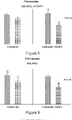
Figure 5 is a graph showing changes in general activity limitation during 24 hours in fibromyalgia patients - t-test showing statistically significant improvement in cannabis honey group. Orange bars: average of questioner # I and average of questioner # III. Grey bars: average of questioner # II and average of questioner # IV. -
Figure 6 is a graph showing changes in walking limitation during 24 hours in fibromyalgia patients - t-test showing statistical trend in cannabis honey group. Orange bars: average of questioner # I and average of questioner # III. Grey bars: average of questioner # II and average of questioner # IV. -
Figure 7 is a graph showing changes in insomnia during 24 hours in fibromyalgia patients - t-test showing statistical trend in cannabis honey group. Orange bars: average of questioner # I and average of questioner # III. Grey bars: average of questioner # II and average of questioner # IV. -
Figure 8 is a graph showing changes in average pain during 24 hours in PTSD patients - t-test showing statistical significant change in cannabis honey group. -
Figure 9 is a graph showing changes in effect on mood during 24 hours in PTSD patients - t-test showing statistical significant change in cannabis honey group. Orange bars: average of questioner # I and average of questioner # III. Grey bars: average of questioner # II and average of questioner # IV. -
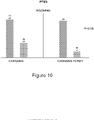
Figure 10 is a graph showing changes in effect on mood during 24 hours in PTSD patients - t-test showing statistical significant change in cannabis honey group. - The present invention, in some embodiments thereof, relates to bee-ingestible compositions, methods of using same for producing honey and honey produced thereby.
- Before explaining at least one embodiment of the invention in detail, it is to be understood that the invention is not necessarily limited in its application to the details set forth in the following description or exemplified by the Examples. The invention is capable of other embodiments or of being practiced or carried out in various ways, within the scope of the claims.
- Cannabis, also known as marijuana and by numerous other names, is a preparation of the Cannabis plant intended for use as a psychoactive drug or medicine. The main psychoactive part of cannabis is tetrahydrocannabinol (THC); it is one of 483 known compounds in the plant, including at least 84 other cannabinoids, such as cannabidiol (CBD), cannabinol (CBN), tetrahydrocannabivarin (THCV).
- Cannabis has been indicated for the reduction of nausea and vomiting during chemotherapy, improving appetite in people with HIV/AIDS, alleviation of chronic pain and muscle spasms as well as other medical conditions such as detailed hereinbelow.
- Since the beginning of the twentieth century, most countries have enacted laws against the cultivation, possession or transfer of cannabis. There presently exists a need to provide more effective and safer cannabis preparations for various medical uses.
- While reducing the present invention to practice, the present inventor was able to feed honeybees on cannabis oil extract. This finding is particularly surprising since it is well known in the beekeeping world that honeybees do not pollinate cannabis. In fact, cannabis is naturally pollinated by wind, hence the plant does not produce nectar which is so essential to bees as a carbohydrate and protein source.
- However, according to the present teachings, bee ingestible compositions comprising the cannabis oil are fed to the bees which in turn produce honey which comprises the active ingredients in the cannabis oil e.g., cannabinoids. Despite the lower concentration of the active ingredients in the honey thus produced, the honey is endowed with pharmaceutical activity absent from control honey, i.e., honey simply mixed with the active ingredients at the corresponding concentration. Thus, the present findings pave the way to the production of honey and honey-based products which are effective and safe for various medical uses.
- Thus, according to an aspect of the invention there is provided a bee ingestible composition comprising a bee food base and CBD and/or THC.
- As used herein the term "bee" refers to any of several winged, hairy-bodied, usually stinging insects of the superfamily Apoidea in the order Hymenoptera, including both solitary and social species and characterized by sucking and chewing mouthparts for gathering nectar, as well as collecting pollen. Exemplary bee species include, but are not limited to Apis, Bombus, Trigona, Osmia and the like. In one embodiment, bees include, but are not limited to bumblebees (Bombus terrestris) and honeybees (Apis mellifera). It is believed that the present teachings are relevant to the aforementioned bee species. However, due to the commercial interest more emphasis has been put on honey bees. The term as used herein refers to a bee at any developmental stage, e.g., egg larvae and pupa, adult e.g., queen, workers and drones. According to a specific embodiment, the bee is an adult bee.
- According to a specific embodiment, the term "honeybee" or "honey bee" refers to the western honey bee or European honey bee (Apis mellifera), being a species of bee.
- As used herein the term "bee ingestible composition" also referred to herein as "the composition" refers to a natural or non-natural bee feed which is transferred to the nectar sac (for honey production) and optionally to the stomach.
- According to a specific embodiment, the composition is in a solid form e.g., pollen cake.
- According to a specific embodiment, the composition is in a semi-solid form.
- According to a specific embodiment, the composition is in liquid form.
- According to a specific embodiment, the liquid is a sucrose solution.
- According to a specific embodiment, the liquid is a corn syrup solution.
- According to a specific embodiment, the composition is a paste.
- According to a specific embodiment, the liquid further comprises a carbohydrate or sugar supplement.
- According to a specific embodiment, a bee food base of the bee ingestible composition comprises a natural bee feed.
- According to a specific embodiment, a bee food base of the bee ingestible composition comprises a non-natural bee feed.
- According to a specific embodiment, the bee food base is selected from the group consisting of honey, pollen, nectar, a carbohydrate solution and mixtures thereof.
- According to a specific embodiment, the bee food base is selected from the group consisting of wheat, soybean flour, yeast, corn syrup, beet sugar syrup, isomerized corn syrup and type-50 sugar syrup.
- According to a specific embodiment, the bee food base in the composition is honey.
- According to a specific embodiment, the bee ingestible composition as described herein comprises oil for rendering the composition more fluid.
- According to a specific embodiment, the oil is derived from wheat germ, Camelina, Jojova, macroloba, passiflora edulis, Mauritia flexuosa, Carpa, Brazil nut, Astrocaryum aculetum, Annona muricata, Acmella oleracea, Acai palm, Sesame, Rice bran, Linseed, Hazelnut, Grape seed, Corn, Coconut, Palm kernel, Cottonseed, Peanut, Canola, Sunflower seed High Oleic, Sunflower seed High Linoleic, Rapeseed, Soybean and Palm.
- According to a specific embodiment, the oil is olive oil.
- As used herein the term "cannabidiol" or "CBD" refers to the major non-psychotropic cannabinoid in most Cannabis preparations, such as hashish and marihuana. Thus, cannabidiol, as used herein, is meant to refer to 2-[3-methyl-6-(1-methylethenyl)-2-cyclohexen-1-yl]-5-pentyl-1,3-benzenediol as well as to pharmaceutically acceptable salts, solvates, metabolites (e.g., cutaneous metabolites), and metabolic precursors of 2-[3-methyl-6-(1-methylethenyl)-2-cyclohexen-1-yl]-5-pentyl-1,3-benzenediol. The synthesis of 2-[3-methyl-6-(1-methylethenyl)-2-cyclohexen-1-yl]-5-pentyl-1,3-benzenediol is described, for example, in Petilka et al., Helv. Chim. Acta, 52:1102 (1969) and in Mechoulam et al., J. Am. Chem. Soc., 87:3273 (1965).
- The term CBD refers to the naturally occurring substance or synthetic versions of same. The term also refers to cannabidiol derivatives and metabolites such as taught in
U.S. Pat. Nos. 7,759,526 ,8,119,697 and8,435,556 . - As used herein the term "THC" or Tetrahydrocannabinol, or more precisely its main isomer (-)-trans-Δ9-tetrahydrocannabinol ((6aR,10aR)-delta-9-tetrahydrocannabinol), is the principal psychoactive constituent (or cannabinoid) of cannabis. The term refers to the naturally occurring substance or synthetic versions of same.
- "(-)-trans-Δ9-tetrahydrocannabinol", as used herein, also refers to its pharmaceutically acceptable salts, solvates, metabolites, and metabolic precursors. .DELTA..sup.9-tetrahydrocannabinol is marketed under the generic name "dronabinol".
- As mentioned the THC and/or CBD can be provided into the composition in a purified form (e.g., above 90 % purity each, e.g., synthetic forms) or in a cannabis oil (e.g., trichome extract). The cannabis oil should not be confused with the oil described above.
- The oil can be extracted from a single genetic background of a cannabis plant i.e., line, or a plurality of genetic backgrounds.
- As used herein the term "cannabis" refers to the genus of flowering plants that includes three different species, Cannabis sativa, Cannabis indica and Cannabis ruderalis.
- According to a specific embodiment, the cannabis is from the species Cannabis ruderalis which is substantially devoid of psychotrophic activity.
- When cannabis oil is used, as the source of CBD/THC, the composition comprises also other metabolites and active ingredients which are extracted in the cannabis oil. Examples include but are not limited to other cannabinoids as well as terpenes, flavinoids etc. Such compounds are easily identified using gas chromatography or HPLC (see for details Romano et al. Cannabinoids 2013;1(1):1-11).
- When cannabis oil is used, the cannabis genetic background is selected according to the intended use, that is, high/low CBD/THC levels.
- For example, breeders are currently developing more CBD-rich strains, as reported in Good, Alastair (26 October 2010). "Growing marijuana that won't get you high". The Daily Telegraph (London). Other CBD-reach strains are available from Tikun Olam that developed a strain of the plant which has only cannabidiol as an active ingredient, and no detectable levels of THC, providing some of the medicinal benefits of cannabis without the psychotrophic effects. Avidekel, a cannabis strain that contains 15.8 % CBD and less than 1% THC can also be used according to the present teachings. Alternatively, strains of cannabis containing higher levels of THC than levels of (or no) CBD may be desirable for treating certain medical conditions, such as, for example, conditions causing chronic pain.
- According to a specific embodiment, any variety of cannabis and/or hemp may be used provided that is a minimum of 1 % CBD and/or THC.
- Numerous methods are known in the art to extract oil from the cannabis plant and the ordinary skilled artisan will know which to choose according to the intended use. Examples of CBD/THC extraction methods include, but are not limited to, CO2 extraction, alcohol (e.g., ethanol) extraction, and oil extraction (e.,g., olive oil extraction). In the latter, various oils can be used, including. but not limited to, vegetable oils, nut oils, butter and the like. Specific examples include, but are not limited to, almond, avocado, butter, canola, coconut oil, grape seed oil, hemp seed oil, olive, pecan, sesame, and walnut oils.
- Thus even if the oil is extracted using methods which do not involve oil extraction, oil may be added to the composition to render it more fluid and to dilute the active ingredients such as by a factor of 10-200 (e.g., 100 fold), dependent on the composition of cannabinoids in the cannabis oil and the intended use.
- According to an alternative or an additional embodiment, lecithin is added to the composition as an emulsifier when the sugar base is not sourced from honey.
- Since the present teachings relate to the production of bee products which are endowed with pharmaceutical activities, the composition may further comprise other pharmaceuticals. Such pharmaceuticals can be phytochemicals provided in the composition either in a purified form (e.g., synthetic) or as part of an herbal extract.
- According to a specific embodiment the pharmaceutical is selected from the group consisting of an anti-allergic agent, an anti-inflammatory agent, an antioxidant, an anti-microbial agent, an antibacterial agent, an antifungal agent, an antiviral agent, an analgesic agent, an anti-cancer agent, an apoptosis inducing agent and an anti-diarrheal agent.
- According to a specific embodiment, the pharmaceutical is not an analgesic agent.
- According to a specific embodiment, the extracts are polar or non-polar and/or hydrophobic or hydrophilic extracts. Non-limiting examples of suitable plant extracts are those from Echinacea, Uncaria, Eleuther ococcus, Urtica, Calendula, Trifoluim, Melissa, Moms, Ribes, Taraxacum, Chicorium, Vaccinium, Avena, Inula, Melilotus, Ficus, and Beta.
- Examples of such phytochemicals include, but are not limited to, terpenoids, flavonoids, tannins, phenols, saponins, polyphenols, heterosides and alkaloids.
- Examples of medicinal plants from which active ingredients may be extracted include, but are not limited to, Salvia sclarea, Echinacea purpurea, extracts from citruses. Examples of active ingredients include, but are not limited to, Heterosides: Anthraquinones, cardiac glycosides, cyanogenics; Coumarins Flavonids phenols, ranunculosides, saponosides, sulphurides; Polyphenoles: Phenolic acids, cumarins, flavonoids, lignans, tannins, quinine; and Terpenoids: Essential oils, iridoids, lactones, diterpones, saponins. Alkaloids.
- According to a specific embodiment, the flavanoid is naringin. Naringin is a flavanone-7-O-glycoside between the flavanone Naringenin and the disaccharide neohesperidose. The flavonoids naringenin and hesperetin, which form the aglycones of naringin and hesperidin, occur naturally in citrus fruits, especially in grapefruit, where naringin is responsible for the fruit's bitter taste. Naringin is indicated as an inhibitor of vascular endothelial growth factor (VEGF) release. Naringin reduces diabetes-induced neuropathy. Naringin ameliorates memory deficits in Alzheimer's disease through attenuating mitochondrial dysfunction. Naringin has shown protective effects against cognitive dysfunction and oxidative damage.
- According to a specific embodiment, the pharmaceutical may be a plant-derived pharmaceutical, also referred to herein as a phytochemical.
- According to a specific embodiment, the pharmaceutical is not naturally present in (i.e., endogenous to) the cannabis trichome or cannabis oil.
- It will be appreciated that other ingredients may be added to the bee ingestible composition. Such ingredients may include, but are not limited to, coloring agents, emulsifiers, plant extracts with medical uses, flavors, and protein.
- The doses of the CBD and/or THC in the bee-ingestible composition may vary according to the intended use.
- For example, CBD finds use in neurological applications (e.g., neurodegenerative disorders such as Alzheimer's disease and Parkinson) as well as inflammation due to its neuroprotective activity and anti-oxidative activity. CBD has anti-psychotic effects and counteracts the potential psychotomimetic effects of THC on individuals with latent schizophrenia and other mood disorders such as bipolar mood disorder, anxiety and more. The compound has been shown to be an alternative treatment for schizophrenia that is safe and well-tolerated. Cannabidiol has also been shown to reduce anxiety in social anxiety disorder. Chronic cannabidiol administration in rats was found to produce anxiogenic-like effects, indicating that prolonged treatment with cannabidiol incite anxiogenic effects. Cannabidiol also finds use is the treatment of epilepsy e.g., Dravet syndrome. CBD is also indicated for use in the treatment of inflammation and can be used for treating diseases such as rheumatoid arthritis, colitis, liver inflammation, heart disease and diabetes.
- THC finds use in Multiple sclerosis symptoms:
Spasticity, based on the results of high quality trials, oral cannabis extract was rated as effective, and THC as probably effective, for improving patient's subjective experience of spasticity. Oral cannabis extract and THC both were rated as possibly effective for improving objective measures of spasticity (Koppel BS, Brust JC, Fife T, Bronstein J, Youssof S, Gronseth G, Gloss D (April 2014). "Systematic review: Efficacy and safety of medical marijuana in selected neurologic disorders: Report of the Guideline Development Subcommittee of the American Academy of Neurology". Neurology 82 (17): 1556-63). - Centrally mediated pain and painful spasms. Based on the results of high quality trials, oral cannabis extract was rated as effective, and THC as probably effective in treating central pain and painful spasms (Koppel, supra).
- Neurodegenerative disorders in which cannabis and THC were recently indicated include, Huntington disease, Parkinson disease. (e.g., ameliorating levodopa-induced dyskinesia in Parkinson disease), Alzheimer's disease, and other neurological disorders including but not limited to Tourette syndrome, Cervical dystonia and epilepsy.
- THC helps alleviating symptoms suffered both by AIDS patients, and by cancer patients undergoing chemotherapy, by increasing appetite and decreasing nausea. It has also been shown to assist some glaucoma patients by reducing pressure within the eye, and is used in alleviating neuropathic pain and spasticity.
- Exemplary embodiments of the composition of the present invention are listed below.
- According to a specific embodiment, the composition comprises 50-99.9 % bee food base (e.g., honey).
- According to a specific embodiment, the composition comprises 60-99.9 % bee food base (e.g., honey).
- According to a specific embodiment, the composition comprises 70-99.9 % bee food base (e.g., honey).
- According to a specific embodiment, the composition comprises 80-99.9 % bee food base (e.g., honey).
- According to a specific embodiment, the composition comprises 90-99.9 % bee food base (e.g., honey).
- According to a specific embodiment, the composition comprises 50-90 % bee food base (e.g., honey).
- According to a specific embodiment, the composition comprises 60-80 % bee food base (e.g., honey).
- According to a specific embodiment, the composition comprises 65-70 % bee food base (e.g., honey).
- According to a specific embodiment, the composition comprises 60-70 % bee food base (e.g., honey).
- According to a specific embodiment, the composition comprises 60-95 % bee food base (e.g., honey).
- According to a specific embodiment, the composition comprises 70-95 % bee food base (e.g., honey).
- According to a specific embodiment, the composition comprises 80-95 % bee food base (e.g., honey).
- According to a specific embodiment, the composition comprises 90-95 % bee food base (e.g., honey).
- According to a specific embodiment, the composition comprises 95-99.9 % bee food base (e.g., honey).
- According to a specific embodiment, the composition comprises 96-99.9 % bee food base (e.g., honey).
- According to a specific embodiment, the composition comprises 97-99.9 % bee food base (e.g., honey).
- According to a specific embodiment, the composition comprises 95-99 % bee food base (e.g., honey).
- According to a specific embodiment, the composition comprises 97-99 % bee food base (e.g., honey).
- According to a specific embodiment, the composition comprises 98-99 % bee food base (e.g., honey).
- According to a specific embodiment, the composition comprises 50-99.9 % honey.
- According to a specific embodiment, the composition comprises 60-99.9 % honey.
- According to a specific embodiment, the composition comprises 65-99.9 % honey.
- According to a specific embodiment, the composition comprises 70-99.9 % honey.
- According to a specific embodiment, the composition comprises 80-99.9 % honey.
- According to a specific embodiment, the composition comprises 90-99.9 % honey.
- According to a specific embodiment, the composition comprises 50-90 % honey.
- According to a specific embodiment, the composition comprises 60-80 % honey.
- According to a specific embodiment, the composition comprises 65-70 % honey.
- According to a specific embodiment, the composition comprises 60-70 % honey.
- According to a specific embodiment, the composition comprises 60-95 % honey.
- According to a specific embodiment, the composition comprises 70-95 % honey.
- According to a specific embodiment, the composition comprises 80-95 % honey.
- According to a specific embodiment, the composition comprises 90-95 % honey.
- According to a specific embodiment, the composition comprises 95-99.9 % honey.
- According to a specific embodiment, the composition comprises 96-99.9 % honey.
- According to a specific embodiment, the composition comprises 97-99.9 % honey.
- According to a specific embodiment, the composition comprises 95-99 % honey.
- According to a specific embodiment, the composition comprises 97-99 % honey.
- According to a specific embodiment, the composition comprises 98-99 % honey.
- According to a specific embodiment, the composition comprises 0.1-5 % cannabis oil.
- According to a specific embodiment, the composition comprises 0.1-4 % cannabis oil.
- According to a specific embodiment, the composition comprises 0.1-3 % cannabis oil.
- According to a specific embodiment, the composition comprises 0.1-2 % cannabis oil.
- According to a specific embodiment, the composition comprises 0.1-1 % cannabis oil.
- According to a specific embodiment, the composition comprises 0.1-0.9 % cannabis oil.
- According to a specific embodiment, the composition comprises 0.1-0.8 % cannabis oil.
- According to a specific embodiment, the composition comprises 0.1-0.7 % cannabis oil.
- According to a specific embodiment, the composition comprises 0.1-0.6 % cannabis oil.
- According to a specific embodiment, the composition comprises 0.1-0.5 % cannabis oil.
- According to a specific embodiment, the composition comprises 0.1-0.3 % cannabis oil.
- According to a specific embodiment, the composition comprises 0.1-0.2 % cannabis oil.
- According to a specific embodiment, the composition comprises 10-600 mg/g THC and/or CBD.
- According to a specific embodiment, the composition comprises 10-200 mg/gr THC and/or CBD.
- According to a specific embodiment, the composition comprises 10-100 mg/gr THC and/or CBD.
- According to a specific embodiment, the composition comprises 50-100 mg/gr THC and/or CBD.
- Optionally, as mentioned, the composition comprises at least one pharmaceutical (e.g., which is not naturally present in the cannabis oil).
- According to a specific embodiment, the composition comprises 0.1-1 % pharmaceutical.
- According to a specific embodiment, the composition comprises 0.1-0.9 % pharmaceutical.
- According to a specific embodiment, the composition comprises 0.1-0.8 % pharmaceutical.
- According to a specific embodiment, the composition comprises 0.1-0.7 % pharmaceutical.
- According to a specific embodiment, the composition comprises 0.1-0.6 % pharmaceutical.
- According to a specific embodiment, the composition comprises 0.1-0.5 % pharmaceutical.
- According to a specific embodiment, the composition comprises 0.1-0.3 % pharmaceutical.
- According to a specific embodiment, the composition comprises 0.1-0.2 % pharmaceutical.
- According to a specific embodiment, the bee food base is present in the composition at an amount of at least 50 %.
- According to a specific embodiment, the bee food base is present in the composition at an amount of at least 60 %.
- According to a specific embodiment, the bee food base is present in the composition at an amount of at least 65 %.
- According to a specific embodiment, the bee food base is present in the composition at an amount of at least 70 %.
- According to a specific embodiment, the bee food base is present in the composition at an amount of at least 80 %.
- According to a specific embodiment, the bee food base is present in the composition at an amount of at least 90 %.
- According to a specific embodiment, the bee food base is present in the composition at an amount of at least 95 %.
- According to a specific embodiment, the bee food base is present in the composition at an amount of at least 96 %.
- According to a specific embodiment, the bee food base is present in the composition at an amount of at least 97 %.
- According to a specific embodiment, the bee food base is present in the composition at an amount of at least 98 %.
- According to a specific embodiment, the bee food base is present in the composition at an amount of at least 99 %.
- According to a specific embodiment, the bee food base is present in the composition at an amount of at least 99.1 %.
- According to a specific embodiment, the bee food base is present in the composition at an amount of at least 99.2 %.
- According to a specific embodiment, the bee food base is present in the composition at an amount of at least 99.3 %.
- According to a specific embodiment, the bee food base is present in the composition at an amount of at least 99.4 %.
- According to a specific embodiment, the bee food base is present in the composition at an amount of at least 99.5 %.
- According to a specific embodiment, the bee food base is present in the composition at an amount of at least 99.6 %.
- According to a specific embodiment, the bee food base is present in the composition at an amount of at least 99.7 %.
- According to a specific embodiment, the bee food base is present in the composition at an amount of at least 99.8 %.
- According to a specific embodiment, the cannabis oil is present in the bee-ingestible composition at an amount not exceeding 1 %.
- According to a specific embodiment, the cannabis oil is present in the bee-ingestible composition at an amount not exceeding 0.9 %.
- According to a specific embodiment, the cannabis oil is present in the bee-ingestible composition at an amount not exceeding 0.8 %.
- According to a specific embodiment, the cannabis oil is present in the bee-ingestible composition at an amount not exceeding 0.7 %.
- According to a specific embodiment, the cannabis oil is present in the bee-ingestible composition at an amount not exceeding 0.6 %.
- According to a specific embodiment, the cannabis oil is present in the bee-ingestible composition at an amount not exceeding 0.5 %.
- According to a specific embodiment, the cannabis oil is present in the bee-ingestible composition at an amount not exceeding 0.4%.
- According to a specific embodiment, the cannabis oil is present in the bee-ingestible composition at an amount not exceeding 0.3 %.
- According to a specific embodiment, the cannabis oil is present in the bee-ingestible composition at an amount not exceeding 0.2 %.
- Of note, water can be added to the composition in order to dilute the active ingredients.
- According to a specific embodiment, the water portion does not exceed 50 %.
- According to a specific embodiment, the water portion does not exceed 45 %.
- According to a specific embodiment, the water portion does not exceed 40 %.
- According to a specific embodiment, the water portion does not exceed 35 %.
- According to a specific embodiment, the water portion does not exceed 25 %.
- According to a specific embodiment, the water portion does not exceed 15 %.
- According to a specific embodiment, the composition comprises:
- 50-99.9 % bee food base;
- 0.1-1 % cannabis oil; and optionally
- 0.1-1 % pharmaceutical.
- The composition is typically prepared by mixing the THC/CBD (e.g., cannabis oil), optionally diluted in oil (e.g., olive oil) or emulsifier, with the pharmaceutical (when present). In a separate mix, honey and water are combined till 100 %, Other ingredients such as described hereinabove can be added.
- Of note all percentages indicated herein refer to w/w, v/v, v/w or w/v.
- A non-limiting protocol is provided infra and in Example 1 that follows. A liquid mixture containing honey [or glucose, beet sugar, honey substitutes, or treacle (molasses)] and water (e.g., two parts honey and one part water) is prepared. The composition is mixed by shaking.
- Once the honey and water mixture is prepared, cannabis oil and/or cannabis hemp flowers in the form of a cake or powder are added. Finally, other ingredients such as natural coloring agents are added.
- The components are mixed until reaching a homogeneous composition. According to a specific embodiment, mixing is done while heating (e.g., to 75 °C).
- After preparation, the mixture is allowed to cool to room temperature, and poured it into a bee feeding station according to the capacity of the feeding station. The feeding cycle depends on the capacity of the feeding station and the size of the bee hive.
- The bee ingestible composition can be delivered to the bees in a great variety of ways. As detailed herein, bee feeding is common practice amongst bee-keepers, for providing both nutritional and other, for example, supplemental needs. Bees typically feed on honey and pollen, but have been known to ingest non-natural feeds as well. Bees can be fed various foodstuffs including, but not limited to Wheat (a dairy yeast grown on cottage cheese), soybean flour, yeast (e.g. brewer's yeast, torula yeast) and yeast products products-fed singly or in combination and soybean flour fed as a dry mix or moist cake inside the hive or as a dry mix in open feeders outside the hive. Also useful is sugar, or a sugar syrup. The addition of 10 to 12 percent pollen to a supplement fed to bees improves palatability. The addition of 25 to 30 percent pollen improves the quality and quantity of essential nutrients that are required by bees for vital activity.
- Cane or beet sugar, isomerized corn syrup, and type-50 sugar syrup are satisfactory substitutes for honey in the natural diet of honey bees. The last two can be supplied only as a liquid to bees.
- Liquid feed can be supplied to bees inside the hive by, for example, any of the following methods: friction-top pail, combs within the brood chamber, division board feeder, boardman feeder, etc. Dry sugar may be fed by placing a pound or two on the inverted inner cover. A supply of water must be available to bees at all times. In one embodiment, pan or trays in which floating supports-such as wood chips, cork, or plastic sponge-are present are envisaged. Detailed descriptions of supplemental feeds for bees can be found in, for example, USDA publication by Standifer, et al 1977, entitled "Supplemental Feeding of Honey Bee Colonies" (USDA, Agriculture Information Bulletin No. 413).
- As the honey comprises the active ingredients fed to the bees, there is also provided herein a method of producing honey. The method comprises:
- (a) feeding the bees with the bee ingestible composition as describe herein; and or concomitantly
- (b) collecting the honey produced by the bees.
- Honey extraction is done after or concomitantly with feeding with the bee ingestible composition using methods which are well known to those skilled in the tradition of beekeeping. Measures are taken to feed the bees with the composition at the time of honey production, while restricting their accessibility to field nectar/pollen.
- Those of skills in the art of beekeeping will know to time the extraction.
- According to some embodiments of the invention, and as orally administered compositions are also evident in the honey (albeit in far lower concentrations than initially administered 1000 fold reduction), the present teachings also contemplate a processed product comprising the honey obtainable according to the present teachings.
- Thus, according to an aspect of the invention there is provided honey obtainable according to the methods described herein.
- The honey may comprise any cannabis oil metabolite, e.g., cannabinoid, e.g., THC and/or CBD.
- According to a specific embodiment, the honey is free of plant material e.g., cellulose.
- According to a further aspect there is provided honey comprising THC and/or CBD and optionally a pharmaceutical which is not-naturally present in cannabis as described herein.
- According to some embodiments of the invention, the honey is characterized in that it comprises about 1,000 or more fold lower (e.g., about 10,000 fold lower) concentration of THC and/or CBD than that present in the cannabis oil used to prepare said bee-ingestible composition, and about 4 or more fold lower concentration of THC and/or CBD than the bee-ingestible composition itself. Measurements can be made using methods which are well known in the art such as liquid chromatography.
- According to a specific embodiment, the honey is characterized in that it comprises 4-10 fold lower concentration of THC and/or CBD (and/or the pharmaceutical) than that present in the bee-ingestible composition.
- According to a specific embodiment, the honey is characterized in that it comprises 4-8 fold lower concentration of THC and/or CBD (and/or the pharmaceutical) than that present in the bee-ingestible composition.
- According to a specific embodiment, the honey is characterized in that it comprises 4-6 fold lower concentration of THC and/or CBD (and/or the pharmaceutical) than that present in the bee-ingestible composition.
- According to a specific embodiment, the honey is characterized in that it comprises 3-6 fold lower concentration of THC and/or CBD (and/or the pharmaceutical) than that present in the bee-ingestible composition.
- According to an aspect of some embodiments of the present invention there is provided honey comprising 5 ppm - 500 ppm THC and/or CBD.
- According to an aspect of some embodiments of the present invention there is provided honey comprising 5 ppm - 400 ppm THC and/or CBD.
- According to an aspect of some embodiments of the present invention there is provided honey comprising 5 ppm - 300 ppm THC and/or CBD.
- According to a further aspect, there is provided honey which is characterized in that it comprises 10 ppm - 200 ppm THC and/or CBD.
- According to a specific embodiment, the honey is characterized in that it comprises 50 ppm - 100 ppm THC and/or CBD.
- According to a specific embodiment, the honey is characterized in that it comprises 50 ppm - 80 ppm THC and/or CBD.
- According to a specific embodiment, the honey is characterized in that it comprises a pharmaceutical.
- According to one embodiment the honey is in a semi-solid form.
- According to one embodiment the honey is in a solid form.
- According to one embodiment the honey is in a liquid form.
- Throughout this specification, the term honey is used to include any honey-like beehive product, including those that do not fulfill the nutritional definitions of honey as defined by some food regulatory authorities. Natural honey as defined by the National Honey Board of the United States (www(dot)nhb(dot)org) will be referred to as "pure honey" or "regular honey".
- However, the honey serving as the bee food base is pure honey.
- A processed product comprising the honeybee products are also contemplated herein e.g., cakes, cookies, bars, candy, grains, chewable honey (e.g.,
U.S. Pat. No. 8,642,103 ). - There is provided a method of treating a medical condition which is alleviated by cannabis, the method comprising administering to a subject in need thereof a therapeutically effective amount of the honey or a processed product thereof as described herein, thereby treating the medical condition which is alleviated by cannabis.
- The medical condition is selected from the group consisting of fibromyalgia and posttraumatic stress disorder (PTSD) and pain associated therewith.
- According to a specific embodiment, the subject treated with the composition is a human being, though veterinary indications are also contemplated herein.
- The subject may suffer from the disease or be at risk of having it. The subject may be of any gender or age. According to a specific embodiment, the subject is 75 years of age or older.
- As used herein the term "about" refers to ± 10 %.
- The terms "comprises", "comprising", "includes", "including", "having" and their conjugates mean "including but not limited to".
- The term "consisting of' means "including and limited to".
- The term "consisting essentially of" means that the composition, method or structure may include additional ingredients, steps and/or parts, but only if the additional ingredients, steps and/or parts do not materially alter the basic and novel characteristics of the claimed composition, method or structure.
- As used herein, the singular form "a", "an" and "the" include plural references unless the context clearly dictates otherwise. For example, the term "a compound" or "at least one compound" may include a plurality of compounds, including mixtures thereof.
- Throughout this application, various embodiments of this invention may be presented in a range format. It should be understood that the description in range format is merely for convenience and brevity and should not be construed as an inflexible limitation on the scope of the invention. Accordingly, the description of a range should be considered to have specifically disclosed all the possible subranges as well as individual numerical values within that range. For example, description of a range such as from 1 to 6 should be considered to have specifically disclosed subranges such as from 1 to 3, from 1 to 4, from 1 to 5, from 2 to 4, from 2 to 6, from 3 to 6 etc., as well as individual numbers within that range, for example, 1, 2, 3, 4, 5, and 6. This applies regardless of the breadth of the range.
- Whenever a numerical range is indicated herein, it is meant to include any cited numeral (fractional or integral) within the indicated range. The phrases "ranging/ranges between" a first indicate number and a second indicate number and "ranging/ranges from" a first indicate number "to" a second indicate number are used herein interchangeably and are meant to include the first and second indicated numbers and all the fractional and integral numerals therebetween.
- As used herein the term "method" refers to manners, means, techniques and procedures for accomplishing a given task including, but not limited to, those manners, means, techniques and procedures either known to, or readily developed from known manners, means, techniques and procedures by practitioners of the chemical, pharmacological, biological, biochemical and medical arts.
- As used herein, the term "treating" includes abrogating, substantially inhibiting, slowing or reversing the progression of a condition, substantially ameliorating clinical or aesthetical symptoms of a condition or substantially preventing the appearance of clinical or aesthetical symptoms of a condition.
- It is appreciated that certain features of the invention, which are, for clarity, described in the context of separate embodiments, may also be provided in combination in a single embodiment. Conversely, various features of the invention, which are, for brevity, described in the context of a single embodiment, may also be provided separately or in any suitable subcombination or as suitable in any other described embodiment of the invention. Certain features described in the context of various embodiments are not to be considered essential features of those embodiments, unless the embodiment is inoperative without those elements.
- Generally, the nomenclature used herein and the laboratory procedures utilized in the present invention include molecular, biochemical, microbiological and recombinant DNA techniques. Such techniques are thoroughly explained in the literature. See, for example, "Molecular Cloning: A laboratory Manual" Sambrook et al., (1989); "Current Protocols in Molecular Biology" Volumes I-III Ausubel, R. M., ed. (1994); Ausubel et al., "Current Protocols in Molecular Biology", John Wiley and Sons, Baltimore, Maryland (1989); Perbal, "A Practical Guide to Molecular Cloning", John Wiley & Sons, New York (1988); Watson et al., "Recombinant DNA", Scientific American Books, New York; Birren et al. (eds) "Genome Analysis: A Laboratory Manual Series", Vols. 1-4, Cold Spring Harbor Laboratory Press, New York (1998); methodologies as set forth in
U.S. Pat. Nos. 4,666,828 ;4,683,202 ;4,801,531 ;5,192,659 and5,272,057 ; "Cell Biology: A Laboratory Handbook", Volumes I-III Cellis, J. E., ed. (1994); "Culture of Animal Cells - A Manual of Basic Technique" by Freshney, Wiley-Liss, N. Y. (1994), Third Edition; "Current Protocols in Immunology" Volumes I-III Coligan J. E., ed. (1994); Stites et al. (eds), "Basic and Clinical Immunology" (8th Edition), Appleton & Lange, Norwalk, CT (1994); Mishell and Shiigi (eds), "Selected Methods in Cellular Immunology", W. H. Freeman and Co., New York (1980); available immunoassays are extensively described in the patent and scientific literature, see, for example,U.S. Pat. Nos. 3,791,932 ;3,839,153 ;3,850,752 ;3,850,578 ;3,853,987 ;3,867,517 ;3,879,262 ;3,901,654 ;3,935,074 ;3,984,533 ;3,996,345 ;4,034,074 ;4,098,876 ;4,879,219 ;5,011,771 and5,281,521 ; "Oligonucleotide Synthesis" Gait, M. J., ed. (1984); "Nucleic Acid Hybridization" Hames, B. D., and Higgins S. J., eds. (1985); "Transcription and Translation" Hames, B. D., and Higgins S. J., eds. (1984); "Animal Cell Culture" Freshney, R. I., ed. (1986); "Immobilized Cells and Enzymes" IRL Press, (1986); "A Practical Guide to Molecular Cloning" Perbal, B., (1984) and "Methods in Enzymology" Vol. 1-317, Academic Press; "PCR Protocols: A Guide To Methods And Applications", Academic Press, San Diego, CA (1990); Marshak et al., "Strategies for Protein Purification and Characterization - A Laboratory Course Manual" CSHL Press (1996). Other general references are provided throughout this document. The procedures therein are believed to be well known in the art and are provided for the convenience of the reader. - A feeding protocol was developed aiming to find the range of concentrations of Cannabis oils, Naringin, honey and water suitable for honey bee consumption (A).
- A similar feeding protocol aimed at finding the range of concentrations of honey, water, natural coloring agents, and cannabis oil optimal for honey bee consumption (B).
- Generally, honey was mixed by shaking with water at the indicated positions. Once the honey and water mixture was prepared, cannabis oil was added. A pre-produced cannabis oil was used from IMC Agro Ltd. Finally, several other components were added to the mixture, such as lecithin (an emulsifier), and various coloring agents, such as beet juice and beet extract, paprika, and tomato peel extract, and royal jelly, which is a bee feed component.
- The components were mixed until a homogeneous mixture was produced. While mixing, the mixture was heated to 75 °C.
- After preparation, the mixture was allowed to cool to room temperature, and poured it into a bee feeding station according to the capacity of the feeding station. The feeding cycle depends on the capacity of the feeding station and the size of the bee hive.
- The treatments were offered to the honey bees in small cans or feeding troughs and attraction data was collected (see
FIG. 1 and Table 1A for protocol A, Table 1B for Protocol B, below). - The following parameters were applied:
1. Naringin 98% purity diluted in water.
2. Cannabis oil % in the protocol.
3. Different ratios of CBD and THC in the full profile of Cannabis extracts.
4. % of honey in the protocol as part of the total honey and water quantity.
5. % of water in the protocol as part of the total honey and water quantity.Table 1A # Naringin % w/w Cannabis oil %w/w CBD/THC ratio w/w Honey %w/w water %w/w attraction 1-10 1 2 1 5/1 55 45 1 2 2 0.5 2/1 60 40 1 3 2 0.25 1/1 65 35 3 4 2 0.2 1/2 70 30 4 5 2 0.1 1/3 75 25 4 6 1 1 5/1 55 45 3 7 1 0.5 2/1 60 40 3 8 1 0.25 1/1 65 35 5 9 1 0.2 1/2 70 30 6 10 1 0.1 1/3 75 25 6 11 0.5 1 5/1 55 45 4 12 0.5 0.5 2/1 60 40 4 13 0.5 0.25 1/1 65 35 5 14 0.5 0.2 1/2 70 30 9 15 0.5 0.1 1/3 75 25 9 16 0.1 1 5/1 55 45 4 17 0.1 0.5 2/1 60 40 4 18 0.1 0.25 1/1 65 35 5 19 0.1 0.2 1/2 70 30 9 20 0.1 0.1 1/3 75 25 9 - The following parameters were applied:
1. % of honey in the protocol as part of the total honey and water quantity.
2. % of water in the protocol as part of the total honey and water quantity.
3. % of coloring agents.
4. Different ratios of CBD and THC in the full profile of cannabis extracts.Table 1B # Honey %w/w Water %w/w Natural Coloring Agents %w/w Cannabis Oil %w/w CBD/THC ratio w/w Attraction (1-10) 1 50 50 0.10 1.0 1/9 4 2 57 43 0.10 1.0 1/9 5 3 60 40 0.10 1.0 1/4 6 4 67 33 0.10 1.0 1/4 9 5 77 23 0.10 1.0 1/4 8 - The data in Tables 1A-B above suggests that according to a specific embodiment of the invention:
- Honey % should be higher than 65 % (e.g., 70 % or more);
- Water % should be lower than 35 %.
- 4-5 are good attraction parameters.
- According to another specific embodiment of the invention:
- Honey % should be higher than 50 % (e.g., 70 % or more);
- Water % should be lower than 50 %.
- Cannabis honey and cannabis honey with Naringin were produced using the feeding protocols.
Table 2A in the oil CBD in the honey Cannabis oil % Naringin % CBD% THC% ppm THCppm Naringin ppm 0.2 0 2.7 1.6 31 17 0 0.2 0.5 2.7 1.6 30 17 5 0.2 0 10 5 95 52 0 0.2 0.5 10 5 98 49 5 In all preparations the level of cannabinol was less than 10 ppm.
ppm = mg/kg - An exemplary feeding protocol was used to produce Cannabis oil honey with and without Naringin.
- Gas chromatography was used to detect the content of the CBD, THC and Naringin in the honey.
- The data was expressed in mg/kg = ppm.
- The total dilution done by the preparation of the feeding protocol and the honey bees was 1/100,000 and therefore these concentrations in the honey were expected.
- Cannabis honey with the natural coloring agents was produced using the feeding protocols.
Table 2B Type % Cannabis Oil % in the Oil ppm in the Bee Feed ppm in the Honey CBD THC CBD THC CBD THC A 1 1.3 13 103 381 8.3 60.14 B 1 2.5 10 25 254 6.0 51.0 - An exemplary feeding protocol was used to produce Cannabis oil with honey.
- Liquid chromatography was used to detect the content of the CBD and THC in the honey.
- Protocol synopsis is presented in Table 3 below.
Table 3 Diagnosis and main eligibility criteria: Patients in the Pain Policlinic in HaEmek MC, Israel. Patients with the chronic pain that used cannabis in the past. Statistical methods: All measured variables and derived parameters are listed individually and, if appropriate, tabulated by descriptive statistics. For descriptive statistics, summary tables are provided giving sample size, absolute and relative frequency by study group, and sample size, arithmetic mean, standard deviation, coefficient of variation (if appropriate), median, minimum and maximum, percentiles, p values, and 95% CI (Confidence Interval) by study group for means of continuous variables. Chi-square test or Fisher's Exact test (as appropriate) is applied for testing the statistical significance of the difference in percent of subjects reporting adverse events between the study groups. Paired t-test or Signed-Rank test (as appropriate) is applied for testing the statistical significance of the changes from baseline in laboratory results within each study group. ANOVA model is applied for testing the statistical significance of the difference in the changes in laboratory results between the study groups. Dunnett's method is used for comparing each of the active groups to the Placebo group. ANOVA model is applied for testing the statistical significance of the difference in immunological markers and the secondary endpoint parameters between the study groups. Dunnett's method is used for comparing each of the active groups to the Placebo group. Changes in immunological markers and efficacy parameters may be assessed across each individual subject. - Specifically:
Each patient filled a Brief Pain Inventory (BPI) questioner (questioner #1) immediately prior to treating with smoking cannabis, 24 hours after the patients were provided with BPI questioner #2, 3 days later patients were provided with questioner # 3 and immediately after treated with cannabis honey, 24 hours later patients were provided withBPI questioner # 4. All together 7 patients were engaged with the study. 4 patients were diagnosed with fibromyalgia, 3 with posttraumatic stress disorder (PTSD). - The questioners were collected and the data was analyzed by t-test for each administration (cannabis and cannabis honey).
- Dosing:
Active dose in cannabis cigarette - THC - 16-24% PPM and CBD - 2% (each patient received a cigarette of 0.8-1 gr). - Active dose in cannabis honey - THC - 45 PPM and CBD - 4 PPM (each patient was treated with a teaspoon of honey: 7 gr).
- The analysis of the administration of cannabis honey resulted in positive trends and statistically significant changes in two indications - fibromyalgia and PTSD. The results are shown in
Figures 2-10 .
Claims (6)
- A bee ingestible composition comprising at least 50 % bee food base and THC and/or CBD, wherein said bee food base comprises honey, wherein the bee ingestible composition comprises 0.1-5 % cannabis oil having at least 1 % THC and/or CBD.
- The bee-ingestible composition of claim 1, being a paste.
- The bee-ingestible composition of any one of claims 1-2, further comprising a coloring agent and/or an emulsifier.
- A method of producing honey comprising:(a) feeding bees with the bee ingestible composition of any one of claims 1-3; and(b) collecting the honey produced by said bees.
- Pure honey obtainable according to the method of claim 4 the pure honey being substantially free of cellulose.
- A therapeutically effective amount of the honey of claim 5 or 6, for use in the treatment of a medical condition which is alleviated by cannabis, wherein the medical condition is post-traumatic stress disorder (PTSD) or fibromyalgia.
Applications Claiming Priority (2)
| Application Number | Priority Date | Filing Date | Title |
|---|---|---|---|
| US201562195311P | 2015-07-22 | 2015-07-22 | |
| PCT/IL2016/050801 WO2017013661A1 (en) | 2015-07-22 | 2016-07-21 | Bee-ingestible compositions, methods of using same for producing honey and honey produced thereby |
Publications (2)
| Publication Number | Publication Date |
|---|---|
| EP3324754A1 EP3324754A1 (en) | 2018-05-30 |
| EP3324754B1 true EP3324754B1 (en) | 2022-09-07 |
Family
ID=56738142
Family Applications (1)
| Application Number | Title | Priority Date | Filing Date |
|---|---|---|---|
| EP16753708.3A Active EP3324754B1 (en) | 2015-07-22 | 2016-07-21 | Bee-ingestible compositions, methods of using same for producing honey and honey produced thereby |
Country Status (18)
| Country | Link |
|---|---|
| US (3) | US10278996B2 (en) |
| EP (1) | EP3324754B1 (en) |
| JP (1) | JP6976242B2 (en) |
| KR (1) | KR102460440B1 (en) |
| CN (1) | CN107846936B (en) |
| AU (1) | AU2016295728B2 (en) |
| BR (1) | BR112018001310A2 (en) |
| CA (1) | CA2993023C (en) |
| CL (1) | CL2018000162A1 (en) |
| CO (1) | CO2018001115A2 (en) |
| EC (1) | ECSP18012359A (en) |
| ES (1) | ES2931903T3 (en) |
| IL (2) | IL257078B (en) |
| MX (1) | MX2018000844A (en) |
| PE (1) | PE20181011A1 (en) |
| PT (1) | PT3324754T (en) |
| WO (1) | WO2017013661A1 (en) |
| ZA (1) | ZA201800595B (en) |
Families Citing this family (34)
| Publication number | Priority date | Publication date | Assignee | Title |
|---|---|---|---|---|
| US9776014B2 (en) | 2012-05-03 | 2017-10-03 | Magdent Ltd. | Bone enhancement device and method |
| EP3277260B1 (en) | 2015-04-01 | 2021-05-12 | The State of Israel, Ministry of Agriculture & Rural Development, Agricultural Research Organization (ARO) (Volcani Center) | Erodium crassifolium l'her plant extracts and uses thereof |
| US12303541B2 (en) | 2015-04-01 | 2025-05-20 | The State Of Israel, Ministry Of Agriculture & Rural Development, Agricultural Research Organization (Aro) (Volcani Center) | Erodium crassifolium L'Her plant extracts and uses thereof |
| AU2016295728B2 (en) | 2015-07-22 | 2020-07-23 | Phytopharma International Ltd. | Bee-ingestible compositions, methods of using same for producing honey and honey produced thereby |
| EP3368033A4 (en) * | 2015-10-31 | 2019-06-26 | Canabuzz-Med | THERAPEUTIC COMPOSITION BASED ON HONEY AND CANNABINOID |
| WO2017093986A1 (en) | 2015-12-05 | 2017-06-08 | Canabuzz-Med | Veterinary composition and methods for production and use |
| IL262419B2 (en) * | 2016-04-19 | 2024-08-01 | Canna B Cure Ltd | A therapeutic composition containing enzyme-rich cannabis |
| US10239808B1 (en) | 2016-12-07 | 2019-03-26 | Canopy Holdings, LLC | Cannabis extracts |
| CN110621312A (en) | 2017-03-05 | 2019-12-27 | 以色列国家农业部、农村发展农业研究组织·沃尔卡尼中心 | Compositions and methods for treating cancer |
| EP3384785A1 (en) * | 2017-04-04 | 2018-10-10 | Marquie-Amadeus Gerster | Method for the production of a honey or propolis containing foodstuff, food and beehive |
| AU2018330807A1 (en) * | 2017-09-08 | 2020-03-05 | Scicann Therapeutics Inc. | Compositions comprising a cannabinoid and spilanthol |
| CA3089994A1 (en) | 2018-01-31 | 2019-08-08 | Canopy Holdings, LLC | Hemp powder |
| BR112020020850A2 (en) * | 2018-04-09 | 2021-01-19 | Ellevet Sciences | HEMP EXTRACT FOR PAIN TREATMENT IN ANIMALS |
| SI25373A (en) * | 2018-05-08 | 2018-08-31 | Danijela Marković | NATURAL ORODISPOSIBILNA TABLETA |
| CA3119729A1 (en) | 2018-10-10 | 2020-04-16 | Treehouse Biotech, Inc. | Synthesis of cannabigerol |
| CN109627148B (en) * | 2018-11-28 | 2021-09-03 | 中国农业科学院麻类研究所 | Preparation method of cannabidiol, prepared cannabidiol and application thereof |
| LT6672B (en) | 2019-02-04 | 2019-10-25 | Juozas Pileckas | The method of health maintaining and treating of the honey bee using herbal additives |
| LT6671B (en) | 2019-02-04 | 2019-10-25 | Juozas Pileckas | Method of producing honey with a modified composition using herbal additives |
| EP3698643B1 (en) | 2019-02-04 | 2025-05-14 | Pileckas, Juozas | The method of health maintaining and treating of the honey bee using herbal additives |
| KR102149215B1 (en) * | 2019-12-12 | 2020-08-31 | 주식회사 바이오포스 | Composition for bee feeding liquid to improve honey collecting ability and preparing method of thereof |
| US12409131B2 (en) | 2019-10-03 | 2025-09-09 | Pike Therapeutics Usa, Inc. | Transdermal delivery of dronabinol |
| EP4037663A1 (en) | 2019-10-03 | 2022-08-10 | Starton Therapeutics, Inc. | Transdermal delivery of dronabinol |
| US12016829B2 (en) | 2019-10-11 | 2024-06-25 | Pike Therapeutics Inc. | Pharmaceutical composition and method for treating seizure disorders |
| US12186280B2 (en) | 2019-10-11 | 2025-01-07 | Pike Therapeutics Inc. | Pharmaceutical composition and method for treating seizure disorders |
| US12268699B2 (en) | 2019-10-14 | 2025-04-08 | Pike Therapeutics Inc. | Transdermal delivery of tetrahydrocannabinol |
| CN114555068A (en) | 2019-10-14 | 2022-05-27 | 长矛治疗股份有限公司1219014 B.C.有限公司 | Transdermal administration of cannabidiol |
| US12121617B2 (en) | 2019-10-14 | 2024-10-22 | Pike Therapeutics Inc. | Transdermal delivery of cannabidiol |
| CA3160751A1 (en) * | 2019-12-11 | 2021-06-17 | Joseph Noel | Cannabinoid enriched composition and method of using |
| IT202000008983A1 (en) | 2020-04-24 | 2021-10-24 | Paride Caviggioli | MANUFACTURING METHOD OF HIGH VALUE ADDED BEE PRODUCTS |
| CA3200579A1 (en) | 2020-11-30 | 2022-06-02 | Mark James DYE | Stable composition comprising a honey and a cannabinoid |
| KR102278512B1 (en) * | 2021-01-19 | 2021-07-20 | 정진욱 | Feed composition comprising cannabidiol and fulvic acid through photochemistry, the cannabinoid and fulvic acid are transmissible to edible insects, the reptiles, mollusks, and livestock, and method for preparing thereof |
| WO2023137500A2 (en) * | 2022-01-14 | 2023-07-20 | Companion Sciences, Llc | Cannabidiol and beta-caryophyllene in combination with condensed tannins and c-ring isomerized condensed tannins (phlobatannins) compositions to treat gynecological diseases and disorders |
| US12440454B2 (en) | 2022-02-01 | 2025-10-14 | Portland Technology Holdings Llc | Pharmaceutical compositions containing hemp extract for administration to felines and related methods |
| KR102783391B1 (en) * | 2022-04-27 | 2025-03-17 | 강신규 | A method of producing natural hemp honey using trained honeybees |
Citations (1)
| Publication number | Priority date | Publication date | Assignee | Title |
|---|---|---|---|---|
| US5612074A (en) * | 1995-12-21 | 1997-03-18 | Leach; Robin L. | Nutrient fortified food bar |
Family Cites Families (65)
| Publication number | Priority date | Publication date | Assignee | Title |
|---|---|---|---|---|
| GB156041A (en) * | 1920-05-05 | 1921-01-06 | William Lilley | A composition of matter for addition to bee foods |
| NL154600B (en) | 1971-02-10 | 1977-09-15 | Organon Nv | METHOD FOR THE DETERMINATION AND DETERMINATION OF SPECIFIC BINDING PROTEINS AND THEIR CORRESPONDING BINDABLE SUBSTANCES. |
| NL154598B (en) | 1970-11-10 | 1977-09-15 | Organon Nv | PROCEDURE FOR DETERMINING AND DETERMINING LOW MOLECULAR COMPOUNDS AND PROTEINS THAT CAN SPECIFICALLY BIND THESE COMPOUNDS AND TEST PACKAGING. |
| NL154599B (en) | 1970-12-28 | 1977-09-15 | Organon Nv | PROCEDURE FOR DETERMINING AND DETERMINING SPECIFIC BINDING PROTEINS AND THEIR CORRESPONDING BINDABLE SUBSTANCES, AND TEST PACKAGING. |
| US3901654A (en) | 1971-06-21 | 1975-08-26 | Biological Developments | Receptor assays of biologically active compounds employing biologically specific receptors |
| US3853987A (en) | 1971-09-01 | 1974-12-10 | W Dreyer | Immunological reagent and radioimmuno assay |
| US3867517A (en) | 1971-12-21 | 1975-02-18 | Abbott Lab | Direct radioimmunoassay for antigens and their antibodies |
| NL171930C (en) | 1972-05-11 | 1983-06-01 | Akzo Nv | METHOD FOR DETERMINING AND DETERMINING BITES AND TEST PACKAGING. |
| US3850578A (en) | 1973-03-12 | 1974-11-26 | H Mcconnell | Process for assaying for biologically active molecules |
| US3935074A (en) | 1973-12-17 | 1976-01-27 | Syva Company | Antibody steric hindrance immunoassay with two antibodies |
| US3996345A (en) | 1974-08-12 | 1976-12-07 | Syva Company | Fluorescence quenching with immunological pairs in immunoassays |
| US4034074A (en) | 1974-09-19 | 1977-07-05 | The Board Of Trustees Of Leland Stanford Junior University | Universal reagent 2-site immunoradiometric assay using labelled anti (IgG) |
| US3984533A (en) | 1975-11-13 | 1976-10-05 | General Electric Company | Electrophoretic method of detecting antigen-antibody reaction |
| US4098876A (en) | 1976-10-26 | 1978-07-04 | Corning Glass Works | Reverse sandwich immunoassay |
| US4879219A (en) | 1980-09-19 | 1989-11-07 | General Hospital Corporation | Immunoassay utilizing monoclonal high affinity IgM antibodies |
| US5011771A (en) | 1984-04-12 | 1991-04-30 | The General Hospital Corporation | Multiepitopic immunometric assay |
| US4666828A (en) | 1984-08-15 | 1987-05-19 | The General Hospital Corporation | Test for Huntington's disease |
| US4683202A (en) | 1985-03-28 | 1987-07-28 | Cetus Corporation | Process for amplifying nucleic acid sequences |
| US4801531A (en) | 1985-04-17 | 1989-01-31 | Biotechnology Research Partners, Ltd. | Apo AI/CIII genomic polymorphisms predictive of atherosclerosis |
| JPS61265056A (en) * | 1985-05-20 | 1986-11-22 | Atsuo Inoue | Instant feed for flower-visiting bee |
| KR920010325B1 (en) * | 1988-09-08 | 1992-11-27 | 천일제약 주식회사 | Process for making honey |
| US5272057A (en) | 1988-10-14 | 1993-12-21 | Georgetown University | Method of detecting a predisposition to cancer by the use of restriction fragment length polymorphism of the gene for human poly (ADP-ribose) polymerase |
| US5192659A (en) | 1989-08-25 | 1993-03-09 | Genetype Ag | Intron sequence analysis method for detection of adjacent and remote locus alleles as haplotypes |
| CA2056469C (en) * | 1990-11-30 | 1997-03-25 | Hiroaki Oonishi | Plastic optical fibers |
| US5281521A (en) | 1992-07-20 | 1994-01-25 | The Trustees Of The University Of Pennsylvania | Modified avidin-biotin technique |
| US5711953A (en) | 1996-08-26 | 1998-01-27 | Bassett; John M. | Insect repellant |
| JPH1198962A (en) * | 1997-09-25 | 1999-04-13 | Katakura Industries Co Ltd | Bee feed |
| JPH11169098A (en) * | 1997-12-15 | 1999-06-29 | Nippon Haigou Shiryo Kk | Feed for beekeeping |
| JP2000333619A (en) * | 1999-05-28 | 2000-12-05 | Nobuyuki Izena | Production of substance having antibacterial effect and apiculture using the substance |
| IL136839A (en) | 2000-06-16 | 2006-12-10 | Yissum Res Dev Co | Pharmaceutical compositions comprising cannabidiol derivatives, and processes for the preparation of same |
| US8449908B2 (en) | 2000-12-22 | 2013-05-28 | Alltranz, Llc | Transdermal delivery of cannabidiol |
| GB0103638D0 (en) * | 2001-02-14 | 2001-03-28 | Gw Pharmaceuticals Ltd | Pharmaceutical formulations |
| CH695661A5 (en) | 2001-03-06 | 2006-07-31 | Forsch Hiscia Ver Fuer Krebsfo | Pharmaceutical composition. |
| KR20030047388A (en) * | 2001-12-10 | 2003-06-18 | 김주인 | A feed manufacturing process for a bee |
| IL148244A0 (en) | 2002-02-19 | 2002-09-12 | Yissum Res Dev Co | Anti-nausea and anti-vomiting activity of cannabidiol compounds |
| GB0425248D0 (en) * | 2004-11-16 | 2004-12-15 | Gw Pharma Ltd | New use for cannabinoid |
| WO2006080019A1 (en) | 2005-01-31 | 2006-08-03 | Tzuf Globus Ltd. | Bee-food, honey made by bees fed with it, and uses of such honey |
| JP2006350211A (en) | 2005-06-20 | 2006-12-28 | Toshiba Matsushita Display Technology Co Ltd | Liquid crystal display device |
| JP2008208036A (en) * | 2007-02-23 | 2008-09-11 | Osamu Fukuda | Stevia-containing feeding for beekeeping, antimicrobial liquid, feeding of beekeeping, antimicrobial method and antimicrobial agent for beekeeping |
| GB2448535A (en) * | 2007-04-19 | 2008-10-22 | Gw Pharma Ltd | New use for cannabinoid-containing plant extracts |
| GB2450753B (en) * | 2007-07-06 | 2012-07-18 | Gw Pharma Ltd | New Pharmaceutical formulation |
| WO2009090668A1 (en) | 2008-01-14 | 2009-07-23 | Prakash Kejriwal | Process for preparing chewable honey without loss of its nutritional values and honey chew bar obtained through such process |
| GB2459637B (en) * | 2008-01-21 | 2012-06-06 | Gw Pharma Ltd | New use for cannabinoids |
| CN101467598B (en) * | 2008-04-03 | 2011-04-20 | 霍耀锋 | Natural Chinese medicine bee honey collected by honey bee and preparation method thereof |
| GB2471987B (en) * | 2008-06-04 | 2012-02-22 | Gw Pharma Ltd | Anti-tumoural effects of cannabinoid combinations |
| CN101869235B (en) | 2009-04-27 | 2012-11-07 | 北京百花蜂产品科技发展有限公司 | Formula and preparation method of honey paste |
| US8962584B2 (en) | 2009-10-14 | 2015-02-24 | Yissum Research Development Company Of The Hebrew University Of Jerusalem, Ltd. | Compositions for controlling Varroa mites in bees |
| KR101314099B1 (en) * | 2010-10-19 | 2013-10-04 | 일진에프앤피 주식회사 | Cake type fermented bee feed using enzyme and method of producing the same |
| US8445034B1 (en) | 2010-11-02 | 2013-05-21 | Albert L Coles, Jr. | Systems and methods for producing organic cannabis tincture |
| US8642645B2 (en) * | 2011-05-20 | 2014-02-04 | Brooks Kelly Research, LLC. | Pharmaceutical composition comprising Cannabinoids |
| WO2013009928A1 (en) | 2011-07-11 | 2013-01-17 | Organic Medical Research | Cannabinoid formulations |
| GB2495118B (en) * | 2011-09-29 | 2016-05-18 | Otsuka Pharma Co Ltd | A pharmaceutical composition comprising the phytocannabinoids cannabidivarin (CBDV) and cannabidiol (CBD) |
| CN104302193A (en) * | 2012-03-16 | 2015-01-21 | 詹尼弗·赖特 | Cannabis-based infant formula and method of making same |
| WO2015020516A1 (en) | 2013-08-05 | 2015-02-12 | Sustain B.V. | Improved pollen and/or pollen substitute comprising bee food composition |
| CN105764504A (en) * | 2013-09-26 | 2016-07-13 | 罗纳德·D·塞库拉 | Introducing topical treatments of cannabis-derived herbal medicines |
| ES2784229T3 (en) | 2013-11-20 | 2020-09-23 | Panag Pharma Inc | Compositions and procedures for the treatment of eye inflammation and pain |
| CN104256243A (en) * | 2014-09-04 | 2015-01-07 | 陈航 | Composition and preparation method thereof, and preparations and application of composition |
| CN104381774A (en) | 2014-10-28 | 2015-03-04 | 蚌埠市珠花蜂业有限责任公司 | Solid artemisia desertorum seed honey for treating constipation |
| AU2016295728B2 (en) | 2015-07-22 | 2020-07-23 | Phytopharma International Ltd. | Bee-ingestible compositions, methods of using same for producing honey and honey produced thereby |
| EP3368033A4 (en) | 2015-10-31 | 2019-06-26 | Canabuzz-Med | THERAPEUTIC COMPOSITION BASED ON HONEY AND CANNABINOID |
| SG11201803461RA (en) * | 2015-11-04 | 2018-05-30 | Vivia Biotech Sl | An ex vivo method for testing cellular responsiveness of primary cell populations to a drug or combination of drugs |
| CL2015003546A1 (en) | 2015-12-03 | 2016-07-15 | Univ Catolica De Témuco | Use of natural biostimulant extracts for apis mellifera bees |
| WO2017093986A1 (en) | 2015-12-05 | 2017-06-08 | Canabuzz-Med | Veterinary composition and methods for production and use |
| CN105505565A (en) * | 2015-12-28 | 2016-04-20 | 贵州航天乌江机电设备有限责任公司 | Method for extracting industrial hemp oil rich in cannabidiol |
| GR20160200212U (en) | 2016-07-14 | 2018-03-30 | Αθανασιος Χριστοφορου Ζηκιδης | Honey and syrup from cannabis sative plant |
-
2016
- 2016-07-21 AU AU2016295728A patent/AU2016295728B2/en active Active
- 2016-07-21 PE PE2018000108A patent/PE20181011A1/en unknown
- 2016-07-21 CN CN201680045209.7A patent/CN107846936B/en active Active
- 2016-07-21 BR BR112018001310-2A patent/BR112018001310A2/en not_active Application Discontinuation
- 2016-07-21 JP JP2018522896A patent/JP6976242B2/en active Active
- 2016-07-21 PT PT167537083T patent/PT3324754T/en unknown
- 2016-07-21 WO PCT/IL2016/050801 patent/WO2017013661A1/en not_active Ceased
- 2016-07-21 EP EP16753708.3A patent/EP3324754B1/en active Active
- 2016-07-21 MX MX2018000844A patent/MX2018000844A/en unknown
- 2016-07-21 CA CA2993023A patent/CA2993023C/en active Active
- 2016-07-21 KR KR1020187005317A patent/KR102460440B1/en active Active
- 2016-07-21 ES ES16753708T patent/ES2931903T3/en active Active
-
2018
- 2018-01-19 CL CL2018000162A patent/CL2018000162A1/en unknown
- 2018-01-22 IL IL257078A patent/IL257078B/en unknown
- 2018-01-22 US US15/876,219 patent/US10278996B2/en active Active
- 2018-01-29 ZA ZA2018/00595A patent/ZA201800595B/en unknown
- 2018-02-01 CO CONC2018/0001115A patent/CO2018001115A2/en unknown
- 2018-02-20 EC ECIEPI201812359A patent/ECSP18012359A/en unknown
-
2019
- 2019-04-14 US US16/383,612 patent/US11426434B2/en active Active
-
2021
- 2021-08-30 IL IL285972A patent/IL285972B/en unknown
-
2022
- 2022-08-09 US US17/883,618 patent/US20220378849A1/en active Pending
Patent Citations (1)
| Publication number | Priority date | Publication date | Assignee | Title |
|---|---|---|---|---|
| US5612074A (en) * | 1995-12-21 | 1997-03-18 | Leach; Robin L. | Nutrient fortified food bar |
Non-Patent Citations (4)
| Title |
|---|
| ANASS TERRAB ET AL: "Study of plants visited by honeybees ( Apis mellifera L.) in the Central Rif Region (N. Morocco) using pollen analysis", GRANA, vol. 44, no. 3, 1 September 2005 (2005-09-01), SW, pages 209 - 215, XP055501672, ISSN: 0017-3134, DOI: 10.1080/00173130500219783 * |
| ANON.: "Hemp Honey - Frequently Asked Questions", 7 August 2014 (2014-08-07), Retrieved from the Internet <URL:http://hemphoneyliquid.com/faqs/> [retrieved on 20180823] * |
| KATHLEEN LAMONT: "Honeybees and hemp: Where did we go wrong?", SMOKEY MOUNTAIN NEWS, 4 January 2007 (2007-01-04), Retrieved from the Internet <URL:https://www.smokymountainnews.com/archives/item/10616-honeybees-and-hemp-where-did-we-go-wrong> [retrieved on 20180823] * |
| NADIA ABOULAICH ET AL: "Variations and origin of the atmospheric pollen of Cannabis detected in the province of Tetouan (NW Morocco): 2008-2010", SCIENCE OF THE TOTAL ENVIRONMENT, vol. 443, 1 January 2013 (2013-01-01), AMSTERDAM, NL, pages 413 - 419, XP055501632, ISSN: 0048-9697, DOI: 10.1016/j.scitotenv.2012.10.075 * |
Also Published As
| Publication number | Publication date |
|---|---|
| ZA201800595B (en) | 2018-11-28 |
| JP2018522590A (en) | 2018-08-16 |
| IL257078A (en) | 2018-03-29 |
| KR20180030908A (en) | 2018-03-26 |
| CA2993023C (en) | 2020-04-28 |
| ECSP18012359A (en) | 2018-10-31 |
| CA2993023A1 (en) | 2017-01-26 |
| CN107846936B (en) | 2021-06-01 |
| US11426434B2 (en) | 2022-08-30 |
| EP3324754A1 (en) | 2018-05-30 |
| AU2016295728A1 (en) | 2018-02-15 |
| ES2931903T3 (en) | 2023-01-04 |
| CO2018001115A2 (en) | 2018-04-19 |
| MX2018000844A (en) | 2018-07-06 |
| US20190231826A1 (en) | 2019-08-01 |
| PT3324754T (en) | 2022-11-30 |
| CL2018000162A1 (en) | 2018-04-27 |
| BR112018001310A2 (en) | 2018-09-11 |
| IL257078B (en) | 2021-09-30 |
| AU2016295728B2 (en) | 2020-07-23 |
| JP6976242B2 (en) | 2021-12-08 |
| NZ739334A (en) | 2024-02-23 |
| CN107846936A (en) | 2018-03-27 |
| KR102460440B1 (en) | 2022-10-28 |
| WO2017013661A1 (en) | 2017-01-26 |
| US20180140644A1 (en) | 2018-05-24 |
| US10278996B2 (en) | 2019-05-07 |
| US20220378849A1 (en) | 2022-12-01 |
| PE20181011A1 (en) | 2018-06-26 |
| IL285972A (en) | 2021-10-31 |
| IL285972B (en) | 2022-04-01 |
Similar Documents
| Publication | Publication Date | Title |
|---|---|---|
| US20220378849A1 (en) | Bee-ingestible compositions, methods of using same for producing honey and honey produced thereby | |
| Jain et al. | Tea and human health: The dark shadows | |
| Saleh et al. | Genus Parkia: Phytochemical, medicinal uses, and pharmacological properties | |
| KR101697146B1 (en) | A high efficient method for extracting silymarin from cirsium pendulum | |
| KR102327601B1 (en) | COMPOSITION FOR ANTI-ATOPIC, ANTI-OXIDANT OR ANTI-INFLAMMATORY ACTIVITY COMPRISING Centella asiatica AS AN EFFECTIVE INGREDIENT | |
| CN100348218C (en) | Compositions containing Cistanche deserticola Y.C.MA extract showing enhanced axonal outgrowth activity and neurotrophic effects | |
| Singirala et al. | Extraction of bioactive compounds from Withania somnifera: The biological activities and potential application in the food industry: A review | |
| JP6762946B2 (en) | Compositions for the prevention, amelioration, or treatment of burnout syndrome | |
| Kamenan et al. | Anxiolytic activity of an aqueous extract of Alchornea cordifolia (Euphorbiaceae) leaves | |
| Berköz | Nigella sativa L. | |
| KR102671544B1 (en) | Composition for relieving stress and enhancing immune comprising medicinal herb complex extract as effective component | |
| CN106900960A (en) | Functional form CONFECTIONERY and preparation method comprising mode of operation and rest mode | |
| KR20180001032A (en) | Composition for improving reduced cognitive function comprising low contents of catechin and caffeine | |
| US20210169795A1 (en) | Colloidal Suspensions of Plant Extracts in Aqueous Solutions | |
| Huerta-Reyes et al. | Heteropterys genus: A review of its phytochemistry and pharmacology | |
| Tavares | Development of a plant-based beverage with anxiolytic-like effects evaluated in zebrafish (Danio rerio) model | |
| Rahimov et al. | Immunostimulator Api-phytotherapy for the Treatment of Upper Respiratory Tract Infection and Chronic Bronchitis | |
| ANDRONOIU et al. | POTENTIAL OF HERBS AS GALACTOGOGUES–A REVIEW | |
| KR20240073178A (en) | Composition for improving memory, inhibiting neuroinflammation, inhibiting neuronal apoptosis, or promoting autophagy, containing Dioscorea nipponica Makino extract or diosin | |
| JP6637753B2 (en) | Catechin absorption promoter | |
| KR20160008132A (en) | Composition for preventing or treating of oxidative brain injury and brain function disorder | |
| JP2024098095A (en) | Immunostimulants | |
| Kamran | Olive (Olea europaea L.) leaf biophenols as nutraceuticals | |
| KR20190087800A (en) | COMPOSITION COMPRISING Verbena officinalis L. EXTRACT AS AN EFFECTIVE INGREDIENT FOR PREVENTING OR TREATING NEURODEGENERATIVE DISEASE | |
| KR20140050298A (en) | A composition comprising the extract of propolis or chrysin isolated therefrom for preventing and treating alcohol intoxication or withdrawal symptoms |
Legal Events
| Date | Code | Title | Description |
|---|---|---|---|
| STAA | Information on the status of an ep patent application or granted ep patent |
Free format text: STATUS: THE INTERNATIONAL PUBLICATION HAS BEEN MADE |
|
| PUAI | Public reference made under article 153(3) epc to a published international application that has entered the european phase |
Free format text: ORIGINAL CODE: 0009012 |
|
| STAA | Information on the status of an ep patent application or granted ep patent |
Free format text: STATUS: REQUEST FOR EXAMINATION WAS MADE |
|
| 17P | Request for examination filed |
Effective date: 20180222 |
|
| AK | Designated contracting states |
Kind code of ref document: A1 Designated state(s): AL AT BE BG CH CY CZ DE DK EE ES FI FR GB GR HR HU IE IS IT LI LT LU LV MC MK MT NL NO PL PT RO RS SE SI SK SM TR |
|
| AX | Request for extension of the european patent |
Extension state: BA ME |
|
| STAA | Information on the status of an ep patent application or granted ep patent |
Free format text: STATUS: EXAMINATION IS IN PROGRESS |
|
| 17Q | First examination report despatched |
Effective date: 20180829 |
|
| DAV | Request for validation of the european patent (deleted) | ||
| DAX | Request for extension of the european patent (deleted) | ||
| GRAP | Despatch of communication of intention to grant a patent |
Free format text: ORIGINAL CODE: EPIDOSNIGR1 |
|
| STAA | Information on the status of an ep patent application or granted ep patent |
Free format text: STATUS: GRANT OF PATENT IS INTENDED |
|
| INTG | Intention to grant announced |
Effective date: 20220316 |
|
| GRAS | Grant fee paid |
Free format text: ORIGINAL CODE: EPIDOSNIGR3 |
|
| GRAA | (expected) grant |
Free format text: ORIGINAL CODE: 0009210 |
|
| STAA | Information on the status of an ep patent application or granted ep patent |
Free format text: STATUS: THE PATENT HAS BEEN GRANTED |
|
| AK | Designated contracting states |
Kind code of ref document: B1 Designated state(s): AL AT BE BG CH CY CZ DE DK EE ES FI FR GB GR HR HU IE IS IT LI LT LU LV MC MK MT NL NO PL PT RO RS SE SI SK SM TR |
|
| REG | Reference to a national code |
Ref country code: GB Ref legal event code: FG4D |
|
| REG | Reference to a national code |
Ref country code: CH Ref legal event code: EP Ref country code: AT Ref legal event code: REF Ref document number: 1516309 Country of ref document: AT Kind code of ref document: T Effective date: 20220915 |
|
| REG | Reference to a national code |
Ref country code: DE Ref legal event code: R096 Ref document number: 602016074842 Country of ref document: DE |
|
| REG | Reference to a national code |
Ref country code: IE Ref legal event code: FG4D |
|
| REG | Reference to a national code |
Ref country code: PT Ref legal event code: SC4A Ref document number: 3324754 Country of ref document: PT Date of ref document: 20221130 Kind code of ref document: T Free format text: AVAILABILITY OF NATIONAL TRANSLATION Effective date: 20221124 |
|
| REG | Reference to a national code |
Ref country code: NL Ref legal event code: FP |
|
| REG | Reference to a national code |
Ref country code: LT Ref legal event code: MG9D |
|
| REG | Reference to a national code |
Ref country code: ES Ref legal event code: FG2A Ref document number: 2931903 Country of ref document: ES Kind code of ref document: T3 Effective date: 20230104 |
|
| PG25 | Lapsed in a contracting state [announced via postgrant information from national office to epo] |
Ref country code: SE Free format text: LAPSE BECAUSE OF FAILURE TO SUBMIT A TRANSLATION OF THE DESCRIPTION OR TO PAY THE FEE WITHIN THE PRESCRIBED TIME-LIMIT Effective date: 20220907 Ref country code: RS Free format text: LAPSE BECAUSE OF FAILURE TO SUBMIT A TRANSLATION OF THE DESCRIPTION OR TO PAY THE FEE WITHIN THE PRESCRIBED TIME-LIMIT Effective date: 20220907 Ref country code: NO Free format text: LAPSE BECAUSE OF FAILURE TO SUBMIT A TRANSLATION OF THE DESCRIPTION OR TO PAY THE FEE WITHIN THE PRESCRIBED TIME-LIMIT Effective date: 20221207 Ref country code: LV Free format text: LAPSE BECAUSE OF FAILURE TO SUBMIT A TRANSLATION OF THE DESCRIPTION OR TO PAY THE FEE WITHIN THE PRESCRIBED TIME-LIMIT Effective date: 20220907 Ref country code: LT Free format text: LAPSE BECAUSE OF FAILURE TO SUBMIT A TRANSLATION OF THE DESCRIPTION OR TO PAY THE FEE WITHIN THE PRESCRIBED TIME-LIMIT Effective date: 20220907 Ref country code: FI Free format text: LAPSE BECAUSE OF FAILURE TO SUBMIT A TRANSLATION OF THE DESCRIPTION OR TO PAY THE FEE WITHIN THE PRESCRIBED TIME-LIMIT Effective date: 20220907 |
|
| REG | Reference to a national code |
Ref country code: GR Ref legal event code: EP Ref document number: 20220402350 Country of ref document: GR Effective date: 20230110 |
|
| PG25 | Lapsed in a contracting state [announced via postgrant information from national office to epo] |
Ref country code: HR Free format text: LAPSE BECAUSE OF FAILURE TO SUBMIT A TRANSLATION OF THE DESCRIPTION OR TO PAY THE FEE WITHIN THE PRESCRIBED TIME-LIMIT Effective date: 20220907 |
|
| PG25 | Lapsed in a contracting state [announced via postgrant information from national office to epo] |
Ref country code: SM Free format text: LAPSE BECAUSE OF FAILURE TO SUBMIT A TRANSLATION OF THE DESCRIPTION OR TO PAY THE FEE WITHIN THE PRESCRIBED TIME-LIMIT Effective date: 20220907 Ref country code: RO Free format text: LAPSE BECAUSE OF FAILURE TO SUBMIT A TRANSLATION OF THE DESCRIPTION OR TO PAY THE FEE WITHIN THE PRESCRIBED TIME-LIMIT Effective date: 20220907 Ref country code: CZ Free format text: LAPSE BECAUSE OF FAILURE TO SUBMIT A TRANSLATION OF THE DESCRIPTION OR TO PAY THE FEE WITHIN THE PRESCRIBED TIME-LIMIT Effective date: 20220907 |
|
| PG25 | Lapsed in a contracting state [announced via postgrant information from national office to epo] |
Ref country code: SK Free format text: LAPSE BECAUSE OF FAILURE TO SUBMIT A TRANSLATION OF THE DESCRIPTION OR TO PAY THE FEE WITHIN THE PRESCRIBED TIME-LIMIT Effective date: 20220907 Ref country code: PL Free format text: LAPSE BECAUSE OF FAILURE TO SUBMIT A TRANSLATION OF THE DESCRIPTION OR TO PAY THE FEE WITHIN THE PRESCRIBED TIME-LIMIT Effective date: 20220907 Ref country code: IS Free format text: LAPSE BECAUSE OF FAILURE TO SUBMIT A TRANSLATION OF THE DESCRIPTION OR TO PAY THE FEE WITHIN THE PRESCRIBED TIME-LIMIT Effective date: 20230107 Ref country code: EE Free format text: LAPSE BECAUSE OF FAILURE TO SUBMIT A TRANSLATION OF THE DESCRIPTION OR TO PAY THE FEE WITHIN THE PRESCRIBED TIME-LIMIT Effective date: 20220907 |
|
| REG | Reference to a national code |
Ref country code: DE Ref legal event code: R097 Ref document number: 602016074842 Country of ref document: DE |
|
| PG25 | Lapsed in a contracting state [announced via postgrant information from national office to epo] |
Ref country code: AL Free format text: LAPSE BECAUSE OF FAILURE TO SUBMIT A TRANSLATION OF THE DESCRIPTION OR TO PAY THE FEE WITHIN THE PRESCRIBED TIME-LIMIT Effective date: 20220907 |
|
| PLBE | No opposition filed within time limit |
Free format text: ORIGINAL CODE: 0009261 |
|
| STAA | Information on the status of an ep patent application or granted ep patent |
Free format text: STATUS: NO OPPOSITION FILED WITHIN TIME LIMIT |
|
| PG25 | Lapsed in a contracting state [announced via postgrant information from national office to epo] |
Ref country code: DK Free format text: LAPSE BECAUSE OF FAILURE TO SUBMIT A TRANSLATION OF THE DESCRIPTION OR TO PAY THE FEE WITHIN THE PRESCRIBED TIME-LIMIT Effective date: 20220907 |
|
| 26N | No opposition filed |
Effective date: 20230608 |
|
| PG25 | Lapsed in a contracting state [announced via postgrant information from national office to epo] |
Ref country code: SI Free format text: LAPSE BECAUSE OF FAILURE TO SUBMIT A TRANSLATION OF THE DESCRIPTION OR TO PAY THE FEE WITHIN THE PRESCRIBED TIME-LIMIT Effective date: 20220907 |
|
| REG | Reference to a national code |
Ref country code: AT Ref legal event code: UEP Ref document number: 1516309 Country of ref document: AT Kind code of ref document: T Effective date: 20220907 |
|
| PG25 | Lapsed in a contracting state [announced via postgrant information from national office to epo] |
Ref country code: MC Free format text: LAPSE BECAUSE OF FAILURE TO SUBMIT A TRANSLATION OF THE DESCRIPTION OR TO PAY THE FEE WITHIN THE PRESCRIBED TIME-LIMIT Effective date: 20220907 |
|
| PG25 | Lapsed in a contracting state [announced via postgrant information from national office to epo] |
Ref country code: MC Free format text: LAPSE BECAUSE OF FAILURE TO SUBMIT A TRANSLATION OF THE DESCRIPTION OR TO PAY THE FEE WITHIN THE PRESCRIBED TIME-LIMIT Effective date: 20220907 |
|
| PG25 | Lapsed in a contracting state [announced via postgrant information from national office to epo] |
Ref country code: BG Free format text: LAPSE BECAUSE OF FAILURE TO SUBMIT A TRANSLATION OF THE DESCRIPTION OR TO PAY THE FEE WITHIN THE PRESCRIBED TIME-LIMIT Effective date: 20220907 |
|
| PG25 | Lapsed in a contracting state [announced via postgrant information from national office to epo] |
Ref country code: BG Free format text: LAPSE BECAUSE OF FAILURE TO SUBMIT A TRANSLATION OF THE DESCRIPTION OR TO PAY THE FEE WITHIN THE PRESCRIBED TIME-LIMIT Effective date: 20220907 |
|
| PG25 | Lapsed in a contracting state [announced via postgrant information from national office to epo] |
Ref country code: CY Free format text: LAPSE BECAUSE OF FAILURE TO SUBMIT A TRANSLATION OF THE DESCRIPTION OR TO PAY THE FEE WITHIN THE PRESCRIBED TIME-LIMIT; INVALID AB INITIO Effective date: 20160721 |
|
| PG25 | Lapsed in a contracting state [announced via postgrant information from national office to epo] |
Ref country code: HU Free format text: LAPSE BECAUSE OF FAILURE TO SUBMIT A TRANSLATION OF THE DESCRIPTION OR TO PAY THE FEE WITHIN THE PRESCRIBED TIME-LIMIT; INVALID AB INITIO Effective date: 20160721 |
|
| PGFP | Annual fee paid to national office [announced via postgrant information from national office to epo] |
Ref country code: NL Payment date: 20250721 Year of fee payment: 10 Ref country code: LU Payment date: 20250721 Year of fee payment: 10 |
|
| PGFP | Annual fee paid to national office [announced via postgrant information from national office to epo] |
Ref country code: PT Payment date: 20250715 Year of fee payment: 10 Ref country code: ES Payment date: 20250826 Year of fee payment: 10 |
|
| PGFP | Annual fee paid to national office [announced via postgrant information from national office to epo] |
Ref country code: DE Payment date: 20250722 Year of fee payment: 10 |
|
| PGFP | Annual fee paid to national office [announced via postgrant information from national office to epo] |
Ref country code: GR Payment date: 20250721 Year of fee payment: 10 |
|
| PGFP | Annual fee paid to national office [announced via postgrant information from national office to epo] |
Ref country code: IT Payment date: 20250724 Year of fee payment: 10 Ref country code: TR Payment date: 20250716 Year of fee payment: 10 |
|
| PGFP | Annual fee paid to national office [announced via postgrant information from national office to epo] |
Ref country code: BE Payment date: 20250721 Year of fee payment: 10 Ref country code: GB Payment date: 20250722 Year of fee payment: 10 |
|
| PGFP | Annual fee paid to national office [announced via postgrant information from national office to epo] |
Ref country code: FR Payment date: 20250725 Year of fee payment: 10 Ref country code: AT Payment date: 20250722 Year of fee payment: 10 |
|
| PGFP | Annual fee paid to national office [announced via postgrant information from national office to epo] |
Ref country code: CH Payment date: 20250801 Year of fee payment: 10 |
|
| PGFP | Annual fee paid to national office [announced via postgrant information from national office to epo] |
Ref country code: IE Payment date: 20250723 Year of fee payment: 10 |
|
| PGFP | Annual fee paid to national office [announced via postgrant information from national office to epo] |
Ref country code: MK Payment date: 20250715 Year of fee payment: 10 |