EP3317248B1 - Sacubitril calcium salts - Google Patents
Sacubitril calcium salts Download PDFInfo
- Publication number
- EP3317248B1 EP3317248B1 EP15744416.7A EP15744416A EP3317248B1 EP 3317248 B1 EP3317248 B1 EP 3317248B1 EP 15744416 A EP15744416 A EP 15744416A EP 3317248 B1 EP3317248 B1 EP 3317248B1
- Authority
- EP
- European Patent Office
- Prior art keywords
- modification
- reaction mixture
- ahu377
- calcium salt
- water
- Prior art date
- Legal status (The legal status is an assumption and is not a legal conclusion. Google has not performed a legal analysis and makes no representation as to the accuracy of the status listed.)
- Active
Links
- 0 CCCCc1cc(-c2ccc(CC(CC(C)C(*)=O)*(C)C(CCC(O)=O)=O)cc2)ccc1 Chemical compound CCCCc1cc(-c2ccc(CC(CC(C)C(*)=O)*(C)C(CCC(O)=O)=O)cc2)ccc1 0.000 description 1
Images




Classifications
-
- A—HUMAN NECESSITIES
- A61—MEDICAL OR VETERINARY SCIENCE; HYGIENE
- A61K—PREPARATIONS FOR MEDICAL, DENTAL OR TOILETRY PURPOSES
- A61K31/00—Medicinal preparations containing organic active ingredients
- A61K31/21—Esters, e.g. nitroglycerine, selenocyanates
- A61K31/215—Esters, e.g. nitroglycerine, selenocyanates of carboxylic acids
- A61K31/22—Esters, e.g. nitroglycerine, selenocyanates of carboxylic acids of acyclic acids, e.g. pravastatin
-
- A—HUMAN NECESSITIES
- A61—MEDICAL OR VETERINARY SCIENCE; HYGIENE
- A61P—SPECIFIC THERAPEUTIC ACTIVITY OF CHEMICAL COMPOUNDS OR MEDICINAL PREPARATIONS
- A61P25/00—Drugs for disorders of the nervous system
- A61P25/02—Drugs for disorders of the nervous system for peripheral neuropathies
-
- A—HUMAN NECESSITIES
- A61—MEDICAL OR VETERINARY SCIENCE; HYGIENE
- A61P—SPECIFIC THERAPEUTIC ACTIVITY OF CHEMICAL COMPOUNDS OR MEDICINAL PREPARATIONS
- A61P25/00—Drugs for disorders of the nervous system
- A61P25/06—Antimigraine agents
-
- A—HUMAN NECESSITIES
- A61—MEDICAL OR VETERINARY SCIENCE; HYGIENE
- A61P—SPECIFIC THERAPEUTIC ACTIVITY OF CHEMICAL COMPOUNDS OR MEDICINAL PREPARATIONS
- A61P9/00—Drugs for disorders of the cardiovascular system
- A61P9/06—Antiarrhythmics
-
- A—HUMAN NECESSITIES
- A61—MEDICAL OR VETERINARY SCIENCE; HYGIENE
- A61P—SPECIFIC THERAPEUTIC ACTIVITY OF CHEMICAL COMPOUNDS OR MEDICINAL PREPARATIONS
- A61P9/00—Drugs for disorders of the cardiovascular system
- A61P9/10—Drugs for disorders of the cardiovascular system for treating ischaemic or atherosclerotic diseases, e.g. antianginal drugs, coronary vasodilators, drugs for myocardial infarction, retinopathy, cerebrovascula insufficiency, renal arteriosclerosis
-
- A—HUMAN NECESSITIES
- A61—MEDICAL OR VETERINARY SCIENCE; HYGIENE
- A61P—SPECIFIC THERAPEUTIC ACTIVITY OF CHEMICAL COMPOUNDS OR MEDICINAL PREPARATIONS
- A61P9/00—Drugs for disorders of the cardiovascular system
- A61P9/12—Antihypertensives
-
- C—CHEMISTRY; METALLURGY
- C07—ORGANIC CHEMISTRY
- C07C—ACYCLIC OR CARBOCYCLIC COMPOUNDS
- C07C229/00—Compounds containing amino and carboxyl groups bound to the same carbon skeleton
- C07C229/02—Compounds containing amino and carboxyl groups bound to the same carbon skeleton having amino and carboxyl groups bound to acyclic carbon atoms of the same carbon skeleton
- C07C229/34—Compounds containing amino and carboxyl groups bound to the same carbon skeleton having amino and carboxyl groups bound to acyclic carbon atoms of the same carbon skeleton the carbon skeleton containing six-membered aromatic rings
-
- A—HUMAN NECESSITIES
- A61—MEDICAL OR VETERINARY SCIENCE; HYGIENE
- A61K—PREPARATIONS FOR MEDICAL, DENTAL OR TOILETRY PURPOSES
- A61K2300/00—Mixtures or combinations of active ingredients, wherein at least one active ingredient is fully defined in groups A61K31/00 - A61K41/00
-
- A—HUMAN NECESSITIES
- A61—MEDICAL OR VETERINARY SCIENCE; HYGIENE
- A61K—PREPARATIONS FOR MEDICAL, DENTAL OR TOILETRY PURPOSES
- A61K31/00—Medicinal preparations containing organic active ingredients
- A61K31/33—Heterocyclic compounds
- A61K31/395—Heterocyclic compounds having nitrogen as a ring hetero atom, e.g. guanethidine or rifamycins
- A61K31/41—Heterocyclic compounds having nitrogen as a ring hetero atom, e.g. guanethidine or rifamycins having five-membered rings with two or more ring hetero atoms, at least one of which being nitrogen, e.g. tetrazole
- A61K31/4164—1,3-Diazoles
- A61K31/4178—1,3-Diazoles not condensed 1,3-diazoles and containing further heterocyclic rings, e.g. pilocarpine, nitrofurantoin
-
- A—HUMAN NECESSITIES
- A61—MEDICAL OR VETERINARY SCIENCE; HYGIENE
- A61K—PREPARATIONS FOR MEDICAL, DENTAL OR TOILETRY PURPOSES
- A61K31/00—Medicinal preparations containing organic active ingredients
- A61K31/33—Heterocyclic compounds
- A61K31/395—Heterocyclic compounds having nitrogen as a ring hetero atom, e.g. guanethidine or rifamycins
- A61K31/41—Heterocyclic compounds having nitrogen as a ring hetero atom, e.g. guanethidine or rifamycins having five-membered rings with two or more ring hetero atoms, at least one of which being nitrogen, e.g. tetrazole
- A61K31/42—Oxazoles
- A61K31/423—Oxazoles condensed with carbocyclic rings
-
- C—CHEMISTRY; METALLURGY
- C07—ORGANIC CHEMISTRY
- C07B—GENERAL METHODS OF ORGANIC CHEMISTRY; APPARATUS THEREFOR
- C07B2200/00—Indexing scheme relating to specific properties of organic compounds
- C07B2200/13—Crystalline forms, e.g. polymorphs
Definitions
- the present disclosure generally relates to the calcium salt of N -(3-carboxyl-1-oxopropyl)-(4 S )-( p -phenylphenylmethyl)-4-amino-(2 R )-methyl butanoic acid ethyl ester (AHU377, also known as sacubitril).
- AHU377 also known as sacubitril.
- the present disclosure particularly relates to polymorphic forms of the calcium salt of AHU377.
- the present disclosure also generally relates to a pharmaceutical composition comprising the polymorphic forms, methods of using the polymorphic forms in the treatment of various conditions and disorders responsive to the inhibition of neutral endopeptidase (EC 3.4.24.11), and methods for obtaining the polymorphic forms.
- Polymorphism is the existence of different crystalline forms of a single compound in its solid states. Thus, polymorphs have the same molecular formula but distinct physical properties. Thus, a single compound may have different polymorphic forms where each form has different and distinct physical properties, such as solubility, melting point, and/or X-ray diffraction pattern.
- NEP inhibitors are known which are useful as neutral endopeptidase (NEP) inhibitors, e.g. as inhibitors of the ANF-degrading enzyme in mammals, so as to prolong and potentiate the diuretic, natriuretic and vasodilator properties of ANF in mammals by inhibiting the degradation thereof to less active metabolites.
- NEP inhibitors are thus particularly useful for the treatment of conditions and disorders responsive to the inhibition of neutral endopeptidase (EC 3.4.24.11), particularly cardiovascular disorders such as hypertension, renal insufficiency including edema and salt retention, pulmonary edema and congestive heart failure.
- NEP dicarboxylic acid dipeptide neutral endopeptidase
- Said compound is actually a prodrug form of the actual NEP inhibitor N -(3-carboxyl-1-oxopropyl)-(4 S )-( p -phenylphenylmethyl)-4-amino-(2 R )-methyl butanoic acid, but is for ease of reference also referred to as a NEP inhibitor in the following, this term also including any of the modifications of the calcium salt mentioned herein.
- U.S. Patent 5,217,996 also discloses N -(3-carboxyl-1-oxopropyl)-(4 S )-( p -phenyl-phenylmethyl-4-amino-(2 R )-methyl butanoic acid ethyl ester and its sodium salt form.
- WO 2008/031567 generally disclose the reaction scheme to obtain the calcium salt of N -(3-carboxyl-1-oxopropyl)-(4 S )-( p -phenylphenylmethyl)-4-amino-(2 R )-methyl butanoic acid ethyl ester; however the process for the preparation of the same is not disclosed in detail.
- WO 2008/083967 discloses that the calcium salt is the preferred salt of N -(3-carboxyl-1-oxopropyl)-(4 S )-( p -phenylphenylmethyl)-4-amino-(2 R )-methyl butanoic acid ethyl ester.
- WO2007/056546 discloses combinations of angiotensin receptor antagonists and NEP inhibitors.
- the prior art does not mention any specific physical forms or processes of preparation of such forms of the calcium salt of AHU377. It is therefore a need to develop defined physical forms of the calcium salt of AHU377. Also, it is thus important to provide the calcium salt of AHU377 in a physical form which can be reliably prepared and purified on a large scale or commercial scale. That physical form should ideally be stable and not degrade on storage. The physical form chosen must also be stable whilst the drug substance is being manufactured as a formulation which is suitable for the intended route of administration chosen. In that respect, it may be necessary to consider physical properties of the physical form which lead to handling properties or higher bulk densities. In particular, non-hygroscopicity is particular important in order to obtain good flow characteristics.
- the properties of the final product should also be predictable and reliably reproducible. For example, material which is obtained in an inconsistent manner, for example where the water content differs from batch to batch, must be carefully monitored. This leads to added complications in the handling, manufacture, analysis and formulation of the drug substance.
- crystalline form Whilst one, e.g. crystalline, form may exhibit properties which are considered suitable, another form may also have properties which, with the right measures in place, can lead to its successful development into a drug.
- the decision as to whether a compound is suitable for commercialization thus depends on finding a (e.g. crystalline) form of the compound which has the right balance of desirable characteristics.
- composition is affected by the rate of delivery or the bioavailability of the pharmaceutically active substance in the case of different (e.g. crystalline or amorphous) forms or polymorphs. This relationship between different forms or polymorphs and bioavailability is known in the pharmaceutical industry and across a range of pharmaceutical products.
- the present invention provides a process for preparing a crystalline form of a calcium salt of N -(3-carboxyl-1-oxopropyl)-(4 S )-( p -phenylphenylmethyl)-4-amino-(2 R )-methyl butanoic acid ethyl ester (AHU377), of formula (I) according to claims 7 or 8.
- the present invention provides crystalline forms of the calcium salt of N -(3-carboxyl-1-oxopropyl)-(4 S )-( p -phenylphenylmethyl)-4-amino-(2 R )-methyl butanoic acid ethyl ester of formula (I) according to claim 1.
- crystalline forms of AHU377 calcium salt characterized herein as Modification A, Modification B (especially preferred), Modification C and Modification H B (preferred).
- Each crystalline or amorphous form may be characterized by one or more or all peaks in an X-ray diffraction pattern as set forth in its corresponding Figure as mentioned below.
- a pharmaceutical composition comprising a crystalline form according to claim 1, and one or more pharmaceutically acceptable carrier or excipient.
- the composition may comprise at least 50, 60, 70, 80 or 90 weight % of the crystalline form of the compound of formula (I), based on the weight of the compound of formula (I) in the composition.
- the pharmaceutical composition comprises an additional therapeutic agent.
- the prevalence of one of the polymorphic crystalline forms can be determined by X-ray powder diffraction (XRPD) and quantitation of the characteristic signals in the XRPD spectrum.
- XRPD X-ray powder diffraction
- the invention disclosure relates to crystalline forms of the calcium salt of N -(3-carboxyl-1-oxopropyl)-(4 S )-( p -phenylphenylmethyl)-4-amino-(2 R )-methyl butanoic acid ethyl ester (AHU377), which are defined in the claims and described and characterized herein.
- polymorph refers to crystalline forms having the same chemical composition but different spatial arrangements of the molecules, atoms, and/or ions forming the crystal.
- a particular crystalline form of the compound of formula (I) may be referred to as "crystalline form X", “crystal form X”, “polymorph form X”, “Modification X”, or "H X " where 'X' is the letter which is assigned to that particular crystalline form.
- Corresponding names are used herein wherein "X” is replaced by a specific symbol (letter or letter sequence).
- crystalline form as used herein include reference to anhydrous crystalline forms, partially crystalline forms, mixture of crystalline forms, hydrate crystalline forms and solvate crystalline forms.
- hydrate refers to a crystalline form containing one or more water molecules in a three-dimensional periodic arrangement. It can include non-stoichiometric hydrates or stoichiometric hydrates, such as hemihydrates, monohydrates, dihydrates and trihydrates.
- solvate refers to a crystalline form of a molecule, atom, and/or ions that further comprises molecules of a solvent or solvents incorporated into the crystalline lattice structure.
- the solvent molecules in the solvate may be present in a regular arrangement and/or a non-ordered arrangement.
- the solvate may comprise either a stoichiometric or non-stoichiometric amount of the solvent molecules.
- a solvate with a non-stoichiometric amount of solvent molecules may result from partial loss of solvent from the solvate.
- Solvates may occur as dimers or oligomers comprising more than one molecule or the calcium salt of N -(3-carboxyl-1-oxopropyl)-(4 S )-( p -phenylphenylmethyl)-4-amino-(2 R )-methyl butanoic acid ethyl ester (AHU377) within the crystalline lattice structure.
- a hydrate is a specific variant of a solvate, and also solvates with 2 or more solvents other than water or with one or more other solvents than water in combination with water are included in the definition of "solvate" here.
- amorphous refers to a solid form of a molecule, atom, and/or ions that is not crystalline. An amorphous solid does not display a definitive X-ray diffraction pattern (see for example Fig. 5 ).
- substantially pure when used in reference to a form, means a compound having a purity greater than 50, 60, 70, 80 or 90 weight %, including greater than 90, 91, 92, 93, 94, 95, 96, 97, 98, and 99 weight %, and also including equal to about 100 weight % of compound ABC, based on the weight of the compound.
- the remaining material comprises other form(s) of the compound, and/or reaction impurities and/or processing impurities arising from its preparation.
- a crystalline form of the calcium salt of N -(3-carboxyl-1-oxopropyl)-(4 S )-( p -phenylphenylmethyl)-4-amino-(2 R )-methyl butanoic acid ethyl ester may be deemed substantially pure in that it has a purity greater than 90 weight %, as measured by means that are at this time known and generally accepted in the art, where the remaining less than 10% weight of material comprises other form(s) of compound ABC and/or reaction impurities and/or processing impurities.
- the prevalence of one of the polymorphic crystalline forms can be determined by X-ray powder diffraction (XRPD) and quantitation of the characteristic signals in the XRPD spectrum.
- compound of the invention refers to a solid form of N -(3-carboxyl-1-oxopropyl)-(4 S )-( p -phenylphenylmethyl)-4-amino-(2 R )-methyl butanoic acid ethyl ester (AHU377) (especially represented as the compound of formula (I)), preferably any one, more or all modifications as described in the examples. It includes anhydrous crystalline forms, partially crystalline forms, mixtures of crystalline forms, hydrate crystalline forms and solvate crystalline forms.
- phrases "pharmaceutically acceptable” is employed herein to refer to those compounds, materials, compositions, and/or dosage forms which are considered suitable by a skilled person for use in contact with the tissues of human beings or animals without excessive toxicity, irritation, allergic response, or other problem or complication, commensurate with a reasonable benefit/risk ratio.
- numeric value or other feature is essentially identical to the one mentioned after “substantially”, e.g. showing a variation of ⁇ 5% of the numeric value(s), or preferably that it is identical.
- the present invention includes all pharmaceutically acceptable isotopically-labelled forms of the compound of formula (I).
- an isotopically-labelled form one or more atoms are replaced by an atom or atoms having the same atomic number, but an atomic mass or mass number different from the atomic mass or mass number which predominates in nature.
- Suitable isotopes include isotopes of hydrogen, such as 2 H and 3 H; carbon, such as 11 C, 13 C and 14 C; nitrogen, such as 13 N and 15 N; oxygen, such as 15 O, 17 O and 18 O.
- Certain isotopically-labelled compounds, such as those incorporating a radioactive isotope are useful in drug and/or substrate tissue distribution studies.
- the radioactive isotopes tritium, i.e. 3 H, and carbon-14, i.e. 14 C, are particularly useful for this purpose in view of their ease of incorporation and ready means of detection.
- Substitution with heavier isotopes such as deuterium, i.e. 2 H, may afford certain therapeutic advantages resulting from greater metabolic stability, for example, increased in vivo half-life or reduced dosage requirements, and hence may be preferred in some circumstances.
- Substitution with positron emitting isotopes, such as 11 C, 18 F, 15 O and 13 N can be useful in Positron Emission Topography (PET) studies for examining substrate receptor occupancy.
- PET Positron Emission Topography
- Isotopically-labeled compounds can generally be prepared by conventional techniques known to those skilled in the art or by processes analogous to those described in the accompanying examples and preparations using an appropriate isotopically-labeled reagent in place of the non-labeled reagent previously employed.
- treatment embraces all the different forms or modes of treatment as known to those of the pertinent art and in particular includes preventive, curative, delay of progression and palliative treatment, also including treatment ameliorating patient condition with regard to one or more symptoms of a disease.
- Different crystalline or amorphous forms may exhibit different solid state physical properties such as hygroscopicity, behavior on compaction, stability during storage, and flowability of the solid. These properties in turn affect the suitability of a particular solid state form as an active pharmaceutical for commercial production. For example, flowability affects the ease with which the material is handled during processing into a pharmaceutical product. When particles of the powdered compound do not flow past each other easily, a formulation specialist must take that fact into account in developing a tablet or capsule formulation, which may necessitate the use of glidants such as colloidal silicon dioxide, talc, starch or tribasic calcium phosphate. Also compressibility and/or stability under wet granulating or dry granulating conditions are important features.
- Dissolution rates are not only a consideration in formulating syrups, elixirs and other liquid medicaments; they may also have therapeutic consequences.
- the rate of dissolution of an active ingredient in a patient's stomach fluid can have therapeutic consequences since it imposes an upper limit on the rate at which an orally-administered active ingredient can reach the patient's bloodstream.
- polymorphic form may also give rise to thermal behavior different from that of the amorphous material or another polymorphic form. Thermal behavior is measured in the laboratory by such techniques as capillary melting point, thermogravimetric analysis (TGA) and differential scanning calorimetry (DSC) and can be used to distinguish some polymorphic forms from others.
- TGA thermogravimetric analysis
- DSC differential scanning calorimetry
- a particular polymorphic form may also give rise to distinct spectroscopic properties that may be detectable by single-crystal or powder X-ray crystallography, solid state 13 C-NMR and 19 F-NMR spectrometry and infrared spectrometry. Methods used to characterize the crystal form also include infrared spectroscopy and melting point determination.
- the present invention provides a crystalline form of the calcium salt of AHU377, selected from Modification B or Modification H B .
- Each modification is especially characterized by its X-ray diffraction pattern with peaks as essentially depicted in the Figures or with peaks being spaced relatively to each other at the same distance (expressed as distance in 2 ⁇ ) as shown in the Figures.
- a crystalline form selected from the various modifications detailed herein, preferably characterized in that said form has an X-ray powder diffraction pattern substantially in accordance with that shown in the corresponding Figure.
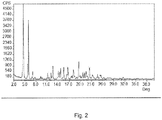
- a crystalline form of the calcium salt of N -(3-carboxyl-1-oxopropyl)-(4 S )-( p -phenylphenylmethyl)-4-amino-(2 R )-methyl butanoic acid ethyl ester (AHU377) of formula I, in the form of Modification B, characterized by a powder X-ray diffraction pattern substantially in accordance with that shown in Figure 2 .
- each modification is characterized by an X-ray diffraction pattern with characteristic peaks as set forth in its corresponding Table.
- the present invention provides the crystalline forms of the calcium salt of AHU377, as described in the examples, in the form of a specific modification B or H B , characterized in that said form has at least one of the following characteristics:
- a crystalline form of the calcium salt of N -(3-carboxyl-1-oxopropyl)-(4 S )-( p -phenylphenylmethyl)-4-amino-(2 R )-methyl butanoic acid ethyl ester (AHU377) in the form of Modification B characterized by at least one of the following characteristics:
- the calcium salt of AHU377 consisting essentially of each modification B or H B , or a substantially pure form of each modification.
- “consisting essentially of each modification” or “substantially pure”, when used in reference to a crystalline form, means a compound having a purity greater than 50, 60, 70, 80 or 90 weight %, including greater than 90, 91, 92, 93, 94, 95, 96, 97, 98, and 99 weight %, and also including equal to about 100 weight % of the compound of formula (I), based on the weight of the compound.
- the prevalence of one of the polymorphic crystalline forms can be determined by X-ray powder diffraction (XRPD) and quantitation of the characteristic signals in the XRPD spectrum.
- the remaining material comprises other form(s) of the compound, and/or reaction impurities and/or processing impurities arising from its preparation.
- a crystalline form of the compound of formula (I) may be deemed substantially pure in that it has a purity greater than 90 weight %, as measured by means that are at this time known and generally accepted in the art, where the remaining less than 10 weight % of material comprises other form(s) of the compound of formula (I) and/or reaction impurities and/or processing impurities.
- a crystalline form comprising at least 80, 85, 90, 95 or 99 weight % of the modification of interest.
- crystalline form comprising at least 95 or 99 weight % of the modification of interest.
- crystalline form comprising at least 95 or 99 weight % of each of the preferred modifications, especially Modification B.
- a crystalline form of the calcium salt of N -(3-carboxyl-1-oxopropyl)-(4 S )-( p -phenylphenylmethyl)-4-amino-(2 R )-methyl butanoic acid ethyl ester (AHU377) in the form of Modification H B characterized in that said form has at least one of the following characteristics:
- the present disclosure provides a process to make the calcium salt of AHU377 Modification H B starting from AHU377 alkaline metal salt, e.g. sodium salt.
- AHU377 alkaline metal salt e.g. sodium salt.
- the present disclosure also provides a process to produce Modification B starting from Modification H B , or the use of Modification H B for producing Modification B.
- the present invention provides a process to produce Modification B from the calcium salt of AHU377.
- Modification H B is used to produce another crystalline form, more preferably, to produce Modification B.
- the present disclosure also provides a process for the preparation of Modification B wherein a calcium salt of AHU377, especially the compound of formula (I), e.g. in the form of Modification H B , is dispersed or slurried in a solvent system, the resulting mixture is heated to reflux, cooled and seed crystals of Modification B are added, the suspension is stirred, the solid obtained is filtered and the residue obtained after filtration is dried.
- the solvent system may be a single solvent system, wherein the solvent includes ethanol; preferably it is absolute ethanol, or further heptane or 2-propanol.
- Modification B may also be obtained using a process wherein crystallization of AHU377 from a clear solution is used to prepare Modification B.
- This has the major advantage to directly allow to comply with requirements imposed by some drug regulatory authorities, e.g. the Food Drug Agency's Good Manufacturing Practices (GMP) requirements, in that a clarifying filtration from a clear solution is carried out in the drug substance production step itself, in order to remove any insoluble particles.
- GMP Food Drug Agency's Good Manufacturing Practices
- the present invention thus also provides a process for the preparation of Modification B using a recrystallization method comprising the steps of
- the present invention also provides a process for the preparation of Modification H B using a crystallization and recrystallization method comprising the steps of
- the present invention thus also provides a process for the preparation of Modification H B using a crystallization and recrystallization method comprising the steps of
- the compound(s) of the invention will normally be administered orally, intravenously, subcutaneously, buccally, rectally, dermally, nasally, tracheally, bronchially, by any parenteral route, as an oral or nasal spray or via inhalation.
- Parenteral modes of administration include intravenous, intramuscular, intraperitoneal, intrasternal, subcutaneous and intraarticular injections and infusions.
- Pharmaceutical compositions suitable for the delivery of the compound(s) of the invention and methods for their preparation may be found, e.g. Remington's Pharmaceutical Sciences, 19 th Edition, Mack Publishing Company, 1995.
- the compound(s) of the invention may be administered orally.
- the compound(s) of the invention may be orally active, have rapid onset of activity and low toxicity.
- Oral administration may involve swallowing, so that the compound enters the gastrointestinal tract, or buccal or sublingual administration may be employed by which the compound enters the blood stream directly from the mouth.
- formulations suitable for oral administration are solid formulations such as tablets, capsules containing particulates, liquids, or powders, lozenges (including liquid-filled), chews, multi- and nano-particulates, gels, solid solution, liposome, films, ovules, sprays and liquid formulations.
- liquid formulations include suspensions, solutions, syrups and elixirs. These may be employed as fillers in soft or hard capsules and typically comprise a carrier, for example, water, ethanol, polyethylene glycol, propylene glycol, methylcellulose, or a suitable oil, and one or more emulsifying agents and/or suspending agents. Liquid formulations may also be prepared by the reconstitution of a solid, for example, from a sachet.
- compositions are preferably aqueous isotonic solutions or suspensions, and suppositories are advantageously prepared from fatty emulsions or suspensions.
- Said compositions may be sterilized and/or contain adjuvants, such as preserving, stabilizing, wetting or emulsifying agents, solution promoters, and salts for regulating the osmotic pressure and/or buffers. In addition, they may also contain other therapeutically valuable substances.
- Said compositions are prepared according to conventional mixing, granulating or coating methods, respectively, and contain about 0.1-75%, preferably about 1-50%, of the active ingredient.
- transdermal devices are in the form of a bandage comprising a backing member, a reservoir containing the compound optionally with carriers, optionally a rate controlling barrier to deliver the compound of the skin of the host at a controlled and predetermined rate over a prolonged period of time, and means to secure the device to the skin.
- the compounds may be administered alone or as compositions in combination with pharmaceutically acceptable diluents, excipients or carriers.
- the present invention thus provides a pharmaceutical composition comprising a therapeutically effective amount of a compound of the invention, alone or in combination with one or more pharmaceutically acceptable carriers (excipients).
- Combination partners may e.g. be selected from angiotensin receptor blockers (ARBs), preferably an ARB selected from the group consisting of losartan, irbesartan, candesartan, eprosartan, telmisartan, olmesartan and valsartan, preferably valsartan, or pharmaceutically acceptable salts thereof.
- ARBs angiotensin receptor blockers
- the compound AHU377 (sacubitril) can be part of a complex with valsartan, especially as octadecasodium hexakis(4- ⁇ [(1 S ,3 R )-1-([1,1'-biphenyl]-4-ylmethyl)-4-ethoxy-3-methyl-4-oxobutyl]amino ⁇ -4-oxobutanoate) hexakis( N -pentanoyl- N - ⁇ [2'-(1 H -tetrazol-1-id-5-yl)[1,1'-biphenyl]-4-yl]methyl ⁇ -L-valinate)-water (1/15), which may be synthesized according to and is disclosed in WO 2007/056546 A1 .
- the present AHU377 calcium salts can be used advantageously to prepare this complex.
- crystalline forms of the invention may be used alone or in combination, or formulated with one or more carriers or excipients or other active pharmaceutical ingredients to provide formulations suitable for the treatment of the indications identified above.
- Such carriers or excipients include but are not limited to any one or more of:
- the composition(s) may be administered at equal or varying doses.
- the daily dose range of a compound of the invention lies within the range of from about 0.0001 mg/kg to about 100 mg/kg, preferably from about 0.001 mg/kg to about 50 mg/kg body weight of a subject in single or divided doses. On the other hand, it may be necessary to use dosages outside these limits in some cases.
- a suitable dosage range of a compound of the invention is, e.g. from about 0.001 mg/kg to about 100 mg/kg body weight of a subject in the composition per day, preferably from about 0.01 mg to about 2000 mg per day.
- the compositions are preferably provided in the form of tablets containing from 0.01 mg to 2000 mg, e.g. 0.01, 0.05, 0.1, 0.2, 0.5, 1.0, 2.5, 5, 10, 15, 20, 25, 30, 40, 50, 75, 80 mg.
- a compound of the invention is used/is formulated at a dose of 1 to 2000 mg, 1 to 1000 mg, 2 to 500 mg, 5-500 mg, of 10-400 mg, or of 20-300 mg.
- the NEP inhibitor is used at a dose of 5, 10, 15, 20, 25, 30 40, 50, 100 or 200 mg.
- the NEP inhibitor is used at a dose of 50, 100, or 200 mg, based on the amount of the compound of formula (I).
- the doses quoted herein refer to the NEP inhibitor in the free form (not as a salt).
- the doses used will need to be adjusted accordingly.
- the present invention further provides a pharmaceutical composition, preferably a tablet or a gelatin capsule, as herein described, comprising a second active ingredient (i.e. combination partner) as described below in the 'Combination therapy' section.
- a pharmaceutical composition preferably a tablet or a gelatin capsule, as herein described, comprising a second active ingredient (i.e. combination partner) as described below in the 'Combination therapy' section.
- the present invention provides a pharmaceutical composition as described herein for use as a medicament.
- a pharmaceutical composition as described herein is also provided for use in the treatment of a disorder or a condition associated with NEP inhibition activity.
- the compounds of the present invention may be useful for the treatment or prevention of a disorder or a condition mediated by NEP inhibition activity in animals, particularly humans.
- a compound of the invention alone or in combination with another therapeutic agent is also provided for use in treating or preventing a condition or a disorder associated with NEP inhibition activity in animals, particularly humans.
- the X-ray powder diffraction pattern was determined using a Bruker D8 discovery diffractometer instrument. The X-ray diffraction pattern was recorded between 2° and 35° (2 ⁇ ) with CuK radiation (45 kV, 40 mA). The measurements were performed at about 45 kV and 40 mA under the following conditions: Scan rate: 0.5° (2 ⁇ )/min Chopper increment: 0.02° Slits (from left to right): 2, 3, 0.3, 0.2 mm
- the relative intensities of the various peaks within the tables given below may vary due to a number of factors such as for example orientation effects of crystals in the X-ray beam or the purity of the material being analyzed or the degree of crystallinity of the sample.
- the peak positions may also shift for variations in sample height but the peak positions will remain substantially as defined in given tables.
- Such alternative XRPD patterns generated by use of alternative wavelengths are nevertheless representations of the same material.
- a concentration of a given modification in a given solvent (X), another solvent (Y) is added means the solution obtained after the given modification is dissolved in the former solvent (X) to a high concentration (>75 mg/ml) and the latter solvent (Y) is added to initiate crystallization.
- Example 1 Calcium salt of N -(3-carboxyl-1-oxopropyl)-(4 S )-( p- phenylphenylmethyl)-4-amino-(2 R )-methyl butanoic acid ethyl ester (calcium salt of AHU377)
- AHU377 free acid 17.7 g
- isopropyl acetate 190 mL
- solid sodium hydroxide 1.9 g
- AHU377 sodium salt which is directly used for manufacture of the calcium salt.
- the mixture is stirred at 25 °C for 70 min to give a turbid mixture.
- Addition of solid calcium chloride (2.4 g) is followed by seeding with AHU377 Modification B (obtainable e.g. as described in Example 2) at room temperature.
- the white suspension is stirred at 25 °C for 20 h, then filtered and washed with isopropyl acetate to give solid AHU377 calcium salt after drying at 50 °C under reduced pressure.
- AHU377 calcium salt (2500 g) from Example 3, 7 or 8 is suspended in absolute ethanol (60 L) at room temperature. The reaction mixture is heated to 78 °C (reflux) over 30 min, then further stirred at this temperature for 30 min before being cooled to 50 °C over 30 min. Seed crystals of Modification B (2 g) are added, and the suspension is stirred for 12-18 h. The solids are filtered at 50 °C, washed with absolute ethanol (9.5 L), and dried at 60 °C under reduced pressure to give AHU377 calcium salt, Modification B.
- Modification B When characterized by X-ray powder diffraction, Modification B gives the pattern shown in Figure 2 . The characteristic peaks ( ⁇ 0.1°) are given in the table below. Table 1: X-ray powder diffraction pattern for AHU377 calcium salt. Modification B No. Angle 2 ⁇ (°) ( ⁇ 0.1°) Relative intensity (%) 1 4.6 100 2 6.0 78 3 7.1 12 4 9.3 5 5 11.1 9 6 12.0 10 7 12.6 19 8 14.0 12 9 14.4 11 10 14.7 17 11 15.5 18 12 16.6 18 13 18.1 14 14 19.6 26 15 20.7 10 16 21.1 11 17 21.6 12 18 22.5 18 19 24.6 8 20 25.3 8 21 25.5 7 22 31.5 4
- the X-ray diffraction changes with hydration level of Modification B.
- the above x-ray pattern is obtained under ambient conditions, i.e. at a temperature between 20 °C and 25 °C, and a relative humidity between 40% and 65%.
- Modification B is highly crystalline and only slightly hygroscopic under typical humidity levels ( ⁇ 2% up to 75% RH). Modification B is highly crystalline and only slightly hygroscopic under typical humidity levels ( ⁇ 2% up to 75% RH). Modification B is thermally stable up to its melting point. Water uptake of Modification B can reach up to 11%. Hydrate formation was observed by wet granulation with water or equilibration in water of ethanol/water 1:1.
- Example 3 (reference example): Synthesis of AHU377 calcium salt - amorphous
- a solution of AHU377 sodium salt (4.33 g) in water (40 mL) at 25 °C is treated with a solution of calcium chloride (0.74 g) in water (10 mL).
- the resulting suspension is further stirred at 25 °C for 2 h, and then filtered.
- the filter cake is washed with water (10 mL), then dried at 50 C under reduced pressure to provide amorphous AHU377 calcium salt.
- amorphous AHU377 calcium salt gives the pattern shown in Fig 5 .
- the characteristic peaks ( ⁇ 0.1°) are given in the table below.
- amorphous AHU377 calcium salt When exposed to elevated humidity (> 75% RH), amorphous AHU377 calcium salt turns into a crystalline hydrate.
- Amorphous AHU377 calcium salt shows a water uptake of 15.2% at 80% RH. No change of the amorphous form was observed by XRPD after compression for 5 min at 10 t or grinding. Wet granulation of amorphous AHU377 calcium salt rapidly leads to hydrate formation. When exposed to elevated humidity (> 75% RH), amorphous AHU377 calcium salt turns into a crystalline hydrate.
- Amorphous AHU377 calcium salt is dissolved in absolute ethanol at 25 °C. Upon stirring at 25 °C, precipitation of solid AHU377 calcium salt occurs. The solid is filtered and dried under reduced pressure to provide AHU377 calcium salt, Modification A.
- Modification A When characterized by X-ray powder diffraction, Modification A gives the pattern shown in Figure 1 . The characteristic peaks ( ⁇ 0.1°) are given in the table below. Table 5: X-ray powder diffraction pattern for AHU377 calcium salt. Modification A No. Angle 2 ⁇ (°) ( ⁇ 0.1°) Relative intensity (%) 1 3.6 62 2 5.1 100 3 10.7 4 4 11.7 4 5 12.2 3 6 13.1 4 7 15.1 6 8 15.8 9 9 17.3 5 10 17.8 5 11 20.7 8 12 21.7 16 13 23.0 4 14 25.0 4 15 26.8 4
- the X-ray diffraction changes with the hydration level of Modification A.
- the above X-ray pattern is obtained under ambient conditions, i.e. at a temperature between 20 °C and 25 °C, and a relative humidity between 40% and 65%.
- Modification A is hygroscopic.
- Modification A shows a water uptake of 13.8% at 95% RH.
- Amorphous AHU377 calcium salt is dissolved in acetonitrile at 50 °C. Upon stirring at 50 °C, precipitation of solid AHU377 calcium salt occurs. The solid is filtered and dried under reduced pressure to provide AHU377 calcium salt, Modification C.
- Modification C When characterized by X-ray powder diffraction, Modification C gives the pattern shown in Figure 3 . The characteristic peaks ( ⁇ 0.1°) are given in the table below. Table 7: X-ray powder diffraction pattern for AHU377 calcium salt. Modification C No. Angle 2 ⁇ (°) ( ⁇ 0.1°) Relative intensity (%) 1 4.6 100 2 6.2 34 3 14.5 29 4 15.4 41 5 20.4 53 6 21.7 21 7 22.1 18
- the X-ray diffraction changes with hydration level with Modification C.
- the above X-ray pattern is obtained under ambient conditions, i.e. at a temperature between 20 °C and 25 °C, and a relative humidity between 40% and 65%.
- the solution of AHU377 sodium salt in water is heated to 83°C over 30 min, then a solution of calcium chloride (2.61 g) in water (104 mL) is added over 1 h.
- the resulting suspension is stirred at 83 °C for 4.5 h.
- the temperature is decreased to 65°C over 90 min, and then increased again to 83°C over 30 min. This cycle is repeated another three times.
- the reaction mixture is then cooled to 50°C over 2 h and further stirred at this temperature for 2 h.
- the crystals are collected by filtration at 50 °C, and the filter cake is washed with water (2 x 65 mL) at 50 °C.
- the solids are dried at 60 °C under reduced pressure to give AHU377 calcium salt, Modification H B .
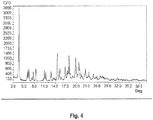
- Modification H B When characterized by X-ray powder diffraction, Modification H B gives the pattern shown in Figure 4 . The characteristic peaks ( ⁇ 0.1°) are given in the table below. Table 9: X-ray diffraction pattern for AHU377 calcium salt. Modification H B No. Angle 2 ⁇ (°) ( ⁇ 0.1°) Relative intensity (%) 1 3.6 100 2 6.1 15 3 6.4 18 4 7.6 13 5 8.4 17 6 10.8 15 7 11.3 14 8 12.8 14 9 14.6 37 10 15.3 18 11 16.8 20 12 17.8 35 13 19.7 32 14 20.6 27 15 21.4 10 16 22.5 17 17 23.4 13 18 24.8 11
- the X-ray diffraction changes with the hydration level of Modification H B .
- the above X-ray pattern is obtained under ambient conditions, i.e. at a temperature between 20 °C and 25 °C, and a relative humidity between 40% and 65%.
- Modification H B is particularly suitable for industrial scale-up. It is a crystalline form which remains dry at 25 °C and at relative humidity ranging from 0% to 80%.
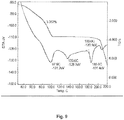
- Modification H B is obtained with water levels in the range 1.4-4.1%. Complete dehydration requires heating above 97 °C, and the melt decomposition begins above 180 °C. Modification H B shows good flowability properties.
- Modification H B is retained during take-up and release of water (e.g. in sorption-desorption experiments).
- Example 8 (reference example): AHU377 sodium salt
- the sodium salt of AHU377 used e.g. in Example 3 is synthesized from AHU377 free acid by treatment with sodium hydroxide, according to the generic scheme below.
- the solution of AHU377 in isopropyl acetate, prepared according to the process described in Example 1, is used.
- the sodium salt of AHU377 is generally not isolated as the pure substance, but is used as solution in water after treatment of the solution of AHU377 in isopropyl acetate with aqueous sodium hydroxide:
- a solution of the free acid of AHU377 (88.7 g, 1.00 equiv.) in isopropyl acetate (850 ml) at room temperature is added a solution of sodium hydroxide (8.62 g, 1.00 equiv.) in water (270 ml).
- the biphasic mixture is heated to 50 °C, and then stirred at this temperature for 15 min.
- the free acid of AHU377 was prepared as follows by acylation of the amine (according to the scheme shown in WO 2008/031567 ):
- the reaction mixture is further stirred at 0 °C for 1 h, then warmed to room temperature over 1 h.
- the reaction is quenched by addition of a solution of citric acid (68.5 g, 1.24 equiv.) in water (300 ml). After phase separation, the organic layer is washed with water (2 x 200 ml) to give a solution of the free acid of AHU277 in isopropyl acetate, which is directly used without further purification in the next step (see Example 8).
- the free acid of AHU377 can be obtained as pure substance by concentration of the solution in isopropyl acetate for use without further purification in the next step (see Example 1).
Landscapes
- Health & Medical Sciences (AREA)
- Chemical & Material Sciences (AREA)
- Organic Chemistry (AREA)
- Life Sciences & Earth Sciences (AREA)
- Engineering & Computer Science (AREA)
- Bioinformatics & Cheminformatics (AREA)
- Veterinary Medicine (AREA)
- Public Health (AREA)
- General Health & Medical Sciences (AREA)
- Medicinal Chemistry (AREA)
- Animal Behavior & Ethology (AREA)
- Pharmacology & Pharmacy (AREA)
- Chemical Kinetics & Catalysis (AREA)
- General Chemical & Material Sciences (AREA)
- Nuclear Medicine, Radiotherapy & Molecular Imaging (AREA)
- Heart & Thoracic Surgery (AREA)
- Cardiology (AREA)
- Neurology (AREA)
- Neurosurgery (AREA)
- Biomedical Technology (AREA)
- Emergency Medicine (AREA)
- Epidemiology (AREA)
- Pain & Pain Management (AREA)
- Urology & Nephrology (AREA)
- Vascular Medicine (AREA)
- Organic Low-Molecular-Weight Compounds And Preparation Thereof (AREA)
- Acyclic And Carbocyclic Compounds In Medicinal Compositions (AREA)
- Pharmaceuticals Containing Other Organic And Inorganic Compounds (AREA)
- Medicines That Contain Protein Lipid Enzymes And Other Medicines (AREA)
Description
- The present disclosure generally relates to the calcium salt of N-(3-carboxyl-1-oxopropyl)-(4S)-(p-phenylphenylmethyl)-4-amino-(2R)-methyl butanoic acid ethyl ester (AHU377, also known as sacubitril). The present disclosure particularly relates to polymorphic forms of the calcium salt of AHU377. The present disclosure also generally relates to a pharmaceutical composition comprising the polymorphic forms, methods of using the polymorphic forms in the treatment of various conditions and disorders responsive to the inhibition of neutral endopeptidase (EC 3.4.24.11), and methods for obtaining the polymorphic forms.
- Polymorphism is the existence of different crystalline forms of a single compound in its solid states. Thus, polymorphs have the same molecular formula but distinct physical properties. Thus, a single compound may have different polymorphic forms where each form has different and distinct physical properties, such as solubility, melting point, and/or X-ray diffraction pattern.
- In the art biaryl substituted phosphonic acid derivatives are known which are useful as neutral endopeptidase (NEP) inhibitors, e.g. as inhibitors of the ANF-degrading enzyme in mammals, so as to prolong and potentiate the diuretic, natriuretic and vasodilator properties of ANF in mammals by inhibiting the degradation thereof to less active metabolites. NEP inhibitors are thus particularly useful for the treatment of conditions and disorders responsive to the inhibition of neutral endopeptidase (EC 3.4.24.11), particularly cardiovascular disorders such as hypertension, renal insufficiency including edema and salt retention, pulmonary edema and congestive heart failure.
- Several dicarboxylic acid dipeptide neutral endopeptidase (NEP) inhibitors are described in G.M. Kasander et al., J. Med. Chem. 1995, 38, 1689-1700, "Dicarboxylic Acid Dipeptide Neutral Endopeptidase (NEP) inhibitors". The said document discloses the sodium salt of N-(3-carboxyl-1-oxopropyl)-(4S)-(p-phenylphenylmethyl)-4-amino-(2R)-methyl butanoic acid ethyl ester. Said compound is actually a prodrug form of the actual NEP inhibitor N-(3-carboxyl-1-oxopropyl)-(4S)-(p-phenylphenylmethyl)-4-amino-(2R)-methyl butanoic acid, but is for ease of reference also referred to as a NEP inhibitor in the following, this term also including any of the modifications of the calcium salt mentioned herein.
-
U.S. Patent 5,217,996 also discloses N-(3-carboxyl-1-oxopropyl)-(4S)-(p-phenyl-phenylmethyl-4-amino-(2R)-methyl butanoic acid ethyl ester and its sodium salt form. -
WO 2008/031567 generally disclose the reaction scheme to obtain the calcium salt of N-(3-carboxyl-1-oxopropyl)-(4S)-(p-phenylphenylmethyl)-4-amino-(2R)-methyl butanoic acid ethyl ester; however the process for the preparation of the same is not disclosed in detail.
-
WO 2008/083967 discloses that the calcium salt is the preferred salt of N-(3-carboxyl-1-oxopropyl)-(4S)-(p-phenylphenylmethyl)-4-amino-(2R)-methyl butanoic acid ethyl ester. -
WO2007/056546 discloses combinations of angiotensin receptor antagonists and NEP inhibitors. - The prior art does not mention any specific physical forms or processes of preparation of such forms of the calcium salt of AHU377. It is therefore a need to develop defined physical forms of the calcium salt of AHU377. Also, it is thus important to provide the calcium salt of AHU377 in a physical form which can be reliably prepared and purified on a large scale or commercial scale. That physical form should ideally be stable and not degrade on storage. The physical form chosen must also be stable whilst the drug substance is being manufactured as a formulation which is suitable for the intended route of administration chosen. In that respect, it may be necessary to consider physical properties of the physical form which lead to handling properties or higher bulk densities. In particular, non-hygroscopicity is particular important in order to obtain good flow characteristics.
- The properties of the final product should also be predictable and reliably reproducible. For example, material which is obtained in an inconsistent manner, for example where the water content differs from batch to batch, must be carefully monitored. This leads to added complications in the handling, manufacture, analysis and formulation of the drug substance.
- Whilst one, e.g. crystalline, form may exhibit properties which are considered suitable, another form may also have properties which, with the right measures in place, can lead to its successful development into a drug. The decision as to whether a compound is suitable for commercialization thus depends on finding a (e.g. crystalline) form of the compound which has the right balance of desirable characteristics.
- Pharmaceutical formulation is affected by the rate of delivery or the bioavailability of the pharmaceutically active substance in the case of different (e.g. crystalline or amorphous) forms or polymorphs. This relationship between different forms or polymorphs and bioavailability is known in the pharmaceutical industry and across a range of pharmaceutical products.
- Present inventors have directed their research work towards developing the calcium salt in advantageous forms and processes for their preparation.
- In one aspect, the present invention provides a process for preparing a crystalline form of a calcium salt of N-(3-carboxyl-1-oxopropyl)-(4S)-(p-phenylphenylmethyl)-4-amino-(2R)-methyl butanoic acid ethyl ester (AHU377), of formula (I)

- In another aspect, the present invention provides crystalline forms of the calcium salt of N-(3-carboxyl-1-oxopropyl)-(4S)-(p-phenylphenylmethyl)-4-amino-(2R)-methyl butanoic acid ethyl ester of formula (I)

- Disclosed are crystalline forms of AHU377 calcium salt characterized herein as Modification A, Modification B (especially preferred), Modification C and Modification HB (preferred).
- Also disclosed is an amorphous form of the calcium salt of N-(3-carboxyl-1-oxopropyl)-(4S)-(p-phenylphenylmethyl)-4-amino-(2R)-methyl butanoic acid ethyl ester of formula (I).
- Each crystalline or amorphous form may be characterized by one or more or all peaks in an X-ray diffraction pattern as set forth in its corresponding Figure as mentioned below.
- In another aspect of the invention, there is provided a pharmaceutical composition comprising a crystalline form according to claim 1, and one or more pharmaceutically acceptable carrier or excipient. The composition may comprise at least 50, 60, 70, 80 or 90 weight % of the crystalline form of the compound of formula (I), based on the weight of the compound of formula (I) in the composition. In another aspect of the invention, the pharmaceutical composition comprises an additional therapeutic agent.
- The prevalence of one of the polymorphic crystalline forms can be determined by X-ray powder diffraction (XRPD) and quantitation of the characteristic signals in the XRPD spectrum.
- In a further aspect, there is provided a crystalline form according to claim 1 or a pharmaceutical composition thereof as described above, for use in treating or preventing conditions and disorders responsive to the inhibition of neutral endopeptidases (EC 3.4.24.11), wherein the condition or disorder (or disease) is selected from the group consisting of hypertension, acute heart failure, chronic heart failure, congestive heart failure, left ventricular dysfunction, hypertrophic cardiomyopathy, diabetic cardiac myopathy, supraventricular and ventricular arrhythmias, atrial fibrillation, atrial flutter, detrimental vascular remodeling, myocardial infarction and its sequelae, atherosclerosis, angina (unstable or stable), renal insufficiency (diabetic and non-diabetic), heart failure, angina pectoris, diabetes, secondary aldosteronism, primary and secondary pulmonary hypertension, diabetic nephropathy, glomerulonephritis, scleroderma, glomerular sclerosis, proteinuria of primary renal disease, renal vascular hypertension, diabetic retinopathy, migraine, peripheral vascular disease, Raynaud's disease, luminal hyperplasia, cognitive dysfunction, glaucoma and stroke.
- Further aspects and embodiments of the disclosure are set forth in the following description and in the claims (which are incorporated here by reference).
-
-
FIG. 1 illustrates the x-ray powder diffraction (XRPD) pattern of Modification A. -
FIG. 2 illustrates the x-ray powder diffraction (XRPD) pattern of Modification B. -
FIG. 3 illustrates the x-ray powder diffraction (XRPD) pattern of Modification C. -
FIG. 4 illustrates the x-ray powder diffraction (XRPD) pattern of Modification HB. -
FIG. 5 illustrates the x-ray powder diffraction (XRPD) pattern of the amorphous calcium salt of AHU377. -
FIG. 6 illustrates the thermogravimetric analysis (TGA) of the Modification A. -
FIG. 7 illustrates the thermogravimetric analysis (TGA) of the Modification B. -
FIG. 8 illustrates the thermogravimetric analysis (TGA) of the Modification C. -
FIG. 9 illustrates the thermogravimetric analysis (TGA) of the Modification HB. -
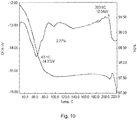
FIG. 10 illustrates the thermogravimetric analysis (TGA) of the amorphous calcium salt of AHU377. - The invention disclosure relates to crystalline forms of the calcium salt of N-(3-carboxyl-1-oxopropyl)-(4S)-(p-phenylphenylmethyl)-4-amino-(2R)-methyl butanoic acid ethyl ester (AHU377), which are defined in the claims and described and characterized herein.
- Definitions of various terms which are used herein are listed below. The following definitions of more generic terms by more specific descriptions, as well as preceding ones, may be used to replace one, two, more or all of the generic terms in any embodiment of the invention, thus leading to more preferred invention embodiments which are all to be considered disclosed here.
- As used herein "polymorph" refers to crystalline forms having the same chemical composition but different spatial arrangements of the molecules, atoms, and/or ions forming the crystal.
- A particular crystalline form of the compound of formula (I) may be referred to as "crystalline form X", "crystal form X", "polymorph form X", "Modification X", or "HX" where 'X' is the letter which is assigned to that particular crystalline form. Corresponding names are used herein wherein "X" is replaced by a specific symbol (letter or letter sequence).
- The term "crystalline form" as used herein include reference to anhydrous crystalline forms, partially crystalline forms, mixture of crystalline forms, hydrate crystalline forms and solvate crystalline forms.
- The term "hydrate" as used herein refers to a crystalline form containing one or more water molecules in a three-dimensional periodic arrangement. It can include non-stoichiometric hydrates or stoichiometric hydrates, such as hemihydrates, monohydrates, dihydrates and trihydrates.
- The term "solvate" as used herein refers to a crystalline form of a molecule, atom, and/or ions that further comprises molecules of a solvent or solvents incorporated into the crystalline lattice structure. The solvent molecules in the solvate may be present in a regular arrangement and/or a non-ordered arrangement. The solvate may comprise either a stoichiometric or non-stoichiometric amount of the solvent molecules. For example, a solvate with a non-stoichiometric amount of solvent molecules may result from partial loss of solvent from the solvate. Solvates may occur as dimers or oligomers comprising more than one molecule or the calcium salt of N-(3-carboxyl-1-oxopropyl)-(4S)-(p-phenylphenylmethyl)-4-amino-(2R)-methyl butanoic acid ethyl ester (AHU377) within the crystalline lattice structure.
- A hydrate is a specific variant of a solvate, and also solvates with 2 or more solvents other than water or with one or more other solvents than water in combination with water are included in the definition of "solvate" here.
- The term "amorphous" as used herein refers to a solid form of a molecule, atom, and/or ions that is not crystalline. An amorphous solid does not display a definitive X-ray diffraction pattern (see for example
Fig. 5 ). - As used herein, "substantially pure", when used in reference to a form, means a compound having a purity greater than 50, 60, 70, 80 or 90 weight %, including greater than 90, 91, 92, 93, 94, 95, 96, 97, 98, and 99 weight %, and also including equal to about 100 weight % of compound ABC, based on the weight of the compound. The remaining material comprises other form(s) of the compound, and/or reaction impurities and/or processing impurities arising from its preparation. For example, a crystalline form of the calcium salt of N-(3-carboxyl-1-oxopropyl)-(4S)-(p-phenylphenylmethyl)-4-amino-(2R)-methyl butanoic acid ethyl ester (AHU377) may be deemed substantially pure in that it has a purity greater than 90 weight %, as measured by means that are at this time known and generally accepted in the art, where the remaining less than 10% weight of material comprises other form(s) of compound ABC and/or reaction impurities and/or processing impurities. The prevalence of one of the polymorphic crystalline forms can be determined by X-ray powder diffraction (XRPD) and quantitation of the characteristic signals in the XRPD spectrum.
- The term "compound of the invention" refers to a solid form of N-(3-carboxyl-1-oxopropyl)-(4S)-(p-phenylphenylmethyl)-4-amino-(2R)-methyl butanoic acid ethyl ester (AHU377) (especially represented as the compound of formula (I)), preferably any one, more or all modifications as described in the examples. It includes anhydrous crystalline forms, partially crystalline forms, mixtures of crystalline forms, hydrate crystalline forms and solvate crystalline forms.
- The phrase "pharmaceutically acceptable" is employed herein to refer to those compounds, materials, compositions, and/or dosage forms which are considered suitable by a skilled person for use in contact with the tissues of human beings or animals without excessive toxicity, irritation, allergic response, or other problem or complication, commensurate with a reasonable benefit/risk ratio.
- Where "substantially" is used, this means that the numeric value or other feature is essentially identical to the one mentioned after "substantially", e.g. showing a variation of ±5% of the numeric value(s), or preferably that it is identical.
- Where "20 to 25°C" is used, this preferably refers to about 22°C, more preferably to 22°C.
- The present invention includes all pharmaceutically acceptable isotopically-labelled forms of the compound of formula (I). In an isotopically-labelled form, one or more atoms are replaced by an atom or atoms having the same atomic number, but an atomic mass or mass number different from the atomic mass or mass number which predominates in nature. Suitable isotopes include isotopes of hydrogen, such as 2H and 3H; carbon, such as 11C, 13C and 14C; nitrogen, such as 13N and 15N; oxygen, such as 15O, 17O and 18O. Certain isotopically-labelled compounds, such as those incorporating a radioactive isotope, are useful in drug and/or substrate tissue distribution studies. The radioactive isotopes tritium, i.e. 3H, and carbon-14, i.e. 14C, are particularly useful for this purpose in view of their ease of incorporation and ready means of detection. Substitution with heavier isotopes such as deuterium, i.e. 2H, may afford certain therapeutic advantages resulting from greater metabolic stability, for example, increased in vivo half-life or reduced dosage requirements, and hence may be preferred in some circumstances. Substitution with positron emitting isotopes, such as 11C, 18F, 15O and 13N, can be useful in Positron Emission Topography (PET) studies for examining substrate receptor occupancy. Isotopically-labeled compounds can generally be prepared by conventional techniques known to those skilled in the art or by processes analogous to those described in the accompanying examples and preparations using an appropriate isotopically-labeled reagent in place of the non-labeled reagent previously employed.
- As used throughout the specification and in the claims, the term "treatment" embraces all the different forms or modes of treatment as known to those of the pertinent art and in particular includes preventive, curative, delay of progression and palliative treatment, also including treatment ameliorating patient condition with regard to one or more symptoms of a disease.
- Different crystalline or amorphous forms may exhibit different solid state physical properties such as hygroscopicity, behavior on compaction, stability during storage, and flowability of the solid. These properties in turn affect the suitability of a particular solid state form as an active pharmaceutical for commercial production. For example, flowability affects the ease with which the material is handled during processing into a pharmaceutical product. When particles of the powdered compound do not flow past each other easily, a formulation specialist must take that fact into account in developing a tablet or capsule formulation, which may necessitate the use of glidants such as colloidal silicon dioxide, talc, starch or tribasic calcium phosphate. Also compressibility and/or stability under wet granulating or dry granulating conditions are important features.
- Different crystal forms or amorphous forms of the same drug may also have substantial differences in such pharmaceutically important properties as dissolution rates and bioavailability. Dissolution rates are not only a consideration in formulating syrups, elixirs and other liquid medicaments; they may also have therapeutic consequences. For example, the rate of dissolution of an active ingredient in a patient's stomach fluid can have therapeutic consequences since it imposes an upper limit on the rate at which an orally-administered active ingredient can reach the patient's bloodstream.
- These practical physical characteristics are influenced by the conformation and orientation of molecules in the unit cell and/or the resulting crystal shape, which may define a particular polymorphic form of a substance. The polymorphic form may also give rise to thermal behavior different from that of the amorphous material or another polymorphic form. Thermal behavior is measured in the laboratory by such techniques as capillary melting point, thermogravimetric analysis (TGA) and differential scanning calorimetry (DSC) and can be used to distinguish some polymorphic forms from others. A particular polymorphic form may also give rise to distinct spectroscopic properties that may be detectable by single-crystal or powder X-ray crystallography, solid state 13C-NMR and 19F-NMR spectrometry and infrared spectrometry. Methods used to characterize the crystal form also include infrared spectroscopy and melting point determination.
- The present invention provides a crystalline form of the calcium salt of AHU377, selected from Modification B or Modification HB.
- Each modification is especially characterized by its X-ray diffraction pattern with peaks as essentially depicted in the Figures or with peaks being spaced relatively to each other at the same distance (expressed as distance in 2θ) as shown in the Figures. Thus, there is provided a crystalline form selected from the various modifications detailed herein, preferably characterized in that said form has an X-ray powder diffraction pattern substantially in accordance with that shown in the corresponding Figure.
- For instance, there is provided a crystalline form of the calcium salt of N-(3-carboxyl-1-oxopropyl)-(4S)-(p-phenylphenylmethyl)-4-amino-(2R)-methyl butanoic acid ethyl ester (AHU377) of formula I, in the form of Modification B, characterized by a powder X-ray diffraction pattern substantially in accordance with that shown in
Figure 2 . - Alternatively, each modification is characterized by an X-ray diffraction pattern with characteristic peaks as set forth in its corresponding Table.
- In further embodiments, the present invention provides any of the crystalline forms of the compound of formula (I), as described below after "for instance" or in the examples, wherein the crystalline form is characterized by a powder diffraction pattern comprising four, five or more or all 2θ values (±0.1°) (CuKα; 45 kV, 40 mA; λ = 1.540598 Å) selected from a group consisting of seven 2θ values as set out under each example, at a temperature of 20 to 25°C.
- For instance, there is provided a crystalline form of the calcium salt of N-(3-carboxyl-1-oxopropyl)-(4S)-(p-phenylphenylmethyl)-4-amino-(2R)-methyl butanoic acid ethyl ester (AHU377) in the form of Modification B, characterized by a powder X-ray diffraction pattern comprising 2θ values (±0.1°) (CuKα; 45 kV, 40 mA; λ = 1.540598 Å) selected from the group consisting of 4.6, 6.0, 7.1, 9.3, 11.1, 12.0, 12.6, 14.0, 14.4, 14.7, 15.5, 16.6, 18.1, 19.6, 20.7, 21.1, 21.6, 22.5, 24.6, 25.3, 25.5, and 31.5 at a temperature of 20 to 25°C.
- For instance, there is provided a crystalline form of the calcium salt of N-(3-carboxyl-1-oxopropyl)-(4S)-(p-phenylphenylmethyl)-4-amino-(2R)-methyl butanoic acid ethyl ester (AHU377) in the form of Modification B, characterized by a powder X-ray diffraction pattern comprising four, five, six or more 2θ values (±0.1°) (CuKα; 45 kV, 40 mA; λ = 1.540598 Å) selected from the group consisting of 4.6 (particularly preferred), 6.0 (particularly preferred), 12.6, 15.5, 16.6, 18.1, 19.6 and 22.5 at a temperature of 20 to 25°C.
- For instance, there is provided a crystalline form of the calcium salt of N-(3-carboxyl-1-oxopropyl)-(4S)-(p-phenylphenylmethyl)-4-amino-(2R)-methyl butanoic acid ethyl ester (AHU377) in the form of Modification B, characterized by a powder x-ray diffraction pattern comprising seven or more 2θ values (±0.1°) (CuKα; 45 kV, 40 mA; λ = 1.540598 Å) selected from the group consisting of 4.6, 6.0, 12.6, 15.5, 16.6, 18.1, 19.6 and 22.5, at a temperature of 20 to 25 °C.
- In further embodiments, the present invention provides the crystalline forms of the calcium salt of AHU377, as described in the examples, in the form of a specific modification B or HB, characterized in that said form has at least one of the following characteristics:
- (a) an XRPD comprising four or more 2θ values (±0.1°) (CuKα; 45 kV, 40 mA; λ = 1.540598 Å) selected from a group consisting of seven 2θ values (±0.1°), at a temperature of 20 to 25°C, as set out for each modification, or an X-ray powder diffraction pattern substantially in accordance with that shown in the Figure associated with that particular modification;
- (b) a melting point, as set out for each modification in the examples section,
- (c) a differential thermal analysis thermogram, as set out for each modification in the examples section.
- Thus, for instance, there is provided a crystalline form of the calcium salt of N-(3-carboxyl-1-oxopropyl)-(4S)-(p-phenylphenylmethyl)-4-amino-(2R)-methyl butanoic acid ethyl ester (AHU377) in the form of Modification B characterized by at least one of the following characteristics:
- (a) an XRPD comprising four or more 2θ values (±0.1°) (CuKα; 45 kV, 40 mA; λ = 1.540598 Å) selected from the group consisting of 4.6, 6.0, 12.6, 15.5, 16.6, 18.1, 19.6 and 22.5, at a temperature of 20 to 25°C, or an X-ray powder diffraction pattern substantially in accordance with that shown in
Figure 2 ; - (b) a melting point with an onset at 173 °C (±2.4 °C);
- (c) a differential thermal analysis thermogram with an endotherm starting at 173 °C (±2.5 °C);
- (d) a thermogravimetric analysis (TGA) diagram substantially the same as that shown in
Figure 7 . - In a further embodiment, there is provided a crystalline form of the calcium salt of N-(3-carboxyl-1-oxopropyl)-(4S)-(p-phenylphenylmethyl)-4-amino-(2R)-methyl butanoic acid ethyl ester (AHU377) in the form of Modification B characterized by at least one of the following characteristics:
- i) an X-ray powder diffraction pattern comprising four or more 2θ values (±0.1°) (CuKα; 45 kV, 40 mA; λ = 1.540598 Å) selected from the group consisting of 4.6, 6.0, 12.6, 15.5, 16.6, 18.1, 19.6 and 22.5 degrees at a temperature of 20 to 25 °C;
- ii) a melting point with an onset at 173 ± 2.4 °C;
- iii) a differential thermal analysis (DTA) thermogram with an endotherm starting at 173 ± 2.5 °C
- In a further aspect of the invention, there is provided the calcium salt of AHU377 consisting essentially of each modification B or HB, or a substantially pure form of each modification. As used herein, "consisting essentially of each modification" or "substantially pure", when used in reference to a crystalline form, means a compound having a purity greater than 50, 60, 70, 80 or 90 weight %, including greater than 90, 91, 92, 93, 94, 95, 96, 97, 98, and 99 weight %, and also including equal to about 100 weight % of the compound of formula (I), based on the weight of the compound. The prevalence of one of the polymorphic crystalline forms can be determined by X-ray powder diffraction (XRPD) and quantitation of the characteristic signals in the XRPD spectrum. The remaining material comprises other form(s) of the compound, and/or reaction impurities and/or processing impurities arising from its preparation. For example, a crystalline form of the compound of formula (I) may be deemed substantially pure in that it has a purity greater than 90 weight %, as measured by means that are at this time known and generally accepted in the art, where the remaining less than 10 weight % of material comprises other form(s) of the compound of formula (I) and/or reaction impurities and/or processing impurities.
- In other embodiments, there is provided a crystalline form comprising at least 80, 85, 90, 95 or 99 weight % of the modification of interest.
- There is also provided a crystalline form comprising at least 95 or 99 weight % of the modification of interest. Thus, for instance, there is provided a crystalline form comprising at least 95 or 99 weight % of each of the preferred modifications, especially Modification B.
- For instance, there is provided a crystalline form of the calcium salt of N-(3-carboxyl-1-oxopropyl)-(4S)-(p-phenylphenylmethyl)-4-amino-(2R)-methyl butanoic acid ethyl ester (AHU377) in the form of Modification HB, characterized by a powder X-ray diffraction pattern comprising 2θ values (±0.1°) (CuKα; 45 kV, 40 mA; λ = 1.540598 Å) selected from the group consisting of 3.6, 6.1, 6.4, 7.6, 8.4, 10.8, 11.3, 12.8, 14.6, 15.3, 16.8, 17.8, 19.7, 20.6, 21.4, 22.5, 23.4 and 24.8 at a temperature of 20 to 25 °C.
- For instance, there is provided a crystalline form of the calcium salt of N-(3-carboxyl-1-oxopropyl)-(4S)-(p-phenylphenylmethyl)-4-amino-(2R)-methyl butanoic acid ethyl ester (AHU377) in the form of Modification HB, characterized by a powder X-ray diffraction pattern comprising four, five, six or more 2θ values (±0.1°) (CuKα; 45 kV, 40 mA; λ = 1.540598 Å) selected from the group consisting of 3.6, 6.4, 8.4, 14.6, 15.3, 16.8, 17.8, 19.7 and 20.6 at a temperature of 20 to 25 °C.
- For instance, there is provided a crystalline form of the calcium salt of N-(3-carboxyl-1-oxopropyl)-(4S)-(p-phenylphenylmethyl)-4-amino-(2R)-methyl butanoic acid ethyl ester (AHU377) in the form of Modification HB, characterized by a powder x-ray diffraction pattern comprising seven or more 2θ values (±0.1°) (CuKα; 45 kV, 40 mA; λ = 1.540598 Å) selected from the group consisting of 3.6, 6.4, 8.4, 14.6, 15.3, 16.8, 17.8, 19.7 and 20.6, at a temperature of 20 to 25 °C.
- In further embodiments, the present invention provides the B or HB crystalline forms of the calcium salt of AHU377, as described in the examples, wherein the crystalline form is further characterized by a powder diffraction pattern comprising five or more 2θ values (±0.1°) (CuKα; 45 kV, 40 mA; λ = 1.540598 Å) selected from a group consisting of seven 2θ values as set out under each example, at a temperature of 20 to 25 °C.
- Thus, for instance, there is provided a crystalline form of the calcium salt of N-(3-carboxyl-1-oxopropyl)-(4S)-(p-phenylphenylmethyl)-4-amino-(2R)-methyl butanoic acid ethyl ester (AHU377) in the form of Modification HB characterized in that said form has at least one of the following characteristics:
- (a) comprising four or more 2θ values (±0.1°) (CuKα; 45 kV, 40 mA; λ = 1.540598 Å) selected from the group consisting of 3.6, 6.4, 8.4, 14.6, 15.3, 16.8, 17.8, 19.7 and 20.6, at a temperature of 20 to 25 °C, or an X-ray powder diffraction pattern substantially in accordance with that shown in
Figure 4 ; - (b) a melting point with an onset at 180 °C (±2.4 °C);
- (d) a differential thermal analysis thermogram with an endotherm starting at 180 °C (±2.5°C).
- There is also provided a crystalline form of the calcium salt of N-(3-carboxyl-1-oxopropyl)-(4S)-(p-phenylphenylmethyl)-4-amino-(2R)-methyl butanoic acid ethyl ester (AHU377) in the form of Modification HB characterized in that said form has at least one of the following characteristics:
- i) an X-ray powder diffraction pattern comprising four or more 2θ values (±0.1°) (CuKα; 45 kV, 40 mA; λ = 1.540598 Å) selected from the group consisting of 3.6, 6.4, 8.4, 14.6, 15.3, 16.8, 17.8, 19.7 and 20.6 degrees at a temperature of 20 to 25 °C;
- ii) a melting point with an onset at 180 ± 2.4 °C; and
- iii) a differential thermal analysis (DTA) thermogram with an endotherm starting at 180 ± 2.5 °C.
- The present disclosure provides a process to make the calcium salt of AHU377 Modification HB starting from AHU377 alkaline metal salt, e.g. sodium salt.
- The present disclosure also provides a process to produce Modification B starting from Modification HB, or the use of Modification HB for producing Modification B.
- In a further aspect, the present invention provides a process to produce Modification B from the calcium salt of AHU377.
- The present disclosure provides the use of any of the crystalline forms described herein, to produce another crystalline form. Preferably, Modification HB is used to produce another crystalline form, more preferably, to produce Modification B.
- The present disclosure also provides a process for the preparation of Modification B wherein a calcium salt of AHU377, especially the compound of formula (I), e.g. in the form of Modification HB, is dispersed or slurried in a solvent system, the resulting mixture is heated to reflux, cooled and seed crystals of Modification B are added, the suspension is stirred, the solid obtained is filtered and the residue obtained after filtration is dried.
- Alternatively, the solvent system may be a single solvent system, wherein the solvent includes ethanol; preferably it is absolute ethanol, or further heptane or 2-propanol.
- Modification B may also be obtained using a process wherein crystallization of AHU377 from a clear solution is used to prepare Modification B. This has the major advantage to directly allow to comply with requirements imposed by some drug regulatory authorities, e.g. the Food Drug Agency's Good Manufacturing Practices (GMP) requirements, in that a clarifying filtration from a clear solution is carried out in the drug substance production step itself, in order to remove any insoluble particles.
- The same filtration can be made before the crystallization of any other of the Modifications of AHU377 calcium salt mentioned herein.
- The present invention thus also provides a process for the preparation of Modification B using a recrystallization method comprising the steps of
- (a) dissolving the compound of formula (I) in a solvent, preferably ethanol
- (b) heating the reaction mixture to a temperature between 60 °C and reflux temperature,
- (c) cooling the reaction mixture to 40 to 80, e.g. 50 ± 5 °C;
- (d) optionally adding Modification B seed crystals;
- (e) optionally (or preferably) stirring the reaction mixture, preferably for at least 12 hours;
- (f) filtering solid from the mixture obtained at the end of step (c), (d) or (e); and
- (g) optionally drying the crystals.
- The present invention also provides a process for the preparation of Modification HB using a crystallization and recrystallization method comprising the steps of
- (a) concentrating the solution of the sodium salt of AHU377 in a solvent system by heating the reaction mixture under reduced pressure, wherein said solvent system is water;
- (b) diluting the reaction mixture with water
- (c) heating the reaction mixture to 65 to 95 °C, e.g. 83 ± 5 °C;
- (d) adding a solution of calcium chloride in water;
- (e) stirring the reaction mixture for at least 4.5 h at 65 to 95 °C, e.g. 83 ± 5 °C;
- (f) cooling the reaction mixture to 65 ± 5 °C;
- (g) heating the reaction mixture to 65 to 95 °C, preferably 83 ± 5 °C;
- (h) repeating the cycles for at least three times;
- (i) cooling the reaction mixture to at least 40 to 80, e.g. 50 ± 5 °C;
- (j) filtering the mixture obtained at the end of step (i);
- (k) optionally drying the crystals.
- The present invention thus also provides a process for the preparation of Modification HB using a crystallization and recrystallization method comprising the steps of
- (a) heating the solution of the sodium salt of AHU377 in a solvent system, wherein said solvent system is water;
- (b) adding isopropyl acetate to the reaction mixture;
- (c) heating the reaction mixture to 65 to 95 °C, e.g. 83 ± 5 °C;
- (d) adding a solution of calcium chloride in water;
- (e) stirring the reaction mixture (e.g. for at least 15 h) to 50 ± 5 °C;
- (f) filtering the mixture obtained at the end of step (e);
- (g) suspending the solid obtained in step (f) in solvent system, wherein said solvent system is water and isopropyl acetate;
- (h) stirring the reaction mixture (e.g. for at least 20 min) to 40 to 80 °C, e.g. 50 ± 5 °C;
- (i) filtering the mixture obtained at the end of step (h);
- (j) suspending the solid obtained in step (i) in solvent system, wherein said solvent system is water;
- (k) stirring the reaction mixture for at least 20 min to 40 to 80 °C, e.g. 50 ± 5 °C;
- (l) filtering the mixture obtained at the end of step (k);
- (m) optionally drying the crystals.
- The compound(s) of the invention will normally be administered orally, intravenously, subcutaneously, buccally, rectally, dermally, nasally, tracheally, bronchially, by any parenteral route, as an oral or nasal spray or via inhalation. Parenteral modes of administration include intravenous, intramuscular, intraperitoneal, intrasternal, subcutaneous and intraarticular injections and infusions. Pharmaceutical compositions suitable for the delivery of the compound(s) of the invention and methods for their preparation may be found, e.g. Remington's Pharmaceutical Sciences, 19th Edition, Mack Publishing Company, 1995.
- The compound(s) of the invention may be administered orally. Advantageously, the compound(s) of the invention may be orally active, have rapid onset of activity and low toxicity. Oral administration may involve swallowing, so that the compound enters the gastrointestinal tract, or buccal or sublingual administration may be employed by which the compound enters the blood stream directly from the mouth.
- Examples of formulations suitable for oral administration are solid formulations such as tablets, capsules containing particulates, liquids, or powders, lozenges (including liquid-filled), chews, multi- and nano-particulates, gels, solid solution, liposome, films, ovules, sprays and liquid formulations.
- Examples of liquid formulations include suspensions, solutions, syrups and elixirs. These may be employed as fillers in soft or hard capsules and typically comprise a carrier, for example, water, ethanol, polyethylene glycol, propylene glycol, methylcellulose, or a suitable oil, and one or more emulsifying agents and/or suspending agents. Liquid formulations may also be prepared by the reconstitution of a solid, for example, from a sachet.
- Injectable compositions are preferably aqueous isotonic solutions or suspensions, and suppositories are advantageously prepared from fatty emulsions or suspensions. Said compositions may be sterilized and/or contain adjuvants, such as preserving, stabilizing, wetting or emulsifying agents, solution promoters, and salts for regulating the osmotic pressure and/or buffers. In addition, they may also contain other therapeutically valuable substances. Said compositions are prepared according to conventional mixing, granulating or coating methods, respectively, and contain about 0.1-75%, preferably about 1-50%, of the active ingredient.
- Suitable formulations for transdermal application include a therapeutically effective amount of a compound of the invention with carrier. Advantageous carriers include absorbable pharmacologically acceptable solvents to assist passage through the skin of the host. Characteristically, transdermal devices are in the form of a bandage comprising a backing member, a reservoir containing the compound optionally with carriers, optionally a rate controlling barrier to deliver the compound of the skin of the host at a controlled and predetermined rate over a prolonged period of time, and means to secure the device to the skin.
- The compounds may be administered alone or as compositions in combination with pharmaceutically acceptable diluents, excipients or carriers. The present invention thus provides a pharmaceutical composition comprising a therapeutically effective amount of a compound of the invention, alone or in combination with one or more pharmaceutically acceptable carriers (excipients). Combination partners may e.g. be selected from angiotensin receptor blockers (ARBs), preferably an ARB selected from the group consisting of losartan, irbesartan, candesartan, eprosartan, telmisartan, olmesartan and valsartan, preferably valsartan, or pharmaceutically acceptable salts thereof.
- Most preferably the compound AHU377 (sacubitril) can be part of a complex with valsartan, especially as octadecasodium hexakis(4-{[(1S,3R)-1-([1,1'-biphenyl]-4-ylmethyl)-4-ethoxy-3-methyl-4-oxobutyl]amino}-4-oxobutanoate) hexakis(N-pentanoyl-N-{[2'-(1H-tetrazol-1-id-5-yl)[1,1'-biphenyl]-4-yl]methyl}-L-valinate)-water (1/15), which may be synthesized according to and is disclosed in
WO 2007/056546 A1 . The present AHU377 calcium salts can be used advantageously to prepare this complex. - The crystalline forms of the invention, may be used alone or in combination, or formulated with one or more carriers or excipients or other active pharmaceutical ingredients to provide formulations suitable for the treatment of the indications identified above.
- Examples of such carriers or excipients include but are not limited to any one or more of:
- a) a diluent, e.g., lactose, dextrose, sucrose, mannitol, sorbitol, cellulose and/or glycine;
- b) a lubricant, e.g., silica, talcum, stearic acid, its magnesium or calcium salt and/or polyethylene glycol;
- c) a binder, e.g., magnesium aluminum silicate, starch paste, gelatin, tragacanth, methylcellulose, sodium carboxymethylcellulose and or polyvinylpyrrolidone;
- d) a disintegrant, e.g., starches, agar, alginic acid or its sodium salt, or effervescent mixtures; and
- e) an absorbant, a colorant, a flavor and/or a sweetener.
- Additional examples of useful excipients are described in the Handbook of pharmaceutical excipients, 3rd edition, edited by A. H. Kibbe, published by the American Pharmaceutical Association, Washington DC, ISBN: 0-917330-96-X, or Handbook of Pharmaceutical Excipients (4th edition), edited by Raymond C. Rowe, published by Science and Practice.
- Depending upon the disorder and patient to be treated and the route of administration, the composition(s) may be administered at equal or varying doses. In general, the daily dose range of a compound of the invention lies within the range of from about 0.0001 mg/kg to about 100 mg/kg, preferably from about 0.001 mg/kg to about 50 mg/kg body weight of a subject in single or divided doses. On the other hand, it may be necessary to use dosages outside these limits in some cases.
- In the case where an oral composition is employed, a suitable dosage range of a compound of the invention is, e.g. from about 0.001 mg/kg to about 100 mg/kg body weight of a subject in the composition per day, preferably from about 0.01 mg to about 2000 mg per day. For oral administration, the compositions are preferably provided in the form of tablets containing from 0.01 mg to 2000 mg, e.g. 0.01, 0.05, 0.1, 0.2, 0.5, 1.0, 2.5, 5, 10, 15, 20, 25, 30, 40, 50, 75, 80 mg.
- In one embodiment, a compound of the invention is used/is formulated at a dose of 1 to 2000 mg, 1 to 1000 mg, 2 to 500 mg, 5-500 mg, of 10-400 mg, or of 20-300 mg. In another embodiment, the NEP inhibitor is used at a dose of 5, 10, 15, 20, 25, 30 40, 50, 100 or 200 mg. In a preferred embodiment, the NEP inhibitor is used at a dose of 50, 100, or 200 mg, based on the amount of the compound of formula (I).
- It is to be understood that the doses quoted herein refer to the NEP inhibitor in the free form (not as a salt). When a pharmaceutically acceptable salt of the NEP inhibitor is used, the doses used will need to be adjusted accordingly.
- The present invention further provides a pharmaceutical composition, preferably a tablet or a gelatin capsule, as herein described, comprising a second active ingredient (i.e. combination partner) as described below in the 'Combination therapy' section.
- Accordingly, the present invention provides a pharmaceutical composition as described herein for use as a medicament. A pharmaceutical composition as described herein is also provided for use in the treatment of a disorder or a condition associated with NEP inhibition activity.
- As described herein above, the compounds of the present invention may be useful for the treatment or prevention of a disorder or a condition mediated by NEP inhibition activity in animals, particularly humans.
- Thus a compound of the invention, alone or in combination with another therapeutic agent is also provided for use in treating or preventing a condition or a disorder associated with NEP inhibition activity in animals, particularly humans.
- The following abbreviations are used herein.
L Liter LOD Loss on drying mL milliliter r.h. or RH Relative humidity TG/DTA Thermogravimetric/differential thermal analysis VTGA Vacuum thermogravimetric analysis - Other abbreviations used are those conventional in the art.
- The X-ray powder diffraction pattern was determined using a Bruker D8 discovery diffractometer instrument. The X-ray diffraction pattern was recorded between 2° and 35° (2θ) with CuK radiation (45 kV, 40 mA). The measurements were performed at about 45 kV and 40 mA under the following conditions:
Scan rate: 0.5° (2θ)/min Chopper increment: 0.02° Slits (from left to right): 2, 3, 0.3, 0.2 mm - The spectra were recorded in the reflection mode.
XRPD method Instrument: XDS 2000; Scintag Inc., Cupertino, CA, USAIrradiation: CuK (45 kV, 40 mA) CuKα = 1.540598 Å Scan range: 2-40° (2θ value) Scan type: Continuous scan Step time: 180 seconds Step size: 0.02° Temperature: 20 °C to 25 °C - XRPD profiles for the respective solid forms are shown in the figures.
- Characteristic peaks of compounds of the invention are listed herein in the tables below and described in the figures. The peaks listed herein are given in degrees 2θ (±0.2°, preferably ±0.1°).
- As will be appreciated by the skilled person, the relative intensities of the various peaks within the tables given below may vary due to a number of factors such as for example orientation effects of crystals in the X-ray beam or the purity of the material being analyzed or the degree of crystallinity of the sample. The peak positions may also shift for variations in sample height but the peak positions will remain substantially as defined in given tables. The skilled person will also appreciate that measurements using a different wavelength will result in different shifts according to the Bragg equation -nλ = 2d sin θ. Such alternative XRPD patterns generated by use of alternative wavelengths are nevertheless representations of the same material.
- Differential scanning calorimetry was conducted for each crystalline form using a TA Instruments™ model Q1000 (TA Instruments, New Castle, DE, USA). For each analysis, the DSC cell/sample chamber was purged with 100 mL/min of ultra-high purity nitrogen gas. The instrument was calibrated with high purity indium. The heating rate was 10 °C per minute in the temperature range between 25 and 300 °C. The heat flow, which was normalized by sample weight, was plotted versus the measured sample temperature. The data were reported in units of watts/gram ("W/g"). The plot was made with the endothermic peaks pointing down. The endothermic melt peak (melting point) was evaluated for extrapolated onset temperature.
TG/DTA-method Instrument Seiko TG/DTA Temperature range 20-260 ° C Scan rate 10 °C/ min Nitrogen flow 100 mL/min - As used herein, the terms "a concentration of a given modification in a given solvent (X), another solvent (Y) is added" means the solution obtained after the given modification is dissolved in the former solvent (X) to a high concentration (>75 mg/ml) and the latter solvent (Y) is added to initiate crystallization.
- To a mixture of AHU377 free acid (17.7 g) in isopropyl acetate (190 mL), solid sodium hydroxide (1.9 g) is added, thus yielding AHU377 sodium salt which is directly used for manufacture of the calcium salt. The mixture is stirred at 25 °C for 70 min to give a turbid mixture. Addition of solid calcium chloride (2.4 g) is followed by seeding with AHU377 Modification B (obtainable e.g. as described in Example 2) at room temperature. The white suspension is stirred at 25 °C for 20 h, then filtered and washed with isopropyl acetate to give solid AHU377 calcium salt after drying at 50 °C under reduced pressure.
- AHU377 calcium salt (2500 g) from Example 3, 7 or 8 is suspended in absolute ethanol (60 L) at room temperature. The reaction mixture is heated to 78 °C (reflux) over 30 min, then further stirred at this temperature for 30 min before being cooled to 50 °C over 30 min. Seed crystals of Modification B (2 g) are added, and the suspension is stirred for 12-18 h. The solids are filtered at 50 °C, washed with absolute ethanol (9.5 L), and dried at 60 °C under reduced pressure to give AHU377 calcium salt, Modification B.
- When characterized by X-ray powder diffraction, Modification B gives the pattern shown in
Figure 2 . The characteristic peaks (±0.1°) are given in the table below.Table 1: X-ray powder diffraction pattern for AHU377 calcium salt. Modification B No. Angle 2θ (°) (±0.1°) Relative intensity (%) 1 4.6 100 2 6.0 78 3 7.1 12 4 9.3 5 5 11.1 9 6 12.0 10 7 12.6 19 8 14.0 12 9 14.4 11 10 14.7 17 11 15.5 18 12 16.6 18 13 18.1 14 14 19.6 26 15 20.7 10 16 21.1 11 17 21.6 12 18 22.5 18 19 24.6 8 20 25.3 8 21 25.5 7 22 31.5 4 - The X-ray diffraction changes with hydration level of Modification B. The above x-ray pattern is obtained under ambient conditions, i.e. at a temperature between 20 °C and 25 °C, and a relative humidity between 40% and 65%.
- The data listed below show the total solvent loss (LOD by thermogravimetry (TG)) and thermal transitions (DTA signals) show the temperature at which the solvent is lost. Modification B shows one endotherm at 173 °C that is indicative of this crystalline form.
Table 2: Solvent loss as a function of temperature as measured by TG/DTA Form Loss on drying (LOD) (%) Thermal transition of LOD (°C) B No solvent loss up to melt decomposition 173 (melt decomposition) - Modification B is highly crystalline and only slightly hygroscopic under typical humidity levels (< 2% up to 75% RH). Modification B is highly crystalline and only slightly hygroscopic under typical humidity levels (< 2% up to 75% RH). Modification B is thermally stable up to its melting point. Water uptake of Modification B can reach up to 11%. Hydrate formation was observed by wet granulation with water or equilibration in water of ethanol/water 1:1.
- A solution of AHU377 sodium salt (4.33 g) in water (40 mL) at 25 °C is treated with a solution of calcium chloride (0.74 g) in water (10 mL). The resulting suspension is further stirred at 25 °C for 2 h, and then filtered. The filter cake is washed with water (10 mL), then dried at 50 C under reduced pressure to provide amorphous AHU377 calcium salt.
- When characterized by powder X-ray diffraction, amorphous AHU377 calcium salt gives the pattern shown in
Fig 5 . The characteristic peaks (±0.1°) are given in the table below. - The data listed below show the total solvent loss (LOD by thermogravimetry (TG)) and thermal transitions (DTA signals) show the temperature at which the solvent is lost. Amorphous AHU377 calcium salt shows one endotherm at 204°C that is indicative of this form.
Table 3: X-ray powder diffraction pattern for amorphous AHU377 calcium salt No. Angle 2θ (°) (±0.1°) Relative intensity (%) 1 3.7 100 Table 4: Solvent loss as a function of temperature as measured by TG/DTA Form Loss on drying (LOD) (%) Thermal transition of LOD (°C) Amorphous No solvent loss up to melt decomposition 204 (melt decomposition) - Wet granulation of amorphous AHU377 calcium salt rapidly leads to hydrate formation. When exposed to elevated humidity (> 75% RH), amorphous AHU377 calcium salt turns into a crystalline hydrate.
- Amorphous AHU377 calcium salt shows a water uptake of 15.2% at 80% RH. No change of the amorphous form was observed by XRPD after compression for 5 min at 10 t or grinding. Wet granulation of amorphous AHU377 calcium salt rapidly leads to hydrate formation. When exposed to elevated humidity (> 75% RH), amorphous AHU377 calcium salt turns into a crystalline hydrate.
- Amorphous AHU377 calcium salt is dissolved in absolute ethanol at 25 °C. Upon stirring at 25 °C, precipitation of solid AHU377 calcium salt occurs. The solid is filtered and dried under reduced pressure to provide AHU377 calcium salt, Modification A.
- When characterized by X-ray powder diffraction, Modification A gives the pattern shown in
Figure 1 . The characteristic peaks (±0.1°) are given in the table below.Table 5: X-ray powder diffraction pattern for AHU377 calcium salt. Modification A No. Angle 2θ (°) (±0.1°) Relative intensity (%) 1 3.6 62 2 5.1 100 3 10.7 4 4 11.7 4 5 12.2 3 6 13.1 4 7 15.1 6 8 15.8 9 9 17.3 5 10 17.8 5 11 20.7 8 12 21.7 16 13 23.0 4 14 25.0 4 15 26.8 4 - The X-ray diffraction changes with the hydration level of Modification A. The above X-ray pattern is obtained under ambient conditions, i.e. at a temperature between 20 °C and 25 °C, and a relative humidity between 40% and 65%.
- The data listed below show the total solvent loss (LOD by thermogravimetry (TG)) and thermal transitions (DTA signals) show the temperature at which the solvent is lost. Modification A shows one endotherm at 192 °C that is indicative of this crystalline form.
Table 6: Solvent loss as a function of temperature as measured by TG/DTA Form Loss on drying (LOD) (%) Thermal transition of LOD (°C) A No solvent loss up to melt decomposition 192 (melt decomposition) - Modification A is hygroscopic.
- Modification A shows a water uptake of 13.8% at 95% RH.
- Amorphous AHU377 calcium salt is dissolved in acetonitrile at 50 °C. Upon stirring at 50 °C, precipitation of solid AHU377 calcium salt occurs. The solid is filtered and dried under reduced pressure to provide AHU377 calcium salt, Modification C.
- When characterized by X-ray powder diffraction, Modification C gives the pattern shown in
Figure 3 . The characteristic peaks (±0.1°) are given in the table below.Table 7: X-ray powder diffraction pattern for AHU377 calcium salt. Modification C No. Angle 2θ (°) (±0.1°) Relative intensity (%) 1 4.6 100 2 6.2 34 3 14.5 29 4 15.4 41 5 20.4 53 6 21.7 21 7 22.1 18 - The X-ray diffraction changes with hydration level with Modification C. The above X-ray pattern is obtained under ambient conditions, i.e. at a temperature between 20 °C and 25 °C, and a relative humidity between 40% and 65%.
- The data listed below show the total solvent loss (LOD by thermogravimetry (TG)) and thermal transitions (DTA signals) show the temperature at which the solvent is lost. Modification C shows one endotherm at 180.0 °C that is indicative of this crystalline form.
Table 8: Solvent loss as a function of temperature as measured by TG/DTA Form Loss on drying (LOD) (%) Thermal transition of LOD (°C) C No solvent loss up to melt decomposition 180.0 (melt decomposition) - A solution of AHU377 sodium salt (20.37 g) in water (120 mL), with the sodium salt prepared according to the procedure given in Example 8, is concentrated at 50 °C under reduced pressure to remove all residual isopropyl acetate. After concentration, the solution is diluted with water to the original volume. The solution of AHU377 sodium salt in water is heated to 83°C over 30 min, then a solution of calcium chloride (2.61 g) in water (104 mL) is added over 1 h.
- The resulting suspension is stirred at 83 °C for 4.5 h. The temperature is decreased to 65°C over 90 min, and then increased again to 83°C over 30 min. This cycle is repeated another three times. The reaction mixture is then cooled to 50°C over 2 h and further stirred at this temperature for 2 h. The crystals are collected by filtration at 50 °C, and the filter cake is washed with water (2 x 65 mL) at 50 °C. The solids are dried at 60 °C under reduced pressure to give AHU377 calcium salt, Modification HB.
- When characterized by X-ray powder diffraction, Modification HB gives the pattern shown in
Figure 4 . The characteristic peaks (±0.1°) are given in the table below.Table 9: X-ray diffraction pattern for AHU377 calcium salt. Modification H B No. Angle 2θ (°) (±0.1°) Relative intensity (%) 1 3.6 100 2 6.1 15 3 6.4 18 4 7.6 13 5 8.4 17 6 10.8 15 7 11.3 14 8 12.8 14 9 14.6 37 10 15.3 18 11 16.8 20 12 17.8 35 13 19.7 32 14 20.6 27 15 21.4 10 16 22.5 17 17 23.4 13 18 24.8 11 - The X-ray diffraction changes with the hydration level of Modification HB. The above X-ray pattern is obtained under ambient conditions, i.e. at a temperature between 20 °C and 25 °C, and a relative humidity between 40% and 65%.
- Modification HB is particularly suitable for industrial scale-up. It is a crystalline form which remains dry at 25 °C and at relative humidity ranging from 0% to 80%.
- The data listed below show the total solvent loss (LOD by thermogravimetry (TG)) and thermal transitions (DTA signals) show the temperature at which the solvent is lost. Modification HB shows three endotherms at 98 °C, 134 °C and 180 °C that are indicative of this crystalline form.
Table 10: Solvent loss as a function of temperature as measured by TG/DTA Form Loss on drying (LOD) (%) Thermal transition of LOD (°C) HB 3.4 98, 134, 180 - Modification HB is obtained with water levels in the range 1.4-4.1%. Complete dehydration requires heating above 97 °C, and the melt decomposition begins above 180 °C. Modification HB shows good flowability properties.
- The water uptake of modification HB at 95% RH is 2.0%. Modification HB is retained during take-up and release of water (e.g. in sorption-desorption experiments).
- To a solution of AHU377 sodium salt (20.37 g) in water (120 mL), said sodium salt prepared according to the procedure given in Example 8, is heated to 50 °C, then isopropyl acetate (12.9 mL) is added. A solution of calcium chloride (2.61 g) in water (104 mL) is added over 1 h. The resulting suspension is stirred at 50 °C for 15 h. The solids are isolated by filtration, then charged back into the reaction flask, suspended in water (240 mL) and isopropyl acetate (8 mL), and stirred at 50 °C for 20 min. The solids are isolated by filtration, then charged back into the reaction flask, suspended in water (240 mL), and stirred at 50 °C for 20 min. Filtration and drying at 60 °C under reduced pressure gives AHU377 calcium salt, Modification HB.
- The sodium salt of AHU377 used e.g. in Example 3 is synthesized from AHU377 free acid by treatment with sodium hydroxide, according to the generic scheme below.

- In most cases, the solution of AHU377 in isopropyl acetate, prepared according to the process described in Example 1, is used. The sodium salt of AHU377 is generally not isolated as the pure substance, but is used as solution in water after treatment of the solution of AHU377 in isopropyl acetate with aqueous sodium hydroxide:
To a solution of the free acid of AHU377 (88.7 g, 1.00 equiv.) in isopropyl acetate (850 ml) at room temperature is added a solution of sodium hydroxide (8.62 g, 1.00 equiv.) in water (270 ml). The biphasic mixture is heated to 50 °C, and then stirred at this temperature for 15 min. After phase separation at 50 °C, the organic layer is extracted with water (105 ml). The combined aqueous phases are washed with isopropyl acetate (2 x 255 ml) to give a solution of the sodium salt of AHU377 in water, which is directly used without further purification. - In the present examples, the free acid of AHU377 was prepared as follows by acylation of the amine (according to the scheme shown in
WO 2008/031567 ):
- To a suspension of ethyl (2R,4S)-5-([1,1'-biphenyl]-4-yl)-4-amino-2-methylpentanoate hydrochloride (100 g, 1.00 equiv.), prepared as described in
US 5,217,996 , and succinic anhydride (33.1 g, 1.15 equiv.) in isopropyl acetate (800 ml) at 0 °C, a solution of triethylamine (51 ml, 1.28 equiv.) in isopropyl acetate (100 ml) is added over 1 h. The reaction mixture is further stirred at 0 °C for 1 h, then warmed to room temperature over 1 h. The reaction is quenched by addition of a solution of citric acid (68.5 g, 1.24 equiv.) in water (300 ml). After phase separation, the organic layer is washed with water (2 x 200 ml) to give a solution of the free acid of AHU277 in isopropyl acetate, which is directly used without further purification in the next step (see Example 8). The free acid of AHU377 can be obtained as pure substance by concentration of the solution in isopropyl acetate for use without further purification in the next step (see Example 1). - The following is an example of a pharmaceutical dosage form suitable for use in the present invention:
Preparation of 1,000 capsules each containing asactive ingredient 50 mg of AHU377 calcium salt Modification B - 50.00 g of active ingredient, 187.00 g of lactose, 80.00 g of modified starch and 3.00 g of magnesium stearate are each passed through a screen with openings of 0.6 mm. The drug substance is placed in a suitable mixer and mixed first with magnesium stearate, then with lactose and starch until homogenous. No. 2 hard gelatin capsules are filled with 300 mg of said mixture each, using a capsule filling machine.
Claims (8)
- A calcium salt of N-(3-carboxyl-1-oxopropyl)-(4S)-(p-phenylphenylmethyl)-4-amino-(2R)-methyl butanoic acid ethyl ester having the formula (I)

Modification B is characterized in that said form has at least one of the following characteristics:i) an X-ray powder diffraction pattern comprising four or more 2θ values (±0.1°) (CuKa; 45 kV, 40 mA; λ = 1.540598 Å) selected from the group consisting of 4.6, 6.0, 12.6, 15.5, 16.6, 19.6 and 22.5 degrees at a temperature of 20 to 25 °C;ii) a melting point with an onset at 173 ± 2.4 °C;iii) a differential thermal analysis (DTA) thermogram with an endotherm starting at 173 ± 2.5 °C;Modification HB is characterized in that said form has at least one of the following characteristics:
andi) an X-ray powder diffraction pattern comprising four or more 2θ values (±0.1°) (CuKα; 45 kV, 40 mA; λ = 1.540598 Å) selected from the group consisting of 3.6, 6.4, 8.4, 14.6, 15.3, 16.8, 17.8, 19.7 and 20.6 degrees at a temperature of 20 to 25 °C;ii) a melting point with an onset at 180 ± 2.4 °C; andiii) a differential thermal analysis (DTA) thermogram with an endotherm starting at 180 ± 2.5 °C. - A crystalline form of the calcium salt according to claim 1 in the form of Modification B, characterized by a powder x-ray diffraction pattern comprising 2θ values (±0.1°) (CuKα; 45 kV, 40 mA; λ = 1.540598 Å) selected from the group consisting of 4.6, 6.0, 7.1, 9.3, 11.1, 12.0, 12.6, 14.0, 14.4, 14.7, 15.5, 16.6, 18.1, 19.6, 20.7, 21.1, 21.6, 22.5, 24.6, 25.3, 25.5, and 31.5 at a temperature of 20 to 25 °C.
- A pharmaceutical composition comprising a calcium salt according to claims 1 or 2, and one or more pharmaceutically acceptable carrier or excipient.
- The pharmaceutical composition according to claim 3, wherein said crystalline form is selected from the group consisting of Modification B, Modification HB and combinations thereof, preferably it is Modification B, more preferably in substantially pure form.
- The pharmaceutical composition according to any one of claims 3 or 4, in combination with an angiotensin receptor blocker (ARB), preferably an ARB selected from the group consisting of losartan, irbesartan, candesartan, eprosartan, telmisartan, olmesartan and valsartan, preferably valsartan, or a pharmaceutically acceptable salt thereof, respectively.
- A calcium salt according to any one of claims 1 or 2 or a pharmaceutical composition according to claim 3, 4 or 5, for use in treating a conditions or disorders selected from the group consisting of hypertension, heart failure (acute and chronic), congestive heart failure, left ventricular dysfunction, hypertrophic cardiomyopathy, diabetic cardiac myopathy, supraventricular and ventricular arrhythmias, atrial fibrillation, atrial flutter, detrimental vascular remodeling, myocardial infarction and its sequelae, atherosclerosis, angina (unstable or stable), renal insufficiency (diabetic and non-diabetic), heart failure, angina pectoris, diabetes, secondary aldosteronism, primary and secondary pulmonary hypertension, diabetic nephropathy, glomerulonephritis, scleroderma, glomerular sclerosis, proteinuria of primary renal disease, renal vascular hypertension, diabetic retinopathy, migraine, peripheral vascular disease, Raynaud's disease, luminal hyperplasia, cognitive dysfunction, glaucoma and stroke.
- A process for making the calcium salt of Modification B according to claim 1 comprising steps of:i) dissolving the compound of formula (I) in ethanol;ii) heating the reaction mixture to a temperature between 60°C and reflux;iii) cooling the reaction mixture to 40 to 80°C, preferably 50 to 80°C, e.g. 50 ± 5 °C;iv) optionally adding Modification B seed crystals;v) stirring the reaction mixture, preferably for at least 12 hrs;vi) filtering the solid obtained at the end of step (iii), (iv) or (v); andvii) optionally drying the obtained crystals.
- A process for the preparation of Modification HB according to claim 1 comprising the steps of:(a) concentrating a solution of the sodium salt of AHU377 in a solvent system by heating the reaction mixture under reduced pressure, wherein said solvent system is water;(b) diluting the reaction mixture with water;(c) heating the reaction mixture to 65 to 95 °C;(d) adding a solution of calcium chloride in water;(e) stirring the reaction mixture for at least 4.5 h at 65 to 95 °C;(f) cooling the reaction mixture to 65 ± 5 °C;(g) heating the reaction mixture to 65 to 95 °C;(h) repeating the cycles for at least three times;(i) cooling the reaction mixture to at least 40 to 80 °C;(j) filtering the mixture obtained at the end of step (i);(k) optionally drying the crystals; orusing a crystallization and recrystallization method comprising the steps of:(a) heating the solution of the sodium salt of AHU377 in a solvent system, wherein said solvent system is water;(b) adding isopropyl acetate to the reaction mixture;(c) heating the reaction mixture to 65 to 95 °C;(d) adding a solution of calcium chloride in water;(e) stirring the reaction mixture to 50 ± 5 °C;(f) filtering the mixture obtained at the end of step (e);(g) suspending the solid obtained in step (f) in solvent system, wherein said solvent system is water and isopropyl acetate;(h) stirring the reaction mixture to 40 to 80 °C;(i) filtering the mixture obtained at the end of step (h);(j) suspending the solid obtained in step (i) in solvent system, wherein said solvent system is water;(k) stirring the reaction mixture for at least 20 min to 40 to 80 °C;(l) filtering the mixture obtained at the end of step (k);(m) optionally drying the crystals.
Priority Applications (4)
| Application Number | Priority Date | Filing Date | Title |
|---|---|---|---|
| SI201531455T SI3317248T1 (en) | 2015-07-02 | 2015-07-02 | Sacubitril calcium salts |
| PL15744416T PL3317248T3 (en) | 2015-07-02 | 2015-07-02 | Sacubitril calcium salts |
| EP20196280.0A EP3782978A1 (en) | 2015-07-02 | 2015-07-02 | Sacubitril calcium salts |
| HUE15744416A HUE052222T2 (en) | 2015-07-02 | 2015-07-02 | Sacubitril calcium salts |
Applications Claiming Priority (1)
| Application Number | Priority Date | Filing Date | Title |
|---|---|---|---|
| PCT/US2015/039010 WO2017003483A1 (en) | 2015-07-02 | 2015-07-02 | Sacubitril calcium salts |
Related Child Applications (1)
| Application Number | Title | Priority Date | Filing Date |
|---|---|---|---|
| EP20196280.0A Division EP3782978A1 (en) | 2015-07-02 | 2015-07-02 | Sacubitril calcium salts |
Publications (2)
| Publication Number | Publication Date |
|---|---|
| EP3317248A1 EP3317248A1 (en) | 2018-05-09 |
| EP3317248B1 true EP3317248B1 (en) | 2020-09-16 |
Family
ID=53761509
Family Applications (2)
| Application Number | Title | Priority Date | Filing Date |
|---|---|---|---|
| EP15744416.7A Active EP3317248B1 (en) | 2015-07-02 | 2015-07-02 | Sacubitril calcium salts |
| EP20196280.0A Withdrawn EP3782978A1 (en) | 2015-07-02 | 2015-07-02 | Sacubitril calcium salts |
Family Applications After (1)
| Application Number | Title | Priority Date | Filing Date |
|---|---|---|---|
| EP20196280.0A Withdrawn EP3782978A1 (en) | 2015-07-02 | 2015-07-02 | Sacubitril calcium salts |
Country Status (11)
| Country | Link |
|---|---|
| US (1) | US11786498B2 (en) |
| EP (2) | EP3317248B1 (en) |
| JP (1) | JP6748123B2 (en) |
| CN (1) | CN107980038B (en) |
| DK (1) | DK3317248T3 (en) |
| ES (1) | ES2837084T3 (en) |
| HU (1) | HUE052222T2 (en) |
| PL (1) | PL3317248T3 (en) |
| PT (1) | PT3317248T (en) |
| SI (1) | SI3317248T1 (en) |
| WO (1) | WO2017003483A1 (en) |
Families Citing this family (4)
| Publication number | Priority date | Publication date | Assignee | Title |
|---|---|---|---|---|
| CN107082746A (en) * | 2017-03-23 | 2017-08-22 | 广州隽沐生物科技有限公司 | A kind of preparation method of AHU sodium salts crystal formation |
| CN107188817A (en) * | 2017-05-22 | 2017-09-22 | 杭州瑞法康科技有限公司 | A kind of husky storehouse of high-purity is than novel crystal forms of bent half calcium salt monohydrate and preparation method thereof |
| CN107602410A (en) * | 2017-09-13 | 2018-01-19 | 浙江三门恒康制药有限公司 | Sha Ku is than crystal formation II of bent sodium salt and preparation method thereof |
| WO2021158084A1 (en) * | 2020-02-07 | 2021-08-12 | 보령제약 주식회사 | Hybrid compound and preparation method therefor |
Family Cites Families (8)
| Publication number | Priority date | Publication date | Assignee | Title |
|---|---|---|---|---|
| US5217896A (en) | 1988-12-30 | 1993-06-08 | Oncogene Science, Inc. | Monoclonal antibodies recognizing parathyroid hormone-like protein |
| US5217996A (en) * | 1992-01-22 | 1993-06-08 | Ciba-Geigy Corporation | Biaryl substituted 4-amino-butyric acid amides |
| AR057882A1 (en) | 2005-11-09 | 2007-12-26 | Novartis Ag | DOUBLE ACTION COMPOUNDS OF ANGIOTENSIN RECEPTOR BLOCKERS AND NEUTRAL ENDOPEPTIDASE INHIBITORS |
| EP1903027A1 (en) * | 2006-09-13 | 2008-03-26 | Novartis AG | Process for preparing biaryl substituted 4-amino-butyric acid or derivatives thereof and their use in the production of NEP inhibitors |
| RU2530900C2 (en) * | 2007-01-12 | 2014-10-20 | Новартис Аг | Method of obtaining 5-biphenyl-4-amino-2-methylpentanoic acid |
| CN106458857A (en) | 2014-08-27 | 2017-02-22 | 上海翰森生物医药科技有限公司 | Crystalline free acid, hemicalcium salt and alfa-phenylethylamine salt of ahu-377 as well as preparation method therefor and application thereof |
| PL3218351T3 (en) | 2014-11-14 | 2019-12-31 | Zentiva K.S. | A method for the preparation, isolation and purification of pharmaceutically applicable forms of ahu-377 |
| CN106065006B (en) | 2015-04-22 | 2020-06-05 | 深圳信立泰药业股份有限公司 | A kind of neutral endopeptidase inhibitor salt crystal form and preparation method thereof |
-
2015
- 2015-07-02 CN CN201580081292.9A patent/CN107980038B/en active Active
- 2015-07-02 ES ES15744416T patent/ES2837084T3/en active Active
- 2015-07-02 PL PL15744416T patent/PL3317248T3/en unknown
- 2015-07-02 EP EP15744416.7A patent/EP3317248B1/en active Active
- 2015-07-02 SI SI201531455T patent/SI3317248T1/en unknown
- 2015-07-02 PT PT157444167T patent/PT3317248T/en unknown
- 2015-07-02 EP EP20196280.0A patent/EP3782978A1/en not_active Withdrawn
- 2015-07-02 WO PCT/US2015/039010 patent/WO2017003483A1/en not_active Ceased
- 2015-07-02 HU HUE15744416A patent/HUE052222T2/en unknown
- 2015-07-02 US US15/737,985 patent/US11786498B2/en active Active
- 2015-07-02 JP JP2017567789A patent/JP6748123B2/en active Active
- 2015-07-02 DK DK15744416.7T patent/DK3317248T3/en active
Non-Patent Citations (1)
| Title |
|---|
| None * |
Also Published As
| Publication number | Publication date |
|---|---|
| JP6748123B2 (en) | 2020-08-26 |
| JP2018521055A (en) | 2018-08-02 |
| WO2017003483A1 (en) | 2017-01-05 |
| PL3317248T3 (en) | 2021-03-08 |
| DK3317248T3 (en) | 2020-12-14 |
| ES2837084T3 (en) | 2021-06-29 |
| PT3317248T (en) | 2020-12-21 |
| SI3317248T1 (en) | 2021-01-29 |
| HUE052222T2 (en) | 2021-04-28 |
| US11786498B2 (en) | 2023-10-17 |
| US20180296519A1 (en) | 2018-10-18 |
| CN107980038A (en) | 2018-05-01 |
| EP3782978A1 (en) | 2021-02-24 |
| CN107980038B (en) | 2021-04-27 |
| EP3317248A1 (en) | 2018-05-09 |
Similar Documents
| Publication | Publication Date | Title |
|---|---|---|
| US11786498B2 (en) | Sacubitril calcium salts | |
| EP4263488A1 (en) | Solid forms of a compound | |
| AU2011312185B2 (en) | New crystalline forms of the sodium salt of (4- {4- [5- ( 6 - trifluoromethyl - pyridin- 3 - ylamino ) - pyridin- 2 -yl] -phenyl} - cyclohexyl) -acetic acid | |
| EP2455368B1 (en) | 2-[[[2-[(hydroxyacetyl)amino]-4-pyridinyl]methyl]thio]-n-[4-(trifluoromethoxy)phenyl]-3-pyridinecarboxamide benzene- sulfonate, crystals of same, polymorphs thereof, and processes for production thereof | |
| EP3887356B1 (en) | Multi-component crystals of an orally available hif prolyl hydroxylase inhibitor | |
| EP3515924A1 (en) | Crystalline forms | |
| EP3526217B1 (en) | Crystalline forms of 4-(2-((1r,2r)-2-hydroxycyclohexylamino) benzothiazol-6-yloxy)-n-methylpicolinamide | |
| JP7750535B2 (en) | Crystalline form of the compound | |
| JP7064527B2 (en) | Sakubitril calcium salt | |
| JP6357100B2 (en) | Crystalline solvate of 6- (piperidin-4-yloxy) -2H-isoquinolin-1-one hydrochloride | |
| KR101086899B1 (en) | Amlodipine-Rozatan disulfonate, preparation method thereof and pharmaceutical composition comprising the same | |
| JP2014518236A (en) | Polymorphs of 6- (piperidin-4-yloxy) -2H-isoquinolin-1-one hydrochloride | |
| EP4126237B1 (en) | Dimaleate form of 1-((2r,4r)-2-(1h-benzo[d]imidazol-2-yl)-1-methylpiperidin-4-yl)-3-(4-cyanophenyl)urea | |
| WO2024214044A1 (en) | Multicomponent complexes, including salts and hydrates and solvates, of inupadenant | |
| EP1907379A1 (en) | Crystalline forms of (2r-trans)-6-chloro-5ýý4-ý(4-fluorophenyl)methyl¨-2,5-dimethyl-1-piperazinyl¨carbonyl¨-n,n, 1-trimethyl-alpha-oxo-1h-indole-3-acetamide monohydrochloride | |
| CA3261470A1 (en) | Salts of n-[4-(4-[[2-(dimethylamino)ethyl]amino]-3-methyl-1h-pyrazolo[3,4-d]pyrimidin-6-yl)-2-fluorophenyl]-2,5-difluorobenzenesulfonamide and crystalline forms thereof | |
| JPWO2004089933A1 (en) | New crystals of fluorobenzamide derivatives |
Legal Events
| Date | Code | Title | Description |
|---|---|---|---|
| STAA | Information on the status of an ep patent application or granted ep patent |
Free format text: STATUS: THE INTERNATIONAL PUBLICATION HAS BEEN MADE |
|
| PUAI | Public reference made under article 153(3) epc to a published international application that has entered the european phase |
Free format text: ORIGINAL CODE: 0009012 |
|
| STAA | Information on the status of an ep patent application or granted ep patent |
Free format text: STATUS: REQUEST FOR EXAMINATION WAS MADE |
|
| 17P | Request for examination filed |
Effective date: 20180202 |
|
| AK | Designated contracting states |
Kind code of ref document: A1 Designated state(s): AL AT BE BG CH CY CZ DE DK EE ES FI FR GB GR HR HU IE IS IT LI LT LU LV MC MK MT NL NO PL PT RO RS SE SI SK SM TR |
|
| AX | Request for extension of the european patent |
Extension state: BA ME |
|
| DAV | Request for validation of the european patent (deleted) | ||
| DAX | Request for extension of the european patent (deleted) | ||
| STAA | Information on the status of an ep patent application or granted ep patent |
Free format text: STATUS: EXAMINATION IS IN PROGRESS |
|
| 17Q | First examination report despatched |
Effective date: 20190115 |
|
| GRAP | Despatch of communication of intention to grant a patent |
Free format text: ORIGINAL CODE: EPIDOSNIGR1 |
|
| STAA | Information on the status of an ep patent application or granted ep patent |
Free format text: STATUS: GRANT OF PATENT IS INTENDED |
|
| INTG | Intention to grant announced |
Effective date: 20200423 |
|
| RIN1 | Information on inventor provided before grant (corrected) |
Inventor name: KLEINBECK, FLORIAN KARL Inventor name: MUELLER, SIBYLLE Inventor name: HOOK, DAVID Inventor name: WIETFELD, BERNHARD Inventor name: SUTTON, PAUL ALLEN Inventor name: MEIER, ULRICH Inventor name: HU, BIN Inventor name: SCHLOMACH, JAN Inventor name: WAYKOLE, LILADHAR MURLIDHAR Inventor name: MUTZ, JEAN-PAUL |
|
| GRAS | Grant fee paid |
Free format text: ORIGINAL CODE: EPIDOSNIGR3 |
|
| GRAA | (expected) grant |
Free format text: ORIGINAL CODE: 0009210 |
|
| STAA | Information on the status of an ep patent application or granted ep patent |
Free format text: STATUS: THE PATENT HAS BEEN GRANTED |
|
| AK | Designated contracting states |
Kind code of ref document: B1 Designated state(s): AL AT BE BG CH CY CZ DE DK EE ES FI FR GB GR HR HU IE IS IT LI LT LU LV MC MK MT NL NO PL PT RO RS SE SI SK SM TR |
|
| REG | Reference to a national code |
Ref country code: GB Ref legal event code: FG4D |
|
| REG | Reference to a national code |
Ref country code: CH Ref legal event code: EP |
|
| REG | Reference to a national code |
Ref country code: DE Ref legal event code: R096 Ref document number: 602015059170 Country of ref document: DE |
|
| REG | Reference to a national code |
Ref country code: IE Ref legal event code: FG4D |
|
| REG | Reference to a national code |
Ref country code: AT Ref legal event code: REF Ref document number: 1314053 Country of ref document: AT Kind code of ref document: T Effective date: 20201015 |
|
| REG | Reference to a national code |
Ref country code: RO Ref legal event code: EPE |
|
| REG | Reference to a national code |
Ref country code: DK Ref legal event code: T3 Effective date: 20201210 |
|
| REG | Reference to a national code |
Ref country code: FI Ref legal event code: FGE |
|
| REG | Reference to a national code |
Ref country code: PT Ref legal event code: SC4A Ref document number: 3317248 Country of ref document: PT Date of ref document: 20201221 Kind code of ref document: T Free format text: AVAILABILITY OF NATIONAL TRANSLATION Effective date: 20201211 |
|
| REG | Reference to a national code |
Ref country code: SK Ref legal event code: T3 Ref document number: E 35923 Country of ref document: SK |
|
| PG25 | Lapsed in a contracting state [announced via postgrant information from national office to epo] |
Ref country code: HR Free format text: LAPSE BECAUSE OF FAILURE TO SUBMIT A TRANSLATION OF THE DESCRIPTION OR TO PAY THE FEE WITHIN THE PRESCRIBED TIME-LIMIT Effective date: 20200916 |
|
| REG | Reference to a national code |
Ref country code: NO Ref legal event code: T2 Effective date: 20200916 |
|
| PG25 | Lapsed in a contracting state [announced via postgrant information from national office to epo] |
Ref country code: RS Free format text: LAPSE BECAUSE OF FAILURE TO SUBMIT A TRANSLATION OF THE DESCRIPTION OR TO PAY THE FEE WITHIN THE PRESCRIBED TIME-LIMIT Effective date: 20200916 Ref country code: LV Free format text: LAPSE BECAUSE OF FAILURE TO SUBMIT A TRANSLATION OF THE DESCRIPTION OR TO PAY THE FEE WITHIN THE PRESCRIBED TIME-LIMIT Effective date: 20200916 |
|
| REG | Reference to a national code |
Ref country code: LT Ref legal event code: MG4D |
|
| REG | Reference to a national code |
Ref country code: HU Ref legal event code: AG4A Ref document number: E052222 Country of ref document: HU |
|
| PG25 | Lapsed in a contracting state [announced via postgrant information from national office to epo] |
Ref country code: LT Free format text: LAPSE BECAUSE OF FAILURE TO SUBMIT A TRANSLATION OF THE DESCRIPTION OR TO PAY THE FEE WITHIN THE PRESCRIBED TIME-LIMIT Effective date: 20200916 Ref country code: EE Free format text: LAPSE BECAUSE OF FAILURE TO SUBMIT A TRANSLATION OF THE DESCRIPTION OR TO PAY THE FEE WITHIN THE PRESCRIBED TIME-LIMIT Effective date: 20200916 Ref country code: SM Free format text: LAPSE BECAUSE OF FAILURE TO SUBMIT A TRANSLATION OF THE DESCRIPTION OR TO PAY THE FEE WITHIN THE PRESCRIBED TIME-LIMIT Effective date: 20200916 |
|
| PG25 | Lapsed in a contracting state [announced via postgrant information from national office to epo] |
Ref country code: AL Free format text: LAPSE BECAUSE OF FAILURE TO SUBMIT A TRANSLATION OF THE DESCRIPTION OR TO PAY THE FEE WITHIN THE PRESCRIBED TIME-LIMIT Effective date: 20200916 Ref country code: PL Free format text: LAPSE BECAUSE OF FAILURE TO SUBMIT A TRANSLATION OF THE DESCRIPTION OR TO PAY THE FEE WITHIN THE PRESCRIBED TIME-LIMIT Effective date: 20200916 Ref country code: IS Free format text: LAPSE BECAUSE OF FAILURE TO SUBMIT A TRANSLATION OF THE DESCRIPTION OR TO PAY THE FEE WITHIN THE PRESCRIBED TIME-LIMIT Effective date: 20210116 |
|
| REG | Reference to a national code |
Ref country code: DE Ref legal event code: R097 Ref document number: 602015059170 Country of ref document: DE |
|
| PLBE | No opposition filed within time limit |
Free format text: ORIGINAL CODE: 0009261 |
|
| STAA | Information on the status of an ep patent application or granted ep patent |
Free format text: STATUS: NO OPPOSITION FILED WITHIN TIME LIMIT |
|
| 26N | No opposition filed |
Effective date: 20210617 |
|
| REG | Reference to a national code |
Ref country code: NL Ref legal event code: FP |
|
| PG25 | Lapsed in a contracting state [announced via postgrant information from national office to epo] |
Ref country code: MC Free format text: LAPSE BECAUSE OF FAILURE TO SUBMIT A TRANSLATION OF THE DESCRIPTION OR TO PAY THE FEE WITHIN THE PRESCRIBED TIME-LIMIT Effective date: 20200916 |
|
| PG25 | Lapsed in a contracting state [announced via postgrant information from national office to epo] |
Ref country code: LU Free format text: LAPSE BECAUSE OF NON-PAYMENT OF DUE FEES Effective date: 20210702 |
|
| P01 | Opt-out of the competence of the unified patent court (upc) registered |
Effective date: 20230514 |
|
| PG25 | Lapsed in a contracting state [announced via postgrant information from national office to epo] |
Ref country code: CY Free format text: LAPSE BECAUSE OF FAILURE TO SUBMIT A TRANSLATION OF THE DESCRIPTION OR TO PAY THE FEE WITHIN THE PRESCRIBED TIME-LIMIT Effective date: 20200916 |
|
| PG25 | Lapsed in a contracting state [announced via postgrant information from national office to epo] |
Ref country code: MK Free format text: LAPSE BECAUSE OF FAILURE TO SUBMIT A TRANSLATION OF THE DESCRIPTION OR TO PAY THE FEE WITHIN THE PRESCRIBED TIME-LIMIT Effective date: 20200916 |
|
| PG25 | Lapsed in a contracting state [announced via postgrant information from national office to epo] |
Ref country code: MT Free format text: LAPSE BECAUSE OF FAILURE TO SUBMIT A TRANSLATION OF THE DESCRIPTION OR TO PAY THE FEE WITHIN THE PRESCRIBED TIME-LIMIT Effective date: 20200916 |
|
| PGFP | Annual fee paid to national office [announced via postgrant information from national office to epo] |
Ref country code: PL Payment date: 20250630 Year of fee payment: 11 |
|
| PGFP | Annual fee paid to national office [announced via postgrant information from national office to epo] |
Ref country code: GB Payment date: 20250619 Year of fee payment: 11 |
|
| PGFP | Annual fee paid to national office [announced via postgrant information from national office to epo] |
Ref country code: NL Payment date: 20250627 Year of fee payment: 11 Ref country code: BE Payment date: 20250626 Year of fee payment: 11 |
|
| PGFP | Annual fee paid to national office [announced via postgrant information from national office to epo] |
Ref country code: PT Payment date: 20250623 Year of fee payment: 11 |
|
| PGFP | Annual fee paid to national office [announced via postgrant information from national office to epo] |
Ref country code: FR Payment date: 20250623 Year of fee payment: 11 |
|
| PGFP | Annual fee paid to national office [announced via postgrant information from national office to epo] |
Ref country code: GR Payment date: 20250626 Year of fee payment: 11 Ref country code: BG Payment date: 20250627 Year of fee payment: 11 |
|
| PGFP | Annual fee paid to national office [announced via postgrant information from national office to epo] |
Ref country code: RO Payment date: 20250630 Year of fee payment: 11 |
|
| PGFP | Annual fee paid to national office [announced via postgrant information from national office to epo] |
Ref country code: SK Payment date: 20250624 Year of fee payment: 11 |
|
| PGFP | Annual fee paid to national office [announced via postgrant information from national office to epo] |
Ref country code: CZ Payment date: 20250625 Year of fee payment: 11 |
|
| PGFP | Annual fee paid to national office [announced via postgrant information from national office to epo] |
Ref country code: IE Payment date: 20250624 Year of fee payment: 11 |
|
| PGFP | Annual fee paid to national office [announced via postgrant information from national office to epo] |
Ref country code: SE Payment date: 20250626 Year of fee payment: 11 Ref country code: SI Payment date: 20250624 Year of fee payment: 11 |
|
| PGFP | Annual fee paid to national office [announced via postgrant information from national office to epo] |
Ref country code: HU Payment date: 20250711 Year of fee payment: 11 |
|
| PGFP | Annual fee paid to national office [announced via postgrant information from national office to epo] |
Ref country code: FI Payment date: 20250715 Year of fee payment: 11 Ref country code: ES Payment date: 20250805 Year of fee payment: 11 |
|
| PGFP | Annual fee paid to national office [announced via postgrant information from national office to epo] |
Ref country code: DK Payment date: 20250714 Year of fee payment: 11 Ref country code: DE Payment date: 20250618 Year of fee payment: 11 |
|
| PGFP | Annual fee paid to national office [announced via postgrant information from national office to epo] |
Ref country code: NO Payment date: 20250709 Year of fee payment: 11 |
|
| PGFP | Annual fee paid to national office [announced via postgrant information from national office to epo] |
Ref country code: IT Payment date: 20250626 Year of fee payment: 11 |
|
| PGFP | Annual fee paid to national office [announced via postgrant information from national office to epo] |
Ref country code: AT Payment date: 20250625 Year of fee payment: 11 |
|
| PGFP | Annual fee paid to national office [announced via postgrant information from national office to epo] |
Ref country code: CH Payment date: 20250801 Year of fee payment: 11 |
|
| PG25 | Lapsed in a contracting state [announced via postgrant information from national office to epo] |
Ref country code: TR Free format text: LAPSE BECAUSE OF FAILURE TO SUBMIT A TRANSLATION OF THE DESCRIPTION OR TO PAY THE FEE WITHIN THE PRESCRIBED TIME-LIMIT Effective date: 20200916 |