EP3313436B1 - Multivalent pneumococcal conjugate vaccine - Google Patents
Multivalent pneumococcal conjugate vaccine Download PDFInfo
- Publication number
- EP3313436B1 EP3313436B1 EP16753710.9A EP16753710A EP3313436B1 EP 3313436 B1 EP3313436 B1 EP 3313436B1 EP 16753710 A EP16753710 A EP 16753710A EP 3313436 B1 EP3313436 B1 EP 3313436B1
- Authority
- EP
- European Patent Office
- Prior art keywords
- serotypes
- pneumococcal
- polysaccharide
- serotype
- formulation
- Prior art date
- Legal status (The legal status is an assumption and is not a legal conclusion. Google has not performed a legal analysis and makes no representation as to the accuracy of the status listed.)
- Active
Links
Images

Classifications
-
- A—HUMAN NECESSITIES
- A61—MEDICAL OR VETERINARY SCIENCE; HYGIENE
- A61K—PREPARATIONS FOR MEDICAL, DENTAL OR TOILETRY PURPOSES
- A61K39/00—Medicinal preparations containing antigens or antibodies
- A61K39/02—Bacterial antigens
- A61K39/09—Lactobacillales, e.g. aerococcus, enterococcus, lactobacillus, lactococcus, streptococcus
- A61K39/092—Streptococcus
-
- A—HUMAN NECESSITIES
- A61—MEDICAL OR VETERINARY SCIENCE; HYGIENE
- A61K—PREPARATIONS FOR MEDICAL, DENTAL OR TOILETRY PURPOSES
- A61K39/00—Medicinal preparations containing antigens or antibodies
- A61K39/39—Medicinal preparations containing antigens or antibodies characterised by the immunostimulating additives, e.g. chemical adjuvants
-
- A—HUMAN NECESSITIES
- A61—MEDICAL OR VETERINARY SCIENCE; HYGIENE
- A61K—PREPARATIONS FOR MEDICAL, DENTAL OR TOILETRY PURPOSES
- A61K47/00—Medicinal preparations characterised by the non-active ingredients used, e.g. carriers or inert additives; Targeting or modifying agents chemically bound to the active ingredient
- A61K47/50—Medicinal preparations characterised by the non-active ingredients used, e.g. carriers or inert additives; Targeting or modifying agents chemically bound to the active ingredient the non-active ingredient being chemically bound to the active ingredient, e.g. polymer-drug conjugates
- A61K47/51—Medicinal preparations characterised by the non-active ingredients used, e.g. carriers or inert additives; Targeting or modifying agents chemically bound to the active ingredient the non-active ingredient being chemically bound to the active ingredient, e.g. polymer-drug conjugates the non-active ingredient being a modifying agent
- A61K47/62—Medicinal preparations characterised by the non-active ingredients used, e.g. carriers or inert additives; Targeting or modifying agents chemically bound to the active ingredient the non-active ingredient being chemically bound to the active ingredient, e.g. polymer-drug conjugates the non-active ingredient being a modifying agent the modifying agent being a protein, peptide or polyamino acid
- A61K47/64—Drug-peptide, drug-protein or drug-polyamino acid conjugates, i.e. the modifying agent being a peptide, protein or polyamino acid which is covalently bonded or complexed to a therapeutically active agent
- A61K47/6415—Toxins or lectins, e.g. clostridial toxins or Pseudomonas exotoxins
-
- A—HUMAN NECESSITIES
- A61—MEDICAL OR VETERINARY SCIENCE; HYGIENE
- A61K—PREPARATIONS FOR MEDICAL, DENTAL OR TOILETRY PURPOSES
- A61K47/00—Medicinal preparations characterised by the non-active ingredients used, e.g. carriers or inert additives; Targeting or modifying agents chemically bound to the active ingredient
- A61K47/50—Medicinal preparations characterised by the non-active ingredients used, e.g. carriers or inert additives; Targeting or modifying agents chemically bound to the active ingredient the non-active ingredient being chemically bound to the active ingredient, e.g. polymer-drug conjugates
- A61K47/51—Medicinal preparations characterised by the non-active ingredients used, e.g. carriers or inert additives; Targeting or modifying agents chemically bound to the active ingredient the non-active ingredient being chemically bound to the active ingredient, e.g. polymer-drug conjugates the non-active ingredient being a modifying agent
- A61K47/62—Medicinal preparations characterised by the non-active ingredients used, e.g. carriers or inert additives; Targeting or modifying agents chemically bound to the active ingredient the non-active ingredient being chemically bound to the active ingredient, e.g. polymer-drug conjugates the non-active ingredient being a modifying agent the modifying agent being a protein, peptide or polyamino acid
- A61K47/64—Drug-peptide, drug-protein or drug-polyamino acid conjugates, i.e. the modifying agent being a peptide, protein or polyamino acid which is covalently bonded or complexed to a therapeutically active agent
- A61K47/646—Drug-peptide, drug-protein or drug-polyamino acid conjugates, i.e. the modifying agent being a peptide, protein or polyamino acid which is covalently bonded or complexed to a therapeutically active agent the entire peptide or protein drug conjugate elicits an immune response, e.g. conjugate vaccines
-
- A—HUMAN NECESSITIES
- A61—MEDICAL OR VETERINARY SCIENCE; HYGIENE
- A61K—PREPARATIONS FOR MEDICAL, DENTAL OR TOILETRY PURPOSES
- A61K9/00—Medicinal preparations characterised by special physical form
- A61K9/0012—Galenical forms characterised by the site of application
- A61K9/0019—Injectable compositions; Intramuscular, intravenous, arterial, subcutaneous administration; Compositions to be administered through the skin in an invasive manner
-
- A—HUMAN NECESSITIES
- A61—MEDICAL OR VETERINARY SCIENCE; HYGIENE
- A61K—PREPARATIONS FOR MEDICAL, DENTAL OR TOILETRY PURPOSES
- A61K9/00—Medicinal preparations characterised by special physical form
- A61K9/0012—Galenical forms characterised by the site of application
- A61K9/0043—Nose
-
- A—HUMAN NECESSITIES
- A61—MEDICAL OR VETERINARY SCIENCE; HYGIENE
- A61K—PREPARATIONS FOR MEDICAL, DENTAL OR TOILETRY PURPOSES
- A61K9/00—Medicinal preparations characterised by special physical form
- A61K9/0012—Galenical forms characterised by the site of application
- A61K9/0053—Mouth and digestive tract, i.e. intraoral and peroral administration
-
- A—HUMAN NECESSITIES
- A61—MEDICAL OR VETERINARY SCIENCE; HYGIENE
- A61P—SPECIFIC THERAPEUTIC ACTIVITY OF CHEMICAL COMPOUNDS OR MEDICINAL PREPARATIONS
- A61P31/00—Antiinfectives, i.e. antibiotics, antiseptics, chemotherapeutics
- A61P31/04—Antibacterial agents
-
- A—HUMAN NECESSITIES
- A61—MEDICAL OR VETERINARY SCIENCE; HYGIENE
- A61K—PREPARATIONS FOR MEDICAL, DENTAL OR TOILETRY PURPOSES
- A61K39/00—Medicinal preparations containing antigens or antibodies
- A61K2039/555—Medicinal preparations containing antigens or antibodies characterised by a specific combination antigen/adjuvant
- A61K2039/55505—Inorganic adjuvants
-
- A—HUMAN NECESSITIES
- A61—MEDICAL OR VETERINARY SCIENCE; HYGIENE
- A61K—PREPARATIONS FOR MEDICAL, DENTAL OR TOILETRY PURPOSES
- A61K39/00—Medicinal preparations containing antigens or antibodies
- A61K2039/60—Medicinal preparations containing antigens or antibodies characteristics by the carrier linked to the antigen
- A61K2039/6031—Proteins
- A61K2039/6037—Bacterial toxins, e.g. diphteria toxoid [DT], tetanus toxoid [TT]
-
- A—HUMAN NECESSITIES
- A61—MEDICAL OR VETERINARY SCIENCE; HYGIENE
- A61K—PREPARATIONS FOR MEDICAL, DENTAL OR TOILETRY PURPOSES
- A61K39/00—Medicinal preparations containing antigens or antibodies
- A61K2039/70—Multivalent vaccine
Definitions
- the present invention relates to novel multivalent Pneumococcal conjugate vaccine composition and a method for the production thereof.
- Streptococcus pneumoniae (pneumococcus) is a Gram-positive bacteria responsible for considerable morbidity and mortality (particularly in the young and aged), causing invasive diseases such as pneumonia, bacteremia and meningitis, and diseases associated with colonization, such as acute Otitis media.
- the rate of pneumococcal pneumonia in the U.S. for persons over 60 years of age is estimated to be 3 to 8 per 100,000. In 20% of cases this leads to bacteremia, and other manifestations such as meningitis, with a mortality rate close to 30% even with antibiotic treatment.
- Pneumococcus is encapsulated with a chemically linked polysaccharide which confers serotype specificity.
- a chemically linked polysaccharide which confers serotype specificity.
- capsule is the principal virulence determinant for pneumococci, as the capsule not only protects the inner surface of the bacteria from complement, but is itself poorly immunogenic.
- Pneumococcal vaccines includes pneumococcal polysaccharide vaccine and pneumococcal conjugate vaccines. It is generally accepted that the protective efficacy of the commercialized pneumococcal polysaccharide vaccine is more or less related to the concentration of antibody induced upon vaccination; indeed, the 23 polysaccharides were approved and marketed under the trade name Pneumovax®23 by Merck solely upon the immunogenicity of each component polysaccharide.
- Pneumovax®23 comprises unconjugated polysaccharides belonging to serotypes 1, 2, 3, 4, 5, 6B, 7F, 8, 9N, 9V, 10A, 11A, 12F, 14, 15B, 17F, 18C, 19F, 19A, 20, 22F, 23F and 33F.
- Prevnar®-7 Following universal use of Prevnar®-7 in the United States, there has been a significant reduction in IPD in children due to the serotypes present in Prevnar®-7. Due to the limitations in serotype coverage with Prevnar®-7 in certain regions of the world, a 13-valent conjugate vaccine was developed and approved under the trade name Prevenar-13® containing serotypes 1, 3, 4, 5, 6A, 6B, 7F, 9V, 14, 18C, 19A, 19F and 23F conjugated to CRM 197 . The activation of the polysaccharides is accomplished by partial oxidation of adjacent (vicinal) hydroxyl groups in the carbohydrate repeat units using sodium periodate or periodic acid.
- Ten valent pneumococcal vaccine was approved under the trade name Synflorix® containing polysaccharide serotypes 1, 4, 5, 6B, 7, 9, 14, 23F conjugated to protein D (PD), serotype 18C conjugated to tetanus toxoid (TT) and serotype 19F conjugated to diphtheria toxoid (DT).
- PD protein D
- TT tetanus toxoid
- DT diphtheria toxoid
- coupling of each of the S . pneumoniae serotype polysaccharides to either PD, DT or TT is done utilizing CDAP (1-cyano-4-dimethylamino-pyridinium tetrafluoroborate) as chemical reagent under controlled pH.
- U.S. Patent 5,360,897 disclosed immunogenic conjugate comprising reductive amination product of an intact capsular polymer of the bacterial pathogen S . pneumoniae having at least two carbonyl groups and a bacterial toxin or toxoid, said conjugate comprising a cross-linked conjugate in which there is a direct covalent linkage between the capsular polymer and the toxin or toxoid.
- U.S. Patent 7,862,823 claims a multivalent conjugate vaccine composition with at least two different carrier proteins.
- U.S. Patent 7,955,605 disclosed a process of making immunogenic conjugate consisting 19A where the activated serotype 19A polysaccharide and carrier protein are re-suspended in dimethyl sulfoxide (DMSO) to form conjugate.
- DMSO dimethyl sulfoxide
- U.S. Patent 8,603,484 disclosed a method of making multivalent immunogenic composition where serotype 3 is reacted with a mild acid to hydrolyze it, this hydrolyzed serotype is reacted with oxidizing agent in the presence of bivalent cations resulting in an activated serotype 3 and then it is conjugated with a carrier protein, which involves reacting this activated products with a reducing agent resulting in a serotype 3 polysaccharide: carrier protein conjugate.
- U.S. Patent 8,808,708 B2 disclosed a 13-valent immunogenic composition consisting polysaccharide-protein conjugates where serotypes consist of 1, 3, 4, 5, 6A, 6B, 7F, 9V, 14, 18C, 19A, 19F and 23F, and wherein the carrier protein is CRM 197 .
- U.S. Patent publication 2009/0017059 A1 disclosed an immunogenic composition where serotypes 19A and 19F are conjugated to different bacterial toxoids.
- U.S. Patent publication 2010/0074922 A1 disclosed immunogenic composition containing 10 or more serotypes wherein 19F capsular saccharide is conjugated to diphtheria toxoid (DT), serotype 18C capsular saccharide is conjugated to tetanus toxoid and serotypes 1, 4, 5, 6B, 7F, 9V, 14 and 23F capsular saccharides are conjugated to Protein D from Haemophilus influenzae.
- DT diphtheria toxoid
- serotype 18C capsular saccharide is conjugated to tetanus toxoid
- serotypes 1, 4, 5, 6B, 7F, 9V, 14 and 23F capsular saccharides are conjugated to Protein D from Haemophilus influenzae.
- U.S. patent publication US 2010/0239604 disclosed composition comprising multivalent S. pneumoniae capsular saccharide conjugates wherein serotype 19A is conjugated to a first bacterial toxoid and 19F is conjugated to a second bacterial toxoid and 2-9 of the S. pneumoniae capsular saccharides are conjugated to protein D.
- US Patent publication 2012/321658 A1 disclosed an immunogenic composition wherein serotypes 1, 3, 19A and 19F linked to a protein carrier(s) either directly or indirectly through a chemistry other than reductive amination, and one or more different saccharides is/are selected from a second group consisting of serotypes 4, 5, 6A, 6B, 7F, 9V, 14, 18C and 23F which is/are linked to a protein carrier(s) by reductive amination.
- U.S. Patent 8,192,746 disclosed a multivalent immunogenic composition having capsular polysaccharides from serotypes 1, 3, 4, 5, 6A, 6B, 7F, 9V, 14, 18C, 19A, 19F, 22F, 23F, and 33F conjugated to CRM 197 .
- WO 2013/191459 A1 disclosed a conjugated 15 valent composition comprising different serotypes of S. pneumoniae derived from a capsular polysaccharide 1, 2, 3, 4, 5, 6A, 6B, 7F, 9N, 9V, 14, 18C, 19A, 19F and 23F.
- WO 2014/092378 A1 disclosed an immunogenic conjugate composition where 12 serotypes are selected from 1, 3, 4, 5, 6A, 6B, 7F, 9V, 14, 18C, 19A, 19F, and 23F and remaining one from 22F or 33F.
- WO 2014/092377 A1 disclosed a 13 valent composition wherein 12 serotypes are selected from 1, 3, 4, 5, 6A, 6B, 7F, 9V, 14, 18C, 19A, 19F, and 23F and the last serotype is either 12 or 9N.
- Cisokakukan described a 14-valent pneumococcal polysaccharide-protein conjugate vaccine containing serotypes 1, 2, 4, 5, 6A, 6B, 7F, 9N, 9V, 14, 18C, 19A, 19F and 23F.
- Chinese Patent Application Publication No. CN 103623401 disclosed 14 multivalent pneumococcal capsular polysaccharide - protein conjugate composition wherein said 14 different blood serotype is 1, 3, 4, 5,6A, 6B, 9V, 14,18C, 19A, 19F, 22F, 23F and 33F.
- Chinese Patent Application Publication No. CN 103656632 A disclosed multivalent pneumococcal capsular polysaccharide composition containing serotype 6A and at least one extra serotype selected from the group consisting of 1, 2, 3, 4, 5, 6B, 7F, 8, 9N, 10A, 11A, 12F, 14, 15B, 17F, 18C, 19A, 19F, 20, 22F, 23F and 33F.
- the multivalent pneumococcal capsular polysaccharide composition provided herein can be used for inducing an organism to generate humoral immunity and can generate a relatively good protecting effect for infectious diseases caused by the 24 common serotype of pneumococci.
- Chinese Patent Application Publication No. CN 103656631 A disclosed multivalence pneumococcus capsular polysaccharide-protein conjugate composition and a preparation method thereof.
- the conjugate composition is prepared from capsular polysaccharides of pneumococcus of 24 different serotypes and a carrier protein in a covalent linkage manner, wherein the 24 different serotypes are 1, 2, 3, 4, 5, 6A, 6B, 7F, 8, 9N, 9V, 10A, 11A, 12F, 14, 15B, 17F, 18C, 19A, 19F, 20, 22F, 23F and 33F.
- Chinese Patent Application Publication No. CN 104069488 A disclosed multivalent pneumococcus capsular polysaccharides of 14 different serotypes and carrier protein, wherein the 14 serotypes include 1, 4, 5, 6A, 6B, 7F, 9V, 14, 18C, 19A, 19F, 22F, 23F and 33F.
- Cyanylating agents are well known in art ( Wilcheck et al., Affinity chromatography. Meth. Enzymol., 104C:3-55 ; Wakelsman et al., J.C.S Chem. Comm., 1976:21 (1976 ). It was reported as a mild reagent that can be used for modifying protein cysteine groups. Whereas it was Kohn et al., (Anal. Biochem, 115:375, 1981 ) who compared CDAP, N-cuanotriethyl-ammonium tetrafluoroborate (CTEA) and p-nitrophenylcyanate (Pnpc). This comparison was done to compare the activation of agarose by these agents. CDAP has also been used to activate insoluble particles such as Sepharose and glyceryl-controlled pore glass ( Carpenter et al., Journal of Chromatography, 573:132-135, 1992 )
- U.S. Patent 5,693,326 gives a generalised method for preparing a conjugate vaccine wherein for activating viral, fungal or bacterial polysaccharides, organic cyanylating agent is used selected from the group 1-cyano-4-(dimethylamino)-pyridinium tetrafluoroborate, N-cyanotriethyl-ammonium tetrafluoroborate, and p-nitrophenylcyanate, to form an activated carbohydrate and then coupled to the protein or carrier protein.
- organic cyanylating agent selected from the group 1-cyano-4-(dimethylamino)-pyridinium tetrafluoroborate, N-cyanotriethyl-ammonium tetrafluoroborate, and p-nitrophenylcyanate
- U.S. Patent 8,465,749 disclosed a method for preparing a conjugate vaccine by reacting a polysaccharide with CDAP and reacting a protein with hydrazine or adipic acid dihydrazide with specific pH range.
- U.S. Patent 8,557,250 B2 disclosed a method which comprises contacting the mixture of the plurality of cyanate activated immunogenic distinct polysaccharides with at least one hydrazide activated protein.
- Wuorimaa et al. (2001, The Paediatric Infectious Disease Journal, Volume 20(3), pp 272-277 ) discloses a study to assess the tolerability and immunogenicity in healthy toddlers of an 11-valent pneumococcal conjugate vaccine that uses both tetanus and diphtheria toxoids as carriers.
- Nurkka et al. discloses a study of the immunogenicity and safety of an 11-valent pneumococcal protein D conjugate vaccine where no priming effect was observed for serotype 3 in infants who had received three doses of the vaccine followed by a booster dose of either the same vaccine or a pneumococcal polysaccharide vaccine.
- a 23 valent PCV composition which comprises serotypes selected from the following: 1, 2, 3, 4, 5, 6B, 7F, 8, 9N, 9V, 10A, 11A, 12F, 14, 15B, 17F, 18C, 19A, 19F, 20, 22F, 23F and 33F.
- the main objective of the present invention is to provide a novel multivalent polysaccharide conjugate vaccine.
- Yet another objective of the present invention is to provide a process for preparing the novel multivalent polysaccharide conjugate vaccine.
- the present invention relates to a multivalent Pneumococcal conjugate vaccine (PCV) composition as defined in claim 1.
- PCV Pneumococcal conjugate vaccine
- Preferred embodiments of the PCV composition are the subject of the dependent claims 2 to 4.
- the present invention further relates to a 14 valent sterile liquid PCV formulation according to claim 5 and a method for formulating same according to claim 8.
- the present invention relates to a 13 valent sterile liquid PCV formulation according to claim 6, and a method for formulating same according to claim 7.
- the present invention provides an immunogenic multivalent serotype composition, more specifically a conjugated pneumococcal vaccine composition comprising at least 13 pneumococcal polysaccharide serotypes which are individually conjugated to a pharmaceutically acceptable carrier protein CRM 197 , wherein the composition does not contain capsular saccharide from serotype 6A.
- Serotypes 6A and 6B are structurally and serologically similar. Capsules of serotypes 6A and 6B are isopolymers differing only in the rhamnose-ribitol linkage, because of which antibodies specific to serotype 6B capsular polysaccharide cross-react with serotype 6A capsular polysaccharide. Therefore, exclusion of serotype 6A, provides a leverage for including an additional epidemiologically relevant serotype for broadening the protection against pneumococcal disease without having to expand the valence of multivalent PCV.
- the present invention also provides an immunogenic multivalent serotype composition, wherein the capsular polysaccharides from serotypes 1, 3, 4, 5, 6B, 7F, 9N, 9V, 14, 15B, 18C, 19A, 19F, 22F, 23F and 33F of S. pneumoniae are conjugated to a carrier protein CRM 197 , wherein the composition does not contain capsular polysaccharide from serotype 6A.
- the present invention may additionally contain one or more serotypes selected from 6C, 8, 10A, 11A, 12F, 15A, 23A, 23B and 35B of S. pneumoniae.
- the present invention provides 13 valent, 14 valent or 15 valent immunogenic composition, wherein the composition does not contain capsular polysaccharide from serotype 6A.
- Serotype 22F and serotype 3 are the most commonly found serotypes causing IPD due to expansion of certain clonal types. Serotype 33F is also amongst the most commonly encountered serotypes.
- CRM 197 is a variant of diphtheria toxin and is by itself non-toxic (i.e., toxoid) for use in vaccines.
- CRM 197 is isolated from cultures of Corynebacterium diphtheriae strain C7 ( ⁇ 197) grown in casamino acids and yeast extract-based medium.
- CRM 197 may be prepared recombinantly in accordance with the methods described in U.S. Pat. No. 5,614,382 .
- CRM 197 is prepared recombinantly in accordance with the methods known in the literature or according to the method disclosed in our PCT publication WO 2016/079755 .
- CRM 197 may be purified by ultrafiltration, ammonium sulphate precipitation, and ion-exchange chromatography, methods well known in art.
- the polysaccharide may be extracted from the microorganism according to conventional methods and purified likewise. This polysaccharide may be used in the native form after extraction/purification. Alternatively, it may be fragmented in order to obtain a polysaccharide having an average molecular weight less than that of the polysaccharide originally extracted.
- polysaccharide thus derived are then activated by CDAP and then conjugated with carrier proteins such as CRM 197 , PspA, PsaA or combination thereof.
- the conjugation method depends on activation of the saccharide with CDAP to form a cyanate ester.
- the activated saccharide may thus be coupled directly or via a spacer (linker) group to an amino group on the carrier protein.
- the spacer could be cystamine or cysteamine to give a thiolated polysaccharide which could be coupled to the carrier via a thioether linkage obtained after reaction with a maleimide-activated carrier protein (for example using GMBS) or a haloacetylated carrier protein (for example using iodoacetimide [e.g.
- the cyanate ester is coupled with hexane diamine or adipic acid dihydrazide (ADH) and the amino-derivatised saccharide is conjugated to the carrier protein using carbodiimide (e.g. EDAC or EDC) chemistry via a carboxyl group on the protein carrier.
- carbodiimide e.g. EDAC or EDC
- Such conjugates are described in WO 93/15760 , WO 95/08348 and WO 96/29094 ; and Chu et al., 1983, Infect. Immunity 40:245-256 .
- the polysaccharide-protein conjugates are purified (enriched with respect to the amount of polysaccharide-protein conjugate) by a variety of techniques. These techniques include concentration/diafiltration operations, precipitation/elution, column chromatography, and depth filtration.
- the individual glycoconjugates are purified, they are compounded to formulate the immunogenic composition of the present invention, which can be used as a vaccine.
- the invention provides a multivalent Pneumococcal conjugate vaccine (PCV) composition consisting of
- amount of polysaccharide from each of the serotypes 1, 3, 4, 5, 6B, 7F, 9N, 9V, 14, 15B, 18C, 19A, 19F, 22F, 23F and 33F is 1 to 10 ⁇ g, preferably, 1 to 5 ⁇ g conjugated to 3 to 30 ⁇ g of CRM 197 carrier protein.
- the ratio of polysaccharide to carrier protein is 0.3: 3.
- a composition according to the invention may be manufactured conventionally.
- it may be formulated with a pharmaceutically acceptable diluent or vehicle, e.g. water or a saline solution.
- the composition may contain ingredients such as a buffer, a preservative or a stabilizer, polysorbate, an adjuvant such as an aluminum compound, e.g. an aluminium hydroxide, an aluminium phosphate or an aluminium hydroxyphosphate, and, a lyophilization excipient.
- these products may be selected as a function of the mode and route of administration and based on standard pharmaceutical practices.
- composition of the present invention can be formulated in a form of a unit dose vial, multiple dose vial, or pre-filled syringe.
- the composition may further comprise of one or more preservative(s) selected from thiomersal, 2-phenoxyethanol and the like.
- the amount of preservative may range from 4 to 20 mg/mL.
- a composition according to the invention may be administered by any conventional route which is used in the field of vaccines, in particular by the systemic, i.e. parenteral route, e.g. by the subcutaneous, intramuscular, intradermal or intravenous route, or by the mucosal route, e.g. by the oral or nasal route.
- systemic i.e. parenteral route
- mucosal route e.g. by the oral or nasal route.
- Effective amount of a composition of the invention refers to a dose required to elicit antibodies that significantly reduce the likelihood or severity of infectivity of S . pneumoniae during a subsequent challenge.
- the present invention further provides an immunogenic composition administered as a single 0.5 mL dose formulated to contain: 2 ⁇ g of each polysaccharide; 30-40 ⁇ g CRM 197 carrier protein; 0.2 to 1 mg of aluminum phosphate adjuvant; sodium chloride and buffer as excipients.
- the present invention provides a serotype composition for formulating a 13 valent PCV formulation as defined in claim 6 comprising;
- the serotype composition of PCV 13 contains serotypes 1, 3, 4, 5, 6B, 7F, 9V, 14, 18C, 19A, 19F, 22F and 33F.
- the present invention provides a serotype composition for formulating a 14 valent PCV formulation as defined in claim 5 comprising;
- the serotype composition of PCV 14 contains serotypes 1, 3, 4, 5, 6B, 7F, 9V, 14, 18C, 19A, 19F, 22F, 23F and 33F.
- Carrier proteins are preferably proteins that are non-toxic and non-reactogenic and obtainable in sufficient amount and purity.
- a carrier protein can be conjugated or joined with a S . pneumoniae polysaccharide to enhance immunogenicity of the polysaccharide.
- Carrier proteins should be amenable to standard conjugation procedures.
- CRM 197 is used as the carrier protein.
- each capsular polysaccharide is conjugated to a single carrier protein selected from CRM 197 , PspA and PsaA.
- the capsular polysaccharides are conjugated to two or more of the above carrier proteins.
- each vaccine dose is selected as an amount that induces an immunoprotective response without significant, adverse effects. Such an amount may vary depending upon the pneumococcal serotype.
- each vaccine dose will comprise 0.1 to 50 ⁇ g of each polysaccharide, preferably 0.1 to 10 ⁇ g, and more preferably 1 to 5 ⁇ g.
- the PCV is a 14 valent sterile liquid formulation consisting of capsular polysaccharides of serotypes 1, 3, 4, 5, 6B, 7F, 9V, 14, 18C, 19A, 19F, 22F, 23F and 33F individually conjugated to CRM 197 .
- Each 0.5 mL dose is formulated to contain: 2 ⁇ g of each polysaccharide, except for 6B at 4 ⁇ g; about 32 ⁇ g CRM 197 carrier protein; 0.125 mg of elemental aluminum (0.5 mg aluminum phosphate) adjuvant; and sodium chloride and L-histidine buffer.
- the PCV is a 13 valent sterile liquid formulation consisting of capsular polysaccharides of serotypes 1, 3, 4, 5, 6B, 7F, 9V, 14, 18C, 19A, 19F, 22F and 33F individually conjugated to CRM 197 .
- Each 0.5 mL dose is formulated to contain: 2 ⁇ g of each polysaccharide, except for 6B at 4 ⁇ g; about 32 ⁇ g CRM 197 carrier protein; 0.125 mg of elemental aluminum (0.5 mg aluminum phosphate) adjuvant; and sodium chloride and L-histidine buffer.
- the PCV is a 13 valent sterile liquid formulation consisting of capsular polysaccharides of serotypes 1, 3, 4, 5, 6B, 7F, 9V, 14, 18C, 19A, 19F, 23F and 33 individually conjugated to CRM 197 .
- Each 0.5 mL dose is formulated to contain: 2 ⁇ g of each polysaccharide, except for 6B at 4 ⁇ g; about 32 ⁇ g CRM 197 carrier protein; 0.125 mg of elemental aluminum (0.5 mg aluminum phosphate) adjuvant; and sodium chloride and L-histidine buffer.
- the subject is human.
- the human patient is an infant (less than 1 year of age), toddler (approximately 12 to 24 months), or young child (approximately 2 to 5 years).
- the human patient is an elderly patient (> 65 years).
- the compositions of this invention are also suitable for use with older children, adolescents and adults (e.g., aged 18 to 45 years or 18 to 65 years).
- the present invention also provides a method of inducing an immune response to a S. pneumoniae capsular polysaccharide conjugate, comprising administering to a human an immunologically effective amount of the above multivalent immunogenic composition.
- Effective amount refers to a dose which is sufficient or most likely to elicit antibodies such that the immunized subject has reduced severity of infection.
- the polysaccharide (Ps) solution was passed through a high pressure homogenizer to reduce the molecular size of the polysaccharide followed by a concentrating and diafiltration step, using 100 kDa MWCO membrane.
- the sized polysaccharide produced thus was used for conjugation.
- the reaction mixture was diafiltered using 100 kDa MWCO membrane and purified by size-exclusion chromatography.
- the fractions were analysed by SEC-HPLC and fractions containing conjugates were pooled and sterile filtered with 0.2 ⁇ m filters. This material was called monovalent conjugate bulk. All monovalent conjugate bulks for 14 serotypes were generated with similar process.
- formulation A 13 valent: 1, 3, 4, 5, 6B, 7F, 9V, 14, 18C, 19A, 19F, 22F and 23F
- formulation B 13 valent: 1, 3, 4, 5, 6B, 7F, 9V, 14, 18C, 19A, 19F, 23F and 33F
- formulation C 14 valent: 1, 3, 4, 5, 6B, 7F, 9V, 14, 18C, 19A, 19F, 22F, 23F and 33F
- Formulation A and formulation B are for reference and not within the scope of the claimed invention.
- each monovalent conjugate sterile bulk of 13 serotypes (1, 3, 4, 5, 7F, 9V, 14, 18C, 19A, 19F, 22F, 23F and 33F) and 4.4 ⁇ g of 6B monovalent conjugate sterile bulks were accurately measured.
- Each monovalent bulk conjugate was slowly transferred (drop wise) one by one to the blending vessel, under continuous stirring ( ⁇ 150 rpm) and continued the stirring for 2 minutes at pH 6.5.
- Adju-Phos® was accurately measured and slowly transferred drop wise to the above blending vessel, under continuous stirring ( ⁇ 150 rpm) to the final concentration of Al +3 to 1 mg/mL. After complete addition of the Adju-Phos®, the system was left under stirring for 2 minutes. The final pH of the solution was adjusted to 5.8 ⁇ 0.2 and continued stirring for 2 hours at around 150 rpm/5° ⁇ 3°C in a refrigerator. After completion of stirring, the vaccine was aseptically filled into vials inside a laminar air flow unit and stored at 5° ⁇ 3°C chamber.
- Immunogenicity of pneumococcal conjugate formulations prepared according to the present invention was assessed in rabbit model of immunity.
- Five groups of female rabbits adult, nulliparous and non-pregnant; 2.0 to 2.5 kg body weight) with a group size of seven were recruited for this study.
- Three formulations viz. Formulation A, Formulation B, Formulation C; a comparator vaccine (Prevnar 13TM) and placebo were included in this study (Table 1).
- the rabbits were given single human dose equivalent irrespective of valence of the formulations with a dose volume of 0.5 ml.
- Each group of rabbits received 3 doses at an interval of 14 days, using the respective formulation through intramuscular route on days 1, 15 and 29 after appropriately preparing the site.
- the serum samples were humanely test bled on days 0, 12, 26 and 40, precisely 11 days after the administration of formulations.
- the serum samples were separated from clotted blood samples before storing them at -20°C as aliquots.
- the serum samples were designated as preimmune serum (PIS; day 0), immune serum - post dose 1 (PD1; day 12), immune serum - post dose 2 (PD2; day 26) and immune serum - post dose 3 (PD3; day 40).
- PIS preimmune serum
- PD1 immune serum - post dose 1
- PD2 immune serum - post dose 2
- PD3 immune serum - post dose 3
- the non-functional cell wall polysaccharide (CWPS) reactive IgG was depleted by adsorbing the test and control serum samples with CWPS MultiTM as per the manufacturer's instruction before testing them by Indirect ELISA.
- Recombinant protein A/G peroxidase conjugate which combines the binding specificity of protein A and protein G was used for universal detection of rabbit and human IgG.
- Anti-CPS IgG titre for individual rabbits from a given group was determined based on cut-off which was calculated using the formula, [Mean OD of Blank ⁇ 2].
- the geometric mean titre (GMT) of anti-CPS IgG induced by Formulation A, Formulation B, Formulation C, Prevnar 13TM and Placebo was calculated ( Figures 1 - 5 ).
Landscapes
- Health & Medical Sciences (AREA)
- Life Sciences & Earth Sciences (AREA)
- Chemical & Material Sciences (AREA)
- General Health & Medical Sciences (AREA)
- Medicinal Chemistry (AREA)
- Veterinary Medicine (AREA)
- Public Health (AREA)
- Pharmacology & Pharmacy (AREA)
- Animal Behavior & Ethology (AREA)
- Epidemiology (AREA)
- Engineering & Computer Science (AREA)
- Bioinformatics & Cheminformatics (AREA)
- Proteomics, Peptides & Aminoacids (AREA)
- Immunology (AREA)
- Molecular Biology (AREA)
- Microbiology (AREA)
- Mycology (AREA)
- General Chemical & Material Sciences (AREA)
- Chemical Kinetics & Catalysis (AREA)
- Communicable Diseases (AREA)
- Nuclear Medicine, Radiotherapy & Molecular Imaging (AREA)
- Oncology (AREA)
- Organic Chemistry (AREA)
- Toxicology (AREA)
- Virology (AREA)
- Otolaryngology (AREA)
- Nutrition Science (AREA)
- Physiology (AREA)
- Dermatology (AREA)
- Medicines Containing Antibodies Or Antigens For Use As Internal Diagnostic Agents (AREA)
- Medicinal Preparation (AREA)
Description
- The present invention relates to novel multivalent Pneumococcal conjugate vaccine composition and a method for the production thereof.
- Streptococcus pneumoniae (pneumococcus) is a Gram-positive bacteria responsible for considerable morbidity and mortality (particularly in the young and aged), causing invasive diseases such as pneumonia, bacteremia and meningitis, and diseases associated with colonization, such as acute Otitis media. The rate of pneumococcal pneumonia in the U.S. for persons over 60 years of age is estimated to be 3 to 8 per 100,000. In 20% of cases this leads to bacteremia, and other manifestations such as meningitis, with a mortality rate close to 30% even with antibiotic treatment.
- Pneumococcus is encapsulated with a chemically linked polysaccharide which confers serotype specificity. There are more than 90 known serotypes of pneumococci, and capsule is the principal virulence determinant for pneumococci, as the capsule not only protects the inner surface of the bacteria from complement, but is itself poorly immunogenic.
- Pneumococcal vaccines includes pneumococcal polysaccharide vaccine and pneumococcal conjugate vaccines. It is generally accepted that the protective efficacy of the commercialized pneumococcal polysaccharide vaccine is more or less related to the concentration of antibody induced upon vaccination; indeed, the 23 polysaccharides were approved and marketed under the trade name Pneumovax®23 by Merck solely upon the immunogenicity of each component polysaccharide. Pneumovax®23 comprises unconjugated polysaccharides belonging to
serotypes - The multivalent pneumococcal polysaccharide vaccines that have been licensed for many years were proved valuable in preventing pneumococcal disease in adults, particularly, the elderly and those at high-risk. However, infants and young children respond poorly to unconjugated pneumococcal polysaccharides. The pneumococcal conjugate vaccine, Prevnar®, containing the 7 most frequently isolated serotypes (4, 6B, 9V, 14, 18C, 19F and 23F) causing invasive pneumococcal disease (IPD) in young children and infants at the same time, was first licensed in the United States in February 2000. Following universal use of Prevnar®-7 in the United States, there has been a significant reduction in IPD in children due to the serotypes present in Prevnar®-7. Due to the limitations in serotype coverage with Prevnar®-7 in certain regions of the world, a 13-valent conjugate vaccine was developed and approved under the trade name Prevenar-13® containing
serotypes - Ten valent pneumococcal vaccine was approved under the trade name Synflorix® containing
polysaccharide serotypes serotype 18C conjugated to tetanus toxoid (TT) andserotype 19F conjugated to diphtheria toxoid (DT). For conjugate preparation, coupling of each of the S. pneumoniae serotype polysaccharides to either PD, DT or TT is done utilizing CDAP (1-cyano-4-dimethylamino-pyridinium tetrafluoroborate) as chemical reagent under controlled pH. -
U.S. Patent 5,360,897 disclosed immunogenic conjugate comprising reductive amination product of an intact capsular polymer of the bacterial pathogen S. pneumoniae having at least two carbonyl groups and a bacterial toxin or toxoid, said conjugate comprising a cross-linked conjugate in which there is a direct covalent linkage between the capsular polymer and the toxin or toxoid. -
U.S. Patent 7,862,823 claims a multivalent conjugate vaccine composition with at least two different carrier proteins. -
U.S. Patent 7,955,605 disclosed a process of making immunogenic conjugate consisting 19A where the activatedserotype 19A polysaccharide and carrier protein are re-suspended in dimethyl sulfoxide (DMSO) to form conjugate. -
U.S. Patent 8,603,484 disclosed a method of making multivalent immunogenic composition whereserotype 3 is reacted with a mild acid to hydrolyze it, this hydrolyzed serotype is reacted with oxidizing agent in the presence of bivalent cations resulting in an activatedserotype 3 and then it is conjugated with a carrier protein, which involves reacting this activated products with a reducing agent resulting in aserotype 3 polysaccharide: carrier protein conjugate. -
U.S. Patent 8,808,708 B2 disclosed a 13-valent immunogenic composition consisting polysaccharide-protein conjugates where serotypes consist of 1, 3, 4, 5, 6A, 6B, 7F, 9V, 14, 18C, 19A, 19F and 23F, and wherein the carrier protein is CRM197. -
U.S. Patent publication 2009/0017059 A1 disclosed an immunogenic composition whereserotypes -
U.S. Patent publication 2010/0074922 A1 disclosed immunogenic composition containing 10 or more serotypes wherein 19F capsular saccharide is conjugated to diphtheria toxoid (DT),serotype 18C capsular saccharide is conjugated to tetanus toxoid andserotypes - U.S. patent publication
US 2010/0239604 disclosed composition comprising multivalent S. pneumoniae capsular saccharide conjugates whereinserotype 19A is conjugated to a first bacterial toxoid and 19F is conjugated to a second bacterial toxoid and 2-9 of the S. pneumoniae capsular saccharides are conjugated to protein D. -
US Patent publication 2012/321658 A1 (2010 ) disclosed an immunogenic composition whereinserotypes serotypes -
U.S. Patent 8,192,746 disclosed a multivalent immunogenic composition having capsular polysaccharides fromserotypes -
WO 2013/191459 A1 disclosed a conjugated 15 valent composition comprising different serotypes of S. pneumoniae derived from acapsular polysaccharide -
WO 2014/092378 A1 disclosed an immunogenic conjugate composition where 12 serotypes are selected from 1, 3, 4, 5, 6A, 6B, 7F, 9V, 14, 18C, 19A, 19F, and 23F and remaining one from 22F or 33F. -
WO 2014/092377 A1 disclosed a 13 valent composition wherein 12 serotypes are selected from 1, 3, 4, 5, 6A, 6B, 7F, 9V, 14, 18C, 19A, 19F, and 23F and the last serotype is either 12 or 9N. - Chinese Patent Application Publication No.
CN 101590224 described a 14-valent pneumococcal polysaccharide-protein conjugatevaccine containing serotypes - Chinese Patent Application Publication No.
CN 103623401 disclosed 14 multivalent pneumococcal capsular polysaccharide - protein conjugate composition wherein said 14 different blood serotype is 1, 3, 4, 5,6A, 6B, 9V, 14,18C, 19A, 19F, 22F, 23F and 33F. - Chinese Patent Application Publication No.
CN 103656632 A disclosed multivalent pneumococcal capsular polysaccharidecomposition containing serotype 6A and at least one extra serotype selected from the group consisting of 1, 2, 3, 4, 5, 6B, 7F, 8, 9N, 10A, 11A, 12F, 14, 15B, 17F, 18C, 19A, 19F, 20, 22F, 23F and 33F. The multivalent pneumococcal capsular polysaccharide composition provided herein can be used for inducing an organism to generate humoral immunity and can generate a relatively good protecting effect for infectious diseases caused by the 24 common serotype of pneumococci. - Chinese Patent Application Publication No.
CN 103656631 A disclosed multivalence pneumococcus capsular polysaccharide-protein conjugate composition and a preparation method thereof. The conjugate composition is prepared from capsular polysaccharides of pneumococcus of 24 different serotypes and a carrier protein in a covalent linkage manner, wherein the 24 different serotypes are 1, 2, 3, 4, 5, 6A, 6B, 7F, 8, 9N, 9V, 10A, 11A, 12F, 14, 15B, 17F, 18C, 19A, 19F, 20, 22F, 23F and 33F. - Chinese Patent Application Publication No.
CN 104069488 A disclosed multivalent pneumococcus capsular polysaccharides of 14 different serotypes and carrier protein, wherein the 14 serotypes include 1, 4, 5, 6A, 6B, 7F, 9V, 14, 18C, 19A, 19F, 22F, 23F and 33F. - Cyanylating agents are well known in art (Wilcheck et al., Affinity chromatography. Meth. Enzymol., 104C:3-55; Wakelsman et al., J.C.S Chem. Comm., 1976:21 (1976). It was reported as a mild reagent that can be used for modifying protein cysteine groups. Whereas it was Kohn et al., (Anal. Biochem, 115:375, 1981) who compared CDAP, N-cuanotriethyl-ammonium tetrafluoroborate (CTEA) and p-nitrophenylcyanate (Pnpc). This comparison was done to compare the activation of agarose by these agents. CDAP has also been used to activate insoluble particles such as Sepharose and glyceryl-controlled pore glass (Carpenter et al., Journal of Chromatography, 573:132-135, 1992)
-
U.S. Patent 5,693,326 gives a generalised method for preparing a conjugate vaccine wherein for activating viral, fungal or bacterial polysaccharides, organic cyanylating agent is used selected from the group 1-cyano-4-(dimethylamino)-pyridinium tetrafluoroborate, N-cyanotriethyl-ammonium tetrafluoroborate, and p-nitrophenylcyanate, to form an activated carbohydrate and then coupled to the protein or carrier protein. -
U.S. Patent 8,465,749 disclosed a method for preparing a conjugate vaccine by reacting a polysaccharide with CDAP and reacting a protein with hydrazine or adipic acid dihydrazide with specific pH range. -
U.S. Patent 8,557,250 B2 disclosed a method which comprises contacting the mixture of the plurality of cyanate activated immunogenic distinct polysaccharides with at least one hydrazide activated protein. - Anderson P et al, (2003, Vaccine; 21 (13-14): 1554-9) discloses a comparative study of tetravalaent conjugate vaccines with each
polysaccharide types polysaccharide types - Anticipating multivalent polysaccharide conjugate vaccines of the future to be used in infancy, this strategy would have two hypothetical advantages worth further investigation-avoiding "carrier epitopic overload" by reducing each carrier dosage and recruiting T-helper activity by both carriers for each polysaccharide.
- Wuorimaa et al. (2001, The Paediatric Infectious Disease Journal, Volume 20(3), pp 272-277) discloses a study to assess the tolerability and immunogenicity in healthy toddlers of an 11-valent pneumococcal conjugate vaccine that uses both tetanus and diphtheria toxoids as carriers.
- Gatchalian et al. (2001, 17th Annual Meeting of the Eur. Soc. Paed. Inf. Dis (ESPID), ) discloses OPA results from infants who had received doses of the 11-valent vaccine failed to show antibody responses for
serotype 3 at levels comparable to other tested serotypes. - Nurkka et al. (2004, Ped. Inf. Dis. J., 23:1008-1014) discloses a study of the immunogenicity and safety of an 11-valent pneumococcal protein D conjugate vaccine where no priming effect was observed for
serotype 3 in infants who had received three doses of the vaccine followed by a booster dose of either the same vaccine or a pneumococcal polysaccharide vaccine. - The above mentioned references disclosed polysaccharides belonging to various serotypes and their conjugation with carrier proteins following different methods. But there is a need to have a new serotype composition in view of the serotype prevalence of a given region and their production in a simple and efficient manner. The inventors of the present invention found that the combination of
serotypes - Hausdoff et al. (2010, BMC Pediatrics, 10:4, pp. 1 to 7) deals with the question if pneumococcal conjugate vaccines provide any cross-protection against
serotype 19A. To answer the question, the clinical efficacy and effectiveness of 19F-containing vaccines against 19A disease or nasopharyngeal carriage was assessed by searching English-language articles in various electronic databases. As a summary, the results suggest that 19F-conjugates can provide some protection against 19A disease. - Park et al. (2008, The Journal of Infectious Diseases, 198:1818-1822) studied differential effects of pneumococcal vaccines against
serotypes 6A and 6C. In the study, the immunogenicity of the 7 valent conjugate vaccine Prevnar in children and a 23 valent polysaccharide vaccine in adults againstserotypes 6A and 6C was estimated. - In
WO 2007/071707 A2 , a 23 valent PCV composition is mentioned, which comprises serotypes selected from the following: 1, 2, 3, 4, 5, 6B, 7F, 8, 9N, 9V, 10A, 11A, 12F, 14, 15B, 17F, 18C, 19A, 19F, 20, 22F, 23F and 33F. - The main objective of the present invention is to provide a novel multivalent polysaccharide conjugate vaccine.
- Yet another objective of the present invention is to provide a process for preparing the novel multivalent polysaccharide conjugate vaccine.
- The present invention relates to a multivalent Pneumococcal conjugate vaccine (PCV) composition as defined in
claim 1. Preferred embodiments of the PCV composition are the subject of the dependent claims 2 to 4. The present invention further relates to a 14 valent sterile liquid PCV formulation according toclaim 5 and a method for formulating same according to claim 8. Still further, the present invention relates to a 13 valent sterile liquid PCV formulation according to claim 6, and a method for formulating same according to claim 7. -
-
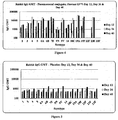
Figure 1 . Titre of IgG to individual pneumococcal capsular polysaccharides induced by Formulation A in rabbits as measured by Indirect ELISA. -
Figure 2 . Titre of IgG to individual pneumococcal capsular polysaccharides induced by Formulation B in rabbits as measured by Indirect ELISA. -
Figure 3 . Titre of IgG to individual pneumococcal capsular polysaccharides induced by Formulation C in rabbits as measured by Indirect ELISA. -
Figure 4 . Titre of IgG to individual pneumococcal capsular polysaccharides induced by Prevnar 13™ in rabbits as measured by Indirect ELISA. -
Figure 5 . Titre of IgG to individual pneumococcal capsular polysaccharides induced by Placebo in rabbits as measured by Indirect ELISA. - The present invention provides an immunogenic multivalent serotype composition, more specifically a conjugated pneumococcal vaccine composition comprising at least 13 pneumococcal polysaccharide serotypes which are individually conjugated to a pharmaceutically acceptable carrier protein CRM197, wherein the composition does not contain capsular saccharide from
serotype 6A.Serotypes serotypes serotype 6A capsular polysaccharide. Therefore, exclusion ofserotype 6A, provides a leverage for including an additional epidemiologically relevant serotype for broadening the protection against pneumococcal disease without having to expand the valence of multivalent PCV. - The present invention also provides an immunogenic multivalent serotype composition, wherein the capsular polysaccharides from
serotypes serotype 6A. Further, the present invention may additionally contain one or more serotypes selected from 6C, 8, 10A, 11A, 12F, 15A, 23A, 23B and 35B of S. pneumoniae. - Preferably, the present invention provides 13 valent, 14 valent or 15 valent immunogenic composition, wherein the composition does not contain capsular polysaccharide from
serotype 6A. -
Serotype 22F andserotype 3 are the most commonly found serotypes causing IPD due to expansion of certain clonal types.Serotype 33F is also amongst the most commonly encountered serotypes. - CRM197 is a variant of diphtheria toxin and is by itself non-toxic (i.e., toxoid) for use in vaccines. CRM197 is isolated from cultures of Corynebacterium diphtheriae strain C7 (β197) grown in casamino acids and yeast extract-based medium. CRM197 may be prepared recombinantly in accordance with the methods described in
U.S. Pat. No. 5,614,382 . Alternatively, CRM197 is prepared recombinantly in accordance with the methods known in the literature or according to the method disclosed in ourPCT publication WO 2016/079755 . CRM197 may be purified by ultrafiltration, ammonium sulphate precipitation, and ion-exchange chromatography, methods well known in art. - The polysaccharide may be extracted from the microorganism according to conventional methods and purified likewise. This polysaccharide may be used in the native form after extraction/purification. Alternatively, it may be fragmented in order to obtain a polysaccharide having an average molecular weight less than that of the polysaccharide originally extracted.
- The polysaccharide thus derived are then activated by CDAP and then conjugated with carrier proteins such as CRM197, PspA, PsaA or combination thereof.
- In another embodiment, the conjugation method depends on activation of the saccharide with CDAP to form a cyanate ester. The activated saccharide may thus be coupled directly or via a spacer (linker) group to an amino group on the carrier protein. For example, the spacer could be cystamine or cysteamine to give a thiolated polysaccharide which could be coupled to the carrier via a thioether linkage obtained after reaction with a maleimide-activated carrier protein (for example using GMBS) or a haloacetylated carrier protein (for example using iodoacetimide [e.g. ethyl iodoacetimide HCl] or N-succinimidyl bromoacetate or SIAB, or SIA, or SBAP). Preferably, the cyanate ester is coupled with hexane diamine or adipic acid dihydrazide (ADH) and the amino-derivatised saccharide is conjugated to the carrier protein using carbodiimide (e.g. EDAC or EDC) chemistry via a carboxyl group on the protein carrier. Such conjugates are described in
WO 93/15760 WO 95/08348 WO 96/29094 - After conjugation of the capsular polysaccharide to the carrier protein, the polysaccharide-protein conjugates are purified (enriched with respect to the amount of polysaccharide-protein conjugate) by a variety of techniques. These techniques include concentration/diafiltration operations, precipitation/elution, column chromatography, and depth filtration.
- After the individual glycoconjugates are purified, they are compounded to formulate the immunogenic composition of the present invention, which can be used as a vaccine.
- In a preferred embodiment, the invention provides a multivalent Pneumococcal conjugate vaccine (PCV) composition consisting of
- a) at least 13 capsular polysaccharides selected from
serotypes - b) a pharmaceutically acceptable carrier; and optionally a pharmaceutically acceptable diluent or vehicle; and optionally ingredients, wherein the composition contains capsular polysaccharides from
serotypes serotype 6A. - In another embodiment, amount of polysaccharide from each of the
serotypes - A composition according to the invention may be manufactured conventionally. In particular, it may be formulated with a pharmaceutically acceptable diluent or vehicle, e.g. water or a saline solution. In addition, the composition may contain ingredients such as a buffer, a preservative or a stabilizer, polysorbate, an adjuvant such as an aluminum compound, e.g. an aluminium hydroxide, an aluminium phosphate or an aluminium hydroxyphosphate, and, a lyophilization excipient. In general, these products may be selected as a function of the mode and route of administration and based on standard pharmaceutical practices.
- The composition of the present invention can be formulated in a form of a unit dose vial, multiple dose vial, or pre-filled syringe. The composition may further comprise of one or more preservative(s) selected from thiomersal, 2-phenoxyethanol and the like. The amount of preservative may range from 4 to 20 mg/mL.
- A composition according to the invention may be administered by any conventional route which is used in the field of vaccines, in particular by the systemic, i.e. parenteral route, e.g. by the subcutaneous, intramuscular, intradermal or intravenous route, or by the mucosal route, e.g. by the oral or nasal route.
- "Effective amount" of a composition of the invention refers to a dose required to elicit antibodies that significantly reduce the likelihood or severity of infectivity of S. pneumoniae during a subsequent challenge.
- In one embodiment, the present invention further provides an immunogenic composition administered as a single 0.5 mL dose formulated to contain: 2 µg of each polysaccharide; 30-40µg CRM197 carrier protein; 0.2 to 1 mg of aluminum phosphate adjuvant; sodium chloride and buffer as excipients.
- In yet another preferred embodiment, the present invention provides a serotype composition for formulating a 13 valent PCV formulation as defined in claim 6 comprising;
- conjugation of the pneumococcal capsular polysaccharides of known size belonging to the 13 serotypes activated utilizing CDAP, individually to an immunogenic carrier protein CRM197,
- diafiltration of the individual monovalent pneumococcal conjugates followed by purification using size exclusion chromatography,
- analysis of the fractions by SEC-HPLC and pooling of fractions containing monovalent pneumococcal conjugates before filter sterilization using 0.2µm filter and
- formulation of the 13 valent PCV using 13 monovalent pneumococcal conjugates; 44µg for
serotype 6B; 22µg for rest of the serotypes and Adju-Phos® adjuvant together with appropriate excipient including sodium chloride and buffer including L-histidine followed by aseptic filling. - The serotype composition of PCV 13 contains
serotypes - In yet another preferred embodiment, the present invention provides a serotype composition for formulating a 14 valent PCV formulation as defined in
claim 5 comprising; - conjugation of pneumococcal capsular polysaccharides of known size belonging to 13 serotypes activated utilizing CDAP, individually to an immunogenic carrier protein CRM197,
- diafiltration of the individual monovalent pneumococcal conjugates followed by purification using size exclusion chromatography,
- analysis of the fractions by SEC-HPLC and pooling of fractions containing monovalent pneumococcal conjugates before filter sterilization using 0.2µm filter and
- formulation of the 14 valent PCV using monovalent pneumococcal conjugates; 44µg for
serotype 6B; 22µg for rest of the serotypes and Adju-Phos® adjuvant together with appropriate excipient including sodium chloride and buffer including L-histidine followed by aseptic filling. - The serotype composition of
PCV 14 containsserotypes - Carrier proteins are preferably proteins that are non-toxic and non-reactogenic and obtainable in sufficient amount and purity. A carrier protein can be conjugated or joined with a S. pneumoniae polysaccharide to enhance immunogenicity of the polysaccharide. Carrier proteins should be amenable to standard conjugation procedures. In a particular embodiment of the present invention, CRM197 is used as the carrier protein. In one embodiment, each capsular polysaccharide is conjugated to a single carrier protein selected from CRM197, PspA and PsaA. In another embodiment, the capsular polysaccharides are conjugated to two or more of the above carrier proteins.
- The amount of conjugate in each vaccine dose is selected as an amount that induces an immunoprotective response without significant, adverse effects. Such an amount may vary depending upon the pneumococcal serotype. Generally, each vaccine dose will comprise 0.1 to 50 µg of each polysaccharide, preferably 0.1 to 10 µg, and more preferably 1 to 5 µg.
- In a preferred embodiment of the present invention, the PCV is a 14 valent sterile liquid formulation consisting of capsular polysaccharides of
serotypes - In yet another preferred embodiment of the present invention, the PCV is a 13 valent sterile liquid formulation consisting of capsular polysaccharides of
serotypes - In yet another preferred embodiment of the present invention, the PCV is a 13 valent sterile liquid formulation consisting of capsular polysaccharides of
serotypes - According to the methods of the present invention, the subject is human. In certain embodiments, the human patient is an infant (less than 1 year of age), toddler (approximately 12 to 24 months), or young child (approximately 2 to 5 years). In other embodiments, the human patient is an elderly patient (> 65 years). The compositions of this invention are also suitable for use with older children, adolescents and adults (e.g., aged 18 to 45 years or 18 to 65 years).
- The present invention also provides a method of inducing an immune response to a S. pneumoniae capsular polysaccharide conjugate, comprising administering to a human an immunologically effective amount of the above multivalent immunogenic composition.
- Effective amount here refers to a dose which is sufficient or most likely to elicit antibodies such that the immunized subject has reduced severity of infection.
- The following examples are provided to illustrate the invention and are merely for illustrative purpose only and should not be construed to limit the scope of the invention.
- In the first step, the polysaccharide (Ps) solution was passed through a high pressure homogenizer to reduce the molecular size of the polysaccharide followed by a concentrating and diafiltration step, using 100 kDa MWCO membrane. The sized polysaccharide produced thus was used for conjugation.
- Approximately, 1:1 ratio of polysaccharide and (6.0 mL of Ps, concentration of 10 mg/mL) CDAP (100 mg/mL in Acetonitrile (w/v)) was mixed in a glass vial and stirred for 1 min. Adjusted the pH of polysaccharide to 9.25 with 0.2M Triethylamine and stirred for 3 min at room temperature (RT). Slowly added (4.0 mL of conc. 15.0 mg/mL) CRM197 to the activated polysaccharide to a ratio of 1:1.5 (Ps: Carrier protein). Adjusted the pH of the reaction to ∼9.05 with 0.2M Triethylamine and continued the reaction under stirring for 5 hours at RT and finally quenched the reaction by adding excess concentration of glycine.
- The reaction mixture was diafiltered using 100 kDa MWCO membrane and purified by size-exclusion chromatography. The fractions were analysed by SEC-HPLC and fractions containing conjugates were pooled and sterile filtered with 0.2µm filters. This material was called monovalent conjugate bulk. All monovalent conjugate bulks for 14 serotypes were generated with similar process.
- Three individual formulations namely, formulation A (13 valent: 1, 3, 4, 5, 6B, 7F, 9V, 14, 18C, 19A, 19F, 22F and 23F), formulation B (13 valent: 1, 3, 4, 5, 6B, 7F, 9V, 14, 18C, 19A, 19F, 23F and 33F) and formulation C (14 valent: 1, 3, 4, 5, 6B, 7F, 9V, 14, 18C, 19A, 19F, 22F, 23F and 33F) were prepared. Formulation A and formulation B are for reference and not within the scope of the claimed invention. In the above formulations, according to their composition 2.2 µg of each monovalent conjugate sterile bulk of 13 serotypes (1, 3, 4, 5, 7F, 9V, 14, 18C, 19A, 19F, 22F, 23F and 33F) and 4.4 µg of 6B monovalent conjugate sterile bulks were accurately measured. Each monovalent bulk conjugate, was slowly transferred (drop wise) one by one to the blending vessel, under continuous stirring (∼ 150 rpm) and continued the stirring for 2 minutes at pH 6.5.
- To the above mix Adju-Phos® was accurately measured and slowly transferred drop wise to the above blending vessel, under continuous stirring (∼ 150 rpm) to the final concentration of Al+3 to 1 mg/mL. After complete addition of the Adju-Phos®, the system was left under stirring for 2 minutes. The final pH of the solution was adjusted to 5.8±0.2 and continued stirring for 2 hours at around 150 rpm/5°±3°C in a refrigerator. After completion of stirring, the vaccine was aseptically filled into vials inside a laminar air flow unit and stored at 5°±3°C chamber.
- Immunogenicity of pneumococcal conjugate formulations prepared according to the present invention was assessed in rabbit model of immunity. Five groups of female rabbits (adult, nulliparous and non-pregnant; 2.0 to 2.5 kg body weight) with a group size of seven were recruited for this study. Three formulations viz. Formulation A, Formulation B, Formulation C; a comparator vaccine (Prevnar 13™) and placebo were included in this study (Table 1). The rabbits were given single human dose equivalent irrespective of valence of the formulations with a dose volume of 0.5 ml. Each group of rabbits received 3 doses at an interval of 14 days, using the respective formulation through intramuscular route on
days 1, 15 and 29 after appropriately preparing the site. They were humanely test bled ondays Table 1. Details of rabbit treatment groups chosen for immunogenicity assessment. S.No Formulation Group Group size Schedule Immunization Bleeding 1 Formulation A I 7 Day 1, Day 15 & Day 29Day 0, Day 12,Day 26 &Day 402 Formulation B II 7 3 Formulation C III 7 4 Prevnar 13™ IV 7 5 Placebo V 7 - Titre of IgG to individual pneumococcal capsular polysaccharides (CPS) was measured by using ELISA, essentially following the standardized WHO ELISA protocol with slight modifications. Nunc Maxisorp® plates were used for immobilizing purified pneumococcal CPS sourced from ATCC, USA / Statens serum Institut, Denmark. The 007sp international pneumococcal reference serum known to contain anti-CPS IgG for 23 serotypes of 23 valent pneumococcal polysaccharide vaccine was used as a positive control. The non-functional cell wall polysaccharide (CWPS) reactive IgG was depleted by adsorbing the test and control serum samples with CWPS Multi™ as per the manufacturer's instruction before testing them by Indirect ELISA. Recombinant protein A/G peroxidase conjugate which combines the binding specificity of protein A and protein G was used for universal detection of rabbit and human IgG. Anti-CPS IgG titre for individual rabbits from a given group was determined based on cut-off which was calculated using the formula, [Mean OD of Blank × 2]. Finally, the geometric mean titre (GMT) of anti-CPS IgG induced by Formulation A, Formulation B, Formulation C, Prevnar 13™ and Placebo was calculated (
Figures 1 - 5 ).
Claims (8)
- A multivalent Pneumococcal conjugate vaccine (PCV) composition consisting of:a1) at least 12 capsular polysaccharides selected from serotypes 1, 3, 4, 5, 6B, 7F, 9N, 9V, 15B, 14, 18C, 19A, 19F, 22F, 23F and 33F of S. pneumoniae activated with CDAP and conjugated to carrier protein selected from CRM197, pneumococcal surface protein A (PspA), pneumococcal adhesin protein (PsaA) or combination thereof, and optionally one or more serotypes selected from 6C, 8, 10A, 11A, 12F, 15A, 23A, 23B and 35B of S. pneumoniae; ora2) at least 14 capsular polysaccharides selected from serotypes 1, 3, 4, 5, 6B, 7F, 9N, 9V, 14, 15B, 18C, 19A, 19F, 22F, 23F and 33F of S. pneumoniae activated with CDAP and conjugated to CRM197, PspA, PsaA or combination thereof, and optionally one or more serotypes selected from 6C, 8, 10A, 11A, 12F, 15A, 23A, 23B and 35B of S. pneumoniae; andb) a pharmaceutically acceptable carrier; andoptionally a pharmaceutically acceptable diluent or vehicle; and
optionally ingredients,
wherein the composition contains capsular polysaccharides from serotypes 22F and 33F and does not contain capsular polysaccharide from serotype 6A. - The composition as claimed in claim 1, wherein the amount of polysaccharide from each of the serotypes is 1 to 10 µg.
- The composition as claimed in claim 1, wherein the amount of carrier protein conjugated to polysaccharide is 3 to 30 µg.
- The composition as claimed in claim 1, wherein a single 0.5 mL dose contains 2 µg of each polysaccharide; 30-40 µg CRM197 carrier protein; 0.2 to 1 mg of aluminum phosphate adjuvant; sodium chloride and buffer.
- A 14 valent sterile liquid Pneumococcal conjugate vaccine (PCV) formulation comprising 2 µg of each capsular polysaccharides of serotypes 1, 3, 4, 5, 7F, 9V, 14, 18C, 19A, 19F, 22F, 23F and 33F, 4 µg of serotypes 6B each individually conjugated to 32 µg CRM197; 0.125 mg of elemental aluminum (0.5 mg aluminum phosphate) adjuvant; and sodium chloride and L-histidine buffer, wherein the formulation does not contain capsular polysaccharide from serotype 6A.
- A 13 valent sterile liquid Pneumococcal conjugate vaccine (PCV) formulation comprising 2 µg of each capsular polysaccharides of serotypes 1, 3, 4, 5, 7F, 9V, 14, 18C, 19A, 19F, 22 F and 33F, 4 µg of serotype 6B each individually conjugated to 32 µg CRM197; 0.125 mg of elemental aluminum (0.5 mg aluminum phosphate) adjuvant; and sodium chloride and L-histidine buffer, wherein the formulation does not contain capsular polysaccharide from serotype 6A.
- A method for formulating the 13 valent PCV formulation according to claim 6, comprising the steps of:a) conjugation of pneumococcal capsular polysaccharides of known size from serotypes 1, 3, 4, 5, 6B, 7F, 9V, 14, 18C, 19A, 19F, 22F and 33F activated utilizing CDAP, individually to the immunogenic carrier protein CRM197,b) diafiltration of individual monovalent pneumococcal conjugates followed by purification using size exclusion chromatography,c) analysis of fractions by SEC-HPLC and pooling of fractions containing monovalent pneumococcal conjugates before filter sterilization using 0.2 µm filter,d) formulation of the 13 valent PCV using 13 monovalent pneumococcal conjugates; 4.4 µg for serotype 6B; 2.2 µg for rest of the serotypes and the Adju-Phos® adjuvant together with appropriate excipient including sodium chloride and buffer including L-histidine followed by aseptic filling,wherein the said 13 valent PCV formulation does not contain capsular polysaccharide from serotype 6A.
- A method for formulating the 14 valent PCV formulation according to claim 5 comprising the steps of:a) conjugation of pneumococcal capsular polysaccharides of known size from serotypes 1, 3, 4, 5, 6B, 7F, 9V, 14, 18C, 19A, 19F, 22F, 23F and 33F activated utilizing CDAP, individually to the immunogenic carrier protein CRM197,b) diafiltration of individual monovalent pneumococcal conjugates followed by purification using size exclusion chromatography,c) analysis of fractions by SEC-HPLC and pooling of fractions containing monovalent pneumococcal conjugates before filter sterilization using 0.2 µm filter andd) formulation of the 14 valent PCV using monovalent pneumococcal conjugates; 4.4 µg for serotype 6B; 2.2 µg for rest of the serotypes and the Adju-Phos® adjuvant together with appropriate excipient including sodium chloride and buffer including L-histidine followed by aseptic filling,wherein the said 14 valent PCV formulation does not contain capsular polysaccharide from serotype 6A.
Priority Applications (5)
| Application Number | Priority Date | Filing Date | Title |
|---|---|---|---|
| SM20210121T SMT202100121T1 (en) | 2015-06-23 | 2016-06-21 | Multivalent pneumococcal conjugate vaccine |
| SI201631120T SI3313436T1 (en) | 2015-06-23 | 2016-06-21 | Multivalent pneumococcal conjugate vaccine |
| HRP20210373TT HRP20210373T1 (en) | 2015-06-23 | 2016-06-21 | MULTIVALENT PNEUMOCOCCAL CONJUGATED VACCINE |
| RS20210164A RS61440B1 (en) | 2015-06-23 | 2016-06-21 | MULTIVALENT PNEUMOCOCCAL CONJUGATE VACCINE |
| PL16753710T PL3313436T3 (en) | 2015-06-23 | 2016-06-21 | Multivalent pneumococcal conjugate vaccine |
Applications Claiming Priority (2)
| Application Number | Priority Date | Filing Date | Title |
|---|---|---|---|
| IN3140CH2015 | 2015-06-23 | ||
| PCT/IN2016/000157 WO2016207905A2 (en) | 2015-06-23 | 2016-06-21 | Multivalent pneumococcal conjugate vaccine |
Publications (2)
| Publication Number | Publication Date |
|---|---|
| EP3313436A2 EP3313436A2 (en) | 2018-05-02 |
| EP3313436B1 true EP3313436B1 (en) | 2020-12-23 |
Family
ID=56738144
Family Applications (1)
| Application Number | Title | Priority Date | Filing Date |
|---|---|---|---|
| EP16753710.9A Active EP3313436B1 (en) | 2015-06-23 | 2016-06-21 | Multivalent pneumococcal conjugate vaccine |
Country Status (22)
| Country | Link |
|---|---|
| US (1) | US11147863B2 (en) |
| EP (1) | EP3313436B1 (en) |
| JP (1) | JP6808658B2 (en) |
| CN (1) | CN107810010A (en) |
| AU (1) | AU2016285017B2 (en) |
| BR (1) | BR112017028130A2 (en) |
| CY (1) | CY1123838T1 (en) |
| DK (1) | DK3313436T3 (en) |
| EA (1) | EA037373B1 (en) |
| ES (1) | ES2857474T3 (en) |
| HR (1) | HRP20210373T1 (en) |
| HU (1) | HUE053272T2 (en) |
| LT (1) | LT3313436T (en) |
| MX (1) | MX389480B (en) |
| PL (1) | PL3313436T3 (en) |
| PT (1) | PT3313436T (en) |
| RS (1) | RS61440B1 (en) |
| SA (1) | SA517390539B1 (en) |
| SI (1) | SI3313436T1 (en) |
| SM (1) | SMT202100121T1 (en) |
| WO (1) | WO2016207905A2 (en) |
| ZA (1) | ZA201708713B (en) |
Families Citing this family (16)
| Publication number | Priority date | Publication date | Assignee | Title |
|---|---|---|---|---|
| US11160855B2 (en) | 2014-01-21 | 2021-11-02 | Pfizer Inc. | Immunogenic compositions comprising conjugated capsular saccharide antigens and uses thereof |
| KR102225282B1 (en) * | 2015-07-21 | 2021-03-10 | 화이자 인코포레이티드 | Immunogenic composition comprising conjugated capsular saccharide antigen, kit comprising same, and use thereof |
| EP3436061A4 (en) * | 2016-03-31 | 2019-12-04 | Liffey Biotech Limited | POLYMERIZABLE SACCHARIDE-POLYPEPTIDE CONJUGATE COMPOSITIONS AND METHODS OF USE |
| PH12019500672B1 (en) * | 2016-09-30 | 2024-02-23 | Biological E Ltd | Multivalent pneumococcal vaccine compositions comprising polysachharide-protein conjugates |
| US11951165B2 (en) | 2016-12-30 | 2024-04-09 | Vaxcyte, Inc. | Conjugated vaccine carrier proteins |
| MX2019007910A (en) | 2016-12-30 | 2019-12-05 | Sutrovax Inc | POLYPEPTIDE-ANTIGEN CONJUGATES WITH NON-NATURAL AMINO ACIDS. |
| KR20240018698A (en) * | 2017-06-10 | 2024-02-13 | 인벤트프라이즈 인크. | Multivalent conjugate vaccines with bivalent or multivalent conjugate polysaccharides that provide improved immunogenicity and avidity |
| US10729763B2 (en) | 2017-06-10 | 2020-08-04 | Inventprise, Llc | Mixtures of polysaccharide-protein pegylated compounds |
| EP3691677A4 (en) | 2017-10-04 | 2021-07-07 | Pogona, Llc | SACCHARIDE-POLYPEPTIDE CONJUGATE COMPOSITIONS AND METHOD OF USING THEREOF |
| CN108003240B (en) * | 2017-12-04 | 2020-06-05 | 西安德轩驰生物科技有限公司 | Multi-connected anti-idiotype egg yolk antibody vaccine for marine cultured fish and preparation method thereof |
| BR112020011414B8 (en) | 2017-12-06 | 2023-01-31 | Merck Sharp & Dohme | MULTIVALENT IMMUNOGENIC COMPOSITIONS COMPRISING CARRIER PROTEIN AND POLYSACCHARIDE CONJUGATES FROM S. PNEUMONIAE |
| KR20230008923A (en) | 2018-02-05 | 2023-01-16 | 사노피 파스퇴르 인코포레이티드 | Multivalent pneumococcal polysaccharide-protein conjugate composition |
| EP3782642A4 (en) | 2018-04-18 | 2022-04-13 | SK Bioscience Co., Ltd. | CAPSULAR POLYSACCHARIDES OF STREPTOCOCCUS PNEUMONIAE AND IMMUNOGENIC CONJUGATES THEREOF |
| WO2020075201A1 (en) * | 2018-10-12 | 2020-04-16 | Biological E Limited | Multivalent pneumococcal polysaccharide-protein conjugate vaccine |
| EP3897705A2 (en) | 2018-12-19 | 2021-10-27 | Merck Sharp & Dohme Corp. | Compositions comprising streptococcus pneumoniae polysaccharide-protein conjugates and methods of use thereof |
| EP3900739A1 (en) * | 2020-04-21 | 2021-10-27 | Max-Planck-Gesellschaft zur Förderung der Wissenschaften e.V. | Synthetic streptococcus pneumoniae saccharide conjugates to conserved membrane protein |
Citations (1)
| Publication number | Priority date | Publication date | Assignee | Title |
|---|---|---|---|---|
| WO2007071707A2 (en) * | 2005-12-22 | 2007-06-28 | Glaxosmithkline Biologicals Sa | Pneumococcal polysaccharide conjugate vaccine |
Family Cites Families (23)
| Publication number | Priority date | Publication date | Assignee | Title |
|---|---|---|---|---|
| US5360897A (en) | 1981-08-31 | 1994-11-01 | The University Of Rochester | Immunogenic conjugates of streptococcus pneumonial capsular polymer and toxin or in toxiad |
| AU685047B2 (en) | 1992-02-11 | 1998-01-15 | Henry M. Jackson Foundation For The Advancement Of Military Medicine | Dual carrier immunogenic construct |
| ES2231770T3 (en) | 1993-03-05 | 2005-05-16 | Wyeth Holdings Corporation | NEW PLASMIDS FOR THE PRODUCTION OF CRM PROTEIN AND DIFTERIC TOXIN. |
| ES2210262T3 (en) | 1993-09-22 | 2004-07-01 | Henry M. Jackson Foundation For The Advancement Of Military Medicine | PROCEDURE THAT ALLOWS THE ACTIVATION OF A SOLUBLE GLUCIDE WITH THE HELP OF NEW CIANILANT REAGENTS TO PRODUCE IMMUNOGEN STRUCTURES. |
| AU712981B2 (en) | 1995-03-22 | 1999-11-18 | Henry M. Jackson Foundation For The Advancement Of Military Medicine | Producing immunogenic constructs using soluble carbohydrates activated via organic cyanylating reagents |
| FR2763244B1 (en) | 1997-05-14 | 2003-08-01 | Pasteur Merieux Serums Vacc | MULTIVALENT VACCINE COMPOSITION WITH MIXED CARRIER |
| US8048432B2 (en) | 2003-08-06 | 2011-11-01 | The United States Of America As Represented By The Secretary Of The Department Of Health And Human Services | Polysaccharide-protein conjugate vaccines |
| US7955605B2 (en) | 2005-04-08 | 2011-06-07 | Wyeth Llc | Multivalent pneumococcal polysaccharide-protein conjugate composition |
| US7709001B2 (en) | 2005-04-08 | 2010-05-04 | Wyeth Llc | Multivalent pneumococcal polysaccharide-protein conjugate composition |
| EP2425853A1 (en) | 2005-04-08 | 2012-03-07 | Wyeth LLC | Multivalent Pneumococcal Polysaccharide-Protein Conjugate Composition |
| CN101405028B (en) | 2006-03-17 | 2015-08-19 | 美国政府健康及人类服务部 | Method for preparing complexed multivalent immunogenic conjugates |
| BRPI0813644B8 (en) * | 2007-06-26 | 2021-05-25 | Glaxosmithkline Biologicals Sa | immunogenic composition, vaccine, process to manufacture the same, and use of the immunogenic composition or vaccine |
| CN101590224A (en) | 2009-06-30 | 2009-12-02 | 广州精达医学科技有限公司 | High-efficiency 14-valent pneumococcal conjugate vaccine |
| TW201136603A (en) * | 2010-02-09 | 2011-11-01 | Merck Sharp & Amp Dohme Corp | 15-valent pneumococcal polysaccharide-protein conjugate vaccine composition |
| GB201003924D0 (en) | 2010-03-09 | 2010-04-21 | Glaxosmithkline Biolog Sa | Immunogenic composition |
| KR102057217B1 (en) * | 2012-06-20 | 2020-01-22 | 에스케이바이오사이언스 주식회사 | Multivalent pneumococcal polysaccharide-protein conjugate composition |
| CN103623401A (en) | 2012-08-23 | 2014-03-12 | 北京科兴中维生物技术有限公司 | Multivalent pneumococcus capsular polysaccharide-protein conjugated composition and preparation method thereof |
| CN103656631B (en) | 2012-09-24 | 2015-08-19 | 北京科兴中维生物技术有限公司 | multivalent pneumococcal capsular polysaccharide-protein conjugate composition and preparation method thereof |
| CN103656632B (en) | 2012-09-24 | 2016-01-13 | 北京科兴中维生物技术有限公司 | Multivalent pneumococcal capsular polysaccharide composition, its preparation method and application |
| KR20140075201A (en) | 2012-12-11 | 2014-06-19 | 에스케이케미칼주식회사 | Multivalent pneumococcal polysaccharide-protein conjugate composition |
| KR20140075196A (en) | 2012-12-11 | 2014-06-19 | 에스케이케미칼주식회사 | Multivalent pneumococcal polysaccharide-protein conjugate composition |
| CN104069488A (en) | 2013-03-29 | 2014-10-01 | 北京科兴中维生物技术有限公司 | Multivalent pneumococcus capsular polysaccharide-protein conjugated composition and preparation method thereof |
| CA2968491C (en) | 2014-11-20 | 2023-09-26 | Biological E Limited | Codon optimized polynucleotide for high level expression of crm197 |
-
2016
- 2016-06-21 DK DK16753710.9T patent/DK3313436T3/en active
- 2016-06-21 HR HRP20210373TT patent/HRP20210373T1/en unknown
- 2016-06-21 SM SM20210121T patent/SMT202100121T1/en unknown
- 2016-06-21 LT LTEP16753710.9T patent/LT3313436T/en unknown
- 2016-06-21 ES ES16753710T patent/ES2857474T3/en active Active
- 2016-06-21 EP EP16753710.9A patent/EP3313436B1/en active Active
- 2016-06-21 PL PL16753710T patent/PL3313436T3/en unknown
- 2016-06-21 BR BR112017028130A patent/BR112017028130A2/en active IP Right Grant
- 2016-06-21 PT PT167537109T patent/PT3313436T/en unknown
- 2016-06-21 SI SI201631120T patent/SI3313436T1/en unknown
- 2016-06-21 AU AU2016285017A patent/AU2016285017B2/en active Active
- 2016-06-21 JP JP2017566871A patent/JP6808658B2/en active Active
- 2016-06-21 RS RS20210164A patent/RS61440B1/en unknown
- 2016-06-21 CN CN201680037079.2A patent/CN107810010A/en active Pending
- 2016-06-21 MX MX2017016828A patent/MX389480B/en unknown
- 2016-06-21 WO PCT/IN2016/000157 patent/WO2016207905A2/en not_active Ceased
- 2016-06-21 US US15/772,771 patent/US11147863B2/en active Active
- 2016-06-21 EA EA201890431A patent/EA037373B1/en unknown
- 2016-06-21 HU HUE16753710A patent/HUE053272T2/en unknown
-
2017
- 2017-12-13 SA SA517390539A patent/SA517390539B1/en unknown
- 2017-12-20 ZA ZA2017/08713A patent/ZA201708713B/en unknown
-
2021
- 2021-02-18 CY CY20211100136T patent/CY1123838T1/en unknown
Patent Citations (1)
| Publication number | Priority date | Publication date | Assignee | Title |
|---|---|---|---|---|
| WO2007071707A2 (en) * | 2005-12-22 | 2007-06-28 | Glaxosmithkline Biologicals Sa | Pneumococcal polysaccharide conjugate vaccine |
Also Published As
| Publication number | Publication date |
|---|---|
| RS61440B1 (en) | 2021-03-31 |
| PL3313436T3 (en) | 2021-06-14 |
| EP3313436A2 (en) | 2018-05-02 |
| SMT202100121T1 (en) | 2021-05-07 |
| WO2016207905A2 (en) | 2016-12-29 |
| AU2016285017B2 (en) | 2022-03-03 |
| US11147863B2 (en) | 2021-10-19 |
| JP2018518512A (en) | 2018-07-12 |
| CA2989230A1 (en) | 2016-12-29 |
| PT3313436T (en) | 2021-02-25 |
| WO2016207905A3 (en) | 2017-02-09 |
| JP6808658B2 (en) | 2021-01-06 |
| EA201890431A1 (en) | 2018-06-29 |
| DK3313436T3 (en) | 2021-03-08 |
| CN107810010A (en) | 2018-03-16 |
| BR112017028130A2 (en) | 2018-08-28 |
| LT3313436T (en) | 2021-06-10 |
| MX2017016828A (en) | 2018-09-18 |
| MX389480B (en) | 2025-03-20 |
| SI3313436T1 (en) | 2021-09-30 |
| EA037373B1 (en) | 2021-03-22 |
| HUE053272T2 (en) | 2021-06-28 |
| AU2016285017A1 (en) | 2018-01-04 |
| ES2857474T3 (en) | 2021-09-29 |
| CY1123838T1 (en) | 2022-05-27 |
| ZA201708713B (en) | 2019-08-28 |
| HRP20210373T1 (en) | 2021-04-30 |
| SA517390539B1 (en) | 2021-05-24 |
| US20190240308A1 (en) | 2019-08-08 |
Similar Documents
| Publication | Publication Date | Title |
|---|---|---|
| US11147863B2 (en) | Multivalent pneumococcal conjugate vaccine | |
| JP7318034B2 (en) | Polyvalent pneumococcal polysaccharide-protein complex composition | |
| JP7288451B2 (en) | Polyvalent pneumococcal polysaccharide-protein complex composition | |
| TWI789357B (en) | Multivalent pneumococcal polysaccharide-protein conjugate composition | |
| KR102735230B1 (en) | Composition comprising a polysaccharide-protein conjugate for streptococcus pneumoniae and method of using the same | |
| EP3576759B1 (en) | Methods for production of capsular polysaccharide protein conjugates from streptococcus pneumoniae serotype 19f | |
| CN109890415B (en) | Multivalent pneumococcal polysaccharide-protein conjugate composition | |
| KR20220042378A (en) | Polyvalent pneumococcal polysaccharide-protein conjugate composition and method of use thereof | |
| SG183199A1 (en) | 15-valent pneumococcal polysaccharide-protein conjugate vaccine composition | |
| US20200113993A1 (en) | Saccharide-polypeptide conjugate compositions and methods of use thereof | |
| US20220143166A1 (en) | Multivalent pneumococcal polysaccharide-protein conjugate vaccine | |
| WO2020152706A1 (en) | Multivalent pneumococcal conjugate vaccine compositions | |
| CA2989230C (en) | Multivalent pneumococcal conjugate vaccine | |
| OA18508A (en) | Multivalent pneumococcal conjugate vaccine. | |
| KR20200005458A (en) | Immunogenic composition comprising multivalent pneumococcal polysaccharide-protein conjugate, and phamatiutical composition comprising the same | |
| BR122025016804A2 (en) | COMPOSITION OF MULTIVALENT PNEUMOCOCCAL CONJUGATE VACCINE (PCV) AND 14-VALENT STERILE LIQUID PNEUMOCOCCAL CONJUGATE VACCINE FORMULATION | |
| EA047156B1 (en) | MULTIVALENT VACCINE BASED ON PNEUMOCOCCAL POLYSACCHARIDE-PROTEIN CONJUGATE | |
| EA048146B1 (en) | POLYVALENT PNEUMOCOCCAL VACCINE COMPOSITIONS CONTAINING POLYSACCHARIDE-PROTEIN CONJUGATES |
Legal Events
| Date | Code | Title | Description |
|---|---|---|---|
| STAA | Information on the status of an ep patent application or granted ep patent |
Free format text: STATUS: THE INTERNATIONAL PUBLICATION HAS BEEN MADE |
|
| PUAI | Public reference made under article 153(3) epc to a published international application that has entered the european phase |
Free format text: ORIGINAL CODE: 0009012 |
|
| STAA | Information on the status of an ep patent application or granted ep patent |
Free format text: STATUS: REQUEST FOR EXAMINATION WAS MADE |
|
| 17P | Request for examination filed |
Effective date: 20180111 |
|
| AK | Designated contracting states |
Kind code of ref document: A2 Designated state(s): AL AT BE BG CH CY CZ DE DK EE ES FI FR GB GR HR HU IE IS IT LI LT LU LV MC MK MT NL NO PL PT RO RS SE SI SK SM TR |
|
| AX | Request for extension of the european patent |
Extension state: BA ME |
|
| DAV | Request for validation of the european patent (deleted) | ||
| DAX | Request for extension of the european patent (deleted) | ||
| STAA | Information on the status of an ep patent application or granted ep patent |
Free format text: STATUS: EXAMINATION IS IN PROGRESS |
|
| 17Q | First examination report despatched |
Effective date: 20190506 |
|
| GRAP | Despatch of communication of intention to grant a patent |
Free format text: ORIGINAL CODE: EPIDOSNIGR1 |
|
| STAA | Information on the status of an ep patent application or granted ep patent |
Free format text: STATUS: GRANT OF PATENT IS INTENDED |
|
| INTG | Intention to grant announced |
Effective date: 20200730 |
|
| GRAS | Grant fee paid |
Free format text: ORIGINAL CODE: EPIDOSNIGR3 |
|
| GRAA | (expected) grant |
Free format text: ORIGINAL CODE: 0009210 |
|
| STAA | Information on the status of an ep patent application or granted ep patent |
Free format text: STATUS: THE PATENT HAS BEEN GRANTED |
|
| AK | Designated contracting states |
Kind code of ref document: B1 Designated state(s): AL AT BE BG CH CY CZ DE DK EE ES FI FR GB GR HR HU IE IS IT LI LT LU LV MC MK MT NL NO PL PT RO RS SE SI SK SM TR |
|
| REG | Reference to a national code |
Ref country code: GB Ref legal event code: FG4D |
|
| REG | Reference to a national code |
Ref country code: DE Ref legal event code: R096 Ref document number: 602016050235 Country of ref document: DE |
|
| REG | Reference to a national code |
Ref country code: AT Ref legal event code: REF Ref document number: 1347072 Country of ref document: AT Kind code of ref document: T Effective date: 20210115 |
|
| REG | Reference to a national code |
Ref country code: IE Ref legal event code: FG4D |
|
| REG | Reference to a national code |
Ref country code: RO Ref legal event code: EPE |
|
| REG | Reference to a national code |
Ref country code: CH Ref legal event code: NV Representative=s name: VALIPAT S.A. C/O BOVARD SA NEUCHATEL, CH |
|
| REG | Reference to a national code |
Ref country code: SE Ref legal event code: TRGR |
|
| REG | Reference to a national code |
Ref country code: PT Ref legal event code: SC4A Ref document number: 3313436 Country of ref document: PT Date of ref document: 20210225 Kind code of ref document: T Free format text: AVAILABILITY OF NATIONAL TRANSLATION Effective date: 20210219 |
|
| REG | Reference to a national code |
Ref country code: HR Ref legal event code: TUEP Ref document number: P20210373 Country of ref document: HR |
|
| REG | Reference to a national code |
Ref country code: FI Ref legal event code: FGE |
|
| REG | Reference to a national code |
Ref country code: DK Ref legal event code: T3 Effective date: 20210303 |
|
| REG | Reference to a national code |
Ref country code: NL Ref legal event code: FP |
|
| REG | Reference to a national code |
Ref country code: NO Ref legal event code: T2 Effective date: 20201223 |
|
| REG | Reference to a national code |
Ref country code: GR Ref legal event code: EP Ref document number: 20210400470 Country of ref document: GR Effective date: 20210416 |
|
| REG | Reference to a national code |
Ref country code: SK Ref legal event code: T3 Ref document number: E 36741 Country of ref document: SK |
|
| REG | Reference to a national code |
Ref country code: HR Ref legal event code: T1PR Ref document number: P20210373 Country of ref document: HR |
|
| REG | Reference to a national code |
Ref country code: EE Ref legal event code: FG4A Ref document number: E020540 Country of ref document: EE Effective date: 20210304 |
|
| REG | Reference to a national code |
Ref country code: HR Ref legal event code: ODRP Ref document number: P20210373 Country of ref document: HR Payment date: 20210521 Year of fee payment: 6 |
|
| REG | Reference to a national code |
Ref country code: HU Ref legal event code: AG4A Ref document number: E053272 Country of ref document: HU |
|
| REG | Reference to a national code |
Ref country code: DE Ref legal event code: R097 Ref document number: 602016050235 Country of ref document: DE |
|
| REG | Reference to a national code |
Ref country code: ES Ref legal event code: FG2A Ref document number: 2857474 Country of ref document: ES Kind code of ref document: T3 Effective date: 20210929 |
|
| PLBE | No opposition filed within time limit |
Free format text: ORIGINAL CODE: 0009261 |
|
| STAA | Information on the status of an ep patent application or granted ep patent |
Free format text: STATUS: NO OPPOSITION FILED WITHIN TIME LIMIT |
|
| 26N | No opposition filed |
Effective date: 20210924 |
|
| REG | Reference to a national code |
Ref country code: HR Ref legal event code: ODRP Ref document number: P20210373 Country of ref document: HR Payment date: 20220531 Year of fee payment: 7 |
|
| REG | Reference to a national code |
Ref country code: HR Ref legal event code: ODRP Ref document number: P20210373 Country of ref document: HR Payment date: 20230510 Year of fee payment: 8 |
|
| P01 | Opt-out of the competence of the unified patent court (upc) registered |
Effective date: 20230519 |
|
| REG | Reference to a national code |
Ref country code: HR Ref legal event code: ODRP Ref document number: P20210373 Country of ref document: HR Payment date: 20240612 Year of fee payment: 9 |
|
| PGFP | Annual fee paid to national office [announced via postgrant information from national office to epo] |
Ref country code: SM Payment date: 20250605 Year of fee payment: 10 |
|
| REG | Reference to a national code |
Ref country code: HR Ref legal event code: ODRP Ref document number: P20210373 Country of ref document: HR Payment date: 20250527 Year of fee payment: 10 |
|
| PGFP | Annual fee paid to national office [announced via postgrant information from national office to epo] |
Ref country code: MC Payment date: 20250606 Year of fee payment: 10 |
|
| PGFP | Annual fee paid to national office [announced via postgrant information from national office to epo] |
Ref country code: FI Payment date: 20250603 Year of fee payment: 10 |
|
| PGFP | Annual fee paid to national office [announced via postgrant information from national office to epo] |
Ref country code: DE Payment date: 20250602 Year of fee payment: 10 |
|
| PGFP | Annual fee paid to national office [announced via postgrant information from national office to epo] |
Ref country code: GB Payment date: 20250612 Year of fee payment: 10 Ref country code: DK Payment date: 20250612 Year of fee payment: 10 |
|
| PGFP | Annual fee paid to national office [announced via postgrant information from national office to epo] |
Ref country code: LT Payment date: 20250522 Year of fee payment: 10 |
|
| PGFP | Annual fee paid to national office [announced via postgrant information from national office to epo] |
Ref country code: IS Payment date: 20250604 Year of fee payment: 10 Ref country code: RS Payment date: 20250523 Year of fee payment: 10 Ref country code: NO Payment date: 20250610 Year of fee payment: 10 |
|
| PGFP | Annual fee paid to national office [announced via postgrant information from national office to epo] |
Ref country code: AL Payment date: 20250605 Year of fee payment: 10 Ref country code: LU Payment date: 20250603 Year of fee payment: 10 Ref country code: NL Payment date: 20250602 Year of fee payment: 10 Ref country code: BE Payment date: 20250603 Year of fee payment: 10 |
|
| PGFP | Annual fee paid to national office [announced via postgrant information from national office to epo] |
Ref country code: HR Payment date: 20250527 Year of fee payment: 10 |
|
| PGFP | Annual fee paid to national office [announced via postgrant information from national office to epo] |
Ref country code: LV Payment date: 20250603 Year of fee payment: 10 Ref country code: PT Payment date: 20250602 Year of fee payment: 10 |
|
| PGFP | Annual fee paid to national office [announced via postgrant information from national office to epo] |
Ref country code: EE Payment date: 20250612 Year of fee payment: 10 Ref country code: HU Payment date: 20250526 Year of fee payment: 10 Ref country code: FR Payment date: 20250626 Year of fee payment: 10 |
|
| PGFP | Annual fee paid to national office [announced via postgrant information from national office to epo] |
Ref country code: MT Payment date: 20250603 Year of fee payment: 10 Ref country code: GR Payment date: 20250603 Year of fee payment: 10 Ref country code: BG Payment date: 20250605 Year of fee payment: 10 |
|
| PGFP | Annual fee paid to national office [announced via postgrant information from national office to epo] |
Ref country code: RO Payment date: 20250527 Year of fee payment: 10 Ref country code: AT Payment date: 20250603 Year of fee payment: 10 |
|
| PGFP | Annual fee paid to national office [announced via postgrant information from national office to epo] |
Ref country code: TR Payment date: 20250526 Year of fee payment: 10 Ref country code: SK Payment date: 20250522 Year of fee payment: 10 |
|
| PGFP | Annual fee paid to national office [announced via postgrant information from national office to epo] |
Ref country code: CZ Payment date: 20250522 Year of fee payment: 10 |
|
| PGFP | Annual fee paid to national office [announced via postgrant information from national office to epo] |
Ref country code: IE Payment date: 20250602 Year of fee payment: 10 |
|
| PGFP | Annual fee paid to national office [announced via postgrant information from national office to epo] |
Ref country code: SE Payment date: 20250604 Year of fee payment: 10 Ref country code: SI Payment date: 20250522 Year of fee payment: 10 |
|
| PGFP | Annual fee paid to national office [announced via postgrant information from national office to epo] |
Ref country code: ES Payment date: 20250910 Year of fee payment: 10 |
|
| PGFP | Annual fee paid to national office [announced via postgrant information from national office to epo] |
Ref country code: PL Payment date: 20250610 Year of fee payment: 10 Ref country code: IT Payment date: 20250602 Year of fee payment: 10 |
|
| PGFP | Annual fee paid to national office [announced via postgrant information from national office to epo] |
Ref country code: CH Payment date: 20250701 Year of fee payment: 10 |
|
| PGFP | Annual fee paid to national office [announced via postgrant information from national office to epo] |
Ref country code: MK Payment date: 20250527 Year of fee payment: 10 |
|
| PGFP | Annual fee paid to national office [announced via postgrant information from national office to epo] |
Ref country code: CY Payment date: 20250612 Year of fee payment: 10 |