EP3307442B2 - Aerosol generation - Google Patents
Aerosol generation Download PDFInfo
- Publication number
- EP3307442B2 EP3307442B2 EP16732528.1A EP16732528A EP3307442B2 EP 3307442 B2 EP3307442 B2 EP 3307442B2 EP 16732528 A EP16732528 A EP 16732528A EP 3307442 B2 EP3307442 B2 EP 3307442B2
- Authority
- EP
- European Patent Office
- Prior art keywords
- less
- glycerol
- microns
- liquid
- outlet holes
- Prior art date
- Legal status (The legal status is an assumption and is not a legal conclusion. Google has not performed a legal analysis and makes no representation as to the accuracy of the status listed.)
- Active
Links
Images




Classifications
-
- B—PERFORMING OPERATIONS; TRANSPORTING
- B05—SPRAYING OR ATOMISING IN GENERAL; APPLYING FLUENT MATERIALS TO SURFACES, IN GENERAL
- B05B—SPRAYING APPARATUS; ATOMISING APPARATUS; NOZZLES
- B05B17/00—Apparatus for spraying or atomising liquids or other fluent materials, not covered by the preceding groups
- B05B17/04—Apparatus for spraying or atomising liquids or other fluent materials, not covered by the preceding groups operating with special methods
- B05B17/06—Apparatus for spraying or atomising liquids or other fluent materials, not covered by the preceding groups operating with special methods using ultrasonic or other kinds of vibrations
- B05B17/0607—Apparatus for spraying or atomising liquids or other fluent materials, not covered by the preceding groups operating with special methods using ultrasonic or other kinds of vibrations generated by electrical means, e.g. piezoelectric transducers
- B05B17/0638—Apparatus for spraying or atomising liquids or other fluent materials, not covered by the preceding groups operating with special methods using ultrasonic or other kinds of vibrations generated by electrical means, e.g. piezoelectric transducers spray being produced by discharging the liquid or other fluent material through a plate comprising a plurality of orifices
- B05B17/0646—Vibrating plates, i.e. plates being directly subjected to the vibrations, e.g. having a piezoelectric transducer attached thereto
-
- A—HUMAN NECESSITIES
- A61—MEDICAL OR VETERINARY SCIENCE; HYGIENE
- A61M—DEVICES FOR INTRODUCING MEDIA INTO, OR ONTO, THE BODY; DEVICES FOR TRANSDUCING BODY MEDIA OR FOR TAKING MEDIA FROM THE BODY; DEVICES FOR PRODUCING OR ENDING SLEEP OR STUPOR
- A61M11/00—Sprayers or atomisers specially adapted for therapeutic purposes
- A61M11/001—Particle size control
- A61M11/003—Particle size control by passing the aerosol trough sieves or filters
-
- A—HUMAN NECESSITIES
- A61—MEDICAL OR VETERINARY SCIENCE; HYGIENE
- A61M—DEVICES FOR INTRODUCING MEDIA INTO, OR ONTO, THE BODY; DEVICES FOR TRANSDUCING BODY MEDIA OR FOR TAKING MEDIA FROM THE BODY; DEVICES FOR PRODUCING OR ENDING SLEEP OR STUPOR
- A61M11/00—Sprayers or atomisers specially adapted for therapeutic purposes
- A61M11/005—Sprayers or atomisers specially adapted for therapeutic purposes using ultrasonics
Definitions
- This invention relates to aerosol generators.
- Vibrating aperture plates are used in a wide range of aerosol devices, and are typically supported around their rims by a vibrating support which is vibrated by a piezo element.
- aerosol devices may have passive or static aperture plates, which operate for example by an acoustic signal from a horn causing a stream of medication to be filtered through the aperture plate.
- EP1430958A describes a piezoelectric spraying system for automatically dispensing volatile liquids such as air fresheners, perfumes, or insecticides.
- US2013/0334338 describes a method of manufacturing an aperture plate, with use of photo-resist in a pattern of vertical columns.
- the invention provides a method for aerosolising a liquid as set out in claim 1.
- the fraction of the droplets which are less than 3 microns in size is greater than 75%, greater than 80%, greater than 85%, or greater than 90%.
- the aperture plate has at least 500 outlet holes per mm 2 , at least 1,000 outlet holes per mm 2 , at least 1,500 outlet holes per mm 2 , at least 2,000 outlet holes per mm 2 , at least 2,500 outlet holes per mm 2 , at least 3,500 outlet holes per mm 2 , or at least 5,000 outlet holes per mm 2 .
- the volumetric median diameter of the droplets is less than 5 microns, less than 4 microns, less than 3 microns, less than 2.5 microns, less than 2.0 microns, less than 1.5 microns, or less than 1 microns.
- the viscosity of the liquid is less than 5 mPa ⁇ s (cP), and greater than 2 mPa ⁇ s (cP).
- the output rate of the generated aerosol in some cases is greater than 0.05 mL/min, greater than 0.075 mL/min, greater than 0.1 mL/min, greater than 0.2 mL/min, greater than 0.3 mL/min, greater than 0.33 mL/min, greater than 0.5 mL/min, greater than 1.00 mL/min, or greater than 2.00 mL/min.
- the volumetric median diameter of the droplets is less than 3 microns, less than 2.5 microns, less than 2.0 microns, less than 1.5 microns, or less than 1 microns.
- the viscosity of the liquid is greater than 2 mPa ⁇ s (cP), and less than 5 mPa ⁇ s (cP).
- the surface tension of the liquid is in a range between 25 mN/m to 0.5 mN/m and the viscosity is greater than 2 and less than 5 mPa ⁇ s (cP).
- the output rate of the generated aerosol is greater than 0.1mL/min, greater than 0.2 mL/min, greater than 0.3 mL/min, greater than 0.33 mL/min, greater than 0.5 mL/min, greater than 1.00 mL/min, or greater than 2.00 mL/min.
- FIG. 1 shows the wafer 30 formed from a plating material 31 with a reservoir layer having apertures 32 and an outlet layer having outlet apertures 33.
- the specific aperture plate used to aerosolise a surfactant type formulation as described above had the following reservoir and outlet layer characteristics: the reservoir layer had holes of diameter 36 ⁇ m, a layer thickness of 40 ⁇ m and a hole pitch of 100 ⁇ m.
- the outlet layer had holes of diameter 1 ⁇ m, layer thickness of 5.2 ⁇ m and a hole pitch of 7.5 ⁇ m. It was driven using a controller at 20 V.
- Colistin at 0.5 - 1.5 ml/min with a volumetric median diameter of 4-5 ⁇ m was nebulised using an aperture plate with an outlet layer thickness of 6.8 - 7 ⁇ m, an inlet hole diameter of 2.0 - 2.10 ⁇ m (on the outlet layer) and an outlet hole diameter of 2.5 - 2.55 ⁇ m (also on the outlet layer). These holes were spaced at a pitch spacing of 8.46 ⁇ m.
- the reservoir holes on the inlet layer were 50 ⁇ m and spaced at 100 ⁇ m apart.
- the total aperture plate thickness was 60-62 ⁇ m. This device was driven between 108 - 128 kHz and at 12 - 15 V on the drive controller which created a maximum amplitude on the vibrating plate of 1.5 - 3 ⁇ m.
- Table 1 Viscosity of various concentration of Glycerol and Ethanol (at 25 °C) [Ref: Lide, D.R., 1992., CRC Handbook of Chemistry and Physics, 73 rd ed. Boca Raton ; Ann Arbor ; London : CRC] Glycerol (% w/w) Viscosity (mPa ⁇ s (cP)) Ethanol (% v/v) Viscosity (mPa ⁇ s (cP)) 0 0.89 0 0.89 5 1.01 10 1.32 10 1.15 20 1.81 20 1.54 40 2.35 40 3.18 60 2.24 60 8.82 80 1.75 80 45.9 100 1.07 100 934
- Example 4 The aperture plates (cores) described in Example 4 (photodefined technology) were used to aerosolise various formulations as described below. All Example 4 devices were manufactured from the same wafer.
- VMD volume mean diameter which was measured using a Malvern Instrument Spraytec laser diffraction system.
- Table 5 Table of measured VMD when glycerol solution are aerosolised using the aperture plates of Example 4.
- Example 5 devices were manufactured from different wafers.
- the aperture plates of comparative Example 5 fail to operate at % w/w Glycerol greater that 31-36% depending on device. This suggest that any viscous liquid formulation of drugs with viscosity >2.6-3.0 mPa ⁇ s (cP) and surface tension of 71-72 mN/m will not nebulise using the aperture plates of Example 5.
- VMD of each device was seen to decrease as the viscosity increased and surface tension decreases.
- the technology allows for the generation of consistently smaller droplets than have heretofore been possible with conventional technologies.
- the ability to generate sub 2 micron and sub 3 micron droplets allows for sustained and maximal alveolar and onward systemic drug delivery of a wide variety of formulations including proteins, gene therapies, biological suspensions and surfactants.
- Lung surfactant acts to increase pulmonary compliance, to prevent atelectasis (collapse of the lung) at the end of expiration and to facilitate recruitment of collapsed airways. Due to its physiochemical properties lung surfactant greatly reduces surface tension, increasing compliance allowing the lung to inflate much more easily, thereby reducing the work of breathing. It reduces the pressure difference needed to allow the lung to inflate.
- surfactants as a carrier for other drug types to enable penetration of these drugs into the lung utilising the low surface tension properties of surfactant is also facilitated.
- the invention also allows the use of excipients or diluents with the specified physiochemical characteristics (i.e. lower surface tension and/or higher viscosity as compared to an aqueous solution) e.g. polysorbates, glycerol, polyethylene glycol, propylene glycol, butanediol, pluronics, Captisol, in amounts and concentrations that have not proved nebulizable to date in flow rates and/or at output rates that are clinically and commercially beneficial.
- excipients or diluents with the specified physiochemical characteristics (i.e. lower surface tension and/or higher viscosity as compared to an aqueous solution) e.g. polysorbates, glycerol, polyethylene glycol, propylene glycol, butanediol, pluronics, Captisol, in amounts and concentrations that have not proved nebulizable to date in flow rates and/or at output rates that are clinically and commercial
- surfactant specific diseases including (A)RDS, surfactant deficiency are enabled as are and less specifically treatment of patients with inhalation injury to the lung, prophylaxis by delivery of lung surfactant into patients at high risk for respiratory disease due to lung surfactant inactivation or injury to type II alveolar cell activity and treatment of obstructive syndromes of small airways.
- A)RDS surfactant specific diseases
- surfactant deficiency are enabled as are and less specifically treatment of patients with inhalation injury to the lung, prophylaxis by delivery of lung surfactant into patients at high risk for respiratory disease due to lung surfactant inactivation or injury to type II alveolar cell activity and treatment of obstructive syndromes of small airways.
- Surfactant can be used as a vehicle for other drug actives.
- Actives include viral and non-viral vectors as well as naked gene therapies for direct administration to the lung.
- Any suitable medicament, therapeutic agent, active substance or pharmaceutically active compound than can be targeted to the lung may be employed.
- Surfactant medications are protein-lipid compositions, e.g. phospholipids, that are produced naturally in the body and are essential to the lungs' ability to absorb oxygen. They facilitate respiration by continually modifying surface tension of the fluid normally present within the air sacs, or alveoli, that tube the inside of the lungs. In the absence of sufficient surfactant, these air sacs tend to collapse, and, as a result, the lungs do not absorb sufficient oxygen. Insufficient surfactant in the lungs results in a variety of respiratory illnesses in both animals and humans. Since most of these surfactant medications are animal-based, the current supply is limited, and although synthetic surfactants are available, their manufacture is currently both inexact and expensive.
- surfactant medications are typically high in viscosity and are difficult to deliver to the patient's respiratory system.
- surfactant with other medicaments to improve distribution in the lung and body is also possible.
- Surfactants also possess the capacity to act as anti-adhesion agents.
- the invention facilitates delivery in aerosol form of, for example, bronchodilators, including ⁇ -agonists, muscarinic antagonists, epinephrine; surfactants; pain-relief medications including anaesthetics; migraine therapies; anti-infectives; anti-inflammatories, steroids, including corticostroids; chemotherapeutic agents; mucolytics; vasodilators; vaccines and hormones.
- bronchodilators including ⁇ -agonists, muscarinic antagonists, epinephrine
- surfactants including anaesthetics
- pain-relief medications including anaesthetics
- migraine therapies anti-infectives
- anti-inflammatories steroids, including corticostroids
- chemotherapeutic agents chemotherapeutic agents
- mucolytics mucolytics
- vasodilators vaccines and hormones.
- the medicament may for example, comprise long-acting beta-adrenoceptor agonists such as salmeterol and formoterol or short-acting beta-adrenoceptor agonists such as albuterol.
- the medicament may be a long-acting muscarinic antagonists such as tiotropium (Spiriva) or short-acting muscarinic antagonists such as ipratropium (Atrovent).
- a long-acting muscarinic antagonists such as tiotropium (Spiriva) or short-acting muscarinic antagonists such as ipratropium (Atrovent).
- Typical anti-infectives include antibiotics such as an aminoglycoside, a tetracycline, a fluoroquinolone; anti-microbials such as a cephalosporin; and anti-fungals.
- antibiotics include anti-gram-positive agents such as macrolides, e.g. erythromycin, clarithromycin, azithromycin, and glycopeptides, e.g. vancomycin and teicoplanin, as well as any other anti-gram-positive agent capable of being dissolved or suspended and employed as a suitable aerosol, e.g. oxazoldinone, quinupristin/dalfopristen, etc.
- Antibiotics useful as anti-gram-negative agents may include aminoglycosides, e.g. gentamicin, tobramycin, amikacin, streptomycin, netilmicin, quinolones, e.g. ciprofloxacin, ofloxacin, levofloxacin, tetracyclines, e.g. oxytetracycline, dioxycycline, minocycline, and cotrimoxazole, as well as any other anti-gram-negative agents capable of being dissolved or suspended and employed as a suitable aerosol.
- aminoglycosides e.g. gentamicin, tobramycin, amikacin, streptomycin, netilmicin, quinolones, e.g. ciprofloxacin, ofloxacin, levofloxacin, tetracyclines, e.g. oxytetracycline, dioxycycline, minocycline, and cotrimoxazole
- Anti-inflammatories may be of the steroidal such as budesonide or ciclesonide, non-steroidal, such as sodium cromoglycate or biological type.
- Typical local anaesthetics are, for example, Ropivacaine, Bupivacaine, levobupivacaine, and Lidocaine.
- Chemotherapeutic agents may be alkylating agents, antimetabolites, anthracyclines, plant alkaloids, topoisomerase inhibitors, nitrosoureas, mitotic inhibitors, monoclonal antibodies, tyrosine kinase inhibitors, hormone therapies including corticosteroids, cancer vaccines, anti-estrogens, aromatase inhibitors, anti-androgens, anti-angiogenic agents and other anti-tumour agents.
Landscapes
- Health & Medical Sciences (AREA)
- Engineering & Computer Science (AREA)
- Anesthesiology (AREA)
- Biomedical Technology (AREA)
- Heart & Thoracic Surgery (AREA)
- Hematology (AREA)
- Life Sciences & Earth Sciences (AREA)
- Animal Behavior & Ethology (AREA)
- General Health & Medical Sciences (AREA)
- Public Health (AREA)
- Veterinary Medicine (AREA)
- Chemical & Material Sciences (AREA)
- Dispersion Chemistry (AREA)
- Medicinal Preparation (AREA)
Description
- This invention relates to aerosol generators.
- Vibrating aperture plates are used in a wide range of aerosol devices, and are typically supported around their rims by a vibrating support which is vibrated by a piezo element. Also, aerosol devices may have passive or static aperture plates, which operate for example by an acoustic signal from a horn causing a stream of medication to be filtered through the aperture plate.
- Aerosol generators comprising a vibratable member and plate body operably coupled to the vibratable member are known. The plate body has a top surface, a bottom surface, and a plurality of apertures extending from the top surface. The apertures may be tapered such that when a liquid is supplied to one surface and the aperture plate is vibrated using the vibratable member, liquid droplets are ejected from the opposite surface. Details of such known systems are described for example in
US6,235,177 ,US2007/0023547A , andUS7,066,398 . - Currently, aperture plates are produced by a variety of different means, including electroplating and laser drilling. Electroplating is generally the most advantageous production method from a technical and economic standpoint.
US 6,235,177 (Aerogen) describes an approach based on electroplating, in which a wafer material is built onto a mandrel by a process of electro-deposition where the liquefied metals in the plating bath (typically Palladium and Nickel) are transferred from the liquid form to the solid form on the wafer. Material is transferred to the conducting surface on the mandrel and not to the photo resist areas which are non-conducting. Areas are masked with non-conductive photo resist where metallic build-up is not required. After the conclusion of the plating process, the mandrel/wafer assembly is removed from the bath and the wafer peeled from the mandrel for subsequent processing into an aperture plate. - However, a problem with this approach is that the hole size is dependent on the plating time and the thickness of the resulting wafer. The process can be difficult to control, and if not perfectly controlled some holes may be near closed or blocked, or over-sized, and there may be out-of-tolerance variation in the sizes of the holes Also, there are limitations on the number of holes per unit of area. Further, with this technology an increase in output rate usually requires an increase in particle size, which generally may not be desired.
-
EP1430958A describes a piezoelectric spraying system for automatically dispensing volatile liquids such as air fresheners, perfumes, or insecticides.US2013/0334338 describes a method of manufacturing an aperture plate, with use of photo-resist in a pattern of vertical columns. - The invention provides a method for aerosolising a liquid as set out in
claim 1. - In some cases, the fraction of the droplets which are less than 3 microns in size is greater than 75%, greater than 80%, greater than 85%, or greater than 90%.
- In some embodiments the aperture plate has at least 500 outlet holes per mm2, at least 1,000 outlet holes per mm2, at least 1,500 outlet holes per mm2, at least 2,000 outlet holes per mm2, at least 2,500 outlet holes per mm2, at least 3,500 outlet holes per mm2, or at least 5,000 outlet holes per mm2.
- In some embodiments the volumetric median diameter of the droplets is less than 5 microns, less than 4 microns, less than 3 microns, less than 2.5 microns, less than 2.0 microns, less than 1.5 microns, or less than 1 microns.
- The viscosity of the liquid is less than 5 mPa·s (cP), and greater than 2 mPa·s (cP).
- The surface tension of the liquid is less than 25mN/m, preferably less than 20mN/m, less than 10mN/m, less than 5mN/m. In some embodiments the surface tension of the liquid is greater than 0.5mN/m.
- The output rate of the generated aerosol in some cases is greater than 0.05 mL/min, greater than 0.075 mL/min, greater than 0.1 mL/min, greater than 0.2 mL/min, greater than 0.3 mL/min, greater than 0.33 mL/min, greater than 0.5 mL/min, greater than 1.00 mL/min, or greater than 2.00 mL/min.
- In some embodiments there is provided a method for aerosolising a liquid comprising the steps of:-
- providing an aperture plate having at least 100 outlet holes per mm2;
- delivering liquid to the aperture plate; and
- vibrating the aperture plate to produce an aerosol comprising a plurality of droplets in which the fraction of the droplets which are less than 3 microns in size is greater than 75%.
- In one case the fraction of the droplets which are less than 3 microns in size is greater than 80%, greater than 85% or greater than 90%.
- In some embodiments the aperture plate has at least 500 outlet holes per mm2, at least 1,000 outlet holes per mm2, at least 1,500 outlet holes per mm2, at least 2,000 outlet holes per mm2, at least 2,500 outlet holes per mm2, at least 3,500 outlet holes per mm2, or at least 5,000 outlet holes per mm2.
- In some embodiments the volumetric median diameter of the droplets is less than 3 microns, less than 2.5 microns, less than 2.0 microns, less than 1.5 microns, or less than 1 microns.
- The viscosity of the liquid is greater than 2 mPa·s (cP), and less than 5 mPa·s (cP).
- The surface tension of the liquid is less than 25 mN/m, preferably less than 20 mN/m, less than 10 mN/m, less than 5 mN/m. In some embodiments the surface tension of the liquid is greater than 0.5 mN/m.
- The surface tension of the liquid is in a range between 25 mN/m to 0.5 mN/m and the viscosity is greater than 2 and less than 5 mPa·s (cP).
- In some embodiments the output rate of the generated aerosol is greater than 0.1mL/min, greater than 0.2 mL/min, greater than 0.3 mL/min, greater than 0.33 mL/min, greater than 0.5 mL/min, greater than 1.00 mL/min, or greater than 2.00 mL/min.
- The liquid may contain a medicament, a surfactant or a pharmaceutical.
-
-
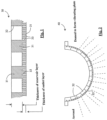
Fig. 1 is a cross sectional view of a wafer prior to doming; -
Fig. 2 is a view of an aperture plate formed by doming the wafer ofFig. 1 ; -
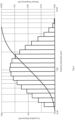
Fig. 3 is a plot of particle size vs cumulative volume and volume frequency of an aerosol according to the invention; -
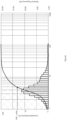
Fig. 4 are plots showing a comparison of droplets size of a surfactant type formulation generated using photodefined technology (bottom) and plating defined technology (top); -
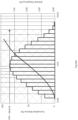
Fig. 5 are plots showing a comparison of fine particle fraction less than 5 microns for a surfactant type formulation generated using photodefined technology (bottom) and plating defined technology (top); and -
Fig. 6 are plots showing a comparison of fine particle fraction less than 3 microns for a surfactant type formulation generated using photodefined technology (bottom) and plating defined technology (top). -
Fig. 3 shows a droplet size (volumetric median diameter, VMD) of a surfactant type formulation generated using the photodefined technology. - Dv(50) [VMD] for this drug/device combination was recorded as 1.048microns.
- Geometric standard distribution (GSD) for this drug/device combination was recorded as 1.925.
- Aerosol output rate for this drug/device combination was recorded as 0.33ml/min.
-
Fig. 4 shows a comparison of droplet size via laser light scattering (commonly known as Volumetric Median Diameter (VMD)) [Ref: ISO13320 Particle Size Analysis 2- laser diffraction method and FDA Guidance (1993): Reviewer Guidance for Nebulizers, Metered Dose Inhalers, Spacers and Actuators. Available from http://www.fda.gov/downloads/medicaldevices /deviceregulationandguidance/guidancedocuments/ucm081293.pdf] of a surfactant type formulation generated using the photodefined technology (4b) and existing plating defined mesh nebulisers (4a). It will be noted that the X-axis scales are aligned to demonstrate shift of population to the right (i.e. low droplet size) for the photodefined technology. -
Fig. 5 shows a comparison of fine particle fraction (FPF) less than 5 microns, for a surfactant type formulation generated using the photodefined technology (5b) and existing plating defined mesh nebulisers (5a). It will be noted that the X-axis scales are aligned to demonstrate shift of population to the right (i.e. low droplet size) for the photodefined technology. -
Fig. 6 shows a comparison of fine particle fraction (FPF) less than 3 microns, for a surfactant type formulation generated using the photodefined technology (6b) and existing plating defined mesh nebulisers (6a). It will be noted that the X-axis scales are aligned to demonstrate shift of population to the right (i.e. low droplet size) for the photodefined technology. - The invention utilises photodefined technology as described in
WO2012/092163A and ourWO2013/186031A to provide an aperture plate having at least 100 outlet holes per mm2. Liquid is delivered to the aperture plate and the plat is vibrated to produce an aerosol. - A
domed aperture plate 40 is illustrated inFig. 2. Fig. 1 shows thewafer 30 formed from aplating material 31 with a reservoirlayer having apertures 32 and an outlet layer havingoutlet apertures 33. - The specific aperture plate used to aerosolise a surfactant type formulation as described above had the following reservoir and outlet layer characteristics: the reservoir layer had holes of diameter 36 µm, a layer thickness of 40 µm and a hole pitch of 100 µm. The outlet layer had holes of
diameter 1 µm, layer thickness of 5.2 µm and a hole pitch of 7.5 µm. It was driven using a controller at 20 V. - Colistin at 0.5 - 1.5 ml/min with a volumetric median diameter of 4-5 µm was nebulised using an aperture plate with an outlet layer thickness of 6.8 - 7 µm, an inlet hole diameter of 2.0 - 2.10 µm (on the outlet layer) and an outlet hole diameter of 2.5 - 2.55 µm (also on the outlet layer). These holes were spaced at a pitch spacing of 8.46 µm. The reservoir holes on the inlet layer were 50 µm and spaced at 100µm apart. The total aperture plate thickness was 60-62 µm. This device was driven between 108 - 128 kHz and at 12 - 15 V on the drive controller which created a maximum amplitude on the vibrating plate of 1.5 - 3 µm.
- To determine the effect of increasing viscosity and decreasing surface tension on aerosol generation, a series of standards were made by diluting neat glycerol with 0.9% saline, and diluting ethanol with purified water. The ratios of the dilution ranged from 0-100% w/w. Each solution was characterised for viscosity and surface tension. The results are shown below (Table 1 & 2). The instrument used to measure viscosity was a Viscometer (Brookfield Viscometer (DV2TLV)) unless referenced. The instrument used to measure surface tension was an optical tensiometer (OneAttension Theta) using a pendant drop experiment method unless referenced. [Ref: Lide, D.R., 1992., CRC Handbook of Chemistry and Physics, 73rd ed. Boca Raton ; Ann Arbor ; London : CRC]
- The aperture plates used to aerosolise a respirable medication type formulation as described above was manufactured from an alloy of Palladium and Nickel using photodefined technology and had the following reservoir and outlet layer characteristics: the reservoir layer had holes of
diameter 50 µm, a layer thickness of 58 µm and a hole pitch of 100 µm. The outlet layer had holes of diameter between 2.5 - 3 µm, layer thickness of 6.5 µm and a hole pitch of 16 µm. It was driven using a controller at 13 V. - The aperture plates used to aerosolise a respirable medication type formulation as described above comprised of a single electroplated layer structure of an alloy of Palladium and Nickel with the following characteristics: 210 holes per linear inch, a layer thickness of 60 µm, a hole pitch of 121 µm, the inlet hole of diameter 80 µm, the outlet holes of diameter between 3 - 5 µm. It was driven using a controller at 12 V.
-
Table 1: Viscosity of various concentration of Glycerol and Ethanol (at 25 °C) [Ref: Lide, D.R., 1992., CRC Handbook of Chemistry and Physics, 73rd ed. Boca Raton ; Ann Arbor ; London : CRC] Glycerol (% w/w) Viscosity (mPa·s (cP)) Ethanol (% v/v) Viscosity (mPa·s (cP)) 0 0.89 0 0.89 5 1.01 10 1.32 10 1.15 20 1.81 20 1.54 40 2.35 40 3.18 60 2.24 60 8.82 80 1.75 80 45.9 100 1.07 100 934 -
Table 2: Surface tension of various concentration of Glycerol (at 18 °C) and Ethanol (at 20 °C) [Ref: Lide, D.R., 1992., CRC Handbook of Chemistry and Physics, 73rd ed. Boca Raton ; Ann Arbor ; London : CRC] Glycerol (% w/w) Surface tension (mN/m) Ethanol (% alcohol) Surface tension (mN/m) 5 72.9 5 - 10 72.9 10 - 20 72.4 24 - 30 72 34 33.24 50 70 48 30.1 85 66 60 27.56 100 63 72 26.28 80 24.91 96 23.04 -
Table 3: Measured Surface tension and Viscosity of various pharmaceutical formulations Product Surface Tension (mN/m) (at 20 °C) Viscosity (mPa·s (cP)) (at 18 °C) Colistimethate sodium 41.49 2.87 Curosurf ® Surfactant 24.34 10.58 Alveofact® Surfactant 23.40 12.19 - The aperture plates (cores) described in Example 4 (photodefined technology) were used to aerosolise various formulations as described below. All Example 4 devices were manufactured from the same wafer.
- The results shown in Table 4, are the average flowrate (n=3) for increasing % w/w of Glycerol and % v/v of Ethanol.
- The flowrate was determined by measuring the time to nebulise a 250 µL dose using a stopwatch and the data inputted into the formula below to give the flowrate.

Table 4: Table of flowrate achieved using aperture plates of Example 4 (NF = No Flow) Solution Example 4 Device 1Example 4 Device 2 Solution Example 4 Device 2 Flowrate ml/min Flowrate ml/min Flowrate ml/min Saline 0.525 0.513 Purified Water 0.758 5% Glycerol 0.503 0.457 5% Ethanol 0.792 10% Glycerol 0.471 0.457 10% Ethanol 0.692 20% Glycerol 0.430 0.412 20% Ethanol 0.546 30% Glycerol 0.372 0.358 30% Ethanol 0.520 40% Glycerol 0.235 0.244 50% Ethanol 0.496 41% Glycerol 0.213 0.228 70 % Ethanol 10.480 42% Glycerol 0.186 0.198 90% Ethanol 0.502 43% Glycerol 0.169 0.200 100% Ethanol 0.535 44% Glycerol 0.152 0.186 45% Glycerol 0.142 0.178 46% Glycerol 0.108 0.171 47% Glycerol 0.104 0.129 48% Glycerol 0.094 0.094 49% Glycerol NF NF - The effect of the increasing viscosity and reducing surface tension on the aerosol droplet size formation was then measured (n=3) and the results are shown below in Table 5. VMD is volume mean diameter which was measured using a Malvern Instrument Spraytec laser diffraction system. Ref FDA Guidance (1993): Reviewer Guidance for Nebulizers, Metered Dose Inhalers, Spacers and Actuators. Available from http://www.fda.gov/downloads/medicaldevices/deviceregulation andguidance/guidancedocuments/ucm081293.pdf; 1
Table 5: Table of measured VMD when glycerol solution are aerosolised using the aperture plates of Example 4. Solution Example 4 Device 1Example 4 Device 2 VMD measured (µm) VMD measured (µm) Saline 3.216 3.610 5% Glycerol 3.191 3.584 10% Glycerol 3.143 3.474 20% Glycerol 3.112 3.323 30% Glycerol 3.118 3.329 40% Glycerol 3.072 3.170 47% Glycerol 3.004 3.098 - The results shown in Table 5, are the average flowrate (n=3) for increasing % w/w of Glycerol and % v/v of Ethanol for using the aperture plates of Example 5. Example 5 devices were manufactured from different wafers.
- The measuring technique was as describe above.
Table 6: Table of flowrate using aperture plates of Example 5 (NF = No Flow) Solution Example 5 Device 1Example 5 Device 2 Example 5 Device 3 Example 5 Device 4 Solution Example 5 Device 4 Flowrate ml/min Flowrate ml/min Flowrate ml/min Flowrate ml/min Flowrate ml/min Saline 0.512 0.456 0.492 0.353 Purified Water 0.574 5% Glycerol 0.478 0.489 0.492 0.346 5% Ethanol 0.407 10% Glycerol 0.448 0.487 0.506 0.343 10% Ethanol 0.361 20% Glycerol 0.375 0.425 0.444 0.276 20% Ethanol 0.337 30% Glycerol 0.172 0.218 0.273 0.111 30% Ethanol 0.311 31% Glycerol 0.238 0.083 0.281 0.223 40 % Ethanol NF 32% Glycerol 0.221 NF 0.2421 0.205 50 % Ethanol 33% Glycerol 0.184 0.227 0.188 70 % Ethanol 134% Glycerol 0.150 0.199 0.153 90% Ethanol 35% Glycerol 0.124 0.173 0.125 100% Ethanol 36% Glycerol 0.113 NF NF 40 % Glycerol NF 50% Glycerol - The effect of the increasing viscosity and reducing surface tension on the aerosol droplet size formation using the aperture plates of Example 5 were then measured (n=3) and the results are shown below in Table 7. The measuring technique is as described above.
Table 7: Table of measured VMD with glycerol solution for aperture plates of Example 5 (NF = No Flow) Example 5 Device 2 Example 5 Device 4 VMD measured (µm) VMD measured (µm) Saline 5.902 4.049 5% Glycerol 5.512 3.885 10% Glycerol 5.367 3.754 20% Glycerol 5.001 4.040 30% Glycerol 4.764 NF 34% Glycerol 4.300 - Note: In tables 5 and 7, the maximum detectable VMD were reported, there was flow observed with higher concentrations of Glycerol however the Malvern Instrument's Spraytec laser diffraction system was unable to detect the aerosolised droplet due to low aerosol density.
- In summary, the aperture plates of comparative Example 5 fail to operate at % w/w Glycerol greater that 31-36% depending on device. This suggest that any viscous liquid formulation of drugs with viscosity >2.6-3.0 mPa·s (cP) and surface tension of 71-72 mN/m will not nebulise using the aperture plates of Example 5.
- The aperture plates of Example 4 (manufacture using photodefined technology) performed better when compared to the aperture plates of Example 5. It was found that the aperture plates of Example 4 could nebulise up to 48% w/w Glycerol which was the largest % Glycerol that was nebulised. In addition, the nebulisation of the 48% w/w Glycerol maintained a reasonable flowrate which was comparable with the comparative aperture plates of Example 5 at 30% w/w Glycerol. The aperture plates of Example 4 increase the maximum viscosity of the liquid that can be nebulised to ∼5.5-6.0 mPa·s (cP) (an increase of ∼ 2-3 mPa·s (cP)).
- In all devices tested, the VMD of each device was seen to decrease as the viscosity increased and surface tension decreases. The larger the starting VMD of the device, the larger the decrease in VMD at the largest % Glycerol.
- Existing technologies are not capable of nebulizing formulations in particular some commercially available surfactants that have viscosities >2 mPa·s (cP) and surface tension <25 mN/m. Although there are some commercially available surfactants which are possible to nebulize, the performance of the existing nebulization technologies are sub-optimal in particular with regard to flow rates and droplet size.
- An additional significant issue with existing technologies is the tendency to cause frothing and potentially de-naturing of the surfactant formulations as they were being nebulized.
- Although this invention directly applies to surfactants, all formulations or excipients with similar physiochemical characteristics as those described will be readily nebulized using the technology described. For example, we have found that an antibiotic, Colistin, which has proved difficult to nebulize using existing electroplated mesh technology (∼ 10 X slower than an aqueous based solution) can now be nebulized.
- In addition, the technology allows for the generation of consistently smaller droplets than have heretofore been possible with conventional technologies. The ability to generate sub 2 micron and sub 3 micron droplets allows for sustained and maximal alveolar and onward systemic drug delivery of a wide variety of formulations including proteins, gene therapies, biological suspensions and surfactants.
- The delivery of surfactants to neonates and all patient types that have a surfactant deficiency or requirement for surfactant is facilitated. Lung surfactant acts to increase pulmonary compliance, to prevent atelectasis (collapse of the lung) at the end of expiration and to facilitate recruitment of collapsed airways. Due to its physiochemical properties lung surfactant greatly reduces surface tension, increasing compliance allowing the lung to inflate much more easily, thereby reducing the work of breathing. It reduces the pressure difference needed to allow the lung to inflate.
- The use of surfactants as a carrier for other drug types to enable penetration of these drugs into the lung utilising the low surface tension properties of surfactant is also facilitated.
- Delivery of formulation types with specified physiochemical characteristics (i.e. lower surface tension and/or higher viscosity as compared to an aqueous solution) which have been difficult, i.e. slow delivery times, for existing mesh type nebulizers, e.g. Colistin (colistimethate sodium) is now facilitated.
Table 8: Example 4- VMD and Flowrates with Colistimethate sodium, Alveofact®, Saline and Curosurf ® Surfactant Example 4 # VMD (µm) Flow rate (mL/min) Colistimethate sodium 4.154 0.519 Curosurf ® Surfactant 3.420 0.265 Alveofact® Surfactant 3.032 0.500 Saline 2.227 0.520 - The Example 4 devices performed well and nebulisation with Colistimethate sodium, Alveofact®, Curosurf® and saline was achieved. No flooding was observed and a strong plume was maintained throughout (See Table 8). The VMD results for previously problematic formulations for nebulization via vibrating aperture plates, range from 3.032 - 4.154 µm while maintaining a good flowrate ranging from 0.265 - 0.519. The viscosity and surface tension for Alveofact® Surfactant Colistimethate sodium, Alveofact® and Curosurf® are listed in Table 3.
- The invention also allows the use of excipients or diluents with the specified physiochemical characteristics (i.e. lower surface tension and/or higher viscosity as compared to an aqueous solution) e.g. polysorbates, glycerol, polyethylene glycol, propylene glycol, butanediol, pluronics, Captisol, in amounts and concentrations that have not proved nebulizable to date in flow rates and/or at output rates that are clinically and commercially beneficial.
- The treatment of pulmonary diseases with drugs that have not been nebulizable to date are now facilitated by the invention.
- The use of the lungs as a pathway to systemic delivery of drugs that have not been nebulizable to date is also facilitated.
- Generation of consistently small i.e. sub 2 and sub 3 micron particles is enabled which permits significantly increased systemic delivery of previously nebulizable formulations.
- The treatment of surfactant specific diseases including (A)RDS, surfactant deficiency are enabled as are and less specifically treatment of patients with inhalation injury to the lung, prophylaxis by delivery of lung surfactant into patients at high risk for respiratory disease due to lung surfactant inactivation or injury to type II alveolar cell activity and treatment of obstructive syndromes of small airways.
- Surfactant can be used as a vehicle for other drug actives. The use of surfactant and perfluorocarbons (another low surface tension formulation) aid in the post-deposition spreading on the lung surface.
- Actives include viral and non-viral vectors as well as naked gene therapies for direct administration to the lung.
- The technology provides at least some of the following advantages:
- Nebulize formulations that have a viscosity > 2 mPa·s (cP).
- Nebulize formulations that have a surface tension > 0.5 mN/m.
- Nebulize formulations that have a viscosity > 2 mPa·s (cP) combined with a surface tension > 0.5 mN/m.
- In an example, not according to the invention, nebulize formulations that have a viscosity > 2 mPa·s (cP) combined with a surface tension > 60 mN/m.
- Ability to nebulize formulations that have not previously been nebulizable so as to increase the range of drug types that can now be aerosolized and delivered to the lungs of all patient types
- Nebulization of surfactant type formulations
- The technology is applicable to all delivery modes including mechanically ventilated, non-invasive ventilation, off-vent, nCPAP, high flow, and spontaneous breathing also.
- Generate and maintain generation of very low droplet sizes with surfactants and albuterol and other formulations intended for systemic delivery. This is important as we do not need to filter out larger particles through the use of baffles and the like and that this manifests as ultra high fine particle (respirable) fractions that concurrently maintain the integrity of the formulation. We have demonstrated that surfactant retains its activity and physicochemical characteristics post nebulisation using photodefined technology.
- Ability to achieve high aerosol output rates. With classically difficult to nebulise formulations (such as pulmonary surfactants) we have achieved output rates at 0.33mL/min and above. Separately, we have recorded output rates in excess of 1 and 2mL/min with simple solutions, e.g. saline and albuterol. Such fast flow rates provide full control over the rate of aerosolisation. For example, high flow rates can be tuned down to very low output rates (which is sometimes desirable, e.g. PDE inhibitors). The technological limitation experienced by existing technology is that high aerosol output rates are not achieveable in the first place.
- Any suitable medicament, therapeutic agent, active substance or pharmaceutically active compound than can be targeted to the lung may be employed.
- Surfactant medications (sometimes referred to herein as "surfactants") are protein-lipid compositions, e.g. phospholipids, that are produced naturally in the body and are essential to the lungs' ability to absorb oxygen. They facilitate respiration by continually modifying surface tension of the fluid normally present within the air sacs, or alveoli, that tube the inside of the lungs. In the absence of sufficient surfactant, these air sacs tend to collapse, and, as a result, the lungs do not absorb sufficient oxygen. Insufficient surfactant in the lungs results in a variety of respiratory illnesses in both animals and humans. Since most of these surfactant medications are animal-based, the current supply is limited, and although synthetic surfactants are available, their manufacture is currently both inexact and expensive. In addition, the surfactant medications are typically high in viscosity and are difficult to deliver to the patient's respiratory system. The combination of surfactant with other medicaments to improve distribution in the lung and body is also possible. Surfactants also possess the capacity to act as anti-adhesion agents.
- The invention facilitates delivery in aerosol form of, for example, bronchodilators, including β-agonists, muscarinic antagonists, epinephrine; surfactants; pain-relief medications including anaesthetics; migraine therapies; anti-infectives; anti-inflammatories, steroids, including corticostroids; chemotherapeutic agents; mucolytics; vasodilators; vaccines and hormones. In addition substances classified as anti-thrombogenic agents, anti-proliferative agents, monoclonal antibodies, anti-neoplastic agents, anti-mitotic agents, anti-sense agents, anti-microbial agents, nitric oxide donors, anti-coagulants, growth factors, translational promoter, inhibitors of heat shock proteins, biomolecules including proteins, polypeptides and proteins, oligonucleotides, oligoproteins, siRNA, anti-sense DNA and RNA, ribozymes, genes, viral vectors, plasmids, liposomes, angiogenic factors, hormones, nucleotides, amino acids, sugars, lipids, serine proteases, anti-adhesion agents including but not limited to hyaluronic acid, biodegradable barrier agents may also be suitable.
- The medicament may for example, comprise long-acting beta-adrenoceptor agonists such as salmeterol and formoterol or short-acting beta-adrenoceptor agonists such as albuterol.
- The medicament may be a long-acting muscarinic antagonists such as tiotropium (Spiriva) or short-acting muscarinic antagonists such as ipratropium (Atrovent).
- Typical anti-infectives include antibiotics such as an aminoglycoside, a tetracycline, a fluoroquinolone; anti-microbials such as a cephalosporin; and anti-fungals. Examples of antibiotics include anti-gram-positive agents such as macrolides, e.g. erythromycin, clarithromycin, azithromycin, and glycopeptides, e.g. vancomycin and teicoplanin, as well as any other anti-gram-positive agent capable of being dissolved or suspended and employed as a suitable aerosol, e.g. oxazoldinone, quinupristin/dalfopristen, etc. Antibiotics useful as anti-gram-negative agents may include aminoglycosides, e.g. gentamicin, tobramycin, amikacin, streptomycin, netilmicin, quinolones, e.g. ciprofloxacin, ofloxacin, levofloxacin, tetracyclines, e.g. oxytetracycline, dioxycycline, minocycline, and cotrimoxazole, as well as any other anti-gram-negative agents capable of being dissolved or suspended and employed as a suitable aerosol.
- Anti-inflammatories may be of the steroidal such as budesonide or ciclesonide, non-steroidal, such as sodium cromoglycate or biological type.
- Typical local anaesthetics are, for example, Ropivacaine, Bupivacaine, levobupivacaine, and Lidocaine.
- Chemotherapeutic agents may be alkylating agents, antimetabolites, anthracyclines, plant alkaloids, topoisomerase inhibitors, nitrosoureas, mitotic inhibitors, monoclonal antibodies, tyrosine kinase inhibitors, hormone therapies including corticosteroids, cancer vaccines, anti-estrogens, aromatase inhibitors, anti-androgens, anti-angiogenic agents and other anti-tumour agents.
Claims (9)
- A method for aerosolising a liquid comprising the steps of:providing a domed aperture plate (30) formed from a plating material (31), the aperture plate (30) having a reservoir layer having apertures (32) and an outlet layer having at least 100 outlet holes (33) per mm2, wherein each of the apertures (32) of the reservoir layer is connected to a plurality of the outlet holes (33);delivering liquid to the aperture plate, wherein the viscosity of the liquid is in the range of from 1 to 15 mPa·s and the surface tension of the liquid is in the range of from 72 to 0.5mN/m; andvibrating the aperture plate to produce an aerosol wherein the output rate of the generated aerosol is greater than 0.01 mL/min,wherein the viscosity of the liquid is greater than 2 mPa·s and less than 5 mPa·s,wherein the surface tension of the liquid is less than 25mN/m.
- A method as claimed in claim 1 wherein the fraction of the droplets which are less than 3 microns in size is greater than 75%, greater than 80%, greater than 85%, or greater than 90%.
- A method as claimed in claim 1 wherein the aperture plate has at least 500 outlet holes per mm2, at least 1,000 outlet holes per mm2, at least 1,500 outlet holes per mm2, at least 2,000 outlet holes per mm2, at least 2,500 outlet holes per mm2, at least 3,500 outlet holes per mm2, or at least 5,000 outlet holes per mm2.
- A method as claimed in any of claims 1 to 3 wherein the volumetric median diameter of the droplets is less than 5 microns, less than 4 microns, less than 3 microns, less than 2.5 microns, less than 2.0 microns, less than 1.5 microns, or less than 1 microns.
- A method as claimed in any of claims 1 to 4 wherein the surface tension of the liquid is less than 20mN/m, less than 10mN/m, less than 5mN/m.
- A method as claimed in any of claims 1 to 5 wherein the output rate of the generated aerosol is greater than 0.05 mL/min, greater than 0.075 mL/min, greater than 0.1 mL/min, greater than 0.2 mL/min, greater than 0.3 mL/min, greater than 0.33 mL/min, greater than 0.5 mL/min, greater than 1.00 mL/min, or greater than 2.00 mL/min.
- A method as claimed in any of claims 1 to 6 wherein the liquid contains a medicament.
- A method as claimed in any of claims 1 to 6 wherein the liquid contains a surfactant.
- A method as claimed in any of claims 1 to 6 wherein the liquid contains a pharmaceutical.
Priority Applications (2)
| Application Number | Priority Date | Filing Date | Title |
|---|---|---|---|
| EP22179055.3A EP4079417A1 (en) | 2015-06-10 | 2016-06-10 | Aerosol generation |
| EP21181812.5A EP3922362A1 (en) | 2015-06-10 | 2016-06-10 | Aerosol generation |
Applications Claiming Priority (2)
| Application Number | Priority Date | Filing Date | Title |
|---|---|---|---|
| EP15171509 | 2015-06-10 | ||
| PCT/EP2016/063395 WO2016198667A1 (en) | 2015-06-10 | 2016-06-10 | Aerosol generation |
Related Child Applications (4)
| Application Number | Title | Priority Date | Filing Date |
|---|---|---|---|
| EP21181812.5A Division EP3922362A1 (en) | 2015-06-10 | 2016-06-10 | Aerosol generation |
| EP21181812.5A Division-Into EP3922362A1 (en) | 2015-06-10 | 2016-06-10 | Aerosol generation |
| EP22179055.3A Division EP4079417A1 (en) | 2015-06-10 | 2016-06-10 | Aerosol generation |
| EP22179055.3A Division-Into EP4079417A1 (en) | 2015-06-10 | 2016-06-10 | Aerosol generation |
Publications (3)
| Publication Number | Publication Date |
|---|---|
| EP3307442A1 EP3307442A1 (en) | 2018-04-18 |
| EP3307442B1 EP3307442B1 (en) | 2021-08-04 |
| EP3307442B2 true EP3307442B2 (en) | 2025-01-22 |
Family
ID=53442522
Family Applications (3)
| Application Number | Title | Priority Date | Filing Date |
|---|---|---|---|
| EP22179055.3A Pending EP4079417A1 (en) | 2015-06-10 | 2016-06-10 | Aerosol generation |
| EP16732528.1A Active EP3307442B2 (en) | 2015-06-10 | 2016-06-10 | Aerosol generation |
| EP21181812.5A Withdrawn EP3922362A1 (en) | 2015-06-10 | 2016-06-10 | Aerosol generation |
Family Applications Before (1)
| Application Number | Title | Priority Date | Filing Date |
|---|---|---|---|
| EP22179055.3A Pending EP4079417A1 (en) | 2015-06-10 | 2016-06-10 | Aerosol generation |
Family Applications After (1)
| Application Number | Title | Priority Date | Filing Date |
|---|---|---|---|
| EP21181812.5A Withdrawn EP3922362A1 (en) | 2015-06-10 | 2016-06-10 | Aerosol generation |
Country Status (7)
| Country | Link |
|---|---|
| US (3) | US10518288B2 (en) |
| EP (3) | EP4079417A1 (en) |
| CN (2) | CN107708875A (en) |
| AU (1) | AU2016275720B2 (en) |
| ES (1) | ES2894741T5 (en) |
| HK (1) | HK1245186A1 (en) |
| WO (1) | WO2016198667A1 (en) |
Families Citing this family (14)
| Publication number | Priority date | Publication date | Assignee | Title |
|---|---|---|---|---|
| US10349674B2 (en) | 2017-07-17 | 2019-07-16 | Rai Strategic Holdings, Inc. | No-heat, no-burn smoking article |
| EP3603617A1 (en) * | 2018-07-30 | 2020-02-05 | Sterna Biologicals GmbH & Co. KG | Aerosol generating device for inhalatory administration of an antisense molecule containing composition |
| EP3628354A1 (en) * | 2018-09-27 | 2020-04-01 | Ttp Plc. | Aerosol delivery system with perforate membrane |
| US11096419B2 (en) | 2019-01-29 | 2021-08-24 | Rai Strategic Holdings, Inc. | Air pressure sensor for an aerosol delivery device |
| US12396480B2 (en) | 2019-05-22 | 2025-08-26 | Rai Strategic Holdings, Inc. | Reservoir configuration for aerosol delivery device |
| US12151066B2 (en) | 2019-05-24 | 2024-11-26 | Stamford Devices Ltd. Dangan, IE | Aerosol chamber and interface to optimize inhaled dose with neonatal CPAP device |
| US11207711B2 (en) | 2019-08-19 | 2021-12-28 | Rai Strategic Holdings, Inc. | Detachable atomization assembly for aerosol delivery device |
| US11889861B2 (en) * | 2019-09-23 | 2024-02-06 | Rai Strategic Holdings, Inc. | Arrangement of atomization assemblies for aerosol delivery device |
| US11785991B2 (en) | 2019-10-04 | 2023-10-17 | Rai Strategic Holdings, Inc. | Use of infrared temperature detection in an aerosol delivery device |
| US12414586B2 (en) | 2019-10-18 | 2025-09-16 | Rai Strategic Holdings, Inc. | Surface acoustic wave atomizer for aerosol delivery device |
| US11304451B2 (en) | 2019-10-18 | 2022-04-19 | Rai Strategic Holdings, Inc. | Aerosol delivery device with dual reservoir |
| BR112023000677A2 (en) | 2020-07-14 | 2023-04-25 | Stamford Devices Ltd | DEVICES AND METHOD OF VACCINE ADMINISTRATION |
| US11969545B2 (en) | 2020-12-01 | 2024-04-30 | Rai Strategic Holdings, Inc. | Liquid feed systems for an aerosol delivery device |
| US12550948B2 (en) | 2022-08-19 | 2026-02-17 | Rai Strategic Holdings, Inc. | Pressurized aerosol delivery device |
Citations (2)
| Publication number | Priority date | Publication date | Assignee | Title |
|---|---|---|---|---|
| US20090025713A1 (en) † | 2006-02-10 | 2009-01-29 | Pari Pharma Gmbh | Nebulised Antibiotics for Inhalation Therapy |
| WO2012092163A1 (en) † | 2010-12-28 | 2012-07-05 | Novartis Ag | Photodefined aperture plate and method for producing the same |
Family Cites Families (14)
| Publication number | Priority date | Publication date | Assignee | Title |
|---|---|---|---|---|
| EP1430958B1 (en) * | 1999-02-09 | 2013-04-10 | S.C. Johnson & Son, Inc. | Piezoelectric spraying system for dispensing volatiles |
| US6378780B1 (en) * | 1999-02-09 | 2002-04-30 | S. C. Johnson & Son, Inc. | Delivery system for dispensing volatiles |
| ATE284759T1 (en) * | 1999-03-08 | 2005-01-15 | Johnson & Son Inc S C | METHOD FOR FASTENING PIEZOELECTRIC ELEMENTS |
| US6235177B1 (en) | 1999-09-09 | 2001-05-22 | Aerogen, Inc. | Method for the construction of an aperture plate for dispensing liquid droplets |
| EP1295647A1 (en) * | 2001-09-24 | 2003-03-26 | The Technology Partnership Public Limited Company | Nozzles in perforate membranes and their manufacture |
| BRPI0416353A (en) * | 2003-11-10 | 2007-05-22 | Givaudan Sa | spreading apparatus |
| WO2008035303A2 (en) * | 2006-09-22 | 2008-03-27 | The Procter & Gamble Company | Improved delivery system for dispensing volatiles |
| EP2717855A4 (en) * | 2011-06-07 | 2014-11-12 | Parion Sciences Inc | PROCESSING METHODS |
| US9975136B2 (en) | 2011-06-08 | 2018-05-22 | Pari Pharma Gmbh | Aerosol generator |
| EP2797411B1 (en) * | 2011-12-29 | 2016-10-26 | Sumitomo Chemical Company Limited | Ultrasonic atomizing device and pest control method |
| MX2014013059A (en) * | 2012-04-27 | 2015-02-04 | Int Flavors & Fragrances Inc | Fragrance formulation for scent delivery device. |
| PL2852391T3 (en) * | 2012-05-21 | 2022-04-11 | Insmed Incorporated | Systems for the treatment of lung infections |
| JP6385922B2 (en) * | 2012-06-11 | 2018-09-05 | スタムフォード・ディバイセズ・リミテッド | Method of manufacturing an aperture plate for a nebulizer |
| EP2886185A1 (en) | 2013-12-20 | 2015-06-24 | Activaero GmbH | Perforated membrane and process for its preparation |
-
2016
- 2016-06-10 CN CN201680033323.8A patent/CN107708875A/en active Pending
- 2016-06-10 US US15/578,923 patent/US10518288B2/en active Active
- 2016-06-10 EP EP22179055.3A patent/EP4079417A1/en active Pending
- 2016-06-10 CN CN202510520213.5A patent/CN120268600A/en active Pending
- 2016-06-10 EP EP16732528.1A patent/EP3307442B2/en active Active
- 2016-06-10 AU AU2016275720A patent/AU2016275720B2/en active Active
- 2016-06-10 EP EP21181812.5A patent/EP3922362A1/en not_active Withdrawn
- 2016-06-10 WO PCT/EP2016/063395 patent/WO2016198667A1/en not_active Ceased
- 2016-06-10 HK HK18104792.2A patent/HK1245186A1/en unknown
- 2016-06-10 ES ES16732528T patent/ES2894741T5/en active Active
-
2021
- 2021-02-19 US US17/179,950 patent/US20210370336A1/en not_active Abandoned
-
2022
- 2022-10-11 US US18/045,543 patent/US20230182162A1/en active Pending
Patent Citations (2)
| Publication number | Priority date | Publication date | Assignee | Title |
|---|---|---|---|---|
| US20090025713A1 (en) † | 2006-02-10 | 2009-01-29 | Pari Pharma Gmbh | Nebulised Antibiotics for Inhalation Therapy |
| WO2012092163A1 (en) † | 2010-12-28 | 2012-07-05 | Novartis Ag | Photodefined aperture plate and method for producing the same |
Also Published As
| Publication number | Publication date |
|---|---|
| US20180169691A1 (en) | 2018-06-21 |
| US20230182162A1 (en) | 2023-06-15 |
| US10518288B2 (en) | 2019-12-31 |
| US20210370336A1 (en) | 2021-12-02 |
| EP3922362A1 (en) | 2021-12-15 |
| EP4079417A1 (en) | 2022-10-26 |
| ES2894741T3 (en) | 2022-02-15 |
| HK1245186A1 (en) | 2018-08-24 |
| EP3307442B1 (en) | 2021-08-04 |
| AU2016275720A1 (en) | 2017-11-30 |
| WO2016198667A1 (en) | 2016-12-15 |
| EP3307442A1 (en) | 2018-04-18 |
| CN107708875A (en) | 2018-02-16 |
| CN120268600A (en) | 2025-07-08 |
| ES2894741T5 (en) | 2025-03-27 |
| AU2016275720B2 (en) | 2020-11-19 |
Similar Documents
| Publication | Publication Date | Title |
|---|---|---|
| US20230182162A1 (en) | Aerosol generation | |
| Carvalho et al. | The function and performance of aqueous aerosol devices for inhalation therapy | |
| Knoch et al. | The customised electronic nebuliser: a new category of liquid aerosol drug delivery systems | |
| US8517010B2 (en) | Nebuliser system | |
| CN104023774B (en) | Method and system for electronics MDI module | |
| US20230032517A1 (en) | Method for producing an aperture plate | |
| CN108686287A (en) | Fluid delivery system, its operating method and the oscilator system used in it | |
| US20150031543A1 (en) | Compositions for aerosolization of highly conductive solutions | |
| CN103079618B (en) | Metered-dose inhaler actuator, metered-dose inhaler | |
| HK40125848A (en) | Aerosol generation | |
| TW202423492A (en) | Microstructured nozzle | |
| CN209713890U (en) | Microstructure nozzle | |
| EP3787801B1 (en) | Microstructured nozzle | |
| CN110433361B (en) | microstructure nozzle | |
| Finlay | Pharmaceutical aerosol sprays for drug delivery to the lungs | |
| TWI761510B (en) | Microstructured passage module and aerosolizer using the same | |
| Akhuemokhan et al. | Formulation and evaluation of fluticasone propionate microemulsions for nebuliser devices | |
| HK1200127B (en) | Method and system for electronic mdi model |
Legal Events
| Date | Code | Title | Description |
|---|---|---|---|
| STAA | Information on the status of an ep patent application or granted ep patent |
Free format text: STATUS: THE INTERNATIONAL PUBLICATION HAS BEEN MADE |
|
| PUAI | Public reference made under article 153(3) epc to a published international application that has entered the european phase |
Free format text: ORIGINAL CODE: 0009012 |
|
| STAA | Information on the status of an ep patent application or granted ep patent |
Free format text: STATUS: REQUEST FOR EXAMINATION WAS MADE |
|
| 17P | Request for examination filed |
Effective date: 20171108 |
|
| AK | Designated contracting states |
Kind code of ref document: A1 Designated state(s): AL AT BE BG CH CY CZ DE DK EE ES FI FR GB GR HR HU IE IS IT LI LT LU LV MC MK MT NL NO PL PT RO RS SE SI SK SM TR |
|
| AX | Request for extension of the european patent |
Extension state: BA ME |
|
| DAV | Request for validation of the european patent (deleted) | ||
| DAX | Request for extension of the european patent (deleted) | ||
| STAA | Information on the status of an ep patent application or granted ep patent |
Free format text: STATUS: EXAMINATION IS IN PROGRESS |
|
| 17Q | First examination report despatched |
Effective date: 20191212 |
|
| GRAP | Despatch of communication of intention to grant a patent |
Free format text: ORIGINAL CODE: EPIDOSNIGR1 |
|
| STAA | Information on the status of an ep patent application or granted ep patent |
Free format text: STATUS: GRANT OF PATENT IS INTENDED |
|
| INTG | Intention to grant announced |
Effective date: 20210329 |
|
| GRAS | Grant fee paid |
Free format text: ORIGINAL CODE: EPIDOSNIGR3 |
|
| GRAA | (expected) grant |
Free format text: ORIGINAL CODE: 0009210 |
|
| STAA | Information on the status of an ep patent application or granted ep patent |
Free format text: STATUS: THE PATENT HAS BEEN GRANTED |
|
| AK | Designated contracting states |
Kind code of ref document: B1 Designated state(s): AL AT BE BG CH CY CZ DE DK EE ES FI FR GB GR HR HU IE IS IT LI LT LU LV MC MK MT NL NO PL PT RO RS SE SI SK SM TR |
|
| REG | Reference to a national code |
Ref country code: GB Ref legal event code: FG4D |
|
| REG | Reference to a national code |
Ref country code: AT Ref legal event code: REF Ref document number: 1416428 Country of ref document: AT Kind code of ref document: T Effective date: 20210815 |
|
| REG | Reference to a national code |
Ref country code: CH Ref legal event code: EP |
|
| REG | Reference to a national code |
Ref country code: DE Ref legal event code: R096 Ref document number: 602016061580 Country of ref document: DE |
|
| REG | Reference to a national code |
Ref country code: IE Ref legal event code: FG4D |
|
| REG | Reference to a national code |
Ref country code: LT Ref legal event code: MG9D |
|
| REG | Reference to a national code |
Ref country code: NL Ref legal event code: MP Effective date: 20210804 |
|
| REG | Reference to a national code |
Ref country code: AT Ref legal event code: MK05 Ref document number: 1416428 Country of ref document: AT Kind code of ref document: T Effective date: 20210804 |
|
| PG25 | Lapsed in a contracting state [announced via postgrant information from national office to epo] |
Ref country code: RS Free format text: LAPSE BECAUSE OF FAILURE TO SUBMIT A TRANSLATION OF THE DESCRIPTION OR TO PAY THE FEE WITHIN THE PRESCRIBED TIME-LIMIT Effective date: 20210804 Ref country code: SE Free format text: LAPSE BECAUSE OF FAILURE TO SUBMIT A TRANSLATION OF THE DESCRIPTION OR TO PAY THE FEE WITHIN THE PRESCRIBED TIME-LIMIT Effective date: 20210804 Ref country code: BG Free format text: LAPSE BECAUSE OF FAILURE TO SUBMIT A TRANSLATION OF THE DESCRIPTION OR TO PAY THE FEE WITHIN THE PRESCRIBED TIME-LIMIT Effective date: 20211104 Ref country code: AT Free format text: LAPSE BECAUSE OF FAILURE TO SUBMIT A TRANSLATION OF THE DESCRIPTION OR TO PAY THE FEE WITHIN THE PRESCRIBED TIME-LIMIT Effective date: 20210804 Ref country code: LT Free format text: LAPSE BECAUSE OF FAILURE TO SUBMIT A TRANSLATION OF THE DESCRIPTION OR TO PAY THE FEE WITHIN THE PRESCRIBED TIME-LIMIT Effective date: 20210804 Ref country code: FI Free format text: LAPSE BECAUSE OF FAILURE TO SUBMIT A TRANSLATION OF THE DESCRIPTION OR TO PAY THE FEE WITHIN THE PRESCRIBED TIME-LIMIT Effective date: 20210804 Ref country code: HR Free format text: LAPSE BECAUSE OF FAILURE TO SUBMIT A TRANSLATION OF THE DESCRIPTION OR TO PAY THE FEE WITHIN THE PRESCRIBED TIME-LIMIT Effective date: 20210804 Ref country code: PT Free format text: LAPSE BECAUSE OF FAILURE TO SUBMIT A TRANSLATION OF THE DESCRIPTION OR TO PAY THE FEE WITHIN THE PRESCRIBED TIME-LIMIT Effective date: 20211206 Ref country code: NO Free format text: LAPSE BECAUSE OF FAILURE TO SUBMIT A TRANSLATION OF THE DESCRIPTION OR TO PAY THE FEE WITHIN THE PRESCRIBED TIME-LIMIT Effective date: 20211104 |
|
| REG | Reference to a national code |
Ref country code: ES Ref legal event code: FG2A Ref document number: 2894741 Country of ref document: ES Kind code of ref document: T3 Effective date: 20220215 |
|
| PG25 | Lapsed in a contracting state [announced via postgrant information from national office to epo] |
Ref country code: PL Free format text: LAPSE BECAUSE OF FAILURE TO SUBMIT A TRANSLATION OF THE DESCRIPTION OR TO PAY THE FEE WITHIN THE PRESCRIBED TIME-LIMIT Effective date: 20210804 Ref country code: LV Free format text: LAPSE BECAUSE OF FAILURE TO SUBMIT A TRANSLATION OF THE DESCRIPTION OR TO PAY THE FEE WITHIN THE PRESCRIBED TIME-LIMIT Effective date: 20210804 Ref country code: GR Free format text: LAPSE BECAUSE OF FAILURE TO SUBMIT A TRANSLATION OF THE DESCRIPTION OR TO PAY THE FEE WITHIN THE PRESCRIBED TIME-LIMIT Effective date: 20211105 |
|
| PG25 | Lapsed in a contracting state [announced via postgrant information from national office to epo] |
Ref country code: NL Free format text: LAPSE BECAUSE OF FAILURE TO SUBMIT A TRANSLATION OF THE DESCRIPTION OR TO PAY THE FEE WITHIN THE PRESCRIBED TIME-LIMIT Effective date: 20210804 |
|
| PG25 | Lapsed in a contracting state [announced via postgrant information from national office to epo] |
Ref country code: DK Free format text: LAPSE BECAUSE OF FAILURE TO SUBMIT A TRANSLATION OF THE DESCRIPTION OR TO PAY THE FEE WITHIN THE PRESCRIBED TIME-LIMIT Effective date: 20210804 |
|
| REG | Reference to a national code |
Ref country code: DE Ref legal event code: R026 Ref document number: 602016061580 Country of ref document: DE |
|
| PLBI | Opposition filed |
Free format text: ORIGINAL CODE: 0009260 |
|
| PG25 | Lapsed in a contracting state [announced via postgrant information from national office to epo] |
Ref country code: SM Free format text: LAPSE BECAUSE OF FAILURE TO SUBMIT A TRANSLATION OF THE DESCRIPTION OR TO PAY THE FEE WITHIN THE PRESCRIBED TIME-LIMIT Effective date: 20210804 Ref country code: SK Free format text: LAPSE BECAUSE OF FAILURE TO SUBMIT A TRANSLATION OF THE DESCRIPTION OR TO PAY THE FEE WITHIN THE PRESCRIBED TIME-LIMIT Effective date: 20210804 Ref country code: RO Free format text: LAPSE BECAUSE OF FAILURE TO SUBMIT A TRANSLATION OF THE DESCRIPTION OR TO PAY THE FEE WITHIN THE PRESCRIBED TIME-LIMIT Effective date: 20210804 Ref country code: EE Free format text: LAPSE BECAUSE OF FAILURE TO SUBMIT A TRANSLATION OF THE DESCRIPTION OR TO PAY THE FEE WITHIN THE PRESCRIBED TIME-LIMIT Effective date: 20210804 Ref country code: CZ Free format text: LAPSE BECAUSE OF FAILURE TO SUBMIT A TRANSLATION OF THE DESCRIPTION OR TO PAY THE FEE WITHIN THE PRESCRIBED TIME-LIMIT Effective date: 20210804 Ref country code: AL Free format text: LAPSE BECAUSE OF FAILURE TO SUBMIT A TRANSLATION OF THE DESCRIPTION OR TO PAY THE FEE WITHIN THE PRESCRIBED TIME-LIMIT Effective date: 20210804 |
|
| 26 | Opposition filed |
Opponent name: VECTURA LIMITED Effective date: 20220503 |
|
| PG25 | Lapsed in a contracting state [announced via postgrant information from national office to epo] |
Ref country code: SI Free format text: LAPSE BECAUSE OF FAILURE TO SUBMIT A TRANSLATION OF THE DESCRIPTION OR TO PAY THE FEE WITHIN THE PRESCRIBED TIME-LIMIT Effective date: 20210804 |
|
| PLAX | Notice of opposition and request to file observation + time limit sent |
Free format text: ORIGINAL CODE: EPIDOSNOBS2 |
|
| PG25 | Lapsed in a contracting state [announced via postgrant information from national office to epo] |
Ref country code: MC Free format text: LAPSE BECAUSE OF FAILURE TO SUBMIT A TRANSLATION OF THE DESCRIPTION OR TO PAY THE FEE WITHIN THE PRESCRIBED TIME-LIMIT Effective date: 20210804 |
|
| PLBB | Reply of patent proprietor to notice(s) of opposition received |
Free format text: ORIGINAL CODE: EPIDOSNOBS3 |
|
| REG | Reference to a national code |
Ref country code: BE Ref legal event code: MM Effective date: 20220630 |
|
| PG25 | Lapsed in a contracting state [announced via postgrant information from national office to epo] |
Ref country code: LU Free format text: LAPSE BECAUSE OF NON-PAYMENT OF DUE FEES Effective date: 20220610 |
|
| PG25 | Lapsed in a contracting state [announced via postgrant information from national office to epo] |
Ref country code: BE Free format text: LAPSE BECAUSE OF NON-PAYMENT OF DUE FEES Effective date: 20220630 |
|
| P01 | Opt-out of the competence of the unified patent court (upc) registered |
Effective date: 20230514 |
|
| PG25 | Lapsed in a contracting state [announced via postgrant information from national office to epo] |
Ref country code: HU Free format text: LAPSE BECAUSE OF FAILURE TO SUBMIT A TRANSLATION OF THE DESCRIPTION OR TO PAY THE FEE WITHIN THE PRESCRIBED TIME-LIMIT; INVALID AB INITIO Effective date: 20160610 |
|
| PG25 | Lapsed in a contracting state [announced via postgrant information from national office to epo] |
Ref country code: MK Free format text: LAPSE BECAUSE OF FAILURE TO SUBMIT A TRANSLATION OF THE DESCRIPTION OR TO PAY THE FEE WITHIN THE PRESCRIBED TIME-LIMIT Effective date: 20210804 Ref country code: CY Free format text: LAPSE BECAUSE OF FAILURE TO SUBMIT A TRANSLATION OF THE DESCRIPTION OR TO PAY THE FEE WITHIN THE PRESCRIBED TIME-LIMIT Effective date: 20210804 |
|
| PLAB | Opposition data, opponent's data or that of the opponent's representative modified |
Free format text: ORIGINAL CODE: 0009299OPPO |
|
| R26 | Opposition filed (corrected) |
Opponent name: VECTURA LIMITED Effective date: 20220503 |
|
| PG25 | Lapsed in a contracting state [announced via postgrant information from national office to epo] |
Ref country code: MT Free format text: LAPSE BECAUSE OF FAILURE TO SUBMIT A TRANSLATION OF THE DESCRIPTION OR TO PAY THE FEE WITHIN THE PRESCRIBED TIME-LIMIT Effective date: 20210804 |
|
| PUAH | Patent maintained in amended form |
Free format text: ORIGINAL CODE: 0009272 |
|
| STAA | Information on the status of an ep patent application or granted ep patent |
Free format text: STATUS: PATENT MAINTAINED AS AMENDED |
|
| REG | Reference to a national code |
Ref country code: DE Ref legal event code: R409 Ref document number: 602016061580 Country of ref document: DE Ref country code: DE Ref legal event code: R119 Ref document number: 602016061580 Country of ref document: DE |
|
| 27A | Patent maintained in amended form |
Effective date: 20250122 |
|
| AK | Designated contracting states |
Kind code of ref document: B2 Designated state(s): AL AT BE BG CH CY CZ DE DK EE ES FI FR GB GR HR HU IE IS IT LI LT LU LV MC MK MT NL NO PL PT RO RS SE SI SK SM TR |
|
| REG | Reference to a national code |
Ref country code: DE Ref legal event code: R102 Ref document number: 602016061580 Country of ref document: DE |
|
| REG | Reference to a national code |
Ref country code: ES Ref legal event code: DC2A Ref document number: 2894741 Country of ref document: ES Kind code of ref document: T5 Effective date: 20250327 |
|
| PGFP | Annual fee paid to national office [announced via postgrant information from national office to epo] |
Ref country code: ES Payment date: 20250701 Year of fee payment: 10 |
|
| PGFP | Annual fee paid to national office [announced via postgrant information from national office to epo] |
Ref country code: CH Payment date: 20250701 Year of fee payment: 10 |
|
| PG25 | Lapsed in a contracting state [announced via postgrant information from national office to epo] |
Ref country code: TR Free format text: LAPSE BECAUSE OF FAILURE TO SUBMIT A TRANSLATION OF THE DESCRIPTION OR TO PAY THE FEE WITHIN THE PRESCRIBED TIME-LIMIT Effective date: 20210804 |
|
| REG | Reference to a national code |
Ref country code: CH Ref legal event code: U11 Free format text: ST27 STATUS EVENT CODE: U-0-0-U10-U11 (AS PROVIDED BY THE NATIONAL OFFICE) Effective date: 20260701 |
|
| PGFP | Annual fee paid to national office [announced via postgrant information from national office to epo] |
Ref country code: GB Payment date: 20260410 Year of fee payment: 11 |
|
| PGFP | Annual fee paid to national office [announced via postgrant information from national office to epo] |
Ref country code: IT Payment date: 20260407 Year of fee payment: 11 |
|
| PGFP | Annual fee paid to national office [announced via postgrant information from national office to epo] |
Ref country code: DE Payment date: 20260601 Year of fee payment: 11 |
|
| PGFP | Annual fee paid to national office [announced via postgrant information from national office to epo] |
Ref country code: IE Payment date: 20260410 Year of fee payment: 11 |
|
| PGFP | Annual fee paid to national office [announced via postgrant information from national office to epo] |
Ref country code: FR Payment date: 20260428 Year of fee payment: 11 |