EP3303412B1 - Manufacturing process for polysaccharide beads - Google Patents
Manufacturing process for polysaccharide beads Download PDFInfo
- Publication number
- EP3303412B1 EP3303412B1 EP16725848.2A EP16725848A EP3303412B1 EP 3303412 B1 EP3303412 B1 EP 3303412B1 EP 16725848 A EP16725848 A EP 16725848A EP 3303412 B1 EP3303412 B1 EP 3303412B1
- Authority
- EP
- European Patent Office
- Prior art keywords
- water
- polysaccharide
- methylcyclohexanone
- oil
- organic solvent
- Prior art date
- Legal status (The legal status is an assumption and is not a legal conclusion. Google has not performed a legal analysis and makes no representation as to the accuracy of the status listed.)
- Active
Links
Images


Classifications
-
- C—CHEMISTRY; METALLURGY
- C08—ORGANIC MACROMOLECULAR COMPOUNDS; THEIR PREPARATION OR CHEMICAL WORKING-UP; COMPOSITIONS BASED THEREON
- C08L—COMPOSITIONS OF MACROMOLECULAR COMPOUNDS
- C08L5/00—Compositions of polysaccharides or of their derivatives not provided for in groups C08L1/00 or C08L3/00
- C08L5/02—Dextran; Derivatives thereof
-
- C—CHEMISTRY; METALLURGY
- C08—ORGANIC MACROMOLECULAR COMPOUNDS; THEIR PREPARATION OR CHEMICAL WORKING-UP; COMPOSITIONS BASED THEREON
- C08J—WORKING-UP; GENERAL PROCESSES OF COMPOUNDING; AFTER-TREATMENT NOT COVERED BY SUBCLASSES C08B, C08C, C08F, C08G or C08H
- C08J3/00—Processes of treating or compounding macromolecular substances
- C08J3/12—Powdering or granulating
- C08J3/16—Powdering or granulating by coagulating dispersions
-
- B—PERFORMING OPERATIONS; TRANSPORTING
- B01—PHYSICAL OR CHEMICAL PROCESSES OR APPARATUS IN GENERAL
- B01J—CHEMICAL OR PHYSICAL PROCESSES, e.g. CATALYSIS OR COLLOID CHEMISTRY; THEIR RELEVANT APPARATUS
- B01J13/00—Colloid chemistry, e.g. the production of colloidal materials or their solutions, not otherwise provided for; Making microcapsules or microballoons
- B01J13/02—Making microcapsules or microballoons
- B01J13/06—Making microcapsules or microballoons by phase separation
- B01J13/14—Polymerisation; cross-linking
-
- C—CHEMISTRY; METALLURGY
- C07—ORGANIC CHEMISTRY
- C07K—PEPTIDES
- C07K1/00—General methods for the preparation of peptides, i.e. processes for the organic chemical preparation of peptides or proteins of any length
- C07K1/14—Extraction; Separation; Purification
- C07K1/16—Extraction; Separation; Purification by chromatography
- C07K1/18—Ion-exchange chromatography
-
- C—CHEMISTRY; METALLURGY
- C07—ORGANIC CHEMISTRY
- C07K—PEPTIDES
- C07K1/00—General methods for the preparation of peptides, i.e. processes for the organic chemical preparation of peptides or proteins of any length
- C07K1/14—Extraction; Separation; Purification
- C07K1/16—Extraction; Separation; Purification by chromatography
- C07K1/22—Affinity chromatography or related techniques based upon selective absorption processes
-
- C—CHEMISTRY; METALLURGY
- C08—ORGANIC MACROMOLECULAR COMPOUNDS; THEIR PREPARATION OR CHEMICAL WORKING-UP; COMPOSITIONS BASED THEREON
- C08B—POLYSACCHARIDES; DERIVATIVES THEREOF
- C08B37/00—Preparation of polysaccharides not provided for in groups C08B1/00 - C08B35/00; Derivatives thereof
- C08B37/0006—Homoglycans, i.e. polysaccharides having a main chain consisting of one single sugar, e.g. colominic acid
- C08B37/0009—Homoglycans, i.e. polysaccharides having a main chain consisting of one single sugar, e.g. colominic acid alpha-D-Glucans, e.g. polydextrose, alternan, glycogen; (alpha-1,4)(alpha-1,6)-D-Glucans; (alpha-1,3)(alpha-1,4)-D-Glucans, e.g. isolichenan or nigeran; (alpha-1,4)-D-Glucans; (alpha-1,3)-D-Glucans, e.g. pseudonigeran; Derivatives thereof
- C08B37/0021—Dextran, i.e. (alpha-1,4)-D-glucan; Derivatives thereof, e.g. Sephadex, i.e. crosslinked dextran
-
- C—CHEMISTRY; METALLURGY
- C08—ORGANIC MACROMOLECULAR COMPOUNDS; THEIR PREPARATION OR CHEMICAL WORKING-UP; COMPOSITIONS BASED THEREON
- C08J—WORKING-UP; GENERAL PROCESSES OF COMPOUNDING; AFTER-TREATMENT NOT COVERED BY SUBCLASSES C08B, C08C, C08F, C08G or C08H
- C08J3/00—Processes of treating or compounding macromolecular substances
- C08J3/24—Crosslinking, e.g. vulcanising, of macromolecules
-
- C—CHEMISTRY; METALLURGY
- C12—BIOCHEMISTRY; BEER; SPIRITS; WINE; VINEGAR; MICROBIOLOGY; ENZYMOLOGY; MUTATION OR GENETIC ENGINEERING
- C12N—MICROORGANISMS OR ENZYMES; COMPOSITIONS THEREOF; PROPAGATING, PRESERVING, OR MAINTAINING MICROORGANISMS; MUTATION OR GENETIC ENGINEERING; CULTURE MEDIA
- C12N5/00—Undifferentiated human, animal or plant cells, e.g. cell lines; Tissues; Cultivation or maintenance thereof; Culture media therefor
- C12N5/0068—General culture methods using substrates
- C12N5/0075—General culture methods using substrates using microcarriers
-
- C—CHEMISTRY; METALLURGY
- C08—ORGANIC MACROMOLECULAR COMPOUNDS; THEIR PREPARATION OR CHEMICAL WORKING-UP; COMPOSITIONS BASED THEREON
- C08J—WORKING-UP; GENERAL PROCESSES OF COMPOUNDING; AFTER-TREATMENT NOT COVERED BY SUBCLASSES C08B, C08C, C08F, C08G or C08H
- C08J2305/00—Characterised by the use of polysaccharides or of their derivatives not provided for in groups C08J2301/00 or C08J2303/00
- C08J2305/02—Dextran; Derivatives thereof
-
- C—CHEMISTRY; METALLURGY
- C08—ORGANIC MACROMOLECULAR COMPOUNDS; THEIR PREPARATION OR CHEMICAL WORKING-UP; COMPOSITIONS BASED THEREON
- C08L—COMPOSITIONS OF MACROMOLECULAR COMPOUNDS
- C08L2203/00—Applications
- C08L2203/02—Applications for biomedical use
-
- C—CHEMISTRY; METALLURGY
- C08—ORGANIC MACROMOLECULAR COMPOUNDS; THEIR PREPARATION OR CHEMICAL WORKING-UP; COMPOSITIONS BASED THEREON
- C08L—COMPOSITIONS OF MACROMOLECULAR COMPOUNDS
- C08L2205/00—Polymer mixtures characterised by other features
- C08L2205/02—Polymer mixtures characterised by other features containing two or more polymers of the same C08L -group
-
- C—CHEMISTRY; METALLURGY
- C12—BIOCHEMISTRY; BEER; SPIRITS; WINE; VINEGAR; MICROBIOLOGY; ENZYMOLOGY; MUTATION OR GENETIC ENGINEERING
- C12N—MICROORGANISMS OR ENZYMES; COMPOSITIONS THEREOF; PROPAGATING, PRESERVING, OR MAINTAINING MICROORGANISMS; MUTATION OR GENETIC ENGINEERING; CULTURE MEDIA
- C12N2531/00—Microcarriers
-
- C—CHEMISTRY; METALLURGY
- C12—BIOCHEMISTRY; BEER; SPIRITS; WINE; VINEGAR; MICROBIOLOGY; ENZYMOLOGY; MUTATION OR GENETIC ENGINEERING
- C12N—MICROORGANISMS OR ENZYMES; COMPOSITIONS THEREOF; PROPAGATING, PRESERVING, OR MAINTAINING MICROORGANISMS; MUTATION OR GENETIC ENGINEERING; CULTURE MEDIA
- C12N2533/00—Supports or coatings for cell culture, characterised by material
- C12N2533/70—Polysaccharides
-
- C—CHEMISTRY; METALLURGY
- C12—BIOCHEMISTRY; BEER; SPIRITS; WINE; VINEGAR; MICROBIOLOGY; ENZYMOLOGY; MUTATION OR GENETIC ENGINEERING
- C12N—MICROORGANISMS OR ENZYMES; COMPOSITIONS THEREOF; PROPAGATING, PRESERVING, OR MAINTAINING MICROORGANISMS; MUTATION OR GENETIC ENGINEERING; CULTURE MEDIA
- C12N2533/00—Supports or coatings for cell culture, characterised by material
- C12N2533/70—Polysaccharides
- C12N2533/78—Cellulose
-
- C—CHEMISTRY; METALLURGY
- C12—BIOCHEMISTRY; BEER; SPIRITS; WINE; VINEGAR; MICROBIOLOGY; ENZYMOLOGY; MUTATION OR GENETIC ENGINEERING
- C12N—MICROORGANISMS OR ENZYMES; COMPOSITIONS THEREOF; PROPAGATING, PRESERVING, OR MAINTAINING MICROORGANISMS; MUTATION OR GENETIC ENGINEERING; CULTURE MEDIA
- C12N2537/00—Supports and/or coatings for cell culture characterised by physical or chemical treatment
- C12N2537/10—Cross-linking
Definitions
- the present invention relates to polysaccharide beads, and more particularly to manufacture of polysaccharide beads by inverse suspension techniques.
- Crosslinked polysaccharide beads are commonly used as stationary phases for chromatographic separation of proteins and other biomolecules. Such beads were introduced in the early 1960-ies (see e.g. US3208994 ,) mainly for laboratory separation purposes. Since then their use has grown dramatically and crosslinked polysaccharide beads are now used routinely in large scale manufacturing processes for separation of many biopharmaceuticals such as monoclonal antibodies, plasma components, insulin and various recombinant proteins.
- polysaccharide beads The most common way to prepare polysaccharide beads is by inverse suspension processes, where an aqueous solution of a polysaccharide is emulsified as a water-in-oil (w/o) emulsion in a continuous oil phase and the emulsion droplets are solidified either by crosslinking or by thermal gelation.
- w/o water-in-oil
- Such processes are described in e.g. US3208994 , US4794177 and US6602990 which use chlorinated hydrocarbons or aromatic hydrocarbons as the oil phase.
- An issue here is that large scale use of halogenated hydrocarbons and aromatic hydrocarbons is currently being phased out for environmental reasons.
- One aspect of the invention is to provide an environmentally acceptable method of manufacturing polysaccharide beads. This is achieved with a method as defined in the claims.
- One advantage is that the method does not use halogenated or aromatic solvents. Further advantages are that spherical beads with good pore structures and mechanical properties can be obtained.
- the present invention discloses a method of manufacturing polysaccharide beads, comprising the steps of:
- the at least one organic solvent is an alicyclic ketone defined by Formula II.
- the content of halogenated solvents in the oil phase can be less than 1 mol %, such as less than 0.1% or less than 0.01 %.
- the Hansen solubility parameters are discussed in detail in C M Hansen: The three dimensional solubility parameter and solvent diffusion coefficient - Their importance in surface coating formulation, Copenhagen 1967.
- ⁇ D is the dispersion force contribution to the solubility parameter (cohesive energy density) of a solvent
- ⁇ P is the polar force contribution
- ⁇ H is the hydrogen bonding force contribution.
- step iv) comprises crosslinking the polysaccharide.
- This can be accomplished e.g. by adding a crosslinking agent to the w/o emulsion.
- the crosslinking agent may e.g. be a compound with two electrophilic functionalities, which can react e.g. with two hydroxyl groups on the polysaccharide and cause crosslinking by the formation of covalently bonded links between polysaccharide chains.
- the hydroxyl groups are particularly nucleophilic at high pH conditions and it can be advantageous to use a high pH water phase in the method, e.g. by adding NaOH or other suitable alkali (e.g. KOH) to the water phase.
- the alkali (NaOH or KOH) concentration in the water phase may e.g. be at least 0.1 M, such as 0.1-2 M or 0.5-1 M.
- electrophilic crosslinkers include epichlorohydrin, diepoxides and multifunctional epoxides, as well as divinylsulfone and halohydrins like 1,3-dibromo-propanol-2.
- the crosslinker can suitably be added to the w/o emulsion, such that it dissolves in the oil phase and diffuses into the water phase droplets.
- step iv) comprises thermal gelation of the polysaccharide.
- the polysaccharide can be a hot-water soluble polysaccharide that forms a gel upon cooling.
- examples of such polysaccharides are e.g. agar and agarose, which are soluble at temperatures of about 60°C and higher but form solid gels upon cooling to e.g. about 40°C or lower.
- steps i)-iii) can be performed at a temperature where the polysaccharide is soluble and in step iv) the temperature is lowered to a temperature below the gel point of the particular polysaccharide used.
- At least one emulsifier is a cellulose derivative, such as a cellulose ester or a cellulose ether.
- cellulose esters cellulose mixed esters, such as cellulose acetate butyrate can be particularly useful.
- Cellulose acetate butyrate (CAB) of different grades is commercially available, e.g. from Eastman Chemical Company (USA).
- the molecular weight of the CAB can suitably be 10-100 kDa, such as 15-75 kDa or 16-70 kDa, determined by gel permeation chromatography as the polystyrene equivalent number average molecular weight (Mn).
- Mn polystyrene equivalent number average molecular weight
- the acetyl and butyryl contents can e.g. be 2-20 wt.
- % acetyl content and 20-60 wt. % butyryl content such as a) 10-15 wt.% acetyl content and 30-40 wt.% butyryl content or b) 2-5 wt.% acetyl content and 50-60 wt.% butyryl content or c) 2-15 wt.% acetyl content and 30-60 wt.% butyryl content.
- An example of a cellulose ether useful as an emulsifier is ethyl cellulose.
- At least one organic solvent is a C 6 -C 10 alicyclic ketone defined by Formula II, wherein:
- At least one organic solvent is defined by Formula II, with R 3 and R 4 defined as above.
- R 3 may e.g. be a C 2 alkylene group and R 4 may be a methyl group.
- the organic solvent can be selected from the group consisting of 2-methylcyclohexanone, 3-methylcyclohexanone, 4-methylcyclohexanone, cyclohexanone, diisobutyl ketone, methyl n-amyl ketone, methyl isoamyl ketone, methyl isobutyl ketone, cyclopentyl methyl ether and their mixtures.
- At least one organic solvent can e.g.
- At least one organic solvent can be 2-methylcyclohexanone.
- a polysaccharide bead, or a plurality of polysaccharide beads can be prepared by the method of any embodiment disclosed above.
- Disclosed herein is also a crosslinked polysaccharide bead, or a plurality of crosslinked polysaccharide beads, comprising at least 0.1 ppm, such as 0.1-100 ppm of a C 6 -C 10 aliphatic or alicyclic ketone or ether. This may e.g. constitute solvent residues from a manufacturing process as discussed above. The amount may be measured e.g. by headspace GC or GC analysis of extracts, using e.g. mass spectroscopy or flame ionization as detection method.
- the C 6 -C 10 aliphatic or alicyclic ketone or ether can be as defined by Formulas I, II or III as discussed above and it can e.g. be selected from the group consisting of 2-methylcyclohexanone, 3-methylcyclohexanone, 4-methylcyclohexanone, cyclohexanone, diisobutylketone, methyl n-amylketone, methyl isoamyl ketone, methyl isobutyl ketone, cyclopentyl methyl ether and their mixtures.
- the bead or plurality of beads have a diameter of 40-125 ⁇ m in dry form.
- the diameter can be determined as the volume-weighted median diameter, d50v, e.g. by laser light diffraction or by electrozone sensing counting techniques.
- the bead or plurality of beads comprise at least 0.1 mmol/g, or 1-6 mmol/g, covalently bonded charged groups, such as carboxymethyl-, sulfopropyl-, diethyl aminoethyl-, and/or diethyl-(2-hydroxy-propyl)aminoethyl- groups.
- covalently bonded charged groups such as carboxymethyl-, sulfopropyl-, diethyl aminoethyl-, and/or diethyl-(2-hydroxy-propyl)aminoethyl- groups.
- Such groups are useful for ion exchange separations and groups like diethyl aminoethyl groups can also promote the growth of adherent cells when the beads are used as microcarriers in cell cultivation.
- the derivatisation with charged groups can be accomplished by methods well known in the art.
- One or more polysaccharide beads as described above can be used for separation of a target biomolecule, such as a target protein, from impurities or contaminants.
- One or more polysaccharide beads as described above can be used as microcarriers for cultivation of cells.
- Emulsification method (reference example with 1,2-dichloroethane)
- the crosslinking reaction was terminated after 20 ⁇ 4h by adding 500 ml acetone.
- the reaction mixture was then transferred to a 3000 ml glass reactor containing 1250 ml acetone.
- the solution was stirred for 30 min and then the gel was subsequently allowed to sediment.
- the supernatant was decanted and the washing procedure was repeated 5 times with acetone and then 7 times with 60% aqueous ethanol and 4 times with 95% ethanol.
- the gel was then dried under vacuum at 60°C for 48 h and the resulting powder was sieved between 40 and 100 ⁇ m sieves.
- test proteins were alpha chymotrypsinogen type II, bovine (Mw 26 kDa), ribonuclease A, bovine (Mw 13.7 kDa) and lysozyme, chicken (Mw 14.3 kDa), with 0.15 M NaCl, 0.05M Sodium Phosphate, pH 7.0 as running buffer.
- K D data i.e. the fraction of the bead volume accessible for a probe molecule of a particular size
- Water regain is the amount of water taken up inside the beads for 1 g dry beads. A high Wr value indicates that the swollen gel is less dense and can separate high Mw target molecules. 15 g of dry beads were equilibrated with 500 ml water for 24 h. A 3.3 x 11.5 cm weighed centrifuge tube with a 10 ⁇ m bottom filter was filled with the gel slurry and centrifuged at 1800 rpm for 10 min. After determining the wet weight of the tube, it was dried over night at 105 °C and the dry weight was determined. The water regain was calculated as the drying weight loss (as ml water) per g dry gel.
- the particle size distribution was measured in a Coulter Multisizer (Beckman Coulter), using the electrozone sensing technique.
- the beads were examined in a light microscope with phase contrast optics and the presence of surface dimples, inclusions, aggregates etc. was noted.
- Emulsifications were carried out according to the reference example above, with other solvents replacing EDC, and in some cases with different types and/or concentrations of CAB.
- the CAB types used are specified in Table 1.
- the beads were characterized as described above and the results are collated in Tables 2 and 3 and in the discussion below. Table 1.
- CAB types used (all from Eastman Chemical Company and with data according to the supplier's data sheets) CAB type Molecular weight*, kDa Viscosity**, poise Butyryl content, wt % Acetyl content, wt % 381-0.5 30 1.9 37 13 381-20 70 76 37 13.5 500-5 57 19 51 4 551-0.01 16 0.038 53 2 * Polystyrene equivalent number average molecular weight (Mn), as determined by gel permeation chromatography ** Viscosity determined by ASTM Method D 1343. Results converted to poises (ASTM Method D 1343) using the solution density for Formula A as stated in ASTM Method D 817 (20% Cellulose ester, 72% acetone, 8% ethyl alcohol).
- the solvents used were also analysed by NMR spectroscopy before and after emulsification model experiments performed in the absence of dextran and the emulsifier.
- the spectra before and after were essentially identical, showing that no degradation occurred during the reaction conditions used. This was in contrast to an ester solvent, t-butyl acetate, which although being a sterically hindered ester, was completely hydrolysed under the strongly alkaline conditions used.
- the solvents evaluated produce beads that can be used for chromatography, as evidenced e.g. by their performance in the SEC analysis.
- the measured properties are in the same range as for the reference prototypes, which shows that the new solvents perform well.
- the CAB type and concentration had to be varied in order to get suitable oil phase viscosities.
- the beads were generally spherical (Figs 7-11), but with the solvents 3-MCH and 4-MCH (particularly when used alone), some inclusions and dimples occurred on the beads.
Landscapes
- Chemical & Material Sciences (AREA)
- Organic Chemistry (AREA)
- Health & Medical Sciences (AREA)
- Life Sciences & Earth Sciences (AREA)
- Engineering & Computer Science (AREA)
- Medicinal Chemistry (AREA)
- Chemical Kinetics & Catalysis (AREA)
- Genetics & Genomics (AREA)
- General Health & Medical Sciences (AREA)
- Biochemistry (AREA)
- Polymers & Plastics (AREA)
- Biotechnology (AREA)
- Wood Science & Technology (AREA)
- Molecular Biology (AREA)
- Zoology (AREA)
- Bioinformatics & Cheminformatics (AREA)
- Biomedical Technology (AREA)
- Dispersion Chemistry (AREA)
- Cell Biology (AREA)
- Microbiology (AREA)
- General Engineering & Computer Science (AREA)
- Materials Engineering (AREA)
- Analytical Chemistry (AREA)
- Biophysics (AREA)
- Proteomics, Peptides & Aminoacids (AREA)
- Polysaccharides And Polysaccharide Derivatives (AREA)
- Processes Of Treating Macromolecular Substances (AREA)
Description
- The present invention relates to polysaccharide beads, and more particularly to manufacture of polysaccharide beads by inverse suspension techniques.
- Crosslinked polysaccharide beads are commonly used as stationary phases for chromatographic separation of proteins and other biomolecules. Such beads were introduced in the early 1960-ies (see e.g.
US3208994 ,) mainly for laboratory separation purposes. Since then their use has grown dramatically and crosslinked polysaccharide beads are now used routinely in large scale manufacturing processes for separation of many biopharmaceuticals such as monoclonal antibodies, plasma components, insulin and various recombinant proteins. - The most common way to prepare polysaccharide beads is by inverse suspension processes, where an aqueous solution of a polysaccharide is emulsified as a water-in-oil (w/o) emulsion in a continuous oil phase and the emulsion droplets are solidified either by crosslinking or by thermal gelation. Such processes are described in e.g.
US3208994 ,US4794177 andUS6602990 which use chlorinated hydrocarbons or aromatic hydrocarbons as the oil phase. An issue here is that large scale use of halogenated hydrocarbons and aromatic hydrocarbons is currently being phased out for environmental reasons. - Accordingly there is a need for methods to manufacture polysaccharide beads without the use of halogenated or aromatic solvents.
- One aspect of the invention is to provide an environmentally acceptable method of manufacturing polysaccharide beads. This is achieved with a method as defined in the claims. One advantage is that the method does not use halogenated or aromatic solvents. Further advantages are that spherical beads with good pore structures and mechanical properties can be obtained.
- Further suitable embodiments of the invention are described in the dependent claims.
-
-
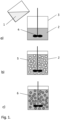
Fig. 1 shows an outline of the method of the invention, a) addition of the water phase to the oil phase, b) water-in-oil emulsion, c) solidified beads dispersed in oil phase. -
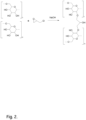
Fig. 2 shows the crosslinking of dextran with epichlorohydrin according to an embodiment of the invention. -
Fig. 3 shows microscope pictures of the swollen particles from a) sample 9090 (2-MCH) and b) sample 5595 (3-MCH). -
Fig. 4 shows microscope pictures of the swollen particles from sample 5624 (cyclohexane + 3-MCH). -
Fig. 5 shows microscope pictures of the swollen particles from a) sample 6462 (CPME) and b) sample 5182 (CPME + 3-MCH). -
Fig. 6 shows microscope pictures of the swollen particles from a) sample 6671 (DIBK) and b) sample 5382 (DIBK + 3-MCH). -
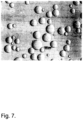
Fig. 7 shows microscope pictures of the swollen particles from sample 9355 (MAK). - In one aspect, illustrated by
Figs. 1-2 , the present invention discloses a method of manufacturing polysaccharide beads, comprising the steps of: - i) Providing a water phase 1 comprising an aqueous solution of a polysaccharide. This can be accomplished by dissolving a polysaccharide in water or in water comprising one or more additional components such as salts, buffers, alkali, reducing agents etc. The polysaccharide can e.g. be a native polysaccharide such as dextran, pullulan, starch, alginate, guar gum, locust bean gum, konjac, agar, agarose, carrageenan etc. As an example, the polysaccharide can be dextran, e.g. dextran with a weight average molecular weight, Mw, of 20-4000 kDa, 40-2000 kDa or 100-500 kDa. Alternatively, the polysaccharide can be a derivative of a native polysaccharide, such as a cellulose ether, an agarose ether, a starch ether, DEAE dextran etc. Advantageously, the polysaccharide is water-soluble at room temperature or at elevated temperatures.
- ii) Providing an
oil phase 2 comprising at least one water-immiscible organic solvent and at least one oil-soluble emulsifier. The water-immiscible organic solvent(s) can suitably have a water solubility of less than 5 vol. %, such as less than 3 vol. % or less than 2 vol. % at 25°C and the solubility of water in the water-immiscible organic solvent(s) can suitably be less than 5 vol. %, such as less than 3 vol. % or less than 2 vol. % at 25°C. The oil-soluble emulsifier(s) can suitably be soluble in the organic solvent(s) and the oil phase can be prepared by dissolving one or more oil-soluble emulsifiers in the water-immiscible organic solvent or a mixture of water-immiscible organic solvents. The concentration of the emulsifier in the oil phase can e.g. be 0.01-0.5 g/ml, such as 0.05-0.3 g/ml. These values can also refer to the total concentration of emulsifiers in the oil phase, in case mixed emulsifiers are used. If a polymeric emulsifier is used, the viscosity of the oil phase may vary with the molecular weight and concentration of the emulsifier. - iii) Emulsifying the water phase in the oil phase to form a water-in-oil (w/o) emulsion. As illustrated in
Fig. 1 , this can e.g. be done by adding the water phase 1 to theoil phase 2 in an emulsification vessel 3 under agitation provided by anagitator 4, such that the water phase is dispersed as discreteliquid droplets 5 in thecontinuous oil phase 2, stabilized by the emulsifier. Other techniques known in the art can also be used, e.g. continuous emulsification using static mixers, membrane emulsification etc. Depending on the viscosity of the oil phase, some optimization of the agitation intensity may be required to achieve specific particle sizes of the beads produced. Alternatively (or additionally), the concentration and/or type of the emulsifier may be varied in order to get certain particle sizes. - iv) Inducing solidification of the water phase in the w/o emulsion. This means that the
liquid droplets 5 are converted to (solid)gel beads 6 by gelation of the polysaccharide. The gelation can be induced e.g. by adding a crosslinking agent to chemically (covalently) crosslink the polysaccharide, as further discussed below, or by lowering the temperature to cause thermal gelation of the polysaccharide, as is also discussed below. Once the water phase droplets have been solidified into gel beads, the beads may be recovered by sedimentation and/or filtration and they may be further washed and processed to provide beads suitable for separation or cell cultivation purposes. The further processing may e.g. include further crosslinking steps and/or derivatisation with reagents to introduce functional groups. - The at least one organic solvent is an alicyclic ketone defined by Formula II. Alternatively, or additionally, the at least one organic solvent does not contain halogens (i.e. the molecules of the solvent do not contain halogen atoms) and has Hansen solubility parameter values in the ranges of δD = 15.0 - 18.5 MPa1/2, δP = 3.5 - 8.5 MPa1/2 and δH = 4.0 - 5.5 MPa1/2. The oil phase can also comprise a mixture of halogen-free water-immiscible organic solvents, where the mixture has Hansen solubility parameter values in the ranges of 6D = 15.0 - 18.5 MPa1/2, δP = 3.5 - 8.5 MPa1/2 and δH = 4.0 - 5.5 MPa1/2. Suitably, the content of halogenated solvents in the oil phase can be less than 1 mol %, such as less than 0.1% or less than 0.01 %. The Hansen solubility parameters are discussed in detail in C M Hansen: The three dimensional solubility parameter and solvent diffusion coefficient - Their importance in surface coating formulation, Copenhagen 1967. δD is the dispersion force contribution to the solubility parameter (cohesive energy density) of a solvent, while δP is the polar force contribution and δH is the hydrogen bonding force contribution. Tables of Hansen solubility parameters for different solvents can be found e.g. in J Brandrup, E H Immergut Eds. Polymer Handbook, 3rd edition, John Wiley & Sons 1989, pp. VII/540-VII/544.
- In certain embodiments, illustrated by
Fig. 2 , step iv) comprises crosslinking the polysaccharide. This can be accomplished e.g. by adding a crosslinking agent to the w/o emulsion. The crosslinking agent may e.g. be a compound with two electrophilic functionalities, which can react e.g. with two hydroxyl groups on the polysaccharide and cause crosslinking by the formation of covalently bonded links between polysaccharide chains. The hydroxyl groups are particularly nucleophilic at high pH conditions and it can be advantageous to use a high pH water phase in the method, e.g. by adding NaOH or other suitable alkali (e.g. KOH) to the water phase. The alkali (NaOH or KOH) concentration in the water phase may e.g. be at least 0.1 M, such as 0.1-2 M or 0.5-1 M. Examples of electrophilic crosslinkers include epichlorohydrin, diepoxides and multifunctional epoxides, as well as divinylsulfone and halohydrins like 1,3-dibromo-propanol-2. The crosslinker can suitably be added to the w/o emulsion, such that it dissolves in the oil phase and diffuses into the water phase droplets. - In some embodiments, step iv) comprises thermal gelation of the polysaccharide. In this case, the polysaccharide can be a hot-water soluble polysaccharide that forms a gel upon cooling. Examples of such polysaccharides are e.g. agar and agarose, which are soluble at temperatures of about 60°C and higher but form solid gels upon cooling to e.g. about 40°C or lower. In this case, steps i)-iii) can be performed at a temperature where the polysaccharide is soluble and in step iv) the temperature is lowered to a temperature below the gel point of the particular polysaccharide used.
- In certain embodiments, at least one emulsifier is a cellulose derivative, such as a cellulose ester or a cellulose ether. Among cellulose esters, cellulose mixed esters, such as cellulose acetate butyrate can be particularly useful. Cellulose acetate butyrate (CAB) of different grades is commercially available, e.g. from Eastman Chemical Company (USA). The molecular weight of the CAB can suitably be 10-100 kDa, such as 15-75 kDa or 16-70 kDa, determined by gel permeation chromatography as the polystyrene equivalent number average molecular weight (Mn). The acetyl and butyryl contents can e.g. be 2-20 wt. % acetyl content and 20-60 wt. % butyryl content, such as a) 10-15 wt.% acetyl content and 30-40 wt.% butyryl content or b) 2-5 wt.% acetyl content and 50-60 wt.% butyryl content or c) 2-15 wt.% acetyl content and 30-60 wt.% butyryl content. An example of a cellulose ether useful as an emulsifier is ethyl cellulose.
- In some embodiments at least one organic solvent is a C6-C10 alicyclic ketone defined by Formula II,


- R1 and R2 are, independently of each other, C1 - C5 alkyl groups;
- R3 is a C1-C5 alkylene group;
- R4 is hydrogen or a C1-C5 alkyl group attached to any one of the non-carbonyl carbon atoms in the ring structure; and
- R5 and R6 are, independently of each other, C1 - C6 alkyl or cycloalkyl groups.
- In some embodiments, at least one organic solvent is defined by Formula II, with R3 and R4 defined as above. R3 may e.g. be a C2 alkylene group and R4 may be a methyl group.
- In certain embodiments, the organic solvent can be selected from the group consisting of 2-methylcyclohexanone, 3-methylcyclohexanone, 4-methylcyclohexanone, cyclohexanone, diisobutyl ketone, methyl n-amyl ketone, methyl isoamyl ketone, methyl isobutyl ketone, cyclopentyl methyl ether and their mixtures. At least one organic solvent can e.g. be selected from the group consisting of 2-methylcyclohexanone, 3-methylcyclohexanone, 4-methylcyclohexanone, cyclohexanone, methyl n-amyl ketone, methyl isoamyl ketone, methyl isobutyl ketone and cyclopentyl methyl ether, such as from the group consisting of 2-methylcyclohexanone, 3-methylcyclohexanone, 4-methylcyclohexanone and cyclohexanone. In specific cases at least one organic solvent can be 2-methylcyclohexanone.
- A polysaccharide bead, or a plurality of polysaccharide beads, can be prepared by the method of any embodiment disclosed above. Disclosed herein is also a crosslinked polysaccharide bead, or a plurality of crosslinked polysaccharide beads, comprising at least 0.1 ppm, such as 0.1-100 ppm of a C6-C10 aliphatic or alicyclic ketone or ether. This may e.g. constitute solvent residues from a manufacturing process as discussed above. The amount may be measured e.g. by headspace GC or GC analysis of extracts, using e.g. mass spectroscopy or flame ionization as detection method. The C6-C10 aliphatic or alicyclic ketone or ether can be as defined by Formulas I, II or III as discussed above and it can e.g. be selected from the group consisting of 2-methylcyclohexanone, 3-methylcyclohexanone, 4-methylcyclohexanone, cyclohexanone, diisobutylketone, methyl n-amylketone, methyl isoamyl ketone, methyl isobutyl ketone, cyclopentyl methyl ether and their mixtures.
- In some embodiments, the bead or plurality of beads have a diameter of 40-125 µm in dry form. In the case of a plurality of beads, the diameter can be determined as the volume-weighted median diameter, d50v, e.g. by laser light diffraction or by electrozone sensing counting techniques.
- In certain embodiments, the bead or plurality of beads comprise at least 0.1 mmol/g, or 1-6 mmol/g, covalently bonded charged groups, such as carboxymethyl-, sulfopropyl-, diethyl aminoethyl-, and/or diethyl-(2-hydroxy-propyl)aminoethyl- groups. Such groups are useful for ion exchange separations and groups like diethyl aminoethyl groups can also promote the growth of adherent cells when the beads are used as microcarriers in cell cultivation. The derivatisation with charged groups can be accomplished by methods well known in the art.
- One or more polysaccharide beads as described above can be used for separation of a target biomolecule, such as a target protein, from impurities or contaminants.
- One or more polysaccharide beads as described above can be used as microcarriers for cultivation of cells.
- 165 g dextran of Mw 150-250 kD was dissolved in 390 ml distilled water and simultaneously 22 ml 50% sodium hydroxide (NaOH) was added under stirring. 0.8 g sodium borohydride (NaBH4) was added to the solution.
- 21g cellulose acetate butyrate (CAB) was added into a 1000 ml glass reactor with an overhead agitator. The agitator was started and 350 ml 1,2-dichloroethane (EDC) was added (the CAB concentration was thus 0.060 g/ml EDC). The solution was stirred until the CAB had dissolved. The water phase was then added to the oil phase under agitation at 50°C and the agitation was continued until a suitable droplet size had been reached, as judged from microscopy of small samples withdrawn. When a suitable size was obtained, the emulsion was immediately stabilised by adding 22.4 ml epichlorohydrin (ECH) to crosslink the dextran and thus solidifying the droplets. 20 minutes after the addition of ECH, 50 ml of EDC was added to make the reaction mixture less viscous and easier to agitate.
- The crosslinking reaction was terminated after 20±4h by adding 500 ml acetone. The reaction mixture was then transferred to a 3000 ml glass reactor containing 1250 ml acetone. The solution was stirred for 30 min and then the gel was subsequently allowed to sediment. The supernatant was decanted and the washing procedure was repeated 5 times with acetone and then 7 times with 60% aqueous ethanol and 4 times with 95% ethanol. The gel was then dried under vacuum at 60°C for 48 h and the resulting powder was sieved between 40 and 100 µm sieves.
- The results from five repetitions of this experiment are shown in Table 2, as samples 3077, 3088, 3092, 3081 and 1175.
- Approximately 3-4 grams of powder was weighed in a plastic bottle to which roughly 100 ml of either a 9 mg/ml NaCl solution or the running buffer (0.15M NaCl+ 0.05 M phosphate buffer, pH 7.0) was added. The gel was left to swell and sediment for at least 16 hours. It was then washed several times and diluted in the running buffer to generate a 50-60% gel slurry. Columns of 10 mm diameter and 30 cm height (GE Healthcare HR10/30) were packed with the initial flow rate of either 1.0 or 1.2 ml/min, and the final flow rate was either 1.2 or 1.7 ml/min. The packed columns were then tested in an effectiveness test and evaluated through selectivity tests with dextran standards and proteins as described in L Hagel: pp. 51-87 in J C Janson (Ed): Protein Purification: Principles, High Resolution Methods, and Applications, 3rd edition, Wiley 2011. The test proteins were alpha chymotrypsinogen type II, bovine (Mw 26 kDa), ribonuclease A, bovine (Mw 13.7 kDa) and lysozyme, chicken (Mw 14.3 kDa), with 0.15 M NaCl, 0.05M Sodium Phosphate, pH 7.0 as running buffer. KD data (i.e. the fraction of the bead volume accessible for a probe molecule of a particular size) for these proteins on the prototypes are shown in Table 3.
- Water regain (Wr) is the amount of water taken up inside the beads for 1 g dry beads. A high Wr value indicates that the swollen gel is less dense and can separate high Mw target molecules. 15 g of dry beads were equilibrated with 500 ml water for 24 h. A 3.3 x 11.5 cm weighed centrifuge tube with a 10 µm bottom filter was filled with the gel slurry and centrifuged at 1800 rpm for 10 min. After determining the wet weight of the tube, it was dried over night at 105 °C and the dry weight was determined. The water regain was calculated as the drying weight loss (as ml water) per g dry gel.
- The particle size distribution was measured in a Coulter Multisizer (Beckman Coulter), using the electrozone sensing technique.
- After crosslinking, the beads were examined in a light microscope with phase contrast optics and the presence of surface dimples, inclusions, aggregates etc. was noted.
-
- CPME - Cyclopentyl methyl ether
- DIBK - Diisobutyl ketone (2,6-dimethyl-4-heptanone)
- EDC - 1,2-dichloroethane
- MAK - Methyl n-amyl ketone
- 2-MCH - 2-methylcyclohexanone
- 3-MCH - 3-methylcyclohexanone
- 4-MCH - 4-methylcyclohexanone
- Emulsifications were carried out according to the reference example above, with other solvents replacing EDC, and in some cases with different types and/or concentrations of CAB. The CAB types used are specified in Table 1. The beads were characterized as described above and the results are collated in Tables 2 and 3 and in the discussion below.
Table 1. CAB types used (all from Eastman Chemical Company and with data according to the supplier's data sheets) CAB type Molecular weight*, kDa Viscosity**, poise Butyryl content, wt % Acetyl content, wt % 381-0.5 30 1.9 37 13 381-20 70 76 37 13.5 500-5 57 19 51 4 551-0.01 16 0.038 53 2 * Polystyrene equivalent number average molecular weight (Mn), as determined by gel permeation chromatography
** Viscosity determined by ASTM Method D 1343. Results converted to poises (ASTM Method D 1343) using the solution density for Formula A as stated in ASTM Method D 817 (20% Cellulose ester, 72% acetone, 8% ethyl alcohol).Table 2. Results from emulsifications with different solvents and solvent combinations Sample Solvent 1 Solvent 2CAB type CAB conc. g/ml Wr (ml/g) d50v (µm) 3077 EDC - 381-20 0.060 4.93 70.5 3088 EDC - 381-20 0.060 5.03 67.8 3092 EDC - 381-20 0.060 4.96 70.7 3081 EDC - 381-20 0.060 5.06 72.0 1175 EDC - 381-20 0.060 4.90 70.9 9090 2-MCH - 381-20 0.060 4.74 33.1 5133 3-MCH - 381-20 0.060 4.77 42.4 5505 3-MCH - 381-20 0.054 4.60 50.7 5595 3-MCH - 381-0.5 0.060 4.94 72.7 5892 3-MCH - 381-0.5 0.090 5.17 73.6 5928 3-MCH - 500-5 0.060 5.07 57.0 4904 4-MCH - 381-20 0.060 4.62 44.5 5624 Cyclohexane (20 vol%) 3-MCH (80 vol%) 381-20 0.060 4.71 42.3 5806 Cyclohexane (75 vol%) 3-MCH (25 vol%) 551-0.01 0.21 5.15 68.9 6462 CPME - 500-5 0.12 4.85 68.1 6724 CPME - 551-0.01 0.31 5.93 66.6 5182 CPME (75 vol%) 3-MCH (25 vol%) 381-20 0.060 4.83 68.3 5443 CPME (75 vol%) 3-MCH (25 vol%) 381-20 0.060 5.07 52.8 5868 CPME (75 vol%) 3-MCH (25 vol%) 381-20 0.060 4.97 70.0 6551 DIBK - 500-5 0.080 4.78 69.2 6671 DIBK - 500-5 0.080 4.94 71.9 6672 DIBK - 551-0.01 0.23 5.50 61.2 5108 DIBK (75 vol%) 3-MCH (25 vol%) 381-20 0.060 4.56 39.4 5382 DIBK (75 vol%) 3-MCH (25 vol%) 381-20 0.060 4.77 45.0 6725 DIBK (75 vol%) Cyclohexa none (25 vol%) 381-20 0.047 4.59 50.2 9355 MAK - 381-20 0.060 4.86 65.8 11854 DIBK (75 vol%) 2-MCH (25 vol%) 381-20 0.036 5.04 Table 3. KD data for three test proteins in gel filtration experiments performed with prototypes packed in columns Sample Alpha chymotrypsinogen Ribonuclease Lysozyme 5133 0.077 0.224 0.409 5505 0.056 0.229 0.418 5595 0.102 0.281 0.457 5892 0.120 0.294 0.472 5928 0.105 0.279 0.468 4904 0.059 0.341 0.510 5624 0.072 0.213 0.395 5806 0.112 0.293 0.466 6462 0.106 0.257 0.435 6724 0.171 0.330 0.508 5182 0.081 0.248 0.425 5443 0.130 0.277 0.462 5868 0.115 0.283 0.461 6551 0.111 0.265 0.448 6671 0.099 0.257 0.441 6672 0.153 0.303 0.487 5108 0.017 0.130 0.337 5382 0.078 0.258 0.435 6725 0 0.167 0.403 9355 0.101 0.251 0.432 11854 0.099 0.259 0.453 - The solvents used were also analysed by NMR spectroscopy before and after emulsification model experiments performed in the absence of dextran and the emulsifier. The spectra before and after were essentially identical, showing that no degradation occurred during the reaction conditions used. This was in contrast to an ester solvent, t-butyl acetate, which although being a sterically hindered ester, was completely hydrolysed under the strongly alkaline conditions used.
- The solvents evaluated produce beads that can be used for chromatography, as evidenced e.g. by their performance in the SEC analysis. The measured properties are in the same range as for the reference prototypes, which shows that the new solvents perform well. Due to the different interactions between the solvents and the CAB emulsifier, the CAB type and concentration had to be varied in order to get suitable oil phase viscosities. The beads were generally spherical (Figs 7-11), but with the solvents 3-MCH and 4-MCH (particularly when used alone), some inclusions and dimples occurred on the beads.
- This written description uses examples to disclose the invention, including the best mode, and also to enable any person skilled in the art to practice the invention, including making and using any devices or systems and performing any incorporated methods. The patentable scope of the invention is defined by the claims.
Claims (7)
- A method of manufacturing polysaccharide beads, comprising the steps of:i) providing a water phase comprising an aqueous solution of a polysaccharide;ii) providing an oil phase comprising at least one water-immiscible organic solvent and at least one oil-soluble emulsifier;iii) emulsifying said water phase in said oil phase to form a water-in-oil (w/o) emulsion; andiv) inducing solidification of said water phase in said w/o emulsion,wherein said at least one organic solvent is an alicyclic ketone defined by Formula II,
 wherein:R3 is a C1-C5 alkylene group; andR4 is hydrogen or a C1-C5 alkyl group.
 - A method of manufacturing polysaccharide beads, comprising the steps of:i) providing a water phase comprising an aqueous solution of a polysaccharide;ii) providing an oil phase comprising at least one water-immiscible organic solvent and at least one oil-soluble emulsifier;iii) emulsifying said water phase in said oil phase to form a water-in-oil (w/o) emulsion; andiv) inducing solidification of said water phase in said w/o emulsion,wherein said at least one organic solvent does not contain halogens and has Hansen solubility parameter values in the ranges of δD = 15.0 - 18.5 MPa1/2, δP = 3.5 - 8.5 MPa1/2 and δH = 4.0 - 5.5 MPa1/2, or wherein said oil phase comprises a mixture of halogen-free water-immiscible organic solvents, said mixture having Hansen solubility parameter values in the ranges of 6D = 15.0 - 18.5 MPa1/2 , δP = 3.5 - 8.5 MPa1/2 and δH = 4.0 - 5.5 MPa1/2,such as wherein said at least one organic solvent is an alicyclic ketone defined by Formula II,
 wherein:R3 is a C1-C5 alkylene group; andR4 is hydrogen or a C1-C5 alkyl group.
 - The method of any preceding claim, wherein step iv) comprises crosslinking said polysaccharide, and wherein optionally:a) in step iv) a crosslinking agent, such as a crosslinking agent comprising epichlorohydrin or a diepoxide, is added to said w/o emulsion; and/orb) said crosslinking is carried out under alkaline conditions.
- The method of any preceding claim, wherein said polysaccharide comprises dextran, such as wherein said dextran has a weight average molecular weight, Mw, of 20-4000 kDa.
- The method of any preceding claim, wherein said at least one emulsifier is a cellulose derivative, such as a cellulose ester.
- The method of claim 5, wherein said at least one emulsifier is a cellulose mixed ester, such as cellulose acetate butyrate, and wherein optionally:a) said at least one emulsifier is cellulose acetate butyrate with an average molecular weight, Mn, of 10-100 kDa, such as 15-75 kDa; and/orb) said at least one emulsifier is cellulose acetate butyrate with 2-20 wt. % acetyl content and 20-60 wt. % butyryl content.
- The method of any preceding claim wherein said at least one organic solvent:a) is selected from the group consisting of 2-methylcyclohexanone, 3-methylcyclohexanone, 4-methylcyclohexanone, cyclohexanone and their mixtures;b) is selected from the group consisting of 2-methylcyclohexanone, 3-methylcyclohexanone, 4-methylcyclohexanone and cyclohexanone; orc) is 2-methylcyclohexanone.
Applications Claiming Priority (2)
| Application Number | Priority Date | Filing Date | Title |
|---|---|---|---|
| GBGB1509677.9A GB201509677D0 (en) | 2015-06-04 | 2015-06-04 | Manufacturing process for polysaccharide beads |
| PCT/EP2016/062050 WO2016193163A1 (en) | 2015-06-04 | 2016-05-27 | Manufacturing process for polysaccharide beads |
Publications (2)
| Publication Number | Publication Date |
|---|---|
| EP3303412A1 EP3303412A1 (en) | 2018-04-11 |
| EP3303412B1 true EP3303412B1 (en) | 2024-10-09 |
Family
ID=53784923
Family Applications (1)
| Application Number | Title | Priority Date | Filing Date |
|---|---|---|---|
| EP16725848.2A Active EP3303412B1 (en) | 2015-06-04 | 2016-05-27 | Manufacturing process for polysaccharide beads |
Country Status (7)
| Country | Link |
|---|---|
| US (2) | US11236216B2 (en) |
| EP (1) | EP3303412B1 (en) |
| CN (1) | CN107667135B (en) |
| DK (1) | DK3303412T3 (en) |
| ES (1) | ES2991240T3 (en) |
| GB (1) | GB201509677D0 (en) |
| WO (1) | WO2016193163A1 (en) |
Families Citing this family (2)
| Publication number | Priority date | Publication date | Assignee | Title |
|---|---|---|---|---|
| CN112675793A (en) * | 2020-12-10 | 2021-04-20 | 广州中国科学院先进技术研究所 | Preparation method of ganoderma lucidum spore oil nano microcapsule |
| CN116640351B (en) * | 2023-06-19 | 2024-05-07 | 浙江三赢新材料有限公司 | A kind of preparation method of polysaccharide spherical gel resin |
Family Cites Families (13)
| Publication number | Priority date | Publication date | Assignee | Title |
|---|---|---|---|---|
| NL175307B (en) * | 1952-05-31 | Air Prod & Chem | PROCESS FOR PREPARING FOAMMABLE VINYL RESIN MIXTURES AND THE FOAM-FORMED OBJECTS MANUFACTURED FROM THIS. | |
| SE358894B (en) * | 1961-10-25 | 1973-08-13 | Pharmacia Ab | |
| GB1244990A (en) | 1968-12-03 | 1971-09-02 | Avebe Coop Verkoop Prod | Cyclodextrin derivatives |
| CS249368B1 (en) * | 1984-12-29 | 1987-03-12 | Jan Peska | Method of pearls detran materials production for gel chromatography |
| DE3501074A1 (en) * | 1985-01-15 | 1986-07-17 | Agfa-Gevaert Ag, 5090 Leverkusen | PHOTOGRAPHIC RECORDING MATERIAL AND METHOD FOR PRODUCING PHOTOGRAPHIC IMAGES |
| JPS6317904A (en) * | 1986-07-09 | 1988-01-25 | Mitsubishi Chem Ind Ltd | Production of crosslinked porous polyvinyl alcohol particle |
| US5075432A (en) * | 1989-08-11 | 1991-12-24 | Edward Vanzo | Spherical cyclodextrin polymer beads |
| CN1031194C (en) * | 1993-04-20 | 1996-03-06 | 化学工业部晨光化工研究院成都分院 | Preparation method of beadedly cross-linked glucomannan |
| US5935941A (en) * | 1997-10-24 | 1999-08-10 | Pitha; Josef | Alkylations of cyclodextrins leading to derivatives which have a ridgidly extended cavity |
| SE9601368D0 (en) | 1996-04-11 | 1996-04-11 | Pharmacia Biotech Ab | Process for the production of a porous cross-linked polysaccharide gel |
| JP4330265B2 (en) * | 2000-10-24 | 2009-09-16 | 株式会社日本触媒 | Method for producing porous crosslinked polymer |
| ES2982794T3 (en) * | 2010-08-31 | 2024-10-17 | Inserm Institut National De La Santeet De La Rech Medicale | Cross-linked polysaccharide microspheres and their biomedical uses |
| TWI504695B (en) * | 2010-12-03 | 2015-10-21 | Asahi Glass Co Ltd | The method of manufacturing the charge holding medium |
-
2015
- 2015-06-04 GB GBGB1509677.9A patent/GB201509677D0/en not_active Ceased
-
2016
- 2016-05-27 ES ES16725848T patent/ES2991240T3/en active Active
- 2016-05-27 DK DK16725848.2T patent/DK3303412T3/en active
- 2016-05-27 WO PCT/EP2016/062050 patent/WO2016193163A1/en not_active Ceased
- 2016-05-27 CN CN201680032270.8A patent/CN107667135B/en active Active
- 2016-05-27 US US15/578,074 patent/US11236216B2/en active Active
- 2016-05-27 EP EP16725848.2A patent/EP3303412B1/en active Active
-
2021
- 2021-12-14 US US17/550,830 patent/US12398259B2/en active Active
Also Published As
| Publication number | Publication date |
|---|---|
| US20220106462A1 (en) | 2022-04-07 |
| ES2991240T3 (en) | 2024-12-03 |
| US11236216B2 (en) | 2022-02-01 |
| GB201509677D0 (en) | 2015-07-22 |
| CN107667135B (en) | 2022-11-18 |
| US20180291184A1 (en) | 2018-10-11 |
| DK3303412T3 (en) | 2024-11-11 |
| WO2016193163A1 (en) | 2016-12-08 |
| US12398259B2 (en) | 2025-08-26 |
| EP3303412A1 (en) | 2018-04-11 |
| CN107667135A (en) | 2018-02-06 |
Similar Documents
| Publication | Publication Date | Title |
|---|---|---|
| US5245024A (en) | Cellulose chromatography support | |
| US7396467B2 (en) | Method of preparing a chromatography matrix | |
| US12398259B2 (en) | Manufacturing process for polysaccharide beads | |
| EP3042925B1 (en) | Method for producing porous cellulose particles, and porous cellulose particles | |
| JP2015187255A (en) | Method for producing porous cellulose particles, and porous cellulose particles | |
| JP2017133025A (en) | Polymer shell | |
| JP2022515769A (en) | Large pore size agarose | |
| CN106062047B (en) | The method for preparing the Ju diethyleno dioxide ketone particles as filler | |
| EP0485460A1 (en) | CYCLODEXTRINE POLYMER BEADS. | |
| US4882426A (en) | Beads of cross-linked glucomannan and production thereof | |
| US6590096B1 (en) | Process for the production of polysaccharide beads | |
| US4937081A (en) | Process for producing porous, spherical particles | |
| CN110935406B (en) | A kind of high-strength polysaccharide-nanolithium diatomite composite microspheres and preparation method thereof | |
| US20240207817A1 (en) | Agarose-cellulose nanocomposite porous gel microsphere, preparation method, and application | |
| EP0479906B1 (en) | Improved cellulose chromatography support | |
| WO2019206938A1 (en) | Separation matrix and method of separation | |
| JP5578015B2 (en) | Method for producing cellulose particles, and cellulose particles | |
| CN104043379A (en) | Preparation method of agar/glucosan plural gel microspheres | |
| JP2001310901A (en) | Cellulose butyrate acetate particles, cellulose particles, and methods for producing them | |
| JP2024127129A (en) | Porous particles, liquid chromatography carrier, liquid chromatography device, and method for separating and purifying biopolymers |
Legal Events
| Date | Code | Title | Description |
|---|---|---|---|
| STAA | Information on the status of an ep patent application or granted ep patent |
Free format text: STATUS: THE INTERNATIONAL PUBLICATION HAS BEEN MADE |
|
| PUAI | Public reference made under article 153(3) epc to a published international application that has entered the european phase |
Free format text: ORIGINAL CODE: 0009012 |
|
| STAA | Information on the status of an ep patent application or granted ep patent |
Free format text: STATUS: REQUEST FOR EXAMINATION WAS MADE |
|
| 17P | Request for examination filed |
Effective date: 20171122 |
|
| AK | Designated contracting states |
Kind code of ref document: A1 Designated state(s): AL AT BE BG CH CY CZ DE DK EE ES FI FR GB GR HR HU IE IS IT LI LT LU LV MC MK MT NL NO PL PT RO RS SE SI SK SM TR |
|
| AX | Request for extension of the european patent |
Extension state: BA ME |
|
| DAV | Request for validation of the european patent (deleted) | ||
| DAX | Request for extension of the european patent (deleted) | ||
| RAP1 | Party data changed (applicant data changed or rights of an application transferred) |
Owner name: CYTIVA BIOPROCESS R&D AB |
|
| STAA | Information on the status of an ep patent application or granted ep patent |
Free format text: STATUS: EXAMINATION IS IN PROGRESS |
|
| 17Q | First examination report despatched |
Effective date: 20201013 |
|
| P01 | Opt-out of the competence of the unified patent court (upc) registered |
Effective date: 20230526 |
|
| GRAP | Despatch of communication of intention to grant a patent |
Free format text: ORIGINAL CODE: EPIDOSNIGR1 |
|
| STAA | Information on the status of an ep patent application or granted ep patent |
Free format text: STATUS: GRANT OF PATENT IS INTENDED |
|
| GRAJ | Information related to disapproval of communication of intention to grant by the applicant or resumption of examination proceedings by the epo deleted |
Free format text: ORIGINAL CODE: EPIDOSDIGR1 |
|
| STAA | Information on the status of an ep patent application or granted ep patent |
Free format text: STATUS: EXAMINATION IS IN PROGRESS |
|
| GRAP | Despatch of communication of intention to grant a patent |
Free format text: ORIGINAL CODE: EPIDOSNIGR1 |
|
| STAA | Information on the status of an ep patent application or granted ep patent |
Free format text: STATUS: GRANT OF PATENT IS INTENDED |
|
| INTG | Intention to grant announced |
Effective date: 20240412 |
|
| INTC | Intention to grant announced (deleted) | ||
| INTG | Intention to grant announced |
Effective date: 20240508 |
|
| GRAS | Grant fee paid |
Free format text: ORIGINAL CODE: EPIDOSNIGR3 |
|
| GRAA | (expected) grant |
Free format text: ORIGINAL CODE: 0009210 |
|
| STAA | Information on the status of an ep patent application or granted ep patent |
Free format text: STATUS: THE PATENT HAS BEEN GRANTED |
|
| AK | Designated contracting states |
Kind code of ref document: B1 Designated state(s): AL AT BE BG CH CY CZ DE DK EE ES FI FR GB GR HR HU IE IS IT LI LT LU LV MC MK MT NL NO PL PT RO RS SE SI SK SM TR |
|
| REG | Reference to a national code |
Ref country code: CH Ref legal event code: EP |
|
| REG | Reference to a national code |
Ref country code: DE Ref legal event code: R096 Ref document number: 602016089742 Country of ref document: DE |
|
| REG | Reference to a national code |
Ref country code: IE Ref legal event code: FG4D |
|
| REG | Reference to a national code |
Ref country code: DK Ref legal event code: T3 Effective date: 20241104 |
|
| REG | Reference to a national code |
Ref country code: SE Ref legal event code: TRGR |
|
| REG | Reference to a national code |
Ref country code: NL Ref legal event code: FP |
|
| REG | Reference to a national code |
Ref country code: ES Ref legal event code: FG2A Ref document number: 2991240 Country of ref document: ES Kind code of ref document: T3 Effective date: 20241203 |
|
| REG | Reference to a national code |
Ref country code: LT Ref legal event code: MG9D |
|
| PG25 | Lapsed in a contracting state [announced via postgrant information from national office to epo] |
Ref country code: IS Free format text: LAPSE BECAUSE OF FAILURE TO SUBMIT A TRANSLATION OF THE DESCRIPTION OR TO PAY THE FEE WITHIN THE PRESCRIBED TIME-LIMIT Effective date: 20250209 Ref country code: HR Free format text: LAPSE BECAUSE OF FAILURE TO SUBMIT A TRANSLATION OF THE DESCRIPTION OR TO PAY THE FEE WITHIN THE PRESCRIBED TIME-LIMIT Effective date: 20241009 Ref country code: PT Free format text: LAPSE BECAUSE OF FAILURE TO SUBMIT A TRANSLATION OF THE DESCRIPTION OR TO PAY THE FEE WITHIN THE PRESCRIBED TIME-LIMIT Effective date: 20250210 |
|
| PG25 | Lapsed in a contracting state [announced via postgrant information from national office to epo] |
Ref country code: FI Free format text: LAPSE BECAUSE OF FAILURE TO SUBMIT A TRANSLATION OF THE DESCRIPTION OR TO PAY THE FEE WITHIN THE PRESCRIBED TIME-LIMIT Effective date: 20241009 |
|
| PG25 | Lapsed in a contracting state [announced via postgrant information from national office to epo] |
Ref country code: BG Free format text: LAPSE BECAUSE OF FAILURE TO SUBMIT A TRANSLATION OF THE DESCRIPTION OR TO PAY THE FEE WITHIN THE PRESCRIBED TIME-LIMIT Effective date: 20241009 |
|
| PG25 | Lapsed in a contracting state [announced via postgrant information from national office to epo] |
Ref country code: LV Free format text: LAPSE BECAUSE OF FAILURE TO SUBMIT A TRANSLATION OF THE DESCRIPTION OR TO PAY THE FEE WITHIN THE PRESCRIBED TIME-LIMIT Effective date: 20241009 Ref country code: GR Free format text: LAPSE BECAUSE OF FAILURE TO SUBMIT A TRANSLATION OF THE DESCRIPTION OR TO PAY THE FEE WITHIN THE PRESCRIBED TIME-LIMIT Effective date: 20250110 |
|
| PG25 | Lapsed in a contracting state [announced via postgrant information from national office to epo] |
Ref country code: PL Free format text: LAPSE BECAUSE OF FAILURE TO SUBMIT A TRANSLATION OF THE DESCRIPTION OR TO PAY THE FEE WITHIN THE PRESCRIBED TIME-LIMIT Effective date: 20241009 |
|
| PG25 | Lapsed in a contracting state [announced via postgrant information from national office to epo] |
Ref country code: RS Free format text: LAPSE BECAUSE OF FAILURE TO SUBMIT A TRANSLATION OF THE DESCRIPTION OR TO PAY THE FEE WITHIN THE PRESCRIBED TIME-LIMIT Effective date: 20250109 |
|
| PGFP | Annual fee paid to national office [announced via postgrant information from national office to epo] |
Ref country code: NL Payment date: 20250526 Year of fee payment: 10 |
|
| PG25 | Lapsed in a contracting state [announced via postgrant information from national office to epo] |
Ref country code: SM Free format text: LAPSE BECAUSE OF FAILURE TO SUBMIT A TRANSLATION OF THE DESCRIPTION OR TO PAY THE FEE WITHIN THE PRESCRIBED TIME-LIMIT Effective date: 20241009 |
|
| PGFP | Annual fee paid to national office [announced via postgrant information from national office to epo] |
Ref country code: DE Payment date: 20250528 Year of fee payment: 10 |
|
| PGFP | Annual fee paid to national office [announced via postgrant information from national office to epo] |
Ref country code: ES Payment date: 20250611 Year of fee payment: 10 Ref country code: DK Payment date: 20250526 Year of fee payment: 10 |
|
| REG | Reference to a national code |
Ref country code: DE Ref legal event code: R097 Ref document number: 602016089742 Country of ref document: DE |
|
| PGFP | Annual fee paid to national office [announced via postgrant information from national office to epo] |
Ref country code: NO Payment date: 20250520 Year of fee payment: 10 |
|
| PGFP | Annual fee paid to national office [announced via postgrant information from national office to epo] |
Ref country code: BE Payment date: 20250526 Year of fee payment: 10 Ref country code: IT Payment date: 20250522 Year of fee payment: 10 |
|
| PG25 | Lapsed in a contracting state [announced via postgrant information from national office to epo] |
Ref country code: EE Free format text: LAPSE BECAUSE OF FAILURE TO SUBMIT A TRANSLATION OF THE DESCRIPTION OR TO PAY THE FEE WITHIN THE PRESCRIBED TIME-LIMIT Effective date: 20241009 |
|
| PGFP | Annual fee paid to national office [announced via postgrant information from national office to epo] |
Ref country code: FR Payment date: 20250526 Year of fee payment: 10 |
|
| PG25 | Lapsed in a contracting state [announced via postgrant information from national office to epo] |
Ref country code: RO Free format text: LAPSE BECAUSE OF FAILURE TO SUBMIT A TRANSLATION OF THE DESCRIPTION OR TO PAY THE FEE WITHIN THE PRESCRIBED TIME-LIMIT Effective date: 20241009 |
|
| PGFP | Annual fee paid to national office [announced via postgrant information from national office to epo] |
Ref country code: AT Payment date: 20250520 Year of fee payment: 10 |
|
| PG25 | Lapsed in a contracting state [announced via postgrant information from national office to epo] |
Ref country code: SK Free format text: LAPSE BECAUSE OF FAILURE TO SUBMIT A TRANSLATION OF THE DESCRIPTION OR TO PAY THE FEE WITHIN THE PRESCRIBED TIME-LIMIT Effective date: 20241009 |
|
| PG25 | Lapsed in a contracting state [announced via postgrant information from national office to epo] |
Ref country code: CZ Free format text: LAPSE BECAUSE OF FAILURE TO SUBMIT A TRANSLATION OF THE DESCRIPTION OR TO PAY THE FEE WITHIN THE PRESCRIBED TIME-LIMIT Effective date: 20241009 |
|
| PGFP | Annual fee paid to national office [announced via postgrant information from national office to epo] |
Ref country code: IE Payment date: 20250520 Year of fee payment: 10 |
|
| PGFP | Annual fee paid to national office [announced via postgrant information from national office to epo] |
Ref country code: SE Payment date: 20250526 Year of fee payment: 10 |
|
| PLBE | No opposition filed within time limit |
Free format text: ORIGINAL CODE: 0009261 |
|
| STAA | Information on the status of an ep patent application or granted ep patent |
Free format text: STATUS: NO OPPOSITION FILED WITHIN TIME LIMIT |
|
| 26N | No opposition filed |
Effective date: 20250710 |
|
| REG | Reference to a national code |
Ref country code: AT Ref legal event code: UEP Ref document number: 1730523 Country of ref document: AT Kind code of ref document: T Effective date: 20241009 |
|
| REG | Reference to a national code |
Ref country code: CH Ref legal event code: H13 Free format text: ST27 STATUS EVENT CODE: U-0-0-H10-H13 (AS PROVIDED BY THE NATIONAL OFFICE) Effective date: 20251223 |
|
| PG25 | Lapsed in a contracting state [announced via postgrant information from national office to epo] |
Ref country code: LU Free format text: LAPSE BECAUSE OF NON-PAYMENT OF DUE FEES Effective date: 20250527 |
|
| PG25 | Lapsed in a contracting state [announced via postgrant information from national office to epo] |
Ref country code: CH Free format text: LAPSE BECAUSE OF NON-PAYMENT OF DUE FEES Effective date: 20250531 |
|
| PG25 | Lapsed in a contracting state [announced via postgrant information from national office to epo] |
Ref country code: MC Free format text: LAPSE BECAUSE OF FAILURE TO SUBMIT A TRANSLATION OF THE DESCRIPTION OR TO PAY THE FEE WITHIN THE PRESCRIBED TIME-LIMIT Effective date: 20241009 |
|
| PGFP | Annual fee paid to national office [announced via postgrant information from national office to epo] |
Ref country code: GB Payment date: 20260304 Year of fee payment: 11 |