EP3301185A1 - Intestinal metagenomic feature as selection marker of curative effect of acarbose for treating type 2 diabetes - Google Patents
Intestinal metagenomic feature as selection marker of curative effect of acarbose for treating type 2 diabetes Download PDFInfo
- Publication number
- EP3301185A1 EP3301185A1 EP15907079.6A EP15907079A EP3301185A1 EP 3301185 A1 EP3301185 A1 EP 3301185A1 EP 15907079 A EP15907079 A EP 15907079A EP 3301185 A1 EP3301185 A1 EP 3301185A1
- Authority
- EP
- European Patent Office
- Prior art keywords
- enterotype
- diabetes
- acarbose
- patients
- bile acid
- Prior art date
- Legal status (The legal status is an assumption and is not a legal conclusion. Google has not performed a legal analysis and makes no representation as to the accuracy of the status listed.)
- Granted
Links
Images
Classifications
-
- C—CHEMISTRY; METALLURGY
- C12—BIOCHEMISTRY; BEER; SPIRITS; WINE; VINEGAR; MICROBIOLOGY; ENZYMOLOGY; MUTATION OR GENETIC ENGINEERING
- C12Q—MEASURING OR TESTING PROCESSES INVOLVING ENZYMES, NUCLEIC ACIDS OR MICROORGANISMS; COMPOSITIONS OR TEST PAPERS THEREFOR; PROCESSES OF PREPARING SUCH COMPOSITIONS; CONDITION-RESPONSIVE CONTROL IN MICROBIOLOGICAL OR ENZYMOLOGICAL PROCESSES
- C12Q1/00—Measuring or testing processes involving enzymes, nucleic acids or microorganisms; Compositions therefor; Processes of preparing such compositions
- C12Q1/68—Measuring or testing processes involving enzymes, nucleic acids or microorganisms; Compositions therefor; Processes of preparing such compositions involving nucleic acids
- C12Q1/6876—Nucleic acid products used in the analysis of nucleic acids, e.g. primers or probes
- C12Q1/6888—Nucleic acid products used in the analysis of nucleic acids, e.g. primers or probes for detection or identification of organisms
- C12Q1/6895—Nucleic acid products used in the analysis of nucleic acids, e.g. primers or probes for detection or identification of organisms for plants, fungi or algae
-
- C—CHEMISTRY; METALLURGY
- C12—BIOCHEMISTRY; BEER; SPIRITS; WINE; VINEGAR; MICROBIOLOGY; ENZYMOLOGY; MUTATION OR GENETIC ENGINEERING
- C12Q—MEASURING OR TESTING PROCESSES INVOLVING ENZYMES, NUCLEIC ACIDS OR MICROORGANISMS; COMPOSITIONS OR TEST PAPERS THEREFOR; PROCESSES OF PREPARING SUCH COMPOSITIONS; CONDITION-RESPONSIVE CONTROL IN MICROBIOLOGICAL OR ENZYMOLOGICAL PROCESSES
- C12Q1/00—Measuring or testing processes involving enzymes, nucleic acids or microorganisms; Compositions therefor; Processes of preparing such compositions
- C12Q1/68—Measuring or testing processes involving enzymes, nucleic acids or microorganisms; Compositions therefor; Processes of preparing such compositions involving nucleic acids
- C12Q1/6876—Nucleic acid products used in the analysis of nucleic acids, e.g. primers or probes
- C12Q1/6888—Nucleic acid products used in the analysis of nucleic acids, e.g. primers or probes for detection or identification of organisms
- C12Q1/689—Nucleic acid products used in the analysis of nucleic acids, e.g. primers or probes for detection or identification of organisms for bacteria
-
- C—CHEMISTRY; METALLURGY
- C12—BIOCHEMISTRY; BEER; SPIRITS; WINE; VINEGAR; MICROBIOLOGY; ENZYMOLOGY; MUTATION OR GENETIC ENGINEERING
- C12Q—MEASURING OR TESTING PROCESSES INVOLVING ENZYMES, NUCLEIC ACIDS OR MICROORGANISMS; COMPOSITIONS OR TEST PAPERS THEREFOR; PROCESSES OF PREPARING SUCH COMPOSITIONS; CONDITION-RESPONSIVE CONTROL IN MICROBIOLOGICAL OR ENZYMOLOGICAL PROCESSES
- C12Q1/00—Measuring or testing processes involving enzymes, nucleic acids or microorganisms; Compositions therefor; Processes of preparing such compositions
- C12Q1/68—Measuring or testing processes involving enzymes, nucleic acids or microorganisms; Compositions therefor; Processes of preparing such compositions involving nucleic acids
- C12Q1/6876—Nucleic acid products used in the analysis of nucleic acids, e.g. primers or probes
- C12Q1/6883—Nucleic acid products used in the analysis of nucleic acids, e.g. primers or probes for diseases caused by alterations of genetic material
-
- C—CHEMISTRY; METALLURGY
- C12—BIOCHEMISTRY; BEER; SPIRITS; WINE; VINEGAR; MICROBIOLOGY; ENZYMOLOGY; MUTATION OR GENETIC ENGINEERING
- C12N—MICROORGANISMS OR ENZYMES; COMPOSITIONS THEREOF; PROPAGATING, PRESERVING, OR MAINTAINING MICROORGANISMS; MUTATION OR GENETIC ENGINEERING; CULTURE MEDIA
- C12N1/00—Microorganisms, e.g. protozoa; Compositions thereof; Processes of propagating, maintaining or preserving microorganisms or compositions thereof; Processes of preparing or isolating a composition containing a microorganism; Culture media therefor
- C12N1/20—Bacteria; Culture media therefor
- C12N1/205—Bacterial isolates
-
- C—CHEMISTRY; METALLURGY
- C12—BIOCHEMISTRY; BEER; SPIRITS; WINE; VINEGAR; MICROBIOLOGY; ENZYMOLOGY; MUTATION OR GENETIC ENGINEERING
- C12Q—MEASURING OR TESTING PROCESSES INVOLVING ENZYMES, NUCLEIC ACIDS OR MICROORGANISMS; COMPOSITIONS OR TEST PAPERS THEREFOR; PROCESSES OF PREPARING SUCH COMPOSITIONS; CONDITION-RESPONSIVE CONTROL IN MICROBIOLOGICAL OR ENZYMOLOGICAL PROCESSES
- C12Q1/00—Measuring or testing processes involving enzymes, nucleic acids or microorganisms; Compositions therefor; Processes of preparing such compositions
- C12Q1/02—Measuring or testing processes involving enzymes, nucleic acids or microorganisms; Compositions therefor; Processes of preparing such compositions involving viable microorganisms
- C12Q1/04—Determining presence or kind of microorganism; Use of selective media for testing antibiotics or bacteriocides; Compositions containing a chemical indicator therefor
-
- C—CHEMISTRY; METALLURGY
- C12—BIOCHEMISTRY; BEER; SPIRITS; WINE; VINEGAR; MICROBIOLOGY; ENZYMOLOGY; MUTATION OR GENETIC ENGINEERING
- C12Q—MEASURING OR TESTING PROCESSES INVOLVING ENZYMES, NUCLEIC ACIDS OR MICROORGANISMS; COMPOSITIONS OR TEST PAPERS THEREFOR; PROCESSES OF PREPARING SUCH COMPOSITIONS; CONDITION-RESPONSIVE CONTROL IN MICROBIOLOGICAL OR ENZYMOLOGICAL PROCESSES
- C12Q1/00—Measuring or testing processes involving enzymes, nucleic acids or microorganisms; Compositions therefor; Processes of preparing such compositions
- C12Q1/68—Measuring or testing processes involving enzymes, nucleic acids or microorganisms; Compositions therefor; Processes of preparing such compositions involving nucleic acids
-
- G—PHYSICS
- G01—MEASURING; TESTING
- G01N—INVESTIGATING OR ANALYSING MATERIALS BY DETERMINING THEIR CHEMICAL OR PHYSICAL PROPERTIES
- G01N27/00—Investigating or analysing materials by the use of electric, electrochemical, or magnetic means
- G01N27/62—Investigating or analysing materials by the use of electric, electrochemical, or magnetic means by investigating the ionisation of gases, e.g. aerosols; by investigating electric discharges, e.g. emission of cathode
- G01N27/622—Ion mobility spectrometry
- G01N27/623—Ion mobility spectrometry combined with mass spectrometry
-
- G—PHYSICS
- G01—MEASURING; TESTING
- G01N—INVESTIGATING OR ANALYSING MATERIALS BY DETERMINING THEIR CHEMICAL OR PHYSICAL PROPERTIES
- G01N33/00—Investigating or analysing materials by specific methods not covered by groups G01N1/00 - G01N31/00
- G01N33/48—Biological material, e.g. blood, urine; Haemocytometers
- G01N33/483—Physical analysis of biological material
- G01N33/487—Physical analysis of biological material of liquid biological material
- G01N33/49—Blood
-
- C—CHEMISTRY; METALLURGY
- C12—BIOCHEMISTRY; BEER; SPIRITS; WINE; VINEGAR; MICROBIOLOGY; ENZYMOLOGY; MUTATION OR GENETIC ENGINEERING
- C12Q—MEASURING OR TESTING PROCESSES INVOLVING ENZYMES, NUCLEIC ACIDS OR MICROORGANISMS; COMPOSITIONS OR TEST PAPERS THEREFOR; PROCESSES OF PREPARING SUCH COMPOSITIONS; CONDITION-RESPONSIVE CONTROL IN MICROBIOLOGICAL OR ENZYMOLOGICAL PROCESSES
- C12Q2600/00—Oligonucleotides characterized by their use
- C12Q2600/106—Pharmacogenomics, i.e. genetic variability in individual responses to drugs and drug metabolism
-
- C—CHEMISTRY; METALLURGY
- C12—BIOCHEMISTRY; BEER; SPIRITS; WINE; VINEGAR; MICROBIOLOGY; ENZYMOLOGY; MUTATION OR GENETIC ENGINEERING
- C12Q—MEASURING OR TESTING PROCESSES INVOLVING ENZYMES, NUCLEIC ACIDS OR MICROORGANISMS; COMPOSITIONS OR TEST PAPERS THEREFOR; PROCESSES OF PREPARING SUCH COMPOSITIONS; CONDITION-RESPONSIVE CONTROL IN MICROBIOLOGICAL OR ENZYMOLOGICAL PROCESSES
- C12Q2600/00—Oligonucleotides characterized by their use
- C12Q2600/112—Disease subtyping, staging or classification
-
- C—CHEMISTRY; METALLURGY
- C12—BIOCHEMISTRY; BEER; SPIRITS; WINE; VINEGAR; MICROBIOLOGY; ENZYMOLOGY; MUTATION OR GENETIC ENGINEERING
- C12R—INDEXING SCHEME ASSOCIATED WITH SUBCLASSES C12C - C12Q, RELATING TO MICROORGANISMS
- C12R2001/00—Microorganisms ; Processes using microorganisms
- C12R2001/01—Bacteria or Actinomycetales ; using bacteria or Actinomycetales
-
- G—PHYSICS
- G01—MEASURING; TESTING
- G01N—INVESTIGATING OR ANALYSING MATERIALS BY DETERMINING THEIR CHEMICAL OR PHYSICAL PROPERTIES
- G01N2800/00—Detection or diagnosis of diseases
- G01N2800/52—Predicting or monitoring the response to treatment, e.g. for selection of therapy based on assay results in personalised medicine; Prognosis
Definitions
- the present invention relates to an application of characteristics of gut microbiota metagenome as a screening marker of Acarbose efficacy in patients with Type 2 diabetes.
- Type 2 diabetes The pathological and physiological mechanism of Type 2 diabetes is mainly insulin resistance and insulin secretion deficiency. Although there are drugs for insulin resistance and insulin secretion deficiency for the treatment of Type 2 diabetes, no scientific and feasible method for the classification diagnosis based on insulin resistance or insulin secretion deficiency is available.
- the clinically feasible program is to measure the patient BMI, waist circumference and insulin level.
- the BMI, waist circumference that exceed Chinese standard, or the HOMAIR calculated by patient's fasting blood glucose or insulin level the insulin resistance can be judged.
- the HOMA ⁇ index calculated by patient's blood glucose and insulin, but it cannot be used as an index for determining the degree of insulin resistance and insulin secretion deficiency, therefore it is unable to meet the requirements for precision medical care.
- the glucose clamp test is used to accurately assess the insulin resistance and ⁇ cell functions.
- the glucose clamp test with positive-glucose high insulin level is used to assess the insulin resistance levels, while the clamp test with high glucose level is used to assess the ⁇ cell insulin secretion functions.
- the two methods take long time and patients need to lie in bed for 4 to 5 hours. The operations must be completed by experienced nurses. Blood should be collected from multiple points for the real-time monitoring of blood glucose and the determination of insulin level. This method is expensive, with poor patient compliance, so it is difficult to be carried out clinically.
- the precision medicine raises the requirement of individualized diagnosis and treatment.
- the tumor-targeted drugs have been used clinically.
- no effective regimen for targeted therapy of Type 2 diabetes has been found so far.
- For the main pathogenesis of Type 2 diabetes there are a variety of drugs for insulin secretion deficiency and insulin resistance, but no simple and exact clinical diagnosis method for insulin secretion deficiency or insulin resistance is available.
- gut microbiota metagenome studied have shown that there was significant difference in the gut microbiota between patients with Type 2 diabetes and normal patients [ Qin, J., et al., A metagenome-wide association study of gut microbiota in Type 2 diabetes. Nature, 2012 .].
- the gut-modified bariatric surgery could reduce the body weight of obese patients, and surprisingly, the blood glucose in obese patients with Type 2 diabetes was well controlled without medication after surgery, and even cured completely [ Carlsson, L.M.S., et al., Bariatric Surgery and Prevention of Type 2 Diabetes in Swedish Obese Subjects. New England Journal of Medicine, 2012. 367(8): p. 695-704 , Schauer, P.R., et al., Bariatric surgery versus intensive medical therapy for diabetes--3-year outcomes. N Engl J Med, 2014. 370(21): p. 2002-13 ].
- the drugs that simulate intestinal hormones, such as GLP-1 agonists and DPPIV inhibitors have become oral hypoglycemic agents with highest prescription dose in the world, and related cardiovascular benefits have been reported.
- enterotype Arumugam, M., et al., Enterotypes of the human gut microbiome. Nature, 2011. 473 (7346): p. 174-80 ] was first proposed by Peer Bork, which meant that the composition of intestinal parasites were relatively fixed in the populations. There are 2 to 3 kinds of enterotypes in the populations. With the increased sample size and the improved sequencing technique, especially the promotion of the second generation of sequencing, the enterotype can be classified into 2 types: one is the Prevotella-based Prevotella enterotype, and the other is Bacteroides -based Bacteroides enterotype. At present, no evidence has shown the direct association between enterotype and various medical health indexes of human body.
- An object of the present invention is to overcome the drawback of lack of directly relevant evidences between the enterotypes and health indicators of the human body in the prior art and provide characteristics of gut metagenome as a screening marker of Acarbose efficacy in patients with Type 2 diabetes; particularly provide an application of characteristics of gut microbiota metagenome as a screening marker of Acarbose efficacy in patients with Type 2 diabetes.
- the Bacteroides-based Bacteroides enterotype can be used as a screening marker of Acarbose efficacy in patients with Type 2 diabetes.
- the Bacteroides enterotype is determined by DNA sequencing or PCR amplification of parasites in feces in vitro.
- the PCR amplification specifically comprises: extract the DNA of parasites in feces in vitro and perform 16Srna PCR amplification for specific enrichment strains.
- the Bacteroides enterotype is determined by detecting secondary bile acid in the in vitro blood samples.
- the secondary bile acids include UDCA, TUDCA, GUDCA, DCA, TDCA, GDCA, LCA, TLCA, GLCA.
- two kinds of enterotypes are found, one is Prevotella-based Prevotella enterotype, and the other is Bacteroides - based Bacteroides enterotype.
- the deoxycholic acid and lithocholic acid levels are significantly lower than those in Prevotella enterotype, while the ursodeoxycholic acid level with protective effect is higher than that in the Prevotella enterotype.
- the detection of secondary bile acid comprises the following steps:
- phase A is 10 mM NH4HCO3 aqueous solution
- phase B is pure acetonitrile; initially 25% phase B (by volume), retaining 0.5 min, followed by increased to 40% phase B (by volume) linearly within 12.5 min, then increased to 90% (by volume) within 1 min, flush the system for 3min, recover to 25% phase B (by volume) in 0.5 min, after equilibrating 2.5 min, the flow rate is 0.35 ml/min, column temperature is 35°C and the injection volume is 5 ⁇ L;
- Mass spectrometry is performed by ESI source negative ion mode, with main parameters as follows: Gas Temp: 350°C; Gas Flow: 8 l/min; Nebulizer: 40 psi; Sheath Gas Temp: 400 °C; Sheath Gas Flow: 8 l/min; Capillary: 3500 V; Nozzle voltage: 400 V.
- the efficacy of Acarbose in the patients with Type 2 diabetes and Bacteroides enterotype includes improving the insulin resistance, reducing the secondary bile acid, and promoting the reduction of cardiovascular risks in addition to glucose-lowering.
- the indicators for reducing the harmful secondary bile acid include GDCA, TDCA, TLCA, and the indicators for reducing the binding of taurine with bile acid include TCA, TDCA, TLCA, TUDCA.
- the indicators for improving insulin resistance include decreased fasting blood glucose, decreased fasting C peptide and insulin level, down-regulated waist-to-hip ratio, down-regulated HOMA insulin resistance index and up-regulated Adiponectin.
- the indicators that promote the reduction of cardiovascular risks include decreased PDGFAA, PDGFAABB, endothelin, and VegfC plasma factor.
- the present invention further relates to a kit used for screening of Acarbose efficacy in patients with Type 2 diabetes, comprising:
- enterotypes There are two kinds of enterotypes, one is Prevotella-based Prevotella enterotype, and the other is Bacteroides -based Bacteroides enterotype.
- Different enterotype can predict the benefits of patients for treatment of diabetes with Acarbose, especially the effect of improving insulin resistance, reducing secondary bile acid, and promoting the reduction of cardiovascular risks in addition to glucose-lowering.
- Bacteroides enterotype has a better effect of improving insulin resistance, reducing secondary bile acid, and promoting the reduction of cardiovascular risks in addition to glucose-lowering.
- the prevent invention can achieve the following beneficial effects:
- na ⁇ ve patients with Type 2 diabetes their liver and kidney functions, blood glucose and lipid levels, intestinal hormones, inflammatory factors, and cardiovascular risk-related factors are evaluated before medication. Their stool, urine, and blood samples are retained. After clear diagnosis and evaluation, patients are treated for 3 months at a daily dose of Acarbose 300mg. The patients' blood glucose levels are followed up every month within 3 months, and the medication is adjusted according to the blood glucose level. Three months later, the pre- medication assessment is repeated, and the urine, stool and blood samples are retained.
- Sample pretreatment Take 75 ⁇ L of blood sample, add 300 ⁇ L of internal standard methanol, to extract the target compound and precipitate the protein, vortex 30s, centrifuge 10 min at the rate of 15000 rpm, draw 200 ⁇ L of the supernatant, then lyophilize, re-dissolve in 50 ⁇ L of 25% acetonitrile solution, and wait for sample injection.
- Instrument and method conduct sample analysis using 1290 Infinity liquid phase (Agilent, USA) and 6460A triple quadrupole mass spectrometry system (Agilent, USA).
- phase A is 10 mM NH4HCO3 aqueous solution
- phase B is pure acetonitrile
- the flow rate is 0.35 ml/min
- column temperature is 35°C and the injection volume is 5 ⁇ L
- Mass spectrometry is performed by ESI source negative ion mode, with main parameters as follows: Gas Temp: 350°C; Gas Flow: 8 l/min; Nebulizer: 40 psi; Sheath Gas Temp: 400 °C; Sheath Gas Flow: 8 l/min; Capillary: 3500 V; Nozzle voltage: 400 V.
- the bile acid is detected under a reaction monitoring mode (MRM).
- MRM reaction monitoring mode
- the concentration of the internal standard and the main mass spectrum parameters are shown in Table 1.
- the setting of mass spectrum parameters for bile acid analysis is shown in Table 2.
- Table 1 Concentration of internal standard and main MS parameters Concentration (mg/L) parent ion daughter ion Fragment or Collision Energy (eV) CA-d5 0.08 412.5 412.5 200 10 CDCA-d4 0.3 395.4 395.4 200 10 GCA-d5 0.2 469.2 74.1 200 35 GCDCA- 0.2 452.3 74.1 240 40 GCDCS- 0.2 533.3 453.3 200 35 TCA-d5 0.1 519.2 80.1 320 90 TCDCA- 0.1 503.3 80.2 300 70 TDCA-d5 0.1 503.3 80.2 300 70 Table 2 MS parameters for bile acid analysis and internal standard for calibration Compound Internal standard parent ion daughter ion Fragment or Collision Energy eV Lithocholic acid LCA
- the fragments at the length of 350bp are used to establish the database and compare with 9.9M human intestinal gene set, to obtain the phylum, species and genus of IMG (70% coverage rate and 65% recognition rate at the phylum level, 85% recognition rate at the genus level, and 95% recognition rate at the species level).
- the clustering analysis of intestinal parasites is performed by principal component analysis (PCA).
- the gut microbiota colony DNA extraction and second generation sequencing of metagenome are performed in patients' feces, then compared with the published 9.9M human gut metagenome gene set, with a matching rate about 77%.
- About 143 kinds of gut microbiota with annotation information and difference before and after medication are found by clustering analysis.
- the genus level analysis shows that, different clustering of gut microbiota is found at the baseline in patients with Type 2 diabetes.
- the enterotype is obtained.
- enterotype classification there are no significant differences in the sex and age distribution between the two types of patients with Type 2 diabetes. There are no significant differences in the baseline blood glucose levels, body weights, liver and kidney functions and other health indicators between them. Only the levels of red blood cells, hemoglobin and interleukin 6 are slightly higher in the patients of Prevotella enterotype (P ⁇ 0.05). (Table 3)
- the fasting C peptide and insulin levels are significantly decreased after treatment in the Bacteroides enterotype.
- the HOMAIR index which reflects insulin resistance, decreases after Acarbose treatment, but this benefit is significant only in the patients of Bacteroides enterotype, but not significant in patients of Prevotella enterotype, suggesting that patients with Type 2 diabetes of Bacteroides enterotype are more likely to improve their status of insulin resistance after taking Acarbose.
- the standard meal-induced insulin release curve, waist-to-hip ratio, and Adiponectin levels that are related to the insulin resistance show significant decrease after Acarbose treatment in T2DM patients of Bacteroides enterotype, but these indexes show no significant change in the patients of Prevotella enterotype.
- Acarbose can cause a decrease in TG, APOA and DBP, and there are no significant differences between the two enterotypes after treatment; however, some plasma factors associated with diabetic vascular complications such as PDGFAA and PDGFAABB, endothelin, VegfC are significantly lower in the Bacteroides enterotype, suggesting that the Acarbose treatment can bring more benefits of reducing vascular complications in addition to lowering blood glucose level and risks of macrovascular diseases in the Bacteroides enterotype.
- Gut hormone is a hot research target in the treatment of Type 2 diabetes, and its level is changed significantly in the Acarbose treatment.
- the elevated GLP1, glucagon, PYY, and ghrelin and GIP at each time point after medication are significant in the Bacteroides enterotype, but not significant in the Prevotella enterotype, suggesting that any metabolic benefit of Acarbose through gut hormones is more significant in the Bacteroides enterotype.
- enterotypes can predict patients' benefits from Acarbose treatment of diabetes, especially improving the insulin resistance, reducing the secondary bile acid, and promoting the reduction of cardiovascular risks in addition to glucose-lowering.
- the enterotype diagnosis can be completed by ordinary DNA PCR amplification of 16sRNA of characteristic bacteria genus, which is convenient and economical, making the precision medical care of Type 2 diabetes possible.
Landscapes
- Chemical & Material Sciences (AREA)
- Life Sciences & Earth Sciences (AREA)
- Health & Medical Sciences (AREA)
- Organic Chemistry (AREA)
- Engineering & Computer Science (AREA)
- Proteomics, Peptides & Aminoacids (AREA)
- Zoology (AREA)
- Wood Science & Technology (AREA)
- Analytical Chemistry (AREA)
- Genetics & Genomics (AREA)
- Physics & Mathematics (AREA)
- Biotechnology (AREA)
- General Health & Medical Sciences (AREA)
- Biochemistry (AREA)
- Bioinformatics & Cheminformatics (AREA)
- Immunology (AREA)
- Molecular Biology (AREA)
- Microbiology (AREA)
- General Engineering & Computer Science (AREA)
- Biophysics (AREA)
- Biomedical Technology (AREA)
- Pathology (AREA)
- Medicinal Chemistry (AREA)
- Toxicology (AREA)
- Hematology (AREA)
- General Physics & Mathematics (AREA)
- Spectroscopy & Molecular Physics (AREA)
- Tropical Medicine & Parasitology (AREA)
- Virology (AREA)
- Mycology (AREA)
- Botany (AREA)
- Chemical Kinetics & Catalysis (AREA)
- Ecology (AREA)
- Electrochemistry (AREA)
- Urology & Nephrology (AREA)
- Food Science & Technology (AREA)
- Investigating Or Analysing Biological Materials (AREA)
- Measuring Or Testing Involving Enzymes Or Micro-Organisms (AREA)
- Medicines That Contain Protein Lipid Enzymes And Other Medicines (AREA)
Abstract
Description
- The present invention relates to an application of characteristics of gut microbiota metagenome as a screening marker of Acarbose efficacy in patients with
Type 2 diabetes. - At present, drug efficacy judgment and pre-treatment classification diagnosis are not available in the treatment of
Type 2 diabetes. The pathological and physiological mechanism ofType 2 diabetes is mainly insulin resistance and insulin secretion deficiency. Although there are drugs for insulin resistance and insulin secretion deficiency for the treatment ofType 2 diabetes, no scientific and feasible method for the classification diagnosis based on insulin resistance or insulin secretion deficiency is available. - Currently the clinically feasible program is to measure the patient BMI, waist circumference and insulin level. According to the BMI, waist circumference that exceed Chinese standard, or the HOMAIR calculated by patient's fasting blood glucose or insulin level, the insulin resistance can be judged. There are no universal standard for the insulin level at home and abroad, generally it is represented by the HOMA β index calculated by patient's blood glucose and insulin, but it cannot be used as an index for determining the degree of insulin resistance and insulin secretion deficiency, therefore it is unable to meet the requirements for precision medical care.
- Clinically, the glucose clamp test is used to accurately assess the insulin resistance and β cell functions. The glucose clamp test with positive-glucose high insulin level is used to assess the insulin resistance levels, while the clamp test with high glucose level is used to assess the β cell insulin secretion functions. The two methods take long time and patients need to lie in bed for 4 to 5 hours. The operations must be completed by experienced nurses. Blood should be collected from multiple points for the real-time monitoring of blood glucose and the determination of insulin level. This method is expensive, with poor patient compliance, so it is difficult to be carried out clinically.
- The precision medicine raises the requirement of individualized diagnosis and treatment. The tumor-targeted drugs have been used clinically. However, no effective regimen for targeted therapy of
Type 2 diabetes has been found so far. There are a number of therapeutic regimens for theType 2 diabetes and patients have different response, which lead to a low blood glucose control rate for patients withType 2 diabetes. For the main pathogenesis ofType 2 diabetes, there are a variety of drugs for insulin secretion deficiency and insulin resistance, but no simple and exact clinical diagnosis method for insulin secretion deficiency or insulin resistance is available. - The existing studies use the liver, fat (insulin resistance) and islet β cells (islet function) as the main organs involved in
Type 2 diabetes. Recently, the pathological and physiological functions of gut microbiota and intestinal mucosal epithelial absorption, barrier and endocrine are increasingly recognized for the pathogenesis ofType 2 diabetes and treatment strategy. For example, gut microbiota metagenome studied have shown that there was significant difference in the gut microbiota between patients withType 2 diabetes and normal patients [Qin, J., et al., A metagenome-wide association study of gut microbiota in .]. The gut-modified bariatric surgery could reduce the body weight of obese patients, and surprisingly, the blood glucose in obese patients withType 2 diabetes was well controlled without medication after surgery, and even cured completely [Carlsson, L.M.S., et al., Bariatric Surgery and Prevention of , Schauer, P.R., et al., Bariatric surgery versus intensive medical therapy for diabetes--3-year outcomes. N Engl J Med, 2014. 370(21): p. 2002-13]. The drugs that simulate intestinal hormones, such as GLP-1 agonists and DPPIV inhibitors, have become oral hypoglycemic agents with highest prescription dose in the world, and related cardiovascular benefits have been reported. - The concept of enterotype [Arumugam, M., et al., Enterotypes of the human gut microbiome. Nature, 2011. 473 (7346): p. 174-80] was first proposed by Peer Bork, which meant that the composition of intestinal parasites were relatively fixed in the populations. There are 2 to 3 kinds of enterotypes in the populations. With the increased sample size and the improved sequencing technique, especially the promotion of the second generation of sequencing, the enterotype can be classified into 2 types: one is the Prevotella-based Prevotella enterotype, and the other is Bacteroides -based Bacteroides enterotype. At present, no evidence has shown the direct association between enterotype and various medical health indexes of human body. The corresponding gene function studies suggest the metabolic ability of vitamins is varied for different enterotypes, which is associated with the meat-vegetable dietary habit of the host. However, although gut microbiota is also considered to be an important medium of metabolism in human body [Haiser, H.J. and P.J. Turnbaugh, Is it time for a metagenomic basis of therapeutics? Science, 2012. 336(6086): p. 1253-5], no clinical trial evidences can be available now.
- An object of the present invention is to overcome the drawback of lack of directly relevant evidences between the enterotypes and health indicators of the human body in the prior art and provide characteristics of gut metagenome as a screening marker of Acarbose efficacy in patients with
Type 2 diabetes; particularly provide an application of characteristics of gut microbiota metagenome as a screening marker of Acarbose efficacy in patients withType 2 diabetes. In the present invention, it is discovered that patients withType 2 diabetes with different gut microbiota showed significant difference in the therapeutic response to diabetic hypoglycemic agent-Acarbose. Therefore, the Bacteroides-based Bacteroides enterotype can be used as a screening marker of Acarbose efficacy in patients withType 2 diabetes. - The object of the present invention is achieved through the following technical solutions:
- The present invention relates to an application of characteristics of gut microbiota metagenome as a screening marker of Acarbose efficacy in patients with
Type 2 diabetes, wherein the characteristics of gut microbiota metagenome is Bacteroides enterotype. - Preferably, the Bacteroides enterotype is determined by DNA sequencing or PCR amplification of parasites in feces in vitro.
- Preferably, the PCR amplification specifically comprises: extract the DNA of parasites in feces in vitro and perform 16Srna PCR amplification for specific enrichment strains.
- Preferably, the Bacteroides enterotype is determined by detecting secondary bile acid in the in vitro blood samples. The secondary bile acids include UDCA, TUDCA, GUDCA, DCA, TDCA, GDCA, LCA, TLCA, GLCA. In the present invention, two kinds of enterotypes are found, one is Prevotella-based Prevotella enterotype, and the other is Bacteroides - based Bacteroides enterotype. In the Bacteroides enterotype, the deoxycholic acid and lithocholic acid levels are significantly lower than those in Prevotella enterotype, while the ursodeoxycholic acid level with protective effect is higher than that in the Prevotella enterotype. The further gut metagenome analysis showed that, ursodesoxycholic acid is further decomposed into KO of lithocholic acid, which is apparently enriched in the Prevotella enterotype, suggesting that the metabolic ability of bile acids in gut microbiota was significantly different in patients with two enterotypes.
- Preferably, the detection of secondary bile acid comprises the following steps:
- S1. Sample pretreatment: Add 300 µL of internal standard methanol to every 75 µL of blood samples, to extract the target compound and precipitate the protein, vortex, centrifuge and draw the supernatant, then lyophilize, re-dissolve in 50 µL of acetonitrile solution (25%, volume), and wait for sample injection;
- S2. Detection: conduct sample analysis using 1290 Infinity liquid phase and 6460A triple quadrupole mass spectrometry system;
- Perform the liquid phase separation using 100mmx2.1mm ACQUITY UPLC C8 column having a particle size of 1.7 m, of which, phase A is 10 mM NH4HCO3 aqueous solution, phase B is pure acetonitrile; initially 25% phase B (by volume), retaining 0.5 min, followed by increased to 40% phase B (by volume) linearly within 12.5 min, then increased to 90% (by volume) within 1 min, flush the system for 3min, recover to 25% phase B (by volume) in 0.5 min, after equilibrating 2.5 min, the flow rate is 0.35 ml/min, column temperature is 35°C and the injection volume is 5 µL;
- Mass spectrometry is performed by ESI source negative ion mode, with main parameters as follows: Gas Temp: 350°C; Gas Flow: 8 l/min; Nebulizer: 40 psi; Sheath Gas Temp: 400 °C; Sheath Gas Flow: 8 l/min; Capillary: 3500 V; Nozzle voltage: 400 V.
- Preferably, the efficacy of Acarbose in the patients with
Type 2 diabetes and Bacteroides enterotype includes improving the insulin resistance, reducing the secondary bile acid, and promoting the reduction of cardiovascular risks in addition to glucose-lowering. - Preferably, the indicators for reducing the harmful secondary bile acid include GDCA, TDCA, TLCA, and the indicators for reducing the binding of taurine with bile acid include TCA, TDCA, TLCA, TUDCA.
- Preferably, the indicators for improving insulin resistance include decreased fasting blood glucose, decreased fasting C peptide and insulin level, down-regulated waist-to-hip ratio, down-regulated HOMA insulin resistance index and up-regulated Adiponectin.
- Preferably, the indicators that promote the reduction of cardiovascular risks include decreased PDGFAA, PDGFAABB, endothelin, and VegfC plasma factor.
- The present invention further relates to a kit used for screening of Acarbose efficacy in patients with
Type 2 diabetes, comprising: - A reagent used to collect in vitro stool samples or in vitro blood samples;
- A reagent used to determine the enterotype by DNA sequencing or PCR amplification of the parasites in the in vitro stool samples, or a reagent used to determine the enterotype by detecting the secondary bile acid in the in vitro blood samples.
- There are two kinds of enterotypes, one is Prevotella-based Prevotella enterotype, and the other is Bacteroides -based Bacteroides enterotype. Different enterotype can predict the benefits of patients for treatment of diabetes with Acarbose, especially the effect of improving insulin resistance, reducing secondary bile acid, and promoting the reduction of cardiovascular risks in addition to glucose-lowering. Specifically, Bacteroides enterotype has a better effect of improving insulin resistance, reducing secondary bile acid, and promoting the reduction of cardiovascular risks in addition to glucose-lowering.
- Compared with prior art, the prevent invention can achieve the following beneficial effects:
- 1) It is discovered that patients with
Type 2 diabetes with different gut microbiota showed significant difference in the therapeutic response to diabetic hypoglycemic agent-Acarbose by using the concept of enterotype firstly. Therefore, before medication, patients can be classified according to the enterotype, to select the populations with optimal efficacy and determine if an individual patient withType 2 diabetes is applicable to Acarbose treatment. - 2) The classification of enterotypes is generally based on DNA sequencing or PCR amplification of parasites in the feces; while in the baseline, the bile acid component, especially secondary bile acid, can be used for distinguishing the enterotypes; the typing of gut microbiota (i.e. enterotype) can be identified by the blood markers (i.e. secondary bile acid level in the plasma), to become a marker for diagnosis.
-
-
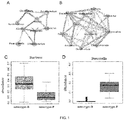
FIG. 1 is a schematic diagram of the typing of the enterotypes, of which, A. horizontal clustering and correlation of Bacteroides enterotype; B. horizontal clustering and correlation of Prevotella enterotype; C. Comparison of Bacteroides biological abundance in two enterotypes; D. Comparison of Prevotella biological abundance in two enterotypes. EntB: Bacteroides enterotype. EntP: Prevotella enterotype; -
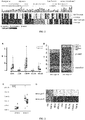
FIG.2 shows the changes in curative effect indexes after treatment with Acarbose in two enterotypes, the black represents a significant decrease after treatment, white represents a significant increase after treatment, and gray represents no significant change after treatment, P <0.05; -
FIG. 3 shows the difference of bile acid spectra and their changes after Acarbose treatment between the two enterotypes, of which, A. bile acids with difference in the baseline in two enterotypes; B. Difference of bile acid spectran between two enterotypes at baseline. C. Difference of two KO related to secondary bile acid metabolism between two enterotypes at baseline. D. The changed bile acid compositions and their signal maps between two enterotypes after Acarbose treatment. The black represents a significant decrease after treatment, white represents a significant increase after treatment, and gray represents no significant change after treatment, P <0.05. - The present invention will be described in detail with reference to the following embodiments. The following embodiments can help technicians skilled in the art to further understand this invention without limiting the invention in any way. It should be noted that a plurality of modifications and improvements may be made by those skilled in the art without departing from the spirit of the invention, all of which will fall within the scope of protection of the invention.
- For naïve patients with
Type 2 diabetes, their liver and kidney functions, blood glucose and lipid levels, intestinal hormones, inflammatory factors, and cardiovascular risk-related factors are evaluated before medication. Their stool, urine, and blood samples are retained. After clear diagnosis and evaluation, patients are treated for 3 months at a daily dose of Acarbose 300mg. The patients' blood glucose levels are followed up every month within 3 months, and the medication is adjusted according to the blood glucose level. Three months later, the pre- medication assessment is repeated, and the urine, stool and blood samples are retained. - Specific steps are as follows:
-
- a) A randomized, opened, positive control method is adopted to collect the naïve patients with
Type 2 diabetes and normal controls of their spouses. The clinical and biochemical data, gastrointestinal motility of diabetic patients before and after Acarbose treatment are compared and their blood and stool samples are collected. The newly diagnosed patients ofType 2 diabetes without medication receive routine examinations, including the retention of stool and blood samples. -
- b) Stool
- i . The instrument: Plastic basin (the diameter less than the caliber of household flush toilet)
- ii. Freshness protection package, sterile small-handle spoon
- iii. 50 ml sterile centrifuge tube
- iv. Place the plastic basin (the diameter less than the caliber of household flush toilet) into a flush toilet, cover the freshness protection package (do not immerse the edges of the freshness protection package into the water of the toilet). If samples are taken in the hospital, cover a freshness protection package directly in the clean potty, to retain the stool samples;
- v. Mix the upper layer of the fresh stool sample well with a small-handle spoon, pick up a small amount into a 50 ml sterile centrifuge tube. Take at least 10 g sample each tube, tighten the tube cover (indicate the sampling time, sampling group and number on the centrifuge tube wall). Retain stools for each subject each time, a total of 3 tubes of samples (RNAlater treatment tube, glycerine tube, and treatment-free tube).
- vi. Immediately place the collected samples into -80°C for cryopreservation.
- c) Retention of serum samples
- i . Draw venous blood 15 ml under fasting condition, of which, 1.5 ml is used for detection of plasma glucose, 6.5 ml is added to ordinary tubes (including aprotinin, DPPV inhibitor), and 6.5 ml is added to anticoagulant tubes (including heparin and RNA later)
- ii. Centrifuge the blood in ordinary tube at 4°C, when serum is separated out, draw about 3 ml, and divide to three 1.5 ml Eppendorf on average, then tighten the tube caps;
- iii. Centrifuge the anticoagulation blood immediately at 4°C, to separate out about 3 ml of plasma, then divide to three 1.5 ml imported RNAase free Eppendorf tubes on average,
- iv. Indicate the sample name, center number and random number on the tube in details;
- v. Cover the tubes for one week with plastic tapes;
- vi. Keep them at -20 °C (placed at -80 °C if condition permitted), and subpackage the plasma and immediately place them at -20°C or dry ice.
- The reagents Sodium taurochenodeoxycholate(TCDCA), Sodium glycocholate hydrate(GCA), Sodium taurodeoxycholate(TDCA), Chenodeoxycholic acid(CDCA), Ursodeoxycholic acid(UDCA), Taurocholic acid (TCA), Sodium glycodeoxycholate(GDCA), Glycoursodeoxycholic acid(GUDCA), Cholic acid(CA), Deoxycholic acid(DCA), Sodium glycochenodeoxycholate(GCDCA), Sodium tauroursodeoxycholate(TUDCA), Sodium taurolithocholate(TLCA), Lithocholic acid(LCA), NH4HCO3 are purchased from Sigma, USA; Glycochenodeoxycholic Acid 3-Sulfate Disodium Salt(GCDCS) are synthesized in the laboratory of Zhejiang University; Chenodeoxycholic Acid-d4 (CDCA-d4), Glycochenodeoxycholic Acid-d5 3-Sulfate Disodium Salt(GCDCS-d5), Taurochenodeoxycholic Acid-d5 (TCDCA-d5), Cholic Acid-d5(CA-d5), Glycocholic acid-d5(GCA-d5), Lithocholylglycine(GLCA) are purchased from TRC, Canada; and Taurodeoxycholic Acid-d5(TDCA-d5), Taurocholic acid -d5(TCA-d5) are purchased from CIL, USA. Acetonitrile and methanol are purchased from Merk, Germany.
- Sample pretreatment: Take 75 µL of blood sample, add 300 µL of internal standard methanol, to extract the target compound and precipitate the protein, vortex 30s, centrifuge 10 min at the rate of 15000 rpm, draw 200 µL of the supernatant, then lyophilize, re-dissolve in 50 µL of 25% acetonitrile solution, and wait for sample injection. Instrument and method: conduct sample analysis using 1290 Infinity liquid phase (Agilent, USA) and 6460A triple quadrupole mass spectrometry system (Agilent, USA). Perform the liquid phase separation using 100mm×2.1mm ACQUITY UPLC C8 column having a particle size of 1.7µm (Waters, USA), of which, phase A is 10 mM NH4HCO3 aqueous solution, phase B is pure acetonitrile; initially 25% phase B, retaining 0.5 min, followed by increased to 40% phase B linearly within 12.5 min, then increased to 90% within 1 min, flush the system for 3min, recover to 25% phase B in 0.5 min, after equilibrating 2.5 min, the flow rate is 0.35 ml/min, column temperature is 35°C and the injection volume is 5 µL; Mass spectrometry is performed by ESI source negative ion mode, with main parameters as follows: Gas Temp: 350°C; Gas Flow: 8 l/min; Nebulizer: 40 psi; Sheath Gas Temp: 400 °C; Sheath Gas Flow: 8 l/min; Capillary: 3500 V; Nozzle voltage: 400 V. The bile acid is detected under a reaction monitoring mode (MRM). The concentration of the internal standard and the main mass spectrum parameters are shown in Table 1. The setting of mass spectrum parameters for bile acid analysis is shown in Table 2.
Table 1 Concentration of internal standard and main MS parameters Concentration (mg/L) parent ion daughter ion Fragment or Collision Energy (eV) CA-d5 0.08 412.5 412.5 200 10 CDCA-d4 0.3 395.4 395.4 200 10 GCA-d5 0.2 469.2 74.1 200 35 GCDCA- 0.2 452.3 74.1 240 40 GCDCS- 0.2 533.3 453.3 200 35 TCA-d5 0.1 519.2 80.1 320 90 TCDCA- 0.1 503.3 80.2 300 70 TDCA-d5 0.1 503.3 80.2 300 70 Table 2 MS parameters for bile acid analysis and internal standard for calibration Compound Internal standard parent ion daughter ion Fragment or Collision Energy eV Lithocholic acid LCA CA-d5 375.3 375.3 200 2 Chenodesoxycholi c acid CDCA CDCA-d4 391.4 391.4 200 10 Deoxycholic acid DCA CDCA-d4 391.4 391.4 200 10 Ursodeoxycholic acid UDCA CDCA-d4 391.4 391.4 200 5 Bile acid CA CA-d5 407.5 407.5 200 10 Glycine conjugated with lithocholic acid GLCA GCA-d5 432.3 74 200 35 Glycine conjugated with deoxycholic acid GDCA GCDCA-d4 448.2 74.1 200 40 Glycine conjugated with chenodesoxycholi c acid GCDCA GCDCA-d4 448.3 74.1 240 42 Glycine conjugated with ursodeoxycholic acid GUDCA GCDCA-d4 448.3 74.1 200 40 Glycine conjugated with bile acid GCA GCA-d5 464.2 74.1 200 35 Taurine conjugated with lithocholic acid TLCA TCA-d5 482.1 80.1 300 70 Taurine conjugated with TCDCA TCDCA-d5 498.3 80.2 300 70 chenodesoxycholic acid Taurine conjugated with lithocholic acid TDCA TDCA-d5 498.3 80.2 300 70 Taurine conjugated with ursodeoxycholic acid TUDCA TCA-d5 498.3 80.1 320 70 Taurine conjugated with bile acid TCA TCA-d5 514.2 80.1 320 90 - For
HiSeq 2500 sequencing, the fragments at the length of 350bp are used to establish the database and compare with 9.9M human intestinal gene set, to obtain the phylum, species and genus of IMG (70% coverage rate and 65% recognition rate at the phylum level, 85% recognition rate at the genus level, and 95% recognition rate at the species level). The clustering analysis of intestinal parasites is performed by principal component analysis (PCA). - In the present invention, the gut microbiota colony DNA extraction and second generation sequencing of metagenome are performed in patients' feces, then compared with the published 9.9M human gut metagenome gene set, with a matching rate about 77%. About 143 kinds of gut microbiota with annotation information and difference before and after medication are found by clustering analysis. The genus level analysis shows that, different clustering of gut microbiota is found at the baseline in patients with
Type 2 diabetes. According to the characteristic accumulation of gut microbiota, the enterotype is obtained. In the present invention, there are mainly two enterotypes: one is the Prevotella-based Prevotella enterotype, and the other is Bacteroides-based Bacteroides enterotype (FIG. 1 ). - According to enterotype classification, there are no significant differences in the sex and age distribution between the two types of patients with
Type 2 diabetes. There are no significant differences in the baseline blood glucose levels, body weights, liver and kidney functions and other health indicators between them. Only the levels of red blood cells, hemoglobin and interleukin 6 are slightly higher in the patients of Prevotella enterotype (P <0.05). (Table 3) - After treatment, the efficacy of this drug for treatment of diabetes in the two groups of patients at baseline is observed.
- First, the most major efficacy of Acarbose is reflected by the reduction in 2h postprandial plasma glucose and HbAlc. But there are no differences in the two indexes between the two enterotypes (
FIG. 2 , Table 4). - Second, there is difference in control of fasting blood glucose level between the two enterotypes. The patients of Bacteroides enterotype show significant improvement and the degree of improvement after treatment; while the patients with
Type 2 diabetes of the Prevotella enterotype do not show significant improvement in fasting blood glucose level. The other metabolic related indexes, including insulin, body weight, BMI, waist circumference, cardiovascular risk factors and intestinal hormones are significantly different between the two enterotypes. - The fasting C peptide and insulin levels are significantly decreased after treatment in the Bacteroides enterotype. After calculation, the HOMAIR index, which reflects insulin resistance, decreases after Acarbose treatment, but this benefit is significant only in the patients of Bacteroides enterotype, but not significant in patients of Prevotella enterotype, suggesting that patients with
Type 2 diabetes of Bacteroides enterotype are more likely to improve their status of insulin resistance after taking Acarbose. The standard meal-induced insulin release curve, waist-to-hip ratio, and Adiponectin levels that are related to the insulin resistance show significant decrease after Acarbose treatment in T2DM patients of Bacteroides enterotype, but these indexes show no significant change in the patients of Prevotella enterotype. - Acarbose can cause a decrease in TG, APOA and DBP, and there are no significant differences between the two enterotypes after treatment; however, some plasma factors associated with diabetic vascular complications such as PDGFAA and PDGFAABB, endothelin, VegfC are significantly lower in the Bacteroides enterotype, suggesting that the Acarbose treatment can bring more benefits of reducing vascular complications in addition to lowering blood glucose level and risks of macrovascular diseases in the Bacteroides enterotype.
- Gut hormone is a hot research target in the treatment of
Type 2 diabetes, and its level is changed significantly in the Acarbose treatment. Among the several gut hormones detected, the elevated GLP1, glucagon, PYY, and ghrelin and GIP at each time point after medication are significant in the Bacteroides enterotype, but not significant in the Prevotella enterotype, suggesting that any metabolic benefit of Acarbose through gut hormones is more significant in the Bacteroides enterotype. - Third, there is a difference in bile acid spectrum between the two enterotypes at the baseline level (
FIG. 3A, B ). In the Bacteroides enterotype, the levels of deoxycholic acid and lithocholic acid in secondary bile acid are significantly lower than those in Prevotella enterotype, whereas the ursodeoxycholic acid level with protective effect is higher than that in Prevotella enterotype. The further gut metagenome analysis showed that, the ursodesoxycholic acid is further degraded into lithocholic acid KO, which is enriched in Prevotella enterotype apparently (FIG. 3C ), suggesting that there is significant difference in the bile acid metabolic ability of gut microbiota between patients of two enterotypes. After treatment with Acarbose, the difference in bile acid composition is more pronounced between both enterotypes (FIG. 3D ). The two kinds of primary bile acids are significantly increased in two enterotypes after treatment with Acarbose, but without enterotype-specific changes, suggesting that Acarbose may affect the whole reabsorption of bile acid in the small intestine. - Therefore, this study shows that, different enterotypes can predict patients' benefits from Acarbose treatment of diabetes, especially improving the insulin resistance, reducing the secondary bile acid, and promoting the reduction of cardiovascular risks in addition to glucose-lowering. The enterotype diagnosis can be completed by ordinary DNA PCR amplification of 16sRNA of characteristic bacteria genus, which is convenient and economical, making the precision medical care of
Type 2 diabetes possible.Table 3 Baseline clinical indexes of two enterotypes Clinical Index P value Bacteroides enterotype Prevotella enterotype SBP 0.052305571 126.68±15.68 134.92±19.75 DBP 0.569158065 80.87±8.49 82.54±11.12 Height 0.406982243 166.76±7.27 168.13±7.97 Body weight 0.632776326 72.76±9.93 74.44±12.11 BMI 0.426864667 26.17±3.48 26.2±2.73 Waist circumference 0.382242756 90.58±7.7 92.53±10.05 Hip circumference 0.850454946 99.15±7.58 98.71±6.25 Waist-to-hip ratio 0.073022015 0.91±0.05 0.94±0.06 RBC count 0.008822773* 4.77±0.45 5.01±0.3 Hemoglobin 0.015559629* 142.47±20.66 150.75±11.96 Hematocrit 0.110126957 9.5±22.96 9.69±22.65 WBC count 0.221434929 6.35±1.46 6.67±1.35 Granulocyte percentage 0.721728164 57.18±12.59 54.07±17.36 Percentage of lymphocytes 0.823390429 31.2±10.11 30.08±12.05 Percentage of monocytes 0.92702484 5.68±2.12 5.64±2.2 Platelet count 0.977269042 207.14±53.01 208.26±53.28 ALT 0.770933665 34.74±20.18 39.33±38.6 AST 0.821446414 26.76±12.39 32.45±33.84 Alkaline phosphatase 0.003733751* 68.02±17.83 81.7±21.67 Glutamyl transpeptidase 0.219732988 38.87±37.46 48.13±54.35 Total bilirubin 0.517075592 15.66±5.85 14.33±4.54 Direct bilirubin 0.930882347 3.17±1.58 3.3±1.57 Total protein 0.555631501 72.16±4.18 72.99±4.34 Albumin 0.439028944 46.81±26.74 44.38±4.21 Uric acid 0.389295382 5.01±1.2 5.24±1.03 Creatinine 0.424300196 66.58±14.76 69.16±12.41 Urea nitrogen 0.93814784 301.17±73.87 301.29±65.47 Potassium 0.802728704 6.46±17.43 4.11±0.51 Sodium 0.153693762 137.39±17.91 140.64±3.13 Chloride 0.45778794 102.73±2.78 102.32±2.5 Triglycerides 0.479383839 2.29±1.56 2.28±2.29 Total cholesterol 0.763815537 5.03±0.91 5.05±1.54 High density lipoprotein 0.974185078 3.05±0.81 3.17±1.05 Low density lipoprotein 0.341454604 1.2±0.45 1.18±0.2 Apolipoprotein A 0.99402696 1.34±0.18 1.36±0.17 Apolipoprotein B 0.923810467 1.03±0.21 1.06±0.29 Lipoprotein A 0.833966588 62.95±144.85 164.75±516.3 Blood glucose 0 min 0.091734172 7.91±1.4 7.29±1.11 Blood glucose 30 min 0.130269742 10.91±1.96 10.27±1.87 Blood glucose 60 min 0.257347624 14.24±2.43 13.79±1.84 Blood glucose 120 min 0.243421632 14.78±2.86 14±2.36 Blood glucose 180 min 0.741659488 12.11±3.21 11.51±3.04 Serum insulin 0 min 0.509699318 9.54±4.74 11.83±11.34 Serum insulin 30 min 0.234997693 19.7±11.99 22.7±12.31 Serum insulin 60 min 0.469868561 36.99±21.41 42.04±27.34 Serum insulin 120 min 0.517877918 48.41±26.27 55.15±35.47 Serum insulin 180 min 0.889080689 38.78±26.07 35.42±22.9 Serum C-peptide 0 min 0.979767063 2.5±0.74 2.67±1.27 Serum C-peptide 30 min 0.318552538 3.42±1.1 3.6±1.17 Serum C-peptide 60 min 0.694278947 5.08±1.77 5.24±1.86 Serum C-peptide 120 min 0.809629053 7.59±2.29 7.62±2.45 Serum C-peptide 180 min 0.343793846 7.3±2.51 6.61±1.97 Plasma insulin 0 min 0.469445501 478.88±234.65 476.64±338.58 Plasma insulin 30 min 0.810557675 791.99±393.84 808.26±506.26 Plasma insulin 60 min 0.838524751 1396.45±752.85 1467.09±1061.37 Plasma insulin 120 min 0.741764202 1934.72±997.05 2110.35±1443.51 Plasma insulin 180 min 0.754907581 1641.1±947.84 1639.39±1040.15 Plasma C-peptide 0 min 0.384853423 1175.79±418.14 1127.3±498.93 Plasma C-peptide 30 min 0.813883421 1670.96±718.73 1669.2±711.29 Plasma C-peptide 60 min 0.8047981 2578.14±1156.59 2530±1212.03 Plasma C-peptide 120 min 0.852096376 3871.17±1525.71 3800.54±1372 Plasma C-peptide 180 min 0.587827408 3626.21±1473.21 3336.12±1109.94 HbAlc 0.394975993 7.65±0.91 7.45±0.72 GHRP 0 min 0.647538837 47.52±28.77 54.93±51.33 GHRP 30 min 0.270618653 54.38±33.75 51.8±43.65 GHRP 60 min 0.100675425 45.72±25.99 39.13±30.64 GHRP 120 min 0.420950166 35.62±17.43 34.83±24.87 GHRP 180 min 0.608065141 42.79±21.75 47.11±36.95 GLP-1 0 min 0.925944614 6.46±10.84 5.02±5.17 GLP-1 30 min 0.874727025 19.49±18.36 18.24±15.26 GLP-1 60 min 0.891679993 16.79±13.74 14.11±8.46 GLP-1 120 min 0.706003564 11.35±12.71 8.58±7.07 GLP-1 180 min 0.412865834 9.46±12.94 7.22±6.79 Glu 0 min 0.976095762 29.11±13.28 30.48±17.95 Glu 30 min 0.738477919 37.97±20.1 37.5±23.81 Glu 60 min 0.605878342 35.31±19.34 34.12±23.53 Glu 120 min 0.343451344 25.45±12.45 24.88±16.59 Glu 180 min 0.911837296 22.34±12.16 23.56±14.08 PYY 0 min 0.902682115 53.23±56.11 41.27±30.44 PYY 30 min 0.826513742 67.21±59.48 61.55±43.07 PYY 60 min 0.984419278 64.4±55.36 55.23±32.99 PYY 120 min 0.556885888 55.41±50.64 51.09±30.71 PYY 180 min 0.705995014 57.51±56.59 43.62±32.17 GIP 0 min 0.466825554 76.52±47.45 72.4±53.13 GIP 30 min 0.959035633 358.7±222.63 357.55±244.17 GIP 60 min 0.693172872 443.67±220.91 417.88±238.84 GIP 120 min 0.453200572 406.03±192.67 388.55±218.63 GIP 180 min 0.181743927 323.22±179.85 289.97±235.54 PP 0 min 0.318610459 93.28±78.66 82.39±78.19 PP 30 min 0.569166173 313.48±220.69 258.05±114.37 PP 60 min 0.133570837 284.41±196.22 217.63±115.08 PP 120 min 0.245241771 222.38±163.09 180.86±108.39 PP 180 min 0.106766755 180.24±111.6 143.88±97.4 IL 17M 0.962918479 138.85±74.04 155.04±123.32 G-CSF 0.803059249 50.43±21.81 49.25±17.99 IFN r1 0.181566671 45.55±42.56 34.79±17.12 IL 10 0.861536003 1.68±1.51 1.69±1.65 MIP-3a 0.333709066 22.75±19.47 25.06±16.77 IL 12 0.993168795 8.76±7.01 8.42±5.75 IL 15 0.267007222 232.97±132.57 258.05±119.82 IL 17A 0.7415298 32.16±9.43 31.08±9.36 IL 22 0.13451041 42.34±40.57 30.96±10.48 IL 9 0.480277271 81.35±54.9 69.56±35.58 IL 33 0.751136369 37.46±13.13 35.71±13.65 IL 2 0.472384797 58.54±49.48 47.94±29.24 IL 21 0.905751857 28.21±11.92 31.75±22.21 IL 4 0.927445079 20.29±15.95 19.9±13.78 IL 23 0.902434691 37.04±23.49 36.37±20.38 IL 5 0.892399481 45.18±36.22 38.48±19.04 IL IL17E 0.608790357 25.15±31.08 19.56±10.22 IL 27 0.534356146 71.75±56.63 60.5±37.44 IL 31 0.793285936 112.57±57.24 101.87±34.87 TNF B 0.885718446 45.25±32.83 40.52±18.34 IL 28a 0.591202712 20.21±9.34 19.56±8.97 FGF 19M 0.802617256 23.01±4.13 23.27±3.78 FGF 23M 0.132019218 45.88±9.26 41.96±6.75 Oncostatin 0.496200994 105.9±75.52 93.87±65.35 cTn 0.139027346 19.77±18.76 14.9±10.08 ET 0.560717515 12.79±2.7 12.88±3.41 FGF 21 0.738341043 0.3±0.32 0.26±0.26 NGF 0.100733692 2.41±3.11 2.83±2.61 HGF 0.271836439 408.2±258.41 465.78±249 MCP 1 0.454428023 244.24±136.45 246.4±77.85 TNF a 0.292633798 4.56±2.19 5.67±4.46 SICAM 0.684945545 161.33±75.77 188.08±166.69 MPO 0.27368969 385.65±351.89 464.48±363.39 sP-selectin 0.165666585 141.01±76.01 270.22±572.86 sVCAM 0.233334305 703.18±244.75 820.42±410.18 PDGFAA 0.945399512 4951.68±1904.72 4902.38±1831.41 PDGF AABB 0.490732791 26581.76±14551-83 27347.81±11562.13 RANTES 0.899107284 54893.62±24860.48 52830.46±19005.15 LEP 0.632956992 5307140.26±30525 69.78 6121581.85±42971 13.91 NGAL 0.43181483 136543.91±75938.8 4 158878.69±102095. 95 Resistin 0.051869812 16813.35±9816-98 21730.58±11698.65 Adipokine 0.377073702 3322727.99±15540 37.78 3526181.62±16305 15.78 PAI 10.635961359 57833.47±21242.95 59240±19939.5 CRP 0.310428088 11.92±15.92 21.22±49.48 FETU-A 0.790035938 333.82±50.16 332.62±40.54 L- selectin 0.973025194 1.54±0.25 1.58±0.32 FABP 3 0.706810959 2282.3±1074.01 2481.19±1192.16 FABP 4 0.706016525 14084.38±12064.5 13559.88±12861.95 ECGF 0.1033731 187.05±127.4 234.75±131.23 ET 0.640239461 3.78±1.99 4.08±3.37 FGF 10.400574693 13.71±10.83 12.86±5.24 VEGFc 0.614322703 113.88±37.89 113.02±46.82 VEGFd 0.115360982 163.15±117.25 203.19±123.58 FGF 20.685128912 37.29±22.25 41.01±26.94 VEGFa 0.416512674 499.98±398.81 400.25±267.47 LEP 0.732125461 6490.77±6637.01 6502.46±5785.56 IL 8 0.812673509 17.03±26.21 18.69±24.86 IL 1b 0.912521353 0.48±0.79 0.59±1.29 IL 13 0.442815325 237.23±132.1 254.36±129.07 IL 6 0.044391053* 2.85±5.27 3.1±3.63 LBP 0.185062045 20.61±7.28 18.66±7.99 HOMA-IR 0.895763831 3.33±1.73 3.83±3.38 Plasma HOMA-IR 0.206702804 3.76±2.07 3.44±2.46 Table 4 P value Mean Bacterioide enterotype Prevotella enterotype Acarbose Acarbose Acarbose Bacterioide enterotype Prevotella enterotype Baseline After treatment Baseline After treatment Adipisin 0.735655998 0.678771973 3168874 .417 3174901. 441 3105379 .8 3221619. 467 Adpn* 0.009070051 0.072998047 4659142 .417 5157339. 824 6825515 .733 10063264 .07 AKP* 0.000298293 0.148678549 68.3823 5294 59.22857 143 85.4266 6667 77.5 ALB 0.052938425 0.125506471 49.7454 5455 42.26 45.5857 1429 44.38571 429 ALT 0.023923875 0.315055201 37.68 29.42857 143 40.7 44.35714 286 APOA* 0.011314861 0.125 1.32821 4286 1.2475 1.37714 2857 1.267272 727 APOB 0.42397348 0.1875 1.02964 2857 0.963571 429 1.13142 8571 0.927272 727 AST* 0.009259021 0.183967151 28.2029 4118 22.45714 286 35.9133 3333 29.35714 286 BMI* 3.26E-05 0.003494192 26.4255 5556 25.51138 889 26.0686 6667 25.11333 333 bun 0.017056015 0.221189047 309.282 3529 329.2 306.212 326.4615 385 BW* 2.32E-05* 0.00367322* 74.4527 7778 71.91111 111 75.38 72.63333 333 cl 0.365775393 0.149551339 102.937 5 103.4 101.692 3077 103.3571 429 CP0* 0.000751479 0.229309082 2.62083 3333 2.216388 889 2.66866 6667 2.485333 333 CP120* 5.92E-08 0.001159668 7.84277 7778 5.204166 667 7.61533 3333 5.304666 667 CP180* 1.25E-09 0.012036948 7.32777 7778 4.843333 333 6.26266 6667 4.734666 667 CP30* 3.59E-05 0.023068064 3.60222 2222 2.7525 3.502 2.802 CP60* 5.42E-06 6.10E-05 5.375 3.71 5.294 3.609333 333 creatine 0.530974718 1 67.1088 2353 67.61428 571 67.9866 6667 67.41538 462 crp 0.852740904 0.229309082 13.5725 29.96117 647 10.216 19.638 DBIL 0.42621214 0.833885439 2.75588 2353 2.965714 286 3.54285 7143 6.292857 143 DBP* 0.000195001 0.049089037 82.0833 3333 75.37142 857 80.4666 6667 74.93333 333 egf 0.458006509 0.267578125 193.700 5882 183.3530 303 206.374 2857 267.604 ENDOM 0.030053592 0.207824804 12.3611 1111 13.43939 394 13.7333 3333 14.26666 667 Endothe lin* 0.039909487 0.363606971 3.46 4.158571 429 4.92642 8571 4.776 FABP3 0.903465115 0.890380859 2374.76 0833 2350.673 429 2293.33 3333 2146.933 333 FABP4 0.103153911 0.252380371 14146.3 1429 11504.54 286 12673.3 3333 10510.4 fetuinA* 0.000150225 0.000610352 340.418 0556 400.9188 235 334.999 3333 417.3386 667 fgf1 0.327136563 0.777511253 11.0894 4444 11.65771 429 14.0064 2857 13.78933 333 FGF19M 0.000721153 0.006268599 22.4444 4444 19.73529 412 22.6 19.3 FGF1M 0.327494344 0.62856768 21.9444 4444 22.57352 941 24.4 24.33333 333 fgf2 0.271079158 0.94425068 33.1302 7778 35.39542 857 42.5535 7143 43.98266 667 fgf21 0.502579383 0.779828433 0.31777 7778 0.37 0.33928 5714 0.296 fgf21M 0.000200362 0.002624512 143.041 6667 100.0588 235 136.4 97.93333 333 FGF23M 5.55E-05 0.628914718 44.9027 7778 37.07352 941 42.3666 6667 43.46666 667 FGF2M 0.219893155 0.805893176 12.3055 5556 12.69117 647 13.1333 3333 13.66666 667 G120* 1.75E-07 6.10E-05 14.6427 7778 9.171388 889 13.292 9.170666 667 G180* 7.36E-09 0.000244141 11.6838 8889 7.941388 889 10.65 7.852857 143 G30* 4.07E-10 0.00012207 10.7305 5556 7.622777 778 9.652 7.601428 571 G60* 5.82 E-11 0.00012207 13.9961 1111 9.074166 667 13.1206 6667 9.055 GIP0 0.890667984 0.71484375 79.7154 2857 80.26388 889 84.0453 3333 57.39785 714 GIP120* 0.007692964 0.067626953 382.071 1765 264.0158 333 354.922 227.7985 714 GIP180* 0.002999473 0.067626953 290.193 8235 201.5647 222 259.104 194.8235 714 GIP30* 0.01013191 0.020263672 336.143 4286 219.1305 556 342.732 208.4314 286 GIP60* 0.000305745 0.00402832 439.173 1429 258.945 382.323 3333 217.2485 714 GMCSF M 0.400942689 0.798033799 49.375 64.61764 706 55.3 67.96666 667 GO* 2.34E-06 0.30279541 7.9075 6.606944 444 7.00266 6667 6.712 HB 0.866145989 0.063711823 144.971 4286 140.6431 429 152.333 3333 147.8333 333 HBA1C* 3.54E-07 0.001087736 7.625 6.425 7.30666 6667 6.313333 333 HDL 0.888463907 0.109863281 2.97 2.989411 765 3.30461 5385 2.868571 429 HGF 0.162910502 0.561401367 415.155 2778 434.1691 176 377.43 400.8593 333 HIP 0.135245032 0.9372558 100.202 8571 98.82777 778 98.0666 6667 97.21428 571 HOMA.I R 6.62E-05 0.638671875 3.58523 6667 2.487479 506 3.79496 563 3.326864 889 IFNr1 0.259007015 0.609162891 38.7638 8889 42.10294 118 37.6 38.8 IL10 0.241252899 0.635498047 1.52538 4615 2.300869 565 1.78785 7143 1.797692 308 IL12 0.444698256 0.524475098 7.88114 2857 10.11903 226 9.13866 6667 9.944 IL13 0.394072711 0.735351563 231.221 4286 311.6553 846 251.214 6667 279.3569 231 IL15M 0.098387918 0.488708496 224.303 4286 333.3187 5 269.899 3333 291.8106 667 IL17AM 0.823963715 0.726607536 32.8611 1111 33.73529 412 33.2 32.03333 333 IL17EM 0.870855906 0.949882816 21.5138 8889 22.23529 412 21.3666 6667 21.23333 333 IL17FM 0.055283514 0.30279541 124.958 3333 181.3529 412 183.133 3333 232.6333 333 IL1B 0.694494109 1 0.37472 2222 0.532352 941 0.32428 5714 0.910666 667 IL1bM 0.359000687 0.977243513 13.7777 7778 14.66176 471 12.5333 3333 22.23333 333 IL21 0.850725867 0.394055106 26.0416 6667 29.13235 294 35.9 34.46666 667 IL22M 0.175108876 0.191177717 36.4722 2222 42.5 32.8333 3333 30.5 IL23M 0.085674334 0.460211098 34.8055 5556 39.35294 118 39.5666 6667 41.7 IL27 0.81743512 0.348590881 59.4305 5556 61.27941 176 69.3666 6667 73.1 IL28a 0.80929836 0.18707508 20.0277 7778 20.04411 765 20.9 18.36666 667 IL2M 0.567407854 0.267970259 45.1944 4444 53.45588 235 53.2 58.76666 667 IL31 M 0.270120255 0.719726563 98.8611 1111 112.9558 824 105.733 3333 112.3333 333 IL33M 0.304945974 0.181618578 36.1805 5556 42.13235 294 38.7 43.5 IL4M 0.104184122 0.120544434 17.6905 7143 30.73387 097 22.642 31.074 IL5M 0.644309509 0.890380859 34.5694 4444 38.44117 647 42.3333 3333 43.96666 667 IL6 0.346414942 0.12890625 2.57758 6207 4.845555 556 1.63111 1111 2.665 IL6M 0.724177037 0.04439591 42.0833 3333 55.85294 118 31.0666 6667 40.53333 333 IL8 0.648417992 0.463134766 15.0672 2222 11.92176 471 9.64071 4286 15.43866 667 IL9M 0.644339761 0.488708496 67.2361 1111 84.63235 294 76.1333 3333 84.9 INSO 0.000815737 0.798233177 10.3066 6667 8.284444 444 12.27 11.734 INS120 2.86E-06 0.003356934 50.6622 2222 30.33111 111 59.0286 6667 27.83866 667 INS180 1.30E-06 0.02557373 39.5722 2222 22.83277 778 35.0026 6667 20.88266 667 INS30 0.000414037 0.018066406 22.1 14.49833 333 22.598 14.20533 333 INS60 0.000114652 0.004272461 40.315 23.70222 222 45.708 23.404 K 0.665771961 0.239135782 4.26281 25 7.892571 429 4.19384 6154 4.054285 714 LBP 0.317407376 0.390991211 19.5602 7778 17.36264 706 15.4521 4286 17.616 LDL 0.122171856 0.556146527 1.15428 5714 1.241764 706 1.20153 8462 1.168571 429 LEPTIN 0.157752971 0.006713867 6318.86 6667 6480.940 882 7200.68 0714 4521.537 333 LPA 0.433978558 0.625 66.6332 1429 32.841 303.14 214.7509 091 Lselecti n* 0.034002222 0.003438 1.52277 7778 1.686176 471 1.59133 3333 2.047333 333 Lymph 0.873712631 0.030175493 30.1147 0588 28.87428 571 32.5678 5714 28.21428 571 MCP1 0.069589183 0.006713867 245.456 3889 256.6388 235 211.976 252.7773 333 MIP3A 0.000646785 0.100000618 20.4654 8387 43.76967 742 20.3464 2857 29.93571 429 monocyt e 0.810992023 0.861220365 5.72812 5 5.480571 429 5.48153 8462 5.828571 429 mpo 0.542937988 1 366.377 5 275.7567 647 411.012 6667 467.2593 333 Na 0.097485128 0.064957971 139.406 25 136.8574 286 140.307 6923 142.2142 857 NEU 0.279685889 0.001656248 60.2058 8235 58.46857 143 52.5057 1429 63.59285 714 NGAL 0.787128593 0.276855469 129328. 8056 125535.0 294 137207. 4667 174248.3 333 NGF 0.78915379 0.887042291 1.8775 1.865 3.09733 3333 2.434 oscatinM 0.231878957 0.454284668 105.388 8889 86.93939 394 85.4333 3333 101.1 PAI1 0.7103313 0.252380371 56209.6 6667 52769.94 118 54084.7 3333 61006.73 333 pCP0 0.003281006 0.583007813 1264.89 1098.934 444 1066.73 0667 1065.952 857 pCP120 3.16E-05 0.00012207 3983.97 0588 2787.309 722 3804.86 6667 2723.04 pCP180 1.50E-06 0.024536133 3659.41 1765 2451.553 333 3335.46 6667 2526.179 286 pCP30 4.56E-05 0.013427734 1799.17 0286 1394.301 389 1597.98 0667 1362.325 714 pCP60 0.000122547 0.000610352 2780.39 8571 1891.040 833 2546.80 7333 1935.42 PDGFAA 0.046347912 0.488708496 5322.73 0571 4701.948 824 4845.33 3333 4507.333 333 PDGFAA BB 0.004710246 0.561401367 29869.6 8571 24130.63 636 26779.7 3333 24006.8 pgh0* 0.009070051 0.206054688 42.2870 5882 55.75416 667 50.1483 3333 53.4025 pgh0180 * 0.002696353 0.16015625 41.3451 6129 60.30111 111 46.2636 3636 50.87333 333 pgh120* 3.87E-06 0.07421875 34.2424 2424 58.55861 111 35.1845 4545 42.5275 pgh30* 0.000781945 0.233398438 46.9967 6471 70.15138 889 44.2284 6154 64.28307 692 pgh60* 8.13E-05 0.041311226 43.87 66.50916 667 33.4030 7692 56.35083 333 pGLP10 0.31839608 0.577148438 4.09833 3333 4.564117 647 5.125 3.643846 154 pGLP11 20 0.066918263 0.855224609 7.80529 4118 10.47416 667 8.14666 6667 9.07 pGLP11 80* 0.012499022 0.501586914 5.64781 25 7.518333 333 6.40066 6667 6.457857 143 pGLP13 0 0.062569209 0.057373047 15.2964 7059 12.20628 571 20.4171 4286 11.40714 286 pGLP16 0 0.642244034 0.807739258 14.3494 1176 13.20333 333 14.4206 6667 13.72 pgluc0 0.234643616 0.637695313 29.1234 2857 37.29794 118 31.7666 6667 39.20090 909 pgluc12 0* 0.00154797 0.02734375 24.0327 2727 35.94735 294 23.8257 1429 29.62545 455 pgluc18 0* 0.000424966 0.153576397 21.732 32.29147 059 23.6571 4286 30.42818 182 pgluc30 0.385465678 0.909667969 38.742 43.28277 778 37.3433 3333 41.17166 667 pgluc60 0.016413683 0.518554688 35.5568 5714 43.96361 111 30.278 36.68 pHOMA. IR* 0.00102708 0.71484375 3.95111 0809 2.565193 754 3.24913 4038 2.716974 268 pins0* 0.009625357 0.71484375 494.009 7143 391.0080 556 469.047 3333 416.3028 571 pins120* 3.16E-05 0.057373047 2011.77 3529 1168.609 722 2303.54 2 1373.493 077 pins180* 7.24E-06 0.067626953 1613.70 4118 916.6516 667 1780.70 1333 1152.767 143 pins30* 0.003007197 0.172607422 817.723 1429 561.7958 333 780.207 3333 639.8921 429 pins60* 0.000283359 0.03527832 1469.36 6571 892.8875 1574.94 8667 968.9964 286 platelet 0.964365002 0.670003472 212.171 4286 213.9714 286 208.8 206.2666 667 PP0 0.727960433 0.049438477 85.9882 8571 80.31583 333 107.546 6667 69.67214 286 PP120 0.050439826 0.03527832 231.427 3529 258.8033 333 203.484 260.1364 286 PP180 0.446560021 0.501586914 182.530 8824 173.9941 667 171.237 3333 204.6585 714 PP30 0.703771093 0.03527832 319.300 8571 331.6930 556 279.108 376.6992 857 PP60 0.045642266 0.016601563 305.704 2857 330.7513 889 237.352 6667 318.92 ppyy0 0.539026541 0.91015625 42.186 49.602 51.0175 43.56636 364 ppyy120 * 0.038631681 0.921875 44.3451 6129 54.44848 485 61.0491 6667 54.01538 462 ppyy180 * 0.033681393 0.431640625 45.3134 4828 56.15371 429 54.6591 6667 51.59230 769 ppyy30 0.707845747 0.359375 56.9793 3333 55.73625 77.2830 7692 64.33909 091 ppyy60 0.33367527 0.764648438 56.1743 75 59.37029 412 69.9369 2308 56.77923 077 RANTES 0.179124002 0.524475098 58731.5 50811.91 176 50815.2 47562.53 333 RBC 0.321296464 0.306429005 4.78342 8571 4.832 5.008 4.945333 333 RCv 0.942925705 9.93617 6471 2.580285 714 9.274 0.442142 857 resistin 0.624272656 0.276855469 15960.5 14639.64 706 21493.7 3333 25013.66 667 rGT* 5.29E-05 0.020263672 42.7571 4286 24.82285 714 60.0733 3333 43.12142 857 SBP 0.122812744 0.064531987 127.027 7778 120.8611 111 127.8 119.8 sicam1* 2.21 E-06 0.018066406 167.553 3333 112.2894 118 163.149 3333 122.9993 333 Spselect in* 0.001039933 0.120544434 142.373 3333 92.83058 824 139.506 102.7933 333 svcam1* 0.000430483 0.041259766 674.316 9444 484.8473 529 738.345 3333 545.498 TBIL 0.316992017 0.216308594 15.3617 6471 16.35714 286 13.7428 5714 14.9 TC 0.059412126 0.026855469 4.96885 7143 4.735588 235 5.51461 5385 4.882857 143 TG* 0.000665817 0.01668677 2.48285 7143 1.525 2.53230 7692 1.693571 429 TNFa 0.877708881 0.07823218 4.66083 3333 4.772647 059 3.96266 6667 4.572 TNFBM 0.572530012 0.900061308 35.625 38.44117 647 45.3333 3333 44.7 TPRO* 0.031620353 0.57587042 72.0794 1176 70.11428 571 74.0857 1429 73.55 Trophoni nM 0.796523868 0.167835191 17.4861 1111 16.15151 515 16.5333 3333 17.9 urea 0.205820381 0.700616425 4.89484 8485 4.731428 571 5.08133 3333 4.953846 154 vegfa 0.253948028 0.172607422 516.596 7647 475.2033 333 308.431 4286 340.1686 667 vegfc 0.025448661 0.414306641 121.530 8824 106.3214 706 113.845 3846 128.6914 286 vegfd 9.05E-06 0.010742188 193.542 7778 145.3523 529 249.552 1429 195.0753 333 WAIST* 0.004813593 0.029960994 91.1142 8571 88.45277 778 92.2666 6667 88.92857 143 WBC 0.387914524 0.334179383 6.41342 8571 6.912571 429 6.38 6.146 WHR* 0.036332936 0.068270928 0.90971 4286 0.895555 556 0.94 0.913571 429
Claims (10)
- An application of characteristics of gut microbiota metagenome as a as a screening marker of Acarbose efficacy in patients with Type 2 diabetes, wherein the characteristic of gut microbiota metagenome is Bacteroides enterotype.
- The application according to claim 1, wherein the Bacteroides enterotype is determined by DNA sequencing or PCR amplification of parasites in feces in vitro.
- The application according to claim 2, wherein the PCR amplification specifically comprises: extract the DNA of parasites in feces in vitro and perform 16Srna PCR amplification for specific enrichment strains.
- The application according to claim 1, wherein the Bacteroides enterotype is determined by detecting secondary bile acid in the in vitro blood samples.
- The application according to claim 4, wherein the detection of secondary bile acid comprises the following steps:S1. Sample pretreatment: Add 300 µL of internal standard methanol to every 75 µL of blood samples, to extract the target compound and precipitate the protein, vortex, centrifuge and draw the supernatant, then lyophilize, re-dissolve in 50 µL of acetonitrile solution (25%, volume), and wait for sample injection;S2. Detection: conduct sample analysis using 1290 Infinity liquid phase and 6460A triple quadrupole mass spectrometry system;Perform the liquid phase separation using 100mmx2.1mm ACQUITY UPLC C8 column having a particle size of 1.7µm, of which, phase A is 10 mM NH4HCO3 aqueous solution, phase B is pure acetonitrile; initially 25% phase B (by volume), retaining 0.5 min, followed by increased to 40% phase B (by volume) linearly within 12.5 min, then increased to 90% (by volume) within 1 min, flush the system for 3min, recover to 25% phase B (by volume) in 0.5 min, after equilibrating 2.5 min, the flow rate is 0.35 ml/min, column temperature is 35°C and the injection volume is 5 µL;
Mass spectrometry is performed by ESI source negative ion mode, with main parameters as follows: Gas Temp: 350°C; Gas Flow: 8 l/min; Nebulizer: 40 psi; Sheath Gas Temp: 400 °C; Sheath Gas Flow: 8 l/min; Capillary: 3500 V; Nozzle voltage: 400 V. - The application according to claim 1, wherein the efficacy of Acarbose in the patients with Type 2 diabetes and Bacteroides enterotype includes improving the insulin resistance, reducing the secondary bile acid, and promoting the reduction of cardiovascular risks in addition to glucose-lowering.
- The application according to claim 6, wherein the indicators for reducing the secondary bile acid include GDCA, TDCA, TLCA, and the indicators for reducing the binding of taurine with bile acid include TCA, TDCA, TLCA, TUDCA.
- The application according to claim 6, wherein the indicators for improving insulin resistance include decreased fasting blood glucose, decreased fasting C peptide and insulin level, down-regulated waist-to-hip ratio, down-regulated HOMA insulin resistance index and up-regulated Adiponectin.
- The application according to claim 6, wherein the indicators that promote the reduction of cardiovascular risks include decreased PDGFAA, PDGFAABB, endothelin, and VegfC plasma factor.
- A kit used for screening of Acarbose efficacy in patients with Type 2 diabetes, comprising:A reagent used to collect in vitro stool samples or in vitro blood samples;A reagent used to determine the enterotype by DNA sequencing or PCR amplification of the parasites in the in vitro stool samples, or a reagent used to determine the enterotype by detecting the secondary bile acid in the in vitro blood samples.
Applications Claiming Priority (2)
| Application Number | Priority Date | Filing Date | Title |
|---|---|---|---|
| CN201510703463.9A CN105296620B (en) | 2015-10-26 | 2015-10-26 | The macro genome signature of enteron aisle is as diabetes B acarbose therapeutic efficacy screening mark |
| PCT/CN2015/097566 WO2017071018A1 (en) | 2015-10-26 | 2015-12-16 | Intestinal metagenomic feature as selection marker of curative effect of acarbose for treating type 2 diabetes |
Publications (3)
| Publication Number | Publication Date |
|---|---|
| EP3301185A1 true EP3301185A1 (en) | 2018-04-04 |
| EP3301185A4 EP3301185A4 (en) | 2018-06-13 |
| EP3301185B1 EP3301185B1 (en) | 2021-09-15 |
Family
ID=55194439
Family Applications (1)
| Application Number | Title | Priority Date | Filing Date |
|---|---|---|---|
| EP15907079.6A Not-in-force EP3301185B1 (en) | 2015-10-26 | 2015-12-16 | Intestinal metagenomic feature as selection marker of curative effect of acarbose for treating type 2 diabetes |
Country Status (6)
| Country | Link |
|---|---|
| US (1) | US20180340225A1 (en) |
| EP (1) | EP3301185B1 (en) |
| JP (1) | JP6644133B2 (en) |
| KR (1) | KR102061985B1 (en) |
| CN (1) | CN105296620B (en) |
| WO (1) | WO2017071018A1 (en) |
Families Citing this family (11)
| Publication number | Priority date | Publication date | Assignee | Title |
|---|---|---|---|---|
| CN105950779A (en) * | 2016-07-22 | 2016-09-21 | 昆明医科大学第附属医院 | Specificity detection primers of Aids related intestinal tract Prevotella copri translocation and application |
| CN105950780A (en) * | 2016-07-22 | 2016-09-21 | 昆明医科大学第附属医院 | Specificity detection primers of Aids related intestinal tract Megamonas funiformis translocation and application |
| CN108072704B (en) * | 2016-11-08 | 2021-05-11 | 中国科学院大连化学物理研究所 | Detection method of bile acids in feces based on liquid chromatography-mass spectrometry |
| CN107625775A (en) * | 2017-09-12 | 2018-01-26 | 上海市内分泌代谢病研究所 | A kind of antidiabetic drug is improving the application of people's intestines symbiosis Ruminococcus torques and UDCA abundance |
| CN107510697A (en) * | 2017-09-12 | 2017-12-26 | 上海市内分泌代谢病研究所 | A kind of antidiabetic drug is blocking the application of commensal gut bacterium secondary bile acid generation |
| CN111134329A (en) * | 2018-11-06 | 2020-05-12 | 深圳华大生命科学研究院 | Application of plant polysaccharide as drug for preparation of enterotype-related hyperuricemia |
| CN109797190B (en) * | 2019-03-11 | 2020-05-05 | 上海宝藤生物医药科技股份有限公司 | Microbial marker for evaluating risk of type II diabetes and application of microbial marker |
| CN110220987B (en) * | 2019-06-11 | 2021-09-28 | 上海市内分泌代谢病研究所 | Application of bile acid combined marker in preparation of detection reagent or detection object for predicting or diagnosing diabetes |
| CN111370069B (en) * | 2020-02-26 | 2023-09-12 | 康美华大基因技术有限公司 | Human intestinal flora detection method, device and storage medium |
| EP4133266A4 (en) * | 2020-04-09 | 2024-10-02 | Hepquant, LLC | IMPROVED METHODS FOR ASSESSING LIVER FUNCTION |
| CN112458157A (en) * | 2020-12-01 | 2021-03-09 | 贾卫国 | In vitro metabolic activity detection system based on intestinal microorganisms |
Family Cites Families (11)
| Publication number | Priority date | Publication date | Assignee | Title |
|---|---|---|---|---|
| US7888382B2 (en) | 2005-04-20 | 2011-02-15 | Kissei Pharmaceutical Co., Ltd. | Combined pharmaceutical preparation for treatment of type 2 diabetes |
| US20100172874A1 (en) * | 2006-12-18 | 2010-07-08 | The Washington University | Gut microbiome as a biomarker and therapeutic target for treating obesity or an obesity related disorder |
| JP6133005B2 (en) * | 2010-02-25 | 2017-05-24 | 富士フイルム株式会社 | Primary bile acid and secondary bile acid production regulator |
| CN102477460A (en) * | 2010-11-24 | 2012-05-30 | 深圳华大基因科技有限公司 | Method for sequencing and clustering analysis of metagenome 16S hypervariable region V6 |
| CN104603283B (en) * | 2012-08-01 | 2017-09-19 | 深圳华大基因研究院 | Determine the method and system of abnormality associated biomarkers |
| US10100360B2 (en) * | 2012-08-01 | 2018-10-16 | Bgi Shenzhen | Biomarkers for diabetes and usages thereof |
| CN104540962B (en) * | 2012-08-01 | 2017-09-19 | 深圳华大基因研究院 | Diabetes biomarker and its application |
| WO2014019271A1 (en) * | 2012-08-01 | 2014-02-06 | Bgi Shenzhen | Biomarkers for diabetes and usages thereof |
| EP2904096A1 (en) * | 2012-10-03 | 2015-08-12 | Metabogen AB | Identification of a person having risk for atherosclerosis and associated diseases by the person's gut microbiome and the prevention of such diseases |
| US20150267249A1 (en) * | 2012-10-17 | 2015-09-24 | Institut National De La Recherche Agronomique | Determination of reduced gut bacterial diversity |
| KR101445243B1 (en) * | 2014-03-28 | 2014-09-29 | 서울대학교산학협력단 | Early diagnosis of obesity-related diseases using changes in the gut microbial community structure and function |
-
2015
- 2015-10-26 CN CN201510703463.9A patent/CN105296620B/en active Active
- 2015-12-16 KR KR1020187003917A patent/KR102061985B1/en not_active Expired - Fee Related
- 2015-12-16 EP EP15907079.6A patent/EP3301185B1/en not_active Not-in-force
- 2015-12-16 US US15/771,398 patent/US20180340225A1/en not_active Abandoned
- 2015-12-16 WO PCT/CN2015/097566 patent/WO2017071018A1/en not_active Ceased
- 2015-12-16 JP JP2018511310A patent/JP6644133B2/en not_active Expired - Fee Related
Also Published As
| Publication number | Publication date |
|---|---|
| CN105296620B (en) | 2019-01-15 |
| US20180340225A1 (en) | 2018-11-29 |
| JP2018516593A (en) | 2018-06-28 |
| KR20180021388A (en) | 2018-03-02 |
| KR102061985B1 (en) | 2020-01-02 |
| JP6644133B2 (en) | 2020-02-12 |
| EP3301185B1 (en) | 2021-09-15 |
| CN105296620A (en) | 2016-02-03 |
| EP3301185A4 (en) | 2018-06-13 |
| WO2017071018A1 (en) | 2017-05-04 |
Similar Documents
| Publication | Publication Date | Title |
|---|---|---|
| EP3301185B1 (en) | Intestinal metagenomic feature as selection marker of curative effect of acarbose for treating type 2 diabetes | |
| JP7454867B2 (en) | Liver disease-related biomarkers and their use | |
| Trovato et al. | Human obesity relationship with Ad36 adenovirus and insulin resistance | |
| Ginos et al. | Circulating bile acids in healthy adults respond differently to a dietary pattern characterized by whole grains, legumes and fruits and vegetables compared to a diet high in refined grains and added sugars: a randomized, controlled, crossover feeding study | |
| Cabré et al. | Laparoscopic sleeve gastrectomy reverses non-alcoholic fatty liver disease modulating oxidative stress and inflammation | |
| JP2018516593A5 (en) | Screening method and reagent kit for acarbose treatment effect in patients with type 2 diabetes | |
| Zhang et al. | Dysbiosis of gut microbiota and decreased propionic acid associated with metabolic abnormality in Cushing’s syndrome | |
| Namkung et al. | Serum levels of angiopoietin-related growth factor are increased in metabolic syndrome | |
| CN104471406A (en) | Methods for Diagnosing Osteoarthritis | |
| Li et al. | Gut microbiome composition and serum metabolome profile among individuals with spinal cord injury and normal glucose tolerance or prediabetes/type 2 diabetes | |
| Pan et al. | Distinct common signatures of gut microbiota associated with damp-heat syndrome in patients with different chronic liver diseases | |
| Huang et al. | Adenosine regulates depressive behavior in mice with chronic social defeat stress through gut microbiota | |
| CN1068946C (en) | Cancer uroscopy colorimetric method and device | |
| Aludwan et al. | Hepatic steatosis indices as predictors of vitamin D3 deficiency in patients with NAFLD associated with type 2 diabetes | |
| Lee et al. | Metabolic dysfunction associated fatty liver disease (MAFLD) and serum vitamin D concentration in South Korea | |
| Hasan et al. | The association among serum leptin, insulin and insulin resistance in Iraqi patients with cholelithiasis | |
| Mafra et al. | Relationship between total ghrelin and inflammation in hemodialysis patients | |
| Collomp et al. | Impact of Menstrual Cycle and Oral Contraceptives on Haematological and Inflammatory Biomarkers in Highly Trained Female Athletes | |
| Oshakbayev et al. | Weight loss treatment for COVID-19 in patients with NCDs: a pilot prospective clinical trial | |
| Antonelli et al. | Salivary free insulin-like growth factor-I levels: effects of an acute physical exercise in athletes | |
| Chen et al. | The impact of altered gut microbiota and lipid metabolism on the progression of endometrial cancer in overweight populations | |
| Shaker et al. | Evaluation of the level of Histamine 1 and 2 receptors with some biochemical variables in patients with hepatitis C virus infection | |
| Lei et al. | Chronic critical illness-induced muscle atrophy: insights from a trauma mouse model and potential mechanism mediated via serum amyloid A | |
| Alzahrani et al. | Determination of Serum Adiponectin Levels in Type 2 Diabetes Patients of the Saudi Population in the Al-Jouf Region | |
| Colonna et al. | Il-18 As A Possible Link Between Physical Inactivity And Insulin Resistance |
Legal Events
| Date | Code | Title | Description |
|---|---|---|---|
| STAA | Information on the status of an ep patent application or granted ep patent |
Free format text: STATUS: THE INTERNATIONAL PUBLICATION HAS BEEN MADE |
|
| PUAI | Public reference made under article 153(3) epc to a published international application that has entered the european phase |
Free format text: ORIGINAL CODE: 0009012 |
|
| STAA | Information on the status of an ep patent application or granted ep patent |
Free format text: STATUS: REQUEST FOR EXAMINATION WAS MADE |
|
| 17P | Request for examination filed |
Effective date: 20171228 |
|
| AK | Designated contracting states |
Kind code of ref document: A1 Designated state(s): AL AT BE BG CH CY CZ DE DK EE ES FI FR GB GR HR HU IE IS IT LI LT LU LV MC MK MT NL NO PL PT RO RS SE SI SK SM TR |
|
| AX | Request for extension of the european patent |
Extension state: BA ME |
|
| A4 | Supplementary search report drawn up and despatched |
Effective date: 20180514 |
|
| RIC1 | Information provided on ipc code assigned before grant |
Ipc: C12Q 1/6883 20180101ALI20180508BHEP Ipc: C12R 1/01 20060101ALI20180508BHEP Ipc: C12Q 1/04 20060101ALI20180508BHEP Ipc: C12Q 1/68 20180101AFI20180508BHEP |
|
| DAV | Request for validation of the european patent (deleted) | ||
| DAX | Request for extension of the european patent (deleted) | ||
| STAA | Information on the status of an ep patent application or granted ep patent |
Free format text: STATUS: EXAMINATION IS IN PROGRESS |
|
| 17Q | First examination report despatched |
Effective date: 20191106 |
|
| GRAP | Despatch of communication of intention to grant a patent |
Free format text: ORIGINAL CODE: EPIDOSNIGR1 |
|
| STAA | Information on the status of an ep patent application or granted ep patent |
Free format text: STATUS: GRANT OF PATENT IS INTENDED |
|
| INTG | Intention to grant announced |
Effective date: 20210408 |
|
| GRAS | Grant fee paid |
Free format text: ORIGINAL CODE: EPIDOSNIGR3 |
|
| GRAA | (expected) grant |
Free format text: ORIGINAL CODE: 0009210 |
|
| STAA | Information on the status of an ep patent application or granted ep patent |
Free format text: STATUS: THE PATENT HAS BEEN GRANTED |
|
| AK | Designated contracting states |
Kind code of ref document: B1 Designated state(s): AL AT BE BG CH CY CZ DE DK EE ES FI FR GB GR HR HU IE IS IT LI LT LU LV MC MK MT NL NO PL PT RO RS SE SI SK SM TR |
|
| REG | Reference to a national code |
Ref country code: CH Ref legal event code: EP Ref country code: GB Ref legal event code: FG4D |
|
| REG | Reference to a national code |
Ref country code: DE Ref legal event code: R096 Ref document number: 602015073434 Country of ref document: DE |
|
| REG | Reference to a national code |
Ref country code: IE Ref legal event code: FG4D |
|
| REG | Reference to a national code |
Ref country code: AT Ref legal event code: REF Ref document number: 1430573 Country of ref document: AT Kind code of ref document: T Effective date: 20211015 |
|
| REG | Reference to a national code |
Ref country code: LT Ref legal event code: MG9D |
|
| REG | Reference to a national code |
Ref country code: NL Ref legal event code: MP Effective date: 20210915 |
|
| PG25 | Lapsed in a contracting state [announced via postgrant information from national office to epo] |
Ref country code: LT Free format text: LAPSE BECAUSE OF FAILURE TO SUBMIT A TRANSLATION OF THE DESCRIPTION OR TO PAY THE FEE WITHIN THE PRESCRIBED TIME-LIMIT Effective date: 20210915 Ref country code: BG Free format text: LAPSE BECAUSE OF FAILURE TO SUBMIT A TRANSLATION OF THE DESCRIPTION OR TO PAY THE FEE WITHIN THE PRESCRIBED TIME-LIMIT Effective date: 20211215 Ref country code: NO Free format text: LAPSE BECAUSE OF FAILURE TO SUBMIT A TRANSLATION OF THE DESCRIPTION OR TO PAY THE FEE WITHIN THE PRESCRIBED TIME-LIMIT Effective date: 20211215 Ref country code: FI Free format text: LAPSE BECAUSE OF FAILURE TO SUBMIT A TRANSLATION OF THE DESCRIPTION OR TO PAY THE FEE WITHIN THE PRESCRIBED TIME-LIMIT Effective date: 20210915 Ref country code: SE Free format text: LAPSE BECAUSE OF FAILURE TO SUBMIT A TRANSLATION OF THE DESCRIPTION OR TO PAY THE FEE WITHIN THE PRESCRIBED TIME-LIMIT Effective date: 20210915 Ref country code: RS Free format text: LAPSE BECAUSE OF FAILURE TO SUBMIT A TRANSLATION OF THE DESCRIPTION OR TO PAY THE FEE WITHIN THE PRESCRIBED TIME-LIMIT Effective date: 20210915 Ref country code: HR Free format text: LAPSE BECAUSE OF FAILURE TO SUBMIT A TRANSLATION OF THE DESCRIPTION OR TO PAY THE FEE WITHIN THE PRESCRIBED TIME-LIMIT Effective date: 20210915 |
|
| PGFP | Annual fee paid to national office [announced via postgrant information from national office to epo] |
Ref country code: GB Payment date: 20211222 Year of fee payment: 7 Ref country code: FR Payment date: 20211220 Year of fee payment: 7 Ref country code: DE Payment date: 20211125 Year of fee payment: 7 |
|
| REG | Reference to a national code |
Ref country code: AT Ref legal event code: MK05 Ref document number: 1430573 Country of ref document: AT Kind code of ref document: T Effective date: 20210915 |
|
| PG25 | Lapsed in a contracting state [announced via postgrant information from national office to epo] |
Ref country code: LV Free format text: LAPSE BECAUSE OF FAILURE TO SUBMIT A TRANSLATION OF THE DESCRIPTION OR TO PAY THE FEE WITHIN THE PRESCRIBED TIME-LIMIT Effective date: 20210915 Ref country code: GR Free format text: LAPSE BECAUSE OF FAILURE TO SUBMIT A TRANSLATION OF THE DESCRIPTION OR TO PAY THE FEE WITHIN THE PRESCRIBED TIME-LIMIT Effective date: 20211216 |
|
| PG25 | Lapsed in a contracting state [announced via postgrant information from national office to epo] |
Ref country code: AT Free format text: LAPSE BECAUSE OF FAILURE TO SUBMIT A TRANSLATION OF THE DESCRIPTION OR TO PAY THE FEE WITHIN THE PRESCRIBED TIME-LIMIT Effective date: 20210915 |
|
| PG25 | Lapsed in a contracting state [announced via postgrant information from national office to epo] |
Ref country code: IS Free format text: LAPSE BECAUSE OF FAILURE TO SUBMIT A TRANSLATION OF THE DESCRIPTION OR TO PAY THE FEE WITHIN THE PRESCRIBED TIME-LIMIT Effective date: 20220115 Ref country code: SM Free format text: LAPSE BECAUSE OF FAILURE TO SUBMIT A TRANSLATION OF THE DESCRIPTION OR TO PAY THE FEE WITHIN THE PRESCRIBED TIME-LIMIT Effective date: 20210915 Ref country code: SK Free format text: LAPSE BECAUSE OF FAILURE TO SUBMIT A TRANSLATION OF THE DESCRIPTION OR TO PAY THE FEE WITHIN THE PRESCRIBED TIME-LIMIT Effective date: 20210915 Ref country code: RO Free format text: LAPSE BECAUSE OF FAILURE TO SUBMIT A TRANSLATION OF THE DESCRIPTION OR TO PAY THE FEE WITHIN THE PRESCRIBED TIME-LIMIT Effective date: 20210915 Ref country code: PT Free format text: LAPSE BECAUSE OF FAILURE TO SUBMIT A TRANSLATION OF THE DESCRIPTION OR TO PAY THE FEE WITHIN THE PRESCRIBED TIME-LIMIT Effective date: 20220117 Ref country code: PL Free format text: LAPSE BECAUSE OF FAILURE TO SUBMIT A TRANSLATION OF THE DESCRIPTION OR TO PAY THE FEE WITHIN THE PRESCRIBED TIME-LIMIT Effective date: 20210915 Ref country code: NL Free format text: LAPSE BECAUSE OF FAILURE TO SUBMIT A TRANSLATION OF THE DESCRIPTION OR TO PAY THE FEE WITHIN THE PRESCRIBED TIME-LIMIT Effective date: 20210915 Ref country code: ES Free format text: LAPSE BECAUSE OF FAILURE TO SUBMIT A TRANSLATION OF THE DESCRIPTION OR TO PAY THE FEE WITHIN THE PRESCRIBED TIME-LIMIT Effective date: 20210915 Ref country code: EE Free format text: LAPSE BECAUSE OF FAILURE TO SUBMIT A TRANSLATION OF THE DESCRIPTION OR TO PAY THE FEE WITHIN THE PRESCRIBED TIME-LIMIT Effective date: 20210915 Ref country code: CZ Free format text: LAPSE BECAUSE OF FAILURE TO SUBMIT A TRANSLATION OF THE DESCRIPTION OR TO PAY THE FEE WITHIN THE PRESCRIBED TIME-LIMIT Effective date: 20210915 Ref country code: AL Free format text: LAPSE BECAUSE OF FAILURE TO SUBMIT A TRANSLATION OF THE DESCRIPTION OR TO PAY THE FEE WITHIN THE PRESCRIBED TIME-LIMIT Effective date: 20210915 |
|
| REG | Reference to a national code |
Ref country code: DE Ref legal event code: R097 Ref document number: 602015073434 Country of ref document: DE |
|
| PLBE | No opposition filed within time limit |
Free format text: ORIGINAL CODE: 0009261 |
|
| STAA | Information on the status of an ep patent application or granted ep patent |
Free format text: STATUS: NO OPPOSITION FILED WITHIN TIME LIMIT |
|
| PG25 | Lapsed in a contracting state [announced via postgrant information from national office to epo] |
Ref country code: MC Free format text: LAPSE BECAUSE OF FAILURE TO SUBMIT A TRANSLATION OF THE DESCRIPTION OR TO PAY THE FEE WITHIN THE PRESCRIBED TIME-LIMIT Effective date: 20210915 Ref country code: DK Free format text: LAPSE BECAUSE OF FAILURE TO SUBMIT A TRANSLATION OF THE DESCRIPTION OR TO PAY THE FEE WITHIN THE PRESCRIBED TIME-LIMIT Effective date: 20210915 |
|
| REG | Reference to a national code |
Ref country code: CH Ref legal event code: PL |
|
| 26N | No opposition filed |
Effective date: 20220616 |
|
| PG25 | Lapsed in a contracting state [announced via postgrant information from national office to epo] |
Ref country code: SI Free format text: LAPSE BECAUSE OF FAILURE TO SUBMIT A TRANSLATION OF THE DESCRIPTION OR TO PAY THE FEE WITHIN THE PRESCRIBED TIME-LIMIT Effective date: 20210915 |
|
| REG | Reference to a national code |
Ref country code: BE Ref legal event code: MM Effective date: 20211231 |
|
| PG25 | Lapsed in a contracting state [announced via postgrant information from national office to epo] |
Ref country code: LU Free format text: LAPSE BECAUSE OF NON-PAYMENT OF DUE FEES Effective date: 20211216 Ref country code: IE Free format text: LAPSE BECAUSE OF NON-PAYMENT OF DUE FEES Effective date: 20211216 |
|
| PG25 | Lapsed in a contracting state [announced via postgrant information from national office to epo] |
Ref country code: BE Free format text: LAPSE BECAUSE OF NON-PAYMENT OF DUE FEES Effective date: 20211231 |
|
| PG25 | Lapsed in a contracting state [announced via postgrant information from national office to epo] |
Ref country code: LI Free format text: LAPSE BECAUSE OF NON-PAYMENT OF DUE FEES Effective date: 20211231 Ref country code: CH Free format text: LAPSE BECAUSE OF NON-PAYMENT OF DUE FEES Effective date: 20211231 |
|
| PG25 | Lapsed in a contracting state [announced via postgrant information from national office to epo] |
Ref country code: IT Free format text: LAPSE BECAUSE OF FAILURE TO SUBMIT A TRANSLATION OF THE DESCRIPTION OR TO PAY THE FEE WITHIN THE PRESCRIBED TIME-LIMIT Effective date: 20210915 |
|
| PG25 | Lapsed in a contracting state [announced via postgrant information from national office to epo] |
Ref country code: HU Free format text: LAPSE BECAUSE OF FAILURE TO SUBMIT A TRANSLATION OF THE DESCRIPTION OR TO PAY THE FEE WITHIN THE PRESCRIBED TIME-LIMIT; INVALID AB INITIO Effective date: 20151216 |
|
| PG25 | Lapsed in a contracting state [announced via postgrant information from national office to epo] |
Ref country code: CY Free format text: LAPSE BECAUSE OF FAILURE TO SUBMIT A TRANSLATION OF THE DESCRIPTION OR TO PAY THE FEE WITHIN THE PRESCRIBED TIME-LIMIT Effective date: 20210915 |
|
| REG | Reference to a national code |
Ref country code: DE Ref legal event code: R119 Ref document number: 602015073434 Country of ref document: DE |
|
| GBPC | Gb: european patent ceased through non-payment of renewal fee |
Effective date: 20221216 |
|
| PG25 | Lapsed in a contracting state [announced via postgrant information from national office to epo] |
Ref country code: GB Free format text: LAPSE BECAUSE OF NON-PAYMENT OF DUE FEES Effective date: 20221216 Ref country code: DE Free format text: LAPSE BECAUSE OF NON-PAYMENT OF DUE FEES Effective date: 20230701 |
|
| PG25 | Lapsed in a contracting state [announced via postgrant information from national office to epo] |
Ref country code: FR Free format text: LAPSE BECAUSE OF NON-PAYMENT OF DUE FEES Effective date: 20221231 |
|
| PG25 | Lapsed in a contracting state [announced via postgrant information from national office to epo] |
Ref country code: MK Free format text: LAPSE BECAUSE OF FAILURE TO SUBMIT A TRANSLATION OF THE DESCRIPTION OR TO PAY THE FEE WITHIN THE PRESCRIBED TIME-LIMIT Effective date: 20210915 |
|
| PG25 | Lapsed in a contracting state [announced via postgrant information from national office to epo] |
Ref country code: MT Free format text: LAPSE BECAUSE OF FAILURE TO SUBMIT A TRANSLATION OF THE DESCRIPTION OR TO PAY THE FEE WITHIN THE PRESCRIBED TIME-LIMIT Effective date: 20210915 |
|
| PG25 | Lapsed in a contracting state [announced via postgrant information from national office to epo] |
Ref country code: TR Free format text: LAPSE BECAUSE OF FAILURE TO SUBMIT A TRANSLATION OF THE DESCRIPTION OR TO PAY THE FEE WITHIN THE PRESCRIBED TIME-LIMIT Effective date: 20210915 |