EP3300081A1 - Method and device for securing medical record - Google Patents
Method and device for securing medical record Download PDFInfo
- Publication number
- EP3300081A1 EP3300081A1 EP17192235.4A EP17192235A EP3300081A1 EP 3300081 A1 EP3300081 A1 EP 3300081A1 EP 17192235 A EP17192235 A EP 17192235A EP 3300081 A1 EP3300081 A1 EP 3300081A1
- Authority
- EP
- European Patent Office
- Prior art keywords
- patient
- data fields
- preferences
- masked
- patient information
- Prior art date
- Legal status (The legal status is an assumption and is not a legal conclusion. Google has not performed a legal analysis and makes no representation as to the accuracy of the status listed.)
- Granted
Links
Images




Classifications
-
- G—PHYSICS
- G16—INFORMATION AND COMMUNICATION TECHNOLOGY [ICT] SPECIALLY ADAPTED FOR SPECIFIC APPLICATION FIELDS
- G16H—HEALTHCARE INFORMATICS, i.e. INFORMATION AND COMMUNICATION TECHNOLOGY [ICT] SPECIALLY ADAPTED FOR THE HANDLING OR PROCESSING OF MEDICAL OR HEALTHCARE DATA
- G16H10/00—ICT specially adapted for the handling or processing of patient-related medical or healthcare data
- G16H10/60—ICT specially adapted for the handling or processing of patient-related medical or healthcare data for patient-specific data, e.g. for electronic patient records
-
- G—PHYSICS
- G06—COMPUTING OR CALCULATING; COUNTING
- G06F—ELECTRIC DIGITAL DATA PROCESSING
- G06F21/00—Security arrangements for protecting computers, components thereof, programs or data against unauthorised activity
- G06F21/60—Protecting data
- G06F21/62—Protecting access to data via a platform, e.g. using keys or access control rules
- G06F21/6218—Protecting access to data via a platform, e.g. using keys or access control rules to a system of files or objects, e.g. local or distributed file system or database
- G06F21/6245—Protecting personal data, e.g. for financial or medical purposes
-
- G—PHYSICS
- G16—INFORMATION AND COMMUNICATION TECHNOLOGY [ICT] SPECIALLY ADAPTED FOR SPECIFIC APPLICATION FIELDS
- G16H—HEALTHCARE INFORMATICS, i.e. INFORMATION AND COMMUNICATION TECHNOLOGY [ICT] SPECIALLY ADAPTED FOR THE HANDLING OR PROCESSING OF MEDICAL OR HEALTHCARE DATA
- G16H15/00—ICT specially adapted for medical reports, e.g. generation or transmission thereof
-
- G—PHYSICS
- G06—COMPUTING OR CALCULATING; COUNTING
- G06F—ELECTRIC DIGITAL DATA PROCESSING
- G06F21/00—Security arrangements for protecting computers, components thereof, programs or data against unauthorised activity
- G06F21/60—Protecting data
- G06F21/62—Protecting access to data via a platform, e.g. using keys or access control rules
- G06F21/6218—Protecting access to data via a platform, e.g. using keys or access control rules to a system of files or objects, e.g. local or distributed file system or database
- G06F21/6245—Protecting personal data, e.g. for financial or medical purposes
- G06F21/6254—Protecting personal data, e.g. for financial or medical purposes by anonymising data, e.g. decorrelating personal data from the owner's identification
Definitions
- the present disclosure relates to the field of securing health information, and more particularly to the field of securing medical record associated with a patient.
- Privacy of patient information in a medical record is a fundamental right of every patient and safeguarding such information is of utmost importance.
- Masking of patient data is a form of information sanitization performed on medical records wherein sensitive patient information is either replaced, encrypted or removed in order to maintain anonymity of the patient.
- Masking of patient information in a medical record enables sharing of patient data over various platforms without concerns of loss of privacy. Therefore, masking of patient information ensures that the patient remains unidentifiable by the recipient of the information.
- the need for such data to be stored in the cloud environment also increases.
- the security risk of the patient information that is stored in the cloud increases, as it is in the public domain.
- the medical record of the patient is contained in a Digital Imaging and Communications in Medicine (DICOM) file
- the patient data is masked according to a default configuration which is required as per the standard requirements of data privacy.
- the protected health information (PHI) tags present in the DICOM file are identified and are masked according to the default standard privacy configuration.
- PHI protected health information
- DICOM file may not be masked and therefore may reveal patient information.
- the standard masking procedure of a DICOM file also does not take into consideration the user specific data privacy configuration that may be defined by a user or patient in order to protect his privacy on the medical record.
- the object of the invention is to provide a method and a system to secure medical record associated with a patient according to the privacy configuration defined by the patient.
- a method includes obtaining the medical record associated with the patient from a patient database, wherein the medical record comprises a patient identifier, patient information and medical data. The method also includes determining preferences of the patient with respect to privacy of the patient information in the medical record. Furthermore, the method comprises masking one or more data fields in the patient information based on the determined preferences. Additionally, the method comprises generating the medical record containing the masked data fields in the patient information.
- determining the preferences of the patient with respect to the privacy of the patient information comprises:
- the method can further comprise:
- masking the data fields of the patient information comprises:
- the method can further comprise setting preferences of the patient with respect to privacy of the patient information as default preferences for masking the patient information.
- the method can comprise:
- a system for securing a medical record associated with a patient includes a processing unit; a patient database coupled to the processing unit and a memory coupled to the processing unit.
- the memory comprises a masking module configured for obtaining a medical record associated with a patient from a patient database. Furthermore, the masking module is configured for determining preferences of the patient with respect to privacy of the patient information in the medical record. Additionally, the masking module is also configured for masking one or more data fields in the patient information based on the determined preferences. Moreover, the masking module is also configured for generating the medical record containing the masked data fields in the patient information.
- a system is preferred, wherein in determining the preferences of the patient with respect to privacy of the patient information, the masking module is configured to:
- system can comprise a tamper proof module configured to:
- the masking module in masking the data fields, is configured to:
- the masking module (103) is configured to:
- Preferred is a system, further comprising a preference module configured to set preferences of the patient with respect to privacy of the patient information as default preferences for masking the patient information.
- a non-transitory computer-readable storage medium having machine readable instructions stored therein, that when executed by the server, causes the server to perform the method steps as described above.
- a non-transitory computer-readable storage medium having machine-readable instructions stored therein, that when executed by a server, cause the server to perform the method steps comprising:
- a storage medium is preferred, wherein in determining the preferences of the patient with respect to privacy of the patient information, the instructions cause the server to perform the method steps comprising:
- a storage medium is preferred, wherein the instructions cause the server to perform the method steps comprising:
- a storage medium is preferred, wherein in masking the data fields in the patient information, the instructions cause the processor (202) to perform the method steps comprising:
- FIG 1 provides an illustration of a block diagram of a client-server architecture that is a geometric modelling of components representing different parts of real-world objects, according to an embodiment.
- the client-server architecture 100 includes a server 101 and a plurality of client devices 108A-C. Each of the client devices 108A-C are connected to the server 101 via a network 107, for example, local area network (LAN), wide area network (WAN), WiFi, etc.
- the server 101 is deployed in a cloud computing environment.
- cloud computing environment refers to a processing environment comprising configurable computing physical and logical resources, for example, networks, servers, storage, applications, services, etc., and data distributed over the network 107, for example, the internet.
- the cloud computing environment provides on-demand network access to a shared pool of the configurable computing physical and logical resources.
- the server 101 may include a medical record database 102 that comprises medical records of patients that are to be secured.
- the server 101 may include a masking module 103 that performs the masking of one or more data fields of patient information contained in the medical record of the patient.
- the server 101 may also include a preference module 104 that determines privacy preferences defined by the patient.
- the server 101 may also include patient profile information 106 that stores the privacy preferences defined by the patient.
- the server 101 may include a tamper proof module 105 that generates an alert when the data fields that are masked according to the privacy preferences defined by the patient are tampered with. The masked data fields may be tampered by unmasking the masked data fields.
- the server 101 may include a network interface 109 for communicating with the client devices 108A-C via the network 107.
- the client devices 108A-C includes a user device 108A, used by a user.
- the user device 108A may be used by a patient to define the privacy preferences for masking one or more data fields in the patient information, on the patient profile information 106.
- the patient profile information 106 on the server 101 can be accessed by the user via a graphical user interface of an end user web application.
- An embodiment of the graphical user interface 900 for the patient profile information has been illustrated in FIG 9A .
- the user can define the privacy preference on the patient profile information and save the privacy preference on the server 101.
- the privacy preference defined by the user is saved in an XML format and may be applied as default for masking the one or more data fields in the patient information.
- the client may be a healthcare service provider system 108B.
- the healthcare service provider system 108B interacts with the server 101 via the network interface 109 to upload medical records of the patient on the server 101.
- the healthcare service provider system 108B may also be used to access the masked patient information via a graphical user interface.
- the healthcare service provider system 108B may send a request to the server 101 to share the masked patient information with other specified entities via the network 107.
- the client device is a device used by a practitioner 108C to access patient profile information 106 on the server 101 via the network 107.
- the practitioner device 108C may send a request to the server 101 to share the masked patient information with other specified entities via the network 107.
- FIG 2 is a block diagram of a data processing system in which an embodiment can be implemented, for example, as a system to secure medical record associated with a patient, configured to perform the processes as described therein.
- the server 101 is an exemplary implementation of the data processing system in FIG 1 .
- the data processing system 101 comprises a memory 201, a processor 202, a storage unit 203, an input unit 204, a network interface 109 and a bus 205.
- the processor 202 means any type of computational circuit, such as, but not limited to, a microprocessor, microcontroller, complex instruction set computing microprocessor, reduced instruction set computing microprocessor, very long instruction word microprocessor, explicitly parallel instruction computing microprocessor, graphics processor, digital signal processor, or any other type of processing circuit.
- the processor 202 may also include embedded controllers, such as generic or programmable logic devices or arrays, application specific integrated circuits, single-chip computers, and the like.
- the memory 201 may be volatile memory and non-volatile memory.
- the memory 201 may be coupled for communication with the processor 202.
- the processor 202 may execute instructions and/or code stored in the memory 201.
- a variety of computer-readable storage media may be stored in and accessed from the memory 201.
- the memory 201 may include any suitable elements for storing data and machine-readable instructions, such as read only memory, random access memory, erasable programmable read only memory, electrically erasable programmable read only memory, a hard drive, a removable media drive for handling compact disks, digital video disks, diskettes, magnetic tape cartridges, memory cards, and the like.
- the memory 201 includes a masking module 103, a preference module 104 and a tamper proof module 105 stored in the form of machine-readable instructions on any of the above-mentioned storage media and may be in communication to and executed by processor 202.
- the masking module 103 causes the processor 202 to perform masking of one or more data fields of the patient information according to the privacy preferences defined by the patient.
- the preference module 104 causes the processor 202 to to set preferences of the patient with respect to privacy of the patient information as default preferences for masking the patient information.
- the tamper proof module 105 When executed by the processor 202, the tamper proof module 105 causes the processor 202 to generate alert for the patient if any of the data fields of the patient information are tampered with. Method steps executed by the processor 202 to achieve the abovementioned functionality are elaborated upon in detail in FIG 3 , 4 , 5 , 6 , 7A and 8 .
- the storage unit 203 may be a non-transitory storage medium which stores a medical record database 102.
- the medical record database 102 is a repository of medical information related to one or more patients that is maintained by a healthcare service provider.
- the input unit 204 may include input means such as keypad, touch-sensitive display, camera (such as a camera receiving gesture-based inputs), etc. capable of receiving input signal such as a medical record including patient information to be masked.
- the bus 205 acts as interconnect between the processor 202, the memory 201, the storage unit 203, the communication interface 109 and the input unit 204.
- FIG 2 may vary for particular implementations.
- peripheral devices such as an optical disk drive and the like, Local Area Network (LAN)/ Wide Area Network (WAN)/ Wireless (e.g., Wi-Fi) adapter, graphics adapter, disk controller, input/output (I/O) adapter also may be used in addition or in place of the hardware depicted.
- LAN Local Area Network
- WAN Wide Area Network
- Wireless Wireless
- graphics adapter disk controller
- I/O input/output
- a data processing system in accordance with an embodiment of the present disclosure includes an operating system employing a graphical user interface.
- the operating system permits multiple display windows to be presented in the graphical user interface simultaneously with each display window providing an interface to a different application or to a different instance of the same application.
- a cursor in the graphical user interface may be manipulated by a user through the pointing device. The position of the cursor may be changed and/or an event such as clicking a mouse button, generated to actuate a desired response.
- One of various commercial operating systems such as a version of Microsoft WindowsTM, a product of Microsoft Corporation located in Redmond, Washington may be employed if suitably modified.
- the operating system is modified or created in accordance with the present disclosure as described.
- Disclosed embodiments provide systems and methods for securing medical record associated with a patient.
- the systems and methods may perform masking of one or more data fields in the patient information according to privacy preferences defined by the patient.
- FIG 3 illustrates a flowchart of an exemplary method 300 of securing medical record associated with a patient.
- a medical record associated with a patient is obtained from the medical record database 102.
- medical record may refer to data specific to health of a patient and may include patient identifier, patient information, and medical data.
- the medical record database may be stored on the server 101.
- the preferences of the patient with respect to the privacy of the patient information in the medical record are determined.
- the preferences for privacy of the patient information may be stored in the patient profile information 106 on the server 101.
- the patient profile information 106 may also be stored in a cloud computing environment.
- the patient profile information 106 may include information such as patient demographics, medical history, etc.
- the patient profile information 106 may also include privacy preferences with respect to the patient information in the medical record.
- the patient may be allowed to configure the preferences with respect to the privacy of the patient information contained in a medical record.
- the defined preferences with respect to privacy of the patient information are stored in the patient profile information 106.
- one or more data fields in the patient information are masked based on the determined preferences with respect to privacy of the patient information.
- “masking” refers to hiding or anonymizing one or more data fields related to patient information such that confidential information related to the patient is not disclosed to another entity. Masking may include removing, modifying, or replacing information which are contained in the one or more data fields of the patient information.
- the medical record containing masked data fields in the patient information is generated.
- FIG 4 illustrates a flowchart of an exemplary method 400 of generating the medical record containing masked data fields in the patient information according to the preferences defined by the patient with respect to privacy.
- the patient profile information 106 is accessed to determine if any privacy preferences are specified by the patient.
- the preferences with respect to privacy of patient information contained in the medical record may be specified by the patient in the patient profile information 106. If any preferences with respect to privacy of patient information is specified by the patient in the patient profile information 106, the one or more data fields in the patient information is masked based on the specified preferences, at step 404.
- a request to provide a privacy preference is made to the patient.
- the patient profile information 106 may be accessed by the patient via a graphical user interface.
- the graphical user interface for the patient profile information is illustrated in FIG 9A .
- the graphical user interface may be used by the patient to specify the preferences in the patient profile information.
- the graphical user interface for the patient profile information 106 may include information related to one or more data fields that may be chosen by the patient to be masked. The patient may select one or more data fields in the patient information to be masked, for example, by clicking a mouse button on the option.
- the click of the mouse button may proceed in checking or unchecking the data fields of the patient information on the graphical user interface. If the preferences are provided by the patient, at step 404, the one or more data fields in the patient information are masked based on the determined preferences. At step 405, the medical record containing the masked data fields in the patient information is generated based on the privacy preferences specified by the patient. The generated medical record containing the masked data fields is saved to the server 101 at step 406. The masked medical record may be accessed by the patient or a healthcare service provider from the server 101. At step 407, the medical record containing masked patient information may be shared with a specified entity.
- a request for sharing the medical record may be received by the server 101 through the network interface 109 from a specified entity. If a request for sharing the masked medical record is received, the masked medical record is shared with the specified entity. In an alternate embodiment, the medical record with masked data fields may be saved in the cloud computing environment.
- FIG 5 illustrates a flowchart of an exemplary method 500 of masking data fields in the patient information in the medical record according to the preferences specified by the patient, according to an embodiment.
- the data fields in the patient information included in the medical record that have been masked by the healthcare service provider are determined.
- the healthcare service provider may mask the data fields in the patient information according to the standard requirement of data privacy for a medical record. Therefore, the data fields in the patient information may be modified or removed according to the standard privacy preferences associated with a medical record.
- the healthcare service provider may mask the data fields manually or the masking may be performed as an automated batch process, wherein masking is performed for one or more medical records simultaneously.
- the patient profile information 106 is accessed to determine if any preferences with respect to privacy of patient information are specified by the patient. If no preferences are specified by the patient in the patient profile information 106, the patient is requested to specify the preferences, at step 503. In an embodiment, the request generated may be indicated in the graphical user interface as a notification which may occur on the display unit of the user device 108A used by the patient.
- the masked data fields are compared with one or more data fields specified by the patient. The privacy preference specified by the healthcare service provider for each of the data fields is compared to determine if the privacy preference of the data fields matches with the privacy preference specified by the patient.
- the data fields that are to be masked and the data fields that are not to be masked are determined according to the preferences specified by the patient.
- Privacy preference of a data field in the patient information determines a privacy configuration for that data field.
- the privacy configuration may vary according to the strictness of the privacy that is associated with the content of the data field in the patient information.
- whether the data fields are masked according to the preferences of the patient is determined.
- the data fields that have not been masked by the healthcare service providers are masked according to the patient preferences and the data fields which are not to be masked according to the patient preferences but have been masked by healthcare providers are unmasked.
- the medical record with masked data fields in the patient information according to the privacy preferences of the patient is generated at step 508 and may be saved on the server 101. In another embodiment, the generated medical record with masked data fields may also be stored in the cloud computing environment.
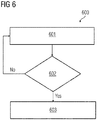
- FIG 6 provides an illustration of a flowchart of an exemplary method 600 of generating an alert indicating tampering of masked data fields, according to an embodiment.
- the medical record containing the masked data fields in the patient information may be saved on the server 101 or in a cloud computing environment.
- the saved medical record is accessed to determine if any of the masked data fields have been tampered.
- the masked data fields are tampered by unmasking the masked data fields.
- the medical record with masked data fields may be accessed from the server 101 via a network interface 109, for example, by a healthcare service provider.
- the healthcare service provider may unmask the data fields in the patient information which were masked according to the patient preferences with respect to privacy of patient information.
- the healthcare service provider may also mask certain data fields which, according to the privacy preferences of the patient, have not been masked.
- An alert for such masking/unmasking of data fields in the patient information may be generated for the patient at step 603.
- the alert is received on the user device 108A via the network interface 109 and may be displayed on the display unit of the user device 108A used by the patient as a notification.
- the notification may occur as a pop-up window on the display unit of the user device 108A and may contain information about the tampering of data fields in the patient information.
- the user device 108A may also be configured to generate a sound alert when the notification is received on the user device 108A via the network interface 109.
- FIG 7A illustrates a flowchart of an exemplary method 700 of masking the data fields in the patient information according to the privacy levels associated with the data fields, according to an embodiment.
- Masking of the data fields in the patient information is performed according to the privacy preferences specified by the patient in the patient profile information 106.
- a privacy level associated with each of the data fields in the patient information is determined based on the privacy preferences specified by the patient.
- “privacy level” refers to the strictness of the privacy that may be associated with the data fields in the patient information.
- a privacy key is associated with each of the data fields, which determines the privacy level of the data fields in the patient information. Based on the strictness of the privacy, the privacy key associated with a data field may change.
- FIG 7B provides a table 710 illustrating an example of the privacy keys that may be associated with the data fields in the patient information.
- the standard privacy parameters define the standard privacy configuration for data fields associated with patient information.
- the healthcare service providers may refer to the standard privacy parameters to mask the data fields in the patient information.
- Each of the privacy keys defines how masking of the content of the data fields is performed. For example, privacy key 'D' replaces the contents of the data fields with a non-zero length value that may be a dummy value. Therefore, based on the privacy key associated with the data fields, the contents of the data fields may be replaced, removed or kept unchanged at step 702.
- FIG 8 illustrates a flowchart of an exemplary method 800 of setting a default privacy preference for the patient information, according to an embodiment.
- the data fields in the patient information are masked according to the privacy preferences specified by the patient in the patient profile information 106. If the privacy preferences are not specified by the patient, at step 803, a request is made to the patient to specify the privacy preferences with respect to the patient information.
- the privacy preferences may be saved in the patient profile information 106 on the server 101.
- the graphical user interface for the patient profile information may contain an option to save the privacy preferences specified by the patient in the patient profile information.
- the privacy preferences specified by the patient are saved if the patient selects the option to save the specified privacy preferences.
- FIG 9A illustrates an example of the graphical user interface 900 for the patient profile information.
- the graphical user interface 900 as illustrated in FIG 9A includes one or more options for one or more data fields that may be chosen to be masked by the patient.
- the graphical user interface 900 also includes one or more radio buttons against the options for data fields, which may be clicked using a mouse button to choose the masking preference.
- the graphical user interface 900 includes an option to save the privacy preferences specified by the patient for the data fields in the patient information.
- the option to save may be included in the graphical user interface in the form of a button that can be clicked on by a mouse so as to trigger an action for saving the preferences in the patient profile information.
- the graphical user interface 900 provides a radio button that can be chosen by the patient if he/she intends to use the specified privacy preferences as default preference for all the subsequent medical records associated with him/her.
- the patient may click on the designated radio button with a mouse click so as to trigger an action for application of privacy preferences as default preference.
- the patient may access the patient profile information 106 to modify the privacy preferences.
- the modified privacy preferences may be applicable only for the subsequent masking of medical records associated with the patient.
- FIG 9B illustrates an embodiment of the graphical user interface 910 displaying the data fields in the patient information in a medical record, according to an embodiment.
- Each of the data fields in the patient information is associated with a tag for identification of the type of information.
- the values associated with the data fields are not masked and therefore represent the actual values as may be present in a medical record of a patient.
- FIG 9C illustrates a graphical user interface 920 displaying the medical record of the patient after the data fields in the patient information have been masked, according to an embodiment.
- one or more data fields in the patient information are masked according to the privacy preferences specified by the patient in the patient profile information 106. For example, the name of the patient has been replaced with a non-zero value and the date of birth of the patient has been hidden or removed.
Landscapes
- Engineering & Computer Science (AREA)
- General Health & Medical Sciences (AREA)
- Health & Medical Sciences (AREA)
- Medical Informatics (AREA)
- Theoretical Computer Science (AREA)
- Bioethics (AREA)
- Epidemiology (AREA)
- Primary Health Care (AREA)
- Public Health (AREA)
- Databases & Information Systems (AREA)
- Computer Security & Cryptography (AREA)
- Software Systems (AREA)
- Physics & Mathematics (AREA)
- General Engineering & Computer Science (AREA)
- General Physics & Mathematics (AREA)
- Computer Hardware Design (AREA)
- Medical Treatment And Welfare Office Work (AREA)
- Information Retrieval, Db Structures And Fs Structures Therefor (AREA)
Abstract
Description
- The present disclosure relates to the field of securing health information, and more particularly to the field of securing medical record associated with a patient.
Privacy of patient information in a medical record is a fundamental right of every patient and safeguarding such information is of utmost importance. Masking of patient data is a form of information sanitization performed on medical records wherein sensitive patient information is either replaced, encrypted or removed in order to maintain anonymity of the patient. Masking of patient information in a medical record enables sharing of patient data over various platforms without concerns of loss of privacy. Therefore, masking of patient information ensures that the patient remains unidentifiable by the recipient of the information. - As the patient data becomes digital, the need for such data to be stored in the cloud environment also increases. The security risk of the patient information that is stored in the cloud increases, as it is in the public domain. If the medical record of the patient is contained in a Digital Imaging and Communications in Medicine (DICOM) file, the patient data is masked according to a default configuration which is required as per the standard requirements of data privacy. The protected health information (PHI) tags present in the DICOM file are identified and are masked according to the default standard privacy configuration. Such masking of patient information in a medical record is common for all studies uploaded from a healthcare service provider to cloud environment.
- However, some of the private tags present in the DICOM file may not be masked and therefore may reveal patient information. The standard masking procedure of a DICOM file also does not take into consideration the user specific data privacy configuration that may be defined by a user or patient in order to protect his privacy on the medical record. Moreover, there also exists a need to inform the user or patient about any violation of data privacy that may occur when their medical record on the cloud environment is shared with an external recipient.
- Therefore, the object of the invention is to provide a method and a system to secure medical record associated with a patient according to the privacy configuration defined by the patient.
- A method and system of securing medical record associated with a patient is disclosed. In one aspect, a method includes obtaining the medical record associated with the patient from a patient database, wherein the medical record comprises a patient identifier, patient information and medical data. The method also includes determining preferences of the patient with respect to privacy of the patient information in the medical record. Furthermore, the method comprises masking one or more data fields in the patient information based on the determined preferences. Additionally, the method comprises generating the medical record containing the masked data fields in the patient information.
- Preferred is a method, wherein determining the preferences of the patient with respect to the privacy of the patient information comprises:
- a. determining whether any preferences are specified by the patient with respect to the privacy of the patient information in a patient profile information;
- b. if any preferences are specified, determining one or more data fields in the patient information to be masked based on the preferences specified by the patient; and
- c. if no preferences are specified, requesting the patient to provide the preferences with respect to the privacy of the patient information.
- The method can further comprise:
- a. determining whether any of the masked data fields are tampered, wherein the masked data fields are tampered by unmasking the masked data fields; and
- b. if any of the masked data fields are tampered, generating an alert indicating the tampering of the masked data fields to the patient.
- a. determining the data fields in the patient information masked according to preferences set by a healthcare service provider;
- b. comparing the masked data fields with the one or more data fields specified in the preferences of the patient;
- c. determining the data fields which are to be masked and the data fields which are not to be masked according to the preferences of the patient;
- d. masking the data fields which are determined to be masked according to the preferences of the patient; and
- e. unmasking the masked data fields which are not determined to be masked according to the preferences of the patient.
- Preferred is a method, wherein masking the data fields of the patient information comprises:
- a. determining a privacy level associated with each of the data fields of the patient information based on the preferences with respect to the privacy of the patient; and
- b. masking the one or more data fields in the patient information according to the privacy level.
- The method can further comprise setting preferences of the patient with respect to privacy of the patient information as default preferences for masking the patient information.
- Further, the method can comprise:
- a. receiving a request from a server to share the masked patient information with a specified entity; and
- b. sharing the masked patient information with the specified entity, if such a request is received from the server.
- In another aspect, a system for securing a medical record associated with a patient includes a processing unit; a patient database coupled to the processing unit and a memory coupled to the processing unit. The memory comprises a masking module configured for obtaining a medical record associated with a patient from a patient database. Furthermore, the masking module is configured for determining preferences of the patient with respect to privacy of the patient information in the medical record. Additionally, the masking module is also configured for masking one or more data fields in the patient information based on the determined preferences. Moreover, the masking module is also configured for generating the medical record containing the masked data fields in the patient information.
- A system is preferred, wherein in determining the preferences of the patient with respect to privacy of the patient information, the masking module is configured to:
- a. determine whether any preferences are specified by the patient with respect to the privacy of the patient information based on the patient identifier;
- b. if any preferences are specified, determine one or more data fields in the patient information to be masked based on the preferences specified by the patient; and
- c. if no preferences are specified, request the patient to provide the preferences with respect to the privacy of the patient information.
- Further, the system can comprise a tamper proof module configured to:
- a. determine whether any of the masked data fields are tampered, wherein the masked data fields are tampered by unmasking the masked data fields; and
- b. if any of the masked data fields are tampered, generate an alert indicating the tampering of the masked data fields to the patient.
- Preferred is a system, wherein in masking the data fields, the masking module is configured to:
- a. determine a privacy level associated with each of the data fields of the patient information based on the preferences with respect to the privacy of the patient; and
- b. mask the one or more data fields in the patient information according to a privacy level.
- Preferred is a system, wherein in masking the data fields in the patient information, the masking module (103) is configured to:
- a. determine whether any of the data fields in the patient information are masked according to the preferences set by a healthcare service provider;
- b. if any of the data fields are masked, compare the masked data fields with the one or more data fields specified in the preferences of the patient;
- c. determine the data fields which are to be masked and the data fields which are not to be masked according to the preferences of the patient;
- d. mask the data fields which are determined to be masked according to the preferences of the patient; and
- e. unmask the masked data fields which are not determined to be masked according to the preferences of the patient.
- Preferred is a system, further comprising a preference module configured to set preferences of the patient with respect to privacy of the patient information as default preferences for masking the patient information.
- In yet another aspect, a non-transitory computer-readable storage medium having machine readable instructions stored therein, that when executed by the server, causes the server to perform the method steps as described above. In particular a non-transitory computer-readable storage medium is provided having machine-readable instructions stored therein, that when executed by a server, cause the server to perform the method steps comprising:
- a. obtaining a medical record associated with a patient from a medical record database, wherein the medical record comprises a patient identifier, patient health information and medical data;
- b. determining preferences of the patient with respect to privacy of the patient information in the medical record;
- c. masking one or more data fields in the patient information based on the determined preferences; and
- d. generating the medical record containing the masked data fields in the patient information.
- Further, a storage medium is preferred, wherein in determining the preferences of the patient with respect to privacy of the patient information, the instructions cause the server to perform the method steps comprising:
- a. determining whether any preferences are specified by the patient with respect to the privacy of the patient information based on the patient identifier;
- b. if any preferences are specified, determining one or more data fields in the patient information to be masked based on the preferences specified by the patient; and
- c. if no preferences are specified, requesting the patient to provide the preferences with respect to the privacy of the patient information.
- A storage medium is preferred, wherein the instructions cause the server to perform the method steps comprising:
- a. determining whether any of the masked data fields are tampered; and
- b. if any of the masked data fields are tampered, generating an alert indicating the tampering of the mask data fields to the patient.
- 17. The storage medium according to any of the preceding claims 14 to 16, wherein the instructions cause the server (101) to perform the method steps comprising:
- a. determining whether any of the data fields in the patient information are masked according to preferences set by a healthcare service provider;
- b. if any of the data fields are masked, comparing the masked data fields with the one or more data fields specified in the preferences of the patient;
- c. determining the data fields which are to be masked and the data fields which are not to be masked according to the preferences of the patient;
- d. masking the data fields which are determined to be masked according to the preferences of the patient; and
- e. unmasking the masked data fields which are not determined to be masked according to the preferences of the patient.
- A storage medium is preferred, wherein in masking the data fields in the patient information, the instructions cause the processor (202) to perform the method steps comprising:
- a. determining a privacy level associated with each of the data fields of the patient information based on the preferences with respect to the privacy of the patient; and
- b. masking the one or more data fields in the patient information according to a privacy level.
- This summary is provided to introduce a selection of concepts in a simplified form that are further described below in the following description. It is not intended to identify features or essential features of the claimed subject matter. Furthermore, the claimed subject matter is not limited to implementations that solve any or all disadvantages noted in any part of this disclosure.
- The present invention is further described hereinafter with reference to illustrated embodiments shown in the accompanying drawings, in which:
- FIG 1
- illustrates a block diagram of a client-server architecture which provides geometric modelling of components representing different parts of a real world object, according to an embodiment.
- FIG 2
- illustrates a block diagram of a data processing system in which an embodiment for securing a medical record associated with a patient can be implemented.
- FIG 3
- illustrates a flowchart of an exemplary method of securing a medical record associated with a patient, according to one embodiment.
- FIG 4
- illustrates a flowchart of an exemplary method of generating masked data fields in the patient information according to the preferences specified by the patient, according to an embodiment.
- FIG 5
- illustrates a flowchart of an exemplary method of masking data fields in the patient information according to the preferences specified by the patient, according to an embodiment.
- FIG 6
- illustrates a flowchart of an exemplary method of generating an alert indicating tampering of masked data fields, according to an embodiment.
- FIG 7A
- illustrates a flowchart of an exemplary method of masking the data fields in the patient information according to the privacy levels associated with the data fields, according to an embodiment.
- FIG 7B
- illustrates an example of privacy keys that may be associated with the data fields in the patient information.
- FIG 8
- illustrates a flowchart of an exemplary method of setting a default privacy preference for the patient information, according to an embodiment.
- FIG 9A
- illustrates an embodiment of a graphical user interface for the patient information.
- FIG 9B
- illustrates an embodiment of a graphical user interface displaying the data fields in the patient information in a medical record.
- FIG 9C
- illustrates an embodiment of a graphical user interface displaying the medical record of the patient after the data fields in the patient information have been masked.
- Hereinafter, embodiments for carrying out the present invention are described in detail. The various embodiments are described with reference to the drawings, wherein like reference numerals are used to refer to like elements throughout. In the following description, for purpose of explanation, numerous specific details are set forth in order to provide a thorough understanding of one or more embodiments. It may be evident that such embodiments may be practiced without these specific details. In other instances, well known materials or methods have not been described in detail in order to avoid unnecessarily obscuring embodiments of the present disclosure. While the disclosure is susceptible to various modifications and alternative forms, specific embodiments thereof are shown by way of example in the drawings and will herein be described in detail. It should be understood, however, that there is no intent to limit the disclosure to the particular forms disclosed, but on the contrary, the disclosure is to cover all modifications, equivalents, and alternatives falling within the spirit and scope of the present disclosure.
-
FIG 1 provides an illustration of a block diagram of a client-server architecture that is a geometric modelling of components representing different parts of real-world objects, according to an embodiment. The client-server architecture 100 includes aserver 101 and a plurality ofclient devices 108A-C. Each of theclient devices 108A-C are connected to theserver 101 via anetwork 107, for example, local area network (LAN), wide area network (WAN), WiFi, etc. In one embodiment, theserver 101 is deployed in a cloud computing environment. As used herein, "cloud computing environment" refers to a processing environment comprising configurable computing physical and logical resources, for example, networks, servers, storage, applications, services, etc., and data distributed over thenetwork 107, for example, the internet. The cloud computing environment provides on-demand network access to a shared pool of the configurable computing physical and logical resources. Theserver 101 may include amedical record database 102 that comprises medical records of patients that are to be secured. Theserver 101 may include amasking module 103 that performs the masking of one or more data fields of patient information contained in the medical record of the patient. Theserver 101 may also include apreference module 104 that determines privacy preferences defined by the patient. Theserver 101 may also includepatient profile information 106 that stores the privacy preferences defined by the patient. Theserver 101 may include atamper proof module 105 that generates an alert when the data fields that are masked according to the privacy preferences defined by the patient are tampered with. The masked data fields may be tampered by unmasking the masked data fields. Additionally, theserver 101 may include anetwork interface 109 for communicating with theclient devices 108A-C via thenetwork 107. - The
client devices 108A-C includes auser device 108A, used by a user. In an embodiment, theuser device 108A may be used by a patient to define the privacy preferences for masking one or more data fields in the patient information, on thepatient profile information 106. Thepatient profile information 106 on theserver 101 can be accessed by the user via a graphical user interface of an end user web application. An embodiment of thegraphical user interface 900 for the patient profile information has been illustrated inFIG 9A . In an embodiment, the user can define the privacy preference on the patient profile information and save the privacy preference on theserver 101. The privacy preference defined by the user is saved in an XML format and may be applied as default for masking the one or more data fields in the patient information. In another embodiment, the client may be a healthcareservice provider system 108B. The healthcareservice provider system 108B interacts with theserver 101 via thenetwork interface 109 to upload medical records of the patient on theserver 101. The healthcareservice provider system 108B may also be used to access the masked patient information via a graphical user interface. The healthcareservice provider system 108B may send a request to theserver 101 to share the masked patient information with other specified entities via thenetwork 107. In another embodiment, the client device is a device used by apractitioner 108C to accesspatient profile information 106 on theserver 101 via thenetwork 107. Thepractitioner device 108C may send a request to theserver 101 to share the masked patient information with other specified entities via thenetwork 107. -
FIG 2 is a block diagram of a data processing system in which an embodiment can be implemented, for example, as a system to secure medical record associated with a patient, configured to perform the processes as described therein. It is appreciated that theserver 101 is an exemplary implementation of the data processing system inFIG 1 . InFIG 1 , thedata processing system 101 comprises amemory 201, aprocessor 202, astorage unit 203, aninput unit 204, anetwork interface 109 and abus 205. - The
processor 202, as used herein, means any type of computational circuit, such as, but not limited to, a microprocessor, microcontroller, complex instruction set computing microprocessor, reduced instruction set computing microprocessor, very long instruction word microprocessor, explicitly parallel instruction computing microprocessor, graphics processor, digital signal processor, or any other type of processing circuit. Theprocessor 202 may also include embedded controllers, such as generic or programmable logic devices or arrays, application specific integrated circuits, single-chip computers, and the like. - The
memory 201 may be volatile memory and non-volatile memory. Thememory 201 may be coupled for communication with theprocessor 202. Theprocessor 202 may execute instructions and/or code stored in thememory 201. A variety of computer-readable storage media may be stored in and accessed from thememory 201. Thememory 201 may include any suitable elements for storing data and machine-readable instructions, such as read only memory, random access memory, erasable programmable read only memory, electrically erasable programmable read only memory, a hard drive, a removable media drive for handling compact disks, digital video disks, diskettes, magnetic tape cartridges, memory cards, and the like. In the present embodiment, thememory 201 includes amasking module 103, apreference module 104 and atamper proof module 105 stored in the form of machine-readable instructions on any of the above-mentioned storage media and may be in communication to and executed byprocessor 202. When executed by theprocessor 202, themasking module 103 causes theprocessor 202 to perform masking of one or more data fields of the patient information according to the privacy preferences defined by the patient. When executed by theprocessor 202, thepreference module 104 causes theprocessor 202 to to set preferences of the patient with respect to privacy of the patient information as default preferences for masking the patient information. When executed by theprocessor 202, thetamper proof module 105 causes theprocessor 202 to generate alert for the patient if any of the data fields of the patient information are tampered with. Method steps executed by theprocessor 202 to achieve the abovementioned functionality are elaborated upon in detail inFIG 3 ,4 ,5 ,6 ,7A and8 . - The
storage unit 203 may be a non-transitory storage medium which stores amedical record database 102. Themedical record database 102 is a repository of medical information related to one or more patients that is maintained by a healthcare service provider. Theinput unit 204 may include input means such as keypad, touch-sensitive display, camera (such as a camera receiving gesture-based inputs), etc. capable of receiving input signal such as a medical record including patient information to be masked. Thebus 205 acts as interconnect between theprocessor 202, thememory 201, thestorage unit 203, thecommunication interface 109 and theinput unit 204. - Those of ordinary skilled in the art will appreciate that the hardware depicted in
FIG 2 may vary for particular implementations. For example, other peripheral devices such as an optical disk drive and the like, Local Area Network (LAN)/ Wide Area Network (WAN)/ Wireless (e.g., Wi-Fi) adapter, graphics adapter, disk controller, input/output (I/O) adapter also may be used in addition or in place of the hardware depicted. The depicted example is provided for the purpose of explanation only and is not meant to imply architectural limitations with respect to the present disclosure. - A data processing system in accordance with an embodiment of the present disclosure includes an operating system employing a graphical user interface. The operating system permits multiple display windows to be presented in the graphical user interface simultaneously with each display window providing an interface to a different application or to a different instance of the same application. A cursor in the graphical user interface may be manipulated by a user through the pointing device. The position of the cursor may be changed and/or an event such as clicking a mouse button, generated to actuate a desired response.
- One of various commercial operating systems, such as a version of Microsoft Windows™, a product of Microsoft Corporation located in Redmond, Washington may be employed if suitably modified. The operating system is modified or created in accordance with the present disclosure as described.
- Disclosed embodiments provide systems and methods for securing medical record associated with a patient. In particular, the systems and methods may perform masking of one or more data fields in the patient information according to privacy preferences defined by the patient.
-
FIG 3 illustrates a flowchart of anexemplary method 300 of securing medical record associated with a patient. Atstep 301, a medical record associated with a patient is obtained from themedical record database 102. As used herein, "medical record" may refer to data specific to health of a patient and may include patient identifier, patient information, and medical data. The medical record database may be stored on theserver 101. Atstep 302, the preferences of the patient with respect to the privacy of the patient information in the medical record are determined. The preferences for privacy of the patient information may be stored in thepatient profile information 106 on theserver 101. In an alternate embodiment, thepatient profile information 106 may also be stored in a cloud computing environment. Thepatient profile information 106 may include information such as patient demographics, medical history, etc. Thepatient profile information 106 may also include privacy preferences with respect to the patient information in the medical record. The patient may be allowed to configure the preferences with respect to the privacy of the patient information contained in a medical record. The defined preferences with respect to privacy of the patient information are stored in thepatient profile information 106. Atstep 303, one or more data fields in the patient information are masked based on the determined preferences with respect to privacy of the patient information. As used herein, "masking" refers to hiding or anonymizing one or more data fields related to patient information such that confidential information related to the patient is not disclosed to another entity. Masking may include removing, modifying, or replacing information which are contained in the one or more data fields of the patient information. Atstep 304, the medical record containing masked data fields in the patient information is generated. -
FIG 4 illustrates a flowchart of anexemplary method 400 of generating the medical record containing masked data fields in the patient information according to the preferences defined by the patient with respect to privacy. Atstep 402, once the medical record is obtained from themedical record database 102, thepatient profile information 106 is accessed to determine if any privacy preferences are specified by the patient. In an embodiment, the preferences with respect to privacy of patient information contained in the medical record may be specified by the patient in thepatient profile information 106. If any preferences with respect to privacy of patient information is specified by the patient in thepatient profile information 106, the one or more data fields in the patient information is masked based on the specified preferences, atstep 404. In an embodiment, if no preferences with respect to privacy of the patient information are specified by the patient, atstep 403, a request to provide a privacy preference is made to the patient. Thepatient profile information 106 may be accessed by the patient via a graphical user interface. The graphical user interface for the patient profile information is illustrated inFIG 9A . The graphical user interface may be used by the patient to specify the preferences in the patient profile information. The graphical user interface for thepatient profile information 106 may include information related to one or more data fields that may be chosen by the patient to be masked. The patient may select one or more data fields in the patient information to be masked, for example, by clicking a mouse button on the option. In one embodiment, the click of the mouse button may proceed in checking or unchecking the data fields of the patient information on the graphical user interface. If the preferences are provided by the patient, atstep 404, the one or more data fields in the patient information are masked based on the determined preferences. Atstep 405, the medical record containing the masked data fields in the patient information is generated based on the privacy preferences specified by the patient. The generated medical record containing the masked data fields is saved to theserver 101 atstep 406. The masked medical record may be accessed by the patient or a healthcare service provider from theserver 101. Atstep 407, the medical record containing masked patient information may be shared with a specified entity. In an embodiment, a request for sharing the medical record may be received by theserver 101 through thenetwork interface 109 from a specified entity. If a request for sharing the masked medical record is received, the masked medical record is shared with the specified entity. In an alternate embodiment, the medical record with masked data fields may be saved in the cloud computing environment. -
FIG 5 illustrates a flowchart of anexemplary method 500 of masking data fields in the patient information in the medical record according to the preferences specified by the patient, according to an embodiment. Atstep 501, the data fields in the patient information included in the medical record that have been masked by the healthcare service provider are determined. In an embodiment, the healthcare service provider may mask the data fields in the patient information according to the standard requirement of data privacy for a medical record. Therefore, the data fields in the patient information may be modified or removed according to the standard privacy preferences associated with a medical record. The healthcare service provider may mask the data fields manually or the masking may be performed as an automated batch process, wherein masking is performed for one or more medical records simultaneously. Atstep 502, thepatient profile information 106 is accessed to determine if any preferences with respect to privacy of patient information are specified by the patient. If no preferences are specified by the patient in thepatient profile information 106, the patient is requested to specify the preferences, atstep 503. In an embodiment, the request generated may be indicated in the graphical user interface as a notification which may occur on the display unit of theuser device 108A used by the patient. Atstep 504, when the privacy preferences with respect to the data fields in the patient information have been specified, the masked data fields are compared with one or more data fields specified by the patient. The privacy preference specified by the healthcare service provider for each of the data fields is compared to determine if the privacy preference of the data fields matches with the privacy preference specified by the patient. Atstep 505, the data fields that are to be masked and the data fields that are not to be masked are determined according to the preferences specified by the patient. Privacy preference of a data field in the patient information determines a privacy configuration for that data field. The privacy configuration may vary according to the strictness of the privacy that is associated with the content of the data field in the patient information. Atstep 506, whether the data fields are masked according to the preferences of the patient is determined. On comparison, if privacy configuration of one or more data fields in the patient information does not match with the privacy configuration defined according to the preferences specified by the patient, atstep 507, the data fields that have not been masked by the healthcare service providers are masked according to the patient preferences and the data fields which are not to be masked according to the patient preferences but have been masked by healthcare providers are unmasked. The medical record with masked data fields in the patient information according to the privacy preferences of the patient is generated atstep 508 and may be saved on theserver 101. In another embodiment, the generated medical record with masked data fields may also be stored in the cloud computing environment. -
FIG 6 provides an illustration of a flowchart of anexemplary method 600 of generating an alert indicating tampering of masked data fields, according to an embodiment. The medical record containing the masked data fields in the patient information may be saved on theserver 101 or in a cloud computing environment. Atstep 602, the saved medical record is accessed to determine if any of the masked data fields have been tampered. The masked data fields are tampered by unmasking the masked data fields. The medical record with masked data fields may be accessed from theserver 101 via anetwork interface 109, for example, by a healthcare service provider. The healthcare service provider may unmask the data fields in the patient information which were masked according to the patient preferences with respect to privacy of patient information. The healthcare service provider may also mask certain data fields which, according to the privacy preferences of the patient, have not been masked. An alert for such masking/unmasking of data fields in the patient information, which may not be in conformation with the privacy preferences specified by the patient, may be generated for the patient atstep 603. The alert is received on theuser device 108A via thenetwork interface 109 and may be displayed on the display unit of theuser device 108A used by the patient as a notification. The notification may occur as a pop-up window on the display unit of theuser device 108A and may contain information about the tampering of data fields in the patient information. Theuser device 108A may also be configured to generate a sound alert when the notification is received on theuser device 108A via thenetwork interface 109. -
FIG 7A illustrates a flowchart of anexemplary method 700 of masking the data fields in the patient information according to the privacy levels associated with the data fields, according to an embodiment. Masking of the data fields in the patient information is performed according to the privacy preferences specified by the patient in thepatient profile information 106. Atstep 701, a privacy level associated with each of the data fields in the patient information is determined based on the privacy preferences specified by the patient. As used herein, "privacy level" refers to the strictness of the privacy that may be associated with the data fields in the patient information. A privacy key is associated with each of the data fields, which determines the privacy level of the data fields in the patient information. Based on the strictness of the privacy, the privacy key associated with a data field may change.FIG 7B provides a table 710 illustrating an example of the privacy keys that may be associated with the data fields in the patient information. The standard privacy parameters define the standard privacy configuration for data fields associated with patient information. In an embodiment, the healthcare service providers may refer to the standard privacy parameters to mask the data fields in the patient information. Each of the privacy keys defines how masking of the content of the data fields is performed. For example, privacy key 'D' replaces the contents of the data fields with a non-zero length value that may be a dummy value. Therefore, based on the privacy key associated with the data fields, the contents of the data fields may be replaced, removed or kept unchanged atstep 702. -
FIG 8 illustrates a flowchart of anexemplary method 800 of setting a default privacy preference for the patient information, according to an embodiment. The data fields in the patient information are masked according to the privacy preferences specified by the patient in thepatient profile information 106. If the privacy preferences are not specified by the patient, atstep 803, a request is made to the patient to specify the privacy preferences with respect to the patient information. Once the privacy preferences are specified by the patient, the privacy preferences may be saved in thepatient profile information 106 on theserver 101. The graphical user interface for the patient profile information may contain an option to save the privacy preferences specified by the patient in the patient profile information. In an embodiment, the privacy preferences specified by the patient are saved if the patient selects the option to save the specified privacy preferences.FIG 9A illustrates an example of thegraphical user interface 900 for the patient profile information. Thegraphical user interface 900 as illustrated inFIG 9A includes one or more options for one or more data fields that may be chosen to be masked by the patient. In an embodiment, thegraphical user interface 900 also includes one or more radio buttons against the options for data fields, which may be clicked using a mouse button to choose the masking preference. In the embodiment, thegraphical user interface 900 includes an option to save the privacy preferences specified by the patient for the data fields in the patient information. In the embodiment, the option to save may be included in the graphical user interface in the form of a button that can be clicked on by a mouse so as to trigger an action for saving the preferences in the patient profile information. If the privacy preferences specified by the patient are saved, the preferences are applied as default for masking all the upcoming medical records associated with the patient, atstep 805. Thegraphical user interface 900 provides a radio button that can be chosen by the patient if he/she intends to use the specified privacy preferences as default preference for all the subsequent medical records associated with him/her. The patient may click on the designated radio button with a mouse click so as to trigger an action for application of privacy preferences as default preference. The patient may access thepatient profile information 106 to modify the privacy preferences. The modified privacy preferences may be applicable only for the subsequent masking of medical records associated with the patient. -
FIG 9B illustrates an embodiment of thegraphical user interface 910 displaying the data fields in the patient information in a medical record, according to an embodiment. Each of the data fields in the patient information is associated with a tag for identification of the type of information. In thegraphical user interface 910, the values associated with the data fields are not masked and therefore represent the actual values as may be present in a medical record of a patient.FIG 9C illustrates agraphical user interface 920 displaying the medical record of the patient after the data fields in the patient information have been masked, according to an embodiment. In thegraphical user interface 920, one or more data fields in the patient information are masked according to the privacy preferences specified by the patient in thepatient profile information 106. For example, the name of the patient has been replaced with a non-zero value and the date of birth of the patient has been hidden or removed.
Claims (18)
- A method (300) of securing a medical record associated with a patient, the method comprising:a. obtaining the medical record associated with the patient from a medical record database, wherein the medical record comprises a patient identifier, patient information and medical data;b. determining preferences of the patient with respect to privacy of the patient information in the medical record;c. masking one or more data fields in the patient information based on the determined preferences; andd. generating the medical record containing the masked data fields in the patient information.
- The method (300) according to claim 1, wherein determining the preferences of the patient with respect to the privacy of the patient information comprises:a. determining whether any preferences are specified by the patient with respect to the privacy of the patient information in a patient profile information;b. if any preferences are specified, determining one or more data fields in the patient information to be masked based on the preferences specified by the patient; andc. if no preferences are specified, requesting the patient to provide the preferences with respect to the privacy of the patient information.
- The method (300) according to claim 1 or 2, further comprising:a. determining whether any of the masked data fields are tampered, wherein the masked data fields are tampered by unmasking the masked data fields; andb. if any of the masked data fields are tampered, generating an alert indicating the tampering of the masked data fields to the patient.
- The method (300) according to claim 2, wherein masking the data fields in the patient information comprises:a. determining the data fields in the patient information masked according to preferences set by a healthcare service provider;b. comparing the masked data fields with the one or more data fields specified in the preferences of the patient;c. determining the data fields which are to be masked and the data fields which are not to be masked according to the preferences of the patient;d. masking the data fields which are determined to be masked according to the preferences of the patient; ande. unmasking the masked data fields which are not determined to be masked according to the preferences of the patient.
- The method (300) according to any of the preceding claims, wherein masking the data fields of the patient information comprises:a. determining a privacy level associated with each of the data fields of the patient information based on the preferences with respect to the privacy of the patient; andb. masking the one or more data fields in the patient information according to the privacy level.
- The method (300) according to any of the preceding claims, further comprising setting preferences of the patient with respect to privacy of the patient information as default preferences for masking the patient information.
- The method (300) according to any of the preceding claims, further comprising:a. receiving a request from a server to share the masked patient information with a specified entity; andb. sharing the masked patient information with the specified entity, if such a request is received from the server.
- A system (100) comprising:a. a processing unit (202);b. a patient database coupled to the processing unit (202);c. a memory (201) coupled to the processing unit (202), the memory (201) comprising a masking module (103) configured for:- obtaining a medical record associated with a patient from a medical record database (102), wherein the medical record comprises a patient identifier, patient health information and medical data;- determining preferences of the patient with respect to privacy of the patient information in the medical record;- masking one or more data fields in the patient information based on the determined preferences; and- generating the medical record containing the masked data fields in the patient information.
- The system (100) according to claim 8, wherein in determining the preferences of the patient with respect to privacy of the patient information, the masking module (103) is configured to:a. determine whether any preferences are specified by the patient with respect to the privacy of the patient information based on the patient identifier;b. if any preferences are specified, determine one or more data fields in the patient information to be masked based on the preferences specified by the patient; andc. if no preferences are specified, request the patient to provide the preferences with respect to the privacy of the patient information.
- The system (100) according to claim 8 or 9, further comprising a tamper proof module (105) configured to:a. determine whether any of the masked data fields are tampered, wherein the masked data fields are tampered by unmasking the masked data fields; andb. if any of the masked data fields are tampered, generate an alert indicating the tampering of the masked data fields to the patient.
- The system (100) according to any of the preceding claims, wherein in masking the data fields, the masking module (103) is configured to:a. determine a privacy level associated with each of the data fields of the patient information based on the preferences with respect to the privacy of the patient; andb. mask the one or more data fields in the patient information according to a privacy level.
- The system (100) according to claim 9, wherein in masking the data fields in the patient information, the masking module (103) is configured to:a. determine whether any of the data fields in the patient information are masked according to the preferences set by a healthcare service provider;b. if any of the data fields are masked, compare the masked data fields with the one or more data fields specified in the preferences of the patient;c. determine the data fields which are to be masked and the data fields which are not to be masked according to the preferences of the patient;d. mask the data fields which are determined to be masked according to the preferences of the patient; ande. unmask the masked data fields which are not determined to be masked according to the preferences of the patient.
- The system (100) according to claim 9, further comprising a preference module (104) configured to set preferences of the patient with respect to privacy of the patient information as default preferences for masking the patient information.
- A non-transitory computer-readable storage medium having machine-readable instructions stored therein, that when executed by a server (101), cause the server (101) to perform the method steps comprising:a. obtaining a medical record associated with a patient from a medical record database (102), wherein the medical record comprises a patient identifier, patient health information and medical data;b. determining preferences of the patient with respect to privacy of the patient information in the medical record;c. masking one or more data fields in the patient information based on the determined preferences; andd. generating the medical record containing the masked data fields in the patient information.
- The storage medium according to claim 14, wherein in determining the preferences of the patient with respect to privacy of the patient information, the instructions cause the server (101) to perform the method steps comprising:a. determining whether any preferences are specified by the patient with respect to the privacy of the patient information based on the patient identifier;b. if any preferences are specified, determining one or more data fields in the patient information to be masked based on the preferences specified by the patient; andc. if no preferences are specified, requesting the patient to provide the preferences with respect to the privacy of the patient information.
- The storage medium according to claim 14 or 15, wherein the instructions cause the server (101) to perform the method steps comprising:a. determining whether any of the masked data fields are tampered; andb. if any of the masked data fields are tampered, generating an alert indicating the tampering of the mask data fields to the patient.
- The storage medium according to any of the preceding claims 14 to 16, wherein the instructions cause the server (101) to perform the method steps comprising:a. determining whether any of the data fields in the patient information are masked according to preferences set by a healthcare service provider;b. if any of the data fields are masked, comparing the masked data fields with the one or more data fields specified in the preferences of the patient;c. determining the data fields which are to be masked and the data fields which are not to be masked according to the preferences of the patient;d. masking the data fields which are determined to be masked according to the preferences of the patient; ande. unmasking the masked data fields which are not determined to be masked according to the preferences of the patient.
- The storage medium according to any of the preceding claims 14 to 17, wherein in masking the data fields in the patient information, the instructions cause the processor (202) to perform the method steps comprising:a. determining a privacy level associated with each of the data fields of the patient information based on the preferences with respect to the privacy of the patient; andb. masking the one or more data fields in the patient information according to a privacy level.
Applications Claiming Priority (1)
| Application Number | Priority Date | Filing Date | Title |
|---|---|---|---|
| US15/272,861 US20180082020A1 (en) | 2016-09-22 | 2016-09-22 | Method and device for securing medical record |
Publications (2)
| Publication Number | Publication Date |
|---|---|
| EP3300081A1 true EP3300081A1 (en) | 2018-03-28 |
| EP3300081B1 EP3300081B1 (en) | 2021-06-23 |
Family
ID=59923353
Family Applications (1)
| Application Number | Title | Priority Date | Filing Date |
|---|---|---|---|
| EP17192235.4A Active EP3300081B1 (en) | 2016-09-22 | 2017-09-20 | Method and device for securing medical record |
Country Status (3)
| Country | Link |
|---|---|
| US (1) | US20180082020A1 (en) |
| EP (1) | EP3300081B1 (en) |
| CN (1) | CN107871085A (en) |
Cited By (1)
| Publication number | Priority date | Publication date | Assignee | Title |
|---|---|---|---|---|
| KR101955025B1 (en) * | 2018-05-15 | 2019-03-06 | 김광호 | Method for providing medical counseling service using secure information disposal process |
Families Citing this family (12)
| Publication number | Priority date | Publication date | Assignee | Title |
|---|---|---|---|---|
| US10540521B2 (en) * | 2017-08-24 | 2020-01-21 | International Business Machines Corporation | Selective enforcement of privacy and confidentiality for optimization of voice applications |
| WO2019196721A1 (en) * | 2018-04-11 | 2019-10-17 | Beijing Didi Infinity Technology And Development Co., Ltd. | Methods and apparatuses for processing data requests and data protection |
| CN109360632A (en) * | 2018-09-12 | 2019-02-19 | 北京东软医疗设备有限公司 | The sharing method of clinical information, apparatus and system |
| US20200117833A1 (en) * | 2018-10-10 | 2020-04-16 | Koninklijke Philips N.V. | Longitudinal data de-identification |
| WO2020096743A1 (en) * | 2018-11-09 | 2020-05-14 | Beckman Coulter, Inc. | Service glasses with selective data provision |
| JP7433038B2 (en) * | 2018-12-19 | 2024-02-19 | キヤノンメディカルシステムズ株式会社 | Medical information anonymization system and anonymization method setting device |
| JP6903107B2 (en) * | 2019-09-10 | 2021-07-14 | 株式会社ハート・オーガナイゼーション | Case accumulation system |
| CN112768036A (en) * | 2021-01-14 | 2021-05-07 | 武汉联影医疗科技有限公司 | DICOM file information desensitization method, apparatus, server and readable storage medium |
| US11531709B2 (en) * | 2021-02-18 | 2022-12-20 | Bank Of America Corporation | Dynamic blockchain masking and verification computing platform |
| US12099629B2 (en) * | 2021-02-21 | 2024-09-24 | Lynx Md Ltd | Assigning confidence to data de-identification |
| CA3225557A1 (en) | 2021-07-02 | 2023-01-12 | Luc Bessette | Electronic records system and related methods |
| EP4339821A1 (en) * | 2022-09-15 | 2024-03-20 | Siemens Healthineers AG | Method for transmitting medical data sets |
Citations (4)
| Publication number | Priority date | Publication date | Assignee | Title |
|---|---|---|---|---|
| US20100063930A1 (en) * | 2008-09-10 | 2010-03-11 | Expanse Networks, Inc. | System for Secure Mobile Healthcare Selection |
| US20100082371A1 (en) * | 2008-10-01 | 2010-04-01 | General Electric Company, A New York Corporation | Patient Document Privacy And Disclosure Engine |
| EP2194477A1 (en) * | 2008-12-04 | 2010-06-09 | Alcatel Lucent | User profiling method and associated system |
| US20150379198A1 (en) * | 2014-06-25 | 2015-12-31 | Access My Records, Inc. | Electronic management of patient health care data |
Family Cites Families (18)
| Publication number | Priority date | Publication date | Assignee | Title |
|---|---|---|---|---|
| US5579393A (en) * | 1994-06-21 | 1996-11-26 | Escan, Inc. | System and method for secure medical and dental record interchange |
| US6039251A (en) * | 1998-04-16 | 2000-03-21 | Holowko; Paul L. | Method and system for secure control of a medical device |
| US6874085B1 (en) * | 2000-05-15 | 2005-03-29 | Imedica Corp. | Medical records data security system |
| AU2001276991A1 (en) * | 2000-07-20 | 2002-02-05 | J. Alexander Marchosky | Patient-controlled automated medical record, diagnosis, and treatment system andmethod |
| US7181017B1 (en) * | 2001-03-23 | 2007-02-20 | David Felsher | System and method for secure three-party communications |
| US20030023451A1 (en) * | 2001-07-27 | 2003-01-30 | Willner Barry E. | Method and apparatus for identifying privacy levels |
| US20040193901A1 (en) * | 2003-03-27 | 2004-09-30 | Ge Medical Systems Global Company, Llc | Dynamic configuration of patient tags and masking types while de-identifying patient data during image export from PACS diagnostic workstation |
| US7945792B2 (en) * | 2007-10-17 | 2011-05-17 | Spansion Llc | Tamper reactive memory device to secure data from tamper attacks |
| CN101295332A (en) * | 2008-04-30 | 2008-10-29 | 深圳市蓝韵实业有限公司 | DICOM file patient information anonymization processing method |
| US8200509B2 (en) * | 2008-09-10 | 2012-06-12 | Expanse Networks, Inc. | Masked data record access |
| US20120029938A1 (en) * | 2010-07-27 | 2012-02-02 | Microsoft Corporation | Anonymous Healthcare and Records System |
| US9727751B2 (en) * | 2010-10-29 | 2017-08-08 | Nokia Technologies Oy | Method and apparatus for applying privacy policies to structured data |
| US8682049B2 (en) * | 2012-02-14 | 2014-03-25 | Terarecon, Inc. | Cloud-based medical image processing system with access control |
| US20140188512A1 (en) * | 2012-12-14 | 2014-07-03 | Medicity, Inc. | Patient Consent and Confidentiality |
| US9716700B2 (en) * | 2015-02-19 | 2017-07-25 | International Business Machines Corporation | Code analysis for providing data privacy in ETL systems |
| CN105389384B (en) * | 2015-12-03 | 2019-03-26 | 万达信息股份有限公司 | A kind of medical treatment private data swap file generation method |
| CN105472470A (en) * | 2015-12-29 | 2016-04-06 | 重庆安碧捷科技股份有限公司 | Medical treatment live broadcast system based on patient privacy information filtering |
| CN105653981B (en) * | 2015-12-31 | 2018-11-30 | 中国电子科技网络信息安全有限公司 | The sensitive data protection system and method for the data circulation and transaction of big data platform |
-
2016
- 2016-09-22 US US15/272,861 patent/US20180082020A1/en not_active Abandoned
-
2017
- 2017-09-20 EP EP17192235.4A patent/EP3300081B1/en active Active
- 2017-09-22 CN CN201710865882.1A patent/CN107871085A/en active Pending
Patent Citations (4)
| Publication number | Priority date | Publication date | Assignee | Title |
|---|---|---|---|---|
| US20100063930A1 (en) * | 2008-09-10 | 2010-03-11 | Expanse Networks, Inc. | System for Secure Mobile Healthcare Selection |
| US20100082371A1 (en) * | 2008-10-01 | 2010-04-01 | General Electric Company, A New York Corporation | Patient Document Privacy And Disclosure Engine |
| EP2194477A1 (en) * | 2008-12-04 | 2010-06-09 | Alcatel Lucent | User profiling method and associated system |
| US20150379198A1 (en) * | 2014-06-25 | 2015-12-31 | Access My Records, Inc. | Electronic management of patient health care data |
Cited By (1)
| Publication number | Priority date | Publication date | Assignee | Title |
|---|---|---|---|---|
| KR101955025B1 (en) * | 2018-05-15 | 2019-03-06 | 김광호 | Method for providing medical counseling service using secure information disposal process |
Also Published As
| Publication number | Publication date |
|---|---|
| CN107871085A (en) | 2018-04-03 |
| US20180082020A1 (en) | 2018-03-22 |
| EP3300081B1 (en) | 2021-06-23 |
Similar Documents
| Publication | Publication Date | Title |
|---|---|---|
| EP3300081B1 (en) | Method and device for securing medical record | |
| US20220245280A1 (en) | Gracefully Handling Endpoint Feedback When Starting to Monitor | |
| US9836485B2 (en) | Auditing database access in a distributed medical computing environment | |
| US9473535B2 (en) | Methods and devices for analyzing user privacy based on a user's online presence | |
| EP4081918A1 (en) | Method for securely and privately sharing user data items with third parties | |
| US12229304B2 (en) | Secure data analytics | |
| CN114611140A (en) | Dynamic management of data with context-based processing | |
| CN104350505A (en) | Privacy control in social network | |
| US20160306999A1 (en) | Systems, methods, and computer-readable media for de-identifying information | |
| US11381710B2 (en) | Contextual masking of objects in social photographs | |
| US10216940B2 (en) | Systems, methods, apparatuses, and computer program products for truncated, encrypted searching of encrypted identifiers | |
| CN113168433A (en) | Computing system with email privacy filter and related methods | |
| US11816633B2 (en) | Order status | |
| US20170301048A1 (en) | Cloud-based estate management and execution | |
| US20210319133A1 (en) | Privacy centric data security in a cloud environment | |
| CN108292350A (en) | Automatic action detection on protected fields to support federated search | |
| US20160357918A1 (en) | User-configurable radiological data transformation, routing and archiving engine | |
| US20180260447A1 (en) | Advanced anomaly correlation pattern recognition system | |
| US20160217254A1 (en) | Image insertion into an electronic health record | |
| US11797706B2 (en) | Mobile device network traffic modification and user based restrictions on data access | |
| CN114598671A (en) | Session message processing method, device, storage medium and electronic equipment | |
| US11895158B2 (en) | Cybersecurity system having security policy visualization | |
| US20170316399A1 (en) | System, method, and recording medium for identity fraud prevention in secure transactions using multi-factor verification | |
| US20160171288A1 (en) | Facilitating legal approval of digital images | |
| CN115512800A (en) | Method and device for checking electronic prescription |
Legal Events
| Date | Code | Title | Description |
|---|---|---|---|
| PUAI | Public reference made under article 153(3) epc to a published international application that has entered the european phase |
Free format text: ORIGINAL CODE: 0009012 |
|
| STAA | Information on the status of an ep patent application or granted ep patent |
Free format text: STATUS: REQUEST FOR EXAMINATION WAS MADE |
|
| 17P | Request for examination filed |
Effective date: 20170920 |
|
| AK | Designated contracting states |
Kind code of ref document: A1 Designated state(s): AL AT BE BG CH CY CZ DE DK EE ES FI FR GB GR HR HU IE IS IT LI LT LU LV MC MK MT NL NO PL PT RO RS SE SI SK SM TR |
|
| AX | Request for extension of the european patent |
Extension state: BA ME |
|
| RBV | Designated contracting states (corrected) |
Designated state(s): AL AT BE BG CH CY CZ DE DK EE ES FI FR GB GR HR HU IE IS IT LI LT LU LV MC MK MT NL NO PL PT RO RS SE SI SK SM TR |
|
| GRAP | Despatch of communication of intention to grant a patent |
Free format text: ORIGINAL CODE: EPIDOSNIGR1 |
|
| STAA | Information on the status of an ep patent application or granted ep patent |
Free format text: STATUS: GRANT OF PATENT IS INTENDED |
|
| INTG | Intention to grant announced |
Effective date: 20210302 |
|
| GRAS | Grant fee paid |
Free format text: ORIGINAL CODE: EPIDOSNIGR3 |
|
| GRAA | (expected) grant |
Free format text: ORIGINAL CODE: 0009210 |
|
| STAA | Information on the status of an ep patent application or granted ep patent |
Free format text: STATUS: THE PATENT HAS BEEN GRANTED |
|
| AK | Designated contracting states |
Kind code of ref document: B1 Designated state(s): AL AT BE BG CH CY CZ DE DK EE ES FI FR GB GR HR HU IE IS IT LI LT LU LV MC MK MT NL NO PL PT RO RS SE SI SK SM TR |
|
| REG | Reference to a national code |
Ref country code: GB Ref legal event code: FG4D |
|
| REG | Reference to a national code |
Ref country code: CH Ref legal event code: EP |
|
| REG | Reference to a national code |
Ref country code: DE Ref legal event code: R096 Ref document number: 602017040685 Country of ref document: DE Ref country code: AT Ref legal event code: REF Ref document number: 1405010 Country of ref document: AT Kind code of ref document: T Effective date: 20210715 |
|
| REG | Reference to a national code |
Ref country code: IE Ref legal event code: FG4D |
|
| REG | Reference to a national code |
Ref country code: LT Ref legal event code: MG9D |
|
| PG25 | Lapsed in a contracting state [announced via postgrant information from national office to epo] |
Ref country code: FI Free format text: LAPSE BECAUSE OF FAILURE TO SUBMIT A TRANSLATION OF THE DESCRIPTION OR TO PAY THE FEE WITHIN THE PRESCRIBED TIME-LIMIT Effective date: 20210623 Ref country code: LT Free format text: LAPSE BECAUSE OF FAILURE TO SUBMIT A TRANSLATION OF THE DESCRIPTION OR TO PAY THE FEE WITHIN THE PRESCRIBED TIME-LIMIT Effective date: 20210623 Ref country code: HR Free format text: LAPSE BECAUSE OF FAILURE TO SUBMIT A TRANSLATION OF THE DESCRIPTION OR TO PAY THE FEE WITHIN THE PRESCRIBED TIME-LIMIT Effective date: 20210623 Ref country code: BG Free format text: LAPSE BECAUSE OF FAILURE TO SUBMIT A TRANSLATION OF THE DESCRIPTION OR TO PAY THE FEE WITHIN THE PRESCRIBED TIME-LIMIT Effective date: 20210923 |
|
| REG | Reference to a national code |
Ref country code: AT Ref legal event code: MK05 Ref document number: 1405010 Country of ref document: AT Kind code of ref document: T Effective date: 20210623 |
|
| PG25 | Lapsed in a contracting state [announced via postgrant information from national office to epo] |
Ref country code: LV Free format text: LAPSE BECAUSE OF FAILURE TO SUBMIT A TRANSLATION OF THE DESCRIPTION OR TO PAY THE FEE WITHIN THE PRESCRIBED TIME-LIMIT Effective date: 20210623 Ref country code: GR Free format text: LAPSE BECAUSE OF FAILURE TO SUBMIT A TRANSLATION OF THE DESCRIPTION OR TO PAY THE FEE WITHIN THE PRESCRIBED TIME-LIMIT Effective date: 20210924 Ref country code: NO Free format text: LAPSE BECAUSE OF FAILURE TO SUBMIT A TRANSLATION OF THE DESCRIPTION OR TO PAY THE FEE WITHIN THE PRESCRIBED TIME-LIMIT Effective date: 20210923 Ref country code: SE Free format text: LAPSE BECAUSE OF FAILURE TO SUBMIT A TRANSLATION OF THE DESCRIPTION OR TO PAY THE FEE WITHIN THE PRESCRIBED TIME-LIMIT Effective date: 20210623 Ref country code: RS Free format text: LAPSE BECAUSE OF FAILURE TO SUBMIT A TRANSLATION OF THE DESCRIPTION OR TO PAY THE FEE WITHIN THE PRESCRIBED TIME-LIMIT Effective date: 20210623 |
|
| REG | Reference to a national code |
Ref country code: NL Ref legal event code: MP Effective date: 20210623 |
|
| PG25 | Lapsed in a contracting state [announced via postgrant information from national office to epo] |
Ref country code: SK Free format text: LAPSE BECAUSE OF FAILURE TO SUBMIT A TRANSLATION OF THE DESCRIPTION OR TO PAY THE FEE WITHIN THE PRESCRIBED TIME-LIMIT Effective date: 20210623 Ref country code: SM Free format text: LAPSE BECAUSE OF FAILURE TO SUBMIT A TRANSLATION OF THE DESCRIPTION OR TO PAY THE FEE WITHIN THE PRESCRIBED TIME-LIMIT Effective date: 20210623 Ref country code: CZ Free format text: LAPSE BECAUSE OF FAILURE TO SUBMIT A TRANSLATION OF THE DESCRIPTION OR TO PAY THE FEE WITHIN THE PRESCRIBED TIME-LIMIT Effective date: 20210623 Ref country code: EE Free format text: LAPSE BECAUSE OF FAILURE TO SUBMIT A TRANSLATION OF THE DESCRIPTION OR TO PAY THE FEE WITHIN THE PRESCRIBED TIME-LIMIT Effective date: 20210623 Ref country code: AT Free format text: LAPSE BECAUSE OF FAILURE TO SUBMIT A TRANSLATION OF THE DESCRIPTION OR TO PAY THE FEE WITHIN THE PRESCRIBED TIME-LIMIT Effective date: 20210623 Ref country code: PT Free format text: LAPSE BECAUSE OF FAILURE TO SUBMIT A TRANSLATION OF THE DESCRIPTION OR TO PAY THE FEE WITHIN THE PRESCRIBED TIME-LIMIT Effective date: 20211025 Ref country code: NL Free format text: LAPSE BECAUSE OF FAILURE TO SUBMIT A TRANSLATION OF THE DESCRIPTION OR TO PAY THE FEE WITHIN THE PRESCRIBED TIME-LIMIT Effective date: 20210623 Ref country code: RO Free format text: LAPSE BECAUSE OF FAILURE TO SUBMIT A TRANSLATION OF THE DESCRIPTION OR TO PAY THE FEE WITHIN THE PRESCRIBED TIME-LIMIT Effective date: 20210623 Ref country code: ES Free format text: LAPSE BECAUSE OF FAILURE TO SUBMIT A TRANSLATION OF THE DESCRIPTION OR TO PAY THE FEE WITHIN THE PRESCRIBED TIME-LIMIT Effective date: 20210623 |
|
| PG25 | Lapsed in a contracting state [announced via postgrant information from national office to epo] |
Ref country code: PL Free format text: LAPSE BECAUSE OF FAILURE TO SUBMIT A TRANSLATION OF THE DESCRIPTION OR TO PAY THE FEE WITHIN THE PRESCRIBED TIME-LIMIT Effective date: 20210623 |
|
| REG | Reference to a national code |
Ref country code: DE Ref legal event code: R097 Ref document number: 602017040685 Country of ref document: DE |
|
| PG25 | Lapsed in a contracting state [announced via postgrant information from national office to epo] |
Ref country code: DK Free format text: LAPSE BECAUSE OF FAILURE TO SUBMIT A TRANSLATION OF THE DESCRIPTION OR TO PAY THE FEE WITHIN THE PRESCRIBED TIME-LIMIT Effective date: 20210623 |
|
| PLBE | No opposition filed within time limit |
Free format text: ORIGINAL CODE: 0009261 |
|
| STAA | Information on the status of an ep patent application or granted ep patent |
Free format text: STATUS: NO OPPOSITION FILED WITHIN TIME LIMIT |
|
| REG | Reference to a national code |
Ref country code: CH Ref legal event code: PL |
|
| REG | Reference to a national code |
Ref country code: BE Ref legal event code: MM Effective date: 20210930 |
|
| 26N | No opposition filed |
Effective date: 20220324 |
|
| PG25 | Lapsed in a contracting state [announced via postgrant information from national office to epo] |
Ref country code: MC Free format text: LAPSE BECAUSE OF FAILURE TO SUBMIT A TRANSLATION OF THE DESCRIPTION OR TO PAY THE FEE WITHIN THE PRESCRIBED TIME-LIMIT Effective date: 20210623 Ref country code: AL Free format text: LAPSE BECAUSE OF FAILURE TO SUBMIT A TRANSLATION OF THE DESCRIPTION OR TO PAY THE FEE WITHIN THE PRESCRIBED TIME-LIMIT Effective date: 20210623 |
|
| PG25 | Lapsed in a contracting state [announced via postgrant information from national office to epo] |
Ref country code: LU Free format text: LAPSE BECAUSE OF NON-PAYMENT OF DUE FEES Effective date: 20210920 Ref country code: IT Free format text: LAPSE BECAUSE OF FAILURE TO SUBMIT A TRANSLATION OF THE DESCRIPTION OR TO PAY THE FEE WITHIN THE PRESCRIBED TIME-LIMIT Effective date: 20210623 Ref country code: IE Free format text: LAPSE BECAUSE OF NON-PAYMENT OF DUE FEES Effective date: 20210920 Ref country code: BE Free format text: LAPSE BECAUSE OF NON-PAYMENT OF DUE FEES Effective date: 20210930 |
|
| PG25 | Lapsed in a contracting state [announced via postgrant information from national office to epo] |
Ref country code: LI Free format text: LAPSE BECAUSE OF NON-PAYMENT OF DUE FEES Effective date: 20210930 Ref country code: CH Free format text: LAPSE BECAUSE OF NON-PAYMENT OF DUE FEES Effective date: 20210930 |
|
| PG25 | Lapsed in a contracting state [announced via postgrant information from national office to epo] |
Ref country code: HU Free format text: LAPSE BECAUSE OF FAILURE TO SUBMIT A TRANSLATION OF THE DESCRIPTION OR TO PAY THE FEE WITHIN THE PRESCRIBED TIME-LIMIT; INVALID AB INITIO Effective date: 20170920 |
|
| PG25 | Lapsed in a contracting state [announced via postgrant information from national office to epo] |
Ref country code: CY Free format text: LAPSE BECAUSE OF FAILURE TO SUBMIT A TRANSLATION OF THE DESCRIPTION OR TO PAY THE FEE WITHIN THE PRESCRIBED TIME-LIMIT Effective date: 20210623 |
|
| REG | Reference to a national code |
Ref country code: DE Ref legal event code: R081 Ref document number: 602017040685 Country of ref document: DE Owner name: SIEMENS HEALTHINEERS AG, DE Free format text: FORMER OWNER: SIEMENS HEALTHCARE GMBH, MUENCHEN, DE |
|
| PG25 | Lapsed in a contracting state [announced via postgrant information from national office to epo] |
Ref country code: MK Free format text: LAPSE BECAUSE OF FAILURE TO SUBMIT A TRANSLATION OF THE DESCRIPTION OR TO PAY THE FEE WITHIN THE PRESCRIBED TIME-LIMIT Effective date: 20210623 |
|
| PG25 | Lapsed in a contracting state [announced via postgrant information from national office to epo] |
Ref country code: MT Free format text: LAPSE BECAUSE OF FAILURE TO SUBMIT A TRANSLATION OF THE DESCRIPTION OR TO PAY THE FEE WITHIN THE PRESCRIBED TIME-LIMIT Effective date: 20210623 |
|
| PGFP | Annual fee paid to national office [announced via postgrant information from national office to epo] |
Ref country code: FR Payment date: 20250915 Year of fee payment: 9 |
|
| PG25 | Lapsed in a contracting state [announced via postgrant information from national office to epo] |
Ref country code: TR Free format text: LAPSE BECAUSE OF FAILURE TO SUBMIT A TRANSLATION OF THE DESCRIPTION OR TO PAY THE FEE WITHIN THE PRESCRIBED TIME-LIMIT Effective date: 20210623 |
|
| PGFP | Annual fee paid to national office [announced via postgrant information from national office to epo] |
Ref country code: DE Payment date: 20251120 Year of fee payment: 9 |
|
| PGFP | Annual fee paid to national office [announced via postgrant information from national office to epo] |
Ref country code: GB Payment date: 20251002 Year of fee payment: 9 |