EP3297598B1 - Pacifier - Google Patents
Pacifier Download PDFInfo
- Publication number
- EP3297598B1 EP3297598B1 EP16713073.1A EP16713073A EP3297598B1 EP 3297598 B1 EP3297598 B1 EP 3297598B1 EP 16713073 A EP16713073 A EP 16713073A EP 3297598 B1 EP3297598 B1 EP 3297598B1
- Authority
- EP
- European Patent Office
- Prior art keywords
- pacifier
- child
- electronic device
- humidity
- signal
- Prior art date
- Legal status (The legal status is an assumption and is not a legal conclusion. Google has not performed a legal analysis and makes no representation as to the accuracy of the status listed.)
- Active
Links
- 210000000214 mouth Anatomy 0.000 claims description 19
- 238000001514 detection method Methods 0.000 claims description 18
- 238000005259 measurement Methods 0.000 claims description 15
- 210000002445 nipple Anatomy 0.000 claims description 13
- 230000005540 biological transmission Effects 0.000 claims description 8
- 238000012544 monitoring process Methods 0.000 claims description 7
- 238000012545 processing Methods 0.000 claims description 6
- 230000029058 respiratory gaseous exchange Effects 0.000 claims description 6
- 238000009529 body temperature measurement Methods 0.000 claims description 4
- 239000012080 ambient air Substances 0.000 claims description 3
- 239000003570 air Substances 0.000 description 3
- 208000034972 Sudden Infant Death Diseases 0.000 description 2
- 206010042440 Sudden infant death syndrome Diseases 0.000 description 2
- 238000010586 diagram Methods 0.000 description 2
- 230000002159 abnormal effect Effects 0.000 description 1
- 230000003266 anti-allergic effect Effects 0.000 description 1
- 238000004891 communication Methods 0.000 description 1
- 230000001419 dependent effect Effects 0.000 description 1
- 239000000463 material Substances 0.000 description 1
- 238000000034 method Methods 0.000 description 1
- 230000011514 reflex Effects 0.000 description 1
- 230000000241 respiratory effect Effects 0.000 description 1
- 230000005236 sound signal Effects 0.000 description 1
- 230000004936 stimulating effect Effects 0.000 description 1
- 238000012795 verification Methods 0.000 description 1
- 230000000007 visual effect Effects 0.000 description 1
Images



Classifications
-
- A—HUMAN NECESSITIES
- A61—MEDICAL OR VETERINARY SCIENCE; HYGIENE
- A61J—CONTAINERS SPECIALLY ADAPTED FOR MEDICAL OR PHARMACEUTICAL PURPOSES; DEVICES OR METHODS SPECIALLY ADAPTED FOR BRINGING PHARMACEUTICAL PRODUCTS INTO PARTICULAR PHYSICAL OR ADMINISTERING FORMS; DEVICES FOR ADMINISTERING FOOD OR MEDICINES ORALLY; BABY COMFORTERS; DEVICES FOR RECEIVING SPITTLE
- A61J17/00—Baby-comforters; Teething rings
- A61J17/001—Baby-comforters
-
- A—HUMAN NECESSITIES
- A61—MEDICAL OR VETERINARY SCIENCE; HYGIENE
- A61B—DIAGNOSIS; SURGERY; IDENTIFICATION
- A61B5/00—Measuring for diagnostic purposes; Identification of persons
- A61B5/08—Measuring devices for evaluating the respiratory organs
- A61B5/097—Devices for facilitating collection of breath or for directing breath into or through measuring devices
-
- A—HUMAN NECESSITIES
- A61—MEDICAL OR VETERINARY SCIENCE; HYGIENE
- A61B—DIAGNOSIS; SURGERY; IDENTIFICATION
- A61B5/00—Measuring for diagnostic purposes; Identification of persons
- A61B5/48—Other medical applications
- A61B5/4806—Sleep evaluation
- A61B5/4815—Sleep quality
-
- A—HUMAN NECESSITIES
- A61—MEDICAL OR VETERINARY SCIENCE; HYGIENE
- A61B—DIAGNOSIS; SURGERY; IDENTIFICATION
- A61B5/00—Measuring for diagnostic purposes; Identification of persons
- A61B5/68—Arrangements of detecting, measuring or recording means, e.g. sensors, in relation to patient
- A61B5/6887—Arrangements of detecting, measuring or recording means, e.g. sensors, in relation to patient mounted on external non-worn devices, e.g. non-medical devices
- A61B5/6891—Furniture
-
- A—HUMAN NECESSITIES
- A61—MEDICAL OR VETERINARY SCIENCE; HYGIENE
- A61J—CONTAINERS SPECIALLY ADAPTED FOR MEDICAL OR PHARMACEUTICAL PURPOSES; DEVICES OR METHODS SPECIALLY ADAPTED FOR BRINGING PHARMACEUTICAL PRODUCTS INTO PARTICULAR PHYSICAL OR ADMINISTERING FORMS; DEVICES FOR ADMINISTERING FOOD OR MEDICINES ORALLY; BABY COMFORTERS; DEVICES FOR RECEIVING SPITTLE
- A61J17/00—Baby-comforters; Teething rings
- A61J17/10—Details; Accessories therefor
- A61J17/113—Protective covers therefor, e.g. for protecting during disuse
-
- A—HUMAN NECESSITIES
- A61—MEDICAL OR VETERINARY SCIENCE; HYGIENE
- A61B—DIAGNOSIS; SURGERY; IDENTIFICATION
- A61B2503/00—Evaluating a particular growth phase or type of persons or animals
- A61B2503/04—Babies, e.g. for SIDS detection
-
- A—HUMAN NECESSITIES
- A61—MEDICAL OR VETERINARY SCIENCE; HYGIENE
- A61B—DIAGNOSIS; SURGERY; IDENTIFICATION
- A61B2560/00—Constructional details of operational features of apparatus; Accessories for medical measuring apparatus
- A61B2560/02—Operational features
- A61B2560/0242—Operational features adapted to measure environmental factors, e.g. temperature, pollution
-
- A—HUMAN NECESSITIES
- A61—MEDICAL OR VETERINARY SCIENCE; HYGIENE
- A61B—DIAGNOSIS; SURGERY; IDENTIFICATION
- A61B2560/00—Constructional details of operational features of apparatus; Accessories for medical measuring apparatus
- A61B2560/02—Operational features
- A61B2560/0266—Operational features for monitoring or limiting apparatus function
-
- A—HUMAN NECESSITIES
- A61—MEDICAL OR VETERINARY SCIENCE; HYGIENE
- A61B—DIAGNOSIS; SURGERY; IDENTIFICATION
- A61B5/00—Measuring for diagnostic purposes; Identification of persons
- A61B5/06—Devices, other than using radiation, for detecting or locating foreign bodies ; Determining position of diagnostic devices within or on the body of the patient
- A61B5/065—Determining position of the probe employing exclusively positioning means located on or in the probe, e.g. using position sensors arranged on the probe
- A61B5/067—Determining position of the probe employing exclusively positioning means located on or in the probe, e.g. using position sensors arranged on the probe using accelerometers or gyroscopes
-
- A—HUMAN NECESSITIES
- A61—MEDICAL OR VETERINARY SCIENCE; HYGIENE
- A61B—DIAGNOSIS; SURGERY; IDENTIFICATION
- A61B5/00—Measuring for diagnostic purposes; Identification of persons
- A61B5/68—Arrangements of detecting, measuring or recording means, e.g. sensors, in relation to patient
- A61B5/6801—Arrangements of detecting, measuring or recording means, e.g. sensors, in relation to patient specially adapted to be attached to or worn on the body surface
- A61B5/6813—Specially adapted to be attached to a specific body part
- A61B5/6814—Head
- A61B5/682—Mouth, e.g., oral cavity; tongue; Lips; Teeth
-
- A—HUMAN NECESSITIES
- A61—MEDICAL OR VETERINARY SCIENCE; HYGIENE
- A61J—CONTAINERS SPECIALLY ADAPTED FOR MEDICAL OR PHARMACEUTICAL PURPOSES; DEVICES OR METHODS SPECIALLY ADAPTED FOR BRINGING PHARMACEUTICAL PRODUCTS INTO PARTICULAR PHYSICAL OR ADMINISTERING FORMS; DEVICES FOR ADMINISTERING FOOD OR MEDICINES ORALLY; BABY COMFORTERS; DEVICES FOR RECEIVING SPITTLE
- A61J2200/00—General characteristics or adaptations
- A61J2200/70—Device provided with specific sensor or indicating means
Definitions
- the present invention relates to a pacifier for a child or an infant and to a system for monitoring the sleep state of a child and/or a plurality of children comprising, for each child, a respective pacifier.
- the pacifier object of this invention is suitable to be used by children and infants, and therefore has measures such as to fulfil said purpose.
- Pacifiers are used in order to induce sleep or calm a child or infant by stimulating the natural sucking reflex.
- the period of sleep is a period of time in which the child is in potential danger.
- SIDS sudden infant death syndrome
- the purpose of this invention is to provide a pacifier suitable to constantly monitor the child or infant and therefore suitable to avoid parents, educators or caregivers from having to constantly stay near the crib.
- An example of a known pacifier which is suitable to monitor the status of the child or infant is disclosed in document CN203075245 .
- the document CN203075245 is helpful only to defining the general state of the art.
- reference number 1 identifies, in its entirety, a pacifier for a child or infant according to the object of this invention.
- the pacifier 1 is suitable to interact with an electronic device 500.
- the electronic device 500 is suitable to receive from the pacifier 1 one or more pieces of information and is suited to manage them, for example by storing or combining them with additional information from the device itself.
- the electronic device 500 is suitable to allow the use by the user of certain of said information, for example, in visual form, on a screen or by means of a light signal.
- the electronic device 500 is suitable, depending on the information received, to inform a user of it, for example by a sound signal. For example, as subsequently described the electronic device 500 is suitable to emit an alarm signal upon the occurrence of several predefined conditions.
- the electronic device 500 is a mobile phone or a smartphone. In further preferred embodiments, the electronic device 500 is a PC or a tablet.
- the electronic device 500 is a complex system with specific components such as to fulfil the aforesaid functionalities.
- the object of this invention is also system for monitoring the state of sleep of a child comprising an electronic device 500 and a pacifier 1 mutually interacting.
- the object of this invention is a system for monitoring the sleep state of a plurality of children comprising an electronic device 500, and a pacifier 1, for each child to be monitored, having the characteristics described below, wherein each pacifier 1 is operatively connected to the electronic device 500.
- the pacifier 1 comprises a nipple portion 2 suitable to be received in the oral cavity of the child or infant, and a shield portion 3 suitable to abut the lips.
- both the nipple portion 2 and the shield portion 3 are made of an anti-allergic and sterilisable material.
- the pacifier 1 has a main axis X-X along which the nipple portion 2 extends.
- the shield portion 3 comprises a central element 31 positioned substantially on the main axis X-X and a shield wall 32 that extends radially from it.
- the nipple portion 2 is fixed to the central element 31.
- the shield portion 32 has an anatomical shape to adapt to the child's face.
- the pacifier 1 also comprises a humidity measurement group 5 suitable to measure variations in humidity surrounding the pacifier 1 when in the child's mouth.
- the humidity measurement group 1 comprises at least an ambient humidity sensor 51 measuring the degree of humidity of the ambient air and creating a corresponding ambient humidity signal H1.
- the humidity measurement group 5 comprises at least a child humidity sensor 52 measuring the degree of humidity of the air emitted from the nostrils of the child and creating a corresponding child humidity signal H2.
- the measurement group 5 is housed in the shield portion 3, preferably in the central element 31.
- the measurement group 5 is housable in the shield portion 3 in such a way as to be removable from it, for example to clean and sterilise it.
- the child humidity sensor 52 is positioned proximally to the nostrils of the child when the pacifier 1 is housed in the oral cavity.
- the shield portion 3, in particular the central element 31, is suitably shaped to keep the child humidity sensor 52 in proximity of the nostrils.
- the ambient humidity sensor 51 is positioned in such a way as not to be influenced by the air exhaled from the child's nostrils.
- the ambient humidity sensor 51 is positioned distally from the child's nostrils when the pacifier 1 is housed in the oral cavity.
- the ambient humidity sensor 51 and the child humidity sensor 52 are opposite one another; for example they are radially opposite with respect to the main axis X-X.
- the shield portion 3 preferably its central element 31, has at least one ambient opening 311 and at least one child opening 312 suitable to allow the entry of air into the shield portion 3 up to the respective sensors contained in it.
- the humidity measurement group 5 comprises a processing and assessment unit 50 operatively connected to said sensors for receiving and comparing the value of the respective signals creating a comparison signal H0.
- the processing and assessment unit 50 fulfils the task of comparing the child humidity signal H2 with the ambient humidity signal H1 identifying a result as the comparison signal H0.
- the comparison signal H0 assesses the ratio between the ambient humidity signal H1 over the value of the child humidity signal H2.
- the signal value H0 is less than 1, it means that the value of the ambient humidity signal H1 is less than the child humidity signal value H2, thus identifying a state of regular sleep, in which the pacifier 1 is in the child's mouth and it is breathing properly its nostrils.
- ambient humidity signal value H1 is greater than the child humidity signal value H2, this corresponds to the fact that the pacifier 1 is in the child's mouth backwards.
- the ambient humidity signal value H1 is equal to the child humidity signal value H2, this corresponds to the fact that the pacifier 1 is not in the child's mouth, or that the child has stopped breathing, identifying a situation of danger or potential danger.
- the electronic device 50 is suitable to emit a "child not breathing" alarm signal.
- the measurement group 5 comprises transmission means 55 suitable to transmit the comparison signal H0 to the electronic device 500.
- the transmission means 55 are suitable to transmit the information function of the comparison between the value of the ambient humidity signal H1 and the value of the child humidity signal H2 to the electronic device 500.
- the latter is suitable to use the information, share it emit an alarm signal.
- the transmission means 55 and the electronic device 500 are operatively connected by means of wireless transmission, preferably according to Wi-Fi protocol or Bluetooth protocol.
- the pacifier 1 and the electronic device 500 are suitable to perform a "pairing" procedure for mutual and unequivocal identification.
- the pacifier 1 also comprises a presence detection group 60 suitable to detect the housing of the pacifier in the oral cavity of the child.
- the detection group 60 is suitable to add a piece of information to the state of sleep of the child by adding a further piece of information with respect to that measured by the humidity measurement group 5.
- the processing and assessment unit 50 is operatively connected to said presence detection group 60 and is suited to manage the information received; for example the processing and assessment unit 50 is suitable to combine the collected information, to then send it to the electronic device 500 by the transmission means 55.
- the electronic device 50 is suitable to emit a "child not breathing" alarm signal if the presence detection group 60 detects the housing of the pacifier 1 in the oral cavity of the child.
- the presence detection group 60 is suitable to distinguish a situation of danger from one of potential danger.
- the presence detection group 60 is suitable to perform a further verification of the state of the child to be added to that, in the first place, performed by the humidity measurement group 5.
- the presence detection group 60 comprises temperature measurement means comprises temperature detection means suitable for measuring the temperature of the nipple portion 2, and thus suitable to detect if the nipple portion 2 is in the child's mouth, and is thus heated by it, or pacifier 1 is not in the child's mouth and the nipple portion 2 is cooled by the surrounding environment.
- the temperature measurement means comprise at least one thermocouple.
- the thermocouple is accommodated directly in the nipple portion 2.
- the temperature measurement means comprise at least one infrared temperature sensor.
- the infrared temperature sensor is housable in the shield portion 3.
- the presence detection group 60 comprises movement detection means suitable to detect the movement of the pacifier 1, and thus suitable to detect if the pacifier 1 is in the child's mouth and moved by its sucking.
- the movement detection means comprise at least one accelerometer suitable for this purpose.
- the pacifier 1 also comprises a battery 7, preferably rechargeable, for powering the humidity measurement group 5 and possibly the presence detection group 60.
- the pacifier 1 comprises a power switch operatively connected to the battery 7, preferably placed on the shield portion 3 on the side opposite to the nipple portion 2.
- the pacifier 1 also comprises a light emitter 9, for example an LED, positioned on the shield portion 3 and operatively connected to the humidity measurement group 5.
- a light emitter 9 for example an LED
- the light emitter 9 is suitable to indicate the status of the battery 7, but in further embodiments it is also suitable to indicate a state of danger detected.
- the pacifier and the system for monitoring the state of sleep of a child are suitable to fulfil the aforesaid needs and solve the typical problems of the prior art.
- the pacifier is suitable to constantly monitor the child during the entire duration of its sleep.
- the pacifier is suitable to effectively monitor the child's condition by constantly checking its proper breathing; the respiratory action of the child or infant cannot, in fact, stop or fail because, if this should occur, a state of danger is identified.
- a further advantageous aspect lies in the fact that the pacifier is designed to interact with an electronic device that is suitable to report possible or potential states of danger, thus allowing the parent, educator or caregiver to move away from the crib, taking the electronic device with them.
- the pacifier is suitable to interact with communication devices such as mobile phones, smartphones, tablets or PCs.
- the same electronic devices are suitable to combine a plurality of information contained in them, or detected by them, such as the time, to the information exchanged with the pacifier.
- the electronic devices are equipped with special applications and software for the management and use of the information.
- the pacifier is suitable to distinguish its position in the child's mouth or the situation in which it is no longer in its mouth.
Landscapes
- Health & Medical Sciences (AREA)
- Life Sciences & Earth Sciences (AREA)
- Animal Behavior & Ethology (AREA)
- General Health & Medical Sciences (AREA)
- Public Health (AREA)
- Veterinary Medicine (AREA)
- Pediatric Medicine (AREA)
- Biophysics (AREA)
- Physics & Mathematics (AREA)
- Pathology (AREA)
- Engineering & Computer Science (AREA)
- Biomedical Technology (AREA)
- Heart & Thoracic Surgery (AREA)
- Medical Informatics (AREA)
- Molecular Biology (AREA)
- Surgery (AREA)
- Physiology (AREA)
- Pulmonology (AREA)
- Medical Preparation Storing Or Oral Administration Devices (AREA)
Description
- The present invention relates to a pacifier for a child or an infant and to a system for monitoring the sleep state of a child and/or a plurality of children comprising, for each child, a respective pacifier.
- Preferably, the pacifier object of this invention is suitable to be used by children and infants, and therefore has measures such as to fulfil said purpose.
- Pacifiers are used in order to induce sleep or calm a child or infant by stimulating the natural sucking reflex.
- The main problem related to the stages of sleep is linked to the fact that during these phases the child is generally not constantly supervised by parents, educators or caregivers. Therefore, the period of sleep is a period of time in which the child is in potential danger. For example, the phenomenon of SIDS, sudden infant death syndrome, happens while the child or infant is sleeping.
- In light of this, it is therefore essential to be able to effectively monitor the status of the child or infant while sleeping, allowing parents, educators or caregivers to move away from the crib.
- The purpose of this invention is to provide a pacifier suitable to constantly monitor the child or infant and therefore suitable to avoid parents, educators or caregivers from having to constantly stay near the crib. An example of a known pacifier which is suitable to monitor the status of the child or infant is disclosed in document
CN203075245 . However, as fully evident from the following description, the documentCN203075245 is helpful only to defining the general state of the art. - This purpose is achieved by means of the pacifier claimed in claim 1 and by means of the monitoring system claimed in claim 13. The claims dependent on these describe variants of preferred embodiments having further advantageous aspects.
- The object of this invention is described below in detail, with the help of the attached tables, wherein:
-
Figure 1 is a schematic front view of the pacifier object of this invention according to a preferred embodiment and of an electronic device; -
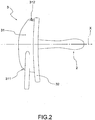
Figure 2 illustrates a schematic side view of the pacifier object of this invention ofFigure 1 ; -
Figure 2a shows a side view in section of the pacifier ofFigure 2 ; -
Figure 3 is a logic block diagram of the operation of the pacifier in a preferred embodiment; -
Figure 4 is a logic block diagram of the operation of the pacifier in a further preferred embodiment. - In the above-mentioned figures, reference number 1 identifies, in its entirety, a pacifier for a child or infant according to the object of this invention.
- Preferably, the pacifier 1 is suitable to interact with an
electronic device 500. - Preferably, the
electronic device 500 is suitable to receive from the pacifier 1 one or more pieces of information and is suited to manage them, for example by storing or combining them with additional information from the device itself. In addition, theelectronic device 500 is suitable to allow the use by the user of certain of said information, for example, in visual form, on a screen or by means of a light signal. Additionally, theelectronic device 500 is suitable, depending on the information received, to inform a user of it, for example by a sound signal. For example, as subsequently described theelectronic device 500 is suitable to emit an alarm signal upon the occurrence of several predefined conditions. - In a preferred embodiment, the
electronic device 500 is a mobile phone or a smartphone. In further preferred embodiments, theelectronic device 500 is a PC or a tablet. - In yet further other embodiments, the
electronic device 500 is a complex system with specific components such as to fulfil the aforesaid functionalities. - Furthermore, the object of this invention is also system for monitoring the state of sleep of a child comprising an
electronic device 500 and a pacifier 1 mutually interacting. - In addition, the object of this invention is a system for monitoring the sleep state of a plurality of children comprising an
electronic device 500, and a pacifier 1, for each child to be monitored, having the characteristics described below, wherein each pacifier 1 is operatively connected to theelectronic device 500. - In particular, in a preferred embodiment, the pacifier 1 comprises a
nipple portion 2 suitable to be received in the oral cavity of the child or infant, and ashield portion 3 suitable to abut the lips. - Preferably, both the
nipple portion 2 and theshield portion 3 are made of an anti-allergic and sterilisable material. - Preferably, the pacifier 1 has a main axis X-X along which the
nipple portion 2 extends. Preferably, theshield portion 3 comprises acentral element 31 positioned substantially on the main axis X-X and ashield wall 32 that extends radially from it. - Preferably, the
nipple portion 2 is fixed to thecentral element 31. - Preferably, the
shield portion 32 has an anatomical shape to adapt to the child's face. - According to a preferred embodiment, the pacifier 1 also comprises a
humidity measurement group 5 suitable to measure variations in humidity surrounding the pacifier 1 when in the child's mouth. - In particular, the humidity measurement group 1 comprises at least an
ambient humidity sensor 51 measuring the degree of humidity of the ambient air and creating a corresponding ambient humidity signal H1. - In addition, the
humidity measurement group 5 comprises at least achild humidity sensor 52 measuring the degree of humidity of the air emitted from the nostrils of the child and creating a corresponding child humidity signal H2. - In a preferred embodiment, the
measurement group 5 is housed in theshield portion 3, preferably in thecentral element 31. - Preferably, the
measurement group 5 is housable in theshield portion 3 in such a way as to be removable from it, for example to clean and sterilise it. - In a preferred embodiment, the
child humidity sensor 52 is positioned proximally to the nostrils of the child when the pacifier 1 is housed in the oral cavity. - Preferably, the
shield portion 3, in particular thecentral element 31, is suitably shaped to keep thechild humidity sensor 52 in proximity of the nostrils. - In addition, preferably, the
ambient humidity sensor 51 is positioned in such a way as not to be influenced by the air exhaled from the child's nostrils. - Preferably, the
ambient humidity sensor 51 is positioned distally from the child's nostrils when the pacifier 1 is housed in the oral cavity. - Preferably, the
ambient humidity sensor 51 and thechild humidity sensor 52 are opposite one another; for example they are radially opposite with respect to the main axis X-X. - In other words, the
shield portion 3, preferably itscentral element 31, has at least oneambient opening 311 and at least one child opening 312 suitable to allow the entry of air into theshield portion 3 up to the respective sensors contained in it. - According to a preferred embodiment, the
humidity measurement group 5 comprises a processing andassessment unit 50 operatively connected to said sensors for receiving and comparing the value of the respective signals creating a comparison signal H0. - In other words, the processing and
assessment unit 50 fulfils the task of comparing the child humidity signal H2 with the ambient humidity signal H1 identifying a result as the comparison signal H0. In other words, the comparison signal H0 assesses the ratio between the ambient humidity signal H1 over the value of the child humidity signal H2. - In other words, if the signal value H0 is less than 1, it means that the value of the ambient humidity signal H1 is less than the child humidity signal value H2, thus identifying a state of regular sleep, in which the pacifier 1 is in the child's mouth and it is breathing properly its nostrils.
- While, if the signal value H0 is equal to, or greater than, 1, it means that the value of the ambient humidity signal H1 is equal to, or greater than, the child humidity signal value H2, thus identifying an abnormal state.
- In particular, in fact, ambient humidity signal value H1 is greater than the child humidity signal value H2, this corresponds to the fact that the pacifier 1 is in the child's mouth backwards.
- Moreover, in fact, if the ambient humidity signal value H1 is equal to the child humidity signal value H2, this corresponds to the fact that the pacifier 1 is not in the child's mouth, or that the child has stopped breathing, identifying a situation of danger or potential danger.
- In particular, if the pacifier is detected, by suitable means (described below), housed in the child's mouth, and the comparison signal H0 is equal to 1, the
electronic device 50 is suitable to emit a "child not breathing" alarm signal. - Preferably, the
measurement group 5 comprises transmission means 55 suitable to transmit the comparison signal H0 to theelectronic device 500. In other words, the transmission means 55 are suitable to transmit the information function of the comparison between the value of the ambient humidity signal H1 and the value of the child humidity signal H2 to theelectronic device 500. When the information arrives to theelectronic device 500, the latter is suitable to use the information, share it emit an alarm signal. - According to a preferred embodiment, the transmission means 55 and the
electronic device 500 are operatively connected by means of wireless transmission, preferably according to Wi-Fi protocol or Bluetooth protocol. - Preferably, the pacifier 1 and the
electronic device 500 are suitable to perform a "pairing" procedure for mutual and unequivocal identification. - According to a preferred embodiment, the pacifier 1 also comprises a
presence detection group 60 suitable to detect the housing of the pacifier in the oral cavity of the child. Preferably, thedetection group 60 is suitable to add a piece of information to the state of sleep of the child by adding a further piece of information with respect to that measured by thehumidity measurement group 5. - According to a preferred embodiment, the processing and
assessment unit 50 is operatively connected to saidpresence detection group 60 and is suited to manage the information received; for example the processing andassessment unit 50 is suitable to combine the collected information, to then send it to theelectronic device 500 by the transmission means 55. - For example, in a preferred embodiment, the
electronic device 50 is suitable to emit a "child not breathing" alarm signal if thepresence detection group 60 detects the housing of the pacifier 1 in the oral cavity of the child. - In further other words, the
presence detection group 60 is suitable to distinguish a situation of danger from one of potential danger. - This is to say that the
presence detection group 60 is suitable to perform a further verification of the state of the child to be added to that, in the first place, performed by thehumidity measurement group 5. - According to a preferred embodiment, the
presence detection group 60 comprises temperature measurement means comprises temperature detection means suitable for measuring the temperature of thenipple portion 2, and thus suitable to detect if thenipple portion 2 is in the child's mouth, and is thus heated by it, or pacifier 1 is not in the child's mouth and thenipple portion 2 is cooled by the surrounding environment. - Preferably, the temperature measurement means comprise at least one thermocouple. Preferably the thermocouple is accommodated directly in the
nipple portion 2. - Preferably, the temperature measurement means comprise at least one infrared temperature sensor. Preferably, the infrared temperature sensor is housable in the
shield portion 3. - In a further embodiment, the
presence detection group 60 comprises movement detection means suitable to detect the movement of the pacifier 1, and thus suitable to detect if the pacifier 1 is in the child's mouth and moved by its sucking. - Preferably, the movement detection means comprise at least one accelerometer suitable for this purpose.
- According to a preferred embodiment, the pacifier 1 also comprises a
battery 7, preferably rechargeable, for powering thehumidity measurement group 5 and possibly thepresence detection group 60. - Preferably, the pacifier 1 comprises a power switch operatively connected to the
battery 7, preferably placed on theshield portion 3 on the side opposite to thenipple portion 2. - According to a preferred embodiment, the pacifier 1 also comprises a
light emitter 9, for example an LED, positioned on theshield portion 3 and operatively connected to thehumidity measurement group 5. - Preferably, the
light emitter 9 is suitable to indicate the status of thebattery 7, but in further embodiments it is also suitable to indicate a state of danger detected. - Innovatively, the pacifier and the system for monitoring the state of sleep of a child are suitable to fulfil the aforesaid needs and solve the typical problems of the prior art.
- Advantageously, in fact, the pacifier is suitable to constantly monitor the child during the entire duration of its sleep.
- In addition, advantageously, the pacifier is suitable to effectively monitor the child's condition by constantly checking its proper breathing; the respiratory action of the child or infant cannot, in fact, stop or fail because, if this should occur, a state of danger is identified.
- A further advantageous aspect lies in the fact that the pacifier is designed to interact with an electronic device that is suitable to report possible or potential states of danger, thus allowing the parent, educator or caregiver to move away from the crib, taking the electronic device with them.
- A still further advantageous aspect is that the pacifier is suitable to interact with communication devices such as mobile phones, smartphones, tablets or PCs. Advantageously, the same electronic devices are suitable to combine a plurality of information contained in them, or detected by them, such as the time, to the information exchanged with the pacifier. Advantageously, the electronic devices are equipped with special applications and software for the management and use of the information.
- Advantageously, the pacifier is suitable to distinguish its position in the child's mouth or the situation in which it is no longer in its mouth.
Claims (15)
- Pacifier (1) for children or infants suitable to interact with an electronic device (500), preferably a smartphone, comprising:- a nipple portion (2) suitable to be received in the oral cavity of the child or infant;- a shield portion (3) suitable to abut the lips of the child or infant;wherein the pacifier (1) is characterized by the fact that it also comprises a humidity measurement group (5) comprising:i) at least an ambient humidity sensor (51) measuring the degree of humidity of the ambient air and creating a corresponding ambient humidity signal (H1);ii) at least a child humidity sensor (52) measuring the degree of humidity of the ambient air from the nostrils of the child and creating a corresponding child humidity signal (H2);iii) a processing and assessment unit (50) operatively connected to said sensors for receiving and comparing the value of the respective signals creating a comparison signal (H0);iv) transmission means (55) suitable for transmitting the comparison signal (H0) to the electronic device (500).
- Pacifier (1) according to claim 1, wherein if the comparison signal (H0) is not less than 1, and thus if the value of the ambient humidity signal (H1) is not less than the value of the child humidity signal (H2), the electronic device (50) is suitable to emit an alarm signal.
- Pacifier (1) according to any of the preceding claims, wherein if the comparison signal (H0) is equal to 1, and thus if the value of the child humidity signal (H2) is equal to the value of the ambient humidity signal (H1), the electronic device (50) is suitable to emit an alarm signal.
- Pacifier (1) according to any of the previous claims, wherein the measurement group (5) is housed in the shield portion (3).
- Pacifier (1) according to any of the preceding claims, wherein the child humidity sensor (52) is positioned in the shield portion (3) proximally to the nostrils of the child when the pacifier (1) is housed in the oral cavity.
- Pacifier (1) according to claim 5, wherein the ambient humidity sensor (51) is positioned in an opposite position with respect to the child humidity sensor (52).
- Pacifier (1) according to any of the preceding claims, also comprising a presence detection group (60) suitable to detect the housing of the pacifier (1) in the oral cavity of the child, in which the processing and assessment unit (50) is operatively connected to said presence detection group (60) and is suitable for managing the information received.
- Pacifier (1) according to claim 7 in combination with claim 3, wherein the electronic device (50) is suitable to emit a "child not breathing" alarm signal if the presence detection group (60) detects the housing of the pacifier (1) in the oral cavity of the child.
- Pacifier (1) according to any of claims 7 and 8, wherein the presence detection group (60) comprises temperature measurement means suitable for measuring the temperature of the nipple portion (2) and/or movement detection means suitable for detecting the sucking movement of the pacifier (1).
- Pacifier (1) according to any of the preceding claims, wherein the transmission means (55) and the electronic device (500) are operatively connected by means of wireless transmission, preferably according to Wi-Fi protocol or Bluetooth protocol.
- Pacifier (1) according to any one of the preceding claims, further comprising a battery (7), preferably rechargeable, for powering the humidity measurement group (5) and possibly the presence detection group (60).
- Pacifier (1) according to claim 10, comprising a power switch operatively connected to the battery (7), preferably placed on the shield portion (3) on the side opposite to the nipple portion (2).
- Pacifier (1) according to any of the preceding claims, further comprising a light emitter (9), for example an LED, positioned on the shield portion (3), preferably on the side opposite to the nipple portion (2), and operatively connected to the humidity measurement group (5).
- System for monitoring the sleep state of a child comprising an electronic device (500), and a pacifier (1) according to any of the preceding claims, wherein the pacifier (1) is operatively connected to the electronic device (500).
- System for monitoring the sleep state of a plurality of children comprising an electronic device (500), and a plurality of pacifiers (1) for each child according to any of the preceding claims, wherein each pacifier (1) is operatively connected to the electronic device (500).
Applications Claiming Priority (2)
| Application Number | Priority Date | Filing Date | Title |
|---|---|---|---|
| ITUB20150672 | 2015-05-19 | ||
| PCT/IB2016/050797 WO2016185294A1 (en) | 2015-05-19 | 2016-02-15 | Pacifier |
Publications (2)
| Publication Number | Publication Date |
|---|---|
| EP3297598A1 EP3297598A1 (en) | 2018-03-28 |
| EP3297598B1 true EP3297598B1 (en) | 2019-03-20 |
Family
ID=53765435
Family Applications (1)
| Application Number | Title | Priority Date | Filing Date |
|---|---|---|---|
| EP16713073.1A Active EP3297598B1 (en) | 2015-05-19 | 2016-02-15 | Pacifier |
Country Status (4)
| Country | Link |
|---|---|
| EP (1) | EP3297598B1 (en) |
| ES (1) | ES2731674T3 (en) |
| PT (1) | PT3297598T (en) |
| WO (1) | WO2016185294A1 (en) |
Families Citing this family (1)
| Publication number | Priority date | Publication date | Assignee | Title |
|---|---|---|---|---|
| FR3106741A1 (en) * | 2020-02-03 | 2021-08-06 | Yoomed | SURVEILLANCE OR REHABILITATION DEVICE |
Family Cites Families (5)
| Publication number | Priority date | Publication date | Assignee | Title |
|---|---|---|---|---|
| CN101160088B (en) * | 2004-10-29 | 2010-04-28 | 杨章民 | Body temperature, respiration, heart sound, swallowing monitoring and medical inquiry device |
| US20090198275A1 (en) * | 2008-01-31 | 2009-08-06 | Douglas E. Godown, Jr. | Pacifier and pacifier system |
| US9114064B2 (en) * | 2011-04-29 | 2015-08-25 | Theodosios Kountotsis | Pacifier receiving breath and saliva samples for providing nutritional information |
| CN203075245U (en) * | 2013-02-16 | 2013-07-24 | 深圳市资福技术有限公司 | Multifunctional placating nipple |
| CN104257355A (en) * | 2014-08-28 | 2015-01-07 | 董梅 | Intelligent nipple thermometer |
-
2016
- 2016-02-15 WO PCT/IB2016/050797 patent/WO2016185294A1/en not_active Ceased
- 2016-02-15 EP EP16713073.1A patent/EP3297598B1/en active Active
- 2016-02-15 PT PT16713073T patent/PT3297598T/en unknown
- 2016-02-15 ES ES16713073T patent/ES2731674T3/en active Active
Non-Patent Citations (1)
| Title |
|---|
| None * |
Also Published As
| Publication number | Publication date |
|---|---|
| ES2731674T3 (en) | 2019-11-18 |
| WO2016185294A1 (en) | 2016-11-24 |
| EP3297598A1 (en) | 2018-03-28 |
| PT3297598T (en) | 2019-06-25 |
Similar Documents
| Publication | Publication Date | Title |
|---|---|---|
| CN206946665U (en) | Intelligent monitor and infant intelligent monitoring system | |
| US20190053757A1 (en) | Subject motion monitoring, temperature monitoring, data gathering and analytics system and method | |
| US9691253B2 (en) | Preventing falls using posture and movement detection | |
| KR101409500B1 (en) | Observing apparatus for baby | |
| US20140323818A1 (en) | Wireless Physiological Monitoring Device | |
| KR20130032891A (en) | Wellness and human care robot | |
| CN203914878U (en) | Intelligence infant's foot ring and system thereof | |
| WO2017198978A1 (en) | Temperature monitoring garment and system | |
| KR101021155B1 (en) | Infant sudden prevention device and infant monitoring system using same | |
| WO2016164904A1 (en) | Multi-sensor, modular, subject observation and monitoring system | |
| CN105380610A (en) | Baby sleep monitoring device and system | |
| US20220015648A1 (en) | Monitoring device, sensor device, and system and method for monitoring a person | |
| EP3297598A1 (en) | Pacifier | |
| CN207924871U (en) | Children's safety fence assembly | |
| CN104382563A (en) | Real-time body temperature monitoring system | |
| KR20150103395A (en) | Hybrid thermometer, and information notification system using the same | |
| CN204520704U (en) | Mother and sons' bracelet | |
| CN102934990A (en) | Temperature measuring device | |
| CN203799472U (en) | Baby sleeping intelligent nursing system | |
| US20210227182A1 (en) | Monitoring system for providing both visual and non-visual data | |
| CN105708468A (en) | Mother-child bracelet and monitoring method based on primary-secondary bracelet | |
| CN107025761A (en) | A kind of Pacifier device | |
| CN205698150U (en) | Infant care device | |
| CN206212167U (en) | Monitoring system | |
| KR20170091267A (en) | A dummy teat having function of sensing temperture of body |
Legal Events
| Date | Code | Title | Description |
|---|---|---|---|
| STAA | Information on the status of an ep patent application or granted ep patent |
Free format text: STATUS: THE INTERNATIONAL PUBLICATION HAS BEEN MADE |
|
| PUAI | Public reference made under article 153(3) epc to a published international application that has entered the european phase |
Free format text: ORIGINAL CODE: 0009012 |
|
| STAA | Information on the status of an ep patent application or granted ep patent |
Free format text: STATUS: REQUEST FOR EXAMINATION WAS MADE |
|
| 17P | Request for examination filed |
Effective date: 20170918 |
|
| AK | Designated contracting states |
Kind code of ref document: A1 Designated state(s): AL AT BE BG CH CY CZ DE DK EE ES FI FR GB GR HR HU IE IS IT LI LT LU LV MC MK MT NL NO PL PT RO RS SE SI SK SM TR |
|
| AX | Request for extension of the european patent |
Extension state: BA ME |
|
| DAV | Request for validation of the european patent (deleted) | ||
| DAX | Request for extension of the european patent (deleted) | ||
| GRAP | Despatch of communication of intention to grant a patent |
Free format text: ORIGINAL CODE: EPIDOSNIGR1 |
|
| STAA | Information on the status of an ep patent application or granted ep patent |
Free format text: STATUS: GRANT OF PATENT IS INTENDED |
|
| INTG | Intention to grant announced |
Effective date: 20181015 |
|
| GRAS | Grant fee paid |
Free format text: ORIGINAL CODE: EPIDOSNIGR3 |
|
| GRAA | (expected) grant |
Free format text: ORIGINAL CODE: 0009210 |
|
| STAA | Information on the status of an ep patent application or granted ep patent |
Free format text: STATUS: THE PATENT HAS BEEN GRANTED |
|
| AK | Designated contracting states |
Kind code of ref document: B1 Designated state(s): AL AT BE BG CH CY CZ DE DK EE ES FI FR GB GR HR HU IE IS IT LI LT LU LV MC MK MT NL NO PL PT RO RS SE SI SK SM TR |
|
| REG | Reference to a national code |
Ref country code: GB Ref legal event code: FG4D |
|
| REG | Reference to a national code |
Ref country code: CH Ref legal event code: EP |
|
| REG | Reference to a national code |
Ref country code: DE Ref legal event code: R096 Ref document number: 602016011295 Country of ref document: DE |
|
| REG | Reference to a national code |
Ref country code: AT Ref legal event code: REF Ref document number: 1109754 Country of ref document: AT Kind code of ref document: T Effective date: 20190415 |
|
| REG | Reference to a national code |
Ref country code: IE Ref legal event code: FG4D |
|
| REG | Reference to a national code |
Ref country code: CH Ref legal event code: NV Representative=s name: MICHELI AND CIE SA, CH |
|
| REG | Reference to a national code |
Ref country code: SE Ref legal event code: TRGR Ref country code: PT Ref legal event code: SC4A Ref document number: 3297598 Country of ref document: PT Date of ref document: 20190625 Kind code of ref document: T Free format text: AVAILABILITY OF NATIONAL TRANSLATION Effective date: 20190612 |
|
| REG | Reference to a national code |
Ref country code: NL Ref legal event code: MP Effective date: 20190320 |
|
| PG25 | Lapsed in a contracting state [announced via postgrant information from national office to epo] |
Ref country code: NO Free format text: LAPSE BECAUSE OF FAILURE TO SUBMIT A TRANSLATION OF THE DESCRIPTION OR TO PAY THE FEE WITHIN THE PRESCRIBED TIME-LIMIT Effective date: 20190620 Ref country code: FI Free format text: LAPSE BECAUSE OF FAILURE TO SUBMIT A TRANSLATION OF THE DESCRIPTION OR TO PAY THE FEE WITHIN THE PRESCRIBED TIME-LIMIT Effective date: 20190320 Ref country code: LT Free format text: LAPSE BECAUSE OF FAILURE TO SUBMIT A TRANSLATION OF THE DESCRIPTION OR TO PAY THE FEE WITHIN THE PRESCRIBED TIME-LIMIT Effective date: 20190320 |
|
| REG | Reference to a national code |
Ref country code: LT Ref legal event code: MG4D |
|
| PG25 | Lapsed in a contracting state [announced via postgrant information from national office to epo] |
Ref country code: LV Free format text: LAPSE BECAUSE OF FAILURE TO SUBMIT A TRANSLATION OF THE DESCRIPTION OR TO PAY THE FEE WITHIN THE PRESCRIBED TIME-LIMIT Effective date: 20190320 Ref country code: HR Free format text: LAPSE BECAUSE OF FAILURE TO SUBMIT A TRANSLATION OF THE DESCRIPTION OR TO PAY THE FEE WITHIN THE PRESCRIBED TIME-LIMIT Effective date: 20190320 Ref country code: GR Free format text: LAPSE BECAUSE OF FAILURE TO SUBMIT A TRANSLATION OF THE DESCRIPTION OR TO PAY THE FEE WITHIN THE PRESCRIBED TIME-LIMIT Effective date: 20190621 Ref country code: BG Free format text: LAPSE BECAUSE OF FAILURE TO SUBMIT A TRANSLATION OF THE DESCRIPTION OR TO PAY THE FEE WITHIN THE PRESCRIBED TIME-LIMIT Effective date: 20190620 Ref country code: NL Free format text: LAPSE BECAUSE OF FAILURE TO SUBMIT A TRANSLATION OF THE DESCRIPTION OR TO PAY THE FEE WITHIN THE PRESCRIBED TIME-LIMIT Effective date: 20190320 Ref country code: RS Free format text: LAPSE BECAUSE OF FAILURE TO SUBMIT A TRANSLATION OF THE DESCRIPTION OR TO PAY THE FEE WITHIN THE PRESCRIBED TIME-LIMIT Effective date: 20190320 |
|
| PG25 | Lapsed in a contracting state [announced via postgrant information from national office to epo] |
Ref country code: CZ Free format text: LAPSE BECAUSE OF FAILURE TO SUBMIT A TRANSLATION OF THE DESCRIPTION OR TO PAY THE FEE WITHIN THE PRESCRIBED TIME-LIMIT Effective date: 20190320 Ref country code: SK Free format text: LAPSE BECAUSE OF FAILURE TO SUBMIT A TRANSLATION OF THE DESCRIPTION OR TO PAY THE FEE WITHIN THE PRESCRIBED TIME-LIMIT Effective date: 20190320 Ref country code: RO Free format text: LAPSE BECAUSE OF FAILURE TO SUBMIT A TRANSLATION OF THE DESCRIPTION OR TO PAY THE FEE WITHIN THE PRESCRIBED TIME-LIMIT Effective date: 20190320 Ref country code: EE Free format text: LAPSE BECAUSE OF FAILURE TO SUBMIT A TRANSLATION OF THE DESCRIPTION OR TO PAY THE FEE WITHIN THE PRESCRIBED TIME-LIMIT Effective date: 20190320 Ref country code: AL Free format text: LAPSE BECAUSE OF FAILURE TO SUBMIT A TRANSLATION OF THE DESCRIPTION OR TO PAY THE FEE WITHIN THE PRESCRIBED TIME-LIMIT Effective date: 20190320 |
|
| REG | Reference to a national code |
Ref country code: ES Ref legal event code: FG2A Ref document number: 2731674 Country of ref document: ES Kind code of ref document: T3 Effective date: 20191118 |
|
| PG25 | Lapsed in a contracting state [announced via postgrant information from national office to epo] |
Ref country code: SM Free format text: LAPSE BECAUSE OF FAILURE TO SUBMIT A TRANSLATION OF THE DESCRIPTION OR TO PAY THE FEE WITHIN THE PRESCRIBED TIME-LIMIT Effective date: 20190320 Ref country code: PL Free format text: LAPSE BECAUSE OF FAILURE TO SUBMIT A TRANSLATION OF THE DESCRIPTION OR TO PAY THE FEE WITHIN THE PRESCRIBED TIME-LIMIT Effective date: 20190320 |
|
| PG25 | Lapsed in a contracting state [announced via postgrant information from national office to epo] |
Ref country code: IS Free format text: LAPSE BECAUSE OF FAILURE TO SUBMIT A TRANSLATION OF THE DESCRIPTION OR TO PAY THE FEE WITHIN THE PRESCRIBED TIME-LIMIT Effective date: 20190720 |
|
| REG | Reference to a national code |
Ref country code: DE Ref legal event code: R097 Ref document number: 602016011295 Country of ref document: DE |
|
| PLBE | No opposition filed within time limit |
Free format text: ORIGINAL CODE: 0009261 |
|
| STAA | Information on the status of an ep patent application or granted ep patent |
Free format text: STATUS: NO OPPOSITION FILED WITHIN TIME LIMIT |
|
| PG25 | Lapsed in a contracting state [announced via postgrant information from national office to epo] |
Ref country code: DK Free format text: LAPSE BECAUSE OF FAILURE TO SUBMIT A TRANSLATION OF THE DESCRIPTION OR TO PAY THE FEE WITHIN THE PRESCRIBED TIME-LIMIT Effective date: 20190320 |
|
| 26N | No opposition filed |
Effective date: 20200102 |
|
| PG25 | Lapsed in a contracting state [announced via postgrant information from national office to epo] |
Ref country code: SI Free format text: LAPSE BECAUSE OF FAILURE TO SUBMIT A TRANSLATION OF THE DESCRIPTION OR TO PAY THE FEE WITHIN THE PRESCRIBED TIME-LIMIT Effective date: 20190320 |
|
| PG25 | Lapsed in a contracting state [announced via postgrant information from national office to epo] |
Ref country code: TR Free format text: LAPSE BECAUSE OF FAILURE TO SUBMIT A TRANSLATION OF THE DESCRIPTION OR TO PAY THE FEE WITHIN THE PRESCRIBED TIME-LIMIT Effective date: 20190320 |
|
| REG | Reference to a national code |
Ref country code: SE Ref legal event code: EUG |
|
| PG25 | Lapsed in a contracting state [announced via postgrant information from national office to epo] |
Ref country code: MC Free format text: LAPSE BECAUSE OF FAILURE TO SUBMIT A TRANSLATION OF THE DESCRIPTION OR TO PAY THE FEE WITHIN THE PRESCRIBED TIME-LIMIT Effective date: 20190320 Ref country code: SE Free format text: LAPSE BECAUSE OF NON-PAYMENT OF DUE FEES Effective date: 20200216 Ref country code: LU Free format text: LAPSE BECAUSE OF NON-PAYMENT OF DUE FEES Effective date: 20200215 |
|
| REG | Reference to a national code |
Ref country code: AT Ref legal event code: UEP Ref document number: 1109754 Country of ref document: AT Kind code of ref document: T Effective date: 20190320 |
|
| PG25 | Lapsed in a contracting state [announced via postgrant information from national office to epo] |
Ref country code: IE Free format text: LAPSE BECAUSE OF NON-PAYMENT OF DUE FEES Effective date: 20200215 |
|
| PGFP | Annual fee paid to national office [announced via postgrant information from national office to epo] |
Ref country code: GB Payment date: 20220223 Year of fee payment: 7 Ref country code: DE Payment date: 20220217 Year of fee payment: 7 Ref country code: CH Payment date: 20220216 Year of fee payment: 7 Ref country code: AT Payment date: 20220217 Year of fee payment: 7 |
|
| PG25 | Lapsed in a contracting state [announced via postgrant information from national office to epo] |
Ref country code: MT Free format text: LAPSE BECAUSE OF FAILURE TO SUBMIT A TRANSLATION OF THE DESCRIPTION OR TO PAY THE FEE WITHIN THE PRESCRIBED TIME-LIMIT Effective date: 20190320 Ref country code: CY Free format text: LAPSE BECAUSE OF FAILURE TO SUBMIT A TRANSLATION OF THE DESCRIPTION OR TO PAY THE FEE WITHIN THE PRESCRIBED TIME-LIMIT Effective date: 20190320 |
|
| PGFP | Annual fee paid to national office [announced via postgrant information from national office to epo] |
Ref country code: IT Payment date: 20220207 Year of fee payment: 7 Ref country code: FR Payment date: 20220228 Year of fee payment: 7 Ref country code: ES Payment date: 20220301 Year of fee payment: 7 Ref country code: BE Payment date: 20220216 Year of fee payment: 7 |
|
| PG25 | Lapsed in a contracting state [announced via postgrant information from national office to epo] |
Ref country code: MK Free format text: LAPSE BECAUSE OF FAILURE TO SUBMIT A TRANSLATION OF THE DESCRIPTION OR TO PAY THE FEE WITHIN THE PRESCRIBED TIME-LIMIT Effective date: 20190320 |
|
| PG25 | Lapsed in a contracting state [announced via postgrant information from national office to epo] |
Ref country code: PT Free format text: LAPSE BECAUSE OF NON-PAYMENT OF DUE FEES Effective date: 20201215 |
|
| REG | Reference to a national code |
Ref country code: DE Ref legal event code: R119 Ref document number: 602016011295 Country of ref document: DE |
|
| REG | Reference to a national code |
Ref country code: CH Ref legal event code: PL |
|
| REG | Reference to a national code |
Ref country code: AT Ref legal event code: MM01 Ref document number: 1109754 Country of ref document: AT Kind code of ref document: T Effective date: 20230215 |
|
| REG | Reference to a national code |
Ref country code: BE Ref legal event code: MM Effective date: 20230228 |
|
| GBPC | Gb: european patent ceased through non-payment of renewal fee |
Effective date: 20230215 |
|
| PG25 | Lapsed in a contracting state [announced via postgrant information from national office to epo] |
Ref country code: LI Free format text: LAPSE BECAUSE OF NON-PAYMENT OF DUE FEES Effective date: 20230228 Ref country code: CH Free format text: LAPSE BECAUSE OF NON-PAYMENT OF DUE FEES Effective date: 20230228 Ref country code: AT Free format text: LAPSE BECAUSE OF NON-PAYMENT OF DUE FEES Effective date: 20230215 |
|
| PG25 | Lapsed in a contracting state [announced via postgrant information from national office to epo] |
Ref country code: GB Free format text: LAPSE BECAUSE OF NON-PAYMENT OF DUE FEES Effective date: 20230215 |
|
| PG25 | Lapsed in a contracting state [announced via postgrant information from national office to epo] |
Ref country code: IT Free format text: LAPSE BECAUSE OF NON-PAYMENT OF DUE FEES Effective date: 20230215 Ref country code: GB Free format text: LAPSE BECAUSE OF NON-PAYMENT OF DUE FEES Effective date: 20230215 Ref country code: FR Free format text: LAPSE BECAUSE OF NON-PAYMENT OF DUE FEES Effective date: 20230228 Ref country code: DE Free format text: LAPSE BECAUSE OF NON-PAYMENT OF DUE FEES Effective date: 20230901 |
|
| PG25 | Lapsed in a contracting state [announced via postgrant information from national office to epo] |
Ref country code: BE Free format text: LAPSE BECAUSE OF NON-PAYMENT OF DUE FEES Effective date: 20230228 |
|
| REG | Reference to a national code |
Ref country code: ES Ref legal event code: FD2A Effective date: 20240405 |
|
| PG25 | Lapsed in a contracting state [announced via postgrant information from national office to epo] |
Ref country code: ES Free format text: LAPSE BECAUSE OF NON-PAYMENT OF DUE FEES Effective date: 20230216 |
|
| PG25 | Lapsed in a contracting state [announced via postgrant information from national office to epo] |
Ref country code: ES Free format text: LAPSE BECAUSE OF NON-PAYMENT OF DUE FEES Effective date: 20230216 |