EP3291161A1 - Payment method, apparatus and system - Google Patents
Payment method, apparatus and system Download PDFInfo
- Publication number
- EP3291161A1 EP3291161A1 EP16847951.7A EP16847951A EP3291161A1 EP 3291161 A1 EP3291161 A1 EP 3291161A1 EP 16847951 A EP16847951 A EP 16847951A EP 3291161 A1 EP3291161 A1 EP 3291161A1
- Authority
- EP
- European Patent Office
- Prior art keywords
- payment
- merchant
- server
- application
- order number
- Prior art date
- Legal status (The legal status is an assumption and is not a legal conclusion. Google has not performed a legal analysis and makes no representation as to the accuracy of the status listed.)
- Granted
Links
Images


Classifications
-
- G—PHYSICS
- G06—COMPUTING OR CALCULATING; COUNTING
- G06Q—INFORMATION AND COMMUNICATION TECHNOLOGY [ICT] SPECIALLY ADAPTED FOR ADMINISTRATIVE, COMMERCIAL, FINANCIAL, MANAGERIAL OR SUPERVISORY PURPOSES; SYSTEMS OR METHODS SPECIALLY ADAPTED FOR ADMINISTRATIVE, COMMERCIAL, FINANCIAL, MANAGERIAL OR SUPERVISORY PURPOSES, NOT OTHERWISE PROVIDED FOR
- G06Q20/00—Payment architectures, schemes or protocols
- G06Q20/38—Payment protocols; Details thereof
- G06Q20/382—Payment protocols; Details thereof insuring higher security of transaction
-
- G—PHYSICS
- G06—COMPUTING OR CALCULATING; COUNTING
- G06Q—INFORMATION AND COMMUNICATION TECHNOLOGY [ICT] SPECIALLY ADAPTED FOR ADMINISTRATIVE, COMMERCIAL, FINANCIAL, MANAGERIAL OR SUPERVISORY PURPOSES; SYSTEMS OR METHODS SPECIALLY ADAPTED FOR ADMINISTRATIVE, COMMERCIAL, FINANCIAL, MANAGERIAL OR SUPERVISORY PURPOSES, NOT OTHERWISE PROVIDED FOR
- G06Q30/00—Commerce
- G06Q30/06—Buying, selling or leasing transactions
- G06Q30/0601—Electronic shopping [e-shopping]
- G06Q30/0633—Managing shopping lists, e.g. compiling or processing purchase lists
- G06Q30/0635—Managing shopping lists, e.g. compiling or processing purchase lists replenishment orders; recurring orders
-
- G—PHYSICS
- G06—COMPUTING OR CALCULATING; COUNTING
- G06Q—INFORMATION AND COMMUNICATION TECHNOLOGY [ICT] SPECIALLY ADAPTED FOR ADMINISTRATIVE, COMMERCIAL, FINANCIAL, MANAGERIAL OR SUPERVISORY PURPOSES; SYSTEMS OR METHODS SPECIALLY ADAPTED FOR ADMINISTRATIVE, COMMERCIAL, FINANCIAL, MANAGERIAL OR SUPERVISORY PURPOSES, NOT OTHERWISE PROVIDED FOR
- G06Q20/00—Payment architectures, schemes or protocols
- G06Q20/08—Payment architectures
- G06Q20/12—Payment architectures specially adapted for electronic shopping systems
-
- G—PHYSICS
- G06—COMPUTING OR CALCULATING; COUNTING
- G06Q—INFORMATION AND COMMUNICATION TECHNOLOGY [ICT] SPECIALLY ADAPTED FOR ADMINISTRATIVE, COMMERCIAL, FINANCIAL, MANAGERIAL OR SUPERVISORY PURPOSES; SYSTEMS OR METHODS SPECIALLY ADAPTED FOR ADMINISTRATIVE, COMMERCIAL, FINANCIAL, MANAGERIAL OR SUPERVISORY PURPOSES, NOT OTHERWISE PROVIDED FOR
- G06Q20/00—Payment architectures, schemes or protocols
- G06Q20/22—Payment schemes or models
- G06Q20/28—Pre-payment schemes, e.g. "pay before"
-
- G—PHYSICS
- G06—COMPUTING OR CALCULATING; COUNTING
- G06Q—INFORMATION AND COMMUNICATION TECHNOLOGY [ICT] SPECIALLY ADAPTED FOR ADMINISTRATIVE, COMMERCIAL, FINANCIAL, MANAGERIAL OR SUPERVISORY PURPOSES; SYSTEMS OR METHODS SPECIALLY ADAPTED FOR ADMINISTRATIVE, COMMERCIAL, FINANCIAL, MANAGERIAL OR SUPERVISORY PURPOSES, NOT OTHERWISE PROVIDED FOR
- G06Q20/00—Payment architectures, schemes or protocols
- G06Q20/30—Payment architectures, schemes or protocols characterised by the use of specific devices or networks
- G06Q20/32—Payment architectures, schemes or protocols characterised by the use of specific devices or networks using wireless devices
- G06Q20/322—Aspects of commerce using mobile devices [M-devices]
- G06Q20/3223—Realising banking transactions through M-devices
-
- G—PHYSICS
- G06—COMPUTING OR CALCULATING; COUNTING
- G06Q—INFORMATION AND COMMUNICATION TECHNOLOGY [ICT] SPECIALLY ADAPTED FOR ADMINISTRATIVE, COMMERCIAL, FINANCIAL, MANAGERIAL OR SUPERVISORY PURPOSES; SYSTEMS OR METHODS SPECIALLY ADAPTED FOR ADMINISTRATIVE, COMMERCIAL, FINANCIAL, MANAGERIAL OR SUPERVISORY PURPOSES, NOT OTHERWISE PROVIDED FOR
- G06Q20/00—Payment architectures, schemes or protocols
- G06Q20/30—Payment architectures, schemes or protocols characterised by the use of specific devices or networks
- G06Q20/32—Payment architectures, schemes or protocols characterised by the use of specific devices or networks using wireless devices
- G06Q20/326—Payment applications installed on the mobile devices
-
- G—PHYSICS
- G06—COMPUTING OR CALCULATING; COUNTING
- G06Q—INFORMATION AND COMMUNICATION TECHNOLOGY [ICT] SPECIALLY ADAPTED FOR ADMINISTRATIVE, COMMERCIAL, FINANCIAL, MANAGERIAL OR SUPERVISORY PURPOSES; SYSTEMS OR METHODS SPECIALLY ADAPTED FOR ADMINISTRATIVE, COMMERCIAL, FINANCIAL, MANAGERIAL OR SUPERVISORY PURPOSES, NOT OTHERWISE PROVIDED FOR
- G06Q20/00—Payment architectures, schemes or protocols
- G06Q20/38—Payment protocols; Details thereof
-
- G—PHYSICS
- G06—COMPUTING OR CALCULATING; COUNTING
- G06Q—INFORMATION AND COMMUNICATION TECHNOLOGY [ICT] SPECIALLY ADAPTED FOR ADMINISTRATIVE, COMMERCIAL, FINANCIAL, MANAGERIAL OR SUPERVISORY PURPOSES; SYSTEMS OR METHODS SPECIALLY ADAPTED FOR ADMINISTRATIVE, COMMERCIAL, FINANCIAL, MANAGERIAL OR SUPERVISORY PURPOSES, NOT OTHERWISE PROVIDED FOR
- G06Q20/00—Payment architectures, schemes or protocols
- G06Q20/38—Payment protocols; Details thereof
- G06Q20/40—Authorisation, e.g. identification of payer or payee, verification of customer or shop credentials; Review and approval of payers, e.g. check credit lines or negative lists
-
- G—PHYSICS
- G06—COMPUTING OR CALCULATING; COUNTING
- G06Q—INFORMATION AND COMMUNICATION TECHNOLOGY [ICT] SPECIALLY ADAPTED FOR ADMINISTRATIVE, COMMERCIAL, FINANCIAL, MANAGERIAL OR SUPERVISORY PURPOSES; SYSTEMS OR METHODS SPECIALLY ADAPTED FOR ADMINISTRATIVE, COMMERCIAL, FINANCIAL, MANAGERIAL OR SUPERVISORY PURPOSES, NOT OTHERWISE PROVIDED FOR
- G06Q30/00—Commerce
- G06Q30/06—Buying, selling or leasing transactions
-
- G—PHYSICS
- G06—COMPUTING OR CALCULATING; COUNTING
- G06Q—INFORMATION AND COMMUNICATION TECHNOLOGY [ICT] SPECIALLY ADAPTED FOR ADMINISTRATIVE, COMMERCIAL, FINANCIAL, MANAGERIAL OR SUPERVISORY PURPOSES; SYSTEMS OR METHODS SPECIALLY ADAPTED FOR ADMINISTRATIVE, COMMERCIAL, FINANCIAL, MANAGERIAL OR SUPERVISORY PURPOSES, NOT OTHERWISE PROVIDED FOR
- G06Q30/00—Commerce
- G06Q30/06—Buying, selling or leasing transactions
- G06Q30/0601—Electronic shopping [e-shopping]
- G06Q30/0641—Electronic shopping [e-shopping] utilising user interfaces specially adapted for shopping
-
- H—ELECTRICITY
- H04—ELECTRIC COMMUNICATION TECHNIQUE
- H04W—WIRELESS COMMUNICATION NETWORKS
- H04W12/00—Security arrangements; Authentication; Protecting privacy or anonymity
- H04W12/06—Authentication
-
- G—PHYSICS
- G06—COMPUTING OR CALCULATING; COUNTING
- G06F—ELECTRIC DIGITAL DATA PROCESSING
- G06F3/00—Input arrangements for transferring data to be processed into a form capable of being handled by the computer; Output arrangements for transferring data from processing unit to output unit, e.g. interface arrangements
- G06F3/14—Digital output to display device ; Cooperation and interconnection of the display device with other functional units
Definitions
- Embodiments of the present disclosure relate to the field of computer and Internet technologies, and in particular, to a payment method, apparatus and system.
- a user can perform a series of purchasing procedures, such as merchant selection, goods ordering, and online payment.
- a shopping platform application is accessed by a merchant in the following two ways: one is to access a shopping platform application in a form of an open interface; the other is to access a shopping platform application in a form of a web page.
- an existing online payment procedure is as follows: After a user finishes goods ordering, the shopping platform application calls a web payment tool. The user enters a user account and a corresponding login password in a login page provided by the web payment tool. After logging on to the web payment tool, the user enters a payment password to complete the payment procedure.
- a payment method is provided.
- the method is applied to a payment system including a terminal and a backend server, the terminal running a platform application and a payment application, the method including:
- a payment method including:
- a payment method including:
- a payment apparatus including:
- a payment apparatus including:
- a payment system including a terminal and a backend server, the terminal running a platform application and a payment application;
- a prepaid order number is obtained from a backend server from a web page corresponding to a merchant, and then a platform application obtains a prepaid order number from the web page corresponding to the merchant, and calls the payment application, to use the payment application to complete a payment procedure with the backend server according to the prepaid order number, so as to resolve a problem that in the existing technology, operations of a related online payment procedure are relatively complex and of low security in a case in which a merchant accesses the platform application in a form of a web page. Because a payment application is directly called, a user can directly enter payment check information to complete a payment procedure. There is no need for the user to manually enter a user account and a login password to log on to a web payment tool, so that a technical effect of simplifying an operation procedure, increasing payment efficiency, and improving security is achieved.
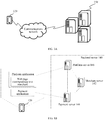
- FIG. 1 shows a schematic structural diagram of an implementation environment according to an embodiment of the present disclosure.
- the implementation environment includes a terminal 120 and a backend server 140.
- the terminal 120 may be electronic devices, such as a smartphone, a panel computer, an e-book reader, a multimedia playback device, a laptop, or the like.
- the terminal 120 runs a platform application and a payment application.
- the platform application refers to an application (APP) of a platform level that provides an accessing function for a merchant so that the merchant can provide various services for users.
- types of services provided for the platform application are not limited, including, but not limited to shopping services, daily life services, car services, and the like.
- a merchant refers to an institution or an individual that accesses the platform application and provides services for users in the platform application.
- the foregoing institution may be a businessman, a manufacturer, an agent, or a dealer.
- the merchant accesses the platform application in a form of a web page.
- the web page corresponding to the merchant may be a web page developed by using hypertext markup language 5 (HTML5).
- HTML5 hypertext markup language 5
- the platform application is a shopping platform application
- the shopping platform application refers to the APP of the platform level that provides an online buying and selling interface for users and merchants.
- the shopping platform application may be Jingdong mall APP provided by China Beijing Jingdong Century Trading Company Limited, Tmall APP provided by China Facebook Company, or Taobao APP provided by China Facebook Company.
- the merchant refers to an institution or an individual that accesses the shopping platform application and sells goods to users in the shopping platform application.
- the merchant may be a manufacturer, an agent or a dealer of goods.
- the merchant accesses the shopping platform application in the form of the web page. That is, in the shopping platform application, the merchant and the goods to be sold are displayed in the form of the web page. Users can check and purchase goods in the web page corresponding to the merchant.
- the platform application is a platform application of daily life services
- the platform application of daily life services refers to an APP of a platform level that provides an accessing function for a merchant so that the merchant can provide various daily life services for users.
- the foregoing daily life services include but are not limited to a takeaway service, a housekeeping service, a tutoring service, an art training service, an air ticket/ticket/hotel booking service, a service of acting as an agent, a real estate rental service, and the like.
- the platform application of daily life services may be 58 city APP provided by China Beijing 58 Information Technology Company Limited, Ganji APP provided by China Shanjing Branch Network Technology (Beijing) Company Limited, or Tuniu travel APP provided by China Nanjing Tuniu Technology Company Limited.
- the merchant refers to an institution or an individual that accesses the platform application of daily life services and provides daily life services to users of the platform application of daily life services.
- the merchant may be a provider, an agent or a dealer of services.
- the merchant accesses the shopping platform application of daily life services in the form of the web page. That is, in the platform application of daily life services, the merchant and the daily life services provided are displayed in the form of the web page. Users can check and purchase services on the web page corresponding to the merchant.
- the payment application refers to a client APP used for implementing an online payment function.
- the payment application may be Wechat Payment provided by China Tencent Company, or Alipay provided by China Facebook Company.
- the client APP with payment function is safer because the client application has a built-in security check module and a transferring process is not easily hijacked.
- a communication connection is established between the terminal 120 and the backend server 140 by using a communications network, which may be a wired network or a wireless network.
- the backend server 140 may be one server, or a server cluster formed by a plurality of servers, or a cloud computing center.
- the backend server 140 has a cluster architecture.
- the backend server 140 includes a merchant server 142 corresponding to the merchant and a payment server 144 corresponding to the payment application.
- the merchant server 142 is a backend server of the merchant.
- a Hyper Text Transfer Protocol (HTTP) connection is established between the merchant server 142 and the web page corresponding to the merchant. They communicate with each other by using the HTTP connection.
- the payment server 144 is a backend server of the payment application.
- a communication connection is established between the payment server 144 and the payment application.
- the backend server 140 further includes a platform server 146 corresponding to the platform application.
- the platform server 146 is a backend server of the platform application.
- a communication connection is established between the platform server 146 and the platform application.
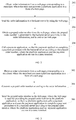
- FIG. 2 shows a method flowchart of a payment method according to an embodiment of the present disclosure.
- the payment method may be applied to the platform application running in the terminal 120 in the implementation environment shown in FIG. 1 .
- order information is obtained from a web page corresponding to a merchant.
- the merchant accesses the platform application in a form of a web page.
- the order information is sent to a backend server by using the web page.
- a prepaid order number is obtained from the web page.
- the prepaid order number is generated by the backend server according to the order information and sent to the web page.
- a payment application is called to complete a payment procedure with the backend server according to the prepaid order number.
- the platform application and the payment application are running in a same terminal.
- the embodiment provides a payment method including obtaining a prepaid order number from a backend server through a web page corresponding to a merchant; obtaining, by a platform application, the prepaid order number from the web page corresponding to the merchant; and calling the payment application to complete a payment procedure with the backend server according to the prepaid order number.
- FIG. 3 shows a method flowchart of a payment method according to another embodiment of the present disclosure.
- the payment method may be applied to the backend server 140 in the implementation environment shown in FIG. 1 .
- order information is received from a web page corresponding to a merchant.
- the merchant accesses a platform application in a form of a web page.
- a prepaid order number is generated according to the order information.
- the prepaid order number is sent to the web page.
- the web page is used for providing the prepaid order number to the platform application, so that the platform application calls a payment application and uses the payment application to complete a payment procedure with the backend server according to the prepaid order number.
- the platform application and the payment application are running in a same terminal.
- the embodiment provides a payment method including obtaining order information by a backend server from a web page corresponding to a merchant; generating a prepaid order number according to the order information and returning the prepaid order number to the web page corresponding to the merchant, so that the web page corresponding to the merchant provides the prepaid order number to a platform application so that the platform application can call a payment application to complete a payment procedure with the backend server according to the prepaid order number.
- a problem in the existing technology that operations of a related online payment procedure are relatively complex and of low security in a case that a merchant accesses the platform application in a form of a web page can be resolved.
- the payment application is directly called, a user can directly enter payment check information to complete the payment procedure. There is no need for the user to manually enter a user account and a login password to log on to a web payment tool, so that a technical effect of simplifying an operation procedure, increasing payment efficiency, and improving security is achieved.
- FIG. 4 shows a method flowchart of a payment method according to still another embodiment of the present disclosure.
- the payment method may be applied to the implementation environment shown in FIG. 1 .
- a platform application obtains order information from a web page corresponding to a merchant, where the merchant accesses the platform application in a form of a web page.
- the platform application sends the order information to a backend server by using the web page.
- the backend server receives the order information from the web page.
- the backend server generates a prepaid order number according to the order information.
- the backend server sends the prepaid order number to the web page.
- the web page receives the prepaid order number sent by the backend server.
- the platform application obtains the prepaid order number from the web page.
- the platform application calls a payment application to complete a payment procedure with the backend server according to the prepaid order number.
- the embodiment provides a payment method including obtaining a prepaid order number from a backend server through a web page corresponding to a merchant; obtaining, by a platform application, the prepaid order number from the web page corresponding to the merchant; and calling a payment application to complete a payment procedure with the backend server according to the prepaid order number.
- FIG. 5A shows a method flowchart of a payment method according to yet another embodiment of the present disclosure.
- descriptions are provided by using an example in which the payment method is applied to the implementation environment shown in FIG. 1 .
- a platform application obtains order information from a web page corresponding to a merchant.
- the merchant accesses the platform application in the form of the web page.
- the web page corresponding to the merchant is used for displaying related information about goods that the merchant sells, for example, names, types, prices, introductions, preview images, or comments of the goods.
- a user can check, select and purchase goods on the web page corresponding to the merchant.
- the web page corresponding to the merchant obtains the order information.
- the order information is used for indicating the goods ordered by the user and a total price to be paid.
- the order information may include names, quantities, and prices of the goods.
- the types of goods that the merchant sells are not limited.
- the goods that the merchant sells may be physical goods such as foods, customs, home appliances, furniture, or books, or may be virtual goods such as game currencies, telephone fare, or membership, or services such as housekeeping, tutoring, or acting as an agent.
- the platform application sends the order information to a merchant server from the web page corresponding to the merchant.
- An HTTP connection is established between the web page corresponding to the merchant and the merchant server corresponding to the web page corresponding to the merchant.
- the web page corresponding to the merchant sends the order information to the merchant server by using the HTTP connection.
- the merchant server receives the order information from the web page corresponding to the merchant.
- the merchant server sends an order generating request to a payment server.
- the order generating request includes at least the order information.
- the order generating request is used for requesting the payment server to establish a prepaid order and generate a corresponding prepaid order number.
- the order generating request further includes a merchant identifier corresponding to the merchant.
- the merchant identifier is used for uniquely identifying the merchant. Different merchants correspond to different merchant identifiers.
- the payment server receives the order generating request sent by the merchant server.
- the payment server generates the prepaid order number according to the order generating request.
- the prepaid order number is used for uniquely identifying the prepaid order. Different prepaid orders correspond to different prepaid order numbers.
- the payment server may generate the prepaid order number according to a preset rule. For example, the payment server generates the prepaid order number according to a current time and the merchant identifier corresponding to the merchant.
- the payment server detects, according to the merchant identifier, whether the merchant is a registered merchant.
- the payment server generates the prepaid order number if detecting that the merchant is a registered merchant.
- the payment server if the payment server detects that the merchant is not a registered merchant, the payment server returns a response that is used for indicating an order generating failure to the merchant server.
- a procedure for the payment server to detect, according to the merchant identifier, whether the merchant is a registered merchant includes the payment server detecting whether a registered merchant identifier cluster includes the merchant identifier corresponding to the merchant; if yes, confirming that the merchant is a registered merchant; and if no, confirming that the merchant is not a registered merchant.
- the registered merchant identifier cluster includes merchant identifiers respectively corresponding to merchants that have successfully registered with the payment server.
- the payment server stores a correspondence between the prepaid order number and the order information.
- the payment server sends the prepaid order number to the merchant server.
- the merchant server receives the prepaid order number sent by the payment server.
- step S506 may be performed before or after step S505, or be performed at the same time with step S505. In this embodiment, only take that step S506 may be performed after step S505 as an example, but the present disclosure is not limited to this example.
- the merchant server sends the prepaid order number to the web page corresponding to the merchant.
- the merchant server After obtaining the prepaid order number returned by the payment server, the merchant server sends the prepaid order number to the web page corresponding to the merchant by using the HTTP connection established between the web page corresponding to the merchant and the merchant server.
- the web page corresponding to the merchant receives the prepaid order number sent by the merchant server.
- the platform application obtains the prepaid order number from the web page corresponding to the merchant.
- the web page corresponding to the merchant After receiving the prepaid order number, the web page corresponding to the merchant provides the prepaid order number to the platform application.
- the platform application provides a predetermined interface to the web page corresponding to the merchant.
- the predetermined interface may be a Java Script interface.
- the platform application obtains the prepaid order number from the web page corresponding to the merchant by using the predetermined interface.
- the web page corresponding to the merchant calls the predetermined interface and provides the prepaid order number to the platform application by using the predetermined interface.
- the platform application obtains merchant authentication information from the web page corresponding to the merchant.
- the merchant authentication information includes the merchant identifier corresponding to the merchant and/or the order information.
- the merchant authentication information is used for the platform application to check legality of the merchant.
- the platform application obtains the merchant authentication information from the web page corresponding to the merchant by using the predetermined interface.
- the web page corresponding to the merchant may provide the prepaid order number and the merchant authentication information to the platform application together, or in sequence. That is, the foregoing step S509 may be performed before, after step S508, or at the same time with step S508. Commonly, step S509 and step S508 are performed at the same time, that is, the web page corresponding to the merchant provides the prepaid order number and the merchant authentication information to the platform application together.
- the platform application performs authentication on the merchant authentication information.
- the platform application checks whether the merchant is legitimate according to the merchant authentication information. In a case that the merchant authentication information includes the merchant identifier corresponding to the merchant, the platform application detects, according to the merchant identifier, whether the merchant is a registered merchant.
- the check procedure is similar to the procedure of authenticating the merchant by the payment server discussed in step S504, and thus detailed description thereof is omitted.
- the platform application detects whether the goods and prices are legitimate according to the order information.
- the order information can be used for indicating the goods ordered by the user and a total price to be paid.
- the order information may include names, quantities, and prices of the goods.
- the platform application detects, with reference to names of goods and corresponding prices that are previously provided by the merchant, whether the goods and prices are falsified. If determining that the goods and prices are falsified, the platform application confirms that the goods and prices are not legitimate.
- the platform application may locally check the legality of the merchant, or check the legality of the merchant on a cloud. In a case that the legality of the merchant is checked on the cloud, the platform application sends the merchant authentication information to the platform server corresponding to the platform application. The platform server detects whether the merchant is legitimate according to the merchant authentication information and returns an authentication result to the platform application.
- the platform application calls a payment interface provided by the payment application, and provides the prepaid order number to the payment application by using the payment interface.
- the payment application refers to a client APP used for implementing an online payment function, but not a web payment tool.
- the payment application and the platform application are running in a same terminal.
- the payment application provides the payment interface to the platform application to call.
- the platform application provides a registered identifier to the payment application.
- the platform application may further return a response indicating that the merchant does not pass the legality check to the merchant server so that the merchant knows a reason why the deal fails.
- the payment application After receiving the prepaid order number, the payment application completes the payment procedure with the payment server according to the prepaid order number, as described in more detail below.
- the payment application sends the prepaid order number to the payment server.
- the payment server receives the prepaid order number sent by the payment application.
- the payment application sends both the registered identifier of the platform application and the prepaid order number to the payment server.
- the payment server obtains the order information corresponding to the prepaid order number according to a correspondence between preset prepaid order numbers and order information.
- the payment server sends the order information to the payment application.
- the payment application receives the order information sent by the payment server.
- the payment server checks, according to the registered identifier of the platform application, whether the platform application is successfully registered, and sends the order information to the payment application if the platform application is successfully registered.
- the payment application generates and displays a payment page according to the order information.
- the payment page includes at least an amount of payment and an operation control the user to enter the payment check information. In some embodiments, the payment page further includes information such as a payee and the order information.
- the payment application completes the payment procedure after obtaining the payment check information that is correspondingly entered in the payment page.
- the payment application checks whether the payment check information is correct after obtaining the payment check information that is correspondingly entered in the payment page, and performs a collection procedure in a case in which the payment check information is correct.
- the payment check information refers to check information that is used for confirming payment and is preset in the payment application.
- a form of implementing the payment check information is not limited, including, but is not limited to, a digital password, a graphical password, a fingerprint, a voiceprint, a human face, or the like.
- the payment server sends a payment completing indication to the merchant server for notifying the merchant that the user has successfully paid.
- the payment completing indication includes the prepaid order number.
- the merchant may arrange a procedure, such as shipping a package according to the prepaid order number.
- the payment server may regularly transfer received money to the merchant.
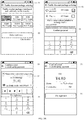
- FIG. 5B schematically shows how the merchant accesses the platform application in the form of the web page according to an exemplary embodiment.
- the user selects goods that he/she wishes to buy on a web page 51 provided by the merchant and clicks an "Order right now" button 52 after finishing the selection.
- the platform application displays a payment method selection page 53.
- the user selects a payment application named "X credit payment” in the payment method selection page 53 and clicks a "Confirm payment” button 54.
- the platform application calls the payment application named "X credit payment,” which displays a payment page 55.
- the payment application displays a floating window 57 and an input keyboard 58 for the user to enter the payment check information.
- the user completes the payment after entering the payment check information (for example, a six-digit password).
- the embodiment provides a payment method including obtaining a prepaid order number from a backend server through a web page corresponding to a merchant; obtaining, by a platform application, the prepaid order number from the web page corresponding to the merchant; and calling a payment application to complete a payment procedure with the backend server according to the prepaid order number.
- a problem in the existing technology that operations of a related online payment procedure are relatively complex and of low security in a case that a merchant accesses the platform application in a form of a web page can be resolved.
- the payment application is directly called, a user can directly enter payment check information to complete a payment procedure. There is no need for the user to manually enter a user account and a login password to log on to a web payment tool, so that a technical effect of simplifying an operation procedure, increasing payment efficiency, and improving security is achieved.
- the payment method provided by the embodiment checks whether the merchant is registered by using the payment server, checks the legality of the merchant by using the platform application, and checks whether the platform application is registered by using the payment application. As such, payment security can be guaranteed.
- the embodiments of the present disclosure provide a payment solution in which the platform application needs only to provide a page display interface to the merchant and does not need to participate in the procedure such as generating the prepaid order, making collections and shipping goods, therefore greatly reducing a cost of developing and maintaining the platform application.
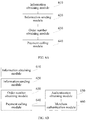
- FIG. 6A shows a structural block diagram of a payment apparatus according to an embodiment of the present disclosure.
- the payment apparatus has a function of implementing the foregoing method of a terminal. The function may be implemented by using hardware, or corresponding software that are performed by using the hardware.
- the payment apparatus includes an information obtaining module 610, an information sending module 620, an order number obtaining module 630, and a payment calling module 640.
- the information obtaining module 610 is configured to obtain order information from a web page corresponding to a merchant, where the merchant accesses a platform application in a form of a web page.
- the information sending module 620 is configured to send the order information to a backend server by using the web page.
- the order number obtaining module 630 is configured to obtain a prepaid order number from the web page, where the prepaid order number is generated by the backend server according to the order information and sent to the web page.
- the payment calling module 640 is configured to call a payment application to complete a payment procedure with the backend server according to the prepaid order number.
- the platform application and the payment application are run in a same terminal.
- a prepaid order number is obtained from a backend server from a web page corresponding to a merchant; and a platform application obtains a prepaid order number from the web page corresponding to the merchant, and calls the payment application to complete a payment procedure with the backend server according to the prepaid order number.
- the payment calling module 640 is configured to:
- FIG. 6B shows a structural block diagram of a payment apparatus according to another embodiment of the present disclosure.
- the apparatus shown in FIG. 6B is similar to the apparatus shown in FIG. 6A , except that the apparatus shown in FIG. 6B further includes an authentication obtaining module 650 and a merchant authentication module 660.
- the authentication obtaining module 650 is configured to obtain merchant authentication information from the web page, where the merchant authentication information includes a merchant identifier corresponding to the merchant and/or the order information.
- the merchant authentication module 660 is configured to perform authentication on the merchant authentication information.
- the payment calling module 640 is further configured to call the payment application to complete a payment procedure with the backend server according to the prepaid order number if the authentication is passed.
- the backend server cluster includes a merchant server corresponding to the merchant and a payment server corresponding to the payment application.
- the information sending module 620 shown in FIGs. 6A and 6B is further configured to send the order information to the merchant server by using the web page.
- the merchant server sends an order generating request to the payment server, where the order generating request includes at least the order information.
- the payment server is configured to generate the prepaid order number according to the order generating request, and send the prepaid order number to the merchant server.
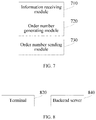
- FIG. 7 shows a structural block diagram of a payment apparatus according to another embodiment of the present disclosure.
- the payment apparatus has a function of implementing the foregoing method of the foregoing backend server. The function may be implemented by using hardware, or corresponding software that are performed by using the hardware.
- the payment apparatus includes an information receiving module 710, an order number generating module 720, and an order number sending module 730.
- the information receiving module 710 is configured to receive order information from a web page corresponding to a merchant, where the merchant accesses a platform application in a form of a web page.
- the order number generating module 720 is configured to generate a prepaid order number according to the order information.
- the order number sending module 730 is configured to send the prepaid order number to the web page.
- the web page is used for providing the prepaid order number to the platform application.
- the platform application calls a payment application to complete a payment procedure with the backend server according to the prepaid order number.
- the platform application and the payment application are running in a same terminal.
- order information is obtained by a backend server from a web page corresponding to a merchant, a prepaid order number is generated according to the order information, and the prepaid order number is returned to the web page corresponding to the merchant.
- the web page corresponding to the merchant provides the prepaid order number to a platform application; and the platform application calls a payment application to complete a payment procedure with the backend server according to the prepaid order number.
- the order number generating module 720 is further configured to send an order generating request to the payment server after receiving the order information from the web page by using the merchant server corresponding to the merchant, where the order generating request includes at least the order information; and generate the prepaid order number according to the order generating request corresponding to the payment application and store a correspondence between the prepaid order number and the order information by using the payment server; and send the prepaid order number to the merchant server, and send the prepaid order number to the web page by using the merchant server.
- the order generating request further includes a merchant identifier corresponding to the merchant.
- FIG. 8 shows a structural block diagram of a payment system according to an embodiment of the present disclosure.
- the payment system includes a terminal 820 and a backend server 840, where the terminal 820 runs a platform application and a payment application.
- the terminal 820 includes a payment apparatus consistent with the disclosure, such as one of the exemplary payment apparatuses described above in connection with FIGs. 6A and FIG. 6B .
- the backend server 840 includes a payment apparatus consistent with the disclosure, such as one of the exemplary payment apparatuses described above in connection with FIG. 7 .
- the foregoing embodiment provides the payment apparatus and system.
- the foregoing division of the functional modules is merely an example for description.
- the foregoing functions may be allocated to and completed by different functional modules as required, that is, an inner structure of a device is divided into different functional modules, so as to complete all or some of the functions described above.
- a non-transitory computer readable storage medium that includes instructions is further provided, for example, a memory that includes instructions.
- the instructions may be performed by a processor of a terminal to complete part or all of a method consistent with the disclosure, or be performed by a processor of a server to complete part or all of a method consistent with the disclosure.
- the non-transitory computer readable storage medium may be an ROM, a random access memory (RAM), a CD-ROM, a magnetic tape, a floppy disk, or an optical data storage device.
- a person of ordinary skill in the art may understand that part or all of a method consistent with the disclosure may be implemented by using hardware, or may be implemented by a program instructing relevant hardware.
- the program may be stored in a computer readable storage medium.
- the storage medium may be a read-only memory, a magnetic disk, an optical disc, or the like.
Landscapes
- Business, Economics & Management (AREA)
- Accounting & Taxation (AREA)
- Engineering & Computer Science (AREA)
- Finance (AREA)
- General Business, Economics & Management (AREA)
- Strategic Management (AREA)
- Physics & Mathematics (AREA)
- General Physics & Mathematics (AREA)
- Theoretical Computer Science (AREA)
- Development Economics (AREA)
- Marketing (AREA)
- Economics (AREA)
- Computer Security & Cryptography (AREA)
- Computer Networks & Wireless Communication (AREA)
- Signal Processing (AREA)
- Management, Administration, Business Operations System, And Electronic Commerce (AREA)
- Financial Or Insurance-Related Operations Such As Payment And Settlement (AREA)
- Information Transfer Between Computers (AREA)
Abstract
Description
- The application claims priority to China Patent Application No.
201510617815.9 - Embodiments of the present disclosure relate to the field of computer and Internet technologies, and in particular, to a payment method, apparatus and system.
- With the rising of online shopping, various online shopping platforms appear. These online shopping platforms undoubtedly provide a reliable guarantee for orderly and standardized online shopping.
- By downloading and installing a shopping platform application provided by an online shopping platform in a terminal, a user can perform a series of purchasing procedures, such as merchant selection, goods ordering, and online payment. Currently, a shopping platform application is accessed by a merchant in the following two ways: one is to access a shopping platform application in a form of an open interface; the other is to access a shopping platform application in a form of a web page. In the case in which the merchant accesses a shopping platform application in the form of the web page, an existing online payment procedure is as follows: After a user finishes goods ordering, the shopping platform application calls a web payment tool. The user enters a user account and a corresponding login password in a login page provided by the web payment tool. After logging on to the web payment tool, the user enters a payment password to complete the payment procedure.
- To resolve a problem that in the existing technology, operations of a related online payment procedure are relatively complex and of low security in a case in which a merchant accesses the platform application in a form of a web page, embodiments of the present disclosure provide a payment method, apparatus and system. The technical solutions are as follows:
- According to a first aspect, a payment method is provided. The method is applied to a payment system including a terminal and a backend server, the terminal running a platform application and a payment application, the method including:
- obtaining, by the platform application, order information from a web page corresponding to a merchant, the merchant accessing the platform application in a form of a web page; and sending the order information to the backend server by using the web page;
- generating, by the backend server, a prepaid order number according to the order information; and sending the prepaid order number to the web page; and
- obtaining, by the platform application, the prepaid order number from the web page; and calling, by the platform application, the payment application, to use the payment application to complete a payment procedure with the backend server according to the prepaid order number.
- According to a second aspect, a payment method is provided, the method including:
- obtaining order information from a web page corresponding to a merchant, the merchant accessing a platform application in a form of a web page;
- sending the order information to a backend server by using the web page;
- obtaining a prepaid order number from the web page, the prepaid order number being generated by the backend server according to the order information, and sent to the web page; and
- calling a payment application, to use the payment application to complete a payment procedure with the backend server according to the prepaid order number, the platform application and the payment application being run in a same terminal.
- According to a third aspect, a payment method is provided, the method including:
- receiving order information from a web page corresponding to a merchant, the merchant accessing a platform application in a form of a web page;
- generating a prepaid order number according to the order information; and
- sending the prepaid order number to the web page, the web page being configured to provide the prepaid order number to the platform application, so that the platform application calls a payment application and uses the payment application to complete a payment procedure with the backend server according to the prepaid order number, the platform application and the payment application being run in a same terminal.
- According to a fourth aspect, a payment apparatus is provided, the apparatus including:
- an information obtaining module, configured to obtain order information from a web page corresponding to a merchant, the merchant accessing a platform application in a form of a web page;
- an information sending module, configured to send the order information to a backend server by using the web page;
- an order number obtaining module, configured to obtain a prepaid order number from the web page, the prepaid order number being generated by the backend server according to the order information, and sent to the web page; and
- a payment calling module, configured to call a payment application, to use the payment application to complete a payment procedure with the backend server according to the prepaid order number, the platform application and the payment application being run in a same terminal.
- According to a fifth aspect, a payment apparatus is provided, the apparatus including:
- an information receiving module, configured to receive order information from a web page corresponding to a merchant, the merchant accessing a platform application in a form of a web page;
- an order number generating module, configured to generate a prepaid order number according to the order information; and
- an order number sending module, configured to send the prepaid order number to the web page, the web page being configured to provide the prepaid order number to the platform application, so that the platform application calls a payment application and uses the payment application to complete a payment procedure with a backend server according to the prepaid order number, the platform application and the payment application being run in a same terminal.
- According to a sixth aspect, a payment system is provided, including a terminal and a backend server, the terminal running a platform application and a payment application;
- the terminal including the payment apparatus according to a fourth aspect; and
- the backend server including the payment apparatus according to a fifth aspect;
- The technical solutions provided by the embodiments of the present disclosure have the following beneficial effects:
- A prepaid order number is obtained from a backend server from a web page corresponding to a merchant, and then a platform application obtains a prepaid order number from the web page corresponding to the merchant, and calls the payment application, to use the payment application to complete a payment procedure with the backend server according to the prepaid order number, so as to resolve a problem that in the existing technology, operations of a related online payment procedure are relatively complex and of low security in a case in which a merchant accesses the platform application in a form of a web page. Because a payment application is directly called, a user can directly enter payment check information to complete a payment procedure. There is no need for the user to manually enter a user account and a login password to log on to a web payment tool, so that a technical effect of simplifying an operation procedure, increasing payment efficiency, and improving security is achieved.
- To describe the technical solutions in the embodiments of the present disclosure more clearly, the following briefly describes the accompanying drawings required for describing the embodiments. Apparently, the accompanying drawings in the following description show merely some embodiments of the present disclosure, and a person of ordinary skill in the art may still derive other drawings from these accompanying drawings without creative efforts.
-
FIG. 1A is a schematic structural diagram of an implementation environment according to an embodiment of the present disclosure; -
FIG. 1B is a schematic structural diagram of a backend server according to an embodiment of the present disclosure; -
FIG. 2 is a method flowchart of a payment method according to an embodiment of the present disclosure; -
FIG. 3 is a method flowchart of a payment method according to another embodiment of the present disclosure; -
FIG. 4 is a method flowchart of a payment method according to still another embodiment of the present disclosure; -
FIG. 5A is a method flowchart of a payment method according to yet another embodiment of the present disclosure; -
FIG. 5B is a schematic diagram of a user interface according to an embodiment shown inFIG. 5A ; -
FIG. 6A is a structural block diagram of a payment apparatus according to an embodiment of the present disclosure; -
FIG. 6B is a structural block diagram of a payment apparatus according to another embodiment of the present disclosure; -
FIG. 7 is a structural block diagram of a payment apparatus according to another embodiment of the present disclosure; and -
FIG. 8 is a structural block diagram of a payment system according to an embodiment of the present disclosure. - To make the objectives, technical solutions, and advantages of the present disclosure clearer, the following further describes the embodiments of the present disclosure in detail with reference to the accompanying drawings.
-
FIG. 1 shows a schematic structural diagram of an implementation environment according to an embodiment of the present disclosure. The implementation environment includes a terminal 120 and abackend server 140. - The terminal 120 may be electronic devices, such as a smartphone, a panel computer, an e-book reader, a multimedia playback device, a laptop, or the like.
- In the embodiments of the present disclosure, the terminal 120 runs a platform application and a payment application. Herein, the platform application refers to an application (APP) of a platform level that provides an accessing function for a merchant so that the merchant can provide various services for users. In the embodiments of the present disclosure, types of services provided for the platform application are not limited, including, but not limited to shopping services, daily life services, car services, and the like. A merchant refers to an institution or an individual that accesses the platform application and provides services for users in the platform application. For example, the foregoing institution may be a businessman, a manufacturer, an agent, or a dealer. In the embodiments of the present disclosure, the merchant accesses the platform application in a form of a web page. That is, in the platform application, to display the merchant and the services provided in the form of the web page. Users can check and purchase required services in the web page corresponding to the merchant. For example, the web page corresponding to the merchant may be a web page developed by using hypertext markup language 5 (HTML5).
- In one example, the platform application is a shopping platform application, and the shopping platform application refers to the APP of the platform level that provides an online buying and selling interface for users and merchants. For example, the shopping platform application may be Jingdong mall APP provided by China Beijing Jingdong Century Trading Company Limited, Tmall APP provided by China Alibaba Company, or Taobao APP provided by China Alibaba Company. In this example, the merchant refers to an institution or an individual that accesses the shopping platform application and sells goods to users in the shopping platform application. The merchant may be a manufacturer, an agent or a dealer of goods. In this example, the merchant accesses the shopping platform application in the form of the web page. That is, in the shopping platform application, the merchant and the goods to be sold are displayed in the form of the web page. Users can check and purchase goods in the web page corresponding to the merchant.
- In another example, the platform application is a platform application of daily life services, and the platform application of daily life services refers to an APP of a platform level that provides an accessing function for a merchant so that the merchant can provide various daily life services for users. For example, the foregoing daily life services include but are not limited to a takeaway service, a housekeeping service, a tutoring service, an art training service, an air ticket/ticket/hotel booking service, a service of acting as an agent, a real estate rental service, and the like. For example, the platform application of daily life services may be 58 city APP provided by
China Beijing 58 Information Technology Company Limited, Ganji APP provided by China Shanjing Branch Network Technology (Beijing) Company Limited, or Tuniu travel APP provided by China Nanjing Tuniu Technology Company Limited. In this example, the merchant refers to an institution or an individual that accesses the platform application of daily life services and provides daily life services to users of the platform application of daily life services. The merchant may be a provider, an agent or a dealer of services. In this example, the merchant accesses the shopping platform application of daily life services in the form of the web page. That is, in the platform application of daily life services, the merchant and the daily life services provided are displayed in the form of the web page. Users can check and purchase services on the web page corresponding to the merchant. - The payment application refers to a client APP used for implementing an online payment function. For example, the payment application may be Wechat Payment provided by China Tencent Company, or Alipay provided by China Alibaba Company. Compared with web payment, the client APP with payment function is safer because the client application has a built-in security check module and a transferring process is not easily hijacked.
- A communication connection is established between the terminal 120 and the
backend server 140 by using a communications network, which may be a wired network or a wireless network. - The
backend server 140 may be one server, or a server cluster formed by a plurality of servers, or a cloud computing center. - In some embodiments, as shown in
FIG. 1B , thebackend server 140 has a cluster architecture. Thebackend server 140 includes amerchant server 142 corresponding to the merchant and apayment server 144 corresponding to the payment application. Here, themerchant server 142 is a backend server of the merchant. A Hyper Text Transfer Protocol (HTTP) connection is established between themerchant server 142 and the web page corresponding to the merchant. They communicate with each other by using the HTTP connection. Thepayment server 144 is a backend server of the payment application. A communication connection is established between thepayment server 144 and the payment application. In some embodiments, as shown inFIG. 1B , thebackend server 140 further includes aplatform server 146 corresponding to the platform application. Theplatform server 146 is a backend server of the platform application. A communication connection is established between theplatform server 146 and the platform application. -
FIG. 2 shows a method flowchart of a payment method according to an embodiment of the present disclosure. The payment method may be applied to the platform application running in the terminal 120 in the implementation environment shown inFIG. 1 . - At S202, order information is obtained from a web page corresponding to a merchant. The merchant accesses the platform application in a form of a web page.
- At S204, the order information is sent to a backend server by using the web page.
- At S206, a prepaid order number is obtained from the web page. The prepaid order number is generated by the backend server according to the order information and sent to the web page.
- At S208, a payment application is called to complete a payment procedure with the backend server according to the prepaid order number. The platform application and the payment application are running in a same terminal.
- In summary, the embodiment provides a payment method including obtaining a prepaid order number from a backend server through a web page corresponding to a merchant; obtaining, by a platform application, the prepaid order number from the web page corresponding to the merchant; and calling the payment application to complete a payment procedure with the backend server according to the prepaid order number. As such, a problem in the existing technology that operations of a related online payment procedure are relatively complex and of low security in the case that a merchant accesses the platform application in a form of a web page can be resolved. Because a payment application is directly called, a user can directly enter payment check information to complete a payment procedure. There is no need for the user to manually enter a user account and a login password to log on to a web payment tool, so that a technical effect of simplifying an operation procedure, increasing payment efficiency, and improving security is achieved.
-
FIG. 3 shows a method flowchart of a payment method according to another embodiment of the present disclosure. The payment method may be applied to thebackend server 140 in the implementation environment shown inFIG. 1 . - At S302, order information is received from a web page corresponding to a merchant. The merchant accesses a platform application in a form of a web page.
- At S304, a prepaid order number is generated according to the order information.
- At S306, the prepaid order number is sent to the web page. The web page is used for providing the prepaid order number to the platform application, so that the platform application calls a payment application and uses the payment application to complete a payment procedure with the backend server according to the prepaid order number. The platform application and the payment application are running in a same terminal.
- In summary, the embodiment provides a payment method including obtaining order information by a backend server from a web page corresponding to a merchant; generating a prepaid order number according to the order information and returning the prepaid order number to the web page corresponding to the merchant, so that the web page corresponding to the merchant provides the prepaid order number to a platform application so that the platform application can call a payment application to complete a payment procedure with the backend server according to the prepaid order number. As such, a problem in the existing technology that operations of a related online payment procedure are relatively complex and of low security in a case that a merchant accesses the platform application in a form of a web page can be resolved. Because the payment application is directly called, a user can directly enter payment check information to complete the payment procedure. There is no need for the user to manually enter a user account and a login password to log on to a web payment tool, so that a technical effect of simplifying an operation procedure, increasing payment efficiency, and improving security is achieved.
-
FIG. 4 shows a method flowchart of a payment method according to still another embodiment of the present disclosure. The payment method may be applied to the implementation environment shown inFIG. 1 . - At S402, a platform application obtains order information from a web page corresponding to a merchant, where the merchant accesses the platform application in a form of a web page.
- At S404, the platform application sends the order information to a backend server by using the web page.
- Correspondingly, the backend server receives the order information from the web page.
- At S406, the backend server generates a prepaid order number according to the order information.
- At S408, the backend server sends the prepaid order number to the web page.
- Correspondingly, the web page receives the prepaid order number sent by the backend server.
- At S410, the platform application obtains the prepaid order number from the web page.
- At S412, the platform application calls a payment application to complete a payment procedure with the backend server according to the prepaid order number.
- In summary, the embodiment provides a payment method including obtaining a prepaid order number from a backend server through a web page corresponding to a merchant; obtaining, by a platform application, the prepaid order number from the web page corresponding to the merchant; and calling a payment application to complete a payment procedure with the backend server according to the prepaid order number. As such, a problem in the existing technology that operations of a related online payment procedure are relatively complex and of low security in a case that a merchant accesses the platform application in a form of a web page. Because a payment application is directly called, a user can directly enter payment check information to complete a payment procedure. There is no need for the user to manually enter a user account and a login password to log on to a web payment tool, so that a technical effect of simplifying an operation procedure, increasing payment efficiency, and improving security is achieved.
-
FIG. 5A shows a method flowchart of a payment method according to yet another embodiment of the present disclosure. In this embodiment, descriptions are provided by using an example in which the payment method is applied to the implementation environment shown inFIG. 1 . - At S501, a platform application obtains order information from a web page corresponding to a merchant.
- Here, the merchant accesses the platform application in the form of the web page. The web page corresponding to the merchant is used for displaying related information about goods that the merchant sells, for example, names, types, prices, introductions, preview images, or comments of the goods. A user can check, select and purchase goods on the web page corresponding to the merchant. Correspondingly, the web page corresponding to the merchant obtains the order information. The order information is used for indicating the goods ordered by the user and a total price to be paid. For example, the order information may include names, quantities, and prices of the goods.
- In this embodiment of the present disclosure, the types of goods that the merchant sells are not limited. The goods that the merchant sells may be physical goods such as foods, customs, home appliances, furniture, or books, or may be virtual goods such as game currencies, telephone fare, or membership, or services such as housekeeping, tutoring, or acting as an agent.
- At S502, the platform application sends the order information to a merchant server from the web page corresponding to the merchant.
- An HTTP connection is established between the web page corresponding to the merchant and the merchant server corresponding to the web page corresponding to the merchant. The web page corresponding to the merchant sends the order information to the merchant server by using the HTTP connection.
- Correspondingly, the merchant server receives the order information from the web page corresponding to the merchant.
- At S503, the merchant server sends an order generating request to a payment server.
- Here, the order generating request includes at least the order information. The order generating request is used for requesting the payment server to establish a prepaid order and generate a corresponding prepaid order number.
- In some embodiments, the order generating request further includes a merchant identifier corresponding to the merchant. Here, the merchant identifier is used for uniquely identifying the merchant. Different merchants correspond to different merchant identifiers.
- Correspondingly, the payment server receives the order generating request sent by the merchant server.
- At S504, the payment server generates the prepaid order number according to the order generating request.
- Here, the prepaid order number is used for uniquely identifying the prepaid order. Different prepaid orders correspond to different prepaid order numbers. The payment server may generate the prepaid order number according to a preset rule. For example, the payment server generates the prepaid order number according to a current time and the merchant identifier corresponding to the merchant.
- In some embodiments, in a case that the order generating request includes the merchant identifier, the payment server detects, according to the merchant identifier, whether the merchant is a registered merchant. The payment server generates the prepaid order number if detecting that the merchant is a registered merchant. On the other hand, if the payment server detects that the merchant is not a registered merchant, the payment server returns a response that is used for indicating an order generating failure to the merchant server.
- In one possible implementation, a procedure for the payment server to detect, according to the merchant identifier, whether the merchant is a registered merchant includes the payment server detecting whether a registered merchant identifier cluster includes the merchant identifier corresponding to the merchant; if yes, confirming that the merchant is a registered merchant; and if no, confirming that the merchant is not a registered merchant. Here, the registered merchant identifier cluster includes merchant identifiers respectively corresponding to merchants that have successfully registered with the payment server.
- At S505, the payment server stores a correspondence between the prepaid order number and the order information.
- At S506, the payment server sends the prepaid order number to the merchant server.
- Correspondingly, the merchant server receives the prepaid order number sent by the payment server.
- The foregoing step S506 may be performed before or after step S505, or be performed at the same time with step S505. In this embodiment, only take that step S506 may be performed after step S505 as an example, but the present disclosure is not limited to this example.
- At S507, the merchant server sends the prepaid order number to the web page corresponding to the merchant.
- After obtaining the prepaid order number returned by the payment server, the merchant server sends the prepaid order number to the web page corresponding to the merchant by using the HTTP connection established between the web page corresponding to the merchant and the merchant server.
- Correspondingly, the web page corresponding to the merchant receives the prepaid order number sent by the merchant server.
- At S508, the platform application obtains the prepaid order number from the web page corresponding to the merchant.
- After receiving the prepaid order number, the web page corresponding to the merchant provides the prepaid order number to the platform application.
- In one possible implementation, the platform application provides a predetermined interface to the web page corresponding to the merchant. The predetermined interface may be a Java Script interface. The platform application obtains the prepaid order number from the web page corresponding to the merchant by using the predetermined interface. In some embodiments, after obtaining the prepaid order number, the web page corresponding to the merchant calls the predetermined interface and provides the prepaid order number to the platform application by using the predetermined interface.
- At S509, the platform application obtains merchant authentication information from the web page corresponding to the merchant.
- In some embodiments, the merchant authentication information includes the merchant identifier corresponding to the merchant and/or the order information. The merchant authentication information is used for the platform application to check legality of the merchant. In some embodiments, the platform application obtains the merchant authentication information from the web page corresponding to the merchant by using the predetermined interface.
- The web page corresponding to the merchant may provide the prepaid order number and the merchant authentication information to the platform application together, or in sequence. That is, the foregoing step S509 may be performed before, after step S508, or at the same time with step S508. Commonly, step S509 and step S508 are performed at the same time, that is, the web page corresponding to the merchant provides the prepaid order number and the merchant authentication information to the platform application together.
- At S510, the platform application performs authentication on the merchant authentication information.
- The platform application checks whether the merchant is legitimate according to the merchant authentication information. In a case that the merchant authentication information includes the merchant identifier corresponding to the merchant, the platform application detects, according to the merchant identifier, whether the merchant is a registered merchant. The check procedure is similar to the procedure of authenticating the merchant by the payment server discussed in step S504, and thus detailed description thereof is omitted.
- In a case that the merchant authentication information includes the order information, the platform application detects whether the goods and prices are legitimate according to the order information. As described above, the order information can be used for indicating the goods ordered by the user and a total price to be paid. For example, the order information may include names, quantities, and prices of the goods. The platform application detects, with reference to names of goods and corresponding prices that are previously provided by the merchant, whether the goods and prices are falsified. If determining that the goods and prices are falsified, the platform application confirms that the goods and prices are not legitimate.
- In addition, the platform application may locally check the legality of the merchant, or check the legality of the merchant on a cloud. In a case that the legality of the merchant is checked on the cloud, the platform application sends the merchant authentication information to the platform server corresponding to the platform application. The platform server detects whether the merchant is legitimate according to the merchant authentication information and returns an authentication result to the platform application.
- At S511, if the merchant passes the authentication, the platform application calls a payment interface provided by the payment application, and provides the prepaid order number to the payment application by using the payment interface.
- Here, the payment application refers to a client APP used for implementing an online payment function, but not a web payment tool. The payment application and the platform application are running in a same terminal. The payment application provides the payment interface to the platform application to call.
- In some embodiments, the platform application provides a registered identifier to the payment application.
- On the other hand, if the merchant does not pass the authentication, the procedure ends and the deal fails. The platform application may further return a response indicating that the merchant does not pass the legality check to the merchant server so that the merchant knows a reason why the deal fails.
- After receiving the prepaid order number, the payment application completes the payment procedure with the payment server according to the prepaid order number, as described in more detail below.
- At S512: The payment application sends the prepaid order number to the payment server.
- Correspondingly, the payment server receives the prepaid order number sent by the payment application.
- In some embodiments, the payment application sends both the registered identifier of the platform application and the prepaid order number to the payment server.
- At S513, the payment server obtains the order information corresponding to the prepaid order number according to a correspondence between preset prepaid order numbers and order information.
- At S514: The payment server sends the order information to the payment application.
- Correspondingly, the payment application receives the order information sent by the payment server.
- In some embodiments, the payment server checks, according to the registered identifier of the platform application, whether the platform application is successfully registered, and sends the order information to the payment application if the platform application is successfully registered.
- At S515, the payment application generates and displays a payment page according to the order information.
- In some embodiments, the payment page includes at least an amount of payment and an operation control the user to enter the payment check information. In some embodiments, the payment page further includes information such as a payee and the order information.
- At S516, the payment application completes the payment procedure after obtaining the payment check information that is correspondingly entered in the payment page.
- In some embodiments, the payment application checks whether the payment check information is correct after obtaining the payment check information that is correspondingly entered in the payment page, and performs a collection procedure in a case in which the payment check information is correct. Here, the payment check information refers to check information that is used for confirming payment and is preset in the payment application. In the embodiments of the present disclosure, a form of implementing the payment check information is not limited, including, but is not limited to, a digital password, a graphical password, a fingerprint, a voiceprint, a human face, or the like.
- In some embodiments, after completing the payment procedure, the payment server sends a payment completing indication to the merchant server for notifying the merchant that the user has successfully paid. The payment completing indication includes the prepaid order number. Correspondingly, the merchant may arrange a procedure, such as shipping a package according to the prepaid order number. In addition, the payment server may regularly transfer received money to the merchant.
-
FIG. 5B schematically shows how the merchant accesses the platform application in the form of the web page according to an exemplary embodiment. The user selects goods that he/she wishes to buy on aweb page 51 provided by the merchant and clicks an "Order right now"button 52 after finishing the selection. The platform application displays a paymentmethod selection page 53. The user selects a payment application named "X credit payment" in the paymentmethod selection page 53 and clicks a "Confirm payment"button 54. Thereafter, the platform application calls the payment application named "X credit payment," which displays apayment page 55. After the user clicks a "Pay right now"button 56 in thepayment page 55, the payment application displays a floatingwindow 57 and aninput keyboard 58 for the user to enter the payment check information. The user completes the payment after entering the payment check information (for example, a six-digit password). - In summary, the embodiment provides a payment method including obtaining a prepaid order number from a backend server through a web page corresponding to a merchant; obtaining, by a platform application, the prepaid order number from the web page corresponding to the merchant; and calling a payment application to complete a payment procedure with the backend server according to the prepaid order number. As such, a problem in the existing technology that operations of a related online payment procedure are relatively complex and of low security in a case that a merchant accesses the platform application in a form of a web page can be resolved. Because the payment application is directly called, a user can directly enter payment check information to complete a payment procedure. There is no need for the user to manually enter a user account and a login password to log on to a web payment tool, so that a technical effect of simplifying an operation procedure, increasing payment efficiency, and improving security is achieved.
- In addition, the payment method provided by the embodiment checks whether the merchant is registered by using the payment server, checks the legality of the merchant by using the platform application, and checks whether the platform application is registered by using the payment application. As such, payment security can be guaranteed.
- Further, the embodiments of the present disclosure provide a payment solution in which the platform application needs only to provide a page display interface to the merchant and does not need to participate in the procedure such as generating the prepaid order, making collections and shipping goods, therefore greatly reducing a cost of developing and maintaining the platform application.
-
FIG. 6A shows a structural block diagram of a payment apparatus according to an embodiment of the present disclosure. The payment apparatus has a function of implementing the foregoing method of a terminal. The function may be implemented by using hardware, or corresponding software that are performed by using the hardware. As shown inFIG. 6A , the payment apparatus includes aninformation obtaining module 610, aninformation sending module 620, an ordernumber obtaining module 630, and apayment calling module 640. - The
information obtaining module 610 is configured to obtain order information from a web page corresponding to a merchant, where the merchant accesses a platform application in a form of a web page. - The
information sending module 620 is configured to send the order information to a backend server by using the web page. - The order
number obtaining module 630 is configured to obtain a prepaid order number from the web page, where the prepaid order number is generated by the backend server according to the order information and sent to the web page. - The
payment calling module 640 is configured to call a payment application to complete a payment procedure with the backend server according to the prepaid order number. In some embodiments, the platform application and the payment application are run in a same terminal. - In summary, by means of the payment apparatus provided in the embodiment, a prepaid order number is obtained from a backend server from a web page corresponding to a merchant; and a platform application obtains a prepaid order number from the web page corresponding to the merchant, and calls the payment application to complete a payment procedure with the backend server according to the prepaid order number. As such, a problem in the existing technology that operations of a related online payment procedure are relatively complex and of low security in a case that a merchant accesses the platform application in a form of a web page can be resolved. Because a payment application is directly called, a user can directly enter payment check information to complete a payment procedure. There is no need for the user to manually enter a user account and a login password to log on to a web payment tool, so that a technical effect of simplifying an operation procedure, increasing payment efficiency, and improving security is achieved.
- In some embodiments, the
payment calling module 640 is configured to: - call a payment interface provided by the payment application, and provide the prepaid order number to the payment application by using the payment interface, where
- the payment application is used for obtaining the order information from the backend server according to the prepaid order number; generating and displaying a payment page according to the order information; and completing the payment procedure after obtaining payment check information that is correspondingly entered in the payment page.
-
FIG. 6B shows a structural block diagram of a payment apparatus according to another embodiment of the present disclosure. The apparatus shown inFIG. 6B is similar to the apparatus shown inFIG. 6A , except that the apparatus shown inFIG. 6B further includes anauthentication obtaining module 650 and amerchant authentication module 660. - The
authentication obtaining module 650 is configured to obtain merchant authentication information from the web page, where the merchant authentication information includes a merchant identifier corresponding to the merchant and/or the order information. - The
merchant authentication module 660 is configured to perform authentication on the merchant authentication information. - The
payment calling module 640 is further configured to call the payment application to complete a payment procedure with the backend server according to the prepaid order number if the authentication is passed. - In some embodiments, the backend server cluster includes a merchant server corresponding to the merchant and a payment server corresponding to the payment application.
- The
information sending module 620 shown inFIGs. 6A and 6B is further configured to send the order information to the merchant server by using the web page. The merchant server sends an order generating request to the payment server, where the order generating request includes at least the order information. The payment server is configured to generate the prepaid order number according to the order generating request, and send the prepaid order number to the merchant server. -
FIG. 7 shows a structural block diagram of a payment apparatus according to another embodiment of the present disclosure. The payment apparatus has a function of implementing the foregoing method of the foregoing backend server. The function may be implemented by using hardware, or corresponding software that are performed by using the hardware. The payment apparatus includes aninformation receiving module 710, an ordernumber generating module 720, and an ordernumber sending module 730. - The
information receiving module 710 is configured to receive order information from a web page corresponding to a merchant, where the merchant accesses a platform application in a form of a web page. - The order
number generating module 720 is configured to generate a prepaid order number according to the order information. - The order
number sending module 730 is configured to send the prepaid order number to the web page. The web page is used for providing the prepaid order number to the platform application. The platform application calls a payment application to complete a payment procedure with the backend server according to the prepaid order number. The platform application and the payment application are running in a same terminal. - In summary, by means of the payment apparatus provided in the embodiment, order information is obtained by a backend server from a web page corresponding to a merchant, a prepaid order number is generated according to the order information, and the prepaid order number is returned to the web page corresponding to the merchant. The web page corresponding to the merchant provides the prepaid order number to a platform application; and the platform application calls a payment application to complete a payment procedure with the backend server according to the prepaid order number. As such, a problem in the existing technology that operations of a related online payment procedure are relatively complex and of low security in a case that a merchant accesses the platform application in a form of a web page. Because a payment application is directly called, a user can directly enter payment check information to complete a payment procedure. There is no need for the user to manually enter a user account and a login password to log on to a web payment tool, so that a technical effect of simplifying an operation procedure, increasing payment efficiency, and improving security is achieved.
- In some embodiments, the order
number generating module 720 is further configured to send an order generating request to the payment server after receiving the order information from the web page by using the merchant server corresponding to the merchant, where the order generating request includes at least the order information; and generate the prepaid order number according to the order generating request corresponding to the payment application and store a correspondence between the prepaid order number and the order information by using the payment server; and send the prepaid order number to the merchant server, and send the prepaid order number to the web page by using the merchant server. - In some embodiments, the order generating request further includes a merchant identifier corresponding to the merchant; and
- the generating the prepaid order number according to the order generating request by using the payment server corresponding to the payment application includes:
- detecting, by the payment server and according to the merchant identifier, whether the merchant is a registered merchant; and generating the prepaid order number by using the payment server if the merchant is a registered merchant.
-
FIG. 8 shows a structural block diagram of a payment system according to an embodiment of the present disclosure. The payment system includes a terminal 820 and abackend server 840, where the terminal 820 runs a platform application and a payment application. - The terminal 820 includes a payment apparatus consistent with the disclosure, such as one of the exemplary payment apparatuses described above in connection with
FIGs. 6A and FIG. 6B . - The
backend server 840 includes a payment apparatus consistent with the disclosure, such as one of the exemplary payment apparatuses described above in connection withFIG. 7 . - It should be noted that, the foregoing embodiment provides the payment apparatus and system. The foregoing division of the functional modules is merely an example for description. In practical application, the foregoing functions may be allocated to and completed by different functional modules as required, that is, an inner structure of a device is divided into different functional modules, so as to complete all or some of the functions described above.
- In an exemplary embodiment, a non-transitory computer readable storage medium that includes instructions is further provided, for example, a memory that includes instructions. The instructions may be performed by a processor of a terminal to complete part or all of a method consistent with the disclosure, or be performed by a processor of a server to complete part or all of a method consistent with the disclosure. For example, the non-transitory computer readable storage medium may be an ROM, a random access memory (RAM), a CD-ROM, a magnetic tape, a floppy disk, or an optical data storage device.
- It should be noted that, "multiple" mentioned in this specification means two or more than two. The "and/or" in this specification describes an association relationship for describing associated objects and represents that three relationships may exist. For example, A and/or B may represent the following three cases: Only A exists, both A and B exist, and only B exists. The character "/" generally indicates an "or" relationship between the associated objects. The sequence numbers of the embodiments of the present disclosure are merely for the convenience of description, and do not imply the preference among the embodiments.
- A person of ordinary skill in the art may understand that part or all of a method consistent with the disclosure may be implemented by using hardware, or may be implemented by a program instructing relevant hardware. The program may be stored in a computer readable storage medium. The storage medium may be a read-only memory, a magnetic disk, an optical disc, or the like.
- The foregoing descriptions are merely exemplary embodiments of the present disclosure, but are not intended to limit the present disclosure. Any modification, equivalent replacement, or improvement made within the spirit and principle of the present disclosure shall fall within the scope of the present disclosure.
Claims (20)
- A payment method, applied to a payment system comprising a terminal and a backend server, the terminal running a platform application and a payment application, the method comprising:obtaining, by the platform application, order information from a web page corresponding to a merchant, the merchant accessing the platform application in a form of a web page; and sending the order information to the backend server by using the web page;generating, by the backend server, a prepaid order number according to the order information; and sending the prepaid order number to the web page; andobtaining, by the platform application, the prepaid order number from the web page; and calling, by the platform application, the payment application, to use the payment application to complete a payment procedure with the backend server according to the prepaid order number.
- The method according to claim 1, wherein the calling, by the platform application, the payment application, to use the payment application to complete a payment procedure with the backend server according to the prepaid order number comprises:calling, by the platform application, a payment interface provided by the payment application; andproviding, by the platform application, the prepaid order number to the payment application by using the payment interface, whereinthe payment application is configured to obtain the order information from the backend server according to the prepaid order number; generate and display a payment page according to the order information; and complete the payment procedure after obtaining payment check information that is correspondingly entered in the payment page.
- The method according to claim 1, wherein before the calling, by the platform application, the payment application, to use the payment application to complete a payment procedure with the backend server according to the prepaid order number, the method further comprises:obtaining, by the platform application, merchant authentication information from the web page, the merchant authentication information comprising a merchant identifier corresponding to the merchant, and/or the order information;performing, by the platform application, authentication on the merchant authentication information; andperforming, by the platform application, the step of calling the payment application, to use the payment application to complete a payment procedure with the backend server according to the prepaid order number if the authentication is passed.
- The method according to any one of claims 1 to 3, wherein the backend server comprises a merchant server corresponding to the merchant and a payment server corresponding to the payment application;
the merchant server sends an order generating request to the payment server after receiving the order information from the web page, wherein the order generating request comprises at least the order information;
the payment server generates the prepaid order number according to the order generating request and stores a correspondence between the prepaid order number and the order information; and sends the prepaid order number to the merchant server; and
the merchant server sends the prepaid order number to the web page. - The method according to claim 4, wherein the order generating request further comprises a merchant identifier corresponding to the merchant; and
the generating, by the payment server, the prepaid order number according to the order generating request comprises:detecting, by the payment server, according to the merchant identifier, whether the merchant is a registered merchant; andgenerating, by the payment server, the prepaid order number if the merchant is the registered merchant. - A payment method, comprising:obtaining order information from a web page corresponding to a merchant, the merchant accessing a platform application in a form of a web page;sending the order information to a backend server by using the web page;obtaining a prepaid order number from the web page, the prepaid order number being generated by the backend server according to the order information, and sent to the web page; andcalling a payment application, to use the payment application to complete a payment procedure with the backend server according to the prepaid order number, the platform application and the payment application being run in a same terminal.
- The method according to claim 6, wherein the calling a payment application, to use the payment application to complete a payment procedure with the backend server according to the prepaid order number comprises:calling a payment interface provided by the payment application, and providing the prepaid order number to the payment application by using the payment interface, whereinthe payment application is used for obtaining the order information from the backend server according to the prepaid order number; generating and displaying a payment page according to the order information; completing the payment procedure after obtaining payment check information that is correspondingly entered in the payment page.
- The method according to claim 6, wherein before the calling, by the platform application, the payment application, to use the payment application complete a payment procedure with the backend server according to the prepaid order number, the method further comprises:obtaining merchant authentication information from the web page, the merchant authentication information comprising a merchant identifier corresponding to the merchant, and/or the order information;performing authentication on the merchant authentication information; andperforming, by the platform application, the step of calling the payment application, to use the payment application to complete a payment procedure with the backend server according to the prepaid order number if the authentication is passed.
- The method according to any one of claims 6 to 8, wherein the backend server comprises a merchant server corresponding to the merchant and a payment server corresponding to the payment application; and
the sending the order information to a backend server by using the web page comprises:sending the order information to the merchant server by using the web page, so that the merchant server sends an order generating request to the payment server, wherein the order generating request comprises at least the order information; and generating, by the payment server, the prepaid order number according to the order generating request, and sending the prepaid order number to the merchant server. - A payment method, comprising:receiving order information from a web page corresponding to a merchant, the merchant accessing a platform application in a form of a web page;generating a prepaid order number according to the order information; andsending the prepaid order number to the web page, the web page being used for providing the prepaid order number to the platform application, so that the platform application calls a payment application and uses the payment application to complete a payment procedure with the backend server according to the prepaid order number, the platform application and the payment application being run in a same terminal.
- The method according to claim 10, wherein the backend server comprises a merchant server corresponding to the merchant and a payment server corresponding to the payment application; and
the generating a prepaid order number according to the order information comprises:sending, by the merchant server, an order generating request to the payment server after the merchant server receives the order information from the web page; the order generating request comprises at least the order information; andgenerating, by the payment server, the prepaid order number according to the order generating request and storing a correspondence between the prepaid order number and the order information; sending the prepaid order number to the merchant server; and sending the prepaid order number to the web page by using the merchant server. - The method according to claim 11, wherein the order generating request further comprises a merchant identifier corresponding to the merchant; and
the generating, by the payment server, the prepaid order number according to the order generating request comprises:detecting, by the payment server, according to the merchant identifier, whether the merchant is a registered merchant; andgenerating, by the payment server, the prepaid order number if the merchant is the registered merchant. - A payment apparatus, comprising:an information obtaining module, configured to obtain order information from a web page corresponding to a merchant, the merchant accessing a platform application in a form of a web page;an information sending module, configured to send the order information to a backend server by using the web page;an order number obtaining module, configured to obtain a prepaid order number from the web page, the prepaid order number being generated by the backend server according to the order information, and sent to the web page; anda payment calling module, configured to call a payment application, to use the payment application to complete a payment procedure with the backend server according to the prepaid order number, the platform application and the payment application being run in a same terminal.
- The apparatus according to claim 13, wherein the payment calling module is specifically configured to:call a payment interface provided by the payment application, and provide the prepaid order number to the payment application by using the payment interface, whereinthe payment application is configured to obtain the order information from the backend server according to the prepaid order number; generate and display a payment page according to the order information; and complete the payment procedure after obtaining payment check information that is correspondingly entered in the payment page.
- The apparatus according to claim 13, wherein the apparatus further comprises:an authentication obtaining module, configured to obtain merchant authentication information from the web page, the merchant authentication information comprising a merchant identifier corresponding to the merchant, and/or the order information;a merchant authentication module, configured to perform authentication on the merchant authentication information; andthe payment calling module, further configured to perform the step of calling the payment application, to use the payment application to complete a payment procedure with the backend server according to the prepaid order number if the authentication is passed.
- The apparatus according to any one of claims 13 to 15, wherein the backend server comprises a merchant server corresponding to the merchant and a payment server corresponding to the payment application; and
the information sending module is specifically configured to:send the order information to the merchant server by using the web page, so that the merchant server sends an order generating request to the payment server, wherein the order generating request comprises at least the order information; and the payment server is configured to generate the prepaid order number according to the order generating request, and send the prepaid order number to the merchant server. - A payment apparatus, comprising:an information receiving module, configured to receive order information from a web page corresponding to a merchant, the merchant accessing a platform application in a form of a web page;an order number generating module, configured to generate a prepaid order number according to the order information; andan order number sending module, configured to send the prepaid order number to the web page, the web page being configured to provide the prepaid order number to the platform application, so that the platform application calls a payment application and uses the payment application to complete a payment procedure with a backend server according to the prepaid order number, the platform application and the payment application being run in a same terminal.
- The apparatus according to claim 17, wherein the order number generating module is specifically configured to:send an order generating request to the payment server after receiving the order information from the web page by using a merchant server corresponding to the merchant wherein the order generating request comprises at least the order information; andgenerate the prepaid order number according to the order generating request by using the payment server corresponding to the payment application and store a correspondence between the prepaid order number and the order information; and send the prepaid order number to the merchant server, and send the prepaid order number to the web page by using the merchant server.
- The apparatus according to claim 18, wherein the order generating request further comprises a merchant identifier corresponding to the merchant; and
the generating the prepaid order number according to the order generating request by using the payment server corresponding to the payment application comprises:detecting, by using the payment server, according to the merchant identifier, whether the merchant is a registered merchant; andgenerating, by using the payment server, the prepaid order number if the merchant is the registered merchant. - A payment system, comprising a terminal and a backend server, the terminal running a platform application and a payment application;
the terminal comprising the payment apparatus according to any one of claims 13 to 16; and the backend server comprising the payment apparatus according to any one of claims 17 to 19.
Applications Claiming Priority (2)
| Application Number | Priority Date | Filing Date | Title |
|---|---|---|---|
| CN201510617815.9A CN106557962A (en) | 2015-09-24 | 2015-09-24 | Method of payment, apparatus and system |
| PCT/CN2016/096018 WO2017050069A1 (en) | 2015-09-24 | 2016-08-19 | Payment method, apparatus and system |
Publications (3)
| Publication Number | Publication Date |
|---|---|
| EP3291161A1 true EP3291161A1 (en) | 2018-03-07 |
| EP3291161A4 EP3291161A4 (en) | 2018-05-02 |
| EP3291161B1 EP3291161B1 (en) | 2022-09-28 |
Family
ID=58385817
Family Applications (1)
| Application Number | Title | Priority Date | Filing Date |
|---|---|---|---|
| EP16847951.7A Active EP3291161B1 (en) | 2015-09-24 | 2016-08-19 | Payment method, apparatus and system |
Country Status (7)
| Country | Link |
|---|---|
| US (1) | US11120493B2 (en) |
| EP (1) | EP3291161B1 (en) |
| JP (1) | JP6697005B2 (en) |
| KR (1) | KR102034365B1 (en) |
| CN (1) | CN106557962A (en) |
| MY (1) | MY193713A (en) |
| WO (1) | WO2017050069A1 (en) |
Cited By (1)
| Publication number | Priority date | Publication date | Assignee | Title |
|---|---|---|---|---|
| EP3739535A4 (en) * | 2018-05-15 | 2021-03-10 | Tencent Technology (Shenzhen) Company Limited | PAYMENT METHOD, DEVICE, ASSOCIATED DEVICE AND SYSTEM |
Families Citing this family (20)
| Publication number | Priority date | Publication date | Assignee | Title |
|---|---|---|---|---|
| CN107168960B (en) | 2016-03-07 | 2021-06-25 | 创新先进技术有限公司 | A business execution method and device |
| CN107067239B (en) * | 2017-04-25 | 2022-05-03 | 腾讯科技(深圳)有限公司 | Application server and information processing method and device thereof |
| CN109308614A (en) * | 2018-10-23 | 2019-02-05 | 北京奇虎科技有限公司 | Method, device and system for realizing electronic payment |
| CN109858902A (en) * | 2019-02-25 | 2019-06-07 | 上海风汇网络科技有限公司 | A kind of server based on http protocol, user terminal cash collecting system and cashing method |
| CN112819456B (en) * | 2019-02-28 | 2024-07-05 | 北京嘀嘀无限科技发展有限公司 | Service order payment method and device, electronic equipment and storage medium |
| US11301479B2 (en) * | 2019-05-30 | 2022-04-12 | International Business Machines Corporation | Service provider selection for queries sent to a digital assistant |
| CN110544080A (en) * | 2019-07-03 | 2019-12-06 | 威富通科技有限公司 | payment reconciliation method and server |
| CN112749960A (en) * | 2019-10-31 | 2021-05-04 | 北京京东尚科信息技术有限公司 | Order processing method, device, computing equipment and medium |
| CN111091346A (en) * | 2019-11-20 | 2020-05-01 | 四川商通实业有限公司 | A general consumption payment method and system for employee benefits |
| CN111151011B (en) * | 2019-11-26 | 2023-01-20 | 聚好看科技股份有限公司 | Payment interface display method and display equipment for web game |
| CN112150136A (en) * | 2020-09-04 | 2020-12-29 | 京东数字科技控股股份有限公司 | A payment method, system and device for embedded web page in application |
| CN112581111B (en) * | 2020-12-25 | 2023-07-21 | 拉扎斯网络科技(上海)有限公司 | A payment method, device and electronic equipment for data to be paid |
| KR102341315B1 (en) * | 2020-12-29 | 2021-12-22 | 쿠팡 주식회사 | Method of providing sale-related information and electronic device using the same |
| CN112990902A (en) * | 2021-02-08 | 2021-06-18 | 微民保险代理有限公司 | Service processing method, device, computer equipment and storage medium |
| CN112966196A (en) * | 2021-03-26 | 2021-06-15 | 深圳九星互动科技有限公司 | Skip control method, device, system and medium for webpage aggregate payment |
| CN115705564A (en) * | 2021-08-11 | 2023-02-17 | 中国移动通信有限公司研究院 | Secure payment method and device |
| CN114493582B (en) * | 2022-02-08 | 2024-05-10 | 北京有竹居网络技术有限公司 | Payment page display method and device, readable medium and electronic equipment |
| CN114501373A (en) * | 2022-04-14 | 2022-05-13 | 济南瑞泉电子有限公司 | Intelligent water meter recharging anti-cheating method |
| CN115827129B (en) * | 2022-11-21 | 2026-02-13 | 中国银联股份有限公司 | Payment gateway display methods, devices, equipment, media and products |
| CN116151816B (en) * | 2023-01-13 | 2026-04-24 | 中国银联股份有限公司 | Payment methods, devices, equipment, media and products |
Family Cites Families (30)
| Publication number | Priority date | Publication date | Assignee | Title |
|---|---|---|---|---|
| JPH11353382A (en) * | 1998-06-10 | 1999-12-24 | Oki Electric Ind Co Ltd | Electronic transaction method and its system |
| US7376629B1 (en) * | 2000-04-03 | 2008-05-20 | Incogno Corporation | Method of and system for effecting anonymous credit card purchases over the internet |
| US7949600B1 (en) * | 2000-06-27 | 2011-05-24 | Western Union Financial Services, Inc. | Method for facilitating payment of a computerized transaction |
| US8195568B2 (en) * | 2000-06-30 | 2012-06-05 | Tara Chand Singhal | Method and apparatus for a payment card system |
| WO2002014973A2 (en) * | 2000-08-11 | 2002-02-21 | Cardis International Intertrust N.V | System and method for micropayment in electronic commerce |
| AU2002226941A1 (en) * | 2000-11-20 | 2002-06-03 | Ecrio, Inc. | Method for downloading bar code encoded information with a mobile communication |
| US20120323735A1 (en) * | 2005-09-28 | 2012-12-20 | Saf-T-Pay, Inc. | Payment system and clearinghouse of internet transactions |
| KR20070107965A (en) * | 2006-05-04 | 2007-11-08 | 최현일 | Electronic payment system and method |
| JP2008129635A (en) * | 2006-11-16 | 2008-06-05 | Dainippon Printing Co Ltd | Payment method and payment agent server |
| KR101167501B1 (en) * | 2008-02-21 | 2012-07-23 | 한국정보통신주식회사 | System and Method for Settling Card by Phone Authentication and Recording Medium |
| US20090327114A1 (en) * | 2008-06-30 | 2009-12-31 | Sheth Nandan S | Systems and Methods For Secure Pin-Based Transactions Via a Host Based Pin Pad |
| WO2010013296A1 (en) * | 2008-08-01 | 2010-02-04 | ギルネット株式会社 | Settlement method and settlement system using portable terminal |
| KR101057016B1 (en) * | 2009-04-10 | 2011-08-17 | 엔에이치엔비즈니스플랫폼 주식회사 | Method and system for providing internet shopping service using internet brokerage site |
| CN101576989A (en) * | 2009-06-09 | 2009-11-11 | 阿里巴巴集团控股有限公司 | Method for realizing payment in mobile terminal and mobile device |
| KR101192304B1 (en) * | 2010-05-12 | 2012-10-18 | 브이피 주식회사 | Method and system of mobile secure payment |
| US20120036042A1 (en) * | 2010-08-05 | 2012-02-09 | Roam Data Inc | System and method for checkout and customer data capture in commerce applications |
| US9760943B2 (en) * | 2010-09-17 | 2017-09-12 | Mastercard International Incorporated | Methods, systems, and computer readable media for preparing and delivering an ordered product upon detecting a customer presence |
| CN102761580B (en) * | 2011-04-29 | 2015-06-17 | 阿里巴巴集团控股有限公司 | Information security processing method, processing server and processing client |
| FR2975860A1 (en) * | 2011-05-25 | 2012-11-30 | France Telecom | REMOTE PAYMENT METHOD, FROM A USER DEVICE, A PURCHASE BASKET ON A MERCHANT SERVER AND AN ASSOCIATED SYSTEM |
| CN102999838B (en) * | 2011-09-19 | 2015-11-25 | 腾讯科技(深圳)有限公司 | The disposal route of order data and disposal system in network payment system |
| CN103457913B (en) | 2012-05-30 | 2017-10-13 | 阿里巴巴集团控股有限公司 | Data processing method, communication terminal, server and system |
| US9830632B2 (en) * | 2012-10-10 | 2017-11-28 | Ebay Inc. | System and methods for personalization and enhancement of a marketplace |
| US11222329B2 (en) * | 2012-11-05 | 2022-01-11 | Mastercard International Incorporated | Electronic wallet apparatus, method, and computer program product |
| US9022285B2 (en) * | 2013-03-01 | 2015-05-05 | Looppay, Inc. | System and method for securely loading, storing and transmitting magnetic stripe date in a device working with a mobile wallet system |
| US9123036B2 (en) * | 2013-03-01 | 2015-09-01 | Looppay, Inc. | Mobile checkout systems and methods |
| US9760872B2 (en) * | 2013-09-13 | 2017-09-12 | Paypal, Inc. | Completion of online payment forms and recurring payments by a payment provider systems and methods |
| US9892402B2 (en) * | 2013-12-18 | 2018-02-13 | Verizon Patent And Licensing Inc. | Financial authorization of an online transaction based on a location and an identifier of a user device |
| US20160071095A1 (en) * | 2014-09-10 | 2016-03-10 | Ebay Inc. | Requesting payments for selected items or services using payment tokens |
| US11017385B2 (en) * | 2015-04-28 | 2021-05-25 | Ncr Corporation | Online transactions |
| CN104820928A (en) * | 2015-04-30 | 2015-08-05 | 重庆宅天下商贸有限公司 | Rapid shopping realization system based on mobile internet and method thereof |
-
2015
- 2015-09-24 CN CN201510617815.9A patent/CN106557962A/en active Pending
-
2016
- 2016-08-19 EP EP16847951.7A patent/EP3291161B1/en active Active
- 2016-08-19 KR KR1020177034993A patent/KR102034365B1/en active Active
- 2016-08-19 JP JP2017563261A patent/JP6697005B2/en active Active
- 2016-08-19 WO PCT/CN2016/096018 patent/WO2017050069A1/en not_active Ceased
- 2016-08-19 MY MYPI2017704256A patent/MY193713A/en unknown
-
2017
- 2017-10-26 US US15/794,206 patent/US11120493B2/en active Active
Cited By (3)
| Publication number | Priority date | Publication date | Assignee | Title |
|---|---|---|---|---|
| EP3739535A4 (en) * | 2018-05-15 | 2021-03-10 | Tencent Technology (Shenzhen) Company Limited | PAYMENT METHOD, DEVICE, ASSOCIATED DEVICE AND SYSTEM |
| US11461745B2 (en) | 2018-05-15 | 2022-10-04 | Tencent Technology (Shenzhen) Company Ltd | Payment method and apparatus, related device, and system |
| US11769123B2 (en) | 2018-05-15 | 2023-09-26 | Tencent Technology (Shenzhen) Company Ltd | Payment method and apparatus, related device, and system |
Also Published As
| Publication number | Publication date |
|---|---|
| JP6697005B2 (en) | 2020-05-20 |
| WO2017050069A1 (en) | 2017-03-30 |
| KR102034365B1 (en) | 2019-10-18 |
| US11120493B2 (en) | 2021-09-14 |
| JP2018516417A (en) | 2018-06-21 |
| CN106557962A (en) | 2017-04-05 |
| EP3291161B1 (en) | 2022-09-28 |
| EP3291161A4 (en) | 2018-05-02 |
| KR20180004224A (en) | 2018-01-10 |
| MY193713A (en) | 2022-10-26 |
| US20180047089A1 (en) | 2018-02-15 |
Similar Documents
| Publication | Publication Date | Title |
|---|---|---|
| US11120493B2 (en) | Payment method, apparatus and system | |
| US12355758B1 (en) | Systems and methods for authenticating transmission of secure information using a token | |
| US12586044B2 (en) | Method and system for a secure registration | |
| US10861000B2 (en) | Method, system, and apparatus for application loading | |
| US10152705B2 (en) | Quick payment using mobile device binding | |
| US10346821B2 (en) | Online purchase processing system and method | |
| US20090300097A1 (en) | Systems and methods for facilitating clientless form-filling over a network | |
| EP2579198A1 (en) | Secure payment system | |
| US12045296B2 (en) | System and method for facilitating presentation modification of a user interface | |
| EP3617982A1 (en) | Systems and methods providing autofill through a virtual keyboard | |
| US20130046656A1 (en) | Method and System for Navigation Free Online Payment | |
| US20190043037A1 (en) | System and method for providing secured services | |
| CN115965371B (en) | Payment tokenization methods, devices, and systems based on digital currency sub-wallets | |
| HK1213392A1 (en) | Method for operating electronic account, method and device for displaying payment page |
Legal Events
| Date | Code | Title | Description |
|---|---|---|---|
| STAA | Information on the status of an ep patent application or granted ep patent |
Free format text: STATUS: THE INTERNATIONAL PUBLICATION HAS BEEN MADE |
|
| PUAI | Public reference made under article 153(3) epc to a published international application that has entered the european phase |
Free format text: ORIGINAL CODE: 0009012 |
|
| STAA | Information on the status of an ep patent application or granted ep patent |
Free format text: STATUS: REQUEST FOR EXAMINATION WAS MADE |
|
| 17P | Request for examination filed |
Effective date: 20171108 |
|
| AK | Designated contracting states |
Kind code of ref document: A1 Designated state(s): AL AT BE BG CH CY CZ DE DK EE ES FI FR GB GR HR HU IE IS IT LI LT LU LV MC MK MT NL NO PL PT RO RS SE SI SK SM TR |
|
| AX | Request for extension of the european patent |
Extension state: BA ME |
|
| A4 | Supplementary search report drawn up and despatched |
Effective date: 20180405 |
|
| RIC1 | Information provided on ipc code assigned before grant |
Ipc: G06Q 30/06 20120101AFI20180329BHEP Ipc: G06Q 20/38 20120101ALI20180329BHEP |
|
| DAV | Request for validation of the european patent (deleted) | ||
| DAX | Request for extension of the european patent (deleted) | ||
| STAA | Information on the status of an ep patent application or granted ep patent |
Free format text: STATUS: EXAMINATION IS IN PROGRESS |
|
| 17Q | First examination report despatched |
Effective date: 20200904 |
|
| REG | Reference to a national code |
Ref country code: DE Ref legal event code: R079 Ref document number: 602016075331 Country of ref document: DE Free format text: PREVIOUS MAIN CLASS: G06Q0030060000 Ipc: H04W0012060000 |
|
| GRAP | Despatch of communication of intention to grant a patent |
Free format text: ORIGINAL CODE: EPIDOSNIGR1 |
|
| STAA | Information on the status of an ep patent application or granted ep patent |
Free format text: STATUS: GRANT OF PATENT IS INTENDED |
|
| RIC1 | Information provided on ipc code assigned before grant |
Ipc: G06Q 30/06 20120101ALI20220429BHEP Ipc: G06Q 20/32 20120101ALI20220429BHEP Ipc: H04W 12/06 20090101AFI20220429BHEP |
|
| INTG | Intention to grant announced |
Effective date: 20220527 |
|
| RAP3 | Party data changed (applicant data changed or rights of an application transferred) |
Owner name: TENCENT TECHNOLOGY (SHENZHEN) COMPANY LIMITED |
|
| GRAS | Grant fee paid |
Free format text: ORIGINAL CODE: EPIDOSNIGR3 |
|
| GRAA | (expected) grant |
Free format text: ORIGINAL CODE: 0009210 |
|
| STAA | Information on the status of an ep patent application or granted ep patent |
Free format text: STATUS: THE PATENT HAS BEEN GRANTED |
|
| AK | Designated contracting states |
Kind code of ref document: B1 Designated state(s): AL AT BE BG CH CY CZ DE DK EE ES FI FR GB GR HR HU IE IS IT LI LT LU LV MC MK MT NL NO PL PT RO RS SE SI SK SM TR |
|
| REG | Reference to a national code |
Ref country code: GB Ref legal event code: FG4D |
|
| REG | Reference to a national code |
Ref country code: CH Ref legal event code: EP |
|
| REG | Reference to a national code |
Ref country code: AT Ref legal event code: REF Ref document number: 1522082 Country of ref document: AT Kind code of ref document: T Effective date: 20221015 |
|
| REG | Reference to a national code |
Ref country code: DE Ref legal event code: R096 Ref document number: 602016075331 Country of ref document: DE |
|
| REG | Reference to a national code |
Ref country code: IE Ref legal event code: FG4D |
|
| REG | Reference to a national code |
Ref country code: LT Ref legal event code: MG9D |
|
| PG25 | Lapsed in a contracting state [announced via postgrant information from national office to epo] |
Ref country code: SE Free format text: LAPSE BECAUSE OF FAILURE TO SUBMIT A TRANSLATION OF THE DESCRIPTION OR TO PAY THE FEE WITHIN THE PRESCRIBED TIME-LIMIT Effective date: 20220928 Ref country code: RS Free format text: LAPSE BECAUSE OF FAILURE TO SUBMIT A TRANSLATION OF THE DESCRIPTION OR TO PAY THE FEE WITHIN THE PRESCRIBED TIME-LIMIT Effective date: 20220928 Ref country code: NO Free format text: LAPSE BECAUSE OF FAILURE TO SUBMIT A TRANSLATION OF THE DESCRIPTION OR TO PAY THE FEE WITHIN THE PRESCRIBED TIME-LIMIT Effective date: 20221228 Ref country code: LV Free format text: LAPSE BECAUSE OF FAILURE TO SUBMIT A TRANSLATION OF THE DESCRIPTION OR TO PAY THE FEE WITHIN THE PRESCRIBED TIME-LIMIT Effective date: 20220928 Ref country code: LT Free format text: LAPSE BECAUSE OF FAILURE TO SUBMIT A TRANSLATION OF THE DESCRIPTION OR TO PAY THE FEE WITHIN THE PRESCRIBED TIME-LIMIT Effective date: 20220928 Ref country code: FI Free format text: LAPSE BECAUSE OF FAILURE TO SUBMIT A TRANSLATION OF THE DESCRIPTION OR TO PAY THE FEE WITHIN THE PRESCRIBED TIME-LIMIT Effective date: 20220928 |
|
| REG | Reference to a national code |
Ref country code: NL Ref legal event code: MP Effective date: 20220928 |
|
| REG | Reference to a national code |
Ref country code: AT Ref legal event code: MK05 Ref document number: 1522082 Country of ref document: AT Kind code of ref document: T Effective date: 20220928 |
|
| PG25 | Lapsed in a contracting state [announced via postgrant information from national office to epo] |
Ref country code: HR Free format text: LAPSE BECAUSE OF FAILURE TO SUBMIT A TRANSLATION OF THE DESCRIPTION OR TO PAY THE FEE WITHIN THE PRESCRIBED TIME-LIMIT Effective date: 20220928 Ref country code: GR Free format text: LAPSE BECAUSE OF FAILURE TO SUBMIT A TRANSLATION OF THE DESCRIPTION OR TO PAY THE FEE WITHIN THE PRESCRIBED TIME-LIMIT Effective date: 20221229 |
|
| PG25 | Lapsed in a contracting state [announced via postgrant information from national office to epo] |
Ref country code: SM Free format text: LAPSE BECAUSE OF FAILURE TO SUBMIT A TRANSLATION OF THE DESCRIPTION OR TO PAY THE FEE WITHIN THE PRESCRIBED TIME-LIMIT Effective date: 20220928 Ref country code: RO Free format text: LAPSE BECAUSE OF FAILURE TO SUBMIT A TRANSLATION OF THE DESCRIPTION OR TO PAY THE FEE WITHIN THE PRESCRIBED TIME-LIMIT Effective date: 20220928 Ref country code: PT Free format text: LAPSE BECAUSE OF FAILURE TO SUBMIT A TRANSLATION OF THE DESCRIPTION OR TO PAY THE FEE WITHIN THE PRESCRIBED TIME-LIMIT Effective date: 20230130 Ref country code: ES Free format text: LAPSE BECAUSE OF FAILURE TO SUBMIT A TRANSLATION OF THE DESCRIPTION OR TO PAY THE FEE WITHIN THE PRESCRIBED TIME-LIMIT Effective date: 20220928 Ref country code: CZ Free format text: LAPSE BECAUSE OF FAILURE TO SUBMIT A TRANSLATION OF THE DESCRIPTION OR TO PAY THE FEE WITHIN THE PRESCRIBED TIME-LIMIT Effective date: 20220928 Ref country code: AT Free format text: LAPSE BECAUSE OF FAILURE TO SUBMIT A TRANSLATION OF THE DESCRIPTION OR TO PAY THE FEE WITHIN THE PRESCRIBED TIME-LIMIT Effective date: 20220928 |
|
| PG25 | Lapsed in a contracting state [announced via postgrant information from national office to epo] |
Ref country code: SK Free format text: LAPSE BECAUSE OF FAILURE TO SUBMIT A TRANSLATION OF THE DESCRIPTION OR TO PAY THE FEE WITHIN THE PRESCRIBED TIME-LIMIT Effective date: 20220928 Ref country code: PL Free format text: LAPSE BECAUSE OF FAILURE TO SUBMIT A TRANSLATION OF THE DESCRIPTION OR TO PAY THE FEE WITHIN THE PRESCRIBED TIME-LIMIT Effective date: 20220928 Ref country code: IS Free format text: LAPSE BECAUSE OF FAILURE TO SUBMIT A TRANSLATION OF THE DESCRIPTION OR TO PAY THE FEE WITHIN THE PRESCRIBED TIME-LIMIT Effective date: 20230128 Ref country code: EE Free format text: LAPSE BECAUSE OF FAILURE TO SUBMIT A TRANSLATION OF THE DESCRIPTION OR TO PAY THE FEE WITHIN THE PRESCRIBED TIME-LIMIT Effective date: 20220928 |
|
| REG | Reference to a national code |
Ref country code: DE Ref legal event code: R097 Ref document number: 602016075331 Country of ref document: DE |
|
| PG25 | Lapsed in a contracting state [announced via postgrant information from national office to epo] |
Ref country code: NL Free format text: LAPSE BECAUSE OF FAILURE TO SUBMIT A TRANSLATION OF THE DESCRIPTION OR TO PAY THE FEE WITHIN THE PRESCRIBED TIME-LIMIT Effective date: 20220928 Ref country code: AL Free format text: LAPSE BECAUSE OF FAILURE TO SUBMIT A TRANSLATION OF THE DESCRIPTION OR TO PAY THE FEE WITHIN THE PRESCRIBED TIME-LIMIT Effective date: 20220928 |
|
| PG25 | Lapsed in a contracting state [announced via postgrant information from national office to epo] |
Ref country code: DK Free format text: LAPSE BECAUSE OF FAILURE TO SUBMIT A TRANSLATION OF THE DESCRIPTION OR TO PAY THE FEE WITHIN THE PRESCRIBED TIME-LIMIT Effective date: 20220928 |
|
| PLBE | No opposition filed within time limit |
Free format text: ORIGINAL CODE: 0009261 |
|
| STAA | Information on the status of an ep patent application or granted ep patent |
Free format text: STATUS: NO OPPOSITION FILED WITHIN TIME LIMIT |
|
| 26N | No opposition filed |
Effective date: 20230629 |
|
| PG25 | Lapsed in a contracting state [announced via postgrant information from national office to epo] |
Ref country code: SI Free format text: LAPSE BECAUSE OF FAILURE TO SUBMIT A TRANSLATION OF THE DESCRIPTION OR TO PAY THE FEE WITHIN THE PRESCRIBED TIME-LIMIT Effective date: 20220928 |
|
| PG25 | Lapsed in a contracting state [announced via postgrant information from national office to epo] |
Ref country code: MC Free format text: LAPSE BECAUSE OF FAILURE TO SUBMIT A TRANSLATION OF THE DESCRIPTION OR TO PAY THE FEE WITHIN THE PRESCRIBED TIME-LIMIT Effective date: 20220928 |
|
| REG | Reference to a national code |
Ref country code: CH Ref legal event code: PL |
|
| PG25 | Lapsed in a contracting state [announced via postgrant information from national office to epo] |
Ref country code: MC Free format text: LAPSE BECAUSE OF FAILURE TO SUBMIT A TRANSLATION OF THE DESCRIPTION OR TO PAY THE FEE WITHIN THE PRESCRIBED TIME-LIMIT Effective date: 20220928 |
|
| PG25 | Lapsed in a contracting state [announced via postgrant information from national office to epo] |
Ref country code: LU Free format text: LAPSE BECAUSE OF NON-PAYMENT OF DUE FEES Effective date: 20230819 |
|
| PG25 | Lapsed in a contracting state [announced via postgrant information from national office to epo] |
Ref country code: LU Free format text: LAPSE BECAUSE OF NON-PAYMENT OF DUE FEES Effective date: 20230819 Ref country code: CH Free format text: LAPSE BECAUSE OF NON-PAYMENT OF DUE FEES Effective date: 20230831 |
|
| REG | Reference to a national code |
Ref country code: BE Ref legal event code: MM Effective date: 20230831 |
|
| REG | Reference to a national code |
Ref country code: IE Ref legal event code: MM4A |
|
| PG25 | Lapsed in a contracting state [announced via postgrant information from national office to epo] |
Ref country code: IT Free format text: LAPSE BECAUSE OF FAILURE TO SUBMIT A TRANSLATION OF THE DESCRIPTION OR TO PAY THE FEE WITHIN THE PRESCRIBED TIME-LIMIT Effective date: 20220928 |
|
| PG25 | Lapsed in a contracting state [announced via postgrant information from national office to epo] |
Ref country code: IE Free format text: LAPSE BECAUSE OF NON-PAYMENT OF DUE FEES Effective date: 20230819 |
|
| PG25 | Lapsed in a contracting state [announced via postgrant information from national office to epo] |
Ref country code: IE Free format text: LAPSE BECAUSE OF NON-PAYMENT OF DUE FEES Effective date: 20230819 |
|
| PG25 | Lapsed in a contracting state [announced via postgrant information from national office to epo] |
Ref country code: BE Free format text: LAPSE BECAUSE OF NON-PAYMENT OF DUE FEES Effective date: 20230831 |
|
| PG25 | Lapsed in a contracting state [announced via postgrant information from national office to epo] |
Ref country code: BG Free format text: LAPSE BECAUSE OF FAILURE TO SUBMIT A TRANSLATION OF THE DESCRIPTION OR TO PAY THE FEE WITHIN THE PRESCRIBED TIME-LIMIT Effective date: 20220928 |
|
| PG25 | Lapsed in a contracting state [announced via postgrant information from national office to epo] |
Ref country code: BG Free format text: LAPSE BECAUSE OF FAILURE TO SUBMIT A TRANSLATION OF THE DESCRIPTION OR TO PAY THE FEE WITHIN THE PRESCRIBED TIME-LIMIT Effective date: 20220928 |
|
| PG25 | Lapsed in a contracting state [announced via postgrant information from national office to epo] |
Ref country code: CY Free format text: LAPSE BECAUSE OF FAILURE TO SUBMIT A TRANSLATION OF THE DESCRIPTION OR TO PAY THE FEE WITHIN THE PRESCRIBED TIME-LIMIT; INVALID AB INITIO Effective date: 20160819 |
|
| PG25 | Lapsed in a contracting state [announced via postgrant information from national office to epo] |
Ref country code: HU Free format text: LAPSE BECAUSE OF FAILURE TO SUBMIT A TRANSLATION OF THE DESCRIPTION OR TO PAY THE FEE WITHIN THE PRESCRIBED TIME-LIMIT; INVALID AB INITIO Effective date: 20160819 |
|
| PGFP | Annual fee paid to national office [announced via postgrant information from national office to epo] |
Ref country code: DE Payment date: 20250819 Year of fee payment: 10 |
|
| PGFP | Annual fee paid to national office [announced via postgrant information from national office to epo] |
Ref country code: GB Payment date: 20250822 Year of fee payment: 10 |
|
| PGFP | Annual fee paid to national office [announced via postgrant information from national office to epo] |
Ref country code: FR Payment date: 20250818 Year of fee payment: 10 |
|
| PG25 | Lapsed in a contracting state [announced via postgrant information from national office to epo] |
Ref country code: TR Free format text: LAPSE BECAUSE OF FAILURE TO SUBMIT A TRANSLATION OF THE DESCRIPTION OR TO PAY THE FEE WITHIN THE PRESCRIBED TIME-LIMIT Effective date: 20220928 |