EP3285248A1 - Blockchain-based security threat detection method and system - Google Patents
Blockchain-based security threat detection method and system Download PDFInfo
- Publication number
- EP3285248A1 EP3285248A1 EP16306061.9A EP16306061A EP3285248A1 EP 3285248 A1 EP3285248 A1 EP 3285248A1 EP 16306061 A EP16306061 A EP 16306061A EP 3285248 A1 EP3285248 A1 EP 3285248A1
- Authority
- EP
- European Patent Office
- Prior art keywords
- blockchain
- messages
- network
- enhanced
- forked
- Prior art date
- Legal status (The legal status is an assumption and is not a legal conclusion. Google has not performed a legal analysis and makes no representation as to the accuracy of the status listed.)
- Granted
Links
Images

Classifications
-
- H—ELECTRICITY
- H04—ELECTRIC COMMUNICATION TECHNIQUE
- H04L—TRANSMISSION OF DIGITAL INFORMATION, e.g. TELEGRAPHIC COMMUNICATION
- H04L63/00—Network architectures or network communication protocols for network security
- H04L63/14—Network architectures or network communication protocols for network security for detecting or protecting against malicious traffic
- H04L63/1408—Network architectures or network communication protocols for network security for detecting or protecting against malicious traffic by monitoring network traffic
- H04L63/1425—Traffic logging, e.g. anomaly detection
-
- H—ELECTRICITY
- H04—ELECTRIC COMMUNICATION TECHNIQUE
- H04L—TRANSMISSION OF DIGITAL INFORMATION, e.g. TELEGRAPHIC COMMUNICATION
- H04L9/00—Cryptographic mechanisms or cryptographic arrangements for secret or secure communications; Network security protocols
- H04L9/50—Cryptographic mechanisms or cryptographic arrangements for secret or secure communications; Network security protocols using hash chains, e.g. blockchains or hash trees
-
- G—PHYSICS
- G06—COMPUTING OR CALCULATING; COUNTING
- G06F—ELECTRIC DIGITAL DATA PROCESSING
- G06F21/00—Security arrangements for protecting computers, components thereof, programs or data against unauthorised activity
- G06F21/50—Monitoring users, programs or devices to maintain the integrity of platforms, e.g. of processors, firmware or operating systems
- G06F21/55—Detecting local intrusion or implementing counter-measures
-
- G—PHYSICS
- G06—COMPUTING OR CALCULATING; COUNTING
- G06F—ELECTRIC DIGITAL DATA PROCESSING
- G06F21/00—Security arrangements for protecting computers, components thereof, programs or data against unauthorised activity
- G06F21/50—Monitoring users, programs or devices to maintain the integrity of platforms, e.g. of processors, firmware or operating systems
- G06F21/55—Detecting local intrusion or implementing counter-measures
- G06F21/552—Detecting local intrusion or implementing counter-measures involving long-term monitoring or reporting
-
- G—PHYSICS
- G06—COMPUTING OR CALCULATING; COUNTING
- G06F—ELECTRIC DIGITAL DATA PROCESSING
- G06F21/00—Security arrangements for protecting computers, components thereof, programs or data against unauthorised activity
- G06F21/50—Monitoring users, programs or devices to maintain the integrity of platforms, e.g. of processors, firmware or operating systems
- G06F21/57—Certifying or maintaining trusted computer platforms, e.g. secure boots or power-downs, version controls, system software checks, secure updates or assessing vulnerabilities
- G06F21/577—Assessing vulnerabilities and evaluating computer system security
-
- G—PHYSICS
- G06—COMPUTING OR CALCULATING; COUNTING
- G06F—ELECTRIC DIGITAL DATA PROCESSING
- G06F21/00—Security arrangements for protecting computers, components thereof, programs or data against unauthorised activity
- G06F21/60—Protecting data
- G06F21/602—Providing cryptographic facilities or services
-
- G—PHYSICS
- G09—EDUCATION; CRYPTOGRAPHY; DISPLAY; ADVERTISING; SEALS
- G09C—CIPHERING OR DECIPHERING APPARATUS FOR CRYPTOGRAPHIC OR OTHER PURPOSES INVOLVING THE NEED FOR SECRECY
- G09C1/00—Apparatus or methods whereby a given sequence of signs, e.g. an intelligible text, is transformed into an unintelligible sequence of signs by transposing the signs or groups of signs or by replacing them by others according to a predetermined system
-
- H—ELECTRICITY
- H04—ELECTRIC COMMUNICATION TECHNIQUE
- H04L—TRANSMISSION OF DIGITAL INFORMATION, e.g. TELEGRAPHIC COMMUNICATION
- H04L63/00—Network architectures or network communication protocols for network security
- H04L63/12—Applying verification of the received information
- H04L63/123—Applying verification of the received information received data contents, e.g. message integrity
-
- H—ELECTRICITY
- H04—ELECTRIC COMMUNICATION TECHNIQUE
- H04L—TRANSMISSION OF DIGITAL INFORMATION, e.g. TELEGRAPHIC COMMUNICATION
- H04L63/00—Network architectures or network communication protocols for network security
- H04L63/14—Network architectures or network communication protocols for network security for detecting or protecting against malicious traffic
- H04L63/1408—Network architectures or network communication protocols for network security for detecting or protecting against malicious traffic by monitoring network traffic
-
- H—ELECTRICITY
- H04—ELECTRIC COMMUNICATION TECHNIQUE
- H04L—TRANSMISSION OF DIGITAL INFORMATION, e.g. TELEGRAPHIC COMMUNICATION
- H04L2209/00—Additional information or applications relating to cryptographic mechanisms or cryptographic arrangements for secret or secure communication H04L9/00
- H04L2209/56—Financial cryptography, e.g. electronic payment or e-cash
Definitions
- the invention relates to the technical field of security within a network of connected devices implementing blockchain technology.
- the Internet of Things has brought on a considerable number and a wide range of connected and smart devices on the market, which are able to communicate/cooperate with each other and to be remotely accessed via Internet. This creates specific threats to the security and privacy of both the involved connected and smart devices, and the other devices connected to them. Indeed weak security systems embedded in connected and smart devices may be exploited to get into the network and, from there, to get access to more powerful devices such as servers, laptops, etc.
- blockchain technology was devised and published (originally in the context of Bitcoin) allowing to securely share or process data between multiple parties over a network of non-trusted peers.
- the invention provides for blockchain-based security threat detection method and system.
- a method is provided of detecting a security threat within a network of connected devices that share a ledger of transactions between them under the form of exchanged blockchain transactions, with the steps of (a) building enhanced blockchain structure by keeping all the information of the forked chains; (b) inspecting forked chains in the enhanced blockchain structure; (c) detecting an anomaly based on patterns in the forked chains; (d) identifying the security threat by reviewing all transactions of the ledger in the forked chain and the blockchain transactions leading up to the network attack entry point; and (e) exchanging enhanced blockchain transactions between connected devices.
- the invention provides for a method of detecting a security threat within a network of connected devices that share a ledger of transactions between them under the form of exchanged blockchain messages, comprising the steps of:
- simultaneous processing of the standard blockchain, and building the enhanced blockchain take place at a device.
- the step of detecting an anomaly further comprises the step of detecting behaviors in the added forked chains that were not accepted by the whole network.
- a device is also provided, to be connected to such a network of connected devices that share a ledger of transactions between them under the form of exchanged blockchain messages, which comprises (a) a miner being configured to analyze and update blockchain transactions in a blockchain database; (b) a fork broadcast being configured to extract forked chains from the blockchain transactions and to send them to other devices; (c) a chain manager being configured to build an enhanced blockchain by adding all forked chains to the original blockchain; and (d) an anomaly detection system being configured to inspect the enhanced blockchain and detect security threats.
- the invention provides for a device to be connected to such a network, with the device comprising a miner being configured to analyze and update received blockchain messages in a blockchain database, and further comprising:
- the transaction filter in the device is further configured to collect metadata from the blockchain messages, and to discard duplicated blockchain messages received from the network.
- the device further comprises:
- the device further comprises:
- the device further comprises a threat database configured to collect information about the security threat.
- FIG. 1 is a representation of a network (10) with connected devices (11, 12) implementing the blockchain technology.
- Network 10 may be Wifi, 3G, LTE, Bluetooth, RFID/NFC, wired connections, or any type of network that supports protocols for exchanges of messages between connected devices over connections (13).
- the messages being exchanged can belong to one or multiple blockchain-based applications on different levels such as HTTP/FTP based applications (to keep track of network traffic), SSH/Telnet/RDP/VNC/VPN based applications (to keep track of remote accesses), RFID/NFC based applications (to keep track of physical interactions), etc.
- Messages (13) received by the miner contain standard blockchain transactions which are collected to build the next block within the chain.
- Once a new block has been built by the miner, or by another device within the network it is added to the blockchain, written in a blockchain database (21) and sent in broadcast to the other devices.
- Forks are typically discarded as the blockchain is based on a concurrent mining process (i.e. each connected device locally contributes in the update of the chain), where temporary forks (i.e. parallel branches from the main chain) may be created and distributed in the network. These parallel branches , may lead to conflicting transactions between nodes/connected devices, which in the context of crypto-currencies for example, such as in the Bitcoin network, is particularly problematic.
- a connected device (11) according to the invention is illustrated on Figure 4 .
- the device contains the miner (20) and the blockchain database (21). In addition, it contains:
- Figure 5 illustrates the enhanced blockchain built by the chain manager 42: it is composed of the standard blockchain (50) headed by a block head (BH), and other forked chains (51), each one headed by its own fork head block (FH).
- This enhanced blockchain is stored in chain database 43, and passed on to pattern inspector 45.
- Figure 6 illustrates the inspection of enhanced blockchains performed by the threat detector. Once an anomaly (60) has been detected in a forked chain by the pattern inspector, the threat detector reviews all the transactions of the ledger in the forked chain and the blockchain message leading up to a network attack entry point (61).
- the invention leverages unexpected behaviors within forked chains, as they represent different visions of the network's activity and might then describe malicious/strange behaviors or attacks which are not yet known/distributed on a global scale (e.g. a man in the middle attack where HTTP requests are eavesdropped and redirected to a recipient other than the intended one).
- a global network history which takes into account both global and local unexpected changes.
- the security the invention introduces cannot be circumvented since, by exploiting the blockchain technology and its forked chains, it is not possible to alter all the replicas of the blockchain collected within each device in the network. As such, any trial aimed at changing or removing malicious activities or at creating fake activities will be recorded within the blockchain and, by linking the forked chain to the standard chain, it will be always possible to go back in time and to find the source of the problem or the attack entry point.
- Elements such as the miner, the transaction filter, the fork broadcast, the chain manager, the anomaly detection system, the pattern inspector, or the threat detector could each be e.g. hardware means like e.g. an ASIC, or a combination of hardware and software means, e.g. an ASIC and an FPGA, or at least one microprocessor and at least one memory with software modules located therein.
Landscapes
- Engineering & Computer Science (AREA)
- Computer Security & Cryptography (AREA)
- Theoretical Computer Science (AREA)
- General Engineering & Computer Science (AREA)
- Computer Hardware Design (AREA)
- Software Systems (AREA)
- Physics & Mathematics (AREA)
- General Physics & Mathematics (AREA)
- Computing Systems (AREA)
- Computer Networks & Wireless Communication (AREA)
- Signal Processing (AREA)
- Health & Medical Sciences (AREA)
- Bioethics (AREA)
- General Health & Medical Sciences (AREA)
- Data Exchanges In Wide-Area Networks (AREA)
- Computer And Data Communications (AREA)
Description
- The invention relates to the technical field of security within a network of connected devices implementing blockchain technology.
- The Internet of Things has brought on a considerable number and a wide range of connected and smart devices on the market, which are able to communicate/cooperate with each other and to be remotely accessed via Internet. This creates specific threats to the security and privacy of both the involved connected and smart devices, and the other devices connected to them. Indeed weak security systems embedded in connected and smart devices may be exploited to get into the network and, from there, to get access to more powerful devices such as servers, laptops, etc.
- To address these security issues, current systems are based on log analysis and data correlations and are aimed at building attack models and risk mitigation strategies on top of them. Malware however is getting more and more sophisticated, capable of bypassing monitoring systems, by removing its own footprint, and by moving quickly from one victim (ie: connected device) to the next in order to make it hard for the monitoring system to find it and track it.
- More recently, blockchain technology was devised and published (originally in the context of Bitcoin) allowing to securely share or process data between multiple parties over a network of non-trusted peers.
- The invention provides for blockchain-based security threat detection method and system.
- A method is provided of detecting a security threat within a network of connected devices that share a ledger of transactions between them under the form of exchanged blockchain transactions, with the steps of (a) building enhanced blockchain structure by keeping all the information of the forked chains; (b) inspecting forked chains in the enhanced blockchain structure; (c) detecting an anomaly based on patterns in the forked chains; (d) identifying the security threat by reviewing all transactions of the ledger in the forked chain and the blockchain transactions leading up to the network attack entry point; and (e) exchanging enhanced blockchain transactions between connected devices.
- More particularly, the invention provides for a method of detecting a security threat within a network of connected devices that share a ledger of transactions between them under the form of exchanged blockchain messages, comprising the steps of:
- building an enhanced blockchain by adding forked chains discarded at a device, to a standard blockchain;
- inspecting added forked chains in the enhanced blockchain;
- detecting an anomaly based on patterns in the added forked chains in the enhanced blockchain;
- identifying the security threat by reviewing all transactions of the ledger in the forked chain in which an anomaly has been detected, and in the standard blockchain leading up to the network attack entry point; and
- including the enhanced blockchain in the exchanged messages.
- In one embodiment of the method, simultaneous processing of the standard blockchain, and building the enhanced blockchain, take place at a device.
- In another embodiment of the method, the step of detecting an anomaly further comprises the step of detecting behaviors in the added forked chains that were not accepted by the whole network.
- A device is also provided, to be connected to such a network of connected devices that share a ledger of transactions between them under the form of exchanged blockchain messages, which comprises (a) a miner being configured to analyze and update blockchain transactions in a blockchain database; (b) a fork broadcast being configured to extract forked chains from the blockchain transactions and to send them to other devices; (c) a chain manager being configured to build an enhanced blockchain by adding all forked chains to the original blockchain; and (d) an anomaly detection system being configured to inspect the enhanced blockchain and detect security threats.
- More particularly, the invention provides for a device to be connected to such a network, with the device comprising a miner being configured to analyze and update received blockchain messages in a blockchain database, and further comprising:
- a fork broadcast being configured to extract forked chains from the blockchain messages;
- a chain manager being configured to add all forked chains to the blockchain messages in order to build an enhanced blockchain to be included in messages sent to other devices in the network; and
- an anomaly detection system being configured to inspect the enhanced blockchain and detect security threats.
- In one embodiment the device further comprises:
- a transaction filter being configured to intercept blockchain messages and to forward them to both the miner and the chain manager, wherein blockchain messages are processed in parallel by the miner and the chain manager.
- In yet another embodiment, the transaction filter in the device is further configured to collect metadata from the blockchain messages, and to discard duplicated blockchain messages received from the network.
- In yet another embodiment, the device further comprises:
- a pattern inspector configured to detect behaviors in the forked chains that were not accepted by the whole network.
- In yet another embodiment, the device further comprises:
- a threat detector configured to, once a behavior has been detected by the pattern inspector, inspect the sections of the standard blockchain linked to the forked chains containing the detected behavior, in order to recover the source of a security threat.
- In yet another embodiment, the device further comprises a threat database configured to collect information about the security threat.
- These and other aspects of the invention will be apparent from and elucidated with reference to the embodiments described hereinafter, by way of example, with reference to the drawings.
-
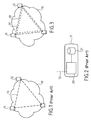
Figure 1 is a representation of a network with connected devices implementing the blockchain technology (prior art). -
Figure 2 is a functional representation of a connected device that performs mining in the network (prior art). -
Figures 3 is a representation of a network with the blockchain-based security threat detection method and system according to the invention. -
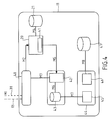
Figure 4 is a functional representation of a connected device that implements the blockchain-based security threat detection method and system according to the invention. -
Figure 5 illustrates the enhanced blockchain built by the chain manager according to the invention. -
Figure 6 illustrates the inspection performed on the enhanced blockchain by the threat detector. -
Figure 1 is a representation of a network (10) with connected devices (11, 12) implementing the blockchain technology.Network 10 may be Wifi, 3G, LTE, Bluetooth, RFID/NFC, wired connections, or any type of network that supports protocols for exchanges of messages between connected devices over connections (13). The messages being exchanged can belong to one or multiple blockchain-based applications on different levels such as HTTP/FTP based applications (to keep track of network traffic), SSH/Telnet/RDP/VNC/VPN based applications (to keep track of remote accesses), RFID/NFC based applications (to keep track of physical interactions), etc. - A connected device (11) that acts as a validating peer within the network, including maintaining the ledger shared between connected devices, contains a miner (20) as illustrated on
Figure 2 . Messages (13) received by the miner contain standard blockchain transactions which are collected to build the next block within the chain. Once a new block has been built by the miner, or by another device within the network, it is added to the blockchain, written in a blockchain database (21) and sent in broadcast to the other devices. Once a device receives one or multiple blocks which have been built by other devices, it compares the new blocks with the one locally stored. If they do not match and the number of blocks received is larger than the number of locally stored blocks, the local chain is labeled as a fork. Once a fork is detected, the miner discards it and overwrites a portion/all of the blockchain with those new received blocks that were previously verified and accepted by the network and that form a longer chain. Forks are typically discarded as the blockchain is based on a concurrent mining process (i.e. each connected device locally contributes in the update of the chain), where temporary forks (i.e. parallel branches from the main chain) may be created and distributed in the network. These parallel branches , may lead to conflicting transactions between nodes/connected devices, which in the context of crypto-currencies for example, such as in the Bitcoin network, is particularly problematic. - In contrast, and according to the invention, on
Figure 3 additional messages over connections (31) exchanged between connected devices make it possible to share not only the standard blockchain, but also all its forks, thus creating a bigger and enhanced blockchain that is used for security threat detection. A novel decentralized anomaly detection system based on the blockchain technology is thus provided. - A connected device (11) according to the invention is illustrated on
Figure 4 . The device contains the miner (20) and the blockchain database (21). In addition, it contains: - a transaction filter (40) that intercepts blockchain messages (M1) and forwards them to both the miner (with M2 messages), and a chain manager (42) with M3 messages. This parallel processing allows the un-interrupted (ie: not modified or slowed down) handling of standard blockchain protocol by the miner and the blockchain database, through M4 message exchange. The transaction filter collects M1 metadata such as the message sender, the recipient, the timestamp, etc. but also discards duplicated messages as the blockchain technology is based on a broadcast model.
- a fork broadcast (41), added to the miner, extracts any forked chain (M5) before it is discarded and overwritten by the miner.
- a chain manager (42) receives M3 messages from the transaction filter, and M5 messages from the fork broadcast, and computes from them an enhanced blockchain composed of the standard blockchain, and of taken into account forked chains. As M3 and M5 do not describe the whole chain but rather updates on top of it, the chain manager retrieves through M6 the blockchain built so far from a chain database (43), and then adds to that blockchain all the information obtained with M3 and/or M5. Once the enhanced blockchain has been computed, it is sent back through M6 to the chain database to keep the updated version of such enhanced blockchain. M3 and M5 do not necessarily reach the chain manager at the same time; the chain manager can thus receive either M3 messages (each time a standard blockchain message has been received) or M5 messages (each time M2 forces the miner to discard previous forks).
- an anomaly detection system (44) loads, with M7, the up to date version of the enhanced blockchain, containing the history of the network, from the chain database. The anomaly detection system is composed of two subsystems:
- a pattern inspector (45): it detects and keeps track of unusual/unexpected behaviors which are found only in the forked chains (i.e. not accepted by the whole network) in order to detect suspicious patterns, such as a malicious attempt at hacking a SSH authentication, or a denial of service attack targeting a specific machine;
- a threat detector (46): once a suspected behavior/pattern has been detected by the pattern inspector, the threat detector further inspects the forked chain in which the attack has been found and the portion of the standard blockchain linked to it in order to recover the source of such security threat/issue. Starting from the anomalies found by the pattern inspector, it exploits all the transactions downloaded from the forked chain and the blockchain to roll back all the operations done by a victim until a possible root of attack is found. Then, all the information on the attacks (type of activity/protocols, time, responsible connected device, etc.) are collected within a threat database (47) through M8.
-
Figure 5 illustrates the enhanced blockchain built by the chain manager 42: it is composed of the standard blockchain (50) headed by a block head (BH), and other forked chains (51), each one headed by its own fork head block (FH). This enhanced blockchain is stored inchain database 43, and passed on topattern inspector 45. -
Figure 6 illustrates the inspection of enhanced blockchains performed by the threat detector. Once an anomaly (60) has been detected in a forked chain by the pattern inspector, the threat detector reviews all the transactions of the ledger in the forked chain and the blockchain message leading up to a network attack entry point (61). - The invention thus leverages unexpected behaviors within forked chains, as they represent different visions of the network's activity and might then describe malicious/strange behaviors or attacks which are not yet known/distributed on a global scale (e.g. a man in the middle attack where HTTP requests are eavesdropped and redirected to a recipient other than the intended one). As such, by collecting not only the main blockchain but also all the local and concurrent forked chains, the invention makes it is possible to derive a global network history which takes into account both global and local unexpected changes. These differences are then analyzed by the anomaly detection system which can detect footprints that the attacker or malicious software tried to remove or even malicious repetitive patterns that might represent the presence of an infected device within the network.
- The security the invention introduces cannot be circumvented since, by exploiting the blockchain technology and its forked chains, it is not possible to alter all the replicas of the blockchain collected within each device in the network. As such, any trial aimed at changing or removing malicious activities or at creating fake activities will be recorded within the blockchain and, by linking the forked chain to the standard chain, it will be always possible to go back in time and to find the source of the problem or the attack entry point.
- Elements such as the miner, the transaction filter, the fork broadcast, the chain manager, the anomaly detection system, the pattern inspector, or the threat detector, could each be e.g. hardware means like e.g. an ASIC, or a combination of hardware and software means, e.g. an ASIC and an FPGA, or at least one microprocessor and at least one memory with software modules located therein.
- The invention is not limited to the described embodiments. The appended claims are to be construed as embodying all modifications and alternative constructions that may occur to one skilled in the art, and which fairly fall within the basic teaching as set forth herein.
- The use of the verb "to comprise", "to include" or "to contain" and their conjugations does not exclude the presence of elements or steps other than those stated in a claim. Furthermore, the use of the article "a" or "an" preceding an element or step does not exclude the presence of a plurality of such elements or steps.
- In the claims, any reference signs placed between parentheses shall not be construed as limiting the scope of the claims.
Claims (10)
- A method of detecting a security threat within a network (10) of connected devices (11, 12) that share a ledger of transactions between them under the form of exchanged blockchain messages (13, 31), comprising the steps of:- building an enhanced blockchain by adding forked chains (51) discarded at a device, to a standard blockchain (50);- inspecting added forked chains in the enhanced blockchain;- detecting an anomaly (60) based on patterns in the added forked chains in the enhanced blockchain;- identifying the security threat by reviewing all transactions of the ledger in the forked chain in which an anomaly has been detected, and in the standard blockchain leading up to the network attack entry point; and- including the enhanced blockchain in the exchanged messages.
- The method of claim 1 further comprising the step at a device of simultaneously processing the standard blockchain, and building the enhanced blockchain.
- The method of claim 1 or claim 2 wherein the step of detecting an anomaly further comprises the step of detecting behaviors in the added forked chains that were not accepted by the whole network.
- A computer program comprising executable code that causes a computer to perform all the steps of a method in accordance with any one of claims 1 to 3 when executed.
- A device (11) to be connected to a network (10) where connected devices share a ledger of transactions between them under the form of exchanged blockchain messages (13, 31), such device comprising a miner (20) being configured to analyze and update received blockchain messages in a blockchain database (21), and further comprising:- a fork broadcast (41) being configured to extract forked chains (M5) from the blockchain messages (M1);- a chain manager (42) being configured to add all forked chains to the blockchain messages in order to build an enhanced blockchain (M6) to be included in messages sent to other devices in the network; and- an anomaly detection system (44) being configured to inspect the enhanced blockchain (M7) and detect security threats.
- The device of claim 5, further comprising:- a transaction filter (40) being configured to intercept blockchain messages and to forward them to both the miner (M2) and the chain manager (M3), wherein blockchain messages are processed in parallel by the miner and the chain manager.
- The device of claim 6, wherein the transaction filter is further configured to collect metadata from the blockchain messages, and to discard duplicated blockchain messages received from the network.
- The device of any of the claims 5 to 7, further comprising:- a pattern inspector (45) configured to detect behaviors in the forked chains that were not accepted by the whole network.
- The device of claim 8, further comprising:- a threat detector (46) configured to, once a behavior has been detected by the pattern inspector, inspect the sections of the standard blockchain linked to the forked chains containing the detected behavior, in order to recover the source of a security threat.
- The device of claim 9, further comprising:- a threat database (47) configured to collect information about the security threat.
Priority Applications (4)
| Application Number | Priority Date | Filing Date | Title |
|---|---|---|---|
| EP16306061.9A EP3285248B1 (en) | 2016-08-16 | 2016-08-16 | Blockchain-based security threat detection method and system |
| PCT/EP2017/067762 WO2018033309A1 (en) | 2016-08-16 | 2017-07-13 | Blockchain-based security threat detection method and system |
| CN201780050059.3A CN109564740B (en) | 2016-08-16 | 2017-07-13 | Blockchain-based security threat detection method and system |
| US16/325,564 US20190182284A1 (en) | 2016-08-16 | 2017-07-13 | Blockchain-based security threat detection method and system |
Applications Claiming Priority (1)
| Application Number | Priority Date | Filing Date | Title |
|---|---|---|---|
| EP16306061.9A EP3285248B1 (en) | 2016-08-16 | 2016-08-16 | Blockchain-based security threat detection method and system |
Publications (2)
| Publication Number | Publication Date |
|---|---|
| EP3285248A1 true EP3285248A1 (en) | 2018-02-21 |
| EP3285248B1 EP3285248B1 (en) | 2019-07-03 |
Family
ID=56943451
Family Applications (1)
| Application Number | Title | Priority Date | Filing Date |
|---|---|---|---|
| EP16306061.9A Active EP3285248B1 (en) | 2016-08-16 | 2016-08-16 | Blockchain-based security threat detection method and system |
Country Status (4)
| Country | Link |
|---|---|
| US (1) | US20190182284A1 (en) |
| EP (1) | EP3285248B1 (en) |
| CN (1) | CN109564740B (en) |
| WO (1) | WO2018033309A1 (en) |
Cited By (10)
| Publication number | Priority date | Publication date | Assignee | Title |
|---|---|---|---|---|
| CN108830714A (en) * | 2018-05-28 | 2018-11-16 | 拜迪网络科技(上海)有限公司 | Block chain foretells machine |
| CN109729084A (en) * | 2018-12-28 | 2019-05-07 | 福建工程学院 | A network security event detection method based on blockchain technology |
| EP3496332A1 (en) * | 2017-12-07 | 2019-06-12 | NEC Laboratories Europe GmbH | Method and system for securely sharing validation information using blockchain technology |
| JP6563615B1 (en) * | 2018-03-16 | 2019-08-21 | サスメド株式会社 | Fraud detection system and fraud detection device |
| WO2020142326A1 (en) | 2018-12-31 | 2020-07-09 | T-Mobile Usa, Inc. | Protecting a telecommunications network using network components as blockchain nodes |
| CN115658357A (en) * | 2022-09-30 | 2023-01-31 | 蚂蚁区块链科技(上海)有限公司 | Method and device for replaying blockchain transactions |
| US11601787B2 (en) | 2018-12-31 | 2023-03-07 | T-Mobile Usa, Inc. | Using a blockchain to determine trustworthiness of messages between vehicles over a telecommunications network |
| US11627151B2 (en) | 2018-10-31 | 2023-04-11 | General Electric Company | Industrial asset cyber-attack detection algorithm verification using secure, distributed ledger |
| US20230239156A1 (en) * | 2020-06-17 | 2023-07-27 | Capital One Services, Llc | Anomaly analysis using a blockchain, and applications thereof |
| US12408037B2 (en) | 2018-12-31 | 2025-09-02 | T-Mobile USA, Inc | Using a blockchain to determine trustworthiness of messages within a telecommunications network for a smart city |
Families Citing this family (18)
| Publication number | Priority date | Publication date | Assignee | Title |
|---|---|---|---|---|
| KR101891125B1 (en) * | 2016-12-07 | 2018-08-24 | 데이터얼라이언스 주식회사 | Distributed Network Node Service Contribution Evaluation System and Method |
| US10764031B2 (en) * | 2017-12-07 | 2020-09-01 | International Business Machines Corporation | Blockchain system for pattern recognition |
| US10630463B2 (en) * | 2018-02-26 | 2020-04-21 | Ca, Inc. | Meta block chain |
| KR102555652B1 (en) * | 2018-11-29 | 2023-07-17 | 안상선 | System and method for detecting mysterious symptom through monitoring of Blockchain data |
| JP6892514B2 (en) * | 2018-12-28 | 2021-06-23 | アドバンスド ニュー テクノロジーズ カンパニー リミテッド | Accelerate transaction delivery in blockchain networks using transaction retransmission |
| WO2019072308A2 (en) | 2018-12-28 | 2019-04-18 | Alibaba Group Holding Limited | Improving blockchain transaction speeds using global acceleration nodes |
| WO2019072307A2 (en) | 2018-12-28 | 2019-04-18 | Alibaba Group Holding Limited | Accelerating transaction deliveries in blockchain networks using acceleration nodes |
| US11329982B2 (en) | 2018-12-31 | 2022-05-10 | T-Mobile Usa, Inc. | Managing internet of things devices using blockchain operations |
| US11836259B2 (en) * | 2019-01-16 | 2023-12-05 | EMC IP Holding Company LLC | Blockchain technology for regulatory compliance of data management systems |
| US10992458B2 (en) | 2019-01-16 | 2021-04-27 | EMC IP Holding Company LLC | Blockchain technology for data integrity regulation and proof of existence in data protection systems |
| US11329829B2 (en) * | 2019-06-01 | 2022-05-10 | Guardtime Sa | Security for sequentially growing data structures |
| CN110473100B (en) * | 2019-08-15 | 2023-07-11 | 深圳前海微众银行股份有限公司 | Transaction processing method and device based on blockchain system |
| US11165579B2 (en) * | 2019-08-29 | 2021-11-02 | American Express Travel Related Services Company, Inc. | Decentralized data authentication |
| CN110704464B (en) * | 2019-09-12 | 2022-07-08 | 广州蚁比特区块链科技有限公司 | Method and device for processing bifurcation problem |
| CN110825726B (en) * | 2019-10-31 | 2021-06-04 | 支付宝(杭州)信息技术有限公司 | Blockchain data detection method, device and equipment |
| CN111555890A (en) * | 2020-05-06 | 2020-08-18 | 昆明大棒客科技有限公司 | Method, device and equipment for preventing malicious bifurcation |
| CN112532713B (en) * | 2020-11-25 | 2023-05-16 | 深圳前海微众银行股份有限公司 | Anti-bifurcation detection method and device for blockchain |
| CN112615881B (en) * | 2020-12-28 | 2022-09-30 | 中软数智信息技术(武汉)有限公司 | Data flow detection system based on block chain |
Family Cites Families (8)
| Publication number | Priority date | Publication date | Assignee | Title |
|---|---|---|---|---|
| EP2134057B1 (en) * | 2008-06-12 | 2013-05-01 | Alcatel Lucent | Method for protecting a packet-based network from attacks, as well as security border node |
| CN103067384B (en) * | 2012-12-27 | 2016-12-28 | 华为技术有限公司 | Threaten processing method and system, linkage client, safety equipment and main frame |
| US10346814B2 (en) * | 2014-06-04 | 2019-07-09 | MONI Limited | System and method for executing financial transactions |
| US9608829B2 (en) * | 2014-07-25 | 2017-03-28 | Blockchain Technologies Corporation | System and method for creating a multi-branched blockchain with configurable protocol rules |
| US9973341B2 (en) * | 2015-01-23 | 2018-05-15 | Daniel Robert Ferrin | Method and apparatus for the limitation of the mining of blocks on a block chain |
| GB2540975A (en) * | 2015-07-31 | 2017-02-08 | British Telecomm | Mitigating blockchain attack |
| CN105809062B (en) * | 2016-03-01 | 2019-01-25 | 布比(北京)网络技术有限公司 | A kind of building of contract executes method and device |
| CN105678151A (en) * | 2016-03-04 | 2016-06-15 | 邓迪 | Block chain transmitting method and system for constructing trustable nodes/satellite nodes |
-
2016
- 2016-08-16 EP EP16306061.9A patent/EP3285248B1/en active Active
-
2017
- 2017-07-13 US US16/325,564 patent/US20190182284A1/en not_active Abandoned
- 2017-07-13 CN CN201780050059.3A patent/CN109564740B/en active Active
- 2017-07-13 WO PCT/EP2017/067762 patent/WO2018033309A1/en not_active Ceased
Non-Patent Citations (3)
| Title |
|---|
| "Blockchain: Blueprint for a New Economy", 8 February 2015, O'REILLY, ISBN: 978-1-4919-2049-7, article MELANIE SWAN: "Blockchain: Blueprint for a New Economy", XP055279098 * |
| ANONYMOUS: "Errata Security: Ethereum/TheDAO hack simplified", 18 June 2016 (2016-06-18), XP055346424, Retrieved from the Internet <URL:http://blog.erratasec.com/2016/06/etheriumdao-hack-similfied.html#.WKSQ6XrMdAM> [retrieved on 20170215] * |
| VITALIK BUTERIN: "CRITICAL UPDATE Re: DAO Vulnerability - Ethereum Blog", 17 June 2016 (2016-06-17), XP055346423, Retrieved from the Internet <URL:https://blog.ethereum.org/2016/06/17/critical-update-re-dao-vulnerability/> [retrieved on 20170215] * |
Cited By (15)
| Publication number | Priority date | Publication date | Assignee | Title |
|---|---|---|---|---|
| EP3496332A1 (en) * | 2017-12-07 | 2019-06-12 | NEC Laboratories Europe GmbH | Method and system for securely sharing validation information using blockchain technology |
| US11177961B2 (en) | 2017-12-07 | 2021-11-16 | Nec Corporation | Method and system for securely sharing validation information using blockchain technology |
| JP6563615B1 (en) * | 2018-03-16 | 2019-08-21 | サスメド株式会社 | Fraud detection system and fraud detection device |
| CN108830714A (en) * | 2018-05-28 | 2018-11-16 | 拜迪网络科技(上海)有限公司 | Block chain foretells machine |
| US11627151B2 (en) | 2018-10-31 | 2023-04-11 | General Electric Company | Industrial asset cyber-attack detection algorithm verification using secure, distributed ledger |
| CN109729084B (en) * | 2018-12-28 | 2021-07-16 | 福建工程学院 | A network security event detection method based on blockchain technology |
| CN109729084A (en) * | 2018-12-28 | 2019-05-07 | 福建工程学院 | A network security event detection method based on blockchain technology |
| WO2020142326A1 (en) | 2018-12-31 | 2020-07-09 | T-Mobile Usa, Inc. | Protecting a telecommunications network using network components as blockchain nodes |
| EP3906652A4 (en) * | 2018-12-31 | 2022-09-14 | T-Mobile USA, Inc. | PROTECTING A TELECOMMUNICATIONS NETWORK USING NETWORK COMPONENTS AS BLOCKCHAIN NODES |
| US11601787B2 (en) | 2018-12-31 | 2023-03-07 | T-Mobile Usa, Inc. | Using a blockchain to determine trustworthiness of messages between vehicles over a telecommunications network |
| US11843950B2 (en) | 2018-12-31 | 2023-12-12 | T-Mobile Usa, Inc. | Protecting a telecommunications network using network components as blockchain nodes |
| US11968607B2 (en) | 2018-12-31 | 2024-04-23 | T-Mobile Usa, Inc. | Using a blockchain to determine trustworthiness of messages between vehicles over a telecommunications network |
| US12408037B2 (en) | 2018-12-31 | 2025-09-02 | T-Mobile USA, Inc | Using a blockchain to determine trustworthiness of messages within a telecommunications network for a smart city |
| US20230239156A1 (en) * | 2020-06-17 | 2023-07-27 | Capital One Services, Llc | Anomaly analysis using a blockchain, and applications thereof |
| CN115658357A (en) * | 2022-09-30 | 2023-01-31 | 蚂蚁区块链科技(上海)有限公司 | Method and device for replaying blockchain transactions |
Also Published As
| Publication number | Publication date |
|---|---|
| EP3285248B1 (en) | 2019-07-03 |
| CN109564740B (en) | 2022-07-19 |
| WO2018033309A1 (en) | 2018-02-22 |
| US20190182284A1 (en) | 2019-06-13 |
| CN109564740A (en) | 2019-04-02 |
Similar Documents
| Publication | Publication Date | Title |
|---|---|---|
| EP3285248B1 (en) | Blockchain-based security threat detection method and system | |
| Rani et al. | Threats and corrective measures for IoT security with observance of cybercrime: A survey | |
| Banerjee et al. | A blockchain future for internet of things security: a position paper | |
| US10178118B2 (en) | Data surveillance system | |
| JP6097849B2 (en) | Information processing apparatus, fraudulent activity determination method and fraudulent activity determination program, information processing apparatus, activity determination method and activity determination program | |
| Wang et al. | Attack detection and distributed forensics in machine-to-machine networks | |
| Liu et al. | Maldetect: a structure of encrypted malware traffic detection | |
| EP2996300B1 (en) | A computer implemented method of analyzing x.509 certificates in ssl/tls communications and the data-processing system | |
| US20140344912A1 (en) | Firewall based botnet detection | |
| CN117220994A (en) | Data processing method and system based on network security service | |
| JP2017538376A (en) | System and method for detecting coverage channel network intrusion based on offline network traffic | |
| CN106982188B (en) | Method and device for detecting malicious propagation source | |
| Bhardwaj et al. | Enhanced neural network-based attack investigation framework for network forensics: Identification, detection, and analysis of the attack | |
| Aljamal et al. | Simulated model for preventing iot fake clients over the smart cities environment | |
| Kusuma et al. | Network forensics against ryuk ransomware using trigger, acquire, analysis, report, and action (TAARA) method | |
| US11916953B2 (en) | Method and mechanism for detection of pass-the-hash attacks | |
| Doan et al. | Threat modeling for ML-based topology prediction in vehicular edge computing architecture | |
| Ndri et al. | Applications of Block-Chain Technologies to Enhance the Security of Intrusion Detection/Prevention Systems: A Review | |
| CN109729084B (en) | A network security event detection method based on blockchain technology | |
| Jeong et al. | Hybrid system to minimize damage by zero-day attack based on NIDPS and HoneyPot | |
| Vistro et al. | Comparison on Blockchain-based Intrusion Detection Systems for Internet of Things | |
| Lehmoud et al. | Addressing The Concern of Malicious Drone in The Internet of Drone Sixth Generation Mobile System Powered by WSNs Using Three Security Levels | |
| CN118282781B (en) | Network security detection method and system combining cloud computing | |
| KR20170094673A (en) | Apparatus for processing multi-source data and method using the same | |
| CN115174197B (en) | Webshell file detection method, system, electronic equipment and computer storage medium |
Legal Events
| Date | Code | Title | Description |
|---|---|---|---|
| PUAI | Public reference made under article 153(3) epc to a published international application that has entered the european phase |
Free format text: ORIGINAL CODE: 0009012 |
|
| STAA | Information on the status of an ep patent application or granted ep patent |
Free format text: STATUS: THE APPLICATION HAS BEEN PUBLISHED |
|
| AK | Designated contracting states |
Kind code of ref document: A1 Designated state(s): AL AT BE BG CH CY CZ DE DK EE ES FI FR GB GR HR HU IE IS IT LI LT LU LV MC MK MT NL NO PL PT RO RS SE SI SK SM TR |
|
| AX | Request for extension of the european patent |
Extension state: BA ME |
|
| RAP1 | Party data changed (applicant data changed or rights of an application transferred) |
Owner name: ALCATEL LUCENT |
|
| STAA | Information on the status of an ep patent application or granted ep patent |
Free format text: STATUS: REQUEST FOR EXAMINATION WAS MADE |
|
| 17P | Request for examination filed |
Effective date: 20180821 |
|
| RBV | Designated contracting states (corrected) |
Designated state(s): AL AT BE BG CH CY CZ DE DK EE ES FI FR GB GR HR HU IE IS IT LI LT LU LV MC MK MT NL NO PL PT RO RS SE SI SK SM TR |
|
| STAA | Information on the status of an ep patent application or granted ep patent |
Free format text: STATUS: EXAMINATION IS IN PROGRESS |
|
| 17Q | First examination report despatched |
Effective date: 20181008 |
|
| GRAP | Despatch of communication of intention to grant a patent |
Free format text: ORIGINAL CODE: EPIDOSNIGR1 |
|
| STAA | Information on the status of an ep patent application or granted ep patent |
Free format text: STATUS: GRANT OF PATENT IS INTENDED |
|
| INTG | Intention to grant announced |
Effective date: 20190222 |
|
| GRAS | Grant fee paid |
Free format text: ORIGINAL CODE: EPIDOSNIGR3 |
|
| GRAA | (expected) grant |
Free format text: ORIGINAL CODE: 0009210 |
|
| STAA | Information on the status of an ep patent application or granted ep patent |
Free format text: STATUS: THE PATENT HAS BEEN GRANTED |
|
| AK | Designated contracting states |
Kind code of ref document: B1 Designated state(s): AL AT BE BG CH CY CZ DE DK EE ES FI FR GB GR HR HU IE IS IT LI LT LU LV MC MK MT NL NO PL PT RO RS SE SI SK SM TR |
|
| REG | Reference to a national code |
Ref country code: GB Ref legal event code: FG4D |
|
| REG | Reference to a national code |
Ref country code: CH Ref legal event code: EP Ref country code: AT Ref legal event code: REF Ref document number: 1151925 Country of ref document: AT Kind code of ref document: T Effective date: 20190715 |
|
| REG | Reference to a national code |
Ref country code: IE Ref legal event code: FG4D |
|
| REG | Reference to a national code |
Ref country code: DE Ref legal event code: R096 Ref document number: 602016016235 Country of ref document: DE |
|
| REG | Reference to a national code |
Ref country code: NL Ref legal event code: MP Effective date: 20190703 |
|
| REG | Reference to a national code |
Ref country code: LT Ref legal event code: MG4D |
|
| REG | Reference to a national code |
Ref country code: AT Ref legal event code: MK05 Ref document number: 1151925 Country of ref document: AT Kind code of ref document: T Effective date: 20190703 |
|
| PG25 | Lapsed in a contracting state [announced via postgrant information from national office to epo] |
Ref country code: NO Free format text: LAPSE BECAUSE OF FAILURE TO SUBMIT A TRANSLATION OF THE DESCRIPTION OR TO PAY THE FEE WITHIN THE PRESCRIBED TIME-LIMIT Effective date: 20191003 Ref country code: AT Free format text: LAPSE BECAUSE OF FAILURE TO SUBMIT A TRANSLATION OF THE DESCRIPTION OR TO PAY THE FEE WITHIN THE PRESCRIBED TIME-LIMIT Effective date: 20190703 Ref country code: HR Free format text: LAPSE BECAUSE OF FAILURE TO SUBMIT A TRANSLATION OF THE DESCRIPTION OR TO PAY THE FEE WITHIN THE PRESCRIBED TIME-LIMIT Effective date: 20190703 Ref country code: LT Free format text: LAPSE BECAUSE OF FAILURE TO SUBMIT A TRANSLATION OF THE DESCRIPTION OR TO PAY THE FEE WITHIN THE PRESCRIBED TIME-LIMIT Effective date: 20190703 Ref country code: BG Free format text: LAPSE BECAUSE OF FAILURE TO SUBMIT A TRANSLATION OF THE DESCRIPTION OR TO PAY THE FEE WITHIN THE PRESCRIBED TIME-LIMIT Effective date: 20191003 Ref country code: CZ Free format text: LAPSE BECAUSE OF FAILURE TO SUBMIT A TRANSLATION OF THE DESCRIPTION OR TO PAY THE FEE WITHIN THE PRESCRIBED TIME-LIMIT Effective date: 20190703 Ref country code: PT Free format text: LAPSE BECAUSE OF FAILURE TO SUBMIT A TRANSLATION OF THE DESCRIPTION OR TO PAY THE FEE WITHIN THE PRESCRIBED TIME-LIMIT Effective date: 20191104 Ref country code: NL Free format text: LAPSE BECAUSE OF FAILURE TO SUBMIT A TRANSLATION OF THE DESCRIPTION OR TO PAY THE FEE WITHIN THE PRESCRIBED TIME-LIMIT Effective date: 20190703 Ref country code: FI Free format text: LAPSE BECAUSE OF FAILURE TO SUBMIT A TRANSLATION OF THE DESCRIPTION OR TO PAY THE FEE WITHIN THE PRESCRIBED TIME-LIMIT Effective date: 20190703 Ref country code: SE Free format text: LAPSE BECAUSE OF FAILURE TO SUBMIT A TRANSLATION OF THE DESCRIPTION OR TO PAY THE FEE WITHIN THE PRESCRIBED TIME-LIMIT Effective date: 20190703 |
|
| PG25 | Lapsed in a contracting state [announced via postgrant information from national office to epo] |
Ref country code: ES Free format text: LAPSE BECAUSE OF FAILURE TO SUBMIT A TRANSLATION OF THE DESCRIPTION OR TO PAY THE FEE WITHIN THE PRESCRIBED TIME-LIMIT Effective date: 20190703 Ref country code: GR Free format text: LAPSE BECAUSE OF FAILURE TO SUBMIT A TRANSLATION OF THE DESCRIPTION OR TO PAY THE FEE WITHIN THE PRESCRIBED TIME-LIMIT Effective date: 20191004 Ref country code: AL Free format text: LAPSE BECAUSE OF FAILURE TO SUBMIT A TRANSLATION OF THE DESCRIPTION OR TO PAY THE FEE WITHIN THE PRESCRIBED TIME-LIMIT Effective date: 20190703 Ref country code: RS Free format text: LAPSE BECAUSE OF FAILURE TO SUBMIT A TRANSLATION OF THE DESCRIPTION OR TO PAY THE FEE WITHIN THE PRESCRIBED TIME-LIMIT Effective date: 20190703 Ref country code: IS Free format text: LAPSE BECAUSE OF FAILURE TO SUBMIT A TRANSLATION OF THE DESCRIPTION OR TO PAY THE FEE WITHIN THE PRESCRIBED TIME-LIMIT Effective date: 20191103 Ref country code: LV Free format text: LAPSE BECAUSE OF FAILURE TO SUBMIT A TRANSLATION OF THE DESCRIPTION OR TO PAY THE FEE WITHIN THE PRESCRIBED TIME-LIMIT Effective date: 20190703 |
|
| PG25 | Lapsed in a contracting state [announced via postgrant information from national office to epo] |
Ref country code: TR Free format text: LAPSE BECAUSE OF FAILURE TO SUBMIT A TRANSLATION OF THE DESCRIPTION OR TO PAY THE FEE WITHIN THE PRESCRIBED TIME-LIMIT Effective date: 20190703 |
|
| PG25 | Lapsed in a contracting state [announced via postgrant information from national office to epo] |
Ref country code: IT Free format text: LAPSE BECAUSE OF FAILURE TO SUBMIT A TRANSLATION OF THE DESCRIPTION OR TO PAY THE FEE WITHIN THE PRESCRIBED TIME-LIMIT Effective date: 20190703 Ref country code: DK Free format text: LAPSE BECAUSE OF FAILURE TO SUBMIT A TRANSLATION OF THE DESCRIPTION OR TO PAY THE FEE WITHIN THE PRESCRIBED TIME-LIMIT Effective date: 20190703 Ref country code: EE Free format text: LAPSE BECAUSE OF FAILURE TO SUBMIT A TRANSLATION OF THE DESCRIPTION OR TO PAY THE FEE WITHIN THE PRESCRIBED TIME-LIMIT Effective date: 20190703 Ref country code: RO Free format text: LAPSE BECAUSE OF FAILURE TO SUBMIT A TRANSLATION OF THE DESCRIPTION OR TO PAY THE FEE WITHIN THE PRESCRIBED TIME-LIMIT Effective date: 20190703 Ref country code: PL Free format text: LAPSE BECAUSE OF FAILURE TO SUBMIT A TRANSLATION OF THE DESCRIPTION OR TO PAY THE FEE WITHIN THE PRESCRIBED TIME-LIMIT Effective date: 20190703 |
|
| PG25 | Lapsed in a contracting state [announced via postgrant information from national office to epo] |
Ref country code: CH Free format text: LAPSE BECAUSE OF NON-PAYMENT OF DUE FEES Effective date: 20190831 Ref country code: LU Free format text: LAPSE BECAUSE OF NON-PAYMENT OF DUE FEES Effective date: 20190816 Ref country code: MC Free format text: LAPSE BECAUSE OF FAILURE TO SUBMIT A TRANSLATION OF THE DESCRIPTION OR TO PAY THE FEE WITHIN THE PRESCRIBED TIME-LIMIT Effective date: 20190703 Ref country code: SK Free format text: LAPSE BECAUSE OF FAILURE TO SUBMIT A TRANSLATION OF THE DESCRIPTION OR TO PAY THE FEE WITHIN THE PRESCRIBED TIME-LIMIT Effective date: 20190703 Ref country code: LI Free format text: LAPSE BECAUSE OF NON-PAYMENT OF DUE FEES Effective date: 20190831 Ref country code: IS Free format text: LAPSE BECAUSE OF FAILURE TO SUBMIT A TRANSLATION OF THE DESCRIPTION OR TO PAY THE FEE WITHIN THE PRESCRIBED TIME-LIMIT Effective date: 20200224 Ref country code: SM Free format text: LAPSE BECAUSE OF FAILURE TO SUBMIT A TRANSLATION OF THE DESCRIPTION OR TO PAY THE FEE WITHIN THE PRESCRIBED TIME-LIMIT Effective date: 20190703 |
|
| REG | Reference to a national code |
Ref country code: BE Ref legal event code: MM Effective date: 20190831 |
|
| REG | Reference to a national code |
Ref country code: DE Ref legal event code: R097 Ref document number: 602016016235 Country of ref document: DE |
|
| PLBE | No opposition filed within time limit |
Free format text: ORIGINAL CODE: 0009261 |
|
| STAA | Information on the status of an ep patent application or granted ep patent |
Free format text: STATUS: NO OPPOSITION FILED WITHIN TIME LIMIT |
|
| PG2D | Information on lapse in contracting state deleted |
Ref country code: IS |
|
| PG25 | Lapsed in a contracting state [announced via postgrant information from national office to epo] |
Ref country code: IE Free format text: LAPSE BECAUSE OF NON-PAYMENT OF DUE FEES Effective date: 20190816 Ref country code: FR Free format text: LAPSE BECAUSE OF NON-PAYMENT OF DUE FEES Effective date: 20190903 |
|
| 26N | No opposition filed |
Effective date: 20200603 |
|
| PG25 | Lapsed in a contracting state [announced via postgrant information from national office to epo] |
Ref country code: SI Free format text: LAPSE BECAUSE OF FAILURE TO SUBMIT A TRANSLATION OF THE DESCRIPTION OR TO PAY THE FEE WITHIN THE PRESCRIBED TIME-LIMIT Effective date: 20190703 Ref country code: BE Free format text: LAPSE BECAUSE OF NON-PAYMENT OF DUE FEES Effective date: 20190831 |
|
| GBPC | Gb: european patent ceased through non-payment of renewal fee |
Effective date: 20200816 |
|
| PG25 | Lapsed in a contracting state [announced via postgrant information from national office to epo] |
Ref country code: CY Free format text: LAPSE BECAUSE OF FAILURE TO SUBMIT A TRANSLATION OF THE DESCRIPTION OR TO PAY THE FEE WITHIN THE PRESCRIBED TIME-LIMIT Effective date: 20190703 |
|
| PG25 | Lapsed in a contracting state [announced via postgrant information from national office to epo] |
Ref country code: MT Free format text: LAPSE BECAUSE OF FAILURE TO SUBMIT A TRANSLATION OF THE DESCRIPTION OR TO PAY THE FEE WITHIN THE PRESCRIBED TIME-LIMIT Effective date: 20190703 Ref country code: HU Free format text: LAPSE BECAUSE OF FAILURE TO SUBMIT A TRANSLATION OF THE DESCRIPTION OR TO PAY THE FEE WITHIN THE PRESCRIBED TIME-LIMIT; INVALID AB INITIO Effective date: 20160816 |
|
| PG25 | Lapsed in a contracting state [announced via postgrant information from national office to epo] |
Ref country code: GB Free format text: LAPSE BECAUSE OF NON-PAYMENT OF DUE FEES Effective date: 20200816 |
|
| PG25 | Lapsed in a contracting state [announced via postgrant information from national office to epo] |
Ref country code: MK Free format text: LAPSE BECAUSE OF FAILURE TO SUBMIT A TRANSLATION OF THE DESCRIPTION OR TO PAY THE FEE WITHIN THE PRESCRIBED TIME-LIMIT Effective date: 20190703 |
|
| PGFP | Annual fee paid to national office [announced via postgrant information from national office to epo] |
Ref country code: DE Payment date: 20250702 Year of fee payment: 10 |