-
The present invention concerns heterocyclic naphthoquinones derivatives for use in the treatment of Cushing disease and other cancers, in particular via the inhibition of Ubiquitin Specific Proteases (USP) 8 and/or 2.
-
Ubiquitination is an essential mechanism for the regulation of protein activity or stability in eukaryotes consisting in the reversible chemical linkage of monomers and polymers of ubiquitin polypeptide to lysine residues within target proteins. Ubiquitin contains itself several lysine residues allowing for the formation of different ubiquitin polymerized chains. While the linkage of lysine-48 ubiquitin polymers (UbK48) drives proteins to proteasomal dependent degradation, other ubiquitin moieties, such as linear, UbK63, or ubiquitin monomers regulate protein activity or protein-protein interaction in a plethora of cellular processes such as cell trafficking, endocytosis, signal transduction or DNA repair. Linkage of ubiquitin moieties depends on the successive action of E1, E2, E3 ubiquitin conjugating enzymes and ligases while ubiquitin proteases, also known as deubiquitinases (DUBs), catalyse the reverse reaction. DUBs contain a catalytic domain that has sequence similarity within subfamilies and structural similarity across subfamilies, and unrelated flanking sequences that presumably serve as substrate or regulatory partners binding domains.
-
Mammalian genomes contain about one hundred DUBs divided in 5 subfamilies among which the Ubiquitin Specific Proteases (USP) subfamily represents the major class in human genome. Importantly, the number of DUBs mutations found to be associated with human pathologies like inflammatory diseases (CYLD, A20,...), cancers (USP2, USP7/HAUSP, USP8, A20, CYLD,...) and neurodegenerative disorders (UCH-L1, MJD,...) is rapidly increasing. The power of the ubiquitin system for therapeutic benefit was first evidenced with the approval in 2003 by the Federal Drug Administration in the United State of the proteasome inhibitor Bortezomib for clinical use (B cell lymphoma, myeloma). However, more specific effects may be reached by targeting DUBs enzymatic activity, a strategy which is in its infancy inside the scientific community with only a few molecules inhibiting DUB activity published or patented to date (Ritorto et al. (2014), Nature ; D'Arcy et al., (2015), Pharmacology & therapeutics 147, 32-54, Ndubaku et al. (2015), Journal of medicinal chemistry 58, 1581-1595).
-
Mammalian Usp2 gene encodes three isoforms (USP2a, USP2b, UBP-41) that are expressed in many adult and embryonic tissues and display distinct properties. The USP2a major isoform has a clear oncogenic role in many cellular systems. In prostate cancer cells, overexpressed USP2a protects cancer cells from apoptosis and favours their growth and survival by stabilizing the fatty acid synthase (FAS) which has been associated with the malignancy of some aggressive prostate cancers. At the molecular level, USP2a deubiquitinates and stabilizes oncogenic proteins including Cyclin D1 in HEK293 and HCT116 cells, Cyclin A1 in bladder cancer cells and the two ubiquitin ligases MDM2 and MDMx in various tumour derived cell lines (H1299, testicular embryonal carcinoma and MCF7 breast cancer cells,...), therefore indirectly favouring the destabilization of the tumor suppressor p53 and the subsequent stabilization of the Myc oncogene as shown in prostatic cancer cells. In addition, recent studies show that USP2 also alters the chemotherapeutic response via modulating redox homeostasis (Benassi et al. (2013), Cell death & ) and that overexpression of USP2a is a biomarker associated with poor prognosis and enhanced invasiveness of the triple negative aggressive subtype of breast cancer cells (Qu et al. (2015), Tumour biology : the journal of the International Society for Oncodevelopmental Biology and Medicine 36, 5415-23). Indeed, partial silencing of USP2 in the highly invasive breast cancer cells MDA-MB-231 cells reduced their migratory capacity in a Transwell® migration assay.
-
USP8 (also known as UBPY) is a cysteine protease that belongs to the ubiquitin-specific protease family. USP8 appears to be recruited to EGFR-containing early endosomes upon stimulation of the receptor by EGF (Epidermal Growth Factor). USP8 protects EGFR from degradation and might be notably required for the removal of ubiquitin from EGFR prior to incorporation into multivesicular bodies (MVBs). The analysis of tumour DNA samples from patients diagnosed with pituitary adenomas, including Cushing's disease, showed that USP8 is mutated in 30% of the cases (Ma et al. (2015), Cell , Reincke et al. (2015), Nature genetics 47, 31-38). Identified mutations in USP8 are found in a region upstream of the catalytic domain spanning residues 713 and 720 resulting in mutated USP8 exhibiting higher catalytic activity toward ubiquitinated EGFR. In Cushing's disease, the most recurrent mutation on USP8 affects the serine residue S718 that is either mutated or deleted and/or the proline residue P720. These mutations are heterozygous and reduce the ability of USP8 to bind the 14-3-3 proteins, a conserved family of regulatory proteins expressed in all eukaryotic cells. As a consequence USP8 mutants show constitutive and dominant deubiquitinating activity. Permanent activation of USP8 in corticotroph adenomas favours EGFR accumulation and recycling back to the plasma membrane (ibid.) resulting in higher ACTH production and secretion compared to wild-type situation. These finding demonstrate that USP8 inhibition is a promising therapeutic strategy in Cushing's disease. USP8 is also a target in lung cancer, in particular for overcoming Gefitinib resistance (Byun et al. (2013), Clin. Cancer Res. 19, 3894-3904).
-
However, very few inhibitors of the UPS system have been disclosed to date. In addition, their biological activity and their selectivity towards the DUBs family is rarely described.
-
Proliferative diseases and other diseases that depend on deviations of regulation e.g. in signaling and/or metabolic pathways are a very common cause of death in humans and also in other warm-blooded animals.
-
Accordingly, it is an object of the present invention to provide new potent compounds for the treatment of cancers including Cushing disease, which are pharmacologically advantageous and/or are effective via the inhibition of USP8 and/or USP2.
Compounds of formula (I) for use in the treatment of cancer in particular Cushing disease
-
Thus, in one aspect, the present invention relates to a compound of following formula (I) for its use in the treatment of cancer:
wherein :
- A is selected from the group comprising:
- Ra and Rb each independently represent:
- when A is A1 or A3, a group of one of the following formulae:
- when A is A2, H or a group of one of the following formulae:
provided that at least one of Ra and Rb is not H;
- RY and RZ each independently represent H, a C1-C10 linear or branched alkyl group, a C3-C10 cycloalkyl group, or together form with the carbon atom to which they are attached a C3-C10 cycloalkyl group;
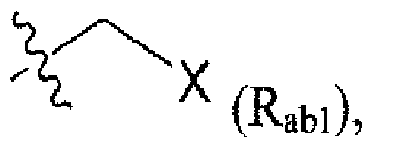
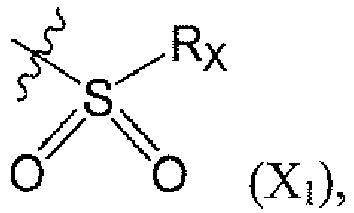
- X represents an halogen or a group of the following formula X1:
- RX represents a C1-C10 linear or branched alkyl group, a C3-C10 cycloalkyl group, a phenyl group, a C5-C10-membered heteroaryl, in particular a thiophenyl;
- said C1-C10 linear or branched alkyl group, and/or C3-C10 cycloalkyl group being optionally substituted by at least one group selected from:
- a C3-C10 cycloalkyl group;
- a phenyl optionally substituted by at least one group selected from a C1-C10 linear or branched alkyl group, a C3-C10 cycloalkyl group , an halogen, a-ORii group, an amine of formula -NRii'Rij", a nitrile or a nitro group;
- a ORi group;
- an amine of formula-NRi'Ri";
- said phenyl and/or C5-C10-membered heteroaryl being optionally substituted by at least one group selected from:
- a C1-C10 linear or branched alkyl group;
- a C3-C10 cycloalkyl group;
- a phenyl optionally substituted by at least one group selected from a C1-C10 linear or branched alkyl group, a C3-C10 cycloalkyl group , an halogen, a-ORii group, an amine of formula -NRii 'Rii", a nitrile or a nitro group;
- an halogen, in particular -F;
- a -ORi group;
- an amine of formula -NRi'Ri";
- a nitrile;
- a nitro group;
- Ri and Rii each independently represent H, a C1-C10 linear or branched alkyl group, a C3-C10 cycloalkyl group;
- Ri' and Ri" each independently represent H, a C1-C10 linear or branched alkyl group, a C3-C10 cycloalkyl group, or together form with the nitrogen atom to which they are attached a C4-C7 heterocycloalkyl group;
- Rii' and Rii" each independently represent H, a C1-C10 linear or branched alkyl group, a C3-C10 cycloalkyl group, or together form with the nitrogen atom to which they are attached a C4-C7 heterocycloalkyl group.
-
By "said C1-C10 linear or branched alkyl group, and/or C3-C10 cycloalkyl group being optionally substituted by" is in particular meant some of the possible meanings of RX, RY and/or RZ.
-
By "said phenyl and/or C5-C10-membered heteroaryl being optionally substituted by" isin particular meant others of the possible meanings of RX, RY and/or RZ.
-
In particular, the group A is connected to the rest of the compound of formula (I), via the carbon atoms a and b as follows:
-
-
In particular X represents -Cl, or a group of formula
-
The present invention also relates to a method of treatment of cancer including Cushing's disease comprising the administration of a therapeutically effective amount of a compound of formula (I) to a patient in need thereof.
-
In a particular embodiment, there are included compounds of formula (I) for use as defined above, of following formula (I
A):
R
a and R
b being as defined above.
-
In another advantageous embodiment, there are included compounds of formula (I
A) for use as defined above, wherein R
a and R
b represent a group of the following formula:
-
In another advantageous embodiment, there are included compounds of formula (I
A) for use as defined above, wherein X -Cl, or a group of the following formula:
-
In another advantageous embodiment, there are included compounds of formula (I) or (IA), for use as defined above, wherein Ra and Rb are identical.
-
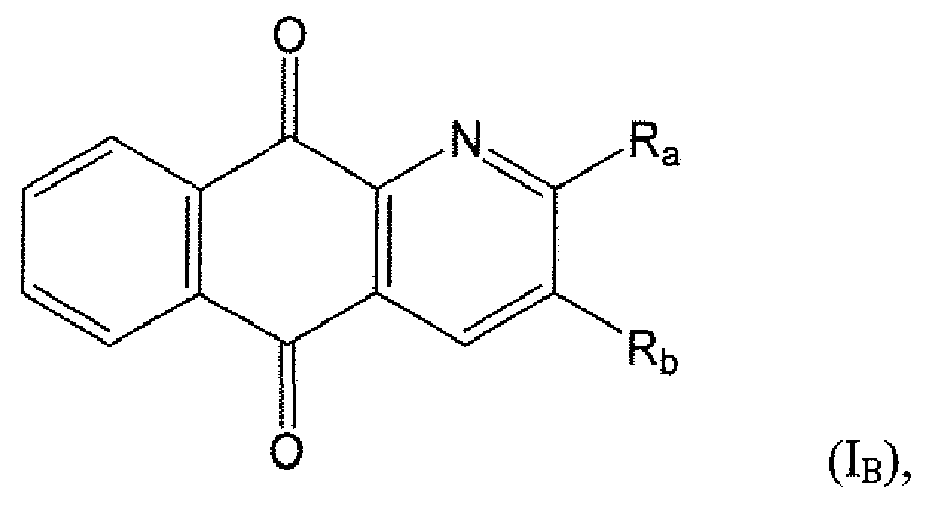
In an particular embodiment, there are included compounds of formula (I) for use as defined above, of following formula (I
B):
R
a and R
b being as defined above.
-
In another advantageous embodiment, there are included compounds of formula (IB) for use as defined above, wherein Ra is H.
-
In another advantageous embodiment, there are included compounds of formula (I
B) for use as defined above, wherein R
b represents a group of the following formula:
-
In another advantageous embodiment, there are included compounds of formula (I
B) for use as defined above, wherein X represents a group of the following formula:
-
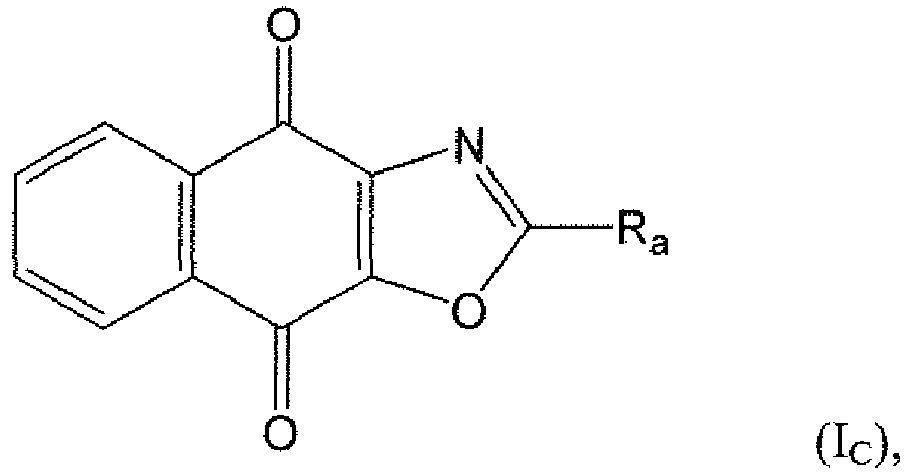
In an particular embodiment, there are included compounds of formula (I) for use as defined above, of following formula (I
C):
R
a being as defined above.
-
In another advantageous embodiment, there are included compounds of formula (I
C) for use as defined above, wherein R
b represents a group of the following formula:
-
In another advantageous embodiment, there are included compounds of formula (I
C) for use as defined above, wherein X represents -Cl, or a group of the following formula:
-
In a particular embodiment, there are included compounds of formula (I), (IA), (IB) or (IC), for use as defined above, wherein RX represents a C1-C10 linear or branched alkyl group, a C3-C10 cycloalkyl group, a phenyl, a C5-C10-membered heteroaryl; said C1-C10 linear or branched alkyl group, C3-C10 cycloalkyl group and C5-C10-membered heteroaryl being optionally substituted as defined above; said phenyl being optionally substituted by at least one group selected from:
- a C1-C10 linear or branched alkyl group;
- a C3-C10 cycloalkyl group;
- a phenyl optionally substituted by at least one group selected from a C1-C10 linear or branched alkyl group, a C3-C10 cycloalkyl group , an halogen, a -ORii group, an amine of formula -NRii'Rii", a nitrile or a nitro group;
- -F;
- a -ORi group;
- an amine of formula -NRi'Ri";
- a nitrile;
- a nitro group.
-
In a more particular embodiment, there are included compounds of formula (I), (IA), (IB) or (IC), for use as defined above, wherein RX represents a C1-C10 linear or branched alkyl group, a C3-C10 cycloalkyl group, a phenyl, a thiophenyl;
said phenyl and thiophenyl being optionally substituted by at least one group selected from:
- a C1-C10 linear or branched alkyl group;
- a C3-C10 cycloalkyl group;
- -F;
- a -ORi group;
- a nitro group.
-
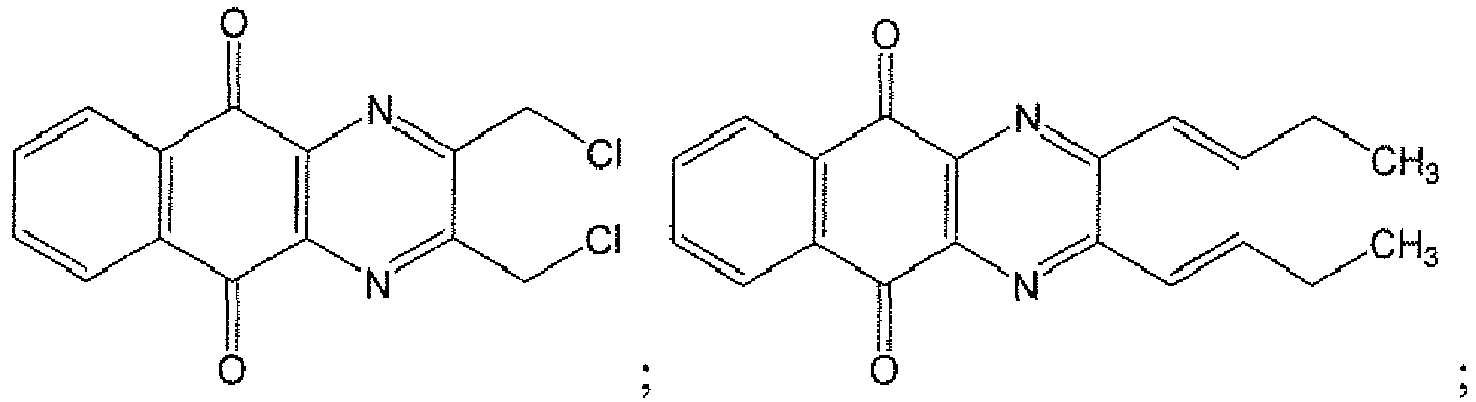
In particular embodiment, there are included compounds of formula (I) for use as defined above, wherein said compound is not of the following formula:
-
In particular embodiment, there are included compounds of formula (I) for use as defined above, wherein said compound is not of one of the following formulae:
-
In particular embodiment, there are included compounds of formula (I) for use as defined above, of one of the following formulae:
-
In particular embodiment, there are included compounds of formula (I) for use as defined above, wherein said cancer is selected from the group comprising prostate cancer, bladder cancer, breast cancer, lung cancer, colorectal cancer, pituitary adenomas and Cushing's disease, said cancer being in particular Cushing's disease.
-
In particular embodiment, there are included compounds of formula (I) for use as defined above, by inhibiting USP8 and/or USP2.
-
In a more particular embodiment, there are included compounds of formula (I) for use as defined above, by inhibiting USP2,
said cancer being in particular selected from the group comprising prostate cancer, bladder cancer and breast cancer.
-
Compound for its use as defined above, by inhibiting USP2, are in particular of one of the following formulae:
-
In an even more particular embodiment, there are included compounds of formula (I) for use as defined above, in particular by inhibiting USP2, wherein R
a and R
b represent a group of the following formula:
- X represents a group of the following formula:
- RX represents a phenyl optionally substituted by at least one -ORi group or by at least two, in particular three, C1-C10 linear or branched alkyl groups
- A being in particular A1.
-
Compound for its use as defined above, by inhibiting USP2, are in particular of one of the following formulae:
-
In a particular embodiment, there are included compounds of formula (I) for use as defined above, by inhibiting USP8,
said cancer is selected from the group comprising lung cancer, pituitary adenomas and Cushing's disease.
-
Compound for its use as defined above, by inhibiting USP8, are in particular of one of the following formulae:
-
In particular embodiment, there are included compounds of formula (I) for use as defined above, of one of the following formulae:
-
In an even more particular embodiment, there are included compounds of formula (I) for use as defined above, in particular by inhibiting USP8, wherein R
a and R
b represent a group of the following formula:
- X represents a group of the following formula:
- RX represents a C1-C10 linear or branched alkyl group or a phenyl substituted by at least one nitro group,
- A being in particular A1.
-
Compound for its use as defined above, by inhibiting USP8, are in particular of one of the following formulae:
-
In a particular embodiment, there are included a compound of formula (I) for use as defined above, wherein said compound of formula (I) is administered simultaneously, separately or sequentially with an anti-cancer drug.
-
The anti-cancer drug is in particular chosen from pro-oxidant agents, more particularly cisplatin (CDDP), doxorubicin (Doxo), taxanes; and Gefitinib.
-
The compounds of the invention are indeed useful to counteract resistance to chemotherapy, in particular to the anti-cancer drugs defined above.
-
The present invention also relates to compounds of formula (I) as defined above, as inhibitors of USP8 and/or USP2.
-
It is to be noted that the present invention includes the combination of all the embodiments listed hereabove for formula (I), (IA), (IB) or (IC).
Pharmaceutical composition
-
In a second aspect, the present invention relates to a pharmaceutical composition comprising
a compound of formula (I) as defined above, or
a stereoisomeric form, a mixture of stereoisomeric forms or a pharmaceutically acceptable salt form thereof,
in admixture with at least one pharmaceutically acceptable excipient.
-
In a particular embodiment, the pharmaceutical composition further comprises an anti-cancer drug.
-
The anti-cancer drug is in particular chosen from pro-oxidant agents, more particularly cisplatin (CDDP), doxorubicin (Doxo), taxanes; and Gefitinib.
-
It is to be noted that the present invention includes the combination of all the embodiments listed hereabove for formula (I), (IA), (IB) or (IC).
-
In particular embodiment, there are included compounds of formula (I) for use as defined above, wherein said compound is not of the following formula:
-
In particular embodiment, there are included pharmaceutical compositions as defined above, wherein said compound is not of one of the following formulae:
-
The compounds of formula (I), (IA), (IB) or (IC) of the present invention may be administered in the form of a conventional pharmaceutical composition by any route including orally, intramuscularly, subcutaneously, topically, intranasally, intraperitoneally, intrathoracially, intravenously, epidurally, intrathecally, intracerebroventricularly and by injection into the joints or into pituitary gland.
-
The dosage will depend on the route of administration, the severity of the disease, age and weight of the patient and other factors normally considered by the attending physician, when determining the individual regimen and dosage level at the most appropriate for a particular patient.
-
For preparing pharmaceutical compositions from the compounds of the present invention, inert, pharmaceutically acceptable carriers can be either solid or liquid. Solid form preparations include powders, tablets, dispersible granules, capsules, cachets, and suppositories.
-
A solid carrier can be one or more substances, which may also act as diluents, flavouring agents, solubilizers, lubricants, suspending agents, binders, or tablet disintegrating agents; it can also be an encapsulating material.
-
Tablets, powders, cachets, and capsules can be used as solid dosage forms suitable for oral administration.
-
Liquid form compositions include solutions, suspensions, and emulsions. For example, sterile water or propylene glycol solutions of the active compounds may be liquid preparations suitable for parenteral administration. Liquid compositions can also be formulated in solution in aqueous polyethylene glycol solution.
-
Aqueous solutions for oral administration can be prepared by dissolving the active component in water and adding suitable colorants, flavouring agents, stabilizers, and thickening agents as desired. Aqueous solutions for oral use can be made by dispersing the finely divided active component in water together with a viscous material such as natural synthetic gums, resins, methyl cellulose, sodium carboxymethyl cellulose, and other suspending agents known to the pharmaceutical formulation art.
-
Depending on the mode of administration, the pharmaceutical composition will according to one embodiment of the present invention include 0.05% to 99% weight (percent by weight), according to an alternative embodiment from 0.10 to 50% weight, of the compound of the present invention, all percentages by weight being based on total composition. A therapeutically effective amount for the practice of the present invention may be determined, by the use of known criteria including the age, weight and response of the individual patient, and interpreted within the context of the disease which is being treated or which is being prevented, by one of ordinary skills in the art.
Compounds of formula (II)
-
In a third aspect, the present invention relates to a compound of following formula (II), and the stereoisomeric forms, mixtures of stereoisomeric forms or pharmaceutically acceptable salts forms thereof:
wherein :
- A is selected from the group comprising:
- Ra and Rb each independently represent :
- when A is A1 or A3, a group of one of the following formulae:
- when A is A2, H or a group of one of the following formulae:
provided that at least one of Ra and Rb is not H;
- RY and RZ each independently represent H, a C1-C10 linear or branched alkyl group, a C3-C10 cycloalkyl group, or together form with the carbon atom to which they are attached a C3-CIO cycloalkyl group;
- X represents an halogen or a group of the following formula:
- RX represents a C1-C10 linear or branched alkyl group, a C3-C10 cycloalkyl group, a phenyl, a C5-C10-membered heteroaryl;
- said C1-C10 linear or branched alkyl group, and C3-C10 cycloalkyl group being optionally substituted by at least one group selected from:
- a C3-CIO cycloalkyl group;
- a phenyl optionally substituted by at least one group selected from a C1-C10 linear or branched alkyl group, a C3-C10 cycloalkyl group , an halogen, a -ORii group, an amine of formula -NRii'Rij", a nitrile or a nitro group;
- a -ORi group;
- an amine of formula -NRi'Ri";
- said phenyl and C5-C10-membered heteroaryl being optionally substituted by at least one group selected from:
- a C1-C10 linear or branched alkyl group;
- a C3-CIO cycloalkyl group;
- a phenyl optionally substituted by at least one group selected from a C1-C10 linear or branched alkyl group, a C3-C10 cycloalkyl group , an halogen, a -ORii group, an amine of formula -NRii'Rii", a nitrile or a nitro group;
- an halogen;
- a -ORi group;
- an amine of formula -NRi'Ri";
- a nitrile;
- a nitro group;
- Ri and Rij each independently represent H, a C1-C10 linear or branched alkyl group, a C3-CIO cycloalkyl group;
- Ri' and Ri" each independently represent H, a C1-C10 linear or branched alkyl group, a C3-C10 cycloalkyl group, or together form with the nitrogen atom to which they are attached a C4-C7 heterocycloalkyl group;
- Rii' and Rii" each independently represent H, a C1-C10 linear or branched alkyl group, a C3-C10 cycloalkyl group, or together form with the nitrogen atom to which they are attached a C4-C7 heterocycloalkyl group;
- and the stereoisomeric forms, mixtures of stereoisomeric forms or pharmaceutically acceptable salts forms thereof;
- provided that said compound is not of one of the following formulae:
-
It is to be noted that the present invention includes the combination of all the embodiments listed here above for formula (I), (I
A), (I
B) or (I
C). In particular embodiment, there are included compounds of formula (II) for use as defined above, wherein R
a and R
b each independently represent a group of the following formula:
- X represents a group of the following formula:
- RX represents a C1-C10 linear or branched alkyl group, a C3-C10 cycloalkyl group, a phenyl, a C5-C10-membered heteroaryl;
- said C1-C10 linear or branched alkyl group, and C3-CIO cycloalkyl group being optionally substituted by at least one group selected from:
- a C3-CIO cycloalkyl group;
- a phenyl optionally substituted by at least one group selected from a C1-C10 linear or branched alkyl group, a C3-C10 cycloalkyl group , an halogen, a-ORii group, an amine of formula -NRiiRii", a nitrile or a nitro group;
- a -ORi group;
- an amine of formula-NRi'Ri";
- said C5-C10-membered heteroaryl being optionally substituted by at least one group selected from:
- a C1-C10 linear or branched alkyl group;
- a C3-C10 cycloalkyl group;
- a phenyl optionally substituted by at least one group selected from a C1-C10 linear or branched alkyl group, a C3-C10 cycloalkyl group , an halogen, a -ORii group, an amine of formula -NRii'Rii", a nitrile or a nitro group;
- an halogen;
- a -ORi group;
- an amine of formula -NRi'Ri";
- a nitrile;
- a nitro group;
- said phenyl being substituted by at least one group selected from:
- a C1-C10 linear or branched alkyl group;
- a C3-CIO cycloalkyl group;
- a phenyl optionally substituted by at least one group selected from a C1-C10 linear or branched alkyl group, a C3-C10 cycloalkyl group , an halogen, a -ORii group, an amine of formula -NRii'Rii", a nitrile or a nitro group;
- an halogen;
- a -ORi group;
- an amine of formula -NRiRi";
- a nitrile;
- a nitro group;
provided that, when the RX group = phenyl is substituted by a C1-C10 linear or branched alkyl group, said phenyl is substituted by a further group as defined above.
Definitions
-
The following terms and expressions contained herein are defined as follows:
- As used herein, a range of values in the form "x-y" or "x to y", or "x through y", include integers x, y, and the integers therebetween. For example, the phrases "1-6", or "1 to 6" or "1 through 6" are intended to include the integers 1, 2, 3, 4, 5, and 6. Preferred embodiments include each individual integer in the range, as well as any subcombination of integers. For example, preferred integers for "1-6" can include 1, 2, 3, 4, 5, 6, 1-2, 1-3, 1-4, 1-5, 2-3, 2-4, 2-5, 2-6, etc.
-
As used herein, the term "alkyl" refers to a straight-chain, or branched alkyl group having 1 to 10 carbon atoms, such as methyl, ethyl, propyl, isopropyl, butyl, isobutyl, sec-butyl, tert-butyl, pentyl, isoamyl, neopentyl, 1-ethylpropyl, 3-methylpentyl, 2,2-dimethylbutyl, 2,3-dimethylbutyl, hexyl, etc. The alkyl moiety of alkyl-containing groups, such as alkoxy, alkoxycarbonyl, and alkylaminocarbonyl groups, has the same meaning as alkyl defined above. Lower alkyl groups, which are preferred, are alkyl groups as defined above which contain 1 to 4 carbons. A designation such as "C1-C4 alkyl" refers to an alkyl radical containing from 1 to 4 carbon atoms.
-
As used herein, the term "cycloalkyl" refers to a saturated or partially saturated mono-or bicyclic alkyl ring system containing 3 to 10 carbon atoms. A designation such as "C4-C7 cycloalkyl" refers to a cycloalkyl radical containing from 4 to 7 ring carbon atoms. Preferred cycloalkyl groups include those containing 5 or 6 ring carbon atoms. Examples of cycloalkyl groups include such groups as cyclopropyl, cyclobutyl, cyclopentyl, cyclohexyl, cycloheptyl, cyclooctyl, pinenyl, and adamantanyl.
-
As used herein, the term "heteroaryl" refers to an aromatic group containing 5 to 10 ring carbon atoms in which one or more ring carbon atoms are replaced by at least one hetero atom such as -O-, -N-, or -S-. Examples of heteroaryl groups include thiophenyl, pyrrolyl, furanyl, thienyl, pirazolyl, imidazolyl, thiazolyl, isothiazolyl, isoxazolyl, oxazolyl, oxathiolyl, oxadiazolyl, triazolyl, oxatriazolyl, furazanyl, tetrazolyl, pyridyl, pyrazinyl, pyrimidinyl, pyridazinyl, triazinyl, indolyl, isoindolyl, indazolyl, benzofuranyl, isobenzofuranyl, purinyl, quinazolinyl, quinolyl, isoquinolyl, benzoimidazolyl, benzothiazolyl, benzothiophenyl, thianaphthenyl, benzoxazolyl, benzisoxazolyl, cinnolinyl, phthalazinyl, naphthyridinyl, and quinoxalinyl.
-
As used herein, the term "subject" refers to a warm blooded animal such as a mammal, preferably a human, or a human child, which is afflicted with, or has the potential to be afflicted with one or more diseases and conditions described herein.
-
As used herein, a "therapeutically effective amount" refers to an amount of a compound of the present invention effective to prevent or treat the symptoms of particular disorder.
-
As used herein, the term "pharmaceutically acceptable" refers to those compounds, materials, compositions, and/or dosage forms which are, within the scope of sound medical judgment, suitable for contact with the tissues of human beings and animals without excessive toxicity, irritation, allergic response, or other problem complications commensurate with a reasonable benefit/risk ratio.
-
All other terms used in the description of the present invention have their meanings as is well known in the art.
-
In another aspect, the present invention is directed to pharmaceutically acceptable salts of the compounds described above. As used herein, "pharmaceutically acceptable salts" includes salts of compounds of the present invention derived from the combination of such compounds with non-toxic acid or base addition salts.
-
Acid addition salts include inorganic acids such as hydrochloric, hydrobromic, hydroiodic, sulfuric, nitric and phosphoric acid, as well as organic acids such as acetic, citric, propionic, tartaric, glutamic, salicylic, oxalic, methanesulfonic, para-toluenesulfonic, succinic, and benzoic acid, and related inorganic and organic acids.
-
Base addition salts include those derived from inorganic bases such as ammonium and alkali and alkaline earth metal hydroxides, carbonates, bicarbonates, and the like, as well as salts derived from basic organic amines such as aliphatic and aromatic amines, aliphatic diamines, hydroxy alkamines, and the like. Such bases useful in preparing the salts of this invention thus include ammonium hydroxide, potassium carbonate, sodium bicarbonate, calcium hydroxide, methylamine, diethylamine, ethylenediamine, cyclohexylamine, ethanolamine and the like.
-
In addition to pharmaceutically-acceptable salts, other salts are included in the invention. They may serve as intermediates in the purification of the compounds, in the preparation of other salts, or in the identification and characterization of the compounds or intermediates.
-
It is recognized that compounds of the present invention may exist in various stereoisomeric forms. As such, the compounds of the present invention include both diastereomers and enantiomers. The compounds are normally prepared as racemates and can conveniently be used as such, but individual enantiomers can be isolated or synthesized by conventional techniques if so desired. Such racemates and individual enantiomers and mixtures thereof form part of the present invention.
-
It is well known in the art how to prepare and isolate such optically active forms. Specific stereoisomers can be prepared by stereospecific synthesis using enantiomerically pure or enantiomerically enriched starting materials. The specific stereoisomers of either starting materials or products can be resolved and recovered by techniques known in the art, such as resolution of racemic forms, normal, reverse-phase, and chiral chromatography, recrystallization, enzymatic resolution, or fractional recrystallization of addition salts formed by reagents used for that purpose. Useful methods of resolving and recovering specific stereoisomers described in Eliel, E. L.; Wilen, S.H. Stereochemistry of Organic Compounds; Wiley: New York, 1994, and Jacques, J, et al. Enantiomers, Racemates, and Resolutions; Wiley: New York, 1981, each incorporated by reference herein in their entireties.
Synthesis
-
The compounds of the present invention may be prepared in a number of methods well known to those skilled in the art, including, but not limited to those described below, or through modifications of these methods by applying standard techniques known to those skilled in the art of organic synthesis. The appropriate modifications and substitutions will be readily apparent and well known or readily obtainable from the scientific literature to those skilled in the art. In particular, such methods can be found in R.C. Larock, Comprehensive Organic Transformations, Wiley-VCH Publishers, 1999.
-
All processes disclosed in association with the present invention are contemplated to be practiced on any scale, including milligram, gram, multigram, kilogram, multikilogram or commercial industrial scale.
-
It will be appreciated that the compounds of the present invention may contain one or more asymmetrically substituted carbon atoms, and may be isolated in optically active or racemic forms. Thus, all chiral, diastereomeric, racemic forms, isomeric forms of a structure are intended, unless the specific stereochemistry or isomeric form is specifically indicated. It is well-known in the art how to prepare and isolate such optically active forms. For example, mixtures of stereoisomers may be separated by standard techniques including, but not limited to, resolution of racemic forms, normal, reverse-phase, and chiral chromatography, preferential salt formation, recrystallization, and the like, or by chiral synthesis either from chiral starting materials or by deliberate synthesis of target chiral centers.
-
Compounds of the present invention may be prepared by a variety of synthetic routes. The reagents and starting materials are commercially available, or readily synthesized by well-known techniques by one of ordinary skill in the arts. All substituents, unless otherwise indicated, are as previously defined.
-
In the reactions described hereinafter, it may be necessary to protect reactive functional groups, for example hydroxy, amino, imino, thio or carboxy groups, where these are desired in the final product, to avoid their unwanted participation in the reactions. Conventional protecting groups may be used in accordance with standard practice, for examples see T.W. Greene and P. G. M. Wuts in Protective Groups in Organic Chemistry, 3rd ed., John Wiley and Sons, 1999; J. F. W. McOmie in Protective Groups in Organic Chemistry, Plenum Press, 1973.
-
The reagents and starting materials are commercially available, or readily synthesized by well-known techniques by one of ordinary skill in the arts. All substituents in the synthetic Schemes, unless otherwise indicated, are as previously defined.
-
Compounds of formula (I
A), wherein R
a and R
b represent
X being
may be obtained by contacting PCR8146 (which is for instance obtained according to the procedure described in
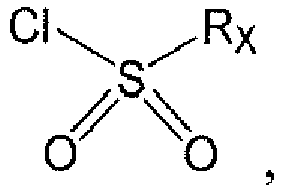
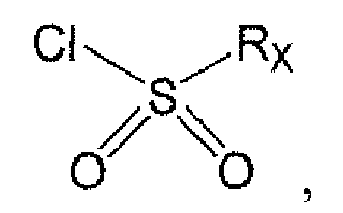
Remusat et al., J. Heterocycl. Chem. 2004, 41, 221-225) with a sulfonyl chloride of following formula:
in particular in presence of sodium sulfite and sodium hydrogenocarbonate according to the procedure described in
Liu, L. K. et al. J. Org. Chem. 1980, 45, 406-410.
-
Compounds of formula (I
B), wherein R
a represent H and R
b represent
X being
may be obtained by contacting the 3-(chloromethyl)benzo-[g]quinoline-5,10-dione (which is for instance obtained according to the procedure described in
Rathelot et al., ) with a sulfonyl chloride of following formula:
in particular in presence of sodium sulfite and sodium hydrogenocarbonate according to the procedure described in
Liu, L. K. et al. J. Org. Chem. 1980, 45, 406-410.
-
Compounds of formula (I
C), wherein R
a represents
X being
may be obtained by contacting 2-(bromomethyl)naphtho[2,3-d]oxazole-4,9-dione (which is for instance obtained according to the procedure described by
Rathelot et al., ) with a sulfonyl chloride of following formula:
in particular in presence of sodium sulfite and sodium hydrogenocarbonate according to the procedure described in
Liu, L. K. et al. J. Org. Chem. 1980, 45, 406-410.
DESCRIPTION OF THE DRAWINGS
-
- Figure 1 illustrates the differential inhibition of USP2CD and USP8CD by PCR6236. PCR6236 inhibits USP8CD catalytic activity in the nanomolar range.
- Figure 1A and 1B : determination of IC50 values. Purified USP2CD ( Fig. 1A ) or USP8CD ( Fig. 1B ) was incubated in the presence of Ub-Rho and increasing doses of PCR6236 as indicated in µM ( Fig. 1A ) or nM ( Fig. 1B ). The curves correspond to the medium value of technical triplicates.
- Figure 1C and 1D : visualization of tri-UbK63 chains hydrolysis by USP2CD ( Fig. 1C ) or USP8CD ( Fig. 1D ) in the presence of DMSO and its full inhibition in the presence of PCR6236 at the indicated concentrations.
- Figure 2 shows the monitoring of cell death induced in 3D spheroids LNCaP cells.
- Figure 2A and 2B : one Day (D1), two days (D2) and seven days (D7) old LNCaP cells spheroids were stained with Hoechst ( Fig. 2A ) and Propidium Iodure (PI) ( Fig. 2B ) to visualize living and dead cells, respectively in the presence of either DMSO, or PCR6236 at 2µM or 4µM final concentration.
- Figure 2C : three days old LNCaP cells spheroids were treated with DMSO or PCR6236 or PCR9301 at the indicated concentrations for one to three davs (D1, D2 and D3). Spheroids were then stained with Hoechst and Propidium Iodure (PI). The area of each staining was calculated via automated imaging. Histograms represent the medium value of the PI/Hoechst areas ratio calculated on 3 to 6 independent spheroids. Error bars indicate the standard deviation between technical replicates. One out of three experiments is presented.
- Figure 3 shows the prevention of cell migration out of LNCaP cells 3D spheroids thanks to PCR6236. Three days old LNCaP cells spheroids were treated with DMSO or PCR6236 at the indicated concentrations for one to seven days.
- Figure 3A : pictures of spheroids observed by phase contrast at D1, D2, D3 and D7.
- Figure 3B : mean of the migration area out of the spheroids over time for 3 to 6 spheroids. Error bars indicate standard deviation between technical replicates.
- Figure 4 illustrates the tumor growth and metastasis reduction in chicken embryos induced xenograft tumors of PC-3 cells, using PCR6236.
- Figure 4A : scheme of the experimental protocol.
- Figure 4B : number of surviving embryos used in the study.
- Figure 4C : mean values of tumor weight (error bars indicate SEM).
- Figure 4D : relative amount of metastasis in lower CAM.
B-D. RPMI: untreated embryos, Vinorelbine: reference compound used at 1 µM, 6236[2]: PCR6236 at 2µM, 6236[10]: PCR6236 at 10µM.
- Figure 5 shows the metabolic stability (phase I) of PCR6236 and PCR9301 on human and mouse liver microsomes. The metabolic stability of PCR6236 and PCR9301 was monitored on suspended human or mouse liver cells at a concentration of 0.5µM for 0min, 5min, 15min and 30min incubation times. Each compound was incubated either with cofactors (n=2) or without cofactors (n=1). Positive controls were: Diclofenac, Midazolam and Amitriptyline.
- Figure 6 shows the destabilization of CyclinD1 and FAS in prostatic cancer cells by PCR6236. Protein expression was checked by immunoblots of PC-3 ( Fig. 6A ) or LNCaP ( Fig. 6B-D ) lysates from cells treated or not with increasing concentrations of PCR6236 for 6h or 24 hours as indicated. In Fig. 6B and Fig. 6D , LNCaP cells were treated with dihydrotestosterone (DHT) to induce hormonal dependent FAS expression. Actin or Tubulin (Tub) serve as loading controls. One representative experiment out of three is presented.
- Figure 7 illustrates the stabilization and activation of p53 in LNCaP and HCT116 cancerous cells by PCR6236. Protein expression was checked by immunoblots of LNCaP ( Fig. 7A,C ) or HCT116 ( Fig. 7B ) lysates from cells treated or not with increasing concentrations of PCR6236 for 6h or 24 hours as indicated. Actin or Tubulin (Tub) serve as loading controls. One representative experiment out of three is presented.
- Figure 8 shows the induction of PARP cleavage, p53 accumulation and phosphorylation and cMyc degradation in LNCaP cells by PCR6236 and PCR9301. Protein expression was checked by immunoblots of LNCaP lysates from cells treated or not for 24 hours with increasing concentrations of PCR6236 or PCR9301 as indicated. Tubulin (Tub) serves as loading controls. One representative experiment out of three is presented.
EXAMPLES
Example 1: synthesis of the benzo[g]quinoxaline-5,10-diones compounds
General procedure
-
In a two-necked flask equipped with a drying tube, a solution of 4.5mmol (9 eq.) of the corresponding sulfonyl chloride, 7.7mmol (15.4 eq.) of sodium sulfite and 7.7mmol (15.4 eq.) of sodium hydrogenocarbanate in water is stirred at 100°C for two hours. Then, 0.2g (0.5mmol, 1 eq.) of PCR8146 (obtained according to the procedure described in Remusat et al., J. Heterocycl. Chem. 2004, 41, 221-225) dissolved in 20mL of dimethylsulfoxide is added to the solution. The mixture is stirred at 100°C for two hours and poured into cold iced water. The crude precipitate obtained is washed several times with water and purified two times with the appropriate solvent.
Example 2: synthesis of PCR9301
-
A solution of 1.4mmol of butane sulfonyl chloride, 2.3mmol (1.7 eq.) of sodium sulfite, 2.3mmol (1.7 eq.) of sodium hydrogenocarbonate in 10mL water is stirred under microwave irradiation at 300 watts for 45 minutes. Then, 0.5g (1.4mmol, 1 eq.) of 2-(bromomethyl)naphtho[2,3-d]oxazole-4,9-dione (obtained according to the procedure described Rathelot et al., ) dissolved in 30mL of dimethysulfoxide is added to the solution. The mixture is stirred under microwave irradiation at 300 watts for 30 minutes and then poured into cold iced water. The crude precipitate obtained is filtrated and washed several times with water. After recrystallization in toluene, PCR9301 is obtained in 57% yield.
Example 3: Inhibition of USP8 and USP2 by benzo[g]quinoxaline-5,10-diones of the invention
Materials and methods
Protein expression and purification
-
USP2CD or USP8CD were expressed in E. coli BL21 Gold. Cells were grown in LB Miller to mid-log phase and induced by addition of 0.5 mM IPTG for USP2CD for 5h at 20°C, while 1 mM IPTG was added for USP8CD for 3h at 37°C. Then, cells were harvested and frozen at -80°C.
-
For His-tagged USP8CD, cells were resuspended in buffer A (50 mM TRIS pH 8.0, 500 mM NaCl, 2 mM Imidazole) and lysed using a sonicator. The lysate was clarified by centrifugation and applied to Ni Sepharose6 Fast Flow resin (GE Healthcare). The resin was sequentially washed first with buffer A containing 10 mM Imidazole then with buffer A containing 20 mM Imidazole, and finally with buffer A containing 50 mM Imidazole. Protein sample was eluted from the resin using buffer A containing 300 mM Imidazole. The eluted protein was buffer exchanged by gel-filtration on a Superdex 200 10/300 GL column (GE Healthcare) equilibrated in Buffer B (20 mM HEPES pH 7.5, 300 mM NaCl, 2 mM dithiothreitol (DTT)).
-
For His-tagged USP2CD, cells were resuspended in buffer C (10 mM TRIS pH 8.0, 100 mM NaCl, 10 mM Imidazole) and lysed using a sonicator. The lysate was clarified by centrifugation and applied to Ni Sepharose6 Fast Flow resin (GE Healthcare). The resin was sequentially washed with buffer C, then with buffer C containing 50mM Imidazole. Protein sample was eluted from the resin using buffer C containing 250 mM Imidazole. The eluted protein was buffer exchanged by gel-filtration on a Superdex 200 10/300 GL column (GE Healthcare) equilibrated in Buffer D (15 mM Bis-TRIS pH 6.0, 100 mM NaCl, 1 mM dithiothreitol (DTT)).
-
Protein concentrations were determined by measuring the absorbance at 280 nm using a molar extinction coefficient calculated from the amino acid sequence. Aliquots were flash-frozen in liquid N2 and stored at -80°C.
Monitoring USP2 or USP8 Enzymatic activity on various ubiquitin substrates
-
The purified catalytic domain of USP2 (USP2CD, in-house purified) or the purified full length USP2 (ref. 80352, BioSciences) or the purified catalytic domain of USP8 (USP8CD, in-house purified) were used at a concentration of 2nM (USP2CD or USP2-Full length) or 10nM (USPSCD) in the presence of the artificial substrate Ub-AMC (ref. U550 BostonBiochem) at a final concentration of 1 µM, or in the presence of Ub-Rhodamine 110 (Ub-Rho) (Ubiquigent réf.60-0117-050) at a final concentration of 0.1 µM. Enzymatic assay was performed in a HEPES buffer (50mM pH7.6 1mM DTT,2% glycerol, 0.5mM EDTA) or in a Tris buffer (40mM pH7.4 1mM DTT,5% glycerol, 0,05mg/ml BSA) respectively, following manufacturer's instructions. Compounds were added to the reaction mixture just prior to the substrate. The enzymatic reaction kinetics was monitored through the apparition of fluorescence due to the hydrolysis of the peptidyl Ub-AMC or Ub-Rho bound over 20 or 30 minutes. The negative control, showing no inhibiting activity on the enzyme, thereafter designed "bio-inactive control" was the solvent DMSO at 1.5%. The positive control, mimicking the desired inhibitory activity, was the cystein protease inhibitor iodoacetamide (I1149-5g Sigma) at 1mM final concentration in the case of USP2, or a mutated ubiquitin variant Ubv.8.2 (Ernst et al, 2013) at 1µM final concentration in the case of USP8.
-
The degradation of purified lysine 63-linked tree-Ubiquitin chains (triUbK63) over a 90 minutes period of time was visualized by western blot analysis. The USP2CD or the USP8CD were preincubated for 15 minutes at a concentration of 0.4µM (USP2CD) final or 0.5µM (USP8CD) with either DMSO or selected chemicals at indicated concentrations before the addition of triUbK63 chains at a final concentration of 3.75µM. Enzymatic assay was performed in a HEPES buffer (50mM pH7.4, 150mM NaCl, 0.5mM EDTA, 2% glycerol, 0.2mg/ml BSA, 5mMDTT).
IC50 analysis
-
The IC50 of PCR6236, PCR7991 was determined on in-house purified USP2CD or USP8CD at a concentration of 4nM or 10nM, respectively, in the presence of 0.1µM Ub-Rhodamine 110 (Ubiquigent ref. 60-0117-050) as described above.
-
In additional assay, the IC50 of PCR6236 was determined on full length purified enzymes USP2 and USP8 (Ubiquigent DUBprofiler™ Compound Screening Service). In these assays, an eight point half-log duplicate compound dilution curve was prepared starting at 100µM PCR6236 and either USP2 or USP8 inhibition was monitored in the presence of 0.1µM Ubiquitin-rhodamine 110 (assays are operating at <40% substrate conversion).
-
IC50 data are reported as a percentage of the activity of the enzyme in the presence of the test compound relative to 'plus' (bioactive) (100% activity towards DUBs inhibition) and 'minus' (bioinactive) (0% activity towards DUB inhibition) controls. Medium value out of duplicates is reported.
Results
-
The inhibition of Ub-AMC hydrolysis by compounds of the invention were tested against USP2 full length (ref. 80352, BioSciences) at 50µM, 25µM, 5µM and 1µM average concentrations or purified USP8
CD at 50µM, 25µM, 5µM, 1µM, 0.5µM and 0.1 µM average concentrations using Ub-AMC at 1 µM (Table 1).
Table 1: Assay of benzo[g]quinoxaline-5,10-diones of the invention against USP2FL and USP8CD | | | USP2FL % inhibition | USP8CD % inhibition |
| Compound | Structure |
| | 50 µM | 25 µM | 5 µM | 1 µM | 50 µM | 25 µM | 5 µM | 1 µM | 0.5 µM | 0.1 µM |
| PCR6236 | | 101 | 94 | 65 | 34 | ND | ND | ND | 99 | 100 | 11 |
| PCR7986 | | 92 | 78 | 74 | 46 | 36 | 0 | 0 | 0 | 13 | 1 |
| PCR7985 | | 95 | 59 | 49 | 33 | 98 | 61 | 23 | 55 | 20 | 1 |
| PCR7991 | | 93 | 94 | 79 | 46 | ND | ND | ND | 98 | 97 | 42 |
| PCR7993 | | 98 | 58 | 59 | 29 | 102 | 101 | 22 | 34 | 16 | 0 |
| PCR7994 | | 95 | 66 | 58 | 31 | 78 | 29 | 0 | 0 | 0 | 0 |
| PCR7996 | | ND | 85 | 51 | 25 | 29 | 8 | 0 | 0 | ND | ND |
| PCR7997 | | 99 | 70 | 22 | 0 | 100 | 97 | 61 | 13 | 3 | 17 |
| PCR8146 | | 99 | 89 | 50 | 30 | 100 | 90 | 43 | 6 | 35 | 11 |
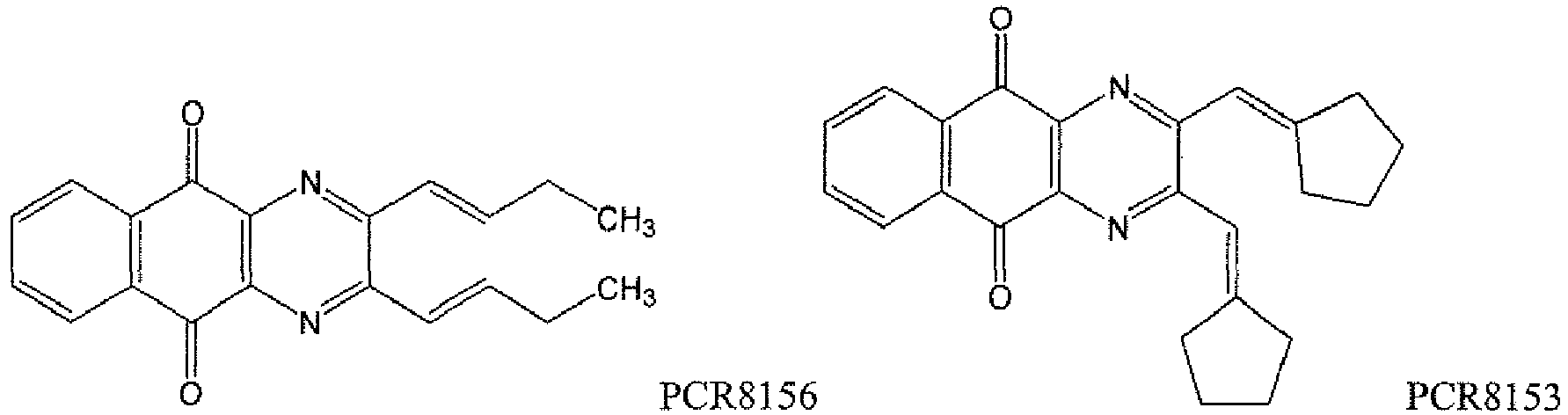
| PCR8156 | | 94 | 58 | 28 | 0 | 86 | 100 | 43 | 7 | 25 | 6 |
| PCR8153 | | 98 | 98 | 54 | 8 | 100 | 100 | 22 | 0 | ND | ND |
Table 2: IC50 values of PCR6236 and PCR7991 against purified USP8 or USP2CD or full length (FL) USP8 or USP2 with Ub-Rhodamine substrate (IC50 are given in µM) | | PCR6236 | PCR7991 |
| USP8CD | 0.06 | 0.05 |
| USP2CD | 2.10 | 1.70 |
| USP8-FL | <0.03 | ND |
| USP2-FL | 0.20 | ND |
-
In particular, compounds having a % of inhibition towards USP8 and USP2 above 50, at 25 µM, are considered as active towards USP 8 and/or USP2 respectively.
In particular, compounds having an IC50 below 10µM are considered as active towards USP8 and/or USP2 respectively.
In particular, if there is at least one concentration for which a compound has a % of inhibition towards USP2 being at least 10 times greater than the % of inhibition towards USP8 and optionally towards other deubiquitinases, then said compound may be considered as selective for USP2 (for example compounds PCR7986, PCR7994, PCR7996).
-
In particular, if there is a 10 times lower IC50 towards USP8 as compared to USP2 and optionally to other deubiquitinases, then said compound is considered as selective for or preferentially inhibiting USP8 (for example PCR6236, PCR7991).
Example 4: Inhibition of USP8 and USP2 by PCR9301 of the invention
-
The inhibitory potential of PCR9301 was measured by direct monitoring of its inhibitory potential against USP2
CD or USP8
CD (table 3).
Table 3: Assay of PCR9301 against USP2CD and USP8CD | | | USP2CD % inhibition | USP8CD % inhibition |
| Compound identifier | Structure | 50µM | 25µM | 5µM | 1µM | 1µM | 0.5µM | 0.1µM |
| PCR9301 |
| | | 100 | 100 | 99 | 77 | 107 | 81 | 53 |
Example 5: Cytotoxicity of PCR6236 and PCR9301 on human cancerous cell lines including chemo-resistant cells
Materials and methods
-
Messa, Messa DX5, HCT116, HEK-293, PC-3, LNCaP cell lines were purchased from the American Type Culture Collection (ATCC). Messa, Messa DX5 and HCT116 were maintained in McCoy's supplemented with 10% fetal bovine serum, and 1% penicillin/streptomycin. PC-3, LNCaP cells were maintained in RPMI medium supplemented with 10% fetal bovine serum, and 1% penicilin/streptomycin and in the case of Messa DX5: 500nM Doxorubicin was added to maintain selection pressure. HEK293 were maintained in DMEM medium supplemented with 10% fetal bovine serum, and 1% penicillin/streptomycin. Cells were maintained at 37°C with 5% CO2, 95% air, and humid atmosphere. In the case of hormonal dependent LNCaP cells, 2µM DiHydroTestosterone (DHT) was added or not - depending on the type of biological assay- for the same incubation period as compounds.
For cytotoxicity assays, cells were seeded in 96-well microplates 24 hours before the addition of increasing concentrations of each compound in the culture medium. Cell viability was analyzed 48 hours following addition of each compound through the monitoring of mitochondrial ATPase activity using PrestoBlue ® Cell Viability Reagent (Invitrogen; #A-13261). Paclitaxel was used as a control which is cytotoxic on various cancerous cells although not on chemoresistant MESSA DX5 lineage.
Results
-
The cytotoxicity of PCR6236 and PCR9301 on various cancerous cells was further monitored following 48h drug treatment at eight doses in order to determine the efficient concentration inducing 50% cell mortality (EC
50) (Table 4).
Table 4 : Cellular toxicity of PCR6236 and PCR9301 at 72 hours treatment compared to Paclitaxel | EC50 | MESSA | MESSA DX5 | HEK293 | HCT116 | PC-3 | LNCaP |
| PCR6236 | 2.0µM +/-0.4µM | 3.5µM +/-0.7µM | 1.4µM +/-0.1µM | 1.3µM +1-0.4µM | 0.8µM +1-0.4µM | 2.0µM +/-0.5µM |
| PCR9301 | 1.3µM +/-0.5µM | 1.8µM +/-0.2µM | ND | 1.7µM +/-0.4µM | 1.0µM +/-0.5µM | 1.3µM +/-0.3µM |
| Paclitaxel |
| | 1,5µM | >100µM | ND | ND | ND | ND |
-
These two compounds induced cells death with an EC50 ranging from 1µM to 3.5µM in all cancerous cells tested. As expected, high concentration of paclitaxel treatment (100µM) did not induce MESSA-DX5 cells death, where these cells are known to be resistant to paclitaxel treatment (Table 4). In contrast, the chemo-resistant MESSA-DX5 were equally sensitive to PCR6236 or PCR9301 as their nonresistant counterpart MESSA cell line indicating that these two drugs may overcome chemo-resistance.
Example 6: Cancerous cell death induced by PCR6236 and PCR9301 in 3D model systems
Materials and methods
-
For 3D cell culture (spheroids), the LNCaP-FGC (fast growing colony) cell line (ATCC #CRL1740) was used. This cell line derives from the LNCaP cell line (Human Prostatic Carcinoma) which shares all the main characteristics, including its androgen sensitivity, described for the parental line and HCT116 (ATCC #CCL 247) (Human Colorectal Carcinoma) cell lines.
-
Cells were cultured in 96-well tissue culture plate poly-HEMA-coated U-bottom with low evaporation Lid (Plates 96 wells round bottom culture in suspension Cellstar Greiner Bio-One # 650185) to allow the formation of spheroids. Prostatic cancer cells LNCaP (taken from exponentially growing cultures) were seeded at a density of 2.8x10⁴ cells/ml in RPMI-1640 Glutamax medium (GIBCO # 61870-010). Colorectal cancer cells HCT116 (taken from exponentially growing cultures) were seeded at a density of 1.1x10⁴ cells/ml in Mc Coy's 5A medium (GIBCO # 26600-080). Media were supplemented with 10% FCS, and 1% Penicillin/Streptomycin. Then, 90µL of each cell suspension were added in the corresponding wells and centrifuged at 400g during 5 min. Microplates were then incubated at 37°C and 5% CO2 for 3 days before drug treatment (at this moment, 10µl of 10 times concentrated drug (at various concentration) were added in corresponding well for the indicated time.
-
An automated imaging protocol was designed to monitor the induction of cell death in the spheroids by high content analysis methods (HCA). 3 hours before reading, cells were labeled with vital Hoechst (400ng/ml) (Thermo Fischer Scientific #33342) and Propidium Iodide (PI) at 1µg/ml (Sigma Aldrich #P4864) as markers of cell nuclei and cell death respectively. Images of PI and Hoechst fluorescence were acquired using the automated microscope ArrayScan VTI (ThermoScientific) and 5 times magnification. BioApplication Colocalization (HCS Studio software) has been used to automatically extract features of interest as spheroid area. This methodology has been applied to 72h old spheroids treated with increasing doses of either PCR6236 or PCR9301 for either 24h or 48h. Pictures of one to seven days old LNCaP spheroids were independently acquired on a Zeiss Observer Z1 microscope.
-
In vitro migration out of the spheroid was performed using a 96-well tissue culture plate (Cell Culture Microplate, 96 wells, Flat-BOTTOM, CellStar # 655090). 100µL (72h hours old + 24h drug treatment spheroids) were placed in corresponding well of the new flat microplate, and daily observed in bright field with a Zeiss Axio Observer microscope. Each condition was made in six replicates. The migration area was measured with the tools of the AxioObserver software.
Results
-
There are growing evidences that tumor cell aggregates or spheroids produced in three-dimensional (3D) systems are more representative of in vivo tumors. They exhibit several physiological traits including similar morphology, formation of cell-cell bonds, decreased proliferation rates, increased cell survival, and a hypoxic core. Spheroid model thus associates malignant-cell microenvironment and 3D organization to better mimic avascular tumors (Vinci et al. (2013), Methods in molecular biology 986, 253-266). The published protocols of multicellular tumor spheroid were adapted to the LNCaP cell line. Spheroids were treated with Hoechst to stain DNA and with Propidium Iodure (PI) to stain dead cells (Fig. 2A,B).
-
An automated imaging protocol was designed to monitor the induction of cell death in the spheroids by high content analysis methods (HCA). Spheroids were observed from 1 to 3 days with optional treatment with either PCR6236 or PCR9301 at increasing concentration (Fig. 2C). Monitoring of IP area over Hoechst area indicated a significant induction of a tumorous cells death in spheroids treated with PCR6236 and to an ever higher extend with PCR9301 (Fig. 2C).
Example 7: PCR6236 prevents cell migration out of 3D spheroids
-
In order to evaluate the anti-metastatic potential of PCR6236, the 3D spheroid models system was advantageously used to monitor the invasiveness and migration ability of cancerous cells. To this end, 3-days old spheroids are placed in a new flat-well microplate and daily observed in bright field. Migration area was monitored from 1 to 7 days after spheroids transfer revealing strong capacity of PCR6236 at both 2µM and 5µM to prevent cell migration out of the spheroids (Fig.3).
Example 8: In vivo anti-tumorigenic properties of PCR6236 on chicken embryonic xenograft tumors.
Materials and methods
-
Anti-tumorigenic potential of PCR6236 was assayed on in ovo induced tumors. Fertilized White Leghorn eggs were incubated at 37.5°C with 50% relative humidity for 9 days. At this time (E9), the chorioallantoic membrane (CAM) was dropped by drilling a small hole through the eggshell into the air sac and a 1 cm2 window was cut in the eggshell above the CAM. Twenty one eggs were used for each condition.
-
Prior to xenografting, PC-3 cells were cultivated in F12K medium with 10% of fetal bovine serum (and 1% penicillin/streptomycin). Cells were detached with trypsin, washed with complete medium, labeled and suspended in PBS. An inoculum of 3.106 cells was added onto the CAM of each egg (E9). Eggs were then randomized in 4 groups.
-
At day 10 (E10), tumors began to be detectable. They were then treated during 10 days, every two days (E10, E12, E14, E16, and E18) by dropping 100 µl of vehicle (RPMI), Vinorelbine (reference compound at 1µM) or compound PCR6236 (STU20151116) at 2µM onto the tumor.
-
At day 19 (E19) the upper portion of the CAM was removed, transferred in PBS and the tumors were then carefully cut away from normal CAM tissue. Tumors were then weighted. A one-way ANOVA analysis (for nonparametric tests) with post-tests (Dunns test) has been done on these data.
In parallel, a 1cm2 portion of the lower CAM was collected to evaluate the number of metastatic cells. Genomic DNA is extracted from the CAM, and analyzed by qPCR with specific primers for Alu sequences. Stat analysis was directly done with the Bio-Rad CFX Manager 3.1 software.
The number of dead embryo evaluates the toxicity after 10 days of the treatment as well as the research of abnormality on 22 checkpoints observed on surviving embryos at two concentrations of drugs (i.e. 2µM and 10 µM).
- Head : Size, Closure, Eyes, Ear, Face and Branchial arc derivatives, Mobility;
- Body : Size, Axis deformation, ventral and dorsal Closures, Caudal formation, Sexual area;
- Limbs : Size, Axis morphology, Mobility;
- Skin: Appendage formation, Attachement, Blood vessel;
- Extra-Embryonic Structures: Vascularisation, Transparency, Attachment, Blood vessel
Results
-
Using chick embryo for xenografting of human cancerous cells provides a unique model that overcomes many limitations associated with experimentations on mammalian models. The well-vascularized extra-embryonic tissue located underneath the eggshell allows for tumor growth and metastatic cells observation and monitoring after tumour cells xenografting (Fig. 4A). Moreover, it has been well demonstrated that the avian xenograft recapitulates cancer cell characteristics including growth, invasion, angiogenesis, and remodeling of the microenvironment. No significant toxicity of PCR6236 was observed in the chick embryo model: no death and no macroscopic abnormalities were detected in the head, body, limbs, skin, and extraembryonic annexes of chicken embryos treated with PCR6236 each second day neither at 2µM nor at 10 µM (Fig. 4B).
-
When tested on PC-3 xenograft tumors induced in chick embryos, the PCR6236 compound applied each second day at 2 µM had a significant effect on tumor growth (27 to 30% reduction) (Fig.4C). This effect is also visible on metastasis invasion (40 to 60% reduction) (Fig.4D). There results show a potent anti-tumorigenic potential of PCR6236 in vivo.
Example 9: Stability on human and murine microsomes
-
The metabolic stability of the compounds PCR6236 and PCR9301 was monitored on suspended liver cells (microsomes) (0.25 mg/mL) of human (NC, Mixed Gender Pooled 20-donor, Coming) or mouse (CD-1, Male Pooled 500-mice, Coming) at a concentration of 0.5 µM for 0min, 5min, 15min and 30 min incubation times. Each compound was incubated either with cofactors (n=2) or without cofactors (n-1). Positive controls were: Diclofenac, Midazolam and Amitriptyline.
-
Important interspecies difference was evidenced for the cofactors (CYP)-mediated metabolism of the compound PCR6236 which turned to be high in mouse while low in human cells. In contrast, the compound PCR9301 was not or poorly metabolized in neither human nor mice microsomes. No metabolism was observed in the absence of cofactors or the two compounds (Fig.5).
Example 10: Modification of the expression levels of oncogenic proteins and of the tumor suppressor p53 in human cells by PCR6236
Observation of protein expression by western bot analysis
-
Cells were treated by either DMSO (0.5%) or increasing doses of the selected molecules from 1µM to 10µM over 6 to 24 hours as indicated. Cell lysates were analyzed by immunoblotting following standard procedure using primary antibodies from Cell Signaling: anti-total P53 (#9282), anti-phosphoP53 Kit (#9919), anti-cyclinD1 (#2926), anti-FAS (#3189) or anti-Myc (Santa Cruz Technology #Sc-40). Tubulin was detected using anti α-tubulin primary antibody (in-house: the polyclonal Glu-tubulin antibody (L4) is available commercially from Abcys (Paris,France)). HRP-coupled anti-rabbit (#A6154) and anti-mouse (#A4416) secondary antibodies were purchased from Sigma. HRP activity was detected through HRP chemoluminescence detection reagent (Millipore,#WBLUF0100). Apoptotic cell death induction was observed through the observation of PARP cleavage using anti-PARP primary antibodies anti-PARP (46D11) (#9532). Positive control was Epotoside at 50µM or 100µM, a known drug inducing cancerous cell death by apoptosis.
Results
-
The expression level of a panel of known proteins contributing to cancerogenesis (CyclinD1,FAS, cMyc) or protecting humans from cancers (p53) was analyzed in order to examine the molecular processes targeted by PCR6236 in the cells.
-
It was observed that the expression levels of the oncogenic proteins CyclinD1 and FAS strongly decreased in prostatic cancer cells PC-3 and LNCaP, following treatment by PCR6236 in a dose and time dependent manner (Fig.6). These oncogenic proteins are direct substrates of USP2a which is overexpressed in these prostatic cancer cells. Decreased amount of CyclinD1 and FAS is therefore likely the results of USP2 direct inhibition.
-
The tumor suppressor p53 prevents cancerogenesis through the regulation of multiple targets and pathways preventing damaged cells proliferation and promoting cancerous cell death by apoptosis. Here, it has been showed that treating cells with PCR6236 restored high levels of p53 expression in a dose dependent manner in both LNCaP and HCT-116 cells (Fig.7A,B), these two cancerous cell lines displaying reduced level of p53 expression. Moreover, it was repeatedly observed that phosphorylated p53 accumulated in PCR6236 treated cells (Fig.7B,C). Using specific antibodies against various phosphorylated p53 demonstrated that active P-Ser392- and P-Ser15-p53 in particular, accumulated in LNCaP cells (Fig. 7C). As a consequence of p53 stabilization, treating LNCaP cells with PCR6236 for 24h induced the cleavage of PARP, which is a direct indicator of apoptotic cell death induction, in a concentration dependent manner (Fig.8). In addition, a decrease of the p53 regulated oncogenic protein Myc expression level was also observed (Fig.8). In this assay, the analog PCR9301 displayed a similar activity as PCR6236 in LNCaP cells: i.e, both PCR6236 and PCR9301 induced PARP cleavage, phosphorylation of p53 on Ser15 and cMyc degradation.
-
In conclusion PCR6236 treatment of cancerous cells stabilize p53, induce apoptotic cell death and destabilize oncogenic proteins Myc, CyclinD1 and FAS providing molecular explanations for the observed anti-oncogenic and anti-tumorigenic properties of this compound in 3D cell models and chicken xenograft tumors, respectively. USP8, USP2a and other ubiquitin proteases may be targeted by PCR6236 with differential efficacy depending on the cellular context, i.e: depending on the respective levels of expression of each USP which may contribute to its anti-oncogenic and anti-tumorigenic properties.












 A is selected from the group comprising:
 Ra and Rb each independently represent:- when A is A1 or A3, a group of one of the following formulae:
 - when A is A2, H or a group of one of the following formulae:
 RY and RZ each independently represent H, a C1-C10 linear or branched alkyl group, a C3-C10 cycloalkyl group, or together form with the carbon atom to which they are attached a C3-CIO cycloalkyl group;X represents an halogen or a group the following formula:
 said C1-C10 linear or branched alkyl group, and C3-CIO cycloalkyl group being optionally substituted by at least one group selected from:- a C3-CIO cycloalkyl group;- a phenyl optionally substituted by at least one group selected from a C1-C10 linear or branched alkyl group, a C3-C10 cycloalkyl group , an halogen, a -ORii group, an amine of formula -NRii'Rii", a nitrile or a nitro group;- a -ORi group;- an amine of formula -NRi'Ri";said phenyl and C5-C10-membered heteroaryl being optionally substituted by at least one group selected from:- a C1-C10 linear or branched alkyl group;- a C3-C10 cycloalkyl group;- a phenyl optionally substituted by at least one group selected from a C1-C10 linear or branched alkyl group, a C3-CIO cycloalkyl group , an halogen, a -ORii group, an amine of formula -NRii'Rii", a nitrile or a nitro group;- an halogen;- a -ORi group;- an amine of formula -NRi'Ri";- a nitrile;- a nitro group;Ri and Rii each independently represent H, a C1-C10 linear or branched alkyl group, a C3-C10 cycloalkyl group;Ri' and Ri" each independently represent H, a C1-C10 linear or branched alkyl group, a C3-C10 cycloalkyl group, or together form with the nitrogen atom to which they are attached a C4-C7 heterocycloalkyl group;Rii' and Rij" each independently represent H, a C1-C10 linear or branched alkyl group, a C3-C10 cycloalkyl group, or together form with the nitrogen atom to which they are attached a C4-C7 heterocycloalkyl group;provided that said compound is not of the following formula:



 A is selected from the group comprising:
 Ra and Rb each independently represent:- when A is A1 or A3, a group of one of the following formulae:
 - when A is A2, H or a group of one of the following formulae:
 RY and RZ each independently represent H, a C1-C10 linear or branched alkyl group, a C3-CIO cycloalkyl group, or together form with the carbon atom to which they are attached a C3-C10 cycloalkyl group;X represents an halogen or a group of the following formula:
 RX represents a C1-C10 linear or branched alkyl group, a C3-CIO cycloalkyl group, a phenyl, a C5-C10-membered heteroaryl;said C1-C10 linear or branched alkyl group, and C3-C10 cycloalkyl group being optionally substituted by at least one group selected from:- a C3-CIO cycloalkyl group;- a phenyl optionally substituted by at least one group selected from a C1-C10 linear or branched alkyl group, a C3-CIO cycloalkyl group , an halogen, a -ORii group, an amine of formula -NRii'Rii", a nitrile or a nitro group;- a -ORi group;- an amine of formula -NRi'Ri";said phenyl and C5-C10-membered heteroaryl being optionally substituted by at least one group selected from:- a C1-C10 linear or branched alkyl group;- a C3-CIO cycloalkyl group;- a phenyl optionally substituted by at least one group selected from a C1-C10 linear or branched alkyl group, a C3-CIO cycloalkyl group , an halogen, a -ORii group, an amine of formula -NRii'Rii", a nitrile or a nitro group;- an halogen;- a -ORi group;- an amine of formula NRi'Ri";- a nitrile;- a nitro group;Ri and Rii each independently represent H, a C1-C10 linear or branched alkyl group, a C3-C10 cycloalkyl group;Ri' and Ri" each independently represent H, a C1-C10 linear or branched alkyl group, a C3-C10 cycloalkyl group, or together form with the nitrogen atom to which they are attached a C4-C7 heterocycloalkyl group;Rii' and Rii" each independently represent H, a C1-C10 linear or branched alkyl group, a C3-C10 cycloalkyl group, or together form with the nitrogen atom to which they are attached a C4-C7 heterocycloalkyl group;provided that said compound is not of the following formula:
 A is selected from the group comprising:
 Ra and Rb each independently represent:- when A is A1 or A3, a group of one of the following formulae:
 - when A is A2, H or a group of one of the following formulae:
 RY and RZ each independently represent H, a C1-C10 linear or branched alkyl group, a C3-C10 cycloalkyl group, or together form with the carbon atom to which they are attached a C3-C10 cycloalkyl group;X represents an halogen or a group of the following formula:
 RX represents a C1-C10 linear or branched alkyl group, a C3-C10 cycloalkyl group, a phenyl, a C5-C10-membered heteroaryl;said C1-C10 linear or branched alkyl group, and C3-C10 cycloalkyl group being optionally substituted by at least one group selected from:- a C3-C10 cycloalkyl group;- a phenyl optionally substituted by at least one group selected from a C1-C10 linear or branched alkyl group, a C3-C10 cycloalkyl group , an halogen, a -ORii group, an amine of formula -NRii'Rii", a nitrile or a nitro group;- a -ORi group;- an amine of formula -NRi'Ri'';said phenyl and C5-C10-membered heteroaryl being optionally substituted by at least one group selected from:- a C1-C10 linear or branched alkyl group;- a C3-C10 cycloalkyl group;- a phenyl optionally substituted by at least one group selected from a C1-C10 linear or branched alkyl group, a C3-C10 cycloalkyl group , an halogen, a -ORii group, an amine of formula -NRii'Rii", a nitrile or a nitro group;- an halogen;- a -ORi group;- an amine of formula -NRi'Ri"';- a nitrile;- a nitro group;Ri and Rii each independently represent H, a C1-C10 linear or branched alkyl group, a C3-C10 cycloalkyl group;Ri' and Ri" each independently represent H, a C1-C10 linear or branched alkyl group, a C3-C10 cycloalkyl group, or together form with the nitrogen atom to which they are attached a C4-C7 heterocycloalkyl group;Rii' and Rii" each independently represent H, a C1-C10 linear or branched alkyl group, a C3-C10 cycloalkyl group, or together form with the nitrogen atom to which they are attached a C4-C7 heterocycloalkyl group;and the stereoisomeric forms, mixtures of stereoisomeric forms or pharmaceutically acceptable salts forms thereof;


 X represents a group of the following formula:
 RX represents a C1-C10 linear or branched alkyl group, a C3-C10 cycloalkyl group, a phenyl, a C5-C10-membered heteroaryl;said C1-C10 linear or branched alkyl group, and C3-C10 cycloalkyl group being optionally substituted by at least one group selected from:- a C3-C10 cycloalkyl group;- a phenyl optionally substituted by at least one group selected from a C1-C10 linear or branched alkyl group, a C3-C10 cycloalkyl group , an halogen, a -ORii group, an amine of formula -NRii'Rii", a nitrile or a nitro group;- a -ORi group;- an amine of formula -NRi'Ri";said C5-C10-membered heteroaryl being optionally substituted by at least one group selected from:- a C1-C10 linear or branched alkyl group;- a C3-C10 cycloalkyl group;- a phenyl optionally substituted by at least one group selected from a C1-C10 linear or branched alkyl group, a C3-C10 cycloalkyl group , an halogen, a -ORii group, an amine of formula -NRii'Rii", a nitrile or a nitro group;- an halogen;- a -ORi group;- an amine of formula NRi'Ri";- a nitrile;- a nitro group;said phenyl being substituted by at least one group selected from:- a C1-C10 linear or branched alkyl group;- a C3-C30 cycloalkyl group;- a phenyl optionally substituted by at least one group selected from a C1-C10 linear or branched alkyl group, a C3-C10 cycloalkyl group , an halogen, a -ORii group, an amine of formula-NRii'Rii", a nitrile or a nitro group;- an halogen;- a -ORi group;- an amine of formula --NRi'Ri";- a nitrile;- a nitro group;provided that, when the RX group = phenyl is substituted by a C1-C10 linear or branched alkyl group, said phenyl is substituted by a further group as defined above.