EP3276555A1 - Mobile payment method and system - Google Patents
Mobile payment method and system Download PDFInfo
- Publication number
- EP3276555A1 EP3276555A1 EP17179477.9A EP17179477A EP3276555A1 EP 3276555 A1 EP3276555 A1 EP 3276555A1 EP 17179477 A EP17179477 A EP 17179477A EP 3276555 A1 EP3276555 A1 EP 3276555A1
- Authority
- EP
- European Patent Office
- Prior art keywords
- code
- transaction
- mobile device
- data
- point
- Prior art date
- Legal status (The legal status is an assumption and is not a legal conclusion. Google has not performed a legal analysis and makes no representation as to the accuracy of the status listed.)
- Ceased
Links
Images



Classifications
-
- G—PHYSICS
- G06—COMPUTING OR CALCULATING; COUNTING
- G06Q—INFORMATION AND COMMUNICATION TECHNOLOGY [ICT] SPECIALLY ADAPTED FOR ADMINISTRATIVE, COMMERCIAL, FINANCIAL, MANAGERIAL OR SUPERVISORY PURPOSES; SYSTEMS OR METHODS SPECIALLY ADAPTED FOR ADMINISTRATIVE, COMMERCIAL, FINANCIAL, MANAGERIAL OR SUPERVISORY PURPOSES, NOT OTHERWISE PROVIDED FOR
- G06Q20/00—Payment architectures, schemes or protocols
- G06Q20/30—Payment architectures, schemes or protocols characterised by the use of specific devices or networks
- G06Q20/32—Payment architectures, schemes or protocols characterised by the use of specific devices or networks using wireless devices
- G06Q20/326—Payment applications installed on the mobile devices
-
- G—PHYSICS
- G06—COMPUTING OR CALCULATING; COUNTING
- G06Q—INFORMATION AND COMMUNICATION TECHNOLOGY [ICT] SPECIALLY ADAPTED FOR ADMINISTRATIVE, COMMERCIAL, FINANCIAL, MANAGERIAL OR SUPERVISORY PURPOSES; SYSTEMS OR METHODS SPECIALLY ADAPTED FOR ADMINISTRATIVE, COMMERCIAL, FINANCIAL, MANAGERIAL OR SUPERVISORY PURPOSES, NOT OTHERWISE PROVIDED FOR
- G06Q20/00—Payment architectures, schemes or protocols
- G06Q20/08—Payment architectures
- G06Q20/20—Point-of-sale [POS] network systems
- G06Q20/208—Input by product or record sensing, e.g. weighing or scanner processing
-
- G—PHYSICS
- G06—COMPUTING OR CALCULATING; COUNTING
- G06K—GRAPHICAL DATA READING; PRESENTATION OF DATA; RECORD CARRIERS; HANDLING RECORD CARRIERS
- G06K7/00—Methods or arrangements for sensing record carriers, e.g. for reading patterns
- G06K7/10—Methods or arrangements for sensing record carriers, e.g. for reading patterns by electromagnetic radiation, e.g. optical sensing; by corpuscular radiation
- G06K7/10544—Methods or arrangements for sensing record carriers, e.g. for reading patterns by electromagnetic radiation, e.g. optical sensing; by corpuscular radiation by scanning of the records by radiation in the optical part of the electromagnetic spectrum
- G06K7/10712—Fixed beam scanning
- G06K7/10722—Photodetector array or CCD scanning
-
- G—PHYSICS
- G06—COMPUTING OR CALCULATING; COUNTING
- G06K—GRAPHICAL DATA READING; PRESENTATION OF DATA; RECORD CARRIERS; HANDLING RECORD CARRIERS
- G06K7/00—Methods or arrangements for sensing record carriers, e.g. for reading patterns
- G06K7/10—Methods or arrangements for sensing record carriers, e.g. for reading patterns by electromagnetic radiation, e.g. optical sensing; by corpuscular radiation
- G06K7/14—Methods or arrangements for sensing record carriers, e.g. for reading patterns by electromagnetic radiation, e.g. optical sensing; by corpuscular radiation using light without selection of wavelength, e.g. sensing reflected white light
- G06K7/1404—Methods for optical code recognition
- G06K7/1408—Methods for optical code recognition the method being specifically adapted for the type of code
- G06K7/1417—2D bar codes
-
- G—PHYSICS
- G06—COMPUTING OR CALCULATING; COUNTING
- G06Q—INFORMATION AND COMMUNICATION TECHNOLOGY [ICT] SPECIALLY ADAPTED FOR ADMINISTRATIVE, COMMERCIAL, FINANCIAL, MANAGERIAL OR SUPERVISORY PURPOSES; SYSTEMS OR METHODS SPECIALLY ADAPTED FOR ADMINISTRATIVE, COMMERCIAL, FINANCIAL, MANAGERIAL OR SUPERVISORY PURPOSES, NOT OTHERWISE PROVIDED FOR
- G06Q20/00—Payment architectures, schemes or protocols
- G06Q20/08—Payment architectures
- G06Q20/20—Point-of-sale [POS] network systems
-
- G—PHYSICS
- G06—COMPUTING OR CALCULATING; COUNTING
- G06Q—INFORMATION AND COMMUNICATION TECHNOLOGY [ICT] SPECIALLY ADAPTED FOR ADMINISTRATIVE, COMMERCIAL, FINANCIAL, MANAGERIAL OR SUPERVISORY PURPOSES; SYSTEMS OR METHODS SPECIALLY ADAPTED FOR ADMINISTRATIVE, COMMERCIAL, FINANCIAL, MANAGERIAL OR SUPERVISORY PURPOSES, NOT OTHERWISE PROVIDED FOR
- G06Q20/00—Payment architectures, schemes or protocols
- G06Q20/30—Payment architectures, schemes or protocols characterised by the use of specific devices or networks
- G06Q20/32—Payment architectures, schemes or protocols characterised by the use of specific devices or networks using wireless devices
-
- G—PHYSICS
- G06—COMPUTING OR CALCULATING; COUNTING
- G06Q—INFORMATION AND COMMUNICATION TECHNOLOGY [ICT] SPECIALLY ADAPTED FOR ADMINISTRATIVE, COMMERCIAL, FINANCIAL, MANAGERIAL OR SUPERVISORY PURPOSES; SYSTEMS OR METHODS SPECIALLY ADAPTED FOR ADMINISTRATIVE, COMMERCIAL, FINANCIAL, MANAGERIAL OR SUPERVISORY PURPOSES, NOT OTHERWISE PROVIDED FOR
- G06Q20/00—Payment architectures, schemes or protocols
- G06Q20/30—Payment architectures, schemes or protocols characterised by the use of specific devices or networks
- G06Q20/32—Payment architectures, schemes or protocols characterised by the use of specific devices or networks using wireless devices
- G06Q20/327—Short range or proximity payments by means of M-devices
- G06Q20/3274—Short range or proximity payments by means of M-devices using a pictured code, e.g. barcode or QR-code, being displayed on the M-device
-
- G—PHYSICS
- G06—COMPUTING OR CALCULATING; COUNTING
- G06Q—INFORMATION AND COMMUNICATION TECHNOLOGY [ICT] SPECIALLY ADAPTED FOR ADMINISTRATIVE, COMMERCIAL, FINANCIAL, MANAGERIAL OR SUPERVISORY PURPOSES; SYSTEMS OR METHODS SPECIALLY ADAPTED FOR ADMINISTRATIVE, COMMERCIAL, FINANCIAL, MANAGERIAL OR SUPERVISORY PURPOSES, NOT OTHERWISE PROVIDED FOR
- G06Q20/00—Payment architectures, schemes or protocols
- G06Q20/30—Payment architectures, schemes or protocols characterised by the use of specific devices or networks
- G06Q20/32—Payment architectures, schemes or protocols characterised by the use of specific devices or networks using wireless devices
- G06Q20/327—Short range or proximity payments by means of M-devices
- G06Q20/3276—Short range or proximity payments by means of M-devices using a pictured code, e.g. barcode or QR-code, being read by the M-device
Definitions
- the present invention relates to a method and computer system for enabling payment transactions using a mobile device and a point of sale device.
- NFC near field communication
- An object of the present invention is to provide an alternative technical arrangement that can facilitate mobile phone payments with fewer compatibility issues for the mobile phones.
- a method for conducting a transaction comprising the steps of: converting identifying data relating to a transaction into a code for display on a screen of a mobile device; displaying the code on the screen of the mobile device; reading the displayed code at a point of sale device; determining the identifying data relating to the transaction, based on the code read by the point of sale device; and processing the transaction using the identifying data relating to the transaction.
- a mobile device can be used to complete a transaction using its display screen.
- Personal data relating to the transaction can be displayed by way of a code that can be scanned by the point of sale device.
- any mobile device with a screen can be used to complete a transaction, which offers an improvement over technologies that require other features such as near field communication (NFC) technology.
- NFC near field communication
- the identifying data may be personal data, or data unique to a particular payment card or account.
- the identifying data may include a cryptographic checksum card, Application Transaction Counter (ATC) data and/or card verification (CVC3) data, as may be appropriate.
- ATC Application Transaction Counter
- CVC3 card verification
- the code displayed on the screen of the mobile device is a second code
- the method preferably comprises displaying a first code on a screen of the point of sale device, including embedded data, reading the first code displayed on the screen of the point of sale device using a camera on the mobile device, extracting the embedded data at the mobile device and performing the steps of converting identifying data relating to a transaction into a second code and displaying the second code on the screen of the mobile device responsive to extraction of the embedded data.
- successful extraction of the embedded data in the first code, displayed on the screen of the point of sale device can be used as a trigger for the mobile device to generate and display the second code.
- the camera on the mobile device is front-facing.
- the camera of the mobile device may be on the same surface as the screen, facing in the same direction.
- a communication sequence may be initiated between the mobile phone and the point of sale device, whereby a code is displayed on the screen of one device to be read by the other device, and a response code is displayed on the other device.
- a plurality of response codes may be communicated between the mobile device and the point of sale device in order to generate the first code and/or the second code in different embodiments.
- the (first) code may be static.
- the static code may encode fixed information to be read by the mobile device.
- the static code may include information from which the mobile device can determine that contactless mag stripe or Dynamic Magnetic Stripe Data payments protocols are or are not supported.
- the mobile device may be arranged to generate and display a code which encodes a proportion of the information required by the point of sale device to complete the transaction.
- a further code may be displayed on the mobile device which encodes the remainder of the information required by the point of sale device to complete the transaction.
- the further code may be displayed on the mobile device in response to a code displayed on the point of sale device with an embedded unpredictable number. Thus, a total of four codes may be displayed in a sequence of communications between the mobile device and the point of sale device.
- the (first) code may be dynamic.
- the dynamic code may encode information to be read by the mobile device, which varies from transaction to transaction.
- the dynamic code may encode an unpredictable number, generated by the point of sale device, which is different for each transaction.
- the first code and/or the second code is a two-dimensional barcode.
- a two dimensional barcode (otherwise referred to as a matrix barcode or Quick Response, QR, code) can be conveniently displayed on the screen of a mobile device, and is easily read by a point of sale device.
- Other codes may alternatively be displayed on the screen of a mobile device, as would be understood by a person skilled in the art.
- the mobile device comprises algorithms which can be deployed if it is needed to reduce the amount of data carried using a code.
- the algorithms can be executed by one or more processors of the camera of the POS to reconstruct the full set of data using one or more templates defining the fields to be populated.
- a system configured to process a transaction between the user of a mobile phone and a point of sale device, comprising: a mobile device having a screen, wherein the mobile device comprises one or more processors configured to convert identifying data relating to a transaction into a code and to display the code on the screen of a mobile device; a point of sale device comprising an optical reader configured to read the displayed code using the optical reader and one or more processors configured to determine the identifying data relating to the transaction, based on the code, and to process the transaction using the identifying data relating to the transaction.
- a computer readable storage medium configured to store computer executable code that when executed by a computer configures the computer to: convert identifying data relating to a transaction into a code for display on a screen of a mobile device; display the code on the screen of the mobile device; read the displayed code at a point of sale device; determine the identifying data relating to the transaction, based on the code read by the point of sale device; and process the transaction using the identifying data relating to the transaction.
- Apparatus features may be provided as method features and vice-versa.
- Figure 1 shows a mobile phone 2 in the hand of a user.
- the mobile phone 2 comprises a screen 4 and a front-facing camera 6.
- a point of sale device 10 is provided comprising an optical scanner 12 and a display screen 14.
- the optical scanner 12 is arranged to point in the same direction as the display screen 14.
- the optical scanner 12 is depicted as a laser scanner, but it could alternatively be embodied as a camera.
- a networked terminal 16 is connected to the optical scanner 12 and the display screen 14 for processing transactions.
- the point of sale device 14 is depicted as a unit for use by a merchant. In alternative arrangements the point of sale device 14 may be incorporated in other units, such as vending machines.
- a first embodiment is now described with reference to Figure 2 .
- the mobile phone 2 is brought into close proximity with the point of sale device 10 so that the front-facing camera 6 of the mobile phone 2 can image the display screen 14 of the point of sale device 10.
- the display screen 14 is initially blank.
- the absence of any image on the display screen 14 is detected by the mobile phone 2 using the front-facing camera 6.
- This may be interpreted by the mobile phone 2 to indicate that contactless magnetic stripe payments are not supported.
- one or more processors (not shown) in the mobile phone 2 convert magnetic stripe data from a payment card using, for example, Dynamic Magnetic Stripe Data protocol into a two-dimensional barcode for display on the screen 4 of the mobile phone 2.
- the two-dimensional barcode includes embedded information from the payment card including Application Transaction Counter (ATC) data and card verification (CVC3) data, and the two-dimensional barcode is displayed on the screen 4.
- the two-dimensional barcode includes an embedded unpredictable number, generated by the mobile phone 2.
- the optical scanner 12 in the point of sale device 10 is used to read the two-dimensional barcode displayed on the mobile phone 2, and the code can be analysed to extract the embedded information. The extracted information can then be used to process the transaction, in a conventional manner as would be understood by a person skilled in the art.
- FIG. 3 A modified version of the first embodiment is now described with reference to Figure 3 .
- the mobile phone 2 is brought into close proximity with the point of sale device 10 so that the front-facing camera 6 of the mobile phone 2 can image the display screen 14.
- the display screen 14 includes a two-dimensional barcode.
- the two-dimensional barcode displayed on the display screen 14 is static and encodes information indicating that the point of sale device 10 does not support contactless magnetic stripe payments.
- the mobile phone 2 converts magnetic stripe data into a two-dimensional barcode, in the manner explained above with reference to Figure 2 .
- Figure 4 shows a combination of the techniques described above with reference to Figures 2 and 3 .
- the display screen 14 of the point of sale device 10 is either initially blank, or else includes a static two-dimensional barcode including information indicating that the point of sale device 10 does not support contactless magnetic stripe payments.
- a second embodiment is now described with reference to Figure 5 .
- the front-facing camera 6 of the mobile phone 2 is made to image the display screen 14 of the point of sale device 10.
- a static two-dimensional barcode is initially displayed with embedded information indicating that contactless magnetic stripe payments are supported.
- the mobile phone 2 responds by generating its own two-dimensional barcode which includes embedded information relating to an entry point and a kernel C2.
- the optical scanner 12 is arranged to read these data and, in response, generates a dynamic two-dimensional barcode with an embedded unpredictable number (UN).
- the two-dimensional barcode with the embedded unpredictable number (UN) is displayed on the display screen 14 of the point of sale device 10 and is imaged by the front-facing camera 6 of the mobile phone 2.
- the mobile phone 2 In response to detection of the dynamic two-dimensional barcode the mobile phone 2 generates a further two-dimensional barcode for display on its display screen 4 having embedded Compute Cryptographic Checksum (CCC) data.
- CCC Compute Cryptographic Checksum
- the further two-dimensional barcode can be read by the optical scanner 12 in the point of sale device 10 and the CCC data can be extracted to complete the transaction in a manner that would be understood by a person skilled in the art.
- FIG. 6 A modified version of the process described with reference to Figure 5 is depicted in Figure 6 .
- the amount of data in each two-dimensional barcode is reduced.
- a third embodiment is now described with reference to Figure 7 .
- the front-facing camera 6 of the mobile phone 2 is made to image the display screen 14 of the point of sale device 10.
- a dynamic two-dimensional barcode is initially displayed with embedded information indicating that contactless magnetic stripe payments are supported and including an unpredictable number (UN) generated at the point of sale device 10.
- the mobile phone 2 can respond with a single two-dimensional barcode.
- the two dimensional barcode generated by the mobile phone 2 includes a select proximity payment system environment (PPSE) response, a select application identifier (AID) response, a get processing options (GPO) response, a read record response and a compute cryptographic checksum (CCC) response.
- the two-dimensional barcode is read by the optical scanner 12 and the relevant data are extracted in order to process the transaction.
- the third embodiment may be considered advantageous, relative to the second embodiment, because only one two-dimensional barcode is generated by the mobile device 2, to be read by the optical scanner 12.
- FIG. 8 A modified version of the process described with reference to Figure 7 is depicted in Figure 8 .
- the amount of data carried in each two-dimensional barcode is reduced.
- a fourth embodiment is now described with reference to Figure 9 .
- a dynamic two-dimensional barcode is initially displayed with embedded information indicating that contactless magnetic stripe payments are supported and including an unpredictable number (UN).
- the unpredictable number (UN) is generated at the point of sale device 10 prior to processing any data captured from the mobile device 2.
- the mobile phone 2 responds by generating its own two-dimensional barcode.
- the two dimensional barcode generated by the mobile phone 2 includes 'READ DATA' and 'READ CRYPTO' data fields.
- the 'READ DATA' field is used to deliver information about the payment card used to perform the transaction while the 'READ CRYPTO' field is used to deliver transaction data including the required cryptogram(s).
- the two-dimensional barcode displayed on the screen 4 of the mobile phone 2 is read by the optical scanner 12 and the relevant data are extracted in order to process the transaction.
- MCBP MasterCard Cloud-Based Payments
- TEE Trusted Execution Environment
- MTBP MasterCard TEE-Based Payments
- DMSD Dynamic Magnetic MagStripe Data
- a first solution only requires the Mobile Device to have a display while the second set of solutions requires the Mobile Device to have a display and a front camera next or embedded to the display.
- POS is used as the generic term in this document to describe the acceptance point that can be used by the owner of the Mobile Device in order to perform a mobile payment transaction using QR code(s).
- the minimum requirement for the Mobile Device is the availability of the display able to show a QR code.
- the POS will scan this QR code using a Camera connected to the POS.
- a front camera available next to the display of the Mobile Device can be used in order to scan a QR Code displayed by the POS.
- the Camera of the POS implements some logic in order to process the data provided by the Mobile Device.
- the Solution 1 described in Figure 2 is basic model leveraging the concept of Dynamic Magnetic Stripe Data [DMSD].
- a QR code is displayed by the Mobile Device and read using a camera connected to the POS.
- the QR Code contains Full Track 1 and Full Track 2 data with embedded ATC and CVC3 values.
- the transaction is processed as a swiped Mag Stripe transaction by the POS with a specific POS entry mode value.
- the transaction is authorized using MasterCard system including MasterCard Digital Enablement Services integration of DMSD validation process.
- the Solution 1 Q described in Figure 3 is a variant of the Solution 1.
- the POS displays a QR Code that can be scanned by the Mobile Device.
- the QR Code does not contain a tag used to trigger the solutions 2 (Tag “CL MS support”), 3 (Tag “CL MS support and UN value”) or 4 (Tag “Simplified CL MS support and UN value”).
- the amount of data to be carried using a QR code impacts the size and complexity of the QR code.
- An optimized process described in Figure 4 can be used in order to reduce the amount of data to be delivered using Solution 1 or Solution 1 Q described above.
- the camera used by the POS must support some additional logic in order to manage templates to be populated with data provided using the QR code (1) captured from the Mobile Device.
- the Solution 2 described in Figure 5 is a model leveraging the concept of Contactless Mag Stripe Transaction using QR codes (one-way communication channel) instead of an NFC (Near Field Communication interface) communication channel between the POS and the Mobile Device.
- QR codes one-way communication channel
- NFC Near Field Communication interface
- the amount of data to be carried using a QR code impacts the size and complexity of the QR code.
- the camera used by the POS must support some additional logic in order to manage templates to be populated with data provided using the QR codes (1)(2) captured from the Mobile Device.
- Solution 3 - QR-Based CLMS Transaction (Updated POS with QR2EP+KC2 interface)
- the Solution 3 described in Figure 7 is a model leveraging the concept of Contactless Mag Stripe Transaction using QR codes (one-way communication channel) instead of an NFC (Near Field Communication interface) communication channel between the POS and the Mobile Device.
- QR codes one-way communication channel
- NFC Near Field Communication interface
- Solution 3 removes the technical constraint using an updated Kernel C2 that is able to generate and display a UN value before the Contactless Mag Stripe Transaction process is initiated.
- the transaction data can be captured by the Camera connected to the POS using a single QR code displayed by the Mobile Device.
- the amount of data to be carried using a QR code impacts the size and complexity of the QR code.
- the camera used by the POS must support some additional logic in order to manage templates to be populated with data provided using the QR code (1) captured from the Mobile Device.
- the Solution 4 described in Figure 9 is a model emulating the concept of Contactless Mag Stripe Transaction using QR codes (one-way communication channel) instead of an NFC (Near Field Communication interface) communication channel between the POS and the Mobile Device.
- QR codes one-way communication channel
- NFC Near Field Communication interface
- the bespoke process is focused on reading data about the card and its configuration ("READ DATA") and obtaining the cryptographic material ("READ CRYPTO").
- UN Unpredictable Number
- POS enablement Camera @ POS to scan QR to scan data from the Mobile Device and use a bespoke process to deliver and authorization request (constructed using "READ DATA” and "READ CRYPTO” input) to the Acquirer.
- the amount of data delivered by the Mobile Device using a QR code is by default optimized.
- the mobile device has to deliver the following values as part of the optimized data for a DMSD transaction:
- the tag #D# is used to identify the DMSD transaction
- the mobile device has to deliver a list of ⁇ AID> as part of the optimized data for SELECT PPSE response
- the tag #P# is used to identify the SELECT PPSE command
- the priority will be automatically computed by the Camera optimizer component using a counter value ( ⁇ CTR ⁇ )
- the lengths (LL) are computed by the Camera optimizer component.
- the mobile device has to deliver the following values as part of the optimized data for SELECT AID response:
- the tag #A# is used to identify the SELECT AID command
- the lengths (LL) are computed by the Camera optimizer component.
- the mobile device has to deliver the ⁇ AIP> as part of the optimized data for GPO response.
- the tag #G# is used to identify the GPO command Template to be used by the Camera optimizer component:
- the mobile device has to deliver the following values as part of the optimized data for READ RECORD response:
- the tag #R# is used to identify the READ RECORD command
- the lengths (LL) are computed by the Camera optimizer component.
- the mobile device has to deliver the following values as part of the optimized data for CCC response:
- the tag #C# is used to identify the CCC command.
- the response to the SELECT PPSE command contains two AID values.
- the POS when performing a standard Contactless Mag Stripe transaction, the POS based on its configuration (and User selection if any) can decide to select the first AID or the alternate AID as part of the SELECT AID command.
- a first method to address this using Solution 2 is to restrict the list of AIDs to one element. In that case the payment application can only support one AID.
- a second method to address would be to deliver the information required for both AIDs and let the POS and/or Camera (optimizer) component handle the selection of the AID and associated information such as:
- the content of field ⁇ AID> provided as part of response to SELECT PPSE command and the content of field ⁇ DFNAME> provided as part of response to SELECT AID command have the same value.
- Solution 3 QR-Based CLMS Transaction (Updated POS with QR2EP+KC2 interface) Transaction Data using Solution 3
- the transaction data using Solution 3 is the same as Transaction Data using Solution 2.
- the transaction data using Optimized Solution 3 is the same as Transaction Data using Optimized Solution 2.
- the solution 4 can be seen as an optimization of Solution 3 where the bespoke POS only aims to collect the minimum set of data in order to send an authorization message to the acquirer in order to process a Contactless Mag Stripe transaction.
- the first part of the data "READ DATA” is used to let the mobile payment application deliver the information about the card.
- the second part of the data “READ CRYPTO” is used to collect the cryptogram information generated by the mobile payment application for the transaction.
- the bespoke POS combines this input in order to generate the authorization message.
Landscapes
- Business, Economics & Management (AREA)
- Engineering & Computer Science (AREA)
- Physics & Mathematics (AREA)
- Accounting & Taxation (AREA)
- General Physics & Mathematics (AREA)
- Theoretical Computer Science (AREA)
- Strategic Management (AREA)
- General Business, Economics & Management (AREA)
- Computer Networks & Wireless Communication (AREA)
- Finance (AREA)
- Electromagnetism (AREA)
- Health & Medical Sciences (AREA)
- General Health & Medical Sciences (AREA)
- Toxicology (AREA)
- Artificial Intelligence (AREA)
- Computer Vision & Pattern Recognition (AREA)
- Cash Registers Or Receiving Machines (AREA)
- Telephone Function (AREA)
- Financial Or Insurance-Related Operations Such As Payment And Settlement (AREA)
- Telephonic Communication Services (AREA)
Abstract
Description
- The present invention relates to a method and computer system for enabling payment transactions using a mobile device and a point of sale device.
- A number of known techniques are provided to enable payment transactions to be authorized by a mobile device, such as a mobile phone, in communication with a point of sale device. In one example, near field communication (NFC) techniques can be used to deliver a mobile payment solution. However, these techniques require the use of a mobile phone having NFC features, which may not always be available.
- An object of the present invention is to provide an alternative technical arrangement that can facilitate mobile phone payments with fewer compatibility issues for the mobile phones.
- According to an aspect of the present invention there is provided a method for conducting a transaction, comprising the steps of: converting identifying data relating to a transaction into a code for display on a screen of a mobile device; displaying the code on the screen of the mobile device; reading the displayed code at a point of sale device; determining the identifying data relating to the transaction, based on the code read by the point of sale device; and processing the transaction using the identifying data relating to the transaction.
- In this way, a mobile device can be used to complete a transaction using its display screen. Personal data relating to the transaction can be displayed by way of a code that can be scanned by the point of sale device. Thus, any mobile device with a screen can be used to complete a transaction, which offers an improvement over technologies that require other features such as near field communication (NFC) technology.
- The identifying data may be personal data, or data unique to a particular payment card or account. The identifying data may include a cryptographic checksum card, Application Transaction Counter (ATC) data and/or card verification (CVC3) data, as may be appropriate.
- Preferably the code displayed on the screen of the mobile device is a second code, and the method preferably comprises displaying a first code on a screen of the point of sale device, including embedded data, reading the first code displayed on the screen of the point of sale device using a camera on the mobile device, extracting the embedded data at the mobile device and performing the steps of converting identifying data relating to a transaction into a second code and displaying the second code on the screen of the mobile device responsive to extraction of the embedded data. Thus, successful extraction of the embedded data in the first code, displayed on the screen of the point of sale device, can be used as a trigger for the mobile device to generate and display the second code.
- Preferably the camera on the mobile device is front-facing. In other words, the camera of the mobile device may be on the same surface as the screen, facing in the same direction. In this way, the mobile device can engage in communication with the point of sale device as soon as it is positioned in the range of the optical scanner in the point of sale device. A communication sequence may be initiated between the mobile phone and the point of sale device, whereby a code is displayed on the screen of one device to be read by the other device, and a response code is displayed on the other device. A plurality of response codes may be communicated between the mobile device and the point of sale device in order to generate the first code and/or the second code in different embodiments.
- In one arrangement the (first) code may be static. The static code may encode fixed information to be read by the mobile device. In one example, the static code may include information from which the mobile device can determine that contactless mag stripe or Dynamic Magnetic Stripe Data payments protocols are or are not supported.
- In response to the static code the mobile device may be arranged to generate and display a code which encodes a proportion of the information required by the point of sale device to complete the transaction. A further code may be displayed on the mobile device which encodes the remainder of the information required by the point of sale device to complete the transaction. The further code may be displayed on the mobile device in response to a code displayed on the point of sale device with an embedded unpredictable number. Thus, a total of four codes may be displayed in a sequence of communications between the mobile device and the point of sale device.
- In another arrangement the (first) code may be dynamic. The dynamic code may encode information to be read by the mobile device, which varies from transaction to transaction. In one example, the dynamic code may encode an unpredictable number, generated by the point of sale device, which is different for each transaction.
- Preferably the first code and/or the second code is a two-dimensional barcode. A two dimensional barcode (otherwise referred to as a matrix barcode or Quick Response, QR, code) can be conveniently displayed on the screen of a mobile device, and is easily read by a point of sale device. Other codes may alternatively be displayed on the screen of a mobile device, as would be understood by a person skilled in the art.
- Preferably the mobile device comprises algorithms which can be deployed if it is needed to reduce the amount of data carried using a code. In these circumstances the algorithms can be executed by one or more processors of the camera of the POS to reconstruct the full set of data using one or more templates defining the fields to be populated.
- According to another aspect of the invention there is provided a system configured to process a transaction between the user of a mobile phone and a point of sale device, comprising: a mobile device having a screen, wherein the mobile device comprises one or more processors configured to convert identifying data relating to a transaction into a code and to display the code on the screen of a mobile device; a point of sale device comprising an optical reader configured to read the displayed code using the optical reader and one or more processors configured to determine the identifying data relating to the transaction, based on the code, and to process the transaction using the identifying data relating to the transaction.
- According to yet another aspect of the invention there is provided a computer readable storage medium configured to store computer executable code that when executed by a computer configures the computer to: convert identifying data relating to a transaction into a code for display on a screen of a mobile device; display the code on the screen of the mobile device; read the displayed code at a point of sale device; determine the identifying data relating to the transaction, based on the code read by the point of sale device; and process the transaction using the identifying data relating to the transaction.
- Apparatus features may be provided as method features and vice-versa.
- The present invention will now be described, by way of example, with reference to the accompanying drawings in which:
-
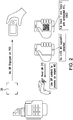
Figure 1 is a schematic view of the components of a system in an embodiment of the invention; -
Figure 2 shows a mobile phone and a point of sale terminal and a sequence of steps in an embodiment of the invention; -
Figure 3 is a modified version ofFigure 2 ; -
Figure 4 shows a mobile phone and a point of sale terminal and a sequence of steps in another embodiment of the invention; -
Figure 5 shows a mobile phone and a point of sale terminal and a sequence of steps in another embodiment of the invention; -
Figure 6 shows a mobile phone and a point of sale terminal and a sequence of steps in another embodiment of the invention; -
Figure 7 shows a mobile phone and a point of sale terminal and a sequence of steps in another embodiment of the invention; -
Figure 8 shows a mobile phone and a point of sale terminal and a sequence of steps in another embodiment of the invention; and -
Figure 9 shows a mobile phone and a point of sale terminal and a sequence of steps in another embodiment of the invention; -
Figure 1 shows amobile phone 2 in the hand of a user. Themobile phone 2 comprises a screen 4 and a front-facing camera 6. A point ofsale device 10 is provided comprising anoptical scanner 12 and adisplay screen 14. Theoptical scanner 12 is arranged to point in the same direction as thedisplay screen 14. Theoptical scanner 12 is depicted as a laser scanner, but it could alternatively be embodied as a camera. - A networked
terminal 16 is connected to theoptical scanner 12 and thedisplay screen 14 for processing transactions. The point ofsale device 14 is depicted as a unit for use by a merchant. In alternative arrangements the point ofsale device 14 may be incorporated in other units, such as vending machines. - A first embodiment is now described with reference to
Figure 2 . In this arrangement themobile phone 2 is brought into close proximity with the point ofsale device 10 so that the front-facing camera 6 of themobile phone 2 can image thedisplay screen 14 of the point ofsale device 10. In this arrangement thedisplay screen 14 is initially blank. The absence of any image on thedisplay screen 14 is detected by themobile phone 2 using the front-facing camera 6. This may be interpreted by themobile phone 2 to indicate that contactless magnetic stripe payments are not supported. In response one or more processors (not shown) in themobile phone 2 convert magnetic stripe data from a payment card using, for example, Dynamic Magnetic Stripe Data protocol into a two-dimensional barcode for display on the screen 4 of themobile phone 2. The two-dimensional barcode includes embedded information from the payment card including Application Transaction Counter (ATC) data and card verification (CVC3) data, and the two-dimensional barcode is displayed on the screen 4. The two-dimensional barcode includes an embedded unpredictable number, generated by themobile phone 2. Theoptical scanner 12 in the point ofsale device 10 is used to read the two-dimensional barcode displayed on themobile phone 2, and the code can be analysed to extract the embedded information. The extracted information can then be used to process the transaction, in a conventional manner as would be understood by a person skilled in the art. - A modified version of the first embodiment is now described with reference to
Figure 3 . In this arrangement themobile phone 2 is brought into close proximity with the point ofsale device 10 so that the front-facing camera 6 of themobile phone 2 can image thedisplay screen 14. In this arrangement thedisplay screen 14 includes a two-dimensional barcode. The two-dimensional barcode displayed on thedisplay screen 14 is static and encodes information indicating that the point ofsale device 10 does not support contactless magnetic stripe payments. In response to this themobile phone 2 converts magnetic stripe data into a two-dimensional barcode, in the manner explained above with reference toFigure 2 . -
Figure 4 shows a combination of the techniques described above with reference toFigures 2 and3 . Thedisplay screen 14 of the point ofsale device 10 is either initially blank, or else includes a static two-dimensional barcode including information indicating that the point ofsale device 10 does not support contactless magnetic stripe payments. - A second embodiment is now described with reference to
Figure 5 . Again, the front-facing camera 6 of themobile phone 2 is made to image thedisplay screen 14 of the point ofsale device 10. In this arrangement a static two-dimensional barcode is initially displayed with embedded information indicating that contactless magnetic stripe payments are supported. In response to reading this barcode themobile phone 2 responds by generating its own two-dimensional barcode which includes embedded information relating to an entry point and a kernel C2. Theoptical scanner 12 is arranged to read these data and, in response, generates a dynamic two-dimensional barcode with an embedded unpredictable number (UN). The two-dimensional barcode with the embedded unpredictable number (UN) is displayed on thedisplay screen 14 of the point ofsale device 10 and is imaged by the front-facing camera 6 of themobile phone 2. In response to detection of the dynamic two-dimensional barcode themobile phone 2 generates a further two-dimensional barcode for display on its display screen 4 having embedded Compute Cryptographic Checksum (CCC) data. The further two-dimensional barcode can be read by theoptical scanner 12 in the point ofsale device 10 and the CCC data can be extracted to complete the transaction in a manner that would be understood by a person skilled in the art. - A modified version of the process described with reference to
Figure 5 is depicted inFigure 6 . In this arrangement the amount of data in each two-dimensional barcode is reduced. - A third embodiment is now described with reference to
Figure 7 . In this arrangement the front-facing camera 6 of themobile phone 2 is made to image thedisplay screen 14 of the point ofsale device 10. In this arrangement a dynamic two-dimensional barcode is initially displayed with embedded information indicating that contactless magnetic stripe payments are supported and including an unpredictable number (UN) generated at the point ofsale device 10. In this arrangement themobile phone 2 can respond with a single two-dimensional barcode. The two dimensional barcode generated by themobile phone 2 includes a select proximity payment system environment (PPSE) response, a select application identifier (AID) response, a get processing options (GPO) response, a read record response and a compute cryptographic checksum (CCC) response. The two-dimensional barcode is read by theoptical scanner 12 and the relevant data are extracted in order to process the transaction. The third embodiment may be considered advantageous, relative to the second embodiment, because only one two-dimensional barcode is generated by themobile device 2, to be read by theoptical scanner 12. - A modified version of the process described with reference to
Figure 7 is depicted inFigure 8 . In this arrangement the amount of data carried in each two-dimensional barcode is reduced. - A fourth embodiment is now described with reference to
Figure 9 . In this arrangement a dynamic two-dimensional barcode is initially displayed with embedded information indicating that contactless magnetic stripe payments are supported and including an unpredictable number (UN). The unpredictable number (UN) is generated at the point ofsale device 10 prior to processing any data captured from themobile device 2. In this arrangement themobile phone 2 responds by generating its own two-dimensional barcode. The two dimensional barcode generated by themobile phone 2 includes 'READ DATA' and 'READ CRYPTO' data fields. The 'READ DATA' field is used to deliver information about the payment card used to perform the transaction while the 'READ CRYPTO' field is used to deliver transaction data including the required cryptogram(s). The two-dimensional barcode displayed on the screen 4 of themobile phone 2 is read by theoptical scanner 12 and the relevant data are extracted in order to process the transaction. - The above embodiments are described with reference to a
mobile phone 2. However, it will be appreciated that a variety of other mobile devices could be used in the alternative. - The acceptance of Mobile Payment for payment in a physical store used to have a strong dependency with the availability of terminals supporting contactless transactions and devices using a Secure Element (SE).
- With the introduction of software-based payment solutions such as MasterCard Cloud-Based Payments (MCBP) and Trusted Execution Environment (TEE)-based solution such as MasterCard TEE-Based Payments (MTBP) the dependency on Secure Element is less a concern as alternate solutions exist and have been successfully deployed at a global level in Issuer Wallets or integrated in digital giants wallets such as Android Pay or Samsung Pay.
- Nevertheless, the number of POS supporting Contactless and the number of Mobile Devices with an NFC interface enabled are still a blocking element to the deployment of Mobile Payment solution for in-store payment.
- Dynamic Magnetic MagStripe Data (DMSD) combined has been designed by MasterCard as a means to embed some dynamic time-based data in track data commonly used when a Magnetic Stripe card is swiped in a terminal.
- With the availability of a proprietary solution able to support MagStripe Secured Transmission (MST) as a communication channel between a Mobile Device and the POS, it is possible to deliver a Mobile Payment solution not using NFC technology.
- Nevertheless this solution is only available for high-end Mobile Devices from one Vendor used in combination of their own Wallet (Samsung Pay).
- This document presents a list of solutions using QR-Based Mobile Payment for in-store payment that can be used using any Mobile Device.
- A first solution only requires the Mobile Device to have a display while the second set of solutions requires the Mobile Device to have a display and a front camera next or embedded to the display.
- Note that the solutions could also be used in other contexts such as vending machine but may also be extended to virtual stores.
- The concept of POS is used as the generic term in this document to describe the acceptance point that can be used by the owner of the Mobile Device in order to perform a mobile payment transaction using QR code(s).
- MasterCard already designed solutions using QR code for remote payment such as
US20140101036 andUS20160155112 and co-pending US provisional application (Attorney Docket Number: P01889-US-PROV (M01.331 P)). - The solutions described in this document use different models (
Figure 1 ) for the communication between the Mobile Device and the POS. - The minimum requirement for the Mobile Device is the availability of the display able to show a QR code. The POS will scan this QR code using a Camera connected to the POS.
- A front camera available next to the display of the Mobile Device can be used in order to scan a QR Code displayed by the POS.
- The Camera of the POS implements some logic in order to process the data provided by the Mobile Device.
- The following solutions can be integrated with a standard POS:
- POS with support of Mag Stripe swiped transactions --
Solution 1/1Q - QR-Based DMSD Transaction (POS with QR2MS interface) - POS with support of Contactless Mag Stripe transactions -- Solution 2 - QR-Based CLMS Transaction (POS with QR2EP+KC2 interface)
- The following solutions require a bespoke POS:
- Bespoke POS (using updated Kernel C2) with support of Contactless Mag Stripe transactions - Solution 3 - QR-Based CLMS Transaction (Updated POS with QR2EP+KC2 interface) Bespoke POS (using simplified Kernel C2 or custom process) -- Solution 4 - QR-Based CLMS Transaction (Bespoke POS with OR interface)
- The
Solution 1 described inFigure 2 is basic model leveraging the concept of Dynamic Magnetic Stripe Data [DMSD]. - Instead of delivering the information to the POS using MagStripe Secured Transmission (MST), a QR code is displayed by the Mobile Device and read using a camera connected to the POS.
- The QR Code contains
Full Track 1 andFull Track 2 data with embedded ATC and CVC3 values. - The transaction is processed as a swiped Mag Stripe transaction by the POS with a specific POS entry mode value.
- The transaction is authorized using MasterCard system including MasterCard Digital Enablement Services integration of DMSD validation process.
- The Solution 1 Q described in
Figure 3 is a variant of theSolution 1. The POS displays a QR Code that can be scanned by the Mobile Device. The QR Code does not contain a tag used to trigger the solutions 2 (Tag "CL MS support"), 3 (Tag "CL MS support and UN value") or 4 (Tag "Simplified CL MS support and UN value"). - The process can be summarized as follows:
- MDES = SE (TEE) based process with delivery of Card Master Keys
- Input from POS = None
- Camera @ Mobile not used (1) or does not detect "CL MS support" (1/1 B)
- Output to POS = QR with
Track 1Track 2 as generated according to DMSD process using time based UN generated by the Mobile Payment component of the Wallet - POS enablement = No display or display of "other QR" + Camera to scan QR and translate Mag Stripe transaction data (Camera + QR as replacement of induction)
- Crypto = CVC3 generation using Card Master Key
- Authorization = DMSD process without changes
- Camera @ POS used one time
- The amount of data to be carried using a QR code impacts the size and complexity of the QR code.
- An optimized process described in
Figure 4 can be used in order to reduce the amount of data to be delivered usingSolution 1 or Solution 1 Q described above. - When using this optimized process, the camera used by the POS (QR scanner) must support some additional logic in order to manage templates to be populated with data provided using the QR code (1) captured from the Mobile Device.
- The technical details about the
solutions 1, 1 Q and the optimized version are provided in thesection Solution 1/1Q - QR-Based DMSD Transaction (POS with QR2MS interface) of the Appendix - Technical Information. - The
Solution 2 described inFigure 5 is a model leveraging the concept of Contactless Mag Stripe Transaction using QR codes (one-way communication channel) instead of an NFC (Near Field Communication interface) communication channel between the POS and the Mobile Device. - The process can be summarized as follows:
- MDES = Cloud based process with delivery of Session Keys
- Camera @ Mobile used and detects "CL MS support"
- Output (#1) to POS = QR with following elements
- Entry Point
- ▪ SELECT (PPSE) response
- ▪ SELECT response
- Kernel C2
- ▪ init()
- ▪ GET PROCESSING OPTIONS response
- ▪ READ RECORD (
SFI 1 Record 1) response
- POS enablement = Camera @ POS to scan QR to support Entry Point and Kernel C2 (
Part 1 of 2) - Input from POS = UN (displayed on POS as a QR or barcode) := COMPUTE CRYPTOGRAPHIC CHECKSUM command
- Note that the UN is generated at time of the init() of the Kernel C2 after the Entry Point (SELECT PPSE, SELECT AID) has been completed.
- It does mean that it is not possible to know the UN value earlier in the process.
- Output (#2) to POS = QR with following element
- Kernel C2
- ▪ COMPUTE CRYPTOGRAPHIC CHECKSUM response
- POS enablement = Camera @ POS to scan QR to support Kernel C2 (
Part 2 of 2) - Crypto = CVC3 and Session Key is used
- Authorization = MCBP process without changes
- Camera @ POS used two times
- The amount of data to be carried using a QR code impacts the size and complexity of the QR code.
- An optimized process described in
Figure 6 can be used in order to reduce the amount of data to be delivered usingSolution 2 described above. - When using this optimized process, the camera used by the POS (QR scanner) must support some additional logic in order to manage templates to be populated with data provided using the QR codes (1)(2) captured from the Mobile Device.
- The technical details about the
solution 2 and the optimized version are provided in the section Solution 2 - QR-Based CLMS Transaction (POS with QR2EP+KC2 interface) of the Appendix - Technical Information. - Solution 3 - QR-Based CLMS Transaction (Updated POS with QR2EP+KC2 interface) The Solution 3 described in
Figure 7 is a model leveraging the concept of Contactless Mag Stripe Transaction using QR codes (one-way communication channel) instead of an NFC (Near Field Communication interface) communication channel between the POS and the Mobile Device. - One of the major drawback of Solution 2 - QR-Based CLMS Transaction (POS with QR2EP+KC2 interface) is the need to scan two QR Codes from the Mobile Device of the User (One before the generation of the UN value at time of initialization of Kernel C2 and one when collecting response to COMPUTE CRYPTOGRAPHIC CHECKSUM command).
- Solution 3 removes the technical constraint using an updated Kernel C2 that is able to generate and display a UN value before the Contactless Mag Stripe Transaction process is initiated.
- That way the transaction data can be captured by the Camera connected to the POS using a single QR code displayed by the Mobile Device.
- The process can be summarized as follows:
- MDES = Cloud based process with delivery of Session Keys
- Bespoke POS using updated Kernel C2 able to generate UN (Unpredictable Number) prior to the Entry Point and Kernel C2 process.
- Camera @ Mobile used and detects "CL MS support + UN value"
- Input from POS = UN (displayed on POS as a QR or barcode)
- Output (#1) to POS = QR with following elements
- Entry Point
- ▪ SELECT (PPSE) response
- ▪ SELECT response
- Kernel C2
- ▪ init()
- ▪ GET PROCESSING OPTIONS response
- ▪ READ RECORD (
SFI 1 Record 1) response - ▪ COMPUTE CRYPTOGRAPHIC CHECKSUM response
- POS enablement = Camera @ POS to scan QR to support Entry Point and updated Kernel C2 able to use the generated UN value as part of the init() process
- Crypto = CVC3 and Session Key is used
- Authorization = MCBP process without changes
- Camera @ POS used one time
- The amount of data to be carried using a QR code impacts the size and complexity of the QR code.
- When using Solution 3, the total amount of data is really significant which leads to present a large and complex QR code to the Camera of the POS.
- An optimized process described in
Figure 8 can be used in order to reduce the amount of data to be delivered using Solution 3 described above. - When using this optimized process, the camera used by the POS (QR scanner) must support some additional logic in order to manage templates to be populated with data provided using the QR code (1) captured from the Mobile Device.
- The technical details about the solution 3 and the optimized version are provided in the section Solution 3 - QR-Based CLMS Transaction (Updated POS with QR2EP+KC2 interface) of the Appendix - Technical Information.
- The Solution 4 described in
Figure 9 is a model emulating the concept of Contactless Mag Stripe Transaction using QR codes (one-way communication channel) instead of an NFC (Near Field Communication interface) communication channel between the POS and the Mobile Device. - When using this solution a bespoke process replaces the use of the Entry Point and the (updated) Kernel C2 as presented in Solution 2 - QR-Based CLMS Transaction (POS with QR2EP+KC2 interface) and Solution 3 - QR-Based CLMS Transaction (Updated POS with QR2EP+KC2 interface).
- The bespoke process is focused on reading data about the card and its configuration ("READ DATA") and obtaining the cryptographic material ("READ CRYPTO").
- The process can be summarized as follows:
- MDES = Cloud based process with delivery of Session Keys
- Bespoke POS using ad hoc process and able to generate an UN (Unpredictable Number) prior to processing data captured from the Mobile Device.
- Camera @ Mobile used and detects "Simplified CL MS support + UN value"
- Input from POS = UN (displayed on POS as a QR or barcode)
- Output (#1) to POS = QR with following elements
- "READ DATA"
- "READ CRYPTO"
- POS enablement = Camera @ POS to scan QR to scan data from the Mobile Device and use a bespoke process to deliver and authorization request (constructed using "READ DATA" and "READ CRYPTO" input) to the Acquirer.
- Crypto = CVC3 and Session Key is used
- Authorization = MCBP process without changes
- Camera @ POS used one time
- When using Solution 4, the amount of data delivered by the Mobile Device using a QR code is by default optimized.
- The technical details about the solution 4 are provided in the section Solution 4 - QR-Based CLMS Transaction (Bespoke POS with QR interface) of the Appendix - Technical Information.
- This appendix provides the technical information for the following solutions:
-
Solution 1/1Q - QR-Based DMSD Transaction (POS with QR2MS interface) - Solution 2 - QR-Based CLMS Transaction (POS with QR2EP+KC2 interface)
- Solution 3 - QR-Based CLMS Transaction (Updated POS with QR2EP+KC2 interface)
- Solution 4 - QR-Based CLMS Transaction (Bespoke POS with QR interface)
-
- Track 1:
- B5204242000004011^/^1809101000000000000095813962920
- Track 2:
- 5204242000004011=18091010095188962920
-
- Track 1:
- B5204242000004011^/^1809101000000000000095813962920
- Track 2:
- 5204242000004011=18091010095188962920
- The mobile device has to deliver the following values as part of the optimized data for a DMSD transaction:
- <PAN>
- <EXP>
- <ATC>
- <CVC3T1 >
- <CVC3T2>
- <UN>
- The tag #D# is used to identify the DMSD transaction
- Template to be used by the Camera optimizer component:
- Track 1:
- B<PAN>^ /^<EXP>101000000000000<ATC><CVC3T1><UN>0
- Track 2:
- <PAN>=<EXP>1010<ATC><CVC3T2><UN>0
- Input from Mobile for DMSD transaction:
- Example := #D#5204242000004011|1809|095|813|188|96292


QR Displayed by MobileDevice using Solution 1 / 1Q Data QR (1) #D#5204242000004011|1809|095|813|188|96292 Display QR (1)

Select PPSE ---> Command : CLA INS P1P2 LC LE 00 A4 04 000E 00 32 50 41 59 2E 53 59 53 2E 44 44 46 30 31 2PAY.SYS.DDF01 <--- Response: (SW1-SW2) 9000 (Length) 3B 6F 39 84 0E 32 50 41 59 2E 53 59 53 2E 44 44 46 o9..2PAY.SYS.DDF 30 31 A5 27 BF 0C 24 61 10 4F 07A0 00 00 00 04 01 .'..$a.O...... 10108701 01 9F2A01 0261 10 4F 07A0 00 00 ......*..a.O.... 00 04 22 03 87 01 02 9F 2A 01 02 ..".....*.. Select AID ---> Command : CLA INS P1P2 LC LE 00 A4 04 00 07 00A0 00 00 00 04 10 10 ....... <--- Response: (SW1-SW2) 9000 (Length) 2F 6F 2D 84 07A0 00 00 00 04 10 10 A5 22 50 0A 4D o-.........."P.M 61 73 74 65 72 43 61 72 64 87 01 01 9F 38 03 9F asterCard....8.. 35 01 BF 0C 0A 9F 6E 07 03 80 00 00 31 34 00 5.....n.....14. GPO ---> Command : CLA INS P1 P2 LC LE 80A8 00 00 03 00 83 01 00 ... <--- Response: (SW1-SW2) 9000 (Length) 10 77 0E 82 02 1B 80 94 08 08 01 01 00 10 01 03 01 w............... READ RECORD ---> Command : CLA INS P1P2 LC LE 00 B2 010C 00 00 <--- Response: (SW1-SW2) 9000 (Length) 89 70 81 86 9F 6C 02 00 01 9F 62 06 00 00 00 00 00 p...l....b...... F0 9F 63 06 00 00 00 00 0F 0E 56 29 42 35 32 38 ..c.......V)B528 32 36 35 36 38 39 32 33 34 38 34 38 305E 20 2F 2656892348480^ / 5E 31 37 30 32 32 32 36 30 30 30 30 30 30 30 30 ^170222600000000 30 30 30 30 30 9F 64 01 04 9F 65 02 00 F0 9F 66 00000.d...e....f 02 0F 0E 9F 6B 13 52 82 65 68 92 34 84 80 D1 70 ....k.R.eh.4...p 22 26 00 00 00 00 00 00 0F 9F 67 01 04 9F 69 19 "&........g...i. 9F 6A 04 9F 7E 01 9F 02 06 5F 2A 02 9F 1 A 02 9C .j..∼...._*.... 019A039F15029F3501 .......5. CCC ---> Command : CLA INS P1 P2 LC LE 80 2A 8E 80 16 00 00 00 05 28 01 00 00 00 00 00 02 09 78 00 56 00 ...(........x.V. 16 07 05 00 00 00 ...... <--- Response: (SW1-SW2) 9000 (Length) 17 77 15 9F 61 02 1 B 75 9F 60 02 1 B 75 9F 36 02 02 w..a..u.'..u.6.. DA DF 4B 03 00 10 00 ..K.... QR Codes Displayed by MobileDevice using Solution 2 Data QR (1) <qr><ppse>6F39840E325041592E5359532E4444463031A527BF0C2461104F07A000 00000410108701019F2A010261104F07A00000000422038701029F2A0102</ppse><ai d>6F2D8407A0000000041010A522500A4D6173746572436172648701019F38039F35 01BF0C0A9F6E0703800000313400</aid><gpo>770E82021B80940808010100100103 01</gpo><read>7081869F6C0200019F62060000000000F09F6306000000000F0E562 942353238323635363839323334383438305E202F5E313730323232363030303030303 03030303030309F6401049F650200F09F66020F0E9F6B135282656892348480D17022 260000000000000F9F6701049F69199F6A049F7E019F02065F2A029F1A029C019A03 9F15029F3501 </read></qr> Display QR (1)

 Data QR (2)
 <qr><ccc>77159F61021B759F60021B759F360202DADF4B03001000</ccc>/<qr>
 Display QR (2)

Transaction Data using OptimizedSolution 2 Select PPSE ---> Command : CLA INS P1P2 LC LE 00 A4 04 000E 00 32 50 41 59 2E 53 59 53 2E 44 44 46 30 31 2PAY.SYS.DDF01 <--- Response: (SW1-SW2) 9000 (Length) 3B 6F 39 84 0E 32 50 41 59 2E 53 59 53 2E 44 44 46 o9..2PAY.SYS.DDF 30 31 A5 27 BF 0C 24 61 10 4F 07A0 00 00 00 04 01 .'..$a.O...... 10108701 01 9F2A01 0261 10 4F 07A0 00 00 ......*..a.O.... 00 04 22 03 87 01 02 9F 2A 01 02 ..".....*.. Tag : 6F [File Control Information Template] Length: 39 | Tag : 84 [DF Name] | Length: 0E | Data : 325041592E5359532E4444463031 | Tag : A5 [File Control Information Proprietary Template] | Length: 27 | | Tag : BF0C [File Control Information Issuer Discretionary Data] | | Length: 24 | | | Tag : 61 [Application Template] | | | Length: 10 | | | | Tag : 4F [Application Dedicated File (ADF) Name] | | | | Length: 07 | | | | Data : A0000000041010 | | | | Tag : 87 [Application Priority Indicator] | | | | Length: 01 | | | | Data : 01 | | | | Tag : 9F2A [Unknown Tag] | | | | Length: 01 | | | | Data : 02 | | | Tag : 61 [Application Template] | | | Length: 10 | | | | Tag : 4F [Application Dedicated File (ADF) Name] | | | | Length: 07 | | | | Data : A0000000042203 | | | | Tag : 87 [Application Priority Indicator] | | | | Length: 01 | | | | Data : 02 | | | | Tag : 9F2A [Unknown Tag] | | | | Length: 01 | | | | Data : 02


- <DFNAME>
- <LABEL>
- <3RDPD>
The lengths (LL) are computed by the Camera optimizer component.


Template to be used by the Camera optimizer component:
77 0E 82 02 <AIP> 94 08 08 01 01 00 10 01 03 01
Example :=#G# 1 B80 READ RECORD ---> Command : CLA INS P1P2 LC LE 00 B2 010C 00 00 <--- Response: (SW1-SW2) 9000 (Length) 89 70 81 86 9F 6C 02 00 01 9F 62 06 00 00 00 00 00 p...l....b...... F0 9F 63 06 00 00 00 00 0F 0E 56 29 42 35 32 38 ..c.......V)B528 32 36 35 36 38 39 32 33 34 38 34 38 305E 20 2F 2656892348480^ / 5E 31 37 30 32 32 32 36 30 30 30 30 30 30 30 30 ^170222600000000 30 30 30 30 30 9F 64 01 04 9F 65 02 00 F0 9F 66 00000.d...e....f 02 0F 0E 9F 6B 13 52 82 65 68 92 34 84 80 D1 70 ....k.R.eh.4...p 22 26 00 00 00 00 00 00 0F 9F 67 01 04 9F 69 19 "&........g...i. i. 9F 6A 04 9F 7E 01 9F 02 06 5F 2A 02 9F 1A 02 9C .j..∼...._*.... 019A039F15029F3501 .......5. Tag : 70 [Application Elementary File (AEF) Template] Length: 8186 | Tag : 9F6C [Mag-stripe Application Version Number (Card)] | Length: 02 | Data : 0001 | Tag : 9F62 [PCVC3(Track1)] | Length: 06 | Data : :0000000000F0 | Tag : 9F63 [PUNATC(Track1)] | Length: 06 | Data : 000000000F0E | Tag : 56 [Track 1 Data] | Length: 29 | Data : 42353238323635363839323334383438305E202F5E3137303232323630303030 | 303030303030303030 | ASCII: B5282656892348480^/^17022260000000000000 | Tag : 9F64 [NATC(Track1)] | Length: 01 | Data : 04 | Tag : 9F65 [PCVC3(Track2)] | Length: 02 | Data : 00F0 | Tag : 9F66 [PUNATC(Track2)] | Length: 02 | Data : 0F0E | Tag : 9F6B [Track 2 Data] | Length: 13 | Data : :5282656892348480D17022260000000000000F | Tag : 9F67 [NATC(Track2)] | Length: 01 | Data : 04 | Tag : 9F69 [UDOL] | Length: 19 | Data : :9F6A049F7E019F02065F2A029F1A029C019A039F15029F3501
- <PAN>
- <EXP>
 70
 LL
 9F 6C 02 00 01
 9F 62 06 00 00 00 00 00 F0
 9F 63 06 00 00 00 00 0F 0E
 56 LL 42 {PAN} 5E 20 2F 5E {EXP} 32 32 36 30 30 30 30 30 30 30 30 30 30 30 30 30
 9F 64 01 04
 9F 65 02 00 F0
 9F 66 02 0F 0E
 9F 6B LL <PAN> D<EXP>2 26 00 00 00 00 00 00 0F
 9F 67 01 04
 9F 69 19 9F 6A 04 9F 7E 01 9F 02 06 5F 2A 02 9F 1A 02 9C 01 9A 03 9F 15 02 9F 35 01
Example := #R#5282656892348480|1702
 CCC
 ---> Command :
 CLA INS P1 P2 LC LE
 80 2A 8E 80 16 00
 00 00 05 28 01 00 00 00 00 00 02 09 78 00 56 00 ...(........x.V.
 16 07 05 00 00 00 ......
 <--- Response: (SW1-SW2) 9000 (Length) 17
 77 15 9F 61 02 1 B 75 9F 60 02 1 B 75 9F 36 02 02 w..a..u.'..u.6..
 DA DF 4B 03 00 10 00 ..K....
 Tag : 77 [Response Message Template Format 2]
 Length: 15
 | Tag : 9F61 [CVC3 (Track2)]
 | Length: 02
 | Data : 1 B75
 | Tag : 9F60 [CVC3 (Track1)]
 | Length: 02
 | Data : 1 B75
 | Tag : 9F36 [Application Transaction Counter]
 | Length: 02
 | Data : 02DA
 | Tag : DF4B [POS Cardholder Interaction Information]
 | Length: 03
 | Data : 001000
- <CVC3>
- <ATC>
- <POSCII>
 77
 15
 9F 61 02 <CVC3>
 9F 60 02 <CVC3>
 9F 36 02 <ATC>
 DF 4B 03 <POSCII>
Example :=#C# 1 B75|02DA|001000 QR Codes Displayed by Mobile Device usingOptimized Solution 2 Data QR (1) #P#A0000000041010|A0000000042203#A#A0000000041010|4D617374657243617264 |03800000313400#G#1B80#R#5282656892348480|1702 Display QR (1)

 Data QR (2)
 #C#1B75|02DA|001000
 Display QR (2)

- Label (<LABEL>)
- Third Party Data (<3RDPD>)
- Application Interchange Profile (<AIP>)
 QR Code Displayed by Mobile Device using Solution 3
 Data QR (1)
 <qr><ppse>6F39840E325041592E5359532E4444463031A527BF0C2461104F07A000
 00000410108701019F2A010261104F07A00000000422038701029F2A0102</ppse><ai
 d>6F2D8407A0000000041010A522500A4D6173746572436172648701019F38039F35
 01BF0C0A9F6E0703800000313400</aid><gpo>770E82021B80940808010100100103
 01</gpo><read>7081869F6C0200019F62060000000000F09F6306000000000F0E562
 942353238323635363839323334383438305E202F5E313730323232363030303030303
 03030303030309F6401049F650200F09F66020F0E9F6B135282656892348480D17022
 260000000000000F9F6701049F69199F6A049F7E019F02065F2A029F1A029C019A03
 9F15029F3501</read><ccc>77159F61021B759F60021 B759F360202DADF4B0300100
 0</ccc></qr>
 Display QR (1)

 QR Code Displayed by Mobile Device using Optimized Solution 3
 Data QR (1)
 #P#A0000000041010|A0000000042203#A#A0000000041010|4D617374657243617264
 |03800000313400#G#1B80#R#5282656892348480|1702#C#1B75|02DA|001000
 Display QR (1)

The second part of the data "READ CRYPTO" is used to collect the cryptogram information generated by the mobile payment application for the transaction.


Claims (11)
- A method for conducting a transaction, comprising the steps of:converting identifying data relating to a transaction into a code for display on a screen of a mobile device;displaying the code on the screen of the mobile device;reading the displayed code at a point of sale device;determining the identifying data relating to the transaction, based on the code read by the point of sale device; andprocessing the transaction using the identifying data relating to the transaction.
- The method of claim 1, wherein the code displayed on the screen of the mobile device is a second code, and the method comprises the steps of:displaying a first code on a screen of the point of sale device, including embedded data;reading the first code displayed on the screen of the point of sale device using a camera on the mobile device;extracting the embedded data at the mobile device; andperforming the steps of converting identifying data relating to a transaction into the second code and displaying the second code on the screen of the mobile device responsive to extraction of the embedded data.
- The method of claim 2 wherein the camera on the mobile device is front-facing.
- The method of claim 2 wherein the first code is static.
- The method of claim 2 wherein the first code is dynamic.
- The method of any of the preceding claims wherein the first code and/or the second code is a two-dimensional barcode.
- The method of any of the preceding claims wherein the mobile device is configured to reduce the size of the data carried using the code, and wherein the point of sale device is configured to reconstruct the entire set of data, based on the reduced size of the data and using one or more templates defining the fields to be populated.
- A system configured to process a transaction between the user of a mobile phone and a point of sale device, comprising:a mobile device having a screen, wherein the mobile device comprises one or more processors configured to convert identifying data relating to a transaction into a first code and to display the first code on the screen of a mobile device;a point of sale device comprising an optical reader configured to read the displayed first code using the optical reader and one or more processors configured to determine the identifying data relating to the transaction, based on the first code, and to process the transaction using the identifying data relating to the transaction.
- A computer readable storage medium configured to store computer executable code that when executed by a computer configures the computer to:convert identifying data relating to a transaction into a first code for display on a screen of a mobile device;display the first code on the screen of the mobile device;read the displayed first code at a point of sale device;determine the identifying data relating to the transaction, based on the first code read by the point of sale device; andprocess the transaction using the identifying data relating to the transaction.
- A method substantially as herein described with reference to the accompanying drawings.
- A system substantially as herein described with reference to and/or as illustrated in the accompanying drawings.
Priority Applications (5)
| Application Number | Priority Date | Filing Date | Title |
|---|---|---|---|
| JP2019504047A JP6902093B2 (en) | 2016-07-28 | 2017-07-20 | Mobile payment methods and systems |
| PCT/US2017/043019 WO2018022412A1 (en) | 2016-07-28 | 2017-07-20 | Mobile payment method and system |
| RU2019105306A RU2735093C2 (en) | 2016-07-28 | 2017-07-20 | Method and system of mobile payment |
| CN201780042654.2A CN109416793B (en) | 2016-07-28 | 2017-07-20 | Mobile payment method and system |
| US15/656,058 US20180039968A1 (en) | 2016-07-28 | 2017-07-21 | Mobile payment method and system |
Applications Claiming Priority (1)
| Application Number | Priority Date | Filing Date | Title |
|---|---|---|---|
| GBGB1613080.9A GB201613080D0 (en) | 2016-07-28 | 2016-07-28 | Mobile payment method and system |
Publications (1)
| Publication Number | Publication Date |
|---|---|
| EP3276555A1 true EP3276555A1 (en) | 2018-01-31 |
Family
ID=56936699
Family Applications (1)
| Application Number | Title | Priority Date | Filing Date |
|---|---|---|---|
| EP17179477.9A Ceased EP3276555A1 (en) | 2016-07-28 | 2017-07-04 | Mobile payment method and system |
Country Status (7)
| Country | Link |
|---|---|
| US (1) | US20180039968A1 (en) |
| EP (1) | EP3276555A1 (en) |
| JP (1) | JP6902093B2 (en) |
| CN (1) | CN109416793B (en) |
| GB (1) | GB201613080D0 (en) |
| RU (1) | RU2735093C2 (en) |
| WO (1) | WO2018022412A1 (en) |
Cited By (3)
| Publication number | Priority date | Publication date | Assignee | Title |
|---|---|---|---|---|
| CN109829789A (en) * | 2019-01-31 | 2019-05-31 | 海南指间易购电子商务有限公司 | A kind of supermarket's order management system |
| US10496909B1 (en) | 2018-06-14 | 2019-12-03 | T-Mobile Usa, Inc. | Laser light detection and barcode display at mobile phone |
| WO2020187448A1 (en) * | 2019-03-20 | 2020-09-24 | Giesecke+Devrient Mobile Security Gmbh | Method for making financial transactions |
Families Citing this family (9)
| Publication number | Priority date | Publication date | Assignee | Title |
|---|---|---|---|---|
| CN107016420B (en) | 2016-12-08 | 2022-01-28 | 创新先进技术有限公司 | Service processing method and device |
| US20190385160A1 (en) * | 2018-06-19 | 2019-12-19 | Mastercard International Incorporated | System and process for on-the-fly cardholder verification method selection |
| US12423674B2 (en) * | 2019-08-08 | 2025-09-23 | Mastercard International Incorporated Purchase | Secure QR code transactions |
| US11687910B2 (en) * | 2020-09-28 | 2023-06-27 | Paypal, Inc. | Relay attack prevention for electronic QR codes |
| CN112132561A (en) * | 2020-09-30 | 2020-12-25 | 中国银行股份有限公司 | An electronic two-dimensional code management method and device for POS checkout |
| US11657177B2 (en) | 2020-11-11 | 2023-05-23 | Paypal, Inc. | QR code initiative: privacy |
| US12067550B2 (en) | 2020-11-11 | 2024-08-20 | Paypal, Inc. | QR code initiative: checkout |
| US12271887B2 (en) | 2020-11-11 | 2025-04-08 | Paypal, Inc. | QR code initiative: fraud detection |
| WO2022195301A1 (en) * | 2021-03-19 | 2022-09-22 | Citrix Systems, Inc. | Passwordless login |
Citations (11)
| Publication number | Priority date | Publication date | Assignee | Title |
|---|---|---|---|---|
| US20050211771A1 (en) * | 2004-03-26 | 2005-09-29 | Fujitsu Limited | Shop settlement method, system and program |
| GB2478712A (en) * | 2010-03-15 | 2011-09-21 | David Jackson | Authorisation system |
| US20110231270A1 (en) * | 2010-03-17 | 2011-09-22 | Verifone, Inc. | Payment systems and methodologies |
| US8459560B1 (en) * | 2011-11-29 | 2013-06-11 | Intuit Inc. | Converting digital wallet credential from displayed code into audio code |
| US20130240621A1 (en) * | 2012-03-19 | 2013-09-19 | Royal Canadian Mint/Monnaie Royale Canadienne | Using bar-codes in an asset storage and transfer system |
| US20140101036A1 (en) | 2012-10-10 | 2014-04-10 | Mastercard International Incorporated | Methods and systems for conducting remote point of sale transactions |
| US20150088674A1 (en) * | 2013-09-25 | 2015-03-26 | Christian Flurscheim | Systems and methods for incorporating qr codes |
| US20150154387A1 (en) * | 2013-12-04 | 2015-06-04 | Ebay Inc. | Multi-factor authentication system and method |
| US20150339664A1 (en) * | 2014-05-21 | 2015-11-26 | Erick Wong | Offline authentication |
| US20160048826A1 (en) * | 2014-08-13 | 2016-02-18 | Ebay Inc. | On-screen code stabilization |
| US20160155112A1 (en) | 2012-10-10 | 2016-06-02 | Mastercard International Incorporated | Barcode-triggered payment method and system |
Family Cites Families (6)
| Publication number | Priority date | Publication date | Assignee | Title |
|---|---|---|---|---|
| US20120130790A1 (en) * | 2010-11-19 | 2012-05-24 | Mastercard International Incorporated | Method and system for location- and history-based distribution of offers to mobile devices |
| CN102842081A (en) * | 2011-06-23 | 2012-12-26 | 上海易悠通信息科技有限公司 | Method for generating two-dimensional code and implementing mobile payment by mobile phone |
| ITRM20110391A1 (en) * | 2011-07-22 | 2013-01-23 | Marco Cavaterra | METHOD AND EQUIPMENT FOR THE TRANSFER OF A MONEY MONEY WITH THE USE OF A TWO-DIMENSIONAL IMAGE CODE |
| US20130283363A1 (en) * | 2012-04-19 | 2013-10-24 | Nxgen Software, Llc | Secure data transfer over an arbitrary public or private transport |
| GB2528869A (en) * | 2014-07-31 | 2016-02-10 | Mastercard International Inc | Payment mode selection |
| RU2582452C1 (en) * | 2014-12-11 | 2016-04-27 | Закрытое Акционерное Общество "Интервэйл" | Method for payment of order in restaurant using mobile terminal |
-
2016
- 2016-07-28 GB GBGB1613080.9A patent/GB201613080D0/en not_active Ceased
-
2017
- 2017-07-04 EP EP17179477.9A patent/EP3276555A1/en not_active Ceased
- 2017-07-20 JP JP2019504047A patent/JP6902093B2/en not_active Expired - Fee Related
- 2017-07-20 CN CN201780042654.2A patent/CN109416793B/en not_active Expired - Fee Related
- 2017-07-20 WO PCT/US2017/043019 patent/WO2018022412A1/en not_active Ceased
- 2017-07-20 RU RU2019105306A patent/RU2735093C2/en active
- 2017-07-21 US US15/656,058 patent/US20180039968A1/en not_active Abandoned
Patent Citations (11)
| Publication number | Priority date | Publication date | Assignee | Title |
|---|---|---|---|---|
| US20050211771A1 (en) * | 2004-03-26 | 2005-09-29 | Fujitsu Limited | Shop settlement method, system and program |
| GB2478712A (en) * | 2010-03-15 | 2011-09-21 | David Jackson | Authorisation system |
| US20110231270A1 (en) * | 2010-03-17 | 2011-09-22 | Verifone, Inc. | Payment systems and methodologies |
| US8459560B1 (en) * | 2011-11-29 | 2013-06-11 | Intuit Inc. | Converting digital wallet credential from displayed code into audio code |
| US20130240621A1 (en) * | 2012-03-19 | 2013-09-19 | Royal Canadian Mint/Monnaie Royale Canadienne | Using bar-codes in an asset storage and transfer system |
| US20140101036A1 (en) | 2012-10-10 | 2014-04-10 | Mastercard International Incorporated | Methods and systems for conducting remote point of sale transactions |
| US20160155112A1 (en) | 2012-10-10 | 2016-06-02 | Mastercard International Incorporated | Barcode-triggered payment method and system |
| US20150088674A1 (en) * | 2013-09-25 | 2015-03-26 | Christian Flurscheim | Systems and methods for incorporating qr codes |
| US20150154387A1 (en) * | 2013-12-04 | 2015-06-04 | Ebay Inc. | Multi-factor authentication system and method |
| US20150339664A1 (en) * | 2014-05-21 | 2015-11-26 | Erick Wong | Offline authentication |
| US20160048826A1 (en) * | 2014-08-13 | 2016-02-18 | Ebay Inc. | On-screen code stabilization |
Non-Patent Citations (1)
| Title |
|---|
| LIZ MARITZ: "Decoding QR Codes: How To Format Data for QR Code Generators | The Net Impact", 9 February 2016 (2016-02-09), XP055410795, Retrieved from the Internet <URL:https://web.archive.org/web/20160209125334/http://blog.thenetimpact.com/2011/07/decoding-qr-codes-how-to-format-data-for-qr-code-generators/> [retrieved on 20170927] * |
Cited By (5)
| Publication number | Priority date | Publication date | Assignee | Title |
|---|---|---|---|---|
| US10496909B1 (en) | 2018-06-14 | 2019-12-03 | T-Mobile Usa, Inc. | Laser light detection and barcode display at mobile phone |
| WO2019241757A1 (en) * | 2018-06-14 | 2019-12-19 | T-Mobile Usa, Inc. | Laser light detection and barcode display at mobile phone |
| US10832109B2 (en) | 2018-06-14 | 2020-11-10 | T-Mobile Usa, Inc. | Laser light detection and barcode display at mobile phone |
| CN109829789A (en) * | 2019-01-31 | 2019-05-31 | 海南指间易购电子商务有限公司 | A kind of supermarket's order management system |
| WO2020187448A1 (en) * | 2019-03-20 | 2020-09-24 | Giesecke+Devrient Mobile Security Gmbh | Method for making financial transactions |
Also Published As
| Publication number | Publication date |
|---|---|
| WO2018022412A1 (en) | 2018-02-01 |
| GB201613080D0 (en) | 2016-09-14 |
| RU2019105306A3 (en) | 2020-08-28 |
| US20180039968A1 (en) | 2018-02-08 |
| RU2019105306A (en) | 2020-08-28 |
| CN109416793B (en) | 2022-11-08 |
| JP6902093B2 (en) | 2021-07-14 |
| JP2020512603A (en) | 2020-04-23 |
| CN109416793A (en) | 2019-03-01 |
| RU2735093C2 (en) | 2020-10-28 |
Similar Documents
| Publication | Publication Date | Title |
|---|---|---|
| JP6902093B2 (en) | Mobile payment methods and systems | |
| US11328271B2 (en) | Systems and methods for use in transferring funds between payment accounts | |
| US9842356B2 (en) | System, method, apparatus and computer program product for interfacing a multi-card radio frequency (RF) device with a mobile communications device | |
| US9589265B2 (en) | Mobile payment method | |
| CN111066044B (en) | Digital support services for merchant QR codes | |
| US20160171480A1 (en) | Methods and systems for transferring electronic money | |
| US20150348044A1 (en) | Secure credit card transactions based on a mobile device | |
| US20230274278A1 (en) | Adaptable messaging | |
| US10607221B2 (en) | Secure passcode entry using mobile device with augmented reality capability | |
| KR20150107418A (en) | Payment method and payment apparatus and payment system using electronic wallet | |
| KR20160103728A (en) | Method for Accumulating Membership Points and Apparatus the Same | |
| US20210097526A1 (en) | Transaction system and method | |
| TW201638843A (en) | Mobile payment method | |
| TWI633507B (en) | System for mobile payment, payment method thereof, computer program product | |
| JP2025502104A (en) | Systems and methods for bridging targets - Patents.com | |
| TWM507553U (en) | Mobile payment device | |
| TWM555510U (en) | Info-exchange verification platform for mobile payment | |
| US20160217442A1 (en) | Method for Payment | |
| CN106157020B (en) | Mobile payment method and mobile payment equipment | |
| WO2024020367A1 (en) | Enhanced recipient notification | |
| Polasik et al. | Usage of mobile payments in Point-Of-Sale transactions | |
| HK1191436A (en) | Hand-held self-provisioned pin red communicator | |
| TW201903670A (en) | Information exchange verification platform and method for mobile payment, computer-readable recording medium, and computer program product by comparing whether the security code is consistent with the verification code to obtain a comparison result |
Legal Events
| Date | Code | Title | Description |
|---|---|---|---|
| PUAI | Public reference made under article 153(3) epc to a published international application that has entered the european phase |
Free format text: ORIGINAL CODE: 0009012 |
|
| AK | Designated contracting states |
Kind code of ref document: A1 Designated state(s): AL AT BE BG CH CY CZ DE DK EE ES FI FR GB GR HR HU IE IS IT LI LT LU LV MC MK MT NL NO PL PT RO RS SE SI SK SM TR |
|
| AX | Request for extension of the european patent |
Extension state: BA ME |
|
| 17P | Request for examination filed |
Effective date: 20180731 |
|
| RBV | Designated contracting states (corrected) |
Designated state(s): AL AT BE BG CH CY CZ DE DK EE ES FI FR GB GR HR HU IE IS IT LI LT LU LV MC MK MT NL NO PL PT RO RS SE SI SK SM TR |
|
| 17Q | First examination report despatched |
Effective date: 20180918 |
|
| STAA | Information on the status of an ep patent application or granted ep patent |
Free format text: STATUS: THE APPLICATION HAS BEEN REFUSED |
|
| 18R | Application refused |
Effective date: 20201231 |