EP3275890A1 - Adhesive molecule - Google Patents
Adhesive molecule Download PDFInfo
- Publication number
- EP3275890A1 EP3275890A1 EP15886291.2A EP15886291A EP3275890A1 EP 3275890 A1 EP3275890 A1 EP 3275890A1 EP 15886291 A EP15886291 A EP 15886291A EP 3275890 A1 EP3275890 A1 EP 3275890A1
- Authority
- EP
- European Patent Office
- Prior art keywords
- adhesive
- present
- amino acid
- molecules
- adhesive molecules
- Prior art date
- Legal status (The legal status is an assumption and is not a legal conclusion. Google has not performed a legal analysis and makes no representation as to the accuracy of the status listed.)
- Withdrawn
Links
- 239000000853 adhesive Substances 0.000 title claims abstract description 86
- 230000001070 adhesive effect Effects 0.000 title claims abstract description 86
- 125000003275 alpha amino acid group Chemical group 0.000 claims abstract description 16
- 238000006467 substitution reaction Methods 0.000 claims abstract description 11
- 238000012986 modification Methods 0.000 claims abstract description 10
- 230000004048 modification Effects 0.000 claims abstract description 10
- 238000003780 insertion Methods 0.000 claims abstract description 9
- 230000037431 insertion Effects 0.000 claims abstract description 9
- 238000012217 deletion Methods 0.000 claims abstract description 8
- 230000037430 deletion Effects 0.000 claims abstract description 8
- 238000000034 method Methods 0.000 claims description 21
- 102000003425 Tyrosinase Human genes 0.000 claims description 10
- 108060008724 Tyrosinase Proteins 0.000 claims description 10
- 239000011248 coating agent Substances 0.000 claims description 10
- 238000000576 coating method Methods 0.000 claims description 8
- 229960004502 levodopa Drugs 0.000 claims description 8
- 239000002773 nucleotide Substances 0.000 claims description 7
- 125000003729 nucleotide group Chemical group 0.000 claims description 7
- 239000013598 vector Substances 0.000 claims description 7
- 239000002157 polynucleotide Substances 0.000 claims description 6
- 102000040430 polynucleotide Human genes 0.000 claims description 6
- 108091033319 polynucleotide Proteins 0.000 claims description 6
- WTDRDQBEARUVNC-LURJTMIESA-N L-DOPA Chemical compound OC(=O)[C@@H](N)CC1=CC=C(O)C(O)=C1 WTDRDQBEARUVNC-LURJTMIESA-N 0.000 claims description 3
- 230000002708 enhancing effect Effects 0.000 claims description 2
- 108090000765 processed proteins & peptides Proteins 0.000 description 29
- 150000001413 amino acids Chemical class 0.000 description 18
- 239000011521 glass Substances 0.000 description 14
- 210000004027 cell Anatomy 0.000 description 11
- 102000004169 proteins and genes Human genes 0.000 description 11
- 108090000623 proteins and genes Proteins 0.000 description 11
- 239000000243 solution Substances 0.000 description 11
- XLYOFNOQVPJJNP-UHFFFAOYSA-N water Substances O XLYOFNOQVPJJNP-UHFFFAOYSA-N 0.000 description 11
- 238000010186 staining Methods 0.000 description 9
- 102000004196 processed proteins & peptides Human genes 0.000 description 7
- LOKCTEFSRHRXRJ-UHFFFAOYSA-I dipotassium trisodium dihydrogen phosphate hydrogen phosphate dichloride Chemical compound P(=O)(O)(O)[O-].[K+].P(=O)(O)([O-])[O-].[Na+].[Na+].[Cl-].[K+].[Cl-].[Na+] LOKCTEFSRHRXRJ-UHFFFAOYSA-I 0.000 description 6
- 239000002953 phosphate buffered saline Substances 0.000 description 6
- 125000001493 tyrosinyl group Chemical group [H]OC1=C([H])C([H])=C(C([H])=C1[H])C([H])([H])C([H])(N([H])[H])C(*)=O 0.000 description 6
- WTDRDQBEARUVNC-UHFFFAOYSA-N L-Dopa Natural products OC(=O)C(N)CC1=CC=C(O)C(O)=C1 WTDRDQBEARUVNC-UHFFFAOYSA-N 0.000 description 5
- MHUWZNTUIIFHAS-CLFAGFIQSA-N dioleoyl phosphatidic acid Chemical compound CCCCCCCC\C=C/CCCCCCCC(=O)OCC(COP(O)(O)=O)OC(=O)CCCCCCC\C=C/CCCCCCCC MHUWZNTUIIFHAS-CLFAGFIQSA-N 0.000 description 5
- 238000001035 drying Methods 0.000 description 5
- 239000006228 supernatant Substances 0.000 description 5
- 241000588724 Escherichia coli Species 0.000 description 4
- 239000011324 bead Substances 0.000 description 4
- 239000012153 distilled water Substances 0.000 description 4
- BPHPUYQFMNQIOC-NXRLNHOXSA-N isopropyl beta-D-thiogalactopyranoside Chemical compound CC(C)S[C@@H]1O[C@H](CO)[C@H](O)[C@H](O)[C@H]1O BPHPUYQFMNQIOC-NXRLNHOXSA-N 0.000 description 4
- 229910052751 metal Inorganic materials 0.000 description 4
- 239000002184 metal Substances 0.000 description 4
- 102000005720 Glutathione transferase Human genes 0.000 description 3
- 108010070675 Glutathione transferase Proteins 0.000 description 3
- 125000002887 hydroxy group Chemical group [H]O* 0.000 description 3
- 238000011534 incubation Methods 0.000 description 3
- 238000004519 manufacturing process Methods 0.000 description 3
- 244000005700 microbiome Species 0.000 description 3
- 238000002156 mixing Methods 0.000 description 3
- 239000008213 purified water Substances 0.000 description 3
- 230000035484 reaction time Effects 0.000 description 3
- 238000012360 testing method Methods 0.000 description 3
- 238000005406 washing Methods 0.000 description 3
- 101710136180 Galaxin Proteins 0.000 description 2
- -1 Leu Chemical group 0.000 description 2
- 241000237525 Mytilidae Species 0.000 description 2
- 108090000190 Thrombin Proteins 0.000 description 2
- 125000000539 amino acid group Chemical group 0.000 description 2
- 239000012298 atmosphere Substances 0.000 description 2
- 239000004568 cement Substances 0.000 description 2
- 238000006243 chemical reaction Methods 0.000 description 2
- 239000003153 chemical reaction reagent Substances 0.000 description 2
- 239000010949 copper Substances 0.000 description 2
- 239000013604 expression vector Substances 0.000 description 2
- 230000004927 fusion Effects 0.000 description 2
- RWSXRVCMGQZWBV-WDSKDSINSA-N glutathione Chemical compound OC(=O)[C@@H](N)CCC(=O)N[C@@H](CS)C(=O)NCC(O)=O RWSXRVCMGQZWBV-WDSKDSINSA-N 0.000 description 2
- 239000007788 liquid Substances 0.000 description 2
- 150000002739 metals Chemical class 0.000 description 2
- 239000000203 mixture Substances 0.000 description 2
- 238000010647 peptide synthesis reaction Methods 0.000 description 2
- 239000008057 potassium phosphate buffer Substances 0.000 description 2
- 239000000047 product Substances 0.000 description 2
- 108091008146 restriction endonucleases Proteins 0.000 description 2
- 238000002415 sodium dodecyl sulfate polyacrylamide gel electrophoresis Methods 0.000 description 2
- 239000000725 suspension Substances 0.000 description 2
- 238000003786 synthesis reaction Methods 0.000 description 2
- 229960004072 thrombin Drugs 0.000 description 2
- 125000003088 (fluoren-9-ylmethoxy)carbonyl group Chemical group 0.000 description 1
- 235000014653 Carica parviflora Nutrition 0.000 description 1
- 241000243321 Cnidaria Species 0.000 description 1
- RYGMFSIKBFXOCR-UHFFFAOYSA-N Copper Chemical compound [Cu] RYGMFSIKBFXOCR-UHFFFAOYSA-N 0.000 description 1
- 241000672609 Escherichia coli BL21 Species 0.000 description 1
- 241000205548 Galaxea fascicularis Species 0.000 description 1
- 108010024636 Glutathione Proteins 0.000 description 1
- 241000238631 Hexapoda Species 0.000 description 1
- XEEYBQQBJWHFJM-UHFFFAOYSA-N Iron Chemical compound [Fe] XEEYBQQBJWHFJM-UHFFFAOYSA-N 0.000 description 1
- 240000004808 Saccharomyces cerevisiae Species 0.000 description 1
- 229920002684 Sepharose Polymers 0.000 description 1
- 108010022999 Serine Proteases Proteins 0.000 description 1
- 102000012479 Serine Proteases Human genes 0.000 description 1
- 241000556736 Tubularia sp. Species 0.000 description 1
- 230000002378 acidificating effect Effects 0.000 description 1
- 239000004480 active ingredient Substances 0.000 description 1
- 230000001464 adherent effect Effects 0.000 description 1
- 239000004840 adhesive resin Substances 0.000 description 1
- 229920006223 adhesive resin Polymers 0.000 description 1
- 239000002390 adhesive tape Substances 0.000 description 1
- 125000001931 aliphatic group Chemical group 0.000 description 1
- 229910052782 aluminium Inorganic materials 0.000 description 1
- XAGFODPZIPBFFR-UHFFFAOYSA-N aluminium Chemical compound [Al] XAGFODPZIPBFFR-UHFFFAOYSA-N 0.000 description 1
- 150000001408 amides Chemical class 0.000 description 1
- AVKUERGKIZMTKX-NJBDSQKTSA-N ampicillin Chemical compound C1([C@@H](N)C(=O)N[C@H]2[C@H]3SC([C@@H](N3C2=O)C(O)=O)(C)C)=CC=CC=C1 AVKUERGKIZMTKX-NJBDSQKTSA-N 0.000 description 1
- 229960000723 ampicillin Drugs 0.000 description 1
- 210000004102 animal cell Anatomy 0.000 description 1
- 229940030225 antihemorrhagics Drugs 0.000 description 1
- 125000003118 aryl group Chemical group 0.000 description 1
- QVGXLLKOCUKJST-UHFFFAOYSA-N atomic oxygen Chemical compound [O] QVGXLLKOCUKJST-UHFFFAOYSA-N 0.000 description 1
- PXXJHWLDUBFPOL-UHFFFAOYSA-N benzamidine Chemical compound NC(=N)C1=CC=CC=C1 PXXJHWLDUBFPOL-UHFFFAOYSA-N 0.000 description 1
- 239000000227 bioadhesive Substances 0.000 description 1
- 239000012620 biological material Substances 0.000 description 1
- 230000015572 biosynthetic process Effects 0.000 description 1
- 230000002308 calcification Effects 0.000 description 1
- 150000001735 carboxylic acids Chemical class 0.000 description 1
- 150000001875 compounds Chemical class 0.000 description 1
- 229910052802 copper Inorganic materials 0.000 description 1
- 239000003479 dental cement Substances 0.000 description 1
- 239000003814 drug Substances 0.000 description 1
- 230000000694 effects Effects 0.000 description 1
- 239000000945 filler Substances 0.000 description 1
- 238000004108 freeze drying Methods 0.000 description 1
- 238000007710 freezing Methods 0.000 description 1
- 230000008014 freezing Effects 0.000 description 1
- 239000013505 freshwater Substances 0.000 description 1
- 239000000499 gel Substances 0.000 description 1
- 210000004907 gland Anatomy 0.000 description 1
- 229960003180 glutathione Drugs 0.000 description 1
- 239000002874 hemostatic agent Substances 0.000 description 1
- 125000004435 hydrogen atom Chemical group [H]* 0.000 description 1
- 230000002209 hydrophobic effect Effects 0.000 description 1
- 230000001771 impaired effect Effects 0.000 description 1
- 238000011835 investigation Methods 0.000 description 1
- 239000007791 liquid phase Substances 0.000 description 1
- 238000005259 measurement Methods 0.000 description 1
- 239000011859 microparticle Substances 0.000 description 1
- 239000003595 mist Substances 0.000 description 1
- 238000010369 molecular cloning Methods 0.000 description 1
- 239000007800 oxidant agent Substances 0.000 description 1
- 238000007254 oxidation reaction Methods 0.000 description 1
- 229910052760 oxygen Inorganic materials 0.000 description 1
- 239000001301 oxygen Substances 0.000 description 1
- 125000001997 phenyl group Chemical group [H]C1=C([H])C([H])=C(*)C([H])=C1[H] 0.000 description 1
- 239000004033 plastic Substances 0.000 description 1
- 229920003023 plastic Polymers 0.000 description 1
- 229920000642 polymer Polymers 0.000 description 1
- 239000002244 precipitate Substances 0.000 description 1
- 238000000746 purification Methods 0.000 description 1
- 230000001172 regenerating effect Effects 0.000 description 1
- 239000011347 resin Substances 0.000 description 1
- 229920005989 resin Polymers 0.000 description 1
- 150000003839 salts Chemical class 0.000 description 1
- 238000012163 sequencing technique Methods 0.000 description 1
- 239000007787 solid Substances 0.000 description 1
- 239000007790 solid phase Substances 0.000 description 1
- 239000000126 substance Substances 0.000 description 1
- 125000004434 sulfur atom Chemical group 0.000 description 1
- 239000004094 surface-active agent Substances 0.000 description 1
- 230000002194 synthesizing effect Effects 0.000 description 1
Images


Classifications
-
- C—CHEMISTRY; METALLURGY
- C09—DYES; PAINTS; POLISHES; NATURAL RESINS; ADHESIVES; COMPOSITIONS NOT OTHERWISE PROVIDED FOR; APPLICATIONS OF MATERIALS NOT OTHERWISE PROVIDED FOR
- C09J—ADHESIVES; NON-MECHANICAL ASPECTS OF ADHESIVE PROCESSES IN GENERAL; ADHESIVE PROCESSES NOT PROVIDED FOR ELSEWHERE; USE OF MATERIALS AS ADHESIVES
- C09J189/00—Adhesives based on proteins; Adhesives based on derivatives thereof
-
- A—HUMAN NECESSITIES
- A61—MEDICAL OR VETERINARY SCIENCE; HYGIENE
- A61K—PREPARATIONS FOR MEDICAL, DENTAL OR TOILETRY PURPOSES
- A61K38/00—Medicinal preparations containing peptides
-
- A—HUMAN NECESSITIES
- A61—MEDICAL OR VETERINARY SCIENCE; HYGIENE
- A61L—METHODS OR APPARATUS FOR STERILISING MATERIALS OR OBJECTS IN GENERAL; DISINFECTION, STERILISATION OR DEODORISATION OF AIR; CHEMICAL ASPECTS OF BANDAGES, DRESSINGS, ABSORBENT PADS OR SURGICAL ARTICLES; MATERIALS FOR BANDAGES, DRESSINGS, ABSORBENT PADS OR SURGICAL ARTICLES
- A61L24/00—Surgical adhesives or cements; Adhesives for colostomy devices
-
- C—CHEMISTRY; METALLURGY
- C07—ORGANIC CHEMISTRY
- C07K—PEPTIDES
- C07K7/00—Peptides having 5 to 20 amino acids in a fully defined sequence; Derivatives thereof
- C07K7/04—Linear peptides containing only normal peptide links
- C07K7/08—Linear peptides containing only normal peptide links having 12 to 20 amino acids
-
- C—CHEMISTRY; METALLURGY
- C08—ORGANIC MACROMOLECULAR COMPOUNDS; THEIR PREPARATION OR CHEMICAL WORKING-UP; COMPOSITIONS BASED THEREON
- C08K—Use of inorganic or non-macromolecular organic substances as compounding ingredients
- C08K5/00—Use of organic ingredients
- C08K5/16—Nitrogen-containing compounds
-
- C—CHEMISTRY; METALLURGY
- C12—BIOCHEMISTRY; BEER; SPIRITS; WINE; VINEGAR; MICROBIOLOGY; ENZYMOLOGY; MUTATION OR GENETIC ENGINEERING
- C12N—MICROORGANISMS OR ENZYMES; COMPOSITIONS THEREOF; PROPAGATING, PRESERVING, OR MAINTAINING MICROORGANISMS; MUTATION OR GENETIC ENGINEERING; CULTURE MEDIA
- C12N15/00—Mutation or genetic engineering; DNA or RNA concerning genetic engineering, vectors, e.g. plasmids, or their isolation, preparation or purification; Use of hosts therefor
- C12N15/09—Recombinant DNA-technology
-
- C—CHEMISTRY; METALLURGY
- C12—BIOCHEMISTRY; BEER; SPIRITS; WINE; VINEGAR; MICROBIOLOGY; ENZYMOLOGY; MUTATION OR GENETIC ENGINEERING
- C12N—MICROORGANISMS OR ENZYMES; COMPOSITIONS THEREOF; PROPAGATING, PRESERVING, OR MAINTAINING MICROORGANISMS; MUTATION OR GENETIC ENGINEERING; CULTURE MEDIA
- C12N15/00—Mutation or genetic engineering; DNA or RNA concerning genetic engineering, vectors, e.g. plasmids, or their isolation, preparation or purification; Use of hosts therefor
- C12N15/09—Recombinant DNA-technology
- C12N15/11—DNA or RNA fragments; Modified forms thereof; Non-coding nucleic acids having a biological activity
- C12N15/62—DNA sequences coding for fusion proteins
Definitions
- the present invention relates to adhesive molecules.
- Adhesive proteins derived from Balanomorpha have not been practically used due to complicated production process that involves, for example, mixing 6 to 8 kinds of proteins to achieve adherence.
- adhesive proteins derived from Mytilidae are commercially available as bioadhesives containing three kinds of adhesive proteins under the trade name Cell-TakTM, but these proteins are difficult to go into mass production and are thus expensive. Accordingly, discovery of novel adhesive molecules has been awaited.
- An object of the present invention is to provide novel adhesive molecules.
- the present inventors found a protein showing 37% homology with galaxin in peptides that are specifically present in the cement gland of actinula larvae of Tubularia sp. Investigations of properties of this newly discovered protein led to the findings that a peptide having a sequence of SEQ ID NO. 1 obtained by replacing a part of 18 amino acids at its C-terminus had adherence and then the present invention was completed.
- galaxin is a protein supposed to be involved in the calcification mechanism by which coral skeletons are formed in Galaxea fascicularis (see, for example, Fukuda et al., Biochem. Biophys. Res. Commun. 2003 Apr 25; 304(1):11-7 ) but information related to adherence have not been reported so far on the protein.
- An aspect of the present invention is an adhesive molecule having an amino acid sequence of SEQ ID NO. 1, or an amino acid sequence of SEQ ID NO. 1 having a conservative amino acid substitution, a deletion, an insertion and/or a modification.
- the adhesive molecule may contain at least one dihydroxyphenylalanine.
- Another aspect of the present invention is an adhesive containing the aforementioned adhesive molecule.
- a yet another aspect of the present invention is a polynucleotide having a nucleotide sequence encoding the aforementioned adhesive molecule.
- a yet another aspect of the present invention is a vector having the polynucleotide having a nucleotide sequence encoding the aforementioned adhesive molecule.
- a still another aspect of the present invention is a method of bonding a first object to a second object, including applying the aforementioned adhesive to a surface of the first object.
- a still another aspect of the present invention is a method of coating a surface of an object including applying the adhesive to the surface of the object.
- a still another aspect of the present invention is a method of enhancing adherence of an adhesive molecule including reacting tyrosinase with the aforementioned adhesive molecule.
- the present invention made it possible to provide novel adhesive molecules.
- Adhesive molecules of the present invention have a sequence NRVDNYKEVYNKIYNKRN (SEQ ID NO. 1), or a sequence of SEQ ID NO. 1 having conservative amino acid substitutions, deletions, insertions and/or modifications.
- conservative amino acid substitutions, deletions, insertions and/or modifications means substitutions, deletions, insertions and/or modifications that do not impair properties of peptide, that is, do not impair adherence of the adhesive molecules.
- the adherence as used herein refers to a character of adhering to and settling on a surface of an object without being separated from the surface of the object even after the object is washed, and a molecule is judged to have adherence when a blue band was observed in a test described in Example 2. With such adherence, two objects can be adhered and joined to each other by bonding the two objects to an adherent substance simultaneously.
- Examples of a conservative amino acid substitution of the present invention include substitutions of an amino acid with another in the same group categorized according to, for example, bulk, polarity, hydrophobicity or hydrophilicity, and acidity or basicity of amino acid residues. Examples of categories are well known to persons skilled in the art and described in various documents (see, for example, Bowie et al., Science, 247:1306-1310 (1990 ) and Zubay, G., Biochemistry, third edition, Wm. C. Brown Publishers (1993 )).
- amino acids for conservative substitution can be selected based on the groups of amino acids exemplified below. The letters in the parentheses are abbreviations for amino acids in the three letter format.
- Hydrophobic amino acids (Ala, Ile, Leu, Met, Phe, Pro, Trp, Tyr, and Val) Hydrophilic amino acids (Arg, Asp, Asn, Cys, Glu, Gln, Gly, His, Lys, Ser, and Thr) Amino acids with side chains containing aromatic rings (His, Phe, Tyr, and Trp) Amino acids with aliphatic side chains (Gly, Ala, Val, Leu, Ile, and Pro) Amino acids with side chains containing hydroxyl groups (Ser, Thr, and Tyr) Amino acids with side chains containing sulfur atoms (Cys and Met) Amino acids with side chains containing amides and carboxylic acids (Asp, Asn, Glu, and Gln) Amino acids containing acidic groups (Asp and Glu) Amino acids containing basic groups (Arg, Lys, and His) Polar amino acids (Gln and Asn) Non-polar amino acids (Gly, Ala,
- peptides having an amino acid sequence including a substitution, a deletion, an insertion and/or a modification of one to several amino acid residues relative to a certain amino acid sequence do not lose their properties (see, for example, Mark, D. F. et al., Proc. Natl. Acad. Sci. USA (1984) 81, 5662-5666 , and Dalbadie-McFarland, G. et al., Proc. Natl. Acad. Sci. USA (1982) 79, 6409-6413 ).
- the number of conservative amino acid substitutions, deletions, insertions and/or modifications is not particularly limited as long as the adherence of the adhesive molecules are not impaired, and the number for each may be any number equal to or larger than 1.
- the number for each is preferably 4 or smaller, more preferably 3 or smaller, yet more preferably 2 or smaller, and most preferably 1 or smaller.
- the adhesive molecule of the present invention has the sequence of NRVDNYKEVYNKIYNKRN (SEQ ID NO. 1).
- the adhesive molecules of the present invention have at least one modified tyrosine residue, dihydroxyphenylalanine (hereinafter, referred to as "DOPA").
- DOPA dihydroxyphenylalanine
- the number of DOPAs contained in an adhesive molecule of the present invention is not particularly limited, but more preferably two, and yet more preferably three.
- a method of converting a tyrosine residue into DOPA is not particularly limited. For example, molecules having capability of replacement with a hydroxyl group, addition of an oxygen, oxidization can be used. It is preferable that tyrosinase is used.
- a method of producing adhesive molecules of the present invention is not particularly limited and methods of synthesizing them chemically or producing them in cells are examples.
- Examples of chemical synthesis include solid phase peptide synthesis such as Boc or Fmoc strategies and liquid phase peptide synthesis, but not limited thereto. It is generally understood that rather shorter peptides can be synthesized more easily and the adhesive molecules of the present invention have a length that allows their easy synthesis.
- an expression vector which has a nucleotide sequence encoding an amino acid sequence of an adhesive molecule of the present invention and can express the adhesive molecule, is constructed and introduced into cells to make transformants; and the transformants are allowed to produce the adhesive molecule of the present invention.
- Methods of constructing an expression vector, introducing it into cells, allowing the cells to produce the protein are known to persons skilled in the art and can be achieved using any one of available methods.
- the cells are not limited and examples include yeast, insect cells, plant cells, animal cells, and microorganisms. E. coli is typically used.
- the adhesive molecules of the present invention produced in cells can be recovered from the cells or a medium in which the cells have been cultured and then purified using any one of the methods known to persons skilled in the art.
- the purified adhesive molecules of the present invention can be stored in any methods such as freezing or freeze-drying.
- adherence of adhesive molecules of the present invention may be enhanced under a reaction condition used to convert a tyrosine residue into DOPA, for example, by reacting a tyrosine residue with tyrosinase.
- a period of the reaction with tyrosinase can appropriately be determined.
- the reaction time is not particularly limited but is preferably 10 minutes or longer, more preferably 30 minutes or longer, and yet more preferably 60 minutes or longer.
- the adhesive molecules of the present invention can be used as an active ingredient of an adhesive used to bond objects to each other.
- the objects to be bonded are not particularly limited and examples include glass, polymer compounds such as plastics and resins, metals, woods, or biomaterials. Either objects of the same kind or objects of different kinds can be bonded to each other.
- component(s) in the adhesive containing the adhesive molecules of the present invention can appropriately be selected to impart, to the adhesive, a desired adhesive strength or a character suitable for an environment where the adhesive is to be used, and vehicles are typical examples.
- vehicles include known surfactants, oxidants, and fillers.
- known adhesive molecules can be contained.
- the concentration of the adhesive molecules of the present invention in the adhesive is not particularly limited and can appropriately be selected from, for example, 1 to 99% (w/v), 5 to 95% (w/v), 10 to 90% (w/v), 20 to 80% (w/v), 30 to 70% (w/v), and 40 to 60% (w/v).
- the concentration of the adhesive molecules is preferably 0.001% or higher (w/v), and more preferably 0.01% or higher (w/v).
- the form of the adhesive is not particularly limited and may be either in a liquid form or in a solid form. Examples include adhesives in the form of liquid, mist, or gel and adhesive tapes.
- the environment where the adhesive molecules of the present invention and/or adhesives made of the adhesive molecules are used is not particularly limited, and an underwater environment (in freshwater or in salt water) or an environment within a living body are examples.
- they can be used as an underwater adhesive in a civil engineering field, as a dental adhesive (also called an adhesive resin cement) or a hemostatic agent in a living body in a medical field, and as a reagent for regenerative medicine or a component thereof.
- the adhesive molecules according to the present invention can be used as a coating agent taking advantage of their character of adhering to a surface of an object.
- This coating agent imparts adherence to the surface of the object and therefore give character of capturing of moving things (such as microparticles, microorganisms, and large or small organisms) to the object. Since the adhesive molecules of the present invention are not taken off from the surface even by washing, an object can be used as a trap for taking, for example, marine organisms by coating it with the adhesive molecules in water.
- Objects can be bonded using an adhesive containing adhesive molecules of the present invention.
- objects can be bonded to each other by applying an adhesive of the present invention to a surface of an object using any method such as instillation or coating, placing another object on top of it, and drying it.
- the amount of the adhesive used for bonding can appropriately be determined depending on a purpose.
- the adhesive containing a certain concentration of the adhesive molecules of the present invention can be applied to the surface of the object using any method such as instillation or coating and appropriately be dried.
- a drying period is not particularly limited but is preferably 5 minutes or longer, more preferably 10 minutes or longer, yet more preferably 30 minutes or longer, and most preferably 60 minutes or longer. Depending on a surface area to be bonded or coated, drying may be performed for a longer period of time.
- SEQ ID NO. 2 An non-natural polynuceotide (SEQ ID NO. 2) was created by determining a nucleotide sequence corresponding to the amino acid sequence of SEQ ID NO. 1 and adding recognition sequences for the restriction enzyme BamHI to the both ends of the nucleotide sequence.
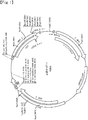
- the vector pGEX4T-1 (Merck Millipore) shown in Fig. 1 was digested with the aforementioned restriction enzymes and ligated to the non-natural polynucleotide. A nucleotide sequence generated by insertion of the non-natural polynucleotide into the vector was determined using a sequencing technique. This vector was introduced into a host E. coli BL21, GE Healthcare) according to the attached protocol to generate a transformant. The vector pGEX4T-1 is formed so that the N-terminus of a peptide to be expressed is fused to Glutathione S-transferase (GST).
- GST Glutathione S-transferase
- the transformant obtained was cultured with shaking at 37°C in an LB medium supplemented with ampicillin at a final concentration of 50 ⁇ g/ml.
- turbidity (OD600) of the medium reached 0.4 to 0.8
- isopropyl- ⁇ -thiogalactopyranoside isopropyl ⁇ -D-1-thiogalactopyranoside, IPTG
- IPTG isopropyl ⁇ -D-1-thiogalactopyranoside
- the culture with shaking was continued at 37 °C for 3 hours until the turbidity of the LB medium became steady, that is, the growth of E. coli became steady.
- the culture condition of incubation at an IPTG concentration of 0.1 mM at a temperature of 37°C for 3 hours was determined so that the GST-fused recombinant peptide was soluble in a soluble fraction described below.
- the medium with the transformants was centrifuged (6,000 rpm at 4°C) to remove the supernatant and the precipitates were resuspended in phosphate buffered saline (PBS) to obtain PBS suspension.
- PBS phosphate buffered saline
- the PBS suspension was subjected to ultrasonic disruption and then centrifuged at 12,000 rpm and 4°C for 5 minutes to collect the supernatant.
- the supernatant is a soluble fraction in which the GST-fused recombinant peptide is present. This soluble fraction was mixed with Glutathione Sepharose 4B beads (GE Healthcare) and the GST-fused recombinant peptide was allowed to bind to the beads. The binding was carried out according to the protocol attached to the beads.
- the beads to which the GST-recombinant peptide fusion products were bound was washed several times with PBS and then mixed with PBS in which thrombin had been dissolved.
- the mixture was incubated at room temperature (22 to 25°C) for 2 to 16 hours to cleave the recombinant peptides from GST.
- this mixture was centrifuged (at 5,000 g and 4°C for 5 minutes) to reover the supernatant.
- the supernatant contained the recombinant peptide and thrombin and the latter was removed using a benzamidine column (a column for purification and removal of serine protease, GE Healthcare).
- the recovered recombinant peptide is hereinafter referred to as 39s1C.
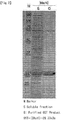
- Expression of the GST-fused recombinant peptide in the transformants was confirmed using SDS-PAGE shown in Fig. 2 .
- a signal for the GST-fused recombinant peptide is indicated by a black arrow.
- Two different peptide solutions were prepared: a peptide solution of purified 39s1C obtained by mixing with purified water and a peptide solution of BSA obtained by dissolving in purified water. The concentration of peptides was 1 mg/ml for both. 1 ⁇ l of the peptide solutions were each added dropwise onto a glass slide. Next, 1 ⁇ l of tyrosinase solution (1 mg/ml) prepared by dissolving lyophilized tyrosinase in potassium phosphate buffer (50 mM, pH6.5) was added to the dripped peptide solutions and gently mixed by pipetting. The glass slides were placed statically in an atmosphere of saturated water vapor at 22 to 25°C and incubated for 0 or 30 minutes.
- a peptide solution was prepared by mixing purified 39s1C and purified water. The concentration of the peptide was 1 mg/ml. 1 ⁇ l of the peptide solution was added dropwise onto surfaces of an aluminum (Al) plate, a copper (Cu) plate and an iron (Fe) plate. Next, 1 ⁇ l of tyrosinase solution (1 mg/ml, prepared by dissolving lyophilized tyrosinase in potassium phosphate buffer (50 mM, pH6.5)) was added and gently mixed by pipetting. The glass slides were placed statically in an atmosphere of saturated water vapor at 22 to 25°C and incubated for 30 minutes. After the incubation, they were dried under vacuum at room temperature.
- the glass slides were washed for 30 minutes with shaking at 45 times/min. in distilled water. Then, they were dried under vacuum at room temperature again. After drying, the glass slides were immersed in a 0.25% CBB (R-250) solution overnight and were then washed several times with distilled water. It was visually examined whether blue staining by the CBB is present on the glass slides. If peptides are bound to the surface of the metals, blue staining by the CBB staining can be observed. As shown in Fig. 4 , 39s1C was adhered to all of the metal plates.
Landscapes
- Health & Medical Sciences (AREA)
- Life Sciences & Earth Sciences (AREA)
- Chemical & Material Sciences (AREA)
- Genetics & Genomics (AREA)
- Engineering & Computer Science (AREA)
- Organic Chemistry (AREA)
- Biomedical Technology (AREA)
- General Health & Medical Sciences (AREA)
- Bioinformatics & Cheminformatics (AREA)
- Molecular Biology (AREA)
- Biotechnology (AREA)
- Wood Science & Technology (AREA)
- General Engineering & Computer Science (AREA)
- Zoology (AREA)
- Biochemistry (AREA)
- Biophysics (AREA)
- Medicinal Chemistry (AREA)
- Microbiology (AREA)
- Proteomics, Peptides & Aminoacids (AREA)
- Physics & Mathematics (AREA)
- Plant Pathology (AREA)
- Epidemiology (AREA)
- Veterinary Medicine (AREA)
- Public Health (AREA)
- Animal Behavior & Ethology (AREA)
- Pharmacology & Pharmacy (AREA)
- Immunology (AREA)
- Surgery (AREA)
- Chemical Kinetics & Catalysis (AREA)
- Polymers & Plastics (AREA)
- Adhesives Or Adhesive Processes (AREA)
- Peptides Or Proteins (AREA)
- Medicines That Contain Protein Lipid Enzymes And Other Medicines (AREA)
- Polyamides (AREA)
- Compositions Of Macromolecular Compounds (AREA)
- Materials For Medical Uses (AREA)
Abstract
Description
- The present invention relates to adhesive molecules.
- As underwater adhesive molecules derived from organisms, adhesive proteins derived from marine organisms, Balanomorpha and Mytilidae, are disclosed (see, for example,
Patent Documents 1 to 3). Adhesive proteins derived from Balanomorpha, however, have not been practically used due to complicated production process that involves, for example, mixing 6 to 8 kinds of proteins to achieve adherence. On the other hand, adhesive proteins derived from Mytilidae are commercially available as bioadhesives containing three kinds of adhesive proteins under the trade name Cell-Tak™, but these proteins are difficult to go into mass production and are thus expensive. Accordingly, discovery of novel adhesive molecules has been awaited. -
- Patent Document 1:
JP-A-8-266282 - Patent Document 2:
JP-A-2013-226158 - Patent Document 3:
JP-A-2008-504016 - An object of the present invention is to provide novel adhesive molecules.
- The present inventors found a protein showing 37% homology with galaxin in peptides that are specifically present in the cement gland of actinula larvae of Tubularia sp. Investigations of properties of this newly discovered protein led to the findings that a peptide having a sequence of SEQ ID NO. 1 obtained by replacing a part of 18 amino acids at its C-terminus had adherence and then the present invention was completed. It should be noted that galaxin is a protein supposed to be involved in the calcification mechanism by which coral skeletons are formed in Galaxea fascicularis (see, for example, Fukuda et al., Biochem. Biophys. Res. Commun. 2003 Apr 25; 304(1):11-7) but information related to adherence have not been reported so far on the protein.
- An aspect of the present invention is an adhesive molecule having an amino acid sequence of SEQ ID NO. 1, or an amino acid sequence of SEQ ID NO. 1 having a conservative amino acid substitution, a deletion, an insertion and/or a modification. The adhesive molecule may contain at least one dihydroxyphenylalanine.
- Another aspect of the present invention is an adhesive containing the aforementioned adhesive molecule.
- A yet another aspect of the present invention is a polynucleotide having a nucleotide sequence encoding the aforementioned adhesive molecule.
- A yet another aspect of the present invention is a vector having the polynucleotide having a nucleotide sequence encoding the aforementioned adhesive molecule.
- A still another aspect of the present invention is a method of bonding a first object to a second object, including applying the aforementioned adhesive to a surface of the first object.
- A still another aspect of the present invention is a method of coating a surface of an object including applying the adhesive to the surface of the object.
- A still another aspect of the present invention is a method of enhancing adherence of an adhesive molecule including reacting tyrosinase with the aforementioned adhesive molecule.
- The present invention made it possible to provide novel adhesive molecules.
-
- [
Fig. 1] Fig. 1 shows a map of the vector pGEX4T-1 which is used to produce adhesive molecules in microorganisms, according to an embodiment of the present invention. - [
Fig. 2] Fig. 2 shows a result of SDS-PAGE of a GST-recombinant peptide fusion product produced in E. coli, according to an embodiment of the present invention. - [
Fig.3] Fig. 3 shows views illustrating adherence of adhesive molecules according to an embodiment of the present invention. - [
Fig. 4] Fig. 4 shows adherence of adhesive molecules according to an embodiment of the present invention. [Embodiments for carrying out the invention] - Embodiments of the present invention are described in detail along with examples.
- Unless otherwise noted in embodiments and examples, all procedures used are according to standard protocols described in, for example, J. Sambrook, E. F. Fritsch & T. Maniatis (Ed.), Molecular cloning, a laboratory manual (3rd edition), Cold Spring Harbor Press, Cold Spring Harbor, New York (2001); F. M. Ausubel, R. Brent, R. E. Kingston, D. D. Moore, J.G. Seidman, J. A. Smith, K. Struhl (Ed.), Current Protocols in Molecular Biology, John Wiley & Sons Ltd., with or without modifications or changes. In addition, commercial reagent kits or measurement instruments are used as described in protocols attached thereto, unless otherwise noted.
- The objects, features, advantages, and ideas of the present invention are apparent to those skilled in the art from the description of this specification. Furthermore, those skilled in the art can easily reproduce the present invention from the description herein. The embodiments and specific examples described below represent preferable embodiments of the present invention, which are given for the purpose of illustration or explanation. The present invention is not limited thereto. It is obvious to those skilled in the art that various changes and modifications may be made according to the description of the present specification within the spirit and scope of the present invention disclosed herein.
- Adhesive molecules of the present invention have a sequence NRVDNYKEVYNKIYNKRN (SEQ ID NO. 1), or a sequence of SEQ ID NO. 1 having conservative amino acid substitutions, deletions, insertions and/or modifications. In the present invention, "conservative amino acid substitutions, deletions, insertions and/or modifications" means substitutions, deletions, insertions and/or modifications that do not impair properties of peptide, that is, do not impair adherence of the adhesive molecules. The adherence as used herein refers to a character of adhering to and settling on a surface of an object without being separated from the surface of the object even after the object is washed, and a molecule is judged to have adherence when a blue band was observed in a test described in Example 2. With such adherence, two objects can be adhered and joined to each other by bonding the two objects to an adherent substance simultaneously.
- Examples of a conservative amino acid substitution of the present invention include substitutions of an amino acid with another in the same group categorized according to, for example, bulk, polarity, hydrophobicity or hydrophilicity, and acidity or basicity of amino acid residues. Examples of categories are well known to persons skilled in the art and described in various documents (see, for example, Bowie et al., Science, 247:1306-1310 (1990) and Zubay, G., Biochemistry, third edition, Wm. C. Brown Publishers (1993)). For example, amino acids for conservative substitution can be selected based on the groups of amino acids exemplified below. The letters in the parentheses are abbreviations for amino acids in the three letter format. Hydrophobic amino acids (Ala, Ile, Leu, Met, Phe, Pro, Trp, Tyr, and Val)
Hydrophilic amino acids (Arg, Asp, Asn, Cys, Glu, Gln, Gly, His, Lys, Ser, and Thr)
Amino acids with side chains containing aromatic rings (His, Phe, Tyr, and Trp)
Amino acids with aliphatic side chains (Gly, Ala, Val, Leu, Ile, and Pro)
Amino acids with side chains containing hydroxyl groups (Ser, Thr, and Tyr)
Amino acids with side chains containing sulfur atoms (Cys and Met)
Amino acids with side chains containing amides and carboxylic acids (Asp, Asn, Glu, and Gln)
Amino acids containing acidic groups (Asp and Glu)
Amino acids containing basic groups (Arg, Lys, and His)
Polar amino acids (Gln and Asn)
Non-polar amino acids (Gly, Ala, Phe, Val, Leu, Ile, Met, Pro, and Trp)
Amino acids with small side chains (Gly, Ala, Ser, Thr, and Met)
Amino acids with β-branched side chains (Thr, Val, and Ile) - It is also known in the art that peptides having an amino acid sequence including a substitution, a deletion, an insertion and/or a modification of one to several amino acid residues relative to a certain amino acid sequence do not lose their properties (see, for example, Mark, D. F. et al., Proc. Natl. Acad. Sci. USA (1984) 81, 5662-5666, and Dalbadie-McFarland, G. et al., Proc. Natl. Acad. Sci. USA (1982) 79, 6409-6413).
- The number of conservative amino acid substitutions, deletions, insertions and/or modifications is not particularly limited as long as the adherence of the adhesive molecules are not impaired, and the number for each may be any number equal to or larger than 1. The number for each is preferably 4 or smaller, more preferably 3 or smaller, yet more preferably 2 or smaller, and most preferably 1 or smaller.
- It is preferable that the adhesive molecule of the present invention has the sequence of NRVDNYKEVYNKIYNKRN (SEQ ID NO. 1).
- It is preferable that the adhesive molecules of the present invention have at least one modified tyrosine residue, dihydroxyphenylalanine (hereinafter, referred to as "DOPA"). In DOPA, the hydrogen atom at
position 3 of the benzene ring of the tyrosine residue is replaced with a hydroxyl group. The number of DOPAs contained in an adhesive molecule of the present invention is not particularly limited, but more preferably two, and yet more preferably three. A method of converting a tyrosine residue into DOPA is not particularly limited. For example, molecules having capability of replacement with a hydroxyl group, addition of an oxygen, oxidization can be used. It is preferable that tyrosinase is used. - A method of producing adhesive molecules of the present invention is not particularly limited and methods of synthesizing them chemically or producing them in cells are examples.
- Examples of chemical synthesis include solid phase peptide synthesis such as Boc or Fmoc strategies and liquid phase peptide synthesis, but not limited thereto. It is generally understood that rather shorter peptides can be synthesized more easily and the adhesive molecules of the present invention have a length that allows their easy synthesis.
- In a method of producing adhesive molecules in cells, an expression vector, which has a nucleotide sequence encoding an amino acid sequence of an adhesive molecule of the present invention and can express the adhesive molecule, is constructed and introduced into cells to make transformants; and the transformants are allowed to produce the adhesive molecule of the present invention. Methods of constructing an expression vector, introducing it into cells, allowing the cells to produce the protein are known to persons skilled in the art and can be achieved using any one of available methods. The cells are not limited and examples include yeast, insect cells, plant cells, animal cells, and microorganisms. E. coli is typically used. The adhesive molecules of the present invention produced in cells can be recovered from the cells or a medium in which the cells have been cultured and then purified using any one of the methods known to persons skilled in the art. The purified adhesive molecules of the present invention can be stored in any methods such as freezing or freeze-drying.
- Furthermore, in producing adhesive molecules of the present invention, adherence of adhesive molecules of the present invention may be enhanced under a reaction condition used to convert a tyrosine residue into DOPA, for example, by reacting a tyrosine residue with tyrosinase. In order to achieve a desired adherence, a period of the reaction with tyrosinase can appropriately be determined. The reaction time is not particularly limited but is preferably 10 minutes or longer, more preferably 30 minutes or longer, and yet more preferably 60 minutes or longer.
- The adhesive molecules of the present invention can be used as an active ingredient of an adhesive used to bond objects to each other. The objects to be bonded are not particularly limited and examples include glass, polymer compounds such as plastics and resins, metals, woods, or biomaterials. Either objects of the same kind or objects of different kinds can be bonded to each other.
- Other component(s) in the adhesive containing the adhesive molecules of the present invention can appropriately be selected to impart, to the adhesive, a desired adhesive strength or a character suitable for an environment where the adhesive is to be used, and vehicles are typical examples. Examples of vehicles include known surfactants, oxidants, and fillers. As alternative examples, known adhesive molecules can be contained.
- The concentration of the adhesive molecules of the present invention in the adhesive is not particularly limited and can appropriately be selected from, for example, 1 to 99% (w/v), 5 to 95% (w/v), 10 to 90% (w/v), 20 to 80% (w/v), 30 to 70% (w/v), and 40 to 60% (w/v). The concentration of the adhesive molecules is preferably 0.001% or higher (w/v), and more preferably 0.01% or higher (w/v). The form of the adhesive is not particularly limited and may be either in a liquid form or in a solid form. Examples include adhesives in the form of liquid, mist, or gel and adhesive tapes.
- The environment where the adhesive molecules of the present invention and/or adhesives made of the adhesive molecules are used is not particularly limited, and an underwater environment (in freshwater or in salt water) or an environment within a living body are examples. For example, they can be used as an underwater adhesive in a civil engineering field, as a dental adhesive (also called an adhesive resin cement) or a hemostatic agent in a living body in a medical field, and as a reagent for regenerative medicine or a component thereof.
- The adhesive molecules according to the present invention can be used as a coating agent taking advantage of their character of adhering to a surface of an object. This coating agent imparts adherence to the surface of the object and therefore give character of capturing of moving things (such as microparticles, microorganisms, and large or small organisms) to the object. Since the adhesive molecules of the present invention are not taken off from the surface even by washing, an object can be used as a trap for taking, for example, marine organisms by coating it with the adhesive molecules in water.
- Objects can be bonded using an adhesive containing adhesive molecules of the present invention. For example, objects can be bonded to each other by applying an adhesive of the present invention to a surface of an object using any method such as instillation or coating, placing another object on top of it, and drying it. The amount of the adhesive used for bonding can appropriately be determined depending on a purpose.
- As an example of a method of coating a surface of an object using an adhesive containing adhesive molecules of the present invention, the adhesive containing a certain concentration of the adhesive molecules of the present invention can be applied to the surface of the object using any method such as instillation or coating and appropriately be dried.
- In methods of bonding and coating, a drying period is not particularly limited but is preferably 5 minutes or longer, more preferably 10 minutes or longer, yet more preferably 30 minutes or longer, and most preferably 60 minutes or longer. Depending on a surface area to be bonded or coated, drying may be performed for a longer period of time.
- An non-natural polynuceotide (SEQ ID NO. 2) was created by determining a nucleotide sequence corresponding to the amino acid sequence of SEQ ID NO. 1 and adding recognition sequences for the restriction enzyme BamHI to the both ends of the nucleotide sequence.
- The vector pGEX4T-1 (Merck Millipore) shown in
Fig. 1 was digested with the aforementioned restriction enzymes and ligated to the non-natural polynucleotide. A nucleotide sequence generated by insertion of the non-natural polynucleotide into the vector was determined using a sequencing technique. This vector was introduced into a host E. coli BL21, GE Healthcare) according to the attached protocol to generate a transformant. The vector pGEX4T-1 is formed so that the N-terminus of a peptide to be expressed is fused to Glutathione S-transferase (GST). - The transformant obtained was cultured with shaking at 37°C in an LB medium supplemented with ampicillin at a final concentration of 50 µg/ml. When the turbidity (OD600) of the medium reached 0.4 to 0.8, isopropyl-β-thiogalactopyranoside (isopropyl β-D-1-thiogalactopyranoside, IPTG) was added to the LB medium at a final concentration of 0.1 mM to induce expression of the GST-fused recombinant peptide. After the addition of IPTG, the culture with shaking was continued at 37 °C for 3 hours until the turbidity of the LB medium became steady, that is, the growth of E. coli became steady. The culture condition of incubation at an IPTG concentration of 0.1 mM at a temperature of 37°C for 3 hours was determined so that the GST-fused recombinant peptide was soluble in a soluble fraction described below.
- Next, the medium with the transformants was centrifuged (6,000 rpm at 4°C) to remove the supernatant and the precipitates were resuspended in phosphate buffered saline (PBS) to obtain PBS suspension. The PBS suspension was subjected to ultrasonic disruption and then centrifuged at 12,000 rpm and 4°C for 5 minutes to collect the supernatant. The supernatant is a soluble fraction in which the GST-fused recombinant peptide is present. This soluble fraction was mixed with Glutathione Sepharose 4B beads (GE Healthcare) and the GST-fused recombinant peptide was allowed to bind to the beads. The binding was carried out according to the protocol attached to the beads. The beads to which the GST-recombinant peptide fusion products were bound was washed several times with PBS and then mixed with PBS in which thrombin had been dissolved. The mixture was incubated at room temperature (22 to 25°C) for 2 to 16 hours to cleave the recombinant peptides from GST. Next, this mixture was centrifuged (at 5,000 g and 4°C for 5 minutes) to reover the supernatant. The supernatant contained the recombinant peptide and thrombin and the latter was removed using a benzamidine column (a column for purification and removal of serine protease, GE Healthcare). The recovered recombinant peptide is hereinafter referred to as 39s1C. Expression of the GST-fused recombinant peptide in the transformants was confirmed using SDS-PAGE shown in
Fig. 2 . A signal for the GST-fused recombinant peptide is indicated by a black arrow. - Two different peptide solutions were prepared: a peptide solution of purified 39s1C obtained by mixing with purified water and a peptide solution of BSA obtained by dissolving in purified water. The concentration of peptides was 1 mg/ml for both. 1 µl of the peptide solutions were each added dropwise onto a glass slide. Next, 1 µl of tyrosinase solution (1 mg/ml) prepared by dissolving lyophilized tyrosinase in potassium phosphate buffer (50 mM, pH6.5) was added to the dripped peptide solutions and gently mixed by pipetting. The glass slides were placed statically in an atmosphere of saturated water vapor at 22 to 25°C and incubated for 0 or 30 minutes. After the incubation, they were dried under vacuum at room temperature. Subsequently, the glass slides were washed for 30 minutes with shaking at 45 times/min. in distilled water. Then, they were dried under vacuum at room temperature again. After the drying, the glass slides were immersed in a 0.25% CBB (R-250) solution overnight and were then washed several times with distilled water. It was visually examined whether blue staining with the CBB staining was observed on the slides. If the peptide is bound to the surface of the glass, blue staining with the CBB staining should be observed.
- As shown in
Fig. 3 , BSA of both reaction time of 0 and 30 minutes was not attached to the glass slide after the 30-minute washing (Fig. 3(B) ). On the contrary, blue staining indicating that the 39s1C of both reaction time of 0 and 30 minutes was attached to the glass slide was observed even after the 30-minute washing, and stronger blue staining was observed after 39s1C and tyrosinase were incubated for 30 minutes to convert tyrosine residues to DOPA, indicating that more peptides were bound to the glass slide (Fig. 3(A) ). - A peptide solution was prepared by mixing purified 39s1C and purified water. The concentration of the peptide was 1 mg/ml. 1µl of the peptide solution was added dropwise onto surfaces of an aluminum (Al) plate, a copper (Cu) plate and an iron (Fe) plate. Next, 1 µl of tyrosinase solution (1 mg/ml, prepared by dissolving lyophilized tyrosinase in potassium phosphate buffer (50 mM, pH6.5)) was added and gently mixed by pipetting. The glass slides were placed statically in an atmosphere of saturated water vapor at 22 to 25°C and incubated for 30 minutes. After the incubation, they were dried under vacuum at room temperature. Subsequently, the glass slides were washed for 30 minutes with shaking at 45 times/min. in distilled water. Then, they were dried under vacuum at room temperature again. After drying, the glass slides were immersed in a 0.25% CBB (R-250) solution overnight and were then washed several times with distilled water. It was visually examined whether blue staining by the CBB is present on the glass slides. If peptides are bound to the surface of the metals, blue staining by the CBB staining can be observed. As shown in
Fig. 4 , 39s1C was adhered to all of the metal plates.
Claims (8)
- An adhesive molecule having an amino acid sequence of SEQ ID NO. 1, or an amino acid sequence of SEQ ID NO. 1 having a conservative amino acid substitution, a deletion, an insertion and/or a modification.
- The adhesive molecule according to Claim 1, wherein the adhesive molecule contains at least one dihydroxyphenylalanine.
- An adhesive comprising the adhesive molecule according to Claim 1 or 2.
- A polynucleotide having a nucleotide sequence encoding the adhesive molecule according to Claim 1 or 2.
- A vector comprising the polynucleotide according to Claim 4.
- A method of bonding a first object to a second object, comprising applying the adhesive according to Claim 3 to a surface of the first object.
- A method of coating a surface of an object comprising applying the adhesive according to Claim 3 to the surface of the object.
- A method of enhancing adherence of an adhesive molecule comprising reacting tyrosinase with the adhesive molecule according to Claim 1.
Applications Claiming Priority (1)
| Application Number | Priority Date | Filing Date | Title |
|---|---|---|---|
| PCT/JP2015/058771 WO2016151736A1 (en) | 2015-03-23 | 2015-03-23 | Adhesive molecule |
Publications (2)
| Publication Number | Publication Date |
|---|---|
| EP3275890A1 true EP3275890A1 (en) | 2018-01-31 |
| EP3275890A4 EP3275890A4 (en) | 2018-09-05 |
Family
ID=56978023
Family Applications (1)
| Application Number | Title | Priority Date | Filing Date |
|---|---|---|---|
| EP15886291.2A Withdrawn EP3275890A4 (en) | 2015-03-23 | 2015-03-23 | Adhesive molecule |
Country Status (4)
| Country | Link |
|---|---|
| US (1) | US10590320B2 (en) |
| EP (1) | EP3275890A4 (en) |
| JP (1) | JP6063097B1 (en) |
| WO (1) | WO2016151736A1 (en) |
Family Cites Families (5)
| Publication number | Priority date | Publication date | Assignee | Title |
|---|---|---|---|---|
| JP3619280B2 (en) | 1995-03-31 | 2005-02-09 | 株式会社海洋バイオテクノロジー研究所 | Mussel adhesion protein gene |
| CN1989152A (en) * | 2004-03-26 | 2007-06-27 | Posco公司 | Mussel bioadhesive |
| JP2006223226A (en) * | 2005-02-18 | 2006-08-31 | Central Res Inst Of Electric Power Ind | Cement-related proteins and genes expressed in cement glands of barnacle Cyprus larvae |
| JP5186837B2 (en) * | 2007-08-23 | 2013-04-24 | Jfeスチール株式会社 | Method and apparatus for detecting minute irregular surface defects |
| JP2013226158A (en) | 2013-07-16 | 2013-11-07 | Central Research Institute Of Electric Power Industry | Cement-associated protein expressed in cement gland of barnacle cypris larva and gene |
-
2015
- 2015-03-23 EP EP15886291.2A patent/EP3275890A4/en not_active Withdrawn
- 2015-03-23 WO PCT/JP2015/058771 patent/WO2016151736A1/en not_active Ceased
- 2015-03-23 US US15/561,194 patent/US10590320B2/en active Active
- 2015-03-23 JP JP2016542293A patent/JP6063097B1/en active Active
Also Published As
| Publication number | Publication date |
|---|---|
| EP3275890A4 (en) | 2018-09-05 |
| US10590320B2 (en) | 2020-03-17 |
| WO2016151736A1 (en) | 2016-09-29 |
| JPWO2016151736A1 (en) | 2017-04-27 |
| US20180362817A1 (en) | 2018-12-20 |
| JP6063097B1 (en) | 2017-01-18 |
Similar Documents
| Publication | Publication Date | Title |
|---|---|---|
| Hwang et al. | Practical recombinant hybrid mussel bioadhesive fp-151 | |
| JP4478714B2 (en) | Mussel adhesion protein | |
| Cha et al. | Development of bioadhesives from marine mussels | |
| Hwang et al. | Expression of functional recombinant mussel adhesive protein Mgfp-5 in Escherichia coli | |
| Hwang et al. | Cell adhesion biomaterial based on mussel adhesive protein fused with RGD peptide | |
| Hwang et al. | Recombinant mussel adhesive protein Mgfp-5 as cell adhesion biomaterial | |
| US20100047224A1 (en) | Biosilica-Adhesive Protein Nanocomposite Materials: Synthesis and Application in Dentistry | |
| Liang et al. | Protein aggregation formed by recombinant cp19k homologue of Balanus albicostatus combined with an 18 kDa N-terminus encoded by pET-32a (+) plasmid having adhesion strength comparable to several commercial glues | |
| Choi et al. | Recombinant mussel adhesive protein fp-5 (MAP fp-5) as a bulk bioadhesive and surface coating material | |
| KR20140002244A (en) | Method for in vivo residue-specific dopa incorporation into mussel adhesive proteins | |
| US20210372948A1 (en) | Versatile display scaffolds for proteins | |
| Yao et al. | Comparative analysis of mussel foot protein 3B co-expressed with tyrosinases provides a potential adhesive biomaterial | |
| US20250270610A1 (en) | Improving the Efficiency of PAL-Catalyzed Protein Ligation By A Cascade Enzymatic Scheme | |
| CN108948208A (en) | A kind of underwater albumen of injectable selfreparing and application thereof | |
| US10590320B2 (en) | Adhesive molecules | |
| EP3275893A1 (en) | Adhesive molecule | |
| Castillo et al. | Comparison of natural extraction and recombinant mussel adhesive proteins approaches | |
| RU2605411C2 (en) | Highly efficient method of producing polypeptide fragment suitable for ncl | |
| CN110461867A (en) | Modified mussel protein, its use and related compounds | |
| CN107299107A (en) | A kind of preparation method of protein layer-by-layer assembly functional material | |
| KR20170120810A (en) | Recombinant protein capable of silica deposition and use thereof | |
| CN116143936A (en) | Preparation method and application of a waterproof adhesive material | |
| Bolghari et al. | A novel recombinant chimeric proteinous bio-adhesive consisting of mussel foot protein 3, 5 and curli proteins GvpA and CsgA expressed in Pichia Pastoris | |
| Kawakami et al. | Development of the FP121 series: Hybrid proteins mimicking marine adhesive proteins with cell adhesion and proliferation activity | |
| Li et al. | Purification, cDNA clone and recombinant expression of foot protein-3 from Mytilus coruscus |
Legal Events
| Date | Code | Title | Description |
|---|---|---|---|
| STAA | Information on the status of an ep patent application or granted ep patent |
Free format text: STATUS: THE INTERNATIONAL PUBLICATION HAS BEEN MADE |
|
| PUAI | Public reference made under article 153(3) epc to a published international application that has entered the european phase |
Free format text: ORIGINAL CODE: 0009012 |
|
| STAA | Information on the status of an ep patent application or granted ep patent |
Free format text: STATUS: REQUEST FOR EXAMINATION WAS MADE |
|
| 17P | Request for examination filed |
Effective date: 20171016 |
|
| AK | Designated contracting states |
Kind code of ref document: A1 Designated state(s): AL AT BE BG CH CY CZ DE DK EE ES FI FR GB GR HR HU IE IS IT LI LT LU LV MC MK MT NL NO PL PT RO RS SE SI SK SM TR |
|
| AX | Request for extension of the european patent |
Extension state: BA ME |
|
| DAV | Request for validation of the european patent (deleted) | ||
| DAX | Request for extension of the european patent (deleted) | ||
| A4 | Supplementary search report drawn up and despatched |
Effective date: 20180807 |
|
| RIC1 | Information provided on ipc code assigned before grant |
Ipc: A61L 24/00 20060101ALI20180731BHEP Ipc: C07K 7/08 20060101AFI20180731BHEP Ipc: C12N 15/09 20060101ALI20180731BHEP Ipc: A61K 38/00 20060101ALI20180731BHEP |
|
| STAA | Information on the status of an ep patent application or granted ep patent |
Free format text: STATUS: THE APPLICATION IS DEEMED TO BE WITHDRAWN |
|
| 18D | Application deemed to be withdrawn |
Effective date: 20190305 |