EP3267986B1 - Pde5 inhibitors for use in reducing renal cyst size and/or preventing renal cyst growth - Google Patents
Pde5 inhibitors for use in reducing renal cyst size and/or preventing renal cyst growth Download PDFInfo
- Publication number
- EP3267986B1 EP3267986B1 EP16765568.7A EP16765568A EP3267986B1 EP 3267986 B1 EP3267986 B1 EP 3267986B1 EP 16765568 A EP16765568 A EP 16765568A EP 3267986 B1 EP3267986 B1 EP 3267986B1
- Authority
- EP
- European Patent Office
- Prior art keywords
- cgmp
- inhibitor
- specific phosphodiesterase
- sildenafil
- subject
- Prior art date
- Legal status (The legal status is an assumption and is not a legal conclusion. Google has not performed a legal analysis and makes no representation as to the accuracy of the status listed.)
- Active
Links
Images



Classifications
-
- A—HUMAN NECESSITIES
- A61—MEDICAL OR VETERINARY SCIENCE; HYGIENE
- A61K—PREPARATIONS FOR MEDICAL, DENTAL OR TOILETRY PURPOSES
- A61K31/00—Medicinal preparations containing organic active ingredients
- A61K31/33—Heterocyclic compounds
- A61K31/395—Heterocyclic compounds having nitrogen as a ring hetero atom, e.g. guanethidine or rifamycins
- A61K31/53—Heterocyclic compounds having nitrogen as a ring hetero atom, e.g. guanethidine or rifamycins having six-membered rings with three nitrogens as the only ring hetero atoms, e.g. chlorazanil, melamine
-
- A—HUMAN NECESSITIES
- A61—MEDICAL OR VETERINARY SCIENCE; HYGIENE
- A61K—PREPARATIONS FOR MEDICAL, DENTAL OR TOILETRY PURPOSES
- A61K31/00—Medicinal preparations containing organic active ingredients
- A61K31/33—Heterocyclic compounds
- A61K31/395—Heterocyclic compounds having nitrogen as a ring hetero atom, e.g. guanethidine or rifamycins
- A61K31/495—Heterocyclic compounds having nitrogen as a ring hetero atom, e.g. guanethidine or rifamycins having six-membered rings with two or more nitrogen atoms as the only ring heteroatoms, e.g. piperazine or tetrazines
- A61K31/4985—Pyrazines or piperazines ortho- or peri-condensed with heterocyclic ring systems
-
- A—HUMAN NECESSITIES
- A61—MEDICAL OR VETERINARY SCIENCE; HYGIENE
- A61K—PREPARATIONS FOR MEDICAL, DENTAL OR TOILETRY PURPOSES
- A61K31/00—Medicinal preparations containing organic active ingredients
- A61K31/33—Heterocyclic compounds
- A61K31/395—Heterocyclic compounds having nitrogen as a ring hetero atom, e.g. guanethidine or rifamycins
- A61K31/495—Heterocyclic compounds having nitrogen as a ring hetero atom, e.g. guanethidine or rifamycins having six-membered rings with two or more nitrogen atoms as the only ring heteroatoms, e.g. piperazine or tetrazines
- A61K31/505—Pyrimidines; Hydrogenated pyrimidines, e.g. trimethoprim
- A61K31/506—Pyrimidines; Hydrogenated pyrimidines, e.g. trimethoprim not condensed and containing further heterocyclic rings
-
- A—HUMAN NECESSITIES
- A61—MEDICAL OR VETERINARY SCIENCE; HYGIENE
- A61K—PREPARATIONS FOR MEDICAL, DENTAL OR TOILETRY PURPOSES
- A61K31/00—Medicinal preparations containing organic active ingredients
- A61K31/33—Heterocyclic compounds
- A61K31/395—Heterocyclic compounds having nitrogen as a ring hetero atom, e.g. guanethidine or rifamycins
- A61K31/495—Heterocyclic compounds having nitrogen as a ring hetero atom, e.g. guanethidine or rifamycins having six-membered rings with two or more nitrogen atoms as the only ring heteroatoms, e.g. piperazine or tetrazines
- A61K31/505—Pyrimidines; Hydrogenated pyrimidines, e.g. trimethoprim
- A61K31/519—Pyrimidines; Hydrogenated pyrimidines, e.g. trimethoprim ortho- or peri-condensed with heterocyclic rings
-
- A—HUMAN NECESSITIES
- A61—MEDICAL OR VETERINARY SCIENCE; HYGIENE
- A61K—PREPARATIONS FOR MEDICAL, DENTAL OR TOILETRY PURPOSES
- A61K31/00—Medicinal preparations containing organic active ingredients
- A61K31/70—Carbohydrates; Sugars; Derivatives thereof
- A61K31/7042—Compounds having saccharide radicals and heterocyclic rings
- A61K31/7048—Compounds having saccharide radicals and heterocyclic rings having oxygen as a ring hetero atom, e.g. leucoglucosan, hesperidin, erythromycin, nystatin, digitoxin or digoxin
-
- A—HUMAN NECESSITIES
- A61—MEDICAL OR VETERINARY SCIENCE; HYGIENE
- A61K—PREPARATIONS FOR MEDICAL, DENTAL OR TOILETRY PURPOSES
- A61K45/00—Medicinal preparations containing active ingredients not provided for in groups A61K31/00 - A61K41/00
- A61K45/06—Mixtures of active ingredients without chemical characterisation, e.g. antiphlogistics and cardiaca
-
- A—HUMAN NECESSITIES
- A61—MEDICAL OR VETERINARY SCIENCE; HYGIENE
- A61P—SPECIFIC THERAPEUTIC ACTIVITY OF CHEMICAL COMPOUNDS OR MEDICINAL PREPARATIONS
- A61P13/00—Drugs for disorders of the urinary system
- A61P13/12—Drugs for disorders of the urinary system of the kidneys
-
- A—HUMAN NECESSITIES
- A61—MEDICAL OR VETERINARY SCIENCE; HYGIENE
- A61P—SPECIFIC THERAPEUTIC ACTIVITY OF CHEMICAL COMPOUNDS OR MEDICINAL PREPARATIONS
- A61P43/00—Drugs for specific purposes, not provided for in groups A61P1/00-A61P41/00
-
- C—CHEMISTRY; METALLURGY
- C12—BIOCHEMISTRY; BEER; SPIRITS; WINE; VINEGAR; MICROBIOLOGY; ENZYMOLOGY; MUTATION OR GENETIC ENGINEERING
- C12Q—MEASURING OR TESTING PROCESSES INVOLVING ENZYMES, NUCLEIC ACIDS OR MICROORGANISMS; COMPOSITIONS OR TEST PAPERS THEREFOR; PROCESSES OF PREPARING SUCH COMPOSITIONS; CONDITION-RESPONSIVE CONTROL IN MICROBIOLOGICAL OR ENZYMOLOGICAL PROCESSES
- C12Q1/00—Measuring or testing processes involving enzymes, nucleic acids or microorganisms; Compositions therefor; Processes of preparing such compositions
- C12Q1/34—Measuring or testing processes involving enzymes, nucleic acids or microorganisms; Compositions therefor; Processes of preparing such compositions involving hydrolase
- C12Q1/44—Measuring or testing processes involving enzymes, nucleic acids or microorganisms; Compositions therefor; Processes of preparing such compositions involving hydrolase involving esterase
-
- C—CHEMISTRY; METALLURGY
- C12—BIOCHEMISTRY; BEER; SPIRITS; WINE; VINEGAR; MICROBIOLOGY; ENZYMOLOGY; MUTATION OR GENETIC ENGINEERING
- C12Q—MEASURING OR TESTING PROCESSES INVOLVING ENZYMES, NUCLEIC ACIDS OR MICROORGANISMS; COMPOSITIONS OR TEST PAPERS THEREFOR; PROCESSES OF PREPARING SUCH COMPOSITIONS; CONDITION-RESPONSIVE CONTROL IN MICROBIOLOGICAL OR ENZYMOLOGICAL PROCESSES
- C12Q1/00—Measuring or testing processes involving enzymes, nucleic acids or microorganisms; Compositions therefor; Processes of preparing such compositions
- C12Q1/68—Measuring or testing processes involving enzymes, nucleic acids or microorganisms; Compositions therefor; Processes of preparing such compositions involving nucleic acids
- C12Q1/6876—Nucleic acid products used in the analysis of nucleic acids, e.g. primers or probes
- C12Q1/6883—Nucleic acid products used in the analysis of nucleic acids, e.g. primers or probes for diseases caused by alterations of genetic material
-
- G—PHYSICS
- G01—MEASURING; TESTING
- G01N—INVESTIGATING OR ANALYSING MATERIALS BY DETERMINING THEIR CHEMICAL OR PHYSICAL PROPERTIES
- G01N33/00—Investigating or analysing materials by specific methods not covered by groups G01N1/00 - G01N31/00
- G01N33/48—Biological material, e.g. blood, urine; Haemocytometers
- G01N33/50—Chemical analysis of biological material, e.g. blood, urine; Testing involving biospecific ligand binding methods; Immunological testing
- G01N33/68—Chemical analysis of biological material, e.g. blood, urine; Testing involving biospecific ligand binding methods; Immunological testing involving proteins, peptides or amino acids
- G01N33/6893—Chemical analysis of biological material, e.g. blood, urine; Testing involving biospecific ligand binding methods; Immunological testing involving proteins, peptides or amino acids related to diseases not provided for elsewhere
-
- C—CHEMISTRY; METALLURGY
- C12—BIOCHEMISTRY; BEER; SPIRITS; WINE; VINEGAR; MICROBIOLOGY; ENZYMOLOGY; MUTATION OR GENETIC ENGINEERING
- C12Q—MEASURING OR TESTING PROCESSES INVOLVING ENZYMES, NUCLEIC ACIDS OR MICROORGANISMS; COMPOSITIONS OR TEST PAPERS THEREFOR; PROCESSES OF PREPARING SUCH COMPOSITIONS; CONDITION-RESPONSIVE CONTROL IN MICROBIOLOGICAL OR ENZYMOLOGICAL PROCESSES
- C12Q2600/00—Oligonucleotides characterized by their use
- C12Q2600/106—Pharmacogenomics, i.e. genetic variability in individual responses to drugs and drug metabolism
-
- C—CHEMISTRY; METALLURGY
- C12—BIOCHEMISTRY; BEER; SPIRITS; WINE; VINEGAR; MICROBIOLOGY; ENZYMOLOGY; MUTATION OR GENETIC ENGINEERING
- C12Q—MEASURING OR TESTING PROCESSES INVOLVING ENZYMES, NUCLEIC ACIDS OR MICROORGANISMS; COMPOSITIONS OR TEST PAPERS THEREFOR; PROCESSES OF PREPARING SUCH COMPOSITIONS; CONDITION-RESPONSIVE CONTROL IN MICROBIOLOGICAL OR ENZYMOLOGICAL PROCESSES
- C12Q2600/00—Oligonucleotides characterized by their use
- C12Q2600/158—Expression markers
-
- G—PHYSICS
- G01—MEASURING; TESTING
- G01N—INVESTIGATING OR ANALYSING MATERIALS BY DETERMINING THEIR CHEMICAL OR PHYSICAL PROPERTIES
- G01N2333/00—Assays involving biological materials from specific organisms or of a specific nature
- G01N2333/90—Enzymes; Proenzymes
- G01N2333/914—Hydrolases (3)
- G01N2333/916—Hydrolases (3) acting on ester bonds (3.1), e.g. phosphatases (3.1.3), phospholipases C or phospholipases D (3.1.4)
-
- G—PHYSICS
- G01—MEASURING; TESTING
- G01N—INVESTIGATING OR ANALYSING MATERIALS BY DETERMINING THEIR CHEMICAL OR PHYSICAL PROPERTIES
- G01N2800/00—Detection or diagnosis of diseases
- G01N2800/34—Genitourinary disorders
- G01N2800/347—Renal failures; Glomerular diseases; Tubulointerstitial diseases, e.g. nephritic syndrome, glomerulonephritis; Renovascular diseases, e.g. renal artery occlusion, nephropathy
Definitions
- Renal cysts occur in a variety of conditions, and are the most common genetic cause of end-stage renal disease (ESRD). Despite being a major clinical concern and many of the genes causing cystic disease have been identified, knowledge of the molecular nature of the mutations has not been able to clarify the mechanism underlying cyst formation.
- ESRD end-stage renal disease
- Renal cysts may result due to genetic disorders, non-genetic developmental disorders, and non-genetic acquired disorders.
- Autosomal dominant polycystic kidney disease (ADPKD) is the most common kidney cyst disease, and is among the most common inherited human diseases. With intrarenal cystogenesis as its primary characteristic, its prevalence is 1 in 400 to 1 in 1,000. Of affected families, 85% have mutations in PKD1 (located on the short arm of chromosome 16), which encodes Polycystin 1, while the rest have mutations in PKD2 (located on the long arm of chromosome 4), which encodes Polycystin 2. Individuals with PKD2 mutations generally present later and have a slower rate of progression to ESRD than individuals with PKD1 mutations.
- Cysts in ADPKD can arise from any part of the nephron as outpouchings connected to the tubular lumen, which eventually disconnect. Over time, they enlarge, destroying normal parenchyma, resulting in bilateral kidney enlargement, and culminating in kidney failure.
- ADPKD Alzheimer's disease
- treatment options for cystic kidney disease comprise symptom management including pain management, blood pressure management, antibiotics to treat uterine tract infections, and diuretics to help remove excess fluid, and dialysis or kidney transplant.
- symptom management including pain management, blood pressure management, antibiotics to treat uterine tract infections, and diuretics to help remove excess fluid, and dialysis or kidney transplant.
- WO 2018/137318 discloses treatments for diseases including polycystic kidney disease.
- US 2013/338137 discloses medicaments for use in the treatment of kidney diseases, including renal cysts.
- Described herein is the identification of cGMP-specific phosphodiesterase upregulation in cystic kidney diseases.
- the present invention discloses at least one cGMP-specific phosphodiesterase type 5 inhibitor for use in reducing renal cyst size and/or preventing renal cyst growth in a subject in need thereof, wherein the at least one cGMP-specific phosphodiesterase type 5 inhibitor is for administration to the subject in an effective amount, and wherein the at least one cGMP-specific phosphodiesterase type 5 inhibitor is selected from the group consisting of: sildenafil; aildenafil; tadalafil; vardenafil; udenafil; avanafil; lodenafil; mirodenafil; dipyridamole; icariin; and pharmaceutically acceptable salts thereof, and hydrates thereof.
- the present invention furthermore discloses a medicament for use in reducing renal cyst size and/ or preventing renal cyst growth, comprising at least one cGMP-specific phosphodiesterase type 5 inhibitor wherein the cGMP-specific phosphodiesterase type 5 inhibitor is selected from the group consisting of: sildenafil; aildenafil; tadalafil; vardenafil; udenafil; avanafil; lodenafil; mirodenafil; dipyridamole; icariin; and pharmaceutically acceptable salts thereof, and hydrates thereof, and one or more pharmaceutically-acceptable liquid carriers, solid carriers, vehicles and/or excipients.
- the cGMP-specific phosphodiesterase type 5 inhibitor is selected from the group consisting of: sildenafil; aildenafil; tadalafil; vardenafil; udenafil; avanafil; lodenafil; mirodenafil; dipyridamole
- the subject has a polycystic kidney disease selected from the group consisting of: autosomal dominant polycystic kidney disease; and autosomal recessive polycystic kidney disease.
- a subject as described in any one of the embodiments described herein may be an individual selected from the group consisting of: human; feline; canine; equine; cattle; swine; sheep; and goat.
- the medicament further comprises a kidney-targeted drug delivery system.
- the kidney-targeted drug delivery system may be of a type selected from the group consisting of: lysozyme; poly(vinylpyrrolidone-co-dimethyl maleic acid); G3-C12 peptide; sugar-modified prodrugs; amino acid-modified prodrugs; folate-modified prodrugs; nanoparticles; and liposomes.
- Renal cysts occur in a variety of conditions, and are the most common genetic cause of end-stage renal disease (ESRD). Despite being a major clinical concern, and many of the genes causing cystic disease have been identified, knowledge of the molecular nature of the mutations has not been able to clarify the mechanism underlying cyst formation.
- ESRD end-stage renal disease
- PDE phosphodiesterase
- types 5, 6, and 9 PDE5, PDE6, and PDE9, respectively
- PDE5 phosphodiesterase
- PDE9 phosphodiesterase types 5, 6, and 9
- transcriptogram analysis a powerful, sensitive method to analyze gene expression data, all cystic kidney tissues tested showed significant upregulation of these three PDEs (PDE5, PDE6, and PDE9).
- Inhibition of these PDEs, which are all cGMP-specific phosphodiesterases, is shown herein to reduce average renal cyst size and prevent renal cyst growth.
- Frequency distribution analysis shows that treatment of cyst structures grown from immortalized polycystic kidney cells with sildenafil citrate results in the absence of large cysts, indicating that sildenafil citrate inhibits the progression of cyst formation.
- the depicted frequency distribution which indicates the frequency of cysts of designated size, indicates that while large cyst structures of greater than 150 ⁇ 2 continued to form in vehicle-treated control cells, treatment with sildenafil citrate completely inhibited large cyst formation.
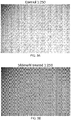
- FIGS. 3A-3B present photographs of control treatment ( FIG. 3A ) or cells treated with a 1:250 dilution of sildenafil in vehicle from a stock ( FIG. 3B ). No large cysts were observed in the sildenafil treated group. Images were collected with a 20X phase contrast objective.
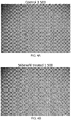
- FIGS. 4A-4B present photographs of control treatment ( FIG. 4A ) or cells treated with a 1:500 dilution of sildenafil in vehicle from a stock ( FIG. 4B ). No large cysts were observed in the sildenafil treated group. Images were collected with a 20X phase contrast objective.
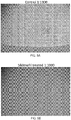
- FIGS. 5A-5B present photographs of control treatment ( FIG. 5A ) or cells treated with a 1:1000 dilution of sildenafil in vehicle from a stock ( FIG. 5B ). No large cysts were observed in the sildenafil treated group. Images were collected with a 20X phase contrast objective.
- PBD polycystic kidney disease
- ADPKD autosomal dominant polycystic kidney disease
- Transcriptogram analysis is a powerful and sensitive computational method to analyze gene expression data and identify affected pathways.
- the method comprises ordering genes on a line and clustering the genes by the probability that their products interact.
- Protein-protein association information can be obtained from large databases, such as STRING.
- STRING The genome organization obtained this way is independent from specific experiments, and defines functional modules that are associated with gene ontology terms.
- the starting point is a gene list and a matrix specifying interactions.
- Genome-wide expression data consist of expression levels of thousands of genes. The joint analysis of the whole data represents a significant challenge. The usual approaches compare expression levels of modified cellular stages relative to those of a pre-established control. The genes are then ranked by the variations in expression relative to the control and those genes that present the most significant alterations (highest or lowest) are chosen to be further analyzed. However, genes have their expression dynamics determined by a network of other genes, and moderate alterations on many interacting genes may cause measurable effects on cell metabolism. These effects may be overlooked when using the maximally altered level criterion but, on the other hand, the great amount of data may prevent a more accurate analysis.
- the transcriptogram approach produces 'images' of gene expression data of whole genomes, by producing expression profiles for transcriptomes.
- the basis of the method is to consider averages of expression data over neighboring genes disposed on a line, as in the metaphoric example of the high-resolution photograph.
- this procedure targets a global assessment of expression data of whole genomes.
- it requires the definition of gene neighborhood when disposed on a line, which is not straightforward.
- Expression levels of different genes may differ by large amounts. Consequently, a random list of genes generates plots of relative gene expression levels that fluctuate so wildly that very little information, if any, can be gathered from them.
- Techniques to extract information from wildly fluctuating general profiles consider averages taken over intervals of neighboring points. In the case where genes are ordered on a list following some criterion that favors clustering together interacting genes, the distance between any two genes on the list may correlate with the probability of mutual interaction, yielding then a natural criterion to define gene neighborhood on the list.
- the transcriptogram method described by Rybarczyk-Filho et al. (2011) orders a list of genes using the computational physics method known as Monte Carlo.
- the aim is to cluster on a line interacting genes, such that the distance between two genes on the list correlates with the probability that they interact, that is, the probability that their protein products are associated in protein-protein association data bases such as STRING.
- a first advantage is that the definition of these clusters is independent from the specific stage the cells are at a given moment, or the protocol they have suffered.
- the genome ordering of Rybarczyk-Filho et al. (2011) defines a mathematical metric that correlates the distance between two genes on the list with their mutual influence.
- the probability that two genes interact decreases with the distance between their localization on the ordered list, and an average of the expression levels over neighboring genes on this list dumps fluctuations and produces a smooth profile termed a 'transcriptogram'.
- the ordering is capable of clustering together genes belonging to gene ontology terms of Gene Ontology: Biological Processes ( The Gene Ontology Consortium, Nat. Genet., (2000) 25, 29 ). Furthermore, expression profiles projected on the ordering give enough information on the global performance of a cell to discriminate different metabolic or biosynthetic processes, rendering a global assessment of cellular metabolism.
- Relative transcriptograms for cystic kidney tissues were calculated using published data ( Song et al., Hum. Molec. Genet., (2009) 18(13), 2328 ). As described in Song et al., all cystic tissues differed from control but not from each other.
- the present transcriptogram analysis revealed changes in genes associated with translation and DNA repair, Notch, Wnt, and transmembrane receptor tyrosine kinase signaling pathways.
- the present transcriptogram analysis also detected changes in minimally cystic tissues that were not detected by standard microarray analysis, including genes associated with the cytoskeleton, integrins, cell adhesion, mitochondria, and retinol metabolism. Differences were also identified in G-protein signaling and phosphodiesterase pathways.
- cGMP-related PDEs included PDE5, PDE6, and PDE9. These PDEs have not previously been identified in cystic kidney diseases, and were investigated as therapeutic targets.
- the 3',5'-cyclic nucleotide phosphodiesterases which hydrolyze the intracellular second messengers cAMP and cGMP to their corresponding monophosphates, play an important role in signal transduction by regulating the intracellular concentration of cyclic nucleotides. Numerous cellular functions are regulated by these second messengers.
- blood pressure is regulated by contraction and relaxation of vascular smooth muscle in association with vascular endothelial functions. Beating of cardiac myocytes is accurately controlled to pump blood out of the heart to other parts of the body according to environmental conditions.
- PDEs Downstream effector proteins of cAMP and cGMP are cAMP-dependent protein kinase (PKA), cGMP-dependent protein kinase (PKG), cyclic nucleotide-gated ion channels, and cAMP-regulated guanine nucleotide exchange factors (cAMP-GEFs), which are also called exchange proteins directly activated by cAMP (Epacs).
- PDEs are also downstream effectors of cAMP and cGMP.
- PDEs are closely related to the regulation of each specific transduction signal, and therefore multiple PDEs play important roles in modulating each cellular function. Previously, PDEs had not been associated with renal cyst formation.
- PDEs comprise a large class of enzymes divided into at least eleven different families which are structurally, biochemically and pharmacologically distinct from one another.
- the enzymes within each family are commonly referred to as isoenzymes, or isozymes. Further diversity among the isoenzymes results from differential splicing and post-translational processing of those gene products.
- PDE5 inhibitors which generally also inhibit PDE6 and PDE9 with varying efficacy, are most famously prescribed for the treatment of erectile dysfunction, but have been also demonstrated to be useful in reducing symptoms of pulmonary hypertension and commencing right-heart failure ( Michelakis et al., Circulation, (2003) 108, 2066 ; Ghofrani et al., J. Am. Coll. Cardiol., (2003) 42, 158 ; Ghofrani et al. Lancet, (2002) 360, 895 ; Ghofrani et al., AJRCCM, (2003) 167(8), 1139 ).
- PDE5 inhibitors have also been shown to have many other effects, including: inducing neurogenesis and promoting functional recovery after stroke in rats ( Zhang et al., Stroke, (2002) 33, 2675 ; Zhang et al., Circ. Res., (2003) 92(3), 308 ); relaxing epicardial coronary arteries of patients with coronary artery disease ( Halcox et al., J. Am. Coll. Cardiol., (2002) 40, 1232 ); working in diabetic gastropathy in some animal studies, in which nNOS and activity were reduced ( Watkins et al., J. Clin. Invest., (2000) 106, 373 ); improving the spatial balance between blood perfusion and ventilation in COPD ( WO 03/051346 ); and treating sepsis-associated encephalopathy ( US Pat. No. 8,278,300 ).
- Compounds which can be used to inhibit PDE5 include but are not limited to 3-ethyl-8-[2-(4-morpholinylmethyl)benzylamino]-2,3-dihydro-1H-imidazo[4,5-g]quinazoline-2-thione, 1-(2-chlorobenzyl)-3-isobutyryl-2-propylindole-6-carboxamide, 9-bromo-2-(3-hydroxypropoxy)-5-(3-pyridylmethyl)-4H-pyrido[3,2,1-jk]-carbazol-4-one, 4-(1,3-benzodioxol-5-ylmethylamino)-2-(1-imidazolyl)-6-methylthieno[2,3-d]pyrimidine, 6-(2-isopropyl-4,5,6,7-terahydropyrazolo[1,5-a]pyridin-3-yl)-5-methyl)-5-methyl-2,3,4,5-tetrahydropyrid
- a "pharmaceutically acceptable derivative" of an active compound means a pharmaceutically acceptable salt or solvate (e.g. hydrate), a pharmaceutically acceptable solvate of such salt, a pharmaceutically acceptable prodrug, a pharmaceutically acceptable N-oxide or a pharmaceutically acceptable salt or solvate of the latter.
- “Pharmaceutically acceptable salts” refers to water-soluble and water-insoluble acid addition salts with acids such as, for example, hydrochloric acid, hydrobromic acid, phosphoric acid, nitric acid, sulfuric acid, acetic acid, citric acid, D-gluconic acid, benzoic acid, 2-(4-hydroxybenzoyl)-benzoic acid, butyric acid, sulfosalicylic acid, maleic acid, lauric acid, malic acid, fumaric acid, succinic acid, oxalic acid, tartaric acid, embonic acid, stearic acid, toluenesulfonic acid, methanesulfonic acid or 1-hydroxy-2-naphthoic acid, the acids being employed in salt preparation-depending on whether it is a mono- or polybasic acid and depending on which salt is desired-in an equimolar quantitative ratio or one differing there from.
- acids such as, for example, hydrochloric acid, hydrobro
- “Pharmaceutically acceptable salts” also refers to salts with bases, e.g. alkali metal (lithium, sodium, potassium) or calcium, aluminum, magnesium, titanium, ammonium, meglumine or guanidinium salts, which also employ bases in salt preparations in an equimolar quantitative ratio or deviations of it.
- bases e.g. alkali metal (lithium, sodium, potassium) or calcium, aluminum, magnesium, titanium, ammonium, meglumine or guanidinium salts, which also employ bases in salt preparations in an equimolar quantitative ratio or deviations of it.
- PDE6 subtypes are found in retinal rod and cone cells, where they tightly control cGMP hydrolysis. Many PDE5 inhibitors also significantly inhibit PDE6 ( Zhang et al., Invest. Ophthamol. Vis. Sci., (2005) 46.9, 3060 .). Vardenafil was shown to be a potent PDE6 inhibitor, while Zaprinast was the only drug to inhibit PDE6 more potently than PDE5 (Zhang et el. (2005)).
- a second selective PDE9 inhibitor also developed for improving cognitive dysfunction in Alzheimer's disease - PF-04447943 ((6-[(3S,4S)-4-methyl-1-(pyrimidin-2-ylmethyl)pyrrolidin-3-yl]-1-(tetrahydro-2H-pyran-4-yl)-1,5-dihydro-4H-pyrazolo[3,4-d]pyrimidin-4-one)) - has been reported by Pfizer ( Hutson et al., Neuropharmacology, (2011) 61(4), 665 ).
- PF-04447943 has been shown to be a potent, selective PDE9 inhibitor that elevates cGMP in brain and cerebrospinal fluid, enhances synaptic plasticity and improves memory in preclinical cognition models, and prevents decreases in dendritic spine density in amyloid precursor protein overexpressing transgenic mice.
- PDE inhibitors useful in a method or medicament described herein include compounds selected from the group of sildenafil, aildenafil, tadalafil, vardenafil, udenafil, avanafil, lodenafil, mirodenafil, dipyridamole, icariin, and/or the pharmacologically acceptable salts thereof.
- Described herein is the discovery that inhibitors of PDE5, PDE6, and PDE9 are useful in reducing renal cyst size and preventing renal cyst growth. Methods for preventing the progression of and/or treating a cystic kidney disease in a subject in need thereof are described. The methods generally comprise administering an effective amount of at least one phosphodiesterase inhibitor capable of inhibiting at least one of PDE5, PDE6, and PDE9 to a subject.
- preventing progression of refers to slowing or halting the growth of renal cysts in a cystic kidney disease. Any slowed growth of renal cysts as compared to untreated renal cysts is considered to be a prevention of progression. Any stoppage of growth of renal cysts is also to be considered a prevention of progression.
- Treating as it relates to cystic kidney disease refers to any reduction in size of a renal cyst in a subject having cystic kidney disease.
- an effective amount refers to an amount of a substance, compound, or composition sufficient to prevent the progression of and/or treat a cystic kidney disease in a subject.
- An effective amount, or effective dose can be administered in one or more administrations. The precise determination of an effective amount will be affected by factors individual to each subject, including but not limited to the subject's age, size, type and extent of disease, method of administration, whether the substance, compound, or composition is administered alongside conventional therapy (e.g. dialysis) or on its own, and the desired result. It will be known to one of skill in the art how to determine an effective amount for a particular subject.
- subject may refer to any animal known to suffer from cystic kidney disease, including but not limited to human, feline, canine, equine, cattle, swine, sheep, and goat. In a particular embodiment, the subject is a human.
- PDE inhibitors useful in methods described herein include, but are not limited to, compounds selected from the group of sildenafil (5-[2-ethoxy-5-(4-methylpiperazin-1-ylsulfonyl)phenyl]-1,6-dihydro-1-methyl-3-propylpyrazolo[4,3-d]pyrimidin-7-one, 5-[5-[(3S,5R)-3,5-dimethylpiperazin-1-yl]sulfonyl-2-ethoxyphenyl]-1-methyl-3-propyl-4H-pyrazolo[4,3-d]pyrimidin-7-one), aildenafil (5-[5-[(3S,5R)-3,5-dimethylpiperazin-1-yl]sulfonyl-2-ethoxyphenyl]-1-methyl-3-propyl-4H-pyrazolo[4,3-d]pyrimidin-7-one), tadalafil ((6R,12a
- the PDE inhibitor is sildenafil, or a pharmaceutically acceptable derivative thereof.
- the PDE5 inhibitor is sildenafil citrate ([1-[[3-(6,7-dihydro-1-methyl-7-oxo-3-propyl-1H-pyrazolo [4,3-d]pyrimidin-5-yl)-4-ethoxyphenyl]sulfonyl]-4-methylpiperazine citrate).
- the PDE inhibitor is tadalafil, or a pharmaceutically acceptable derivative thereof.
- the PDE inhibitor is vardenafil, or a pharmaceutically acceptable derivative thereof.
- pharmaceutically acceptable salts of vardenafil include vardenafil hydrochloride, the trihydrate of vardenafil hydrochloride, and vardenafil dihydrochloride.
- the cystic kidney disease to be treated and/or progression thereof slowed is a polycystic disease such as autosomal dominant polycystic kidney disease and autosomal recessive polycystic kidney disease.
- the cystic kidney disease is autosomal dominant polycystic kidney disease.
- Medicaments, or pharmaceutical preparations, for preventing progression of and/or treating cystic kidney disease are described herein.
- pharmaceutical preparations described herein can be used to prevent progression of and/or treat polycystic kidney diseases.
- the medicament can be used to prevent progression of and/or treat autosomal dominant polycystic kidney disease.
- one or more PDE inhibitors described herein are employed as such, or, in certain embodiments, are in combination with suitable pharmaceutical carriers, vehicles, or excipients comprising inert ingredients.
- a medicament or pharmaceutical preparation also refers to any product that results, directly or indirectly, from combination, complexation, or aggregation of any two or more of the ingredients, or from dissociation of one or more of the ingredients, or from other types of reactions or interactions of one or more of the ingredients.
- pharmaceutical preparations are prepared by uniformly and intimately bringing the active ingredient into association with a liquid carrier, vehicle, or excipient, or a finely divided solid carrier, vehicle, or excipient, or both, and then, if necessary, shaping the product into the desired formulation.
- the pharmaceutical preparation includes enough of the active ingredient to produce the desired effect.
- pharmaceutically acceptable it is meant that the carrier, vehicle, or excipient must be compatible with the other ingredients of the formulation and not deleterious to the recipient thereof.
- Compounded medicaments may be in the form of, for example, tablets, coated tablets, capsules, caplets, suppositories, films, emulsions, suspensions, gels, or solutions.
- a medicament described herein comprises a total amount of active compound in the range from about 0.05 to about 99% w (percent by weight, based on total preparation).
- a medicament described herein comprises a total amount of active compound in the range from about 0.10 to about 70% w.
- a medicament described herein comprises a total amount of active compound in the range from about 0.10 to about 50% w.
- a medicament comprising one or more PDE inhibitors described herein further comprises a kidney-targeting drug delivery system.
- kidney-targeting drug delivery system Such systems are known in the art, and may include but are not limited to: macromolecular carriers including lysozyme, low molecular weight chitosan, poly(vinylpyrrolidone-co-dimethyl maleic acid), and G3-C12 peptide; prodrugs including sugar-modified prodrugs, amino acid-modified prodrugs, and folate-modified prodrugs; nanoparticles; and liposomes.
- macromolecular carriers including lysozyme, low molecular weight chitosan, poly(vinylpyrrolidone-co-dimethyl maleic acid), and G3-C12 peptide
- prodrugs including sugar-modified prodrugs, amino acid-modified prodrugs, and folate-modified prodrugs
- nanoparticles and liposomes.
- Tablet formulations for sildenafil, tadalafil, vardenafil, and avanafil are commercially available under the trade names Viagra ® , Cialis ® , Levitra ® , and Stendra ® , respectively.
- PDE5 inhibitor or a pharmaceutical acceptable derivative thereof, which is required to achieve a therapeutic effect will, of course, vary with the particular compound, the route of administration, the subject under treatment, and the particular disorder or disease being treated.
- a cGMP-specific PDE inhibitors are generally administered to adult humans by oral administration at a dose of 1 to 200 mg daily.
- sildenafil, vardenafil, tadalafil, and avanafil are generally administered to adult humans by oral administration at a dose of 1 to 200 mg daily.
- the method comprises providing a renal cell and/or tissue sample from the subject, determining the levels of PDE5, PDE6, and PDE9 gene expression in the renal cell and/or tissue sample, and diagnosing cystic kidney disease in the subject when the determined levels of PDE5, PDE6, and PDE9 gene expression are higher than those found in cell and/or tissue sample from a population of healthy subjects.
- control may be a cell/tissue sample obtained from at least one healthy subject, such as a healthy subject not suffering from cystic kidney disease.
- the control is a standard calculated from historical values.
- the population of healthy subjects comprises an individual subject, at least 5 individual subjects, at least 10 individual subjects, at least 20 individual subjects, at least 50 individual subjects, or at least 100 individual subjects.
- Renal cell and/or tissue samples can be collected by any means known in the art, including but not limited to percutaneous biopsy (renal needle biopsy), and open biopsy.
- Percutaneous biopsy may be guided by ultrasound or computed tomography (CT) scan to direct the needle to a specific area of the kidney.
- CT computed tomography
- the level of at least one cGMP-related PDE gene product can be measured in cells of a biological sample obtained from the subject.
- a tissue sample can be removed from a subject suspected of having cystic kidney disease, by conventional biopsy techniques.
- the tissue sample is obtained from the subject prior to therapeutic treatment.
- a corresponding control tissue sample, or a control reference sample can be obtained from a healthy human individual or population of healthy individuals free from cystic kidney disease.
- the control tissue sample is then processed along with the sample from the subject, so that the levels of cGMP-related PDE gene product produced from a given PDE gene in cells from the subject's sample can be compared to the corresponding PDE gene product levels from cells of the control sample.
- a reference sample can be obtained and processed separately (e.g., at a different time) from the test sample and the level of a PDE gene product produced from a given PDE gene in cells from the test sample can be compared to the corresponding PDE gene product level from the reference sample.
- the level of the at least one cGMP-related PDE gene product in the test sample is greater than the level of the corresponding PDE gene product in the control sample (i.e., expression of the PDE gene product is "up-regulated” or "increased”).
- the relative PDE gene expression in the control and normal samples can be determined with respect to one or more RNA expression standards.
- the standards can comprise, for example, a zero PDE gene expression level, the PDE gene expression level in a standard cell line, or the average level of PDE gene expression previously determined in a population of healthy controls.
- an increase in the level of a PDE gene product in the sample obtained from the subject, relative to the level of a corresponding PDE gene product in a control sample, is indicative of cystic kidney disease.
- the at least one PDE gene product is a gene product of PDE5, PDE6, or PDE9.
- a diagnosis of cystic kidney disease is made when the gene expression levels of PDE5, PDE6, and PDE9 are significantly higher than those in the population of healthy subjects, as determined by any statistical method known in the art (e.g., t-test). Significance is determined where p ⁇ 0.05.
- the level of a PDE gene product in a sample can be measured using any technique that is suitable for detecting RNA expression levels in a biological sample. Suitable techniques (e.g., Northern blot analysis, quantitative RT-PCR, in situ hybridization) for determining RNA expression levels in a biological sample (e.g., cells, tissues) are well known to those of skill in the art.
- the level of at least one PDE gene product is detected using Northern blot analysis.
- the level of at least one PDF gene product is detected using quantitative RT-PCR analysis.
- the level of at least one PDE gene product is detected using in-situ hybridization analysis.
- the invention provides methods of diagnosing whether a subject has cystic kidney disease, comprising reverse transcribing RNA from a test sample obtained from the subject to provide a set of target oligodeoxynucleotides, hybridizing the target oligodeoxynucleotides to a microarray comprising PDE-specific probe oligonucleotides to provide a hybridization profile for the test sample, and comparing the test sample hybridization profile to a hybridization profile generated from a control sample, wherein an increase in the signal of at least one PDE gene product is indicative of the subject having cystic kidney disease.
- the microarray comprises PDE-specific probe oligonucleotides for human PDEs.
- the microarray can be prepared from gene-specific oligonucleotide probes generated from known PDE sequences.
- the array may also contain controls, such as one or more mouse sequences differing from human orthologs by only a few bases, which can serve as controls for hybridization stringency conditions.
- tRNAs and other RNAs e.g., rRNAs, mRNAs
- RNAs and other RNAs from both species may also be printed on the microchip, providing an internal, relatively stable, positive control for specific hybridization.
- One or more appropriate controls for non-specific hybridization may also be included on the microchip. For this purpose, sequences are selected based upon the absence of any homology with any known PDE nucleic acid sequences.
- the microarray may be fabricated using techniques known in the art.
- the diagnostic methods described herein can be used to diagnose a polycystic kidney disease such as autosomal dominant polycystic kidney disease or autosomal recessive polycystic kidney disease. In a one embodiment, the diagnostic methods described herein can be used to diagnose autosomal dominant polycystic kidney disease.
- Transcriptogram analysis developed by the de Almeida lab, is a method for whole genome gene expression data analysis that more sensitively identifies affected molecular networks and pathways ( Rybarczyk-Filho et al. (Nucleic Acids Res., 39(8): 3005-15 (2011 )) than conventional methods. Genes are ordered into a list using a Monte Carlo Simulation that minimizes distance between associated gene products, such that proximity on the list correlates with co-participation in biological processes. Transcriptogram profiles are then produced by calculating the average transcription level for genes within a moving window. The resulting transcriptogram reveals which pathways are differentially expressed. This approach provides a robust statistical approach that couples enhanced significance discovery with assessment of false discovery rate.
- Human renal epithelial cells were isolated from normal human kidneys (deemed unusable for transplant) and age/sex matched human ADPKD kidney.
- ADPKD kidneys Epithelial cells isolated from ADPKD kidneys were micro-dissected from cysts and grown in culture. In one early ADPKD kidney, cysts and non-cystic tubules were dissected out. All cell lines were grown in primary culture for 4 passages then immortalized with a retrovirus carrying hTERT (human telomerase). A G418 selection gene was also carried on the retrovirus. All immortalized cells were grown on membrane filter supports and RNA was isolated using Trizol Reagent.
- hTERT human telomerase
- RNA 200ng of purified total RNA was labeled using the Agilent QuickAmp labeling kit, 1-color (Agilent Technologies, Palo Alto, CA). Hybridization of purified cRNA was performed to a custom Agilent Human Whole Genome 4x180K array which contains the content of the v2 4x44k array replicated at least 4 times (AMIDID 026822). After hybridization at 65 °C, 20 rpm for 17 hours, arrays were washed in wash buffer 1 (6XSSC, 0.005% TritonX-102) for five minutes at room temperature and wash buffer 2 (0.06X SSC, 0.005% Triton X-102) for five minutes at 37 °C. Arrays were scanned on the Agilent High-Resolution Microarray B-series Scanner (G2505B). Data was extracted from images using the Agilent Feature Extraction software (version 10.7).
- Transcriptograms give an integrated visualization of genome wide gene expression data (Rybarczyk-Filho et al, 2011) by projecting expression levels on conveniently ordered gene list, to produce a genome wide expression profile.
- the gene list ordering is based on protein-protein association information retrieved from STRING database ( Szkiarczyk et al., Nucleic Acids Research, 2011:D561-D568 (2011 )) with confidence score of 0.800 and considering all methods to infer protein-protein associations, with exception to text mining.
- T is a temperature-like parameter that intended to allow the escape from eventual metastable states.
- the algorithm performs a simulated annealing ( Bertsimas, D and Tsitsiklis J. Statistical Science, 8:10-15 (1993 )) by starting from a high value for T and decreasing its value gradually every 100 Monte Carlo Step (MCS).
- MCS Monte Carlo Step
- One MCS equals to a N choices of gene pairs.
- the set of genes belonging to the olfactory perception pathway were artificially segregated: it consists of a large gene set with all genes associated to one another.
- This ordering procedures produces ordered gene list where the probability that any two genes are associated exponentially decays with their distance measured over the list.
- STRING database for protein-protein association has the KEGG pathways (Szkiarczyk et al., 2011; Kanehisa et al., Nucleic Acids Research, 38:D355-D360 (2010 ) as the golden rule to attribute confidence scores, such that a high confidence means that the probability that the associated genes are listed in a same KEGG pathway are also high.
- the ordered list consequently group genes by the biological function.
- GO term or KEGG pathway profiles are obtained by first creating a vector of N dimensions and assigning 1 or 0 to each element i of the vector depending on whether the position i of the ordered list corresponds to a gene that participates or not in the GO term or KEGG pathway. Then an average is performed over a running window of size 2 r+1 and assigned to the central window position. The resulting profile peaks indicate the intervals on the list enriched with genes of the related GO term or KEGG pathway.
- Microarray data is projected on the ordered list and, since neighboring genes are expected to have their products associated, the gene expression correlates with position. Average of gene expression is taken over a running window of 2r+1 genes and its value is assigned to the central gene position, in a process known as boxcar average. The resulting profile is the transcriptogram for that expression data, and may be plotted as a function of gene position.
- FIG. 6 depicts the biological logic of the ordered gene list.
- the abscissa axis stands for the ordered gene list, comprising 9684 genes.
- the colored profiles give the density distributions of the GOBP terms or KEGG pathways, as indicated in the legend. High peaks mean that at that point the list is enriched with genes of the term or pathway.
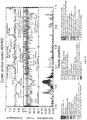
- FIG. 7 shows the transcriptogram analysis for Non-cystic ADPKD vs. Normal samples.
- the abscissa axis represents the ordered gene list.
- the upper panel shows relative average transcriptograms for Non cystic (blue) and Normal (black), relative to Normal. Shaded areas represent standard error.
- the lower panel projects onto the ordered list some of the GOBP terms and KEGG pathways that are differentially expressed.
- the transcriptograms mostly overlap with exceptions marked by inverted peaks in the P-values. Note the cell cycle region of the ordered list that corresponds with overexpression in non-cystic ADPKD samples and P values ⁇ 0.01.
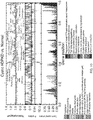
- FIG. 8 shows the transcriptogram of Cystic ADPKD cells vs. Normal.
- the transcriptogram shows many regions of the ordered list with significant differential expression.
- the mitotic cell cycle region of the ordered list shows down regulation in Cystic samples, with P values ⁇ 0.01 and enrichment peaks for related terms.
- Other significant differential expression occurs in regions enriched with genes associated with G protein signaling pathways, tight junctions, cell adhesion and energy metabolism.
- FIG. 9 shows the transcriptogram of non-cystic ADPKD vs. cystic ADPKD cells from the same kidney, showing multiple regions of differential expression. The overall trend is the same as the comparison of cystic ADPKD with Normal. The P-values are consistently lower than comparisons with Normal ( FIGS. 4 and 5 ) because the standard errors in non-cystic ADPKD samples were consistently lower than that of Normals.
- transcriptogram analysis revealed enrichment in genes associated with purine metabolism and G protein signaling pathways, specifically, cGMP phosphodiesterases.
- PDE5, PDE6, and PDE9 were all found to be upregulated in every type of cystic kidney tissue examined.
- the upregulation of PDE5, PDE6, and PDE9 is shown in the upper transcriptogram panel of FIG. 10 as a labeled profile peak.
- Example 2 Sildenafil citrate reduces renal cyst size and prevents renal cyst growth.
- sildenafil citrate (sold under the trade name Viagra ® ) both reduced average cyst size, and prevented the growth of cysts.
- Telomerase immortalized polycystic kidney cells as described in Herbert et al. (PLoS One (2013), 8(1): e55191 ), were used to test the effect of sildenafil citrate on renal cyst growth.
- Immortalized polycystic kidney cells were treated with microgram dosages of sildenafil citrate of 4 ⁇ g/ml, 2 ⁇ g/ml, and 1 ⁇ g/ml. Average cyst size was significantly decreased compared to control (p ⁇ 1 E-6 for 4 ug/ml dose, p ⁇ 0.01 for 2 ug/ml dose, and p ⁇ 0.01 for the 1 ug/ml dose).
- cells were also treated with 250, 500, or 1000 ng/ml sildenafil citrate.
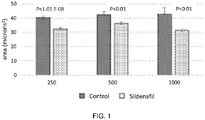
- Matched controls were sham-treated with vehicle but no drug. Cyst area was quantified and average cyst area was found to be significantly reduced in sildenafil citrate-treated cultures (p ⁇ 1.05 E-8 for 250 ng/ml dose, p ⁇ 0.01 for 500 ng/ml dose, and p ⁇ 0.01 for the 1000 ng/ml dose FIG. 1 ).
- No dose response was observed, showing that lower doses are similarly effective as higher doses.
- Dosages tested were consistent with the range of serum drug levels that occur when the drug is prescribed for erectile dysfunction. These results show that lower concentrations will be effective as well.
- frequency distribution analysis showed that average cyst size was reduced by sildenafil citrate, as large cysts were absent from sildenafil citrate treated cultures.
- the depicted frequency distribution which indicates the frequency of cysts of designated size, indicates that while large cyst structures of greater than 150 ⁇ 2 continued to form in vehicle-treated control cells, treatment with sildenafil citrate completely inhibited large cyst formation.
- FIGS. 3A-5B no large cysts were observed in cells treated with sildenafil.
- Cells were treated with a dilution of sildenafil in vehicle from a stock ( FIGS. 3B (1:250), 4B (1:500), and 5B (1:1000)), or with control (no sildenafil; FIGS. 3A , 4A , and 5A ). Images were collected with a 20X phase contrast objective.
Landscapes
- Health & Medical Sciences (AREA)
- Life Sciences & Earth Sciences (AREA)
- Chemical & Material Sciences (AREA)
- General Health & Medical Sciences (AREA)
- Engineering & Computer Science (AREA)
- Organic Chemistry (AREA)
- Medicinal Chemistry (AREA)
- Proteomics, Peptides & Aminoacids (AREA)
- Veterinary Medicine (AREA)
- Pharmacology & Pharmacy (AREA)
- Animal Behavior & Ethology (AREA)
- Public Health (AREA)
- Epidemiology (AREA)
- Molecular Biology (AREA)
- Analytical Chemistry (AREA)
- Zoology (AREA)
- Wood Science & Technology (AREA)
- Immunology (AREA)
- Genetics & Genomics (AREA)
- Microbiology (AREA)
- Biotechnology (AREA)
- Biochemistry (AREA)
- Physics & Mathematics (AREA)
- Bioinformatics & Cheminformatics (AREA)
- Urology & Nephrology (AREA)
- General Engineering & Computer Science (AREA)
- Pathology (AREA)
- Biophysics (AREA)
- Hematology (AREA)
- Biomedical Technology (AREA)
- Food Science & Technology (AREA)
- Cell Biology (AREA)
- General Physics & Mathematics (AREA)
- Nuclear Medicine, Radiotherapy & Molecular Imaging (AREA)
- General Chemical & Material Sciences (AREA)
- Chemical Kinetics & Catalysis (AREA)
- Pharmaceuticals Containing Other Organic And Inorganic Compounds (AREA)
- Medicines That Contain Protein Lipid Enzymes And Other Medicines (AREA)
- Nitrogen Condensed Heterocyclic Rings (AREA)
Description
- This application claims priority to
United States Provisional Application Number 62/132,724, filed on March 13, 2015 - Renal cysts occur in a variety of conditions, and are the most common genetic cause of end-stage renal disease (ESRD). Despite being a major clinical concern and many of the genes causing cystic disease have been identified, knowledge of the molecular nature of the mutations has not been able to clarify the mechanism underlying cyst formation.
- Renal cysts may result due to genetic disorders, non-genetic developmental disorders, and non-genetic acquired disorders. Autosomal dominant polycystic kidney disease (ADPKD) is the most common kidney cyst disease, and is among the most common inherited human diseases. With intrarenal cystogenesis as its primary characteristic, its prevalence is 1 in 400 to 1 in 1,000. Of affected families, 85% have mutations in PKD1 (located on the short arm of chromosome 16), which encodes Polycystin 1, while the rest have mutations in PKD2 (located on the long arm of chromosome 4), which encodes Polycystin 2. Individuals with PKD2 mutations generally present later and have a slower rate of progression to ESRD than individuals with PKD1 mutations. Cysts in ADPKD can arise from any part of the nephron as outpouchings connected to the tubular lumen, which eventually disconnect. Over time, they enlarge, destroying normal parenchyma, resulting in bilateral kidney enlargement, and culminating in kidney failure.
- Most patients present between 20-40 years of age, although early onset (under 15 years of age) and very early onset (less than 2 years of age, even in utero) ADPKD does occur. Common renal symptoms include abdominal pain, polyuria, urinary tract infections, hematuria, and hypertension. Hepatic, pancreatic, ovarian, splenic, and intestinal diverticula may also occur.
- At present, treatment options for cystic kidney disease comprise symptom management including pain management, blood pressure management, antibiotics to treat uterine tract infections, and diuretics to help remove excess fluid, and dialysis or kidney transplant. These options, particularly dialysis and transplant, are expensive and can negatively affect a patient's quality of life.
-
WO 2018/137318 discloses treatments for diseases including polycystic kidney disease. -
US 2013/338137 discloses medicaments for use in the treatment of kidney diseases, including renal cysts. - Described herein is the identification of cGMP-specific phosphodiesterase upregulation in cystic kidney diseases.
- The present invention discloses at least one cGMP-specific phosphodiesterase type 5 inhibitor for use in reducing renal cyst size and/or preventing renal cyst growth in a subject in need thereof, wherein the at least one cGMP-specific phosphodiesterase type 5 inhibitor is for administration to the subject in an effective amount, and wherein the at least one cGMP-specific phosphodiesterase type 5 inhibitor is selected from the group consisting of: sildenafil; aildenafil; tadalafil; vardenafil; udenafil; avanafil; lodenafil; mirodenafil; dipyridamole; icariin; and pharmaceutically acceptable salts thereof, and hydrates thereof.
- The present invention furthermore discloses a medicament for use in reducing renal cyst size and/ or preventing renal cyst growth, comprising at least one cGMP-specific phosphodiesterase type 5 inhibitor wherein the cGMP-specific phosphodiesterase type 5 inhibitor is selected from the group consisting of: sildenafil; aildenafil; tadalafil; vardenafil; udenafil; avanafil; lodenafil; mirodenafil; dipyridamole; icariin; and pharmaceutically acceptable salts thereof, and hydrates thereof, and one or more pharmaceutically-acceptable liquid carriers, solid carriers, vehicles and/or excipients.
- In an embodiment described herein, the subject has a polycystic kidney disease selected from the group consisting of: autosomal dominant polycystic kidney disease; and autosomal recessive polycystic kidney disease.
- A subject as described in any one of the embodiments described herein may be an individual selected from the group consisting of: human; feline; canine; equine; cattle; swine; sheep; and goat.
- In certain embodiments described herein, the medicament further comprises a kidney-targeted drug delivery system. The kidney-targeted drug delivery system may be of a type selected from the group consisting of: lysozyme; poly(vinylpyrrolidone-co-dimethyl maleic acid); G3-C12 peptide; sugar-modified prodrugs; amino acid-modified prodrugs; folate-modified prodrugs; nanoparticles; and liposomes.
-
-
FIG. 1 : Sildenafil citrate (sold under the trade name Viagra®) treatment reduced average cyst size in culture. Cells were treated with 250, 500, or 1000 ng/ml sildenafil citrate. The depicted bar graph shows that in vitro cyst formation is reduced by treatment with sildenafil citrate at all concentrations tested -
FIG. 2 : Large cysts are absent from sildenafil citrate (sold under the trade name Viagra®) treated cultures. Cells were treated with 250, 500, or 1000 ng/ml sildenafil citrate (noted as v250, v500, and v1000, respectively), or sham-treated with matched controlled with vehicle but no drug (noted as c250, c500, and c1000, respectively). The frequency distribution bar graph shows average cyst size being reduced by treatment with sildenafil citrate, as evidence by the absence of large cysts in sildenafil citrate treated cultures. -
FIG. 3A : Photograph of control cells for the 1:250 sildenafil treated group depicted inFIG. 3B . Image collected with a 20X phase contrast objective. -
FIG. 3B : Photograph of cells treated with a 1:250 sildenafil dilution of drug in vehicle from a stock. Image collected with a 20X phase contrast objective. -
FIG. 4A : Photograph of control cells for the 1:500 sildenafil treated group depicted inFIG. 4B . Image collected with a 20X phase contrast objective. -
FIG. 4B : Photograph of cells treated with a 1:500 sildenafil dilution of drug in vehicle from a stock. Image collected with a 20X phase contrast objective. -
FIG. 5A : Photograph of control cells for the 1:1000 sildenafil treated group depicted inFIG. 3B . Image collected with a 20X phase contrast objective. -
FIG. 5B : Photograph of cells treated with a 1:1000 sildenafil dilution of drug in vehicle from a stock. Image collected with a 20X phase contrast objective. -
FIG. 6 : Transcriptogram analysis showing gene ordering. The abscissa axis stands for the ordered gene list, comprising 9684 genes. The colored profiles give the density distributions of the GOBP terms or KEGG pathways, as indicated in the legend. High peaks mean that at that point the list is enriched with genes of the term or pathway. -
FIG. 7 : Direct transcriptogram comparison of non-cystic ADPKD vs. normal cells. The upper panel shows relative average transcriptograms for Non-cystic (dark blue) and Normal (light blue), relative to Normal. Shaded areas represent standard error. The central panel presents the P-value from a two tail Weyl's t-test for each point along the transcriptogram, with horizontal lines marking P=0.05 and P=0.01. The lower panel projects onto the ordered list some of the GOBP terms and KEGG pathways that are differentially expressed. The transcriptograms mostly overlap with exceptions marked by inverted peaks in the P-values. Note the cell cycle region of the ordered list that corresponds with overexpression in non-cystic ADPKD samples and P values <0.01. -
FIG. 8 : Direct transcriptogram comparison of cystic ADPKD vs. normal cells. The transcriptogram shows many regions of the ordered list with significant differential expression, as represented by the profile peaks. The mitotic cell cycle region of the ordered list shows down regulation in Cystic samples, with P values < 0.01 and enrichment peaks for related terms. Other significant differential expression occurs in regions enriched with genes associated with G protein signaling pathways, tight junctions, cell adhesion and energy metabolism. -
FIG. 9 : Direct transcriptogram comparison of cystic ADPKD Vs. non-cystic ADPKD from the same kidney. The transcriptogram shows many regions of differential expression, as represented by the profile peaks. The overall trend is the same as the comparison of cystic ADPKD with Normal. The P-values are consistently lower than comparisons with Normal (FIGS. 4 and5 ) because the standard errors in non-cystic ADPKD samples were consistently lower than that of Normal. -
FIG. 10 : Transcriptogram of cystic ADPKD Vs. normal shows purine metabolism peak, and increases in expression of cGMP phosphodiesterases PDE5, PDE6, and PDE9. - The invention is defined by the claims. Any subject-matter falling outside the scope of the claims is provided for information purposes only.
- Renal cysts occur in a variety of conditions, and are the most common genetic cause of end-stage renal disease (ESRD). Despite being a major clinical concern, and many of the genes causing cystic disease have been identified, knowledge of the molecular nature of the mutations has not been able to clarify the mechanism underlying cyst formation.
- Described herein for the first time is the finding that phosphodiesterase (PDE) types 5, 6, and 9 (PDE5, PDE6, and PDE9, respectively) are upregulated in cystic kidney tissue. Using transcriptogram analysis, a powerful, sensitive method to analyze gene expression data, all cystic kidney tissues tested showed significant upregulation of these three PDEs (PDE5, PDE6, and PDE9). Inhibition of these PDEs, which are all cGMP-specific phosphodiesterases, is shown herein to reduce average renal cyst size and prevent renal cyst growth.
- As shown in
FIG. 1 , treatment of cyst structures grown from immortalized polycystic kidney cells with sildenafil citrate (sold under the trade name Viagra®) resulted in significant reductions in average cyst size. Dosages of 250 ng/ml, 500 ng/ml, and 1,000 ng/ml were tested, with no dose response observed, indicating that lower concentrations will also be effective at reducing average cyst size. - Frequency distribution analysis, depicted in
FIG. 2 , shows that treatment of cyst structures grown from immortalized polycystic kidney cells with sildenafil citrate results in the absence of large cysts, indicating that sildenafil citrate inhibits the progression of cyst formation. The depicted frequency distribution, which indicates the frequency of cysts of designated size, indicates that while large cyst structures of greater than 150 µ2 continued to form in vehicle-treated control cells, treatment with sildenafil citrate completely inhibited large cyst formation. These results demonstrate the ability of cGMP-specific PDE inhibitors to reduce average renal cyst size and prevent renal cyst growth. -
FIGS. 3A-3B present photographs of control treatment (FIG. 3A ) or cells treated with a 1:250 dilution of sildenafil in vehicle from a stock (FIG. 3B ). No large cysts were observed in the sildenafil treated group. Images were collected with a 20X phase contrast objective. -
FIGS. 4A-4B present photographs of control treatment (FIG. 4A ) or cells treated with a 1:500 dilution of sildenafil in vehicle from a stock (FIG. 4B ). No large cysts were observed in the sildenafil treated group. Images were collected with a 20X phase contrast objective. -
FIGS. 5A-5B present photographs of control treatment (FIG. 5A ) or cells treated with a 1:1000 dilution of sildenafil in vehicle from a stock (FIG. 5B ). No large cysts were observed in the sildenafil treated group. Images were collected with a 20X phase contrast objective. - Due lack of understanding regarding the mechanism that links polycystic kidney disease (PKD) mutations (e.g., mutations of PKD1 and/or PKD2 in autosomal dominant polycystic kidney disease (ADPKD)) and the cell behavior changes that drive cyst formation, transcriptogram analysis was utilized to identify target molecular pathways involved in renal cyst development.
- Transcriptogram analysis, first described by Rybarczyk-Filho et al. (Nucleic Acids Res., 39(8): 3005-15 (2011) is a powerful and sensitive computational method to analyze gene expression data and identify affected pathways. The method comprises ordering genes on a line and clustering the genes by the probability that their products interact. Protein-protein association information can be obtained from large databases, such as STRING. The genome organization obtained this way is independent from specific experiments, and defines functional modules that are associated with gene ontology terms. The starting point is a gene list and a matrix specifying interactions.
- Genome-wide expression data consist of expression levels of thousands of genes. The joint analysis of the whole data represents a significant challenge. The usual approaches compare expression levels of modified cellular stages relative to those of a pre-established control. The genes are then ranked by the variations in expression relative to the control and those genes that present the most significant alterations (highest or lowest) are chosen to be further analyzed. However, genes have their expression dynamics determined by a network of other genes, and moderate alterations on many interacting genes may cause measurable effects on cell metabolism. These effects may be overlooked when using the maximally altered level criterion but, on the other hand, the great amount of data may prevent a more accurate analysis.
- The transcriptogram approach produces 'images' of gene expression data of whole genomes, by producing expression profiles for transcriptomes. The basis of the method is to consider averages of expression data over neighboring genes disposed on a line, as in the metaphoric example of the high-resolution photograph. On one hand, this procedure targets a global assessment of expression data of whole genomes. On the other hand, it requires the definition of gene neighborhood when disposed on a line, which is not straightforward.
- Expression levels of different genes may differ by large amounts. Consequently, a random list of genes generates plots of relative gene expression levels that fluctuate so wildly that very little information, if any, can be gathered from them. Techniques to extract information from wildly fluctuating general profiles consider averages taken over intervals of neighboring points. In the case where genes are ordered on a list following some criterion that favors clustering together interacting genes, the distance between any two genes on the list may correlate with the probability of mutual interaction, yielding then a natural criterion to define gene neighborhood on the list.
- Many algorithms exist that find clusters of nodes in complex networks. These algorithms have been successfully applied to gene networks based on protein-protein interactions. However, they do not order genes on a list, but rather present the genes that belong to the same cluster in an arbitrary order. An exception is the clustering algorithm proposed by Barabási and collaborators (Ravasz et al., Science, (2002) 297, 1551; Barabási and Oltavai, Nat. Rev. Genet., (2004)). Also, analysis of trancriptomes often cluster together genes by their co-expression, or co-variation in time, which implies that these cluster definitions depend on the stage the cell is going through or on the protocol used to produce the assessed sample.
- The transcriptogram method described by Rybarczyk-Filho et al. (2011) orders a list of genes using the computational physics method known as Monte Carlo. The aim is to cluster on a line interacting genes, such that the distance between two genes on the list correlates with the probability that they interact, that is, the probability that their protein products are associated in protein-protein association data bases such as STRING. A first advantage is that the definition of these clusters is independent from the specific stage the cells are at a given moment, or the protocol they have suffered. The genome ordering of Rybarczyk-Filho et al. (2011) defines a mathematical metric that correlates the distance between two genes on the list with their mutual influence. The probability that two genes interact decreases with the distance between their localization on the ordered list, and an average of the expression levels over neighboring genes on this list dumps fluctuations and produces a smooth profile termed a 'transcriptogram'. The ordering is capable of clustering together genes belonging to gene ontology terms of Gene Ontology: Biological Processes (The Gene Ontology Consortium, Nat. Genet., (2000) 25, 29). Furthermore, expression profiles projected on the ordering give enough information on the global performance of a cell to discriminate different metabolic or biosynthetic processes, rendering a global assessment of cellular metabolism.
- Relative transcriptograms for cystic kidney tissues, including ADPKD tissues, were calculated using published data (Song et al., Hum. Molec. Genet., (2009) 18(13), 2328). As described in Song et al., all cystic tissues differed from control but not from each other. The present transcriptogram analysis revealed changes in genes associated with translation and DNA repair, Notch, Wnt, and transmembrane receptor tyrosine kinase signaling pathways. The present transcriptogram analysis also detected changes in minimally cystic tissues that were not detected by standard microarray analysis, including genes associated with the cytoskeleton, integrins, cell adhesion, mitochondria, and retinol metabolism. Differences were also identified in G-protein signaling and phosphodiesterase pathways.
- A particular group of phosphodiesterases that degrade cGMP were found by the present transcriptogram analysis to be upregulated in every type of cystic kidney tissue examined. The upregulated cGMP-related PDEs included PDE5, PDE6, and PDE9. These PDEs have not previously been identified in cystic kidney diseases, and were investigated as therapeutic targets.
- The 3',5'-cyclic nucleotide phosphodiesterases (PDEs), which hydrolyze the intracellular second messengers cAMP and cGMP to their corresponding monophosphates, play an important role in signal transduction by regulating the intracellular concentration of cyclic nucleotides. Numerous cellular functions are regulated by these second messengers. In the cardiovascular system, blood pressure is regulated by contraction and relaxation of vascular smooth muscle in association with vascular endothelial functions. Beating of cardiac myocytes is accurately controlled to pump blood out of the heart to other parts of the body according to environmental conditions. These events in hemodynamics are regulated by extracellular stimulation through alteration of intracellular cyclic nucleotide levels, which are determined by a balance between their production and degradation by PDEs. Downstream effector proteins of cAMP and cGMP are cAMP-dependent protein kinase (PKA), cGMP-dependent protein kinase (PKG), cyclic nucleotide-gated ion channels, and cAMP-regulated guanine nucleotide exchange factors (cAMP-GEFs), which are also called exchange proteins directly activated by cAMP (Epacs). PDEs are also downstream effectors of cAMP and cGMP. Studies on cyclic nucleotide-mediated signaling have revealed that the signal for each physiological event is independently regulated by compartmentation of certain signaling molecules. PDEs are closely related to the regulation of each specific transduction signal, and therefore multiple PDEs play important roles in modulating each cellular function. Previously, PDEs had not been associated with renal cyst formation.
- PDEs comprise a large class of enzymes divided into at least eleven different families which are structurally, biochemically and pharmacologically distinct from one another. The enzymes within each family are commonly referred to as isoenzymes, or isozymes. Further diversity among the isoenzymes results from differential splicing and post-translational processing of those gene products.
- Many cGMP-specific PDE inhibitors are known in the art. PDE5 inhibitors, which generally also inhibit PDE6 and PDE9 with varying efficacy, are most famously prescribed for the treatment of erectile dysfunction, but have been also demonstrated to be useful in reducing symptoms of pulmonary hypertension and commencing right-heart failure (Michelakis et al., Circulation, (2003) 108, 2066; Ghofrani et al., J. Am. Coll. Cardiol., (2003) 42, 158; Ghofrani et al. Lancet, (2002) 360, 895; Ghofrani et al., AJRCCM, (2003) 167(8), 1139). PDE5 inhibitors have also been shown to have many other effects, including: inducing neurogenesis and promoting functional recovery after stroke in rats (Zhang et al., Stroke, (2002) 33, 2675; Zhang et al., Circ. Res., (2003) 92(3), 308); relaxing epicardial coronary arteries of patients with coronary artery disease (Halcox et al., J. Am. Coll. Cardiol., (2002) 40, 1232); working in diabetic gastropathy in some animal studies, in which nNOS and activity were reduced (Watkins et al., J. Clin. Invest., (2000) 106, 373); improving the spatial balance between blood perfusion and ventilation in COPD (
WO 03/051346 US Pat. No. 8,278,300 ). - Compounds which can be used to inhibit PDE5 include but are not limited to 3-ethyl-8-[2-(4-morpholinylmethyl)benzylamino]-2,3-dihydro-1H-imidazo[4,5-g]quinazoline-2-thione, 1-(2-chlorobenzyl)-3-isobutyryl-2-propylindole-6-carboxamide, 9-bromo-2-(3-hydroxypropoxy)-5-(3-pyridylmethyl)-4H-pyrido[3,2,1-jk]-carbazol-4-one, 4-(1,3-benzodioxol-5-ylmethylamino)-2-(1-imidazolyl)-6-methylthieno[2,3-d]pyrimidine, 6-(2-isopropyl-4,5,6,7-terahydropyrazolo[1,5-a]pyridin-3-yl)-5-methyl)-5-methyl-2,3,4,5-tetrahydropyridazin-3-one, 5-(4-methylbenzyl)-3-(1-methyl-4-phenylbutyl)-3,6-dihydro-[1,2,3]triazolo[4,5-d]pyrimidin-7-one, 3-(1-methyl-4-phenylbutyl)-5-pyridin-4-ylmethyl-3,6-dihydro-[1,2,3]triazolo[4,5-d]pyrimidin-7-one, 5-(4-bromobenzyl)-3-(1-methyl-4-phenylbutyl)-3,6-dihydro-[1,2,3]triazolo[4,5-d]pyrimidin-7-one, 5-benzyl-3-(1-methyl-4-phenylbutyl)-3,6-dihydro-[1,2,3]triazolo[4,5-d]pyrimidin-7-one, 5-(3,4-dimethoxybenzyl)-3-(1-methyl-4-phenylbutyl)-3,6-dihydro-[1,2,3]triazolo-[4,5-d]pyrimidin-7-one, 5-(3,4-dichlorobenzyl)-3-(1-methyl-4-phenylbutyl)-3,6-dihydro-[1,2,3]triazolo[4,5-d]pyrimidin-7-one, 5-biphenyl-4-ylmethyl-3-(1-methyl-4-phenylbutyl)-3,6-dihydro-[1,2,3]triazolo[4,5-d]pyrimidin-7-one, 5-(4-aminobenzyl)-3-(1-methyl-4-phenylbutyl)-3,6-dihydro-[1,2,3]triazolo[4,5-d]pyrimi-din-7-one, 5-(hydroxyphenylmethyl)-3-(1-methyl-4-phenylbutyl)-3,6-dihydro-[1,2,3]triazolo-[4,5-d]pyrimidin-7-one, 5-benzo[1,3]dioxol-5-ylmethyl-3-[1-methyl-4-phenylbutyl]-3,6-dihydro-[1,2,3]triazolo[4,5-d]pyrimidin-7-one, N-4-[3-(1-methyl-4-phenylbutyl)-7-oxo-6,7-dihydro-3H-[1,2,3]triazolo-[4,5-d]pyrimidin-5-ylmethyl]phenylacetamide, 5-benzoyl-3-(1-methyl-4-phenylbutyl)-3,6-dihydro-[1,2,3]triazolo[4,5-d]-pyrimidin-7-one, 3-(1-methyl-4-phenylbutyl)-5-[4-(morpholine-4-sulphinyl)benzyl]-3,6-dihydro[1,2,3]triazolo[4,5-d]pyrimidin-7-one, 3-(1-methy1-4-phenylbutyl)-5-[3-(morpholine-4-sulphonyl)benzyl]-3,6-dihydro[1,2,3]triazolo[4,5-d]pyrimidin-7-one, N-methyl-4-[3-(1-methyl-4-phenylbutyl)-7-oxo-6,7-dihydro-3H-[1,2,3]-triazolo-[4,5-dlpyrimidin-5-ylmethyl]-benzenesulphonamide, N-(2-dimethylaminoethyl)-4-[3-(1-methyl-4-phenylbutyl)-7-oxo-6,7-dihydro-3H-[1,2,3]triazolo[4,5-d]pyrimidin-5-ylmethyl]benzenesulphonamide, N-(2-hydroxyethyl)-4-[3-(1-methyl-4-phenylbutyl)-7-oxo-6,7-dihydro-3H-[1,2,3]triazolo[4,5-d]pyrimidin-5-ylmethyl]benzenesulphonamide, ethyl 1-[3-[3-(1-methyl-4-phenylbutyl)-7-oxo-6,7-dihydro-3H-[1,2,3]-triazolo-[4,5-d]pyrimidin-5-ylmethyl]benzenesulphonyl]piperidinecarboxylate, 3-(1-methyl-4-phenylbutyl)-5-[4-(4-methylpiperazin-1-sulphonyl)benzyl]-3,6-dihydro-[1,2,3]triazolo[4,5-d]pyrimidin-7-one, 5-benzo[1,3]dioxol-5-ylmethyl-3-[1-ethyl-heptyl]-3,6-dihydro-[1,2,3]-triazolo[4,5-d]pyrimidin-7-one, 3-[1-(1-hydroxyethyl)-4-phenylbutyl]-5-[4-(morpholine-4-sulphonyl)benzyl]-3,6-dihydro-[1,2,3]triazolo[4,5-d]pyrimidin-7-one, 5-[6-fluoro-1-(phenylmethyl)-1H-indazol-3-yl]-2-furanmethanol, 1-benzyl-6-fluoro-3-[5-(hydroxymethyl)furan-2-yl]-1H-indazole, 2-(1H-imidazol-1-yl)-6-methoxy-4-(2-methoxyethylamino)quinazoline, 1-[[3-(7,8-dihydro-8-oxo-1H-imidazo[4,5-g]quinazolin-6-yl)-4-propoxyphenyl]sulphonyl]-4-methylpiperazine, 4-(3-chloro-4-methoxybenzylamino)-1-(4-hydroxypiperidin-1-yl)phthalazine-6-carbonitrile, 1-[6-chloro-4-(3,4-methylendioxybenzylamino)quinazolin-2-yl]piperidin-4-carboxylic acid, (6R,12aR)-6-(1,3-benzodioxol-5-yl)-2-methyl-1,2,3,4,6,7,12,12a-octa-hydropyrazino[2',1':6,1]pyrido[3,4-b]indole-1,4-dione (tadalafil), (6R,12aR)-2,3,6,7,12,12a-hexahydro-2-methyl-6-(3,4-methylenedioxyphenyl)-pyrazino-[2',1':6,1]pyrido[3,4-b]indole-1,4-dione, 4-ethoxy-2-phenylcycloheptylimidazole, (6-bromo-3-methoxymethylimidazo[1,2-a]pyrazin-8-yl)methylamine, 8-[(phenylmethyl)thio]-4-(1-morpholinyl)-2-(1-piperazinyl)pyrimidino[4,5-d]pyrimidine, (+)-cis-5-methyl-2-[4-(trifluoromethyl)benzyl]-3,4,5,6a,7,8,9-octahydrocyclopent[4,5]imidazo[2,1-b]purin-4-one, cis-2-hexyl-5-methyl-3,4,5,6a,7,8,9,9a-octahydrocyclopent[4,5]imidazo[2,1-b]purin-4-one, 5[2-ethoxy-5-(4-methyl-1-piperazinyl-sulphonyl)phenyl]-1-methyl-3-n-propyl-1,6-dihydro-7H-pyrazolo[4,3-d]pyrimidin-7-one (sildenafil), 1-[[3-(6,7-dihydro-1-methyl-7-oxo-3-propyl-1H-pyrazolo[4,3-d]pyrimidin-5-yl)-4-ethoxyphenyl]sulfonyl]-4-methylpiperazine, 2-(2-propoxyphenyl)purin-6(1H)-one, 2-(2-propoxyphenyl)-1,7-dihydro-5H-purin-6-one, methyl 2-(2-methylpyridin-4-ylmethyl)-1-oxo-8-(2-pyrimidinylmethoxy)-4-(3,4,5-trimethoxyphenyl)-1,2-dihydro-[2,7]naphthyridin-3-carboxylate, methyl 2-(4-aminophenyl)-1-oxo-7-(2-pyridinylmethoxy)-4-(3,4,5-trimethoxyphenyl)-1,2-dihydroisoquinoline-3-carboxylate, 2-[2-ethoxy-5-(4-ethylpiperazin-1-ylsulfonyl)phenyl]-5-methyl-7-propylimidazo[5,1-f][1,2,4]triazin-4(3H)-one (vardenafil), 3,4-dihydro-6-[4-(3,4-dimethoxybenzoyl)-1-piperaznyl]-2(1H)-quinolinone (vesnarinone), 1-cyclopentyl-3-methyl-6-(4-pyridyl)pyrazolo[3,4-d]pyrimidin-4(5H)-one, 1-cyclopentyl-6-(3-ethoxy-4-pyridinyl)-3-ethyl-1,7-dihydro-4H-pyrazolo[3,4-d]-pyrimidin-4-one, 6-o-propoxypheny1-8-azapurin-6-one, 3,6-dihydro-5-(o-propoxyphenyl)-7H-v-triazolo[4,5-d]pyrimidin-7-one, 4-methyl-5-(4-pyridinyl)thiazole-2-carboxamide, 5-[2-ethoxy-5-(4-methylpiperazin-1-ylsulfonyl)phenyl]-1,6-dihydro-1-methyl-3-propylpyrazolo[4,3-d]pyrimidin-7-one, 5-[5-[(3S,5R)-3,5-dimethylpiperazin-1-yl]sulfonyl-2-ethoxyphenyl]-1-methyl-3-propyl-4H-pyrazolo[4,3-d]pyrimidin-7-one, 5-[5-[(3S,5R)-3,5-dimethylpiperazin-1-yl]sulfonyl-2-ethoxyphenyl]-1-methyl-3-propyl-4H-pyrazolo[4,3-d]pyrimidin-7-one, (6R,12aR)-6-(1,3-Benzodioxol-5-yl)-2-methyl-2,3,6,7,12,12a-hexahydropyrazino[1',2':1,6]pyrido[3,4-b]indole-1,4-dione, 2-[2-ethoxy-5-(4-ethylpiperazin-1-yl)sulfonylphenyl]-5-methyl-7-propyl-1H-imidazo[5,1-f][1,2,4]triazin-4-one, 3-(1-methyl-7-oxo-3-propyl-4H-pyrazolo[4,3-d]pyrimidin-5-yl)-N-[2-(1-methylpyrrolidin-2-yl)ethyl]-4-propoxybenzenesulfonamide, 4-[(3-chloro-4-methoxyphenyl)methylamino]-2-[(2S)-2-(hydroxymethyl)pyrrolidin-1-yl]-N-(pyrimidin-2-ylmethyl)pyrimidine-5-carboxamide, bis[2-[4-[4-ethoxy-3-(1-methyl-7-oxo-3-propyl-4H-pyrazolo[4,3-d]pyrimidin-5-yl)phenyl]sulfonylpiperazin-1-yl]ethyl] carbonate, 5-ethyl-2-[5-[4-(2-hydroxyethyl)piperazin-1-yl]sulfonyl-2-propoxyphenyl]-7-propyl-1H-pyrrolo[3,2-d]pyrimidin-4-one, 2-[[2-[bis(2-hydroxyethyl)amino]-4,8-di(piperidin-1-yl)pyrimido[5,4-d]pyrimidin-6-yl]-(2-hydroxyethyl)amino]ethanol, 3-[(6-Deoxy-α-L-mannopyranosyl)oxy]-5-hydroxy-2-(4-methoxyphenyl)-8-(3-methyl-2-buten-1-yl)-4-oxo-4H-chromen-7-yl β-D-glucopyranoside, and 5-(2-propoxyphenyl)-2,3-dihydrotriazolo[4,5-d]pyrimidin-7-one and the pharmaceutically acceptable derivatives of these compounds. Many of these compounds and/or their pharmaceutically acceptable derivatives can also inhibit PDE6 and PDE9,
- As used herein, unless otherwise stated, a "pharmaceutically acceptable derivative" of an active compound means a pharmaceutically acceptable salt or solvate (e.g. hydrate), a pharmaceutically acceptable solvate of such salt, a pharmaceutically acceptable prodrug, a pharmaceutically acceptable N-oxide or a pharmaceutically acceptable salt or solvate of the latter.
- "Pharmaceutically acceptable salts" refers to water-soluble and water-insoluble acid addition salts with acids such as, for example, hydrochloric acid, hydrobromic acid, phosphoric acid, nitric acid, sulfuric acid, acetic acid, citric acid, D-gluconic acid, benzoic acid, 2-(4-hydroxybenzoyl)-benzoic acid, butyric acid, sulfosalicylic acid, maleic acid, lauric acid, malic acid, fumaric acid, succinic acid, oxalic acid, tartaric acid, embonic acid, stearic acid, toluenesulfonic acid, methanesulfonic acid or 1-hydroxy-2-naphthoic acid, the acids being employed in salt preparation-depending on whether it is a mono- or polybasic acid and depending on which salt is desired-in an equimolar quantitative ratio or one differing there from.
- "Pharmaceutically acceptable salts" also refers to salts with bases, e.g. alkali metal (lithium, sodium, potassium) or calcium, aluminum, magnesium, titanium, ammonium, meglumine or guanidinium salts, which also employ bases in salt preparations in an equimolar quantitative ratio or deviations of it.
- PDE6 subtypes are found in retinal rod and cone cells, where they tightly control cGMP hydrolysis. Many PDE5 inhibitors also significantly inhibit PDE6 (Zhang et al., Invest. Ophthamol. Vis. Sci., (2005) 46.9, 3060.). Vardenafil was shown to be a potent PDE6 inhibitor, while Zaprinast was the only drug to inhibit PDE6 more potently than PDE5 (Zhang et el. (2005)).
- As with PDE6, many PDE5 inhibitors also inhibit PDE9. There are relatively few PDE9-specific inhibitors, the first - BAY 73-6691 (1-(2-chlorophenyl)-6-[(2R)-3,3,3-trifluoro-2-methylpropyl]-1,5-dihydro-4H-pyrazolo[3,4-d]pyrimidine-4-one) - being reported in 2005 (Wunder et al., Mol. Pharmacol., (2005) 68(6), 1775). BAY 73-6691 was developed by Bayer for treating Alzheimer's disease, and was shown to selectively inhibit human and murine PDE9 activity in vitro, and showed only moderate activity against other PDEs. The drug has not yet been approved by the FDA, but has been used in many cognition enhancement studies.
- A second selective PDE9 inhibitor, also developed for improving cognitive dysfunction in Alzheimer's disease - PF-04447943 ((6-[(3S,4S)-4-methyl-1-(pyrimidin-2-ylmethyl)pyrrolidin-3-yl]-1-(tetrahydro-2H-pyran-4-yl)-1,5-dihydro-4H-pyrazolo[3,4-d]pyrimidin-4-one)) - has been reported by Pfizer (Hutson et al., Neuropharmacology, (2011) 61(4), 665). PF-04447943 has been shown to be a potent, selective PDE9 inhibitor that elevates cGMP in brain and cerebrospinal fluid, enhances synaptic plasticity and improves memory in preclinical cognition models, and prevents decreases in dendritic spine density in amyloid precursor protein overexpressing transgenic mice.
- In certain embodiments, PDE inhibitors useful in a method or medicament described herein include compounds selected from the group of sildenafil, aildenafil, tadalafil, vardenafil, udenafil, avanafil, lodenafil, mirodenafil, dipyridamole, icariin, and/or the pharmacologically acceptable salts thereof.
- Described herein is the discovery that inhibitors of PDE5, PDE6, and PDE9 are useful in reducing renal cyst size and preventing renal cyst growth. Methods for preventing the progression of and/or treating a cystic kidney disease in a subject in need thereof are described. The methods generally comprise administering an effective amount of at least one phosphodiesterase inhibitor capable of inhibiting at least one of PDE5, PDE6, and PDE9 to a subject.
- As used herein, "preventing progression of" refers to slowing or halting the growth of renal cysts in a cystic kidney disease. Any slowed growth of renal cysts as compared to untreated renal cysts is considered to be a prevention of progression. Any stoppage of growth of renal cysts is also to be considered a prevention of progression.
- "Treating" as it relates to cystic kidney disease refers to any reduction in size of a renal cyst in a subject having cystic kidney disease.
- As used herein, "effective amount" refers to an amount of a substance, compound, or composition sufficient to prevent the progression of and/or treat a cystic kidney disease in a subject. An effective amount, or effective dose, can be administered in one or more administrations. The precise determination of an effective amount will be affected by factors individual to each subject, including but not limited to the subject's age, size, type and extent of disease, method of administration, whether the substance, compound, or composition is administered alongside conventional therapy (e.g. dialysis) or on its own, and the desired result. It will be known to one of skill in the art how to determine an effective amount for a particular subject.
- The term "subject" as used herein may refer to any animal known to suffer from cystic kidney disease, including but not limited to human, feline, canine, equine, cattle, swine, sheep, and goat. In a particular embodiment, the subject is a human.
- PDE inhibitors useful in methods described herein include, but are not limited to, compounds selected from the group of sildenafil (5-[2-ethoxy-5-(4-methylpiperazin-1-ylsulfonyl)phenyl]-1,6-dihydro-1-methyl-3-propylpyrazolo[4,3-d]pyrimidin-7-one, 5-[5-[(3S,5R)-3,5-dimethylpiperazin-1-yl]sulfonyl-2-ethoxyphenyl]-1-methyl-3-propyl-4H-pyrazolo[4,3-d]pyrimidin-7-one), aildenafil (5-[5-[(3S,5R)-3,5-dimethylpiperazin-1-yl]sulfonyl-2-ethoxyphenyl]-1-methyl-3-propyl-4H-pyrazolo[4,3-d]pyrimidin-7-one), tadalafil ((6R,12aR)-6-(1,3-Benzodioxol-5-yl)-2-methyl-2,3,6,7,12,12a-hexahydropyrazino[1',2':1,6]pyrido[3,4-b]indole-1,4-dione), vardenafil (2-[2-ethoxy-5-(4-ethylpiperazin-1-yl)sulfonylphenyl]-5-methyl-7-propyl-1H-imidazo[5,1-f][1,2,4]triazin-4-one), udenafil (3-(1-methyl-7-oxo-3-propyl-4H-pyrazolo[4,3-d]pyrimidin-5-yl)-N-[2-(1-methylpyrrolidin-2-yl)ethyl]-4-propoxybenzenesulfonamide), avanafil (4-[(3-chloro-4-methoxyphenyl)methylamino]-2-[(2S)-2-(hydroxymethyl)pyrrolidin-1-yl]-N-(pyrimidin-2-ylmethyl)pyrimidine-5-carboxamide), lodenafil (bis[2-[4-[4-ethoxy-3-(1-methyl-7-oxo-3-propyl-4H-pyrazolo[4,3-d]pyrimidin-5-yl)phenyl]sulfonylpiperazin-1-yl]ethyl] carbonate), mirodenafil (5-ethyl-2-[5-[4-(2-hydroxyethyl)piperazin-1-yl]sulfonyl-2-propoxyphenyl]-7-propyl-1H-pyrrolo[3,2-d]pyrimidin-4-one), dipyridamole (2-[[2-[bis(2-hydroxyethyl)amino]-4,8-di(piperidin-1-yl)pyrimido[5,4-d]pyrimidin-6-yl]-(2-hydroxyethyl)amino]ethanol), icariin (3-[(6-Deoxy-α-L-mannopyranosyl)oxy]-5-hydroxy-2-(4-methoxyphenyl)-8-(3-methyl-2-buten-1-yl)-4-oxo-4H-chromen-7-yl β-D-glucopyranoside), zaprinast (5-(2-propoxyphenyl)-2,3-dihydrotriazolo[4,5-d]pyrimidin-7-one), PF-04447943, BAY 73-6691, and derivates, solvates, polymorphs, prodrugs, active metabolites, and/or the pharmacologically acceptable salts of these compounds.
- In a particular embodiment, the PDE inhibitor is sildenafil, or a pharmaceutically acceptable derivative thereof. In another embodiment, the PDE5 inhibitor is sildenafil citrate ([1-[[3-(6,7-dihydro-1-methyl-7-oxo-3-propyl-1H-pyrazolo [4,3-d]pyrimidin-5-yl)-4-ethoxyphenyl]sulfonyl]-4-methylpiperazine citrate).
- In yet another embodiment, the PDE inhibitor is tadalafil, or a pharmaceutically acceptable derivative thereof.
- In yet another embodiment, the PDE inhibitor is vardenafil, or a pharmaceutically acceptable derivative thereof. Examples of pharmaceutically acceptable salts of vardenafil include vardenafil hydrochloride, the trihydrate of vardenafil hydrochloride, and vardenafil dihydrochloride.
- In certain embodiments, the cystic kidney disease to be treated and/or progression thereof slowed is a polycystic disease such as autosomal dominant polycystic kidney disease and autosomal recessive polycystic kidney disease. In a particular embodiment, the cystic kidney disease is autosomal dominant polycystic kidney disease.
- Medicaments, or pharmaceutical preparations, for preventing progression of and/or treating cystic kidney disease are described herein. In particular, pharmaceutical preparations described herein can be used to prevent progression of and/or treat polycystic kidney diseases. In an embodiment, the medicament can be used to prevent progression of and/or treat autosomal dominant polycystic kidney disease.
- As a medicament, one or more PDE inhibitors described herein are employed as such, or, in certain embodiments, are in combination with suitable pharmaceutical carriers, vehicles, or excipients comprising inert ingredients. A medicament or pharmaceutical preparation also refers to any product that results, directly or indirectly, from combination, complexation, or aggregation of any two or more of the ingredients, or from dissociation of one or more of the ingredients, or from other types of reactions or interactions of one or more of the ingredients. Generally, pharmaceutical preparations are prepared by uniformly and intimately bringing the active ingredient into association with a liquid carrier, vehicle, or excipient, or a finely divided solid carrier, vehicle, or excipient, or both, and then, if necessary, shaping the product into the desired formulation. The pharmaceutical preparation includes enough of the active ingredient to produce the desired effect. By "pharmaceutically acceptable" it is meant that the carrier, vehicle, or excipient must be compatible with the other ingredients of the formulation and not deleterious to the recipient thereof.
- Compounded medicaments may be in the form of, for example, tablets, coated tablets, capsules, caplets, suppositories, films, emulsions, suspensions, gels, or solutions. In certain embodiments, a medicament described herein comprises a total amount of active compound in the range from about 0.05 to about 99% w (percent by weight, based on total preparation). In other embodiments, a medicament described herein comprises a total amount of active compound in the range from about 0.10 to about 70% w. In yet other embodiments, a medicament described herein comprises a total amount of active compound in the range from about 0.10 to about 50% w. By the appropriate choice of the auxiliaries and/or excipients, a pharmaceutical administration form (e.g. a delayed release form or an enteric form) exactly suited to the active compound and/or to the desired onset of action can be achieved.
- The person skilled in the art is familiar with carriers, vehicles, and excipients suitable for the desired pharmaceutical formulations on account of their expert knowledge. In addition to solvents, gel formers, ointment bases and other active compound excipients, for example antioxidants, dispersants, emulsifiers, preservatives, solubilizers, colorants, complexing agents, preservatives, flavors, buffering agents, viscosity-regulating agents, surfactants, adjuvants, binders, lubricants, carriers, diluents, stabilizers, or permeation promoters, can be used.
- In particular embodiments, a medicament comprising one or more PDE inhibitors described herein further comprises a kidney-targeting drug delivery system. Such systems are known in the art, and may include but are not limited to: macromolecular carriers including lysozyme, low molecular weight chitosan, poly(vinylpyrrolidone-co-dimethyl maleic acid), and G3-C12 peptide; prodrugs including sugar-modified prodrugs, amino acid-modified prodrugs, and folate-modified prodrugs; nanoparticles; and liposomes. For a review of kidney-targeted drug delivery systems, please see Zhou et al., Acta Pharmaceutica Sinica B, (2014) 4(1), 37.
- Tablet formulations for sildenafil, tadalafil, vardenafil, and avanafil are commercially available under the trade names Viagra®, Cialis®, Levitra®, and Stendra®, respectively.
- The amount of PDE5 inhibitor, or a pharmaceutical acceptable derivative thereof, which is required to achieve a therapeutic effect will, of course, vary with the particular compound, the route of administration, the subject under treatment, and the particular disorder or disease being treated. As a monotherapy, a cGMP-specific PDE inhibitors are generally administered to adult humans by oral administration at a dose of 1 to 200 mg daily. As a monotherapy, sildenafil, vardenafil, tadalafil, and avanafil are generally administered to adult humans by oral administration at a dose of 1 to 200 mg daily.
- Commercially available tablet formulations for sildenafil contain 25, 50 or 100 mg of sildenafil. Commercially available tablet formulations for vardenafil contain 5, 10 or 20 mg of vardenafil. Commercially available tablet formulations for tadalafil contain 10 or 20 mg of tadalafil. Commercially available tablet formulations for avanafil contain 100 or 200 mg of avanafil.
- As described herein, PDE5, PDE6, and PDE9 were significantly upregulated in all cystic kidney tissues examined. In another embodiment described herein is a method for diagnosing a cystic kidney disease in a subject. Generally, the method comprises providing a renal cell and/or tissue sample from the subject, determining the levels of PDE5, PDE6, and PDE9 gene expression in the renal cell and/or tissue sample, and diagnosing cystic kidney disease in the subject when the determined levels of PDE5, PDE6, and PDE9 gene expression are higher than those found in cell and/or tissue sample from a population of healthy subjects.
- In some embodiments of the present methods, use of a control is desirable. In that regard, the control may be a cell/tissue sample obtained from at least one healthy subject, such as a healthy subject not suffering from cystic kidney disease. In another example, the control is a standard calculated from historical values. In certain embodiments, the population of healthy subjects comprises an individual subject, at least 5 individual subjects, at least 10 individual subjects, at least 20 individual subjects, at least 50 individual subjects, or at least 100 individual subjects.
- Renal cell and/or tissue samples can be collected by any means known in the art, including but not limited to percutaneous biopsy (renal needle biopsy), and open biopsy. Percutaneous biopsy may be guided by ultrasound or computed tomography (CT) scan to direct the needle to a specific area of the kidney.
- The level of at least one cGMP-related PDE gene product can be measured in cells of a biological sample obtained from the subject. For example, a tissue sample can be removed from a subject suspected of having cystic kidney disease, by conventional biopsy techniques. In one embodiment, the tissue sample is obtained from the subject prior to therapeutic treatment. A corresponding control tissue sample, or a control reference sample, can be obtained from a healthy human individual or population of healthy individuals free from cystic kidney disease. The control tissue sample is then processed along with the sample from the subject, so that the levels of cGMP-related PDE gene product produced from a given PDE gene in cells from the subject's sample can be compared to the corresponding PDE gene product levels from cells of the control sample. Alternatively, a reference sample can be obtained and processed separately (e.g., at a different time) from the test sample and the level of a PDE gene product produced from a given PDE gene in cells from the test sample can be compared to the corresponding PDE gene product level from the reference sample.
- In one embodiment, the level of the at least one cGMP-related PDE gene product in the test sample is greater than the level of the corresponding PDE gene product in the control sample (i.e., expression of the PDE gene product is "up-regulated" or "increased"). The relative PDE gene expression in the control and normal samples can be determined with respect to one or more RNA expression standards. The standards can comprise, for example, a zero PDE gene expression level, the PDE gene expression level in a standard cell line, or the average level of PDE gene expression previously determined in a population of healthy controls.
- An increase in the level of a PDE gene product in the sample obtained from the subject, relative to the level of a corresponding PDE gene product in a control sample, is indicative of cystic kidney disease. In a certain embodiment, the at least one PDE gene product is a gene product of PDE5, PDE6, or PDE9. In certain embodiments, a diagnosis of cystic kidney disease is made when the gene expression levels of PDE5, PDE6, and PDE9 are significantly higher than those in the population of healthy subjects, as determined by any statistical method known in the art (e.g., t-test). Significance is determined where p<0.05.
- The level of a PDE gene product in a sample can be measured using any technique that is suitable for detecting RNA expression levels in a biological sample. Suitable techniques (e.g., Northern blot analysis, quantitative RT-PCR, in situ hybridization) for determining RNA expression levels in a biological sample (e.g., cells, tissues) are well known to those of skill in the art. In a particular embodiment, the level of at least one PDE gene product is detected using Northern blot analysis. In another embodiment, the level of at least one PDF gene product is detected using quantitative RT-PCR analysis. In yet another embodiment, the level of at least one PDE gene product is detected using in-situ hybridization analysis.
- In one embodiment, the invention provides methods of diagnosing whether a subject has cystic kidney disease, comprising reverse transcribing RNA from a test sample obtained from the subject to provide a set of target oligodeoxynucleotides, hybridizing the target oligodeoxynucleotides to a microarray comprising PDE-specific probe oligonucleotides to provide a hybridization profile for the test sample, and comparing the test sample hybridization profile to a hybridization profile generated from a control sample, wherein an increase in the signal of at least one PDE gene product is indicative of the subject having cystic kidney disease. In a particular embodiment, the microarray comprises PDE-specific probe oligonucleotides for human PDEs.
- The microarray can be prepared from gene-specific oligonucleotide probes generated from known PDE sequences. The array may also contain controls, such as one or more mouse sequences differing from human orthologs by only a few bases, which can serve as controls for hybridization stringency conditions. tRNAs and other RNAs (e.g., rRNAs, mRNAs) from both species may also be printed on the microchip, providing an internal, relatively stable, positive control for specific hybridization. One or more appropriate controls for non-specific hybridization may also be included on the microchip. For this purpose, sequences are selected based upon the absence of any homology with any known PDE nucleic acid sequences. The microarray may be fabricated using techniques known in the art.
- In certain embodiments the diagnostic methods described herein can be used to diagnose a polycystic kidney disease such as autosomal dominant polycystic kidney disease or autosomal recessive polycystic kidney disease. In a one embodiment, the diagnostic methods described herein can be used to diagnose autosomal dominant polycystic kidney disease.
- The methods and embodiments described herein are further defined in the following Examples. Certain embodiments of the present invention are defined in the Examples herein. It should be understood that these Examples, while indicating preferred embodiments of the invention, are given by way of illustration only.
- Transcriptogram analysis, developed by the de Almeida lab, is a method for whole genome gene expression data analysis that more sensitively identifies affected molecular networks and pathways (Rybarczyk-Filho et al. (Nucleic Acids Res., 39(8): 3005-15 (2011)) than conventional methods. Genes are ordered into a list using a Monte Carlo Simulation that minimizes distance between associated gene products, such that proximity on the list correlates with co-participation in biological processes. Transcriptogram profiles are then produced by calculating the average transcription level for genes within a moving window. The resulting transcriptogram reveals which pathways are differentially expressed. This approach provides a robust statistical approach that couples enhanced significance discovery with assessment of false discovery rate.
- Human renal epithelial cells were isolated from normal human kidneys (deemed unusable for transplant) and age/sex matched human ADPKD kidney.
- Epithelial cells isolated from ADPKD kidneys were micro-dissected from cysts and grown in culture. In one early ADPKD kidney, cysts and non-cystic tubules were dissected out. All cell lines were grown in primary culture for 4 passages then immortalized with a retrovirus carrying hTERT (human telomerase). A G418 selection gene was also carried on the retrovirus. All immortalized cells were grown on membrane filter supports and RNA was isolated using Trizol Reagent.
- 200ng of purified total RNA was labeled using the Agilent QuickAmp labeling kit, 1-color (Agilent Technologies, Palo Alto, CA). Hybridization of purified cRNA was performed to a custom Agilent Human Whole Genome 4x180K array which contains the content of the v2 4x44k array replicated at least 4 times (AMIDID 026822). After hybridization at 65 °C, 20 rpm for 17 hours, arrays were washed in wash buffer 1 (6XSSC, 0.005% TritonX-102) for five minutes at room temperature and wash buffer 2 (0.06X SSC, 0.005% Triton X-102) for five minutes at 37 °C. Arrays were scanned on the Agilent High-Resolution Microarray B-series Scanner (G2505B). Data was extracted from images using the Agilent Feature Extraction software (version 10.7).
- Transcriptograms give an integrated visualization of genome wide gene expression data (Rybarczyk-Filho et al, 2011) by projecting expression levels on conveniently ordered gene list, to produce a genome wide expression profile. The gene list ordering is based on protein-protein association information retrieved from STRING database (Szkiarczyk et al., Nucleic Acids Research, 2011:D561-D568 (2011)) with confidence score of 0.800 and considering all methods to infer protein-protein associations, with exception to text mining. The ordering process is performed by a Monte Carlo algorithm that minimizes a cost function F chosen to approximate associated genes on the list, given as:

- This ordering procedures produces ordered gene list where the probability that any two genes are associated exponentially decays with their distance measured over the list. STRING database for protein-protein association has the KEGG pathways (Szkiarczyk et al., 2011; Kanehisa et al., Nucleic Acids Research, 38:D355-D360 (2010) as the golden rule to attribute confidence scores, such that a high confidence means that the probability that the associated genes are listed in a same KEGG pathway are also high. The ordered list consequently group genes by the biological function. GO term or KEGG pathway profiles are obtained by first creating a vector of N dimensions and assigning 1 or 0 to each element i of the vector depending on whether the position i of the ordered list corresponds to a gene that participates or not in the GO term or KEGG pathway. Then an average is performed over a running window of size 2 r+1 and assigned to the central window position. The resulting profile peaks indicate the intervals on the list enriched with genes of the related GO term or KEGG pathway.
- Microarray data is projected on the ordered list and, since neighboring genes are expected to have their products associated, the gene expression correlates with position. Average of gene expression is taken over a running window of 2r+1 genes and its value is assigned to the central gene position, in a process known as boxcar average. The resulting profile is the transcriptogram for that expression data, and may be plotted as a function of gene position.
- Comparisons are made relatively to one class, chosen as control. First, normal and then non-cystic ADPKD samples were considered as controls. In a transcriptogram comparison, first the transcriptograms are produced, here taking r=30 (the running window size of 61). Then all transcriptogram values are averaged over the samples of each class, producing a class average transcriptogram profile and the corresponding standard error. Finally, the class averages for each gene location i, (i=1,..., N), is divided by the corresponding value of the control class, producing a relative average transcriptogram.
- When comparing two classes, significance is estimated in two different complementary ways. First a P-value is obtained, by comparing the class averages for the transcriptograms for each ordering position i, using a two tail Welch's t-test. Second, a false discovery rate (FDR) is estimating by permuting the sample labels (phenotypes). 500 permutations were considered. Biological interpretation: Projection of KEGG pathways and GOBP terms
- Biological interpretations is facilitated by comparing the enrichment with GOBP terms and KEGG pathways at the regions of the ordered indicates as significantly altered between the compared classes. Here, David Annotation Tools (Huang, et al., 2009) was used. For each pathway or term, a profile was obtained (as described above) for r = 30.
-
FIG. 6 . depicts the biological logic of the ordered gene list. The abscissa axis stands for the ordered gene list, comprising 9684 genes. The colored profiles give the density distributions of the GOBP terms or KEGG pathways, as indicated in the legend. High peaks mean that at that point the list is enriched with genes of the term or pathway. -
FIG. 7 shows the transcriptogram analysis for Non-cystic ADPKD vs. Normal samples. The abscissa axis represents the ordered gene list. The upper panel shows relative average transcriptograms for Non cystic (blue) and Normal (black), relative to Normal. Shaded areas represent standard error. The central panel presents the P-value from a two tail Weyl's t-test for each point along the transcriptogram, with horizontal lines marking P=0.05 and P=0.01. The lower panel projects onto the ordered list some of the GOBP terms and KEGG pathways that are differentially expressed. The transcriptograms mostly overlap with exceptions marked by inverted peaks in the P-values. Note the cell cycle region of the ordered list that corresponds with overexpression in non-cystic ADPKD samples and P values <0.01. -
FIG. 8 shows the transcriptogram of Cystic ADPKD cells vs. Normal. The transcriptogram shows many regions of the ordered list with significant differential expression. The mitotic cell cycle region of the ordered list shows down regulation in Cystic samples, with P values < 0.01 and enrichment peaks for related terms. Other significant differential expression occurs in regions enriched with genes associated with G protein signaling pathways, tight junctions, cell adhesion and energy metabolism. -
FIG. 9 shows the transcriptogram of non-cystic ADPKD vs. cystic ADPKD cells from the same kidney, showing multiple regions of differential expression. The overall trend is the same as the comparison of cystic ADPKD with Normal. The P-values are consistently lower than comparisons with Normal (FIGS. 4 and5 ) because the standard errors in non-cystic ADPKD samples were consistently lower than that of Normals. - As shown in
FIG. 10 , transcriptogram analysis revealed enrichment in genes associated with purine metabolism and G protein signaling pathways, specifically, cGMP phosphodiesterases. PDE5, PDE6, and PDE9 were all found to be upregulated in every type of cystic kidney tissue examined. The upregulation of PDE5, PDE6, and PDE9 is shown in the upper transcriptogram panel ofFIG. 10 as a labeled profile peak. - In a kidney cell tubule culture system model for renal cyst formation, sildenafil citrate (sold under the trade name Viagra®) both reduced average cyst size, and prevented the growth of cysts.
- Telomerase immortalized polycystic kidney cells, as described in Herbert et al. (PLoS One (2013), 8(1): e55191), were used to test the effect of sildenafil citrate on renal cyst growth. Cells from polycystic kidneys removed from patients for medically indicated reasons, removed from any research program, were obtained. The cells were obtained from the pathology laboratory. Cyst tissue was microdissected from the kidneys, and cells were isolated and grown in primary culture. The cells were then immortalized using retroviral techniques well known in the art. Following confirmation of an immortal phenotype, it was established that the polycystic cyst epithelial cells formed cyst structures when grown in 3D forskolin-supplemented Matrigel culture.
- Immortalized polycystic kidney cells were treated with microgram dosages of sildenafil citrate of 4 µg/ml, 2 µg/ml, and 1 µg/ml. Average cyst size was significantly decreased compared to control (p<1 E-6 for 4 ug/ml dose, p<0.01 for 2 ug/ml dose, and p<0.01 for the 1 ug/ml dose).
- As shown in
FIG. 1 , cells were also treated with 250, 500, or 1000 ng/ml sildenafil citrate. Matched controls were sham-treated with vehicle but no drug. Cyst area was quantified and average cyst area was found to be significantly reduced in sildenafil citrate-treated cultures (p<1.05 E-8 for 250 ng/ml dose, p<0.01 for 500 ng/ml dose, and p<0.01 for the 1000 ng/ml doseFIG. 1 ). No dose response was observed, showing that lower doses are similarly effective as higher doses. Dosages tested were consistent with the range of serum drug levels that occur when the drug is prescribed for erectile dysfunction. These results show that lower concentrations will be effective as well. - Depicted in
FIG. 2 , frequency distribution analysis showed that average cyst size was reduced by sildenafil citrate, as large cysts were absent from sildenafil citrate treated cultures. The depicted frequency distribution, which indicates the frequency of cysts of designated size, indicates that while large cyst structures of greater than 150 µ2 continued to form in vehicle-treated control cells, treatment with sildenafil citrate completely inhibited large cyst formation. These results demonstrate the ability of cGMP-specific PDE inhibitors to reduce average renal cyst size and prevent renal cyst growth. The complete absence of large cysts shows that sildenafil citrate slows the progression of polycystic kidney diseases, which is more beneficial than a simple small reduction in all sizes of cysts. - As shown in
FIGS. 3A-5B , no large cysts were observed in cells treated with sildenafil. Cells were treated with a dilution of sildenafil in vehicle from a stock (FIGS. 3B (1:250),4B (1:500), and5B (1:1000)), or with control (no sildenafil;FIGS. 3A ,4A , and5A ). Images were collected with a 20X phase contrast objective. - While the invention has been described with reference to various and preferred embodiments, it is intended that the invention not be limited to the particular embodiments disclosed herein contemplated for carrying out this invention, but that the invention will include all embodiments falling within the scope of the claims.
Claims (6)
- At least one cGMP-specific phosphodiesterase type 5 inhibitor for use in reducing renal cyst size and/or preventing renal cyst growth in a subject in need thereof, wherein the at least one cGMP-specific phosphodiesterase type 5 inhibitor is for administration to the subject in an effective amount, and wherein the at least one cGMP-specific phosphodiesterase type 5 inhibitor is selected from the group consisting of: sildenafil; aildenafil; tadalafil; vardenafil; udenafil; avanafil; lodenafil; mirodenafil; dipyridamole; icariin; and pharmaceutically acceptable salts thereof, and hydrates thereof.
- The at least one cGMP-specific phosphodiesterase inhibitor for use according to claim 1, wherein the at least one cGMP-specific phosphodiesterase inhibitor is sildenafil citrate.
- The at least one cGMP-specific phosphodiesterase inhibitor for use according to any one of claims 1 to 2, in a subject having a polycystic kidney disease selected from the group consisting of: autosomal dominant polycystic kidney disease (ADPKD); and autosomal recessive polycystic kidney disease (ARPKD).
- The at least one cGMP-specific phosphodiesterase inhibitor for use according to any one of claims 1 to 3, wherein the subject is an individual selected from the group consisting of: human; feline; canine; equine; cattle; swine; sheep; and goat.
- A medicament for use in reducing renal cyst size and/or preventing renal cyst growth , comprising at least one cGMP-specific phosphodiesterase type 5 inhibitor wherein the cGMP-specific phosphodiesterase type 5 inhibitor is selected from the group consisting of: sildenafil; aildenafil; tadalafil; vardenafil; udenafil; avanafil; lodenafil; mirodenafil; dipyridamole; icariin; and pharmaceutically acceptable salts thereof, and hydrates thereof, and one or more pharmaceutically acceptable liquid carriers, solid carriers, vehicles, and/or excipients.
- The medicament for use according to claim 5, further comprising a kidney-targeted drug delivery system, wherein the kidney-targeted drug delivery system is selected from the group consisting of: lysozyme; poly(vinylpyrrolidone-co-dimethyl maleic acid); G3-C12 peptide; nanoparticles; and liposomes.
Applications Claiming Priority (2)
| Application Number | Priority Date | Filing Date | Title |
|---|---|---|---|
| US201562132724P | 2015-03-13 | 2015-03-13 | |
| PCT/US2016/022377 WO2016149218A1 (en) | 2015-03-13 | 2016-03-14 | TARGETING cGMP-RELATED PHOSPHODIESTERASES TO REDUCE CYST FORMATION IN CYSTIC KIDNEY DISEASE, AND RELATED MATERIALS AND METHODS |
Publications (3)
| Publication Number | Publication Date |
|---|---|
| EP3267986A1 EP3267986A1 (en) | 2018-01-17 |
| EP3267986A4 EP3267986A4 (en) | 2019-02-20 |
| EP3267986B1 true EP3267986B1 (en) | 2022-09-14 |
Family
ID=56920352
Family Applications (1)
| Application Number | Title | Priority Date | Filing Date |
|---|---|---|---|
| EP16765568.7A Active EP3267986B1 (en) | 2015-03-13 | 2016-03-14 | Pde5 inhibitors for use in reducing renal cyst size and/or preventing renal cyst growth |
Country Status (7)
| Country | Link |
|---|---|
| US (1) | US10456404B2 (en) |
| EP (1) | EP3267986B1 (en) |
| CN (1) | CN107847462B (en) |
| AU (1) | AU2016233426B2 (en) |
| CA (1) | CA2982436C (en) |
| ES (1) | ES2933674T3 (en) |
| WO (1) | WO2016149218A1 (en) |
Families Citing this family (2)
| Publication number | Priority date | Publication date | Assignee | Title |
|---|---|---|---|---|
| CN108785677A (en) * | 2018-07-10 | 2018-11-13 | 仙鹤生物科技(杭州)有限公司 | PDE9A inhibitor promotes the application in the drug and health products of the product of Treg contents, prevention inflammatory bowel disease preparing |
| WO2020201915A2 (en) * | 2019-03-24 | 2020-10-08 | Aribio Co., Ltd. | Compositions and methods for reducing amyloid beta formation on and composition therefore |
Family Cites Families (8)
| Publication number | Priority date | Publication date | Assignee | Title |
|---|---|---|---|---|
| WO1998031392A1 (en) * | 1997-01-17 | 1998-07-23 | Drug Delivery System Institute, Ltd. | Nephrotropic drugs |
| US7553644B2 (en) | 2000-07-13 | 2009-06-30 | The Johns Hopkins University School Of Medicine | Detection and treatment of polycystic kidney disease |
| EP1808694A1 (en) * | 2006-01-17 | 2007-07-18 | Universitätsklinikum Freiburg | Method for diagnosing polycystic kidney disease |
| RU2009144972A (en) | 2007-05-04 | 2011-06-10 | Айронвуд Фармасьютикалз, Инк. (Us) | COMPOSITIONS AND METHODS FOR TREATING DISORDERS ASSOCIATED WITH DELAY OF SALT OR LIQUID |
| JP5420761B2 (en) * | 2009-05-28 | 2014-02-19 | ノバルティス アーゲー | Substituted aminopropionic acid derivatives as neprilysin inhibitors |
| DK2637664T3 (en) * | 2010-10-15 | 2017-06-19 | Gilead Sciences Inc | COMPOSITIONS AND METHODS FOR TREATMENT OF PULMONAL HYPERTENSION |
| US8673914B2 (en) * | 2011-03-28 | 2014-03-18 | St. John's University | Use of phosphodiesterase inhibitors for treating multidrug resistance |
| PH12014500460A1 (en) | 2011-09-02 | 2014-04-14 | Bayer Ip Gmbh | Substituted annellated pyrimidine and the use thereof |
-
2016
- 2016-03-14 US US15/557,796 patent/US10456404B2/en active Active
- 2016-03-14 WO PCT/US2016/022377 patent/WO2016149218A1/en not_active Ceased
- 2016-03-14 EP EP16765568.7A patent/EP3267986B1/en active Active
- 2016-03-14 ES ES16765568T patent/ES2933674T3/en active Active
- 2016-03-14 CA CA2982436A patent/CA2982436C/en active Active
- 2016-03-14 CN CN201680027706.4A patent/CN107847462B/en active Active
- 2016-03-14 AU AU2016233426A patent/AU2016233426B2/en active Active
Also Published As
| Publication number | Publication date |
|---|---|
| EP3267986A4 (en) | 2019-02-20 |
| WO2016149218A1 (en) | 2016-09-22 |
| AU2016233426B2 (en) | 2021-08-19 |
| CA2982436C (en) | 2023-09-12 |
| US10456404B2 (en) | 2019-10-29 |
| AU2016233426A1 (en) | 2017-11-02 |
| CN107847462B (en) | 2021-08-10 |
| CN107847462A (en) | 2018-03-27 |
| ES2933674T3 (en) | 2023-02-13 |
| HK1249018A1 (en) | 2018-10-26 |
| CA2982436A1 (en) | 2016-09-22 |
| EP3267986A1 (en) | 2018-01-17 |
| US20180078559A1 (en) | 2018-03-22 |
Similar Documents
| Publication | Publication Date | Title |
|---|---|---|
| AU2019204938B2 (en) | Mdm2 inhibitors and combinations thereof | |
| US8278300B2 (en) | Use for PDE5 inhibitors | |
| US8592420B2 (en) | Method of treating an anxiety disorder | |
| CN1942472B (en) | Reverse-turn mimetics and method relating thereto | |
| EP4129285B1 (en) | Compounds for use in regulating follicle maturation | |
| US20220356494A1 (en) | Methods and compositions for treating cancer | |
| US10456404B2 (en) | Targeting cGMP-related phosphodiesterases to reduce cyst formation in cystic kidney disease, and related materials and methods | |
| US20230056604A1 (en) | Epidermal growth factor receptor tyrosine kinase inhibitors for the treatment of cancer | |
| HK1249018B (en) | Pde5 inhibitors for use in reducing renal cyst size and/or preventing renal cyst growth | |
| AU2003242895A1 (en) | Combination of PDE5 inhibitors with angiotensin II receptor antagonists | |
| CN101711153A (en) | PDE Inhibitors for the Treatment of Hearing Impairment | |
| US20260137681A1 (en) | Epidermal growth factor receptor tyrosine kinase inhibitors in combination with hgf-receptor inhibitors for the treatment of cancer | |
| US20250205233A1 (en) | Epidermal growth factor receptor (egfr) tyrosine kinase inhibitors in combination with an akt inhibitor for the treatment of cancer | |
| HK40120753A (en) | Epidermal growth factor receptor (egfr) tyrosine kinase inhibitors in combination with an akt inhibitor for the treatment of cancer | |
| US20240269129A1 (en) | Glycogen synthase kinase 3 (gsk3) inhibitors for treating ctnnb1 syndrome | |
| WO2025150553A1 (en) | Therapeutic agent for idiopathic pulmonary fibrosis | |
| TW202419088A (en) | Treatment of urticaria using jak inhibitors | |
| EP4551226A1 (en) | Epidermal growth factor receptor tyrosine kinase inhibitors in combination with hgf-receptor inhibitors for the treatment of cancer | |
| WO2017037574A1 (en) | Combinations of the cdk4/6 inhibitor lee011 and the mek1/2 inhibitor trametinib, optionally further comprising the pi3k inhibitor byl719 to treat cancer | |
| CN113667747A (en) | Methods of treating oral cancer |
Legal Events
| Date | Code | Title | Description |
|---|---|---|---|
| STAA | Information on the status of an ep patent application or granted ep patent |
Free format text: STATUS: THE INTERNATIONAL PUBLICATION HAS BEEN MADE |
|
| PUAI | Public reference made under article 153(3) epc to a published international application that has entered the european phase |
Free format text: ORIGINAL CODE: 0009012 |
|
| STAA | Information on the status of an ep patent application or granted ep patent |
Free format text: STATUS: REQUEST FOR EXAMINATION WAS MADE |
|
| 17P | Request for examination filed |
Effective date: 20171012 |
|
| AK | Designated contracting states |
Kind code of ref document: A1 Designated state(s): AL AT BE BG CH CY CZ DE DK EE ES FI FR GB GR HR HU IE IS IT LI LT LU LV MC MK MT NL NO PL PT RO RS SE SI SK SM TR |
|
| AX | Request for extension of the european patent |
Extension state: BA ME |
|
| DAV | Request for validation of the european patent (deleted) | ||
| DAX | Request for extension of the european patent (deleted) | ||
| REG | Reference to a national code |
Ref country code: HK Ref legal event code: DE Ref document number: 1249018 Country of ref document: HK |
|
| RIC1 | Information provided on ipc code assigned before grant |
Ipc: A61P 13/12 20060101ALI20181012BHEP Ipc: A61K 9/00 20060101ALI20181012BHEP Ipc: A61K 45/06 20060101ALI20181012BHEP Ipc: G01N 33/48 20060101ALI20181012BHEP Ipc: A61K 31/519 20060101AFI20181012BHEP Ipc: A61K 31/495 20060101ALI20181012BHEP Ipc: G01N 33/00 20060101ALI20181012BHEP Ipc: A61P 43/00 20060101ALI20181012BHEP |
|
| A4 | Supplementary search report drawn up and despatched |
Effective date: 20190118 |
|
| RIC1 | Information provided on ipc code assigned before grant |
Ipc: A61P 43/00 20060101ALI20190114BHEP Ipc: A61K 45/06 20060101ALI20190114BHEP Ipc: A61P 13/12 20060101ALI20190114BHEP Ipc: A61K 31/495 20060101ALI20190114BHEP Ipc: A61K 9/00 20060101ALI20190114BHEP Ipc: G01N 33/48 20060101ALI20190114BHEP Ipc: A61K 31/519 20060101AFI20190114BHEP Ipc: G01N 33/00 20060101ALI20190114BHEP |
|
| STAA | Information on the status of an ep patent application or granted ep patent |
Free format text: STATUS: EXAMINATION IS IN PROGRESS |
|
| 17Q | First examination report despatched |
Effective date: 20200504 |
|
| REG | Reference to a national code |
Ref country code: DE Ref legal event code: R079 Ref document number: 602016075015 Country of ref document: DE Free format text: PREVIOUS MAIN CLASS: A61K0031000000 Ipc: A61K0031519000 |
|
| GRAP | Despatch of communication of intention to grant a patent |
Free format text: ORIGINAL CODE: EPIDOSNIGR1 |
|
| STAA | Information on the status of an ep patent application or granted ep patent |
Free format text: STATUS: GRANT OF PATENT IS INTENDED |
|
| RIC1 | Information provided on ipc code assigned before grant |
Ipc: G01N 33/68 20060101ALI20220311BHEP Ipc: G01N 33/48 20060101ALI20220311BHEP Ipc: G01N 33/00 20060101ALI20220311BHEP Ipc: C12Q 1/6883 20180101ALI20220311BHEP Ipc: C12Q 1/44 20060101ALI20220311BHEP Ipc: A61P 43/00 20060101ALI20220311BHEP Ipc: A61P 13/12 20060101ALI20220311BHEP Ipc: A61K 9/00 20060101ALI20220311BHEP Ipc: A61K 45/06 20060101ALI20220311BHEP Ipc: A61K 31/7048 20060101ALI20220311BHEP Ipc: A61K 31/53 20060101ALI20220311BHEP Ipc: A61K 31/506 20060101ALI20220311BHEP Ipc: A61K 31/4985 20060101ALI20220311BHEP Ipc: A61K 31/495 20060101ALI20220311BHEP Ipc: A61K 31/519 20060101AFI20220311BHEP |
|
| RIC1 | Information provided on ipc code assigned before grant |
Ipc: G01N 33/68 20060101ALI20220311BHEP Ipc: G01N 33/48 20060101ALI20220311BHEP Ipc: G01N 33/00 20060101ALI20220311BHEP Ipc: C12Q 1/6883 20180101ALI20220311BHEP Ipc: C12Q 1/44 20060101ALI20220311BHEP Ipc: A61P 43/00 20060101ALI20220311BHEP Ipc: A61P 13/12 20060101ALI20220311BHEP Ipc: A61K 9/00 20060101ALI20220311BHEP Ipc: A61K 45/06 20060101ALI20220311BHEP Ipc: A61K 31/7048 20060101ALI20220311BHEP Ipc: A61K 31/53 20060101ALI20220311BHEP Ipc: A61K 31/506 20060101ALI20220311BHEP Ipc: A61K 31/4985 20060101ALI20220311BHEP Ipc: A61K 31/495 20060101ALI20220311BHEP Ipc: A61K 31/519 20060101AFI20220311BHEP |
|
| INTG | Intention to grant announced |
Effective date: 20220329 |
|
| GRAS | Grant fee paid |
Free format text: ORIGINAL CODE: EPIDOSNIGR3 |
|
| GRAA | (expected) grant |
Free format text: ORIGINAL CODE: 0009210 |
|
| STAA | Information on the status of an ep patent application or granted ep patent |
Free format text: STATUS: THE PATENT HAS BEEN GRANTED |
|
| AK | Designated contracting states |
Kind code of ref document: B1 Designated state(s): AL AT BE BG CH CY CZ DE DK EE ES FI FR GB GR HR HU IE IS IT LI LT LU LV MC MK MT NL NO PL PT RO RS SE SI SK SM TR |
|
| REG | Reference to a national code |
Ref country code: GB Ref legal event code: FG4D |
|
| REG | Reference to a national code |
Ref country code: CH Ref legal event code: EP |
|
| REG | Reference to a national code |
Ref country code: DE Ref legal event code: R096 Ref document number: 602016075015 Country of ref document: DE |
|
| REG | Reference to a national code |
Ref country code: IE Ref legal event code: FG4D |
|
| REG | Reference to a national code |
Ref country code: AT Ref legal event code: REF Ref document number: 1518309 Country of ref document: AT Kind code of ref document: T Effective date: 20221015 |
|
| REG | Reference to a national code |
Ref country code: NL Ref legal event code: FP |
|
| REG | Reference to a national code |
Ref country code: LT Ref legal event code: MG9D |
|
| PG25 | Lapsed in a contracting state [announced via postgrant information from national office to epo] |
Ref country code: SE Free format text: LAPSE BECAUSE OF FAILURE TO SUBMIT A TRANSLATION OF THE DESCRIPTION OR TO PAY THE FEE WITHIN THE PRESCRIBED TIME-LIMIT Effective date: 20220914 Ref country code: RS Free format text: LAPSE BECAUSE OF FAILURE TO SUBMIT A TRANSLATION OF THE DESCRIPTION OR TO PAY THE FEE WITHIN THE PRESCRIBED TIME-LIMIT Effective date: 20220914 Ref country code: NO Free format text: LAPSE BECAUSE OF FAILURE TO SUBMIT A TRANSLATION OF THE DESCRIPTION OR TO PAY THE FEE WITHIN THE PRESCRIBED TIME-LIMIT Effective date: 20221214 Ref country code: LV Free format text: LAPSE BECAUSE OF FAILURE TO SUBMIT A TRANSLATION OF THE DESCRIPTION OR TO PAY THE FEE WITHIN THE PRESCRIBED TIME-LIMIT Effective date: 20220914 Ref country code: LT Free format text: LAPSE BECAUSE OF FAILURE TO SUBMIT A TRANSLATION OF THE DESCRIPTION OR TO PAY THE FEE WITHIN THE PRESCRIBED TIME-LIMIT Effective date: 20220914 Ref country code: FI Free format text: LAPSE BECAUSE OF FAILURE TO SUBMIT A TRANSLATION OF THE DESCRIPTION OR TO PAY THE FEE WITHIN THE PRESCRIBED TIME-LIMIT Effective date: 20220914 |
|
| REG | Reference to a national code |
Ref country code: ES Ref legal event code: FG2A Ref document number: 2933674 Country of ref document: ES Kind code of ref document: T3 Effective date: 20230213 |
|
| PG25 | Lapsed in a contracting state [announced via postgrant information from national office to epo] |
Ref country code: HR Free format text: LAPSE BECAUSE OF FAILURE TO SUBMIT A TRANSLATION OF THE DESCRIPTION OR TO PAY THE FEE WITHIN THE PRESCRIBED TIME-LIMIT Effective date: 20220914 Ref country code: GR Free format text: LAPSE BECAUSE OF FAILURE TO SUBMIT A TRANSLATION OF THE DESCRIPTION OR TO PAY THE FEE WITHIN THE PRESCRIBED TIME-LIMIT Effective date: 20221215 |
|
| PG25 | Lapsed in a contracting state [announced via postgrant information from national office to epo] |
Ref country code: SM Free format text: LAPSE BECAUSE OF FAILURE TO SUBMIT A TRANSLATION OF THE DESCRIPTION OR TO PAY THE FEE WITHIN THE PRESCRIBED TIME-LIMIT Effective date: 20220914 Ref country code: RO Free format text: LAPSE BECAUSE OF FAILURE TO SUBMIT A TRANSLATION OF THE DESCRIPTION OR TO PAY THE FEE WITHIN THE PRESCRIBED TIME-LIMIT Effective date: 20220914 Ref country code: PT Free format text: LAPSE BECAUSE OF FAILURE TO SUBMIT A TRANSLATION OF THE DESCRIPTION OR TO PAY THE FEE WITHIN THE PRESCRIBED TIME-LIMIT Effective date: 20230116 Ref country code: CZ Free format text: LAPSE BECAUSE OF FAILURE TO SUBMIT A TRANSLATION OF THE DESCRIPTION OR TO PAY THE FEE WITHIN THE PRESCRIBED TIME-LIMIT Effective date: 20220914 |
|
| PG25 | Lapsed in a contracting state [announced via postgrant information from national office to epo] |
Ref country code: SK Free format text: LAPSE BECAUSE OF FAILURE TO SUBMIT A TRANSLATION OF THE DESCRIPTION OR TO PAY THE FEE WITHIN THE PRESCRIBED TIME-LIMIT Effective date: 20220914 Ref country code: PL Free format text: LAPSE BECAUSE OF FAILURE TO SUBMIT A TRANSLATION OF THE DESCRIPTION OR TO PAY THE FEE WITHIN THE PRESCRIBED TIME-LIMIT Effective date: 20220914 Ref country code: IS Free format text: LAPSE BECAUSE OF FAILURE TO SUBMIT A TRANSLATION OF THE DESCRIPTION OR TO PAY THE FEE WITHIN THE PRESCRIBED TIME-LIMIT Effective date: 20230114 Ref country code: EE Free format text: LAPSE BECAUSE OF FAILURE TO SUBMIT A TRANSLATION OF THE DESCRIPTION OR TO PAY THE FEE WITHIN THE PRESCRIBED TIME-LIMIT Effective date: 20220914 |
|
| REG | Reference to a national code |
Ref country code: DE Ref legal event code: R097 Ref document number: 602016075015 Country of ref document: DE |
|
| P01 | Opt-out of the competence of the unified patent court (upc) registered |
Effective date: 20230522 |
|
| PG25 | Lapsed in a contracting state [announced via postgrant information from national office to epo] |
Ref country code: AL Free format text: LAPSE BECAUSE OF FAILURE TO SUBMIT A TRANSLATION OF THE DESCRIPTION OR TO PAY THE FEE WITHIN THE PRESCRIBED TIME-LIMIT Effective date: 20220914 |
|
| PLBE | No opposition filed within time limit |
Free format text: ORIGINAL CODE: 0009261 |
|
| STAA | Information on the status of an ep patent application or granted ep patent |
Free format text: STATUS: NO OPPOSITION FILED WITHIN TIME LIMIT |
|
| PG25 | Lapsed in a contracting state [announced via postgrant information from national office to epo] |
Ref country code: DK Free format text: LAPSE BECAUSE OF FAILURE TO SUBMIT A TRANSLATION OF THE DESCRIPTION OR TO PAY THE FEE WITHIN THE PRESCRIBED TIME-LIMIT Effective date: 20220914 |
|
| 26N | No opposition filed |
Effective date: 20230615 |
|
| PG25 | Lapsed in a contracting state [announced via postgrant information from national office to epo] |
Ref country code: SI Free format text: LAPSE BECAUSE OF FAILURE TO SUBMIT A TRANSLATION OF THE DESCRIPTION OR TO PAY THE FEE WITHIN THE PRESCRIBED TIME-LIMIT Effective date: 20220914 |
|
| PG25 | Lapsed in a contracting state [announced via postgrant information from national office to epo] |
Ref country code: MC Free format text: LAPSE BECAUSE OF FAILURE TO SUBMIT A TRANSLATION OF THE DESCRIPTION OR TO PAY THE FEE WITHIN THE PRESCRIBED TIME-LIMIT Effective date: 20220914 |
|
| PG25 | Lapsed in a contracting state [announced via postgrant information from national office to epo] |
Ref country code: LU Free format text: LAPSE BECAUSE OF NON-PAYMENT OF DUE FEES Effective date: 20230314 |
|
| REG | Reference to a national code |
Ref country code: IE Ref legal event code: MM4A |
|
| PG25 | Lapsed in a contracting state [announced via postgrant information from national office to epo] |
Ref country code: IE Free format text: LAPSE BECAUSE OF NON-PAYMENT OF DUE FEES Effective date: 20230314 |
|
| PG25 | Lapsed in a contracting state [announced via postgrant information from national office to epo] |
Ref country code: BG Free format text: LAPSE BECAUSE OF FAILURE TO SUBMIT A TRANSLATION OF THE DESCRIPTION OR TO PAY THE FEE WITHIN THE PRESCRIBED TIME-LIMIT Effective date: 20220914 |
|
| PG25 | Lapsed in a contracting state [announced via postgrant information from national office to epo] |
Ref country code: BG Free format text: LAPSE BECAUSE OF FAILURE TO SUBMIT A TRANSLATION OF THE DESCRIPTION OR TO PAY THE FEE WITHIN THE PRESCRIBED TIME-LIMIT Effective date: 20220914 |
|
| PGFP | Annual fee paid to national office [announced via postgrant information from national office to epo] |
Ref country code: ES Payment date: 20250401 Year of fee payment: 10 |
|
| PGFP | Annual fee paid to national office [announced via postgrant information from national office to epo] |
Ref country code: CH Payment date: 20250401 Year of fee payment: 10 |
|
| PG25 | Lapsed in a contracting state [announced via postgrant information from national office to epo] |
Ref country code: CY Free format text: LAPSE BECAUSE OF FAILURE TO SUBMIT A TRANSLATION OF THE DESCRIPTION OR TO PAY THE FEE WITHIN THE PRESCRIBED TIME-LIMIT; INVALID AB INITIO Effective date: 20160314 |
|
| PG25 | Lapsed in a contracting state [announced via postgrant information from national office to epo] |
Ref country code: HU Free format text: LAPSE BECAUSE OF FAILURE TO SUBMIT A TRANSLATION OF THE DESCRIPTION OR TO PAY THE FEE WITHIN THE PRESCRIBED TIME-LIMIT; INVALID AB INITIO Effective date: 20160314 |
|
| REG | Reference to a national code |
Ref country code: AT Ref legal event code: UEP Ref document number: 1518309 Country of ref document: AT Kind code of ref document: T Effective date: 20220914 |
|
| REG | Reference to a national code |
Ref country code: CH Ref legal event code: U11 Free format text: ST27 STATUS EVENT CODE: U-0-0-U10-U11 (AS PROVIDED BY THE NATIONAL OFFICE) Effective date: 20260401 |
|
| PGFP | Annual fee paid to national office [announced via postgrant information from national office to epo] |
Ref country code: GB Payment date: 20260327 Year of fee payment: 11 |
|
| PGFP | Annual fee paid to national office [announced via postgrant information from national office to epo] |
Ref country code: DE Payment date: 20260327 Year of fee payment: 11 |
|
| PGFP | Annual fee paid to national office [announced via postgrant information from national office to epo] |
Ref country code: AT Payment date: 20260327 Year of fee payment: 11 |
|
| PGFP | Annual fee paid to national office [announced via postgrant information from national office to epo] |
Ref country code: BE Payment date: 20260327 Year of fee payment: 11 Ref country code: IT Payment date: 20260319 Year of fee payment: 11 |
|
| PGFP | Annual fee paid to national office [announced via postgrant information from national office to epo] |
Ref country code: NL Payment date: 20260326 Year of fee payment: 11 |
|
| PGFP | Annual fee paid to national office [announced via postgrant information from national office to epo] |
Ref country code: FR Payment date: 20260325 Year of fee payment: 11 |
|
| PGFP | Annual fee paid to national office [announced via postgrant information from national office to epo] |
Ref country code: TR Payment date: 20260220 Year of fee payment: 11 |