EP3266452A1 - Means to treat myelomas which are resistant to thalidomide, lenalidomide or pomalidomide - Google Patents
Means to treat myelomas which are resistant to thalidomide, lenalidomide or pomalidomide Download PDFInfo
- Publication number
- EP3266452A1 EP3266452A1 EP17168706.4A EP17168706A EP3266452A1 EP 3266452 A1 EP3266452 A1 EP 3266452A1 EP 17168706 A EP17168706 A EP 17168706A EP 3266452 A1 EP3266452 A1 EP 3266452A1
- Authority
- EP
- European Patent Office
- Prior art keywords
- crbn
- thalidomide
- lenalidomide
- cells
- cancer cells
- Prior art date
- Legal status (The legal status is an assumption and is not a legal conclusion. Google has not performed a legal analysis and makes no representation as to the accuracy of the status listed.)
- Granted
Links
Images




Classifications
-
- A—HUMAN NECESSITIES
- A61—MEDICAL OR VETERINARY SCIENCE; HYGIENE
- A61K—PREPARATIONS FOR MEDICAL, DENTAL OR TOILETRY PURPOSES
- A61K31/00—Medicinal preparations containing organic active ingredients
- A61K31/33—Heterocyclic compounds
- A61K31/395—Heterocyclic compounds having nitrogen as a ring hetero atom, e.g. guanethidine or rifamycins
- A61K31/435—Heterocyclic compounds having nitrogen as a ring hetero atom, e.g. guanethidine or rifamycins having six-membered rings with one nitrogen as the only ring hetero atom
- A61K31/44—Non condensed pyridines; Hydrogenated derivatives thereof
- A61K31/445—Non condensed piperidines, e.g. piperocaine
- A61K31/4523—Non condensed piperidines, e.g. piperocaine containing further heterocyclic ring systems
- A61K31/454—Non condensed piperidines, e.g. piperocaine containing further heterocyclic ring systems containing a five-membered ring with nitrogen as a ring hetero atom, e.g. pimozide, domperidone
-
- A—HUMAN NECESSITIES
- A61—MEDICAL OR VETERINARY SCIENCE; HYGIENE
- A61K—PREPARATIONS FOR MEDICAL, DENTAL OR TOILETRY PURPOSES
- A61K31/00—Medicinal preparations containing organic active ingredients
- A61K31/185—Acids; Anhydrides, halides or salts thereof, e.g. sulfur acids, imidic, hydrazonic or hydroximic acids
- A61K31/19—Carboxylic acids, e.g. valproic acid
- A61K31/195—Carboxylic acids, e.g. valproic acid having an amino group
- A61K31/197—Carboxylic acids, e.g. valproic acid having an amino group the amino and the carboxyl groups being attached to the same acyclic carbon chain, e.g. gamma-aminobutyric acid [GABA], beta-alanine, epsilon-aminocaproic acid or pantothenic acid
- A61K31/198—Alpha-amino acids, e.g. alanine or edetic acid [EDTA]
-
- A—HUMAN NECESSITIES
- A61—MEDICAL OR VETERINARY SCIENCE; HYGIENE
- A61K—PREPARATIONS FOR MEDICAL, DENTAL OR TOILETRY PURPOSES
- A61K31/00—Medicinal preparations containing organic active ingredients
- A61K31/33—Heterocyclic compounds
- A61K31/395—Heterocyclic compounds having nitrogen as a ring hetero atom, e.g. guanethidine or rifamycins
- A61K31/435—Heterocyclic compounds having nitrogen as a ring hetero atom, e.g. guanethidine or rifamycins having six-membered rings with one nitrogen as the only ring hetero atom
- A61K31/47—Quinolines; Isoquinolines
- A61K31/473—Quinolines; Isoquinolines ortho- or peri-condensed with carbocyclic ring systems, e.g. acridines, phenanthridines
-
- A—HUMAN NECESSITIES
- A61—MEDICAL OR VETERINARY SCIENCE; HYGIENE
- A61K—PREPARATIONS FOR MEDICAL, DENTAL OR TOILETRY PURPOSES
- A61K31/00—Medicinal preparations containing organic active ingredients
- A61K31/69—Boron compounds
-
- A—HUMAN NECESSITIES
- A61—MEDICAL OR VETERINARY SCIENCE; HYGIENE
- A61P—SPECIFIC THERAPEUTIC ACTIVITY OF CHEMICAL COMPOUNDS OR MEDICINAL PREPARATIONS
- A61P35/00—Antineoplastic agents
-
- G—PHYSICS
- G01—MEASURING; TESTING
- G01N—INVESTIGATING OR ANALYSING MATERIALS BY DETERMINING THEIR CHEMICAL OR PHYSICAL PROPERTIES
- G01N33/00—Investigating or analysing materials by specific methods not covered by groups G01N1/00 - G01N31/00
- G01N33/48—Biological material, e.g. blood, urine; Haemocytometers
- G01N33/50—Chemical analysis of biological material, e.g. blood, urine; Testing involving biospecific ligand binding methods; Immunological testing
- G01N33/53—Immunoassay; Biospecific binding assay; Materials therefor
- G01N33/575—Immunoassay; Biospecific binding assay; Materials therefor for cancer
- G01N33/57505—Immunoassay; Biospecific binding assay; Materials therefor for cancer of the blood, e.g. leukaemia
-
- G—PHYSICS
- G01—MEASURING; TESTING
- G01N—INVESTIGATING OR ANALYSING MATERIALS BY DETERMINING THEIR CHEMICAL OR PHYSICAL PROPERTIES
- G01N2800/00—Detection or diagnosis of diseases
- G01N2800/52—Predicting or monitoring the response to treatment, e.g. for selection of therapy based on assay results in personalised medicine; Prognosis
Definitions
- This document relates to methods and materials involved in assessing responsiveness to lenalidomide, thalidomide, and/or other IMiDs (structural and functional analogues of thalidomide that represent a promising new class of immunomodulators). For example, this document relates to methods and materials for using cereblon (CRBN) levels to determine whether or not cancer cells are susceptible to lenalidomide, thalidomide, and/or other IMiDs.
- CRBN cereblon
- Thalidomide was used a sedative in the late 1950s and later withdrawn from use due to its teratogenicity. Because of its antiangiogenic activity, thalidomide was recently used to treat multiple myeloma, but its overall mechanism of action is unknown.
- IMiDs structural and functional analogues of thalidomide that represent a promising new class of immunomodulators.
- IMiDs include, without limitation, lenalidomide and pomalidomide.
- this document provides methods and materials for using CRBN levels to determine whether or not cancer cells (e.g., multiple myeloma cells) are susceptible to lenalidomide, thalidomide, and/or other IMiDs.
- cancer cells e.g., multiple myeloma cells
- CRBN cancer cells expressing CRBN are susceptible to treatment with lenalidomide, thalidomide, and/or other IMiDs
- cancer cells not expressing CRBN are not susceptible to treatment with lenalidomide, thalidomide, and/or other IMiDs.
- Determining if a mammal e.g., a human patient
- a mammal e.g., a human patient
- IMiDs treatment appropriate for that patient.
- a patient found to have multiple myeloma cells expressing CRBN can be treated with lenalidomide, thalidomide, and/or other IMiDs.
- determining if a mammal e.g., a human patient
- determining if a mammal has cancer cells expressing little or no CRBN
- physicians and the patient in the case of humans, to determine a course of cancer treatment other than lenalidomide, thalidomide, and/or other IMiDs.
- a patient found to have multiple myeloma cells not expressing CRBN can be treated with Bortezomib, alkylating agents, or corticosteroids.
- the methods and materials provided herein can be used to monitor a patient's cancer progression and/or treatment course over time.
- a patient's cancer cells e.g., multiple myeloma cells
- a patient's cancer cells can be assessed for CRBN levels before treatment starts and at various time points following the initiation of treatment. If CRBN expression levels drop in the patient's cancer cells, then the patient can be switched from a lenalidomide, thalidomide, and/or other IMiDs treatment to a treatment other than thalidomide and IMiDs. If the patient's cancer cells remain positive for CRBN expression, then the patient can continue to be treated with lenalidomide, thalidomide, and/or other IMiDs.
- one aspect of this document features a method for assessing responsiveness to a thalidomide or thalidomide analog treatment.
- the method comprises, or consists essentially of, (a) determining whether or not cancer cells from a mammal express CRBN, (b) classifying the cancer cells as being susceptible to treatment with thalidomide or a thalidomide analog if the cancer cells express CRBN, and (c) classifying the mammal as not being susceptible to treatment with thalidomide or a thalidomide analog if the cancer cells do not express CRBN.
- the cancer cells can be multiple myeloma cells.
- the mammal can be a human.
- the determining step can comprise determining whether or not the cancer cells express CRBN mRNA.
- the determining step can comprise determining whether or not the cancer cells express CRBN polypeptides.
- the method can comprise assessing responsiveness to the thalidomide analog treatment, wherein the thalidomide analog treatment can be a lenalidomide treatment, and wherein the thalidomide analog can be lenalidomide.
- this document features a method for assessing responsiveness to a thalidomide or thalidomide analog treatment.
- the method comprises, or consists essentially of, (a) determining whether or not cancer cells from a mammal comprise an elevated level of CRBN expression, (b) classifying the cancer cells as being susceptible to treatment with thalidomide or a thalidomide analog if the cancer cells comprise the elevated level, and (c) classifying the mammal as not being susceptible to treatment with thalidomide or a thalidomide analog if the cancer cells do not comprise the elevated level.
- the cancer cells can be multiple myeloma cells.
- the mammal can be a human.
- the CRBN expression can be CRBN mRNA expression.
- the CRBN expression can be CRBN polypeptide expression.
- the method can comprise assessing responsiveness to the thalidomide analog treatment, wherein the thalidomide analog treatment can be a lenalidomide treatment, and wherein the thalidomide analog can be lenalidomide.
- this document features a method for identifying cancer cells susceptible to treatment with thalidomide or a thalidomide analog, wherein the method comprises, or consists essentially of, (a) detecting the presence of CRBN expression by cancer cells, and (b) classifying the cancer cells as being susceptible to treatment with thalidomide or a thalidomide analog based at least in part on the presence.
- the cancer cells can be multiple myeloma cells.
- the CRBN expression can be CRBN mRNA expression.
- the CRBN expression can be CRBN polypeptide expression.
- the method can comprise identifying cancer cells susceptible to treatment with the thalidomide analog, and wherein the thalidomide analog can be lenalidomide.
- this document features a method for identifying cancer cells susceptible to treatment with thalidomide or a thalidomide analog, wherein the method comprises, or consists essentially of, (a) detecting the presence of an elevated level of CRBN expression by cancer cells, and (b) classifying the cancer cells as being susceptible to treatment with thalidomide or a thalidomide analog based at least in part on the presence.
- the cancer cells can be multiple myeloma cells.
- the CRBN expression can be CRBN mRNA expression.
- the CRBN expression can be CRBN polypeptide expression.
- the method can comprise identifying cancer cells susceptible to treatment with the thalidomide analog, and wherein the thalidomide analog can be lenalidomide.
- this document features a method for monitoring treatment with a thalidomide or thalidomide analog, wherein the method comprises, or consists essentially of, (a) determining whether or not cancer cells obtained from a mammal treated with the thalidomide or thalidomide analog express CRBN, (b) classifying the cancer cells as being susceptible to treatment with thalidomide or a thalidomide analog if the cancer cells express CRBN, and (c) classifying the mammal as not being susceptible to treatment with thalidomide or a thalidomide analog if the cancer cells do not express CRBN.
- the method can comprise monitoring treatment with the thalidomide analog, and wherein the thalidomide analog can be lenalidomide.
- this document features a method for monitoring treatment with a thalidomide or thalidomide analog, wherein the method comprises, or consists essentially of, (a) administering thalidomide or a thalidomide analog to a mammal having cancer cells that express CRBN, (b) determining whether or not cancer cells obtained from the mammal continue to express CRBN, (c) administering thalidomide or a thalidomide analog to the mammal if the cancer cells continue to express CRBN, and (d) administering a treatment other than thalidomide or a thalidomide analog to the mammal if the cancer cells do not continue to express CRBN.
- the method can comprise monitoring treatment with the thalidomide analog, and wherein the thalidomide analog can be lenalidomide.
- This document provides methods and materials related to assessing responsiveness to lenalidomide, thalidomide, and/or other IMiDs. For example, this document provides methods and materials for using CRBN levels to determine whether or not cancer cells (e.g., multiple myeloma cells) are susceptible to lenalidomide, thalidomide, and/or other IMiDs. As described herein, cancer cells (e.g., multiple myeloma cells) expressing CRBN are susceptible to treatment with lenalidomide, thalidomide, and/or other IMiDs, while cancer cells not expressing CRBN are not susceptible to treatment with lenalidomide, thalidomide, and/or other IMiDs.
- cancer cells e.g., multiple myeloma cells
- cancer cells not expressing CRBN are susceptible to treatment with lenalidomide, thalidomide, and/or other IMiDs.
- Any appropriate cancer cell can be assessed for CRBN expression to determine if it is susceptible to treatment with lenalidomide, thalidomide, and/or other IMiDs.
- multiple myeloma cells, lymphoma cells, chronic lymphocytic leukemia cells, myelodysplasia cells, and other blood cancer cells can be assessed for CRBN expression to determine if such cells are susceptible to treatment with lenalidomide, thalidomide, and/or other IMiDs.
- the methods and materials provided herein can be used to assess cancer cells from any appropriate mammal.
- cancer cells from a human, monkey, horse, dog, cat, cow, pig, mouse, or rat can be assessed for CRBN expression to determine if the cancer cells are susceptible to treatment with lenalidomide, thalidomide, and/or other IMiDs.
- the amino acid sequence of a human CRBN polypeptide is set forth in GenBank ® GI No. 16924279 (GenBank ® Accession No. AAH17419.1), and the nucleic acid sequence encoding a human CRBN polypeptide is set forth in GenBank ® GI No. 292658851 (GenBank ® Accession No. NG_01684.1).
- the amino acid sequence of a monkey CRBN polypeptide is set forth in GenBank ® GI No. 307548871 (GenBank ® Accession No. NP_001182576.1), and the nucleic acid sequence encoding a monkey CRBN polypeptide is set forth in GenBank ® GI No.
- GenBank ® Accession No. NM_001195647.1 The amino acid sequence of a horse CRBN polypeptide is set forth in GenBank ® GI No. 149728337 (GenBank ® Accession No. XP_001496748.1), and the nucleic acid sequence encoding a horse CRBN polypeptide is set forth in GenBank ® GI No. 194246364 (GenBank ® Accession No. NC_009159.2).
- GenBank ® GI No. 47682727 GenBank ® Accession No.
- GenBank ® GI No. 90403611 GenBank ® Accession No. NM_021449.2
- Additional amino acid and nucleic acid sequences for CRBN polypeptides from other species can be obtained from GenBank ® by performing standard sequence searches (e.g., BLAST searches) using one or more of the above listed sequences (e.g., a human CRBN amino acid or nucleic acid sequence).
- Any appropriate method can be used to determine the level of CRBN mRNA or CRBN polypeptide present within cancer cells.
- RT-PCR, quantitative PCR, Northern blotting and gene expression profiling techniques can be used to assess CRBN mRNA levels.
- ELISAs, immunocytochemistry, flow cytometry, Western blotting, proteomic, and mass spectrometry techniques can be used to assess CRBN polypeptide levels.
- Any appropriate sample containing cancer cells can be obtained and assessed for CRBN expression. For example, fine-needle aspiration biopsies, surgical tissue biopsies, or blood samples can be obtained, and the level of CRBN expression within the cancer cells of such samples can be determined as described herein.
- the term "elevated level" as used herein with respect to the level of CRBN expression can be in comparison with the median CRBN expression level present in normal non-cancer cells of the same cell type of the cancer to be assessed (e.g., the median CRBN expression level determined from a random sampling of 5, 10, 15, 20, 30, 40, 50, 100, 500, or more non-cancer cell samples from humans known not to have cancer).
- the presence of an elevated level can indicate that the patient's cancer cells are susceptible to treatment with lenalidomide, thalidomide, and/or other IMiDs, while the absence of such an elevated level can indicate that the patient's cancer cells are not susceptible to treatment with lenalidomide, thalidomide, or other IMiDs.
- This document also provides methods and materials to assist medical or research professionals in determining if cancer cells (e.g., multiple myeloma cells) are susceptible or resistant to treatment with lenalidomide, thalidomide, and/or other IMiDs.
- Medical professionals can be, for example, doctors, nurses, medical laboratory technologists, and pharmacists.
- Research professionals can be, for example, principal investigators, research technicians, postdoctoral trainees, and graduate students.
- a professional can be assisted by (1) determining the level of CRBN expression in cancer cells as described herein, and (2) communicating information about the CRBN expression level to that professional.
- Any appropriate method can be used to communicate information to another person (e.g., a professional).
- information can be given directly or indirectly to a professional.
- any type of communication can be used to communicate the information.
- mail, e-mail, telephone, and face-to-face interactions can be used.
- the information also can be communicated to a professional by making that information electronically available to the professional.
- the information can be communicated to a professional by placing the information on a computer database such that the professional can access the information.
- the information can be communicated to a hospital, clinic, or research facility serving as an agent for the professional.
- Example 1 - CRBN is required for the anti-myeloma activity of thalidomide lenalidomide, and pomalidomide
- Myeloma cell lines were maintained in RPMI 1640, supplemented with 10% FCS and antibiotics.
- Lentiviral shRNA clones targeting human CRBN and non-targeting (NT) control lentiviral constructs were obtained from Sigma-Aldrich (St. Louis, MO).
- Anti-Flag and anti-DDB1 antibodies were obtained from Cell Signaling Technology (Danvers, MA).
- LipofectaminTM 2000 was obtained from Invitrogen (Carlsbad, CA).
- Annexin V apoptosis detection kit was obtained from BD Biosciences (San Jose, CA). Lenalidomide was obtained commercially.
- the lentiviruses expressing NT or CRBN shRNAs were subcloned into a GFP containing construct and used to infect various myeloma cell lines as described elsewhere ( Zhu et al., Blood, 117(14):3847-3857 (2011 ); Epublished Feb. 2, 2011). After a 48-hour infection period, efficiency was measured at 72 hours and 6 days post infection by FACScan analysis of GFP expression. Cell viability was measured by 3-(4,5-dimethylthiazol)-2,5-diphenyl tetrazolium (MTT) dye absorbance according to the manufacturer's instructions (Boehringer Mannheim, Mannheim, Germany).
- MTT 3-(4,5-dimethylthiazol)-2,5-diphenyl tetrazolium
- Cells were also harvested at 72 hours post infection for real-time PCR analysis of CRBN levels in control and CRBN shRNA expressing cells. At three weeks post infection, GFP-positive cells were sorted and expanded. Real-time PCR was performed to measure CRBN levels in sorted cells.
- cells were incubated with various doses of lenalidomide, dexamethasone, melphalan, or bortezomib. Plates were incubated for 72 hours to six days. Cell viability was determined using an MTT assay. Each experimental condition was performed in triplicate and repeated at least once.
- Quantitative PCR were performed using TaqMan Universal PCR Master Mix with pre-designed probes (Applied Biosystems, Foster City, CA), and the comparative C T method was used for relative quantification on an ABI 7900HT Fast Real-Time PCR system (Applied Biosystems, Foster City, CA).
- RNA was prepared using RNeasy Plus Mini Kit (Qiagen).
- the gene expression profiles (GEP) were generated from total RNA labeled using the Affymetrix OneStep IVT labeling procedure and hybridized to the Affymetrix U133Plus2.0 genechip. All labeling, hybridization, washing, and scanning steps were performed following the manufacturer's recommended protocol by a MicroArray facility.
- the CEL files were processed and normalized by MAPP application with the following default settings: BG Correction: gcrma; Normalization: fastlo; PM Correction: affinities_only; Summarization: medianpolish; and computeCalls: TRUE. Differential expression between the treatment samples and the controls were selected using
- Genomic DNA was obtained using Puregene blood kit (Qiagen; Valencia, CA) according to the manufacturer's recommendations. High-resolution array-based comparative genomic hybridization (aCGH) was performed with the Human Genome 244A microarray (Agilent Technologies; Palo Alto, CA). DNA samples from a pool of nine female human lymphoblastoid cell lines (obtained from the Coriell repository) were used as the normal reference in the hybridization experiments. The digesting, labeling, and hybridizing steps were performed as described elsewhere with minor modifications ( Braggio et al., Cancer Res., 69(8):3579-88 (2009 )).
- Copy-number abnormalities were calculated using aberration detection module (ADM)-1 algorithm ( Lipson et al., J. Comput. Biol.,13:215-28(2006 )) with a threshold of 7.5. 2 probe, 0.25_log2 filters were used in the aberration detection, obtaining an average genomic resolution of 17 Kb.
- ADM aberration detection module
- the baseline cytotoxicity of thalidomide and lenalidomide was established.
- a MTT assay was performed on a panel of genetically heterogeneous human MM cells lines in vitro ( Figure 1 ).
- Lenalidomide inhibited growth of 8 of 11 tested MM cell lines at the concentration between 1.6 ⁇ M to 50 ⁇ M in vitro ( Figure 1 ).
- the same dose of thalidomide had no effect on MM cell growth.
- Lentiviral CRBN shRNAs were introduced into myeloma cell lines, and the effects of silencing CRBN on myeloma cell viability were measured.
- Five pre-designed CRBN shRNA lentiviral expression constructs were obtained. Three of the five exhibited a knockdown of CRBN expression using a Flag-tagged CRBN in 293 cells as the target ( Figure 2A ).
- the lentiviruses expressing these three CRBN shRNAs and lentiviruses expressing non-targeting (NT) control shRNAs were used to infect myeloma cell lines. At 48 hours post infection, the infection efficiency of each virus on different cell lines was measured by FACScan analysis of GFP positive cells ( Figure 2B ).
- Knock-down CRBN expression and cell viability were further measured at day 3 and day 6 post infection by RT-PCR and MTT, respectively. As shown in Figures 2C and 2D , MM cell lines infected with CRBN shRNAs exhibited reduced CRBN expression and cell viability as compared with control virus infected cells.
- a gene expression profile (GEP) analysis was performed on OPM1 cells which stably express NT or CRBN shRNA after lenalidomide treatment for 48 hours.
- NT controls i.e., lenalidomide responsive cells, which exhibited about six hundred genes up or down regulated after 48 hours lenalidomide treatment
- CRBN depleted and thus lenalidomide resistant cells only exhibited 30 genes down regulated (3% of control) and 150 genes (24% of control) up-regulated after treatment, further demonstrating that CRBN is involved in a full complement drug response.
- MM1.S res a gift from Dr. Orlwoski
- RT-PCR was performed to quantitate CRBN levels in parental MM1.S cells and MM1.S res cells.
- lenalidomide resistant cells exhibited much lower levels of CRBN expression ( Figure 6A ).
- An array CGH analysis was performed using the isogenic cell lines MM1.S and MMI.S res to identify the genetic basis for why CRBN is down-regulated in the resistant cell line.
- a mono-allelic deletion of CRBN was noted in MM1.S, which becomes bi-allelic in MM1.S res. This confirms a requirement for CRBN in lenalidomide activity.
- CRBN was determined to be required for lenalidomide and pomalidomide response, the following was performed to investigate whether lenalidomide resistance in MM is the result of lower levels of CRBN in patients.
- CRBN expression levels were assessed using RT-PCR. The expression of CRBN in MM cells from samples obtained from three patients who relapsed was lower than the levels measured in their samples collected at diagnosis stage. These RT-PCR results are consistent with mRNA sequencing analysis data.
Landscapes
- Health & Medical Sciences (AREA)
- Life Sciences & Earth Sciences (AREA)
- Chemical & Material Sciences (AREA)
- General Health & Medical Sciences (AREA)
- Medicinal Chemistry (AREA)
- Veterinary Medicine (AREA)
- Public Health (AREA)
- Pharmacology & Pharmacy (AREA)
- Animal Behavior & Ethology (AREA)
- Epidemiology (AREA)
- Engineering & Computer Science (AREA)
- Immunology (AREA)
- Hematology (AREA)
- Urology & Nephrology (AREA)
- Molecular Biology (AREA)
- Biomedical Technology (AREA)
- Microbiology (AREA)
- General Physics & Mathematics (AREA)
- Biotechnology (AREA)
- Pathology (AREA)
- Cell Biology (AREA)
- Biochemistry (AREA)
- Food Science & Technology (AREA)
- Physics & Mathematics (AREA)
- Analytical Chemistry (AREA)
- Nuclear Medicine, Radiotherapy & Molecular Imaging (AREA)
- General Chemical & Material Sciences (AREA)
- Organic Chemistry (AREA)
- Chemical Kinetics & Catalysis (AREA)
- Pharmaceuticals Containing Other Organic And Inorganic Compounds (AREA)
Abstract
Description
- This application claims the benefit of
U.S. Provisional Application Serial No. 61/452,027, filed March 11, 2011 - This document relates to methods and materials involved in assessing responsiveness to lenalidomide, thalidomide, and/or other IMiDs (structural and functional analogues of thalidomide that represent a promising new class of immunomodulators). For example, this document relates to methods and materials for using cereblon (CRBN) levels to determine whether or not cancer cells are susceptible to lenalidomide, thalidomide, and/or other IMiDs.
- Thalidomide was used a sedative in the late 1950s and later withdrawn from use due to its teratogenicity. Because of its antiangiogenic activity, thalidomide was recently used to treat multiple myeloma, but its overall mechanism of action is unknown.
- This document provides methods and materials related to assessing responsiveness to lenalidomide, thalidomide, and/or other IMiDs (structural and functional analogues of thalidomide that represent a promising new class of immunomodulators). Examples of IMiDs include, without limitation, lenalidomide and pomalidomide. For example, this document provides methods and materials for using CRBN levels to determine whether or not cancer cells (e.g., multiple myeloma cells) are susceptible to lenalidomide, thalidomide, and/or other IMiDs. As described herein, cancer cells (e.g., multiple myeloma cells) expressing CRBN are susceptible to treatment with lenalidomide, thalidomide, and/or other IMiDs, while cancer cells not expressing CRBN are not susceptible to treatment with lenalidomide, thalidomide, and/or other IMiDs.
- Determining if a mammal (e.g., a human patient) has cancer cells expressing CRBN can allow physicians and the patient, in the case of humans, to determine a course of thalidomide and/or IMiDs treatment appropriate for that patient. For example, a patient found to have multiple myeloma cells expressing CRBN can be treated with lenalidomide, thalidomide, and/or other IMiDs. Likewise, determining if a mammal (e.g., a human patient) has cancer cells expressing little or no CRBN can allow physicians and the patient, in the case of humans, to determine a course of cancer treatment other than lenalidomide, thalidomide, and/or other IMiDs. For example, a patient found to have multiple myeloma cells not expressing CRBN can be treated with Bortezomib, alkylating agents, or corticosteroids.
- In some cases, the methods and materials provided herein can be used to monitor a patient's cancer progression and/or treatment course over time. For example, a patient's cancer cells (e.g., multiple myeloma cells) can be assessed for CRBN levels before treatment starts and at various time points following the initiation of treatment. If CRBN expression levels drop in the patient's cancer cells, then the patient can be switched from a lenalidomide, thalidomide, and/or other IMiDs treatment to a treatment other than thalidomide and IMiDs. If the patient's cancer cells remain positive for CRBN expression, then the patient can continue to be treated with lenalidomide, thalidomide, and/or other IMiDs.
- In general, one aspect of this document features a method for assessing responsiveness to a thalidomide or thalidomide analog treatment. The method comprises, or consists essentially of, (a) determining whether or not cancer cells from a mammal express CRBN, (b) classifying the cancer cells as being susceptible to treatment with thalidomide or a thalidomide analog if the cancer cells express CRBN, and (c) classifying the mammal as not being susceptible to treatment with thalidomide or a thalidomide analog if the cancer cells do not express CRBN. The cancer cells can be multiple myeloma cells. The mammal can be a human. The determining step can comprise determining whether or not the cancer cells express CRBN mRNA. The determining step can comprise determining whether or not the cancer cells express CRBN polypeptides. The method can comprise assessing responsiveness to the thalidomide analog treatment, wherein the thalidomide analog treatment can be a lenalidomide treatment, and wherein the thalidomide analog can be lenalidomide.
- In another aspect, this document features a method for assessing responsiveness to a thalidomide or thalidomide analog treatment. The method comprises, or consists essentially of, (a) determining whether or not cancer cells from a mammal comprise an elevated level of CRBN expression, (b) classifying the cancer cells as being susceptible to treatment with thalidomide or a thalidomide analog if the cancer cells comprise the elevated level, and (c) classifying the mammal as not being susceptible to treatment with thalidomide or a thalidomide analog if the cancer cells do not comprise the elevated level. The cancer cells can be multiple myeloma cells. The mammal can be a human. The CRBN expression can be CRBN mRNA expression. The CRBN expression can be CRBN polypeptide expression. The method can comprise assessing responsiveness to the thalidomide analog treatment, wherein the thalidomide analog treatment can be a lenalidomide treatment, and wherein the thalidomide analog can be lenalidomide.
- In another aspect, this document features a method for identifying cancer cells susceptible to treatment with thalidomide or a thalidomide analog, wherein the method comprises, or consists essentially of, (a) detecting the presence of CRBN expression by cancer cells, and (b) classifying the cancer cells as being susceptible to treatment with thalidomide or a thalidomide analog based at least in part on the presence. The cancer cells can be multiple myeloma cells. The CRBN expression can be CRBN mRNA expression. The CRBN expression can be CRBN polypeptide expression. The method can comprise identifying cancer cells susceptible to treatment with the thalidomide analog, and wherein the thalidomide analog can be lenalidomide.
- In another aspect, this document features a method for identifying cancer cells susceptible to treatment with thalidomide or a thalidomide analog, wherein the method comprises, or consists essentially of, (a) detecting the presence of an elevated level of CRBN expression by cancer cells, and (b) classifying the cancer cells as being susceptible to treatment with thalidomide or a thalidomide analog based at least in part on the presence. The cancer cells can be multiple myeloma cells. The CRBN expression can be CRBN mRNA expression. The CRBN expression can be CRBN polypeptide expression. The method can comprise identifying cancer cells susceptible to treatment with the thalidomide analog, and wherein the thalidomide analog can be lenalidomide.
- In another aspect, this document features a method for monitoring treatment with a thalidomide or thalidomide analog, wherein the method comprises, or consists essentially of, (a) determining whether or not cancer cells obtained from a mammal treated with the thalidomide or thalidomide analog express CRBN, (b) classifying the cancer cells as being susceptible to treatment with thalidomide or a thalidomide analog if the cancer cells express CRBN, and (c) classifying the mammal as not being susceptible to treatment with thalidomide or a thalidomide analog if the cancer cells do not express CRBN. The method can comprise monitoring treatment with the thalidomide analog, and wherein the thalidomide analog can be lenalidomide.
- In another aspect, this document features a method for monitoring treatment with a thalidomide or thalidomide analog, wherein the method comprises, or consists essentially of, (a) administering thalidomide or a thalidomide analog to a mammal having cancer cells that express CRBN, (b) determining whether or not cancer cells obtained from the mammal continue to express CRBN, (c) administering thalidomide or a thalidomide analog to the mammal if the cancer cells continue to express CRBN, and (d) administering a treatment other than thalidomide or a thalidomide analog to the mammal if the cancer cells do not continue to express CRBN. The method can comprise monitoring treatment with the thalidomide analog, and wherein the thalidomide analog can be lenalidomide.
- Unless otherwise defined, all technical and scientific terms used herein have the same meaning as commonly understood by one of ordinary skill in the art to which this invention pertains. Although methods and materials similar or equivalent to those described herein can be used in the practice or testing of the present invention, suitable methods and materials are described below. All publications, patent applications, patents, and other references mentioned herein are incorporated by reference in their entirety. In case of conflict, the present specification, including definitions, will control. In addition, the materials, methods, and examples are illustrative only and not intended to be limiting.
- Other features and advantages of the invention will be apparent from the following detailed description, and from the claims.
-
-
Figure 1 is a graph plotting the viability of the indicated cell lines treated with 0, 1.6, 3.1, 6.25, 12.5, 25, and 50 µM of lenalidomide for 72 hours. -
Figure 2A is a photograph of a Western Blot of proteins obtained from 293 cells expressing a FLAG-CRBN construct with or without an shRNA designed to reduce CRBN expression probed with either an anti-FLAG antibody or anti-tublin antibody. A negative control included cells not expressing the FLAG-CRBN cDNA and not containing an shRNA.Figure 2B is a graph plotting RT-PCR determined CRBN expression levels for cells containing non-targeting control shRNA (NT) or an shRNA designed to reduce CRBN expression (#1, #10, or #13). Each shRNA construct included a sequence encoding GFP.Figure 2C contains graphs plotting the percentage of GFP from the indicated cell lines containing non-targeting control shRNA (NT) or an shRNA designed to reduce CRBN expression (#1, #10, or #13).Figure 2D is a graph plotting viability of the indicated cell lines six days post infection with viruses containing non-targeting control shRNA (NT) or an shRNA designed to reduce CRBN expression (#1, #10, or #13). - (
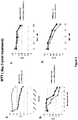
Figure 3A contains graphs plotting the percentage of GFP from the indicated cell lines containing non-targeting control shRNA (NT) or an shRNA designed to reduce CRBN expression (CRBN shRNA). Each shRNA construct included a sequence encoding GFP.Figure 3B is a graph plotting RT-PCR for CRBN expression in the indicated cell lines containing non-targeting control shRNA (NT) orshRNA # 13.Figure 3C contains graphs plotting cell viability for the indicated cells lines containing either a non-targeting control shRNA (NT) orshRNA # 13 and treated with the indicated amount of lenalidomide. -
Figure 4A is a graph plotting cell viability (O.D.) for OPM1 (myeloma) cells containing either a non-targeting control shRNA (NT) orshRNA # 13 and treated with the indicated amount of revlimid.Figure 4B is a graph plotting cell viability (O.D.) for OPM1 cells containing either a non-targeting control shRNA (NT) orshRNA # 13 and treated with the indicated amount of bortezomib.Figure 4C is a graph plotting cell viability (O.D.) for OPM1 cells containing either a non-targeting control shRNA (NT) orshRNA # 13 and treated with the indicated amount of dexamethasone.Figure 4D is a graph plotting cell viability (O.D.) for OPM1 cells containing either a non-targeting control shRNA (NT) orshRNA # 13 and treated with the indicated amount of melphalan. -
Figure 5 is a diagram showing the overlap between up- and down-regulated genes for cells treated with shRNAs to reduce CRBN expression and cells treated with lenalidomide. -
Figure 6A is a graph plotting RT-PCR expression of CRBN for MMlS cells and MMls res cells. MM1s res cells were generated to be lenalidomide resistant in the laboratory.Figure 6B is a graph plotting cell viability of MM1S cells and MM1s res cells treated with the indicated amounts of lenalidomide.Figure 6C shows 3 regions on chromosome arm 3p that have an additional deletion in MM1S lenalidomide resistant cell line (right plot) compared with MMlS lenalidomide sensitive cell line (left plot).Figure 6D is a gene plot that confirms that one of the chromosomal regions in MMIs lenalidomide resistant cells shown inFigure 6C includes the 3' portion of CRBN. -
Figure 7 is a graph plotting RT-PCR for CRBN in matched patient samples before and after exposure to lenalidomide. -
Figure 8 is a list of up-regulated and down-regulated genes that are shared in OPM1 cells after CRBN knockdown and OPM1 cells after lenalidomide treatment. - This document provides methods and materials related to assessing responsiveness to lenalidomide, thalidomide, and/or other IMiDs. For example, this document provides methods and materials for using CRBN levels to determine whether or not cancer cells (e.g., multiple myeloma cells) are susceptible to lenalidomide, thalidomide, and/or other IMiDs. As described herein, cancer cells (e.g., multiple myeloma cells) expressing CRBN are susceptible to treatment with lenalidomide, thalidomide, and/or other IMiDs, while cancer cells not expressing CRBN are not susceptible to treatment with lenalidomide, thalidomide, and/or other IMiDs.
- Any appropriate cancer cell can be assessed for CRBN expression to determine if it is susceptible to treatment with lenalidomide, thalidomide, and/or other IMiDs. For example, multiple myeloma cells, lymphoma cells, chronic lymphocytic leukemia cells, myelodysplasia cells, and other blood cancer cells can be assessed for CRBN expression to determine if such cells are susceptible to treatment with lenalidomide, thalidomide, and/or other IMiDs. In addition, the methods and materials provided herein can be used to assess cancer cells from any appropriate mammal. For example, cancer cells from a human, monkey, horse, dog, cat, cow, pig, mouse, or rat can be assessed for CRBN expression to determine if the cancer cells are susceptible to treatment with lenalidomide, thalidomide, and/or other IMiDs.
- The amino acid sequence of a human CRBN polypeptide is set forth in GenBank® GI No. 16924279 (GenBank® Accession No. AAH17419.1), and the nucleic acid sequence encoding a human CRBN polypeptide is set forth in GenBank® GI No. 292658851 (GenBank® Accession No. NG_01684.1). The amino acid sequence of a monkey CRBN polypeptide is set forth in GenBank® GI No. 307548871 (GenBank® Accession No. NP_001182576.1), and the nucleic acid sequence encoding a monkey CRBN polypeptide is set forth in GenBank® GI No. 307548870 (GenBank® Accession No. NM_001195647.1). The amino acid sequence of a horse CRBN polypeptide is set forth in GenBank® GI No. 149728337 (GenBank® Accession No. XP_001496748.1), and the nucleic acid sequence encoding a horse CRBN polypeptide is set forth in GenBank® GI No. 194246364 (GenBank® Accession No. NC_009159.2). The amino acid sequence of a mouse CRBN polypeptide is set forth in GenBank® GI No. 47682727 (GenBank® Accession No. AAH69905.1), and the nucleic acid sequence encoding a mouse CRBN polypeptide is set forth in GenBank® GI No. 90403611 (GenBank® Accession No. NM_021449.2). Additional amino acid and nucleic acid sequences for CRBN polypeptides from other species can be obtained from GenBank® by performing standard sequence searches (e.g., BLAST searches) using one or more of the above listed sequences (e.g., a human CRBN amino acid or nucleic acid sequence).
- Any appropriate method can be used to determine the level of CRBN mRNA or CRBN polypeptide present within cancer cells. For example, RT-PCR, quantitative PCR, Northern blotting and gene expression profiling techniques can be used to assess CRBN mRNA levels. In some cases, ELISAs, immunocytochemistry, flow cytometry, Western blotting, proteomic, and mass spectrometry techniques can be used to assess CRBN polypeptide levels. Any appropriate sample containing cancer cells can be obtained and assessed for CRBN expression. For example, fine-needle aspiration biopsies, surgical tissue biopsies, or blood samples can be obtained, and the level of CRBN expression within the cancer cells of such samples can be determined as described herein.
- The term "elevated level" as used herein with respect to the level of CRBN expression can be in comparison with the median CRBN expression level present in normal non-cancer cells of the same cell type of the cancer to be assessed (e.g., the median CRBN expression level determined from a random sampling of 5, 10, 15, 20, 30, 40, 50, 100, 500, or more non-cancer cell samples from humans known not to have cancer). In such cases, the presence of an elevated level can indicate that the patient's cancer cells are susceptible to treatment with lenalidomide, thalidomide, and/or other IMiDs, while the absence of such an elevated level can indicate that the patient's cancer cells are not susceptible to treatment with lenalidomide, thalidomide, or other IMiDs.
- This document also provides methods and materials to assist medical or research professionals in determining if cancer cells (e.g., multiple myeloma cells) are susceptible or resistant to treatment with lenalidomide, thalidomide, and/or other IMiDs. Medical professionals can be, for example, doctors, nurses, medical laboratory technologists, and pharmacists. Research professionals can be, for example, principal investigators, research technicians, postdoctoral trainees, and graduate students. A professional can be assisted by (1) determining the level of CRBN expression in cancer cells as described herein, and (2) communicating information about the CRBN expression level to that professional.
- Any appropriate method can be used to communicate information to another person (e.g., a professional). For example, information can be given directly or indirectly to a professional. In addition, any type of communication can be used to communicate the information. For example, mail, e-mail, telephone, and face-to-face interactions can be used. The information also can be communicated to a professional by making that information electronically available to the professional. For example, the information can be communicated to a professional by placing the information on a computer database such that the professional can access the information. In addition, the information can be communicated to a hospital, clinic, or research facility serving as an agent for the professional.
- The invention will be further described in the following examples, which do not limit the scope of the invention described in the claims.
- Myeloma cell lines were maintained in RPMI 1640, supplemented with 10% FCS and antibiotics. Lentiviral shRNA clones targeting human CRBN and non-targeting (NT) control lentiviral constructs were obtained from Sigma-Aldrich (St. Louis, MO). Anti-Flag and anti-DDB1 antibodies were obtained from Cell Signaling Technology (Danvers, MA). Lipofectamin™ 2000 was obtained from Invitrogen (Carlsbad, CA). Annexin V apoptosis detection kit was obtained from BD Biosciences (San Jose, CA). Lenalidomide was obtained commercially.
- The lentiviruses expressing NT or CRBN shRNAs were subcloned into a GFP containing construct and used to infect various myeloma cell lines as described elsewhere (Zhu et al., Blood, 117(14):3847-3857 (2011); Epublished Feb. 2, 2011). After a 48-hour infection period, efficiency was measured at 72 hours and 6 days post infection by FACScan analysis of GFP expression. Cell viability was measured by 3-(4,5-dimethylthiazol)-2,5-diphenyl tetrazolium (MTT) dye absorbance according to the manufacturer's instructions (Boehringer Mannheim, Mannheim, Germany). Cells were also harvested at 72 hours post infection for real-time PCR analysis of CRBN levels in control and CRBN shRNA expressing cells. At three weeks post infection, GFP-positive cells were sorted and expanded. Real-time PCR was performed to measure CRBN levels in sorted cells.
- In some experiments, cells were incubated with various doses of lenalidomide, dexamethasone, melphalan, or bortezomib. Plates were incubated for 72 hours to six days. Cell viability was determined using an MTT assay. Each experimental condition was performed in triplicate and repeated at least once.
- Total RNA was isolated using RNeasy Plus Mini kit (Qiagen) and reverse transcribed using QuantiTect Reverse Transcription kit (Qiagen). The Quantitative PCR were performed using TaqMan Universal PCR Master Mix with pre-designed probes (Applied Biosystems, Foster City, CA), and the comparative CT method was used for relative quantification on an ABI 7900HT Fast Real-Time PCR system (Applied Biosystems, Foster City, CA).
- Myeloma cells infected with NT or CRBN shRNA expressing lentiviruses were harvested, and total RNA was prepared using RNeasy Plus Mini Kit (Qiagen). The gene expression profiles (GEP) were generated from total RNA labeled using the Affymetrix OneStep IVT labeling procedure and hybridized to the Affymetrix U133Plus2.0 genechip. All labeling, hybridization, washing, and scanning steps were performed following the manufacturer's recommended protocol by a MicroArray facility. The CEL files were processed and normalized by MAPP application with the following default settings: BG Correction: gcrma; Normalization: fastlo; PM Correction: affinities_only; Summarization: medianpolish; and computeCalls: TRUE. Differential expression between the treatment samples and the controls were selected using |FC|>2 to filter the genes for each comparison.
- Western Blotting was performed. Briefly, equal amounts of protein were subjected to SDS-PAGE gel electrophoreses followed by transfer to PVDF membranes. Membranes were probed with primary antibodies overnight and then washed and incubated with HRP-conjugated-secondary antibodies. Detection was performed by the Enhanced Chemical Luminescence (ECL) method. The membranes were stripped and re-probed with anti- β-actin antibodies to confirm protein loading.
- Genomic DNA was obtained using Puregene blood kit (Qiagen; Valencia, CA) according to the manufacturer's recommendations. High-resolution array-based comparative genomic hybridization (aCGH) was performed with the Human Genome 244A microarray (Agilent Technologies; Palo Alto, CA). DNA samples from a pool of nine female human lymphoblastoid cell lines (obtained from the Coriell repository) were used as the normal reference in the hybridization experiments. The digesting, labeling, and hybridizing steps were performed as described elsewhere with minor modifications (Braggio et al., Cancer Res., 69(8):3579-88 (2009)). Briefly, 1.2 µg of tumor and reference DNAs were separately digested with Bovine DNaseI (Ambion; Austin, TX) for 12 minutes at room temperature. Next, random primers and exo-Klenow fragment (Invitrogen; Carlsbad, CA) were used to differentially label tumor (Cy5) and reference (Cy3) genomic DNA samples (GE Healthcare; Piscataway, NJ). Labeled genomic reactions were cleaned-up with purification columns (Invitrogen) and hybridized at 65° C for 40 hours. Microarrays were scanned in a DNA Microarray Scanner (Agilent Technologies). Feature extraction was performed with Feature extraction Software, version 9.5 (Agilent Technologies). Log2 ratio data were imported and analyzed using DNA Analytics software version 4.0.85 (Agilent Technologies).
- Copy-number abnormalities (CNA) were calculated using aberration detection module (ADM)-1 algorithm (Lipson et al., J. Comput. Biol.,13:215-28(2006)) with a threshold of 7.5. 2 probe, 0.25_log2 filters were used in the aberration detection, obtaining an average genomic resolution of 17 Kb.
- The baseline cytotoxicity of thalidomide and lenalidomide was established. A MTT assay was performed on a panel of genetically heterogeneous human MM cells lines in vitro (
Figure 1 ). Lenalidomide inhibited growth of 8 of 11 tested MM cell lines at the concentration between 1.6 µM to 50 µM in vitro (Figure 1 ). The same dose of thalidomide, however, had no effect on MM cell growth. - Lentiviral CRBN shRNAs were introduced into myeloma cell lines, and the effects of silencing CRBN on myeloma cell viability were measured. Five pre-designed CRBN shRNA lentiviral expression constructs were obtained. Three of the five exhibited a knockdown of CRBN expression using a Flag-tagged CRBN in 293 cells as the target (
Figure 2A ). The lentiviruses expressing these three CRBN shRNAs and lentiviruses expressing non-targeting (NT) control shRNAs were used to infect myeloma cell lines. At 48 hours post infection, the infection efficiency of each virus on different cell lines was measured by FACScan analysis of GFP positive cells (Figure 2B ). Knock-down CRBN expression and cell viability were further measured atday 3 andday 6 post infection by RT-PCR and MTT, respectively. As shown inFigures 2C and 2D , MM cell lines infected with CRBN shRNAs exhibited reduced CRBN expression and cell viability as compared with control virus infected cells. - Although a mean of 70% myeloma cells stopped growing or died after knock-down of CRBN by
day 6 post infection, a percentage of infected cells was found to survive. After sorting these cells by GFP expression, CRBN knock-down in those cells was still observed by real-time PCR (Figures 3A and 3B ), suggesting that a non CRBN-dependent survival pathway(s) may exist. Proliferation of those CRBN depleted but surviving MM cells were then tested in the absence or presence of different anti-myeloma drugs. As shown inFigure 3C , three different myeloma cell lines, which had more than 98% GFP positive cells and substantial CRBN knock-down, demonstrated acquired resistant to lenalidomide when compared with their NT control cells. Most of those cell lines exhibited resistance to both lenalidomide and pomalidomide, but exhibited similar sensitivity to melphalan and dexmethason. In some cases, some cell lines became more sensitive to Bortezomib after CRBN silencing (Figures 4A-D ). These results demonstrate a requirement of CRBN for the activity of these IMiDs. - In order to determine the molecular basis of drug resistance after CRBN knock-down, a gene expression profile (GEP) analysis was performed on OPM1 cells which stably express NT or CRBN shRNA after lenalidomide treatment for 48 hours. Compared with NT controls (i.e., lenalidomide responsive cells, which exhibited about six hundred genes up or down regulated after 48 hours lenalidomide treatment), CRBN depleted and thus lenalidomide resistant cells only exhibited 30 genes down regulated (3% of control) and 150 genes (24% of control) up-regulated after treatment, further demonstrating that CRBN is involved in a full complement drug response.
- In order to know whether knock-down of CRBN induces the same effects on gene expression as lenalidomide treatment, a GEP analysis was performed on OPM1 cells either treated with lenalidomide for 24, 48, or 72 hours or transfected with CRBN shRNA for 48 or 72 hours. A comparison of the profile induced by lenalidomide alone versus the profile induced by CRBN knockdown alone was performed. Only 123 genes were found to have shared GEP changes between the two groups (
Figures 5 and8 ). A pathway analysis indicated that those genes are enriched on cell survival and immune response cell signaling and regulated by several transcription factors such as c-myc, Spl, and P53. - To determine whether down-regulation of CRBN also exists in a lenalidomide resistant MM1.1S cell line (MM1.S res; a gift from Dr. Orlwoski), which was generated by culturing MM1.S cells in gradually increasing concentrations of lenalidomide, RT-PCR was performed to quantitate CRBN levels in parental MM1.S cells and MM1.S res cells. Compared with parental MM1.S cells, lenalidomide resistant cells exhibited much lower levels of CRBN expression (
Figure 6A ). An array CGH analysis was performed using the isogenic cell lines MM1.S and MMI.S res to identify the genetic basis for why CRBN is down-regulated in the resistant cell line. A mono-allelic deletion of CRBN was noted in MM1.S, which becomes bi-allelic in MM1.S res. This confirms a requirement for CRBN in lenalidomide activity. - Since CRBN was determined to be required for lenalidomide and pomalidomide response, the following was performed to investigate whether lenalidomide resistance in MM is the result of lower levels of CRBN in patients. In three patients for which pre- and post-treatment samples were available, CRBN expression levels were assessed using RT-PCR. The expression of CRBN in MM cells from samples obtained from three patients who relapsed was lower than the levels measured in their samples collected at diagnosis stage. These RT-PCR results are consistent with mRNA sequencing analysis data.
- The results provided herein demonstrate a requirement for IMiDs to bind CRBN in order to be effective and demonstrate that loss of CRBN function confers resistance to the IMiD class of drugs. Gene expression changes induced by lenalidomide exposure were to a large extent vanquished when CRBN was depleted. Interestingly, depleting CRBN is directly cytotoxic to MM cells, further implicating CRBN as a mediator of IMiD function. In patients exposed to and resistant to lenalidomide, CRBN levels appear to decline. Thus, the presence of CRBN can be a requirement for activity of this drug class and while its consequent suppression mediates cell death, its complete loss renders the drug class ineffective.
- It is to be understood that while the invention has been described in conjunction with the detailed description thereof, the foregoing description is intended to illustrate and not limit the scope of the invention, which is defined by the scope of the appended claims. Other aspects, advantages, and modifications are within the scope of the following claims.
-
- 1. A method for assessing responsiveness to a thalidomide or thalidomide analog treatment, wherein said method comprises:
- (a) determining whether or not cancer cells from a mammal express CRBN,
- (b) classifying said cancer cells as being susceptible to treatment with thalidomide or a thalidomide analog if said cancer cells express CRBN, and
- (c) classifying said mammal as not being susceptible to treatment with thalidomide or a thalidomide analog if said cancer cells do not express CRBN.
- 2. The method of
item 1, wherein said cancer cells are multiple myeloma cells. - 3. The method of
item 1, wherein said mammal is a human. - 4. The method of
item 1, wherein determining step comprises determining whether or not said cancer cells express CRBN mRNA. - 5. The method of
item 1, wherein determining step comprises determining whether or not said cancer cells express CRBN polypeptides. - 6. The method of
item 1, wherein said method comprises assessing responsiveness to said thalidomide analog treatment, wherein said thalidomide analog treatment is a lenalidomide treatment, and wherein said thalidomide analog is lenalidomide. - 7. A method for assessing responsiveness to a thalidomide or thalidomide analog treatment, wherein said method comprises:
- (a) determining whether or not cancer cells from a mammal comprise an elevated level of CRBN expression,
- (b) classifying said cancer cells as being susceptible to treatment with thalidomide or a thalidomide analog if said cancer cells comprise said elevated level, and
- (c) classifying said mammal as not being susceptible to treatment with thalidomide or a thalidomide analog if said cancer cells do not comprise said elevated level.
- 8. The method of
item 7, wherein said cancer cells are multiple myeloma cells. - 9. The method of
item 7, wherein said mammal is a human. - 10. The method of
item 7, wherein said CRBN expression is CRBN mRNA expression. - 11. The method of
item 7, wherein said CRBN expression is CRBN polypeptide expression. - 12. The method of
item 7, wherein said method comprises assessing responsiveness to said thalidomide analog treatment, wherein said thalidomide analog treatment is a lenalidomide treatment, and wherein said thalidomide analog is lenalidomide. - 13. A method for identifying cancer cells susceptible to treatment with thalidomide or a thalidomide analog, wherein said method comprises:
- (a) detecting the presence of CRBN expression by cancer cells, and
- (b) classifying said cancer cells as being susceptible to treatment with thalidomide or a thalidomide analog based at least in part on said presence.
- 14. The method of
item 13, wherein said cancer cells are multiple myeloma cells. - 15. The method of
item 13, wherein said CRBN expression is CRBN mRNA expression. - 16. The method of
item 13, wherein said CRBN expression is CRBN polypeptide expression. - 17. The method of
item 13, wherein said method comprises identifying cancer cells susceptible to treatment with said thalidomide analog, and wherein said thalidomide analog is lenalidomide. - 18. A method for identifying cancer cells susceptible to treatment with thalidomide or a thalidomide analog, wherein said method comprises:
- (a) detecting the presence of an elevated level of CRBN expression by cancer cells,
and - (b) classifying said cancer cells as being susceptible to treatment with thalidomide or a thalidomide analog based at least in part on said presence.
- (a) detecting the presence of an elevated level of CRBN expression by cancer cells,
- 19. The method of item 18, wherein said cancer cells are multiple myeloma cells.
- 20. The method of item 18, wherein said CRBN expression is CRBN mRNA expression.
- 21. The method of item 18, wherein said CRBN expression is CRBN polypeptide expression.
- 22. The method of item 18, wherein said method comprises identifying cancer cells susceptible to treatment with said thalidomide analog, and wherein said thalidomide analog is lenalidomide.
- 23. A method for monitoring treatment with a thalidomide or thalidomide analog, wherein said method comprises:
- (a) determining whether or not cancer cells obtained from a mammal treated with said thalidomide or thalidomide analog express CRBN,
- (b) classifying said cancer cells as being susceptible to treatment with thalidomide or a thalidomide analog if said cancer cells express CRBN, and
- (c) classifying said mammal as not being susceptible to treatment with thalidomide or a thalidomide analog if said cancer cells do not express CRBN.
- 24. The method of item 23, wherein said method comprises monitoring treatment with said thalidomide analog, and wherein said thalidomide analog is lenalidomide.
- 25. A method for monitoring treatment with a thalidomide or thalidomide analog, wherein said method comprises:
- (a) administering thalidomide or a thalidomide analog to a mammal having cancer cells that express CRBN,
- (b) determining whether or not cancer cells obtained from said mammal continue to express CRBN,
- (c) administering thalidomide or a thalidomide analog to said mammal if said cancer cells continue to express CRBN, and
- (d) administering a treatment other than thalidomide or a thalidomide analog to said mammal if said cancer cells do not continue to express CRBN.
- 26. The method of item 25, wherein said method comprises monitoring treatment with said thalidomide analog, and wherein said thalidomide analog is lenalidomide.
Claims (8)
- A compound selected from Bortezomib, an alkylating agent, and a corticosteroid for use in treating refractory myeloma in a mammal,
wherein said mammal developed a resistance to thalidomide, lenalidomide, or pomalidomide following administration of said thalidomide, lenalidomide, or pomalidomide, and
wherein myeloma cells obtained from said mammal are determined to lack an elevated level of cereblon expression following administration of said thalidomide, lenalidomide, or pomalidomide. - The compound for use according to claim 1, wherein said mammal is a human.
- The compound for use according to claim 1 or 2, wherein said mammal was administered lenalidomide.
- The compound for use according to claim 1 or 2, wherein said mammal was administered thalidomide.
- The compound for use according to claim 1 or 2, wherein said mammal was administered pomalidomide.
- The compound for use to claim 1 or 2, wherein said compound is Bortezomib.
- The compound for use to claim 1 or 2, wherein said compound is an alkylating agent.
- The compound for use to claim 1 or 2, wherein said compound is a corticosteroid.
Applications Claiming Priority (3)
| Application Number | Priority Date | Filing Date | Title |
|---|---|---|---|
| US201161452027P | 2011-03-11 | 2011-03-11 | |
| PCT/US2012/028285 WO2012125405A2 (en) | 2011-03-11 | 2012-03-08 | Methods and materials for assessing responsiveness to lenalidomide, thalidomide, and/or other thalidomide analogs |
| EP12757445.7A EP2683412B1 (en) | 2011-03-11 | 2012-03-08 | Methods for assessing responsiveness of cancer cells to lenalidomide, thalidomide, and/or pomalidomide |
Related Parent Applications (1)
| Application Number | Title | Priority Date | Filing Date |
|---|---|---|---|
| EP12757445.7A Division EP2683412B1 (en) | 2011-03-11 | 2012-03-08 | Methods for assessing responsiveness of cancer cells to lenalidomide, thalidomide, and/or pomalidomide |
Publications (2)
| Publication Number | Publication Date |
|---|---|
| EP3266452A1 true EP3266452A1 (en) | 2018-01-10 |
| EP3266452B1 EP3266452B1 (en) | 2019-07-03 |
Family
ID=46831261
Family Applications (2)
| Application Number | Title | Priority Date | Filing Date |
|---|---|---|---|
| EP12757445.7A Not-in-force EP2683412B1 (en) | 2011-03-11 | 2012-03-08 | Methods for assessing responsiveness of cancer cells to lenalidomide, thalidomide, and/or pomalidomide |
| EP17168706.4A Active EP3266452B1 (en) | 2011-03-11 | 2012-03-08 | Means to treat myelomas which are resistant to thalidomide, lenalidomide or pomalidomide |
Family Applications Before (1)
| Application Number | Title | Priority Date | Filing Date |
|---|---|---|---|
| EP12757445.7A Not-in-force EP2683412B1 (en) | 2011-03-11 | 2012-03-08 | Methods for assessing responsiveness of cancer cells to lenalidomide, thalidomide, and/or pomalidomide |
Country Status (4)
| Country | Link |
|---|---|
| US (1) | US9662319B2 (en) |
| EP (2) | EP2683412B1 (en) |
| AU (1) | AU2012229333B2 (en) |
| WO (1) | WO2012125405A2 (en) |
Families Citing this family (13)
| Publication number | Priority date | Publication date | Assignee | Title |
|---|---|---|---|---|
| EP2436387B1 (en) | 2009-05-25 | 2018-07-25 | Celgene Corporation | Pharmaceutical composition comprising crbn for use in treating a disease of the cerebral cortex |
| EP3096142A3 (en) * | 2011-04-29 | 2017-03-08 | Celgene Corporation | Methods for the treatment of cancer and inflammatory diseases using cereblon as a predictor |
| CA2877736C (en) | 2012-06-29 | 2021-12-07 | Celgene Corporation | Methods for determining drug efficacy using cereblon-associated proteins |
| US9587281B2 (en) | 2012-08-14 | 2017-03-07 | Celgene Corporation | Cereblon isoforms and their use as biomarkers for therapeutic treatment |
| WO2015077058A2 (en) | 2013-11-08 | 2015-05-28 | The Broad Institute, Inc. | Compositions and methods for selecting a treatment for b-cell neoplasias |
| CA2932120C (en) * | 2013-12-06 | 2023-09-19 | Celgene Corporation | Methods for determining drug efficacy for the treatment of diffuse large b-cell lymphoma, multiple myeloma, and myeloid cancers |
| EP3160486B1 (en) | 2014-06-27 | 2020-11-18 | Celgene Corporation | Compositions and methods for inducing conformational changes in cereblon other e3 ubiquitin ligases |
| JP6585737B2 (en) | 2015-06-02 | 2019-10-02 | セルジーン コーポレイション | Method for determining the efficacy of drugs for the treatment of cancer using the ratio of cereblon-related proteins |
| US11459613B2 (en) | 2015-09-11 | 2022-10-04 | The Brigham And Women's Hospital, Inc. | Methods of characterizing resistance to modulators of Cereblon |
| US10830762B2 (en) | 2015-12-28 | 2020-11-10 | Celgene Corporation | Compositions and methods for inducing conformational changes in cereblon and other E3 ubiquitin ligases |
| US20190383817A1 (en) | 2016-02-12 | 2019-12-19 | Skylinedx B.V. | Predicting response to immunomodulatory drugs (imids) in multiple myeloma patients |
| US11304489B2 (en) * | 2019-05-17 | 2022-04-19 | Luis Sierra | Salon chemical dispensing assembly |
| JP2024504932A (en) | 2021-01-13 | 2024-02-02 | モンテ ローザ セラピューティクス, インコーポレイテッド | isoindolinone compound |
Citations (1)
| Publication number | Priority date | Publication date | Assignee | Title |
|---|---|---|---|---|
| WO2011020839A1 (en) * | 2009-08-17 | 2011-02-24 | Dublin City University | A method of predicting response to thalidomide in multiple myeloma patients |
Family Cites Families (2)
| Publication number | Priority date | Publication date | Assignee | Title |
|---|---|---|---|---|
| DE102004023332A1 (en) | 2004-05-12 | 2006-01-19 | Bayer Cropscience Gmbh | Quinoxaline-2-one derivatives, crop protection agents containing them, and processes for their preparation and their use |
| EP2436387B1 (en) | 2009-05-25 | 2018-07-25 | Celgene Corporation | Pharmaceutical composition comprising crbn for use in treating a disease of the cerebral cortex |
-
2012
- 2012-03-08 WO PCT/US2012/028285 patent/WO2012125405A2/en not_active Ceased
- 2012-03-08 AU AU2012229333A patent/AU2012229333B2/en not_active Ceased
- 2012-03-08 US US14/003,622 patent/US9662319B2/en active Active
- 2012-03-08 EP EP12757445.7A patent/EP2683412B1/en not_active Not-in-force
- 2012-03-08 EP EP17168706.4A patent/EP3266452B1/en active Active
Patent Citations (1)
| Publication number | Priority date | Publication date | Assignee | Title |
|---|---|---|---|---|
| WO2011020839A1 (en) * | 2009-08-17 | 2011-02-24 | Dublin City University | A method of predicting response to thalidomide in multiple myeloma patients |
Non-Patent Citations (7)
| Title |
|---|
| BRAGGIO ET AL., CANCER RES., vol. 69, no. 8, 2009, pages 3579 - 88 |
| LIPSON, J. COMPUT. BIOL., vol. 13, 2006, pages 215 - 28 |
| MARTHA Q LACY ET AL: "Pomalidomide (CC4047) Plus Low-Dose Dexamethasone As Therapy for Relapsed Multiple Myeloma", JOURNAL OF CLINICAL ONCOLOGY, AMERICAN SOCIETY OF CLINICAL ONCOLOGY, US, vol. 27, no. 30, 20 October 2009 (2009-10-20), pages 5008 - 5014, XP007921676, ISSN: 0732-183X, DOI: 10.1200/JCO.2009.23.6802 * |
| PIETER SONNEVELD ET AL: "Combined pegylated liposomal doxorubicin and bortezomib is highly effective in patients with recurrent or refractory multiple myeloma who received prior thalidomide/lenalidomide therapy", CANCER., vol. 112, no. 7, 25 February 2008 (2008-02-25), US, pages 1529 - 1537, XP055420685, ISSN: 0008-543X, DOI: 10.1002/cncr.23326 * |
| T. ITO ET AL: "Identification of a Primary Target of Thalidomide Teratogenicity", SCIENCE, vol. 327, no. 5971, 12 March 2010 (2010-03-12), pages 1345 - 1350, XP055062167, ISSN: 0036-8075, DOI: 10.1126/science.1177319 * |
| TAKUMI ITO ET AL: "Teratogenic effects of thalidomide: molecular mechanisms", CMLS CELLULAR AND MOLECULAR LIFE SCIENCES, BIRKHÄUSER-VERLAG, BA, vol. 68, no. 9, 5 January 2011 (2011-01-05), pages 1569 - 1579, XP019894454, ISSN: 1420-9071, DOI: 10.1007/S00018-010-0619-9 * |
| ZHU ET AL., BLOOD, vol. 117, no. 14, 2 February 2011 (2011-02-02), pages 3847 - 3857 |
Also Published As
| Publication number | Publication date |
|---|---|
| EP2683412B1 (en) | 2017-05-03 |
| AU2012229333B2 (en) | 2016-12-22 |
| AU2012229333A1 (en) | 2013-10-24 |
| US20140066480A1 (en) | 2014-03-06 |
| EP3266452B1 (en) | 2019-07-03 |
| WO2012125405A2 (en) | 2012-09-20 |
| EP2683412A2 (en) | 2014-01-15 |
| US9662319B2 (en) | 2017-05-30 |
| WO2012125405A9 (en) | 2012-11-08 |
| EP2683412A4 (en) | 2014-01-29 |
Similar Documents
| Publication | Publication Date | Title |
|---|---|---|
| EP3266452B1 (en) | Means to treat myelomas which are resistant to thalidomide, lenalidomide or pomalidomide | |
| AU2012265177B2 (en) | Methods and devices for prognosis of cancer relapse | |
| Ouillette et al. | Integrated genomic profiling of chronic lymphocytic leukemia identifies subtypes of deletion 13q14 | |
| Restrepo et al. | Genetic determinants of age-related macular degeneration in diverse populations from the PAGE study | |
| CN104508149A (en) | Prediction of treatment response to JAK/STAT inhibitor | |
| Maheshwari et al. | Heat shock 70 protein genes and genetic susceptibility to apical periodontitis | |
| Kim et al. | Whole genome sequencing of an African American family highlights toll like receptor 6 variants in Kawasaki disease susceptibility | |
| WO2019178216A1 (en) | Methods and compositions for treating, diagnosing, and prognosing ovarian cancer | |
| WO2012032519A2 (en) | Methods of diagnosing parkinson's disease | |
| Ngankeu et al. | Discovery and functional implications of a miR-29b-1/miR-29a cluster polymorphism in acute myeloid leukemia | |
| Deshpande et al. | Variation in HLA class I antigen-processing genes and susceptibility to human papillomavirus type 16—associated cervical cancer | |
| Giordano et al. | DNA methylation in the anti‐mullerian hormone gene and the risk of disease activity in multiple sclerosis | |
| CN106420791A (en) | Application of miR‑145‑3p in the preparation of drugs for the prevention or treatment of multiple myeloma | |
| US20240067970A1 (en) | Methods to Quantify Rate of Clonal Expansion and Methods for Treating Clonal Hematopoiesis and Hematologic Malignancies | |
| KR102063486B1 (en) | Association of RNF213 single nucleotide polymorphism with the risk of Moyamoya disease in a Korean population | |
| Xie et al. | Copy number analysis identifies tumor suppressive lncRNAs in human osteosarcoma | |
| JP2023515190A (en) | Methods and compositions for the treatment of APC-deficient cancers | |
| CN107312865A (en) | Purposes of the LOC100130111 in osteosarcoma diagnostic products, medicine is prepared | |
| CN107365859B (en) | Molecular markers of the LncRNA as diagnosis and treatment osteosarcoma | |
| CN113999848A (en) | tsRNA molecule and application thereof | |
| EP1673631A2 (en) | Biomarkers for the prediction of drug-induced diarrhoea | |
| CN104946738B (en) | Methods for determining susceptibility to visceral fat accumulation | |
| CN105765077B (en) | Detection method for determining risk of anti-thyroid drug-induced agranulocytosis and kit for determination | |
| EP2787076A1 (en) | Method for evaluating drug sensitivity and susceptibility to diseases by analyzing gene for protein capable of binding to cyclic-amp-responsive sequence | |
| Vogelsberg et al. | The genetic landscape of extramedullary plasmacytoma: a comparative analysis with extramedullary disease of multiple myeloma |
Legal Events
| Date | Code | Title | Description |
|---|---|---|---|
| PUAI | Public reference made under article 153(3) epc to a published international application that has entered the european phase |
Free format text: ORIGINAL CODE: 0009012 |
|
| STAA | Information on the status of an ep patent application or granted ep patent |
Free format text: STATUS: THE APPLICATION HAS BEEN PUBLISHED |
|
| AC | Divisional application: reference to earlier application |
Ref document number: 2683412 Country of ref document: EP Kind code of ref document: P |
|
| AK | Designated contracting states |
Kind code of ref document: A1 Designated state(s): AL AT BE BG CH CY CZ DE DK EE ES FI FR GB GR HR HU IE IS IT LI LT LU LV MC MK MT NL NO PL PT RO RS SE SI SK SM TR |
|
| STAA | Information on the status of an ep patent application or granted ep patent |
Free format text: STATUS: REQUEST FOR EXAMINATION WAS MADE |
|
| 17P | Request for examination filed |
Effective date: 20180710 |
|
| RBV | Designated contracting states (corrected) |
Designated state(s): AL AT BE BG CH CY CZ DE DK EE ES FI FR GB GR HR HU IE IS IT LI LT LU LV MC MK MT NL NO PL PT RO RS SE SI SK SM TR |
|
| GRAP | Despatch of communication of intention to grant a patent |
Free format text: ORIGINAL CODE: EPIDOSNIGR1 |
|
| STAA | Information on the status of an ep patent application or granted ep patent |
Free format text: STATUS: GRANT OF PATENT IS INTENDED |
|
| INTG | Intention to grant announced |
Effective date: 20190207 |
|
| RIN1 | Information on inventor provided before grant (corrected) |
Inventor name: BRAGGIO, ESTEBAN Inventor name: BERGSAGEL, PETER Inventor name: STEWART, ALEXANDER KEITH Inventor name: FONSECA, RAFAEL |
|
| GRAS | Grant fee paid |
Free format text: ORIGINAL CODE: EPIDOSNIGR3 |
|
| GRAA | (expected) grant |
Free format text: ORIGINAL CODE: 0009210 |
|
| STAA | Information on the status of an ep patent application or granted ep patent |
Free format text: STATUS: THE PATENT HAS BEEN GRANTED |
|
| AC | Divisional application: reference to earlier application |
Ref document number: 2683412 Country of ref document: EP Kind code of ref document: P |
|
| AK | Designated contracting states |
Kind code of ref document: B1 Designated state(s): AL AT BE BG CH CY CZ DE DK EE ES FI FR GB GR HR HU IE IS IT LI LT LU LV MC MK MT NL NO PL PT RO RS SE SI SK SM TR |
|
| REG | Reference to a national code |
Ref country code: GB Ref legal event code: FG4D |
|
| REG | Reference to a national code |
Ref country code: CH Ref legal event code: EP Ref country code: AT Ref legal event code: REF Ref document number: 1150137 Country of ref document: AT Kind code of ref document: T Effective date: 20190715 |
|
| REG | Reference to a national code |
Ref country code: IE Ref legal event code: FG4D |
|
| REG | Reference to a national code |
Ref country code: DE Ref legal event code: R096 Ref document number: 602012061816 Country of ref document: DE |
|
| REG | Reference to a national code |
Ref country code: NL Ref legal event code: MP Effective date: 20190703 |
|
| REG | Reference to a national code |
Ref country code: LT Ref legal event code: MG4D |
|
| REG | Reference to a national code |
Ref country code: AT Ref legal event code: MK05 Ref document number: 1150137 Country of ref document: AT Kind code of ref document: T Effective date: 20190703 |
|
| PG25 | Lapsed in a contracting state [announced via postgrant information from national office to epo] |
Ref country code: NO Free format text: LAPSE BECAUSE OF FAILURE TO SUBMIT A TRANSLATION OF THE DESCRIPTION OR TO PAY THE FEE WITHIN THE PRESCRIBED TIME-LIMIT Effective date: 20191003 Ref country code: BG Free format text: LAPSE BECAUSE OF FAILURE TO SUBMIT A TRANSLATION OF THE DESCRIPTION OR TO PAY THE FEE WITHIN THE PRESCRIBED TIME-LIMIT Effective date: 20191003 Ref country code: NL Free format text: LAPSE BECAUSE OF FAILURE TO SUBMIT A TRANSLATION OF THE DESCRIPTION OR TO PAY THE FEE WITHIN THE PRESCRIBED TIME-LIMIT Effective date: 20190703 Ref country code: SE Free format text: LAPSE BECAUSE OF FAILURE TO SUBMIT A TRANSLATION OF THE DESCRIPTION OR TO PAY THE FEE WITHIN THE PRESCRIBED TIME-LIMIT Effective date: 20190703 Ref country code: AT Free format text: LAPSE BECAUSE OF FAILURE TO SUBMIT A TRANSLATION OF THE DESCRIPTION OR TO PAY THE FEE WITHIN THE PRESCRIBED TIME-LIMIT Effective date: 20190703 Ref country code: FI Free format text: LAPSE BECAUSE OF FAILURE TO SUBMIT A TRANSLATION OF THE DESCRIPTION OR TO PAY THE FEE WITHIN THE PRESCRIBED TIME-LIMIT Effective date: 20190703 Ref country code: HR Free format text: LAPSE BECAUSE OF FAILURE TO SUBMIT A TRANSLATION OF THE DESCRIPTION OR TO PAY THE FEE WITHIN THE PRESCRIBED TIME-LIMIT Effective date: 20190703 Ref country code: LT Free format text: LAPSE BECAUSE OF FAILURE TO SUBMIT A TRANSLATION OF THE DESCRIPTION OR TO PAY THE FEE WITHIN THE PRESCRIBED TIME-LIMIT Effective date: 20190703 Ref country code: PT Free format text: LAPSE BECAUSE OF FAILURE TO SUBMIT A TRANSLATION OF THE DESCRIPTION OR TO PAY THE FEE WITHIN THE PRESCRIBED TIME-LIMIT Effective date: 20191104 Ref country code: CZ Free format text: LAPSE BECAUSE OF FAILURE TO SUBMIT A TRANSLATION OF THE DESCRIPTION OR TO PAY THE FEE WITHIN THE PRESCRIBED TIME-LIMIT Effective date: 20190703 |
|
| PG25 | Lapsed in a contracting state [announced via postgrant information from national office to epo] |
Ref country code: ES Free format text: LAPSE BECAUSE OF FAILURE TO SUBMIT A TRANSLATION OF THE DESCRIPTION OR TO PAY THE FEE WITHIN THE PRESCRIBED TIME-LIMIT Effective date: 20190703 Ref country code: GR Free format text: LAPSE BECAUSE OF FAILURE TO SUBMIT A TRANSLATION OF THE DESCRIPTION OR TO PAY THE FEE WITHIN THE PRESCRIBED TIME-LIMIT Effective date: 20191004 Ref country code: IS Free format text: LAPSE BECAUSE OF FAILURE TO SUBMIT A TRANSLATION OF THE DESCRIPTION OR TO PAY THE FEE WITHIN THE PRESCRIBED TIME-LIMIT Effective date: 20191103 Ref country code: RS Free format text: LAPSE BECAUSE OF FAILURE TO SUBMIT A TRANSLATION OF THE DESCRIPTION OR TO PAY THE FEE WITHIN THE PRESCRIBED TIME-LIMIT Effective date: 20190703 Ref country code: LV Free format text: LAPSE BECAUSE OF FAILURE TO SUBMIT A TRANSLATION OF THE DESCRIPTION OR TO PAY THE FEE WITHIN THE PRESCRIBED TIME-LIMIT Effective date: 20190703 Ref country code: AL Free format text: LAPSE BECAUSE OF FAILURE TO SUBMIT A TRANSLATION OF THE DESCRIPTION OR TO PAY THE FEE WITHIN THE PRESCRIBED TIME-LIMIT Effective date: 20190703 |
|
| PG25 | Lapsed in a contracting state [announced via postgrant information from national office to epo] |
Ref country code: TR Free format text: LAPSE BECAUSE OF FAILURE TO SUBMIT A TRANSLATION OF THE DESCRIPTION OR TO PAY THE FEE WITHIN THE PRESCRIBED TIME-LIMIT Effective date: 20190703 |
|
| PG25 | Lapsed in a contracting state [announced via postgrant information from national office to epo] |
Ref country code: EE Free format text: LAPSE BECAUSE OF FAILURE TO SUBMIT A TRANSLATION OF THE DESCRIPTION OR TO PAY THE FEE WITHIN THE PRESCRIBED TIME-LIMIT Effective date: 20190703 Ref country code: PL Free format text: LAPSE BECAUSE OF FAILURE TO SUBMIT A TRANSLATION OF THE DESCRIPTION OR TO PAY THE FEE WITHIN THE PRESCRIBED TIME-LIMIT Effective date: 20190703 Ref country code: DK Free format text: LAPSE BECAUSE OF FAILURE TO SUBMIT A TRANSLATION OF THE DESCRIPTION OR TO PAY THE FEE WITHIN THE PRESCRIBED TIME-LIMIT Effective date: 20190703 Ref country code: IT Free format text: LAPSE BECAUSE OF FAILURE TO SUBMIT A TRANSLATION OF THE DESCRIPTION OR TO PAY THE FEE WITHIN THE PRESCRIBED TIME-LIMIT Effective date: 20190703 Ref country code: RO Free format text: LAPSE BECAUSE OF FAILURE TO SUBMIT A TRANSLATION OF THE DESCRIPTION OR TO PAY THE FEE WITHIN THE PRESCRIBED TIME-LIMIT Effective date: 20190703 |
|
| PGFP | Annual fee paid to national office [announced via postgrant information from national office to epo] |
Ref country code: DE Payment date: 20200327 Year of fee payment: 9 Ref country code: GB Payment date: 20200327 Year of fee payment: 9 |
|
| PG25 | Lapsed in a contracting state [announced via postgrant information from national office to epo] |
Ref country code: SK Free format text: LAPSE BECAUSE OF FAILURE TO SUBMIT A TRANSLATION OF THE DESCRIPTION OR TO PAY THE FEE WITHIN THE PRESCRIBED TIME-LIMIT Effective date: 20190703 Ref country code: IS Free format text: LAPSE BECAUSE OF FAILURE TO SUBMIT A TRANSLATION OF THE DESCRIPTION OR TO PAY THE FEE WITHIN THE PRESCRIBED TIME-LIMIT Effective date: 20200224 Ref country code: SM Free format text: LAPSE BECAUSE OF FAILURE TO SUBMIT A TRANSLATION OF THE DESCRIPTION OR TO PAY THE FEE WITHIN THE PRESCRIBED TIME-LIMIT Effective date: 20190703 |
|
| REG | Reference to a national code |
Ref country code: DE Ref legal event code: R097 Ref document number: 602012061816 Country of ref document: DE |
|
| PGFP | Annual fee paid to national office [announced via postgrant information from national office to epo] |
Ref country code: FR Payment date: 20200325 Year of fee payment: 9 |
|
| PLBE | No opposition filed within time limit |
Free format text: ORIGINAL CODE: 0009261 |
|
| STAA | Information on the status of an ep patent application or granted ep patent |
Free format text: STATUS: NO OPPOSITION FILED WITHIN TIME LIMIT |
|
| PG2D | Information on lapse in contracting state deleted |
Ref country code: IS |
|
| 26N | No opposition filed |
Effective date: 20200603 |
|
| PG25 | Lapsed in a contracting state [announced via postgrant information from national office to epo] |
Ref country code: SI Free format text: LAPSE BECAUSE OF FAILURE TO SUBMIT A TRANSLATION OF THE DESCRIPTION OR TO PAY THE FEE WITHIN THE PRESCRIBED TIME-LIMIT Effective date: 20190703 |
|
| PG25 | Lapsed in a contracting state [announced via postgrant information from national office to epo] |
Ref country code: MC Free format text: LAPSE BECAUSE OF FAILURE TO SUBMIT A TRANSLATION OF THE DESCRIPTION OR TO PAY THE FEE WITHIN THE PRESCRIBED TIME-LIMIT Effective date: 20190703 |
|
| REG | Reference to a national code |
Ref country code: CH Ref legal event code: PL |
|
| REG | Reference to a national code |
Ref country code: BE Ref legal event code: MM Effective date: 20200331 |
|
| PG25 | Lapsed in a contracting state [announced via postgrant information from national office to epo] |
Ref country code: LU Free format text: LAPSE BECAUSE OF NON-PAYMENT OF DUE FEES Effective date: 20200308 |
|
| PG25 | Lapsed in a contracting state [announced via postgrant information from national office to epo] |
Ref country code: LI Free format text: LAPSE BECAUSE OF NON-PAYMENT OF DUE FEES Effective date: 20200331 Ref country code: CH Free format text: LAPSE BECAUSE OF NON-PAYMENT OF DUE FEES Effective date: 20200331 Ref country code: IE Free format text: LAPSE BECAUSE OF NON-PAYMENT OF DUE FEES Effective date: 20200308 |
|
| PG25 | Lapsed in a contracting state [announced via postgrant information from national office to epo] |
Ref country code: BE Free format text: LAPSE BECAUSE OF NON-PAYMENT OF DUE FEES Effective date: 20200331 |
|
| REG | Reference to a national code |
Ref country code: DE Ref legal event code: R119 Ref document number: 602012061816 Country of ref document: DE |
|
| GBPC | Gb: european patent ceased through non-payment of renewal fee |
Effective date: 20210308 |
|
| PG25 | Lapsed in a contracting state [announced via postgrant information from national office to epo] |
Ref country code: DE Free format text: LAPSE BECAUSE OF NON-PAYMENT OF DUE FEES Effective date: 20211001 Ref country code: GB Free format text: LAPSE BECAUSE OF NON-PAYMENT OF DUE FEES Effective date: 20210308 Ref country code: FR Free format text: LAPSE BECAUSE OF NON-PAYMENT OF DUE FEES Effective date: 20210331 |
|
| PG25 | Lapsed in a contracting state [announced via postgrant information from national office to epo] |
Ref country code: MT Free format text: LAPSE BECAUSE OF FAILURE TO SUBMIT A TRANSLATION OF THE DESCRIPTION OR TO PAY THE FEE WITHIN THE PRESCRIBED TIME-LIMIT Effective date: 20190703 Ref country code: CY Free format text: LAPSE BECAUSE OF FAILURE TO SUBMIT A TRANSLATION OF THE DESCRIPTION OR TO PAY THE FEE WITHIN THE PRESCRIBED TIME-LIMIT Effective date: 20190703 |
|
| PG25 | Lapsed in a contracting state [announced via postgrant information from national office to epo] |
Ref country code: MK Free format text: LAPSE BECAUSE OF FAILURE TO SUBMIT A TRANSLATION OF THE DESCRIPTION OR TO PAY THE FEE WITHIN THE PRESCRIBED TIME-LIMIT Effective date: 20190703 |
|
| P01 | Opt-out of the competence of the unified patent court (upc) registered |
Effective date: 20230612 |