EP3258641B1 - Security message transmission apparatus and processing method therefor - Google Patents
Security message transmission apparatus and processing method therefor Download PDFInfo
- Publication number
- EP3258641B1 EP3258641B1 EP16749476.4A EP16749476A EP3258641B1 EP 3258641 B1 EP3258641 B1 EP 3258641B1 EP 16749476 A EP16749476 A EP 16749476A EP 3258641 B1 EP3258641 B1 EP 3258641B1
- Authority
- EP
- European Patent Office
- Prior art keywords
- message
- secure
- secure domain
- side terminal
- processor
- Prior art date
- Legal status (The legal status is an assumption and is not a legal conclusion. Google has not performed a legal analysis and makes no representation as to the accuracy of the status listed.)
- Active
Links
Images





Classifications
-
- H—ELECTRICITY
- H04—ELECTRIC COMMUNICATION TECHNIQUE
- H04L—TRANSMISSION OF DIGITAL INFORMATION, e.g. TELEGRAPHIC COMMUNICATION
- H04L9/00—Cryptographic mechanisms or cryptographic arrangements for secret or secure communications; Network security protocols
- H04L9/12—Transmitting and receiving encryption devices synchronised or initially set up in a particular manner
-
- H—ELECTRICITY
- H04—ELECTRIC COMMUNICATION TECHNIQUE
- H04L—TRANSMISSION OF DIGITAL INFORMATION, e.g. TELEGRAPHIC COMMUNICATION
- H04L63/00—Network architectures or network communication protocols for network security
- H04L63/04—Network architectures or network communication protocols for network security for providing a confidential data exchange among entities communicating through data packet networks
- H04L63/0428—Network architectures or network communication protocols for network security for providing a confidential data exchange among entities communicating through data packet networks wherein the data content is protected, e.g. by encrypting or encapsulating the payload
-
- H—ELECTRICITY
- H04—ELECTRIC COMMUNICATION TECHNIQUE
- H04L—TRANSMISSION OF DIGITAL INFORMATION, e.g. TELEGRAPHIC COMMUNICATION
- H04L51/00—User-to-user messaging in packet-switching networks, transmitted according to store-and-forward or real-time protocols, e.g. e-mail
- H04L51/07—User-to-user messaging in packet-switching networks, transmitted according to store-and-forward or real-time protocols, e.g. e-mail characterised by the inclusion of specific contents
- H04L51/18—Commands or executable codes
-
- H—ELECTRICITY
- H04—ELECTRIC COMMUNICATION TECHNIQUE
- H04L—TRANSMISSION OF DIGITAL INFORMATION, e.g. TELEGRAPHIC COMMUNICATION
- H04L63/00—Network architectures or network communication protocols for network security
- H04L63/04—Network architectures or network communication protocols for network security for providing a confidential data exchange among entities communicating through data packet networks
- H04L63/0428—Network architectures or network communication protocols for network security for providing a confidential data exchange among entities communicating through data packet networks wherein the data content is protected, e.g. by encrypting or encapsulating the payload
- H04L63/0464—Network architectures or network communication protocols for network security for providing a confidential data exchange among entities communicating through data packet networks wherein the data content is protected, e.g. by encrypting or encapsulating the payload using hop-by-hop encryption, i.e. wherein an intermediate entity decrypts the information and re-encrypts it before forwarding it
-
- H—ELECTRICITY
- H04—ELECTRIC COMMUNICATION TECHNIQUE
- H04L—TRANSMISSION OF DIGITAL INFORMATION, e.g. TELEGRAPHIC COMMUNICATION
- H04L9/00—Cryptographic mechanisms or cryptographic arrangements for secret or secure communications; Network security protocols
- H04L9/08—Key distribution or management, e.g. generation, sharing or updating, of cryptographic keys or passwords
- H04L9/0816—Key establishment, i.e. cryptographic processes or cryptographic protocols whereby a shared secret becomes available to two or more parties, for subsequent use
- H04L9/0819—Key transport or distribution, i.e. key establishment techniques where one party creates or otherwise obtains a secret value, and securely transfers it to the other(s)
- H04L9/0822—Key transport or distribution, i.e. key establishment techniques where one party creates or otherwise obtains a secret value, and securely transfers it to the other(s) using key encryption key
-
- H—ELECTRICITY
- H04—ELECTRIC COMMUNICATION TECHNIQUE
- H04L—TRANSMISSION OF DIGITAL INFORMATION, e.g. TELEGRAPHIC COMMUNICATION
- H04L9/00—Cryptographic mechanisms or cryptographic arrangements for secret or secure communications; Network security protocols
- H04L9/08—Key distribution or management, e.g. generation, sharing or updating, of cryptographic keys or passwords
- H04L9/0894—Escrow, recovery or storing of secret information, e.g. secret key escrow or cryptographic key storage
-
- H—ELECTRICITY
- H04—ELECTRIC COMMUNICATION TECHNIQUE
- H04L—TRANSMISSION OF DIGITAL INFORMATION, e.g. TELEGRAPHIC COMMUNICATION
- H04L9/00—Cryptographic mechanisms or cryptographic arrangements for secret or secure communications; Network security protocols
- H04L9/14—Cryptographic mechanisms or cryptographic arrangements for secret or secure communications; Network security protocols using a plurality of keys or algorithms
-
- G—PHYSICS
- G06—COMPUTING OR CALCULATING; COUNTING
- G06F—ELECTRIC DIGITAL DATA PROCESSING
- G06F21/00—Security arrangements for protecting computers, components thereof, programs or data against unauthorised activity
- G06F21/70—Protecting specific internal or peripheral components, in which the protection of a component leads to protection of the entire computer
- G06F21/71—Protecting specific internal or peripheral components, in which the protection of a component leads to protection of the entire computer to assure secure computing or processing of information
- G06F21/74—Protecting specific internal or peripheral components, in which the protection of a component leads to protection of the entire computer to assure secure computing or processing of information operating in dual or compartmented mode, i.e. at least one secure mode
-
- G—PHYSICS
- G06—COMPUTING OR CALCULATING; COUNTING
- G06F—ELECTRIC DIGITAL DATA PROCESSING
- G06F21/00—Security arrangements for protecting computers, components thereof, programs or data against unauthorised activity
- G06F21/70—Protecting specific internal or peripheral components, in which the protection of a component leads to protection of the entire computer
- G06F21/86—Secure or tamper-resistant housings
Definitions
- the conventional method for verifying the contents of the message or verifying the originator thereof after the message is received may be exposed to another security danger by a man-in-the-middle in a process of delivering the message from the originator to the recipient.
- a message service apparatus may include a non-secure message service processing circuitry configured to receive a message transmitted by a transmission-side terminal and to transmit the received message to a reception-side terminal, and to deliver the received message using a secure message service when the message is an encrypted message; and secure message service processing circuitry configured to decrypt the encrypted message delivered by the non-secure message service processing circuitry, and to re-encrypt the decrypted message and to deliver the re-encrypted message to the reception-side terminal.
- the electronic apparatus 101 may include a bus 110, a processor (e.g., including processing circuitry) 120, a memory 130, an input/output interface (e.g., including interface circuitry) 150, a display 160, and a communication interface (e.g., including communication circuitry) 170.
- a processor e.g., including processing circuitry
- a memory 130 e.g., a random access memory
- an input/output interface e.g., including interface circuitry
- a display 160 e.g., including communication circuitry
- a communication interface e.g., including communication circuitry
- Examples of the display 160 may include, for example, a Liquid Crystal Display (LCD), a Light-Emitting Diode (LED) display, an Organic Light-Emitting Diode (OLED) display, a MicroElectroMechanical Systems (MEMS) display, and an electronic paper display, or the like.
- the display 160 may display various pieces of content (e.g., text, images, videos, icons, symbols, etc.) to the user.
- the display 160 may include a touch screen, and may receive, for example, a touch input, a gesture input, a proximity input, or a hovering input provided by an electronic pen or a body part of the user.
- the communication interface 170 may be configured to establish, for example, communication between the electronic apparatus 101 and an external apparatus (e.g., a first external electronic apparatus 102, a second external electronic apparatus 104, or a server 106).
- the communication interface 170 may be connected to a network 162 through wireless or wired communication and may communicate with the external device (e.g., the second external electronic apparatus 104 or the server 106).
- FIG. 2 is a diagram schematically illustrating an example secure message transmission system.
- the communication units 301a and 301b enable the transmission/reception of a normal message and/or an encrypted secure message requiring security between the terminal apparatuses 201a and 201b and the message service apparatus 202 through the communication network 203 (see, e.g., FIG. 2 ).
- the communication unit 301a of the transmission-side terminal 201a may transmit a normal message and/or an encrypted secure message, which is written by the transmission-side terminal 201a, to the message service apparatus 202.
- the message service apparatus 202 may transmit the normal message and/or the encrypted secure message, which has been received from the transmission-side terminal 201a, to the reception-side terminal 201b.
- the communication unit 301b of the reception-side terminal 201b may receive the normal message and/or the encrypted secure message transmitted by the message service apparatus 202.
- the message service apparatus 202 may, for example, generate a second encryption key corresponding to the second decryption key using transmission-side terminal information transmitted by the transmission-side terminal 201a, or using information pre-agreed between the message service apparatus 202 and the transmission-side terminal 201a.
- the generated second encryption/decryption key pair may be exchanged between the transmission-side terminal 201a and the message service apparatus 202, the second encryption key may be stored in the security key storage unit 323a of the transmission-side terminal 201a, and the second decryption key may be stored in the message service apparatus 202 (e.g., a security key storage module 620).
- FIG. 6 is a block diagram illustrating an example schematic configuration of a secure message service unit of an example message service apparatus.
- the non-secure message service unit 210 of the message service apparatus 202 receives the message and the transmission request for the message, which have been transmitted by the transmission-side terminal 201a, and identifies whether the received message is an encrypted message.
- the reception-side terminal 201b receives the encrypted message transmitted by the message service apparatus 202, and stores the encrypted message in the message DB 313b of the reception-side terminal 201b.
- the message DB 313b may deliver an alarm, which provides a notification of reception of the message, to the non-secure message processing unit 311b.
- the third decryption key is one key of a third encryption/decryption key pair generated and exchanged in order to transmit a secure message between the message service apparatus 202 and the reception-side terminal 201b.
- the third decryption key may include server information of the message service apparatus 202, or may be generated by using the server information of the message service apparatus 202 or information pre-agreed between the reception-side terminal 201b and the message service apparatus 202.
- the secure message service unit 220 encrypts the delivered message using a third encryption key.
- the API 1160 (e.g., the API 145) is, for example, a set of API programming functions, and may be provided with a different configuration according to an OS. For example, in the case of Android or iOS, one API set may be provided for each platform. In the case of Tizen, two or more API sets may be provided for each platform.
Landscapes
- Engineering & Computer Science (AREA)
- Computer Security & Cryptography (AREA)
- Computer Networks & Wireless Communication (AREA)
- Signal Processing (AREA)
- Computer Hardware Design (AREA)
- Computing Systems (AREA)
- General Engineering & Computer Science (AREA)
- Mobile Radio Communication Systems (AREA)
- Telephonic Communication Services (AREA)
- Telephone Function (AREA)
Description
- The disclosure relates to a secure message transmission apparatus and a processing method thereof.
- Portable terminal apparatuses are being widely used due to the convenience of use thereof, and the usability thereof is gradually increasing. For example, a portable terminal apparatus provides various functions, such as a game, banking, the use of public transport, health care, shopping, and the like, that a user needs, and thereby enables not only a voice call but also the processing of various pieces of information and communication even during movement of the portable terminal.
- The convenience of use of the portable terminal increases the usability thereof. Accordingly, poor use is made of the above-described property of the portable terminal, and there is also a gradual increase in security incidents, such as smishing in which a malicious code is installed when an Internet address within a message is clicked and small-sum settlement damage occurs or financial information is extorted while a potential victim does not know, and phishing in which criminals pose as a financial institution or a public institution, require, through a telephone or an email, a potential victim to enter a serial number and a code number of his/her security card on an Internet site, and extort financial information.
- Conventionally, in order to prevent the security incidents, when an Internet address is included in a message, most frequently used methods are a method for verifying a text message by authenticating the Internet address through an authenticated application, or a method for verifying an originator of the message by representing a predetermined mark signifying that a received text message does not include an illegal element and/or a security element.
- However, the conventional method for verifying the contents of the message or verifying the originator thereof after the message is received may be exposed to another security danger by a man-in-the-middle in a process of delivering the message from the originator to the recipient.
- For example, when a man-in-the-middle attack occurs in a process where the originator delivers a secure message to a service apparatus, and in a process where the service apparatus delivers the secure message, which has been received from the originator, to the recipient, the secure message may be extorted as it is, and the contents of the message may be changed and the message including the changed contents may be delivered to the recipient.
- Also, even when a message is encrypted, encryption/decryption keys may be exposed in a process of decrypting the encrypted text message, or the contents of the decrypted text message may be leaked by using a method for capturing a screen of a reception terminal apparatus.
-
US2003/223586 A1 discloses a method and system for securely communicating between an initiating user at an initiating system and a destination entity. In one aspect, the system includes a general purpose processor, a security processor, secure memory, a human interpretable data input device for receiving secure human interpretable data and insecure human interpretable data, a cryptographic module, an interface for interfacing the security processor with the general purpose processor so that the general purpose processor is able to access secure human interpretable data only after the secure human interpretable data has been encrypted by the encryption module and is able to access the insecure human interpretable data in unencrypted form, and a transmitter for transmitting encrypted secure human interpretable data to a destination entity. In another aspect, the method includes a protocol for secure communications using the system. - Accordingly, an aspect of the disclosure is to provide a secure message transmission apparatus and a processing method thereof which can encrypt or decrypt a message in a secure domain which is based on a secure operating system and which is physically separated from a non-secure domain which is based on a non-secure operating system, and can securely transmit a secure message requiring security.
- Another aspect of the disclosure is to provide a secure message transmission apparatus and a processing method thereof which can fundamentally block access in the non-secure domain by a physical isolation environment between the secure domain and the non-secure domain, and thereby can pre-empt security incidents due to the leakage of a security key stored in the secure domain, the change/extortion of the contents of an output message, and the like.
- In accordance with an example of the disclosure, a transmission-side terminal is provided. The transmission-side terminal may include a communication unit, e.g., communication circuitry, configured to transmit/receive an encrypted message; and a control unit comprising processing circuitry and having a secure domain and a non-secure domain based on a secure operating system and the non-secure domain being based on a non-secure operating system, respectively, the secure domain and the non-secure domain being physically separated from each other, the processing circuitry is configured to receive a message as input in the secure domain and to encrypt the received massage, and to deliver the encrypted message to the non-secure domain and to transmit the encrypted message to a message service apparatus through the communication circuitry.
- In accordance with another example of the disclosure, a reception-side terminal is provided. The reception-side terminal may include a communication unit, e.g., communication circuitry configured to transmit/receive an encrypted message; and a control unit comprising processing circuitry and having a secure domain and a non-secure domain, the secure domain being based on a secure operating system and the non-secure domain being based on a non-secure operating system, the secure domain and said non-secure domain being physically separated from each other, the processing circuitry is configured to decrypt the encrypted message received through the communication circuitry and to output the decrypted message in the secure domain.
- In accordance with still another example of the disclosure, a message service apparatus is provided. The message service apparatus may include a non-secure message service processing circuitry configured to receive a message transmitted by a transmission-side terminal and to transmit the received message to a reception-side terminal, and to deliver the received message using a secure message service when the message is an encrypted message; and secure message service processing circuitry configured to decrypt the encrypted message delivered by the non-secure message service processing circuitry, and to re-encrypt the decrypted message and to deliver the re-encrypted message to the reception-side terminal.
- In accordance with yet another example of the disclosure, a method for processing a secure message in a transmission-side terminal is provided. The method may include receiving a message as input and encrypting the message by a secure message processing circuitry installed in a secure domain based on a secure operating system and physically separated from a non-secure domain based on a non-secure operating system; receiving the encrypted message; and transmitting the encrypted message to a message service apparatus by a non-secure message processing circuitry installed in the non-secure domain.
- In accordance with yet another example of the disclosure, a method for processing a secure message in a reception-side terminal is provided. The method may include determining, by secure message processing circuitry, whether a message transmitted by a message service apparatus is an encrypted message, the non-secure message processing circuitry being installed in a non-secure domain which is based on a non-secure operating system and being physically isolated from a secure domain which is based on a secure operating system; delivering, by the non-secure message processing circuitry, the encrypted message to the secure domain when the transmitted message is the encrypted message; receiving and decrypting the encrypted message; and outputting the decrypted message by a secure message processing circuitry installed in the secure domain.
- In accordance with further example of the disclosure, a method for processing a secure message in a message service apparatus is provided. The method may include receiving a message transmitted by a transmission-side terminal; determining, by a non-secure message processor of a non-secure message service processing circuitry, whether the message is an encrypted message; delivering the encrypted message to a secure processor of a secure message service processing circuitry by the non-secure message processor of the non-secure service processing circuitry when the message is the encrypted message; and decrypting the encrypted message, and re-encrypting the decrypted message and transmitting the re-encrypted message to a reception-side terminal, by the secure message processor of the secure message service processing circuitry.
- The invention is defined by the appended independent claims.
- According to various examples of the disclosure, encryption/decryption keys are stored in a secure domain which is based on a secure operating system and is physically separated from a non-secure domain which is based on a normal operating (e.g., non-secure) system, and a secure message is encrypted or decrypted in the secure domain using the encryption/decryption keys. Accordingly, the reliability of the transmission of a secure message can be improved.
- The secure message requiring security is output under the control of the secure domain when the secure message requiring security is output, and thus access in the non-secure domain, which is physically separated from the secure domain, is fundamentally blocked. Accordingly, even when the secure message is output, it is possible to pre-empt and/or reduce security incidents due to the change, leakage, and extortion of the contents of the message, and the like which are caused by a man-in-the-middle attack.
- The above and other aspects, features, and advantages of the disclosure will be more apparent from the following detailed description, taken in conjunction with the accompanying drawings, in which like reference numerals refer to like elements, and wherein:
-
FIG. 1 is a diagram illustrating an example network environment; -
FIG. 2 is a schematic diagram illustrating an example secure message transmission system; -
FIG. 3 is a block diagram illustrating an example schematic configuration of each of example terminal apparatuses; -
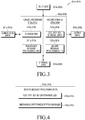
FIG. 4 is a block diagram illustrating an example schematic configuration of a secure message processing unit of each of the terminal apparatuses illustrated inFIG. 3 ; -
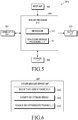
FIG. 5 is a block diagram illustrating an example schematic configuration of a transmission-side terminal; -
FIG. 6 is a block diagram illustrating an example schematic configuration of a secure message service unit of a message service apparatus; -
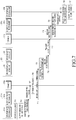
FIG. 7 is a signal flow diagram illustrating an example method of processing a secure message; -
FIGs. 8A and8B are signal flow diagrams illustrating an example method of processing a secure message; -
FIG. 9 is a signal flow diagram illustrating an example method of processing a secure message; -
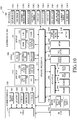
FIG. 10 is a block diagram illustrating an example configuration of an electronic apparatus; and -
FIG. 11 is a block diagram illustrating an example configuration of a program module. - Hereinafter, various example embodiments of the disclosure will be described with reference to the accompanying drawings. However, it should be understood that there is no intent to limit the disclosure to the particular forms disclosed herein; rather, the disclosure should be construed to cover various modifications, equivalents, and/or alternatives of the various example embodiments of the disclosure. In describing the drawings, similar reference numerals may be used to designate similar constituent elements.
- As used herein, the expression "have", "may have", "include", or "may include" refers to the existence of a corresponding feature (e.g., numeral, function, operation, or constituent element such as component), and does not exclude one or more additional features.
- In the disclosure, the expression "A or B", "at least one of A or/and B", or "one or more of A or/and B" may include all possible combinations of the items listed. For example, the expression "A or B", "at least one of A and B", or "at least one of A or B" refers to all of (1) including at least one A, (2) including at least one B, or (3) including all of at least one A and at least one B.
- The expression "a first", "a second", "the first", or "the second" used in various example embodiments of the disclosure may modify various components regardless of their order and/or the importance but does not limit the corresponding components. For example, a first user device and a second user device indicate different user devices although both of them are user devices. For example, a first element may be termed a second element, and similarly, a second element may be termed a first element without departing from the scope of the disclosure.
- It should be understood that when an element (e.g., first element) is referred to as being (operatively or communicatively) "connected," or "coupled," to another element (e.g., second element), it may be directly connected or coupled directly to the other element or another element (e.g., third element) may be interposed between them. It may be understood that when an element (e.g., first element) is referred to as being "directly connected," or "directly coupled" to another element (second element), there may be no element (e.g., third element) interposed between them.
- The expression "configured to" used in the disclosure may be exchanged with, for example, "suitable for", "having the capacity to", "designed to", "adapted to", "made to", or "capable of" according to the situation. The term "configured to" may not necessarily imply "specifically designed to" in hardware. In some situations, the expression "device configured to" may mean that the device, together with other devices or components, "is able to". For example, the phrase "processor adapted (or configured) to perform A, B, and C" may mean a dedicated processor (e.g. embedded processor) only for performing the corresponding operations or a general-purpose processor (e.g., central processing unit (CPU) or application processor (AP)) that can perform the corresponding operations by executing one or more software programs stored in a memory device.
- The terms used herein are merely for the purpose of describing example embodiments and are not intended to limit the scope of other embodiments. As used herein, singular forms may include plural forms as well unless the context clearly indicates otherwise. Unless defined otherwise, all terms used herein, including technical and scientific terms, have the same meaning as those commonly understood by a person skilled in the art to which the present disclosure pertains. Such terms as those defined in a generally used dictionary may be interpreted to have the meanings equal to the contextual meanings in the relevant field of art, and are not to be interpreted to have ideal or excessively formal meanings unless clearly defined in the disclosure. In some cases, even the term defined in the disclosure should not be interpreted to exclude embodiments of the disclosure.
- An electronic device according to various example embodiments of the disclosure may include at least one of, for example, a smart phone, a tablet Personal Computer (PC), a mobile phone, a video phone, an electronic book reader (e-book reader), a desktop PC, a laptop PC, a netbook computer, a workstation, a server, a Personal Digital Assistant (PDA), a Portable Multimedia Player (PMP), a MPEG-1 audio layer-3 (MP3) player, a mobile medical device, a camera, and a wearable device, or the like. According to various example embodiments, the wearable device may include, for example, at least one of an accessory type (e.g., a watch, a ring, a bracelet, an anklet, a necklace, a glasses, a contact lens, or a Head-Mounted Device (HMD)), a fabric or clothing integrated type (e.g., an electronic clothing), a body-mounted type (e.g., a skin pad, or tattoo), and a bio-implantable type (e.g., an implantable circuit), or the like.
- According to some example embodiments, the electronic device may, for example, be a home appliance. The home appliance may include at least one of, for example, a television, a Digital Video Disk (DVD) player, an audio, a refrigerator, an air conditioner, a vacuum cleaner, an oven, a microwave oven, a washing machine, an air cleaner, a set-top box, a home automation control panel, a security control panel, a TV box (e.g., Samsung HomeSyncTM, Apple TVTM, or Google TVTM), a game console (e.g., XboxTM and PlayStationTM), an electronic dictionary, an electronic key, a camcorder, and an electronic photo frame, or the like.
- According to another example embodiment, the electronic device may include, for example, at least one of various medical devices (e.g., various portable medical measuring devices (a blood glucose monitoring device, a heart rate monitoring device, a blood pressure measuring device, a body temperature measuring device, etc.), a Magnetic Resonance Angiography (MRA), a Magnetic Resonance Imaging (MRI), a Computed Tomography (CT) machine, and an ultrasonic machine), a navigation device, a Global Positioning System (GPS) receiver, an Event Data Recorder (EDR), a Flight Data Recorder (FDR), a Vehicle Infotainment Devices, an electronic devices for a ship (e.g., a navigation device for a ship, and a gyro-compass), avionics, security devices, an automotive head unit, a robot for home or industry, an automatic teller's machine (ATM) in banks, point of sales (POS) in a shop, or internet device of things (e.g., a light bulb, various sensors, electric or gas meter, a sprinkler device, a fire alarm, a thermostat, a streetlamp, a toaster, a sporting goods, a hot water tank, a heater, a boiler, etc.), or the like.
- According to some example embodiments, the electronic device may include, for example, at least one of a part of furniture or a building/structure, an electronic board, an electronic signature receiving device, a projector, and various kinds of measuring instruments (e.g., a water meter, an electric meter, a gas meter, and a radio wave meter), or the like. The electronic device according to various example embodiments of the disclosure may, for example, be a combination of one or more of the aforementioned various devices. The electronic device according to some example embodiments of the disclosure may be a flexible device, or the like. Further, the electronic device according to an example embodiment of the disclosure is not limited to the aforementioned devices, and may include a new electronic device according to the development of technology
- An electronic device according to various example embodiments will be described with reference to the accompanying drawings. As used herein, the term "user" may indicate a person who uses an electronic device or a device (e.g., an artificial intelligence electronic device) that uses an electronic device.
- Referring to
FIG. 1 , anelectronic apparatus 101 within anetwork environment 100, according to various example embodiments of the disclosure, will be described. Theelectronic apparatus 101 may include abus 110, a processor (e.g., including processing circuitry) 120, amemory 130, an input/output interface (e.g., including interface circuitry) 150, adisplay 160, and a communication interface (e.g., including communication circuitry) 170. In some example embodiments of the disclosure, at least one of the above elements of theelectronic apparatus 101 may be omitted from theelectronic apparatus 101, or theelectronic apparatus 101 may additionally include other elements. - The
bus 110 may include, for example, a circuit that interconnects theelements 110 to 170 and delivers a communication (e.g., a control message and/or data) between theelements 110 to 170. - The
processor 120 may include one or more of a Central Processing Unit (CPU), an Application Processor (AP), and a Communication Processor (CP). Theprocessor 120 may be configured to perform, for example, calculations or data processing related to control over and/or communication by at least one of the other elements of theelectronic apparatus 101. - The
memory 130 may include, for example, a volatile memory and/or a non-volatile memory. Thememory 130 may store, for example, commands or data related to at least one of the other elements of theelectronic apparatus 101. According to an example embodiment of the disclosure, thememory 130 may store software and/or aprogram 140. Theprogram 140 may include, for example, akernel 141,middleware 143, an Application Programming Interface (API) 145, and/or an application program (or an application) 147. At least some of thekernel 141, themiddleware 143, and theAPI 145 may be referred to as an "Operating System (OS)." - For example, the
kernel 141 may control or manage system resources (e.g., thebus 110, theprocessor 120, thememory 130, and the like) used to execute operations or functions implemented by the other programs (e.g., themiddleware 143, theAPI 145, and the application program 147). Also, thekernel 141 may provide an interface capable of controlling or managing the system resources by accessing the individual elements of theelectronic apparatus 101 by using themiddleware 143, theAPI 145, or theapplication program 147. - For example, the
middleware 143 may serve as an intermediary that enables theAPI 145 or theapplication program 147 to communicate with thekernel 141 and to exchange data therewith. - The
middleware 143 may, for example, process one or more task requests received from theapplication program 147 based on a priority. For example, themiddleware 143 may assign a priority, which enables the use of system resources (e.g., thebus 110, theprocessor 120, thememory 130, etc.) of theelectronic apparatus 101, to at least one of theapplication programs 147. For example, themiddleware 143 may perform scheduling, load balancing, or the like of the one or more task requests by processing the one or more task requests based on the priority assigned to the at least one of theapplication programs 147. - The
API 145 may include, for example, an interface through which theapplication 147 controls a function provided by thekernel 141 or themiddleware 143, and may include, for example, at least one interface or function (e.g., command) for file control, window control, image processing, character control, or the like. - For example, the input/
output interface 150 may serve as an interface capable of delivering a command or data, which is input from a user or another external device, to the element(s) other than the input/output interface 150 within theelectronic apparatus 101. The input/output interface 150 may output, to the user or another external device, commands or data received from the element(s) other than the input/output interface 150 within theelectronic apparatus 101. - Examples of the
display 160 may include, for example, a Liquid Crystal Display (LCD), a Light-Emitting Diode (LED) display, an Organic Light-Emitting Diode (OLED) display, a MicroElectroMechanical Systems (MEMS) display, and an electronic paper display, or the like. For example, thedisplay 160 may display various pieces of content (e.g., text, images, videos, icons, symbols, etc.) to the user. Thedisplay 160 may include a touch screen, and may receive, for example, a touch input, a gesture input, a proximity input, or a hovering input provided by an electronic pen or a body part of the user. - The
communication interface 170 may be configured to establish, for example, communication between theelectronic apparatus 101 and an external apparatus (e.g., a first external electronic apparatus 102, a second externalelectronic apparatus 104, or a server 106). For example, thecommunication interface 170 may be connected to anetwork 162 through wireless or wired communication and may communicate with the external device (e.g., the second externalelectronic apparatus 104 or the server 106). - The wireless communication may, for example, be performed using at least one of, for example, Long-Term Evolution (LTE), LTE-Advanced (LTE-A), Code Division Multiple Access (CDMA), Wideband CDMA (WCDMA), Universal Mobile Telecommunications System (UMTS), WiBro (Wireless Broadband), and Global System for Mobile Communications (GSM), or the like, as a cellular communication protocol. Examples of the wireless communication may include short-
range communication 164. The short-range communication 164 may, for example, be performed using at least one of, for example, Wi-Fi, Bluetooth, Near Field Communication (NFC), and Global Navigation Satellite System (GNSS). The GNSS may include at least one of, for example, a Global Positioning System (GPS), a Global Navigation Satellite System (Glonass), a Beidou Navigation Satellite System (hereinafter "Beidou"), and a European Global Satellite-based Navigation System (Galileo), according to a use area, a bandwidth, or the like. In the disclosure, the term "GPS" may be interchangeably used with the term "GNSS." The wired communication may be performed by using at least one of, for example, a Universal Serial Bus (USB), a High Definition Multimedia Interface (HDMI), Recommended Standard 232 (RS-232), and a Plain Old Telephone Service (POTS), or the like. Thenetwork 162 may include at least one of communication networks, such as a computer network (e.g., a Local Area Network (LAN), or a Wide Area Network (WAN)), the Internet, and a telephone network, or the like. - Each of the first and second external
electronic apparatuses 102 and 104 may be of a type identical to or different from that of theelectronic apparatus 101. According to an example embodiment of the disclosure, theserver 106 may include a group of one or more servers. According to various example embodiments of the disclosure, all or some of operations performed by theelectronic apparatus 101 may be performed by another electronic apparatus or multiple electronic apparatuses (e.g., the first and second externalelectronic apparatuses 102 and 104 or the server 106). According to an example embodiment of the disclosure, when theelectronic apparatus 101 needs to perform some functions or services automatically or by a request, theelectronic apparatus 101 may send, to another device (e.g., the first external electronic apparatus 102, the second externalelectronic apparatus 104, or the server 106), a request for performing at least some functions related to the functions or services, instead of performing the functions or services by itself, or additionally. Another electronic apparatus may execute the requested functions or the additional functions, and may deliver a result of the execution to theelectronic apparatus 101. Theelectronic apparatus 101 may process the received result without any change or additionally and may provide the requested functions or services. To this end, use may be made of, for example, cloud computing technology, distributed computing technology, or client-server computing technology, or the like. -
FIG. 2 is a diagram schematically illustrating an example secure message transmission system. - Referring to
FIG. 2 , the example securemessage transmission system 200, , may includeterminal apparatuses communication network 203 and which transmit/receive a normal message and a secure message, and amessage service apparatus 202. - The
terminal apparatuses communication network 203, and each of theterminal apparatuses electronic apparatus 101 illustrated inFIG. 1 . Theterminal apparatuses terminal apparatuses side terminal 201a" and the "reception-side terminal 201b." Theterminal apparatuses message service apparatus 202 through thecommunication network 203, and may securely transmit/receive not only a normal (e.g., non-secure) message but also a secure message requiring security to/from each other. - The
message service apparatus 202 is connected to theterminal apparatuses communication network 203, and provides a message transmission service which transmits a normal message and/or a secure message including one or more of text, an image, and a voice between theterminal apparatuses - The
message service apparatus 202 may, for example, receive a normal message and/or a secure message, the transmission of which has been requested by the transmission-side terminal 201a, and may transmit the received normal message and/or secure message to the reception-side terminal 201b. Themessage service apparatus 202 may include, for example, a non-securemessage service unit 210 that provides a service transmitting a normal message between theterminal apparatuses message service unit 220 that provides a service transmitting a secure message requiring security between theterminal apparatuses - The non-secure message service unit (e.g., including processing circuitry) 210 may be configured to receive a normal message, the transmission of which to the predetermined reception-
side terminal 201b has been requested by the transmission-side terminal 201a, and may be configured to transmit the received normal message to the relevant reception-side terminal 201b. The secure message service unit (e.g., including processing circuitry) 220 may be configured to receive a secure message, the transmission of which to the predetermined reception-side terminal 201b has been requested by the transmission-side terminal 201a, and may transmit the received secure message to the relevant reception-side terminal 201b. - When a normal message, the transmission of which has been requested by the transmission-
side terminal 201a, and a request requiring security are transmitted together, the non-securemessage service unit 210 may be configured to deliver the normal message to the securemessage service unit 220. In this case, the securemessage service unit 220 may be configured to encrypt the delivered normal message and may be configured to transmit the encrypted normal message to the relevant reception-side terminal 201b. - The secure
message service unit 220 may be configured to receive an encrypted secure message in order to transmit a secure message between the securemessage service unit 220 and the transmission-side terminal 201a, may be configured to decrypt the encrypted secure message, may be configured to re-encrypt the decrypted secure message in order to transmit a secure message between the securemessage service unit 220 and the relevant reception-side terminal 201b, and may be configured to transmit the re-encrypted secure message to the relevant reception-side terminal 201b. The securemessage service unit 220 will be described below in greater detail with reference toFIG. 6 . - The
communication network 203 may, for example, be a medium that connects theterminal apparatuses message service apparatus 202 and delivers various types of data, including a normal message, a secure message, multiple encryption/decryption key pairs, and the like between theterminal apparatuses message service apparatus 202. Thecommunication network 203 may include, for example, the whole or part of thenetwork 162 illustrated inFIG. 1 . -
FIG. 3 is a block diagram illustrating an example schematic configuration of each of example terminal apparatuses. - Referring to
FIG. 3 , therespective terminal apparatuses storage units terminal apparatus 201a from those of theterminal apparatus 201b, the elements of the transmission-side terminal 201a are denoted by "a" and those of the reception-side terminal 201b are denoted by "b." - The
communication units terminal apparatuses message service apparatus 202 through the communication network 203 (see, e.g.,FIG. 2 ). For example, thecommunication unit 301a of the transmission-side terminal 201a may transmit a normal message and/or an encrypted secure message, which is written by the transmission-side terminal 201a, to themessage service apparatus 202. Themessage service apparatus 202 may transmit the normal message and/or the encrypted secure message, which has been received from the transmission-side terminal 201a, to the reception-side terminal 201b. Thecommunication unit 301b of the reception-side terminal 201b may receive the normal message and/or the encrypted secure message transmitted by themessage service apparatus 202. - The
communication units terminal apparatuses message service apparatus 202 through thecommunication network 203. - For example, the
communication units side terminal 201a and the reception-side terminal 201b. For example, thecommunication unit 301a of the transmission-side terminal 201a may receive the first encryption key from the reception-side terminal 201b, or may transmit the first decryption key to the reception-side terminal 201b. Thecommunication unit 301b of the reception-side terminal 201b may receive the first decryption key from the transmission-side terminal 201a, or may transmit the first encryption key to the transmission-side terminal 201a. Thecommunication unit 301a of the transmission-side terminal 201a may receive a second encryption key from themessage service apparatus 202, or may transmit the second decryption key to themessage service apparatus 202, so as to exchange a second encryption/decryption key pair generated based on a predetermined key generation algorithm in order to transmit a secure message between the transmission-side terminal 201a and themessage service apparatus 202. Thecommunication unit 301b of the reception-side terminal 201b may receive a third decryption key from themessage service apparatus 202, or may transmit a third encryption key to themessage service apparatus 202, so as to exchange a third encryption/decryption key pair generated based on a predetermined key generation algorithm in order to transmit a secure message between the reception-side terminal 201b and themessage service apparatus 202. - The
input units input units control units control units input units input units input units - The
output units input units side terminal 201 a and/or themessage service apparatus 202. Under the control of thecontrol units output units output units output units - The storage units (e.g., including a memory) 304a and 304b may store an application program for basic functions of the portable terminal, an application program selectively installed by the user, and/or the like. The
storage units input units control units communication units - The
control units - The
control units non-secure domains secure domains non-secure domains message processing units message processing units secure domains message processing units message processing units - The
non-secure domains message processing units message processing units - The
secure domains key storage units message processing units communication units key storage units secure domains non-secure domains non-secure domains - Operations of the non-secure
message processing units message processing units FIG. 7 to FIG. 9 illustrating an example method for transmitting an encrypted message among the transmission-side terminal 201a, themessage service apparatus 202, and the reception-side terminal 201b. -
FIG. 4 is a block diagram illustrating an example schematic configuration of a secure message processing unit of each of the terminal apparatuses illustrated inFIG. 3 . - Referring to
FIG. 4 , the securemessage processing units respective terminal apparatuses key generation modules decryption modules terminal apparatus 201a from those of theterminal apparatus 201b, the elements of the transmission-side terminal 201a are denoted by "a" and those of the reception-side terminal 201b are denoted by "b." - The security key generation modules (e.g., including processing circuitry) 410a and 410b may be configured generate a first encryption/decryption key pair based on a predetermined key generation algorithm in order to transmit a secure message between the transmission-
side terminal 201a and the reception-side terminal 201b. For example, the securitykey generation module 410a of the transmission-side terminal 201a may, for example, generate a first decryption key using reception-side terminal information transmitted by the predetermined reception-side terminal 201b desiring to transmit a secure message, or using information pre-agreed between the transmission-side terminal 201a and the reception-side terminal 201b. The securitykey generation module 410b of the reception-side terminal 201b may, for example, generate a first encryption key corresponding to the first decryption key using transmission-side terminal information transmitted by the transmission-side terminal 201a, or using information pre-agreed between the reception-side terminal 201b and the transmission-side terminal 201a. The generated first encryption/decryption keys may be exchanged between thecommunication units respective terminal apparatuses key storage units key storage unit 323a of the transmission-side terminal 201a, and the first decryption key may be stored in the securitykey storage unit 323b of the reception-side terminal 201b. - The security
key generation module 410a of the transmission-side terminal 201a may generate a second decryption key based on a predetermined key generation algorithm in order to transmit a secure message between the transmission-side terminal 201a and themessage service apparatus 202. For example, the securitykey generation module 410a of the transmission-side terminal 201a may be configured to generate the second decryption key using server information of themessage service apparatus 202 transmitted by themessage service apparatus 202 desiring to transmit a secure message, or using information pre-agreed between the transmission-side terminal 201a and themessage service apparatus 202. Themessage service apparatus 202 may, for example, generate a second encryption key corresponding to the second decryption key using transmission-side terminal information transmitted by the transmission-side terminal 201a, or using information pre-agreed between themessage service apparatus 202 and the transmission-side terminal 201a. The generated second encryption/decryption key pair may be exchanged between the transmission-side terminal 201a and themessage service apparatus 202, the second encryption key may be stored in the securitykey storage unit 323a of the transmission-side terminal 201a, and the second decryption key may be stored in the message service apparatus 202 (e.g., a security key storage module 620). - The security
key generation module 410b of the reception-side terminal 201b may, for example, generate a third encryption key pair based on a predetermined key generation algorithm in order to transmit a secure message between the reception-side terminal 201b and themessage service apparatus 202. For example, the securitykey generation module 410b of the reception-side terminal 201b may generate the third encryption key using server information of themessage service apparatus 202 transmitted by themessage service apparatus 202 that receives a secure message, or using information pre-agreed between the reception-side terminal 201b and themessage service apparatus 202. Themessage service apparatus 202 may generate a third decryption key corresponding to the third encryption key using transmission-side terminal information transmitted by the reception-side terminal 201b, or using information pre-agreed between themessage service apparatus 202 and the transmission-side terminal 201a. The third encryption/decryption key pair may be exchanged between the reception-side terminal 201b and themessage service apparatus 202, the third encryption key may be stored in the message service apparatus 202 (e.g., the security key storage module 620), and the third decryption key may be stored in the securitykey storage unit 323b of the reception-side terminal 201b. - The first to third encryption/decryption key pairs may be generated and exchanged by using various methods based on various key generation algorithms in addition to the above-described example method.
- The message encryption/
decryption modules secure domains key generation modules decryption modules secure domains - The message encryption/
decryption module 420a of the transmission-side terminal 201a may encrypt a message using the first encryption key or the second encryption key, and may deliver the encrypted message to the reception-side terminal 201b through themessage service apparatus 202. - The message encryption/
decryption module 420b of the reception-side terminal 201b may decrypt the encrypted message, which has been delivered by themessage service apparatus 202, using the first decryption key or the third decryption key. -
FIG. 5 is a block diagram illustrating an example schematic configuration of a transmission-side terminal. - Referring to
FIG. 5 , the transmission-side terminal 201a may include a communication unit (e.g., including communication circuitry) 501, an input unit (e.g., including input circuitry) 502, an output unit (e.g., including output circuitry) 503, astorage unit 504, and a control unit (e.g., including control and/or processing circuitry) 505, and may be identical to the transmission-side terminal 201a illustrated inFIG. 3 , except that thecontrol unit 505 is configured using only anon-secure domain 510 which is based on a normal operating system. A detailed description of the elements identical to those of the transmission-side terminal 201a illustrated inFIG. 3 will be replaced by the above description. - The
control unit 505 may include a non-secure message processing unit (e.g., processor and/or processing circuitry) 511 and amessage DB 512 installed in thenon-secure domain 510. Differently from the transmission-side terminal 201a ofFIG. 3 , the transmission-side terminal 201a ofFIG. 5 configured using only thenon-secure domain 510, which is based on a normal operating system, may transmit a message, which requires security, and a request for encrypting the message together to themessage service apparatus 202 using the non-securemessage processing unit 511, in order to transmit the relevant message to the reception-side terminal 201b. - Based on the message and the request for encrypting the message which have been transmitted by the non-secure
message processing unit 511, themessage service apparatus 202 may encrypt the message using the third encryption key for transmitting a secure message between themessage service apparatus 202 and the reception-side terminal 201b, and may transmit the encrypted message to the reception-side terminal 201b. The reception-side terminal 201b may decrypt the encrypted message using the third decryption key, may output the decrypted message, and thereby may securely transmit a message, the transmission of which has been requested by the transmission-side terminal 201a, to the reception-side terminal 201b. -
FIG. 6 is a block diagram illustrating an example schematic configuration of a secure message service unit of an example message service apparatus. - Referring to
FIG. 6 , the securemessage service unit 220 may include a security key generation module (e.g., including processing circuitry) 610, a securitykey storage module 620, and a message encryption/decryption module (e.g., including processing circuitry) 630. - The security
key generation module 610 may, for example, generate a second encryption key based on a predetermined key generation algorithm in order to transmit a secure message between themessage service apparatus 202 and the transmission-side terminal 201a. For example, the securitykey generation module 610 may generate the second encryption key using transmission-side terminal information from the transmission-side terminal 201a desiring to transmit a secure message, or using information pre-agreed between themessage service apparatus 202 and the transmission-side terminal 201a. The transmission-side terminal 201a may, for example, generate a second decryption key corresponding to the second encryption key using server information of themessage service apparatus 202 transmitted by themessage service apparatus 202, or using information pre-agreed between the transmission-side terminal 201a and themessage service apparatus 202. The generated second encryption/decryption keys may be exchanged between the transmission-side terminal 201a and themessage service apparatus 202, the second encryption key may be stored in the securitykey storage unit 323a of the transmission-side terminal 201a, and the second decryption key may be stored in the securitykey storage module 620 of the securemessage service unit 220 of themessage service apparatus 202. - The security
key generation module 610 may, for example, generate a third decryption key based on a predetermined key generation algorithm in order to transmit a secure message between themessage service apparatus 202 and the reception-side terminal 201b. For example, the securitykey generation module 610 may generate the third decryption key using reception-side terminal information from the reception-side terminal 201b desiring to transmit a secure message, or using information pre-agreed between themessage service apparatus 202 and the reception-side terminal 201b. The reception-side terminal 201b may generate a third encryption key corresponding to the third decryption key using server information of themessage service apparatus 202 transmitted by themessage service apparatus 202, or by using information pre-agreed between the reception-side terminal 201b and themessage service apparatus 202. The generated third encryption/decryption keys may be exchanged between the reception-side terminal 201b and themessage service apparatus 202, the third encryption key may be stored in the securitykey storage module 620 of the securemessage service unit 220 ofmessage service apparatus 202, and the third decryption key may be stored in the securitykey storage unit 323b of the reception-side terminal 201b. - The security
key storage module 620 may store an encryption/decryption key pair generated by the securitykey generation module 610 or an exchanged encryption/decryption key pair from the transmission-side terminal 201a and the reception-side terminal 201b. For example, the securitykey storage module 620 may store a second encryption/decryption key pair, which is generated or exchanged in order to transmit a secure message between the transmission-side terminal 201a and themessage service apparatus 202, and a third encryption/decryption key pair which is generated or exchanged in order to transmit a secure message between themessage service apparatus 202 and the reception-side terminal 201b. - When a request is made for encrypting a message transmitted by the transmission-
side terminal 201a, the message encryption/decryption module 630 may encrypt the message. When the encrypted message transmitted by the transmission-side terminal 201a does not include encryption/decryption keys for transmitting a secure message between themessage service apparatus 202 and the reception-side terminal 201b, the message encryption/decryption module 630 may decrypt the encrypted message, and may re-encrypt the decrypted message using an encryption key for transmitting a secure message between themessage service apparatus 202 and the reception-side terminal 201b. The re-encrypted message may be transmitted to the reception-side terminal 201b, and may be decrypted using a decryption key for transmitting a secure message between themessage service apparatus 202 and the reception-side terminal 201b. - An operation of the message encryption/
decryption module 630 will be described below in greater detail with reference toFIG. 7 to FIG. 9 illustrating an example method for transmitting a secure message among the transmission-side terminal 201a, themessage service apparatus 202, and the reception-side terminal 201b. -
FIG. 7 is a signal flow diagram illustrating an example method for processing a secure message, and illustrates an example method for processing a secure message using a security key (e.g., a first encryption/decryption key pair) which is generated and exchanged in order to transmit a secure message between the transmission-side terminal 201a and the reception-side terminal 201b. - Referring to
FIG. 7 , when the transmission-side terminal 201a desires to transmit a message requiring security to the predetermined reception-side terminal 201b, the transmission-side terminal 201a executes an application for transmitting a secure message. - When the application is executed, in
operation 701, the transmission-side terminal 201a operates the securemessage processing unit 321a installed in a secure domain which is based on a secure operation system, and securely receives a message as input through theinput unit 302a. - In
operation 701, when the execution of the application activates thesecure domain 320a, thenon-secure domain 310a, which is based on a normal operating system and is physically separated from thesecure domain 320a, is deactivated, and the non-securemessage processing unit 311a installed in thenon-secure domain 310a may not operate either. Theinput unit 302a receives an input signal, such as a message which is input, under the control of the securemessage processing unit 321a or the non-securemessage processing unit 311a. When theinput unit 302a is controlled by the securemessage processing unit 321a, theinput unit 302a may be blocked from all accesses to an input signal by the non-securemessage processing unit 311a using an isolation environment physically separated from the securemessage processing unit 321a. When theinput unit 302a is controlled by the non-securemessage processing unit 311a, theinput unit 302a may be blocked from all accesses to an input signal by the securemessage processing unit 321a. Accordingly, access in thenon-secure domain 310a physically separated from thesecure domain 320a may be blocked using the physical isolation environment, and thereby the securemessage processing unit 321a may securely receive, as input, a message which is input through theinput unit 302a in the secure domain. - In
operation 703, the securemessage processing unit 321a may encrypt the message, which has been received as input inoperation 701, using a first encryption key. The first encryption key is one key of a first encryption/decryption key pair generated and exchanged in order to transmit a secure message between the transmission-side terminal 201a and the reception-side terminal 201b desiring to transmit the encrypted message. The first encryption key may include terminal information of the reception-side terminal 201b, or may be generated using the terminal information of the reception-side terminal 201b or information pre-agreed between the transmission-side terminal 201a and the reception-side terminal 201b. - In
operation 705, the securemessage processing unit 321a may deliver, to the non-securemessage processing unit 311a, the message encrypted inoperation 703 and a transmission request for transmitting the encrypted message to the reception-side terminal 201b. - The non-secure
message processing unit 311a delivers the encrypted message, which has been delivered by the securemessage processing unit 321a inoperation 705, to themessage DB 313a inoperation 707, and stores the encrypted message in themessage DB 313a inoperation 709. Inoperation 711, the non-securemessage processing unit 311 a transmits, to themessage service apparatus 202, the encrypted message and the transmission request for the encrypted message. - In
operation 713, the non-securemessage service unit 210 of themessage service apparatus 202 receives the message and the transmission request for the message, which have been transmitted by the transmission-side terminal 201a, and identifies whether the received message is an encrypted message. - When it is determined in
operation 713 that the received message is an encrypted message, the non-securemessage service unit 210 delivers the encrypted message to the securemessage service unit 220 inoperation 715, and the securemessage service unit 220 transmits the delivered encrypted message to the reception-side terminal inoperation 717. - The reception-
side terminal 201b receives the encrypted message transmitted by themessage service apparatus 202, and stores the encrypted message in themessage DB 313b of the reception-side terminal 201b. When themessage DB 313b receives the message, inoperation 719, themessage DB 313b may deliver an alarm, which provides a notification of reception of the message, to the non-securemessage processing unit 311b. - When receiving the message reception alarm from the
message DB 313b, inoperation 721, the non-securemessage processing unit 311b of the reception-side terminal 201b identifies whether the received message is an encrypted message. When the received message is an encrypted message, inoperation 723, the non-securemessage processing unit 311b delivers the encrypted message to the securemessage processing unit 321b. - The secure
message processing unit 321b of the reception-side terminal 201b decrypts the encrypted message using the first decryption key corresponding to the first encryption key inoperation 725, and then outputs the decrypted message through theoutput unit 303b in thesecure domain 320b inoperation 727. - The message, which is output from the
output unit 303b, is output under the control of the securemessage processing unit 321b installed in the secure domain which is based on a secure operating system, and thus any access from the physically-isolated non-secure domain to theoutput unit 303b is blocked. Accordingly, it is possible to pre-empt and/or reduce or avoid the leakage of an output message, such as screen capture. -
FIGs. 8A and8B are signal flow diagrams illustrating an example method for processing a secure message, and illustrate an example method for processing a secure message using a security key (e.g., a second encryption/decryption key pair), which is generated and exchanged in order to transmit a secure message between the transmission-side terminal 201a and themessage service apparatus 202, and a security key (e.g., a third encryption/decryption key pair) which is generated and exchanged in order to transmit a secure message between themessage service apparatus 202 and the reception-side terminal 201b. - Referring to
FIG. 8 , when the transmission-side terminal 201a desires to transmit a message requiring security to the predetermined reception-side terminal 201b, the transmission-side terminal 201a executes an application for transmitting a secure message. - When the application is executed, in
operation 801, the transmission-side terminal 201a operates the securemessage processing unit 321a installed in the secure domain which is based on the secure operating system, and securely receives a message as input through theinput unit 302a.Operation 801 is substantially similar tooperation 701 illustrated inFIG. 7 , and thus a detailed description ofoperation 801 will be replaced by the above description ofoperation 701. - In
operation 803, the securemessage processing unit 321a may encrypt the message, which has been received as input inoperation 801, using a second encryption key. In the example, the second encryption key is one key of a second encryption/decryption key pair generated and exchanged in order to transmit a secure message between the transmission-side terminal 201a and themessage service apparatus 202. The second encryption key may include server information of themessage service apparatus 202, or may be generated using the server information of themessage service apparatus 202 and information pre-agreed between the transmission-side terminal 201a and themessage service apparatus 202. - In
operation 805, the securemessage processing unit 321a may deliver, to the non-securemessage processing unit 311a, the message encrypted inoperation 803 and a transmission request for transmitting the encrypted message to the reception-side terminal 201b. - In
operation 807, the non-securemessage processing unit 311a delivers the encrypted message, which has been delivered by the securemessage processing unit 321a inoperation 805, to themessage DB 313a, and stores the encrypted message in themessage DB 313a inoperation 809. Simultaneously, inoperation 811, the non-securemessage processing unit 311a transmits, to themessage service apparatus 202, the encrypted message and the transmission request for the encrypted message inoperation 811. - In
operation 813, the non-securemessage service unit 210 of themessage service apparatus 202 receives the message and the transmission request for the message, which have been transmitted by the transmission-side terminal 201a, and identifies whether the received message is an encrypted message. - When it is identified in
operation 813 that the received message is an encrypted message, inoperation 815, the non-securemessage service unit 210 delivers the encrypted message to the securemessage service unit 220. - In
operation 817, the securemessage service unit 220 decrypts the encrypted message using a second decryption key. - In
operation 817, the second decryption key is one key of a second encryption/decryption key pair generated and exchanged in order to transmit a secure message between the transmission-side terminal 201a and themessage service apparatus 202. The second decryption key may include terminal information of the transmission-side terminal 201a, or may be generated by using the terminal information of the transmission-side terminal 201a and information pre-agreed between themessage service apparatus 202 and the transmission-side terminal 201a. - In
operation 819, the securemessage service unit 220 re-encrypts the decrypted message using a third encryption key. - In
example operation 819, the third encryption key is one key of a third encryption/decryption key pair generated and exchanged in order to transmit a secure message between themessage service apparatus 202 and the reception-side terminal 201b. The third encryption key may include terminal information of the reception-side terminal 201b, or may be generated by using the terminal information of the reception-side terminal 201b or information pre-agreed between themessage service apparatus 202 and the reception-side terminal 201b. - In
operation 821, the securemessage service unit 220 transmits, to the reception-side terminal 201b, the message re-encrypted inoperation 819. - The reception-
side terminal 201b receives the re-encrypted message transmitted by themessage service apparatus 202, and stores the re-encrypted message in themessage DB 313b. When themessage DB 313b receives the message, inoperation 823, themessage DB 313b may deliver an alarm, which provides a notification of the reception of the message, to the non-securemessage processing unit 311b. - When the non-secure
message processing unit 311b of the reception-side terminal 201b receives the message reception alarm from themessage DB 313b, inoperation 825, the non-securemessage processing unit 311b identifies whether the received message is an encrypted message. When the received message is an encrypted message, inoperation 827, the non-securemessage processing unit 311b delivers the re-encrypted message to the securemessage processing unit 321b. - In
operation 829, the securemessage processing unit 321b of the reception-side terminal 201b decrypts the re-encrypted message using the third decryption key. - In
operation 829, the third decryption key is one key of a third encryption/decryption key pair generated and exchanged in order to transmit a secure message between themessage service apparatus 202 and the reception-side terminal 201b. The third decryption key may include server information of themessage service apparatus 202, or may be generated by using the server information of themessage service apparatus 202 or information pre-agreed between the reception-side terminal 201b and themessage service apparatus 202. - In
operation 831, the securemessage processing unit 321b of the reception-side terminal 201b outputs the decrypted message through theoutput unit 303b in the secure domain. - The message, which is output from the
output unit 303b, is output under the control of the securemessage processing unit 321b installed in the secure domain which is based on the secure operating system, and thus any access from the physically-isolated non-secure domain to theoutput unit 303b is blocked. Accordingly, it is possible to pre-empt and/or reduce or avoid the leakage of an output message, such as screen capture. -
FIG. 9 is a signal flow diagram illustrating an example method for processing a secure message, and illustrates an example method for processing a secure message using a security key (e.g., a third encryption/decryption key pair) generated and exchanged in order to transmit a secure message between themessage service apparatus 202 and the reception-side terminal 201b when, as illustrated inFIG. 5 , a separate secure domain does not exist in the transmission-side terminal 201a and the transmission-side terminal 201a is configured using only thenon-secure domain 510 which is based on a normal operating system. - Referring to
FIG. 9 , when the transmission-side terminal 201a desires to transmit a message requiring security to the predetermined reception-side terminal 201b, inoperation 901, the transmission-side terminal 201a operates the non-securemessage processing unit 511, and receives a message as input through theinput unit 502. - The non-secure
message processing unit 511 delivers the received message to themessage DB 512 inoperation 903, and stores the message in themessage DB 512 inoperation 905. Inoperation 907, the non-securemessage processing unit 511 transmits, to themessage service apparatus 202, the input message and a request for encrypting and transmitting the input message. - When the
message service apparatus 202 receives the message transmitted by the transmission-side terminal 201a, inoperation 909, the non-securemessage service unit 210 identifies whether a request has been made for encrypting the received message. When the request has been made for encrypting the received message, inoperation 911, the non-securemessage service unit 210 delivers the message to the securemessage service unit 220. - In
operation 913, the securemessage service unit 220 encrypts the delivered message using a third encryption key. - In
operation 913, the third encryption key is one key of a third encryption/decryption key pair generated and exchanged in order to transmit a secure message between themessage service apparatus 202 and the reception-side terminal 201b. The third encryption key may include reception-side terminal information of the reception-side terminal 201b, or may be generated to include the reception-side terminal information of the reception-side terminal 201b or information pre-agreed between themessage service apparatus 202 and the reception-side terminal 201b. Inoperation 915, the securemessage service unit 220 transmits, to the reception-side terminal 201b, the message encrypted using the third encryption key. - The reception-
side terminal 201b receives the encrypted message transmitted by themessage service apparatus 202, and stores the encrypted message in themessage DB 313b. When themessage DB 313b receives the encrypted message, inoperation 917, themessage DB 313b may deliver an alarm, which provides a notification of the reception of the message, to the non-securemessage processing unit 311b. - When the non-secure
message processing unit 311b of the reception-side terminal 201b receives the message reception alarm from themessage DB 313b, inoperation 919, the non-securemessage processing unit 311b identifies whether the received message is an encrypted message. When the received message is an encrypted message, inoperation 921, the non-securemessage processing unit 311b delivers the encrypted message to the securemessage processing unit 321b. - In
operation 923, the securemessage processing unit 321b of the reception-side terminal 201b decrypts the encrypted message using the third decryption key corresponding to the third encryption key. - In
operation 923, the third decryption key is one key of the third encryption/decryption key pair generated and exchanged in order to transmit a secure message between themessage service apparatus 202 and the reception-side terminal 201b. The third decryption key may include server information of themessage service apparatus 202, or may include information pre-agreed between themessage service apparatus 202 and the reception-side terminal 201b. - In
operation 925, the securemessage processing unit 321b of the reception-side terminal 201b outputs the decrypted message through theoutput unit 303b in the secure domain. - The message, which is output from the
output unit 303b, is output under the control of the securemessage processing unit 321b installed in the secure domain which is based on the secure operating system, and thus any access from the physically-isolated non-secure domain to theoutput unit 303b is blocked. Accordingly, it is possible to pre-empt and/or reduce or avoid the leakage of an output message, such as screen capture. -
FIG. 10 is a block diagram illustrating an example configuration of an exampleelectronic apparatus 1001. For example, theelectronic apparatus 1001 may include the whole or part of theelectronic apparatus 101 illustrated inFIG. 1 . Theelectronic apparatus 1001 may include at least one processor (e.g., an Application Processor (AP)) 1010, acommunication module 1020, asubscriber identification module 1024, amemory 1030, asensor module 1040, aninput device 1050, adisplay 1060, aninterface 1070, anaudio module 1080, acamera module 1091, apower management module 1095, abattery 1096, anindicator 1097, and amotor 1098. - The
processor 1010 may be configured to control multiple hardware or software elements connected to theprocessor 1010 by running, for example, an Operation System (OS) or an application program, and may be configured to perform the processing of and arithmetic operations on various data. Theprocessor 1010 may, for example, be implemented by, for example, a System on Chip (SoC). According to an example embodiment of the disclosure, theprocessor 1010 may further include a Graphical Processing Unit (GPU) and/or an image signal processor (not shown). Theprocessor 1010 may include at least some (e.g., a cellular module 1021) of the elements illustrated inFIG. 10 . Theprocessor 1010 may be configured to load, into a volatile memory, instructions or data received from at least one (e.g., a non-volatile memory) of the other elements and may process the loaded instructions or data, and may store various data in a non-volatile memory. - The
communication module 1020 may have a configuration identical or similar to that of thecommunication interface 170 illustrated inFIG. 1 . Thecommunication module 1020 may include, for example, thecellular module 1021, a Wi-Fi module 1023, a Bluetooth (BT)module 1025, a GNSS module 1027 (e.g., a GPS module, a Glonass module, a Beidou module, or a Galileo module), anNFC module 1028, and a Radio Frequency (RF)module 1029. - For example, the
cellular module 1021 may provide a voice call, an image call, a text message service, an Internet service, and the like through a communication network. According to an example embodiment of the disclosure, thecellular module 1021 may identify or authenticate anelectronic apparatus 1001 in the communication network by using the subscriber identification module (e.g., a Subscriber Identity Module (SIM) card) 1024. According to an example embodiment of the disclosure, thecellular module 1021 may perform at least some of the functions that theprocessor 1010 may provide. According to an example embodiment of the disclosure, thecellular module 1021 may include a Communication Processor (CP). - Each of the Wi-
Fi module 1023, theBT module 1025, theGNSS module 1027, and theNFC module 1028 may include, for example, a processor for processing data transmitted and received through the relevant module. According to some example embodiments of the disclosure, at least some (e.g., two or more) of thecellular module 1021, the Wi-Fi module 1023, theBT module 1025, theGNSS module 1027, and theNFC module 1028 may be included in one Integrated Chip (IC) or IC package. - The
RF module 1029 may transmit and receive, for example, communication signals (e.g., RF signals). TheRF module 1029 may include, for example, a transceiver, a Power Amplifier Module (PAM), a frequency filter, a Low Noise Amplifier (LNA), and an antenna. According to another example embodiment of the disclosure, at least one of thecellular module 1021, the Wi-Fi module 1023, theBT module 1025, theGNSS module 1027, and theNFC module 1028 may transmit and receive RF signals through a separate RF module. - The
subscriber identification module 1024 may include, for example, a card including a subscriber identity module and/or an embedded SIM, and may contain unique identification information (e.g., an Integrated Circuit Card Identifier (ICCID)) or subscriber information (e.g., an International Mobile Subscriber Identity (IMSI)). - The memory 1030 (e.g., the memory 130) may include, for example, an
internal memory 1032 and/or anexternal memory 1034. Theinternal memory 1032 may include at least one of, for example, a volatile memory (e.g., a Dynamic Random Access Memory (DRAM), a Static RAM (SRAM), a Synchronous DRAM (SDRAM), etc.); a non-volatile memory (e.g., a One Time Programmable Read-Only Memory (OTPROM), a Programmable ROM (PROM), an Erasable and Programmable ROM (EPROM), an Electrically Erasable and Programmable ROM (EEPROM), a mask ROM, a flash ROM, a flash memory (e.g., a Not AND (NAND) flash memory, a Not OR (NOR) flash memory, etc.); a hard drive; and a Solid State Drive (SSD). - The
external memory 1034 may further include a flash drive, for example, a Compact Flash (CF), a Secure Digital (SD), a Micro-Secure Digital (Micro-SD), a Mini-Secure Digital (Mini-SD), an extreme Digital (xD), a Multi-Media Card (MMC), a memory stick, or the like. Theexternal memory 1034 may be functionally and/or physically connected to theelectronic apparatus 1001 through various interfaces. - For example, the
sensor module 1040 may measure a physical quantity or may detect an operation state of theelectronic apparatus 1001, and may convert the measured physical quantity or the detected operation state into an electrical signal. Thesensor module 1040 may include at least one of, for example, agesture sensor 1040A, agyro sensor 1040B, anatmospheric pressure sensor 1040C, amagnetic sensor 1040D, anacceleration sensor 1040E, agrip sensor 1040F, aproximity sensor 1040G, acolor sensor 1040H (e.g., a Red-Green-Blue (RGB) sensor), a biometric sensor 1040I, a temperature/humidity sensor 1040J, anilluminance sensor 1040K, and an Ultraviolet (UV)sensor 1040M. Additionally or alternatively, thesensor module 1040 may include, for example, an E-nose sensor, an electromyography (EMG) sensor, an electroencephalogram (EEG) sensor, an electrocardiogram (ECG) sensor, an Infrared (IR) sensor, an iris sensor, and/or a fingerprint sensor, or the like. Thesensor module 1040 may further include a control circuit for controlling one or more sensors included therein. In some example embodiments of the disclosure, theelectronic apparatus 1001 may further include a processor configured to control thesensor module 1040 as a part of or separately from theprocessor 1010, and may control thesensor module 1040 while theprocessor 1010 is in a sleep state. - The
input device 1050 may include, for example, atouch panel 1052, a (digital)pen sensor 1054, a key 1056, and anultrasonic input unit 1058. Thetouch panel 1052 may use at least one of, for example, a capacitive scheme, a resistive scheme, an infrared scheme, and an acoustic wave scheme, or the like. Thetouch panel 1052 may further include a control circuit. Thetouch panel 1052 may further include a tactile layer and may provide a tactile response to the user. - The (digital)
pen sensor 1054 may include, for example, a recognition sheet which is a part of the touch panel or is separated from the touch panel. The key 1056 may be, for example, a physical button, an optical key, and a keypad. Theultrasonic input unit 1058 may sense an ultrasonic wave generated by an input means through a microphone (e.g., the microphone 1088), and may confirm data corresponding to the sensed ultrasonic wave. - The display 1060 (e.g., the display 160) may include a
panel 1062, ahologram unit 1064, and aprojector 1066. Thepanel 1062 may include a configuration identical or similar to that of thedisplay 160 illustrated inFIG. 1 . Thepanel 1062 may be implemented to be, for example, flexible, transparent, or wearable, or the like. Thepanel 1062 and thetouch panel 1052 may be implemented as one module. Thehologram unit 1064 may display a three-dimensional image in the air by using the interference of light. Theprojector 1066 may display an image by projecting light onto a screen. The screen may be located, for example, inside or outside theelectronic apparatus 1001. According to an example embodiment of the disclosure, thedisplay 1060 may further include a control circuit for controlling thepanel 1062, thehologram unit 1064, or theprojector 1066. - The
interface 1070 may include, for example, a High-Definition Multimedia Interface (HDMI) 1072, a Universal Serial Bus (USB) 1074, anoptical interface 1076, and a D-subminiature (D-sub) 1078. Theinterface 1070 may be included in, for example, thecommunication interface 170 illustrated inFIG. 1 . Additionally or alternatively, theinterface 1070 may include, for example, a Mobile High-definition Link (MHL) interface, a Secure Digital (SD) card/Multi-Media Card (MMC) interface, or an Infrared Data Association (IrDA) standard interface. - For example, the
audio module 1080 may bidirectionally convert a sound and an electrical signal. At least some elements of theaudio module 1080 may be included in, for example, the input/output interface 150 illustrated inFIG. 1 . Theaudio module 1080 may process sound information which is input or output through, for example, aspeaker 1082, areceiver 1084, anearphone 1086, themicrophone 1088, or the like. - The
camera module 1091 may, for example, be a device capable of capturing a still image and/or a moving image. According to an example embodiment of the disclosure, thecamera module 1091 may include one or more image sensors (e.g., a front sensor or a back sensor), a lens, an Image Signal Processor (ISP), and a flash (e.g., an LED, a xenon lamp, or the like). - The
power management module 1095 may manage, for example, power of theelectronic apparatus 1001. According to an example embodiment of the disclosure, thepower management module 1095 may include a Power Management Integrated Circuit (PMIC), a charger IC, or a battery fuel gauge. The PMIC may use a wired and/or wireless charging method. Examples of the wireless charging method may include, for example, a magnetic resonance method, a magnetic induction method, an electromagnetic method, and the like. Additional circuits (e.g., a coil loop, a resonance circuit, a rectifier, etc.) for wireless charging may be further included. The battery fuel gauge may measure, for example, a residual quantity of thebattery 1096, and a voltage, a current, or a temperature during the charging. Examples of thebattery 1096 may include a rechargeable battery and a solar battery. - The
indicator 1097 may display a particular state (e.g., a booting state, a message state, a charging state, or the like) of theelectronic apparatus 1001 or a part (e.g., the processor 1010) of theelectronic apparatus 1001. Themotor 1098 may convert an electrical signal into mechanical vibration, and may generate vibration, a haptic effect, or the like. Although not illustrated, theelectronic apparatus 1001 may include a processing unit (e.g., a GPU) for supporting a mobile television (TV). The processing unit for supporting a mobile TV may process media data according to a standard, such as, for example, Digital Multimedia Broadcasting (DMB), Digital Video Broadcasting (DVB), or mediaFLO™. - Each of the above-described component elements of hardware according to the disclosure may be configured with one or more components, and the names of the corresponding component elements may vary based on the type of electronic device. The electronic device according to various example embodiments of the disclosure may include at least one of the aforementioned elements. Some elements may be omitted or other additional elements may be further included in the electronic device. Also, some of the hardware components according to various embodiments may be combined into one entity, which may perform functions identical to those of the relevant components before the combination.
-
FIG. 11 is a block diagram illustrating an example configuration of an example program module. According to an example embodiment of the disclosure, the program module 1110 (e.g., the program 140) may include an OS for controlling resources related to the electronic apparatus (e.g., the electronic apparatus 101) and/or various applications (e.g., the application programs 147) executed in the OS. The OS may be, for example, Android, iOS, Windows, Symbian, Tizen, Bada, and the like. - The
program module 1110 may include akernel 1120,middleware 1130, anAPI 1160, and/or anapplication 1170. At least some of theprogram module 1110 may be preloaded on the electronic apparatus, or may be downloaded from an external electronic apparatus (e.g., theelectronic apparatus 103 or 104, or the server 106). - The kernel 1120 (e.g., the kernel 141) may include, for example, a
system resource manager 1121 and/or adevice driver 1123. Thesystem resource manager 1121 may perform the control, allocation, retrieval, or the like of system resources. According to an example embodiment of the disclosure, thesystem resource manager 1121 may include a process manager, a memory manager, a file system manager, or the like. Thedevice driver 1123 may include, for example, a display driver, a camera driver, a Bluetooth driver, a shared memory driver, a USB driver, a keypad driver, a Wi-Fi driver, an audio driver, or an Inter-Process Communication (IPC) driver. - For example, the
middleware 1130 may provide a function required in common by theapplications 1170, or may provide various functions to theapplications 1170 through theAPI 1160 so as to enable theapplications 1170 to efficiently use the limited system resources within the electronic apparatus. According to an example embodiment of the disclosure, the middleware 1130 (e.g., the middleware 143) may include at least one of aruntime library 1135, anapplication manager 1141, awindow manager 1142, amultimedia manager 1143, aresource manager 1144, apower manager 1145, adatabase manager 1146, apackage manager 1147, aconnectivity manager 1148, anotification manager 1149, alocation manager 1150, agraphic manager 1151, and asecurity manager 1152. - The
runtime library 1135 may include, for example, a library module that a complier uses to add a new function by using a programming language during the execution of theapplication 1170. Theruntime library 1135 may perform input/output management, memory management, the functionality for an arithmetic function, or the like. - The
application manager 1141 may manage, for example, the life cycle of at least one of theapplications 1170. Thewindow manager 1142 may manage Graphical User Interface (GUI) resources used for the screen. Themultimedia manager 1143 may determine a format required to reproduce various media files, and may encode or decode a media file by using a coder/decoder (codec) appropriate for the relevant format. Theresource manager 1144 may manage resources, such as a source code, a memory, a storage space, and the like of at least one of theapplications 1170. - For example, the
power manager 1145 may operate together with a Basic Input/Output System (BIOS), etc. and may manage a battery or power, and may provide power information and the like required for an operation of the electronic apparatus. Thedatabase manager 1146 may generate, search for, and/or change a database to be used by at least one of theapplications 1170. Thepackage manager 1147 may manage the installation or update of an application distributed in the form of a package file. - The
connectivity manager 1148 may manage a wireless connection such as, for example, Wi-Fi or Bluetooth. Thenotification manager 1149 may display or notify of an event, such as an arrival message, an appointment, a proximity notification, and the like, in such a manner as not to disturb the user. Thelocation manager 1150 may manage location information of the electronic apparatus. Thegraphic manager 1151 may manage a graphic effect, which is to be provided to the user, or a user interface related to the graphic effect. Thesecurity manager 1152 may provide various security functions required for system security, user authentication, and the like. According to an embodiment of the present disclosure, when the electronic apparatus (e.g., the electronic apparatus 101) has a telephone call function, themiddleware 1130 may further include a telephony manager for managing a voice call function or a video call function of the electronic apparatus. - The
middleware 1130 may include a middleware module that forms a combination of various functions of the above-described elements. Themiddleware 1130 may provide a module specialized for each type of OS in order to provide a differentiated function. Also, themiddleware 1130 may dynamically delete some of the existing elements, or may add new elements. - The API 1160 (e.g., the API 145) is, for example, a set of API programming functions, and may be provided with a different configuration according to an OS. For example, in the case of Android or iOS, one API set may be provided for each platform. In the case of Tizen, two or more API sets may be provided for each platform.
- The applications 1170 (e.g., the application programs 147) may include one or more applications capable of performing functions, such as, for example, a
home 1171, adialer 1172, an SMS/MMS 1173, an Instant Message (IM) 1174, abrowser 1175, acamera 1176, analarm 1177, acontact 1178, avoice dialer 1179, anemail 1180, acalendar 1181, amedia player 1182, analbum 1183, aclock 1184, health care (e.g., which measures an exercise quantity, a blood sugar level, or the like) (not shown), and providing of environmental information (e.g., information on atmospheric pressure, humidity, temperature, or the like) (not shown). - According to an example embodiment of the disclosure, the
applications 1170 may include an application (hereinafter, referred to as an "information exchange application" for convenience of description) supporting information exchange between the electronic apparatus (e.g., the electronic apparatus 101) and an external electronic apparatus (e.g., the electronic apparatus 103 or 104). Examples of the information exchange application may include a notification relay application for delivering particular information to an external electronic apparatus and a device management application for managing an external electronic apparatus. - For example, the notification relay application may include a function of delivering, to the external electronic apparatus (e.g., the electronic apparatus 103 or 104), notification information generated by other applications (e.g., an SMS/MMS application, an email application, a health care application, an environmental information application, etc.) of the
electronic apparatus 101. Also, for example, the notification relay application may receive notification information from the external electronic apparatus and may provide the received notification information to the user. - The device management application may manage (e.g., install, delete, or update), for example, at least one function (e.g., turning on/off the external electronic apparatus itself (or some component parts thereof) or adjusting the brightness (or resolution) of the display) of the external electronic apparatus (e.g., the electronic apparatus 103 or 104) communicating with the electronic apparatus, an application executed in the external electronic apparatus, or a service (e.g., a telephone call service, a message service, or the like) provided by the electronic apparatus.
- According to an example embodiment of the disclosure, the
application 1170 may include an application (e.g., a health care application of a mobile medical device or the like) designated according to an attribute of the external electronic apparatus (e.g., the electronic apparatus 103 or 104). According to an example embodiment of the disclosure, theapplication 1170 may include an application received from the external electronic apparatus (e.g., theserver 106, or the electronic apparatus 103 or 104). According to an example embodiment of the disclosure, theapplication 1170 may include a preloaded application or a third party application which can be downloaded from the server. Names of the elements of theprogram module 1110, according to the above-described embodiments of the present disclosure, may change depending on the type of OS. - According to various example embodiments of the disclosure, at least some of the
program module 1110 may be implemented in software, firmware, hardware (e.g., circuitry), or a combination of two or more thereof. At least some of theprogram module 1110 may be implemented (e.g., executed) by, for example, the processor (e.g., the processor 1010). At least some of theprogram module 1110 may include, for example, a module, a program, a routine, a set of instructions, and/or a process for performing one or more functions. - The term "module" as used herein may, for example, mean a unit including one of hardware, software, and firmware or a combination of two or more of them. The "module" may be interchangeably used with, for example, the term "unit", "logic", "logical block", "component", or "circuit". The "module" may be a minimum unit of an integrated component element or a part thereof. The "module" may be a minimum unit for performing one or more functions or a part thereof. The "module" may be mechanically or electronically implemented. For example, the "module" according to the present disclosure may include at least one of an Application-Specific Integrated Circuit (ASIC) chip, a Field-Programmable Gate Arrays (FPGA), and a programmable-logic device for performing operations which has been known or are to be developed hereinafter.
- According to various example embodiments, at least some of the devices (for example, modules or functions thereof) or the method (for example, operations) according to the disclosure may be implemented by a command(s) stored in a computer-readable storage medium in a programming module form. The instruction(s), when executed by a processor (e.g., the processor 120), may cause the one or more processors to execute the function corresponding to the instruction. The computer-readable storage medium may be, for example, the
memory 130. - The computer readable recoding medium may include a hard disk, a floppy disk, magnetic media (e.g., a magnetic tape), optical media (e.g., a Compact Disc Read Only Memory (CD-ROM) and a Digital Versatile Disc (DVD)), magneto-optical media (e.g., a floptical disk), a hardware device (e.g., a Read Only Memory (ROM), a Random Access Memory (RAM), a flash memory), and the like. In addition, the program instructions may include high level language codes, which can be executed in a computer using an interpreter, as well as machine codes made by a compiler. The aforementioned hardware device may be configured to operate as one or more software modules in order to perform the operation of the disclosure, and vice versa.
- The programming module according to the disclosure may include one or more of the aforementioned components or may further include other additional components, or some of the aforementioned components may be omitted. Operations executed by a module, a programming module, or other component elements according to various example embodiments of the disclosure may be executed sequentially, in parallel, repeatedly, or in a heuristic manner. Further, some operations may be executed according to another order or may be omitted, or other operations may be added. Various example embodiments disclosed herein are provided merely to easily describe technical details of the disclosure and to help the understanding of the disclosure, and are not intended to limit the scope of the disclosure. Accordingly, the scope of the disclosure should be construed as including all modifications or various other example embodiments based on the appended claims.
Claims (13)
- A transmission-side terminal (201a) comprising:an input device (302a);a communication interface (170, 301a); andat least one processor (305a) comprising a secure message processor (321a) in a secure domain (320a) and a non-secure message processor (311a) in a non-secure domain (310a), the secure domain (320a) being based on a secure operating system and the non-secure domain (310a) being based on a non-secure operating system, the secure domain (320a) and the non-secure domain (310a) being physically separated from each other, wherein the at least one processor (305a) is configured to:deactivate the non-secure domain upon an execution of an application that activates the secure domain and block access from the non-secure domain (310a) to the input device (302a);receive a message through the input device (302a) in the secure domain (320a) while the non-secure domain is deactivated;encrypt the received message;deliver the encrypted message to the non-secure domain (310a); andtransmit the encrypted message to a message service apparatus (202) through the communication interface (170, 301a).
- The transmission-side terminal (201a) as claimed in claim 1, wherein the secure message processor (321a) in the secure domain (320a) is configured to receive the message through the input device (302a), and encrypt the received message using a first encryption key generated based on information received from a reception-side terminal (201b), or encrypt the received message using a second encryption key generated based on information received from the message service apparatus (202); and
wherein the non-secure message processor (311a) installed in the non-secure domain (310a) is configured to receive the encrypted message delivered by the secure message processor (321a) and transmit the encrypted message to the message service apparatus (202). - The transmission-side terminal (201a) as claimed in claim 1, wherein the secure message processor (321a) is configured to control the input device to be blocked from accesses by the non-secure domain (310a) while the message is input through the input device (302a).
- The transmission-side terminal (201a) as claimed in claim 1, wherein the input device (302a) is at least one of a key button, a keypad or a touch screen.
- A reception-side terminal (201b) comprising:an output device (303b);a communication interface (301b); andat least one processor (305b) comprising a secure message processor (321b) in a secure domain (320b) and a non-secure message processor (311b) in a non-secure domain (310b), the secure domain (320b) being based on a secure operating system and the non-secure domain (310b) being based on a non-secure operating system, the secure domain (320b) and said non-secure domain (310b) being physically separated from each other, wherein the at least one processor is configured to:determine whether a message received from a message service apparatus (202) is an encrypted message,deliver the encrypted message to the secure domain when the received message is the encrypted message,deactivate the non-secure domain (310b) upon delivering the encrypted message to the secure domain (320b) and block access from the non-secure domain (310b) to the output device (303b),decrypt the encrypted message in the secure domain (320b), andcontrol the output device (303b) to output the decrypted message in the secure domain (320b).
- The reception-side terminal (201b) as claimed in claim 5, wherein the at least one processor (305b) further comprises:a message DataBase (DB) (313b) in the non-secure domain (310b) configured to store the encrypted message and deliver a message reception alarm;wherein the non-secure message processor (311b) installed in the non-secure domain (310b) is configured to, in response to a receipt of the message reception alarm, determine whether the message stored in the message DB is the encrypted message, deactivate the non-secure domain (310b) while activating the secure domain (320b) when the encrypted message is delivered to the secure domain (320b); andwherein the secure message processor (321b) in the secure domain (320b) is configured to decrypt the encrypted message delivered by the non-secure message processor (311b), using a first decryption key generated based on information received from a transmission-side terminal (201a), or decrypt the encrypted message using a second decryption key generated based on information received from the message service apparatus (202).
- The reception-side terminal (201b) as claimed in claim 5, wherein the secure message processor (321b) is configured to control the output device (303b) to be blocked from accesses by the non-secure domain (310b) while the decrypted message is output through the output device (303b).
- A method for processing a secure message in a transmission-side terminal (201a) comprising:deactivating, by at least one processor (305a), a non-secure domain (310) upon an execution of an application that activates a secure domain (320 a) and blocking access from the non-secure domain (310a) to an input device (302a) of the transmission-side terminal (201a), the at least one processor (305a) comprising a secure message processor (321a) in the secure domain (320a) and a non-secure message processor (311a) in the non-secure domain (310a), the secure domain (320a) being based on a secure operating system and the non-secure domain being based on a non-secure operating system, the secure domain (320a) and the non-secure domain (310a) being physically separated from each other;receiving (701) a message through the input device (302a) of the transmission-side terminal (201a) in the secure domain (320a) while the non-secure domain (310a) is deactivated;encrypting (703) the received message;delivering (705) the encrypted message to the non-secure domain (310a); andtransmitting (711) the encrypted message to a message service apparatus through a communication interface (301a) in the non-secure domain (310a).
- The method as claimed in claim 8, wherein the encrypting of the message comprises encrypting (703), by the secure message processing circuitry, the message using a first encryption key generated based on information received from a reception-side terminal.
- The method as claimed in claim 8, wherein the encrypting of the message comprises encrypting (803), by the secure message processing circuitry, the message using a second encryption key, generated based on information received from the message service apparatus (202).
- A method for processing a secure message in a reception-side terminal (201b), the method comprising:determining (721), by at least one processor, whether a message received from a message service apparatus (202) is an encrypted message, the at least one processor (305b) comprising a secure message processor (321b) in a secure domain (320b) and a non-secure message processor (311b) in a non-secure domain (310b), the secure domain (320b) being based on a secure operating system and the non-secure domain being based on a non-secure operating system, the secure domain (320b) and the non-secure domain (310b) being physically separated from each other;delivering (723), by the at least one processor, the encrypted message to the secure domain when the transmitted message is the encrypted message;deactivating, by at least one processor (305b), the non-secure domain (310b) upon delivering the encrypted message to the secure domain (320b) and blocking access from the non-secure domain (310b) to an output device (303b) of the reception-side terminal (201b);decrypting (725) the encrypted message in the secure domain (320b); andoutputting (727) the decrypted message in the secure domain (320b) by the output device (303b) of the reception-side terminal (201b).
- The method as claimed in claim 11, wherein the decrypting of the encrypted message comprises decrypting, by the secure message processor (321b), the encrypted message using a first decryption key generated based on information received from a transmission-side terminal (201a).
- The method as claimed in claim 11, wherein the decrypting of the encrypted message comprises decrypting, by the secure message processor (321b), the encrypted message using a second decryption key generated based on information received from the message service apparatus (202).
Applications Claiming Priority (2)
| Application Number | Priority Date | Filing Date | Title |
|---|---|---|---|
| KR1020150021896A KR102347827B1 (en) | 2015-02-12 | 2015-02-12 | Apparatus and method for secure message transmission |
| PCT/KR2016/001402 WO2016129936A1 (en) | 2015-02-12 | 2016-02-11 | Security message transmission apparatus and processing method therefor |
Publications (3)
| Publication Number | Publication Date |
|---|---|
| EP3258641A1 EP3258641A1 (en) | 2017-12-20 |
| EP3258641A4 EP3258641A4 (en) | 2018-06-13 |
| EP3258641B1 true EP3258641B1 (en) | 2020-04-15 |
Family
ID=56614932
Family Applications (1)
| Application Number | Title | Priority Date | Filing Date |
|---|---|---|---|
| EP16749476.4A Active EP3258641B1 (en) | 2015-02-12 | 2016-02-11 | Security message transmission apparatus and processing method therefor |
Country Status (4)
| Country | Link |
|---|---|
| US (1) | US10187359B2 (en) |
| EP (1) | EP3258641B1 (en) |
| KR (1) | KR102347827B1 (en) |
| WO (1) | WO2016129936A1 (en) |
Families Citing this family (15)
| Publication number | Priority date | Publication date | Assignee | Title |
|---|---|---|---|---|
| US10620855B2 (en) * | 2016-09-06 | 2020-04-14 | Samsung Electronics Co., Ltd. | System and method for authenticating critical operations on solid-state drives |
| US10650621B1 (en) | 2016-09-13 | 2020-05-12 | Iocurrents, Inc. | Interfacing with a vehicular controller area network |
| US10762183B1 (en) * | 2017-04-24 | 2020-09-01 | Architecture Technology Corporation | Secure authentication using biometric factors |
| US10999262B1 (en) | 2017-04-24 | 2021-05-04 | Architecture Technology Corporation | High assurance tactical cross-domain hub |
| NL2019735B1 (en) * | 2017-10-16 | 2019-04-23 | Abn Amro Bank N V | Secure communication system and method for transmission of messages |
| US10733960B2 (en) * | 2018-05-29 | 2020-08-04 | SentiAR, Inc. | Disposable sticker within augmented reality environment |
| CN109491346B (en) * | 2018-12-14 | 2021-09-21 | 常州讯顺通讯科技有限公司 | Data acquisition box and intelligent manufacturing-oriented industrial big data acquisition method |
| KR102294787B1 (en) * | 2019-03-25 | 2021-08-27 | 한국전자기술연구원 | Method and System for measuring ultrasonic smart gas meter |
| KR102814766B1 (en) * | 2019-09-11 | 2025-05-29 | 삼성전자주식회사 | Electronic device for receiving data packet in bluetooth network environment and method thereof |
| CN112532567A (en) * | 2019-09-19 | 2021-03-19 | 中国移动通信集团湖南有限公司 | Transaction encryption method and POSP system |
| US11784792B2 (en) * | 2020-09-29 | 2023-10-10 | Infineon Technologies Ag | Secure software interface |
| US11947655B1 (en) | 2021-02-02 | 2024-04-02 | Architecture Technology Corporation | Secure authentication using companion trust |
| CN115396228B (en) * | 2022-09-01 | 2025-10-24 | 建信金融科技有限责任公司 | Heterogeneous message transmission method, device, equipment and storage medium |
| US12323387B2 (en) * | 2023-05-18 | 2025-06-03 | Conceras, Llc | Method and system for communication via a cellular communication device via a secure user interface |
| CN121547293A (en) * | 2026-01-16 | 2026-02-17 | 北京熠智科技有限公司 | A data security and controllable system and method |
Family Cites Families (14)
| Publication number | Priority date | Publication date | Assignee | Title |
|---|---|---|---|---|
| EP1176507A3 (en) * | 2000-07-24 | 2005-08-17 | Sony Corporation | Information processing method, inter-task communication method, and computer-executable program for the same |
| US20030223586A1 (en) | 2002-05-30 | 2003-12-04 | Edward Green | Method and system for secure communications over a communications network |
| US7266847B2 (en) * | 2003-09-25 | 2007-09-04 | Voltage Security, Inc. | Secure message system with remote decryption service |
| US20070266444A1 (en) * | 2004-12-03 | 2007-11-15 | Moshe Segal | Method and System for Securing Data Stored in a Storage Device |
| US8037298B2 (en) * | 2008-01-31 | 2011-10-11 | Park Avenue Capital LLC | System and method for providing security via a top level domain |
| US8543091B2 (en) | 2008-06-06 | 2013-09-24 | Ebay Inc. | Secure short message service (SMS) communications |
| US20120023158A1 (en) * | 2009-04-14 | 2012-01-26 | Ashwin Kashyap | Method for secure transfer of multiple small messages |
| WO2010132617A2 (en) * | 2009-05-12 | 2010-11-18 | Chronicmobile, Inc. | Methods and systems for managing, controlling and monitoring medical devices via one or more software applications functioning in a secure environment |
| KR101925806B1 (en) * | 2011-12-02 | 2018-12-07 | 삼성전자 주식회사 | Method and apparatus for securing touch input |
| US20130145475A1 (en) * | 2011-12-02 | 2013-06-06 | Samsung Electronics Co., Ltd. | Method and apparatus for securing touch input |
| KR101975027B1 (en) * | 2012-05-04 | 2019-05-03 | 삼성전자주식회사 | System on chip, operation method thereof, and devices having the same |
| KR101874081B1 (en) * | 2012-06-07 | 2018-07-03 | 에스케이테크엑스 주식회사 | Cloud Service Supporting Method And System based on a Enhanced Security |
| US8863252B1 (en) * | 2012-07-25 | 2014-10-14 | Sprint Communications Company L.P. | Trusted access to third party applications systems and methods |
| KR20140123353A (en) | 2013-04-12 | 2014-10-22 | 에스케이플래닛 주식회사 | Secure message transmission system, apparatus therefor and secure message processing method thereof |
-
2015
- 2015-02-12 KR KR1020150021896A patent/KR102347827B1/en active Active
-
2016
- 2016-02-11 EP EP16749476.4A patent/EP3258641B1/en active Active
- 2016-02-11 US US15/041,275 patent/US10187359B2/en active Active
- 2016-02-11 WO PCT/KR2016/001402 patent/WO2016129936A1/en not_active Ceased
Non-Patent Citations (1)
| Title |
|---|
| None * |
Also Published As
| Publication number | Publication date |
|---|---|
| EP3258641A1 (en) | 2017-12-20 |
| EP3258641A4 (en) | 2018-06-13 |
| US20160241523A1 (en) | 2016-08-18 |
| KR102347827B1 (en) | 2022-01-07 |
| WO2016129936A1 (en) | 2016-08-18 |
| KR20160099431A (en) | 2016-08-22 |
| US10187359B2 (en) | 2019-01-22 |
Similar Documents
| Publication | Publication Date | Title |
|---|---|---|
| US10187359B2 (en) | Secure message transmission apparatus and processing method thereof | |
| US10728222B2 (en) | System and method for providing vehicle information based on personal authentication and vehicle authentication | |
| KR102604046B1 (en) | Method for Managing Program and Electronic Device supporting the same | |
| KR102294118B1 (en) | Apparatus and method and for connecting security | |
| KR102456598B1 (en) | Electronic apparatus and operating method thereof | |
| EP3218825B1 (en) | Apparatus and method for processing query | |
| US10237269B2 (en) | Method of providing information security and electronic device thereof | |
| US20180341937A1 (en) | Method and apparatus for performing settlement transaction | |
| KR102465249B1 (en) | Electronic device for authenticating based on biometric data and operating method thereof | |
| US20160087959A1 (en) | Electronic device and method for processing data in electronic device | |
| US11157603B2 (en) | Electronic device and method for performing authentication | |
| KR20160105261A (en) | Method and apparatus for providing card service using electronic device | |
| US10642983B2 (en) | Method and apparatus for protecting application | |
| KR102646892B1 (en) | Method for performing payment and electronic device supporting the same | |
| KR102469569B1 (en) | Electronic Device and Operating Method Thereof | |
| CN106250770B (en) | Electronic device and method for encrypting content | |
| EP3101585A1 (en) | Electronic device and method for encrypting content | |
| KR20170084934A (en) | Electronic apparatus and method for authentication of identification information thereof | |
| KR102319661B1 (en) | Electronic device and security information storaging method | |
| KR20160057101A (en) | Method for securing image data and electronic device implementing the same | |
| US20170185762A1 (en) | Electronic device for processing biometric information and method of controlling same | |
| KR20170115235A (en) | Method for authenticating biometric information | |
| KR102341162B1 (en) | Apparatus and method for using commonly thereof | |
| KR102374018B1 (en) | Electric apparatus and method for performing connection between electric apparatuses | |
| US9614673B2 (en) | Method of managing keys and electronic device adapted to the same |
Legal Events
| Date | Code | Title | Description |
|---|---|---|---|
| STAA | Information on the status of an ep patent application or granted ep patent |
Free format text: STATUS: THE INTERNATIONAL PUBLICATION HAS BEEN MADE |
|
| PUAI | Public reference made under article 153(3) epc to a published international application that has entered the european phase |
Free format text: ORIGINAL CODE: 0009012 |
|
| STAA | Information on the status of an ep patent application or granted ep patent |
Free format text: STATUS: REQUEST FOR EXAMINATION WAS MADE |
|
| 17P | Request for examination filed |
Effective date: 20170912 |
|
| AK | Designated contracting states |
Kind code of ref document: A1 Designated state(s): AL AT BE BG CH CY CZ DE DK EE ES FI FR GB GR HR HU IE IS IT LI LT LU LV MC MK MT NL NO PL PT RO RS SE SI SK SM TR |
|
| AX | Request for extension of the european patent |
Extension state: BA ME |
|
| RIC1 | Information provided on ipc code assigned before grant |
Ipc: H04L 9/12 20060101AFI20180207BHEP Ipc: H04L 9/14 20060101ALI20180207BHEP Ipc: G06F 21/86 20130101ALN20180207BHEP Ipc: G06F 21/74 20130101ALN20180207BHEP Ipc: H04L 29/06 20060101ALI20180207BHEP Ipc: H04L 12/58 20060101ALI20180207BHEP |
|
| DAV | Request for validation of the european patent (deleted) | ||
| DAX | Request for extension of the european patent (deleted) | ||
| A4 | Supplementary search report drawn up and despatched |
Effective date: 20180516 |
|
| RIC1 | Information provided on ipc code assigned before grant |
Ipc: G06F 21/74 20130101ALN20180509BHEP Ipc: H04L 9/12 20060101AFI20180509BHEP Ipc: H04L 9/14 20060101ALI20180509BHEP Ipc: G06F 21/86 20130101ALN20180509BHEP Ipc: H04L 29/06 20060101ALI20180509BHEP Ipc: H04L 12/58 20060101ALI20180509BHEP |
|
| REG | Reference to a national code |
Ref country code: DE Ref legal event code: R079 Ref document number: 602016034083 Country of ref document: DE Free format text: PREVIOUS MAIN CLASS: H04L0009120000 Ipc: H04L0029060000 |
|
| GRAP | Despatch of communication of intention to grant a patent |
Free format text: ORIGINAL CODE: EPIDOSNIGR1 |
|
| STAA | Information on the status of an ep patent application or granted ep patent |
Free format text: STATUS: GRANT OF PATENT IS INTENDED |
|
| RIC1 | Information provided on ipc code assigned before grant |
Ipc: G06F 21/74 20130101ALN20191025BHEP Ipc: G06F 21/86 20130101ALN20191025BHEP Ipc: H04L 29/06 20060101AFI20191025BHEP Ipc: H04L 9/08 20060101ALI20191025BHEP |
|
| INTG | Intention to grant announced |
Effective date: 20191122 |
|
| GRAS | Grant fee paid |
Free format text: ORIGINAL CODE: EPIDOSNIGR3 |
|
| GRAA | (expected) grant |
Free format text: ORIGINAL CODE: 0009210 |
|
| STAA | Information on the status of an ep patent application or granted ep patent |
Free format text: STATUS: THE PATENT HAS BEEN GRANTED |
|
| AK | Designated contracting states |
Kind code of ref document: B1 Designated state(s): AL AT BE BG CH CY CZ DE DK EE ES FI FR GB GR HR HU IE IS IT LI LT LU LV MC MK MT NL NO PL PT RO RS SE SI SK SM TR |
|
| REG | Reference to a national code |
Ref country code: CH Ref legal event code: EP |
|
| REG | Reference to a national code |
Ref country code: DE Ref legal event code: R096 Ref document number: 602016034083 Country of ref document: DE |
|
| REG | Reference to a national code |
Ref country code: IE Ref legal event code: FG4D |
|
| REG | Reference to a national code |
Ref country code: AT Ref legal event code: REF Ref document number: 1258632 Country of ref document: AT Kind code of ref document: T Effective date: 20200515 |
|
| REG | Reference to a national code |
Ref country code: NL Ref legal event code: MP Effective date: 20200415 |
|
| REG | Reference to a national code |
Ref country code: LT Ref legal event code: MG4D |
|
| PG25 | Lapsed in a contracting state [announced via postgrant information from national office to epo] |
Ref country code: GR Free format text: LAPSE BECAUSE OF FAILURE TO SUBMIT A TRANSLATION OF THE DESCRIPTION OR TO PAY THE FEE WITHIN THE PRESCRIBED TIME-LIMIT Effective date: 20200716 Ref country code: IS Free format text: LAPSE BECAUSE OF FAILURE TO SUBMIT A TRANSLATION OF THE DESCRIPTION OR TO PAY THE FEE WITHIN THE PRESCRIBED TIME-LIMIT Effective date: 20200815 Ref country code: SE Free format text: LAPSE BECAUSE OF FAILURE TO SUBMIT A TRANSLATION OF THE DESCRIPTION OR TO PAY THE FEE WITHIN THE PRESCRIBED TIME-LIMIT Effective date: 20200415 Ref country code: NL Free format text: LAPSE BECAUSE OF FAILURE TO SUBMIT A TRANSLATION OF THE DESCRIPTION OR TO PAY THE FEE WITHIN THE PRESCRIBED TIME-LIMIT Effective date: 20200415 Ref country code: NO Free format text: LAPSE BECAUSE OF FAILURE TO SUBMIT A TRANSLATION OF THE DESCRIPTION OR TO PAY THE FEE WITHIN THE PRESCRIBED TIME-LIMIT Effective date: 20200715 Ref country code: FI Free format text: LAPSE BECAUSE OF FAILURE TO SUBMIT A TRANSLATION OF THE DESCRIPTION OR TO PAY THE FEE WITHIN THE PRESCRIBED TIME-LIMIT Effective date: 20200415 Ref country code: LT Free format text: LAPSE BECAUSE OF FAILURE TO SUBMIT A TRANSLATION OF THE DESCRIPTION OR TO PAY THE FEE WITHIN THE PRESCRIBED TIME-LIMIT Effective date: 20200415 Ref country code: PT Free format text: LAPSE BECAUSE OF FAILURE TO SUBMIT A TRANSLATION OF THE DESCRIPTION OR TO PAY THE FEE WITHIN THE PRESCRIBED TIME-LIMIT Effective date: 20200817 |
|
| REG | Reference to a national code |
Ref country code: AT Ref legal event code: MK05 Ref document number: 1258632 Country of ref document: AT Kind code of ref document: T Effective date: 20200415 |
|
| PG25 | Lapsed in a contracting state [announced via postgrant information from national office to epo] |
Ref country code: LV Free format text: LAPSE BECAUSE OF FAILURE TO SUBMIT A TRANSLATION OF THE DESCRIPTION OR TO PAY THE FEE WITHIN THE PRESCRIBED TIME-LIMIT Effective date: 20200415 Ref country code: RS Free format text: LAPSE BECAUSE OF FAILURE TO SUBMIT A TRANSLATION OF THE DESCRIPTION OR TO PAY THE FEE WITHIN THE PRESCRIBED TIME-LIMIT Effective date: 20200415 Ref country code: HR Free format text: LAPSE BECAUSE OF FAILURE TO SUBMIT A TRANSLATION OF THE DESCRIPTION OR TO PAY THE FEE WITHIN THE PRESCRIBED TIME-LIMIT Effective date: 20200415 Ref country code: BG Free format text: LAPSE BECAUSE OF FAILURE TO SUBMIT A TRANSLATION OF THE DESCRIPTION OR TO PAY THE FEE WITHIN THE PRESCRIBED TIME-LIMIT Effective date: 20200715 |
|
| PG25 | Lapsed in a contracting state [announced via postgrant information from national office to epo] |
Ref country code: AL Free format text: LAPSE BECAUSE OF FAILURE TO SUBMIT A TRANSLATION OF THE DESCRIPTION OR TO PAY THE FEE WITHIN THE PRESCRIBED TIME-LIMIT Effective date: 20200415 |
|
| REG | Reference to a national code |
Ref country code: DE Ref legal event code: R097 Ref document number: 602016034083 Country of ref document: DE |
|
| PG25 | Lapsed in a contracting state [announced via postgrant information from national office to epo] |
Ref country code: CZ Free format text: LAPSE BECAUSE OF FAILURE TO SUBMIT A TRANSLATION OF THE DESCRIPTION OR TO PAY THE FEE WITHIN THE PRESCRIBED TIME-LIMIT Effective date: 20200415 Ref country code: ES Free format text: LAPSE BECAUSE OF FAILURE TO SUBMIT A TRANSLATION OF THE DESCRIPTION OR TO PAY THE FEE WITHIN THE PRESCRIBED TIME-LIMIT Effective date: 20200415 Ref country code: AT Free format text: LAPSE BECAUSE OF FAILURE TO SUBMIT A TRANSLATION OF THE DESCRIPTION OR TO PAY THE FEE WITHIN THE PRESCRIBED TIME-LIMIT Effective date: 20200415 Ref country code: EE Free format text: LAPSE BECAUSE OF FAILURE TO SUBMIT A TRANSLATION OF THE DESCRIPTION OR TO PAY THE FEE WITHIN THE PRESCRIBED TIME-LIMIT Effective date: 20200415 Ref country code: DK Free format text: LAPSE BECAUSE OF FAILURE TO SUBMIT A TRANSLATION OF THE DESCRIPTION OR TO PAY THE FEE WITHIN THE PRESCRIBED TIME-LIMIT Effective date: 20200415 Ref country code: RO Free format text: LAPSE BECAUSE OF FAILURE TO SUBMIT A TRANSLATION OF THE DESCRIPTION OR TO PAY THE FEE WITHIN THE PRESCRIBED TIME-LIMIT Effective date: 20200415 Ref country code: IT Free format text: LAPSE BECAUSE OF FAILURE TO SUBMIT A TRANSLATION OF THE DESCRIPTION OR TO PAY THE FEE WITHIN THE PRESCRIBED TIME-LIMIT Effective date: 20200415 Ref country code: SM Free format text: LAPSE BECAUSE OF FAILURE TO SUBMIT A TRANSLATION OF THE DESCRIPTION OR TO PAY THE FEE WITHIN THE PRESCRIBED TIME-LIMIT Effective date: 20200415 |
|
| PLBE | No opposition filed within time limit |
Free format text: ORIGINAL CODE: 0009261 |
|
| STAA | Information on the status of an ep patent application or granted ep patent |
Free format text: STATUS: NO OPPOSITION FILED WITHIN TIME LIMIT |
|
| PG25 | Lapsed in a contracting state [announced via postgrant information from national office to epo] |
Ref country code: SK Free format text: LAPSE BECAUSE OF FAILURE TO SUBMIT A TRANSLATION OF THE DESCRIPTION OR TO PAY THE FEE WITHIN THE PRESCRIBED TIME-LIMIT Effective date: 20200415 Ref country code: PL Free format text: LAPSE BECAUSE OF FAILURE TO SUBMIT A TRANSLATION OF THE DESCRIPTION OR TO PAY THE FEE WITHIN THE PRESCRIBED TIME-LIMIT Effective date: 20200415 |
|
| 26N | No opposition filed |
Effective date: 20210118 |
|
| PG25 | Lapsed in a contracting state [announced via postgrant information from national office to epo] |
Ref country code: SI Free format text: LAPSE BECAUSE OF FAILURE TO SUBMIT A TRANSLATION OF THE DESCRIPTION OR TO PAY THE FEE WITHIN THE PRESCRIBED TIME-LIMIT Effective date: 20200415 |
|
| REG | Reference to a national code |
Ref country code: DE Ref legal event code: R119 Ref document number: 602016034083 Country of ref document: DE |
|
| PG25 | Lapsed in a contracting state [announced via postgrant information from national office to epo] |
Ref country code: MC Free format text: LAPSE BECAUSE OF FAILURE TO SUBMIT A TRANSLATION OF THE DESCRIPTION OR TO PAY THE FEE WITHIN THE PRESCRIBED TIME-LIMIT Effective date: 20200415 |
|
| REG | Reference to a national code |
Ref country code: BE Ref legal event code: MM Effective date: 20210228 |
|
| PG25 | Lapsed in a contracting state [announced via postgrant information from national office to epo] |
Ref country code: CH Free format text: LAPSE BECAUSE OF NON-PAYMENT OF DUE FEES Effective date: 20210228 Ref country code: LU Free format text: LAPSE BECAUSE OF NON-PAYMENT OF DUE FEES Effective date: 20210211 Ref country code: LI Free format text: LAPSE BECAUSE OF NON-PAYMENT OF DUE FEES Effective date: 20210228 |
|
| PG25 | Lapsed in a contracting state [announced via postgrant information from national office to epo] |
Ref country code: DE Free format text: LAPSE BECAUSE OF NON-PAYMENT OF DUE FEES Effective date: 20210901 Ref country code: FR Free format text: LAPSE BECAUSE OF NON-PAYMENT OF DUE FEES Effective date: 20210228 Ref country code: IE Free format text: LAPSE BECAUSE OF NON-PAYMENT OF DUE FEES Effective date: 20210211 |
|
| PG25 | Lapsed in a contracting state [announced via postgrant information from national office to epo] |
Ref country code: BE Free format text: LAPSE BECAUSE OF NON-PAYMENT OF DUE FEES Effective date: 20210228 |
|
| PG25 | Lapsed in a contracting state [announced via postgrant information from national office to epo] |
Ref country code: CY Free format text: LAPSE BECAUSE OF FAILURE TO SUBMIT A TRANSLATION OF THE DESCRIPTION OR TO PAY THE FEE WITHIN THE PRESCRIBED TIME-LIMIT Effective date: 20200415 |
|
| PG25 | Lapsed in a contracting state [announced via postgrant information from national office to epo] |
Ref country code: HU Free format text: LAPSE BECAUSE OF FAILURE TO SUBMIT A TRANSLATION OF THE DESCRIPTION OR TO PAY THE FEE WITHIN THE PRESCRIBED TIME-LIMIT; INVALID AB INITIO Effective date: 20160211 |
|
| PG25 | Lapsed in a contracting state [announced via postgrant information from national office to epo] |
Ref country code: MK Free format text: LAPSE BECAUSE OF FAILURE TO SUBMIT A TRANSLATION OF THE DESCRIPTION OR TO PAY THE FEE WITHIN THE PRESCRIBED TIME-LIMIT Effective date: 20200415 |
|
| PG25 | Lapsed in a contracting state [announced via postgrant information from national office to epo] |
Ref country code: TR Free format text: LAPSE BECAUSE OF FAILURE TO SUBMIT A TRANSLATION OF THE DESCRIPTION OR TO PAY THE FEE WITHIN THE PRESCRIBED TIME-LIMIT Effective date: 20200415 |
|
| PG25 | Lapsed in a contracting state [announced via postgrant information from national office to epo] |
Ref country code: MT Free format text: LAPSE BECAUSE OF FAILURE TO SUBMIT A TRANSLATION OF THE DESCRIPTION OR TO PAY THE FEE WITHIN THE PRESCRIBED TIME-LIMIT Effective date: 20200415 |
|
| PGFP | Annual fee paid to national office [announced via postgrant information from national office to epo] |
Ref country code: GB Payment date: 20260122 Year of fee payment: 11 |