EP3251664A1 - Cysteine dioxygenase inhibitors for prolonging the lifespan of a subject - Google Patents
Cysteine dioxygenase inhibitors for prolonging the lifespan of a subject Download PDFInfo
- Publication number
- EP3251664A1 EP3251664A1 EP16172714.4A EP16172714A EP3251664A1 EP 3251664 A1 EP3251664 A1 EP 3251664A1 EP 16172714 A EP16172714 A EP 16172714A EP 3251664 A1 EP3251664 A1 EP 3251664A1
- Authority
- EP
- European Patent Office
- Prior art keywords
- cysteine
- subject
- lifespan
- agent
- cdo
- Prior art date
- Legal status (The legal status is an assumption and is not a legal conclusion. Google has not performed a legal analysis and makes no representation as to the accuracy of the status listed.)
- Withdrawn
Links
- 102000015295 Cysteine Dioxygenase Human genes 0.000 title claims abstract description 45
- 108010039724 Cysteine dioxygenase Proteins 0.000 title claims abstract description 45
- 239000003112 inhibitor Substances 0.000 title claims abstract description 7
- 238000000034 method Methods 0.000 claims abstract description 36
- 235000018417 cysteine Nutrition 0.000 claims abstract description 35
- XUJNEKJLAYXESH-UHFFFAOYSA-N cysteine Natural products SCC(N)C(O)=O XUJNEKJLAYXESH-UHFFFAOYSA-N 0.000 claims abstract description 35
- 239000003795 chemical substances by application Substances 0.000 claims abstract description 34
- 150000001875 compounds Chemical class 0.000 claims abstract description 34
- 238000006243 chemical reaction Methods 0.000 claims abstract description 30
- ADVPTQAUNPRNPO-REOHCLBHSA-N 3-sulfino-L-alanine Chemical compound OC(=O)[C@@H](N)C[S@@](O)=O ADVPTQAUNPRNPO-REOHCLBHSA-N 0.000 claims abstract description 28
- ADVPTQAUNPRNPO-UHFFFAOYSA-N alpha-amino-beta-sulfino-propionic acid Natural products OC(=O)C(N)CS(O)=O ADVPTQAUNPRNPO-UHFFFAOYSA-N 0.000 claims abstract description 28
- 208000024891 symptom Diseases 0.000 claims abstract description 15
- 239000000203 mixture Substances 0.000 claims abstract description 7
- 208000037265 diseases, disorders, signs and symptoms Diseases 0.000 claims description 24
- 241001465754 Metazoa Species 0.000 claims description 21
- 210000004027 cell Anatomy 0.000 claims description 21
- 230000032683 aging Effects 0.000 claims description 18
- 238000012360 testing method Methods 0.000 claims description 17
- 230000002829 reductive effect Effects 0.000 claims description 9
- 108020004707 nucleic acids Proteins 0.000 claims description 7
- 102000039446 nucleic acids Human genes 0.000 claims description 7
- 150000007523 nucleic acids Chemical class 0.000 claims description 7
- 208000015122 neurodegenerative disease Diseases 0.000 claims description 5
- 150000003384 small molecules Chemical class 0.000 claims description 5
- 208000018737 Parkinson disease Diseases 0.000 claims description 3
- 239000008194 pharmaceutical composition Substances 0.000 claims description 3
- 208000020016 psychiatric disease Diseases 0.000 claims description 3
- 208000024827 Alzheimer disease Diseases 0.000 claims description 2
- 208000023105 Huntington disease Diseases 0.000 claims description 2
- 239000003085 diluting agent Substances 0.000 claims description 2
- 239000003937 drug carrier Substances 0.000 claims description 2
- 210000005260 human cell Anatomy 0.000 claims description 2
- 210000004962 mammalian cell Anatomy 0.000 claims description 2
- 239000003981 vehicle Substances 0.000 claims description 2
- 238000012216 screening Methods 0.000 abstract description 7
- 230000008901 benefit Effects 0.000 abstract description 5
- 230000003712 anti-aging effect Effects 0.000 abstract description 4
- 238000002474 experimental method Methods 0.000 description 15
- 101150024390 CDO1 gene Proteins 0.000 description 13
- 230000009368 gene silencing by RNA Effects 0.000 description 13
- 108091030071 RNAI Proteins 0.000 description 12
- 230000000694 effects Effects 0.000 description 12
- 208000012268 mitochondrial disease Diseases 0.000 description 12
- 230000002438 mitochondrial effect Effects 0.000 description 12
- 201000010099 disease Diseases 0.000 description 11
- 208000035475 disorder Diseases 0.000 description 11
- YGPSJZOEDVAXAB-UHFFFAOYSA-N kynurenine Chemical compound OC(=O)C(N)CC(=O)C1=CC=CC=C1N YGPSJZOEDVAXAB-UHFFFAOYSA-N 0.000 description 11
- 230000037361 pathway Effects 0.000 description 8
- 230000029058 respiratory gaseous exchange Effects 0.000 description 8
- 238000011282 treatment Methods 0.000 description 8
- 102000004190 Enzymes Human genes 0.000 description 7
- 108090000790 Enzymes Proteins 0.000 description 7
- 101000640743 Ralstonia solanacearum (strain GMI1000) Tryptophan 2,3-dioxygenase 2 Proteins 0.000 description 7
- 101710136122 Tryptophan 2,3-dioxygenase Proteins 0.000 description 6
- 238000003556 assay Methods 0.000 description 6
- 230000002401 inhibitory effect Effects 0.000 description 6
- 102100040653 Tryptophan 2,3-dioxygenase Human genes 0.000 description 5
- 235000001014 amino acid Nutrition 0.000 description 5
- 230000005764 inhibitory process Effects 0.000 description 5
- 230000004899 motility Effects 0.000 description 5
- BMZRVOVNUMQTIN-UHFFFAOYSA-N Carbonyl Cyanide para-Trifluoromethoxyphenylhydrazone Chemical compound FC(F)(F)OC1=CC=C(NN=C(C#N)C#N)C=C1 BMZRVOVNUMQTIN-UHFFFAOYSA-N 0.000 description 4
- FFFHZYDWPBMWHY-VKHMYHEASA-N L-homocysteine Chemical compound OC(=O)[C@@H](N)CCS FFFHZYDWPBMWHY-VKHMYHEASA-N 0.000 description 4
- QIVBCDIJIAJPQS-VIFPVBQESA-N L-tryptophane Chemical compound C1=CC=C2C(C[C@H](N)C(O)=O)=CNC2=C1 QIVBCDIJIAJPQS-VIFPVBQESA-N 0.000 description 4
- PXIPVTKHYLBLMZ-UHFFFAOYSA-N Sodium azide Chemical compound [Na+].[N-]=[N+]=[N-] PXIPVTKHYLBLMZ-UHFFFAOYSA-N 0.000 description 4
- 101150064021 TDO2 gene Proteins 0.000 description 4
- QIVBCDIJIAJPQS-UHFFFAOYSA-N Tryptophan Natural products C1=CC=C2C(CC(N)C(O)=O)=CNC2=C1 QIVBCDIJIAJPQS-UHFFFAOYSA-N 0.000 description 4
- QVGXLLKOCUKJST-UHFFFAOYSA-N atomic oxygen Chemical compound [O] QVGXLLKOCUKJST-UHFFFAOYSA-N 0.000 description 4
- 230000033228 biological regulation Effects 0.000 description 4
- ODKNJVUHOIMIIZ-RRKCRQDMSA-N floxuridine Chemical compound C1[C@H](O)[C@@H](CO)O[C@H]1N1C(=O)NC(=O)C(F)=C1 ODKNJVUHOIMIIZ-RRKCRQDMSA-N 0.000 description 4
- 238000002347 injection Methods 0.000 description 4
- 239000007924 injection Substances 0.000 description 4
- 230000001418 larval effect Effects 0.000 description 4
- 238000005259 measurement Methods 0.000 description 4
- 229910052760 oxygen Inorganic materials 0.000 description 4
- 239000001301 oxygen Substances 0.000 description 4
- 108090000623 proteins and genes Proteins 0.000 description 4
- 230000001225 therapeutic effect Effects 0.000 description 4
- 241000894006 Bacteria Species 0.000 description 3
- 150000001413 amino acids Chemical class 0.000 description 3
- 230000003247 decreasing effect Effects 0.000 description 3
- 238000011161 development Methods 0.000 description 3
- 230000018109 developmental process Effects 0.000 description 3
- 230000006686 mitochondrial oxygen consumption Effects 0.000 description 3
- 230000004770 neurodegeneration Effects 0.000 description 3
- 102000014156 AMP-Activated Protein Kinases Human genes 0.000 description 2
- 108010011376 AMP-Activated Protein Kinases Proteins 0.000 description 2
- 102000016680 Dioxygenases Human genes 0.000 description 2
- 108010028143 Dioxygenases Proteins 0.000 description 2
- 241001559542 Hippocampus hippocampus Species 0.000 description 2
- 241000282412 Homo Species 0.000 description 2
- 241000124008 Mammalia Species 0.000 description 2
- 241000283984 Rodentia Species 0.000 description 2
- 108020004459 Small interfering RNA Proteins 0.000 description 2
- 102000013530 TOR Serine-Threonine Kinases Human genes 0.000 description 2
- 108010065917 TOR Serine-Threonine Kinases Proteins 0.000 description 2
- 230000000692 anti-sense effect Effects 0.000 description 2
- 230000003915 cell function Effects 0.000 description 2
- 230000001419 dependent effect Effects 0.000 description 2
- VYFYYTLLBUKUHU-UHFFFAOYSA-N dopamine Chemical compound NCCC1=CC=C(O)C(O)=C1 VYFYYTLLBUKUHU-UHFFFAOYSA-N 0.000 description 2
- 230000002431 foraging effect Effects 0.000 description 2
- 230000006870 function Effects 0.000 description 2
- WQYVRQLZKVEZGA-UHFFFAOYSA-N hypochlorite Chemical compound Cl[O-] WQYVRQLZKVEZGA-UHFFFAOYSA-N 0.000 description 2
- NOESYZHRGYRDHS-UHFFFAOYSA-N insulin Chemical compound N1C(=O)C(NC(=O)C(CCC(N)=O)NC(=O)C(CCC(O)=O)NC(=O)C(C(C)C)NC(=O)C(NC(=O)CN)C(C)CC)CSSCC(C(NC(CO)C(=O)NC(CC(C)C)C(=O)NC(CC=2C=CC(O)=CC=2)C(=O)NC(CCC(N)=O)C(=O)NC(CC(C)C)C(=O)NC(CCC(O)=O)C(=O)NC(CC(N)=O)C(=O)NC(CC=2C=CC(O)=CC=2)C(=O)NC(CSSCC(NC(=O)C(C(C)C)NC(=O)C(CC(C)C)NC(=O)C(CC=2C=CC(O)=CC=2)NC(=O)C(CC(C)C)NC(=O)C(C)NC(=O)C(CCC(O)=O)NC(=O)C(C(C)C)NC(=O)C(CC(C)C)NC(=O)C(CC=2NC=NC=2)NC(=O)C(CO)NC(=O)CNC2=O)C(=O)NCC(=O)NC(CCC(O)=O)C(=O)NC(CCCNC(N)=N)C(=O)NCC(=O)NC(CC=3C=CC=CC=3)C(=O)NC(CC=3C=CC=CC=3)C(=O)NC(CC=3C=CC(O)=CC=3)C(=O)NC(C(C)O)C(=O)N3C(CCC3)C(=O)NC(CCCCN)C(=O)NC(C)C(O)=O)C(=O)NC(CC(N)=O)C(O)=O)=O)NC(=O)C(C(C)CC)NC(=O)C(CO)NC(=O)C(C(C)O)NC(=O)C1CSSCC2NC(=O)C(CC(C)C)NC(=O)C(NC(=O)C(CCC(N)=O)NC(=O)C(CC(N)=O)NC(=O)C(NC(=O)C(N)CC=1C=CC=CC=1)C(C)C)CC1=CN=CN1 NOESYZHRGYRDHS-UHFFFAOYSA-N 0.000 description 2
- 230000002503 metabolic effect Effects 0.000 description 2
- 239000002207 metabolite Substances 0.000 description 2
- 230000006540 mitochondrial respiration Effects 0.000 description 2
- 230000035772 mutation Effects 0.000 description 2
- 230000000626 neurodegenerative effect Effects 0.000 description 2
- 230000036284 oxygen consumption Effects 0.000 description 2
- FIKAKWIAUPDISJ-UHFFFAOYSA-L paraquat dichloride Chemical compound [Cl-].[Cl-].C1=C[N+](C)=CC=C1C1=CC=[N+](C)C=C1 FIKAKWIAUPDISJ-UHFFFAOYSA-L 0.000 description 2
- 230000002441 reversible effect Effects 0.000 description 2
- 238000012163 sequencing technique Methods 0.000 description 2
- QZAYGJVTTNCVMB-UHFFFAOYSA-N serotonin Chemical compound C1=C(O)C=C2C(CCN)=CNC2=C1 QZAYGJVTTNCVMB-UHFFFAOYSA-N 0.000 description 2
- BUUPQKDIAURBJP-UHFFFAOYSA-N sulfinic acid Chemical compound OS=O BUUPQKDIAURBJP-UHFFFAOYSA-N 0.000 description 2
- 230000004083 survival effect Effects 0.000 description 2
- APJYDQYYACXCRM-UHFFFAOYSA-N tryptamine Chemical compound C1=CC=C2C(CCN)=CNC2=C1 APJYDQYYACXCRM-UHFFFAOYSA-N 0.000 description 2
- 208000001072 type 2 diabetes mellitus Diseases 0.000 description 2
- 108091032973 (ribonucleotides)n+m Proteins 0.000 description 1
- 102000040650 (ribonucleotides)n+m Human genes 0.000 description 1
- 208000000044 Amnesia Diseases 0.000 description 1
- 201000001320 Atherosclerosis Diseases 0.000 description 1
- 241000283690 Bos taurus Species 0.000 description 1
- 241000282465 Canis Species 0.000 description 1
- 208000024172 Cardiovascular disease Diseases 0.000 description 1
- 206010065941 Central obesity Diseases 0.000 description 1
- 208000017667 Chronic Disease Diseases 0.000 description 1
- 206010010774 Constipation Diseases 0.000 description 1
- 230000005778 DNA damage Effects 0.000 description 1
- 231100000277 DNA damage Toxicity 0.000 description 1
- 206010011878 Deafness Diseases 0.000 description 1
- 241000255581 Drosophila <fruit fly, genus> Species 0.000 description 1
- 241000283073 Equus caballus Species 0.000 description 1
- 241001167795 Escherichia coli OP50 Species 0.000 description 1
- 241000282324 Felis Species 0.000 description 1
- 101000599951 Homo sapiens Insulin-like growth factor I Proteins 0.000 description 1
- 206010020772 Hypertension Diseases 0.000 description 1
- 102000004877 Insulin Human genes 0.000 description 1
- 108090001061 Insulin Proteins 0.000 description 1
- 206010022489 Insulin Resistance Diseases 0.000 description 1
- 102100037852 Insulin-like growth factor I Human genes 0.000 description 1
- 241000283953 Lagomorpha Species 0.000 description 1
- 241001599018 Melanogaster Species 0.000 description 1
- 208000026139 Memory disease Diseases 0.000 description 1
- 241000699670 Mus sp. Species 0.000 description 1
- 206010028289 Muscle atrophy Diseases 0.000 description 1
- BYHJHXPTQMMKCA-QMMMGPOBSA-N N-formyl-L-kynurenine Chemical compound [O-]C(=O)[C@@H]([NH3+])CC(=O)C1=CC=CC=C1NC=O BYHJHXPTQMMKCA-QMMMGPOBSA-N 0.000 description 1
- 241000244206 Nematoda Species 0.000 description 1
- 241000341511 Nematodes Species 0.000 description 1
- 206010028980 Neoplasm Diseases 0.000 description 1
- 206010062519 Poor quality sleep Diseases 0.000 description 1
- 238000012228 RNA interference-mediated gene silencing Methods 0.000 description 1
- 241000282849 Ruminantia Species 0.000 description 1
- 102000011990 Sirtuin Human genes 0.000 description 1
- 108050002485 Sirtuin Proteins 0.000 description 1
- 102000057288 Tryptophan 2,3-dioxygenases Human genes 0.000 description 1
- 206010046543 Urinary incontinence Diseases 0.000 description 1
- 241000251539 Vertebrata <Metazoa> Species 0.000 description 1
- 210000000579 abdominal fat Anatomy 0.000 description 1
- 150000001412 amines Chemical class 0.000 description 1
- AVKUERGKIZMTKX-NJBDSQKTSA-N ampicillin Chemical compound C1([C@@H](N)C(=O)N[C@H]2[C@H]3SC([C@@H](N3C2=O)C(O)=O)(C)C)=CC=CC=C1 AVKUERGKIZMTKX-NJBDSQKTSA-N 0.000 description 1
- 229960000723 ampicillin Drugs 0.000 description 1
- 238000004458 analytical method Methods 0.000 description 1
- 238000010171 animal model Methods 0.000 description 1
- 230000006399 behavior Effects 0.000 description 1
- 230000000035 biogenic effect Effects 0.000 description 1
- 230000004071 biological effect Effects 0.000 description 1
- 210000000988 bone and bone Anatomy 0.000 description 1
- 210000004556 brain Anatomy 0.000 description 1
- 235000020934 caloric restriction Nutrition 0.000 description 1
- 230000000747 cardiac effect Effects 0.000 description 1
- 230000015556 catabolic process Effects 0.000 description 1
- 230000003197 catalytic effect Effects 0.000 description 1
- 230000022131 cell cycle Effects 0.000 description 1
- 230000030833 cell death Effects 0.000 description 1
- 238000010367 cloning Methods 0.000 description 1
- 230000001149 cognitive effect Effects 0.000 description 1
- 230000002860 competitive effect Effects 0.000 description 1
- 230000021615 conjugation Effects 0.000 description 1
- 230000001086 cytosolic effect Effects 0.000 description 1
- 230000003013 cytotoxicity Effects 0.000 description 1
- 231100000135 cytotoxicity Toxicity 0.000 description 1
- 238000006731 degradation reaction Methods 0.000 description 1
- 238000012217 deletion Methods 0.000 description 1
- 230000037430 deletion Effects 0.000 description 1
- 230000001627 detrimental effect Effects 0.000 description 1
- 206010012601 diabetes mellitus Diseases 0.000 description 1
- 230000001079 digestive effect Effects 0.000 description 1
- 208000037765 diseases and disorders Diseases 0.000 description 1
- 229960003638 dopamine Drugs 0.000 description 1
- 229940079593 drug Drugs 0.000 description 1
- 239000003814 drug Substances 0.000 description 1
- 230000002255 enzymatic effect Effects 0.000 description 1
- 238000011067 equilibration Methods 0.000 description 1
- 239000003797 essential amino acid Substances 0.000 description 1
- 235000020776 essential amino acid Nutrition 0.000 description 1
- 235000013305 food Nutrition 0.000 description 1
- 230000009454 functional inhibition Effects 0.000 description 1
- 239000001963 growth medium Substances 0.000 description 1
- 150000003278 haem Chemical class 0.000 description 1
- 230000036541 health Effects 0.000 description 1
- 230000010370 hearing loss Effects 0.000 description 1
- 231100000888 hearing loss Toxicity 0.000 description 1
- 208000016354 hearing loss disease Diseases 0.000 description 1
- 238000013537 high throughput screening Methods 0.000 description 1
- 230000006058 immune tolerance Effects 0.000 description 1
- 238000000338 in vitro Methods 0.000 description 1
- 238000010874 in vitro model Methods 0.000 description 1
- 229940125396 insulin Drugs 0.000 description 1
- 230000003993 interaction Effects 0.000 description 1
- 230000002452 interceptive effect Effects 0.000 description 1
- 230000003834 intracellular effect Effects 0.000 description 1
- BPHPUYQFMNQIOC-NXRLNHOXSA-N isopropyl beta-D-thiogalactopyranoside Chemical compound CC(C)S[C@@H]1O[C@H](CO)[C@H](O)[C@H](O)[C@H]1O BPHPUYQFMNQIOC-NXRLNHOXSA-N 0.000 description 1
- -1 isopropylthio- Chemical class 0.000 description 1
- 150000002611 lead compounds Chemical class 0.000 description 1
- 238000004519 manufacturing process Methods 0.000 description 1
- 230000001404 mediated effect Effects 0.000 description 1
- 230000006984 memory degeneration Effects 0.000 description 1
- 208000023060 memory loss Diseases 0.000 description 1
- 108020004999 messenger RNA Proteins 0.000 description 1
- 230000004060 metabolic process Effects 0.000 description 1
- 230000004898 mitochondrial function Effects 0.000 description 1
- 230000022886 mitochondrial translation Effects 0.000 description 1
- 230000036651 mood Effects 0.000 description 1
- 201000000585 muscular atrophy Diseases 0.000 description 1
- 238000007857 nested PCR Methods 0.000 description 1
- 238000001543 one-way ANOVA Methods 0.000 description 1
- 238000007254 oxidation reaction Methods 0.000 description 1
- 230000036542 oxidative stress Effects 0.000 description 1
- 230000008506 pathogenesis Effects 0.000 description 1
- 230000000144 pharmacologic effect Effects 0.000 description 1
- 229920001184 polypeptide Polymers 0.000 description 1
- 239000002243 precursor Substances 0.000 description 1
- 125000002924 primary amino group Chemical group [H]N([H])* 0.000 description 1
- 230000008569 process Effects 0.000 description 1
- 102000004196 processed proteins & peptides Human genes 0.000 description 1
- 108090000765 processed proteins & peptides Proteins 0.000 description 1
- 230000001105 regulatory effect Effects 0.000 description 1
- 230000004044 response Effects 0.000 description 1
- 229940076279 serotonin Drugs 0.000 description 1
- 230000035936 sexual power Effects 0.000 description 1
- 230000019491 signal transduction Effects 0.000 description 1
- 230000011664 signaling Effects 0.000 description 1
- 238000007619 statistical method Methods 0.000 description 1
- 230000035882 stress Effects 0.000 description 1
- 230000009885 systemic effect Effects 0.000 description 1
- 230000001173 tumoral effect Effects 0.000 description 1
- 230000009750 upstream signaling Effects 0.000 description 1
- 230000037303 wrinkles Effects 0.000 description 1
Images
Classifications
-
- A—HUMAN NECESSITIES
- A61—MEDICAL OR VETERINARY SCIENCE; HYGIENE
- A61K—PREPARATIONS FOR MEDICAL, DENTAL OR TOILETRY PURPOSES
- A61K31/00—Medicinal preparations containing organic active ingredients
Definitions
- Tryptophan 2,3-dioxygenase (TDO-2; TDO in human) is a haem-containing, oxygen-dependent, cytosolic enzyme that degrades tryptophan into formylkynurenine as a first step in the kynurenine pathway ( Schwarcz et al., Nat Rev Neurosci 13(7), 465-477 (2012 ). TDO thus regulates systemic levels of tryptophan, an essential amino acid and a precursor of other biogenic amines, including serotonin and tryptamine (reviewed in Van der Goot et al. Trends Mol Med 19(6), 336-44 (2013 )). Higher levels of TDO activity are thought to be involved in various age-related diseases.
Landscapes
- Health & Medical Sciences (AREA)
- Chemical & Material Sciences (AREA)
- Medicinal Chemistry (AREA)
- Pharmacology & Pharmacy (AREA)
- Epidemiology (AREA)
- Life Sciences & Earth Sciences (AREA)
- Animal Behavior & Ethology (AREA)
- General Health & Medical Sciences (AREA)
- Public Health (AREA)
- Veterinary Medicine (AREA)
- Acyclic And Carbocyclic Compounds In Medicinal Compositions (AREA)
- Pharmaceuticals Containing Other Organic And Inorganic Compounds (AREA)
Abstract
The invention relates compositions and methods of prolonging the lifespan of a subject or providing anti-aging benefits. A method of the invention comprises administering an agent that inhibits the conversion of cysteine to cysteine sulfinic acid to a subject, for example using an inhibitor of cysteine dioxygenase (CDO). A composition of the invention may comprise a) a CDO inhibitor; and b) a second agent known to be useful in prolonging the lifespan of a subject or preventing or reducing age-related symptoms. Also provided is a CDO-based screening method for identifying a compound capable of prolonging the lifespan of a subject or preventing or reducing age-related symptoms in a subject.
Description
- The present invention relates to novel therapeutic targets for aging. In particular, the present invention provides compositions and methods of prolonging the lifespan of a subject or providing anti-aging benefits.
- Lifespan regulation is a complex process that is coordinated by divergent pathways, including DNA damage, oxidative stress, and metabolic networks (Houtkooper et al., 2010, Cell 142, 9). Gain- and loss-of-function studies in animal models including mice, C. elegans and D. melanogaster, have shown that caloric excess pathways, such as the insulin/IGF1 signaling pathway and the mammalian target of rapamycin (mTOR), decrease lifespan (Harrison et al., 2009, Nature 460, 392-395; Bjedov et al., 2010, Cell Metab 11, 35; Zid et al., 2009, Cell 139, 149; Selman et al., 2009, Science 326, 140), whereas the caloric restriction pathways, for instance AMP-activated protein kinase (AMPK) and sirtuins, tend to increase lifespan (Mair et al., 2011, Nature 470, 404-408; Anisimov et al., 2008, Cell Cycle 7, 2769). Whether or not such genes also contribute to natural lifespan is, however, not understood.
- Aging and the diseases associated with it are a heavy burden on society. The current increase in life expectancy not only impacts on our social systems, but also goes hand in hand with the emergence of common chronic diseases, including those of the nervous, immune, and cardio-metabolic systems, which often reach epidemic proportions. In this respect it is important to understand the natural aging process and to elucidate where lifestyle and/or pharmacological interventions can have an impact. In recent years, many novel therapeutic options have been suggested to prevent aging-associated diseases. Although some of these pharmaceutical interventions were shown to extend lifespan, even in mammals (Harrison et al., 2009, supra; Pearson et al., 2008, Cell Metab 8, 157-168), there is still a need for identification of novel compounds that have the ability to increase lifespan and, thus, be useful for delaying aging and/or preventing or treating age-related diseases and disorders.
- Accordingly, the present inventors aimed at finding novel "metabolic drivers" of aging. In particular, it was found that depletion of the enzyme cysteine dioxygenase (cdo-1), which catalyzes the conversion of cysteine to sulfinic acid, increased the lifespan of C. elegans and furthermore improved motility during aging. The catalytic conversion of cysteine to sulfinic acid is herewith shown to be a novel target for regulate longevity. Surprisingly, this effect was also seen when the gene was knocked down at day one of adulthood, after development is complete. Furthermore, knockdown of cdo-1 did not cause any visible unwanted side effects in the animals.
- Accordingly, in one embodiment, the invention provides a method of prolonging the lifespan of a subject or preventing or reducing one or more age-related symptoms, comprising administering an agent that inhibits the conversion of cysteine to cysteine sulfinic acid to a subject, wherein said administering prolongs the lifespan of said subject relative to the lifespan in the absence of said agent or wherein age-related symptoms are reduced or prevented.
- For example, in one aspect the invention provides a method of increasing lifespan in a subject, comprising administering to the subject an agent that inhibits the conversion of cysteine to cysteine sulfinic acid.
- In a second aspect, the invention relates to a method of inhibiting or delaying the aging process in a subject comprising administering to the subject an agent that inhibits the conversion of cysteine to cysteine sulfinic acid.
- In a third aspect, the invention relates to a method of treating, preventing, or delaying, an age-related disease or disorder or a mitochondrial disease or disorder, in a subject, comprising administering to the subject an agent that inhibits the conversion of cysteine to cysteine sulfinic acid.
- A fourth aspect of the invention resides in an agent or composition that that inhibits the conversion of cysteine to cysteine sulfinic acid, including for instance by inhibiting the mitochondrial translation machinery function in a subject, for use in increasing lifespan, inhibiting or delaying the aging process, and/or treating, preventing, or delaying, an age-related disease or disorder or a mitochondrial disease or disorder, in said subject.
- A fifth aspect of the invention relates to a method of screening a compound for its ability to increase lifespan, inhibit or delay the aging process, and/or prevent, treat, or delay an age-related disease or disorder or a mitochondrial disease or disorder, in a subject, comprising:
- a) contacting a cell or a non-human subject with a test compound; and
- b) measuring the conversion of cysteine to cysteine sulfinic acid in the presence and in the absence of the test compound in said cell or said non-human subject,
- A sixth aspect relates to a compound for use in a method of prolonging the lifespan of a subject or preventing or reducing age-related symptoms in a subject, said method comprising administering to said subject an agent that inhibits the conversion of cysteine to cysteine sulfinic acid, wherein said administering prolongs the lifespan of said subject relative to the lifespan in the absence of said agent or wherein age-related symptoms are reduced or prevented.
-
US2013/101580 also relates to therapeutic targets for aging. In particular, it discloses the inhibition of the kynurenine pathway of tryptophan metabolism to extend lifespan or provide anti-aging benefits. - A role of inhibiting the pathway involving the conversion of cysteine to cysteine sulfinic acid, e.g. by inhibition of cysteine dioxygenase (CDO in humans), in ageing or lifespan regulation has not been disclosed or suggested in the art. In contrast, the prior art provides a teaching away from the present invention by implicating elevated cysteine levels and down-regulated CDO expression in the pathogenesis of age-related disorders like Parkinson's disease.
- See in particular Questi et al., (Cell Biol Toxicol. 2000;16(4):243-55) disclosing an in vitro model for CDO expression in the brain. It is explicitly mentioned that a decrease in CDO activity may give rise to an increase in cysteine levels, resulting in cell death mediated either by cytotoxicity or by conjugation with dopamine.
- Ye et al. (J. Biol. Chem. 2007, VOL. 282, NO. 5, pp. 3391-3402) teaches that homocysteine is a natural competitive inhibitor of CDO. They also refer to studies which link high levels of homocysteine to cardiovascular disease and neurodegenerative diseases. It is suggested that "homocysteine may be a lead compound to target CDO for future therapeutic applications", presumably by finding a drug that interferes with endogenous homocysteine to alleviate CDO inhibition. Other articles also implicate elevated cysteine to have detrimental effects in neurodegenerative diseases. See e.g. Heafield (Neuroscience Letters, 110 (1990) 21 6-220)).
- In view of the above, it is clear that the prior art fails to provide an incentive to use an inhibitor of CDO, thus decreasing conversion of intracellular cysteine to cysteine sulfinic acid, in the treatment of age-related (neurodegenerative) diseases.
- In some embodiments, the present invention comprises administering an agent that inhibits the conversion of cysteine to cysteine sulfinic acid to a subject, wherein the administering prolongs the lifespan of the subject relative to the lifespan in the absence of the agent or where the one or more anti-aging benefits are achieved.
- Also provided herein is a compound for use in a method of prolonging the lifespan of a subject or preventing or reducing age-related symptoms in a subject, said method comprising administering to said subject an agent that inhibits the conversion of cysteine to cysteine sulfinic acid, wherein said administering prolongs the lifespan of said subject relative to the lifespan in the absence of said agent or wherein age-related symptoms are reduced or prevented.
- A further aspect relates to a pharmaceutical composition comprising an agent that inhibits the conversion of cysteine to cysteine sulfinic acid, and a pharmaceutically acceptable carrier, diluent or vehicle.
- In one embodiment, the agent inhibits cysteine dioxygenase (CDO). For example, in some embodiments, the agent is a small molecule, a nucleic acid (e.g., siRNA or antisense nucleic acid), an antibody, etc. In some embodiments, the administering treats, prevents reduces or retards one or more aging-associated medical or psychiatric disorders or conditions. For example, the disorder is a neurodegenerative disorder. In a specific aspect, the disorder is Huntington's disease, Parkinson's disease or Alzheimer's disease.
- In some embodiments, the present invention provides a composition comprising an agent that inhibits the conversion of cysteine to cysteine sulfinic acid; and a secondary agent known to be useful in treating one or more disorders associated with aging. In some embodiments, the agents are formulated in a single pharmaceutical composition.
- As used herein, the term "prolonging the lifespan of a subject" refers to increasing the lifespan of a subject relative to the lifespan in the absence of the agent (e.g., relative to the projected lifespan of an individual, a population, an individual with certain diseases or lifestyle choices, etc.).
- As used herein, the term "inhibits the conversion of cysteine to cysteine sulfinic acid" refers to any method of inhibiting the conversion of cysteine to cysteine sulfinic acid. In some embodiments, the enzyme catalyzing cysteine conversion to cysteine sulfinic acid (e.g., CDO) is inhibited. CDO may be inhibited using any suitable agent (e.g., via directly contacting CDO, contacting CDO mRNA or genomic DNA, causing conformational changes of CDO polypeptide, decreasing CDO protein levels, or interfering with CDO interactions with signaling partners, and/or affecting the expression of CDO target genes). Inhibitors also include molecules that indirectly regulate CDO biological activity by intercepting upstream signaling molecules.
- As used herein, the term "subject" refers to any animal (e.g., a mammal), including, but not limited to, humans, non-human primates, rodents, and the like, which is to be the recipient of a particular treatment. Typically, the terms "subject" and "patient" are used interchangeably herein in reference to a human subject.
- As used herein, the term "non-human animals" refers to all non-human animals including, but are not limited to, vertebrates such as rodents, non-human primates, ovines, bovines, ruminants, lagomorphs, porcines, caprines, equines, canines, felines, ayes, etc.
- Also provided herein is a method of identifying a compound capable of prolonging the lifespan of a subject or preventing or reducing age-related symptoms in a subject, comprising the step of a) contacting a cell with a test compound; and b) identifying a test compound that inhibits the conversion of cysteine to cysteine sulfinic acid. Preferably, this screening method comprises determining whether the test compound is capable of inhibiting cysteine dioxygenase (CDO). For example, identifying a test compound that inhibits the conversion of cysteine to cysteine sulfinic acid comprises identifying a compound that can inhibit at least 10%, preferably at least 20%, more preferably at least 30% of the activity of CDO.
- In one embodiment, the invention provides a method of screening a compound for its ability to increase lifespan, inhibit or delay the aging process, and/or prevent, treat, or delay an age-related disease or disorder or a mitochondrial disease or disorder, in a subject, comprising:
- a) contacting a cell or a non-human subject with a test compound; and
- b) measuring the conversion of cysteine to cysteine sulfinic acid in the presence and in the absence of the test compound in said cell or said non-human subject,
- In one embodiment, the screening method is an in vitro method using a mammalian cell, preferably a human cell.
- In another embodiment, the screening method is performed using a cell which is in an animal. In some embodiments, the cell is C. elegans, Drosophila or a non-human mammal. Preferably, the cell is in C. elegans.
- The method preferably comprises measuring CDO-related metabolites (e.g. cysteine and/or cysteine sulfinic acid) that can be used to validate functional inhibition of CDO. In a specific embodiment, it comprises a fluorescence-based assay to detect CDO-related metabolites in cells that can be used for high throughput screening. A CDO knock out cell or cell line is suitably used to validate the effects of a compound, excluding an indirect effect on cellular functions independently from CDO.
- As will be appreciated by the skilled person, a screening method of the invention can be used to identify any class or type of (therapeutically) relevant compound. For example, the test compound may be selected from the group consisting of small molecules, nucleic acids and antibodies. In some embodiments, the agent is a small molecule, a nucleic acid (e.g., siRNA or antisense nucleic acid), an antibody, etc. In some embodiments, two or more agents working together (e.g., additively or synergistically) are evaluated. In some embodiments, aging-associated medical disorders (e.g., aging-associated medical and psychiatric disorders) include, but are not limited to, reduced cardiac output, atherosclerosis, high blood pressure, mood & cognitive changes, memory loss, vision problems, hearing loss, muscle wasting, decreased energy, abdominal fat/truncal obesity, weak bones, problems with coordination and balance, digestive problems (e.g., constipation), urinary incontinence, diabetes, thin skin and skin wrinkles, poor sleep, age related mobility problems and lessened sexual performance.
-
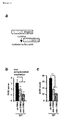
- Panel a: Schematic overview of cysteine degradation by CDO/CDO-1 (cysteine dioxygenase) in human and C. elegans.
- Panel b: Non-mitochondrial oxygen consumption (OCR) on
day 4 of adulthood. - Panel c: Maximum mitochondrial oxygen consumption rate (OCR) on
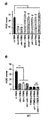
day 4 of adulthood. - Panel d: Maximum mitochondrial capacity on
day 4 of adulthood upon depletion of oxygen-consuming enzymes. - Panel e: Maximum mitochondrial capacity on
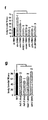
day 4 of adulthood upon depletion of tdo-2 and cdo-1 in combination with complex IV subunit F26E4.6 - Panels f and g: Motility/healthspan of oxygen-consuming (f) and amino acid-degrading enzymes (g) on
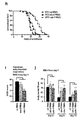
day 4 of adulthood. - Panel h: Survival curves of cdo-1-depleted animals.
- Panel i: Maximum mitochondrial capacity on
day 4 of adulthood, RNAi fromday 1 onwards. - Panel j: Motility/healthspan, RNAi from
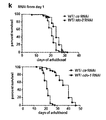
day 1 onwards. - Panel k: Survival curves in response to depletion of tdo-2 and cdo-1 from
day 1 of adulthood onwards. Statistics for all panels: ns = not significant, * <0.05, ** <0.01, *** <0.001. Error bars = SEM. - Nematodes were grown at standard conditions at 20°C. Animals were age-synchronized by hypochlorite treatment, hatched overnight in M9 buffer and subsequently cultured on Nematode Growth Medium (NGM) seeded with Escherichia coli strain OP50. On
day 1 of adulthood (one day after larval stage L4), animals were transferred to NGM plates containing 5-fluoro-2'deoxy-uridine (FUDR) to prevent the offspring from growing. The wildtype N2 strain was used in this study. - RNAi experiments were performed on NGM plates containing isopropylthio-ß-D-galactoside (IPTG, 15mg/L) and 50µg/ml ampicillin. Plates were seeded with RNAi bacteria. Prior to the experiment, the plates were kept at room temperature for 2 days to allow the production of dsRNA by the bacteria. Plates were produced as freshly as possible (maximum 1 week before start of the experiment). Age-synchronized animals were either grown directly on RNAi food from larval stage L1 onwards or transferred to the RNAi treatment at larval stage L4 or
day 1 of adulthood (indicated for specific experiments). For each experiment, the timepoint at which RNAi treatment started was determined depending on the results of a test run to see whether such treatment affected development. Animals ofday 1 of adulthood (day after L4 stage) were transferred to RNAi plates containing FUDR to prevent the offspring from growing. RNAi clones were used from the Ahringer C. elegans RNAi library (Fraser et al. Nature 408, 325-30 (2000) unless otherwise indicated (see below). All clones were verified by sequencing and animals were scored for associated phenotypes during the experiments. - The cdo-1 RNAi clone was generated by a nested PCR. For the first PCR forward primer 5'-gcctaaaaaaccgtgttctgc-3' and reverse primer 5'-ggatgtgatccgacttctacagg-3' were used. The follow-up PCR used forward primer 5'- gttcaaattcgtgaaatcttcc-3' and reverse primer 5'-ctgtagtcaactttcttgccg-3'. The PCR product was cloned into the L4440 vector and transformed into HT115 bacteria. Cloning was confirmed by sequencing.
- Animals were scored at
day 4 of adulthood unless otherwise indicated. Animals were placed in a drop of M9 and allowed to adjust for 30 sec, after which the number of body bends was counted for another 30 sec. 15 animals were scored per experimental group. Treatments respectively mutations were blinded before counting body bends. Assays were repeated in three independent experiments and the data of one representative experiment is shown. - Oxygen consumption rates (OCR) were measured using the Seahorse XF96 cycler on
day 4 of adulthood unless otherwise indicated. OCR was measured as pMoles/min/worm. Respiration behaviour was optimized for wild type and tdo-2 deletion mutants at room temperature. The following cycles were used (1 loop = mixing: 2 minutes, waiting: 30 sec, measuring: 2 minutes): (1) calibration (2) equilibration (3) basal respiration = measurement for 5 loops (4) maximum mitochondrial capacity = first injection of FCCP, then measurement for 9 loops (5) non-mitochondrial respiration = first injection of sodium azide, then measurement for 4 loops. Mitochondrial OCR was determined by subtracting non-mitochondrial OCR from basal respiration levels. Maximum mitochondrial capacity was calculated by subtracting non-mitochondrial OCR from maximum FCCP-induced respiration. Paraquat was injected after measurement of basal respiration levels and before injection of FCCP and measured for six loops. The following concentrations were used for injection: 20µl of 100µM FCCP, 20µl of 400mM sodium azide and 20µl of 200mM paraquat. Each experimental group was tested in 6-8 wells, each containing 10-30 worms/well (counted afterwards). Only conditions of the same run can be compared. Experiments were repeated and one representative graph is shown with error bars = SEM. - Experiments were performed at 20°C. 100 animals per experimental group were tested in one single experiment. Lifespan assays were repeated independently and one representative curve is shown. Animals were treated with RNAi starting from larval stage L1 onwards unless otherwise indicated. Animals were transferred to FUDR-containing plates on
day 1 of adulthood. At each time point, the surviving animals were counted and dead animals removed (those no longer responding to nose touch). Animals that disappeared during the assay were excluded from the analysis. Treatments respectively mutations were blinded before starting the experiment. Lifespan curves were generated using GraphPad Prism software. - Statistical analysis for lifespan experiments and stress assays was performed with a log-rank Mantel-Cox test. Data comparison for motility/healthspan as well as for respiration experiments was done by a one-way ANOVA with post-hoc Bonferroni algorithm. If relationships are not otherwise indicated, p values reflect a comparison with the control or wild type conditions.
-
Tryptophan 2,3-dioxygenase (TDO-2; TDO in human) is a haem-containing, oxygen-dependent, cytosolic enzyme that degrades tryptophan into formylkynurenine as a first step in the kynurenine pathway (Schwarcz et al., Nat Rev Neurosci 13(7), 465-477 (2012). TDO thus regulates systemic levels of tryptophan, an essential amino acid and a precursor of other biogenic amines, including serotonin and tryptamine (reviewed in Van der Goot et al. Trends Mol Med 19(6), 336-44 (2013)). Higher levels of TDO activity are thought to be involved in various age-related diseases. For example in certain cancers, a high TDO activity is believed to cause tumoral immune tolerance (Pilotte et al., Proc Natl Acad Sci USA 109(7), 2497-502 (2012) and Opitz et al. Nature 478(7368), 197-203 (2011); intype 2 diabetes, patients with high plasma kynurenine levels are more likely to have severe insulin resistance (Oxenkrug Mol Neurobiol 52(2), 805-10 (2015); and patients with neurodegenerative diseases have been found to have an imbalance in kynurenine metabolites. (Guidetti et al., Neurobiol Dis 17(3), 455-461 (2004); Stoy et al. J Neurochem 93, 611-623 (2005); Wu et al.: PLoS One 8(4), (2013). - Because the benefits of TDO-depletion for lifespan and neurodegenerative proteotoxicity are independent of the kynurenine-pathway, we performed transcriptome profiling in TDO-depleted C. elegans worms to find kynurenine-independent roles of TDO-2. These studies revealed that TDO-2 depletion upregulates genes involved in mitochondrial beta-oxidation. Experimental TDO-2 depletion in the animals reduced their mitochondrial oxygen consumption and ATP levels, suggesting that TDO-2 regulates mitochondrial function. This effect was confirmed to be independent of the kynurenine pathway and other known tryptophan-related pathways (data not shown).
- In search for which other aspects of TDO-2's enzymatic activity might be responsible for the mitochondrial phenotype observed, we depleted other amino acid dioxygenases, including CDO-1 (cysteine dioxygenase, CDO in human), which degrades cysteine (
Fig. 1a ) in C. elegans. - Surprisingly, depletion of cdo-1 also resulted in reduced non-mitochondrial (
Fig. 1b ) and maximum mitochondrial oxygen consumption (Fig. 1c ), similar to that observed for the tdo-2(del) mutants. Importantly, the effect of cdo-1 inhibition was very strong as compared to the other depletions, thus indicating a prime role for this enzyme. - In contrast, depletion of enzymes that only consume oxygen or that only degrade amino acids had no effect on mitochondrial respiration (Fig. Id). Thus, inhibition of the enzyme cysteine dioxygenase (cdo-1), reduced mitochondrial capacity and phenocopied the health- and lifespan extension seen for TDO-2 depletion (
Fig. 1f,h ). The fact that other enzymes that either are oxygen-dependent (Fig. If) or degrade amino acids (Fig. 1g ) did not share this role in health span regulation points to a specific function for amino acid dioxygenases, combining oxygen use with amino-acid conversion. The effect was also seen when cdo-1 was knocked down at day one of adulthood, i.e. after development is complete (seeFig. 1i-k ).
Claims (15)
- A method of prolonging the lifespan of a subject or preventing or reducing age-related symptoms, comprising:administering an agent that inhibits the conversion of cysteine to cysteine sulfinic acid to a subject, wherein said administering prolongs the lifespan of said subject relative to the lifespan in the absence of said agent or wherein age-related symptoms are reduced or prevented.
- Compound for use in a method of prolonging the lifespan of a subject or preventing or reducing age-related symptoms in a subject, said method comprising administering to said subject an agent that inhibits the conversion of cysteine to cysteine sulfinic acid, wherein said administering prolongs the lifespan of said subject relative to the lifespan in the absence of said agent or wherein age-related symptoms are reduced or prevented.
- Method or compound for use according to claim 1, wherein said agent inhibits cysteine dioxygenase (CDO).
- Method or compound for use according to any one of claims 1 to 3, wherein said agent is selected from the group consisting of a small molecule, a nucleic acid, and an antibody.
- Method or compound for use according to any one of claims 1 to 4, wherein said administering treats or prevents one or more aging-associated medical or psychiatric disorders.
- Method or compound for use according to claim 5, wherein said disorder is a neurodegenerative disorder.
- Method or compound for use according to claim 6, wherein said disorder is Huntington's disease, Parkinson's disease or Alzheimer's disease.
- A method of identifying a compound capable of prolonging the lifespan of a subject or preventing or reducing age-related symptoms in a subject, comprising:a) contacting a cell with a test compound; andb) identifying a test compound that inhibits the conversion of cysteine to cysteine sulfinic acid
- The method of claim 8, comprising determining whether said test compound inhibits cysteine dioxygenase (CDO).
- The method of claim 8 or 9, wherein said cell is a mammalian cell, preferably a human cell.
- The method of claim 10, wherein said cell is in an animal, preferably wherein said animal is C. elegans.
- The method of claim 8-11, wherein said test compound is selected from the group consisting of a small molecule, a nucleic acid, and an antibody.
- A pharmaceutical composition comprising an agent that inhibits the conversion of cysteine to cysteine sulfinic acid, preferably an inhibitor of CDO, and a pharmaceutically acceptable carrier, diluent or vehicle.
- A composition, comprising:a) a first agent that inhibits the conversion of cysteine to cysteine sulfinic acid; andb) a second agent known to be useful in prolonging the lifespan of a subject or preventing or reducing age-related symptoms.
- The composition of claim 14, wherein said first agent inhibits CDO.
Priority Applications (1)
| Application Number | Priority Date | Filing Date | Title |
|---|---|---|---|
| EP16172714.4A EP3251664A1 (en) | 2016-06-02 | 2016-06-02 | Cysteine dioxygenase inhibitors for prolonging the lifespan of a subject |
Applications Claiming Priority (1)
| Application Number | Priority Date | Filing Date | Title |
|---|---|---|---|
| EP16172714.4A EP3251664A1 (en) | 2016-06-02 | 2016-06-02 | Cysteine dioxygenase inhibitors for prolonging the lifespan of a subject |
Publications (1)
| Publication Number | Publication Date |
|---|---|
| EP3251664A1 true EP3251664A1 (en) | 2017-12-06 |
Family
ID=56098122
Family Applications (1)
| Application Number | Title | Priority Date | Filing Date |
|---|---|---|---|
| EP16172714.4A Withdrawn EP3251664A1 (en) | 2016-06-02 | 2016-06-02 | Cysteine dioxygenase inhibitors for prolonging the lifespan of a subject |
Country Status (1)
| Country | Link |
|---|---|
| EP (1) | EP3251664A1 (en) |
Citations (1)
| Publication number | Priority date | Publication date | Assignee | Title |
|---|---|---|---|---|
| US20130101580A1 (en) | 2011-10-24 | 2013-04-25 | Gregory Oxenkrug | Compositions and methods for prolonging lifespan |
-
2016
- 2016-06-02 EP EP16172714.4A patent/EP3251664A1/en not_active Withdrawn
Patent Citations (1)
| Publication number | Priority date | Publication date | Assignee | Title |
|---|---|---|---|---|
| US20130101580A1 (en) | 2011-10-24 | 2013-04-25 | Gregory Oxenkrug | Compositions and methods for prolonging lifespan |
Non-Patent Citations (30)
| Title |
|---|
| ANISIMOV ET AL., CELL CYCLE, vol. 7, 2008, pages 2769 |
| ARJUNE SITA ET AL: "Involvement of the Cys-Tyr cofactor on iron binding in the active site of human cysteine dioxygenase", AMINO ACIDS, SPRINGER VERLAG, AU, vol. 47, no. 1, 27 September 2014 (2014-09-27), pages 55 - 63, XP035418059, ISSN: 0939-4451, [retrieved on 20140927], DOI: 10.1007/S00726-014-1843-7 * |
| BJEDOV ET AL., CELL METAB, vol. 11, 2010, pages 35 |
| CHAI SERGIO C ET AL: "Heterologous expression, purification, and characterization of recombinant rat cysteine dioxygenase", THE JOURNAL OF BIOLOGICAL CHEMISTRY 18 MAR 2005, vol. 280, no. 11, 18 March 2005 (2005-03-18), pages 9865 - 9869, XP002763974, ISSN: 0021-9258 * |
| CHAI SERGIO C ET AL: "Probes of the catalytic site of cysteine dioxygenase", THE JOURNAL OF BIOLOGICAL CHEMISTRY 9 JUN 2006, vol. 281, no. 23, 9 June 2006 (2006-06-09), pages 15774 - 15779, XP002763973, ISSN: 0021-9258 * |
| FRASER ET AL., NATURE, vol. 408, 2000, pages 325 - 30 |
| GOOT ET AL., TRENDS MOL MED, vol. 19, no. 6, 2013, pages 336 - 44 |
| GUIDETTI ET AL., NEUROBIOL DIS, vol. 17, no. 3, 2004, pages 455 - 461 |
| HARRISON ET AL., NATURE, vol. 460, 2009, pages 392 - 395 |
| HEAFIELD, NEUROSCIENCE LETTERS, vol. 110, no. 21, 1990, pages 6 - 220 |
| HOUTKOOPER ET AL., CELL, vol. 142, 2010, pages 9 |
| KUMAR JITENDRA ET AL: "Silymarin extends lifespan and reduces proteotoxicity in C. elegans Alzheimer's model", CNS & NEUROLOGICAL DISORDERS DRUG TARGETS 2015, vol. 14, no. 2, 2015, pages 295 - 302, XP009192408, ISSN: 1996-3181 * |
| KWON DO YOUNG ET AL: "Alterations in sulfur amino acid metabolism in mice treated with silymarin: a novel mechanism of its action involved in enhancement of the antioxidant defense in liver", PLANTA MEDICA AUG 2013, vol. 79, no. 12, August 2013 (2013-08-01), pages 997 - 1002, XP002764023, ISSN: 1439-0221 * |
| LIAO VIVIAN HSIU-CHUAN ET AL: "Curcumin-mediated lifespan extension in Caenorhabditis elegans", MECHANISMS OF AGEING AND DEVELOPMENT OCT 2011, vol. 132, no. 10, October 2011 (2011-10-01), pages 480 - 487, XP002764051, ISSN: 1872-6216 * |
| MAIR ET AL., NATURE, vol. 470, 2011, pages 404 - 408 |
| MONTGOMERY AMANDA ET AL: "Effect of Curcumin and Silymarin in Combination Exerts Synergistic Inhibition of Colon Cancer Cell Proliferation", FASEB JOURNAL, vol. 29, no. Suppl. 1, April 2015 (2015-04-01), EXPERIMENTAL BIOLOGY MEETING 2015; BOSTON, MA, USA; MARCH 28 -APRIL 01, 2015, pages 721.2, XP002764050 * |
| OPITZ ET AL., NATURE, vol. 478, no. 7368, 2011, pages 197 - 203 |
| OXENKRUG MOL NEUROBIOL, vol. 52, no. 2, 2015, pages 805 - 10 |
| PEARSON ET AL., CELL METAB, vol. 8, 2008, pages 157 - 168 |
| PEREZ ET AL: "Pathomolecular effects of homocysteine on the aging process: A new theory of aging", MEDICAL HYPOTHESES, EDEN PRESS, PENRITH, US, vol. 69, no. 1, 10 May 2007 (2007-05-10), pages 149 - 160, XP022064826, ISSN: 0306-9877, DOI: 10.1016/J.MEHY.2006.10.056 * |
| PILOTTE ET AL., PROC NATL ACAD SCI U S A, vol. 109, no. 7, 2012, pages 2497 - 502 |
| QUESTI ET AL., CELL BIOL TOXICOL., vol. 16, no. 4, 2000, pages 243 - 55 |
| RANDALL M. CHIN ET AL: "The metabolite [alpha]-ketoglutarate extends lifespan by inhibiting ATP synthase and TOR", NATURE, vol. 510, no. 7505, 14 May 2014 (2014-05-14), United Kingdom, pages 397 - 7505, XP055219964, ISSN: 0028-0836, DOI: 10.1038/nature13264 * |
| SCHWARCZ ET AL., NAT REV NEUROSCI, vol. 13, no. 7, 2012, pages 465 - 477 |
| SELMAN ET AL., SCIENCE, vol. 326, 2009, pages 140 |
| STOY ET AL., J NEUROCHEM, vol. 93, 2005, pages 611 - 623 |
| WU ET AL., PLOS ONE, vol. 8, no. 4, 2013 |
| XU D ET AL: "Homocysteine accelerates endothelial cell senescence", FEBS LETTERS, ELSEVIER, AMSTERDAM, NL, vol. 470, no. 1, 17 March 2000 (2000-03-17), pages 20 - 24, XP004261084, ISSN: 0014-5793, DOI: 10.1016/S0014-5793(00)01278-3 * |
| YE ET AL., J. BIOL. CHEM., vol. 282, no. 5, 2007, pages 3391 - 3402 |
| ZID ET AL., CELL, vol. 139, 2009, pages 149 |
Similar Documents
| Publication | Publication Date | Title |
|---|---|---|
| Anisimova et al. | Protein synthesis and quality control in aging | |
| Zwilling et al. | Kynurenine 3-monooxygenase inhibition in blood ameliorates neurodegeneration | |
| Li et al. | MiR-30b-5p attenuates oxaliplatin-induced peripheral neuropathic pain through the voltage-gated sodium channel Nav1. 6 in rats | |
| Riera et al. | Signaling networks determining life span | |
| Yang et al. | Mitochondrial DNA mutation, diseases, and nutrient-regulated mitophagy | |
| Denzel et al. | Hexosamine pathway metabolites enhance protein quality control and prolong life | |
| Samluk et al. | Cytosolic translational responses differ under conditions of severe short-term and long-term mitochondrial stress | |
| Bitto et al. | Biochemical genetic pathways that modulate aging in multiple species | |
| Murrow et al. | Autophagy as a stress-response and quality-control mechanism: implications for cell injury and human disease | |
| Li et al. | AMP-activated protein kinase directly phosphorylates and destabilizes hedgehog pathway transcription factor GLI1 in medulloblastoma | |
| Pastore et al. | Endurance training ameliorates the metabolic and performance characteristics of circadian Clock mutant mice | |
| Kallakuri et al. | Endothelial cilia are essential for developmental vascular integrity in zebrafish | |
| Moschetti et al. | Prokineticin 2 promotes and sustains neuroinflammation in vincristine treated mice: Focus on pain and emotional like behavior | |
| Eze et al. | Reduced mitochondrial membrane potential Is a late adaptation of Trypanosoma brucei brucei to isometamidium preceded by mutations in the γ subunit of the F1Fo-ATPase | |
| Wan et al. | Intermediate metabolites of the pyrimidine metabolism pathway extend the lifespan of C. elegans through regulating reproductive signals | |
| Wang et al. | Kynureninase contributes to the pathogenesis of psoriasis through pro‐inflammatory effect | |
| Valentino et al. | Evidence of myomiR regulation of the pentose phosphate pathway during mechanical load‐induced hypertrophy | |
| Hashimoto et al. | Nicotinamide adenine dinucleotide extends the lifespan of Caenorhabditis elegans mediated by sir-2.1 and daf-16 | |
| Suhm et al. | Mitochondrial translation and cellular stress response | |
| Suento et al. | Prefrontal cortex miR‐874‐3p prevents lipopolysaccharide‐induced depression‐like behavior through inhibition of indoleamine 2, 3‐dioxygenase 1 expression in mice | |
| Kumar et al. | Finding Ponce de Leon’s pill: challenges in screening for anti-aging molecules | |
| Shen et al. | Mtor-and sgk-mediated connexin 43 expression participates in lipopolysaccharide-stimulated macrophage migration through the inos/src/fak axis | |
| Konovalova et al. | Exposure to arginine analog canavanine induces aberrant mitochondrial translation products, mitoribosome stalling, and instability of the mitochondrial proteome | |
| Obata et al. | Regulatory mechanisms of aging through the nutritional and metabolic control of amino acid signaling in model organisms | |
| Lee et al. | Mitochondrial mRNA translation initiation contributes to oxidative metabolism in the myocardia of aged, obese mice |
Legal Events
| Date | Code | Title | Description |
|---|---|---|---|
| PUAI | Public reference made under article 153(3) epc to a published international application that has entered the european phase |
Free format text: ORIGINAL CODE: 0009012 |
|
| AK | Designated contracting states |
Kind code of ref document: A1 Designated state(s): AL AT BE BG CH CY CZ DE DK EE ES FI FR GB GR HR HU IE IS IT LI LT LU LV MC MK MT NL NO PL PT RO RS SE SI SK SM TR |
|
| AX | Request for extension of the european patent |
Extension state: BA ME |
|
| STAA | Information on the status of an ep patent application or granted ep patent |
Free format text: STATUS: THE APPLICATION IS DEEMED TO BE WITHDRAWN |
|
| 18D | Application deemed to be withdrawn |
Effective date: 20180607 |