EP3249608B1 - Data transmission method and apparatus - Google Patents
Data transmission method and apparatus Download PDFInfo
- Publication number
- EP3249608B1 EP3249608B1 EP15881498.8A EP15881498A EP3249608B1 EP 3249608 B1 EP3249608 B1 EP 3249608B1 EP 15881498 A EP15881498 A EP 15881498A EP 3249608 B1 EP3249608 B1 EP 3249608B1
- Authority
- EP
- European Patent Office
- Prior art keywords
- sports
- data
- logical page
- time period
- health data
- Prior art date
- Legal status (The legal status is an assumption and is not a legal conclusion. Google has not performed a legal analysis and makes no representation as to the accuracy of the status listed.)
- Active
Links
Images



Classifications
-
- H—ELECTRICITY
- H04—ELECTRIC COMMUNICATION TECHNIQUE
- H04L—TRANSMISSION OF DIGITAL INFORMATION, e.g. TELEGRAPHIC COMMUNICATION
- H04L1/00—Arrangements for detecting or preventing errors in the information received
- H04L1/12—Arrangements for detecting or preventing errors in the information received by using return channel
- H04L1/16—Arrangements for detecting or preventing errors in the information received by using return channel in which the return channel carries supervisory signals, e.g. repetition request signals
- H04L1/18—Automatic repetition systems, e.g. Van Duuren systems
-
- G—PHYSICS
- G06—COMPUTING OR CALCULATING; COUNTING
- G06T—IMAGE DATA PROCESSING OR GENERATION, IN GENERAL
- G06T7/00—Image analysis
- G06T7/20—Analysis of motion
-
- G—PHYSICS
- G16—INFORMATION AND COMMUNICATION TECHNOLOGY [ICT] SPECIALLY ADAPTED FOR SPECIFIC APPLICATION FIELDS
- G16H—HEALTHCARE INFORMATICS, i.e. INFORMATION AND COMMUNICATION TECHNOLOGY [ICT] SPECIALLY ADAPTED FOR THE HANDLING OR PROCESSING OF MEDICAL OR HEALTHCARE DATA
- G16H20/00—ICT specially adapted for therapies or health-improving plans, e.g. for handling prescriptions, for steering therapy or for monitoring patient compliance
- G16H20/30—ICT specially adapted for therapies or health-improving plans, e.g. for handling prescriptions, for steering therapy or for monitoring patient compliance relating to physical therapies or activities, e.g. physiotherapy, acupressure or exercising
-
- G—PHYSICS
- G16—INFORMATION AND COMMUNICATION TECHNOLOGY [ICT] SPECIALLY ADAPTED FOR SPECIFIC APPLICATION FIELDS
- G16H—HEALTHCARE INFORMATICS, i.e. INFORMATION AND COMMUNICATION TECHNOLOGY [ICT] SPECIALLY ADAPTED FOR THE HANDLING OR PROCESSING OF MEDICAL OR HEALTHCARE DATA
- G16H10/00—ICT specially adapted for the handling or processing of patient-related medical or healthcare data
- G16H10/60—ICT specially adapted for the handling or processing of patient-related medical or healthcare data for patient-specific data, e.g. for electronic patient records
-
- H—ELECTRICITY
- H04—ELECTRIC COMMUNICATION TECHNIQUE
- H04L—TRANSMISSION OF DIGITAL INFORMATION, e.g. TELEGRAPHIC COMMUNICATION
- H04L69/00—Network arrangements, protocols or services independent of the application payload and not provided for in the other groups of this subclass
- H04L69/30—Definitions, standards or architectural aspects of layered protocol stacks
- H04L69/32—Architecture of open systems interconnection [OSI] 7-layer type protocol stacks, e.g. the interfaces between the data link level and the physical level
- H04L69/322—Intralayer communication protocols among peer entities or protocol data unit [PDU] definitions
- H04L69/324—Intralayer communication protocols among peer entities or protocol data unit [PDU] definitions in the data link layer [OSI layer 2], e.g. HDLC
Definitions
- the present invention relates to the field of information technologies, and in particular, to a data transmission method and apparatus, and a first device.
- a wearable device may first obtain sports and health data of a user, store the sports and health data of the user per fixed unit time, and then transmit the sports and health data of the user to a data server side in a wireless transmission manner by using user equipment such as a mobile phone, so that the data server side stores and analyzes the health data of the user.
- US 2015/018660 A1 shows such a wearable device for measuring and monitoring biometric or physiological parameters. These parameters are measured using an accessory of the device such as a laptop case, a tablet computer case, a smartphone case, or a smart watch or smart armband.
- the accessory may include at least two or three electrodes for taking an electrocardiogram or other physiological parameters.
- the measured parameters are transmitted to the computing device.
- the computing device can be normally used while a monitoring and measurement application loaded onto the computing device operates in the background to receive the measured parameters.
- US 2012/272115 A1 discloses network data communication. Some embodiments include initiating a network connection between an original source and an ultimate destination, transmitting a block of data from the original source to the ultimate destination on the network, requesting retransmission of lost blocks from the ultimate destination to the source and retransmitting the lost blocks from source to the ultimate destination.
- These embodiments further include measuring round-trip time of a retransmit request, the round-trip time measured from a time of transmission of a retransmit request from the ultimate destination to a time of reception at the ultimate destination after retransmission from the original source and setting the round-trip time as a minimum retransmission request time for the network connection, wherein the round-trip time includes latencies of the network connection and in data processes at the original source and at the ultimate destination.
- the wearable device when the wearable device stores the sports and health data of the user per fixed unit time, the wearable device needs to transmit sports and health data, which corresponds to each time period, of the user to the data server side in the wireless transmission manner by using user equipment such as a mobile phone, for storage and analysis. Because a channel may be unstable during the wireless transmission, some of the sports and health data of the user may be lost during transmission. Consequently, a total amount, which is obtained through calculation, of the sports and health data of the user deviates, and accuracy of analyzing the sports and health data of the user is relatively low.
- the present invention provides a data transmission method of claim 1 and an apparatus of claim 2, so as to improve accuracy of analyzing sports and health data of a user.
- the present invention provides a data transmission method, where the method includes: receiving, by a second device, sports and health data that is sent by a first device according to a particular data storage structure, where the particular data storage structure is divided into at least one logical page, each logical page includes at least one data frame group, each data frame group includes one primary frame and at least one secondary frame, the primary frame records sports and health data detected within a first time period, and the secondary frame records sports and health data detected within a second time period.
- the logical page carries a timestamp, the timestamp records a start time of sports and health data stored on the logical page, and each data frame group includes one primary frame and at least one secondary frame; the method includes:
- the logical page carries a timestamp, the timestamp records a start time of sports and health data stored on the logical page, and each data frame group includes one primary frame and at least one secondary frame;
- the apparatus includes: an obtaining unit, a determining unit, and a sending unit, where
- the first device first stores, according to a particular data storage structure, sports and health data that is within a specified time period and that is detected by the first device, where the particular data storage structure is divided into at least one logical page, each logical page includes at least one data frame, each data frame records sports and health data detected within a first time period, and the first time period is a corresponding time period obtained by adding a previous data frame of the data frame and the specified time interval to a start time of the specified time period; and then transmits at least some of the sports and health data within the specified time period to a second device according to the data storage structure.
- each data frame in the first device stores the sports and health data detected within the first time period
- sports and health data within the corresponding time period obtained by adding the previous data frame of the data frame and the specified time interval to the start time of the specified time period can be stored in the data frame, that is, a last data frame can store sports and health data detected within a preset time
- the sports and health data is transmitted to a second device, so that the second device can obtain the last data frame, that is, all sports and health data within the specified time period can be obtained. Therefore, accuracy of analyzing sports and health data can be improved.
- An example provides a data transmission method, so as to improve accuracy of analyzing sports and health data of a user. As shown in FIG. 1 , the method includes the following steps.
- a first device stores, according to a particular data storage structure, sports and health data that is within a specified time period and that is detected by the first device.
- the particular data storage structure is divided into at least one logical page, each logical page includes at least one data frame, each data frame records sports and health data detected within a first time period, and the first time period is a corresponding time period obtained by adding a previous data frame of the data frame and a specified time interval to a start time of the specified time period.
- the first device may be a wearable device, another storage device, or the like.
- the first device may be a smart band, a smartwatch, smart glasses, or the like.
- a logical page is a particular data storage structure, and the logical page includes: a page header and a data part.
- the page header includes: a logical number of the logical page, data overflow, a status of the logical page, a byte quantity of a data frame, a timestamp, and a reserved bit.
- the data frame is a protocol data unit at a data link layer, and the data frame includes three parts: a frame header, a data part, and a frame trailer.
- the frame header and the frame trailer include some necessary control information such as synchronization information, address information, and error control information.
- the data part includes data transmitted from a network layer.
- the first device stores, by using the data frame, sports and health data in storage space corresponding to the smart device.
- the storage space of the first device includes multiple data frames.
- the sports and health data may be a quantity of walking steps of a user within a time period, a quantity of heartbeats within a time period, and consumed sports calories within a time period.
- the first time period may be preconfigured by the first device, or may be preconfigured by a user. This is not limited in this example.
- the first device transmits at least some of the sports and health data within the specified time period to a second device according to the data storage structure.
- the first device may be a wearable device such as a smart band, a smartwatch, or smart glasses.
- wearable devices may be some devices having relatively small storage space and screens, and the devices are inconvenient for a user to observe, the wearable device may send the sports and health data of the user to user equipment such as a mobile phone, so as to observe, store, and analyze the sports and health data conveniently.
- the first device may choose to send a part of the sports and health data of the user stored by the first device to the second device, so that the second device analyzes sports and health data of the user within a particular time period according to the part of the sports and health data transmitted by the first device.
- a first device first stores, according to a particular data storage structure, sports and health data that is within a specified time period and that is detected by the first device, where the particular data storage structure is divided into at least one logical page, each logical page includes at least one data frame, each data frame records sports and health data detected within a first time period, and the first time period is a corresponding time period obtained by adding a previous data frame of the data frame and the specified time interval to a start time of the specified time period; and then transmits at least some of the sports and health data within the specified time period to a second device according to the data storage structure.
- each data frame in the first device stores the sports and health data detected within the first time period
- sports and health data within the corresponding time period obtained by adding the previous data frame of the data frame and the specified time interval to the start time of the specified time period can be stored in the data frame, that is, a last data frame can store sports and health data detected within a preset time
- the sports and health data is transmitted to a second device, so that the second device can obtain the last data frame, that is, all sports and health data within the specified time period can be obtained. Therefore, accuracy of analyzing sports and health data can be improved.
- an example provides another data transmission method. As shown in FIG. 2 , the method includes the following steps.
- a first device stores, according to a particular data storage structure, sports and health data that is within a specified time period and that is detected by the first device.
- the particular data storage structure is divided into at least one logical page, each logical page includes at least one data frame, each data frame records sports and health data detected within a first time period, and the first time period is a corresponding time period obtained by adding a previous data frame of the data frame and a specified time interval to a start time of the specified time period.
- Each logical page includes at least one data frame group, each data frame group includes one primary frame and at least one secondary frame, the primary frame records sports and health data detected within a second time period, the secondary frame records sports and health data detected within a third time period, the second time period is a corresponding time period obtained by adding a previous primary frame of the primary frame, the secondary frame, and the specified time interval to the start time of the specified time period, and the third time period is a time period obtained by adding the specified time interval to an end time of a previous primary frame of the secondary frame or to an end time of the secondary frame, where the end time is used as a start time.
- the specified time interval is a time corresponding to one primary frame or secondary frame.
- the specified time period is divided into at least one time zone, the logical pages are in a one-to-one correspondence with the time zones in order, the time zone is recorded in a field of a timestamp of a corresponding logical page, and an accumulated time period of the timestamp is the specified time period, so that the second device determines a lost logical page of the sports and health data according to the timestamp.
- the first device may be a wearable device, another storage device, or the like.
- the first device may be a smart band, a smartwatch, smart glasses, or the like.
- the first device may configure corresponding storage bytes for the logical page.
- each logical page may occupy 1024 bytes, and if storage space of the first device is 1M bytes, the storage space corresponding to the first device may be divided into 1024 logical pages.
- a logical page is a particular data storage structure, and the logical page includes: a page header and a data part.
- the page header includes: a logical number of the logical page, data overflow, a status of the logical page, a byte quantity of a data frame, a timestamp, and a reserved bit.
- the data frame is a protocol data unit at a data link layer, and the data frame includes three parts: a frame header, a data part, and a frame trailer.
- the frame header and the frame trailer include some necessary control information such as synchronization information, address information, and error control information.
- the data part includes data transmitted from a network layer.
- the first device stores, by using the data frame, sports and health data in storage space corresponding to the smart device.
- the storage space of the first device includes multiple data frames.
- the data frames in the storage space corresponding to the first device may be classified into a sports state and a sleep state, and the first device may configure corresponding storage space for the primary frame and the secondary frame.
- one data frame group includes one primary frame and one secondary frame.
- One primary frame may occupy storage space of 75 bits (bit), and one secondary frame may occupy storage space of 53 bits.
- one logical page occupies 1024 bytes, one logical page may include 63 groups of data frames, as shown in FIG. 3 .
- the first device may estimate, according to an athletic ability within a time period of the user, sports and health data that can be stored by the first device within the time period, and configure storage space for the primary frame and the secondary frame. For example, when a user does sports, a maximum quantity of calories consumed by the user within one day is 33554431, and occupied storage space is 25 bits; a maximum quantity of sports steps of the user within one day is 131071, and occupied storage space is 17 bits; a longest sports distance of the user within one day is 524287 meters, and occupied storage space is 19 bits; a quantity of storeys that the user can climb within one day is 16383, and occupied storage space is 14 bits; a maximum quantity of rope skipping times of the user within one day is 32767, and occupied storage space is 15 bits, as shown in Table 1.
- each data frame group includes one primary frame and one secondary frame
- the primary frame records sports and health data stored within a corresponding time period obtained by adding a previous primary frame of the primary frame, the secondary frame, and the specified time interval to a start time of the specified time period
- the secondary frame records sports and health data stored within a time period obtained by adding a specified time interval to an end time of a previous primary frame of the secondary frame or to an end time of the secondary frame, where the end time is used as a start time.
- sports and health data included in a primary frame part in an M th data frame group is an accumulated value from 00:00 to 10:00
- a secondary frame part corresponding to the primary frame part includes sports and health data obtained from 10:00 to 10:01
- sports and health data included in a primary frame part of an (M+1) th data frame group is an accumulated value from 00:00 to 10:02
- a secondary frame part corresponding to the primary frame part includes sports and health data obtained from 10:02 to 10:03.
- the first device directly transmits the sports and health data within the specified time period to a second device according to the data storage structure.
- the first device first stores the sports and health data within the specified time period according to the data storage structure, and then transmits the sports and health data within the specified time period to the second device.
- the smart device may be a smart device such as a smartphone, a tablet, or a computer that can perform storage and analysis.
- the first device stores sports and health data according to a particular storage structure, that is, stores sports and health data according to a storage structure of a logical page, and transmits the sports and health data according to a data structure of the logical page. Therefore, format conversion may be avoided before the sports and health data is transmitted. That is, conversion from a storage structure to a transmission structure can be avoided, and complexity of transmitting sports and health data can be further reduced.
- the first device transmits at least some of the sports and health data within the specified time period to the second device, so that the second device receives and stores sports and health data within an optional time period, and the second device analyzes the sports and health data within the optional time period.
- This can improve flexibility of analyzing sports and health data.
- the first device receives a retransmission request message sent by the second device.
- the retransmission request message is empty, and the retransmission request message is used to indicate that the second device has not received sports and health data corresponding to a last logical page.
- the retransmission request message carries a field of a last logical page, and the field of the last logical page is used to instruct the first device to retransmit sports and health data corresponding to the last logical page.
- the first device sends the sports and health data to the second device in a wireless transmission manner.
- the wireless transmission manner may be a Bluetooth transmission manner, a Wireless Fidelity (English: Wireless-Fidelity, WiFi for short) transmission manner, or the like.
- a channel for wireless transmission is a weak channel, and interferes with a transmitted signal on some radio wave bands, in a process in which the first device sends the sports and health data to the second device in a wireless transmission manner, some sports and health data is lost. That is, user equipment may not receive entire sports and health data.
- the second device determines whether the sports and health data, which is sent by the first device, on the last logical page is lost in the transmission process. Specifically, if the first device sends the sports and health data within the specified time period to the second device, the second device obtains a timestamp of the received last logical page, and a sum of a quantity of primary frames and a quantity of secondary frames on the last logical page, and a difference between a product of a third time period and the sum of the quantity of the primary frames and the quantity of the secondary frames on the last logical page, and the timestamp on the last logical page is equal to the specified time period, the last logical page is not lost in the transmission process.
- the second device obtains a system time currently corresponding to the second device, a timestamp carried on the last logical page received by the second device, and the sum of quantities of the primary frames and the secondary frames on the last logical page. Specifically, if a difference between the system time currently corresponding to the second device and a time corresponding to a timestamp carried on a last logical page received by the second device is not equal to the product of the third time period and the sum of the quantity of the primary frames and the quantity of the secondary frames on the last logical page received by the second device, the last logical page is lost in the transmission process. That is, a retransmission request message is sent to the first device, and the retransmission request message carries a field of the last logical page, as shown in FIG. 4 .
- the first device resends sports and health data on a last logical page to the second device according to an indication of the retransmission request message.
- the first device when the first device receives the retransmission request message that is sent by the second device to the first device, the first device resends the sports and health data on the last logical page to the second device, so that the second device can obtain all sports and health data stored within the specified time period. Therefore, sports and health data of a user can be accurately analyzed, and accuracy of analyzing the sports and health data can be further improved.
- a first device first stores, according to a particular data storage structure, sports and health data that is within a specified time period and that is detected by the first device, where the particular data storage structure is divided into at least one logical page, each logical page includes at least one data frame, each data frame records sports and health data detected within a first time period, and the first time period is a corresponding time period obtained by adding a previous data frame of the data frame and the specified time interval to a start time of the specified time period; and then transmits at least some of the sports and health data within the specified time period to a second device according to the data storage structure.
- each data frame in the first device stores the sports and health data detected within the first time period
- sports and health data within the corresponding time period obtained by adding the previous data frame of the data frame and the specified time interval to the start time of the specified time period can be stored in the data frame, that is, a last data frame can store sports and health data detected within a preset time
- the sports and health data is transmitted to a second device, so that the second device can obtain the last data frame, that is, all sports and health data within the specified time period can be obtained. Therefore, accuracy of analyzing sports and health data can be improved.
- a first device stores sports and health data according to a particular storage structure, that is, stores sports and health data according to a storage structure of a logical page, and transmits the sports and health data according to a data structure of the logical page. Therefore, format conversion may be avoided before the sports and health data is transmitted. That is, conversion from a storage structure to a transmission structure can be avoided, and complexity of transmitting sports and health data can be further reduced.
- the first device transmits at least some of the sports and health data within the specified time period to the second device, so that the second device receives and stores sports and health data within an optional time period, and the second device analyzes the sports and health data within the optional time period. This can improve flexibility of analyzing sports and health data.
- the first device When the first device receives a retransmission request message that is sent by the second device to the first device, the first device resends sports and health data on a last logical page to the second device, so that the second device can obtain all sports and health data stored within the specified time period. Therefore, sports and health data of a user can be accurately analyzed, and accuracy of analyzing the sports and health data can be further improved.
- an example further provides a data transmission apparatus.
- the apparatus may be located in a first device, and is configured to improve accuracy of analyzing sports and health data.
- the apparatus includes: a storage control unit 51 and a transmission control unit 52.
- the storage control unit 51 stores, according to a particular data storage structure, sports and health data that is within a specified time period and that is detected by the first device.
- the particular data storage structure is divided into at least one logical page, each logical page includes at least one data frame, each data frame records sports and health data detected within a first time period, and the first time period is a corresponding time period obtained by adding a previous data frame of the data frame and a specified time interval to a start time of the specified time period.
- Each logical page includes at least one data frame group, each data frame group includes one primary frame and at least one secondary frame, the primary frame records sports and health data detected within a second time period, the secondary frame records sports and health data detected within a third time period, the second time period is a corresponding time period obtained by adding a previous primary frame of the primary frame, the secondary frame, and the specified time interval to the start time of the specified time period, and the third time period is a time period obtained by adding the specified time interval to an end time of a previous primary frame of the secondary frame or to an end time of the secondary frame, where the end time is used as a start time.
- the specified time interval is a time corresponding to one primary frame or secondary frame.
- the specified time period is divided into at least one time zone, the logical pages are in a one-to-one correspondence with the time zones in order, the time zone is recorded in a field of a timestamp of a corresponding logical page, and an accumulated time period of the timestamp is the specified time period, so that the second device determines a lost logical page of the sports and health data according to the timestamp.
- the transmission control unit 52 controls a transmitter according to the data storage structure to transmit at least some of the sports and health data within the specified time period to a second device.
- the transmission control unit 52 further includes: a receiving module 521 and a sending module 522.
- the receiving module 521 is configured to receive a retransmission request message sent by the second device.
- Content of the retransmission request message is empty, and the retransmission request message is used to indicate that the second device has not received sports and health data corresponding to a last logical page, or the retransmission request message carries a field of a last logical page, and the field of the last logical page is used to instruct the apparatus to retransmit sports and health data corresponding to the last logical page.
- the sending module 522 is configured to resend the sports and health data on the last logical page to the second device according to an indication of the retransmission request message received by the receiving module 521.
- the apparatus directly transmits the sports and health data within a specified time period to the second device according to the data storage structure.
- the apparatus first stores the sports and health data within the specified time period according to the data storage structure and then transmits the sports and health data within the specified time period to the second device.
- the apparatus is a first device.
- the first device first stores, according to a particular data storage structure, sports and health data that is within a specified time period and that is detected by the first device, where the particular data storage structure is divided into at least one logical page, each logical page includes at least one data frame, each data frame records sports and health data detected within a first time period, and the first time period is a corresponding time period obtained by adding a previous data frame of the data frame and the specified time interval to a start time of the specified time period; and then transmits at least some of the sports and health data within the specified time period to a second device according to the data storage structure.
- each data frame in the first device stores the sports and health data detected within the first time period
- sports and health data within the corresponding time period obtained by adding the previous data frame of the data frame and the specified time interval to the start time of the specified time period can be stored in the data frame, that is, a last data frame can store sports and health data detected within a preset time
- the sports and health data is transmitted to a second device, so that the second device can obtain the last data frame, that is, all sports and health data within the specified time period can be obtained. Therefore, accuracy of analyzing sports and health data can be improved.
- the first device stores sports and health data according to a particular storage structure, that is, stores sports and health data according to a storage structure of a logical page, and transmits the sports and health data according to a data structure of the logical page. Therefore, format conversion may be avoided before the sports and health data is transmitted. That is, conversion from a storage structure to a transmission structure can be avoided, and complexity of transmitting sports and health data can be further reduced.
- the first device transmits at least some of the sports and health data within the specified time period to the second device, so that the second device receives and stores sports and health data within an optional time period, and the second device analyzes the sports and health data within the optional time period. This can improve flexibility of analyzing sports and health data.
- the first device When the first device receives a retransmission request message that is sent by the second device to the first device, the first device resends sports and health data on a last logical page to the second device, so that the second device can obtain all sports and health data stored within the specified time period. Therefore, sports and health data of a user can be accurately analyzed, and accuracy of analyzing the sports and health data can be further improved.
- the data transmission device is a first device.
- the first device includes: a memory 71, a transmitter 72, and a processor 73, and the processor 73 is connected to the memory 71 and the transmitter 72 by using a data bus.
- the processor 73 is configured to store, in the memory 71 according to a particular data storage structure, sports and health data that is within a specified time period and that is detected by the first device.
- the particular data storage structure is divided into at least one logical page, each logical page includes at least one data frame, each data frame records sports and health data detected within a first time period, and the first time period is a corresponding time period obtained by adding a previous data frame of the data frame and a specified time interval to a start time of the specified time period.
- Each logical page includes at least one data frame group, each data frame group includes one primary frame and at least one secondary frame, the primary frame records sports and health data detected within a second time period, the secondary frame records sports and health data detected within a third time period, the second time period is a corresponding time period obtained by adding a previous primary frame of the primary frame, the secondary frame, and the specified time interval to the start time of the specified time period, and the third time period is a time period obtained by adding the specified time interval to an end time of a previous primary frame of the secondary frame or to an end time of the secondary frame, where the end time is used as a start time.
- the specified time interval is a time corresponding to one primary frame or secondary frame.
- the specified time period is divided into at least one time zone, the logical pages are in a one-to-one correspondence with the time zones in order, the time zone is recorded in a field of a timestamp of a corresponding logical page, and an accumulated time period of the timestamp is the specified time period, so that a second device determines a lost logical page of the sports and health data according to the timestamp.
- the processor 73 is configured to transmit at least some of the sports and health data within the specified time period to the second device according to the data storage structure by using the transmitter 72.
- the transmitter 72 includes: a receiving apparatus 721 and a sending apparatus 722.
- the receiving apparatus 721 receives a retransmission request message sent by the second device.
- Content of the retransmission request message is empty, and the retransmission request message is used to indicate that the second device has not received sports and health data corresponding to a last logical page, or the retransmission request message carries a field of a last logical page, and the field of the last logical page is used to instruct the first device to retransmit sports and health data corresponding to the last logical page.
- the sending apparatus 722 resends the sports and health data on the last logical page to the second device according to an indication of the retransmission request message received by the receiving apparatus 721.
- the processor 73 further controls the transmitter 72 according to the data storage structure to directly transmit the sports and health data within the specified time period to the second device; or the processor 73 controls the memory 71 according to the data storage structure to store the sports and health data within the specified time period, and further controls the transmitter 72 to transmit the sports and health data to the second device.
- the first device first stores, according to a particular data storage structure, sports and health data that is within a specified time period and that is detected by the first device, where the particular data storage structure is divided into at least one logical page, each logical page includes at least one data frame, each data frame records sports and health data detected within a first time period, and the first time period is a corresponding time period obtained by adding a previous data frame of the data frame and the specified time interval to a start time of the specified time period; and then transmits at least some of the sports and health data within the specified time period to a second device according to the data storage structure.
- each data frame in the first device stores the sports and health data detected within the first time period
- sports and health data within the corresponding time period obtained by adding the previous data frame of the data frame and the specified time interval to the start time of the specified time period can be stored in the data frame, that is, a last data frame can store sports and health data detected within a preset time
- the sports and health data is transmitted to a second device, so that the second device can obtain the last data frame, that is, all sports and health data within the specified time period can be obtained. Therefore, accuracy of analyzing sports and health data can be improved.
- the first device stores sports and health data according to a particular storage structure, that is, stores sports and health data according to a storage structure of a logical page, and transmits the sports and health data according to a data structure of the logical page. Therefore, format conversion may be avoided before the sports and health data is transmitted. That is, conversion from a storage structure to a transmission structure can be avoided, and complexity of transmitting sports and health data can be further reduced.
- the first device transmits at least some of the sports and health data within the specified time period to the second device, so that the second device receives and stores sports and health data within an optional time period, and the second device analyzes the sports and health data within the optional time period. This can improve flexibility of analyzing sports and health data.
- the first device When the first device receives a retransmission request message that is sent by the second device to the first device, the first device resends sports and health data on a last logical page to the second device, so that the second device can obtain all sports and health data stored within the specified time period. Therefore, sports and health data of a user can be accurately analyzed, and accuracy of analyzing the sports and health data can be further improved.
- the data transmission apparatus provided in this example may implement the methods provided above. For specific function implementation, refer to the descriptions in the methods . Details are not described herein again.
- the data transmission method and apparatus that are provided in the embodiments of the present invention are applicable to storage, transmission, and error correction of sports and health data, so as to obtain sports and health data within a specified time period.
- the program may be stored in a computer readable storage medium. When the program runs, the processes of the methods in the embodiments are performed.
- the foregoing storage medium may include: a magnetic disk, an optical disc, a read-only memory (Read-Only Memory, ROM), or a random access memory (Random Access Memory, RAM).
- the specified time period is divided into at least one time zone, the at least one logical pages are in a one-to-one correspondence with the time zones in order, the time zone is recorded in a field of a timestamp of a corresponding logical page, and an accumulated time period of the timestamp is the specified time period, so that the second device determines a lost logical page of the sports and health data according to the timestamp.
- the transmitter comprises: a receiving apparatus and a sending apparatus, wherein the receiving apparatus is configured to receive a retransmission request message sent by the second device, wherein the retransmission request message is empty, and the retransmission request message is used to indicate that the second device has not received sports and health data on a last logical page; or the retransmission request message carries a field of the last logical page, and the field of the last logical page is used to instruct the first device to retransmit sports and health data corresponding to the last logical page; and the sending apparatus is configured to resend the sports and health data on the last logical page to the second device according to an indication of the retransmission request message received by the receiving apparatus.
- the processor further controls the transmitter according to the data storage structure to directly transmit the sports and health data within the specified time period to the second device; or the processor controls the memory according to the data storage structure to store the sports and health data within the specified time period and further controls the transmitter to transmit the sports and health data to the second device.
- a data storage structure wherein the data storage structure is used by a first device to store sports and health data that is within a specified time period and that is detected by the first device, wherein the data storage structure is divided into at least one logical page, each logical page comprises at least one data frame, each data frame records sports and health data detected within a first time period, and the first time period is a corresponding time period obtained by adding a previous data frame of the data frame and a specified time interval to a start time of the specified time period.
- each logical page comprises at least one data frame group
- each data frame group comprises one primary frame and at least one secondary frame
- the primary frame records sports and health data detected within a second time period
- the secondary frame records sports and health data detected within a third time period
- the second time period is a corresponding time period obtained by adding a previous primary frame of the primary frame, the at least one secondary frame, and the specified time interval to the start time of the specified time period
- the third time period is a time period obtained by adding the specified time interval to an end time of a previous primary frame of the secondary frame or to an end time of the secondary frame, wherein the end time is used as a start time.
- the specified time interval is a time corresponding to one primary frame or secondary frame.
Landscapes
- Engineering & Computer Science (AREA)
- Health & Medical Sciences (AREA)
- Epidemiology (AREA)
- General Health & Medical Sciences (AREA)
- General Physics & Mathematics (AREA)
- Theoretical Computer Science (AREA)
- Computer Vision & Pattern Recognition (AREA)
- Life Sciences & Earth Sciences (AREA)
- Biophysics (AREA)
- Physical Education & Sports Medicine (AREA)
- Multimedia (AREA)
- Physics & Mathematics (AREA)
- Medical Informatics (AREA)
- Primary Health Care (AREA)
- Public Health (AREA)
- Computer Networks & Wireless Communication (AREA)
- Signal Processing (AREA)
- Communication Control (AREA)
- Mobile Radio Communication Systems (AREA)
- Information Transfer Between Computers (AREA)
- Measuring And Recording Apparatus For Diagnosis (AREA)
Description
- The present invention relates to the field of information technologies, and in particular, to a data transmission method and apparatus, and a first device.
- With rapid development of information technologies, more electronic devices are applied to various fields of life, and wearable devices come into being. A wearable device may first obtain sports and health data of a user, store the sports and health data of the user per fixed unit time, and then transmit the sports and health data of the user to a data server side in a wireless transmission manner by using user equipment such as a mobile phone, so that the data server side stores and analyzes the health data of the user.
US 2015/018660 A1 shows such a wearable device for measuring and monitoring biometric or physiological parameters. These parameters are measured using an accessory of the device such as a laptop case, a tablet computer case, a smartphone case, or a smart watch or smart armband. The accessory may include at least two or three electrodes for taking an electrocardiogram or other physiological parameters. The measured parameters are transmitted to the computing device. The computing device can be normally used while a monitoring and measurement application loaded onto the computing device operates in the background to receive the measured parameters.
US 2012/272115 A1 discloses network data communication. Some embodiments include initiating a network connection between an original source and an ultimate destination, transmitting a block of data from the original source to the ultimate destination on the network, requesting retransmission of lost blocks from the ultimate destination to the source and retransmitting the lost blocks from source to the ultimate destination. These embodiments further include measuring round-trip time of a retransmit request, the round-trip time measured from a time of transmission of a retransmit request from the ultimate destination to a time of reception at the ultimate destination after retransmission from the original source and setting the round-trip time as a minimum retransmission request time for the network connection, wherein the round-trip time includes latencies of the network connection and in data processes at the original source and at the ultimate destination. - However, when the wearable device stores the sports and health data of the user per fixed unit time, the wearable device needs to transmit sports and health data, which corresponds to each time period, of the user to the data server side in the wireless transmission manner by using user equipment such as a mobile phone, for storage and analysis. Because a channel may be unstable during the wireless transmission, some of the sports and health data of the user may be lost during transmission. Consequently, a total amount, which is obtained through calculation, of the sports and health data of the user deviates, and accuracy of analyzing the sports and health data of the user is relatively low.
- The present invention provides a data transmission method of
claim 1 and an apparatus ofclaim 2, so as to improve accuracy of analyzing sports and health data of a user. - Technical solutions used in the present invention are as follows:
According to a first aspect, the present invention provides a data transmission method, where the method includes:
receiving, by a second device, sports and health data that is sent by a first device according to a particular data storage structure, where the particular data storage structure is divided into at least one logical page, each logical page includes at least one data frame group, each data frame group includes one primary frame and at least one secondary frame, the primary frame records sports and health data detected within a first time period, and the secondary frame records sports and health data detected within a second time period. - According to the first aspect, the logical page carries a timestamp, the timestamp records a start time of sports and health data stored on the logical page, and each data frame group includes one primary frame and at least one secondary frame; the method includes:
- obtaining, by the second device, a system time corresponding to the second device, a start time corresponding to a timestamp on the last logical page, and a sum of quantities of primary frames and secondary frames on the last logical page;
- determining, by the second device, whether a difference between the system time corresponding to the second device and the start time corresponding to the timestamp on the last logical page is equal to a product of the sum of the quantities of the primary frames and the secondary frames on the last logical page and the second time period; and
- if the second device determines that the difference between the system time corresponding to the second device and the start time corresponding to the timestamp on the last logical page is not equal to the product of the sum of the quantities of the primary frames and the secondary frames on the last logical page and the second time period, sending, by the second device, a retransmission request message to the first device, where the retransmission request message is used to indicate that the second device has not received sports and health data on the last logical page.
- According to the second aspect, the logical page carries a timestamp, the timestamp records a start time of sports and health data stored on the logical page, and each data frame group includes one primary frame and at least one secondary frame; the apparatus includes: an obtaining unit, a determining unit, and a sending unit, where
- the obtaining unit is configured to obtain, in the second device, a system time corresponding to the second device, a start time corresponding to a timestamp on the last logical page, and a sum of quantities of primary frames and secondary frames on the last logical page;
- the determining unit is configured to determine, in the second device, whether a difference between the system time corresponding to the second device and the start time corresponding to the timestamp on the last logical page that are obtained by the obtaining unit is equal to a product of the sum of the quantities of the primary frames and the secondary frames on the last logical page and the second time period; and
- the sending unit is configured to: when the second device determines that the difference between the system time corresponding to the second device and the start time corresponding to the timestamp on the last logical page is not equal to the product of the sum of the quantities of the primary frames and the secondary frames on the last logical page and the second time period, send, in the second device, a retransmission request message to the first device, where the retransmission request message is used to indicate that the second device has not received sports and health data on the last logical page.
- For the data transmission method and apparatus, and the first device that are provided in the present invention, the first device first stores, according to a particular data storage structure, sports and health data that is within a specified time period and that is detected by the first device, where the particular data storage structure is divided into at least one logical page, each logical page includes at least one data frame, each data frame records sports and health data detected within a first time period, and the first time period is a corresponding time period obtained by adding a previous data frame of the data frame and the specified time interval to a start time of the specified time period; and then transmits at least some of the sports and health data within the specified time period to a second device according to the data storage structure. Compared with storing sports and health data by a current wearable device per fixed unit time, in the present invention, each data frame in the first device stores the sports and health data detected within the first time period, sports and health data within the corresponding time period obtained by adding the previous data frame of the data frame and the specified time interval to the start time of the specified time period can be stored in the data frame, that is, a last data frame can store sports and health data detected within a preset time, and the sports and health data is transmitted to a second device, so that the second device can obtain the last data frame, that is, all sports and health data within the specified time period can be obtained. Therefore, accuracy of analyzing sports and health data can be improved.
- To describe the technical solutions in the present invention or in the prior art more clearly, the following briefly describes the accompanying drawings required for describing the present invention or the prior art. Apparently, the accompanying drawings in the following description show merely some examples helpful for understanding the invention or embodiments of the present invention, and a person of ordinary skill in the art may still derive other drawings from these accompanying drawings without creative efforts.
-
FIG. 1 is a flowchart of a data transmission method according to an example helpful for understanding the invention, but not covered by the claims; -
FIG. 2 is a flowchart of another data transmission method according to an example helpful for understanding the invention, but not covered by the claims ; -
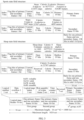
FIG. 3 shows a storage and transmission format of sports and health data according to an embodiment of the present invention; -
FIG. 4 shows processing of loss of a last logical page in a transmission process according to an embodiment of the present invention; -
FIG. 5 is a schematic structural diagram of a data transmission apparatus according to an example helpful for understanding the invention, but not covered by the claims ; -
FIG. 6 is a schematic structural diagram of another data transmission apparatus according to an example helpful for understanding the invention, but not covered by the claims ; and -
FIG. 7 is a schematic structural diagram of a data transmission device according to an example helpful for understanding the invention, but not covered by the claims . - The following clearly and completely describes the technical solutions in the embodiments of the present invention with reference to the accompanying drawings in the embodiments of the present invention. Apparently, the described embodiments are merely some but not all of the embodiments of the present invention. All other embodiments obtained by a person of ordinary skill in the art based on the embodiments of the present invention without creative efforts shall fall within the protection scope of the present invention.
- An example provides a data transmission method, so as to improve accuracy of analyzing sports and health data of a user. As shown in
FIG. 1 , the method includes the following steps. - 101: A first device stores, according to a particular data storage structure, sports and health data that is within a specified time period and that is detected by the first device.
- The particular data storage structure is divided into at least one logical page, each logical page includes at least one data frame, each data frame records sports and health data detected within a first time period, and the first time period is a corresponding time period obtained by adding a previous data frame of the data frame and a specified time interval to a start time of the specified time period.
- For this example, the first device may be a wearable device, another storage device, or the like. For example, the first device may be a smart band, a smartwatch, smart glasses, or the like.
- For this example, a logical page is a particular data storage structure, and the logical page includes: a page header and a data part. The page header includes: a logical number of the logical page, data overflow, a status of the logical page, a byte quantity of a data frame, a timestamp, and a reserved bit.
- For this example, the data frame is a protocol data unit at a data link layer, and the data frame includes three parts: a frame header, a data part, and a frame trailer. The frame header and the frame trailer include some necessary control information such as synchronization information, address information, and error control information. The data part includes data transmitted from a network layer. In this example, the first device stores, by using the data frame, sports and health data in storage space corresponding to the smart device. The storage space of the first device includes multiple data frames.
- For this example, the sports and health data may be a quantity of walking steps of a user within a time period, a quantity of heartbeats within a time period, and consumed sports calories within a time period.
- For this example, the first time period may be preconfigured by the first device, or may be preconfigured by a user. This is not limited in this example.
- 102: The first device transmits at least some of the sports and health data within the specified time period to a second device according to the data storage structure.
- For this example, the first device may be a wearable device such as a smart band, a smartwatch, or smart glasses. Because wearable devices may be some devices having relatively small storage space and screens, and the devices are inconvenient for a user to observe, the wearable device may send the sports and health data of the user to user equipment such as a mobile phone, so as to observe, store, and analyze the sports and health data conveniently.
- For this example, the first device may choose to send a part of the sports and health data of the user stored by the first device to the second device, so that the second device analyzes sports and health data of the user within a particular time period according to the part of the sports and health data transmitted by the first device.
- In the data transmission method provided in this example, a first device first stores, according to a particular data storage structure, sports and health data that is within a specified time period and that is detected by the first device, where the particular data storage structure is divided into at least one logical page, each logical page includes at least one data frame, each data frame records sports and health data detected within a first time period, and the first time period is a corresponding time period obtained by adding a previous data frame of the data frame and the specified time interval to a start time of the specified time period; and then transmits at least some of the sports and health data within the specified time period to a second device according to the data storage structure. Compared with storing sports and health data by a current wearable device per fixed unit time, in this example, each data frame in the first device stores the sports and health data detected within the first time period, sports and health data within the corresponding time period obtained by adding the previous data frame of the data frame and the specified time interval to the start time of the specified time period can be stored in the data frame, that is, a last data frame can store sports and health data detected within a preset time, and the sports and health data is transmitted to a second device, so that the second device can obtain the last data frame, that is, all sports and health data within the specified time period can be obtained. Therefore, accuracy of analyzing sports and health data can be improved.
- In specific descriptions of the method shown in
FIG. 1 , an example provides another data transmission method. As shown inFIG. 2 , the method includes the following steps. - 201: A first device stores, according to a particular data storage structure, sports and health data that is within a specified time period and that is detected by the first device.
- The particular data storage structure is divided into at least one logical page, each logical page includes at least one data frame, each data frame records sports and health data detected within a first time period, and the first time period is a corresponding time period obtained by adding a previous data frame of the data frame and a specified time interval to a start time of the specified time period.
- Each logical page includes at least one data frame group, each data frame group includes one primary frame and at least one secondary frame, the primary frame records sports and health data detected within a second time period, the secondary frame records sports and health data detected within a third time period, the second time period is a corresponding time period obtained by adding a previous primary frame of the primary frame, the secondary frame, and the specified time interval to the start time of the specified time period, and the third time period is a time period obtained by adding the specified time interval to an end time of a previous primary frame of the secondary frame or to an end time of the secondary frame, where the end time is used as a start time. In this example, the specified time interval is a time corresponding to one primary frame or secondary frame.
- The specified time period is divided into at least one time zone, the logical pages are in a one-to-one correspondence with the time zones in order, the time zone is recorded in a field of a timestamp of a corresponding logical page, and an accumulated time period of the timestamp is the specified time period, so that the second device determines a lost logical page of the sports and health data according to the timestamp.
- For this example, the first device may be a wearable device, another storage device, or the like. For example, the first device may be a smart band, a smartwatch, smart glasses, or the like.
- For this example, the first device may configure corresponding storage bytes for the logical page. For example, each logical page may occupy 1024 bytes, and if storage space of the first device is 1M bytes, the storage space corresponding to the first device may be divided into 1024 logical pages.
- For this example, a logical page is a particular data storage structure, and the logical page includes: a page header and a data part. The page header includes: a logical number of the logical page, data overflow, a status of the logical page, a byte quantity of a data frame, a timestamp, and a reserved bit.
- For this example, the data frame is a protocol data unit at a data link layer, and the data frame includes three parts: a frame header, a data part, and a frame trailer. The frame header and the frame trailer include some necessary control information such as synchronization information, address information, and error control information. The data part includes data transmitted from a network layer. In this example, the first device stores, by using the data frame, sports and health data in storage space corresponding to the smart device. The storage space of the first device includes multiple data frames.
- For this example, the data frames in the storage space corresponding to the first device may be classified into a sports state and a sleep state, and the first device may configure corresponding storage space for the primary frame and the secondary frame. For example, one data frame group includes one primary frame and one secondary frame. One primary frame may occupy storage space of 75 bits (bit), and one secondary frame may occupy storage space of 53 bits. If one logical page occupies 1024 bytes, one logical page may include 63 groups of data frames, as shown in
FIG. 3 . - For this example, the first device may estimate, according to an athletic ability within a time period of the user, sports and health data that can be stored by the first device within the time period, and configure storage space for the primary frame and the secondary frame. For example, when a user does sports, a maximum quantity of calories consumed by the user within one day is 33554431, and occupied storage space is 25 bits; a maximum quantity of sports steps of the user within one day is 131071, and occupied storage space is 17 bits; a longest sports distance of the user within one day is 524287 meters, and occupied storage space is 19 bits; a quantity of storeys that the user can climb within one day is 16383, and occupied storage space is 14 bits; a maximum quantity of rope skipping times of the user within one day is 32767, and occupied storage space is 15 bits, as shown in Table 1.
Table 1 Data type Single day Each minute Recommended value Limiting value Recommended value Limiting value Consumed sports calories 24 bits (0 to 16777215, unit: calorie) 25 bits (0 to 33554431, unit: calorie) 14 bits (0 to 16383, unit: calorie) 15 bits (0 to 32767, unit: calorie) Consumed static calories 21 bits (0 to 2097151, unit: calorie) 22 bits (0 to 4194303, unit: calorie) 11 bits (0 to 2047, unit: calorie) 12 bits (0 to 4095, unit: calorie) Quantity of sports steps (running/walking/mount ain climbing) 17 bits (0 to 131071, unit: step) 17 bits (0 to 131071, unit: step) 9 bits (0 to 511, unit: step) 10 bits (0 to 1023, unit: step) Sports distance (riding/walking/running) 18 bits (0 to 262143, unit: meter) 19 bits (0 to 524287, unit: meter) 10 bits (0 to 1023, unit: meter) 10 bits (0 to 1023, unit: meter) Quantity of climbed storeys 13 bits (0 to 8191, unit: storey) 14 bits (0 to 16383, unit: storey) 4 bits (0 to 15, unit: storey) 5 bi (0 to 31, unit: storey) Quantity of rope skipping times 14 bits (0 to 16383, unit: times) 15 bits (0 to 32767, unit: times) 9 bits (0 to 511, unit: times) 10 bits (0 to 1023, unit: times) Respiratory rate ... ... 7 bits (0 to 127, unit: times) ... Body temperature ... ... 6 bits (0 to 63, unit: Celsius degree) ... Heart rate ... ... 8 bits (0 to 255, unit: times) ... - For this example, if each data frame group includes one primary frame and one secondary frame, the primary frame records sports and health data stored within a corresponding time period obtained by adding a previous primary frame of the primary frame, the secondary frame, and the specified time interval to a start time of the specified time period, and the secondary frame records sports and health data stored within a time period obtained by adding a specified time interval to an end time of a previous primary frame of the secondary frame or to an end time of the secondary frame, where the end time is used as a start time. For example, if a specified time interval is one minute, sports and health data included in a primary frame part in an Mth data frame group is an accumulated value from 00:00 to 10:00, a secondary frame part corresponding to the primary frame part includes sports and health data obtained from 10:00 to 10:01, sports and health data included in a primary frame part of an (M+1)th data frame group is an accumulated value from 00:00 to 10:02, and a secondary frame part corresponding to the primary frame part includes sports and health data obtained from 10:02 to 10:03.
- 202: The first device directly transmits the sports and health data within the specified time period to a second device according to the data storage structure.
- Optionally, the first device first stores the sports and health data within the specified time period according to the data storage structure, and then transmits the sports and health data within the specified time period to the second device.
- For this example, the smart device may be a smart device such as a smartphone, a tablet, or a computer that can perform storage and analysis.
- For this example, the first device stores sports and health data according to a particular storage structure, that is, stores sports and health data according to a storage structure of a logical page, and transmits the sports and health data according to a data structure of the logical page. Therefore, format conversion may be avoided before the sports and health data is transmitted. That is, conversion from a storage structure to a transmission structure can be avoided, and complexity of transmitting sports and health data can be further reduced.
- For this example, the first device transmits at least some of the sports and health data within the specified time period to the second device, so that the second device receives and stores sports and health data within an optional time period, and the second device analyzes the sports and health data within the optional time period. This can improve flexibility of analyzing sports and health data.
- 203: The first device receives a retransmission request message sent by the second device.
- The retransmission request message is empty, and the retransmission request message is used to indicate that the second device has not received sports and health data corresponding to a last logical page. Alternatively, the retransmission request message carries a field of a last logical page, and the field of the last logical page is used to instruct the first device to retransmit sports and health data corresponding to the last logical page.
- For this example, the first device sends the sports and health data to the second device in a wireless transmission manner. In this example, the wireless transmission manner may be a Bluetooth transmission manner, a Wireless Fidelity (English: Wireless-Fidelity, WiFi for short) transmission manner, or the like.
- For this example, because a channel for wireless transmission is a weak channel, and interferes with a transmitted signal on some radio wave bands, in a process in which the first device sends the sports and health data to the second device in a wireless transmission manner, some sports and health data is lost. That is, user equipment may not receive entire sports and health data.
- For this example, after receiving the sports and health data sent by the first device, the second device determines whether the sports and health data, which is sent by the first device, on the last logical page is lost in the transmission process. Specifically, if the first device sends the sports and health data within the specified time period to the second device, the second device obtains a timestamp of the received last logical page, and a sum of a quantity of primary frames and a quantity of secondary frames on the last logical page, and a difference between a product of a third time period and the sum of the quantity of the primary frames and the quantity of the secondary frames on the last logical page, and the timestamp on the last logical page is equal to the specified time period, the last logical page is not lost in the transmission process. If the first device sends all stored sports and health data to the second device, the second device obtains a system time currently corresponding to the second device, a timestamp carried on the last logical page received by the second device, and the sum of quantities of the primary frames and the secondary frames on the last logical page. Specifically, if a difference between the system time currently corresponding to the second device and a time corresponding to a timestamp carried on a last logical page received by the second device is not equal to the product of the third time period and the sum of the quantity of the primary frames and the quantity of the secondary frames on the last logical page received by the second device, the last logical page is lost in the transmission process. That is, a retransmission request message is sent to the first device, and the retransmission request message carries a field of the last logical page, as shown in
FIG. 4 . - 204: The first device resends sports and health data on a last logical page to the second device according to an indication of the retransmission request message.
- For this example, when the first device receives the retransmission request message that is sent by the second device to the first device, the first device resends the sports and health data on the last logical page to the second device, so that the second device can obtain all sports and health data stored within the specified time period. Therefore, sports and health data of a user can be accurately analyzed, and accuracy of analyzing the sports and health data can be further improved.
- In the data transmission method provided in this example, a first device first stores, according to a particular data storage structure, sports and health data that is within a specified time period and that is detected by the first device, where the particular data storage structure is divided into at least one logical page, each logical page includes at least one data frame, each data frame records sports and health data detected within a first time period, and the first time period is a corresponding time period obtained by adding a previous data frame of the data frame and the specified time interval to a start time of the specified time period; and then transmits at least some of the sports and health data within the specified time period to a second device according to the data storage structure. Compared with storing sports and health data by a current wearable device per fixed unit time, in this example, each data frame in the first device stores the sports and health data detected within the first time period, sports and health data within the corresponding time period obtained by adding the previous data frame of the data frame and the specified time interval to the start time of the specified time period can be stored in the data frame, that is, a last data frame can store sports and health data detected within a preset time, and the sports and health data is transmitted to a second device, so that the second device can obtain the last data frame, that is, all sports and health data within the specified time period can be obtained. Therefore, accuracy of analyzing sports and health data can be improved.
- Further, in the data transmission method provided in this example, a first device stores sports and health data according to a particular storage structure, that is, stores sports and health data according to a storage structure of a logical page, and transmits the sports and health data according to a data structure of the logical page. Therefore, format conversion may be avoided before the sports and health data is transmitted. That is, conversion from a storage structure to a transmission structure can be avoided, and complexity of transmitting sports and health data can be further reduced. The first device transmits at least some of the sports and health data within the specified time period to the second device, so that the second device receives and stores sports and health data within an optional time period, and the second device analyzes the sports and health data within the optional time period. This can improve flexibility of analyzing sports and health data. When the first device receives a retransmission request message that is sent by the second device to the first device, the first device resends sports and health data on a last logical page to the second device, so that the second device can obtain all sports and health data stored within the specified time period. Therefore, sports and health data of a user can be accurately analyzed, and accuracy of analyzing the sports and health data can be further improved.
- Further, in implementation of the methods shown in
FIG. 1 and FIG. 2 , an example further provides a data transmission apparatus. The apparatus may be located in a first device, and is configured to improve accuracy of analyzing sports and health data. As shown inFIG. 5 , the apparatus includes: astorage control unit 51 and atransmission control unit 52. - The
storage control unit 51 stores, according to a particular data storage structure, sports and health data that is within a specified time period and that is detected by the first device. - The particular data storage structure is divided into at least one logical page, each logical page includes at least one data frame, each data frame records sports and health data detected within a first time period, and the first time period is a corresponding time period obtained by adding a previous data frame of the data frame and a specified time interval to a start time of the specified time period.
- Each logical page includes at least one data frame group, each data frame group includes one primary frame and at least one secondary frame, the primary frame records sports and health data detected within a second time period, the secondary frame records sports and health data detected within a third time period, the second time period is a corresponding time period obtained by adding a previous primary frame of the primary frame, the secondary frame, and the specified time interval to the start time of the specified time period, and the third time period is a time period obtained by adding the specified time interval to an end time of a previous primary frame of the secondary frame or to an end time of the secondary frame, where the end time is used as a start time.
- The specified time interval is a time corresponding to one primary frame or secondary frame.
- The specified time period is divided into at least one time zone, the logical pages are in a one-to-one correspondence with the time zones in order, the time zone is recorded in a field of a timestamp of a corresponding logical page, and an accumulated time period of the timestamp is the specified time period, so that the second device determines a lost logical page of the sports and health data according to the timestamp.
- The
transmission control unit 52 controls a transmitter according to the data storage structure to transmit at least some of the sports and health data within the specified time period to a second device. - Further, as shown in
FIG. 6 , thetransmission control unit 52 further includes: a receivingmodule 521 and a sendingmodule 522. - The receiving
module 521 is configured to receive a retransmission request message sent by the second device. - Content of the retransmission request message is empty, and the retransmission request message is used to indicate that the second device has not received sports and health data corresponding to a last logical page, or
the retransmission request message carries a field of a last logical page, and the field of the last logical page is used to instruct the apparatus to retransmit sports and health data corresponding to the last logical page. - The sending
module 522 is configured to resend the sports and health data on the last logical page to the second device according to an indication of the retransmission request message received by the receivingmodule 521. - The apparatus directly transmits the sports and health data within a specified time period to the second device according to the data storage structure. Alternatively, the apparatus first stores the sports and health data within the specified time period according to the data storage structure and then transmits the sports and health data within the specified time period to the second device.
- The apparatus is a first device.
- For the data transmission apparatus provided in this example, the first device first stores, according to a particular data storage structure, sports and health data that is within a specified time period and that is detected by the first device, where the particular data storage structure is divided into at least one logical page, each logical page includes at least one data frame, each data frame records sports and health data detected within a first time period, and the first time period is a corresponding time period obtained by adding a previous data frame of the data frame and the specified time interval to a start time of the specified time period; and then transmits at least some of the sports and health data within the specified time period to a second device according to the data storage structure. Compared with storing sports and health data by a current wearable device per fixed unit time, in this example, each data frame in the first device stores the sports and health data detected within the first time period, sports and health data within the corresponding time period obtained by adding the previous data frame of the data frame and the specified time interval to the start time of the specified time period can be stored in the data frame, that is, a last data frame can store sports and health data detected within a preset time, and the sports and health data is transmitted to a second device, so that the second device can obtain the last data frame, that is, all sports and health data within the specified time period can be obtained. Therefore, accuracy of analyzing sports and health data can be improved.
- Further, for the data transmission apparatus provided in this example, the first device stores sports and health data according to a particular storage structure, that is, stores sports and health data according to a storage structure of a logical page, and transmits the sports and health data according to a data structure of the logical page. Therefore, format conversion may be avoided before the sports and health data is transmitted. That is, conversion from a storage structure to a transmission structure can be avoided, and complexity of transmitting sports and health data can be further reduced. The first device transmits at least some of the sports and health data within the specified time period to the second device, so that the second device receives and stores sports and health data within an optional time period, and the second device analyzes the sports and health data within the optional time period. This can improve flexibility of analyzing sports and health data. When the first device receives a retransmission request message that is sent by the second device to the first device, the first device resends sports and health data on a last logical page to the second device, so that the second device can obtain all sports and health data stored within the specified time period. Therefore, sports and health data of a user can be accurately analyzed, and accuracy of analyzing the sports and health data can be further improved.
- It should be noted that, for other corresponding descriptions corresponding to units in the data transmission apparatus provided in this example, refer to corresponding descriptions in
FIG. 1 and FIG. 2 , and details are not described herein again. - Further, an example further provides a data transmission device. As shown in
FIG. 7 , the data transmission device is a first device. The first device includes: amemory 71, atransmitter 72, and aprocessor 73, and theprocessor 73 is connected to thememory 71 and thetransmitter 72 by using a data bus. - The
processor 73 is configured to store, in thememory 71 according to a particular data storage structure, sports and health data that is within a specified time period and that is detected by the first device. - The particular data storage structure is divided into at least one logical page, each logical page includes at least one data frame, each data frame records sports and health data detected within a first time period, and the first time period is a corresponding time period obtained by adding a previous data frame of the data frame and a specified time interval to a start time of the specified time period.
- Each logical page includes at least one data frame group, each data frame group includes one primary frame and at least one secondary frame, the primary frame records sports and health data detected within a second time period, the secondary frame records sports and health data detected within a third time period, the second time period is a corresponding time period obtained by adding a previous primary frame of the primary frame, the secondary frame, and the specified time interval to the start time of the specified time period, and the third time period is a time period obtained by adding the specified time interval to an end time of a previous primary frame of the secondary frame or to an end time of the secondary frame, where the end time is used as a start time.
- The specified time interval is a time corresponding to one primary frame or secondary frame.
- The specified time period is divided into at least one time zone, the logical pages are in a one-to-one correspondence with the time zones in order, the time zone is recorded in a field of a timestamp of a corresponding logical page, and an accumulated time period of the timestamp is the specified time period, so that a second device determines a lost logical page of the sports and health data according to the timestamp.
- The
processor 73 is configured to transmit at least some of the sports and health data within the specified time period to the second device according to the data storage structure by using thetransmitter 72. - Further, the
transmitter 72 includes: a receivingapparatus 721 and a sendingapparatus 722. - The receiving
apparatus 721 receives a retransmission request message sent by the second device. - Content of the retransmission request message is empty, and the retransmission request message is used to indicate that the second device has not received sports and health data corresponding to a last logical page, or
the retransmission request message carries a field of a last logical page, and the field of the last logical page is used to instruct the first device to retransmit sports and health data corresponding to the last logical page. - The sending
apparatus 722 resends the sports and health data on the last logical page to the second device according to an indication of the retransmission request message received by the receivingapparatus 721. - The
processor 73 further controls thetransmitter 72 according to the data storage structure to directly transmit the sports and health data within the specified time period to the second device; or
theprocessor 73 controls thememory 71 according to the data storage structure to store the sports and health data within the specified time period, and further controls thetransmitter 72 to transmit the sports and health data to the second device. - For the first device provided in this example, the first device first stores, according to a particular data storage structure, sports and health data that is within a specified time period and that is detected by the first device, where the particular data storage structure is divided into at least one logical page, each logical page includes at least one data frame, each data frame records sports and health data detected within a first time period, and the first time period is a corresponding time period obtained by adding a previous data frame of the data frame and the specified time interval to a start time of the specified time period; and then transmits at least some of the sports and health data within the specified time period to a second device according to the data storage structure. Compared with storing sports and health data by a current wearable device per fixed unit time, in this example, each data frame in the first device stores the sports and health data detected within the first time period, sports and health data within the corresponding time period obtained by adding the previous data frame of the data frame and the specified time interval to the start time of the specified time period can be stored in the data frame, that is, a last data frame can store sports and health data detected within a preset time, and the sports and health data is transmitted to a second device, so that the second device can obtain the last data frame, that is, all sports and health data within the specified time period can be obtained. Therefore, accuracy of analyzing sports and health data can be improved.
- Further, for the first device provided in this example, the first device stores sports and health data according to a particular storage structure, that is, stores sports and health data according to a storage structure of a logical page, and transmits the sports and health data according to a data structure of the logical page. Therefore, format conversion may be avoided before the sports and health data is transmitted. That is, conversion from a storage structure to a transmission structure can be avoided, and complexity of transmitting sports and health data can be further reduced. The first device transmits at least some of the sports and health data within the specified time period to the second device, so that the second device receives and stores sports and health data within an optional time period, and the second device analyzes the sports and health data within the optional time period. This can improve flexibility of analyzing sports and health data. When the first device receives a retransmission request message that is sent by the second device to the first device, the first device resends sports and health data on a last logical page to the second device, so that the second device can obtain all sports and health data stored within the specified time period. Therefore, sports and health data of a user can be accurately analyzed, and accuracy of analyzing the sports and health data can be further improved.
- The data transmission apparatus provided in this example may implement the methods provided above. For specific function implementation, refer to the descriptions in the methods . Details are not described herein again. The data transmission method and apparatus that are provided in the embodiments of the present invention are applicable to storage, transmission, and error correction of sports and health data, so as to obtain sports and health data within a specified time period.
- A person of ordinary skill in the art may understand that all or some of the processes of the methods in the embodiments may be implemented by a computer program instructing relevant hardware. The program may be stored in a computer readable storage medium. When the program runs, the processes of the methods in the embodiments are performed. The foregoing storage medium may include: a magnetic disk, an optical disc, a read-only memory (Read-Only Memory, ROM), or a random access memory (Random Access Memory, RAM).
- Wherein the specified time period is divided into at least one time zone, the at least one logical pages are in a one-to-one correspondence with the time zones in order, the time zone is recorded in a field of a timestamp of a corresponding logical page, and an accumulated time period of the timestamp is the specified time period, so that the second device determines a lost logical page of the sports and health data according to the timestamp.
- The transmitter comprises: a receiving apparatus and a sending apparatus, wherein the receiving apparatus is configured to receive a retransmission request message sent by the second device, wherein the retransmission request message is empty, and the retransmission request message is used to indicate that the second device has not received sports and health data on a last logical page; or the retransmission request message carries a field of the last logical page, and the field of the last logical page is used to instruct the first device to retransmit sports and health data corresponding to the last logical page; and the sending apparatus is configured to resend the sports and health data on the last logical page to the second device according to an indication of the retransmission request message received by the receiving apparatus.
- The processor further controls the transmitter according to the data storage structure to directly transmit the sports and health data within the specified time period to the second device; or the processor controls the memory according to the data storage structure to store the sports and health data within the specified time period and further controls the transmitter to transmit the sports and health data to the second device.
- A data storage structure, wherein the data storage structure is used by a first device to store sports and health data that is within a specified time period and that is detected by the first device, wherein the data storage structure is divided into at least one logical page, each logical page comprises at least one data frame, each data frame records sports and health data detected within a first time period, and the first time period is a corresponding time period obtained by adding a previous data frame of the data frame and a specified time interval to a start time of the specified time period.
- Wherein each logical page comprises at least one data frame group, each data frame group comprises one primary frame and at least one secondary frame, the primary frame records sports and health data detected within a second time period, the secondary frame records sports and health data detected within a third time period, the second time period is a corresponding time period obtained by adding a previous primary frame of the primary frame, the at least one secondary frame, and the specified time interval to the start time of the specified time period, and the third time period is a time period obtained by adding the specified time interval to an end time of a previous primary frame of the secondary frame or to an end time of the secondary frame, wherein the end time is used as a start time.
- Wherein the specified time interval is a time corresponding to one primary frame or secondary frame.
Claims (2)
- A data transmission method, wherein the method comprises:receiving, by a second device, sports and health data that is sent by a first device according to a particular data storage structure, wherein the particular data storage structure is divided into at least one logical page, each logical page includes at least one data frame group, each data frame group includes one primary frame and at least one secondary frame, the primary frame records sports and health data detected within a first time period, and the secondary frame records sports and health data detected within a second time period;wherein the logical page carries a timestamp, the timestamp records a start time of sports and health data stored on the logical page, and each data frame group includes one primary frame and at least one secondary frame; the method includes:obtaining, by the second device, a system time corresponding to the second device, a start time corresponding to a timestamp on the last logical page, and a sum of quantities of primary frames and secondary frames on the last logical page;determining, by the second device, whether a difference between the system time corresponding to the second device and the start time corresponding to the timestamp on the last logical page is equal to a product of the sum of the quantities of the primary frames and the secondary frames on the last logical page and the second time period; and if the second device determines that the difference between the system time corresponding to the second device and the start time corresponding to the timestamp on the last logical page is not equal to the product of the sum of the quantities of the primary frames and the secondary frames on the last logical page and the second time period, sending, by the second device, a retransmission request message to the first device, wherein the retransmission request message is used to indicate that the second device has not received sports and health data on the last logical page.
- A data transmission apparatus, wherein the apparatus comprises:a receiving unit, configured to receive, in a second device, sports and health data that is sent by a first device according to a particular data storage structure, wherein the particular data storage structure is divided into at least one logical page, each logical page includes at least one data frame group, each data frame group includes one primary frame and at least one secondary frame, the primary frame records sports and health data detected within a first time period, and the secondary frame records sports and health data detected within a second time period;wherein the logical page carries a timestamp, the timestamp records a start time of sports and health data stored on the logical page, and each data frame group includes one primary frame and at least one secondary frame; the apparatus includes: an obtaining unit, a determining unit, and a sending unit, whereinthe obtaining unit is configured to obtain, in the second device, a system time corresponding to the second device, a start time corresponding to a timestamp on the last logical page, and a sum of quantities of primary frames and secondary frames on the last logical page;the determining unit is configured to determine, in the second device, whether a difference between the system time corresponding to the second device and the start time corresponding to the timestamp on the last logical page that are obtained by the obtaining unit is equal to a product of the sum of the quantities of the primary frames and the secondary frames on the last logical page and the second time period; andthe sending unit is configured to: when the second device determines that the difference between the system time corresponding to the second device and the start time corresponding to the timestamp on the last logical page is not equal to the product of the sum of the quantities of the primary frames and the secondary frames on the last logical page and the second time period, send, in the second device, a retransmission request message to the first device, wherein the retransmission request message is used to indicate that the second device has not received sports and health data on the last logical page.
Applications Claiming Priority (1)
| Application Number | Priority Date | Filing Date | Title |
|---|---|---|---|
| PCT/CN2015/072752 WO2016127336A1 (en) | 2015-02-11 | 2015-02-11 | Data transmission method and apparatus, and first device |
Publications (3)
| Publication Number | Publication Date |
|---|---|
| EP3249608A1 EP3249608A1 (en) | 2017-11-29 |
| EP3249608A4 EP3249608A4 (en) | 2018-02-28 |
| EP3249608B1 true EP3249608B1 (en) | 2024-08-21 |
Family
ID=56614263
Family Applications (1)
| Application Number | Title | Priority Date | Filing Date |
|---|---|---|---|
| EP15881498.8A Active EP3249608B1 (en) | 2015-02-11 | 2015-02-11 | Data transmission method and apparatus |
Country Status (5)
| Country | Link |
|---|---|
| US (1) | US10581558B2 (en) |
| EP (1) | EP3249608B1 (en) |
| JP (1) | JP6514348B2 (en) |
| CN (1) | CN107004061B (en) |
| WO (1) | WO2016127336A1 (en) |
Citations (1)
| Publication number | Priority date | Publication date | Assignee | Title |
|---|---|---|---|---|
| US20120272115A1 (en) * | 2007-06-26 | 2012-10-25 | Michelle Christine Munson | Bulk data transfer |
Family Cites Families (18)
| Publication number | Priority date | Publication date | Assignee | Title |
|---|---|---|---|---|
| WO2003071391A2 (en) | 2002-02-19 | 2003-08-28 | Lexicor Medical Technology, Inc. | Systems and methods for managing biological data and providing data interpretation tools |
| CN1224932C (en) | 2002-10-14 | 2005-10-26 | 联想(北京)有限公司 | Intelligent exerciser for analog sport field |
| JP4093174B2 (en) * | 2003-11-06 | 2008-06-04 | 沖電気工業株式会社 | Receiving apparatus and method |
| JP4494051B2 (en) * | 2004-03-19 | 2010-06-30 | 日本電信電話株式会社 | Biological information measuring device and biological information measuring method |
| JP2005295342A (en) * | 2004-04-01 | 2005-10-20 | Sharp Corp | Wireless communication apparatus and wireless communication method |
| AU2006218889A1 (en) | 2005-02-28 | 2006-09-08 | Rothman Healthcare Corporation | A system and method for improving hospital patient care by providing a continual measurement of health |
| JP2008276581A (en) * | 2007-04-27 | 2008-11-13 | Sogo Keikaku Kogyo Kk | Pedometer and step count management system |
| JP2010165320A (en) * | 2009-01-19 | 2010-07-29 | Konami Sports & Life Co Ltd | Exercise data management system |
| CN101515371B (en) | 2009-03-26 | 2011-01-19 | 浙江大学 | Human body movement data fragment extracting method |
| US8105208B2 (en) | 2009-05-18 | 2012-01-31 | Adidas Ag | Portable fitness monitoring systems with displays and applications thereof |
| BR112012004986A2 (en) * | 2009-09-04 | 2019-09-24 | Nike International Ltd. | monitoring and tracking athletic activity |
| US20110078572A1 (en) * | 2009-09-30 | 2011-03-31 | Rovi Technologies Corporation | Systems and methods for analyzing clickstream data |
| CN101879066A (en) | 2010-03-08 | 2010-11-10 | 北京英福生科技有限公司 | Motion monitoring instrument and method for monitoring and transmitting motion health data |
| US20150324541A1 (en) | 2011-11-28 | 2015-11-12 | Koninklijke Philips N.V. | Health monitoring system for calculating a total risk score |
| US10398379B2 (en) * | 2011-12-15 | 2019-09-03 | Becton, Dickinson And Company | System for improved interpretation of physiological data and presentation of physiological condition management information |
| CN103027752A (en) * | 2012-10-20 | 2013-04-10 | 深圳市好家庭实业有限公司 | Health and exercise supervisory system and method thereof |
| US20150018660A1 (en) * | 2013-07-11 | 2015-01-15 | Alivecor, Inc. | Apparatus for Coupling to Computing Devices and Measuring Physiological Data |
| JP6375621B2 (en) * | 2013-12-25 | 2018-08-22 | セイコーエプソン株式会社 | Biological information measuring device, information processing device, and biological information measuring system |
-
2015
- 2015-02-11 CN CN201580068432.9A patent/CN107004061B/en active Active
- 2015-02-11 WO PCT/CN2015/072752 patent/WO2016127336A1/en not_active Ceased
- 2015-02-11 JP JP2017542029A patent/JP6514348B2/en active Active
- 2015-02-11 US US15/550,702 patent/US10581558B2/en active Active
- 2015-02-11 EP EP15881498.8A patent/EP3249608B1/en active Active
Patent Citations (1)
| Publication number | Priority date | Publication date | Assignee | Title |
|---|---|---|---|---|
| US20120272115A1 (en) * | 2007-06-26 | 2012-10-25 | Michelle Christine Munson | Bulk data transfer |
Also Published As
| Publication number | Publication date |
|---|---|
| JP2018511965A (en) | 2018-04-26 |
| EP3249608A4 (en) | 2018-02-28 |
| CN107004061A (en) | 2017-08-01 |
| US20180026753A1 (en) | 2018-01-25 |
| US10581558B2 (en) | 2020-03-03 |
| WO2016127336A1 (en) | 2016-08-18 |
| EP3249608A1 (en) | 2017-11-29 |
| CN107004061B (en) | 2020-09-08 |
| JP6514348B2 (en) | 2019-05-15 |
Similar Documents
| Publication | Publication Date | Title |
|---|---|---|
| EP3681070B1 (en) | Feedback information transmission method, device, terminal, base station and storage medium | |
| US9538465B2 (en) | Sensor node and gateway mutually communicating in wireless sensor network | |
| CN111314033A (en) | Transmission method and terminal of uplink control information UCI | |
| US11855926B2 (en) | Method for determining total number of bits of feedback response information and related product | |
| US12621803B2 (en) | Information transmission method, resource selection method, and communication device | |
| US20130102245A1 (en) | Radiation imaging system and processing method therefor | |
| CN111181709A (en) | Information transmission method and terminal | |
| US20220150804A1 (en) | Information transmission method and terminal device | |
| EP4280667A1 (en) | Channel information sending method, channel information receiving method and related device | |
| CN104068837A (en) | A method and system for monitoring physical signs information | |
| US20260067887A1 (en) | Transmission information determining method, configuration information sending method, terminal, and device | |
| EP4542906A1 (en) | Information determination method and apparatus, communication device and readable storage medium | |
| JP7540133B2 (en) | Transmitter | |
| CN113225162A (en) | Channel State Information (CSI) reporting method, terminal and computer readable storage medium | |
| US20120170564A1 (en) | Frame formation method having improved communication efficiency in wireless communication network for in-body medical device | |
| CN114070525B (en) | Transmission method and device | |
| CN113973331B (en) | Abnormal terminal equipment detection method and device | |
| US10581558B2 (en) | Data transmission method and apparatus, and first device | |
| US10887777B2 (en) | Method and device for data transmission in wireless communication network | |
| KR102113784B1 (en) | Date management system for preventing from data loss in BLE | |
| US20240357590A1 (en) | Power Control Parameter Determining Method and Apparatus and Terminal | |
| CN113541879A (en) | Information transmission method and equipment | |
| CN103634820B (en) | The method and apparatus that a kind of signal sends | |
| JPWO2019102647A1 (en) | Wireless LAN system, communication speed upper limit setting method and communication speed upper limit setting program | |
| CN116233898A (en) | Data transmission method and device, storage medium and electronic equipment based on microwave equipment |
Legal Events
| Date | Code | Title | Description |
|---|---|---|---|
| STAA | Information on the status of an ep patent application or granted ep patent |
Free format text: STATUS: THE INTERNATIONAL PUBLICATION HAS BEEN MADE |
|
| PUAI | Public reference made under article 153(3) epc to a published international application that has entered the european phase |
Free format text: ORIGINAL CODE: 0009012 |
|
| STAA | Information on the status of an ep patent application or granted ep patent |
Free format text: STATUS: REQUEST FOR EXAMINATION WAS MADE |
|
| 17P | Request for examination filed |
Effective date: 20170816 |
|
| AK | Designated contracting states |
Kind code of ref document: A1 Designated state(s): AL AT BE BG CH CY CZ DE DK EE ES FI FR GB GR HR HU IE IS IT LI LT LU LV MC MK MT NL NO PL PT RO RS SE SI SK SM TR |
|
| AX | Request for extension of the european patent |
Extension state: BA ME |
|
| A4 | Supplementary search report drawn up and despatched |
Effective date: 20180125 |
|
| RIC1 | Information provided on ipc code assigned before grant |
Ipc: G06T 7/20 20170101AFI20180119BHEP Ipc: G16H 10/60 20180101ALI20180119BHEP Ipc: G16H 20/30 20180101ALI20180119BHEP |
|
| DAX | Request for extension of the european patent (deleted) | ||
| STAA | Information on the status of an ep patent application or granted ep patent |
Free format text: STATUS: EXAMINATION IS IN PROGRESS |
|
| 17Q | First examination report despatched |
Effective date: 20191128 |
|
| 17Q | First examination report despatched |
Effective date: 20191205 |
|
| REG | Reference to a national code |
Ref country code: DE Ref legal event code: R079 Free format text: PREVIOUS MAIN CLASS: G06T0007200000 Ipc: G16H0010600000 Ref country code: DE Ref legal event code: R079 Ref document number: 602015089635 Country of ref document: DE Free format text: PREVIOUS MAIN CLASS: G06T0007200000 Ipc: G16H0010600000 |
|
| GRAP | Despatch of communication of intention to grant a patent |
Free format text: ORIGINAL CODE: EPIDOSNIGR1 |
|
| RIC1 | Information provided on ipc code assigned before grant |
Ipc: G06T 7/20 20060101ALI20240319BHEP Ipc: G16H 20/30 20180101ALI20240319BHEP Ipc: G16H 10/60 20180101AFI20240319BHEP |
|
| STAA | Information on the status of an ep patent application or granted ep patent |
Free format text: STATUS: GRANT OF PATENT IS INTENDED |
|
| INTG | Intention to grant announced |
Effective date: 20240425 |
|
| GRAS | Grant fee paid |
Free format text: ORIGINAL CODE: EPIDOSNIGR3 |
|
| GRAA | (expected) grant |
Free format text: ORIGINAL CODE: 0009210 |
|
| STAA | Information on the status of an ep patent application or granted ep patent |
Free format text: STATUS: THE PATENT HAS BEEN GRANTED |
|
| AK | Designated contracting states |
Kind code of ref document: B1 Designated state(s): AL AT BE BG CH CY CZ DE DK EE ES FI FR GB GR HR HU IE IS IT LI LT LU LV MC MK MT NL NO PL PT RO RS SE SI SK SM TR |
|
| REG | Reference to a national code |
Ref country code: GB Ref legal event code: FG4D |
|
| REG | Reference to a national code |
Ref country code: CH Ref legal event code: EP |
|
| REG | Reference to a national code |
Ref country code: DE Ref legal event code: R096 Ref document number: 602015089635 Country of ref document: DE |
|
| REG | Reference to a national code |
Ref country code: IE Ref legal event code: FG4D |
|
| REG | Reference to a national code |
Ref country code: LT Ref legal event code: MG9D |
|
| REG | Reference to a national code |
Ref country code: NL Ref legal event code: MP Effective date: 20240821 |
|
| PG25 | Lapsed in a contracting state [announced via postgrant information from national office to epo] |
Ref country code: NO Free format text: LAPSE BECAUSE OF FAILURE TO SUBMIT A TRANSLATION OF THE DESCRIPTION OR TO PAY THE FEE WITHIN THE PRESCRIBED TIME-LIMIT Effective date: 20241121 |
|
| REG | Reference to a national code |
Ref country code: AT Ref legal event code: MK05 Ref document number: 1716340 Country of ref document: AT Kind code of ref document: T Effective date: 20240821 |
|
| PG25 | Lapsed in a contracting state [announced via postgrant information from national office to epo] |
Ref country code: FI Free format text: LAPSE BECAUSE OF FAILURE TO SUBMIT A TRANSLATION OF THE DESCRIPTION OR TO PAY THE FEE WITHIN THE PRESCRIBED TIME-LIMIT Effective date: 20240821 Ref country code: GR Free format text: LAPSE BECAUSE OF FAILURE TO SUBMIT A TRANSLATION OF THE DESCRIPTION OR TO PAY THE FEE WITHIN THE PRESCRIBED TIME-LIMIT Effective date: 20241122 Ref country code: NL Free format text: LAPSE BECAUSE OF FAILURE TO SUBMIT A TRANSLATION OF THE DESCRIPTION OR TO PAY THE FEE WITHIN THE PRESCRIBED TIME-LIMIT Effective date: 20240821 Ref country code: PT Free format text: LAPSE BECAUSE OF FAILURE TO SUBMIT A TRANSLATION OF THE DESCRIPTION OR TO PAY THE FEE WITHIN THE PRESCRIBED TIME-LIMIT Effective date: 20241223 Ref country code: PL Free format text: LAPSE BECAUSE OF FAILURE TO SUBMIT A TRANSLATION OF THE DESCRIPTION OR TO PAY THE FEE WITHIN THE PRESCRIBED TIME-LIMIT Effective date: 20240821 |
|
| PG25 | Lapsed in a contracting state [announced via postgrant information from national office to epo] |
Ref country code: BG Free format text: LAPSE BECAUSE OF FAILURE TO SUBMIT A TRANSLATION OF THE DESCRIPTION OR TO PAY THE FEE WITHIN THE PRESCRIBED TIME-LIMIT Effective date: 20240821 |
|
| PG25 | Lapsed in a contracting state [announced via postgrant information from national office to epo] |
Ref country code: LV Free format text: LAPSE BECAUSE OF FAILURE TO SUBMIT A TRANSLATION OF THE DESCRIPTION OR TO PAY THE FEE WITHIN THE PRESCRIBED TIME-LIMIT Effective date: 20240821 |
|
| PG25 | Lapsed in a contracting state [announced via postgrant information from national office to epo] |
Ref country code: AT Free format text: LAPSE BECAUSE OF FAILURE TO SUBMIT A TRANSLATION OF THE DESCRIPTION OR TO PAY THE FEE WITHIN THE PRESCRIBED TIME-LIMIT Effective date: 20240821 Ref country code: IS Free format text: LAPSE BECAUSE OF FAILURE TO SUBMIT A TRANSLATION OF THE DESCRIPTION OR TO PAY THE FEE WITHIN THE PRESCRIBED TIME-LIMIT Effective date: 20241221 |
|
| PG25 | Lapsed in a contracting state [announced via postgrant information from national office to epo] |
Ref country code: HR Free format text: LAPSE BECAUSE OF FAILURE TO SUBMIT A TRANSLATION OF THE DESCRIPTION OR TO PAY THE FEE WITHIN THE PRESCRIBED TIME-LIMIT Effective date: 20240821 |
|
| PG25 | Lapsed in a contracting state [announced via postgrant information from national office to epo] |
Ref country code: RS Free format text: LAPSE BECAUSE OF FAILURE TO SUBMIT A TRANSLATION OF THE DESCRIPTION OR TO PAY THE FEE WITHIN THE PRESCRIBED TIME-LIMIT Effective date: 20241121 Ref country code: ES Free format text: LAPSE BECAUSE OF FAILURE TO SUBMIT A TRANSLATION OF THE DESCRIPTION OR TO PAY THE FEE WITHIN THE PRESCRIBED TIME-LIMIT Effective date: 20240821 |
|
| PG25 | Lapsed in a contracting state [announced via postgrant information from national office to epo] |
Ref country code: RS Free format text: LAPSE BECAUSE OF FAILURE TO SUBMIT A TRANSLATION OF THE DESCRIPTION OR TO PAY THE FEE WITHIN THE PRESCRIBED TIME-LIMIT Effective date: 20241121 Ref country code: PT Free format text: LAPSE BECAUSE OF FAILURE TO SUBMIT A TRANSLATION OF THE DESCRIPTION OR TO PAY THE FEE WITHIN THE PRESCRIBED TIME-LIMIT Effective date: 20241223 Ref country code: PL Free format text: LAPSE BECAUSE OF FAILURE TO SUBMIT A TRANSLATION OF THE DESCRIPTION OR TO PAY THE FEE WITHIN THE PRESCRIBED TIME-LIMIT Effective date: 20240821 Ref country code: NO Free format text: LAPSE BECAUSE OF FAILURE TO SUBMIT A TRANSLATION OF THE DESCRIPTION OR TO PAY THE FEE WITHIN THE PRESCRIBED TIME-LIMIT Effective date: 20241121 Ref country code: NL Free format text: LAPSE BECAUSE OF FAILURE TO SUBMIT A TRANSLATION OF THE DESCRIPTION OR TO PAY THE FEE WITHIN THE PRESCRIBED TIME-LIMIT Effective date: 20240821 Ref country code: LV Free format text: LAPSE BECAUSE OF FAILURE TO SUBMIT A TRANSLATION OF THE DESCRIPTION OR TO PAY THE FEE WITHIN THE PRESCRIBED TIME-LIMIT Effective date: 20240821 Ref country code: IS Free format text: LAPSE BECAUSE OF FAILURE TO SUBMIT A TRANSLATION OF THE DESCRIPTION OR TO PAY THE FEE WITHIN THE PRESCRIBED TIME-LIMIT Effective date: 20241221 Ref country code: HR Free format text: LAPSE BECAUSE OF FAILURE TO SUBMIT A TRANSLATION OF THE DESCRIPTION OR TO PAY THE FEE WITHIN THE PRESCRIBED TIME-LIMIT Effective date: 20240821 Ref country code: GR Free format text: LAPSE BECAUSE OF FAILURE TO SUBMIT A TRANSLATION OF THE DESCRIPTION OR TO PAY THE FEE WITHIN THE PRESCRIBED TIME-LIMIT Effective date: 20241122 Ref country code: FI Free format text: LAPSE BECAUSE OF FAILURE TO SUBMIT A TRANSLATION OF THE DESCRIPTION OR TO PAY THE FEE WITHIN THE PRESCRIBED TIME-LIMIT Effective date: 20240821 Ref country code: ES Free format text: LAPSE BECAUSE OF FAILURE TO SUBMIT A TRANSLATION OF THE DESCRIPTION OR TO PAY THE FEE WITHIN THE PRESCRIBED TIME-LIMIT Effective date: 20240821 Ref country code: BG Free format text: LAPSE BECAUSE OF FAILURE TO SUBMIT A TRANSLATION OF THE DESCRIPTION OR TO PAY THE FEE WITHIN THE PRESCRIBED TIME-LIMIT Effective date: 20240821 Ref country code: AT Free format text: LAPSE BECAUSE OF FAILURE TO SUBMIT A TRANSLATION OF THE DESCRIPTION OR TO PAY THE FEE WITHIN THE PRESCRIBED TIME-LIMIT Effective date: 20240821 |
|
| PG25 | Lapsed in a contracting state [announced via postgrant information from national office to epo] |
Ref country code: SM Free format text: LAPSE BECAUSE OF FAILURE TO SUBMIT A TRANSLATION OF THE DESCRIPTION OR TO PAY THE FEE WITHIN THE PRESCRIBED TIME-LIMIT Effective date: 20240821 Ref country code: RO Free format text: LAPSE BECAUSE OF FAILURE TO SUBMIT A TRANSLATION OF THE DESCRIPTION OR TO PAY THE FEE WITHIN THE PRESCRIBED TIME-LIMIT Effective date: 20240821 Ref country code: DK Free format text: LAPSE BECAUSE OF FAILURE TO SUBMIT A TRANSLATION OF THE DESCRIPTION OR TO PAY THE FEE WITHIN THE PRESCRIBED TIME-LIMIT Effective date: 20240821 |
|
| PG25 | Lapsed in a contracting state [announced via postgrant information from national office to epo] |
Ref country code: EE Free format text: LAPSE BECAUSE OF FAILURE TO SUBMIT A TRANSLATION OF THE DESCRIPTION OR TO PAY THE FEE WITHIN THE PRESCRIBED TIME-LIMIT Effective date: 20240821 |
|
| PG25 | Lapsed in a contracting state [announced via postgrant information from national office to epo] |
Ref country code: CZ Free format text: LAPSE BECAUSE OF FAILURE TO SUBMIT A TRANSLATION OF THE DESCRIPTION OR TO PAY THE FEE WITHIN THE PRESCRIBED TIME-LIMIT Effective date: 20240821 |
|
| PG25 | Lapsed in a contracting state [announced via postgrant information from national office to epo] |
Ref country code: IT Free format text: LAPSE BECAUSE OF FAILURE TO SUBMIT A TRANSLATION OF THE DESCRIPTION OR TO PAY THE FEE WITHIN THE PRESCRIBED TIME-LIMIT Effective date: 20240821 Ref country code: SK Free format text: LAPSE BECAUSE OF FAILURE TO SUBMIT A TRANSLATION OF THE DESCRIPTION OR TO PAY THE FEE WITHIN THE PRESCRIBED TIME-LIMIT Effective date: 20240821 |
|
| REG | Reference to a national code |
Ref country code: DE Ref legal event code: R097 Ref document number: 602015089635 Country of ref document: DE |
|
| PLBE | No opposition filed within time limit |
Free format text: ORIGINAL CODE: 0009261 |
|
| STAA | Information on the status of an ep patent application or granted ep patent |
Free format text: STATUS: NO OPPOSITION FILED WITHIN TIME LIMIT |
|
| 26N | No opposition filed |
Effective date: 20250522 |
|
| PG25 | Lapsed in a contracting state [announced via postgrant information from national office to epo] |
Ref country code: SE Free format text: LAPSE BECAUSE OF FAILURE TO SUBMIT A TRANSLATION OF THE DESCRIPTION OR TO PAY THE FEE WITHIN THE PRESCRIBED TIME-LIMIT Effective date: 20240821 |
|
| PG25 | Lapsed in a contracting state [announced via postgrant information from national office to epo] |
Ref country code: MC Free format text: LAPSE BECAUSE OF FAILURE TO SUBMIT A TRANSLATION OF THE DESCRIPTION OR TO PAY THE FEE WITHIN THE PRESCRIBED TIME-LIMIT Effective date: 20240821 |
|
| REG | Reference to a national code |
Ref country code: CH Ref legal event code: PL |
|
| PG25 | Lapsed in a contracting state [announced via postgrant information from national office to epo] |
Ref country code: LU Free format text: LAPSE BECAUSE OF NON-PAYMENT OF DUE FEES Effective date: 20250211 |
|
| PG25 | Lapsed in a contracting state [announced via postgrant information from national office to epo] |
Ref country code: CH Free format text: LAPSE BECAUSE OF NON-PAYMENT OF DUE FEES Effective date: 20250228 |
|
| REG | Reference to a national code |
Ref country code: BE Ref legal event code: MM Effective date: 20250228 |
|
| PG25 | Lapsed in a contracting state [announced via postgrant information from national office to epo] |
Ref country code: FR Free format text: LAPSE BECAUSE OF NON-PAYMENT OF DUE FEES Effective date: 20250228 |
|
| PG25 | Lapsed in a contracting state [announced via postgrant information from national office to epo] |
Ref country code: BE Free format text: LAPSE BECAUSE OF NON-PAYMENT OF DUE FEES Effective date: 20250228 |
|
| PG25 | Lapsed in a contracting state [announced via postgrant information from national office to epo] |
Ref country code: IE Free format text: LAPSE BECAUSE OF NON-PAYMENT OF DUE FEES Effective date: 20250211 |
|
| PGFP | Annual fee paid to national office [announced via postgrant information from national office to epo] |
Ref country code: GB Payment date: 20260106 Year of fee payment: 12 |
|
| PGFP | Annual fee paid to national office [announced via postgrant information from national office to epo] |
Ref country code: DE Payment date: 20251230 Year of fee payment: 12 |