EP3243514A1 - Prevention and/or therapeutic agent for fibromyalgia - Google Patents
Prevention and/or therapeutic agent for fibromyalgia Download PDFInfo
- Publication number
- EP3243514A1 EP3243514A1 EP16735096.6A EP16735096A EP3243514A1 EP 3243514 A1 EP3243514 A1 EP 3243514A1 EP 16735096 A EP16735096 A EP 16735096A EP 3243514 A1 EP3243514 A1 EP 3243514A1
- Authority
- EP
- European Patent Office
- Prior art keywords
- fibromyalgia
- methoxyphenyl
- carboline
- fluoro
- acetyl
- Prior art date
- Legal status (The legal status is an assumption and is not a legal conclusion. Google has not performed a legal analysis and makes no representation as to the accuracy of the status listed.)
- Granted
Links
Images


Classifications
-
- A—HUMAN NECESSITIES
- A61—MEDICAL OR VETERINARY SCIENCE; HYGIENE
- A61K—PREPARATIONS FOR MEDICAL, DENTAL OR TOILETRY PURPOSES
- A61K31/00—Medicinal preparations containing organic active ingredients
- A61K31/33—Heterocyclic compounds
- A61K31/395—Heterocyclic compounds having nitrogen as a ring hetero atom, e.g. guanethidine or rifamycins
- A61K31/435—Heterocyclic compounds having nitrogen as a ring hetero atom, e.g. guanethidine or rifamycins having six-membered rings with one nitrogen as the only ring hetero atom
- A61K31/438—The ring being spiro-condensed with carbocyclic or heterocyclic ring systems
-
- A—HUMAN NECESSITIES
- A61—MEDICAL OR VETERINARY SCIENCE; HYGIENE
- A61K—PREPARATIONS FOR MEDICAL, DENTAL OR TOILETRY PURPOSES
- A61K31/00—Medicinal preparations containing organic active ingredients
- A61K31/13—Amines
- A61K31/135—Amines having aromatic rings, e.g. ketamine, nortriptyline
-
- A—HUMAN NECESSITIES
- A61—MEDICAL OR VETERINARY SCIENCE; HYGIENE
- A61K—PREPARATIONS FOR MEDICAL, DENTAL OR TOILETRY PURPOSES
- A61K31/00—Medicinal preparations containing organic active ingredients
- A61K31/16—Amides, e.g. hydroxamic acids
- A61K31/165—Amides, e.g. hydroxamic acids having aromatic rings, e.g. colchicine, atenolol, progabide
-
- A—HUMAN NECESSITIES
- A61—MEDICAL OR VETERINARY SCIENCE; HYGIENE
- A61K—PREPARATIONS FOR MEDICAL, DENTAL OR TOILETRY PURPOSES
- A61K31/00—Medicinal preparations containing organic active ingredients
- A61K31/16—Amides, e.g. hydroxamic acids
- A61K31/165—Amides, e.g. hydroxamic acids having aromatic rings, e.g. colchicine, atenolol, progabide
- A61K31/167—Amides, e.g. hydroxamic acids having aromatic rings, e.g. colchicine, atenolol, progabide having the nitrogen of a carboxamide group directly attached to the aromatic ring, e.g. lidocaine, paracetamol
-
- A—HUMAN NECESSITIES
- A61—MEDICAL OR VETERINARY SCIENCE; HYGIENE
- A61K—PREPARATIONS FOR MEDICAL, DENTAL OR TOILETRY PURPOSES
- A61K31/00—Medicinal preparations containing organic active ingredients
- A61K31/185—Acids; Anhydrides, halides or salts thereof, e.g. sulfur acids, imidic, hydrazonic or hydroximic acids
- A61K31/19—Carboxylic acids, e.g. valproic acid
- A61K31/192—Carboxylic acids, e.g. valproic acid having aromatic groups, e.g. sulindac, 2-aryl-propionic acids, ethacrynic acid
-
- A—HUMAN NECESSITIES
- A61—MEDICAL OR VETERINARY SCIENCE; HYGIENE
- A61K—PREPARATIONS FOR MEDICAL, DENTAL OR TOILETRY PURPOSES
- A61K31/00—Medicinal preparations containing organic active ingredients
- A61K31/185—Acids; Anhydrides, halides or salts thereof, e.g. sulfur acids, imidic, hydrazonic or hydroximic acids
- A61K31/19—Carboxylic acids, e.g. valproic acid
- A61K31/195—Carboxylic acids, e.g. valproic acid having an amino group
-
- A—HUMAN NECESSITIES
- A61—MEDICAL OR VETERINARY SCIENCE; HYGIENE
- A61K—PREPARATIONS FOR MEDICAL, DENTAL OR TOILETRY PURPOSES
- A61K31/00—Medicinal preparations containing organic active ingredients
- A61K31/33—Heterocyclic compounds
- A61K31/38—Heterocyclic compounds having sulfur as a ring hetero atom
- A61K31/381—Heterocyclic compounds having sulfur as a ring hetero atom having five-membered rings
-
- A—HUMAN NECESSITIES
- A61—MEDICAL OR VETERINARY SCIENCE; HYGIENE
- A61K—PREPARATIONS FOR MEDICAL, DENTAL OR TOILETRY PURPOSES
- A61K31/00—Medicinal preparations containing organic active ingredients
- A61K31/33—Heterocyclic compounds
- A61K31/395—Heterocyclic compounds having nitrogen as a ring hetero atom, e.g. guanethidine or rifamycins
- A61K31/40—Heterocyclic compounds having nitrogen as a ring hetero atom, e.g. guanethidine or rifamycins having five-membered rings with one nitrogen as the only ring hetero atom, e.g. sulpiride, succinimide, tolmetin, buflomedil
- A61K31/403—Heterocyclic compounds having nitrogen as a ring hetero atom, e.g. guanethidine or rifamycins having five-membered rings with one nitrogen as the only ring hetero atom, e.g. sulpiride, succinimide, tolmetin, buflomedil condensed with carbocyclic rings, e.g. carbazole
- A61K31/404—Indoles, e.g. pindolol
- A61K31/405—Indole-alkanecarboxylic acids; Derivatives thereof, e.g. tryptophan, indomethacin
-
- A—HUMAN NECESSITIES
- A61—MEDICAL OR VETERINARY SCIENCE; HYGIENE
- A61K—PREPARATIONS FOR MEDICAL, DENTAL OR TOILETRY PURPOSES
- A61K31/00—Medicinal preparations containing organic active ingredients
- A61K31/33—Heterocyclic compounds
- A61K31/395—Heterocyclic compounds having nitrogen as a ring hetero atom, e.g. guanethidine or rifamycins
- A61K31/40—Heterocyclic compounds having nitrogen as a ring hetero atom, e.g. guanethidine or rifamycins having five-membered rings with one nitrogen as the only ring hetero atom, e.g. sulpiride, succinimide, tolmetin, buflomedil
- A61K31/407—Heterocyclic compounds having nitrogen as a ring hetero atom, e.g. guanethidine or rifamycins having five-membered rings with one nitrogen as the only ring hetero atom, e.g. sulpiride, succinimide, tolmetin, buflomedil condensed with other heterocyclic ring systems, e.g. ketorolac, physostigmine
-
- A—HUMAN NECESSITIES
- A61—MEDICAL OR VETERINARY SCIENCE; HYGIENE
- A61K—PREPARATIONS FOR MEDICAL, DENTAL OR TOILETRY PURPOSES
- A61K31/00—Medicinal preparations containing organic active ingredients
- A61K31/33—Heterocyclic compounds
- A61K31/395—Heterocyclic compounds having nitrogen as a ring hetero atom, e.g. guanethidine or rifamycins
- A61K31/41—Heterocyclic compounds having nitrogen as a ring hetero atom, e.g. guanethidine or rifamycins having five-membered rings with two or more ring hetero atoms, at least one of which being nitrogen, e.g. tetrazole
- A61K31/415—1,2-Diazoles
-
- A—HUMAN NECESSITIES
- A61—MEDICAL OR VETERINARY SCIENCE; HYGIENE
- A61K—PREPARATIONS FOR MEDICAL, DENTAL OR TOILETRY PURPOSES
- A61K31/00—Medicinal preparations containing organic active ingredients
- A61K31/33—Heterocyclic compounds
- A61K31/395—Heterocyclic compounds having nitrogen as a ring hetero atom, e.g. guanethidine or rifamycins
- A61K31/55—Heterocyclic compounds having nitrogen as a ring hetero atom, e.g. guanethidine or rifamycins having seven-membered rings, e.g. azelastine, pentylenetetrazole
- A61K31/551—Heterocyclic compounds having nitrogen as a ring hetero atom, e.g. guanethidine or rifamycins having seven-membered rings, e.g. azelastine, pentylenetetrazole having two nitrogen atoms, e.g. dilazep
- A61K31/5513—1,4-Benzodiazepines, e.g. diazepam or clozapine
-
- A—HUMAN NECESSITIES
- A61—MEDICAL OR VETERINARY SCIENCE; HYGIENE
- A61K—PREPARATIONS FOR MEDICAL, DENTAL OR TOILETRY PURPOSES
- A61K31/00—Medicinal preparations containing organic active ingredients
- A61K31/60—Salicylic acid; Derivatives thereof
- A61K31/612—Salicylic acid; Derivatives thereof having the hydroxy group in position 2 esterified, e.g. salicylsulfuric acid
- A61K31/616—Salicylic acid; Derivatives thereof having the hydroxy group in position 2 esterified, e.g. salicylsulfuric acid by carboxylic acids, e.g. acetylsalicylic acid
-
- A—HUMAN NECESSITIES
- A61—MEDICAL OR VETERINARY SCIENCE; HYGIENE
- A61K—PREPARATIONS FOR MEDICAL, DENTAL OR TOILETRY PURPOSES
- A61K45/00—Medicinal preparations containing active ingredients not provided for in groups A61K31/00 - A61K41/00
- A61K45/06—Mixtures of active ingredients without chemical characterisation, e.g. antiphlogistics and cardiaca
-
- A—HUMAN NECESSITIES
- A61—MEDICAL OR VETERINARY SCIENCE; HYGIENE
- A61P—SPECIFIC THERAPEUTIC ACTIVITY OF CHEMICAL COMPOUNDS OR MEDICINAL PREPARATIONS
- A61P29/00—Non-central analgesic, antipyretic or antiinflammatory agents, e.g. antirheumatic agents; Non-steroidal antiinflammatory drugs [NSAID]
Definitions
- the present invention relates to a prophylactic and/or therapeutic agent for fibromyalgia, characterised in that (1S)-2-acetyl-1-(4-chloro-2-methoxyphenyl)-5-fluoro-1,2,3,9-te trahydrospiro[ ⁇ -carboline-4,1'-cyclopropane] (hereinafter also abbreviated as "the present compound”) is administered.
- Fibromyalgia is a disease of which the main symptom is systemic pain persistent for 3 months or more and it is known that the disease is triggered by chronic stress, psychological trauma, acute diseases and the like. Because the main symptom, pain, diffuses to entheses, muscles and joints and from extremities to the whole body and continues over a long period of time, the quality of life (QOL) of patients is significantly decreased. The prevalence of the disease is about 2% in Japan, Germany and the United States of America according to epidemiological researches and currently about 2 million people are suffering from the disease in Japan.
- the marketed drugs that may treat pains accompanied with fibromyalgia so far include pregabalin, duloxetine, milnacipran and the like. However, as the drugs alleviate pain and thus only palliative therapy is available, there is a need for a drug that can radically cure fibromyalgia.
- TSPO translocator protein 18 kDa
- MBR mitochondrial benzodiazepine receptor
- PBR peripheral benzodiazepine receptor
- IBS irritable bowel syndrome
- An object of the present invention is to provide an excellent prophylactic and/or therapeutic agent for fibromyalgia.
- the inventors of the present invention carried out extensive studies in order to solve the problem and found that the present compound has an excellent therapeutic effect of fibromyalgia compared to well-known compounds, and thus completed the present invention.
- the present invention relates to:
- the present compound has an excellent therapeutic effect of fibromyalgia compared to well-known TSPO antagonists, and thus is useful as a medicament.
- the present compound namely (1S)-2-acetyl-1-(4-chloro-2-methoxyphenyl)-5-fluoro-1,2,3,9-te trahydrospiro[ ⁇ -carboline-4,1'-cyclopropane] is represented by the following structural formula.
- the present compound may be produced according to the method described in Example 36(2) ⁇ Example 38 in PTL 1.
- TSPO means translocator protein 18 kDa and means a receptor protein also referred to as MBR (mitochondrial benzodiazepine receptor) or PBR (peripheral benzodiazepine receptor).
- MBR mitochondrial benzodiazepine receptor
- PBR peripheral benzodiazepine receptor
- fibromyalgia means a disease which is diagnosed as fibromyalgia according to any one of or a combination of the American College of Rheumatology (ACR) Criteria for the Classification of Fibromyalgia (1990 ), the ACR Preliminary Diagnostic Criteria for Fibromyalgia (2010) or the Modification of the ACR Preliminary Diagnostic Criteria for Fibromyalgia (2011 ) as cited in the " Practice Guidelines for Fibromyalgia 2013 ", Chapter 3 "Diagnostic Criteria", Ed. Japan College of Fibromyalgia Investigati on.
- ACR American College of Rheumatology
- examples of the fibromyalgia-associated disease include rheumatoid arthritis, Sjogren's syndrome, systemic lupus erythematosus, scleroderma, Behcet's disease, seronegative spondylitis, mixed connective tissue disease, interstitial cystitis, osteoarthritis, chronic inflammatory demyelinating polyneuropathy (CIDP), cerebrospinal fluid hypovolemia, asthma, chronic obstructive pulmonary disease, chest-myalgia syndrome, hyperventilation syndrome, pharyngeal spasm, nervous cough, essential hypertension, angina, myocardial infarction, essential hypotension, orthostatic hypotension, arrhythmia, Raynaud's disease, neurocirculatory asthenia, gastroduodenal ulcer, gastroesophageal reflux disease (GERD), acute gastric mucosal lesion (AGML), chronic gastritis, ulcerative colitis, chronic hepatitis
- associated disease examples include r
- examples of the fibromyalgia-associated symptom includes pain, fatigue, malaise, fever, Raynaud's phenomenon, night sweat, palpitation, respiratory discomfort, wheezing, dysphagia, interstitial cystitis-like symptom, menstruation disturbance, dysmenorrhea, weight fluctuation, heat and cold intolerance, temporomandibular joint disease, abdominal symptom, heartburn, stool abnormality, gastrospasm-like abdominal pain, upper abdominal pain, nausea, vomiting, anorexia, hand swelling, stomatitis, oral dryness, taste disorder, dry eye, cutaneous pruritis, skin rash, urticaria, photosensitivity disorder, chest pain, headache, headache dull, appendicular sensory disorder, finger tremor, dizziness, anacatesthesia, numbness, tinnitus, hearing loss, photophobia, visual impairment, muscular weakness, muscular sluggishness, carpal tunnel syndrome, restless legs syndrome, sleep disorder, sleep disorder, sleep a
- the TSPO ligand may include AC-5216, PBR28, DPA713, DAA1106, PK11195, compounds disclosed in Examples of PTL 1 and the like.
- AC-5216 means N-benzyl-N-ethyl-2-(7-methyl-8-oxo-2-phenyl-7,8-dihydro-9H-pur in-9-yl)acetamide ( CAS registry No.: 226954-04-7 )
- PBR28 means N-(2-methoxybenzyl)-N-[4-(phenoxy)pyridin-3-yl]acetamide ( CAS registry No.: 253307-65-2 )
- DPA713 means N,N-diethyl-2-[2-(4-methoxyphenyl)-5,7-dimethylpyrazalo[1,5-a] pyrimidin-3-yl]acetamide ( CAS registry No.: 386297-97-8 )
- DAA1106 means N-(2-phenoxy-5-fluorophenyl)-N-(2,5-dimethoxybenzyl)acetamide ( CAS registry No.: 220551-92-8 )
- PK11195 means 1-
- the present compound has sufficiently low toxicity and thus can be safely used as a medicament.
- the present compound has an antagonistic effect of TSPO, and thus is useful as a prophylactic and/or therapeutic agent for fibromyalgia and/or a fibromyalgia-associated disease.
- the present compound is further useful as an agent for amelioration of a fibromyalgia-associated symptom.
- the present compound may be administered as a concomitant drug with another agent for 1) a complementation and/or enhancement of the above effect of the present compound, 2) an improvement of the kinetics/absorption the present compound or a reduction of the dosage of the present compound and/or 3) an alleviation of a side effect of the present compound.
- a concomitant drug of the present compound with another agent may be administered in a form of a combination agent containing both components in one formulation or may be in a form to be administered as separate formulations.
- separate formulations When separate formulations are administered, simultaneous administration and administration at different times are envisaged.
- the present compound When administered at different times, the present compound may be administered followed by another agent or another agent may be administered followed by the present compound, and the manners of administration thereof may be the same or different.
- examples of benzodiazepine anti-anxiety agents include alprazolam, oxazepam, oxazolam, cloxazolam, clorazepate dipotassium, chlordiazepoxide, diazepam, tofisopam, triazolam, prazepam, fludiazepam, flutazolam, flutoprazepam, bromazepam, mexazolam, medazepam, ethyl loflazepate and lorazepam.
- examples of thienodiazepine anti-anxiety agents include etizolam and clotiazepam.
- non-benzodiazepine anti-anxiety agents examples include tandospirone citrate, hydroxyzine hydrochloride, zopiclone and zolpidem tartrate.
- neurokinin-1 antagonists include aprepitant and fosaprepitant meglumine.
- examples of tricyclic antidepressants include amitriptyline hydrochloride, imipramine hydrochloride, clomipramine hydrochloride, dosulepin hydrochloride, nortriptyline hydrochloride, lofepramine hydrochloride, trimipramine maleate and amoxapine.
- examples of tetracyclic antidepressants include maprotiline hydrochloride, mianserin hydrochloride and setiptiline maleate.
- examples of monoamine oxidase (MAO) inhibitors include safrazine hydrochloride.
- examples of serotonin and noradrenaline reuptake inhibitors include milnacipran hydrochloride, venlafaxine hydrochloride and duloxetine * hydrochloride.
- examples of selective serotonin reuptake inhibitors include fluvoxamine maleate, paroxetine hydrochloride, fluoxetine hydrochloride, citalopram hydrochloride and sertraline hydrochloride.
- examples of serotonin reuptake inhibitors include trazodone hydrochloride.
- examples of noradrenergic and selective serotonergic antidepressants include mirtazapine.
- examples of noradrenaline and dopamine disinhibitors include agomelatine.
- examples of serotonin reuptake accelerating agents include tianeptine.
- N-methyl-D-aspartate receptor inhibitors examples include memantine.
- examples of dopamine precursors include levodopa.
- examples of dopamine receptor agonists include bromocriptine, pramipexole and ropinirole.
- examples of dopamine receptor antagonists include levomepromazine and sulpiride.
- examples of COMT inhibitors include entacapone and opicapone.
- examples of cholinesterase inhibitors include donepezil and rivastigmine.
- anticholinergic agents examples include trihexyphenidyl, biperiden, ipratropium bromide and mepenzolate bromide.
- examples of serotonin-dopamine antagonists include risperidone, perospirone hydrochloride hydrate, quetiapine fumarate and olanzapine.
- examples of voltage-dependent Ca 2+ channel binding agents include pregabalin, gabapentin and gabapentin enacarbil.
- opioid ⁇ receptor agonists examples include tramadol, buprenorphine and pentazocine.
- antiepileptic agents include phenobarbital, phenytoin, carbamazepine, valproic acid, clonazepam, levetiracetam, topiramate and lamotrigine.
- antivertiginous agents examples include difenidol and betahistine.
- prokinetic agents include trimebutine maleate and calcium polycarbophil.
- examples of histamine H 2 receptor antagonists include cimetidine, ranitidine, famotidine, nizatidine and lafutidine.
- examples of proton pump inhibitors include omeprazole, lansoprazole and rabeprazole.
- examples of muscarine receptor antagonists include pirenzepine.
- examples of muscarine receptor stimulating agents include pilocarpine hydrochloride.
- examples of defensive factor enhancers include gefarnate, teprenone, sucralfate, aldioxa, cetraxate hydrochloride and ornoprostil.
- prostaglandin derivatives include ornoprostil and misoprostol.
- opioid agonists examples include asimadoline and nalfurafine.
- examples of 5-HT 4 agonists include tegaserod, cisapride and mosapride citrate.
- examples of 5-HT 3 antagonists include ramosetron, alosetron and cilansetron.
- chloride channel activators examples include lubiprostone.
- examples of guanylate cyclase agonists include linaclotide.
- examples of bulk laxatives include methylcellulose, carmellose and lactulose.
- examples of saline cathartics include magnesium sulphate and magnesium oxide.
- examples of irritant cathartics include picosulfate, lactulose, castor oil, senna and rhubarb.
- affinity polyacrylic resins include calcium polycarbophil.
- nonsteroidal antiinflammatory drugs examples include acetaminophen, aspirin, indomethacin, etodolac, celecoxib, loxoprofen, ketoprofen and diclofenac.
- examples of steroids include dexamethasone, betamethasone and prednisolone.
- anti-cholinesterase inhibitors examples include pyridostigmine bromide.
- Examples of another agent that may be used with the present compound in combination include serotonin and noradrenaline reuptake inhibitors (SNRIs), selective serotonin reuptake inhibitors (SSRIs), serotonin reuptake inhibitors, noradrennergic and specific serotonergic antidepressants (NaSSAs), noradrenaline and dopamine disinhibitors (NDDIs), selective serotonin reuptake accelerating agents (SSREs), serotonin-dopamine antagonists, voltage-dependent Ca 2+ channel binding agents, opioid ⁇ receptor agonists, muscarine receptor antagonists, muscarine receptor stimulating agents, benzodiazepine anti-anxiety agents, thienodiazepine anti-anxiety agents, non-benzodiazepine anti-anxiety agents, tricyclic antidepressants, tetracyclic antidepressants, monoamine oxidase (MAO) inhibitors, triazolopyridine antidepressants, N-methyl
- rats (Charles River Laboratories Japan, Inc., 5 weeks old upon usage) were used. Under isoflurane anaesthesia, rats were intramuscularly administered with 100 ⁇ L of acidic saline of pH 4.0 in the left gastrocnemius. After 5 days of administration, rats again received 100 ⁇ L of acid saline in the left gastrocnemius. In the normal group, rats were intramuscularly administered with 100 ⁇ L of saline twice in total with 5 days apart in the left gastrocnemius (see Muscle Nerve, vol.24, pp.37-46, 2001 ).
- the pain threshold was measured on a Randall-Selitto pressure analgesy-meter (Ugo Basile). Briefly, rats were securely fixed and uniformly and continuously increasing pressure was applied to the hind paws. The pressure at which rats showed the escape response was recorded as a pain threshold (g). For each of the left and right hind paws, tests were carried out three times at each evaluation point and the values were averaged to obtain the pain threshold.
- the pain threshold was measured and rats which showed the pain threshold of 140 g or more for both left and right hind paws were selected.
- the pain threshold was measured and rats which showed the pain threshold of 135 g or less for both left and right hind paws were selected.
- the pain threshold was measured again and rats which showed the pain threshold of 130 g or less for both left and right hind paws were selected and divided into groups. For the normal group, rats were arbitrarily selected from those showing the pain threshold on the day before the first administration of acid saline of 140 g or more for both left and right hind paws.
- test compound the present compound (the compound described in Example 38 of PTL 1), comparative compound A (the compound described in Example 38(5) of PTL 1), comparative compound B (the compound described in Example 41(2) of PTL 1), comparative compound C (1-(2-chlorophenyl)-N-methyl-N-(1-methylpropyl)isoquinoline-3-carboxamide (PK11195), CAS registry No.: 85532-75-8 ), a control substance (duloxetine hydrochloride, pregabalin) or a vehicle (0.5 w/v% methylcellulose 400 cP solution)) was started on the same day.
- test compound the present compound (the compound described in Example 38 of PTL 1)
- comparative compound A the compound described in Example 38(5) of PTL 1
- comparative compound B the compound described in Example 41(2) of PTL 1
- comparative compound C (1-(2-chlorophenyl)-N-methyl-N-(1-methylpropyl)isoquinoline-3-carboxamide
- PK11195
- the present compound at a dose of 0.1, 1 or 10 mg/kg suppressed this decrease of the pain threshold to a similar extent as duloxetine hydrochloride (30 mg/kg) and pregabalin (20 mg/kg). Meanwhile, as shown in Fig. 3 and Fig.
- the present compound can particularly suppress a decrease of the pain threshold among TSPO antagonists, and thus is useful as a medicament for use in prophylaxis and/or therapy of fibromyalgia.
Landscapes
- Health & Medical Sciences (AREA)
- Veterinary Medicine (AREA)
- Life Sciences & Earth Sciences (AREA)
- Animal Behavior & Ethology (AREA)
- General Health & Medical Sciences (AREA)
- Public Health (AREA)
- Chemical & Material Sciences (AREA)
- Medicinal Chemistry (AREA)
- Pharmacology & Pharmacy (AREA)
- Epidemiology (AREA)
- Pain & Pain Management (AREA)
- Rheumatology (AREA)
- Chemical Kinetics & Catalysis (AREA)
- General Chemical & Material Sciences (AREA)
- Nuclear Medicine, Radiotherapy & Molecular Imaging (AREA)
- Organic Chemistry (AREA)
- Pharmaceuticals Containing Other Organic And Inorganic Compounds (AREA)
- Acyclic And Carbocyclic Compounds In Medicinal Compositions (AREA)
- Nitrogen Condensed Heterocyclic Rings (AREA)
Abstract
Description
- The present invention relates to a prophylactic and/or therapeutic agent for fibromyalgia, characterised in that (1S)-2-acetyl-1-(4-chloro-2-methoxyphenyl)-5-fluoro-1,2,3,9-te trahydrospiro[β-carboline-4,1'-cyclopropane] (hereinafter also abbreviated as "the present compound") is administered.
- Fibromyalgia (FM) is a disease of which the main symptom is systemic pain persistent for 3 months or more and it is known that the disease is triggered by chronic stress, psychological trauma, acute diseases and the like. Because the main symptom, pain, diffuses to entheses, muscles and joints and from extremities to the whole body and continues over a long period of time, the quality of life (QOL) of patients is significantly decreased. The prevalence of the disease is about 2% in Japan, Germany and the United States of America according to epidemiological researches and currently about 2 million people are suffering from the disease in Japan. The marketed drugs that may treat pains accompanied with fibromyalgia so far include pregabalin, duloxetine, milnacipran and the like. However, as the drugs alleviate pain and thus only palliative therapy is available, there is a need for a drug that can radically cure fibromyalgia.
- Meanwhile, TSPO (translocator protein 18 kDa) is a protein also referred to as MBR (mitochondrial benzodiazepine receptor) or PBR (peripheral benzodiazepine receptor) and attracts attention as a pharmacological target of stress diseases typically including irritable bowel syndrome (IBS). It is known that TSPO exists at the mitochondrial outer membrane of various cells such as macrophages, microglia and reactive astrocytes and involved in cholesterol transportation and steroid production (see NPL 1). It is believed that under stressed conditions, the amount of neurosteroids, a type of steroids, in the brain changes, the balance between the excitatory and inhibitory signal transduction systems is disrupted, thereby changing the activities in the nervous system, the immune system and the endocrine system and causing various stress diseases. It has been recently reported that expression of TSPO is elevated in monocytes of fibromyalgia patients (see NPL 2) and that expression of TSPO is also elevated in thrombocytes of fibromyalgia patients (see NPL 3).
- However, the prior art documents merely disclose an elevated expression of TSPO observed in fibromyalgia patients and do not disclose or suggest that the present compound which has an antagonistic effect of TSPO (see PTL 1) can be an excellent therapeutic agent for fibromyalgia compared to well-known TSPO antagonists.
- [PTL 1]
WO 2006/068164 -
- [NPL 1] Proceedings of the National Academy of Science of the United States of America, vol.89, pp.3805-3809, 1977
- [NPL 2]Rheumatology, vol.43, pp.1224-1225, 2004
- [NPL 3]Clinical Biochemistry, vol.39, pp.867-872, 2006
- An object of the present invention is to provide an excellent prophylactic and/or therapeutic agent for fibromyalgia.
- The inventors of the present invention carried out extensive studies in order to solve the problem and found that the present compound has an excellent therapeutic effect of fibromyalgia compared to well-known compounds, and thus completed the present invention.
- Thus, the present invention relates to:
- [1] a prophylactic and/or therapeutic agent for fibromyalgia, containing
(1S)-2-acetyl-1-(4-chloro-2-methoxyphenyl)-5-fluoro-1,2,3,9-te trahydrospiro[β-carboline-4,1'-cyclopropane] represented by the formula:
- [2] a prophylactic and/or therapeutic agent for a fibromyalgia-associated disease, containing
(1S)-2-acetyl-1-(4-chloro-2-methoxyphenyl)-5-fluoro-1,2,3,9-te trahydrospiro[β-carboline-4,1'-cyclopropanel represented by the formula:
- [3] an agent for amelioration of a fibromyalgia-associated symptom, containing
(1S)-2-acetyl-1-(4-chloro-2-methoxyphenyl)-5-fluoro-1,2,3,9-te trahydrospiro[β-carboline-4,1'-cyclopropane] represented by the formula:
- [4] the agent according to [2], wherein the fibromyalgia-associated disease is rheumatoid arthritis, Sjogren's syndrome, systemic lupus erythematosus, scleroderma, Behcet's disease, seronegative spondylitis, mixed connective tissue disease, interstitial cystitis or osteoarthritis;
- [5] the agent according to [3], wherein the fibromyalgia-associated symptom is pain, fatigue, malaise, fever, Raynaud's phenomenon, night sweat, palpitation, respiratory discomfort, wheezing, dysphagia, interstitial cystitis-like symptom, menstruation disturbance, dysmenorrhea, weight fluctuation, heat and cold intolerance, temporomandibular joint disease, abdominal symptom, stool abnormality, hand swelling, stomatitis, cutaneous pruritis, skin rash, photosensitivity disorder, headache, headache dull, appendicular sensory disorder, finger tremor, dizziness, anacatesthesia, tinnitus, hearing loss, photophobia, visual impairment, muscular weakness, muscular sluggishness, carpal tunnel syndrome, restless legs syndrome, depressed mood, anxiety, restlessness, poor concentration, poor attention, amnesia or consciousness disorder;
- [6] a medicament including, in combination,
(1S)-2-acetyl-1-(4-chloro-2-methoxyphenyl)-5-fluoro-1,2,3,9-te trahydrospiro[β-carboline-4,1'-cyclopropane] represented by the formula:
- [7] a method for prophylaxis and/or therapy of fibromyalgia, including administering, to a mammal in the need of prophylaxis and/or therapy of fibromyalgia, an effective dose of (1S)-2-acetyl-1-(4-chloro-2-methoxyphenyl)-5-fluoro-1,2,3,9-te trahydrospiro[β-carboline-4,1'-cyclopropane] represented by the formula:

- [8] use of
(1S)-2-acetyl-1-(4-chloro-2-methoxyphenyl)-5-fluoro-1,2,3,9-te trahydrospiro[β-carboline-4,1'-cyclopropane] represented by the formula:
- [9] (1S)-2-acetyl-1-(4-chloro-2-methoxyphenyl)-5-fluoro-1,2,3,9-te trahydrospiro[β-carboline-4,1'-cyclopropane] represented by the formula:

- [10] a prophylactic and/or therapeutic agent for fibromyalgia containing a TSPO ligand.
- The present compound has an excellent therapeutic effect of fibromyalgia compared to well-known TSPO antagonists, and thus is useful as a medicament.
-
- [
Fig. 1 ]
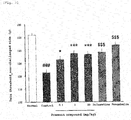
Fig. 1 shows the pain threshold in a rat somatic hyperalgesia model on the non-challenged side (right hind paw) prior to administration on day 7 of administration of the present compound. - [
Fig. 2 ]
Fig. 2 shows the pain threshold in a rat somatic hyperalgesia model on the non-challenged side (right hind paw) 2 hours after administration on day 7 of administration of the present compound. - [
Fig. 3 ]
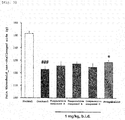
Fig. 3 shows the pain threshold in a rat somatic hyperalgesia model on the non-challenged side (right hind paw) prior to administration on day 7 of administration of the comparative compound. - [
Fig. 4 ]
Fig. 4 shows the pain threshold in a rat somatic hyperalgesia model on the non-challenged side (right hind paw) 2 hours after administration on day 7 of administration of the comparative compound. - The present invention is hereinafter specifically described.
- In the present invention, the present compound, namely (1S)-2-acetyl-1-(4-chloro-2-methoxyphenyl)-5-fluoro-1,2,3,9-te trahydrospiro[β-carboline-4,1'-cyclopropane] is represented by the following structural formula.

- In the present invention, the present compound may be produced according to the method described in Example 36(2)→ Example 38 in
PTL 1. - As used herein, TSPO means translocator protein 18 kDa and means a receptor protein also referred to as MBR (mitochondrial benzodiazepine receptor) or PBR (peripheral benzodiazepine receptor).
- As used herein, fibromyalgia means a disease which is diagnosed as fibromyalgia according to any one of or a combination of the American College of Rheumatology (ACR) Criteria for the Classification of Fibromyalgia (1990), the ACR Preliminary Diagnostic Criteria for Fibromyalgia (2010) or the Modification of the ACR Preliminary Diagnostic Criteria for Fibromyalgia (2011) as cited in the "Practice Guidelines for Fibromyalgia 2013", Chapter 3 "Diagnostic Criteria", Ed. Japan College of Fibromyalgia Investigation.
- In the present invention, examples of the fibromyalgia-associated disease (associated disease) include rheumatoid arthritis, Sjogren's syndrome, systemic lupus erythematosus, scleroderma, Behcet's disease, seronegative spondylitis, mixed connective tissue disease, interstitial cystitis, osteoarthritis, chronic inflammatory demyelinating polyneuropathy (CIDP), cerebrospinal fluid hypovolemia, asthma, chronic obstructive pulmonary disease, chest-myalgia syndrome, hyperventilation syndrome, pharyngeal spasm, nervous cough, essential hypertension, angina, myocardial infarction, essential hypotension, orthostatic hypotension, arrhythmia, Raynaud's disease, neurocirculatory asthenia, gastroduodenal ulcer, gastroesophageal reflux disease (GERD), acute gastric mucosal lesion (AGML), chronic gastritis, ulcerative colitis, chronic hepatitis, chronic pancreatitis, biliary dyskinesia, neurological abdominal bloating, diffuse esophageal spasm, esophageal achalasia, merycism, aerophagy, gas retention syndrome, psychogenic vomiting, anorexia nervosa, hyperthyroidism, hypothyroidism, diabetes, bulimia, Pseudo-Bartter syndrome, deprivation dwarfism, renal glucosuria, psychogenic polydipsia, strabismus, parkinsonian syndrome, multiple sclerosis, tension headache, migraine, writer's cramp, visual fatigue, photophobia, dry eye, eye twitching, ptosis, ageusia, dysautonomia, tremor, tic, choreiform movement, dystonia, paresthesia, motor paralysis, astasia/abasia, aphonia, Basedow's disease, atopic dermatitis, breath-holding spell, repetitive abdominal pain, cyclic vomiting syndrome, encopresis, orthostatic dysregulation, nocturnal enuresis, stuttering, night terror, alopecia areata, alopecia universalis, contact dermatitis, hyperhidrosis, sunburn, eczema, trichotillomania, dysmorphophobia, intestinal adhesion, dumping syndrome, polysurgery, neurological abdominal bloating, post-plastic neurosis, disc herniation, cervico-omo-brachial syndrome, gout, spinal canal stenosis, lumbago, stiff neck, traumatic cervical syndrome, senile vaginitis, genital ulcer, vulvodynia, menopausal symptom, chronic pelvic pain syndrome, dysfunctional uterine bleeding, menstrual pain, premenstrual syndrome, menstrual abnormality, infertility, vulvar pruritus, coital pain, allergic rhinitis, sudden hearing loss, chronic sinusitis, stomatitis, Meniere's disease, patulous auditory tube, tubal obstruction, motion sickness, smell disorder, psychogenic hearing loss, pharyngeal paresthesia, hoarseness, psychogenic aphonia, temporomandibular joint disease, gingivitis, periodontal disease, alveolar osteitis, lockjaw, xerostomia, parageusia, trigeminal neuralgia, glossopharyngeal neuralgia, idiopathic glossodynia, denture maladjustment, postprosthetic neurosis, oropharyngeal hypersensitivity, chronic fatigue syndrome, perineal pain, chest pain and low back pain.
- In the present invention, examples of the fibromyalgia-associated symptom (associated symptom) includes pain, fatigue, malaise, fever, Raynaud's phenomenon, night sweat, palpitation, respiratory discomfort, wheezing, dysphagia, interstitial cystitis-like symptom, menstruation disturbance, dysmenorrhea, weight fluctuation, heat and cold intolerance, temporomandibular joint disease, abdominal symptom, heartburn, stool abnormality, gastrospasm-like abdominal pain, upper abdominal pain, nausea, vomiting, anorexia, hand swelling, stomatitis, oral dryness, taste disorder, dry eye, cutaneous pruritis, skin rash, urticaria, photosensitivity disorder, chest pain, headache, headache dull, appendicular sensory disorder, finger tremor, dizziness, anacatesthesia, numbness, tinnitus, hearing loss, photophobia, visual impairment, muscular weakness, muscular sluggishness, carpal tunnel syndrome, restless legs syndrome, sleep disorder, sleep apnoea syndrome, depressed mood, insomnia, anxiety, restlessness, poor concentration, poor attention, amnesia, consciousness disorder, syncope, spasm, purpura, hair loss, frequent urination, miction pain and bladder spasm.
- In the present invention, the TSPO ligand may include AC-5216, PBR28, DPA713, DAA1106, PK11195, compounds disclosed in Examples of
PTL 1 and the like. - In the present invention, AC-5216 means N-benzyl-N-ethyl-2-(7-methyl-8-oxo-2-phenyl-7,8-dihydro-9H-pur in-9-yl)acetamide (CAS registry No.: 226954-04-7), PBR28 means N-(2-methoxybenzyl)-N-[4-(phenoxy)pyridin-3-yl]acetamide (CAS registry No.: 253307-65-2), DPA713 means N,N-diethyl-2-[2-(4-methoxyphenyl)-5,7-dimethylpyrazalo[1,5-a] pyrimidin-3-yl]acetamide (CAS registry No.: 386297-97-8), DAA1106 means N-(2-phenoxy-5-fluorophenyl)-N-(2,5-dimethoxybenzyl)acetamide (CAS registry No.: 220551-92-8) and PK11195 means 1-(2-chlorophenyl)-N-methyl-N-(1-methylpropyl)isoquinoline-3-c arboxamide (CAS registry No.: 85532-75-8).
- The present compound has sufficiently low toxicity and thus can be safely used as a medicament.
- The present compound has an antagonistic effect of TSPO, and thus is useful as a prophylactic and/or therapeutic agent for fibromyalgia and/or a fibromyalgia-associated disease. The present compound is further useful as an agent for amelioration of a fibromyalgia-associated symptom.
- The present compound may be administered as a concomitant drug with another agent for 1) a complementation and/or enhancement of the above effect of the present compound, 2) an improvement of the kinetics/absorption the present compound or a reduction of the dosage of the present compound and/or 3) an alleviation of a side effect of the present compound.
- A concomitant drug of the present compound with another agent may be administered in a form of a combination agent containing both components in one formulation or may be in a form to be administered as separate formulations. When separate formulations are administered, simultaneous administration and administration at different times are envisaged. When administered at different times, the present compound may be administered followed by another agent or another agent may be administered followed by the present compound, and the manners of administration thereof may be the same or different.
- In the present invention, examples of benzodiazepine anti-anxiety agents include alprazolam, oxazepam, oxazolam, cloxazolam, clorazepate dipotassium, chlordiazepoxide, diazepam, tofisopam, triazolam, prazepam, fludiazepam, flutazolam, flutoprazepam, bromazepam, mexazolam, medazepam, ethyl loflazepate and lorazepam.
- In the present invention, examples of thienodiazepine anti-anxiety agents include etizolam and clotiazepam.
- In the present invention, examples of non-benzodiazepine anti-anxiety agents include tandospirone citrate, hydroxyzine hydrochloride, zopiclone and zolpidem tartrate.
- In the present invention, examples of neurokinin-1 antagonists include aprepitant and fosaprepitant meglumine.
- In the present invention, examples of tricyclic antidepressants include amitriptyline hydrochloride, imipramine hydrochloride, clomipramine hydrochloride, dosulepin hydrochloride, nortriptyline hydrochloride, lofepramine hydrochloride, trimipramine maleate and amoxapine.
- In the present invention, examples of tetracyclic antidepressants include maprotiline hydrochloride, mianserin hydrochloride and setiptiline maleate.
- In the present invention, examples of monoamine oxidase (MAO) inhibitors include safrazine hydrochloride.
- In the present invention, examples of serotonin and noradrenaline reuptake inhibitors (SNRIs) include milnacipran hydrochloride, venlafaxine hydrochloride and duloxetine * hydrochloride.
- In the present invention, examples of selective serotonin reuptake inhibitors (SSRIs) include fluvoxamine maleate, paroxetine hydrochloride, fluoxetine hydrochloride, citalopram hydrochloride and sertraline hydrochloride.
- In the present invention, examples of serotonin reuptake inhibitors include trazodone hydrochloride.
- In the present invention, examples of noradrenergic and selective serotonergic antidepressants include mirtazapine.
- In the present invention, examples of noradrenaline and dopamine disinhibitors include agomelatine.
- In the present invention, examples of serotonin reuptake accelerating agents include tianeptine.
- In the present invention, examples of N-methyl-D-aspartate receptor inhibitors include memantine.
- In the present invention, examples of dopamine precursors include levodopa.
- In the present invention, examples of dopamine receptor agonists include bromocriptine, pramipexole and ropinirole.
- In the present invention, examples of dopamine receptor antagonists include levomepromazine and sulpiride.
- In the present invention, examples of COMT inhibitors include entacapone and opicapone.
- In the present invention, examples of cholinesterase inhibitors include donepezil and rivastigmine.
- In the present invention, examples of anticholinergic agents include trihexyphenidyl, biperiden, ipratropium bromide and mepenzolate bromide.
- In the present invention, examples of serotonin-dopamine antagonists include risperidone, perospirone hydrochloride hydrate, quetiapine fumarate and olanzapine.
- In the present invention, examples of voltage-dependent Ca2+ channel binding agents include pregabalin, gabapentin and gabapentin enacarbil.
- In the present invention, examples of opioid µ receptor agonists include tramadol, buprenorphine and pentazocine.
- In the present invention, examples of antiepileptic agents include phenobarbital, phenytoin, carbamazepine, valproic acid, clonazepam, levetiracetam, topiramate and lamotrigine.
- In the present invention, examples of antivertiginous agents include difenidol and betahistine.
- In the present invention, examples of prokinetic agents include trimebutine maleate and calcium polycarbophil.
- In the present invention, examples of histamine H2 receptor antagonists include cimetidine, ranitidine, famotidine, nizatidine and lafutidine.
- In the present invention, examples of proton pump inhibitors include omeprazole, lansoprazole and rabeprazole.
- In the present invention, examples of muscarine receptor antagonists include pirenzepine.
- In the present invention, examples of muscarine receptor stimulating agents include pilocarpine hydrochloride.
- In the present invention, examples of defensive factor enhancers include gefarnate, teprenone, sucralfate, aldioxa, cetraxate hydrochloride and ornoprostil.
- In the present invention, examples of prostaglandin derivatives include ornoprostil and misoprostol.
- In the present invention, examples of opioid agonists include asimadoline and nalfurafine.
- In the present invention, examples of 5-HT4 agonists include tegaserod, cisapride and mosapride citrate.
- In the present invention, examples of 5-HT3 antagonists include ramosetron, alosetron and cilansetron.
- In the present invention, examples of chloride channel activators include lubiprostone.
- In the present invention, examples of guanylate cyclase agonists include linaclotide.
- In the present invention, examples of bulk laxatives include methylcellulose, carmellose and lactulose.
- In the present invention, examples of saline cathartics include magnesium sulphate and magnesium oxide.
- In the present invention, examples of irritant cathartics include picosulfate, lactulose, castor oil, senna and rhubarb.
- In the present invention, examples of affinity polyacrylic resins include calcium polycarbophil.
- In the present invention, examples of nonsteroidal antiinflammatory drugs include acetaminophen, aspirin, indomethacin, etodolac, celecoxib, loxoprofen, ketoprofen and diclofenac.
- In the present invention, examples of steroids include dexamethasone, betamethasone and prednisolone.
- In the present invention, examples of anti-cholinesterase inhibitors include pyridostigmine bromide.
- Examples of another agent that may be used with the present compound in combination include serotonin and noradrenaline reuptake inhibitors (SNRIs), selective serotonin reuptake inhibitors (SSRIs), serotonin reuptake inhibitors, noradrennergic and specific serotonergic antidepressants (NaSSAs), noradrenaline and dopamine disinhibitors (NDDIs), selective serotonin reuptake accelerating agents (SSREs), serotonin-dopamine antagonists, voltage-dependent Ca2+ channel binding agents, opioid µ receptor agonists, muscarine receptor antagonists, muscarine receptor stimulating agents, benzodiazepine anti-anxiety agents, thienodiazepine anti-anxiety agents, non-benzodiazepine anti-anxiety agents, tricyclic antidepressants, tetracyclic antidepressants, monoamine oxidase (MAO) inhibitors, triazolopyridine antidepressants, N-methyl-D-aspartate (NMDA) receptor inhibitors, nonsteroidal antiinflammatory drugs (NSAIDs), steroids, CRF antagonists, neurokinin-1 (NK1) antagonists, glycine transporter inhibitors, dopamine precursors, dopamine receptor agonists, dopamine receptor antagonists, catechol-O-methyltransferase (COMT) inhibitors, cholinesterase inhibitors, neurotensin antagonists, anticholinergic agents, central stimulants, antiepileptic agents, antivertiginous agents, prokinetic agents, histamine H2 receptor antagonists, proton pump inhibitors, defensive factor enhancers, prostaglandin derivatives, opioid agonists, 5-HT4 agonists, 5-HT3 antagonists, chloride channel activators, guanylate cyclase agonists, bulk laxatives, saline cathartics, irritant cathartics, affinity polyacrylic resins, anti-cholinesterase inhibitors, extracts of inflamed skin of domestic rabbits inoculated with vaccinia virus (neurotropin (trade name)) and salazosulfapyridine.
- The present invention is hereinafter specifically described by way of Examples which do not limit the present invention.
- Biological experimental examples are hereinafter described. According to the experimental methods, the effect of the present compound was validated.
- SD male rats (Charles River Laboratories Japan, Inc., 5 weeks old upon usage) were used. Under isoflurane anaesthesia, rats were intramuscularly administered with 100 µL of acidic saline of pH 4.0 in the left gastrocnemius. After 5 days of administration, rats again received 100 µL of acid saline in the left gastrocnemius. In the normal group, rats were intramuscularly administered with 100 µL of saline twice in total with 5 days apart in the left gastrocnemius (see Muscle Nerve, vol.24, pp.37-46, 2001).
- The pain threshold was measured on a Randall-Selitto pressure analgesy-meter (Ugo Basile). Briefly, rats were securely fixed and uniformly and continuously increasing pressure was applied to the hind paws. The pressure at which rats showed the escape response was recorded as a pain threshold (g). For each of the left and right hind paws, tests were carried out three times at each evaluation point and the values were averaged to obtain the pain threshold.
- On the day before the first administration of acid saline, the pain threshold was measured and rats which showed the pain threshold of 140 g or more for both left and right hind paws were selected. At day 6 or 7 of the second administration of acid saline, the pain threshold was measured and rats which showed the pain threshold of 135 g or less for both left and right hind paws were selected. On the next day, the pain threshold was measured again and rats which showed the pain threshold of 130 g or less for both left and right hind paws were selected and divided into groups. For the normal group, rats were arbitrarily selected from those showing the pain threshold on the day before the first administration of acid saline of 140 g or more for both left and right hind paws. After being divided into groups, administration of the test compound (the present compound (the compound described in Example 38 of PTL 1), comparative compound A (the compound described in Example 38(5) of PTL 1), comparative compound B (the compound described in Example 41(2) of PTL 1), comparative compound C
(1-(2-chlorophenyl)-N-methyl-N-(1-methylpropyl)isoquinoline-3-carboxamide (PK11195), CAS registry No.: 85532-75-8), a control substance (duloxetine hydrochloride, pregabalin) or a vehicle (0.5 w/v% methylcellulose 400 cP solution)) was started on the same day. Onday 1 and day 7 of administration of each drug solution, the pain threshold on left and right hind paws was measured in a blind manner 2 hours after the first administration. Duloxetine hydrochloride was orally administered once a day and other agents were orally administered twice a day. - As a result, as shown in
Fig. 1 andFig. 2 (in each figure, ### means p < 0.001 over the normal group in Welch's test; $$ means p < 0.01 over the control group in Welch's test; $$$ means p < 0.001 over the control group in Welch's test; * means p < 0.05 over the control group in Dunnett's test; and *** means p < 0.001 over the control group in Dunnett's test), the pain thresholds on day 7 of administration of each drug solution on the right hind paw (non-challenged side) before administration and 2 hours after administration decreased in the control group compared to the normal group. The present compound at a dose of 0.1, 1 or 10 mg/kg suppressed this decrease of the pain threshold to a similar extent as duloxetine hydrochloride (30 mg/kg) and pregabalin (20 mg/kg). Meanwhile, as shown inFig. 3 andFig. 4 (in each figure, ### means p < 0.001 over the normal group in t-test; * means p < 0.01 over the control group in t-test; and *** means p < 0.001 over the control group in t-test), all comparative compound A and comparative compound B, which are structural analogues of the present compound, and comparative compound C, which is a well-known TSPO antagonist, at a dose of 1 mg/kg did not show the efficacy for the pain threshold which was decreased in the control group compared to the normal group. The tendency of the results observed on right hind paws (non-challenged side) as described above were also observed on left hind paws (challenged side). - From these results, it was revealed that only the present compound among TSPO antagonists shows significant suppression of the decrease of the pain threshold caused by acid saline.
- The present compound can particularly suppress a decrease of the pain threshold among TSPO antagonists, and thus is useful as a medicament for use in prophylaxis and/or therapy of fibromyalgia.
Claims (9)
- A prophylactic and/or therapeutic agent for fibromyalgia, comprising
(1S)-2-acetyl-1-(4-chloro-2-methoxyphenyl)-5-fluoro-1,2,3,9-te trahydrospiro(β-carboline-4,1'-cyclopropanel represented by the formula:
- A prophylactic and/or therapeutic agent for a fibromyalgia-associated disease, comprising (1S)-2-acetyl-1-(4-chloro-2-methoxyphenyl)-5-fluoro-1,2,3, 9-te trahydrospiro[β-carboline-4,1'-cyclopropane] represented by the formula:

- An agent for amelioration of a fibromyalgia-associated symptom, comprising
(1S)-2-acetyl-1-(4-chloro-2-methoxyphenyl)-5-fluoro-1,2,3,9-te trahydrospiro[β-carboline-4,1'-cyclopropane] represented by the formula:
- The agent according to claim 2, wherein the fibromyalgia-associated disease is rheumatoid arthritis, Sjogren's syndrome, systemic lupus erythematosus, scleroderma, Behcet's disease, seronegative spondylitis, mixed connective tissue disease, interstitial cystitis or osteoarthritis.
- The agent according to claim 3, wherein the fibromyalgia-associated symptom is pain, fatigue, malaise, fever, Raynaud's phenomenon, night sweat, palpitation, respiratory discomfort, wheezing, dysphagia, interstitial cystitis-like symptom, menstruation disturbance, dysmenorrhea, weight fluctuation, heat and cold intolerance, temporomandibular joint disease, abdominal symptom, stool abnormality, hand swelling, stomatitis, cutaneous pruritis, skin rash, photosensitivity disorder, headache, headache dull, appendicular sensory disorder, finger tremor, dizziness, anacatesthesia, tinnitus, hearing loss, photophobia, visual impairment, muscular weakness, muscular sluggishness, carpal tunnel syndrome, restless legs syndrome, depressed mood, anxiety, restlessness, poor concentration, poor attention, amnesia or consciousness disorder.
- A medicament including, in combination,
(1S) -2-acetyl-1-(4-chloro-2-methoxyphenyl)-5-fluoro-1,2,3, 9-te trahydrospiro[β-carboline-9,1'-cyclopropane] represented by the formula:
- A method for prophylaxis and/or therapy of fibromyalgia, comprising administering, to a mammal in the need of prophylaxis and/or therapy of fibromyalgia, an effective dose of (1S)-2-acetyl-1-(4-chloro-2-methoxyphenyl)-5-fluoro-1,2,3,9-te trahydrospiro[β-carboline-4,1'-cyclopropane] represented by the formula:

- Use of
(1S)-2-acetyl-1-(4-chloro-2-methoxyphenyl)-5-fluoro-1,2,3,9-te trahydrospiro [β-carboline-4,1'-cyclopropane] represented by the formula:
- (1S)-2-acetyl-1-(4-chloro-2-methoxyphenyl)-5-fluoro-1,2,3 ,9-tetrahydrospiro[β-carboline-4,1'-cyclopropane] represented by the formula:

Applications Claiming Priority (2)
| Application Number | Priority Date | Filing Date | Title |
|---|---|---|---|
| JP2015002725 | 2015-01-09 | ||
| PCT/JP2016/050527 WO2016111357A1 (en) | 2015-01-09 | 2016-01-08 | Prevention and/or therapeutic agent for fibromyalgia |
Publications (3)
| Publication Number | Publication Date |
|---|---|
| EP3243514A1 true EP3243514A1 (en) | 2017-11-15 |
| EP3243514A4 EP3243514A4 (en) | 2017-12-06 |
| EP3243514B1 EP3243514B1 (en) | 2020-02-19 |
Family
ID=56356042
Family Applications (1)
| Application Number | Title | Priority Date | Filing Date |
|---|---|---|---|
| EP16735096.6A Active EP3243514B1 (en) | 2015-01-09 | 2016-01-08 | Prevention and/or therapeutic agent for fibromyalgia |
Country Status (6)
| Country | Link |
|---|---|
| US (1) | US10675275B2 (en) |
| EP (1) | EP3243514B1 (en) |
| JP (1) | JP6731132B2 (en) |
| ES (1) | ES2779724T3 (en) |
| TW (1) | TW201630604A (en) |
| WO (1) | WO2016111357A1 (en) |
Families Citing this family (1)
| Publication number | Priority date | Publication date | Assignee | Title |
|---|---|---|---|---|
| KR102457251B1 (en) | 2017-03-31 | 2022-10-21 | 삼성디스플레이 주식회사 | Organic light-emitting display apparatus |
Family Cites Families (5)
| Publication number | Priority date | Publication date | Assignee | Title |
|---|---|---|---|---|
| US6610324B2 (en) | 1999-04-07 | 2003-08-26 | The Mclean Hospital Corporation | Flupirtine in the treatment of fibromyalgia and related conditions |
| ES2459742T3 (en) | 2004-12-22 | 2014-05-12 | Ono Pharmaceutical Co., Ltd. | Tricyclic compound and use thereof |
| JP2008260728A (en) | 2007-04-13 | 2008-10-30 | St Marianna Univ School Of Medicine | Fibromyalgia treatment |
| JPWO2009025091A1 (en) | 2007-08-23 | 2010-11-18 | Mpo株式会社 | Pharmaceutical composition for treating fibromyalgia |
| WO2015190568A1 (en) | 2014-06-12 | 2015-12-17 | 小野薬品工業株式会社 | Medicine for preventing and/or treating stress-induced diseases |
-
2016
- 2016-01-08 TW TW105100506A patent/TW201630604A/en unknown
- 2016-01-08 JP JP2016568757A patent/JP6731132B2/en not_active Expired - Fee Related
- 2016-01-08 ES ES16735096T patent/ES2779724T3/en active Active
- 2016-01-08 EP EP16735096.6A patent/EP3243514B1/en active Active
- 2016-01-08 WO PCT/JP2016/050527 patent/WO2016111357A1/en not_active Ceased
- 2016-01-08 US US15/542,167 patent/US10675275B2/en not_active Expired - Fee Related
Also Published As
| Publication number | Publication date |
|---|---|
| US20180169077A1 (en) | 2018-06-21 |
| EP3243514B1 (en) | 2020-02-19 |
| TW201630604A (en) | 2016-09-01 |
| ES2779724T3 (en) | 2020-08-19 |
| EP3243514A4 (en) | 2017-12-06 |
| JP6731132B2 (en) | 2020-07-29 |
| US10675275B2 (en) | 2020-06-09 |
| WO2016111357A1 (en) | 2016-07-14 |
| JPWO2016111357A1 (en) | 2017-10-19 |
Similar Documents
| Publication | Publication Date | Title |
|---|---|---|
| JP5683010B2 (en) | 5-HT1A receptor subtype agonist | |
| AU2008283989B2 (en) | Pharmaceutical compositions containing dopamine receptor ligands and methods of treatment using dopamine receptor ligands. | |
| US20220096444A1 (en) | Prophylactic or therapeutic agent for delirium | |
| EP2101776A2 (en) | Treatment of anxiety with eszopiclone | |
| JP2020075933A (en) | Medicine for prevention and / or treatment of stress-related diseases | |
| KR20110118830A (en) | Uses of NB Receptor Antagonists | |
| JP2021502382A (en) | Oral Rifamycin SV Composition | |
| US10675275B2 (en) | Prophylactic and/or therapeutic agent for fibromyalgia | |
| TW202341997A (en) | Neuroactive steroids for treatment of gastrointestinal diseases or conditions | |
| RU2413510C2 (en) | Preventive or therapeutic agent for depression or anxiety disorder | |
| AU2020271363B2 (en) | Carbamoyl cyclohexane derivatives for treating autism spectrum disorder | |
| CN111343983A (en) | Methods and compositions for treating pruritus, xerosis and related diseases using CCR3 inhibitors | |
| WO2005016319A2 (en) | Acute pharmacologic augmentation of psychotherapy with enhancers of learning or conditioning | |
| JP2022534973A (en) | Selective histamine H3 receptor antagonists for treating autism spectrum disorders | |
| EA048505B1 (en) | CARBAMOYLCYCLOHEXANE DERIVATIVES FOR THE TREATMENT OF AUTISTIC SPECTRUM DISORDER | |
| JPWO2009025091A1 (en) | Pharmaceutical composition for treating fibromyalgia | |
| HK40000275A (en) | Compounds having melatonin receptor affinity as prophylactic or therapeutic agent for delirium | |
| HK1095541A (en) | 5-ht 1a receptor subtype agonist | |
| HK1091403B (en) | 5-ht 1a receptor subtype agonist | |
| HK1093906A1 (en) | Use of agomelatine in obtaining medicaments intended for the treatmemt of bipolar disorders |
Legal Events
| Date | Code | Title | Description |
|---|---|---|---|
| STAA | Information on the status of an ep patent application or granted ep patent |
Free format text: STATUS: THE INTERNATIONAL PUBLICATION HAS BEEN MADE |
|
| PUAI | Public reference made under article 153(3) epc to a published international application that has entered the european phase |
Free format text: ORIGINAL CODE: 0009012 |
|
| STAA | Information on the status of an ep patent application or granted ep patent |
Free format text: STATUS: REQUEST FOR EXAMINATION WAS MADE |
|
| 17P | Request for examination filed |
Effective date: 20170706 |
|
| AK | Designated contracting states |
Kind code of ref document: A1 Designated state(s): AL AT BE BG CH CY CZ DE DK EE ES FI FR GB GR HR HU IE IS IT LI LT LU LV MC MK MT NL NO PL PT RO RS SE SI SK SM TR |
|
| AX | Request for extension of the european patent |
Extension state: BA ME |
|
| A4 | Supplementary search report drawn up and despatched |
Effective date: 20171107 |
|
| DAV | Request for validation of the european patent (deleted) | ||
| DAX | Request for extension of the european patent (deleted) | ||
| GRAP | Despatch of communication of intention to grant a patent |
Free format text: ORIGINAL CODE: EPIDOSNIGR1 |
|
| STAA | Information on the status of an ep patent application or granted ep patent |
Free format text: STATUS: GRANT OF PATENT IS INTENDED |
|
| INTG | Intention to grant announced |
Effective date: 20190828 |
|
| GRAS | Grant fee paid |
Free format text: ORIGINAL CODE: EPIDOSNIGR3 |
|
| GRAA | (expected) grant |
Free format text: ORIGINAL CODE: 0009210 |
|
| STAA | Information on the status of an ep patent application or granted ep patent |
Free format text: STATUS: THE PATENT HAS BEEN GRANTED |
|
| AK | Designated contracting states |
Kind code of ref document: B1 Designated state(s): AL AT BE BG CH CY CZ DE DK EE ES FI FR GB GR HR HU IE IS IT LI LT LU LV MC MK MT NL NO PL PT RO RS SE SI SK SM TR |
|
| REG | Reference to a national code |
Ref country code: CH Ref legal event code: EP |
|
| REG | Reference to a national code |
Ref country code: DE Ref legal event code: R096 Ref document number: 602016030073 Country of ref document: DE |
|
| REG | Reference to a national code |
Ref country code: AT Ref legal event code: REF Ref document number: 1234157 Country of ref document: AT Kind code of ref document: T Effective date: 20200315 |
|
| REG | Reference to a national code |
Ref country code: IE Ref legal event code: FG4D |
|
| REG | Reference to a national code |
Ref country code: NL Ref legal event code: MP Effective date: 20200219 |
|
| PG25 | Lapsed in a contracting state [announced via postgrant information from national office to epo] |
Ref country code: FI Free format text: LAPSE BECAUSE OF FAILURE TO SUBMIT A TRANSLATION OF THE DESCRIPTION OR TO PAY THE FEE WITHIN THE PRESCRIBED TIME-LIMIT Effective date: 20200219 Ref country code: RS Free format text: LAPSE BECAUSE OF FAILURE TO SUBMIT A TRANSLATION OF THE DESCRIPTION OR TO PAY THE FEE WITHIN THE PRESCRIBED TIME-LIMIT Effective date: 20200219 Ref country code: NO Free format text: LAPSE BECAUSE OF FAILURE TO SUBMIT A TRANSLATION OF THE DESCRIPTION OR TO PAY THE FEE WITHIN THE PRESCRIBED TIME-LIMIT Effective date: 20200519 |
|
| REG | Reference to a national code |
Ref country code: ES Ref legal event code: FG2A Ref document number: 2779724 Country of ref document: ES Kind code of ref document: T3 Effective date: 20200819 |
|
| REG | Reference to a national code |
Ref country code: LT Ref legal event code: MG4D |
|
| PG25 | Lapsed in a contracting state [announced via postgrant information from national office to epo] |
Ref country code: IS Free format text: LAPSE BECAUSE OF FAILURE TO SUBMIT A TRANSLATION OF THE DESCRIPTION OR TO PAY THE FEE WITHIN THE PRESCRIBED TIME-LIMIT Effective date: 20200619 Ref country code: GR Free format text: LAPSE BECAUSE OF FAILURE TO SUBMIT A TRANSLATION OF THE DESCRIPTION OR TO PAY THE FEE WITHIN THE PRESCRIBED TIME-LIMIT Effective date: 20200520 Ref country code: BG Free format text: LAPSE BECAUSE OF FAILURE TO SUBMIT A TRANSLATION OF THE DESCRIPTION OR TO PAY THE FEE WITHIN THE PRESCRIBED TIME-LIMIT Effective date: 20200519 Ref country code: SE Free format text: LAPSE BECAUSE OF FAILURE TO SUBMIT A TRANSLATION OF THE DESCRIPTION OR TO PAY THE FEE WITHIN THE PRESCRIBED TIME-LIMIT Effective date: 20200219 Ref country code: LV Free format text: LAPSE BECAUSE OF FAILURE TO SUBMIT A TRANSLATION OF THE DESCRIPTION OR TO PAY THE FEE WITHIN THE PRESCRIBED TIME-LIMIT Effective date: 20200219 Ref country code: HR Free format text: LAPSE BECAUSE OF FAILURE TO SUBMIT A TRANSLATION OF THE DESCRIPTION OR TO PAY THE FEE WITHIN THE PRESCRIBED TIME-LIMIT Effective date: 20200219 |
|
| PG25 | Lapsed in a contracting state [announced via postgrant information from national office to epo] |
Ref country code: NL Free format text: LAPSE BECAUSE OF FAILURE TO SUBMIT A TRANSLATION OF THE DESCRIPTION OR TO PAY THE FEE WITHIN THE PRESCRIBED TIME-LIMIT Effective date: 20200219 |
|
| PG25 | Lapsed in a contracting state [announced via postgrant information from national office to epo] |
Ref country code: RO Free format text: LAPSE BECAUSE OF FAILURE TO SUBMIT A TRANSLATION OF THE DESCRIPTION OR TO PAY THE FEE WITHIN THE PRESCRIBED TIME-LIMIT Effective date: 20200219 Ref country code: SM Free format text: LAPSE BECAUSE OF FAILURE TO SUBMIT A TRANSLATION OF THE DESCRIPTION OR TO PAY THE FEE WITHIN THE PRESCRIBED TIME-LIMIT Effective date: 20200219 Ref country code: DK Free format text: LAPSE BECAUSE OF FAILURE TO SUBMIT A TRANSLATION OF THE DESCRIPTION OR TO PAY THE FEE WITHIN THE PRESCRIBED TIME-LIMIT Effective date: 20200219 Ref country code: LT Free format text: LAPSE BECAUSE OF FAILURE TO SUBMIT A TRANSLATION OF THE DESCRIPTION OR TO PAY THE FEE WITHIN THE PRESCRIBED TIME-LIMIT Effective date: 20200219 Ref country code: EE Free format text: LAPSE BECAUSE OF FAILURE TO SUBMIT A TRANSLATION OF THE DESCRIPTION OR TO PAY THE FEE WITHIN THE PRESCRIBED TIME-LIMIT Effective date: 20200219 Ref country code: SK Free format text: LAPSE BECAUSE OF FAILURE TO SUBMIT A TRANSLATION OF THE DESCRIPTION OR TO PAY THE FEE WITHIN THE PRESCRIBED TIME-LIMIT Effective date: 20200219 Ref country code: PT Free format text: LAPSE BECAUSE OF FAILURE TO SUBMIT A TRANSLATION OF THE DESCRIPTION OR TO PAY THE FEE WITHIN THE PRESCRIBED TIME-LIMIT Effective date: 20200712 Ref country code: CZ Free format text: LAPSE BECAUSE OF FAILURE TO SUBMIT A TRANSLATION OF THE DESCRIPTION OR TO PAY THE FEE WITHIN THE PRESCRIBED TIME-LIMIT Effective date: 20200219 |
|
| REG | Reference to a national code |
Ref country code: AT Ref legal event code: MK05 Ref document number: 1234157 Country of ref document: AT Kind code of ref document: T Effective date: 20200219 |
|
| REG | Reference to a national code |
Ref country code: DE Ref legal event code: R097 Ref document number: 602016030073 Country of ref document: DE |
|
| PLBE | No opposition filed within time limit |
Free format text: ORIGINAL CODE: 0009261 |
|
| STAA | Information on the status of an ep patent application or granted ep patent |
Free format text: STATUS: NO OPPOSITION FILED WITHIN TIME LIMIT |
|
| 26N | No opposition filed |
Effective date: 20201120 |
|
| PG25 | Lapsed in a contracting state [announced via postgrant information from national office to epo] |
Ref country code: AT Free format text: LAPSE BECAUSE OF FAILURE TO SUBMIT A TRANSLATION OF THE DESCRIPTION OR TO PAY THE FEE WITHIN THE PRESCRIBED TIME-LIMIT Effective date: 20200219 |
|
| PG25 | Lapsed in a contracting state [announced via postgrant information from national office to epo] |
Ref country code: SI Free format text: LAPSE BECAUSE OF FAILURE TO SUBMIT A TRANSLATION OF THE DESCRIPTION OR TO PAY THE FEE WITHIN THE PRESCRIBED TIME-LIMIT Effective date: 20200219 Ref country code: PL Free format text: LAPSE BECAUSE OF FAILURE TO SUBMIT A TRANSLATION OF THE DESCRIPTION OR TO PAY THE FEE WITHIN THE PRESCRIBED TIME-LIMIT Effective date: 20200219 |
|
| PG25 | Lapsed in a contracting state [announced via postgrant information from national office to epo] |
Ref country code: MC Free format text: LAPSE BECAUSE OF FAILURE TO SUBMIT A TRANSLATION OF THE DESCRIPTION OR TO PAY THE FEE WITHIN THE PRESCRIBED TIME-LIMIT Effective date: 20200219 |
|
| REG | Reference to a national code |
Ref country code: CH Ref legal event code: PL |
|
| PG25 | Lapsed in a contracting state [announced via postgrant information from national office to epo] |
Ref country code: LU Free format text: LAPSE BECAUSE OF NON-PAYMENT OF DUE FEES Effective date: 20210108 |
|
| REG | Reference to a national code |
Ref country code: BE Ref legal event code: MM Effective date: 20210131 |
|
| PG25 | Lapsed in a contracting state [announced via postgrant information from national office to epo] |
Ref country code: LI Free format text: LAPSE BECAUSE OF NON-PAYMENT OF DUE FEES Effective date: 20210131 Ref country code: CH Free format text: LAPSE BECAUSE OF NON-PAYMENT OF DUE FEES Effective date: 20210131 |
|
| PG25 | Lapsed in a contracting state [announced via postgrant information from national office to epo] |
Ref country code: IE Free format text: LAPSE BECAUSE OF NON-PAYMENT OF DUE FEES Effective date: 20210108 |
|
| PGFP | Annual fee paid to national office [announced via postgrant information from national office to epo] |
Ref country code: FR Payment date: 20211217 Year of fee payment: 7 Ref country code: GB Payment date: 20211206 Year of fee payment: 7 |
|
| PGFP | Annual fee paid to national office [announced via postgrant information from national office to epo] |
Ref country code: DE Payment date: 20211130 Year of fee payment: 7 |
|
| PGFP | Annual fee paid to national office [announced via postgrant information from national office to epo] |
Ref country code: IT Payment date: 20211213 Year of fee payment: 7 Ref country code: ES Payment date: 20220201 Year of fee payment: 7 |
|
| PG25 | Lapsed in a contracting state [announced via postgrant information from national office to epo] |
Ref country code: BE Free format text: LAPSE BECAUSE OF NON-PAYMENT OF DUE FEES Effective date: 20210131 |
|
| PG25 | Lapsed in a contracting state [announced via postgrant information from national office to epo] |
Ref country code: HU Free format text: LAPSE BECAUSE OF FAILURE TO SUBMIT A TRANSLATION OF THE DESCRIPTION OR TO PAY THE FEE WITHIN THE PRESCRIBED TIME-LIMIT; INVALID AB INITIO Effective date: 20160108 |
|
| PG25 | Lapsed in a contracting state [announced via postgrant information from national office to epo] |
Ref country code: CY Free format text: LAPSE BECAUSE OF FAILURE TO SUBMIT A TRANSLATION OF THE DESCRIPTION OR TO PAY THE FEE WITHIN THE PRESCRIBED TIME-LIMIT Effective date: 20200219 |
|
| REG | Reference to a national code |
Ref country code: DE Ref legal event code: R119 Ref document number: 602016030073 Country of ref document: DE |
|
| GBPC | Gb: european patent ceased through non-payment of renewal fee |
Effective date: 20230108 |
|
| PG25 | Lapsed in a contracting state [announced via postgrant information from national office to epo] |
Ref country code: GB Free format text: LAPSE BECAUSE OF NON-PAYMENT OF DUE FEES Effective date: 20230108 Ref country code: DE Free format text: LAPSE BECAUSE OF NON-PAYMENT OF DUE FEES Effective date: 20230801 |
|
| PG25 | Lapsed in a contracting state [announced via postgrant information from national office to epo] |
Ref country code: FR Free format text: LAPSE BECAUSE OF NON-PAYMENT OF DUE FEES Effective date: 20230131 |
|
| PG25 | Lapsed in a contracting state [announced via postgrant information from national office to epo] |
Ref country code: IT Free format text: LAPSE BECAUSE OF NON-PAYMENT OF DUE FEES Effective date: 20230108 |
|
| REG | Reference to a national code |
Ref country code: ES Ref legal event code: FD2A Effective date: 20240229 |
|
| PG25 | Lapsed in a contracting state [announced via postgrant information from national office to epo] |
Ref country code: ES Free format text: LAPSE BECAUSE OF NON-PAYMENT OF DUE FEES Effective date: 20230109 |
|
| PG25 | Lapsed in a contracting state [announced via postgrant information from national office to epo] |
Ref country code: MK Free format text: LAPSE BECAUSE OF FAILURE TO SUBMIT A TRANSLATION OF THE DESCRIPTION OR TO PAY THE FEE WITHIN THE PRESCRIBED TIME-LIMIT Effective date: 20200219 Ref country code: ES Free format text: LAPSE BECAUSE OF NON-PAYMENT OF DUE FEES Effective date: 20230109 |
|
| PG25 | Lapsed in a contracting state [announced via postgrant information from national office to epo] |
Ref country code: TR Free format text: LAPSE BECAUSE OF FAILURE TO SUBMIT A TRANSLATION OF THE DESCRIPTION OR TO PAY THE FEE WITHIN THE PRESCRIBED TIME-LIMIT Effective date: 20200219 |
|
| PG25 | Lapsed in a contracting state [announced via postgrant information from national office to epo] |
Ref country code: MT Free format text: LAPSE BECAUSE OF FAILURE TO SUBMIT A TRANSLATION OF THE DESCRIPTION OR TO PAY THE FEE WITHIN THE PRESCRIBED TIME-LIMIT Effective date: 20200219 |