EP3241824B1 - Trifluoroacethydrazide compound as well as preparation method thereof and application thereof in preparing a medicament - Google Patents
Trifluoroacethydrazide compound as well as preparation method thereof and application thereof in preparing a medicament Download PDFInfo
- Publication number
- EP3241824B1 EP3241824B1 EP15874453.2A EP15874453A EP3241824B1 EP 3241824 B1 EP3241824 B1 EP 3241824B1 EP 15874453 A EP15874453 A EP 15874453A EP 3241824 B1 EP3241824 B1 EP 3241824B1
- Authority
- EP
- European Patent Office
- Prior art keywords
- disease
- compound
- group
- alzheimer
- cells
- Prior art date
- Legal status (The legal status is an assumption and is not a legal conclusion. Google has not performed a legal analysis and makes no representation as to the accuracy of the status listed.)
- Active
Links
Images





Classifications
-
- C—CHEMISTRY; METALLURGY
- C07—ORGANIC CHEMISTRY
- C07D—HETEROCYCLIC COMPOUNDS
- C07D241/00—Heterocyclic compounds containing 1,4-diazine or hydrogenated 1,4-diazine rings
- C07D241/02—Heterocyclic compounds containing 1,4-diazine or hydrogenated 1,4-diazine rings not condensed with other rings
- C07D241/10—Heterocyclic compounds containing 1,4-diazine or hydrogenated 1,4-diazine rings not condensed with other rings having three double bonds between ring members or between ring members and non-ring members
- C07D241/12—Heterocyclic compounds containing 1,4-diazine or hydrogenated 1,4-diazine rings not condensed with other rings having three double bonds between ring members or between ring members and non-ring members with only hydrogen atoms, hydrocarbon or substituted hydrocarbon radicals, directly attached to ring carbon atoms
-
- A—HUMAN NECESSITIES
- A61—MEDICAL OR VETERINARY SCIENCE; HYGIENE
- A61K—PREPARATIONS FOR MEDICAL, DENTAL OR TOILETRY PURPOSES
- A61K31/00—Medicinal preparations containing organic active ingredients
- A61K31/33—Heterocyclic compounds
- A61K31/395—Heterocyclic compounds having nitrogen as a ring hetero atom, e.g. guanethidine or rifamycins
- A61K31/495—Heterocyclic compounds having nitrogen as a ring hetero atom, e.g. guanethidine or rifamycins having six-membered rings with two or more nitrogen atoms as the only ring heteroatoms, e.g. piperazine or tetrazines
- A61K31/4965—Non-condensed pyrazines
-
- A—HUMAN NECESSITIES
- A61—MEDICAL OR VETERINARY SCIENCE; HYGIENE
- A61P—SPECIFIC THERAPEUTIC ACTIVITY OF CHEMICAL COMPOUNDS OR MEDICINAL PREPARATIONS
- A61P25/00—Drugs for disorders of the nervous system
-
- A—HUMAN NECESSITIES
- A61—MEDICAL OR VETERINARY SCIENCE; HYGIENE
- A61P—SPECIFIC THERAPEUTIC ACTIVITY OF CHEMICAL COMPOUNDS OR MEDICINAL PREPARATIONS
- A61P25/00—Drugs for disorders of the nervous system
- A61P25/08—Antiepileptics; Anticonvulsants
-
- A—HUMAN NECESSITIES
- A61—MEDICAL OR VETERINARY SCIENCE; HYGIENE
- A61P—SPECIFIC THERAPEUTIC ACTIVITY OF CHEMICAL COMPOUNDS OR MEDICINAL PREPARATIONS
- A61P25/00—Drugs for disorders of the nervous system
- A61P25/28—Drugs for disorders of the nervous system for treating neurodegenerative disorders of the central nervous system, e.g. nootropic agents, cognition enhancers, drugs for treating Alzheimer's disease or other forms of dementia
-
- C—CHEMISTRY; METALLURGY
- C07—ORGANIC CHEMISTRY
- C07C—ACYCLIC OR CARBOCYCLIC COMPOUNDS
- C07C241/00—Preparation of compounds containing chains of nitrogen atoms singly-bound to each other, e.g. hydrazines, triazanes
Definitions
- the present invention relates generally to the field of medicine and, more particularly, to multifunctional compounds with neuro-protective effects, and further particularly to trifluoroacetyl hydrazide compounds, methods of preparation and uses thereof for the prevention and treatment of diseases.
- AD Alzheimer's disease
- AD is the main type of senile dementia and the main cause of cognitive deterioration.
- Acetylcholinesterase inhibitors (donepezil, rivastigmine, huperzine A, galanthamine) have some therapeutic effect on the patients with mild to moderate AD, but they may only temporarily alleviate symptoms and are not able to prevent further neuronal attenuation and also have some severe side effects.
- cerebral blood flow and cerebral metabolism modifiers such as oxiracetam
- oxiracetam cerebral blood flow and cerebral metabolism modifiers
- the development of drugs related to amyloid precursor protein and amyloid ⁇ -protein seemed to be a promising approach until the release of clinical trial results for a series of secretase inhibitors provided by some major pharmaceutical companies such as Eli Lilly, and thus such approach may not be continued.
- a multifunctional drug refers to a drug having multiple treatment mechanisms for the same disease. Such multifunctional drugs are considered to have more potential than commonly used "one drug one target” drugs. Multifunctional drugs may be used for treating diseases such as cognitive and movement disorders, depression, schizophrenia, and other complicated diseases ( Morphy et al. Drug Discov Today. 2004, 9(15): 641-651 ).
- T-006 is a trifluoroacetyl hydrazide compound as used for the treatment of AD may have multiple mechanisms, including inhibiting glutamate receptor, activating MEF2 transcriptional activity, improving cognitive ability, neural differentiating, free radical scavenging, and protecting cells such as especially nerve cells.
- Glutamate receptors may be divided into two types: the first type is ionic receptor, including N-methyl-D-aspartate receptor (NMDAR), kinase receptor (KAR) and ⁇ -amino-3-hydroxy-5-methyl-4-isoxazole receptor (AMPAR), which are coupled with ion channels to form receptor-channel compounds to mediate fast signal transduction; and the other type is of metabotropic receptors (mGluRs), which are coupled to G-proteins within the membrane. These receptors are activated to produce a slower physiological response through a signal transduction system consisting of G-protein effectors, second messengers, etc. ( Wang SJ, Yang TT, et al. Drug News Perspect, 2005, 18 (9): 561-566 ).
- Glutamate is the most abundant and important amino acid in the central nervous system for participating synaptic transmission and maintaining normal physiological functions of nerve cells. Under normal circumstances, the release, intake and re-absorption of glutamates remain in a dynamic equilibrium. However, if over release occurs or uptake is interrupted, glutamate may be accumulated in the brain which may cause a sharp increase in its concentration, while over activation of the receptor may cause a wide range of pathological damage on brain tissues ( Kumar A, Zou L, Yuan X, et al. Journal of neuroscience research, 2002, 67(6): 781-786 ). Such excitotoxic effect of glutamate is closely related to the occurrence and development of various neurodegenerative diseases, and is shown as one of the important mechanisms leading to neuronal death in neurodegenerative diseases.
- MEF2 includes four different isoforms (MEF2A-D) and is one of the first nuclear transcription factors found in muscle. It binds to the sequence of A/T enriched in DNA and regulates the expression of many genes involved in the formation and development of muscle. Many studies confirmed that MEF2 is not only highly expressed in muscle tissue, but also be abundant in the nervous system, and plays a regulating role in cell differentiation, growth, morphology, survival and apoptosis (Potthoff MJ, Olson EN, et al. 134 (23): 4131-4140, McKinsey TA, Zhang CL, Olson EN, et al. Trends Biochem Sci, 2002, 27: 40-47 ).
- MEF2 can regulate the growth of dependent synapsis and the formation of long-term memory, but the role of MEF2 in promoting memory formation is different from that of the traditional transcription factor CREB ( Josselyn SA, Nguyen PV, et al. Curr Drug Targets CNS Neurol Disord, 2005, 4 (5): 481-497 ).
- MEF2 The activation or inhibition of MEF2 is mainly determined by its DNA-binding affinity: PKA, CKII and GSK3 ⁇ , p38, ERK5 and CaMKIV, PP2B may activate tanscriptional activity of MEF2 through acetylation or ubiquitination of the C-terminal residues of MEF-2; whereas inhibition of tanscriptional activity of MEF2 may be through binding to HSc70 of MEF2D through lysosomal degradation of neurotoxic substances and the expression of caspase; HDAC can inhibit the transcriptional activity of MEF2 through activation or inhibition by PP1 ⁇ and CaMKII ⁇ respectively ( Rashid AJ, Cole CJ, et al.
- MEF2 can improve the survival rate of newborn neurons, while the mutation of MEF2C can lead to the increase of the number of apoptotic neurons and the loss of memory, which may cause a series of neurological diseases
- microtubule-associated protein Tau involved in the pathogenesis of AD, is one of the substrates of glycogen kinase 3 (GSK3), and GSK3 inhibits the activity of MEF2D by direct phosphorylation, which process is involved in the degenerative changes of AD ( Wang X, She H, ct al. Journal of Biological Chemistry, 2009, 284(47): 32619-32626 ).
- amyloid beta deposition commonly known as senile plaques.
- An important change of their behavior is learning and memory dysfunction.
- ⁇ -amyloid protein abbreviated as A ⁇
- a ⁇ is produced by a series of secretase hydrolysis of its precursor protein APP.
- a ⁇ 40 and A ⁇ 42 There are two main forms of A ⁇ ; A ⁇ 40 and A ⁇ 42, wherein A ⁇ 42 is of about 10%. Because of its high hydrophobicity, A ⁇ 42 is easy to form fiber which is the major component of brain plaques (commonly known as senile plaques) found in the brains of patients with AD.
- a ⁇ does not produce toxic effects on the body, but the formation, aggregation and deposition of a large number of A ⁇ can cause a series of neurotoxicity, such as, interfering with synaptic activity, leading to protein dysfunction; inducing calcium influx leading to promote the phosphorylation of Tau protein, and the like ( LaFerla F M, et al. Nature Reviews Neuroscience, 2007, 8(7): 499-509 ).
- Oxidative stress refers to the physiological process of oxygen and antioxidant system imbalance caused by the body produces a large number of oxide intermediates when the body is sitmulated. The imbalance tends to the generation of large amounts of free radicals and the activity of the antioxidant system is reduced, leading to oxidative damage to the body.
- These free radicals include reactive oxygen species (ROS) and reactive nitrogen species (RNS).
- ROS reactive oxygen species
- RNS reactive nitrogen species
- a ⁇ can change the permeability of calcium channels, activate NADPH oxidase II (NOX2), transfer electrons from NADPH to oxygen, increase the rate of ROS production, while A ⁇ has a strong affinity for metal ions with redox activity ( Pimcntcl ct al. Oxid Med Cell Longcv. 2012; 2012:132-146 ).
- a ⁇ can produce hydrogen peroxide after binding to these active metal ions.
- pro-oxidants can promote the production of A ⁇ , however antioxidants, such as vitamin E and other free radical scavengers can prevent A ⁇ damage to neurons and improve cognitive impairment.
- Mitochondria are the main sites and the main donor of energy in the intracellular redox reaction, which produces more than 90% of the total free radicals in the cell.
- the normal function of the mitochondria has significance meaning for maintaining the normal physiological activity of the neurons ( Yan et al. Free Radic Biol Med. 2013, 62:90-101 ).
- various neurodegenerative diseases include Alzheimer's disease (AD), Parkinson's disease (PD), Huntington's disease (HD), amyotrophic lateral sclerosis (ALS) and progressive supranuclear palsy (PSP) and so on, mainly due to functional abnormality of neuronal mitochondria ( Du et al. Int J Biochem Cell Biol. 2010, 42(5): 560-572 ).
- Mitochondrial damage leading to neuronal oxidative damage plays a major role in two aspects: one is to make the electron transport chain (ETC) dysfunction, so that free radical content increased, and the other is to reduce activity of mitochondrial antioxidant system by reducing content of mitochondrial glutathione, coenzyme Q, vitamin C, vitamin E and other antioxidant small molecules and some oxidation reaction catalytic enzymes.
- ETC electron transport chain
- TMP tetramethyl pyrazine
- the present invention provided a trifluoroacetyl hydrazide compound which has a strong inhibition of glutamate receptors, activation of MEF2 transcriptional activity, enhance of cognitive ability, promotion of neural differentiation and clearance of free radicals, and has a better protective effect on cells especially nerve cells.
- the present invention also provides a method of preparation of the trifluoroacetyl hydrazide compound.
- the present invention provided also method of the trifluoroacetyl hydrazide compound for prevention or treatment of diseases and use in manufacture of a supplement or medicament for prevention or treatment of diseases.
- the present invention provided a trifluoroacetyl hydrazide compound of formula I, or a pharmaceutically acceptable salt thereof: wherein:
- the alkyl group is a straight-chain or branched chain alkyl group having up to 10 carbon atoms.
- X and Y are both N.
- R 1 , R 2 and R 3 are the same or different and are each alkyl.
- the alkyl group is a lower alkyl group, such as methyl, ethyl, n-propyl, n-butyl, n-pentyl, n-hexyl, n-heptyl, n-octyl, isopropyl, sec-butyl, isobutyl, t-butyl, neopentyl,; especially methyl, ethyl, n-propyl, isopropyl, n-butyl, isobutyl, or tert-butyl group.
- X and Y are both N, and R 1 , R 2 and R 3 are methyl, that is, the compound has a structure of formula II.
- the compound of the invention has a good protective effect on cells especially nerve cells, and can be used to prepare prophylactic or therapeutic medicaments with cytoprotective effects.
- the medicaments may include a compound having aforementioned structure or a pharmaceutically acceptable salt thereof, to be administered in an effective therapeutic amount to a patient.
- the present invention provides a compound which has multifunctional mechanisms such as of strong inhibition of glutamate receptors, activation of MEF2 transcriptional activity, enhance of cognitive ability, promotion of neural differentiation and clearance of free radicals, and has a better protective effect on cells especially nerve cells.
- the compound can be used to prepare prophylactic or therapeutic medicaments with cytoprotective effects, for the prevention or treatment of diseases related to glutamate receptor activation, MEF2 disorder, oxidative stress injury or excessive free radicals generation, or neurodegenerative diseases.
- the diseases include, for example, neurodegenerative diseases such as Alzheimer's disease, Parkinson's disease and stroke, and the free radicals related diseases such as heart disease and diabetes.
- Preventing or treating such diseases comprises administering to a patient a medicament prepared by a compound described herein, wherein the medicament includes an effective therapeutic amount of a compound having the structure described above or a pharmaceutically acceptable salt thereof.
- alkyl refers to straight-chain, branched-chain having up to 10 carbon atoms;
- the straight-alkyl includes, for example, methyl, ethyl, n-propyl, n-butyl, n-pentyl, n-hexyl, n-heptyl and n-octyl;
- the branched-chain alkyl includes, for example, isopropyl, sec-butyl, isobutyl, tert-butyl, neopentyl
- aryl refers to an aromatic group, carbocyclic group and heteroaryl.
- the aryl can be either a monocyclic group or a fused polycyclic group; for example, phenyl is a monocyclic aryl, and naphtyl is a fused polycyclic aryl.
- heteroaryl refers to monocyclic or polycyclic group, where the ring contains at least one heteroatom, such as nitrogen, oxygen and sulfur.
- a typical heteroaryl includes one or more nitrogen atoms such as in tetrazolyl, pyrrolyl, pyridyl (e.g., pyrid-4-yl, pyrid-3-yl, pyrid-2-yl), pyridazinyl, indyl, quinolyl (e.g., quinol-2-yl, quinol-3-yl), imidazolyl, isoquinolyl, pyrazolyl, pyrazinyl, pyrimidinyl, pyridonyl and pyridazinyl; a typical hetroaryl includes at least one oxygen atom such as in fur-2-yl, fur-3-yl and benzofuryl; a typical hetroaryl includes at least one surfur atom such as
- the phrase "pharmaceutically acceptable,” as used herein, means that there is no unacceptable toxicity in a salt or excipient.
- the pharmaceutically acceptable salts include inorganic anions such as those of chloride, bromide, iodide, sulfate, sulfite, nitrate, nitrite, and phosphate and phosphite, and organic anions such as those of acetate, propionate, cinnamate, tosylate, citrate, lactate and gluconate.
- organic anions such as those of acetate, propionate, cinnamate, tosylate, citrate, lactate and gluconate.
- the compounds of the invention include TMP trifluoroacetyl hydrazide compounds of formula I or II.
- the compounds of formula I or II has properties to inhibit glutamate receptors, enhance the transcriptional activity of MEF2, strengthen free radical scavenging effect, and has goof protective effect on cells especially nerve cells.
- the compounds can be used to prepare prophylactic or therapeutic medicaments with cytoprotective effects, to prevent or treat diseases related to glutamate receptor activation, MEF2 disorder and/or excessive radical generation.
- These diseases usually include neurodegenerative diseases or free radical related diseases, such as Parkinson's disease, Alzheimer's disease, dementia, hypertension, diarrhea, depression , asthma and allergy; also include cholinesterase related diseases, such as Alzheimer's disease, Parkinson's disease, Huntington's disease, muscular atrophic lateral sclerosis, myasthenia gravis, glaucoma, Alzheimer's disease, hyperthyroidism, hypertension, Bronchial asthma, type IV hyperlipoproteinemia and renal failure; also include diseases related to oxidative stress injury or excessive free radicals generation, such as stroke, brain trauma, epilepsy, Parkinson's disease, Huntington's disease, amyotrophic lateral sclerosis, Alzheimer's disease, hypoxic-ischemic brain damage, cerebral hemorrhage Dementia, ischemic heart disease, vascular embolism, atherosclerosis, hypercholesterolemia, emphysema, cataract, diabetes, acute pancreatitis, alcohol-induced liver disease, kidney damage, cancer; can
- the compounds as described herein may be administered to a patient in the form of a pharmaceutical acceptable salts or complex drugs.
- a certain component needs to be mixed with an appropriate carrier or excipient to form a pharmaceutical composition to reach a desirable therapeutically effective amount.
- the effective therapeutic amount refers to the necessary amount of a compound described herein, or of a combination of compounds described herein to attain a therapeutic effect.
- the compounds as described herein can be prepared in different dosage forms, which include solid, semi-solid, liquid, and aerosol ( Remington's Pharmaceutical Sciences, Mack Publishing Company (1995), Philadelphia, PA, 19th ed ). These dosage forms can be further divided into more specific forms, including tablet, pill, sugar lozenge, granule, gel, paste, solution, suppository, injection, inhalant and spray. These dosage forms can be used for local or systemic administration and for immediate-release or sustained release. There are many routes of administration of these drugs, which include oral, buccal, rectal, peritoneal, intraperitoneal, transdermal administration, subcutaneous and endotracheal administrations
- the compound or composition as described herein When the compound or composition as described herein is applied in a dosage form of injection, the compound or composition can be prepared, by using a water-soluble or lipid-soluble solvent, into a solution, suspension or emulsion.
- the lipid-soluble solvent can be, for example, plant oil, synthetic fatty acid glyceride, higher fatty acid ester and/or proylene glycol.
- the compounds as described herein are more readily dissolved in Hank's solution, Ringer's solution or physiological saline.
- the compound or composition as described herein can be prepared through certain common techniques into a complex by adding a pharmaceutical acceptable excipient.
- excipients can be used to prepare these compounds into different dosage forms, such as tablet, pill, suspension, and gel.
- oral preparation for example, by mixing the compound and the solid excipient, grinding fully the resulting mixture, adding appropriate auxiliary agents, and processing the mixture into particlcs.
- auxiliary agents which can be used for oral preparation, include, for example, sugars such as lactose, sucrose, mannitol, or sorbitol; celluloses such as corn starch, wheat starch, potato starch, gelatin, gummi tragacanthae, methyl cellulose, hydroxyproylmethyl-cellulose, sodium carboxymethyl cellulose, and polyethylene pyrrole ketones.
- sugars such as lactose, sucrose, mannitol, or sorbitol
- celluloses such as corn starch, wheat starch, potato starch, gelatin, gummi tragacanthae, methyl cellulose, hydroxyproylmethyl-cellulose, sodium carboxymethyl cellulose, and polyethylene pyrrole ketones.
- the compounds as described herein can be prepared also in the form of spray, which can be achieved by using a pressurizer and a sprayer or dry powder inhaling device.
- Suitable spray agents used for spraying include, for example, dichlorodifluoromethane, fluorine chloroform, dichloro-tetrafluoroethane, carbon dioxide, and dimethyl ether.
- the amount of spray delivered from a sprayer can be controlled by the adjustment of the injecting valve of the sprayer.
- the dosage forms as described herein are all related to the therapeutically effective amount of the compounds of the invention.
- the therapeutically effective amount of the compounds as described herein may depend on specific conditions of patients under the treatment. To determine the appropriate dose, various factors much be taken into account, for example, the route of administration to be used, weight and conditions of the patient to be treated, and observation and subjective judgment made by the prescribing physician. The therapeutically effective amount is usually determined by an experienced prescribing physician.
- an appropriate dosage range is usually 10 mg to 10 g.
- the invention has the following advantageous characteristics: the compounds as described herein have novel structures and multiple mechanisms of activity, and they can be used to inhibit glutamate receptors, enhance MEF2 activity and improving free radical scavenging activity, and has a better protective effect on cells, especially nerve cells.
- the compounds can be used to prepare prophylactic or therapeutic drugs with cytoprotective effects, for the treatment of diseases related to glutamate receptor, MEF2 or free radicals and the like.
- diseases are commonly referred to as neurodegenerative diseases, such as Alzheimer's disease, Parkinson's disease, stroke and so on, as well as diseases related to free radicals such as heart disease, diabetes and so on.
- ESI-MS [M+H] + m/z 365.1.
- PC12 cells were seeded on a 96-well plate and inoculated in a 5% CO 2 incubator at 37 °C for 24 hours. Then 100 ⁇ l of IAA (50 ⁇ M) was added for induction for 2 hours. Two hours later, the medium was aspirated, and each of the compounds (T-006, TMP, Edaravone) was added and the cells were cultured for 24 hours. After 24 hours of incubation, MTT was added to each well. Four hours later, the absorbance was measured at 570 nm using a microplate reader. The results were shown in FIG.3 : T-006 had a significant protective effect on IAA-induced PC12 cell injury, and was much stronger than that of the parent compound TMP and Edaravone. Compared with the IAA group, **** P ⁇ 0.0001.
- PC12 cells were seeded on a 96-well plate and inoculated in a 5% CO 2 incubator at 37 °C, for 24 hours. Then each compound (T-006, TMP, Edaravone) was added in different concentration gradients to pre-incubated for 2 hours. Two hours later, the medium was aspirated, and 100 ⁇ l t-BHP (100 ⁇ M) was added to each well except those of the control group, then the cells were cultured in an incubator for 24 hours. Four hours later, MTT was added into each of the wells, and the absorbance was measured at 570 nm using a microplate reader.
- T-006 had a significant protective effect on t-BHP-induccd PC12 cell injury, and the effect is much stronger than that of the parent compound TMP or Edaravone. Compared with t-BHP group, **** P ⁇ 0.0001.
- Cortical neurons of E16-18 day SD fetal rat were seeded on a 96-well plate and inoculated in a 5% CO 2 incubator at 37 °C for 8 days.
- each of the compounds (T-006, TMP, Edaravone) was added with different concentration gradients, and 50 ⁇ l IAA (40 ⁇ M) was added to each well except those of the control group.
- the neurons were set to incubator to cultivate for 24 hours, and then MTT was added to each well. Four hours later, the absorbance was measured at 570 nm using a microplate reader.
- T-006 had a significant protective effect on IAA-induced cortical neuronal injury, and was much stronger than that of the parent compound TMP and Edaravone. Compared with the IAA group, **** P ⁇ 0.0001.
- Cortical neurons of E16-18 days SD fetal rat were seeded on a 96-well plate and inoculated in a 5% CO 2 incubator at 37 °C for 8 days.
- each of the compounds (T-006, TMP, Edaravone) was added with different concentration gradients, and 50 ⁇ l IAA(40 ⁇ M) was added to each well except those of the control group.
- the neurons were set to incubator to cultivate for 24 hours, and then MTT was added to each well. Four hours later, the absorbance value was measured at 570 nm using a microplate reader.
- T-006 had a significant protective effect on t-BHP-induced cortical neuronal injury, and was much stronger than that of the parent compound TMP and Edaravone. Compared with the t-BHP group, **** P ⁇ 0.0001.
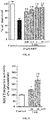
- T-006 Primary cerebellar granule cells, extracted from 7-8 day, 15-20 g SD fetal rat, were seeded on a 96-well plate and inoculated in a 5% CO 2 incubator at 37 °C for 8 days. On day 8, 90 ⁇ L of the compound (T-006) was added with different concentration gradients, then the cells were set to an incubator to cultivate for 2 hours. Then 10 ⁇ L of glutamate (final concentration of 75 ⁇ M) was added to each well except those of the control group. The cells were set to incubator to cultivate for 24 hours, and then MTT was added to each well. Four hours later, the absorbance value was measured at 570 nm using a microplate reader. The results were shown in FIG.7 : T-006 had a significant protective effect on glutamate-induced primary cerebellar granule injury, and showed a better concentration-dependent. Compared with the glutamate group, ** P ⁇ 0.01.
- T-006 Primary cerebellar granule cells, extracted from 7-8 days, 15-20 g SD fetal rat, were seeded on a 96-well plate and inoculated in a 5% CO 2 incubator at 37 °C for 8 days. On day 8, 90 ⁇ L of the compound (T-006) was added with different concentration gradients, then the cells were set to an incubator to cultivate for 2 hours. Then 10 ⁇ L of MPP + (final concentration of 35 ⁇ M) was added to each well except those of the control group. The cells were set to incubator to cultivate for 24 hours, and then MTT was added to each well. Four hours later, the absorbance value was measured at 570 nm using a microplate reader. The results were shown in FIG.8 : T-006 had a significant protective effect on MPP + -induced Primary cerebellar granule injury, and showed a better concentration-dependent. Compared with the MPP + group, ** P ⁇ 0.01.
- Example 8 activates MEF2 transcription activity in PC12 cells (FIG.9).
- the PC12 was transfected by cloning the MEF2 reporter gene pGreenFire1TM-MEF2-EF1 lentivector. Stable transfected PC12 cells, as cultured in a conventional manner, were seeded on a 96-well plate with T-006 added in different concentrations, were incubated for 24 h. The activity was measured by the Luciferase reporter assay kit (Promega, USA). The results were shown in FIG.9 : T-006 significantly activates ME12 transcriptional activity in PC12 cells. Compared with the IAA group, ** P ⁇ 0.01.
- T-006 can significantly improve scopolamine-induced memory impairment in mice (FIGs.10A and 10B)
- Kunming mice were selected and divided into normal control group (Ctrl), Scopolamine group (Sco), Donepezil treatment group (Sco + 3 mg/kg donepezil), 1 and 10 mg T-006 treatment group (Sco + 1 mg/kg T-006 and Sco + 10 mg/kg T-006).
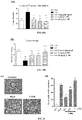
- mice Scopolamine-induced memory of mice was significantly impaired, the first incubation period of the platform was significantly prolonged, the number of times through the target platform decreased (compared with the normal control group, ## p ⁇ 0.01); 1 and 10 mg/kg T-006 treatment group and 3 mg/kg donepezil treatment group significantly improved the memory impairment induced by scopolamine (compared with the scopolamine model group, ** p ⁇ 0.01); and 10 mg/kg T-006 group was significantly better than 3 mg/kg donepezil group ( $ p ⁇ 0.05).
- T-006 can promote PC12 cells being differentiated into neurons with synapse growing and elongating (FIG.11).
- PC12 cells were seeded on 6-well plate and inoculated in a 5% CO 2 incubator at 37 °C for 24 hours. Control group was unchanged; NGF control group: serum-free F-12K + 50 ng/mL NGF; drug treatment group: serum-free F-12K with different concentrations of T-006. After 72 hours of incubation, picture was taken under an inverted microscope with 5 shoots at random for each hole. If the cell synapse length is more than 2 times the cell, it can be regarded as cell differentiation and synapse formation. The results were shown in FIG.11 : T-006 and positive control NGF could significantly promote differentiation of PC 12 cells into neurons, synapse formation and growth, and showed a better concentration-dependent. Compared with the control group, ** P ⁇ 0.01.
- Superoxide anionic radicals (O 2 •- ): Pyrogallol autoxidation method was used, and the specific steps are: to a 48 well plate was added 250 ⁇ L of 50 mM Tris-HCl buffer (pH 8.2), 300 ⁇ L of double distilled water (control group) or T-006, TMP, Edaravone in different concentrations (DMSO was used to prepare a 10 mM stock solution which was then diluted with double distilled water to 4 ⁇ M, 20 ⁇ M, 80 ⁇ M, 320 ⁇ M). Then 50 L of 2.0 mM of pyrogallol was added being mixed with a vortex mixer.
- the absorbance of the blank control group was recorded every 30 seconds using a BioTek Synergy HT microplate reader for 30 minutes.
- the absorbance of the samples was measured under the same conditions, and the oxidation rate was the increment of absorbance per minute.
- the linear relationship between absorbance value and time was obtained to calculate the pyrogallol autoxidation rate.
- Clearance rate (%) (dA/dt-dAs/dt)/(dA/dt), wherein dA/dt is the autoxidation rate of pyrogallol in the absence of sample, dAs/dt is the rate of pyrogallol in the presence of the sample.
- Peroxynitrite free radicals (ONOO - ): The peroxynitrite free radical (ONOO-) can be measured by SIN-1 simulation of the process of ONOO- generation in the body. SIN-1 decomposes under weak alkaline conditions (PBS pH 7.4), which can then simultaneously produce superoxide anion radical (O 2 •- ) and nitric oxide free radical (NO • ), and both of which instantaneously produce peroxynitrite Anion (ONOO - ).
- ONOO- reacts with luminal by oxidization and excitation with emission at 425 nm. The luminous intensity can be measured to determine the generation of ONOO-.
- Antioxidant (AH) competes with Luminol (L) in the reaction with ONOO-, and thus reduces the reaction of ONOO- with LH-, and then reduces the luminous intensity.
- the luminous intensity is inversely correlated with the antioxidating capacity of the antioxidant, so that quantitative analysis can be made based on the change of the luminescence intensity before and after the reaction.
- the specific steps of the test are: In a 3mL round bottom photometer tube were added 300 ⁇ L 0.1 M PBS buffer solution (pH 7.4), 50 ⁇ L 1 mM Luminol solution, 100 ⁇ L PBS or T-006, TMP, Edaravone in different concentrations DMSO was used to prepare a 10 mM stock solution, which was then diluted into 4 ⁇ M, 20 ⁇ M, 80 ⁇ M, 320 ⁇ M). Then 50 ⁇ L of 3 mg/mL SIN-1 hydrochloride solution was added and mixed with a vortex mixer.
- the photometric tube was placed with the temperature being controlled at 37 ⁇ , and the luminous value was recorded every 100 s with a luminometer continuously for 2000 s, and each measurement of the concentration is repeated at least three times and averaged.
- 1.1-Diphenyl-2-phenylhydrazide radicals DPPH: The test of 1.1-Diphenyl-2-phenylhydrazide radicals (DPPH) spectrophotometry is based on that DPPH has a strong absorption at 517 nm, and has a deep violet color in methanol solution. When free radical scavenger is present, the absorption gradually disappears due to single electron pairing, and the extent of color fading is correlated quantitatively to the number of electrons received by the DPPH. Therefore, by detecting the change of optical absorbance of DPPH in with the samples in different concentrations, the clearance rate can be used as an indication of the free radical scavenging ability.
- Example 12 T-006 reduced t-BHP-induced apoptosis in PC12 cells (FIGs. 13A-13C).
- PC12 cells were seeded on a 96-well plate and inoculated in a 5% CO 2 incubator at 37 °C for 24 hours, and then T-006 and TMP (100 ⁇ M) in different concentration gradients were added to be pre-incubated for 2 hours. Then the medium was aspirated, and 100 ⁇ l t-BHP (100 ⁇ M) was added to each well except the wells of the control group, and the cells were cultured in an incubator for 24 hours. Hoechst working fluid was added and the number of PC12 cells was observed and counted under fluorescence microscope.
- T-006 reduced t-BHP-induced PC12 cell apoptosis.
- B PC12 cell apoptosis statistics.
- T-006 improved t-BHP-induced mitochondrial membrane potential disorder in PC12 cells.
- PC12 cells were seeded on a 96-well plate and inoculated in a 5% CO 2 incubator at 37 °C for 24 hours, and then T-006 and TMP (100 ⁇ M) in different concentration gradients were added to be pre-incubated for 2 hours. 2 hours later, 100 ⁇ l t-BHP (100 ⁇ M) was added to each well except the control group for induction. After completion of the induction, JC-1 working solution was added to each well and mitochondrial membrane potential was monitored and analyzed using flow cytometry. Compared with the control group, ### p ⁇ 0.001; compared with t-BHP, * p ⁇ 0.05, ** p ⁇ 0.01 and *** p ⁇ 0.001.
- T-006 reduced the elevation of ROS and RNS in t-BHP-induced PC12 cells (FIGs. 14A-14D).
- PC12 cells were seeded on 6-well plate and inoculated in a 5% CO 2 incubator at 37 °C for 24 hours., and then T-006 and TMP (100 ⁇ M) in different concentration gradients were added to be pre-incubated for 2 hours. Then the medium was aspirated, and 100 ⁇ l t-BHP (100 ⁇ M) was added to each well except the wells of the control group, and the cells were cultured in an incubator for 6 hours. Consequently, DCF-DA probes, HFP probes, DAF-FM probes and DHR123 probes were added respectively to determine the total ROS, hydroxyl radicals, nitric oxide radicals and peroxynitrite. (A) DCF-DA probe for determining intracellular total ROS.
Landscapes
- Health & Medical Sciences (AREA)
- Chemical & Material Sciences (AREA)
- Organic Chemistry (AREA)
- Veterinary Medicine (AREA)
- Medicinal Chemistry (AREA)
- Pharmacology & Pharmacy (AREA)
- Life Sciences & Earth Sciences (AREA)
- Animal Behavior & Ethology (AREA)
- General Health & Medical Sciences (AREA)
- Public Health (AREA)
- Bioinformatics & Cheminformatics (AREA)
- Biomedical Technology (AREA)
- Engineering & Computer Science (AREA)
- Neurology (AREA)
- Neurosurgery (AREA)
- General Chemical & Material Sciences (AREA)
- Nuclear Medicine, Radiotherapy & Molecular Imaging (AREA)
- Chemical Kinetics & Catalysis (AREA)
- Epidemiology (AREA)
- Hospice & Palliative Care (AREA)
- Psychiatry (AREA)
- Pain & Pain Management (AREA)
- Pharmaceuticals Containing Other Organic And Inorganic Compounds (AREA)
- Acyclic And Carbocyclic Compounds In Medicinal Compositions (AREA)
- Coloring Foods And Improving Nutritive Qualities (AREA)
Description
- The present invention relates generally to the field of medicine and, more particularly, to multifunctional compounds with neuro-protective effects, and further particularly to trifluoroacetyl hydrazide compounds, methods of preparation and uses thereof for the prevention and treatment of diseases.
- Alzheimer's disease (AD) refers to a nervous system degenerative disease that severely affects the quality of life of the elderly. AD is the main type of senile dementia and the main cause of cognitive deterioration. According to multiple results of epidemiological surveys in China, the prevalence rate of AD in people over age 65 is about 5%, and its incidence increases with age generally. At present, there is no any drug that can be used to reverse cognitive impairment effectively. Acetylcholinesterase inhibitors (donepezil, rivastigmine, huperzine A, galanthamine) have some therapeutic effect on the patients with mild to moderate AD, but they may only temporarily alleviate symptoms and are not able to prevent further neuronal attenuation and also have some severe side effects. The combined application of cerebral blood flow and cerebral metabolism modifiers, such as oxiracetam, have shown to be effective in improving memory, but more often they arc used as an intelligent improving reagent. The development of drugs related to amyloid precursor protein and amyloid β-protein seemed to be a promising approach until the release of clinical trial results for a series of secretase inhibitors provided by some major pharmaceutical companies such as Eli Lilly, and thus such approach may not be continued.
- As AD may have different causes, the drug administration of single route or with single target may not be desirable; for the treatment of such disease, "one drug one target" is not an effective approach. A multifunctional drug refers to a drug having multiple treatment mechanisms for the same disease. Such multifunctional drugs are considered to have more potential than commonly used "one drug one target" drugs. Multifunctional drugs may be used for treating diseases such as cognitive and movement disorders, depression, schizophrenia, and other complicated diseases (Morphy et al. Drug Discov Today. 2004, 9(15): 641-651).
- In the past, we made certain structural modifications over compound J147 synthesized by Professor Schubert of the Salk Institute, and also introduced a Ligustrazine moiety from traditional Chinese medicines to obtain compound T-006 with multifunctional therapeutic mechanisms. T-006 is a trifluoroacetyl hydrazide compound as used for the treatment of AD may have multiple mechanisms, including inhibiting glutamate receptor, activating MEF2 transcriptional activity, improving cognitive ability, neural differentiating, free radical scavenging, and protecting cells such as especially nerve cells.
- Glutamate receptors may be divided into two types: the first type is ionic receptor, including N-methyl-D-aspartate receptor (NMDAR), kinase receptor (KAR) and α-amino-3-hydroxy-5-methyl-4-isoxazole receptor (AMPAR), which are coupled with ion channels to form receptor-channel compounds to mediate fast signal transduction; and the other type is of metabotropic receptors (mGluRs), which are coupled to G-proteins within the membrane. These receptors are activated to produce a slower physiological response through a signal transduction system consisting of G-protein effectors, second messengers, etc. (Wang SJ, Yang TT, et al. Drug News Perspect, 2005, 18 (9): 561-566). Glutamate is the most abundant and important amino acid in the central nervous system for participating synaptic transmission and maintaining normal physiological functions of nerve cells. Under normal circumstances, the release, intake and re-absorption of glutamates remain in a dynamic equilibrium. However, if over release occurs or uptake is interrupted, glutamate may be accumulated in the brain which may cause a sharp increase in its concentration, while over activation of the receptor may cause a wide range of pathological damage on brain tissues (Kumar A, Zou L, Yuan X, et al. Journal of neuroscience research, 2002, 67(6): 781-786). Such excitotoxic effect of glutamate is closely related to the occurrence and development of various neurodegenerative diseases, and is shown as one of the important mechanisms leading to neuronal death in neurodegenerative diseases.
- MEF2 includes four different isoforms (MEF2A-D) and is one of the first nuclear transcription factors found in muscle. It binds to the sequence of A/T enriched in DNA and regulates the expression of many genes involved in the formation and development of muscle. Many studies confirmed that MEF2 is not only highly expressed in muscle tissue, but also be abundant in the nervous system, and plays a regulating role in cell differentiation, growth, morphology, survival and apoptosis (Potthoff MJ, Olson EN, et al. 134 (23): 4131-4140, McKinsey TA, Zhang CL, Olson EN, et al. Trends Biochem Sci, 2002, 27: 40-47). Many experiments show that MEF2 can regulate the growth of dependent synapsis and the formation of long-term memory, but the role of MEF2 in promoting memory formation is different from that of the traditional transcription factor CREB (Josselyn SA, Nguyen PV, et al. Curr Drug Targets CNS Neurol Disord, 2005, 4 (5): 481-497). The activation or inhibition of MEF2 is mainly determined by its DNA-binding affinity: PKA, CKII and GSK3β, p38, ERK5 and CaMKIV, PP2B may activate tanscriptional activity of MEF2 through acetylation or ubiquitination of the C-terminal residues of MEF-2; whereas inhibition of tanscriptional activity of MEF2 may be through binding to HSc70 of MEF2D through lysosomal degradation of neurotoxic substances and the expression of caspase; HDAC can inhibit the transcriptional activity of MEF2 through activation or inhibition by PP1α and CaMKIIα respectively (Rashid AJ, Cole CJ, et al. Genes, Brain and Behavior, 2014, 13 (1): 118-125). The expression of MEF2 can improve the survival rate of newborn neurons, while the mutation of MEF2C can lead to the increase of the number of apoptotic neurons and the loss of memory, which may cause a series of neurological diseases Wang et al. demonstrated that microtubule-associated protein Tau, involved in the pathogenesis of AD, is one of the substrates of glycogen kinase 3 (GSK3), and GSK3 inhibits the activity of MEF2D by direct phosphorylation, which process is involved in the degenerative changes of AD (Wang X, She H, ct al. Journal of Biological Chemistry, 2009, 284(47): 32619-32626). The latest study by Professor Lipton indicates that the pathogenesis of PD is also associated with the inhibition of transcription between MEF2C-PGC1, which caused mitochondrial dysfunction, apoptosis and cell death (Ryan SD, Lipton SA, et al.. Cell, 2013, 155 (6): 1351-1364).
- One of the major pathological features of AD patients is amyloid beta deposition, commonly known as senile plaques. An important change of their behavior is learning and memory dysfunction. β-amyloid protein, abbreviated as Aβ, is produced by a series of secretase hydrolysis of its precursor protein APP. There are two main forms of Aβ; Aβ40 and Aβ42, wherein Aβ42 is of about 10%. Because of its high hydrophobicity, Aβ42 is easy to form fiber which is the major component of brain plaques (commonly known as senile plaques) found in the brains of patients with AD. Studies have indicated that a single Aβ does not produce toxic effects on the body, but the formation, aggregation and deposition of a large number of Aβ can cause a series of neurotoxicity, such as, interfering with synaptic activity, leading to protein dysfunction; inducing calcium influx leading to promote the phosphorylation of Tau protein, and the like (LaFerla F M, et al. Nature Reviews Neuroscience, 2007, 8(7): 499-509).
- Oxidative stress refers to the physiological process of oxygen and antioxidant system imbalance caused by the body produces a large number of oxide intermediates when the body is sitmulated. The imbalance tends to the generation of large amounts of free radicals and the activity of the antioxidant system is reduced, leading to oxidative damage to the body. These free radicals include reactive oxygen species (ROS) and reactive nitrogen species (RNS). The generation of free radicals is very complex and closely related to various physiological and biochemical processes (Conrad et al. Neurochem Int. 2013, 62(5):738-49). Because of the large number of polyunsaturated fatty acids in the phospholipid bilayers of neurons, which prone to lipid peroxidation, neuronal cells are more sensitive to oxidative stress than other cells (Facecchia K, et al. Journal of toxicology , 2011, 2011.). Oxygen metabolism damage in the central nervous system can produce more severe oxidative stress, leading to further damage to the nervous system (Mohsenzadegan et al. Iran J Allergy Asthma Immunol. 2012 Sep; 11 (3): 203-16). In the normal physiological condition, excessive free radicals and hydrogen peroxide (H2O2), singlet oxygen, ozone (O3) and other reactive oxygen species can be quickly cleared by the antioxidant system, but under the pathological conditions, this ability to remove is damaged. The accumulation of reactive oxygen species can cause nucleic acid fragmentation, enzyme passivation, polysaccharide depolymerization, and lipid peroxidation, eventually leading to neuronal death (Yan et al. Free Radic Biol Med. 2013; 62: 90-101). There are many factors that cause oxidative stress, and Aβ, metal ions, and mitochondria are all considered to play an important role in the process of oxidative stress. The content of soluble Aβ has a good linear relationship with the production rate of hydrogen peroxide. Aβ can change the permeability of calcium channels, activate NADPH oxidase II (NOX2), transfer electrons from NADPH to oxygen, increase the rate of ROS production, while Aβ has a strong affinity for metal ions with redox activity (Pimcntcl ct al. Oxid Med Cell Longcv. 2012; 2012:132-146). Aβ can produce hydrogen peroxide after binding to these active metal ions. Studies have shown that pro-oxidants can promote the production of Aβ, however antioxidants, such as vitamin E and other free radical scavengers can prevent Aβ damage to neurons and improve cognitive impairment.
- Mitochondria are the main sites and the main donor of energy in the intracellular redox reaction, which produces more than 90% of the total free radicals in the cell. Thus, the normal function of the mitochondria has significance meaning for maintaining the normal physiological activity of the neurons (Yan et al. Free Radic Biol Med. 2013, 62:90-101). It has been suggested that various neurodegenerative diseases include Alzheimer's disease (AD), Parkinson's disease (PD), Huntington's disease (HD), amyotrophic lateral sclerosis (ALS) and progressive supranuclear palsy (PSP) and so on, mainly due to functional abnormality of neuronal mitochondria (Du et al. Int J Biochem Cell Biol. 2010, 42(5): 560-572). Quantitative morphological counts of different types of mitochondria (normal, partial damage, and complete damage) in the brain neurons of AD patients showed that the normal mitochondrial content of the AD neurons was significantly reduced and the content of completely damaged mitochondria was significantly increased, compared with the neurons in normal brain of the same age (Beal et al. Curr Opin Neurobiol. 1996 6(5): 661-6666). Mitochondrial damage leading to neuronal oxidative damage plays a major role in two aspects: one is to make the electron transport chain (ETC) dysfunction, so that free radical content increased, and the other is to reduce activity of mitochondrial antioxidant system by reducing content of mitochondrial glutathione, coenzyme Q, vitamin C, vitamin E and other antioxidant small molecules and some oxidation reaction catalytic enzymes.
- The Salk Institute has completed major preclinical studies of pharmacology and toxicology of J147, and the preliminary test results if which fully demonstrated that trifluoroacetyl hydrazide compounds have good pharmacological properties, and the results of clinical trials are now submitting to the FDA. In the present invention, tetramethyl pyrazine (TMP), the main active ingredient in the traditional Chinese medicine chuanxiong, is introduced into J147 to obtain a new compound T-006, thus giving T-006 a multiple mechanism of both J147 and TMP for multifunctional treatment of AD activity.
- M. Prior et al: "The neurotrophic compound J147 reverses cognitive impairment in aged Alzheimer's disease mice", Alzheimer's Research & Therapy, Vol. 5 (2013), 25, discloses the compound J147 as reversing cognitive impairment in aged Alzheimer's disease mice.
- Sun Y et al: "Antioxidative and thrombolytic TMP nitrone for treatment of ischemic stroke", Biorganic & Medicinal Chemistry, Vol. 16, No. 19 (2008), pages 8868-8874 discloses a meothd of synthezing J147.
- M. Wang et al.: "The first synthesis of [11CJJ147, a new potential PET agent for imaging of Alzheimer's disease", Bioorganic & Medicinal Chemistry Leiters, Vol. 23, No. 2, (2013), 524-527, discloses 2,3,5,6-tetramethylpyrazine (TMP) and TMP nitrone as having neuroprotective properties and being in particular usefui in treating ischemic stroke.
- The present invention provided a trifluoroacetyl hydrazide compound which has a strong inhibition of glutamate receptors, activation of MEF2 transcriptional activity, enhance of cognitive ability, promotion of neural differentiation and clearance of free radicals, and has a better protective effect on cells especially nerve cells.
- The present invention also provides a method of preparation of the trifluoroacetyl hydrazide compound.
- The present invention provided also method of the trifluoroacetyl hydrazide compound for prevention or treatment of diseases and use in manufacture of a supplement or medicament for prevention or treatment of diseases.
- The present invention provided a trifluoroacetyl hydrazide compound of formula I, or a pharmaceutically acceptable salt thereof:

- R1, R2 and R3 are each independently hydrogen or alkyl group, but cannot be hydrogen at the same time;
- X and Y are both N,
- The alkyl group is a straight-chain or branched chain alkyl group having up to 10 carbon atoms.
- In some embodiments, in the preferred compounds of formula I, X and Y are both N.
- In a preferred compound of formula I, R1, R2 and R3 are the same or different and are each alkyl.
- In some embodiments, the alkyl group is a lower alkyl group, such as methyl, ethyl, n-propyl, n-butyl, n-pentyl, n-hexyl, n-heptyl, n-octyl, isopropyl, sec-butyl, isobutyl, t-butyl, neopentyl,; especially methyl, ethyl, n-propyl, isopropyl, n-butyl, isobutyl, or tert-butyl group.
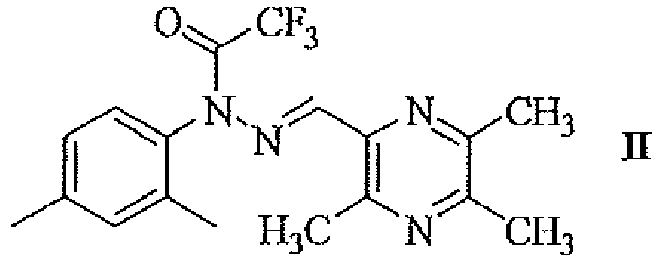
- In further preferred compounds of formula I, X and Y are both N, and R1, R2 and R3 are methyl, that is, the compound has a structure of formula II.
- The compound of the invention has a good protective effect on cells especially nerve cells, and can be used to prepare prophylactic or therapeutic medicaments with cytoprotective effects. The medicaments may include a compound having aforementioned structure or a pharmaceutically acceptable salt thereof, to be administered in an effective therapeutic amount to a patient.
- The present invention provides a compound which has multifunctional mechanisms such as of strong inhibition of glutamate receptors, activation of MEF2 transcriptional activity, enhance of cognitive ability, promotion of neural differentiation and clearance of free radicals, and has a better protective effect on cells especially nerve cells. The compound can be used to prepare prophylactic or therapeutic medicaments with cytoprotective effects, for the prevention or treatment of diseases related to glutamate receptor activation, MEF2 disorder, oxidative stress injury or excessive free radicals generation, or neurodegenerative diseases. The diseases include, for example, neurodegenerative diseases such as Alzheimer's disease, Parkinson's disease and stroke, and the free radicals related diseases such as heart disease and diabetes. Preventing or treating such diseases comprises administering to a patient a medicament prepared by a compound described herein, wherein the medicament includes an effective therapeutic amount of a compound having the structure described above or a pharmaceutically acceptable salt thereof.
- The following terms and phrases as used herein are intended to have the meanings as described below.
- As used herein, the term "alkyl" refers to straight-chain, branched-chain having up to 10 carbon atoms; the straight-alkyl includes, for example, methyl, ethyl, n-propyl, n-butyl, n-pentyl, n-hexyl, n-heptyl and n-octyl; the branched-chain alkyl includes, for example, isopropyl, sec-butyl, isobutyl, tert-butyl, neopentyl
- As used herein, the term "aryl" refers to an aromatic group, carbocyclic group and heteroaryl. The aryl can be either a monocyclic group or a fused polycyclic group; for example, phenyl is a monocyclic aryl, and naphtyl is a fused polycyclic aryl.
- The term "heteroaryl" refers to
monocyclic or polycyclic group, where the ring contains at least one heteroatom, such as nitrogen, oxygen and sulfur. For example, a typical heteroaryl includes one or more nitrogen atoms such as in tetrazolyl, pyrrolyl, pyridyl (e.g., pyrid-4-yl, pyrid-3-yl, pyrid-2-yl), pyridazinyl, indyl, quinolyl (e.g., quinol-2-yl, quinol-3-yl), imidazolyl, isoquinolyl, pyrazolyl, pyrazinyl, pyrimidinyl, pyridonyl and pyridazinyl; a typical hetroaryl includes at least one oxygen atom such as in fur-2-yl, fur-3-yl and benzofuryl; a typical hetroaryl includes at least one surfur atom such as in thienyl and benzothienyl; a typical heteroaryl containing more than one kind of heteroatoms includes furoazetidinyl, oxazolyl, isoxazolyl, thiazolyl and phenothioxinyl. - The phrase "pharmaceutically acceptable," as used herein, means that there is no unacceptable toxicity in a salt or excipient. The pharmaceutically acceptable salts include inorganic anions such as those of chloride, bromide, iodide, sulfate, sulfite, nitrate, nitrite, and phosphate and phosphite, and organic anions such as those of acetate, propionate, cinnamate, tosylate, citrate, lactate and gluconate. In adding to the pharmaceutically acceptable excipients described herebelow, see also: E. W. Martin, in Remington's Pharmaceutical Sciences Mack Publishing Company (1995), Philadelphia, PA, 19th ed.
- The compounds of the invention include TMP trifluoroacetyl hydrazide compounds of formula I or II. The compounds of formula I or II has properties to inhibit glutamate receptors, enhance the transcriptional activity of MEF2, strengthen free radical scavenging effect, and has goof protective effect on cells especially nerve cells. The compounds can be used to prepare prophylactic or therapeutic medicaments with cytoprotective effects, to prevent or treat diseases related to glutamate receptor activation, MEF2 disorder and/or excessive radical generation. These diseases usually include neurodegenerative diseases or free radical related diseases, such as Parkinson's disease, Alzheimer's disease, dementia, hypertension, diarrhea, depression , asthma and allergy; also include cholinesterase related diseases, such as Alzheimer's disease, Parkinson's disease, Huntington's disease, muscular atrophic lateral sclerosis, myasthenia gravis, glaucoma, Alzheimer's disease, hyperthyroidism, hypertension, Bronchial asthma, type IV hyperlipoproteinemia and renal failure; also include diseases related to oxidative stress injury or excessive free radicals generation, such as stroke, brain trauma, epilepsy, Parkinson's disease, Huntington's disease, amyotrophic lateral sclerosis, Alzheimer's disease, hypoxic-ischemic brain damage, cerebral hemorrhage Dementia, ischemic heart disease, vascular embolism, atherosclerosis, hypercholesterolemia, emphysema, cataract, diabetes, acute pancreatitis, alcohol-induced liver disease, kidney damage, cancer; can also be used to prevent and treat neurodegenerative diseases such as cerebral ischemia, Parkinson's disease, Alzheimer's disease, muscular atrophic lateral sclcrosis, ataxia telangiectasia, bovine spongiform encephalopathy, Creutzfeldt-Jakob disease, Huntington chorea, cerebellar atrophy, multiple sclerosis, primary lateral sclerosis and spinal muscular dystrophy.
- The compounds as described herein may be administered to a patient in the form of a pharmaceutical acceptable salts or complex drugs. A certain component needs to be mixed with an appropriate carrier or excipient to form a pharmaceutical composition to reach a desirable therapeutically effective amount. "The effective therapeutic amount" refers to the necessary amount of a compound described herein, or of a combination of compounds described herein to attain a therapeutic effect.
- The compounds as described herein can be prepared in different dosage forms, which include solid, semi-solid, liquid, and aerosol (Remington's Pharmaceutical Sciences, Mack Publishing Company (1995), Philadelphia, PA, 19th ed). These dosage forms can be further divided into more specific forms, including tablet, pill, sugar lozenge, granule, gel, paste, solution, suppository, injection, inhalant and spray. These dosage forms can be used for local or systemic administration and for immediate-release or sustained release. There are many routes of administration of these drugs, which include oral, buccal, rectal, peritoneal, intraperitoneal, transdermal administration, subcutaneous and endotracheal administrations
- When the compound or composition as described herein is applied in a dosage form of injection, the compound or composition can be prepared, by using a water-soluble or lipid-soluble solvent, into a solution, suspension or emulsion. The lipid-soluble solvent can be, for example, plant oil, synthetic fatty acid glyceride, higher fatty acid ester and/or proylene glycol. The compounds as described herein are more readily dissolved in Hank's solution, Ringer's solution or physiological saline.
- When applied through oral administration, the compound or composition as described herein can be prepared through certain common techniques into a complex by adding a pharmaceutical acceptable excipient. Such excipients can be used to prepare these compounds into different dosage forms, such as tablet, pill, suspension, and gel. There are many ways for oral preparation, for example, by mixing the compound and the solid excipient, grinding fully the resulting mixture, adding appropriate auxiliary agents, and processing the mixture into particlcs. The auxiliary agents, which can be used for oral preparation, include, for example, sugars such as lactose, sucrose, mannitol, or sorbitol; celluloses such as corn starch, wheat starch, potato starch, gelatin, gummi tragacanthae, methyl cellulose, hydroxyproylmethyl-cellulose, sodium carboxymethyl cellulose, and polyethylene pyrrole ketones.
- The compounds as described herein can be prepared also in the form of spray, which can be achieved by using a pressurizer and a sprayer or dry powder inhaling device. Suitable spray agents used for spraying include, for example, dichlorodifluoromethane, fluorine chloroform, dichloro-tetrafluoroethane, carbon dioxide, and dimethyl ether. The amount of spray delivered from a sprayer can be controlled by the adjustment of the injecting valve of the sprayer.
- The dosage forms as described herein are all related to the therapeutically effective amount of the compounds of the invention. The therapeutically effective amount of the compounds as described herein may depend on specific conditions of patients under the treatment. To determine the appropriate dose, various factors much be taken into account, for example, the route of administration to be used, weight and conditions of the patient to be treated, and observation and subjective judgment made by the prescribing physician. The therapeutically effective amount is usually determined by an experienced prescribing physician.
- While the effective therapeutic dose of the compounds and their derivatives as described herein may vary depending on the patient's conditions, an appropriate dosage range is usually 10 mg to 10 g.
- Compared with the prior art, the invention has the following advantageous characteristics: the compounds as described herein have novel structures and multiple mechanisms of activity, and they can be used to inhibit glutamate receptors, enhance MEF2 activity and improving free radical scavenging activity, and has a better protective effect on cells, especially nerve cells. The compounds can be used to prepare prophylactic or therapeutic drugs with cytoprotective effects, for the treatment of diseases related to glutamate receptor, MEF2 or free radicals and the like. Such diseases are commonly referred to as neurodegenerative diseases, such as Alzheimer's disease, Parkinson's disease, stroke and so on, as well as diseases related to free radicals such as heart disease, diabetes and so on.
-
-
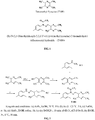
Figure 1 . Structure of compounds of TMP (not according to the invention) and T-006; -
Figure 2 . Synthetic scheme of compound T-006; -
Figure 3 . Protective effects of T-006 on IAA induced PC12 cell injury; -
Figure 4 . Protective effects of T-006 on t-BHP induced PC12 cell injury; -
Figure 5 . Protective effects of T-006 on IAA induced cortical neuronal injury; -
Figure 6 . Protective effects of T-006 on t-BHP induced cortical neuronal injury; -
Figure 7 . Protective effects of T-006 on glutamate induced cerebellar granule injury; -
Figure 8 . Protective effects of T-006 on MPP+ induced cerebellar granule injury; -
Figure 9 . T-006 can enhance MEF2 activity in PC12 cells. -
Figures 10A and 10B . T-006 can significantly improve scopolamine-induced memory impairment in mice; -
Figure 11 . T-006 can promote PC12 cells being differentiated into neurons with synapse growing and elongating; -
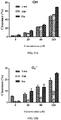
Figures 12A to 12D . Scavenging effect of T-006 on free radicals; -
Figures 13A to 13C . T-006 reduced the t-BHP-induced apoptosis of PC12 cells; -
Figures 14A to 14D . T-006 reduced the t-BHP-induced increase of ROS and RNS in PC12 cells. - Some specific embodiments or examples of the present invention will be described below. It will be understood that these specific embodiments or examples are only used for further explanation of the invention, rather than to limit the scope of the inventive subject matters as defined by the claims. In the following examples TMP and Edaravone are not according to the invention and are presented for comparative purposes only.
- In 10 mL of methanol was dissolved 2,4-dimethylphenylhydrazide hydrochloride (1.72 g, 10 mmol). To the solution, 3,5,6-trimethylpyrazine-2-carbaldehyde (1.50 g, 12 mmol) was added with an ice-bath under the protection of N2. After the mixture was stirred for 10 min, a lot of brick red precipitate showed and the reaction was then complete. The mixture was filtered through a suction funnel, and the brick red solid was transferred to a vacuum oven to be dried for using directly in the next reaction step of the reaction. The red brick intermediate (3.04 g, 10 mmol) was dissolved in 25 mL of methanol, and 1.68 ml of anhydrous triethylamine and 1.7 ml of trifluoroacetic anhydride were added respectively with an ice-bath under the protection of N2, and the reaction was run for 30 minutes. The reaction was monitored by TLC till completion. The resulting material was extracted with Ethyl acetate, dried over anhydrous Na2SO4, separated by a silica gel column (ethyl acetate: petroleum ether = 1: 3) to get T-006 as a light yellow solid (3.25 g, 89.3%). ESI-MS: [M+H]+ m/z 365.1. 1H-NMR (CDCl3, 300 MHz) δ: 2.1(s, 3H), 2.42 (s, 3H), 2.46 (s, 3H), 2.54 (s, 3H), 2.85 (s, 3H),7.08 (d, j = 7.05 Hz, 1H),7.24 (d, J = 7.21 Hz, 1H), 7.25(s, 1H), 7.55 (s,1H); Anal. (C18H19F3N4O) C, H, C; found C 59.44%, H 5.319%, N 15.23%; requires: C 59.33%, H 5.26%, N 15.38%.
- PC12 cells were seeded on a 96-well plate and inoculated in a 5% CO2 incubator at 37 °C for 24 hours. Then 100 µl of IAA (50 µM) was added for induction for 2 hours. Two hours later, the medium was aspirated, and each of the compounds (T-006, TMP, Edaravone) was added and the cells were cultured for 24 hours. After 24 hours of incubation, MTT was added to each well. Four hours later, the absorbance was measured at 570 nm using a microplate reader. The results were shown in
FIG.3 : T-006 had a significant protective effect on IAA-induced PC12 cell injury, and was much stronger than that of the parent compound TMP and Edaravone. Compared with the IAA group, **** P <0.0001. - PC12 cells were seeded on a 96-well plate and inoculated in a 5% CO2 incubator at 37 °C, for 24 hours. Then each compound (T-006, TMP, Edaravone) was added in different concentration gradients to pre-incubated for 2 hours. Two hours later, the medium was aspirated, and 100 µl t-BHP (100 µM) was added to each well except those of the control group, then the cells were cultured in an incubator for 24 hours. Four hours later, MTT was added into each of the wells, and the absorbance was measured at 570 nm using a microplate reader. The results were shown in
FIG.4 : T-006 had a significant protective effect on t-BHP-induccd PC12 cell injury, and the effect is much stronger than that of the parent compound TMP or Edaravone. Compared with t-BHP group, **** P <0.0001. - Cortical neurons of E16-18 day SD fetal rat were seeded on a 96-well plate and inoculated in a 5% CO2 incubator at 37 °C for 8 days. On
day 8, each of the compounds (T-006, TMP, Edaravone) was added with different concentration gradients, and 50 µl IAA (40 µM) was added to each well except those of the control group. Then the neurons were set to incubator to cultivate for 24 hours, and then MTT was added to each well. Four hours later, the absorbance was measured at 570 nm using a microplate reader. The results were shown inFIG.5 : T-006 had a significant protective effect on IAA-induced cortical neuronal injury, and was much stronger than that of the parent compound TMP and Edaravone. Compared with the IAA group, **** P <0.0001. - Cortical neurons of E16-18 days SD fetal rat were seeded on a 96-well plate and inoculated in a 5% CO2 incubator at 37 °C for 8 days. On
day 8, each of the compounds (T-006, TMP, Edaravone) was added with different concentration gradients, and 50 µl IAA(40 µM) was added to each well except those of the control group. The neurons were set to incubator to cultivate for 24 hours, and then MTT was added to each well. Four hours later, the absorbance value was measured at 570 nm using a microplate reader. The results were shown inFIG.6 : T-006 had a significant protective effect on t-BHP-induced cortical neuronal injury, and was much stronger than that of the parent compound TMP and Edaravone. Compared with the t-BHP group, **** P <0.0001. - Primary cerebellar granule cells, extracted from 7-8 day, 15-20 g SD fetal rat, were seeded on a 96-well plate and inoculated in a 5% CO2 incubator at 37 °C for 8 days. On
day 8, 90 µL of the compound (T-006) was added with different concentration gradients, then the cells were set to an incubator to cultivate for 2 hours. Then 10 µL of glutamate (final concentration of 75 µM) was added to each well except those of the control group. The cells were set to incubator to cultivate for 24 hours, and then MTT was added to each well. Four hours later, the absorbance value was measured at 570 nm using a microplate reader. The results were shown inFIG.7 : T-006 had a significant protective effect on glutamate-induced primary cerebellar granule injury, and showed a better concentration-dependent. Compared with the glutamate group, ** P <0.01. - Primary cerebellar granule cells, extracted from 7-8 days, 15-20 g SD fetal rat, were seeded on a 96-well plate and inoculated in a 5% CO2 incubator at 37 °C for 8 days. On
day 8, 90 µL of the compound (T-006) was added with different concentration gradients, then the cells were set to an incubator to cultivate for 2 hours. Then 10 µL of MPP+ (final concentration of 35 µM) was added to each well except those of the control group. The cells were set to incubator to cultivate for 24 hours, and then MTT was added to each well. Four hours later, the absorbance value was measured at 570 nm using a microplate reader. The results were shown inFIG.8 : T-006 had a significant protective effect on MPP+-induced Primary cerebellar granule injury, and showed a better concentration-dependent. Compared with the MPP+ group, ** P <0.01. - The PC12 was transfected by cloning the MEF2 reporter gene pGreenFire1TM-MEF2-EF1 lentivector. Stable transfected PC12 cells, as cultured in a conventional manner, were seeded on a 96-well plate with T-006 added in different concentrations, were incubated for 24 h. The activity was measured by the Luciferase reporter assay kit (Promega, USA). The results were shown in
FIG.9 : T-006 significantly activates ME12 transcriptional activity in PC12 cells. Compared with the IAA group, ** P <0.01. - In this example, Kunming mice were selected and divided into normal control group (Ctrl), Scopolamine group (Sco), Donepezil treatment group (Sco + 3 mg/kg donepezil), 1 and 10 mg T-006 treatment group (Sco + 1 mg/kg T-006 and Sco + 10 mg/kg T-006). Intragastric administration was performed for two weeks, and after the final administration water maze test was conducted for 4 days. Thirty minutes before the test, abdominal injection of scopolamine (1mg/kg) and model were performed. On
day 5, space search test was conductcd, and data were expressed as Mean ± SD (n = 9 per group). The results were shown inFIG.10A and FIG.10B : Scopolamine-induced memory of mice was significantly impaired, the first incubation period of the platform was significantly prolonged, the number of times through the target platform decreased (compared with the normal control group, ## p < 0.01); 1 and 10 mg/kg T-006 treatment group and 3 mg/kg donepezil treatment group significantly improved the memory impairment induced by scopolamine (compared with the scopolamine model group, ** p < 0.01); and 10 mg/kg T-006 group was significantly better than 3 mg/kg donepezil group ($p < 0.05). - PC12 cells were seeded on 6-well plate and inoculated in a 5% CO2 incubator at 37 °C for 24 hours. Control group was unchanged; NGF control group: serum-free F-12K + 50 ng/mL NGF; drug treatment group: serum-free F-12K with different concentrations of T-006. After 72 hours of incubation, picture was taken under an inverted microscope with 5 shoots at random for each hole. If the cell synapse length is more than 2 times the cell, it can be regarded as cell differentiation and synapse formation. The results were shown in
FIG.11 : T-006 and positive control NGF could significantly promote differentiation of PC 12 cells into neurons, synapse formation and growth, and showed a better concentration-dependent. Compared with the control group, ** P <0.01. - Hydroxyl radical (OH•): o-Phenanthroline-metal ion-H2O2 were used to produce hydroxyl radicals via Fenton reaction (H2O2 + Fe2+ → ·OH + H2O + Fe3+), to promote the oxidation of o-phenanthroline-Fe2+ to o-phenanthroline-Fe3+, resulting in an aqueous solution disappearance at the maximum at the wavelength of 440 nm so that the clearance rate was calculated. The specific steps are: In a 48-well plate was added 300 µL of double distilled water (blank control) or T-006, TMP, Edaravone in different concentrations (DMSO was used to prepare a 10 mM stock solution which was then diluted with double distilled water to 4 µM, 20 µM, 80 µM, 320 µM), and 50 µL of 1.0 mM o-phenanthroline (1.0 mM dissolved in 50 mM NaCl solution) was added and then mixed with 125 µL of 1.0 mM H2O2 and 125 µL 2.0 mM Fe2+, respectively, and BioTek Synergy HT was used to measure the percentage of absorbance decreasing at 440 nm in 100 seconds. The hydroxyl radical scavenging rate was calculated as: clearance rate (%)= [1-(A0-A100)/A0]×100 %, A0 and A100 being the absorbance values at 0 seconds and 100 seconds, respectively.
- Superoxide anionic radicals (O2 •-): Pyrogallol autoxidation method was used, and the specific steps are: to a 48 well plate was added 250 µL of 50 mM Tris-HCl buffer (pH 8.2), 300 µL of double distilled water (control group) or T-006, TMP, Edaravone in different concentrations (DMSO was used to prepare a 10 mM stock solution which was then diluted with double distilled water to 4 µM, 20 µM, 80 µM, 320 µM). Then 50 L of 2.0 mM of pyrogallol was added being mixed with a vortex mixer. At a wavelength of 320 nm, the absorbance of the blank control group was recorded every 30 seconds using a BioTek Synergy HT microplate reader for 30 minutes. The absorbance of the samples was measured under the same conditions, and the oxidation rate was the increment of absorbance per minute. By using linear regression method with time (seconds) as the abscissa and absorbance value as the ordinate, the linear relationship between absorbance value and time was obtained to calculate the pyrogallol autoxidation rate. The results are expressed in increments of dA/dt of the absorbance value per second, ie the a value in R2 in the linear regression equation of y = ax + b. Clearance rate (%) = (dA/dt-dAs/dt)/(dA/dt), wherein dA/dt is the autoxidation rate of pyrogallol in the absence of sample, dAs/dt is the rate of pyrogallol in the presence of the sample.
- Peroxynitrite free radicals (ONOO-): The peroxynitrite free radical (ONOO-) can be measured by SIN-1 simulation of the process of ONOO- generation in the body. SIN-1 decomposes under weak alkaline conditions (PBS pH 7.4), which can then simultaneously produce superoxide anion radical (O2 •-) and nitric oxide free radical (NO•), and both of which instantaneously produce peroxynitrite Anion (ONOO-). ONOO- reacts with luminal by oxidization and excitation with emission at 425 nm. The luminous intensity can be measured to determine the generation of ONOO-. Antioxidant (AH) competes with Luminol (L) in the reaction with ONOO-, and thus reduces the reaction of ONOO- with LH-, and then reduces the luminous intensity. The luminous intensity is inversely correlated with the antioxidating capacity of the antioxidant, so that quantitative analysis can be made based on the change of the luminescence intensity before and after the reaction. The specific steps of the test are: In a 3mL round bottom photometer tube were added 300 µL 0.1 M PBS buffer solution (pH 7.4), 50
µL 1 mM Luminol solution, 100 µL PBS or T-006, TMP, Edaravone in different concentrations DMSO was used to prepare a 10 mM stock solution, which was then diluted into 4 µM, 20 µM, 80 µM, 320 µM). Then 50 µL of 3 mg/mL SIN-1 hydrochloride solution was added and mixed with a vortex mixer. With the blank group as control, the photometric tube was placed with the temperature being controlled at 37 □, and the luminous value was recorded every 100 s with a luminometer continuously for 2000 s, and each measurement of the concentration is repeated at least three times and averaged. The clearance rate is calculated by the following formula: Clear rate rate (%) = (Actrl - Asample)/Actrl × 100. - 1.1-Diphenyl-2-phenylhydrazide radicals (DPPH): The test of 1.1-Diphenyl-2-phenylhydrazide radicals (DPPH) spectrophotometry is based on that DPPH has a strong absorption at 517 nm, and has a deep violet color in methanol solution. When free radical scavenger is present, the absorption gradually disappears due to single electron pairing, and the extent of color fading is correlated quantitatively to the number of electrons received by the DPPH. Therefore, by detecting the change of optical absorbance of DPPH in with the samples in different concentrations, the clearance rate can be used as an indication of the free radical scavenging ability. The specific steps of the test are: Onto a 96 well plate was added 100 µL of T-006, TMP, Edaravone (dissolved in DMSO to make a 10 mM stock solution and then diluted with double distilled water to 4 µM, 20 µM, 80 µM, 320 µM) in different concentrations or 100 µL methanol (as blank control group), then quickly added with 100 µL of 100 µM DPPH solution in methanol (50 µM of final concentration), each sample concentration was repeated in 3-5 holes, vibrated evenly and then placed at room temperature under dark condition for one hour. The absorbance values were then measured at 517 nm using a microplate reader. Clearance rate (%) =(Actrl-Asample)/Actrl × 100.
- PC12 cells were seeded on a 96-well plate and inoculated in a 5% CO2 incubator at 37 °C for 24 hours, and then T-006 and TMP (100□M) in different concentration gradients were added to be pre-incubated for 2 hours. Then the medium was aspirated, and 100 µl t-BHP (100 µM) was added to each well except the wells of the control group, and the cells were cultured in an incubator for 24 hours. Hoechst working fluid was added and the number of PC12 cells was observed and counted under fluorescence microscope. (A) T-006 reduced t-BHP-induced PC12 cell apoptosis. (B) PC12 cell apoptosis statistics. (C) T-006 improved t-BHP-induced mitochondrial membrane potential disorder in PC12 cells. PC12 cells were seeded on a 96-well plate and inoculated in a 5% CO2 incubator at 37 °C for 24 hours, and then T-006 and TMP (100□M) in different concentration gradients were added to be pre-incubated for 2 hours. 2 hours later, 100 µl t-BHP (100 µM) was added to each well except the control group for induction. After completion of the induction, JC-1 working solution was added to each well and mitochondrial membrane potential was monitored and analyzed using flow cytometry. Compared with the control group, ### p <0.001; compared with t-BHP, * p <0.05, ** p <0.01 and *** p <0.001.
- PC12 cells were seeded on 6-well plate and inoculated in a 5% CO2 incubator at 37 °C for 24 hours., and then T-006 and TMP (100□M) in different concentration gradients were added to be pre-incubated for 2 hours. Then the medium was aspirated, and 100 µl t-BHP (100 µM) was added to each well except the wells of the control group, and the cells were cultured in an incubator for 6 hours. Consequently, DCF-DA probes, HFP probes, DAF-FM probes and DHR123 probes were added respectively to determine the total ROS, hydroxyl radicals, nitric oxide radicals and peroxynitrite. (A) DCF-DA probe for determining intracellular total ROS. (B) HFP probe for determining intracellular hydroxyl radicals. (C) DAF-FM probe for determining nitric oxide free radicals. (D) DHR123 probe for determining intracellular peroxynitrite. Compared with the control group, ### p <0.001; compared with t-BHP, * p <0.05, ** p <0.01 and *** p <0.001.
While specific embodiments have been described in detail herein, this is only illustrative of the purpose of the invention and is not intended to limit the scope of the following claims.
Claims (7)
- A trifluoroacetyl hydrazide compound of the following formula I:
 R1, R2 and R3 are each independently hydrogen or alkyl group, but cannot be hydrogen at the same time;X and Y are both N;the alkyl group is a straight-chain or branched-chain alkyl group having up to 10 carbon atoms.
 - The compound of claim 1, wherein R1, R2 and R3 are methyl, and thus the compound has a structure of formula II:

- A method of preparation of the compound of any one of claims 1-2, the method comprising:
3,5,6-trimethyl-2-pyrazinecarboxaldehyde is condensed with 2, 4-dimethylphenylhydrazide hydrochloride to give an intermediate of phenylhydrazone, which is then reacted with trifluoroacetic anhydride to give final product. - The compound of any one of claims 1-2 for use in the prevention or treatment of diseases related to glutamate excitotoxicity selected from the group consisting of Alzheimer's disease, Parkinson's disease, Huntington's disease, muscular atrophic lateral sclerosis, myasthenia gravis, glaucoma, senile dementia, hyperthyroidism, hypertension, bronchial asthma, type IV hyperlipoproteinemia, and renal failure.
- The compound of any one of claims 1-2 for use in the prevention or treatment of diseases related to MEF2 disorder selected from the group consisting of Parkinson's disease, Alzheimer's disease, dementia, Huntington's disease, muscular atrophic lateral sclerosis, and myasthenia gravis.
- The compound of any one of claims 1-2 for use in the prevention or treatment of diseases related to oxidative stress injury or excessive free radicals generation selected from the group consisting of stroke, brain trauma, epilepsy, Parkinson's disease, Huntington's disease, amyotrophic lateral sclerosis, Alzheimer's disease, hypoxic-ischemic brain injury, stroke, dementia, ischemic heart disease, vascular thrombosis, atherosclerosis, hyperlipidemia, emphysema, cataract, diabetes, acute pancreatitis, alcohol induced liver disease, kidney damage and cancer.
- The compound of any one of claims 1-2 for use in the prevention or treatment of diseases related to neurodegeneration selected from the group consisting of cerebral ischemia, Parkinson's disease, Alzheimer's disease, amyotrophic lateral sclerosis, ataxia telangiectasia, bovine spongiform encephalopathy, Creutzfeldt-Jakob disease, Huntington's disease, cerebellar atrophy, multiple sclerosis, primary lateral sclerosis, and spinal muscular atrophy.
Applications Claiming Priority (2)
| Application Number | Priority Date | Filing Date | Title |
|---|---|---|---|
| CN201410855931.XA CN105801496B (en) | 2014-12-31 | 2014-12-31 | Trifluoroacetyl hydrazine compound, preparation method thereof and application thereof in pharmacy |
| PCT/CN2015/000581 WO2016106760A1 (en) | 2014-12-31 | 2015-08-11 | Trifluoroacethydrazide compound as well as preparation method therefor and application thereof in preparing medicament |
Publications (3)
| Publication Number | Publication Date |
|---|---|
| EP3241824A1 EP3241824A1 (en) | 2017-11-08 |
| EP3241824A4 EP3241824A4 (en) | 2018-08-15 |
| EP3241824B1 true EP3241824B1 (en) | 2021-04-28 |
Family
ID=56284027
Family Applications (1)
| Application Number | Title | Priority Date | Filing Date |
|---|---|---|---|
| EP15874453.2A Active EP3241824B1 (en) | 2014-12-31 | 2015-08-11 | Trifluoroacethydrazide compound as well as preparation method thereof and application thereof in preparing a medicament |
Country Status (8)
| Country | Link |
|---|---|
| US (1) | US10308616B2 (en) |
| EP (1) | EP3241824B1 (en) |
| JP (1) | JP6407444B2 (en) |
| CN (1) | CN105801496B (en) |
| AU (1) | AU2015375259B2 (en) |
| CA (1) | CA2972835C (en) |
| IL (1) | IL253204B (en) |
| WO (1) | WO2016106760A1 (en) |
Families Citing this family (7)
| Publication number | Priority date | Publication date | Assignee | Title |
|---|---|---|---|---|
| CN108689906A (en) * | 2017-04-11 | 2018-10-23 | 广东东阳光药业有限公司 | The hydrazide derivatives and application thereof of indoles substitution |
| CN108863914A (en) * | 2017-05-12 | 2018-11-23 | 广东东阳光药业有限公司 | The hydrazide derivatives and application thereof that pyridine replaces |
| CN108863948A (en) * | 2017-05-12 | 2018-11-23 | 广东东阳光药业有限公司 | The hydrazide derivatives and application thereof that pyrimidine replaces |
| CN108379270A (en) * | 2018-01-13 | 2018-08-10 | 广州喜鹊医药有限公司 | A kind of ligustrazine derivant is preparing the application in preventing and treating anti-parkinson drug |
| EP3755316A4 (en) * | 2018-02-21 | 2022-05-25 | Abrexa Pharmaceuticals, Inc. | POLYMORPHS OF 1-(2,4-DIMETHYLPHENYL)-2-[(3-METHOXYPHENYL)METHYLENE]HYDRAZIDE OF 2,2,2-TRIFLUOROACETIC ACID AND METHOD FOR THE PREPARATION THEREOF |
| WO2020180823A1 (en) * | 2019-03-01 | 2020-09-10 | Abrexa Pharmaceuticals, Inc. | Compounds for prevention and treatment of post-operative cognitive dysfunction |
| US20250161243A1 (en) * | 2022-02-21 | 2025-05-22 | The Scripps Research Institute | Mef2 transcriptional activators to treat neurologic conditions |
Family Cites Families (3)
| Publication number | Priority date | Publication date | Assignee | Title |
|---|---|---|---|---|
| CA2521056A1 (en) * | 2003-03-31 | 2004-10-14 | Daiichi Pharmaceutical Co., Ltd. | Hydrazone derivative |
| US8779002B2 (en) * | 2007-10-15 | 2014-07-15 | Salk Institute For Biological Studies | Methods for treating a variety of diseases and conditions, and compounds useful therefor |
| CN101143851B (en) * | 2007-10-26 | 2010-07-21 | 李家明 | Ligustrazine aromatic acid ether derivatives, preparation method, pharmaceutical composition and application |
-
2014
- 2014-12-31 CN CN201410855931.XA patent/CN105801496B/en active Active
-
2015
- 2015-08-11 AU AU2015375259A patent/AU2015375259B2/en active Active
- 2015-08-11 EP EP15874453.2A patent/EP3241824B1/en active Active
- 2015-08-11 WO PCT/CN2015/000581 patent/WO2016106760A1/en not_active Ceased
- 2015-08-11 JP JP2017535706A patent/JP6407444B2/en active Active
- 2015-08-11 CA CA2972835A patent/CA2972835C/en active Active
- 2015-08-11 US US15/731,538 patent/US10308616B2/en active Active
-
2017
- 2017-06-27 IL IL253204A patent/IL253204B/en active IP Right Grant
Non-Patent Citations (1)
| Title |
|---|
| None * |
Also Published As
| Publication number | Publication date |
|---|---|
| WO2016106760A1 (en) | 2016-07-07 |
| US20180346430A1 (en) | 2018-12-06 |
| JP2018502121A (en) | 2018-01-25 |
| CA2972835C (en) | 2019-06-25 |
| CN105801496A (en) | 2016-07-27 |
| US10308616B2 (en) | 2019-06-04 |
| IL253204A0 (en) | 2017-08-31 |
| AU2015375259A8 (en) | 2017-08-24 |
| IL253204B (en) | 2020-05-31 |
| CN105801496B (en) | 2018-03-13 |
| EP3241824A4 (en) | 2018-08-15 |
| AU2015375259A1 (en) | 2017-08-17 |
| AU2015375259B2 (en) | 2018-12-20 |
| EP3241824A1 (en) | 2017-11-08 |
| CA2972835A1 (en) | 2016-07-07 |
| JP6407444B2 (en) | 2018-10-17 |
Similar Documents
| Publication | Publication Date | Title |
|---|---|---|
| AU2015375259B2 (en) | Trifluoroacetyl hydrazide compounds and methods of preparation and uses thereof | |
| WO2013060258A1 (en) | Clavatine a-c, preparation method thereof and pharmaceutical composition and use thereof | |
| JP6609261B2 (en) | NOVEL LIFE EXTENDING AGENT, LIFE EXTENDING METHOD USING THE LIFE EXTENDING AGENT, NOVEL DUAL OXIDASE ACTIVATOR, ACTIVATION METHOD FOR DUAL OXIDASE, PRODUCTION OF LIFE EXTENDING AGENT, AND PRODUCTION OF DUAL OXIDASE ACTIVATOR | |
| US9938235B2 (en) | Compounds with neural protective effect, and preparation and use thereof | |
| CN114478451B (en) | 6- (hydroxybenzyloxy) phthalein mannich base compound, preparation method and application thereof | |
| CN114478450A (en) | Benzyloxyphthalide compound, its preparation method and use | |
| CN112480085A (en) | A compound or a pharmaceutically acceptable salt, isomer, prodrug, polymorph or solvate thereof | |
| CN116966187B (en) | New application of desipramine prodrug | |
| US10703730B2 (en) | Trifluoroacetyl hydrazide compounds and medical uses thereof | |
| KR101349113B1 (en) | Pharmacological composition for dementia prevention or treatment comprising specific substance extracted from Hericium erinacium and preparation method thereof | |
| CN107056780B (en) | Lipoic acid-tacrine-like group heterodimer and application thereof in treating Alzheimer's disease | |
| KR20240052403A (en) | Composition for preventing or treating peripheral neuropathy, comprising isoquinoline derivatives as an active ingredient | |
| CN113185447A (en) | Phthaloyl cysteamine compound, preparation method and use thereof | |
| CN114685519A (en) | Pyrano-carbazole alkaloid derivative and application thereof in treating Alzheimer's disease | |
| CN100448446C (en) | Seabuckthorn extract, its preparation method and its application in the preparation of medicine | |
| CN113825763B (en) | Preparation method and application of N-(β-L-rhamnopyranosyl)ferulamide | |
| CN117143027A (en) | 3-benzyloxy-6-hydroxyphenylpyridazine compound as well as preparation method and application thereof | |
| CN109678736B (en) | Chalcone Mannich base compound, preparation method and application thereof | |
| CN117143028A (en) | Hydroxyphenyl pyridazine Mannich base compound, and preparation method and application thereof | |
| CN118459344A (en) | Quinic acid methyl ester compound with neuroprotection effect, and preparation method and application thereof | |
| WO2024180464A1 (en) | Oxadiazole derivative compounds, and the pharmaceutical composition comprising the same | |
| CN117143074A (en) | 3-Benzyloxy-6-pyridylpyridazine compounds and preparation methods and uses thereof | |
| CN114315689A (en) | Disulfanyl phthalimide compound, its preparation method and use | |
| CN118684620A (en) | Areca alkaloids and preparation method and application thereof | |
| RU2534525C1 (en) | Glycoside derivatives of 1,2-dithiol-3-thione or 1,2-dithiol-3-one and pharmaceutical products based on them |
Legal Events
| Date | Code | Title | Description |
|---|---|---|---|
| STAA | Information on the status of an ep patent application or granted ep patent |
Free format text: STATUS: THE INTERNATIONAL PUBLICATION HAS BEEN MADE |
|
| PUAI | Public reference made under article 153(3) epc to a published international application that has entered the european phase |
Free format text: ORIGINAL CODE: 0009012 |
|
| STAA | Information on the status of an ep patent application or granted ep patent |
Free format text: STATUS: REQUEST FOR EXAMINATION WAS MADE |
|
| 17P | Request for examination filed |
Effective date: 20170628 |
|
| AK | Designated contracting states |
Kind code of ref document: A1 Designated state(s): AL AT BE BG CH CY CZ DE DK EE ES FI FR GB GR HR HU IE IS IT LI LT LU LV MC MK MT NL NO PL PT RO RS SE SI SK SM TR |
|
| AX | Request for extension of the european patent |
Extension state: BA ME |
|
| DAV | Request for validation of the european patent (deleted) | ||
| DAX | Request for extension of the european patent (deleted) | ||
| A4 | Supplementary search report drawn up and despatched |
Effective date: 20180717 |
|
| RIC1 | Information provided on ipc code assigned before grant |
Ipc: A61P 25/00 20060101ALI20180711BHEP Ipc: C07D 241/12 20060101ALI20180711BHEP Ipc: A61K 31/4965 20060101AFI20180711BHEP Ipc: C07C 241/00 20060101ALI20180711BHEP |
|
| STAA | Information on the status of an ep patent application or granted ep patent |
Free format text: STATUS: EXAMINATION IS IN PROGRESS |
|
| 17Q | First examination report despatched |
Effective date: 20191111 |
|
| REG | Reference to a national code |
Ref country code: DE Ref legal event code: R079 Ref document number: 602015068811 Country of ref document: DE Free format text: PREVIOUS MAIN CLASS: C07D0241120000 Ipc: A61K0031496500 |
|
| GRAP | Despatch of communication of intention to grant a patent |
Free format text: ORIGINAL CODE: EPIDOSNIGR1 |
|
| STAA | Information on the status of an ep patent application or granted ep patent |
Free format text: STATUS: GRANT OF PATENT IS INTENDED |
|
| RIC1 | Information provided on ipc code assigned before grant |
Ipc: A61K 31/4965 20060101AFI20201113BHEP Ipc: A61P 25/28 20060101ALI20201113BHEP Ipc: C07D 241/12 20060101ALI20201113BHEP Ipc: A61P 25/00 20060101ALI20201113BHEP Ipc: A61P 25/08 20060101ALI20201113BHEP Ipc: C07C 241/00 20060101ALI20201113BHEP |
|
| INTG | Intention to grant announced |
Effective date: 20201223 |
|
| GRAS | Grant fee paid |
Free format text: ORIGINAL CODE: EPIDOSNIGR3 |
|
| GRAA | (expected) grant |
Free format text: ORIGINAL CODE: 0009210 |
|
| STAA | Information on the status of an ep patent application or granted ep patent |
Free format text: STATUS: THE PATENT HAS BEEN GRANTED |
|
| AK | Designated contracting states |
Kind code of ref document: B1 Designated state(s): AL AT BE BG CH CY CZ DE DK EE ES FI FR GB GR HR HU IE IS IT LI LT LU LV MC MK MT NL NO PL PT RO RS SE SI SK SM TR |
|
| REG | Reference to a national code |
Ref country code: GB Ref legal event code: FG4D |
|
| REG | Reference to a national code |
Ref country code: CH Ref legal event code: EP |
|
| REG | Reference to a national code |
Ref country code: DE Ref legal event code: R096 Ref document number: 602015068811 Country of ref document: DE |
|
| REG | Reference to a national code |
Ref country code: AT Ref legal event code: REF Ref document number: 1386339 Country of ref document: AT Kind code of ref document: T Effective date: 20210515 |
|
| REG | Reference to a national code |
Ref country code: IE Ref legal event code: FG4D |
|
| REG | Reference to a national code |
Ref country code: LT Ref legal event code: MG9D |
|
| REG | Reference to a national code |
Ref country code: AT Ref legal event code: MK05 Ref document number: 1386339 Country of ref document: AT Kind code of ref document: T Effective date: 20210428 |
|
| PG25 | Lapsed in a contracting state [announced via postgrant information from national office to epo] |
Ref country code: FI Free format text: LAPSE BECAUSE OF FAILURE TO SUBMIT A TRANSLATION OF THE DESCRIPTION OR TO PAY THE FEE WITHIN THE PRESCRIBED TIME-LIMIT Effective date: 20210428 Ref country code: LT Free format text: LAPSE BECAUSE OF FAILURE TO SUBMIT A TRANSLATION OF THE DESCRIPTION OR TO PAY THE FEE WITHIN THE PRESCRIBED TIME-LIMIT Effective date: 20210428 Ref country code: NL Free format text: LAPSE BECAUSE OF FAILURE TO SUBMIT A TRANSLATION OF THE DESCRIPTION OR TO PAY THE FEE WITHIN THE PRESCRIBED TIME-LIMIT Effective date: 20210428 Ref country code: BG Free format text: LAPSE BECAUSE OF FAILURE TO SUBMIT A TRANSLATION OF THE DESCRIPTION OR TO PAY THE FEE WITHIN THE PRESCRIBED TIME-LIMIT Effective date: 20210728 Ref country code: AT Free format text: LAPSE BECAUSE OF FAILURE TO SUBMIT A TRANSLATION OF THE DESCRIPTION OR TO PAY THE FEE WITHIN THE PRESCRIBED TIME-LIMIT Effective date: 20210428 Ref country code: HR Free format text: LAPSE BECAUSE OF FAILURE TO SUBMIT A TRANSLATION OF THE DESCRIPTION OR TO PAY THE FEE WITHIN THE PRESCRIBED TIME-LIMIT Effective date: 20210428 |
|
| PG25 | Lapsed in a contracting state [announced via postgrant information from national office to epo] |
Ref country code: GR Free format text: LAPSE BECAUSE OF FAILURE TO SUBMIT A TRANSLATION OF THE DESCRIPTION OR TO PAY THE FEE WITHIN THE PRESCRIBED TIME-LIMIT Effective date: 20210729 Ref country code: IS Free format text: LAPSE BECAUSE OF FAILURE TO SUBMIT A TRANSLATION OF THE DESCRIPTION OR TO PAY THE FEE WITHIN THE PRESCRIBED TIME-LIMIT Effective date: 20210828 Ref country code: LV Free format text: LAPSE BECAUSE OF FAILURE TO SUBMIT A TRANSLATION OF THE DESCRIPTION OR TO PAY THE FEE WITHIN THE PRESCRIBED TIME-LIMIT Effective date: 20210428 Ref country code: RS Free format text: LAPSE BECAUSE OF FAILURE TO SUBMIT A TRANSLATION OF THE DESCRIPTION OR TO PAY THE FEE WITHIN THE PRESCRIBED TIME-LIMIT Effective date: 20210428 Ref country code: SE Free format text: LAPSE BECAUSE OF FAILURE TO SUBMIT A TRANSLATION OF THE DESCRIPTION OR TO PAY THE FEE WITHIN THE PRESCRIBED TIME-LIMIT Effective date: 20210428 Ref country code: PT Free format text: LAPSE BECAUSE OF FAILURE TO SUBMIT A TRANSLATION OF THE DESCRIPTION OR TO PAY THE FEE WITHIN THE PRESCRIBED TIME-LIMIT Effective date: 20210830 Ref country code: NO Free format text: LAPSE BECAUSE OF FAILURE TO SUBMIT A TRANSLATION OF THE DESCRIPTION OR TO PAY THE FEE WITHIN THE PRESCRIBED TIME-LIMIT Effective date: 20210728 Ref country code: PL Free format text: LAPSE BECAUSE OF FAILURE TO SUBMIT A TRANSLATION OF THE DESCRIPTION OR TO PAY THE FEE WITHIN THE PRESCRIBED TIME-LIMIT Effective date: 20210428 |
|
| REG | Reference to a national code |
Ref country code: NL Ref legal event code: MP Effective date: 20210428 |
|
| PG25 | Lapsed in a contracting state [announced via postgrant information from national office to epo] |
Ref country code: SM Free format text: LAPSE BECAUSE OF FAILURE TO SUBMIT A TRANSLATION OF THE DESCRIPTION OR TO PAY THE FEE WITHIN THE PRESCRIBED TIME-LIMIT Effective date: 20210428 Ref country code: SK Free format text: LAPSE BECAUSE OF FAILURE TO SUBMIT A TRANSLATION OF THE DESCRIPTION OR TO PAY THE FEE WITHIN THE PRESCRIBED TIME-LIMIT Effective date: 20210428 Ref country code: EE Free format text: LAPSE BECAUSE OF FAILURE TO SUBMIT A TRANSLATION OF THE DESCRIPTION OR TO PAY THE FEE WITHIN THE PRESCRIBED TIME-LIMIT Effective date: 20210428 Ref country code: DK Free format text: LAPSE BECAUSE OF FAILURE TO SUBMIT A TRANSLATION OF THE DESCRIPTION OR TO PAY THE FEE WITHIN THE PRESCRIBED TIME-LIMIT Effective date: 20210428 Ref country code: CZ Free format text: LAPSE BECAUSE OF FAILURE TO SUBMIT A TRANSLATION OF THE DESCRIPTION OR TO PAY THE FEE WITHIN THE PRESCRIBED TIME-LIMIT Effective date: 20210428 Ref country code: ES Free format text: LAPSE BECAUSE OF FAILURE TO SUBMIT A TRANSLATION OF THE DESCRIPTION OR TO PAY THE FEE WITHIN THE PRESCRIBED TIME-LIMIT Effective date: 20210428 Ref country code: RO Free format text: LAPSE BECAUSE OF FAILURE TO SUBMIT A TRANSLATION OF THE DESCRIPTION OR TO PAY THE FEE WITHIN THE PRESCRIBED TIME-LIMIT Effective date: 20210428 |
|
| REG | Reference to a national code |
Ref country code: DE Ref legal event code: R097 Ref document number: 602015068811 Country of ref document: DE |
|
| PLBE | No opposition filed within time limit |
Free format text: ORIGINAL CODE: 0009261 |
|
| STAA | Information on the status of an ep patent application or granted ep patent |
Free format text: STATUS: NO OPPOSITION FILED WITHIN TIME LIMIT |
|
| REG | Reference to a national code |
Ref country code: CH Ref legal event code: PL |
|
| PG25 | Lapsed in a contracting state [announced via postgrant information from national office to epo] |
Ref country code: MC Free format text: LAPSE BECAUSE OF FAILURE TO SUBMIT A TRANSLATION OF THE DESCRIPTION OR TO PAY THE FEE WITHIN THE PRESCRIBED TIME-LIMIT Effective date: 20210428 |
|
| 26N | No opposition filed |
Effective date: 20220131 |
|
| REG | Reference to a national code |
Ref country code: BE Ref legal event code: MM Effective date: 20210831 |
|
| PG25 | Lapsed in a contracting state [announced via postgrant information from national office to epo] |
Ref country code: LI Free format text: LAPSE BECAUSE OF NON-PAYMENT OF DUE FEES Effective date: 20210831 Ref country code: CH Free format text: LAPSE BECAUSE OF NON-PAYMENT OF DUE FEES Effective date: 20210831 |
|
| PG25 | Lapsed in a contracting state [announced via postgrant information from national office to epo] |
Ref country code: IS Free format text: LAPSE BECAUSE OF FAILURE TO SUBMIT A TRANSLATION OF THE DESCRIPTION OR TO PAY THE FEE WITHIN THE PRESCRIBED TIME-LIMIT Effective date: 20210828 Ref country code: LU Free format text: LAPSE BECAUSE OF NON-PAYMENT OF DUE FEES Effective date: 20210811 Ref country code: AL Free format text: LAPSE BECAUSE OF FAILURE TO SUBMIT A TRANSLATION OF THE DESCRIPTION OR TO PAY THE FEE WITHIN THE PRESCRIBED TIME-LIMIT Effective date: 20210428 |
|
| PG25 | Lapsed in a contracting state [announced via postgrant information from national office to epo] |
Ref country code: IT Free format text: LAPSE BECAUSE OF FAILURE TO SUBMIT A TRANSLATION OF THE DESCRIPTION OR TO PAY THE FEE WITHIN THE PRESCRIBED TIME-LIMIT Effective date: 20210428 Ref country code: IE Free format text: LAPSE BECAUSE OF NON-PAYMENT OF DUE FEES Effective date: 20210811 Ref country code: BE Free format text: LAPSE BECAUSE OF NON-PAYMENT OF DUE FEES Effective date: 20210831 |
|
| PG25 | Lapsed in a contracting state [announced via postgrant information from national office to epo] |
Ref country code: HU Free format text: LAPSE BECAUSE OF FAILURE TO SUBMIT A TRANSLATION OF THE DESCRIPTION OR TO PAY THE FEE WITHIN THE PRESCRIBED TIME-LIMIT; INVALID AB INITIO Effective date: 20150811 |
|
| PG25 | Lapsed in a contracting state [announced via postgrant information from national office to epo] |
Ref country code: CY Free format text: LAPSE BECAUSE OF FAILURE TO SUBMIT A TRANSLATION OF THE DESCRIPTION OR TO PAY THE FEE WITHIN THE PRESCRIBED TIME-LIMIT Effective date: 20210428 |
|
| PG25 | Lapsed in a contracting state [announced via postgrant information from national office to epo] |
Ref country code: MK Free format text: LAPSE BECAUSE OF FAILURE TO SUBMIT A TRANSLATION OF THE DESCRIPTION OR TO PAY THE FEE WITHIN THE PRESCRIBED TIME-LIMIT Effective date: 20210428 |
|
| PG25 | Lapsed in a contracting state [announced via postgrant information from national office to epo] |
Ref country code: TR Free format text: LAPSE BECAUSE OF FAILURE TO SUBMIT A TRANSLATION OF THE DESCRIPTION OR TO PAY THE FEE WITHIN THE PRESCRIBED TIME-LIMIT Effective date: 20210428 |
|
| PG25 | Lapsed in a contracting state [announced via postgrant information from national office to epo] |
Ref country code: MT Free format text: LAPSE BECAUSE OF FAILURE TO SUBMIT A TRANSLATION OF THE DESCRIPTION OR TO PAY THE FEE WITHIN THE PRESCRIBED TIME-LIMIT Effective date: 20210428 |
|
| PGFP | Annual fee paid to national office [announced via postgrant information from national office to epo] |
Ref country code: DE Payment date: 20250819 Year of fee payment: 11 |
|
| PGFP | Annual fee paid to national office [announced via postgrant information from national office to epo] |
Ref country code: GB Payment date: 20250825 Year of fee payment: 11 |
|
| PGFP | Annual fee paid to national office [announced via postgrant information from national office to epo] |
Ref country code: FR Payment date: 20250821 Year of fee payment: 11 |