EP3238754A1 - Blood purification system - Google Patents
Blood purification system Download PDFInfo
- Publication number
- EP3238754A1 EP3238754A1 EP15873120.8A EP15873120A EP3238754A1 EP 3238754 A1 EP3238754 A1 EP 3238754A1 EP 15873120 A EP15873120 A EP 15873120A EP 3238754 A1 EP3238754 A1 EP 3238754A1
- Authority
- EP
- European Patent Office
- Prior art keywords
- blood purification
- checking
- vital sign
- information
- external
- Prior art date
- Legal status (The legal status is an assumption and is not a legal conclusion. Google has not performed a legal analysis and makes no representation as to the accuracy of the status listed.)
- Granted
Links
Images




Classifications
-
- A—HUMAN NECESSITIES
- A61—MEDICAL OR VETERINARY SCIENCE; HYGIENE
- A61M—DEVICES FOR INTRODUCING MEDIA INTO, OR ONTO, THE BODY; DEVICES FOR TRANSDUCING BODY MEDIA OR FOR TAKING MEDIA FROM THE BODY; DEVICES FOR PRODUCING OR ENDING SLEEP OR STUPOR
- A61M1/00—Suction or pumping devices for medical purposes; Devices for carrying-off, for treatment of, or for carrying-over, body-liquids; Drainage systems
- A61M1/36—Other treatment of blood in a by-pass of the natural circulatory system, e.g. temperature adaptation, irradiation ; Extra-corporeal blood circuits
-
- A—HUMAN NECESSITIES
- A61—MEDICAL OR VETERINARY SCIENCE; HYGIENE
- A61L—METHODS OR APPARATUS FOR STERILISING MATERIALS OR OBJECTS IN GENERAL; DISINFECTION, STERILISATION OR DEODORISATION OF AIR; CHEMICAL ASPECTS OF BANDAGES, DRESSINGS, ABSORBENT PADS OR SURGICAL ARTICLES; MATERIALS FOR BANDAGES, DRESSINGS, ABSORBENT PADS OR SURGICAL ARTICLES
- A61L2/00—Disinfection or sterilisation of materials or objects, in general; Accessories therefor
- A61L2/02—Disinfection or sterilisation of materials or objects, in general; Accessories therefor using physical processes
-
- A—HUMAN NECESSITIES
- A61—MEDICAL OR VETERINARY SCIENCE; HYGIENE
- A61M—DEVICES FOR INTRODUCING MEDIA INTO, OR ONTO, THE BODY; DEVICES FOR TRANSDUCING BODY MEDIA OR FOR TAKING MEDIA FROM THE BODY; DEVICES FOR PRODUCING OR ENDING SLEEP OR STUPOR
- A61M1/00—Suction or pumping devices for medical purposes; Devices for carrying-off, for treatment of, or for carrying-over, body-liquids; Drainage systems
- A61M1/14—Dialysis systems; Artificial kidneys; Blood oxygenators ; Reciprocating systems for treatment of body fluids, e.g. single needle systems for hemofiltration or pheresis
-
- A—HUMAN NECESSITIES
- A61—MEDICAL OR VETERINARY SCIENCE; HYGIENE
- A61M—DEVICES FOR INTRODUCING MEDIA INTO, OR ONTO, THE BODY; DEVICES FOR TRANSDUCING BODY MEDIA OR FOR TAKING MEDIA FROM THE BODY; DEVICES FOR PRODUCING OR ENDING SLEEP OR STUPOR
- A61M1/00—Suction or pumping devices for medical purposes; Devices for carrying-off, for treatment of, or for carrying-over, body-liquids; Drainage systems
- A61M1/34—Filtering material out of the blood by passing it through a membrane, i.e. hemofiltration or diafiltration
-
- A—HUMAN NECESSITIES
- A61—MEDICAL OR VETERINARY SCIENCE; HYGIENE
- A61L—METHODS OR APPARATUS FOR STERILISING MATERIALS OR OBJECTS IN GENERAL; DISINFECTION, STERILISATION OR DEODORISATION OF AIR; CHEMICAL ASPECTS OF BANDAGES, DRESSINGS, ABSORBENT PADS OR SURGICAL ARTICLES; MATERIALS FOR BANDAGES, DRESSINGS, ABSORBENT PADS OR SURGICAL ARTICLES
- A61L2103/00—Materials or objects being the target of disinfection or sterilisation
- A61L2103/05—Living organisms or biological materials
-
- A—HUMAN NECESSITIES
- A61—MEDICAL OR VETERINARY SCIENCE; HYGIENE
- A61M—DEVICES FOR INTRODUCING MEDIA INTO, OR ONTO, THE BODY; DEVICES FOR TRANSDUCING BODY MEDIA OR FOR TAKING MEDIA FROM THE BODY; DEVICES FOR PRODUCING OR ENDING SLEEP OR STUPOR
- A61M1/00—Suction or pumping devices for medical purposes; Devices for carrying-off, for treatment of, or for carrying-over, body-liquids; Drainage systems
- A61M1/36—Other treatment of blood in a by-pass of the natural circulatory system, e.g. temperature adaptation, irradiation ; Extra-corporeal blood circuits
- A61M1/3607—Regulation parameters
-
- A—HUMAN NECESSITIES
- A61—MEDICAL OR VETERINARY SCIENCE; HYGIENE
- A61M—DEVICES FOR INTRODUCING MEDIA INTO, OR ONTO, THE BODY; DEVICES FOR TRANSDUCING BODY MEDIA OR FOR TAKING MEDIA FROM THE BODY; DEVICES FOR PRODUCING OR ENDING SLEEP OR STUPOR
- A61M1/00—Suction or pumping devices for medical purposes; Devices for carrying-off, for treatment of, or for carrying-over, body-liquids; Drainage systems
- A61M1/36—Other treatment of blood in a by-pass of the natural circulatory system, e.g. temperature adaptation, irradiation ; Extra-corporeal blood circuits
- A61M1/3621—Extra-corporeal blood circuits
- A61M1/3639—Blood pressure control, pressure transducers specially adapted therefor
-
- A—HUMAN NECESSITIES
- A61—MEDICAL OR VETERINARY SCIENCE; HYGIENE
- A61M—DEVICES FOR INTRODUCING MEDIA INTO, OR ONTO, THE BODY; DEVICES FOR TRANSDUCING BODY MEDIA OR FOR TAKING MEDIA FROM THE BODY; DEVICES FOR PRODUCING OR ENDING SLEEP OR STUPOR
- A61M2205/00—General characteristics of the apparatus
- A61M2205/35—Communication
- A61M2205/3546—Range
- A61M2205/3561—Range local, e.g. within room or hospital
-
- A—HUMAN NECESSITIES
- A61—MEDICAL OR VETERINARY SCIENCE; HYGIENE
- A61M—DEVICES FOR INTRODUCING MEDIA INTO, OR ONTO, THE BODY; DEVICES FOR TRANSDUCING BODY MEDIA OR FOR TAKING MEDIA FROM THE BODY; DEVICES FOR PRODUCING OR ENDING SLEEP OR STUPOR
- A61M2205/00—General characteristics of the apparatus
- A61M2205/35—Communication
- A61M2205/3576—Communication with non implanted data transmission devices, e.g. using external transmitter or receiver
-
- A—HUMAN NECESSITIES
- A61—MEDICAL OR VETERINARY SCIENCE; HYGIENE
- A61M—DEVICES FOR INTRODUCING MEDIA INTO, OR ONTO, THE BODY; DEVICES FOR TRANSDUCING BODY MEDIA OR FOR TAKING MEDIA FROM THE BODY; DEVICES FOR PRODUCING OR ENDING SLEEP OR STUPOR
- A61M2205/00—General characteristics of the apparatus
- A61M2205/50—General characteristics of the apparatus with microprocessors or computers
- A61M2205/502—User interfaces, e.g. screens or keyboards
-
- A—HUMAN NECESSITIES
- A61—MEDICAL OR VETERINARY SCIENCE; HYGIENE
- A61M—DEVICES FOR INTRODUCING MEDIA INTO, OR ONTO, THE BODY; DEVICES FOR TRANSDUCING BODY MEDIA OR FOR TAKING MEDIA FROM THE BODY; DEVICES FOR PRODUCING OR ENDING SLEEP OR STUPOR
- A61M2205/00—General characteristics of the apparatus
- A61M2205/50—General characteristics of the apparatus with microprocessors or computers
- A61M2205/52—General characteristics of the apparatus with microprocessors or computers with memories providing a history of measured variating parameters of apparatus or patient
-
- A—HUMAN NECESSITIES
- A61—MEDICAL OR VETERINARY SCIENCE; HYGIENE
- A61M—DEVICES FOR INTRODUCING MEDIA INTO, OR ONTO, THE BODY; DEVICES FOR TRANSDUCING BODY MEDIA OR FOR TAKING MEDIA FROM THE BODY; DEVICES FOR PRODUCING OR ENDING SLEEP OR STUPOR
- A61M2230/00—Measuring parameters of the user
- A61M2230/04—Heartbeat characteristics, e.g. ECG, blood pressure modulation
Definitions
- the present invention relates to a blood purification system including a blood purification apparatus and an external information-processing apparatus, the blood purification apparatus being capable of performing blood purification treatment in which blood of a patient that is under extracorporeal circulation is purified, the external information-processing apparatus being capable of receiving and monitoring, in real time, vital signs detected by a detecting device.
- dialysis treatment is performed by using a dialysis treatment apparatus including a blood circuit for extracorporeally circulating the blood of a patient, a dialyzer connected to a halfway point of the blood circuit, a peristaltic blood pump, and a dialysis-apparatus body capable of performing ultrafiltration while performing hemodialysis treatment in which dialysate is introduced into or delivered from the dialyzer.
- dialysis treatment performed with such a dialysis treatment apparatus continues for about four hours and is given every other day. Accordingly, impurities accumulated in two days need to be removed in about four hours. Therefore, the hemodynamics of the patient during the treatment changes significantly. Particularly, it is important to efficiently and assuredly prevent the decrease in blood pressure caused by the removal of excessive water (ultrafiltration).
- the hematocrit value (the volume fraction of blood-cell components in the blood) of the blood of the patient during dialysis treatment is detected, and the rate of change in the circulating blood volume ( ⁇ BV) of the patient is calculated from the detected hematocrit value and is monitored.
- the rate of change in the circulating blood volume ( ⁇ BV) obtained from the blood that is under extracorporeal circulation but also noninvasive vital signs of the patient observed during the blood purification treatment are detected successively, and the detected vital signs are displayed, whereby any changes in the condition of the patient (particularly, a decrease in blood pressure) can be notified efficiently and assuredly.
- the present invention provides a blood purification system that is capable of efficiently and assuredly notifying any changes in the patient's condition on the basis of noninvasive vital sings of the patient that are observed during the blood purification treatment, with a blood purification apparatus manufacturable at a reduced cost.
- a blood purification system includes a blood purification apparatus capable of performing blood purification treatment in which blood of a patient that is extracorporeally circulated is purified, the apparatus including a display capable of displaying information on the blood purification treatment in real time; a detecting device capable of detecting in real time a noninvasive vital sign of the patient during the blood purification treatment; and an external information-processing apparatus capable of receiving and monitoring in real time the vital sign detected by the detecting device.
- the external information-processing apparatus includes an external input device into which the vital sign detected by the detecting device is inputtable in real time; a checking device capable of checking whether or not the vital sign inputted in real time into the external input device satisfies a predetermined condition; and an external output device capable of outputting, if it is determined by the checking device that the vital sign satisfies the predetermined condition, a result of the checking or checked information including the vital sign leading to the result of the checking to the blood purification apparatus.
- the checked information outputted from the external output device is displayable on a display included in the blood purification apparatus.
- the checking device in the blood purification system according to Claim 1, is capable of checking whether or not the vital sign inputted in real time is abnormal, and the result of the checking that is determined to be abnormal or the checked information including the vital sign leading to the result of the checking is outputted from the external output device.
- the external information-processing apparatus includes a storage device capable of memorizing and storing the vital sign inputted in real time into the external input device.
- the external information-processing apparatus includes an external display capable of displaying the vital sign inputted in real time into the external input device.
- the blood purification apparatus includes a browser capable of requesting information displayed on the external display and that allows the information to be displayed on the display in accordance with the request.
- the noninvasive vital sign detectable by the detecting device includes at least one of electrocardiogram, pulse wave, heart rate, pulse rate, body temperature, oxygen saturation, and respiration rate of the patient.
- the external information-processing apparatus is a central monitoring apparatus capable of transmitting a condition for or information on the blood purification treatment to the blood purification apparatus or a bed-side terminal provided near the patient during the blood purification treatment.
- the external information-processing apparatus includes the external input device into which a vital sign detected by the detecting device is inputtable in real time, the checking device capable of checking whether or not the vital sign inputted in real time into the external input device satisfies the predetermined condition, and the external output device capable of outputting, if it is determined by the checking device that the vital sign satisfies the predetermined condition, the result of the checking or the checked information including the vital sign leading to the result of the checking to the blood purification apparatus.
- the checked information outputted from the external output device is displayable on the display of the blood purification apparatus. Therefore, while the manufacturing cost of the blood purification apparatus is suppressed, any changes in the patient's condition can be efficiently and assuredly notified on the basis of noninvasive vital signs of the patient that are observed during the blood purification treatment.
- the checking device is capable of checking whether or not the vital sign inputted in real time is abnormal. Furthermore, the result of the checking that is determined to be abnormal or the checked information including the vital sign leading to the result of the checking is outputted from the external output device. Therefore, while the manufacturing cost of the blood purification apparatus is suppressed, any abnormalities can be efficiently and assuredly notified on the basis of noninvasive vital signs of the patient that are observed during the blood purification treatment.
- the external information-processing apparatus includes the storage device capable of memorizing and storing the vital sign inputted in real time into the external input device. Therefore, the vital sign that is inputted in real time into the external input device during the treatment can be referred to whenever necessary.
- the external information-processing apparatus further includes the external display capable of displaying the vital sign inputted in real time into the external input device. Therefore, information including the vital sign to be displayed can be processed by the external information-processing apparatus.
- the blood purification apparatus includes the browser capable of requesting the information displayed on the external display and that allows the information to be displayed on the display in accordance with the request. Therefore, the blood purification apparatus does not need to perform arithmetic processes and the like that are necessary for displaying the vital sign in real time.
- the noninvasive vital sign detectable by the detecting device includes at least one of the electrocardiogram, pulse wave, heart rate, pulse rate, body temperature, oxygen saturation, and respiration rate of the patient. Therefore, changes in the patient's condition can be efficiently and assuredly notified on the basis of any of the electrocardiogram, pulse wave, heart rate, pulse rate, body temperature, oxygen saturation, and respiration rate of the patient.
- the external information-processing apparatus is a central monitoring apparatus capable of transmitting conditions for or information on the blood purification treatment to the blood purification apparatus or a bed-side terminal provided near the patient during the blood purification treatment. Therefore, any central monitoring apparatus or any bed-side terminal included in any known blood purification system can be used.
- a blood purification system includes a blood purification apparatus 1, a detecting device 2, a vital-sign monitor 3, and an external information-processing apparatus 4.
- the blood purification apparatus 1 and the external information-processing apparatus 4 are electrically connected to each other, and the external information-processing apparatus 4 and the detecting device 2 are electrically connected to each other, whereby signals are transmittable and receivable thereamong.
- the vital-sign monitor 3 is electrically connected to the external information-processing apparatus 4 and to the detecting device 2.
- the external information-processing apparatus 4 may include a function corresponding to the vital-sign monitor 3.
- the blood purification apparatus 1 is a hemodialysis apparatus for performing hemodialysis treatment and ultrafiltration while extracorporeally circulating the blood of a patient and basically includes, as illustrated in Figs. 2 and 3 , a blood circuit 16 for extracorporeally circulating the blood of the patient, a dialyzer 17 as a blood purifier connected to the blood circuit 16 and provided for performing hemodialysis treatment, and a dialysis-apparatus body H connected to the dialyzer 17 and that supplies dialysate while performing ultrafiltration.
- the blood circuit 16 is formed of flexible tubes that allow liquid such as blood to flow therethrough and includes an arterial blood circuit 16a and a venous blood circuit 16b.
- An arterial puncture needle a is connectable to the distal end of the arterial blood circuit 16a.
- a peristaltic blood pump 18 and a hematocrit sensor 20 are provided at respective halfway positions of the arterial blood circuit 16a.
- a venous puncture needle b is connectable to the distal end of the venous blood circuit 16b.
- an air-trap chamber 19 for bubble removal is provided at a halfway position of the venous blood circuit 16b.
- the hematocrit sensor 20 includes a light-emitting element such as an LED, and a light-receiving element such as a photodiode. Light at a predetermined wavelength is applied from the light-emitting element to the blood. The light transmitted through or reflected by the blood is received by the light-receiving element. Thus, the hematocrit sensor 20 measures the hematocrit value representing the concentration of the blood of the patient that flows through the blood circuit 16. That is, the hematocrit value is an index representing blood concentration and is specifically expressed as a ratio of the volume of red blood cells to the total volume of blood.
- the hematocrit sensor 20 is connected to a ⁇ BV-calculating device 9 (see Fig. 1 ) and is capable of calculating the rate of change in the circulating blood volume ( ⁇ BV) on the basis of the hematocrit value detected by the hematocrit sensor 20. Specifically, letting the hematocrit value detected by the hematocrit sensor 20 be Ht, the rate of change in the circulating blood volume ⁇ BV can be obtained from the following expression: ((Ht at the start of dialysis)-(Ht at a point during the measurement))/(Ht at the point during the measurement) ⁇ 100. Thus, the rate of change in the volume of circulating blood ( ⁇ BV) of the patient can be detected successively with time elapsed during the dialysis treatment.
- the blood pump 18 When the blood pump 18 is activated with the arterial puncture needle a and the venous puncture needle b stuck in the patient, the blood of the patient flows through the arterial blood circuit 16a and reaches the dialyzer 17, where the blood is purified. Then, while bubbles in the blood are removed in the air-trap chamber 19, the blood flows through the venous blood circuit 16b and returns into the body of the patient. Thus, the blood of the patient can be purified by the dialyzer 17 while being extracorporeally circulated through the blood circuit 16.
- the dialyzer 17 has, in a housing thereof, a blood introduction port 17a, a blood delivery port 17b, a dialysate introduction port 17c, and a dialysate delivery port 17d.
- the blood introduction port 17a receives the proximal end of the arterial blood circuit 16a
- the blood delivery port 17b receives the proximal end of the venous blood circuit 16b.
- the dialysate introduction port 17c and the dialysate delivery port 17d are connected to a dialysate introduction line L1 and a dialysate drain line L2, respectively, extending from the dialysis-apparatus body H.
- the housing of the dialyzer 17 houses a plurality of hollow fibers.
- the hollow fibers provide blood channels thereinside, and spaces between the inner peripheral surface of the housing and the outer peripheral surfaces of the hollow fibers serve as dialysate channels.
- the hollow fibers each have a number of very small holes (pores) extending therethrough from the outer peripheral surface to the inner peripheral surface, thereby forming a hollow fiber membrane. Hence, impurities and the like contained in the blood are allowed to penetrate through the membrane into the dialysate.
- the dialysis-apparatus body H includes a duplex pump P provided over the dialysate introduction line L1 and the dialysate drain line L2, a bypass line L3 connected to the dialysate drain line L2 in such a manner as to bypass the duplex pump P, an ultrafiltration pump 21 connected to the bypass line L3, and a drain-liquid-concentration sensor 22 provided on the dialysate drain line L2.
- One end of the dialysate introduction line L1 is connected to the dialyzer 17 (the dialysate introduction port 17c), and the other end is connected to a dialysate-supplying device (not illustrated) that prepares a dialysate having a predetermined concentration.
- dialysate drain line L2 One end of the dialysate drain line L2 is connected to the dialyzer 17 (the dialysate delivery port 17d), and the other end is connected to a drainage device (not illustrated).
- the dialysate supplied from the dialysate-supplying device flows through the dialysate introduction line L1, reaches the dialyzer 17, and is delivered to the drainage device through the dialysate drain line L2 and the bypass line L3.
- the ultrafiltration pump 21 is provided for removing water from the blood of the patient that flows through the dialyzer 17. Specifically, when the ultrafiltration pump 21 is activated, the amount of liquid discharged from the dialysate drain line L2 becomes larger than the amount of dialysate introduced from the dialysate introduction line L1, and water is removed from the blood by an amount corresponding to the surplus. Note that the removal of water from the blood of the patient may be performed by using another device (for example, a device employing a so-called balancing chamber or the like) instead of the ultrafiltration pump 21.
- another device for example, a device employing a so-called balancing chamber or the like
- the drain-liquid-concentration sensor 22 is provided on the dialysate drain line L2 in the dialysis-apparatus body H and is capable of detecting the concentration (for example, the concentrations of substances, such as urea and uric acid, contained in the drain liquid) of the liquid (in the present embodiment, the drain liquid discharged from the dialyzer 17 serving as a blood purifier) generated with the blood purification.
- the drain-liquid-concentration sensor 22 is connected to a Kt/V-calculating device 10 (see Fig. 1 ).
- the normalized dialysis dose (Kt/V) can be calculated on the basis of changes in the concentration of drain liquid that is detected by the drain-liquid-concentration sensor 22.
- the normalized dialysis dose (Kt/V) can be detected successively with time elapsed during the dialysis treatment.
- the dialysis-apparatus body H includes a display 5 capable of displaying information on the blood purification treatment in real time.
- the display 5 includes, for example, a touch-panel liquid-crystal screen 5a on which various pieces of information are displayable. What is to be displayed is controlled by a control device 7 (see Fig. 1 ).
- the liquid-crystal screen 5a of the display 5 displays a time-series chart of ⁇ BV that is successively calculated by the ⁇ BV-calculating device 9, and also displays numerical values representing the current ⁇ BV, the rate of change in ⁇ BV, and so forth.
- An input device 8 is connected to the control device 7 and is electrically connected to an external output device 13 included in the external information-processing apparatus 4.
- Information (data) outputted from the external output device 13 is inputtable into the input device 8.
- information inputted into the input device 8 can be transmitted to the control device 7 and be displayed on the display 5 in the form of charts, numerical values, and the like.
- the connection between the input device 8 and the external output device 13 may be provided in a wireless manner or the like, as well as in a wired manner.
- the detecting device 2 is capable of detecting noninvasive vital signs of the patient during a blood purification treatment in real time and includes, for example, an electrocardiograph, a pulse oximeter, or the like.
- the detecting device 2 is capable of detecting at least one of the following pieces of information on the patient: electrocardiogram, pulse wave, heart rate (or heartbeat), pulse rate (or pulse), body temperature, oxygen saturation, and respiration rate.
- Values (vital signs) detected by the detecting device 2 are transmitted to an external input device 11, included in the external information-processing apparatus 4, through the vital-sign monitor 3.
- the vital-sign monitor 3 is capable of displaying, in real time, values detected by the detecting device 2 in the form of waveforms and numerical values.
- the heartbeat refers to the beating of the heart
- the pulse refers to the motion of the artery that occurs when the heart delivers blood to every part of the body.
- the heartbeat and the pulse often exhibit the same value.
- extrasystole or arrhythmia may stagger the two.
- noninvasive means that the information is not a parameter obtained by directly measuring the blood.
- the detecting device 2 may detect any vital signs different from those listed above, as long as such vital signs are real-time noninvasive information. Moreover, the detecting device 2 may have no connection to the vital-sign monitor 3. In that case, the detecting device 2 is directly connected to the external input device 11.
- the external information-processing apparatus 4 is capable of receiving and monitoring, in real time, the vital signs detected by the detecting device 2 and includes, as illustrated in Fig. 1 , the external input device 11, a checking device 12, the external output device 13, a storage device 14, and an external display 15.
- the external input device 11 is capable of receiving, in real time, the vital signs detected by the detecting device 2, as described above.
- the checking device 12 is electrically connected to the external input device 11 and is capable of checking whether or not the vital signs inputted into the external input device 11 in real time satisfy predetermined conditions.
- the checking device 12 is capable of checking whether or not any of the vital signs inputted in real time is abnormal (for example, whether or not information such as the pulse, the heart rate, or the like of the patient exhibits any abnormal value, or whether or not the waveform of the electrocardiogram indicates arrhythmia or the like).
- the external output device 13 is electrically connected to the checking device 12. If it is determined by the checking device 12 that the predetermined conditions are satisfied (in the present embodiment, if any of the vital signs inputted in real time is determined to be abnormal), the external output device 13 outputs the result of the checking or the checked information including the vital signs leading to the result of the checking to the blood purification apparatus 1. That is, in the present embodiment, the result of the checking that is determined to be "abnormal" by the checking device 12 or the checked information including any vital signs leading to the result of the checking is outputted from the external output device 13.
- the storage device 14 is electrically connected to the external input device 11 and is capable of memorizing and storing the vital signs (for example, the waveform data and values obtained since the start of the blood purification treatment, the abnormality occurrence history, data on past treatments, and so forth) that are inputted in real time into the external input device 11.
- the storage device 14 includes a memory, a portable recording medium, or the like that is provided in the external information-processing apparatus 4. Note that the storage device 14 may be omitted. In that case, if there are no abnormalities, the data inputted into the external input device 11 are abandoned.
- the external display 15 is electrically connected to the external input device 11 and to the storage device 14 and is capable of displaying the vital signs inputted in real time into the external input device 11 or the vital signs stored in the storage device 14.
- the external display 15 includes, for example, a liquid-crystal screen and so forth.
- the blood purification apparatus 1 includes a browser 6 that requests (for example, transmits a request signal requesting) the information displayed on the external display 15 and allows such information to be displayed on the display 5 in accordance with the request.
- the browser 6 is a piece of software through which the screen displayed on the external display 15 is viewable.
- the checked information (the result of the checking performed by the checking device 12 or the checked information including the vital signs leading to the result of the checking) outputted from the external output device 13 of the external information-processing apparatus 4 is inputted into the input device 8 of the blood purification apparatus 1
- the checked information can be displayed on the display 5 of the blood purification apparatus 1.
- the rate of change in the circulating blood volume ⁇ BV calculated by the ⁇ BV-calculating device 9 is displayed as a chart ⁇ , with a chart ⁇ indicating that any checked information is inputted being superposed thereon.
- each time period from when any checked information starts to be inputted until when the input of the checked information is ended is represented as a stripe illustrated by changing the background color.
- the width of the strip in the lateral direction in the drawing corresponds to the duration of the abnormality.
- different background colors are used for different time periods of input of abnormality and for different types of abnormality.
- the background color may be changed sequentially with the type of abnormality or if any specific "abnormality" occurs repeatedly.
- values of "blood pressure" and "pulse" are displayed in one screen.
- Pieces of information represent the measurement results (the results of intermittent measurements) obtained by a sphygmomanometer (a measuring instrument including a cuff to be wrapped around) included in the blood purification apparatus 1.
- a sphygmomanometer a measuring instrument including a cuff to be wrapped around
- a display item "WFD (WAVEFORM DETAILS)" provided on the screen illustrated in Fig. 5 is touched, a plurality of waveforms representing different kinds of data detected by the detecting device 2 are displayed as illustrated in Fig. 6 .
- the current values are displayed on the left side including, for example in order from the top, heart rate (HR), oxygen saturation (SpO 2 ), body temperature (TEMP), and respiration rate (RR).
- HR heart rate
- SpO 2 oxygen saturation
- TEMP body temperature
- respiration rate RR
- a display item “WFC (WAVEFORM COMPARISON)” provided on the screen illustrated in Fig. 5 is touched and thus inputted, a plurality of waveforms representing one specific kind of data but obtained in different time periods (in the present embodiment, waveforms of electrocardiogram) are displayed as illustrated in Fig.
- the normalized dialysis dose (Kt/V) calculated by the Kt/V-calculating device 10 is displayed in the form of a chart ⁇ regarding the blood purification treatment. Another chart ⁇ indicating that any checked information is inputted may be superposed on the chart ⁇ .
- the chart ⁇ has been described above.
- the flow chart illustrates a process of obtaining a vital sign regarding the electrocardiogram through the detecting device 2.
- the flow chart is also applicable to processes of obtaining other vital signs.
- step S1 the presence of arrhythmia or any noise is checked on the basis of the vital sign of the patient inputted into the external input device 11. If it is determined in this step that there is arrhythmia, the arrhythmia is classified on the basis of the severity/frequency in step S4. If it is determined that there is noise, the vital sign is excluded from the items to be checked. Then, the process proceeds to step S2, where it is checked whether or not the waveform has any abnormality. Specifically, it is checked whether or not there are any abnormalities in the QRS complex, the T wave, the ST deflection, and the QT interval.
- a bundle branch block (a conduction disturbance in the electrocardiograph that occurs at a more distal part than the bundle of His (a bundle of cardiac muscle fibers associated with the pulsation and passing through the wall of the ventricular canal)) or a myocardial infarction is suspected.
- a myocardial infarction with an abnormal Q wave is highly suspected.
- the T wave is flat or forms a downward peak, a myocardial ischemia is suspected.
- An ST deflection is a sign of an ischemic heart disease.
- a downward ST segment is a sign of angina pectoris.
- An upward ST segment is a sign of a myocardial infarction.
- the QT interval representing cardiac excitability is extended, a serious arrhythmia (ventricular fibrillation) tends to occur.
- step S5 After a general checking of any abnormalities in step S5 on the basis of the information obtained in steps S4 and S2, the result of the checking or the checked information including the vital sign leading to the result of the checking is outputted to the blood purification apparatus 1 (in step S6), and the vital sign inputted in real time and the result of the checking are memorized and stored (in step S3). If no abnormalities are observed in steps S1 and S2, the process proceeds to step S3, where the vital sign inputted in real time is memorized and stored. When the storing in step S3 is complete, the process returns to step S1, and the subsequent steps are performed again. Thus, only if it is determined by the checking device 12 that there are any abnormalities, the result of the checking or the checked information including the vital sign leading to the result of the checking is outputted to the blood purification apparatus 1.
- the external information-processing apparatus 4 includes the external input device 11 into which a vital sign detected by the detecting device 2 is inputtable in real time, the checking device 12 capable of checking whether or not the vital sign inputted in real time into the external input device 11 satisfies the predetermined condition, and the external output device 13 capable of outputting, if it is determined by the checking device 12 that the vital sign satisfies the predetermined condition, the result of the checking or the checked information including the vital sign leading to the result of the checking to the blood purification apparatus.
- the checked information outputted from the external output device 13 is displayable on the display 5 of the blood purification apparatus 1. Therefore, while the manufacturing cost of the blood purification apparatus 1 is suppressed, any changes in the patient's condition can be efficiently and assuredly notified on the basis of noninvasive vital signs of the patient that are observed during the blood purification treatment.
- the checking device 12 is capable of checking whether or not the vital sign inputted in real time is abnormal. Furthermore, the result of the checking that is determined to be abnormal or the checked information including the vital sign leading to the result of the checking is outputted from the external output device. Therefore, while the manufacturing cost of the blood purification apparatus 1 is suppressed, any abnormalities can be efficiently and assuredly notified on the basis of noninvasive vital signs of the patient that are observed during the blood purification treatment.
- the external information-processing apparatus 4 includes the storage device 14 capable of memorizing and storing the vital sign inputted in real time into the external input device 11. Therefore, the vital sign that is inputted in real time into the external input device during the treatment can be referred to whenever necessary.
- the external information-processing apparatus 4 according to the present embodiment further includes the external display 15 capable of displaying the vital sign inputted in real time into the external input device 11. Therefore, information including the vital sign to be displayed can be processed by the external information-processing apparatus 4.
- the blood purification apparatus 1 includes the browser 6 capable of requesting the information displayed on the external display 15 and that allows the information to be displayed on the display 5 in accordance with the request. Therefore, the blood purification apparatus 1 does not need to perform arithmetic processes and the like that are necessary for displaying the vital sign in real time.
- the noninvasive vital sign detectable by the detecting device 2 includes at least one of the electrocardiogram, pulse wave, heart rate, pulse rate, body temperature, oxygen saturation, and respiration rate of the patient. Therefore, changes in the patient's condition can be efficiently and assuredly notified on the basis of any of the electrocardiogram, pulse wave, heart rate, pulse rate, body temperature, oxygen saturation, and respiration rate of the patient.
- the external information-processing apparatus 4 may be a central monitoring apparatus capable of transmitting conditions for or information on the blood purification treatment to the blood purification apparatus 1 or a bed-side terminal (for example, a bed-side monitor or the like) provided near the patient during the blood purification treatment. If the external information-processing apparatus 4 is a central monitoring apparatus or a bed-side terminal, any central monitoring apparatus or any bed-side terminal included in any known blood purification system can be used. Alternatively, any abnormal signals generated in the external information-processing apparatus 4 (a bed-side terminal such as a bed-side monitor) may be eventually inputted to the blood purification apparatus 1 via a central monitoring apparatus.
- a bed-side terminal for example, a bed-side monitor or the like
- the checking device 12 is not limited to a device that checks whether or not the vital sign inputted in real time is abnormal.
- the checking device 12 only needs to be capable of checking whether or not the vital sign inputted in real time into the external input device 11 satisfies the predetermined condition (for example, a predetermined condition that is not abnormal but is highly expected to become abnormal with the elapse of time).
- the blood purification apparatus according to the present embodiment is applied to a hemodialysis apparatus for giving hemodialysis treatment but may alternatively be applied to a blood purification apparatus for giving blood purification treatment of any other type.
- the present invention is applicable to any blood purification system having a different appearance, additional functions, and so forth, as long as the external information-processing apparatus includes an external input device into which a vital sign detected by a detecting device is inputtable in real time, a checking device capable of checking whether or not the vital sign inputted in real time into the external input device satisfies a predetermined condition, and an external output device capable of outputting, if it is determined by the checking device that the vital sign satisfies the predetermined condition, the result of the checking or the checked information including the vital sign leading to the result of the checking to the blood purification apparatus, and the checked information outputted from the external output device is displayable on a display included in the blood purification apparatus.
Landscapes
- Health & Medical Sciences (AREA)
- Heart & Thoracic Surgery (AREA)
- Vascular Medicine (AREA)
- General Health & Medical Sciences (AREA)
- Life Sciences & Earth Sciences (AREA)
- Public Health (AREA)
- Veterinary Medicine (AREA)
- Animal Behavior & Ethology (AREA)
- Hematology (AREA)
- Engineering & Computer Science (AREA)
- Anesthesiology (AREA)
- Biomedical Technology (AREA)
- Cardiology (AREA)
- Emergency Medicine (AREA)
- Urology & Nephrology (AREA)
- Epidemiology (AREA)
- External Artificial Organs (AREA)
Abstract
Description
- The present invention relates to a blood purification system including a blood purification apparatus and an external information-processing apparatus, the blood purification apparatus being capable of performing blood purification treatment in which blood of a patient that is under extracorporeal circulation is purified, the external information-processing apparatus being capable of receiving and monitoring, in real time, vital signs detected by a detecting device.
- In general, dialysis treatment is performed by using a dialysis treatment apparatus including a blood circuit for extracorporeally circulating the blood of a patient, a dialyzer connected to a halfway point of the blood circuit, a peristaltic blood pump, and a dialysis-apparatus body capable of performing ultrafiltration while performing hemodialysis treatment in which dialysate is introduced into or delivered from the dialyzer. Typically, dialysis treatment performed with such a dialysis treatment apparatus continues for about four hours and is given every other day. Accordingly, impurities accumulated in two days need to be removed in about four hours. Therefore, the hemodynamics of the patient during the treatment changes significantly. Particularly, it is important to efficiently and assuredly prevent the decrease in blood pressure caused by the removal of excessive water (ultrafiltration).
- To solve the above problem, some apparatuses have hitherto been proposed in which the hematocrit value (the volume fraction of blood-cell components in the blood) of the blood of the patient during dialysis treatment is detected, and the rate of change in the circulating blood volume (ΔBV) of the patient is calculated from the detected hematocrit value and is monitored. According to another proposal (see
PTL 1, for example), not only information, such as the rate of change in the circulating blood volume (ΔBV), obtained from the blood that is under extracorporeal circulation but also noninvasive vital signs of the patient observed during the blood purification treatment are detected successively, and the detected vital signs are displayed, whereby any changes in the condition of the patient (particularly, a decrease in blood pressure) can be notified efficiently and assuredly. - PTL 1: Japanese Unexamined Patent Application Publication No.
2007-238 - In the above known technique, changes in the patient's condition can be notified efficiently and assuredly by successively detecting and displaying noninvasive vital signs of the patient during the blood purification treatment. However, if vital signs are detected and displayed in real time, a huge amount of information is obtained during the dialysis treatment. Hence, the information-processing capacity of the blood purification apparatus (the dialysis treatment apparatus) needs to be increased (high-spec hardware is required). Such a situation leads to a problem of an increase in the manufacturing cost.
- Even if noninvasive vital signs of the patient during the blood purification treatment can be displayed in real time, it is not necessarily required to display normal vital signs in real time for every blood purification apparatus because, in a typical case where a large number (20 to 30, for example) of dialysis treatment apparatuses are operated simultaneously in one facility, it is difficult to assign one person in the medical profession exclusively to the monitoring of one dialysis treatment apparatus for over the entire period of time taken for the treatment.
- In view of the above circumstances, the present invention provides a blood purification system that is capable of efficiently and assuredly notifying any changes in the patient's condition on the basis of noninvasive vital sings of the patient that are observed during the blood purification treatment, with a blood purification apparatus manufacturable at a reduced cost.
- According to an invention defined by
Claim 1, a blood purification system includes a blood purification apparatus capable of performing blood purification treatment in which blood of a patient that is extracorporeally circulated is purified, the apparatus including a display capable of displaying information on the blood purification treatment in real time; a detecting device capable of detecting in real time a noninvasive vital sign of the patient during the blood purification treatment; and an external information-processing apparatus capable of receiving and monitoring in real time the vital sign detected by the detecting device. The external information-processing apparatus includes an external input device into which the vital sign detected by the detecting device is inputtable in real time; a checking device capable of checking whether or not the vital sign inputted in real time into the external input device satisfies a predetermined condition; and an external output device capable of outputting, if it is determined by the checking device that the vital sign satisfies the predetermined condition, a result of the checking or checked information including the vital sign leading to the result of the checking to the blood purification apparatus. The checked information outputted from the external output device is displayable on a display included in the blood purification apparatus. - According to an invention defined by
Claim 2, in the blood purification system according toClaim 1, the checking device is capable of checking whether or not the vital sign inputted in real time is abnormal, and the result of the checking that is determined to be abnormal or the checked information including the vital sign leading to the result of the checking is outputted from the external output device. - According to an invention defined by
Claim 3, in the blood purification system according toClaim - According to an invention defined by
Claim 4, in the blood purification system according to any ofClaims 1 to 3, the external information-processing apparatus includes an external display capable of displaying the vital sign inputted in real time into the external input device. - According to an invention defined by
Claim 5, in the blood purification system according to any ofClaims 1 to 4, the blood purification apparatus includes a browser capable of requesting information displayed on the external display and that allows the information to be displayed on the display in accordance with the request. - According to an invention defined by
Claim 6, in the blood purification system according to any ofClaims 1 to 5, the noninvasive vital sign detectable by the detecting device includes at least one of electrocardiogram, pulse wave, heart rate, pulse rate, body temperature, oxygen saturation, and respiration rate of the patient. - According to an invention defined by
Claim 7, in the blood purification system according to any ofClaims 1 to 6, the external information-processing apparatus is a central monitoring apparatus capable of transmitting a condition for or information on the blood purification treatment to the blood purification apparatus or a bed-side terminal provided near the patient during the blood purification treatment. - According to the invention defined by
Claim 1, the external information-processing apparatus includes the external input device into which a vital sign detected by the detecting device is inputtable in real time, the checking device capable of checking whether or not the vital sign inputted in real time into the external input device satisfies the predetermined condition, and the external output device capable of outputting, if it is determined by the checking device that the vital sign satisfies the predetermined condition, the result of the checking or the checked information including the vital sign leading to the result of the checking to the blood purification apparatus. The checked information outputted from the external output device is displayable on the display of the blood purification apparatus. Therefore, while the manufacturing cost of the blood purification apparatus is suppressed, any changes in the patient's condition can be efficiently and assuredly notified on the basis of noninvasive vital signs of the patient that are observed during the blood purification treatment. - According to the invention defined by
Claim 2, the checking device is capable of checking whether or not the vital sign inputted in real time is abnormal. Furthermore, the result of the checking that is determined to be abnormal or the checked information including the vital sign leading to the result of the checking is outputted from the external output device. Therefore, while the manufacturing cost of the blood purification apparatus is suppressed, any abnormalities can be efficiently and assuredly notified on the basis of noninvasive vital signs of the patient that are observed during the blood purification treatment. - According to the invention defined by
Claim 3, the external information-processing apparatus includes the storage device capable of memorizing and storing the vital sign inputted in real time into the external input device. Therefore, the vital sign that is inputted in real time into the external input device during the treatment can be referred to whenever necessary. - According to the invention defined by
Claim 4, the external information-processing apparatus further includes the external display capable of displaying the vital sign inputted in real time into the external input device. Therefore, information including the vital sign to be displayed can be processed by the external information-processing apparatus. - According to the invention defined by
Claim 5, the blood purification apparatus includes the browser capable of requesting the information displayed on the external display and that allows the information to be displayed on the display in accordance with the request. Therefore, the blood purification apparatus does not need to perform arithmetic processes and the like that are necessary for displaying the vital sign in real time. - According to the invention defined by
Claim 6, the noninvasive vital sign detectable by the detecting device includes at least one of the electrocardiogram, pulse wave, heart rate, pulse rate, body temperature, oxygen saturation, and respiration rate of the patient. Therefore, changes in the patient's condition can be efficiently and assuredly notified on the basis of any of the electrocardiogram, pulse wave, heart rate, pulse rate, body temperature, oxygen saturation, and respiration rate of the patient. - According to the invention defined by
Claim 7, the external information-processing apparatus is a central monitoring apparatus capable of transmitting conditions for or information on the blood purification treatment to the blood purification apparatus or a bed-side terminal provided near the patient during the blood purification treatment. Therefore, any central monitoring apparatus or any bed-side terminal included in any known blood purification system can be used. -
- [
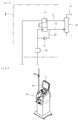
Fig. 1] Fig. 1 is a schematic diagram illustrating a blood purification system according to an embodiment of the present invention. - [
Fig. 2] Fig. 2 is a schematic diagram illustrating a blood circuit and a blood purifier included in the blood purification system. - [
Fig. 3] Fig. 3 is a schematic diagram illustrating an internal configuration of a dialysis-apparatus body included in the blood purification system. - [
Fig. 4] Fig. 4 is an external perspective view of the dialysis-apparatus body included in the blood purification system. - [
Fig. 5] Fig. 5 is a schematic diagram illustrating information (ΔBV and the results of checking) displayed on a screen of a display included in the blood purification system. - [
Fig. 6] Fig. 6 is another schematic diagram illustrating information (waveform details) displayed on the screen of the display included in the blood purification system. - [
Fig. 7] Fig. 7 is yet another schematic diagram illustrating information (waveform comparison) displayed on the screen of the display included in the blood purification system. - [
Fig. 8] Fig. 8 is a flow chart illustrating a checking process performed by a checking device included in the blood purification system. - [
Fig. 9] Fig. 9 is yet another schematic diagram illustrating information (Kt/V and the results of checking) displayed on the screen of the display included in the blood purification system. - An embodiment of the present invention will now be described specifically with reference to the drawings.
- As illustrated in
Fig. 1 , a blood purification system according to the present embodiment includes ablood purification apparatus 1, a detectingdevice 2, a vital-sign monitor 3, and an external information-processing apparatus 4. Theblood purification apparatus 1 and the external information-processing apparatus 4 are electrically connected to each other, and the external information-processing apparatus 4 and the detectingdevice 2 are electrically connected to each other, whereby signals are transmittable and receivable thereamong. In the present embodiment, the vital-sign monitor 3 is electrically connected to the external information-processing apparatus 4 and to the detectingdevice 2. The external information-processing apparatus 4 may include a function corresponding to the vital-sign monitor 3. - The
blood purification apparatus 1 according to the present embodiment is a hemodialysis apparatus for performing hemodialysis treatment and ultrafiltration while extracorporeally circulating the blood of a patient and basically includes, as illustrated inFigs. 2 and3 , ablood circuit 16 for extracorporeally circulating the blood of the patient, adialyzer 17 as a blood purifier connected to theblood circuit 16 and provided for performing hemodialysis treatment, and a dialysis-apparatus body H connected to thedialyzer 17 and that supplies dialysate while performing ultrafiltration. - The
blood circuit 16 is formed of flexible tubes that allow liquid such as blood to flow therethrough and includes anarterial blood circuit 16a and avenous blood circuit 16b. An arterial puncture needle a is connectable to the distal end of thearterial blood circuit 16a. Furthermore, aperistaltic blood pump 18 and ahematocrit sensor 20 are provided at respective halfway positions of thearterial blood circuit 16a. On the other hand, a venous puncture needle b is connectable to the distal end of thevenous blood circuit 16b. Furthermore, an air-trap chamber 19 for bubble removal is provided at a halfway position of thevenous blood circuit 16b. - The
hematocrit sensor 20 includes a light-emitting element such as an LED, and a light-receiving element such as a photodiode. Light at a predetermined wavelength is applied from the light-emitting element to the blood. The light transmitted through or reflected by the blood is received by the light-receiving element. Thus, thehematocrit sensor 20 measures the hematocrit value representing the concentration of the blood of the patient that flows through theblood circuit 16. That is, the hematocrit value is an index representing blood concentration and is specifically expressed as a ratio of the volume of red blood cells to the total volume of blood. - The
hematocrit sensor 20 is connected to a ΔBV-calculating device 9 (seeFig. 1 ) and is capable of calculating the rate of change in the circulating blood volume (ΔBV) on the basis of the hematocrit value detected by thehematocrit sensor 20. Specifically, letting the hematocrit value detected by thehematocrit sensor 20 be Ht, the rate of change in the circulating blood volume ΔBV can be obtained from the following expression: ((Ht at the start of dialysis)-(Ht at a point during the measurement))/(Ht at the point during the measurement)×100. Thus, the rate of change in the volume of circulating blood (ΔBV) of the patient can be detected successively with time elapsed during the dialysis treatment. - When the
blood pump 18 is activated with the arterial puncture needle a and the venous puncture needle b stuck in the patient, the blood of the patient flows through thearterial blood circuit 16a and reaches thedialyzer 17, where the blood is purified. Then, while bubbles in the blood are removed in the air-trap chamber 19, the blood flows through thevenous blood circuit 16b and returns into the body of the patient. Thus, the blood of the patient can be purified by thedialyzer 17 while being extracorporeally circulated through theblood circuit 16. - The
dialyzer 17 has, in a housing thereof, ablood introduction port 17a, ablood delivery port 17b, adialysate introduction port 17c, and adialysate delivery port 17d. Among these, theblood introduction port 17a receives the proximal end of thearterial blood circuit 16a, and theblood delivery port 17b receives the proximal end of thevenous blood circuit 16b. Thedialysate introduction port 17c and thedialysate delivery port 17d are connected to a dialysate introduction line L1 and a dialysate drain line L2, respectively, extending from the dialysis-apparatus body H. - The housing of the
dialyzer 17 houses a plurality of hollow fibers. The hollow fibers provide blood channels thereinside, and spaces between the inner peripheral surface of the housing and the outer peripheral surfaces of the hollow fibers serve as dialysate channels. The hollow fibers each have a number of very small holes (pores) extending therethrough from the outer peripheral surface to the inner peripheral surface, thereby forming a hollow fiber membrane. Hence, impurities and the like contained in the blood are allowed to penetrate through the membrane into the dialysate. - As illustrated in
Fig. 3 , the dialysis-apparatus body H includes a duplex pump P provided over the dialysate introduction line L1 and the dialysate drain line L2, a bypass line L3 connected to the dialysate drain line L2 in such a manner as to bypass the duplex pump P, anultrafiltration pump 21 connected to the bypass line L3, and a drain-liquid-concentration sensor 22 provided on the dialysate drain line L2. One end of the dialysate introduction line L1 is connected to the dialyzer 17 (thedialysate introduction port 17c), and the other end is connected to a dialysate-supplying device (not illustrated) that prepares a dialysate having a predetermined concentration. - One end of the dialysate drain line L2 is connected to the dialyzer 17 (the
dialysate delivery port 17d), and the other end is connected to a drainage device (not illustrated). Hence, the dialysate supplied from the dialysate-supplying device flows through the dialysate introduction line L1, reaches thedialyzer 17, and is delivered to the drainage device through the dialysate drain line L2 and the bypass line L3. - The
ultrafiltration pump 21 is provided for removing water from the blood of the patient that flows through thedialyzer 17. Specifically, when theultrafiltration pump 21 is activated, the amount of liquid discharged from the dialysate drain line L2 becomes larger than the amount of dialysate introduced from the dialysate introduction line L1, and water is removed from the blood by an amount corresponding to the surplus. Note that the removal of water from the blood of the patient may be performed by using another device (for example, a device employing a so-called balancing chamber or the like) instead of theultrafiltration pump 21. - The drain-liquid-
concentration sensor 22 is provided on the dialysate drain line L2 in the dialysis-apparatus body H and is capable of detecting the concentration (for example, the concentrations of substances, such as urea and uric acid, contained in the drain liquid) of the liquid (in the present embodiment, the drain liquid discharged from thedialyzer 17 serving as a blood purifier) generated with the blood purification. The drain-liquid-concentration sensor 22 is connected to a Kt/V-calculating device 10 (seeFig. 1 ). Hence, the normalized dialysis dose (Kt/V) can be calculated on the basis of changes in the concentration of drain liquid that is detected by the drain-liquid-concentration sensor 22. Thus, the normalized dialysis dose (Kt/V) can be detected successively with time elapsed during the dialysis treatment. - As illustrated in
Fig. 4 , the dialysis-apparatus body H includes adisplay 5 capable of displaying information on the blood purification treatment in real time. Thedisplay 5 includes, for example, a touch-panel liquid-crystal screen 5a on which various pieces of information are displayable. What is to be displayed is controlled by a control device 7 (seeFig. 1 ). For example, as illustrated inFig. 5 , the liquid-crystal screen 5a of thedisplay 5 displays a time-series chart of ΔBV that is successively calculated by the ΔBV-calculatingdevice 9, and also displays numerical values representing the current ΔBV, the rate of change in ΔBV, and so forth. - An
input device 8 is connected to thecontrol device 7 and is electrically connected to anexternal output device 13 included in the external information-processing apparatus 4. Information (data) outputted from theexternal output device 13 is inputtable into theinput device 8. Hence, information inputted into theinput device 8 can be transmitted to thecontrol device 7 and be displayed on thedisplay 5 in the form of charts, numerical values, and the like. The connection between theinput device 8 and theexternal output device 13 may be provided in a wireless manner or the like, as well as in a wired manner. - The detecting
device 2 is capable of detecting noninvasive vital signs of the patient during a blood purification treatment in real time and includes, for example, an electrocardiograph, a pulse oximeter, or the like. The detectingdevice 2 is capable of detecting at least one of the following pieces of information on the patient: electrocardiogram, pulse wave, heart rate (or heartbeat), pulse rate (or pulse), body temperature, oxygen saturation, and respiration rate. Values (vital signs) detected by the detectingdevice 2 are transmitted to anexternal input device 11, included in the external information-processing apparatus 4, through the vital-sign monitor 3. The vital-sign monitor 3 is capable of displaying, in real time, values detected by the detectingdevice 2 in the form of waveforms and numerical values. Herein, the heartbeat refers to the beating of the heart, and the pulse refers to the motion of the artery that occurs when the heart delivers blood to every part of the body. Basically, the heartbeat and the pulse often exhibit the same value. However, extrasystole or arrhythmia may stagger the two. - The term "noninvasive" means that the information is not a parameter obtained by directly measuring the blood. The detecting
device 2 may detect any vital signs different from those listed above, as long as such vital signs are real-time noninvasive information. Moreover, the detectingdevice 2 may have no connection to the vital-sign monitor 3. In that case, the detectingdevice 2 is directly connected to theexternal input device 11. - The external information-
processing apparatus 4 is capable of receiving and monitoring, in real time, the vital signs detected by the detectingdevice 2 and includes, as illustrated inFig. 1 , theexternal input device 11, achecking device 12, theexternal output device 13, astorage device 14, and anexternal display 15. Theexternal input device 11 is capable of receiving, in real time, the vital signs detected by the detectingdevice 2, as described above. - The checking
device 12 is electrically connected to theexternal input device 11 and is capable of checking whether or not the vital signs inputted into theexternal input device 11 in real time satisfy predetermined conditions. In the present embodiment, the checkingdevice 12 is capable of checking whether or not any of the vital signs inputted in real time is abnormal (for example, whether or not information such as the pulse, the heart rate, or the like of the patient exhibits any abnormal value, or whether or not the waveform of the electrocardiogram indicates arrhythmia or the like). - The
external output device 13 is electrically connected to thechecking device 12. If it is determined by the checkingdevice 12 that the predetermined conditions are satisfied (in the present embodiment, if any of the vital signs inputted in real time is determined to be abnormal), theexternal output device 13 outputs the result of the checking or the checked information including the vital signs leading to the result of the checking to theblood purification apparatus 1. That is, in the present embodiment, the result of the checking that is determined to be "abnormal" by the checkingdevice 12 or the checked information including any vital signs leading to the result of the checking is outputted from theexternal output device 13. - The
storage device 14 is electrically connected to theexternal input device 11 and is capable of memorizing and storing the vital signs (for example, the waveform data and values obtained since the start of the blood purification treatment, the abnormality occurrence history, data on past treatments, and so forth) that are inputted in real time into theexternal input device 11. Thestorage device 14 includes a memory, a portable recording medium, or the like that is provided in the external information-processing apparatus 4. Note that thestorage device 14 may be omitted. In that case, if there are no abnormalities, the data inputted into theexternal input device 11 are abandoned. - The
external display 15 is electrically connected to theexternal input device 11 and to thestorage device 14 and is capable of displaying the vital signs inputted in real time into theexternal input device 11 or the vital signs stored in thestorage device 14. Theexternal display 15 includes, for example, a liquid-crystal screen and so forth. Theblood purification apparatus 1 according to the present embodiment includes abrowser 6 that requests (for example, transmits a request signal requesting) the information displayed on theexternal display 15 and allows such information to be displayed on thedisplay 5 in accordance with the request. Thebrowser 6 is a piece of software through which the screen displayed on theexternal display 15 is viewable. - In the blood purification system according to the present embodiment, when the checked information (the result of the checking performed by the checking
device 12 or the checked information including the vital signs leading to the result of the checking) outputted from theexternal output device 13 of the external information-processing apparatus 4 is inputted into theinput device 8 of theblood purification apparatus 1, the checked information can be displayed on thedisplay 5 of theblood purification apparatus 1. Specifically, when the checked information (the information determined to be "abnormal") is inputted into theinput device 8, referring toFig. 5 , the rate of change in the circulating blood volume ΔBV calculated by the ΔBV-calculatingdevice 9 is displayed as a chart β, with a chart α indicating that any checked information is inputted being superposed thereon. - In the chart α, each time period from when any checked information starts to be inputted until when the input of the checked information is ended is represented as a stripe illustrated by changing the background color. The width of the strip in the lateral direction in the drawing corresponds to the duration of the abnormality. In the present embodiment, different background colors are used for different time periods of input of abnormality and for different types of abnormality. Alternatively, the background color may be changed sequentially with the type of abnormality or if any specific "abnormality" occurs repeatedly. In the present embodiment, not only the above charts but also values of "blood pressure" and "pulse" are displayed in one screen. These pieces of information represent the measurement results (the results of intermittent measurements) obtained by a sphygmomanometer (a measuring instrument including a cuff to be wrapped around) included in the
blood purification apparatus 1. Hence, such pieces of information are not regarded as "real-time data" and each therefore do not correspond to the "noninvasive vital sign" according to the present invention (the same applies to the cases illustrated inFigs. 6 and7 ). - Furthermore, when a display item "WFD (WAVEFORM DETAILS)" provided on the screen illustrated in
Fig. 5 is touched, a plurality of waveforms representing different kinds of data detected by the detectingdevice 2 are displayed as illustrated inFig. 6 . In this screen, the current values are displayed on the left side including, for example in order from the top, heart rate (HR), oxygen saturation (SpO2), body temperature (TEMP), and respiration rate (RR). When another display item "WFC (WAVEFORM COMPARISON)" provided on the screen illustrated inFig. 5 is touched and thus inputted, a plurality of waveforms representing one specific kind of data but obtained in different time periods (in the present embodiment, waveforms of electrocardiogram) are displayed as illustrated inFig. 7 , allowing the comparison of changes in the waveforms observed with time elapsed during the treatment or the trends in the past waveforms. Such pieces of information of "WAVEFORM DETAILS" and "WAVEFORM COMPARISON" obtained by the external information-processing apparatus 4 are viewable on thedisplay 5 through thebrowser 6. - If any checked information (information determined to be "abnormal") is inputted into the
input device 8, referring toFig. 9 , the normalized dialysis dose (Kt/V) calculated by the Kt/V-calculatingdevice 10 is displayed in the form of a chart γ regarding the blood purification treatment. Another chart α indicating that any checked information is inputted may be superposed on the chart γ. The chart α has been described above. - Now, a checking method employed by the checking
device 12 of the blood purification system according to the present embodiment will be described with reference to a flow chart illustrated inFig. 8 . The flow chart illustrates a process of obtaining a vital sign regarding the electrocardiogram through the detectingdevice 2. The flow chart is also applicable to processes of obtaining other vital signs. - First in step S1, the presence of arrhythmia or any noise is checked on the basis of the vital sign of the patient inputted into the
external input device 11. If it is determined in this step that there is arrhythmia, the arrhythmia is classified on the basis of the severity/frequency in step S4. If it is determined that there is noise, the vital sign is excluded from the items to be checked. Then, the process proceeds to step S2, where it is checked whether or not the waveform has any abnormality. Specifically, it is checked whether or not there are any abnormalities in the QRS complex, the T wave, the ST deflection, and the QT interval. - For example, if the QRS complex is wide, a bundle branch block (a conduction disturbance in the electrocardiograph that occurs at a more distal part than the bundle of His (a bundle of cardiac muscle fibers associated with the pulsation and passing through the wall of the ventricular canal)) or a myocardial infarction is suspected. In particular, a myocardial infarction with an abnormal Q wave is highly suspected. If the T wave is flat or forms a downward peak, a myocardial ischemia is suspected. An ST deflection is a sign of an ischemic heart disease. A downward ST segment is a sign of angina pectoris. An upward ST segment is a sign of a myocardial infarction. Furthermore, if the QT interval representing cardiac excitability is extended, a serious arrhythmia (ventricular fibrillation) tends to occur.
- After a general checking of any abnormalities in step S5 on the basis of the information obtained in steps S4 and S2, the result of the checking or the checked information including the vital sign leading to the result of the checking is outputted to the blood purification apparatus 1 (in step S6), and the vital sign inputted in real time and the result of the checking are memorized and stored (in step S3). If no abnormalities are observed in steps S1 and S2, the process proceeds to step S3, where the vital sign inputted in real time is memorized and stored. When the storing in step S3 is complete, the process returns to step S1, and the subsequent steps are performed again. Thus, only if it is determined by the checking
device 12 that there are any abnormalities, the result of the checking or the checked information including the vital sign leading to the result of the checking is outputted to theblood purification apparatus 1. - According to the above embodiment, the external information-
processing apparatus 4 includes theexternal input device 11 into which a vital sign detected by the detectingdevice 2 is inputtable in real time, the checkingdevice 12 capable of checking whether or not the vital sign inputted in real time into theexternal input device 11 satisfies the predetermined condition, and theexternal output device 13 capable of outputting, if it is determined by the checkingdevice 12 that the vital sign satisfies the predetermined condition, the result of the checking or the checked information including the vital sign leading to the result of the checking to the blood purification apparatus. The checked information outputted from theexternal output device 13 is displayable on thedisplay 5 of theblood purification apparatus 1. Therefore, while the manufacturing cost of theblood purification apparatus 1 is suppressed, any changes in the patient's condition can be efficiently and assuredly notified on the basis of noninvasive vital signs of the patient that are observed during the blood purification treatment. - The checking
device 12 according to the present embodiment is capable of checking whether or not the vital sign inputted in real time is abnormal. Furthermore, the result of the checking that is determined to be abnormal or the checked information including the vital sign leading to the result of the checking is outputted from the external output device. Therefore, while the manufacturing cost of theblood purification apparatus 1 is suppressed, any abnormalities can be efficiently and assuredly notified on the basis of noninvasive vital signs of the patient that are observed during the blood purification treatment. - The external information-
processing apparatus 4 according to the present embodiment includes thestorage device 14 capable of memorizing and storing the vital sign inputted in real time into theexternal input device 11. Therefore, the vital sign that is inputted in real time into the external input device during the treatment can be referred to whenever necessary. The external information-processing apparatus 4 according to the present embodiment further includes theexternal display 15 capable of displaying the vital sign inputted in real time into theexternal input device 11. Therefore, information including the vital sign to be displayed can be processed by the external information-processing apparatus 4. - The
blood purification apparatus 1 according to the present embodiment includes thebrowser 6 capable of requesting the information displayed on theexternal display 15 and that allows the information to be displayed on thedisplay 5 in accordance with the request. Therefore, theblood purification apparatus 1 does not need to perform arithmetic processes and the like that are necessary for displaying the vital sign in real time. The noninvasive vital sign detectable by the detectingdevice 2 includes at least one of the electrocardiogram, pulse wave, heart rate, pulse rate, body temperature, oxygen saturation, and respiration rate of the patient. Therefore, changes in the patient's condition can be efficiently and assuredly notified on the basis of any of the electrocardiogram, pulse wave, heart rate, pulse rate, body temperature, oxygen saturation, and respiration rate of the patient. - The external information-
processing apparatus 4 may be a central monitoring apparatus capable of transmitting conditions for or information on the blood purification treatment to theblood purification apparatus 1 or a bed-side terminal (for example, a bed-side monitor or the like) provided near the patient during the blood purification treatment. If the external information-processing apparatus 4 is a central monitoring apparatus or a bed-side terminal, any central monitoring apparatus or any bed-side terminal included in any known blood purification system can be used. Alternatively, any abnormal signals generated in the external information-processing apparatus 4 (a bed-side terminal such as a bed-side monitor) may be eventually inputted to theblood purification apparatus 1 via a central monitoring apparatus. - While the present embodiment has been described above, the present invention is not limited thereto. For example, the checking
device 12 is not limited to a device that checks whether or not the vital sign inputted in real time is abnormal. The checkingdevice 12 only needs to be capable of checking whether or not the vital sign inputted in real time into theexternal input device 11 satisfies the predetermined condition (for example, a predetermined condition that is not abnormal but is highly expected to become abnormal with the elapse of time). The blood purification apparatus according to the present embodiment is applied to a hemodialysis apparatus for giving hemodialysis treatment but may alternatively be applied to a blood purification apparatus for giving blood purification treatment of any other type. - The present invention is applicable to any blood purification system having a different appearance, additional functions, and so forth, as long as the external information-processing apparatus includes an external input device into which a vital sign detected by a detecting device is inputtable in real time, a checking device capable of checking whether or not the vital sign inputted in real time into the external input device satisfies a predetermined condition, and an external output device capable of outputting, if it is determined by the checking device that the vital sign satisfies the predetermined condition, the result of the checking or the checked information including the vital sign leading to the result of the checking to the blood purification apparatus, and the checked information outputted from the external output device is displayable on a display included in the blood purification apparatus.
-
- 1
- blood purification apparatus
- 2
- detecting device
- 3
- vital-sign monitor
- 4
- external information-processing apparatus
- 5
- display
- 6
- browser
- 7
- control device
- 8
- input device
- 9
- ΔBV-calculating device
- 10
- Kt/V-calculating device
- 11
- external input device
- 12
- checking device
- 13
- external output device
- 14
- storage device
- 15
- external display
- 16
- blood circuit
- 17
- dialyzer
- 18
- blood pump
- 19
- air-trap chamber
- 20
- hematocrit sensor
- 21
- ultrafiltration pump
- 22
- drain-liquid-concentration sensor
Claims (7)
- A blood purification system comprising:a blood purification apparatus capable of performing blood purification treatment in which blood of a patient that is extracorporeally circulated is purified, the apparatus including a display capable of displaying information on the blood purification treatment in real time;a detecting device capable of detecting in real time a noninvasive vital sign of the patient during the blood purification treatment; andan external information-processing apparatus capable of receiving and monitoring in real time the vital sign detected by the detecting device,wherein the external information-processing apparatus includesan external input device into which the vital sign detected by the detecting device is inputtable in real time;a checking device capable of checking whether or not the vital sign inputted in real time into the external input device satisfies a predetermined condition; andan external output device capable of outputting, if it is determined by the checking device that the vital sign satisfies the predetermined condition, a result of the checking or checked information including the vital sign leading to the result of the checking to the blood purification apparatus, andwherein the checked information outputted from the external output device is displayable on a display included in the blood purification apparatus.
- The blood purification system according to Claim 1, wherein the checking device is capable of checking whether or not the vital sign inputted in real time is abnormal, and the result of the checking that is determined to be abnormal or the checked information including the vital sign leading to the result of the checking is outputted from the external output device.
- The blood purification system according to Claim 1 or 2, wherein the external information-processing apparatus includes a storage device capable of memorizing and storing the vital sign inputted in real time into the external input device.
- The blood purification system according to any of Claims 1 to 3, wherein the external information-processing apparatus includes an external display capable of displaying the vital sign inputted in real time into the external input device.
- The blood purification system according to any of Claims 1 to 4, wherein the blood purification apparatus includes a browser capable of requesting information displayed on the external display and that allows the information to be displayed on the display in accordance with the request.
- The blood purification system according to any of Claims 1 to 5, wherein the noninvasive vital sign detectable by the detecting device includes at least one of electrocardiogram, pulse wave, heart rate, pulse rate, body temperature, oxygen saturation, and respiration rate of the patient.
- The blood purification system according to any of Claims 1 to 6, wherein the external information-processing apparatus is a central monitoring apparatus capable of transmitting a condition for or information on the blood purification treatment to the blood purification apparatus or a bed-side terminal provided near the patient during the blood purification treatment.
Applications Claiming Priority (2)
| Application Number | Priority Date | Filing Date | Title |
|---|---|---|---|
| JP2014265057A JP6475014B2 (en) | 2014-12-26 | 2014-12-26 | Blood purification system |
| PCT/JP2015/085913 WO2016104552A1 (en) | 2014-12-26 | 2015-12-24 | Blood purification system |
Publications (3)
| Publication Number | Publication Date |
|---|---|
| EP3238754A1 true EP3238754A1 (en) | 2017-11-01 |
| EP3238754A4 EP3238754A4 (en) | 2018-07-04 |
| EP3238754B1 EP3238754B1 (en) | 2022-01-19 |
Family
ID=56150565
Family Applications (1)
| Application Number | Title | Priority Date | Filing Date |
|---|---|---|---|
| EP15873120.8A Active EP3238754B1 (en) | 2014-12-26 | 2015-12-24 | Blood purification system |
Country Status (5)
| Country | Link |
|---|---|
| US (1) | US10518018B2 (en) |
| EP (1) | EP3238754B1 (en) |
| JP (1) | JP6475014B2 (en) |
| CN (1) | CN107106750B (en) |
| WO (1) | WO2016104552A1 (en) |
Families Citing this family (7)
| Publication number | Priority date | Publication date | Assignee | Title |
|---|---|---|---|---|
| WO2016057982A1 (en) | 2014-10-10 | 2016-04-14 | Nxstage Medical, Inc. | Flow balancing devices, methods, and systems |
| US10898635B2 (en) | 2016-07-18 | 2021-01-26 | Nxstage Medical, Inc. | Flow balancing devices, methods, and systems |
| EP3506962B1 (en) | 2016-08-30 | 2023-11-22 | NxStage Medical, Inc. | Parameter monitoring in medical treatment systems |
| JP6530013B2 (en) * | 2017-06-14 | 2019-06-12 | 日機装株式会社 | Blood purification system |
| CA3138773A1 (en) | 2019-05-23 | 2020-11-26 | Nxstage Medical, Inc. | Flow synchronization devices, methods and systems |
| JP7023308B2 (en) | 2020-03-19 | 2022-02-21 | 株式会社Kokusai Electric | Semiconductor device manufacturing method, substrate processing device, program and substrate processing method |
| WO2023282090A1 (en) * | 2021-07-08 | 2023-01-12 | ニプロ株式会社 | Display system and display control method |
Family Cites Families (9)
| Publication number | Priority date | Publication date | Assignee | Title |
|---|---|---|---|---|
| JP2003010319A (en) * | 2001-07-03 | 2003-01-14 | Nippon Colin Co Ltd | Dialyzer |
| JP5158830B2 (en) * | 2005-06-22 | 2013-03-06 | 日機装株式会社 | Dialysis treatment device |
| JP4798653B2 (en) * | 2005-11-18 | 2011-10-19 | 日機装株式会社 | Blood purification equipment |
| US20110066043A1 (en) * | 2009-09-14 | 2011-03-17 | Matt Banet | System for measuring vital signs during hemodialysis |
| JP5740849B2 (en) * | 2010-06-17 | 2015-07-01 | 株式会社ジェイ・エム・エス | Hemodialysis monitoring system, central monitoring device and control program for central monitoring device |
| JP5483741B2 (en) * | 2011-06-01 | 2014-05-07 | 日機装株式会社 | Blood purification system |
| JP5433634B2 (en) * | 2011-06-10 | 2014-03-05 | 日機装株式会社 | Blood purification equipment |
| JP6126338B2 (en) * | 2012-06-20 | 2017-05-10 | 日機装株式会社 | Blood purification equipment |
| JP6006544B2 (en) * | 2012-06-26 | 2016-10-12 | 日機装株式会社 | Blood purification apparatus and central monitoring system having the blood purification apparatus |
-
2014
- 2014-12-26 JP JP2014265057A patent/JP6475014B2/en active Active
-
2015
- 2015-12-24 EP EP15873120.8A patent/EP3238754B1/en active Active
- 2015-12-24 CN CN201580070675.6A patent/CN107106750B/en active Active
- 2015-12-24 WO PCT/JP2015/085913 patent/WO2016104552A1/en not_active Ceased
-
2017
- 2017-06-23 US US15/631,332 patent/US10518018B2/en active Active
Also Published As
| Publication number | Publication date |
|---|---|
| US10518018B2 (en) | 2019-12-31 |
| EP3238754A4 (en) | 2018-07-04 |
| JP6475014B2 (en) | 2019-02-27 |
| CN107106750B (en) | 2020-12-18 |
| US20170281849A1 (en) | 2017-10-05 |
| EP3238754B1 (en) | 2022-01-19 |
| CN107106750A (en) | 2017-08-29 |
| WO2016104552A1 (en) | 2016-06-30 |
| JP2016123516A (en) | 2016-07-11 |
Similar Documents
| Publication | Publication Date | Title |
|---|---|---|
| US10518018B2 (en) | Blood purification system | |
| EP1908486B1 (en) | Apparatus for dialytic therapy | |
| JP6496606B2 (en) | Blood purification equipment | |
| CN101304773B (en) | Hemodialysis apparatus and method for hemodialysis | |
| US8239010B2 (en) | System for measuring vital signs during hemodialysis | |
| US20110066043A1 (en) | System for measuring vital signs during hemodialysis | |
| EP2734103A1 (en) | Hemodynamic reserve monitor and hemodialysis control | |
| US11471574B2 (en) | Blood-purification-treatment support system | |
| EP3263152A1 (en) | Medical treatment device | |
| EP3468457A1 (en) | Rapid detection of bleeding following injury | |
| US20030006175A1 (en) | Dialyzing apparatus | |
| WO2018005993A1 (en) | Method and system for creating a diagnostic vascular window | |
| JP2018534020A (en) | Physiological monitoring kit with USB drive | |
| EP4526891A1 (en) | Hemodynamic management system, apparatus, and methods | |
| CN114190906A (en) | Physiological parameter monitoring equipment and monitoring method thereof | |
| JP2016209020A (en) | Biological information monitoring apparatus and control method thereof | |
| JP2006280961A (en) | Method to monitor autonomic nerve activity | |
| JP2007044442A (en) | Frequency analysis device and autonomic nerve activity evaluation device | |
| EP3545985B1 (en) | Exercise support apparatus | |
| WO2025024724A1 (en) | Systems and methods to predict global hypoperfusion in critical care patients | |
| US20130311204A1 (en) | System and method for monitoring patients | |
| JP2018089249A (en) | Exercise support device |
Legal Events
| Date | Code | Title | Description |
|---|---|---|---|
| STAA | Information on the status of an ep patent application or granted ep patent |
Free format text: STATUS: THE INTERNATIONAL PUBLICATION HAS BEEN MADE |
|
| PUAI | Public reference made under article 153(3) epc to a published international application that has entered the european phase |
Free format text: ORIGINAL CODE: 0009012 |
|
| STAA | Information on the status of an ep patent application or granted ep patent |
Free format text: STATUS: REQUEST FOR EXAMINATION WAS MADE |
|
| 17P | Request for examination filed |
Effective date: 20170711 |
|
| AK | Designated contracting states |
Kind code of ref document: A1 Designated state(s): AL AT BE BG CH CY CZ DE DK EE ES FI FR GB GR HR HU IE IS IT LI LT LU LV MC MK MT NL NO PL PT RO RS SE SI SK SM TR |
|
| AX | Request for extension of the european patent |
Extension state: BA ME |
|
| DAV | Request for validation of the european patent (deleted) | ||
| DAX | Request for extension of the european patent (deleted) | ||
| RIC1 | Information provided on ipc code assigned before grant |
Ipc: A61M 1/14 20060101AFI20180523BHEP Ipc: A61M 1/34 20060101ALI20180523BHEP |
|
| A4 | Supplementary search report drawn up and despatched |
Effective date: 20180601 |
|
| STAA | Information on the status of an ep patent application or granted ep patent |
Free format text: STATUS: EXAMINATION IS IN PROGRESS |
|
| 17Q | First examination report despatched |
Effective date: 20200506 |
|
| GRAP | Despatch of communication of intention to grant a patent |
Free format text: ORIGINAL CODE: EPIDOSNIGR1 |
|
| STAA | Information on the status of an ep patent application or granted ep patent |
Free format text: STATUS: GRANT OF PATENT IS INTENDED |
|
| INTG | Intention to grant announced |
Effective date: 20210903 |
|
| GRAS | Grant fee paid |
Free format text: ORIGINAL CODE: EPIDOSNIGR3 |
|
| GRAA | (expected) grant |
Free format text: ORIGINAL CODE: 0009210 |
|
| STAA | Information on the status of an ep patent application or granted ep patent |
Free format text: STATUS: THE PATENT HAS BEEN GRANTED |
|
| AK | Designated contracting states |
Kind code of ref document: B1 Designated state(s): AL AT BE BG CH CY CZ DE DK EE ES FI FR GB GR HR HU IE IS IT LI LT LU LV MC MK MT NL NO PL PT RO RS SE SI SK SM TR |
|
| REG | Reference to a national code |
Ref country code: GB Ref legal event code: FG4D |
|
| REG | Reference to a national code |
Ref country code: CH Ref legal event code: EP |
|
| REG | Reference to a national code |
Ref country code: DE Ref legal event code: R096 Ref document number: 602015076586 Country of ref document: DE |
|
| REG | Reference to a national code |
Ref country code: AT Ref legal event code: REF Ref document number: 1463416 Country of ref document: AT Kind code of ref document: T Effective date: 20220215 |
|
| REG | Reference to a national code |
Ref country code: IE Ref legal event code: FG4D |
|
| REG | Reference to a national code |
Ref country code: SE Ref legal event code: TRGR |
|
| REG | Reference to a national code |
Ref country code: LT Ref legal event code: MG9D |
|
| REG | Reference to a national code |
Ref country code: NL Ref legal event code: MP Effective date: 20220119 |
|
| REG | Reference to a national code |
Ref country code: AT Ref legal event code: MK05 Ref document number: 1463416 Country of ref document: AT Kind code of ref document: T Effective date: 20220119 |
|
| PG25 | Lapsed in a contracting state [announced via postgrant information from national office to epo] |
Ref country code: NL Free format text: LAPSE BECAUSE OF FAILURE TO SUBMIT A TRANSLATION OF THE DESCRIPTION OR TO PAY THE FEE WITHIN THE PRESCRIBED TIME-LIMIT Effective date: 20220119 |
|
| PG25 | Lapsed in a contracting state [announced via postgrant information from national office to epo] |
Ref country code: RS Free format text: LAPSE BECAUSE OF FAILURE TO SUBMIT A TRANSLATION OF THE DESCRIPTION OR TO PAY THE FEE WITHIN THE PRESCRIBED TIME-LIMIT Effective date: 20220119 Ref country code: PT Free format text: LAPSE BECAUSE OF FAILURE TO SUBMIT A TRANSLATION OF THE DESCRIPTION OR TO PAY THE FEE WITHIN THE PRESCRIBED TIME-LIMIT Effective date: 20220519 Ref country code: NO Free format text: LAPSE BECAUSE OF FAILURE TO SUBMIT A TRANSLATION OF THE DESCRIPTION OR TO PAY THE FEE WITHIN THE PRESCRIBED TIME-LIMIT Effective date: 20220419 Ref country code: LT Free format text: LAPSE BECAUSE OF FAILURE TO SUBMIT A TRANSLATION OF THE DESCRIPTION OR TO PAY THE FEE WITHIN THE PRESCRIBED TIME-LIMIT Effective date: 20220119 Ref country code: HR Free format text: LAPSE BECAUSE OF FAILURE TO SUBMIT A TRANSLATION OF THE DESCRIPTION OR TO PAY THE FEE WITHIN THE PRESCRIBED TIME-LIMIT Effective date: 20220119 Ref country code: ES Free format text: LAPSE BECAUSE OF FAILURE TO SUBMIT A TRANSLATION OF THE DESCRIPTION OR TO PAY THE FEE WITHIN THE PRESCRIBED TIME-LIMIT Effective date: 20220119 Ref country code: BG Free format text: LAPSE BECAUSE OF FAILURE TO SUBMIT A TRANSLATION OF THE DESCRIPTION OR TO PAY THE FEE WITHIN THE PRESCRIBED TIME-LIMIT Effective date: 20220419 |
|
| PG25 | Lapsed in a contracting state [announced via postgrant information from national office to epo] |
Ref country code: PL Free format text: LAPSE BECAUSE OF FAILURE TO SUBMIT A TRANSLATION OF THE DESCRIPTION OR TO PAY THE FEE WITHIN THE PRESCRIBED TIME-LIMIT Effective date: 20220119 Ref country code: LV Free format text: LAPSE BECAUSE OF FAILURE TO SUBMIT A TRANSLATION OF THE DESCRIPTION OR TO PAY THE FEE WITHIN THE PRESCRIBED TIME-LIMIT Effective date: 20220119 Ref country code: GR Free format text: LAPSE BECAUSE OF FAILURE TO SUBMIT A TRANSLATION OF THE DESCRIPTION OR TO PAY THE FEE WITHIN THE PRESCRIBED TIME-LIMIT Effective date: 20220420 Ref country code: FI Free format text: LAPSE BECAUSE OF FAILURE TO SUBMIT A TRANSLATION OF THE DESCRIPTION OR TO PAY THE FEE WITHIN THE PRESCRIBED TIME-LIMIT Effective date: 20220119 Ref country code: AT Free format text: LAPSE BECAUSE OF FAILURE TO SUBMIT A TRANSLATION OF THE DESCRIPTION OR TO PAY THE FEE WITHIN THE PRESCRIBED TIME-LIMIT Effective date: 20220119 |
|
| PG25 | Lapsed in a contracting state [announced via postgrant information from national office to epo] |
Ref country code: IS Free format text: LAPSE BECAUSE OF FAILURE TO SUBMIT A TRANSLATION OF THE DESCRIPTION OR TO PAY THE FEE WITHIN THE PRESCRIBED TIME-LIMIT Effective date: 20220519 |
|
| REG | Reference to a national code |
Ref country code: DE Ref legal event code: R097 Ref document number: 602015076586 Country of ref document: DE |
|
| PG25 | Lapsed in a contracting state [announced via postgrant information from national office to epo] |
Ref country code: SM Free format text: LAPSE BECAUSE OF FAILURE TO SUBMIT A TRANSLATION OF THE DESCRIPTION OR TO PAY THE FEE WITHIN THE PRESCRIBED TIME-LIMIT Effective date: 20220119 Ref country code: SK Free format text: LAPSE BECAUSE OF FAILURE TO SUBMIT A TRANSLATION OF THE DESCRIPTION OR TO PAY THE FEE WITHIN THE PRESCRIBED TIME-LIMIT Effective date: 20220119 Ref country code: RO Free format text: LAPSE BECAUSE OF FAILURE TO SUBMIT A TRANSLATION OF THE DESCRIPTION OR TO PAY THE FEE WITHIN THE PRESCRIBED TIME-LIMIT Effective date: 20220119 Ref country code: EE Free format text: LAPSE BECAUSE OF FAILURE TO SUBMIT A TRANSLATION OF THE DESCRIPTION OR TO PAY THE FEE WITHIN THE PRESCRIBED TIME-LIMIT Effective date: 20220119 Ref country code: DK Free format text: LAPSE BECAUSE OF FAILURE TO SUBMIT A TRANSLATION OF THE DESCRIPTION OR TO PAY THE FEE WITHIN THE PRESCRIBED TIME-LIMIT Effective date: 20220119 Ref country code: CZ Free format text: LAPSE BECAUSE OF FAILURE TO SUBMIT A TRANSLATION OF THE DESCRIPTION OR TO PAY THE FEE WITHIN THE PRESCRIBED TIME-LIMIT Effective date: 20220119 |
|
| PLBE | No opposition filed within time limit |
Free format text: ORIGINAL CODE: 0009261 |
|
| STAA | Information on the status of an ep patent application or granted ep patent |
Free format text: STATUS: NO OPPOSITION FILED WITHIN TIME LIMIT |
|
| PG25 | Lapsed in a contracting state [announced via postgrant information from national office to epo] |
Ref country code: AL Free format text: LAPSE BECAUSE OF FAILURE TO SUBMIT A TRANSLATION OF THE DESCRIPTION OR TO PAY THE FEE WITHIN THE PRESCRIBED TIME-LIMIT Effective date: 20220119 |
|
| 26N | No opposition filed |
Effective date: 20221020 |
|
| PG25 | Lapsed in a contracting state [announced via postgrant information from national office to epo] |
Ref country code: SI Free format text: LAPSE BECAUSE OF FAILURE TO SUBMIT A TRANSLATION OF THE DESCRIPTION OR TO PAY THE FEE WITHIN THE PRESCRIBED TIME-LIMIT Effective date: 20220119 |
|
| P01 | Opt-out of the competence of the unified patent court (upc) registered |
Effective date: 20230523 |
|
| REG | Reference to a national code |
Ref country code: CH Ref legal event code: PL |
|
| REG | Reference to a national code |
Ref country code: BE Ref legal event code: MM Effective date: 20221231 |
|
| PG25 | Lapsed in a contracting state [announced via postgrant information from national office to epo] |
Ref country code: LU Free format text: LAPSE BECAUSE OF NON-PAYMENT OF DUE FEES Effective date: 20221224 |
|
| PG25 | Lapsed in a contracting state [announced via postgrant information from national office to epo] |
Ref country code: LI Free format text: LAPSE BECAUSE OF NON-PAYMENT OF DUE FEES Effective date: 20221231 Ref country code: IE Free format text: LAPSE BECAUSE OF NON-PAYMENT OF DUE FEES Effective date: 20221224 Ref country code: CH Free format text: LAPSE BECAUSE OF NON-PAYMENT OF DUE FEES Effective date: 20221231 |
|
| PG25 | Lapsed in a contracting state [announced via postgrant information from national office to epo] |
Ref country code: BE Free format text: LAPSE BECAUSE OF NON-PAYMENT OF DUE FEES Effective date: 20221231 |
|
| PG25 | Lapsed in a contracting state [announced via postgrant information from national office to epo] |
Ref country code: HU Free format text: LAPSE BECAUSE OF FAILURE TO SUBMIT A TRANSLATION OF THE DESCRIPTION OR TO PAY THE FEE WITHIN THE PRESCRIBED TIME-LIMIT; INVALID AB INITIO Effective date: 20151224 |
|
| PG25 | Lapsed in a contracting state [announced via postgrant information from national office to epo] |
Ref country code: CY Free format text: LAPSE BECAUSE OF FAILURE TO SUBMIT A TRANSLATION OF THE DESCRIPTION OR TO PAY THE FEE WITHIN THE PRESCRIBED TIME-LIMIT Effective date: 20220119 |
|
| PG25 | Lapsed in a contracting state [announced via postgrant information from national office to epo] |
Ref country code: MK Free format text: LAPSE BECAUSE OF FAILURE TO SUBMIT A TRANSLATION OF THE DESCRIPTION OR TO PAY THE FEE WITHIN THE PRESCRIBED TIME-LIMIT Effective date: 20220119 |
|
| PG25 | Lapsed in a contracting state [announced via postgrant information from national office to epo] |
Ref country code: MC Free format text: LAPSE BECAUSE OF FAILURE TO SUBMIT A TRANSLATION OF THE DESCRIPTION OR TO PAY THE FEE WITHIN THE PRESCRIBED TIME-LIMIT Effective date: 20220119 |
|
| PG25 | Lapsed in a contracting state [announced via postgrant information from national office to epo] |
Ref country code: TR Free format text: LAPSE BECAUSE OF FAILURE TO SUBMIT A TRANSLATION OF THE DESCRIPTION OR TO PAY THE FEE WITHIN THE PRESCRIBED TIME-LIMIT Effective date: 20220119 Ref country code: MC Free format text: LAPSE BECAUSE OF FAILURE TO SUBMIT A TRANSLATION OF THE DESCRIPTION OR TO PAY THE FEE WITHIN THE PRESCRIBED TIME-LIMIT Effective date: 20220119 |
|
| PG25 | Lapsed in a contracting state [announced via postgrant information from national office to epo] |
Ref country code: MT Free format text: LAPSE BECAUSE OF FAILURE TO SUBMIT A TRANSLATION OF THE DESCRIPTION OR TO PAY THE FEE WITHIN THE PRESCRIBED TIME-LIMIT Effective date: 20220119 |
|
| PGFP | Annual fee paid to national office [announced via postgrant information from national office to epo] |
Ref country code: DE Payment date: 20251211 Year of fee payment: 11 |
|
| PGFP | Annual fee paid to national office [announced via postgrant information from national office to epo] |
Ref country code: GB Payment date: 20251219 Year of fee payment: 11 |
|
| PGFP | Annual fee paid to national office [announced via postgrant information from national office to epo] |
Ref country code: IT Payment date: 20251223 Year of fee payment: 11 |
|
| PGFP | Annual fee paid to national office [announced via postgrant information from national office to epo] |
Ref country code: FR Payment date: 20251229 Year of fee payment: 11 |
|
| PGFP | Annual fee paid to national office [announced via postgrant information from national office to epo] |
Ref country code: SE Payment date: 20251219 Year of fee payment: 11 |